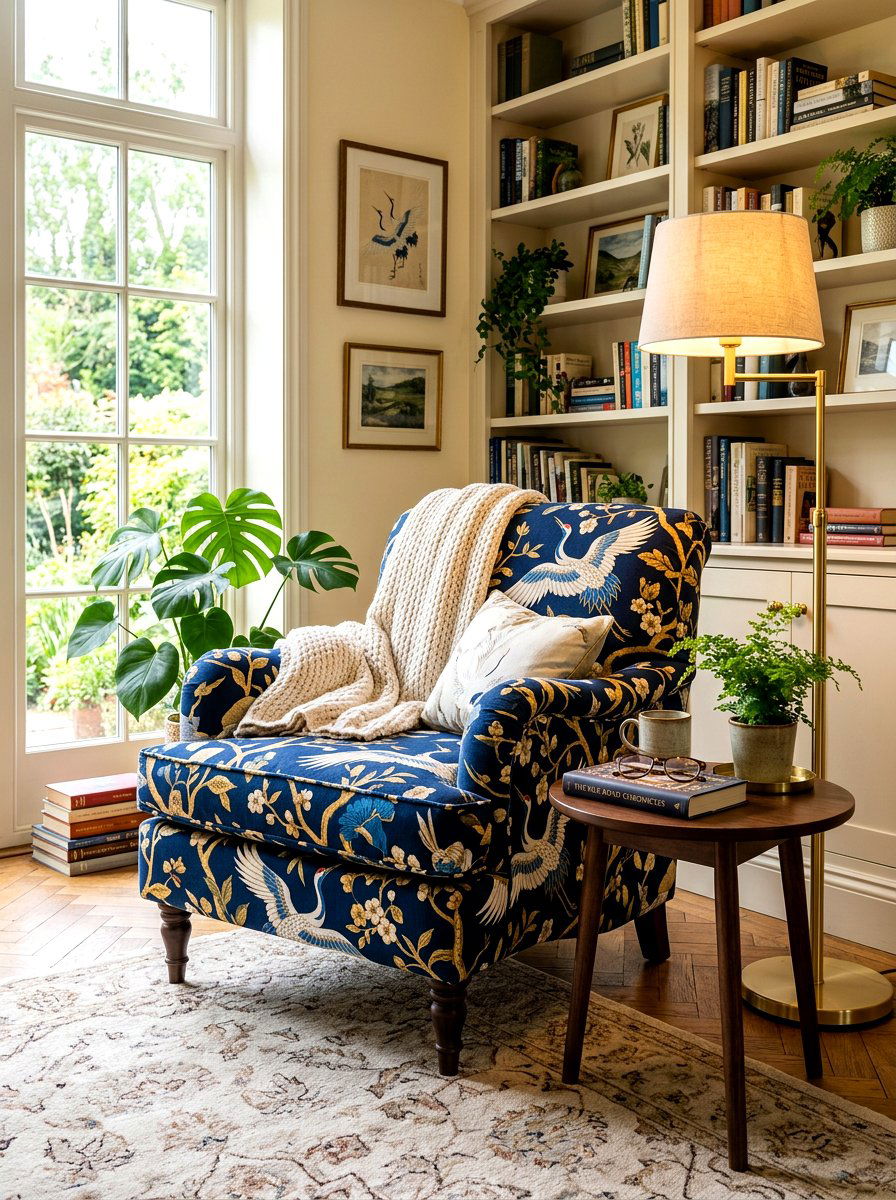
Wainscoting is a timeless architectural feature that adds incredible character to any home. Originally used to protect walls from moisture and damage, it has evolved into a primary decorative element for modern interior design. Whether you are looking for a classic look or something contemporary, wainscoting offers endless possibilities to transform a plain room into an elegant space. This design choice provides texture, depth, and a sense of luxury that few other treatments can achieve. From the entryways to the bedrooms, adding panels to your walls can completely change the atmosphere. You will find that these thirty options provide the perfect inspiration to help you upgrade your living environment with style and sophistication today.
1. Beadboard Wainscoting
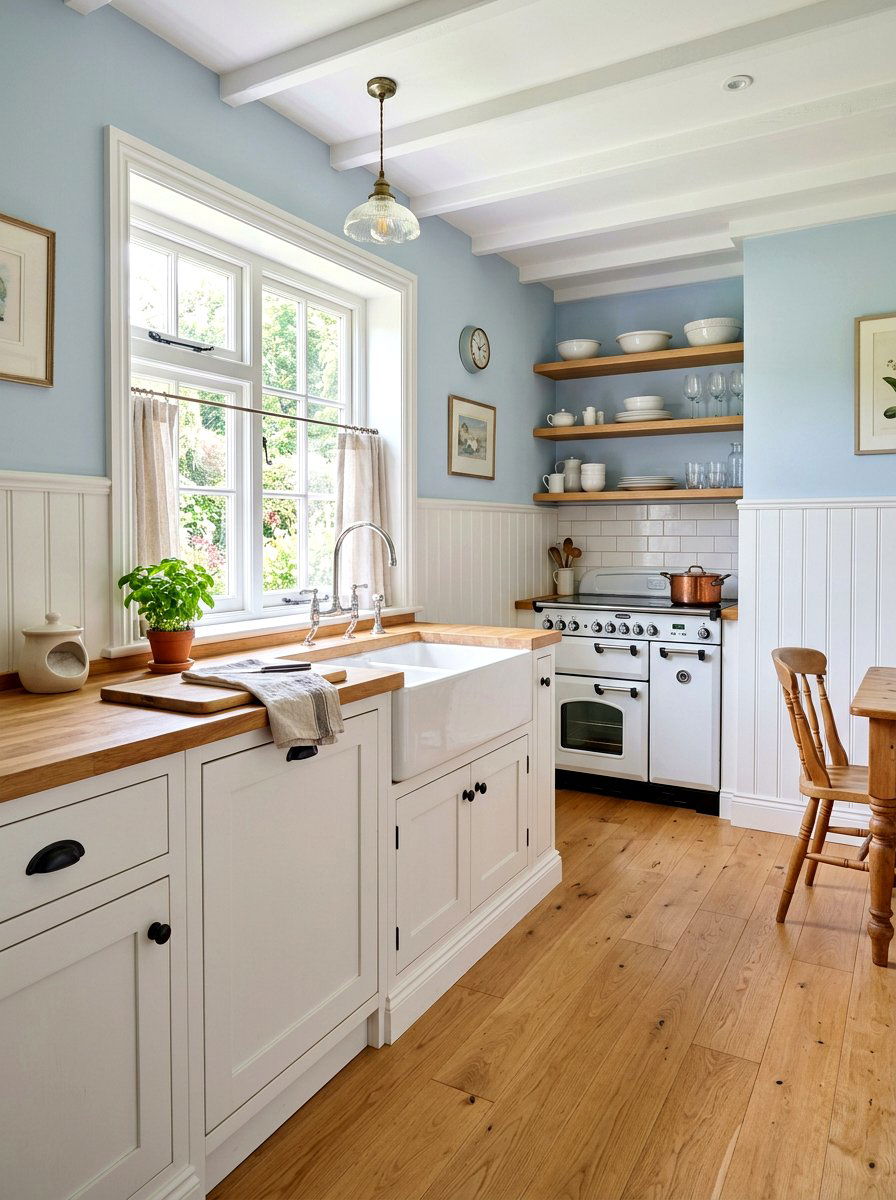
Beadboard is a classic choice for homeowners who want to create a cozy and charming atmosphere in their spaces. It features narrow vertical planks separated by small ridges or beads that add a subtle texture to the lower half of your walls. This style is particularly popular in kitchens and mudrooms because it offers a cottage-inspired look that feels both welcoming and traditional. You can paint it in a bright white for a clean finish or choose a soft pastel to enhance the vintage vibe. It works beautifully when paired with a simple cap rail on top to finish the look and protect your drywall from everyday scuffs.
2. Raised Panel Wainscoting
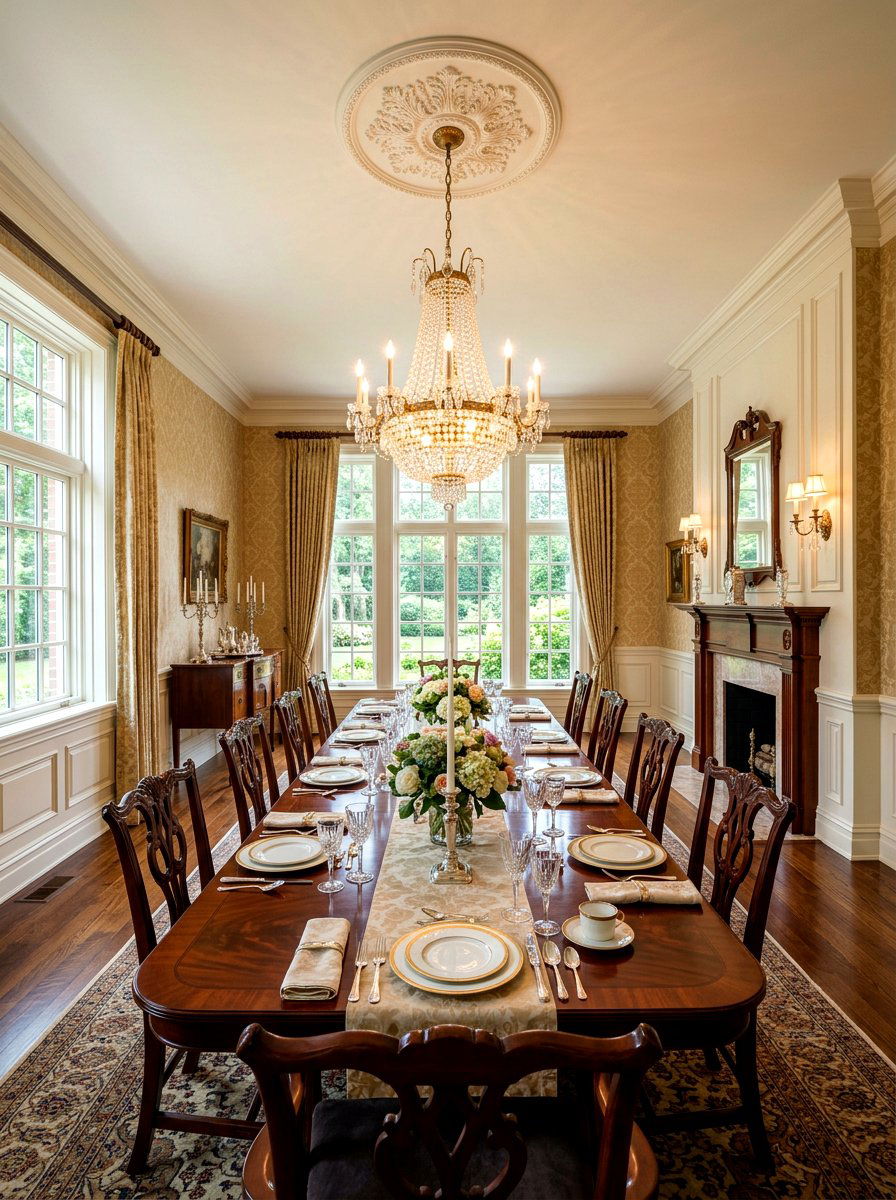
Raised panel options offer a very formal and traditional appearance that is often found in historic or colonial homes. The center of each panel is slightly raised and beveled, creating a three-dimensional effect that adds a sense of luxury to any room. This style is best used in formal dining rooms or living areas where you want to make a grand statement. Because the construction is more complex, it often requires professional installation to ensure the corners and edges are perfectly aligned. You should consider using a high-gloss paint on these panels to highlight the intricate shadows and details created by the raised surfaces.
3. Flat Panel Wainscoting
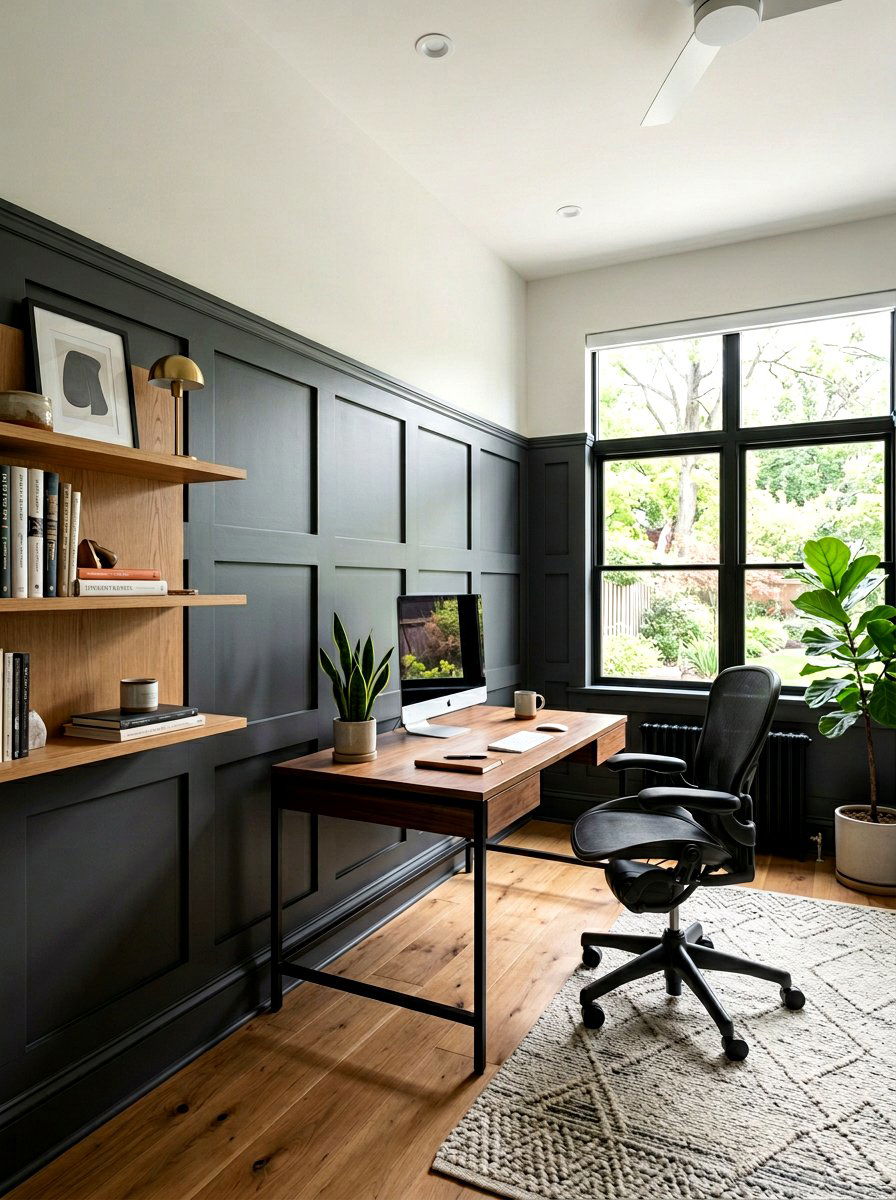
Flat panel designs provide a much cleaner and more modern aesthetic compared to their raised counterparts. These panels sit recessed behind the surrounding frames, which creates a sharp and minimalist profile that works well in contemporary homes. This style is often referred to as recessed paneling and is a favorite for those who want architectural interest without too much ornamentation. It looks fantastic in hallways or home offices where a streamlined look is desired. When painted in a neutral gray or a crisp white, flat panels can make a small room feel much more organized and intentionally designed without overwhelming the existing furniture.
4. Picture Frame Wainscoting
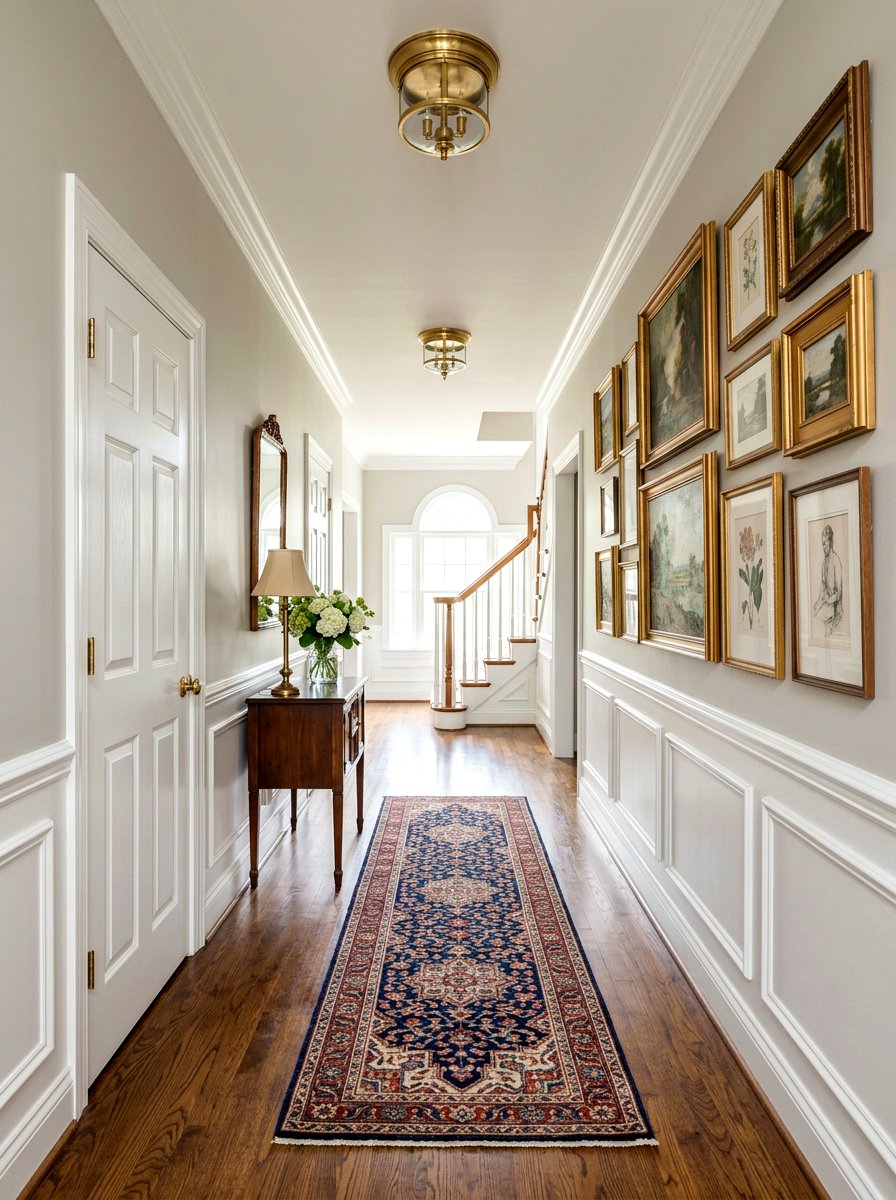
Picture frame molding is a versatile and cost-effective way to achieve an upscale look on a budget. This technique involves applying thin strips of molding directly to the wall in rectangular or square shapes that mimic the look of traditional panels. It is highly customizable because you can adjust the size and spacing of the frames to fit the specific dimensions of your room. This style is often seen in hallways or along staircases to add a touch of elegance to transition spaces. You can paint the frames the same color as the wall for a subtle effect or use a contrasting shade.
5. Board And Batten Wainscoting
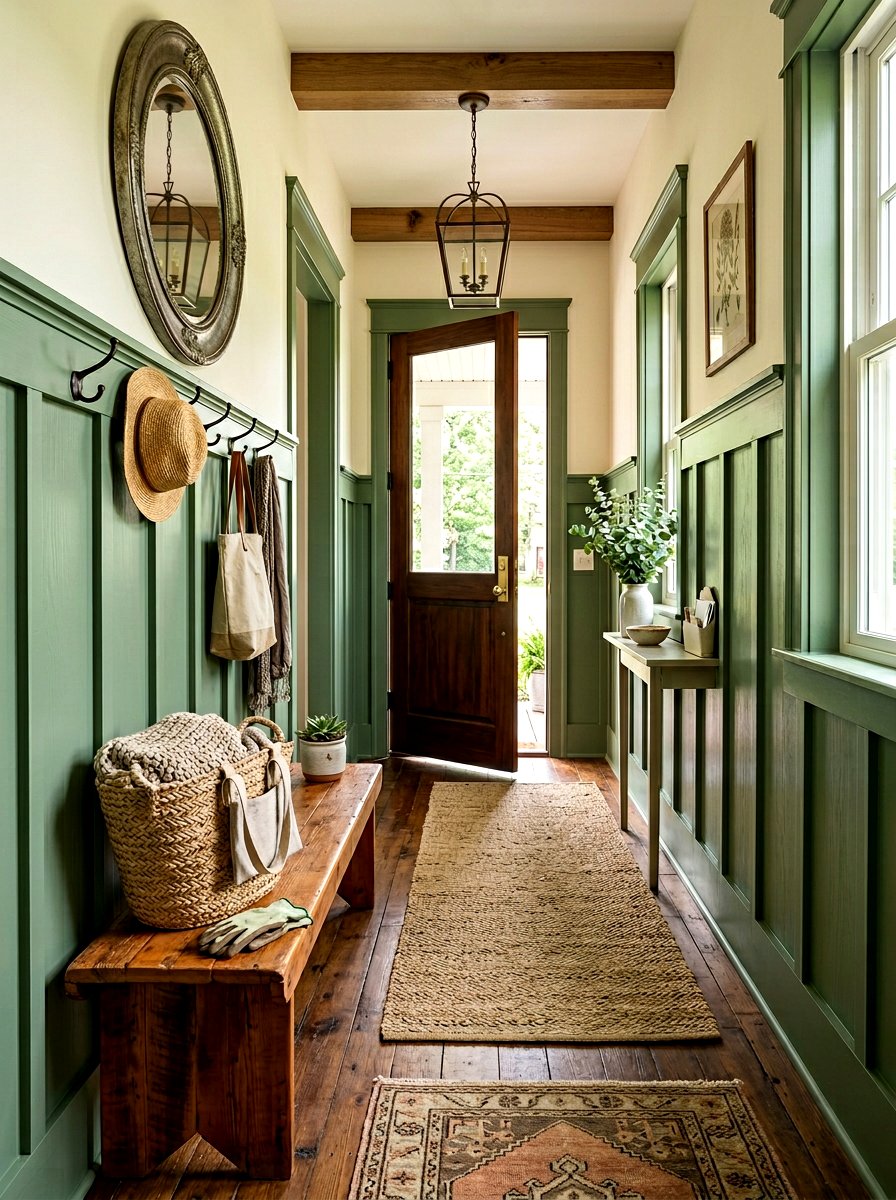
Board and batten is a popular choice for those who love the farmhouse or craftsman aesthetic. This design uses wide vertical boards topped with a horizontal rail and narrow strips of wood called battens to cover the seams. It creates a bold and structured look that adds significant architectural height to a room. Many homeowners choose to install this at a higher level than traditional wainscoting to create a more dramatic effect in entryways or dining areas. It is a durable option that provides excellent protection for walls in high-traffic areas while maintaining a clean and rustic feel that never goes out of style.
6. Shaker Style Wainscoting
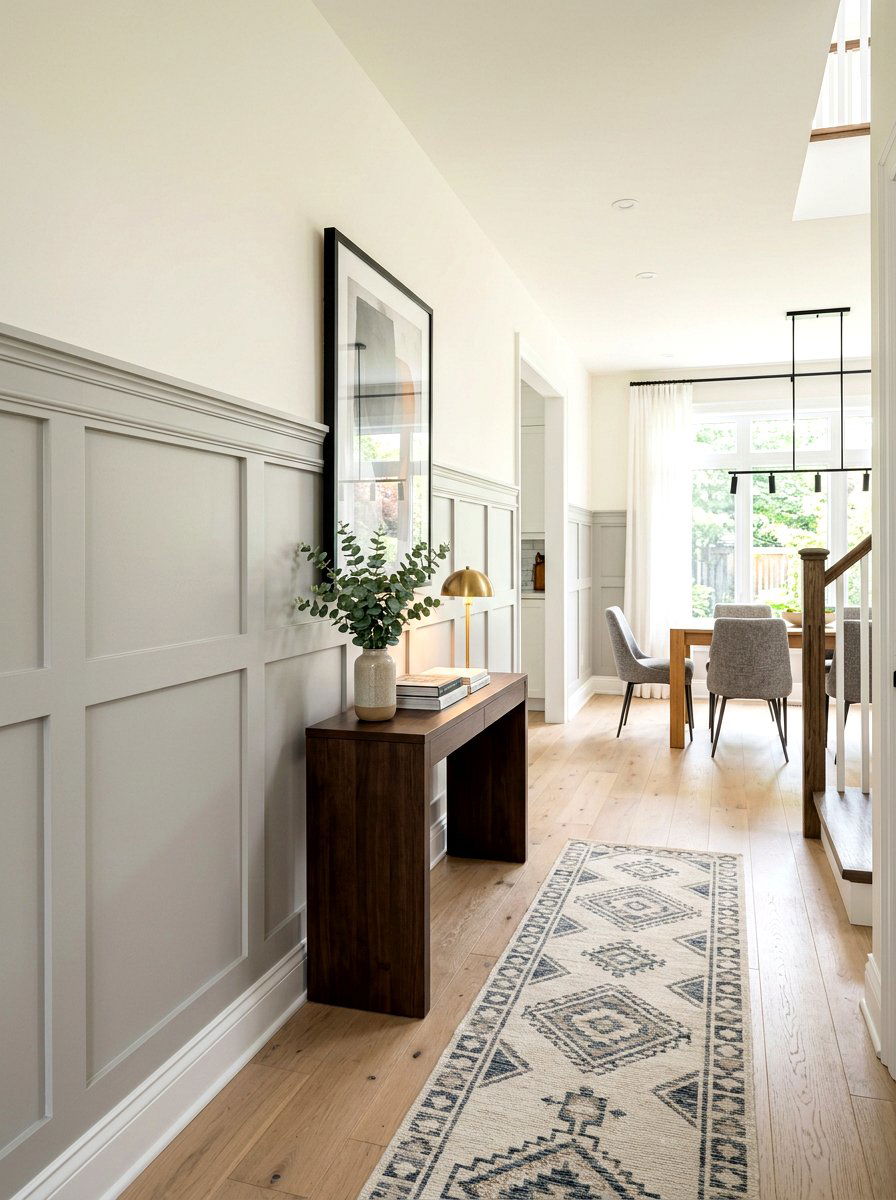
Shaker style panels emphasize simplicity, functionality, and clean lines, making them perfect for transitional or modern homes. Similar to flat panel designs, this version uses straight edges and square profiles without any decorative beveling or extra flourishes. The focus is on the quality of the craftsmanship and the balance of the proportions within the room. This look is incredibly versatile and can be used in almost any room, from the master bedroom to the laundry area. It provides a structured backdrop that allows your furniture and artwork to stand out. Shaker panels are often finished in a smooth matte paint for a sophisticated and understated look.
7. Dining Room Wainscoting
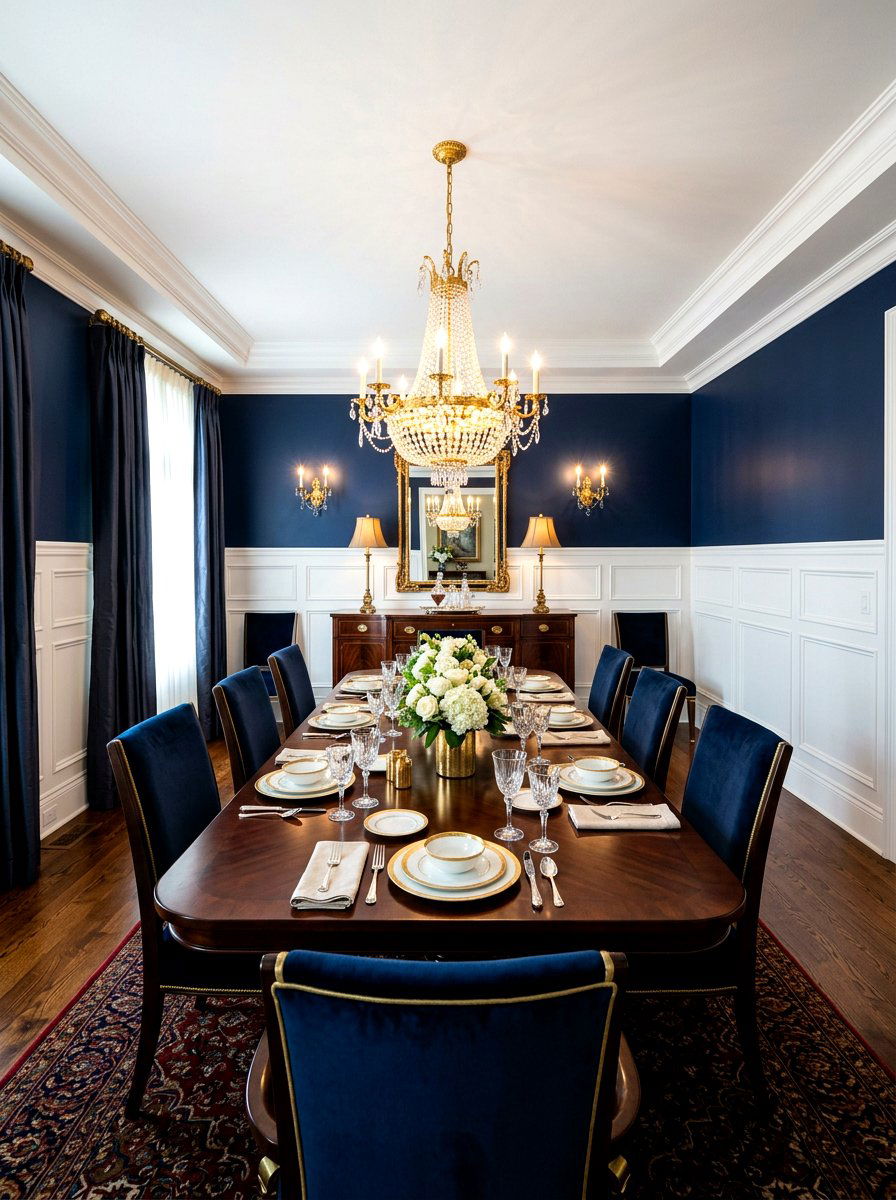
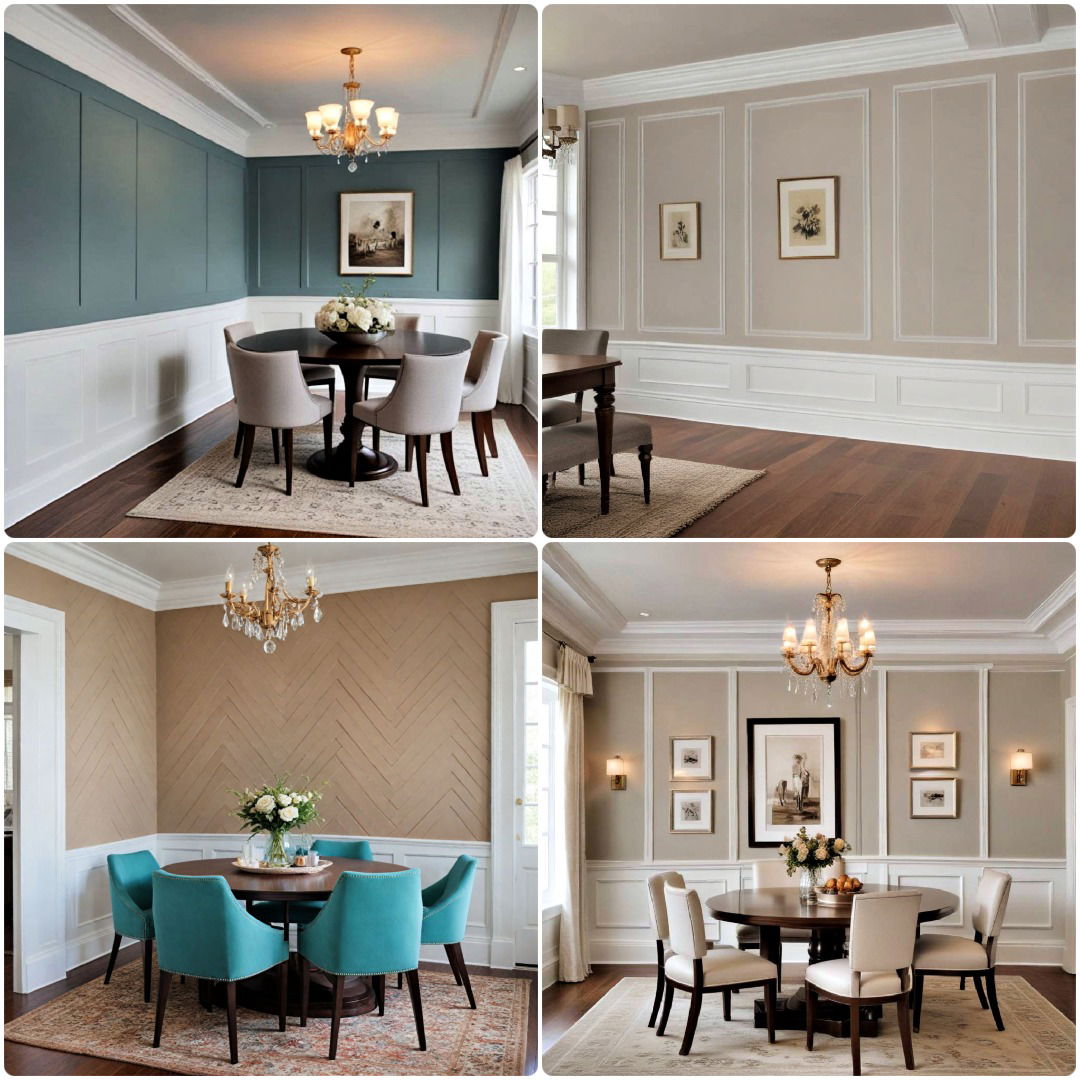
The dining room is one of the most common places to install wainscoting because it adds immediate formality to the space. Using a chair rail height design protects the walls from being scuffed by the backs of chairs while also defining the room’s layout. You can create a stunning contrast by painting the lower panels a bright white and using a bold wallpaper or a dark paint color on the upper portion of the wall. This combination helps to anchor the room and makes the dining experience feel more like a special occasion. It also provides a great surface for displaying a buffet or a large dining table.
8. Bathroom Wainscoting
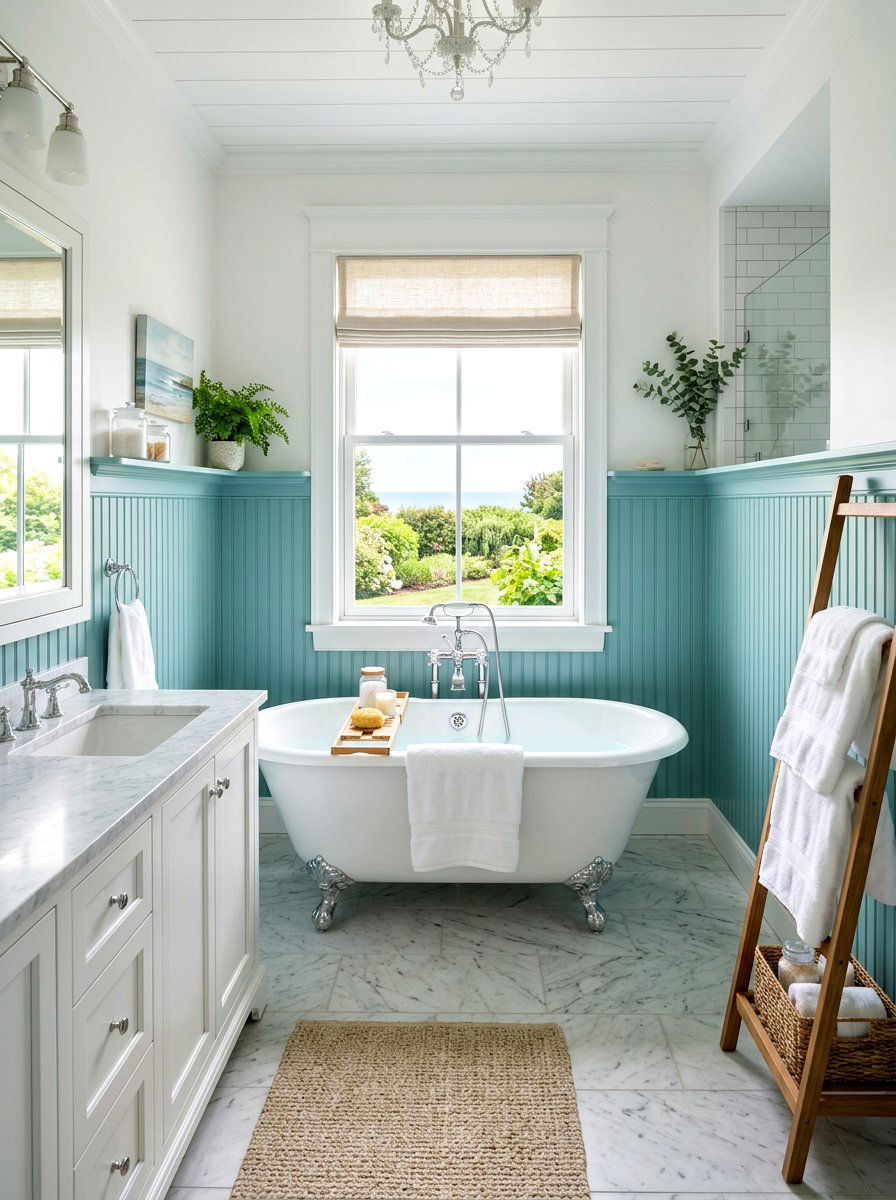
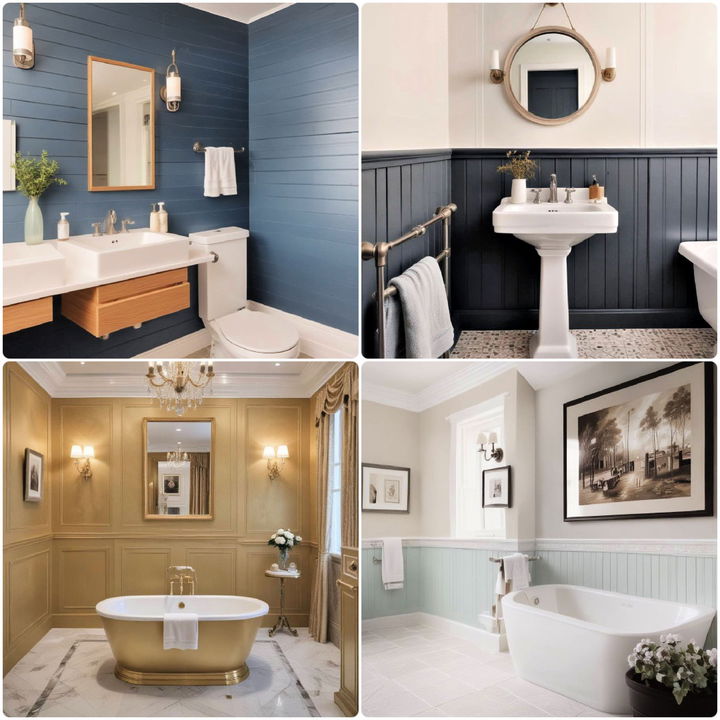
Adding wainscoting to a bathroom is a great way to introduce texture and a sense of cleanliness to the space. Many people opt for beadboard or vinyl panels in this room because they can handle moisture better than traditional drywall if treated correctly. It gives the bathroom a spa-like or vintage feel that is very appealing. You should always ensure that the materials are properly sealed to prevent water damage over time. Painting the panels in a soft seafoam green or a classic navy blue can create a beautiful coastal theme. This treatment also helps to hide plumbing pipes and adds a layer of insulation to the room.
9. Hallway Wainscoting
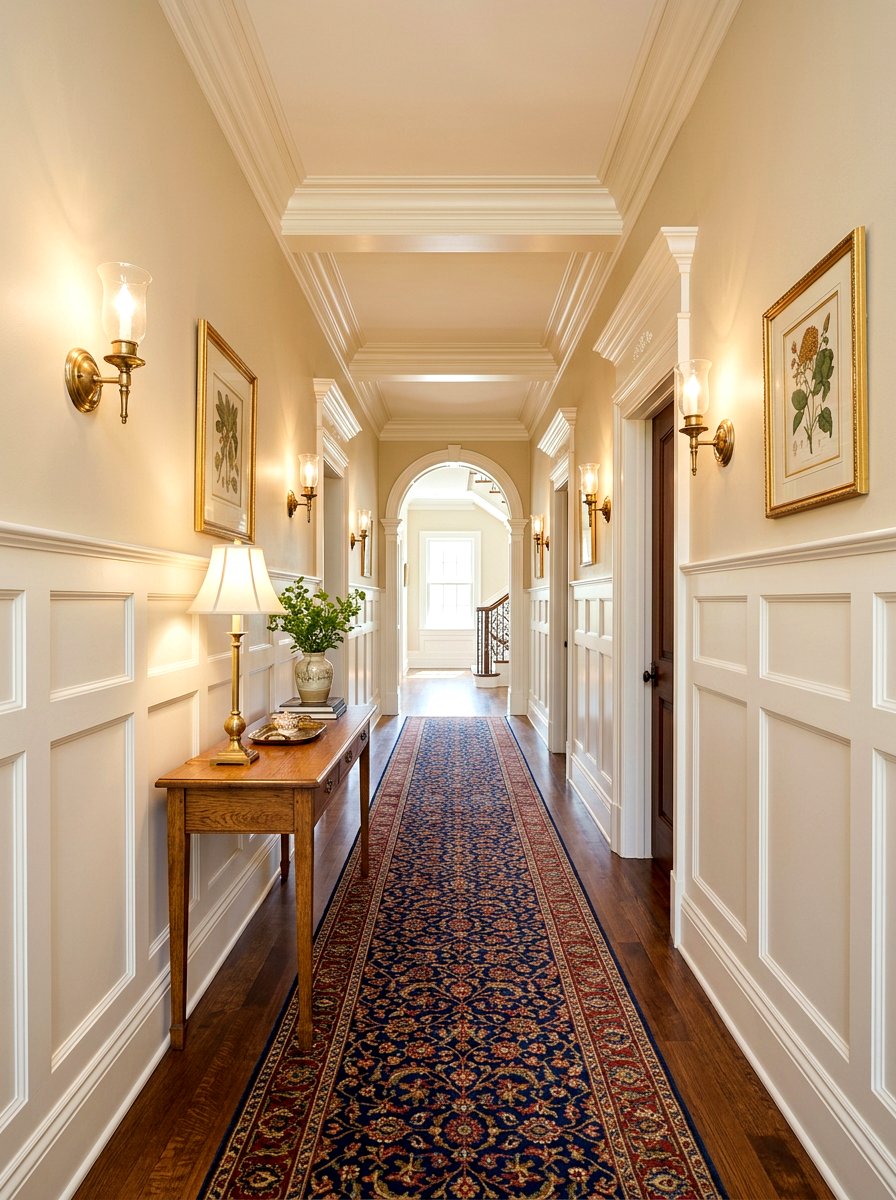
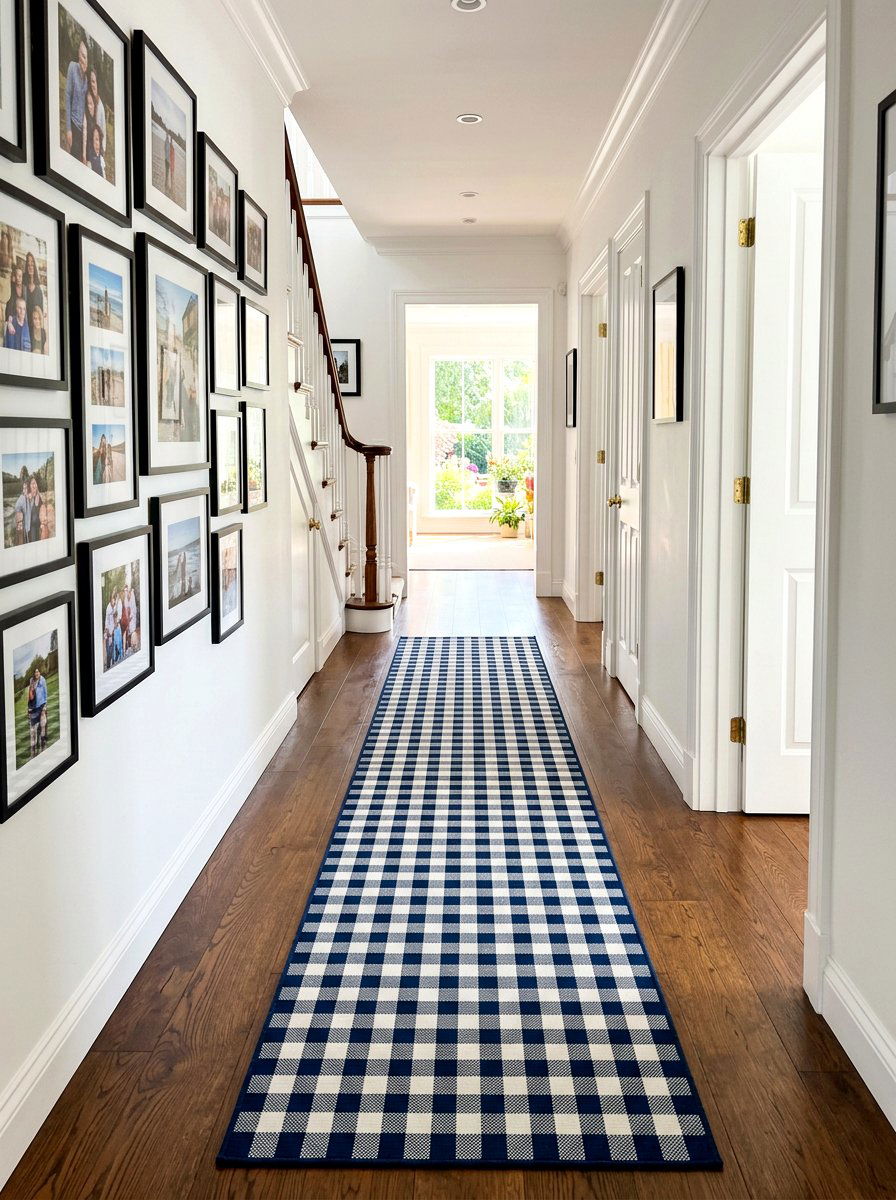
Hallways are often narrow and can feel a bit neglected, but adding wainscoting can turn them into a beautiful feature of your home. Since these areas see a lot of foot traffic and potential bumps, the durable wooden panels serve a very practical purpose by protecting the walls. Using a picture frame or flat panel design can break up the long expanse of a hallway and make it feel more intimate. It also provides a natural ledge for a narrow console table or a series of framed family photos. Brightening up a dark hallway is easy if you choose light-colored panels that reflect the available light.
10. Bedroom Wainscoting
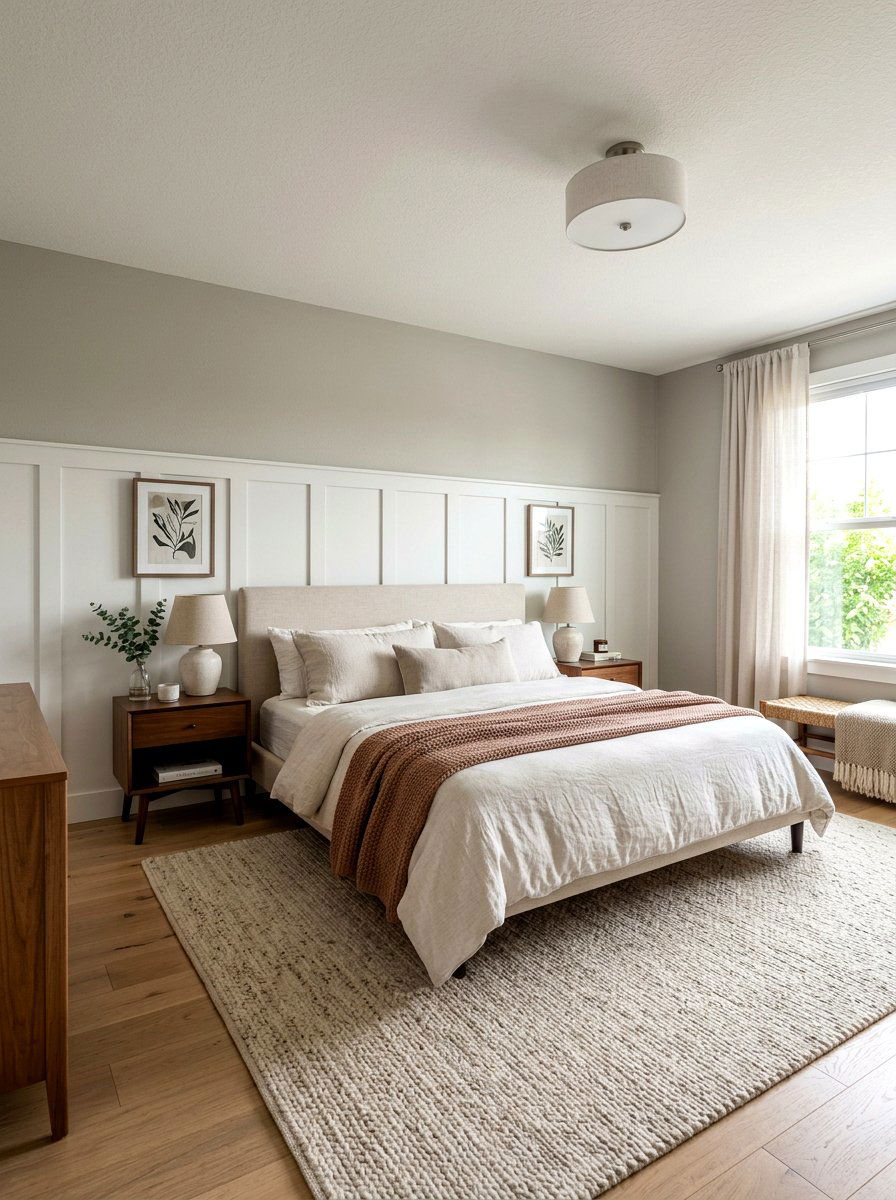
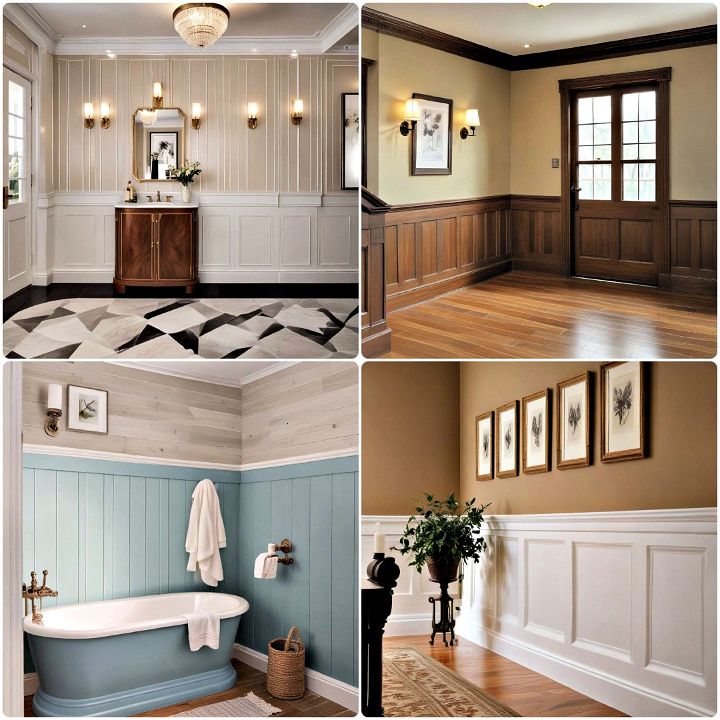
In the bedroom, wainscoting can act as a built-in headboard or a beautiful accent wall that adds warmth and coziness. Installing panels behind the bed can create a focal point that defines the sleeping area without the need for a large piece of furniture. A board and batten style that reaches halfway up the wall is particularly effective in creating a nested and secure feeling. You can pair the wood panels with soft, upholstered furniture and plush textiles to balance the hard lines of the wood. Using a muted color palette like sage green or dusty blue can help create a serene and restful environment for sleeping.
11. Two Thirds Height Wainscoting
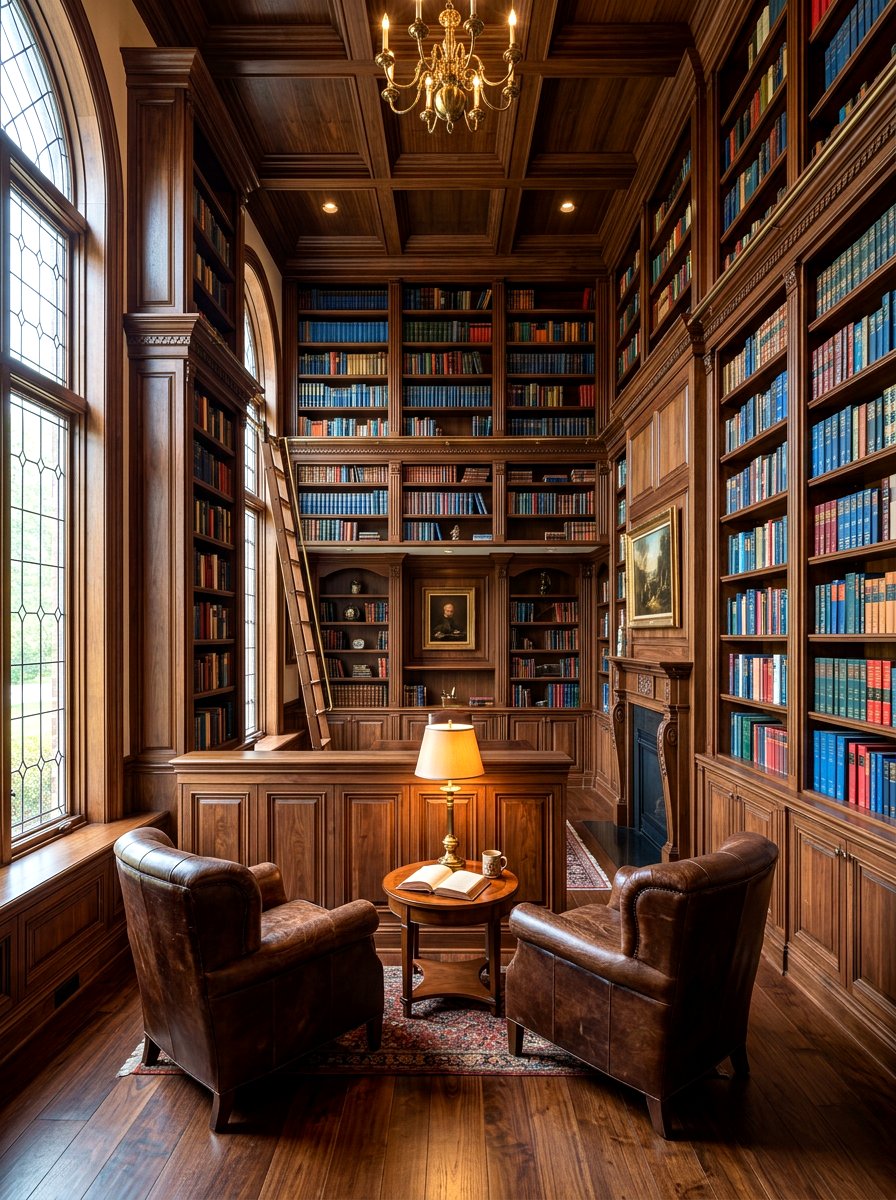
Most traditional wainscoting sits at about one-third of the wall height, but taking it up to two-thirds creates a much more dramatic and modern look. This taller height can make a room feel taller and more expansive by drawing the eye upward. It is an excellent choice for rooms with high ceilings where standard wainscoting might look too small or out of proportion. This style allows you to play with proportions by leaving a smaller section of the wall for paint or wallpaper at the top. It works well in entryways or libraries where you want to create a sense of grandeur and traditional architectural depth.
12. Floor To Ceiling Wainscoting
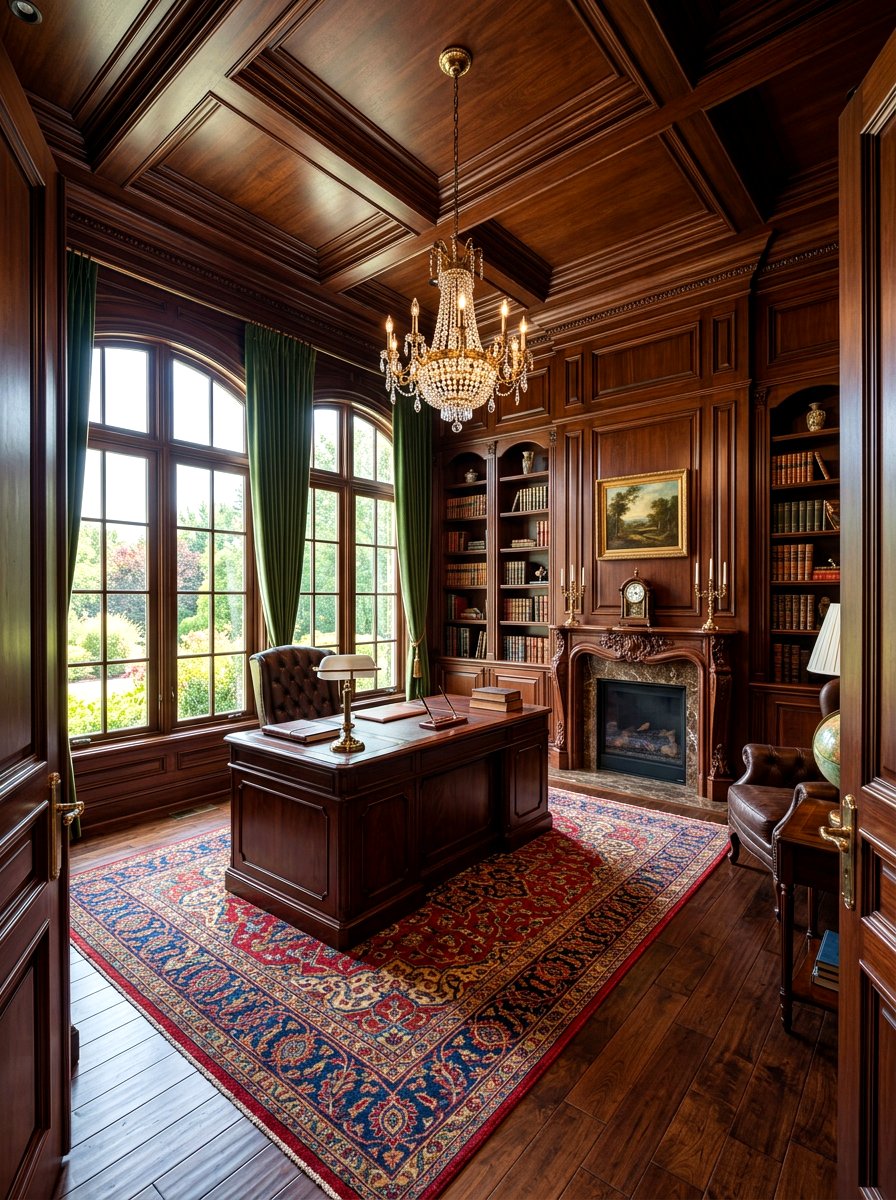
For a truly immersive and luxurious feel, you can install wainscoting panels that cover the entire wall from the floor to the ceiling. This creates a paneled room effect that is reminiscent of old-world libraries or high-end studies. While it is a significant investment, the impact on the room's character is unmatched by any other wall treatment. You can use large flat panels for a more modern interpretation or intricate raised panels for a classical look. This style also improves the acoustics of a room by adding more mass to the walls. It is best used in smaller rooms like dens or home offices to create a cozy feel.
13. Dark Green Wainscoting
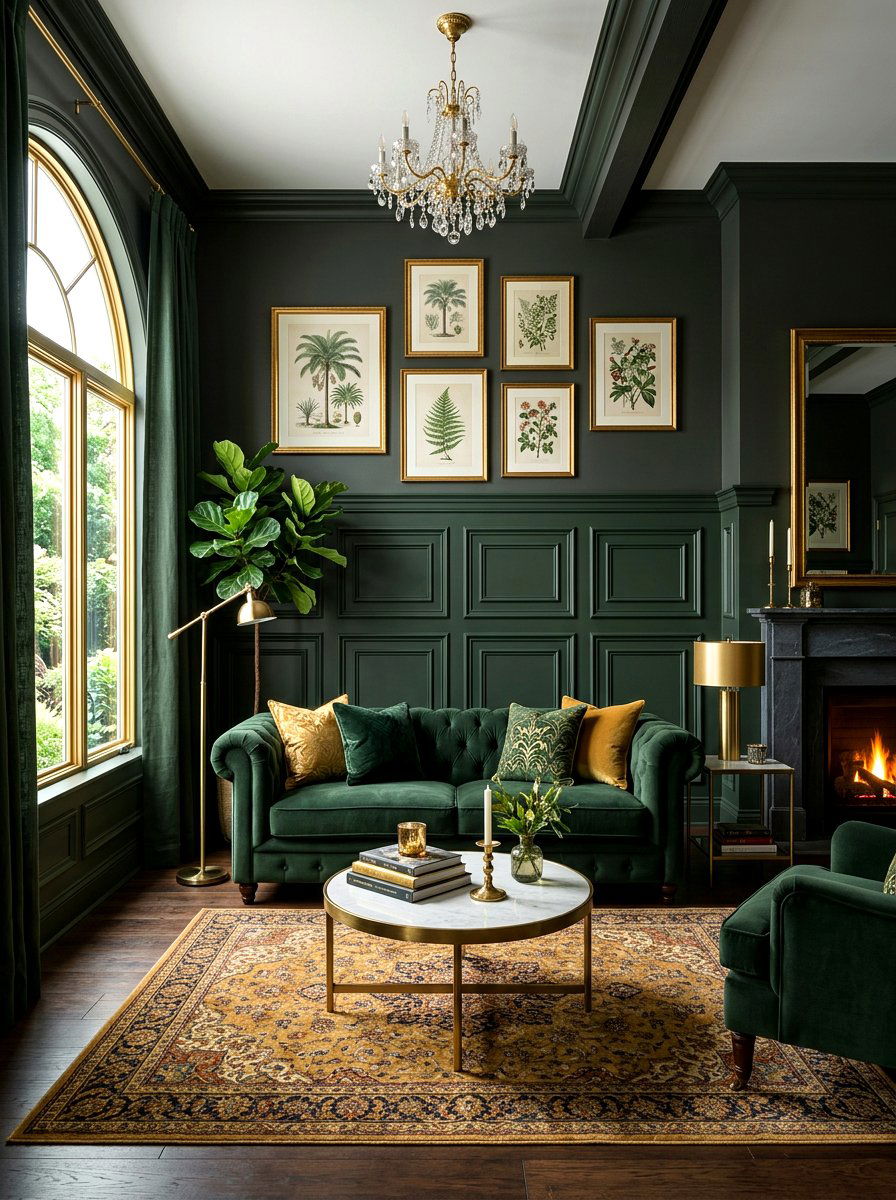
Dark green is a trending color that brings a sense of nature and sophistication to any interior design project. When applied to wainscoting, a deep forest or emerald green creates a moody and elegant atmosphere that works perfectly in a study or a cozy living room. This color looks stunning when paired with natural wood accents and brass hardware. It provides a rich backdrop for gold-framed artwork or white shelving units. Because green is a calming color, it is also a great choice for bedrooms where you want to create a relaxing retreat. The deep hue adds incredible depth to the shadows of the paneling details.
14. Navy Blue Wainscoting
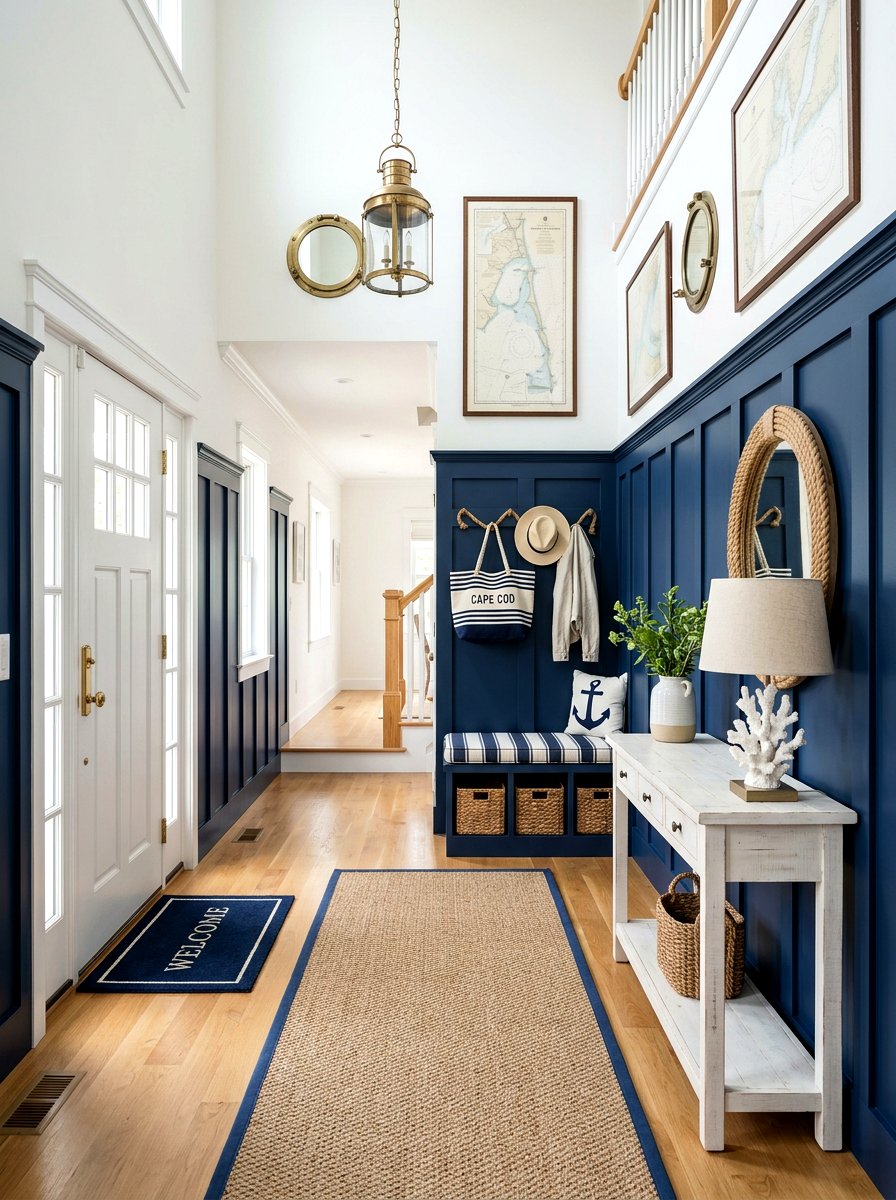
Navy blue wainscoting is a timeless choice that offers a nautical or classic traditional vibe depending on how it is styled. It is a very grounding color that pairs exceptionally well with crisp white walls above the chair rail. This high-contrast look is perfect for entryways or bathrooms where you want a clean and sharp appearance. Navy blue is also versatile enough to work with various metal finishes, including silver, gold, and matte black. Using this color on board and batten panels can give a room a modern coastal feel that is both stylish and comfortable. It is a bold choice that remains sophisticated and never feels outdated.
15. Black Wainscoting
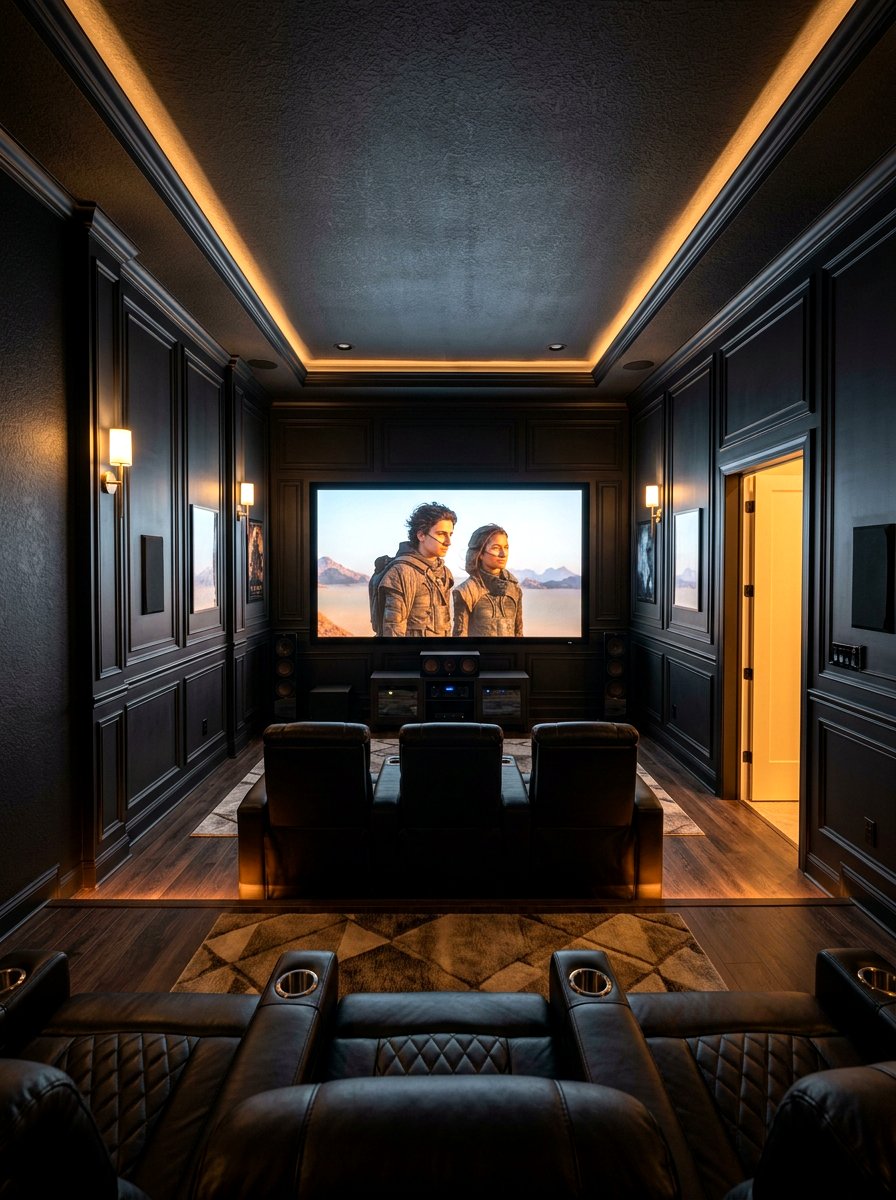
If you want to create a high-fashion and dramatic statement, black wainscoting is the way to go. While it might seem intimidating, black panels can actually make a room feel very cozy and high-end when balanced with the right lighting. It works best in rooms with plenty of natural light or in spaces meant for evening use, like a dining room or a media center. Black wainscoting provides a sharp outline for your furniture and makes any color you put against it pop. You can use a matte finish for a modern look or a satin finish to add a subtle glow to the architectural details.
16. Natural Wood Wainscoting
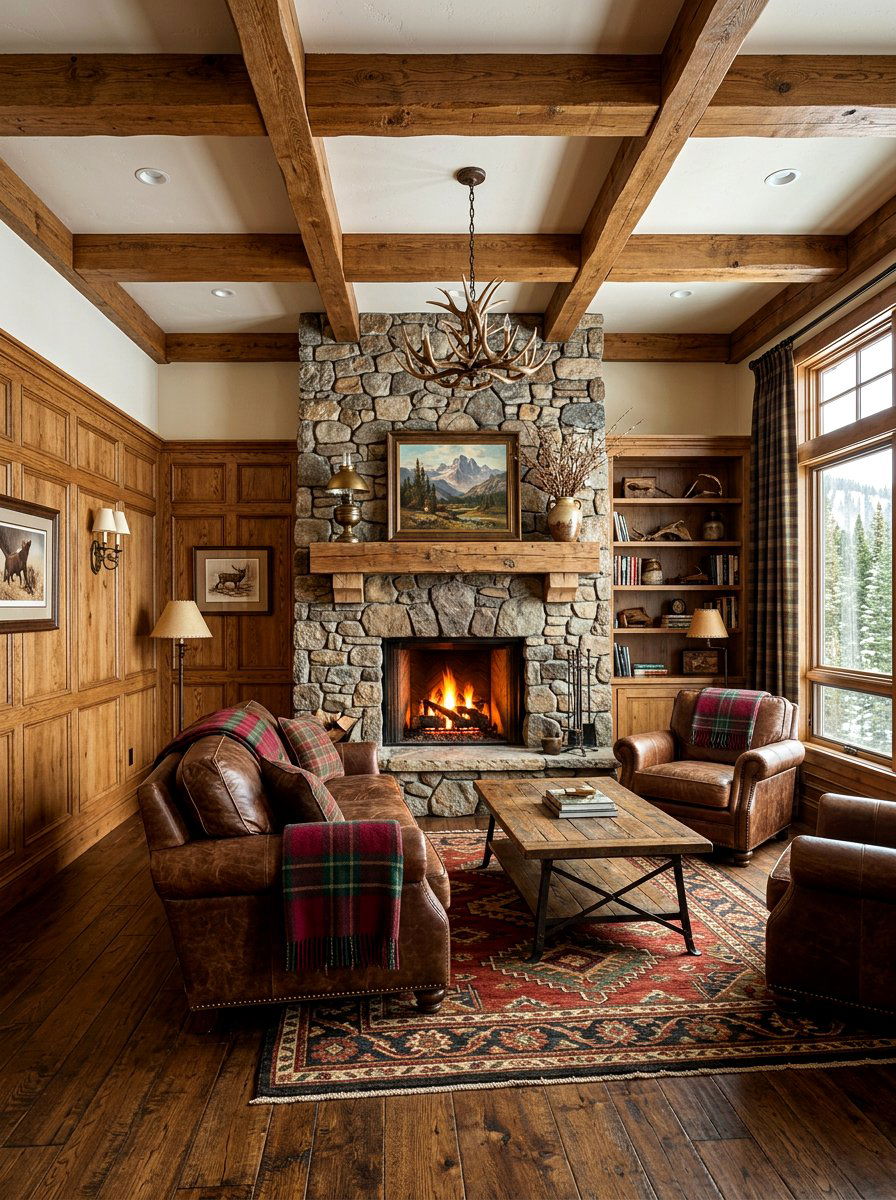
Natural wood wainscoting celebrates the beauty of grain and texture, bringing an organic warmth to your home. Whether you choose oak, cedar, or pine, leaving the wood in its natural state or applying a light stain creates a rustic and inviting feel. This style is perfect for mountain cabins, farmhouse designs, or any space where you want to connect with nature. The visible wood grain adds a layer of visual interest that paint cannot replicate. You can use vertical planks for a traditional look or horizontal boards for a more modern feel. It pairs beautifully with stone accents and leather furniture to create a cozy retreat.
17. Modern Geometric Wainscoting
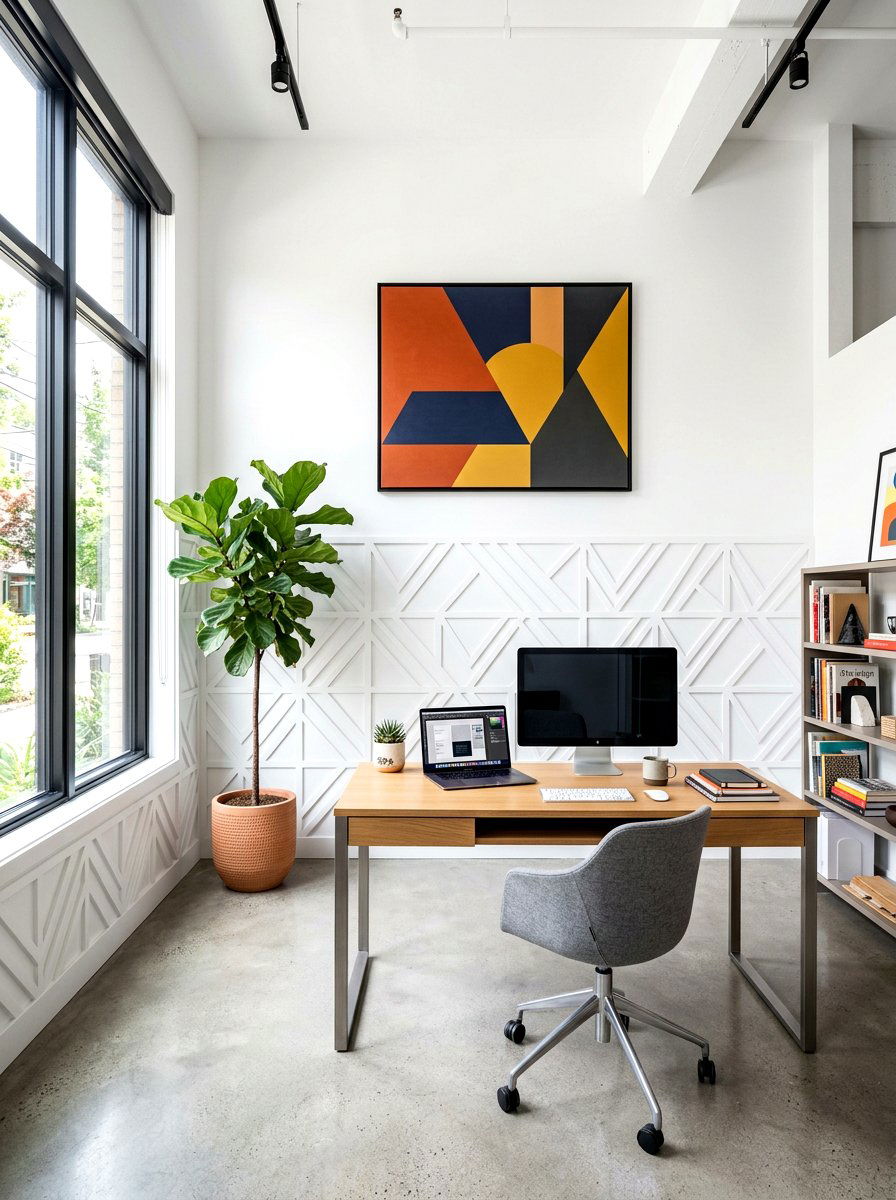
For those who want to break away from tradition, modern geometric patterns offer a fresh and artistic take on wall paneling. Instead of standard rectangles, you can use thin molding to create triangles, hexagons, or abstract linear designs across the lower half of your walls. This approach turns your wainscoting into a piece of contemporary art. It works exceptionally well as an accent wall in a living room or a creative home office. When painted in a single monochromatic color, the geometric lines create subtle shadows that add movement and interest to the space. It is a great way to showcase your personal and modern style.
18. Rustic Farmhouse Wainscoting
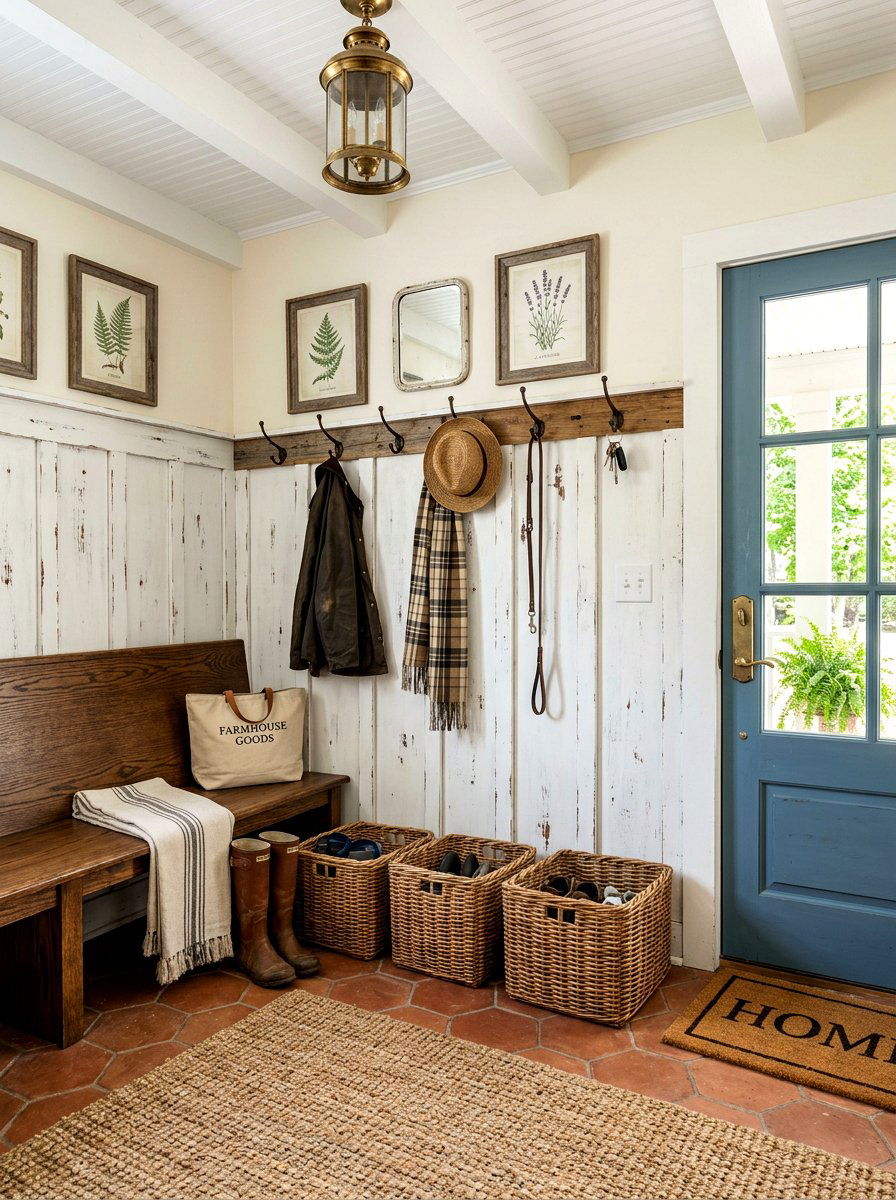
Rustic farmhouse wainscoting often features distressed finishes or reclaimed wood to create a lived-in and comfortable look. Using wider boards and simple battens helps to achieve that authentic country feel that is so popular in modern design. You can paint the panels in a creamy off-white or a light gray and then lightly sand the edges to reveal the wood underneath. This style is perfect for mudrooms, kitchens, or breakfast nooks where you want a relaxed and friendly atmosphere. It pairs well with galvanized metal accents, woven baskets, and linen textiles to complete the farmhouse aesthetic. It is a durable and very charming choice.
19. Small Powder Room Wainscoting
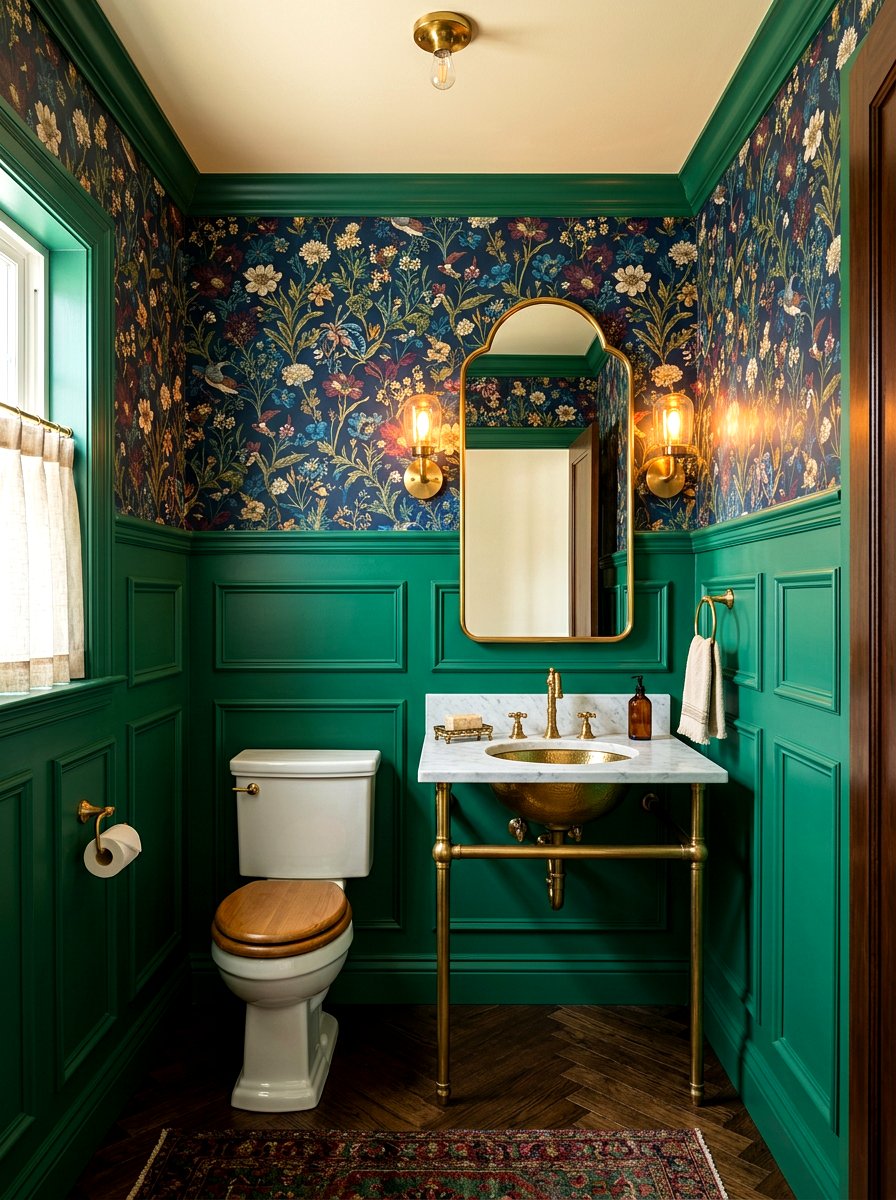
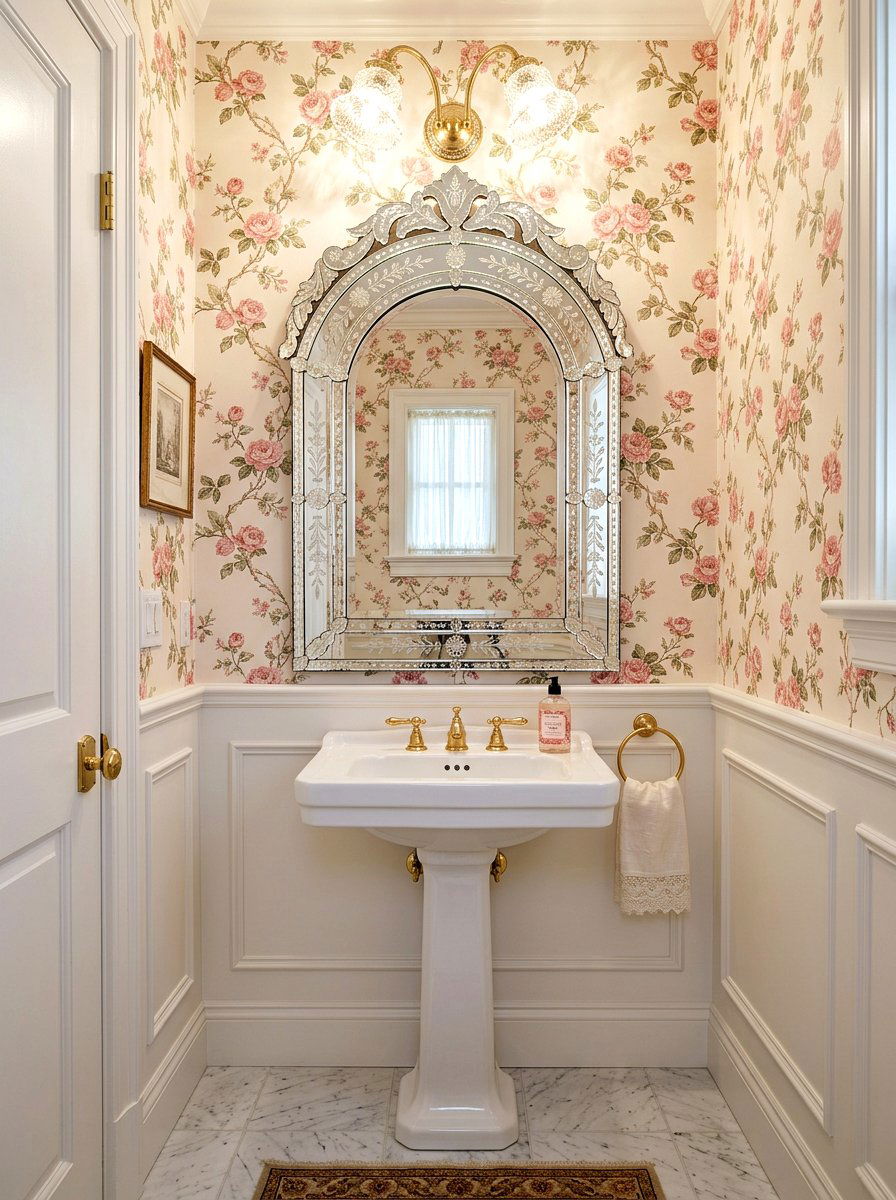
Wainscoting is a secret weapon for decorating small powder rooms because it adds a huge amount of style without taking up any floor space. Since these rooms are usually tiny, you can afford to be more adventurous with your design choices. A tall beadboard or a classic picture frame design can make the small space feel intentionally decorated rather than cramped. You can use a bold color on the wainscoting and a fun, patterned wallpaper on the top half to create a "jewelry box" effect. This treatment also protects the walls from splashes near the sink. It makes the guest bathroom feel like a high-end experience.
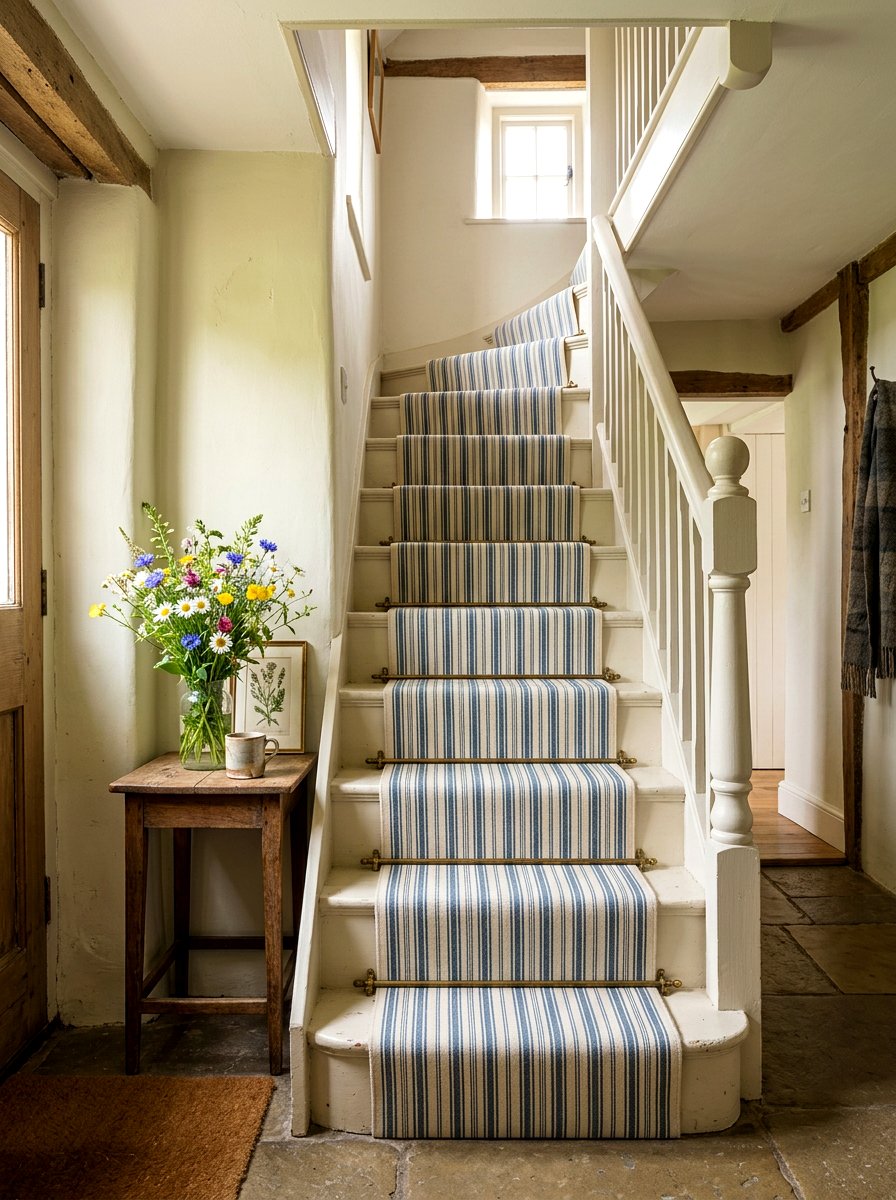
20. Entryway Wainscoting
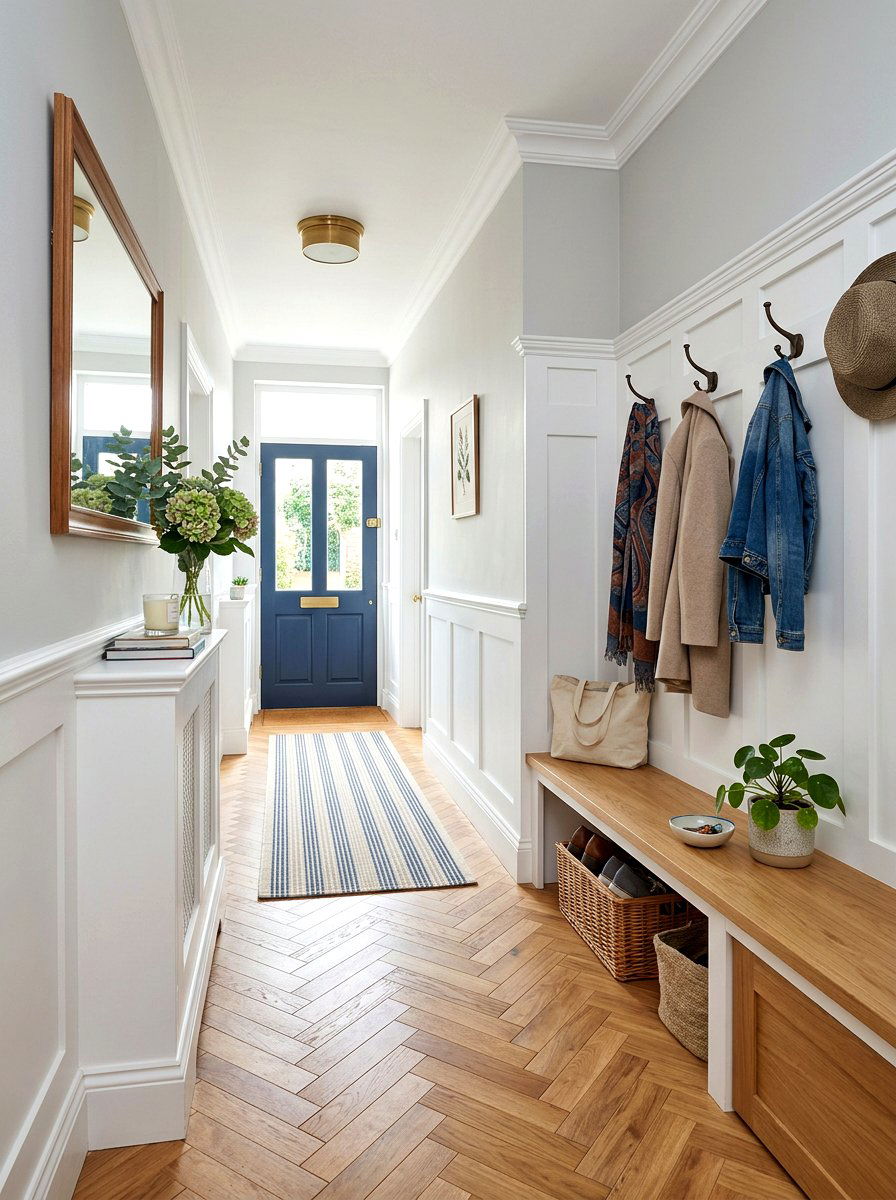
The entryway is the first thing guests see when they enter your home, and wainscoting can make it feel welcoming and polished. It provides a sturdy surface that can handle the daily wear of coats, bags, and shoes leaning against the walls. A board and batten style with integrated hooks is a functional and beautiful way to organize your foyer. You can choose a light and bright color to make the entrance feel airy and open. Adding a substantial cap rail on top of the wainscoting gives you a place to display small decorative items or mail. It sets a sophisticated tone for the rest of your house.
21. Staircase Wainscoting
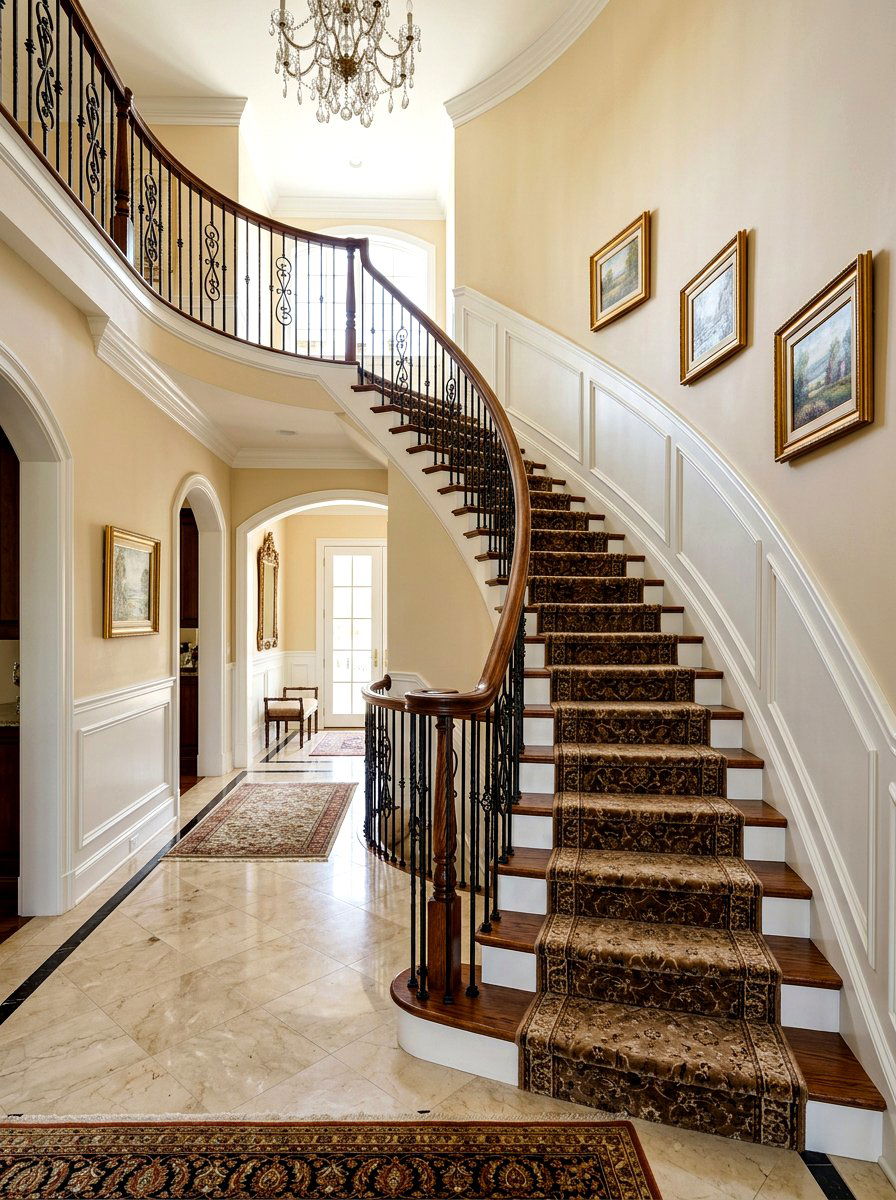
Installing wainscoting along a staircase is a great way to add architectural interest to a often-overlooked part of the home. Because staircases follow an angle, the panels must be carefully cut to match the rise and run of the steps, which creates a dynamic and custom look. Picture frame molding is a popular choice for stairs because it can be easily adapted to the diagonal lines. This treatment also helps to protect the walls from handprints and scuffs in this high-traffic area. It makes the transition between floors feel more cohesive and adds a layer of traditional elegance to the heart of your home's layout.
22. Living Room Wainscoting
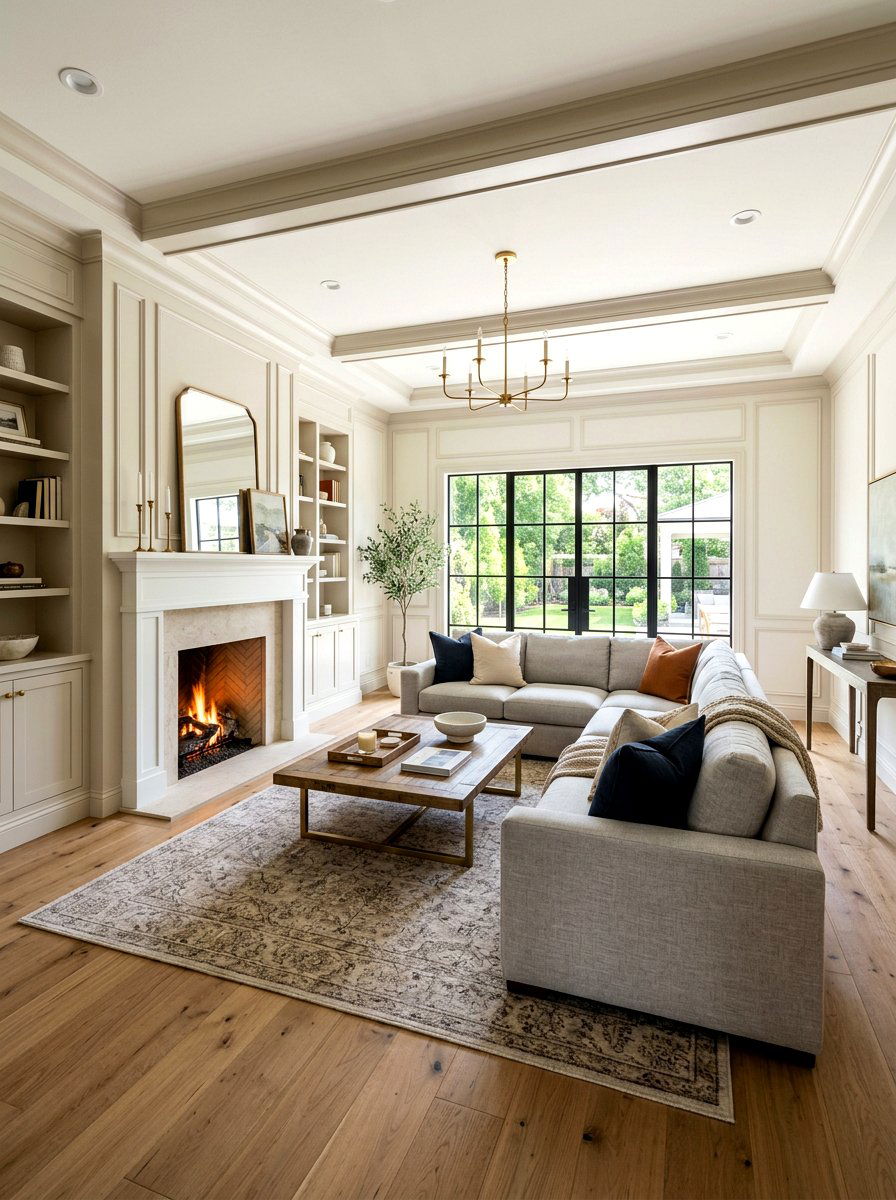
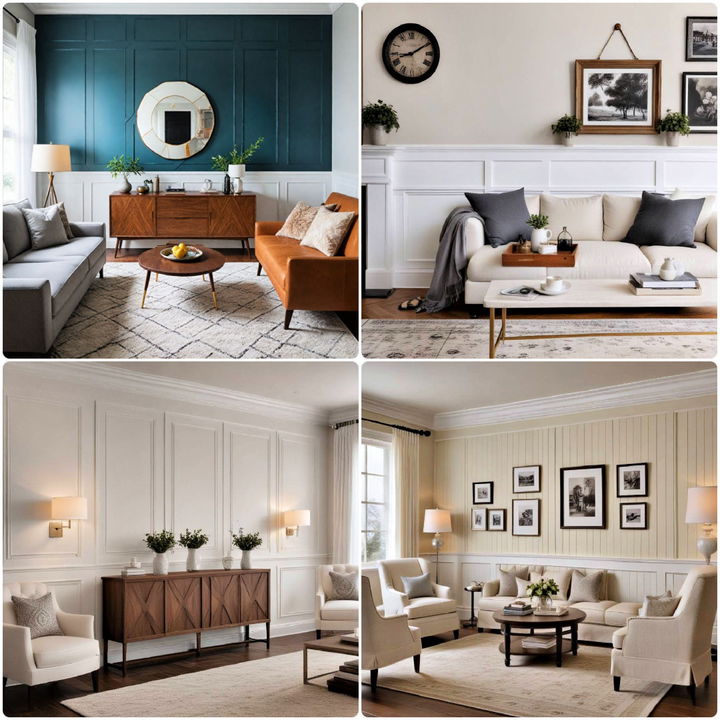
In the living room, wainscoting serves as a beautiful backdrop for your sofa and entertainment center. It helps to define the seating area and adds a layer of sophisticated texture that makes the room feel more complete. You can use a classic flat panel design to keep the space feeling modern and open, or go with raised panels for a more traditional and formal vibe. Wainscoting also provides a natural break for different paint colors or wall treatments, allowing you to experiment with bolder choices on the top half of the wall. It grounds the furniture and makes the overall design feel more permanent and well-built.
23. Gray Wainscoting
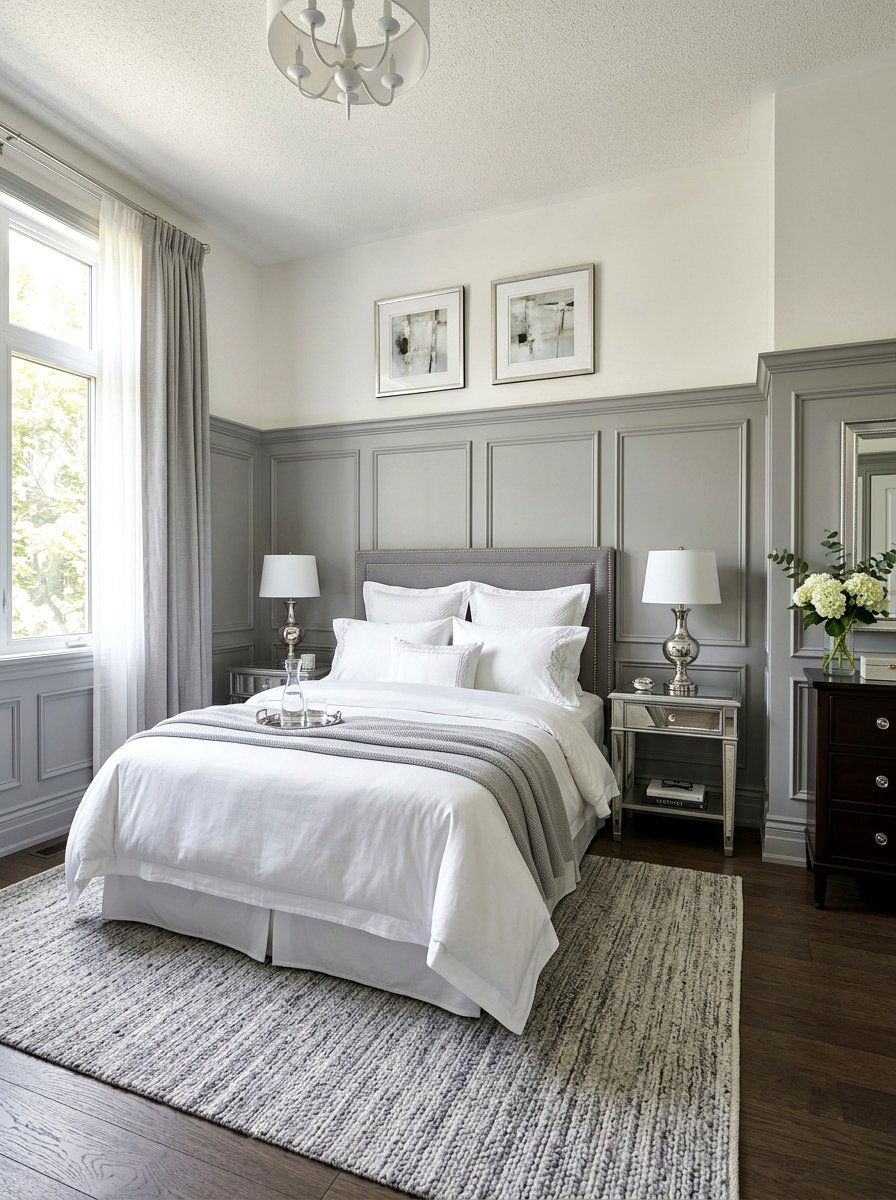
Gray is the ultimate neutral color that works with almost any design style, from modern to traditional. Gray wainscoting offers a sophisticated and calming alternative to basic white. You can choose a light dove gray for a soft and airy feel or a deep charcoal for a more moody and dramatic look. Gray panels look particularly good when paired with white trim and dark wood floors. This color choice is excellent for home offices or bedrooms where you want a neutral palette that still feels interesting and custom. It is a versatile color that allows you to change your accent pieces and decor easily over time.
24. White Wainscoting
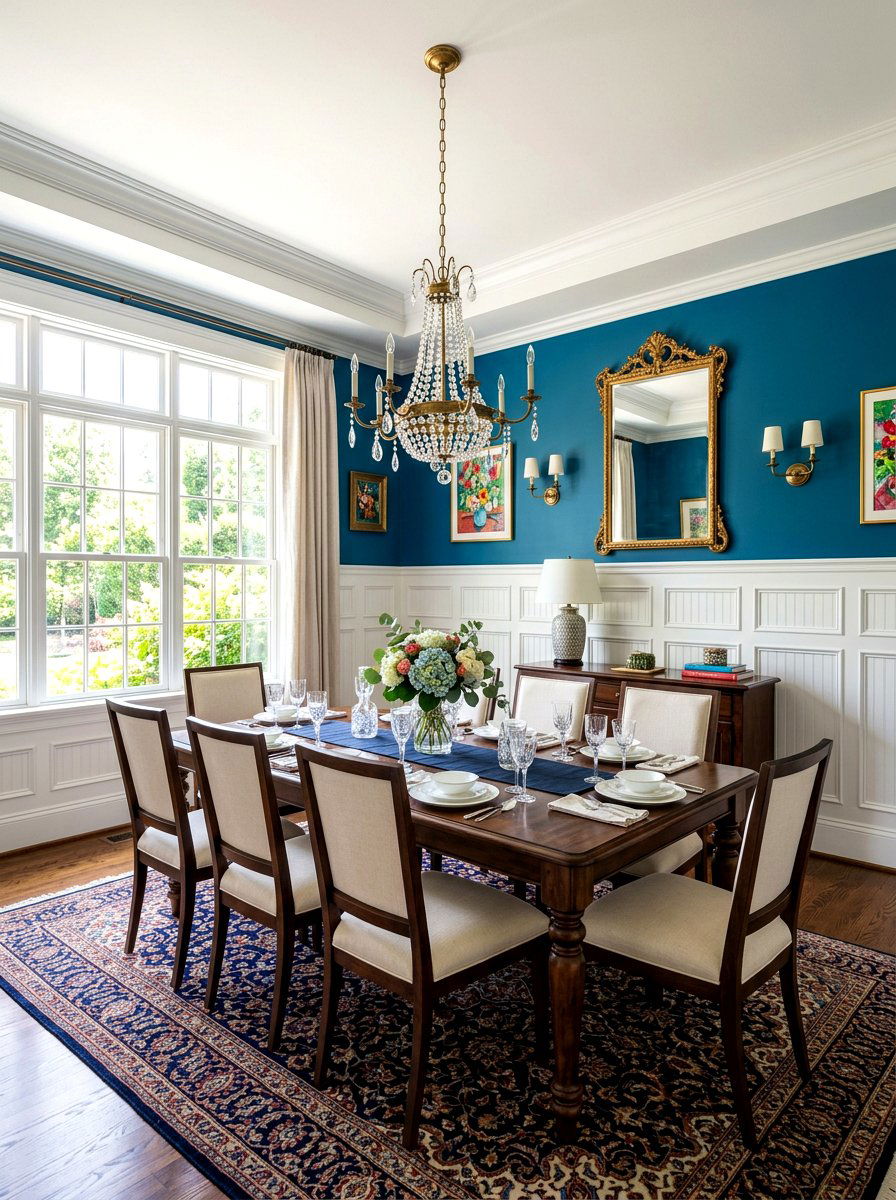
You can never go wrong with classic white wainscoting because it is the epitome of clean and timeless design. White panels make any room feel brighter and more spacious by reflecting the natural light throughout the space. It provides a crisp and high-contrast look when paired with colored walls or vibrant wallpaper. White wainscoting is the standard for coastal, traditional, and farmhouse styles because it feels fresh and organized. It is also very easy to touch up if it gets scuffed over time. Whether you use beadboard or shaker panels, white is a safe and beautiful choice that will always be in style for any room.
25. Coastal Style Wainscoting
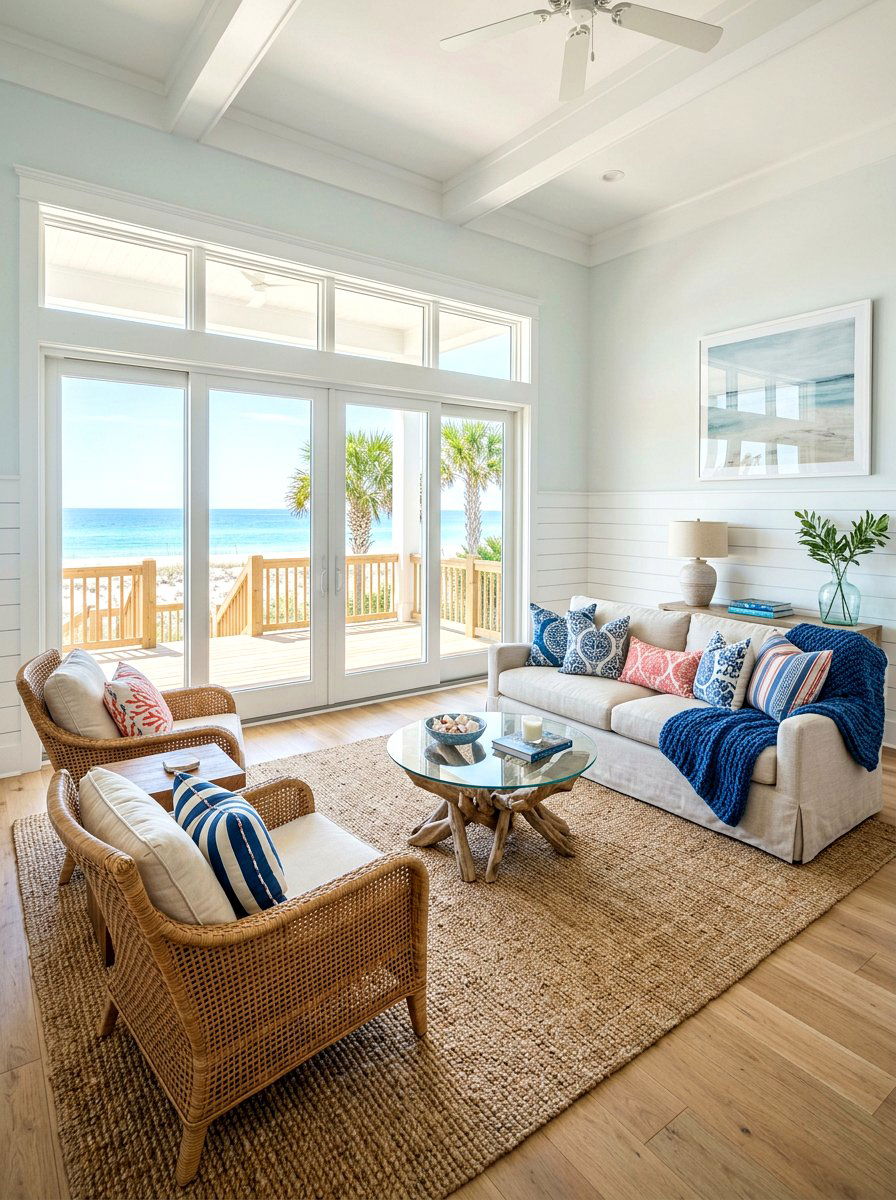
Coastal style wainscoting often utilizes beadboard or shiplap to create a relaxed and beachy atmosphere. The vertical or horizontal lines mimic the look of traditional boat interiors and seaside cottages. To achieve this look, you should stick to a light palette of whites, soft blues, and sandy beiges. This style is perfect for sunrooms, bathrooms, or any space where you want to feel like you are on vacation. You can pair the wood panels with natural textures like jute rugs, rattan furniture, and linen curtains. It creates a breezy and informal environment that is very comfortable and inviting for family and guests.
26. Craftsman Wainscoting
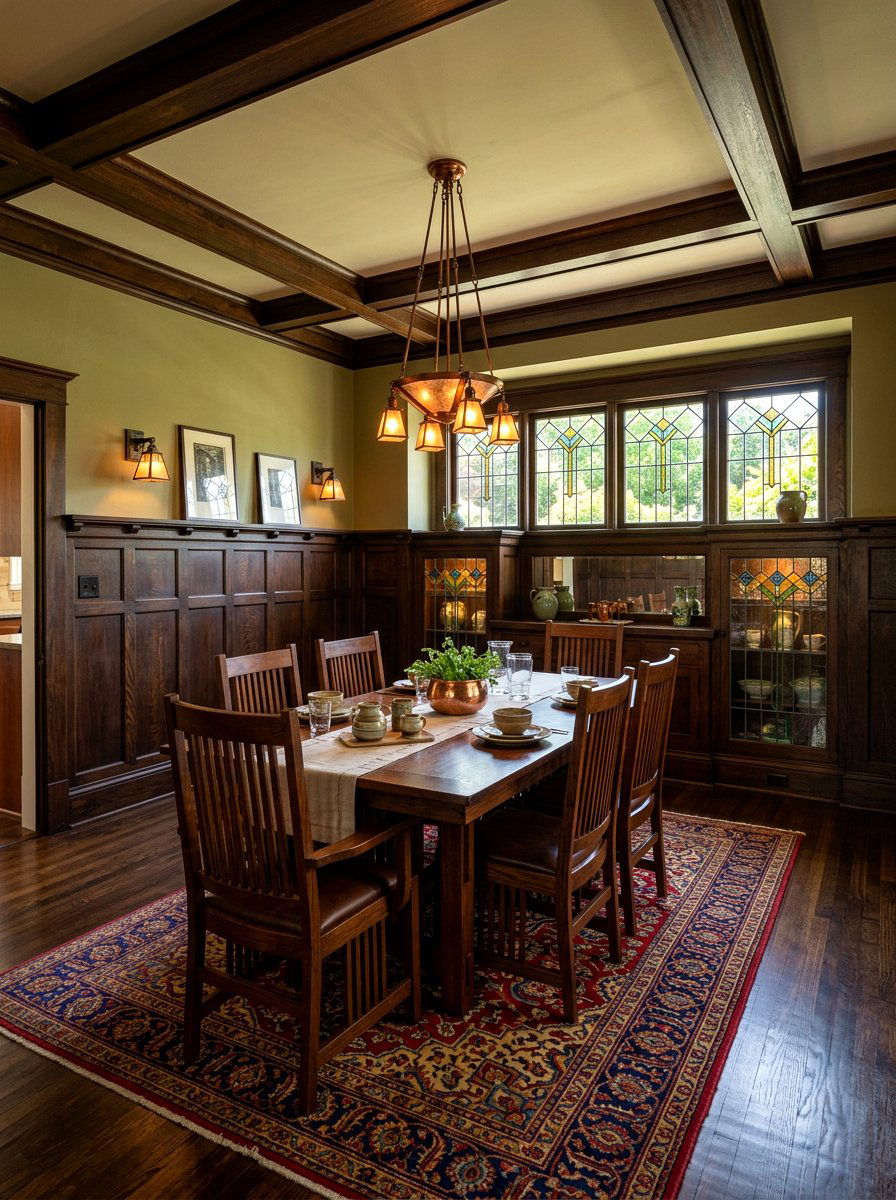
Craftsman wainscoting is characterized by its heavy use of natural wood and straight, honest lines. This style celebrates the beauty of the material and the skill of the builder, often featuring wide stiles and rails with flat recessed panels. It is usually finished in a medium to dark wood stain to highlight the grain. This type of wainscoting is perfect for homes with a lot of built-in woodwork or stone features. It creates a sense of permanence and warmth that is very characteristic of the Arts and Crafts movement. It looks best in dining rooms and entryways where the architectural detail can be fully appreciated.
27. Victorian Wainscoting
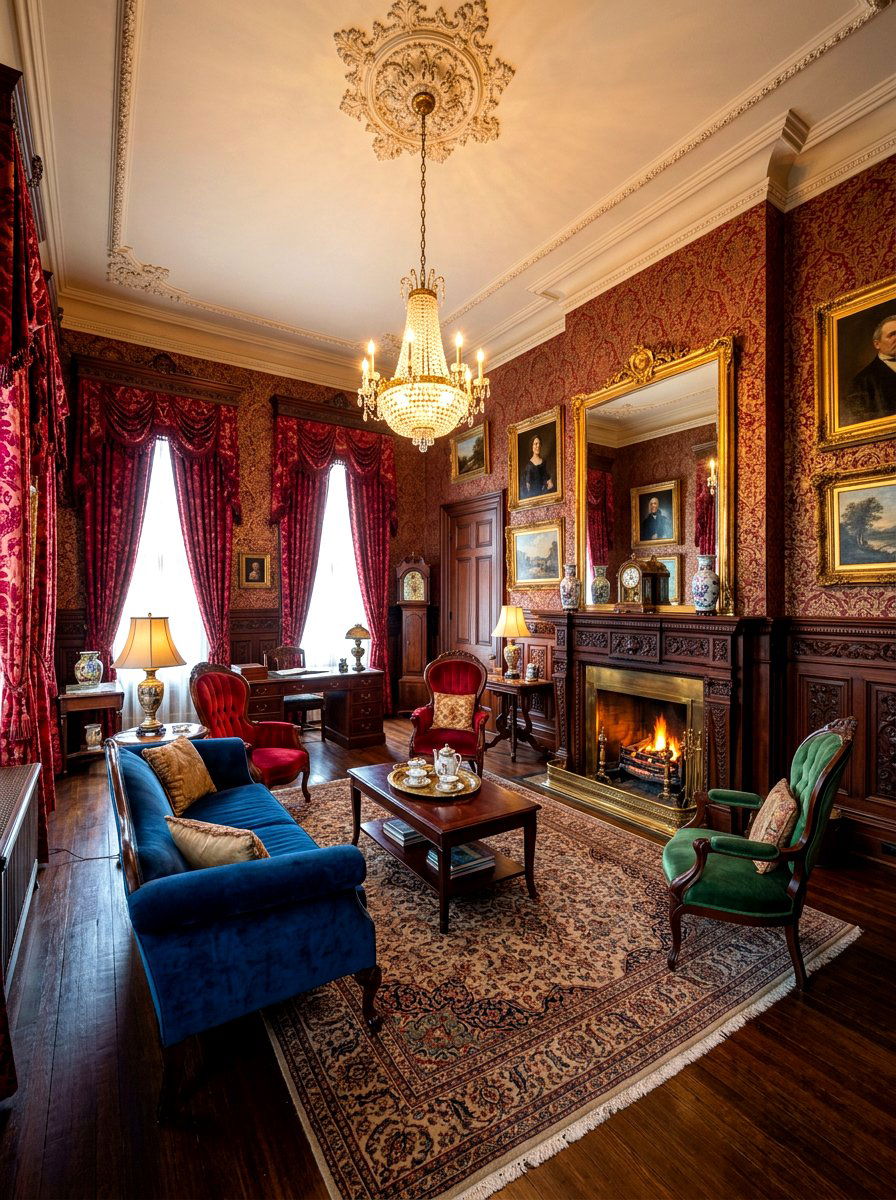
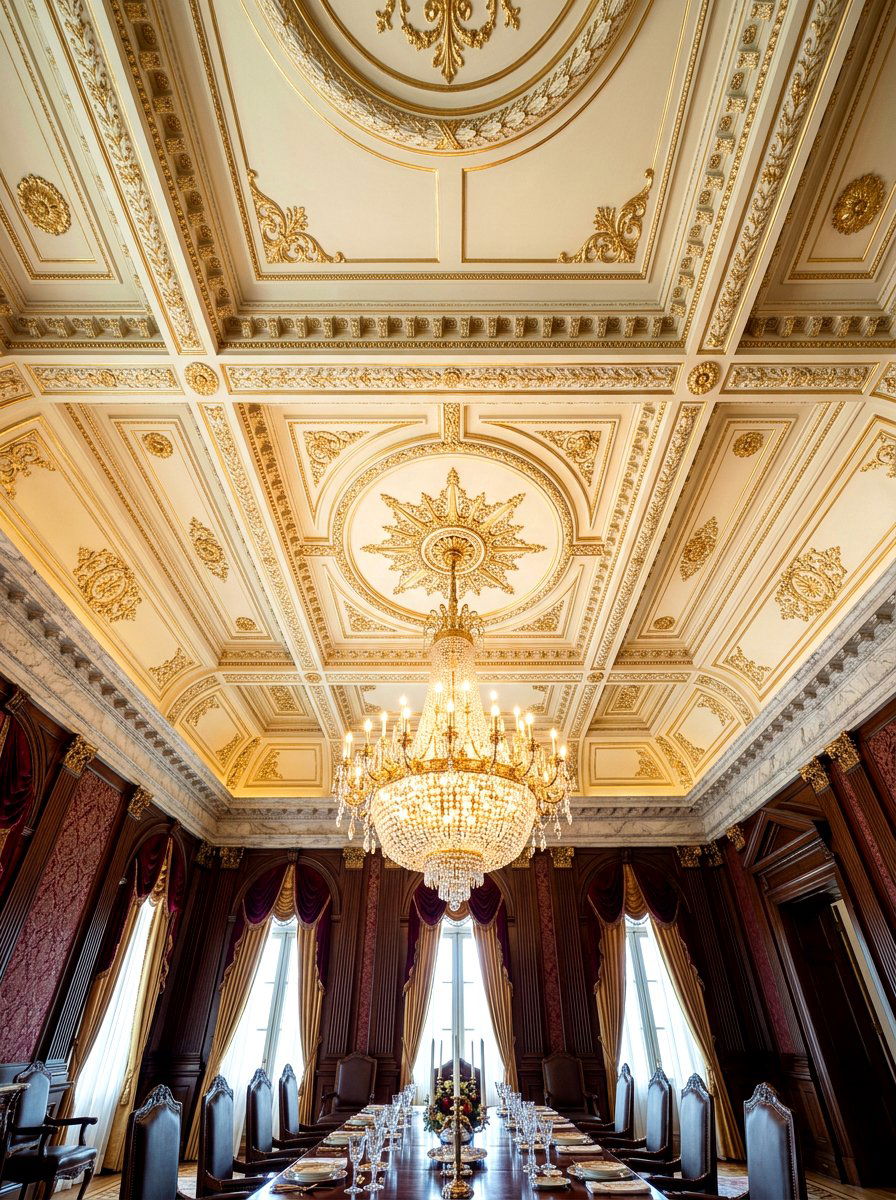
Victorian wainscoting is all about ornate details and dramatic heights. This style often features intricate molding, raised panels, and even decorative carvings. It is common to see Victorian panels reaching quite high up the wall, often finished with a very substantial plate rail for displaying fine china or collectibles. Dark wood tones like mahogany or cherry are traditional for this look, though painted versions in deep jewel tones are also popular. This style is perfect for historic renovations or for adding a sense of old-world luxury to a new home. It creates a very formal and impressive atmosphere that feels rich with history.
28. Minimalist Wainscoting
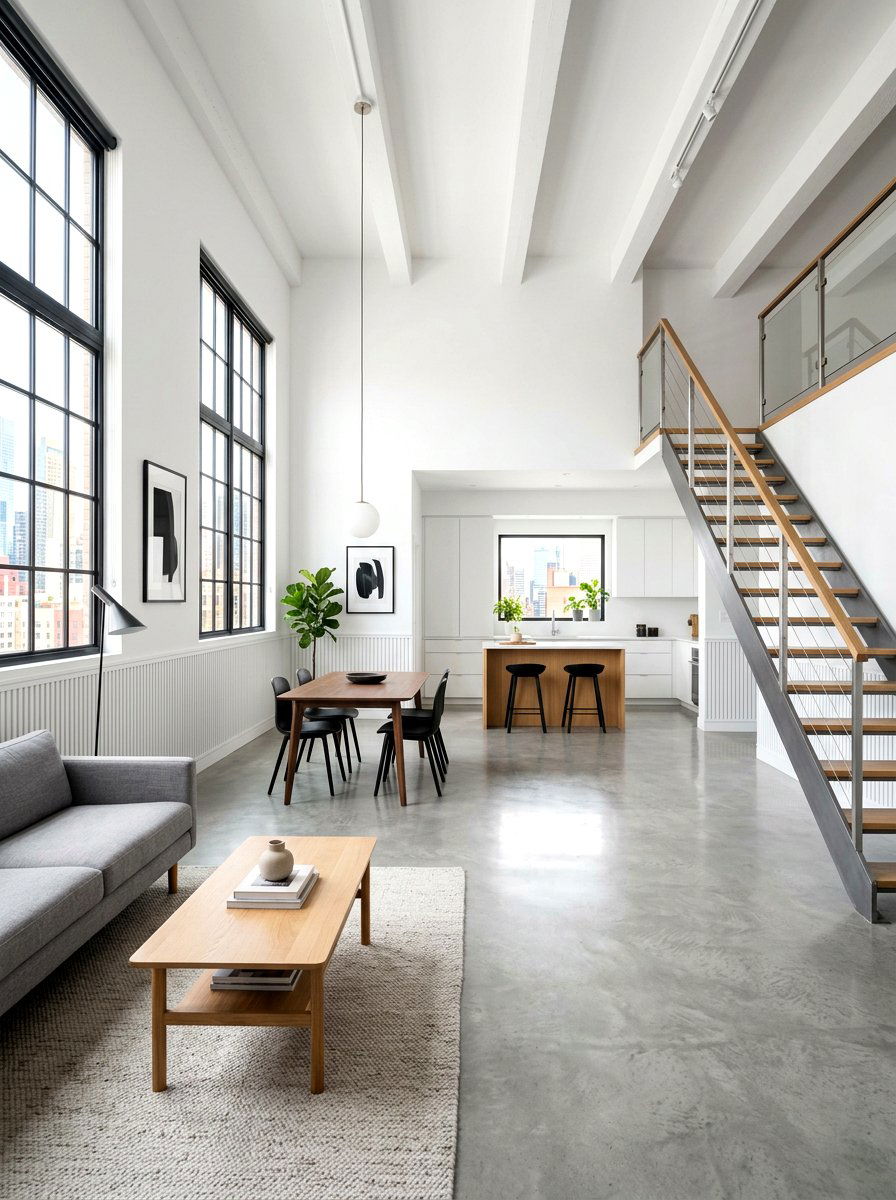
Minimalist wainscoting focuses on very thin profiles and large, simple panels to add just a hint of texture to a room. Instead of heavy molding, you might see very slim strips of wood used to create large rectangles on the wall. This approach is perfect for modern apartments or minimalist homes where the goal is to keep the space feeling open and uncluttered. By painting the wainscoting the exact same color and finish as the rest of the wall, you create a subtle "hidden" texture that only reveals itself when the light hits it at the right angle. It is a very sophisticated and understated design choice.
29. Horizontal Wainscoting
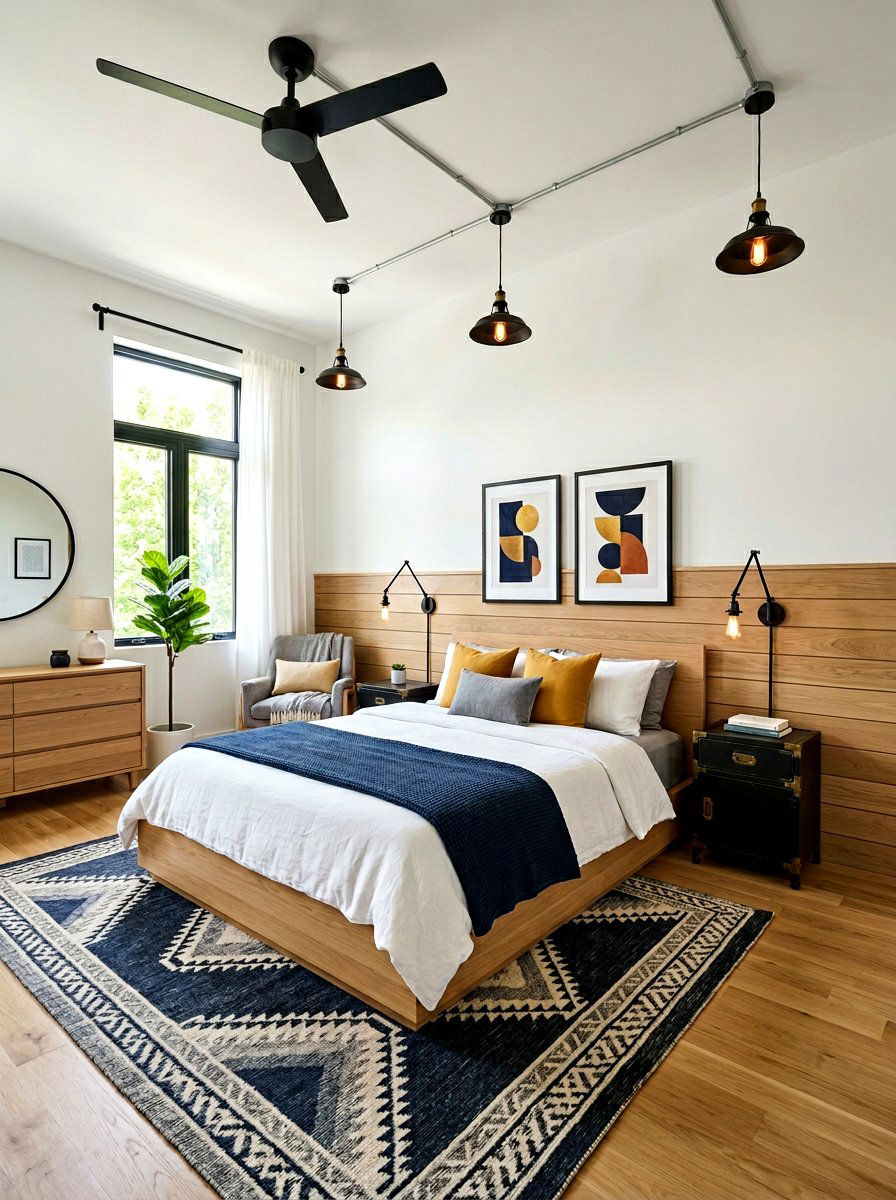
While most wainscoting is vertical, installing panels horizontally can create a very different and modern aesthetic. Shiplap is the most common form of horizontal wainscoting, and it helps to make a room feel wider and more expansive. This look is very popular in modern farmhouse and contemporary designs. It provides a clean and linear backdrop that works well in bedrooms and living areas. You can choose to have no gaps between the boards for a smooth look or leave a small "nickel gap" for more definition and texture. Horizontal lines are a great way to break up the verticality of a room.
30. Wallpaper With Wainscoting
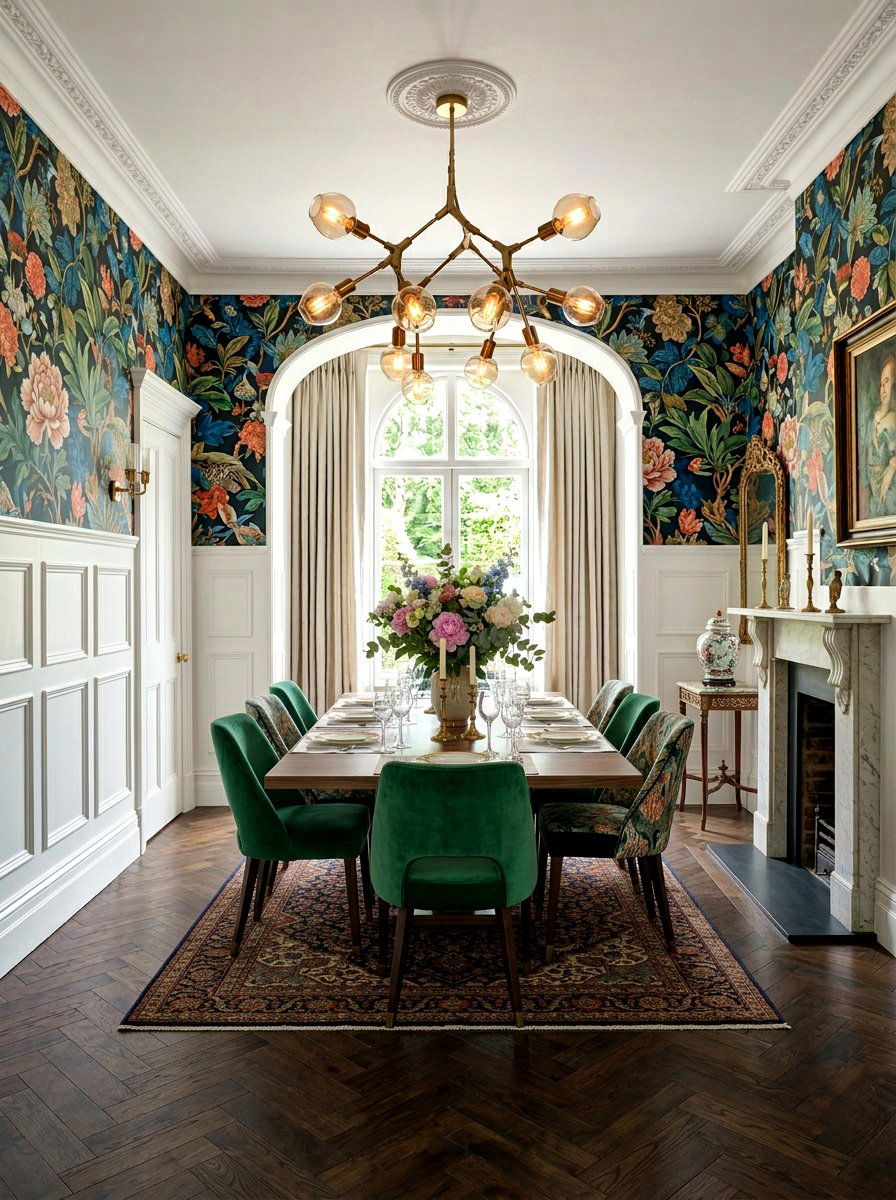
One of the most effective ways to use wainscoting is to pair it with a beautiful wallpaper on the top half of the wall. The wainscoting provides a solid and calming base that allows you to choose a much bolder or more intricate wallpaper pattern than you might otherwise use on a full wall. This combination creates a balanced and professionally designed look that is full of personality. You can pull a color from the wallpaper pattern to use as the paint color for your wainscoting to tie the whole room together. This is a favorite technique for designers working on dining rooms and powder rooms.
Conclusion:
Wainscoting remains one of the most effective ways to add architectural value and personal style to your home without a major renovation. From the traditional elegance of raised panels to the rustic charm of beadboard, there is a style to fit every personality and budget. By choosing the right height, color, and material, you can completely transform the atmosphere of any room in your house. Whether you want to protect your walls in a busy hallway or create a luxurious focal point in your master bedroom, these ideas provide a great starting point. We hope these thirty inspirations help you create a beautiful and character-filled living space today.

Related posts: