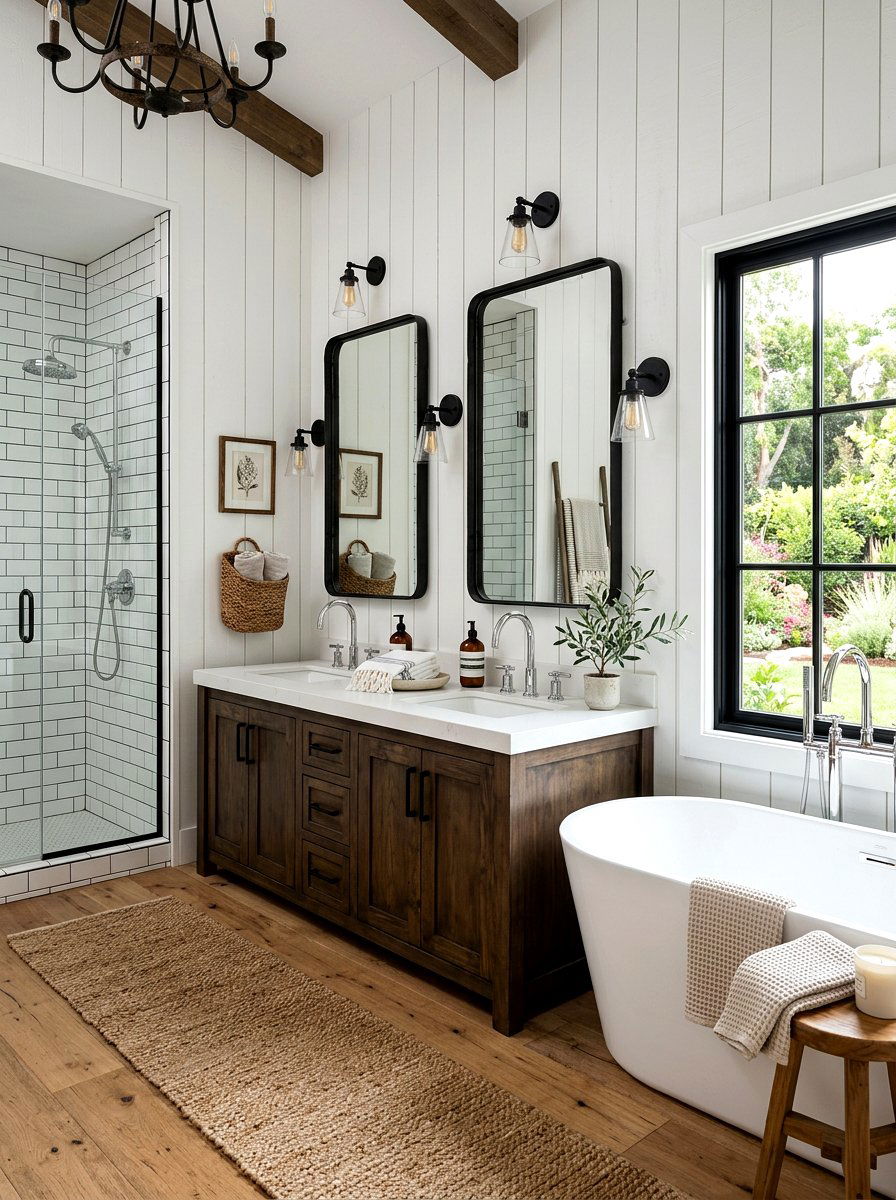
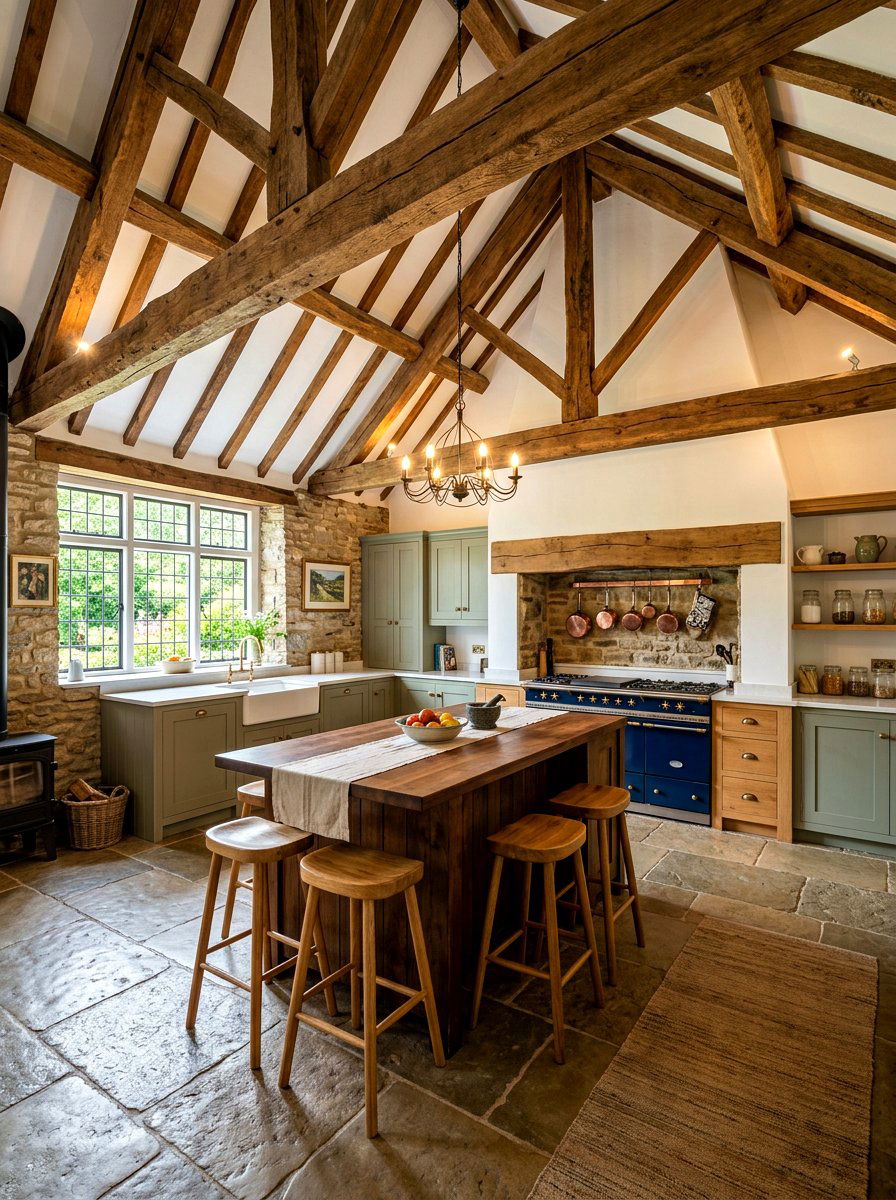
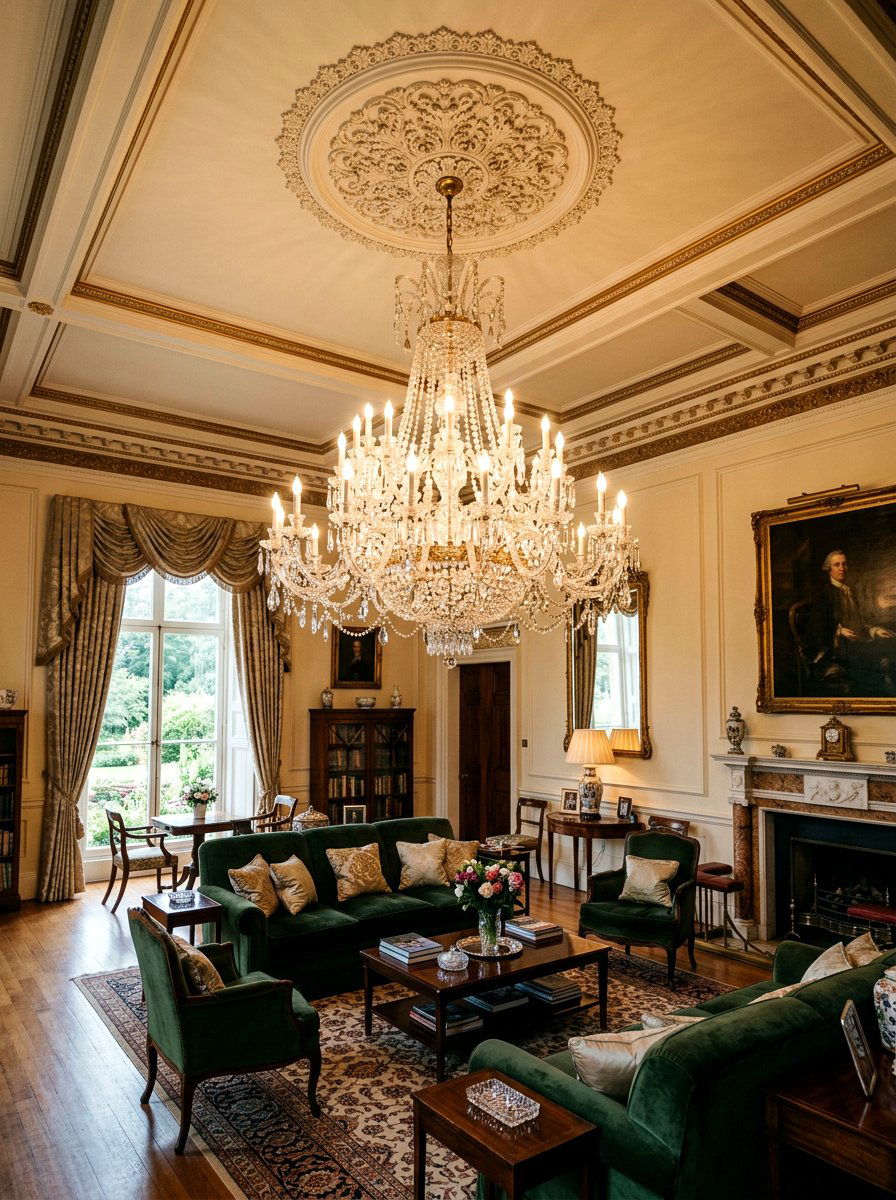
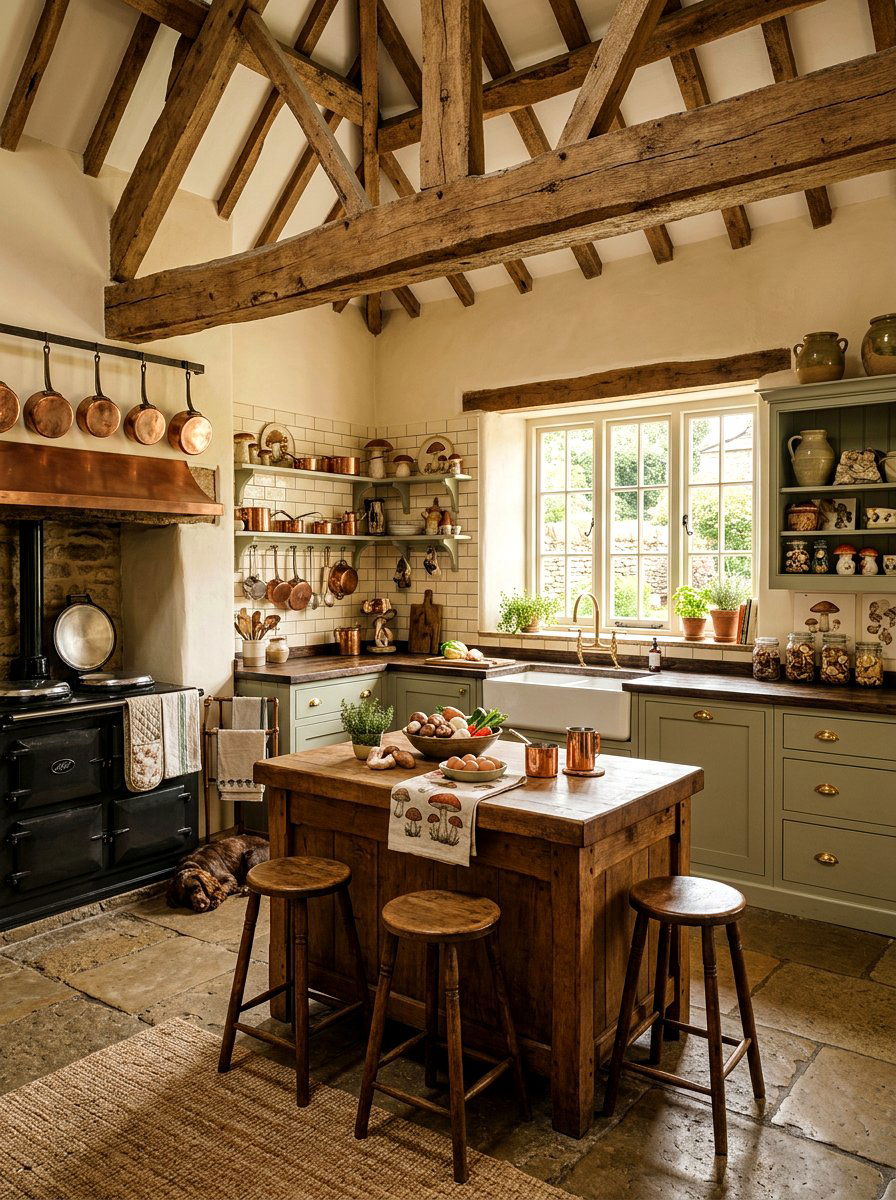
Designing a kitchen that balances timeless elegance with modern functionality starts with understanding the core elements of traditional style. These spaces are often the heart of the home, prioritizing craftsmanship, warm textures, and architectural details that never go out of fashion. From the intricate beauty of crown molding to the enduring appeal of natural stone surfaces, a traditional aesthetic creates a welcoming atmosphere for family and friends. Whether you prefer a bright white palette or the rich depth of dark wood, these design concepts provide a sturdy foundation for any renovation. Let’s explore thirty viral inspirations that will help you transform your cooking area into a sophisticated and enduring masterpiece for years to come.
1. White Shaker Kitchen
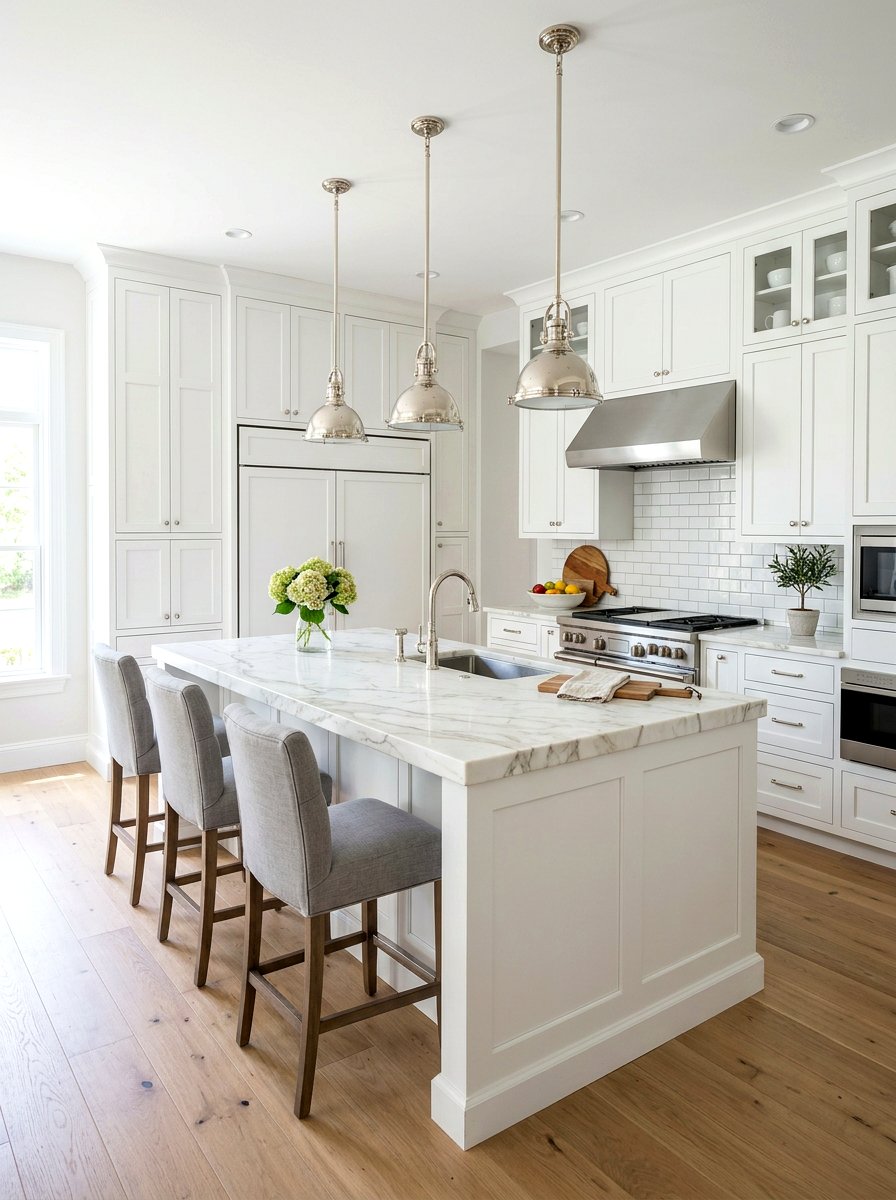
A white shaker kitchen offers a crisp and clean aesthetic that serves as the perfect backdrop for any traditional home layout. This specific design relies on the iconic recessed panel doors which provide just enough visual interest without becoming overly fussy or modern. When you choose a bright white palette, the entire room feels larger and more inviting to guests and family members. You can pair these classic cabinets with dark granite or light marble to create a sophisticated contrast that highlights the woodworking details. Adding a few glass-front upper cabinets can also break up the solid white surfaces, allowing you to display heirloom dishes or decorative glassware quite elegantly.
2. Dark Wood Kitchen
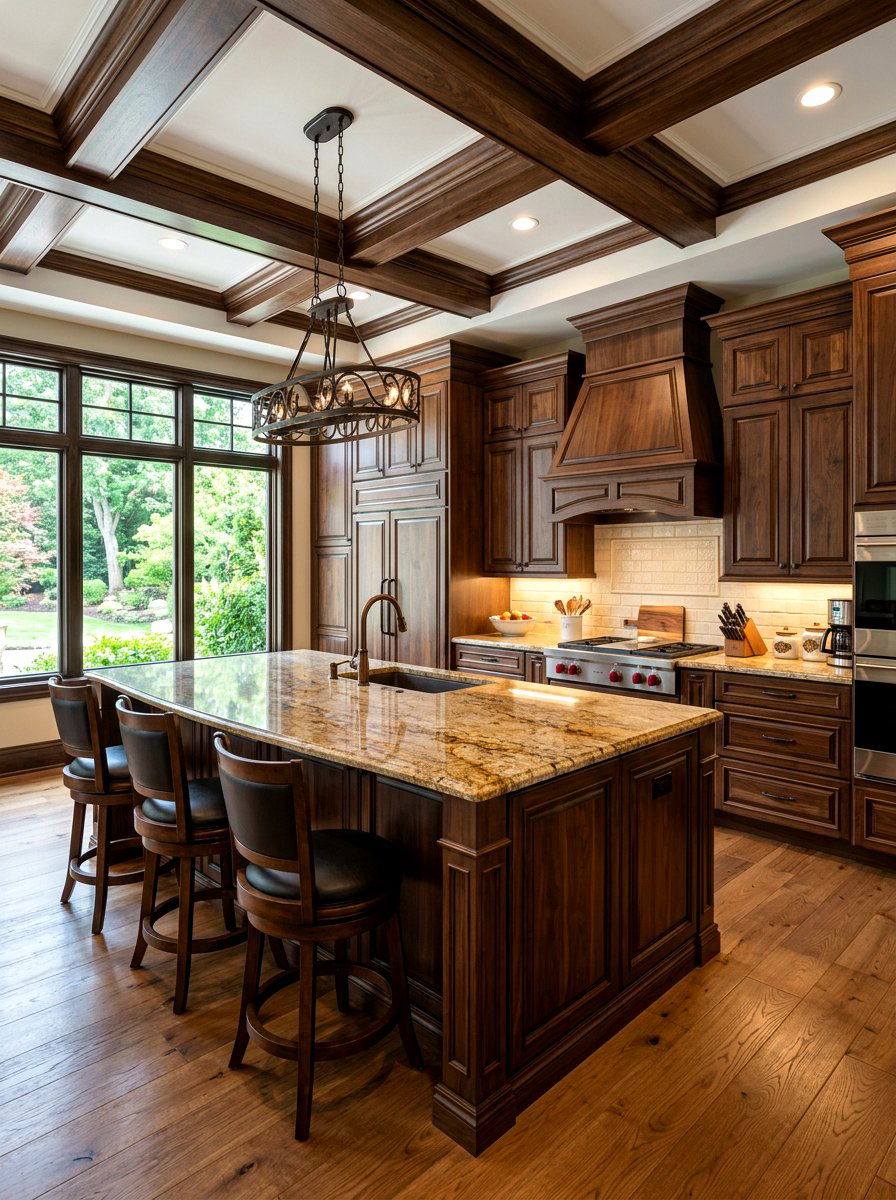
Choosing dark wood for your cabinetry brings a sense of luxury and historic charm to the center of your home. Rich mahogany, walnut, or cherry finishes create a warm environment that feels grounded and incredibly sturdy. This design approach works exceptionally well in larger spaces where the deep tones can be balanced by ample natural light or bright ceiling treatments. To keep the space from feeling too heavy, consider using lighter stone countertops and a simple tile backsplash. The natural grain of the wood adds a unique texture that painted surfaces simply cannot replicate, making your kitchen feel like a custom-built retreat that will age beautifully over the next several decades.
3. Marble Countertop Kitchen
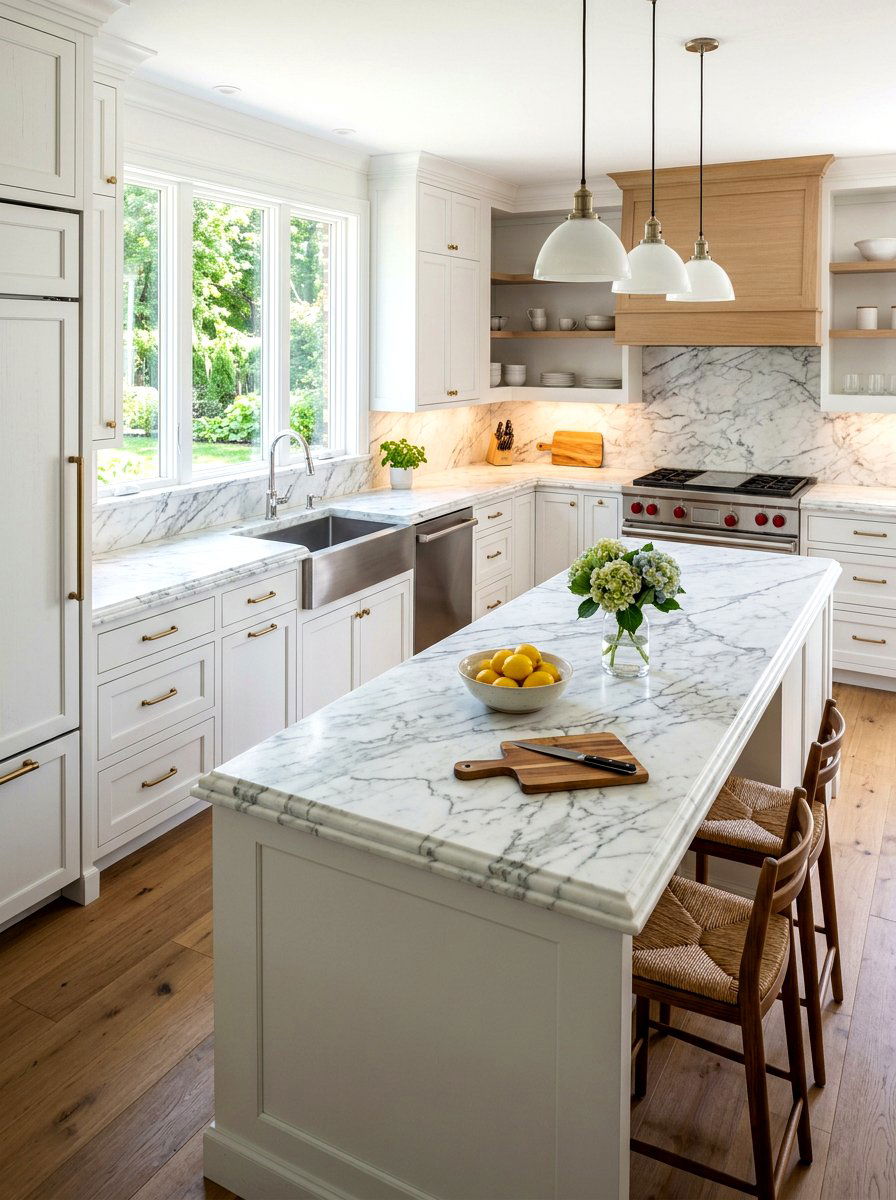
Integrating marble countertops is a hallmark of high-end traditional design that instantly elevates the look of any cooking space. The natural veining found in Carrara or Calacatta marble provides an organic art piece that stretches across your work surfaces. While marble requires a bit more care than synthetic materials, its cool touch and classic appearance are unmatched for bakers and home chefs alike. You can enhance this look by choosing an ogee or beveled edge profile, which adds another layer of architectural detail. Pairing these white and gray stones with polished brass or nickel faucets creates a timeless combination that reflects light and makes the entire room sparkle.
4. Farmhouse Sink Kitchen
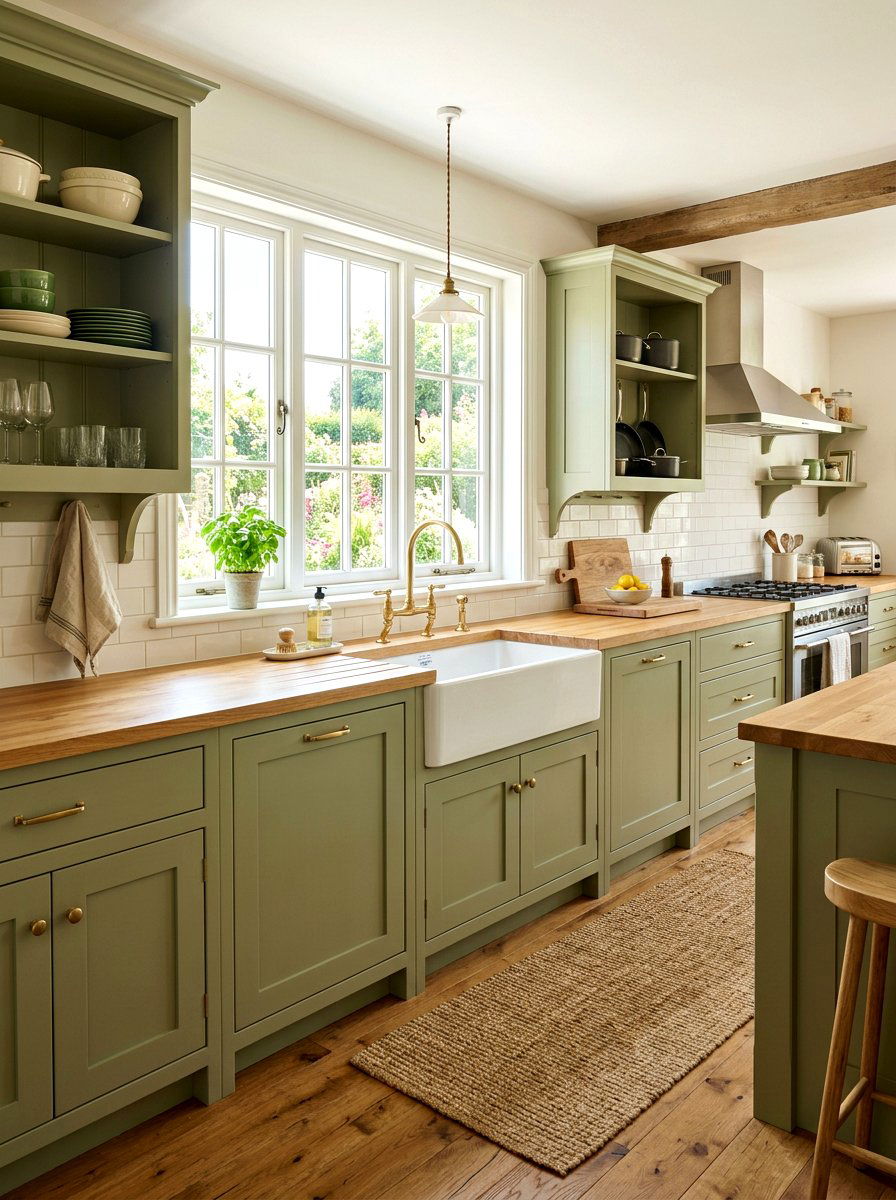
The farmhouse sink, also known as an apron-front sink, is a functional focal point that anchors the cleaning zone in a traditional kitchen. These deep, wide basins are usually made of white fireclay or porcelain, offering a rustic yet refined look that handles large pots and pans with ease. By allowing the front of the sink to remain exposed, you break up the line of cabinetry and introduce a new texture to the design. This feature works beautifully under a large window where you can enjoy the view while working. Modern versions even come in hammered copper or natural stone to match more specific color schemes and personal styles.
5. Kitchen Island With Seating
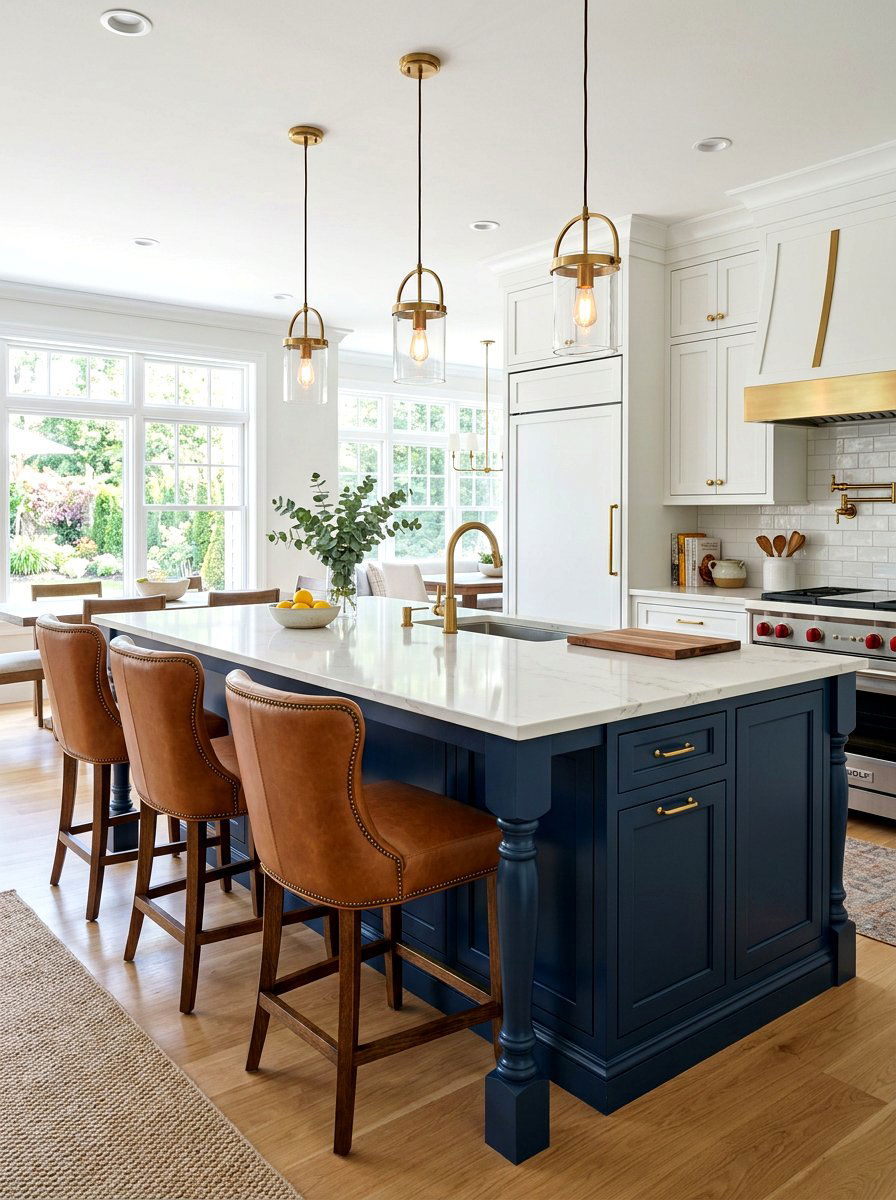
A large kitchen island with integrated seating is the ultimate gathering spot for a busy household looking for extra functionality. In a traditional setting, the island often features furniture-style details like carved legs, corbels, or a contrasting paint color to make it stand out. By adding comfortable bar stools or upholstered chairs, you turn the preparation area into a social hub where children can do homework or guests can chat with the cook. This design not only provides extra counter space for meal prep but also offers additional storage through drawers and cabinets tucked beneath the seating overhang. It truly bridges the gap between the kitchen and living areas.
6. Subway Tile Backsplash Kitchen
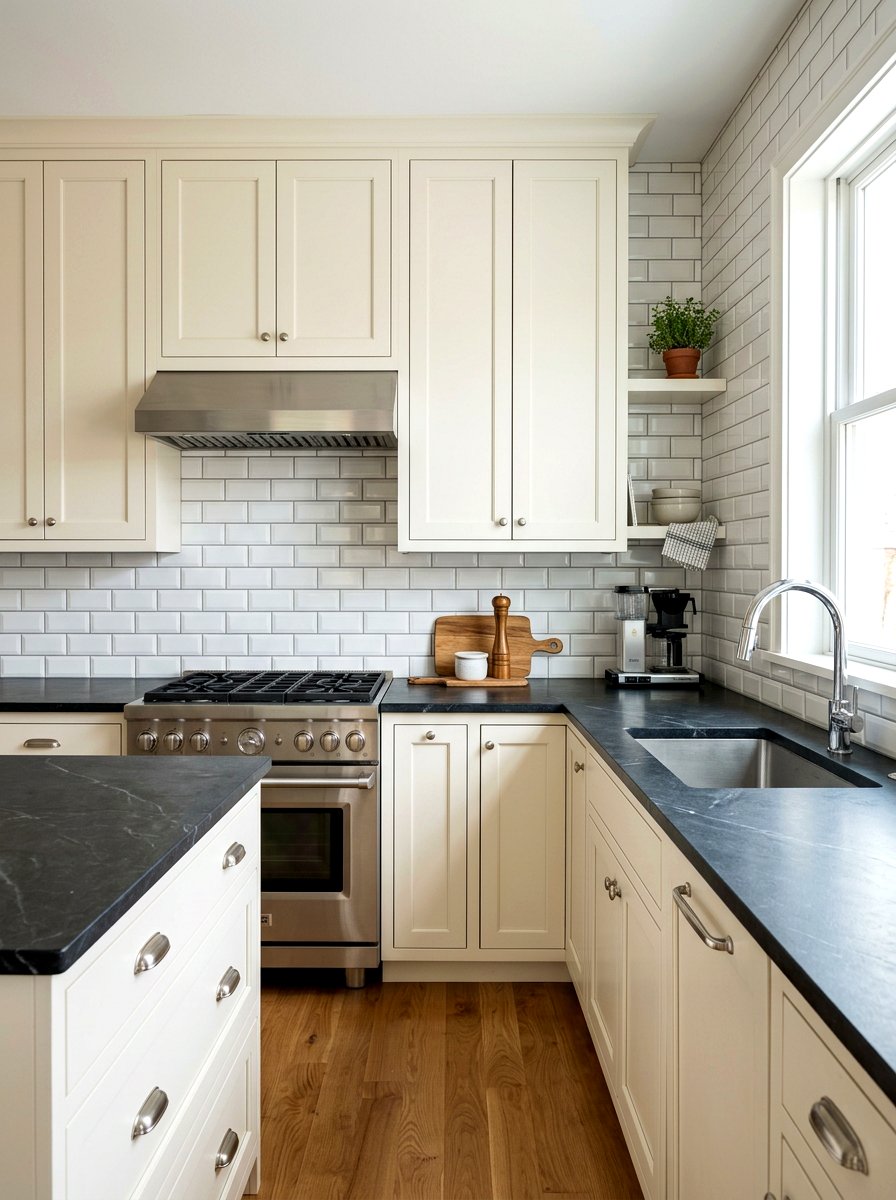
The subway tile backsplash remains one of the most popular choices for traditional kitchens due to its simple and rhythmic appearance. Using standard three-by-six-inch white tiles creates a clean, organized look that complements almost any cabinet style or countertop material you choose. For a more authentic traditional feel, you might opt for tiles with a slight crackle glaze or a beveled edge to add subtle depth. Installing the tiles in a classic running bond pattern keeps the focus on the overall room design rather than a busy wall. It is a cost-effective way to ensure your kitchen looks polished and professional while remaining very easy to maintain.
7. Glass Front Cabinet Kitchen
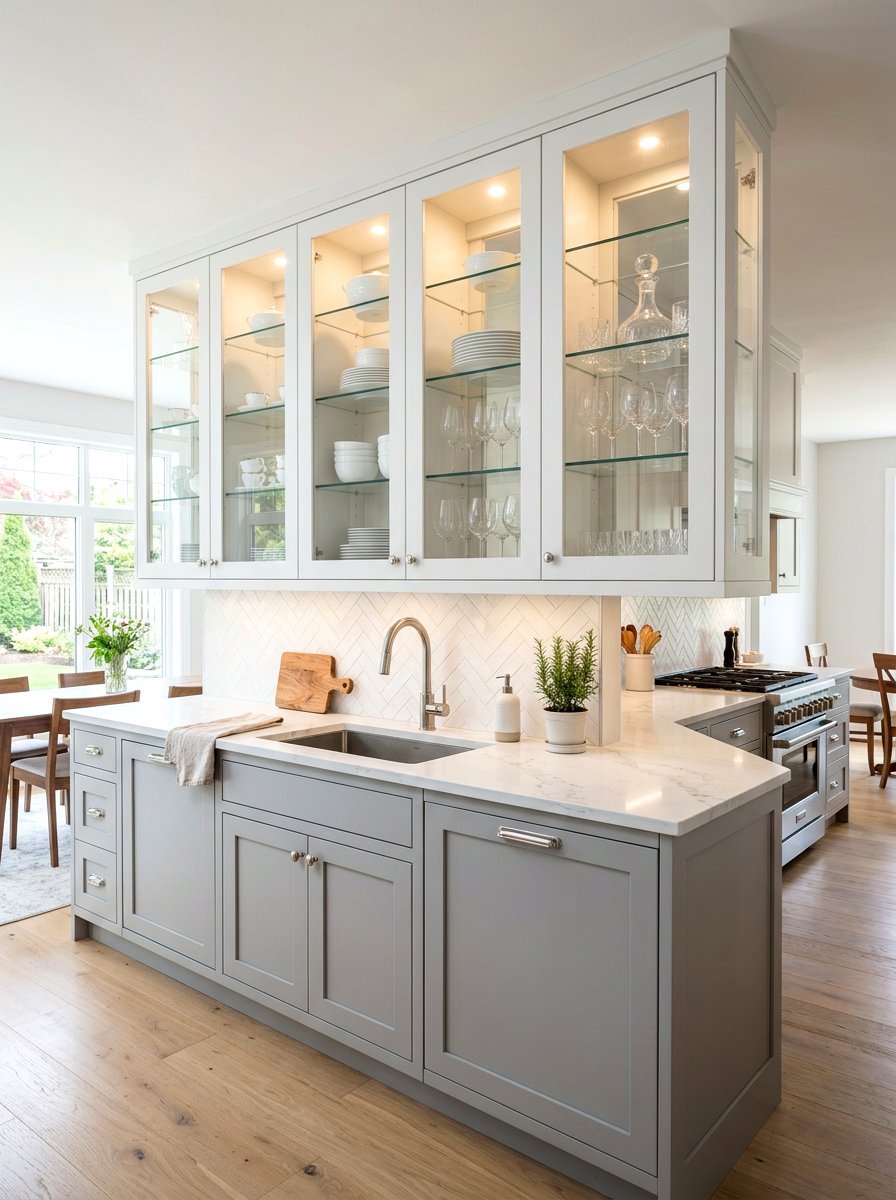
Adding glass-front upper cabinets is a brilliant way to introduce lightness and a sense of openness to a traditional kitchen layout. This design choice allows you to showcase your favorite sets of china, colorful mugs, or vintage glassware as part of the room’s decor. You can choose from clear glass for a modern touch or seeded and frosted glass to provide a bit more privacy for your stored items. Interior cabinet lighting can be added to these units to create a warm glow during the evening, turning your storage into a beautiful display. It breaks up long runs of solid wood and makes the walls feel less imposing.
8. Brass Hardware Kitchen
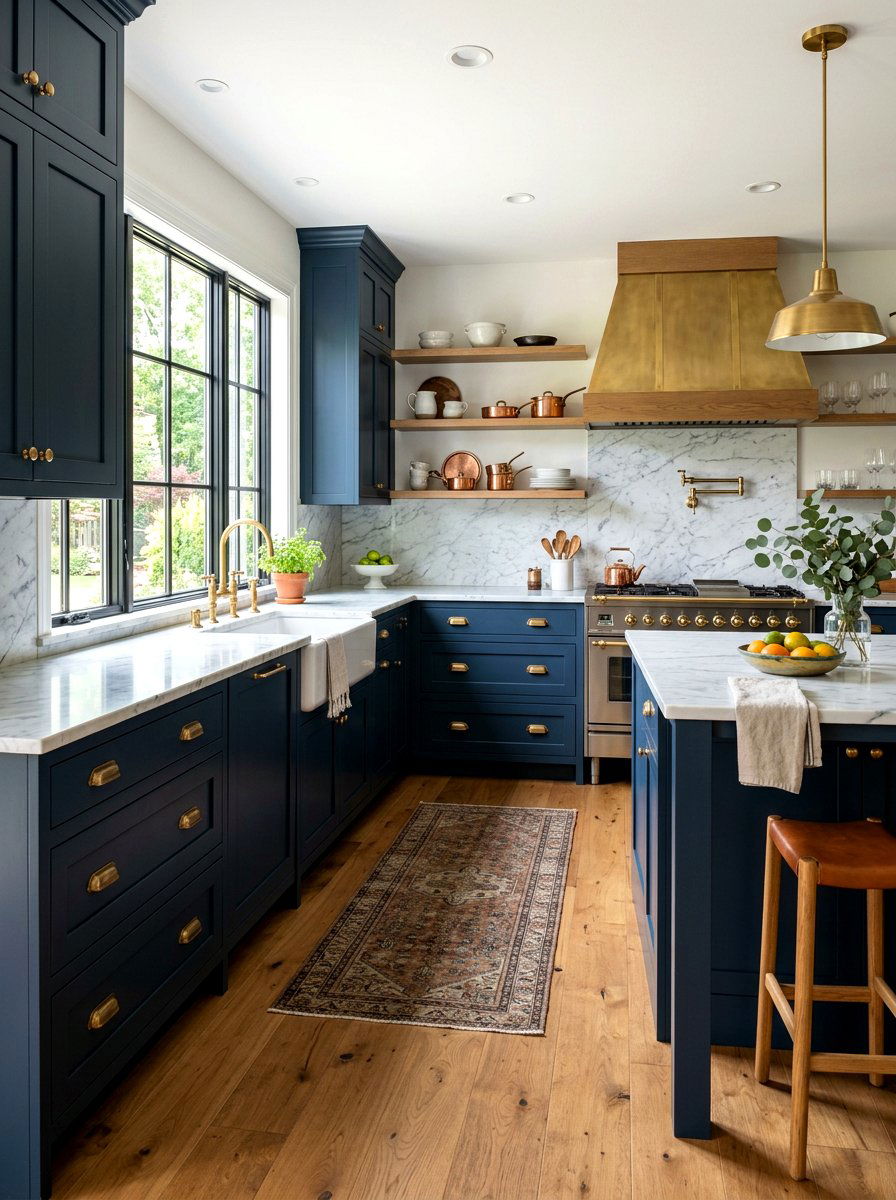
Switching to brass hardware is a simple yet impactful way to add a touch of vintage elegance and warmth to your cabinetry. Traditional designs often favor unlacquered brass, which develops a beautiful patina over time, or a polished finish for a more formal and bright appearance. These metallic accents pop beautifully against dark navy, forest green, or classic white cabinets, providing a cohesive look throughout the space. When selecting your pulls and knobs, look for designs with intricate details or classic shapes like bin pulls and round knobs. This small investment in quality hardware can make standard cabinets look like custom-made furniture pieces with very little effort.
9. Pendant Lighting Kitchen
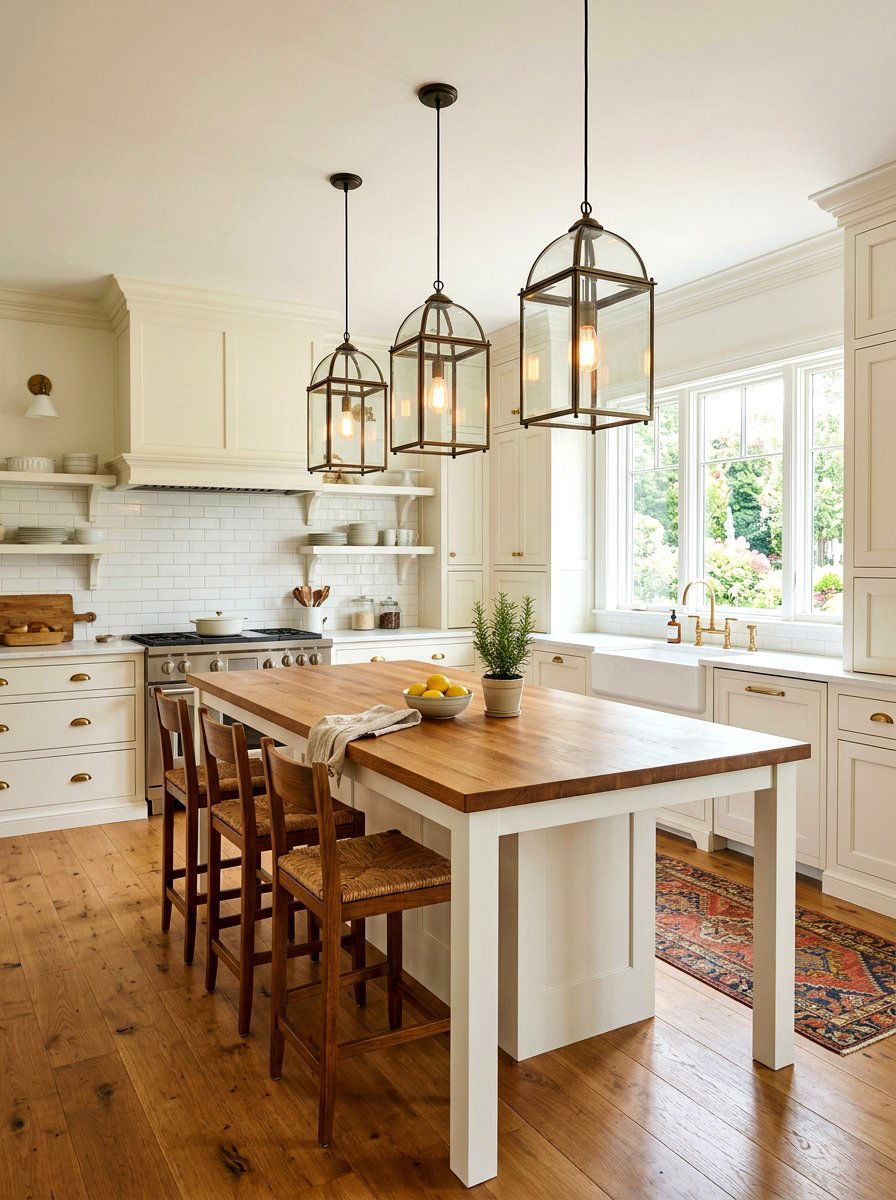
Large pendant lights hanging over an island or peninsula serve as the "jewelry" of a traditional kitchen, providing both style and function. For a classic look, consider lantern-style fixtures with glass panes or oversized metal domes that coordinate with your hardware finishes. These lights help define the different zones within an open-concept space and provide essential task lighting for food preparation and casual dining. Choosing fixtures with fabric shades can also soften the overall look and add a bit of traditional texture to the room. When spaced evenly, they create a sense of symmetry and balance that is essential to the traditional design philosophy and visual harmony.
10. Hardwood Floor Kitchen
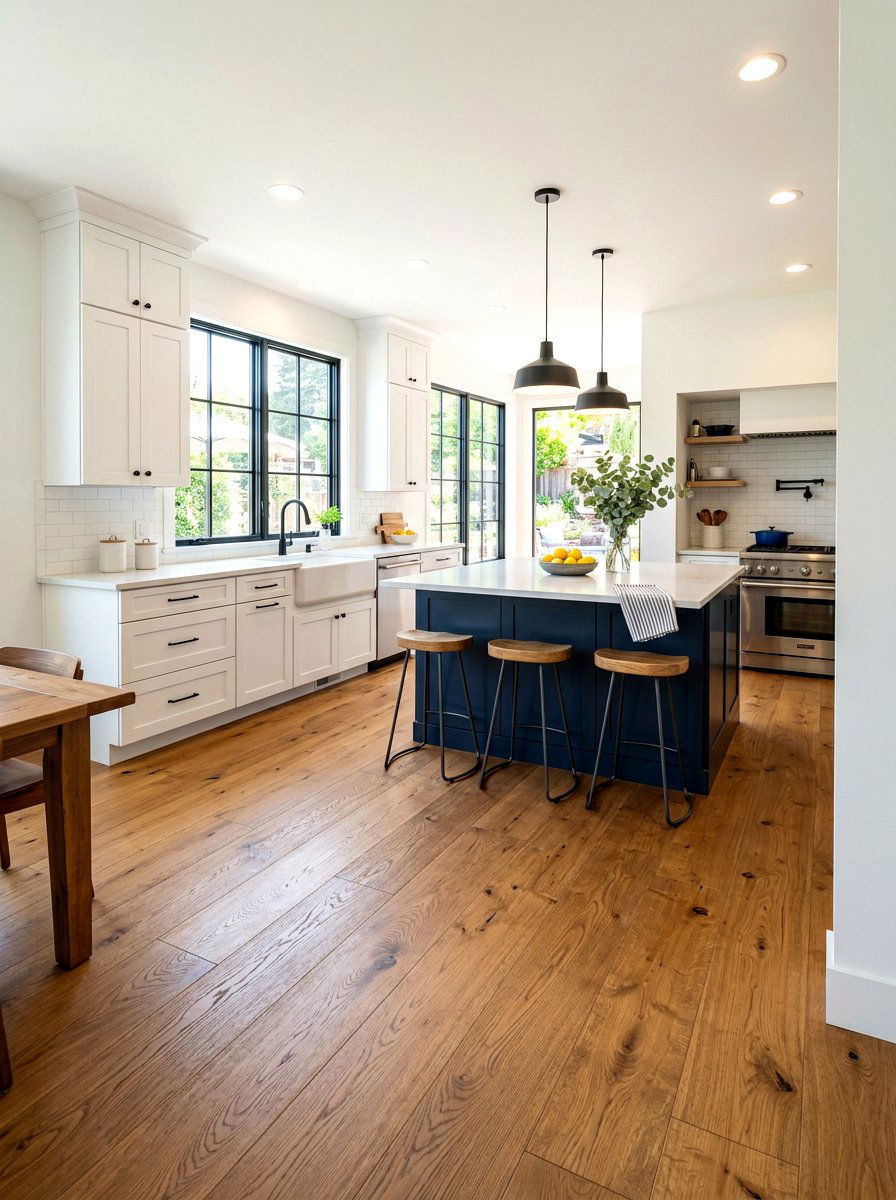
Installing hardwood floors brings an unmatched level of warmth and continuity to a traditional kitchen, especially when it connects to other living areas. Whether you choose wide-plank oak, rich walnut, or durable maple, the natural wood provides a soft surface underfoot that is much more comfortable than cold tile. In a traditional setting, a medium to dark stain often works best to ground the space and highlight the surrounding cabinetry. Using a high-quality finish ensures the wood can withstand the occasional spill and heavy foot traffic typical of a busy home. The natural variation in the wood grain adds a layer of organic beauty that feels incredibly inviting.
11. Kitchen Crown Molding
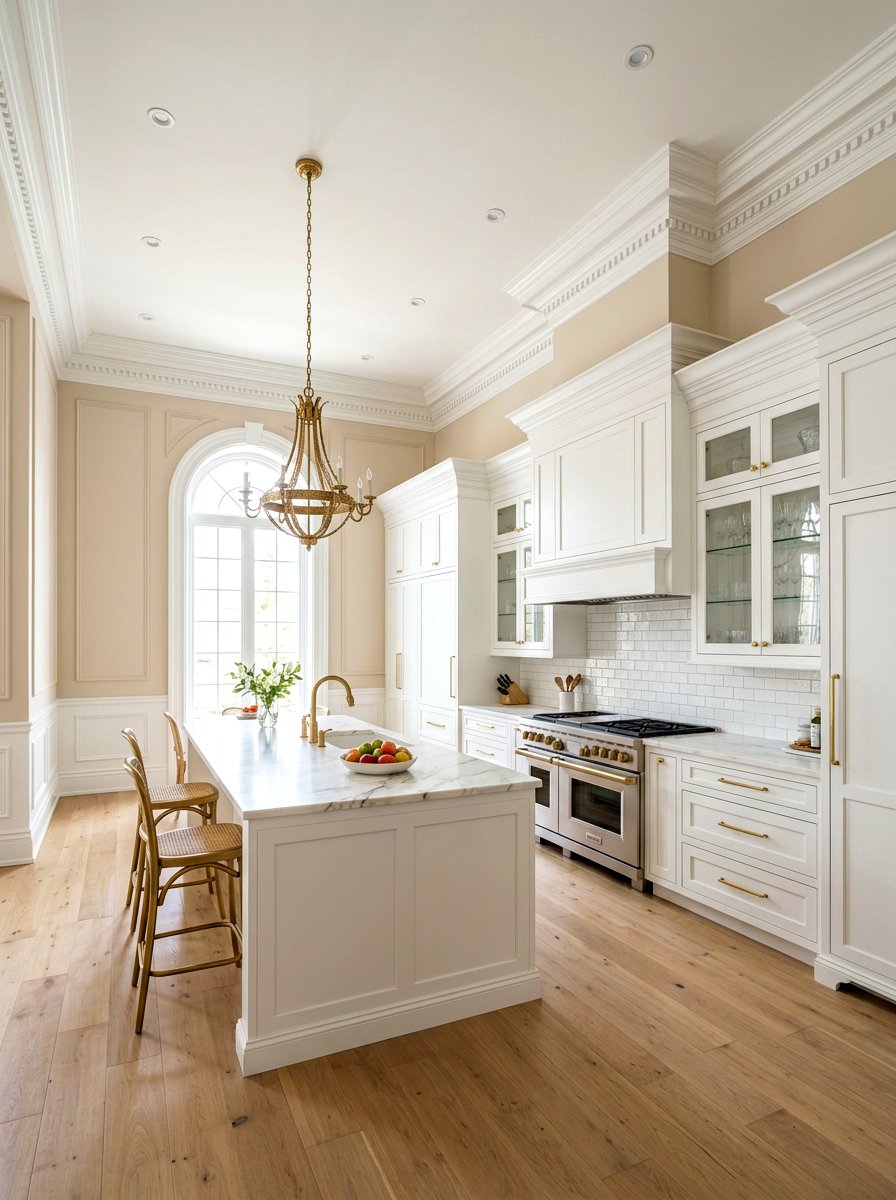
Adding generous crown molding to the tops of your cabinets and along the ceiling line is a defining feature of traditional architecture. This detail bridges the gap between the cabinetry and the ceiling, giving the kitchen a built-in, custom look that feels very substantial and expensive. You can layer different molding profiles to create a more intricate and formal appearance or keep it simple for a relaxed country feel. When painted to match the cabinets, it creates a seamless transition that draws the eye upward and makes the room feel taller. It is a relatively simple architectural addition that provides a massive boost to the room’s overall sophistication and value.
12. Neutral Kitchen Color
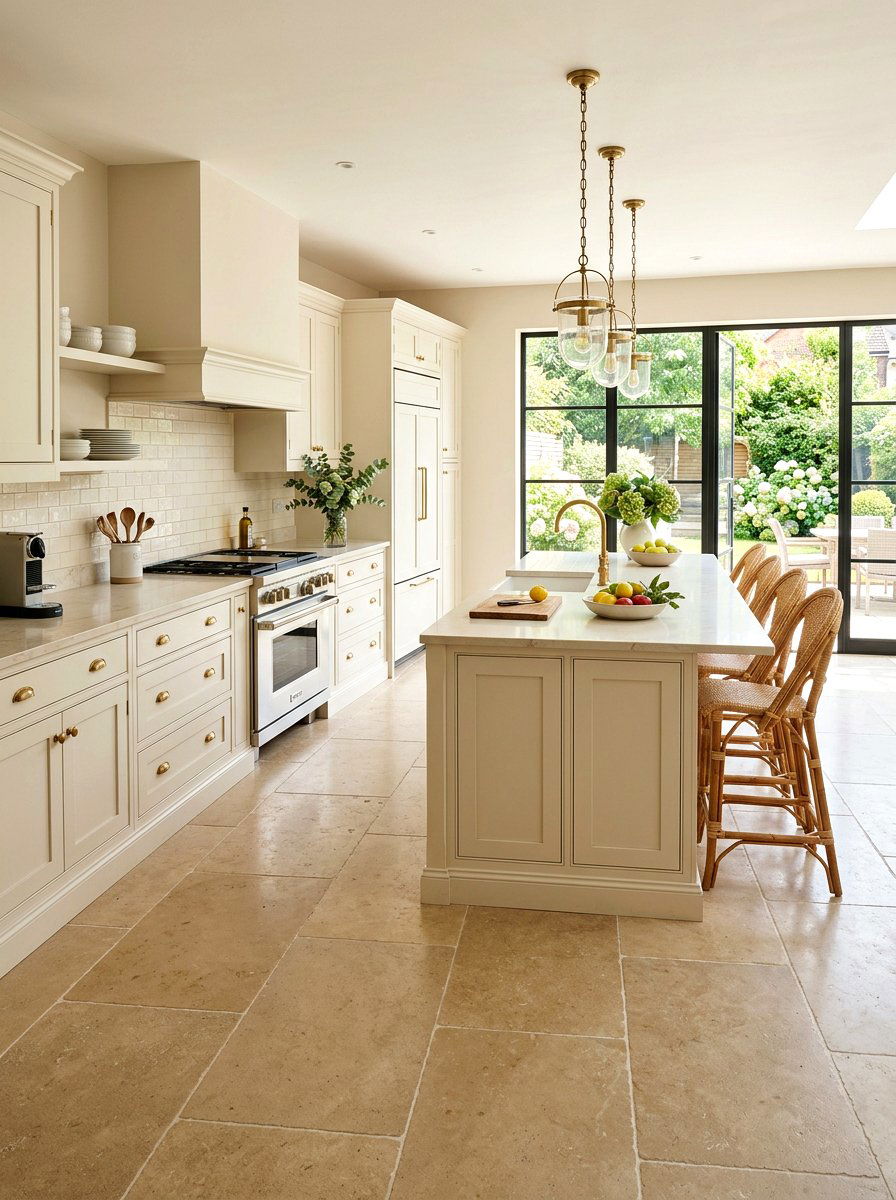
A neutral color palette consisting of creams, beiges, and soft grays is the foundation of a serene and timeless traditional kitchen design. These muted tones create a calming environment that allows the textures of the wood, stone, and metal to take center stage without competition. Neutral walls and cabinets also provide a versatile backdrop that you can easily update with colorful accessories, flowers, or seasonal decor. Unlike bold trends that may fade quickly, a neutral kitchen always looks fresh and sophisticated, making it a safe choice for long-term enjoyment and resale value. It fosters an airy feeling that makes even smaller kitchens feel open and very well-lit.
13. Walk In Pantry Kitchen
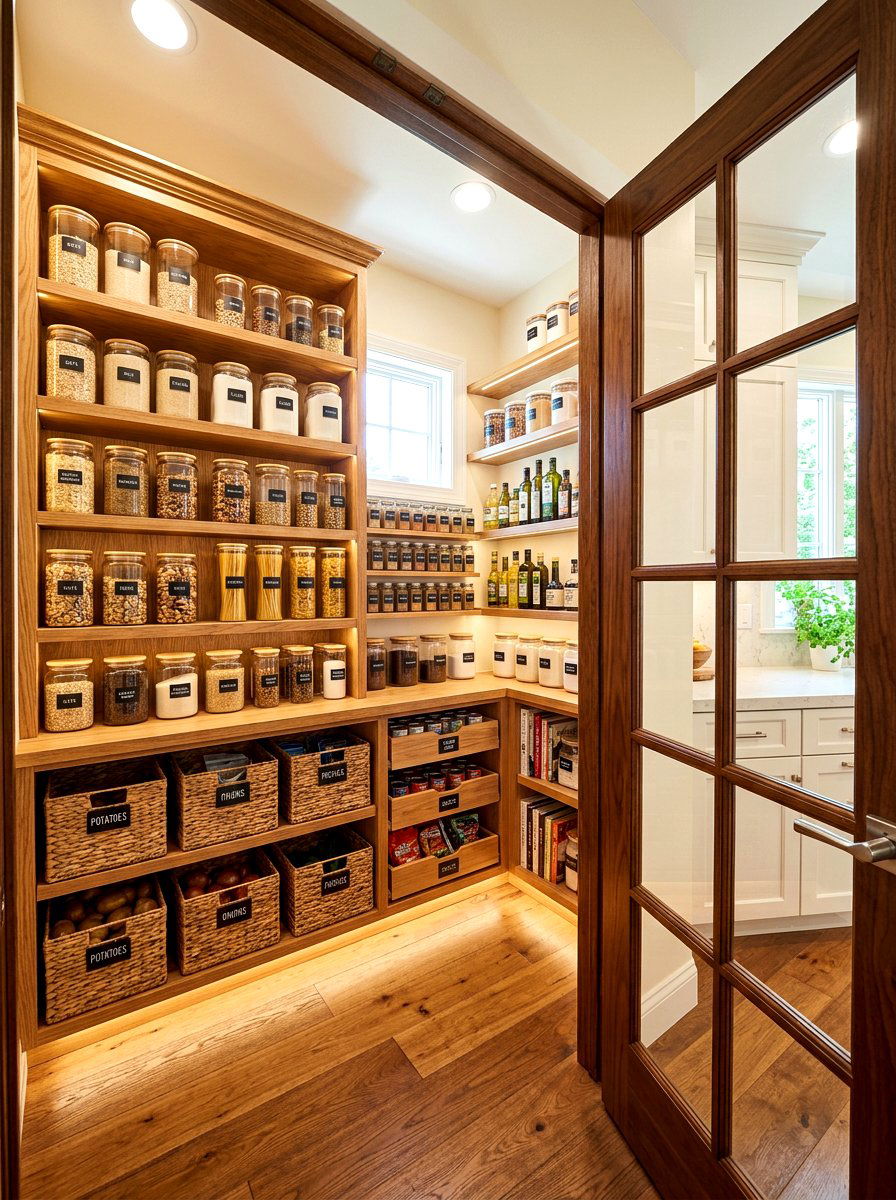
A dedicated walk-in pantry is a dream feature for any traditional kitchen, offering ample storage for dry goods, small appliances, and bulk supplies. This space allows you to keep the main cooking area clutter-free by hiding away the less attractive items behind a beautiful wooden or glass-paneled door. Inside, you can install custom shelving, baskets, and even a secondary countertop for coffee stations or baking prep. A well-organized pantry makes meal planning and grocery shopping much easier while adding a sense of old-world utility to the home. It is a practical luxury that enhances the overall workflow and organization of a high-functioning traditional household.
14. Kitchen Beadboard Wall
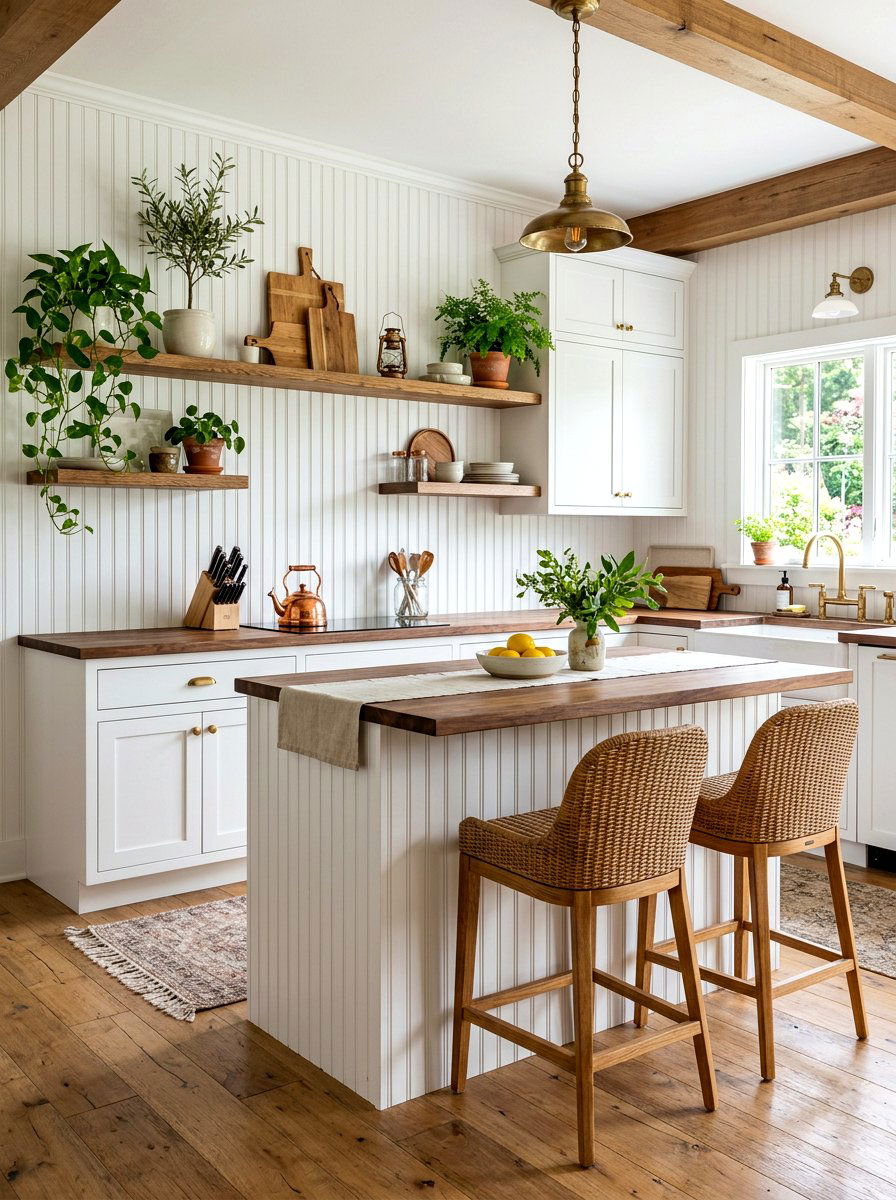
Integrating beadboard paneling on walls or as a backsplash adds a charming, cottage-style texture that is synonymous with traditional American design. The narrow vertical grooves provide visual interest and a sense of height, making the room feel cozy yet organized. You can use beadboard on the back of a kitchen island, inside open shelving, or even on the ceiling for a classic "porch" look. When painted in a soft white or a muted pastel, it creates a relaxed atmosphere that pairs perfectly with farmhouse sinks and butcher block countertops. It is an affordable way to add historic character to a newer home without a major structural renovation.
15. Traditional Open Shelf
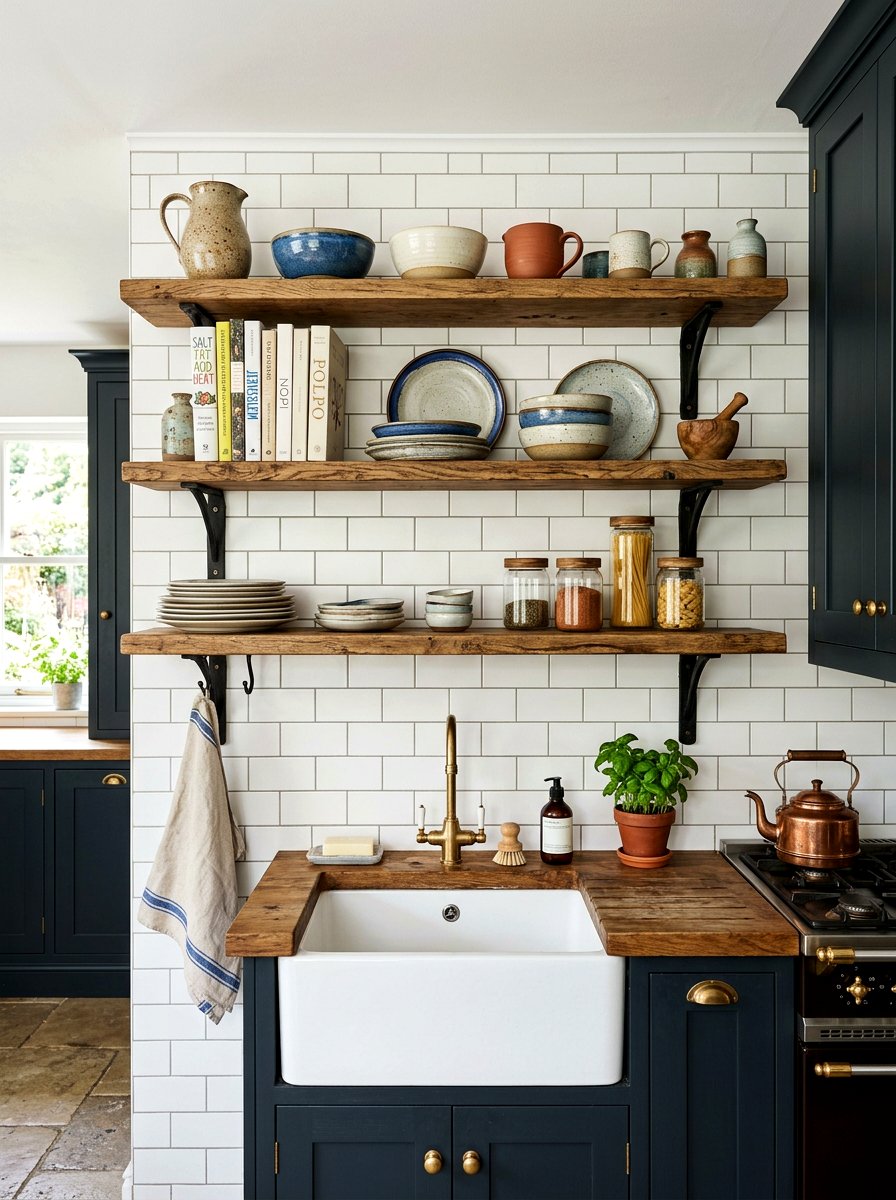
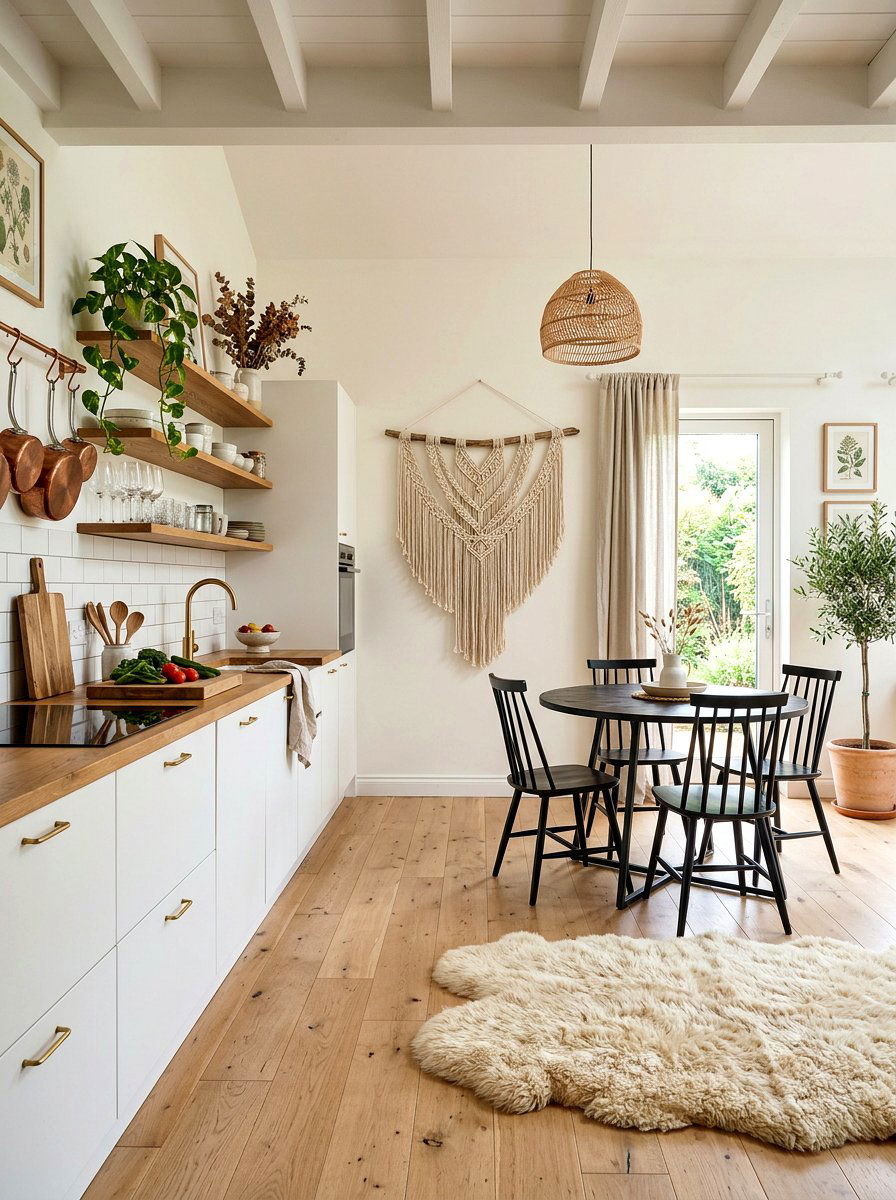
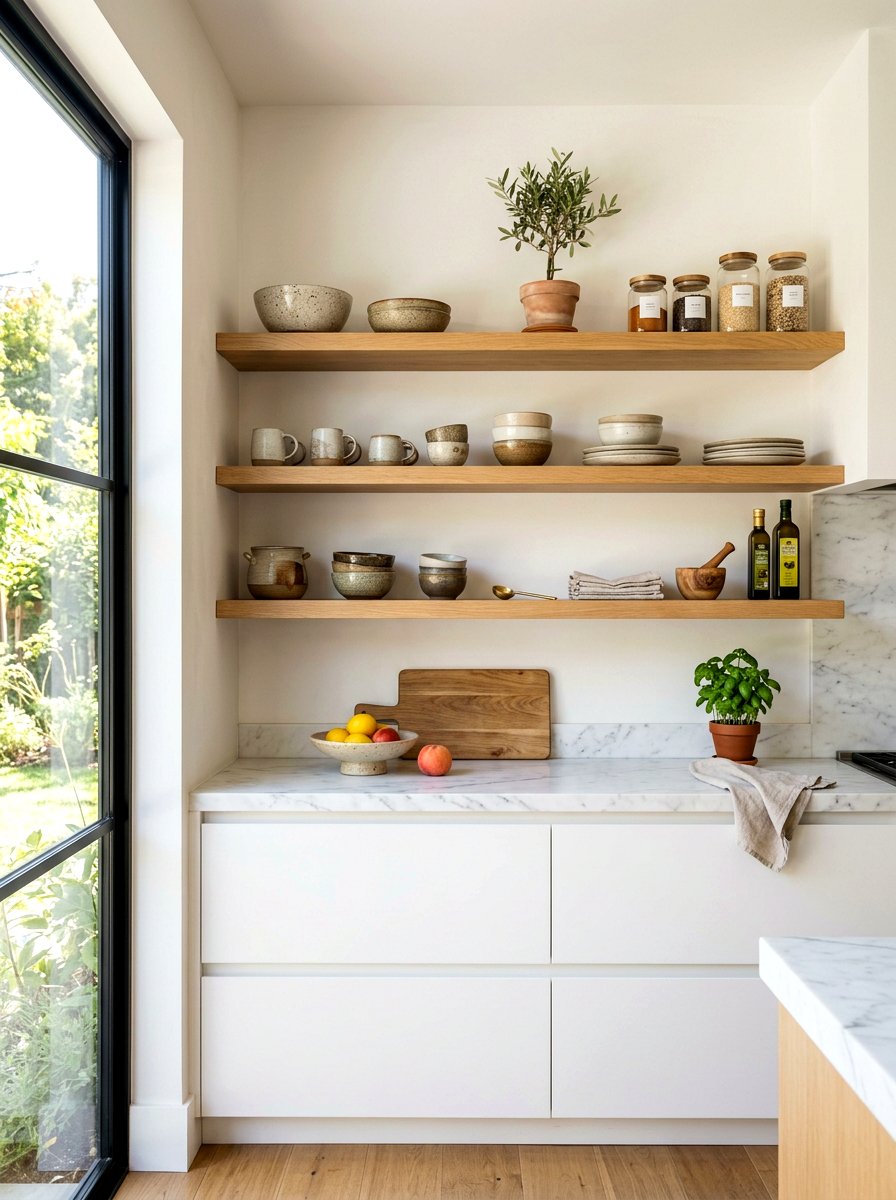
While many traditional kitchens favor closed cabinetry, adding a few well-placed open shelves can provide a wonderful opportunity for styling and accessibility. Thick wooden shelves supported by decorative metal or wooden brackets allow you to keep everyday items like plates and bowls within easy reach. This design choice prevents a kitchen from feeling too "boxy" and provides a place to display art, cookbooks, or antique kitchen tools. In a traditional setting, it is important to keep the items on the shelves organized and color-coordinated to maintain a polished look. It is a great way to show off the personality of the homeowners in a visible way.
16. Kitchen Range Hood
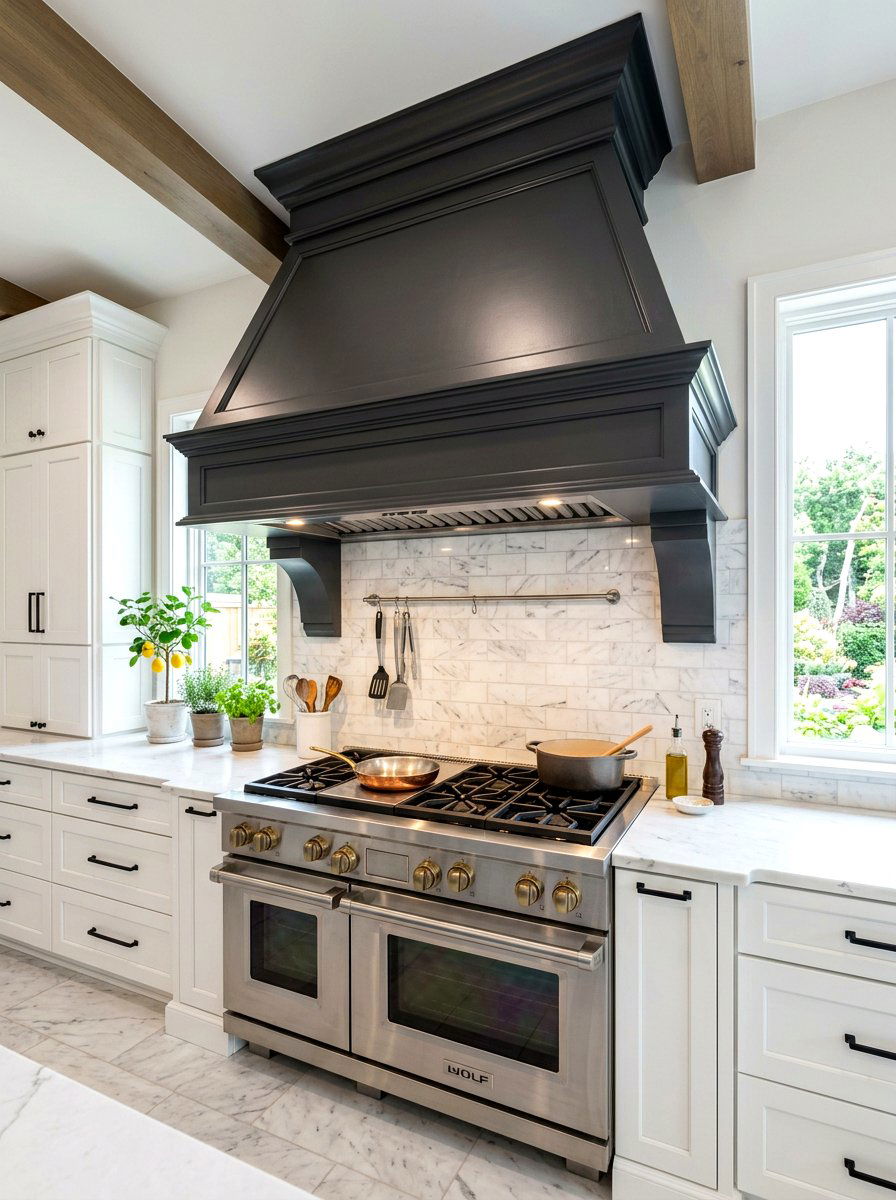
A decorative range hood serves as a powerful architectural focal point that anchors the cooking zone in a high-end traditional kitchen. Instead of a simple stainless steel vent, a traditional design often features a custom-built wooden shroud or a large cast-stone mantle. This element can be painted to match the cabinetry or finished in a contrasting wood stain to create a dramatic statement above the stove. Some designs even include a small shelf for spices or decorative items, further integrating the appliance into the overall decor. A large, well-designed hood creates a sense of professional-grade quality and adds immense visual weight to the main wall.
17. Kitchen Pot Filler
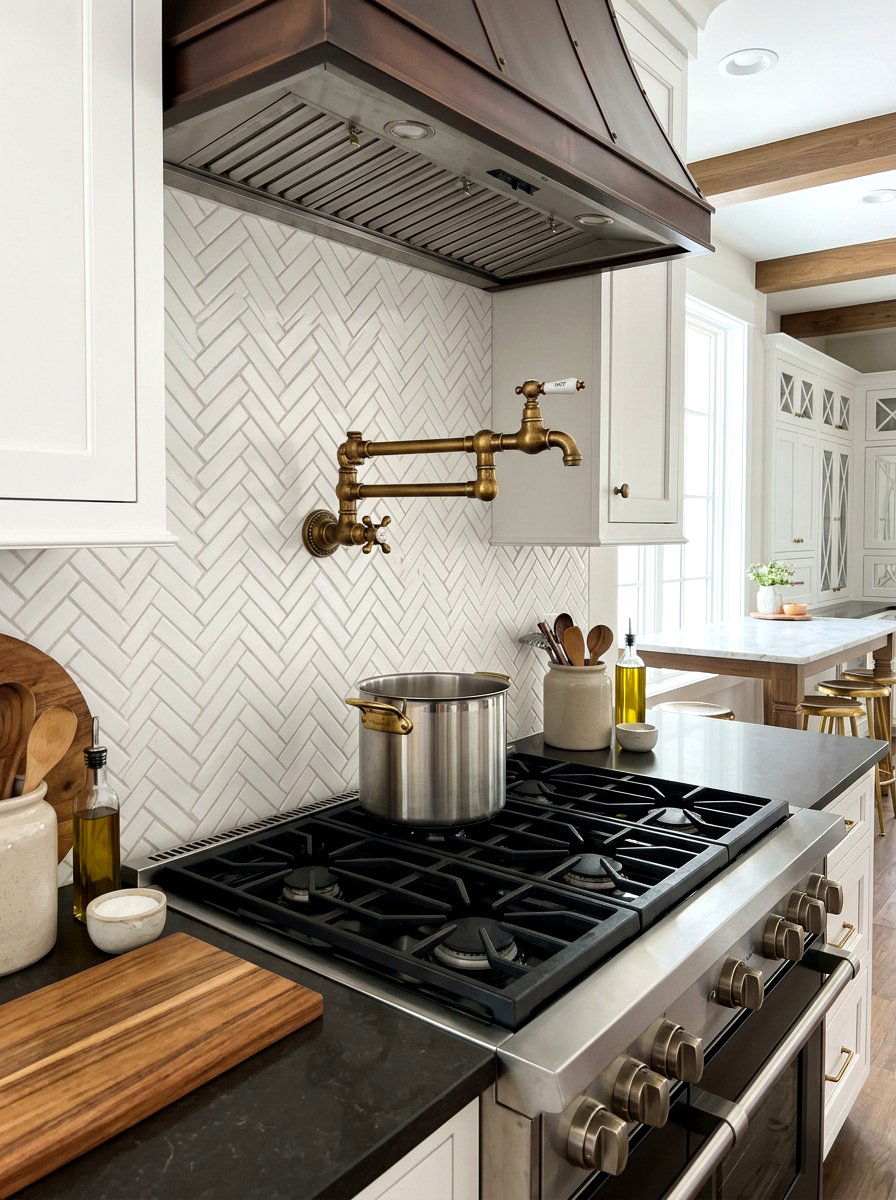
Installing a pot filler faucet directly over the stove is a luxury feature that combines traditional utility with a high-end gourmet feel. This swing-out faucet allows you to fill heavy pots with water without having to carry them from the sink to the range, saving time and physical effort. In terms of design, choosing a pot filler in a finish that matches your main sink faucet — such as oil-rubbed bronze or polished nickel — creates a cohesive and professional look. It is a small detail that speaks volumes about the functionality of the space and is a highly sought-after feature for serious home cooks and kitchen enthusiasts.
18. Butcher Block Island
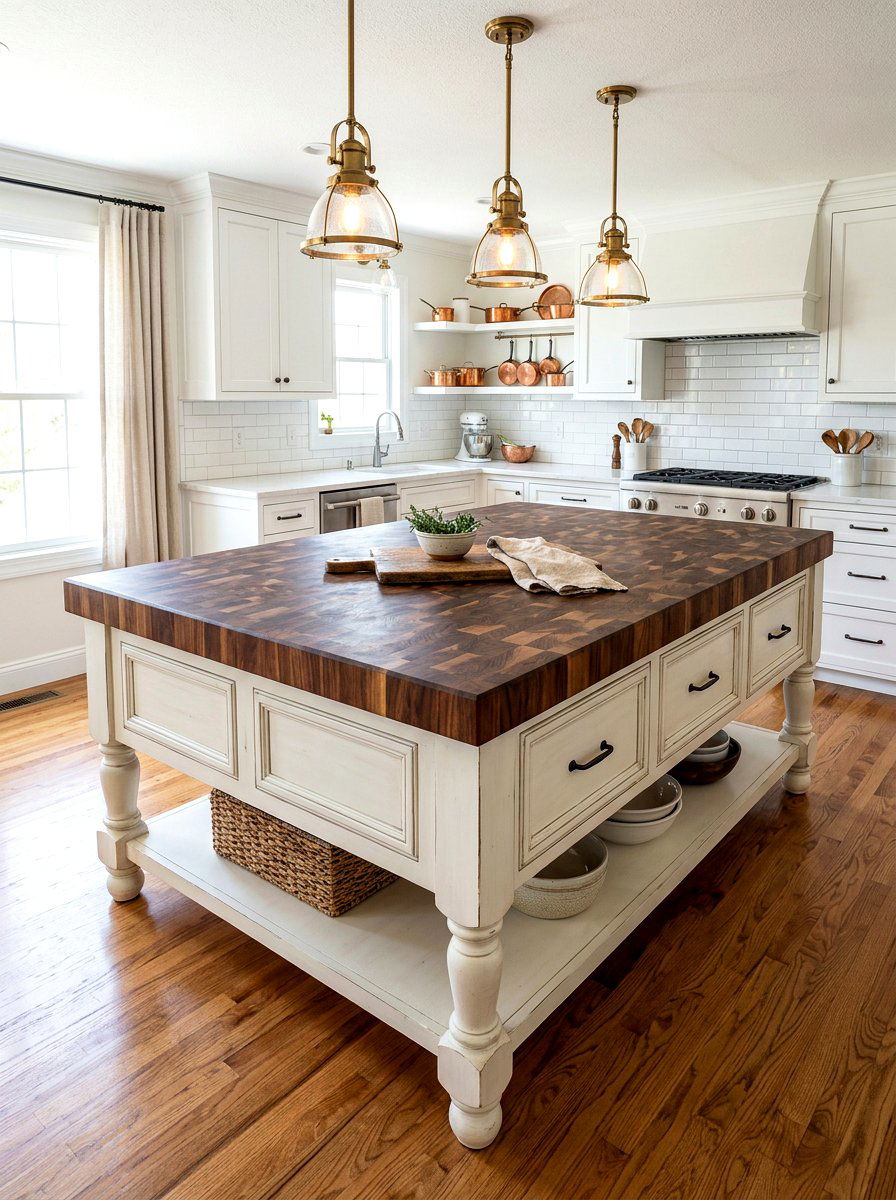
A butcher block countertop on a kitchen island introduces a warm, organic element that is perfect for food preparation and casual gatherings. The natural wood surface is gentle on knives and provides a sturdy area for chopping vegetables or rolling out dough for baking. In a traditional kitchen, a thick end-grain walnut or maple block adds a rustic, farmhouse-inspired touch that contrasts beautifully with stone perimeter counters. Over time, the wood develops a unique patina that tells the story of many family meals. It is a tactile and functional design choice that makes the island feel more like a piece of freestanding furniture than a built-in cabinet.
19. Kitchen Breakfast Nook
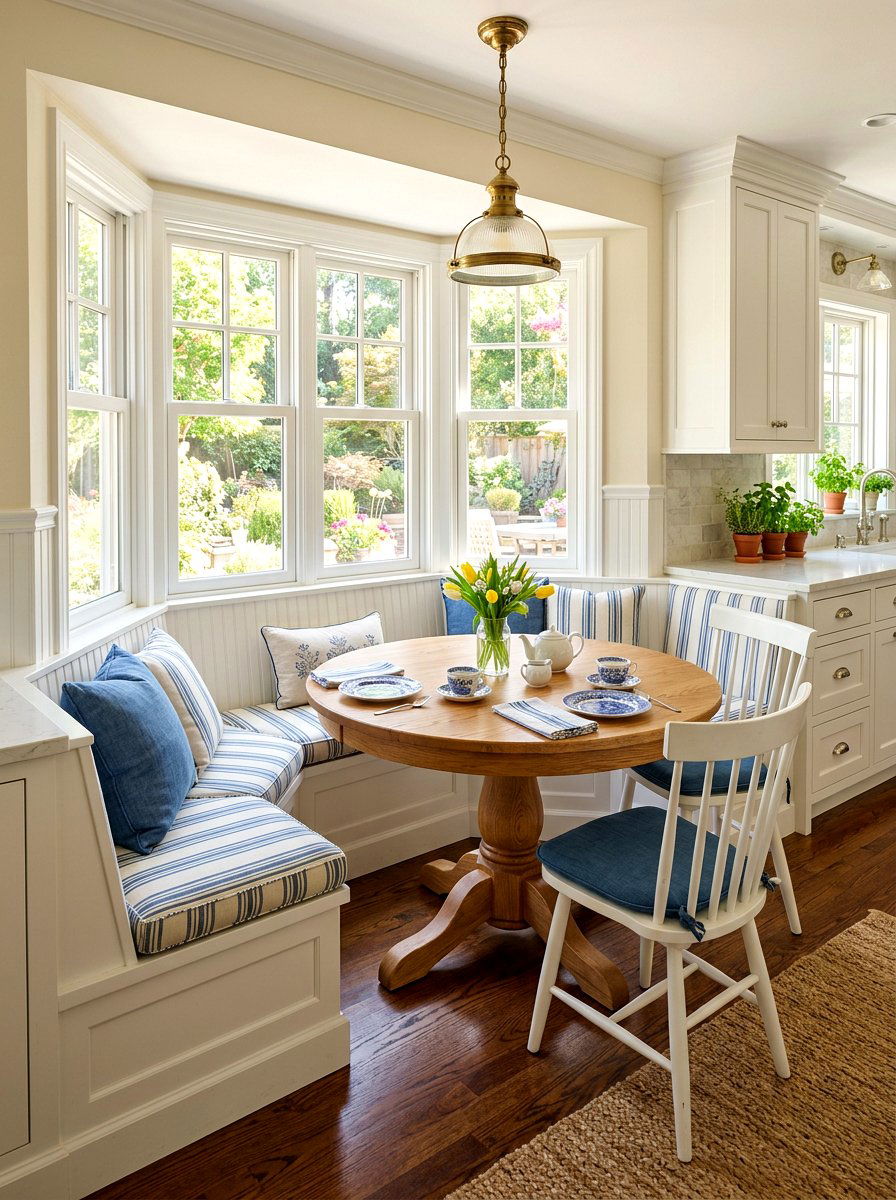
A cozy breakfast nook with built-in banquette seating is the perfect addition to a traditional kitchen, providing a dedicated space for informal meals. By tucking a small table and padded benches into a corner or a bay window, you create an inviting spot for morning coffee or casual family dinners. You can add decorative pillows and cushions in classic patterns like stripes or florals to introduce more color and softness to the room. This design maximizes floor space and encourages family members to linger in the kitchen longer. It offers a much more intimate feeling than sitting at a formal dining table or a high bar.
20. Kitchen Spice Rack
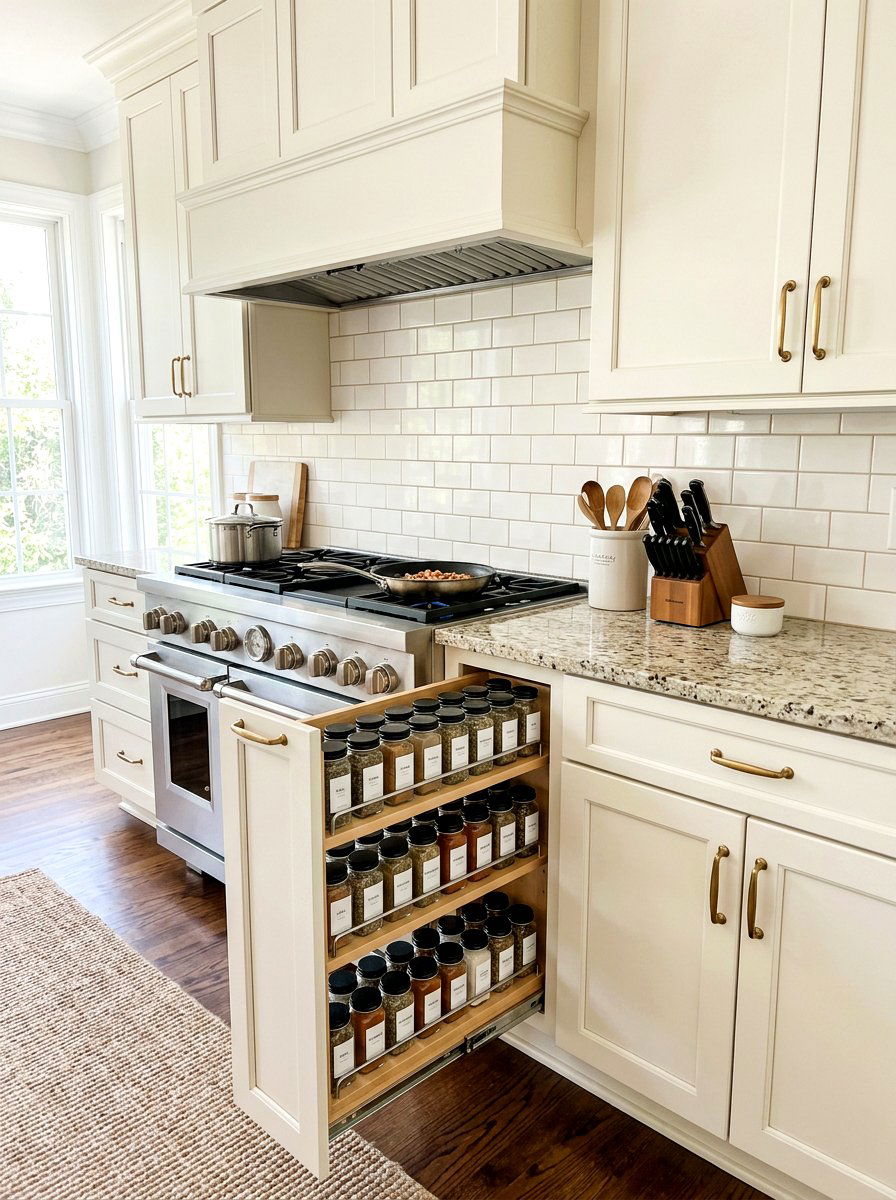
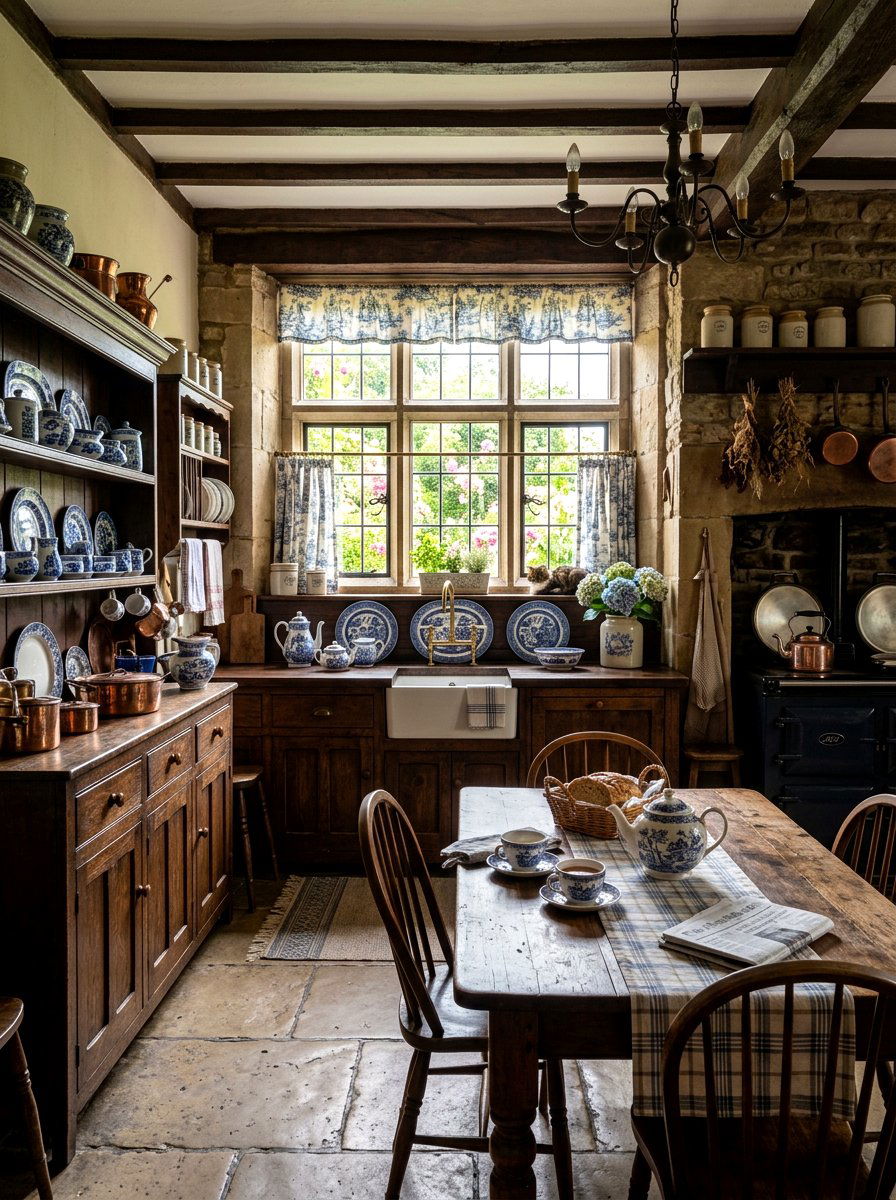
Integrating a built-in spice rack into your cabinetry ensures that your most-used ingredients are always organized and within easy reach of the cooking zone. In a traditional design, these racks can be hidden behind a pull-out cabinet door or displayed in a decorative niche near the range hood. Using uniform glass jars with classic labels can turn a simple storage solution into a beautiful and functional design element. This attention to detail prevents cluttered countertops and helps you maintain a clean, professional-looking environment. It is a small but essential feature for anyone who loves to cook and values a highly organized and efficient kitchen layout.
21. Under Cabinet Lighting
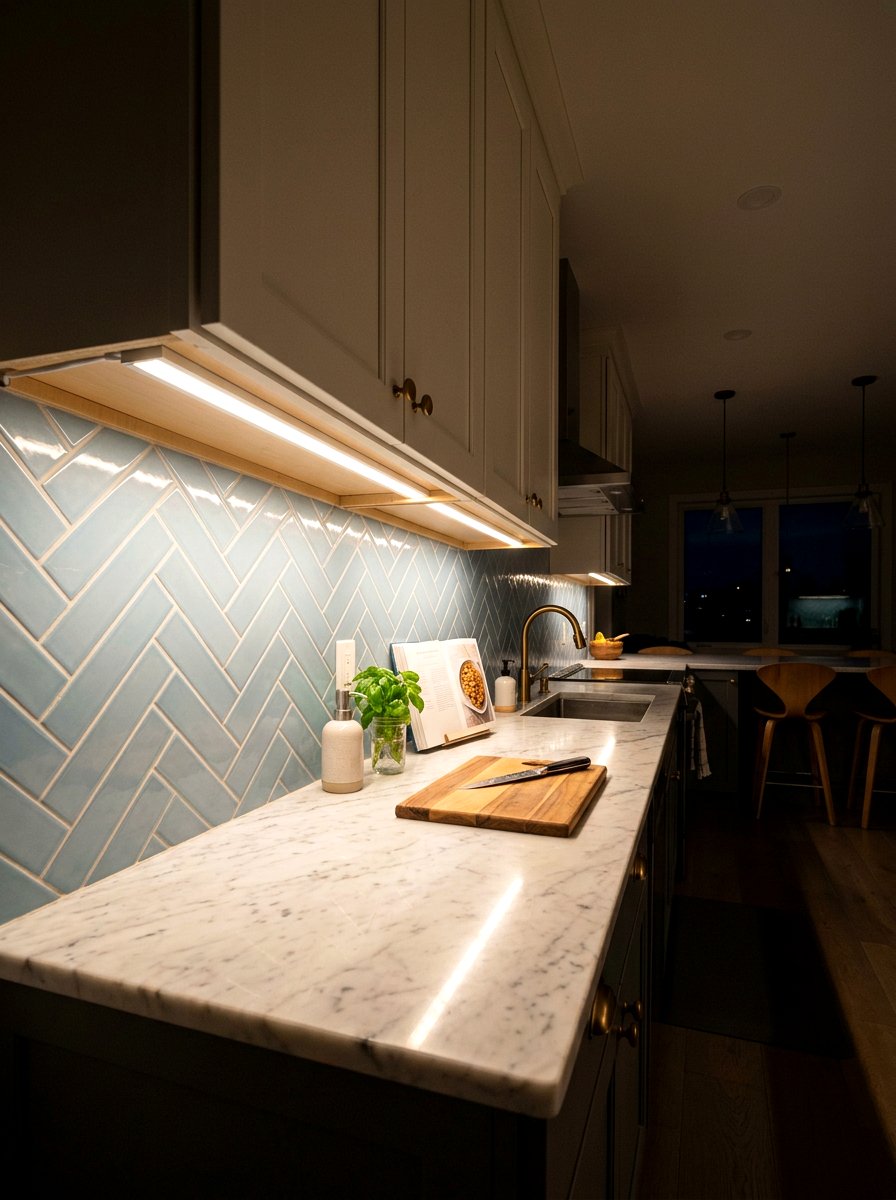
Under cabinet lighting is an essential modern upgrade for traditional kitchens, providing critical task lighting for countertops while enhancing the overall ambiance. These hidden fixtures illuminate the backsplash and work surfaces, making it much easier to prep food and read recipes safely. In the evening, turning off the main ceiling lights and leaving the under-cabinet lights on creates a soft, warm glow that makes the kitchen feel cozy and inviting. This lighting also helps to highlight the textures of your tile or stone backsplash, adding depth and dimension to the room’s design. It is a functional and aesthetic improvement that every traditional kitchen should include.
22. Double Wall Oven
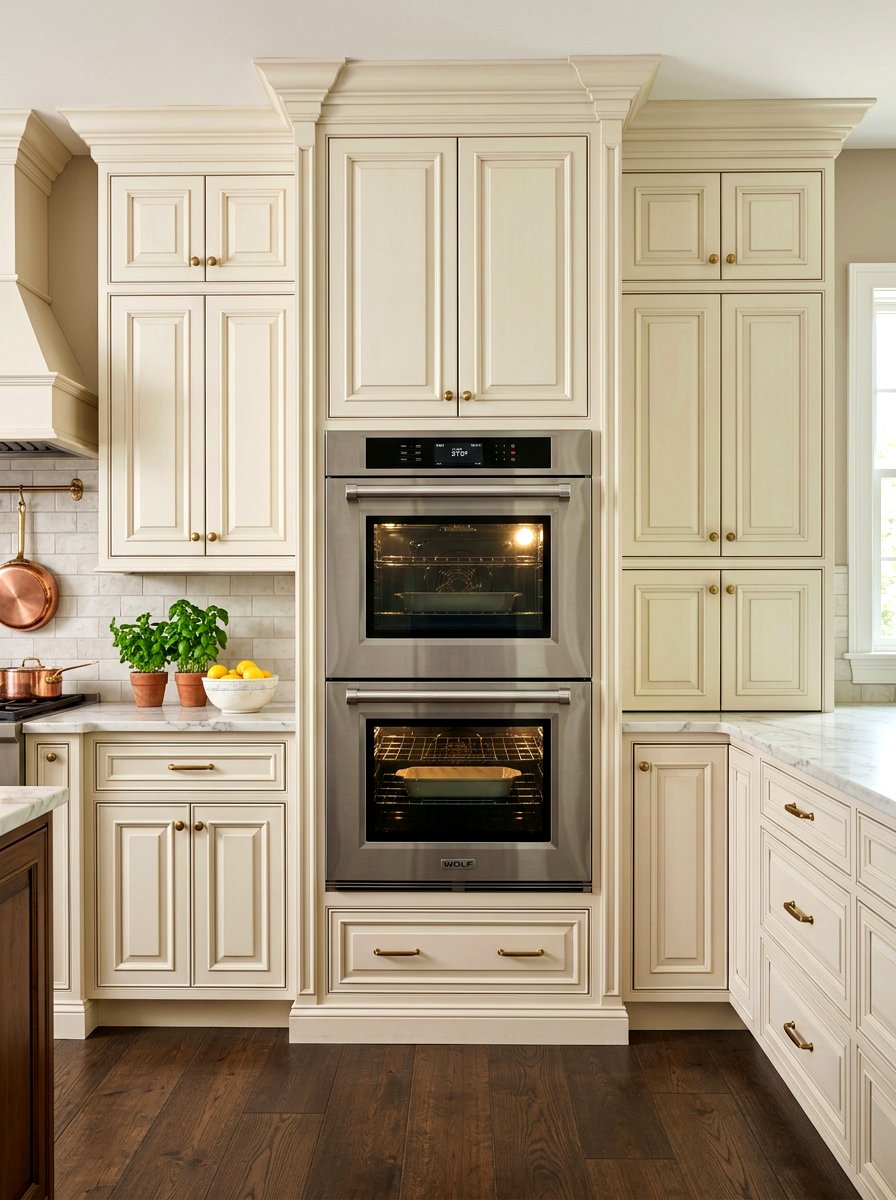
A double wall oven is a hallmark of a professional-grade traditional kitchen, offering the capacity to cook multiple dishes at different temperatures simultaneously. This setup is ideal for large families or those who love to host holiday dinners and dinner parties throughout the year. By placing the ovens in a dedicated cabinet tower, you free up space under the cooktop for additional storage drawers for pots and pans. From a design perspective, the symmetry of two ovens stacked vertically adds a sense of order and high-end luxury to the room. It makes the kitchen feel like a serious workspace designed for a passionate and skilled home chef.
23. Granite Kitchen Countertop
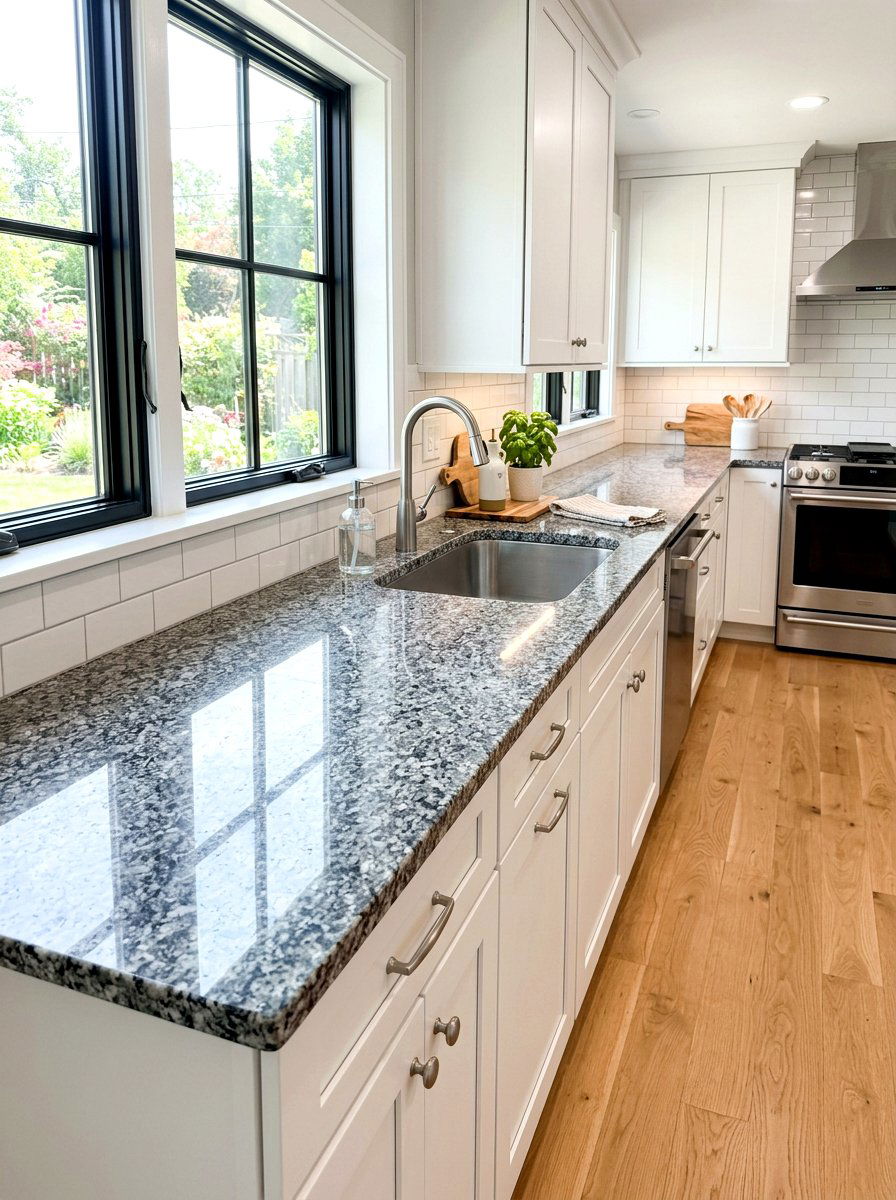
Granite countertops remain a top choice for traditional kitchens due to their incredible durability and unique, natural beauty that lasts for decades. Each slab of granite features its own distinct pattern of speckles and swirls, offering a one-of-a-kind look that synthetic materials cannot match. This stone is highly resistant to heat and scratches, making it a practical choice for a busy family kitchen that sees a lot of daily use. In a traditional setting, choosing a polished or honed finish with a classic edge profile enhances the stone’s elegance. Pairing dark granite with light cabinets creates a timeless contrast that feels balanced, sophisticated, and very sturdy.
24. Wood Ceiling Beam
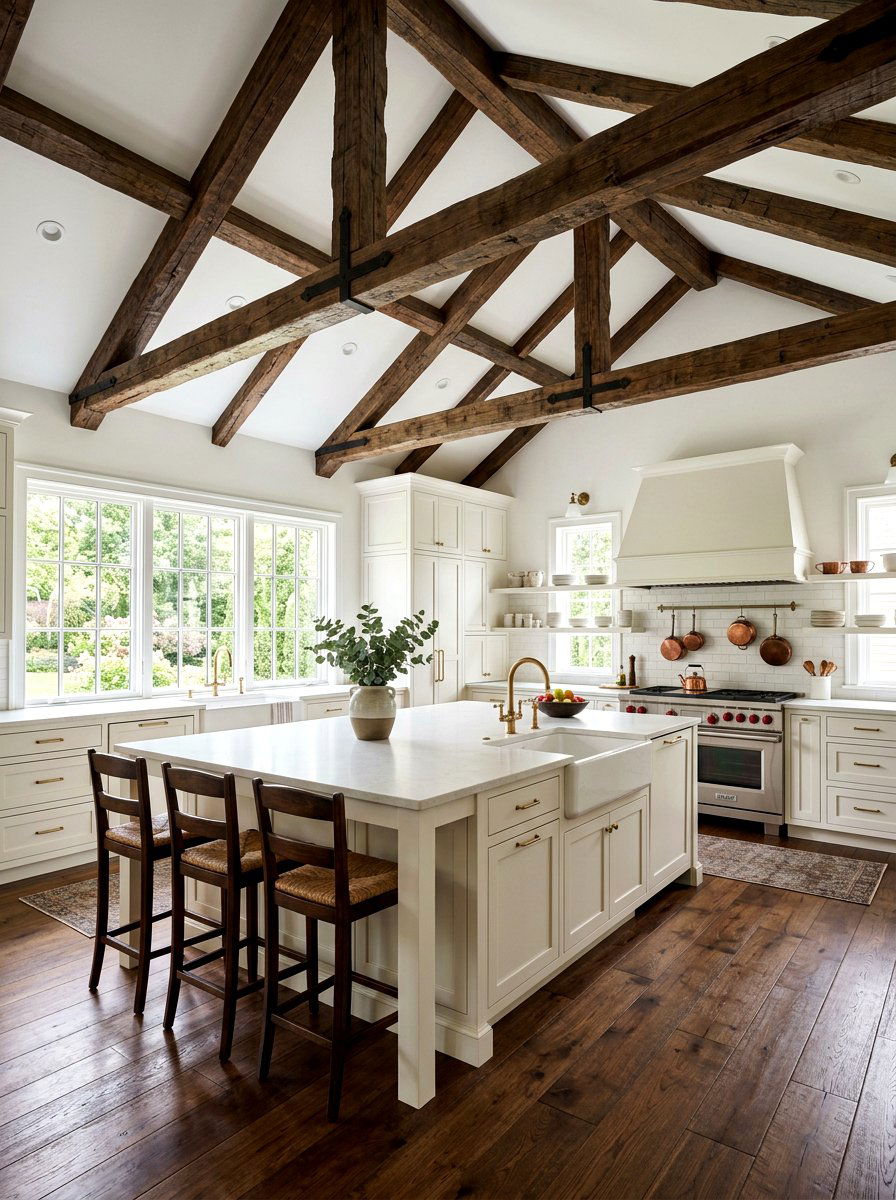
Installing exposed wood ceiling beams is a fantastic way to add architectural interest and a sense of history to a traditional kitchen. These beams can be structural or purely decorative, providing a rustic or "old-world" feel that grounds the entire space beautifully. Whether you choose dark, rough-hewn timber or smooth, painted beams, they draw the eye upward and help define the ceiling height. In an open-concept layout, beams can also serve as a visual divider between the kitchen and the living room. They add a layer of warmth and texture that complements hardwood floors and wooden cabinetry, creating a cohesive and very inviting environment.
25. Kitchen Plate Rack
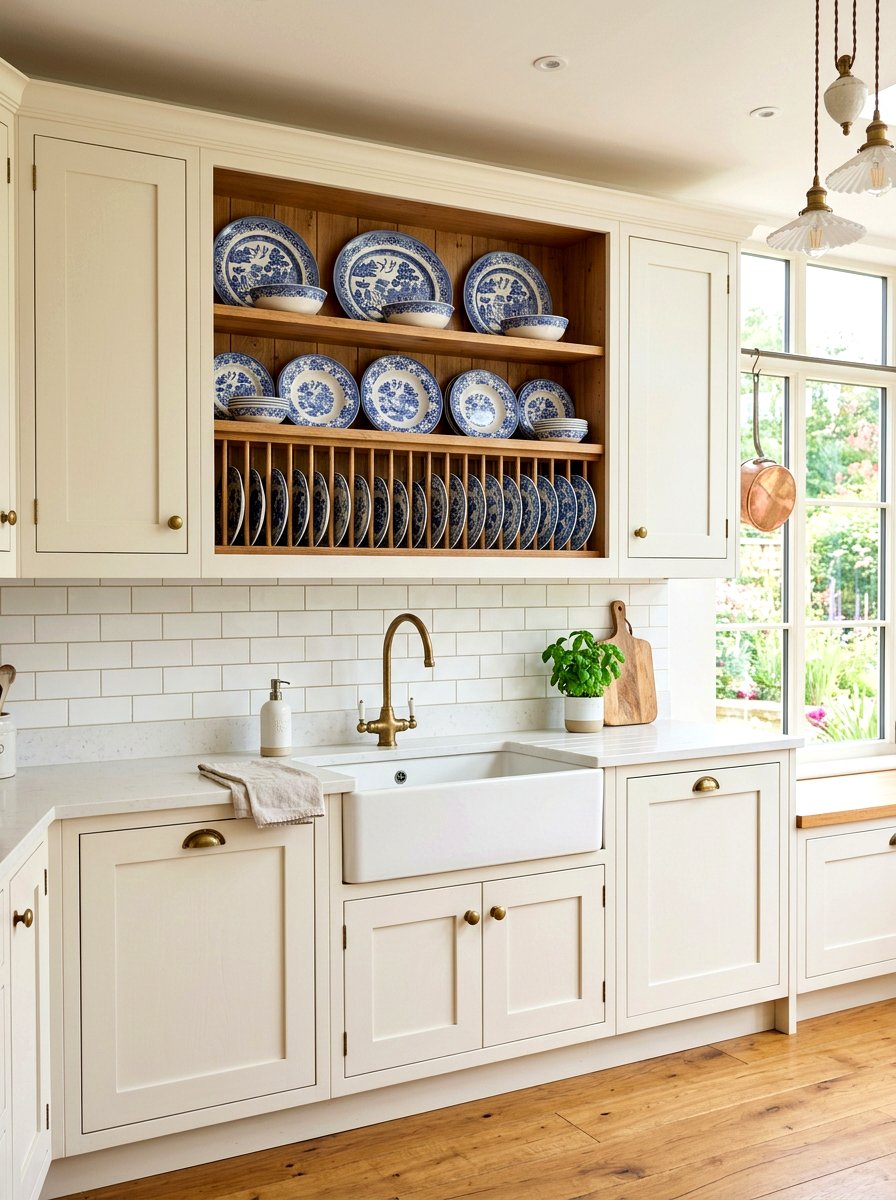
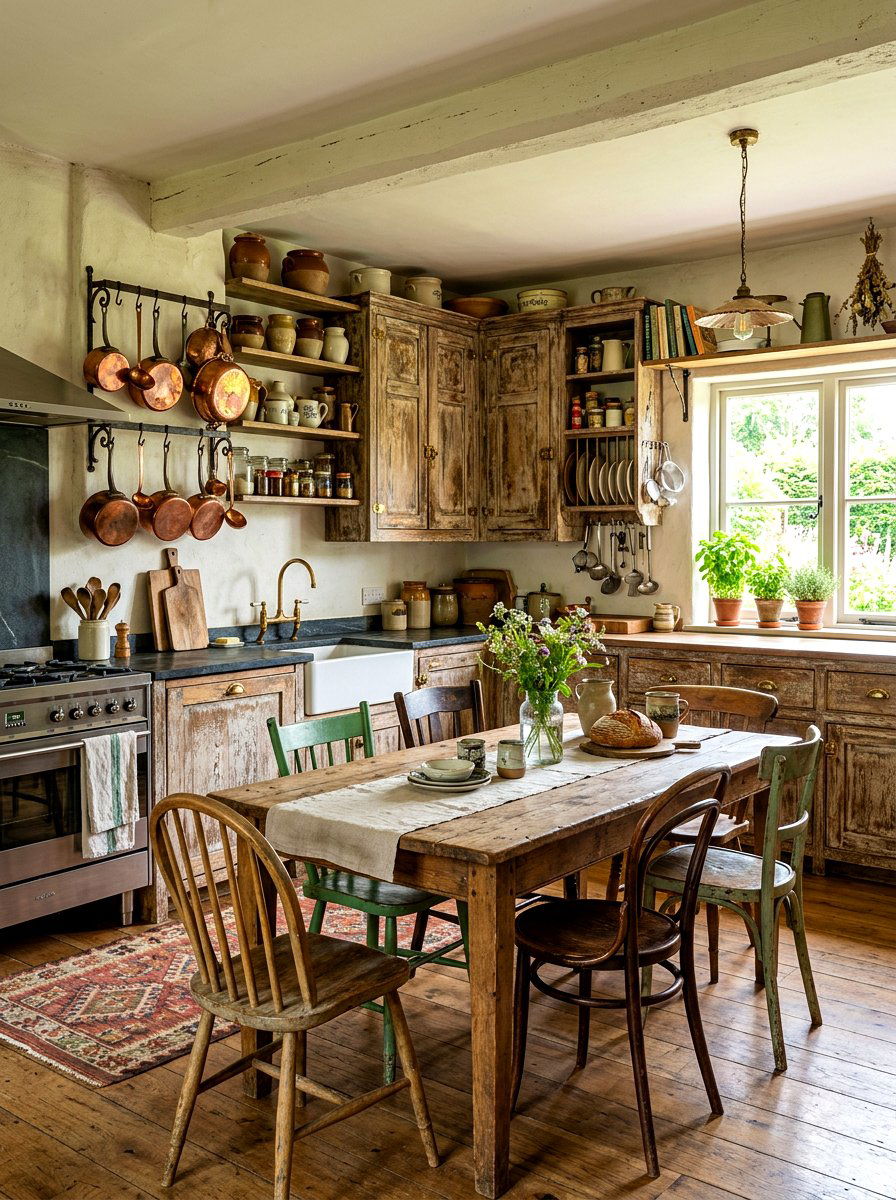
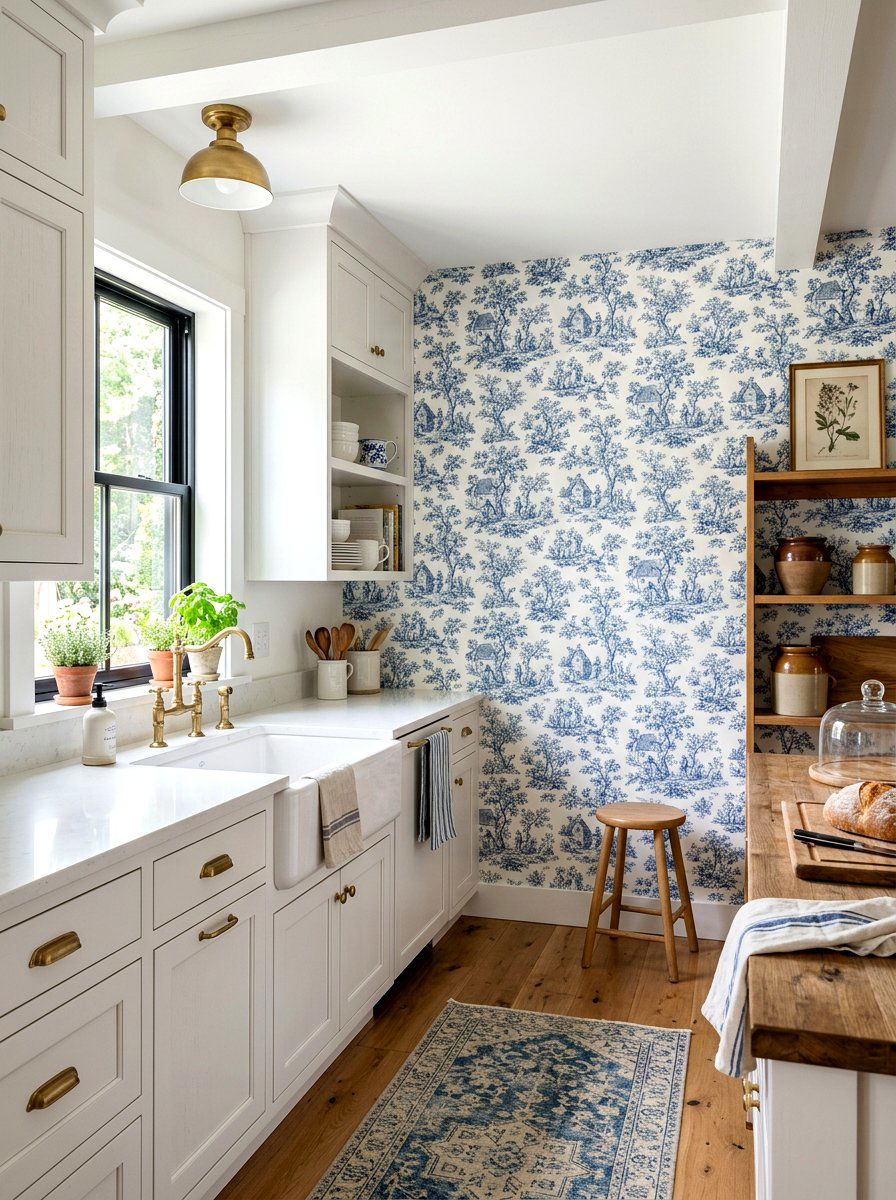
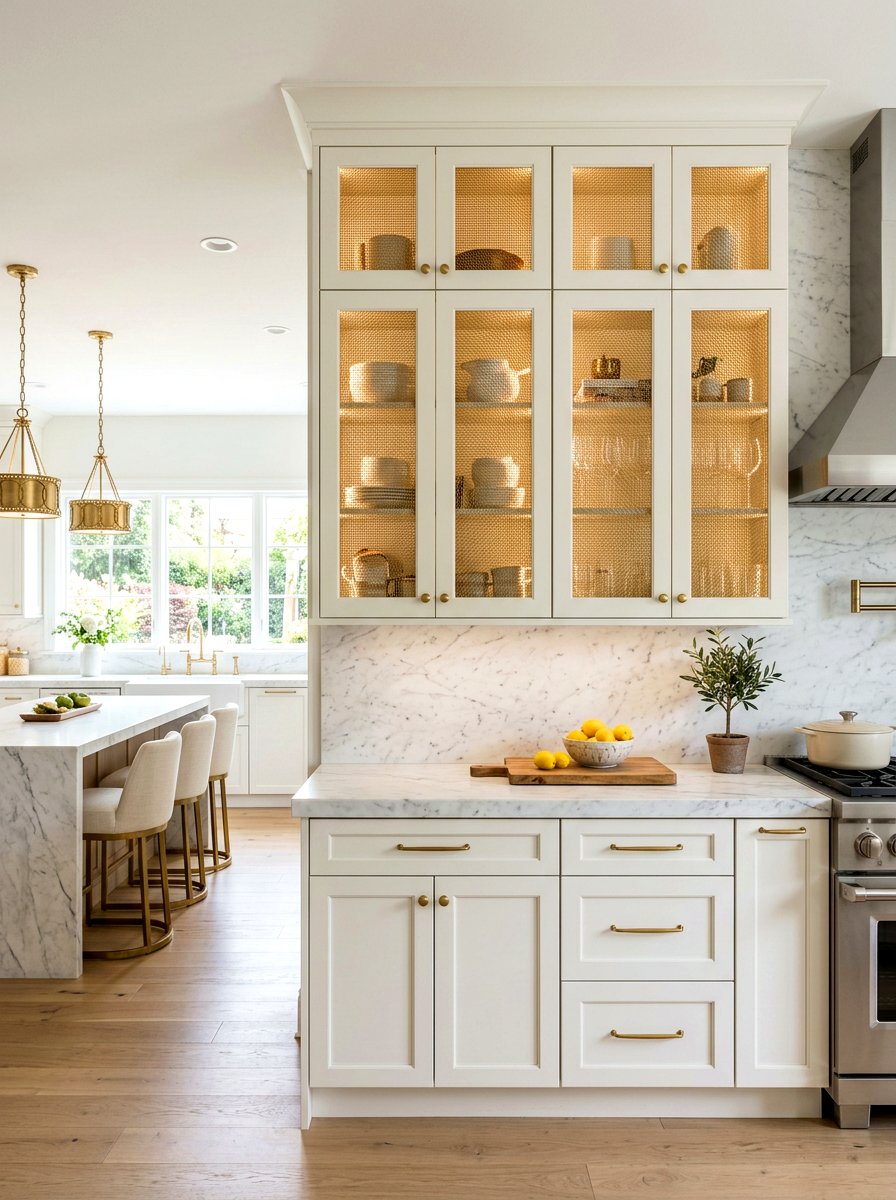
A traditional plate rack is a charming and functional storage feature that allows you to display your everyday dishes in a beautiful, organized way. These racks are typically built into the upper cabinetry and consist of vertical wooden slats that hold plates securely in place. Not only does this provide easy access to your dishes during mealtime, but it also adds a touch of farmhouse-inspired character to the room. When filled with matching white or colorful ceramic plates, the rack becomes a decorative focal point that feels both nostalgic and practical. It is a classic design element that celebrates the beauty of simple, everyday household items.
26. Farmhouse Kitchen Table
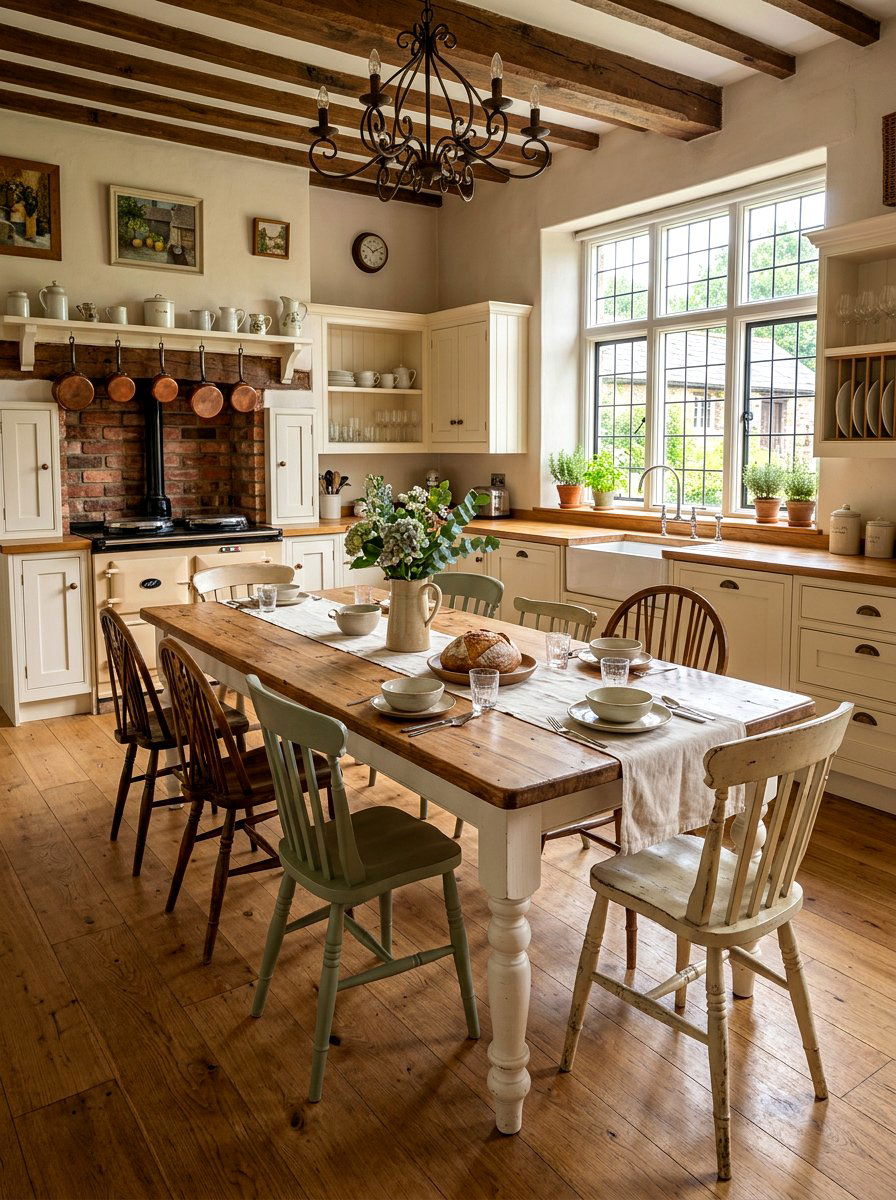
In place of or in addition to an island, a large farmhouse kitchen table creates a central hub for family interaction and shared meals. This design choice harks back to traditional country kitchens where the table was the primary workspace for prep and the main spot for dining. A sturdy wooden table with turned legs or a trestle base adds a sense of history and "lived-in" comfort to the home. You can pair it with a mix of chairs or a long bench to accommodate more people in a relaxed way. It makes the kitchen feel less like a laboratory and more like a warm, welcoming heart.
27. Traditional Bridge Faucet
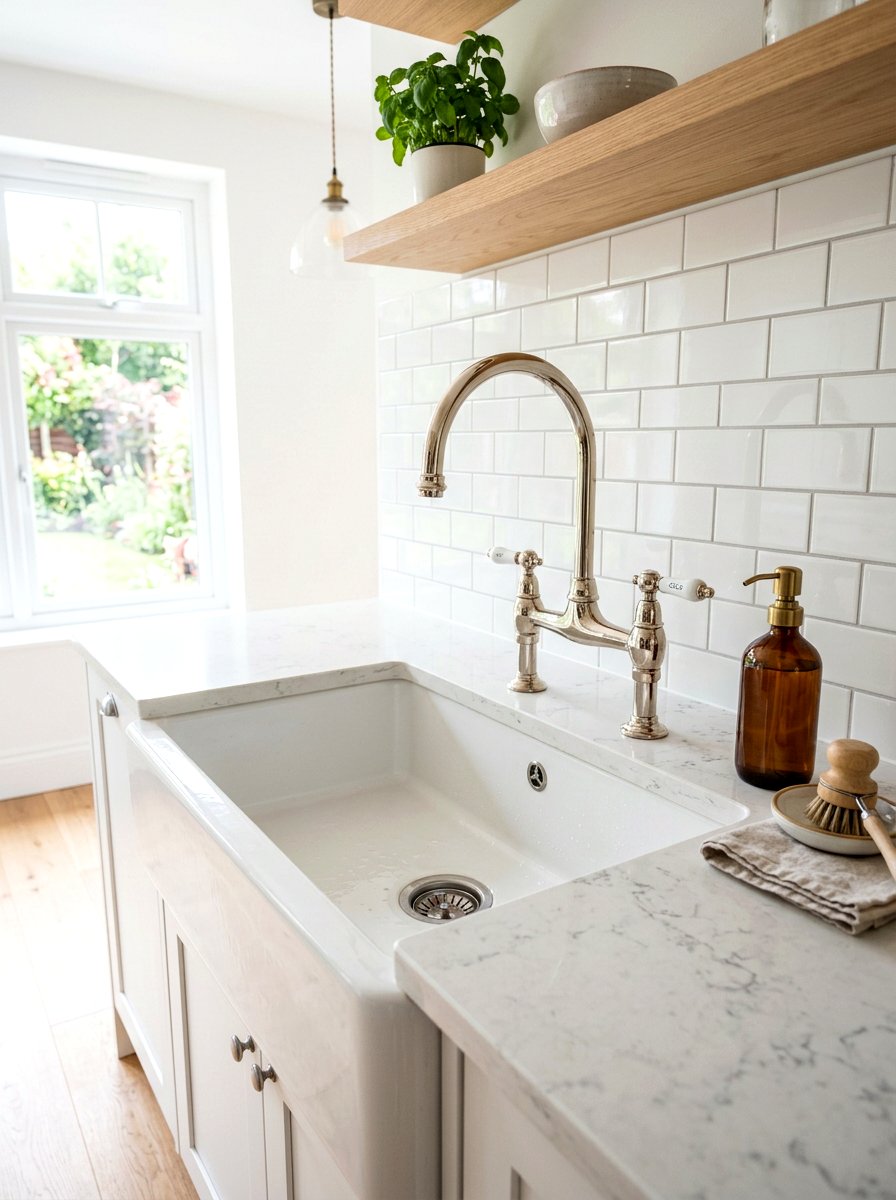
A bridge faucet is a classic plumbing fixture that adds a significant amount of vintage charm and architectural detail to your kitchen sink area. This design features a horizontal "bridge" that connects the hot and cold water handles, creating a prominent look that stands out against the backsplash. Bridge faucets are often paired with farmhouse sinks and are available in finishes like brushed nickel, oil-rubbed bronze, or polished brass. The intricate curves and traditional handles provide a tactile experience that feels substantial and high-quality. It is an elegant detail that reinforces the traditional aesthetic and serves as a beautiful focal point for the primary cleaning zone.
28. Arched Kitchen Doorway
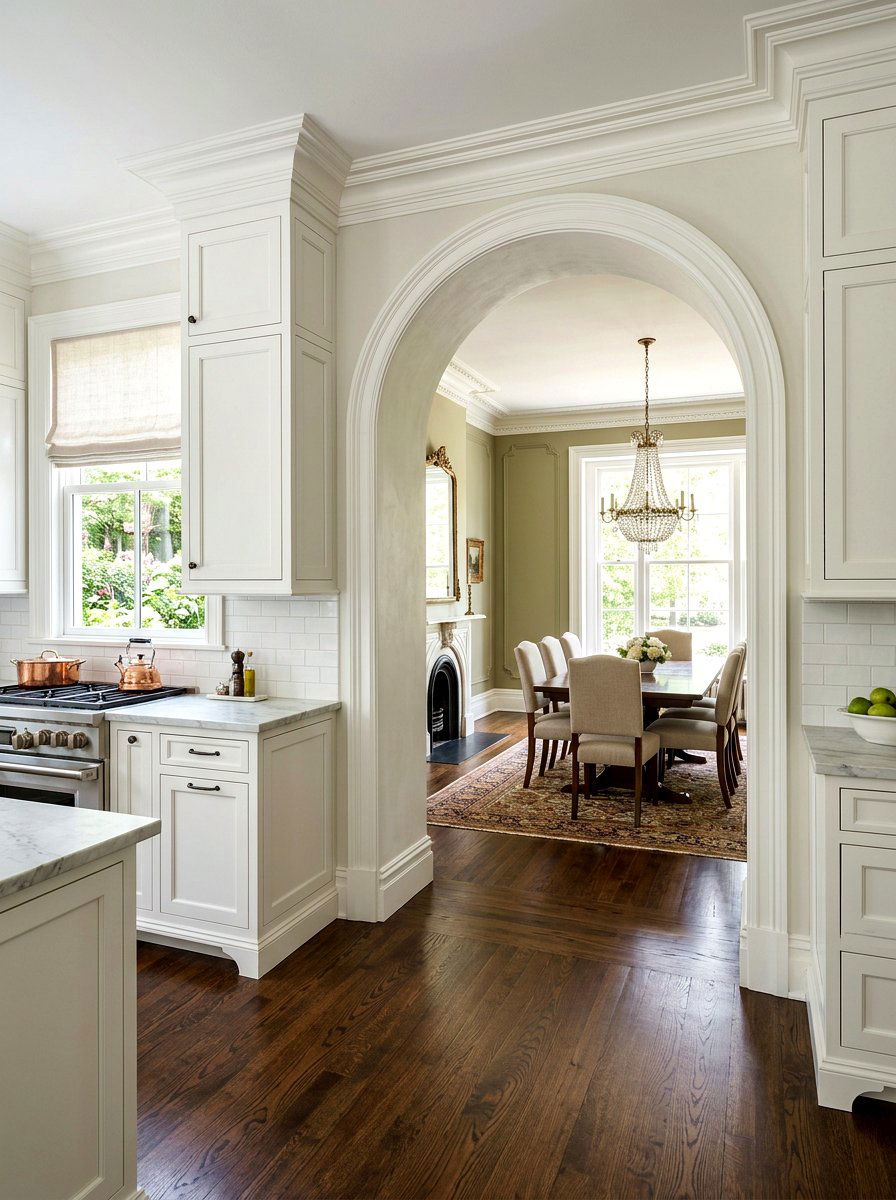
Incorporating an arched doorway or arched details in cabinetry adds a soft, graceful element to the often-straight lines of a traditional kitchen. This architectural feature creates a sense of flow and elegance, making the transition between rooms feel more intentional and sophisticated. You can use arches for the main entrance to the kitchen, above the stove area, or even for the glass panels in your upper cabinet doors. This design choice is rooted in classic European architecture and helps to break up the "boxy" feel of standard room layouts. It adds a layer of custom craftsmanship that makes the entire home feel more unified and very well-designed.
29. Kitchen Sink Window
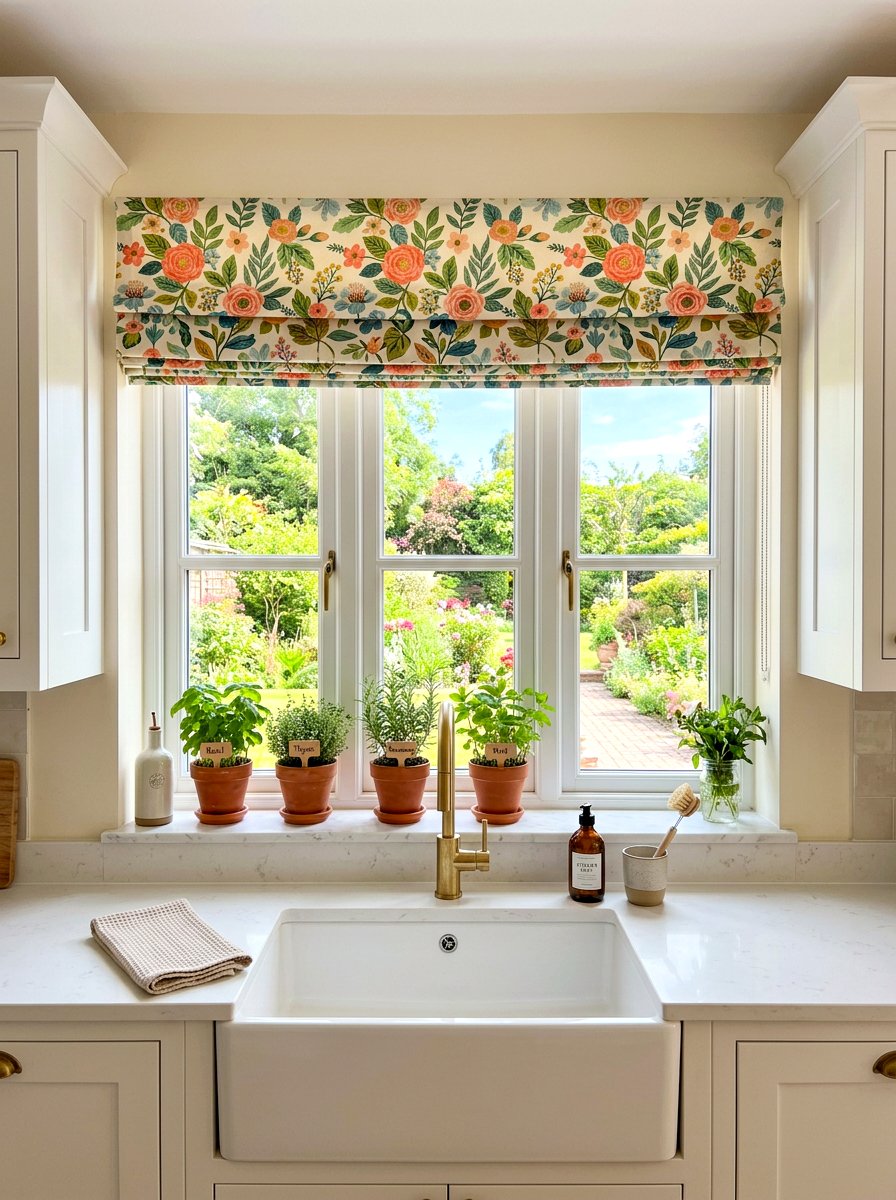
Positioning the kitchen sink directly beneath a large window is a classic traditional layout choice that maximizes natural light and provides a pleasant view. This setup makes daily chores like washing dishes feel much less like a burden, as you can enjoy the garden or the neighborhood while you work. Adding a beautiful window treatment, such as a fabric roman shade or a simple valance, introduces a soft texture and a pop of pattern to the space. The natural light from the window also helps to illuminate the sink area, reducing the need for artificial lighting during the day. It creates a bright and very cheery workspace.
30. Butler Pantry
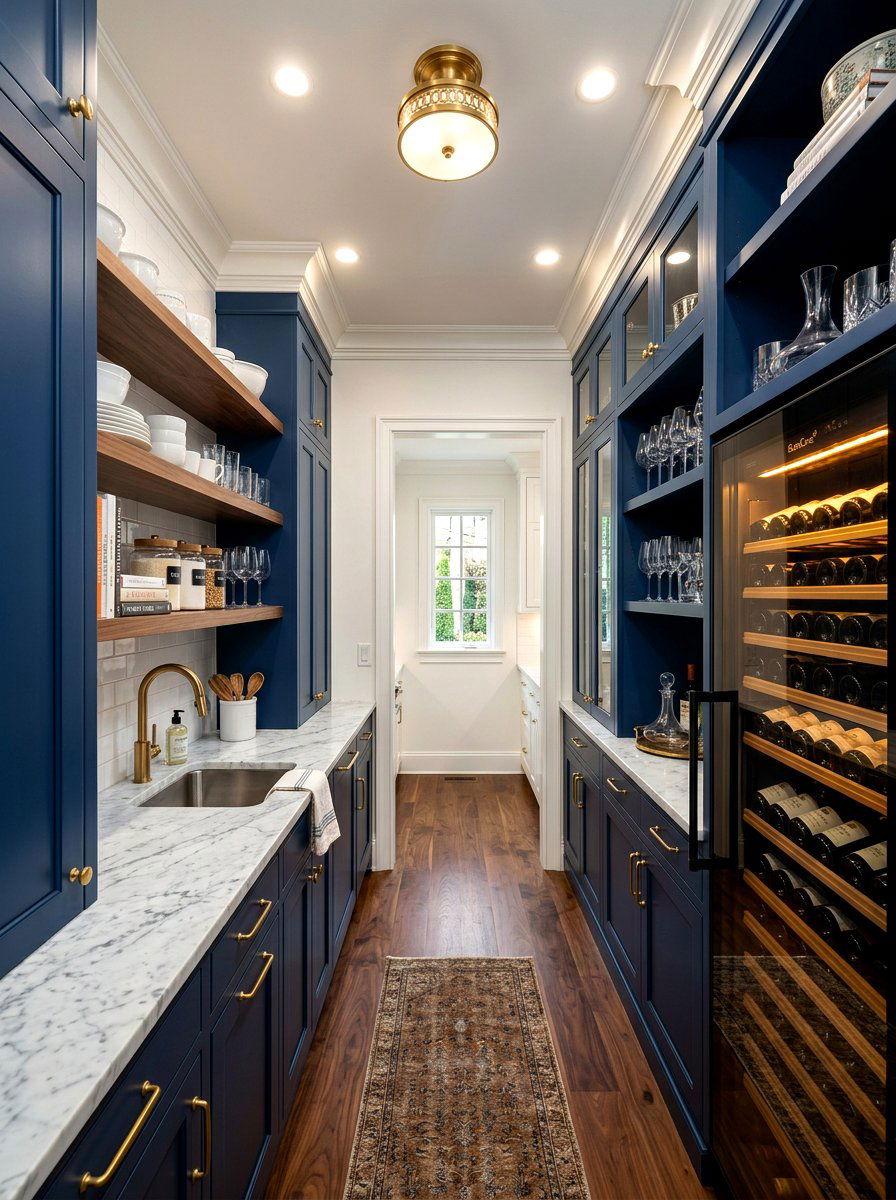
A butler’s pantry is a luxury transition space located between the kitchen and the formal dining room, designed for staging meals and storing fine china. This area typically features its own set of cabinets, a small sink, and sometimes a dedicated wine fridge or beverage center. In a traditional home, the butler’s pantry is often finished with high-end materials like glass-front doors and ornate hardware to match the formal dining area. It provides a practical spot to store serving platters and glassware while keeping the main kitchen clutter-free during parties. It is a sophisticated feature that adds immense functional value and a touch of grand hospitality.
Conclusion:
Designing a traditional kitchen is an investment in a style that will remain beautiful and functional for many years to come. By focusing on quality materials like natural stone, rich wood, and timeless hardware, you create a space that feels both luxurious and comfortable. The thirty ideas discussed here show how architectural details and thoughtful layouts can transform a simple cooking area into a sophisticated heart for the home. Whether you incorporate a grand range hood or a cozy breakfast nook, the goal is to create a welcoming environment that reflects your personal taste. We hope these viral Pinterest-inspired concepts help you design your dream traditional kitchen with absolute confidence and style.

Related posts: