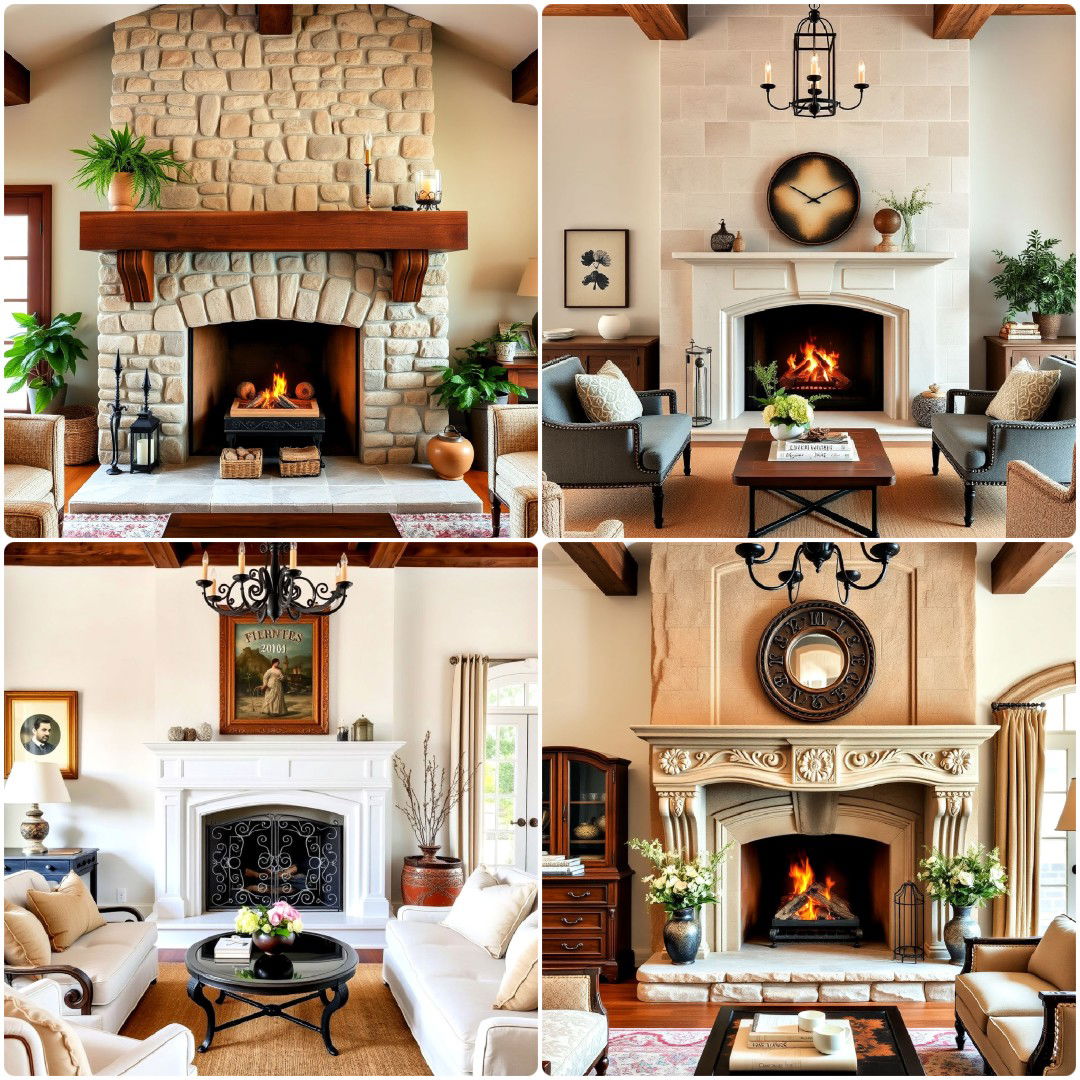
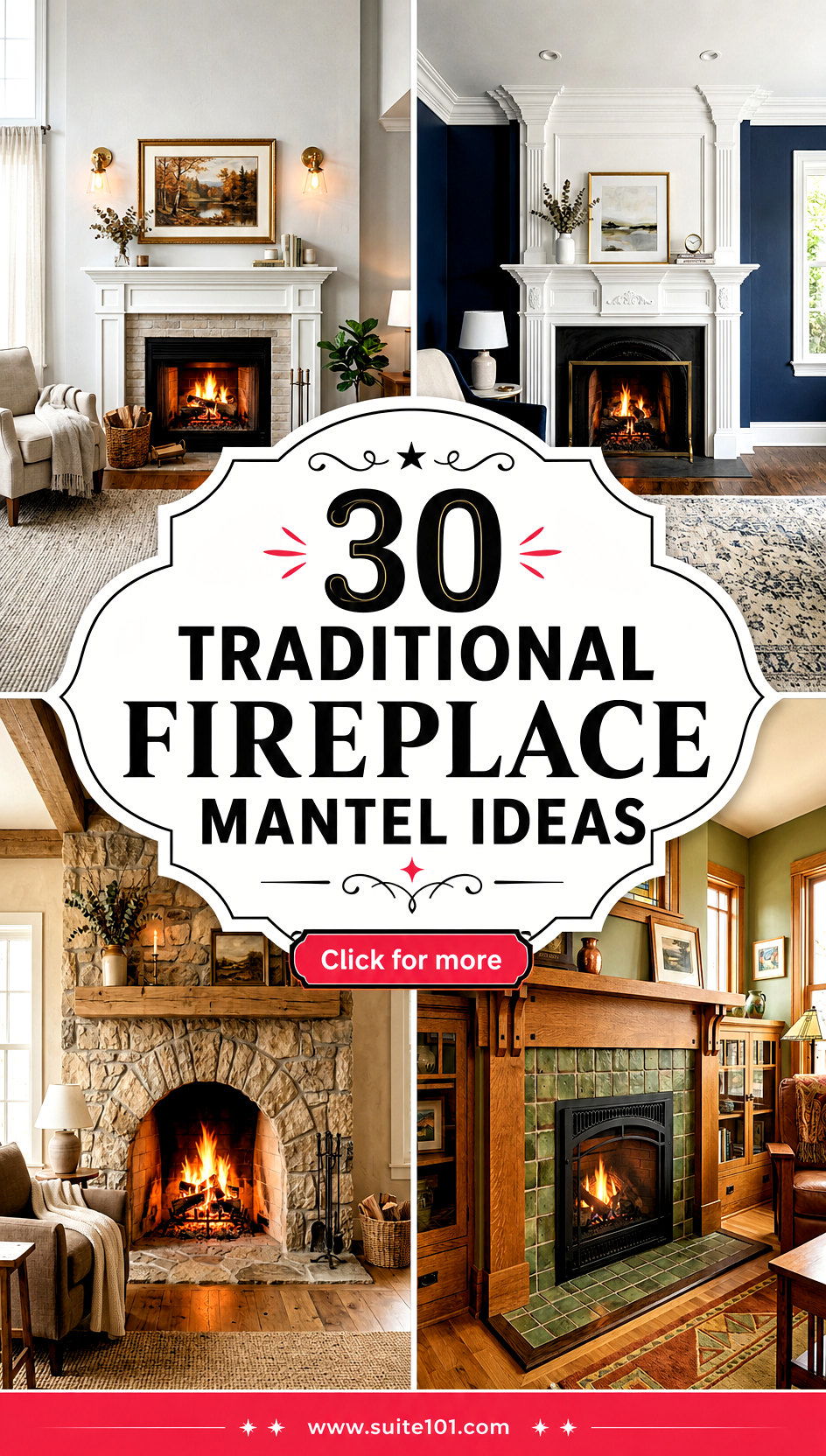
A traditional fireplace mantel serves as the ultimate focal point in a living room, offering a sense of history and warmth that modern styles often lack. Whether you are renovating an old home or adding character to a new build, the mantel is where architecture meets personality. It provides a dedicated space for displaying cherished memories and seasonal decor throughout the year. Choosing the right style involves understanding how materials like wood, stone, and marble interact with your overall interior design. This guide explores thirty distinct ways to elevate your hearth, ensuring your home feels cozy, inviting, and perfectly styled for every single occasion you host.
1. Carved Wood Mantel
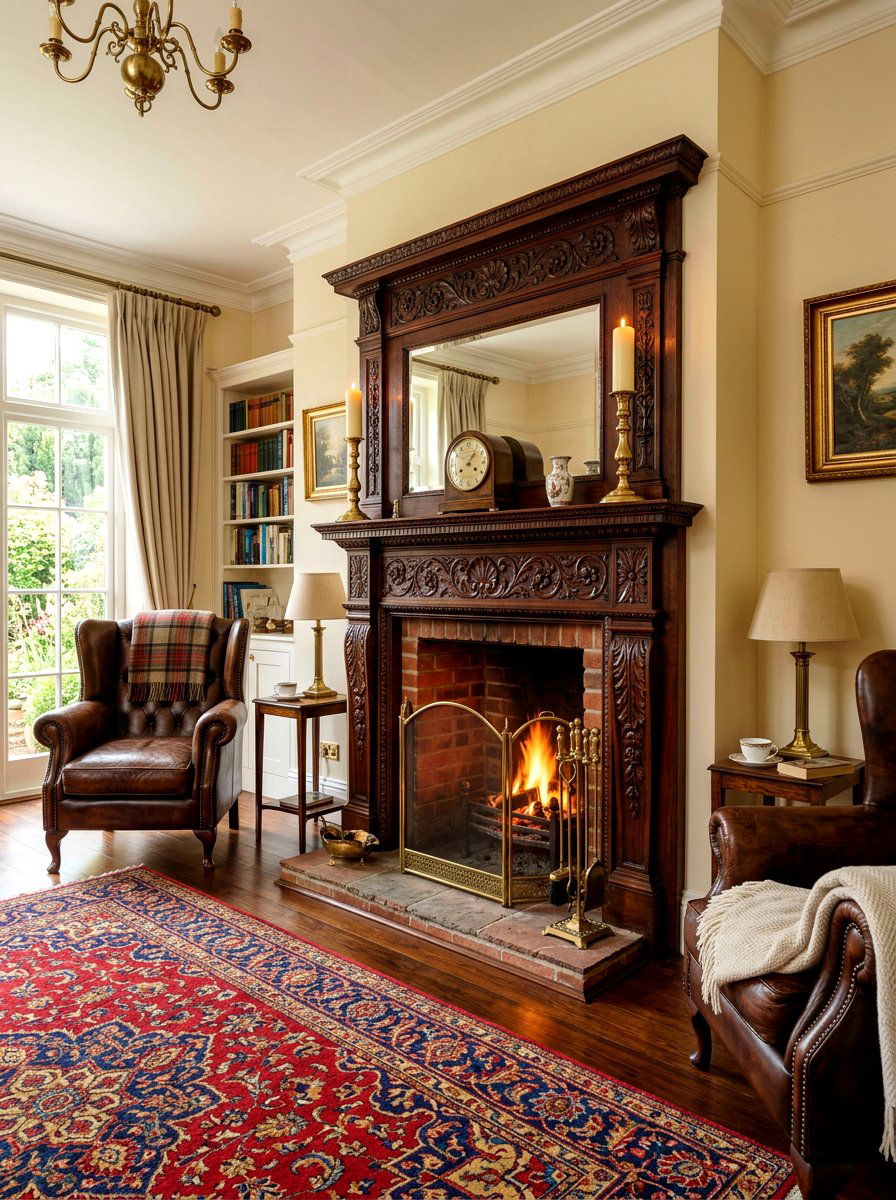
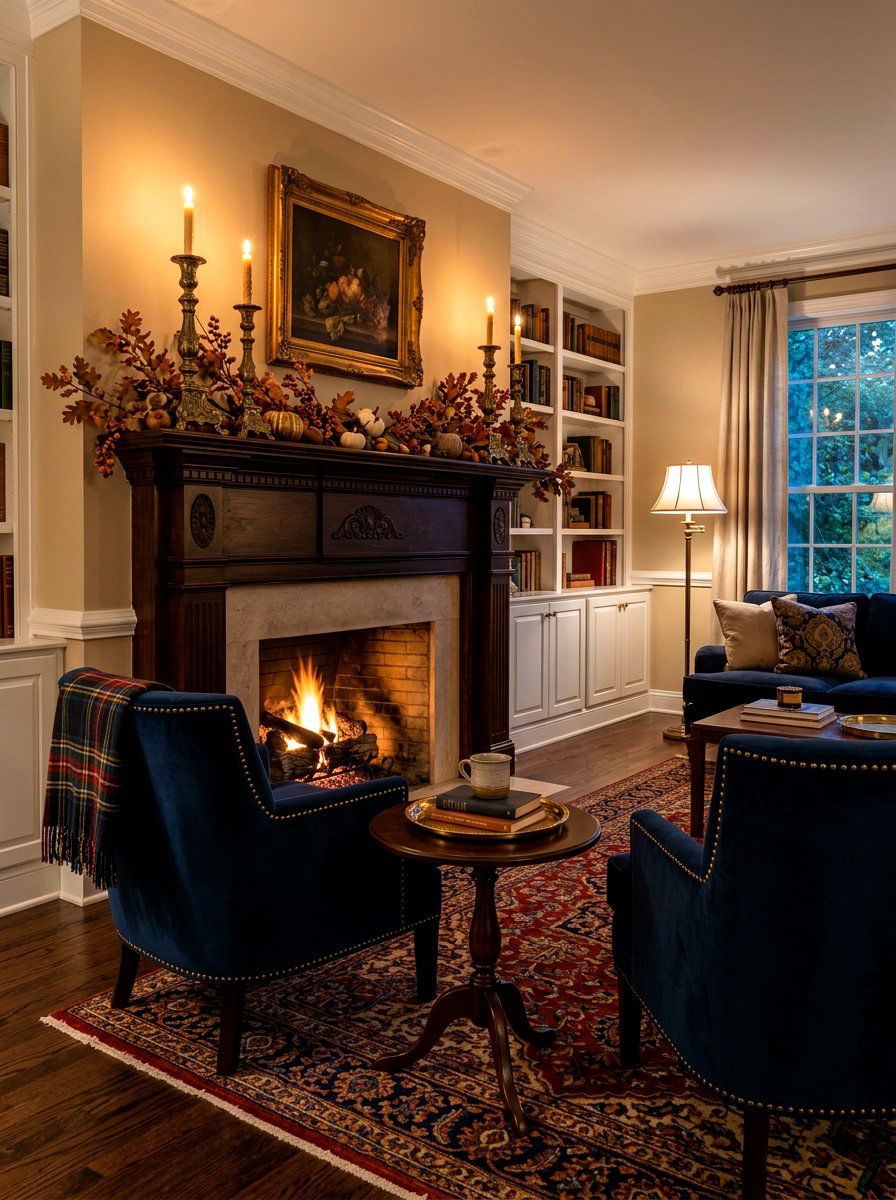
A traditional carved wood mantel brings an artisanal quality that feels both substantial and elegant. These mantels often feature intricate details like acanthus leaves, fluted columns, or delicate moldings that showcase true craftsmanship. When you install a rich mahogany or oak mantel, you create a sturdy shelf for heavy brass candlesticks or vintage clocks. This design works beautifully in formal sitting rooms where you want to emphasize classic architectural heritage. It acts as a grounding element that pairs well with leather armchairs and soft, woven area rugs. The dark wood tones provide a deep contrast against lighter walls, making the fireplace the undisputed star of the room.
2. White Marble Surround
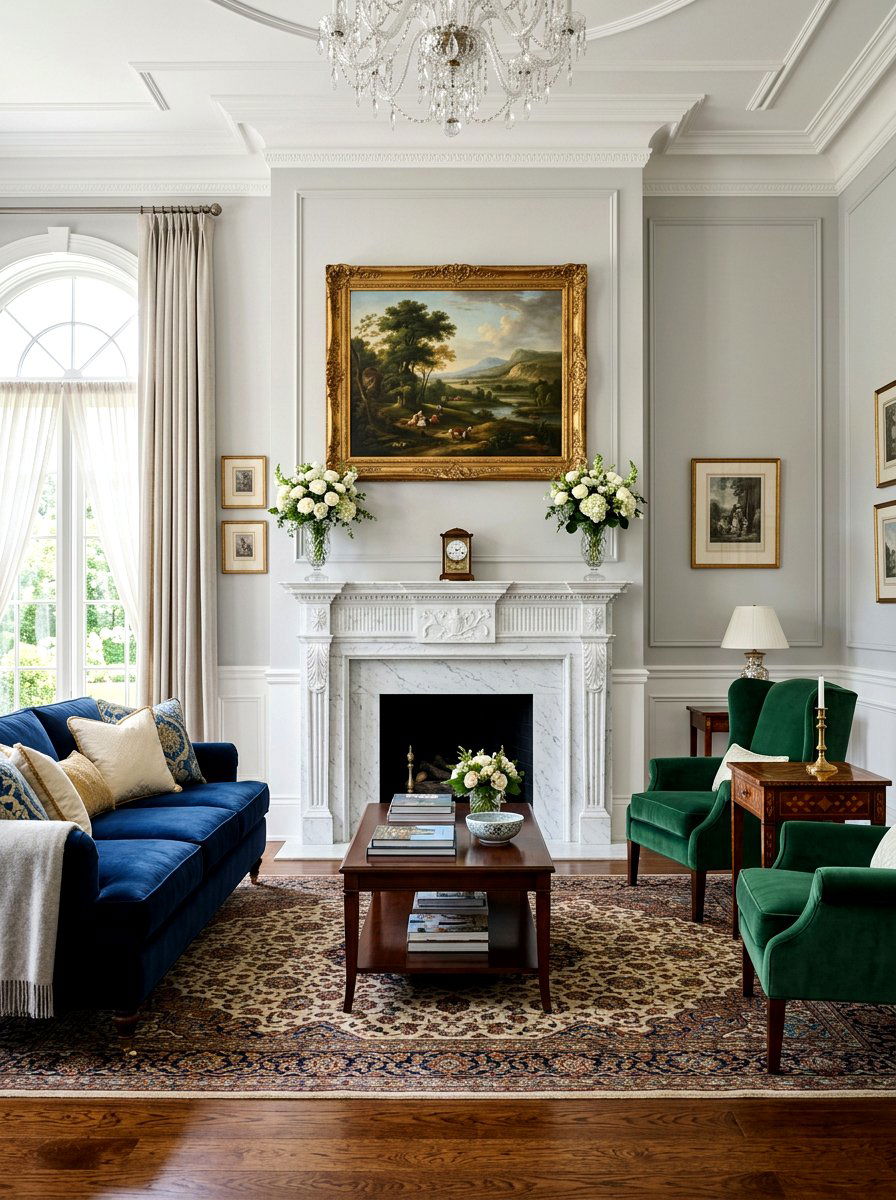
A white marble fireplace surround offers a clean and sophisticated look that never goes out of style. The natural veining in the stone adds subtle texture without overwhelming the visual space of your living area. Traditionally, marble mantels feature clean lines or soft curves that evoke a sense of European luxury. This material is perfect for formal spaces where you want to reflect light and create a feeling of openness. Because marble stays cool to the touch, it provides a crisp backdrop for colorful floral arrangements or dark-framed artwork. Pairing this with light gray or cream walls creates a seamless and high-end aesthetic in your home.
3. Antique French Fireplace
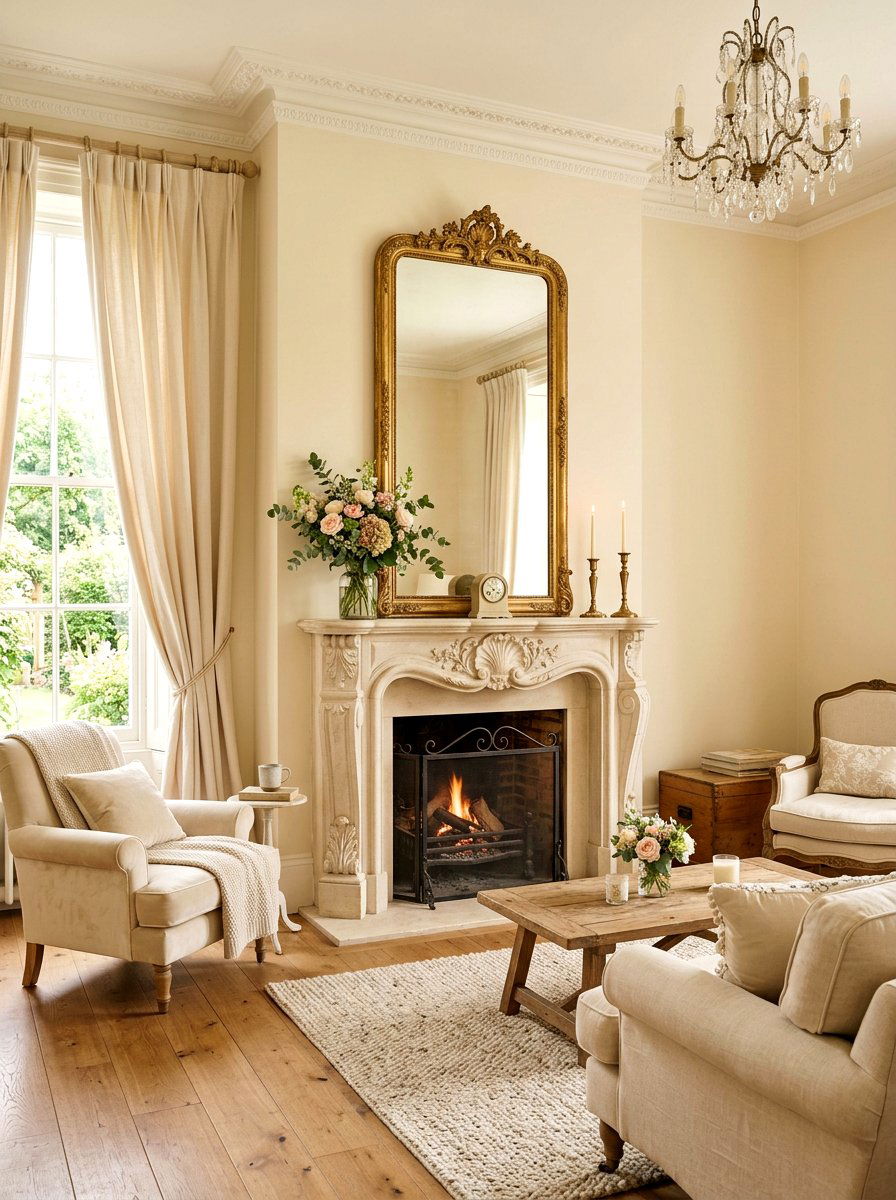
Antique French fireplaces are known for their romantic curves and ornate limestone or marble construction. These mantels often feature a central shell motif or floral carvings that represent the Louis XV style. Incorporating an antique-inspired mantel adds an immediate sense of history and "old-world" charm to any room. You can style these with tall gilded mirrors to enhance the French chateau vibe. The soft, weathered texture of the stone or wood looks best when surrounded by plush velvet furniture and delicate linen curtains. This approach turns a functional heating element into a beautiful piece of historical art that anchors the entire room with grace.
4. Limestone Mantel
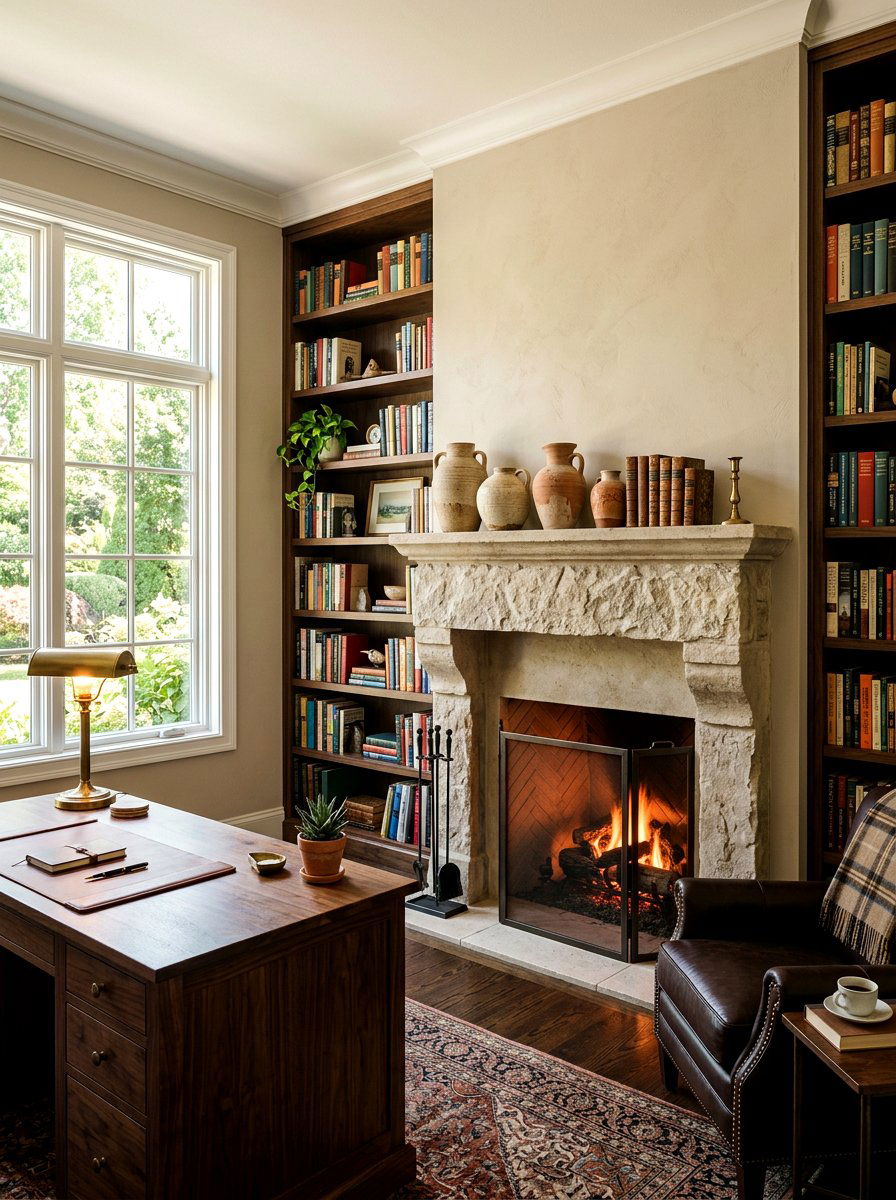
Limestone is a favorite for traditional mantels because of its soft, matte finish and neutral color palette. It provides a more understated elegance compared to polished marble, making it suitable for both formal and casual traditional homes. A limestone mantel often features a thick, solid shelf and chunky pillars that give it a sense of permanence and strength. The warm beige or off-white tones of limestone blend perfectly with hardwood floors and neutral upholstery. You can easily dress it up with seasonal garlands or keep it simple with a few ceramic vases. Its versatility makes it a timeless choice for any traditional fireplace renovation project.
5. Brick Fireplace With Wood Shelf
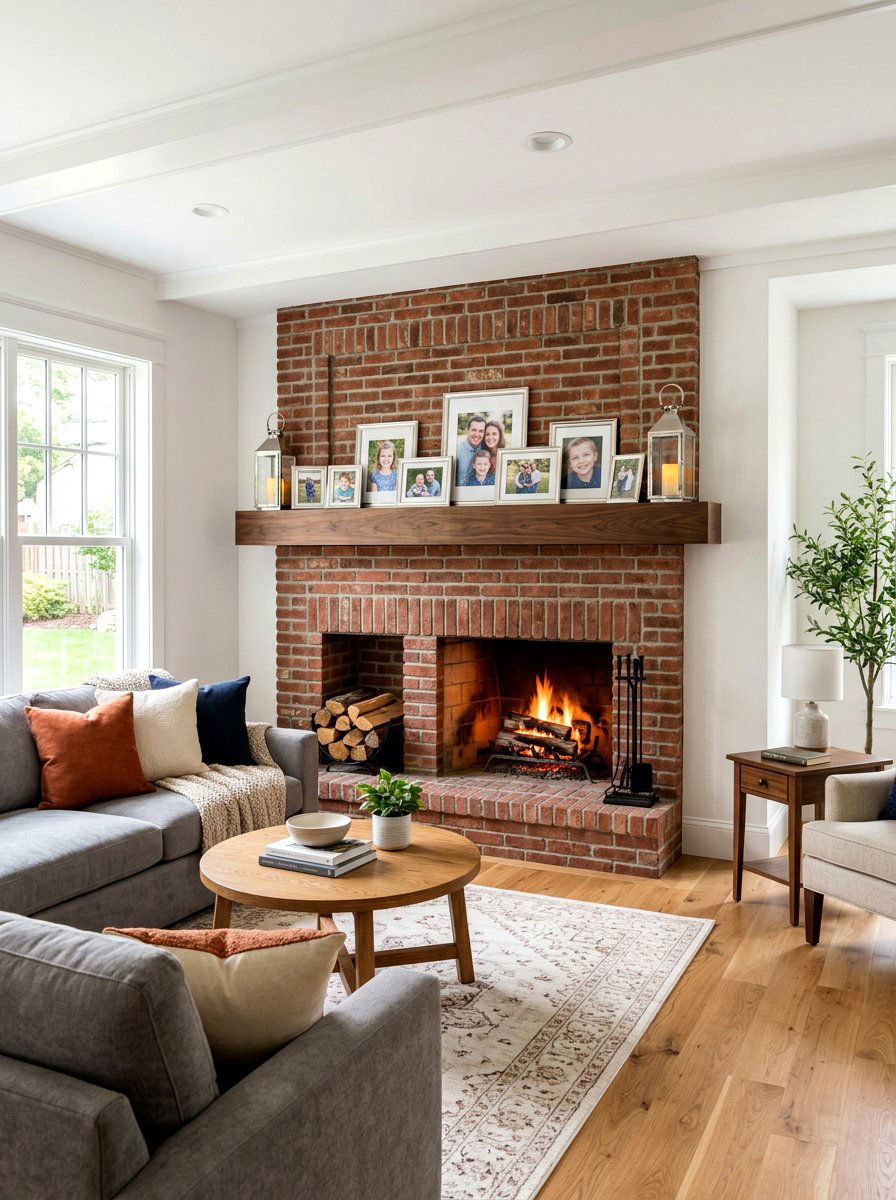
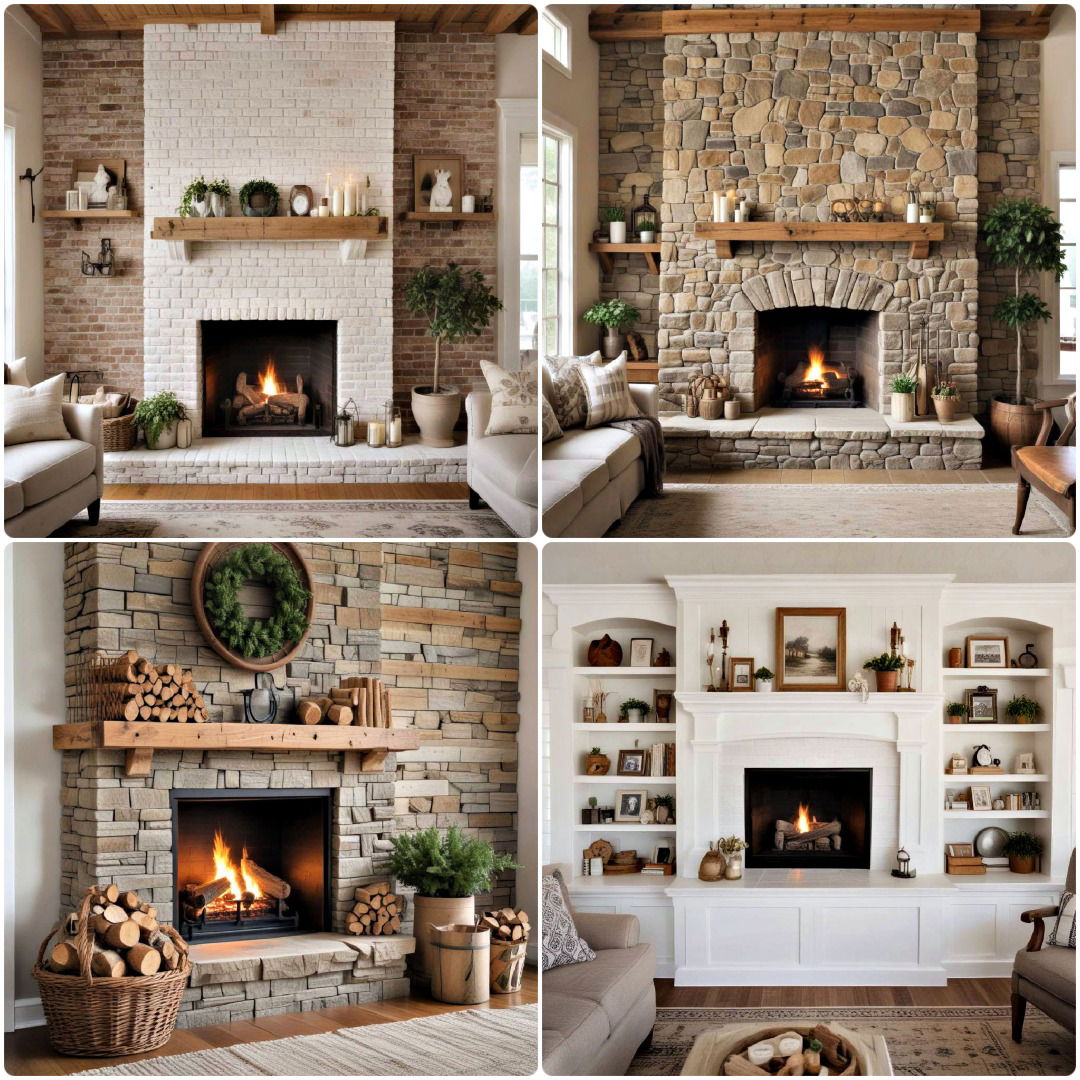
Combining a classic red brick fireplace with a thick wood shelf creates a warm and inviting traditional atmosphere. The rugged texture of the brick provides a perfect contrast to the smooth, finished surface of a stained timber mantel. This look is iconic in American colonial and ranch-style homes where comfort is the primary design goal. You can choose a dark walnut stain for the wood to add richness or a lighter oak for a more casual feel. Placing family photos and small lanterns on the shelf enhances the lived-in, cozy vibe. This design effectively bridges the gap between rustic charm and traditional architectural structure.
6. Double Tier Mantel
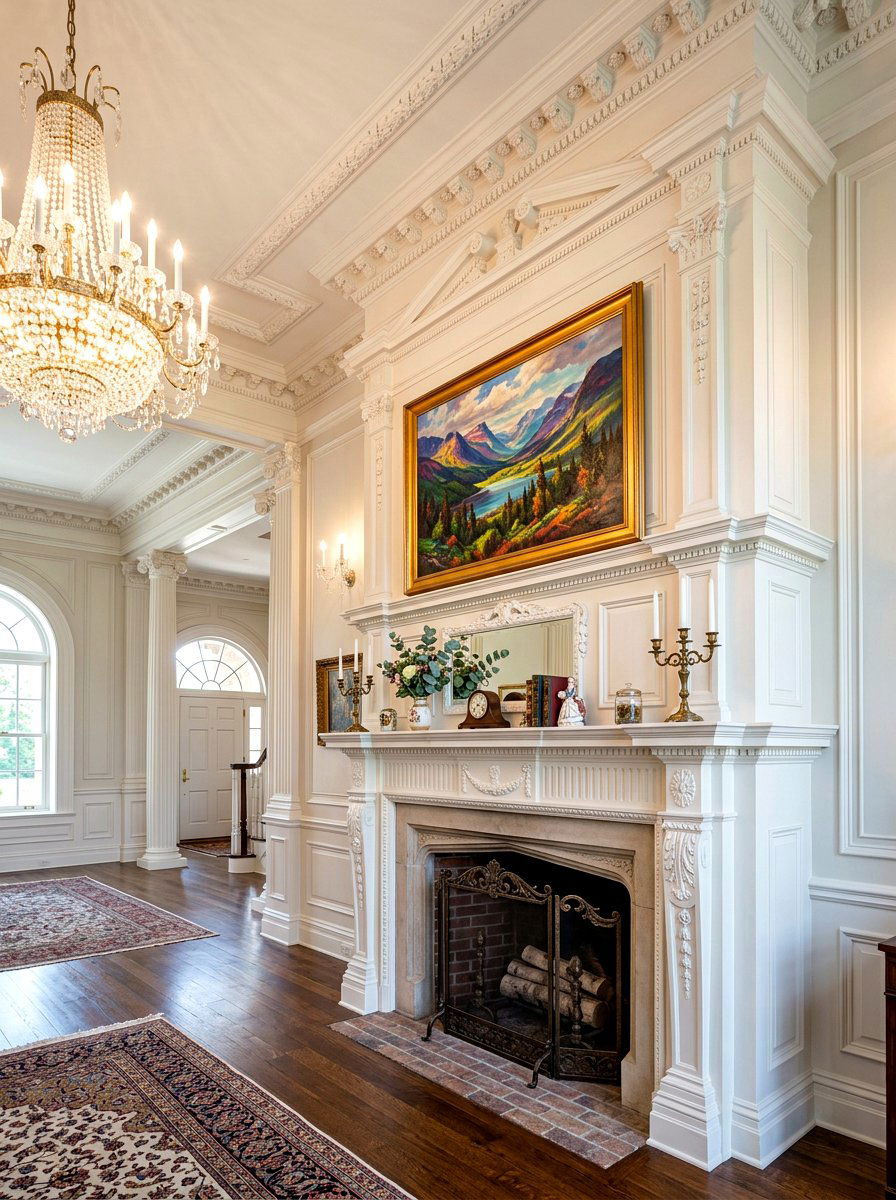
A double tier mantel features two levels of shelving, providing extra space for decorative displays and architectural depth. This design is often seen in large, grand rooms with high ceilings where a single shelf might look too small. The upper tier can hold larger pieces of art or a wide mirror, while the lower shelf is perfect for smaller trinkets. Having two levels allows you to layer your decor more effectively, creating a curated and professional look. Usually, these mantels are built from wood and painted in a crisp white or cream to highlight the complex molding and tiered structure of the design.
7. Georgian Fireplace Mantel
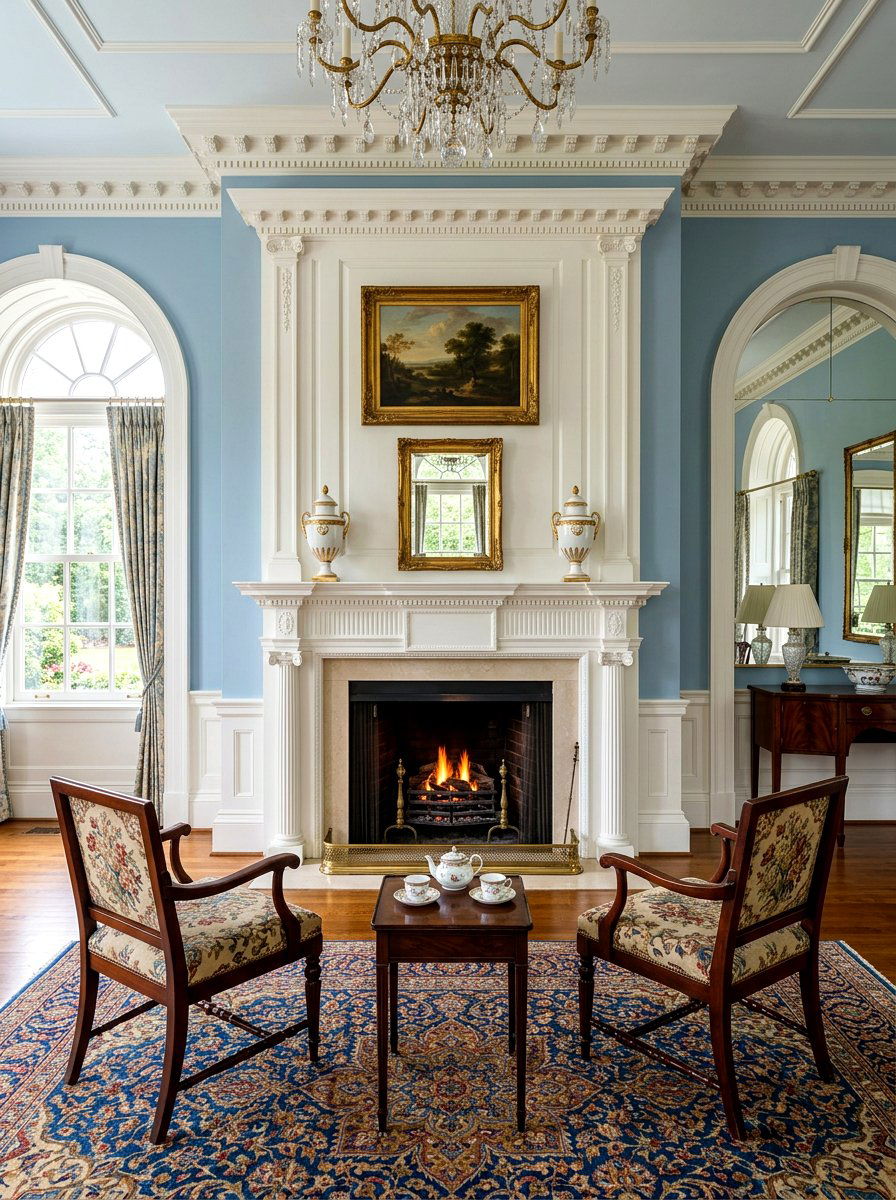
Georgian style mantels are characterized by their rigid symmetry and classical proportions influenced by Greek and Roman architecture. You will often see features like dentil molding, fluted pilasters, and perfectly balanced rectangular shapes. This style is ideal for homeowners who appreciate order and formal elegance in their interior design. A Georgian mantel is typically painted white or a very light gray to emphasize the shadows cast by its architectural details. Styling this mantel requires a symmetrical approach, such as placing matching urns or candlesticks on either side of a central painting. It brings a dignified and historical feel to any traditional living room or library.
8. Victorian Slate Mantel
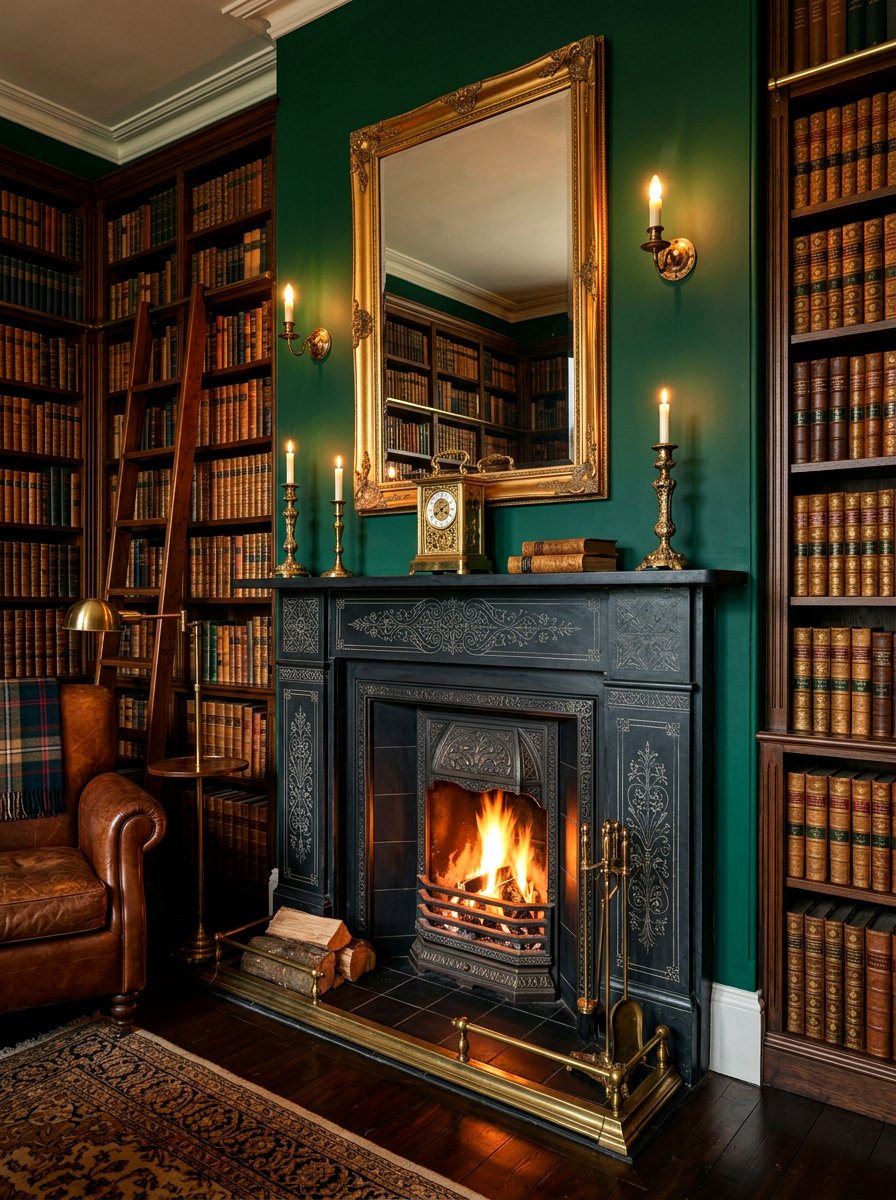
Victorian slate mantels are often painted or "marbelized" to look like expensive stone, offering a unique historical aesthetic. These mantels are typically black or very dark, providing a dramatic focal point that works well with deep jewel-toned walls. The Victorian era favored heavy ornamentation, so you will find these fireplaces adorned with hand-painted flowers or etched geometric patterns. Using a slate mantel allows you to embrace a moodier, more atmospheric traditional style. Decorate the top with antique brass items or dark wood clocks to lean into the vintage charm. This choice is perfect for those who want their fireplace to have a distinct, storied personality.
9. Farmhouse Beam Mantel
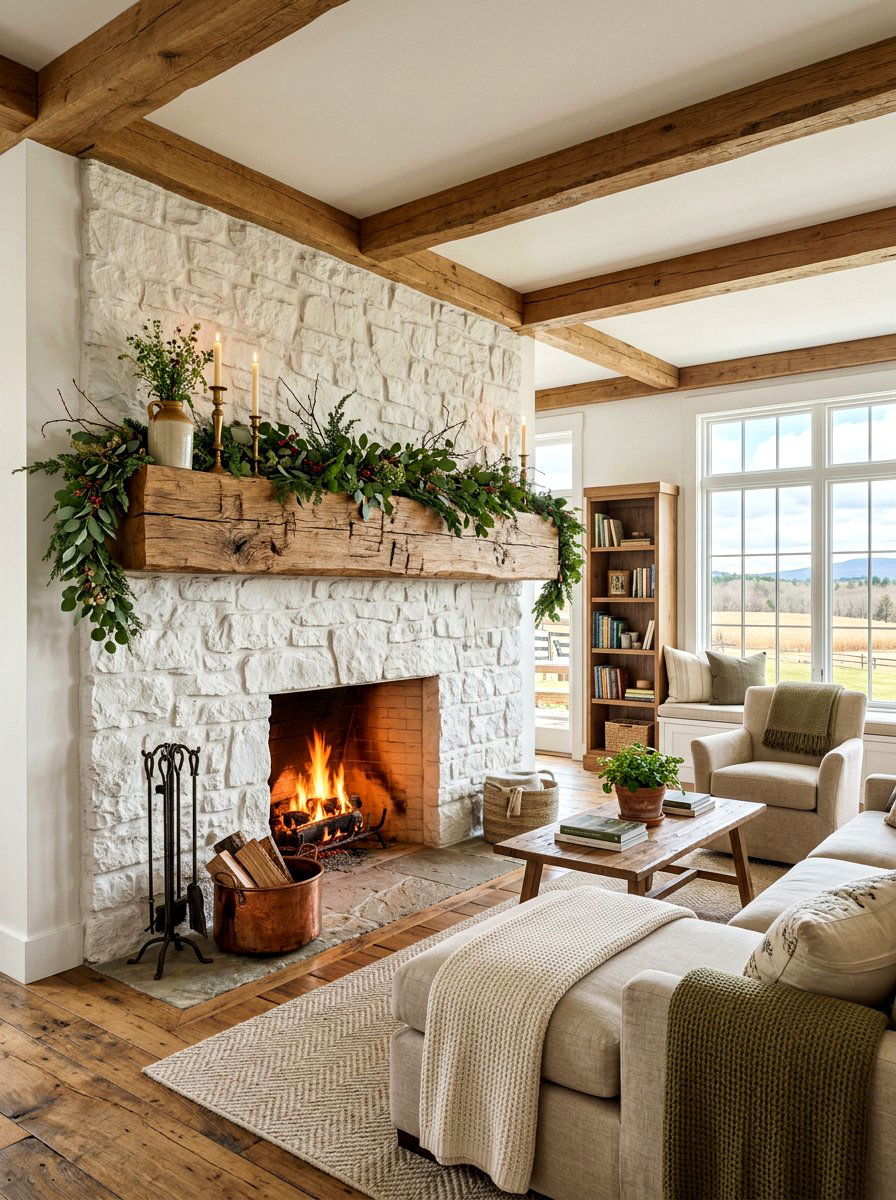
A farmhouse beam mantel utilizes a solid, hand-hewn piece of wood to create a sturdy and rustic traditional look. While "farmhouse" is often considered modern, the use of reclaimed timber is a traditional practice that honors natural materials. These beams are usually left with their natural knots and textures visible, then treated with a dark or medium stain. This style looks exceptional when paired with a stone or white-washed brick surround. It creates a rugged yet refined centerpiece that feels grounded and authentic. You can style it with simple greenery and wrought iron accessories to maintain the balanced, traditional farmhouse aesthetic throughout your living space.
10. White Painted Brick Fireplace
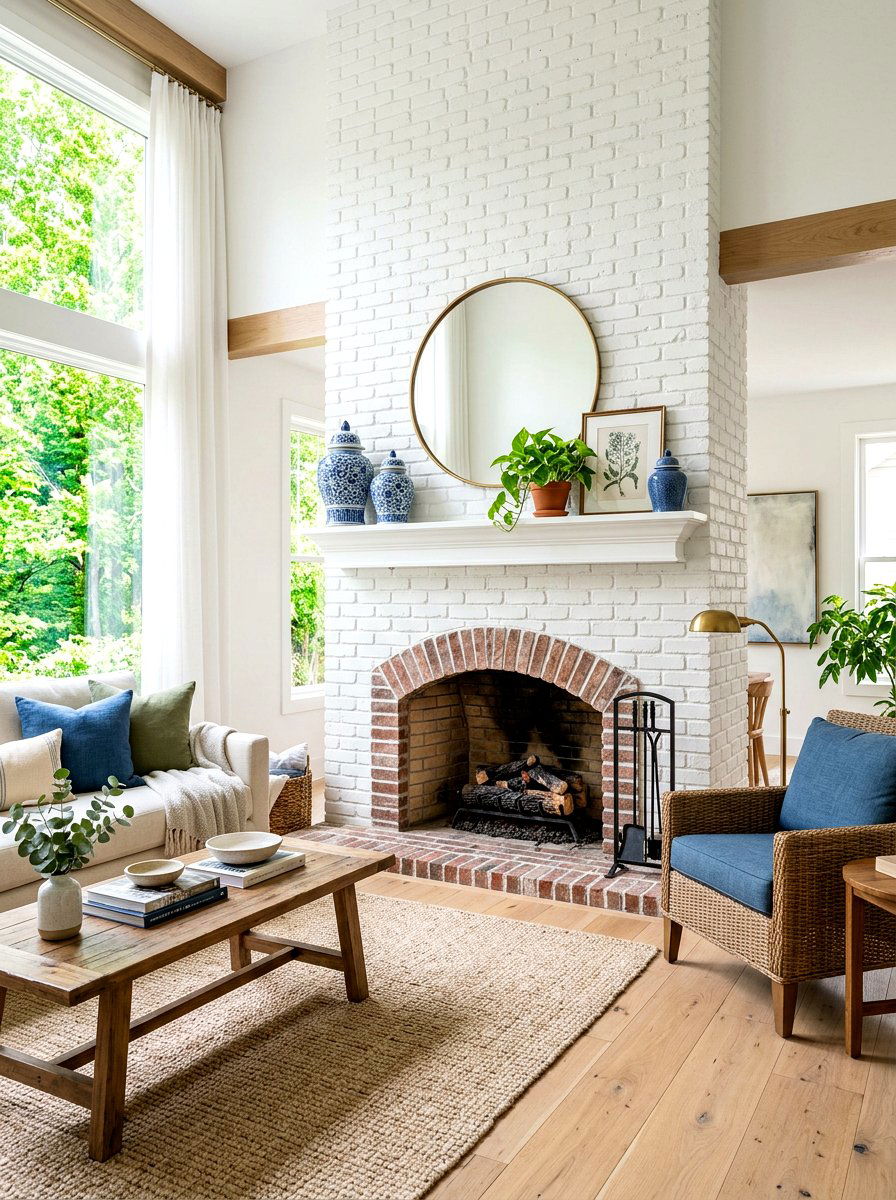
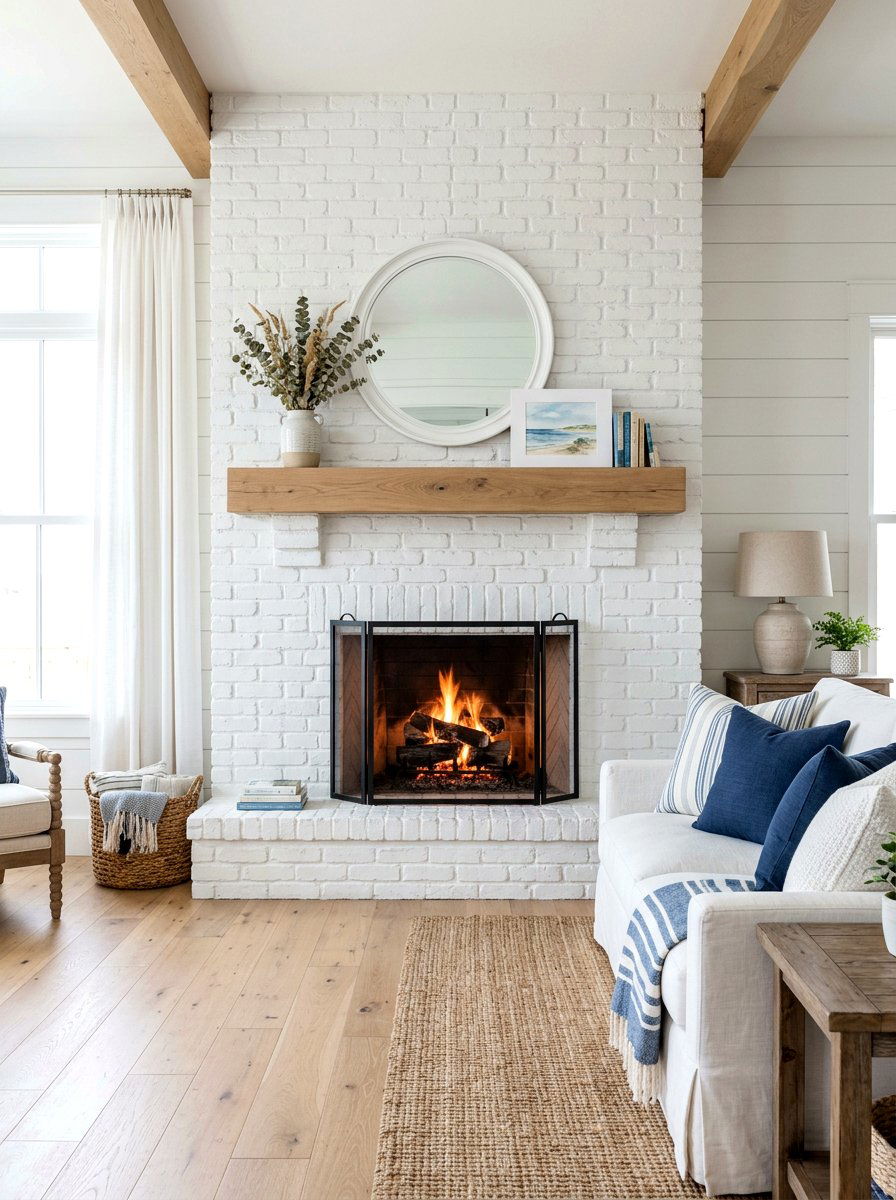
Painting a traditional brick fireplace white can instantly brighten a room while preserving the classic texture of the masonry. When paired with a matching white wood mantel, the result is a clean, cohesive look that feels fresh and airy. This approach is popular in traditional homes that want to feel more contemporary without losing their original architectural character. The white-on-white palette allows your colorful decor items, like blue ginger jars or green plants, to stand out vividly. It is a cost-effective way to update an old, dark brick fireplace while maintaining the traditional structure and charm of the original hearth design.
11. Symmetrical Mantel Decor
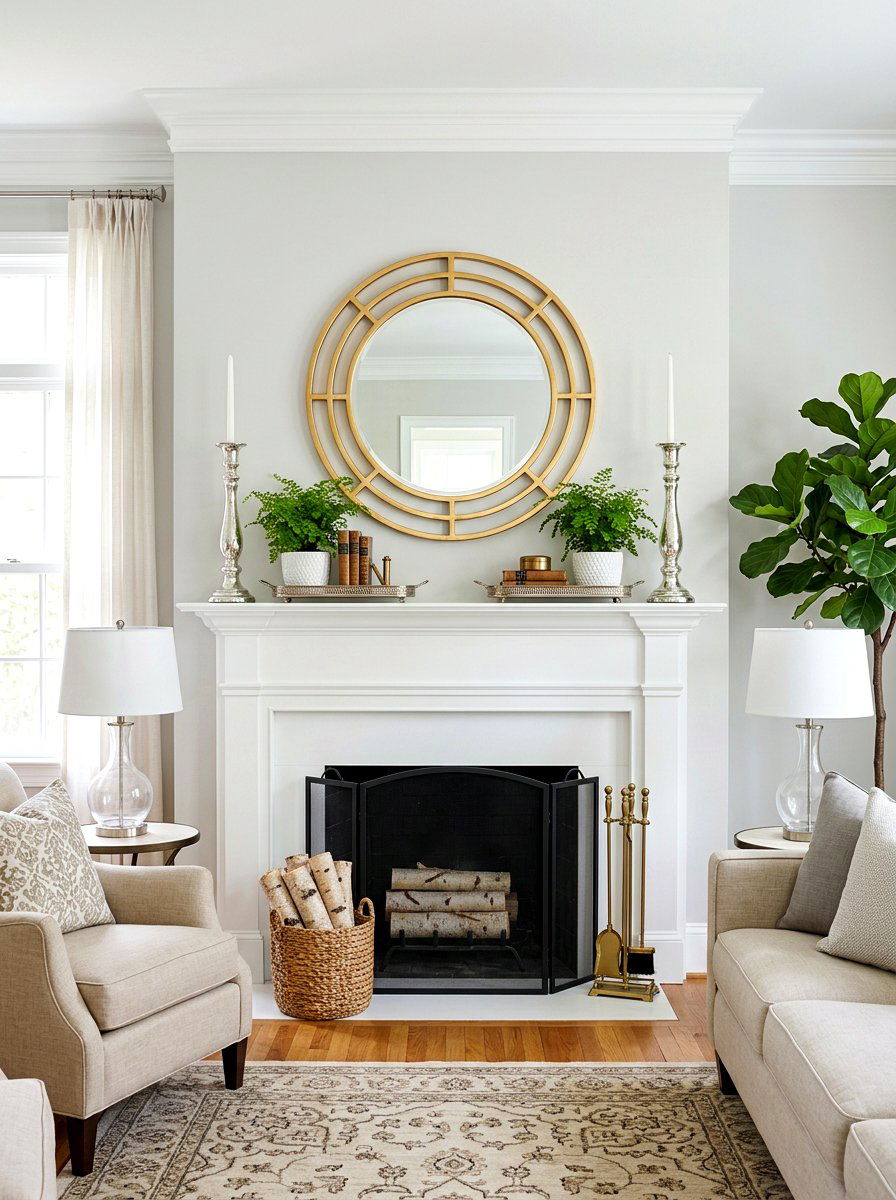
Symmetry is a hallmark of traditional design, and applying it to your mantel decor creates a sense of peace and order. This technique involves placing identical items on both ends of the mantel to flank a central focal point. For instance, you might use two matching lamps, two identical vases, or a pair of tall silver candlesticks. In the center, a large piece of art or a round mirror ties everything together. This balanced arrangement is visually satisfying and helps to define the fireplace as the room's anchor. It works best with more formal mantel styles that already feature symmetrical architectural details like columns or molding.
12. Mantel With Overmantel Mirror
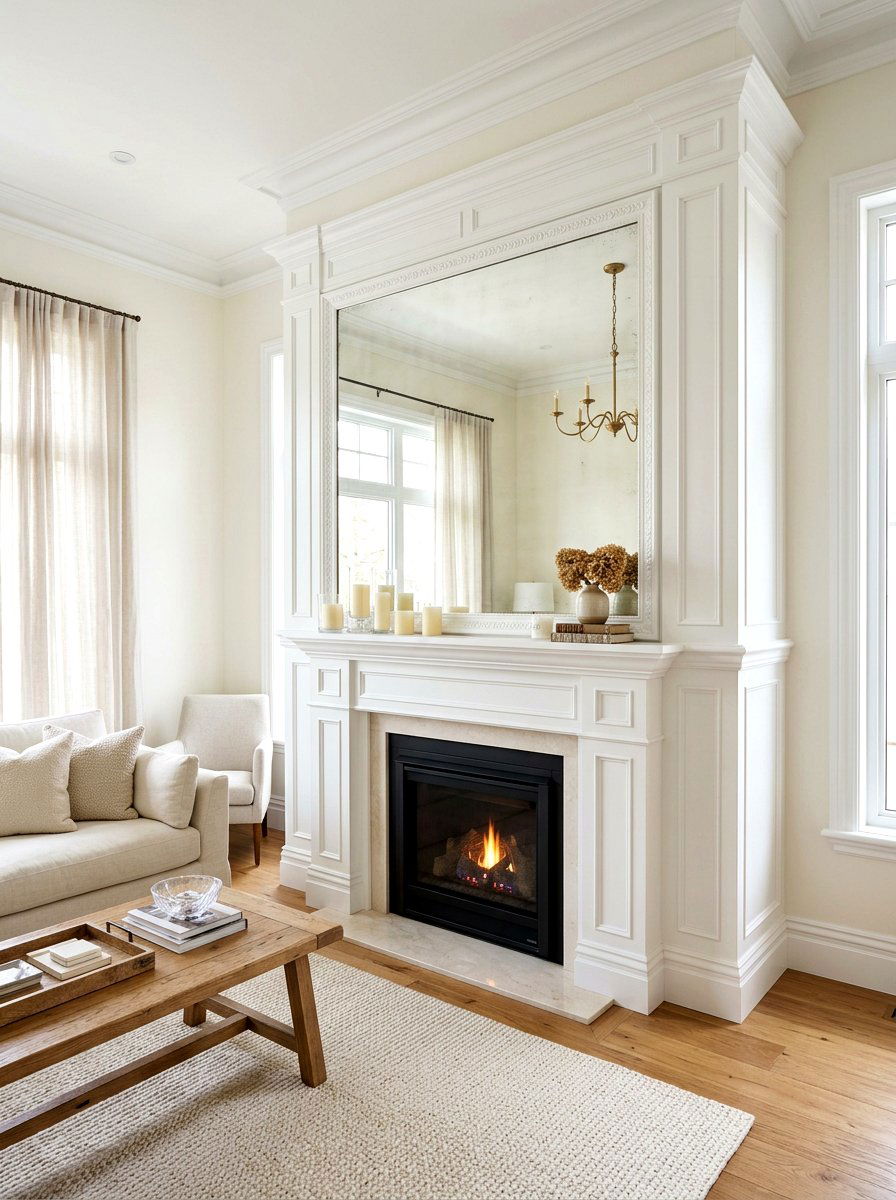
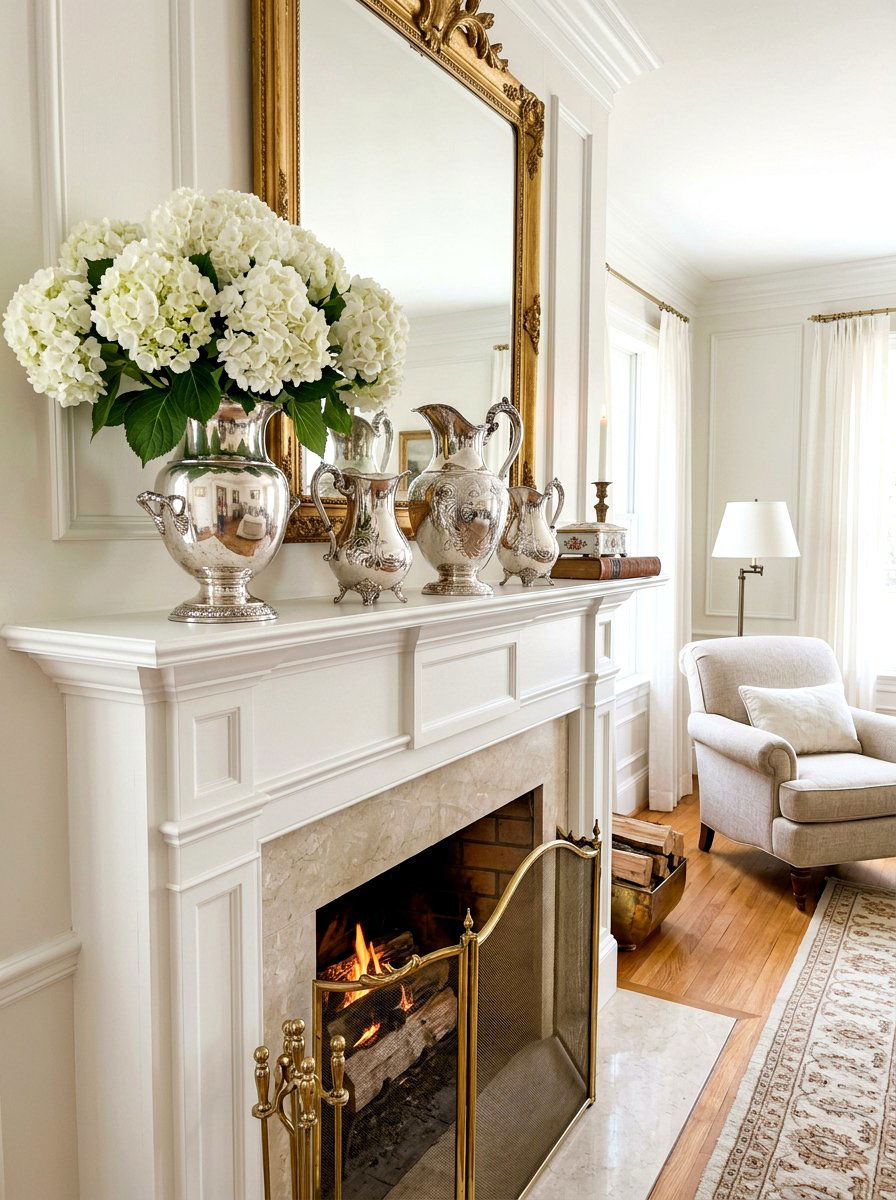
An overmantel mirror is a large, often built-in mirror that sits directly above the fireplace shelf, extending toward the ceiling. Traditionally, these mirrors feature ornate gold or silver frames that add a touch of grandeur and light to the room. The mirror reflects the rest of the space, making the living room feel much larger and brighter than it actually is. This is a classic Victorian and French design element that focuses on luxury and visual impact. Styling the shelf below a large mirror should be kept relatively simple to avoid a cluttered look. A few low-profile candles or a small tray are all you need.
13. Floating Wood Mantel
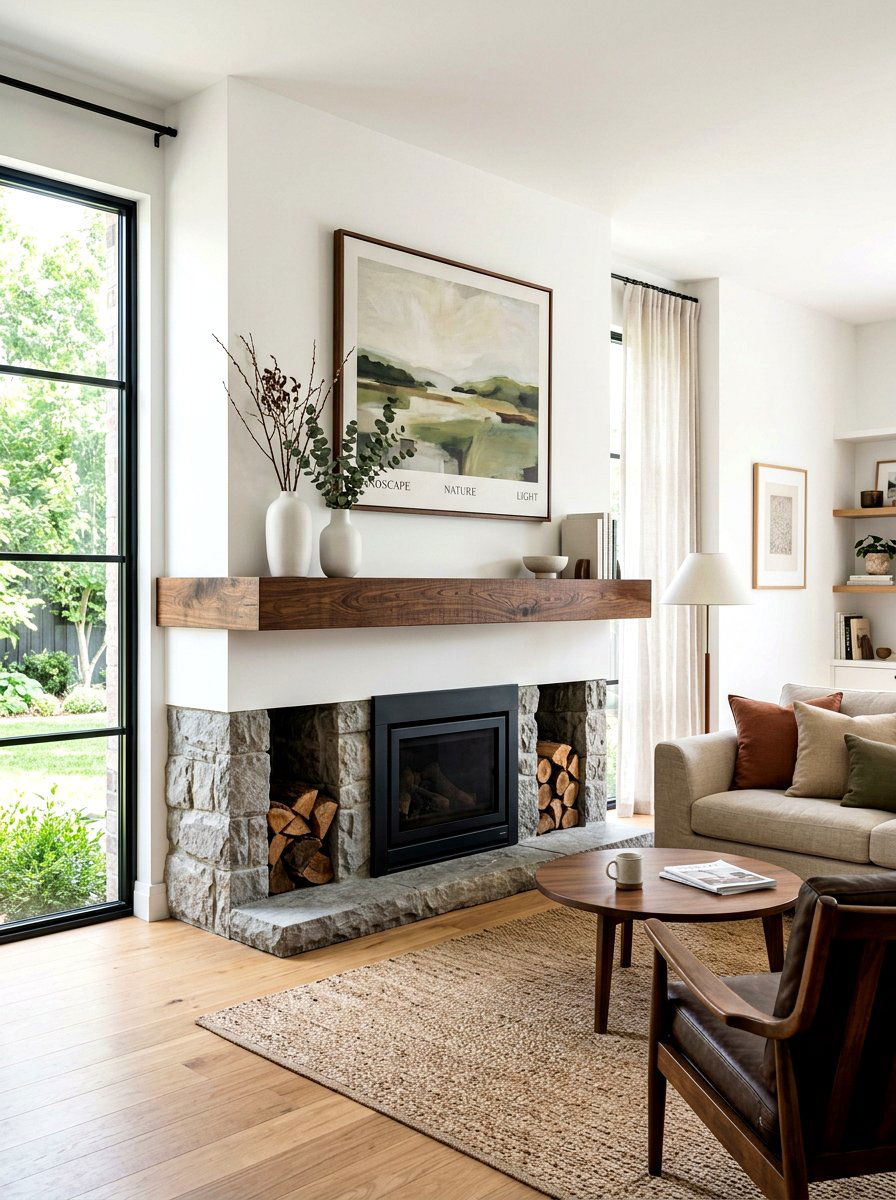
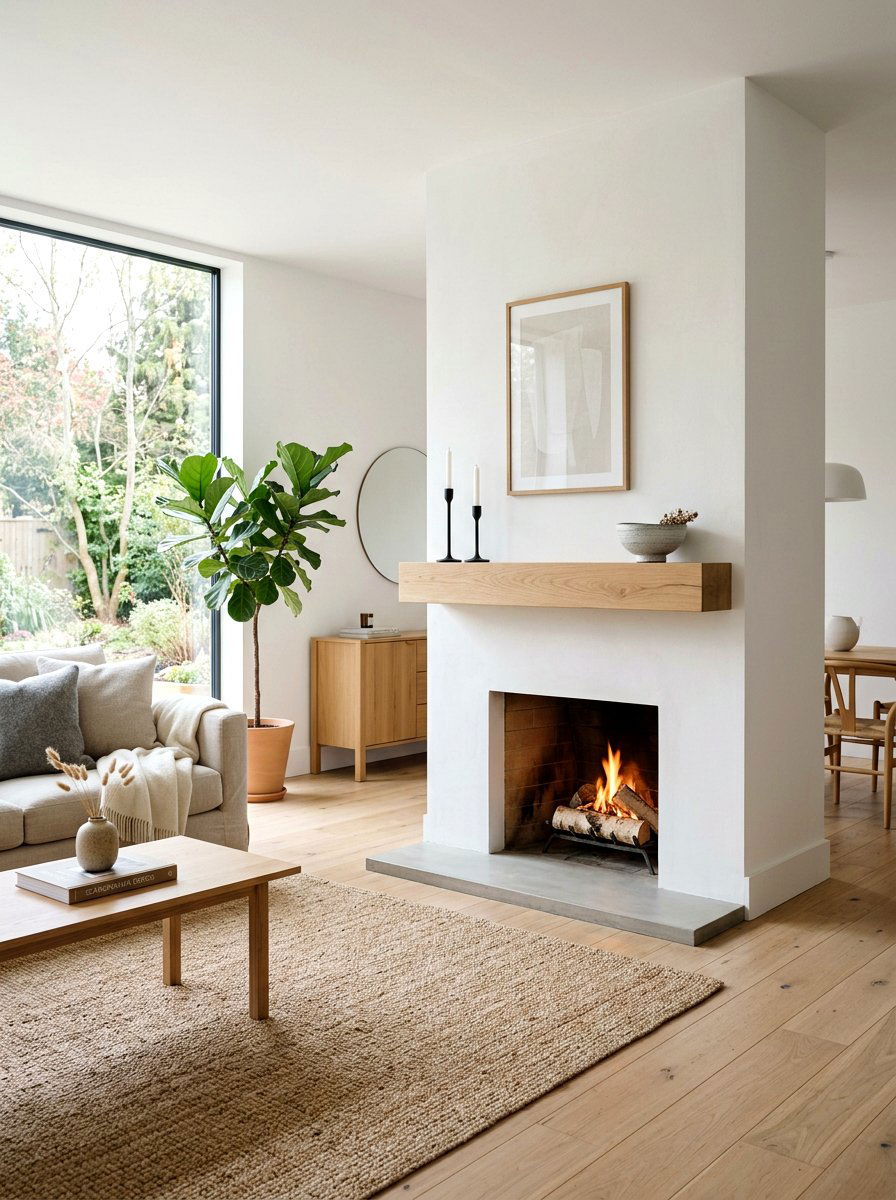
A floating wood mantel provides a clean, streamlined version of traditional style that works well in smaller rooms. Instead of having side pillars or a full surround, the thick wood shelf is mounted directly onto the wall. This keeps the floor space clear while still providing that classic wood texture and a place for decoration. To keep it traditional, choose a wood with a rich grain like cherry or walnut and ensure the edges have a beveled or molded finish. This style looks great over a stone or tile hearth and offers a more open, modern-traditional hybrid feel. It is perfect for updated traditional living rooms.
14. Stone Fireplace With Timber
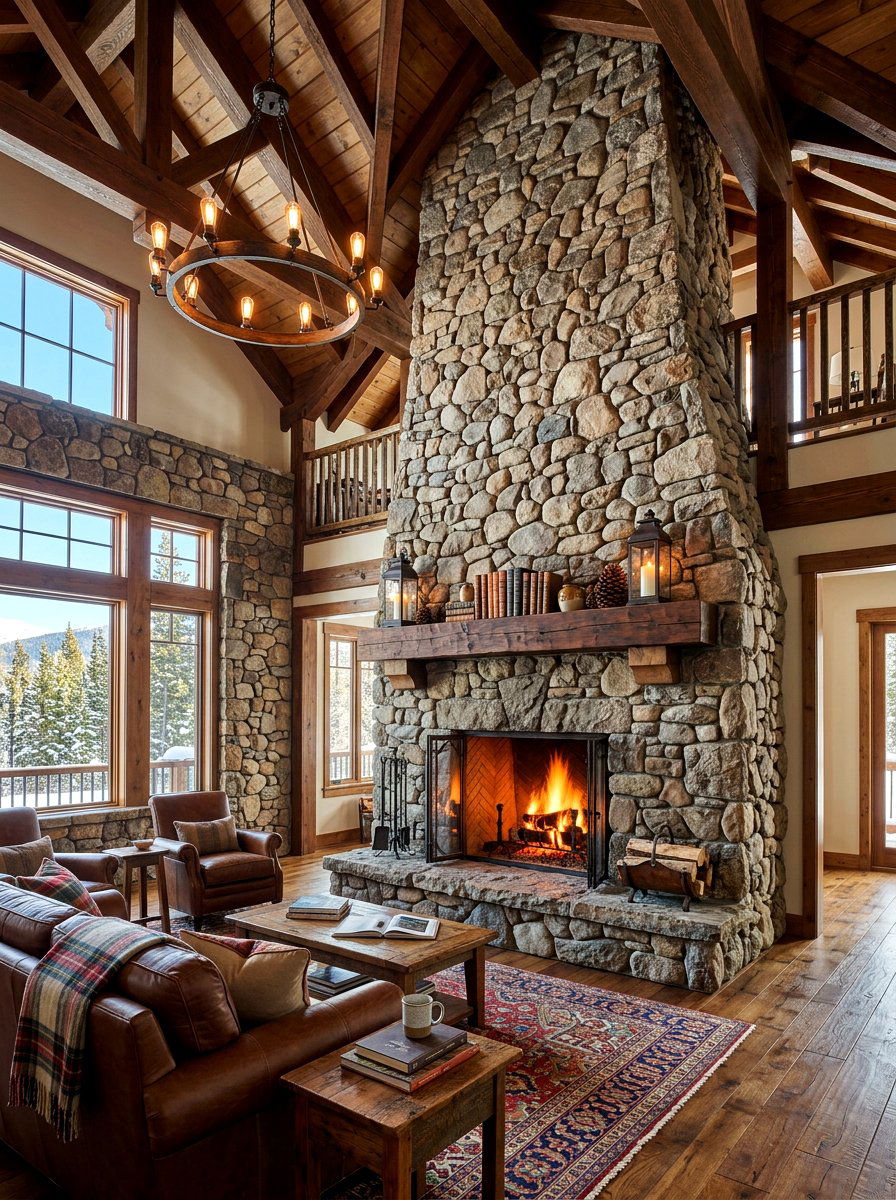
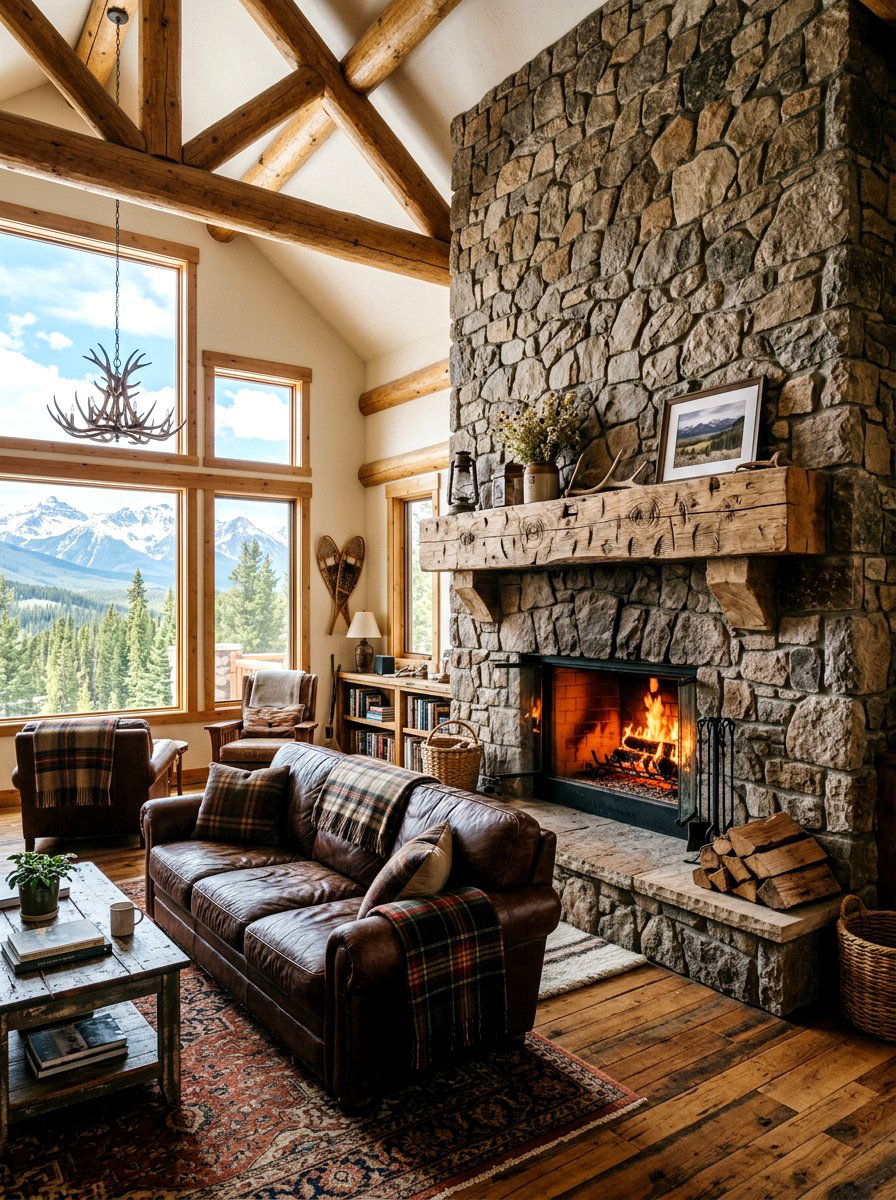
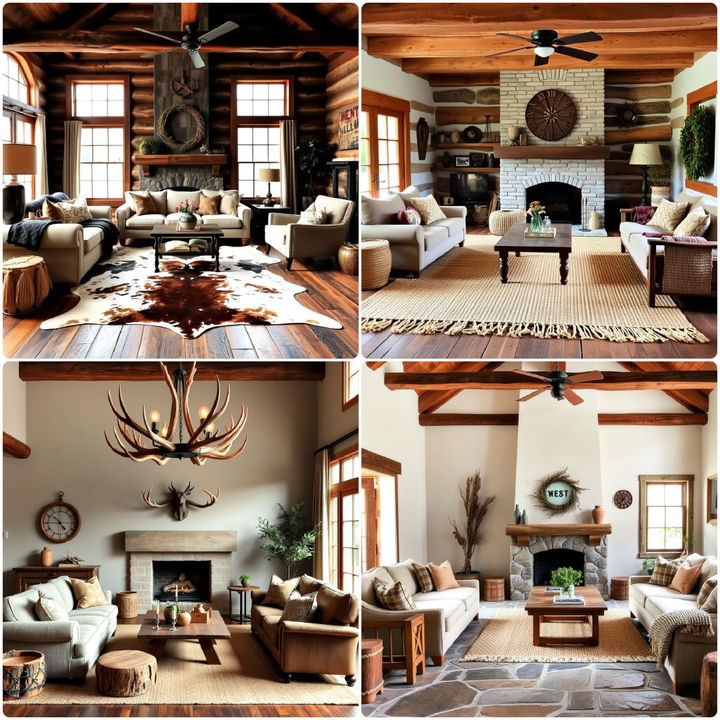
Pairing a full-height stone fireplace with a thick timber mantel is the epitome of traditional mountain or lodge-style design. The use of natural fieldstone or river rock provides a rugged, textured background that feels very permanent and organic. A dark, chunky wood mantel breaks up the stone and adds a horizontal line that makes the space feel more proportional. This design is perfect for great rooms with vaulted ceilings where the fireplace needs to have a significant presence. Decorate the timber shelf with items like lanterns, vintage books, and warm-toned ceramics to enhance the cozy, traditional atmosphere of the entire room.
15. Federal Style Mantel
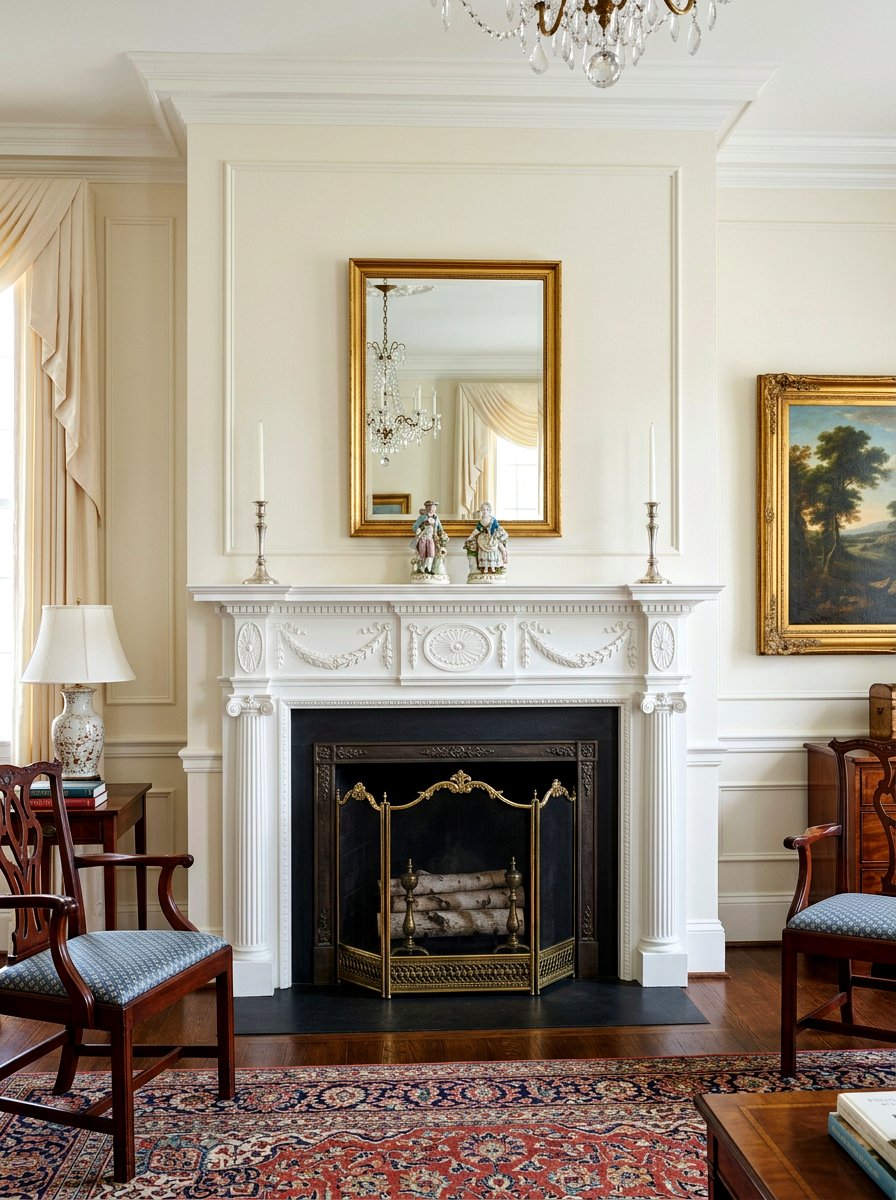
Federal style mantels are known for their lightness and delicate decorative elements, such as swags, ribbons, or eagle motifs. This American traditional style is less heavy than Georgian design and often features thin pilasters and a more slender shelf. The detailing is typically made of plaster or carved wood and painted in white or ivory tones. This style is perfect for smaller, more formal parlors where a heavy stone mantel would feel overwhelming. Styling a Federal mantel usually involves delicate porcelain figures or thin brass candlesticks. It offers a refined, historical look that celebrates the early architectural history of the United States in a beautiful way.
16. Mantel With Wall Sconces
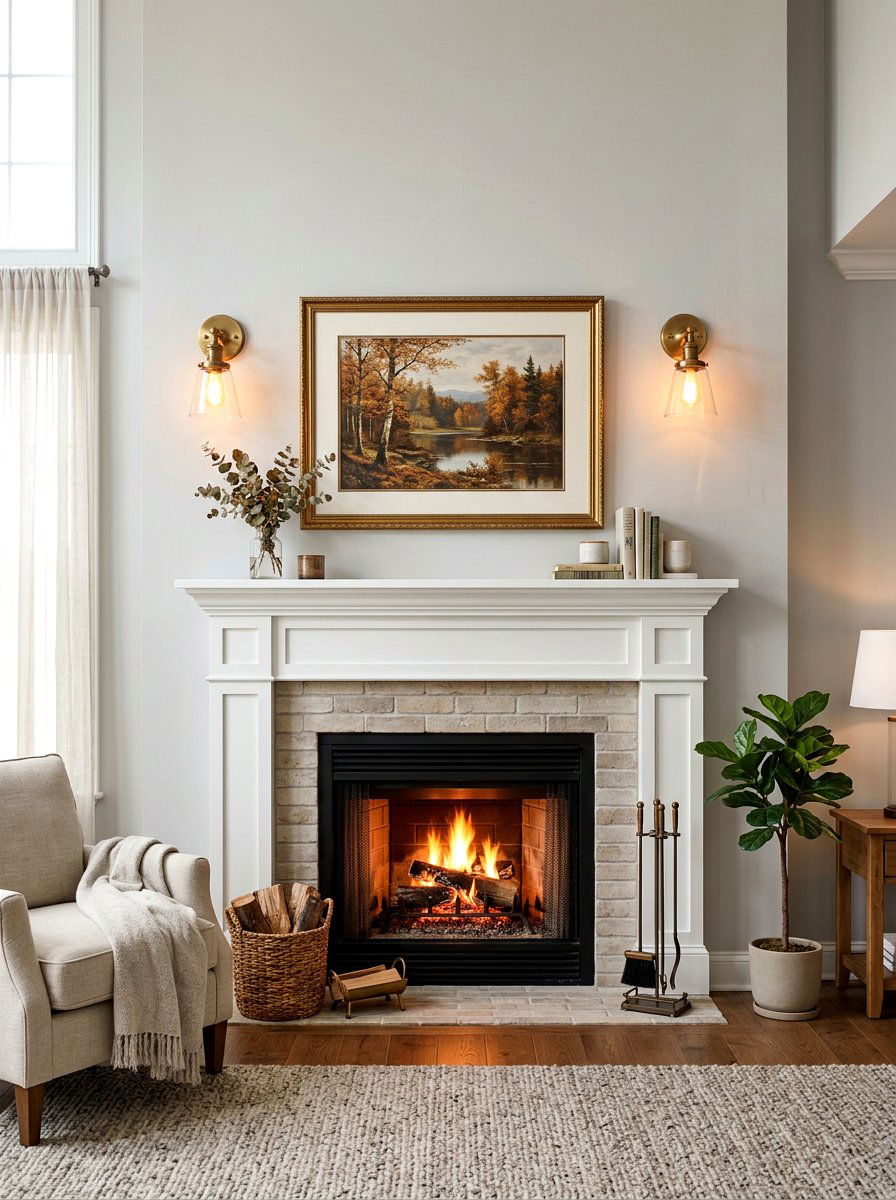
Installing wall sconces on either side of the mantel is a classic traditional lighting choice that adds both function and style. These fixtures provide a warm, ambient glow that highlights the fireplace as the room 's main feature during the evening. Traditional sconces often feature brass finishes, glass shades, or small fabric lampshades that complement the mantel' s materials. By mounting lights directly to the wall, you free up space on the mantel shelf for other decorative items. This setup creates a layered lighting scheme that makes the living room feel more sophisticated and inviting. It is a timeless way to enhance the architectural beauty of your hearth.
17. Layered Artwork Mantel
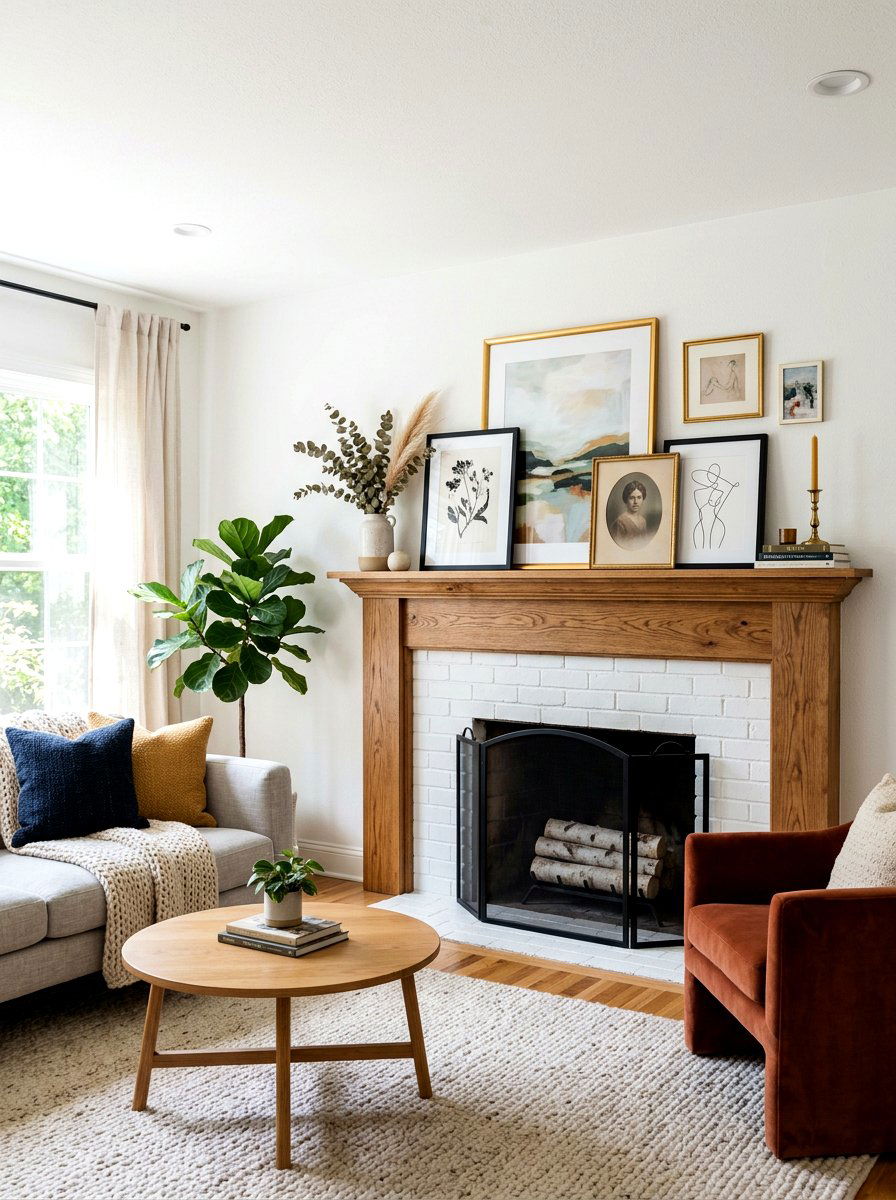
Instead of hanging one large piece of art, a traditional layered approach involves leaning multiple frames of varying sizes on the mantel. You can place a large landscape painting in the back and overlap it with a smaller sketch or a framed photograph. This creates a curated, lived-in feel that suggests a collection gathered over time. To keep it traditional, use classic frames in gold, dark wood, or black. This technique adds depth and visual interest to the fireplace area without requiring any wall-mounted hardware. It is an excellent way to showcase your personal taste and change the look of the room easily whenever you wish.
18. Classic Crown Molding Mantel
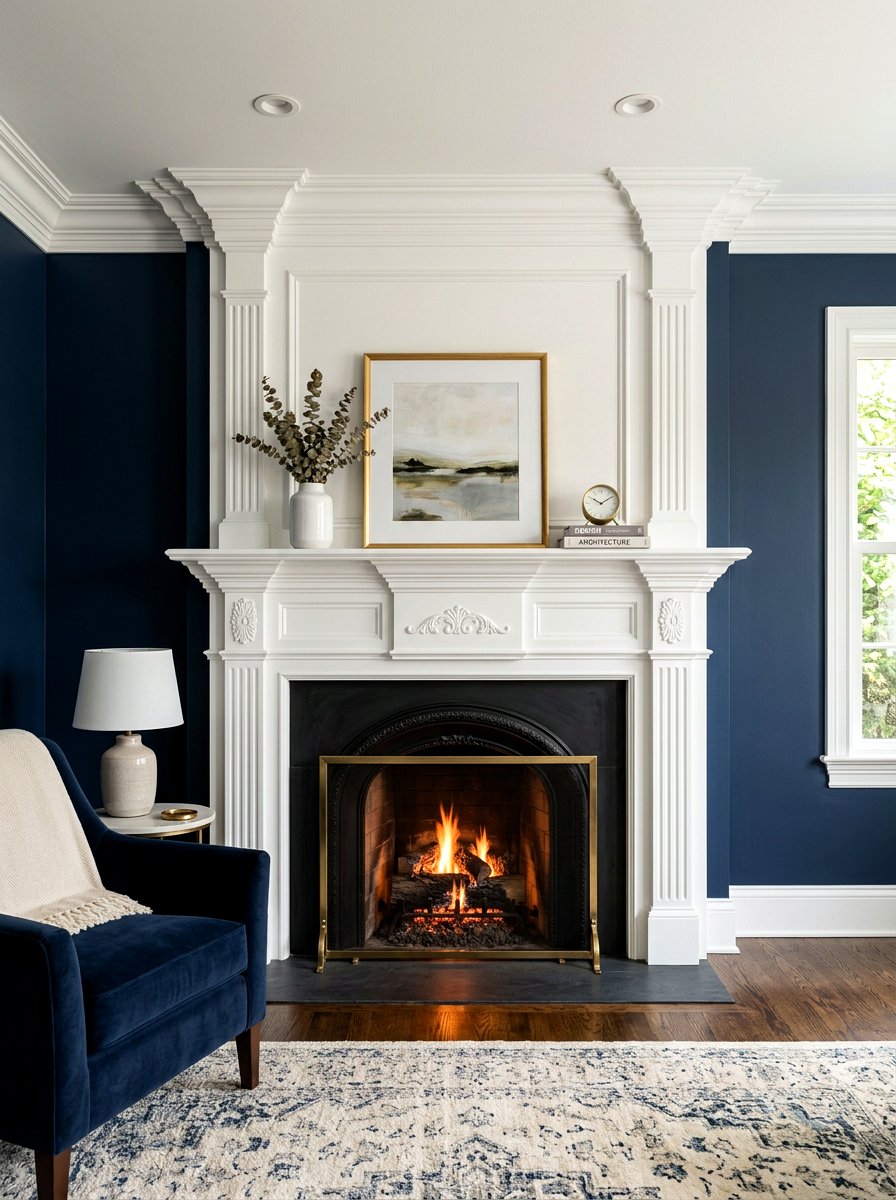
Using crown molding to build a fireplace mantel ensures that the structure matches the other architectural details in your home. This approach creates a very cohesive and "built-in" look that feels original to the house. The layers of molding create a series of steps and shadows that add richness to the mantel's design. Typically painted in a semi-gloss white, this style looks excellent against a contrasting wall color like navy blue or sage green. It is a versatile choice that fits perfectly into traditional, transitional, and even coastal-style homes. The clean lines and familiar shapes of the molding make it a safe and beautiful design choice.
19. Distressed Oak Mantel
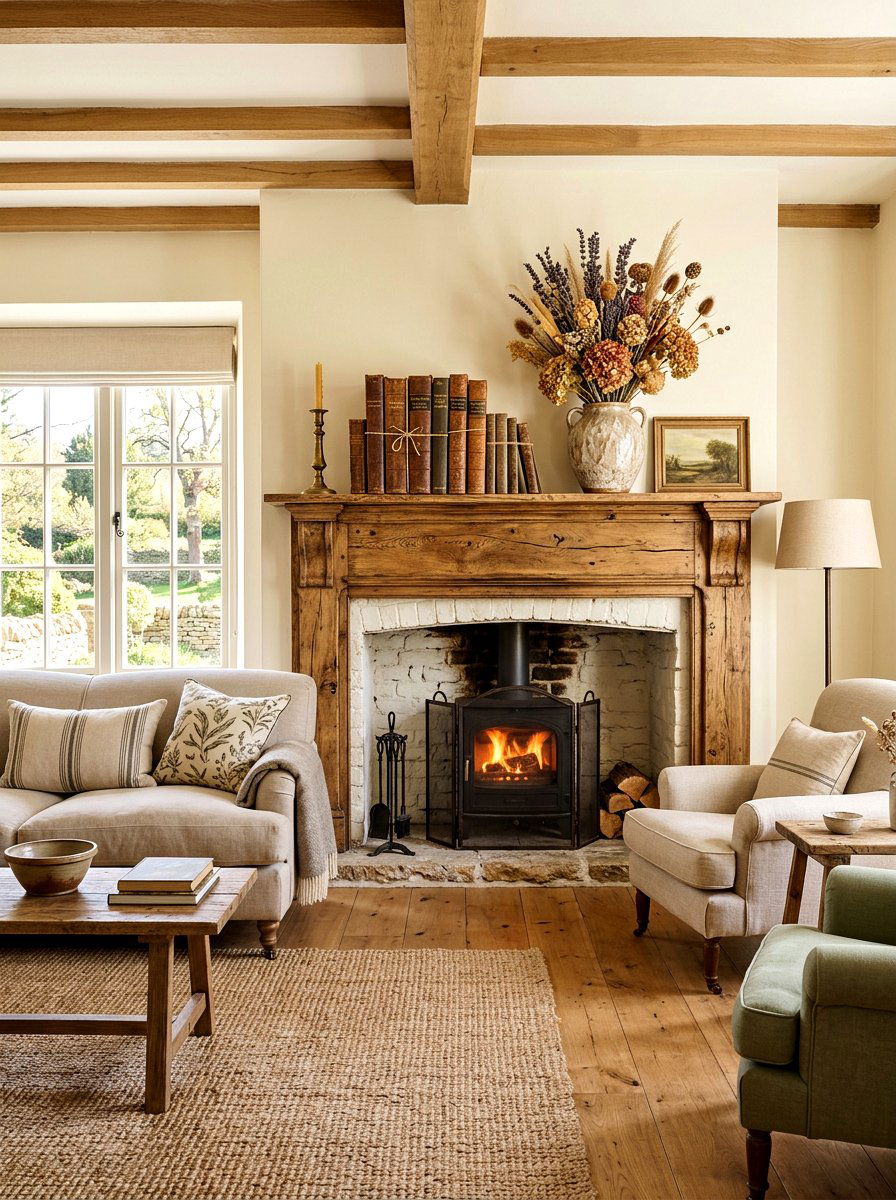
A distressed oak mantel offers the beauty of traditional wood with a slightly more relaxed and aged appearance. The wood is often treated to look like it has been weathered by time, featuring small nicks, scratches, and a matte finish. This style works well in traditional homes that have a bit of a rustic or European country influence. The warmth of the oak provides a nice balance to a white or stone fireplace surround. You can style a distressed mantel with vintage find like old scales, worn books, or dried flowers to emphasize the antique aesthetic. It brings a sense of comfort and history to the living room.
20. Colonial Wood Fireplace
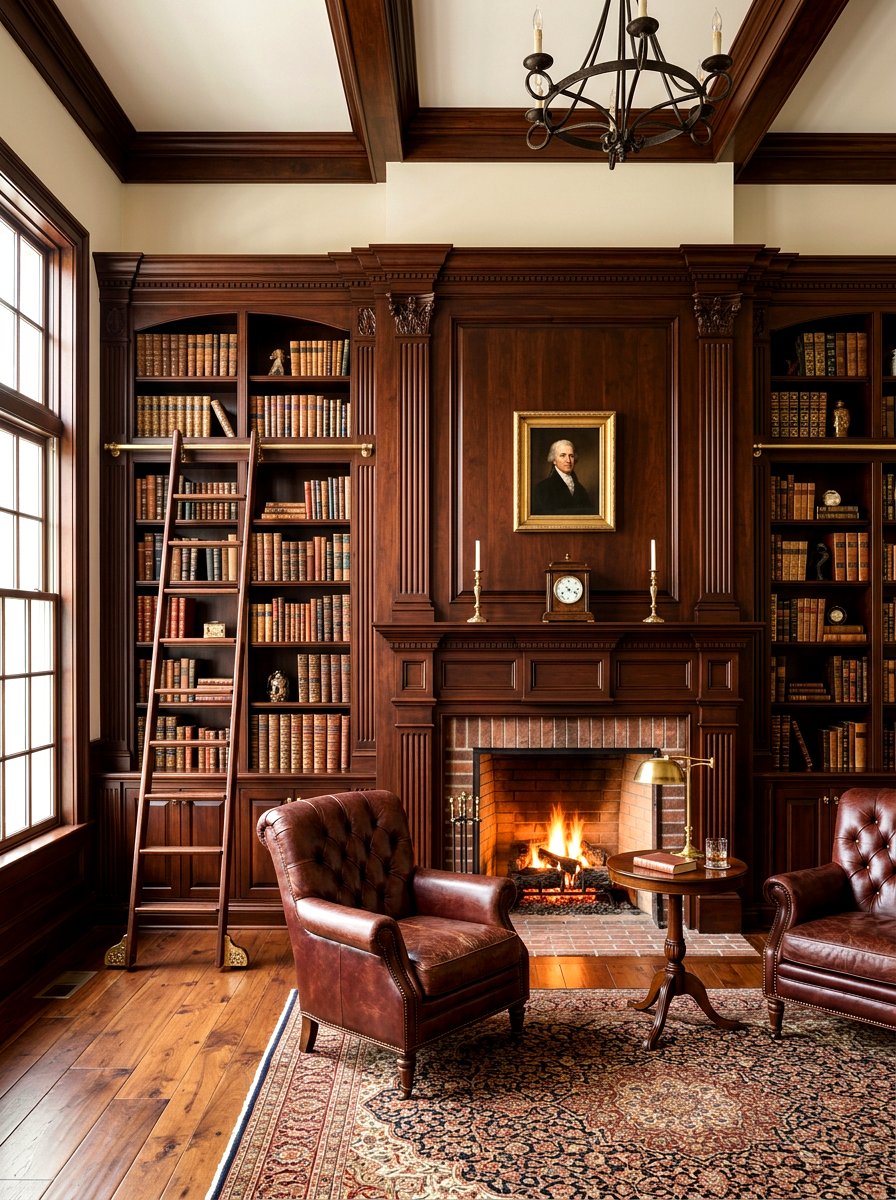
Colonial wood fireplaces often feature a full wall of wood paneling that incorporates the mantel into a larger architectural scheme. This "surround" often includes cabinets or shelving on either side, creating a massive focal point that defines the entire room. The wood is usually stained a medium cherry or oak, or painted in a historical color like cream or slate blue. This design is rooted in early American history and provides a very formal, traditional atmosphere. It is ideal for dining rooms or libraries where you want to create a library-like environment. The integrated shelves provide endless opportunities for styling with books and traditional heirlooms.
21. Arched Fireplace Opening
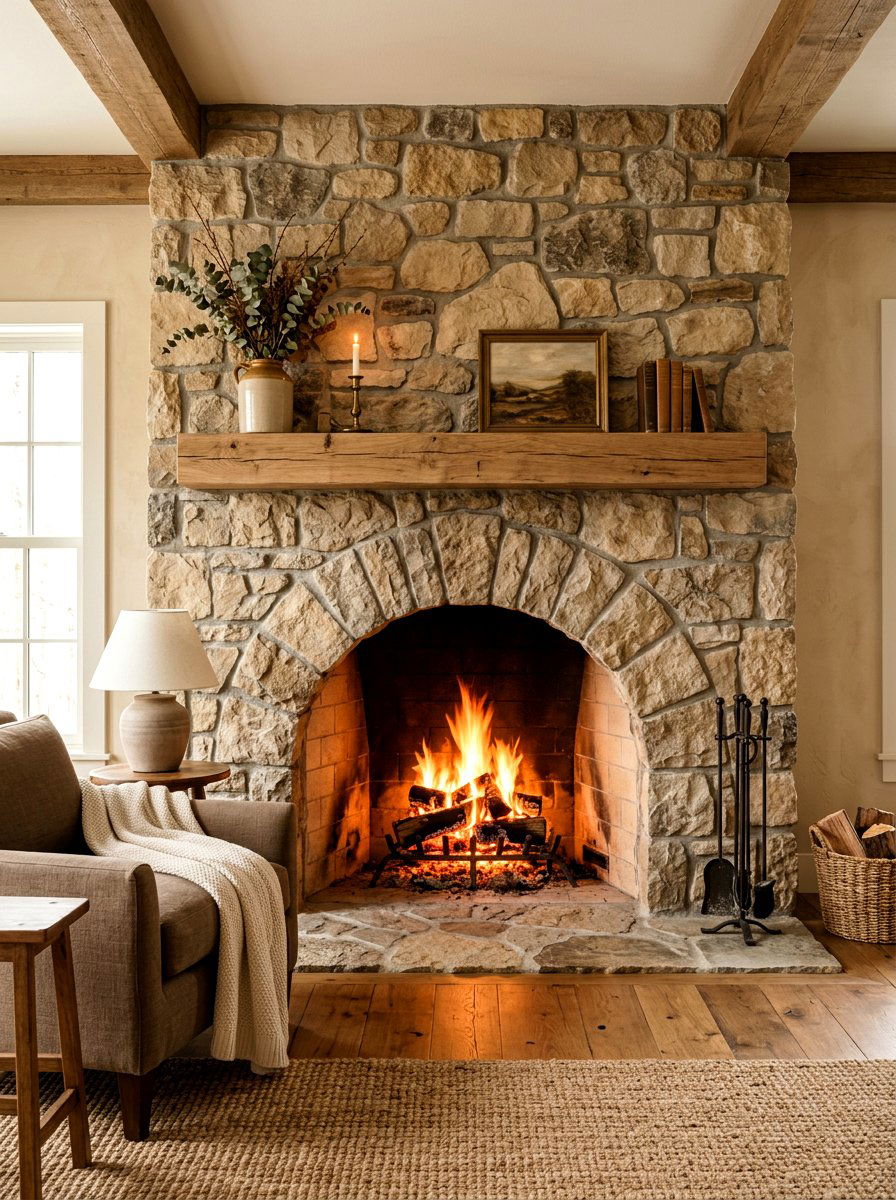
While the mantel is the shelf, the opening of the fireplace can also feature a traditional arched design that adds architectural interest. An arched stone or brick opening feels more historical and softer than a standard rectangle. When paired with a straight wood mantel shelf, the contrast between the curves and the lines creates a beautiful visual dynamic. This look is often seen in Mediterranean or Tudor-style traditional homes. It makes the firebox itself look more like a cozy cavern, drawing the eye inward. You can accentuate the arch by using a contrasting grout color or a different stone pattern for the interior of the opening.
22. Mantel With Built In Cabinets
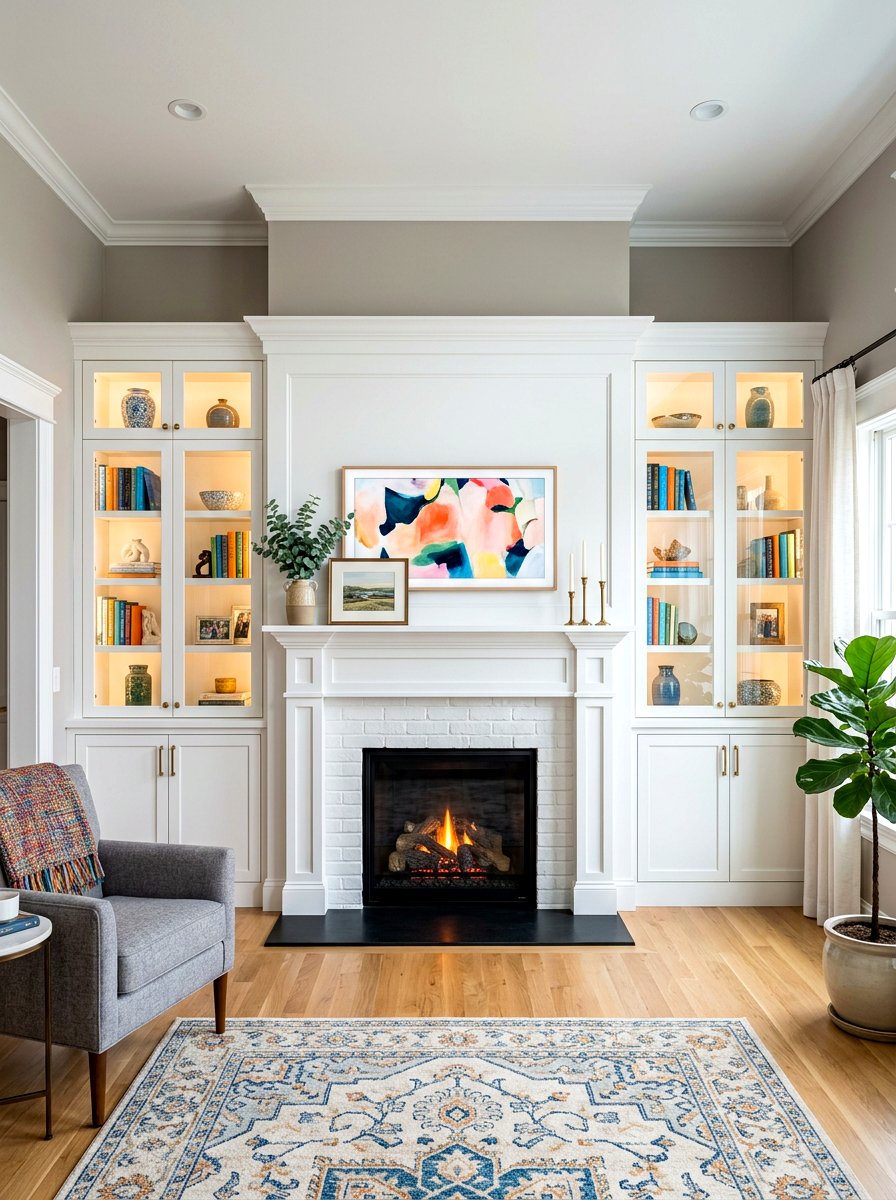
Integrating your traditional fireplace mantel with built-in cabinets on either side creates a functional and beautiful wall of storage. This design ensures that the fireplace doesn 't just sit in the middle of a blank wall but feels like part of the room' s permanent structure. The cabinets can feature glass doors for displaying china or solid doors for hiding media equipment. To keep it traditional, the mantel should share the same molding and paint color as the surrounding cabinetry. This creates a massive, impressive focal point that adds significant value and character to the home. It is a classic solution for organizing large traditional living rooms.
23. Craftsman Style Mantel
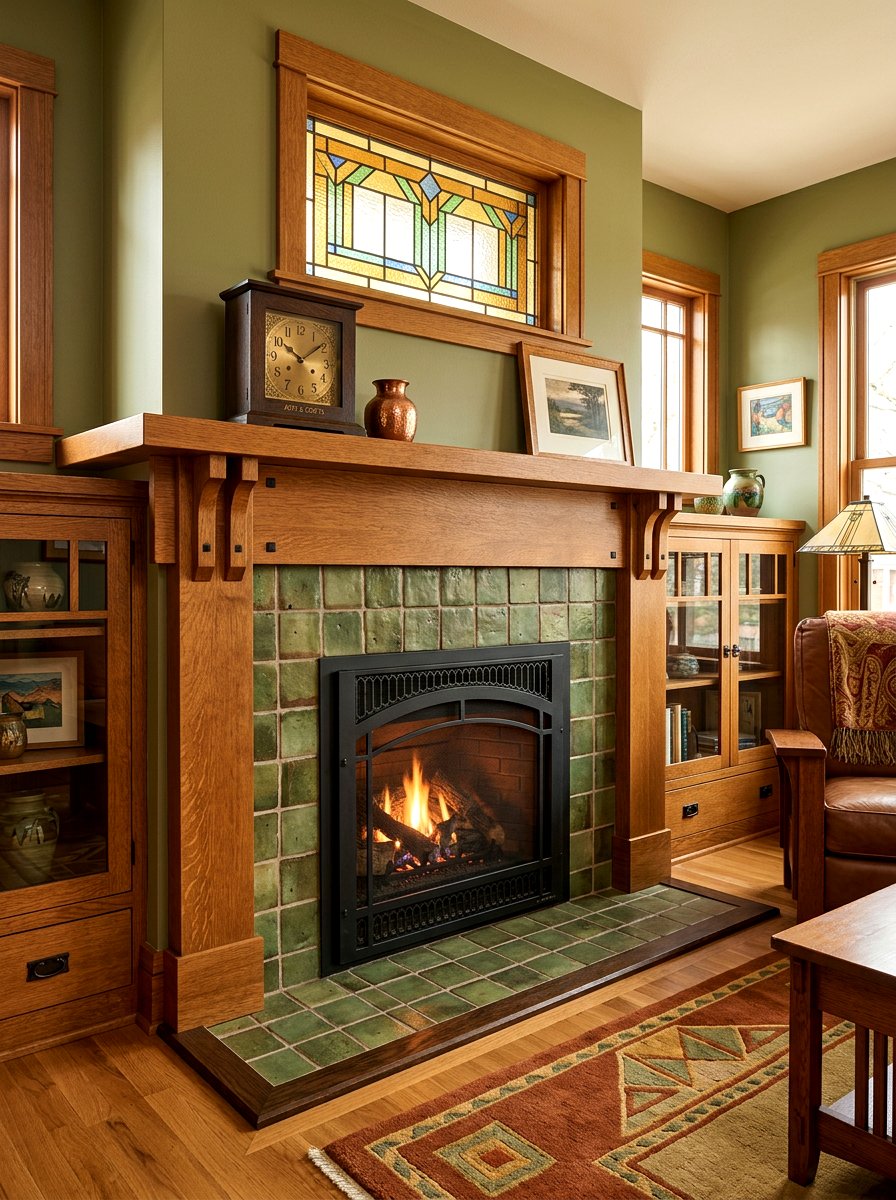
Craftsman style mantels focus on simple lines, high-quality wood, and a sense of "honesty" in construction. They often feature wide, flat surfaces and exposed joinery that highlight the natural beauty of the timber. While slightly more geometric than Victorian styles, they are firmly rooted in the traditional Arts and Crafts movement. These mantels look best when made from medium-toned oak or maple and paired with handmade tiles in earthy colors like green or amber. Styling should be kept minimal and organic, perhaps with a single art-pottery vase or a mission-style clock. This design brings a warm, sturdy, and artistic feel to the traditional American home.
24. Dark Walnut Mantel
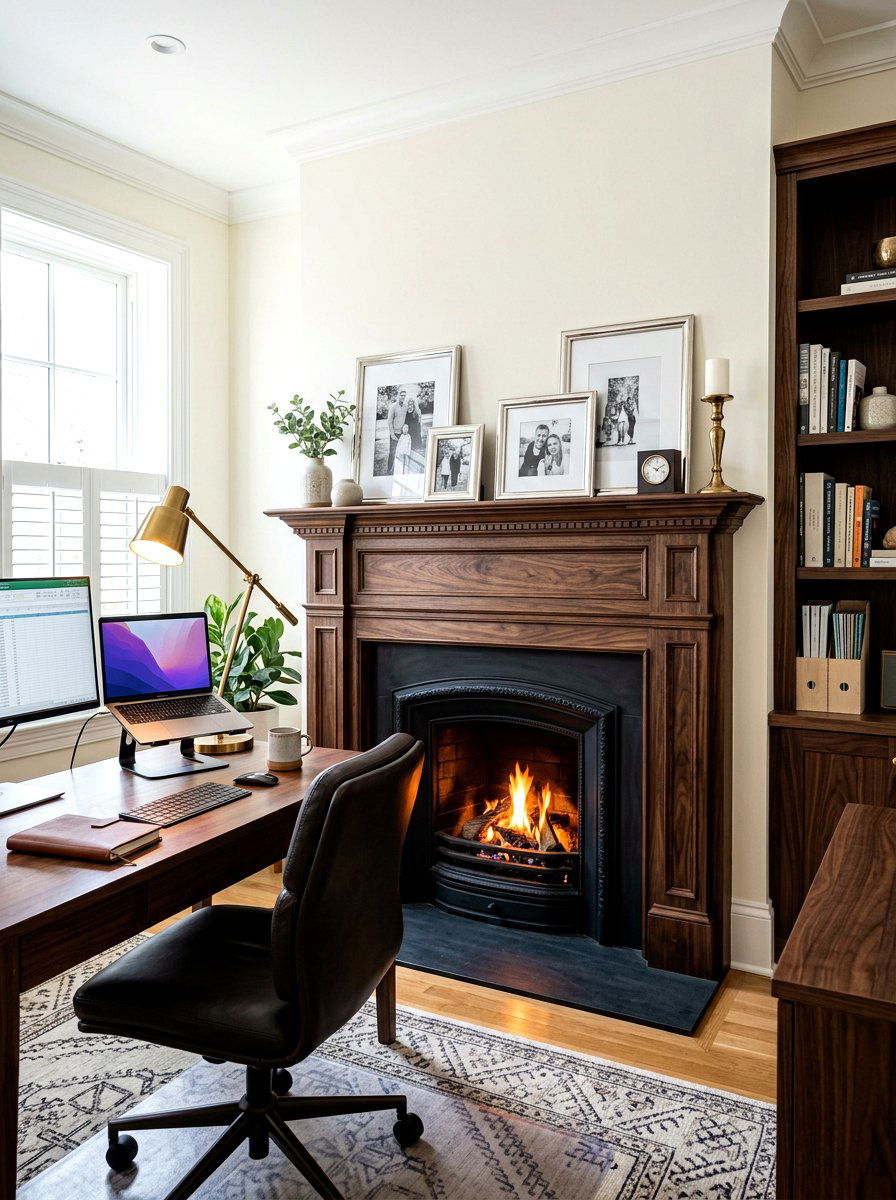
A dark walnut mantel provides a level of richness and drama that lighter woods cannot match. The deep brown tones and fine grain of walnut make it look incredibly expensive and formal. When placed against a light-colored wall, a dark walnut mantel creates a stunning high-contrast look that demands attention. This is a great choice for traditional dens or home offices where a more masculine, library-inspired vibe is desired. You can pair it with brass or silver accessories to make the dark wood pop. Because walnut is a very durable hardwood, it will remain a beautiful and lasting centerpiece for many generations to come.
25. Mantel With Seasonal Greenery
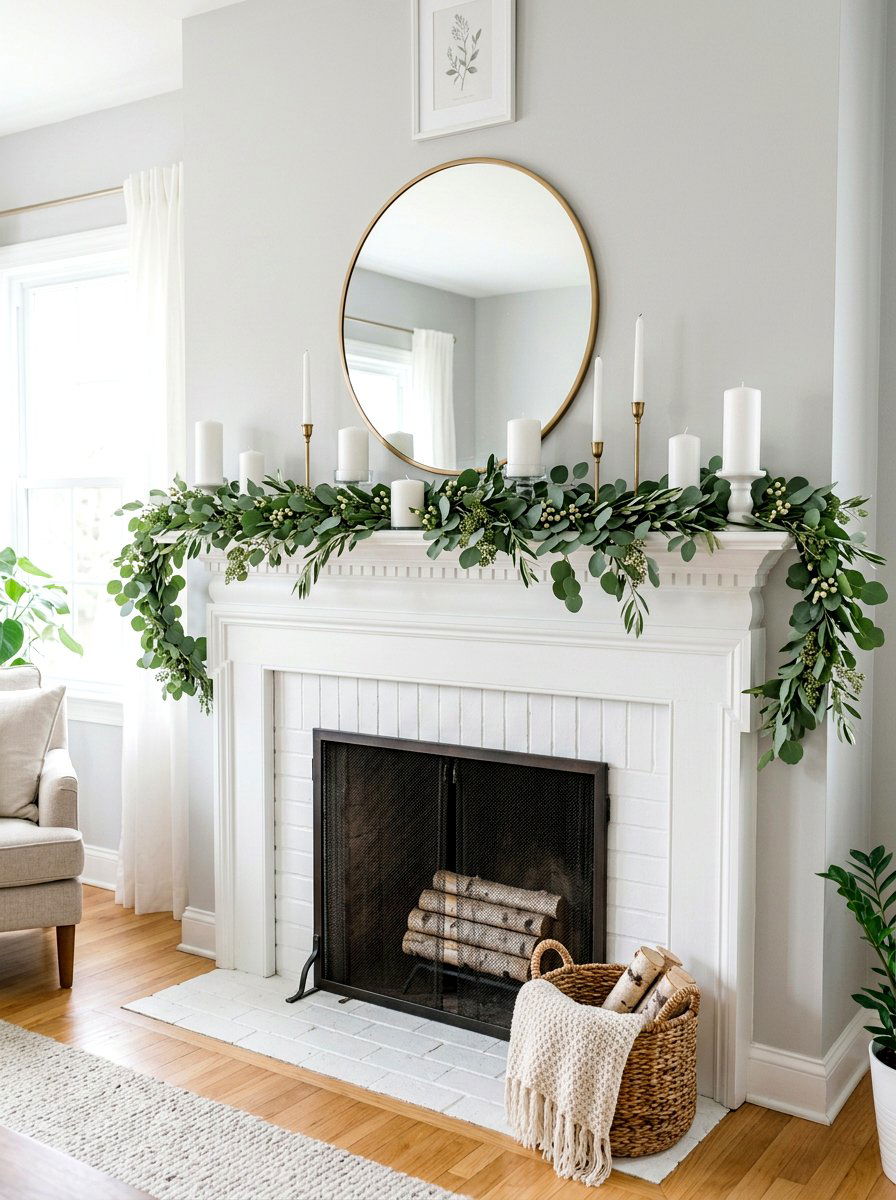
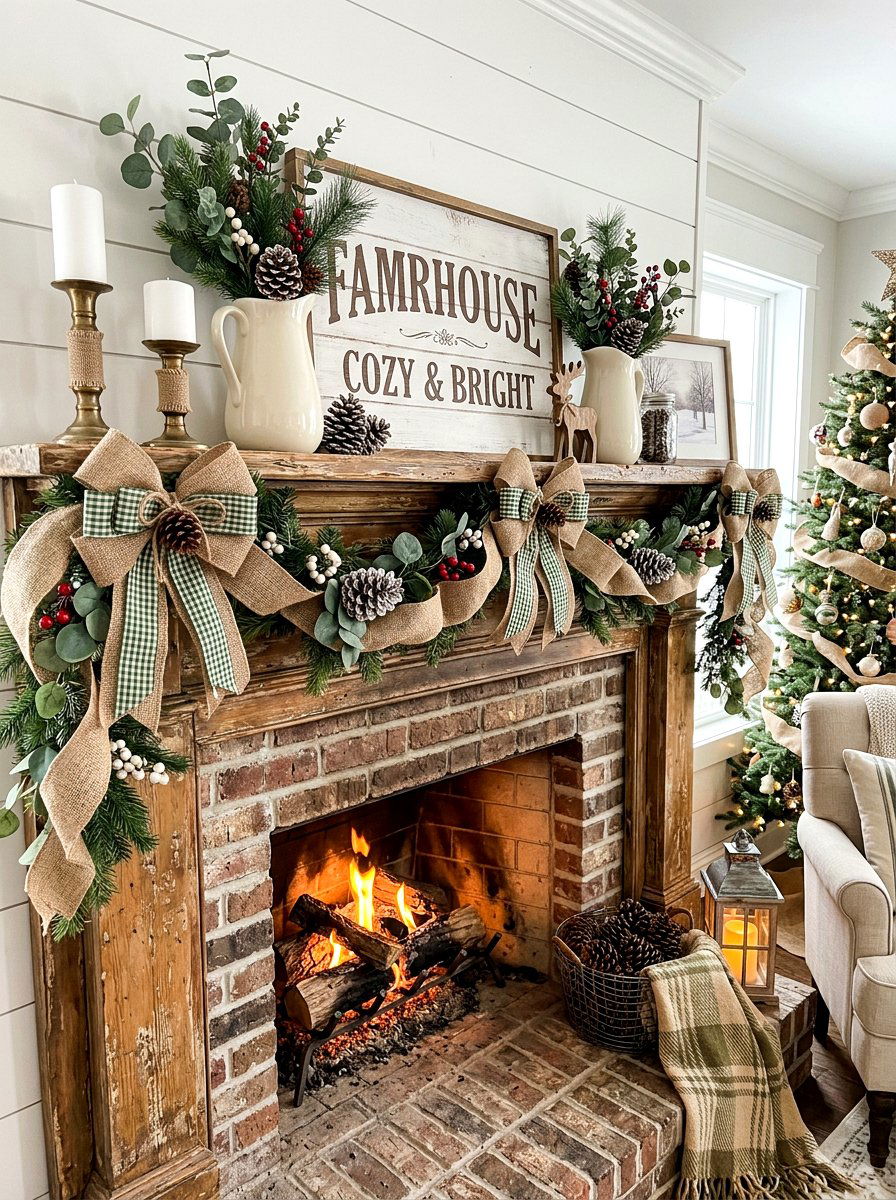
Traditional mantels are the perfect stage for seasonal greenery, which adds life and color to the room. During the spring, you can drape a eucalyptus garland across the shelf, while in the winter, evergreen branches with pinecones create a cozy atmosphere. Greenery softens the hard edges of stone or wood and brings a bit of the outdoors inside. To keep it looking traditional, use high-quality silk or fresh plants and avoid overly "trendy" colors. Placing a few potted ferns or small ivy plants on the ends of the mantel provides a year-round way to incorporate nature into your traditional fireplace design and styling.
26. Cast Stone Fireplace
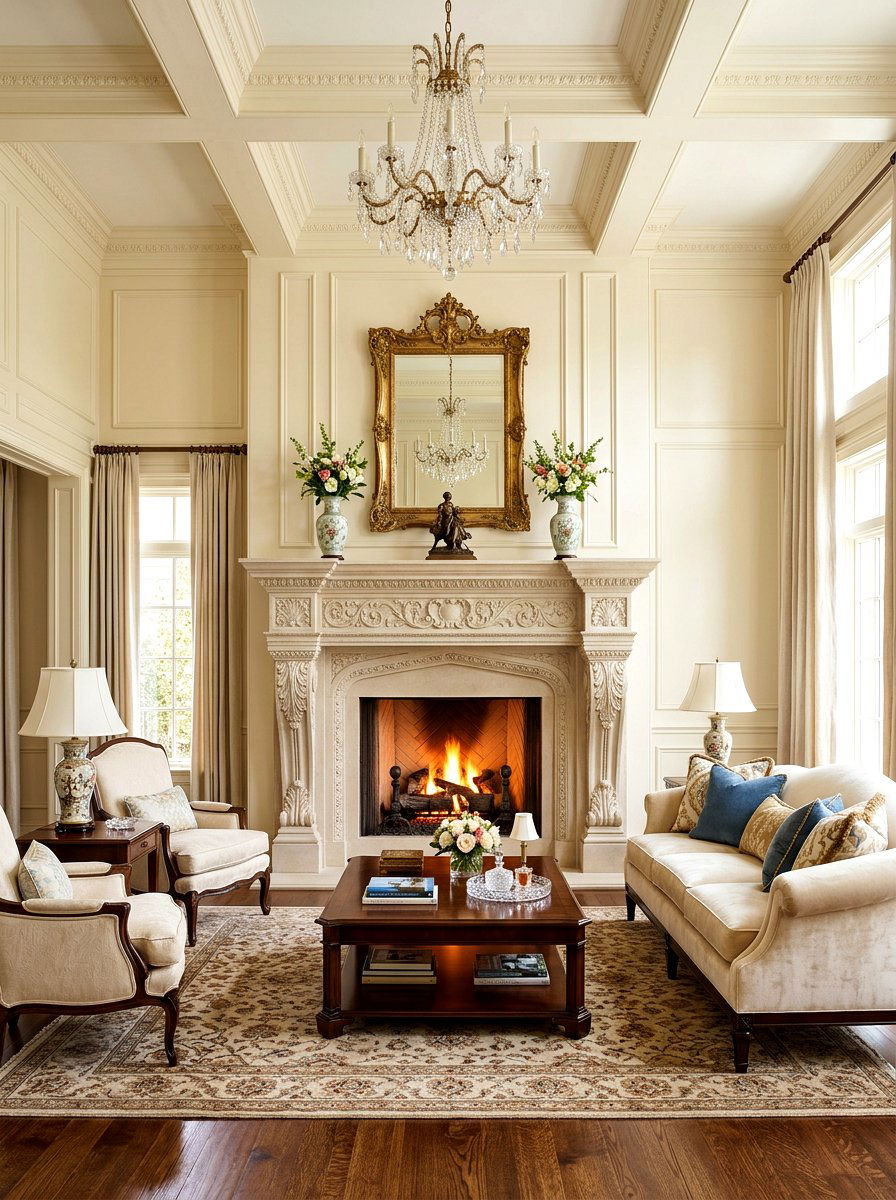
Cast stone mantels are made from a mixture of crushed stone and cement, allowing for incredibly intricate designs at a more affordable price than hand-carved limestone. These fireplaces can mimic the look of old European manors with massive corbels and deeply recessed moldings. They offer a very solid, heavy appearance that feels extremely high-end and traditional. The light gray or cream tones of cast stone provide a neutral background that works with almost any wall color. Because they are molded, you can find very unique shapes that incorporate heraldic shields or floral patterns. This is a great way to add "instant history" to a newer traditional home.
27. Shiplap Wall With Mantel
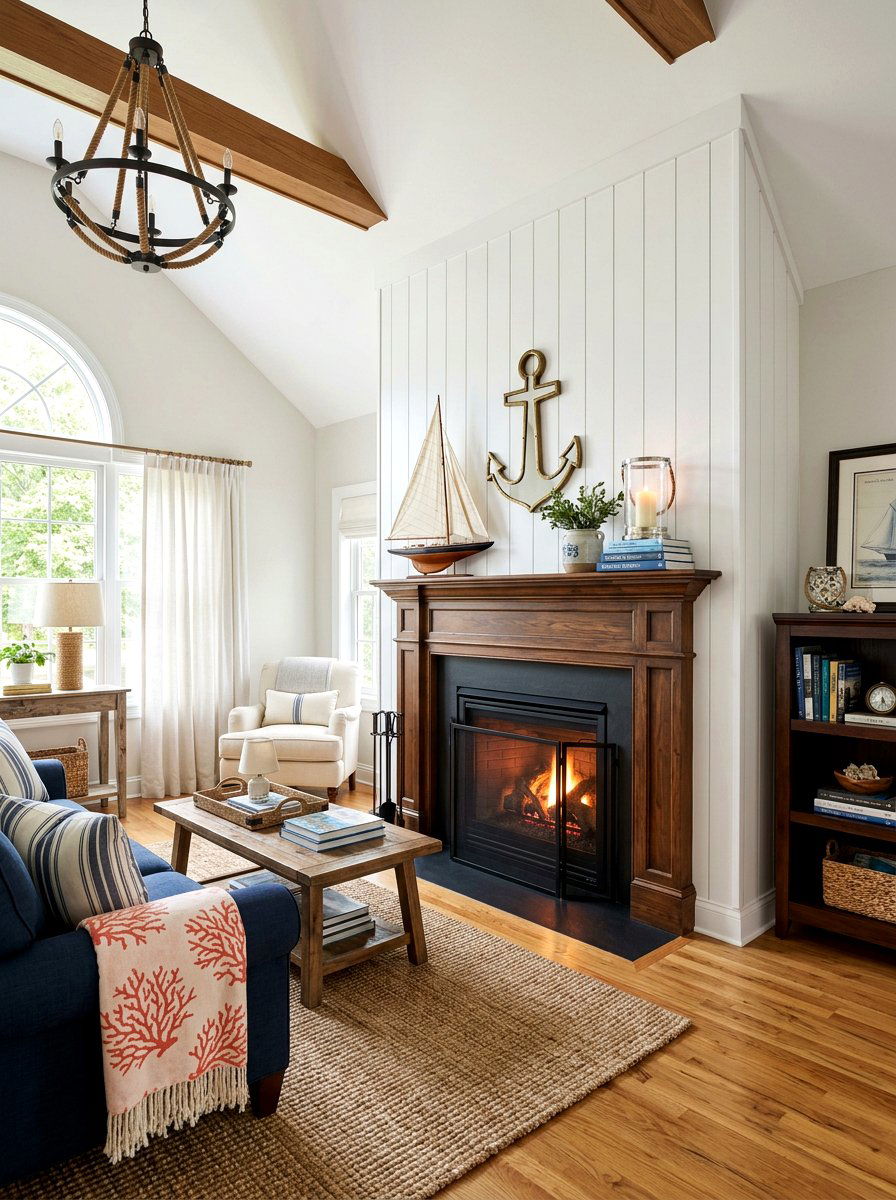
While shiplap is often associated with modern farmhouse styles, a traditional version uses wider, more refined planks to create a textured wall behind the mantel. When the shiplap is painted a soft white or a deep traditional color like navy, it provides a beautiful backdrop for a classic wood mantel. This adds a horizontal element that helps to ground the fireplace and make the wall feel more interesting. This approach is particularly effective in traditional coastal or lakeside homes where a bit of wood texture feels appropriate. It combines the comfort of traditional materials with a slightly more updated and clean architectural look for the room.
28. Blue Fireplace Surround
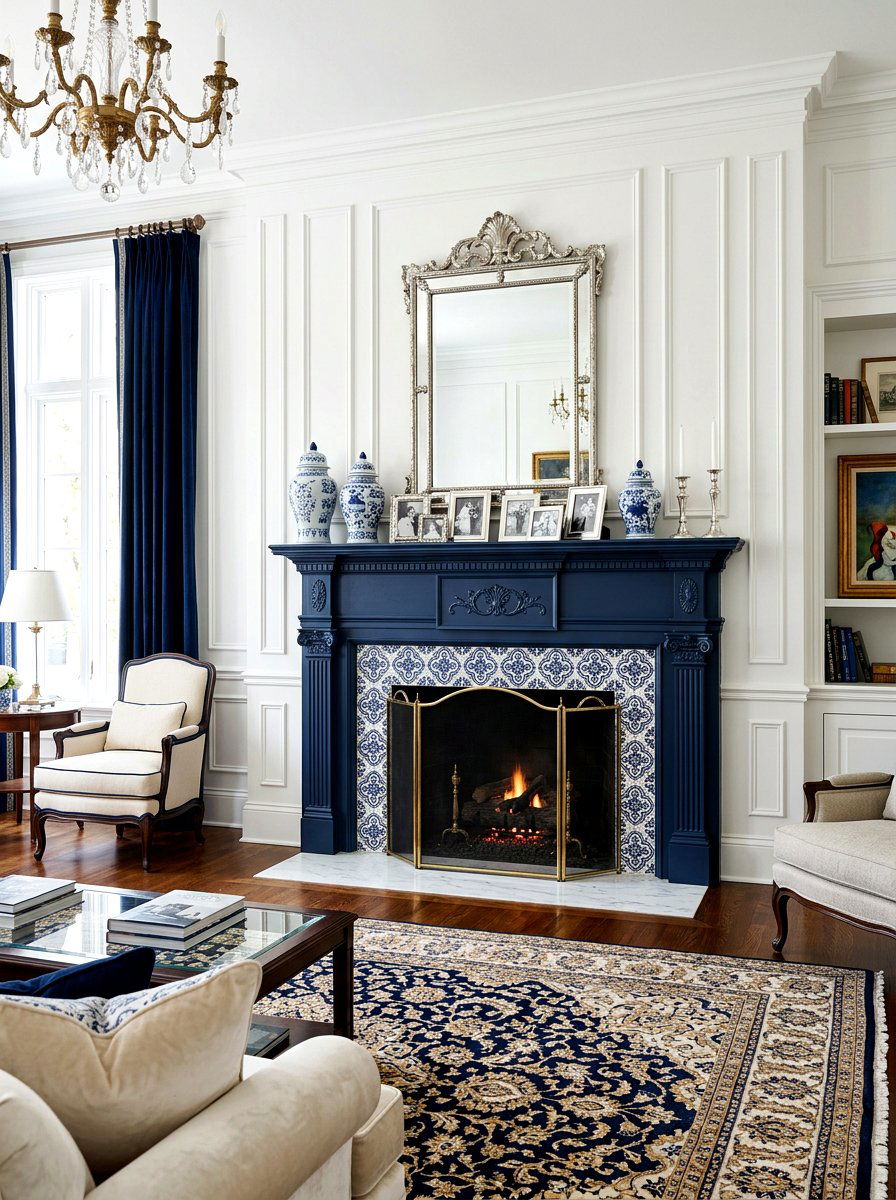
Using a traditional shade of blue, like navy, slate, or Wedgwood blue, for the fireplace surround or the mantel itself is a bold yet classic choice. Blue has been used in traditional interiors for centuries, particularly in colonial and European designs. A blue-painted wood mantel against white walls creates a crisp, nautical, or formal aesthetic that feels very intentional. This is a great way to introduce color into a traditional room without it feeling too modern. You can style a blue mantel with white porcelain jars or silver frames to create a timeless color palette. It makes the fireplace a unique and unforgettable feature in your home.
29. Tile Hearth With Wood Mantel
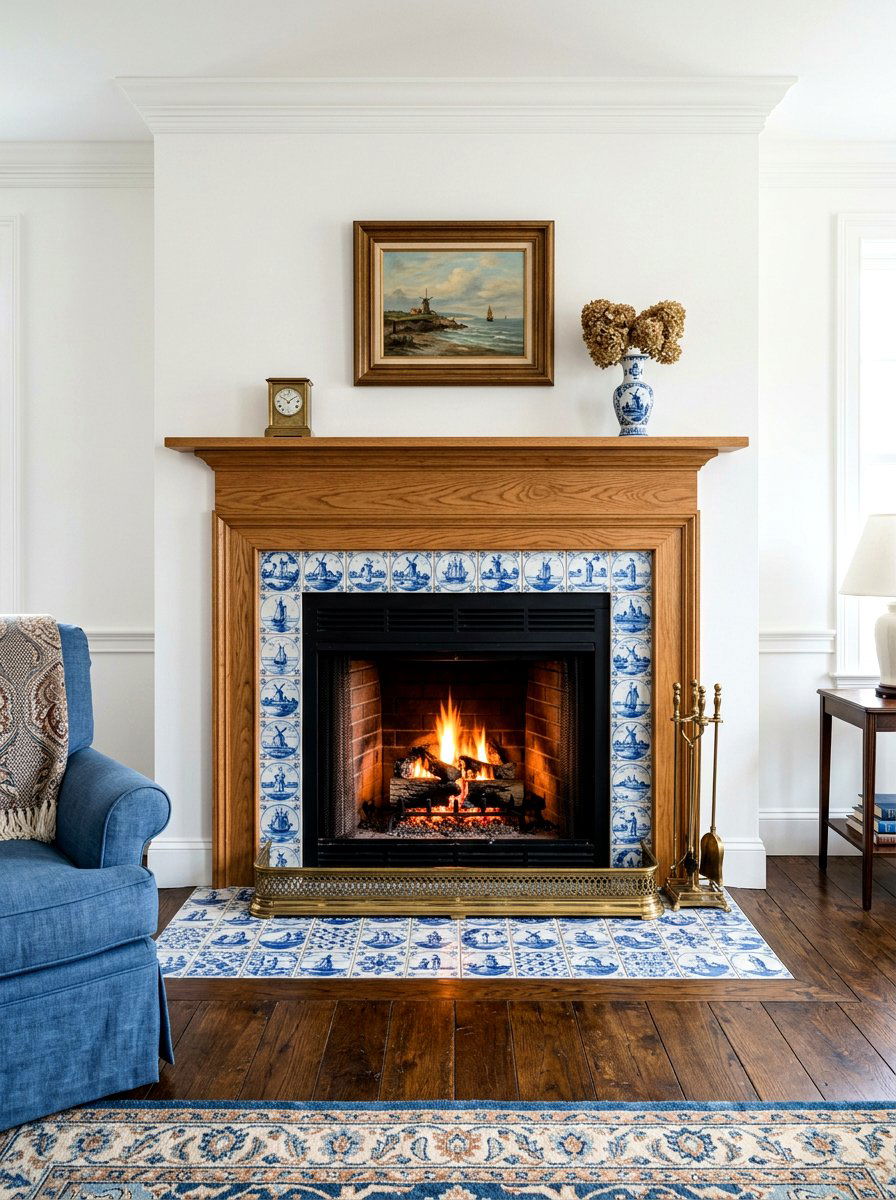
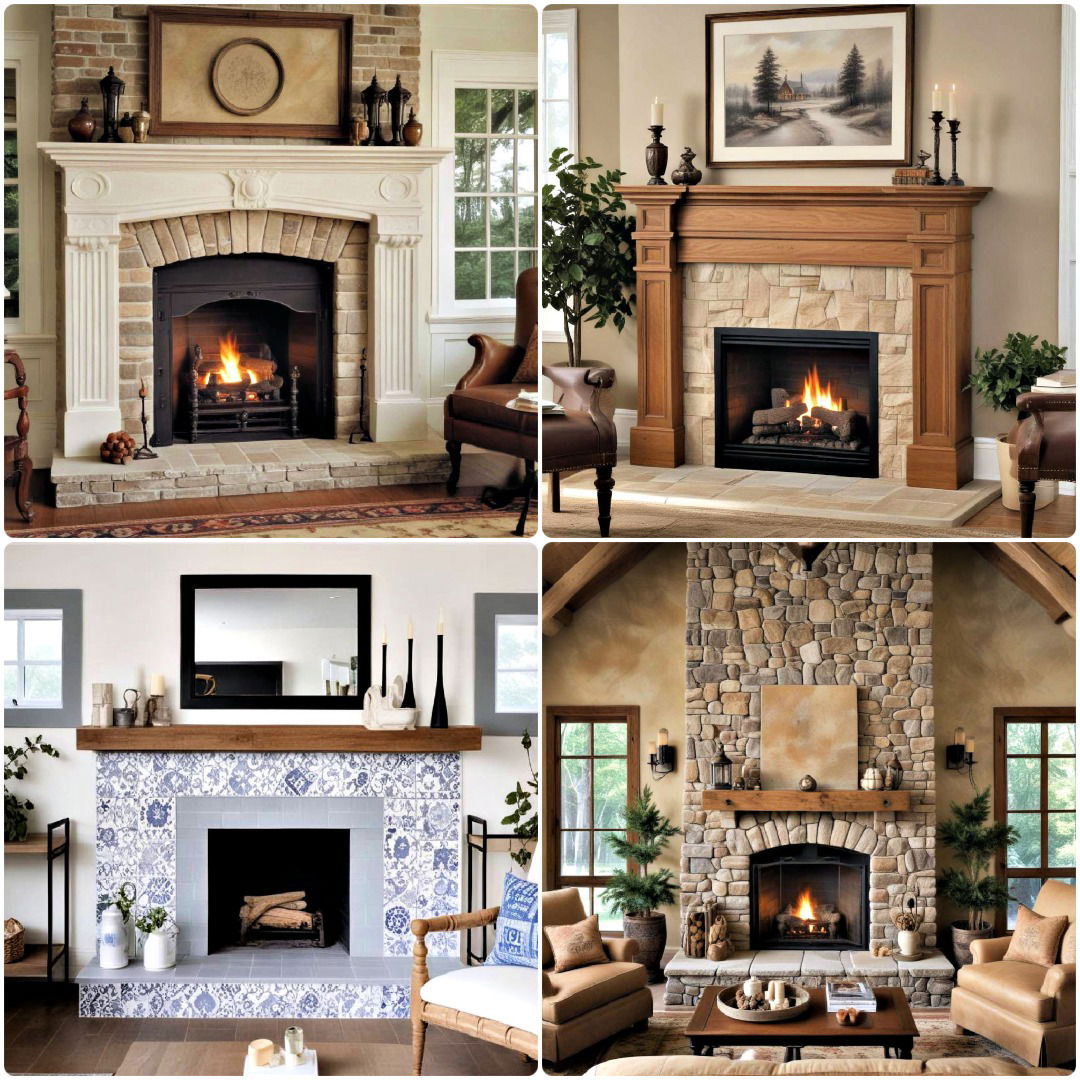
Incorporating traditional tiles into the fireplace hearth or the area directly around the firebox adds a wonderful layer of pattern and color. Classic choices include blue and white Delft tiles, earthy terracotta, or simple marble subway tiles. When these patterns are paired with a traditional wood mantel, the result is a rich, multi-textured look that feels very curated. The tiles provide a durable and heat-resistant surface that also serves as a beautiful decorative element. This design is common in historic European homes and adds a charming, artisanal touch to any traditional fireplace. It allows you to express your personality through specific tile patterns and colors.
30. Formal Dining Room Fireplace
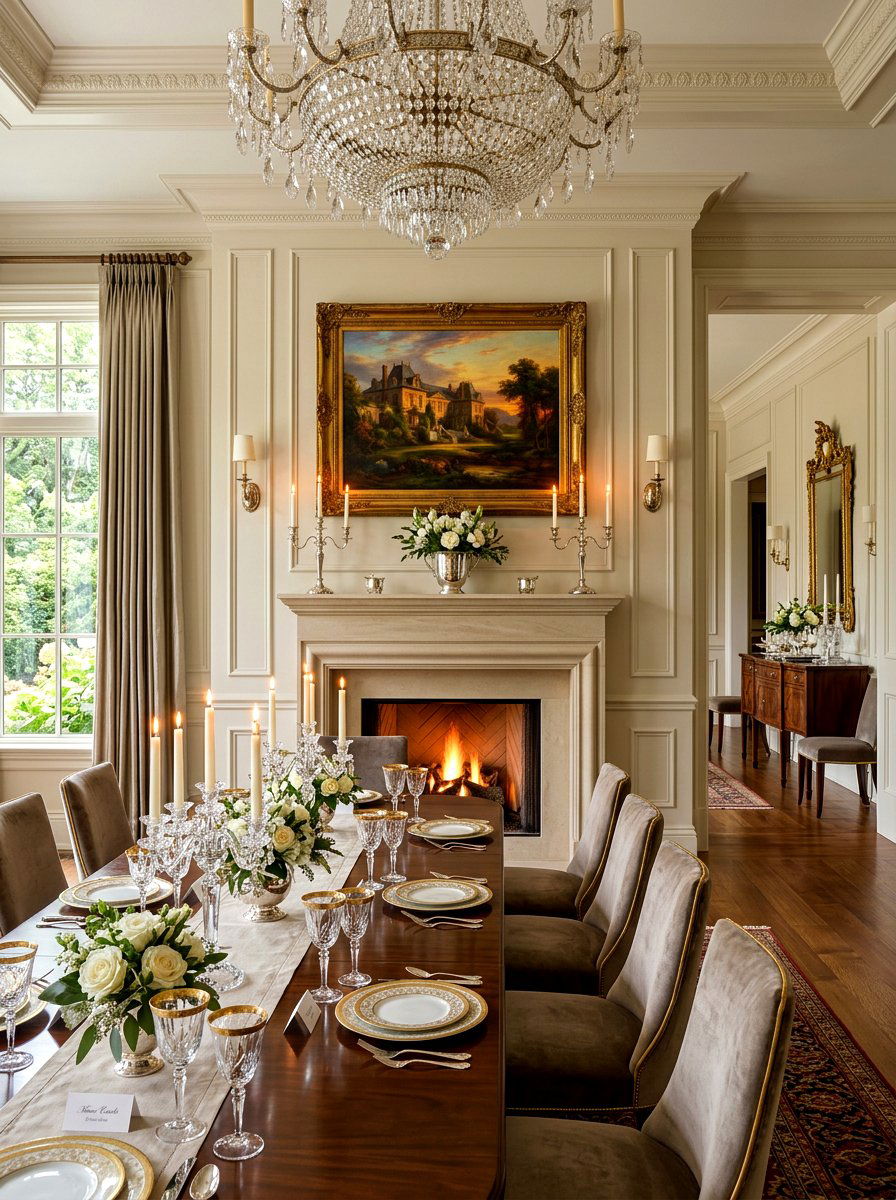
A traditional fireplace in the dining room creates an atmosphere of ultimate luxury and warmth during meals. These fireplaces are often slightly more understated than living room versions, featuring a slimmer mantel shelf and a more vertical design. A classic wood or stone mantel in the dining room provides a place to display fine silver, crystal decanters, or seasonal centerpieces. It acts as a backdrop for dinner parties and holiday gatherings, making the room feel incredibly special. Styling typically involves a large piece of art or a mirror that reflects the glow of the dining table candles. This is the height of traditional sophisticated home design.
Conclusion:
A traditional fireplace mantel is much more than a simple shelf; it is the heart of a home’s design and a testament to timeless architecture. Throughout these thirty ideas, we have explored how materials like wood, stone, and brick can be used to create spaces that feel both historical and welcoming. Whether you prefer the ornate details of a Victorian slate mantel or the rugged simplicity of a farmhouse beam, the key is to choose a style that reflects your personality. By focusing on symmetry, quality materials, and thoughtful styling, you can create a beautiful focal point that remains stylish for many decades to come.

Related posts: