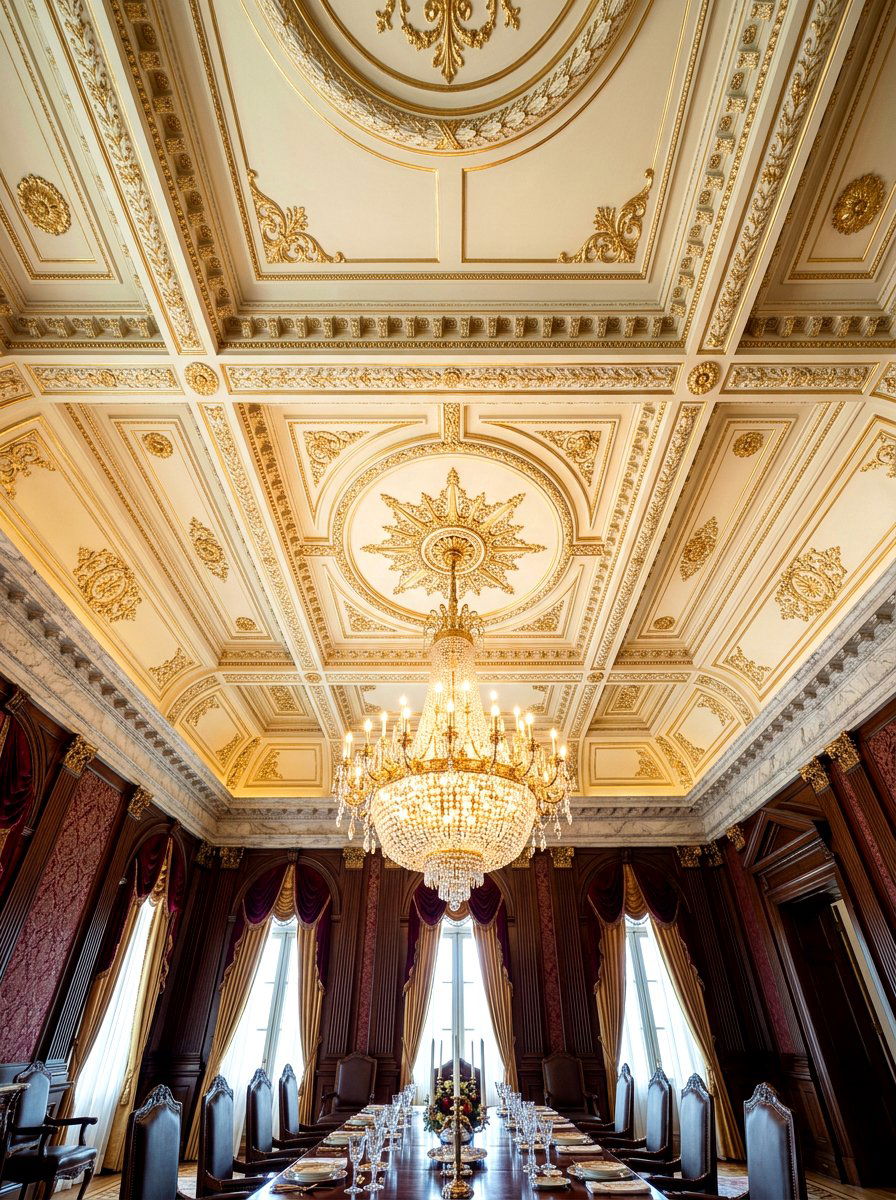
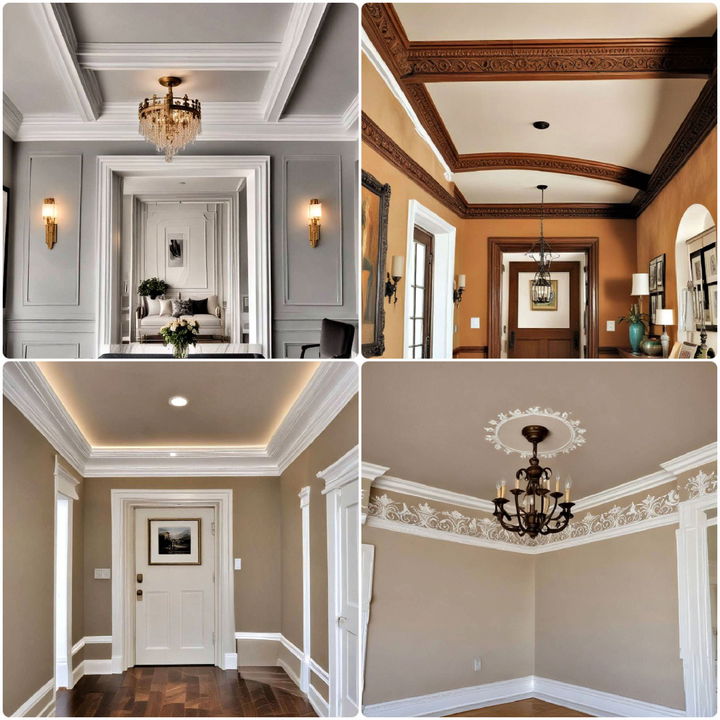
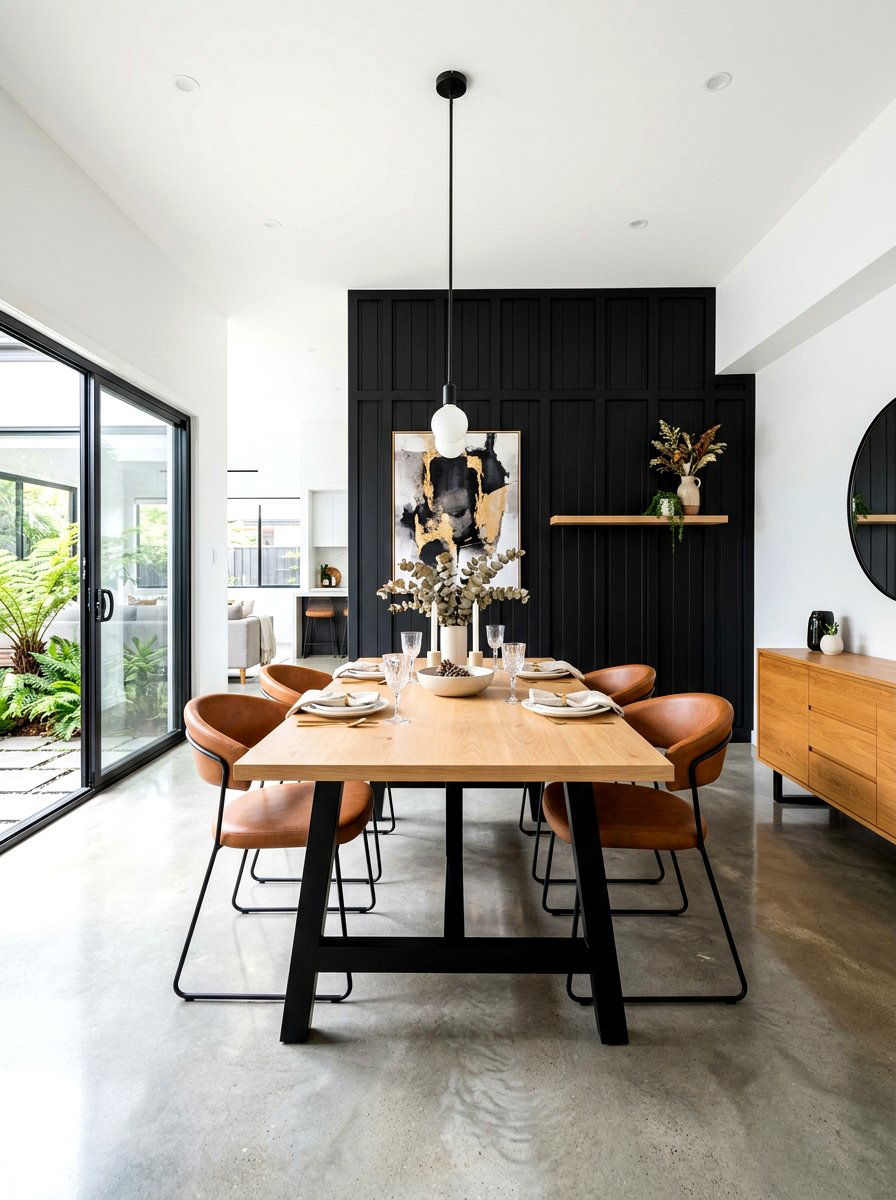
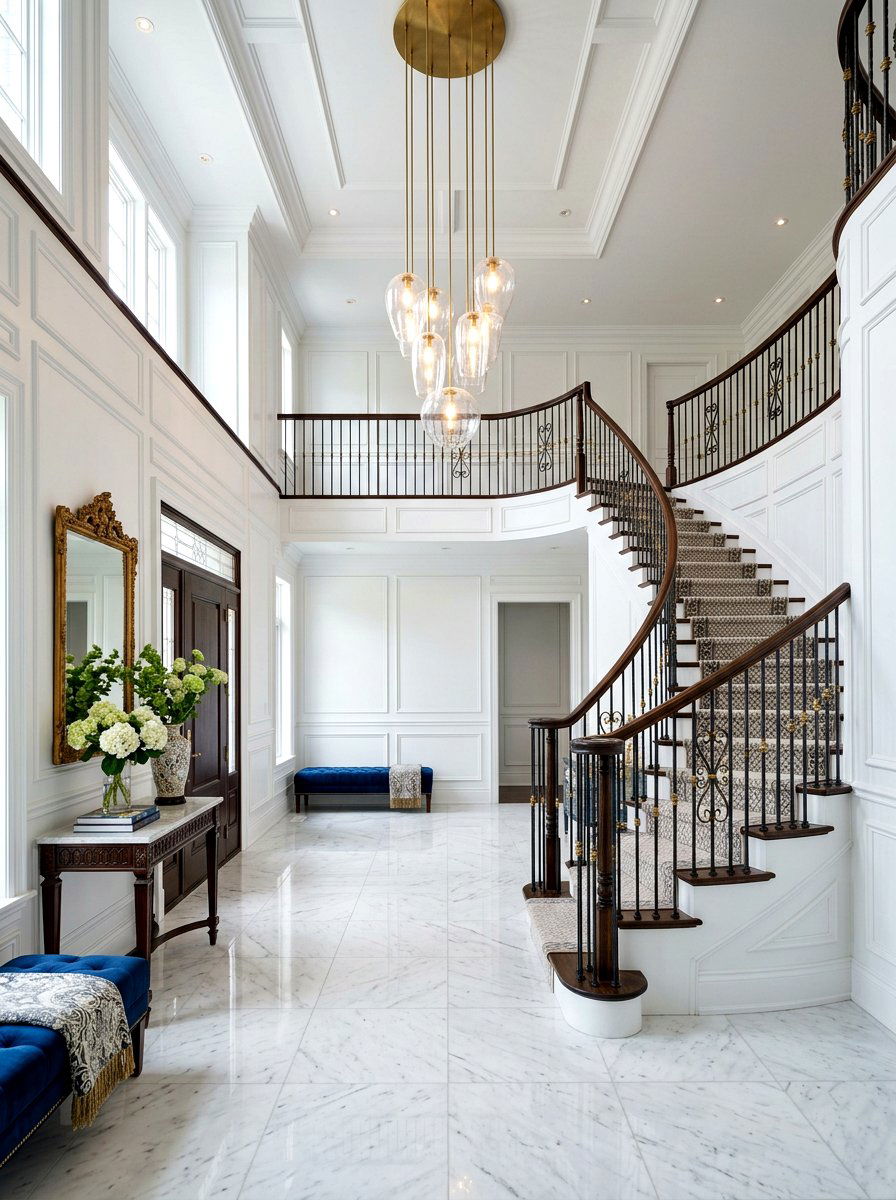
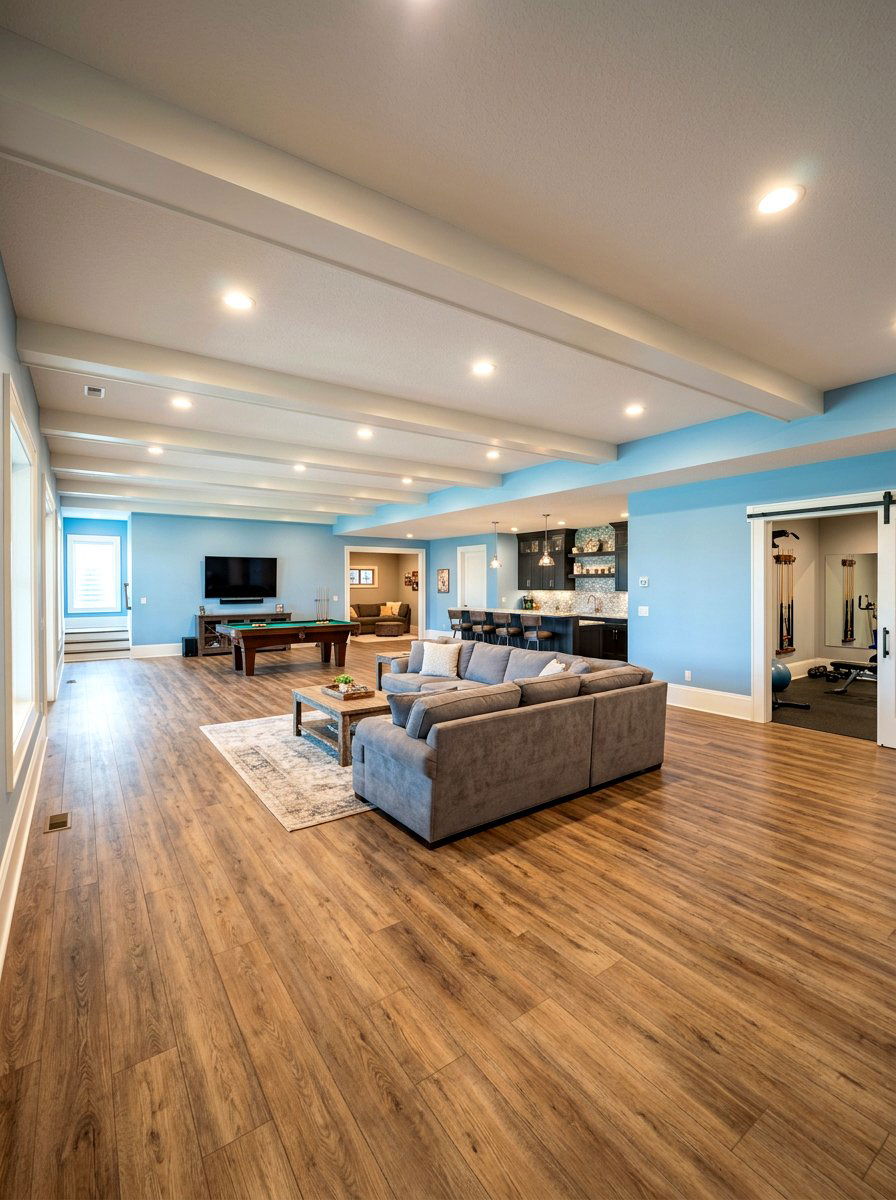
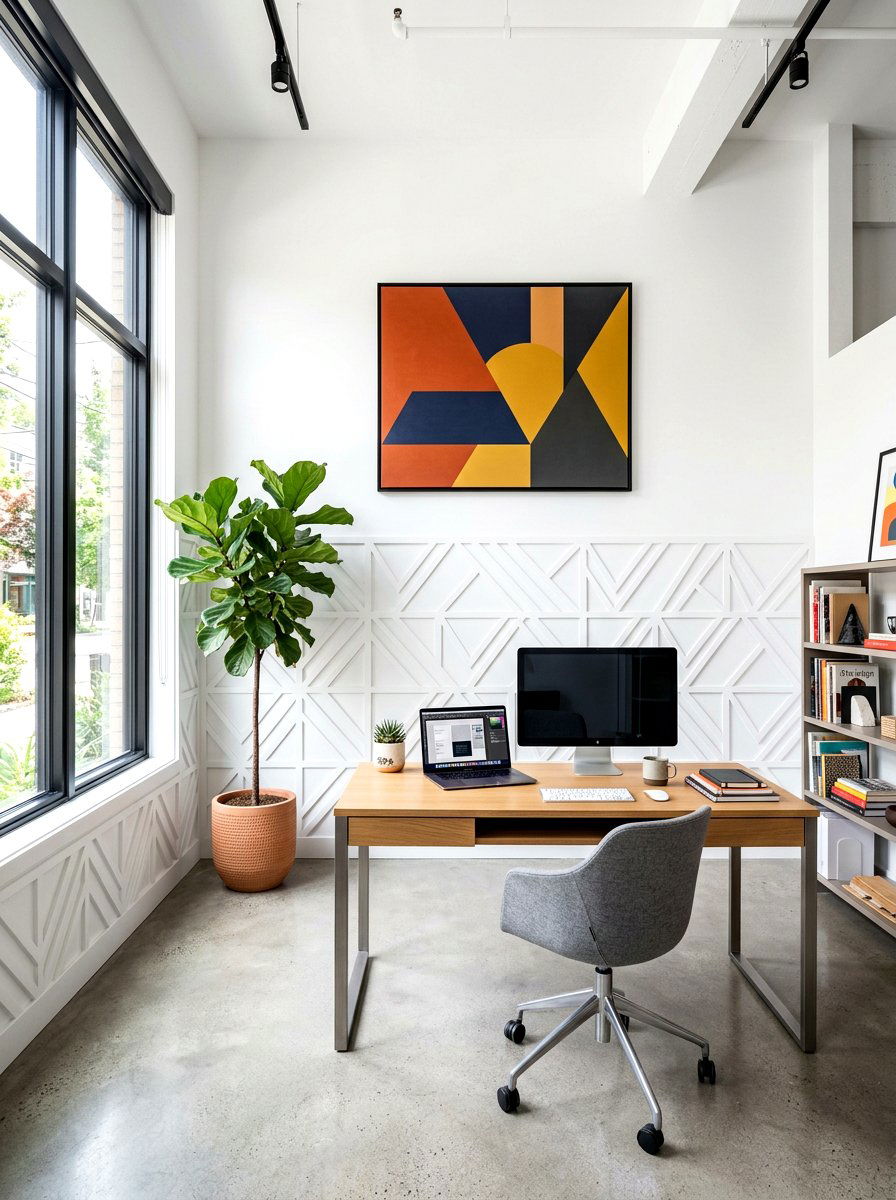
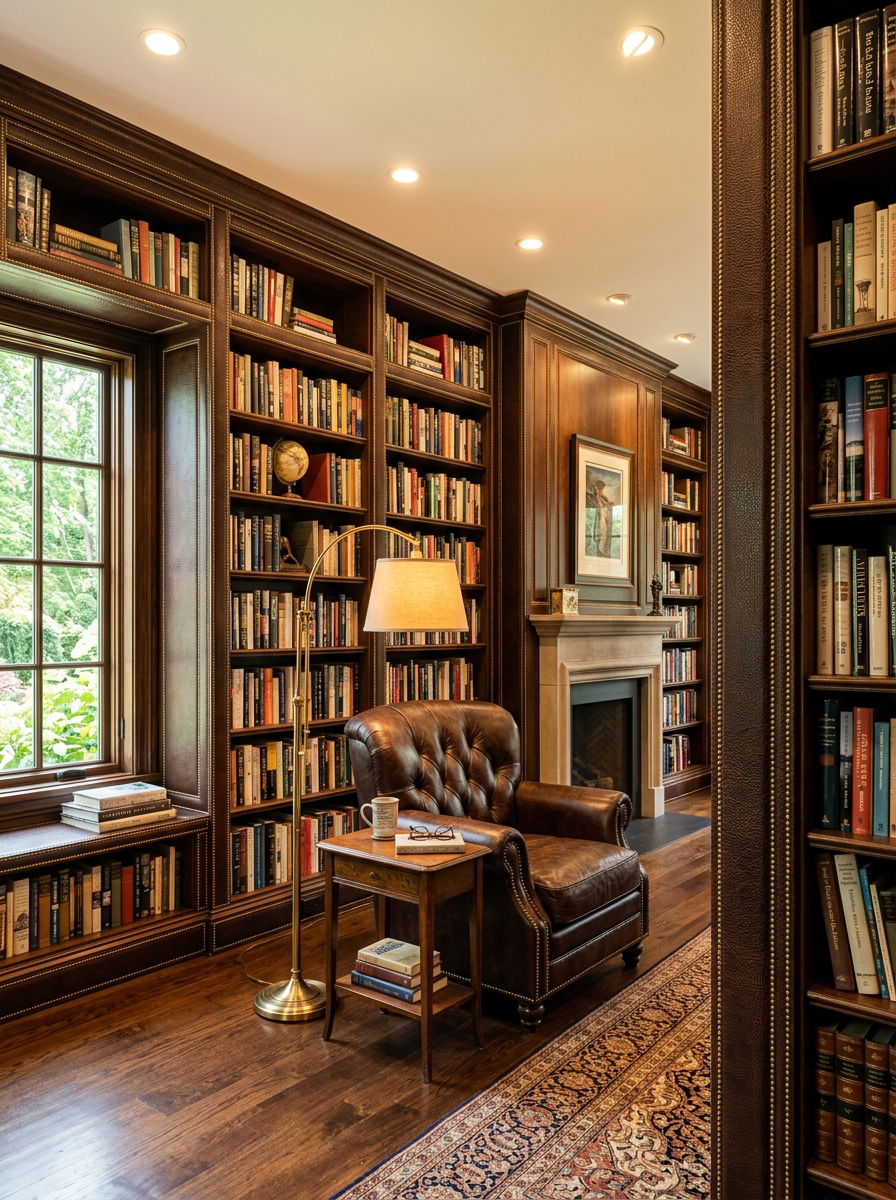
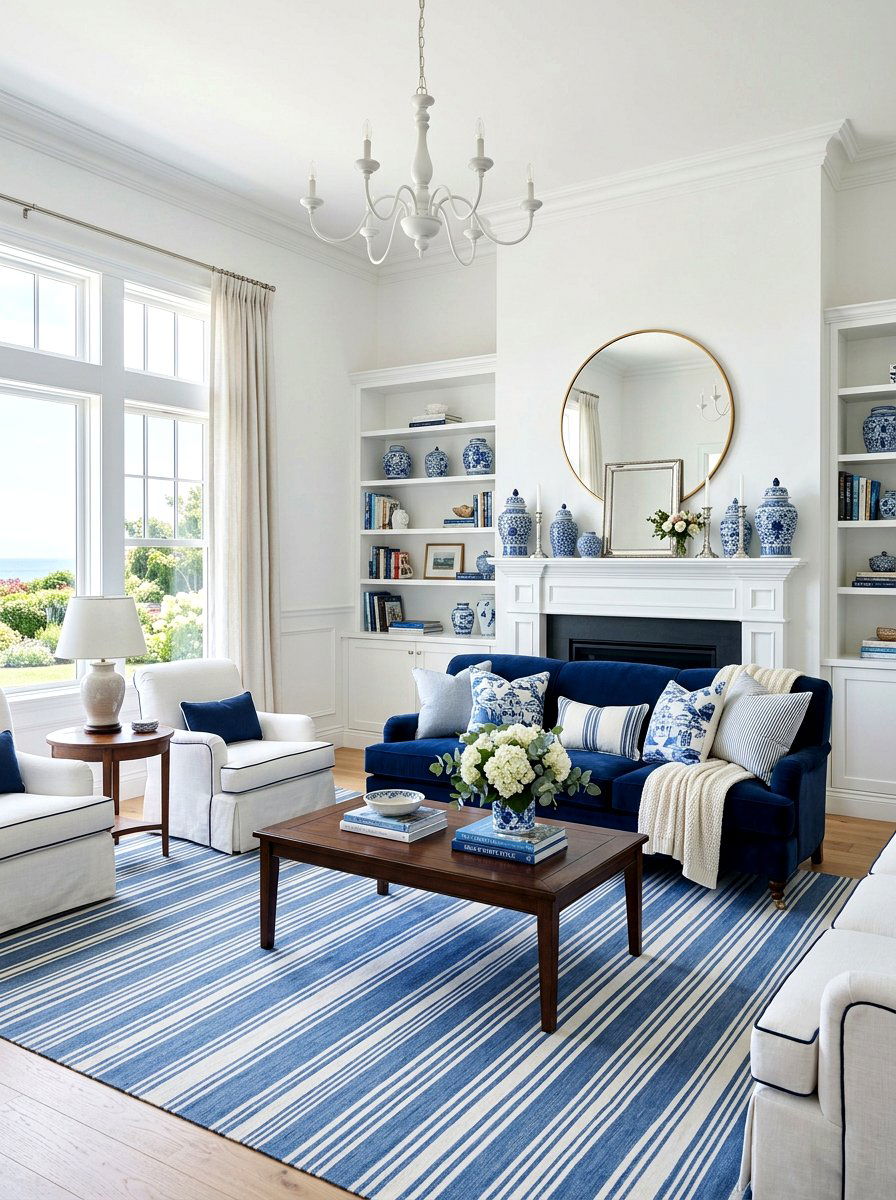
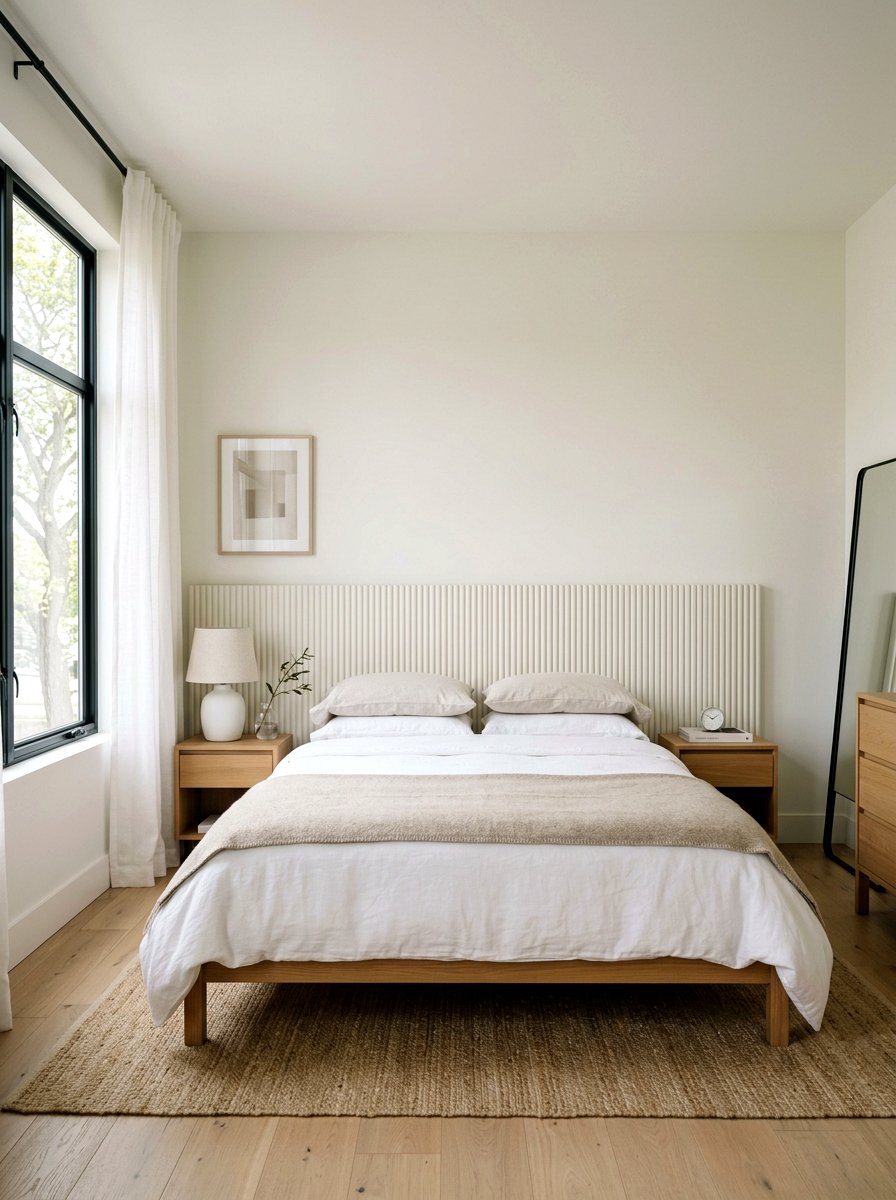
Crown molding serves as the ultimate finishing touch for any interior space, acting as a visual bridge that seamlessly connects your walls to the ceiling. This architectural detail does much more than just cover gaps; it adds a layer of sophistication and character that can completely redefine the atmosphere of a room. Whether you are aiming for a classic, historic look or a sleek, contemporary vibe, the right molding choice creates a sense of completion and intentionality in your design. By drawing the eye upward, these decorative elements can make ceilings feel taller and rooms feel more expansive, ultimately increasing the overall aesthetic value and market appeal of your home.
1. White Plaster Crown Molding
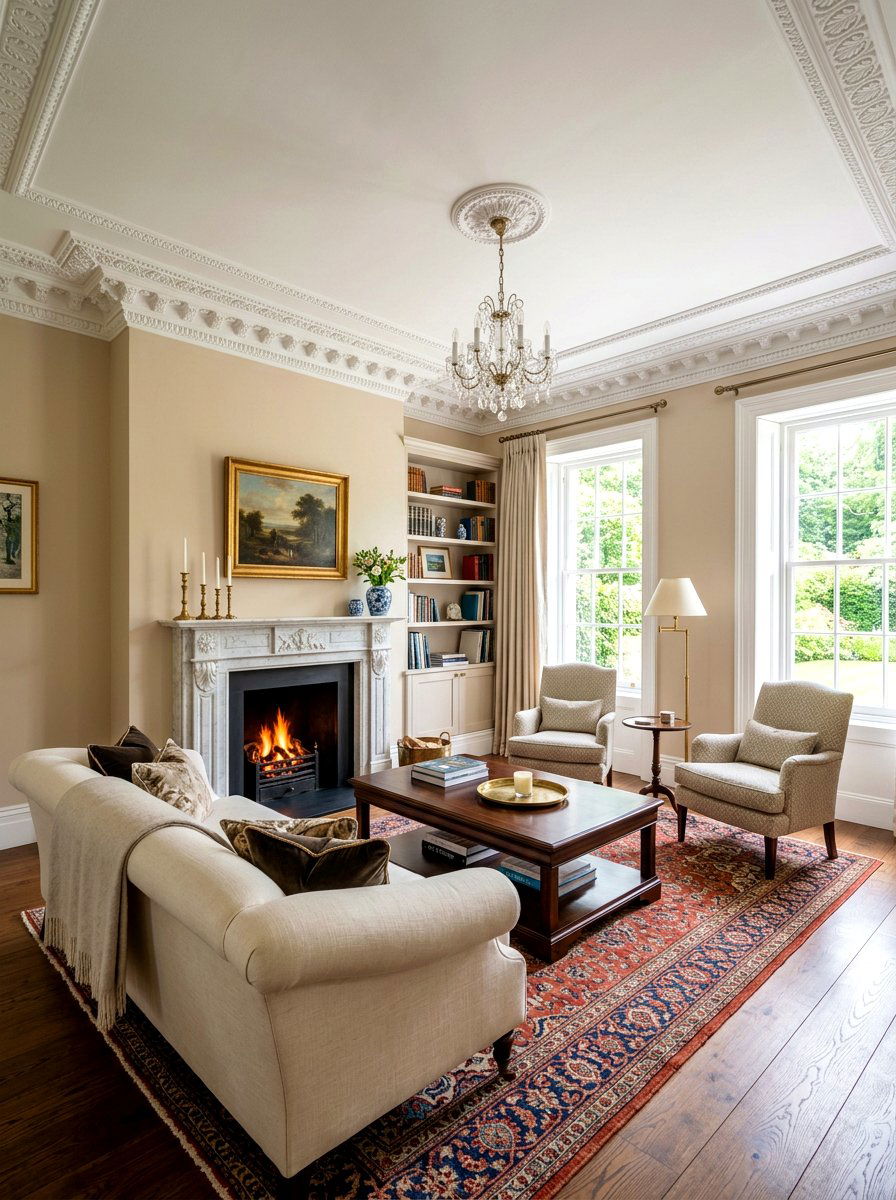
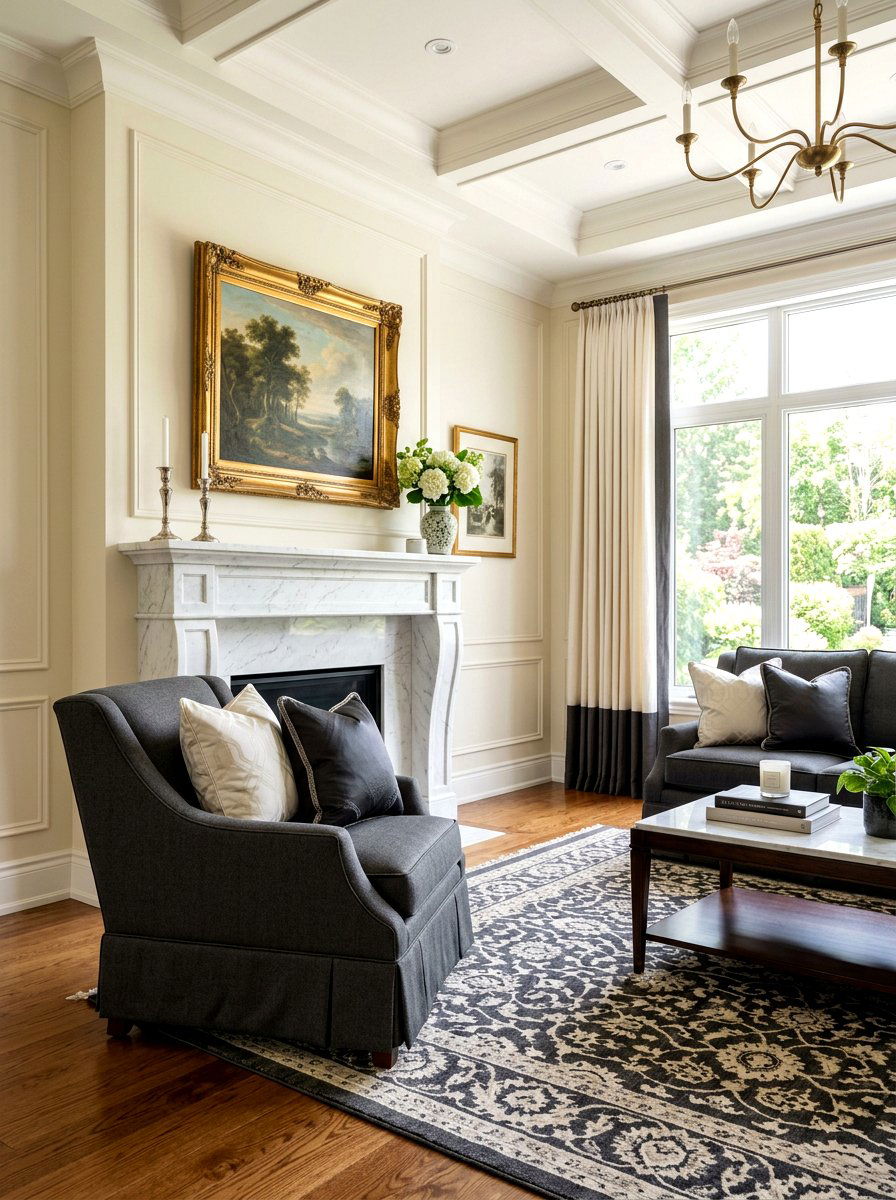
Traditional white plaster finishes offer a timeless look that works beautifully in almost any residential setting. This classic approach focuses on creating a crisp, clean transition between the wall and the ceiling, making the entire room feel more polished and organized. When you choose a bright white finish, it reflects light throughout the space, helping to brighten up darker corners and create an airy atmosphere. This style is particularly effective in living rooms where you want a formal yet welcoming feel. It provides a neutral backdrop that allows your furniture and decor to stand out while providing enough architectural interest to prevent the walls from looking flat or unfinished.
2. Simple Flat Crown Molding
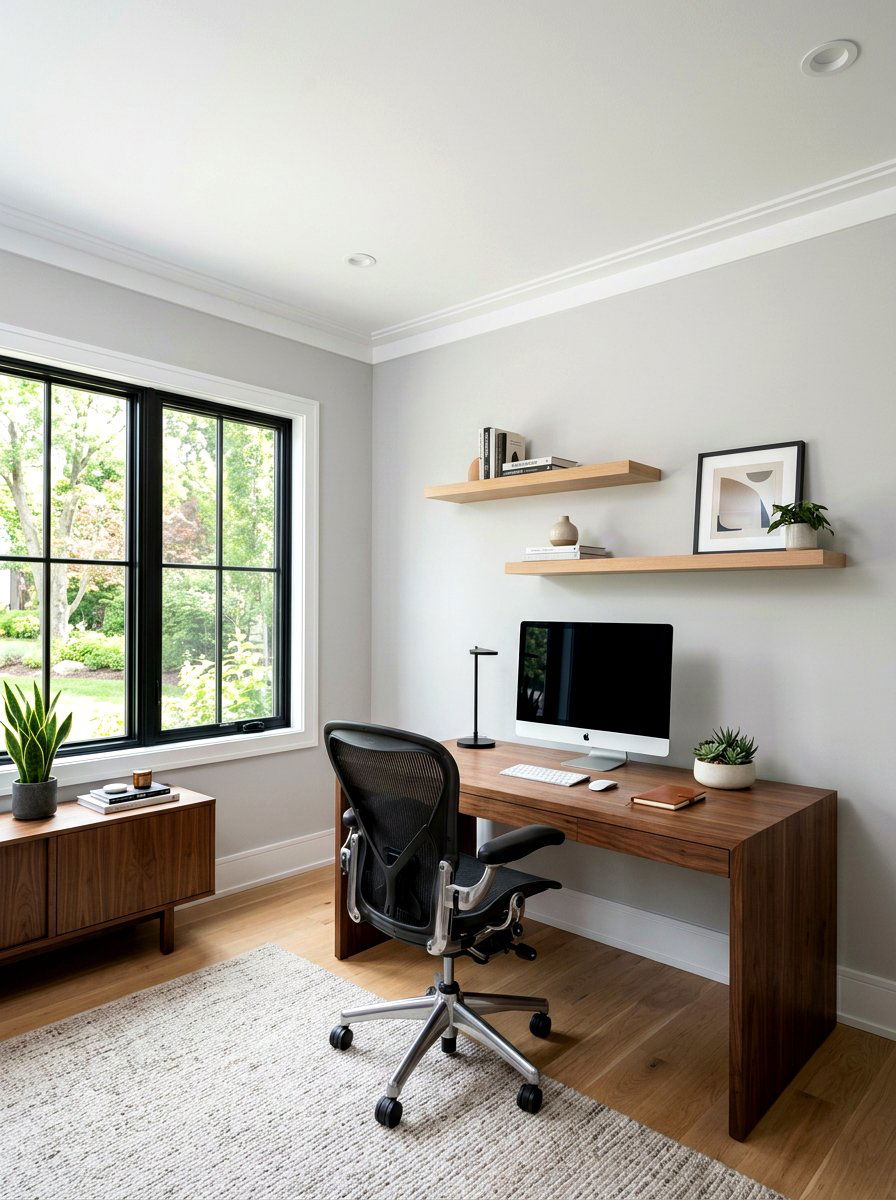
For those who prefer a more contemporary or minimalist aesthetic, simple flat profiles are an excellent choice. This design moves away from ornate curves and instead focuses on sharp, clean lines that complement modern architecture. It is perfect for homeowners who want to add structural definition without overwhelming the room with decorative frills. The flat surface provides a subtle shadow line that adds depth to the ceiling perimeter without being distracting. Because of its understated nature, this type of molding works exceptionally well in home offices or kitchens where functionality and sleek design are the top priorities, ensuring the space looks tailored and sophisticated.
3. Tall Ceiling Crown Molding
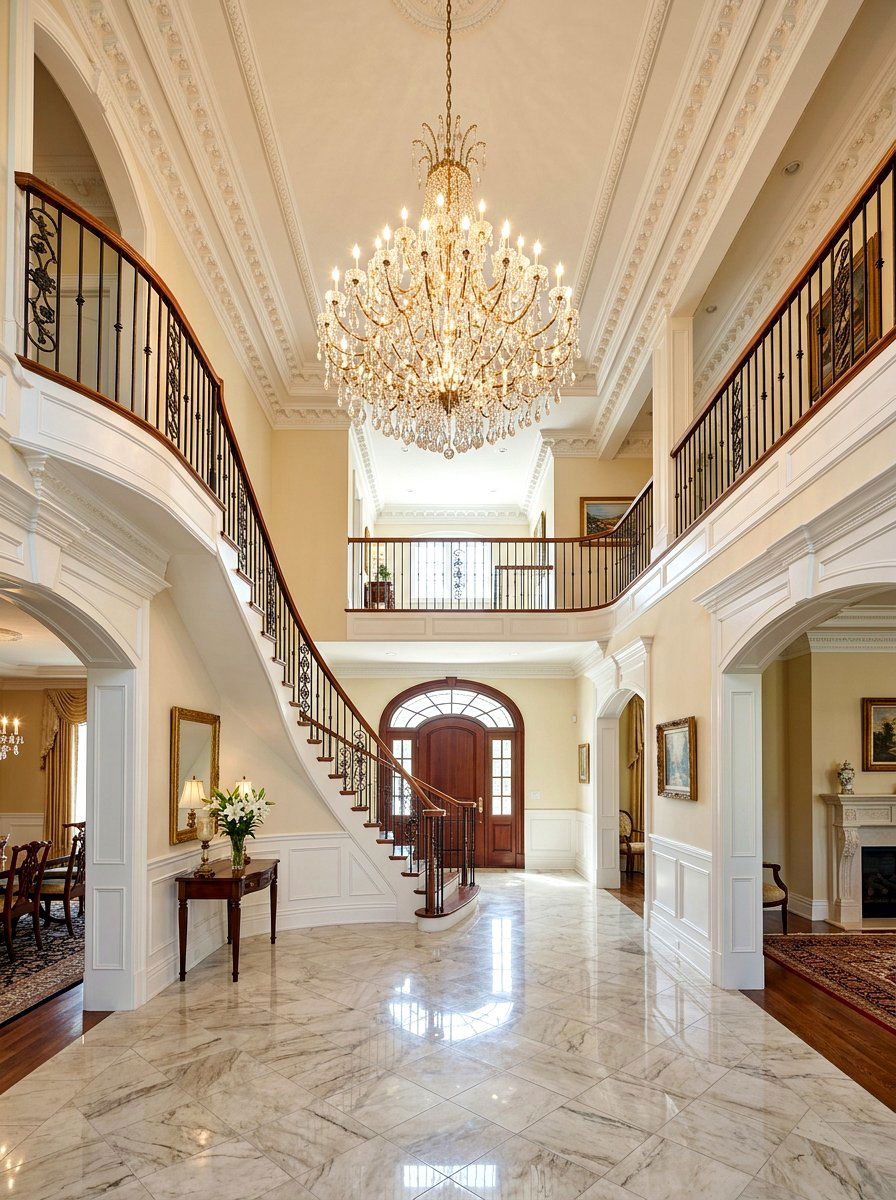
Homes with soaring ceilings require a more substantial molding profile to ensure the architectural details don't get lost in the vast vertical space. A larger, more prominent trim creates a necessary sense of scale and proportion, preventing the room from feeling cold or cavernous. By using a wider molding, you anchor the top of the room and bring the ceiling down visually, which makes a large hall or grand entryway feel much more intimate and comfortable. This approach allows you to experiment with more complex patterns or tiered designs that draw the eye upward, celebrating the height of your home while maintaining a cozy, lived-in feel.
4. Led Light Crown Molding
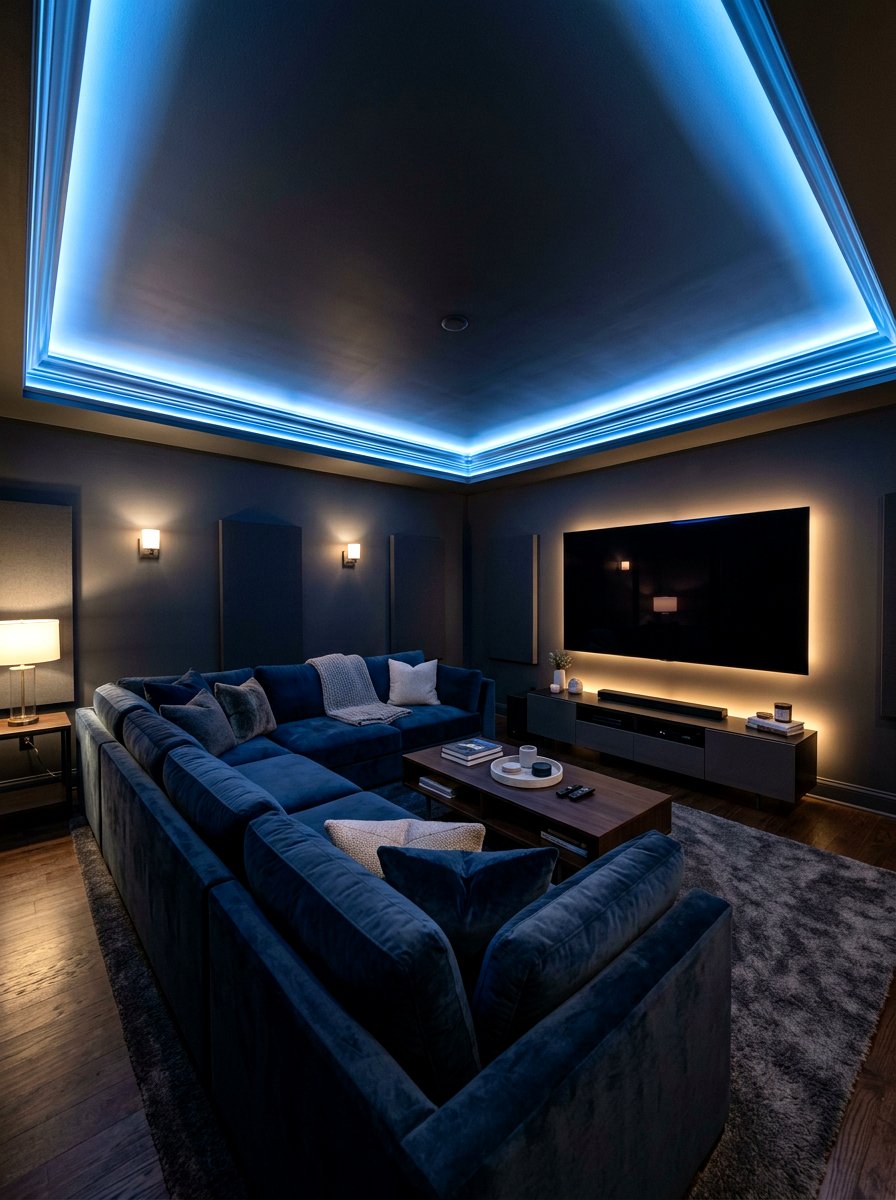
Integrating modern technology with traditional trim, backlit molding creates a stunning ambient glow that transforms the mood of any room. This design involves installing a molding profile with a built-in channel specifically designed to house LED light strips. The light reflects off the ceiling, providing a soft, indirect illumination that eliminates harsh shadows and creates a relaxing environment. It is an ideal solution for media rooms or bedrooms where you want to control the lighting levels for different activities. This functional design not only serves as a beautiful decorative element during the day but also acts as a primary source of mood lighting at night.
5. Dark Painted Crown Molding
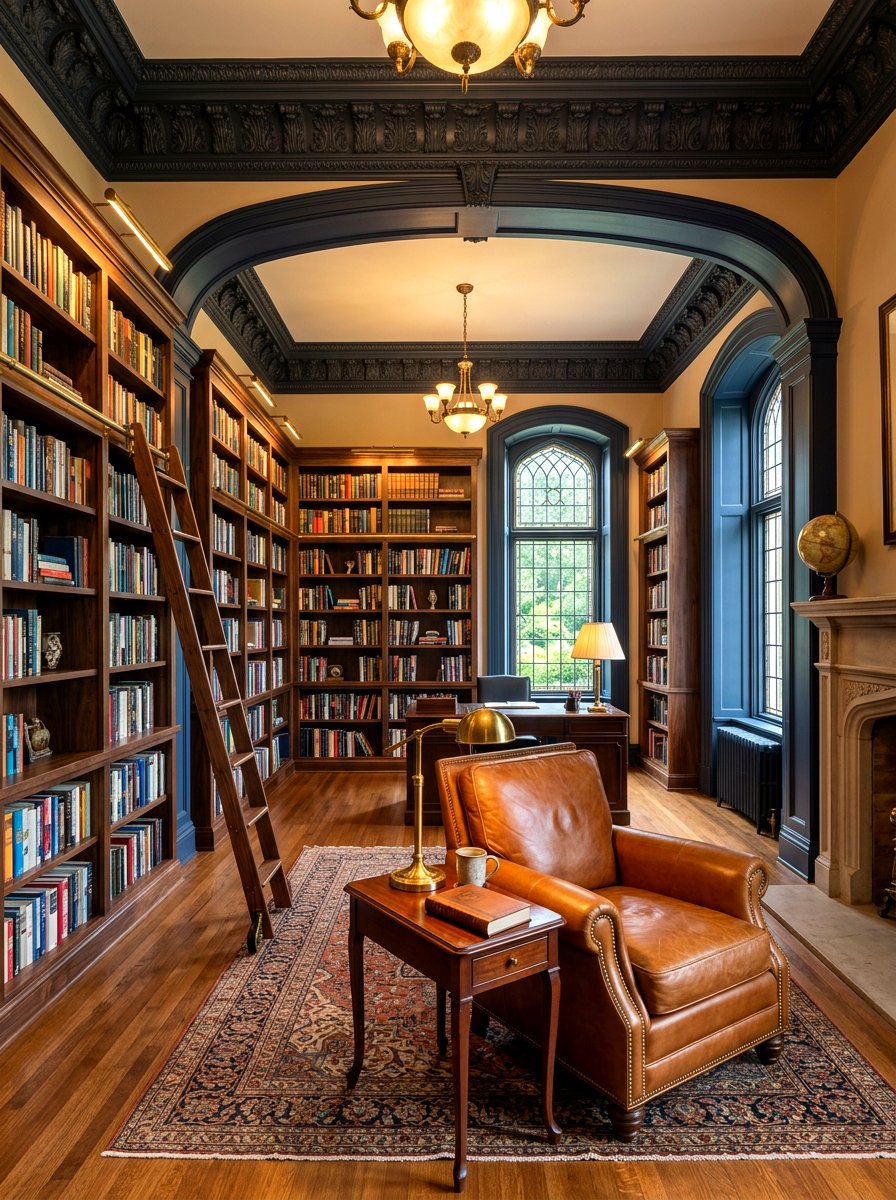
Making a bold statement with dark colors can add a sense of drama and luxury to your interior design. When you paint your molding in deep charcoal, navy, or forest green, it creates a striking frame around the room that captures immediate attention. This technique is especially effective when paired with lighter wall colors, as the high contrast emphasizes the architectural lines of the space. Dark trim can make a room feel more grounded and substantial, providing a sophisticated edge that is often found in high-end boutique hotels or professional libraries. It is a courageous choice that pays off by adding immense visual weight and style.
6. Natural Wood Crown Molding
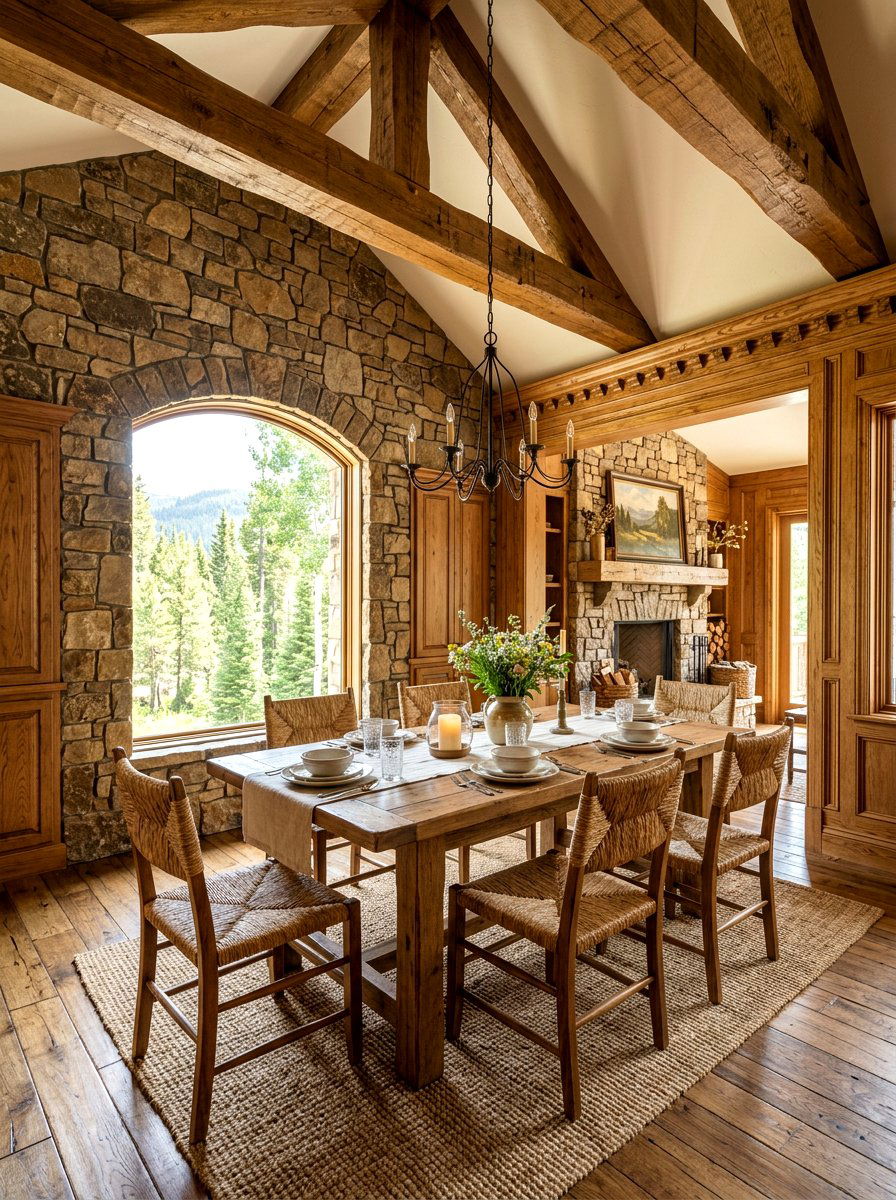
Bringing the warmth of natural materials into your home can create a rustic and inviting atmosphere that never goes out of style. Natural wood molding, whether made from oak, walnut, or pine, adds a rich texture and organic feel to your living environment. The visible grain patterns and earthy tones provide a sense of craftsmanship and history, making your home feel more connected to nature. This style is particularly well-suited for mountain cabins, traditional farmhouses, or even modern homes looking to add a touch of warmth. It pairs beautifully with leather furniture and stone accents, creating a harmonious and balanced look throughout the entire space.
7. Classic Dentil Crown Molding
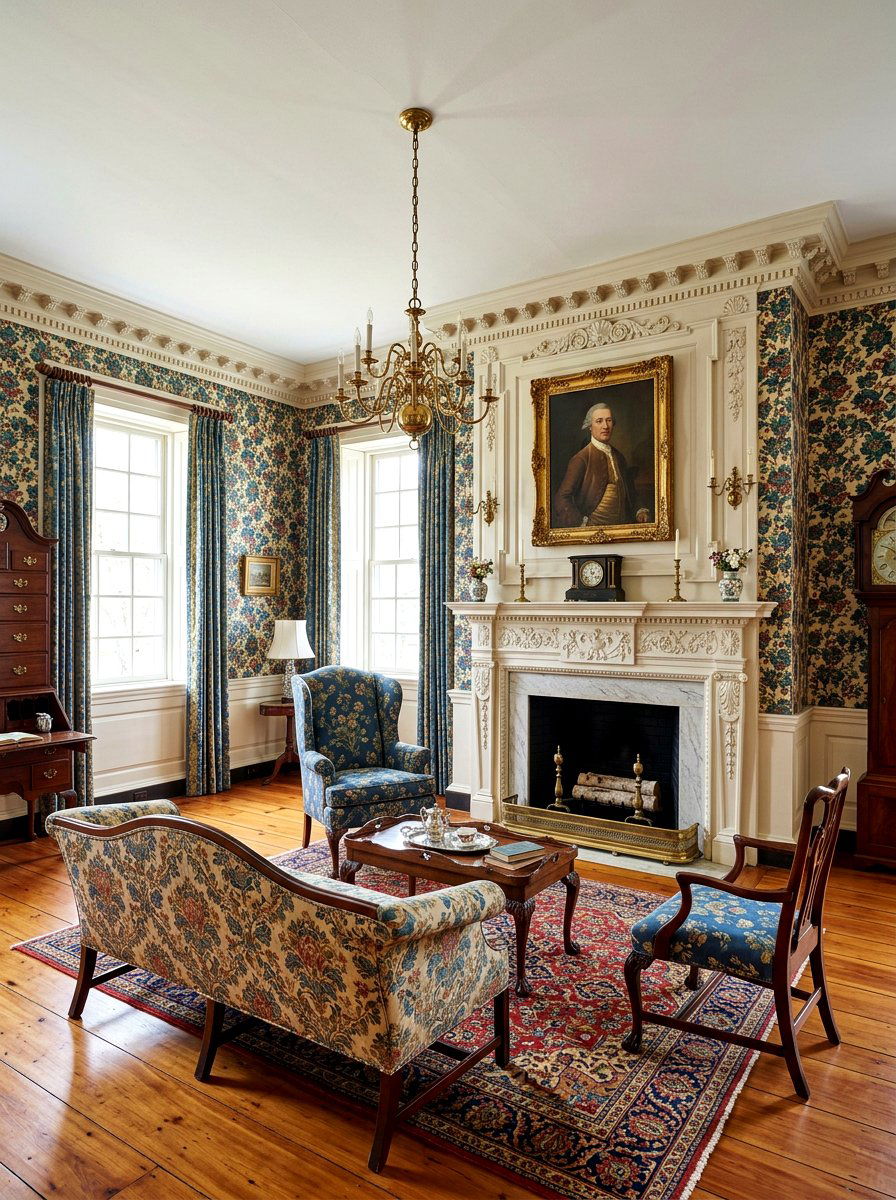
Featuring a series of small, closely spaced rectangular blocks, dentil molding is a hallmark of classical and neo-classical architecture. This intricate design adds a rhythmic pattern to the ceiling line, providing a sense of order and formality that is hard to achieve with smoother profiles. It is an excellent choice for dining rooms or formal parlors where you want to emphasize a sense of tradition and elegance. The repetitive geometric shapes create interesting light and shadow play, giving the trim a three-dimensional quality that feels both substantial and expensive. Using dentil details is a sure way to give your home a historic, well-established character.
8. Curved Cove Crown Molding
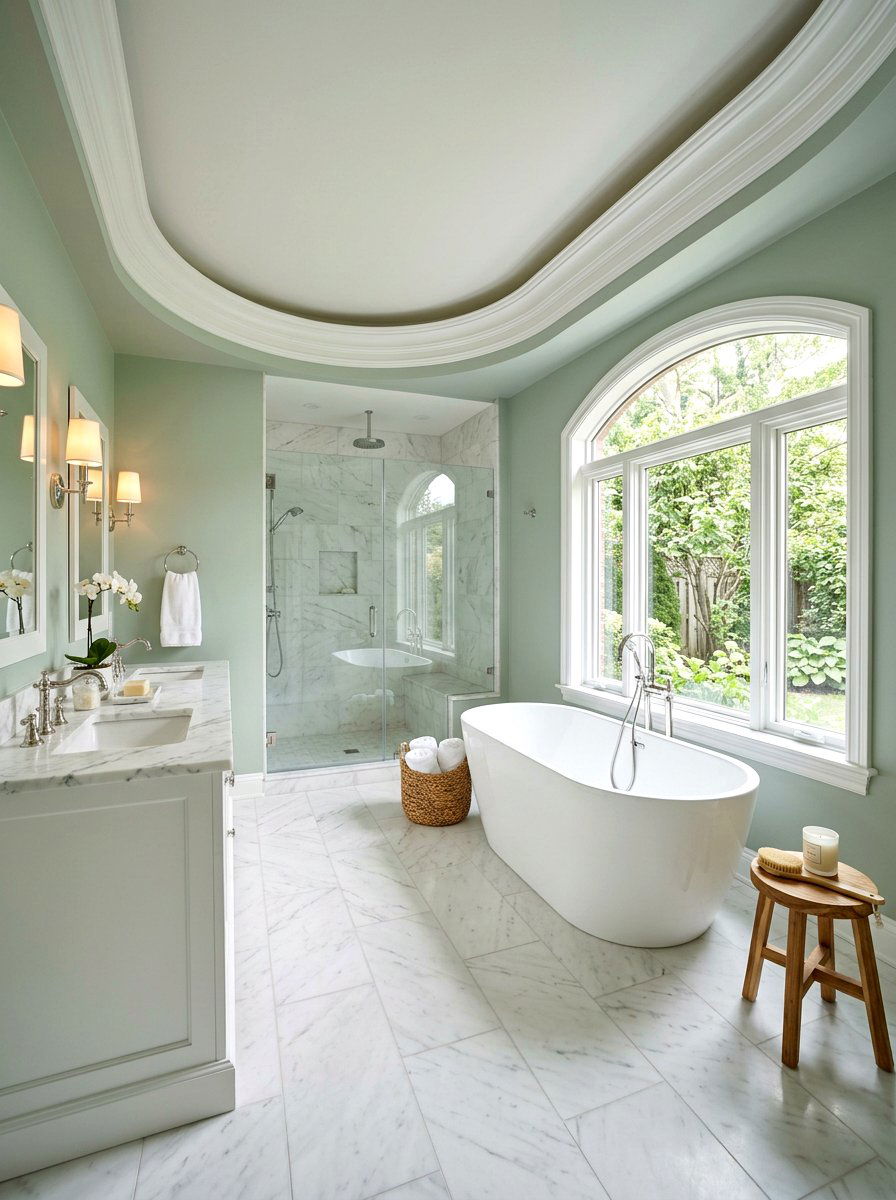
Cove molding is characterized by its inward-curving, concave profile, which creates a soft and graceful transition between the wall and the ceiling. This style is less aggressive than traditional tiered molding, making it a perfect fit for rooms where you want a subtle, flowing aesthetic. The gentle curve helps to soften the hard corners of a room, making the space feel more relaxed and approachable. It is often used in bathrooms or nurseries where a sense of tranquility is desired. Because of its simple yet elegant shape, it can easily blend with both traditional and modern decor, providing a versatile solution for any home renovation project.
9. Bold Black Crown Molding
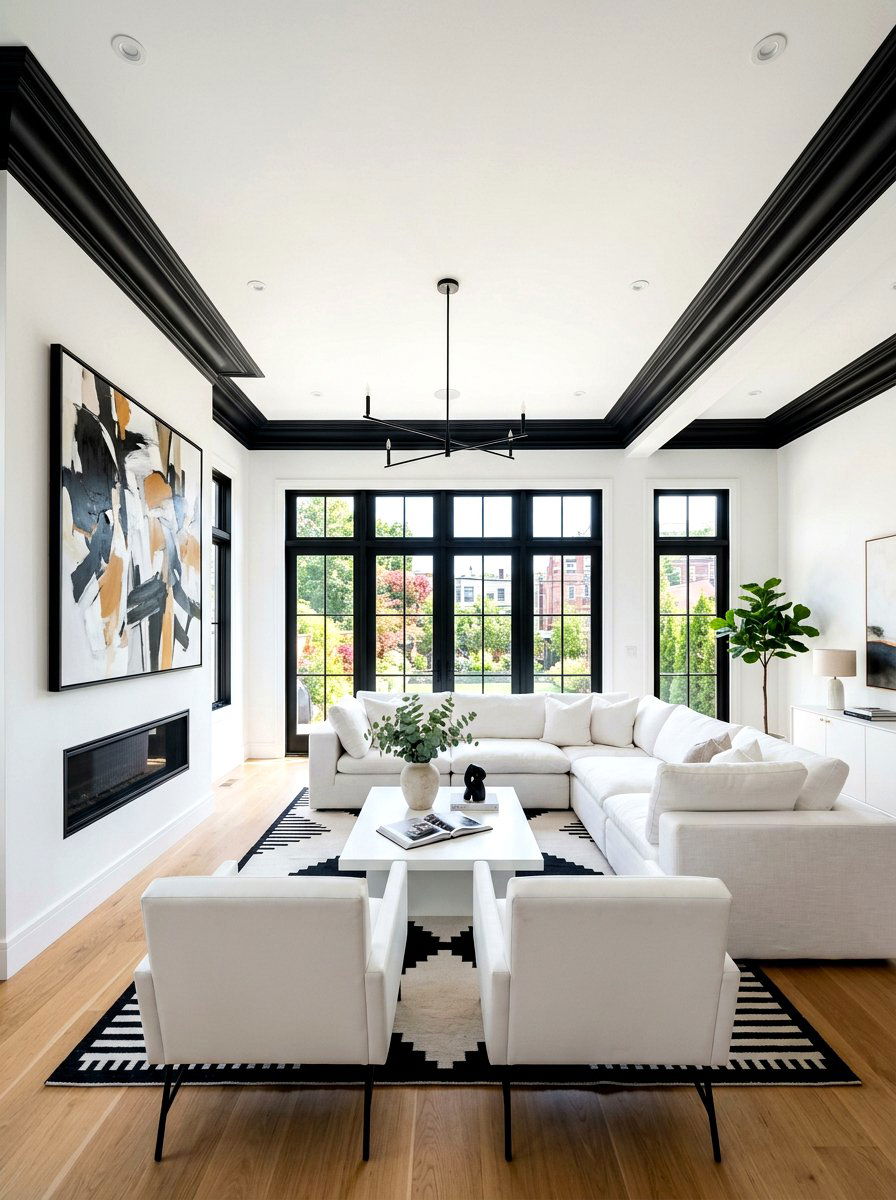
Choosing black for your ceiling trim is a high-impact design move that instantly modernizes a space. This architectural choice creates a sharp, graphic outline that defines the boundaries of the room with extreme clarity. Black molding works exceptionally well in rooms with high ceilings and plenty of natural light, preventing the dark color from making the space feel closed in. When combined with black window frames or light fixtures, it creates a cohesive and professional look that feels curated and intentional. This trend is perfect for homeowners looking to break away from traditional white trim and embrace a more edgy, industrial, or contemporary design philosophy.
10. Extra Wide Crown Molding
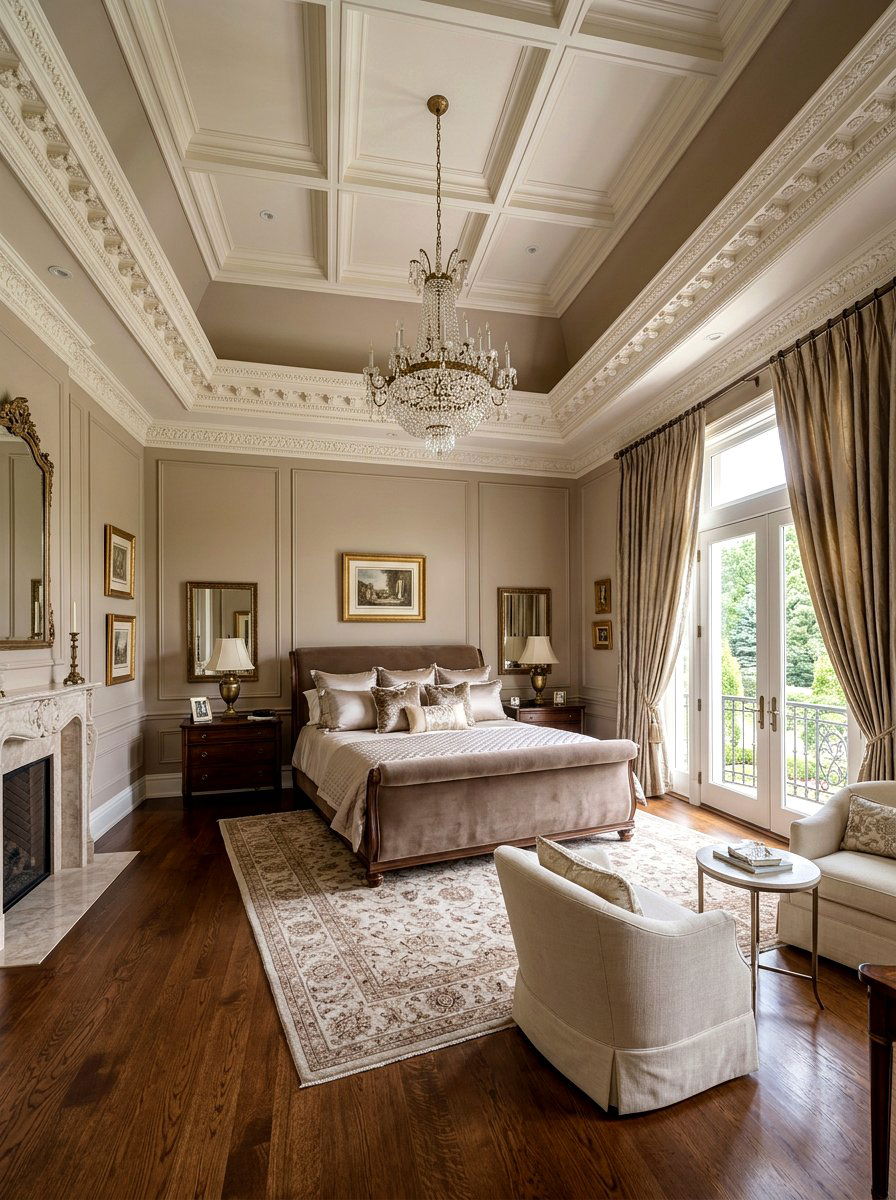
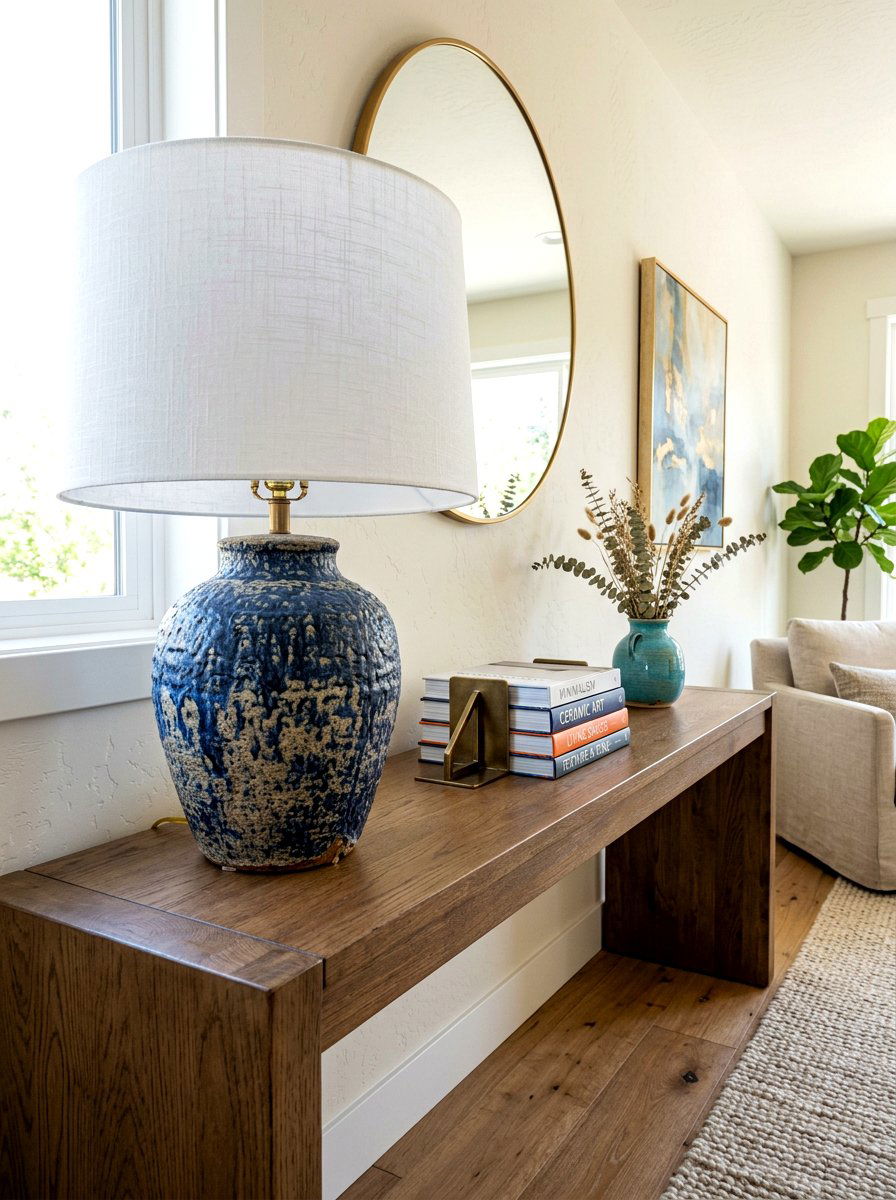
When you want to make a grand impression, opting for an extra-wide profile is the way to go. This design usually consists of multiple pieces of trim stacked together to create a massive, impressive border that demands attention. Wide molding adds a layer of architectural significance to a room, making it look much more expensive and custom-built. It is frequently seen in luxury estates and historic renovations where the goal is to create a sense of opulence and grandeur. By extending the molding further down the wall and across the ceiling, you create a beautiful frame that elevates even the simplest furniture and decor choices.
11. Contrast Color Crown Molding
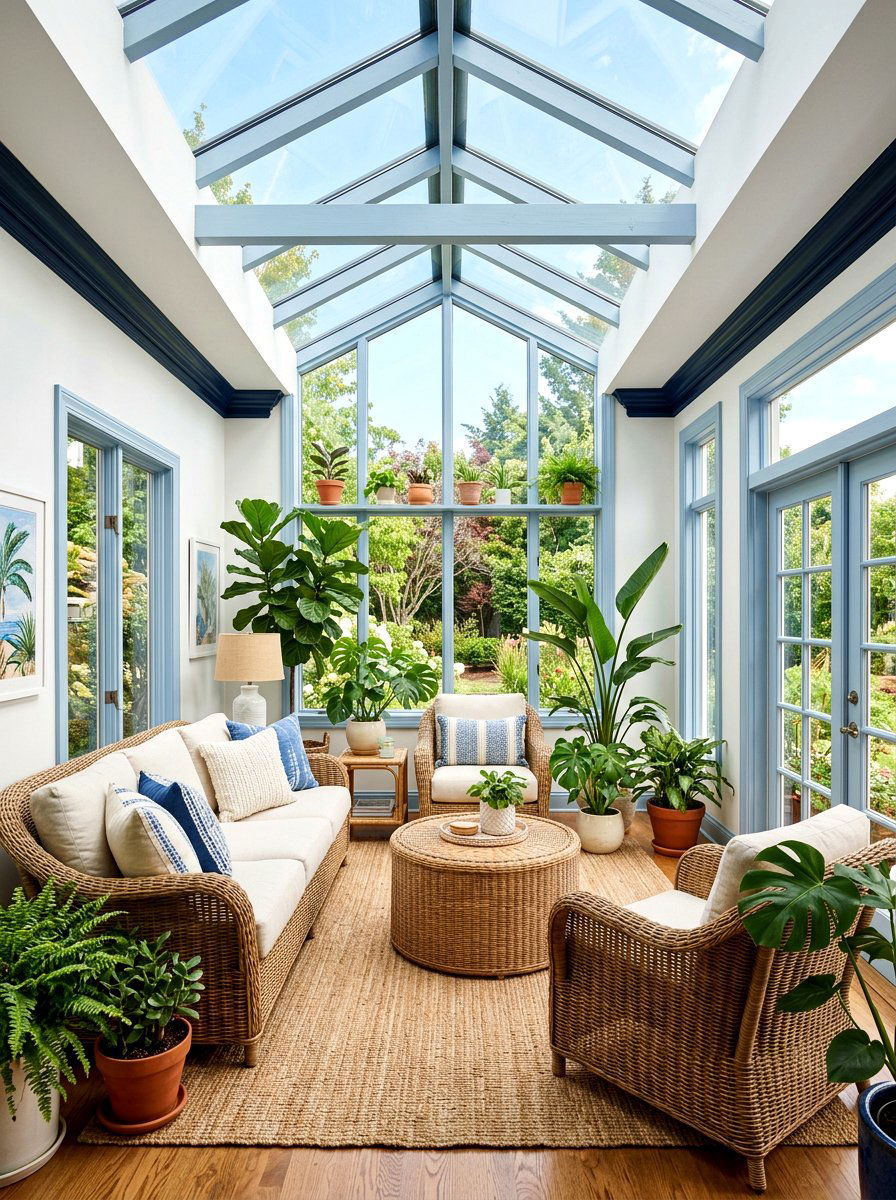
Using a color that contrasts with both the wall and the ceiling can create a unique and vibrant look that reflects your personal style. Instead of the standard white, consider using a soft blue, a warm beige, or even a metallic tone to define your ceiling line. This technique allows the molding to act as a decorative accent in its own right, rather than just a structural transition. It is a fantastic way to tie together different colors from your upholstery or artwork, creating a more unified and colorful room design. This playful approach to interior trim adds personality and charm to spaces like bedrooms or creative studios.
12. Shiplap Match Crown Molding
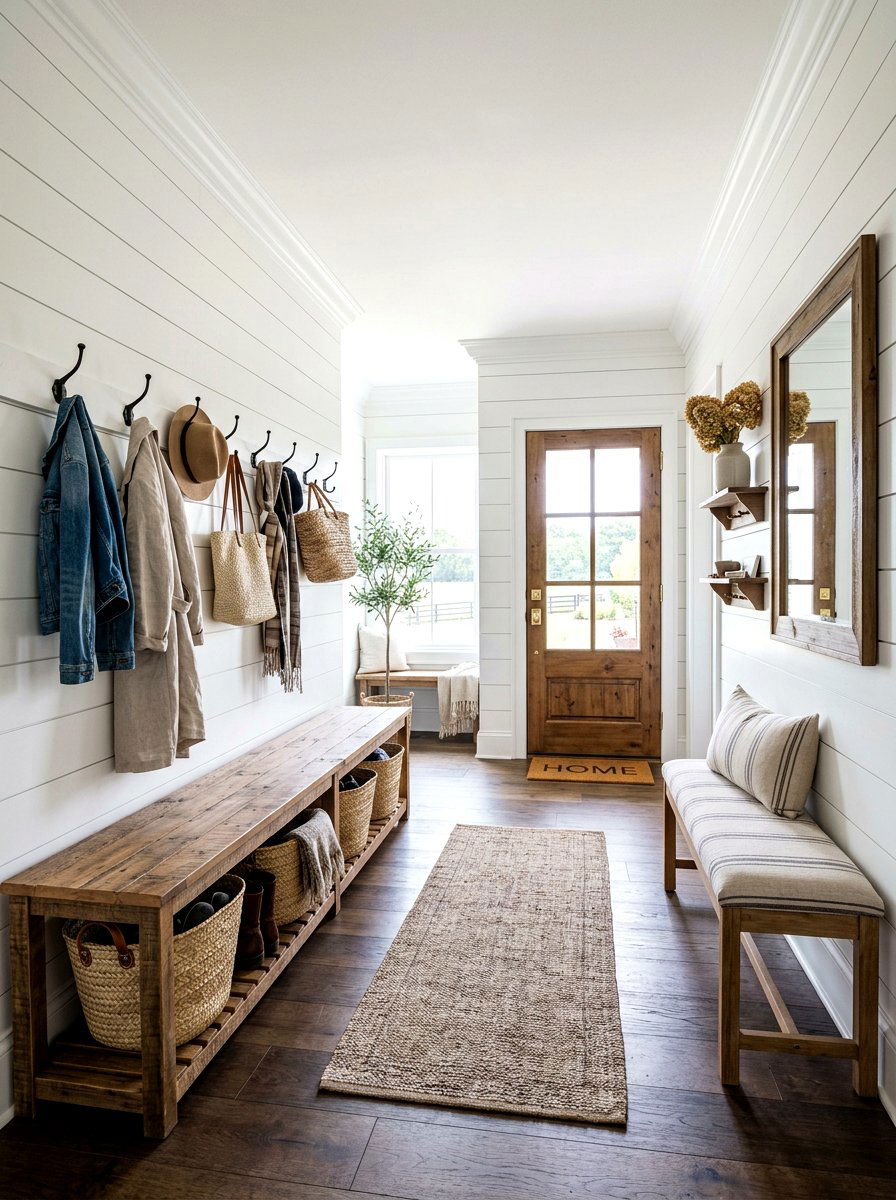
In homes that feature shiplap walls, using a molding that matches the texture and style of the planks creates a seamless and rustic look. This design ensures that the transition from the textured walls to the ceiling feels natural and deliberate. By continuing the wood-paneled theme into the crown trim, you emphasize the farmhouse or coastal aesthetic that shiplap often represents. This style is particularly effective in mudrooms, laundry rooms, or casual living areas where you want a durable and visually interesting finish. It provides a cohesive structural element that ties the entire wall treatment together, resulting in a cozy and well-designed interior.
13. Ornate Victorian Crown Molding
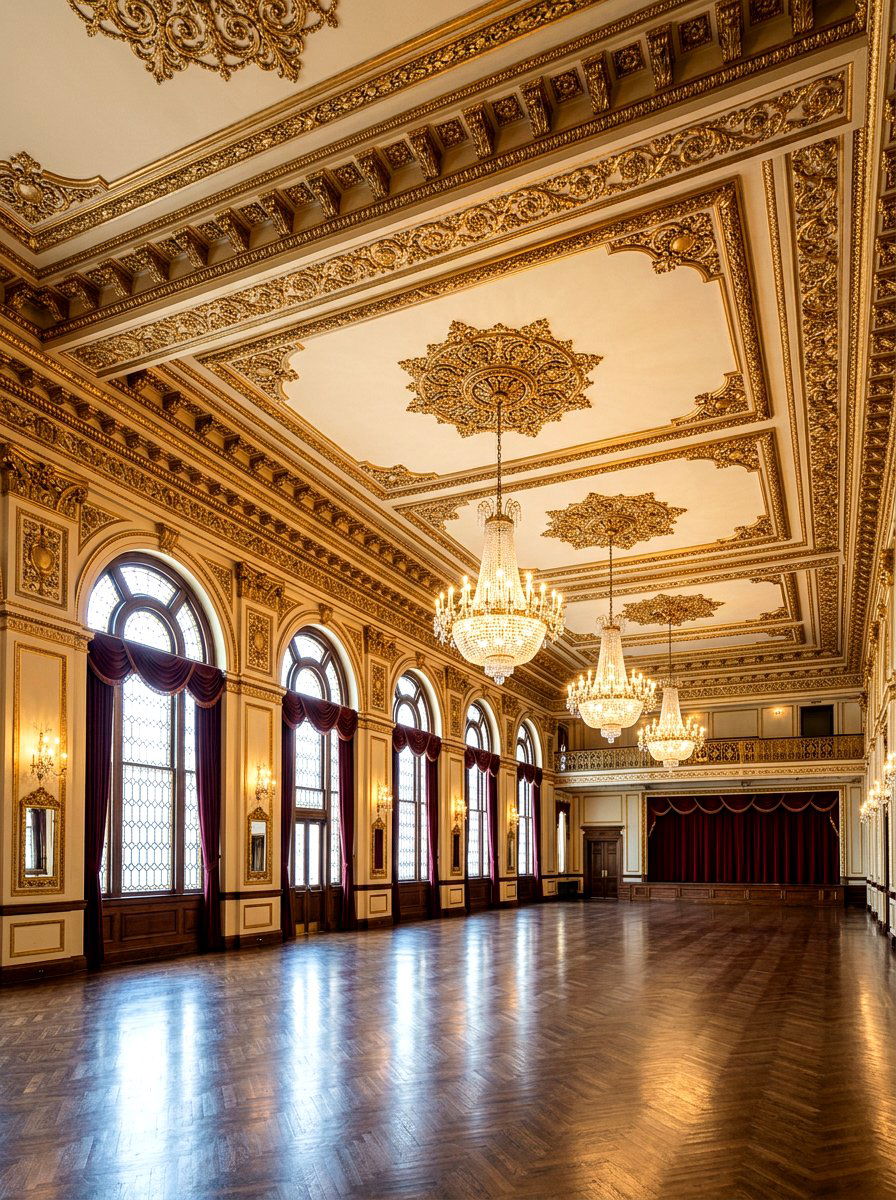
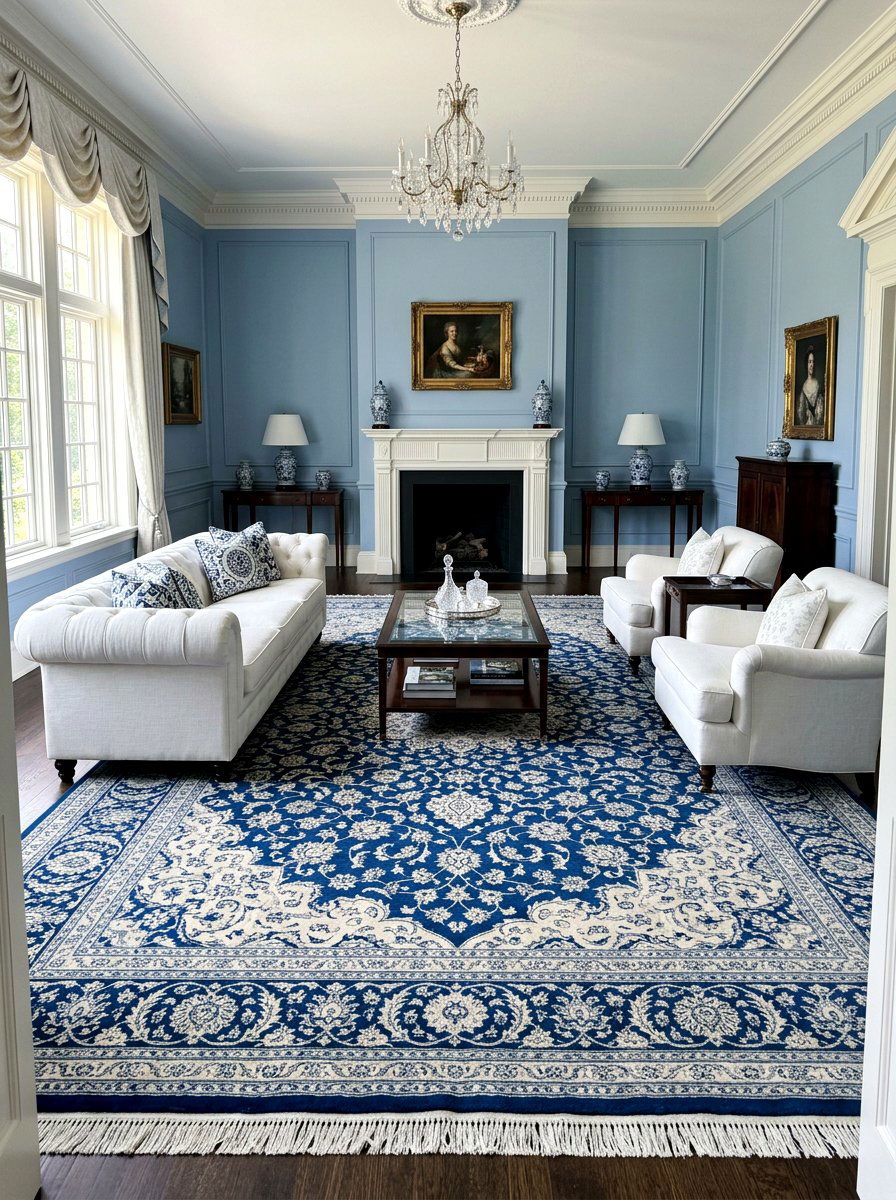
For lovers of historic detail, Victorian-style molding offers a wealth of floral patterns, scrolls, and intricate carvings. This highly decorative approach is designed to be the focal point of the room, celebrating the craftsmanship and artistry of a bygone era. These moldings are often quite deep and feature multiple layers of detail that catch the light in beautiful ways. Using such ornate trim in a master bedroom or a formal sitting room creates an atmosphere of luxury and timeless elegance. It pairs perfectly with antique furniture, crystal chandeliers, and rich fabrics, helping to transport your home into a world of classic architectural beauty.
14. Clean Line Crown Molding
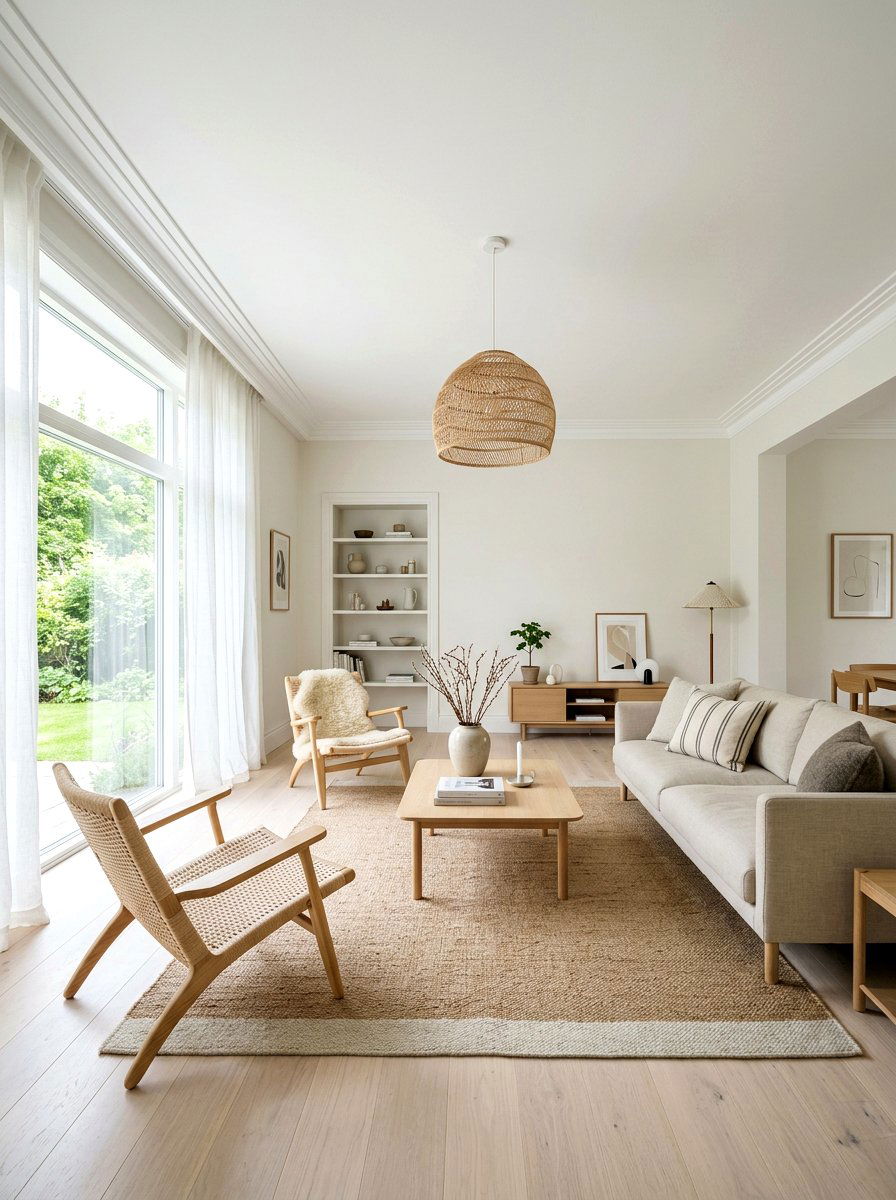
Focusing on geometric simplicity, clean line molding is the perfect companion for mid-century modern or Scandinavian-inspired interiors. This style avoids all unnecessary ornamentation, relying instead on flat surfaces and precise angles to create architectural interest. The result is a look that is both sophisticated and unobtrusive, allowing other design elements in the room to shine. This type of molding is ideal for open-concept living spaces where you want a consistent and calming trim throughout the entire area. It provides a subtle sense of structure that feels fresh and modern, proving that sometimes less really is more when it comes to interior design.
15. Sloped Ceiling Crown Molding
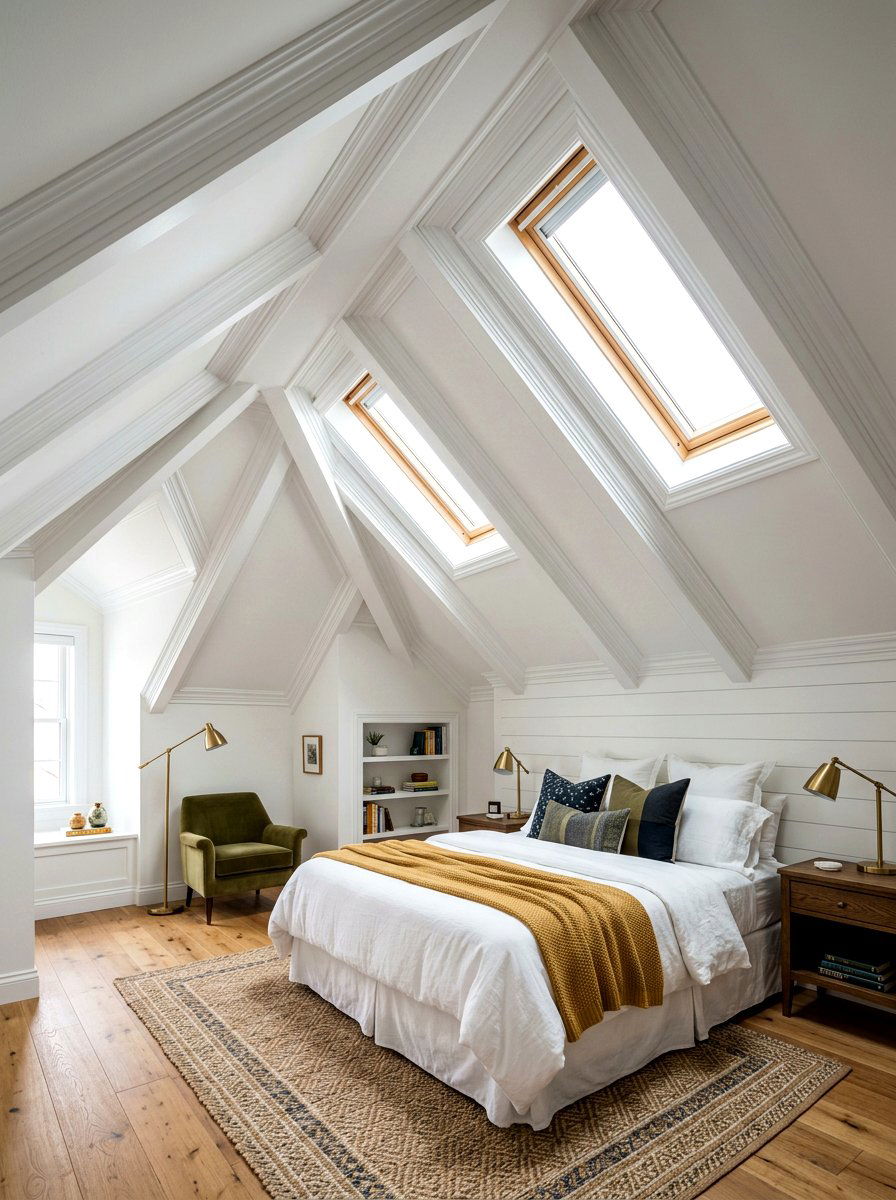
Installing molding on a vaulted or sloped ceiling requires a specialized approach to handle the unique angles where the walls meet the roofline. When done correctly, this design highlights the architectural height of the room and adds a layer of refinement to an otherwise difficult transition. By following the slope of the ceiling, the molding helps to define the volume of the space and makes the angled surfaces feel more like an intentional design choice rather than just a structural necessity. This is a great way to add a touch of formality to attic bedrooms or great rooms with cathedral ceilings, making them feel much more polished.
16. Inset Tray Crown Molding
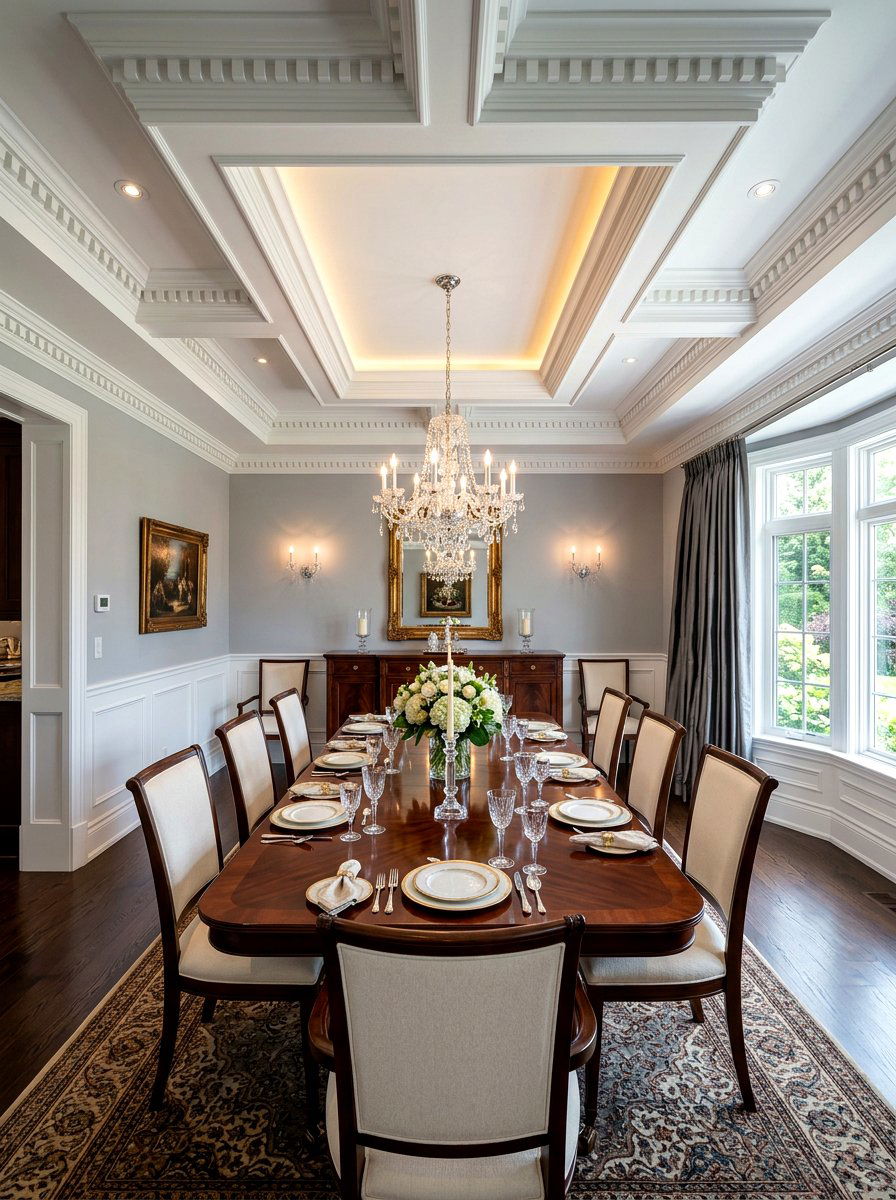
Tray ceilings provide a perfect opportunity to use crown molding to accentuate different levels of the ceiling. By placing the trim inside the "tray" or recessed portion of the ceiling, you create a beautiful layered effect that adds depth and architectural interest. This technique is often used in dining rooms or master suites to create a sense of height and luxury. You can even combine this with different paint colors or hidden lighting to make the tray ceiling a stunning focal point. The molding serves to define the edges of the recess, making the transitions look sharp, professional, and custom-designed for the specific space.
17. Low Profile Crown Molding
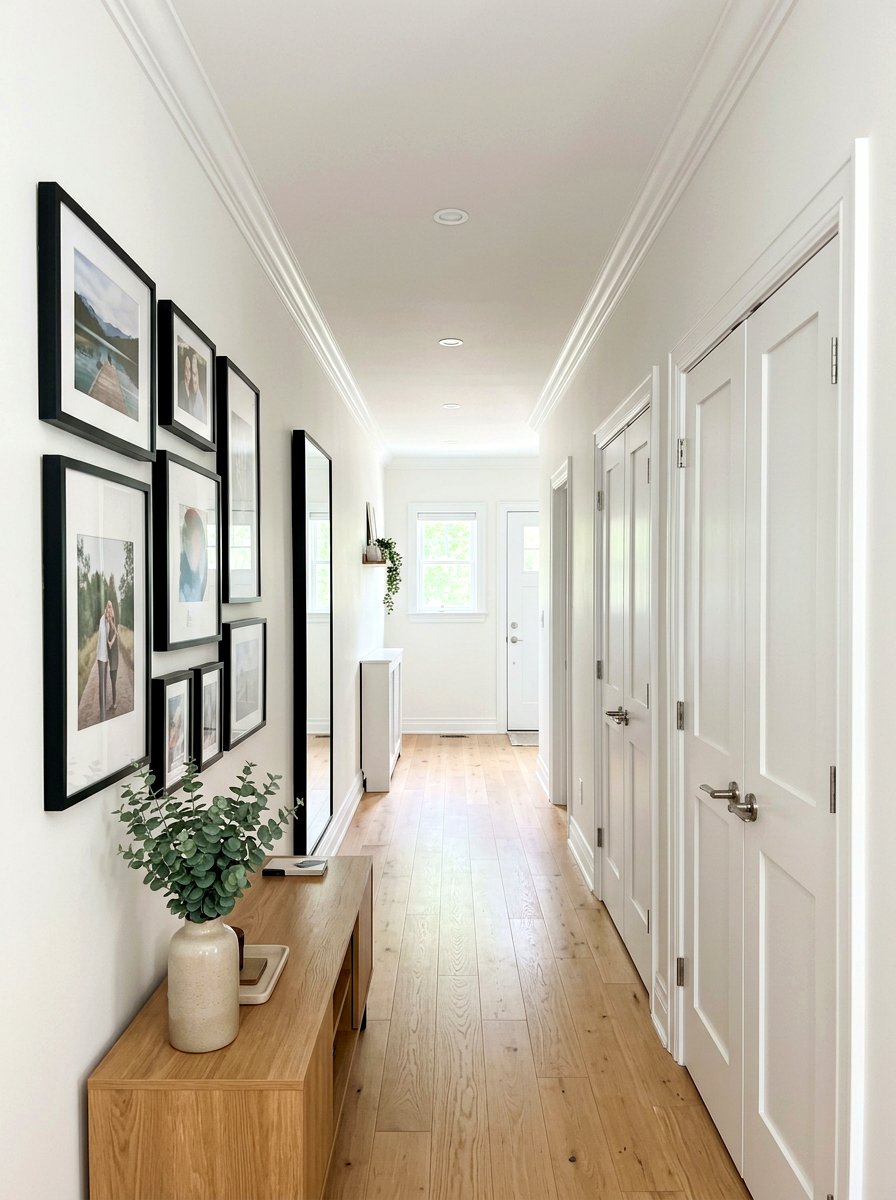
In rooms with standard or lower ceiling heights, a low-profile molding is essential to avoid making the space feel cramped. This design uses a thinner, more subtle trim that provides the necessary transition without taking up too much vertical wall space. By keeping the profile slim, you still get the benefits of a finished look and increased home value without the visual weight of a larger trim. This is an ideal solution for basements, hallways, or smaller guest rooms. It offers a tidy and professional finish that cleans up the corner where the wall meets the ceiling, giving the room a more organized and thoughtful appearance.
18. Grand Scale Crown Molding
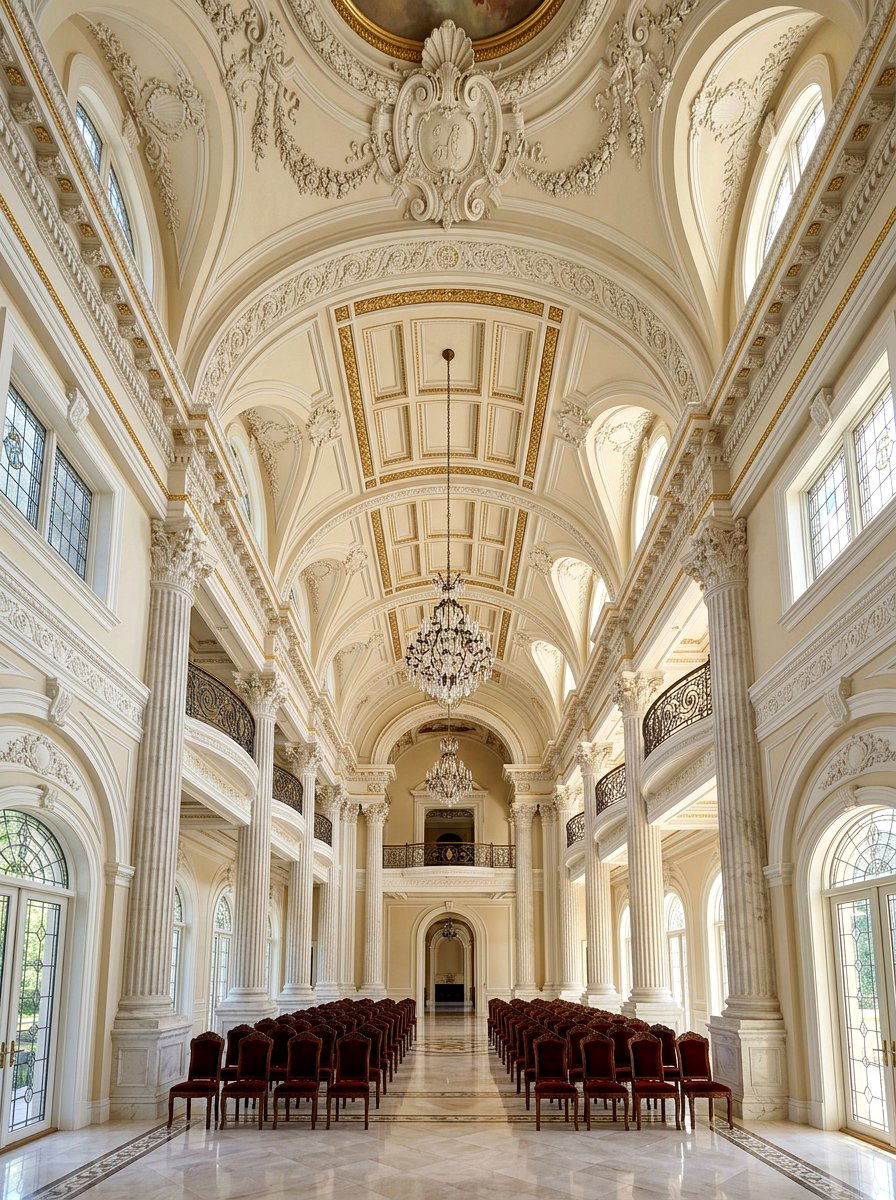
For massive rooms with high-end finishes, grand scale molding uses oversized dimensions to match the luxury of the surrounding environment. This style often reaches twelve inches or more in height, sometimes covering a significant portion of the upper wall. The sheer size of the trim creates an undeniable sense of prestige and power, making the room feel like it belongs in a historic manor or a high-end estate. When executed in a crisp white or a matching wall color, it adds incredible architectural "bones" to the house, ensuring that the space feels substantial and well-crafted from the floor all the way to the ceiling.
19. Top Cabinet Crown Molding
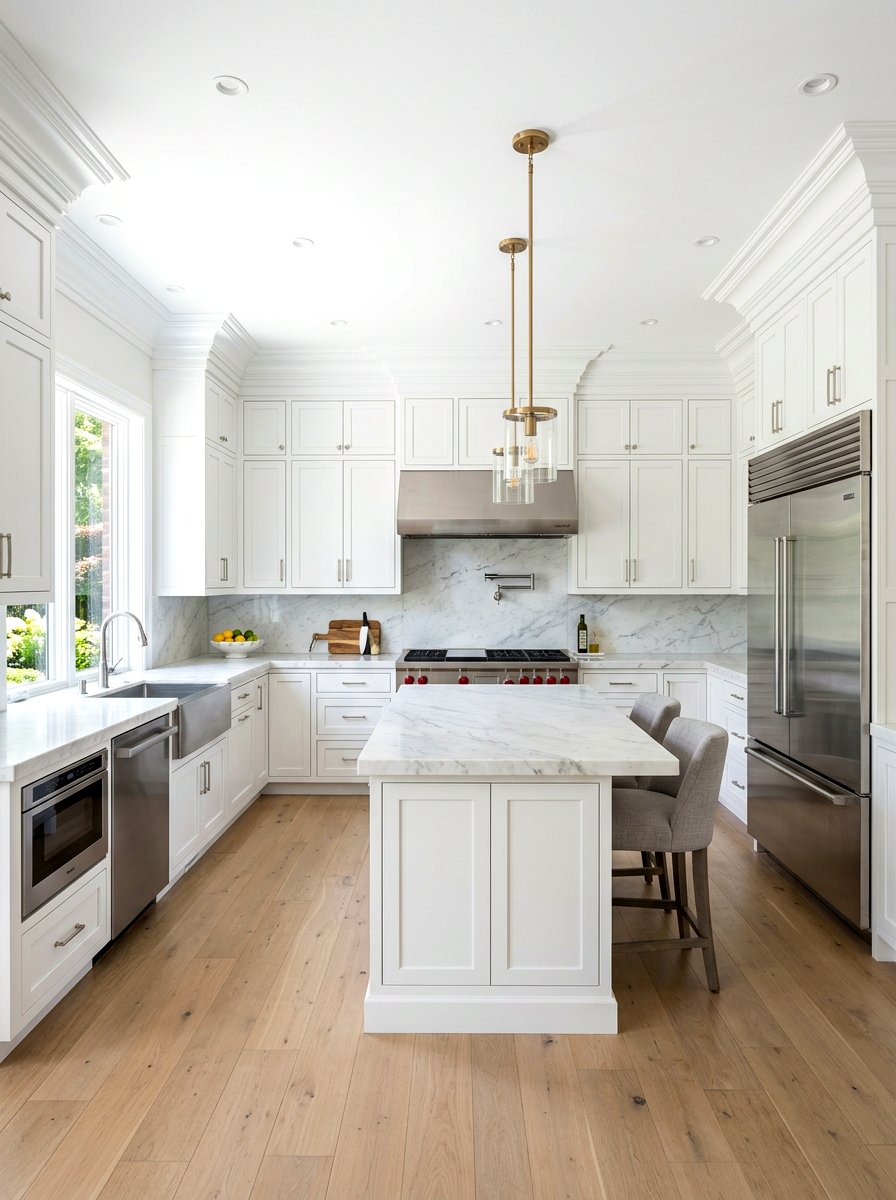
Crown molding isn 't just for walls; it is also a crucial element for finishing the top of kitchen or bathroom cabinetry. Adding molding to the top of your cabinets bridges the gap between the wood and the ceiling, creating a high-end, custom-built appearance. This design detail makes your kitchen look more expensive and prevents the cabinets from looking like they are simply "floating" against the wall. It also serves a practical purpose by eliminating the dust-collecting space on top of the units. Whether your cabinets are modern or traditional, adding a matching crown trim provides a sense of completion that elevates the entire room' s design.
20. Moisture Resistant Crown Molding
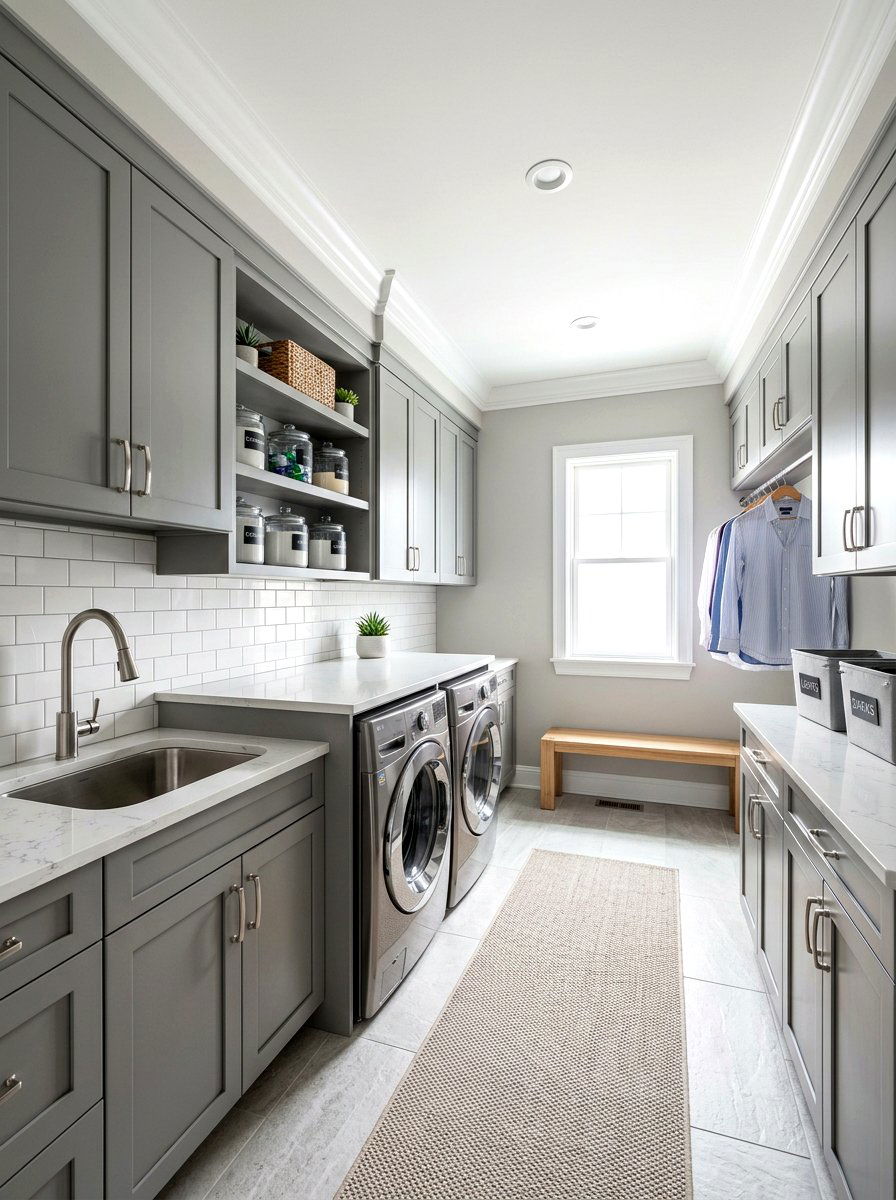
In environments like bathrooms or laundry rooms, it is important to choose molding materials that can withstand high levels of humidity. Moisture-resistant options, often made from high-density polyurethane or PVC, offer the look of traditional wood or plaster without the risk of warping, rotting, or peeling paint. This functional choice ensures that your decorative trim remains beautiful and intact for years, even in the steamiest conditions. You can still find these materials in a wide variety of styles, from simple modern lines to more ornate traditional shapes, allowing you to maintain a consistent design aesthetic throughout your entire home regardless of the room's function.
21. Soft Bedroom Crown Molding
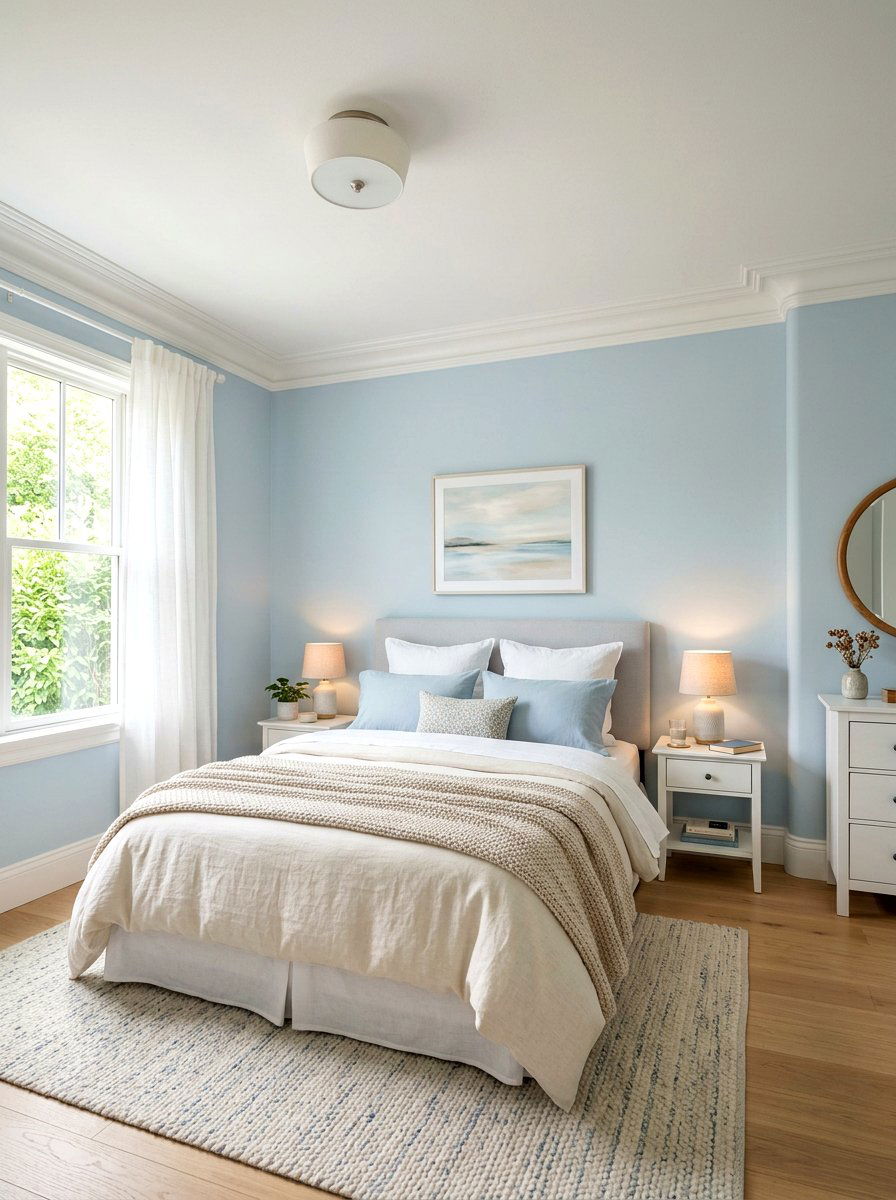
The bedroom should be a place of rest and relaxation, and the molding choices should reflect that calming atmosphere. Opting for a medium-width profile with soft, rounded edges helps to create a cozy and inviting environment. Rather than sharp angles or heavy ornamentation, a smoother transition feels more appropriate for a sleeping space. Painting the molding in a soft off-white or a color that is only slightly different from the walls can help to diminish hard visual breaks, making the room feel more unified and serene. This subtle architectural detail adds just enough sophistication to make the bedroom feel like a high-end retreat without being distracting.
22. Grand Foyer Crown Molding
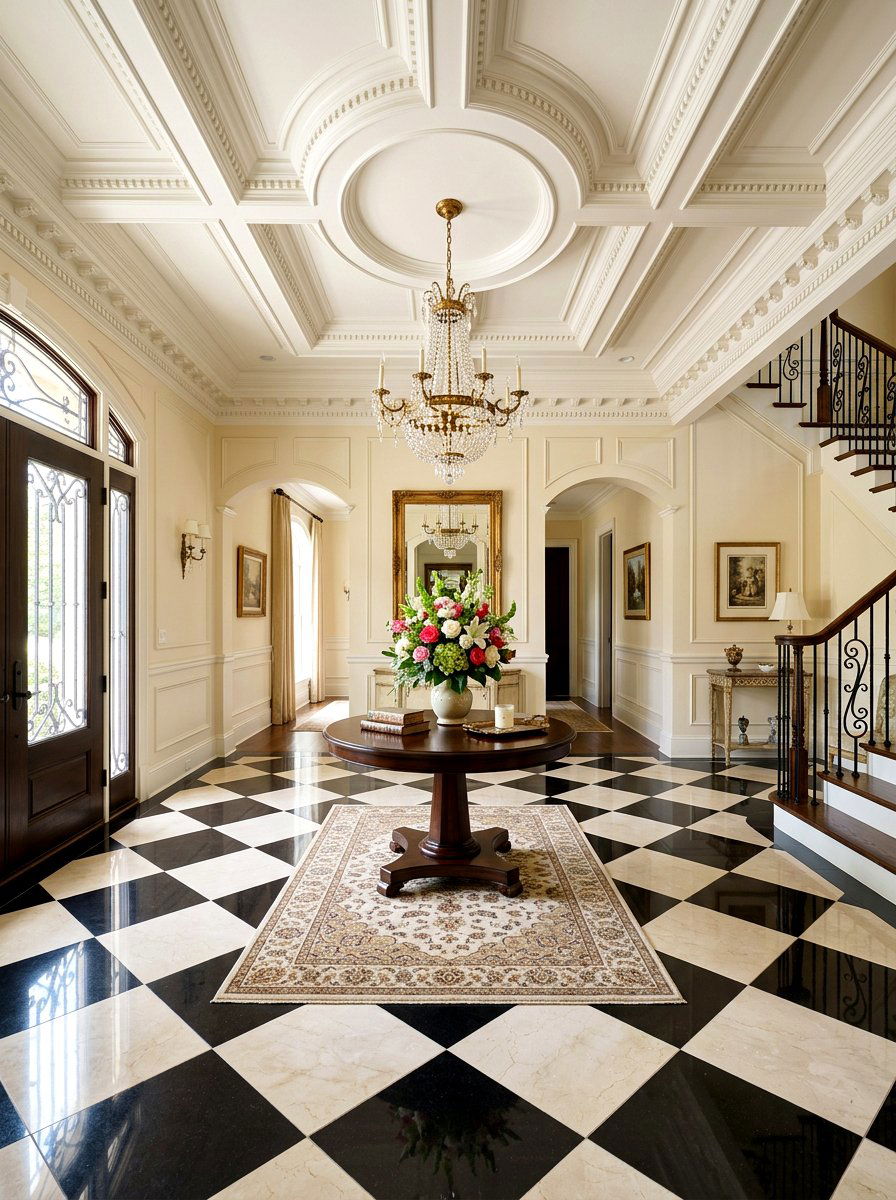
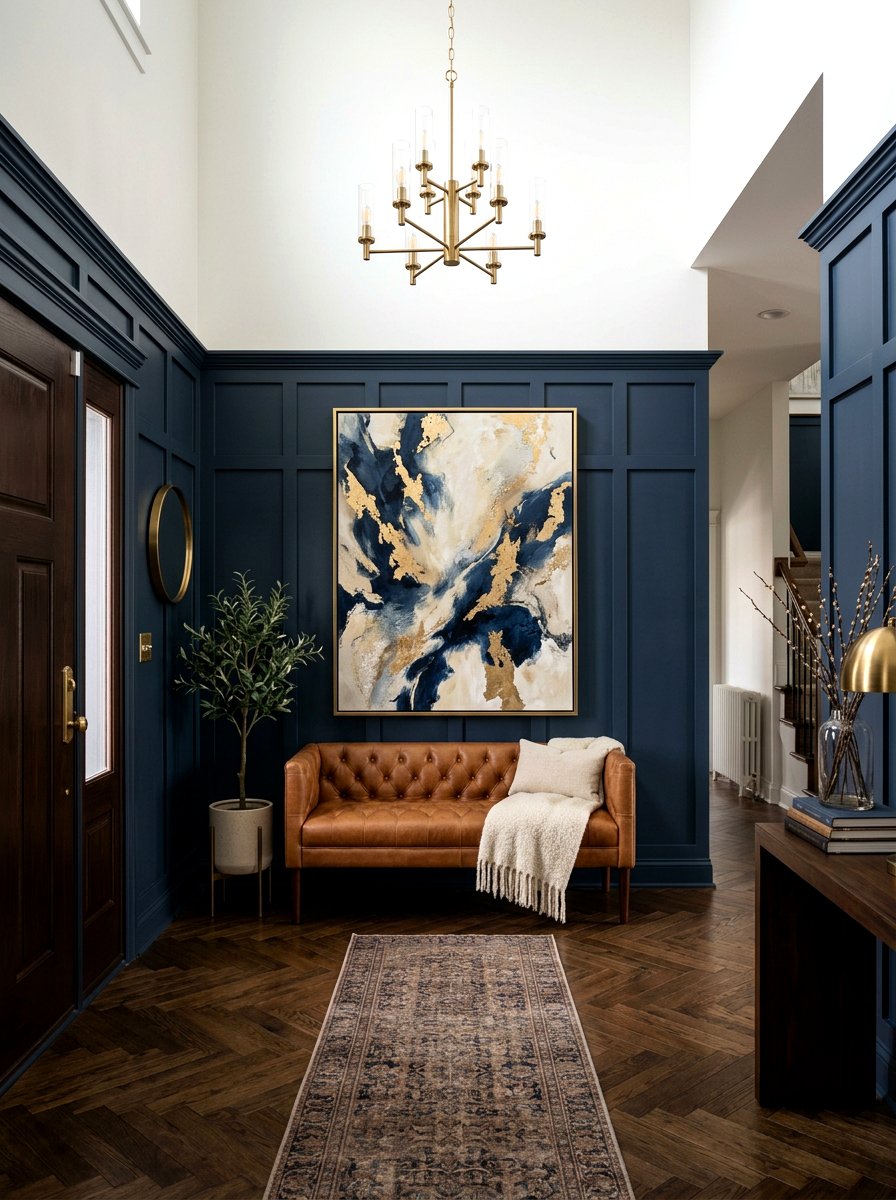
The entryway is the first impression guests have of your home, making it the perfect place to install impressive crown molding. In a grand foyer, you can afford to be a bit more dramatic with your trim choices, using taller profiles or more complex patterns. This sets a tone of quality and style the moment someone walks through the front door. If you have a multi-story entryway, the molding can help to define the different levels and provide a sense of continuity as the eye travels upward. A well-designed crown molding in the foyer acts as a welcoming architectural embrace, signaling that the home is well-maintained and stylishly curated.
23. Built In Picture Rail
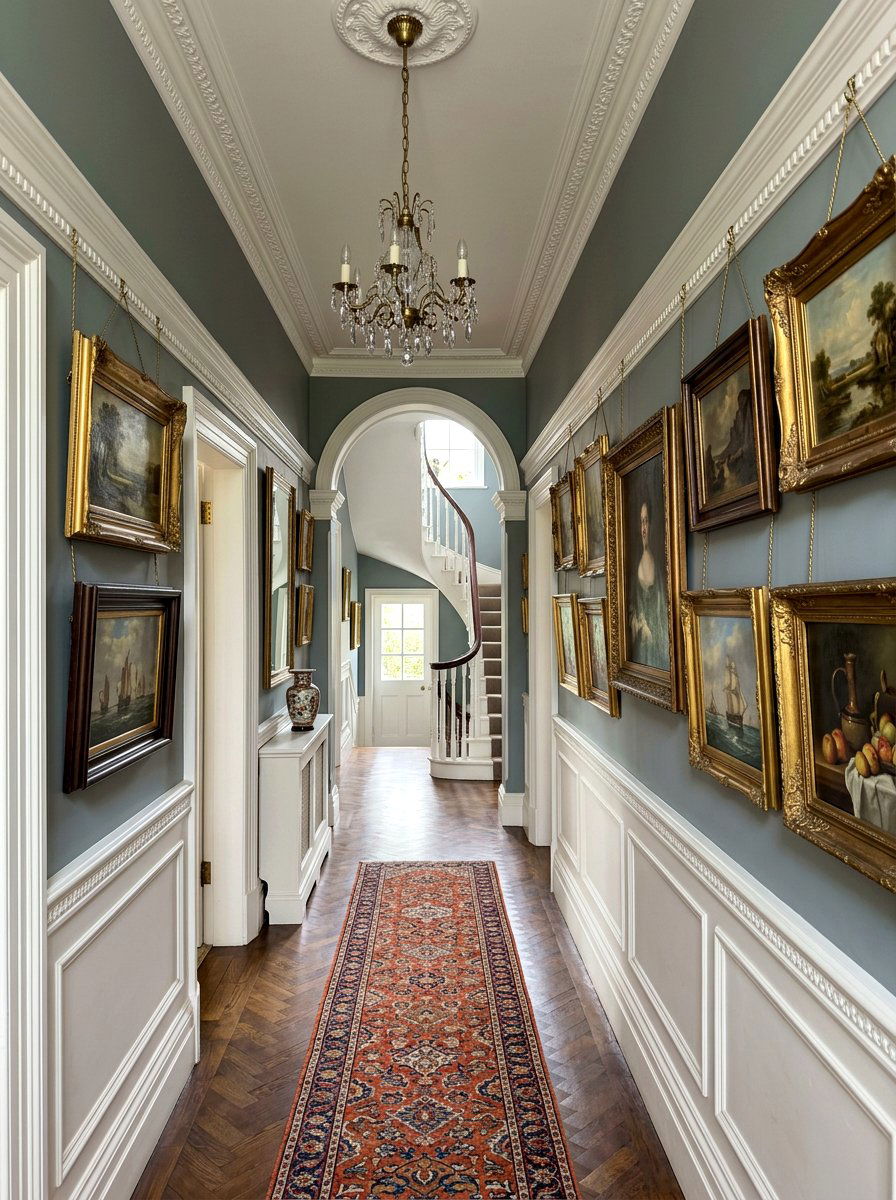
A unique variation of crown molding involves a built-in picture rail, which is a functional trim piece installed slightly below the ceiling or integrated into the crown itself. Historically used to hang artwork without damaging the walls, this style adds a vintage charm and incredible versatility to your design. It creates a horizontal line that can be used to divide different wall treatments, such as wallpaper on top and paint on the bottom. For modern homeowners, it offers a way to frequently change art and decor with ease. This design is perfect for galleries, hallways, or any room where you want to showcase a collection of framed pieces.
24. Square Edge Crown Molding
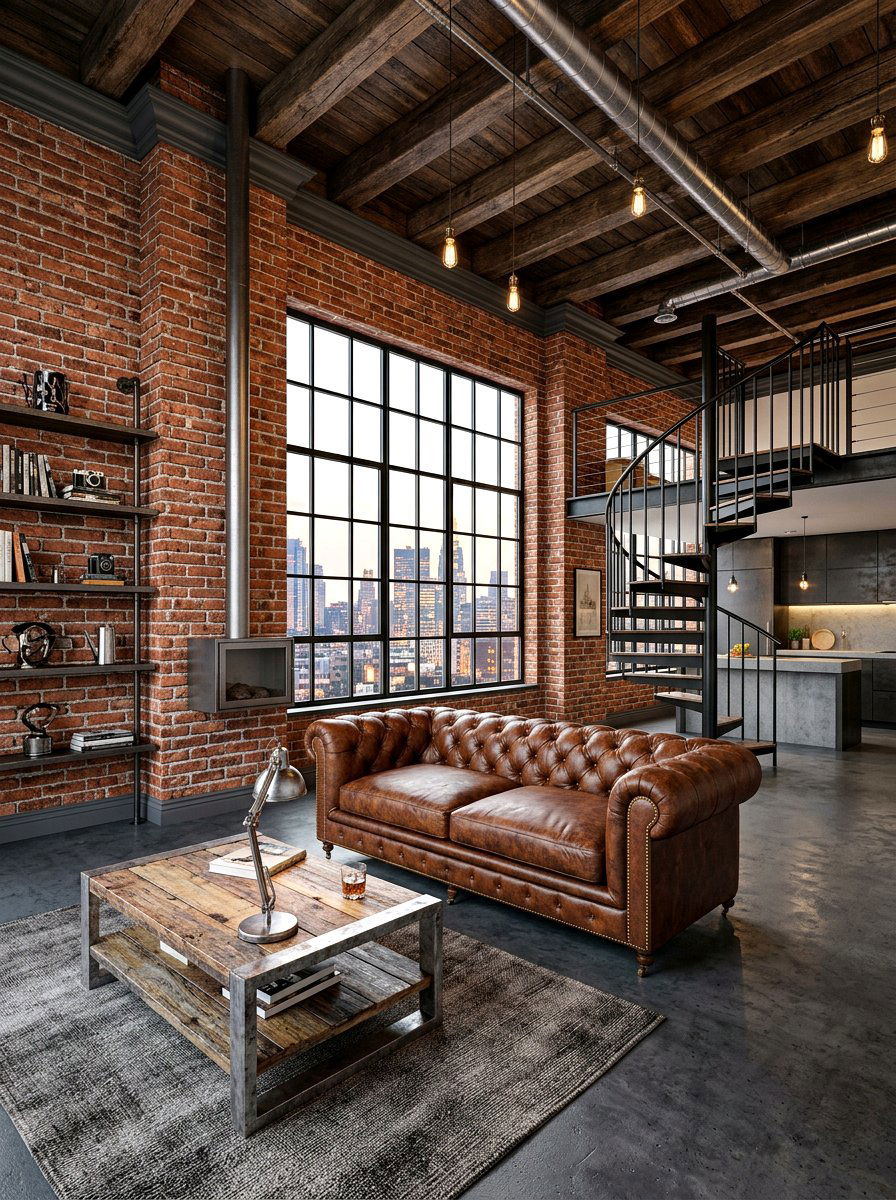
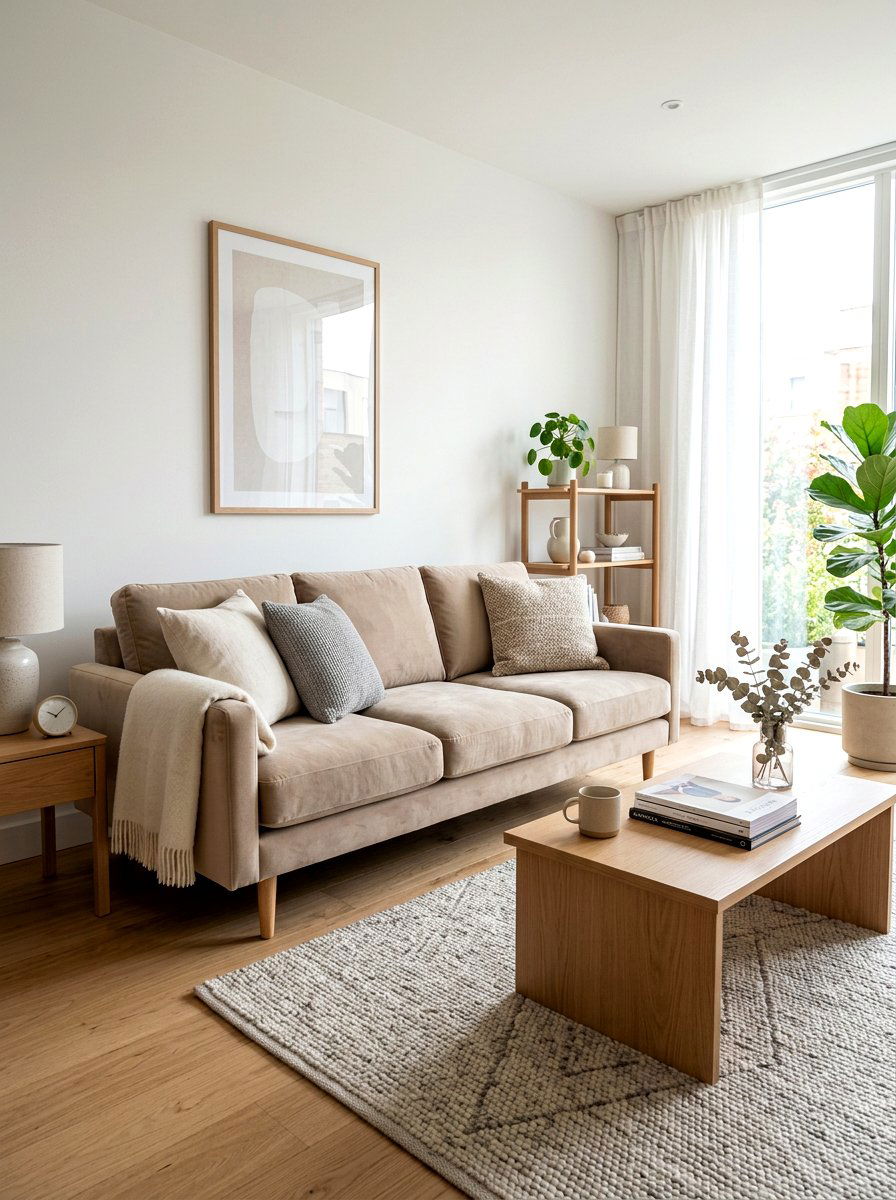
Square edge molding is the ultimate choice for an industrial or ultra-modern interior design. By using blocks or rectangular sections rather than curves, this style emphasizes the raw geometry of the room. It creates a bold, shadow-heavy line that looks fantastic in lofts or contemporary homes with exposed elements. This minimalist approach feels very "architectural" and deliberate, providing a sturdy and masculine finish to the space. It is often paired with neutral color palettes and metallic accents to highlight its clean, sharp aesthetic. Square edge molding proves that you don't need complex curves to create a high-impact and stylish ceiling transition.
25. Carved Pattern Crown Molding
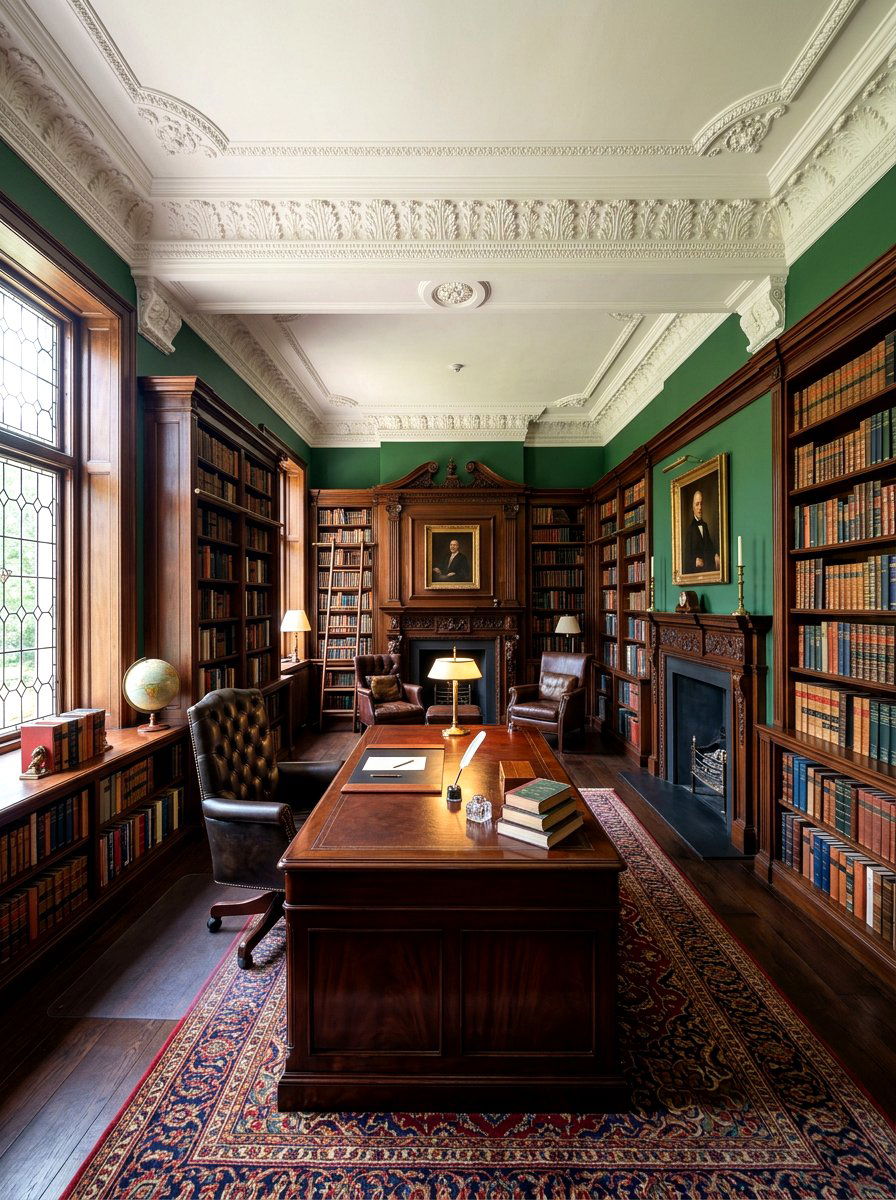
For a truly unique and artisanal look, crown molding featuring carved patterns like acanthus leaves or rope designs adds incredible texture. These patterns provide a tactile quality to the ceiling line, making the architectural details feel more personalized and hand-crafted. While often associated with more traditional or Mediterranean styles, these patterns can be updated with modern paint colors to create a fusion of old and new. The repetitive nature of the carvings adds a visual rhythm to the room, drawing the eye along the perimeter and highlighting the craftsmanship of the home. This is an excellent choice for a formal study or an elegant dining area.
26. Metallic Finish Crown Molding
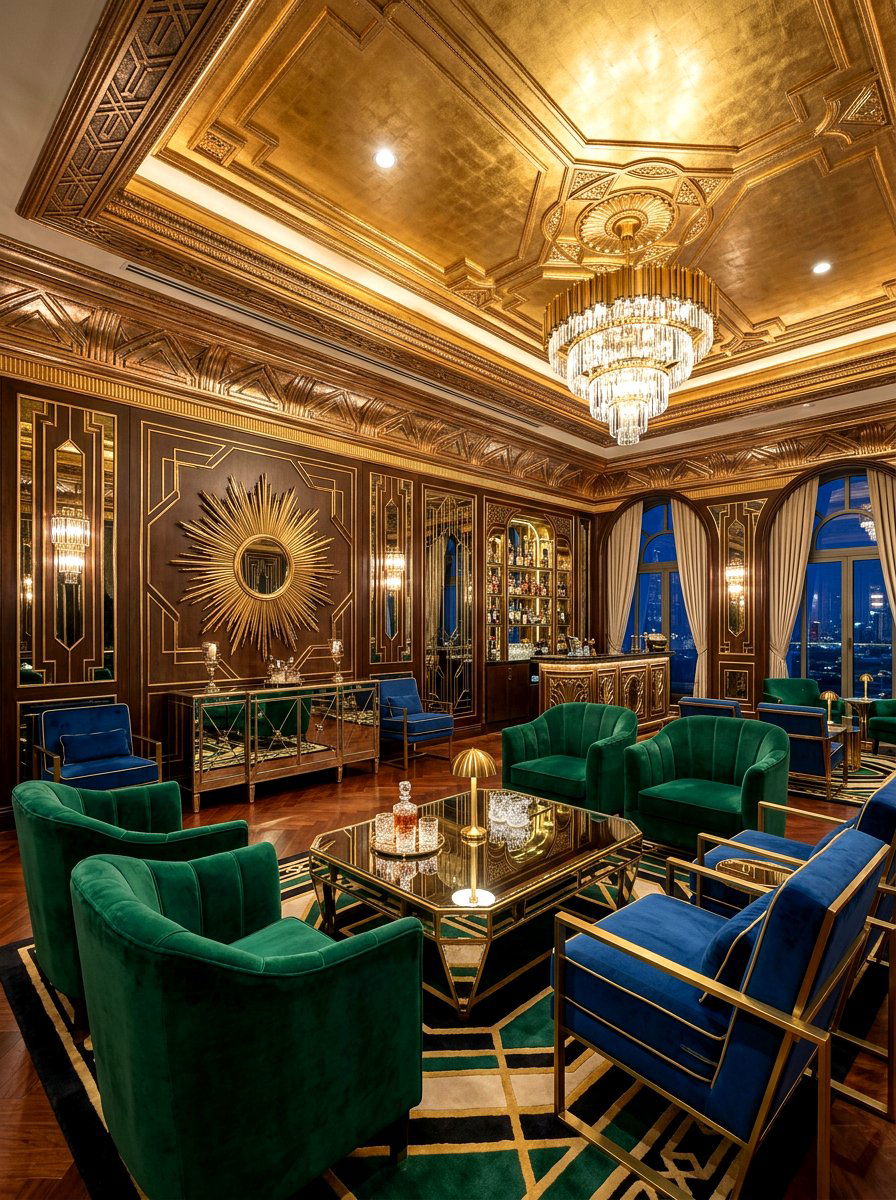
If you want to add a touch of glamour and luxury, consider finishing your crown molding with metallic paint or gold leaf. Silver, gold, or bronze accents on the trim can catch the light beautifully, creating a shimmering effect that feels opulent and high-end. This technique is often used in Art Deco-inspired interiors or modern glam spaces where a little bit of shine goes a long way. You don't have to paint the entire molding metallic; even a small gilded edge can make a significant difference. It’s a creative way to incorporate metallic elements from your lighting or furniture into the very structure of the room.
27. Boxy Modern Crown Molding
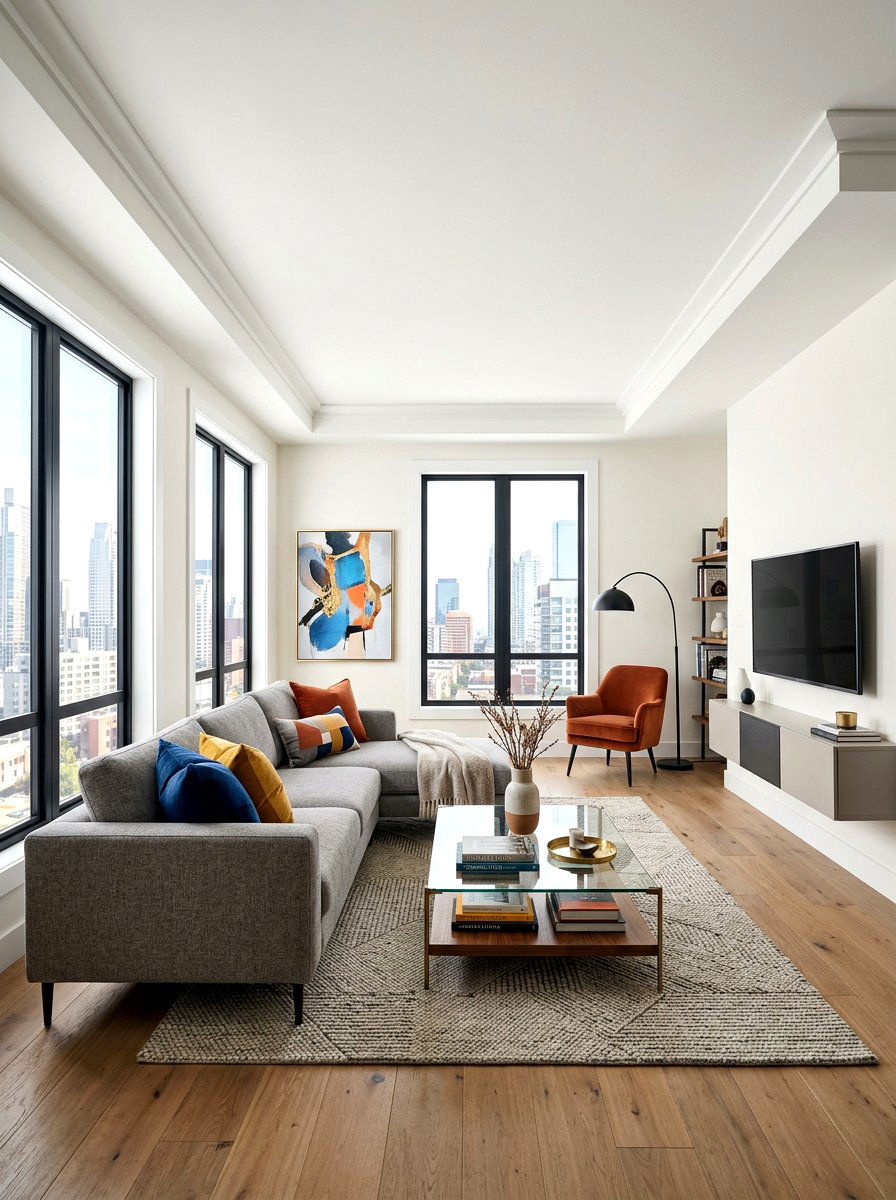
Boxy molding takes the concept of simple lines and expands it into a more substantial, rectangular profile that feels very grounded. This style often looks like a series of stacked boxes or flat steps, providing a clean yet bold architectural frame. It is particularly effective in large, open-concept spaces where you need a trim that is strong enough to define the area without being too "fussy. " The boxy shape complements modern furniture with straight legs and flat surfaces, creating a harmonious look throughout the home. This design is a favorite for architects who want a clean finish that still feels very solid and permanent.
28. Traditional Colonial Crown Molding
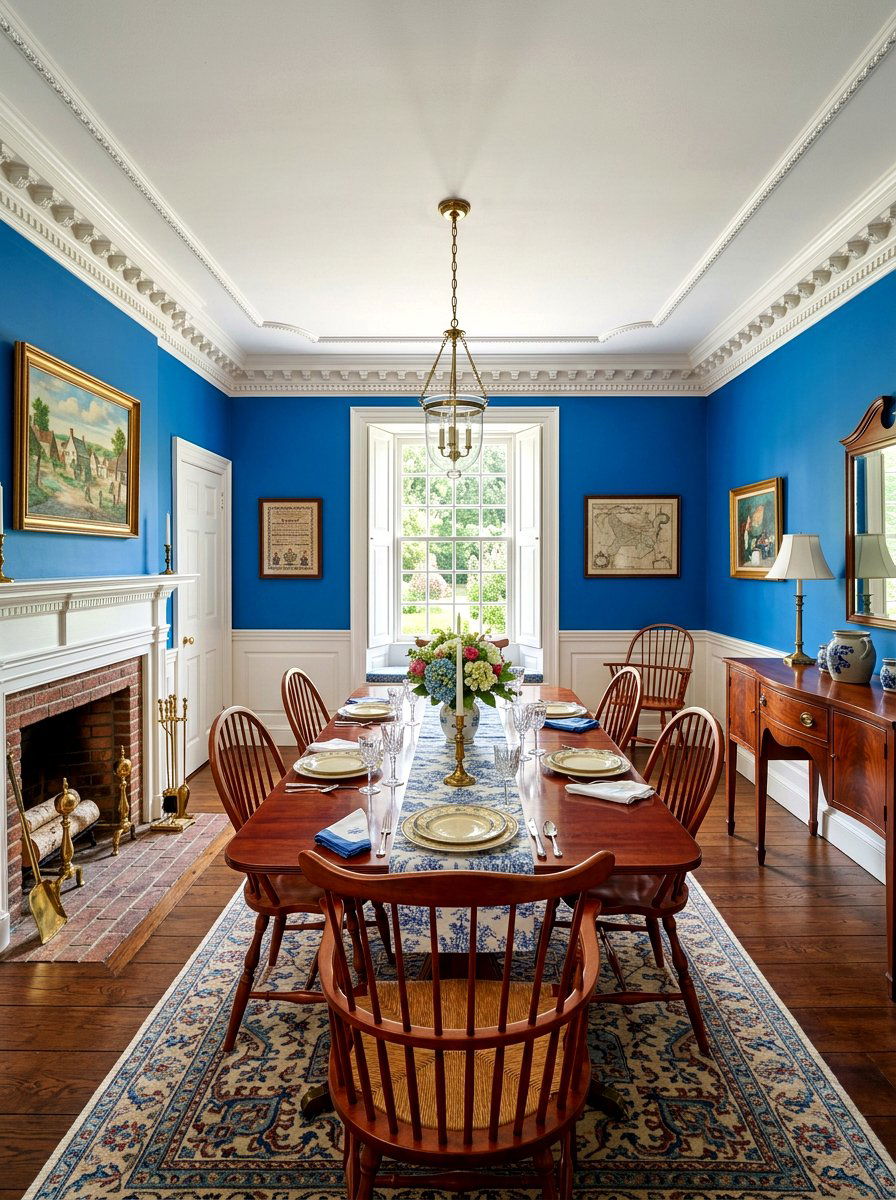
Colonial-style molding is characterized by its balanced proportions and classic S-curves, offering a look that feels both historic and friendly. This is one of the most popular molding styles because it strikes a perfect balance between being decorative and being versatile enough for everyday living. It brings a sense of Americana and tradition to a home, making it feel established and well-loved. Colonial trim works well in kitchens, dining rooms, and bedrooms alike, providing a consistent and comforting architectural language. It is a reliable choice for those who want a classic look that will remain stylish for decades to come without feeling dated.
29. Formal Dining Crown Molding
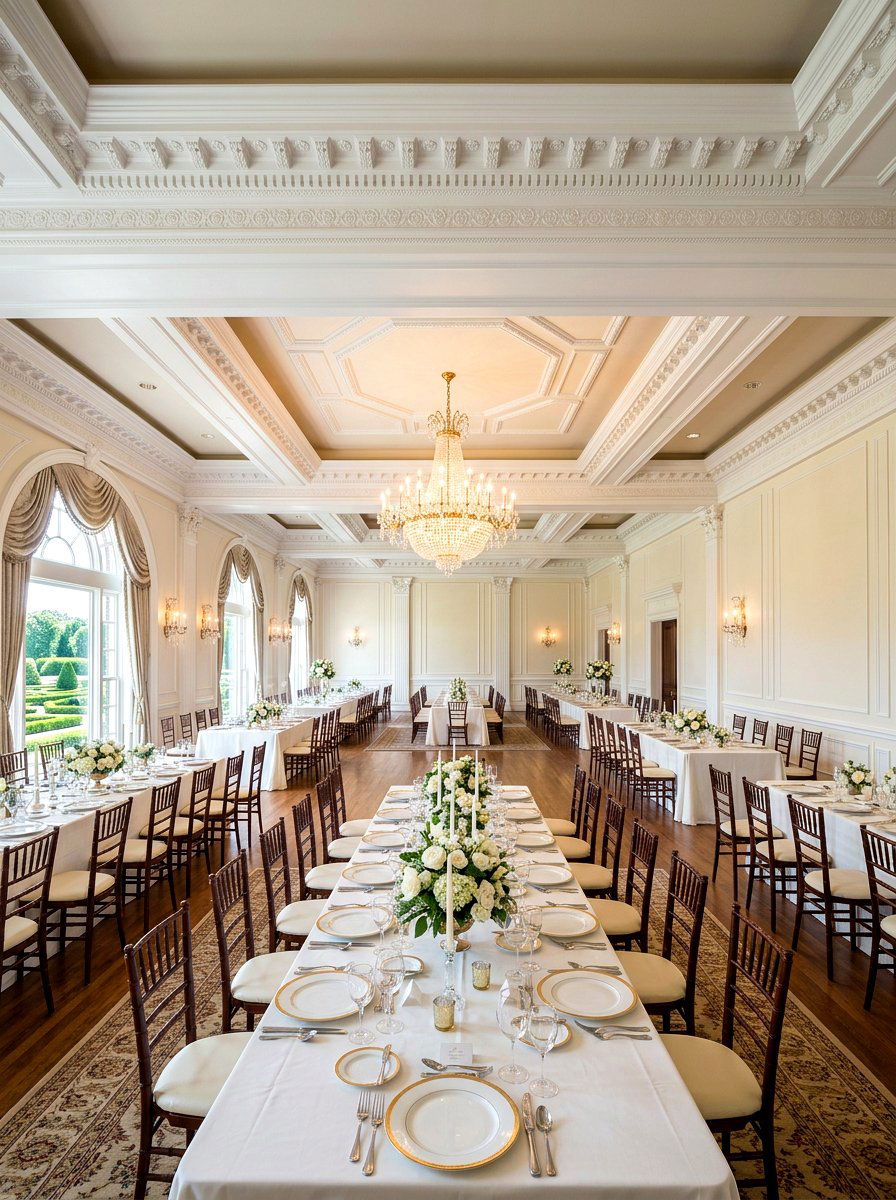
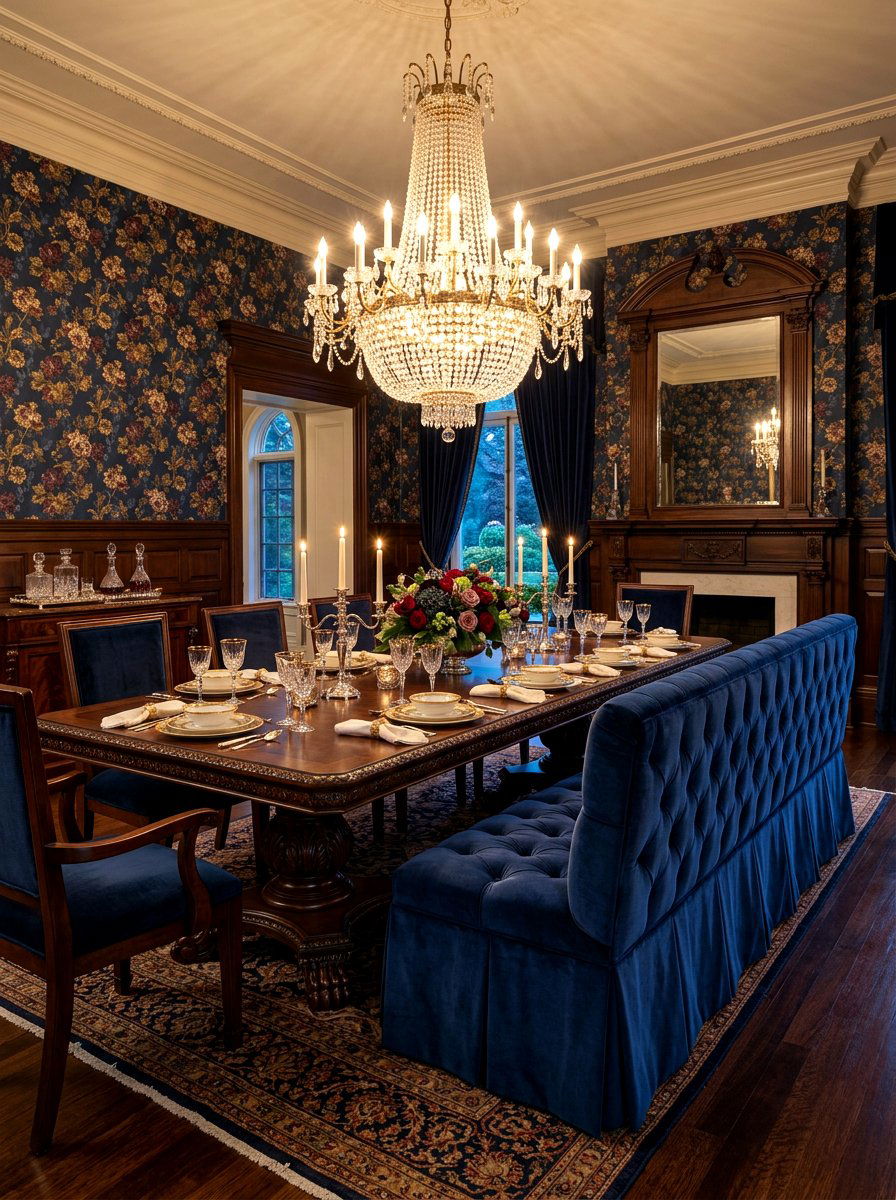
The dining room is often the most formal space in the house, and the crown molding should reflect that importance. Using a multi-piece, tiered molding design creates a sophisticated atmosphere that is perfect for hosting dinner parties and holiday gatherings. This type of trim adds a sense of "gravity" to the room, making it feel more significant and grand. When combined with a beautiful chandelier and elegant wall treatments like wainscoting or silk wallpaper, the molding acts as the final decorative crown that ties everything together. It ensures that the space feels refined and specifically designed for the art of entertaining and fine dining.
30. Multi Tier Crown Molding
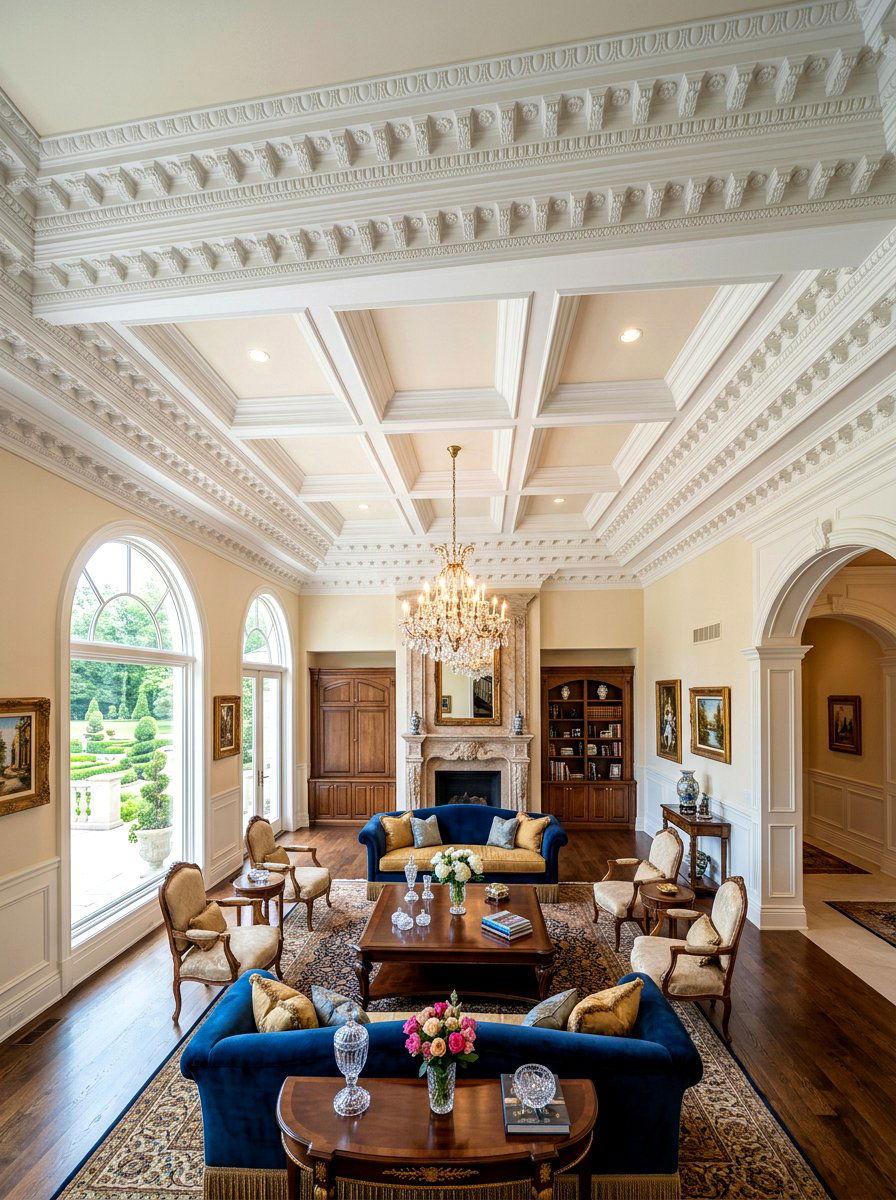
For the ultimate in custom architectural detail, multi-tier molding uses several different trim pieces installed together to create a massive, stepped effect. This design can extend several inches onto both the wall and the ceiling, creating a incredibly deep and complex border. This style is often found in luxury custom homes where no detail is overlooked. It provides an amazing opportunity to play with light and shadow, as each "step" of the molding creates its own unique line. Whether finished in a single color or multiple tones, multi-tier molding is a true statement piece that showcases a high level of design sophistication and structural beauty.
Conclusion:
Choosing the perfect crown molding for your home is an investment in both style and long-term value. As we have explored, the variety of options ranges from the stark simplicity of modern flat profiles to the grand opulence of multi-tiered Victorian designs. By carefully considering the height of your ceilings, the function of each room, and your overall personal aesthetic, you can select a molding that enhances the architectural "bones" of your living space. This subtle yet powerful detail bridges the gap between construction and art, providing a finished look that feels intentional and high-end. Ultimately, crown molding transforms a house into a beautifully curated and sophisticated home.

Related posts: