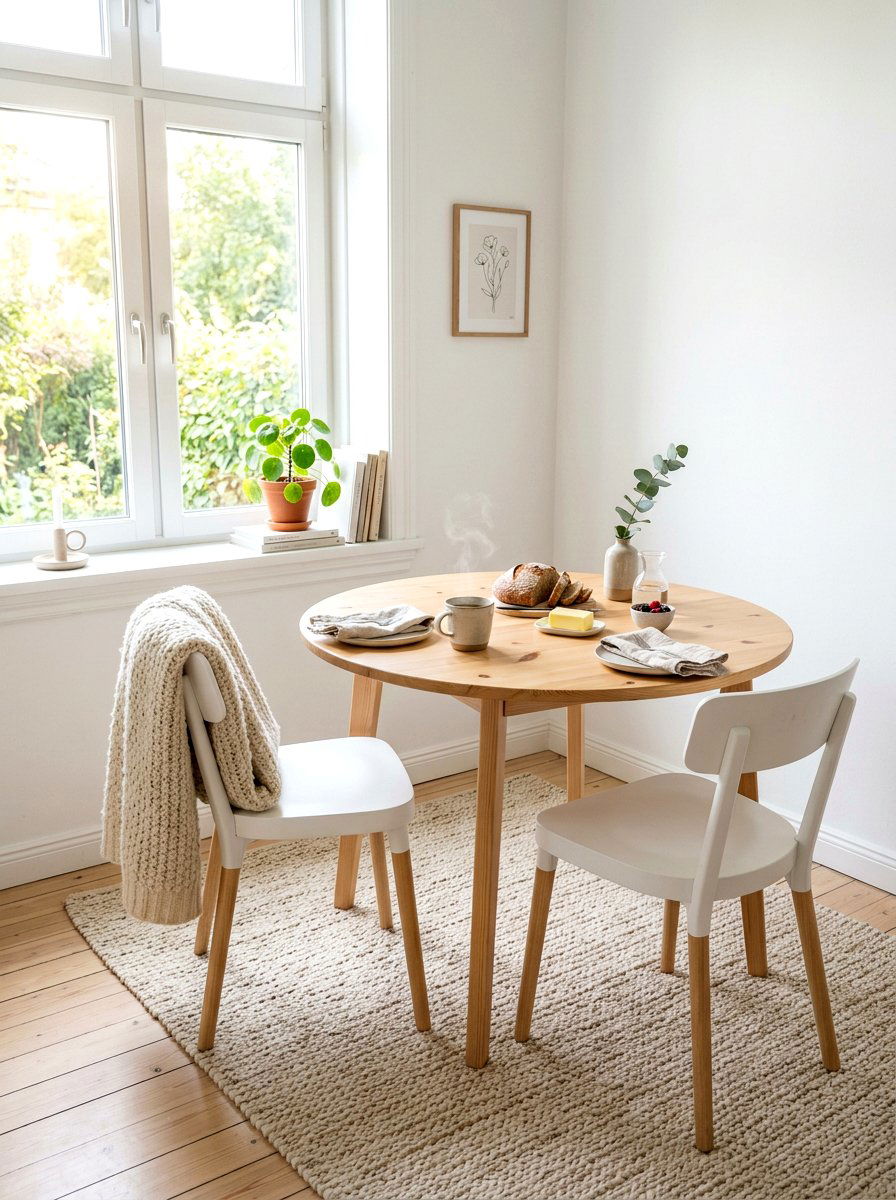
Transforming your dining room into a sophisticated space often starts with the walls, and molding is the secret weapon for any home designer. Have you ever walked into a room and felt an immediate sense of luxury without seeing expensive furniture? That is usually the power of architectural detail at work. Adding molding creates depth, texture, and a high-end architectural feel that plain drywall simply cannot provide. Whether you prefer a classic traditional look or a sharp modern aesthetic, there are endless ways to customize your walls. From simple chair rails to intricate floor-to-ceiling panels, these additions act as permanent jewelry for your home. It makes the entire dining experience feel more formal and intentional for your family and guests.
1. White picture frame molding
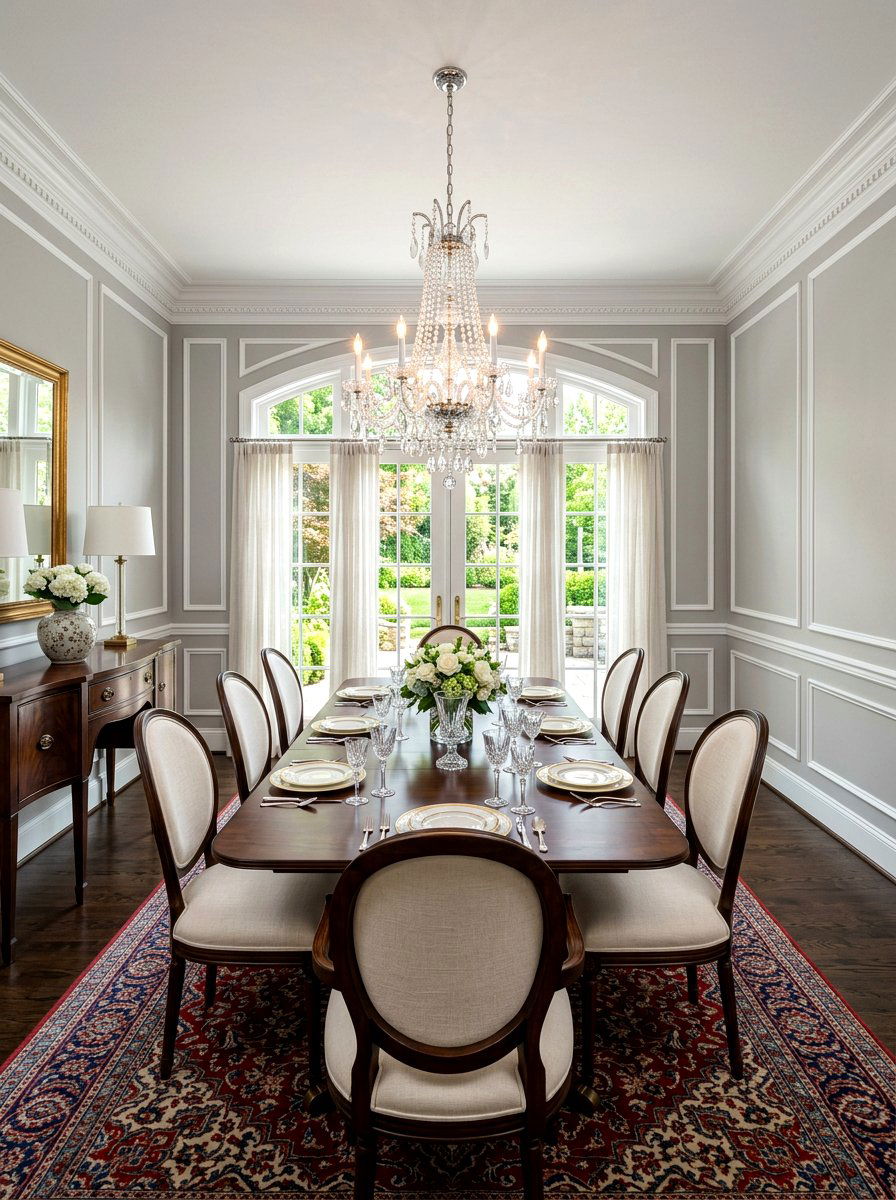
White picture frame molding is a timeless choice that brings a sense of refined elegance to any dining area. This style involves creating rectangular boxes out of thin decorative trim, mimicking the look of traditional art frames directly on your walls. It works exceptionally well in smaller rooms because the white color reflects light, making the space feel airy and much larger than it actually is. You can pair this look with a soft neutral paint color inside the boxes or keep everything monochromatic for a subtle, high-end texture. It provides a perfect backdrop for a large dining table and a crystal chandelier, bridging the gap between classic design and modern simplicity effortlessly.
2. Black board and batten wall
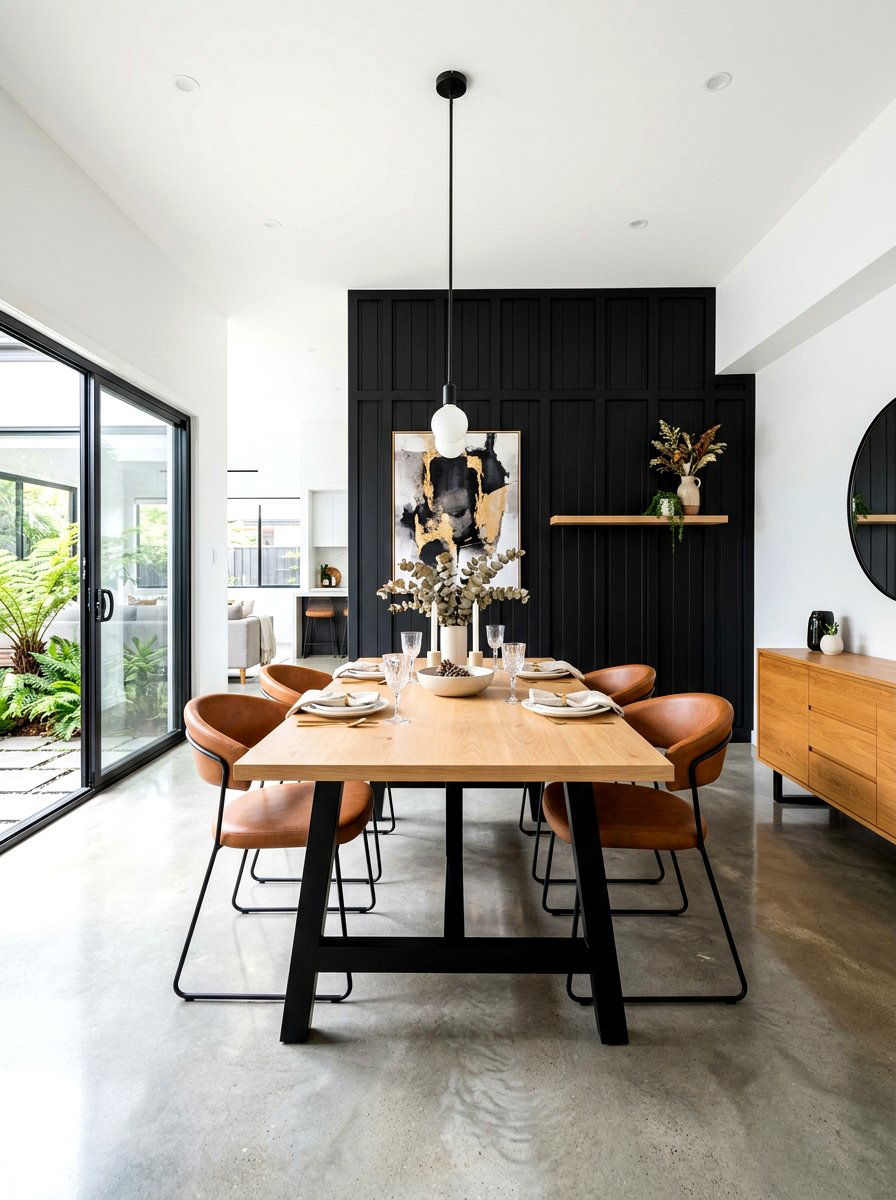
Creating a bold statement is easy when you opt for a black board and batten wall in your dining room. This design uses vertical wooden strips called battens to cover the seams of wide boards, or even just the wall itself, resulting in a rhythmic, geometric pattern. When painted in a deep matte black, the molding adds an incredible amount of drama and modern flair to the room. It anchors the space, allowing light-colored furniture and metallic accents to pop against the dark background. This style is particularly popular for modern farmhouse or industrial themes where you want to balance cozy textures with a very sophisticated, edgy color palette.
3. Modern geometric wall molding
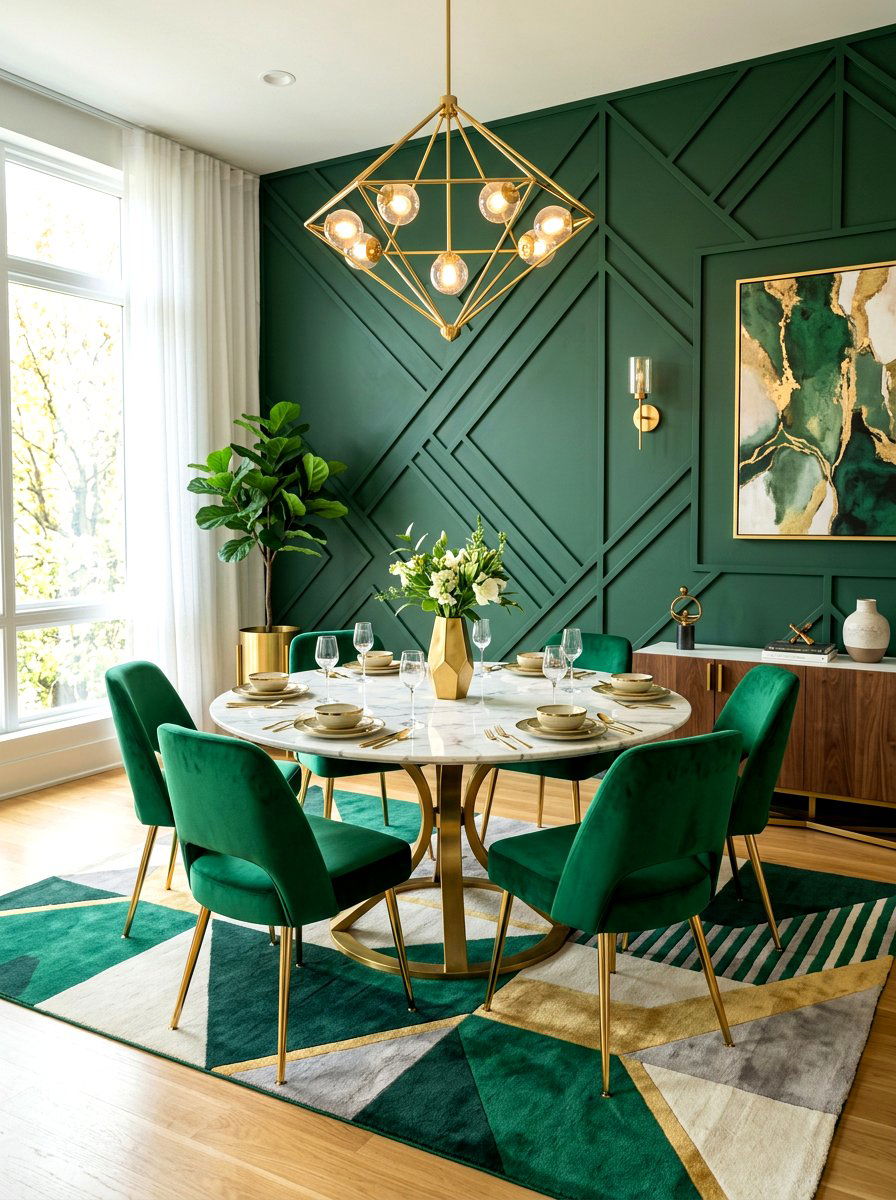
Modern geometric wall molding is the perfect way to introduce an artistic and contemporary vibe into your home. Instead of traditional squares or rectangles, this approach uses thin wooden strips to create abstract shapes, triangles, or asymmetrical patterns across a focal wall. It acts as a permanent piece of large-scale art that doesn't require any additional hanging decor. Because the patterns are so visually stimulating, it is often best to paint the molding and the wall the same color to let the shadows and lines do the talking. This look is fantastic for homeowners who want a unique, custom-built appearance that feels like a high-end gallery space.
4. Traditional wood wainscoting
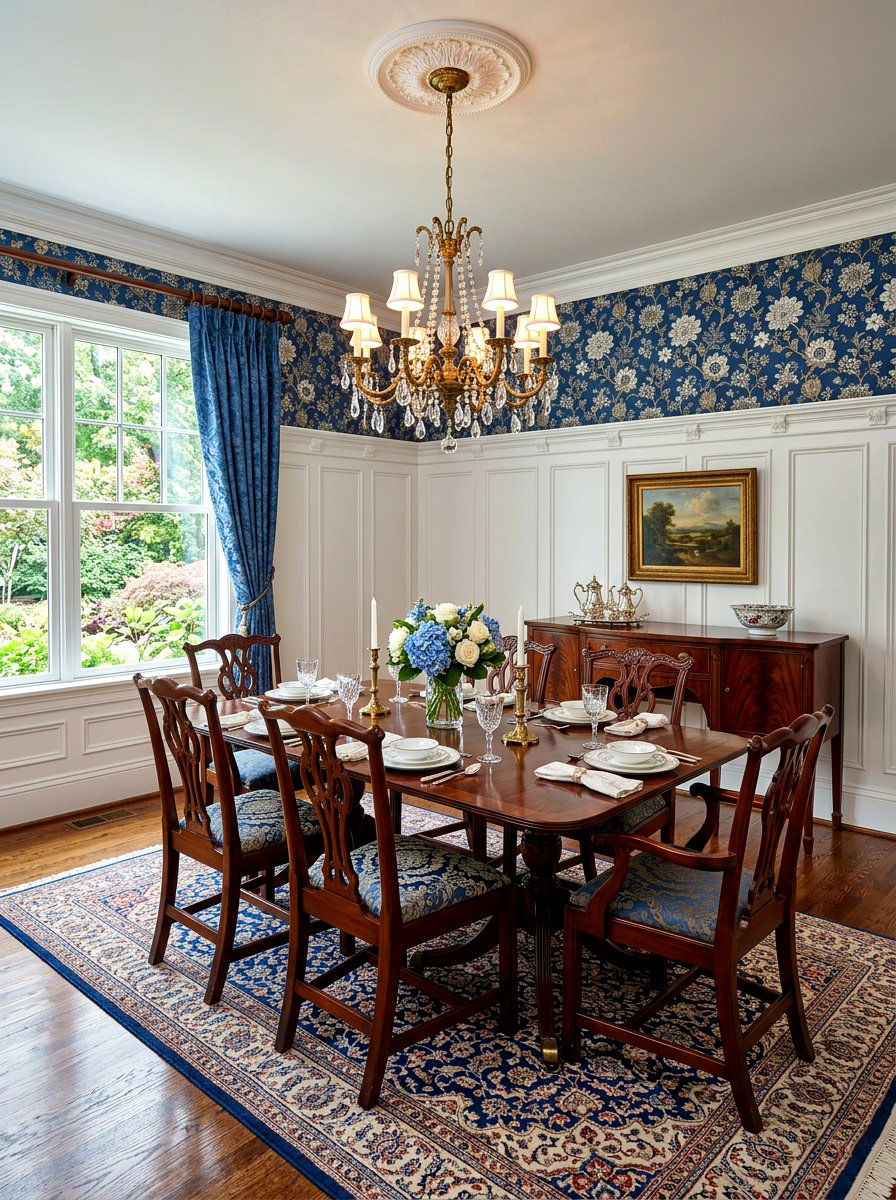
Traditional wood wainscoting offers a classic look that covers the lower portion of the dining room walls, usually stopping at chair-rail height. This architectural feature was originally designed to protect walls from chairs bumping into them, but today it is primarily used for its beautiful aesthetic. It adds a layer of formal charm and can be painted in a contrasting color to the upper wall for a dynamic two-tone effect. Whether you choose raised panels for a formal look or flat panels for something more understated, wainscoting provides a sturdy and polished foundation. It pairs beautifully with floral wallpaper or a bold paint color on the top half.
5. Floor to ceiling wall panels
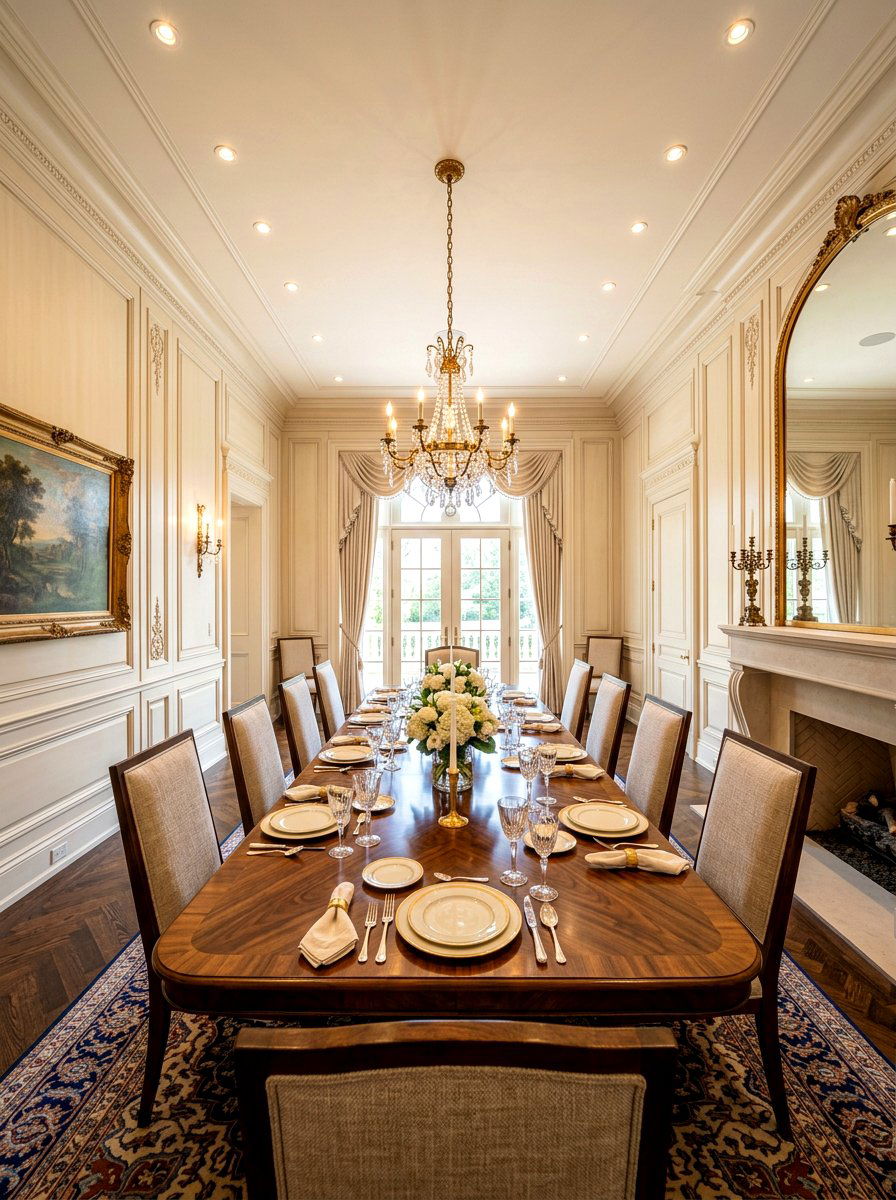
Installing floor to ceiling wall panels is a surefire way to make a dining room feel grand and expensive. This technique involves extending decorative molding boxes from the baseboards all the way up to the crown molding. By drawing the eye upward, these vertical lines create the illusion of much taller ceilings and a more voluminous space. This design works best in rooms with a bit more square footage where the repetition of the panels can truly shine. When executed in a soft cream or a sophisticated navy, it creates an immersive environment that feels like a luxury estate. It is a brilliant way to add architectural character.
6. Navy blue dining room molding
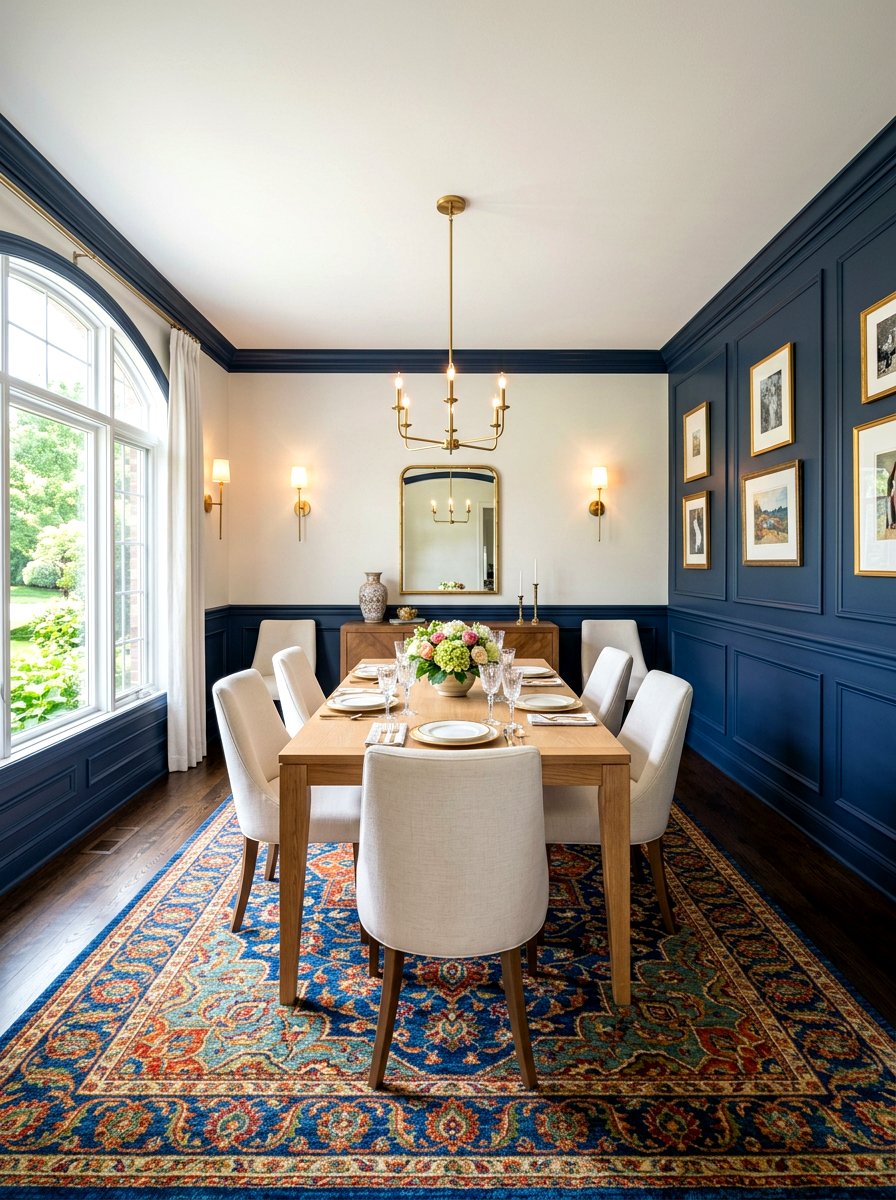
Navy blue dining room molding is a fantastic way to embrace the moody interior trend while maintaining a very classic feel. Dark blue is a versatile color that feels both calming and incredibly regal, making it ideal for a space meant for evening dinner parties. You can apply picture frame molding or tall wainscoting and paint everything in a rich navy satin finish. The deep hue highlights the shadows created by the trim, adding a layered look that feels very expensive. Pair this with brass light fixtures and light wood furniture to create a striking contrast that feels warm, inviting, and very stylish for any season.
7. Gray shaker style wall trim
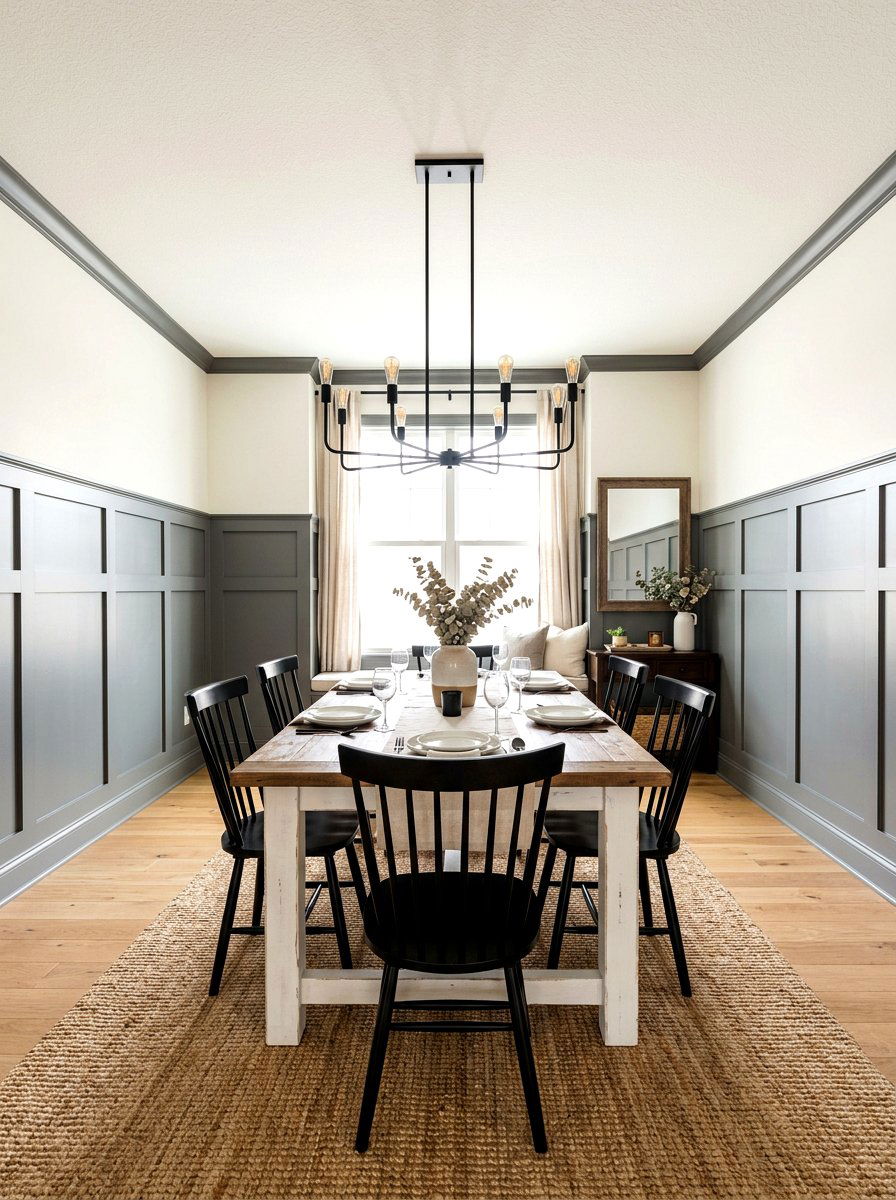
Gray shaker style wall trim is the ultimate choice for those who love a clean, organized, and transitional aesthetic. Shaker molding is defined by its flat surfaces and square edges, avoiding the ornate curves of traditional trim for a much more streamlined appearance. Using a mid-tone gray paint helps the molding feel sophisticated without being too heavy or dark. It provides a wonderful sense of structure to the dining room without overwhelming other design elements like rugs or curtains. This style is very versatile, fitting perfectly into both modern coastal homes and traditional suburban spaces. It offers a calm and neutral backdrop that always looks incredibly professional.
8. Vertical wood slat wall
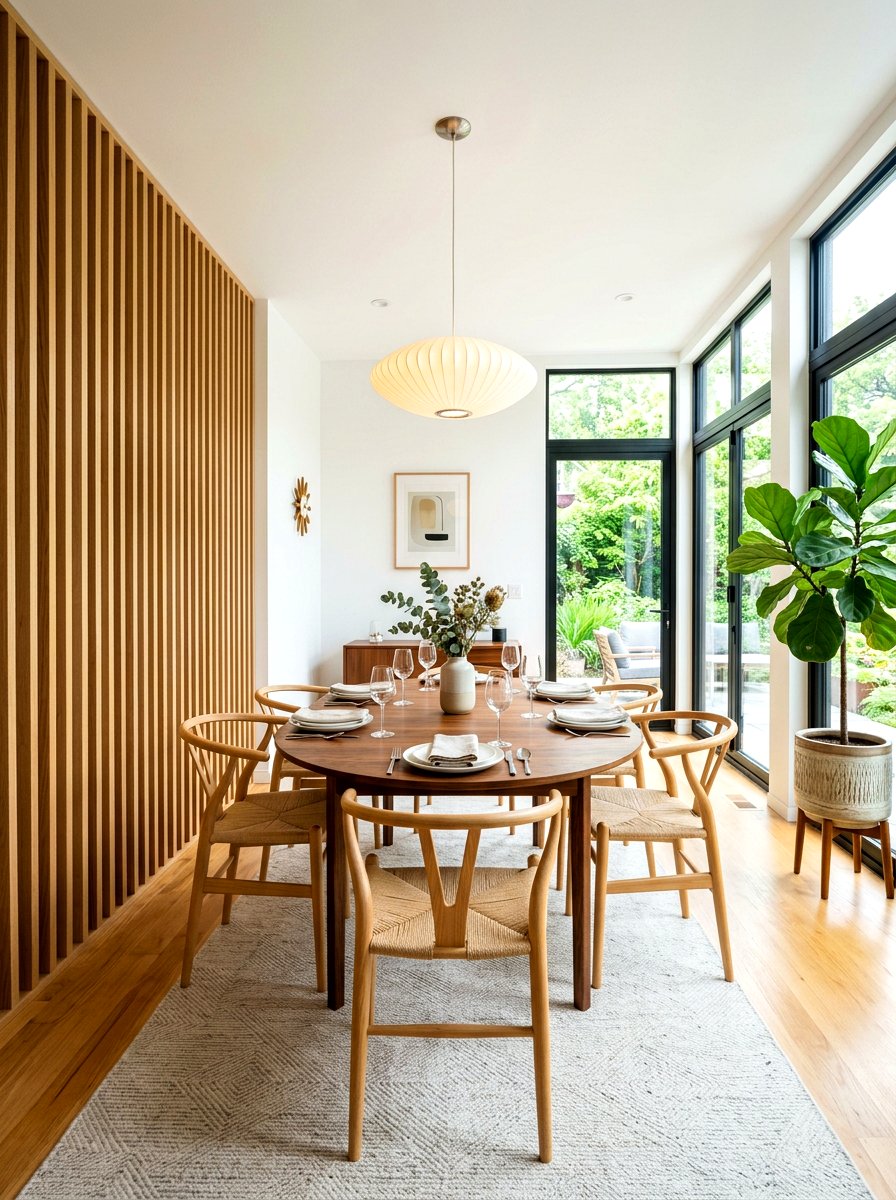
A vertical wood slat wall brings a touch of organic warmth and mid-century modern style to your dining environment. This molding idea uses thin, closely spaced strips of natural wood to create a textured surface that is both tactile and visual. It is an excellent way to introduce natural materials into a room that might otherwise feel too cold or sterile. The vertical lines help to elongate the walls, making the ceiling appear higher. Whether you leave the wood in its natural light oak state or stain it a darker walnut, the result is a contemporary focal point that adds architectural interest and a very cozy, high-end atmosphere.
9. Double layer picture frame molding
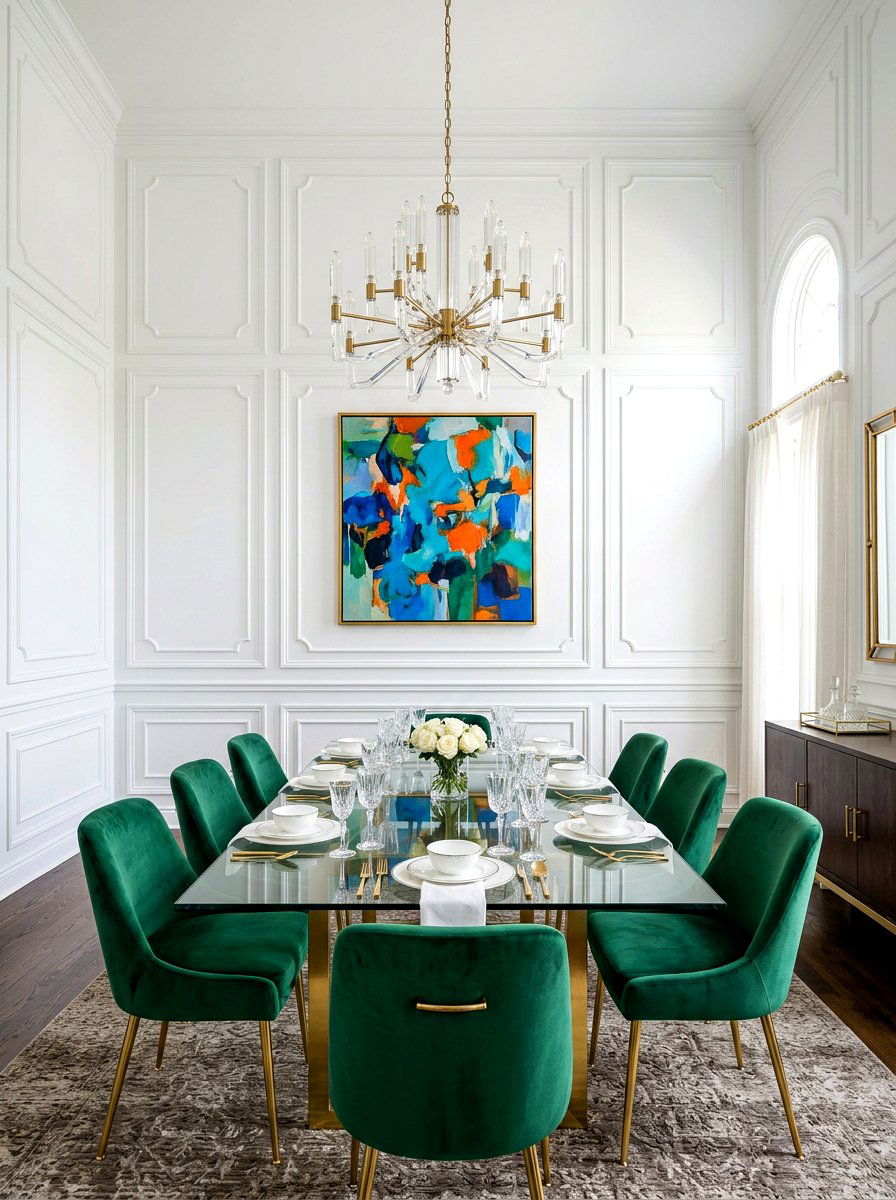
Double layer picture frame molding is a sophisticated technique where a smaller molding box is placed inside a larger one on the wall. This "frame-within-a-frame" look adds an extra layer of detail and depth that you usually only see in historic mansions or custom luxury homes. It creates a very formal and rhythmic pattern that makes the walls feel substantial and well-crafted. This style looks best when painted in a single, solid color, as the double lines create beautiful shadows that provide enough visual interest on their own. It is a great choice if you want your dining room to feel exceptionally polished and classically designed for entertaining.
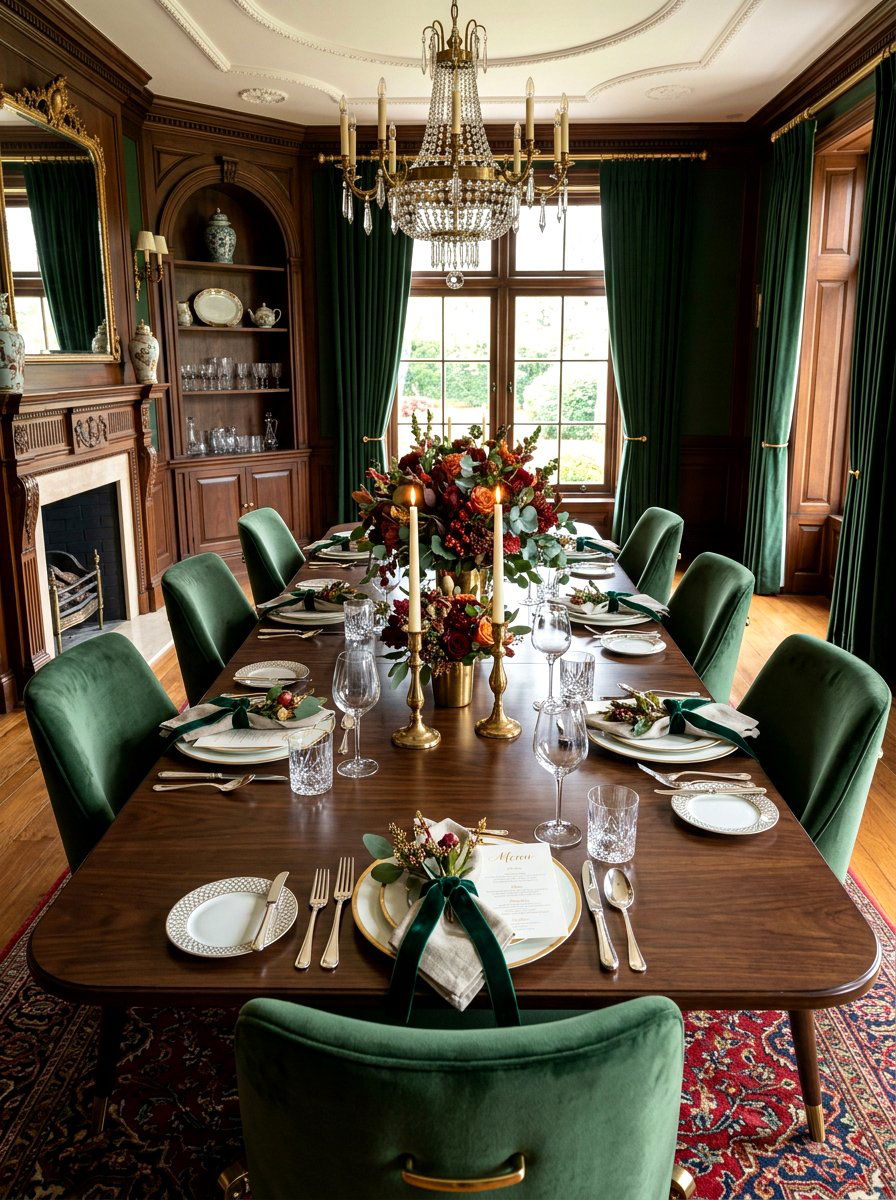
10. Gold accent wall molding
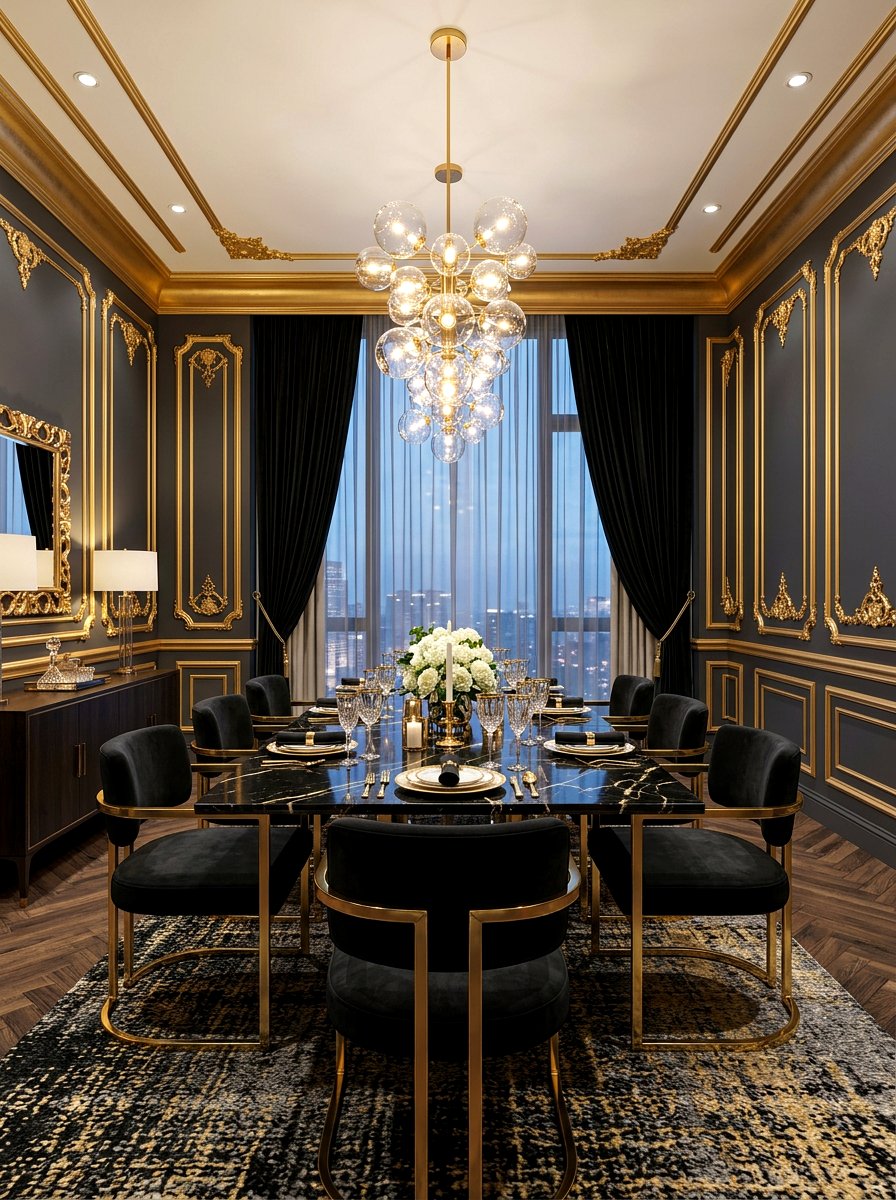
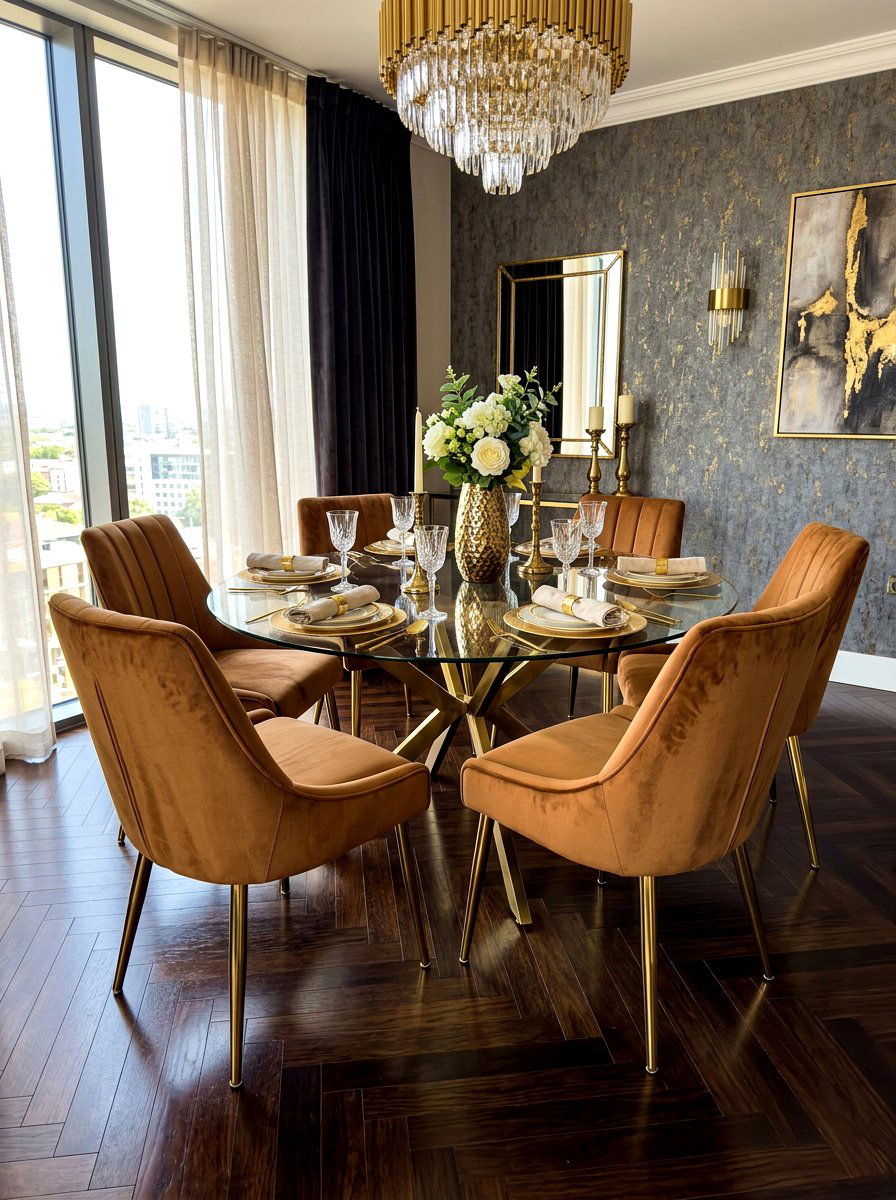
Gold accent wall molding is for the homeowner who wants to inject a bit of glamour and luxury into their dining space. This can be achieved by painting existing wall trim with a high-quality metallic gold leaf or using pre-finished gold transition strips. The gold lines catch the light beautifully, especially during a candlelit dinner, creating a warm and glowing ambiance. It works best when applied to a dark-colored wall like emerald green or charcoal, as the metallic finish provides a stunning contrast. This approach turns your walls into a decorative feature that feels like a piece of jewelry, making every meal feel like a very special and upscale occasion.
11. Dark green box molding
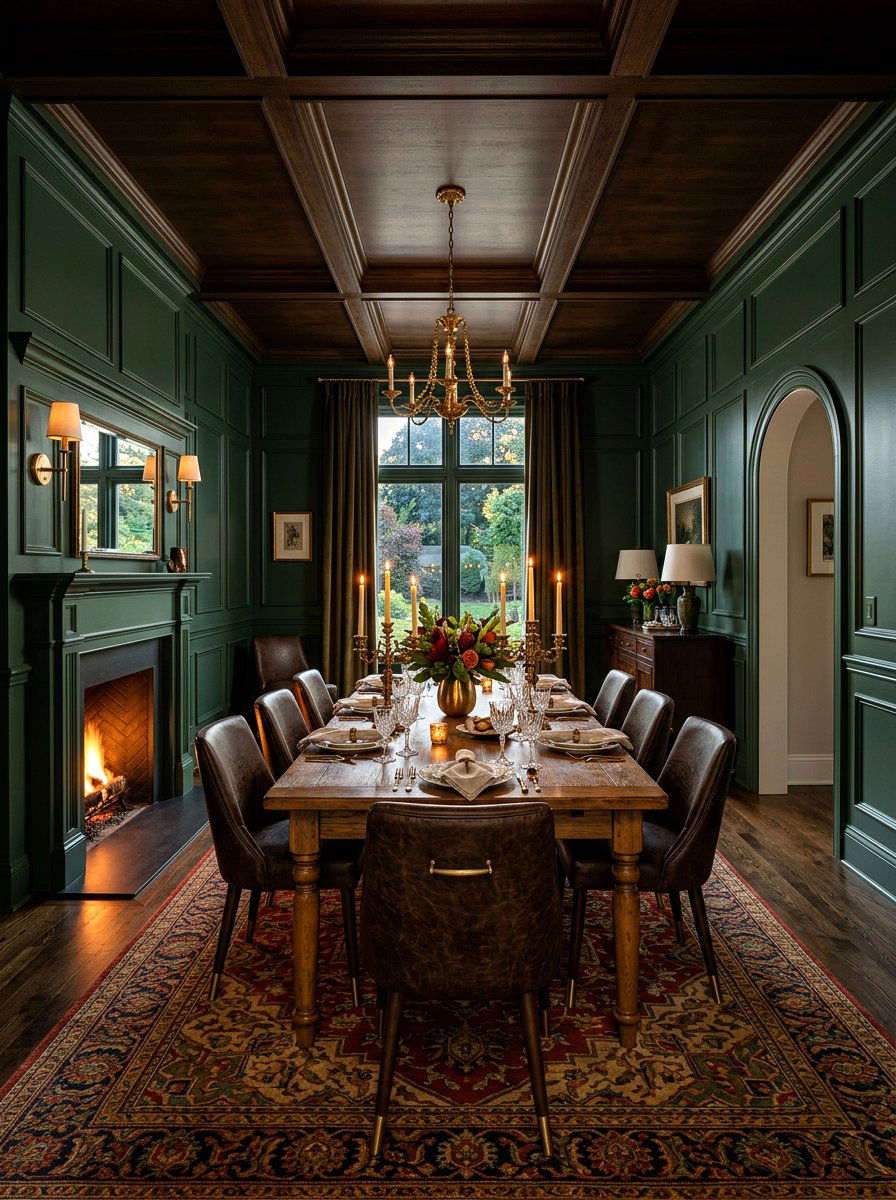
Dark green box molding is a lush and sophisticated choice that brings a sense of the outdoors inside with a formal twist. Forest green or emerald tones are incredibly popular right now for dining rooms because they create a cozy, intimate "jewel box" effect. Applying simple box molding to the walls and painting the entire surface in a deep green hue adds a layer of luxury and mystery to the room. It provides a stunning backdrop for mahogany dining tables and leather chairs. The color is deep enough to feel neutral while still providing a clear and confident design statement that feels both grounded and incredibly high-fashion.
12. Chunky farmhouse board and batten
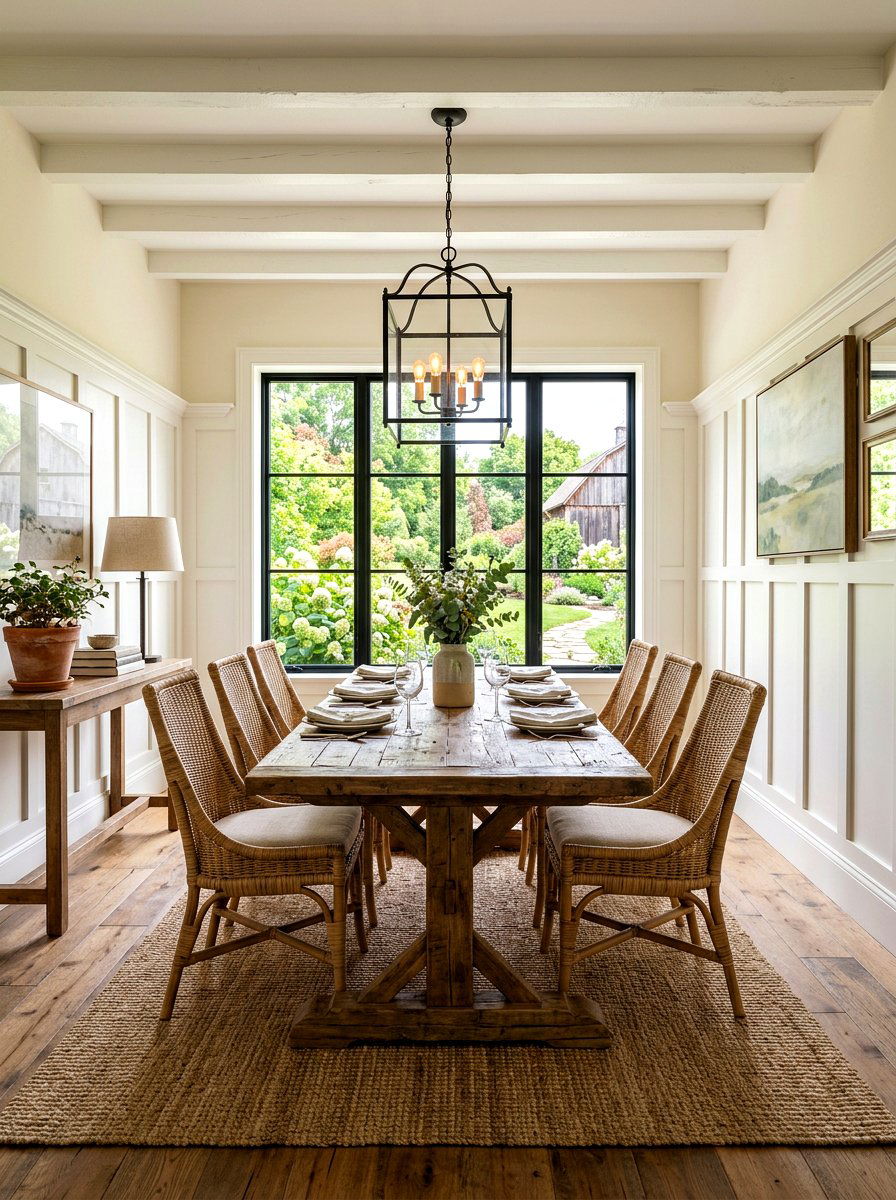
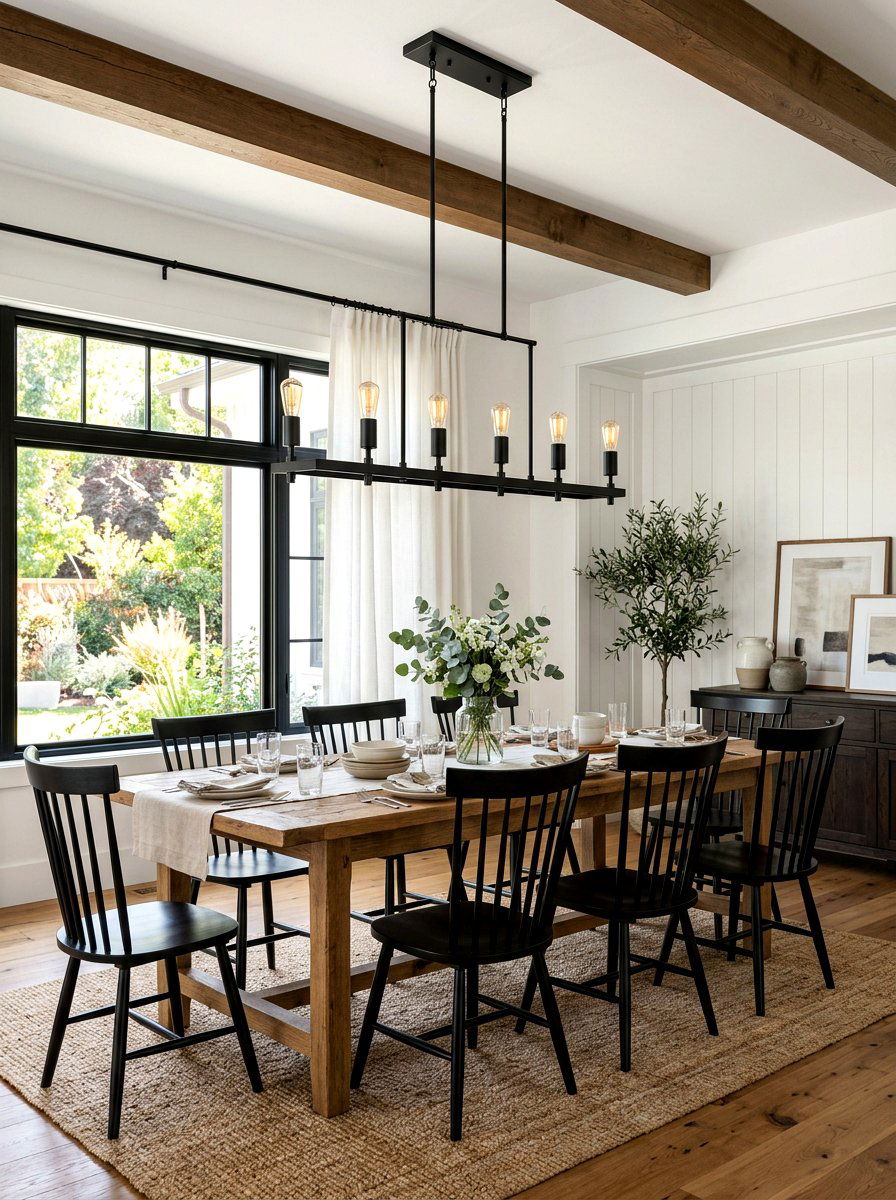
Chunky farmhouse board and batten offers a rustic and sturdy look that is perfect for a casual and inviting dining area. Unlike thin, delicate molding, this style uses wider boards and more substantial vertical pieces to create a sense of history and craftsmanship. It often covers the bottom two-thirds of the wall, providing a bright white base that contrasts beautifully with warm wood tones and woven textures. This type of molding is very durable and easy to clean, which is a practical bonus for busy families. It gives the room a cozy, "lived-in" feel while still looking neat, organized, and very much on-trend with modern country styling.
13. Arched wall molding design
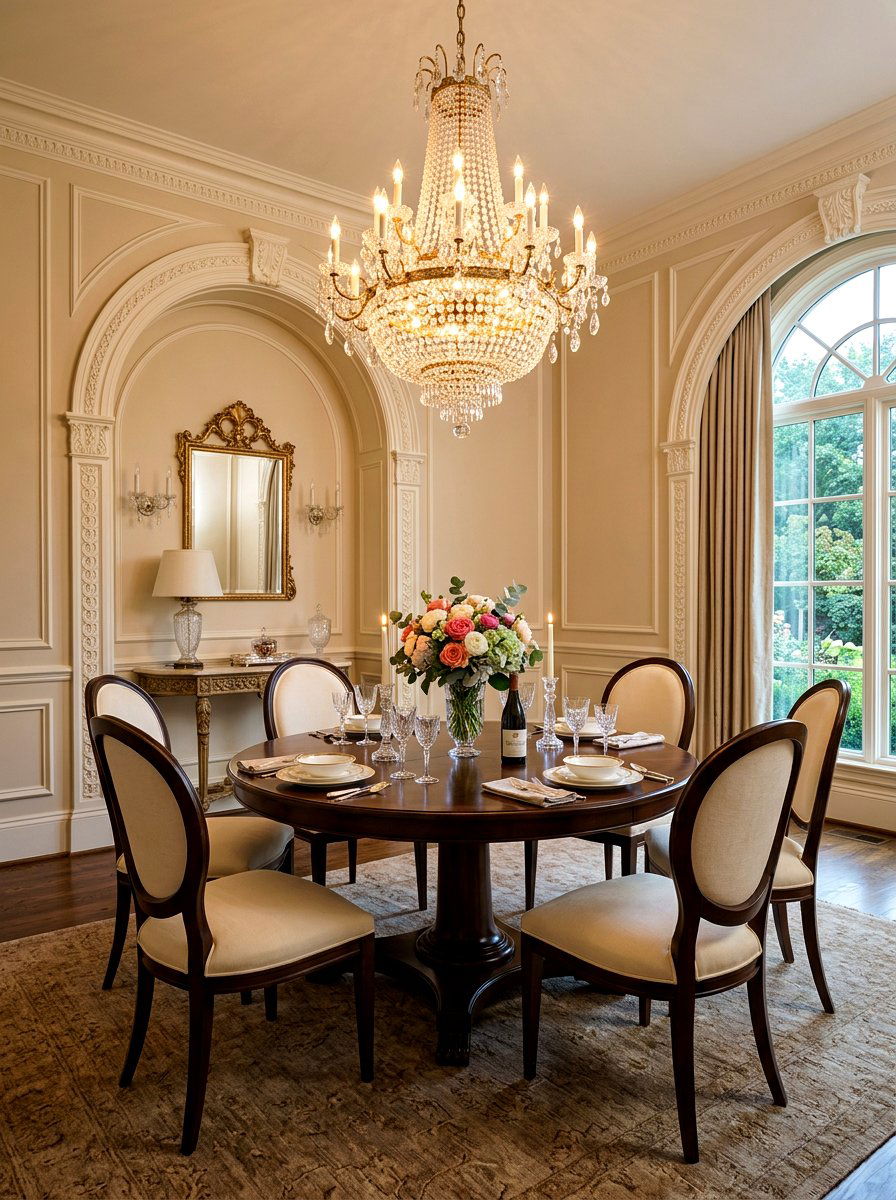
Arched wall molding design is a unique way to soften the sharp corners and straight lines typically found in a dining room. By using flexible trim or custom-cut pieces, you can create elegant curved frames on the walls that mimic the look of classic Mediterranean or European architecture. These arches add a sense of grace and fluidity to the space, making it feel more romantic and high-end. They are particularly effective when used to frame a large piece of art or a beautiful buffet table. The curved lines draw the eye upward in a gentle way, providing a sophisticated alternative to the standard rectangular molding patterns found in most homes.
14. Thin minimalist wall trim
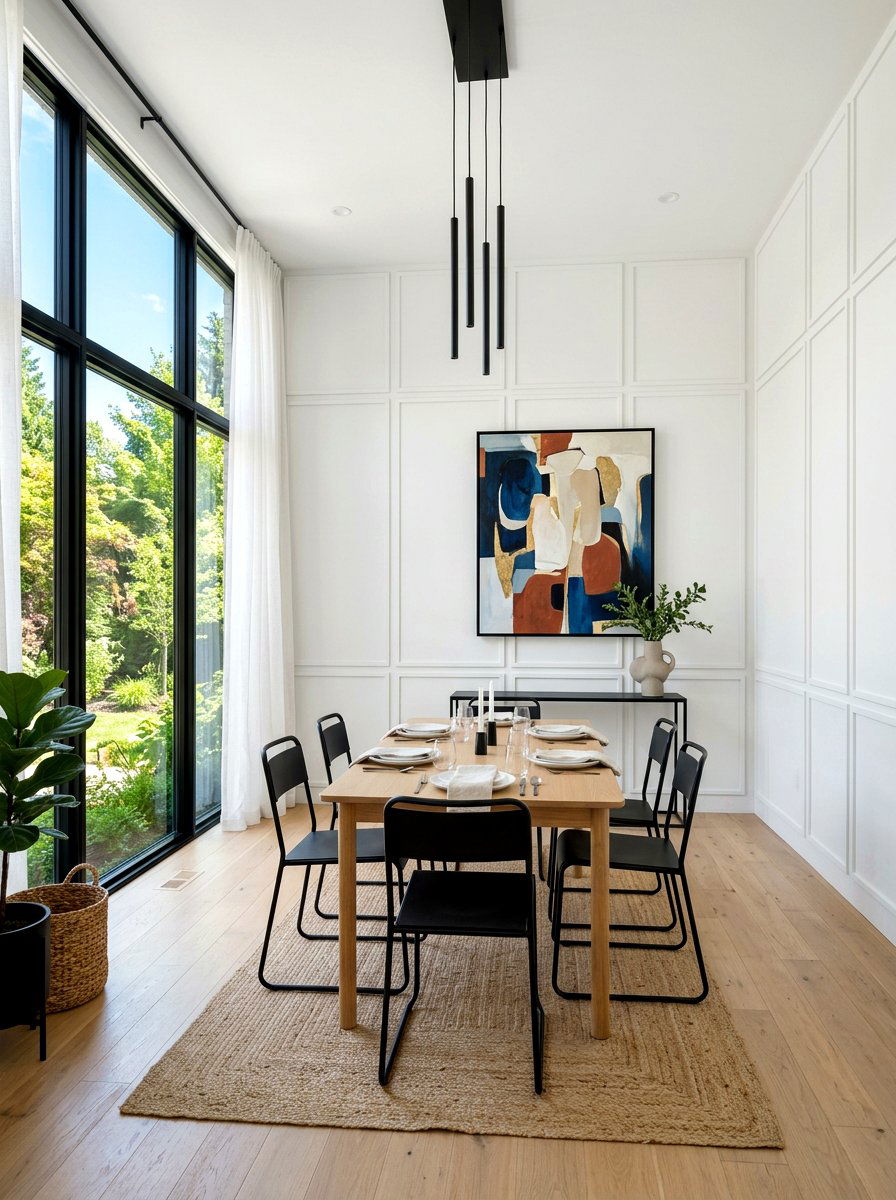
Thin minimalist wall trim is perfect for modern homeowners who want just a hint of architectural detail without any unnecessary clutter. This style uses the thinnest possible wooden or composite strips to create large, simple boxes across the walls. The goal is to create a very subtle texture that only becomes apparent as the light shifts throughout the day. When painted the same color as the wall in a flat or eggshell finish, it provides a very "quiet luxury" aesthetic. It doesn't compete with your furniture or lighting but instead offers a refined structure that makes the room feel finished and professionally designed in a modern way.
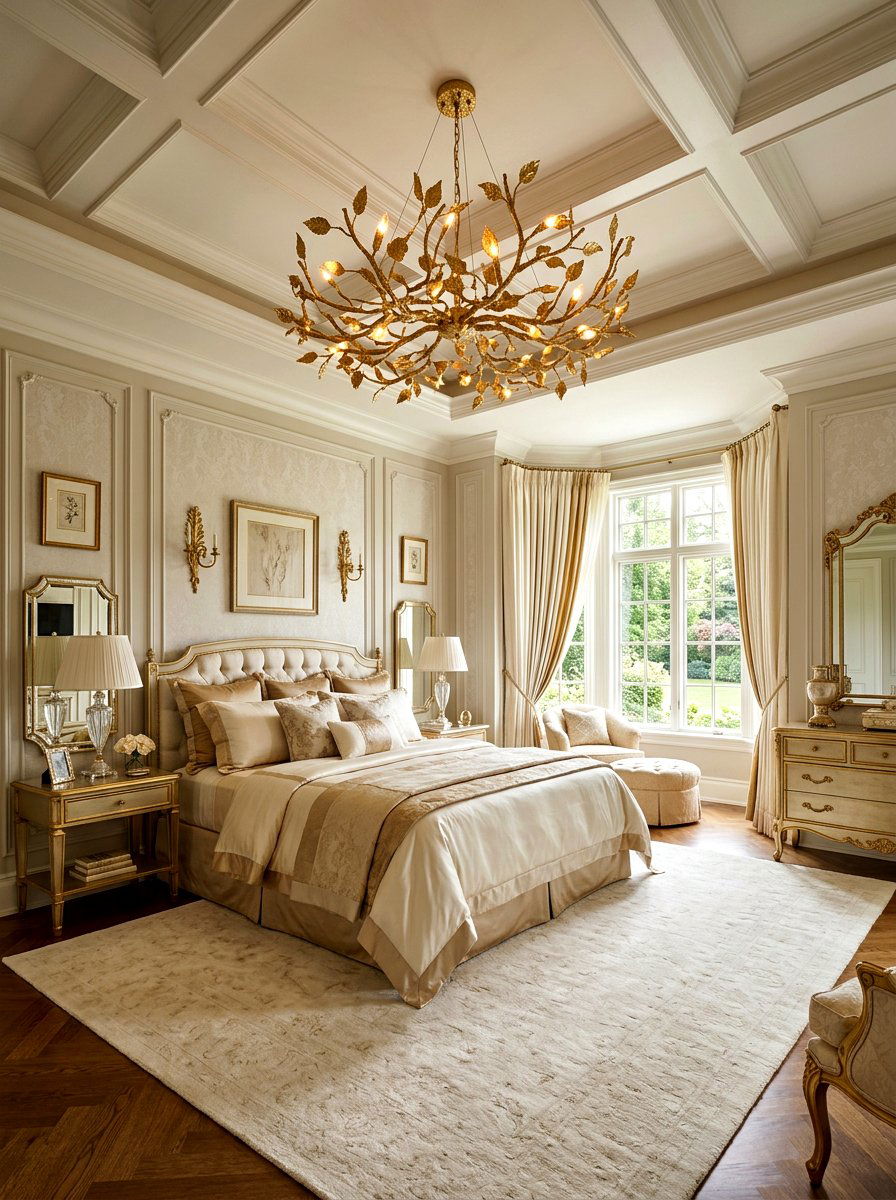
15. Contrasting color chair rail
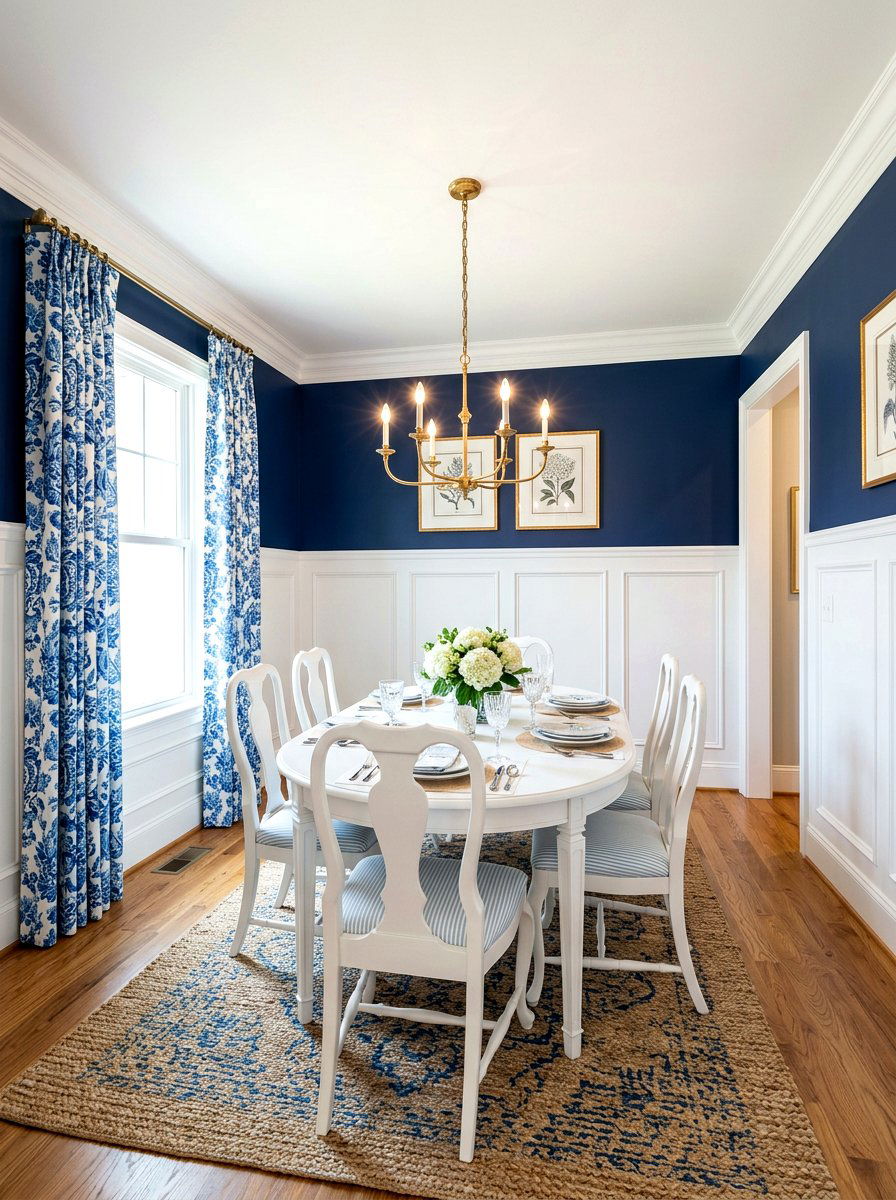
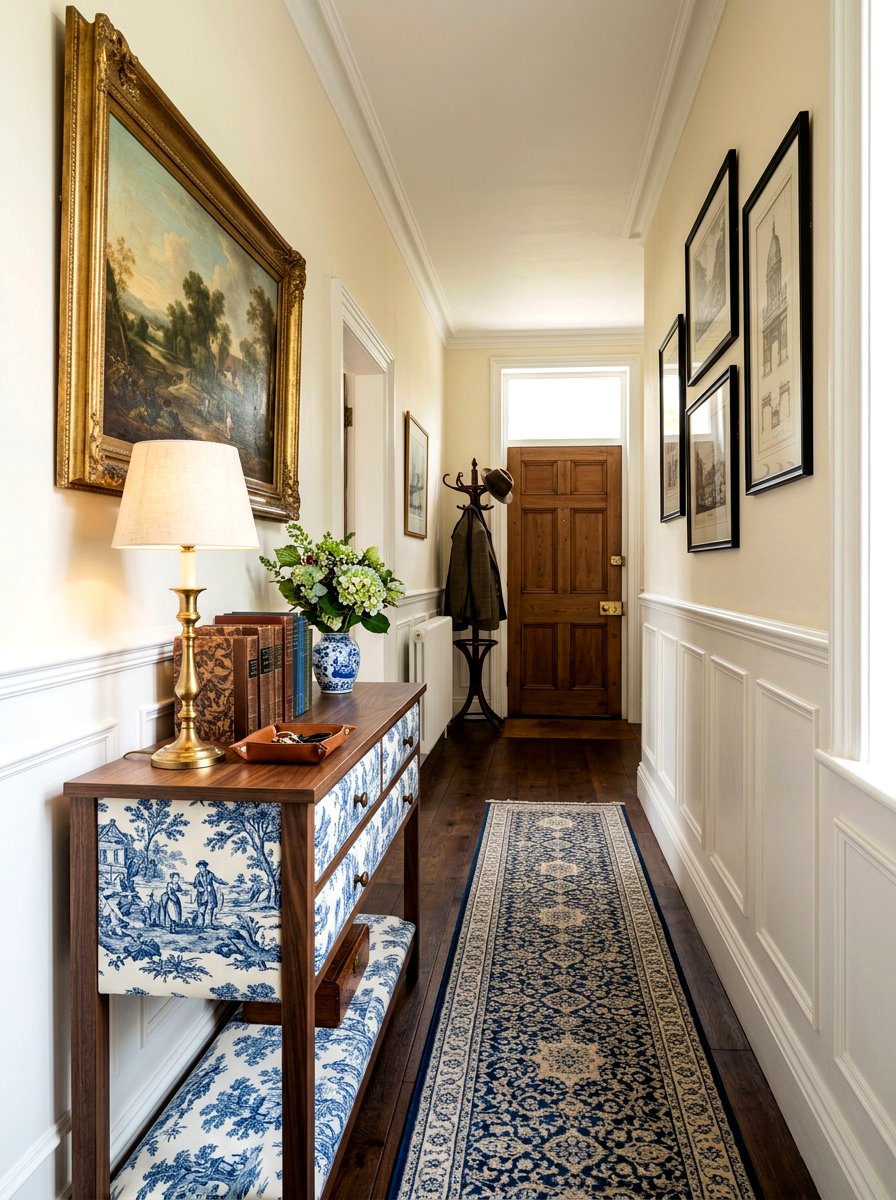
A contrasting color chair rail is a simple yet high-impact molding idea that can completely redefine your dining room's color palette. A chair rail is a horizontal piece of molding installed about one-third of the way up the wall. By painting the molding and the area below it a different color than the wall above, you create a sharp, intentional division. For example, a crisp white rail with a deep navy bottom and a light gray top creates a very tailored and preppy look. It is an affordable way to introduce multiple colors into a room while maintaining a sense of balance, order, and traditional architectural charm.
16. Ornate Victorian wall panels
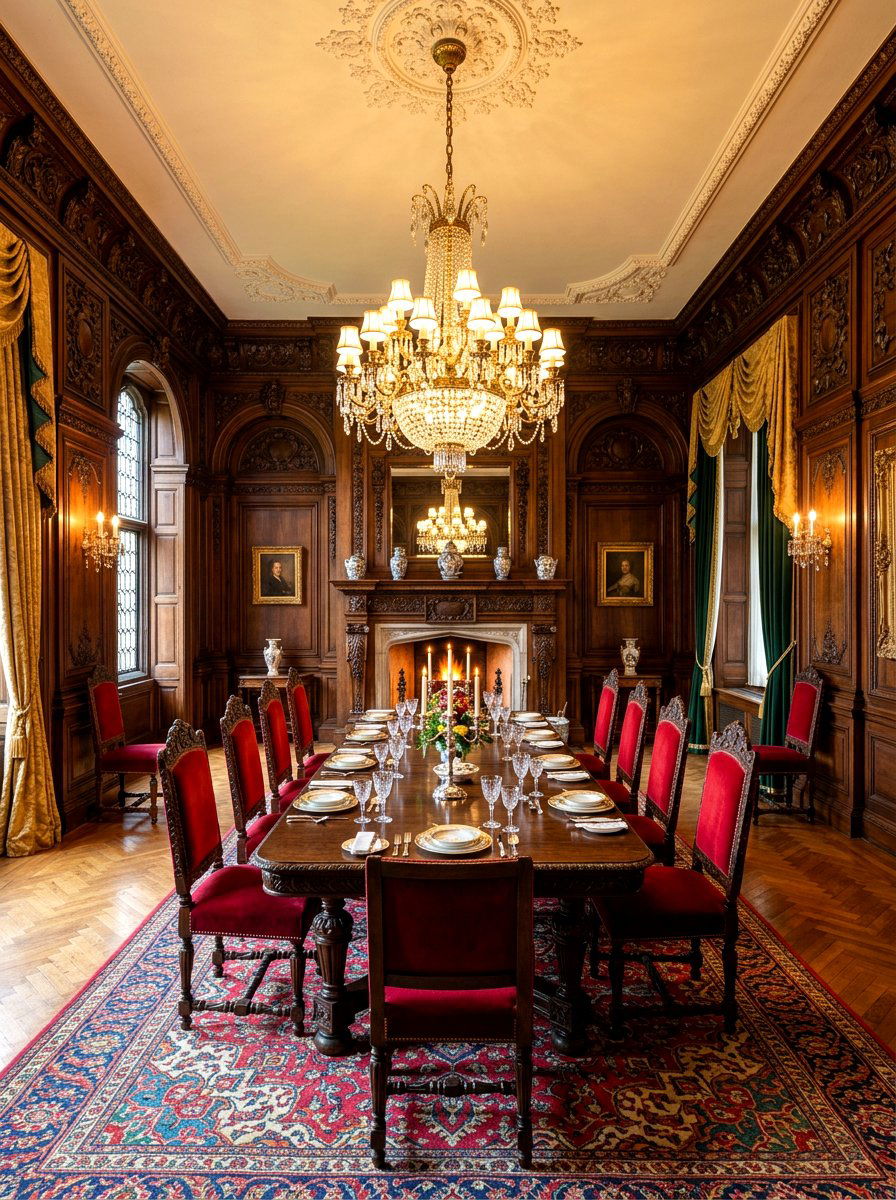
Ornate Victorian wall panels are the ultimate choice for a truly formal and historic dining room feel. This style involves using decorative trim with intricate carvings, scrolls, or floral patterns to create elaborate wall sections. It often includes a combination of a decorated baseboard, raised panels, and a very detailed crown molding at the top. This look works best in older homes with high ceilings where the architectural "weight" of the molding feels appropriate. When painted in a soft ivory or a muted pastel, the details of the carvings are highlighted by the light, creating a space that feels like a grand dining hall from a bygone era.
17. Horizontal shiplap wall molding
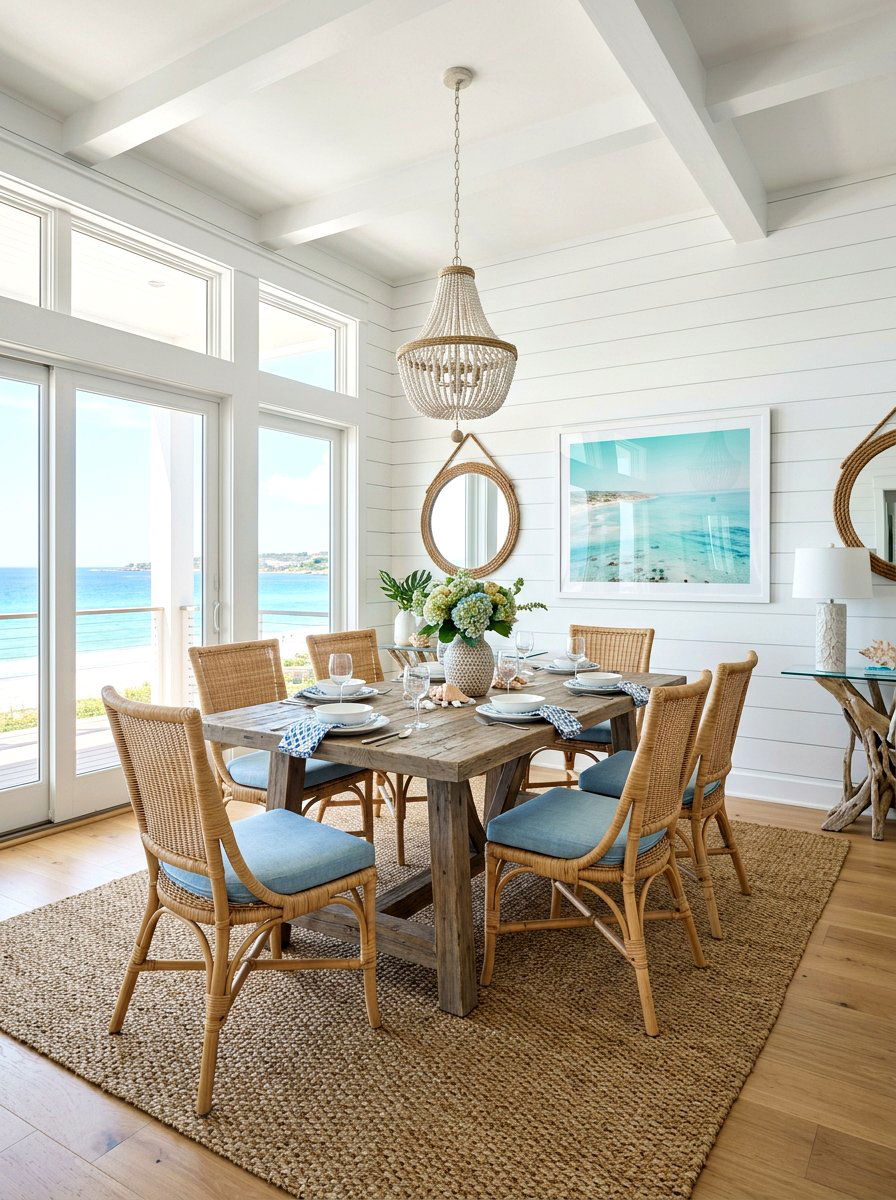
Horizontal shiplap wall molding provides a clean and breezy look that is synonymous with coastal and modern farmhouse design. These long, overlapping wooden planks create horizontal lines that can help a narrow dining room feel much wider and more spacious. While often associated with casual spaces, shiplap can be made to look very sophisticated when painted in a dark charcoal or a crisp, satin white. It adds a wonderful amount of texture to the walls without being overly fussy or formal. It is a great way to hide wall imperfections while giving the entire room a structured, handcrafted appearance that feels very fresh and inviting.
18. Beige transition wall molding
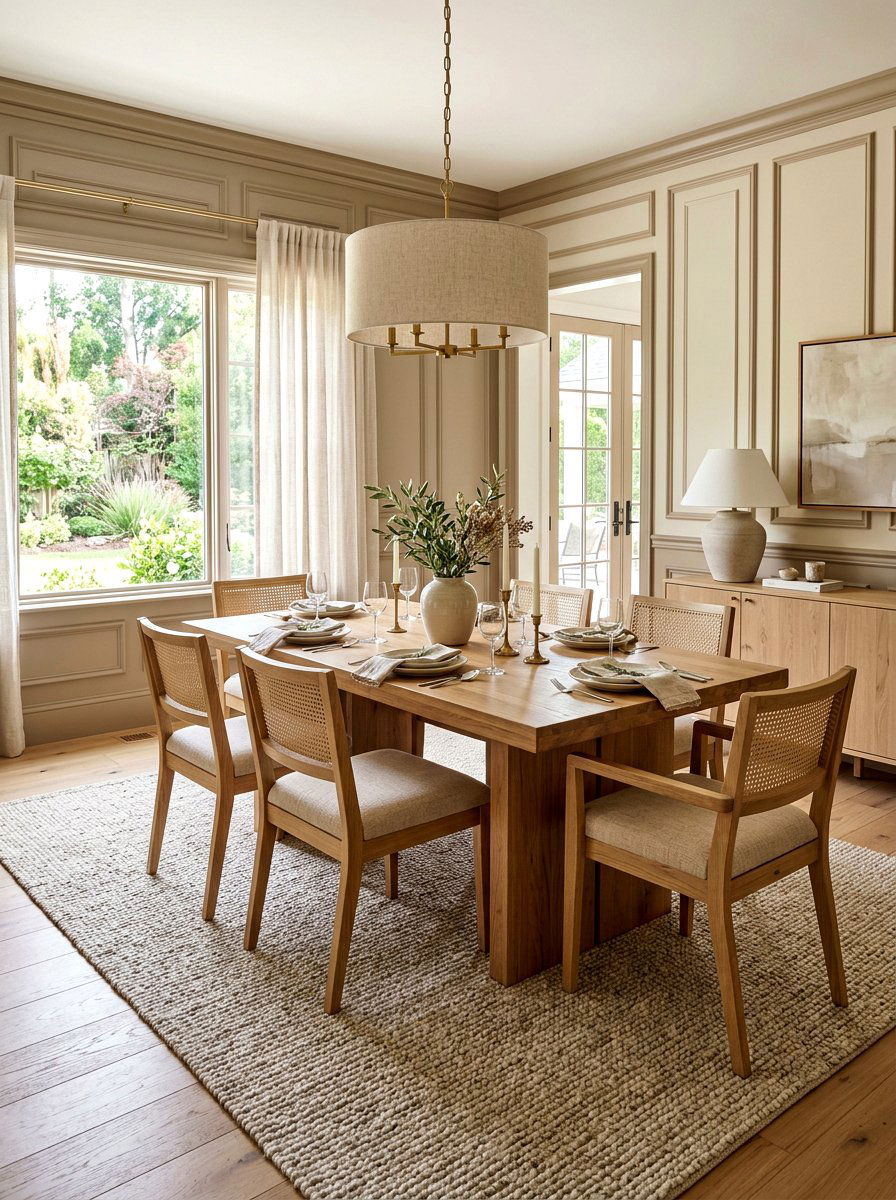
Beige transition wall molding is an excellent way to use a neutral color palette to create a sophisticated and warm environment. Using various shades of beige, sand, and taupe on different sections of molding creates a "tone-on-tone" look that is very popular in high-end interior design. For example, you might have light beige walls with slightly darker taupe picture frame molding over them. This creates a soft, layered effect that feels incredibly calm and expensive. It is a perfect choice for those who find white too stark but want to keep their dining room feeling bright, light, and full of subtle architectural interest and warmth.
19. Painted wallpaper molding frames
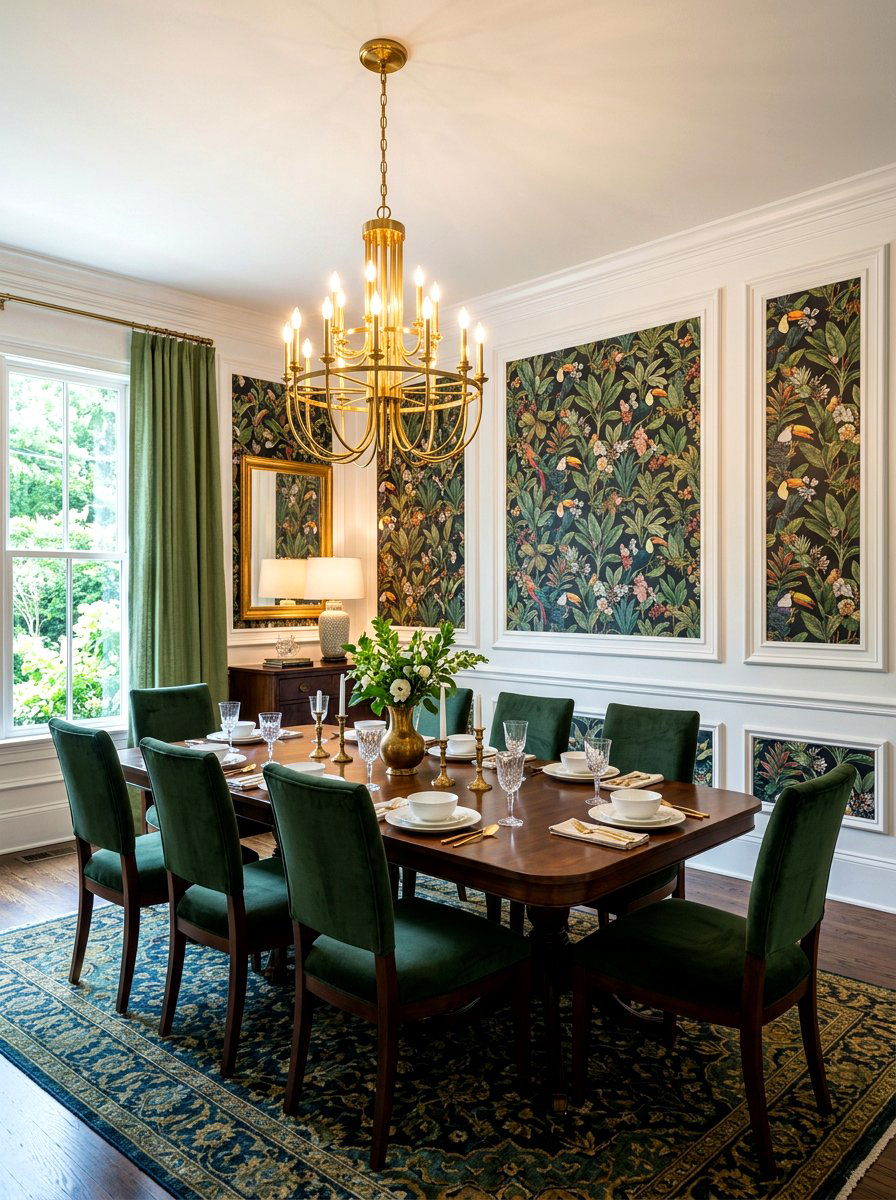
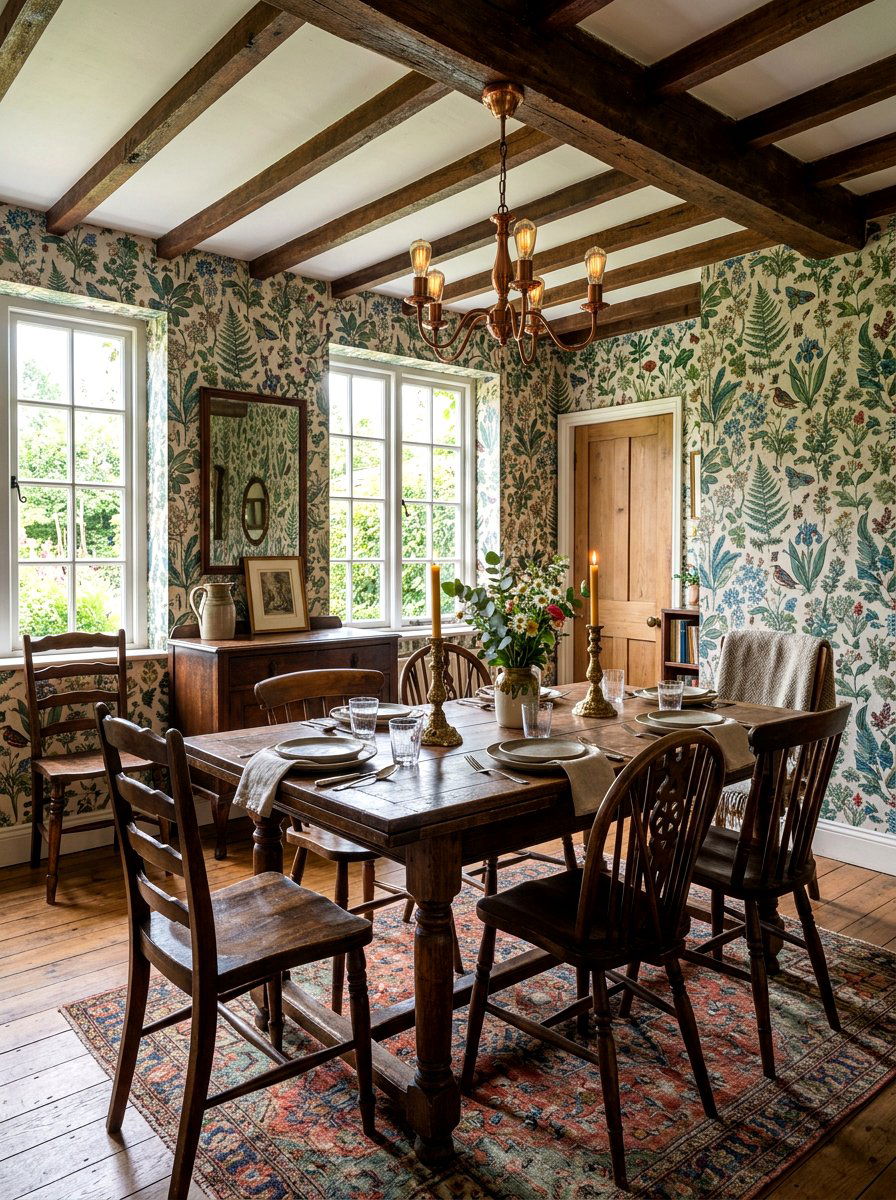
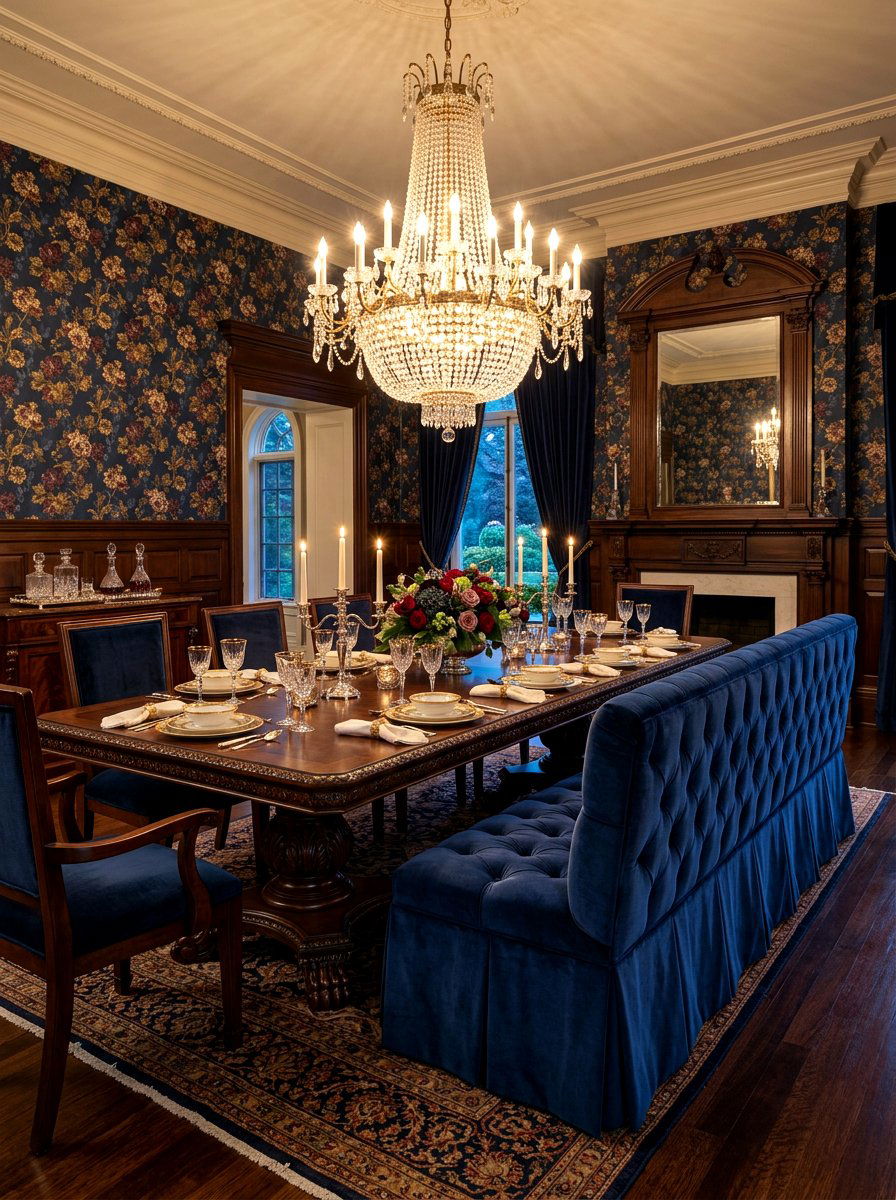
Painted wallpaper molding frames are a brilliant way to showcase beautiful patterns without overwhelming the entire dining room. This technique involves installing picture frame molding boxes and then applying a high-quality wallpaper only inside those frames. The molding acts like a literal frame for the paper, making it look like a series of custom art panels. This allows you to use bold or expensive wallpapers in a more controlled and affordable way. It adds a massive amount of personality and color to the room while keeping the design feeling organized and formal. It is an excellent way to tie in colors from your rug or upholstery.
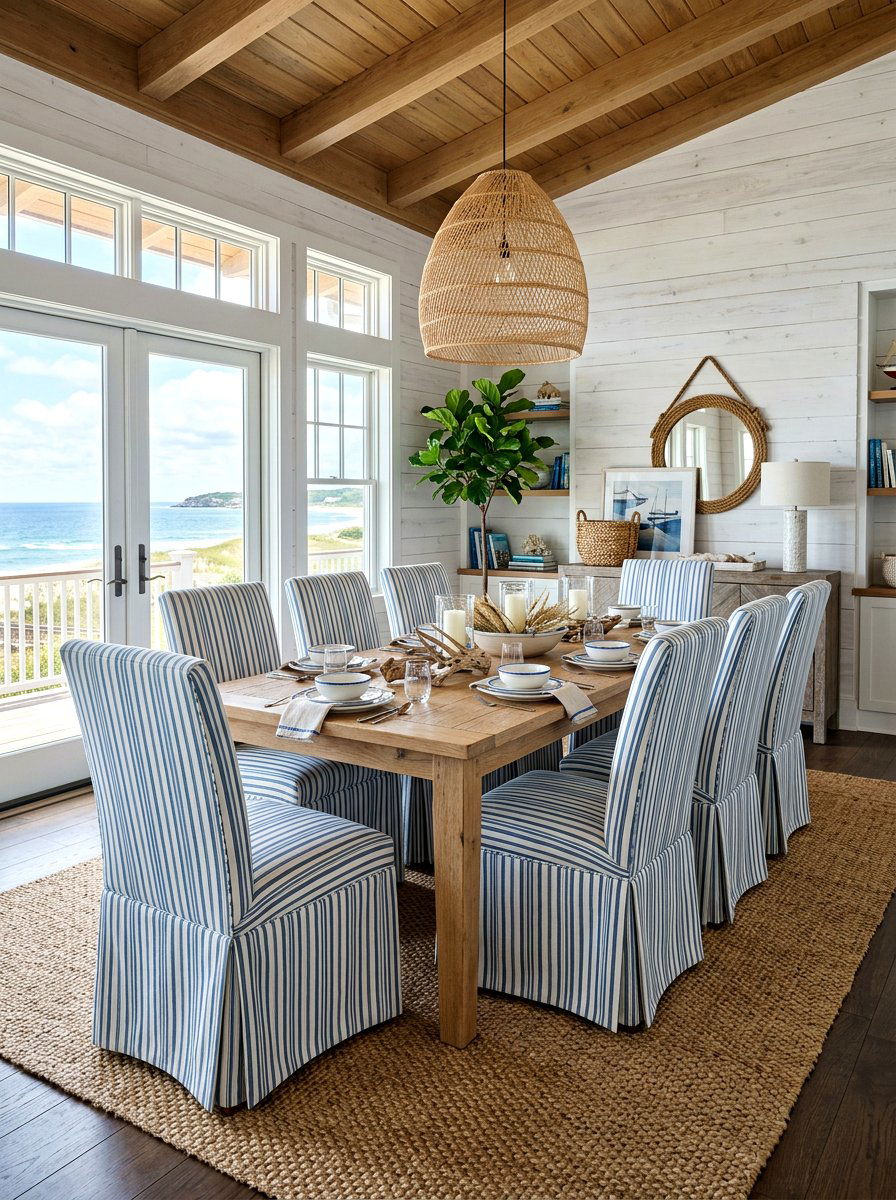
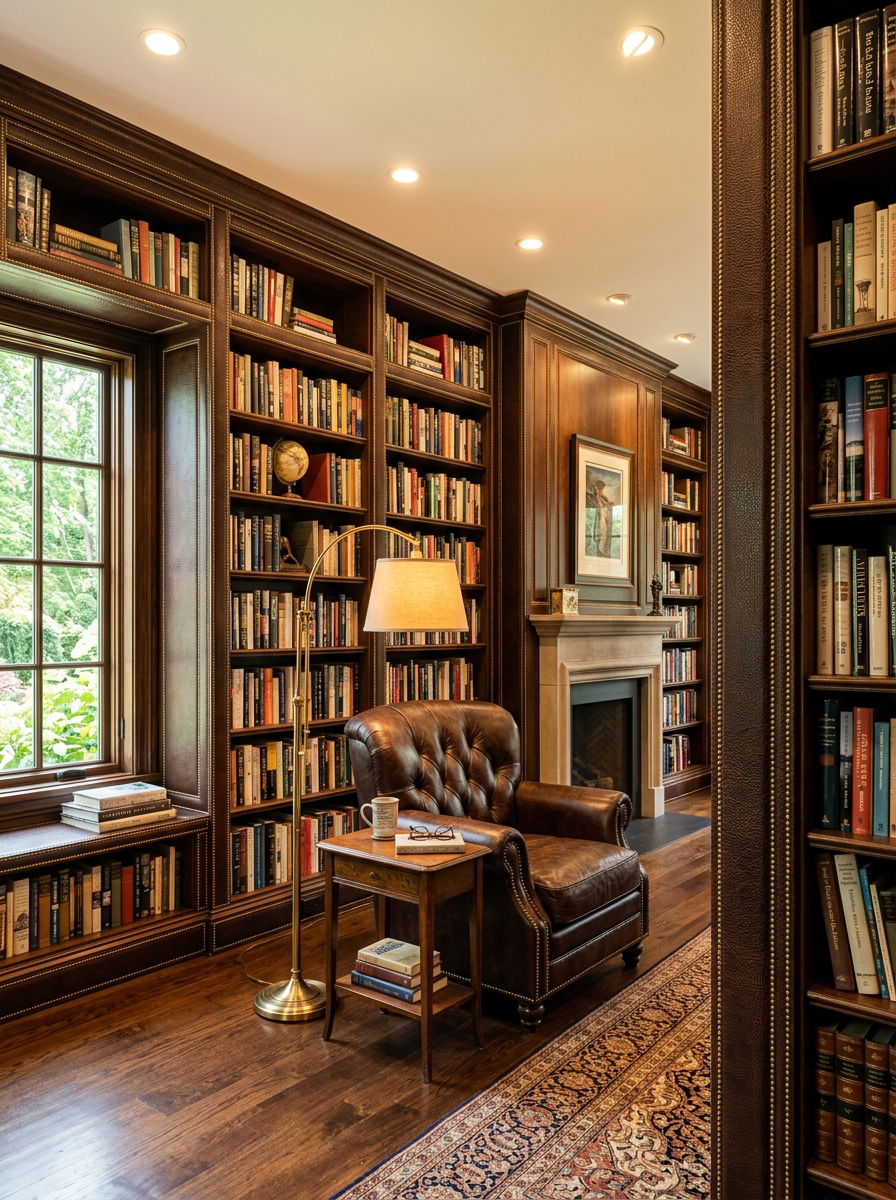
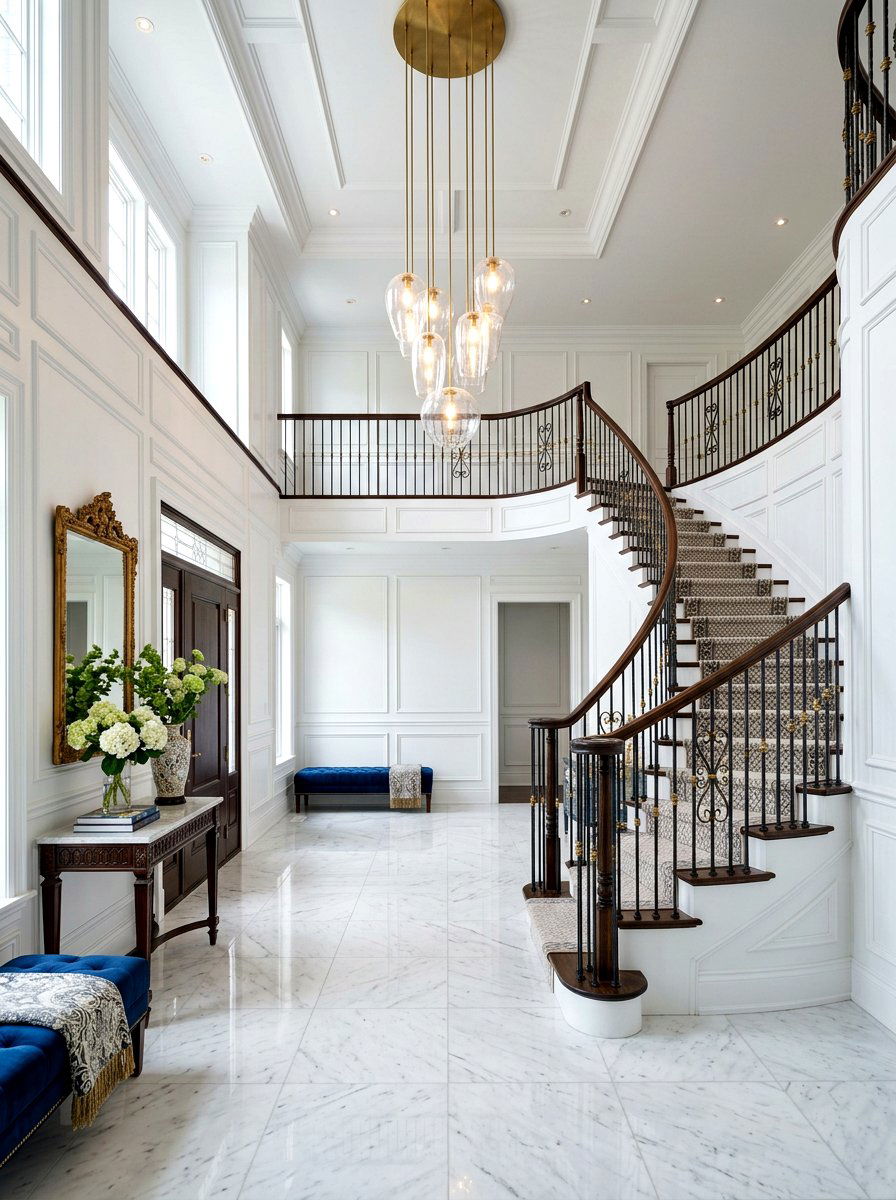
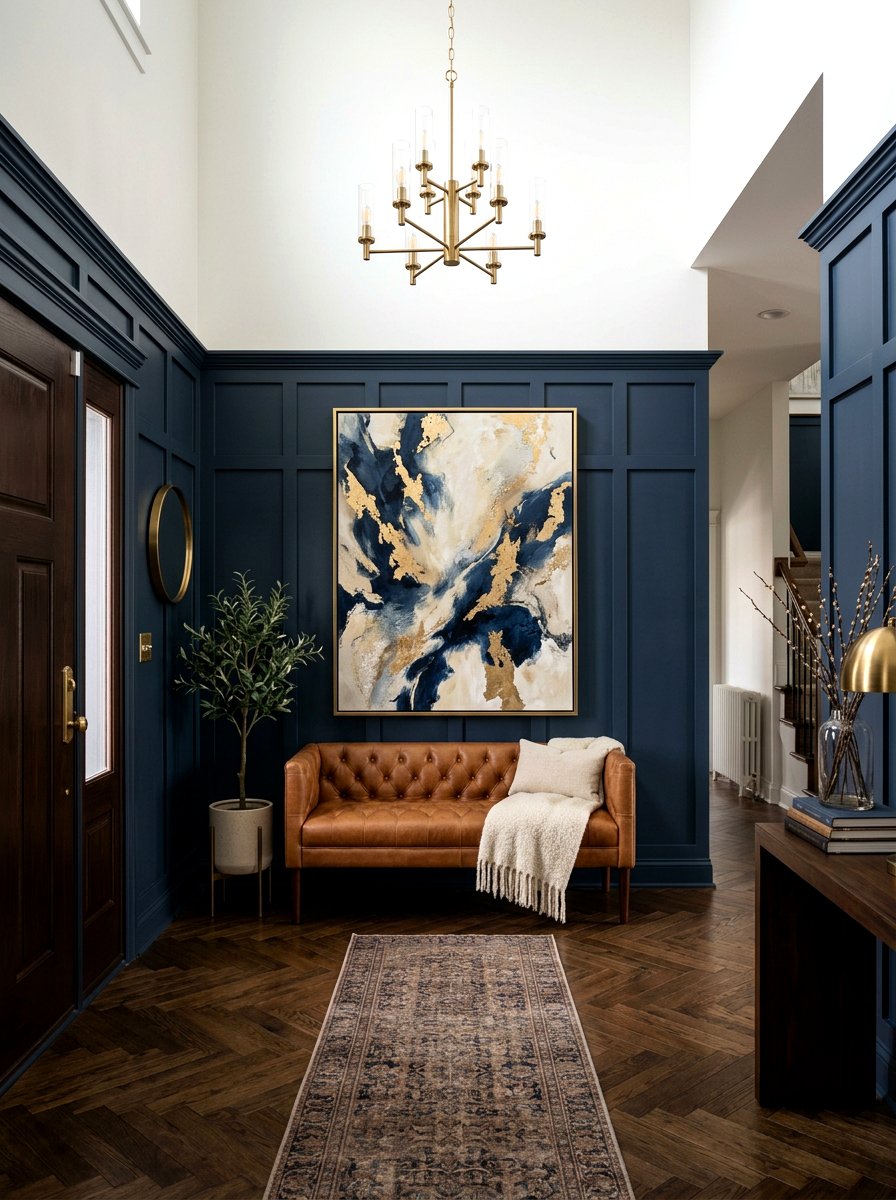
20. Square grid wall molding
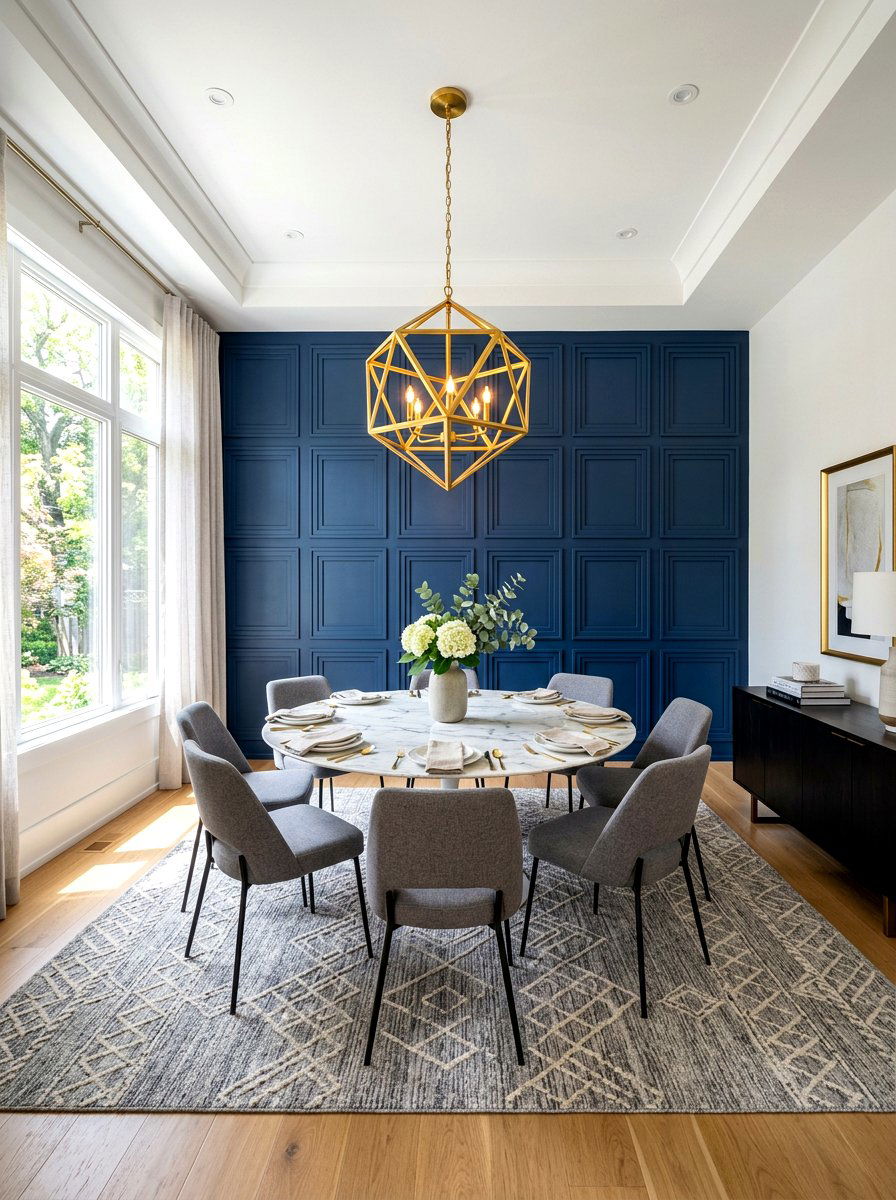
Square grid wall molding creates a very modern and structured look that is perfect for a feature wall in a dining room. This design involves creating a series of perfectly equal squares across the entire wall surface using flat trim. The resulting grid pattern is very satisfying to the eye and provides a strong sense of symmetry. It works particularly well in contemporary homes where you want a bold architectural feature that isn't overly traditional. Painting the entire grid a single bold color, like forest green or deep gray, creates a stunning backdrop that feels both architectural and artistic, providing a very clean and organized vibe.
21. Natural wood wall trim
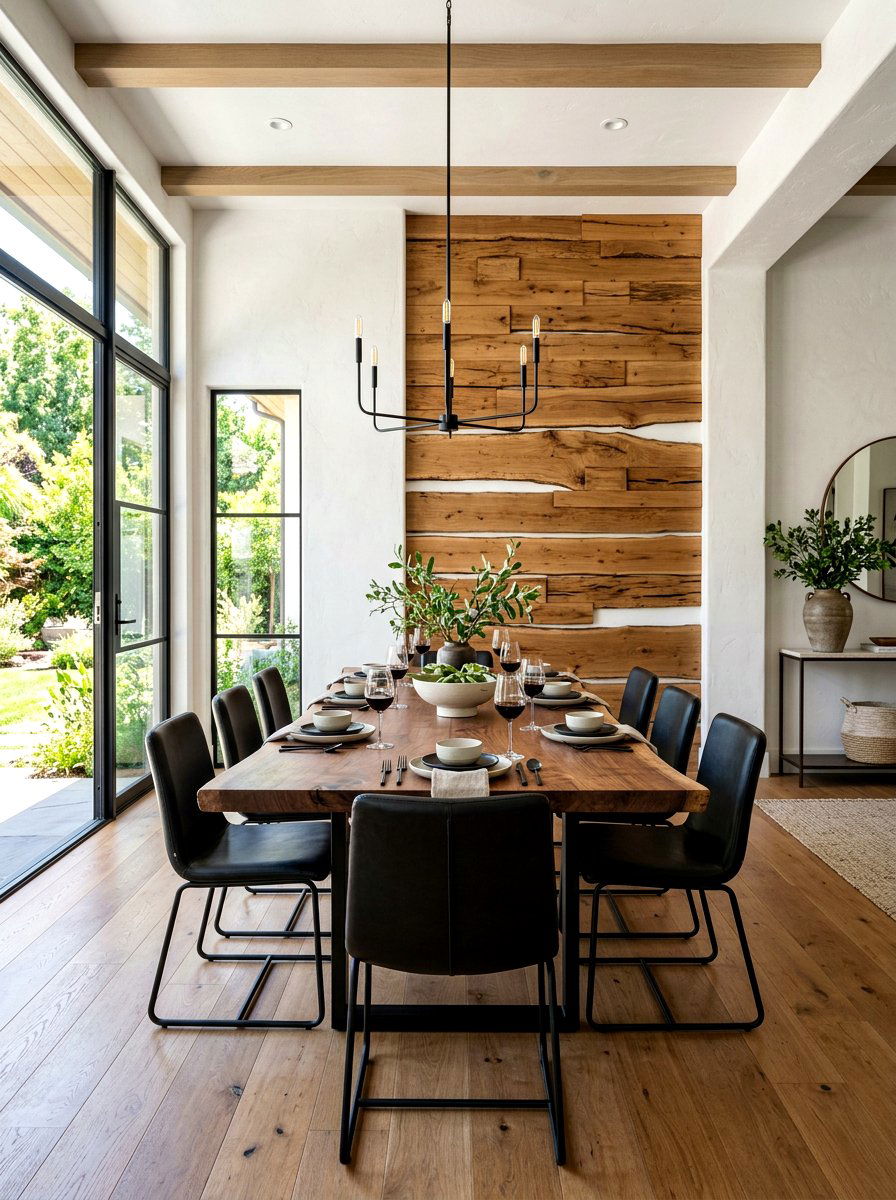
Natural wood wall trim is a fantastic way to bring warmth and a sense of craftsmanship into your dining space. Instead of painting the molding, you leave the wood grain exposed, perhaps finishing it with a clear coat or a light stain. This highlights the natural beauty of the material and creates a very cozy, organic feel. It works beautifully in mid-century modern or rustic contemporary homes where natural materials are the star of the show. The wood trim provides a nice contrast against light-colored plaster or drywall, making the architectural lines of the room stand out in a way that feels very grounded and authentic.
22. Light oak wall paneling
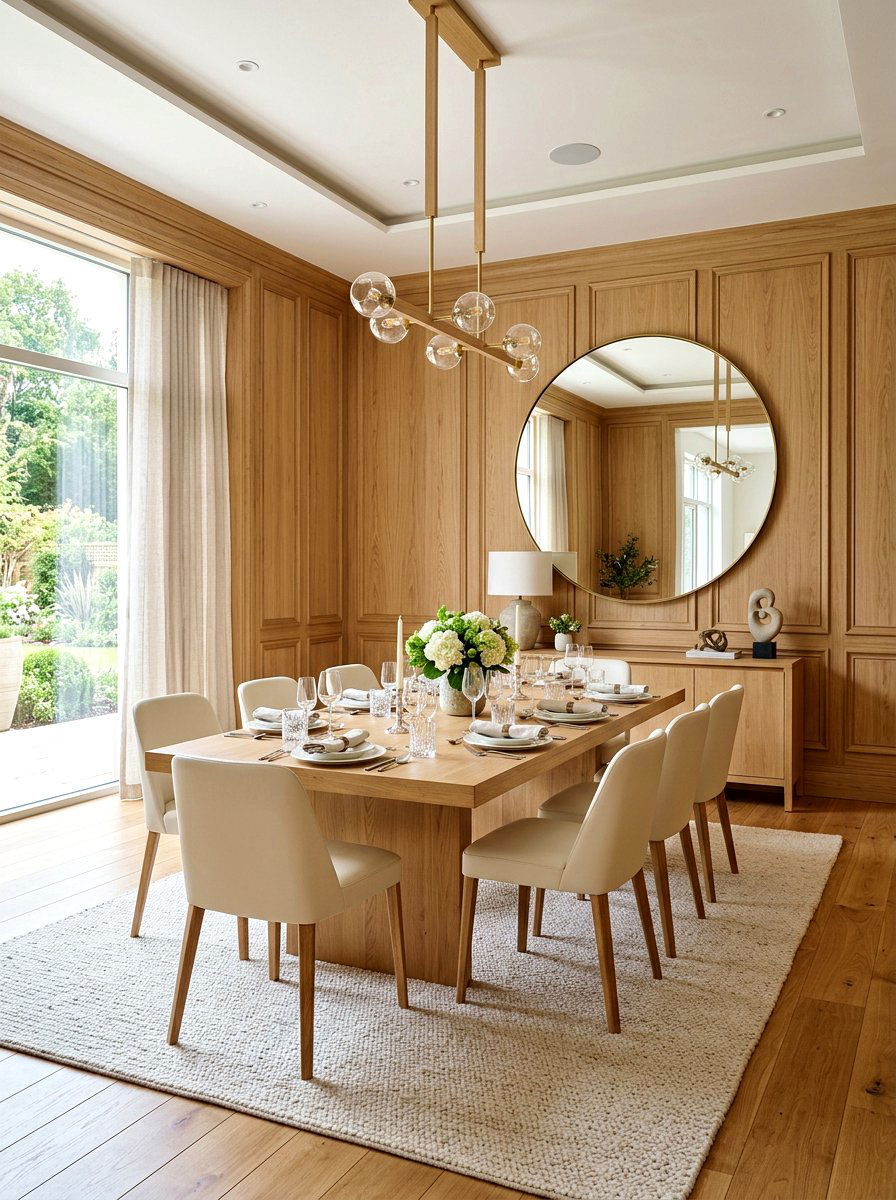
Light oak wall paneling is a sophisticated take on the wood-paneled rooms of the past, offering a much brighter and more modern aesthetic. Using wide, flat panels of light-colored oak creates a seamless and high-end look that feels very Scandinavian or "warm minimalist. " This type of molding usually covers the entire wall, providing a consistent texture and color that makes the room feel like a custom-built sanctuary. The light wood tone keeps the space feeling airy and large, while the grain of the oak adds a subtle, natural pattern. It is an investment that adds significant value and a very upscale, professional feel to your home.
23. Charcoal gray wall molding
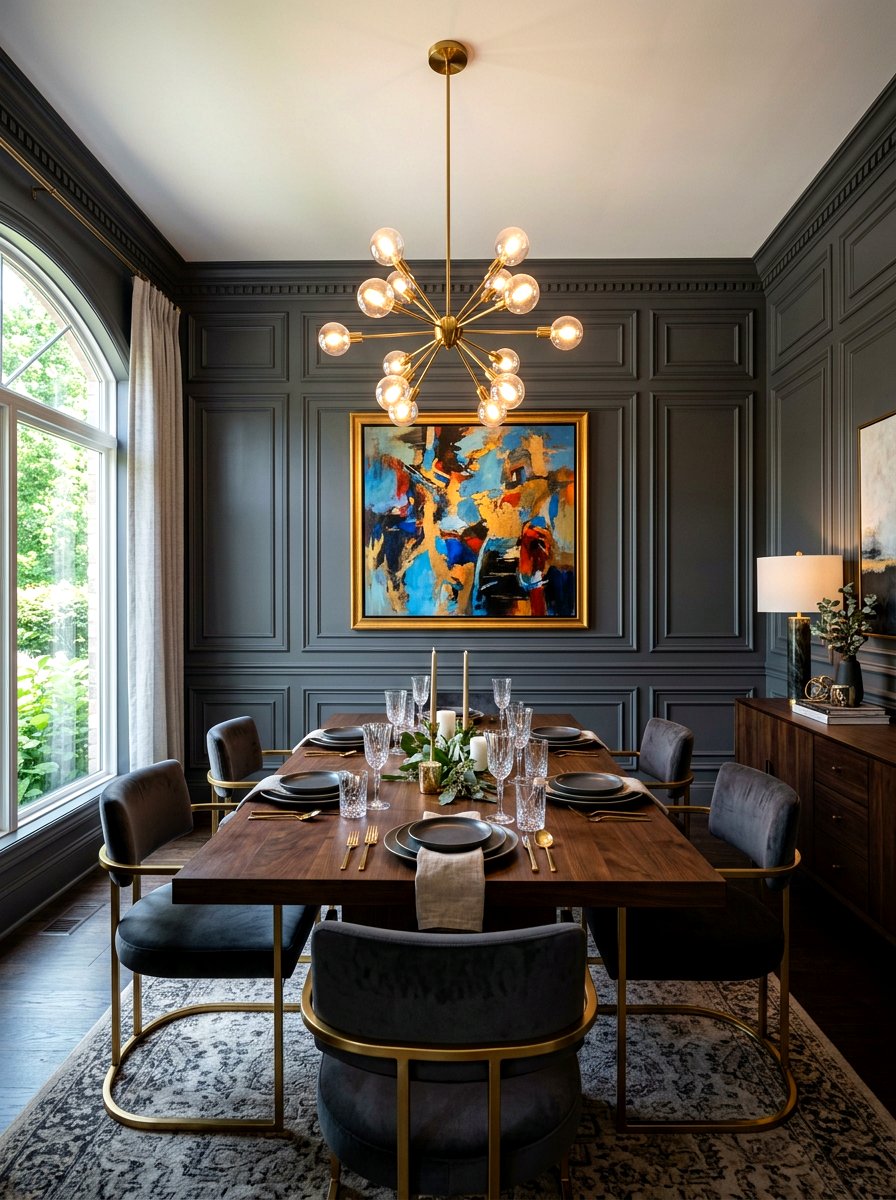
Charcoal gray wall molding is a moody and incredibly chic option for a modern dining room. This deep, dark gray functions almost as a neutral, allowing you to pair it with nearly any other color while still providing a lot of visual "weight. " When you apply picture frame or board and batten molding and paint it in a charcoal matte finish, the room instantly feels more intimate and expensive. It is the perfect choice for a room used primarily for evening entertaining, as the dark walls create a cozy atmosphere under dim lighting. It looks particularly stunning when paired with light oak floors and white marble accents.
24. Built in mirror wall molding
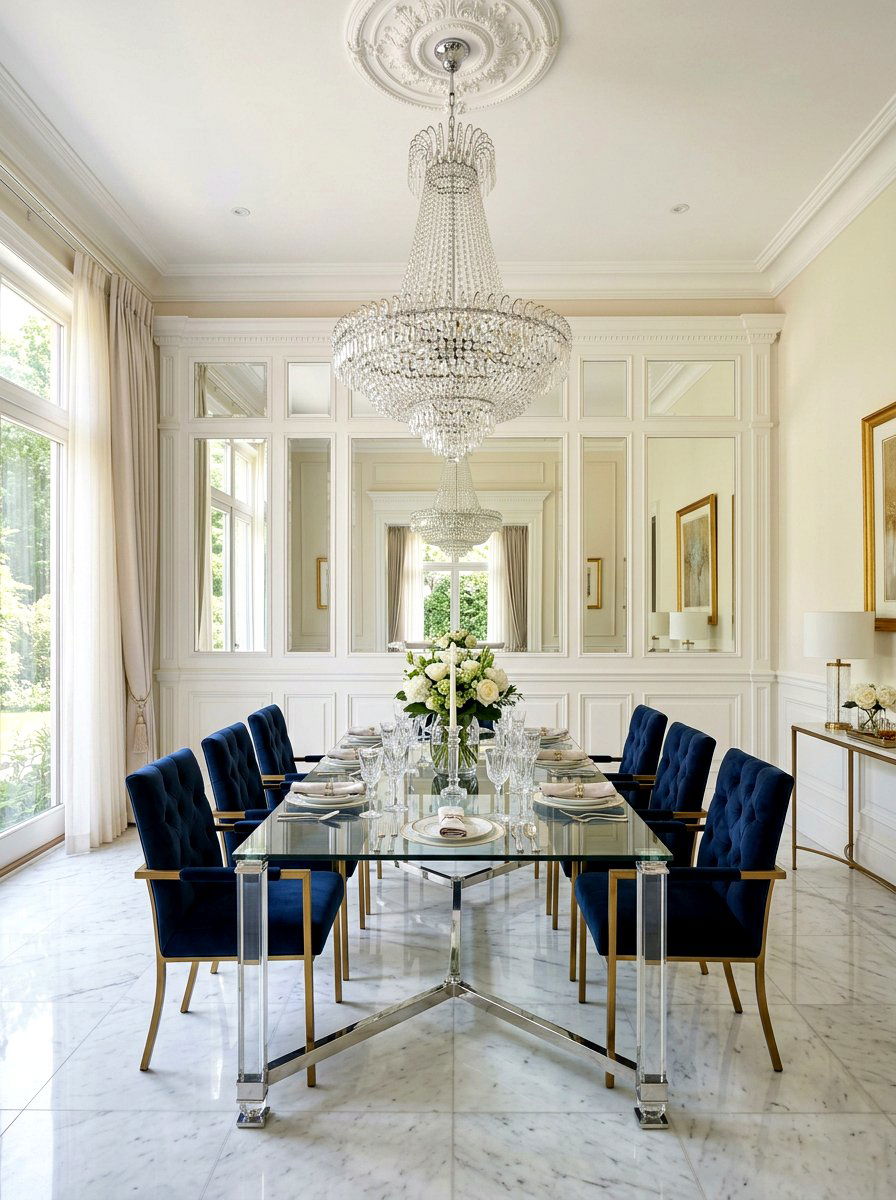
Built in mirror wall molding is a classic designer trick used to make a dining room appear twice its actual size. This involves creating large molding frames on a focal wall and installing custom-cut mirrors inside the boxes. The molding makes the mirrors look like an intentional part of the home's architecture rather than just hanging decor. This setup reflects light from chandeliers and windows, brightening the entire space and adding a massive amount of glamour. It is a very formal look that works perfectly in traditional or Hollywood Regency style homes, creating a bright, sparkling environment that is perfect for hosting large dinner parties.
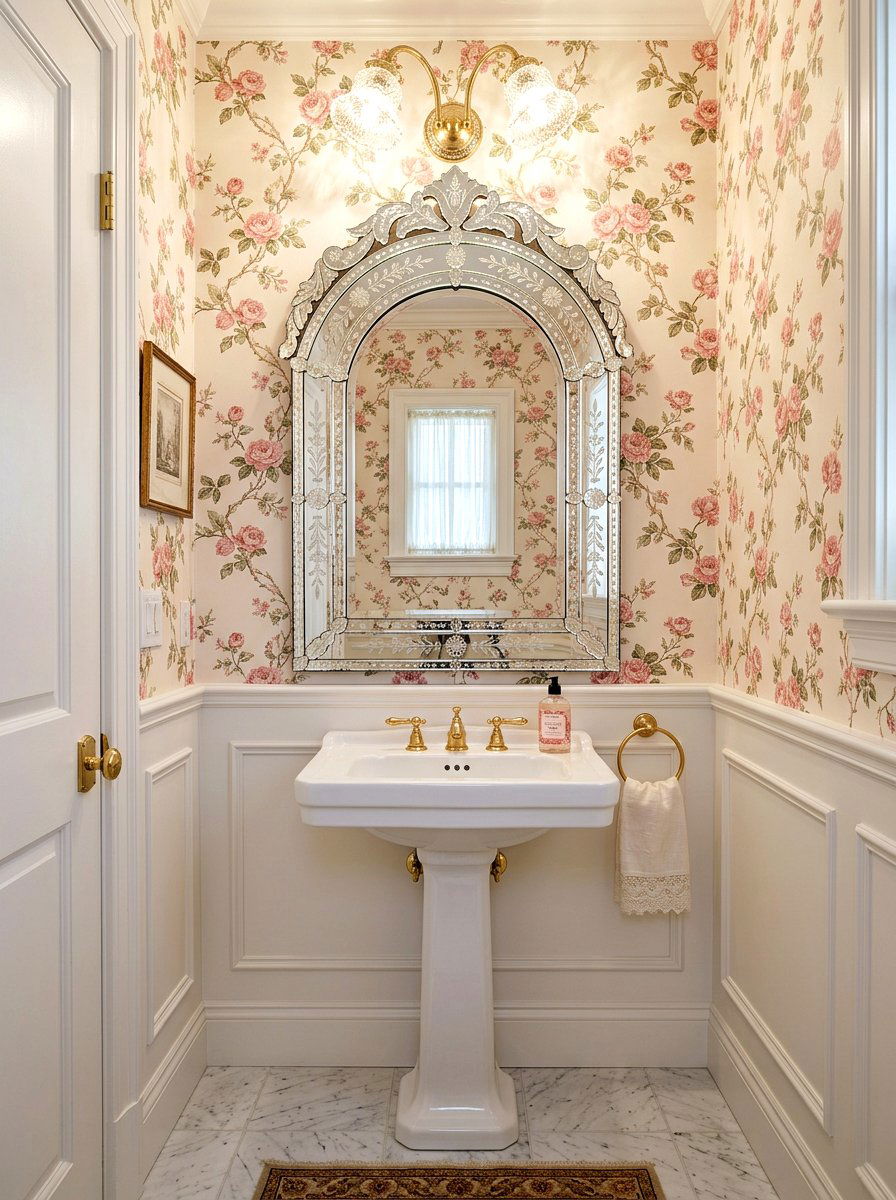
25. Two tone dining room walls
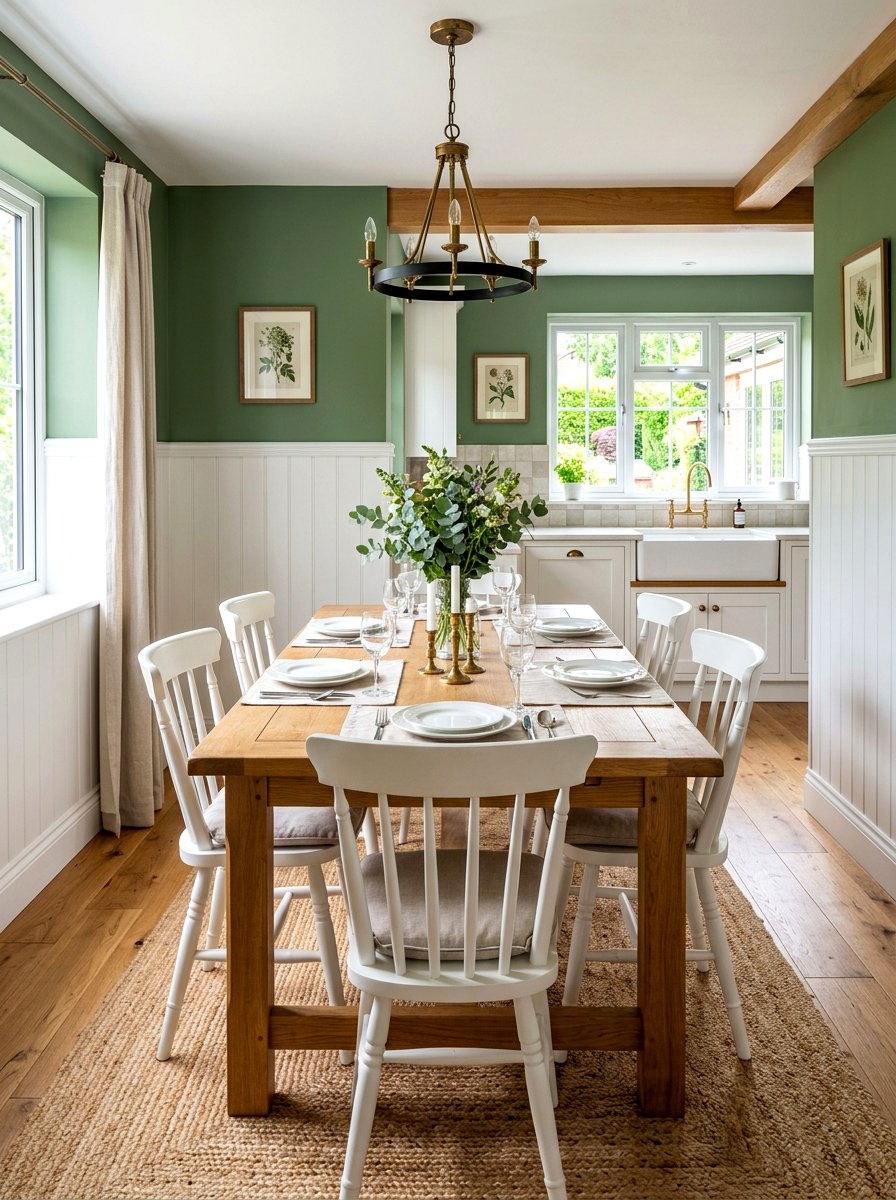
Two tone dining room walls using molding are a great way to add visual variety and architectural structure to a flat room. This usually involves a chair rail or wainscoting where the top and bottom sections are painted in different, but complementary, colors. For a classic look, you might choose a crisp white for the bottom molding and a soft sage green for the top wall. This division makes the room feel more organized and allows you to play with color without it feeling overwhelming. The molding serves as the perfect transition piece, making the color change look intentional, professional, and very well-planned for a stylish home.
26. Intricate ceiling and wall molding
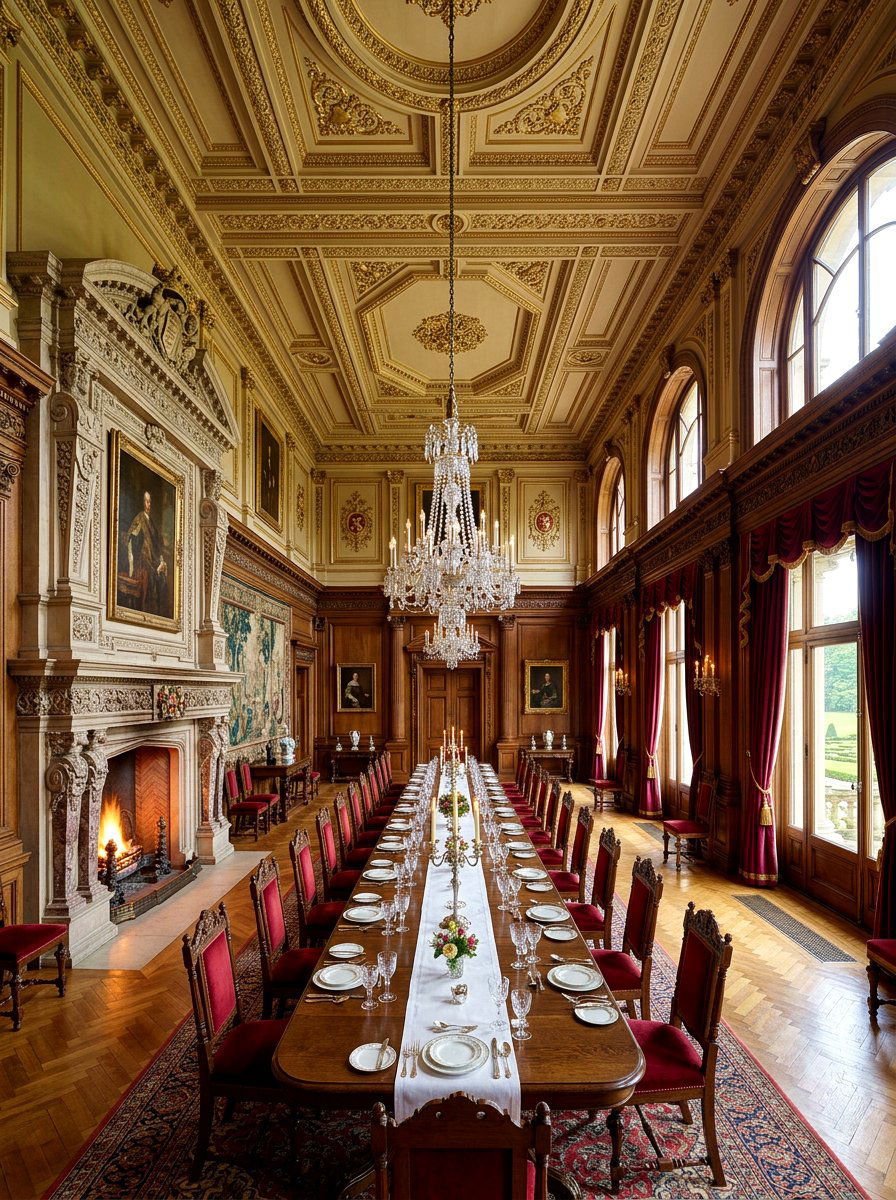
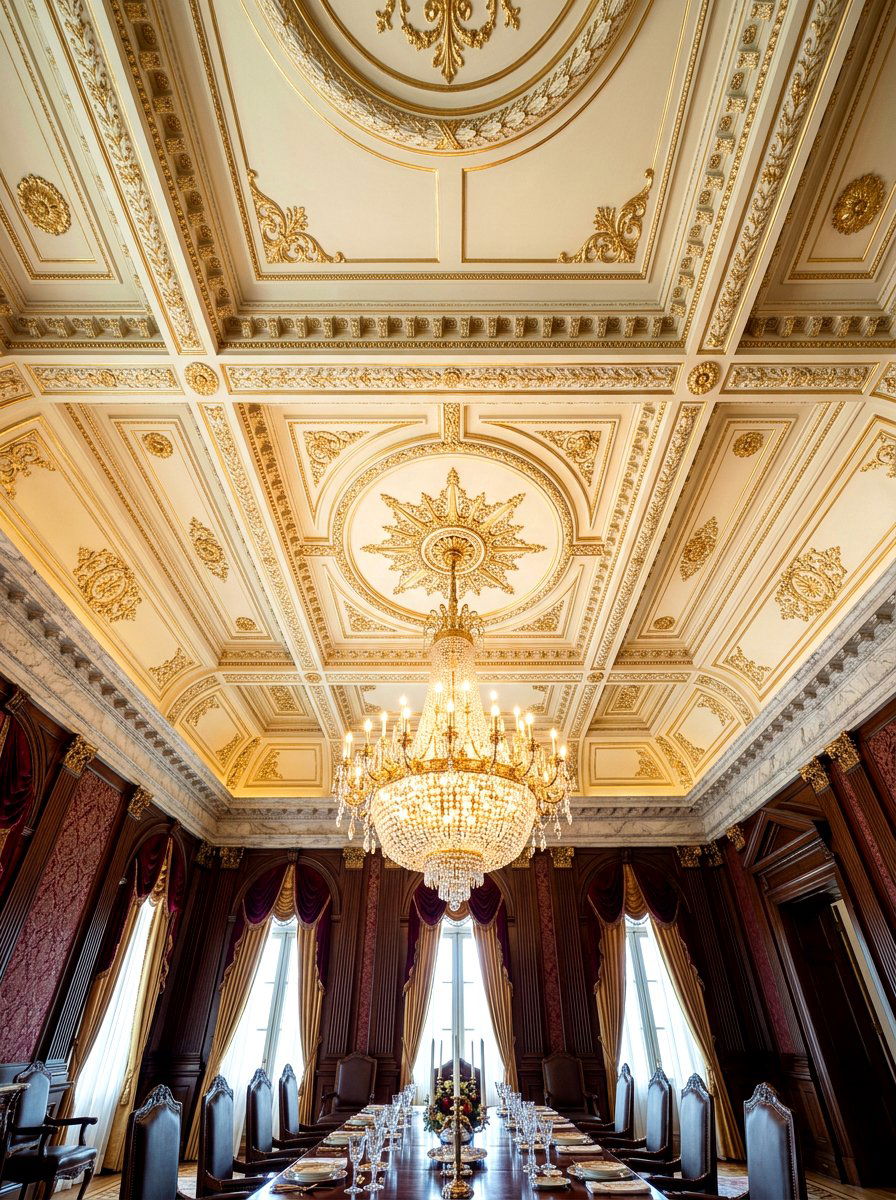
Intricate ceiling and wall molding takes architectural detail to the next level by connecting the wall trim directly to the ceiling design. This can include "picture framing" the ceiling itself or using extra-wide crown molding that bleeds down into the wall panels. This create a seamless, "wrapped" look that makes the dining room feel like a grand historical library or a luxury hotel suite. It is a very high-end approach that requires careful planning and installation. When the walls and ceiling are unified by matching molding, the entire room feels incredibly cohesive, providing a level of detail that is sure to impress any guest.
27. Industrial style wall molding
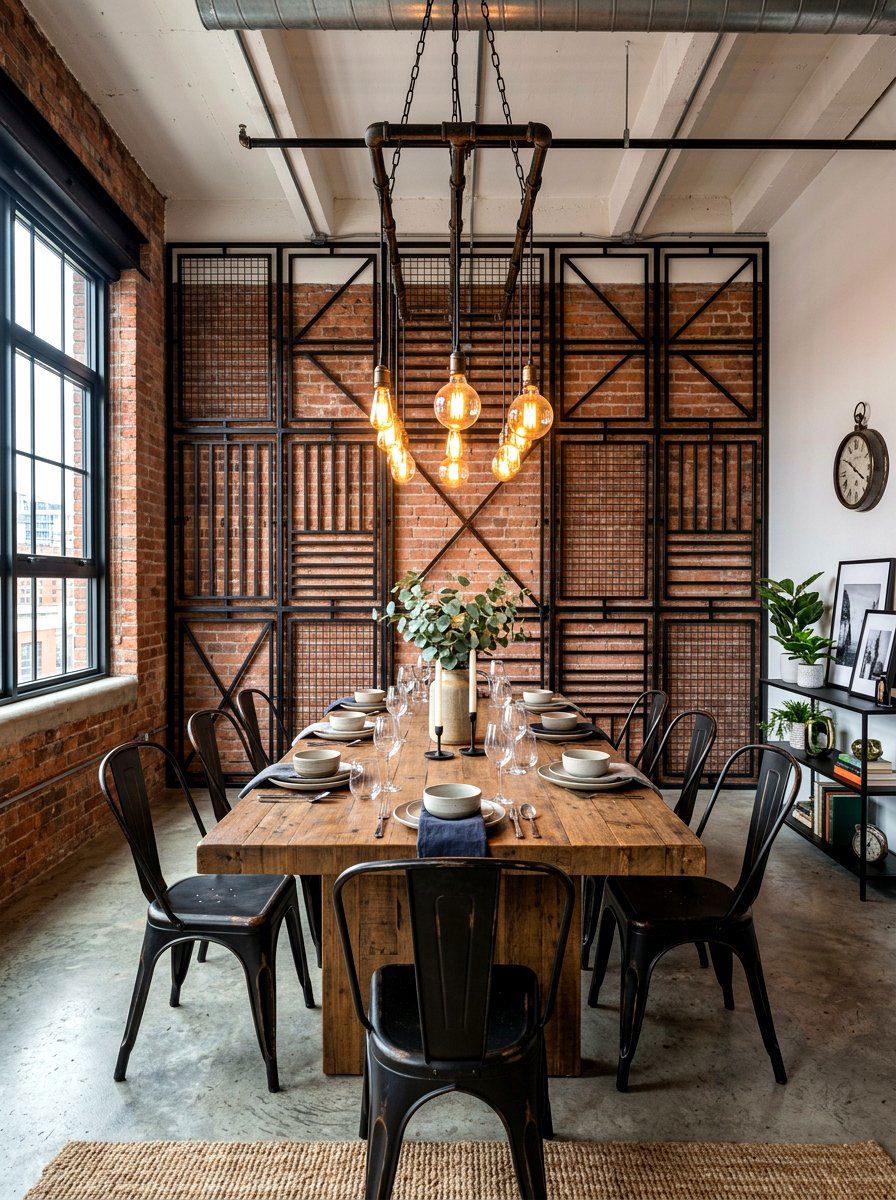
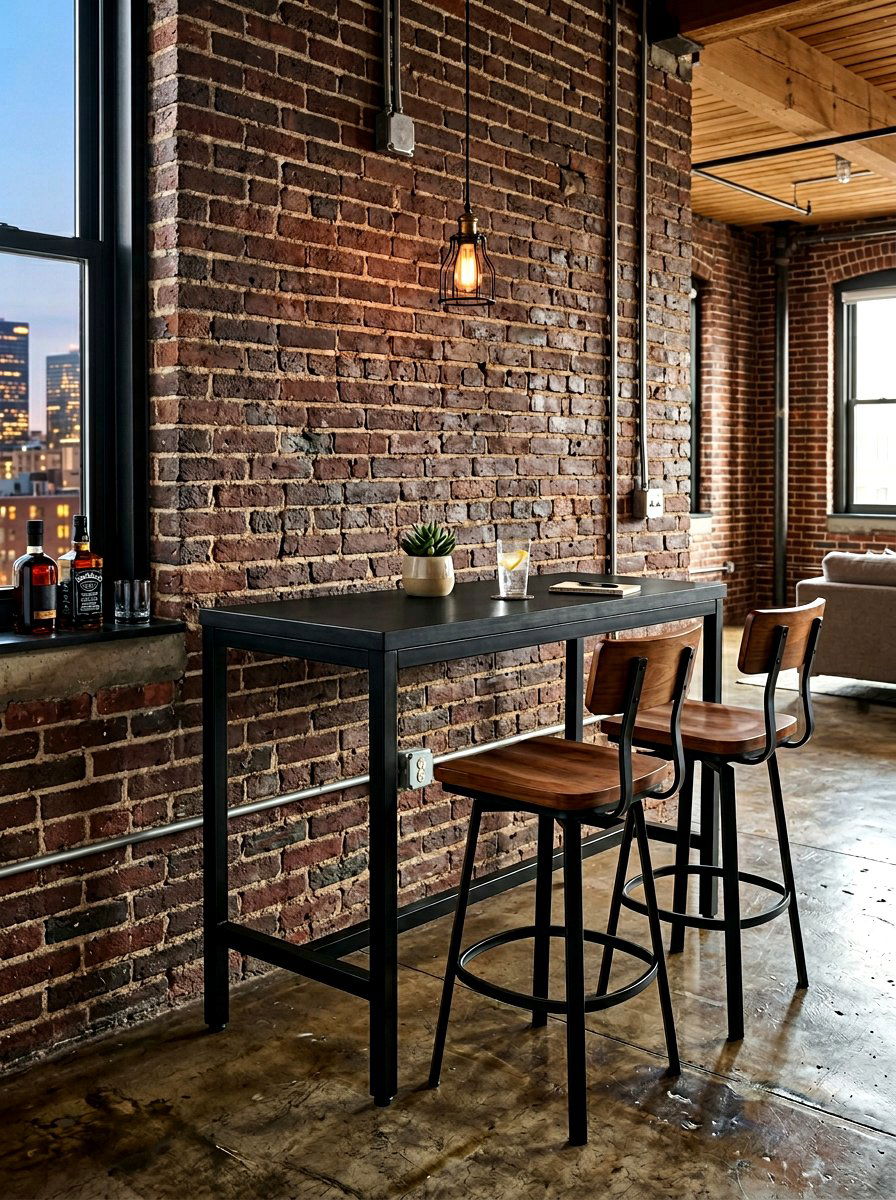
Industrial style wall molding often uses unconventional materials like metal strips or rough-hewn wood to create a more rugged architectural look. Instead of delicate curves, this style focuses on straight lines, exposed fasteners, and a sense of structural honesty. You might see a grid pattern made from thin black steel or reclaimed wood planks installed in a geometric layout. This adds a lot of character and a "loft-like" feel to a standard dining room. It is a great choice for those who want a space that feels cool, edgy, and modern while still benefiting from the added depth and texture that wall molding provides.
28. Coastal white wall trim
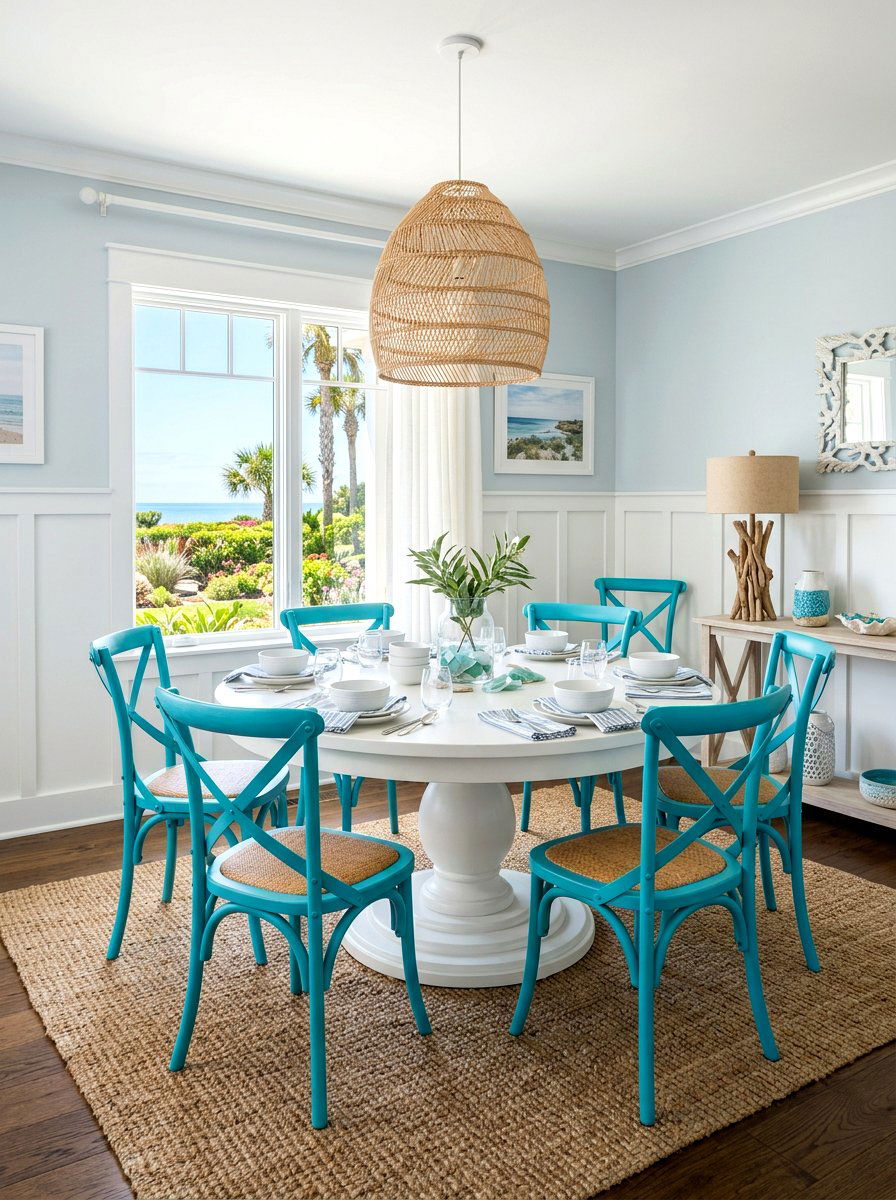
Coastal white wall trim is all about creating a bright, breezy, and relaxed atmosphere that feels like a permanent vacation. This look usually features wide, flat molding like shiplap or simple board and batten, all finished in a clean, bright white. The goal is to maximize light and create a sense of cleanliness and simplicity. It provides a wonderful backdrop for natural textures like jute rugs, rattan chairs, and blue accents. This style of molding is very effective at making a dining room feel fresh and inviting, perfect for casual family meals and long, sunny weekend brunches with friends and family.
29. Subtle tone on tone molding
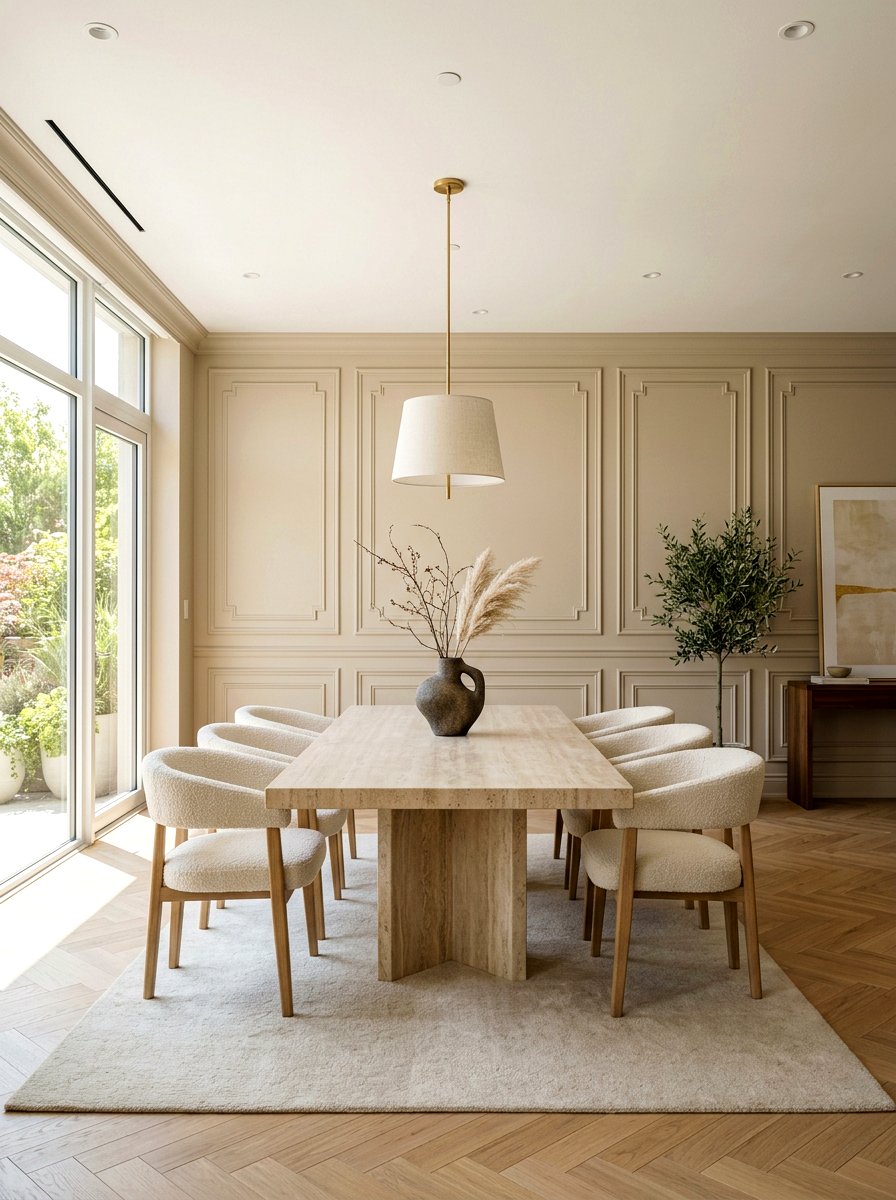
Subtle tone on tone molding is the height of "quiet luxury" in interior design. This involves choosing a molding style — like picture frames — and painting both the trim and the wall the exact same color and sheen. Because there is no color contrast, the detail is only visible through the shadows created by the raised edges of the wood. It is an incredibly sophisticated look that adds architectural depth without being loud or distracting. It works beautifully in modern minimalist homes where you want the space to feel finished and expensive but still very calm, serene, and uncluttered. It is a truly timeless design choice.
30. Rustic reclaimed wood molding
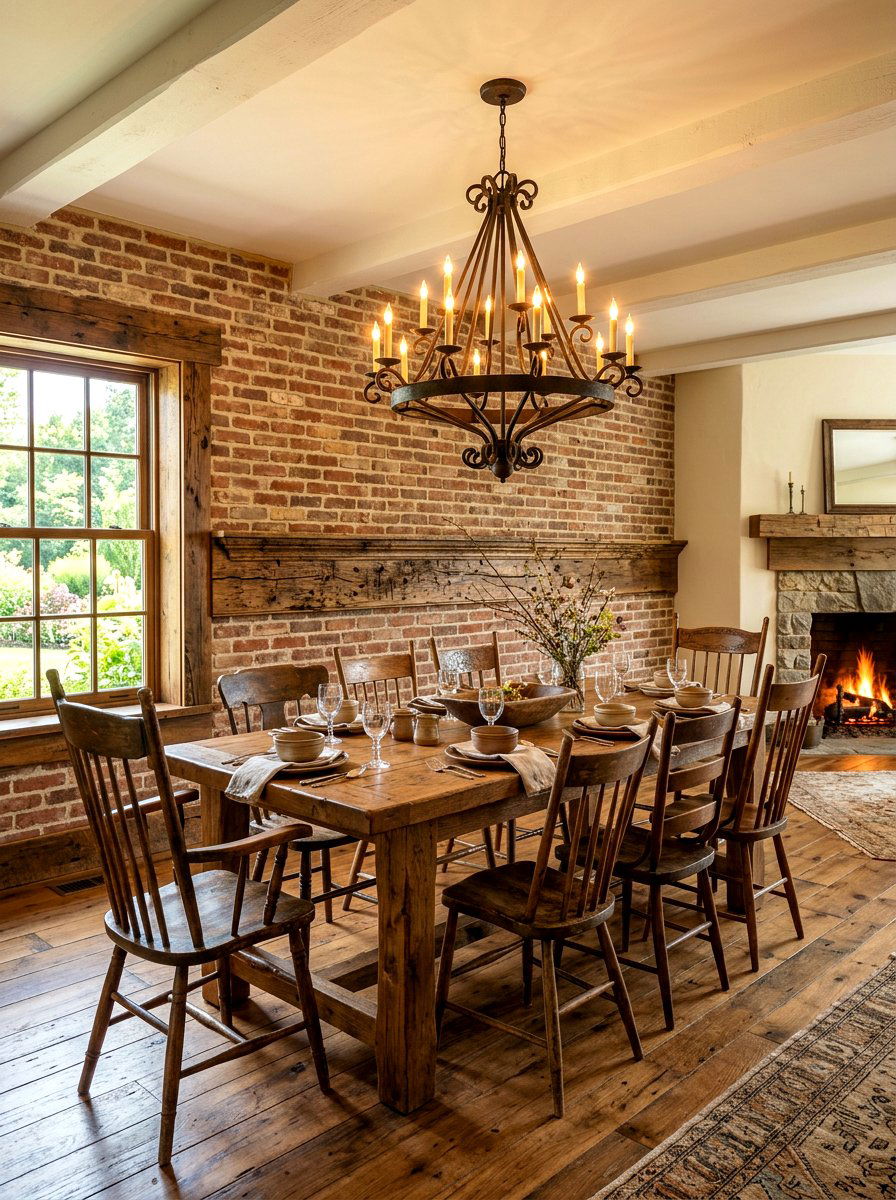
Rustic reclaimed wood molding adds a sense of history and warmth that new materials simply cannot replicate. Using wood salvaged from old barns or factories to create a chair rail or a full feature wall brings a massive amount of texture and personality to the dining room. Each piece of wood has a unique story, with knots, grain patterns, and weathered colors that provide a beautiful, organic contrast to modern furniture. It makes the dining room feel grounded and cozy, like a high-end mountain lodge or a historic farmhouse. It is an eco-friendly way to add a very custom and artisanal feel to your home.
Conclusion:
Adding wall molding to your dining room is one of the most effective ways to upgrade your home’s interior design without a full renovation. As we have seen, there is a molding style for every aesthetic, from the bold and modern geometric patterns to the timeless and elegant picture frames. These architectural details do more than just decorate; they provide structure, hide wall imperfections, and increase the perceived value of your property. By choosing the right color and scale for your space, you can create a dining environment that feels curated, intentional, and incredibly stylish. Whether you want a moody, intimate "jewel box" or a bright, airy coastal retreat, the right molding will anchor your design and make every meal feel like a special occasion. Investing in quality wall trim is a decision you will enjoy for years to come.

Related posts: