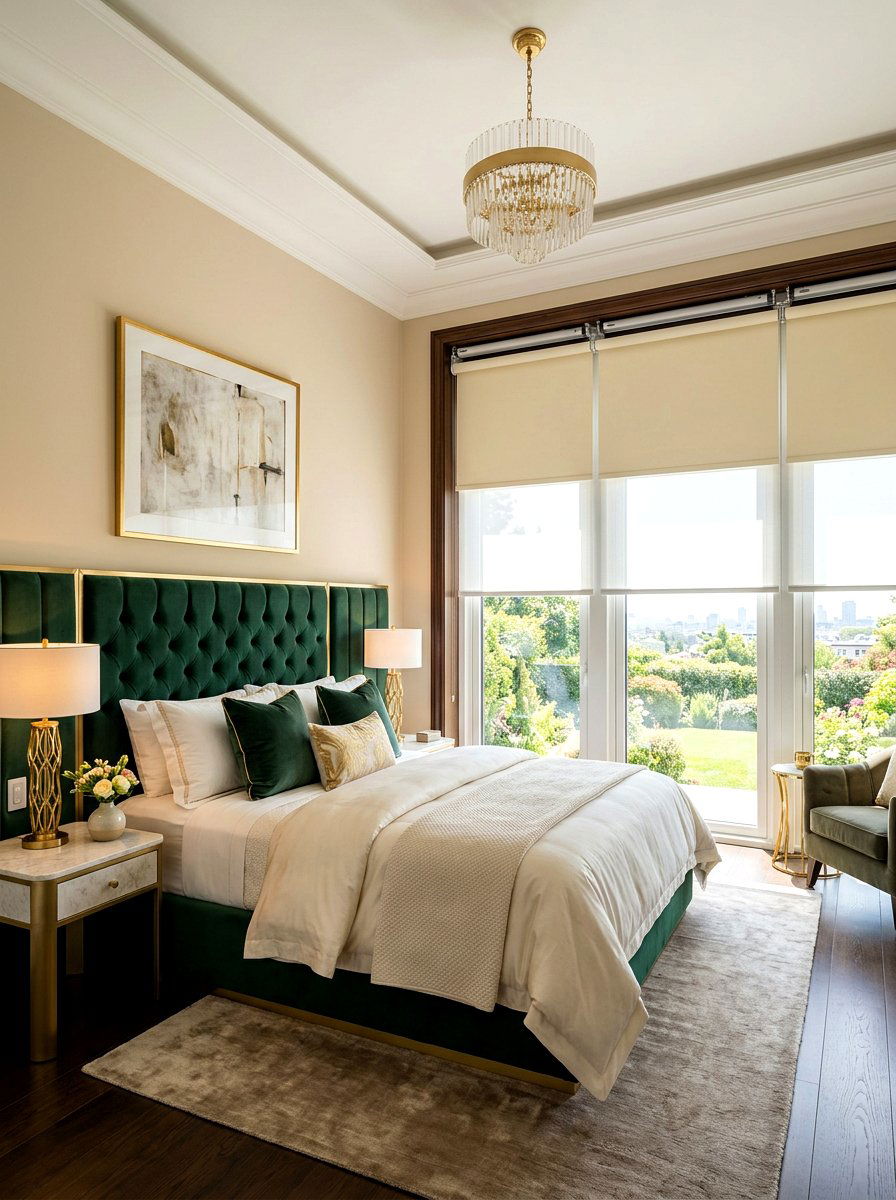
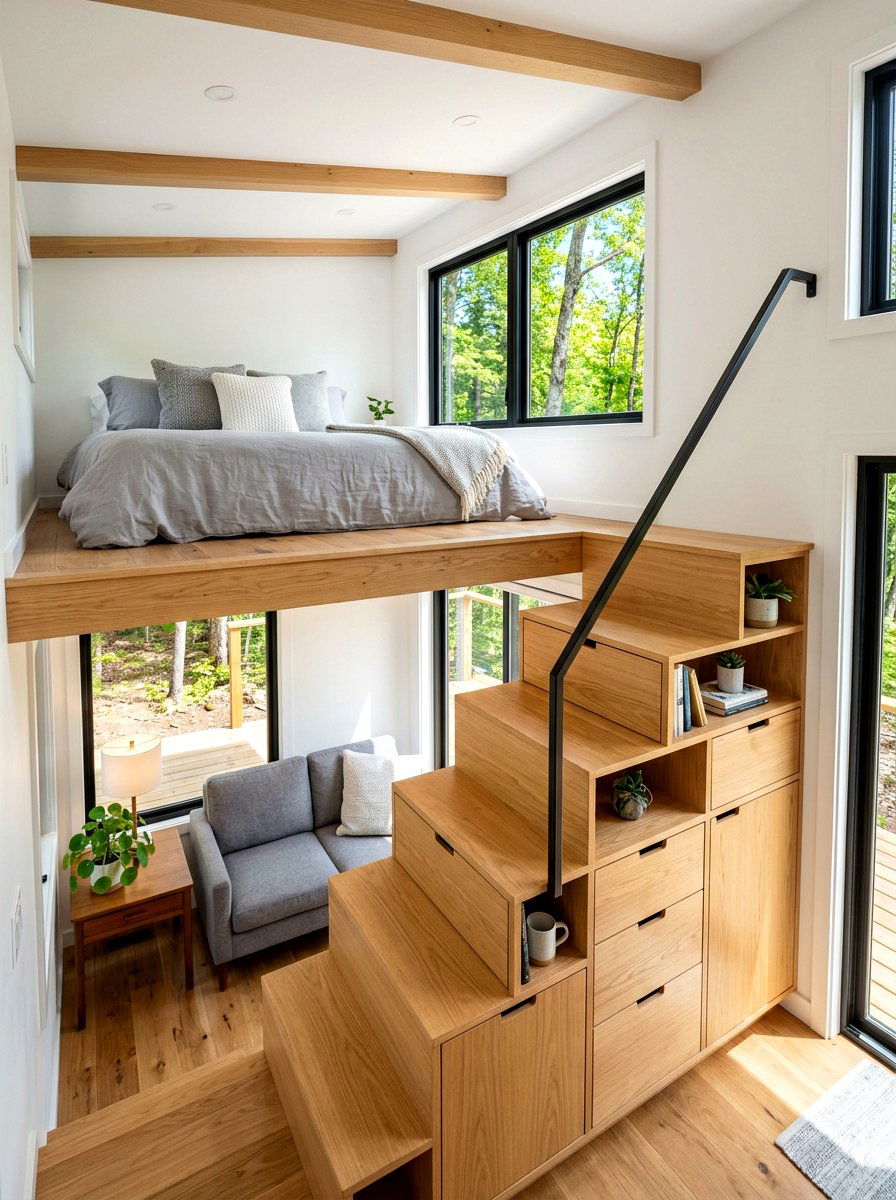
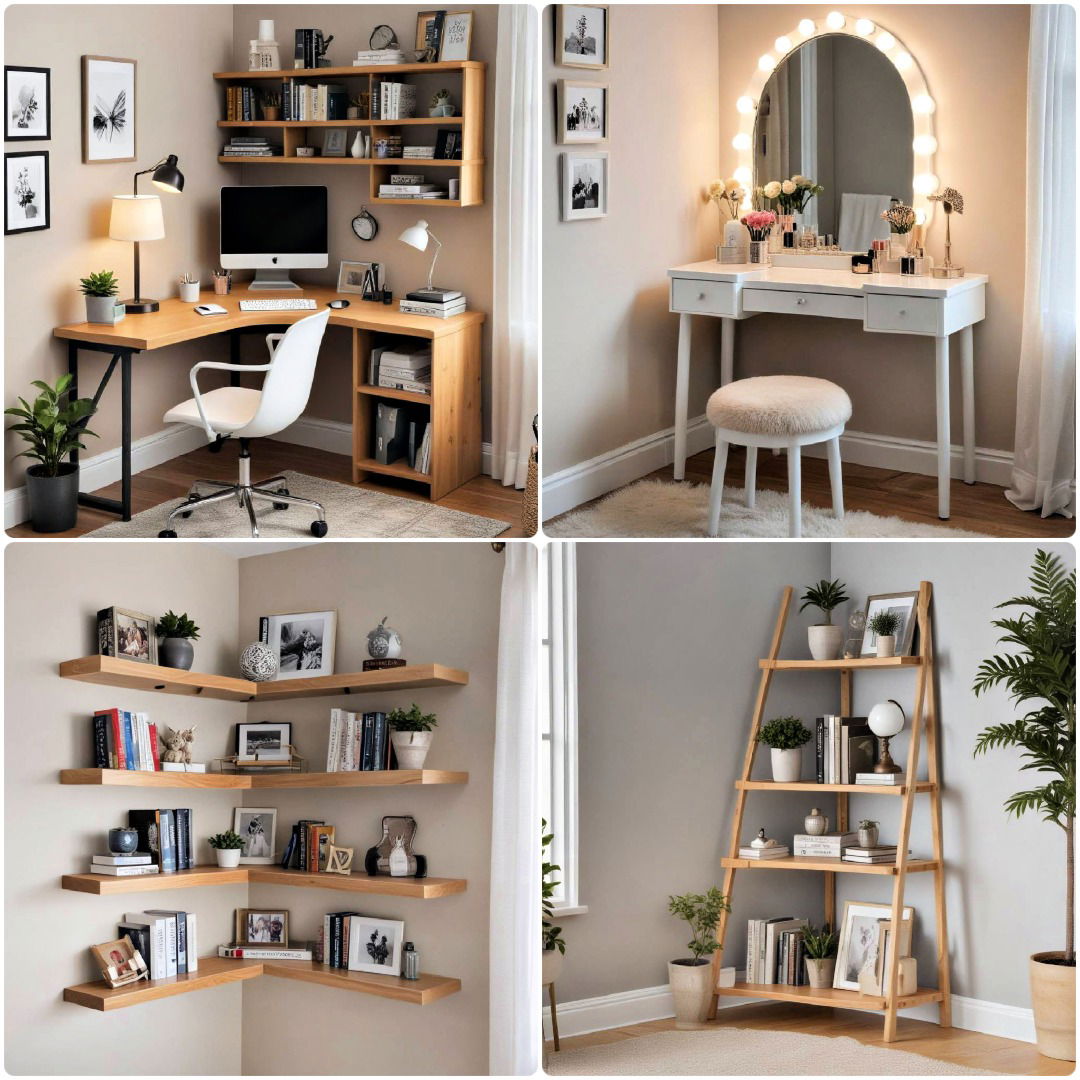
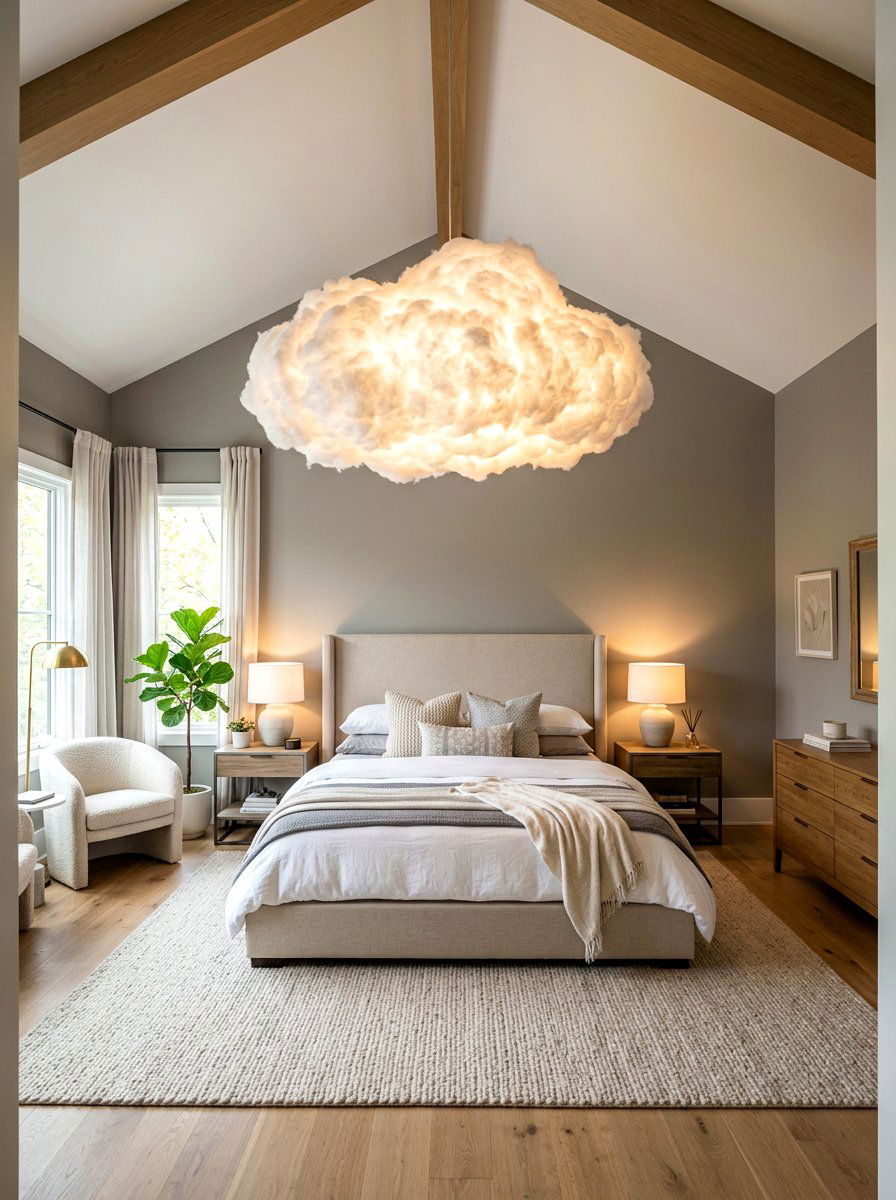
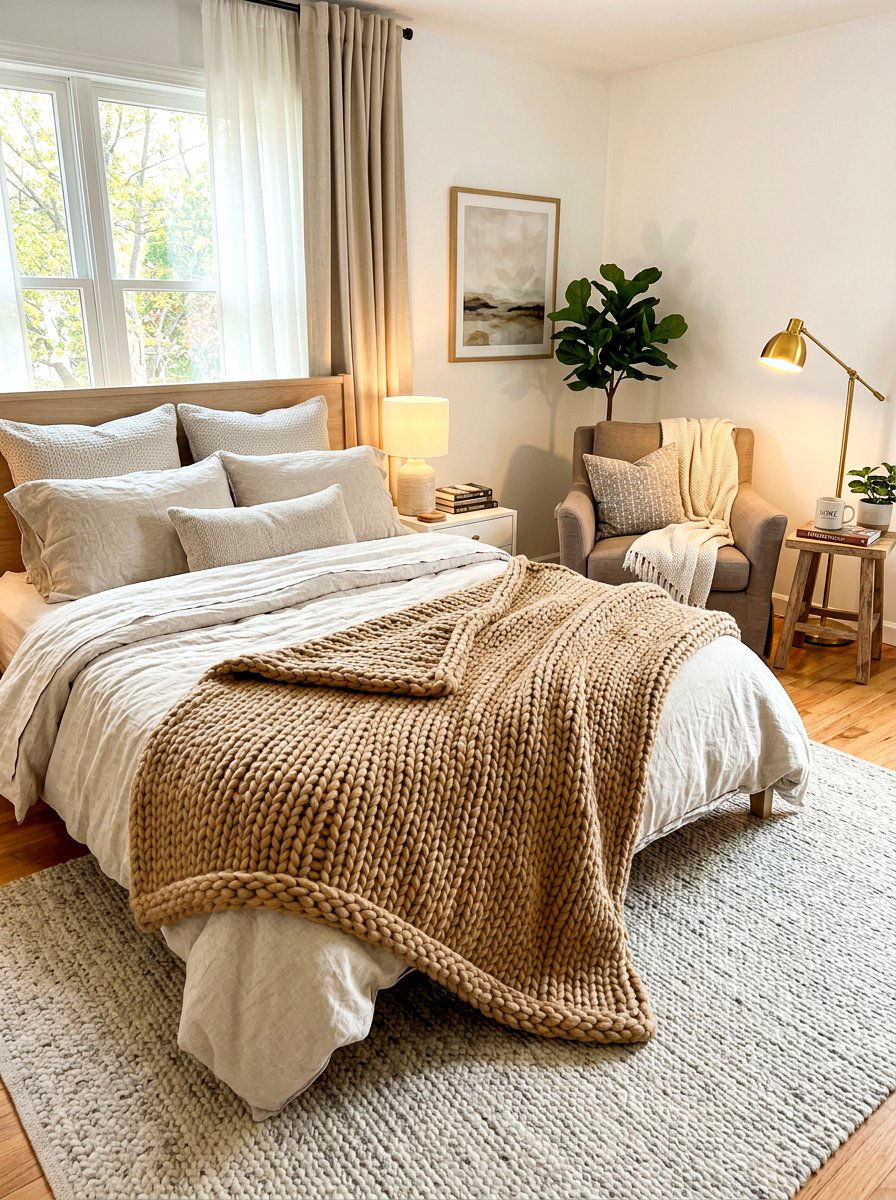
Transforming a basement into a functional bedroom is an excellent way to increase your home's living space and overall property value. Many homeowners struggle with the unique challenges of subterranean rooms, such as limited natural light, lower ceiling heights, and potential moisture issues. However, with thoughtful planning and strategic design choices, you can create a cozy, inviting sanctuary that feels just as bright and airy as any upstairs room. This guide explores thirty distinct ways to maximize your lower-level square footage, focusing on everything from lighting and layout to texture and color. By incorporating smart storage and high-quality finishes, you can turn a dark storage area into a beautiful, personalized retreat for guests or family members.

1. Small Basement Guest Suite
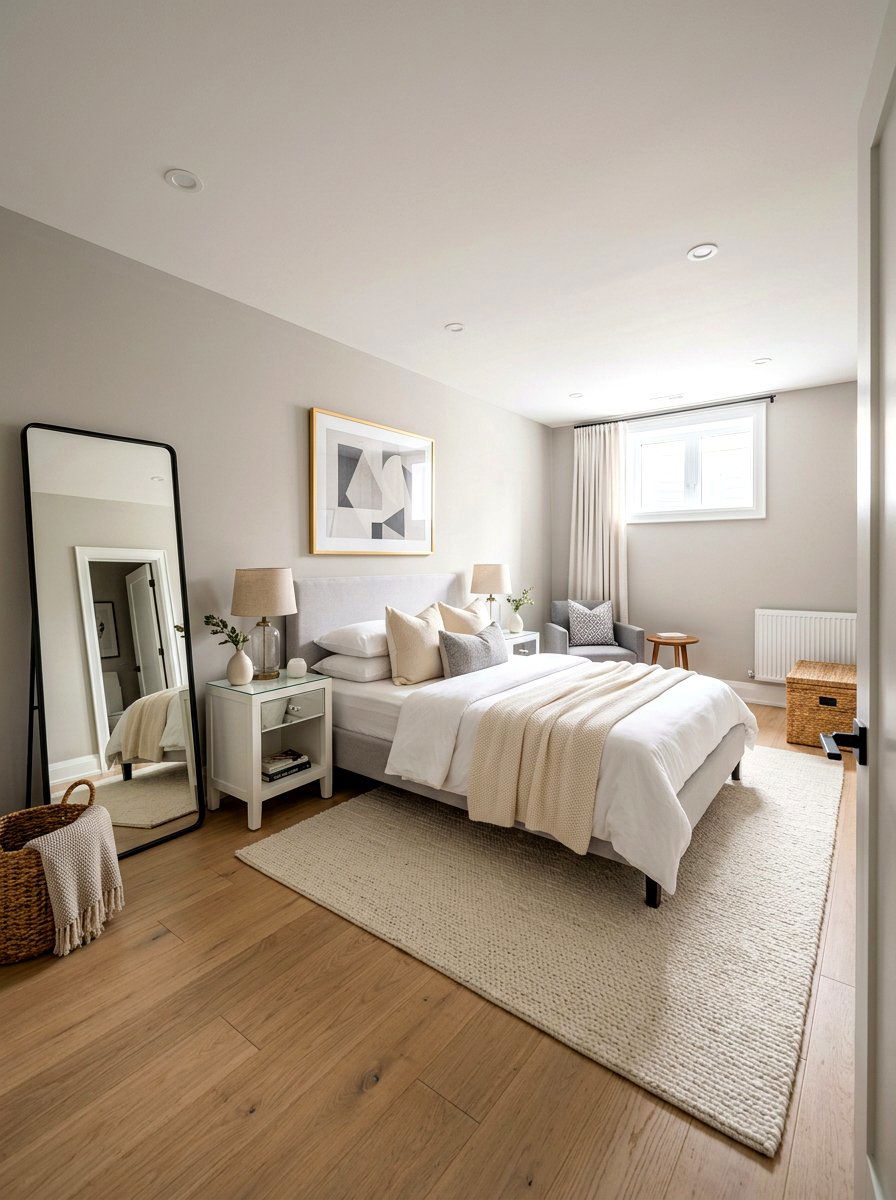
Creating a comfortable space for visitors in a limited footprint requires clever planning and a focus on light-reflecting materials to prevent a cramped feeling. Start by selecting a light color palette, such as warm whites or soft grays, which helps bounce available light throughout the room and makes the walls recede. Utilizing multi-functional furniture, like a bed with integrated drawers or a slim-profile nightstand, ensures every inch is used effectively without cluttering the floor. Large mirrors can also be strategically placed to create the illusion of more depth and brightness. Adding soft textiles and a high-quality rug will provide the necessary warmth that basement floors often lack, ensuring guests feel welcome.
2. Industrial Basement Bedroom
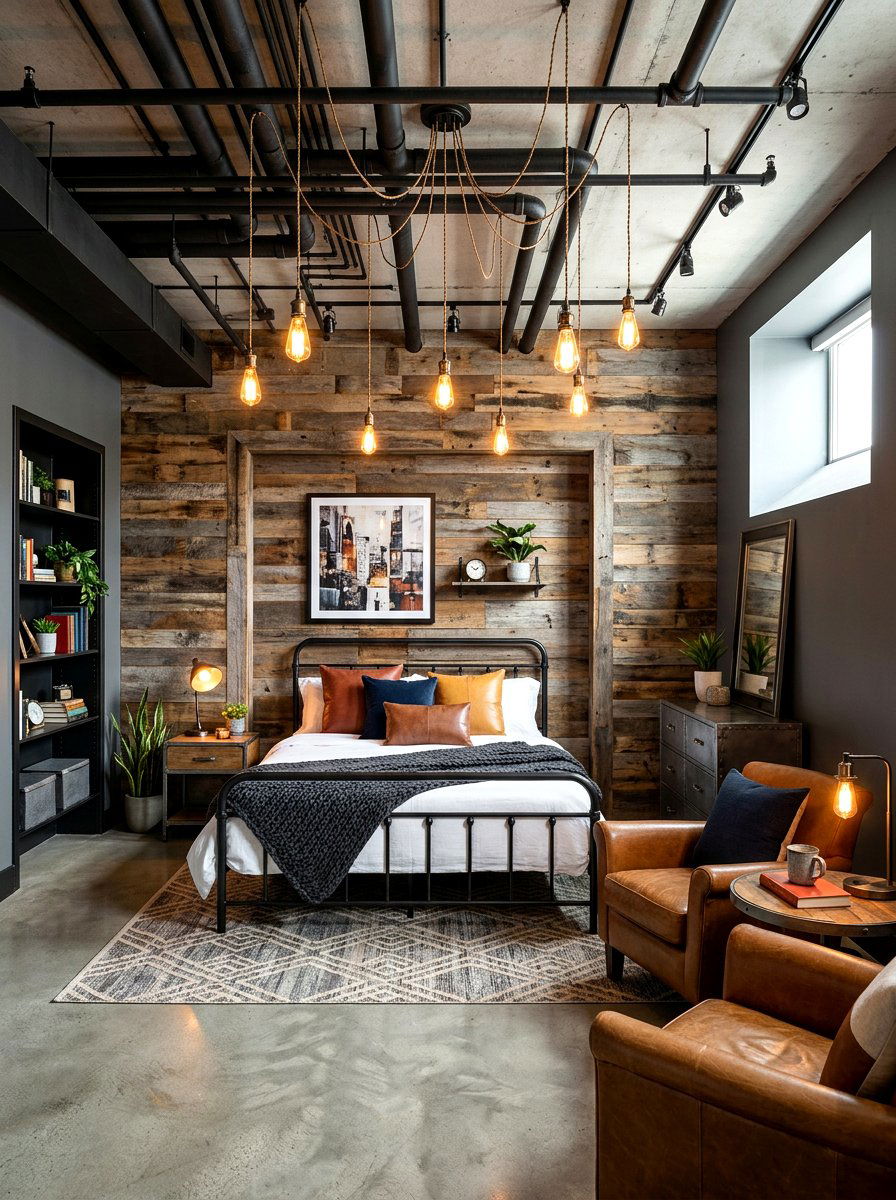
Embrace the raw architectural elements of your lower level by highlighting exposed pipes, ductwork, and concrete walls for a trendy urban aesthetic. This style thrives on the contrast between cold materials like metal and warm elements like reclaimed wood or plush bedding. You can paint the ceiling black to make pipes disappear or leave them natural for a more rugged look. High-quality Edison bulb lighting and metal bed frames anchor the space, while leather accents and oversized abstract art add sophistication. Using a neutral base with occasional pops of copper or rust creates a cohesive and intentionally unfinished vibe. This approach turns common basement structural hurdles into stylish focal points that feel incredibly modern.
3. Rustic Basement Master Bedroom
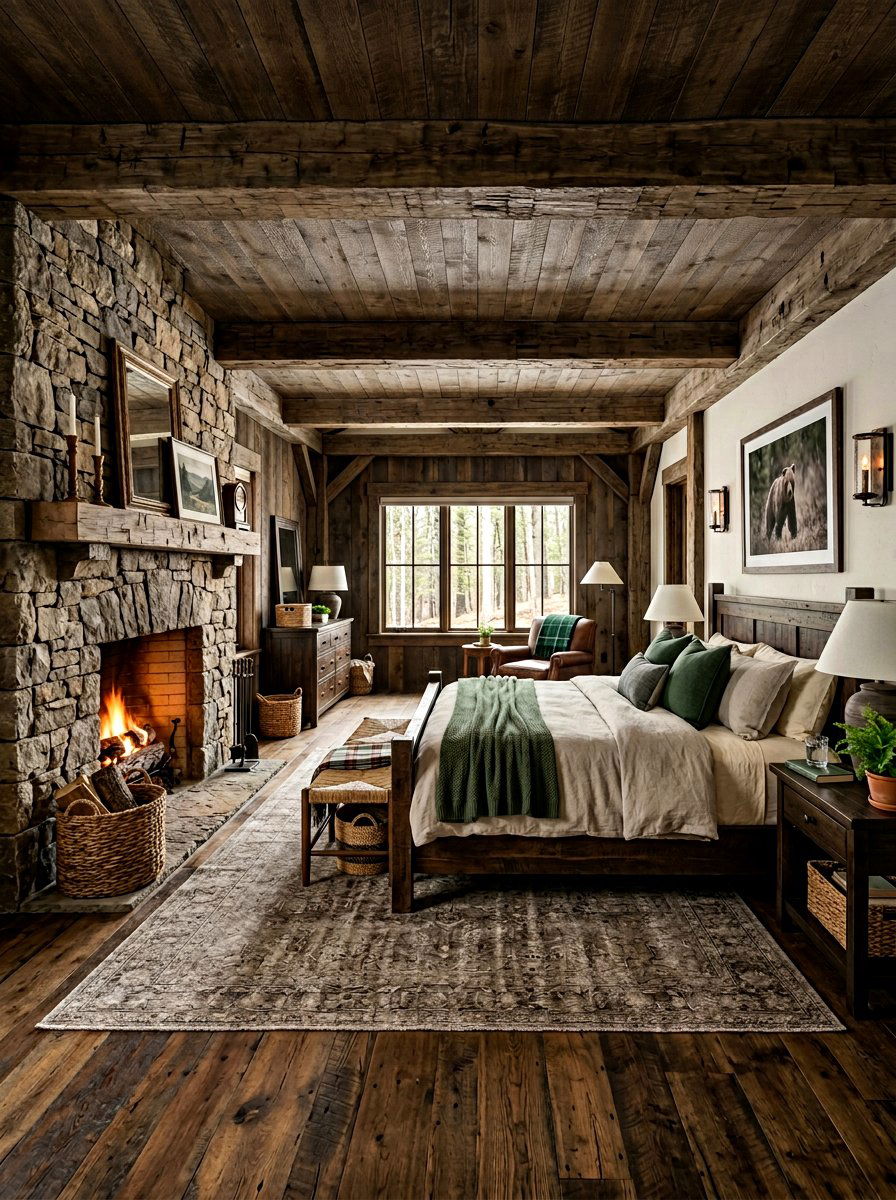
You can create a warm and grounding retreat by incorporating natural materials like stone, wood beams, and textured linens into your basement design. Rustic styles are particularly well-suited for subterranean spaces because they lean into the naturally cozy and enclosed feeling of a lower level. Consider installing a reclaimed wood accent wall or faux ceiling beams to add architectural interest and a sense of history to the room. Earthy tones such as forest green, deep brown, and cream work together to establish a serene atmosphere. Layering different textures, from wool blankets to woven baskets, enhances the tactile comfort of the space, making it a perfect sanctuary for relaxation.
4. Modern Farmhouse Basement Bedroom
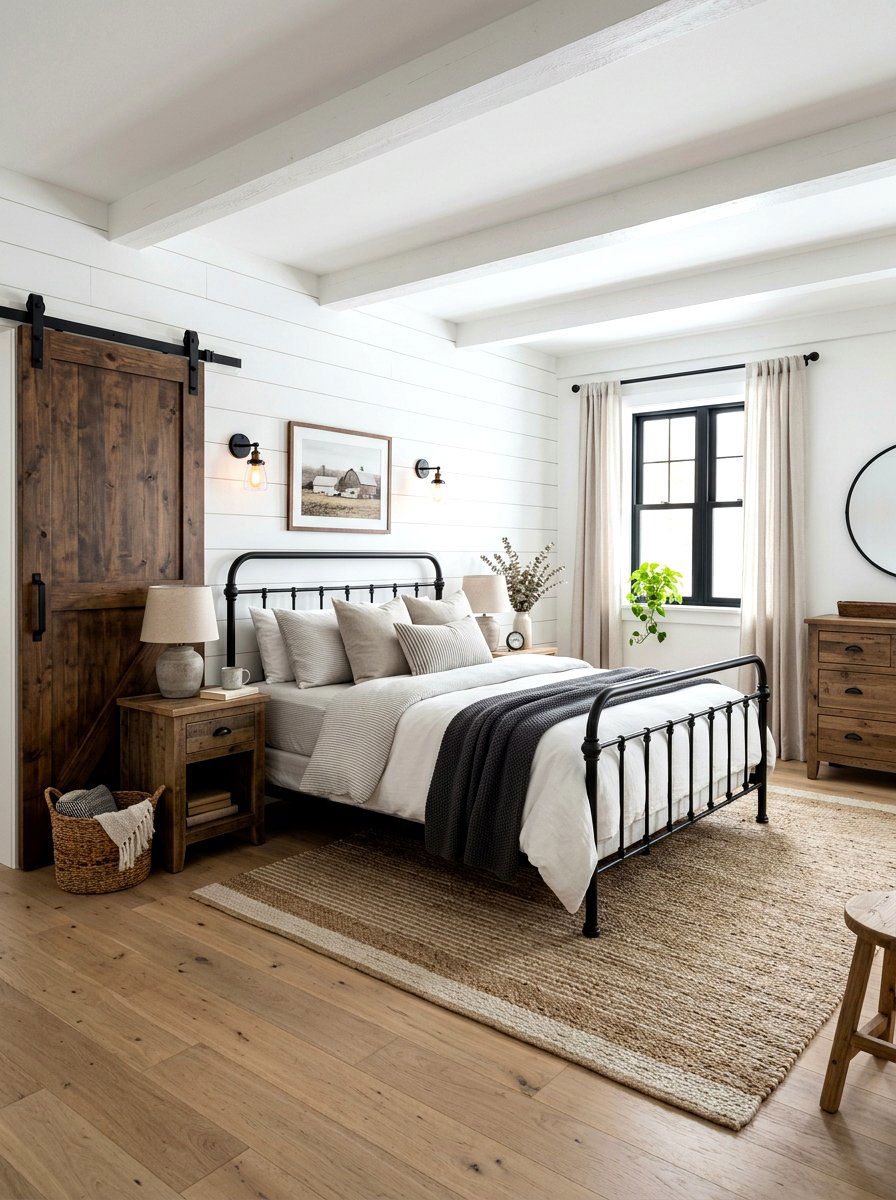
This popular aesthetic combines clean lines with traditional country elements to create a space that feels both fresh and nostalgic. White shiplap walls are a staple of this look, providing a bright backdrop that helps counteract the typical darkness of a basement. Pair these walls with dark metal light fixtures and a classic wooden bed frame for a balanced contrast. Using neutral textiles with subtle patterns like ticking stripes or buffalo check adds character without overwhelming the room. A sliding barn door is an excellent functional choice for a basement, saving floor space while serving as a major design element that perfectly complements the overall farmhouse theme.
5. Basement Bedroom For Kids
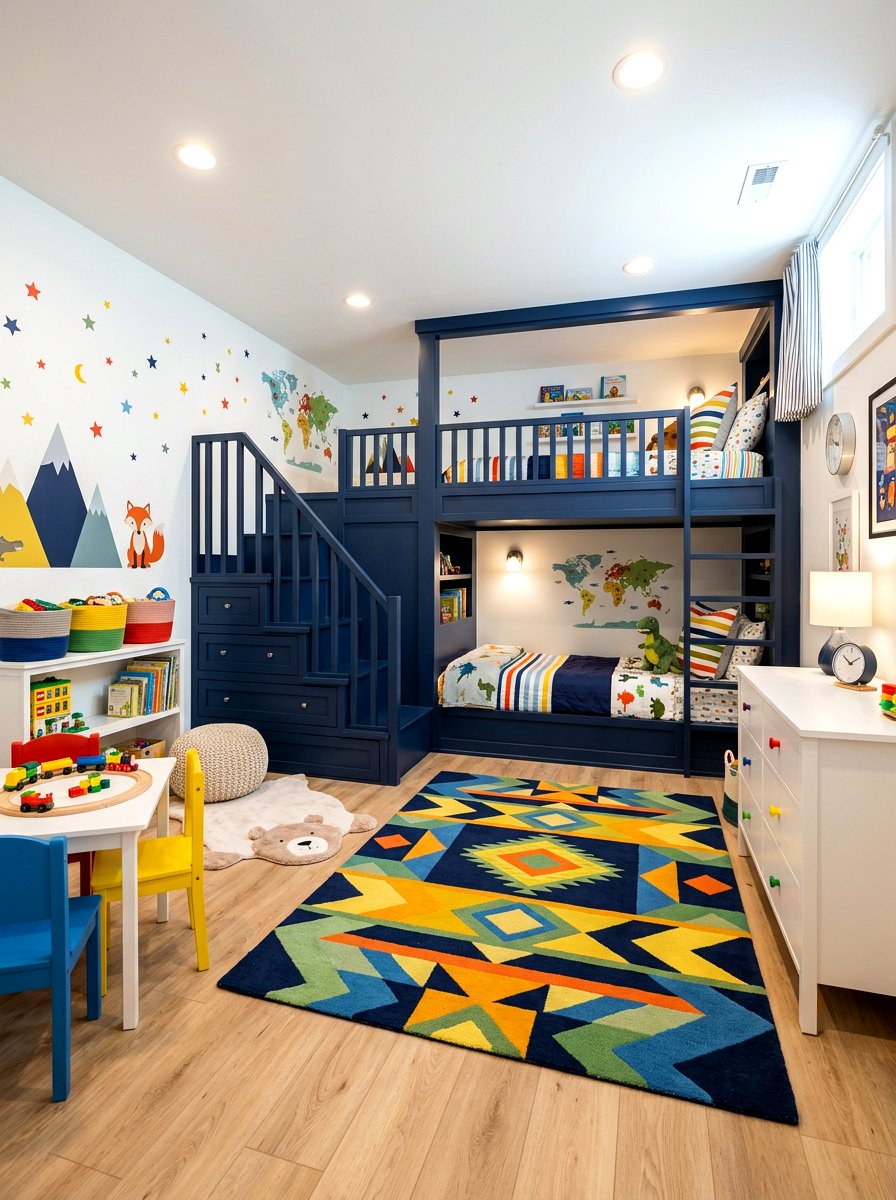
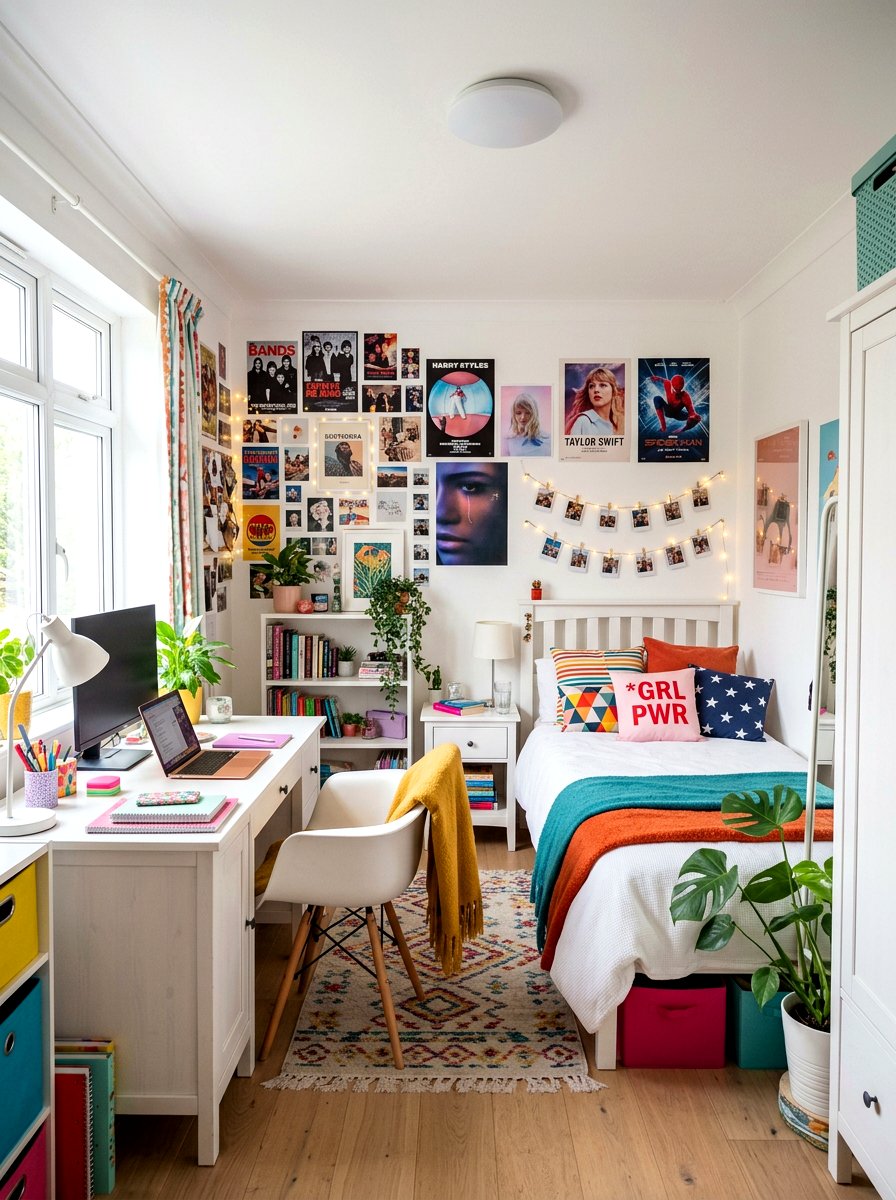
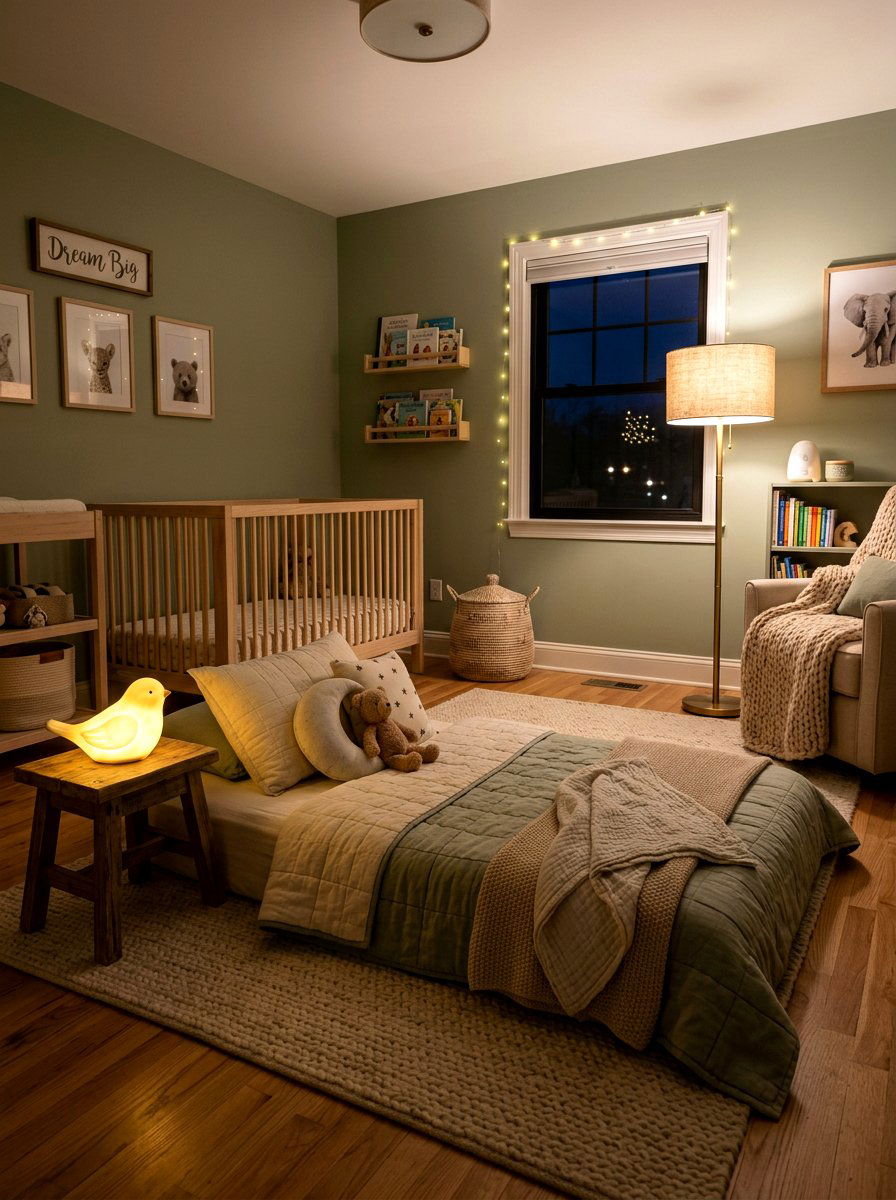
Designing a sleeping area for children in the basement allows for more playful and imaginative choices while providing them with a private zone for play. Built-in bunk beds are a fantastic solution for maximizing floor space, often incorporating hidden storage or reading nooks within the structure. Use durable and easy-to-clean materials like luxury vinyl plank flooring to withstand heavy activity and potential spills. Bright colors and bold wallpapers can make the space feel energetic and fun, distracting from the lack of natural light. Consider adding a soft, oversized area rug to create a comfortable spot for floor play, ensuring the room feels like a vibrant extension of the home.
6. Boho Basement Bedroom
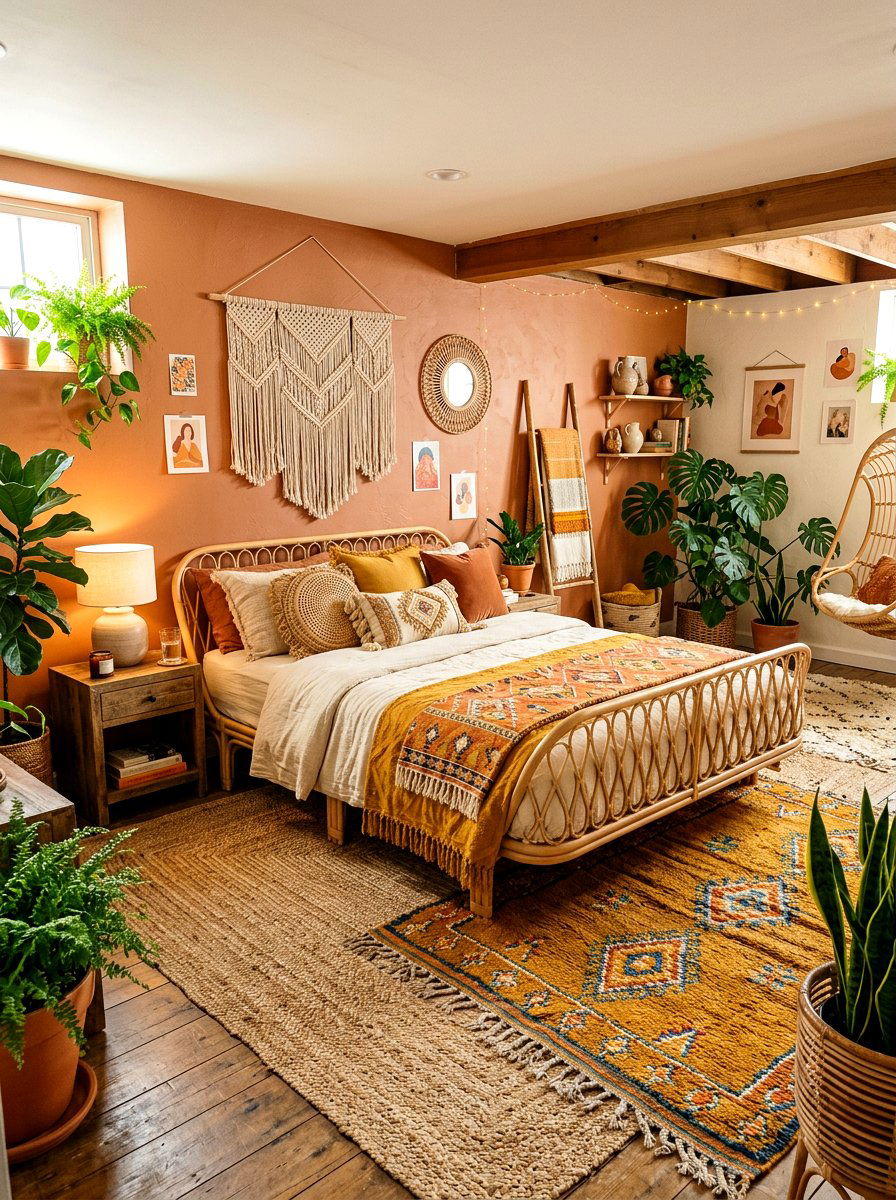
Infuse your lower-level space with a relaxed and eclectic vibe by mixing various patterns, global-inspired textiles, and plenty of indoor plants. The bohemian style is excellent for basements because it prioritizes comfort and personality through layered rugs and soft, low-profile furniture. Macramé wall hangings and woven rattan light fixtures introduce organic textures that soften the hard lines of a basement's structure. Since natural light might be limited, choose low-light plants like pothos or snake plants to bring life and greenery into the room. A palette of warm terracottas, mustards, and deep blues creates a vibrant yet cozy atmosphere that feels deeply personal and incredibly inviting for anyone.
7. Basement Bedroom With Egress Window
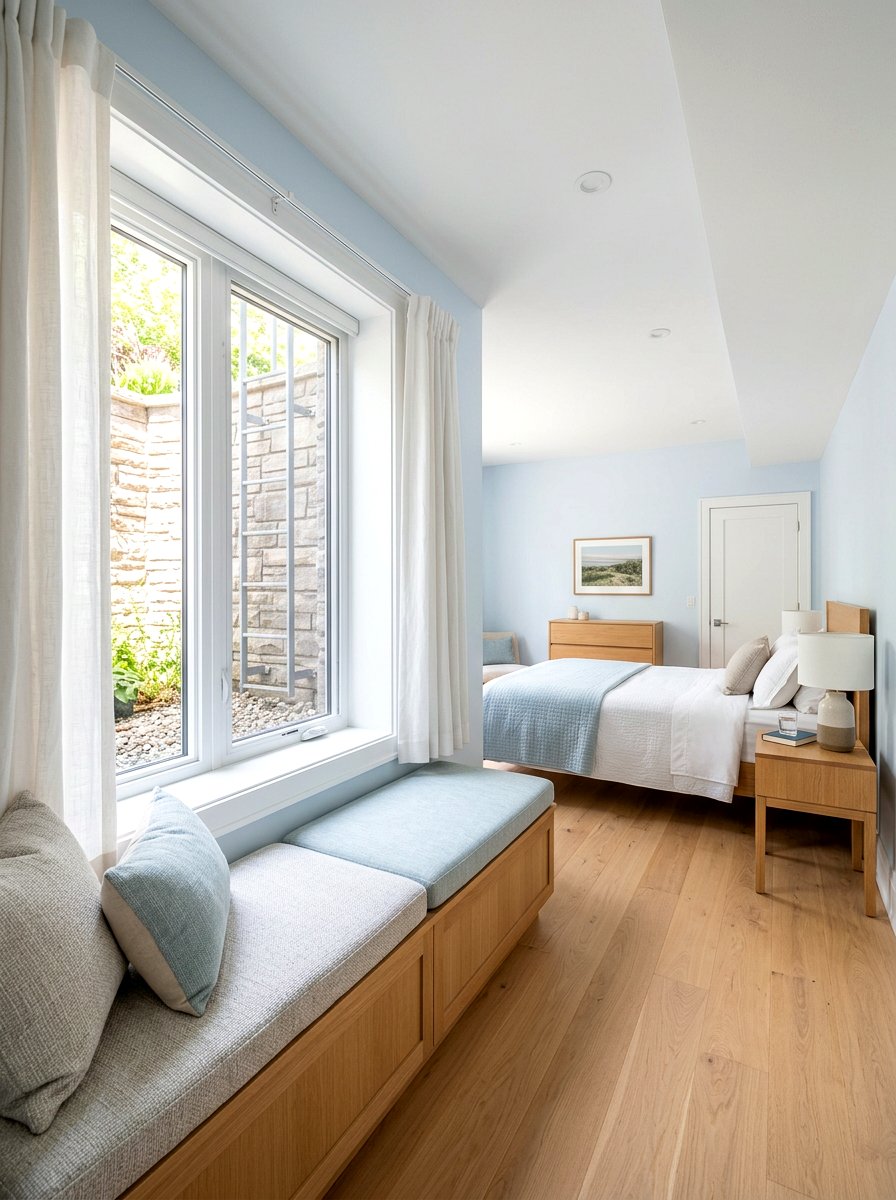
Maximizing the impact of required safety exits can significantly improve the brightness and safety of your basement sleeping area. An egress window is not just a building code necessity; it is a vital source of natural light and ventilation that prevents a room from feeling underground. Frame the window with light, airy curtains to let in as much sun as possible while maintaining privacy. You can also build a deep windowsill to serve as a display area for plants or books, integrating the feature seamlessly into the room’s decor. Choosing a window with a large well outside allows for more sky visibility, making the bedroom feel much more connected to the outdoors.
8. Modern Minimalist Basement Bedroom
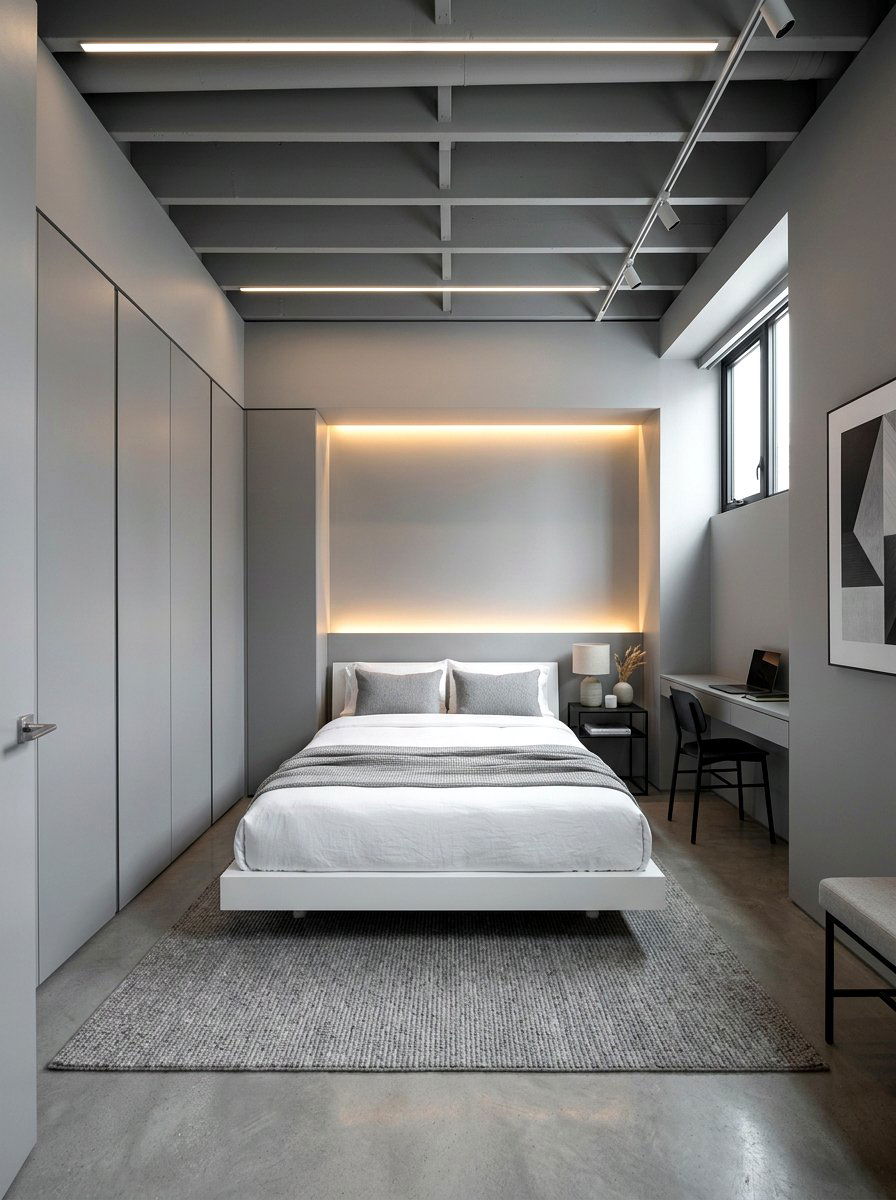
Focusing on simplicity and clean lines helps to create a basement retreat that feels open, uncluttered, and highly sophisticated. A minimalist approach often involves a monochromatic color scheme, such as various shades of white or light gray, to maximize the sense of space. Choose furniture with slim legs and a low profile to keep the visual field clear and make the ceiling appear higher than it actually is. Integrated lighting solutions, like recessed cans or sleek LED strips, provide ample illumination without taking up precious physical space. By prioritizing quality over quantity in decor, every piece becomes a deliberate statement, resulting in a calm and peaceful environment that promotes rest.
9. Basement Bedroom Office Combo
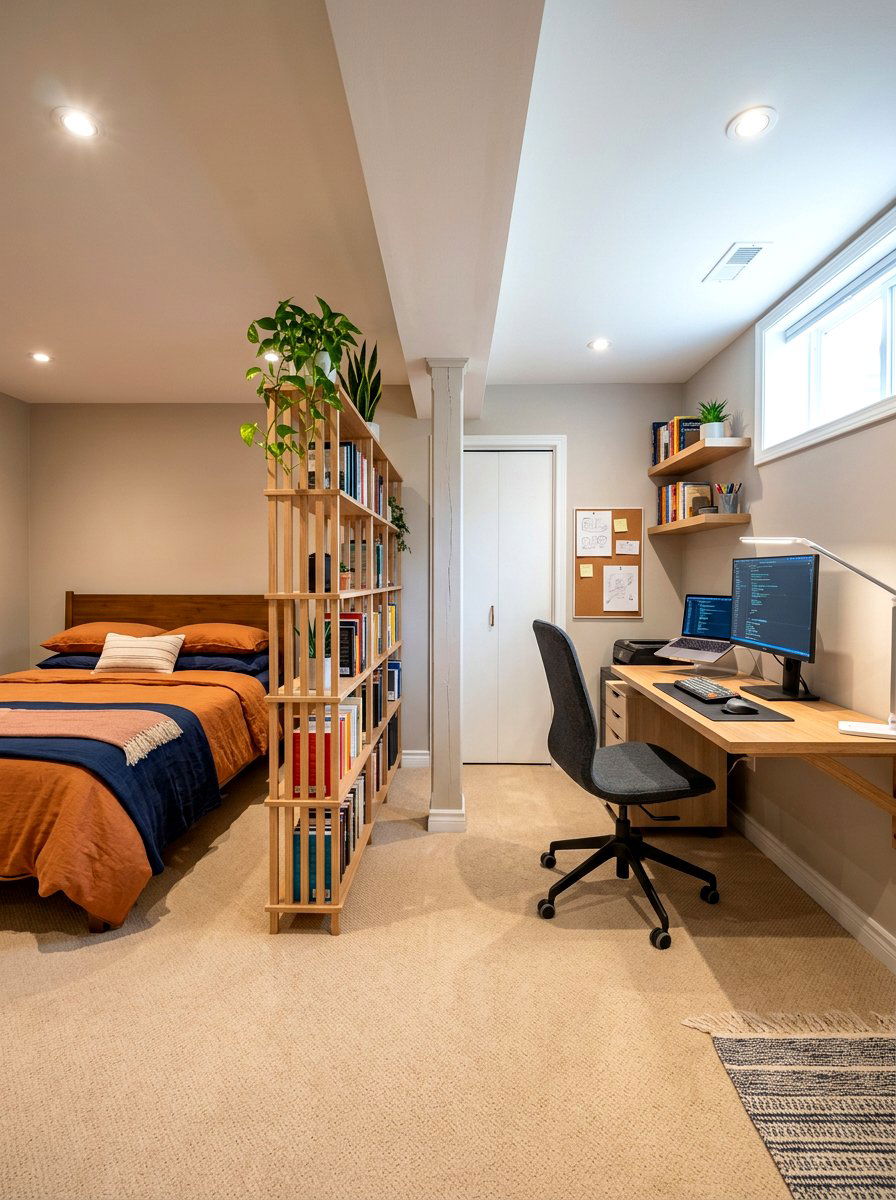
As remote work becomes more common, creating a dual-purpose space in the basement is a practical way to utilize your home’s square footage. Use a stylish room divider or a strategically placed bookshelf to separate the sleeping area from the workspace without completely closing off the room. Opt for a sleek, wall-mounted desk to save floor space and keep the area feeling organized. Consistent flooring and a unified color palette throughout the entire room ensure that the two zones feel cohesive rather than disjointed. Proper task lighting at the desk and soft ambient lighting by the bed allow you to transition easily from a productive workday to a restful night.
10. Cozy Basement Bedroom Lighting
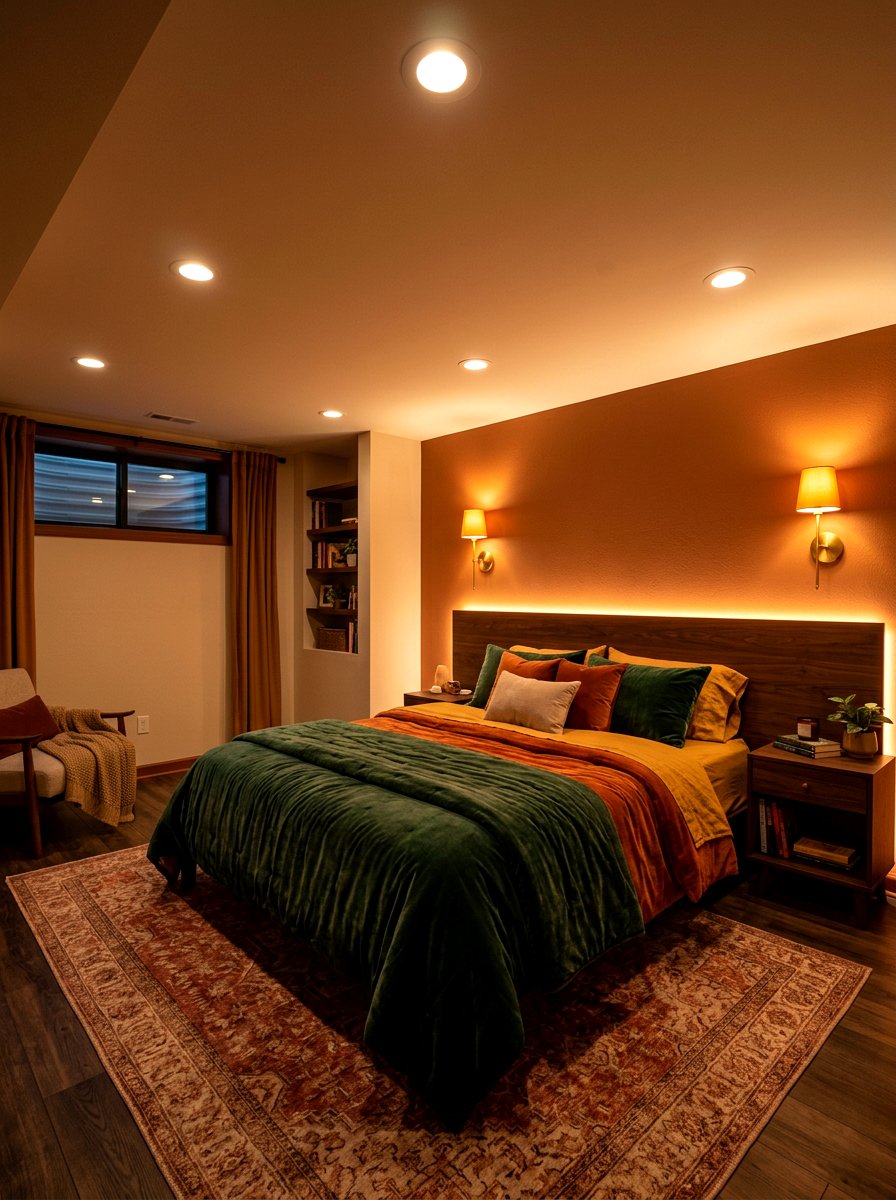
Since basements lack abundant natural sun, a layered lighting strategy is essential to creating a warm and welcoming atmosphere. Combine recessed ceiling lights for general illumination with wall sconces and bedside lamps to provide a soft, focused glow in specific areas. Dimmable switches are a must-have, allowing you to adjust the brightness based on the time of day or the desired mood. Consider adding LED strip lighting behind a headboard or under a floating nightstand for a modern, high-end look that adds depth to the room. Using warm-toned bulbs rather than cool blue ones will prevent the space from feeling clinical and will instead create a snug, cave-like retreat.
11. Basement Bedroom Built In Storage
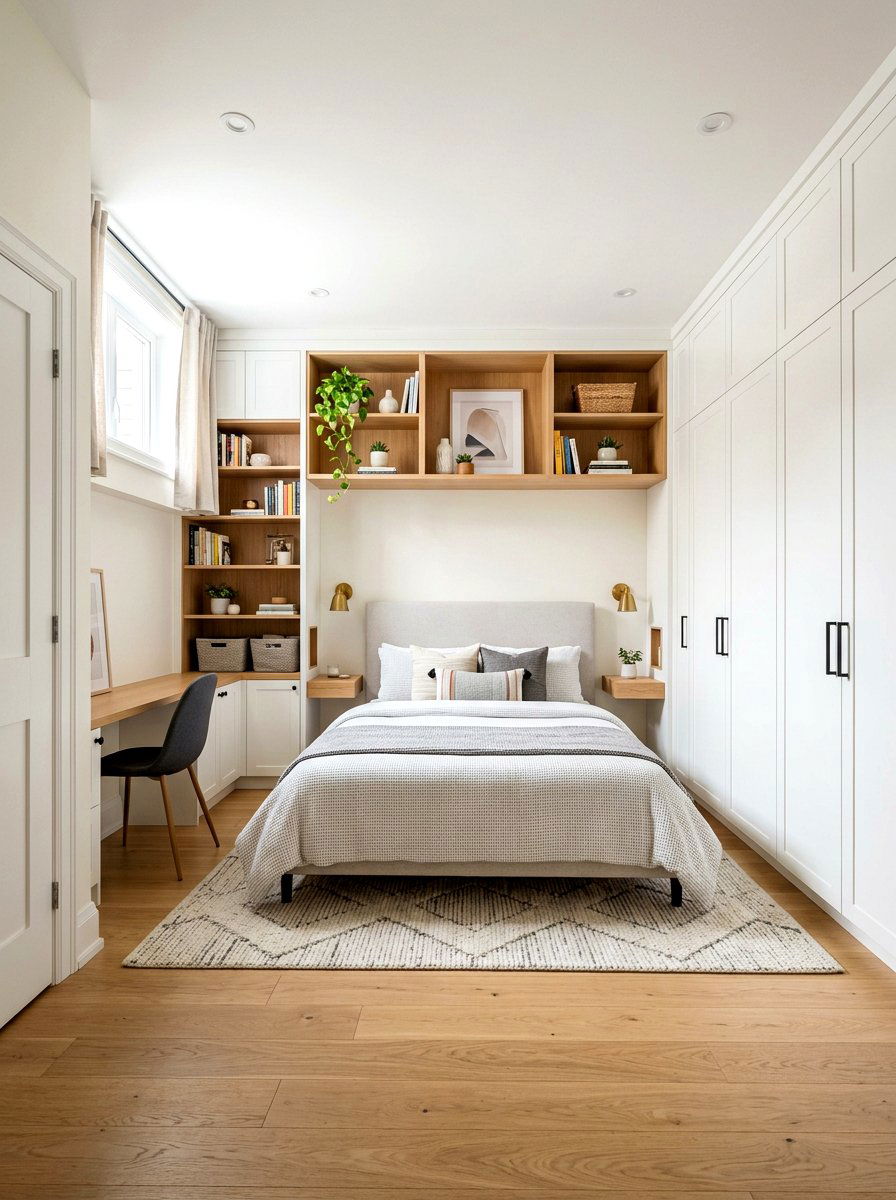
Maximizing vertical space with custom cabinetry is one of the most effective ways to keep a basement bedroom organized and clutter-free. Built-in wardrobes can be designed to fit around structural columns or tucked under low bulkheads, turning architectural challenges into functional assets. These units provide a seamless look that mimics the walls, making the room feel larger than if it were filled with bulky, freestanding furniture. Consider incorporating open shelving for decorative items alongside closed cabinets for clothing and linens. By choosing a finish that matches the wall color, the storage blends into the background, allowing the bed and other decor elements to remain the primary focus of the room.
12. Luxury Basement Master Suite
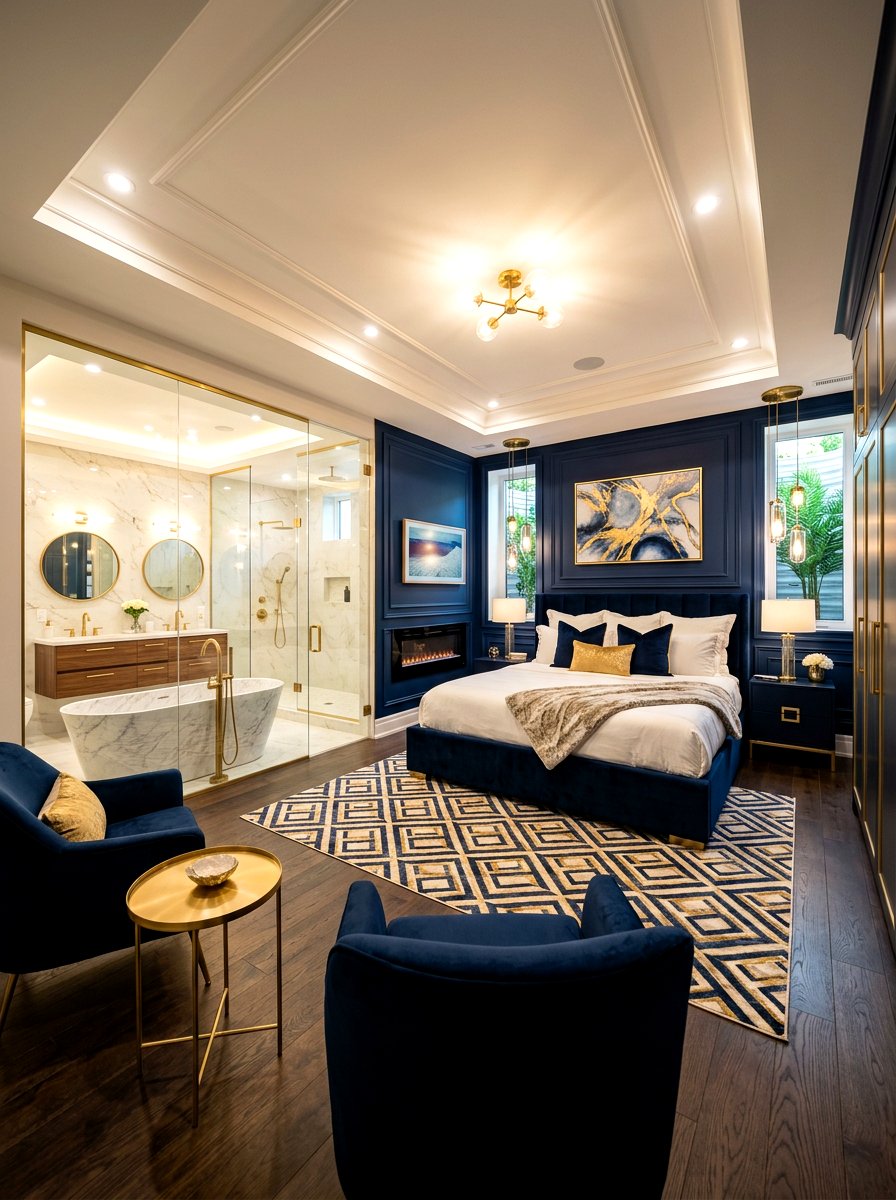
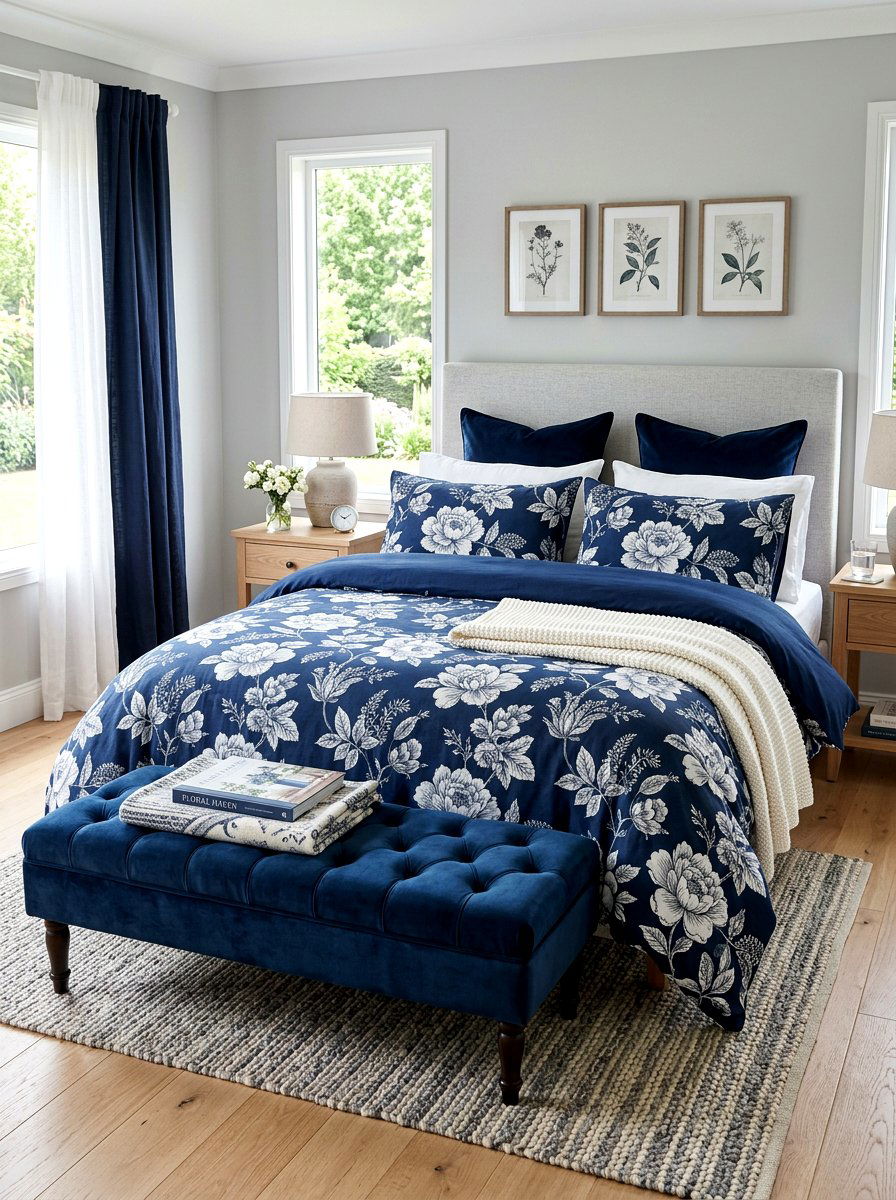
Turning your basement into a high-end master retreat involves using premium materials and incorporating spa-like features for ultimate comfort. Invest in an upholstered headboard, high-thread-count linens, and a plush seating area to establish a sense of opulence and relaxation. Consider adding an en-suite bathroom with a walk-in rainfall shower and heated tile floors to elevate the living experience. Sophisticated color palettes, such as deep navies or charcoal grays paired with gold accents, create a moody and intimate vibe that feels like a boutique hotel. High-quality soundproofing in the ceiling ensures that the suite remains a quiet and private getaway, completely separated from the noise of the main household.
13. Basement Bedroom Walk In Closet
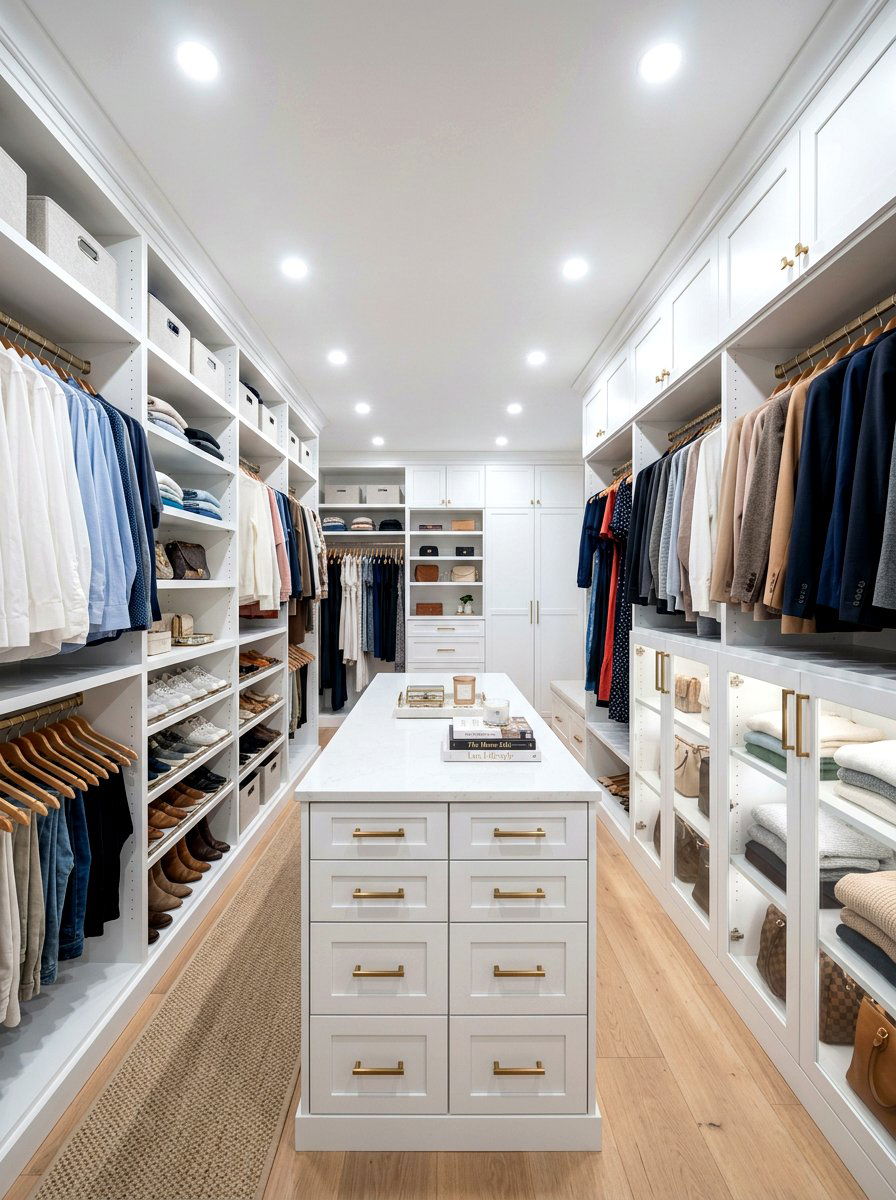
If space allows, adding a dedicated walk-in closet can provide the same level of luxury and organization found in upper-level bedrooms. Use a combination of hanging rods, shelving, and drawers to accommodate a full wardrobe while keeping the main sleeping area tidy. Sliding pocket doors or elegant double doors can save space while providing a grand entrance to the storage area. Proper lighting inside the closet is crucial, so consider installing bright LED bars or a small chandelier to make finding clothes easy. This feature not only improves the functionality of the basement bedroom but also significantly increases the appeal and resale value of your home for future buyers.
14. Dark Paint Basement Bedroom
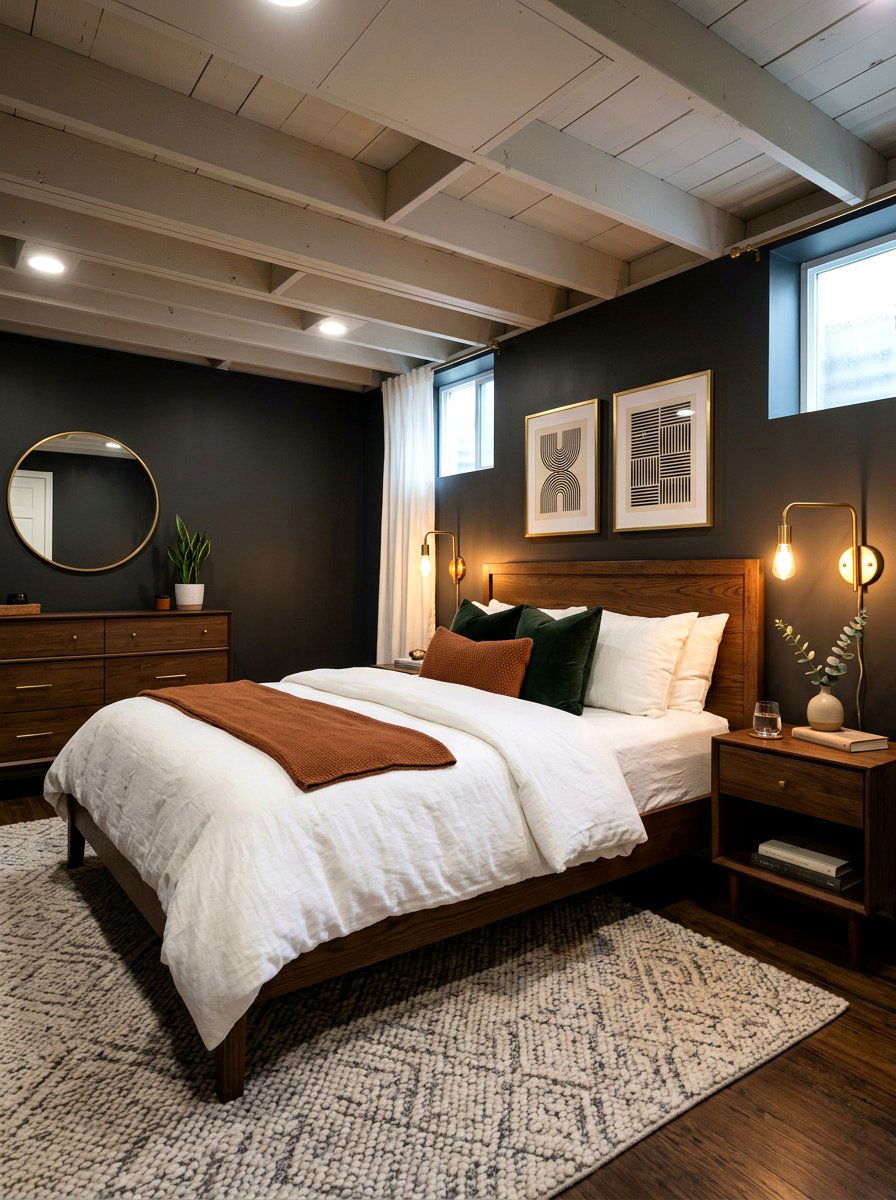
While light colors are often recommended for small spaces, leaning into the darkness with deep, moody paint can create an incredibly cozy and intimate atmosphere. Colors like forest green, navy blue, or even charcoal gray can make the walls feel like they are wrapping you in a warm hug. When using dark tones, it is vital to balance them with crisp white bedding and warm metallic accents to prevent the room from feeling too heavy. Layered lighting becomes even more important here, as it highlights the depth of the color and adds necessary brightness. This bold choice turns a basement's natural lack of light into a sophisticated and intentional design feature.
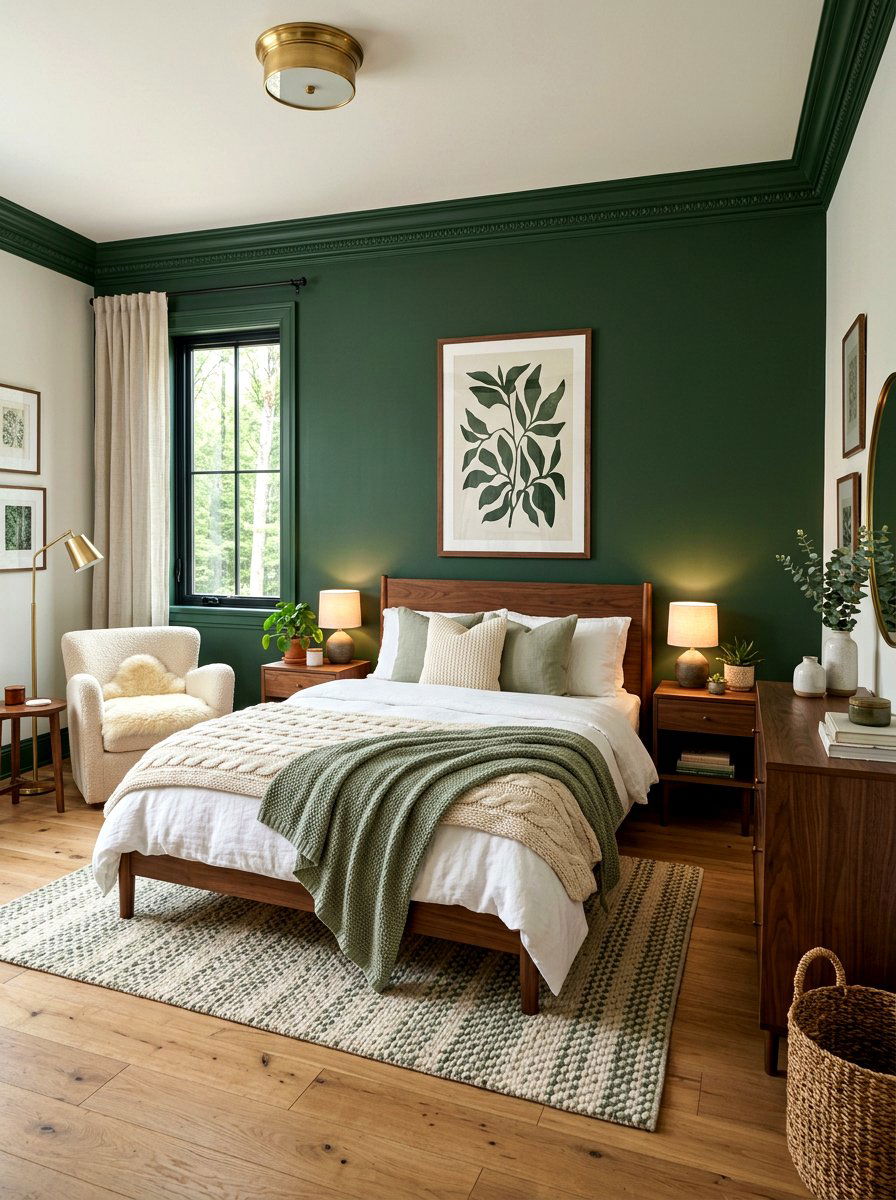
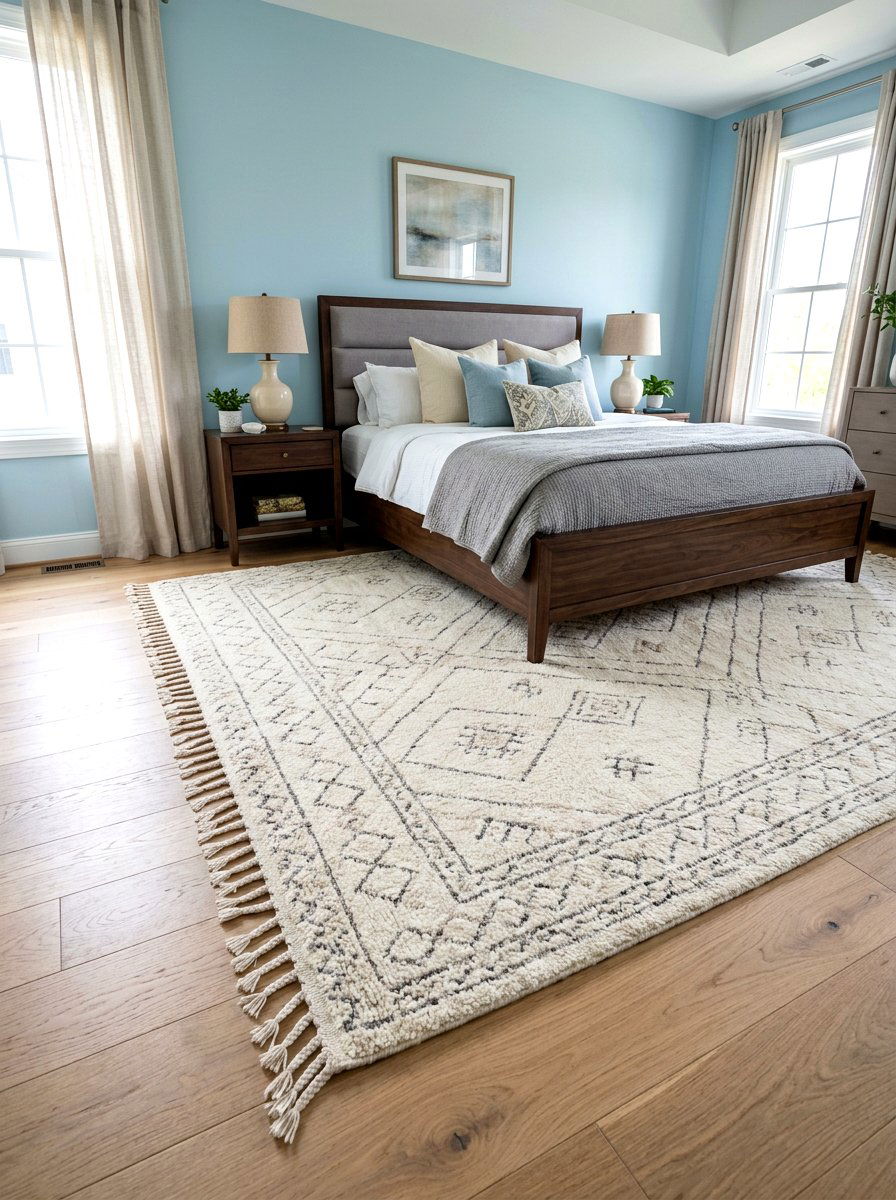
15. Basement Bedroom Accent Wall
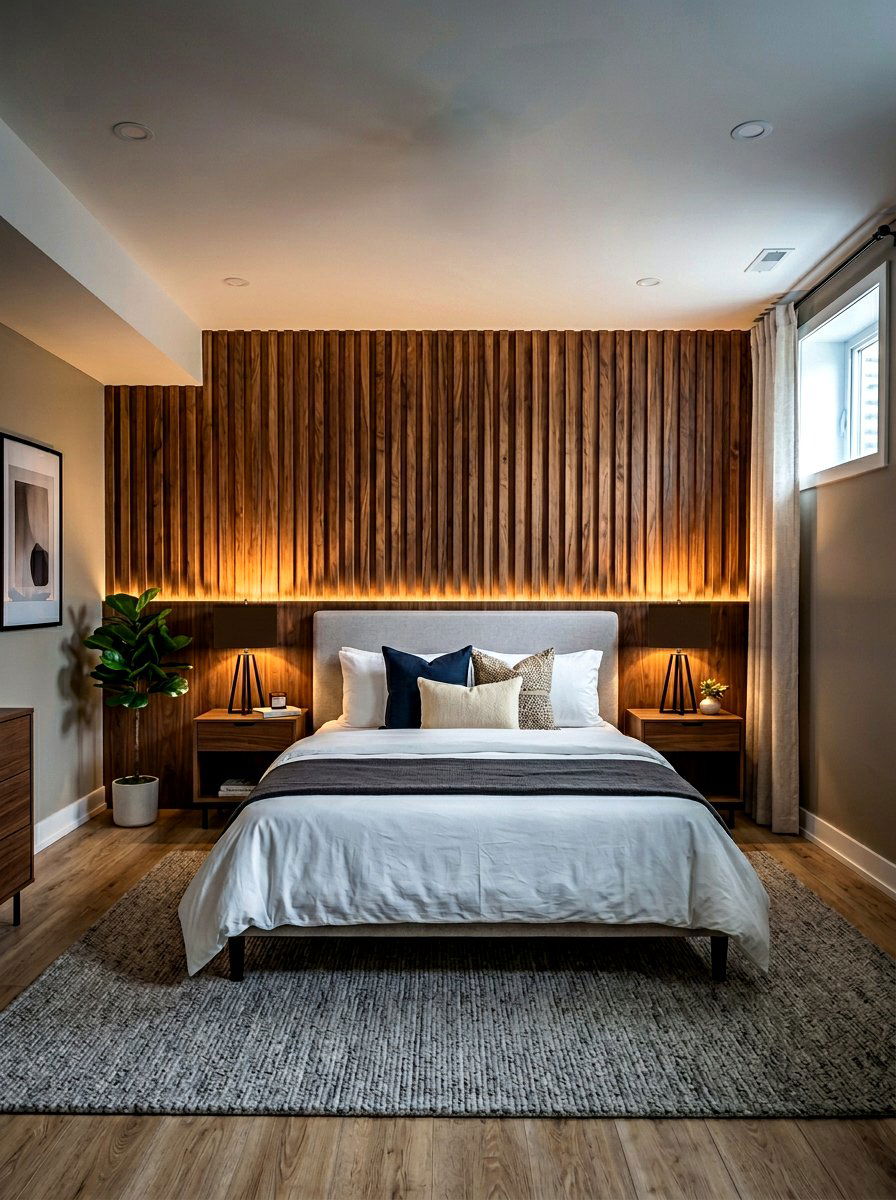
Introducing a focal point through a unique wall treatment is a great way to add personality and visual interest to a basement space. Whether you choose a bold wallpaper, a textured stone veneer, or a simple painted wall in a contrasting color, an accent wall draws the eye and defines the room’s style. In a basement, a textured wall can add much-needed dimension to otherwise flat and windowless surfaces. Consider using vertical wood slats to make the ceiling feel higher or a soft, padded fabric wall for a touch of luxury. This single design element can anchor the entire room, making the surrounding decor choices feel more deliberate and well-coordinated.
16. Low Ceiling Basement Bedroom
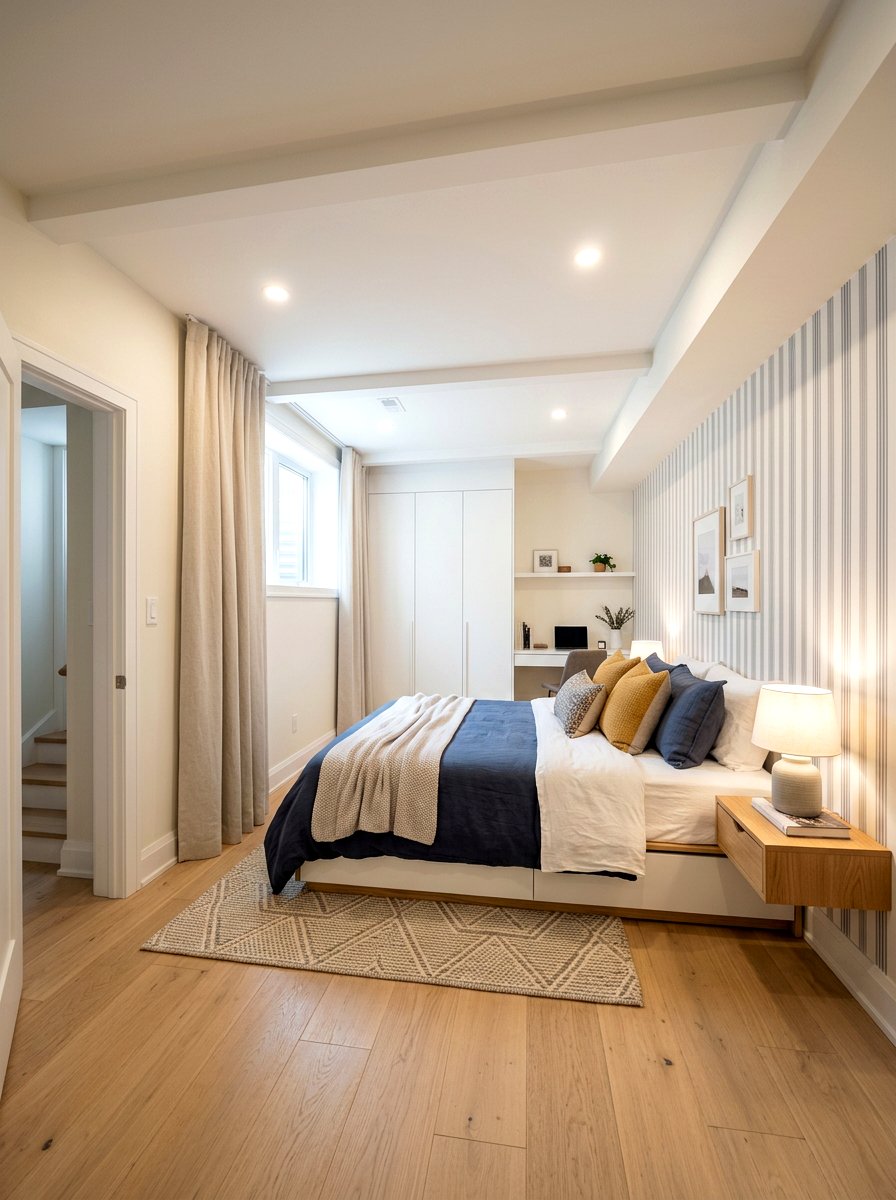
Designing for a room with limited vertical clearance requires a focus on low-profile furniture and vertical lines to create the illusion of height. Choose a platform bed that sits close to the floor and avoid tall, bulky headboards that can make the ceiling feel like it is pressing down. Painting the ceiling the same color as the walls can also help blur the boundaries and make the space feel more expansive. Use long, floor-to-ceiling curtains even if the window is small, as this draws the eye upward and suggests more height. Recessed lighting is the best choice here, as it provides light without taking up any of the precious overhead space.
17. Basement Bedroom With Exposed Brick
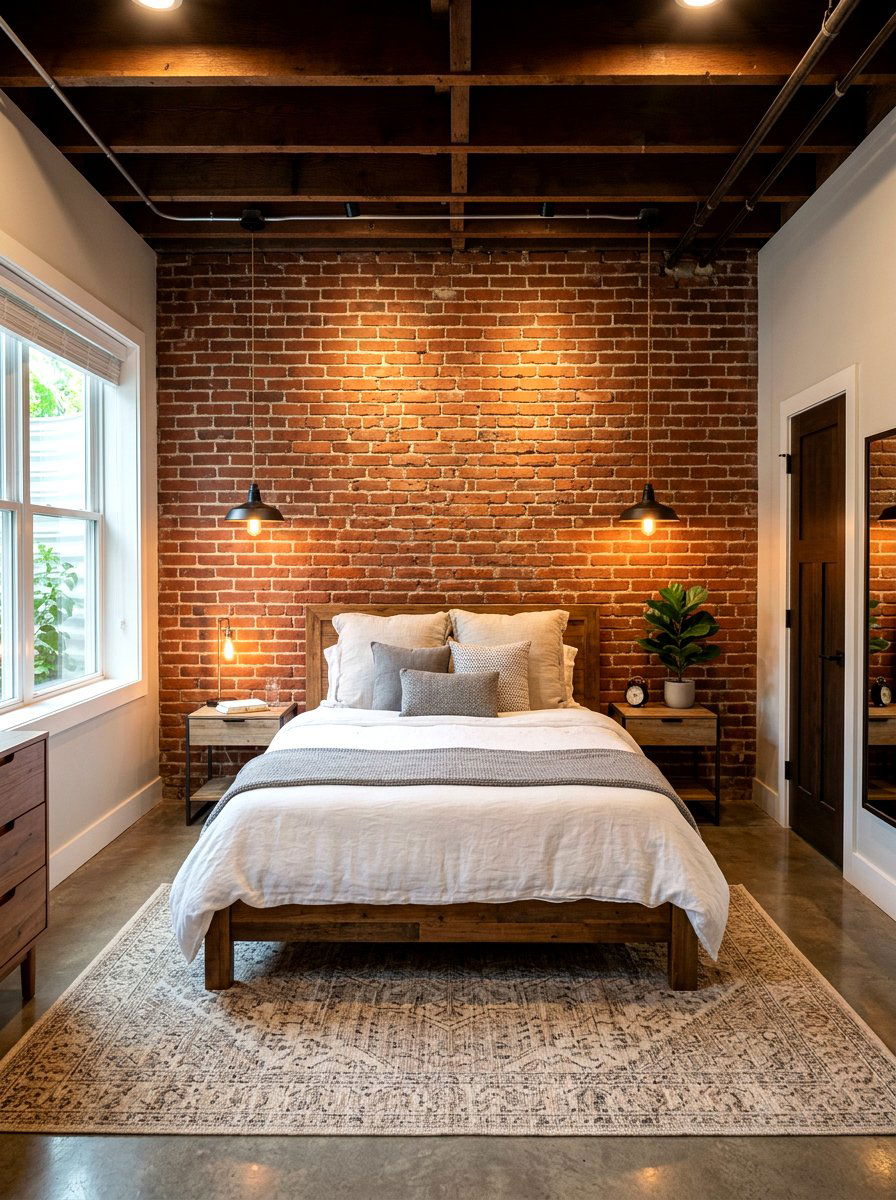
If your basement features original brick foundations, leaving them visible can add an incredible amount of character and a sense of history to the bedroom. The natural texture and warm tones of brick provide a rugged yet cozy backdrop that works well with both industrial and traditional styles. To keep the brick from feeling too dark or dusty, consider applying a clear sealant or a light whitewash that preserves the texture while brightening the overall look. Pair the brick with soft fabrics and warm wood furniture to balance the hardness of the material. This architectural feature makes the basement feel unique and high-end, rather than just another finished room.
18. Transitional Basement Guest Bedroom
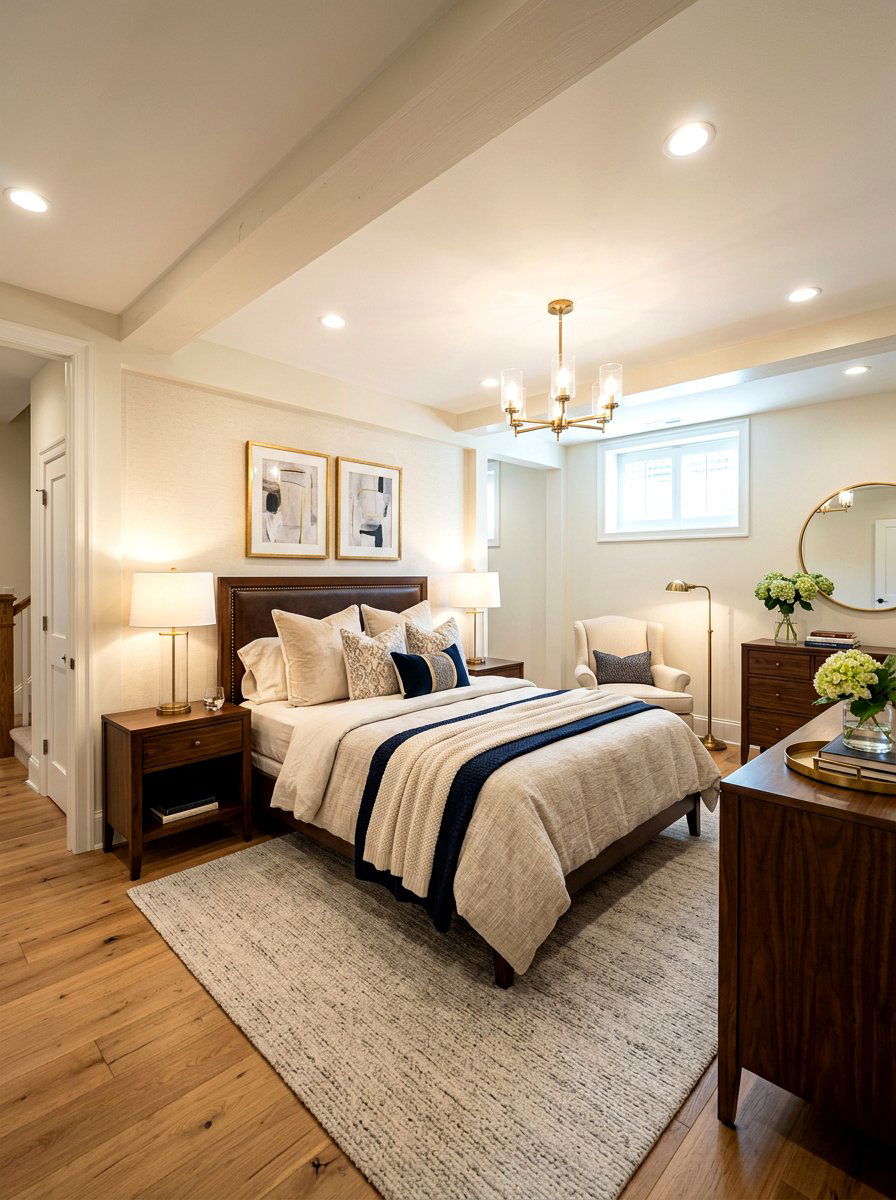
This style blends traditional and contemporary elements to create a timeless and comfortable space that appeals to a wide variety of guests. Focus on a neutral color palette with classic furniture silhouettes, such as a simple wooden bed frame paired with modern, sleek nightstands. Using a mix of materials like glass, metal, and natural wood keeps the room feeling balanced and interesting without being overly trendy. High-quality bedding in layers of cream and tan adds a hotel-like feel that ensures visitors have a restful stay. Transitional design is particularly effective in basements because it feels familiar and cozy while still looking fresh and updated for modern living.
19. Mid Century Modern Basement Bedroom
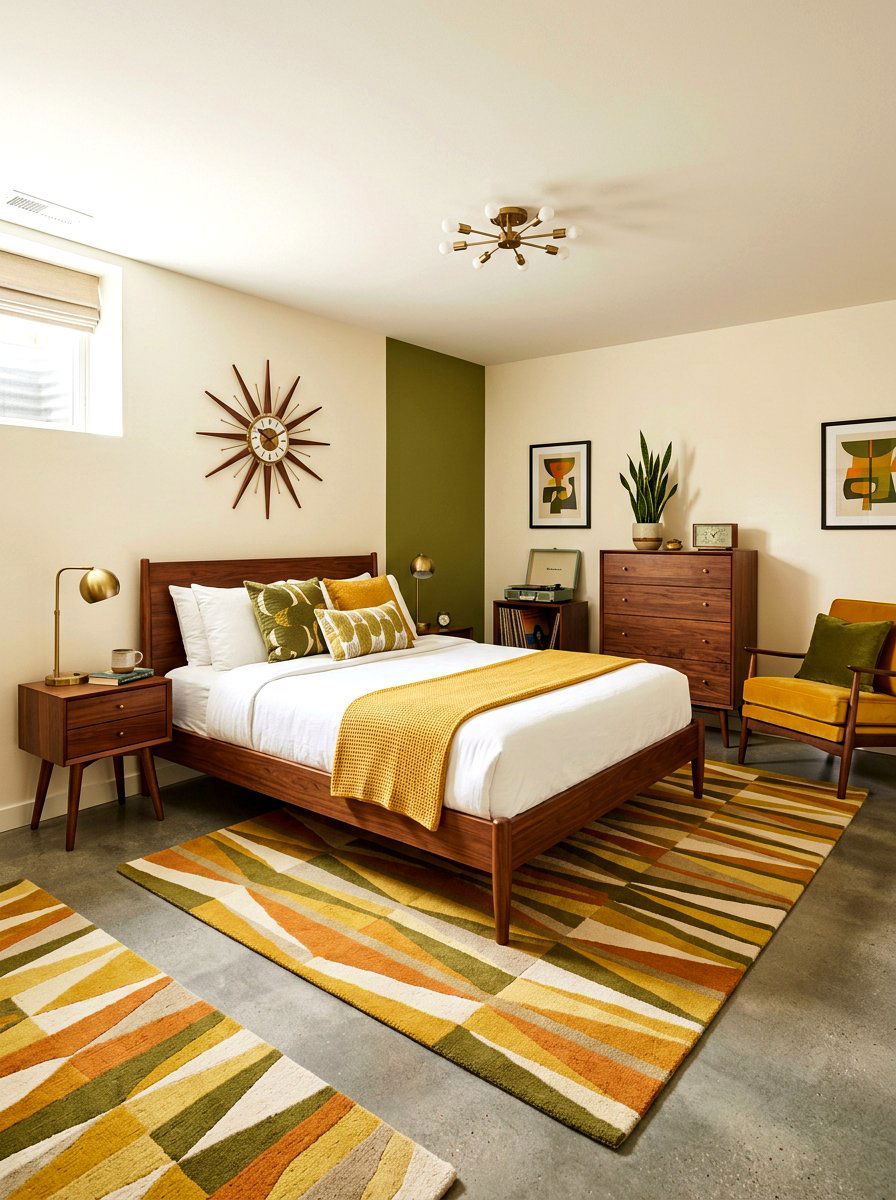
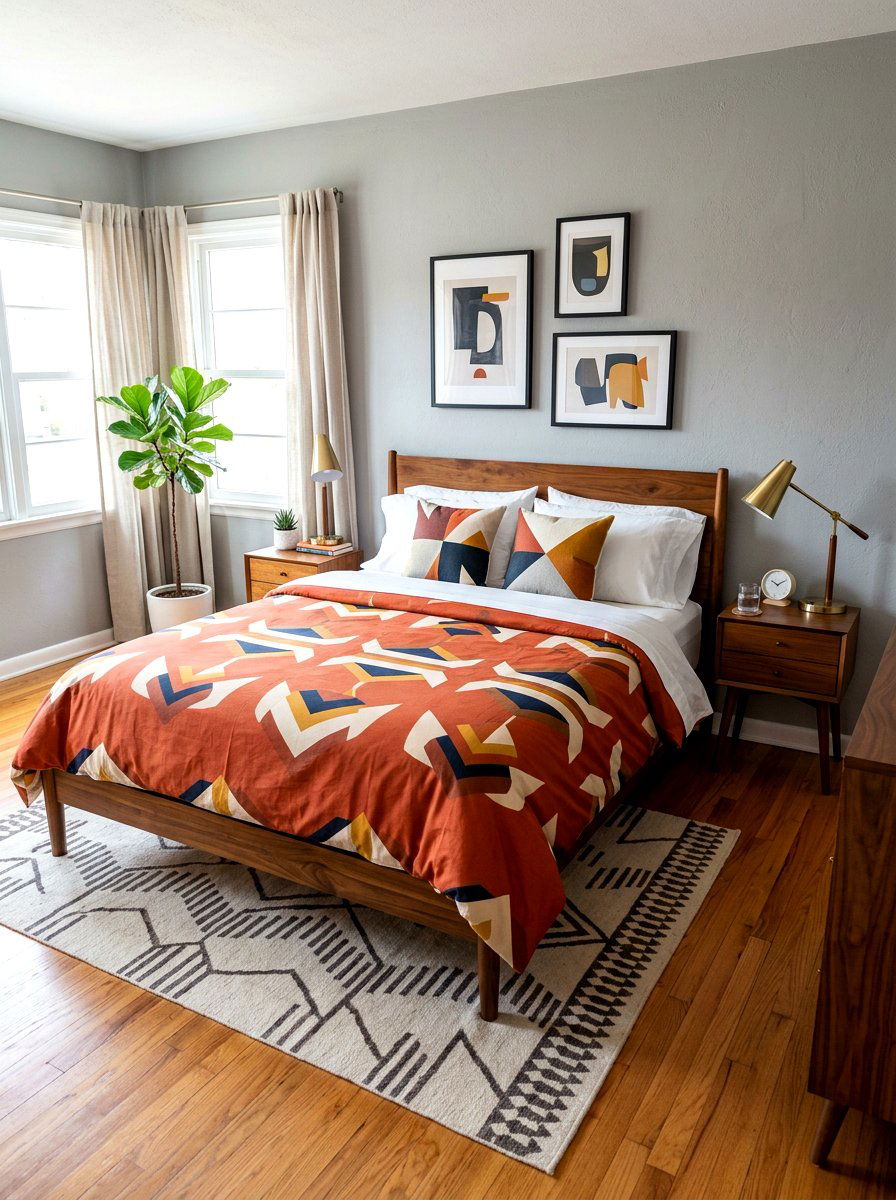
Incorporate the iconic style of the 1950s and 60s into your basement for a look that is both retro and incredibly chic. Focus on furniture with tapered legs, warm wood finishes like walnut, and bold geometric patterns in textiles or wall art. The clean, functional lines of mid-century pieces are perfect for maximizing space in a lower-level room without making it feel cluttered. Use a pop of color, such as mustard yellow or olive green, against a neutral background to add personality and energy to the space. Sleek, sculptural light fixtures serve as functional art, providing essential brightness while reinforcing the specific design era of the entire room.
20. Scandi Style Basement Bedroom
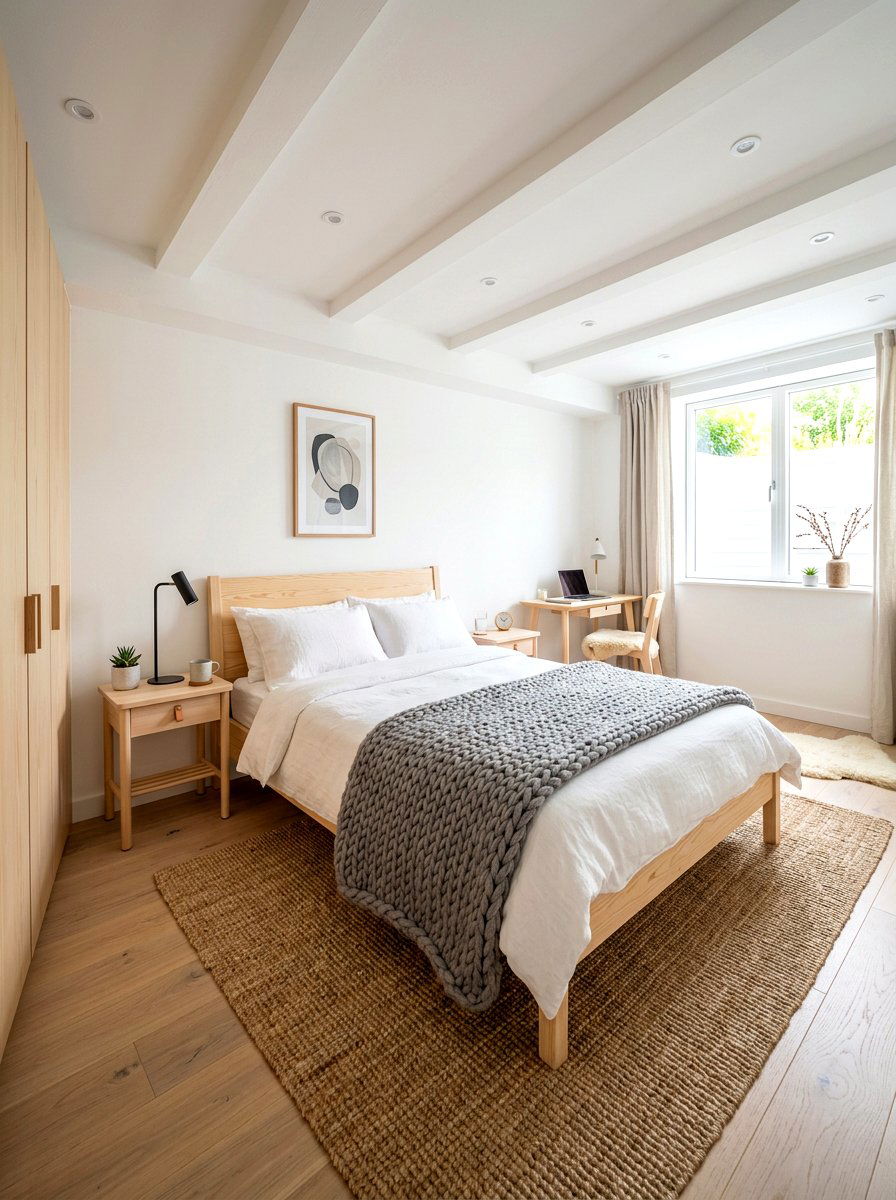
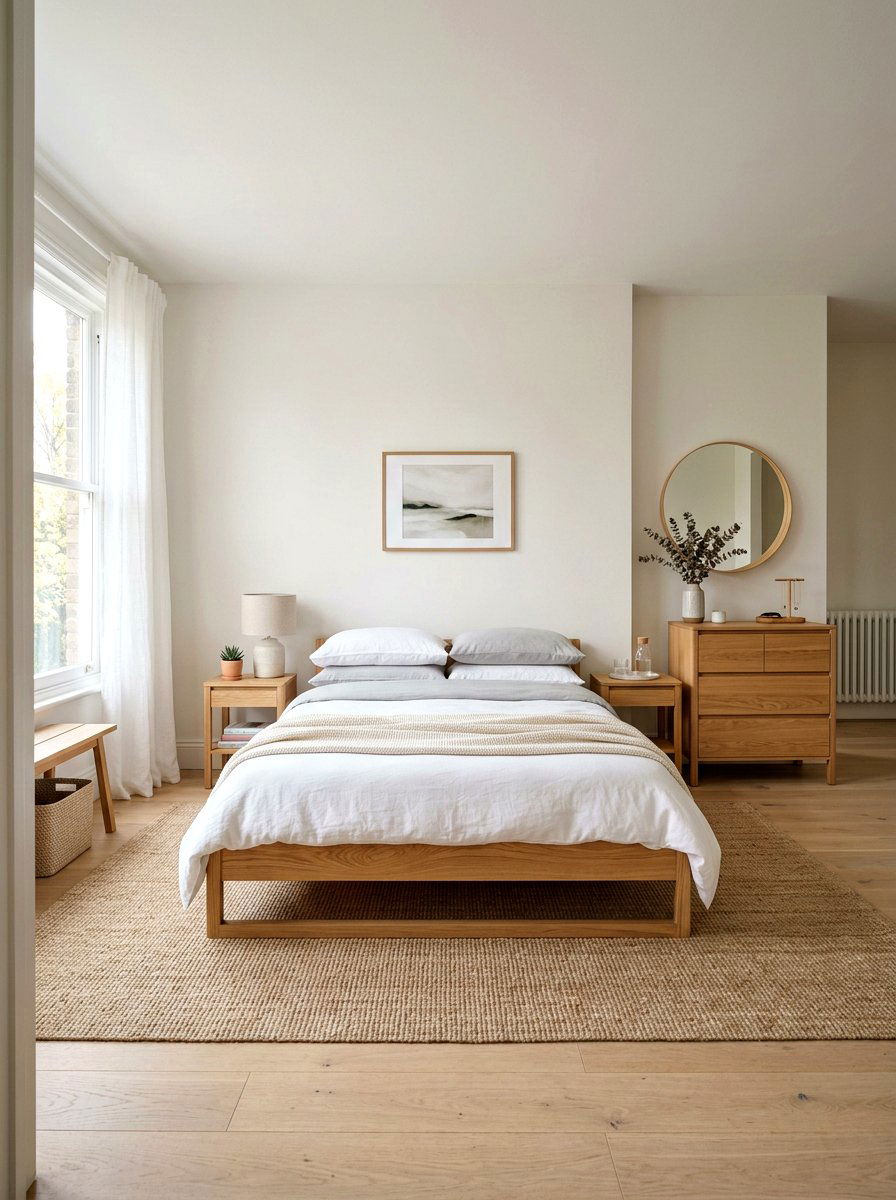
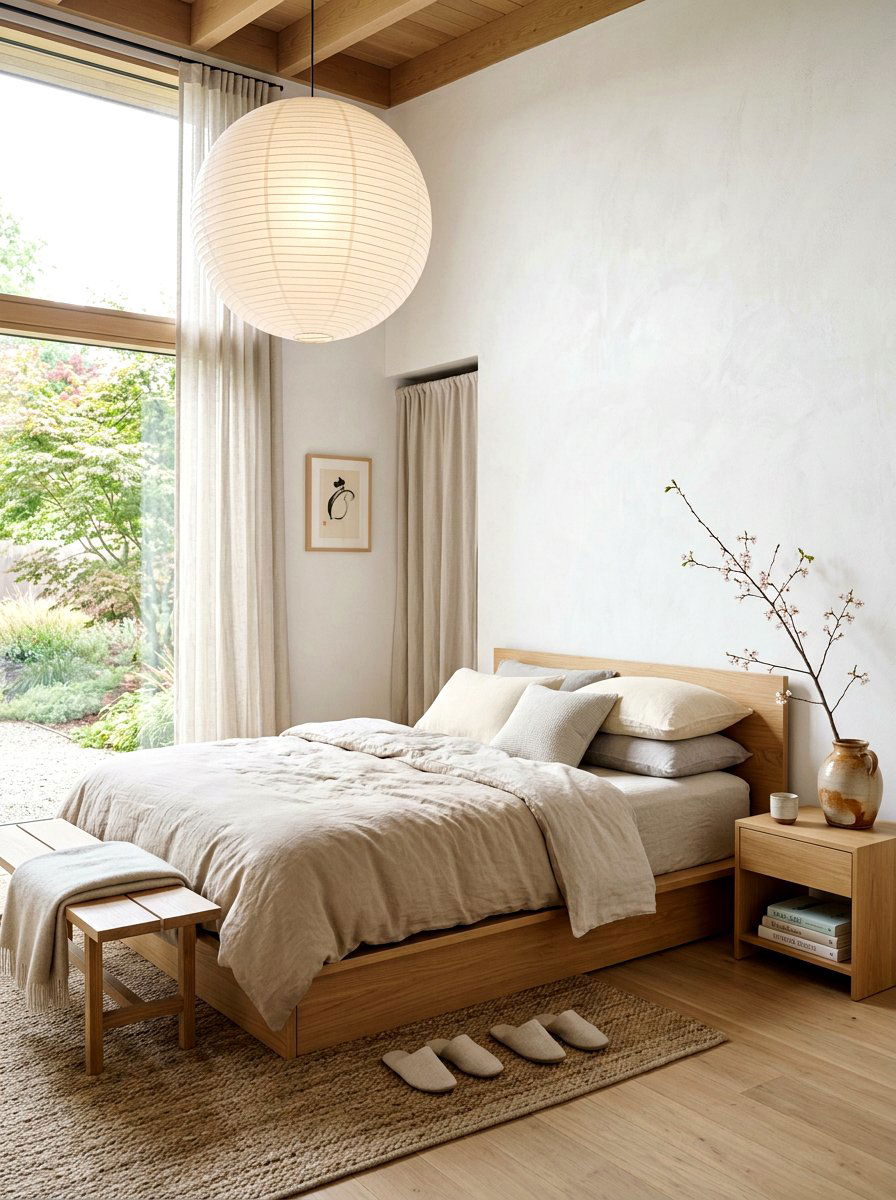
Focusing on functionality, light, and natural materials, Scandinavian design is an ideal choice for creating a bright and airy basement retreat. Use plenty of light-toned woods, like ash or pine, and keep the walls a crisp, clean white to reflect as much light as possible. Minimalist furniture with simple forms ensures the room feels open and spacious, even if the actual square footage is quite limited. Introduce "hygge" through cozy elements like sheepskin rugs, chunky knit blankets, and soft, warm lighting. This approach prioritizes a clutter-free environment and a connection to nature, resulting in a peaceful and rejuvenating space that feels anything but dark or underground.
21. Basement Bedroom Barn Door
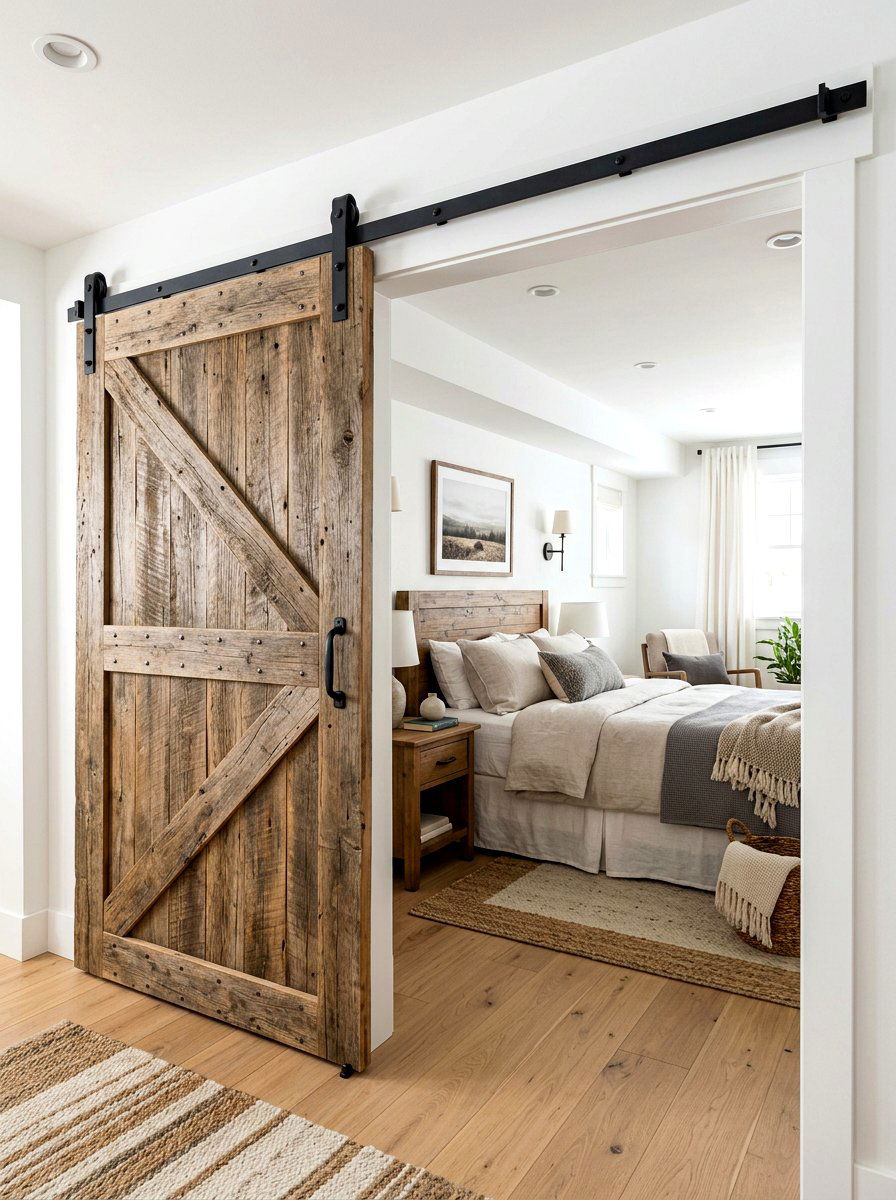
Replacing a traditional swinging door with a sliding barn door is a brilliant way to save floor space in a compact basement bedroom. Since the door slides along the wall, you don 't need to account for a door' s swing radius, allowing for more flexible furniture placement nearby. Beyond their practical benefits, barn doors serve as a major design statement, adding texture and architectural interest to the room. You can choose a rustic reclaimed wood door for a farmhouse feel or a sleek, painted version for a more modern look. This functional element helps to define the entrance while contributing significantly to the overall aesthetic and character of the lower-level space.
22. Basement Bedroom Window Treatment
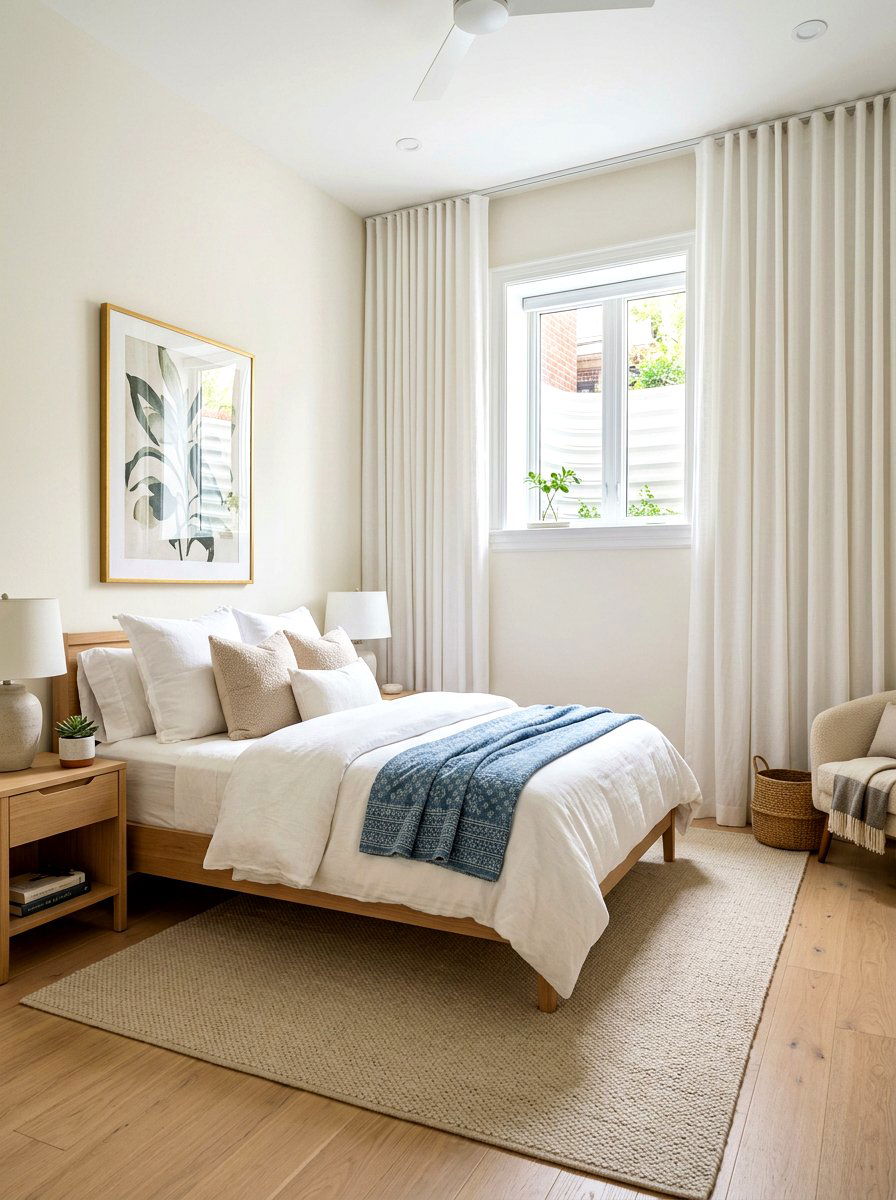
The right curtains or blinds can transform small basement windows into a beautiful design feature while maximizing the entry of natural light. Hang curtain rods several inches above the actual window frame and extend them wider than the window itself to make the opening appear much larger. Opt for light-colored, sheer fabrics that provide privacy while still allowing soft, filtered sunlight to fill the room during the day. If you need complete darkness for sleeping, use a double-rod system with blackout curtains over the sheers. Coordinating the fabric with your bedding or rugs helps to tie the entire room together, making the window feel like an intentional part of the overall design scheme.
23. Neutral Basement Guest Room
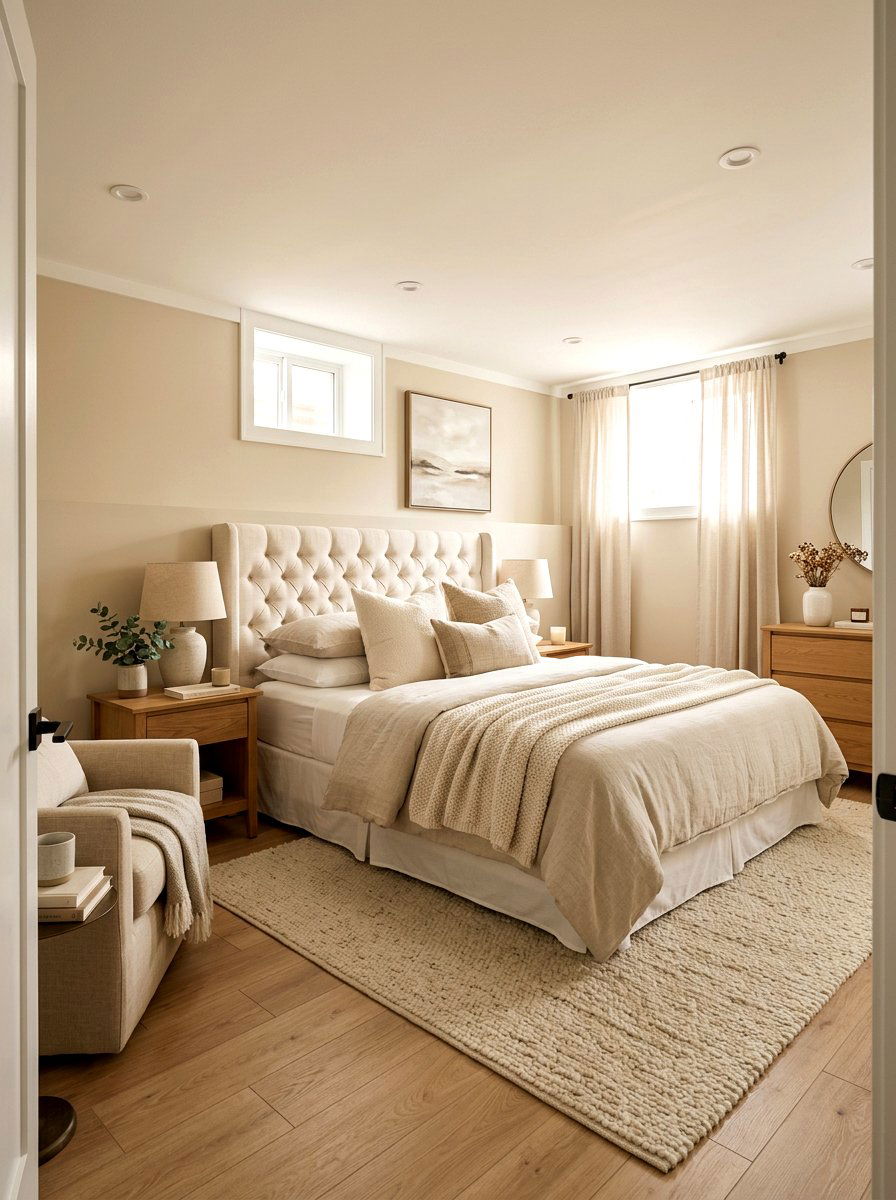
A palette of soft beiges, creams, and light grays creates a calm and universally appealing environment that is perfect for a guest sanctuary. Neutral colors are particularly effective in basements because they help to brighten the space and make it feel more open and less enclosed. To prevent a neutral room from feeling flat or boring, it is important to layer various textures, such as linen pillows, wool throws, and a plush area rug. Incorporating different shades of the same color adds depth and sophistication without the need for bold, overwhelming pigments. This timeless approach ensures that the guest room remains a serene and welcoming place for any visitor.
24. Coastal Basement Bedroom
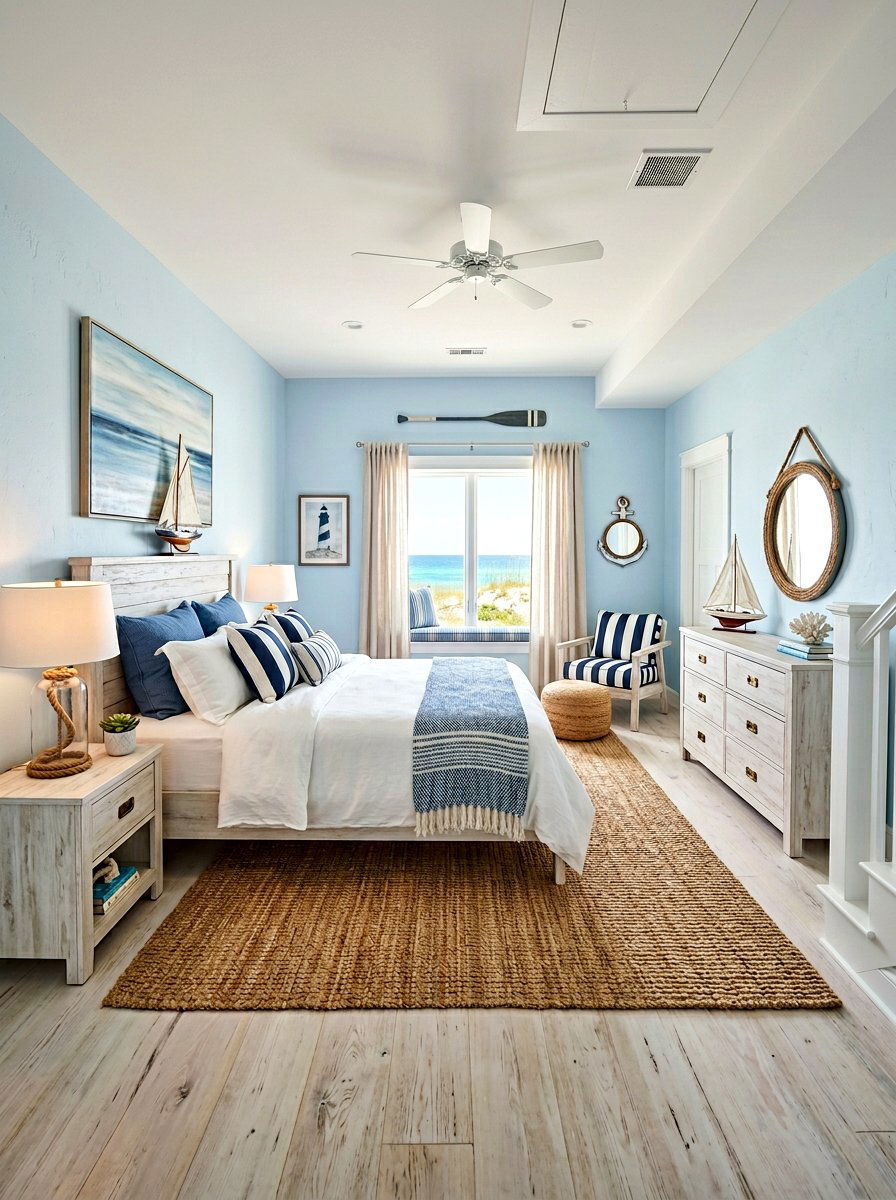
Bring a sense of the beach and fresh air to your lower level by using light blues, sandy tans, and plenty of natural woven textures. A coastal theme works surprisingly well in basements because it emphasizes brightness and a relaxed, breezy atmosphere that counteracts any underground gloom. Use white-washed wood furniture and decor elements like seagrass baskets or jute rugs to introduce organic, seaside-inspired materials. Striped textiles and simple nautical accents add character without being too theme-heavy or cluttered. This style creates a refreshing and cheerful retreat that feels like a permanent vacation spot, providing a bright escape from the rest of the house's more traditional living areas.
25. Basement Bedroom Bunk Bed
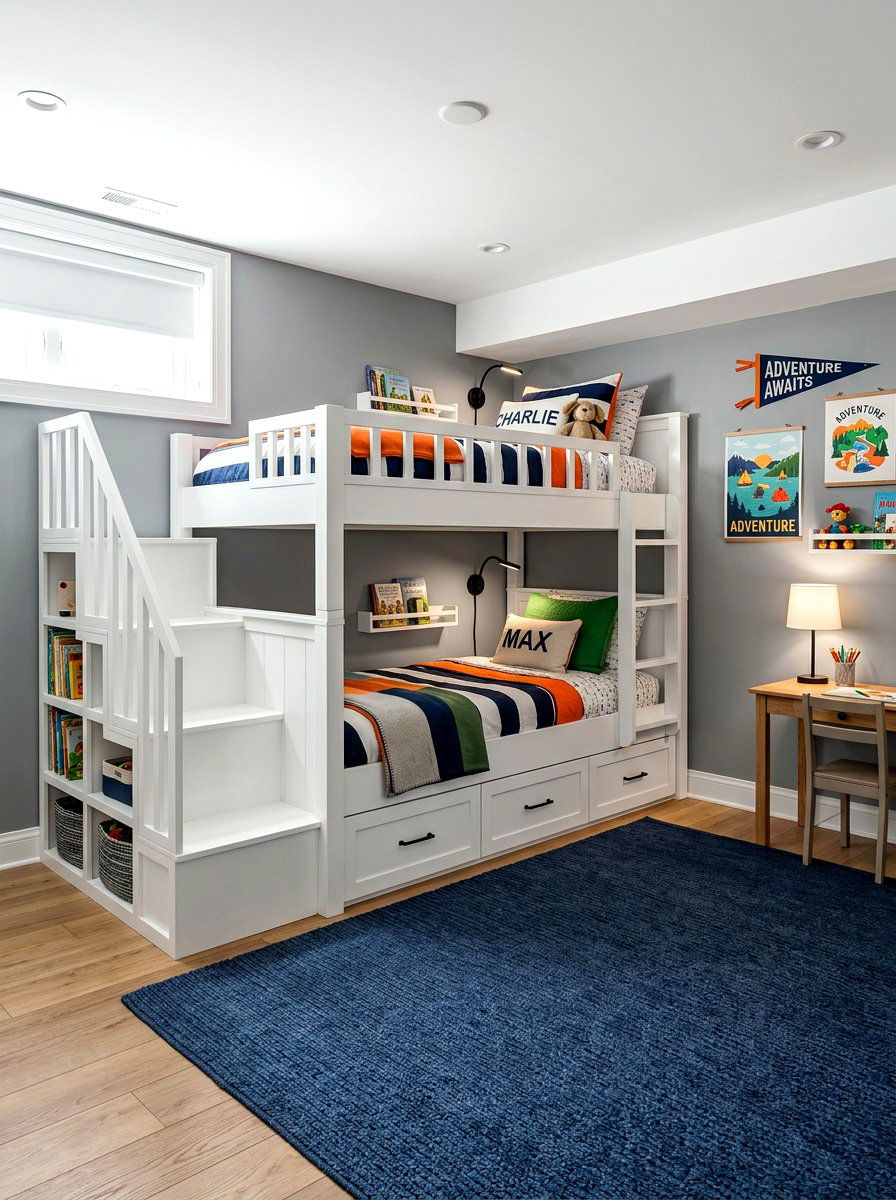
Installing bunk beds is one of the most efficient ways to accommodate multiple sleepers in a basement guest room or kids' area. Modern bunk bed designs often include built-in features like storage drawers, bookshelves, or even integrated desks to maximize the utility of the vertical space. To make the bunks feel like a permanent part of the room rather than an afterthought, consider custom-built units that are painted to match the walls. Each bunk should have its own dedicated reading light and a small shelf for personal items to ensure every sleeper feels comfortable. This setup is perfect for hosting large families or for children’s sleepovers in a fun environment.
26. Basement Bedroom Glass Partition
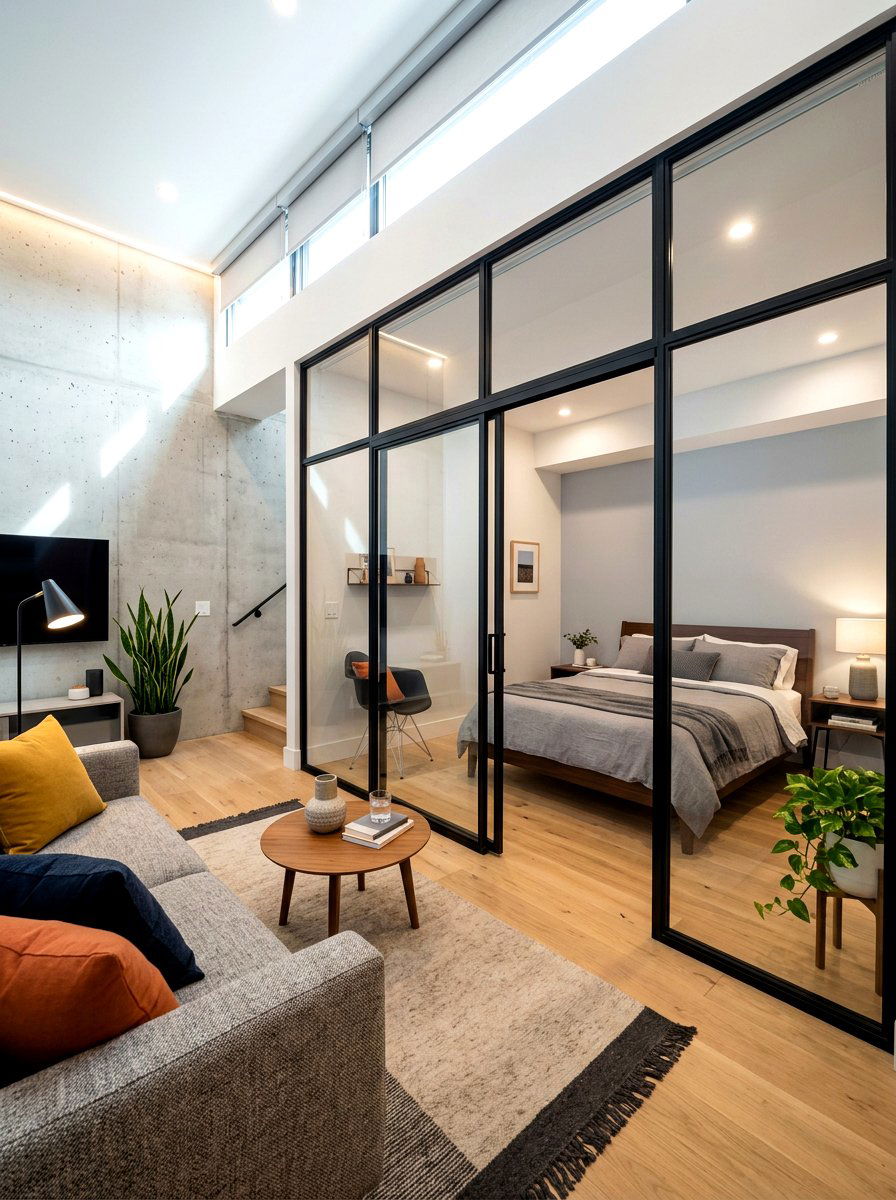
If you want to maintain an open-concept feel while still defining a separate sleeping area, using a glass partition is a sophisticated and modern solution. Glass walls allow light to travel freely throughout the basement, preventing the bedroom from feeling like a closed-off box. You can use frosted or fluted glass for added privacy while still benefiting from the visual openness of the material. Framing the glass in black metal adds a trendy industrial touch that anchors the space and gives it a high-end, architectural look. This design choice is particularly effective in studio-style basements where you want to differentiate zones without sacrificing the overall sense of flow and light.
27. Contemporary Basement Suite
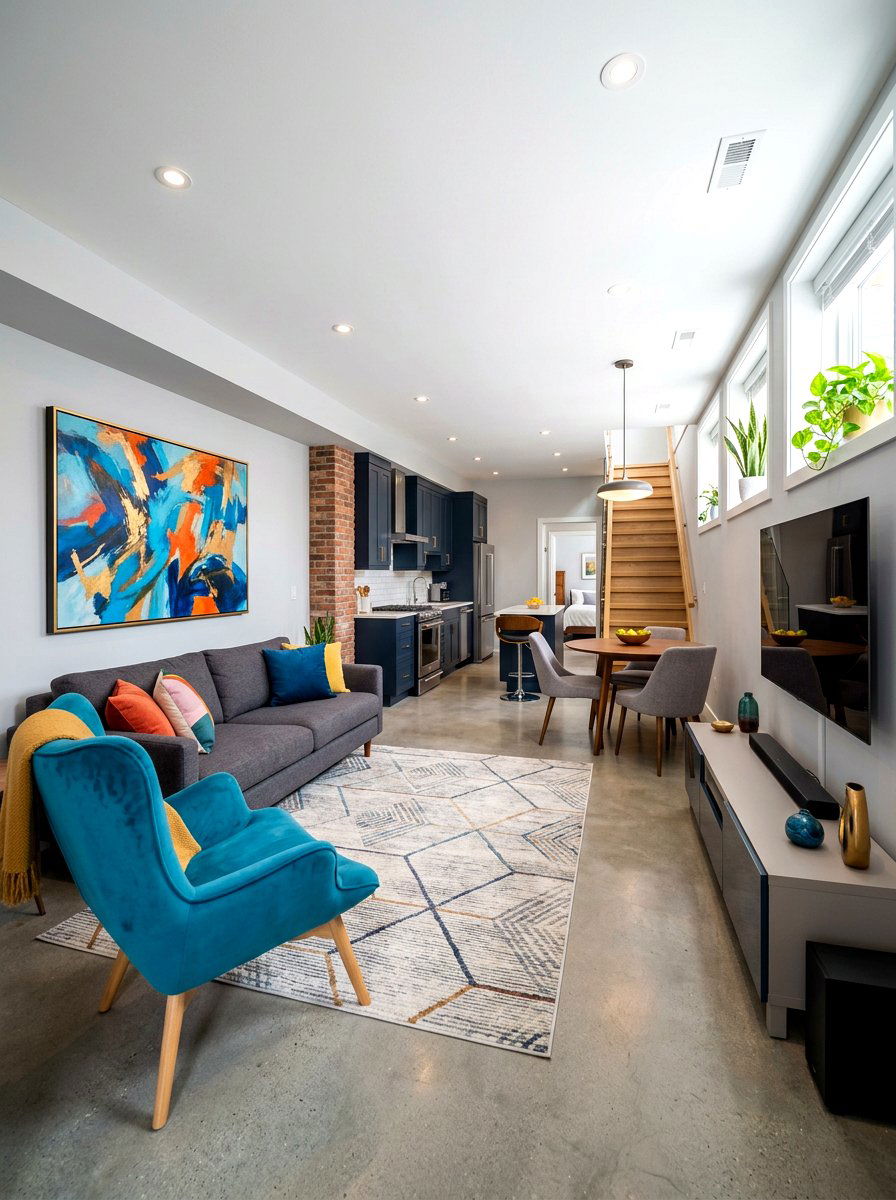
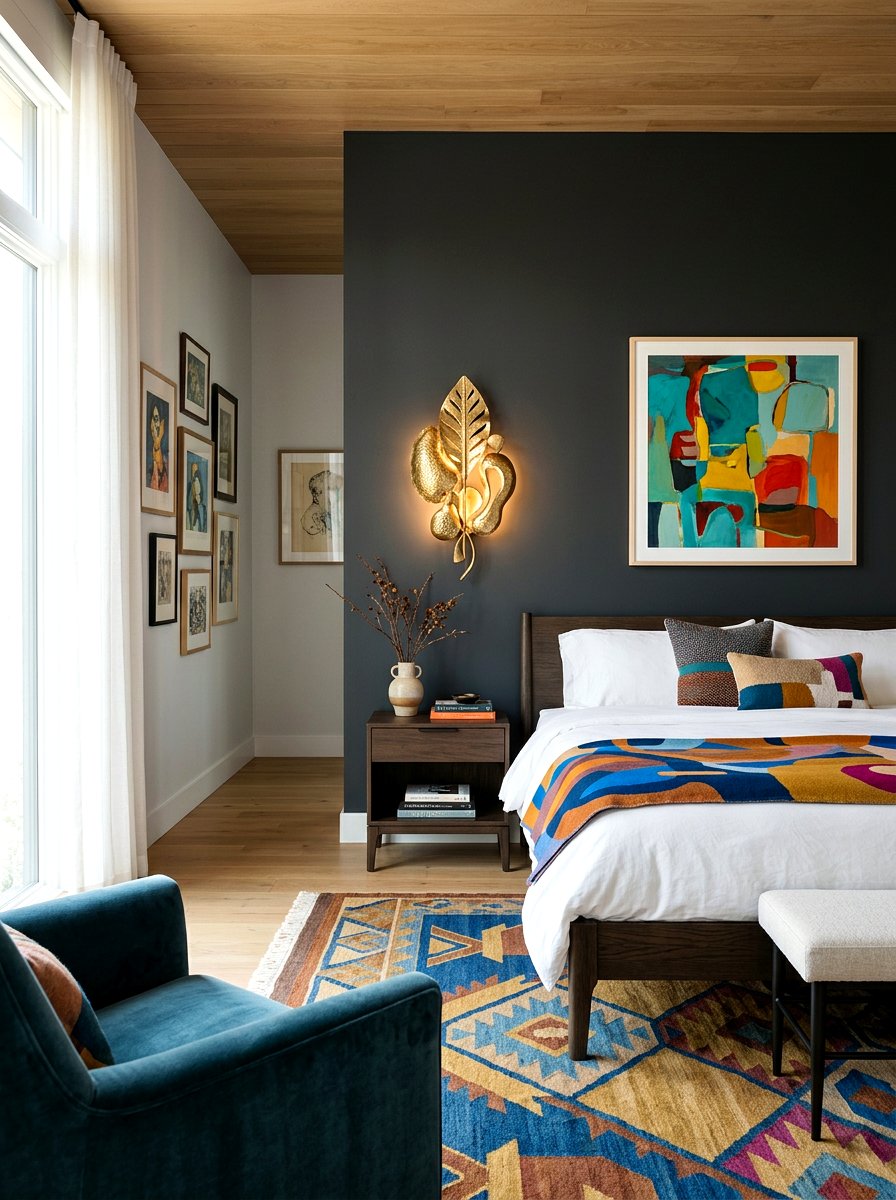
A contemporary approach focuses on what is currently popular, often featuring a mix of sleek furniture, bold art, and high-tech amenities. This style is perfect for creating a multifunctional basement suite that feels updated and highly functional for modern life. Use a neutral base with one or two standout accent colors, like a vibrant teal or a deep burnt orange, to add energy and focus. Incorporating smart home features, such as voice-controlled lighting or automated climate systems, enhances the comfort and convenience of the space. Large-scale abstract photography or modern sculptures provide a sophisticated finish that makes the basement feel like a high-end gallery or an upscale city apartment.
28. Basement Bedroom Carpet Flooring
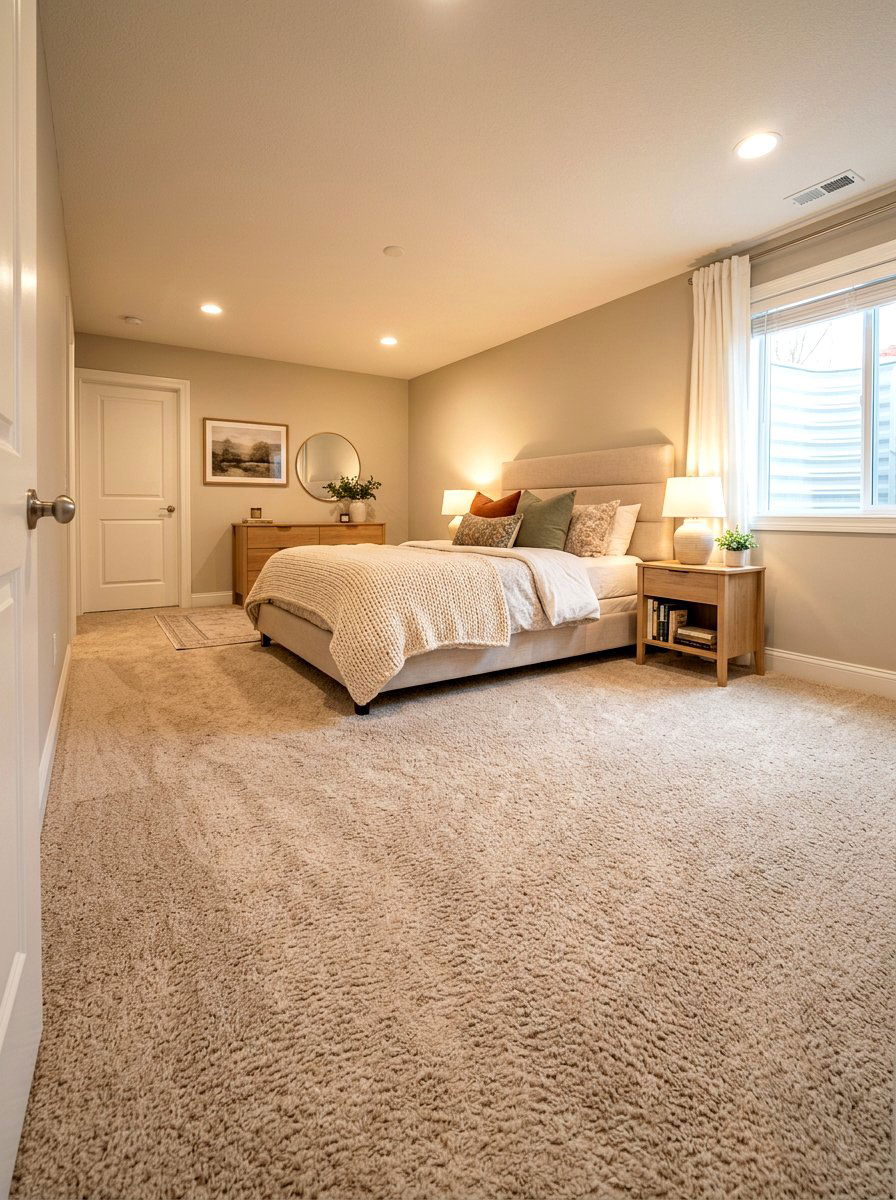
Choosing plush wall-to-wall carpeting or large area rugs is the best way to introduce warmth and sound insulation into a naturally cool basement. Basement floors are often made of concrete, which can feel cold and hard underfoot, so a soft floor covering is essential for a cozy bedroom vibe. Look for moisture-resistant carpet fibers or use a high-quality pad that provides a thermal barrier against the subfloor. Neutral tones like oatmeal or soft gray help to keep the room feeling bright and airy while being practical for a high-traffic area. The added softness makes the room feel much more like a traditional bedroom and provides a comfortable surface for relaxing.
29. Basement Bedroom Shiplap Wall
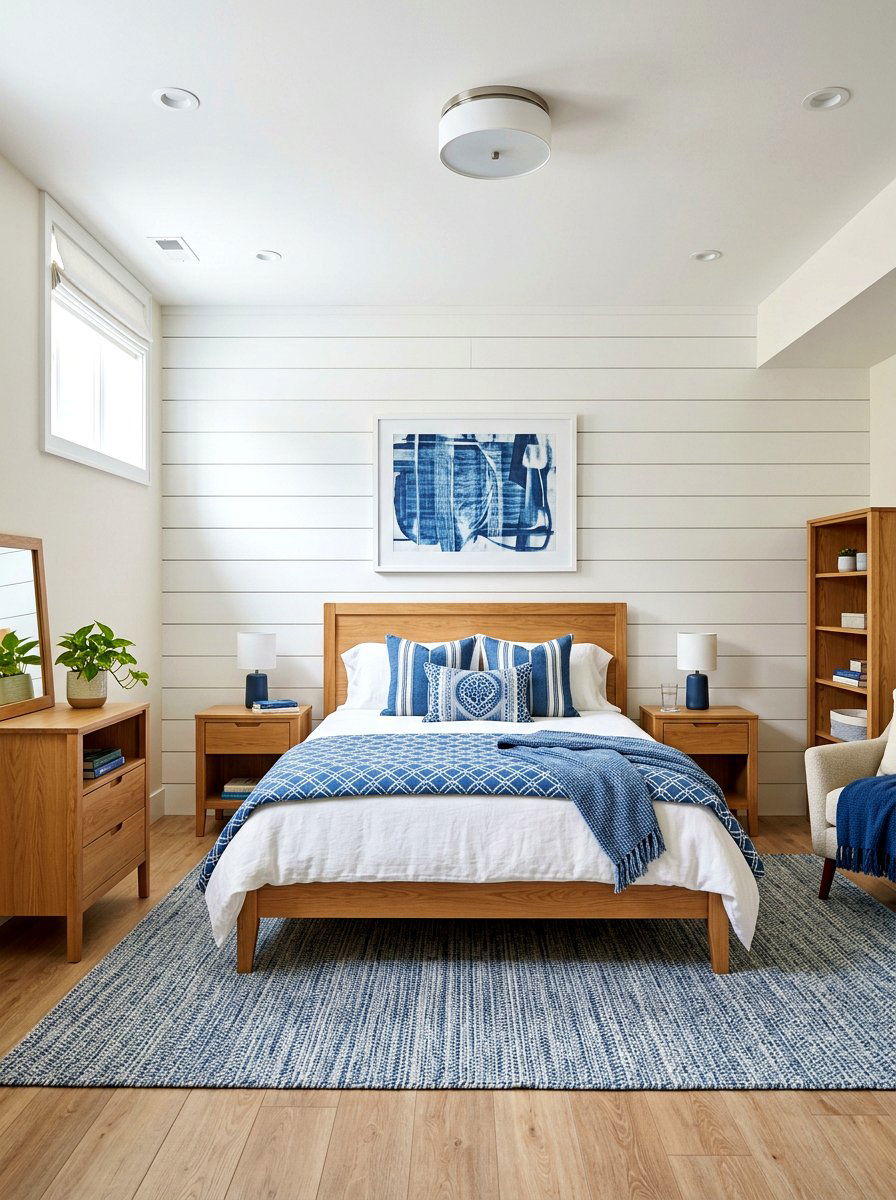
Adding horizontal or vertical wood planks to the walls is a fantastic way to introduce texture and architectural interest to a plain basement room. Shiplap provides a clean and structured look that works perfectly for farmhouse, coastal, or even modern styles depending on how it is finished. Painting the planks a crisp white will reflect light and make the room feel larger, while a dark, moody color can create a more dramatic and cozy effect. The lines created by the planks can also help to lead the eye and influence the perception of the room’s proportions. This simple wall treatment adds a layer of quality and craftsmanship that elevates the entire design.
30. White Basement Bedroom
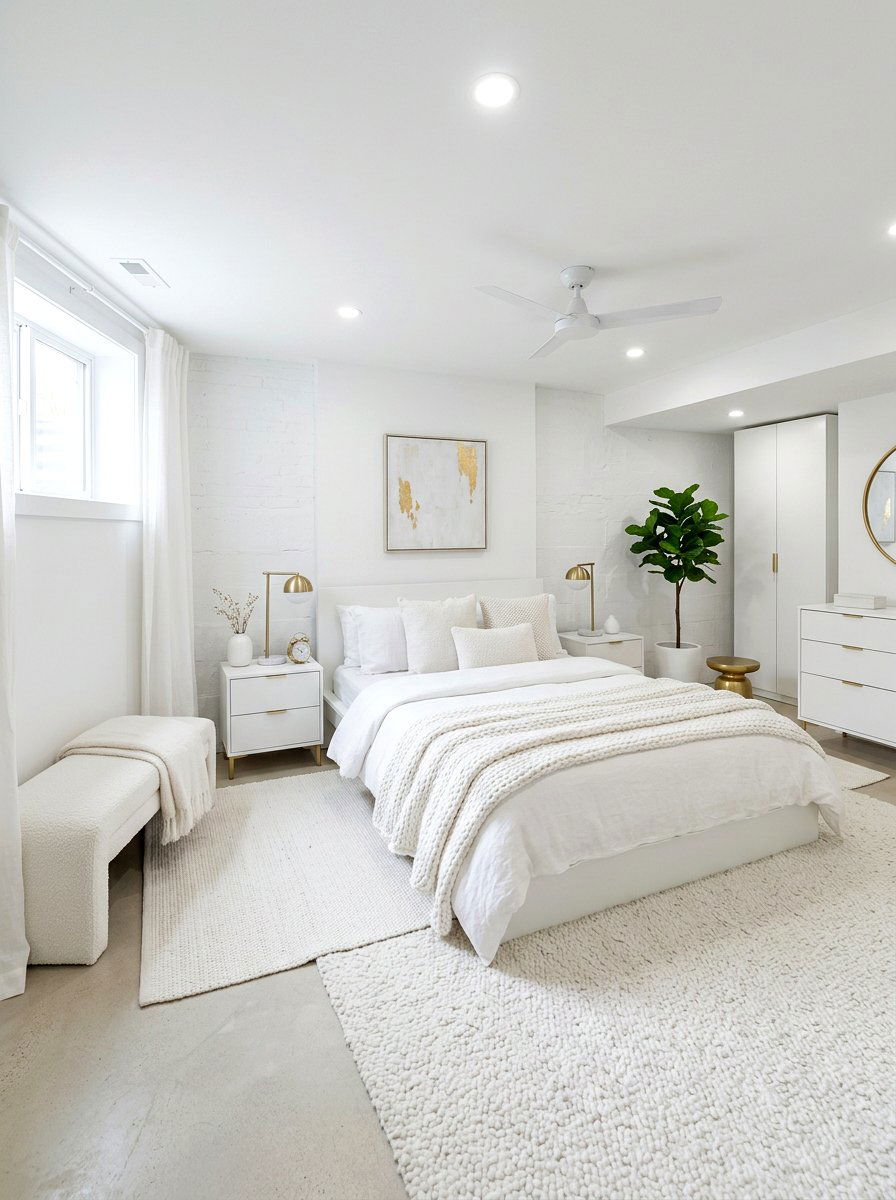
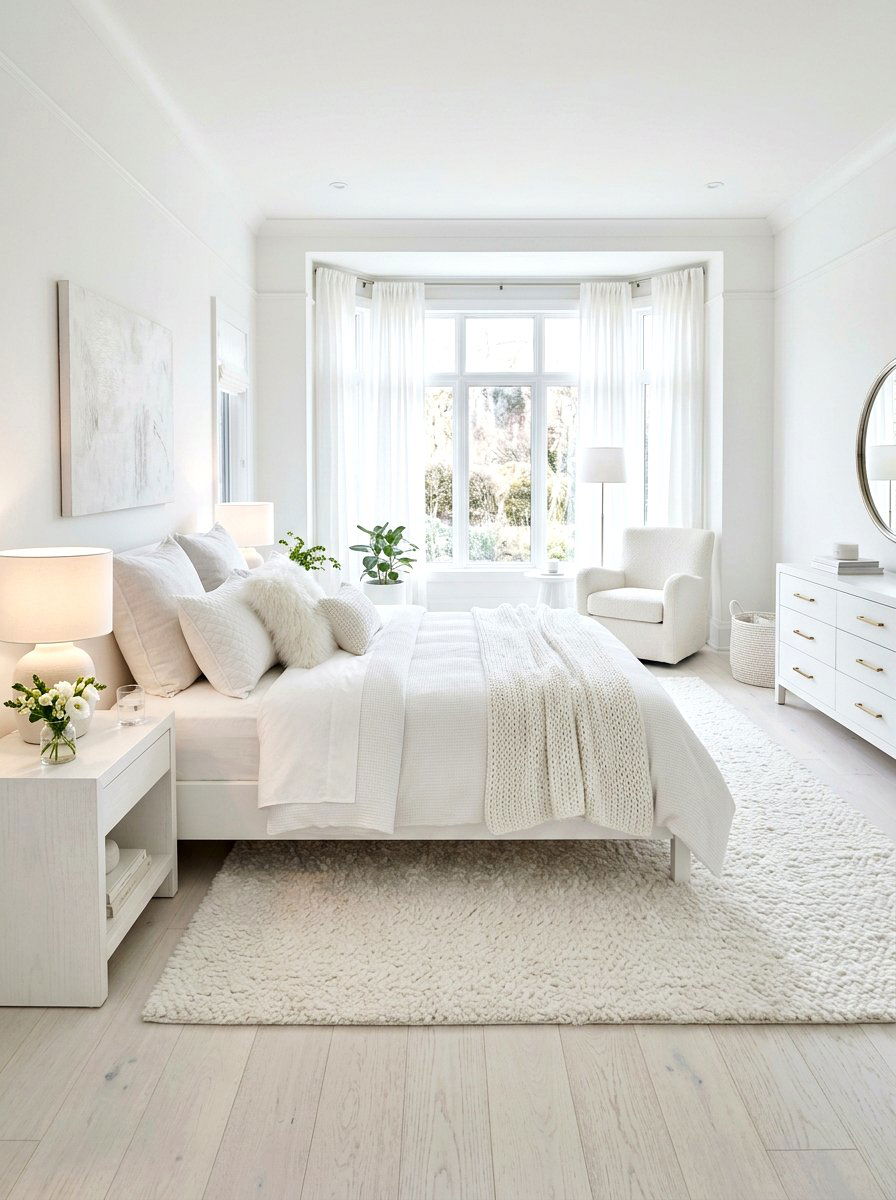
An all-white color scheme is the most effective way to combat the inherent darkness of a basement and create a space that feels incredibly bright. By using different shades of white and cream for the walls, bedding, and furniture, you can create a sophisticated and ethereal look. To prevent the room from feeling clinical or cold, it is crucial to incorporate plenty of varied textures, such as wood, wool, and linen. Metallic accents in gold or brass can add a touch of warmth and luxury to the monochromatic palette. This clean and minimalist approach results in a refreshing, spa-like sanctuary that feels open, airy, and completely rejuvenated for any sleeper.
Conclusion:
Designing a basement bedroom offers a unique opportunity to expand your home's functionality while creating a cozy, private retreat that feels completely distinct from the upper levels. By prioritizing clever lighting, moisture-resistant materials, and smart storage solutions, you can overcome the common hurdles of subterranean spaces to create a room that is both beautiful and practical. Whether you prefer the raw look of industrial design or the serene vibe of a Scandinavian sanctuary, the key is to maximize light and comfort. A well-designed basement bedroom not only provides a quiet escape for family or guests but also significantly enhances the value and livability of your property for years to come.

Related posts: