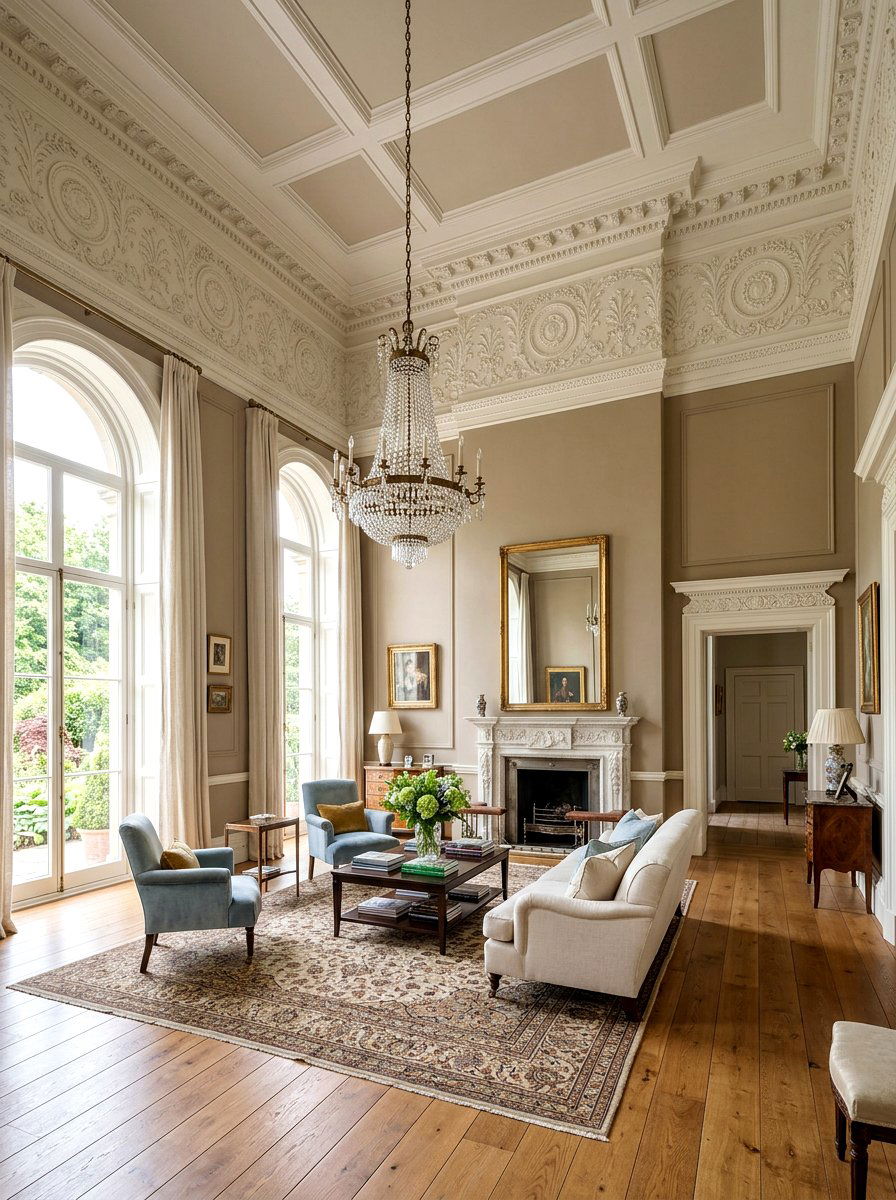
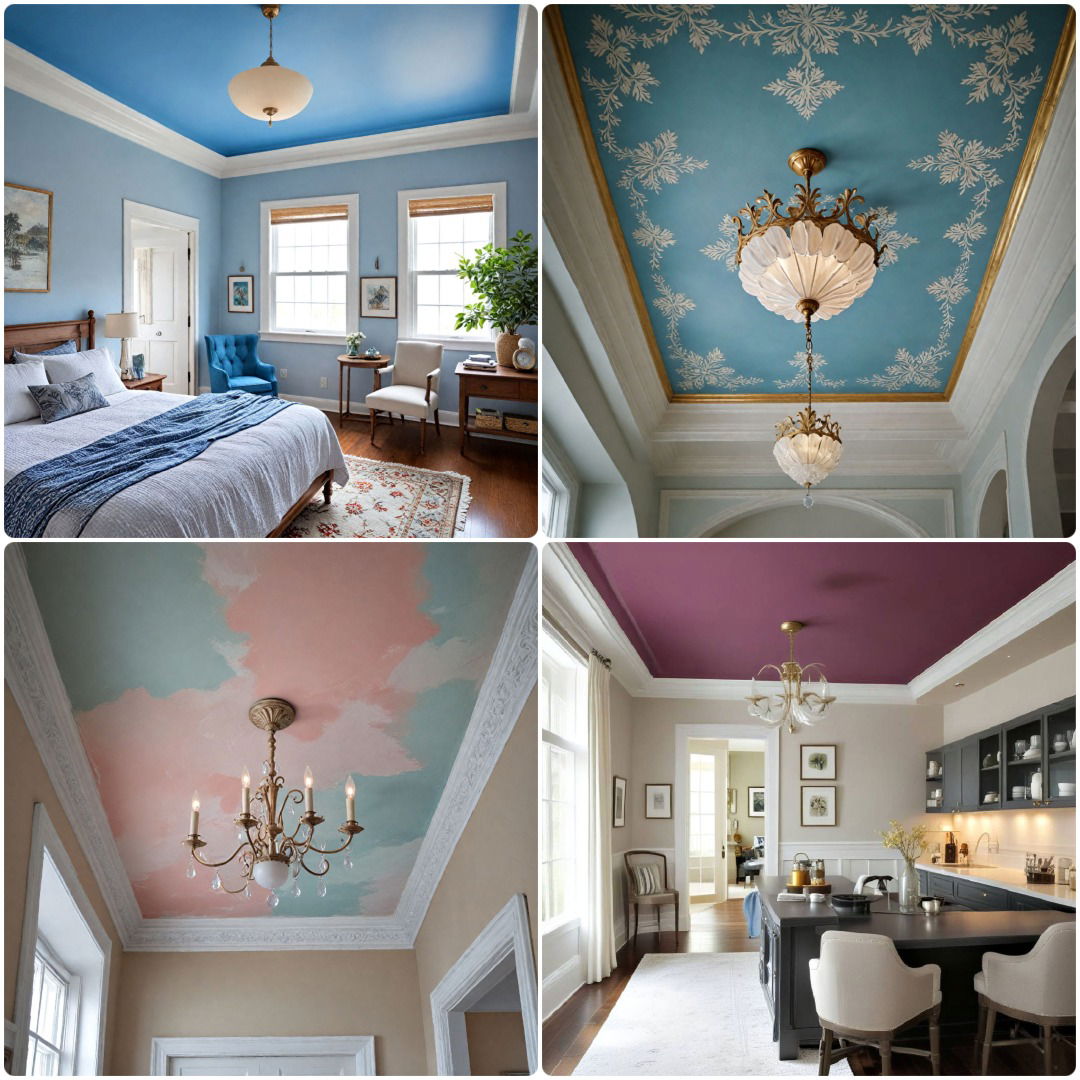
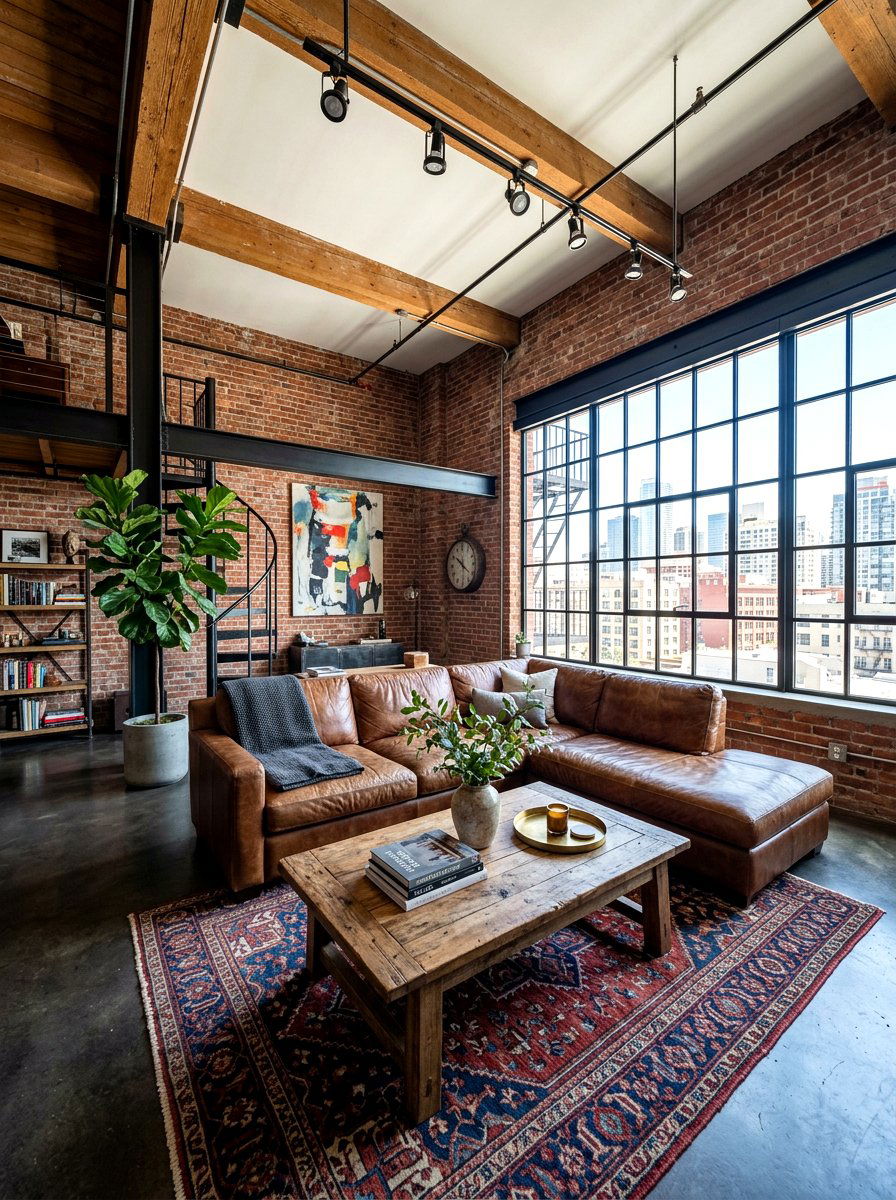
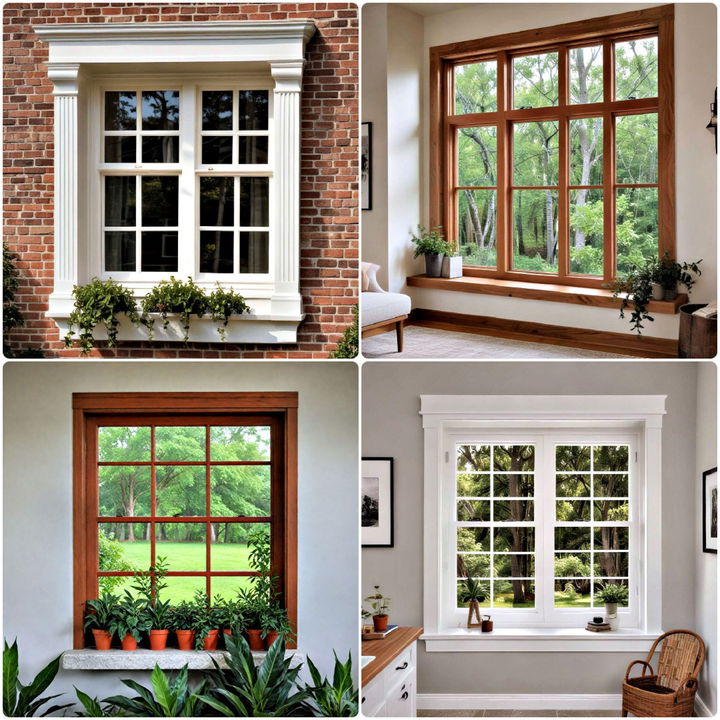
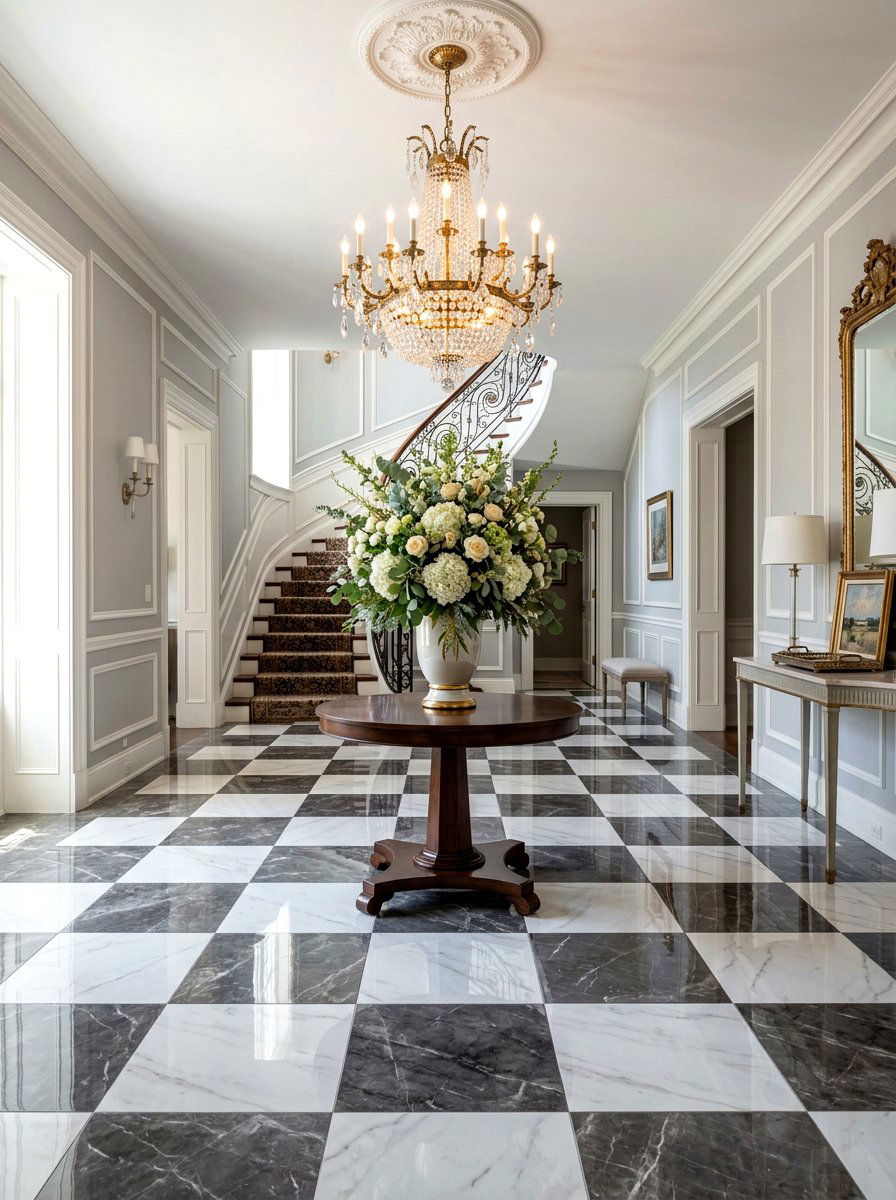
Decorative corbels are sophisticated architectural accents that provide both structural integrity and a refined sense of history to a modern home. Traditionally utilized as heavy-duty supports in classical buildings, these versatile brackets have transitioned into essential design elements for interior enthusiasts. Incorporating corbels into your decor allows you to introduce intricate textures, elegant curves, and a custom craftsmanship feel without undergoing a massive renovation. Whether you prefer the rustic warmth of distressed wood or the sleek profile of modern metal, corbels bridge the gap between utility and artistry. By strategically placing these details in high-visibility areas like kitchens or entryways, you create a cohesive and high-end aesthetic that significantly elevates your property's overall character.
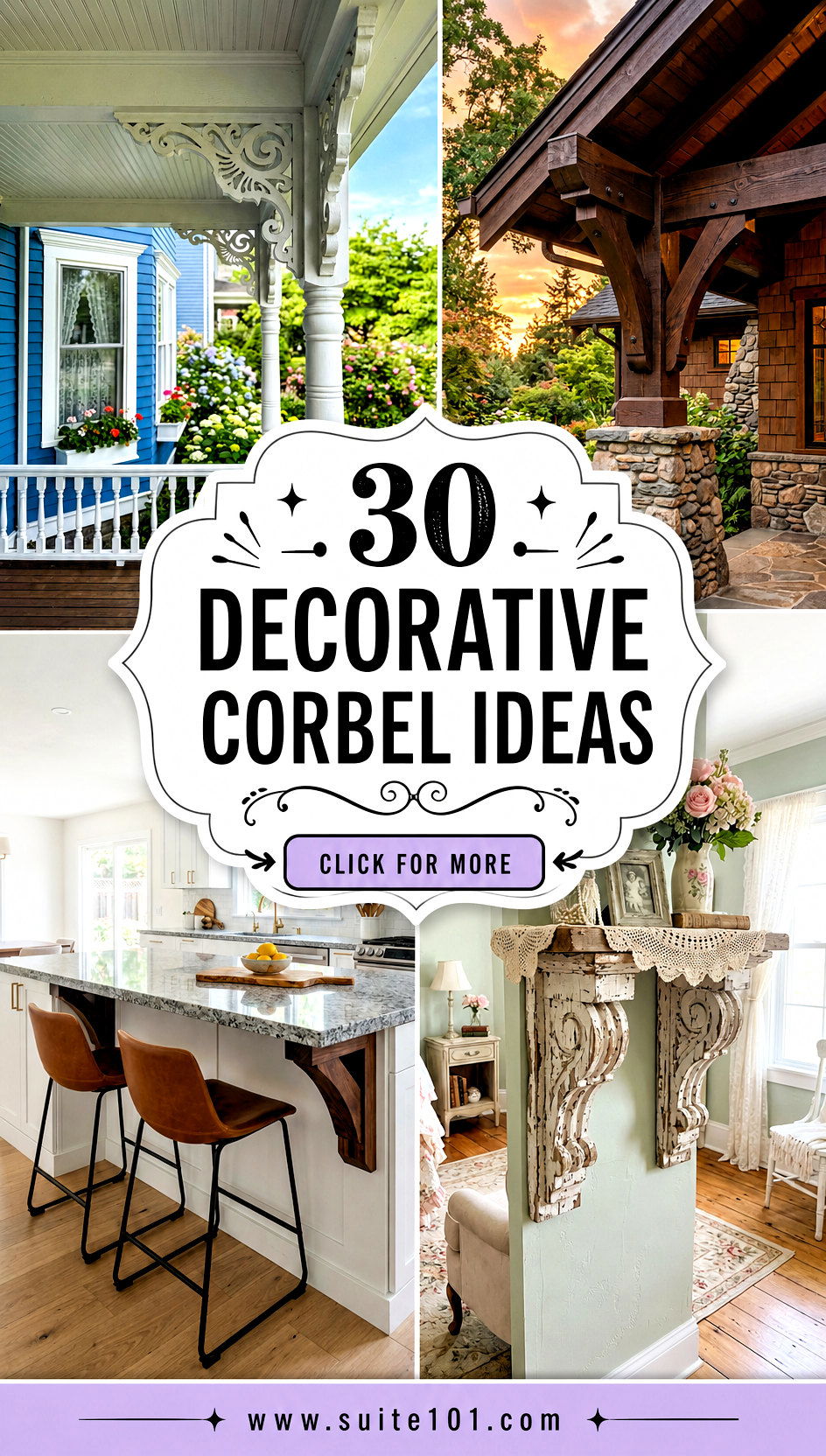
1. Kitchen Island Corbel
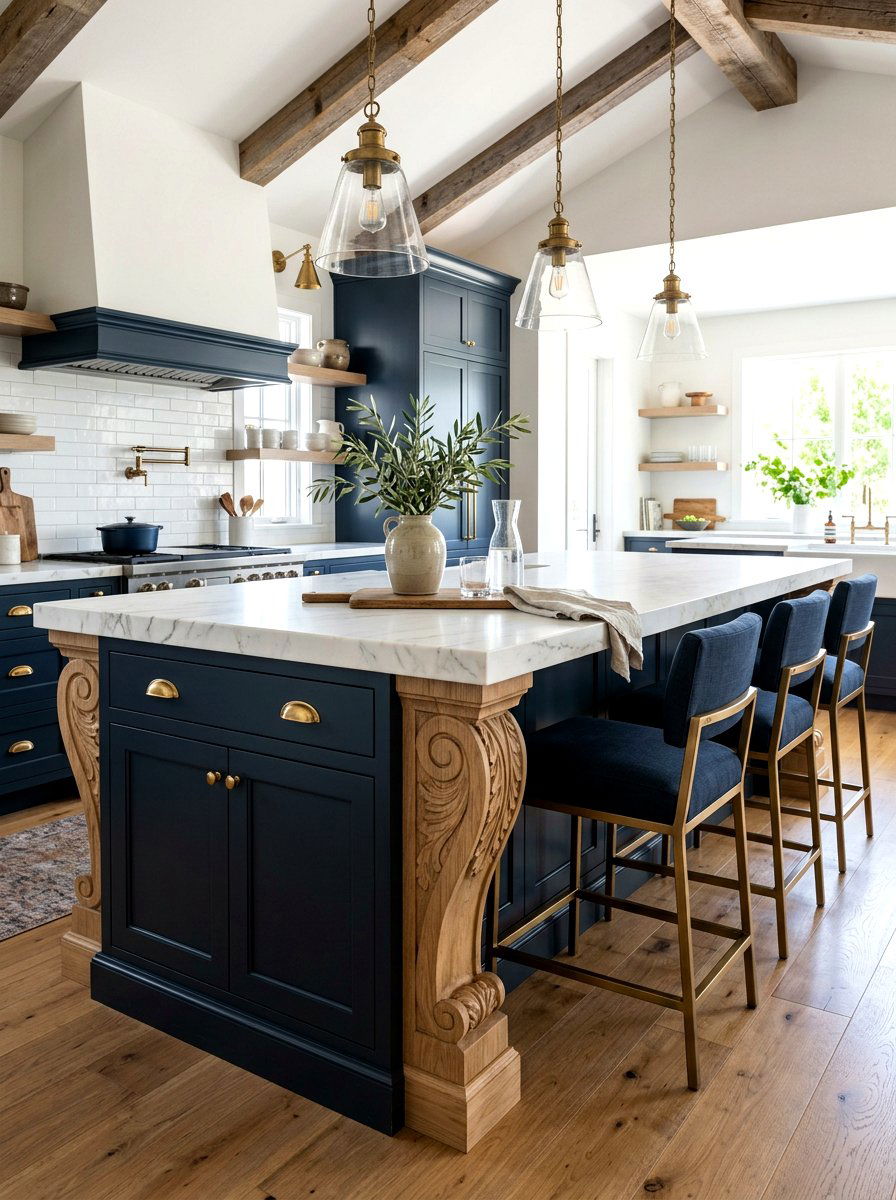
Integrating large wooden brackets beneath a kitchen island overhang is a classic way to enhance your cooking space's architecture. These supports do not just hold up heavy granite or quartz slabs; they provide a visual anchor that makes the island feel like a piece of custom furniture. Choose a finish that matches your cabinetry for a seamless look, or select a contrasting stain to make the detail pop against a white kitchen. This design approach creates a welcoming breakfast bar area where guests can gather comfortably. Adding these elements transforms a standard kitchen layout into a curated, luxury environment that feels both grounded and incredibly stylish for daily living.
2. Fireplace Mantel Corbel
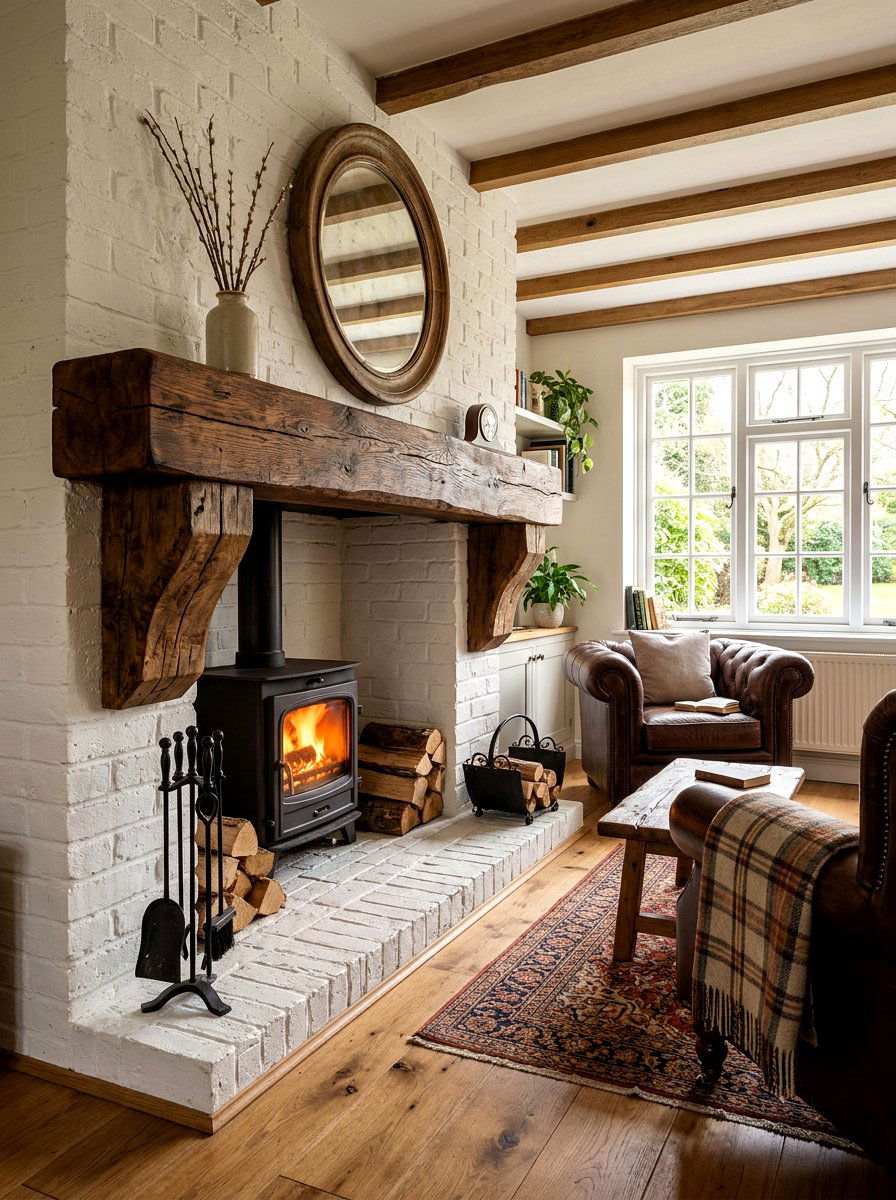
Enhancing your living room focal point with sturdy mantel brackets adds an immediate sense of grandeur and historical depth. When you place ornate or rustic corbels at either end of a fireplace beam, you give the appearance of a massive, well-supported structure. This setup works beautifully in farmhouse or traditional settings where the hearth is the heart of the home. Consider using oversized timber pieces for a bold statement or intricate plaster designs for a more formal, European-inspired aesthetic. These architectural details draw the eye upward, making the ceiling feel taller and the entire fireplace assembly more substantial and integrated into the room's wall.
3. Floating Shelf Corbel
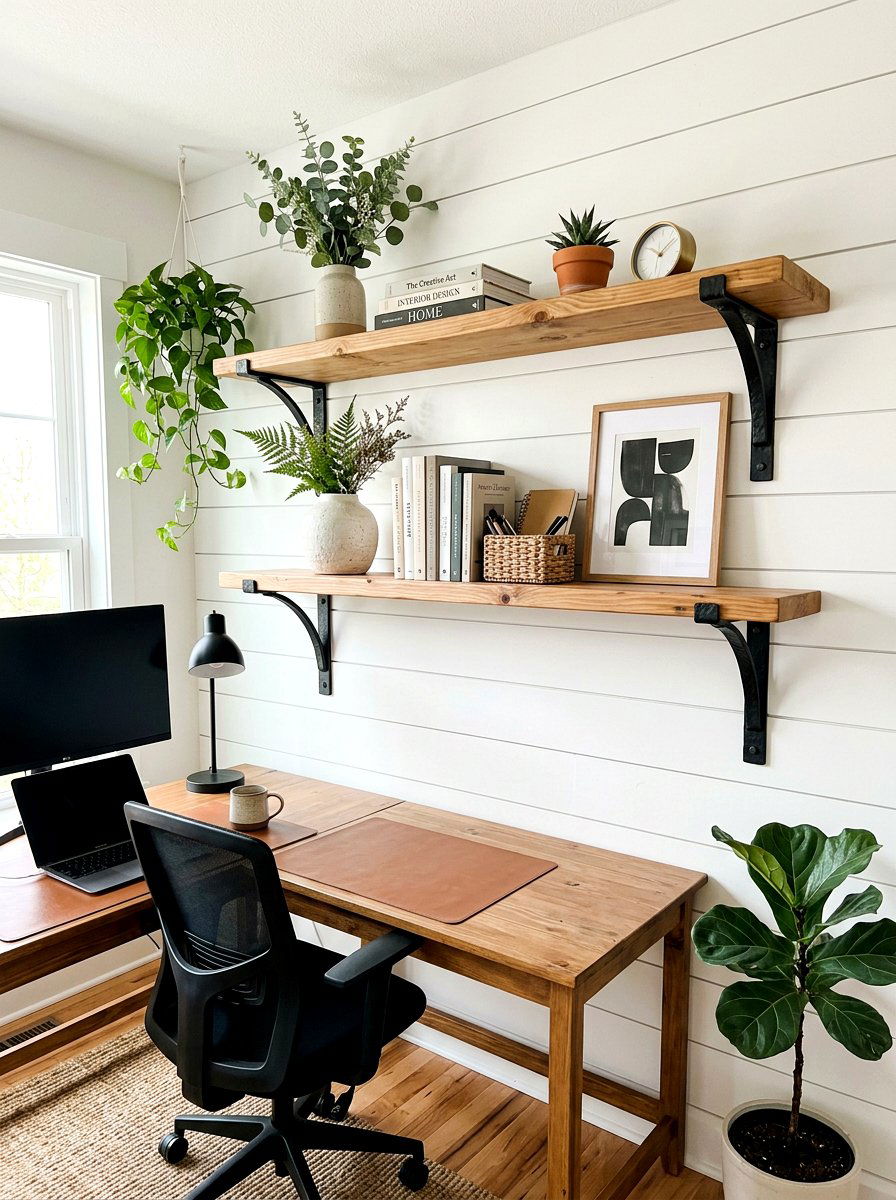
Using decorative brackets to support open shelving is a brilliant way to combine storage with high-end interior styling. Instead of using hidden hardware, visible corbels add a layer of sophistication to a blank wall in a kitchen, office, or bathroom. You can pair natural wood shelves with wrought iron brackets for an industrial edge or use white-painted corbels for a cottage-core vibe. This design choice ensures that even the most utilitarian storage areas look like a deliberate part of your home's decor. It is a perfect solution for displaying heirloom ceramics or books while maintaining a clean, organized, and visually rich vertical space.
4. Range Hood Corbel
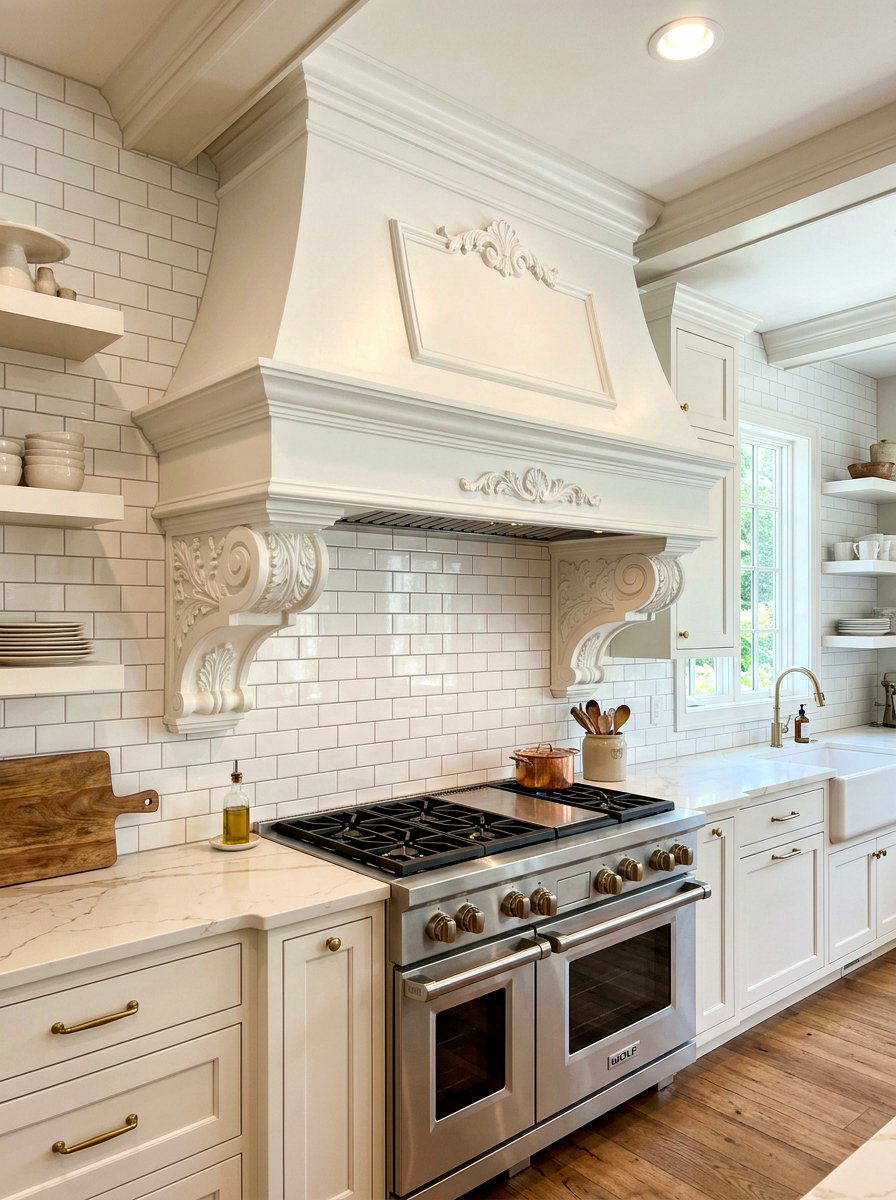
Adding architectural brackets to the sides of a custom range hood creates a professional, high-end kitchen aesthetic that mimics old-world craftsmanship. These corbels act as a bridge between the hood and the surrounding cabinetry, making the ventilation system feel like a permanent, built-in feature. When finished in the same material as the hood, they provide a sense of continuity and strength. This design detail is especially effective in Mediterranean or French country kitchens where large, sweeping curves are encouraged. It turns a functional appliance area into a stunning design statement that serves as the visual centerpiece for the entire culinary zone in your home.
5. Doorway Corner Corbel
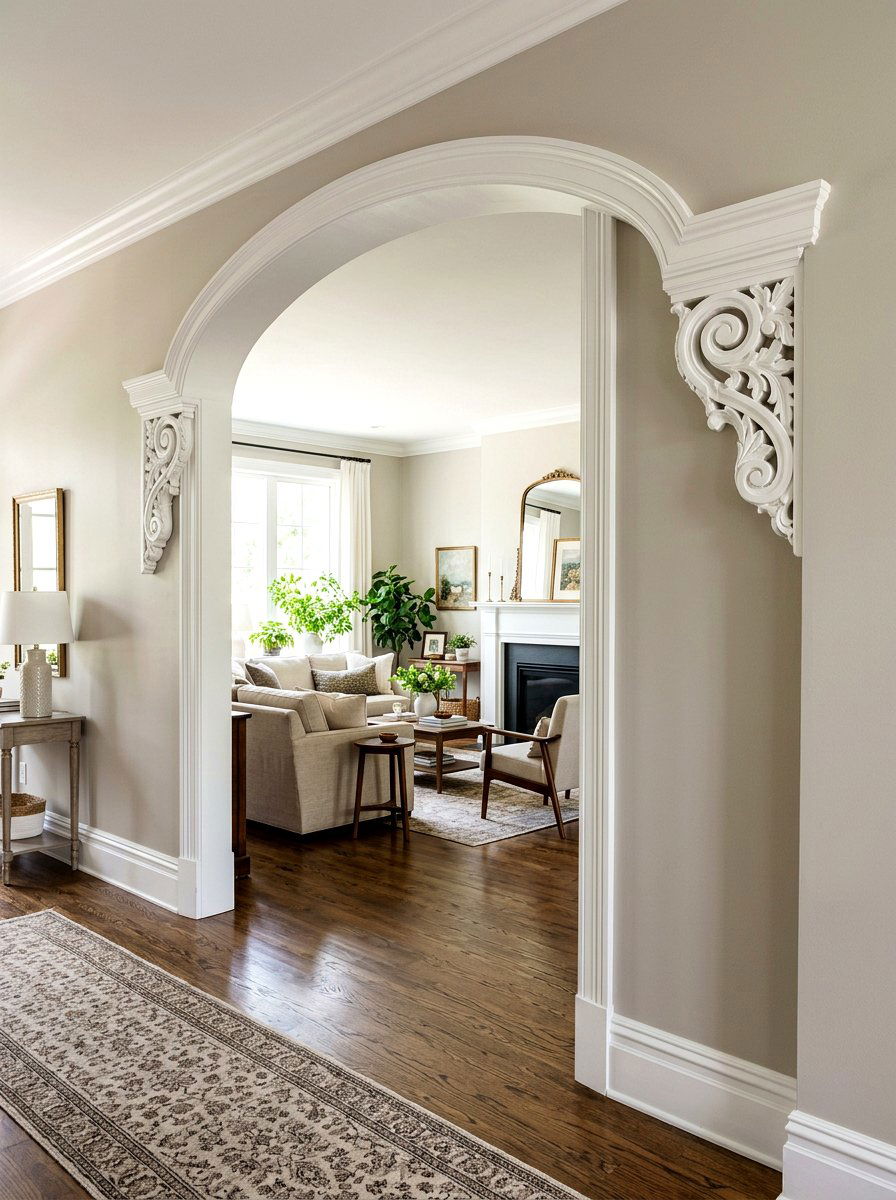
Installing delicate brackets in the upper corners of an interior doorway is a clever trick to add architectural interest to plain transitions. This simple addition mimics the look of a traditional archway without the cost of structural framing or drywall work. It works exceptionally well in long hallways or between open-concept living and dining rooms to define the spaces. Use thin, scrolled designs to keep the pathway feeling open while adding a touch of vintage charm. By painting the corbels to match your door trim, they become a subtle yet impactful detail that makes your home feel more expensive and thoughtfully designed.
6. Window Box Corbel
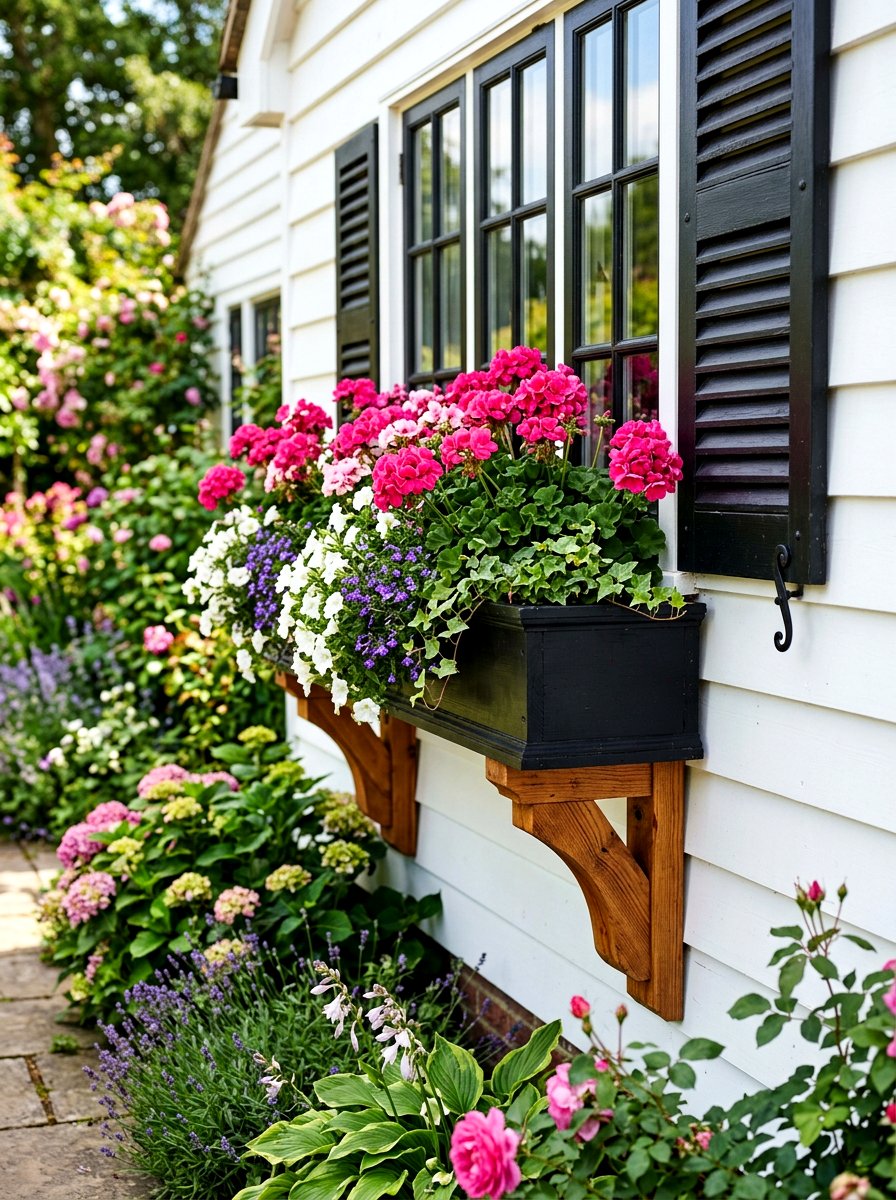
Boosting your home's curb appeal is easily achieved by placing sturdy exterior brackets beneath window planter boxes. These corbels provide the visual and physical support needed to hold heavy soil and blooming flowers throughout the seasons. Choosing a style that complements your home’s shutters or trim creates a harmonious facade that passersby will certainly notice. Use rot-resistant materials like cedar or high-density polyurethane to ensure they withstand the elements while maintaining their beautiful appearance. This design idea turns a standard window into a charming focal point, giving your exterior a cottage-like or craftsman feel that radiates warmth and welcoming hospitality to every visitor.
7. Breakfast Bar Corbel
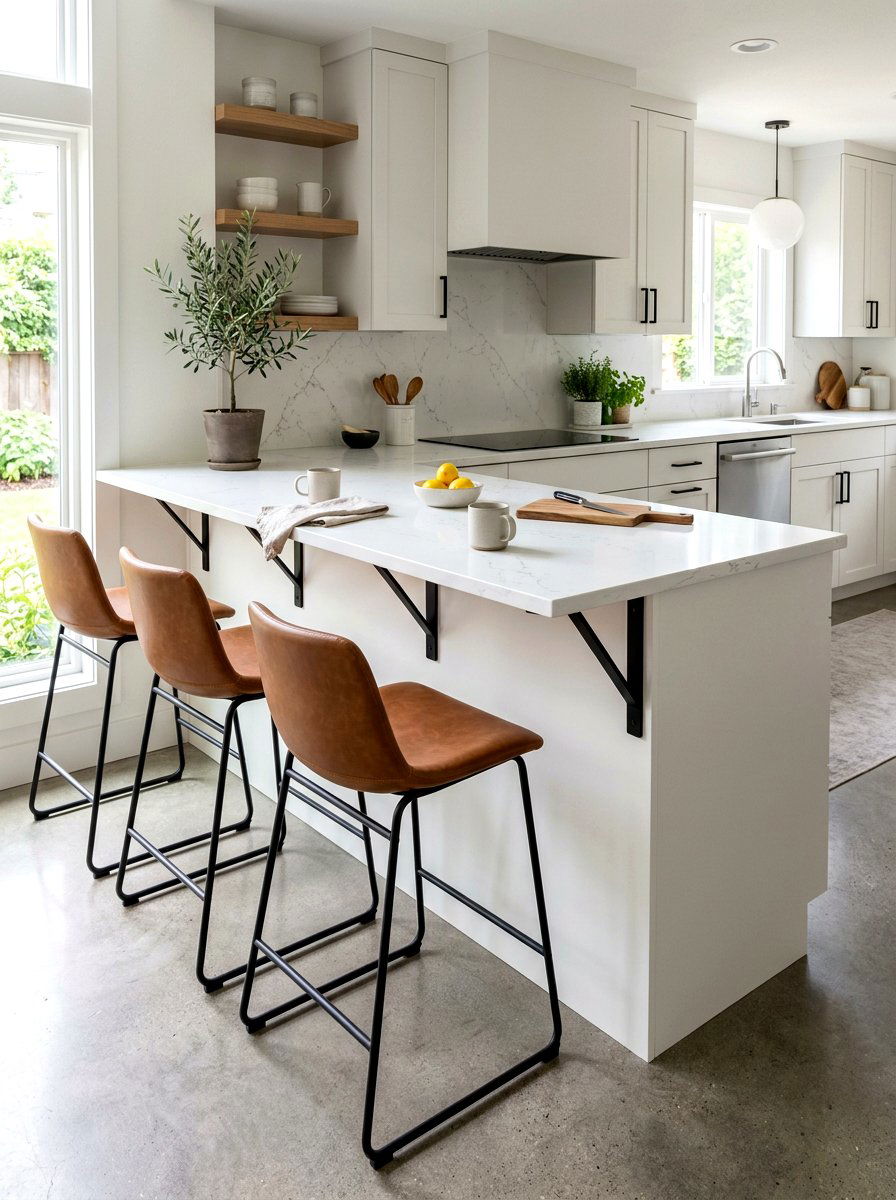
Supporting a countertop extension with sleek or traditional brackets is a functional necessity that doubles as a beautiful design opportunity. In smaller kitchens or apartments, a breakfast bar provides essential dining space, and the corbels underneath define this area as a separate zone. You should aim for a size that leaves plenty of legroom while still providing a strong visual profile. Metal brackets offer a modern, airy feel, while chunky wood pieces suggest a more permanent and sturdy construction. This design ensures your casual dining area feels intentional and high-quality, rather than just an afterthought or a simple extension of the main counter surface.
8. Farmhouse Wood Corbel
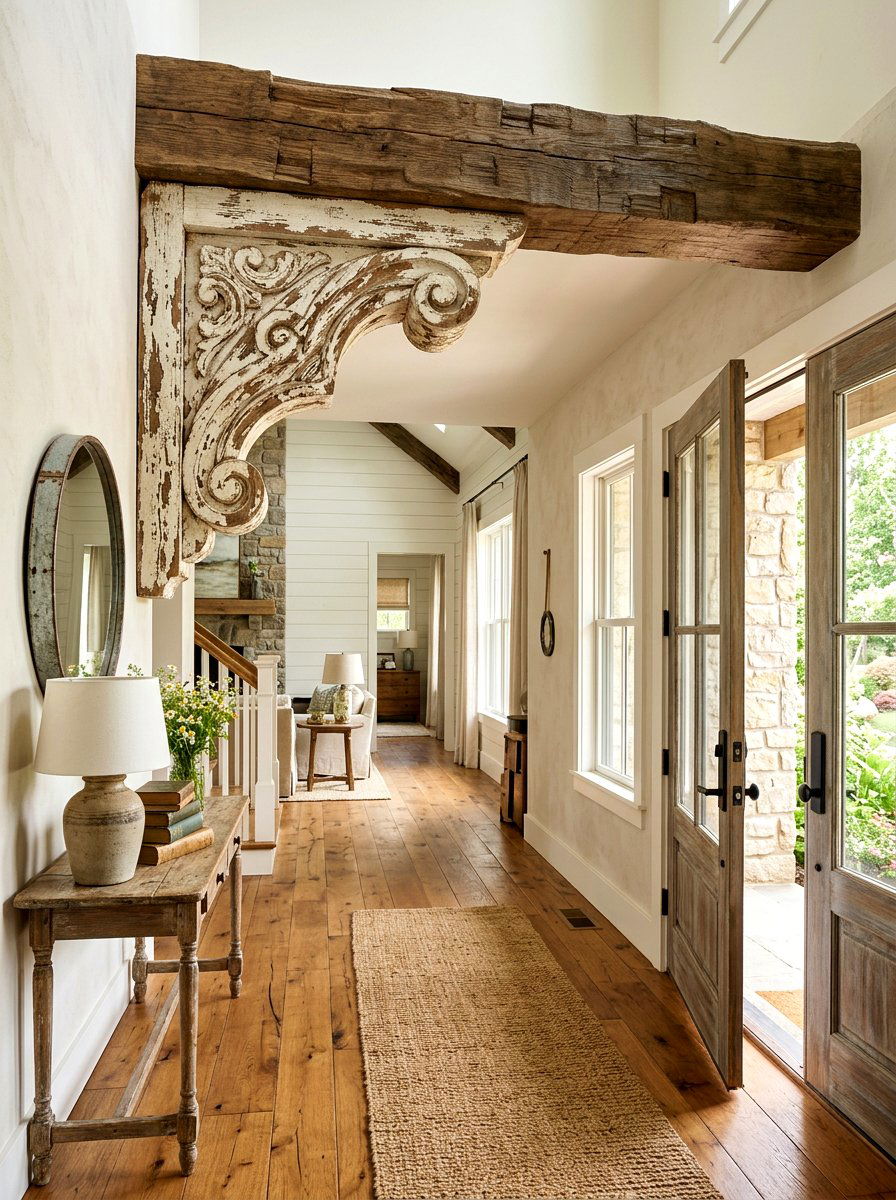
Embracing the rustic aesthetic of farmhouse design often involves using chunky, distressed wood brackets to add warmth and history. These corbels look best when they feature visible wood grain or a chippy paint finish that suggests they were salvaged from an old barn. Use them to support a thick wooden beam over a doorway or as the base for a rustic console table in the entryway. The natural texture of the wood contrasts beautifully with modern white walls, creating a balanced look that is both cozy and current. This design style emphasizes comfort and durability, making your living space feel lived-in and full of unique character.
9. Victorian Porch Corbel
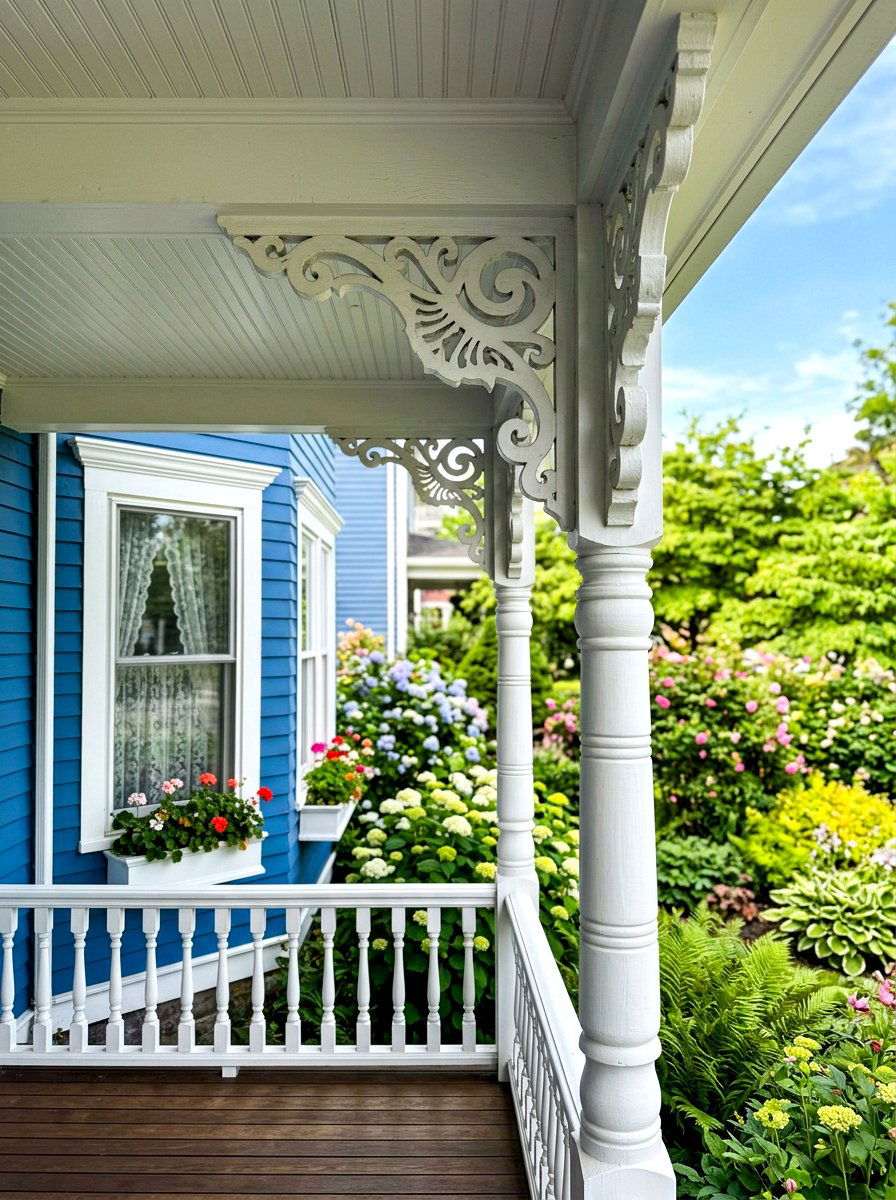
Adding intricate, scrolled brackets to your front porch posts is a signature move for achieving a classic Victorian or Queen Anne look. These exterior accents fill the space where the pillar meets the roofline, creating a soft, decorative transition that is pleasing to the eye. For a cohesive look, paint them in a contrasting color that highlights the architectural gingerbread trim typical of historical homes. These corbels are not just for old houses; they can add instant personality to a standard suburban porch as well. They transform a plain outdoor area into a grand entrance that celebrates classic craftsmanship and timeless neighborhood charm.
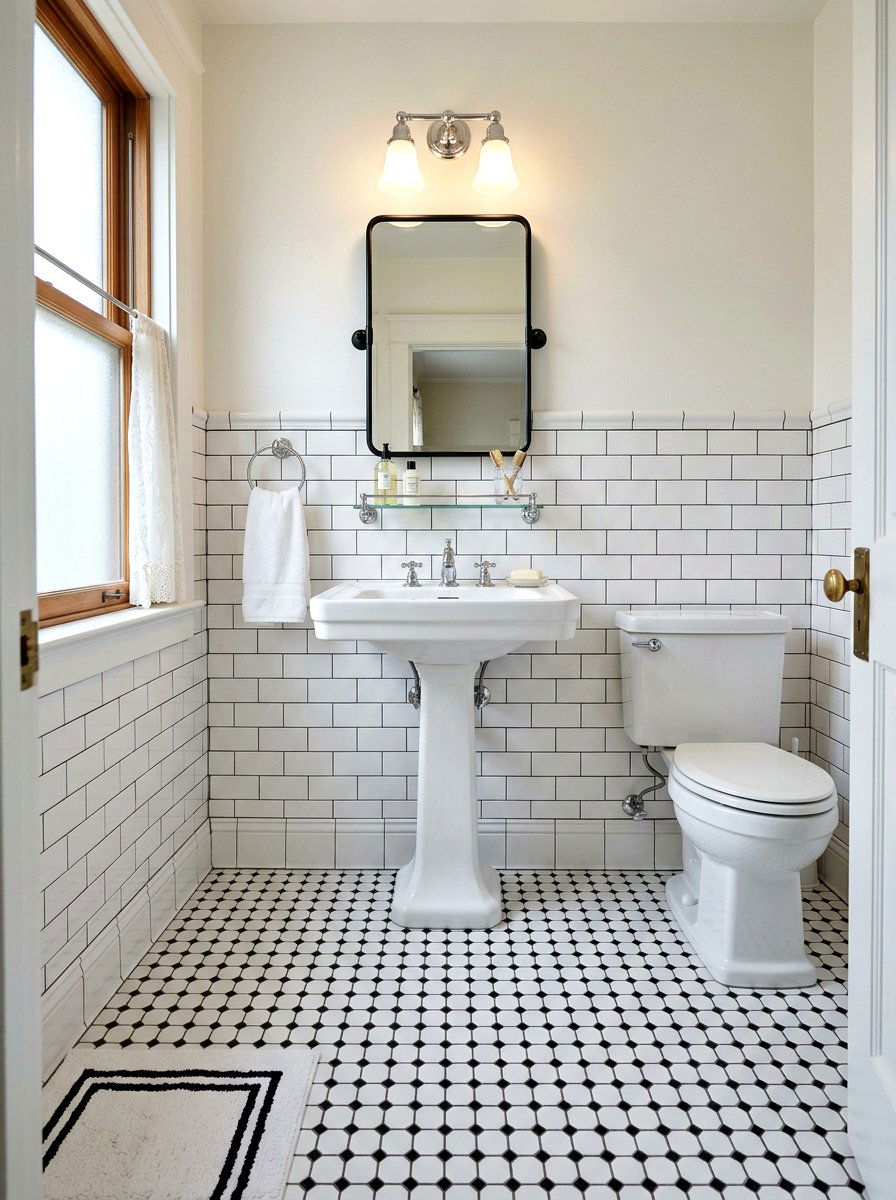
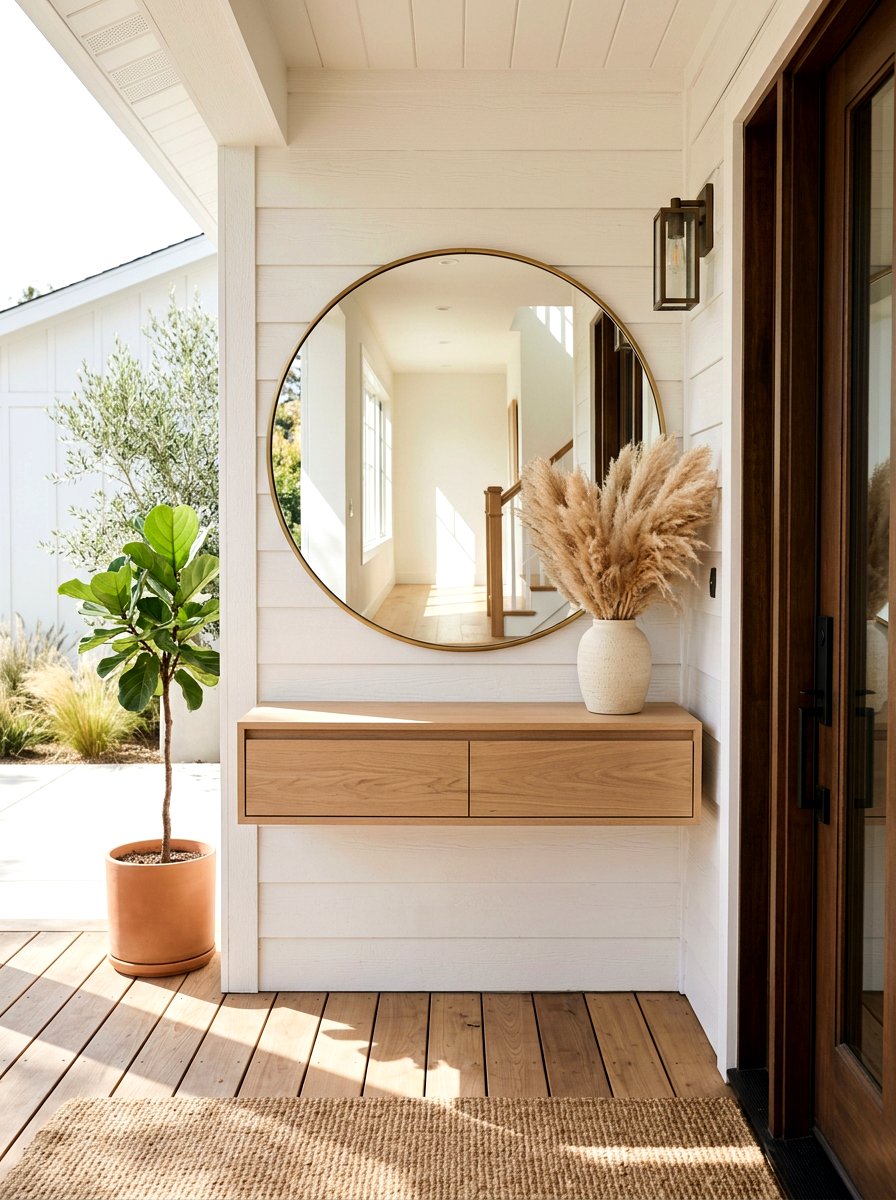
10. Entryway Console Corbel
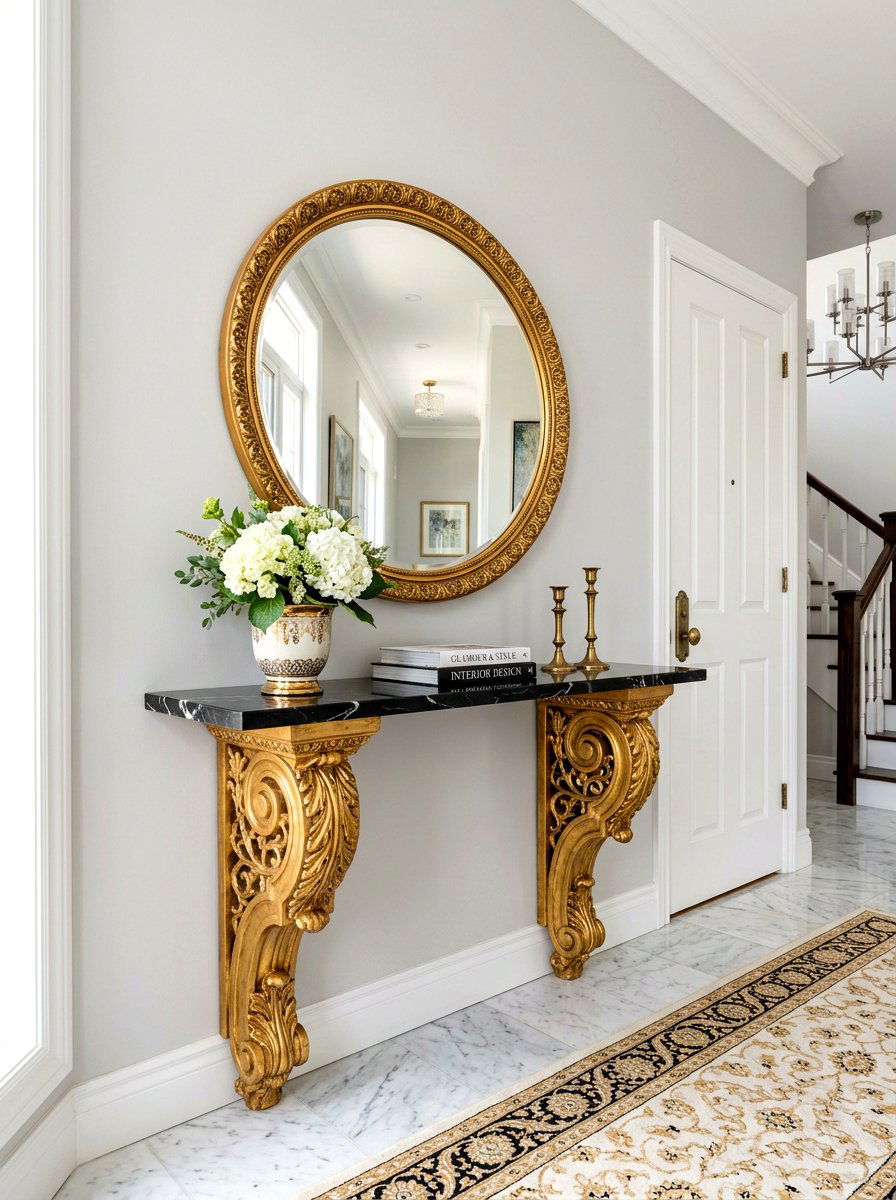
Creating a floating console table using two large corbels and a single slab of wood or stone is a space-saving design marvel. This idea is perfect for narrow entryways where a traditional four-legged table would take up too much floor space. By mounting the brackets directly to the wall, you keep the area underneath clear, which makes the hallway feel larger and more open. Decorate the shelf with a mirror, a lamp, and some greenery to create a functional landing strip for keys and mail. This approach allows you to showcase the sculptural beauty of the corbels themselves as the primary decorative feature.
11. Staircase Stringer Corbel
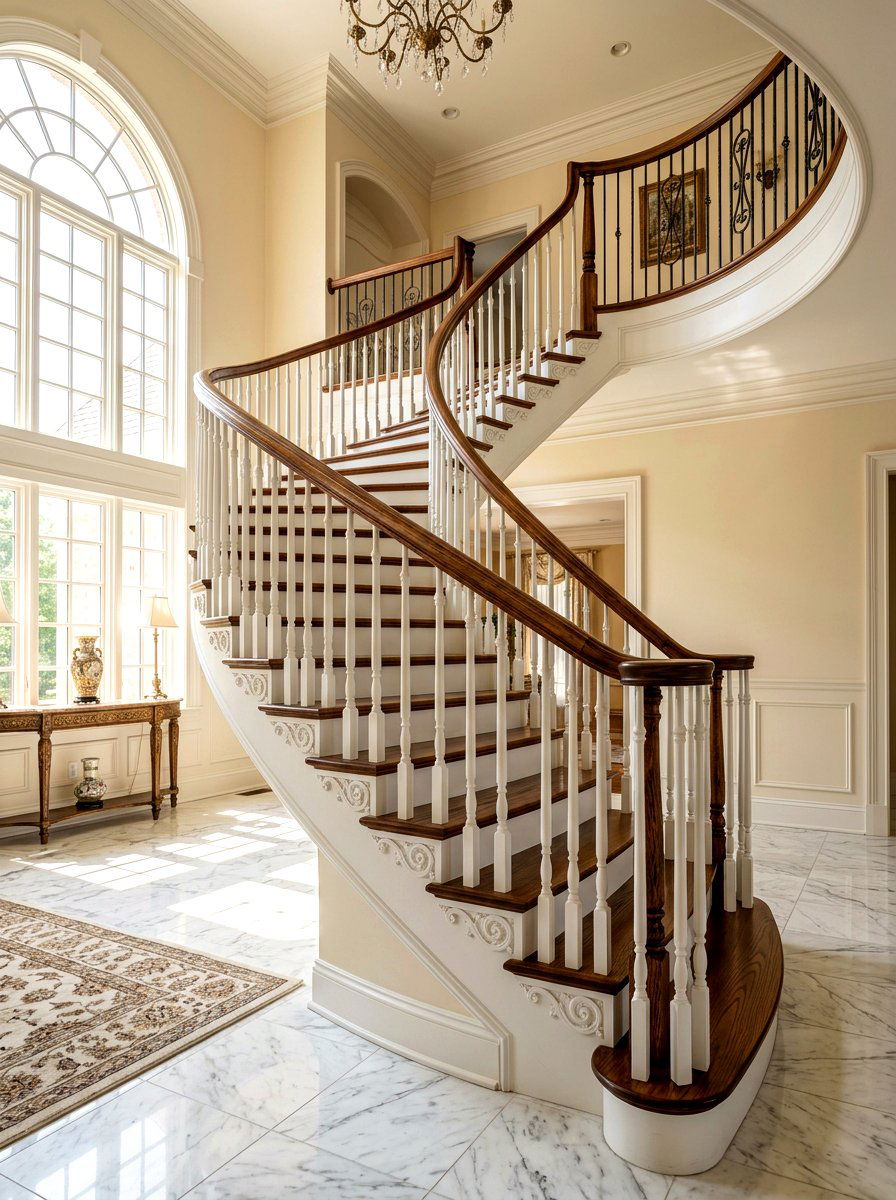
Enhancing the side of a staircase with small, repeating decorative brackets is a high-end millwork detail often found in luxury estates. These corbels are installed on the outer stringer, just below each step, to add a rhythmic pattern and architectural depth to the staircase. This design choice turns a functional transition between floors into a grand artistic statement. Even in a simple home, adding these small scrollwork pieces can elevate the entire hallway. It is a subtle way to show attention to detail, making the stairs look like they were custom-crafted by an old-world carpenter who prioritized beauty in every single step.
12. Mudroom Bench Corbel
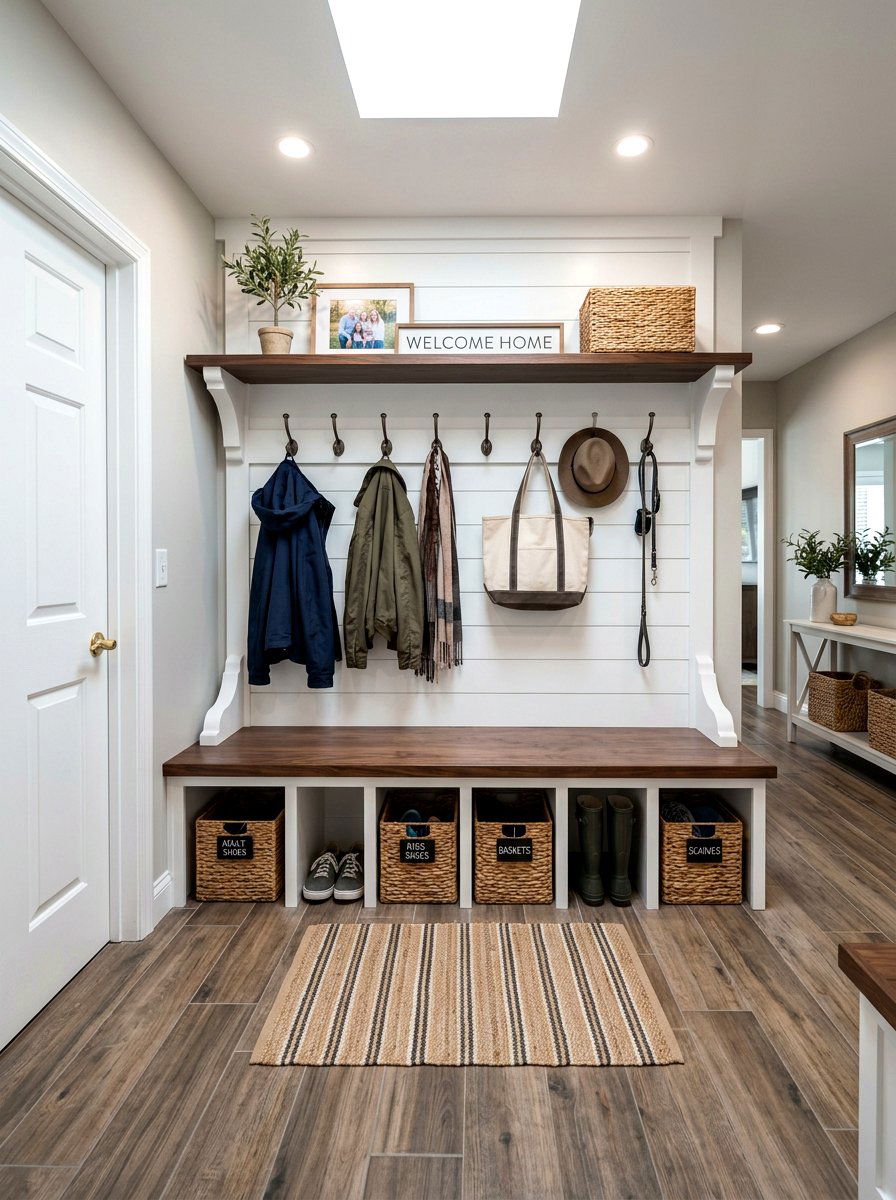
Designing a built-in mudroom bench with supportive brackets underneath provides a sturdy and stylish solution for busy family entryways. The corbels act as structural reinforcements for the seating area while adding a decorative touch that ties the cabinetry together. Use them to flank the open space where shoes are tucked away, creating a clean and organized look. Matching the corbels to the cubbies and hooks above ensures a cohesive "built-in" feel that enhances the utility of the room. This design turns a chaotic transition zone into a sophisticated and orderly mudroom that can handle daily wear and tear with incredible grace and style.
13. Desk Support Corbel
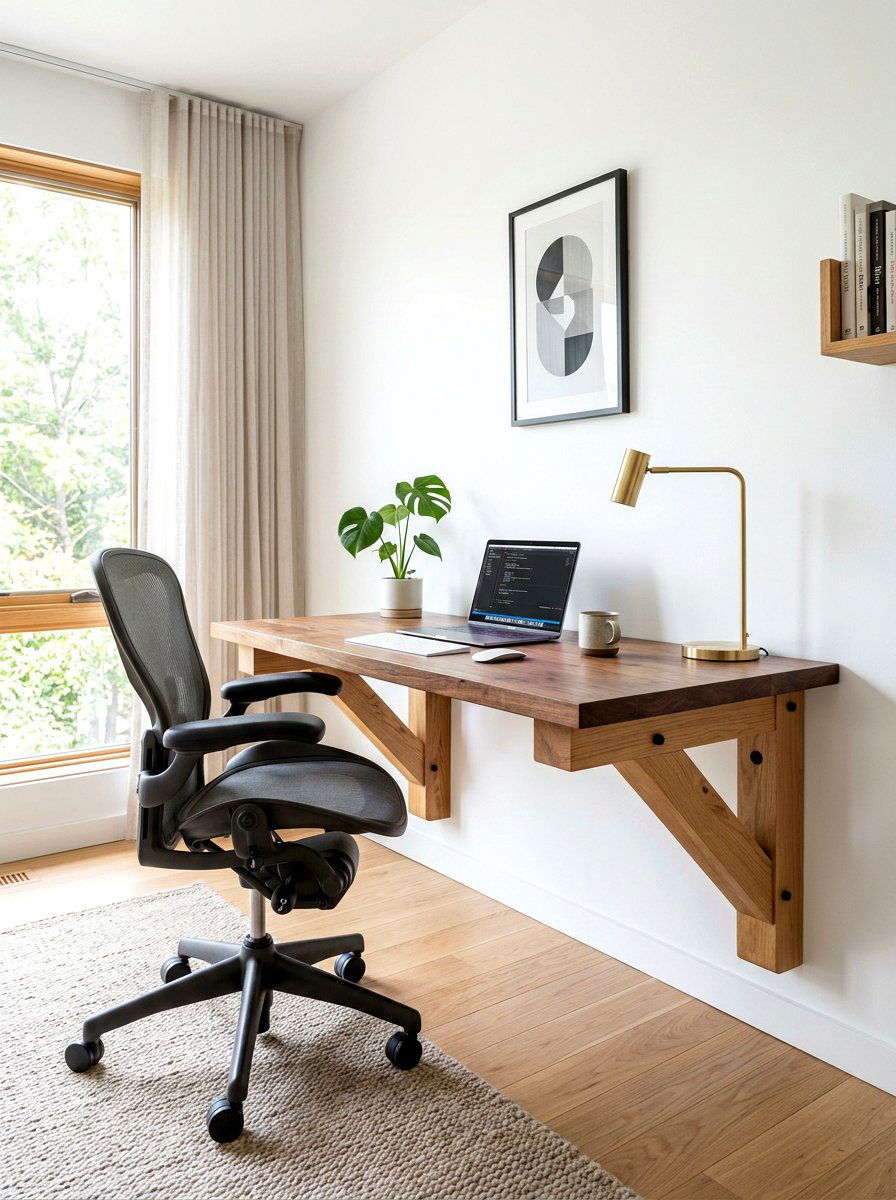
Transforming a simple wall-mounted surface into a sophisticated home office desk is easy when you use oversized, elegant brackets. These corbels provide the necessary support for a heavy work surface while keeping the floor area free for a comfortable office chair. This minimalist approach is ideal for creating a workspace in a bedroom or a small corner of the living room. Choose corbels with a sleek, modern profile for a contemporary feel, or opt for carved wood to match a more traditional home library. The result is a clean, clutter-free desk that looks integrated into the room's architecture rather than just another piece of furniture.
14. Exterior Eave Corbel
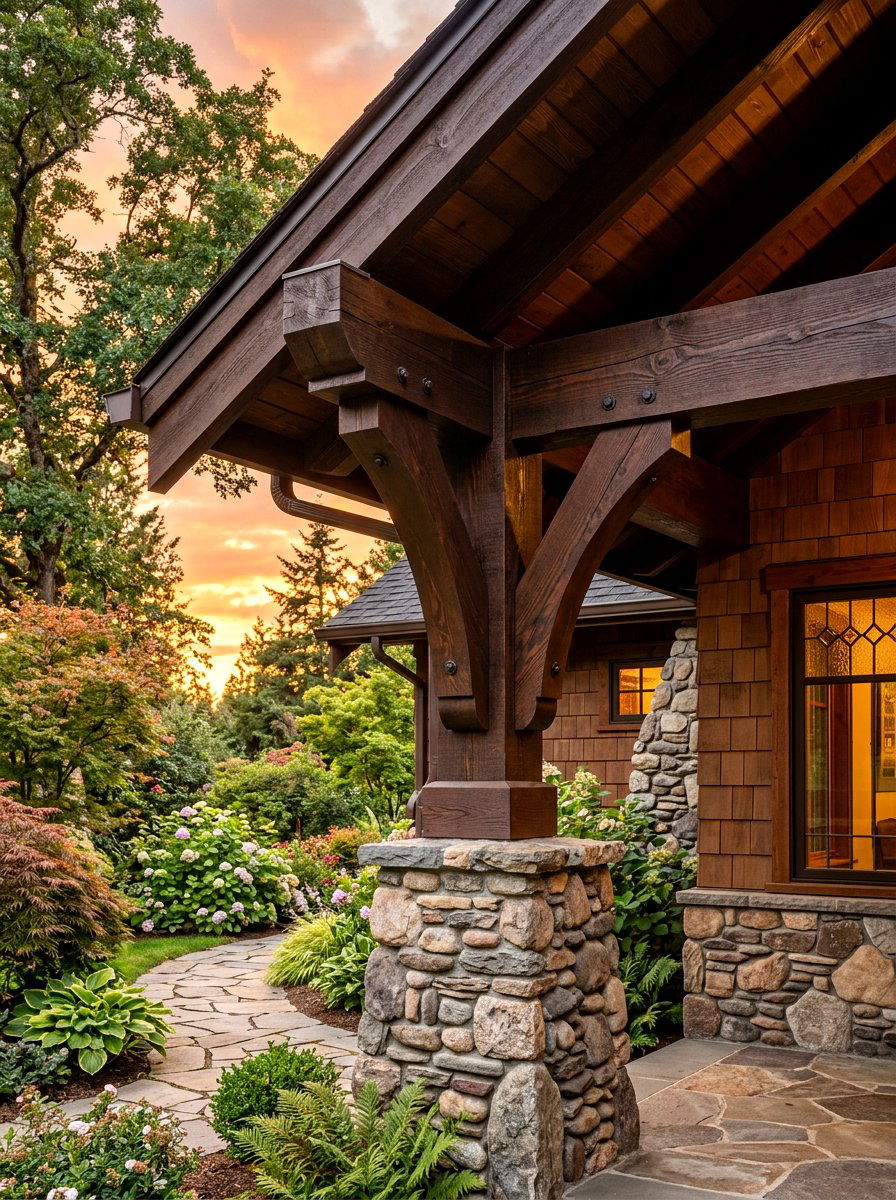
Installing large, structural-looking brackets under the eaves of your roofline gives your home a sense of strength and architectural permanence. This design is a hallmark of Craftsman and Bungalow styles, where the emphasis is on visible joinery and honest construction. These corbels should be scaled appropriately to the size of the house to ensure they look like they are truly supporting the weight of the roof. Made from durable, weather-resistant materials, they add depth and shadow lines to the facade, making the exterior look more three-dimensional. This simple addition can drastically change the silhouette of your home, making it stand out in the neighborhood.
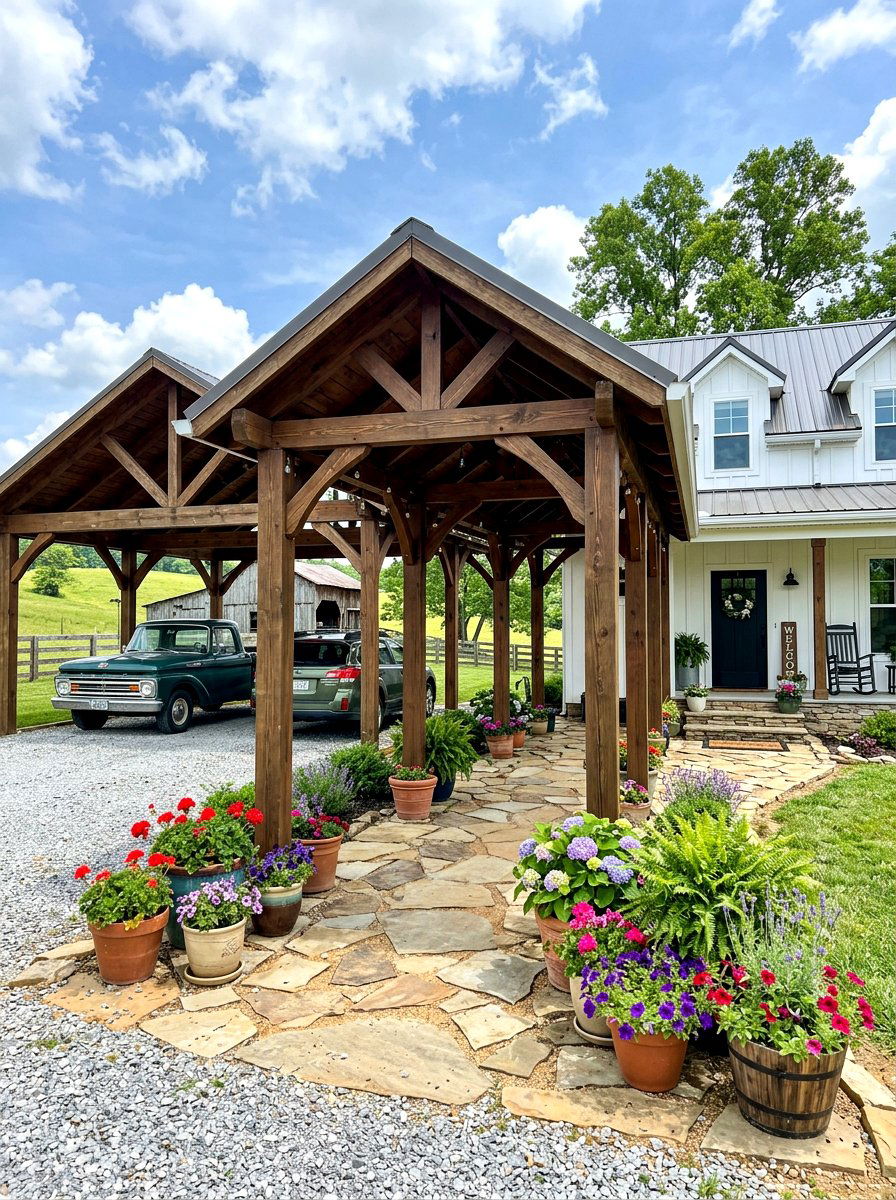
15. Built In Bookshelf Corbel
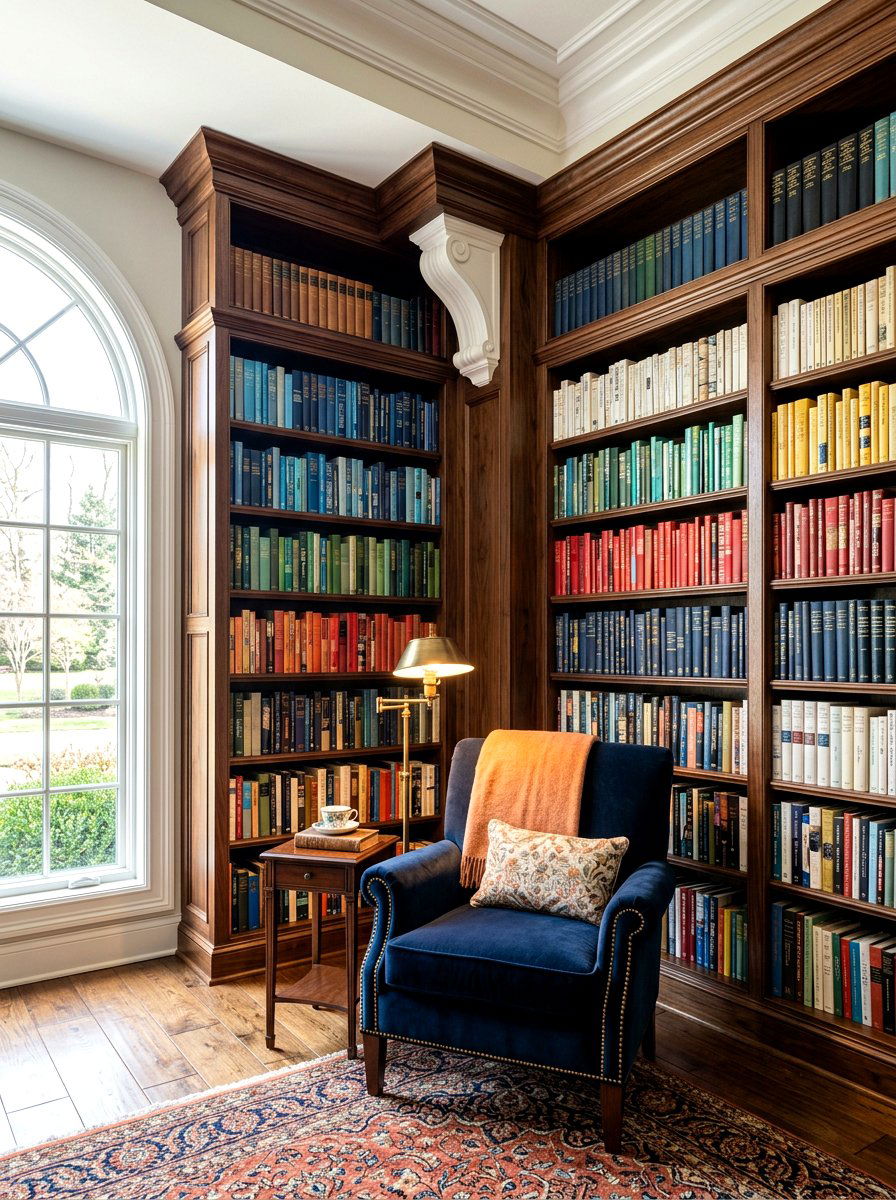
Adding decorative brackets to the corners of custom built-in bookshelves creates a sophisticated "library" look that feels expensive and permanent. These corbels can be placed at the top of the unit to frame the collection or used as dividers between sections of shelving. This architectural detail breaks up the flat lines of the cabinetry and adds a touch of classical elegance. It is an excellent way to make standard store-bought units look like high-end, custom-made millwork. By integrating these shapes, you give your books and treasures a grand stage, making the entire room feel more scholarly, cozy, and thoughtfully curated for relaxation.
16. Arched Doorway Corbel
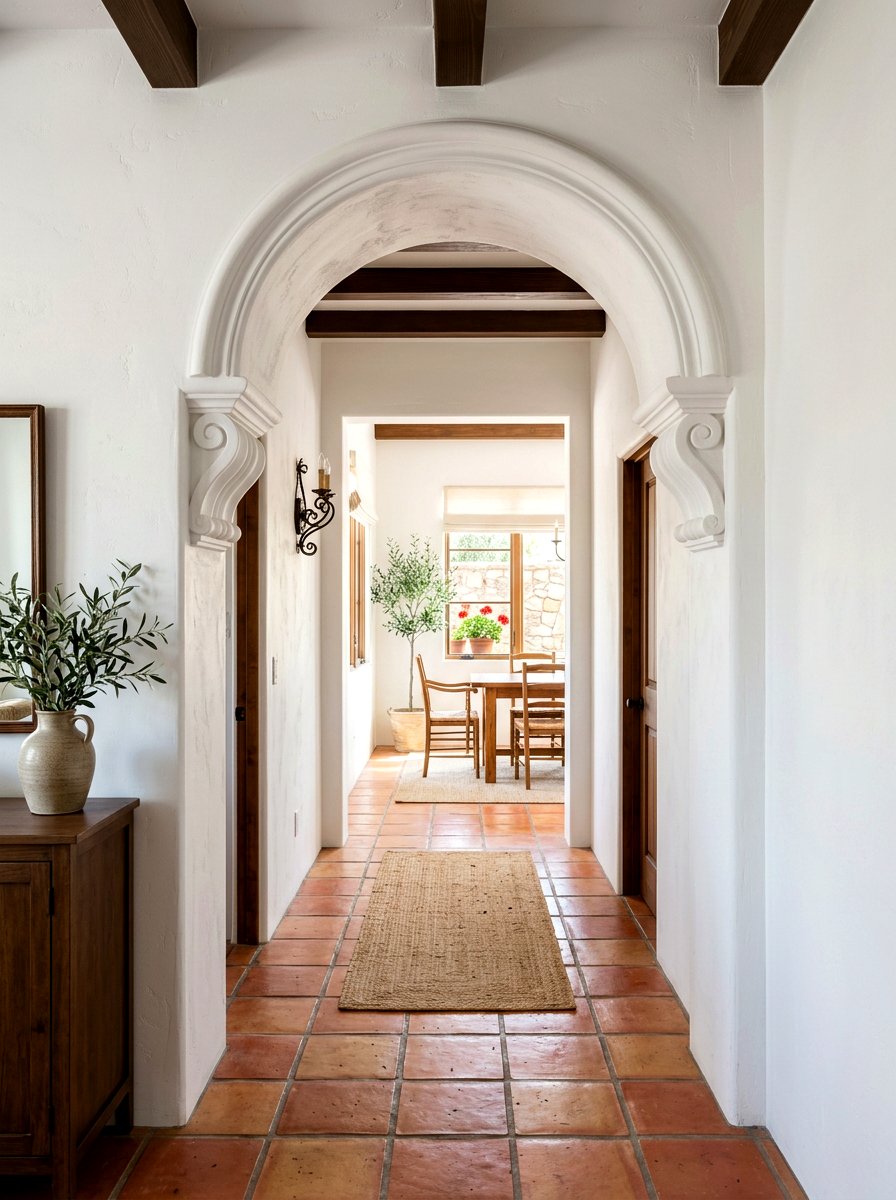
Softening the transition of a rectangular opening with corbels can create the visual illusion of a graceful arched doorway. By placing two curved brackets in the top corners, you change the geometry of the passage without the need for complex structural changes. This design idea works wonders in Mediterranean or Spanish-style homes where soft curves are a key feature. Use smooth, plaster-style corbels for a modern look or textured stone for a more rustic, historic vibe. This simple modification adds a layer of architectural romance to your home, making every trip from the kitchen to the dining room feel like a walk through a European villa.
17. Bathroom Vanity Corbel
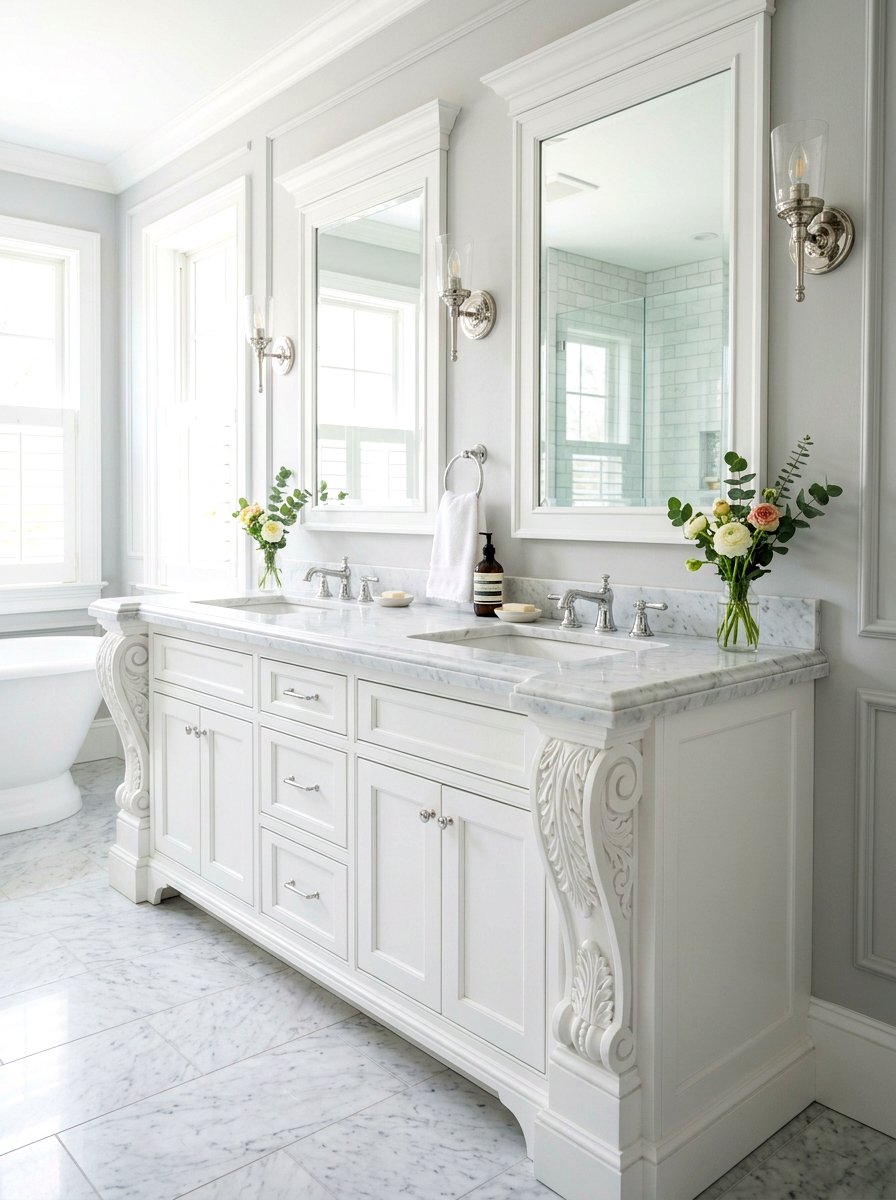
Elevating a bathroom vanity by adding decorative brackets to the ends of the cabinet creates a beautiful, furniture-like appearance. These corbels can be used to support a heavy stone countertop overhang or simply as decorative end caps that bridge the gap between the vanity and the floor. This detail makes a standard bathroom feel more like a custom spa or a luxury hotel suite. When paired with elegant hardware and soft lighting, the corbels add a sense of weight and permanence to the space. It is a fantastic way to introduce architectural interest into a room that is often dominated by hard, flat surfaces.
18. Coffered Ceiling Corbel
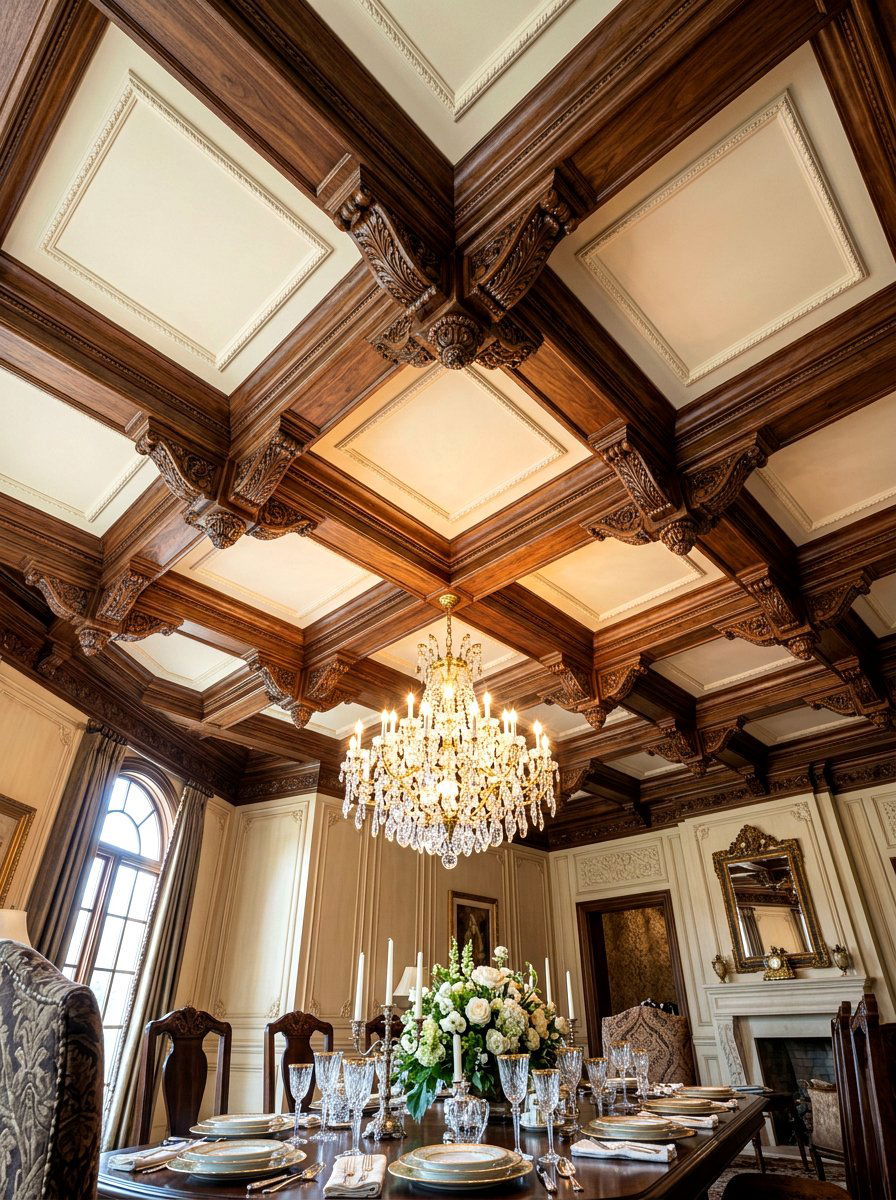
Enhancing a coffered or tray ceiling with small corbels at the intersections of the beams creates an incredibly luxurious and detailed look. These brackets act as transitions between the vertical walls and the horizontal ceiling beams, adding a finished, professional touch to the millwork. This design choice is often seen in grand dining rooms or formal dens where every detail is carefully considered. The shadows cast by the corbels add depth to the ceiling, making the room feel more intimate and grand simultaneously. It is a high-level design technique that demonstrates a commitment to quality craftsmanship and classical architectural principles throughout the home.
19. Window Valance Corbel
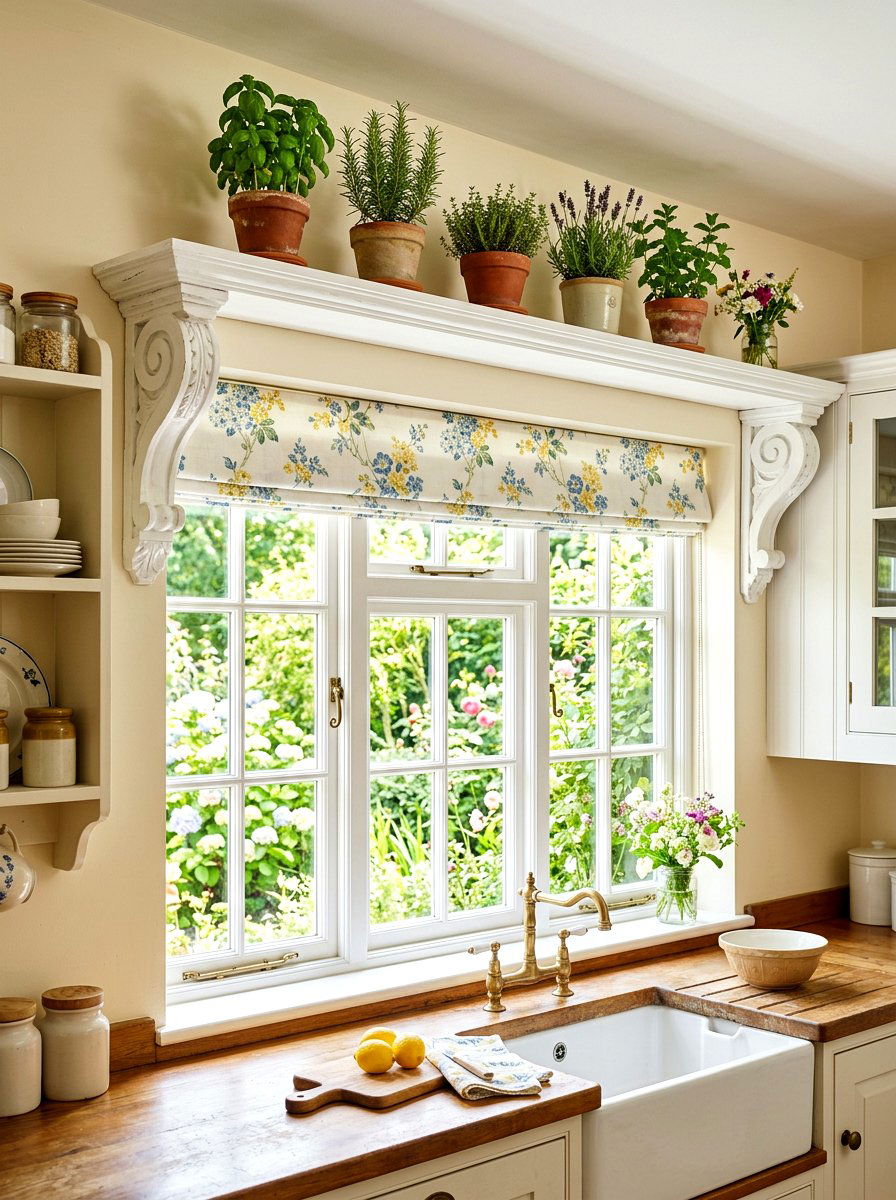
Using decorative brackets to support a wooden window valance or a simple curtain rod is a unique way to frame your view. These corbels can be mounted on either side of the window frame, providing a sturdy base for a decorative shelf or a heavy fabric treatment. This setup allows you to display small plants or decor items above the window, maximizing vertical space. It creates a "top-heavy" design that draws the eye upward and adds a layer of architectural detail to the window wall. This approach is much more visually interesting than a standard metal rod and gives the room a custom, high-end feel.
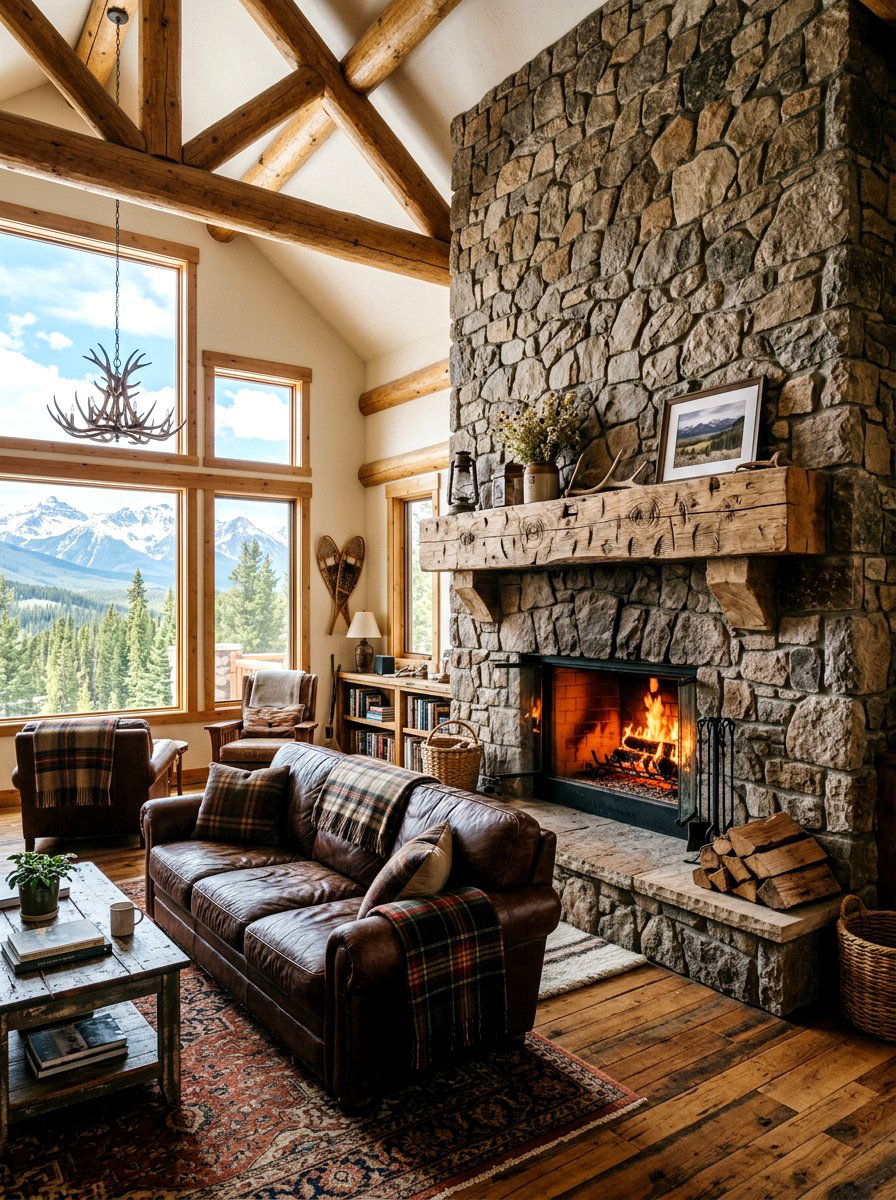
20. Kitchen Cabinet Corbel
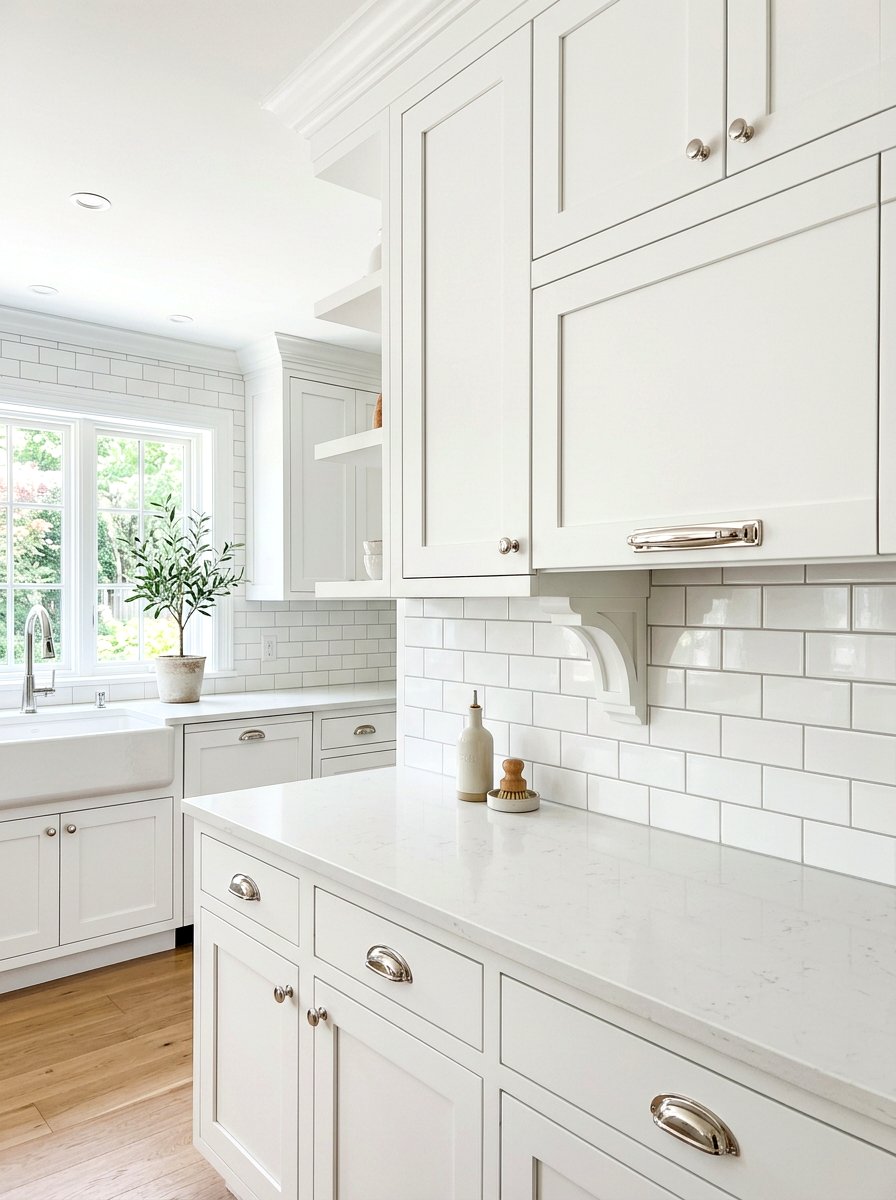
Placing small, decorative brackets at the bottom ends of upper kitchen cabinets is a subtle way to add custom flair to your kitchen. These corbels fill the space between the cabinet and the backsplash, making the transition feel smooth and intentional. This design trick is particularly effective when you want to make builder-grade cabinets look more expensive and personalized. Choose a style that matches your cabinet doors to maintain a cohesive look across the kitchen. This small detail adds a bit of old-world charm to a modern workspace, making the entire cooking area feel more warm, inviting, and meticulously planned for both beauty and function.
21. Countertop Overhang Corbel
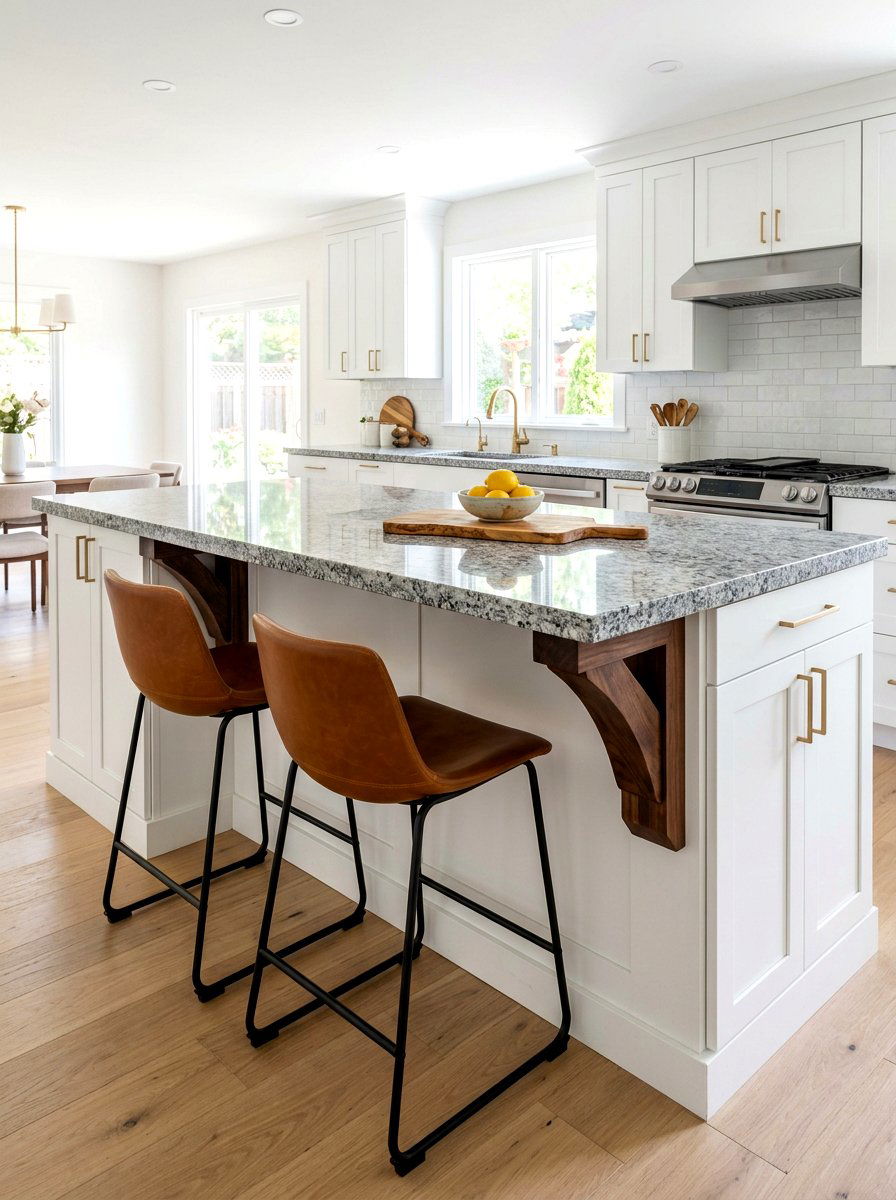
Providing essential support for deep countertop overhangs on peninsulas or bar areas is made beautiful with the use of heavy-duty corbels. These brackets ensure that long expanses of granite or quartz are safe and stable while adding a significant design element to the seating area. Instead of using thin, hidden metal strips, visible corbels showcase the strength of the construction. They also provide a visual break that defines where the workspace ends and the dining space begins. This design is perfect for open-concept homes where the kitchen island is the primary social hub, ensuring the space looks professional, sturdy, and aesthetically pleasing from every angle.
22. Shabby Chic Corbel
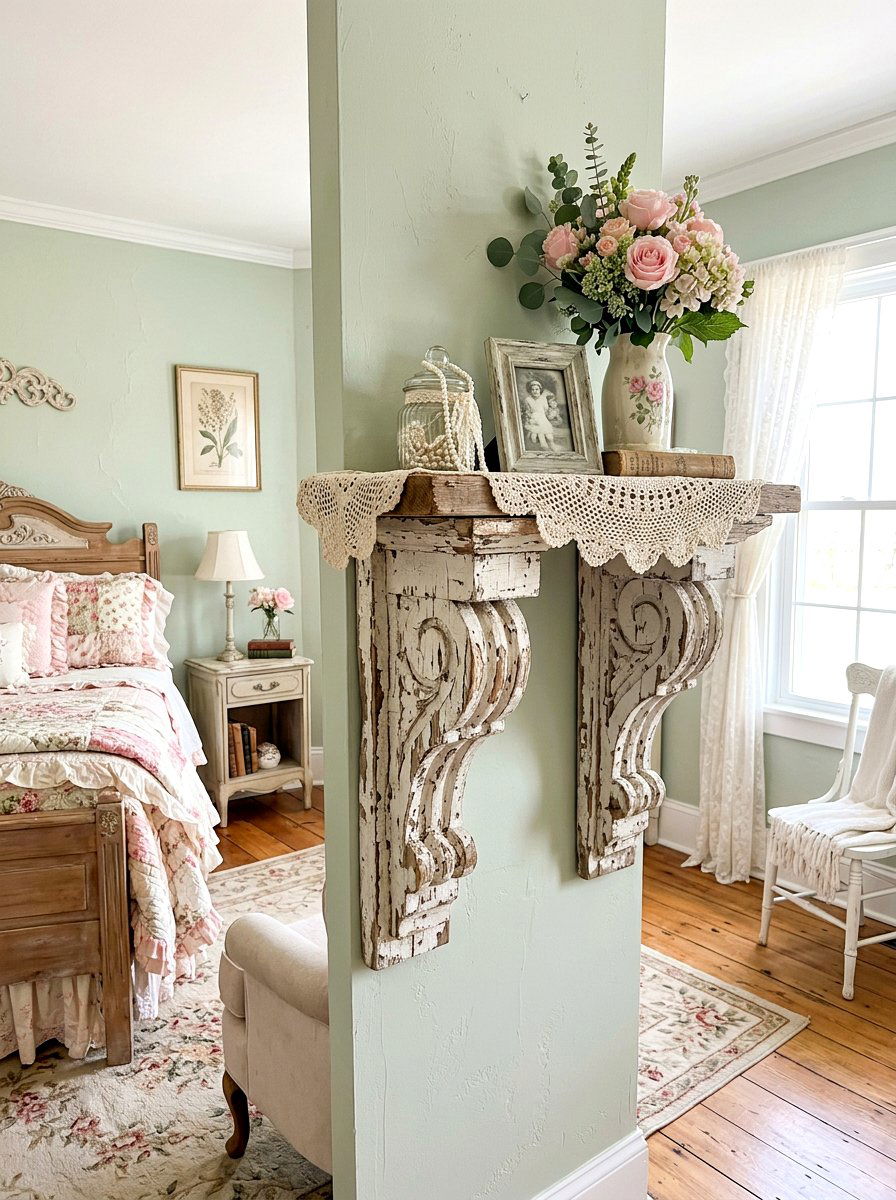
Incorporating vintage-inspired, distressed corbels is a core element of the shabby chic aesthetic, which celebrates aged beauty and romantic textures. These brackets often feature peeling white paint, intricate floral carvings, and soft, weathered edges that suggest a long history. Use them as standalone wall art or as support for a small shelf holding vintage perfume bottles in a bedroom. The delicate, feminine curves of these corbels contrast perfectly with natural linens and pastel colors. This design approach creates a space that feels nostalgic and dreamy, proving that even a single architectural detail can set the entire mood and theme for a beautifully relaxed room.
23. Modern Metal Corbel
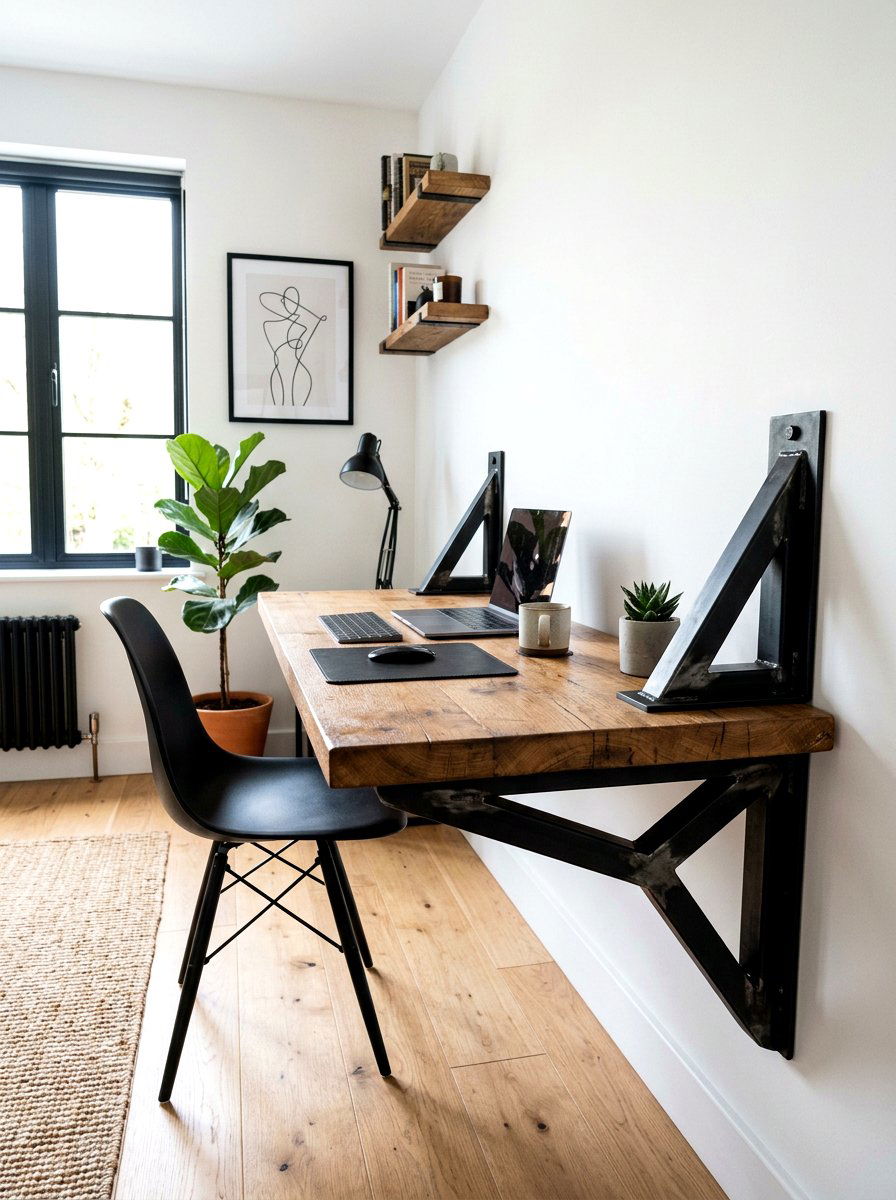
Opting for sleek, geometric metal brackets is the perfect way to introduce the corbel concept into a modern or industrial home. These supports are typically made from steel or iron and feature clean lines without any ornate carvings. Use them to hold up thick reclaimed wood shelves or a glass desk for a look that is both airy and strong. The matte black or brushed gold finish of the metal adds a sophisticated touch that complements contemporary hardware and lighting fixtures. This design choice prioritizes minimalism and structural honesty, showing that functional supports can be just as beautiful as more traditional, highly decorated architectural pieces.
24. Mission Style Corbel
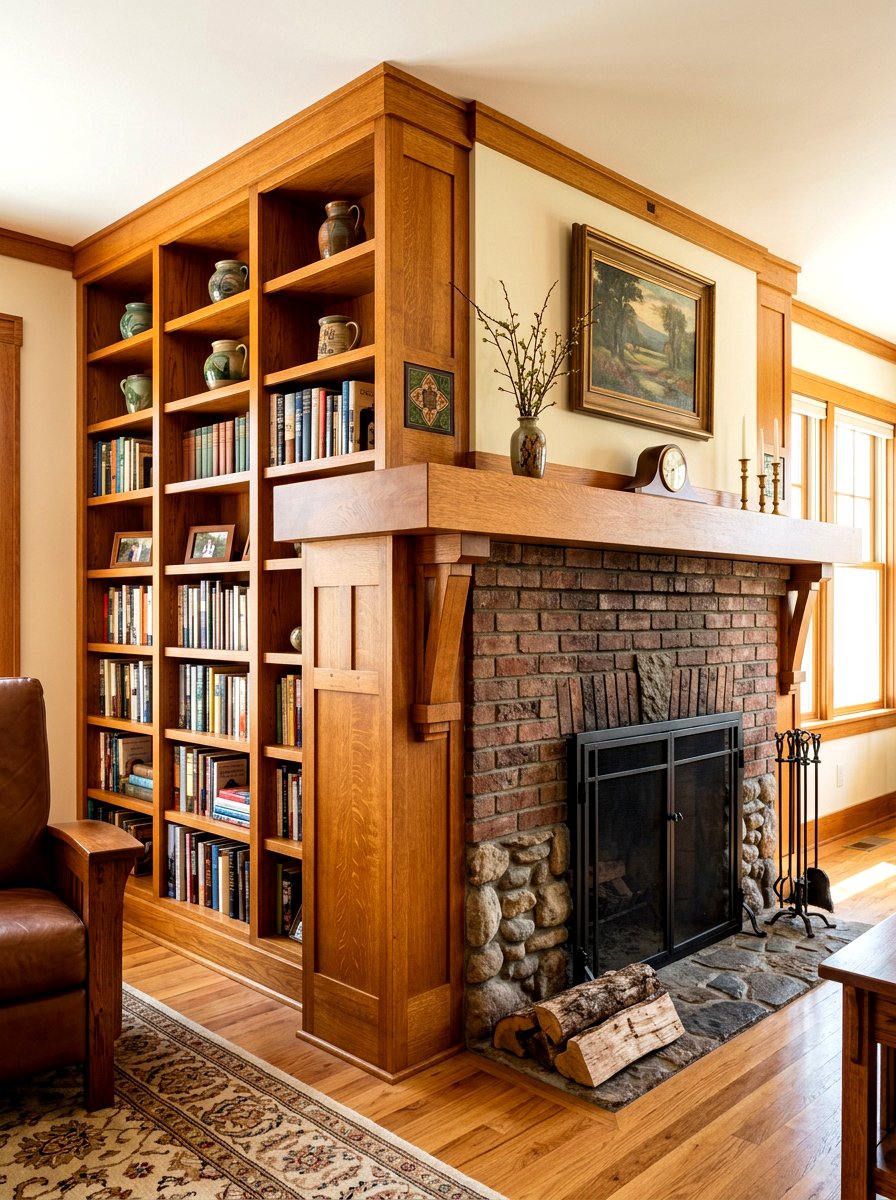
Reflecting the simplicity and craftsmanship of the Arts and Crafts movement, Mission-style corbels feature straight lines and honest, sturdy construction. These brackets are often made from oak or cherry and avoid the elaborate scrolls found in Victorian designs. They are perfect for homes with a Craftsman aesthetic, providing a sense of order and reliability. Use them to support a fireplace mantel or as accents in a wood-paneled study. The focus here is on the quality of the joinery and the natural beauty of the wood grain. This design style creates a grounded, peaceful environment that honors traditional woodworking techniques and timeless, functional American design.
25. Distressed Timber Corbel
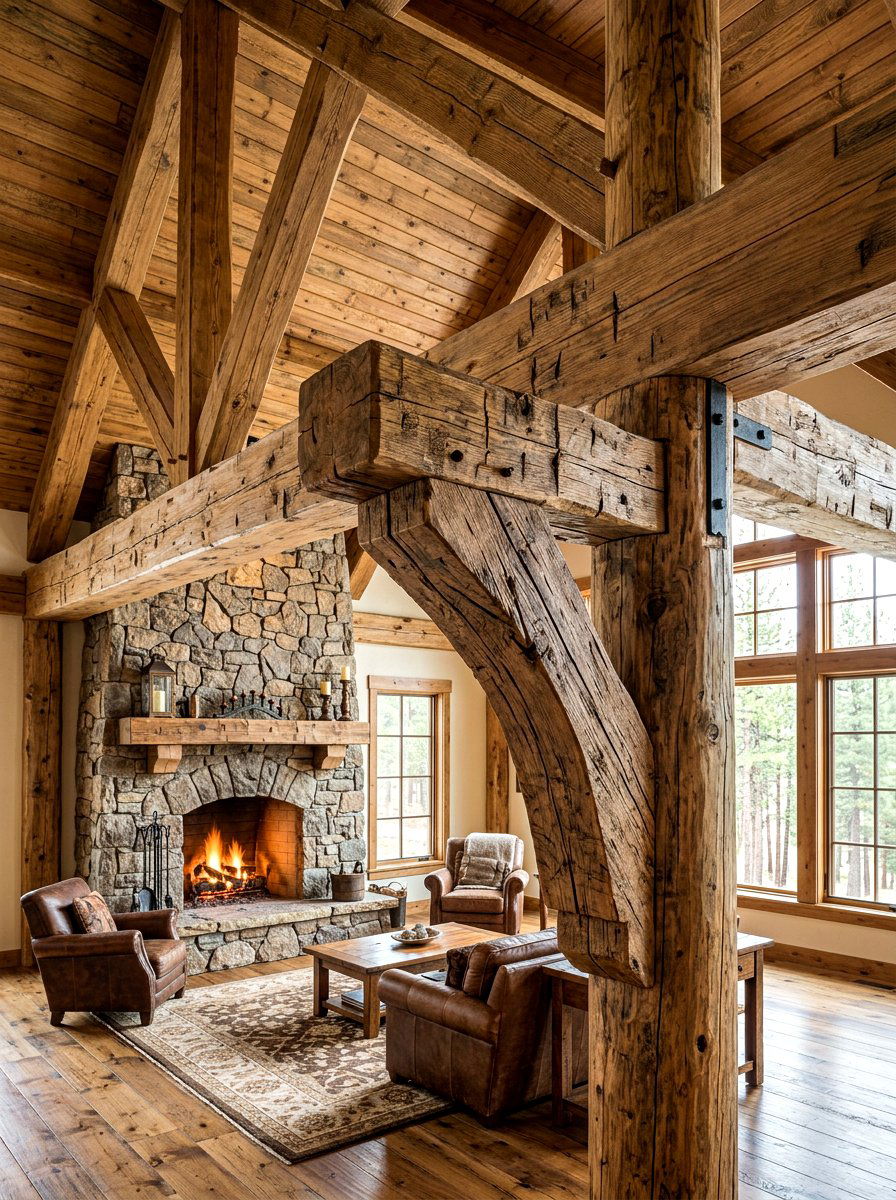
Using oversized, hand-hewn timber brackets is the ultimate way to achieve a rugged, mountain-lodge or rustic-modern look. These corbels often feature visible axe marks and a deep, natural stain that emphasizes the raw power of the wood. They look incredible when paired with large ceiling beams or supporting a massive outdoor balcony. This design choice makes a bold statement about strength and connection to nature. By using these chunky elements, you give your home a sense of permanence and rustic elegance. It is a powerful design move that works exceptionally well in large, open spaces with stone accents and high, vaulted ceilings.
26. Ornate Plaster Corbel
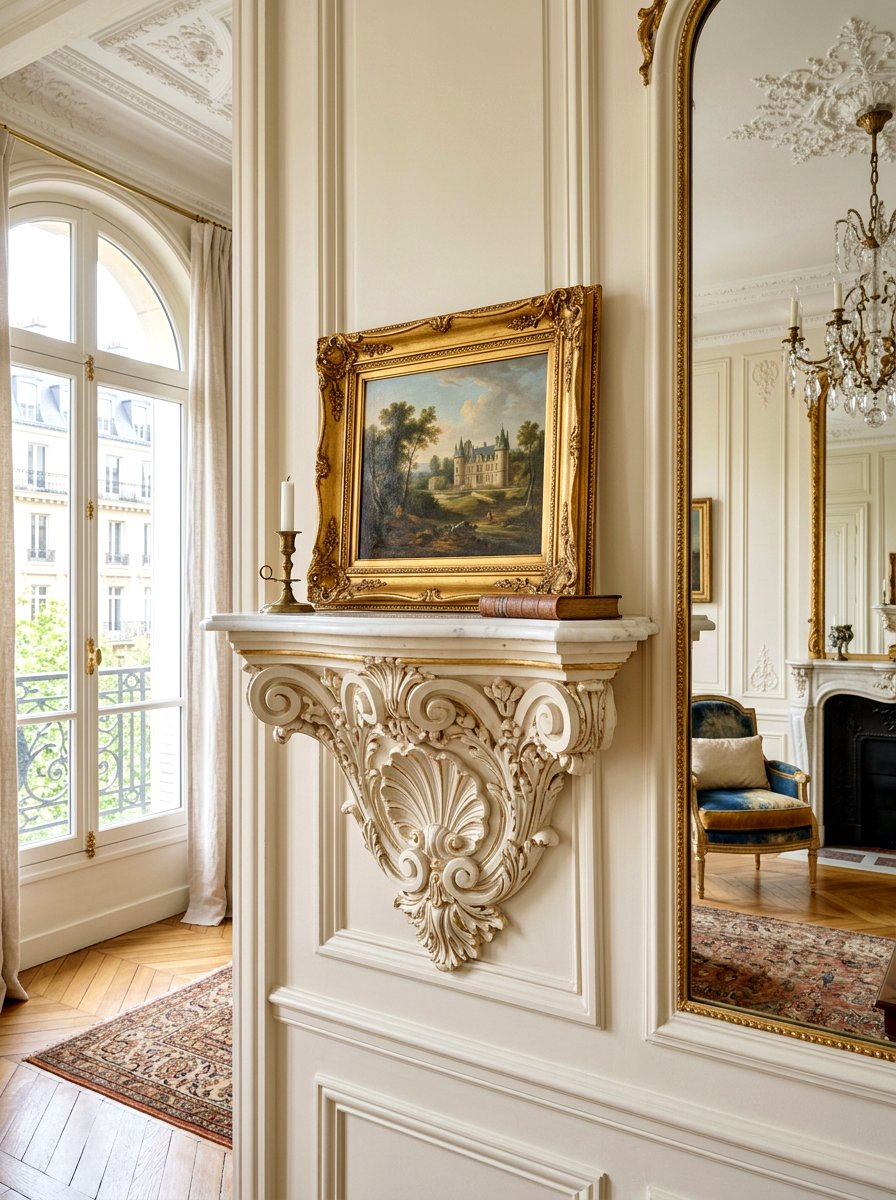
Bringing the elegance of a Parisian apartment into your home is easily done with highly detailed plaster corbels. These brackets often feature acanthus leaves, lion heads, or intricate scrollwork that looks like it was hand-molded by an artisan. They are perfect for formal living rooms or entryways where you want to create a sense of European grandeur. Use them to support a marble-topped wall shelf or as decorative accents on a white-on-white gallery wall. The fine details of the plaster catch the light beautifully, adding a layer of sophisticated texture. This design style is timeless, offering a level of refinement that never goes out of fashion.
27. Laundry Room Corbel
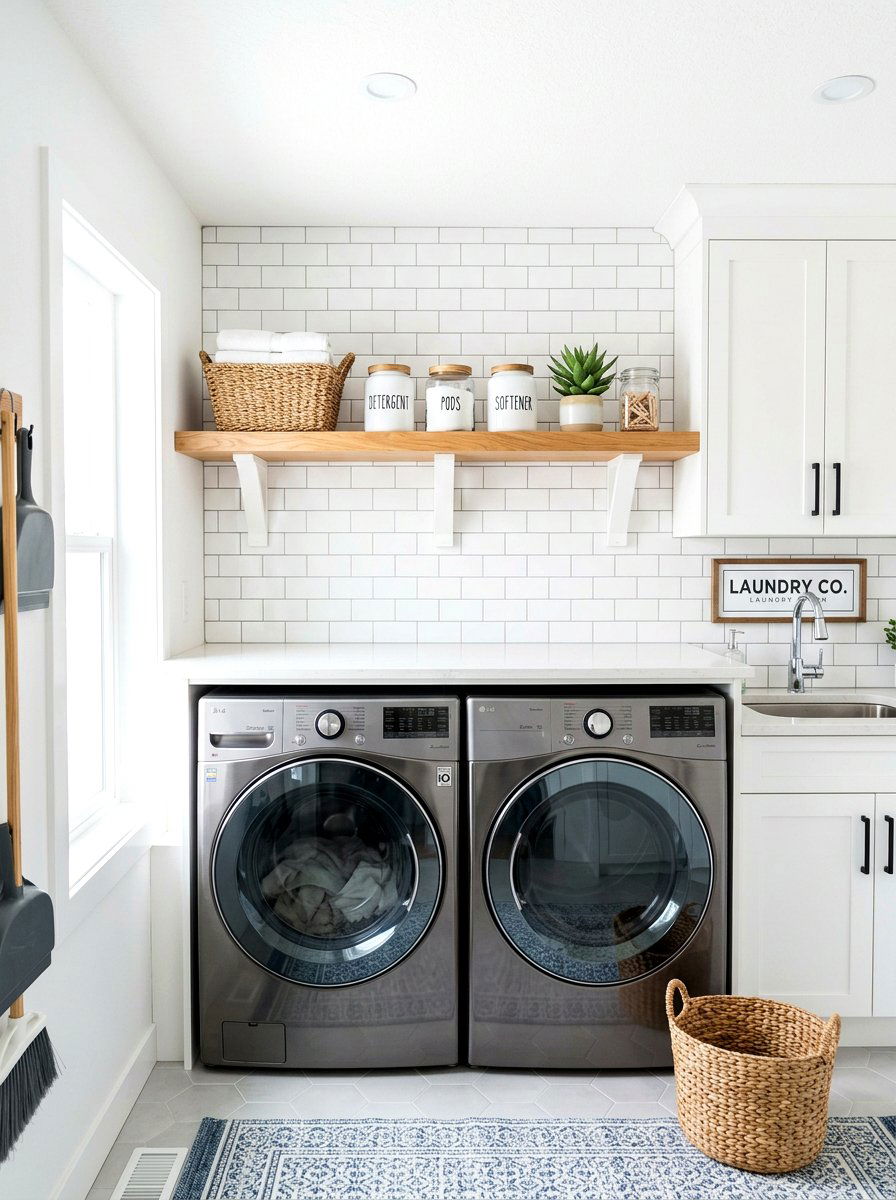
Elevating the most utilitarian room in the house is possible by adding charming brackets to the shelving over your washer and dryer. These corbels turn a functional storage area into a space that feels like part of the home's overall design scheme. Use them to support a shelf for laundry detergents, baskets, and folded linens. Painted in a bright, clean white or a soft pastel color, they add a touch of cheer to a chore-heavy space. This design approach proves that no room is too small or too functional to benefit from a bit of architectural beauty, making your daily routines feel just a little more pleasant.
28. Dining Room Hutch Corbel
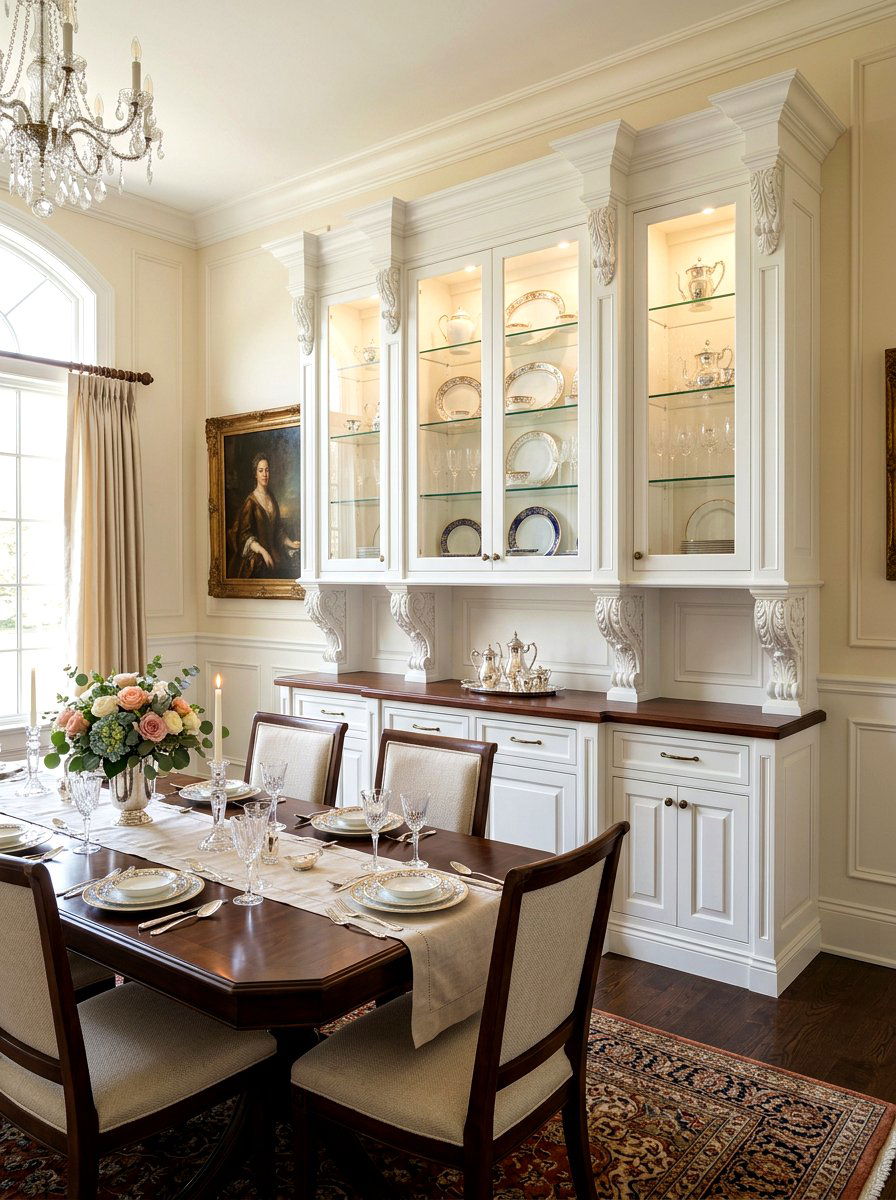
Adding decorative brackets to a built-in or freestanding dining room hutch gives the piece a custom, furniture-grade appearance. These corbels can be placed at the corners where the upper hutch meets the lower buffet, creating a beautiful transition. This architectural detail makes the storage unit look like a permanent part of the room's architecture. It provides a grand stage for displaying fine china and glassware, making the dining room feel more formal and established. Choosing corbels that match the wood species and finish of the table and chairs creates a cohesive, high-end look that is perfect for hosting elegant dinner parties and family gatherings.
29. Bedroom Headboard Corbel
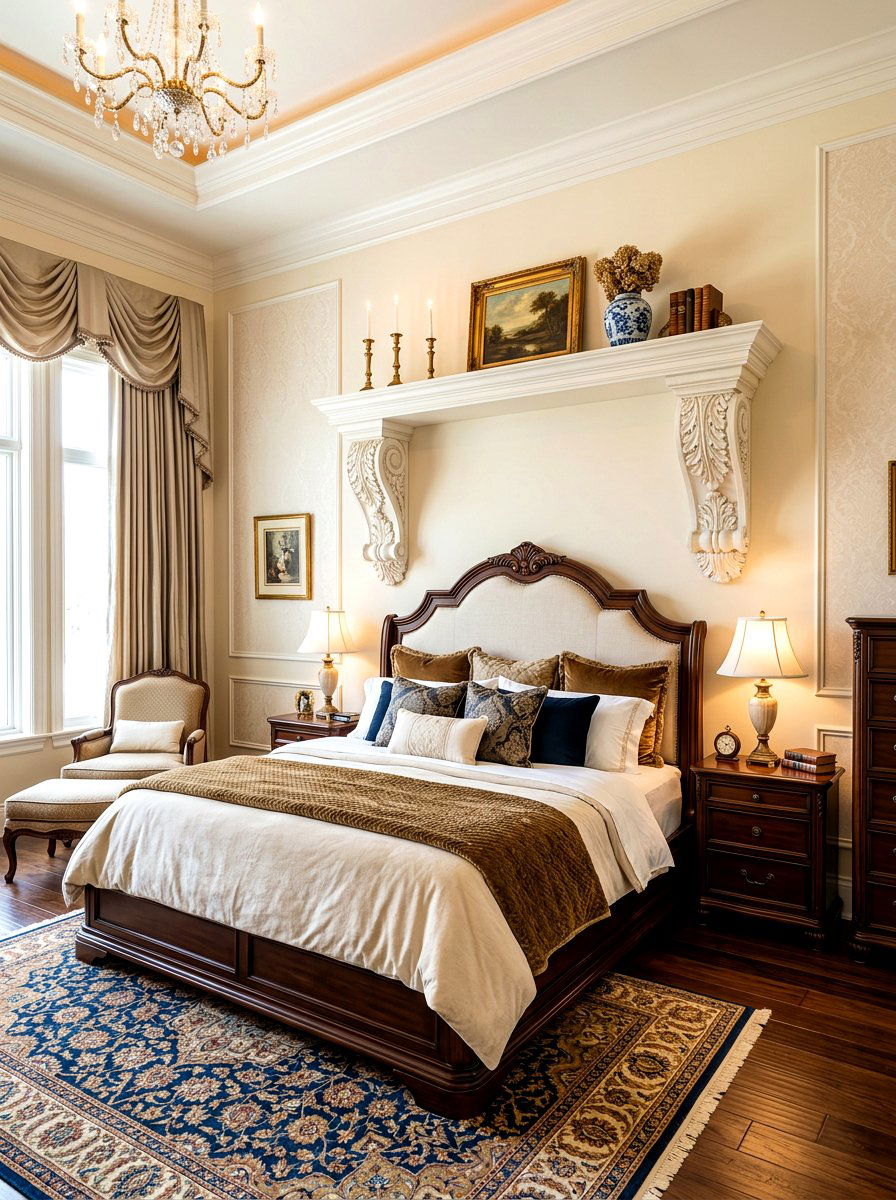
Creating a unique, architectural headboard by mounting large corbels on the wall behind the bed is a brilliant way to add height and drama. These brackets can support a decorative shelf for books and lamps, or they can simply act as framing elements for a piece of fabric or a mirror. This setup replaces a traditional headboard with something more permanent and visually interesting. It gives the bedroom a sense of historical charm and custom craftsmanship. By using these sculptural elements, you turn the bed into a majestic focal point, making the entire room feel like a curated sanctuary designed for ultimate comfort and high-end style.
30. Outdoor Pergola Corbel
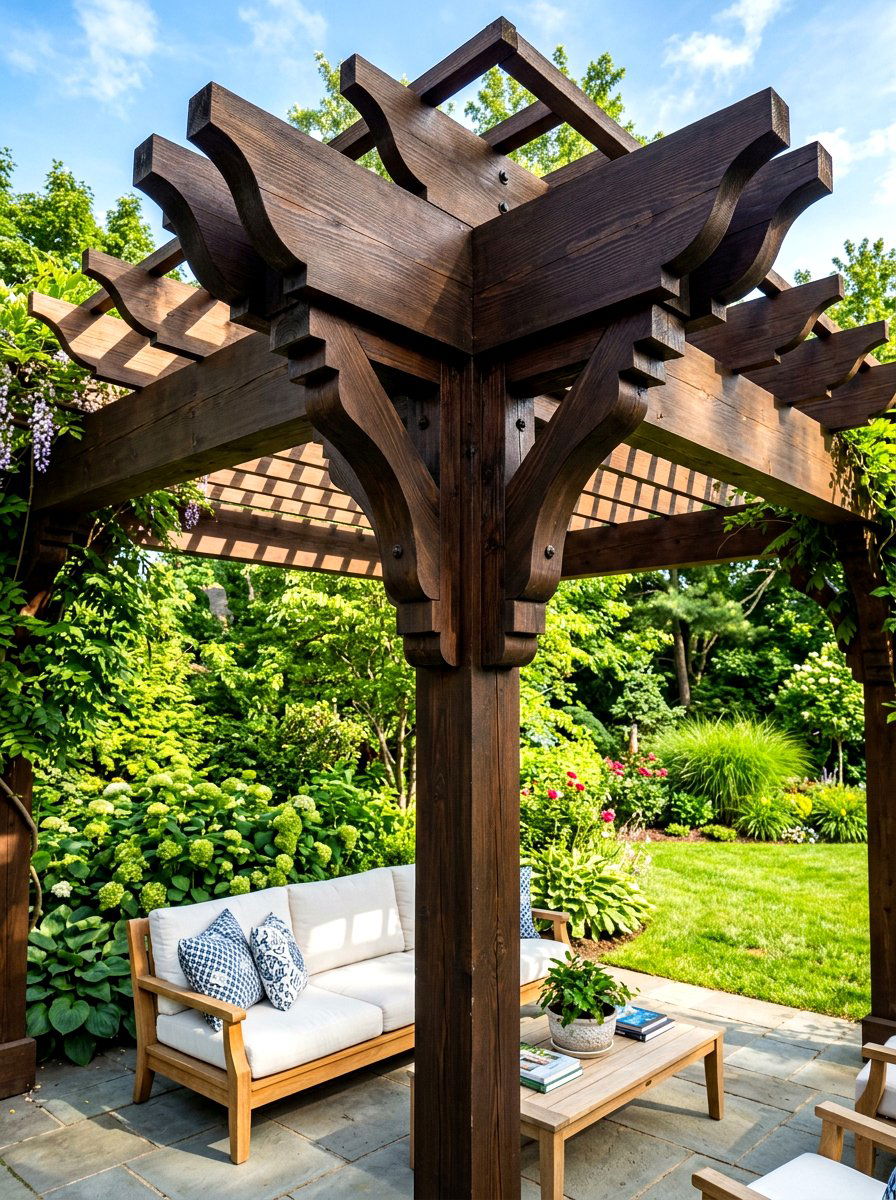
Enhancing the structural beauty of an outdoor pergola with large, decorative brackets creates a finished look that rivals the interior of your home. These corbels are installed at the intersections of the vertical posts and horizontal beams, adding both strength and style to the structure. They provide a sense of old-world garden elegance, making the outdoor living area feel like a true extension of the house. Use rot-resistant wood like redwood or cedar to ensure they last for years in the sun and rain. This design detail turns a simple shade structure into a sophisticated outdoor room that is perfect for entertaining guests or relaxing in the fresh air.
Conclusion:
Decorative corbels are far more than mere structural brackets; they are the secret to adding instant architectural character and value to your home. By thoughtfully integrating these details into your kitchen, living room, and exterior, you transform standard spaces into custom-designed environments full of history and style. The versatility of corbels allows them to adapt to any aesthetic, from the most rugged rustic farmhouse to the sleekest modern minimal design. Investing in high-quality corbels demonstrates an appreciation for fine details and craftsmanship that elevates the entire atmosphere of your property. Ultimately, these small additions make a massive impact, turning a simple house into a beautifully curated and timeless home.

Related posts: