Timber retaining walls are a fantastic way to transform your outdoor space into a functional masterpiece. These structures serve a dual purpose by providing essential soil support and adding a warm, natural element to your landscape design. Whether you are dealing with a steep slope or simply want to create defined garden zones, wood offers incredible flexibility. It is often more affordable and easier to install than heavy stone or concrete alternatives. Choosing the right timber can dramatically change the vibe of your backyard from rustic charm to modern elegance. This guide explores thirty unique ways to use timber for retaining purposes effectively. From modern slats to rugged logs, you will find inspiration for every garden type.
1. Vertical Timber Sleeper
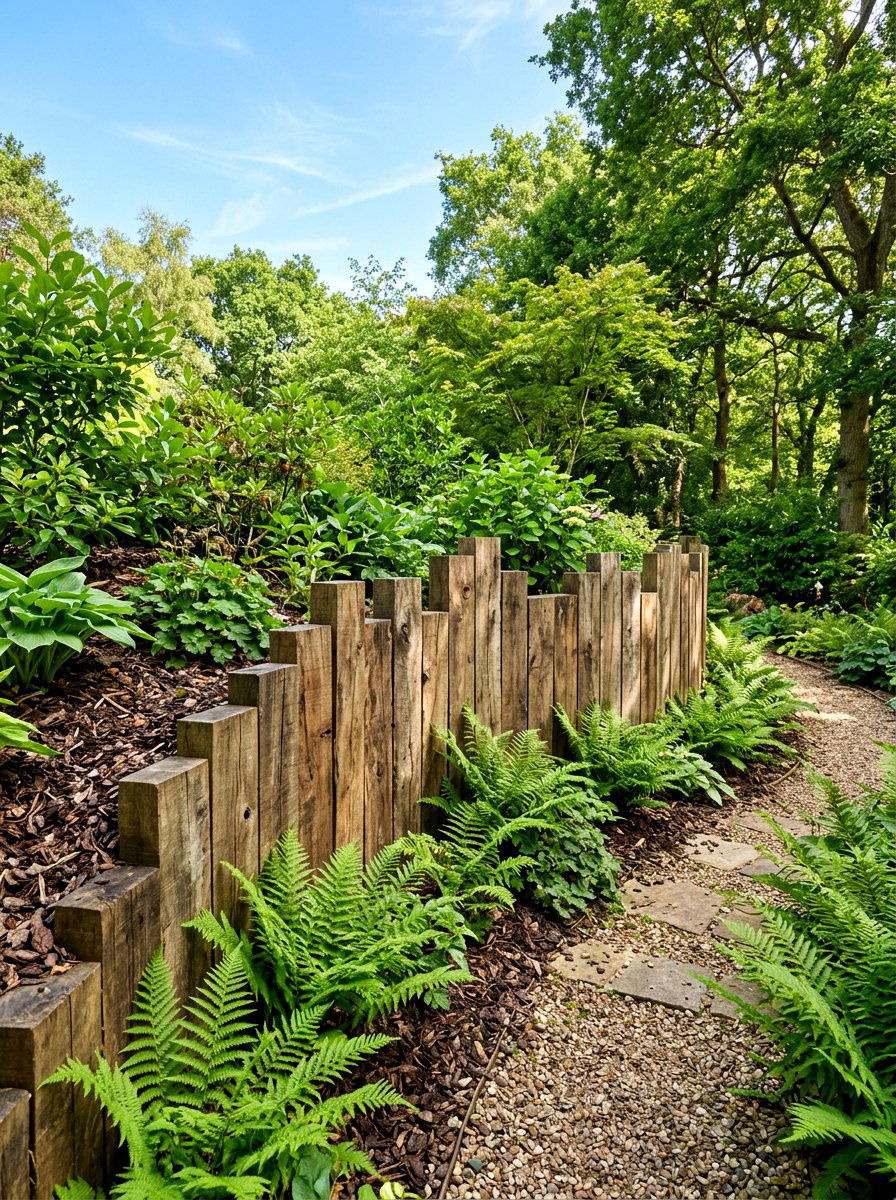
Vertical timber sleepers offer a unique aesthetic for any backyard project. This method involves burying the ends of the wood deep into the ground. It creates a sturdy picket-fence style look that holds back soil effectively. You can easily follow the natural curves of your landscape with this orientation. It works perfectly for round flower beds or winding garden paths. Homeowners often choose this style when they want to avoid the rigid lines of horizontal beams. The vertical lines add a sense of height and texture to the garden area. You should always use treated timber to prevent rot and insect damage over time. This design is excellent for smaller residential gardens.
2. Horizontal Pine Sleeper
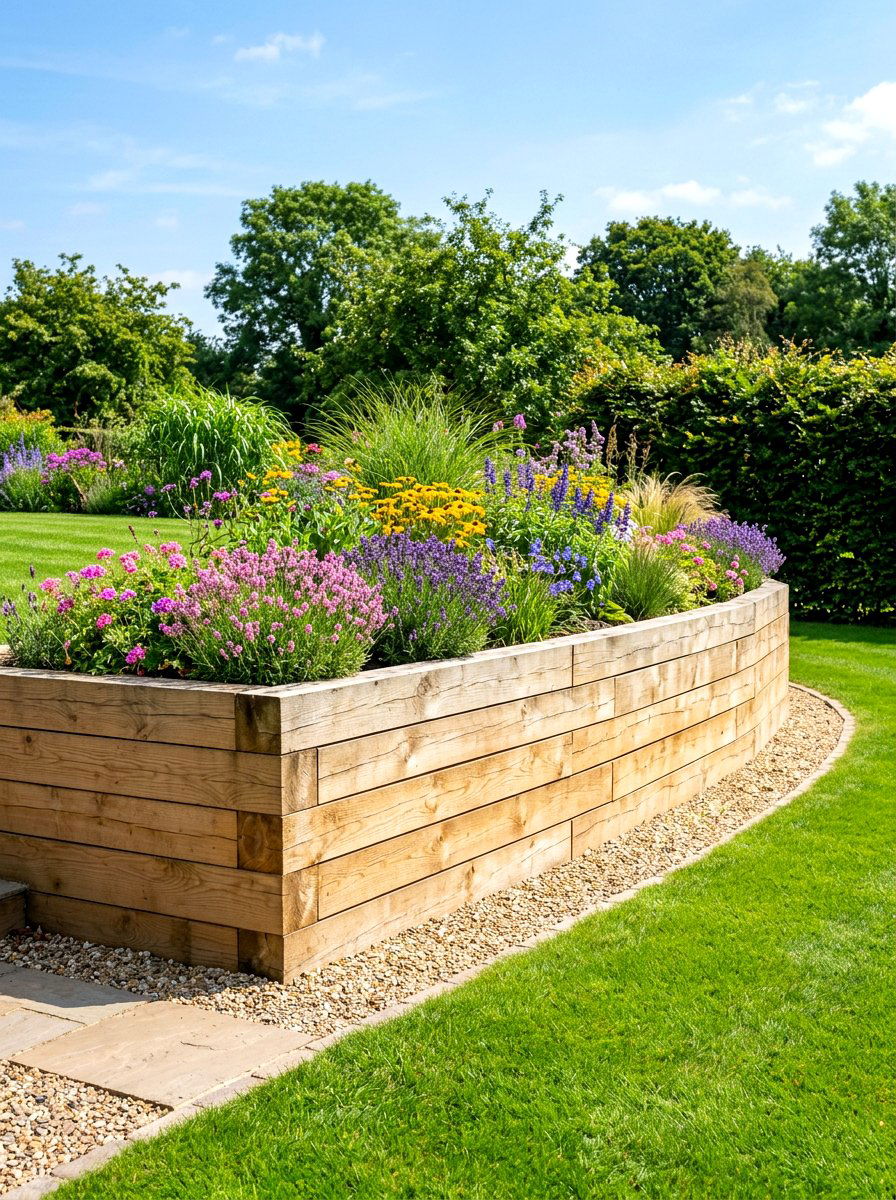
Horizontal pine sleepers are perhaps the most popular choice for residential retaining projects. These large beams are stacked on top of one another to create a solid, heavy-duty barrier. Pine is a budget-friendly material that handles pressure-treatment well for long-term durability. The horizontal alignment provides a clean and structured look that complements traditional home styles. You can secure these beams with vertical posts for added stability against soil weight. This design is highly effective for leveling large areas of a backyard. It provides a clean backdrop for colorful flowers or lush green shrubs. Most people prefer the natural light brown finish of the treated pine for a bright look.
3. Tiered Garden Terrace
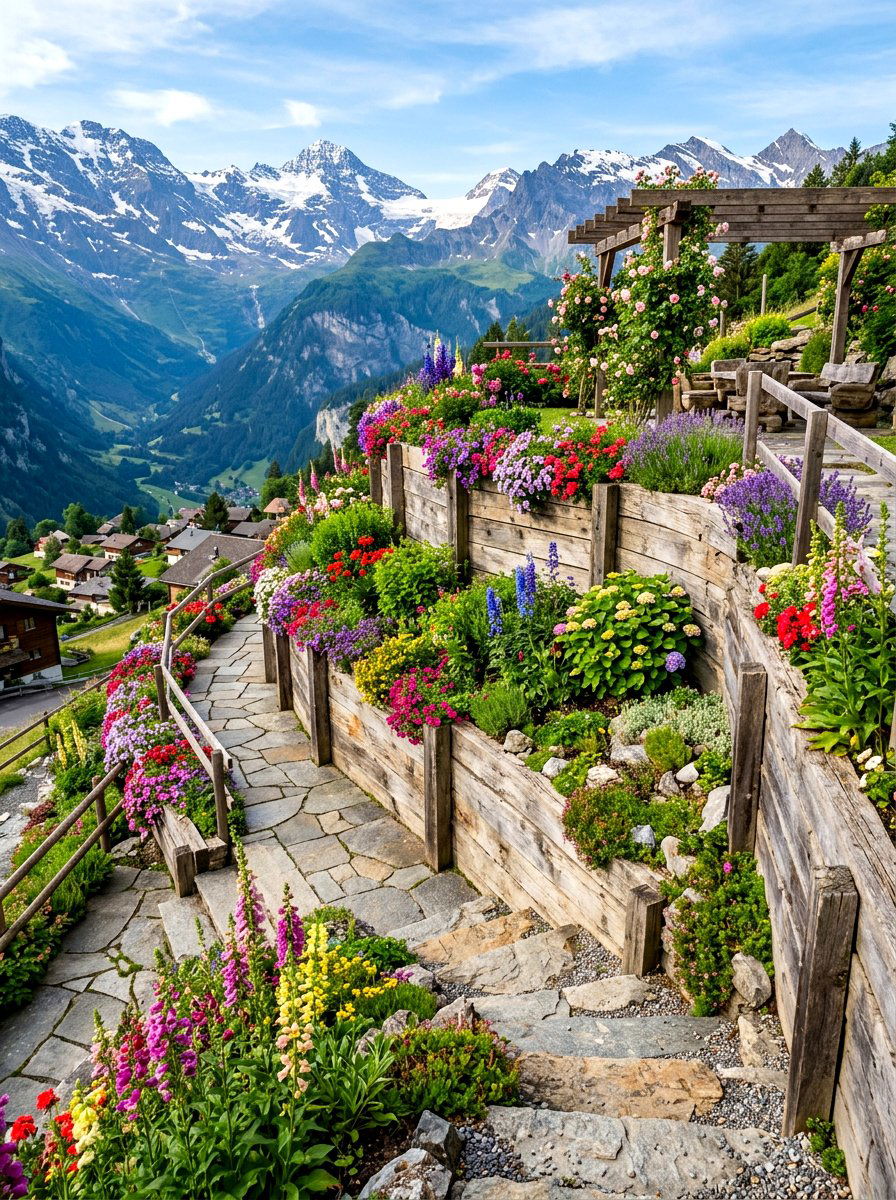
Tiered garden terraces are the ultimate solution for managing very steep backyard slopes. Instead of building one massive wall, you create a series of smaller timber steps. Each level provides a flat area that is perfect for planting different varieties of vegetation. This approach reduces the pressure on each individual wall, making the whole system more stable. It also creates a beautiful grand staircase effect for your greenery. You can mix and match plant heights on each level to add depth. The terraced look makes a sloping yard feel much larger and more accessible. It is a smart way to turn a difficult hill into a productive gardening space.
4. Corten Steel Wood
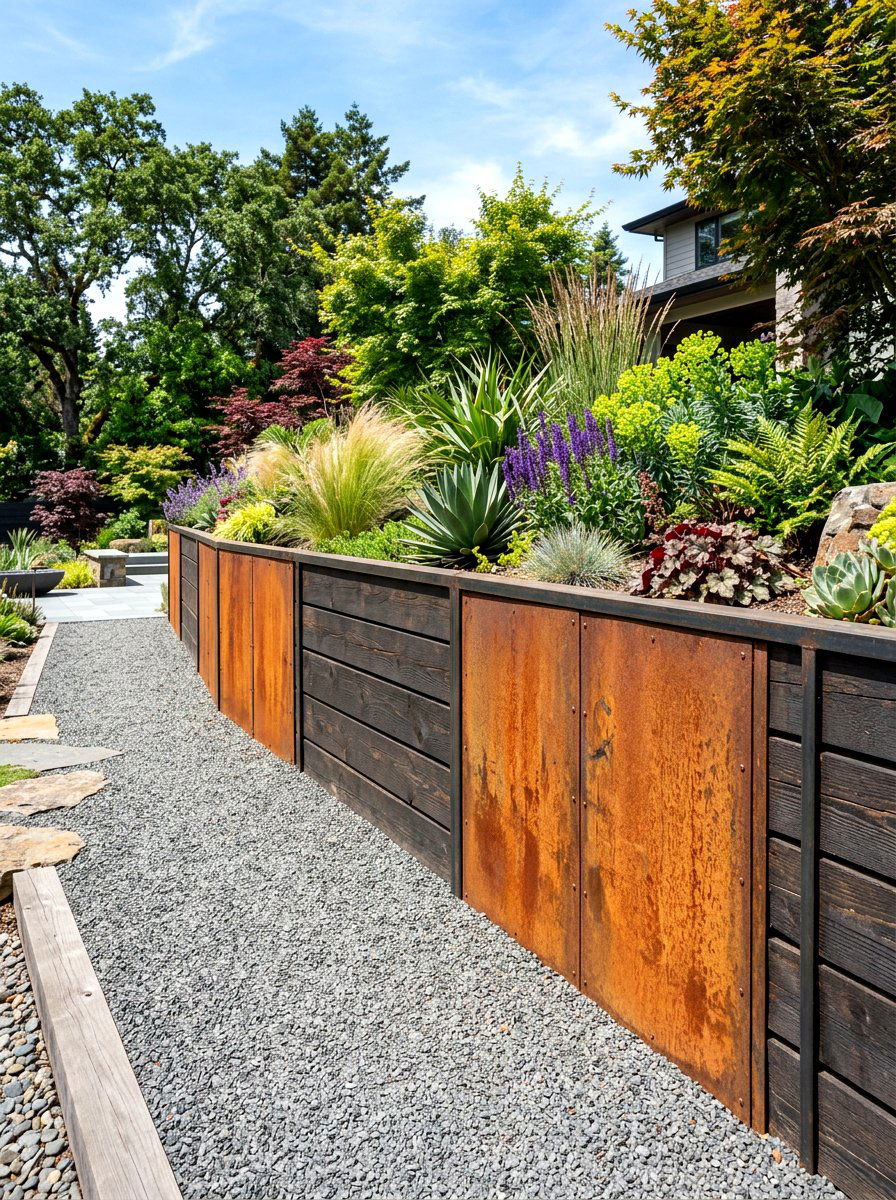
Combining corten steel with timber creates a stunning industrial and natural fusion in the landscape. The weathered orange hue of the steel pairs beautifully with the organic tones of the wood. You can use the steel as a facing or as structural pillars between timber sections. This look is very trendy in modern urban garden designs. The contrast between the cold metal and warm wood adds significant visual interest. It is a durable combination that stands up well to various weather conditions. Many designers use this style to highlight specific architectural features of a home. It provides a high-end feel without the extreme cost of a full masonry wall.
5. Curved Timber Wall
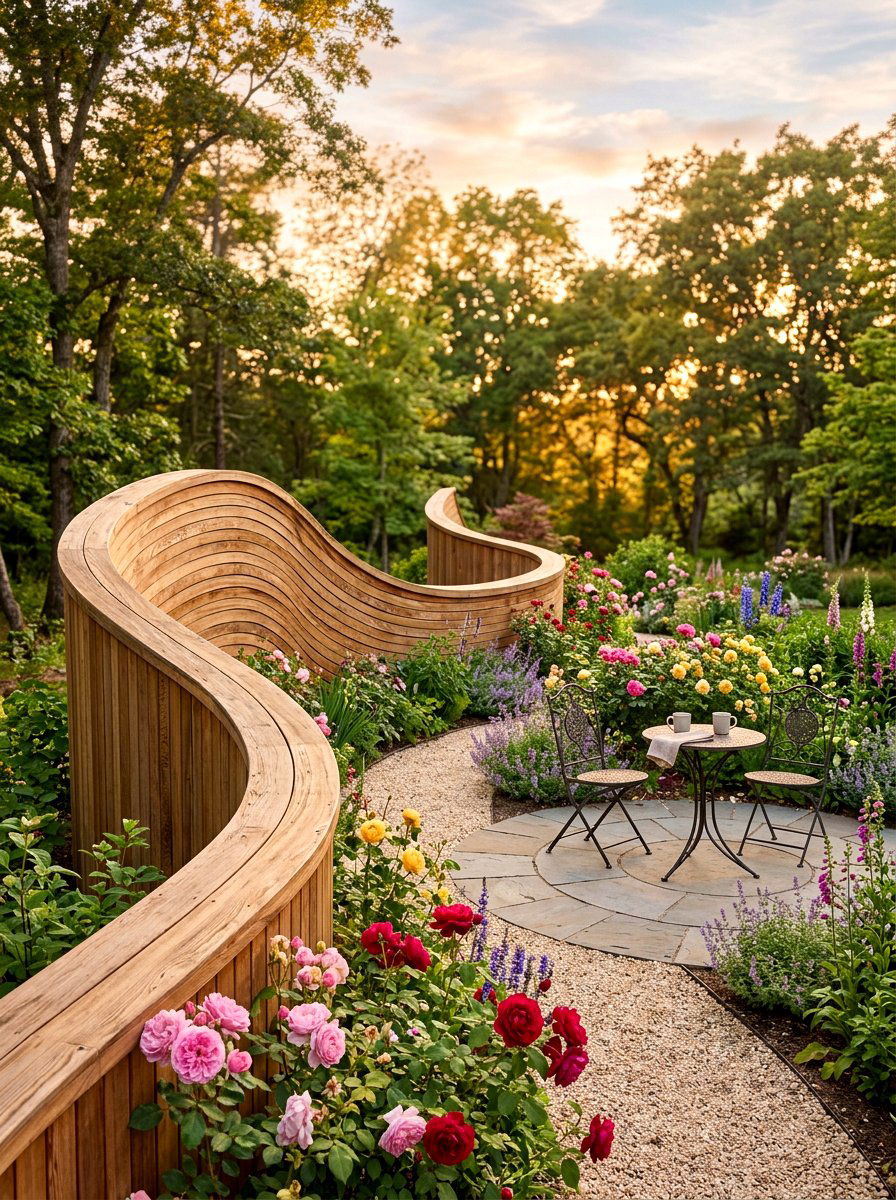
Curved timber walls break away from traditional straight lines to follow the natural flow of the land. By using shorter vertical pieces or flexible planks, you can create smooth arches and waves. This design helps to soften the overall appearance of the garden. It is particularly effective for framing circular patios or rounded lawn areas. The fluid movement of a curved wall feels more organic and less intrusive than sharp corners. It requires a bit more planning during the installation phase to ensure even spacing. However, the visual payoff is a professional landscape look that draws the eye. These walls integrate perfectly with informal or cottage-style garden designs.
6. Reclaimed Railway Sleeper
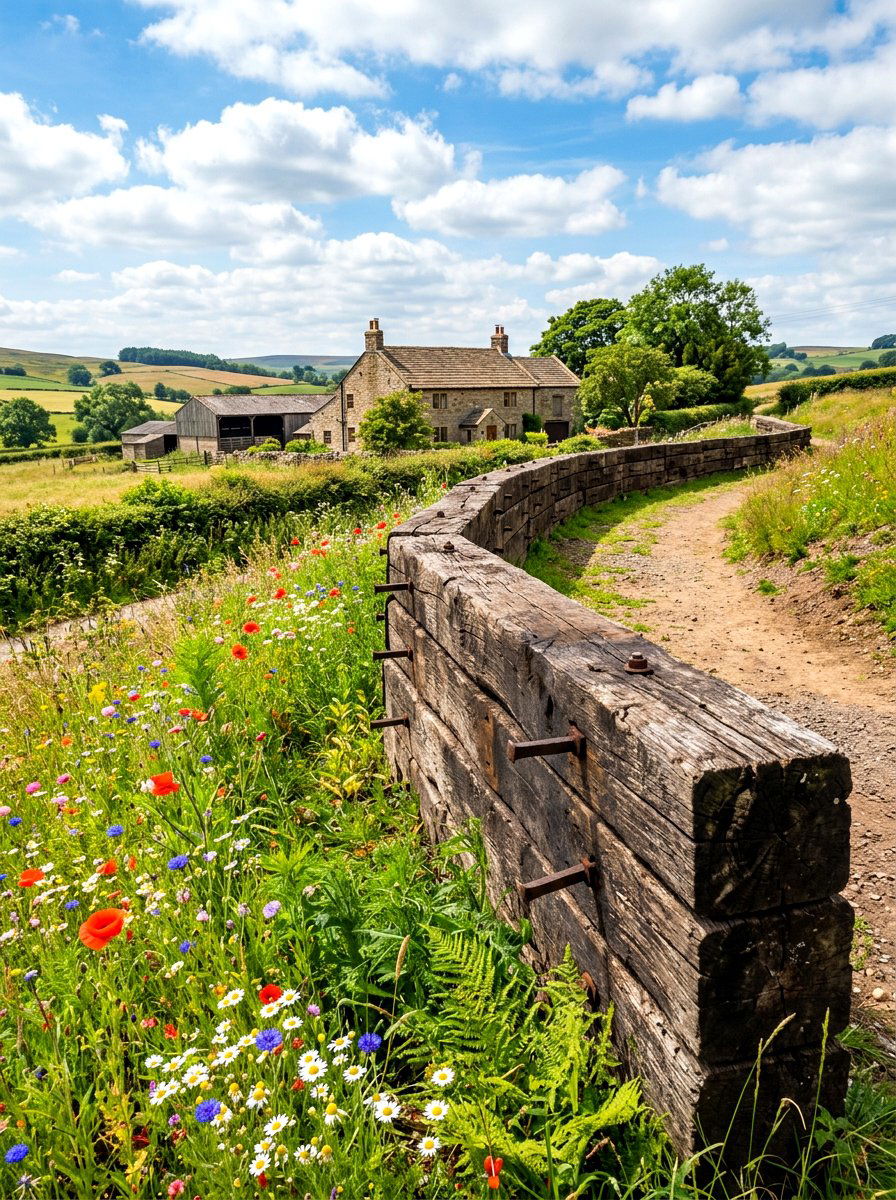
Reclaimed railway sleepers are ideal for those seeking a rugged and authentic rustic aesthetic. These timbers often have a rich history and a weathered texture that new wood cannot replicate. They are incredibly thick and heavy, making them perfect for significant retaining tasks. The dark, aged look of the wood provides a beautiful contrast against bright green grass. You can stack them roughly to lean into the vintage charm of the material. Since they are often treated with older preservatives, they last a very long time in the ground. This style is perfect for farmhouses or country estates where a polished look is not desired. It adds instant character to any yard.
7. Cedar Post Retaining
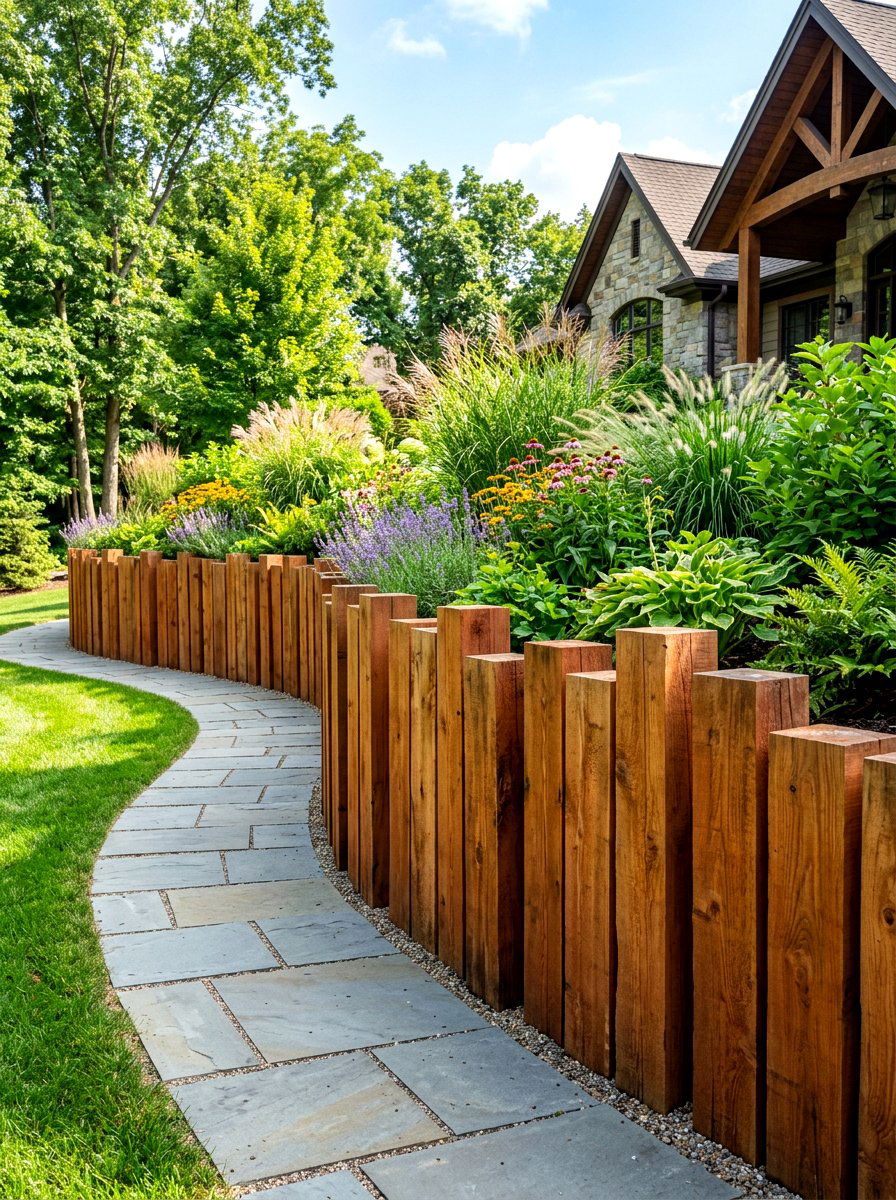
Cedar post retaining systems are highly valued for their natural resistance to decay and insects. Cedar has a beautiful reddish-pink hue that eventually fades into a sophisticated silver-grey. Using large cedar posts vertically creates a high-quality and long-lasting structure. The natural oils in cedar wood make it one of the best choices for wet environments. It smells wonderful and looks much more refined than basic pressure-treated pine. This design works well for high-end residential gardens where aesthetics are a top priority. The posts can be cut at different heights to create a jagged, artistic top line. It is a premium choice for homeowners who value both beauty and performance.
8. Modern Slat Wall
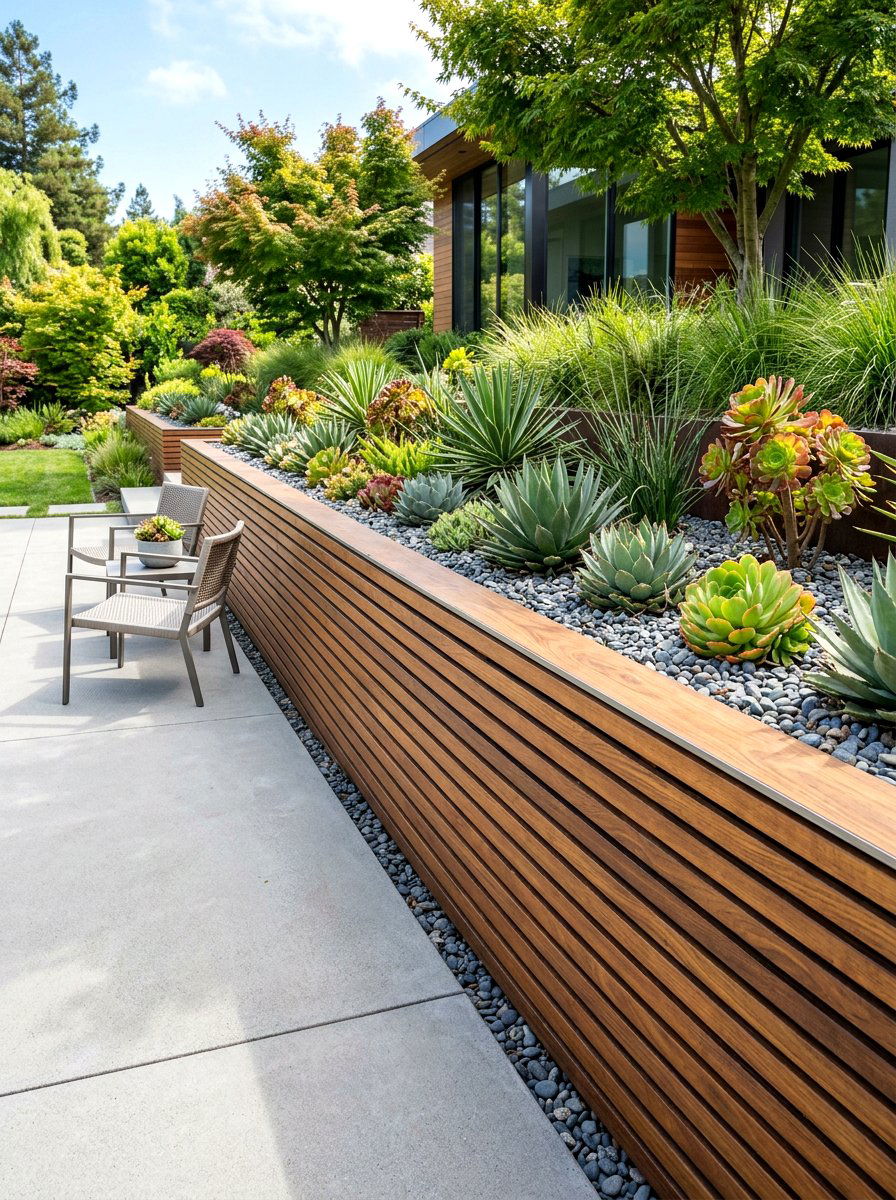
Modern slat walls use thin, horizontal strips of timber to create a sleek and contemporary look. This style focuses on clean lines and uniform spacing between the wooden slats. It is often used as a decorative facade over a more structural retaining base. The result is a high-fashion garden feature that looks like high-end outdoor furniture. You can choose hardwoods like ipe or teak for a luxurious finish. This design is perfect for modern minimalist homes with structured outdoor living spaces. The narrow slats can also help with drainage while maintaining a solid appearance. It provides a sophisticated backdrop for architectural plants like succulents or ornamental grasses.
9. Gabion Timber Accent
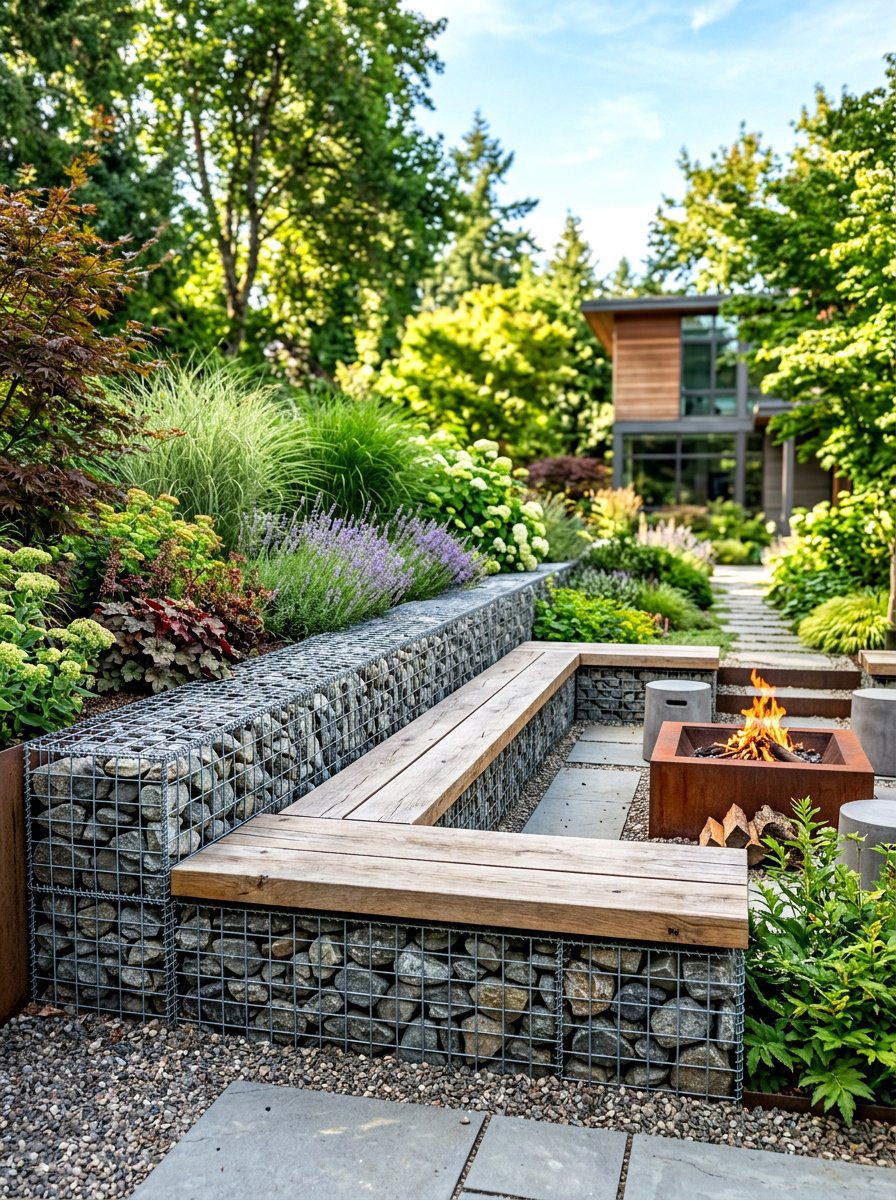
Gabion timber accents combine stone-filled wire cages with warm wooden elements. You can use the timber as a top cap for seating or as alternating sections between the rock walls. This mix of textures creates a very modern and sturdy landscape feature. The wood softens the heavy, industrial look of the stones and metal cages. It is a very effective way to handle drainage as the gabion sections are naturally porous. The timber provides a comfortable surface for people to lean against or sit on. This hybrid design is becoming very popular in both residential and public park spaces. It is a durable and visually striking way to retain soil.
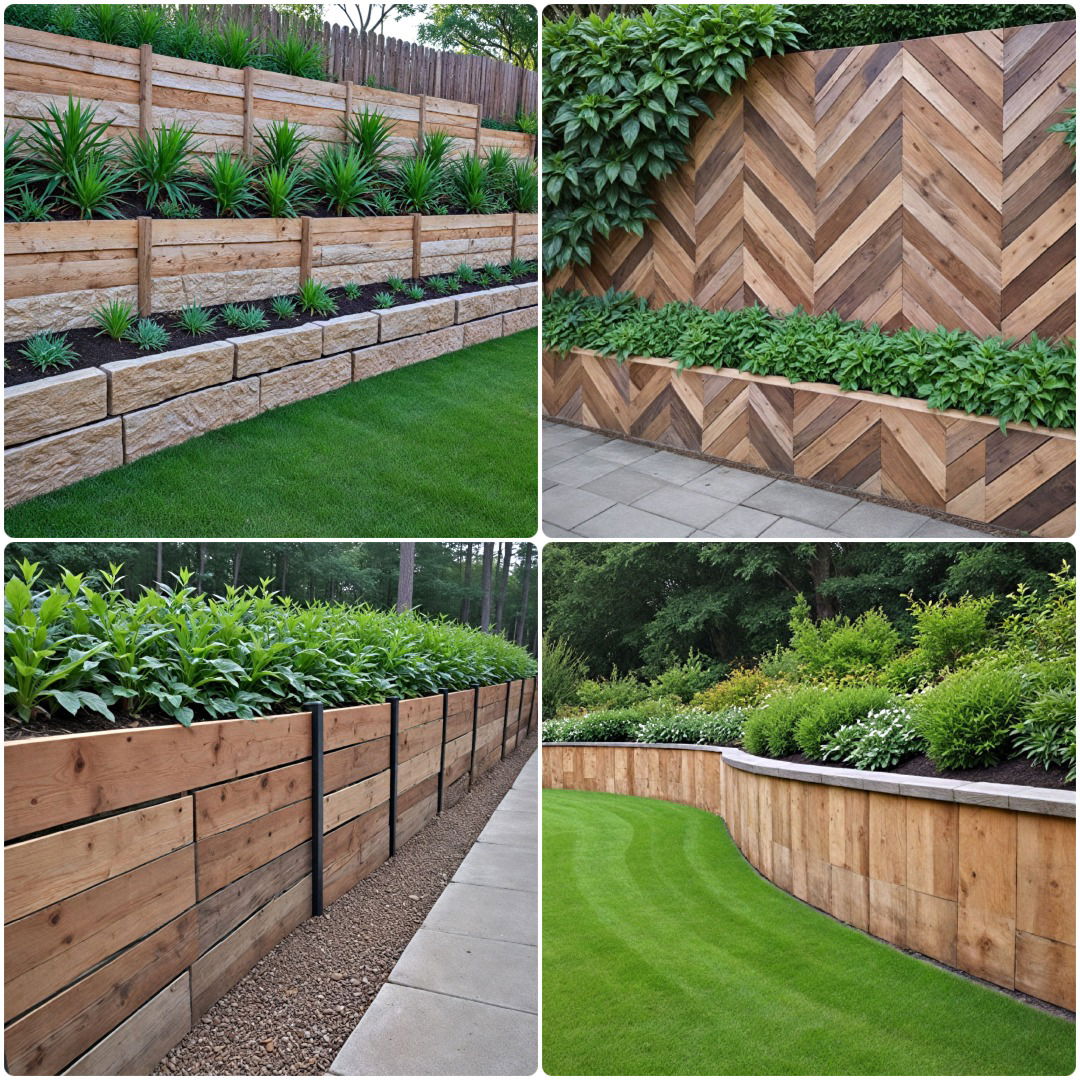
10. Raised Vegetable Planter
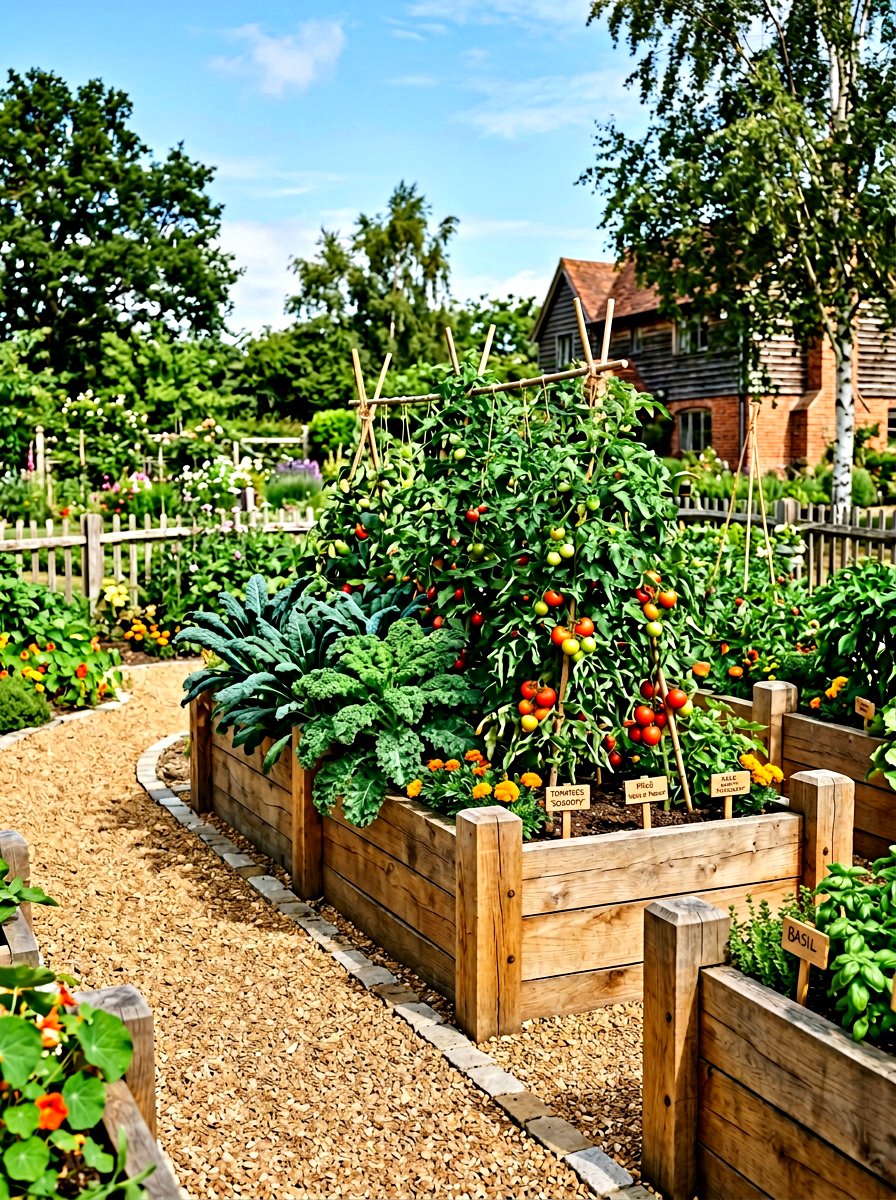
Raised vegetable planters are a functional way to incorporate timber retaining into a productive garden. These walls are usually built at waist height to make gardening easier on the back. You can use cedar or untreated hardwood to ensure the soil remains safe for food crops. The thick timber walls help to insulate the soil, keeping it warm for longer growing seasons. This design organizes your yard into neat, manageable sections for different vegetables. It prevents grass and weeds from encroaching on your food garden effectively. The natural wood look integrates the vegetable patch into the overall landscape design. It is a practical and attractive solution for backyard farmers.
11. Interlocking Timber Block
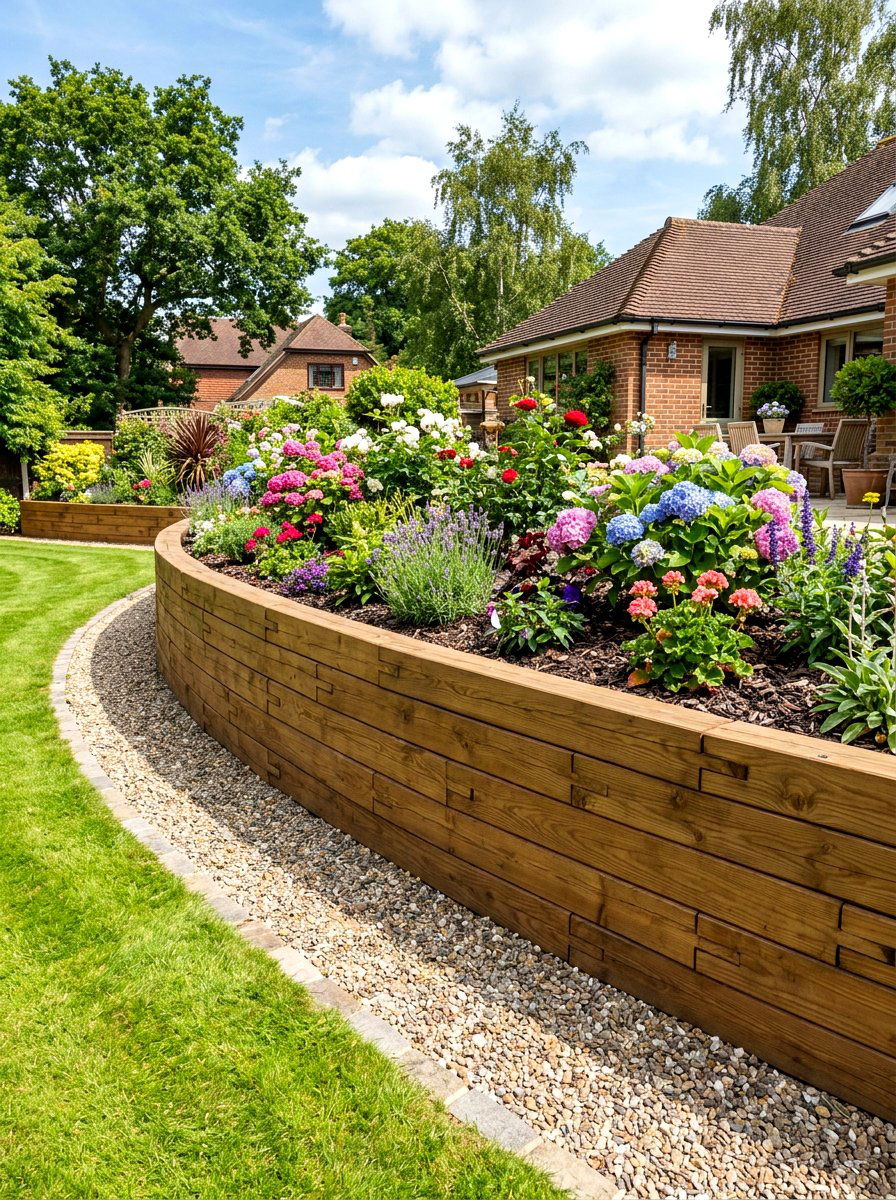
Interlocking timber blocks are designed for easy assembly and a very sturdy final structure. These blocks often feature tongue-and-groove joints that lock together as you stack them. This design prevents the beams from shifting over time due to soil pressure. It provides a very uniform and professional appearance that is easy for DIYers to achieve. The tight fit between blocks also helps to minimize soil leakage between layers. You can find these blocks in various finishes to match your existing outdoor decor. They are excellent for straight walls and sharp 90-degree corners. This systematic approach ensures a level and secure wall that will last for many years.
12. Painted Black Sleeper
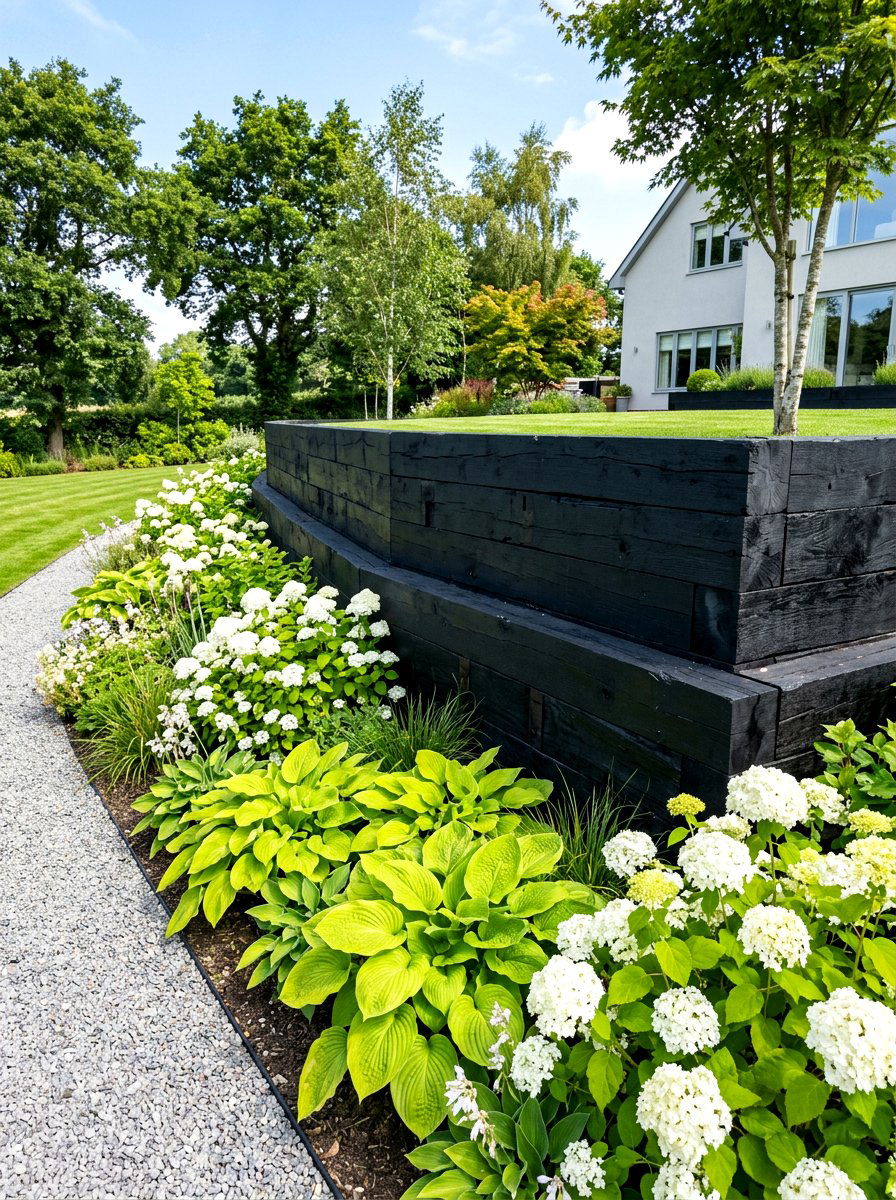
Painted black sleepers are a bold choice for modern and minimalist garden designs. Coating the timber in a dark charcoal or jet-black stain creates a dramatic contrast with greenery. This look makes the colors of your plants appear more vibrant and saturated. Black walls tend to recede into the background, giving the illusion of more space. It is a very stylish way to update old or weathered timber walls without replacing them. The dark color also helps to hide imperfections in the wood surface. This design is perfect for contemporary homes with a monochromatic color palette. It adds a touch of sophistication and mystery to the outdoor landscape.
13. Low Profile Border
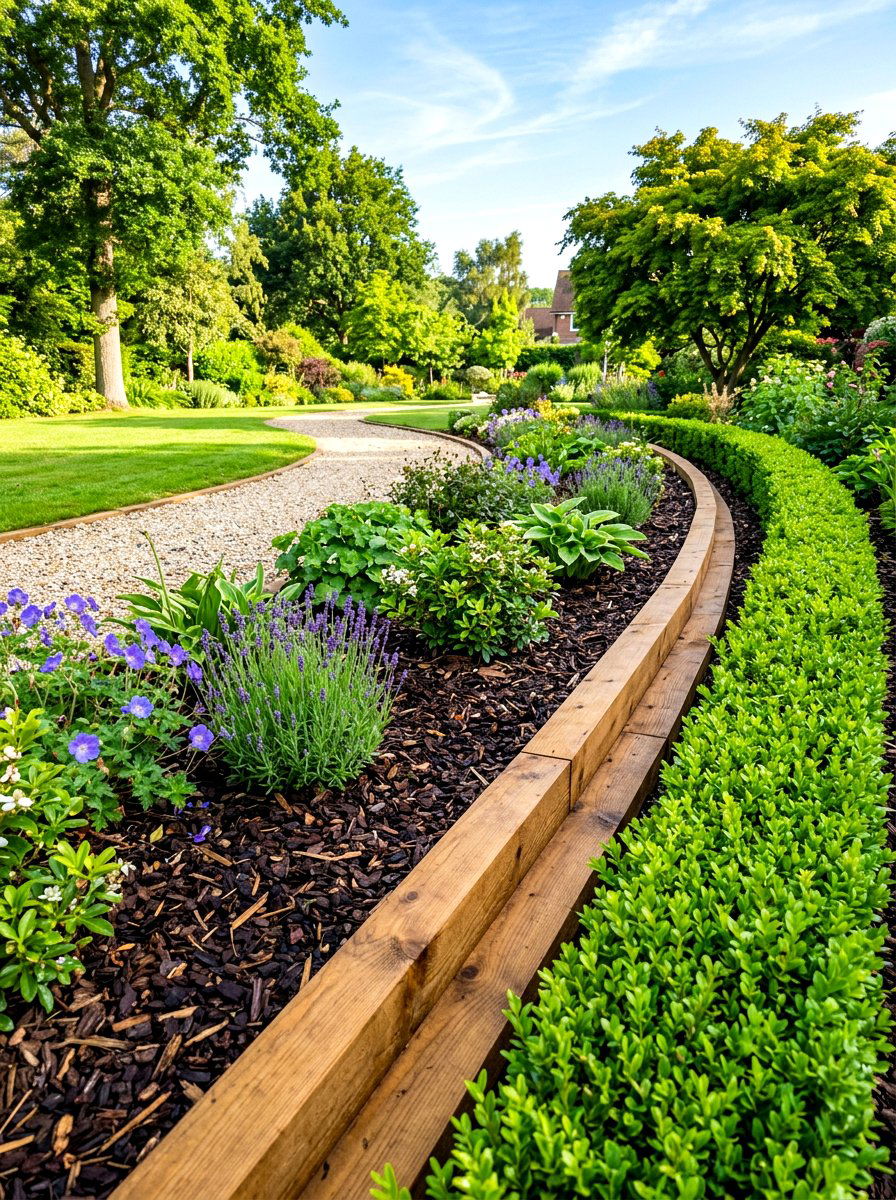
Low profile borders are used for subtle soil retention around flower beds or pathways. These walls are usually only one or two timbers high, providing just enough lift to define a space. They are perfect for relatively flat yards where you want to add a bit of structure. Small timber borders keep mulch and soil from washing onto your walkways during rain. They are very easy to install and require minimal excavation compared to larger walls. You can use thin planks or small square posts for a delicate and tidy appearance. This design is a great entry-level project for improving curb appeal. It creates a very organized and well-maintained garden look.
14. Steps Integrated Wall
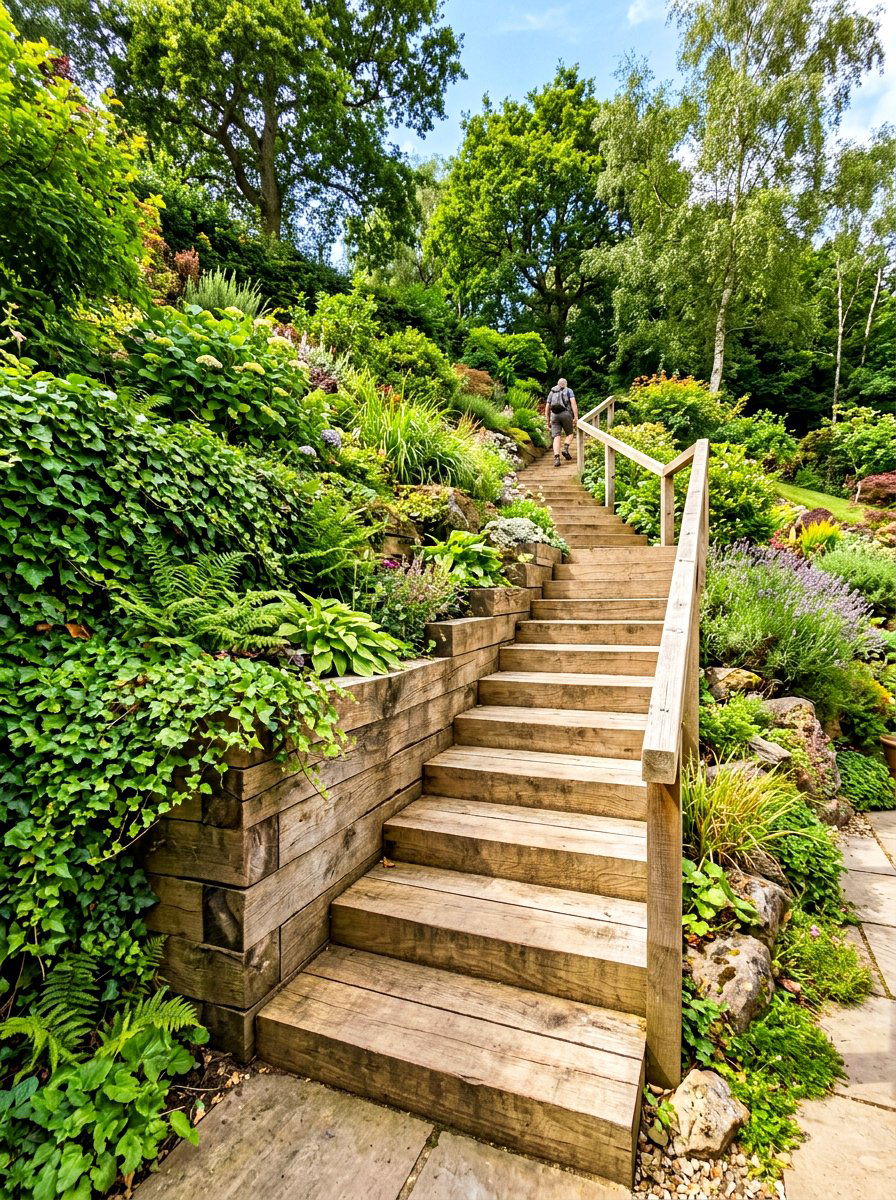
Steps integrated walls solve the problem of navigating different levels in a sloped yard. By building the timber retaining wall with built-in stairs, you create a seamless transition. The steps can be made from the same timber material to ensure a cohesive design. This approach is much more attractive than having a separate staircase next to a wall. It allows you to move through your garden easily while maintaining structural integrity. The wide timber treads provide a sturdy and safe surface for walking. You can also add small lights to the steps for safety at night. This design makes your backyard feel like a carefully planned outdoor room.
15. Bench Seating Wall
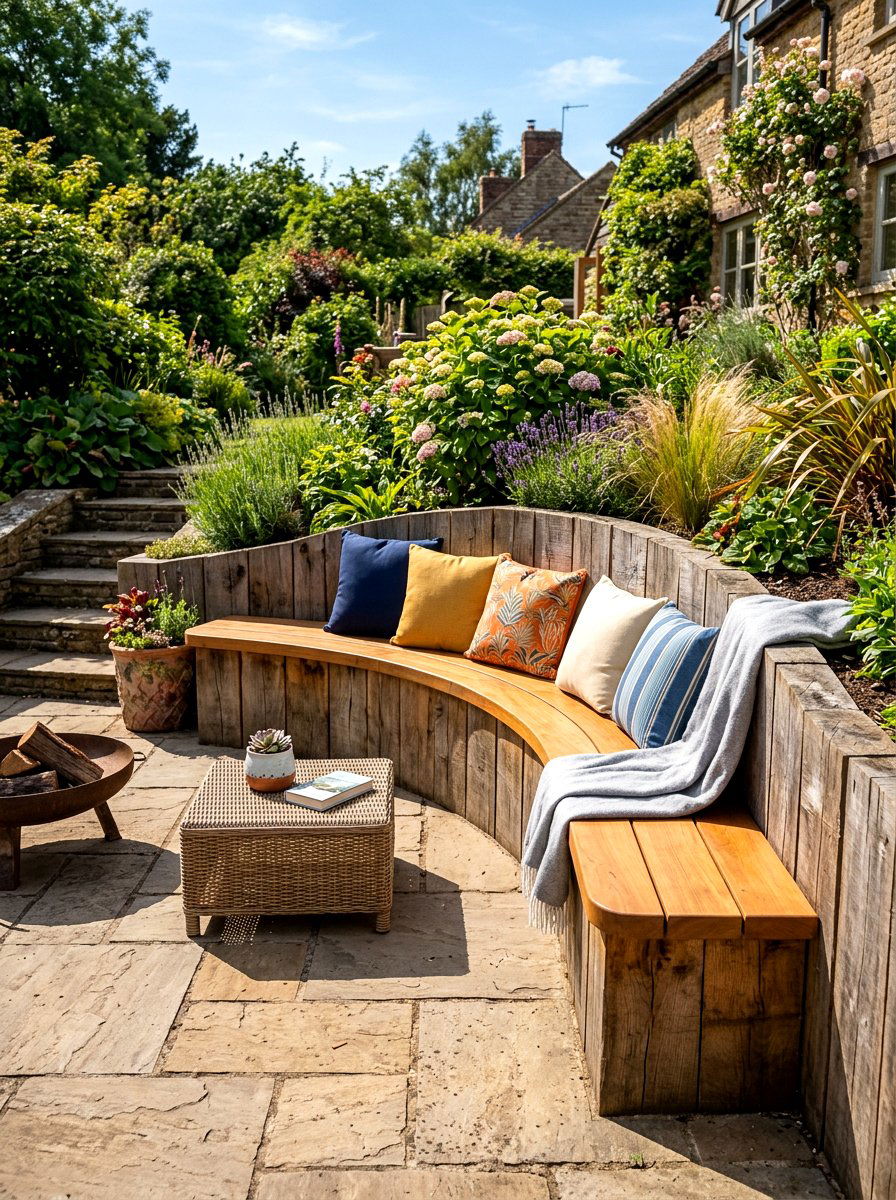
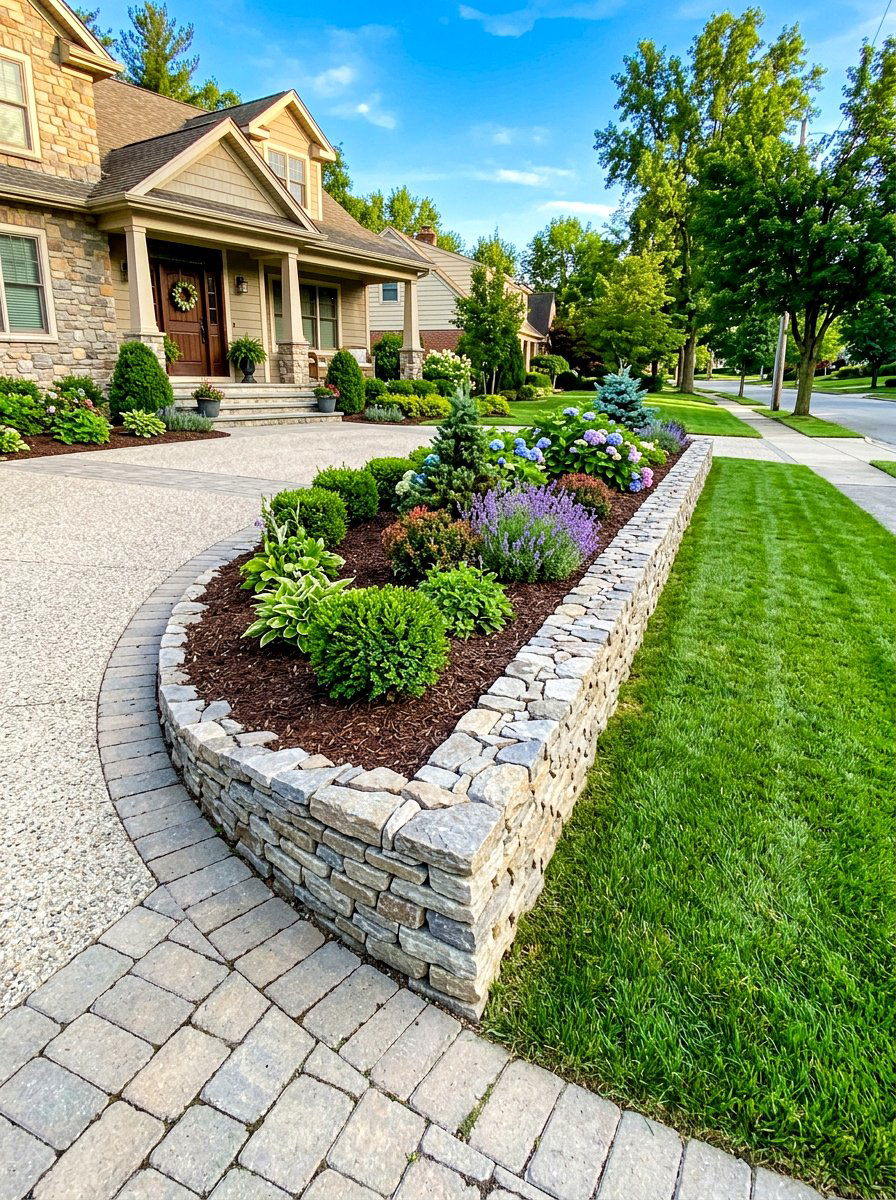
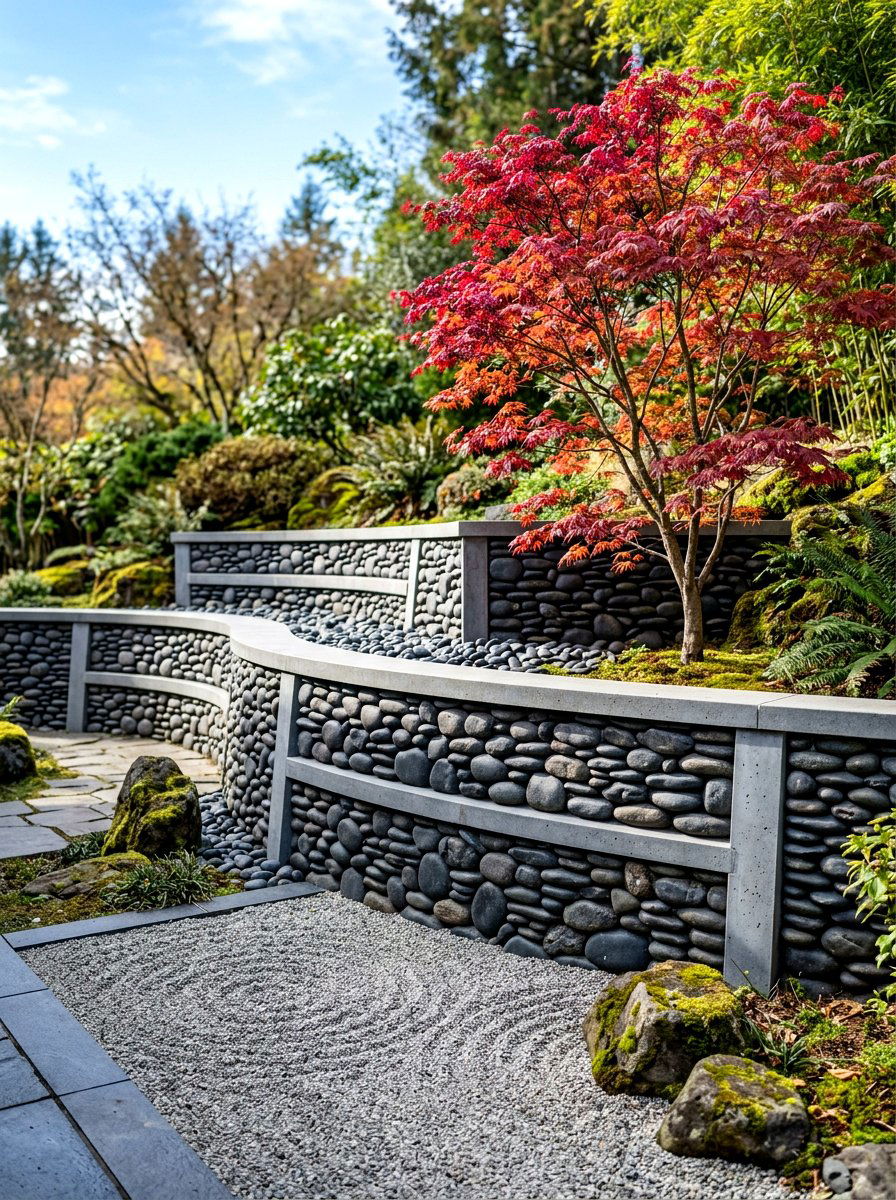
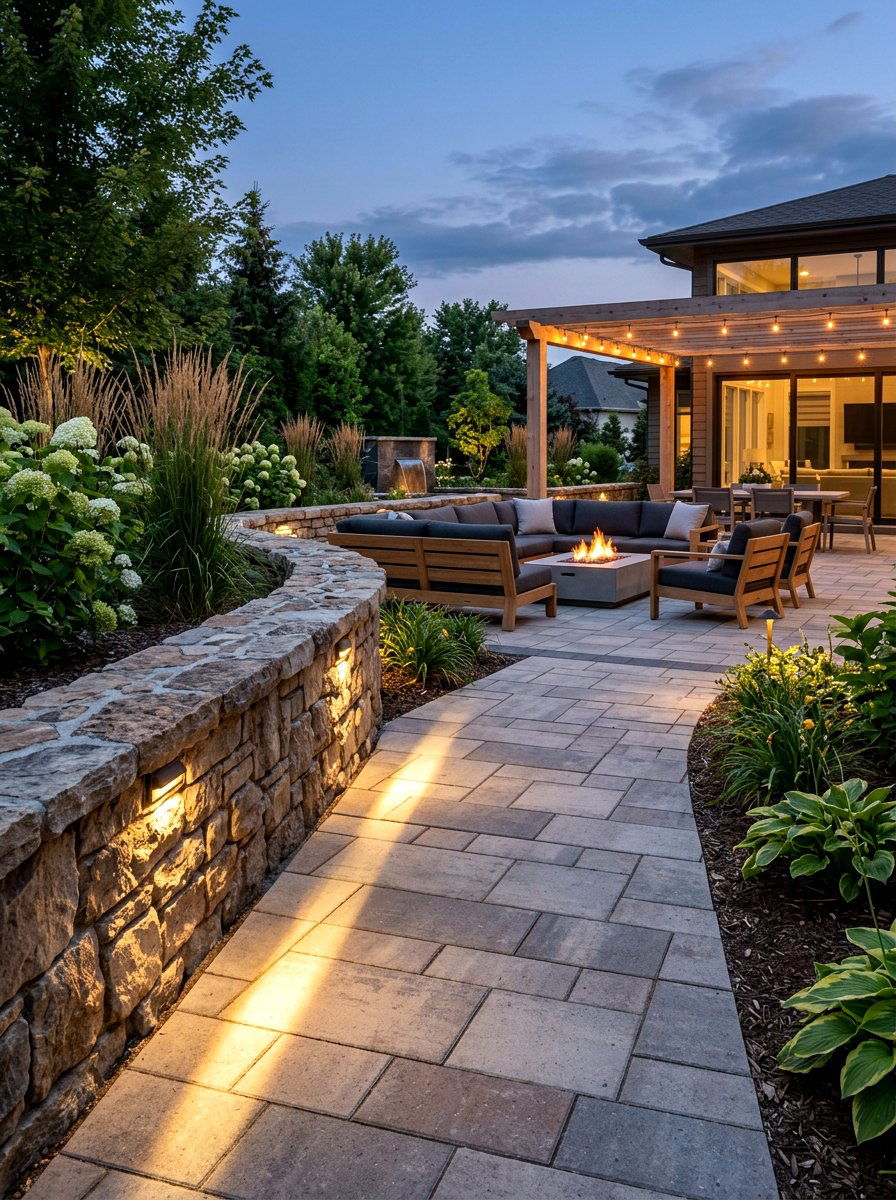
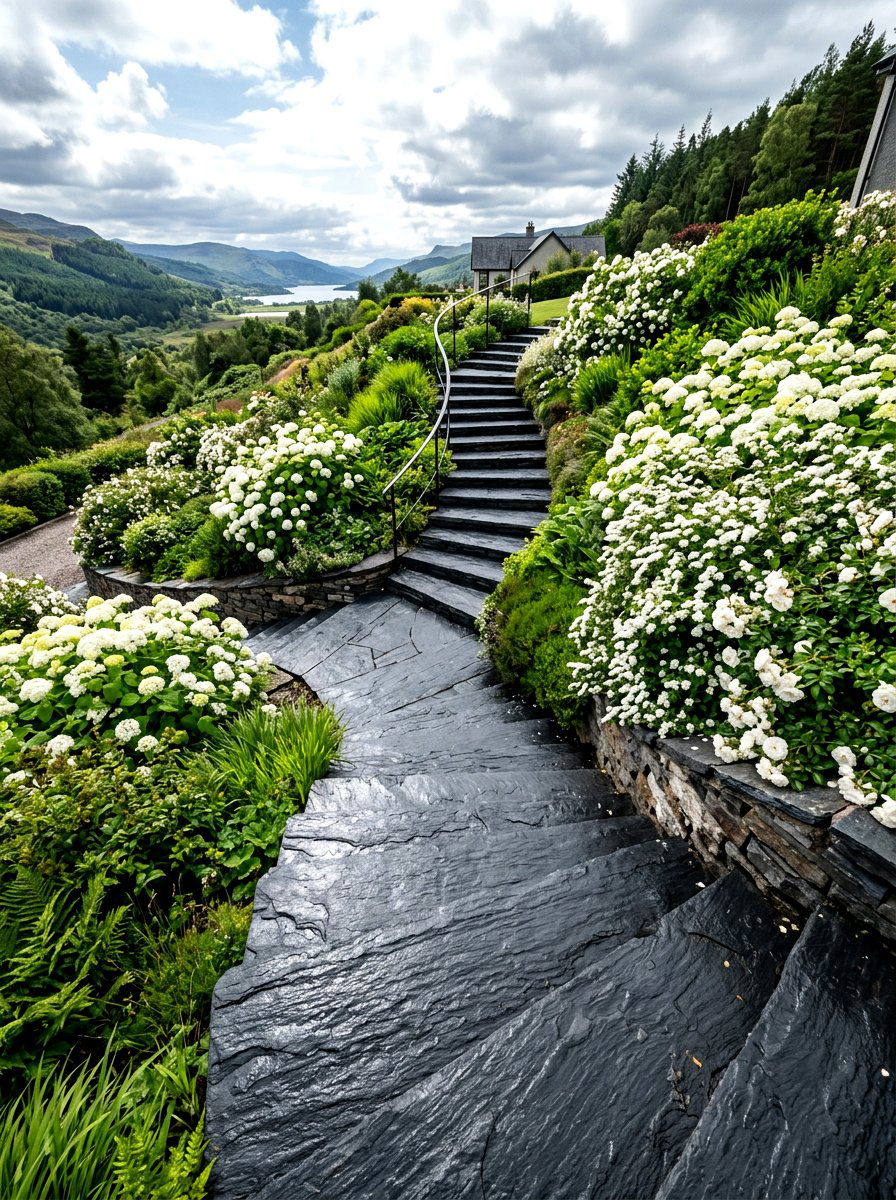
Bench seating walls maximize the utility of your retaining structure by adding a place to sit. By extending the top timber or adding a wider cap, the wall becomes a long outdoor bench. This is a brilliant way to save space in small backyards or patio areas. You can use smooth, dressed timber for the seating surface to ensure comfort. It provides extra seating for guests during summer barbecues or garden parties. The wood feels warmer and more inviting to sit on than stone or concrete. This design integrates furniture directly into the landscape architecture. It is a stylish and functional way to enjoy your garden more often.
16. Bamboo Screen Retaining
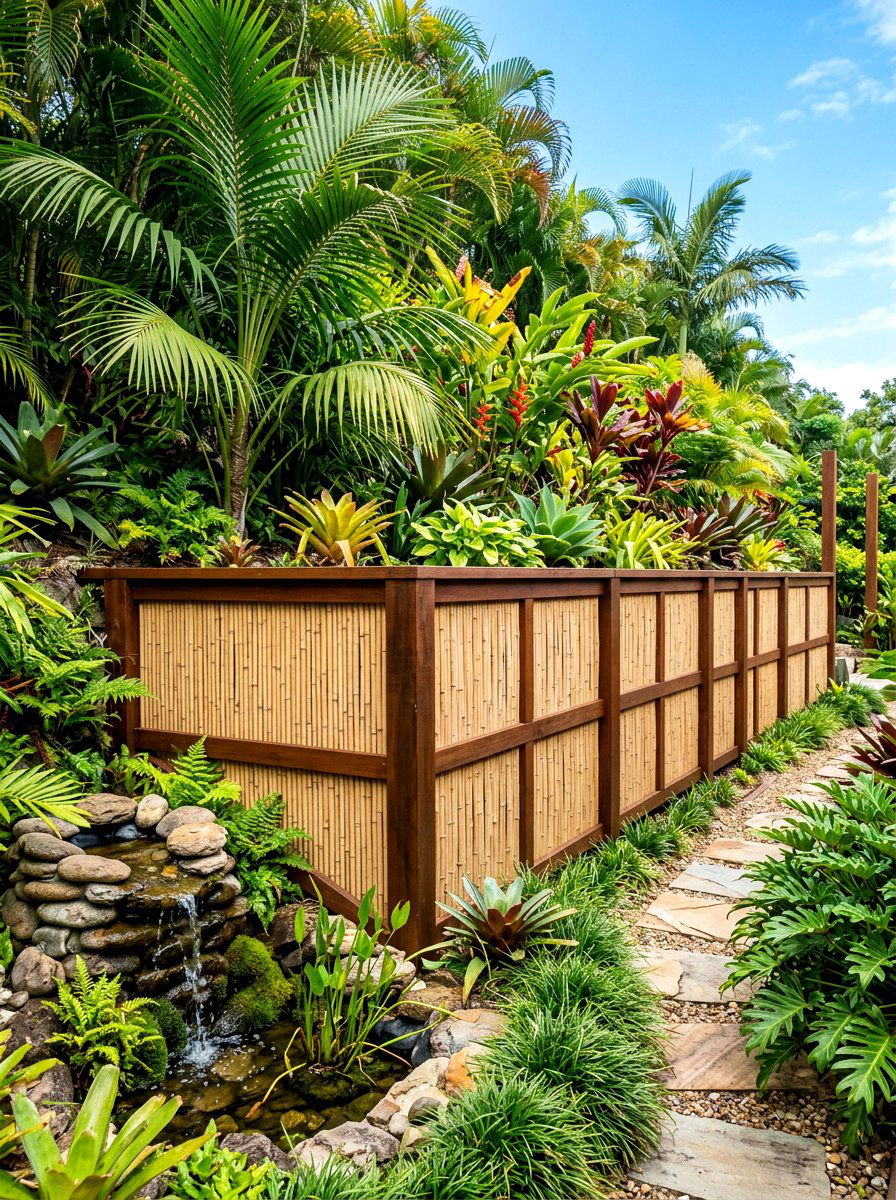
Bamboo screen retaining involves using a timber frame to hold bamboo panels against a soil bank. This design offers a tropical or Zen-like atmosphere for your backyard retreat. The timber provides the necessary structural support, while the bamboo adds a decorative texture. It is a cost-effective way to cover up an ugly retaining wall or a bare dirt slope. Bamboo is a sustainable material that grows quickly and is very durable. The light tan colors of the bamboo and wood create a bright and airy feel. This style is perfect for screening out neighbors while still managing the ground level. It brings a relaxed, vacation-like vibe to the home.
17. Pressure Treated Fir
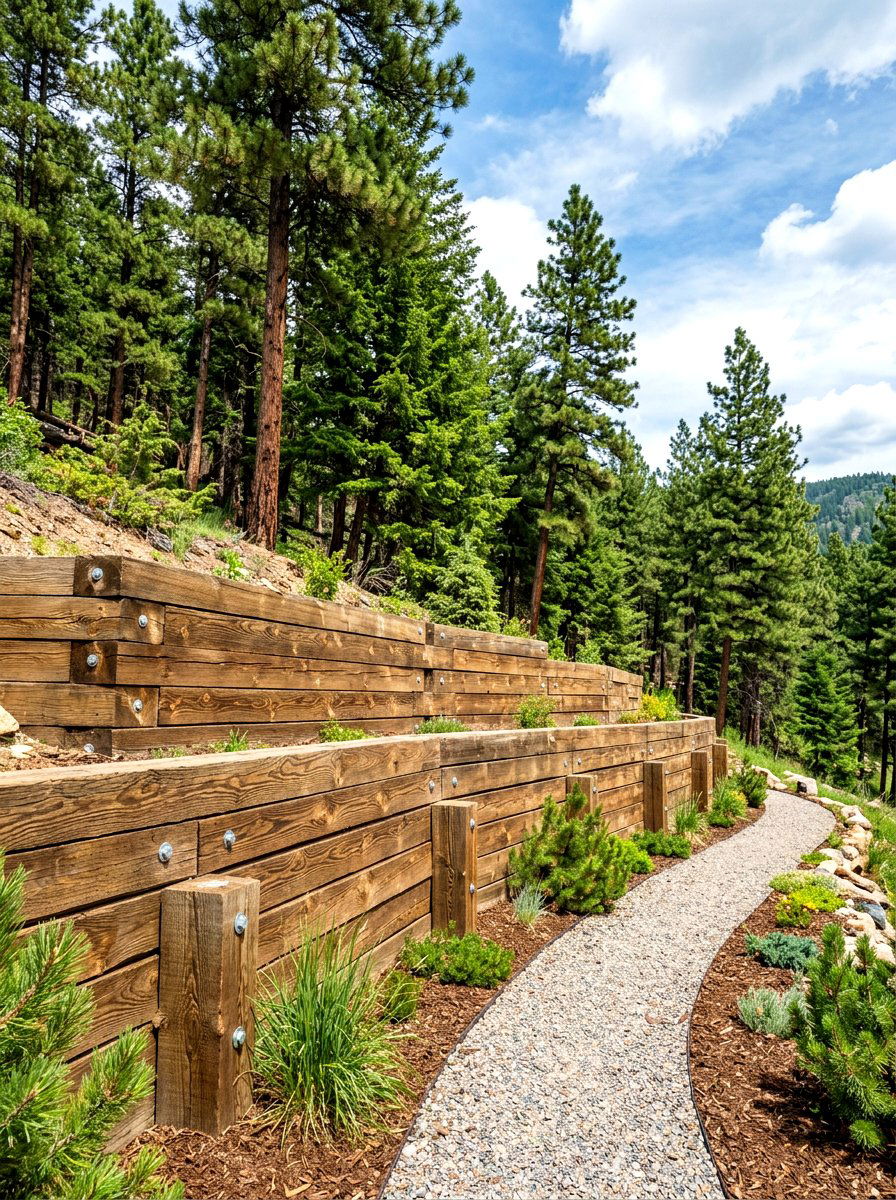
Pressure treated fir is a rugged and dependable material for heavy-duty landscaping projects. Douglas fir is known for its strength and straight grain, making it excellent for long beams. The treatment process protects the wood from fungus and ground moisture for decades. It has a slightly more rustic and natural appearance than standard pine. This design is often used for large-scale walls that need to hold back significant amounts of earth. The weight and density of the fir provide excellent resistance against bowing or warping. It is a practical choice for functional areas of the yard where durability is the main concern. The natural wood grain remains visible through the treatment.
18. Hardwood Plank Wall
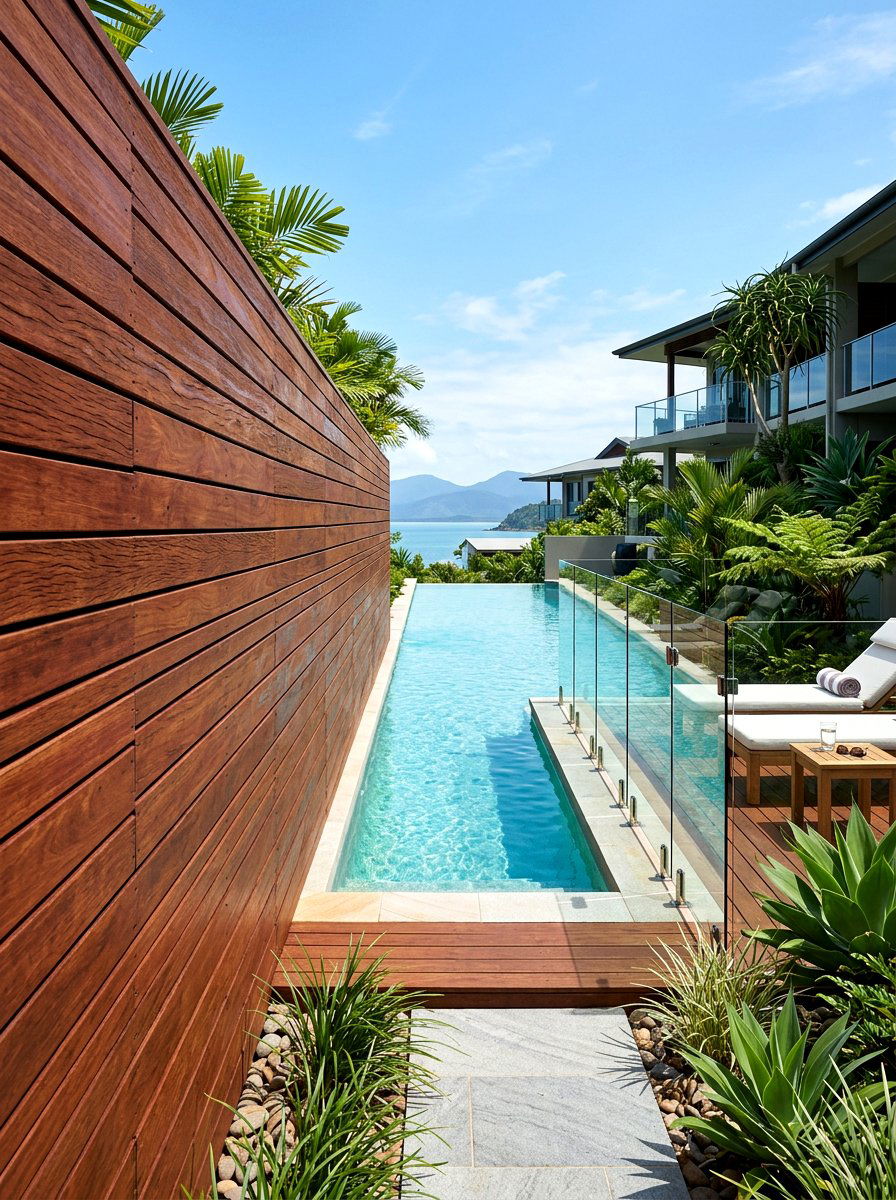
Hardwood plank walls use thinner, high-density wood to create a refined and elegant look. Materials like oak, jarrah, or spotted gum offer incredible durability and rich colors. These planks are typically installed over a sturdy frame for a polished architectural finish. The narrow planks create a sophisticated pattern that looks great on modern patios. Hardwoods are naturally resistant to the elements and do not require as many chemicals as softwoods. While more expensive, the longevity and beauty of hardwood are hard to beat. This design is perfect for areas where the wall is a central focal point of the garden. It adds a high-end, furniture-like quality to the outdoors.
19. Diagonal Pattern Siding
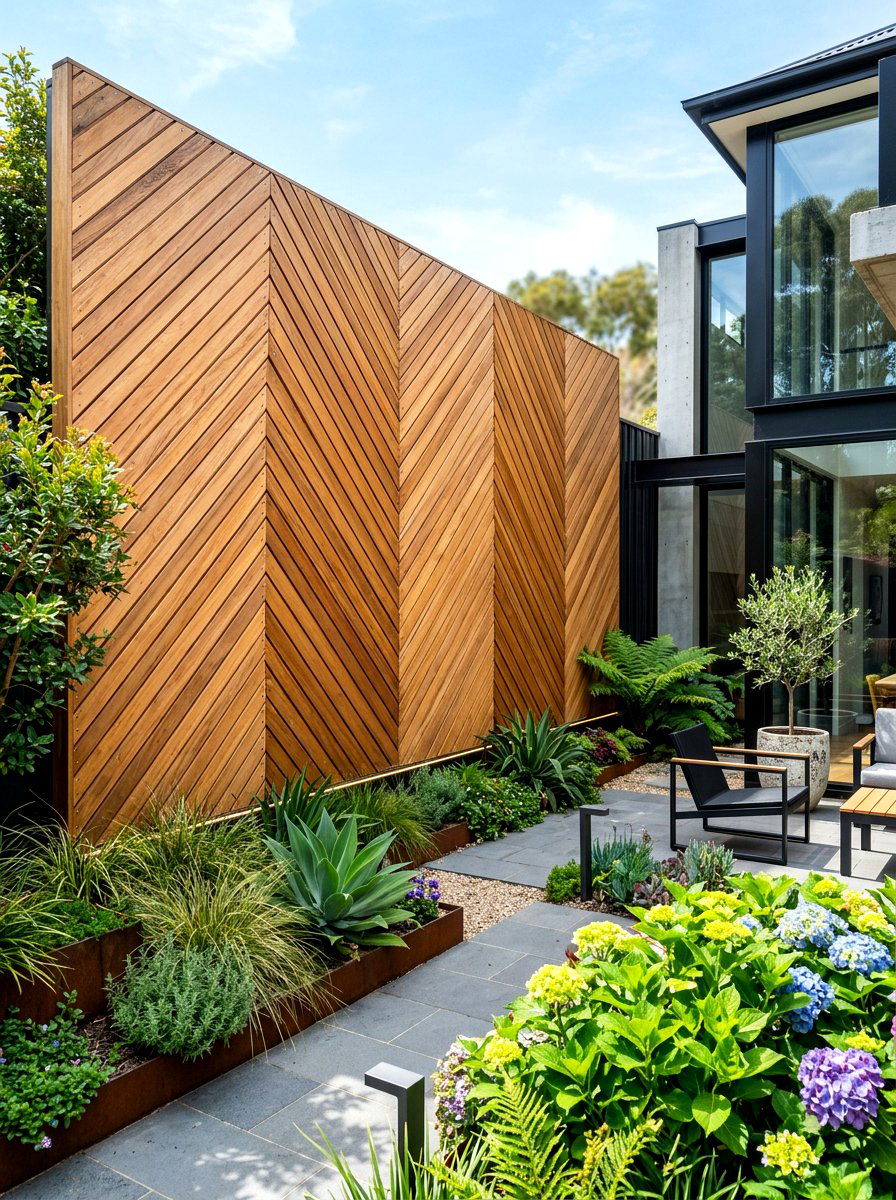
Diagonal pattern siding is a creative way to use timber to add movement and energy to a wall. Instead of traditional horizontal or vertical layouts, the wood is installed at a 45-degree angle. This unique geometric design makes a standard retaining wall look like a piece of art. It is a great way to draw the eye along a pathway or toward a specific garden feature. The diagonal lines can also help to disguise a wall that is not perfectly level. This style works best with modern or eclectic garden designs that embrace bold patterns. It requires careful cutting and measurement to get the angles exactly right. The result is a truly custom look.
20. Lighting Recessed Sleeper
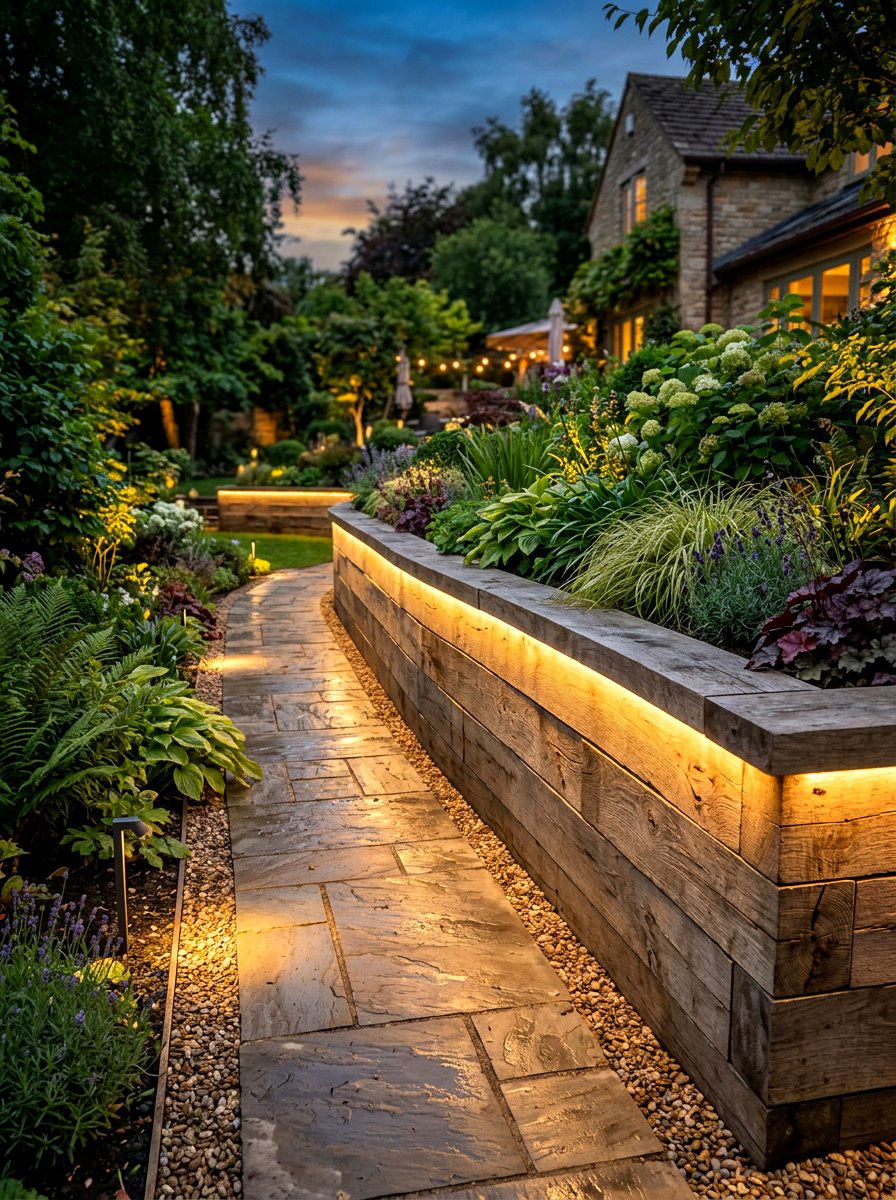
Lighting recessed sleepers incorporate small LED fixtures directly into the timber structure. This design creates a magical atmosphere in the garden after the sun goes down. The lights can be tucked under the lip of a sleeper or set into the face of the wood. This provides a soft glow that highlights the texture of the timber and the plants nearby. It also improves safety by illuminating paths and wall edges at night. Recessed lighting makes the retaining wall a stunning focal point even in the dark. It adds a layer of luxury and professionalism to your landscape. This is a popular trend for high-end outdoor entertaining areas and pool surrounds.
21. Natural Log Retaining
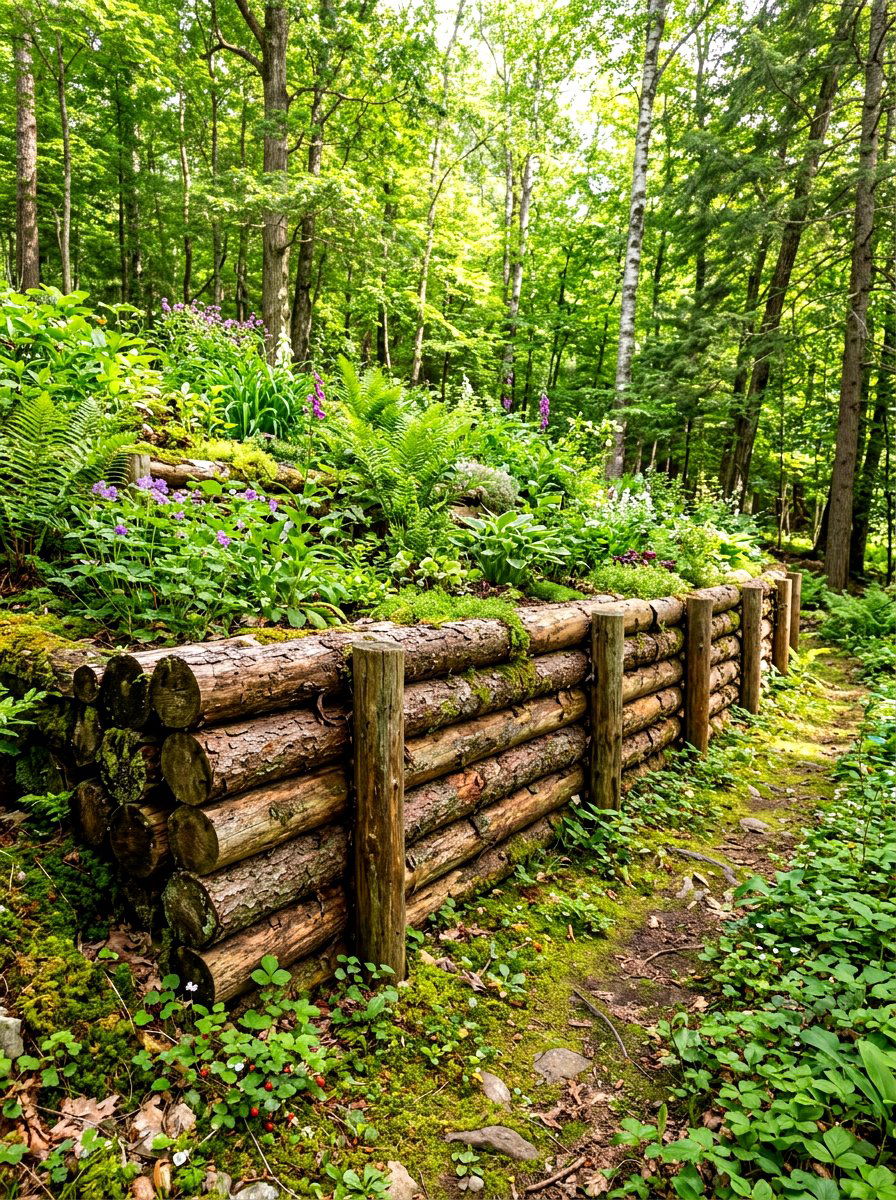
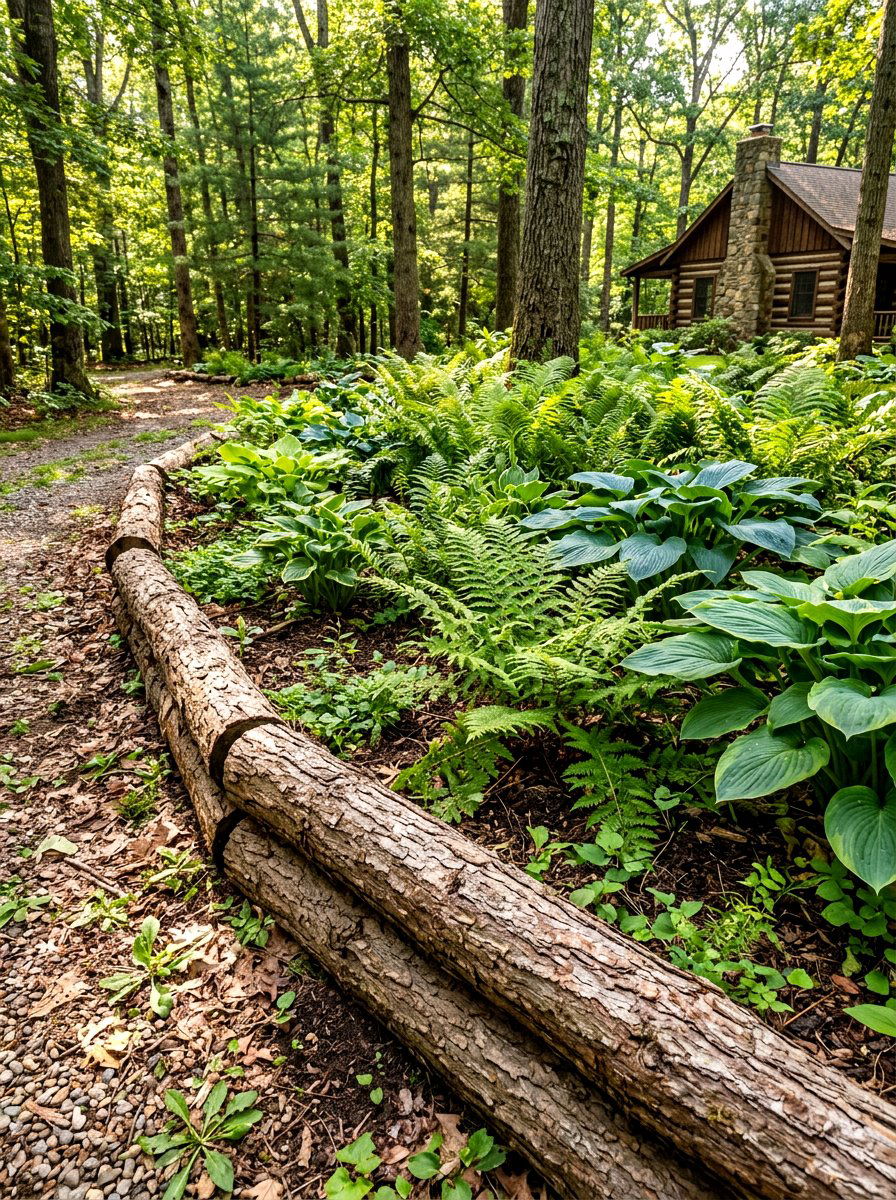
Natural log retaining uses un-milled, round logs to create a rustic and forest-like aesthetic. This design is perfect for cabins, woodland gardens, or areas where you want a very organic look. You can stack the logs horizontally or set them vertically into the ground. The varying diameters and natural bark texture provide a lot of visual interest. This style is often more affordable if you have access to fallen trees or local timber. It blends seamlessly into a natural environment without looking man-made. The logs should be treated or chosen from rot-resistant species like cedar. It is a charming and eco-friendly way to manage garden slopes.
22. Cantilevered Timber Wall
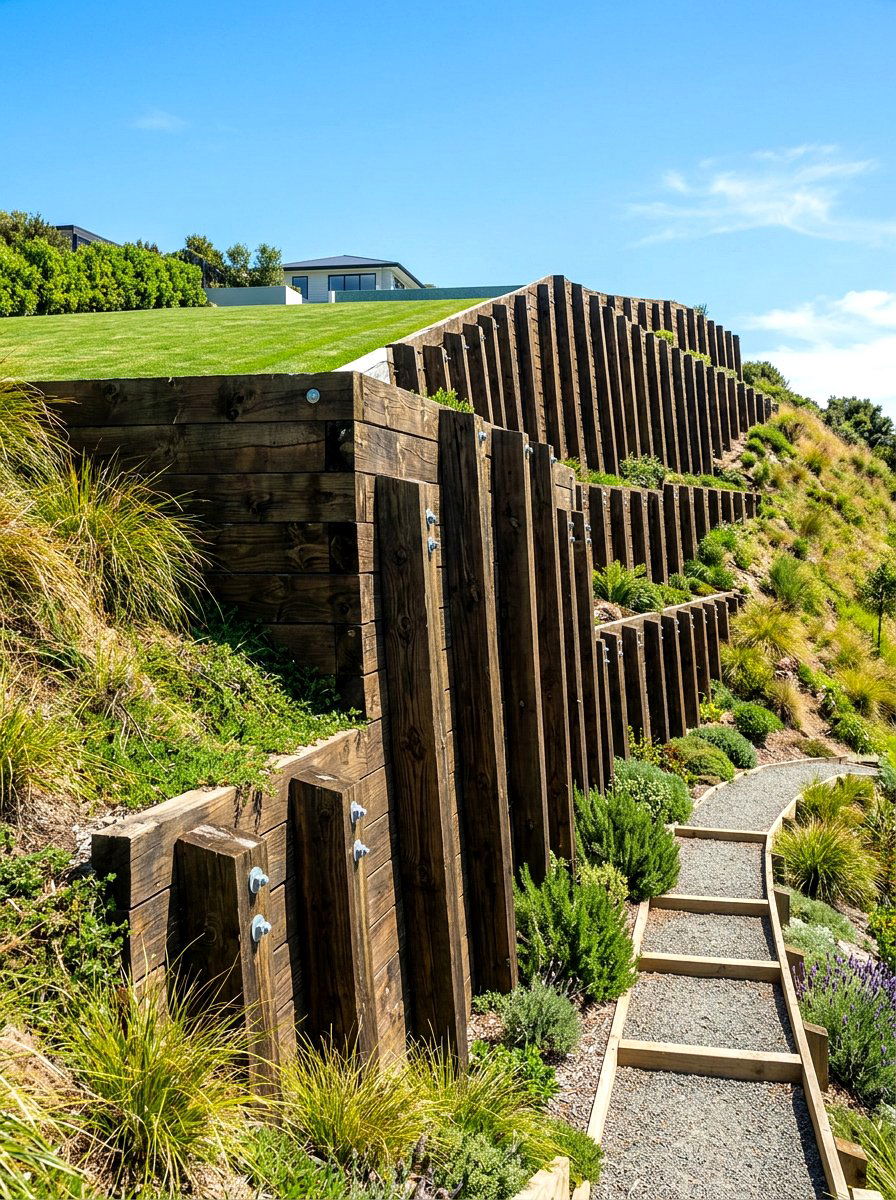
Cantilevered timber walls use a clever design where the weight of the soil actually helps hold the wall in place. This is achieved by extending "deadman" timbers back into the hillside from the main wall face. It allows for taller walls without the need for massive vertical posts. This engineering trick is very effective for managing deep slopes in residential backyards. The timber provides a warm face for the structure while the hidden parts do the heavy lifting. It is a sophisticated way to maximize usable land on a hilly property. The design requires careful planning but offers a very clean and professional final appearance. It is a great structural solution.
23. Stacked Railroad Tie
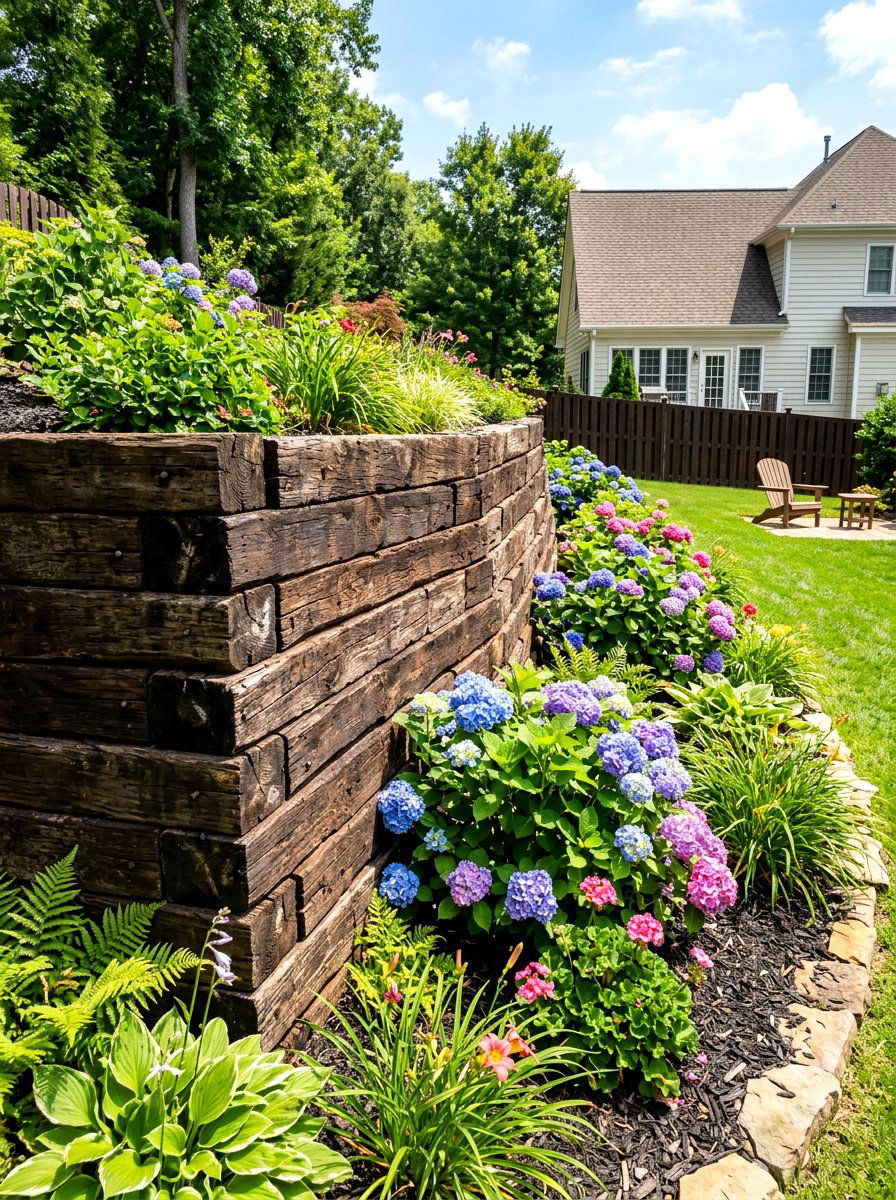
Stacked railroad ties are a classic landscaping choice for creating a quick and sturdy retaining wall. These heavy, pre-cut timbers are designed to withstand extreme pressure and weather. Their uniform size makes them very easy to stack and secure with large steel spikes. They have a dark, weathered appearance that fits well in rustic or traditional garden settings. Many people appreciate the "used" look which adds a sense of history to the yard. They are excellent for long, straight runs where you need a significant amount of earth held back. This design is a practical and budget-friendly option for many homeowners. It provides a very solid and dependable barrier for years.
24. Framed Lattice Wall
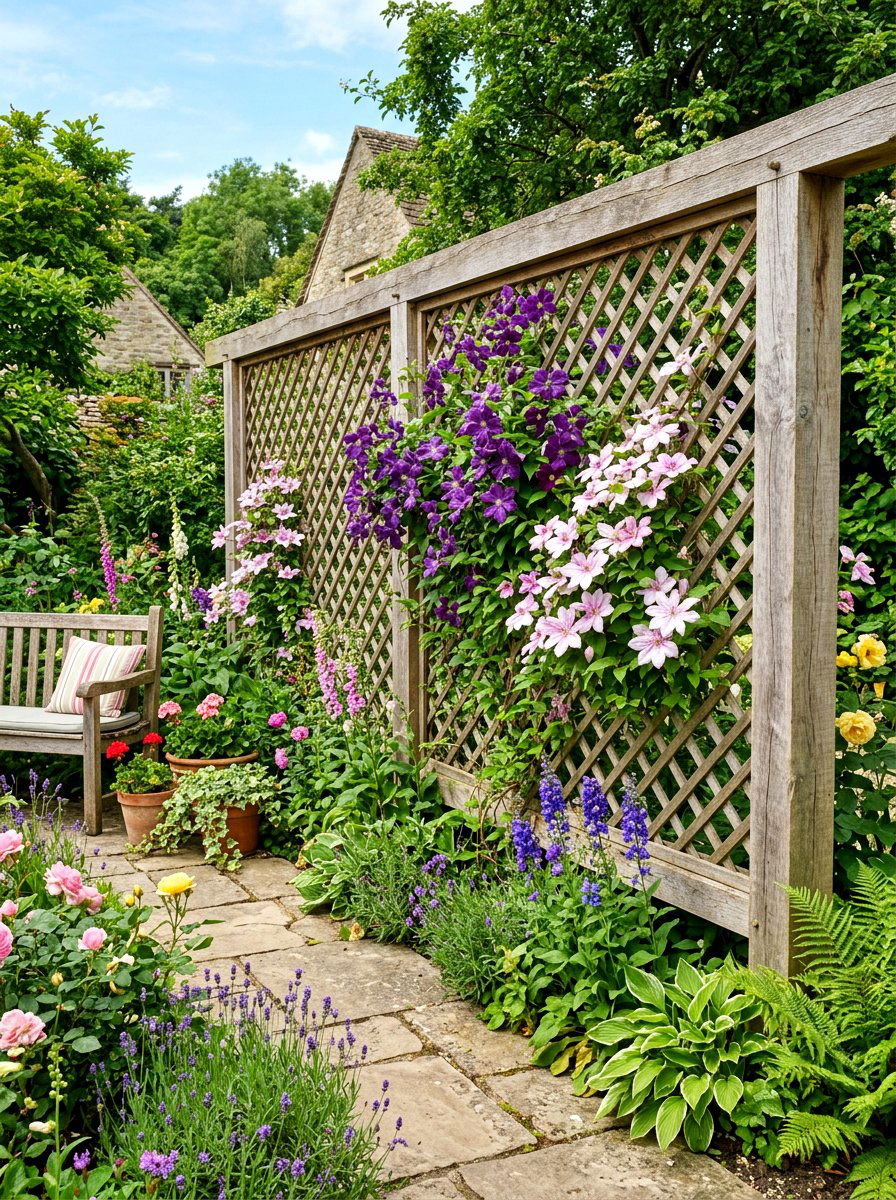
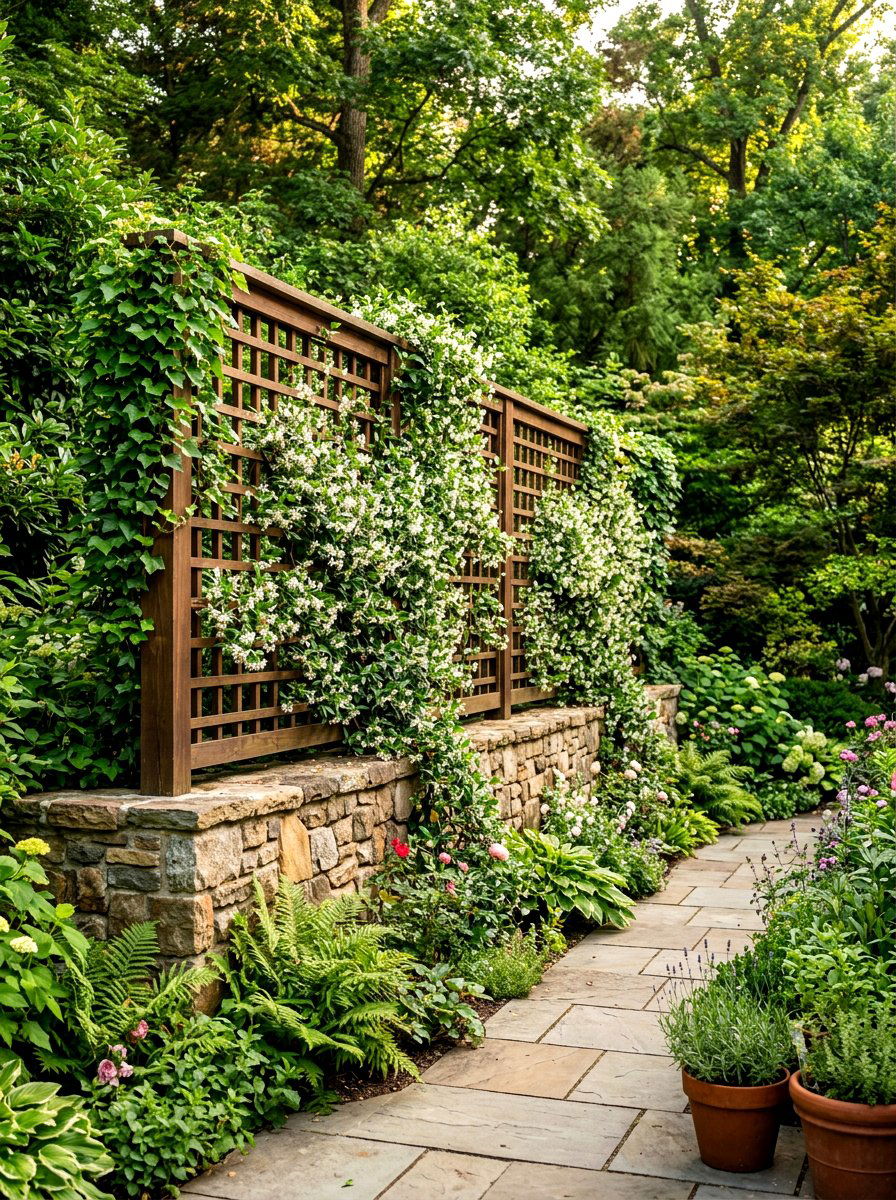
Framed lattice walls combine structural timber posts with decorative lattice panels. The timber frame handles the soil retention, while the lattice provides a surface for climbing plants. This design is perfect for creating a "living wall" that eventually becomes covered in greenery. It softens the look of the wood and helps the wall blend into the garden. You can use ivy, roses, or jasmine to create a fragrant and beautiful vertical display. This approach is great for areas where you want both privacy and soil support. The lattice adds a delicate touch to the heavy timber structure. It turns a functional retaining wall into a beautiful trellis for your favorite plants.
25. Concrete Post Timber
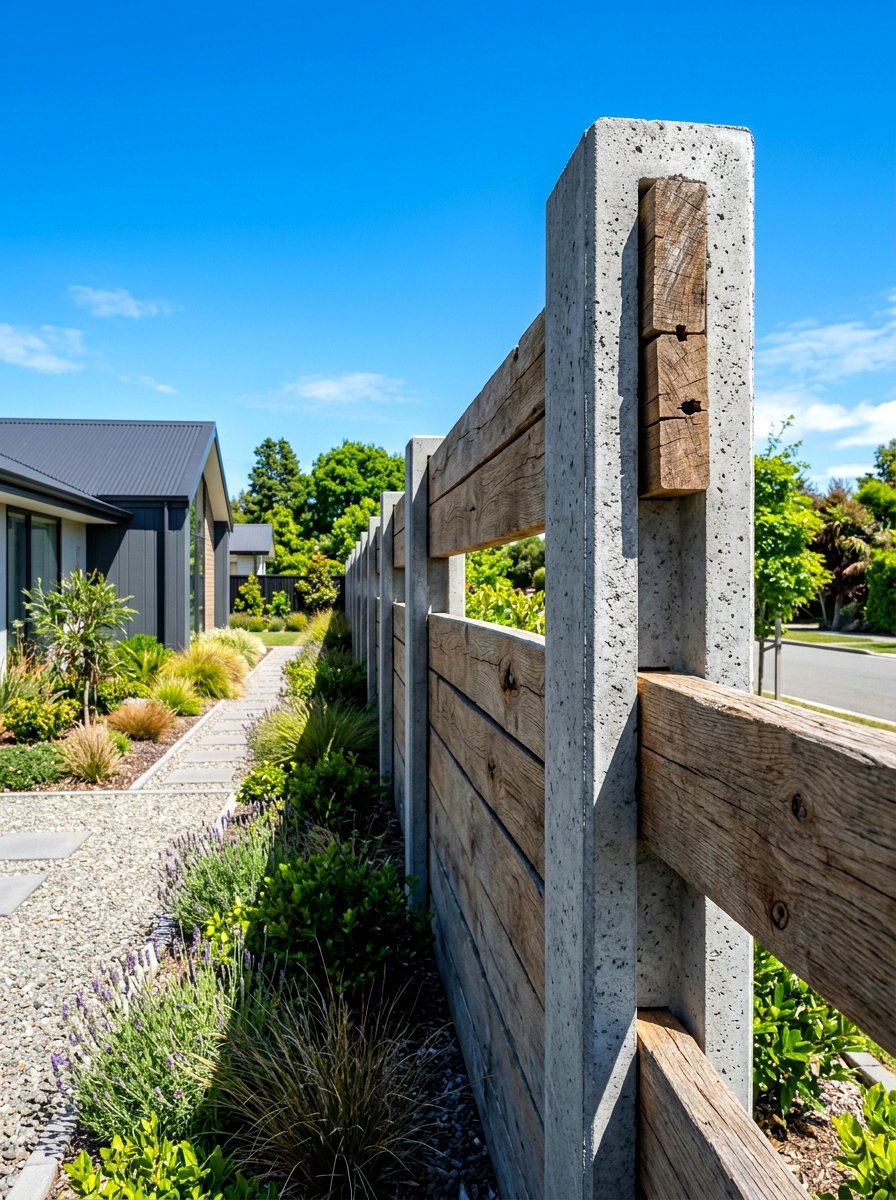
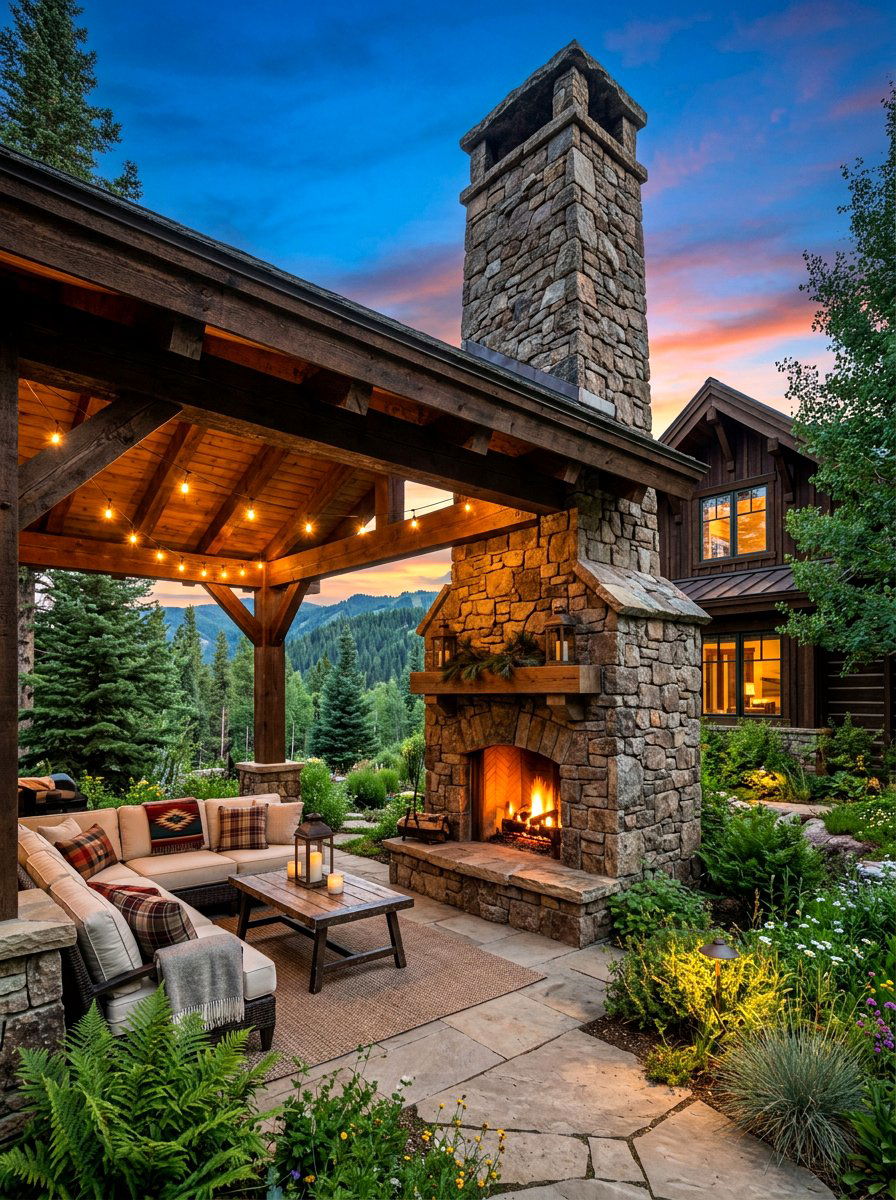
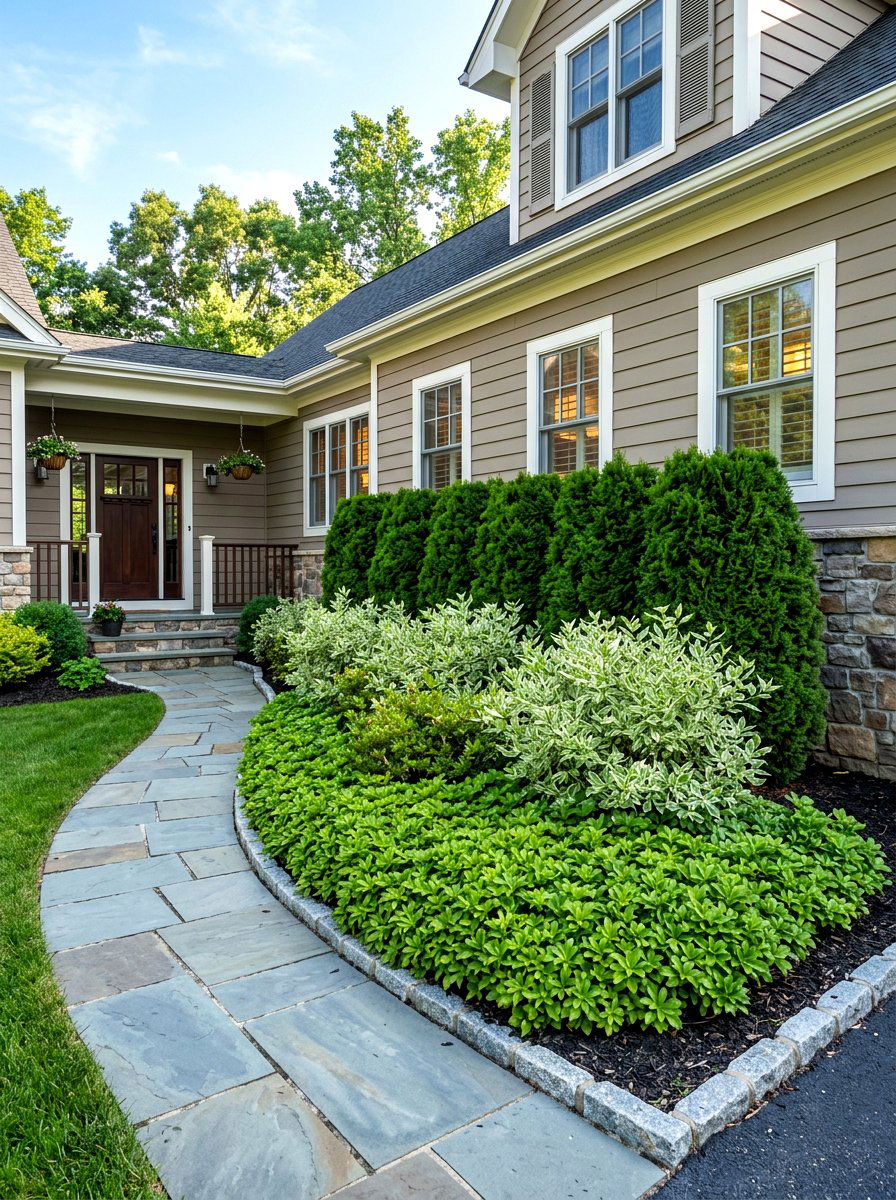
Concrete post timber walls use a hybrid approach for maximum longevity and ease of installation. Galvanized steel or concrete H-posts are set into the ground, and timber sleepers are slid into the slots. This design prevents the vertical supports from rotting, which is the most common point of failure. It is a very fast way to build a long wall with perfect alignment. The mix of grey concrete or metal with warm wood creates a modern, industrial look. You can easily replace the timber sleepers in the future if they ever wear out. This system is incredibly strong and suitable for high-pressure retaining situations. It is a smart long-term investment for any property.
26. Rough Sawn Cedar
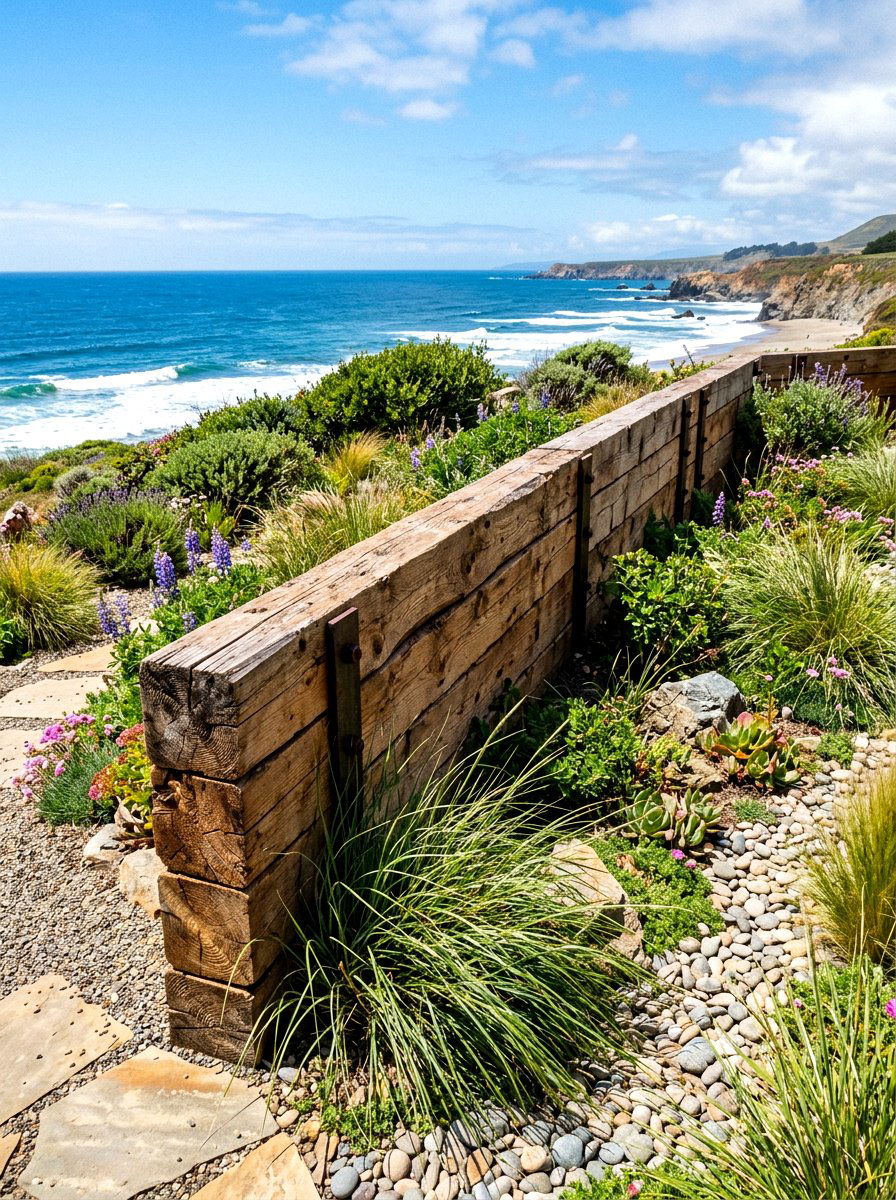
Rough sawn cedar provides a texture-rich and naturally beautiful surface for a retaining wall. Unlike planed wood, rough sawn timber retains the marks from the sawmill for a more organic feel. This style is perfect for casual, coastal, or rustic garden designs. The natural variations in the wood grain are more visible and provide a unique character to every beam. Cedar is naturally resistant to decay, so it performs excellently in the rough-cut state. It weathers beautifully to a silvery-grey that looks stunning against blue-green foliage. This design is a great way to bring a touch of the wild forest into a managed backyard space. It feels very authentic and high-quality.
27. Double Layer Sleeper
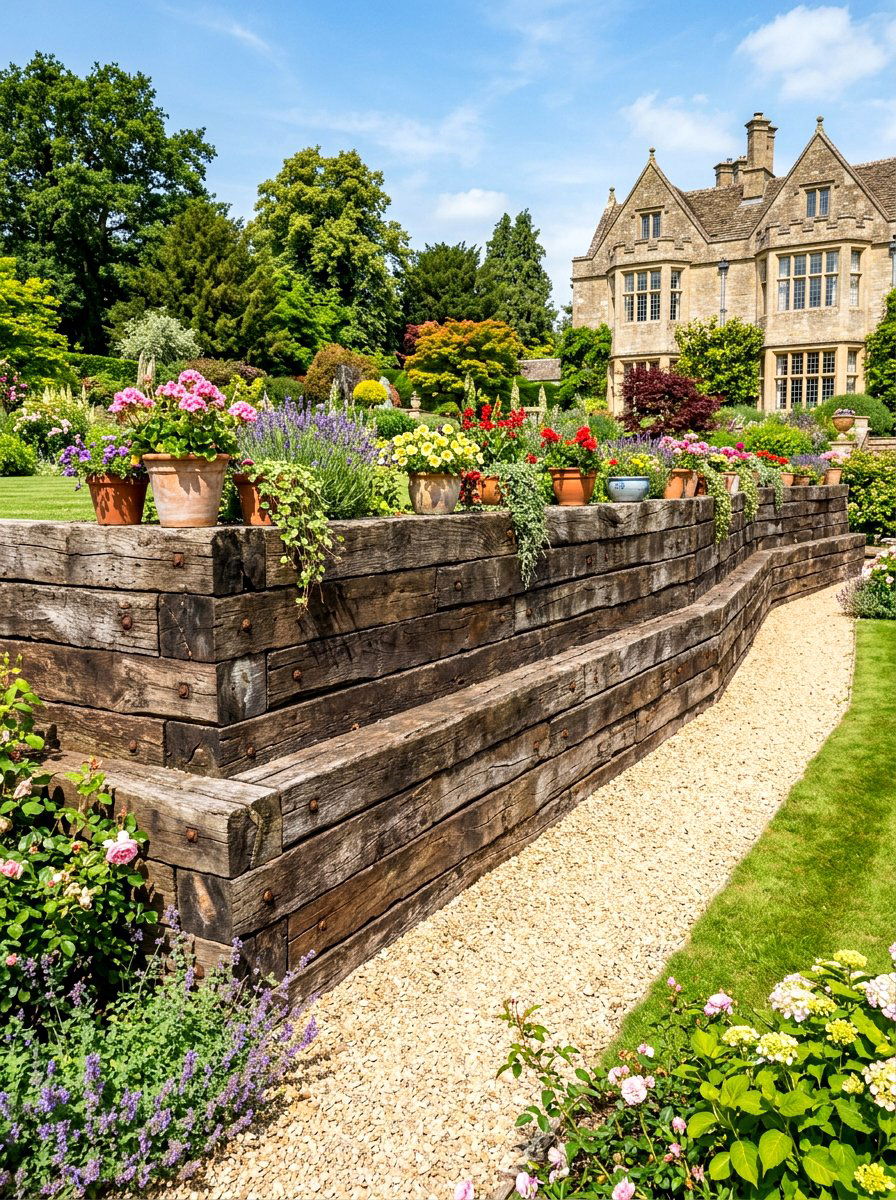
Double layer sleepers involve stacking two rows of timber to create a very thick and substantial wall. This design is used when you want a very bold and heavy architectural look. It provides extra strength for taller walls or areas with very heavy soil. The wide top surface can also be used as a ledge for flower pots or decorative items. This style makes the wall feel more like a permanent part of the home's foundation. It is a great way to add a sense of luxury and weight to the landscape. The deep shadows between the layers of wood add a lot of visual depth. This design is particularly effective for grand estate-style gardens.
28. Corner Box Planter
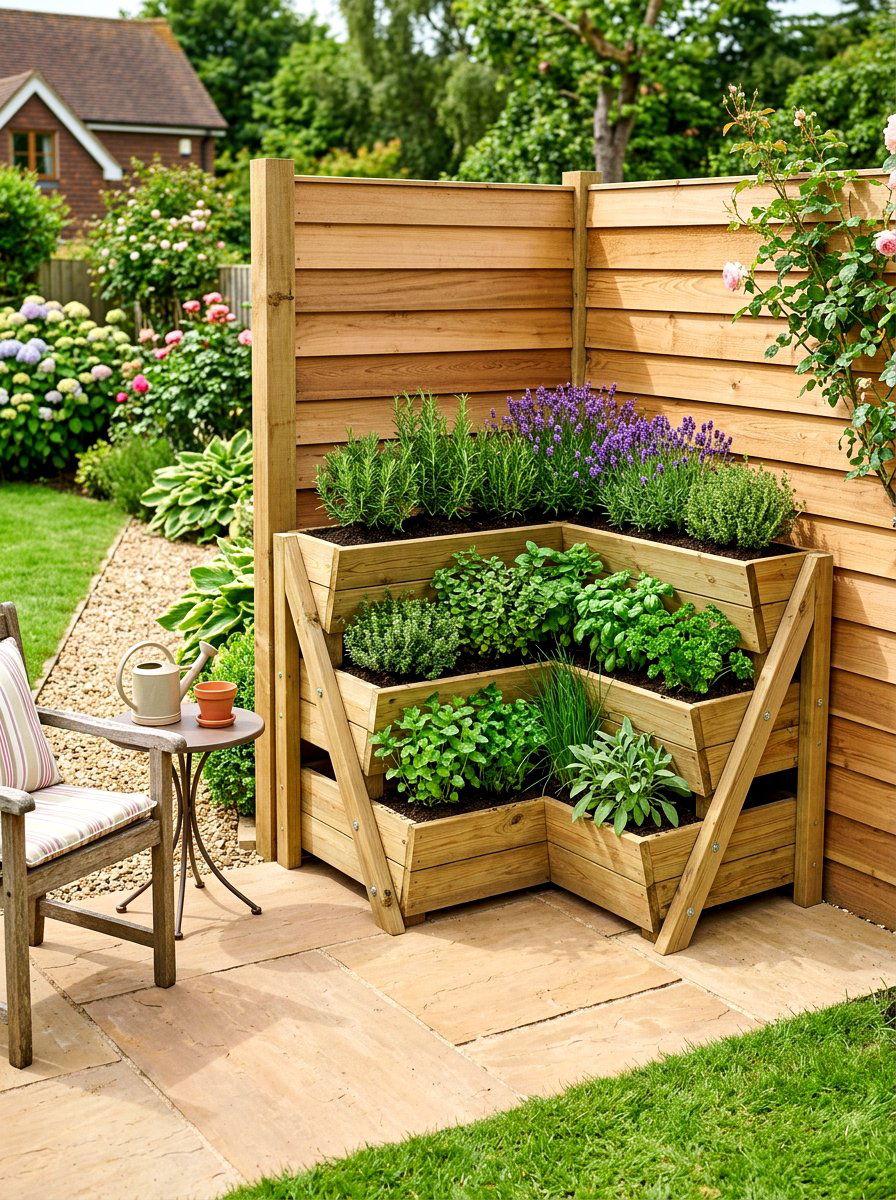
Corner box planters are a clever way to use timber retaining to turn awkward corners into garden highlights. Instead of a single flat wall, you build a series of small, interconnected boxes. These boxes can be at different heights to create a tiered planting area. This design is perfect for growing herbs or seasonal flowers right where you can see them. It makes a corner of the yard feel intentional and cozy rather than forgotten. The timber construction allows you to easily customize the size of each box. It is a great project for small urban yards or patios. This approach adds a lot of charm and functionality to tight spaces.
29. Terrace Slope Solution
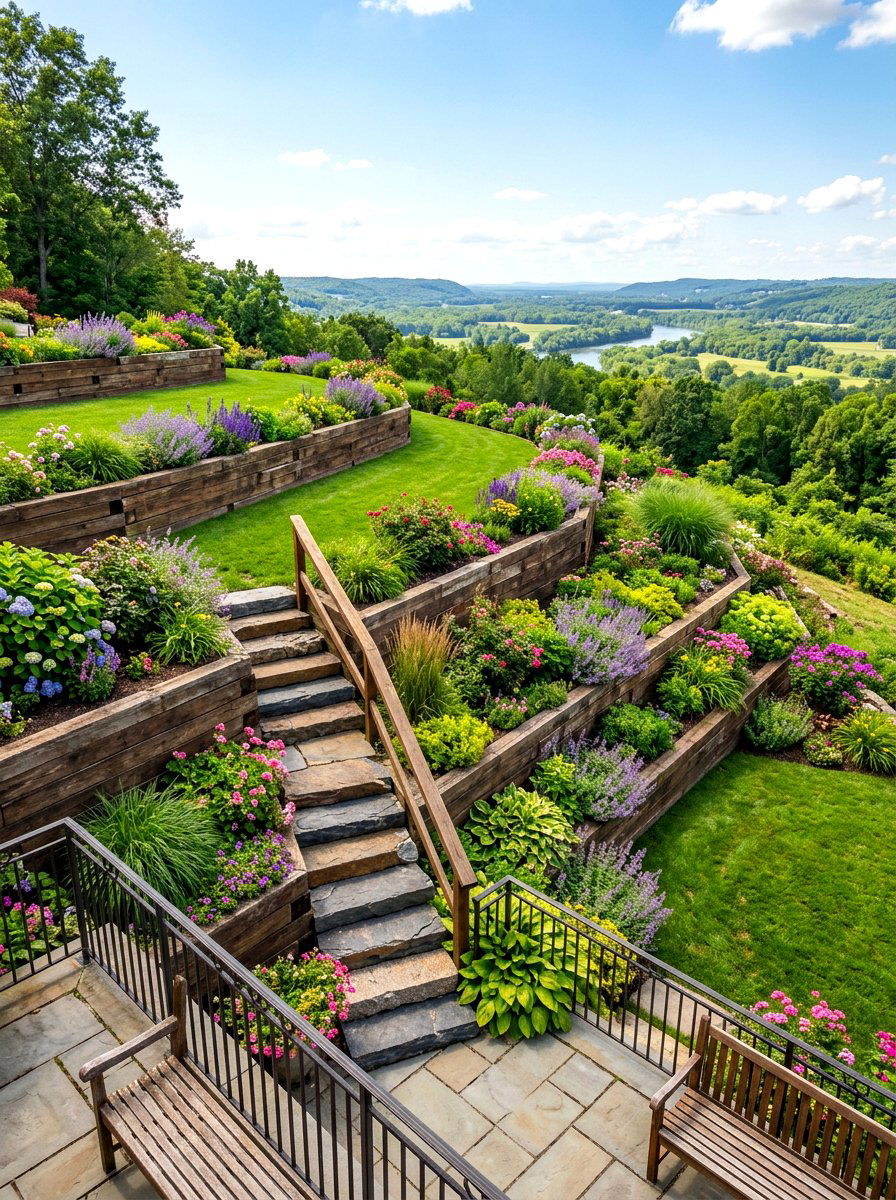
Terrace slope solutions focus on creating wide, flat platforms on a hilly property using timber beams. This design allows you to have a lawn, a patio, and a garden bed all on different levels. Each terrace is held back by a sturdy timber wall that acts as a structural anchor. It is the best way to make a previously unusable hill completely functional for the family. You can walk from one level to another using integrated timber steps. This approach also helps to manage water runoff by breaking the flow of rain down the hill. It transforms a landscape problem into a stunning architectural feature. Terracing is a classic and effective choice.
30. Driftwood Style Retaining
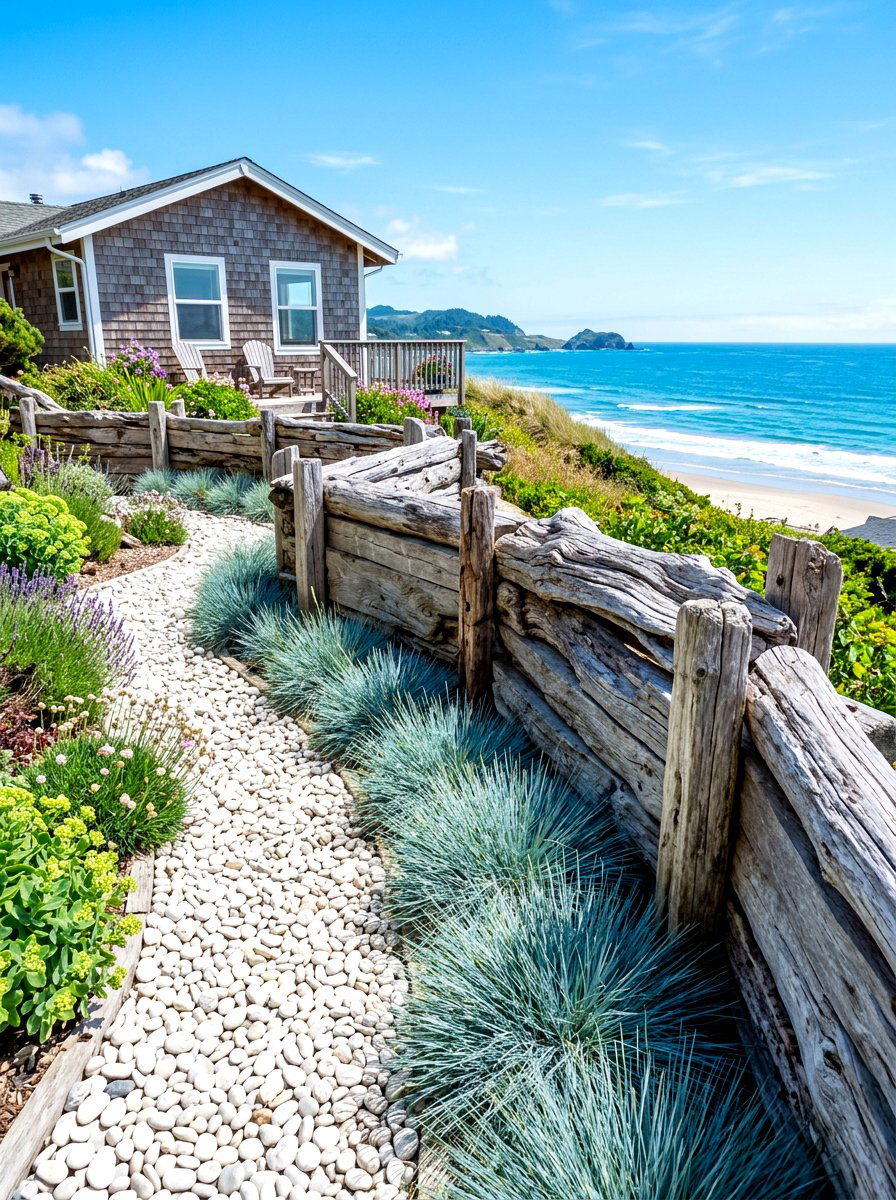
Driftwood style retaining uses weathered, light-colored timber to create a beachy or coastal vibe. This look is achieved by using naturally greyed wood or applying a special silver-grey stain. It pairs beautifully with sandy soil, ornamental grasses, and white stones. This design feels very light and airy, making it perfect for summer homes or seaside properties. The pale wood reflects the sun and helps to brighten up a shady corner of the garden. It is a very relaxed and informal style that suggests a natural, wind-swept environment. Using cedar or eucalyptus is a good choice for this aesthetic as they weather gracefully. It brings a peaceful coastal feeling to any backyard.
Conclusion:
Timber retaining walls are a versatile and cost-effective choice for any landscaping project. They provide a unique blend of structural strength and natural beauty that other materials simply cannot match. From the rugged charm of reclaimed sleepers to the sleek elegance of modern slat walls, there is a design for every home. By choosing the right type of wood and installation method, you can solve erosion problems while enhancing your yard's appeal. Remember to prioritize drainage and use treated materials to ensure your wall stands the test of time. Whether you want a productive vegetable garden or a modern entertaining space, timber offers the perfect solution. Your backyard transformation begins with these creative and functional wood ideas.

Related posts: