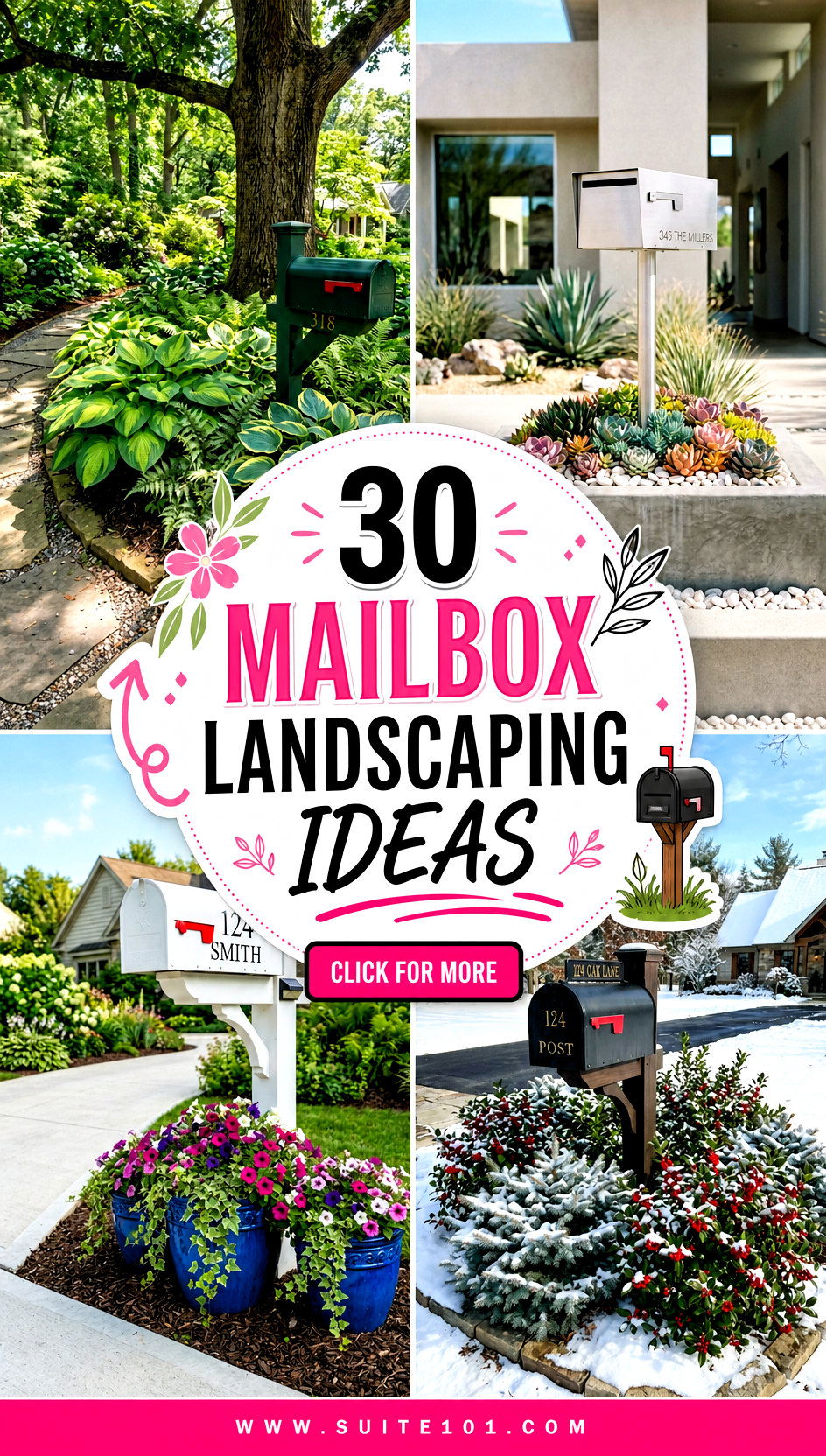
Enhancing your home 's curb appeal often starts at the very edge of your property where the mailbox stands. This small patch of land offers a unique opportunity to create a welcoming first impression for guests and passersby alike. By incorporating thoughtful landscaping, you transform a purely functional utility post into a stunning focal point that complements your home' s architecture. Whether you prefer the lush look of a cottage garden or the clean lines of modern minimalism, there are endless ways to style this space. A well-designed mailbox area not only boosts property value but also brings personal joy every time you check the mail.
1. Flower Bed Around Mailbox
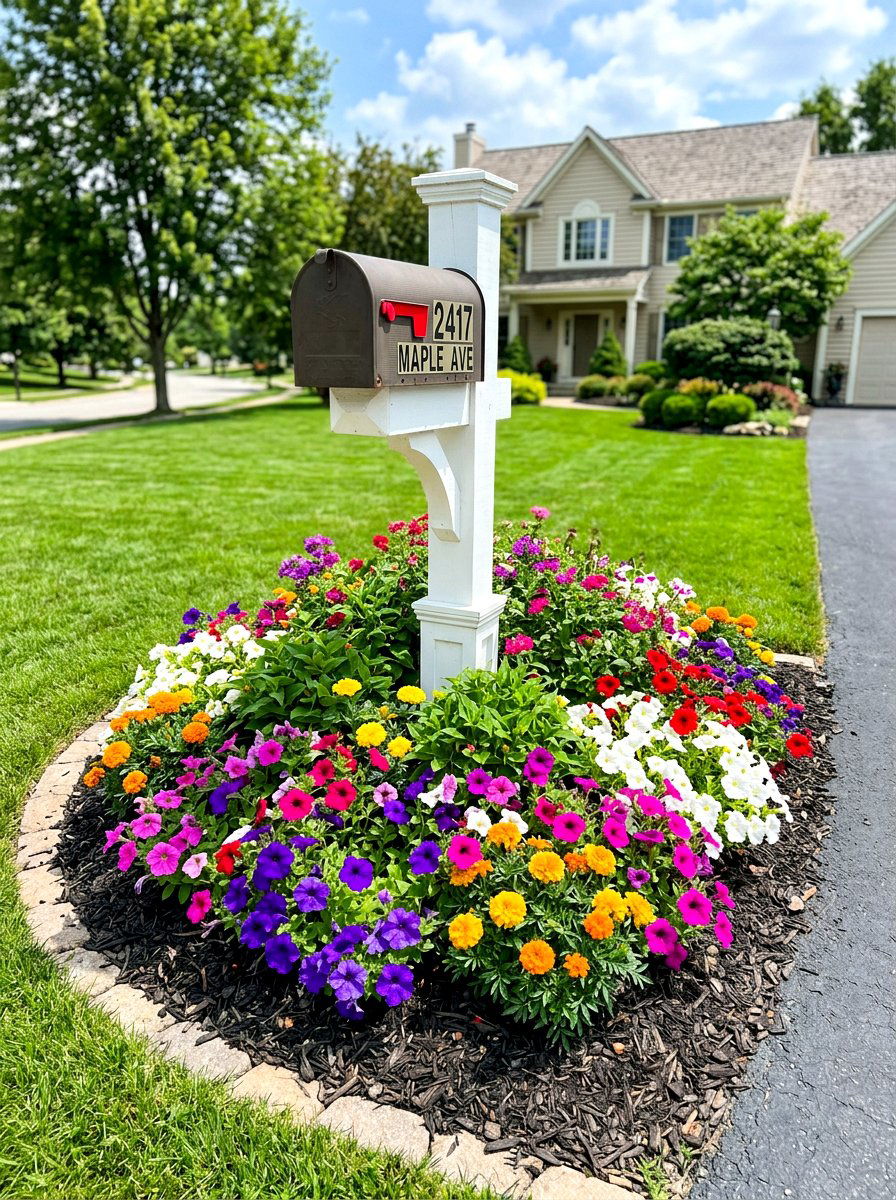
Creating a lush flower bed around your mailbox is a classic way to instantly soften the appearance of a utility post. You can start by digging a circular or kidney-shaped area and filling it with high-quality garden soil. Choose a variety of colorful annuals like petunias or marigolds to ensure vibrant blooms throughout the entire summer season. These flowers provide a high-impact visual that catches the eye from the street and makes your home feel much more inviting. Adding a layer of dark mulch helps to define the space and keeps weeds from encroaching on your beautiful new floral display.
2. Rock Garden Mailbox
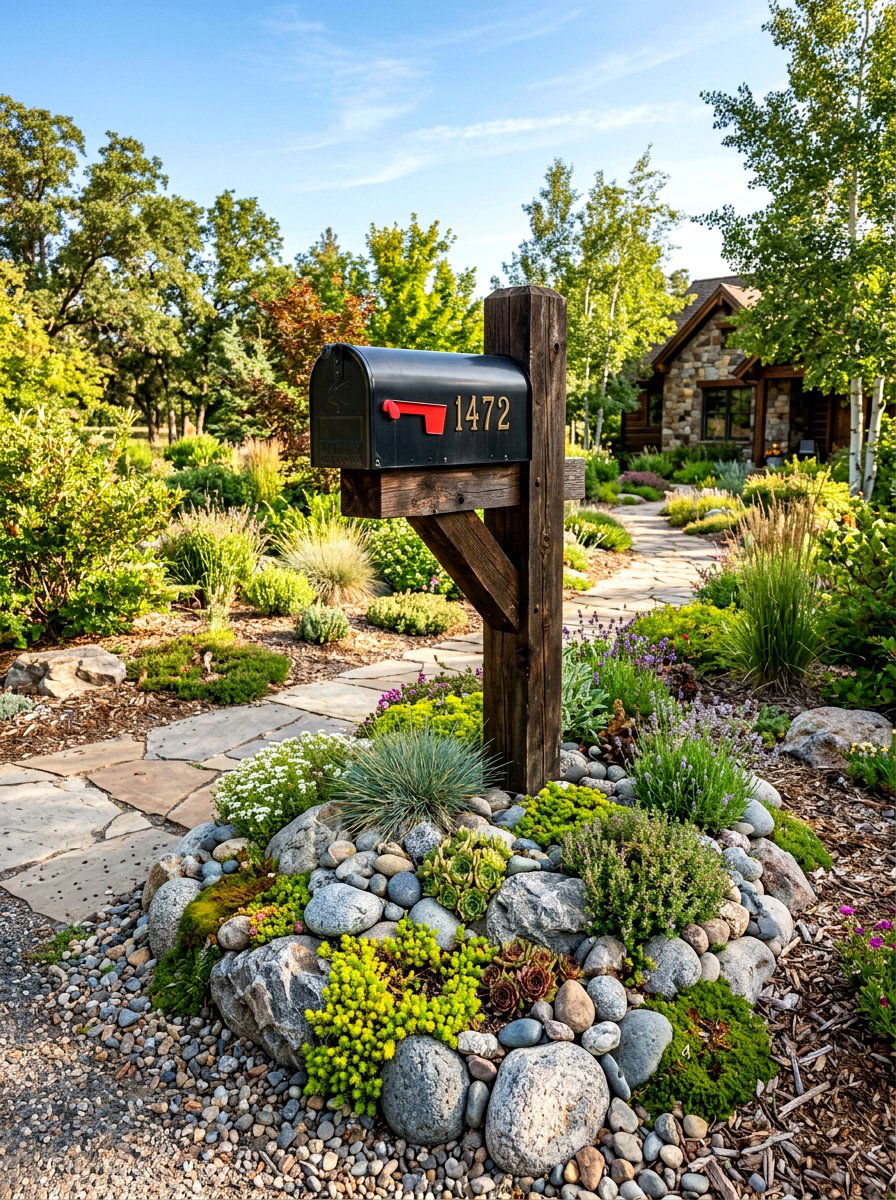
A rock garden provides a rugged and natural aesthetic that requires very little upkeep compared to traditional flower beds. You can arrange various sizes of river stones or flagstones around the base of the post to create a textured foundation. To add a bit of life, tuck small alpine plants or creeping thyme into the crevices between the rocks. This design works exceptionally well for homes with a more rustic or xeriscape-inspired landscape. The stones not only look great but also protect the post from damage caused by weed wackers. It is a durable solution that looks polished and intentional year-round.
3. Low Maintenance Mailbox Planting
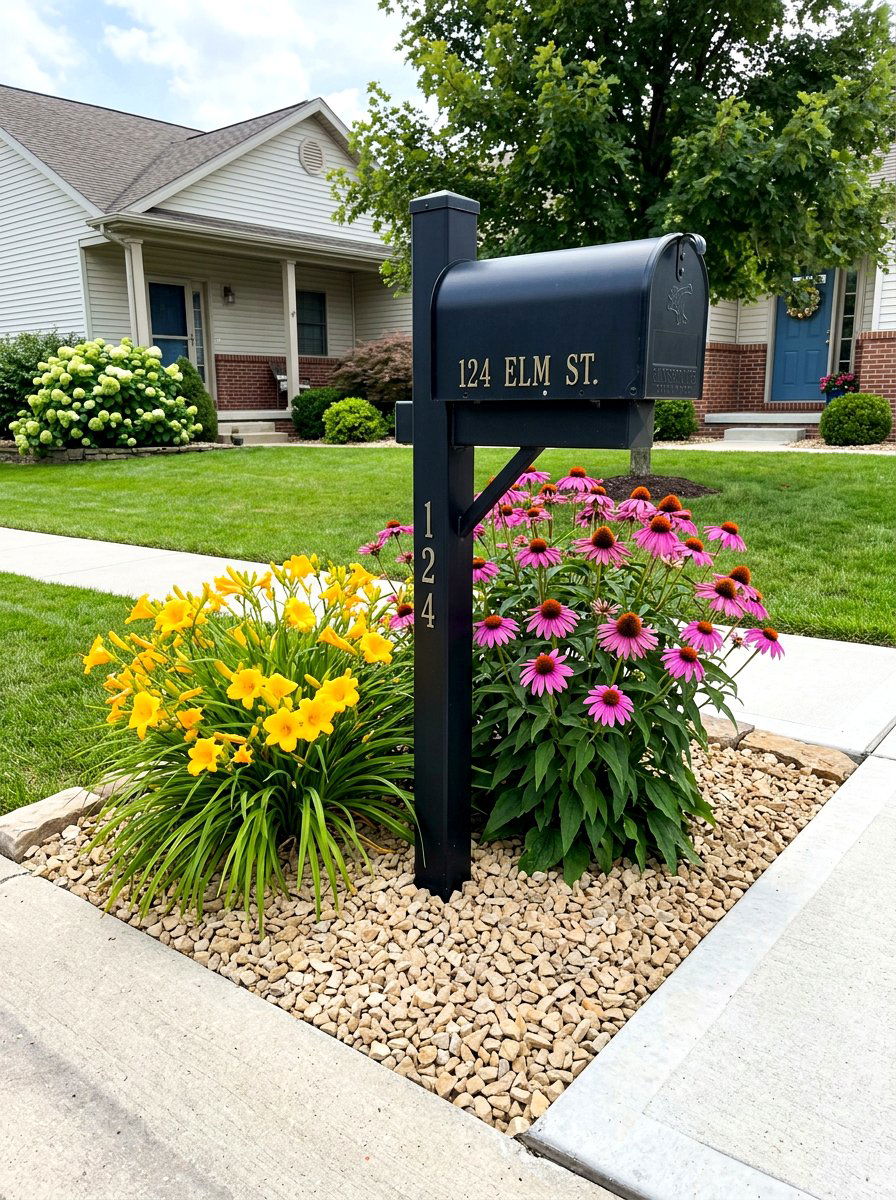
If you want curb appeal without the constant weekend chores, a low-maintenance planting scheme is your best choice. Focus on hardy perennials like daylilies or coneflowers that return every year with very little intervention. These plants are tough enough to handle the heat of the road and the occasional splash of salt in the winter. Integrating drought-tolerant species ensures that the garden stays green even during the hottest months of the year. Using a weed barrier fabric under a layer of decorative gravel further reduces the time you spend pulling unwanted grass. This approach keeps your entryway looking clean and professional.
4. Modern Mailbox Planter
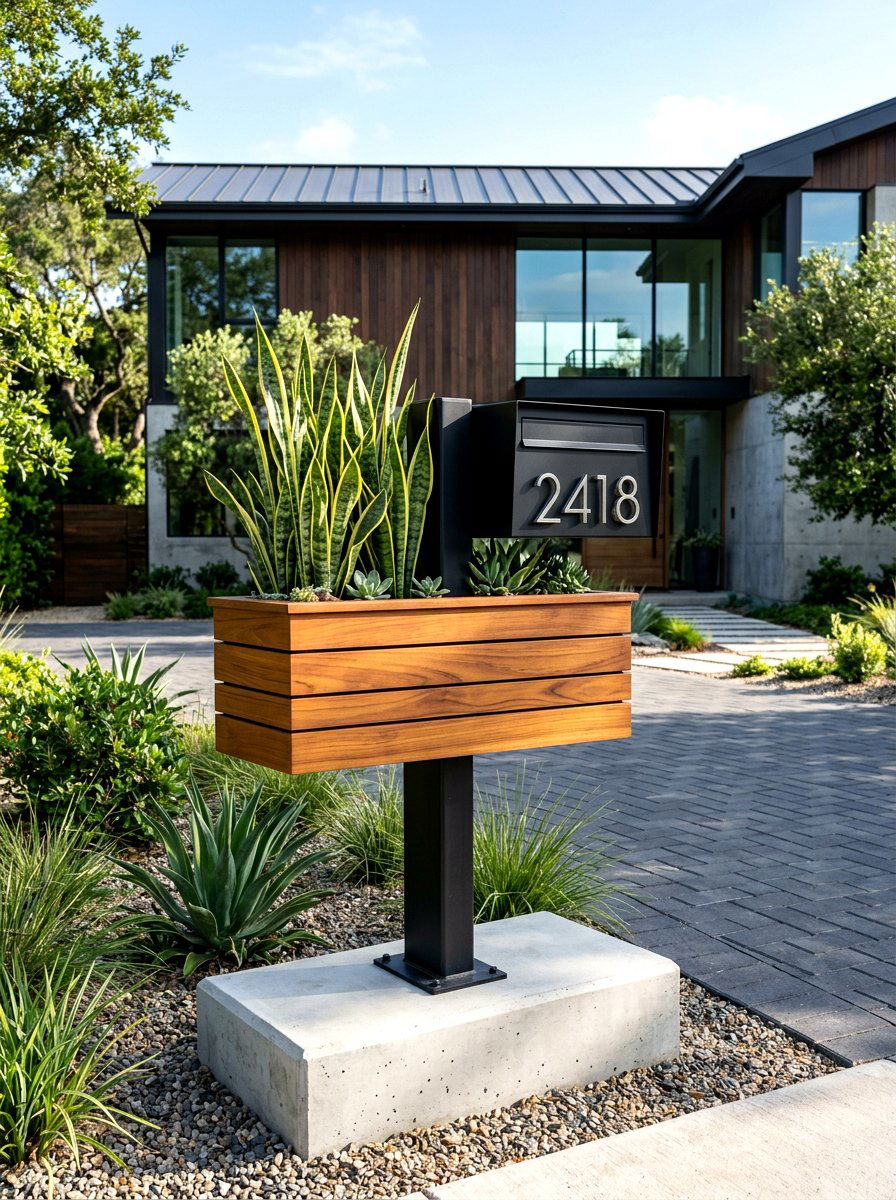
A modern mailbox planter combines sleek architectural lines with minimalist greenery for a contemporary look. Look for mailbox posts that include an integrated wooden or metal planter box built right into the structure. This setup allows you to display architectural plants like snake plants or decorative succulents that emphasize the clean geometry of the design. The contrast between the dark metal of the mailbox and the bright green foliage creates a sophisticated visual statement. This style is perfect for homeowners who want to match a mid-century modern or industrial home exterior while keeping the landscaping tidy and very manageable.
5. Brick Mailbox Column
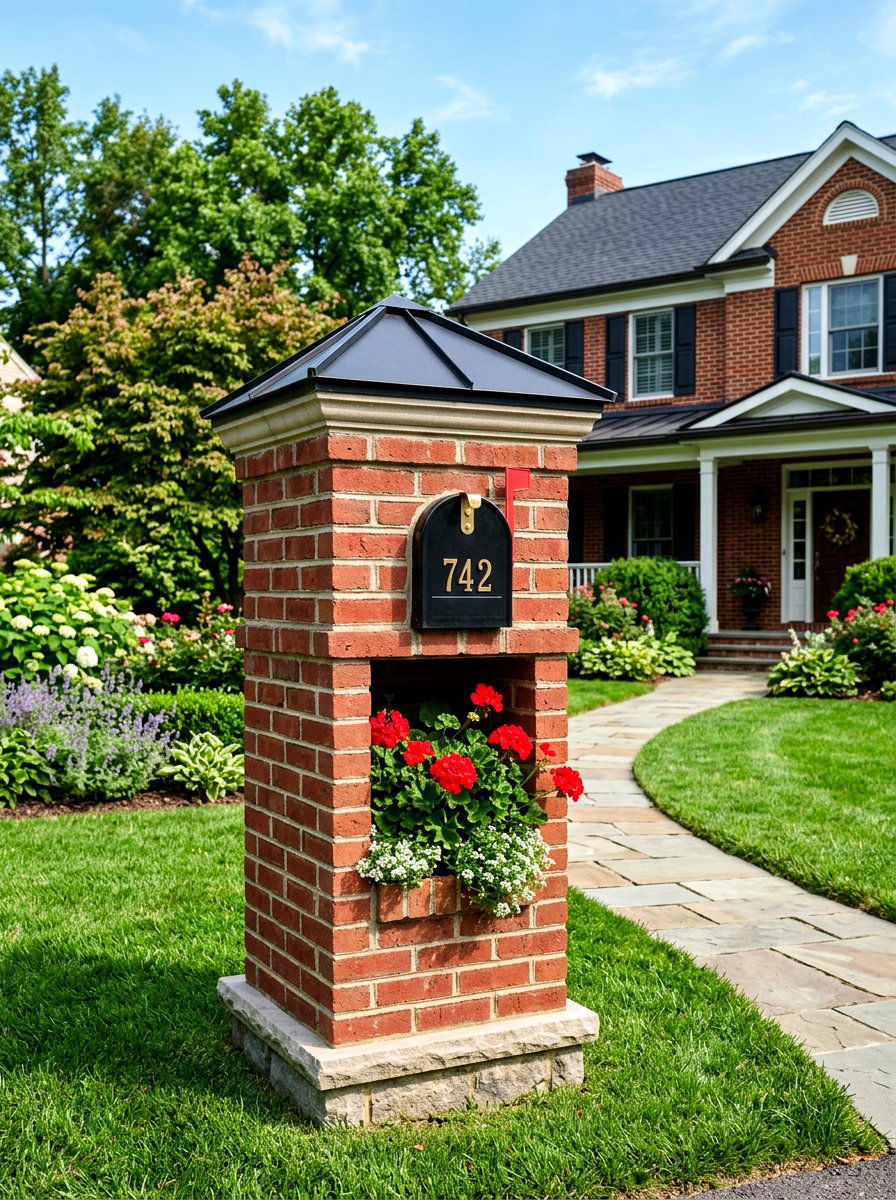
A brick mailbox column offers a sense of permanence and traditional elegance that standard wooden posts simply cannot match. You can build a sturdy brick surround that matches the masonry of your home to create a cohesive look. Many homeowners leave a small inset area at the base or top for seasonal flowers to grow. This structure is highly durable and provides excellent protection for your mail against the elements. The height of the brick column makes it a prominent feature of your front yard landscaping. It essentially acts as a mini monument that anchors the corner of your property with style.
6. Climbing Vine Mailbox
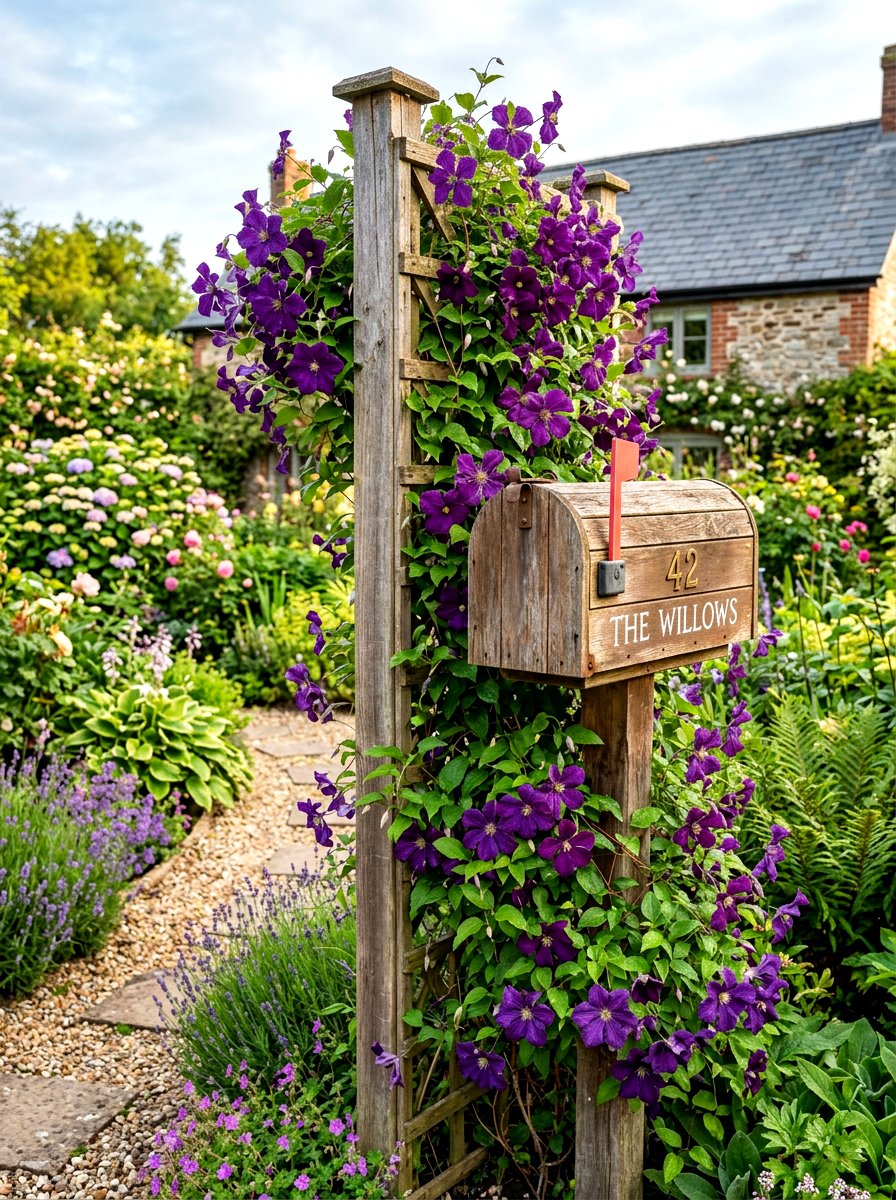
Training a climbing vine to wrap around your mailbox post creates a romantic and whimsical atmosphere. Choose a flowering vine like clematis or jasmine to add both vertical interest and a delightful fragrance to your entryway. You may need to attach a small trellis or wire mesh to the post to give the vines a place to grip. As the plant grows, it covers the utilitarian post in a blanket of green leaves and colorful blossoms. Just be sure to prune the vines regularly so they do not obstruct the mailbox door or the flag. This design feels naturally integrated into the garden.
7. Natural Stone Mailbox Border
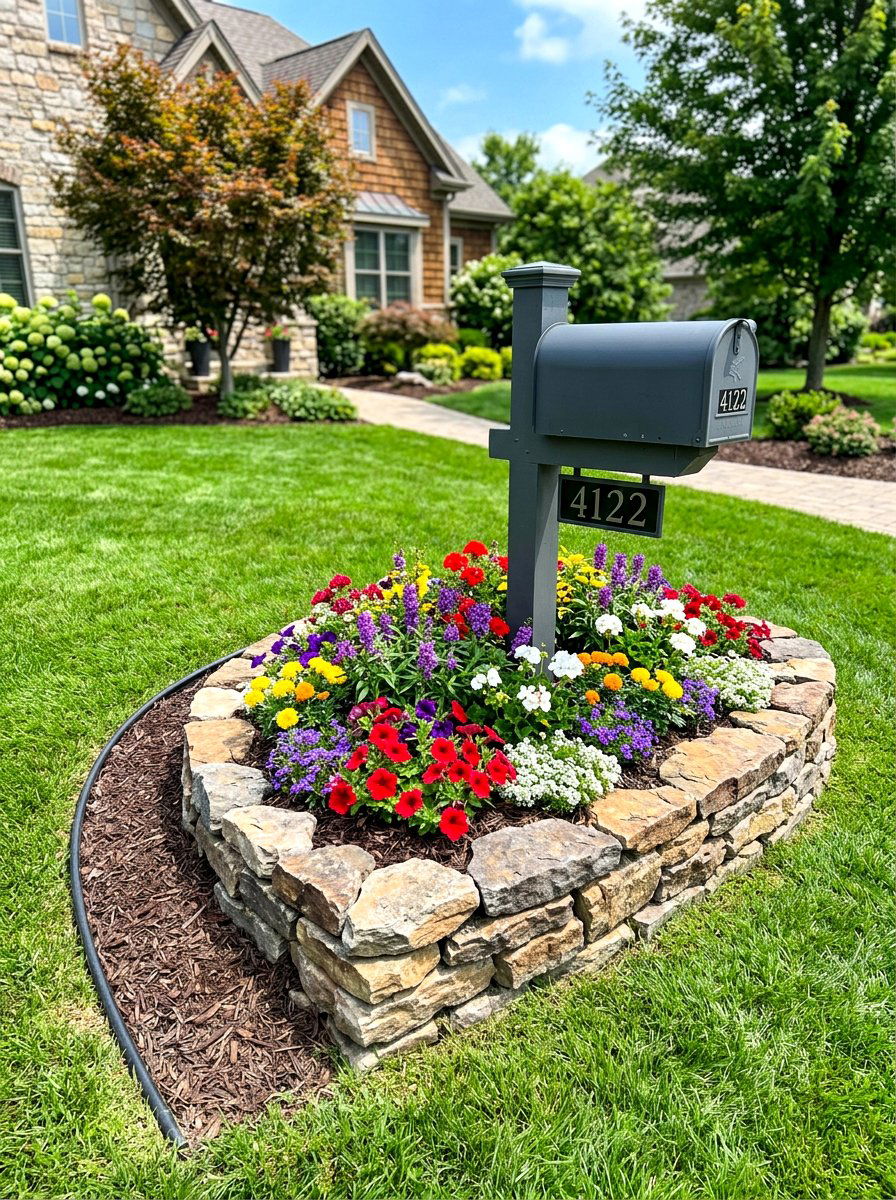
Installing a natural stone border around the base of your mailbox bed provides a high-end finished look. You can use stacked fieldstone or tumbled pavers to create a clear boundary between the garden and the lawn. This physical barrier prevents grass from creeping into your flower bed while also making it much easier to mow around the area. The stones add a sense of weight and quality to the overall landscape design. By choosing stones that coordinate with your front walkway or porch, you create a harmonious flow that ties the different parts of your exterior together beautifully.
8. Drought Tolerant Mailbox Garden
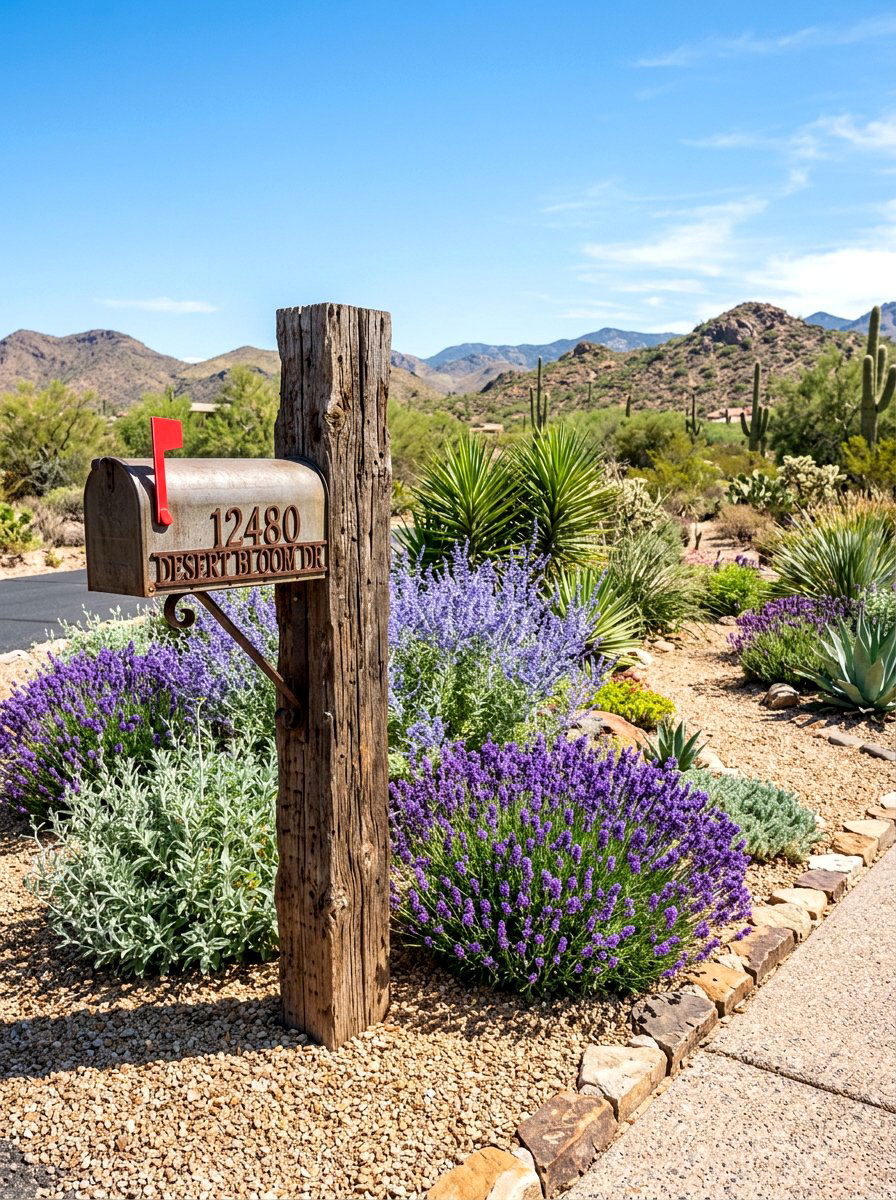
Designing a drought-tolerant garden around your mailbox is a smart move for areas with water restrictions or high heat. Utilize plants like lavender, Russian sage, or ornamental grasses that thrive in dry conditions once they are established. These plants often feature interesting textures and muted colors that look stunning against a wooden or black metal mailbox. This type of landscaping is particularly effective because roadside areas tend to dry out much faster than the rest of the yard. By choosing water-wise plants, you ensure your mailbox stays looking fresh and vibrant without needing a daily soak from the garden hose.
9. Cottage Style Mailbox
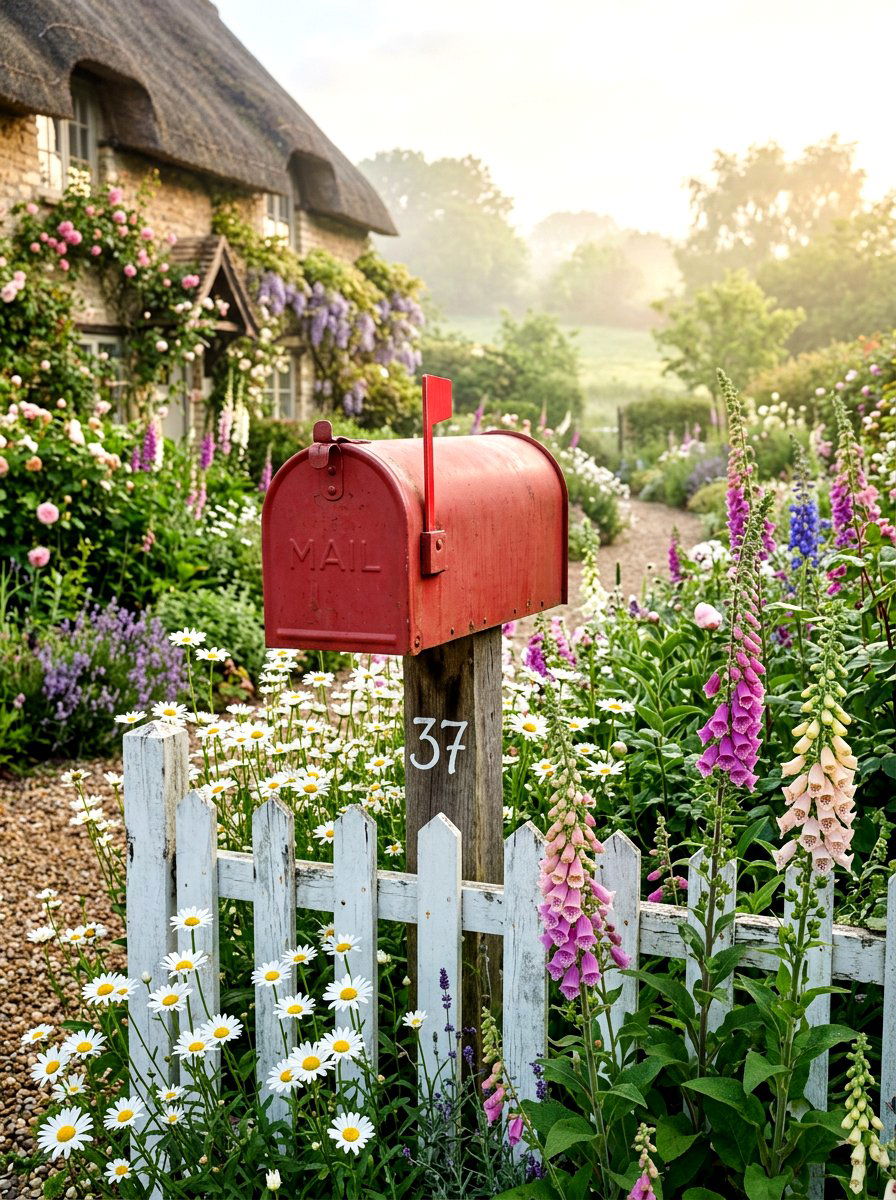
A cottage-style mailbox area focuses on an abundance of flowers and a relaxed, slightly wild aesthetic. You can mix and match different heights of perennials like foxgloves, daisies, and lavender to create a layered and lush look. The goal is to make the garden feel like it has been growing effortlessly for years. Adding a small white picket fence section behind the mailbox can further enhance the charming country vibe. This design is all about color and texture, creating a cheerful greeting for anyone who passes by. It is a perfect way to express a love for traditional gardening and nature.
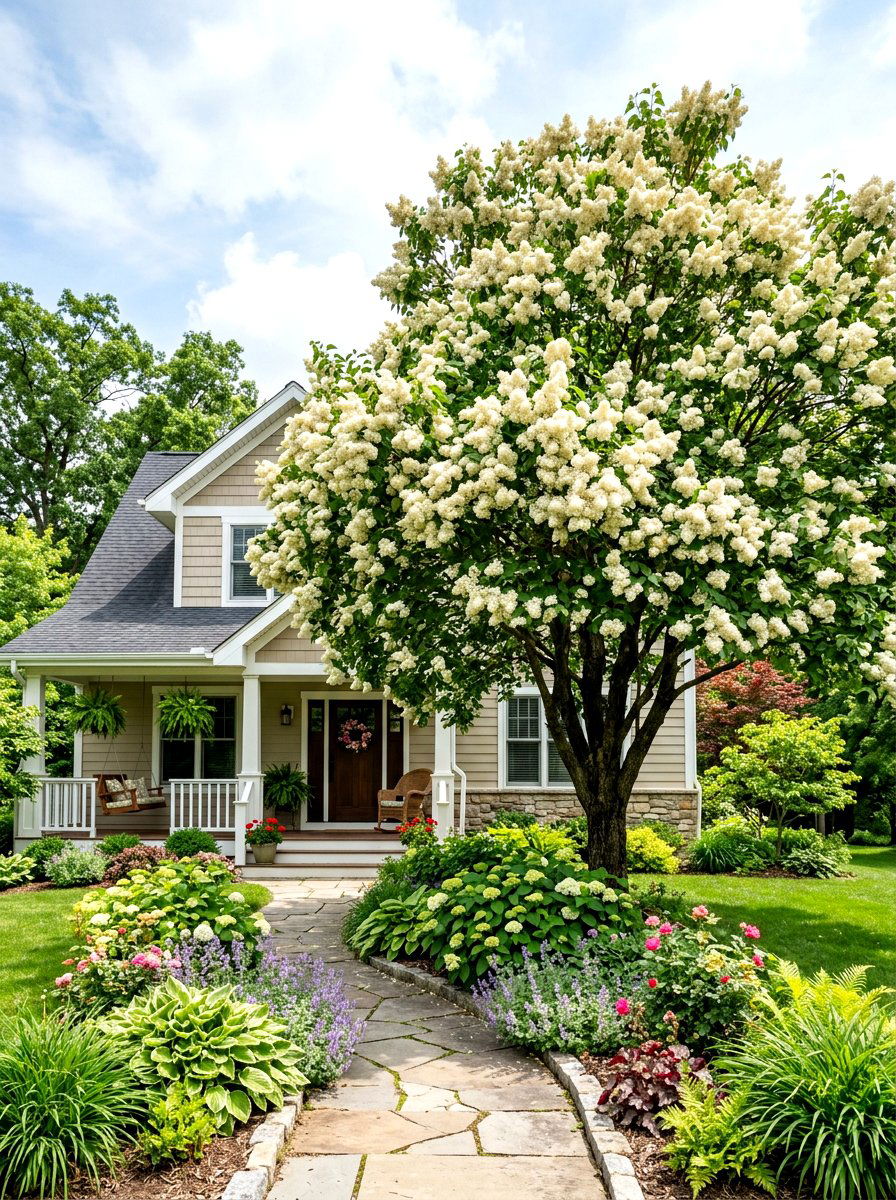
10. Ornamental Grass Mailbox
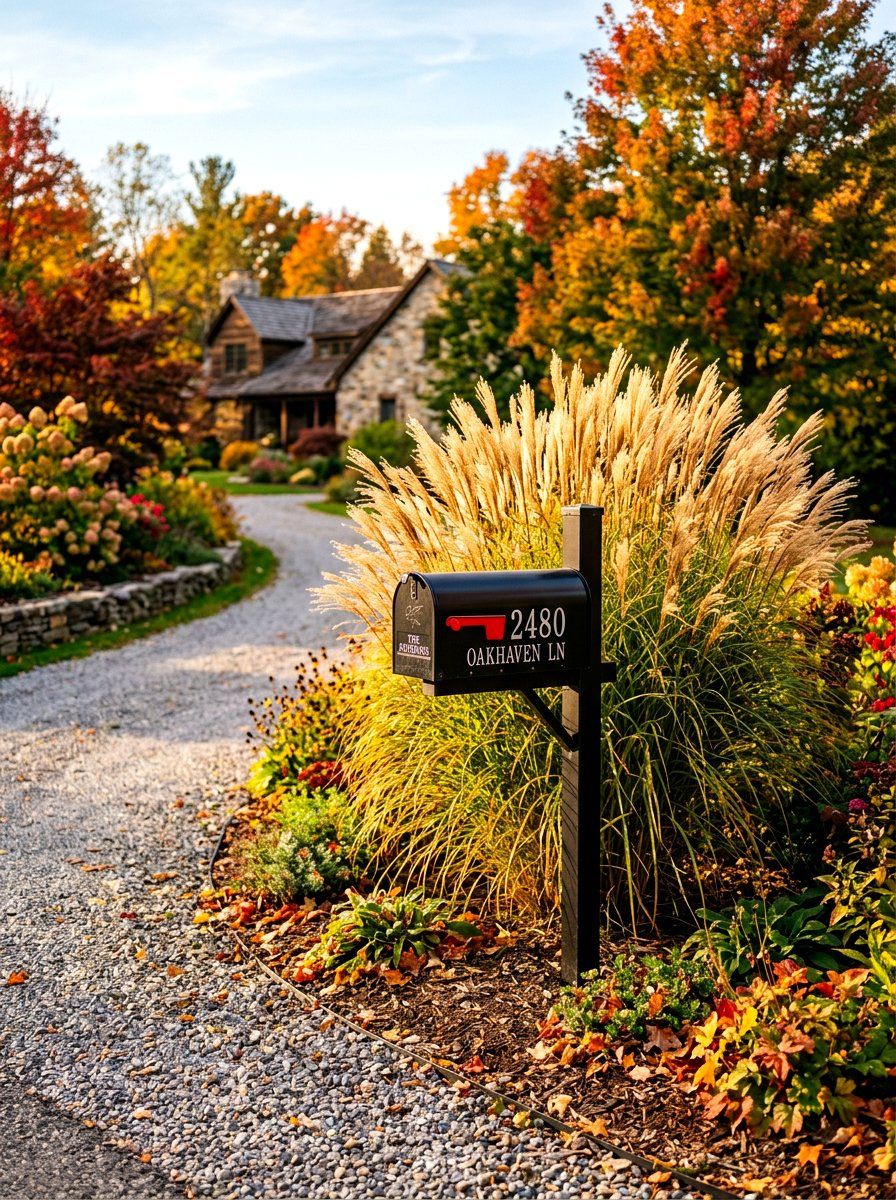
Using ornamental grasses around your mailbox provides a modern yet soft texture that moves beautifully in the wind. Species like fountain grass or feather reed grass offer year-round interest with their feathery plumes and golden winter hues. These grasses are typically very easy to care for and can stand up to the tough conditions found at the curb. They provide a tall, structural element that frames the mailbox without being too overwhelming. Because they don 't require deadheading like flowers, they are a great choice for busy homeowners. The rustling sound they make adds a sensory layer to your home' s entrance.
11. Shady Hosta Mailbox Bed
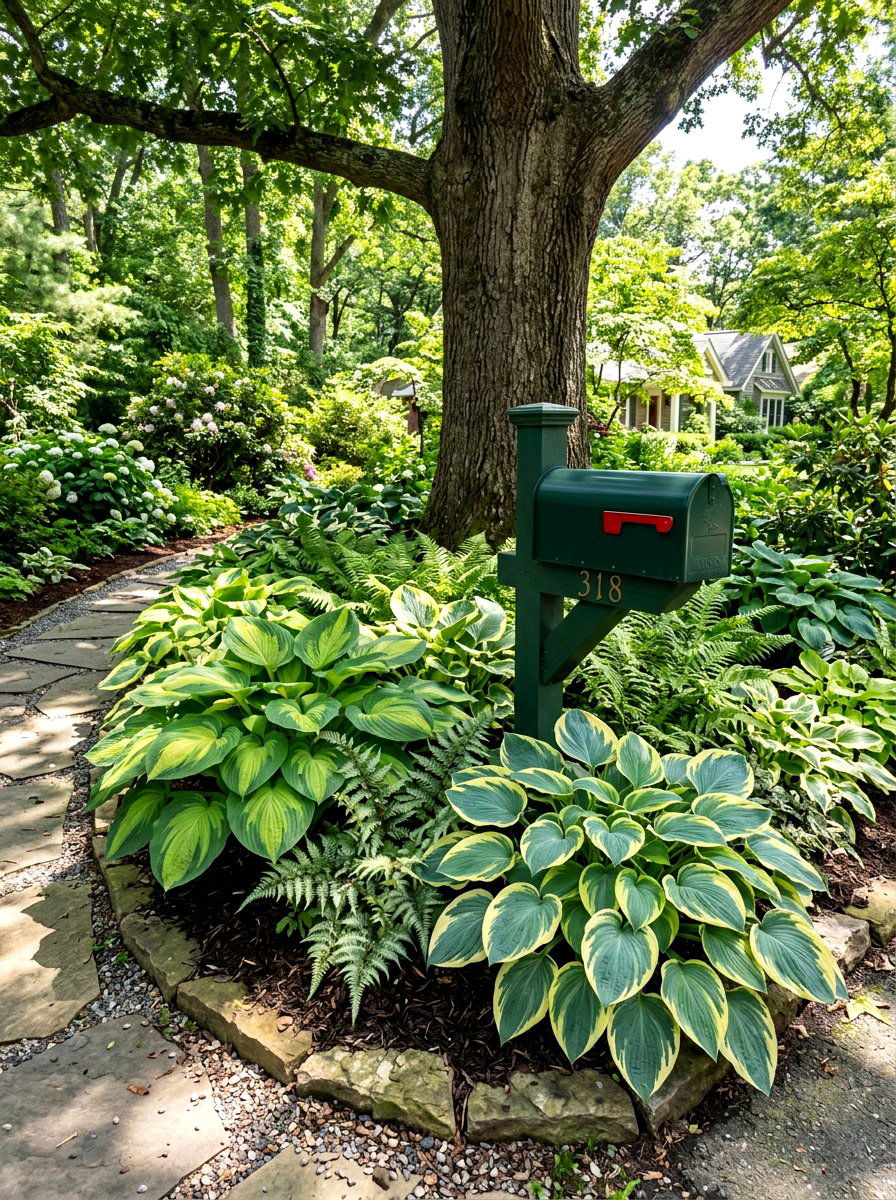
If your mailbox is located under a large tree or on the north side of the house, a hosta bed is an ideal solution. Hostas come in a wide range of leaf colors, from deep forest green to bright chartreuse and variegated patterns. They love the shade and create a lush, leafy groundcover that looks very full and healthy. Pairing hostas with other shade-loving plants like ferns or heucheras adds more texture and color to the mix. This type of landscaping looks incredibly neat and organized because hostas naturally grow in clean, mounded shapes. It is a reliable and classic choice for shade.
12. Solar Lighted Mailbox
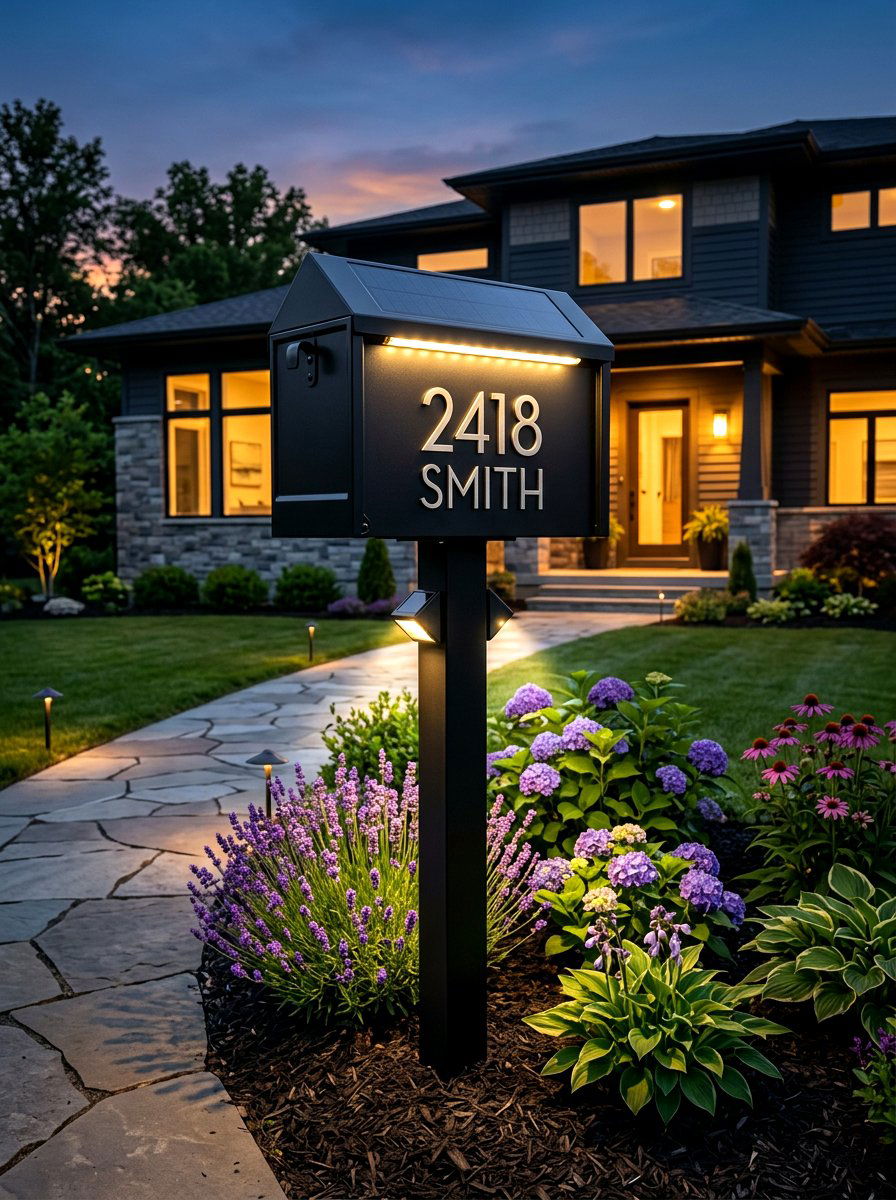
Integrating solar lighting into your mailbox landscaping ensures that your house numbers are visible at night and adds a warm glow to your curb. You can install small solar-powered spotlights in the flower bed to illuminate the mailbox from below. Alternatively, some modern mailbox designs feature built-in solar caps that light up automatically when the sun goes down. This functional addition makes it easier for guests to find your home in the dark. The soft lighting also highlights the textures of the plants and stones you have chosen. It provides a welcoming and safe atmosphere for your property's perimeter during the evening.
13. Lavender Mailbox Border
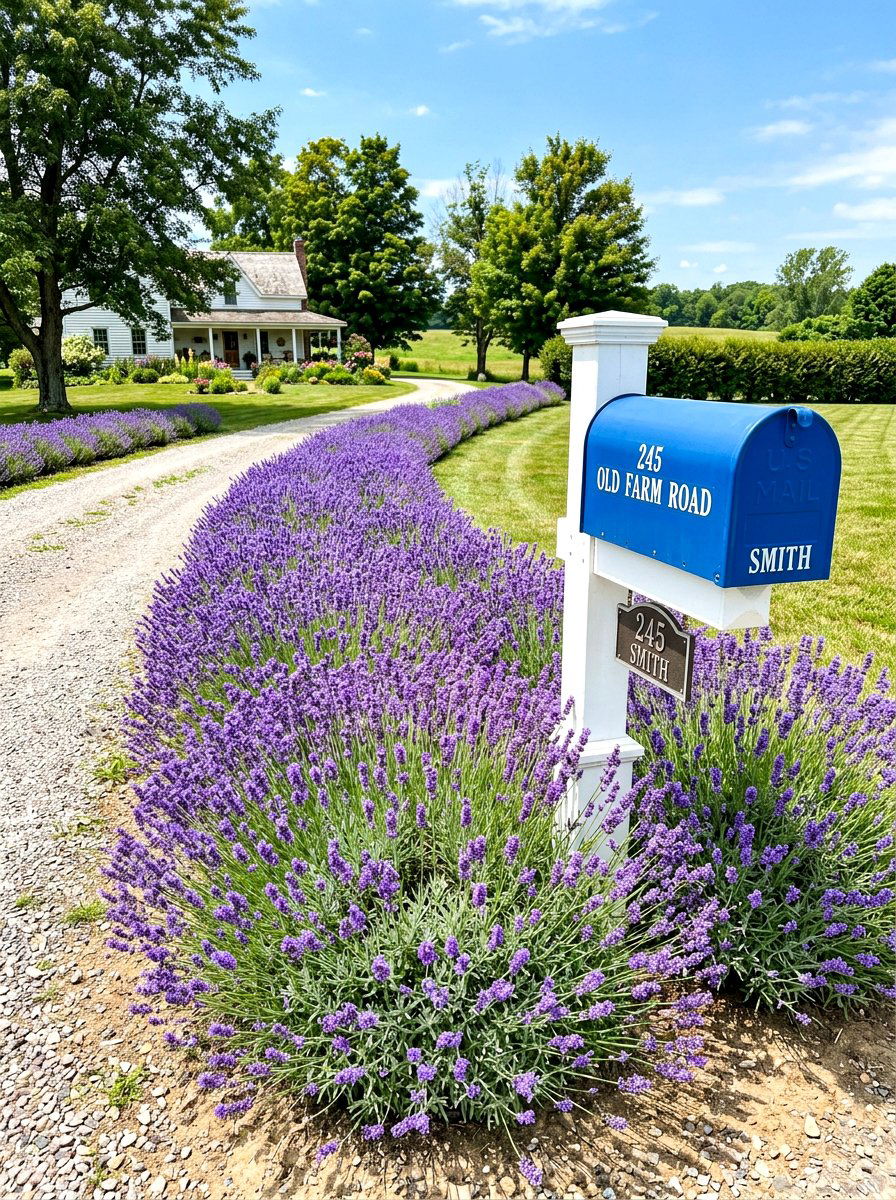
Planting a border of lavender around your mailbox offers a sensory experience every time you collect the mail. The silvery-green foliage and vibrant purple spikes are visually stunning and provide a wonderful fragrance. Lavender is a hardy plant that thrives in full sun and well-drained soil, making it perfect for a roadside location. It also attracts beneficial pollinators like bees and butterflies to your front yard. The structured growth habit of lavender helps to keep the mailbox bed looking tidy and intentional. This design is simple yet incredibly effective at boosting the sophisticated appeal of your home’s entrance.
14. Hydrangea Mailbox Garden
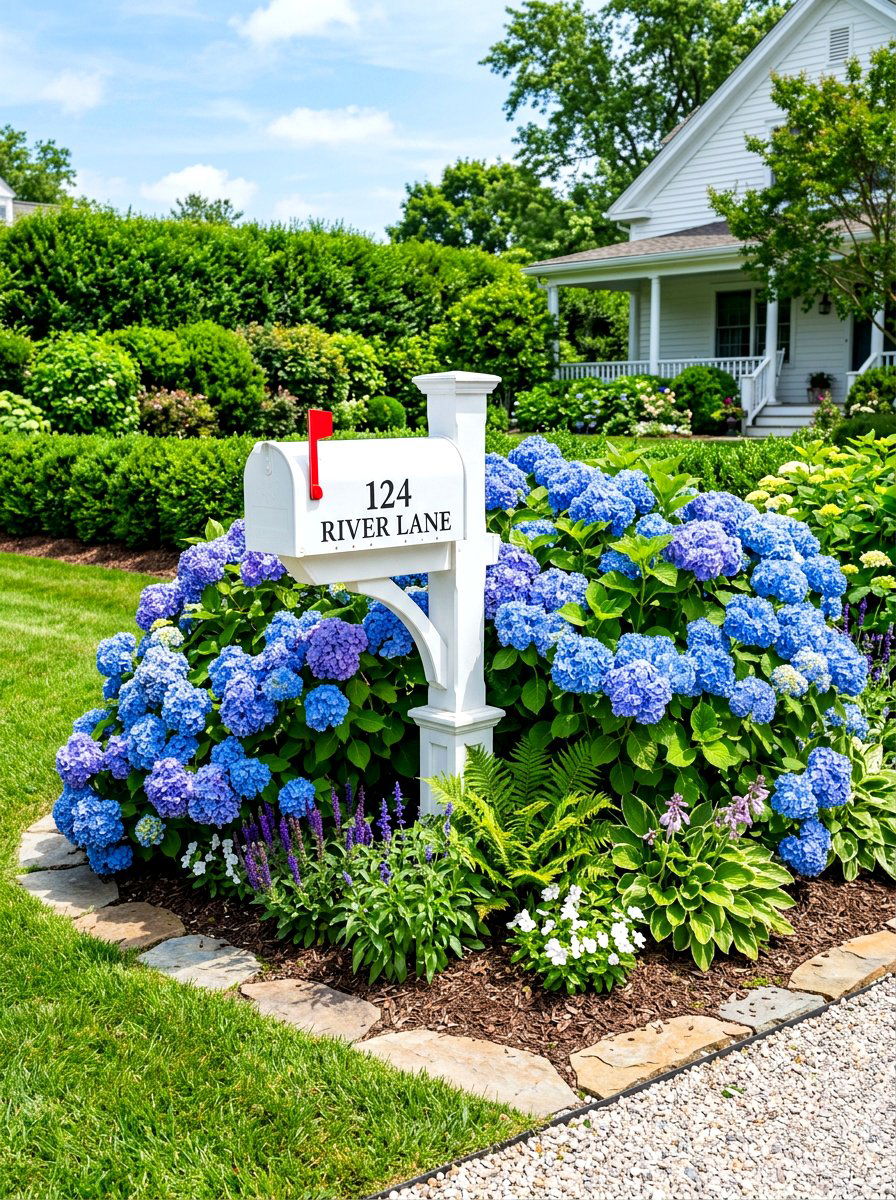
For a bold and classic look, consider planting hydrangeas around your mailbox. These shrubs produce large, showy flower heads in shades of blue, pink, or white, depending on the soil and variety. Because they grow larger than standard bedding plants, they provide a significant amount of visual weight and coverage. Hydrangeas look particularly beautiful when framed by a white or dark gray mailbox post. They offer a timeless elegance that works well with traditional, farmhouse, or coastal home styles. Just ensure they get enough water during the hot summer months to keep those massive blooms looking fresh and perky for visitors.
15. Succulent Mailbox Base
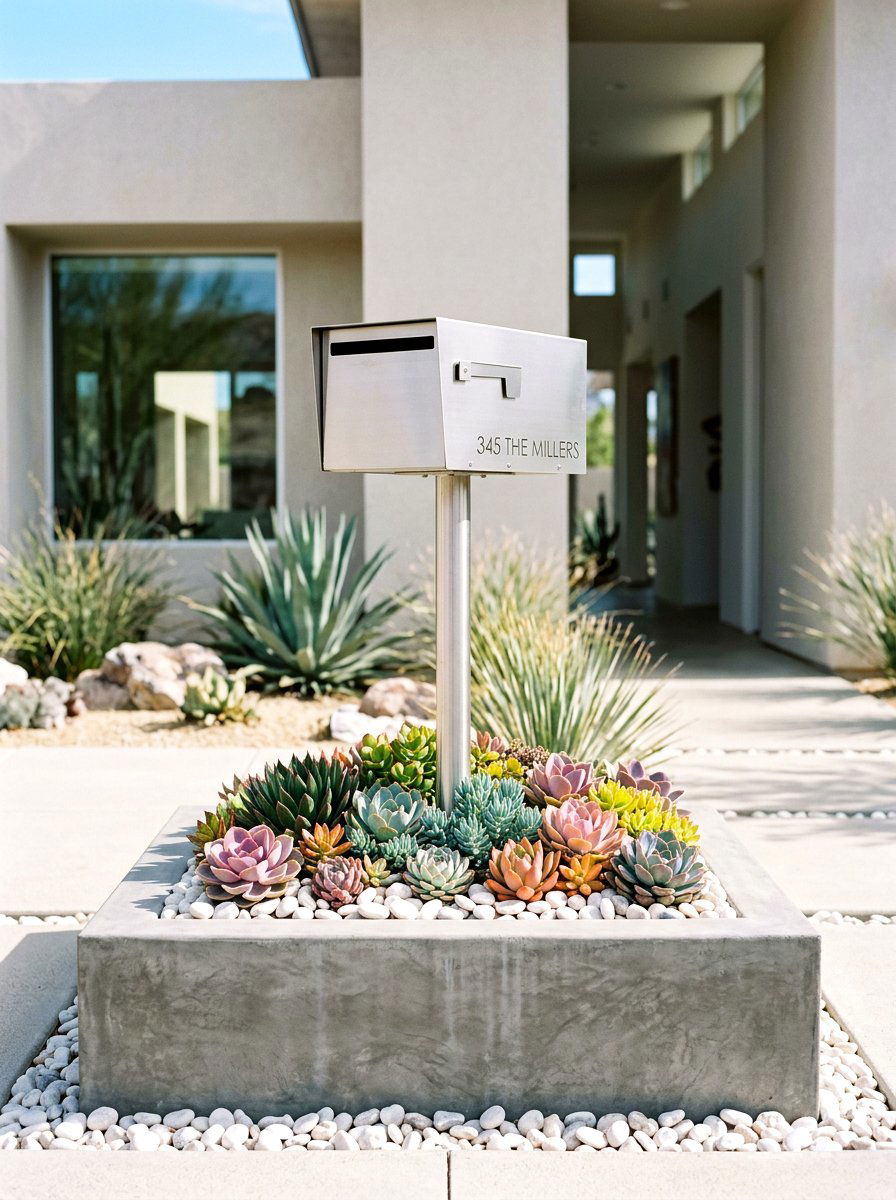
Creating a succulent garden at the base of your mailbox is a fantastic way to introduce unique shapes and textures. Succulents like echeveria, sedum, and hen-and-chicks are incredibly drought-resistant and thrive in the sun. You can arrange them in a bed of gravel or decorative sand to create a desert-inspired look. This style is very low maintenance and remains green throughout the year in many climates. The compact growth of succulents ensures they will never block the mailbox door or hide your street address. It is a creative and modern approach that stands out from the typical floral beds seen in most neighborhoods.
16. Paver Stone Mailbox Surround
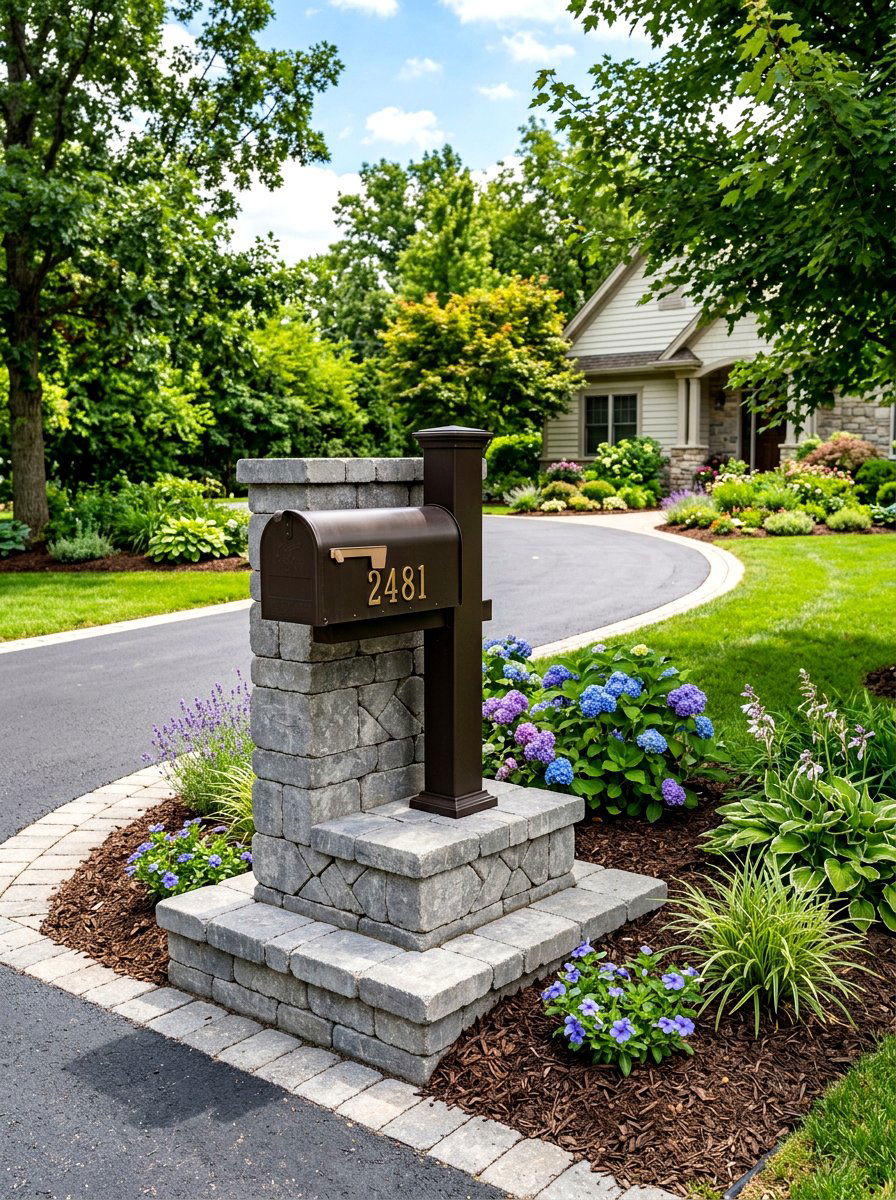
Using paver stones to create a small patio-like area around your mailbox offers a clean and structured look. This hardscaped base provides a stable surface for the post and eliminates the need for any weeding or mowing in the immediate area. You can choose pavers that match your driveway or front walkway for a seamless integration. To add a bit of softness, you can leave small gaps between the stones for creeping groundcovers to grow. This design is extremely durable and withstands the heavy wear and tear of a roadside location. It gives the mailbox a very established and professional presence.
17. Perennial Mailbox Garden
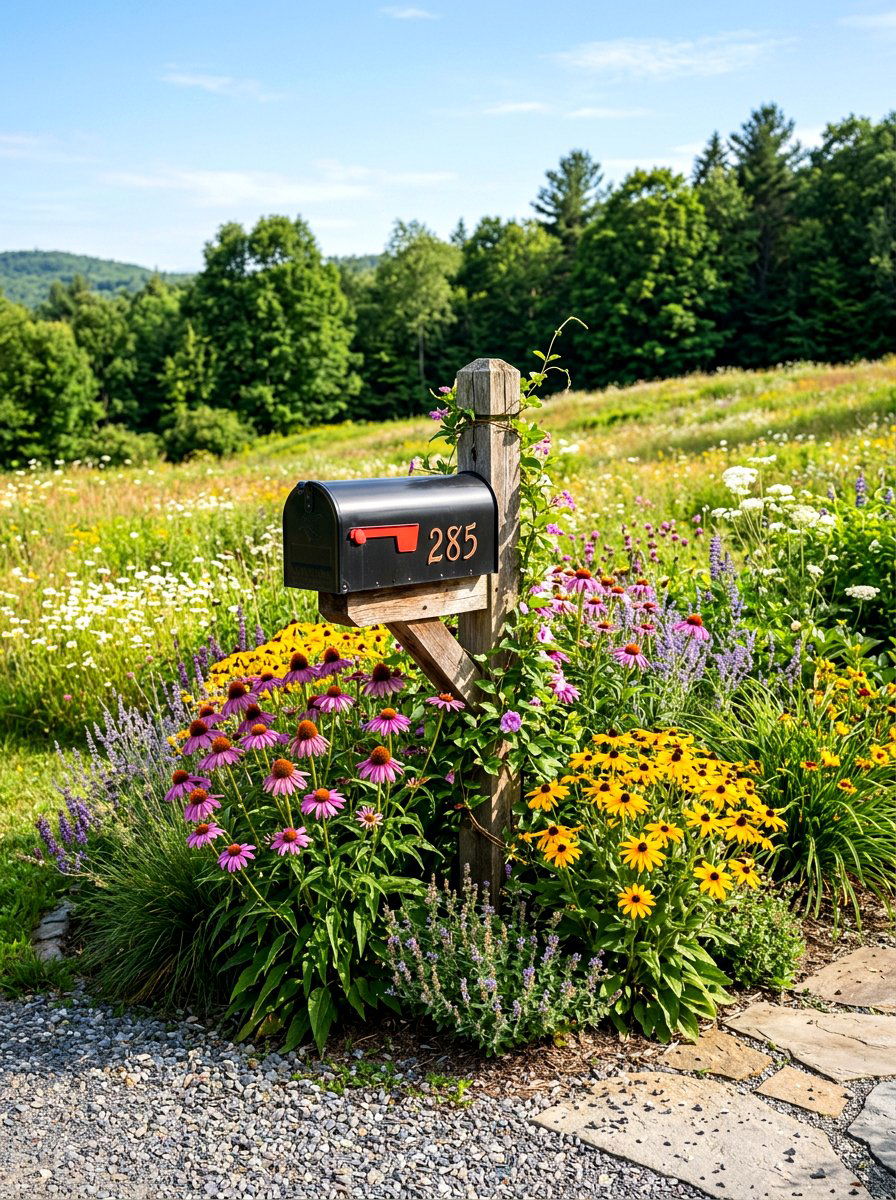
A perennial garden is the gift that keeps on giving, as the plants will return and often expand each year. By selecting a mix of plants that bloom at different times, you can ensure your mailbox always has some color. Consider pairing spring-blooming bulbs with summer-flowering perennials like coneflowers and fall-blooming asters. This layered approach creates a dynamic landscape that changes with the seasons. Perennials are generally more cost-effective over time since you won 't need to buy new plants every spring. This strategy results in a mature, well-loved garden look that truly enhances your property' s curb appeal for the long term.
18. Tropical Mailbox Landscape
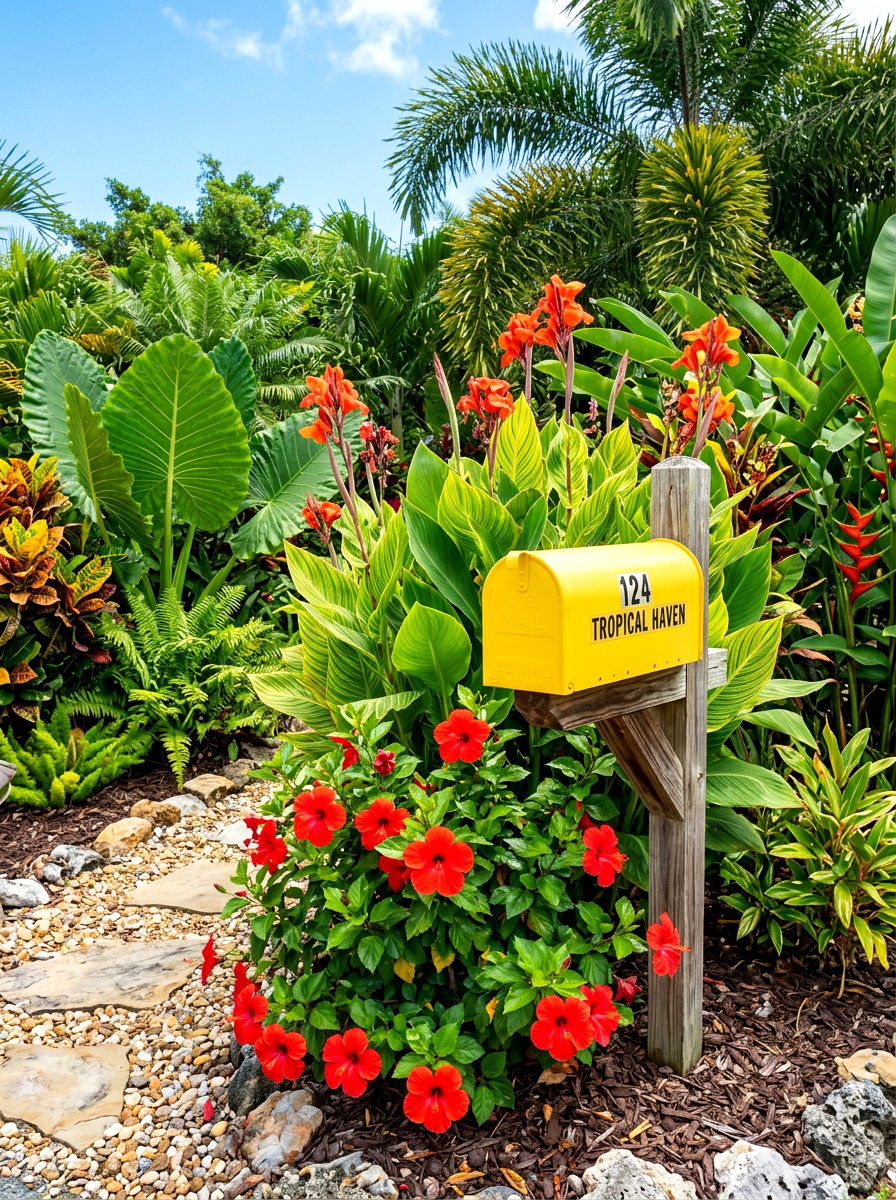
Transform your curb into a mini-vacation spot by using tropical plants like canna lilies or hibiscus around your mailbox. These plants offer large, vibrant leaves and exotic-looking flowers that bring a splash of energy to the neighborhood. If you live in a colder climate, you can treat these as annuals or dig up the bulbs for the winter. The lush, vertical growth of tropicals works well to balance out the height of the mailbox post. This theme is perfect for coastal homes or anyone who wants a bold, high-energy look. It creates a striking focal point that is hard to miss from the road.
19. Boxwood Hedge Mailbox
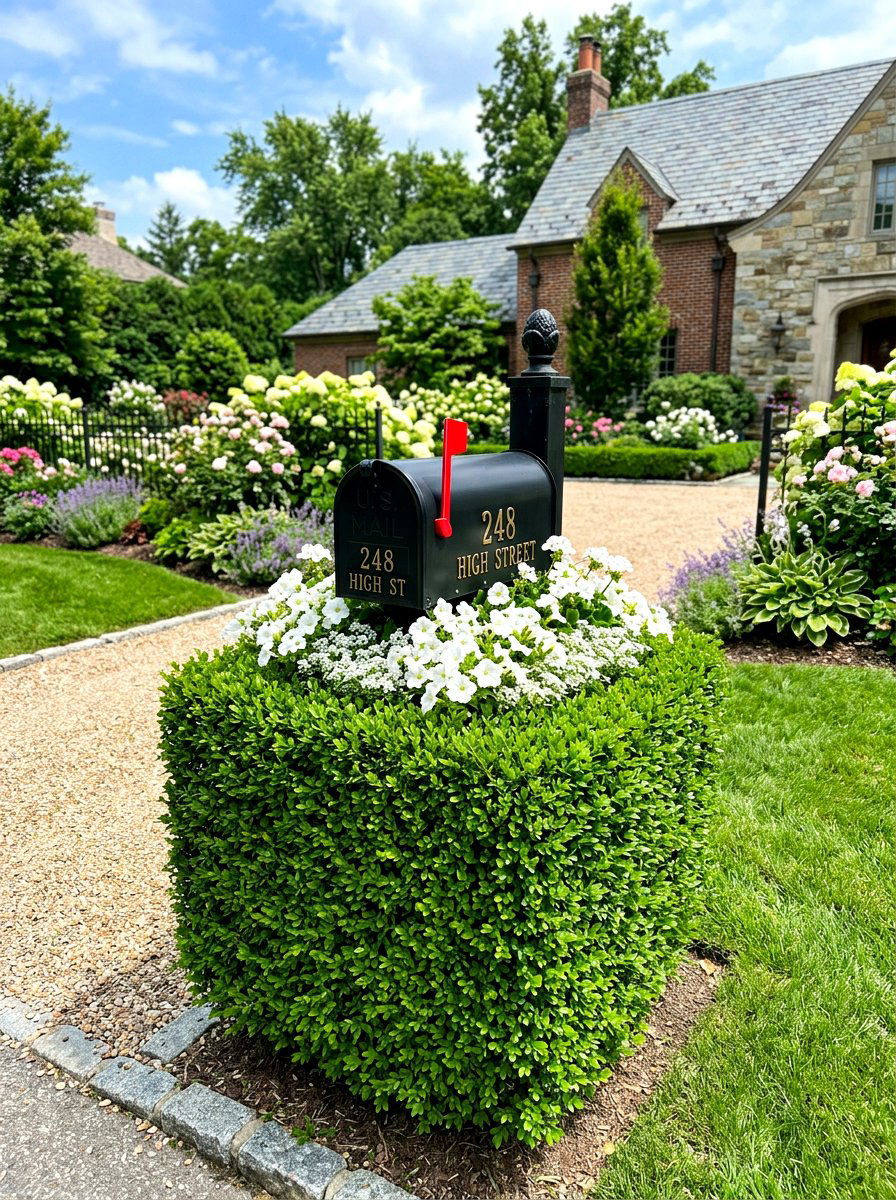
For a formal and tidy appearance, plant a small boxwood hedge around the base of your mailbox. Boxwoods are evergreen shrubs that can be easily pruned into a neat, rectangular or circular shape. This provides a consistent green frame that looks great even in the middle of winter when other plants have gone dormant. You can plant colorful annuals inside the boxwood border for a pop of seasonal color. This traditional design is often seen in upscale neighborhoods and works perfectly with classic architecture. The structured look of the hedge provides a clean and sophisticated finish to your home’s front entryway.
20. Wildflower Mailbox Area
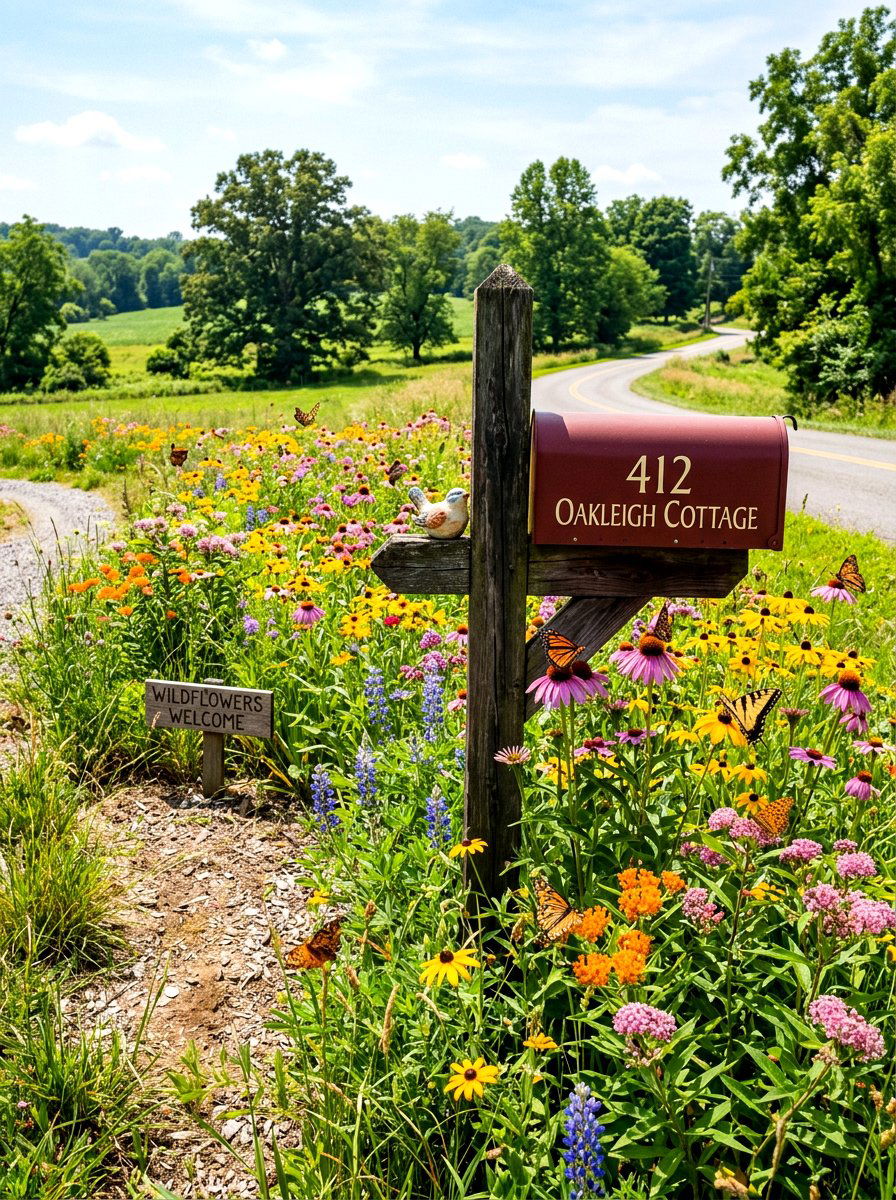
Embrace a natural and eco-friendly aesthetic by planting a patch of native wildflowers around your mailbox. This approach supports local biodiversity and attracts beautiful butterflies and songbirds to your yard. Wildflowers are typically very easy to grow from seed and require minimal watering once they are established. The resulting look is a colorful, informal meadow that feels fresh and vibrant. This design is perfect for homeowners who prefer a relaxed garden style over perfectly manicured beds. It sends a message of environmental care while providing a cheerful and ever-changing display of nature right at the edge of your property.
21. Mulch Bed Mailbox
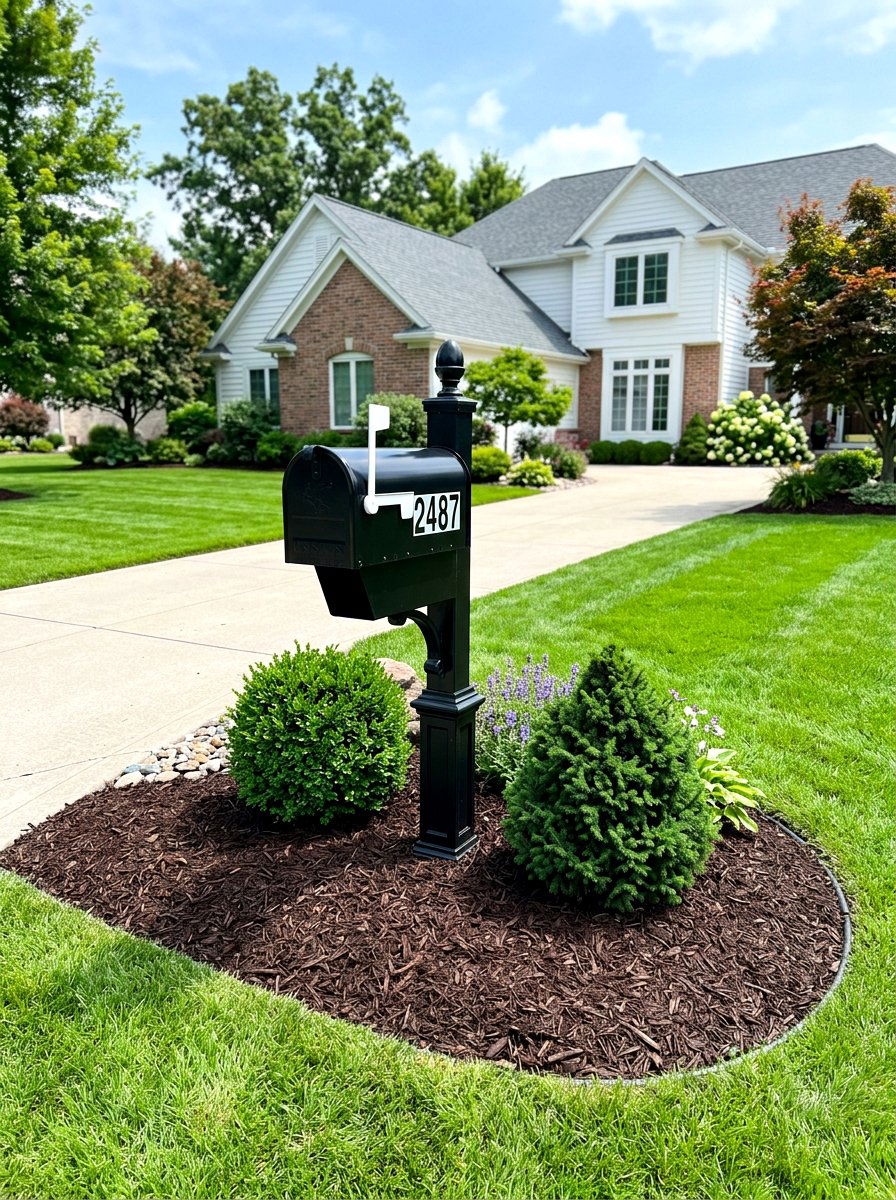
A simple mulch bed is a clean and effective way to landscape around a mailbox with minimal cost. By clearing the grass and laying down a thick layer of dark brown or black mulch, you create a defined space that looks intentional. You can add a few well-placed evergreen shrubs or a single large ornamental rock to provide visual interest without the need for constant care. Mulch helps to retain moisture in the soil and suppresses weeds, keeping the area looking tidy. This is an excellent choice for a quick weekend project that provides an immediate boost to your home's curb appeal.
22. Corner Lot Mailbox
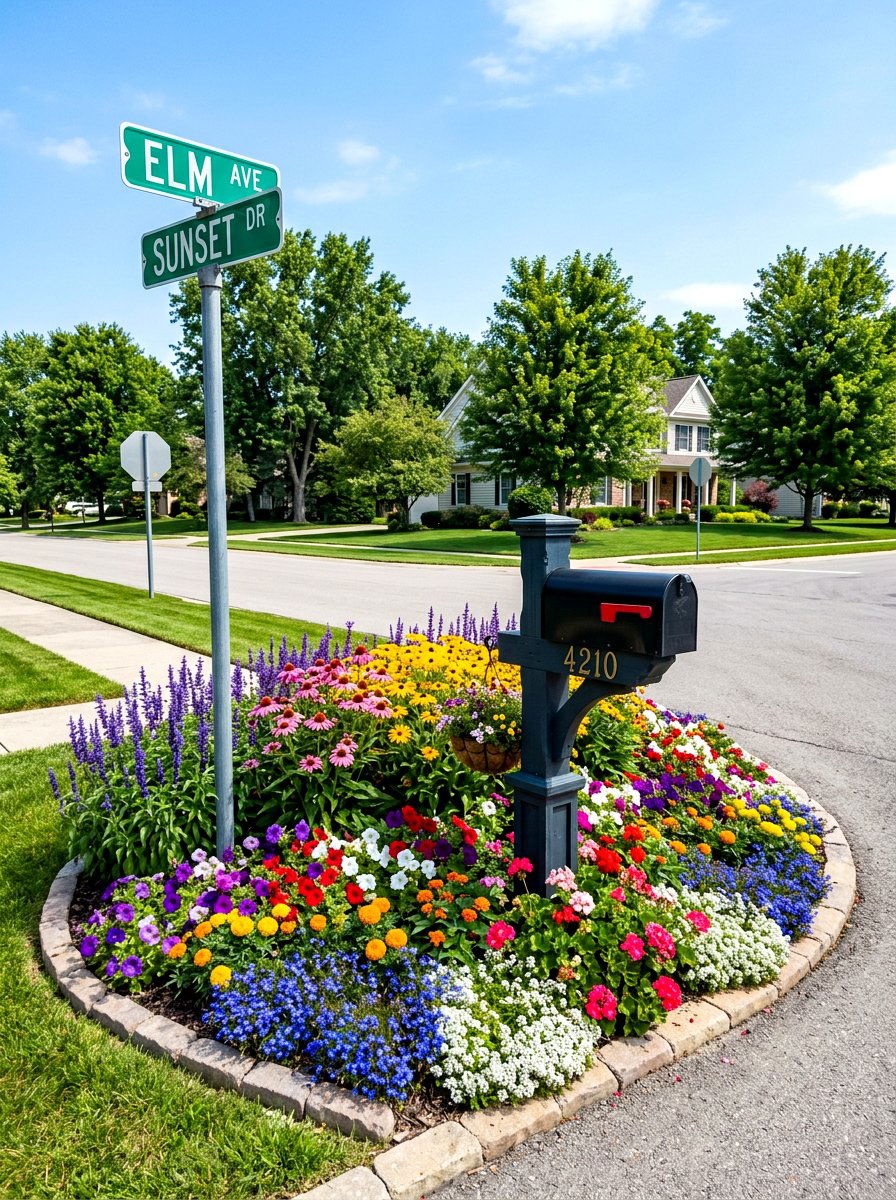
Landscaping a mailbox on a corner lot requires a design that looks good from multiple angles. You might consider a larger, circular bed that wraps around the post so it is attractive to drivers approaching from both directions. Using a mix of taller plants in the center and lower-growing flowers around the edges ensures that visibility is maintained for traffic. This is a great opportunity to create a more substantial garden feature that acts as a landmark for your street. By adding a small decorative sign or solar light, you make the corner of your property feel safer and more well-defined for everyone.
23. Rustic Wood Mailbox Post
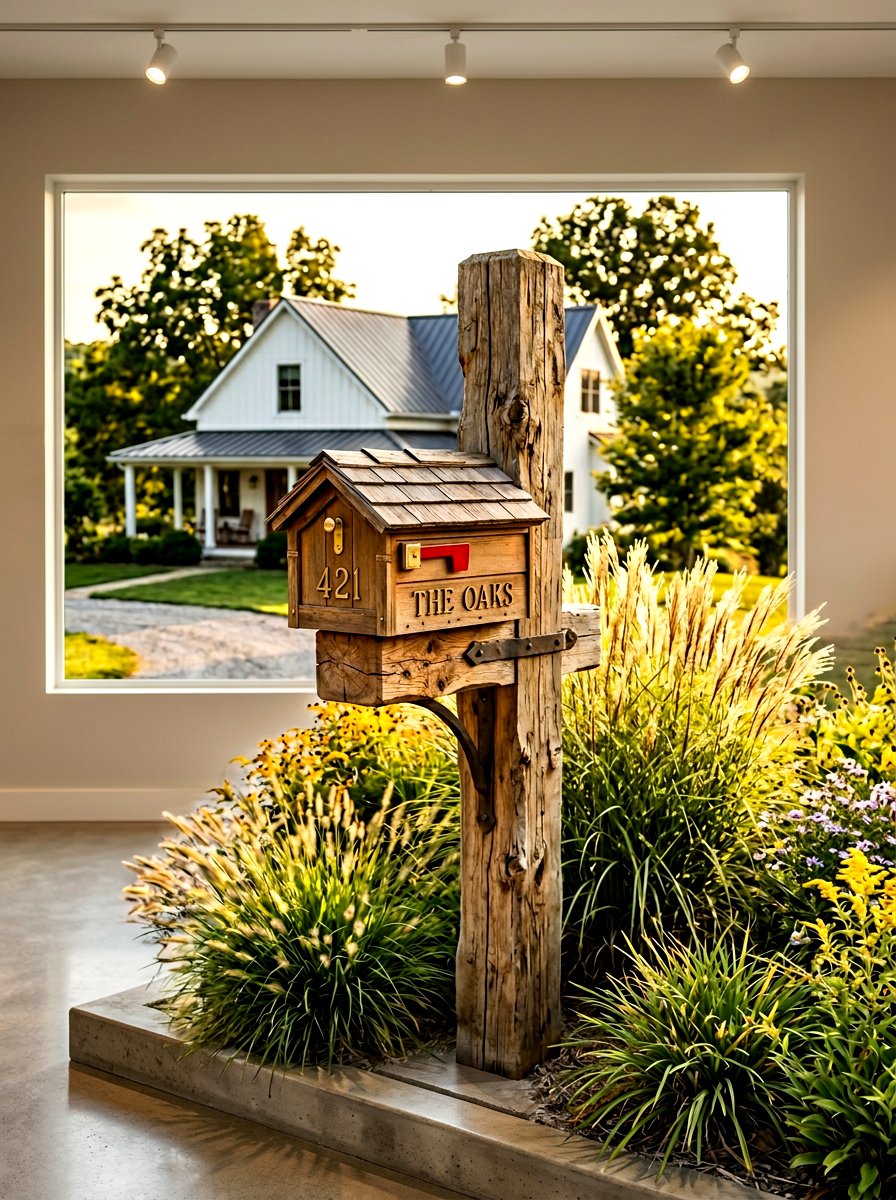
A rustic wood mailbox post creates a warm and inviting farmhouse feel for your home’s exterior. You can use a heavy cedar or reclaimed timber post that features natural grain and textures. Surround the base with simple plantings like ornamental grasses or woodland ferns to enhance the organic vibe. This style works beautifully with country homes or properties with lots of trees. The wood can be left to weather naturally to a beautiful silver-gray or stained to match your front door. It is a timeless and sturdy option that brings a touch of handcrafted character to your curb and feels very grounded.
24. Flagstone Mailbox Walkway
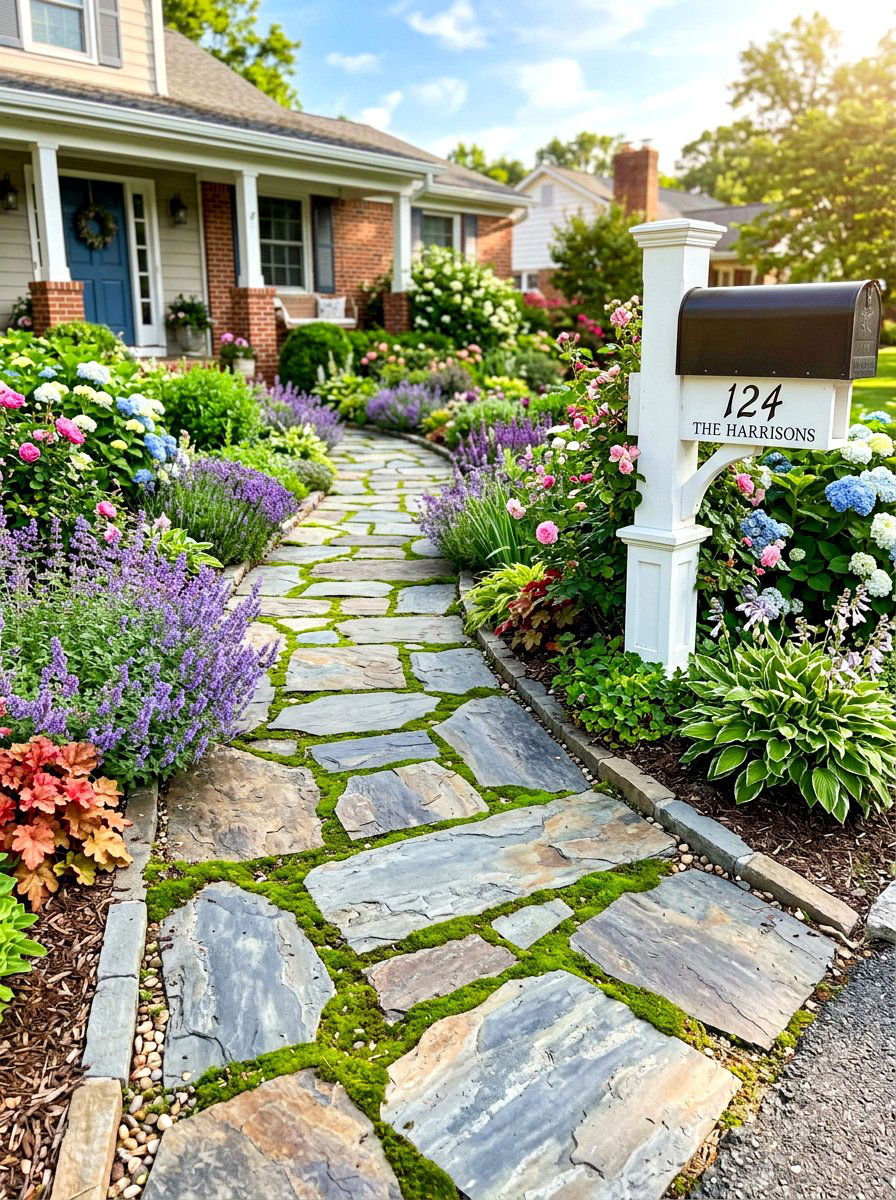
Adding a small flagstone walkway leading from the sidewalk to your mailbox is both functional and beautiful. This prevents the grass from getting trampled and muddy when you or the mail carrier approach the box. You can surround the flagstones with low-growing groundcovers like creeping jenny or moss to soften the edges. The combination of stone and greenery creates a very established and thoughtfully designed look. It makes the daily task of checking the mail feel like a pleasant stroll through a mini garden. This small hardscaping detail adds a significant level of polish to your overall front yard landscape.
25. Container Garden Mailbox
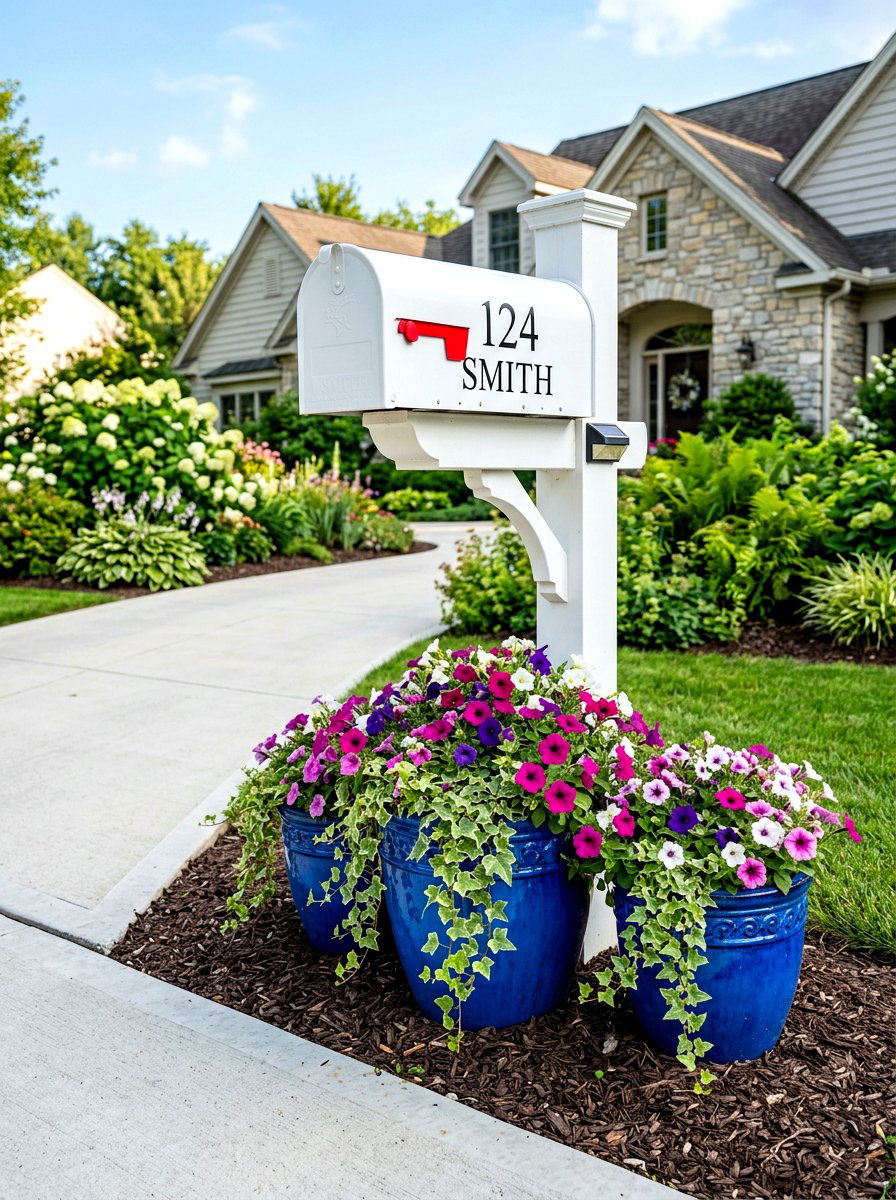
If you don't want to dig into the ground, a container garden around your mailbox is a versatile alternative. You can place two or three large, decorative planters at the base of the post and fill them with seasonal flowers and greenery. This allows you to easily change the look of your mailbox area throughout the year by swapping out the plants. It also prevents any issues with poor roadside soil or road salt. Choose pots that match the color and style of your home for a cohesive look. This approach is perfect for renters or anyone who wants a high-impact garden with zero digging.
26. Evergreen Mailbox Border
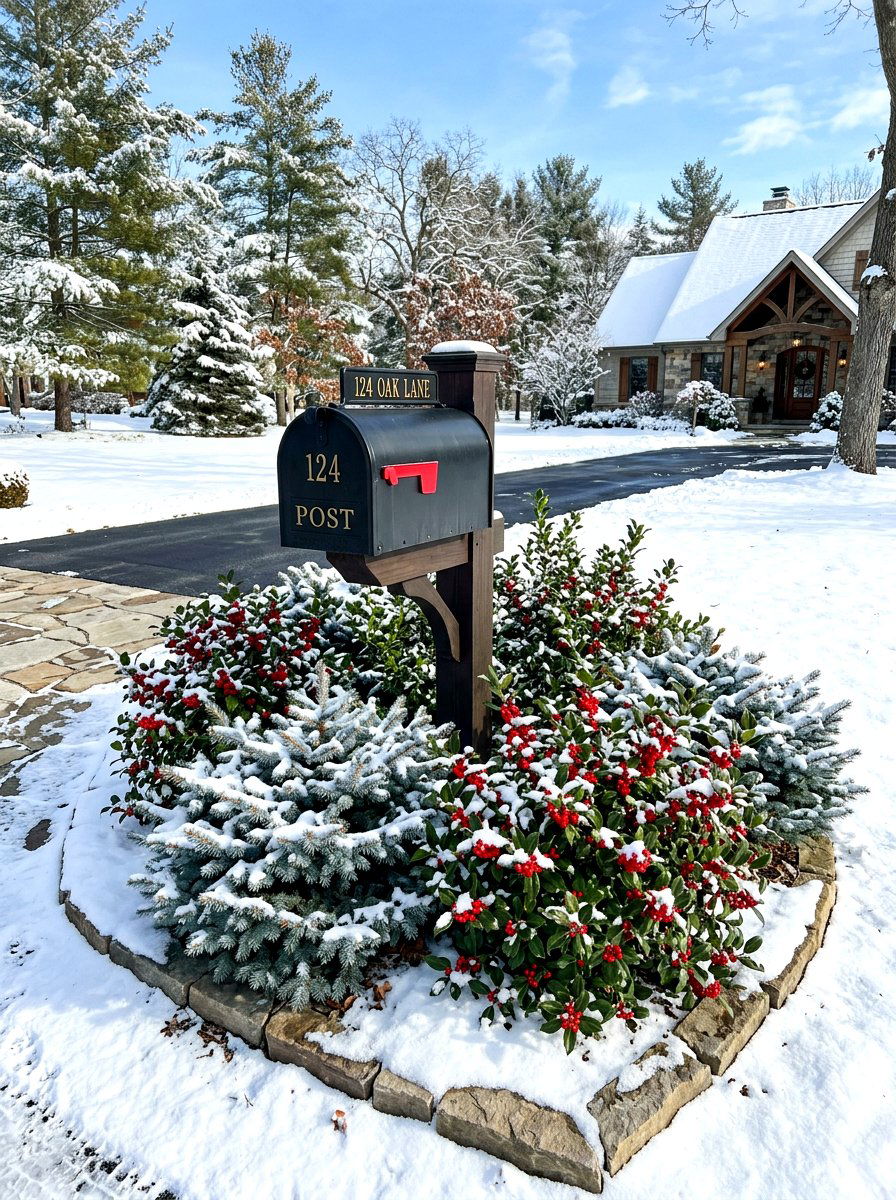
Planting evergreens around your mailbox ensures that your curb appeal stays high even during the bleak winter months. Small shrubs like dwarf spruce, holly, or juniper provide consistent color and structure year-round. These plants are generally very hardy and can withstand the harsh conditions of a roadside environment. You can layer in colorful annuals during the spring and summer for extra interest, but the evergreens provide the permanent backbone of the design. This "set it and forget it" approach is ideal for busy homeowners who want a mailbox that looks professionally landscaped with very little ongoing effort or seasonal replanting.
27. Flowering Rose Mailbox
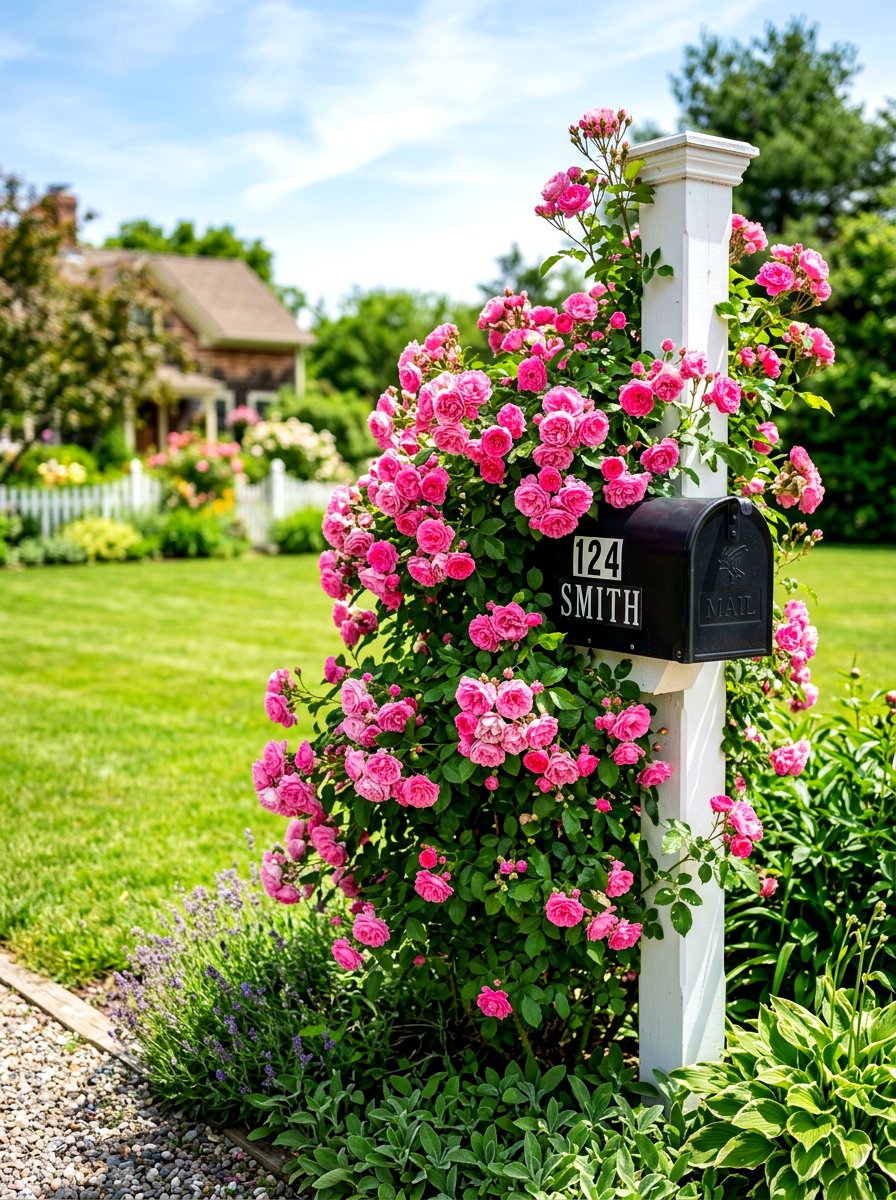
Planting a few rose bushes around your mailbox adds a touch of classic beauty and elegance to your home's entrance. Choose "knockout" or shrub roses, which are bred for their disease resistance and long blooming periods. The vibrant pink, red, or yellow blossoms create a stunning contrast against a white or black mailbox post. Roses provide a traditional look that feels very welcoming and sophisticated. Just be sure to prune them away from the path of the mail carrier to avoid any thorny encounters. The fragrant blooms will make the simple act of fetching your mail a much more enjoyable experience.
28. Birdhouse Mailbox Theme
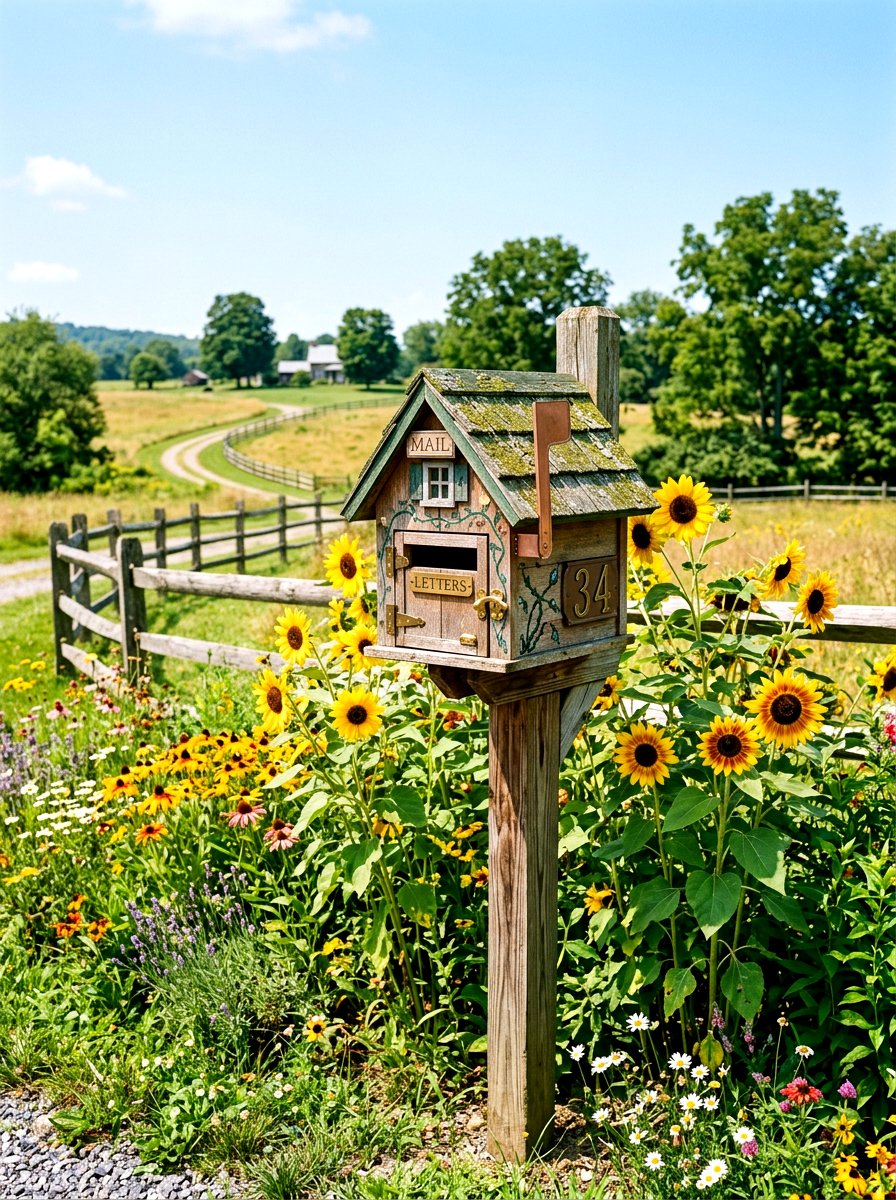
Integrating a birdhouse into your mailbox landscaping adds a charming and whimsical touch to your front yard. You can mount a small, decorative birdhouse on top of the mailbox post or on a separate post tucked into the surrounding flower bed. Pair this feature with bird-friendly plants like sunflowers or coneflowers to create a mini habitat for local wildlife. This design choice is fun and adds a bit of personality to your home's exterior. It is a great conversation starter for neighbors and makes your property feel more lively. This theme is perfect for nature lovers who want a unique and creative curb presence.
29. River Rock Mailbox
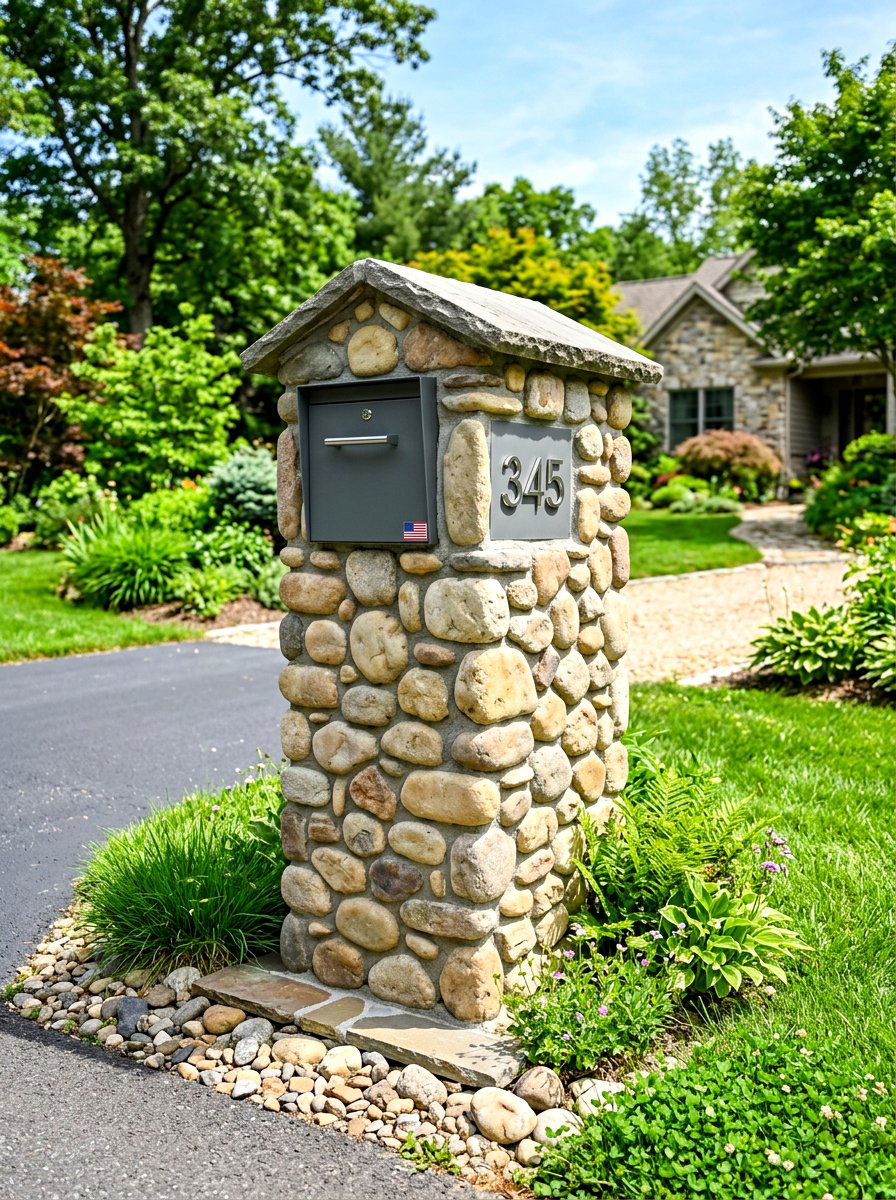
Using large river rocks around the base of your mailbox provides a clean, modern, and very durable landscape solution. The smooth, rounded stones offer a beautiful variety of natural colors from grays to tans. This type of groundcover is excellent for drainage and prevents soil from splashing up onto the post during heavy rains. You can tuck a few drought-tolerant ornamental grasses between the rocks to add height and a touch of softness. This design requires almost zero maintenance and remains looking exactly the same through every season of the year. It is a sleek and highly practical choice for a modern home.
30. Seasonal Flower Mailbox
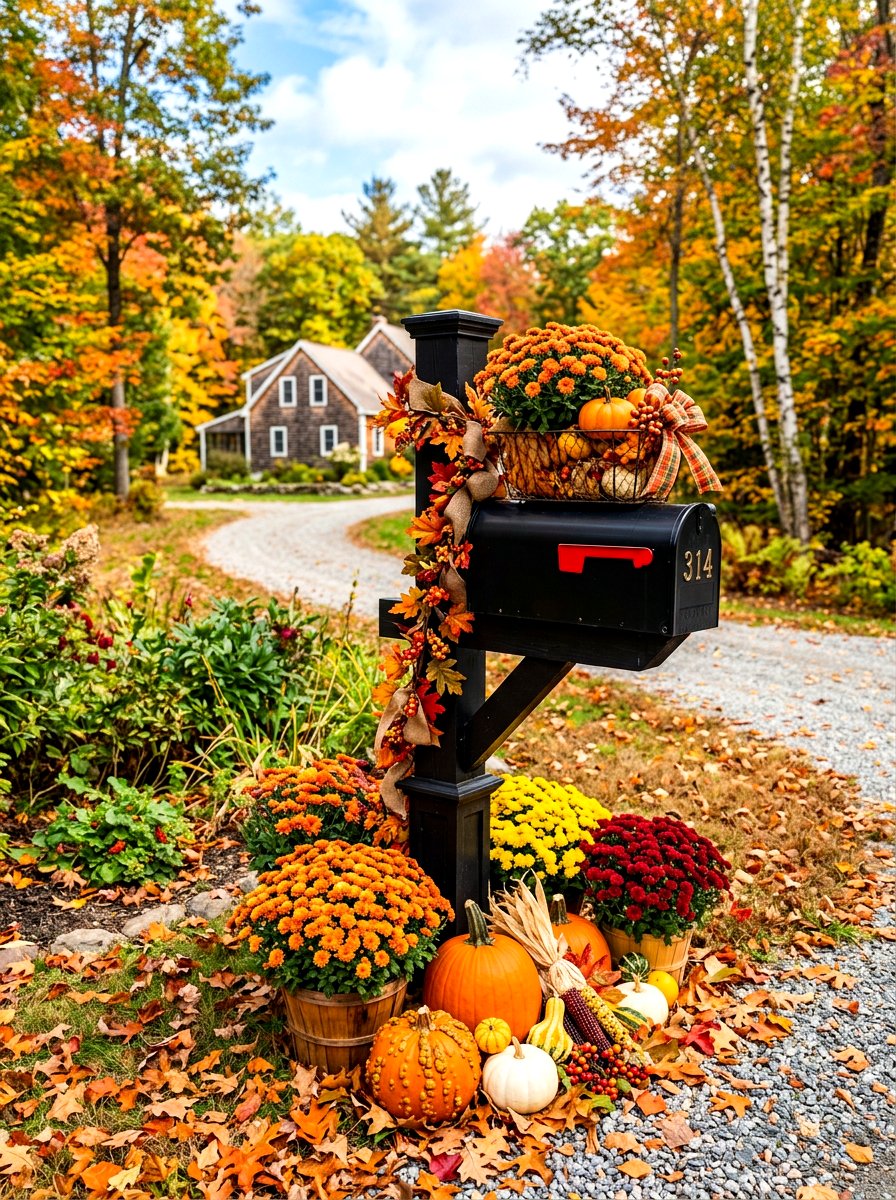
A seasonal flower approach allows you to celebrate every holiday and time of year right at your curb. You can start with pansies and tulips in the spring, move to vibrant begonias in the summer, and finish with chrysanthemums and ornamental kale in the fall. During the winter, you can use evergreen boughs or decorative berries to keep the area looking festive. This strategy requires a bit more effort, but it ensures that your mailbox is always the most eye-catching one on the street. It reflects a high level of care for your home and brings a rotating display of color to the neighborhood.
Conclusion:
Transforming your mailbox area with thoughtful landscaping is one of the quickest ways to improve your home 's overall curb appeal. Whether you choose the structural elegance of a brick column, the low-maintenance ease of a rock garden, or the lush beauty of a perennial flower bed, the result is a more welcoming and polished exterior. These projects are often small enough to be completed in a single weekend but offer lasting value and personal satisfaction. By selecting plants and materials that reflect your home' s style and your personal maintenance level, you create a beautiful first impression that greets you and your guests every single day.

Related posts: