thoughtful instructions Native wildflowers transform backyards into vibrant ecosystems that require far less water and effort than traditional turf. Choosing regional plants supports local pollinators like bees and butterflies while creating a unique aesthetic that feels both wild and intentional. These landscapes celebrate the natural beauty of your specific environment, offering a tapestry of colors and textures that change with every season. Beyond their visual appeal, native gardens are incredibly practical for modern homeowners looking to reduce their carbon footprint and eliminate the need for harmful chemicals. This guide explores thirty comprehensive ways to integrate native wildflowers into your backyard, ensuring a lush, sustainable, and viral-worthy outdoor retreat.
1. Butterfly Garden
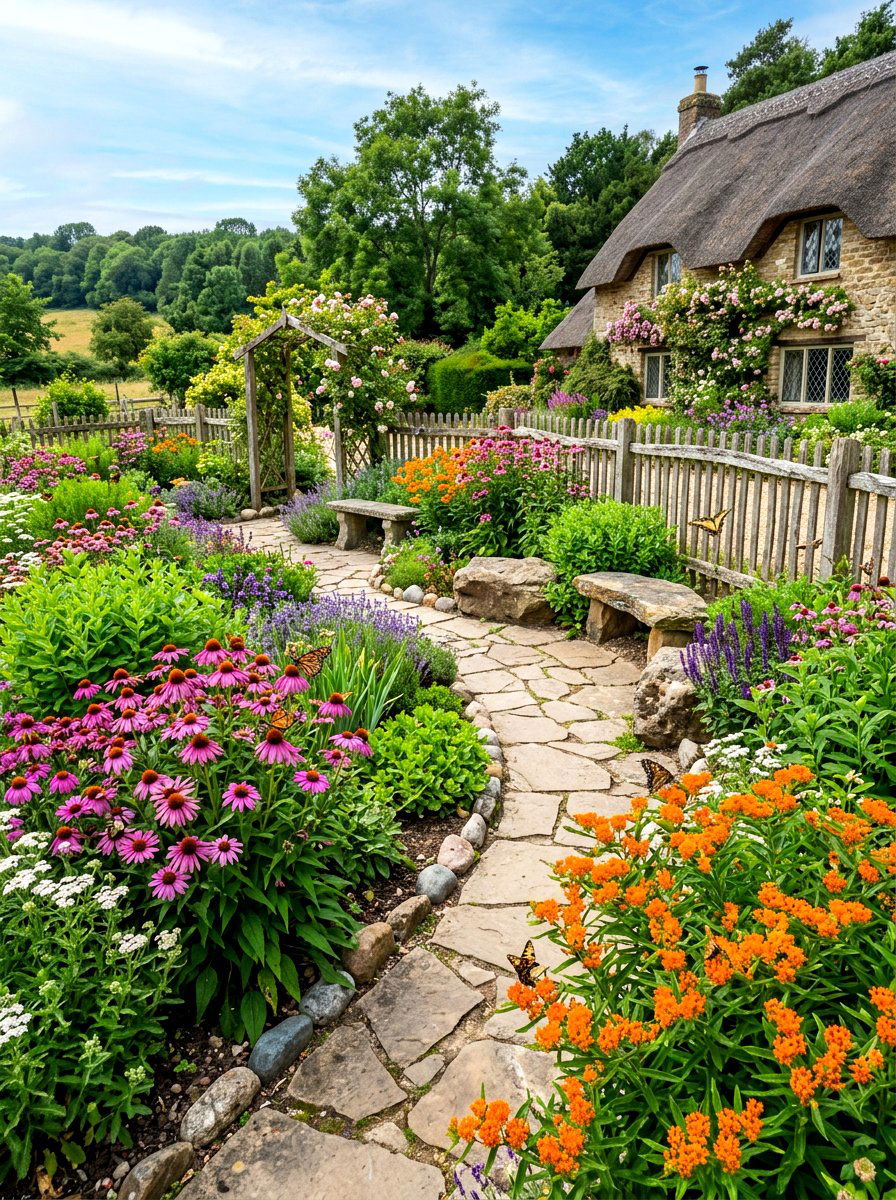
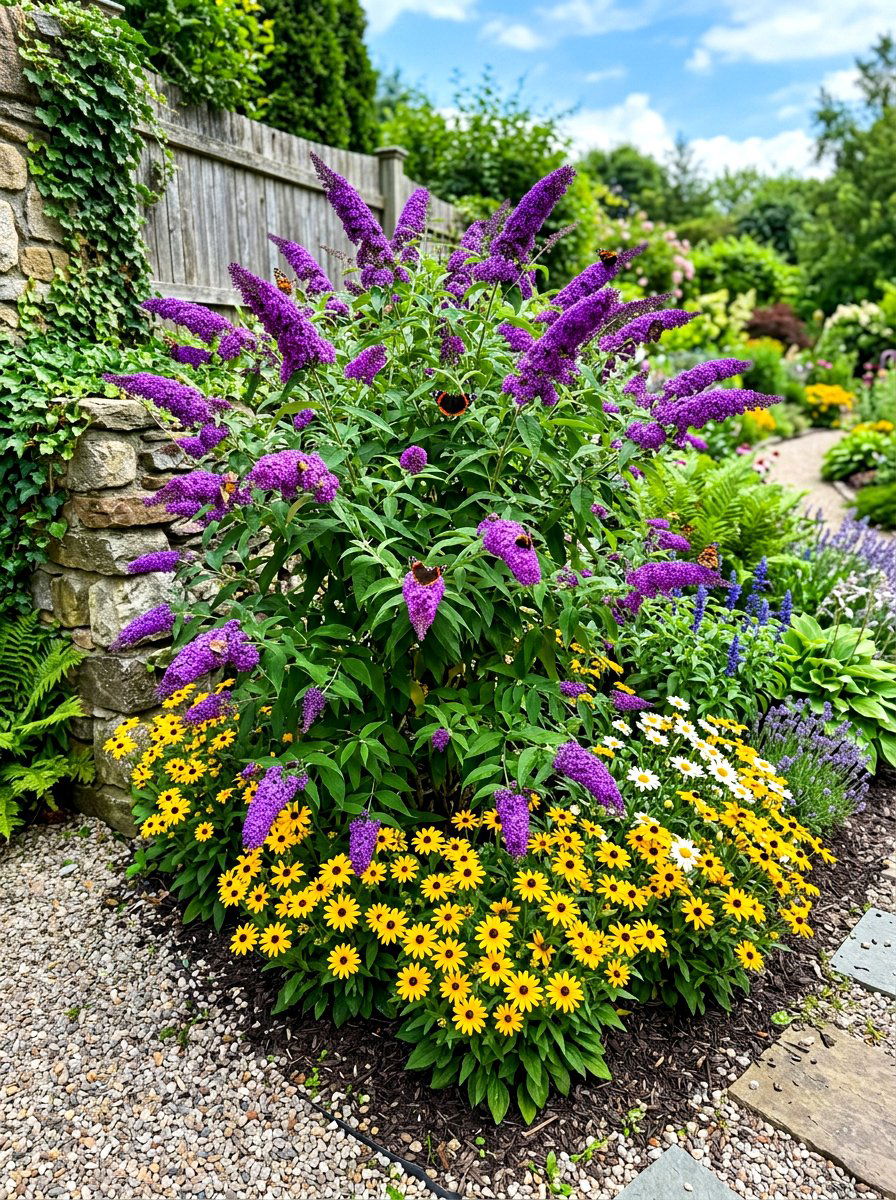
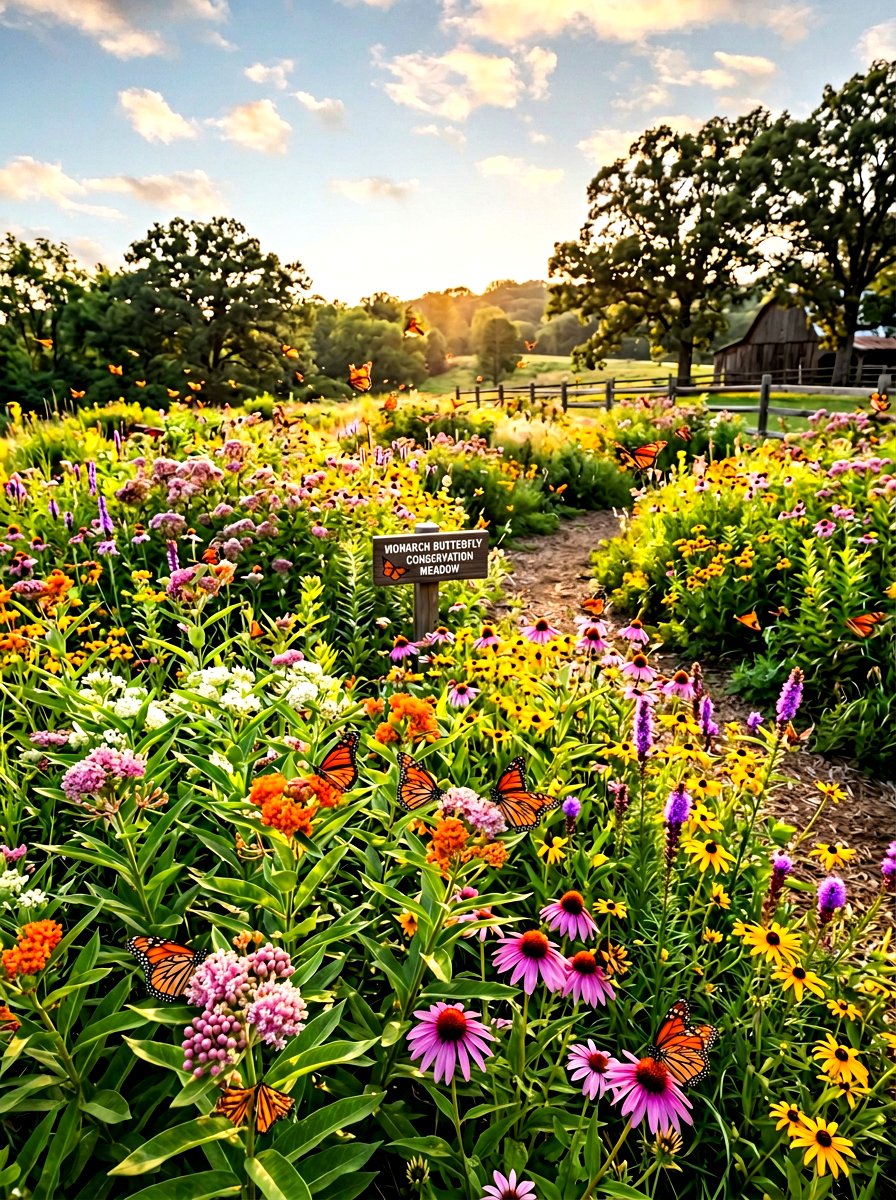
A butterfly garden focuses on creating a multi-stage habitat that supports both caterpillars and adult winged visitors. You should select host plants like milkweed and nectar-rich flowers such as coneflowers to provide food and shelter throughout the season. These gardens often feature large clusters of same-colored blooms to help butterflies easily locate their next meal from the air. Incorporating flat stones allows these delicate insects to rest and warm their wings in the afternoon sun. By layering different heights of wildflowers, you create a protected environment that blocks harsh winds. This design transforms any sunny corner into a bustling, colorful sanctuary for local species.
2. Rain Garden
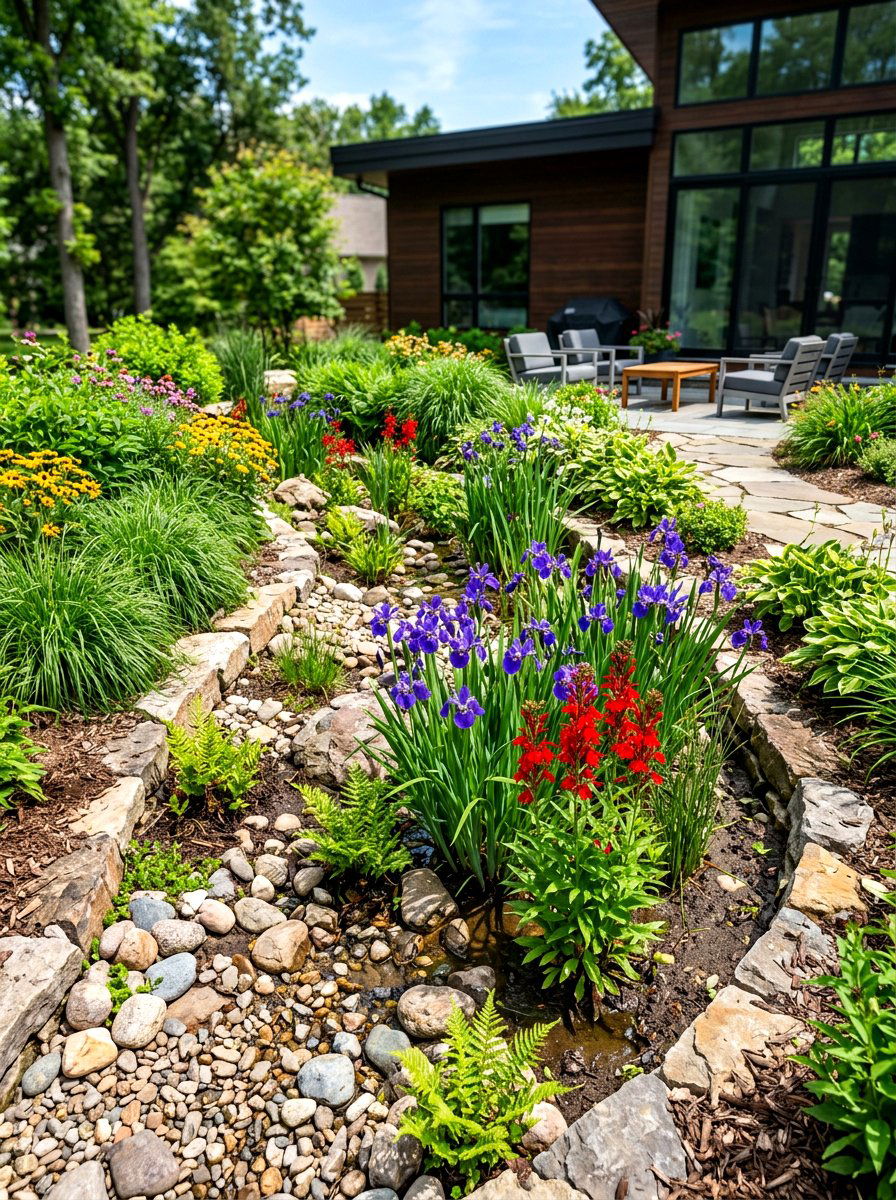
Rain gardens are functional and beautiful depressions designed to capture and soak up local stormwater runoff. These areas utilize moisture-loving native wildflowers like cardinal flowers and blue flag iris to filter pollutants before they reach the water table. The soil is usually amended to improve drainage while the plants thrive in the alternating wet and dry conditions. A well-designed rain garden prevents erosion and reduces the standing water that often attracts mosquitoes in traditional backyards. Positioning this feature near downspouts or at the base of a slope makes it a central focal point. It adds lush, green depth to the lowest parts of your landscape.
3. Wildflower Meadow
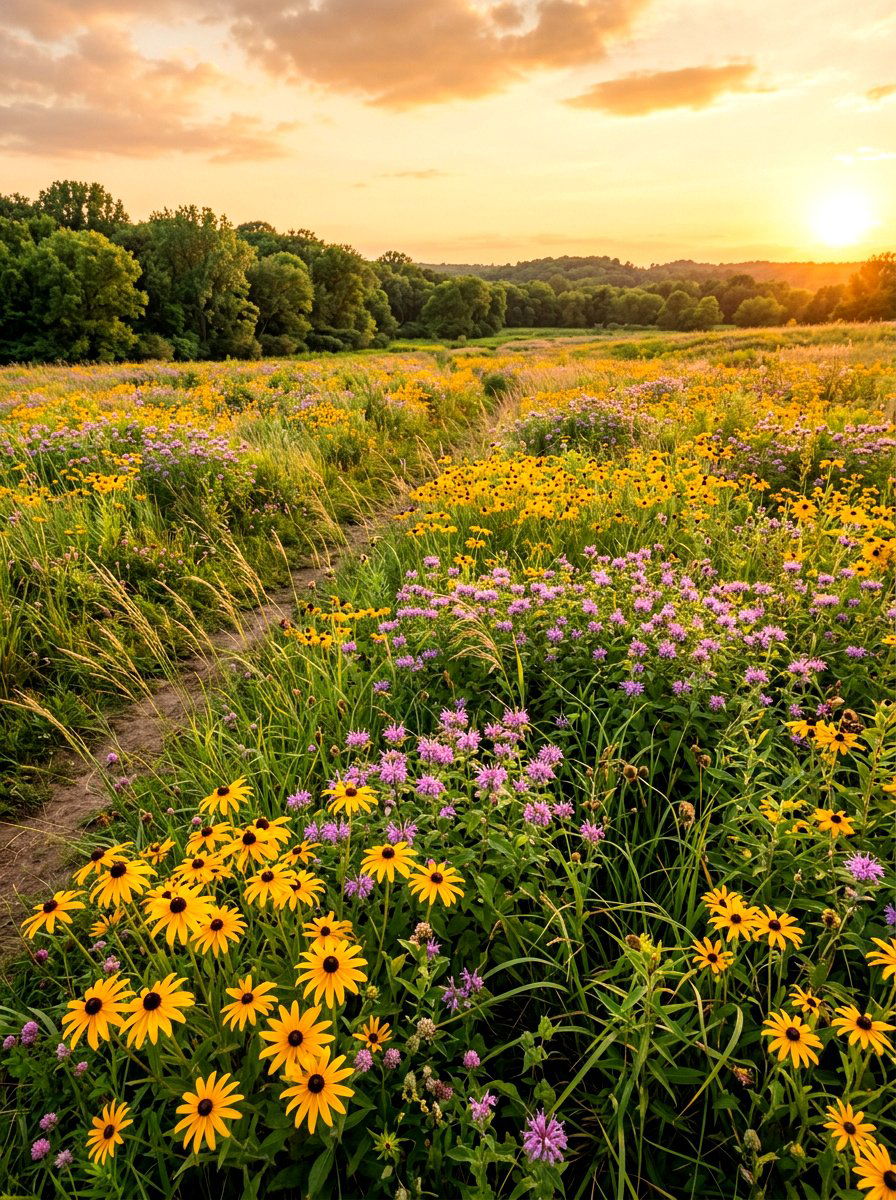
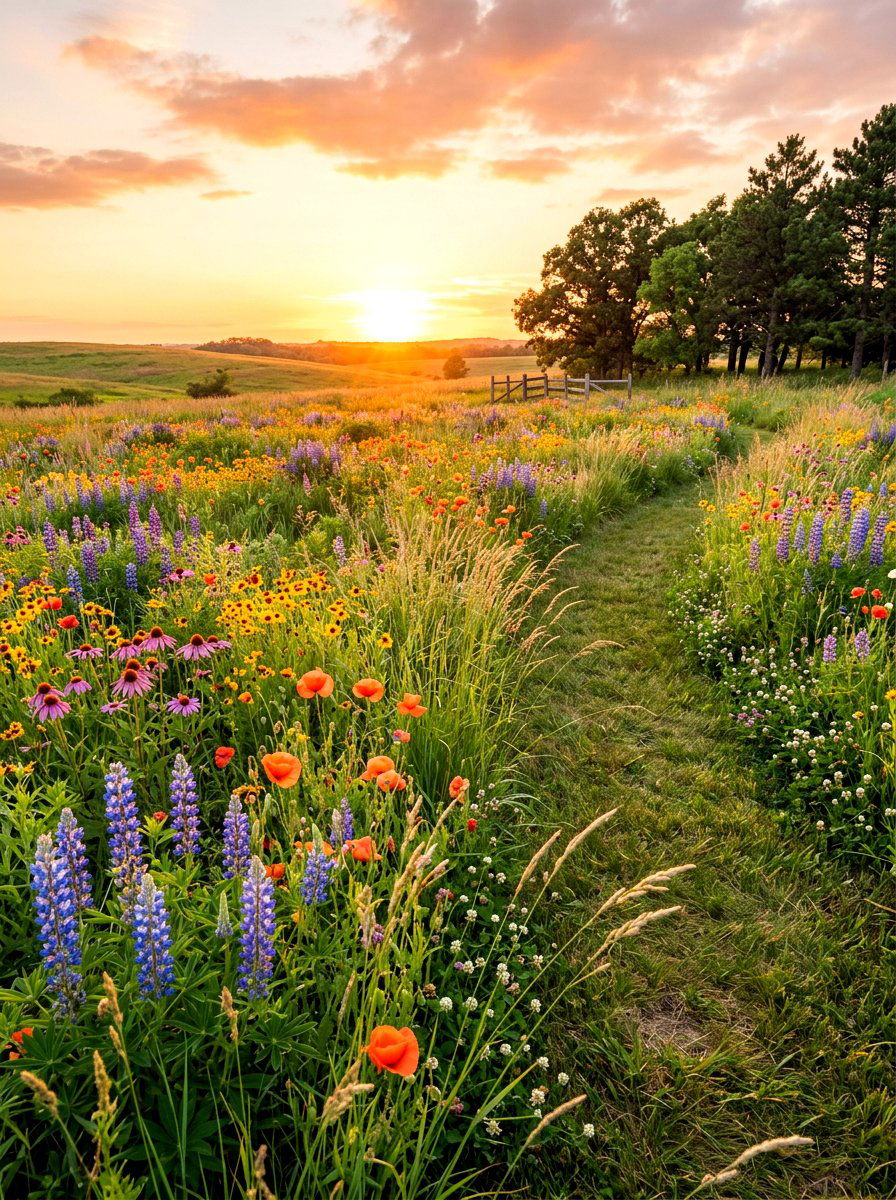
A wildflower meadow offers a sprawling, naturalistic look that replaces traditional high-maintenance grass lawns with diverse floral species. This design involves a mix of native grasses and flowering perennials like black-eyed Susans and wild bergamot. These areas provide massive amounts of pollen and nesting sites for a wide variety of local wildlife. Mowing only once a year in late winter helps maintain the meadow and allows seeds to drop for next year. The result is a dynamic landscape that shifts in color from the bright yellows of summer to the deep purples of fall. It is a perfect solution for large, open backyard spaces.
4. Woodland Garden
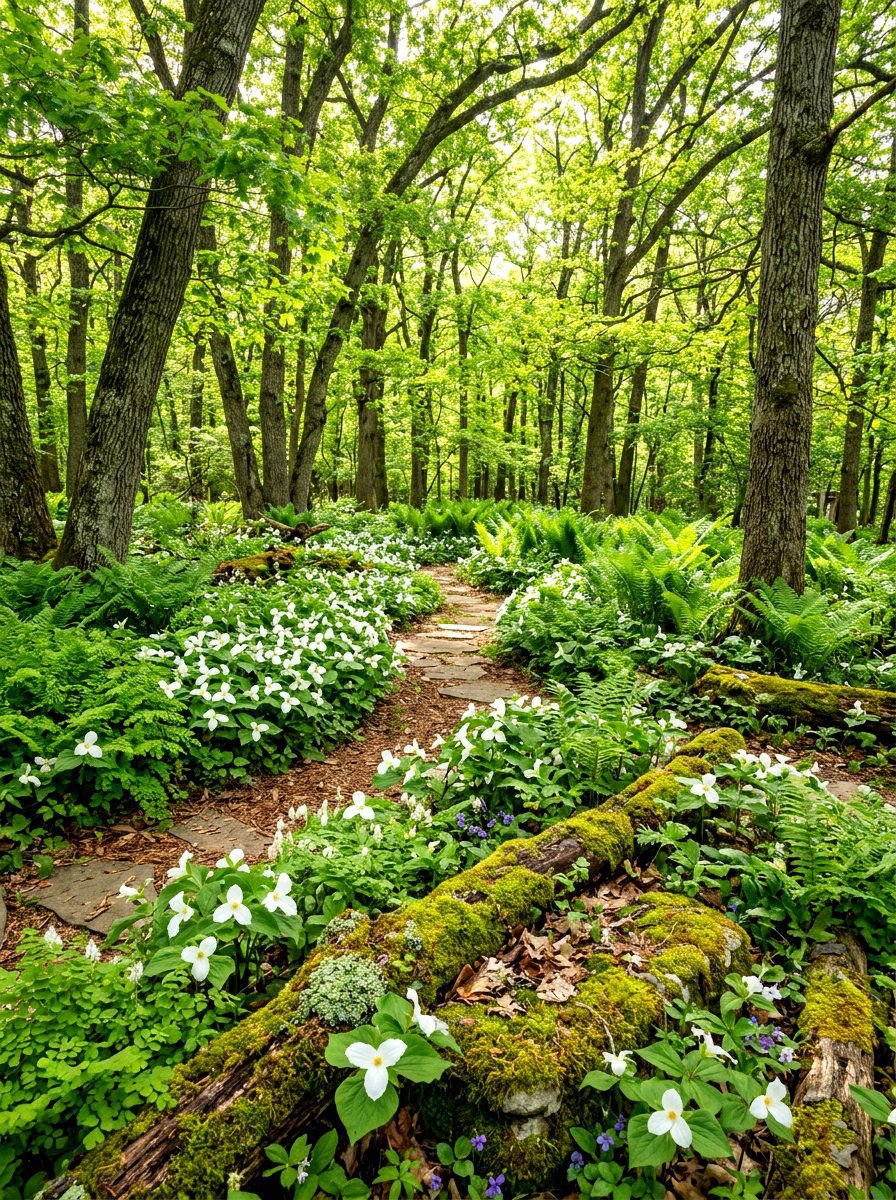
Woodland gardens thrive in the dappled light beneath mature trees where traditional flowers often struggle to survive. These spaces utilize shade-tolerant native species like trillium, wild ginger, and columbine to create a lush forest floor aesthetic. Incorporating decaying logs or leaf mulch adds to the natural feel while providing essential nutrients to the soil over time. This design focuses on various shades of green and delicate textures rather than just bold colors. Ferns often serve as the structural backdrop for the smaller, more intricate woodland wildflowers. It provides a cool, tranquil retreat during the heat of the summer months in any backyard.
5. Pollinator Garden
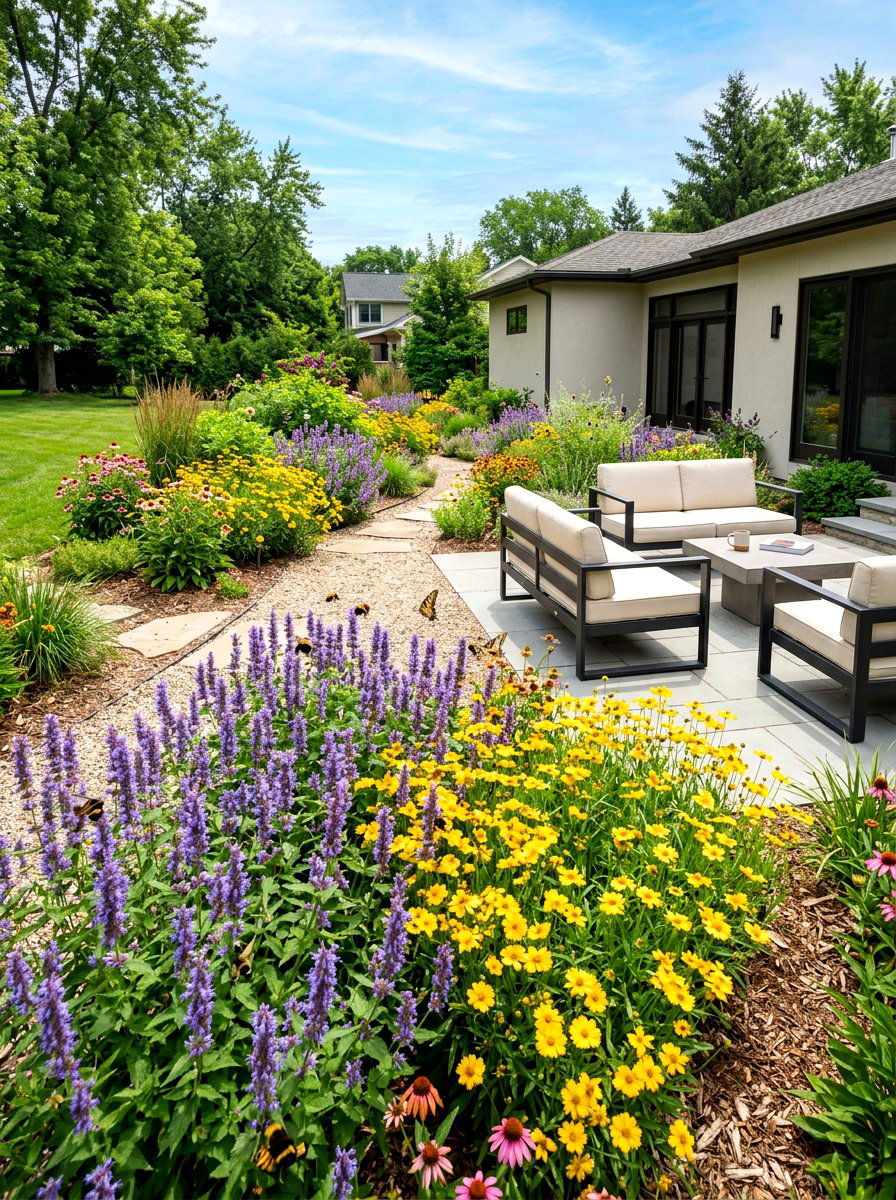
Pollinator gardens are specifically designed to provide continuous food sources for bees, moths, and other essential insects throughout the growing season. This layout prioritizes a variety of bloom shapes and sizes, ensuring that different species can access nectar easily. You might include tubular flowers like penstemon alongside flat-topped blooms like yarrow to attract the widest range of visitors. Grouping plants in large drifts makes them more visible to pollinators and creates a high-impact visual display for the homeowner. This design works best in full sun locations where insects are most active. It turns a simple backyard patch into a thriving, life-supporting ecological hub.
6. Xeriscape Backyard
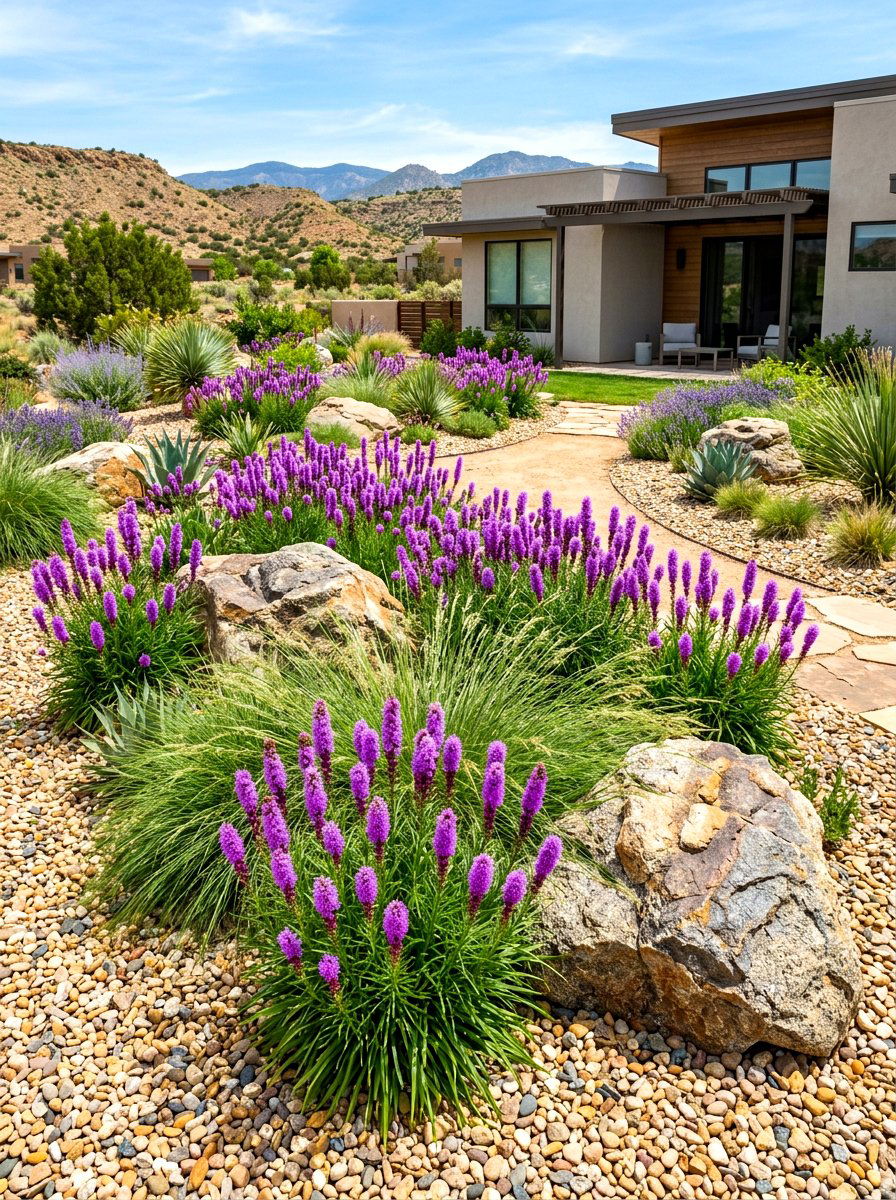
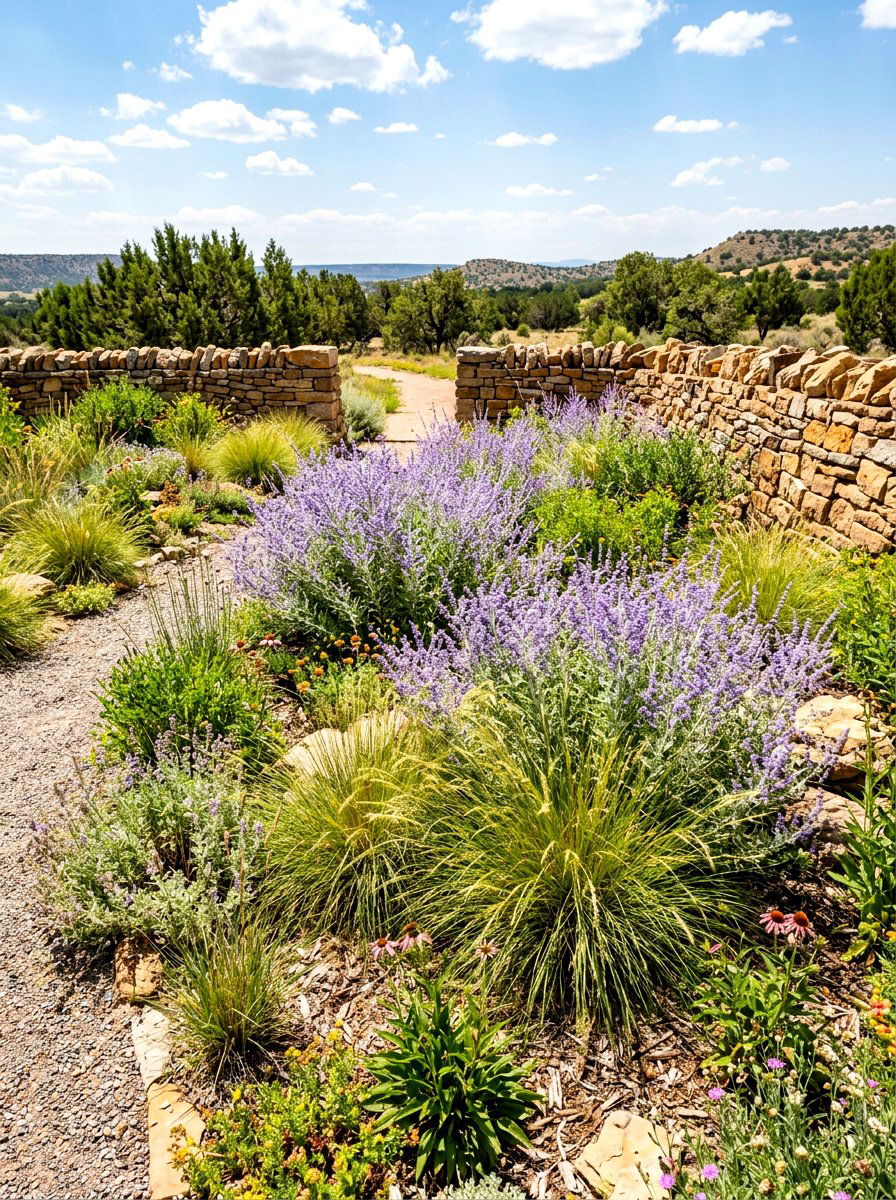
Xeriscape backyards focus on water conservation by utilizing drought-tolerant native wildflowers that require little to no supplemental irrigation once established. This design often features gravel mulch and rock accents to complement the rugged beauty of plants like blazing star and prairie dropseed. By selecting species adapted to your local rainfall patterns, you eliminate the need for expensive watering systems and constant maintenance. These gardens look best when layered with different heights and textures to avoid a sparse or barren appearance. The color palette often leans toward earthy tones with pops of vibrant flower color. It is an ideal solution for dry climates or sunny southern exposures.
7. Prairie Landscape
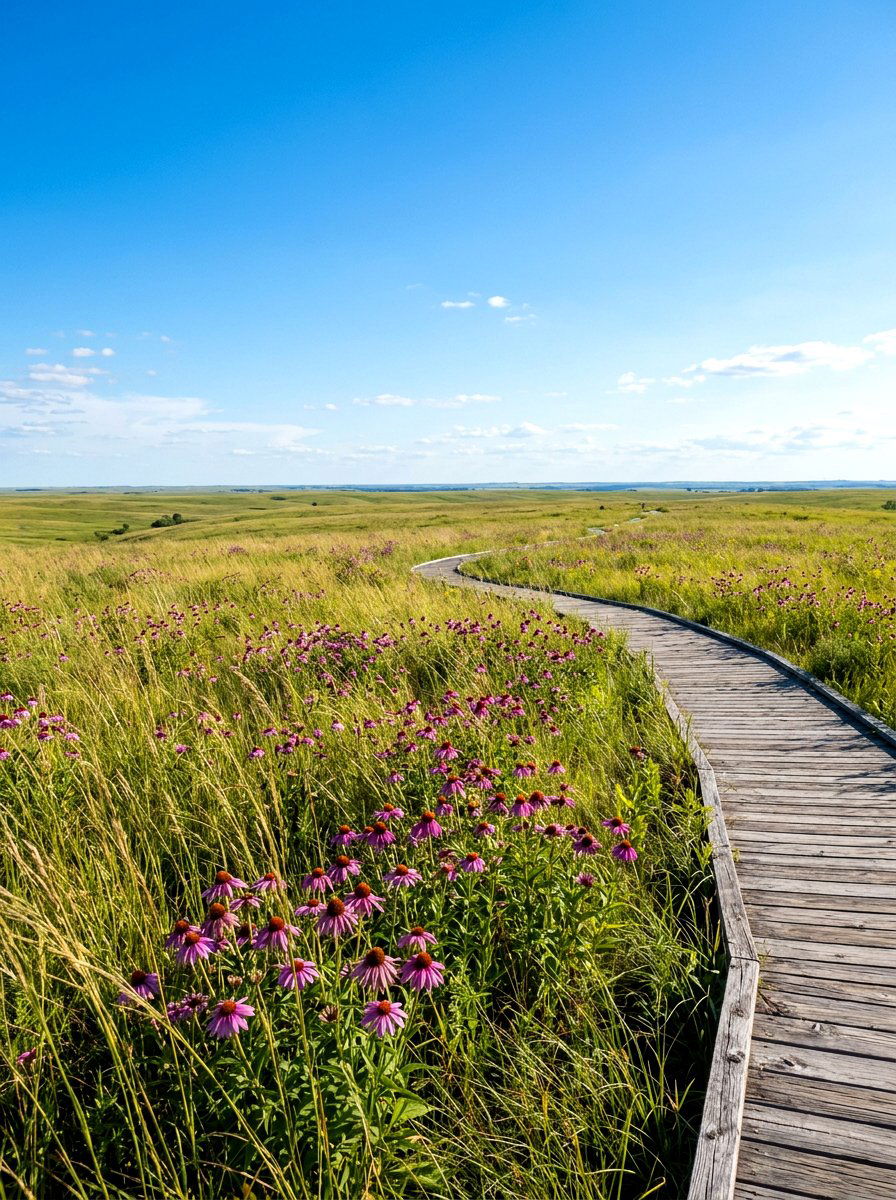
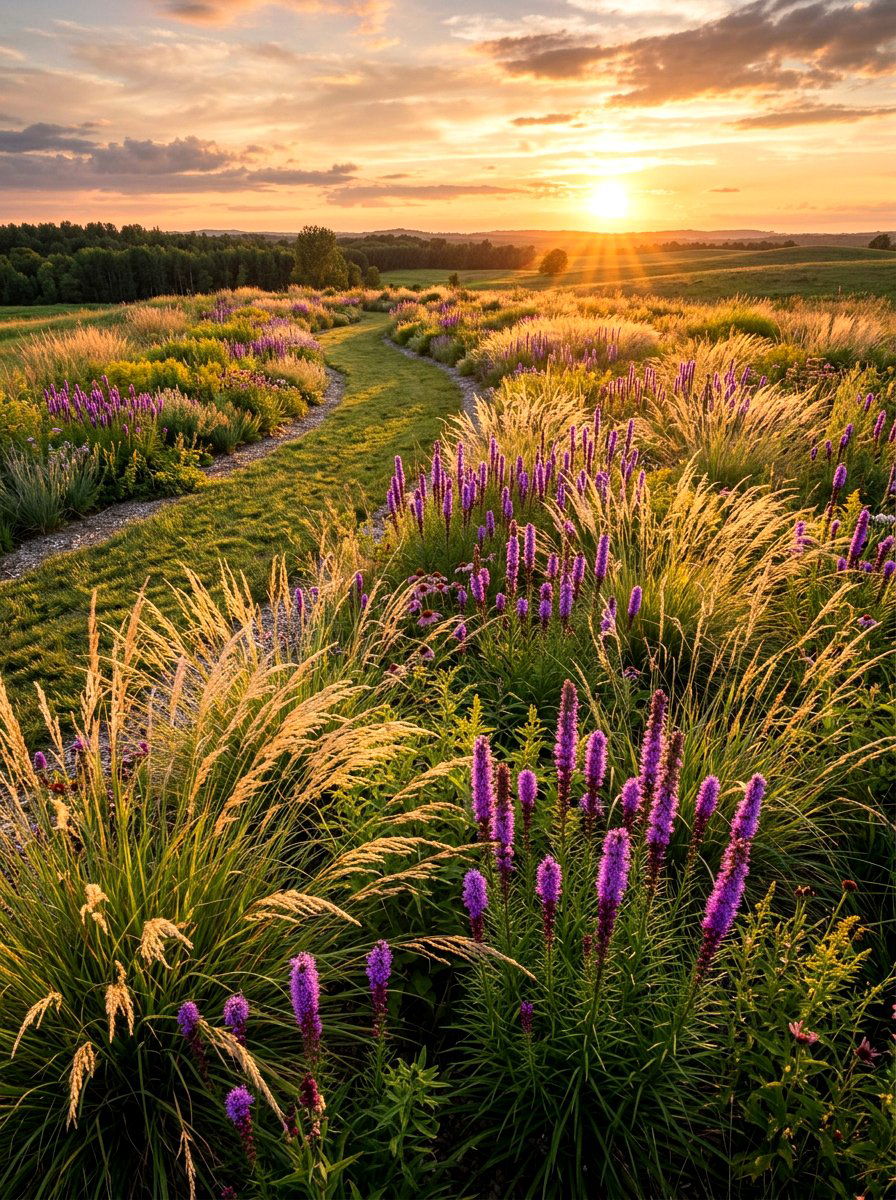
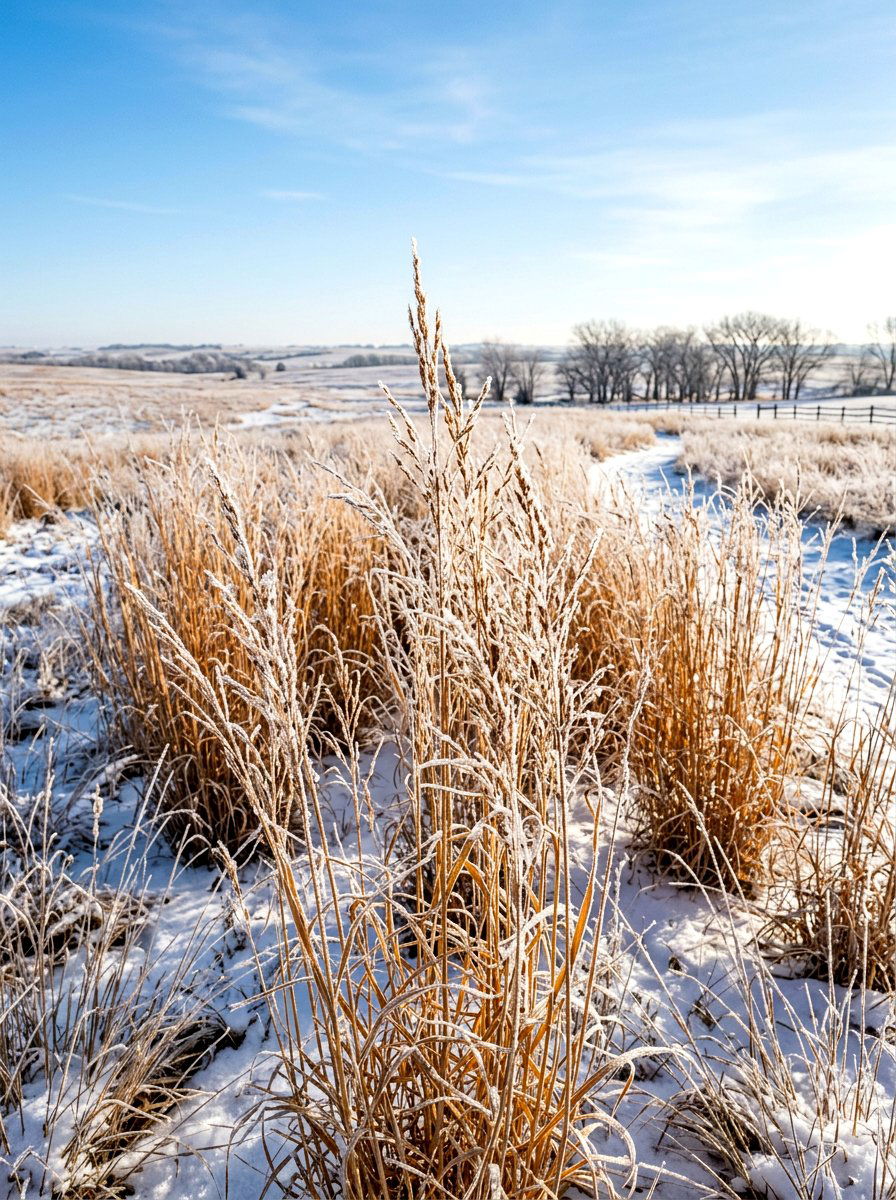
A prairie landscape recreates the vast, open grasslands of North America using tall native grasses and sturdy wildflowers. This design is characterized by its vertical interest, featuring plants like big bluestem and switchgrass mixed with purple coneflowers. These deep-rooted plants are excellent for soil health and can withstand extreme weather conditions like wind and drought. The movement of the tall grasses in the breeze adds a sensory element of sound and motion to the backyard. Prairie gardens provide significant winter interest as the seed heads and golden stalks remain standing through the snow. They are highly sustainable and provide year-round habitat for various birds.
8. Rock Garden
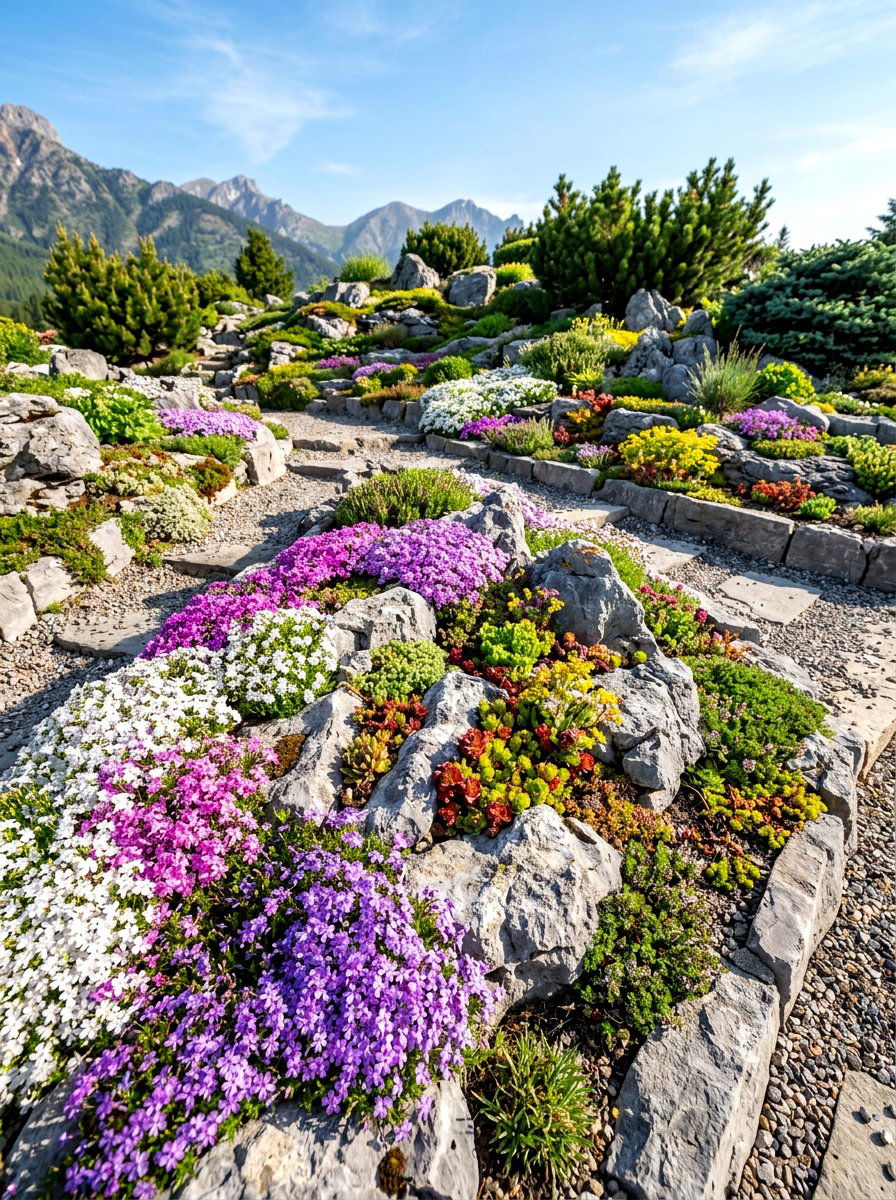
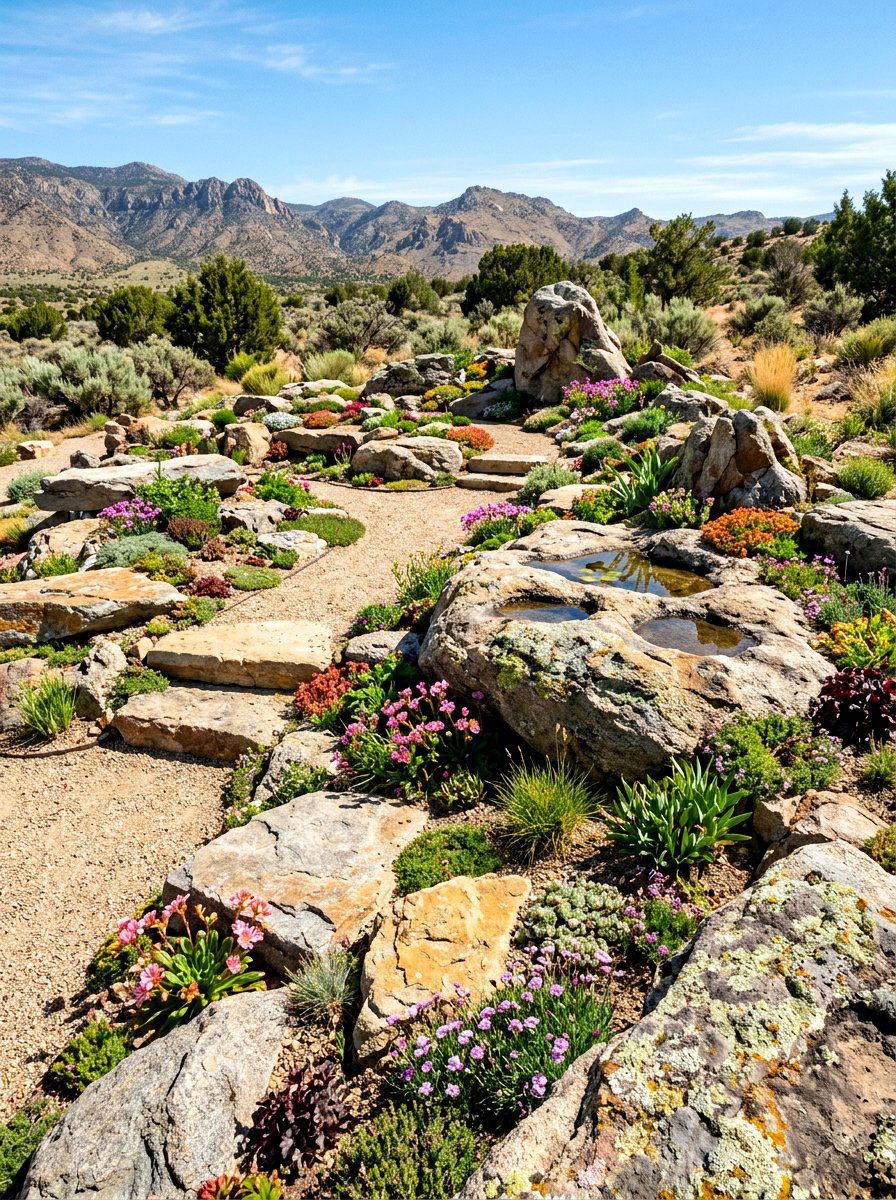
Rock gardens integrate native wildflowers into stony terrains, mimicking the harsh but beautiful alpine or desert environments. This design uses crevices and gravelly soil to support low-growing, hardy species like stonecrop, moss phlox, and wild thyme. Large boulders serve as structural anchors, while smaller rocks help regulate soil temperature and moisture for the delicate roots. This layout is perfect for sloped areas where traditional gardening is difficult or where soil is naturally thin and rocky. The contrast between the hard, gray stones and the soft, colorful flower petals creates a sophisticated look. It offers a low-profile aesthetic that feels both modern and naturally aged.
9. Container Garden
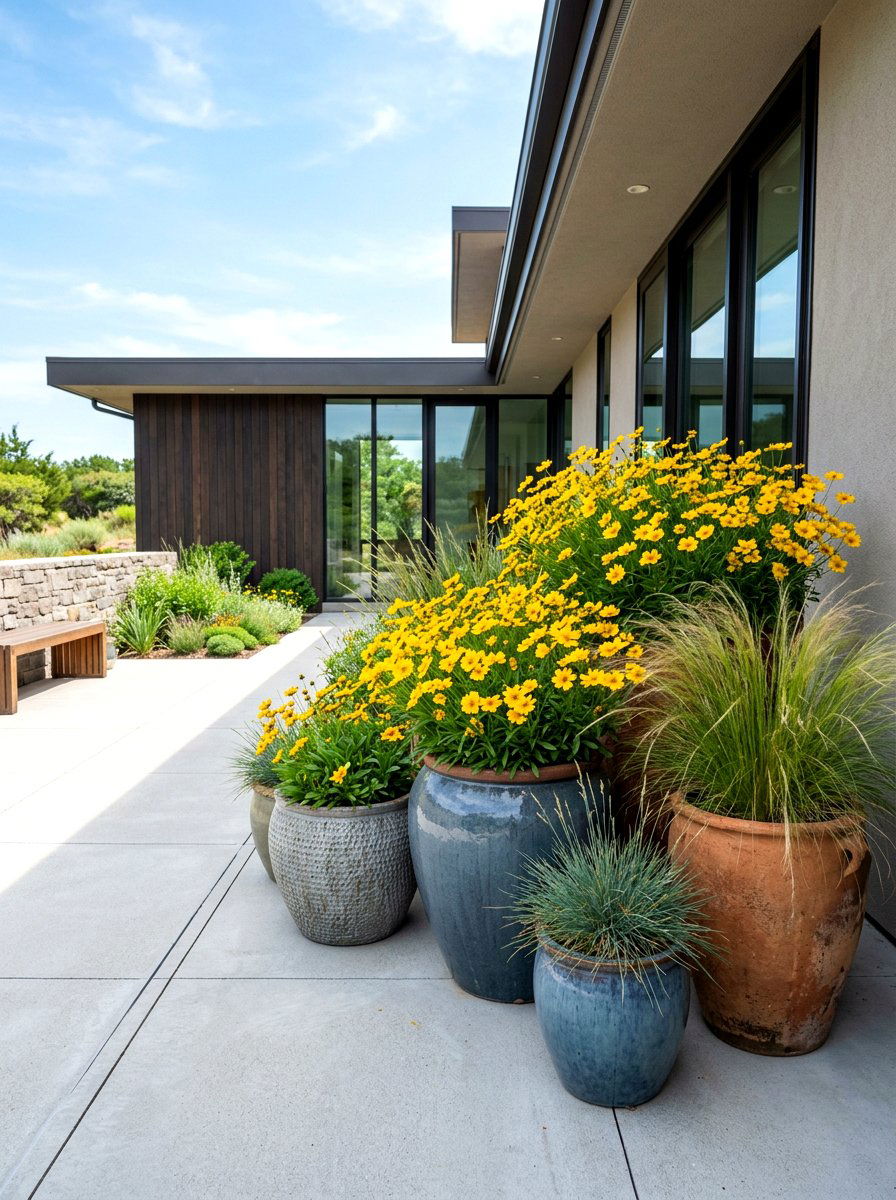
Container gardens allow homeowners with limited space or poor soil to enjoy the beauty of native wildflowers on patios. You can use large pots or whiskey barrels to house species like coreopsis, dwarf bee balm, and small native grasses. This approach provides flexibility, as containers can be moved to follow the sun or rearranged to change the backyard look. Using high-quality potting mix ensures the plants receive proper drainage and nutrients throughout the summer months. These mini-habitats still attract butterflies and bees, bringing nature closer to your outdoor living areas. It is an approachable way to start native gardening without committing to a full landscape renovation.
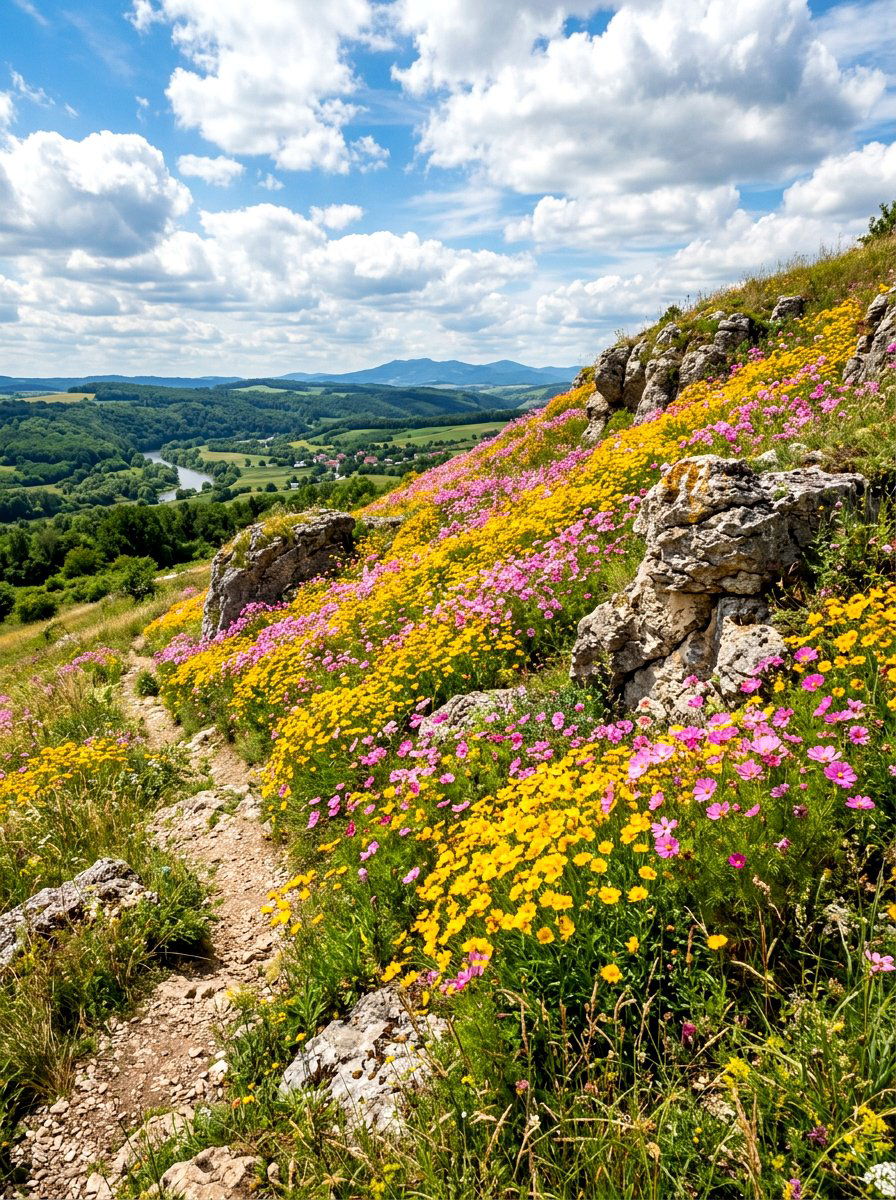
10. Wildlife Garden
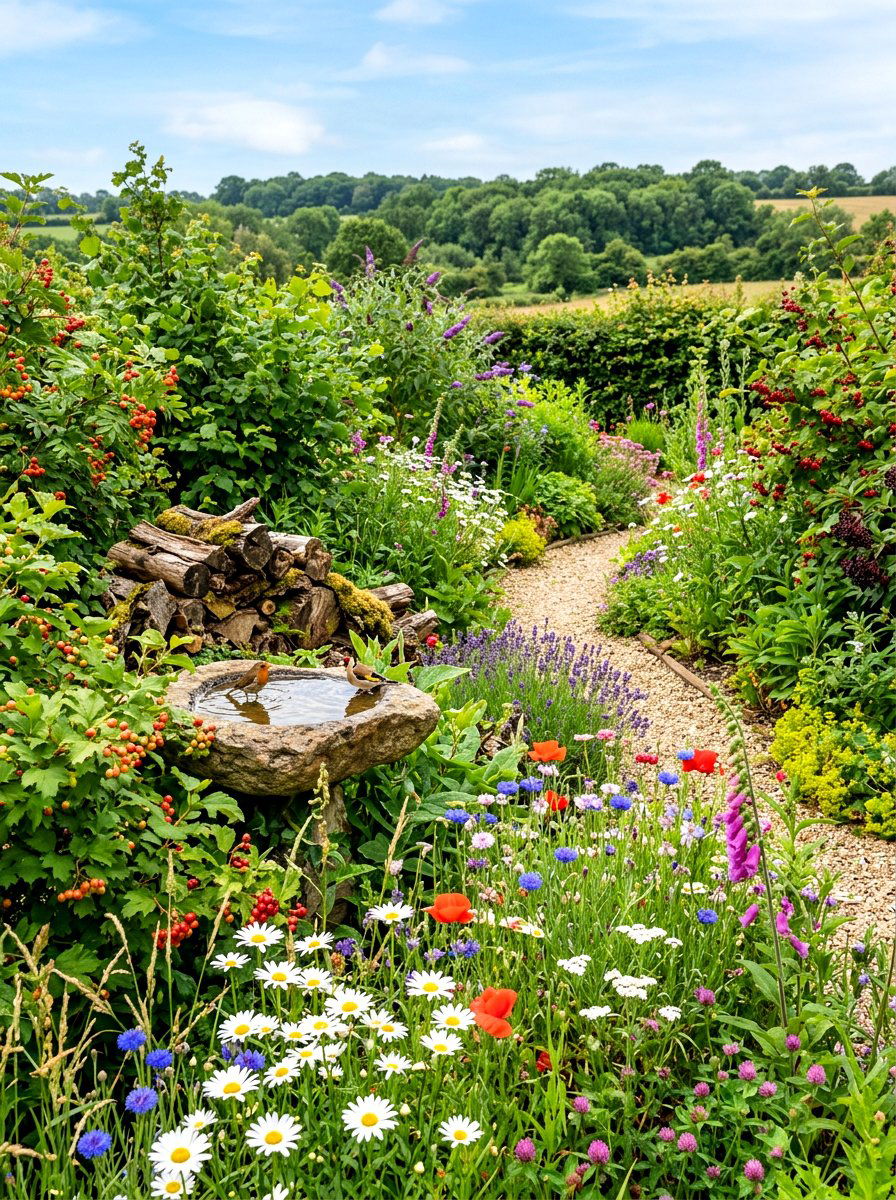
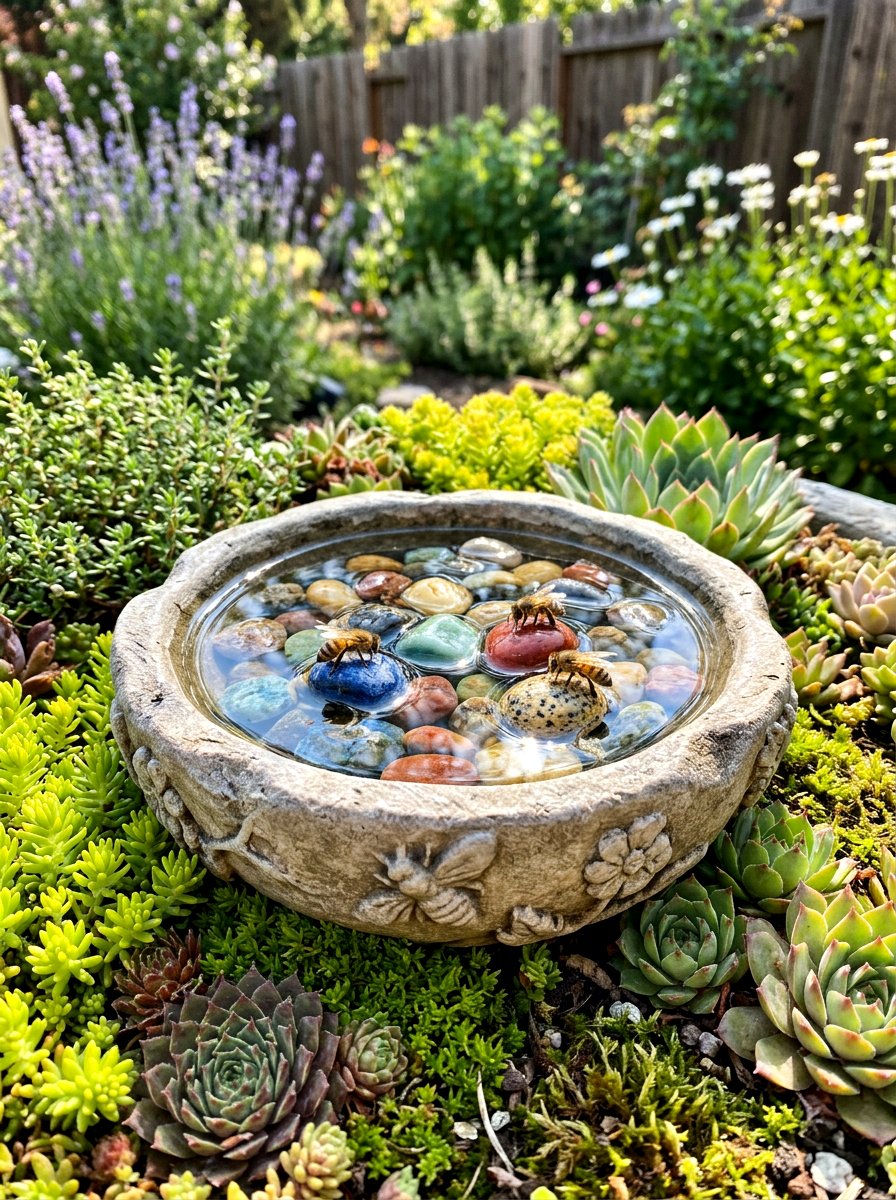
Wildlife gardens are designed to provide food, water, and shelter for a broad spectrum of local animals. This comprehensive layout includes native wildflowers for nectar, shrubs for berries, and small brush piles for nesting sites. Features like a small pond or a simple birdbath are often integrated as central water sources for thirsty visitors. The design prioritizes diversity over neatness, allowing some areas to go to seed to provide winter food for birds. This creates a backyard that is constantly alive with activity, from singing birds to scurrying small mammals. It fosters a deep connection between the homeowner and the local ecosystem through daily observation.
11. Garden Path
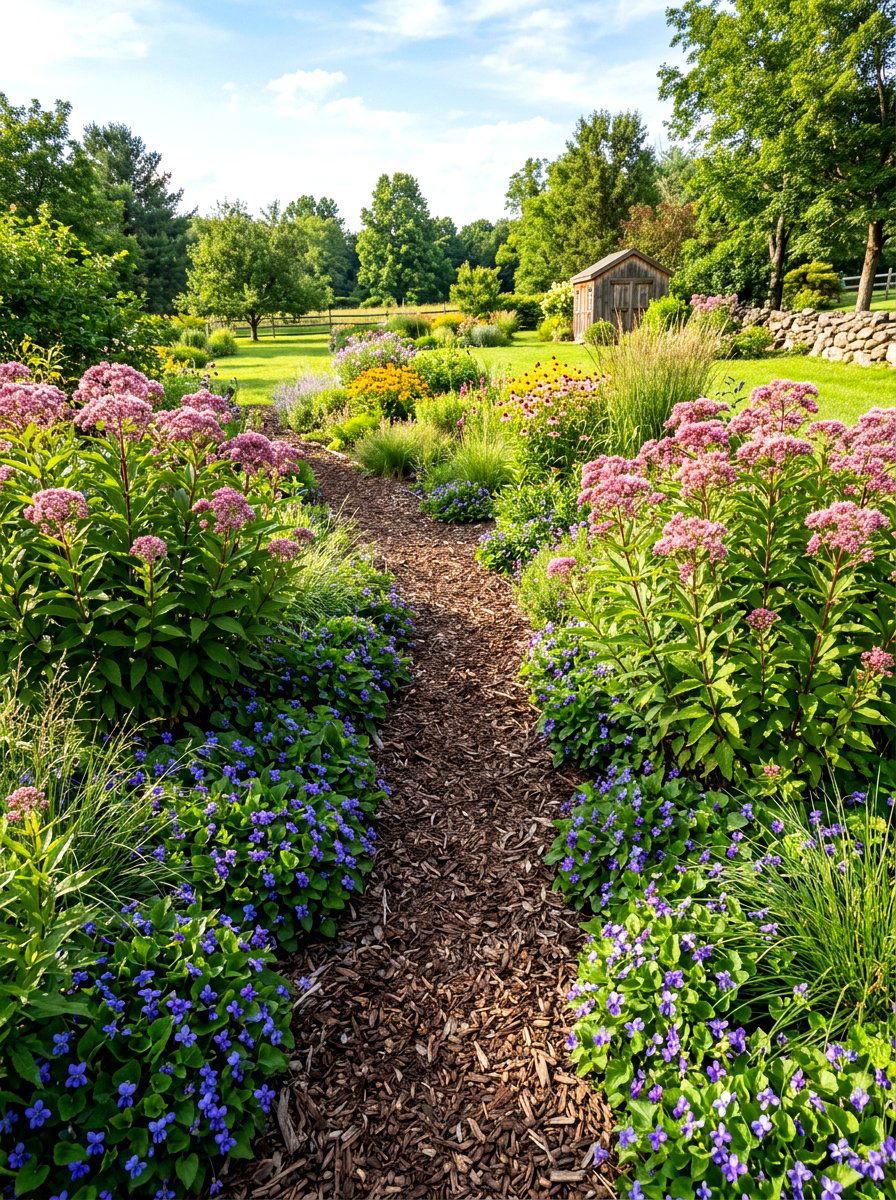
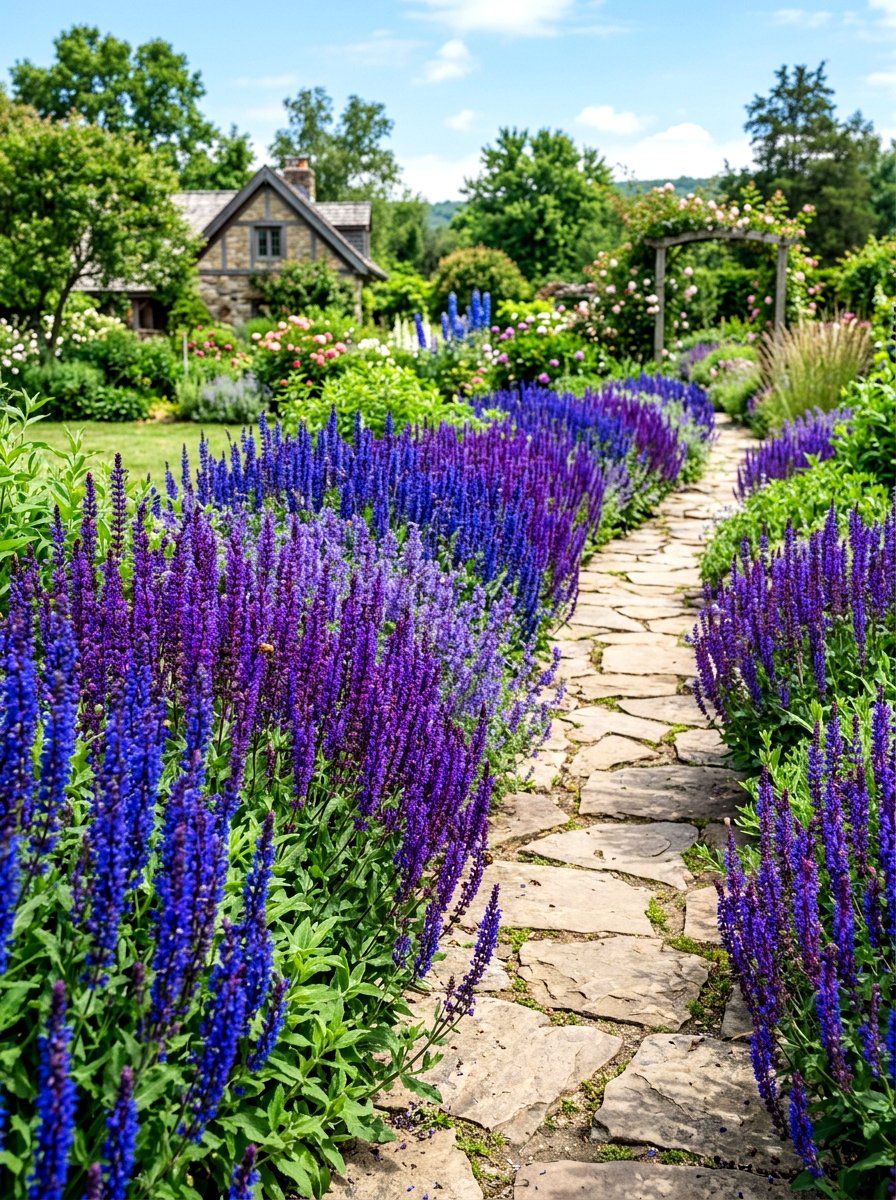
A garden path lined with native wildflowers creates an immersive experience that guides visitors through the natural beauty of the yard. You can use soft materials like wood chips or stepping stones surrounded by low-growing wildflowers like violets or wild strawberries. This design allows you to appreciate the intricate details and fragrances of the plants as you walk by them. Taller species like Joe Pye weed can be planted further back to create a sense of enclosure and mystery. The path acts as a structural element that organizes the "wildness" of the native plants into a legible landscape. It makes the entire backyard feel more accessible and inviting.
12. Bird Garden
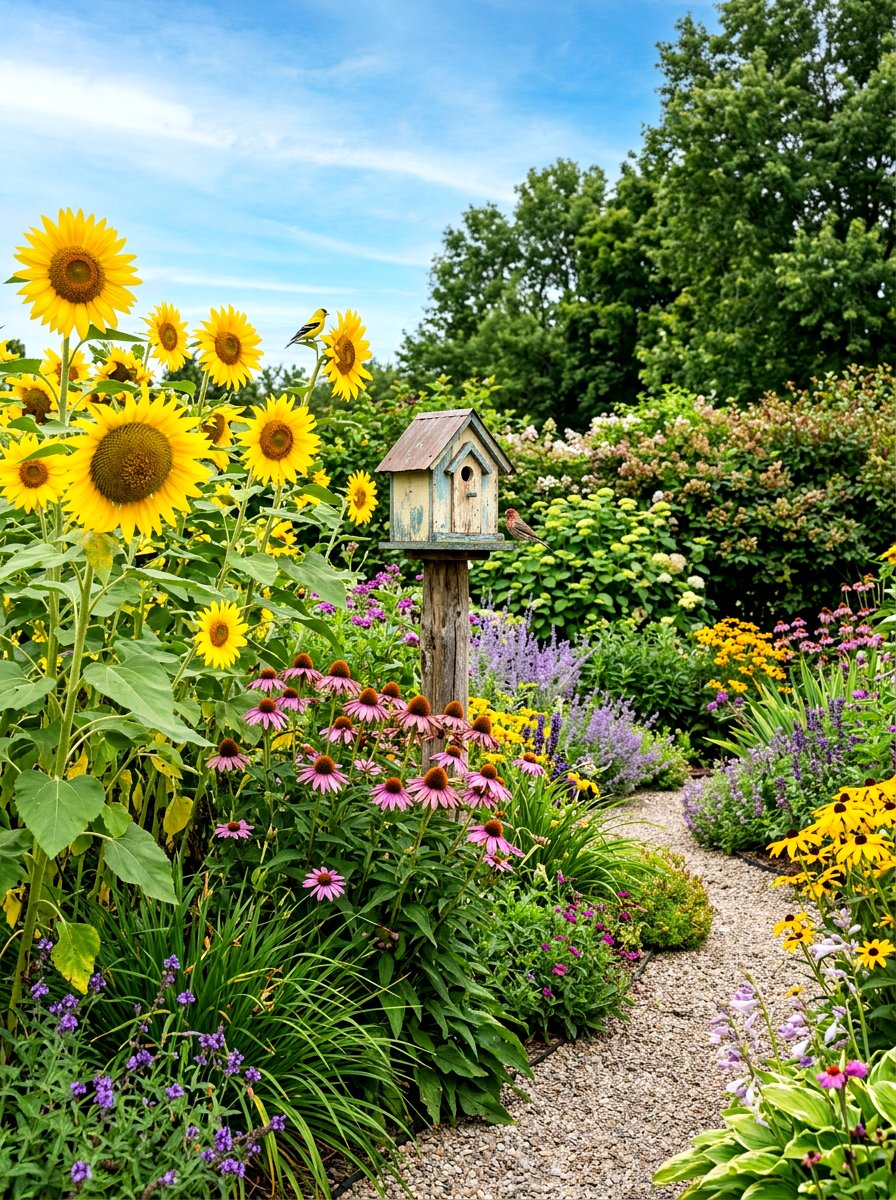
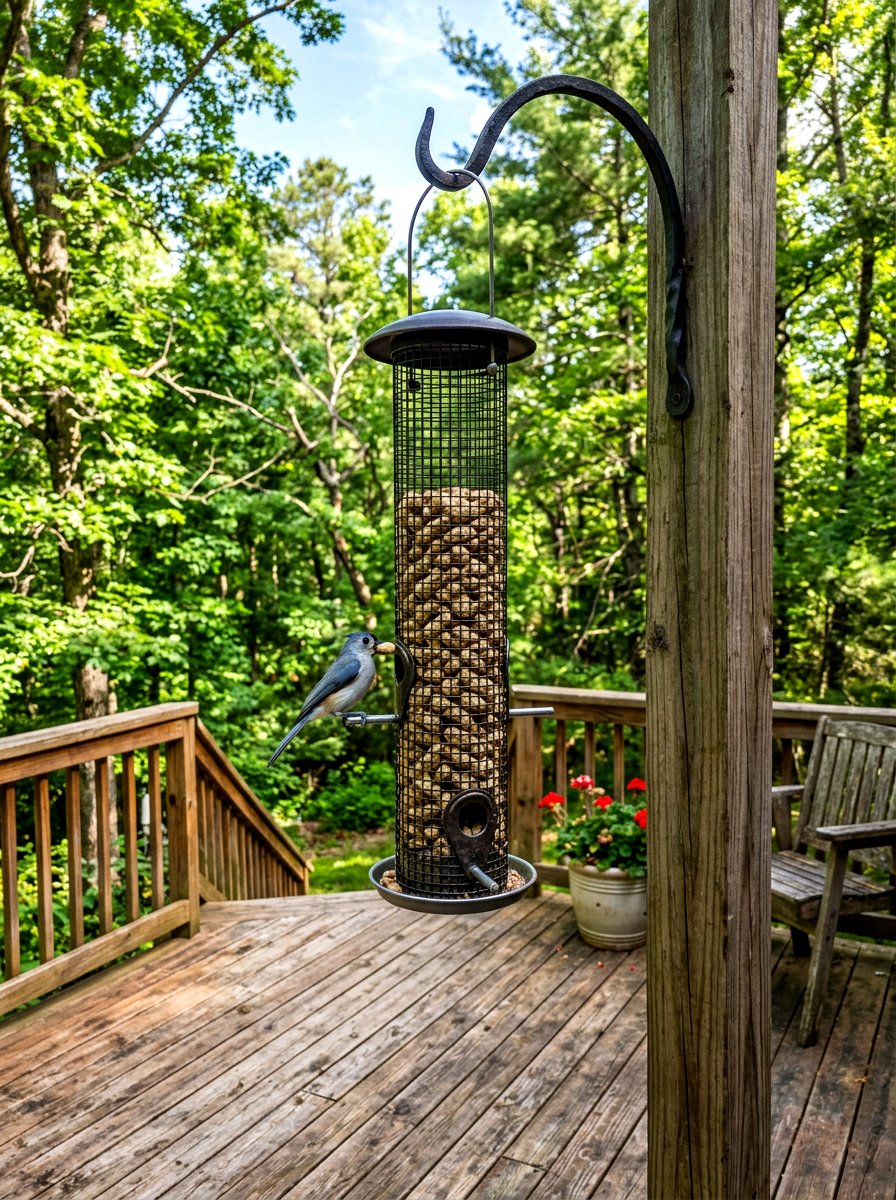
Bird gardens focus on providing year-round resources for local avian species through a mix of native wildflowers and woody plants. Sunflowers and coneflowers are essential for their seed heads, which provide high-energy food during the colder autumn and winter months. The layout often includes various heights, from ground-hugging flowers to tall shrubs, to offer different nesting and perching levels. Avoid using pesticides in these areas to ensure a healthy supply of insects, which are the primary food source for many baby birds. A nearby birdhouse or nesting platform can complete the design. This turns your backyard into a lively theater of color, song, and natural movement.
13. Hummingbird Garden
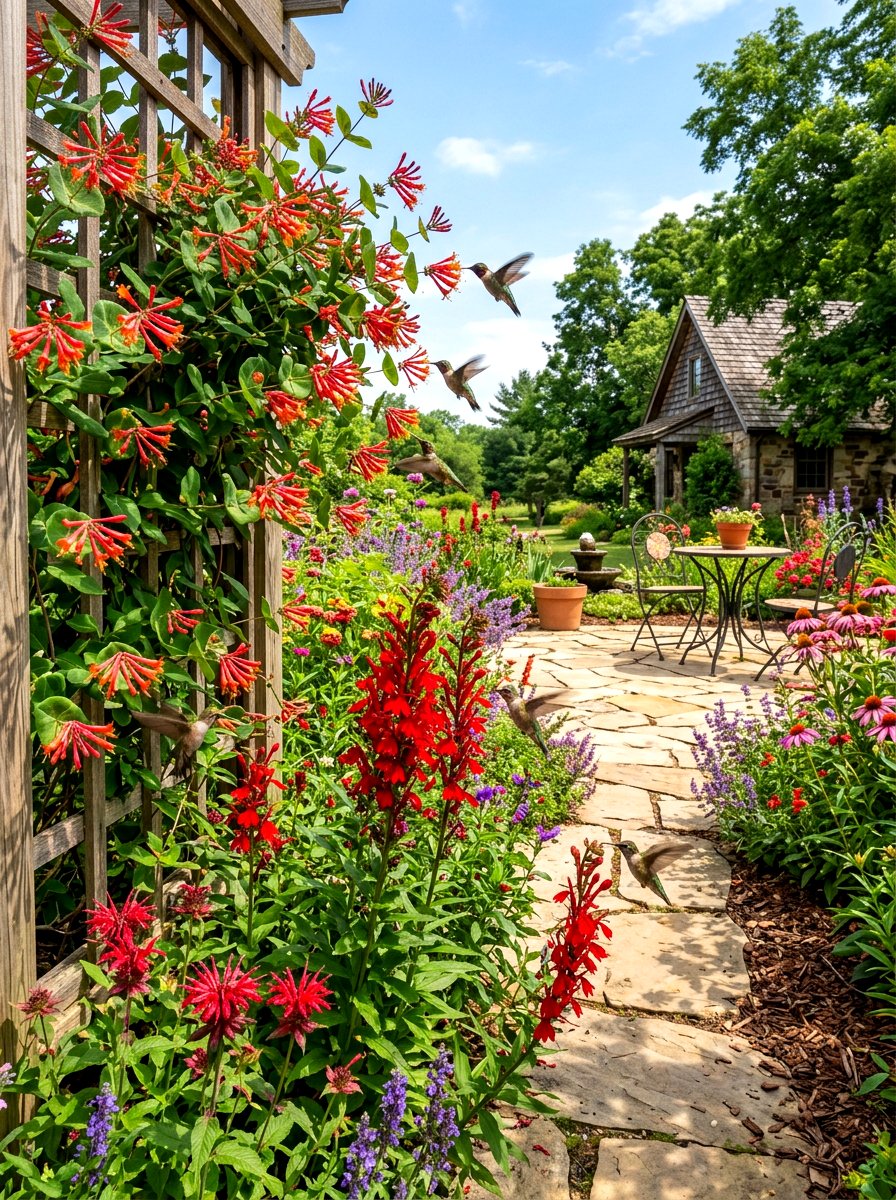
Hummingbird gardens are designed with bright, tubular native wildflowers that specifically cater to the unique feeding habits of these tiny birds. Species like trumpet honeysuckle, cardinal flower, and bee balm are top choices because of their high nectar content and red or orange hues. The design should include open spaces for hovering and nearby perches where the birds can rest between feedings. Positioning these plants near a window or patio allows for easy viewing of the acrobatic displays these birds perform. Using several different species ensures a continuous bloom cycle from spring through late summer. This focused design creates a magical and high-energy atmosphere in any sunny backyard.
14. Grass Garden
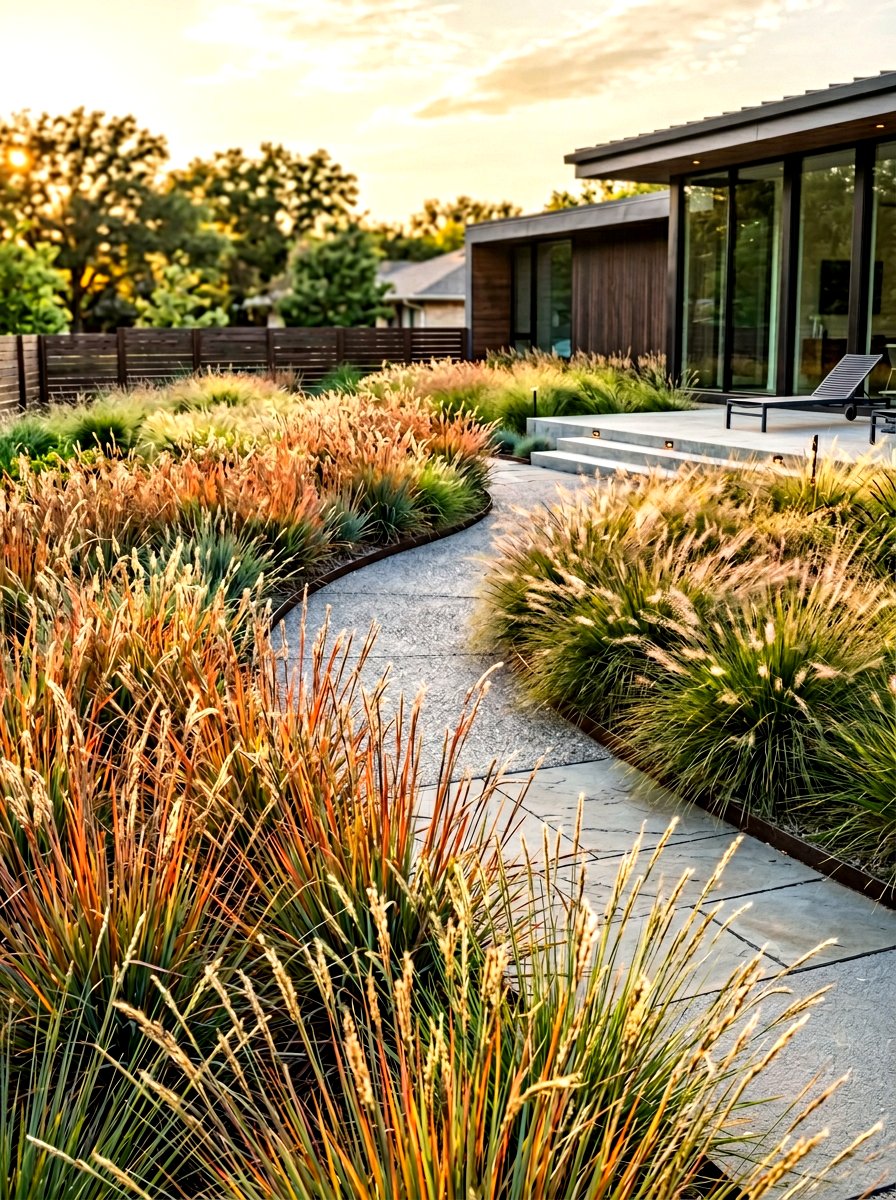
A grass garden celebrates the architectural beauty and seasonal changes of native ornamental grasses without relying solely on flowers. This design features clumps of little bluestem, prairie dropseed, and northern sea oats to create a textured and rhythmic landscape. While the flowers of these grasses are often subtle, their foliage provides striking colors ranging from silver-blue to deep copper. These plants are incredibly low-maintenance and provide essential cover for ground-nesting bees and other small wildlife. In the autumn, the grasses turn golden and provide structural interest throughout the winter months. This minimalist approach offers a clean, contemporary look that is both sustainable and very hardy.
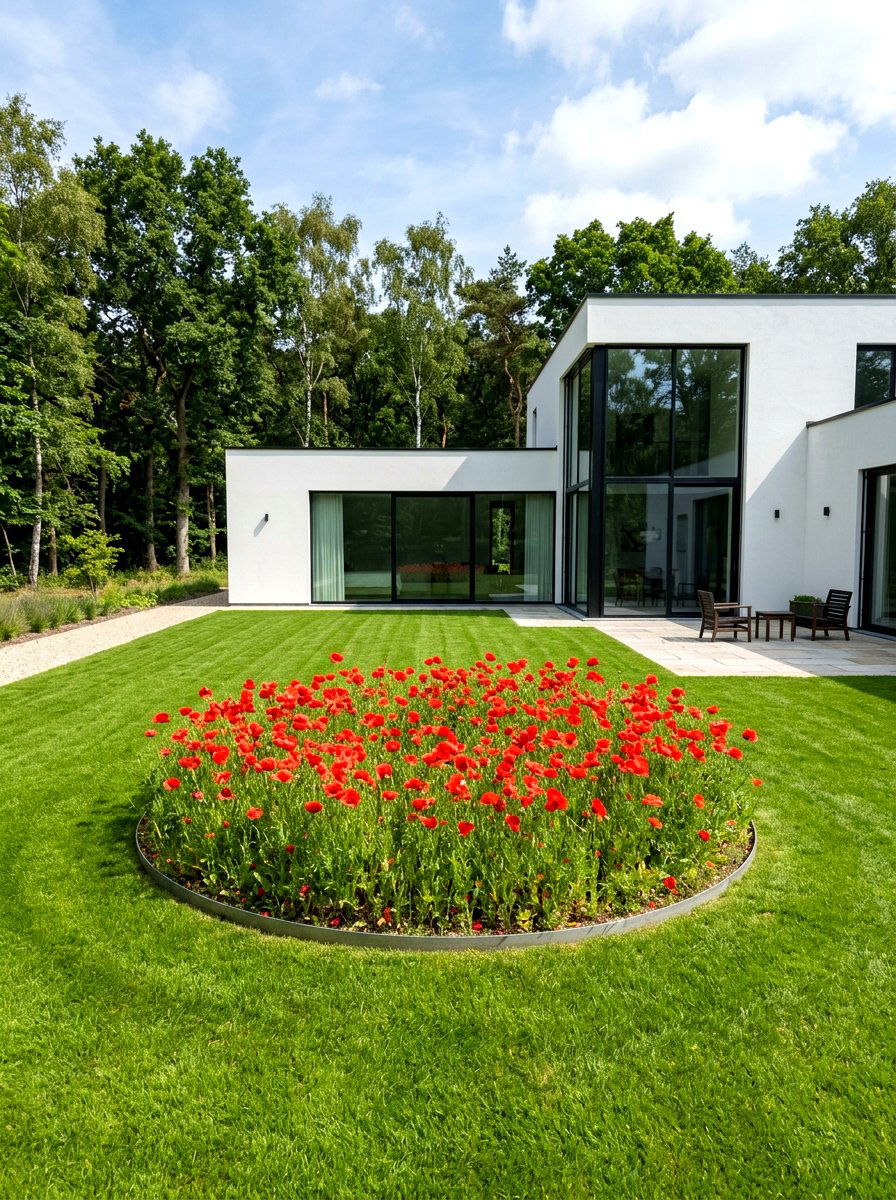
15. Front Yard Garden
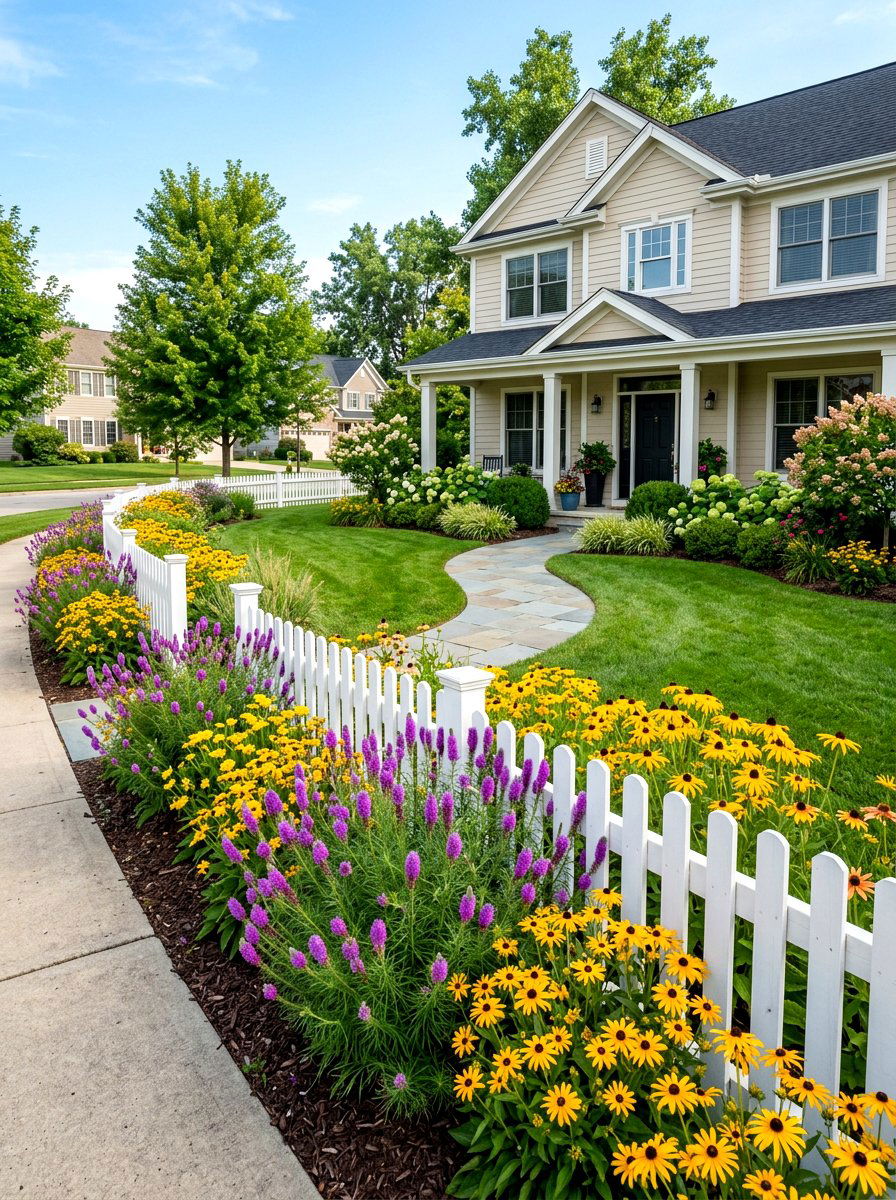
Front yard gardens replace traditional manicured lawns with an inviting and eco-friendly display of native wildflowers. This design often uses a more structured layout with defined borders to ensure the landscape looks intentional and tidy to neighbors. Incorporating a mix of heights and colors, such as purple prairie clover and yellow coneflowers, creates curb appeal that stands out. These gardens reduce the need for loud mowers and chemical fertilizers right at the entrance of your home. Adding a small bench or a decorative fence can anchor the design and make it feel like an outdoor room. It serves as a beautiful statement of environmental stewardship for the community.
16. Side Yard Garden
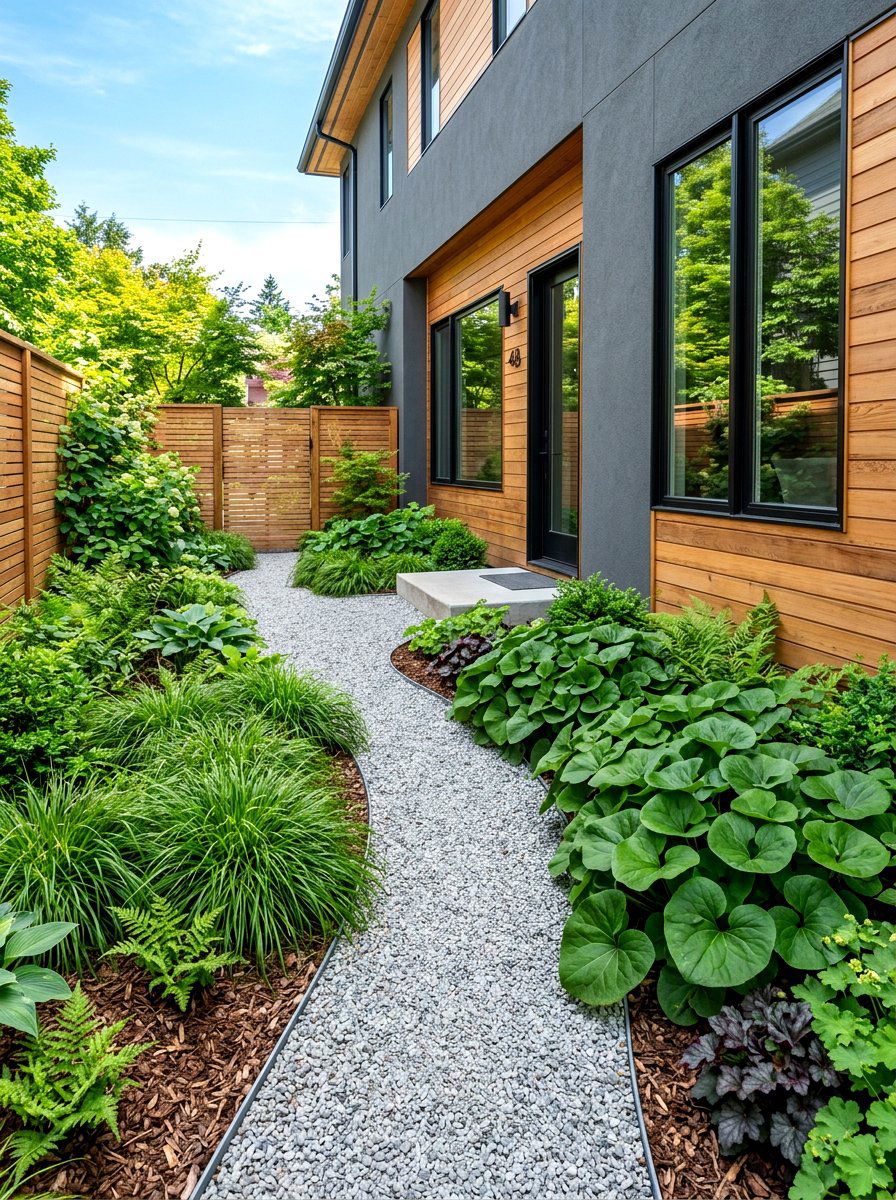
Side yard gardens utilize the often-ignored narrow strips of land between houses by filling them with resilient native wildflowers. These areas can be tricky due to fluctuating light conditions, so a mix of sun and shade-tolerant species is usually best. Low-growing groundcovers like wild ginger or sedges work well to prevent weeds and provide a green carpet effect. This design transforms a utilitarian passage into a secret garden filled with hidden blooms and interesting textures. Using a simple gravel path through the center allows for easy maintenance and access to utilities. It is a smart way to maximize every square inch of your backyard landscape for nature.
17. Foundation Planting
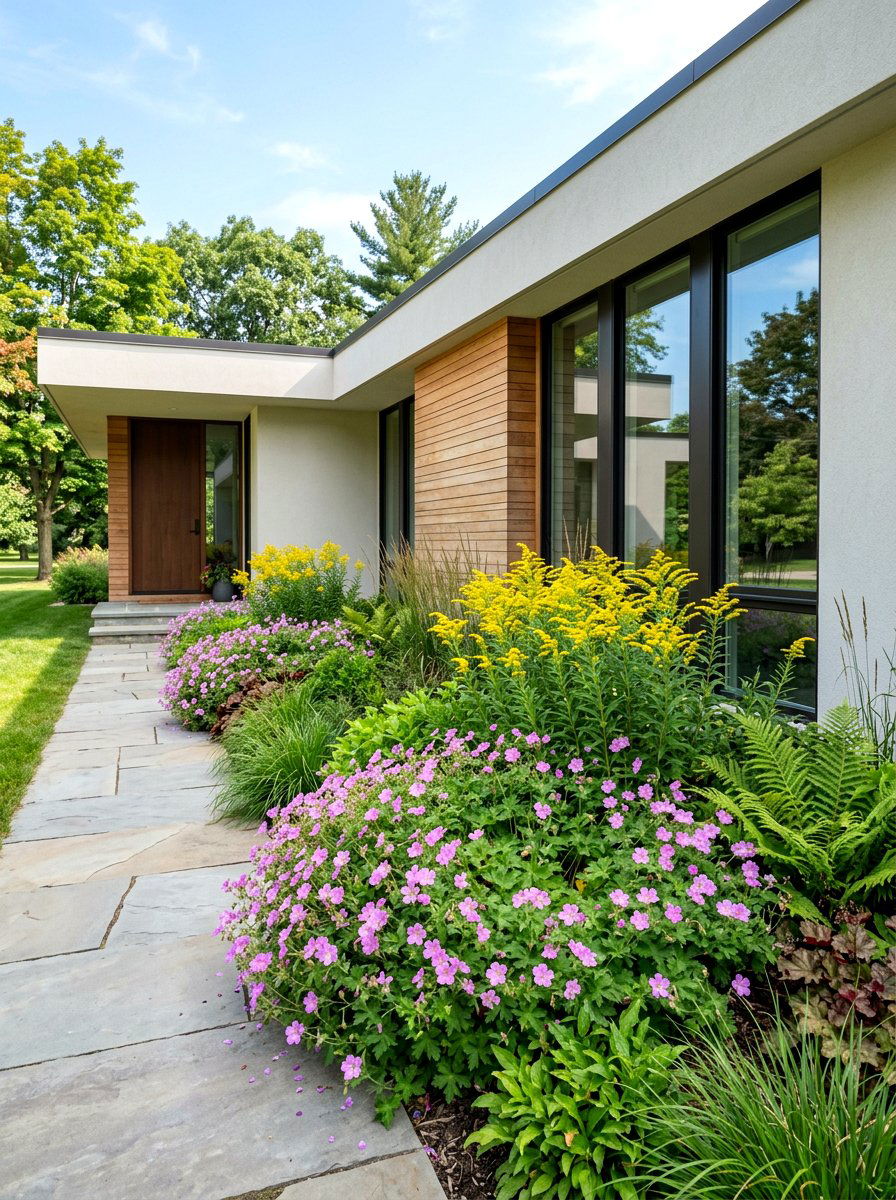
Foundation plantings use native wildflowers to soften the transition between the house walls and the surrounding yard. This design moves away from the traditional "meatball" shrubs and instead uses layered perennials like blue-stemmed goldenrod and wild geranium. These plants provide seasonal interest and do not grow to obscure windows like many non-native evergreen bushes do. The roots of native plants help manage moisture around the foundation, protecting the structure from excessive runoff during heavy rains. Choosing species with attractive foliage ensures the area looks good even when the flowers are not in bloom. This creates a natural, settled look that integrates the home into its environment.
18. Hillside Garden
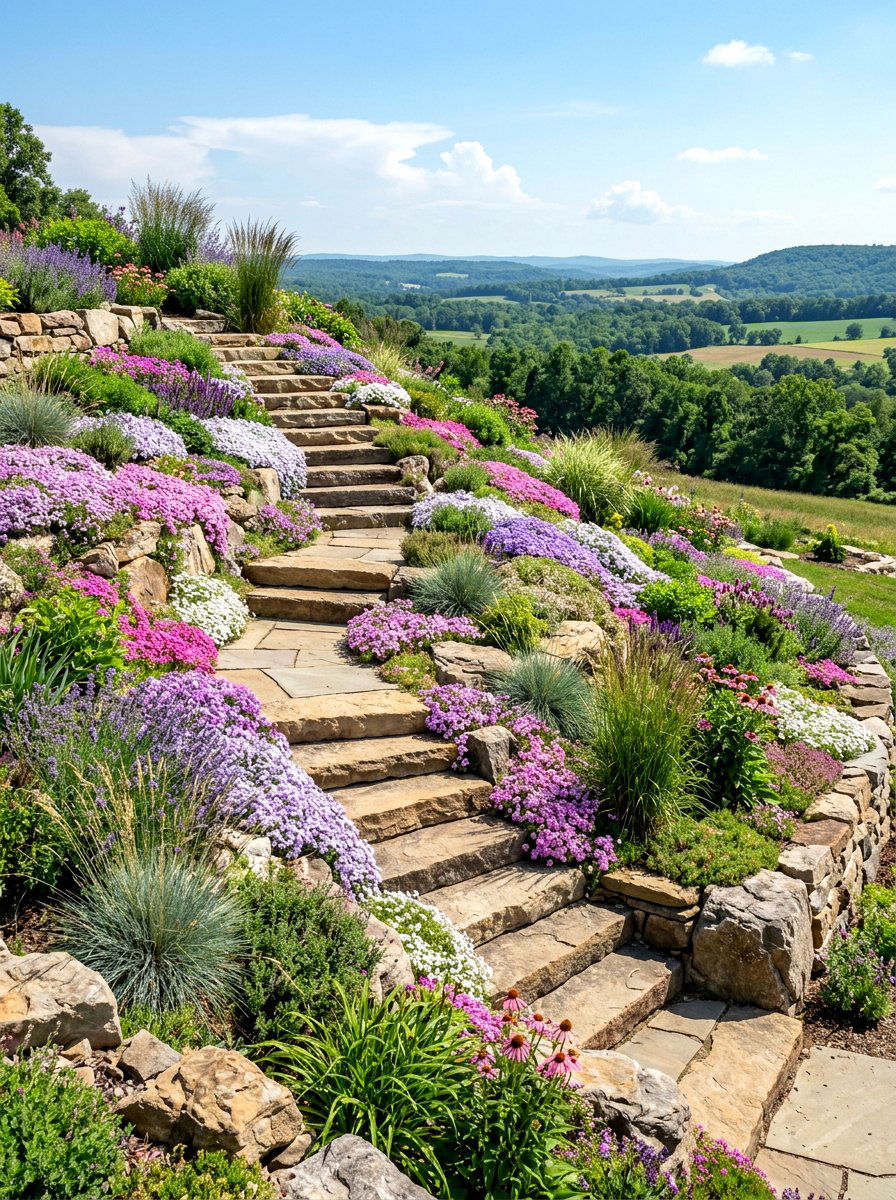
Hillside gardens solve the problem of mowing dangerous slopes by replacing grass with deep-rooted native wildflowers and grasses. This design is essential for preventing soil erosion, as the extensive root systems of native plants hold the earth in place. You might use a mix of creeping phlox and little bluestem to create a colorful and stable groundcover across the incline. Adding large stones or timber terracing can help create planting pockets and a more structured visual appearance. This transformation turns a difficult landscape challenge into a stunning vertical display of colors and textures. It requires very little maintenance once the plants are established and have filled in.
19. Cottage Garden
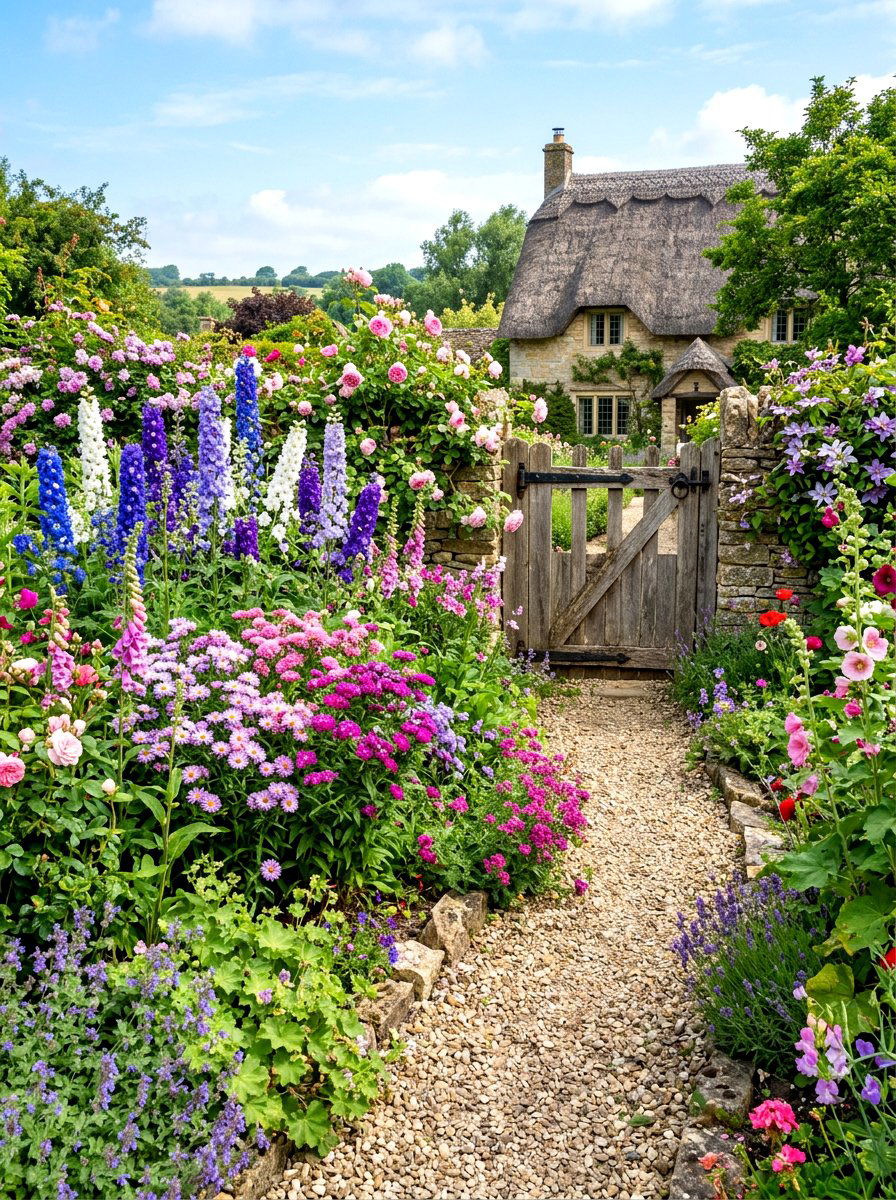
Cottage gardens embrace a dense, informal, and romantic aesthetic using a wide variety of native wildflowers packed closely together. This design features a charming mix of heights, including tall larkspur, bushy asters, and low-growing violets, creating a lush and overflowing look. The high density of plants naturally suppresses weeds and provides a massive amount of habitat in a small area. Rustic elements like white picket fences, arbors, or antique birdhouses often complement this style. The overall vibe is one of effortless beauty and a delightful "organized chaos" that feels cozy and lived-in. It is an excellent choice for creating a personal and whimsical retreat in the backyard.
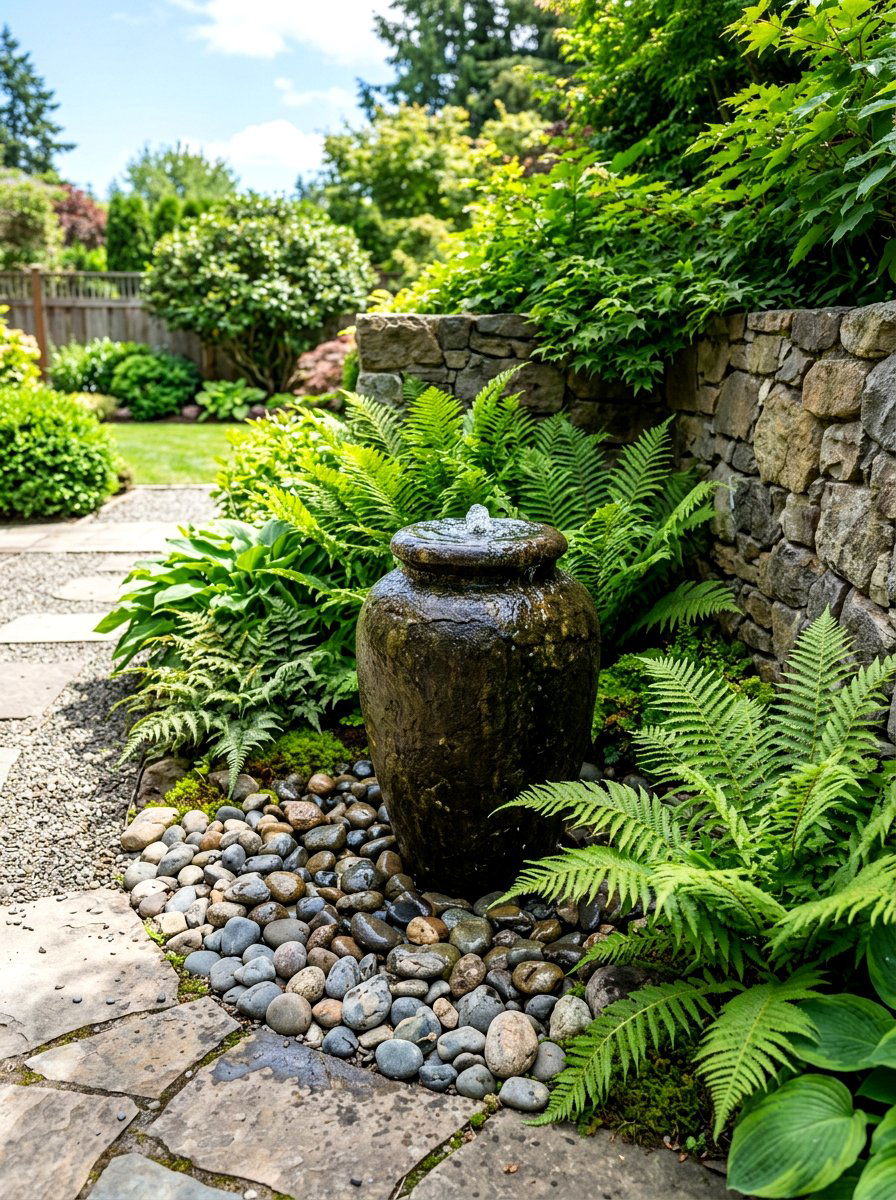
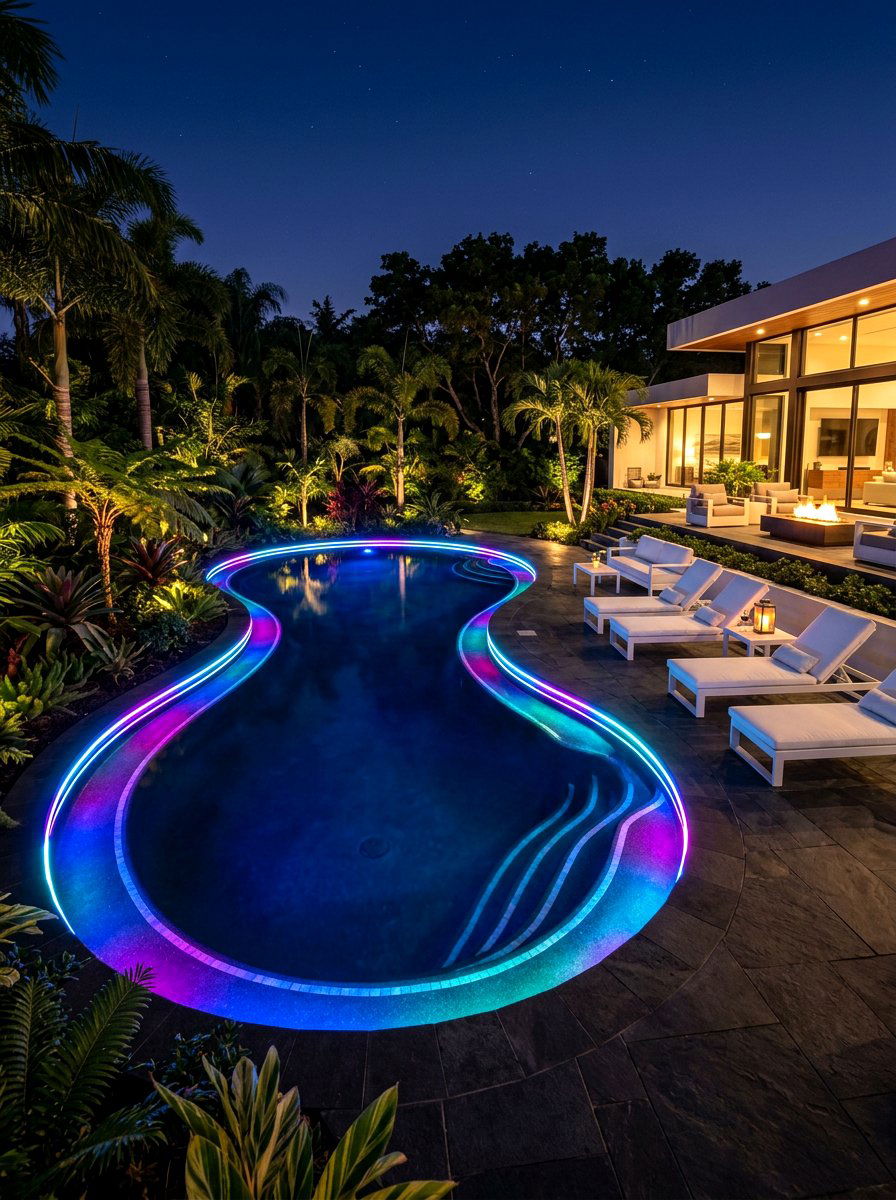
20. Formal Garden
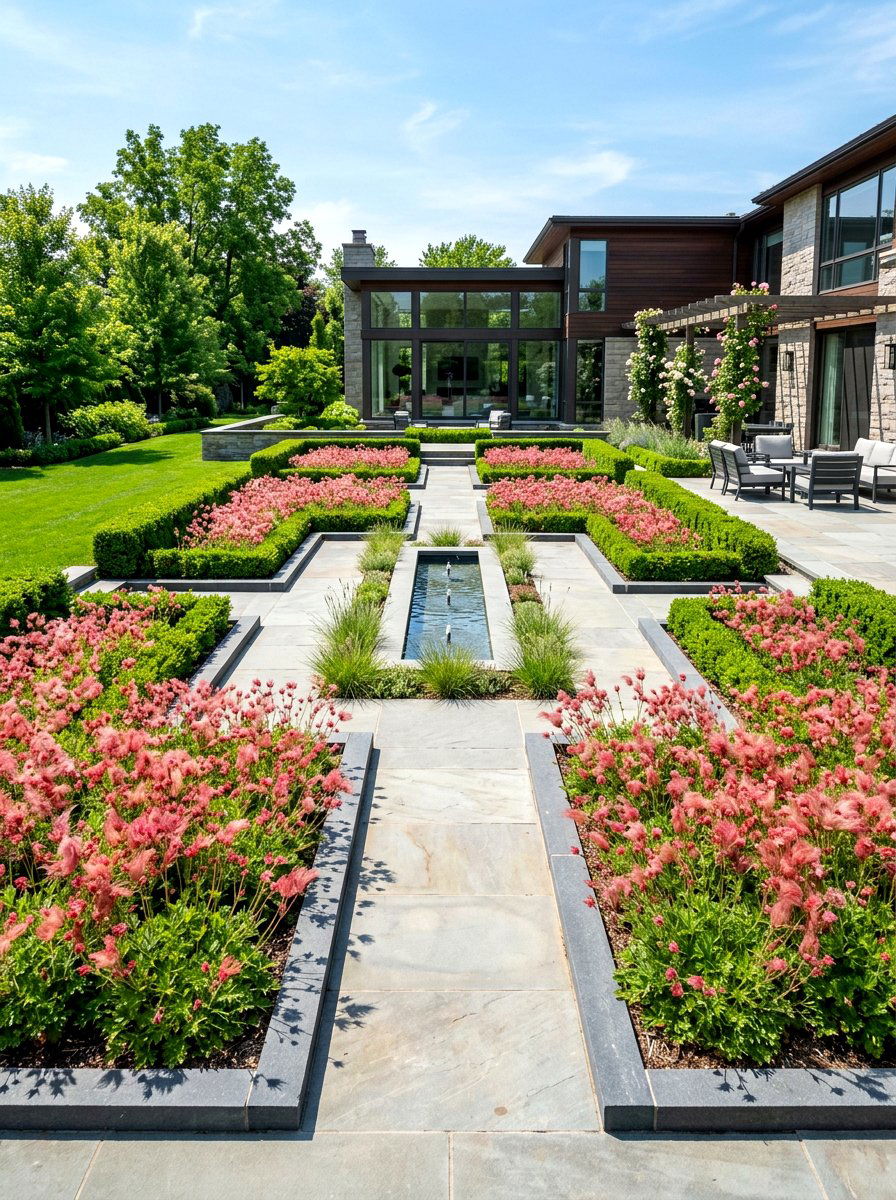
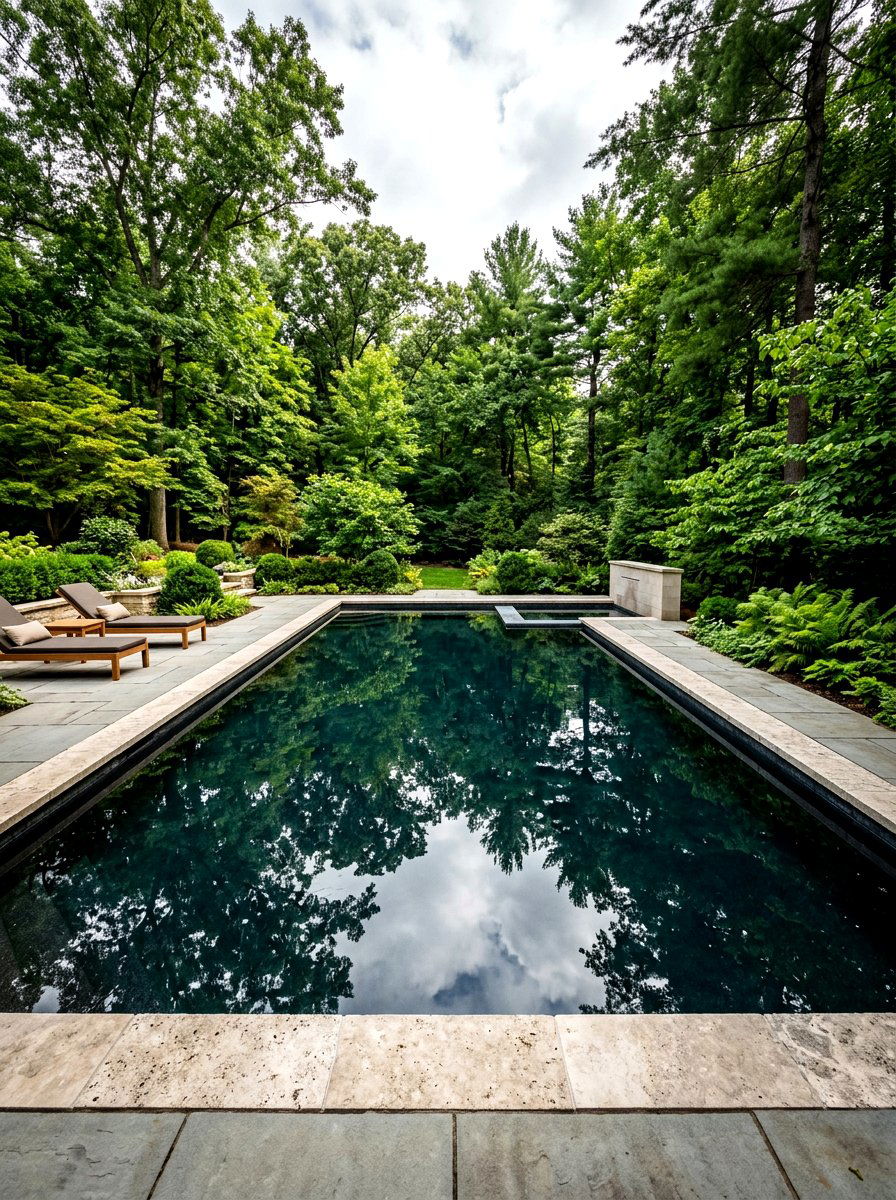
Formal gardens prove that native wildflowers can look sophisticated and orderly when used in a structured landscape design. This style utilizes geometric shapes, symmetrical layouts, and clearly defined edges to create a sense of balance and calm. You might use clipped native hedges or stone borders to contain drifts of uniform species like prairie smoke or spiked blazing star. The color palette is often more restrained, focusing on two or three complementary colors for a high-end appearance. This design appeals to those who want the benefits of native plants but prefer a more traditional and neat garden aesthetic. it bridges the gap between modern landscaping and ecological restoration perfectly.
21. Moon Garden
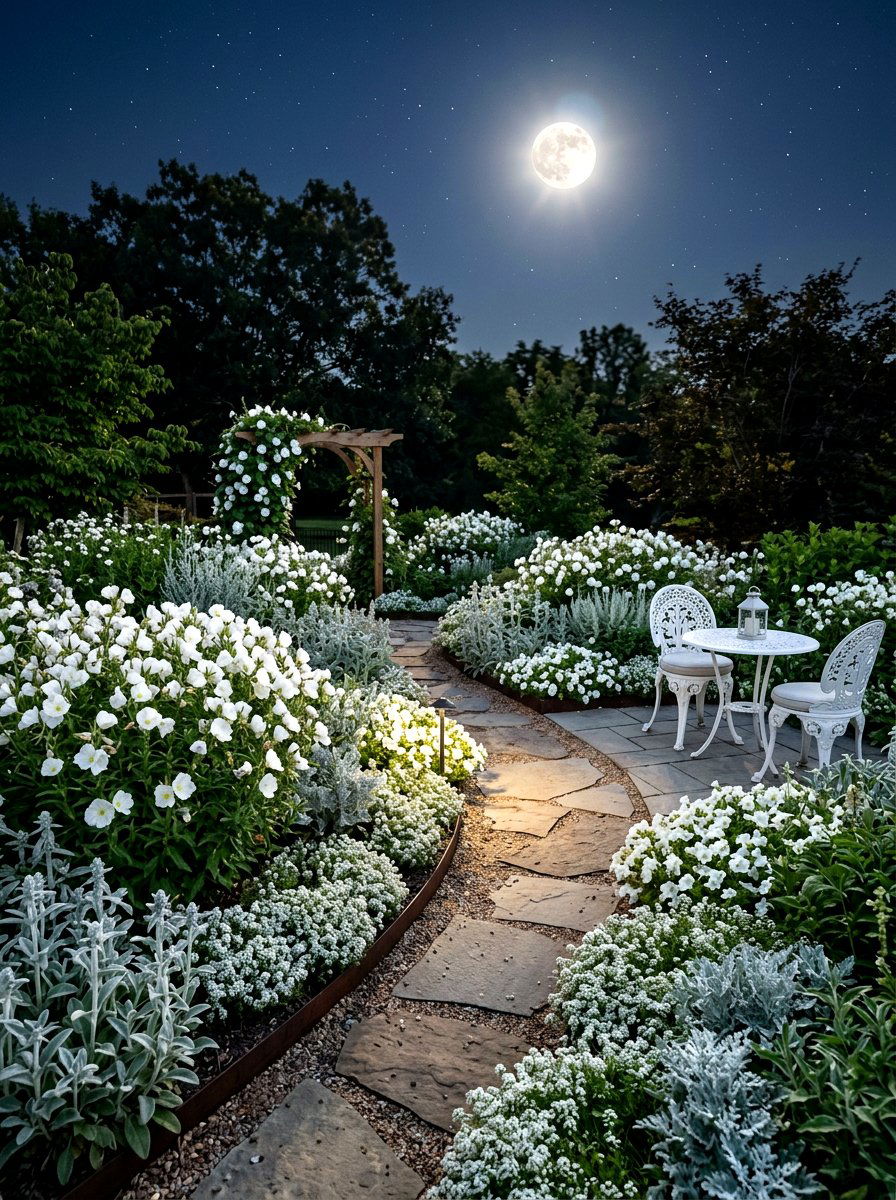
Moon gardens are designed to be enjoyed at night, featuring native wildflowers with white blooms or silvery foliage that reflect moonlight. This layout includes species like evening primrose, white swan coneflower, and silver sage to create a glowing, ethereal effect after sunset. Many of these plants also release sweet fragrances at night to attract nocturnal pollinators like hawk moths. Incorporating a small seating area allows you to relax in the cool evening air and enjoy the peaceful ambiance. This design expands the usability of your backyard into the late hours, providing a quiet sanctuary for reflection. It is a unique and sensory-focused approach to native landscaping.
22. Edible Garden
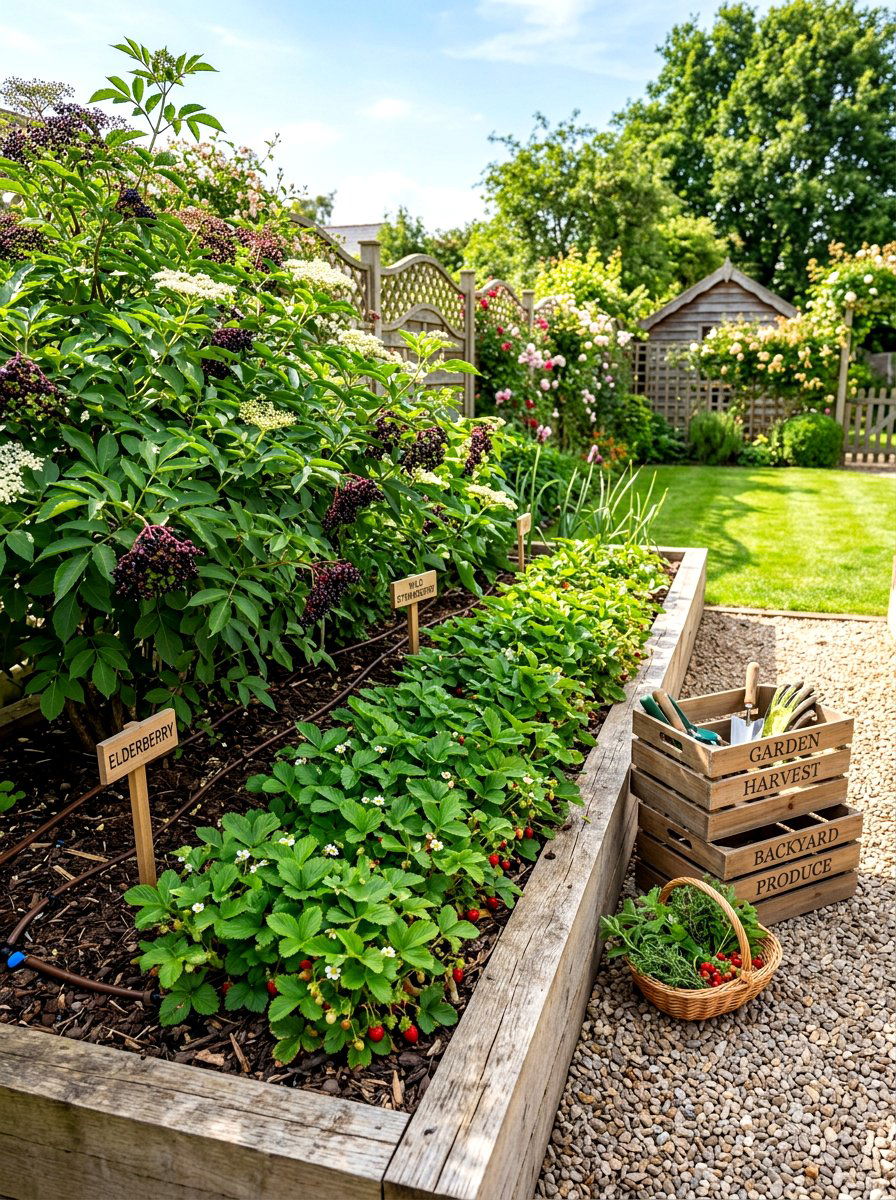
Edible gardens combine the beauty of native wildflowers with the functionality of producing food for the kitchen. This design incorporates species like elderberry for its fruits, wild bergamot for tea, and native strawberries for groundcover. These plants are often more resilient than traditional vegetable crops and require fewer inputs like fertilizer or extra water. Mixing these edible natives with pollinator-attracting flowers ensures high yields and a healthy garden ecosystem. The layout can be integrated into existing beds or given its own dedicated space in a sunny corner of the yard. It offers a rewarding way to connect with the land while enjoying fresh, local flavors from your backyard.
23. Water Garden
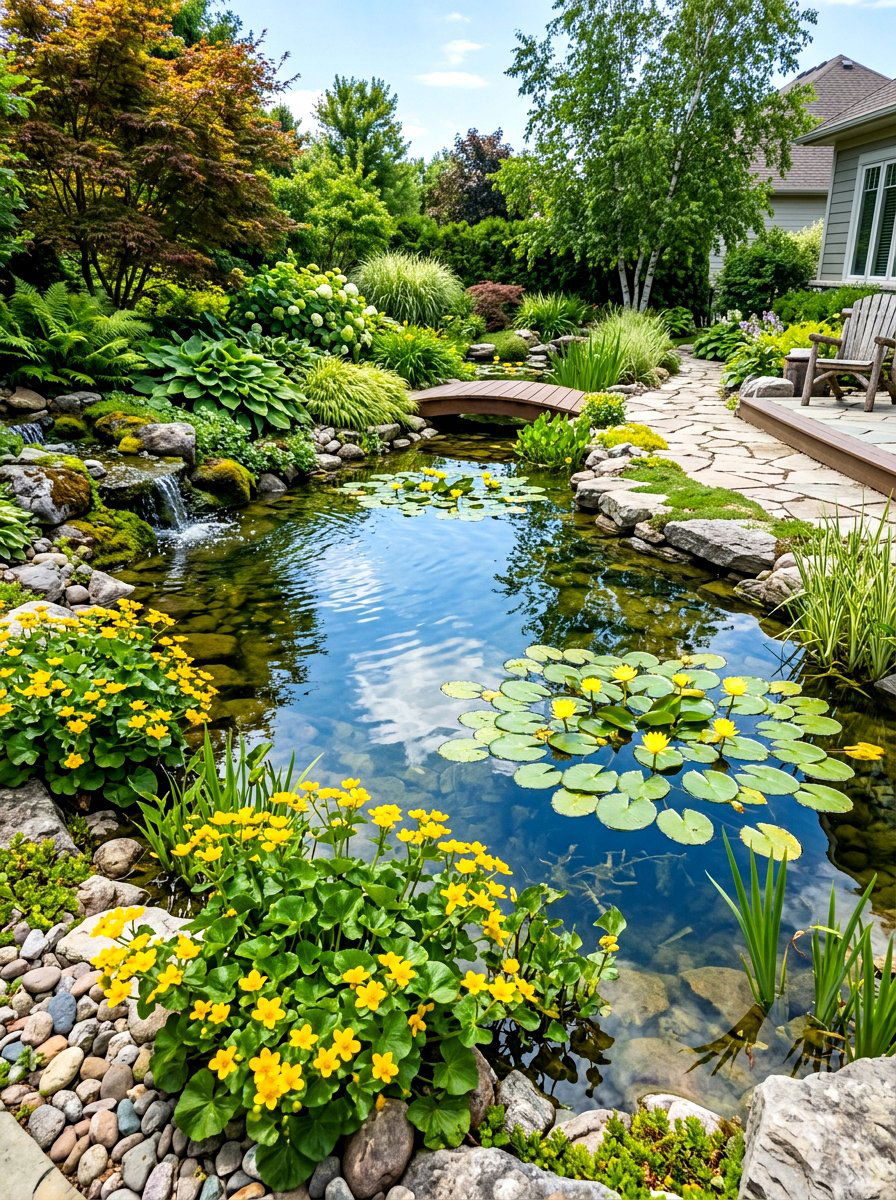
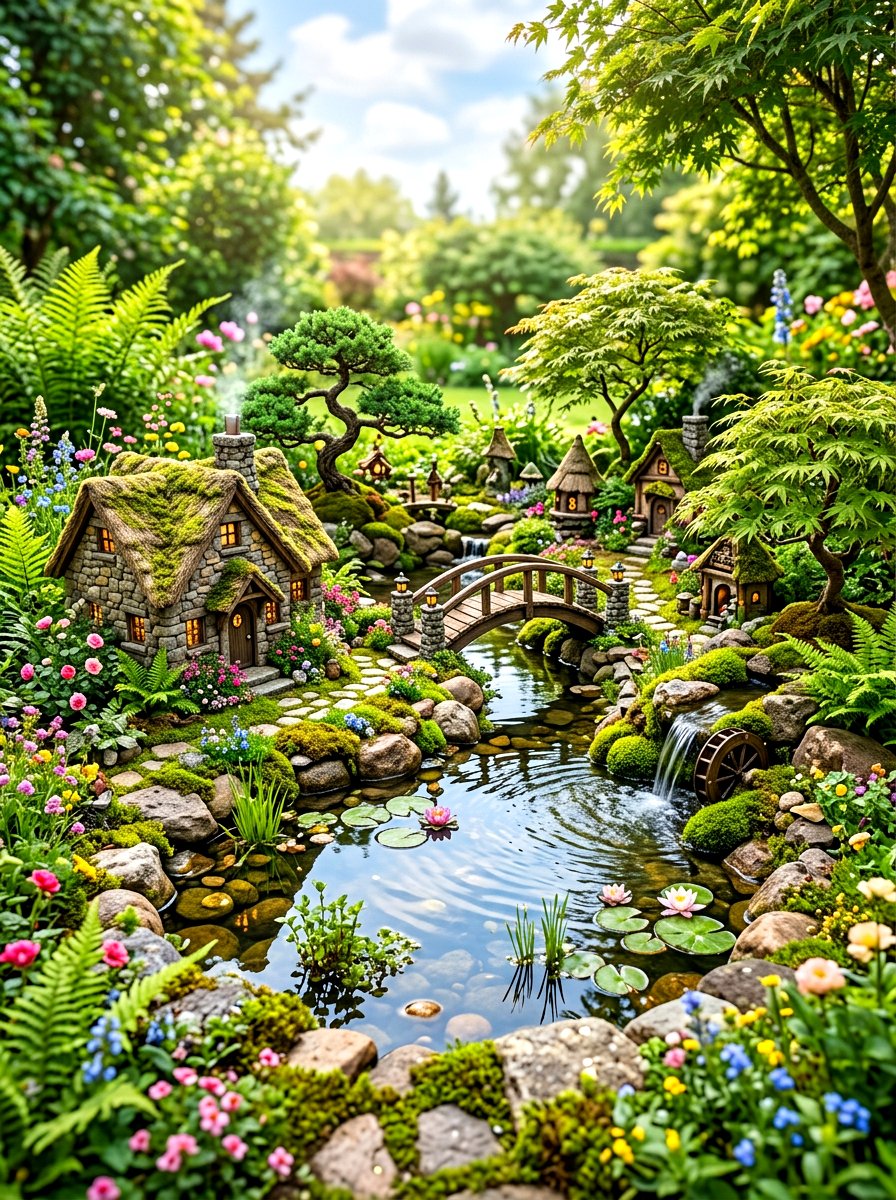
Water gardens use native aquatic and marginal wildflowers to create a serene and biodiverse pond environment. This design features submerged plants to oxygenate the water and floating species like yellow pond lilies for shade and shelter. Along the edges, moisture-loving wildflowers like pickerelweed and marsh marigold provide a colorful transition from water to land. These features attract dragonflies, frogs, and birds, adding layers of life and sound to the backyard landscape. Even a small pre-formed pond or a container water feature can support several native species and enhance the local microclimate. It provides a cooling effect and a peaceful focal point for any outdoor living space.
24. Privacy Garden
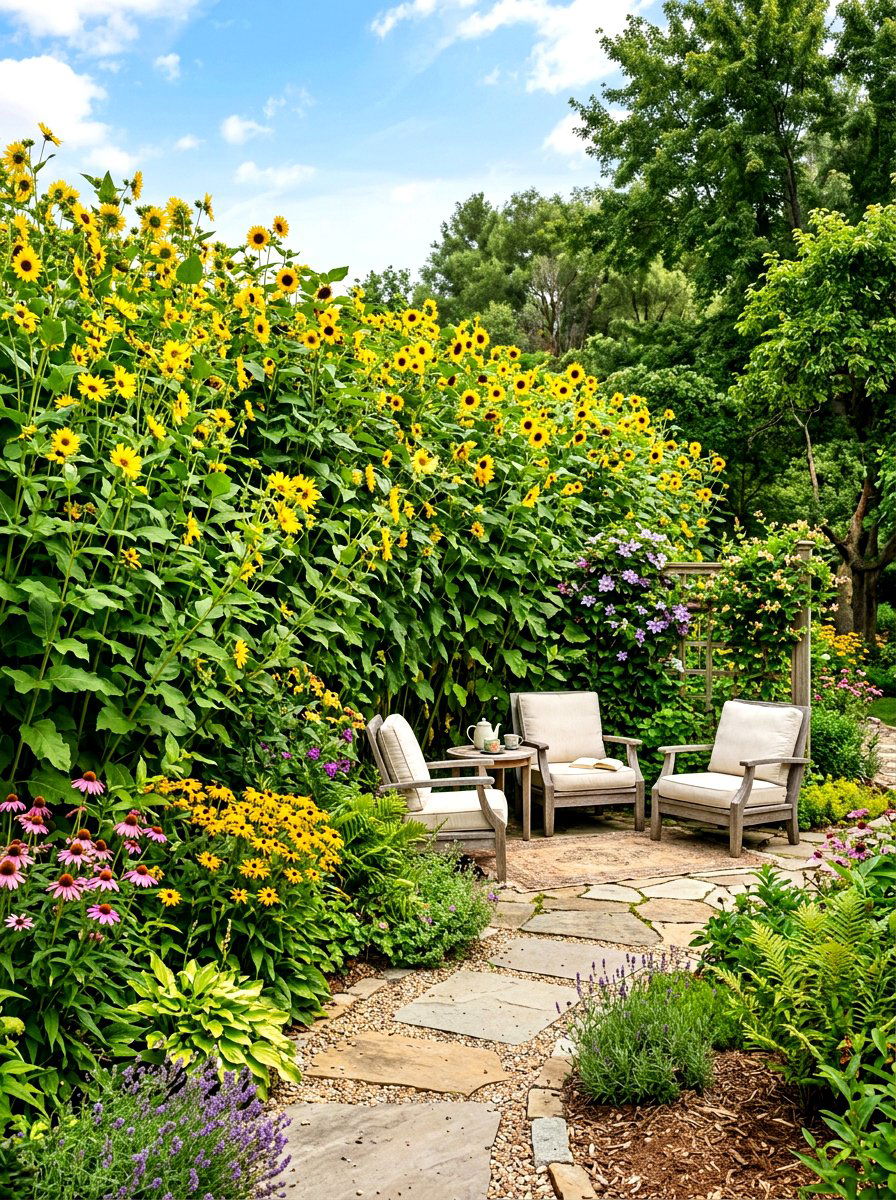
Privacy gardens use tall native wildflowers and shrubs to create a living screen that blocks unwanted views and noise. This design utilizes towering species like cup plants, sunflowers, and switchgrass to provide a dense wall of greenery during the summer. These plants can reach heights of six to eight feet, offering a natural and eco-friendly alternative to wooden fences. Unlike static structures, a living screen provides seasonal interest with changing colors and provides food for birds. Placing these tall plants along the perimeter of the backyard creates a sense of seclusion and intimacy for the homeowner. It is a functional and beautiful way to define your property boundaries.
25. No Mow Lawn
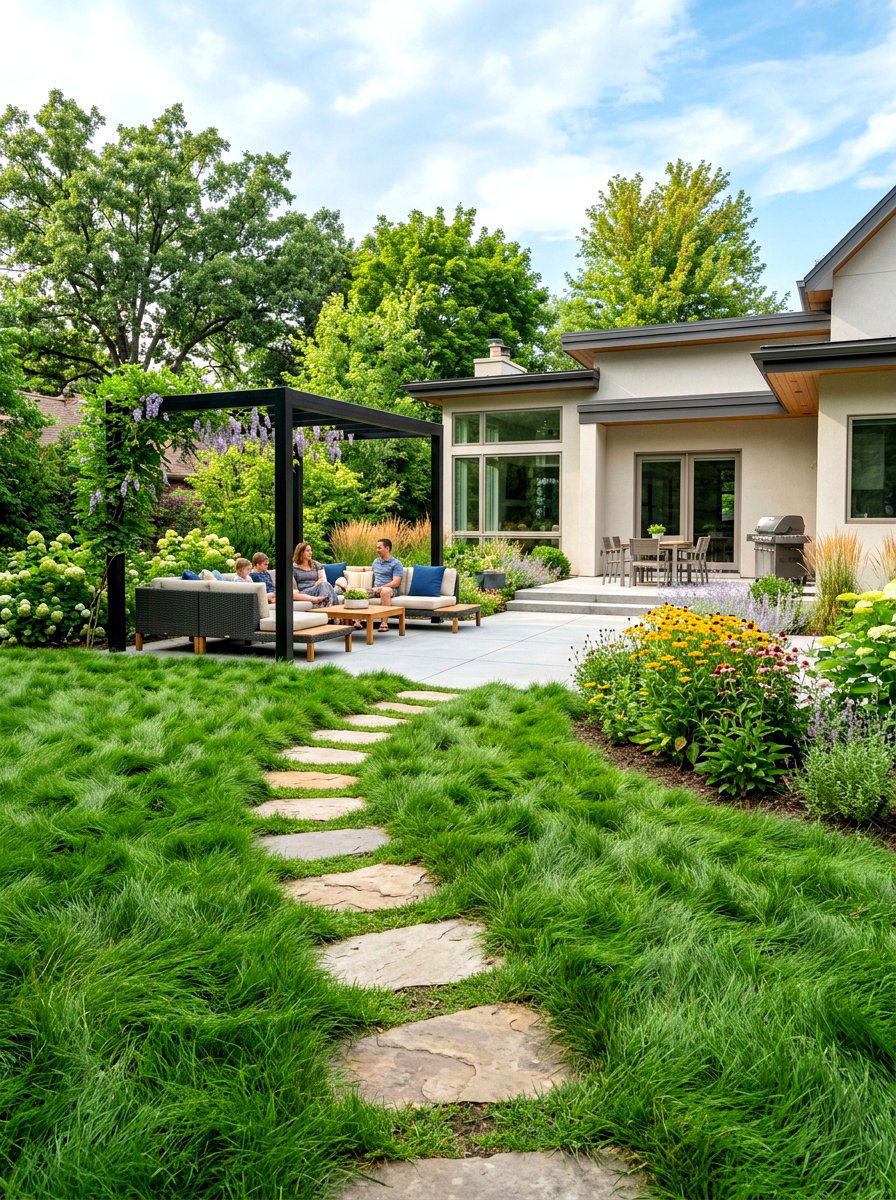
A no mow lawn replaces thirsty and high-maintenance turf grass with low-growing native sedges or wildflower blends. This design focuses on species like Pennsylvania sedge or buffalo grass that remain short and require very little mowing throughout the year. These alternatives are much more drought-tolerant than traditional lawns and provide a soft, green carpet that can handle light foot traffic. By eliminating the need for weekly mowing, you save time, money, and reduce noise and air pollution in your neighborhood. This practical solution is perfect for homeowners who want a green space for children or pets but desire a more sustainable and low-effort backyard landscape.
26. Patio Garden
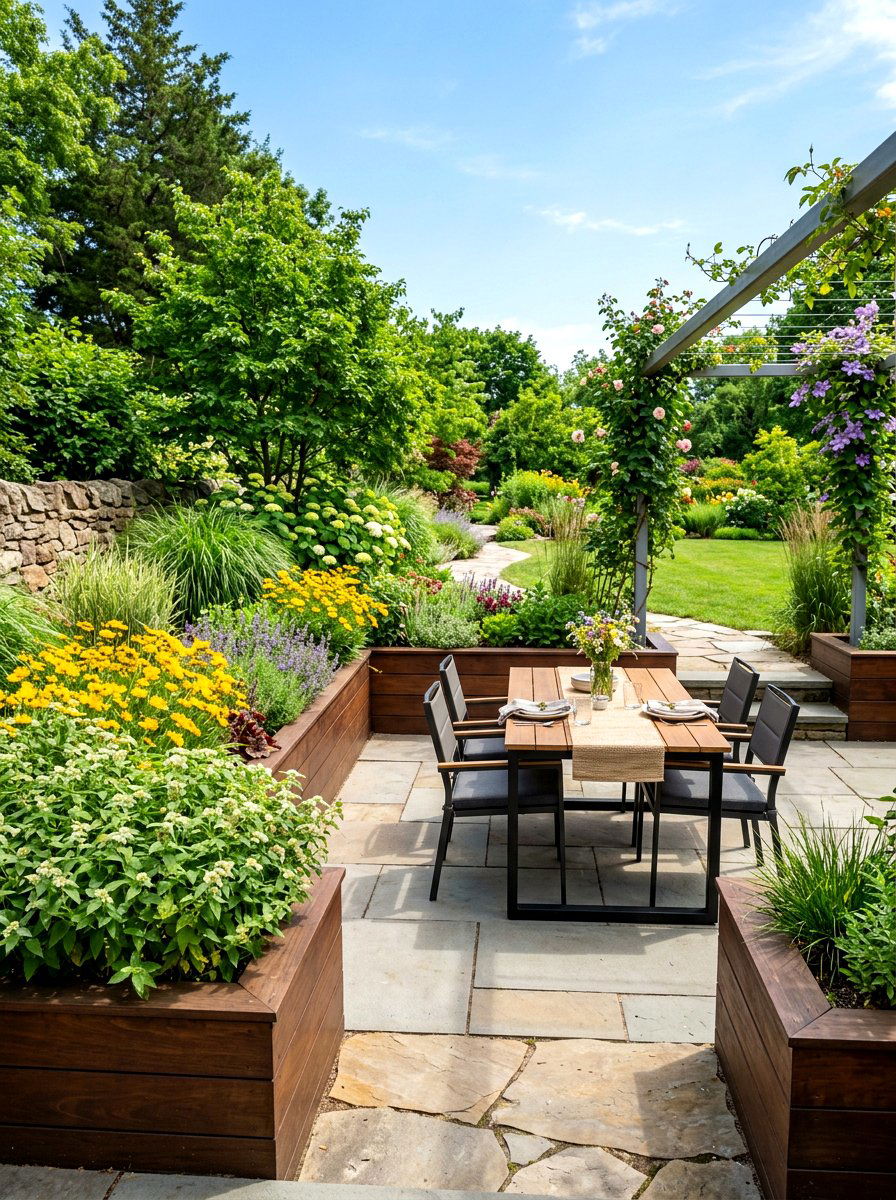
Patio gardens integrate native wildflowers directly into your outdoor living space using built-in planters or surrounding garden beds. This design brings the sights and scents of nature right to your dining or lounging area, enhancing the overall experience. You might choose fragrant species like mountain mint or colorful perennials like coreopsis to create a cheerful and inviting atmosphere. The proximity to the house makes it easy to maintain and enjoy these plants on a daily basis. Incorporating lighting into the garden beds allows the flowers to be appreciated well into the evening. This approach makes the patio feel like it is part of a lush, natural environment rather than a separate structure.
27. Nature Garden
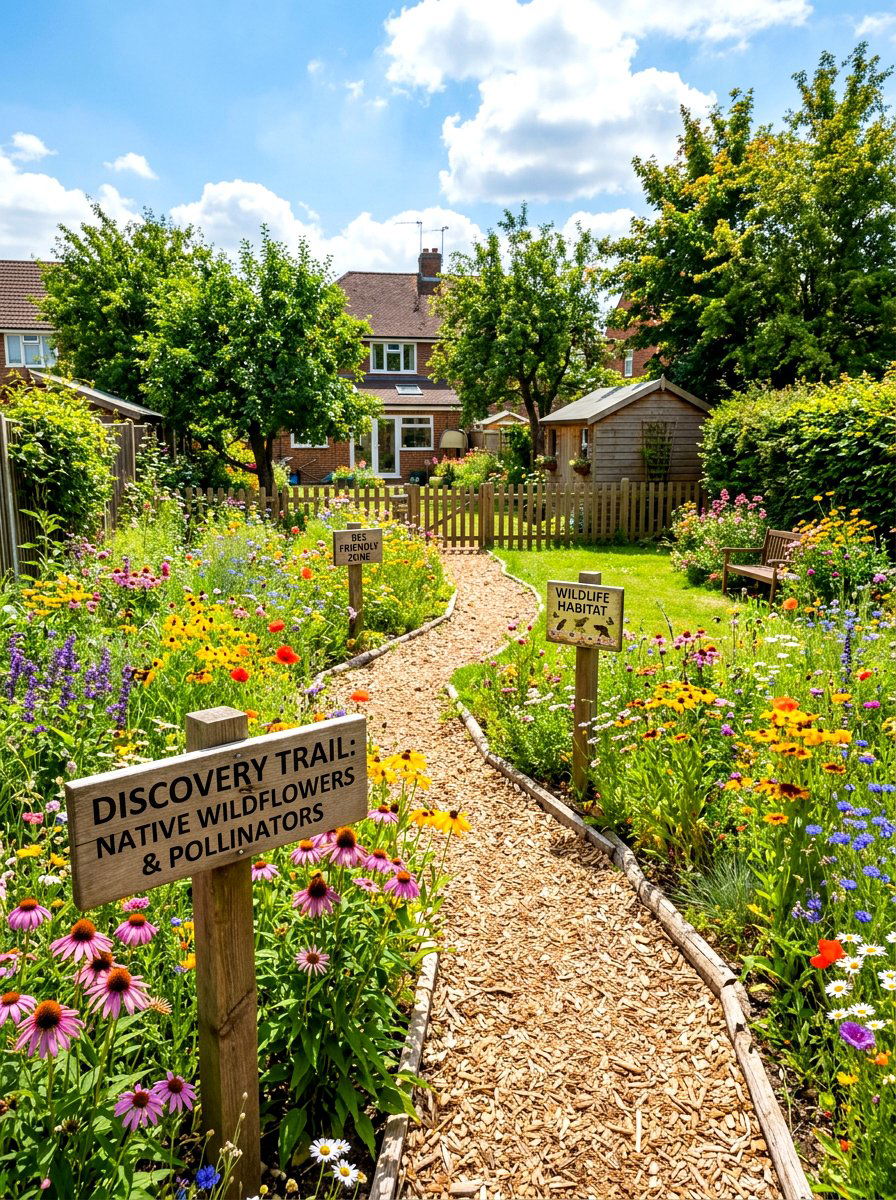
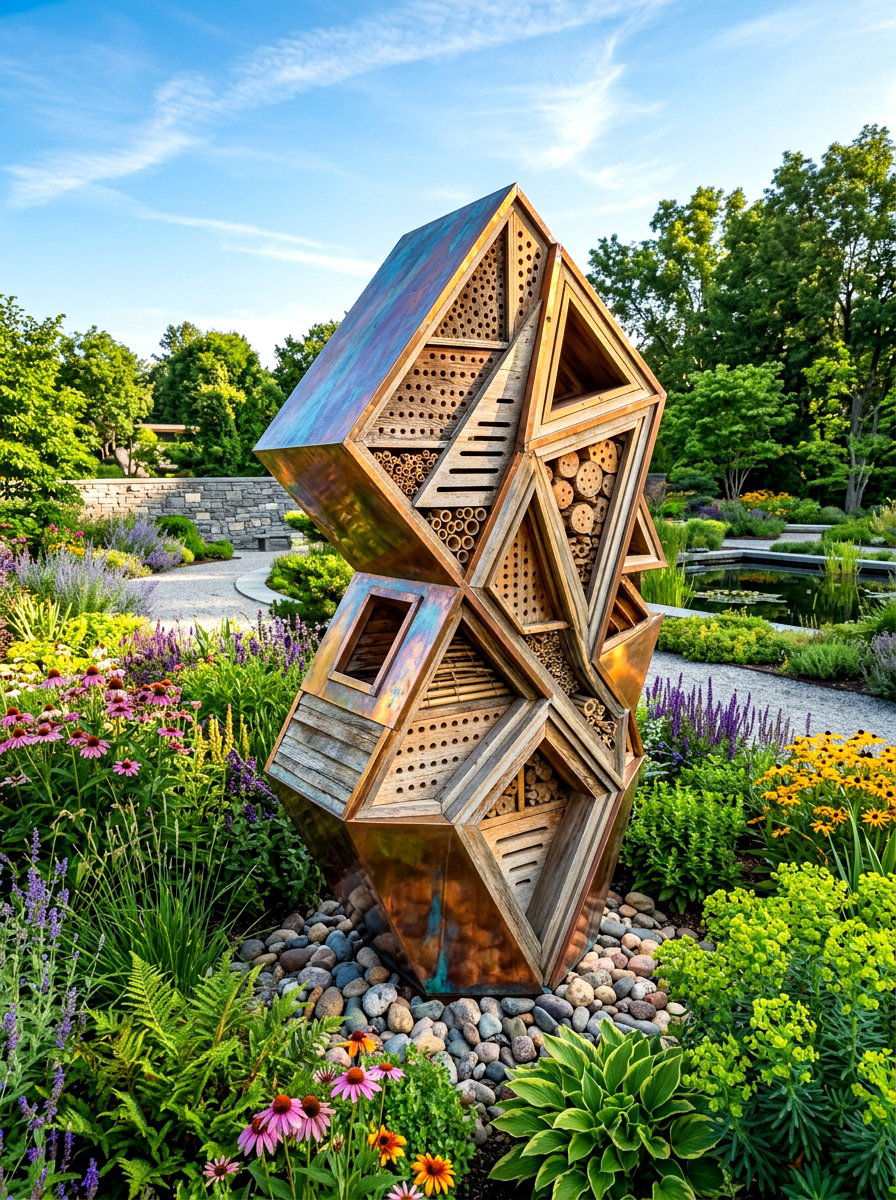
Nature gardens are designed for exploration and education, featuring a variety of native wildflowers that showcase the local biodiversity. This layout often includes informative signs or a small path that winds through different habitats, like a mini-prairie or a butterfly patch. It is an excellent design for families with children, providing a safe space to learn about insects, plants, and the changing seasons. Features like an insect hotel or a log pile for beetles can be added to encourage even more wildlife interaction. The goal is to create an interactive landscape that fosters a sense of wonder and respect for the natural world. It turns the backyard into a living classroom.
28. Wall Garden
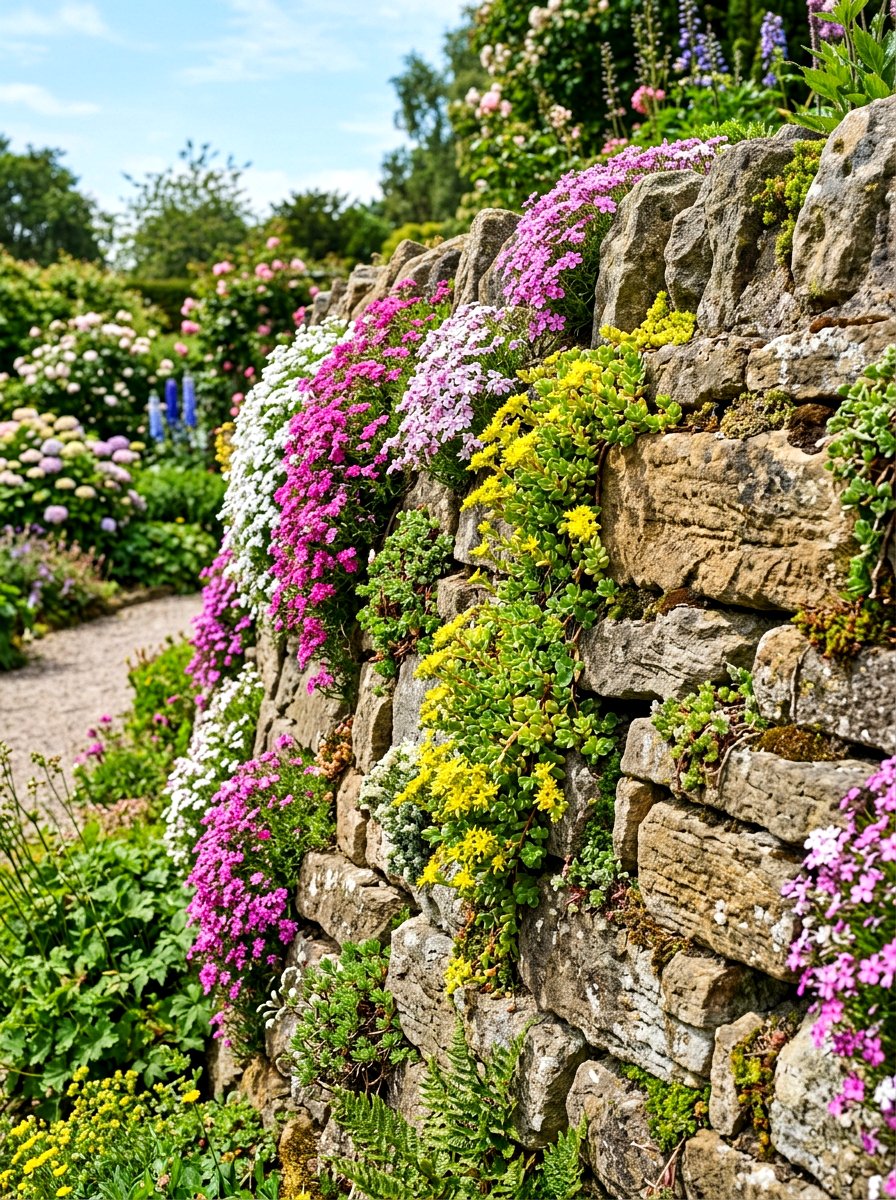
Wall gardens utilize vertical spaces by planting native wildflowers in stone crevices or specialized wall planters. This design is perfect for backyards with retaining walls or steep banks that need a touch of softness and color. You can use trailing species like wild stonecrop or creeping phlox that will spill over the edges and create a "waterfall" of blooms. These plants are adapted to well-drained and often rocky conditions, making them ideal for vertical applications. A green wall helps insulate the area and provides nesting sites for small birds and beneficial insects. This creative use of space adds a unique architectural element to the landscape while supporting the local ecosystem.
29. Raised Garden
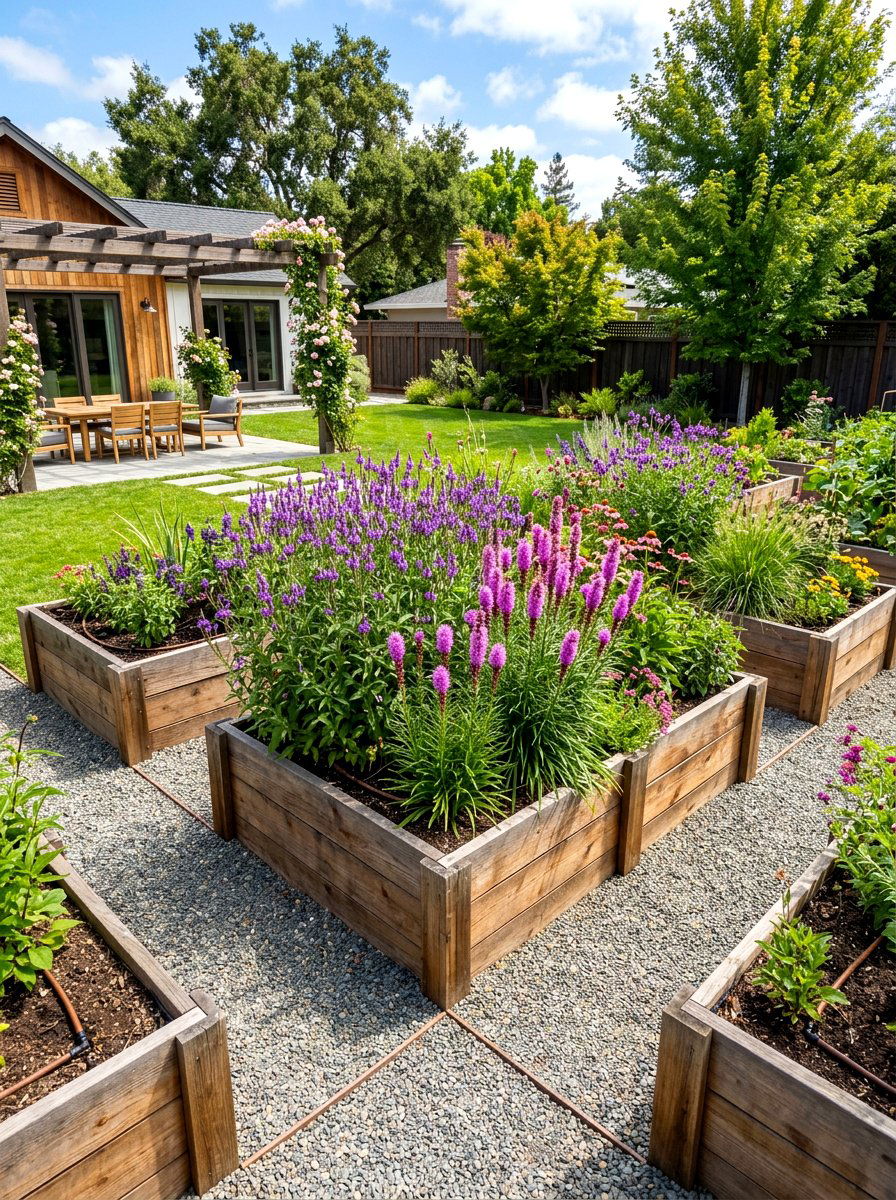
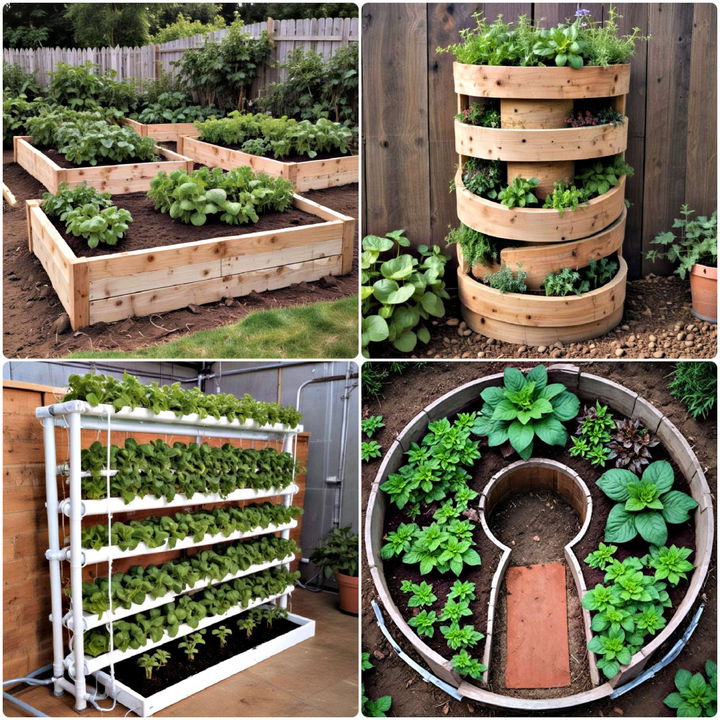
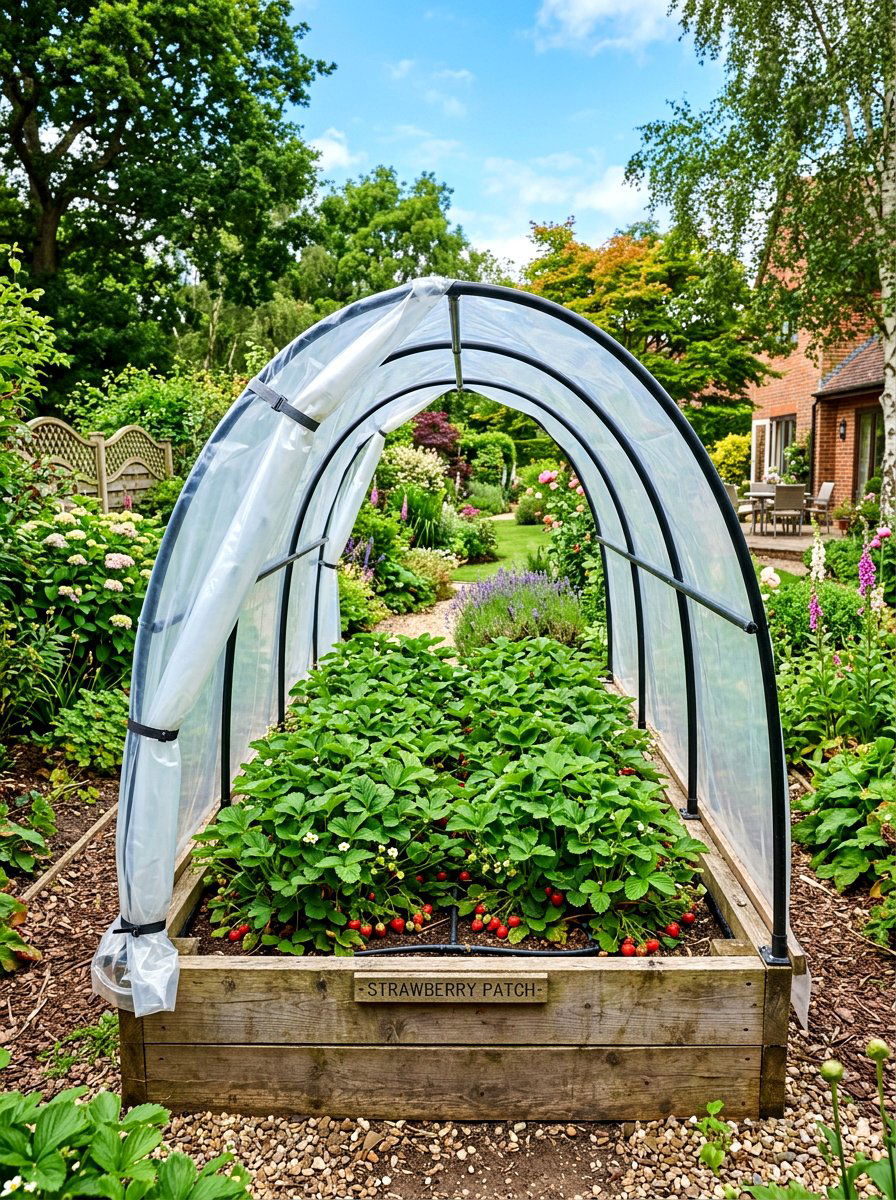
Raised gardens provide a structured and accessible way to grow native wildflowers, especially in areas with compacted or poor soil. This design uses wooden or stone beds to hold high-quality soil, allowing for perfect drainage and optimal plant growth. You can grow a concentrated mix of showy natives like blue vervain and blazing stars, making it a high-impact focal point in the yard. Raised beds also protect plants from being stepped on and make weeding and maintenance much easier for the homeowner. This tidy approach works well in both modern and traditional backyard settings. It provides a clean, organized look that highlights the beauty of individual wildflower species.
30. Autumn Garden
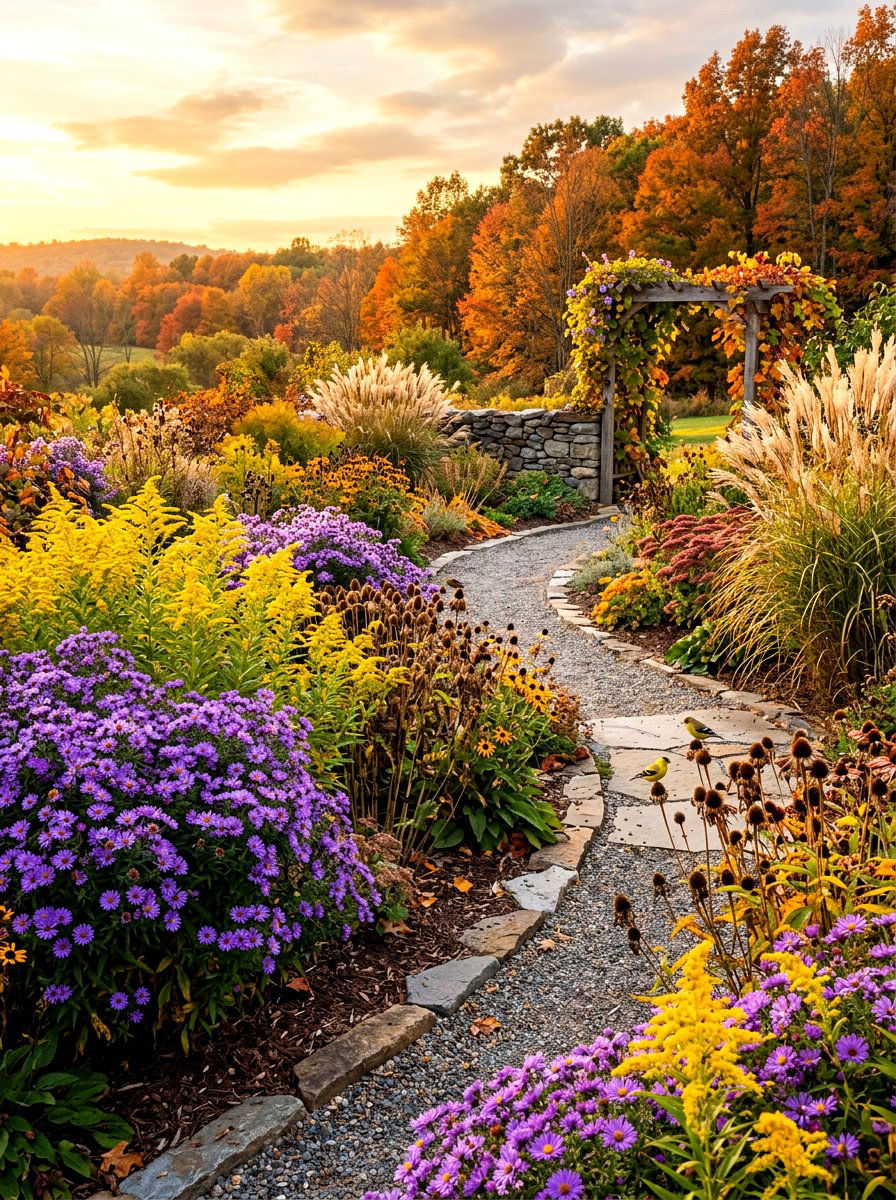
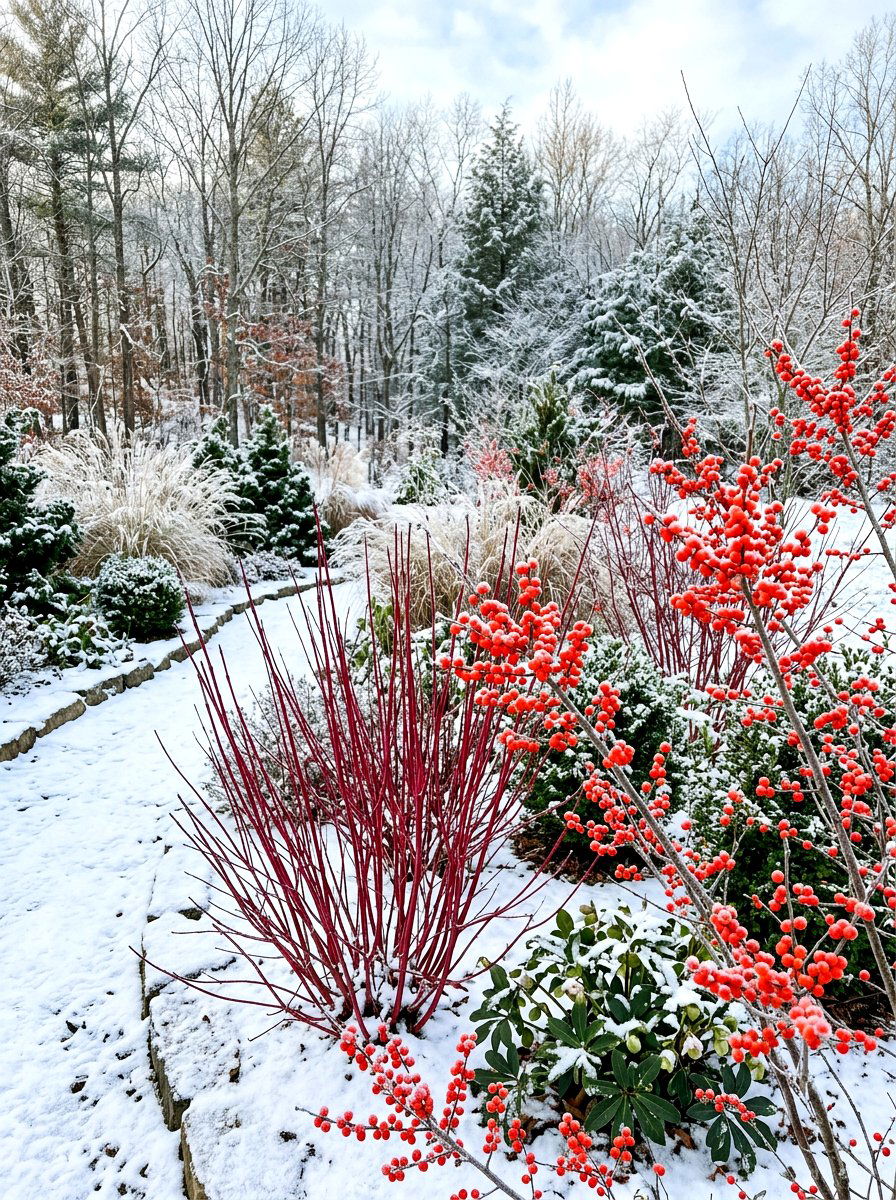
Autumn gardens are specifically designed to provide a grand finale of color and food for wildlife late in the season. This design prioritizes late-blooming native wildflowers like New England asters, goldenrods, and sunflowers. These plants offer essential nectar for migrating butterflies and bees preparing for the winter months. The color palette shifts to deep purples, bright yellows, and rich bronzes, creating a stunning visual display as other plants begin to fade. Leaving the seed heads standing provides winter interest and food for birds throughout the colder months. This design ensures that your backyard remains a beautiful and productive habitat even as the growing season comes to an end.
Conclusion:
Transitioning your backyard into a native wildflower sanctuary is a rewarding journey that benefits both you and the local environment. By selecting regional plants, you create a low-maintenance landscape that thrives with minimal intervention while providing vital resources for struggling pollinators and birds. Each of the thirty ideas presented offers a unique way to integrate nature into your daily life, whether you have a large meadow or a small patio. These designs prove that sustainability and high-end aesthetic appeal can go hand-in-hand in modern home design. Embrace the wild beauty of your local ecosystem and watch as your backyard becomes a vibrant, life-filled retreat.

Related posts: