Starting a prairie garden is an incredible way to bring the sweeping beauty of the American wilderness into your own backyard. These landscapes focus on native grasses and hardy perennials that thrive with very little human intervention once they are established. You will find that these gardens are not just beautiful to look at, but they also provide vital habitats for local birds and beneficial insects. By choosing plants that naturally belong in your region, you create a sustainable ecosystem that saves water and reduces the need for chemicals. This approach to gardening celebrates the natural rhythm of the seasons and the untamed elegance of the wild.
1. Native tallgrass prairie
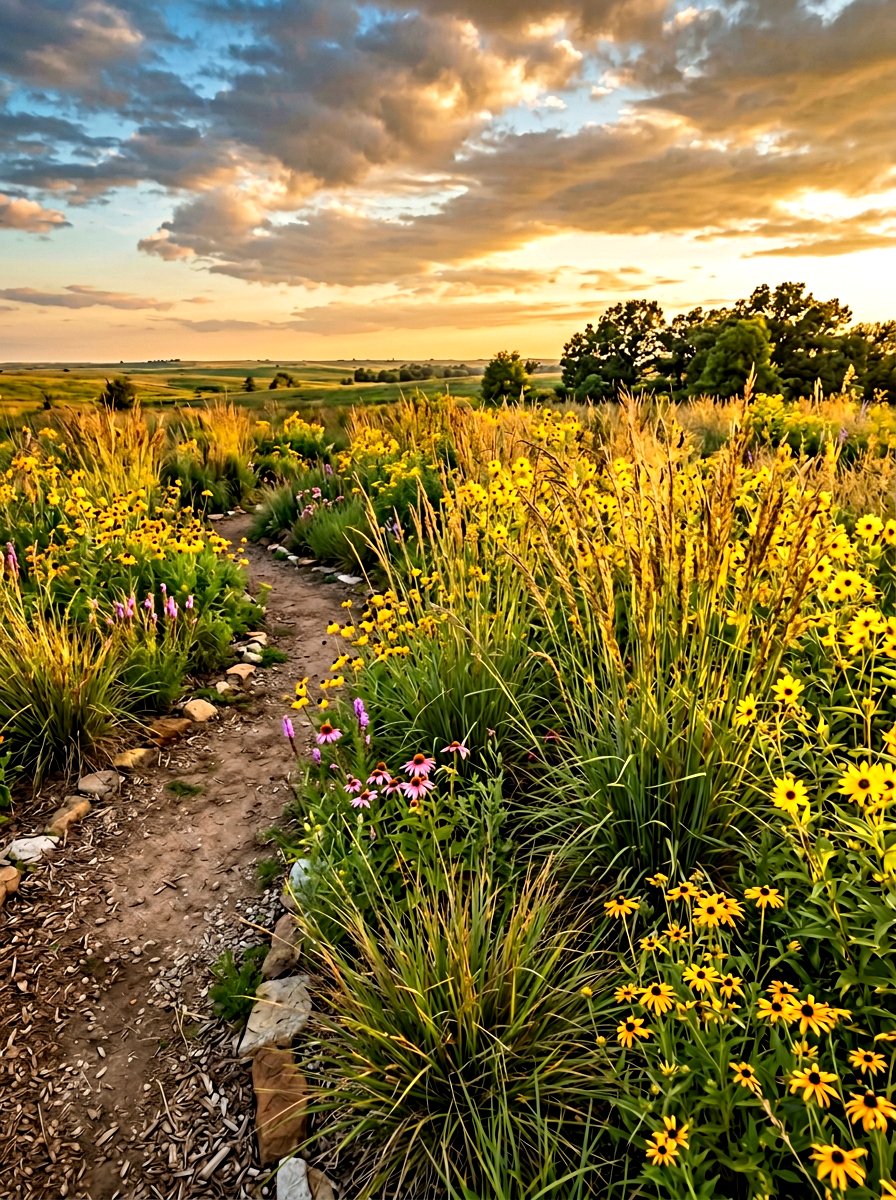
Imagine standing in a sea of golden stems that dance with the slightest breeze. A native tallgrass prairie brings the vast, open feeling of the American heartland right to your property. This style focuses on towering species like Big Bluestem and Indiangrass that can reach heights of six feet or more. These plants provide a strong vertical element that changes throughout the seasons. In summer, they offer a lush green backdrop for vibrant wildflowers. As autumn arrives, they transform into deep bronzes and oranges that glow in the sunlight. This garden type is perfect for larger properties where you want to create a sense of wild, uninhibited nature.
2. Small backyard prairie
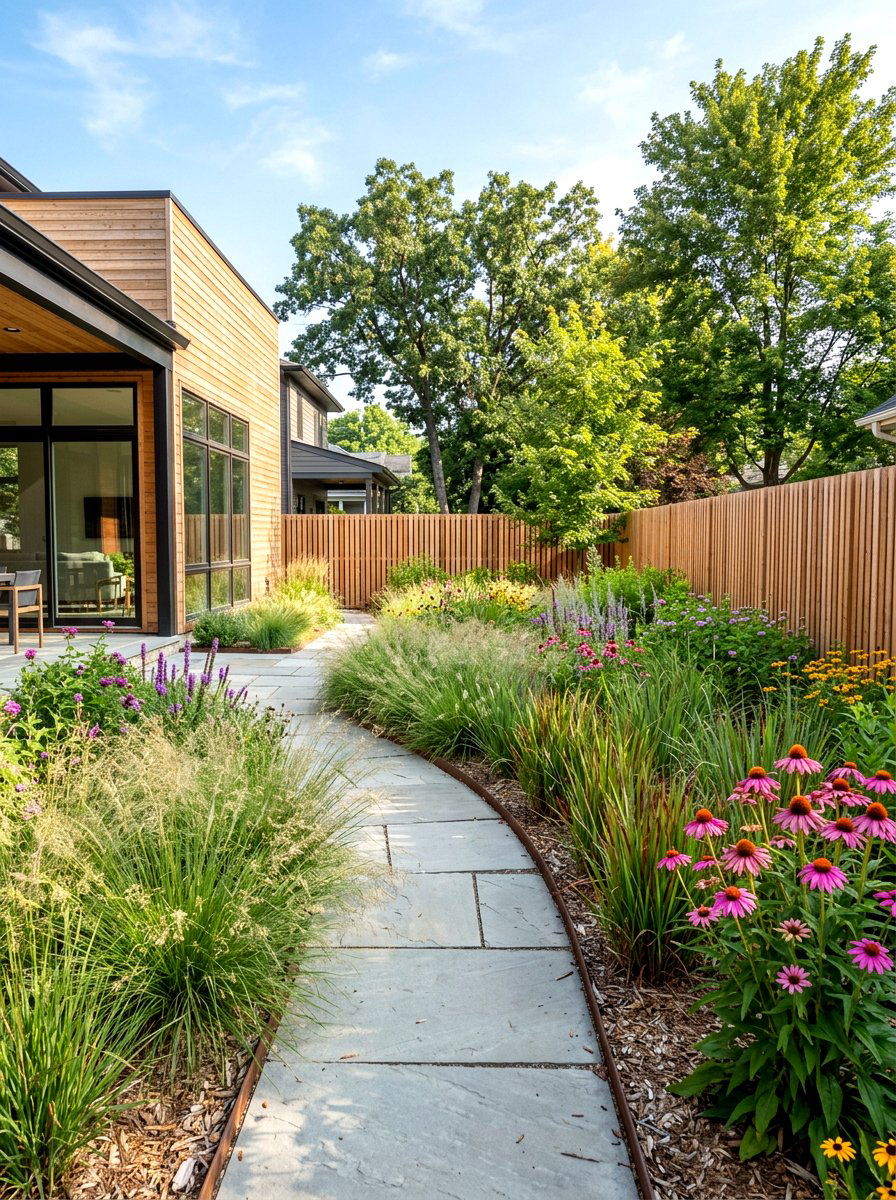
Creating a naturalistic escape does not require acres of land because you can easily adapt the prairie aesthetic for smaller residential spaces. For a compact backyard, focus on shorter native species like Prairie Dropseed and Little Bluestem to maintain a sense of scale. These grasses provide a fine texture that does not overwhelm a limited area. You can mix in colorful perennials like Purple Coneflower or Black-eyed Susan to add pops of brightness without crowding the space. This approach allows you to enjoy the ecological benefits of a meadow while keeping the look tidy enough for an urban or suburban setting. It is about capturing the essence of the wild.
3. Prairie garden border
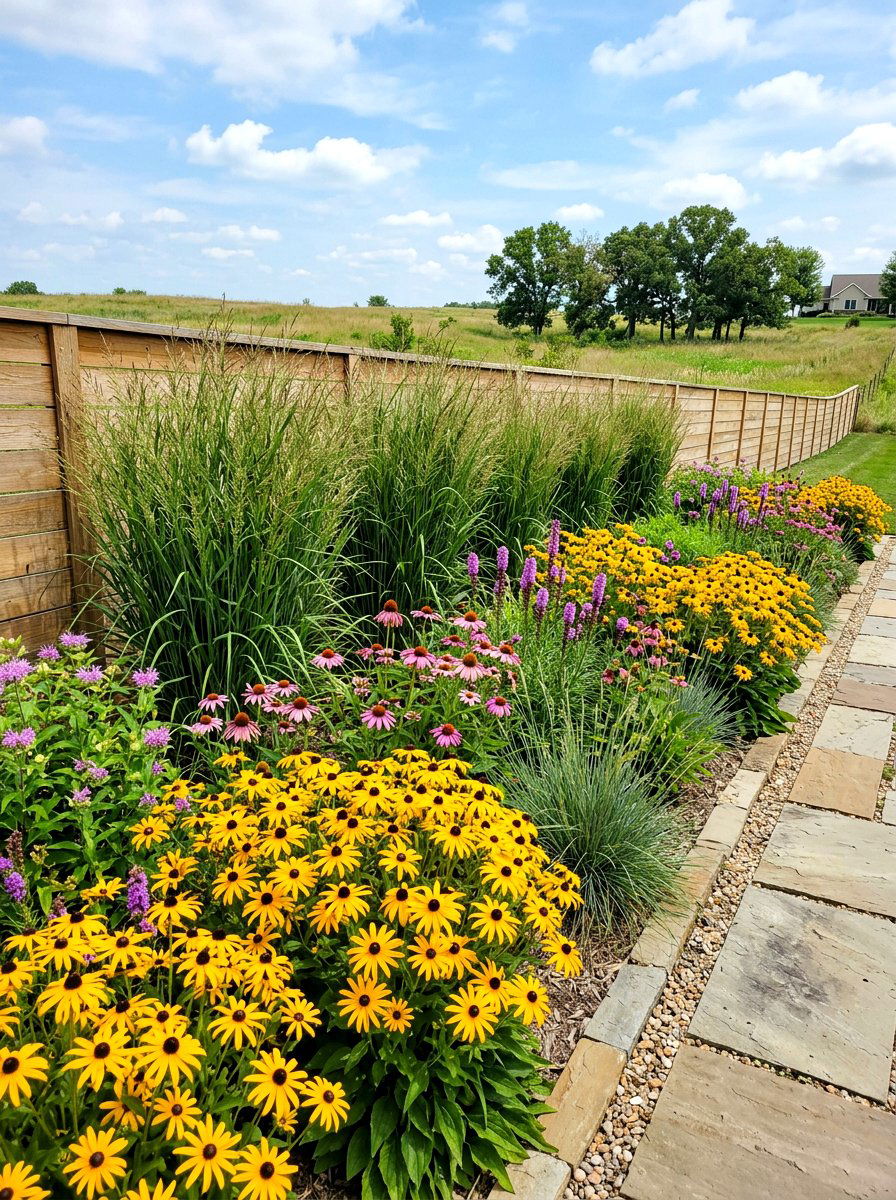
Transforming a traditional fence line into a living tapestry of movement and color is a brilliant way to use native plants. A prairie garden border serves as a soft transition between your manicured lawn and the rest of your property. By layering taller grasses in the back and shorter wildflowers in the front, you create depth and visual interest. This structured approach helps the garden look intentional rather than overgrown, which is often a concern for neighbors. Use species like Switchgrass for height and Blue False Indigo for early season blooms. This border will attract butterflies and provide a beautiful, ever-changing view from your windows throughout the entire year.
4. Modern prairie landscape
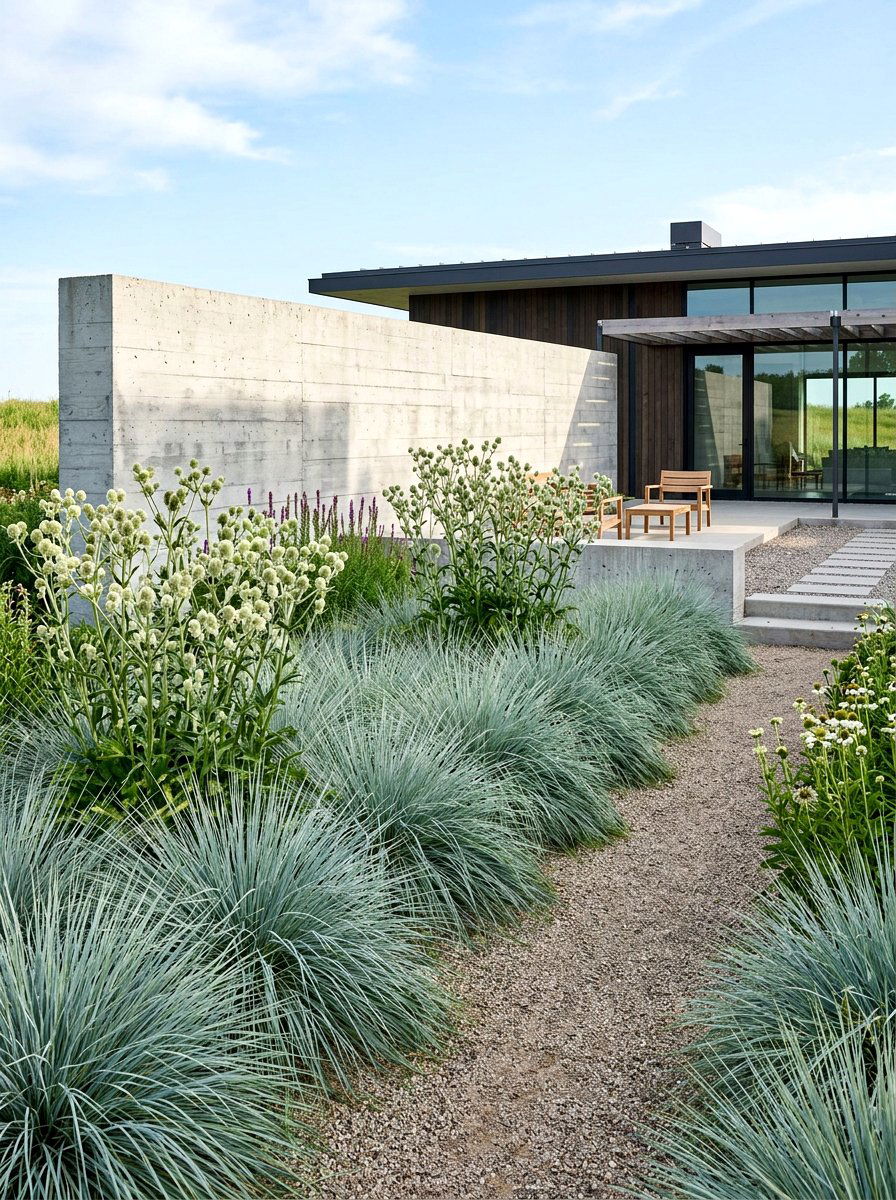
A modern prairie landscape emphasizes clean lines and bold groups of plants to create a sophisticated yet natural look. Instead of a random mix of species, this style uses large drifts of a single type of grass or flower to create a powerful visual impact. Imagine a sea of silvery-green Little Bluestem punctuated by the architectural shapes of Rattlesnake Master. This design works exceptionally well with contemporary architecture, providing a soft contrast to hard edges and industrial materials. The focus remains on texture and form rather than traditional floral displays. It is a sustainable way to achieve a high-end look that requires very little maintenance over time.
5. Wildflower meadow garden
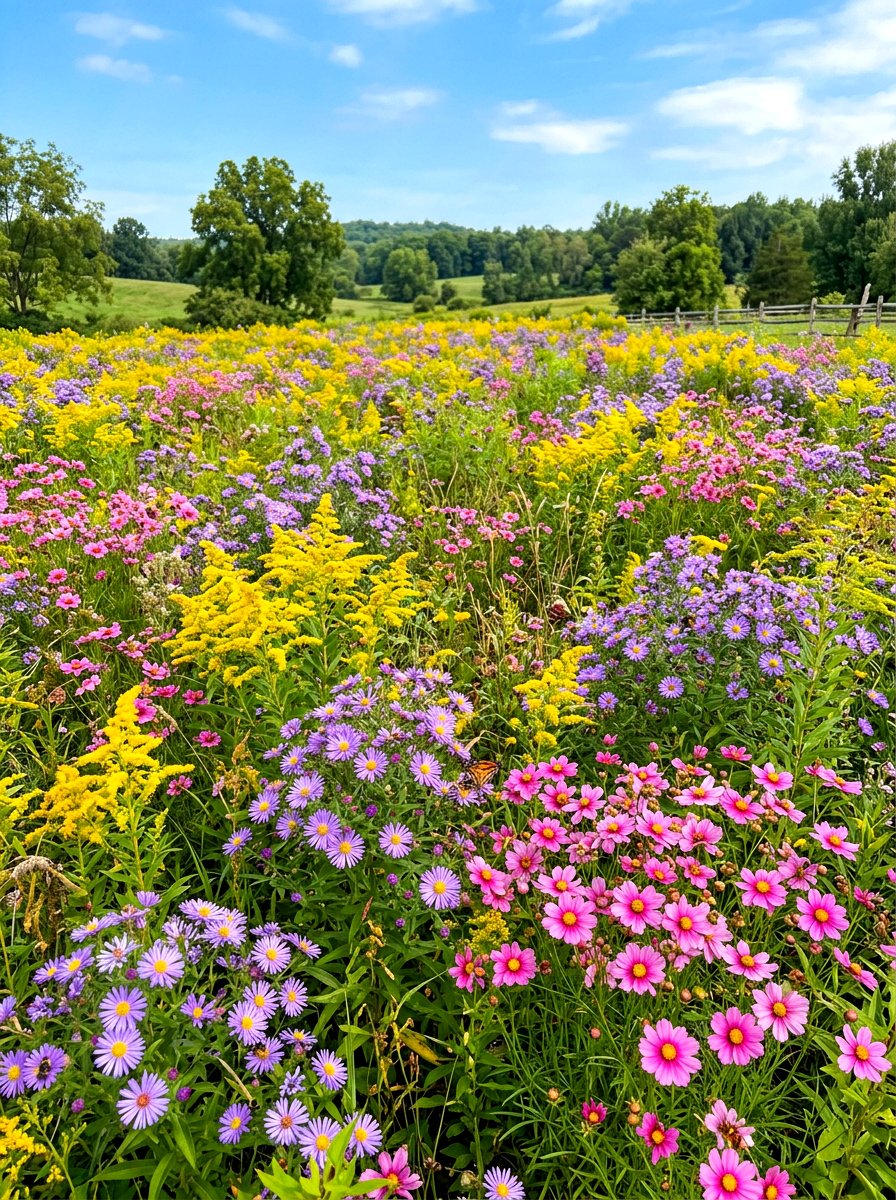
If you love the look of a field filled with blooms, a wildflower meadow garden is the perfect choice for your outdoor space. This style prioritizes flowering perennials over grasses, creating a vibrant explosion of color from spring until the first frost. You should include a variety of species that bloom at different times to ensure continuous interest for both you and local pollinators. Think about mixing goldenrod, asters, and coreopsis for a stunning late-summer display. While it looks spontaneous, a successful meadow requires careful preparation to ensure the native flowers can compete with weeds. The result is a joyful, buzzing landscape that feels truly alive.
6. Native grass planting
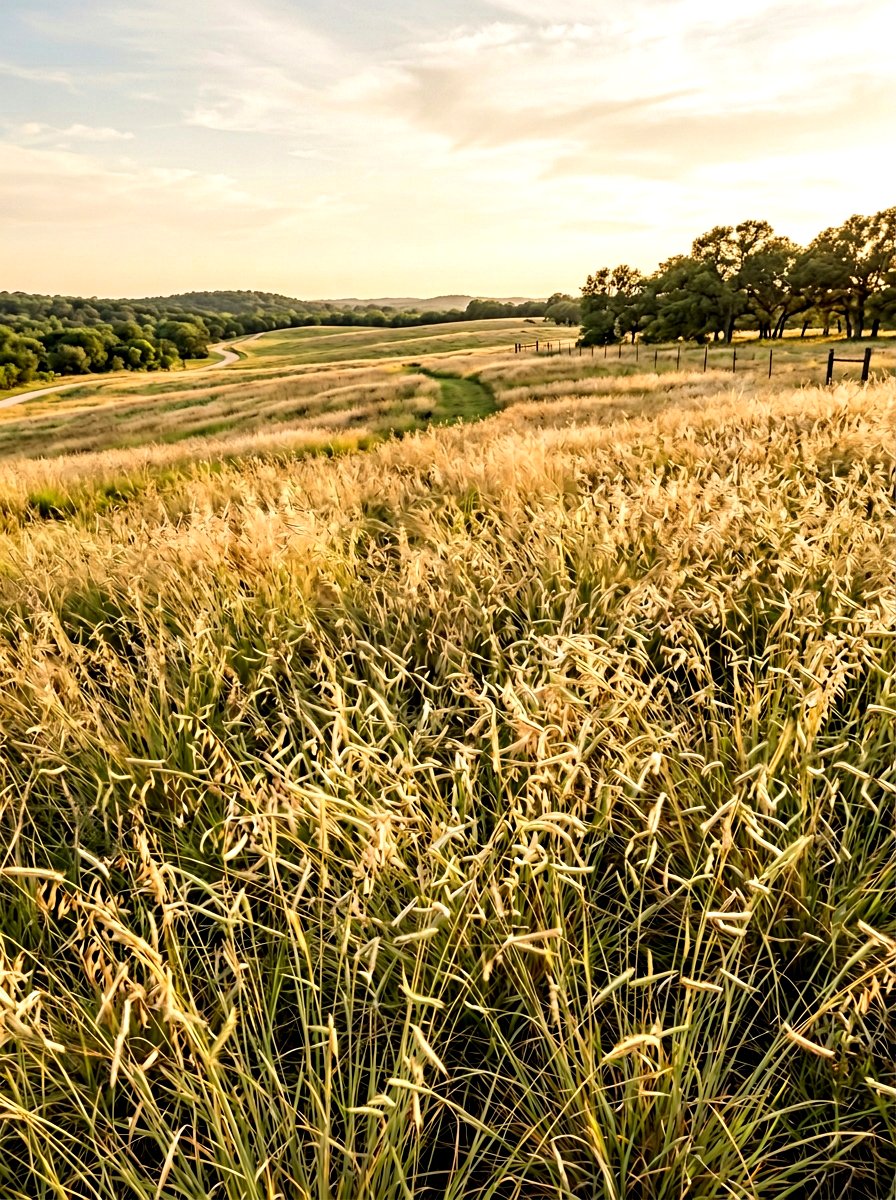
Focusing primarily on native grasses can create a minimalist and serene environment that highlights the subtle beauty of texture and movement. Grasses like Sideoats Grama and Blue Grama offer unique seed heads that look like tiny eyelashes or banners hanging in the air. When planted in large groups, these grasses create a soft, undulating carpet that catches the light beautifully during the golden hour. This type of garden is incredibly drought-tolerant and provides essential winter structure when other plants have faded away. It is a quiet, contemplative landscape that honors the foundational elements of the prairie ecosystem while offering a very low-maintenance solution for busy homeowners.
7. Pollinator prairie garden
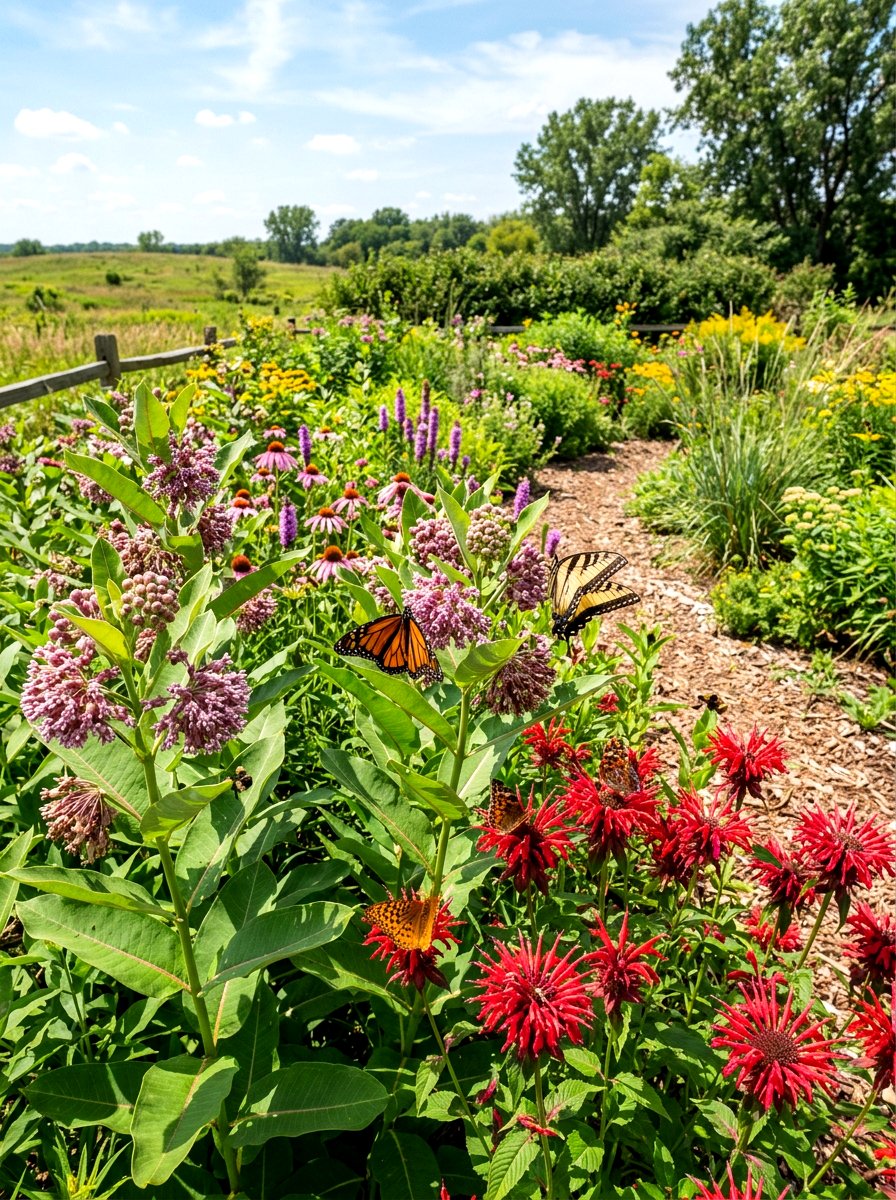
A pollinator prairie garden is specifically designed to provide food and shelter for bees, butterflies, and hummingbirds throughout their entire life cycles. To achieve this, you must include a diverse range of host plants and nectar sources, such as various types of Milkweed for Monarch butterflies. These gardens are often bustling with activity, making them a fascinating feature to watch from a porch or patio. By avoiding pesticides and providing a water source, you create a true sanctuary for local wildlife. The abundance of life in these spaces adds a layer of beauty that goes beyond simple aesthetics, making your garden a vital part of the local environment.
8. Prairie gravel garden
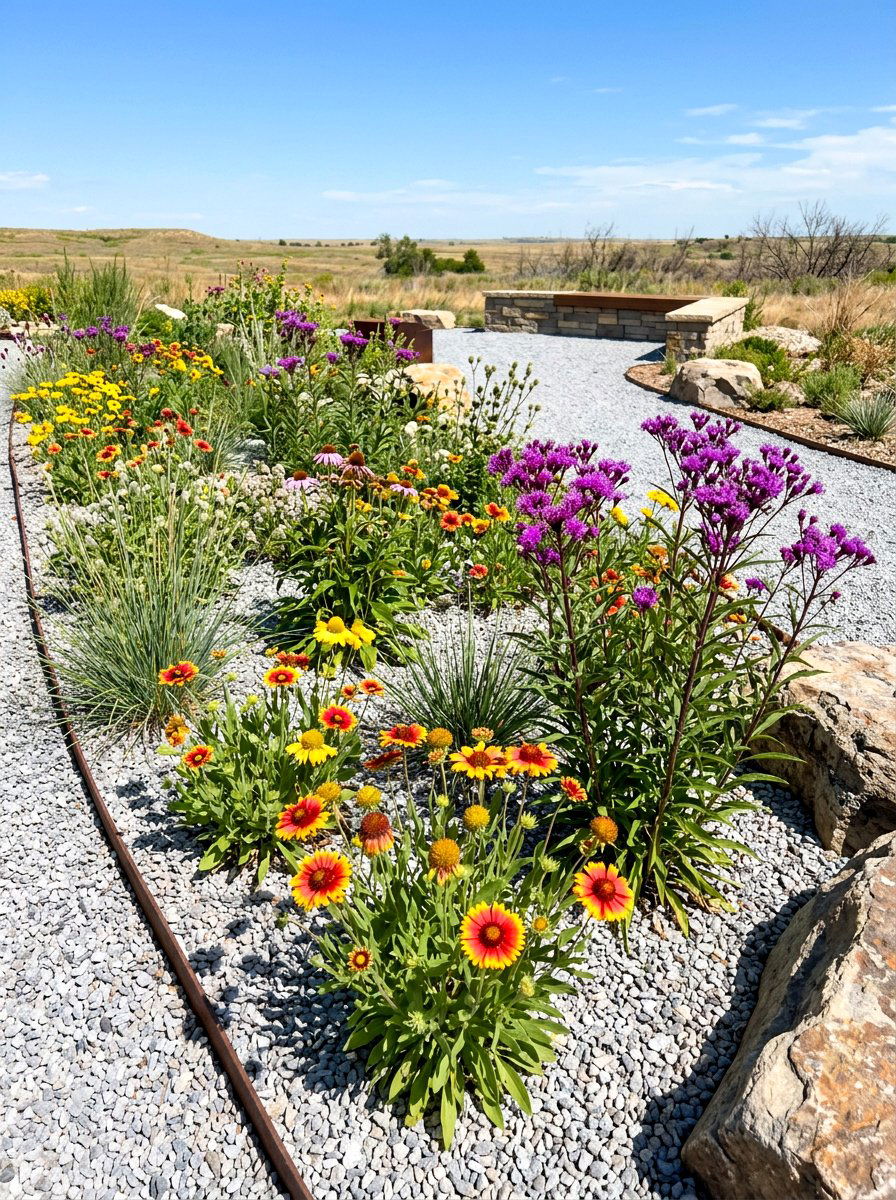
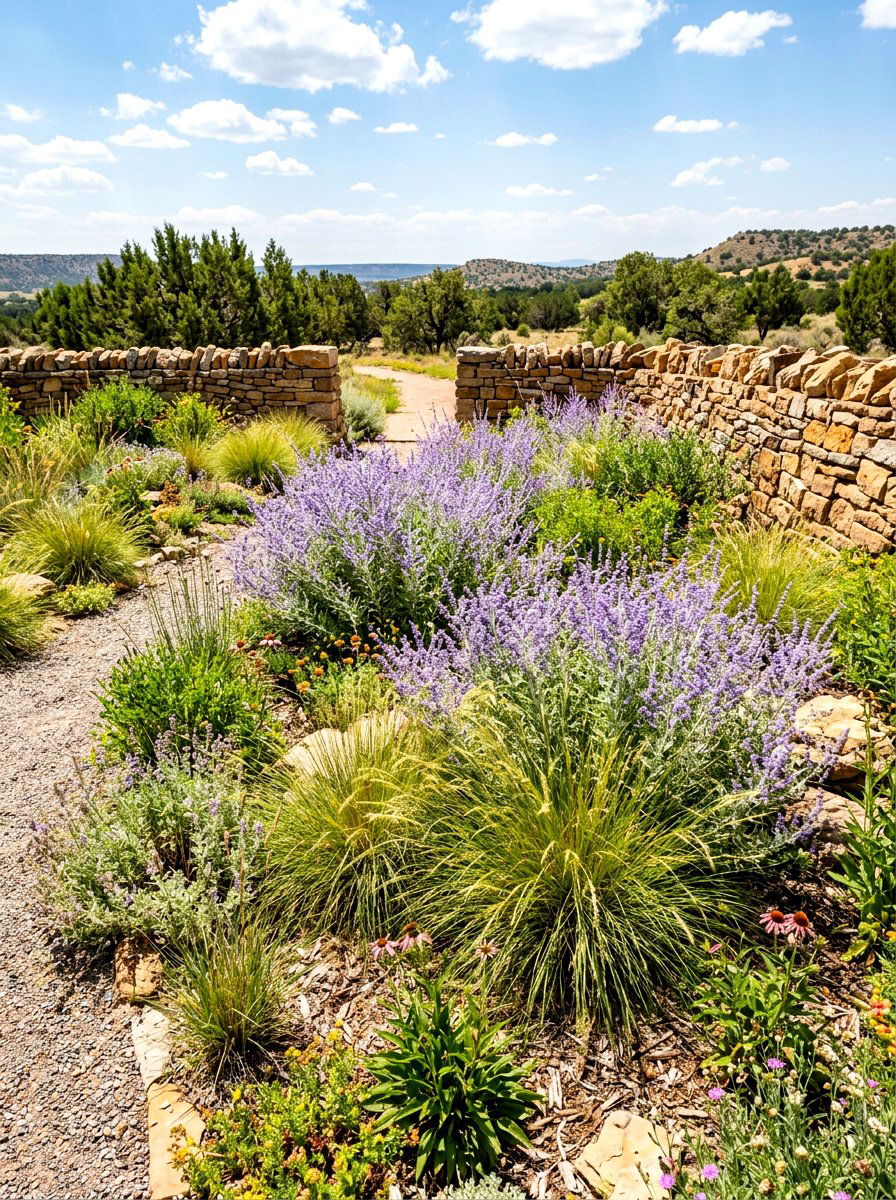
For those living in exceptionally dry climates or dealing with poor soil, a prairie gravel garden offers a resilient and stylish solution. This method involves planting native prairie species directly into a thick layer of gravel, which acts as a permanent mulch to suppress weeds and retain moisture. Plants like Blanket Flower and Western Ironweed thrive in these well-drained conditions. The gravel provides a neutral background that makes the colors of the wildflowers pop vividly. This type of landscape is perfect for front yards or areas near driveways where heat is often intense. It creates a rugged, beautiful look that feels both modern and deeply connected to the earth.
9. Low maintenance prairie
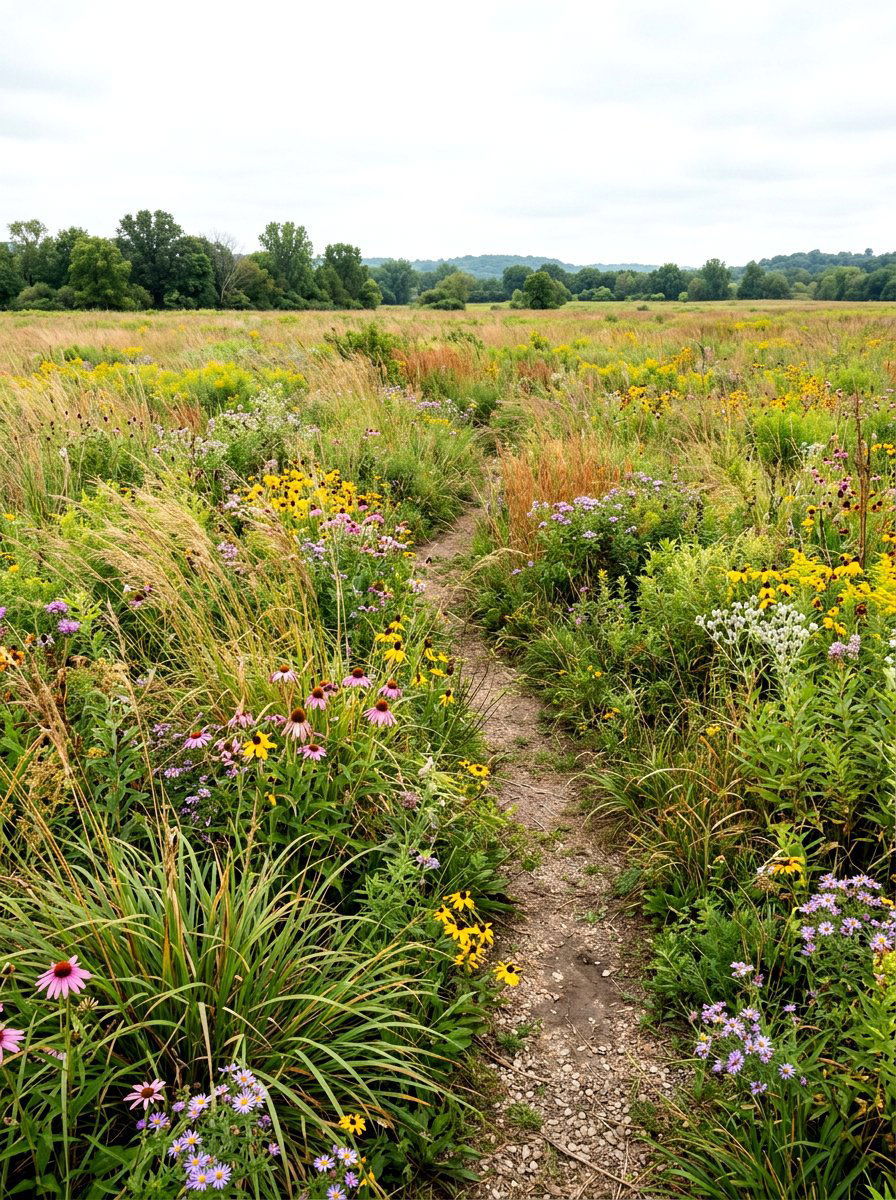
One of the greatest appeals of a prairie garden is the ability to spend more time enjoying your yard and less time working in it. A low maintenance prairie uses tough, competitive native species that naturally crowd out weeds and require no supplemental fertilizer. Once these plants are established, they rarely need watering, even during the peak of summer heat. You only need to cut back the dried foliage once a year in late winter or early spring to make way for new growth. This "set it and forget it" approach is ideal for large slopes or back corners of a property where regular mowing is difficult or inconvenient.
10. Prairie garden path
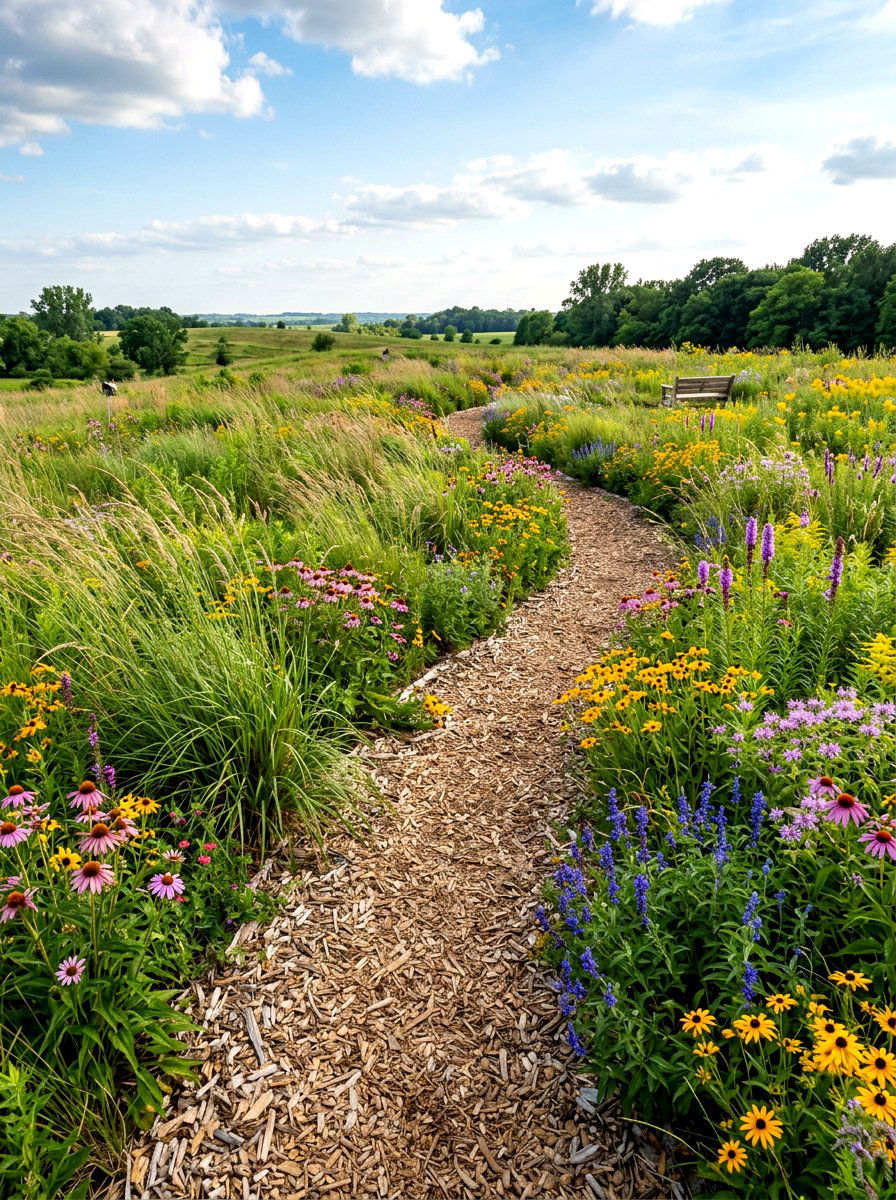
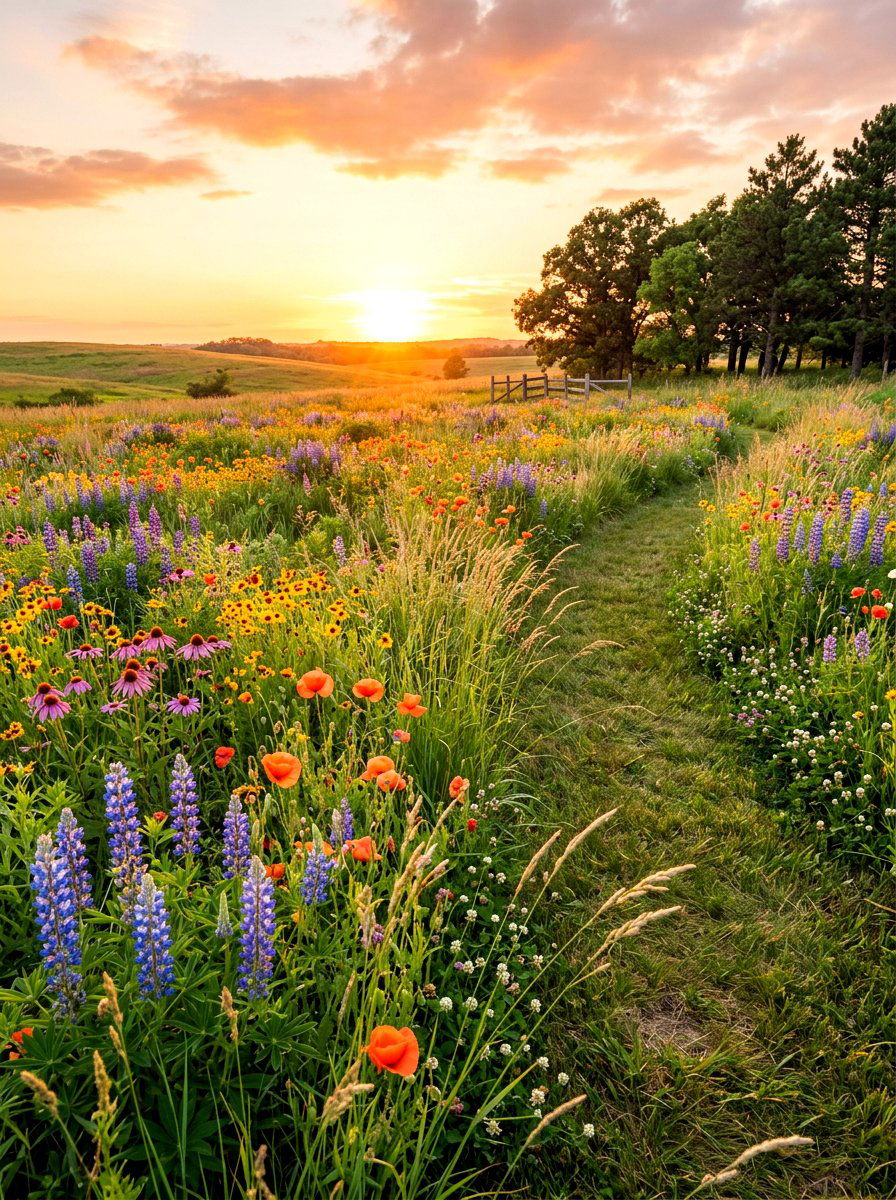
Incorporating a winding path through your prairie garden allows you to fully immerse yourself in the textures and scents of the landscape. Whether you use simple wood chips, stepping stones, or mown grass, a path provides a clear sense of direction and purpose. It invites guests to wander through the tall stems and discover hidden blooms or resting butterflies. To make the path feel more integrated, allow some of the softer grasses to spill over the edges, blurring the line between the walkway and the wild plants. This creates a sensory experience where you can hear the rustle of the wind and feel the plants brush against you.
11. Winter prairie interest
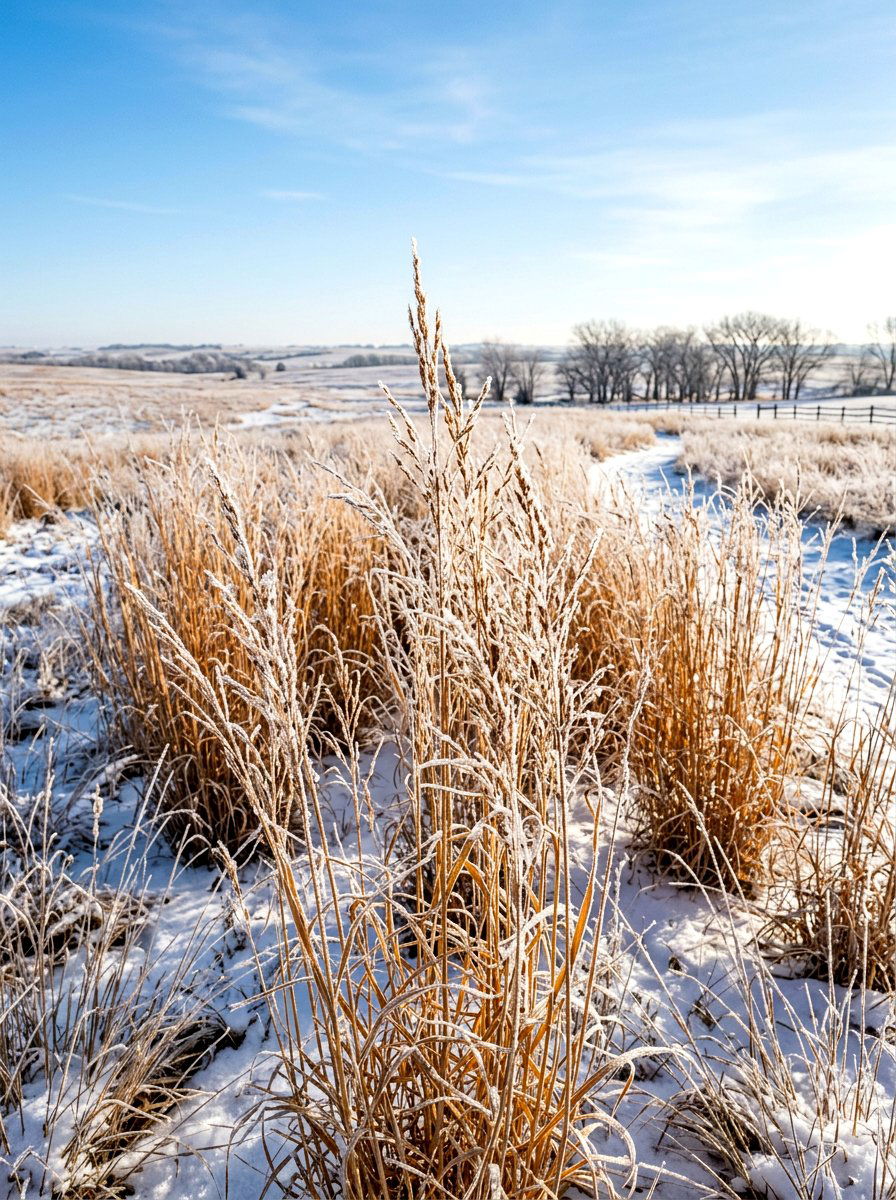
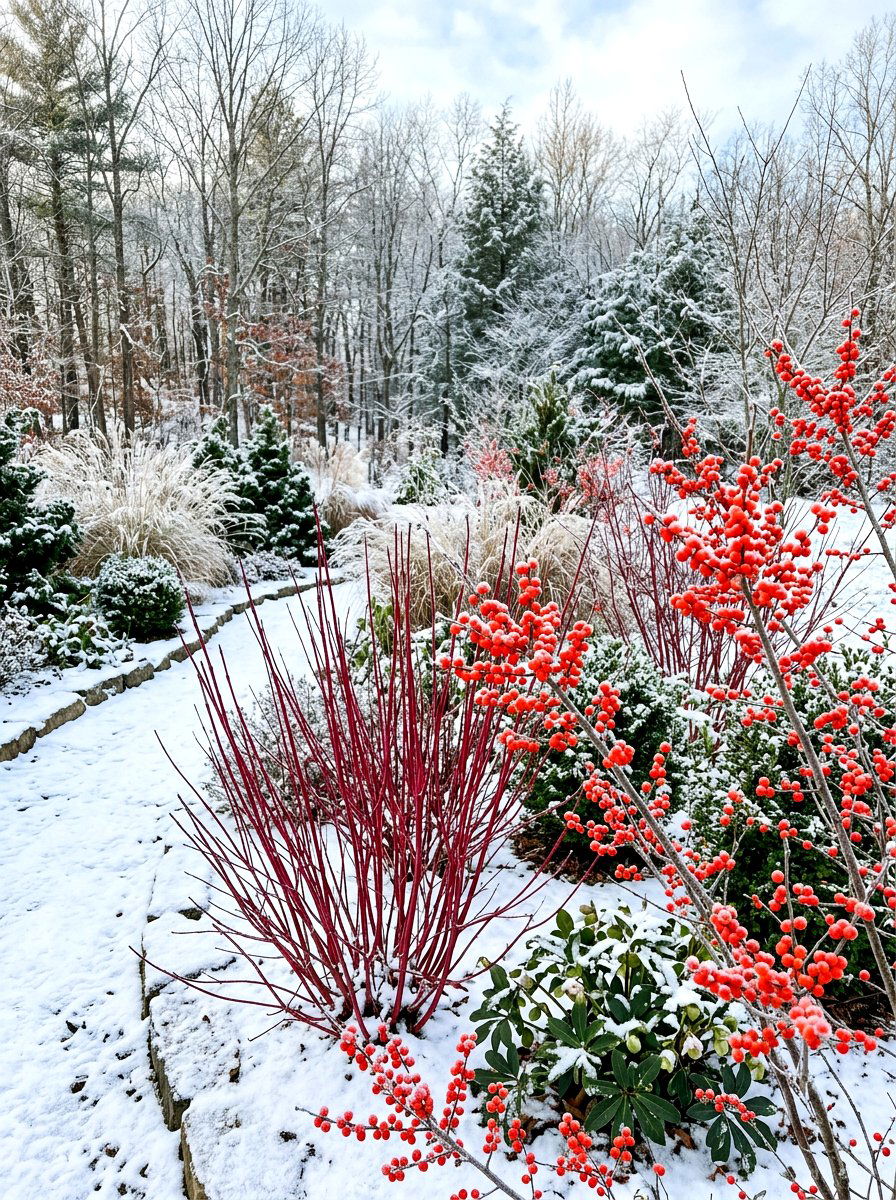
A well-planned prairie garden remains beautiful long after the flowers have faded and the first snow has fallen on the ground. By leaving the stalks and seed heads standing through the winter, you create a landscape filled with architectural interest and subtle tones of amber and gray. Tall grasses like Switchgrass hold their shape well against heavy snow, providing a striking contrast to the white landscape. These standing plants are also essential for wildlife, offering seeds for birds and shelter for overwintering insects. Seeing the frost catch on a dried seed head is a magical experience that proves a garden can be stunning in every single season.
12. Urban prairie garden
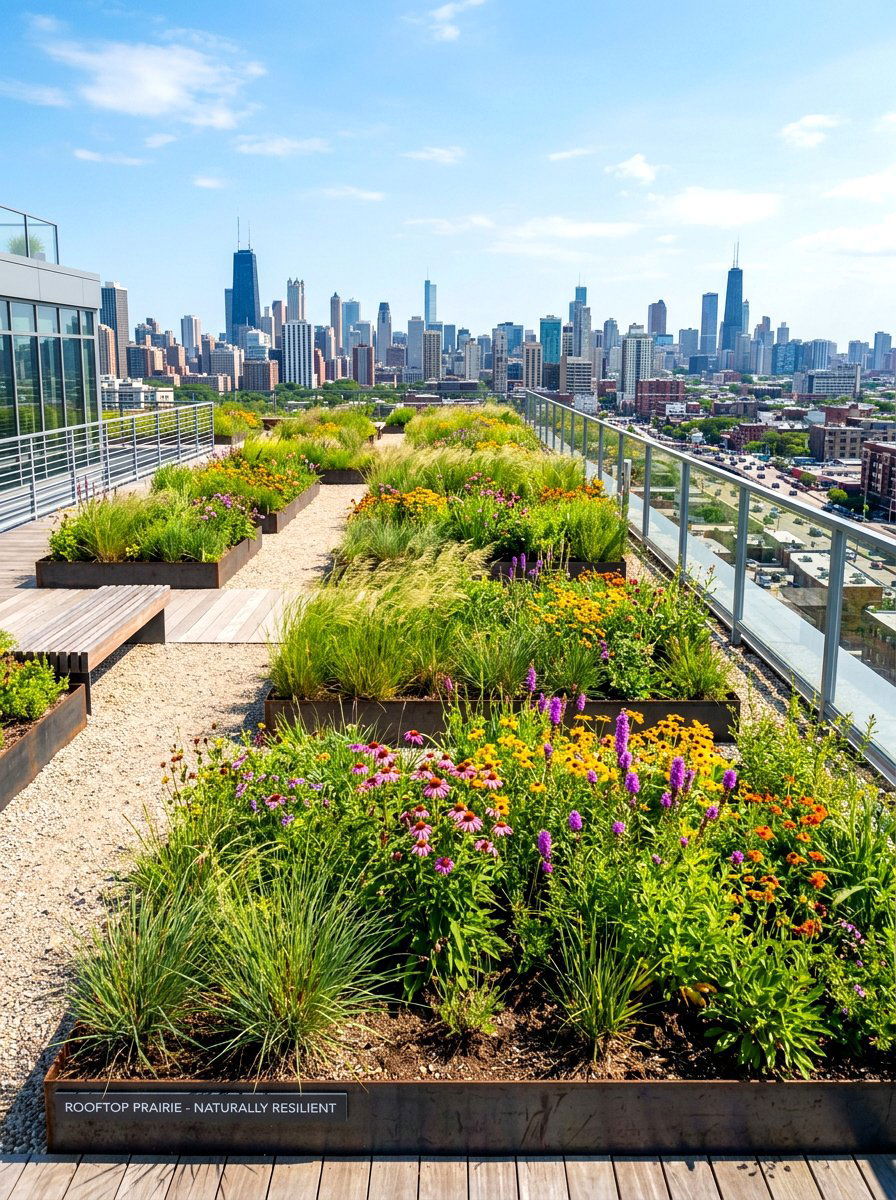
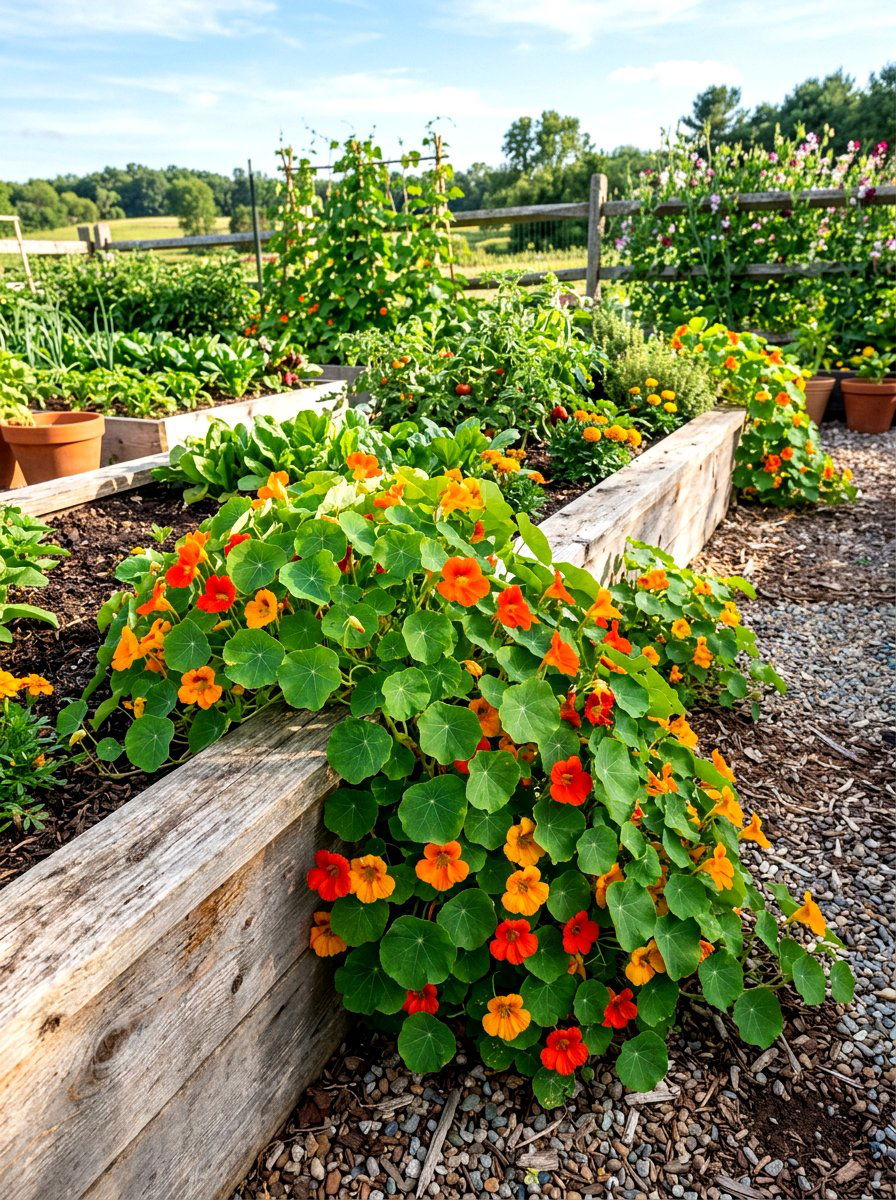
Bringing the spirit of the wild into a city environment is possible with an urban prairie garden that maximizes small footprints and verticality. You can use large planters or raised beds to grow native grasses and perennials if you only have a balcony or a tiny courtyard. This green intervention helps to cool the air and reduce the "heat island" effect common in metropolitan areas. Choose species that are particularly resilient to pollution and reflected heat from nearby buildings. By adding even a small patch of prairie plants, you create a stepping stone for migratory birds and insects as they navigate through the concrete jungle of the modern city.
13. Prairie rain garden
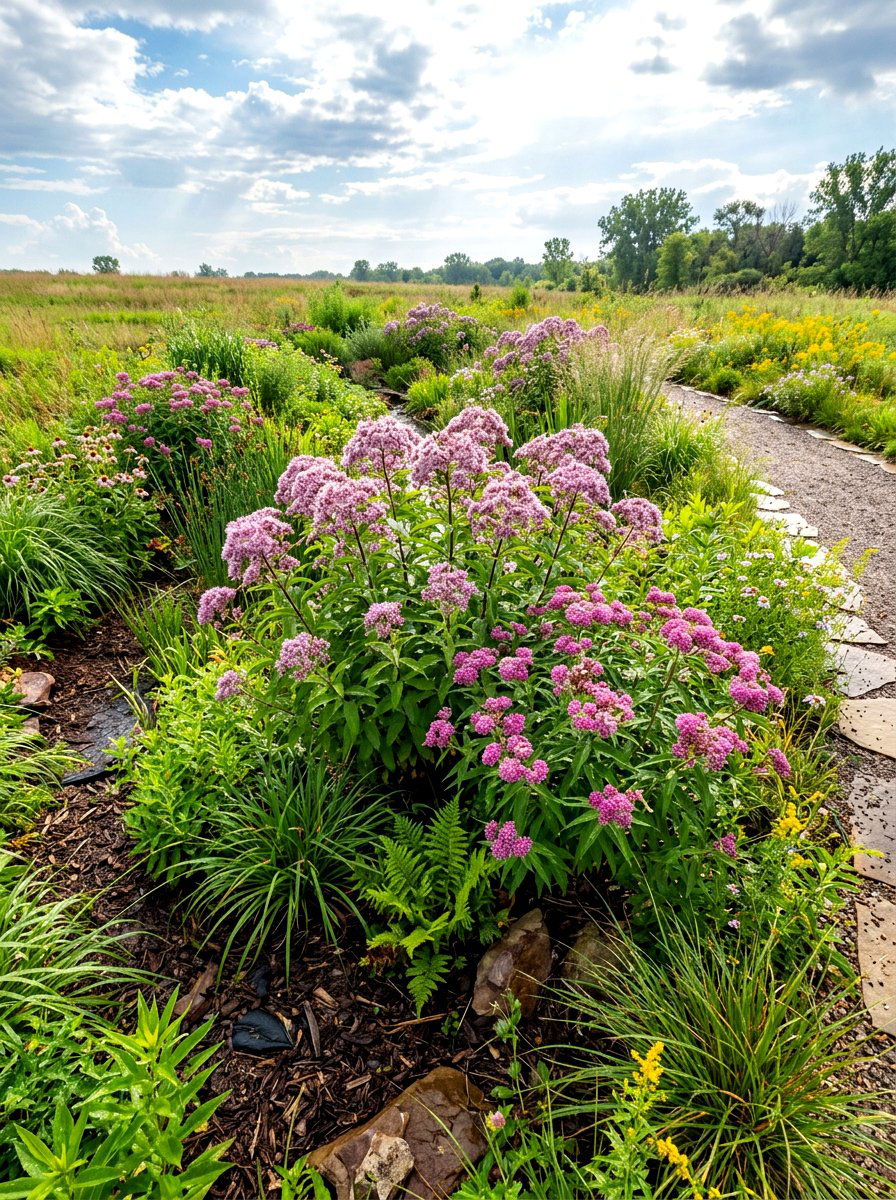
A prairie rain garden is a functional and beautiful way to manage stormwater runoff on your property while supporting local biodiversity. By planting deep-rooted native species in a shallow depression, you allow rainwater to soak slowly into the ground instead of running off into the street. Plants like Joe Pye Weed and Swamp Milkweed are perfect for these areas because they can handle both temporary flooding and dry spells. The complex root systems of prairie plants are excellent at filtering pollutants from the water. This type of garden turns a potential drainage problem into a lush, thriving feature that adds significant environmental value to your home and neighborhood.
14. Front yard prairie
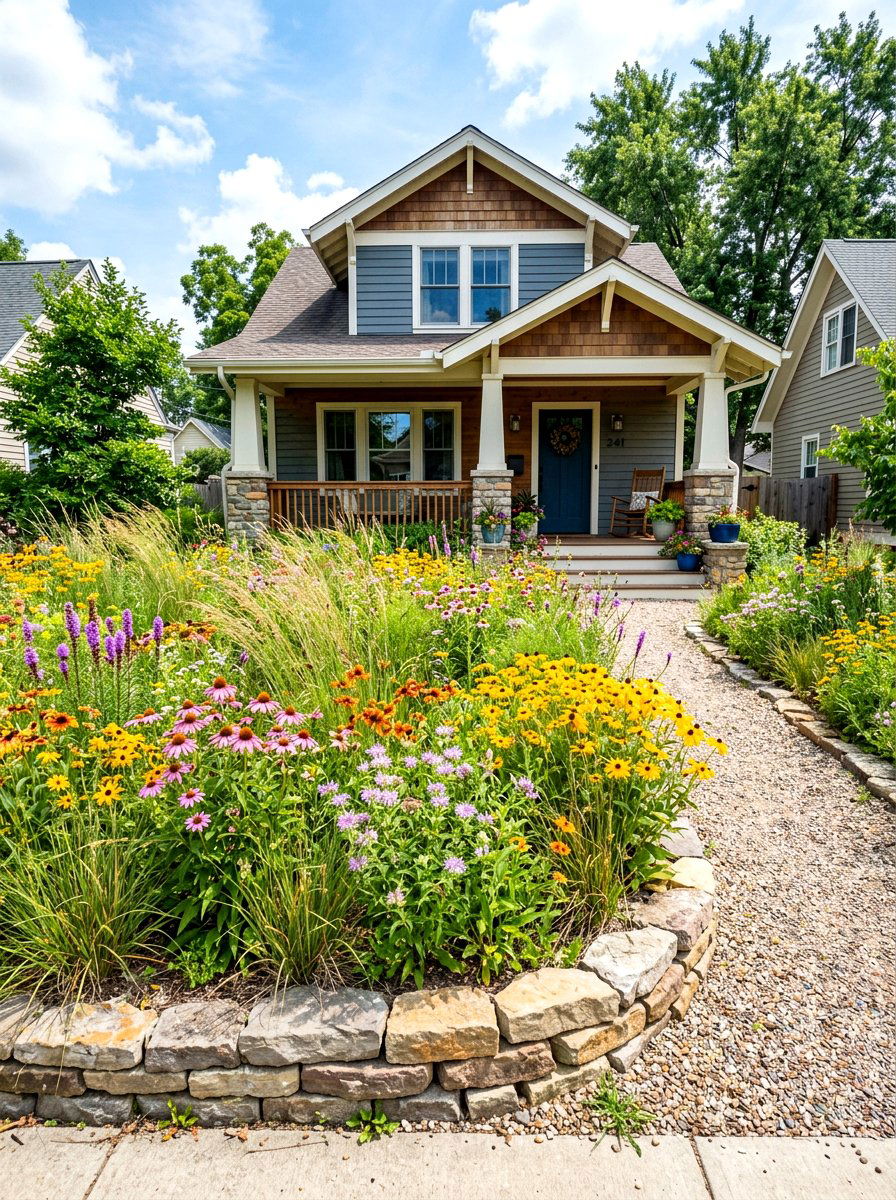
Replacing a traditional turf lawn with a front yard prairie is a bold statement that prioritizes ecology and seasonal beauty over conformity. This transformation creates a welcoming and unique entryway that sets your home apart from the rest of the street. To keep the look acceptable in a residential neighborhood, consider using defined edges like a stone border or a low fence. You can also mix in some ornamental elements like a birdbath or a large decorative rock to anchor the space. A front yard filled with swaying grasses and colorful blooms provides a daily dose of nature for both you and everyone who passes by your home.
15. Wildlife prairie habitat
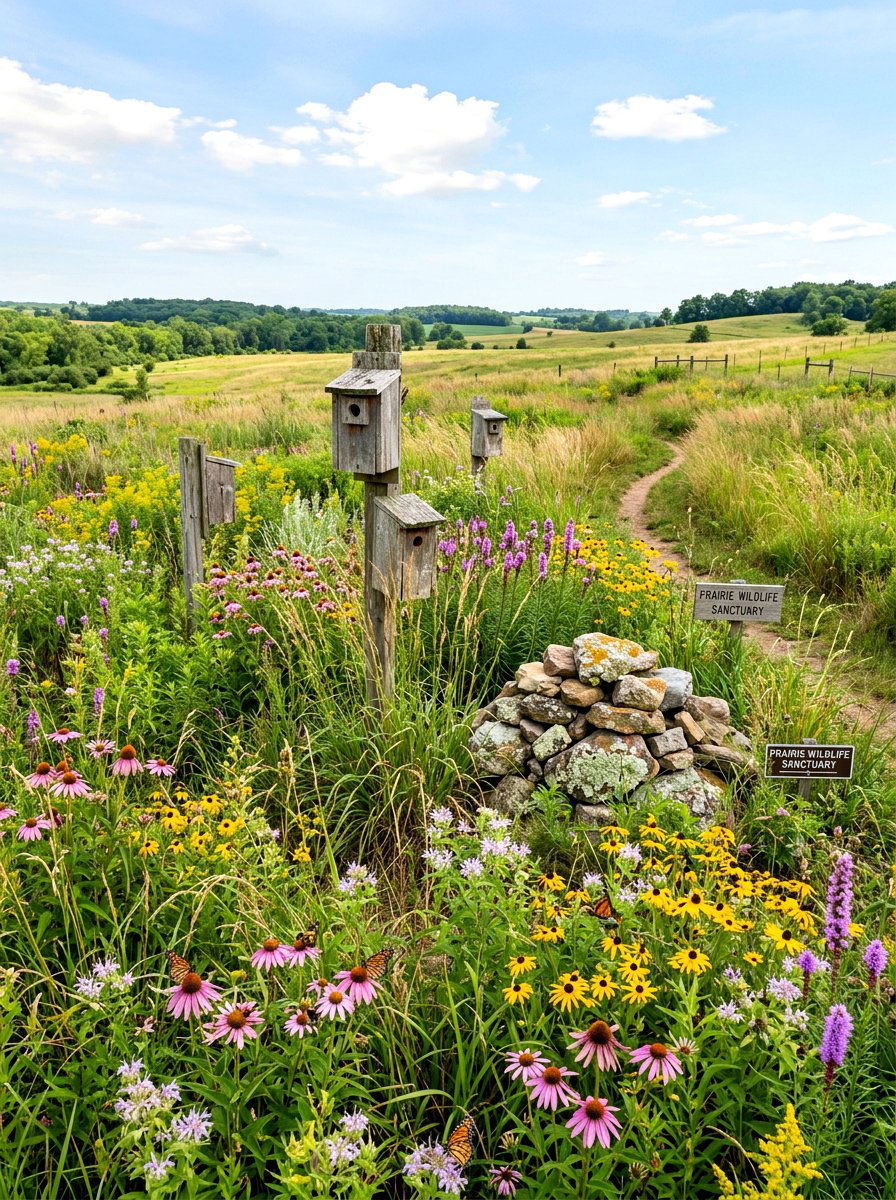
A wildlife prairie habitat is designed to be a functioning ecosystem that provides everything local animals need to thrive throughout the year. Beyond just planting flowers, this approach includes leaving some bare ground for nesting bees and providing varied heights of vegetation for different bird species. You might include a brush pile or a small rock outcrop to offer hiding spots for reptiles and small mammals. The goal is to move away from a "perfect" look and embrace a more layered, complex environment. This type of garden is incredibly rewarding because it allows you to observe the intricate relationships between plants and animals in your own backyard.
16. Drought tolerant prairie
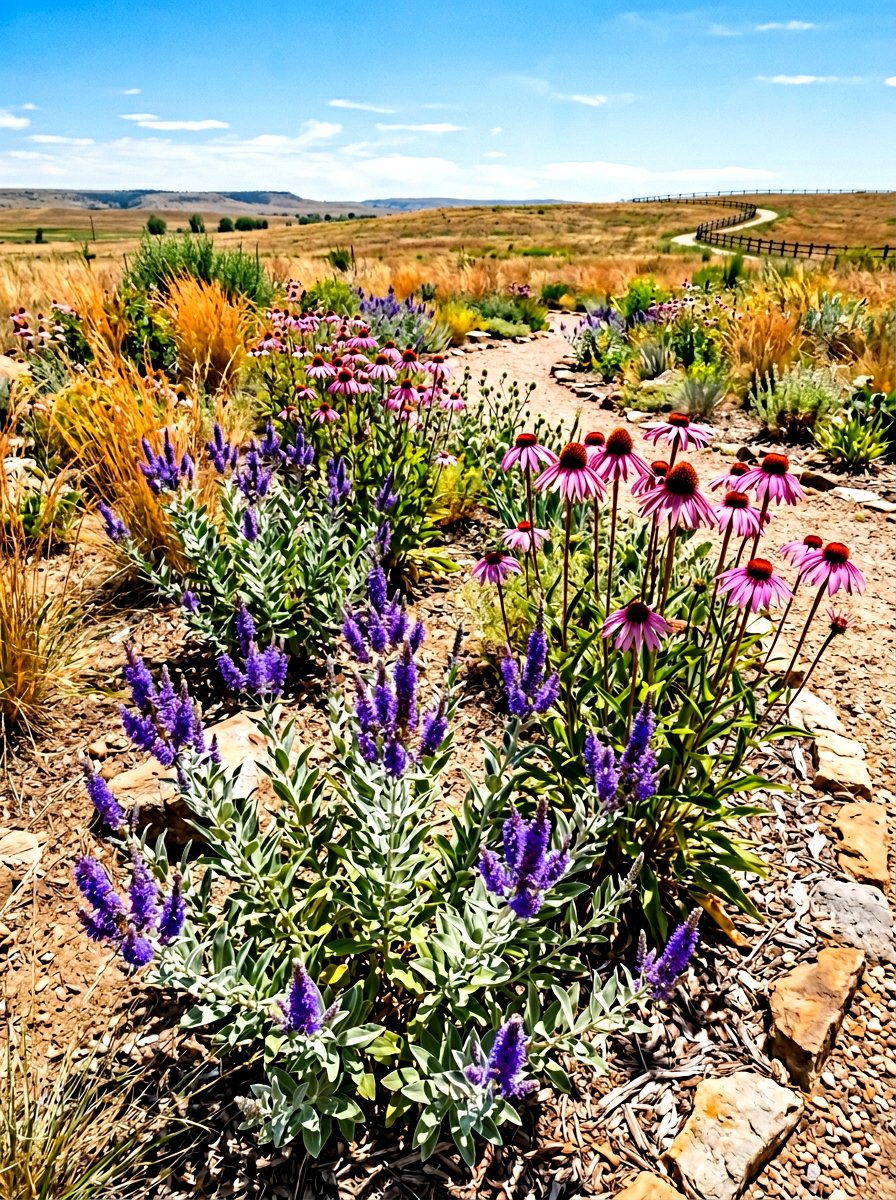
As water becomes a more precious resource, a drought tolerant prairie offers a way to maintain a beautiful landscape without relying on irrigation. Many prairie plants have evolved incredibly deep root systems that can reach several feet into the earth to find moisture during dry periods. Species like Leadplant and Pale Purple Coneflower are legendary for their ability to stay green and vibrant even when other plants are wilting. By grouping these water-wise species together, you create a resilient garden that can withstand the harshest summer conditions. This sustainable choice reduces your utility bills and protects the local watershed while providing a lush, colorful outdoor environment.
17. Prairie slope garden
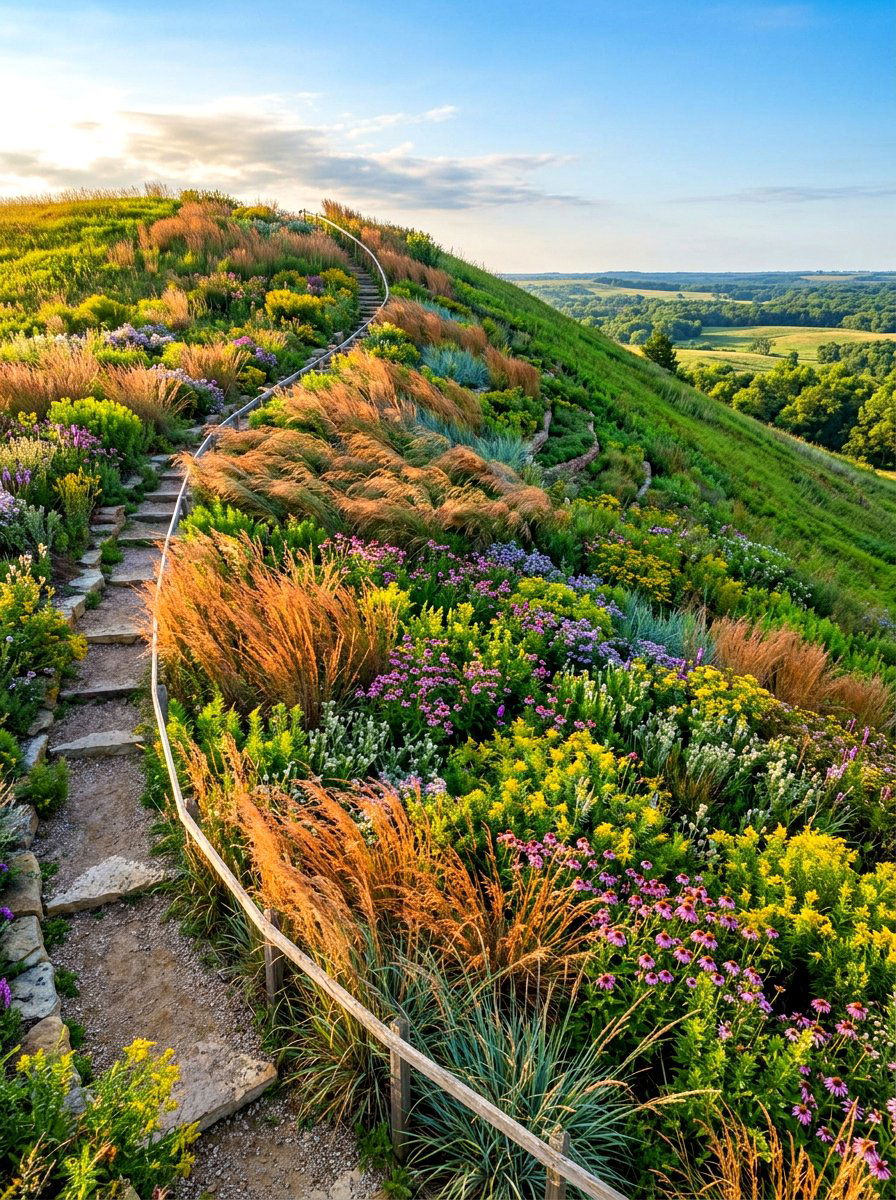
Planting a prairie on a steep hillside is an excellent solution for preventing erosion and managing a difficult-to-mow area. The extensive root systems of native grasses and forbs act like a living net, holding the soil firmly in place during heavy rains. Unlike turf grass, which has shallow roots, prairie plants provide long-term stability for sloped landscapes. You can create a stunning visual effect by planting species that drape or flow down the hill, such as Little Bluestem. This type of garden turns a challenging landscape feature into a low-maintenance asset that looks like a natural extension of the surrounding environment while providing a beautiful backdrop for your home.
18. Native prairie meadow
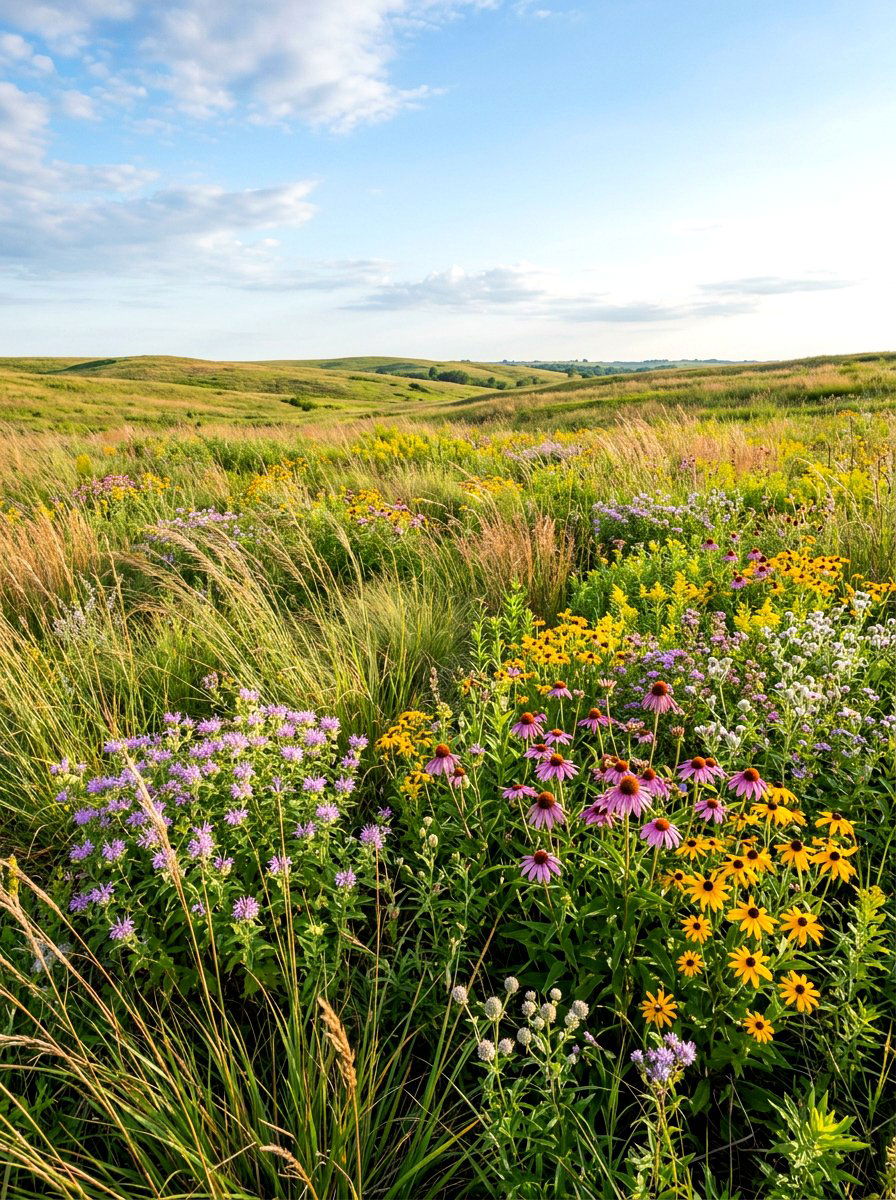
A native prairie meadow is all about mimicking the random and beautiful distribution of plants found in nature. This style avoids straight lines and rigid patterns, opting instead for a scattered look that feels effortless and wild. You can achieve this by mixing your seeds before planting or by placing small groups of plants in irregular clusters across the area. The key is to include a high percentage of grasses to act as a matrix that supports the flowering perennials. This type of meadow provides a sense of peace and tranquility, offering a soft place for the eye to rest among the complex textures and subtle colors.
19. Contemporary prairie landscape
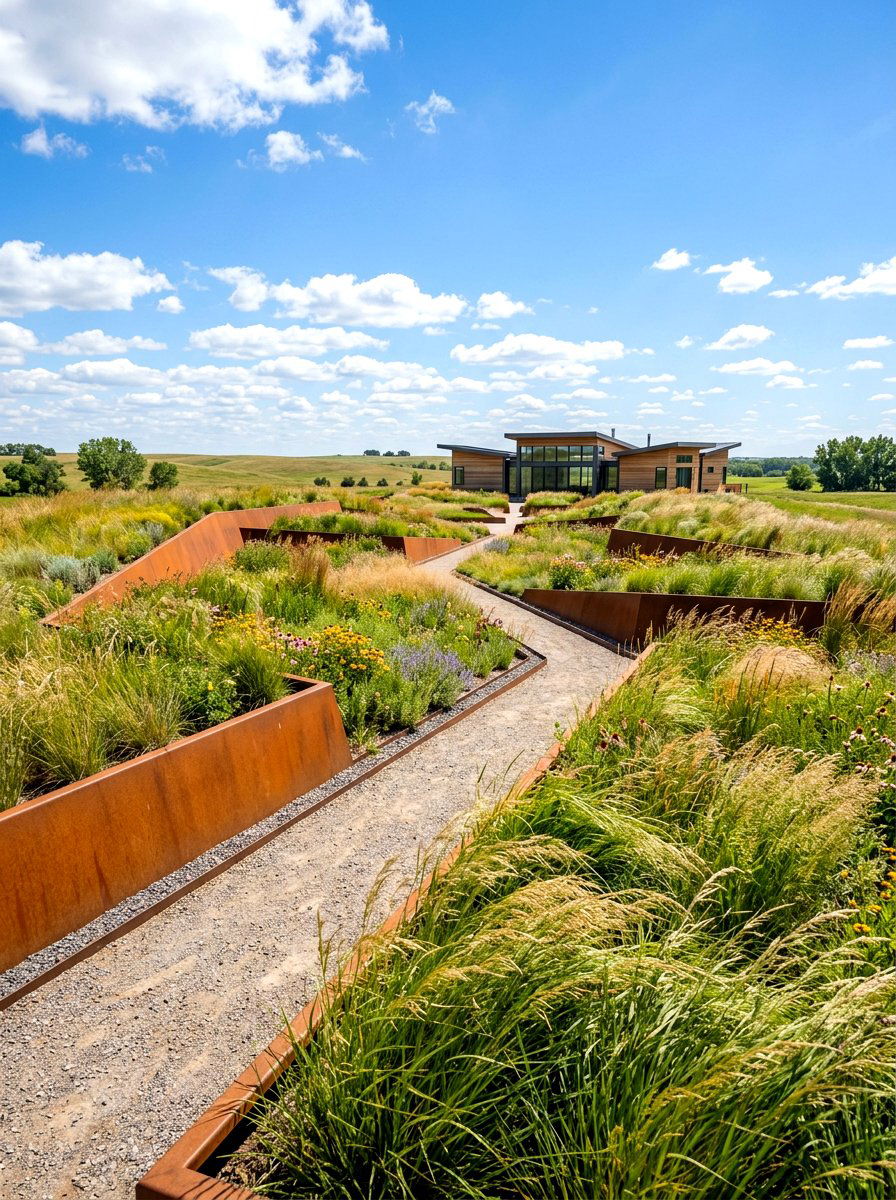
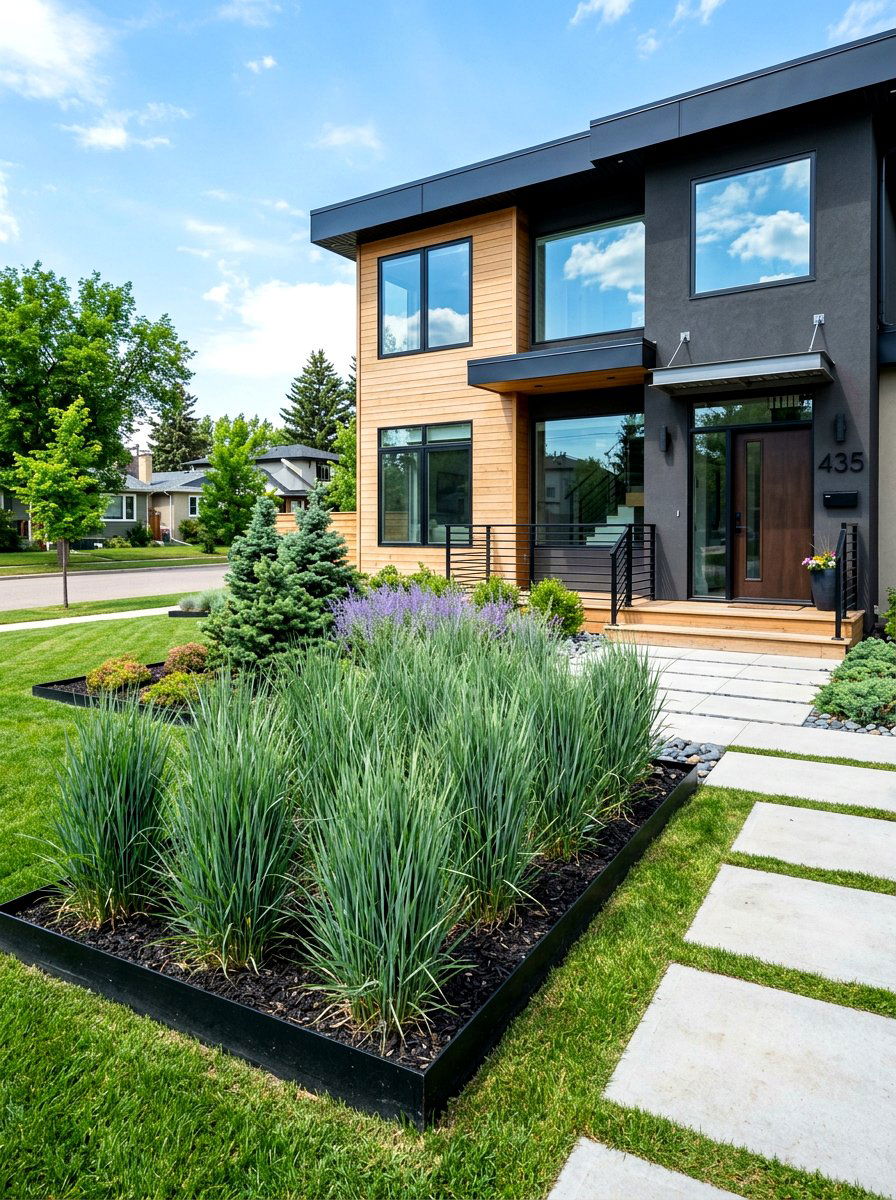
The contemporary prairie landscape takes inspiration from the natural world but organizes it with a highly refined and artistic eye. This style often features geometric layouts, such as rectangular planting beds filled with wild, soft prairie species. The contrast between the rigid structure of the hardscaping and the fluid movement of the grasses creates a very modern aesthetic. Use high-quality materials like weathering steel or smooth concrete for paths and walls to complement the organic feel of the plants. This approach proves that native gardening can be sophisticated and stylish, making it a perfect fit for newly constructed homes or modern renovations in any climate.
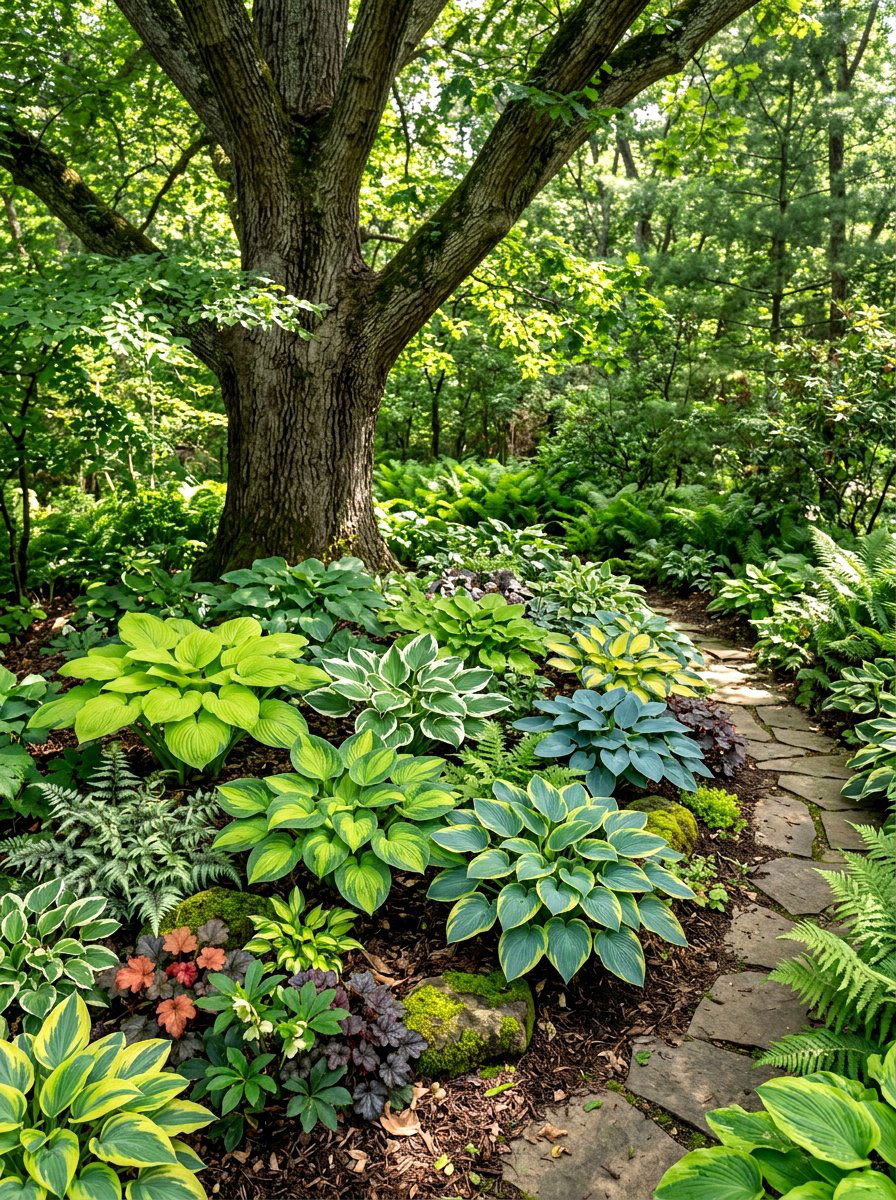


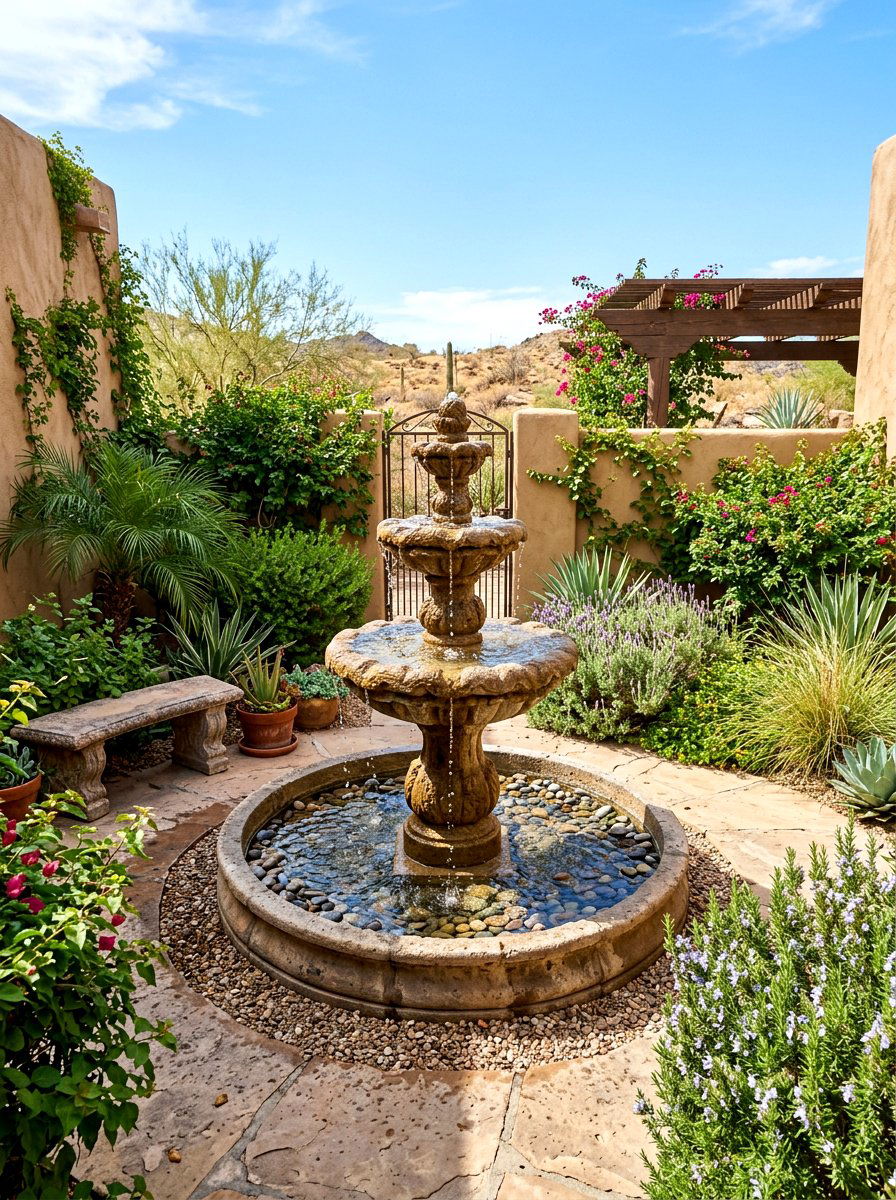
20. Prairie garden seating area
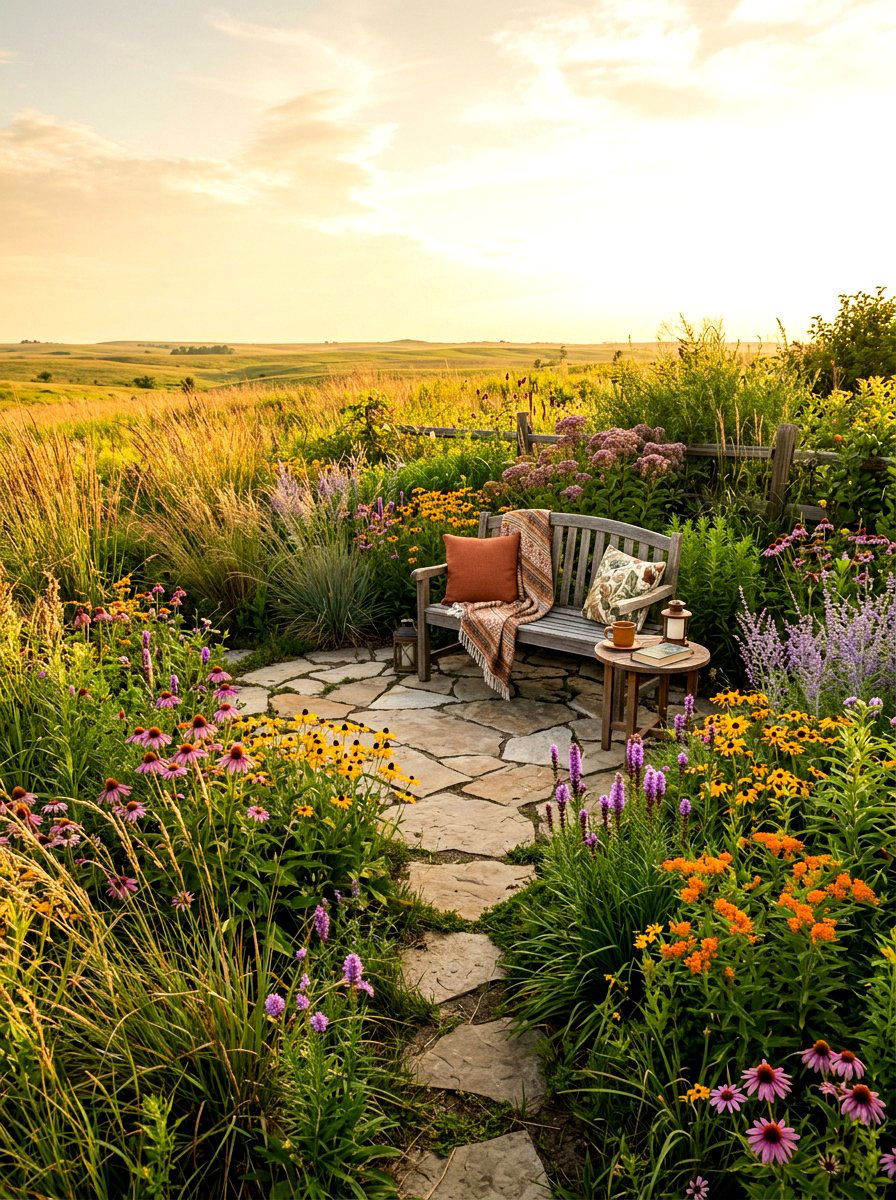
Designing a prairie garden seating area allows you to truly relax and enjoy the immersive experience of being surrounded by nature. Imagine a small stone patio or a simple wooden bench tucked away in a clearing of tall grasses and bright wildflowers. Being at eye level with the blooms and the butterflies creates a profound sense of connection to the environment. To enhance the experience, choose plants with pleasant scents or those that make soothing sounds in the wind, like the rustling of Switchgrass. This private retreat becomes the perfect spot for morning coffee or evening reflection, providing a quiet escape from the noise of the outside world.
21. Naturalistic prairie planting
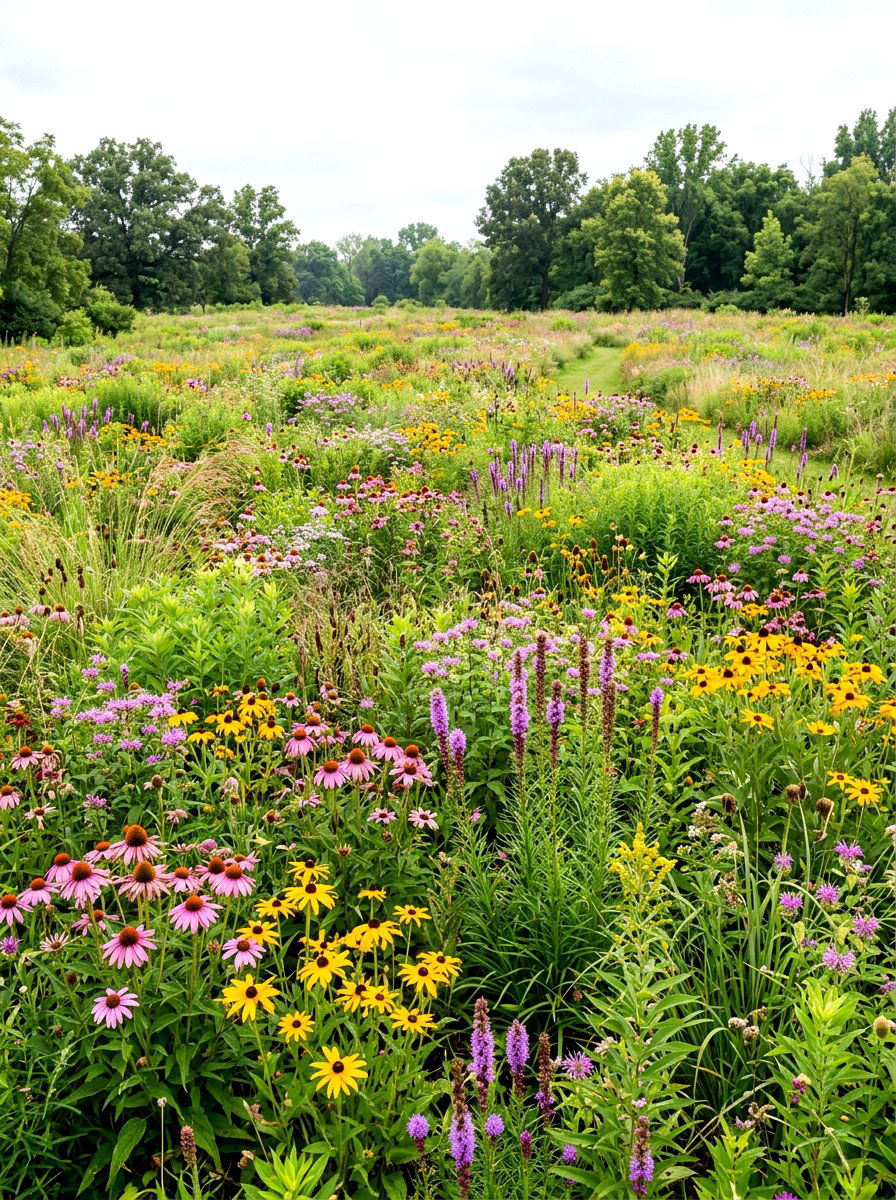
Naturalistic prairie planting is a design philosophy that focuses on how plants interact with each other in the wild. Instead of treating plants as individual objects, you think about them as a community that covers the ground completely to prevent weeds. This style often uses a high density of plants to create a lush, full look that requires no mulch once established. It celebrates the way different species weave together, with taller flowers poking through a base layer of shorter grasses. This method results in a very resilient garden that can adapt to changing conditions and maintains its beauty without needing constant human intervention or replanting.
22. Seasonal prairie garden
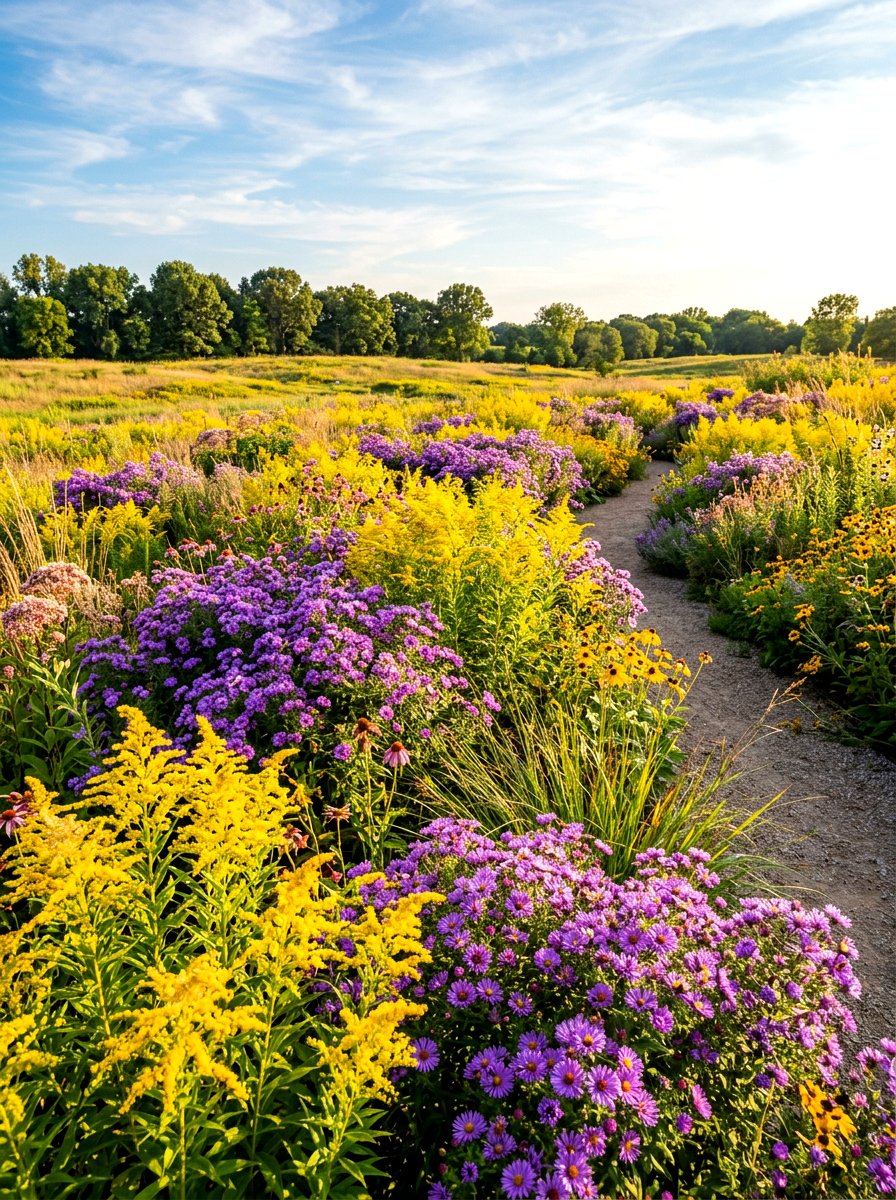
A seasonal prairie garden is carefully planned to offer a changing parade of colors and textures from the early spring through the late fall. In the spring, you might see the delicate blooms of Prairie Smoke or Golden Alexander. Summer brings the heavy hitters like Bergamot and Yellow Coneflower, while the autumn is dominated by the deep purples of Asters and the golden hues of Solidago. By selecting plants for their specific bloom times, you ensure that there is always something new to discover in the garden. This dynamic quality makes the landscape feel like a living thing that grows and evolves alongside the changing calendar year.
23. Prairie plant combinations
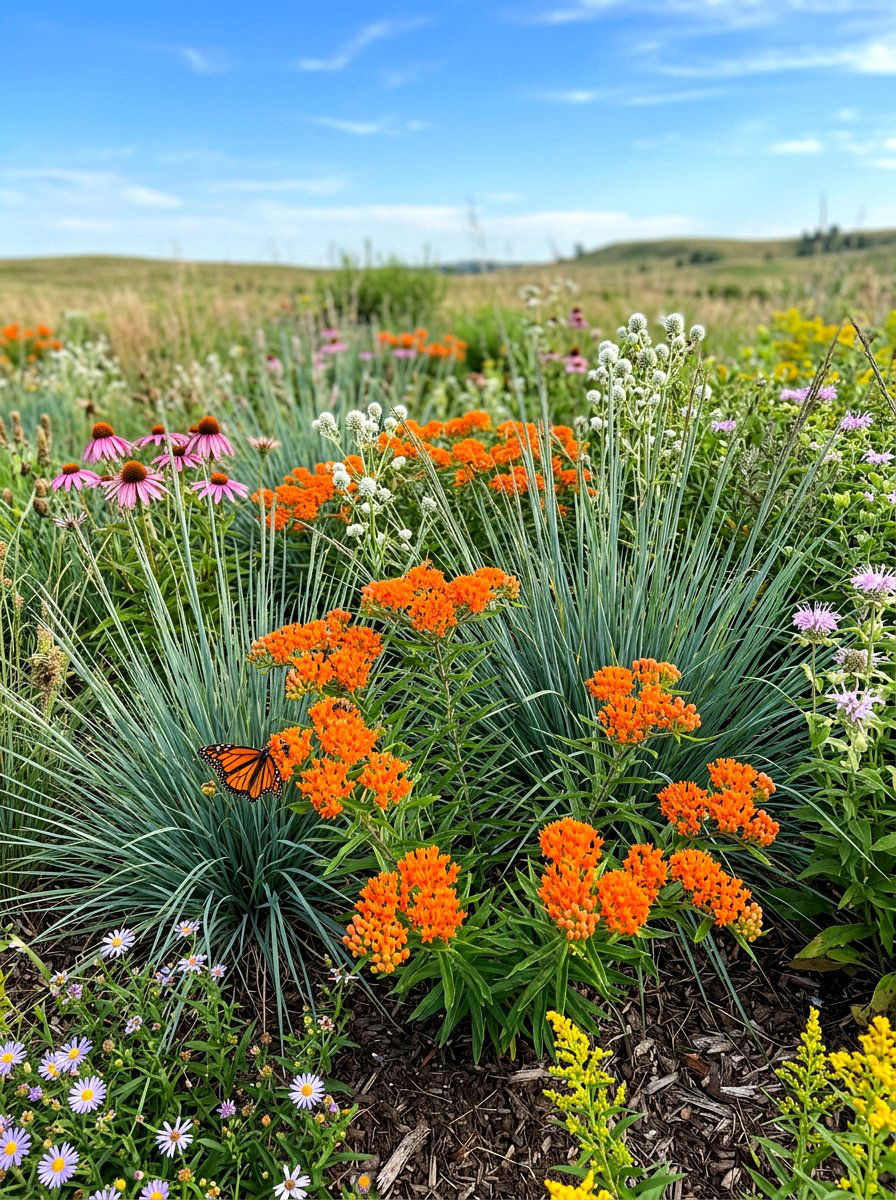
Success in a prairie garden often comes down to choosing the right plant combinations that look great together and share similar needs. For example, the vibrant orange of Butterfly Milkweed looks stunning against the cool blue-greens of Little Bluestem. Pairing the structural, spherical heads of Rattlesnake Master with the airy, delicate plumes of Prairie Dropseed creates a beautiful contrast in form and texture. When planning your combinations, think about how the heights and colors will interact throughout the entire growing season. Good pairings not only look beautiful but also help the plants support each other physically, preventing taller species from flopping over during summer storms.
24. Minimalist prairie landscape
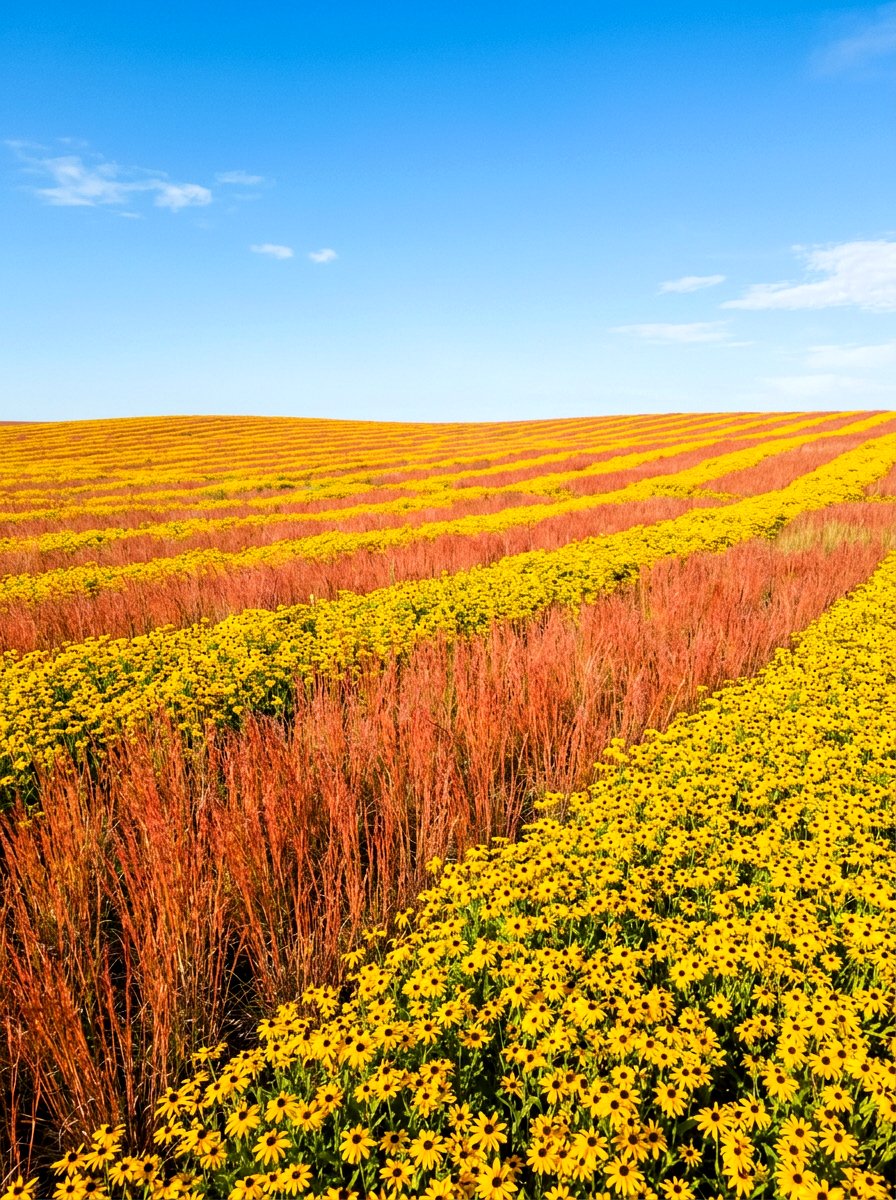
A minimalist prairie landscape focuses on a very limited palette of plants to create a sense of calm and order within a naturalistic theme. You might choose just two or three species, such as a single type of grass and one variety of wildflower, and repeat them across the entire space. This repetition creates a rhythmic and soothing effect that is very pleasing to the eye. This style is particularly effective for small front yards or modern courtyards where a more complex mix might feel cluttered. The simplicity of the design highlights the individual beauty of each plant and makes the garden incredibly easy to manage and maintain.

25. Prairie butterfly garden
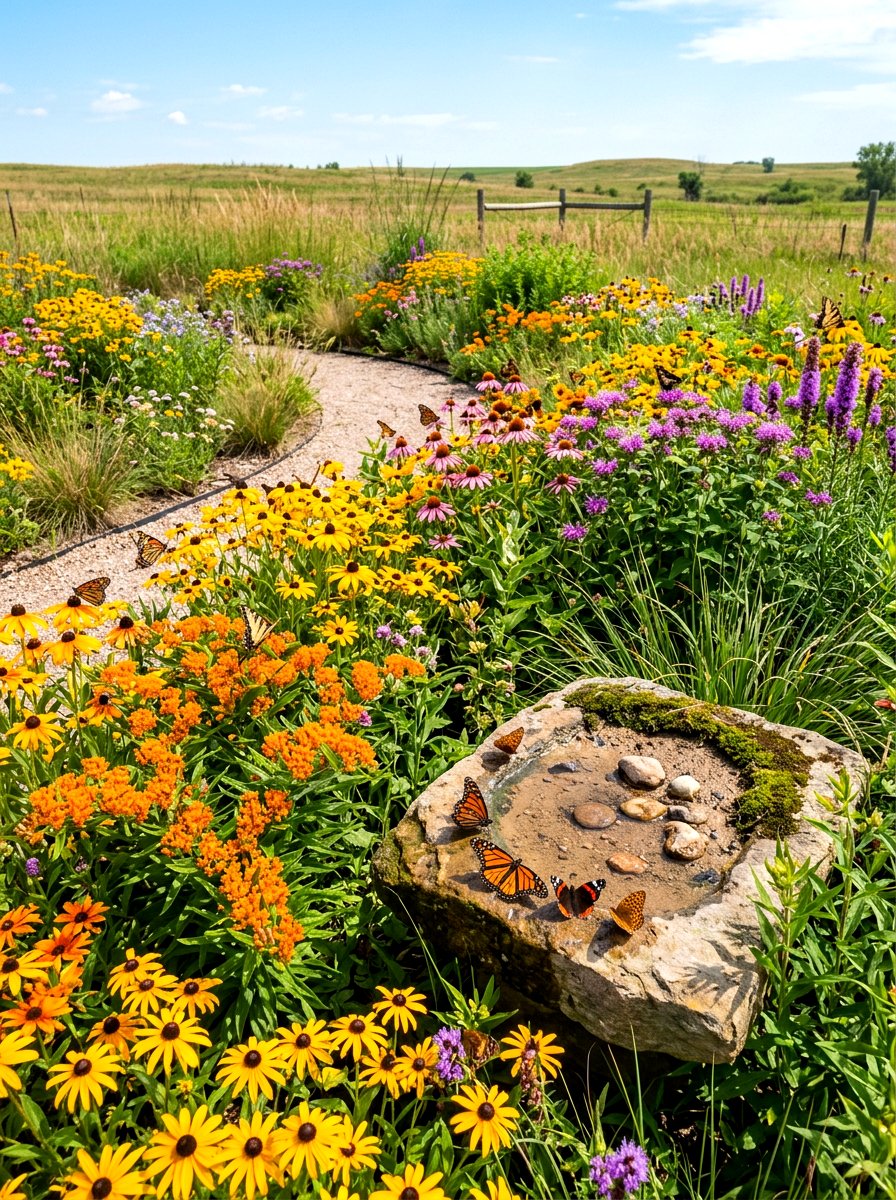
Creating a prairie butterfly garden is a wonderful way to bring color and life into your yard while helping these beautiful insects survive. You must provide nectar plants for the adults and specific host plants for the caterpillars to eat. For example, planting various types of Milkweed is essential if you want to support Monarch butterflies. In addition to the plants, consider adding a few flat stones in sunny spots where butterflies can bask and warm their wings. This type of garden is an educational and joyful space that delights people of all ages, proving that a healthy landscape is one that is shared with others.
26. High density prairie
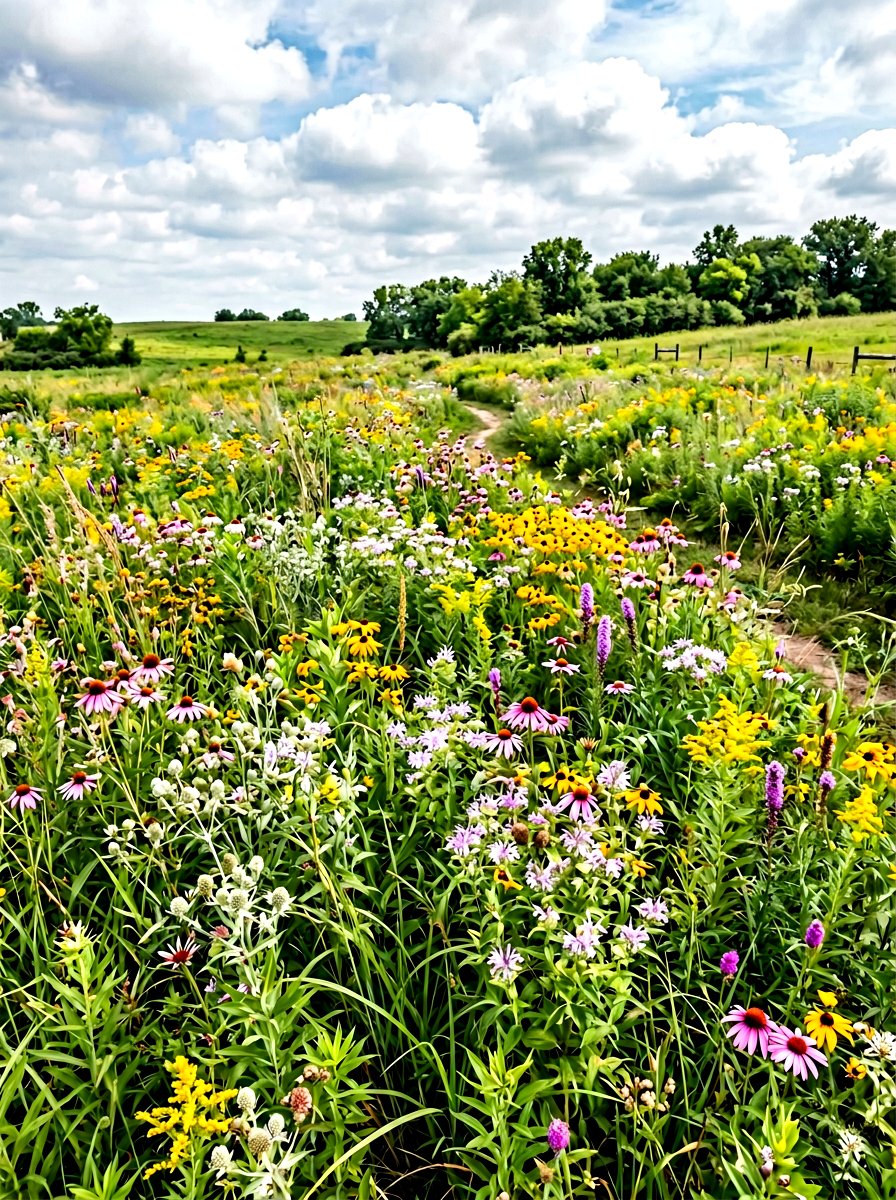
A high density prairie involves planting species very close together to create a thick, competitive mat of vegetation that leaves no room for weeds to grow. This "green mulch" approach is highly effective for creating a low-maintenance landscape that looks lush and full from day one. By filling every available niche in the soil with roots and foliage, you create a stable ecosystem that requires very little intervention. This style often results in a very vibrant and textured look, as many different species are forced to intermingle and grow through one another. It is a practical and beautiful way to establish a prairie garden quickly and effectively.
27. Prairie garden screening
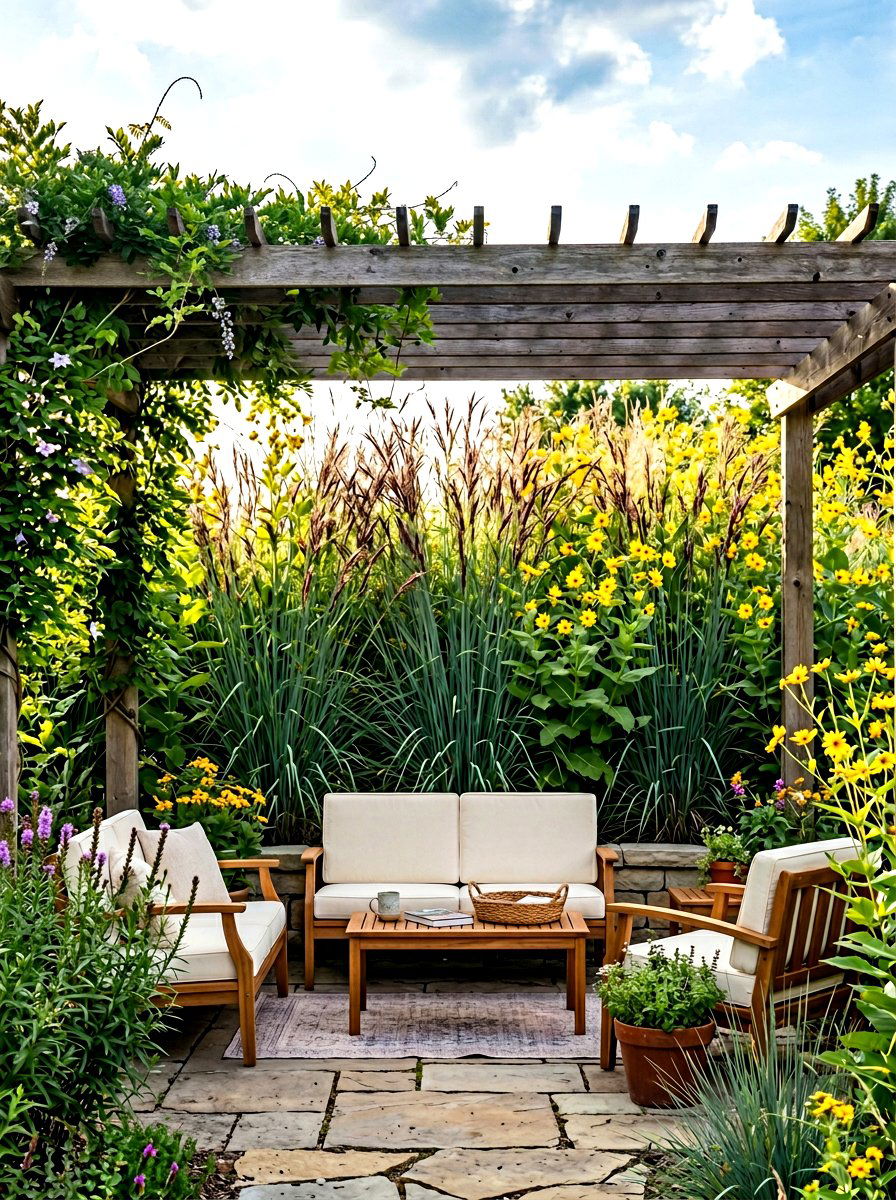
Using tall prairie plants for screening is a natural and attractive alternative to traditional fences or evergreen hedges. Species like Cup Plant and Big Bluestem can grow tall enough to provide a visual barrier that offers privacy for your patio or backyard. Unlike a solid wall, a living screen of prairie plants allows light and air to filter through, creating a soft and dappled effect. These plants also provide a dynamic backdrop that changes with the seasons, moving from green and flowering in the summer to golden and structural in the winter. It is a sustainable way to define your boundaries while adding beauty and habitat to your landscape.
28. Formal prairie garden
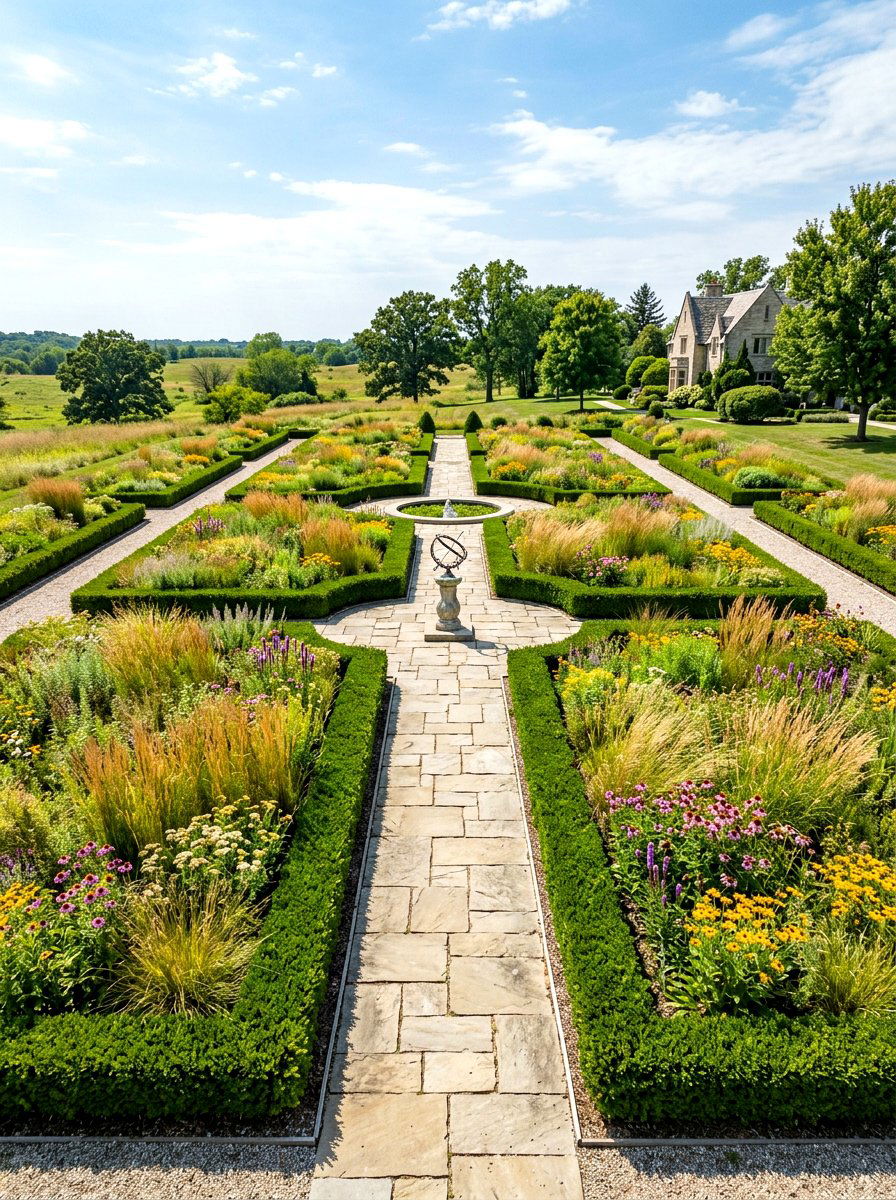
A formal prairie garden uses native plants in a more structured and traditional layout, proving that wild species can work in even the most manicured settings. You might use clipped hedges or stone walls to contain drifts of prairie grasses and wildflowers. This creates a fascinating tension between the wild, exuberant nature of the plants and the rigid geometry of the design. Using repeat patterns and symmetrical placements helps the native species look intentional and organized. This approach is perfect for homeowners who want to support local ecology but prefer a more traditional or classic aesthetic for their home's exterior and garden beds.
29. Prairie cottage garden
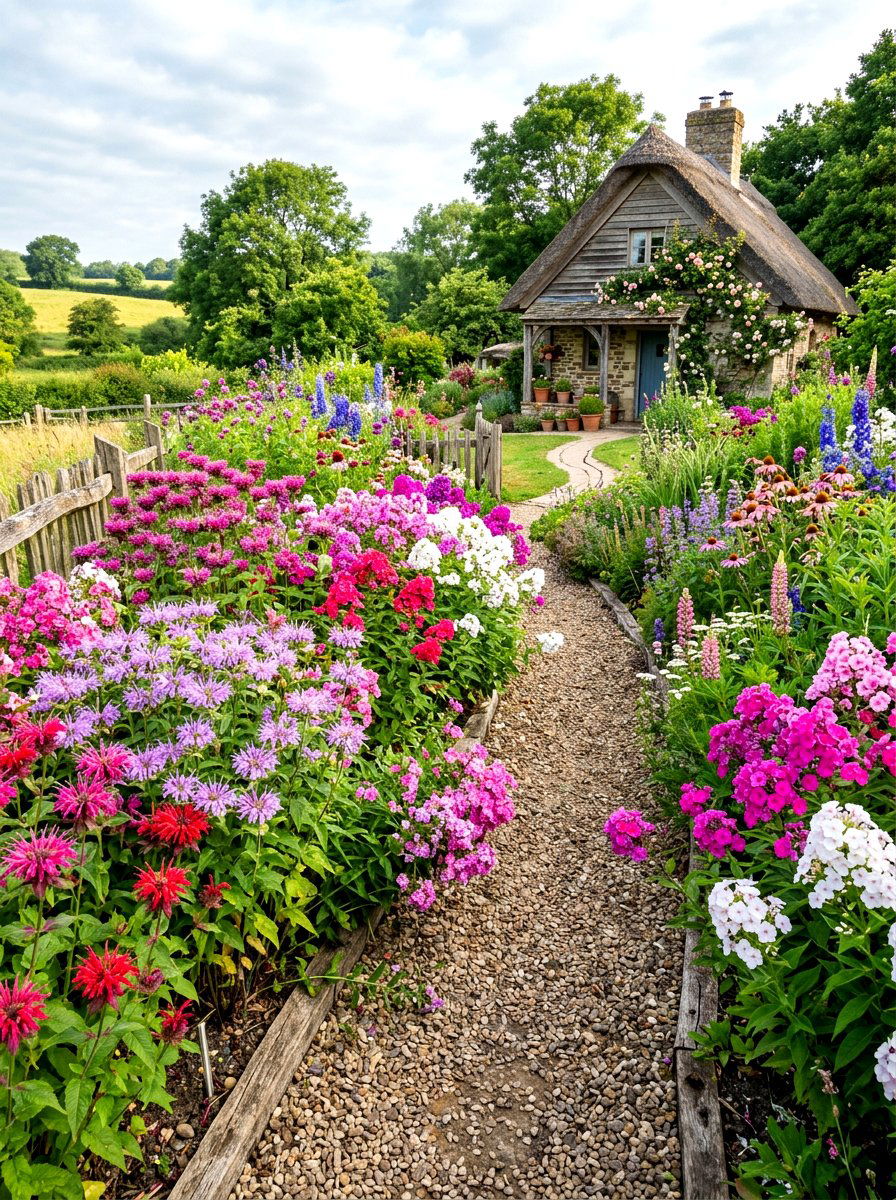
The prairie cottage garden combines the romantic, overflowing feel of a traditional English cottage garden with the resilience and sustainability of native North American plants. This style is characterized by a dense mix of colorful flowers like Phlox, Coneflowers, and Bee Balm that spill over paths and lean against one another. It has a charming, informal vibe that encourages a relaxed and personal connection to the outdoors. By using native prairie species, you get the cottage look without the high water and fertilizer needs of exotic perennials. This joyful and abundant garden style is perfect for small yards where you want to create a cozy and inviting outdoor room.
30. Sustainable prairie landscape
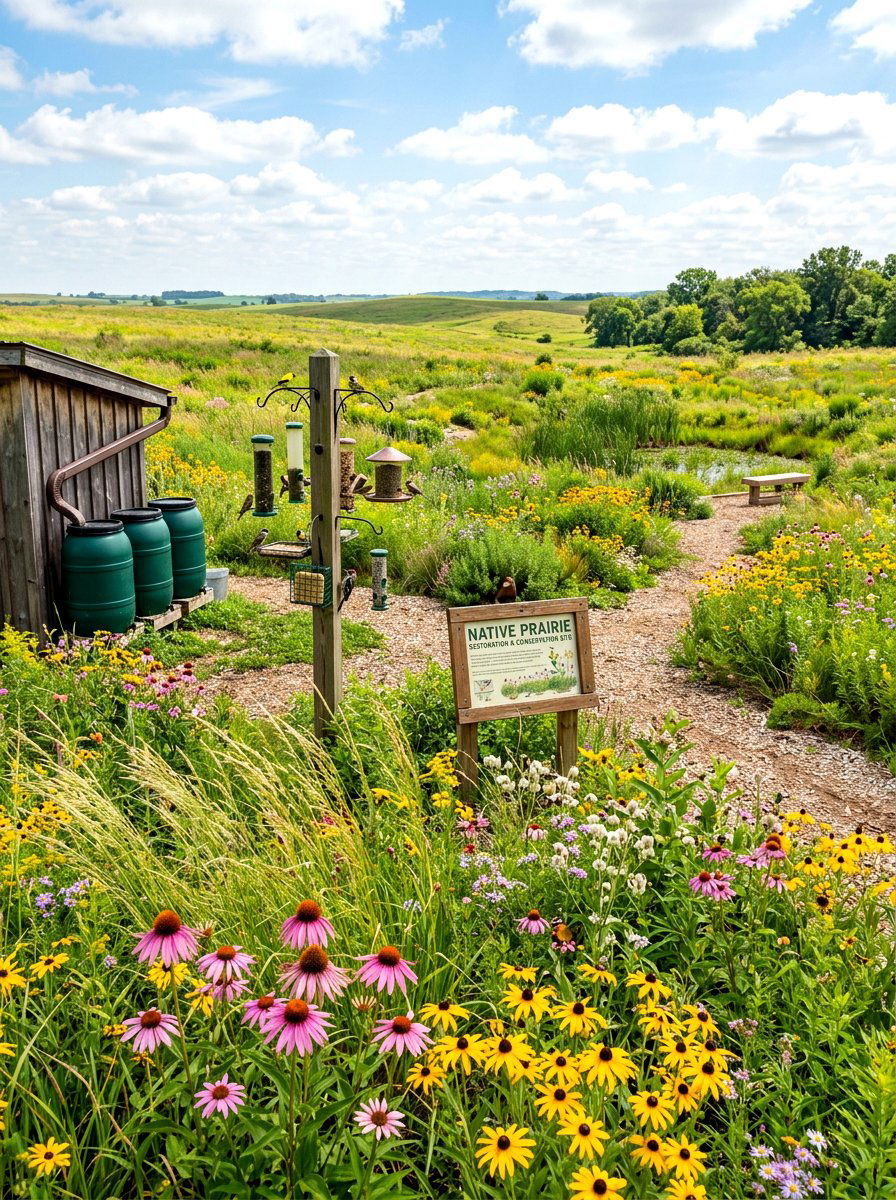
Choosing a sustainable prairie landscape is a long-term investment in the health of your local environment and your personal well-being. These gardens require no synthetic fertilizers, no pesticides, and very little water once they are fully established. They work with nature rather than against it, providing a beautiful space that actually improves the soil and supports local wildlife populations. By reducing your lawn and increasing the diversity of native plants, you are playing a direct role in conservation efforts. This approach to gardening is not just about aesthetics; it is about creating a resilient and thriving piece of the natural world right where you live.
Conclusion:
Embracing the beauty of a prairie garden is a journey that connects you deeply to the natural heritage of your local region. These landscapes offer a unique combination of visual appeal, low maintenance, and significant environmental benefits that traditional gardens often lack. Whether you have a vast acreage or a small urban plot, there is a way to incorporate the movement and color of native grasses and wildflowers into your life. By choosing sustainable practices and supporting local biodiversity, you create a sanctuary that thrives for years to come. Your prairie garden will become a living, breathing testament to the enduring power and elegance of nature.

Related posts: