Butterflies are more than just beautiful visitors; they are essential pollinators that bring a sense of magic and rhythm to any outdoor space. Creating a dedicated sanctuary for these winged wonders requires a thoughtful blend of nectar-rich blooms and host plants where caterpillars can thrive and grow safely. This guide explores a variety of ways to transform your backyard into a vibrant ecosystem that supports the entire life cycle of local butterfly species. From sunny wildflower meadows to structured cottage borders, these concepts focus on biodiversity, sustainable practices, and visual appeal. You will discover how to select the right plants and features to attract diverse species and enjoy a season full of color and movement.
1. Native Milkweed Patch
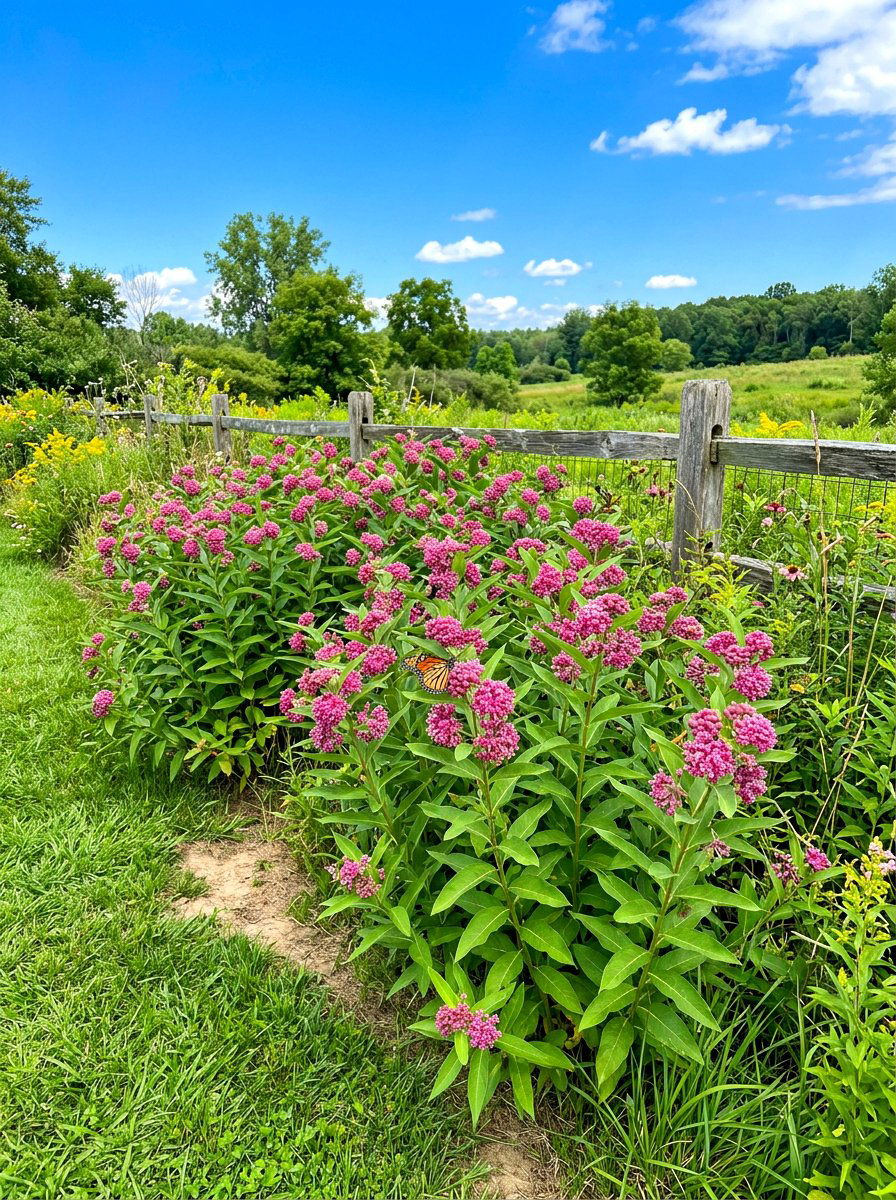
Every successful butterfly sanctuary begins with the inclusion of native milkweed, which serves as the sole food source for monarch caterpillars. Planting a dedicated patch of common milkweed or swamp milkweed creates a vital nursery for these iconic orange and black travelers. These hardy perennials produce clusters of fragrant, pale pink or mauve flowers that provide plenty of nectar for adult butterflies as well. By grouping these plants together in a sunny corner of your yard, you provide a clear signal to passing monarchs that your garden is a safe place to lay eggs. Ensure the soil remains well-drained and the area receives at least six hours of direct sunlight for the best growth.
2. Purple Coneflower Border
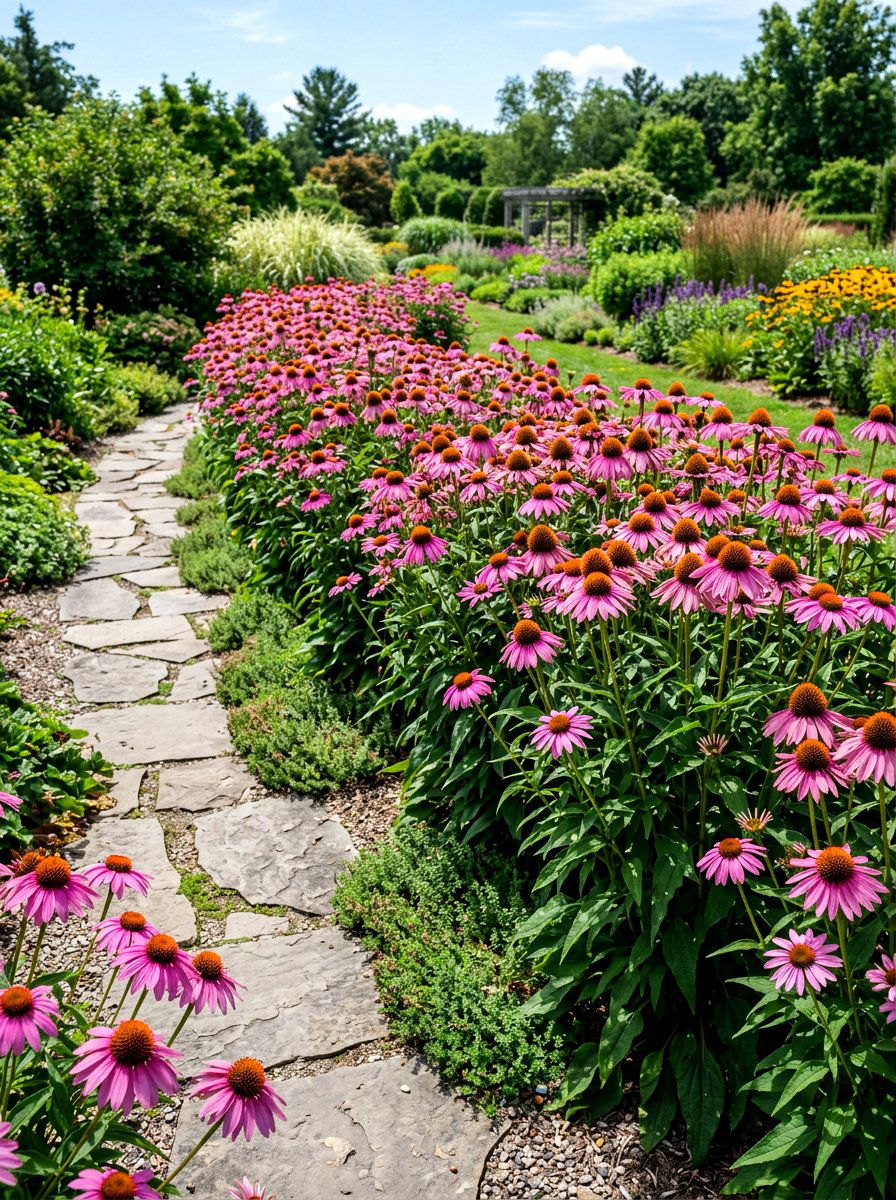
Purple coneflower is a quintessential addition to any pollinator-friendly landscape because of its sturdy stems and long-lasting summer blooms. These native perennials feature prominent orange centers that act as perfect landing pads for various butterfly species like fritillaries and swallowtails. When planted in a dense border along a fence or walkway, they create a striking visual impact with their vibrant pink and purple petals. They are incredibly drought-tolerant once established, making them a low-maintenance choice for busy gardeners. The seed heads also provide food for birds in the winter, adding multi-season value to your outdoor environment while keeping the ecosystem healthy and active throughout the warmer months.
3. Butterfly Bush Focal Point
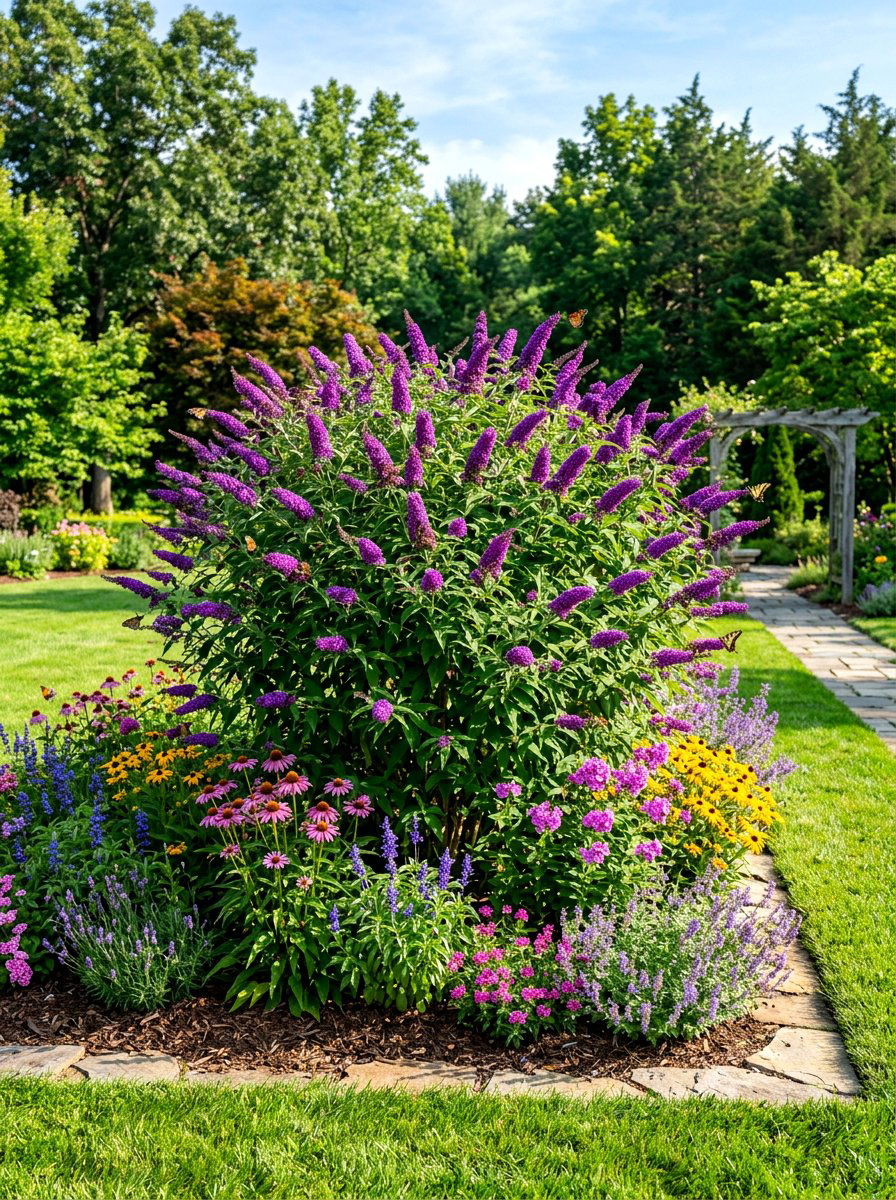
The butterfly bush, also known as Buddleia, is famous for its long, cone-shaped flower spikes that emit a honey-like fragrance. These shrubs act as a massive magnet for dozens of butterfly species, including painted ladies and monarchs, who flock to the nectar-rich blossoms. Placing a large butterfly bush as a central focal point in your garden creates a vertical element that draws the eye upward. You should choose sterile varieties to prevent unwanted spreading while still providing a feast for your winged guests. These plants love full sun and well-drained soil, blooming profusely from mid-summer through the first frost. Regular deadheading helps encourage even more flowers to keep the display looking fresh and vibrant.
4. Zinnia Flower Bed
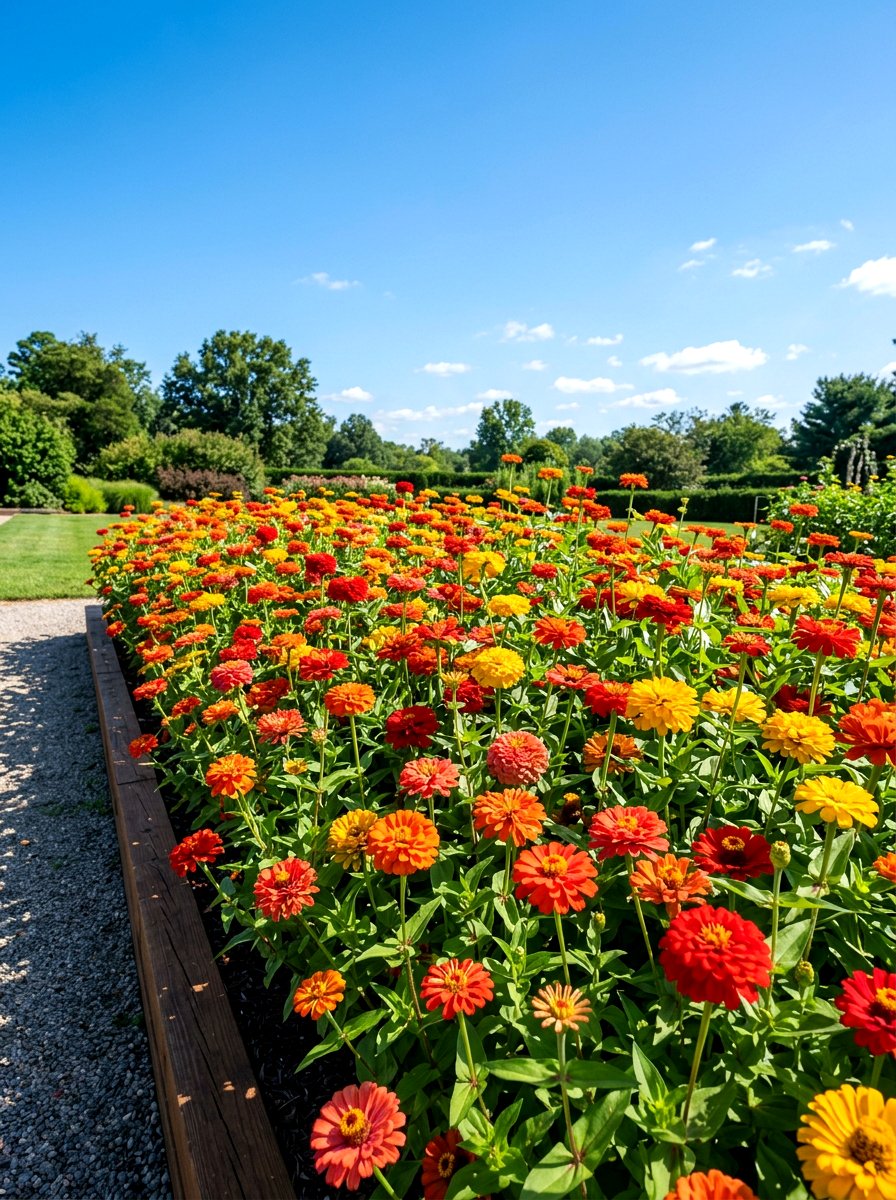
Zinnias are one of the easiest annuals to grow from seed, and they provide an explosion of color that butterflies simply cannot resist. These bright flowers come in various shapes and sizes, from flat-petaled singles to pom-pom doubles, offering something for every type of pollinator. A dedicated zinnia bed creates a dense carpet of oranges, reds, and yellows that serves as a high-energy nectar station. Because they bloom continuously until the frost, they offer a reliable food source during the peak of the butterfly season. Planting them in a sunny, open area allows butterflies to navigate easily between the blooms. They are perfect for cut flower gardens too, allowing you to bring beauty inside.
5. Lantana Ground Cover
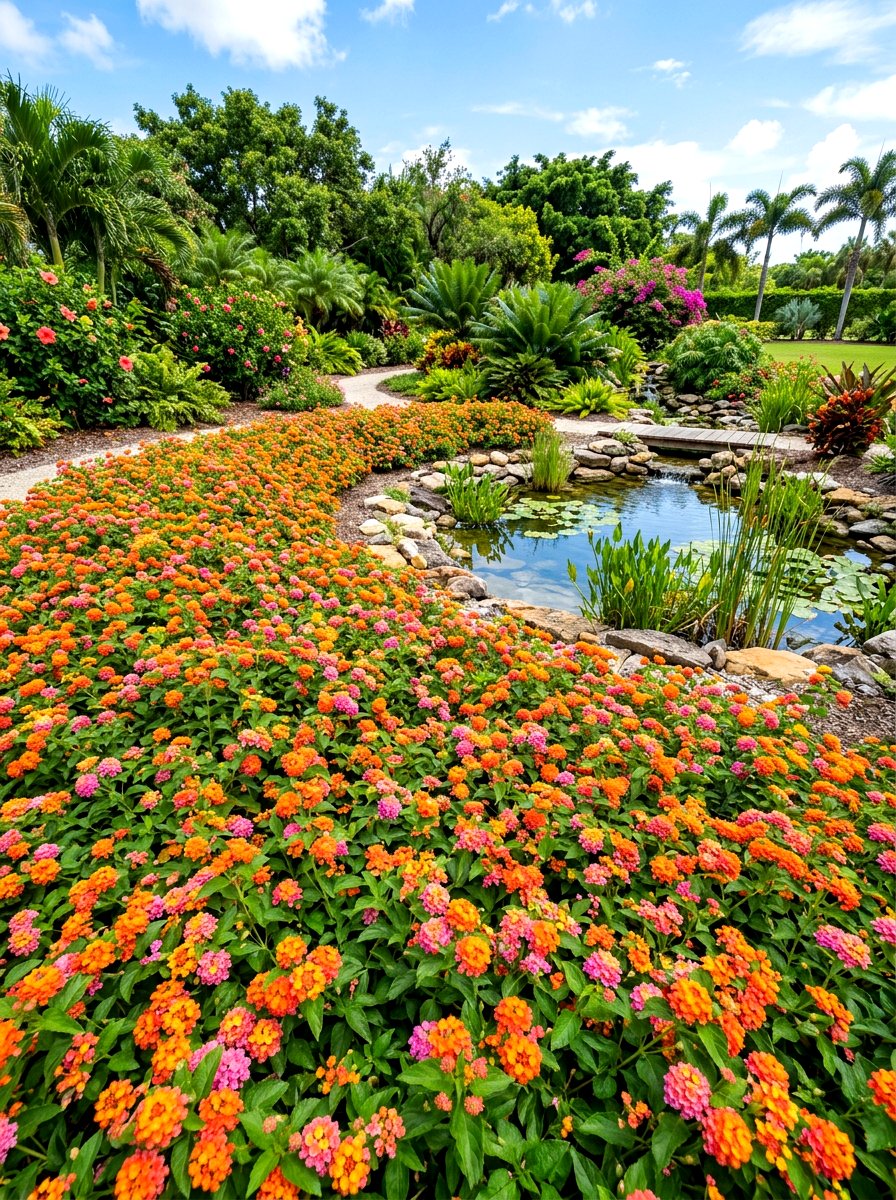
Lantana is a powerhouse plant that thrives in the heat and provides a constant supply of nectar through its tiny, multicolored flower clusters. Using lantana as a ground cover or a low-mounded shrub helps fill in empty spaces while attracting a wide variety of skippers and swallowtails. The flowers often change color as they age, creating a beautiful mosaic effect that looks stunning in mass plantings. These plants are exceptionally resilient and can handle poor soil conditions and drought with ease. In warmer climates, they act as perennials, while in cooler regions, they are treated as vigorous annuals. Their trailing habit makes them excellent for edges and slopes where they can spread freely.
6. Black Eyed Susan Cluster
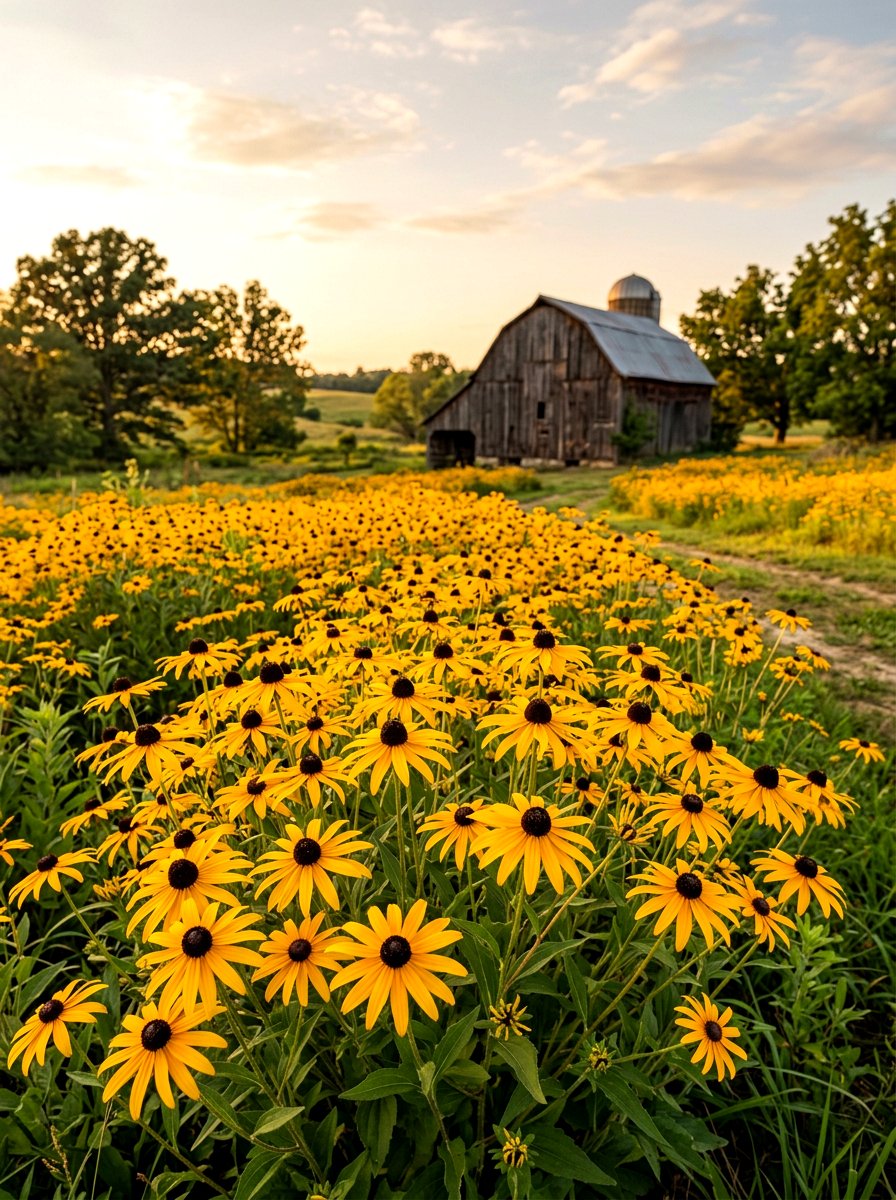
Black eyed Susans are cheerful, yellow-petaled flowers with dark central cones that stand out beautifully in any sunny garden bed. These native wildflowers are highly attractive to smaller butterflies and bees, offering a reliable landing spot for a quick nectar snack. Planting them in large clusters makes it easier for flying insects to spot them from a distance. They are tough, adaptable, and can handle various soil types, making them a staple for beginner butterfly gardeners. The bright yellow color provides a sunny contrast against green foliage and other purple or blue flowers. Leaving the spent blooms standing into the autumn provides additional structural interest and supports local wildlife through the changing seasons.
7. Joe Pye Weed Backdrop
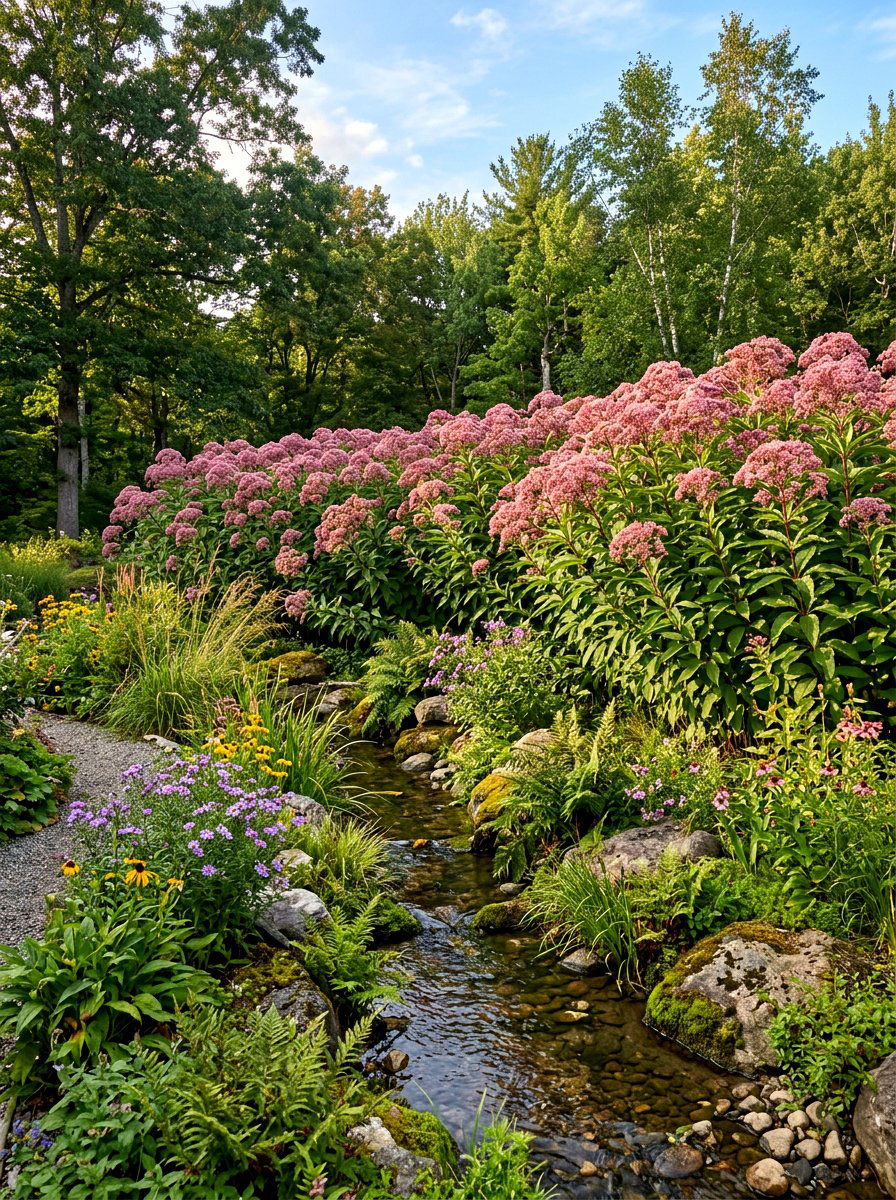
If you have a larger space with moist soil, Joe Pye weed is an excellent choice for creating a tall, dramatic backdrop. This native perennial can reach heights of six to eight feet, producing massive, vanilla-scented flower heads in shades of dusty rose and mauve. Butterflies love the large, flat clusters of blooms because they can feed on dozens of tiny flowers without moving very far. It is a perfect structural plant for the rear of a flower bed, providing height and a sense of enclosure. Monarchs and swallowtails are particularly fond of this plant, often congregating in large numbers during the late summer months when the flowers are in full peak.
8. Bee Balm Garden
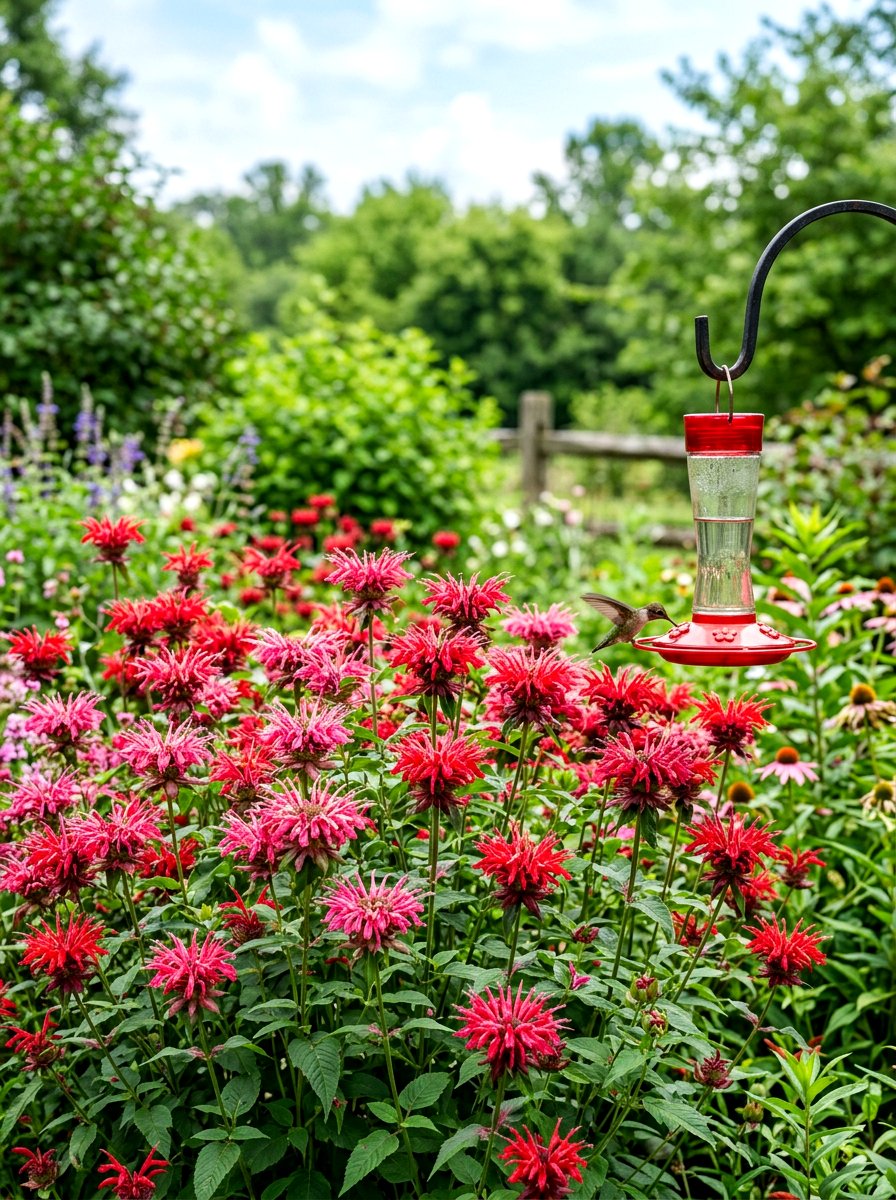
Bee balm, also known as Monarda, features unique, shaggy-looking flowers that come in vibrant shades of red, pink, and purple. These plants are member of the mint family and have fragrant foliage that adds a sensory layer to your butterfly garden. The tubular shape of the flowers is specifically designed to attract butterflies with long tongues, as well as hummingbirds. Bee balm spreads readily, creating a lush and full display that fills in quickly. It prefers moist soil and a sunny to partly shady location to thrive. By planting different varieties together, you can create a tiered look that offers nectar over a long period. Regular watering ensures the blooms stay fresh.
9. Aster Autumn Planting
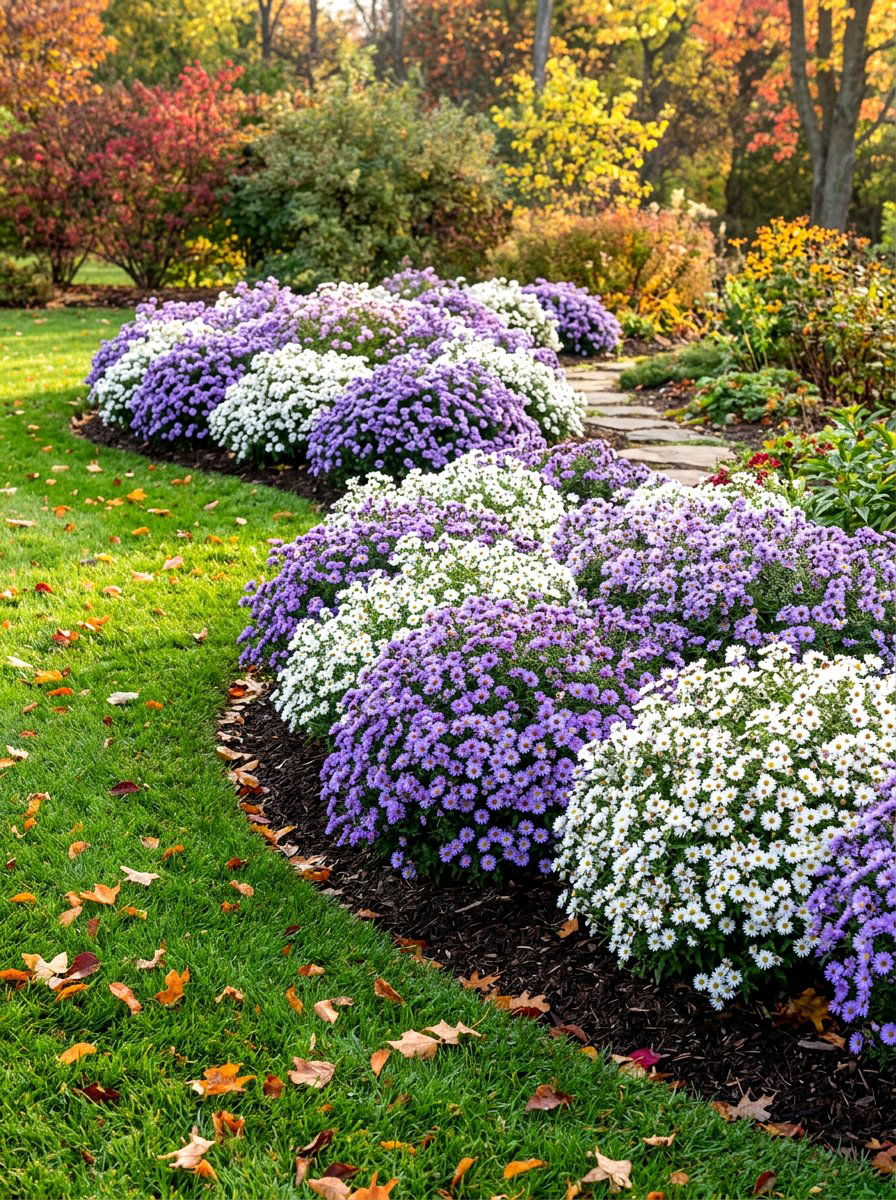
Asters are essential for providing a late-season food source when many other flowers have finished blooming for the year. These daisy-like perennials produce clouds of small flowers in shades of blue, purple, and white throughout the fall. They are a critical fuel source for migrating monarchs as they prepare for their long journey south. Planting asters in your garden ensures that your butterfly sanctuary remains active well into the cooler months. They come in various sizes, from low-growing mounds to tall, upright varieties that fit any garden layout. Combining them with goldenrod creates a classic fall color palette that is as functional as it is beautiful for the local pollinator population.
10. Mexican Sunflower Display
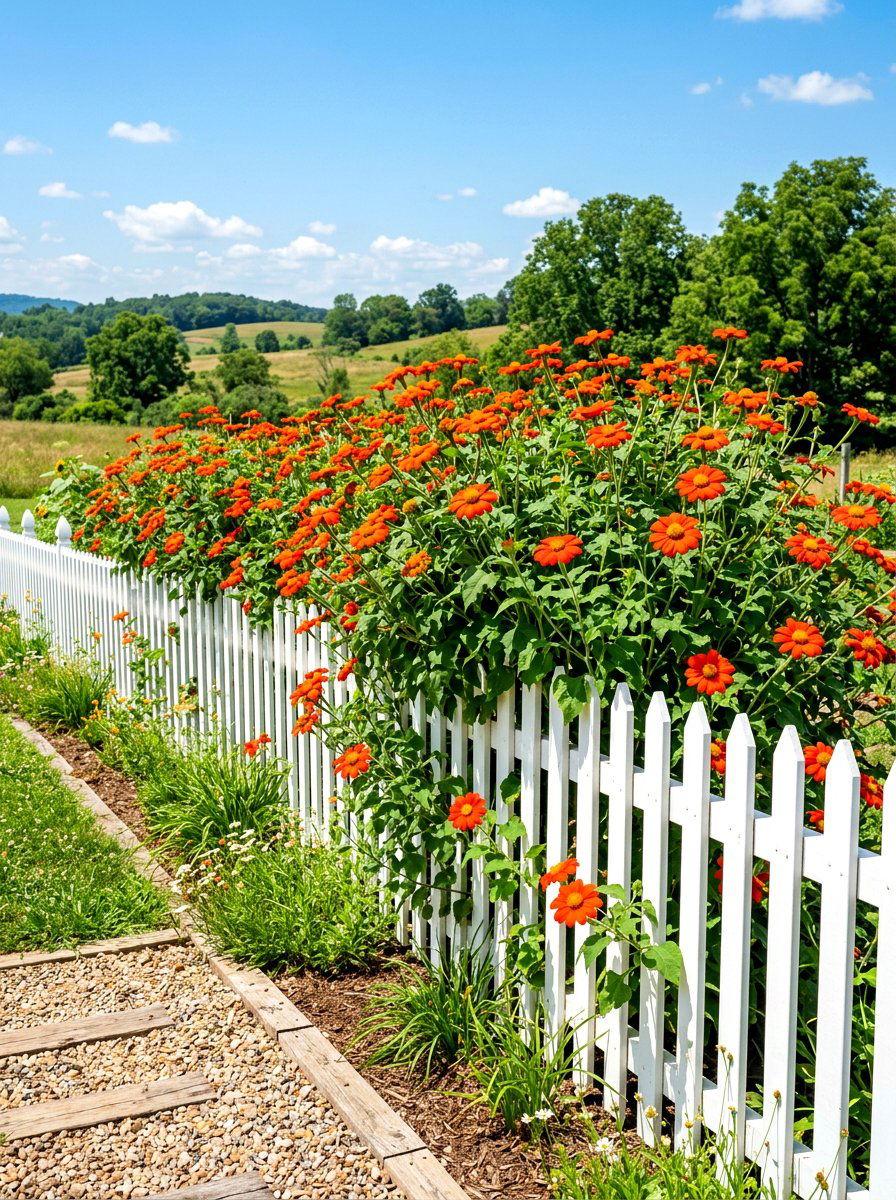
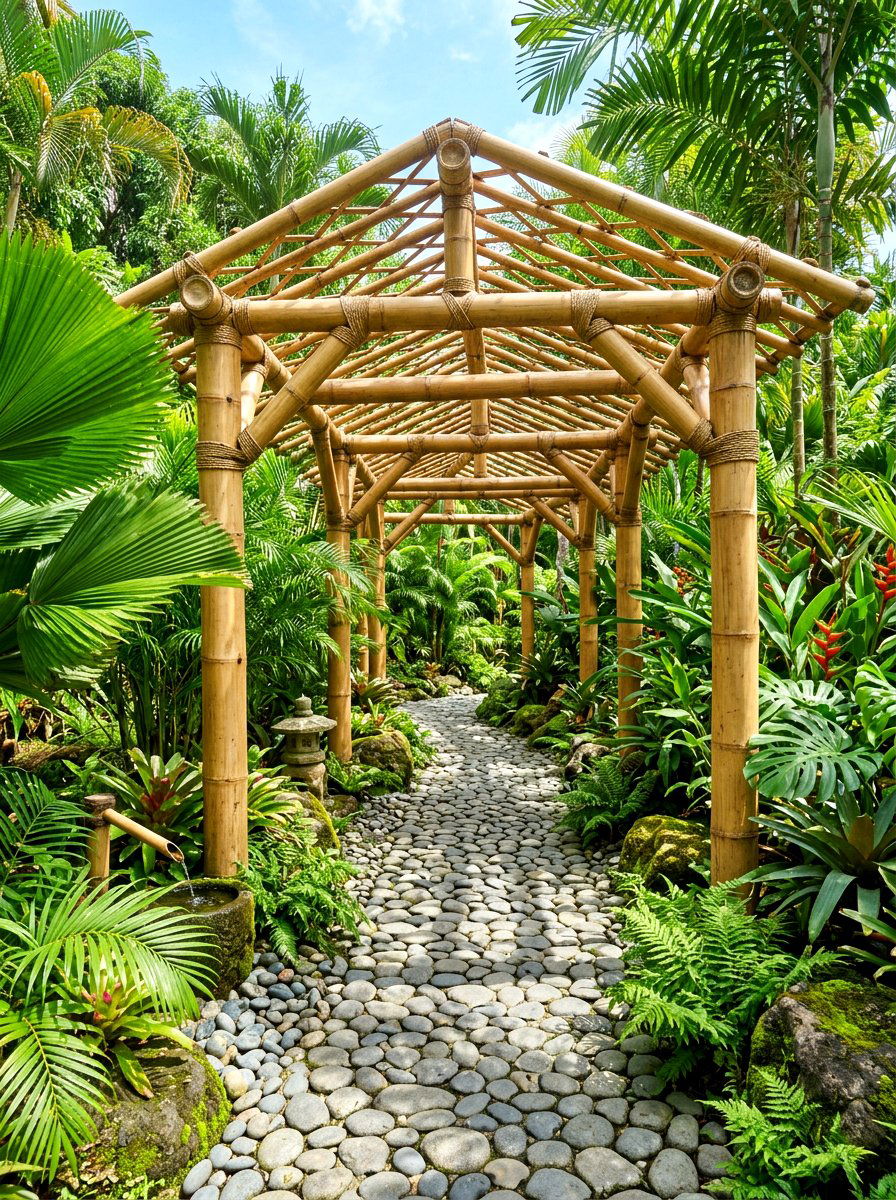
Mexican sunflowers, or Tithonia, are vigorous annuals that produce stunning, velvety orange blooms that look like small sunflowers. These plants are famous for being absolute magnets for monarchs and other large butterfly species. They grow quickly and can reach several feet in height, making them a great choice for filling large gaps in the garden. The bright orange petals are highly visible to butterflies, drawing them in from across the neighborhood. They thrive in the hottest part of the summer and continue blooming until the first hard frost. Because they are so easy to grow from seed, they are a cost-effective way to add high-impact color and significant nectar.
11. Stone Butterfly Puddling Station
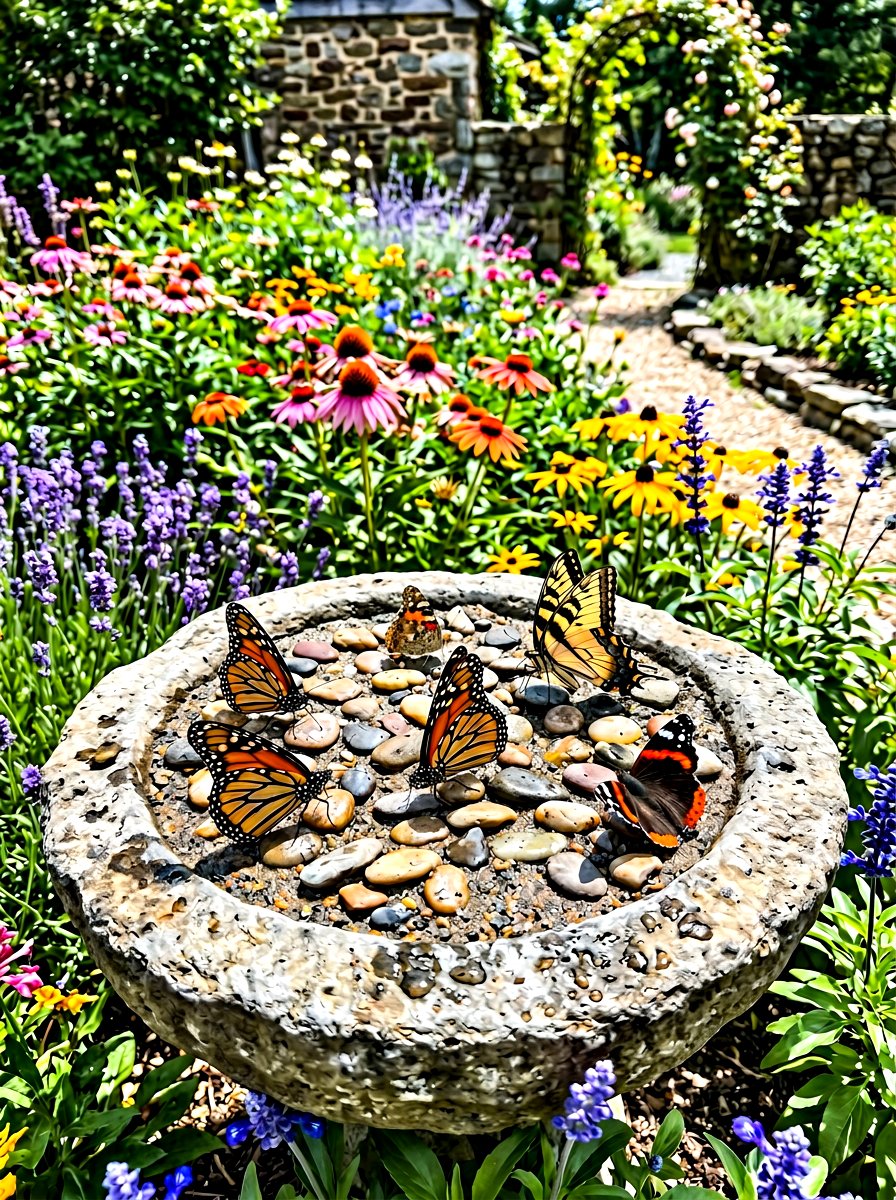
Not all butterfly needs are met by flowers; they also require minerals and water to stay healthy. A stone puddling station is a simple and effective feature that provides a place for butterflies to congregate and drink. You can create this by placing a shallow tray or a carved stone in a sunny spot and filling it with moist sand or compost. Adding a few flat rocks on the surface gives the butterflies a dry place to land while they sip from the damp substrate. This behavior, known as puddling, is common among male butterflies looking for essential salts. Keeping the station consistently moist ensures that your garden remains a complete and supportive habitat.
12. Wildflower Meadow Patch
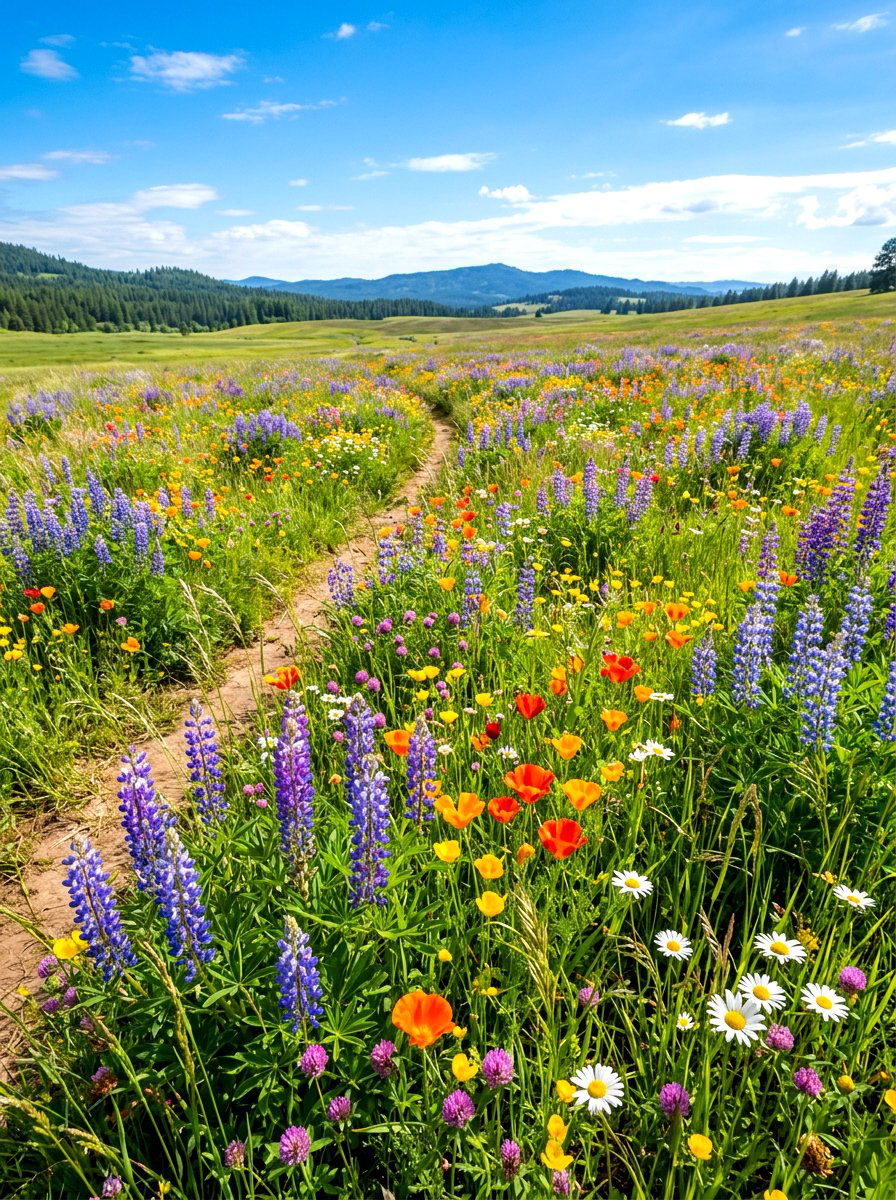
A wildflower meadow patch offers a more natural and relaxed approach to butterfly gardening by mimicking native prairies. By sowing a mix of native grasses and flowering perennials, you create a diverse habitat that provides both food and shelter. This style of planting is low-maintenance once established and creates a beautiful, shifting landscape throughout the growing season. The variety of bloom shapes and heights attracts a wide range of butterfly species, from tiny hairstreaks to large swallowtails. Meadows are also excellent for supporting other beneficial insects and birds, contributing to a healthier overall backyard ecosystem. It is a wonderful way to replace a portion of lawn with something more environmentally beneficial.
13. Pentas Container Garden
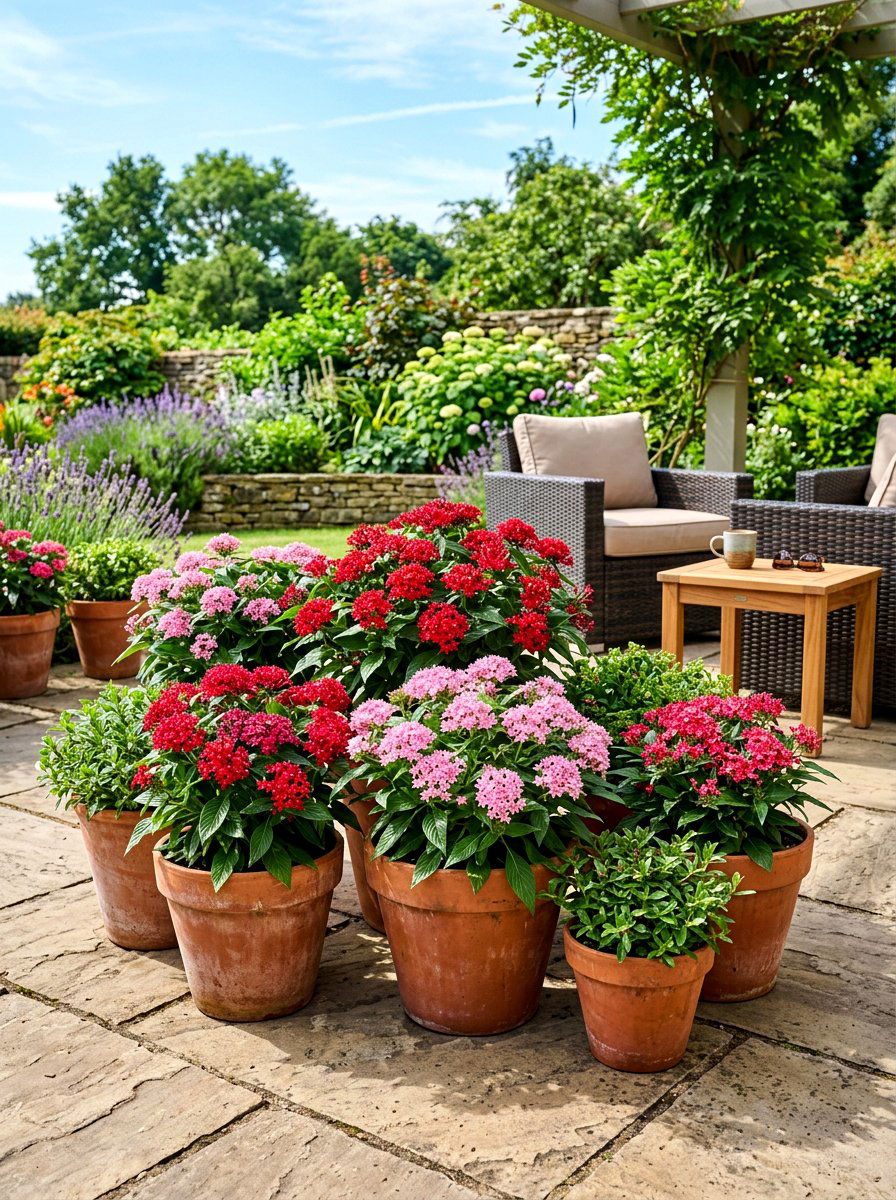
Pentas, often called Egyptian star flowers, are perfect for smaller spaces or patio butterfly gardens. These tropical plants produce clusters of star-shaped flowers in shades of red, pink, white, and lavender. They are extremely attractive to butterflies because of their high nectar content and continuous bloom cycle. Planting pentas in large containers allows you to place them exactly where you want to observe the butterflies up close. They love the sun and heat, making them ideal for summer displays on decks or balconies. By combining them with trailing plants, you can create a lush, potted sanctuary that brings nature right to your doorstep, even in an urban setting with limited ground space.
14. Verbena Bonariensis Drift
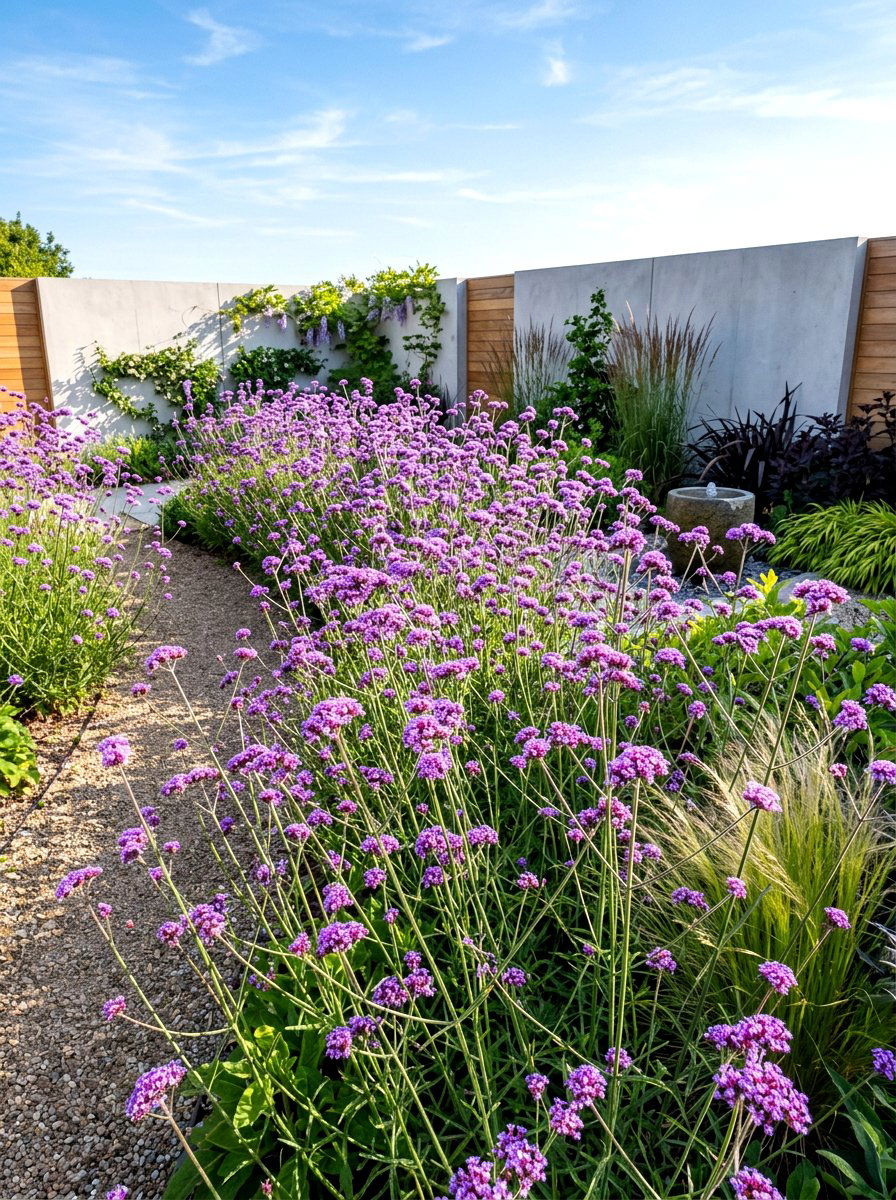
Verbena bonariensis is a unique perennial that features tall, wiry stems topped with clusters of tiny purple flowers. Because of its airy and transparent habit, it can be planted in large drifts without blocking the view of other plants behind it. Butterflies love to perch on the small blooms, which seem to float in the air at eye level. This plant is excellent for adding vertical movement and a touch of whimsy to your garden design. It is also a prolific self-seeder, meaning it will often return year after year with very little effort from the gardener. Its long blooming season makes it a reliable nectar source from mid-summer through the late autumn.


15. Coreopsis Sunny Edge
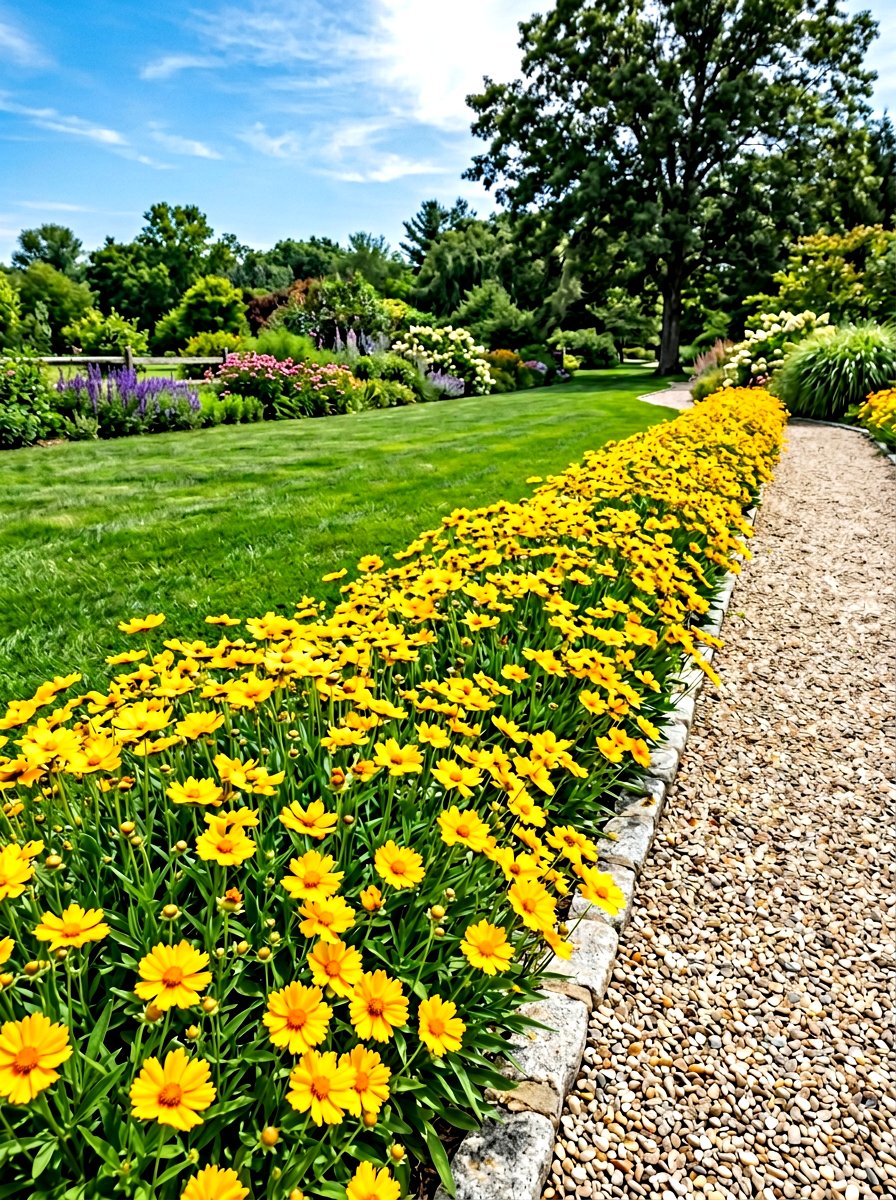
Coreopsis, or tickseed, is a bright and cheerful perennial that produces an abundance of yellow, daisy-like flowers. These plants are exceptionally hardy and thrive in full sun and well-drained soil. Using them to edge your garden paths or flower beds creates a sunny border that attracts smaller butterfly species and helpful bees. They are known for their long bloom period, especially if you take the time to remove spent flowers regularly. The fine, airy foliage of some varieties adds a delicate texture to the garden landscape. Because they are drought-tolerant, they are a great choice for areas that might not receive regular watering during the heat of the summer months.
16. Salvia Nectar Border
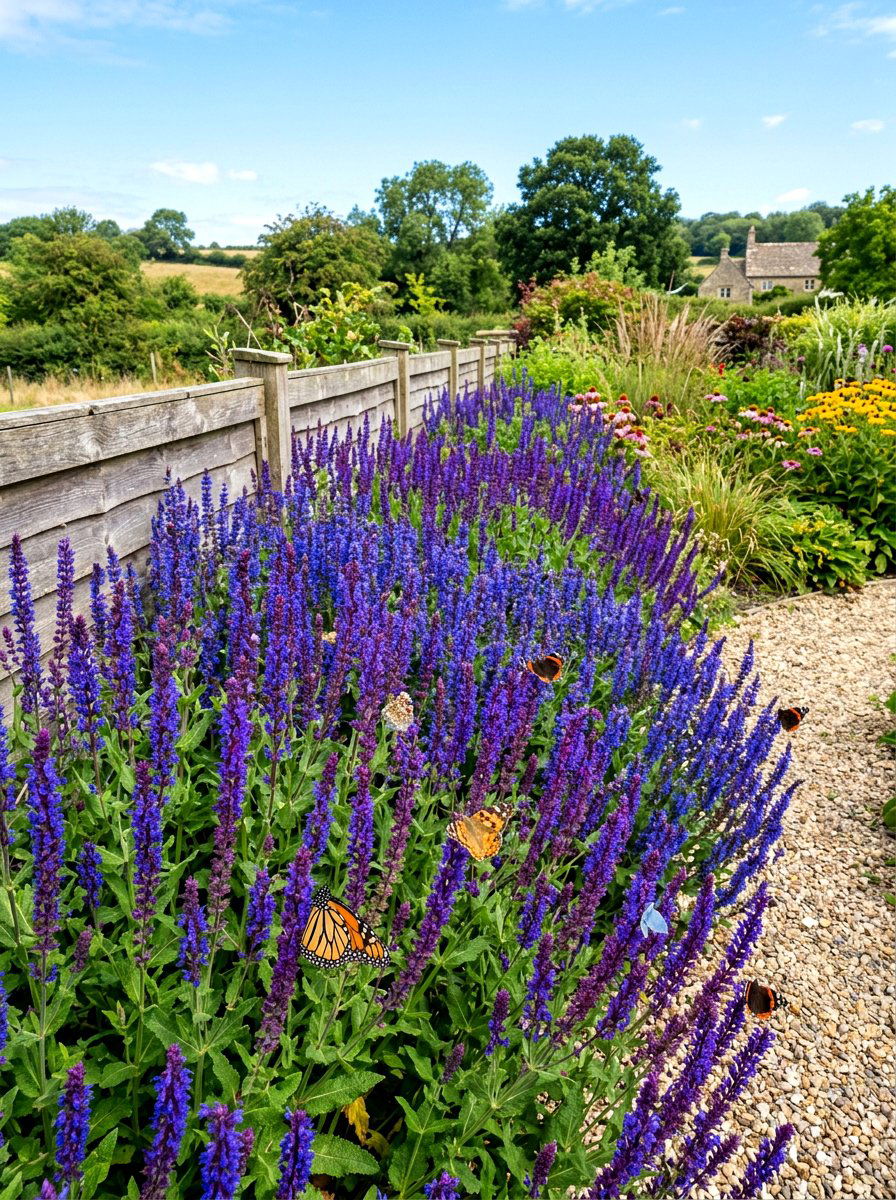
Salvias are a diverse group of plants that are highly prized in butterfly gardens for their long flower spikes and rich nectar. Whether you choose annual or perennial varieties, salvias provide a steady supply of food in shades of blue, purple, red, and white. Their tubular flowers are perfectly suited for many butterfly species, as well as hummingbirds. Planting a border of salvia along a walkway or fence creates a structured look that is buzzing with activity all day long. They are generally easy to care for and can handle the intense heat of summer without wilting. The fragrant foliage also acts as a natural deterrent for deer and rabbits, protecting your garden.
17. Parsley And Dill Host Corner
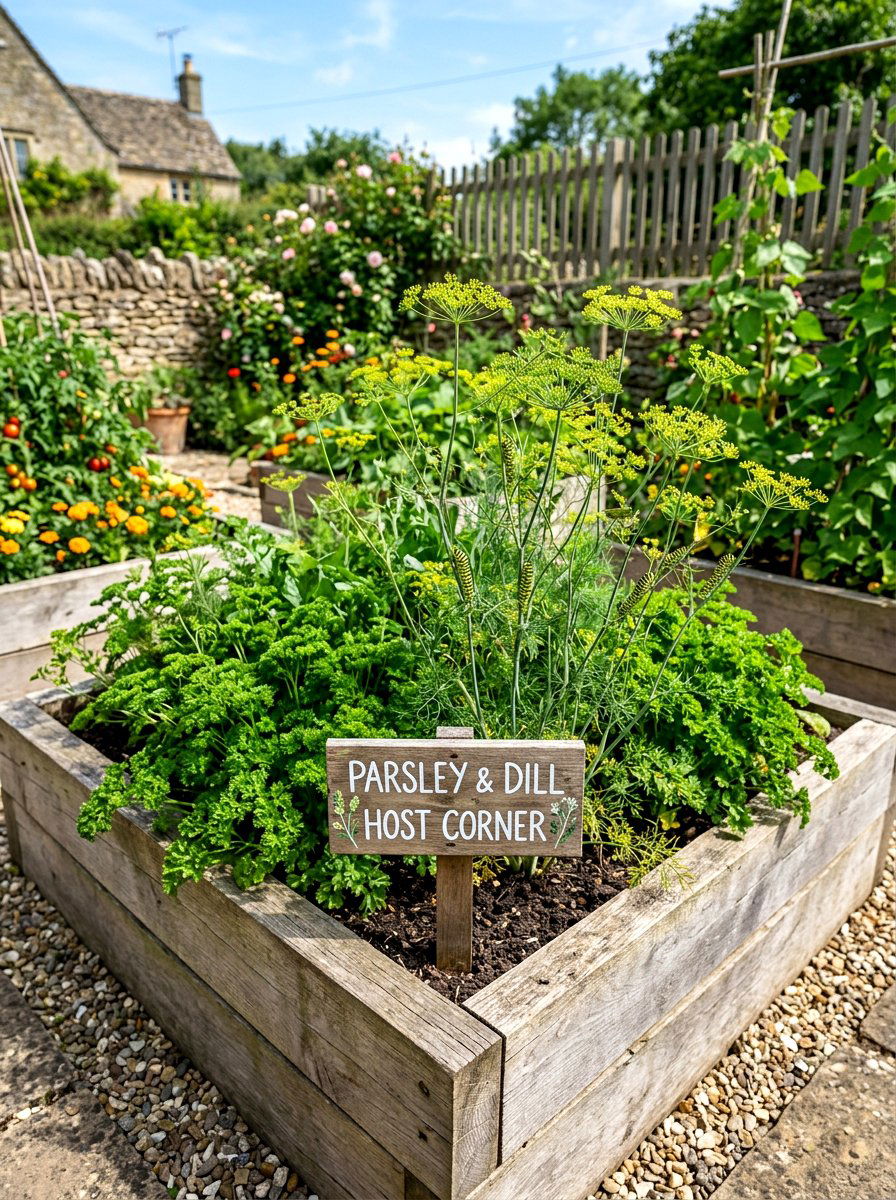
While flowers provide nectar, a complete butterfly garden must also include host plants for caterpillars to eat. Creating a dedicated corner with herbs like parsley, dill, and fennel will attract female black swallowtails looking for a place to lay their eggs. Watching the bright green and black striped caterpillars grow on these plants is a fascinating experience for gardeners of all ages. These herbs are easy to grow and can be tucked into existing flower beds or kept in a separate herb patch. Just remember to plant enough for both you and the caterpillars to share. This simple addition turns your garden from a temporary stop into a permanent breeding ground.
18. Marigold Vegetable Garden Companion
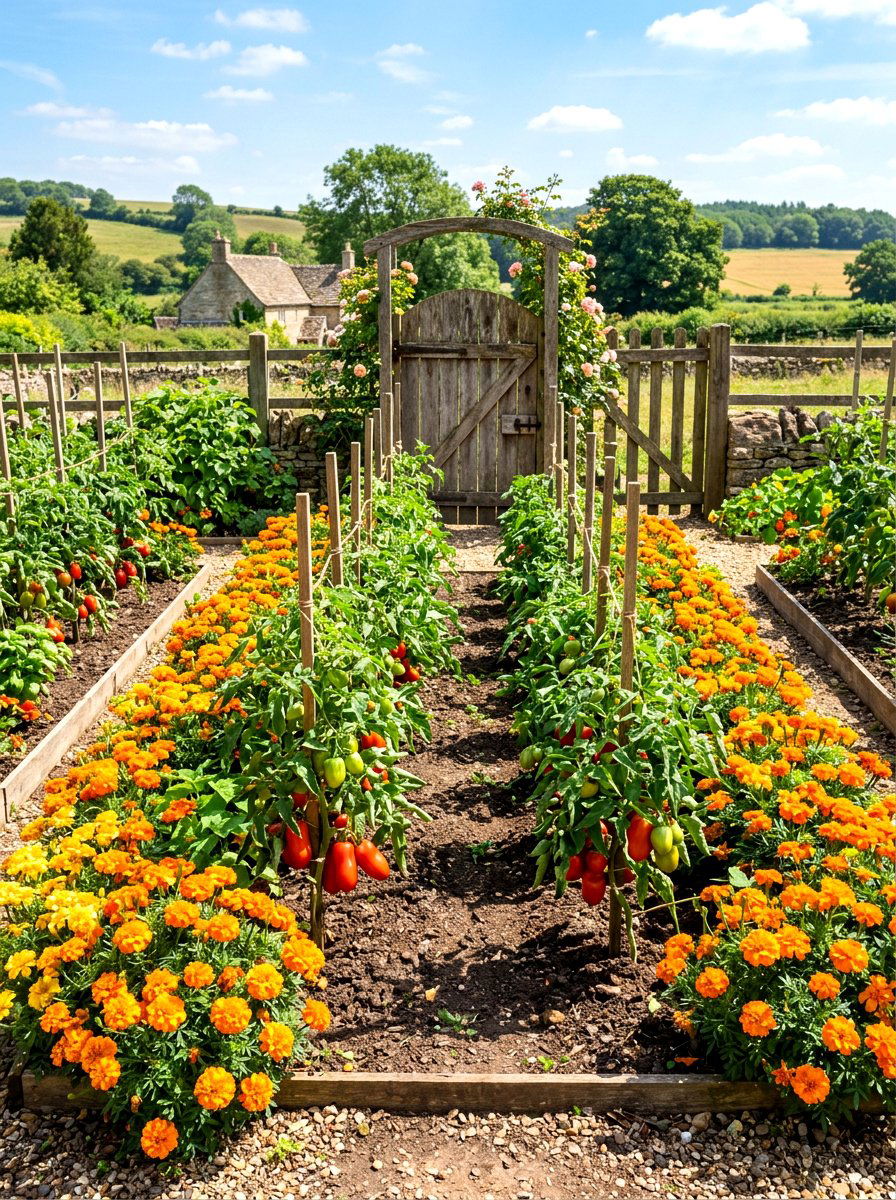
Marigolds are more than just a pretty face in the vegetable garden; they are also fantastic at attracting butterflies. Their bright orange and yellow blooms are highly visible and provide a sturdy landing pad for various pollinators. Planting marigolds around the perimeter of your vegetable beds can help draw in butterflies while also deterring certain garden pests. They are incredibly easy to grow from seed and bloom profusely throughout the entire summer. By choosing single-flowered varieties, you make it easier for butterflies to access the nectar in the center. They add a vibrant pop of color that complements the green foliage of your food crops while supporting a healthy insect population.
19. Lavender Fragrance Walkway
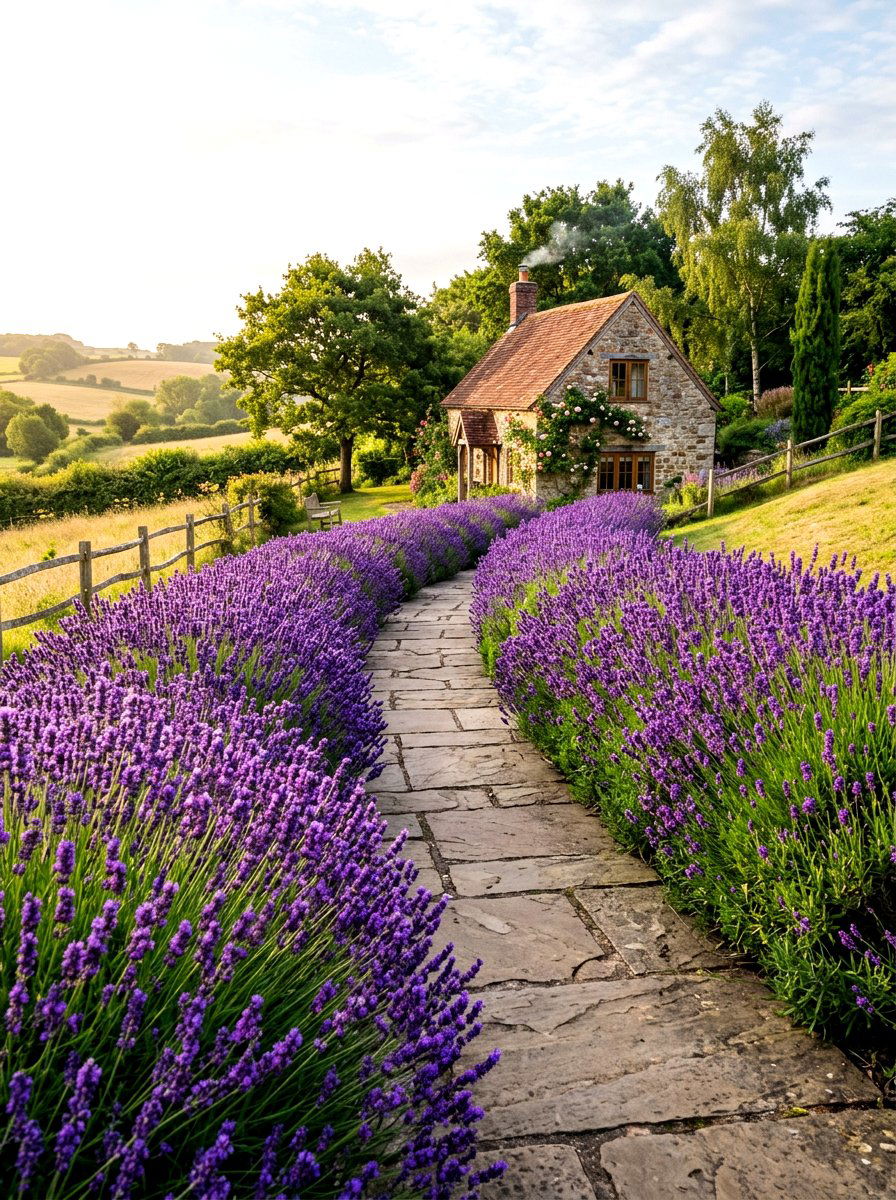
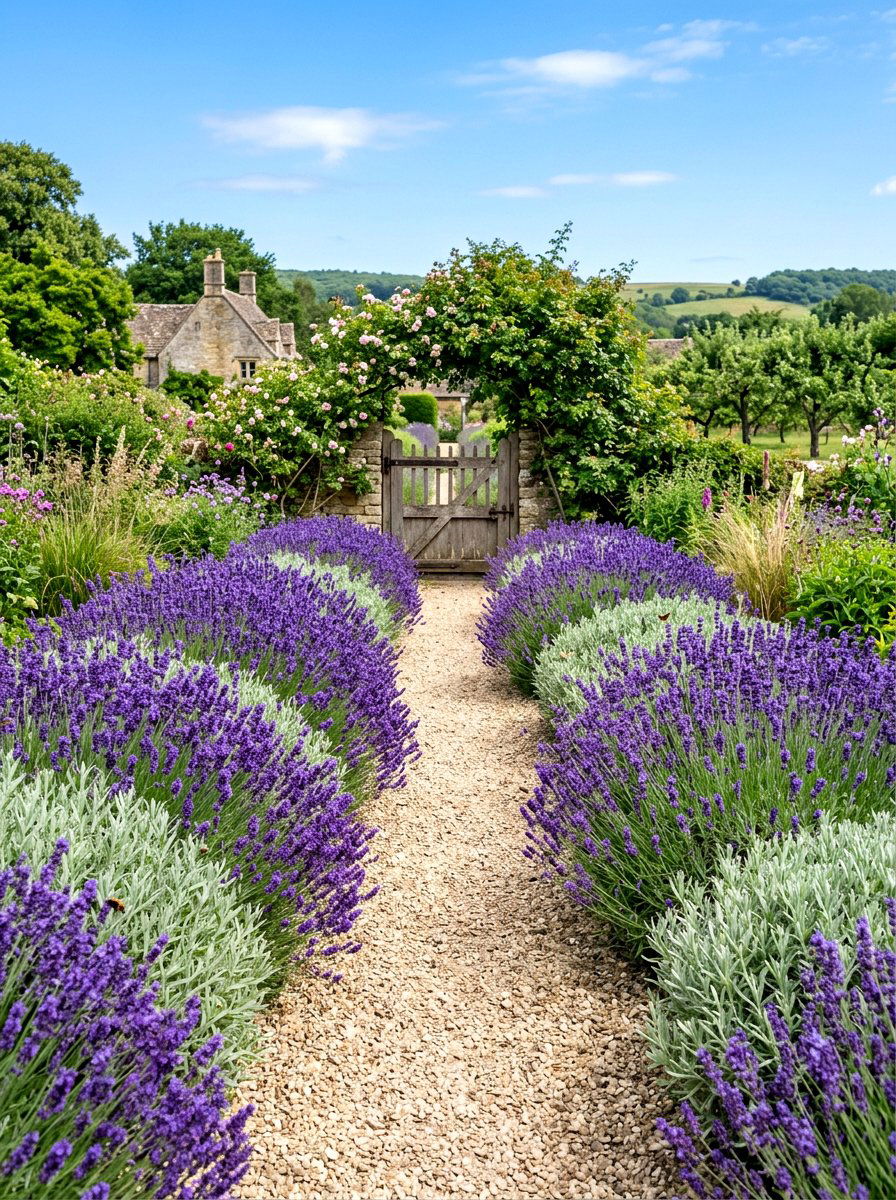
Lavender is a favorite for many gardeners because of its intoxicating scent and beautiful silvery foliage. When planted along a walkway, it creates a sensory experience that is also a haven for butterflies and bees. The spikes of tiny purple flowers are filled with nectar and bloom for several weeks during the height of summer. Butterflies are naturally drawn to the fragrant oils and the bright color of the blossoms. Lavender requires full sun and very well-drained soil to thrive, making it perfect for sunny, dry spots in your yard. It adds a touch of Mediterranean elegance to the landscape while providing a reliable food source for your winged visitors.


20. Cosmos Annual Bed
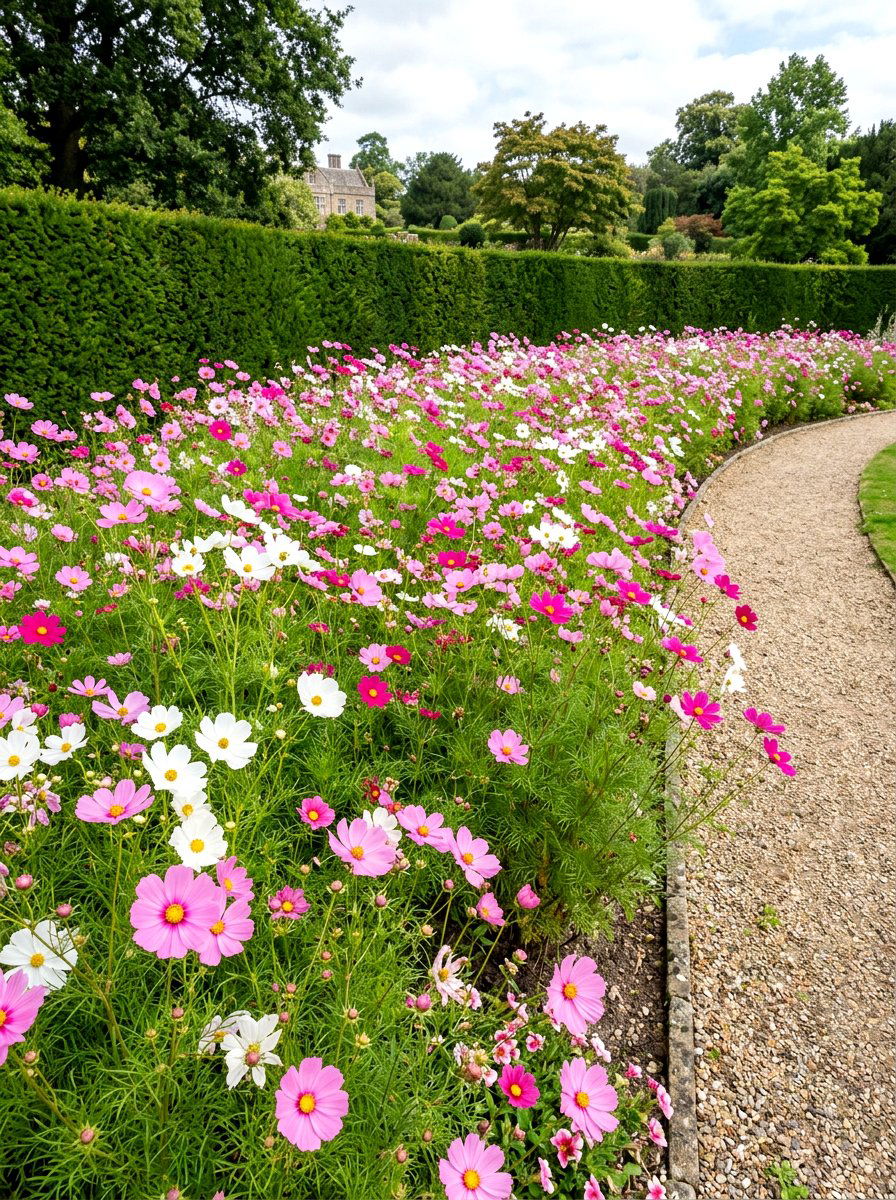
Cosmos are whimsical annuals that feature feathery foliage and delicate, cup-shaped flowers in shades of pink, white, and burgundy. They are exceptionally easy to grow from seed and will often bloom just a few weeks after planting. A dedicated bed of cosmos creates a soft and romantic look in the garden that butterflies find irresistible. Their simple, open flower structure allows easy access to nectar for a variety of species. They can grow quite tall, so they work well in the middle or back of a border. Because they bloom continuously until the frost, they offer a long-term solution for keeping your garden full of life and color.
21. Sunflower Pollinator Wall
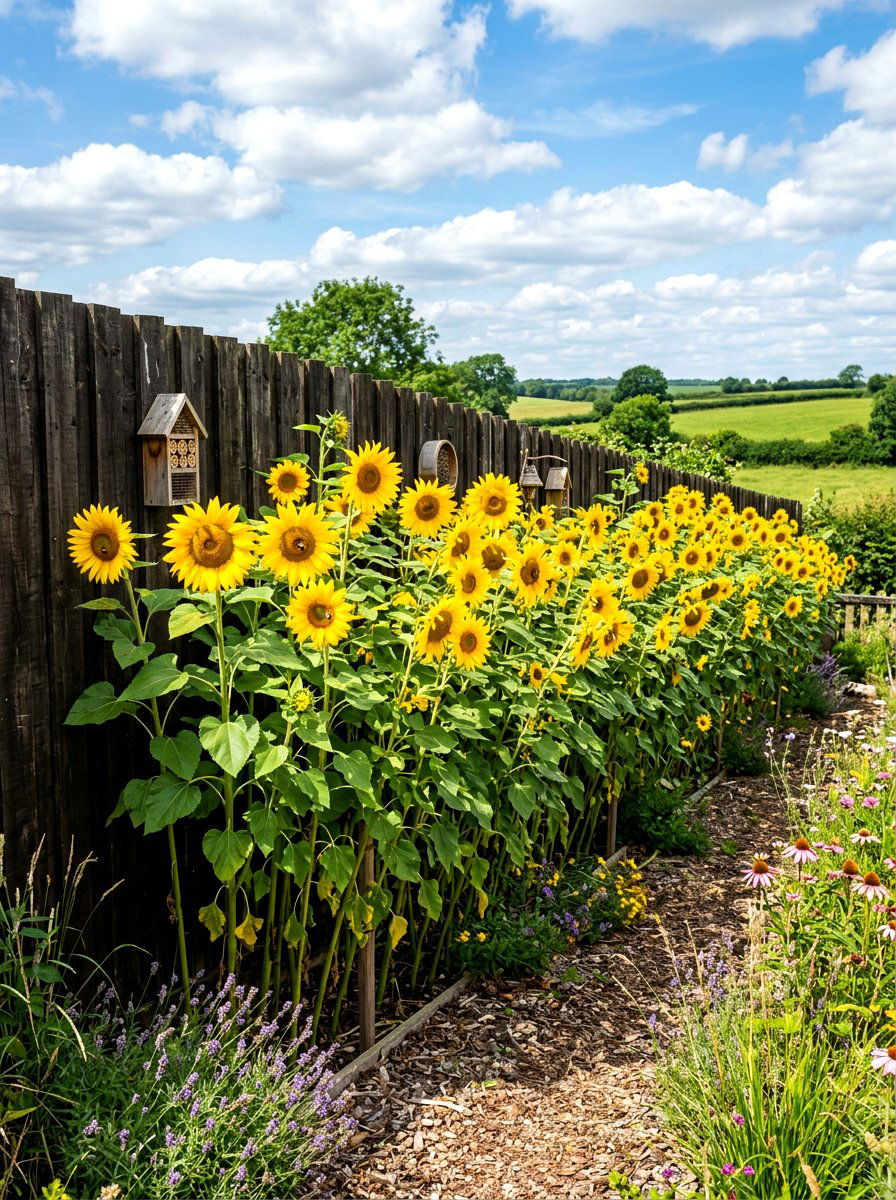
Sunflowers are the giants of the garden, providing massive amounts of pollen and nectar for butterflies and bees. Planting a row of tall sunflowers against a fence or wall creates a stunning "pollinator wall" that can be seen from far away. The large, flat faces of the flowers act as a landing platform for butterflies to rest and feed. In addition to their nectar value, sunflowers also produce seeds that feed birds in the late fall and winter. There are many varieties to choose from, ranging from dwarf types to those that reach over ten feet tall. They bring a sense of joy and scale to any butterfly garden project.
22. Sedum Autumn Joy Patch
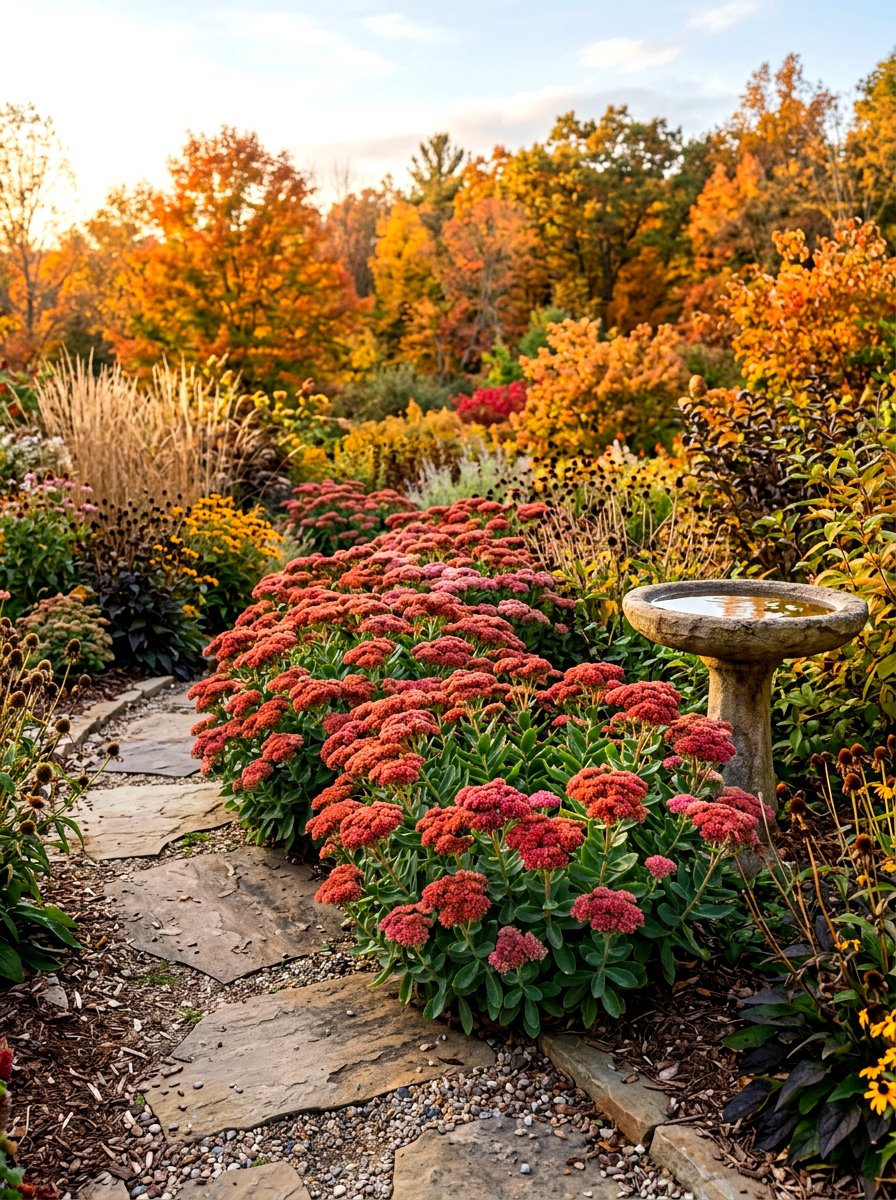
Sedum, particularly the variety known as Autumn Joy, is a staple for the late-season butterfly garden. This succulent perennial produces flat, broccoli-like flower heads that turn from pale green to dusty pink and finally to a deep copper red. The large, flat clusters are perfect for butterflies to land on during the cooler days of late summer and early fall. They are incredibly drought-tolerant and require very little maintenance once they are established in the ground. Their sturdy structure provides visual interest even after the flowers have faded. Planting a large patch of sedum ensures a reliable food source for late-season visitors like the painted lady and monarch.
23. Ironweed Tall Border
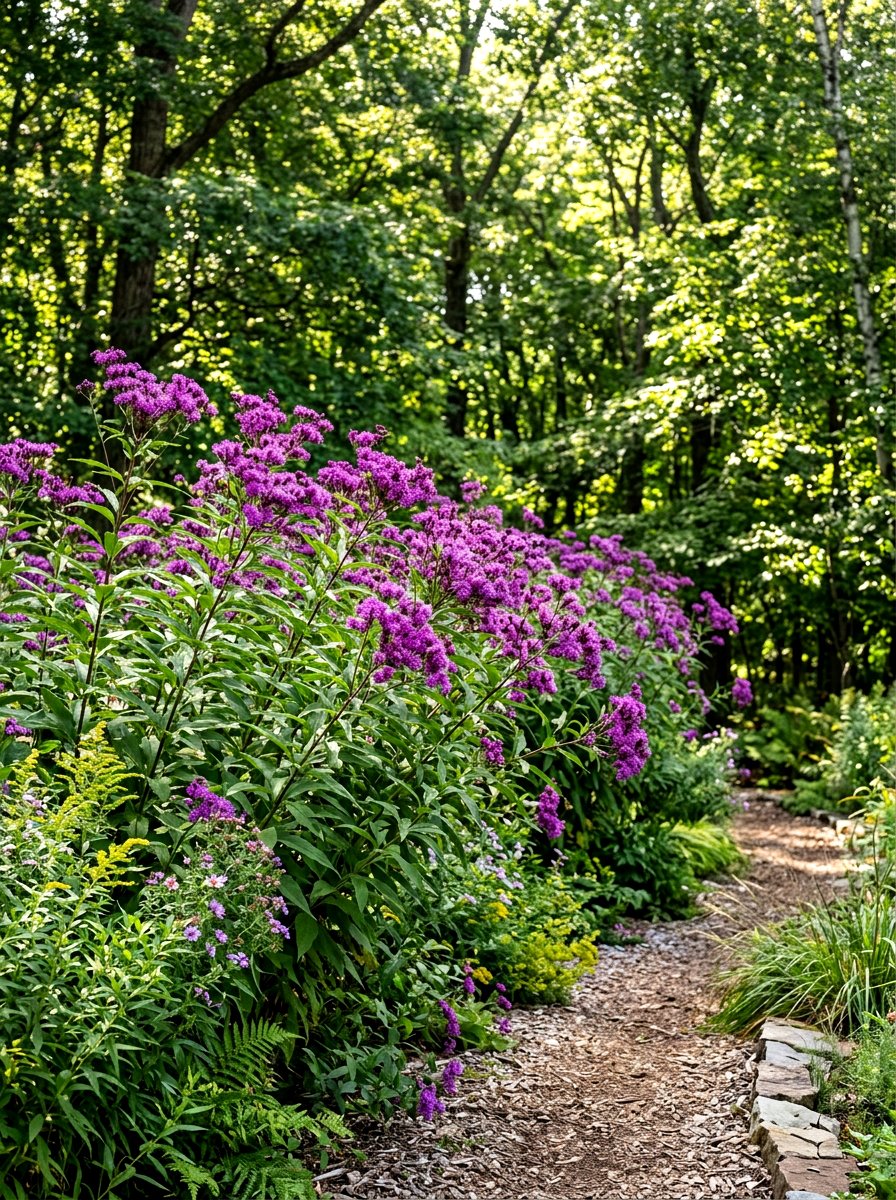
Ironweed is a striking native perennial that adds intense purple color and significant height to the back of a butterfly garden. Reaching heights of up to seven feet, it produces clusters of small, fuzzy purple flowers that are absolute magnets for swallowtails. This plant thrives in moist soil and full sun, making it an excellent choice for low-lying areas of your yard. Its name comes from its tough, iron-like stems that stay upright even in strong winds. By grouping ironweed with other tall natives like Joe Pye weed, you can create a beautiful and functional screen that provides both privacy and a feast for the local butterfly population.
24. Passion Flower Vine Trellis
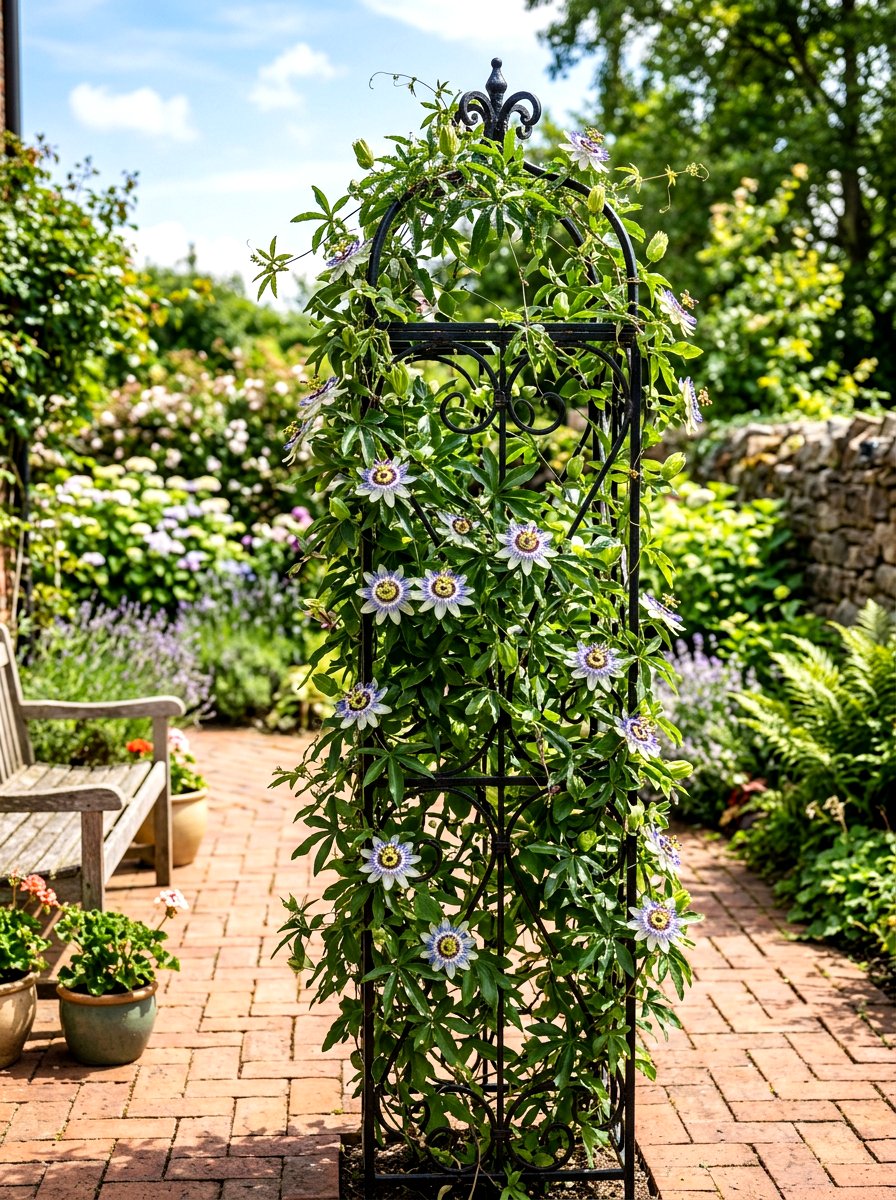
For gardeners with limited ground space, the passion flower vine is a fantastic way to go vertical. This vigorous climber features some of the most intricate and exotic-looking flowers in the plant world. It is also the primary host plant for gulf fritillary butterflies, whose caterpillars are as colorful as the adults. Growing passion flower on a trellis or fence allows you to enjoy the stunning blooms while providing a home for the next generation of butterflies. The vine can grow quite quickly, so it is important to provide a sturdy support system. The combination of unique flowers and active caterpillars makes this a highlight of any butterfly-friendly backyard design.



25. Bottlebrush Shrub Island
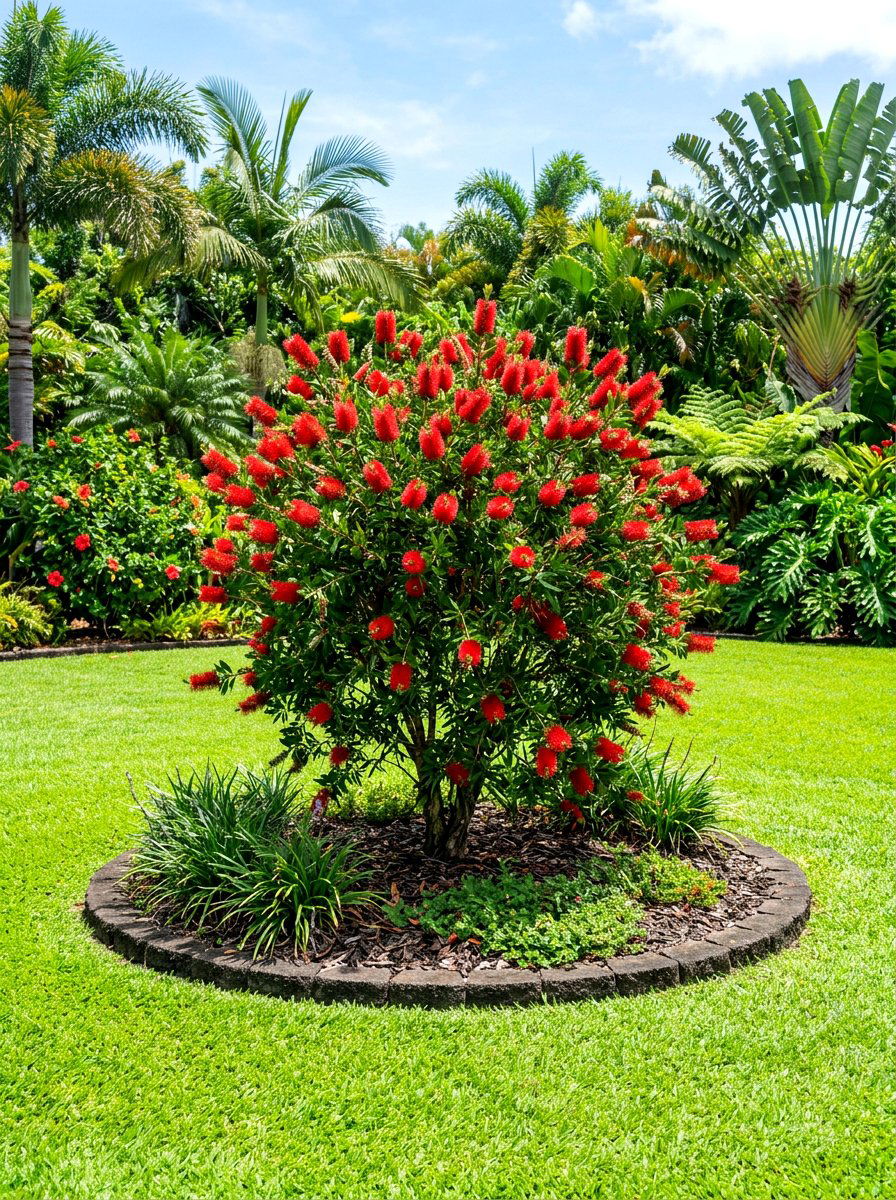
The bottlebrush shrub, or Callistemon, is a dramatic addition to a butterfly garden, especially in warmer climates. Its unique flowers look exactly like bright red brushes and are dripping with nectar. Creating a small island bed with a bottlebrush shrub as the centerpiece provides a structural element that butterflies can easily find. The vibrant red color is a major draw for both butterflies and hummingbirds. These shrubs are generally evergreen and provide year-round interest and shelter for local wildlife. They prefer sunny spots and well-drained soil, blooming most heavily in the spring and summer. It is a tough and beautiful plant that adds a tropical feel to your outdoor sanctuary.
26. Blazing Star Liatris Spikes
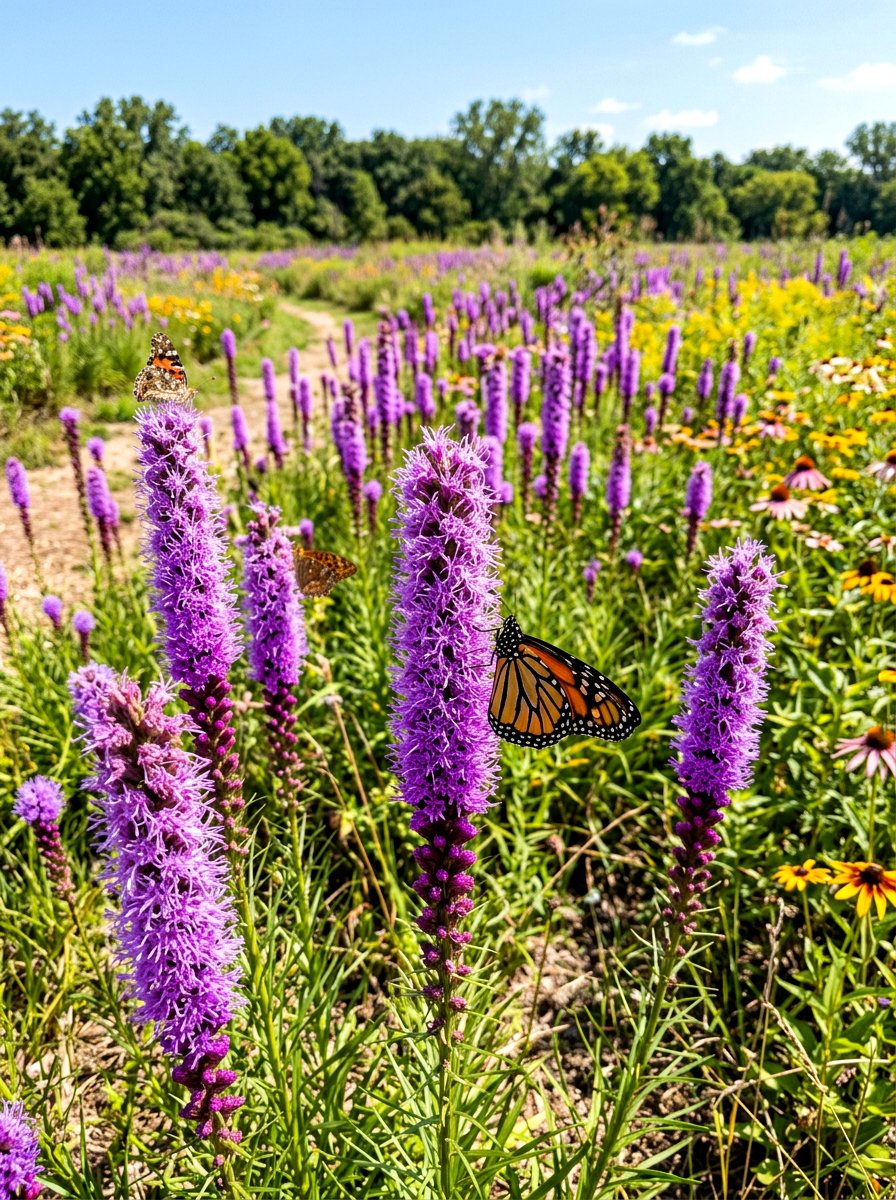
Blazing star, also known as Liatris, produces unique, fuzzy spikes of purple or white flowers that bloom from the top down. These native perennials are a favorite of many butterfly species because the individual florets are packed with nectar. Their upright, columnar habit makes them perfect for adding vertical interest to the middle of a flower bed. They grow from underground corms and are very easy to maintain once they are settled. Planting them in groups creates a striking visual effect that mimics a natural prairie. They are also excellent as cut flowers, allowing you to bring a bit of your butterfly garden's beauty into your home during the summer.
27. Phlox Summer Bloom
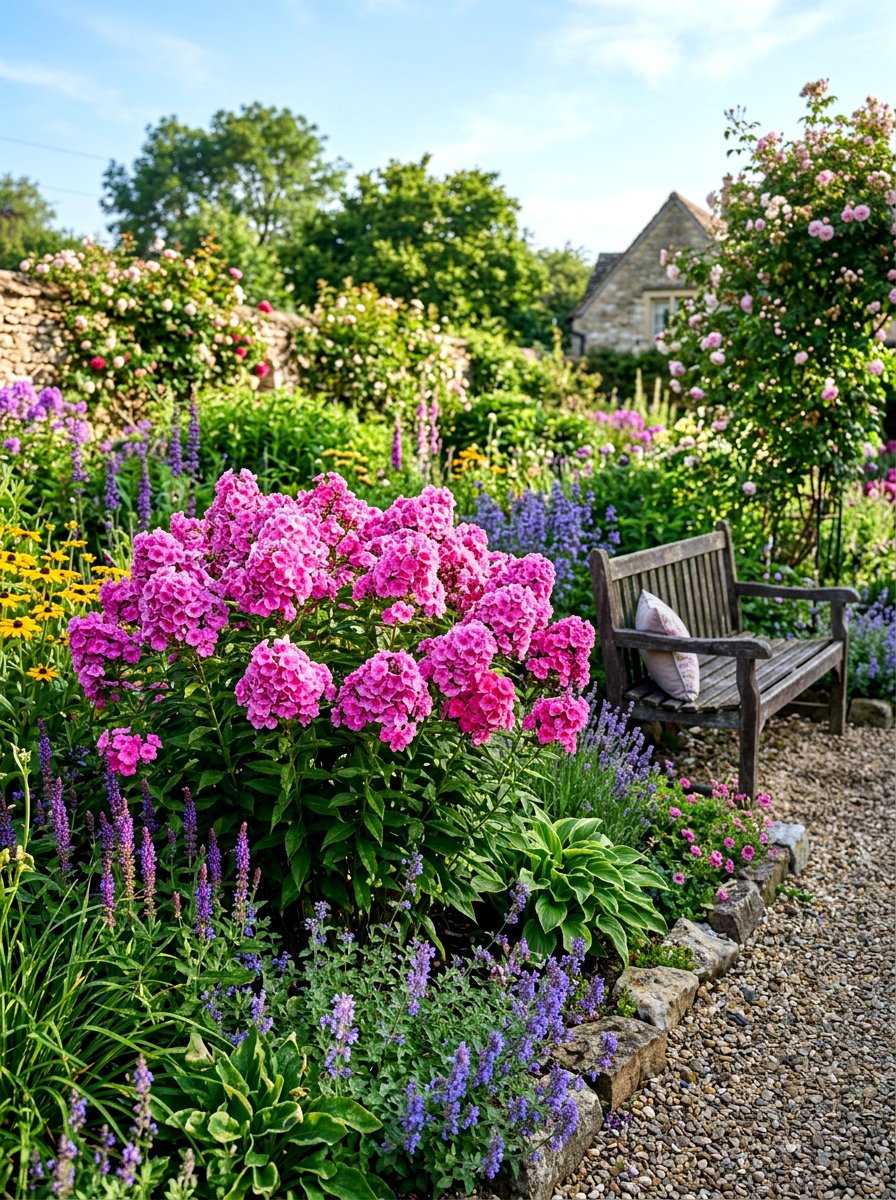
Summer phlox is a classic cottage garden favorite that is as fragrant as it is beautiful. These perennials produce large, rounded clusters of flowers in shades of pink, purple, white, and bicolor. The sweet scent is a major attractant for butterflies, who spend hours flitting between the dense blooms. Phlox thrives in full sun and fertile, moist soil, providing a lush and colorful display for several weeks. By choosing mildew-resistant varieties, you can ensure your plants stay healthy and vibrant throughout the humid summer months. They are perfect for the middle of a border where their height and color can be appreciated by both humans and pollinators alike.
28. Goldenrod Fall Color
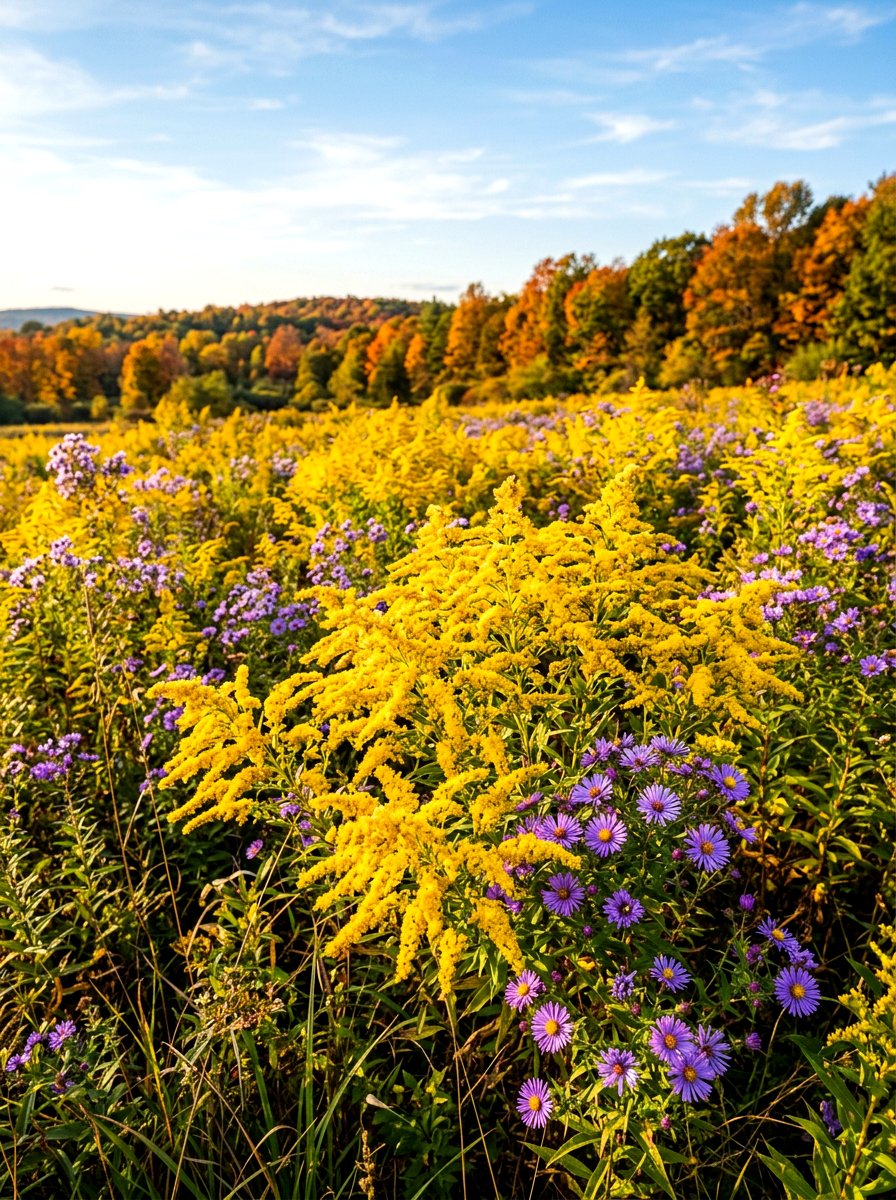
Goldenrod is often unfairly blamed for allergies, but it is actually a vital nectar source that does not cause hayfever. Its bright yellow plumes appear in late summer and fall, providing a rich feast for migrating butterflies. When planted in large groups, goldenrod creates a sea of gold that glows in the autumn sunlight. It is a hardy native plant that can grow in almost any soil condition, making it a very reliable choice for the garden. Pairing it with purple asters creates a stunning color contrast that is a hallmark of the fall season. This plant ensures your butterfly garden remains a productive and beautiful habitat.
29. Sweet Alyssum Path Edging
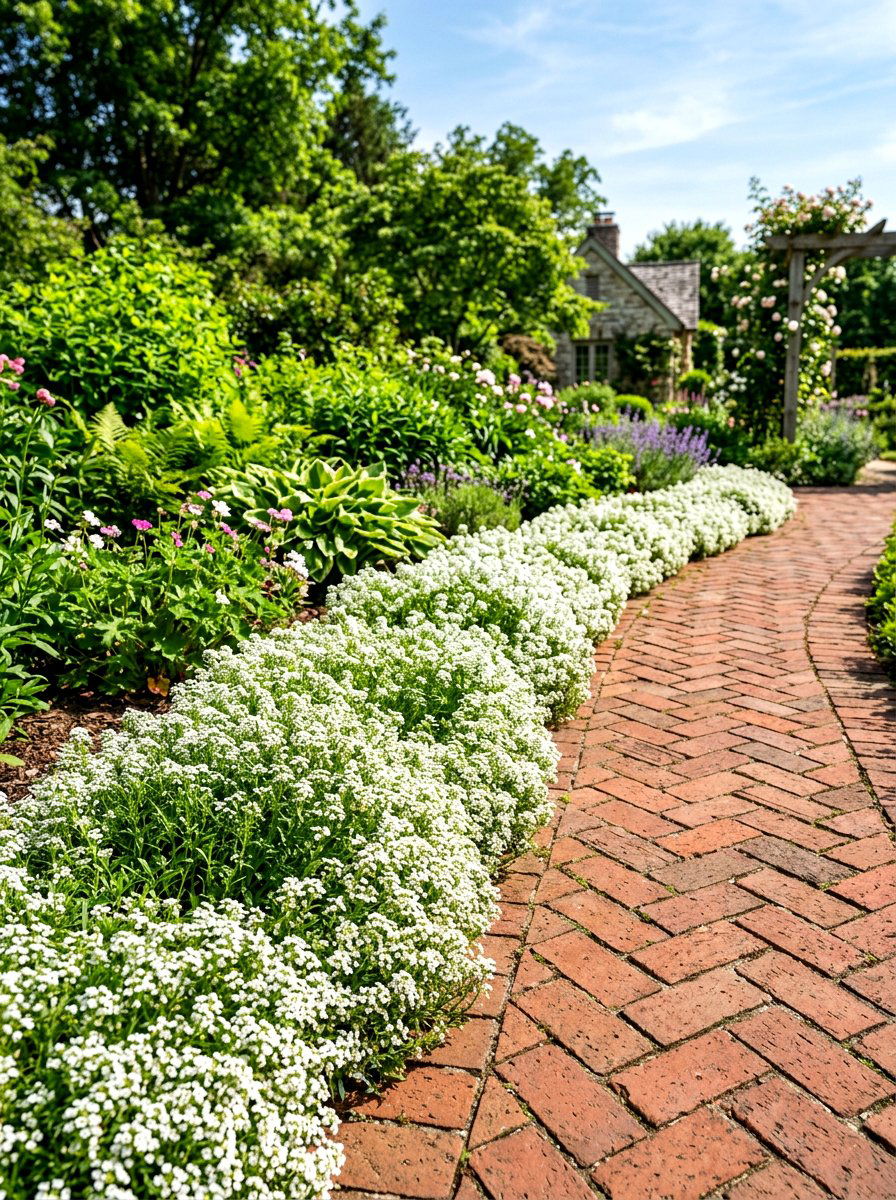
Sweet alyssum is a low-growing annual that produces a carpet of tiny, honey-scented flowers in white, pink, or purple. Using it as an edging for your garden paths creates a fragrant border that is constantly visited by small butterflies and beneficial insects. Despite its delicate appearance, it is a tough plant that can handle a bit of foot traffic and cooler temperatures. It often self-seeds, providing new plants for the following year with minimal effort. The sweet scent fills the air on warm days, making a stroll through your garden even more enjoyable. It is an excellent filler for gaps in stone walls or between larger perennials.
30. Hollyhock Cottage Garden
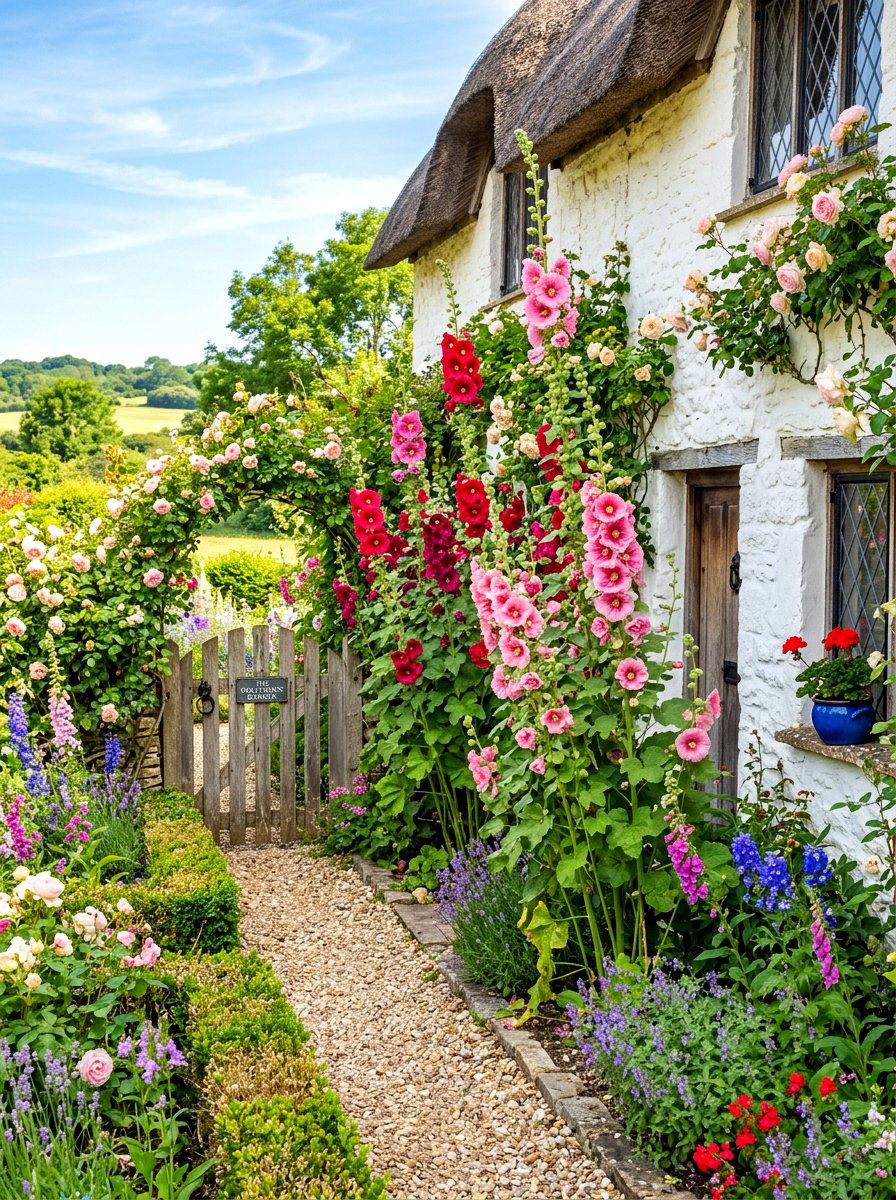
Hollyhocks are the quintessential cottage garden plant, known for their tall, spire-like stems covered in large, plate-shaped flowers. These biennials provide a great deal of nectar and are also a host plant for the painted lady butterfly. Planting them against a sunny wall or fence gives them the support they need while creating a nostalgic and charming look. The wide flowers are easy for butterflies to land on and explore. They come in a vast range of colors, from delicate pastels to deep, dramatic maroons. Adding hollyhocks to your garden provides height, history, and a vital food source for both caterpillars and adult butterflies throughout the summer.
Conclusion:
Building a successful butterfly garden is a rewarding journey that connects you deeply with the natural world right outside your window. By incorporating a diverse mix of nectar plants, host species, and essential features like puddling stations, you create a resilient habitat that supports life through every season. Whether you have a sprawling backyard or a small balcony with containers, every effort helps provide a safe haven for declining pollinator populations. As you watch the first monarch or swallowtail arrive, you will realize the profound impact of your thoughtful landscaping choices. Your garden becomes more than just a space for plants; it becomes a thriving, living sanctuary of beauty and life.

Related posts: