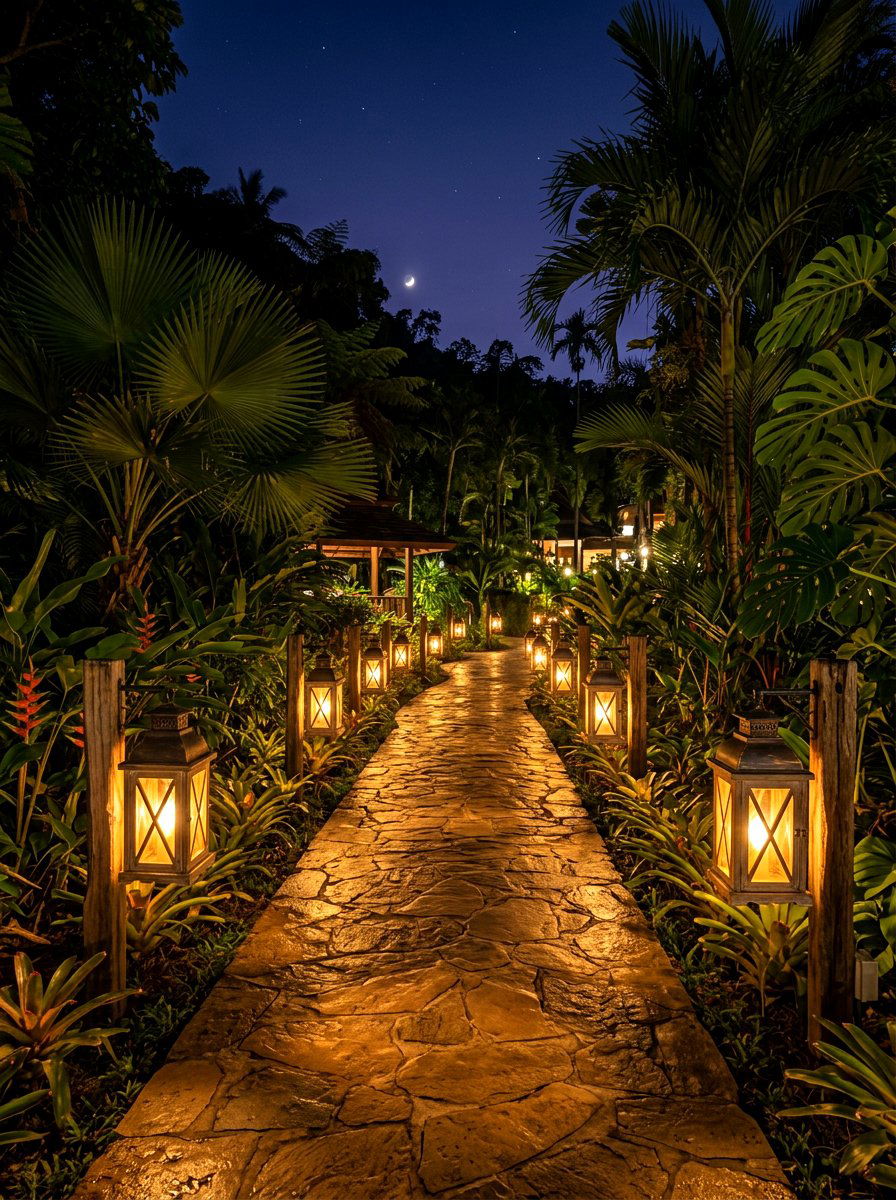
Creating a pollinator paradise in your own backyard is one of the most rewarding ways to support the local environment while enhancing your home's curb appeal. These vibrant landscapes do much more than just look beautiful; they provide essential food, water, and shelter for bees, butterflies, and birds that are vital to our ecosystem. By thoughtfully selecting native plants and incorporating diverse habitats, you can transform a simple lawn into a thriving sanctuary for wildlife. This comprehensive guide explores thirty creative and practical ways to design a lush, inviting space that celebrates nature. Whether you have a sprawling estate or a small urban patio, these ideas will help you build a sustainable garden that buzzes with life and color all year long.
1. Native Wildflower Meadow
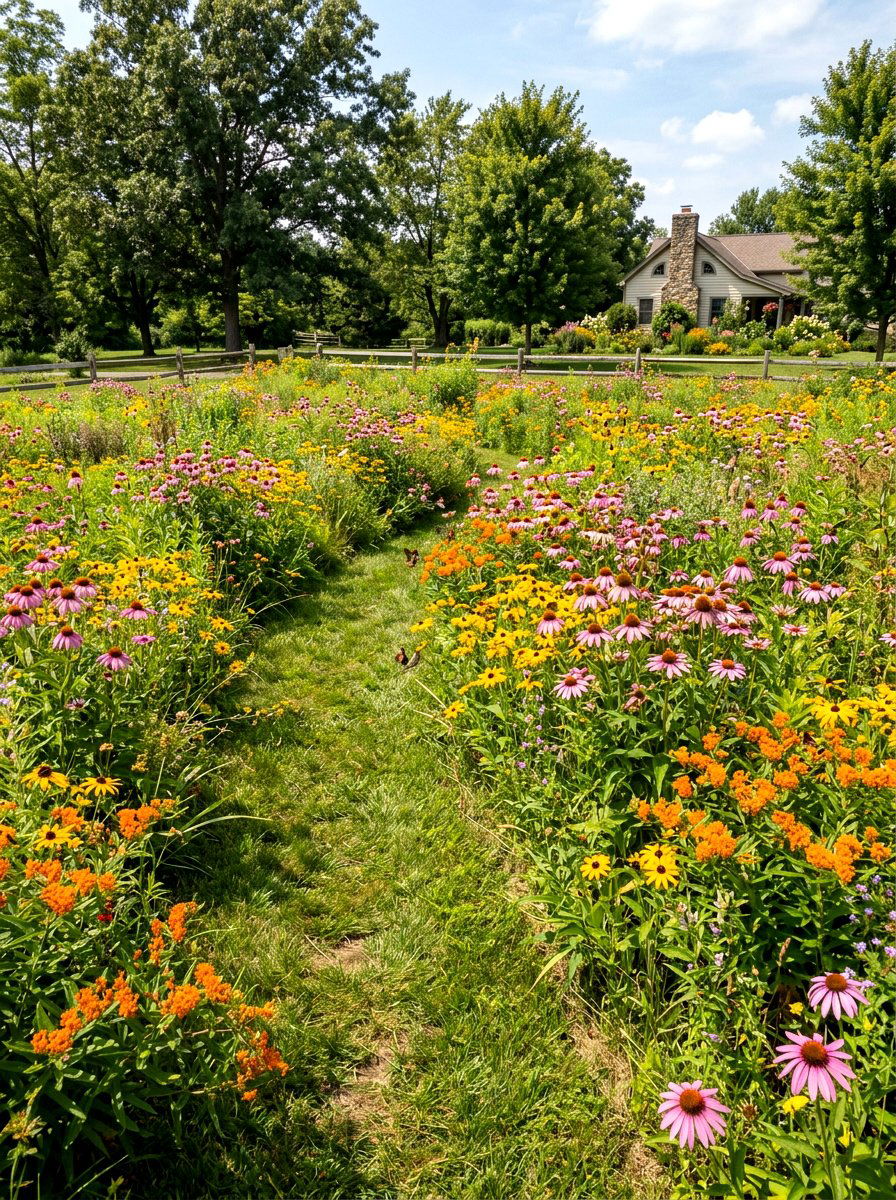
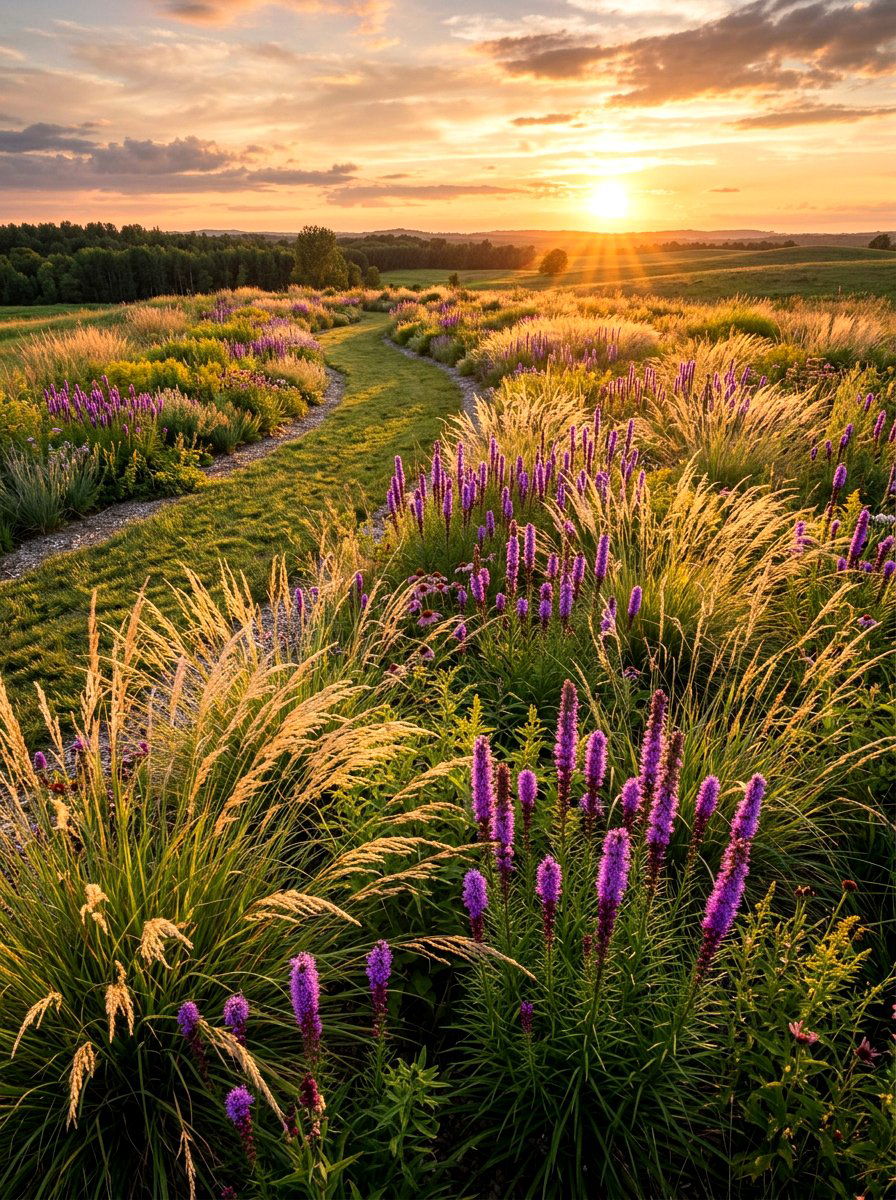
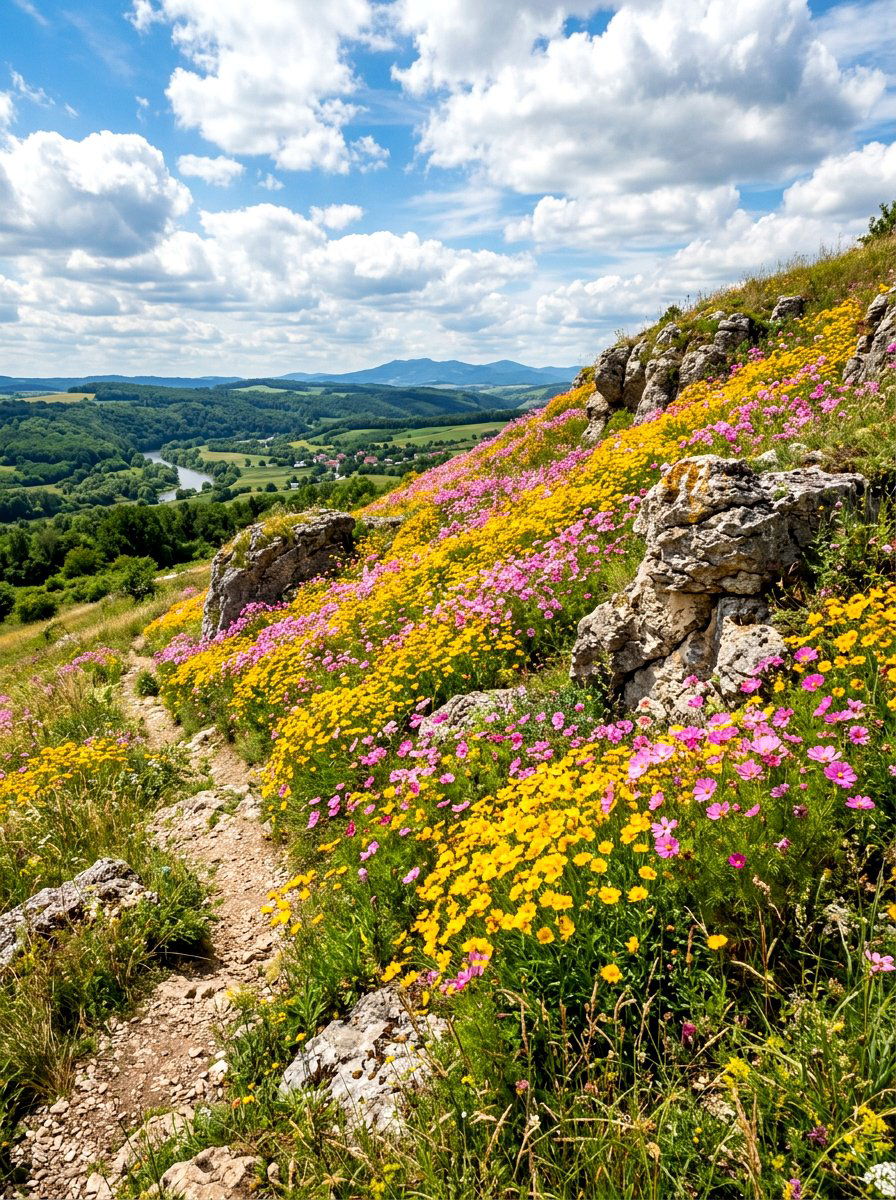
Imagine stepping out into a sprawling sea of vibrant colors and textures that dance gently in the summer breeze. A native wildflower meadow is the ultimate low-maintenance solution for a large backyard space that craves life and biodiversity. By selecting seeds that are indigenous to your specific region, you ensure that the plants will thrive with minimal intervention or extra watering. These meadows provide an essential buffet for local bees and butterflies throughout the warmest months of the year. The diverse mix of heights and colors creates a stunning visual tapestry that changes every week as different species begin to bloom and fade. This design offers a relaxed, naturalistic aesthetic that feels deeply connected to the surrounding wilderness.
2. Butterfly Host Plant Garden
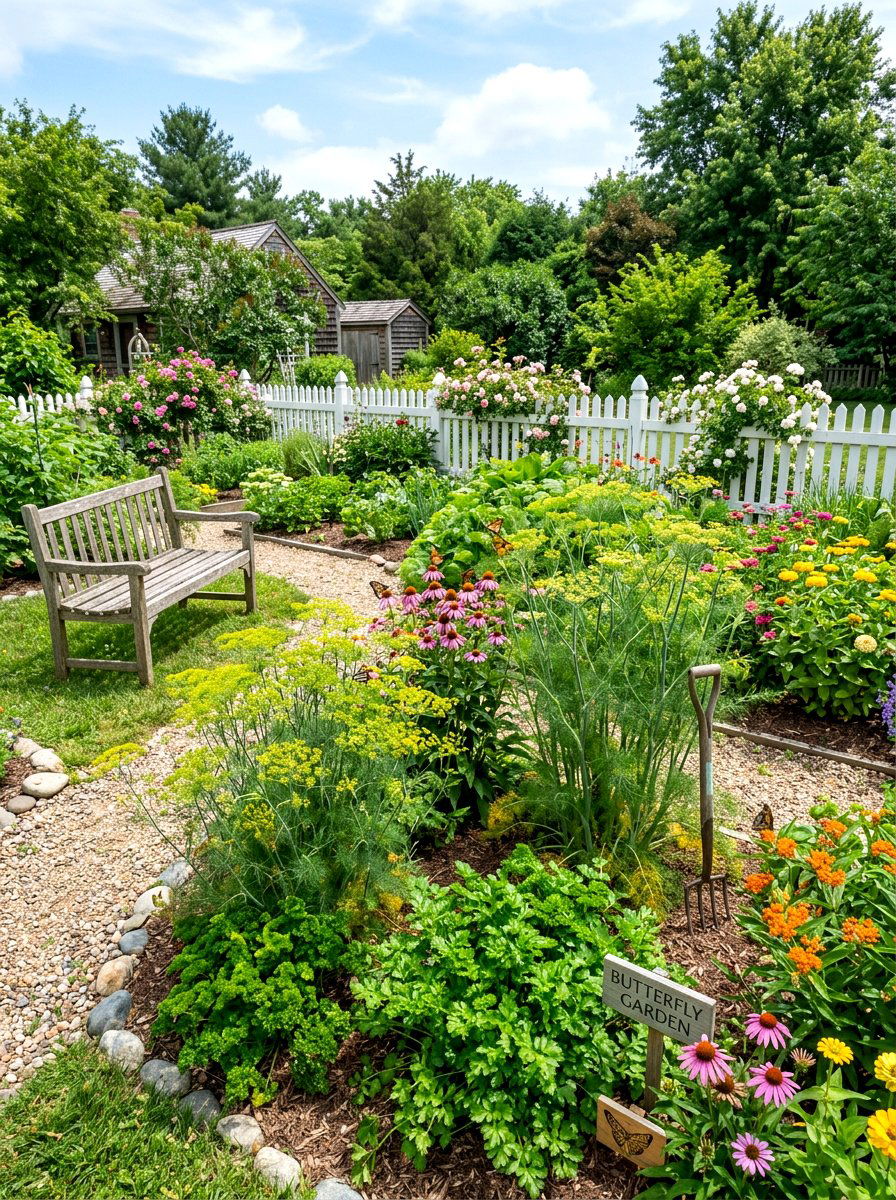
A true sanctuary for butterflies requires more than just nectar; it needs specific host plants where they can lay their eggs. Designing a dedicated host plant garden ensures that you support the entire life cycle of these beautiful insects, from hungry caterpillars to fluttering adults. Incorporating species like parsley, dill, or fennel alongside native favorites creates a functional nursery within your landscape. By providing these essential food sources, you invite butterflies to stay in your yard rather than just passing through. This section of your garden becomes a fascinating place for observation and education. Watching a tiny caterpillar transform into a chrysalis and eventually emerge as a butterfly is a magical experience for any gardener.
3. Bee Hotel Station
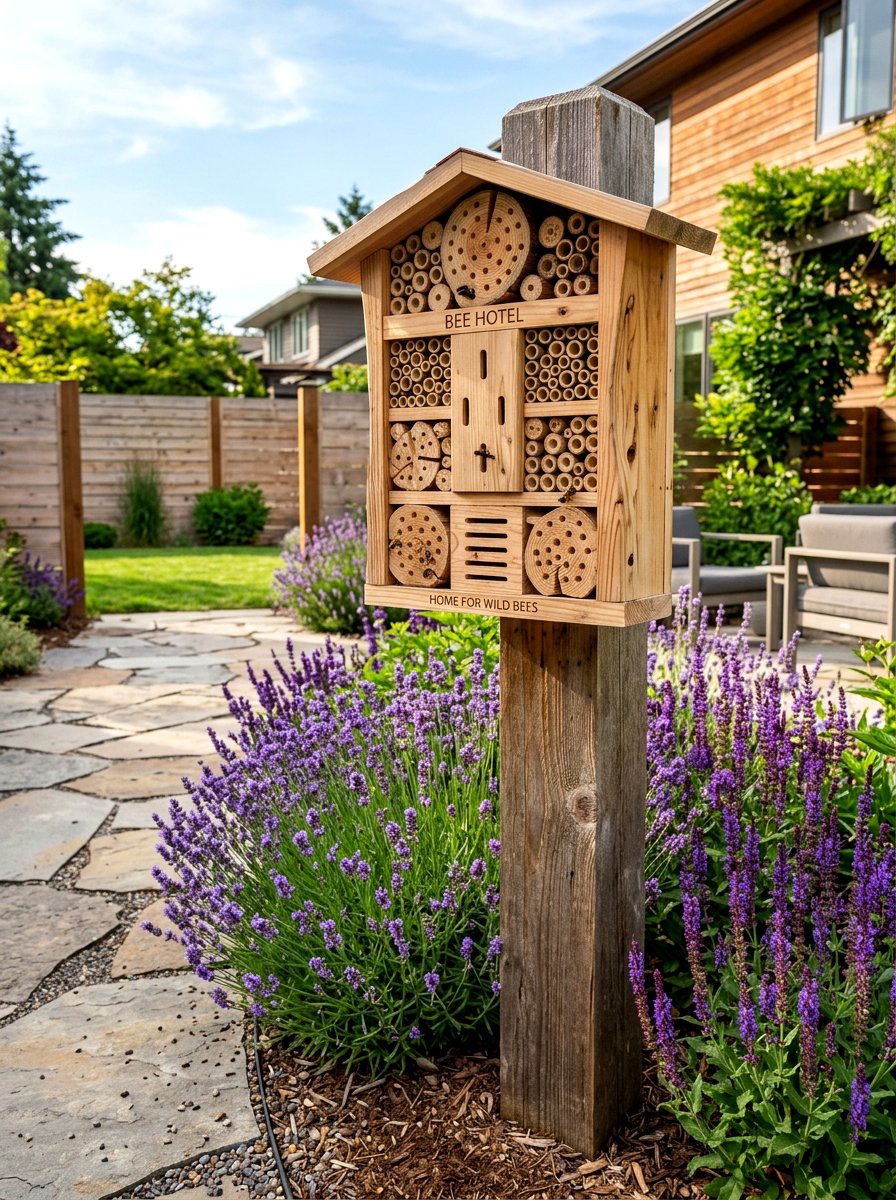
Not all bees live in large hives; many of our most efficient native pollinators are solitary creatures that look for small cavities to nest. Installing a bee hotel station provides these vital insects with a safe and dry place to raise their young. You can create a visually striking feature by grouping several different styles of nesting boxes together on a sturdy post or wall. Use natural materials like hollow bamboo, drilled wood blocks, and dried reeds to accommodate various species of mason and leafcutter bees. Placing this station near your flowering plants ensures easy access for the residents. This architectural element adds a unique, rustic charm to your backyard while directly boosting the local bee population.
4. Hummingbird Nectar Garden
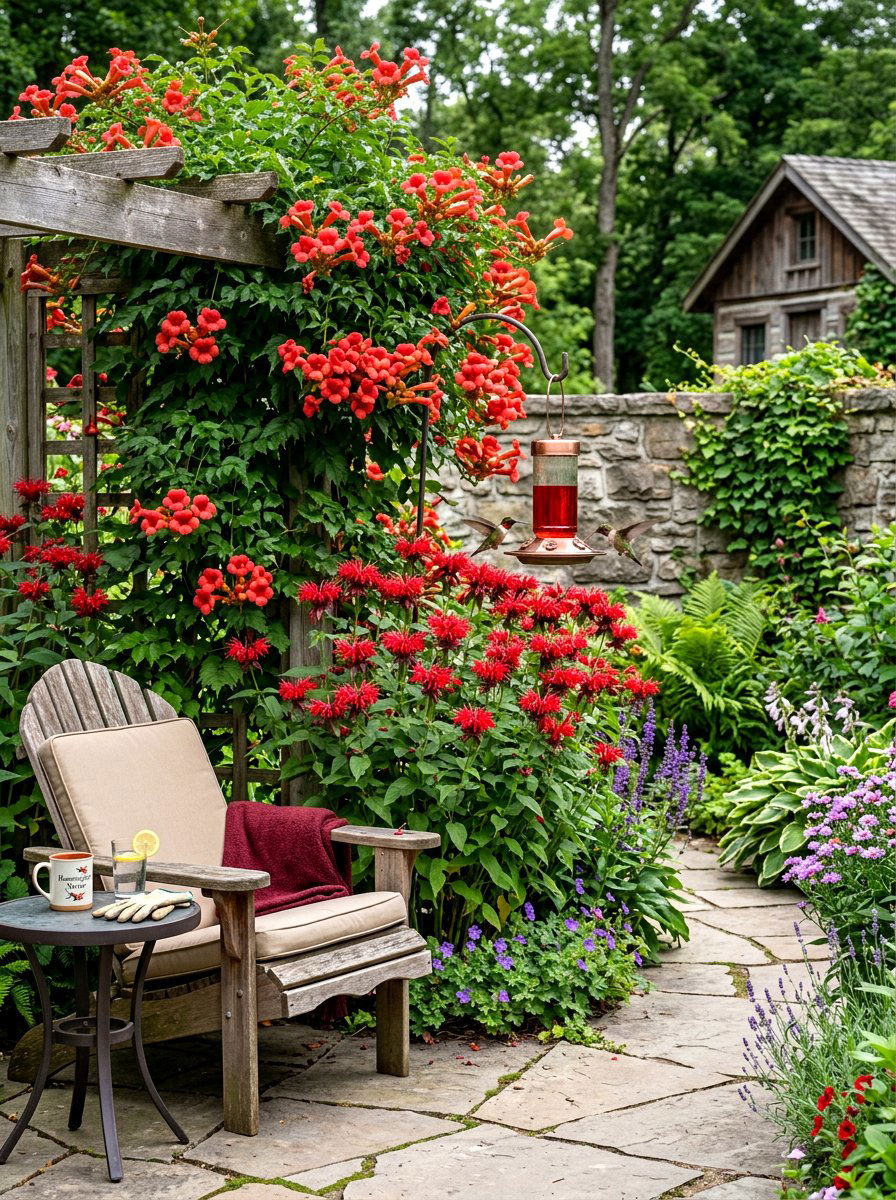
Hummingbirds are among the most energetic visitors you can attract, and they are drawn to bright, tubular flowers rich in nectar. Creating a hummingbird-focused area involves planting deep red and orange blossoms like trumpet vine, bee balm, and salvia. These tiny birds have high metabolisms and need constant energy, so a dense cluster of these specific flowers acts as a high-powered fueling station. Adding a few comfortable perching spots, such as thin twigs or wires, allows them to rest between feedings. The sight of these iridescent birds darting through the air and hovering expertly at each bloom brings a sense of wonder and movement to your outdoor space. It is a lively and colorful design choice.
5. Shallow Stone Water Feature
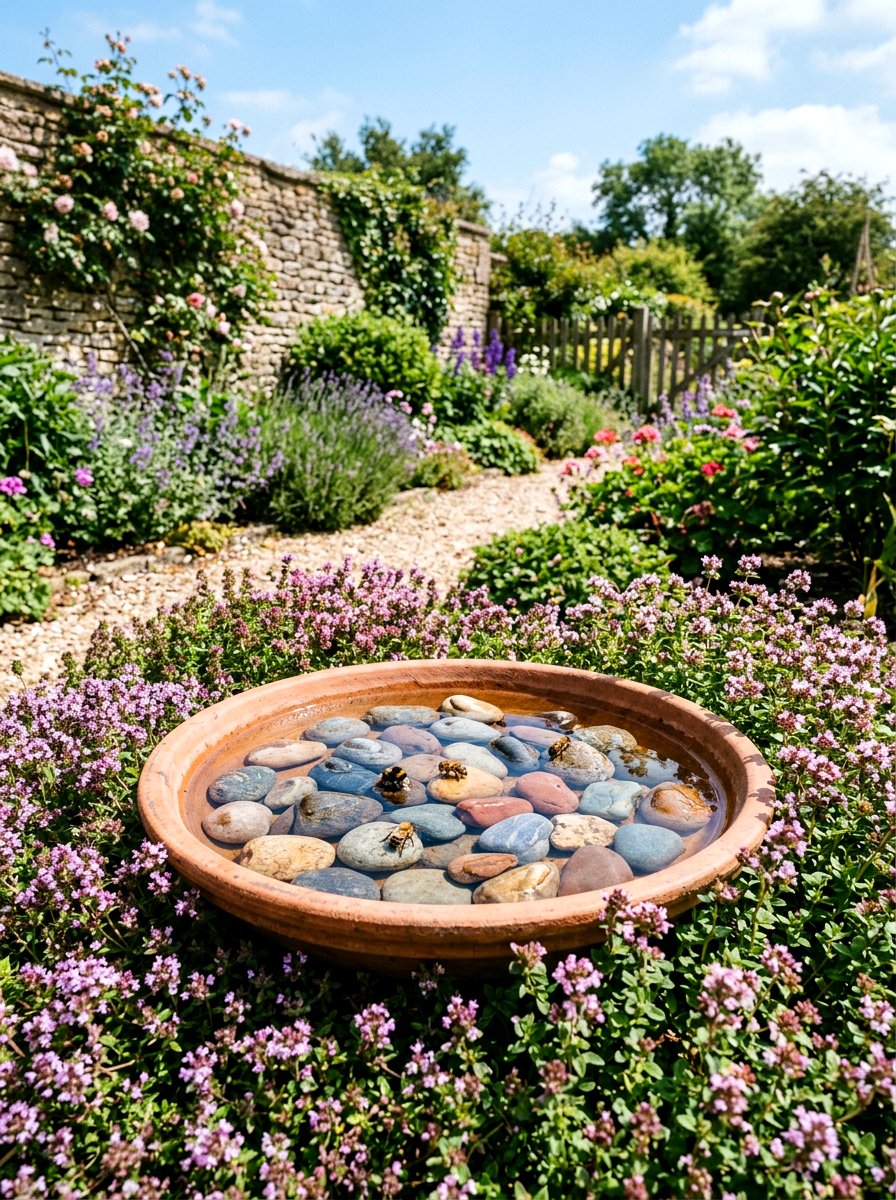
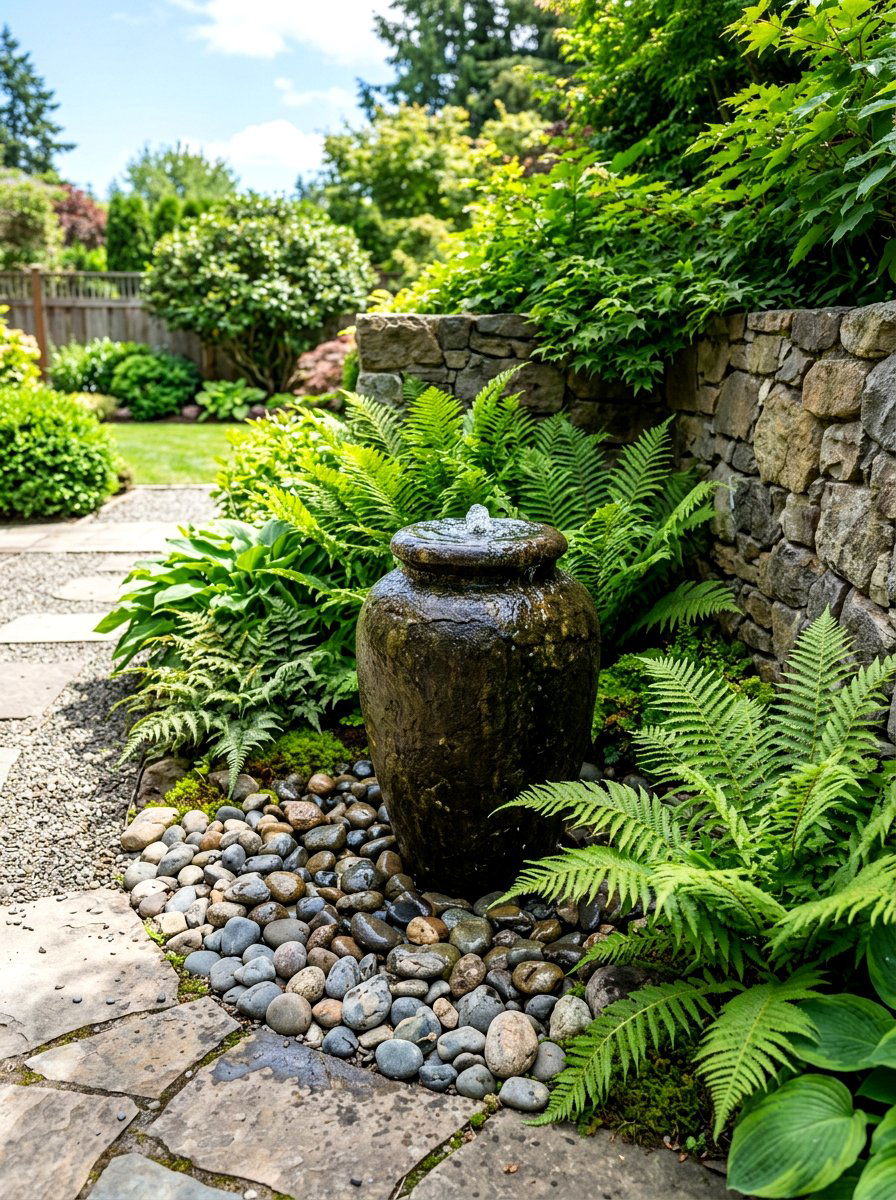
Water is a critical resource for every living creature in your garden, but pollinators need very specific conditions to drink safely. A shallow stone water feature, often called a bee bath, is designed with landing spots to prevent small insects from drowning. By using a wide, flat basin and filling it with smooth river stones or colorful glass pebbles, you create a safe "shoreline" for bees and butterflies. The water should just barely cover the stones, allowing the insects to stand while they sip. Placing this feature in a sun-drenched, sheltered spot ensures it stays warm and easy to find. This functional art piece adds a tranquil, reflective element to your garden while providing life-saving hydration.
6. Culinary Herb Garden
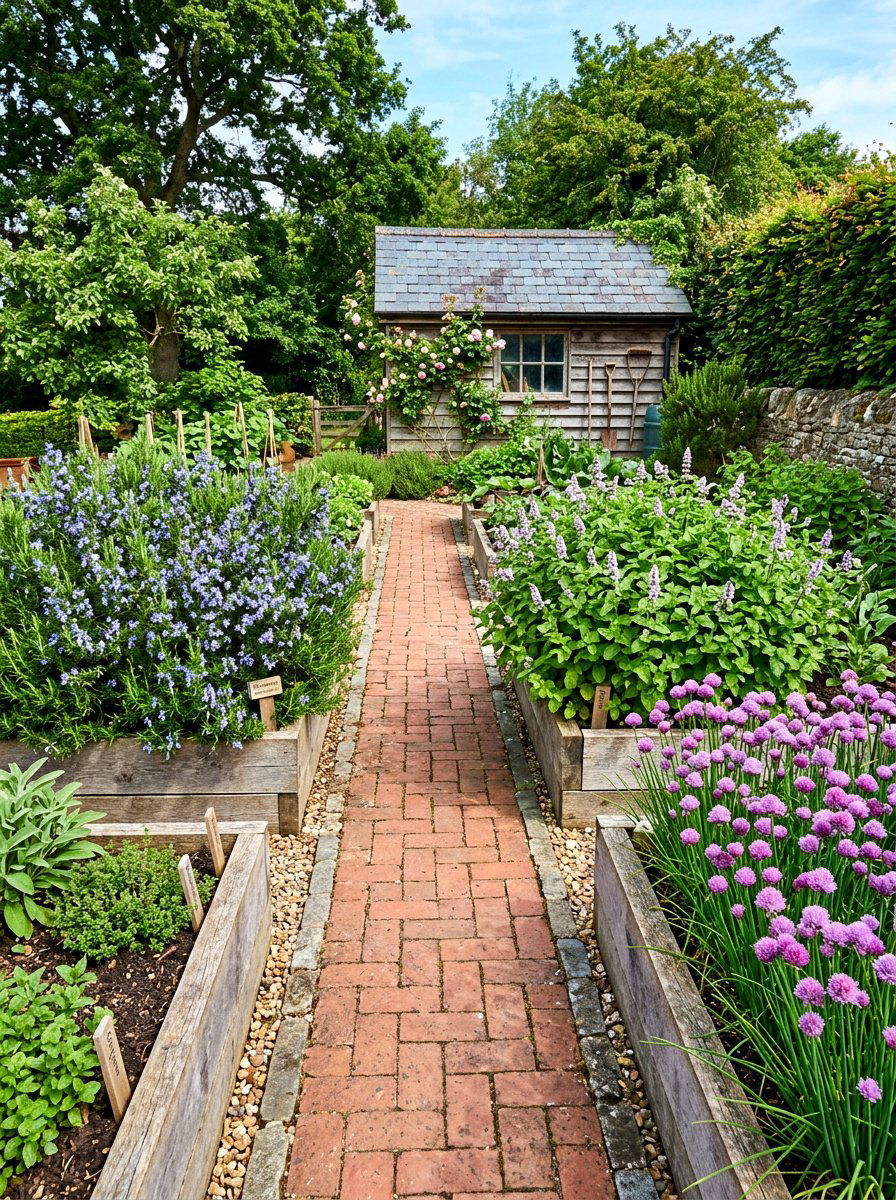
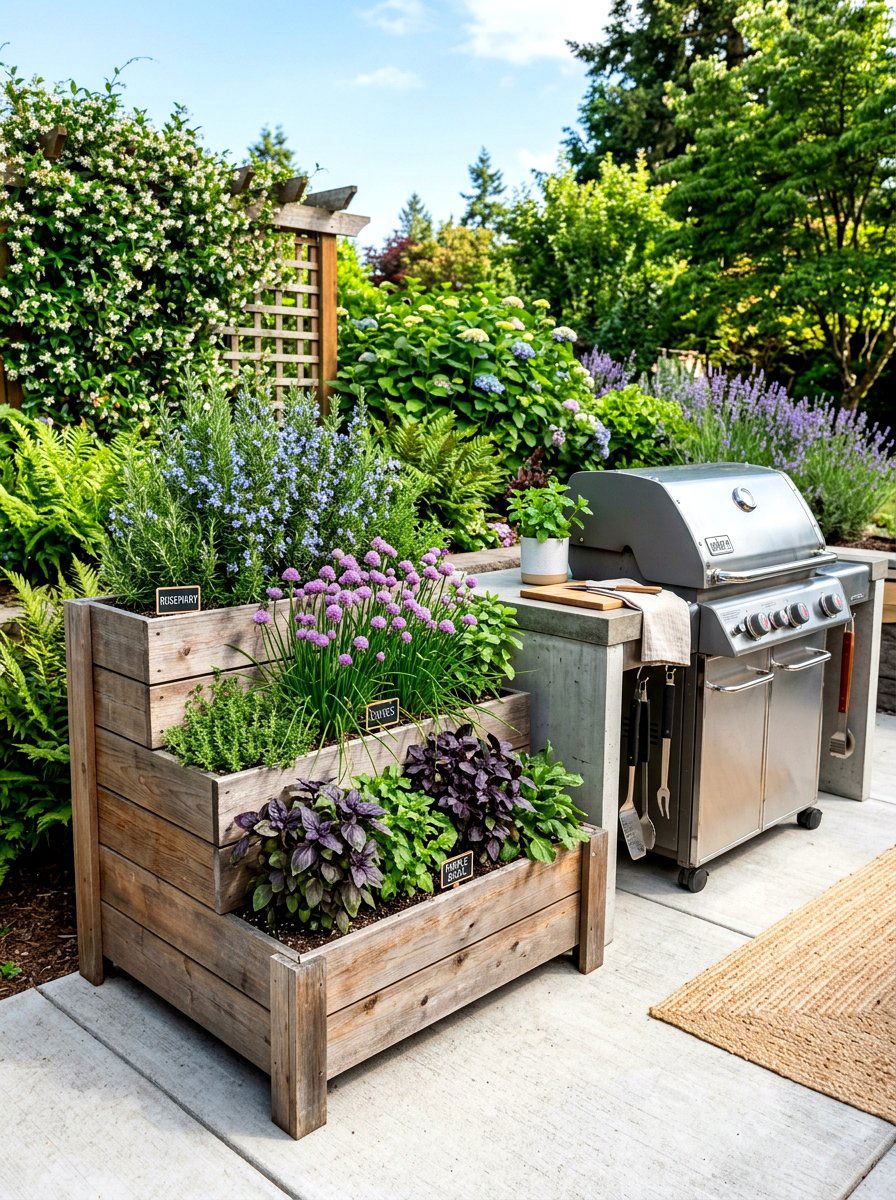
Integrating a culinary herb garden into your backyard design serves a dual purpose by providing fresh flavors for your kitchen and abundant nectar for pollinators. Many common herbs, such as rosemary, thyme, oregano, and mint, produce small, nectar-rich flowers that are highly attractive to honeybees and hoverflies. If you allow these plants to bolt and bloom rather than constantly harvesting the leaves, they become a significant food source. The aromatic foliage also adds a sensory layer to your garden, releasing pleasant scents whenever you brush past. This design idea works perfectly in raised beds or structured containers, making it an ideal choice for smaller spaces or patio-based pollinator sanctuaries that remain productive and beautiful.
7. Lavender Fragrance Path
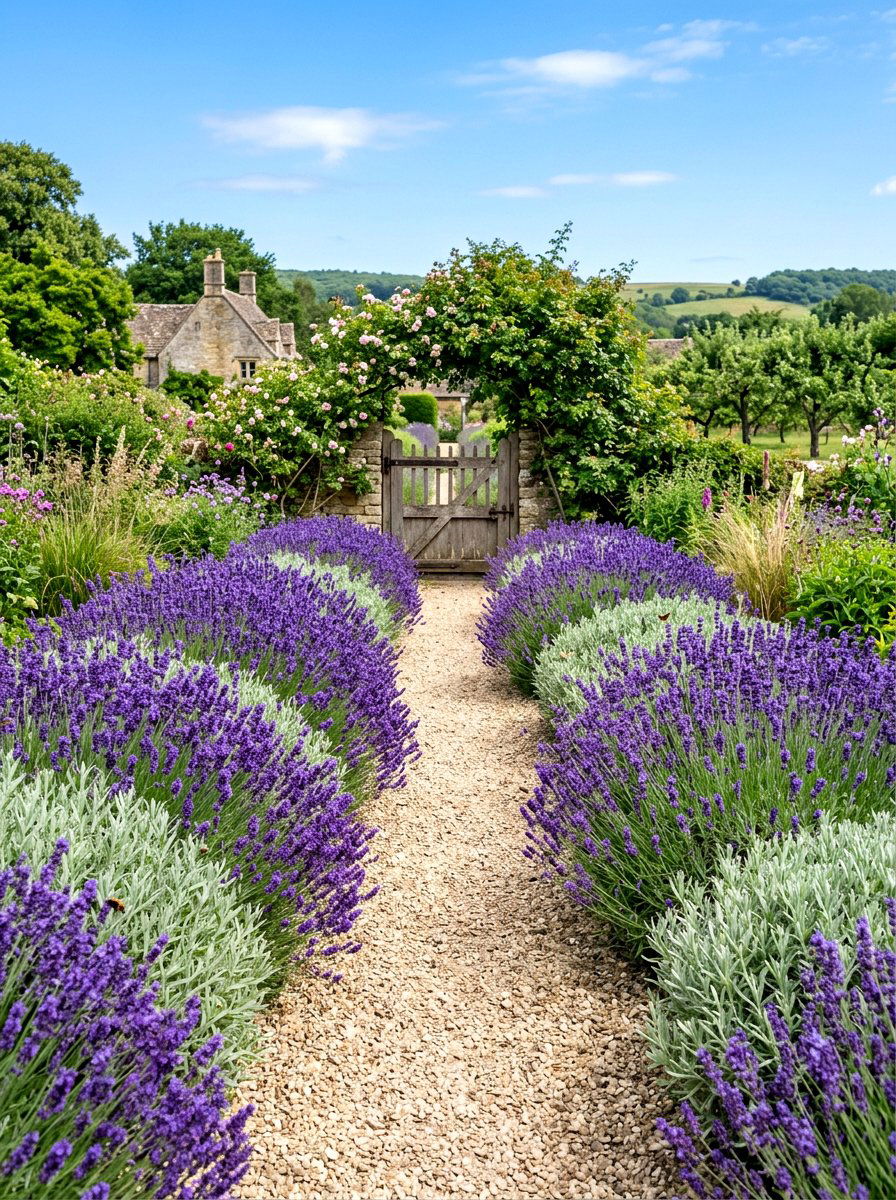
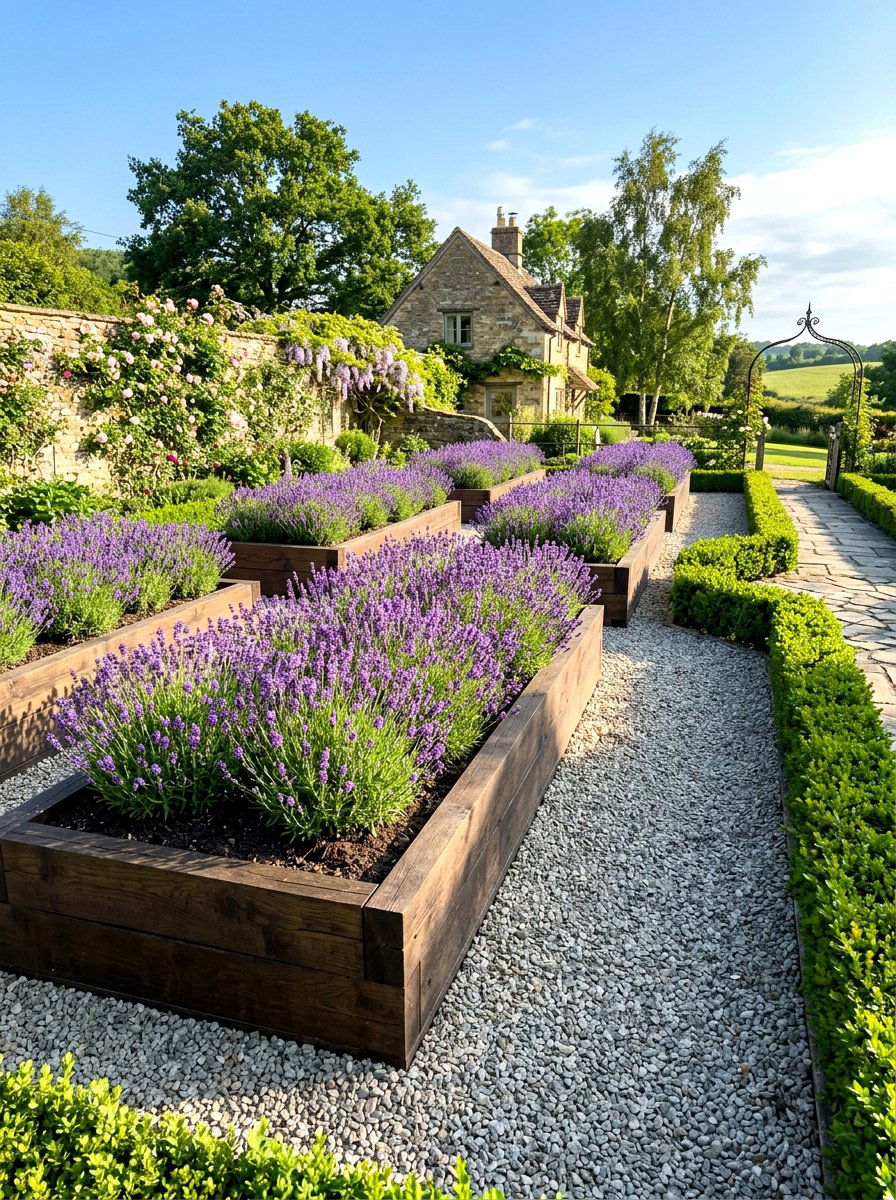
Walking through a lavender-lined path is a sensory experience that combines calming scents with the constant hum of happy bees. Lavender is a pollinator powerhouse, known for its long-lasting purple spikes that attract a wide variety of bumblebees and butterflies. When planted in long, rhythmic rows along a walkway, it creates a formal yet soft boundary that defines the flow of your backyard. This hardy plant thrives in sunny spots with well-drained soil, making it a sustainable choice for many climates. The silver-green foliage remains attractive even when the plant is not in bloom, providing structure throughout the year. It is a classic design that brings both elegance and ecological value to your home.
8. Monarch Milkweed Patch
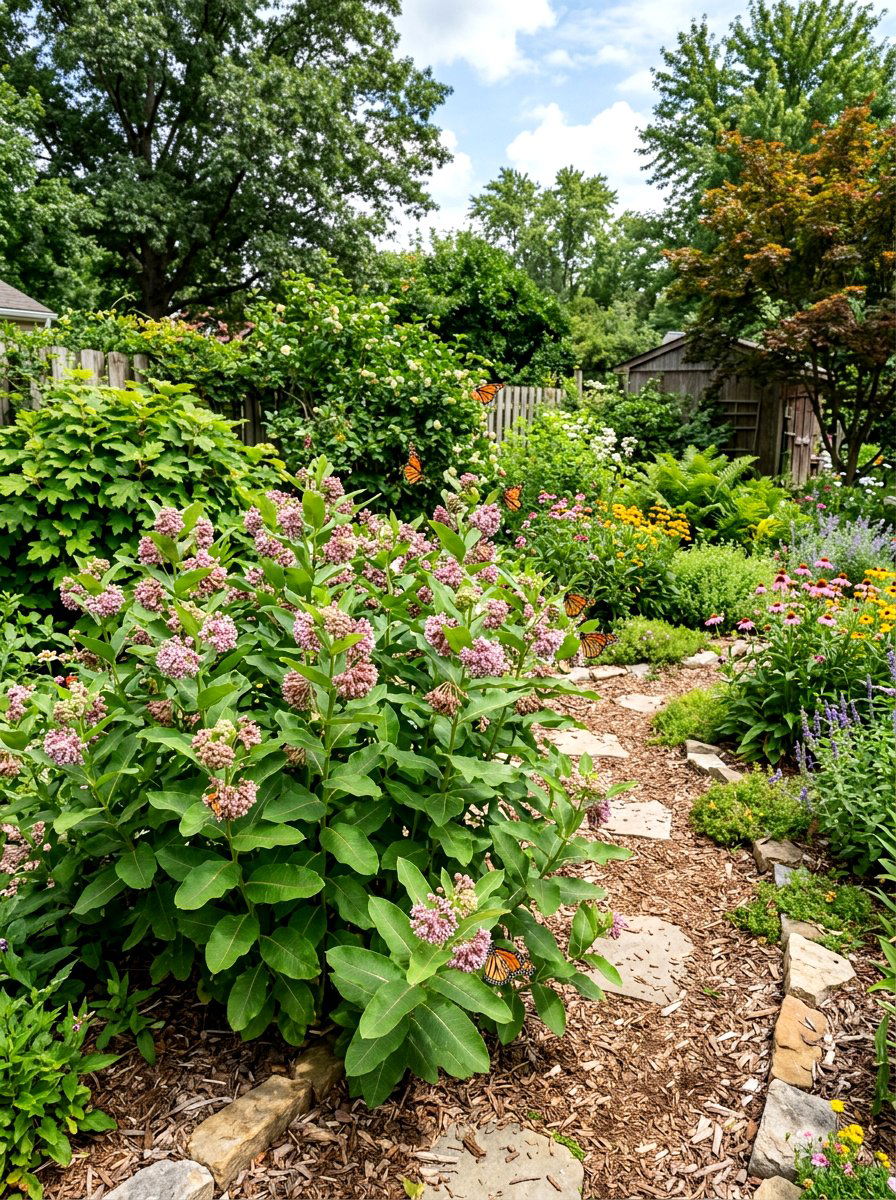
The survival of the iconic monarch butterfly is deeply tied to the presence of milkweed, which is the only plant their caterpillars can eat. Dedicating a specific patch of your yard to milkweed species like common milkweed or butterfly weed creates a vital waystation for these migrating insects. This area can be designed as a lush, green backdrop that bursts into clusters of pink or orange flowers in the summer. By grouping these plants together, you make them much easier for searching butterflies to locate from the air. This targeted planting effort is a powerful way to contribute to a larger conservation movement. The bold textures of the milkweed leaves add a modern, architectural feel to your garden beds.
9. Rustic Log Habitat
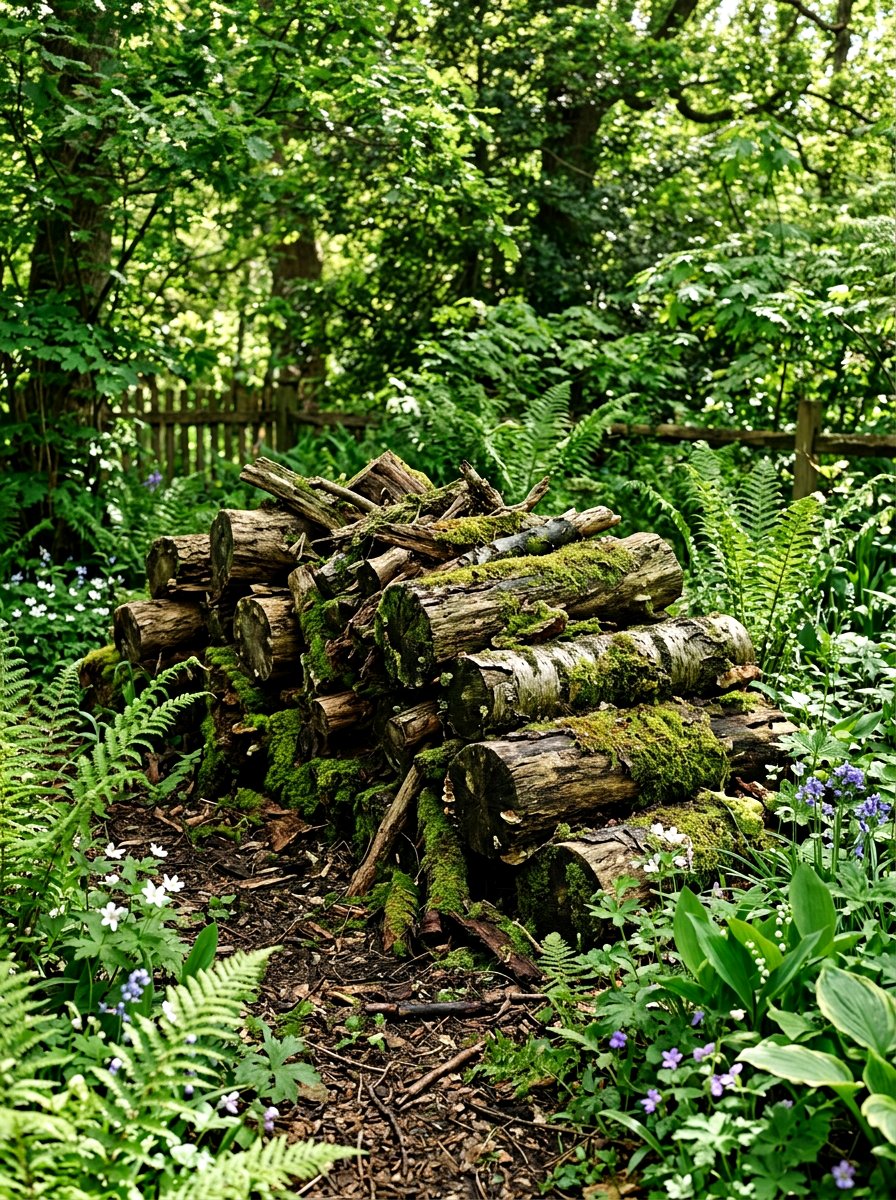
Creating a habitat for pollinators does not always require new plants; sometimes it involves leaving a bit of natural "mess" in a controlled way. A rustic log habitat or brush pile provides essential overwintering sites and nesting cavities for many beneficial insects and beetles. You can design this area by artfully stacking fallen branches, hollow logs, and pieces of bark in a quiet corner of your backyard. Over time, the wood will naturally decompose, enriching the soil while offering a safe haven from predators and harsh weather. Integrating some moss or low-growing ferns around the base can help the structure blend seamlessly into the landscape. This approach celebrates the beauty of natural cycles and decay.
10. Mixed Nectar Border
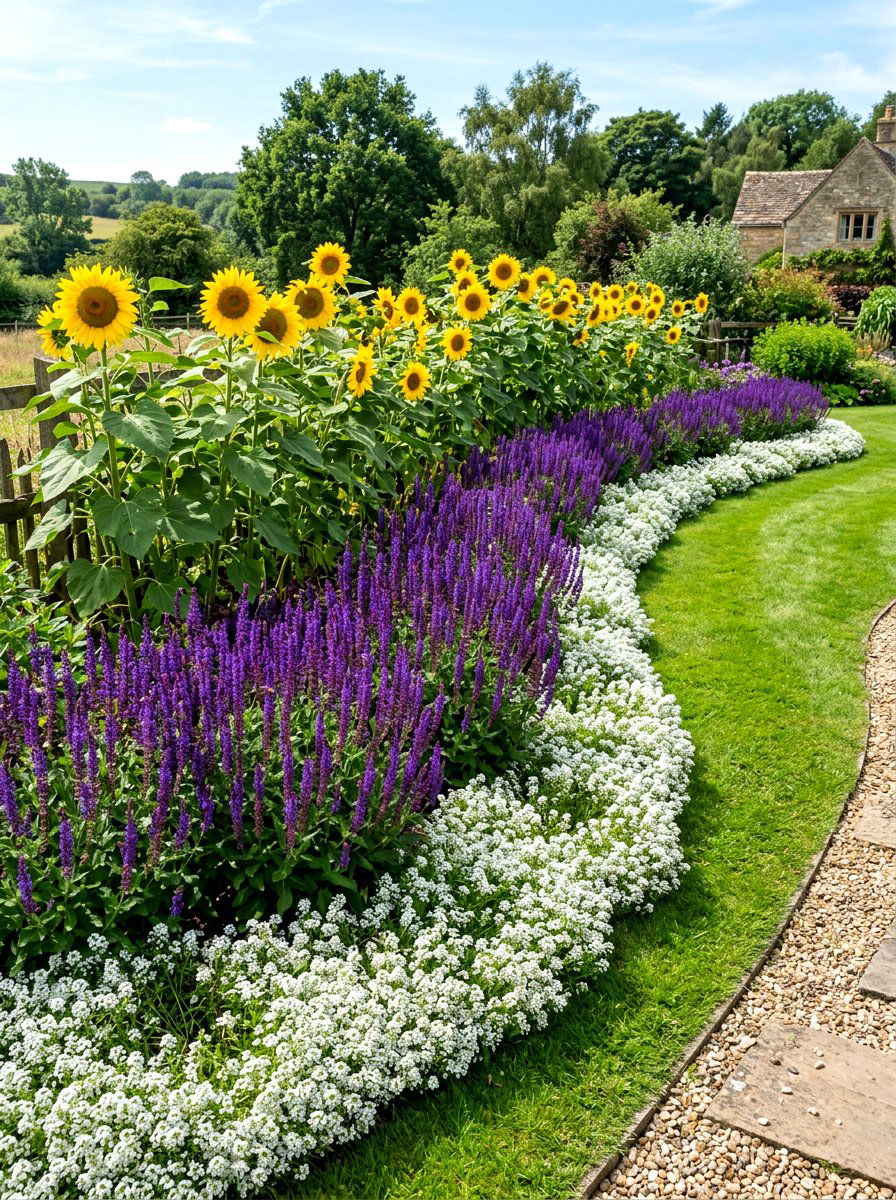
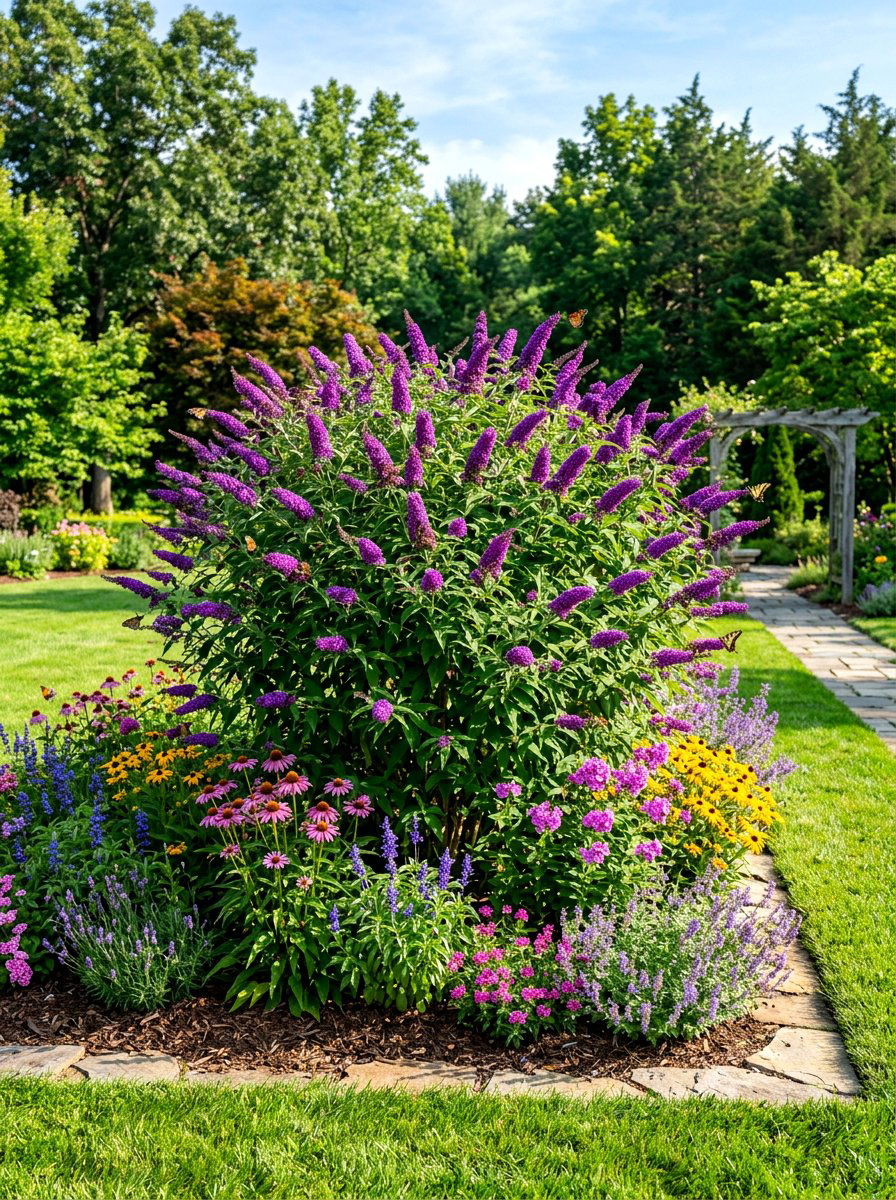
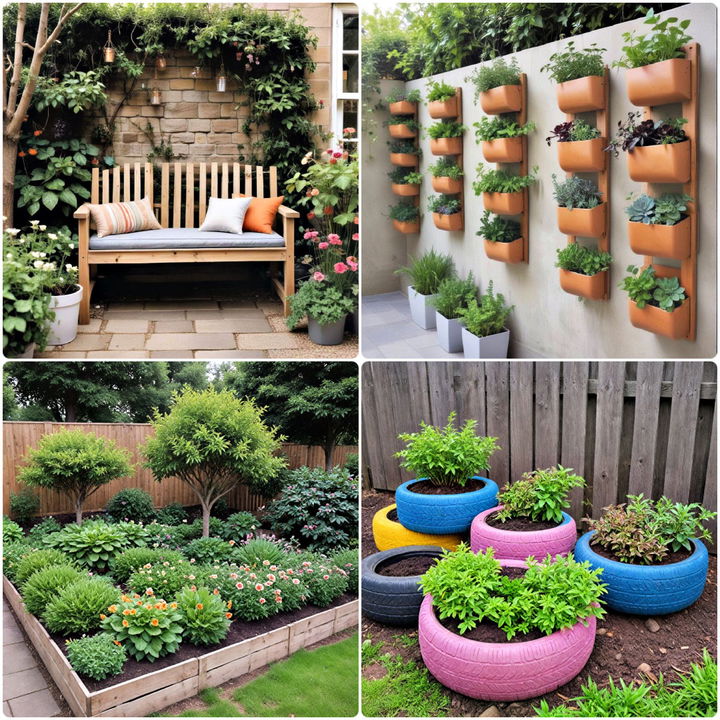
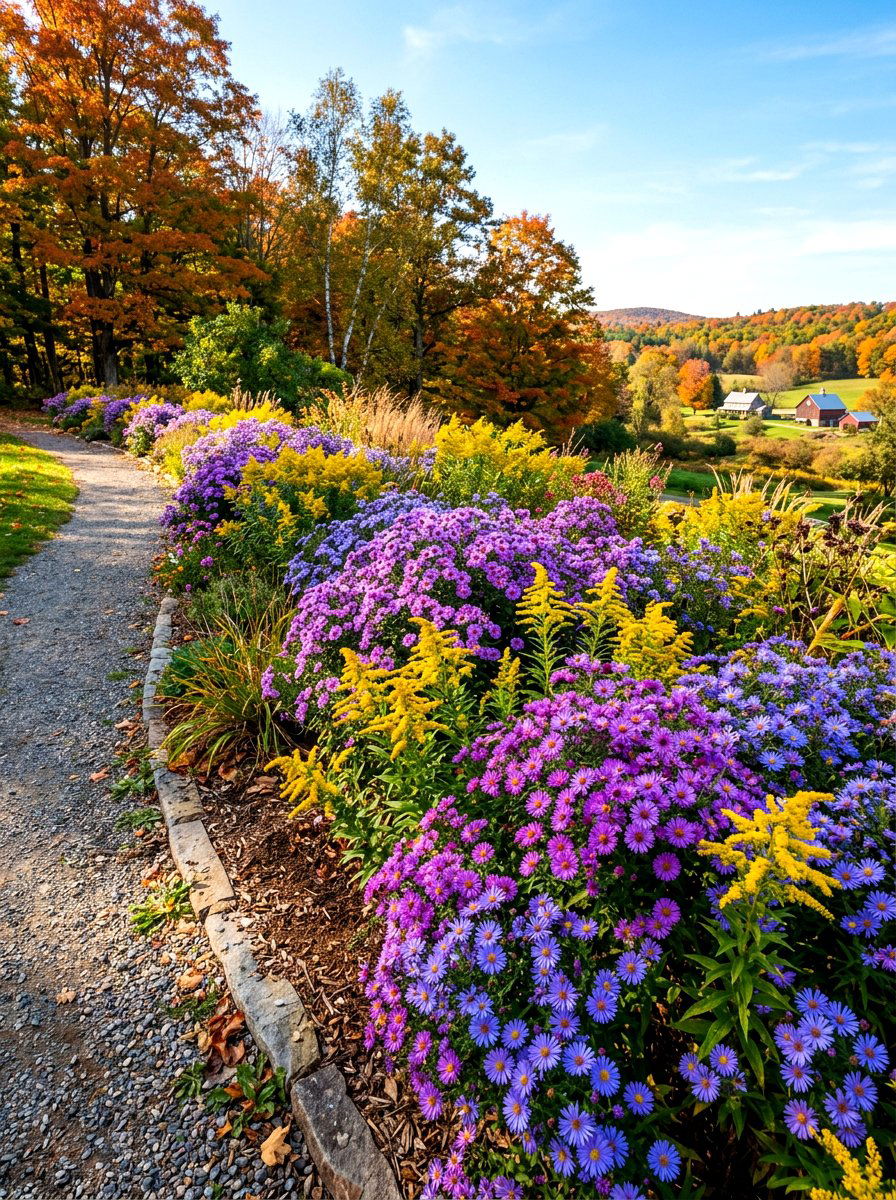
A mixed nectar border is a diverse planting area designed to provide a continuous bloom sequence from early spring through late autumn. By layering different heights and species, you create a visual spectacle that serves as a one-stop shop for various pollinators. Start with tall perennials like coneflowers and black-eyed Susans in the back, then add mid-sized asters and finish with low-growing stonecrop or alyssum. This dense planting style minimizes the need for mulch and prevents weeds from taking hold. The variety of flower shapes, such as flat landing pads and deep tubes, ensures that every type of insect can find a meal. It is a vibrant, living wall of color for your backyard.
11. Moon Garden Flowers
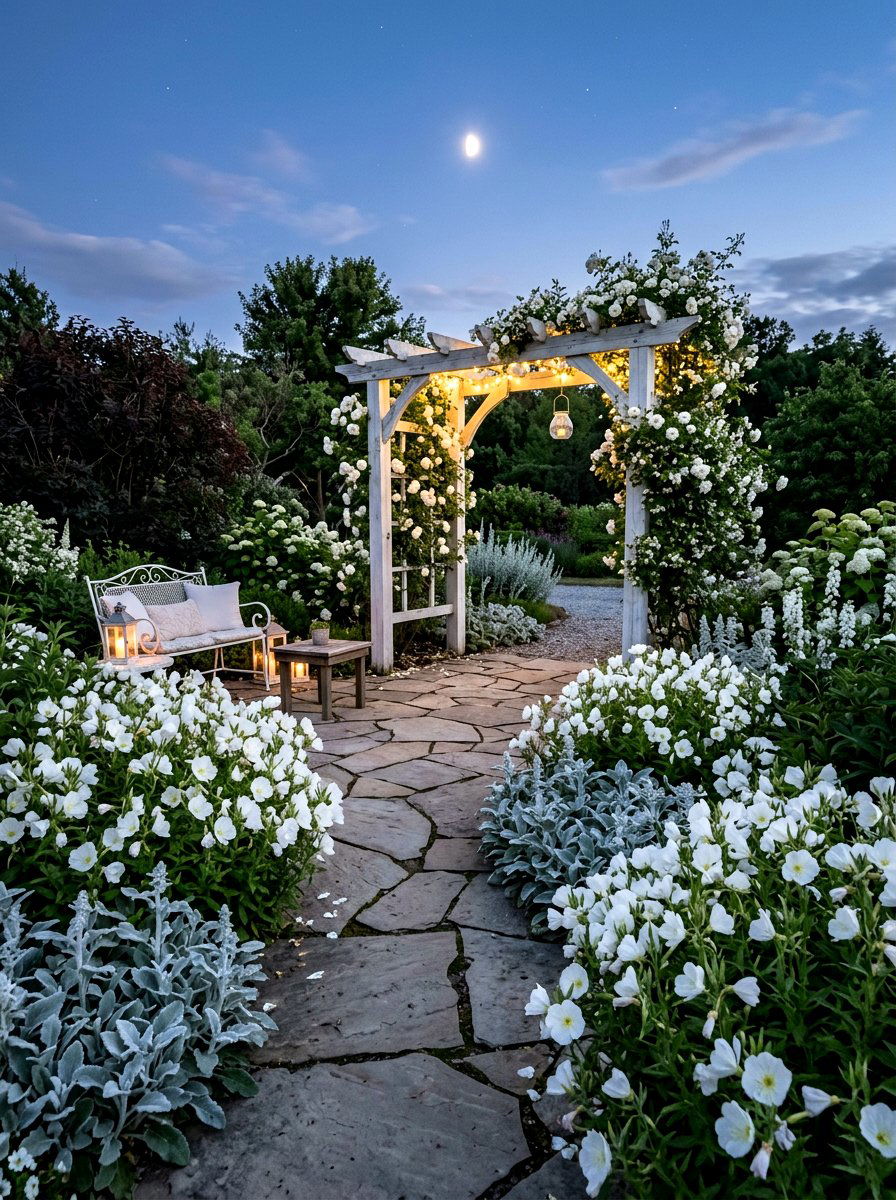
While many pollinators are active during the day, a whole different group of insects, like sphinx moths, emerges at dusk. A moon garden is designed with white and pale-colored flowers that reflect the moonlight, making them easy for nocturnal pollinators to find. Species such as evening primrose, moonflower, and night-blooming jasmine often release their strongest scents at night to guide these visitors. This design creates a magical, ethereal atmosphere for evening relaxation on your patio or deck. The silvery foliage and glowing white blossoms provide a unique aesthetic that contrasts beautifully with the deep greens of a daytime garden. It is a thoughtful way to support nature's night shift while enjoying your space.
12. Backyard Fruit Orchard
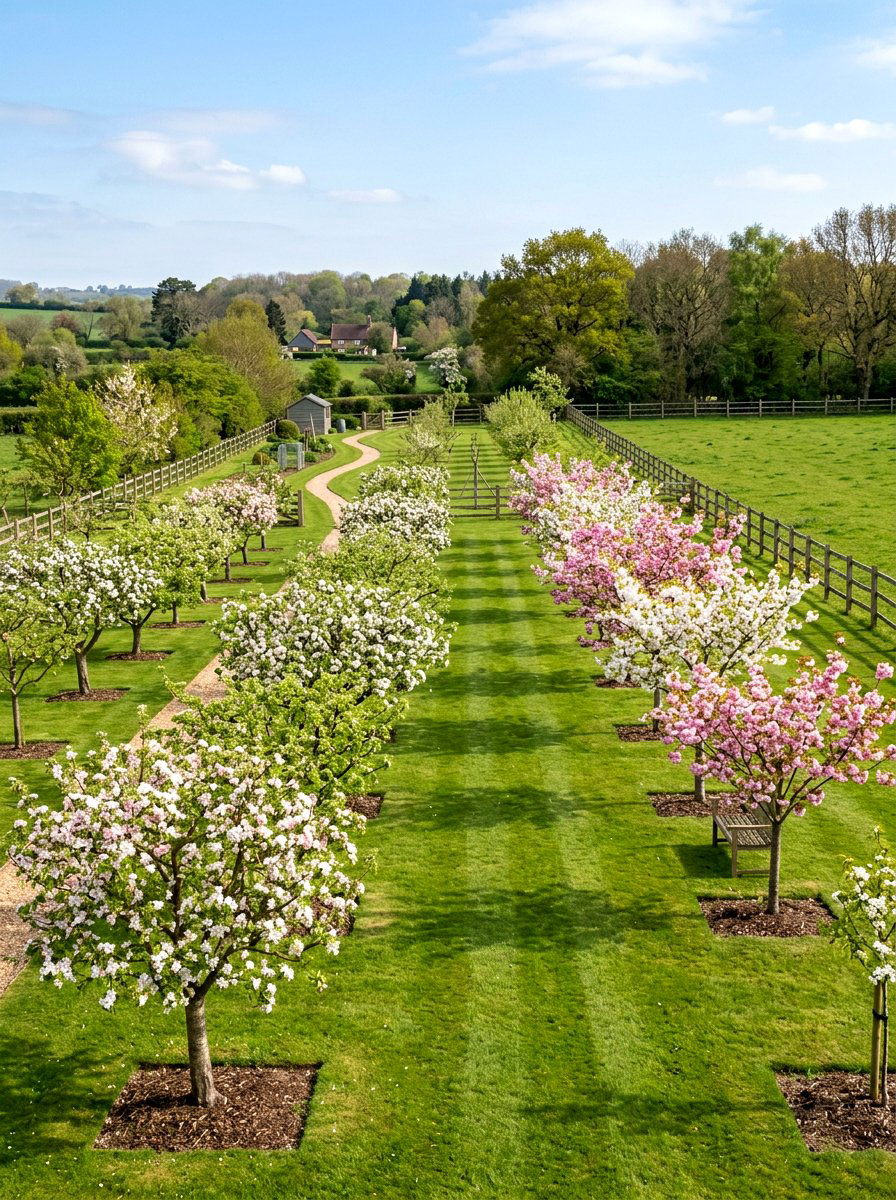
Planting fruit trees is a wonderful way to create a large-scale pollinator paradise while eventually enjoying a harvest of fresh apples, pears, or cherries. During the spring, fruit trees burst into a massive display of blossoms that act as a primary food source for emerging bees. These trees provide both nectar and a significant amount of pollen, supporting the growth of local hives. The structure of the trees also offers nesting sites for birds and shade for smaller garden plants below. Even a single dwarf fruit tree can make a big difference in a small yard. This long-term investment adds value to your property and creates a beautiful, blossoming canopy that signals the arrival of the new season.
13. Vertical Flowering Trellis
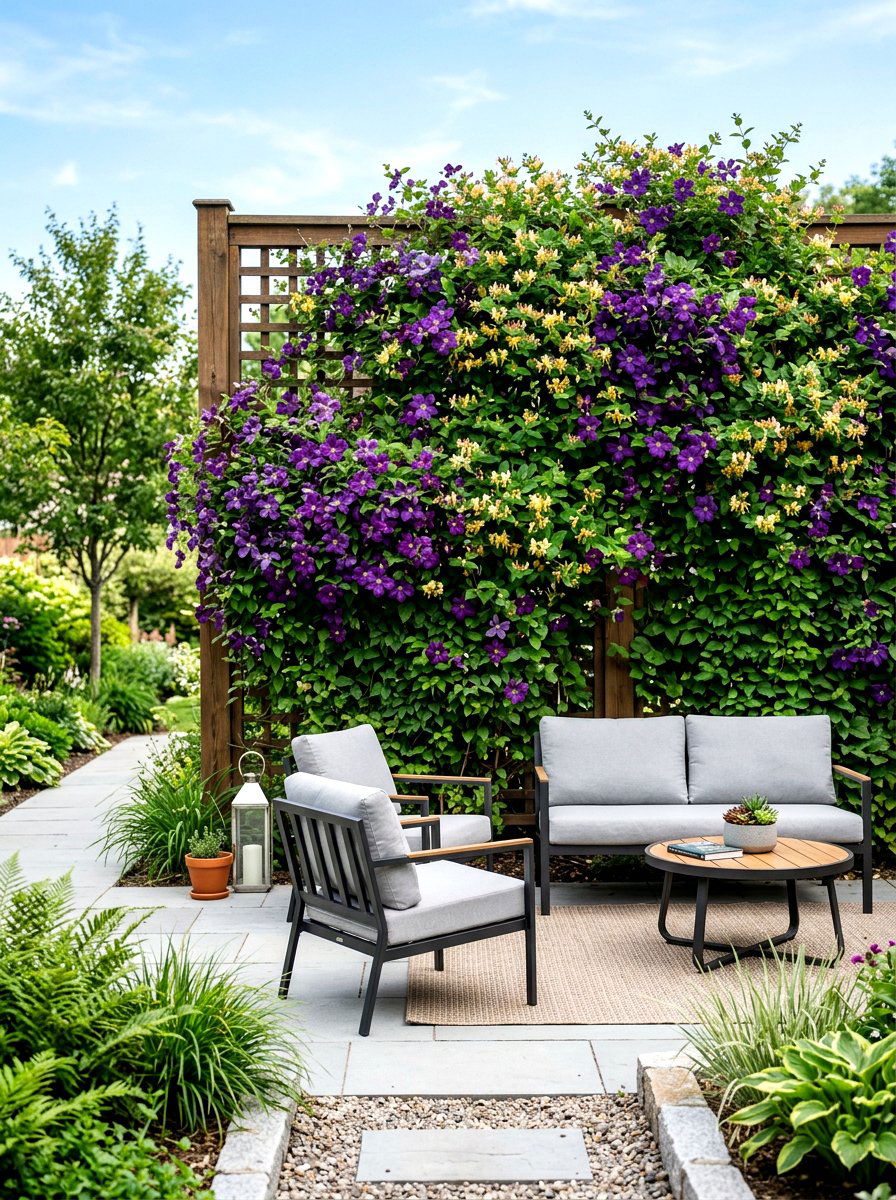
If you are working with a small backyard or want to maximize your growing area, a vertical flowering trellis is a brilliant design solution. Climbing plants like honeysuckle, passionflower, or clematis can be trained to grow up fences, walls, or custom arbors. These vertical gardens provide a concentrated source of nectar in a small footprint while adding privacy and height to your landscape. The cascading flowers create a lush, romantic feel and draw pollinators upward, making them easier to observe at eye level. This approach effectively turns a flat, boring fence into a living, breathing habitat. Using different types of climbers ensures that something is always in bloom throughout the spring and summer months.
14. Wildlife Ecosystem Pond
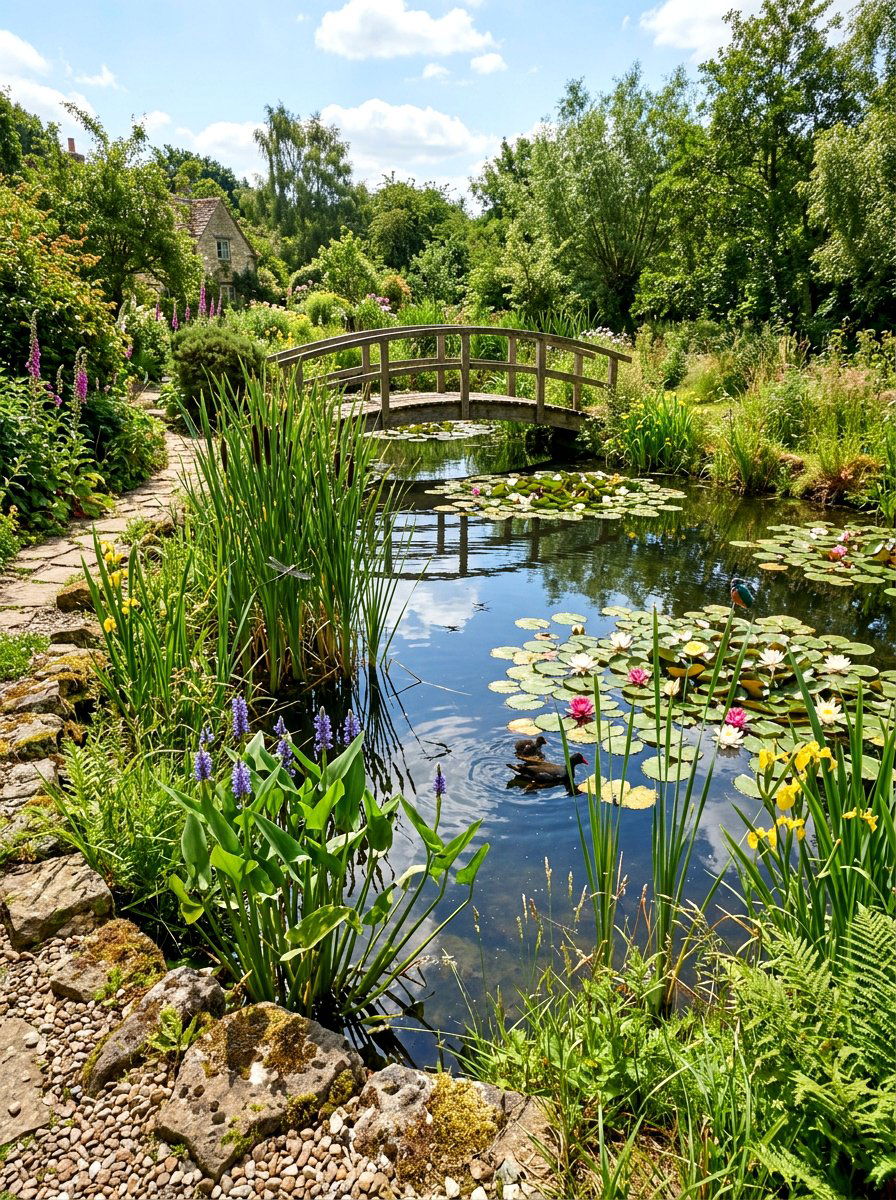
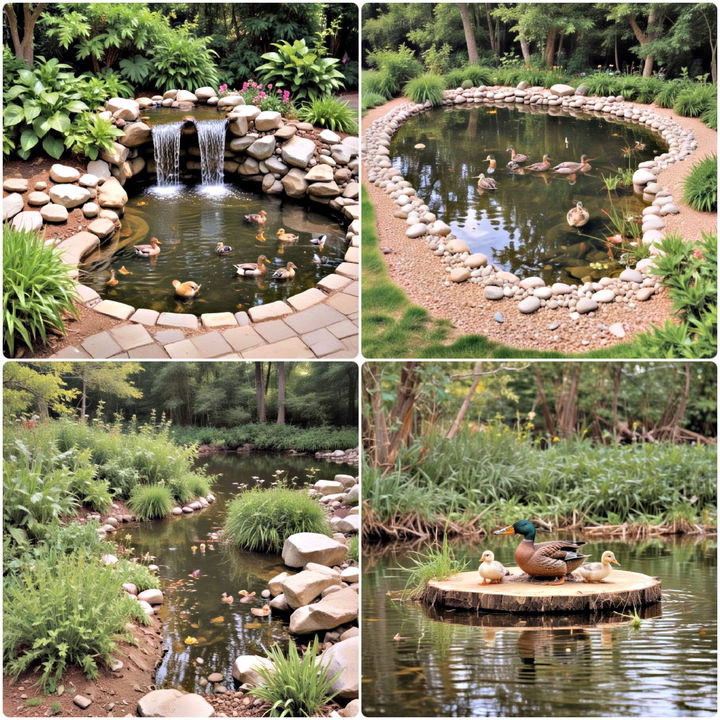
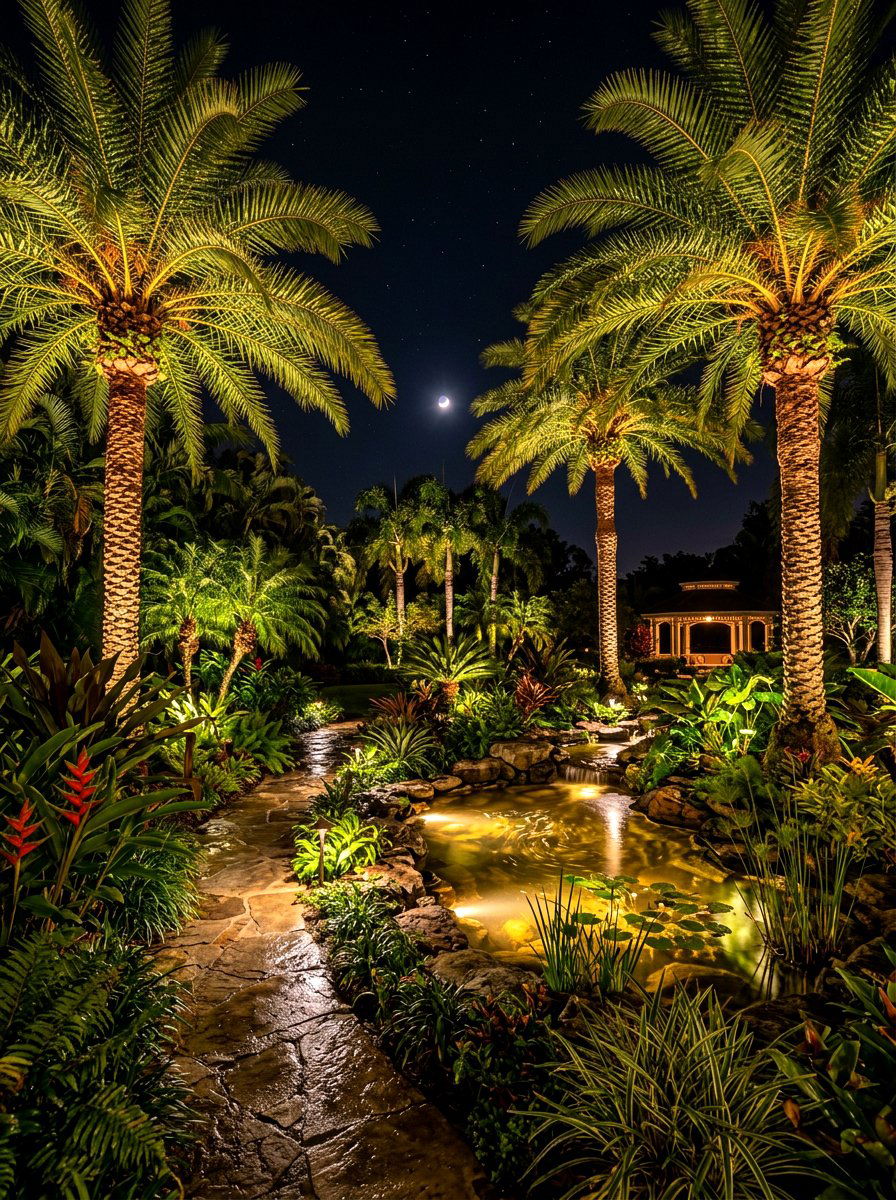
A backyard pond is more than just a water feature; it is a complex ecosystem that supports a vast range of life, including aquatic pollinators. By including marginal plants like pickerel weed and water lilies, you provide resting spots and food for dragonflies and damselflies. These insects are excellent natural pest controllers, eating mosquitoes and other small bugs. The damp soil around the edges of the pond also attracts butterflies, who often gather there to "puddle" and extract essential minerals. A well-designed pond with a small solar fountain keeps the water oxygenated and adds the soothing sound of moving water to your sanctuary. It creates a cool, refreshing microclimate for both you and the local wildlife.

15. Sunny Rock Garden
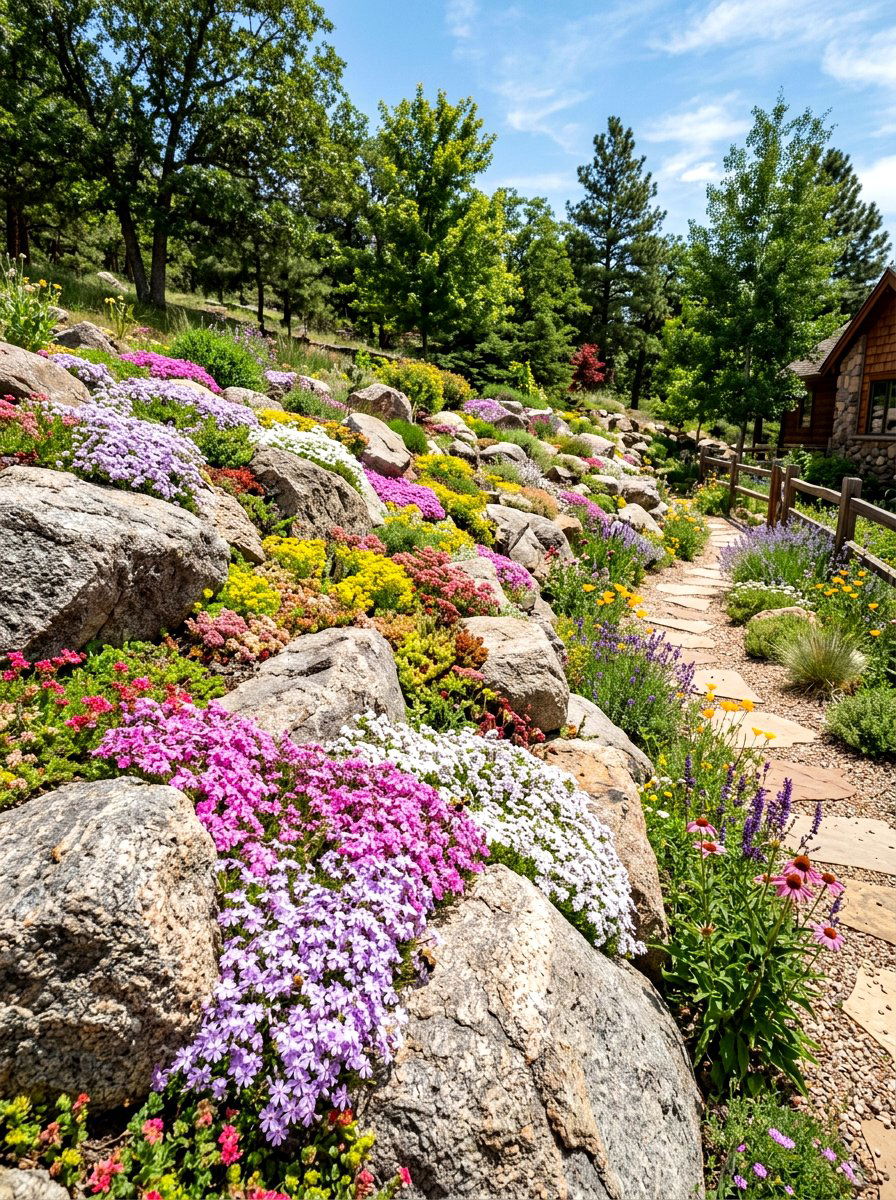
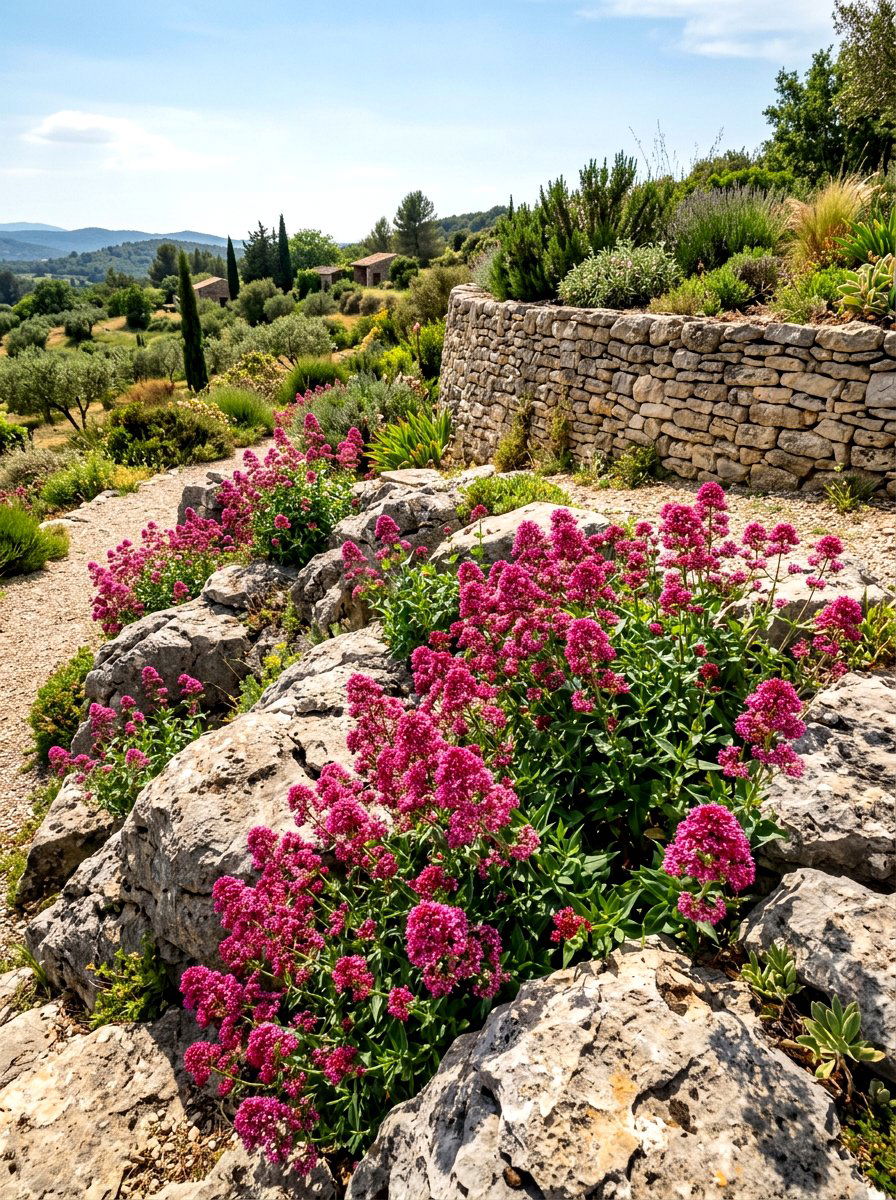
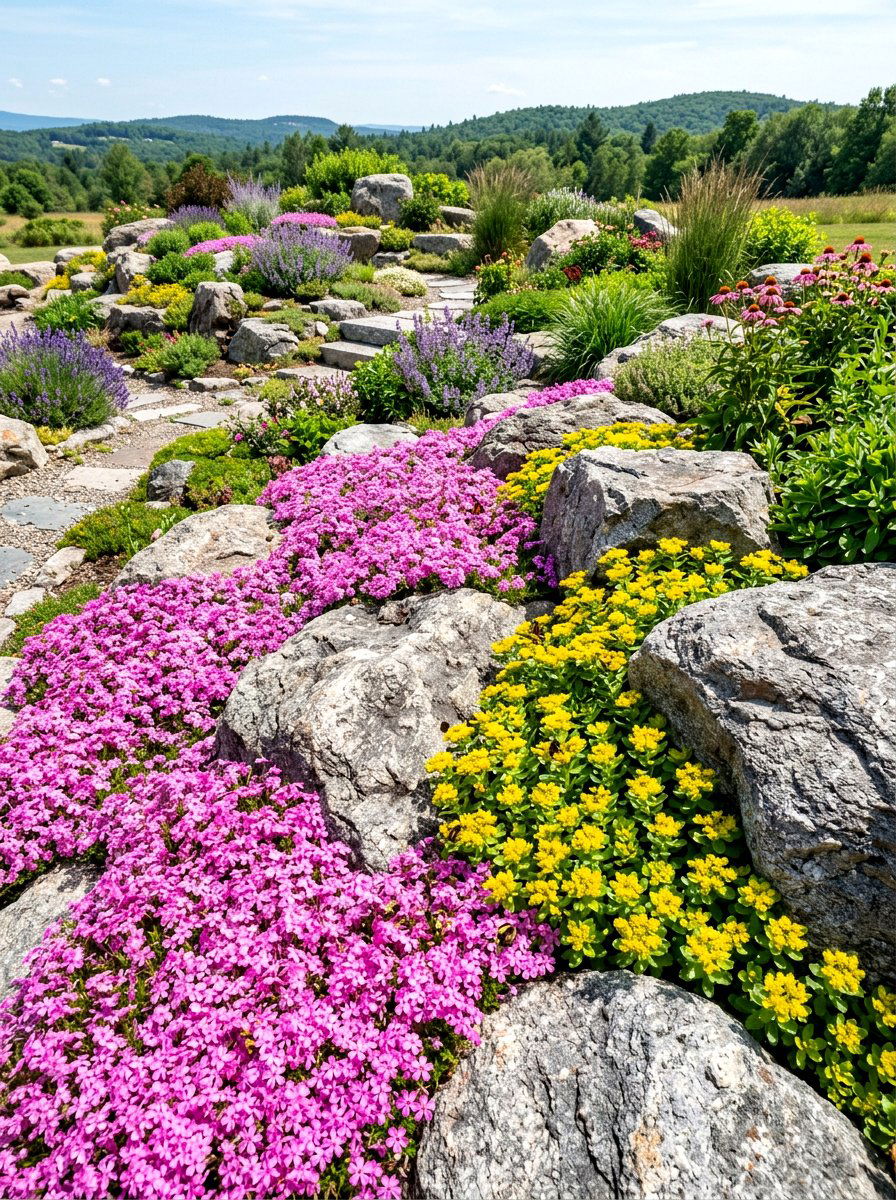
A sunny rock garden mimics the dry, open habitats where many hardy native pollinators thrive. By placing large boulders and smaller stones, you create a landscape that absorbs heat during the day, providing warm perching spots for butterflies. Nestled between the rocks, you can plant drought-tolerant species like sedum, creeping phlox, and wild thyme. These plants often produce mass displays of small flowers that are magnets for tiny sweat bees and hoverflies. The varied terrain and crevices between the stones also offer potential nesting sites for ground-dwelling insects. This low-water design is perfect for sloping areas or spots with poor soil, resulting in a ruggedly beautiful and environmentally friendly backyard feature.
16. Woodland Shade Garden
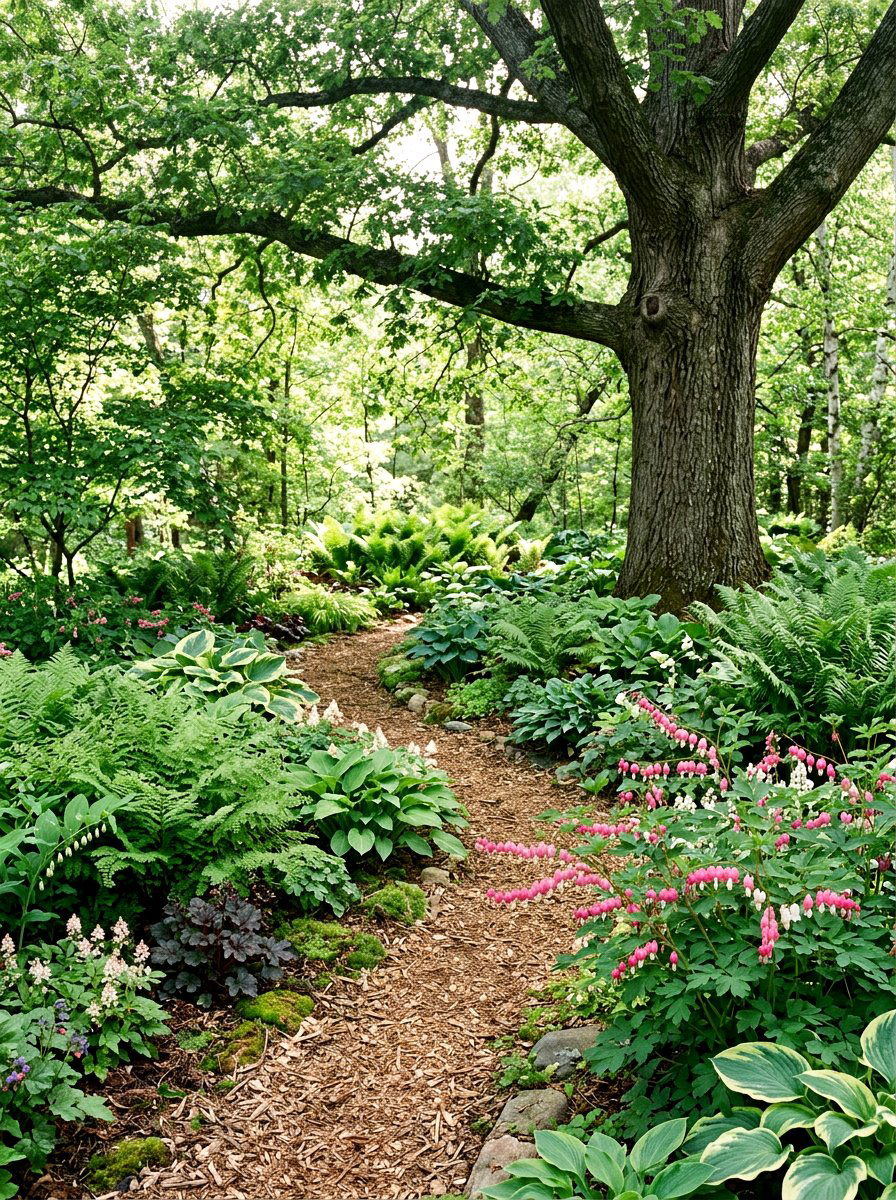
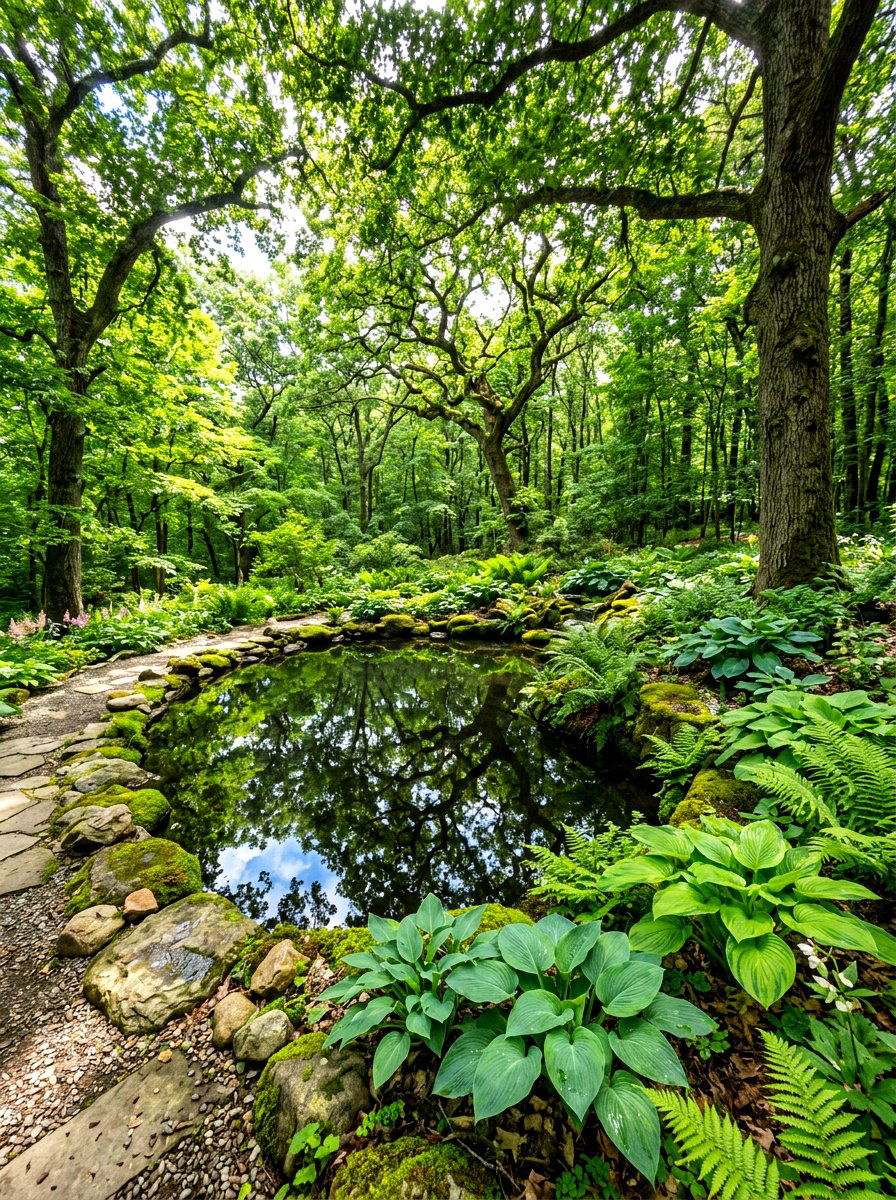
You do not need full sun to create a successful pollinator paradise; many forest-dwelling insects prefer the cool environment of a woodland shade garden. By planting native woodland species like columbine, bleeding hearts, and wild geranium under the canopy of trees, you cater to specific pollinators that thrive in dappled light. These early-spring bloomers provide vital food when few other plants are active. The layers of leaf litter and organic matter on the ground offer essential habitat for beetles and moth larvae. This design creates a serene, lush atmosphere that feels like a private forest retreat. It is an excellent way to utilize the shaded corners of your backyard while still promoting high levels of biodiversity.
17. Tall Sunflower Wall
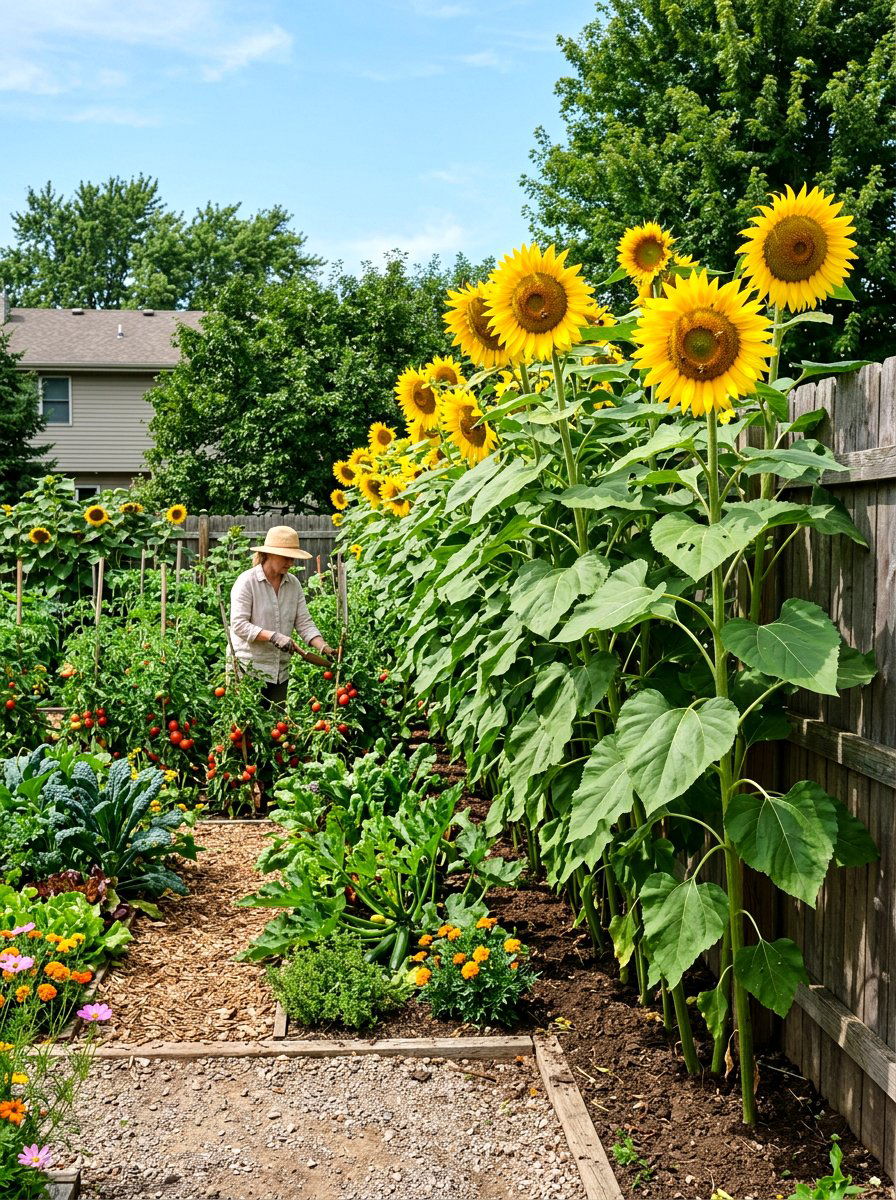
Sunflowers are perhaps the most cheerful additions to any pollinator garden, and they serve as a massive beacon for bees and birds. By planting a dense row of tall sunflower varieties along a property line, you create a living privacy screen that is both beautiful and functional. These giant blooms provide an enormous amount of pollen and nectar, and once the petals fall, the seed heads become a high-energy snack for local finches and nuthatches. The sturdy stalks also offer structural support for climbing beans or vines, allowing for multi-layered gardening. Watching the giant flower heads track the sun across the sky adds a sense of dynamic movement and joy to your backyard design.
18. Prairie Grass Patch
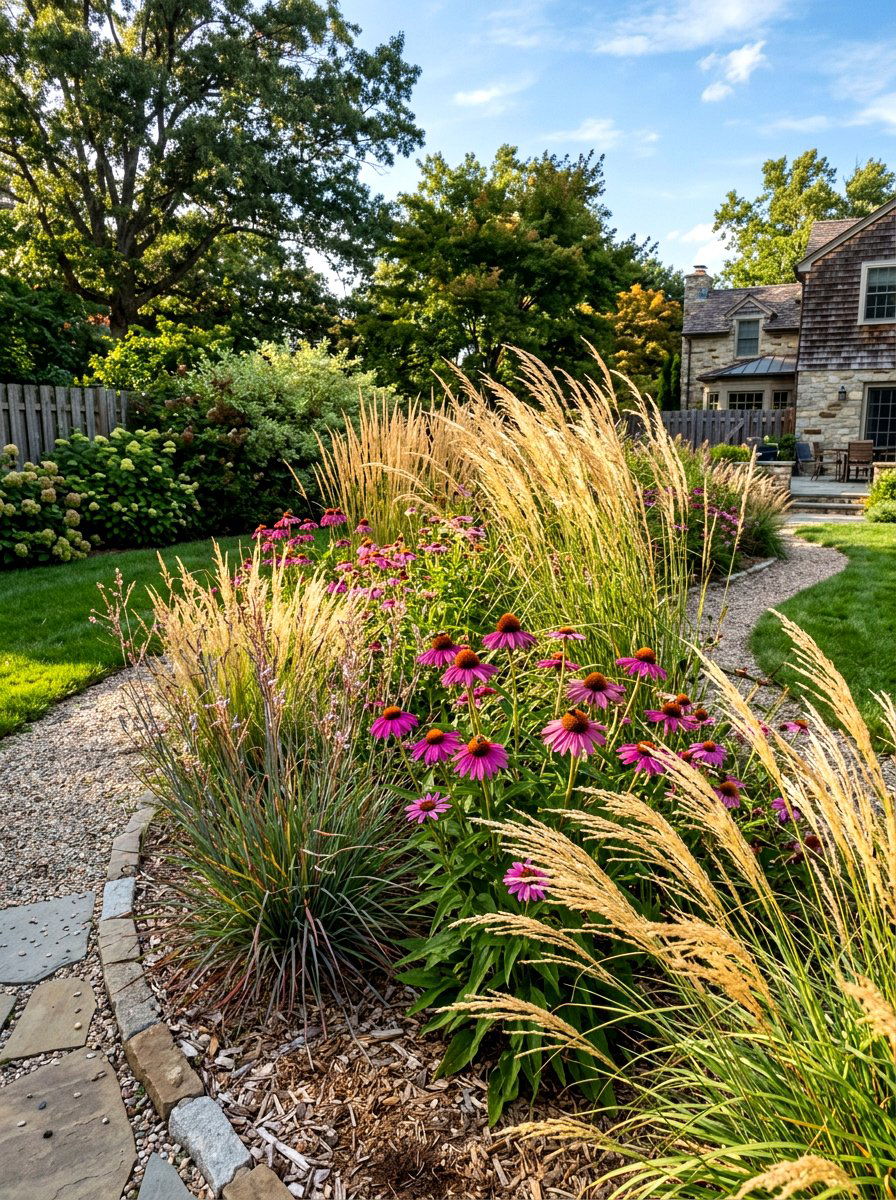
While flowers get most of the attention, native prairie grasses are just as important for a balanced pollinator paradise. Incorporating species like little bluestem, switchgrass, or blue grama adds essential texture, movement, and structure to your backyard. These grasses provide critical nesting material for birds and sheltered overwintering sites for many beneficial insects. In the autumn and winter, the golden hues and rustling sounds of the dried grass blades create a beautiful and haunting landscape. They also act as a natural windbreak, protecting delicate butterflies as they feed on nearby nectar plants. Mixing these grasses into your flower beds creates a naturalistic, meadow-like appearance that requires very little maintenance once it is established.
19. Berry Bush Hedge
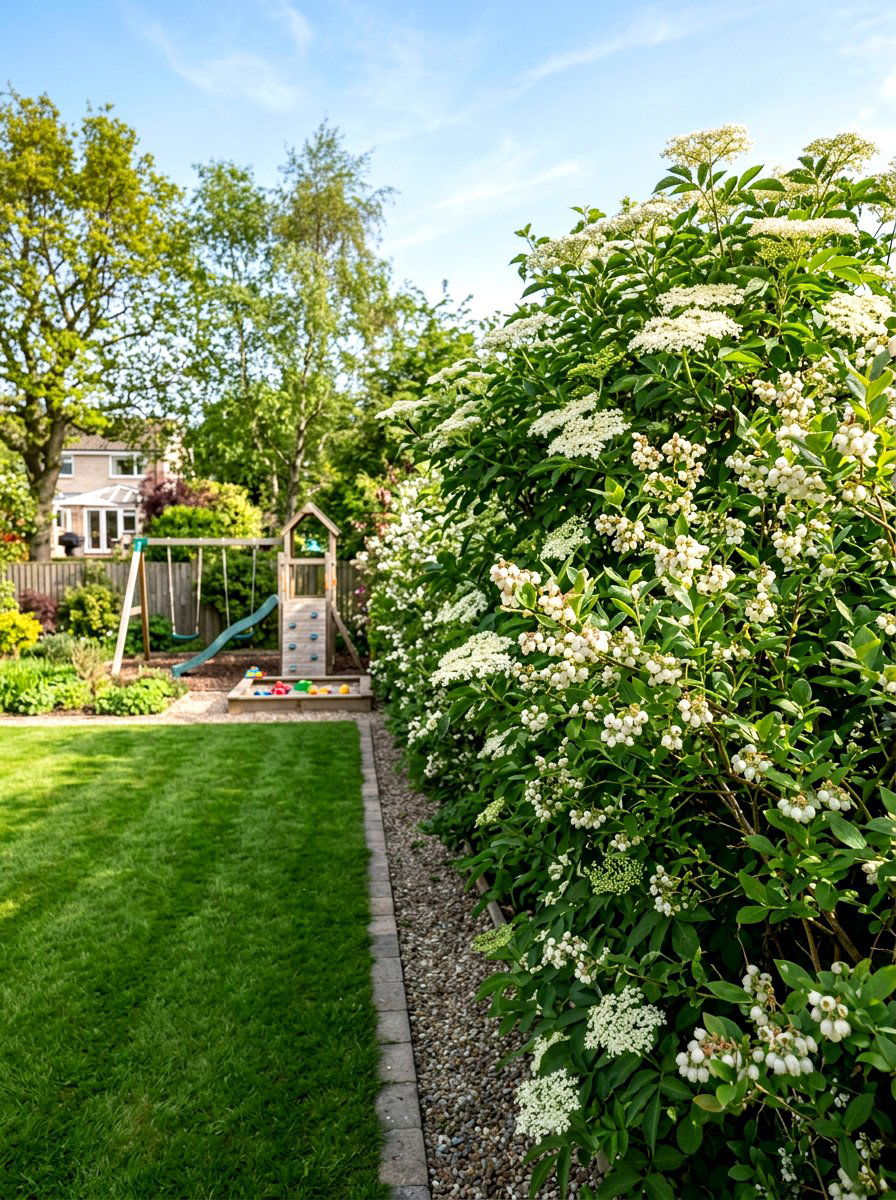
Replacing a standard privet hedge with a row of berry-producing shrubs like elderberry, serviceberry, or blueberry is a fantastic way to boost biodiversity. These shrubs produce masses of white or pink flowers in the spring that are highly attractive to various bees. As the season progresses, the flowers turn into nutritious berries that sustain birds and other wildlife throughout the summer and autumn. These bushes provide thick, thorny cover that offers a safe place for birds to nest and hide from predators. The changing colors of the foliage also provide stunning seasonal interest, often turning vibrant shades of red and orange in the fall. It is a delicious and functional way to define your backyard boundaries.
20. Edible Flower Bed
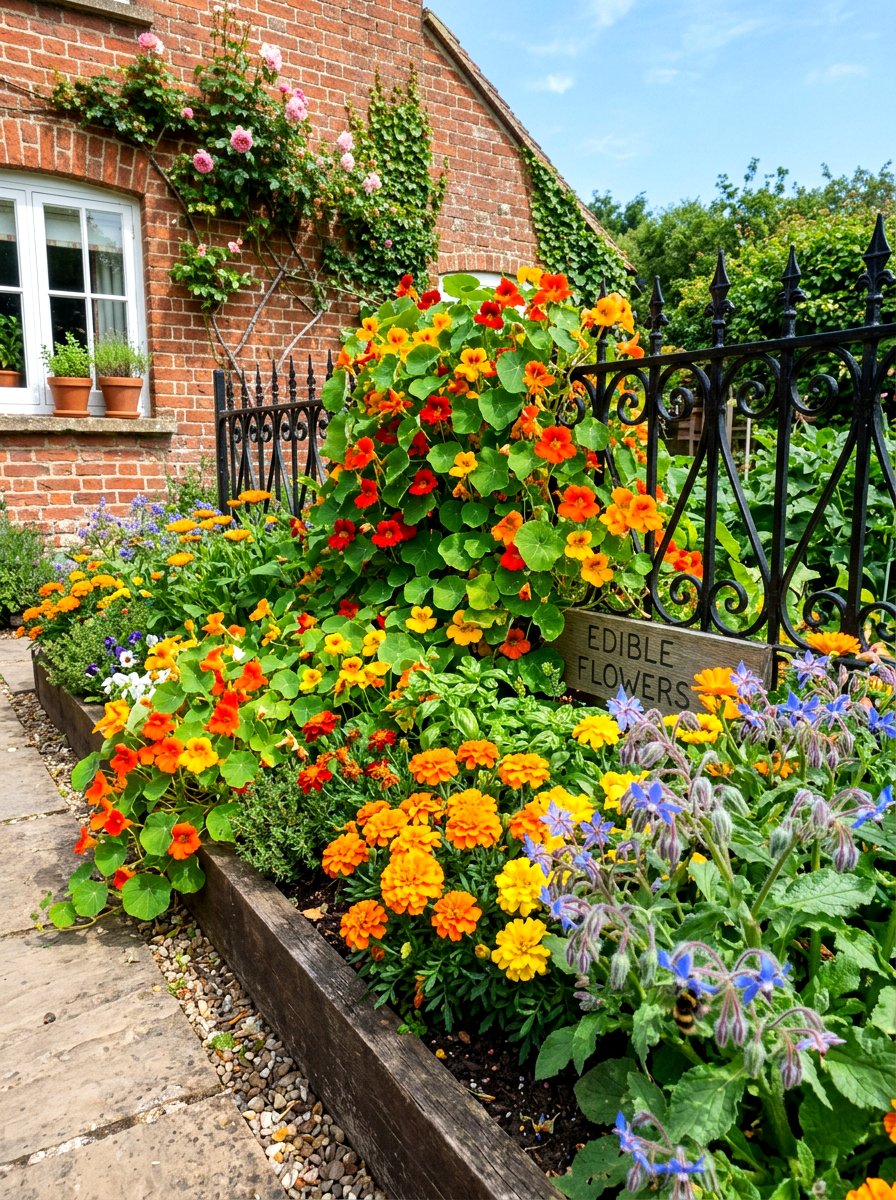
An edible flower bed brings a touch of whimsy and practicality to your pollinator paradise by featuring blooms that you can also toss into a summer salad. Plants like nasturtiums, pansies, marigolds, and borage are incredibly easy to grow and are loved by bees and butterflies alike. These vibrant flowers add a pop of intense color to your garden and provide a variety of nectar sources. Growing them in a dedicated bed or as a border for your vegetable garden encourages pollinators to visit your crops, which can lead to higher yields for your tomatoes and squash. This multi-functional design approach makes your backyard feel like a gourmet sanctuary where both humans and insects can find something tasty.
21. Patio Container Garden
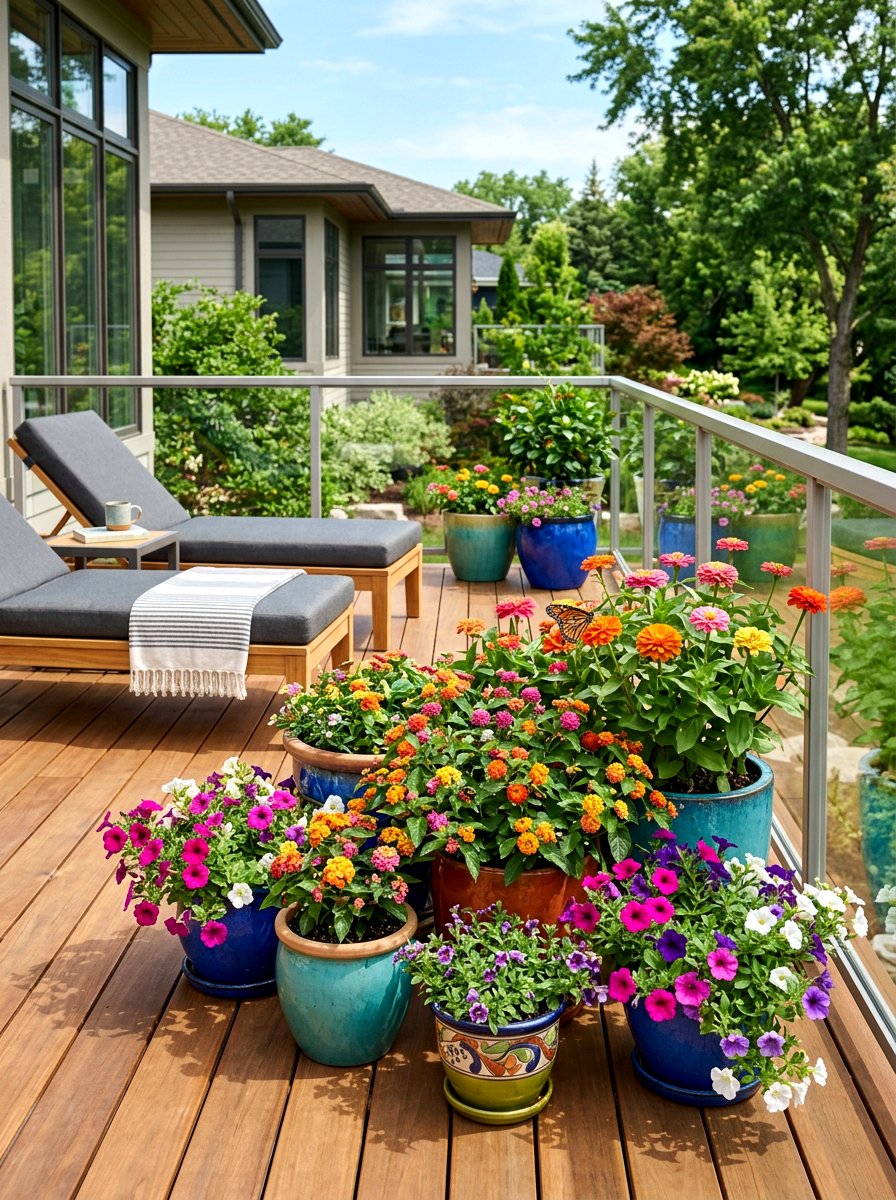
You do not need a massive yard to create a significant impact; a well-designed patio container garden can be a thriving oasis for urban pollinators. By using large pots and tiered planters, you can create a concentrated area of floral diversity even on a small deck or balcony. Grouping several containers together creates a "micro-habitat" that is easier for insects to find. Focus on long-blooming annuals like lantana and zinnias, which provide a steady supply of nectar throughout the hot summer months. These portable gardens allow you to move your plants to follow the sun or protect them during harsh weather. It is a stylish and flexible way to invite nature into your immediate outdoor living space.
22. White Clover Lawn
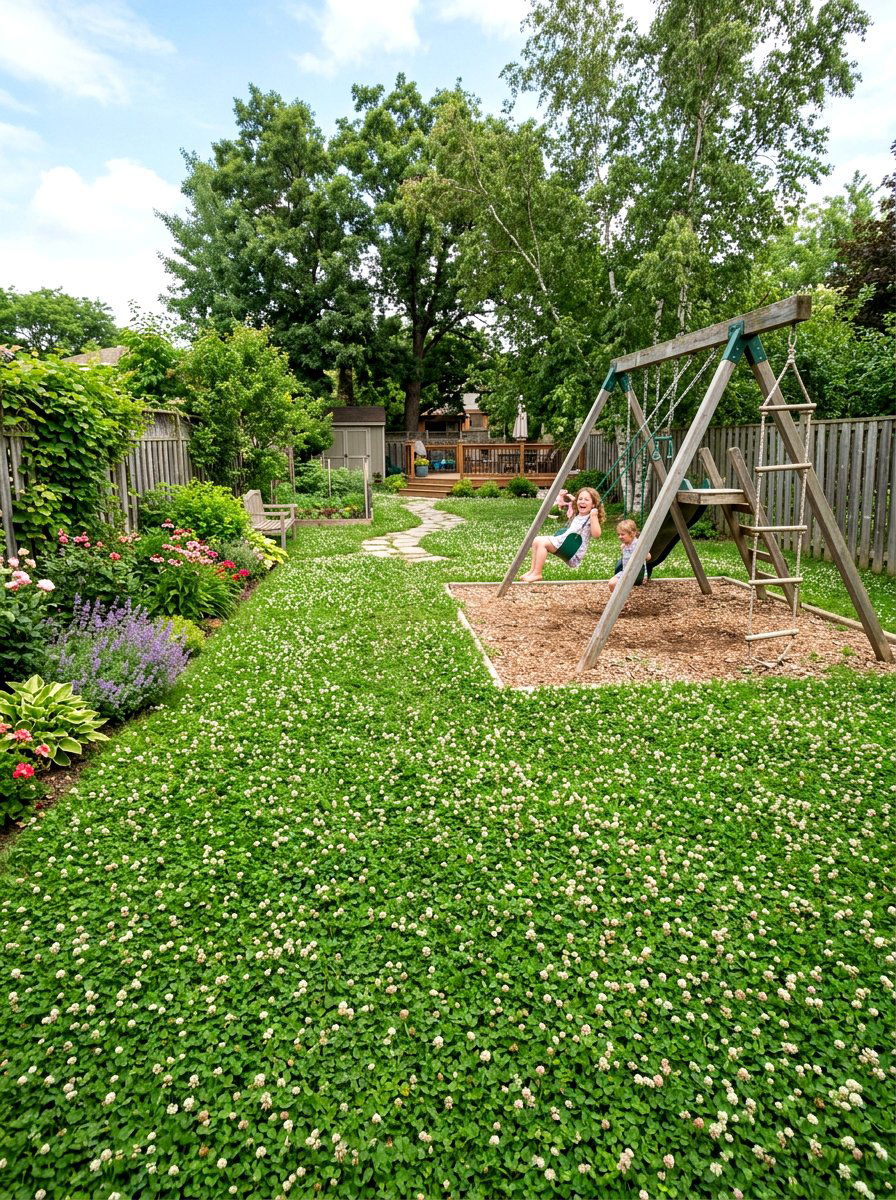
The traditional perfectly manicured grass lawn is often an ecological desert, but adding white clover can transform it into a functional pollinator playground. A clover lawn alternative is a sustainable choice that stays green with very little water and requires no chemical fertilizers. The small white blossoms of the clover are a favorite food source for honeybees and are rich in high-quality nectar. This type of lawn is soft to walk on and stands up well to foot traffic from pets and children. By raising your mower blade a few inches, you can allow the clover to bloom while still maintaining a tidy appearance. It is a simple, cost-effective way to make your entire backyard more wildlife-friendly.
23. Purple Salvia Bed
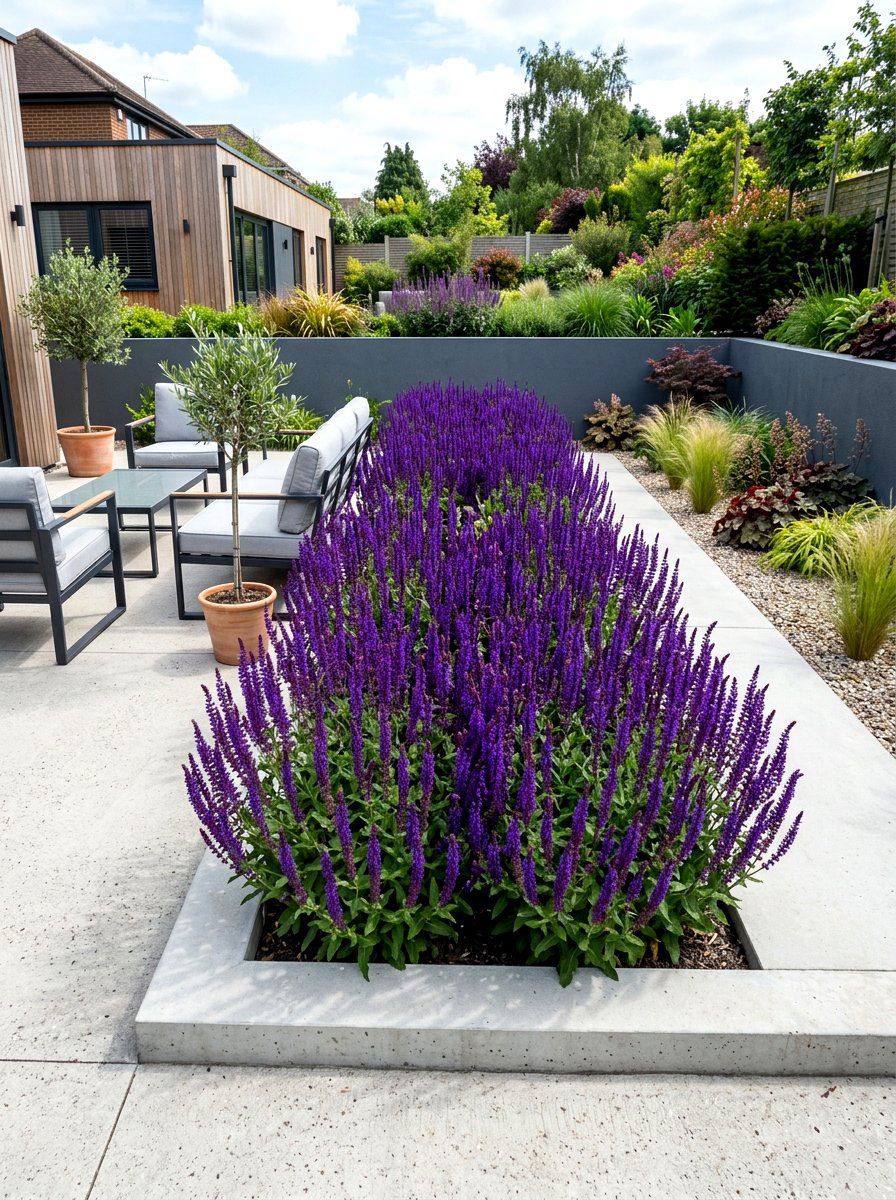
Salvia is a true staple of the pollinator garden, and a dedicated bed of these purple-spiked perennials is guaranteed to be a hive of activity. These plants are exceptionally hardy and offer a long blooming season that spans from late spring into the first frosts of autumn. The deep purple and blue hues are particularly attractive to bees, who can see these colors much better than red. Hummingbirds are also frequent visitors to the tubular blossoms. Designing a mass planting of salvia creates a bold, monochromatic look that makes a strong visual statement in your backyard. Their drought-tolerant nature makes them a reliable choice for sunny borders where other plants might struggle in the heat.
24. Natural Dry Stream
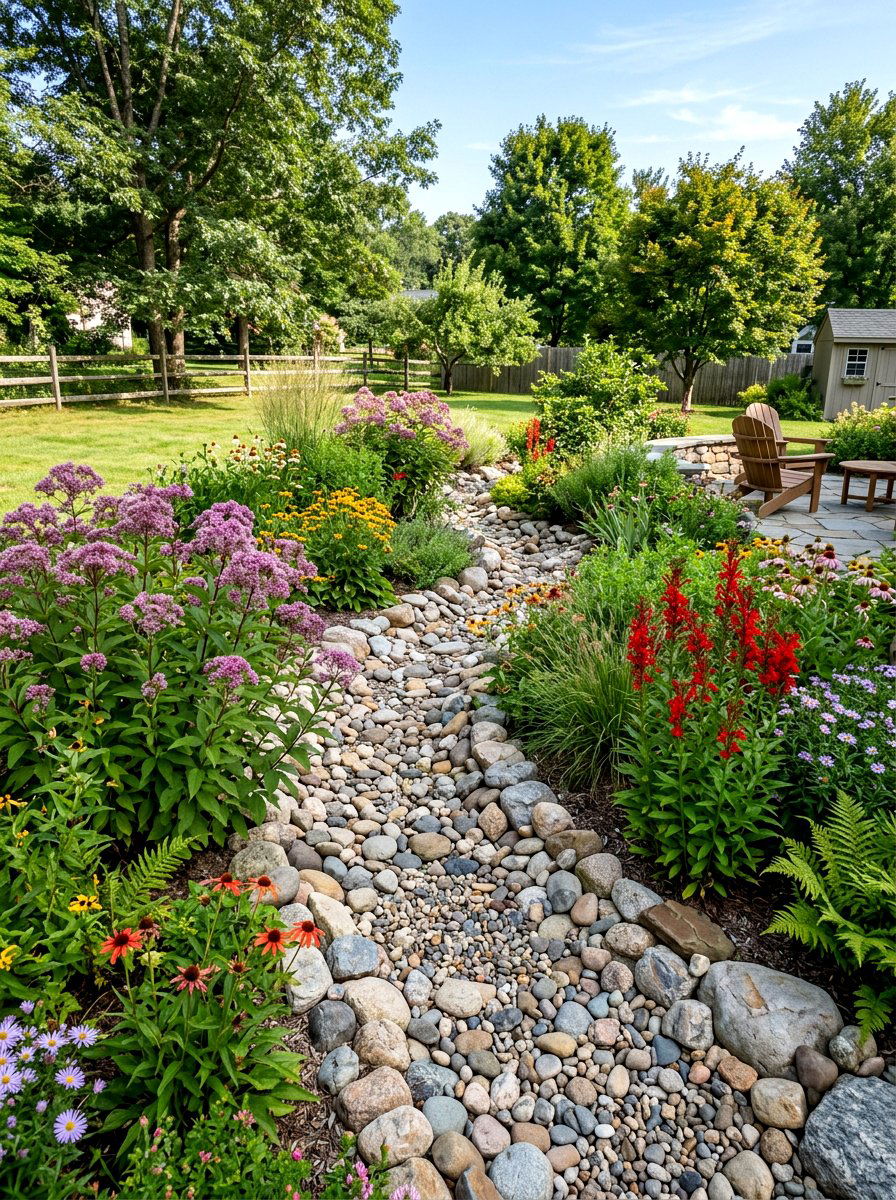
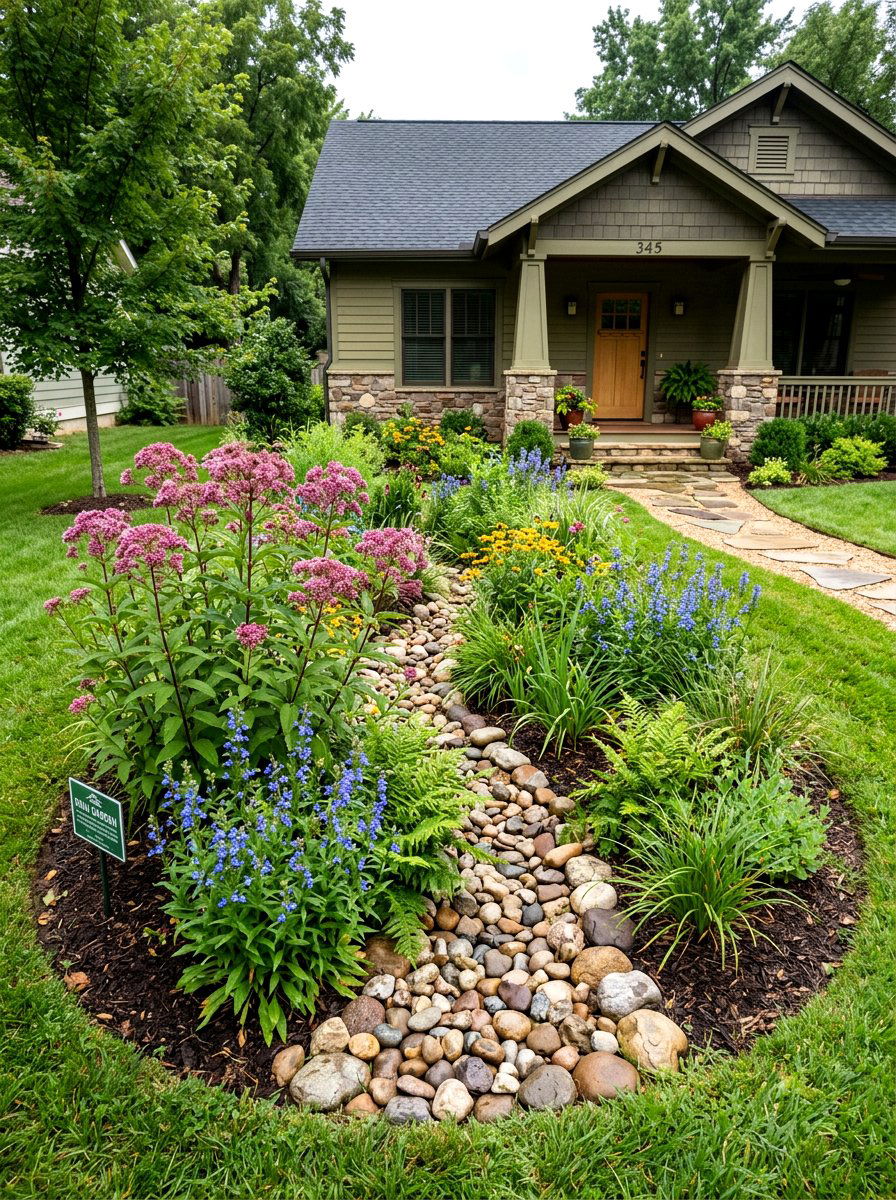
A dry stream bed is a clever landscaping feature that manages drainage during rain while providing a unique habitat for pollinators during dry spells. By lining a shallow trench with various sizes of stones and gravel, you mimic a natural waterway that adds architectural interest to your yard. Along the banks, you can plant native moisture-loving flowers like cardinal flower or joe-pye weed. These plants thrive in the extra runoff and provide massive amounts of nectar for butterflies and bees. The rocky environment also offers sunning spots for cold-blooded insects and crevices for ground-nesting bees. This functional design solves practical backyard issues while creating a beautiful, rugged landscape that feels like a natural part of the wild.
25. Native Flowering Hedgerow
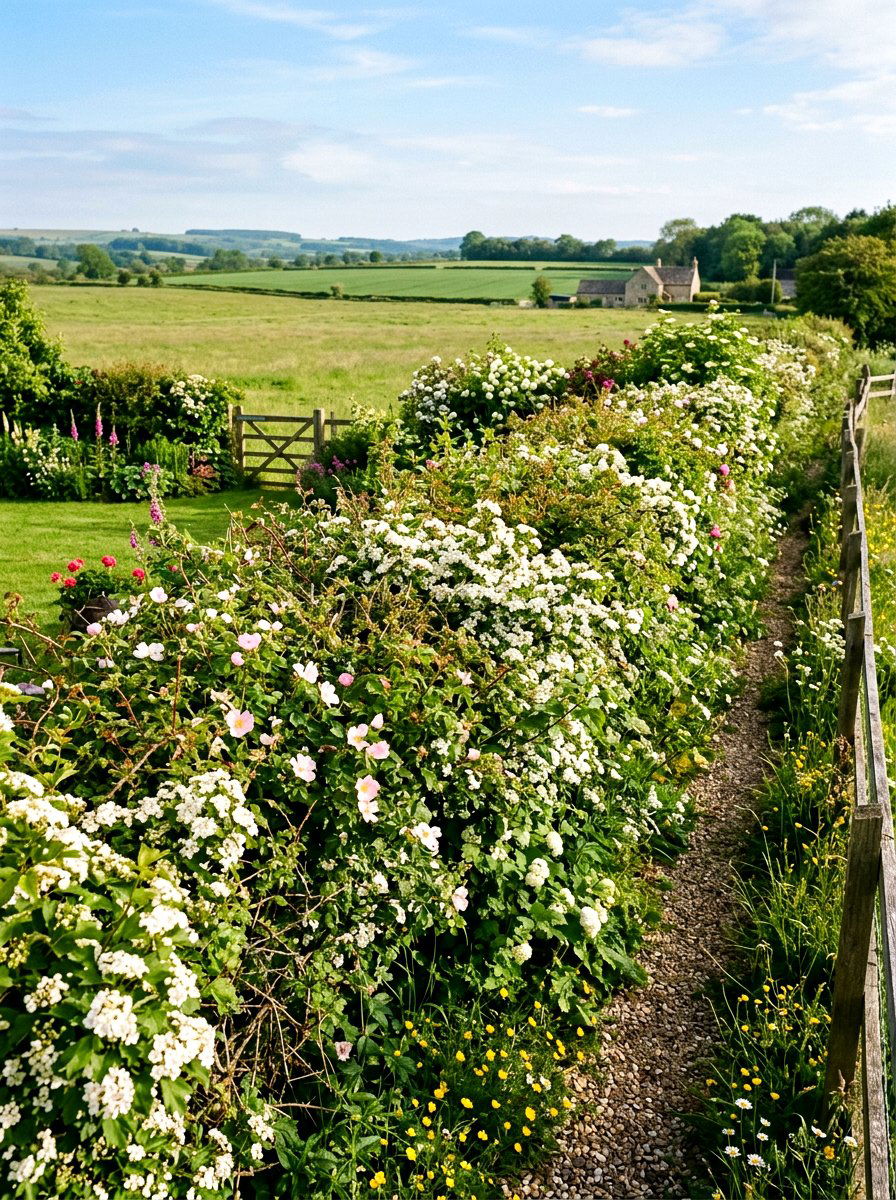
A native flowering hedgerow is a dense, multi-species boundary that provides a massive amount of food and shelter in a relatively narrow space. Unlike a single-species hedge, a hedgerow combines various native shrubs and small trees like hawthorn, viburnum, and wild rose. This diversity ensures that there is a constant supply of blossoms, berries, and nesting sites throughout the year. These thickets act as essential corridors for wildlife to move safely through suburban neighborhoods. The informal, layered look of a hedgerow adds a sense of privacy and old-world charm to your backyard. It is a powerful way to recreate the traditional edges of the countryside while supporting a vast array of birds and pollinating insects.
26. Creeping Thyme Walkway
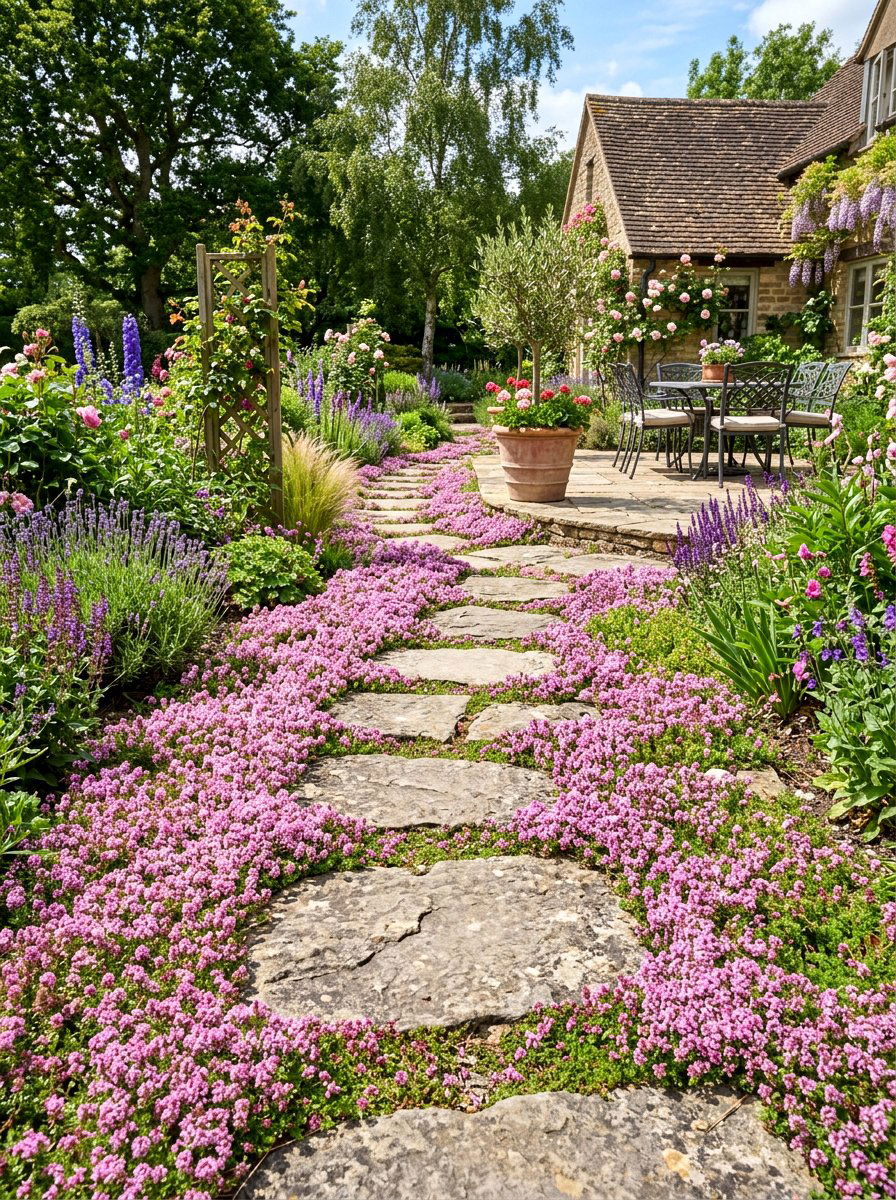
Replacing traditional mulch or gravel between stepping stones with creeping thyme creates a fragrant, living carpet that pollinators absolutely adore. As you walk along the path, the tiny leaves release a pleasant herbal scent, and the plants burst into a solid mass of pink or purple flowers in early summer. This low-growing groundcover provides a safe landing spot for small bees and butterflies that prefer to feed close to the ground. Creeping thyme is incredibly drought-tolerant and actually benefits from occasional light foot traffic. This design idea turns a functional pathway into a beautiful, buzzing feature that stays green and vibrant throughout the growing season. It is a perfect blend of hardscaping and soft, natural life.
27. Winter Seed Head Garden
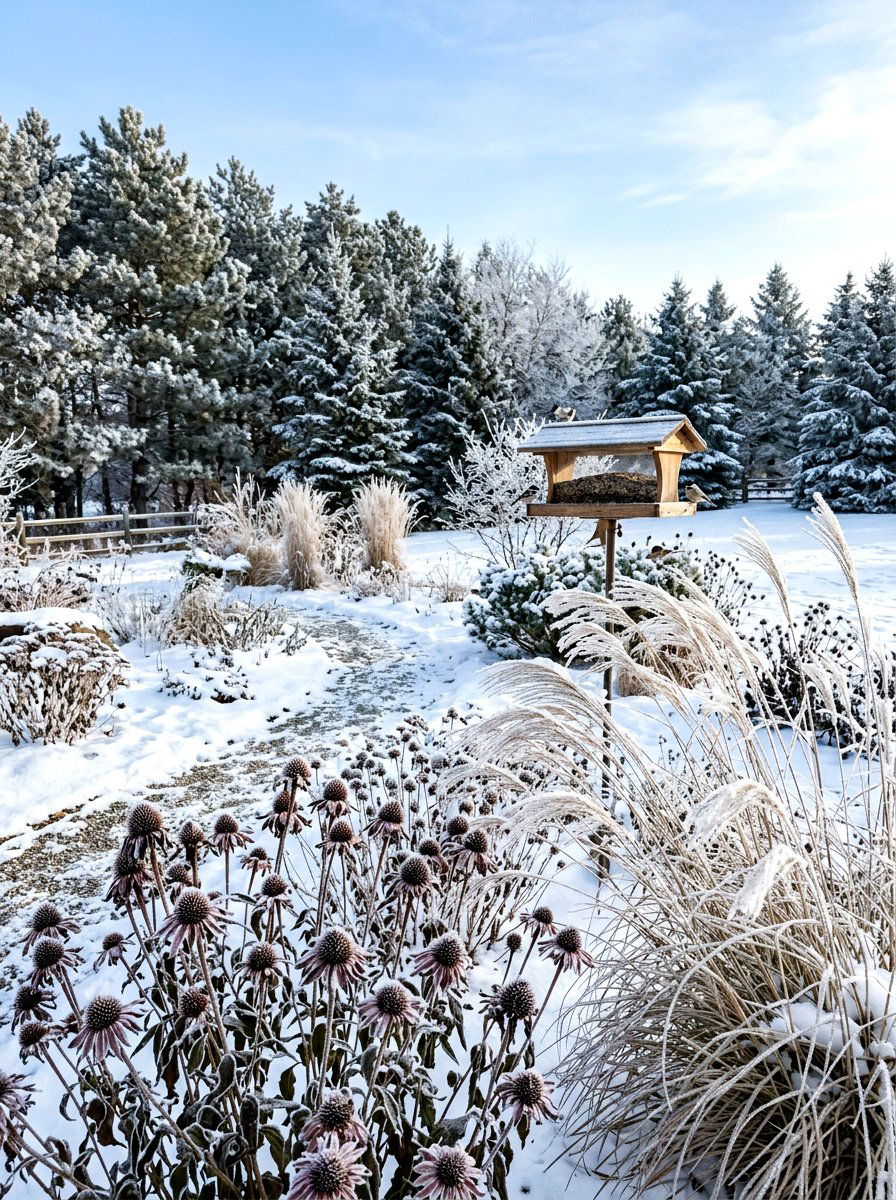
A truly sustainable pollinator paradise continues to provide value even after the growing season has ended. A winter seed head garden involves resisting the urge to cut back your perennials in the late autumn. Instead, you leave the dried stalks and seed heads of plants like coneflowers, asters, and sunflowers standing through the cold months. These structures provide essential food for wintering birds and offer hollow stems where solitary bees can safely hibernate. Visually, the frosted seed heads and golden stalks add a stunning architectural element to a snowy or dormant backyard. This "messy" approach is actually a sign of a healthy, functioning ecosystem that supports life through all four seasons of the year.
28. Organic Mulch Bed
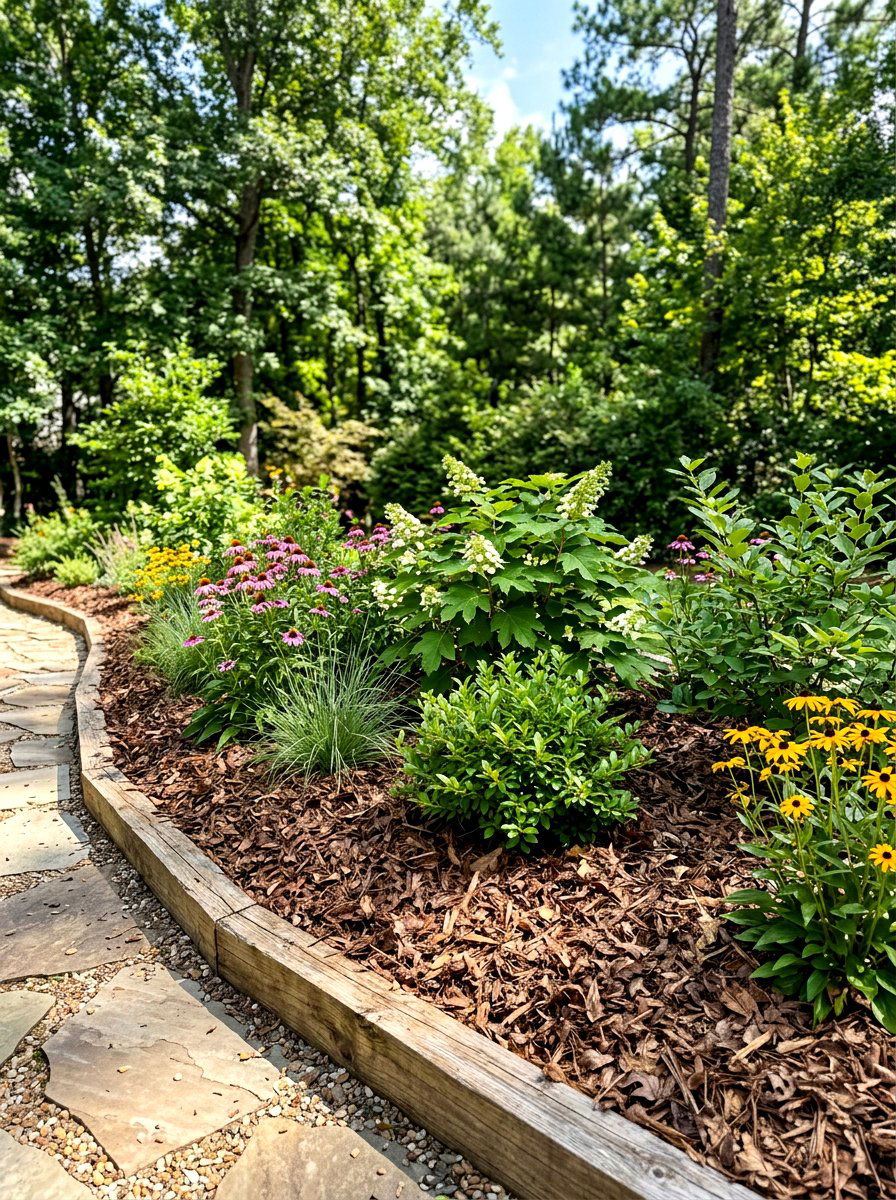
Using organic leaf mulch or shredded bark in your garden beds is a vital practice for supporting the hidden pollinators that live in the soil. Many moth species and beetles spend their larval stages in the leaf litter, protected from the elements and predators. By avoiding dyed or chemically treated mulches, you create a safe environment where these beneficial insects can thrive. The mulch also helps retain moisture in the soil, keeping your plants healthy and productive during hot spells. Over time, it breaks down and improves soil quality, encouraging a diverse community of earthworms and microbes. This foundation of health is the starting point for a truly vibrant and sustainable pollinator paradise in your backyard.
29. Native Tree Canopy
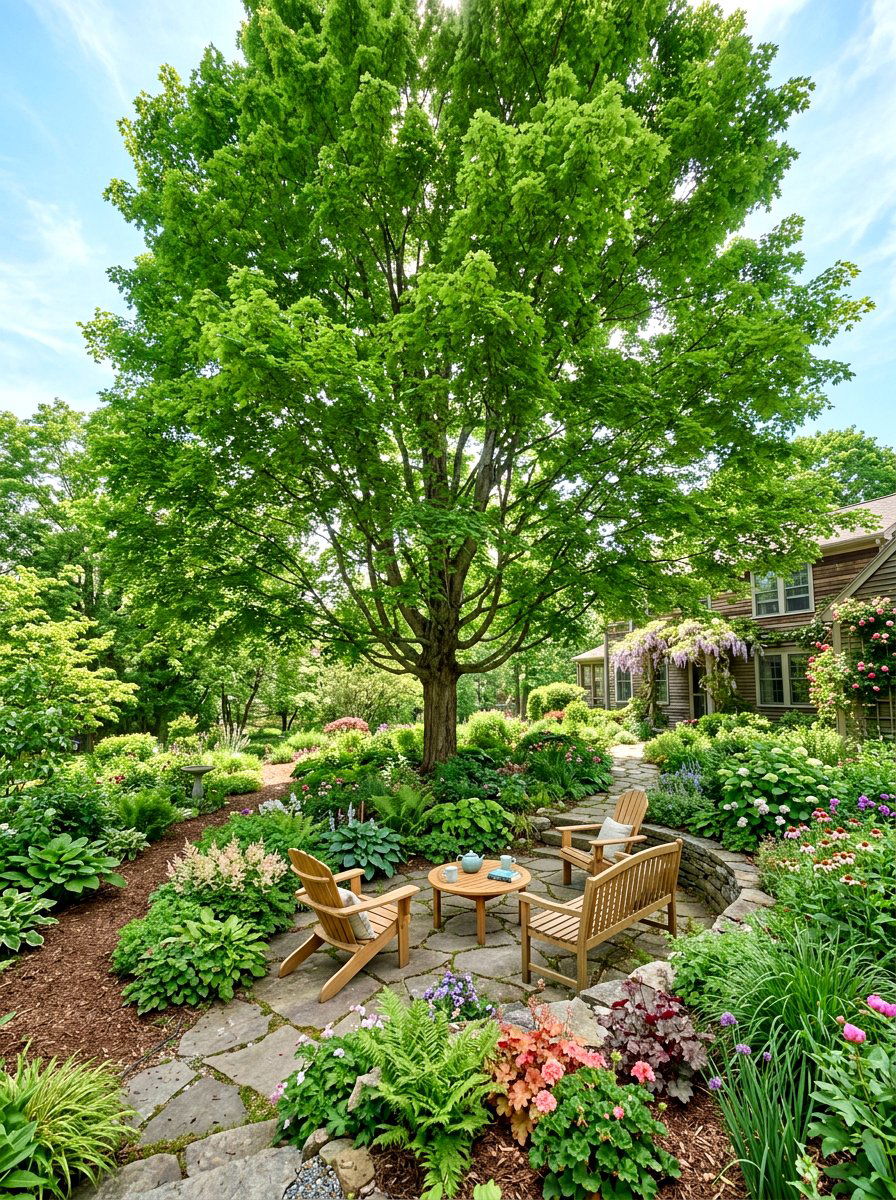
The tallest layer of your backyard, the tree canopy, often provides the most significant amount of food for pollinators early in the year. Large native trees like oaks, maples, and willows are incredible host plants for hundreds of species of butterflies and moths. In the early spring, their inconspicuous flowers provide an essential first meal for bees emerging from hibernation. The shade provided by these trees creates diverse microclimates below, allowing you to plant a wider variety of shade-loving nectar flowers. Furthermore, trees act as massive carbon sinks and help cool your home and garden during the summer. Investing in a native tree is a legacy project that will support local wildlife for generations to come.
30. Urban Wildlife Sanctuary
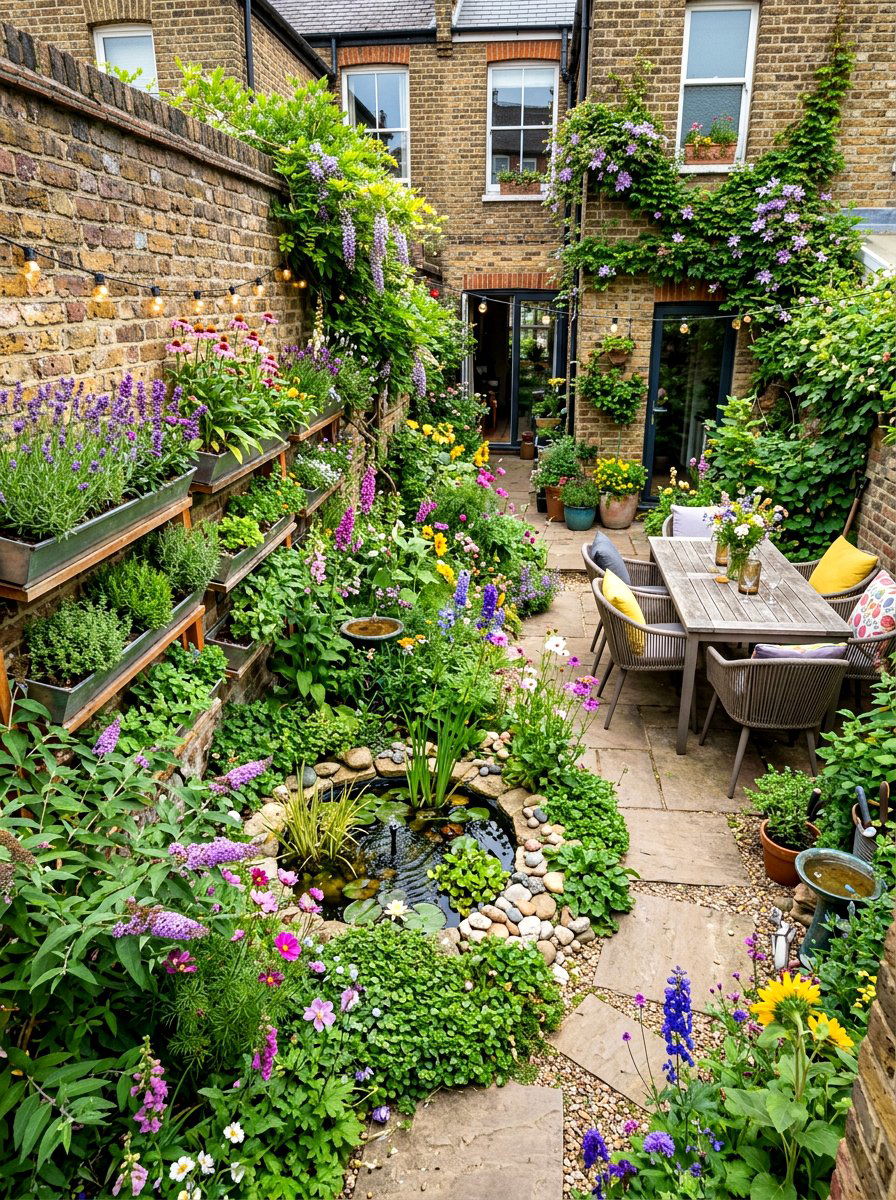
Creating an urban wildlife sanctuary is about packing as much biodiversity as possible into a compact, city-sized backyard. This design often utilizes vertical spaces, raised beds, and small-scale water features to make every square inch count. By focusing on high-impact native plants and providing specialized nesting sites, you can attract a surprising number of pollinators even in a dense neighborhood. Using clear signage to label your plants can also turn your garden into an educational tool for neighbors and passersby. This sanctuary serves as a vital green stepping stone in an urban environment, helping pollinators move across the city. It is a testament to the idea that no space is too small to make a big difference.
Conclusion:
Building a pollinator paradise is a beautiful journey that connects you directly with the rhythms of the natural world. Each small choice, from the types of seeds you plant to the way you manage your autumn leaves, has a ripple effect that supports local biodiversity. By incorporating a mix of these thirty ideas, you can create a backyard that is not only a visual masterpiece but also a functional sanctuary for vital insects and birds. Your outdoor space becomes a living classroom and a place of peace, where the simple act of gardening contributes to a healthier planet. We hope these concepts inspire you to transform your landscape into a buzzing, colorful haven that thrives for years to come.

Related posts: