Creating a butterfly sanctuary in your own backyard is one of the most rewarding gardening projects you can undertake. While nectar plants like zinnias and lavender are fantastic for attracting adult butterflies, the real secret to a thriving ecosystem lies in host plants. These specific botanical wonders are the only places where female butterflies will lay their eggs, and they serve as the exclusive food source for hungry caterpillars. By incorporating a diverse range of host plants, you transform your outdoor space from a temporary fueling station into a permanent nursery. This holistic approach ensures that you support the entire life cycle of these delicate insects, from tiny eggs to fluttering wings. Whether you have a sprawling estate or a small urban patio, choosing the right plants can make a massive difference for local biodiversity. Let’s explore thirty incredible ways to design a garden that truly nurtures and protects our beautiful winged neighbors throughout the changing seasons.
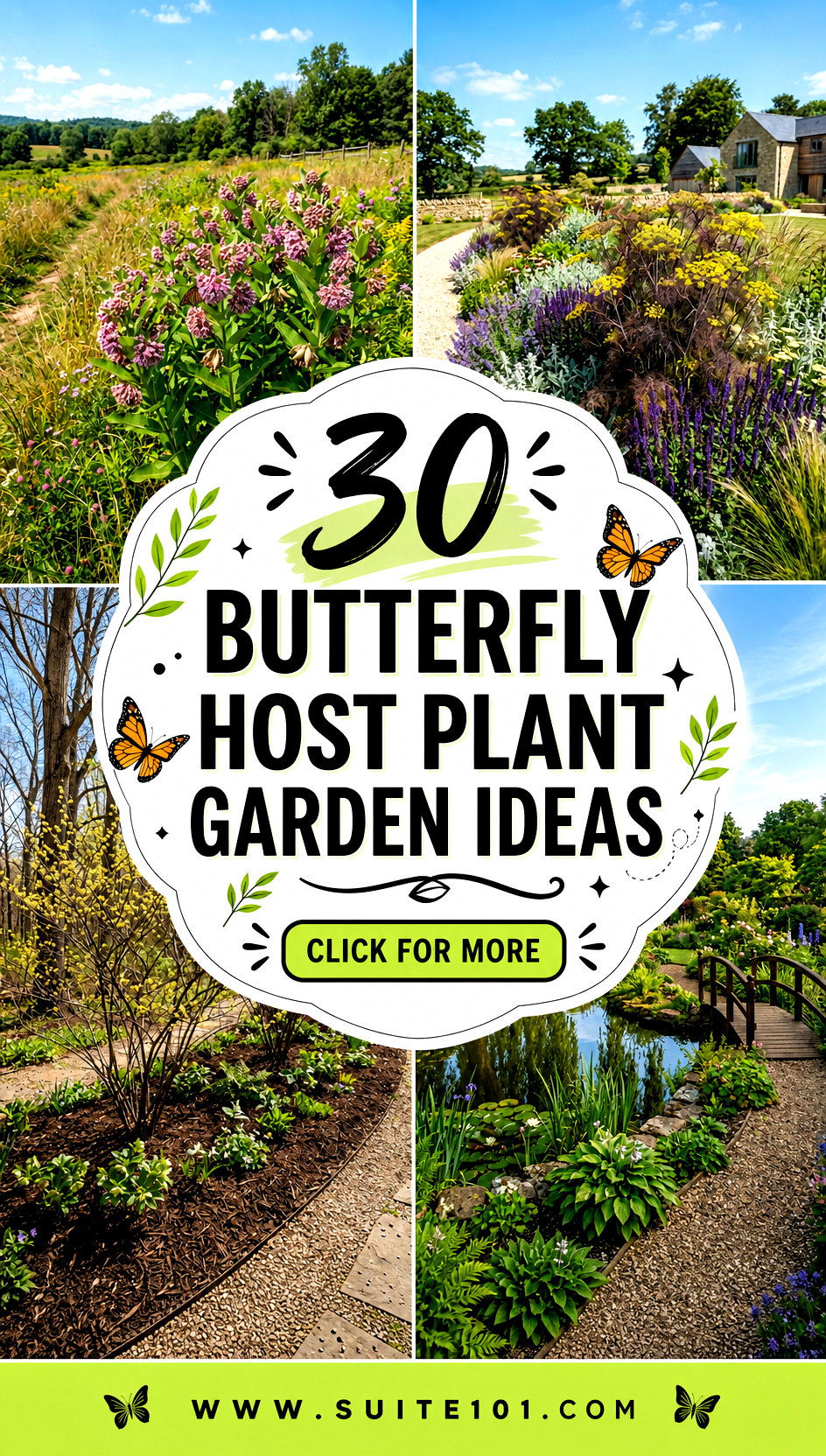
1. Common Milkweed Garden
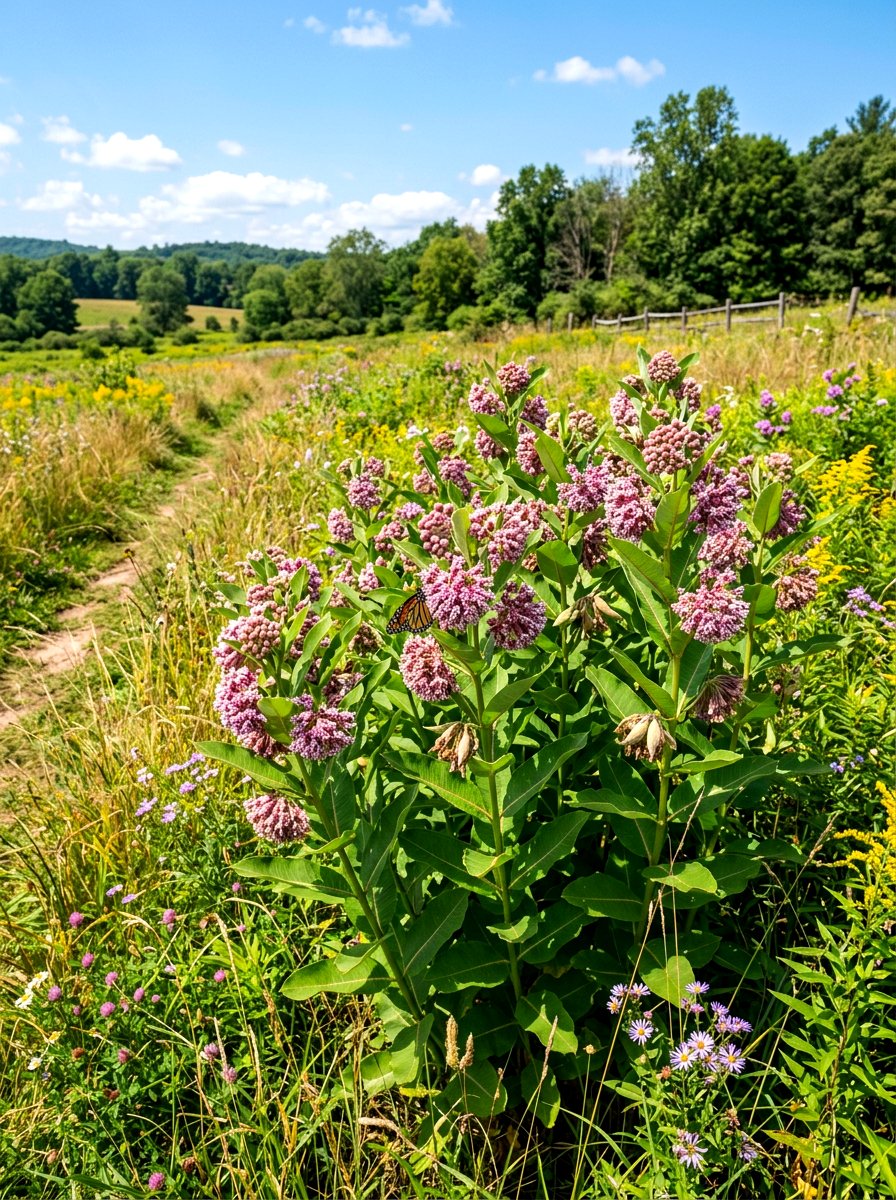
Establishing a dedicated patch of common milkweed is the single most effective way to support the iconic monarch butterfly. These tall, sturdy perennials are famous for their large, spherical clusters of fragrant pink flowers that bloom in midsummer. Because they spread through underground rhizomes, they are perfect for creating a lush, wild-looking meadow area in larger backyards. The thick, broad leaves provide ample food for monarch caterpillars, which rely exclusively on this genus to survive. When designing this space, consider placing them at the back of a sunny border where their height adds structural interest. Surrounding them with shorter nectar-rich annuals creates a visually layered and ecologically functional habitat that monarchs will return to year after year.
2. Butterfly Weed Bed
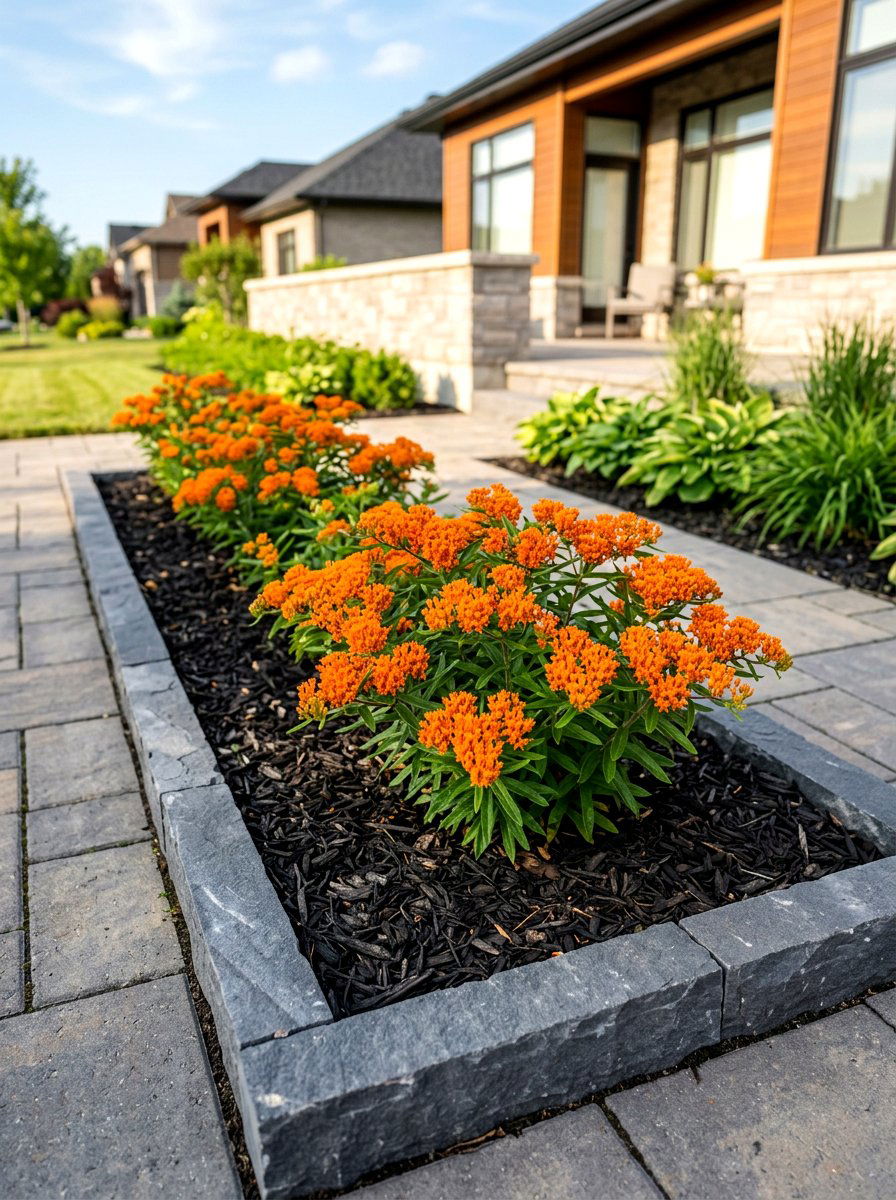
If you prefer a more controlled and vibrant look, a garden bed featuring butterfly weed is a spectacular choice. Unlike its taller relatives, this species stays in tidy clumps and produces brilliant, fiery orange blossoms that light up any landscape. It is exceptionally drought-tolerant, making it ideal for sunny, well-drained spots or rock gardens where other plants might struggle. As a host plant for both monarch and queen butterflies, it serves a dual purpose in your ecosystem. The bright flowers also act as a powerful nectar source for bees and other pollinators. Try grouping these in blocks of three or five to create a bold splash of color that is easily spotted by passing butterflies from a distance.
3. Swamp Milkweed Habitat
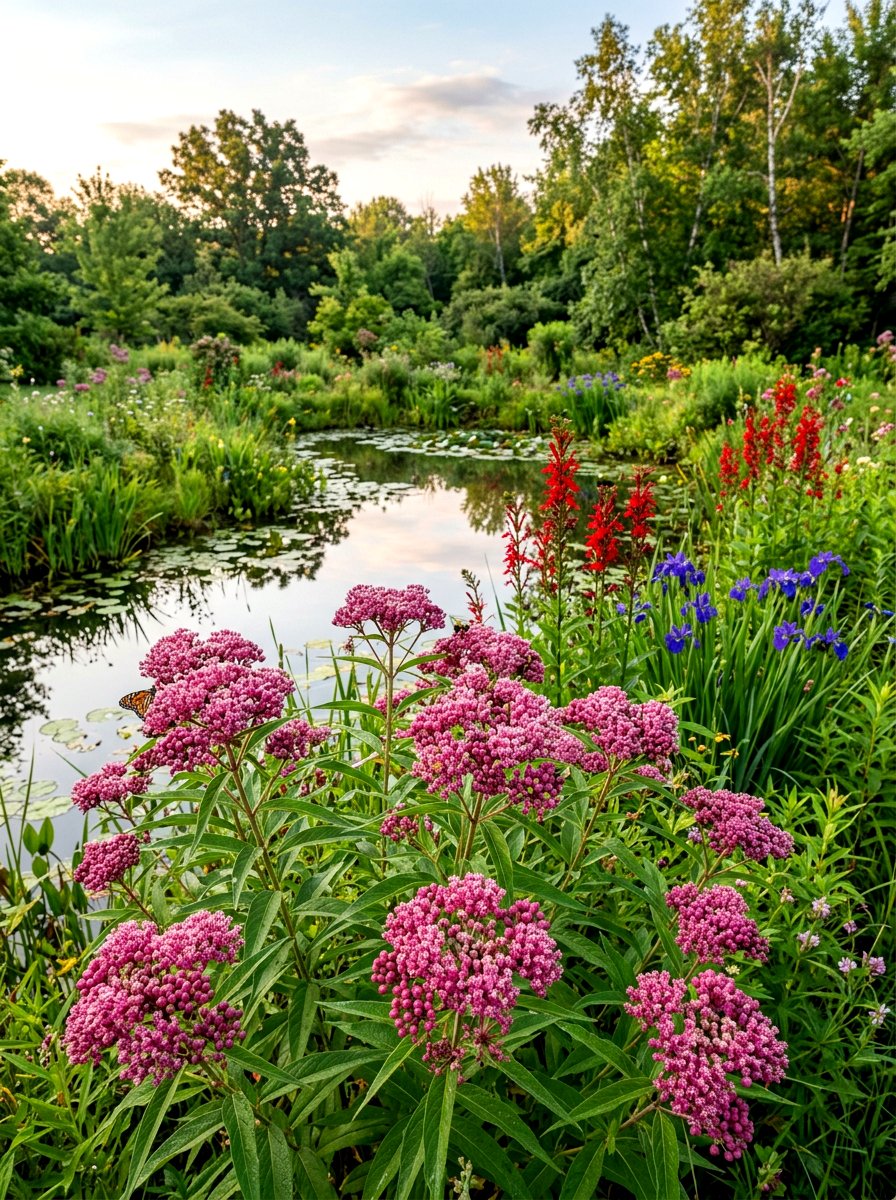
For those with damp or low-lying areas in their yard, a swamp milkweed habitat offers a perfect solution for butterfly conservation. This plant thrives in moist soil and produces elegant, deep pink flower clusters that smell remarkably like vanilla. It is a favorite host for monarch butterflies and tends to have more delicate foliage than the common variety. Designing a rain garden around this plant allows you to manage water runoff while providing a vital nursery for local pollinators. Pair it with other moisture-loving natives like cardinal flower or blue flag iris to create a stunning, saturated landscape. The upright habit of swamp milkweed makes it a graceful addition to any pond edge or backyard wetland area.
4. Parsley Herb Border
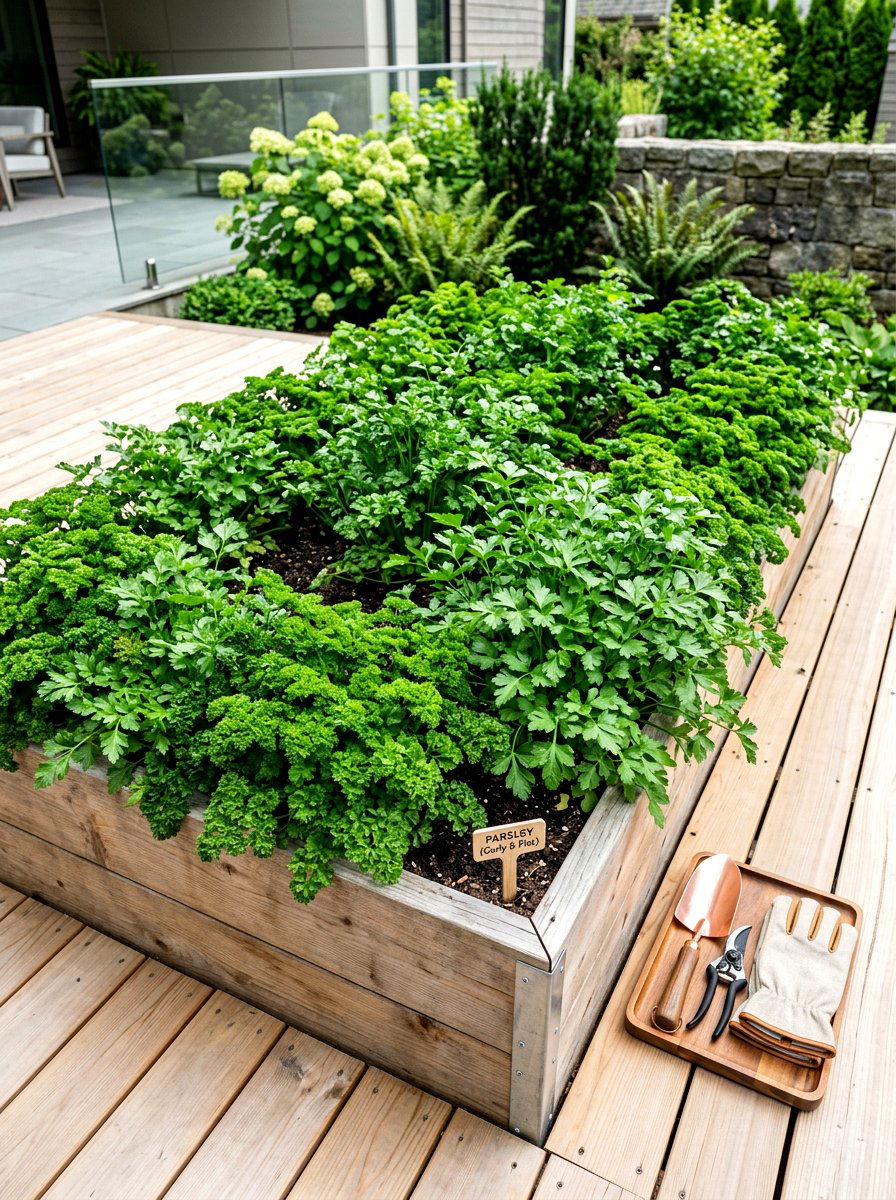
Integrating host plants into your edible landscape is a clever way to maximize space, and a parsley herb border is the perfect example. While humans love parsley for cooking, black swallowtail butterflies see it as the ultimate nursery for their young. The bright green, curly or flat leaves offer a nutritious feast for the striking green and black striped caterpillars. Planting parsley along the edges of raised beds or walkways makes it easy for you to observe the life cycle up close. It is best to plant twice as much as you think you need — one half for your kitchen and one half for the butterflies. This functional design adds texture and lushness to your vegetable garden while supporting beneficial insects.
5. Dill Caterpillar Patch
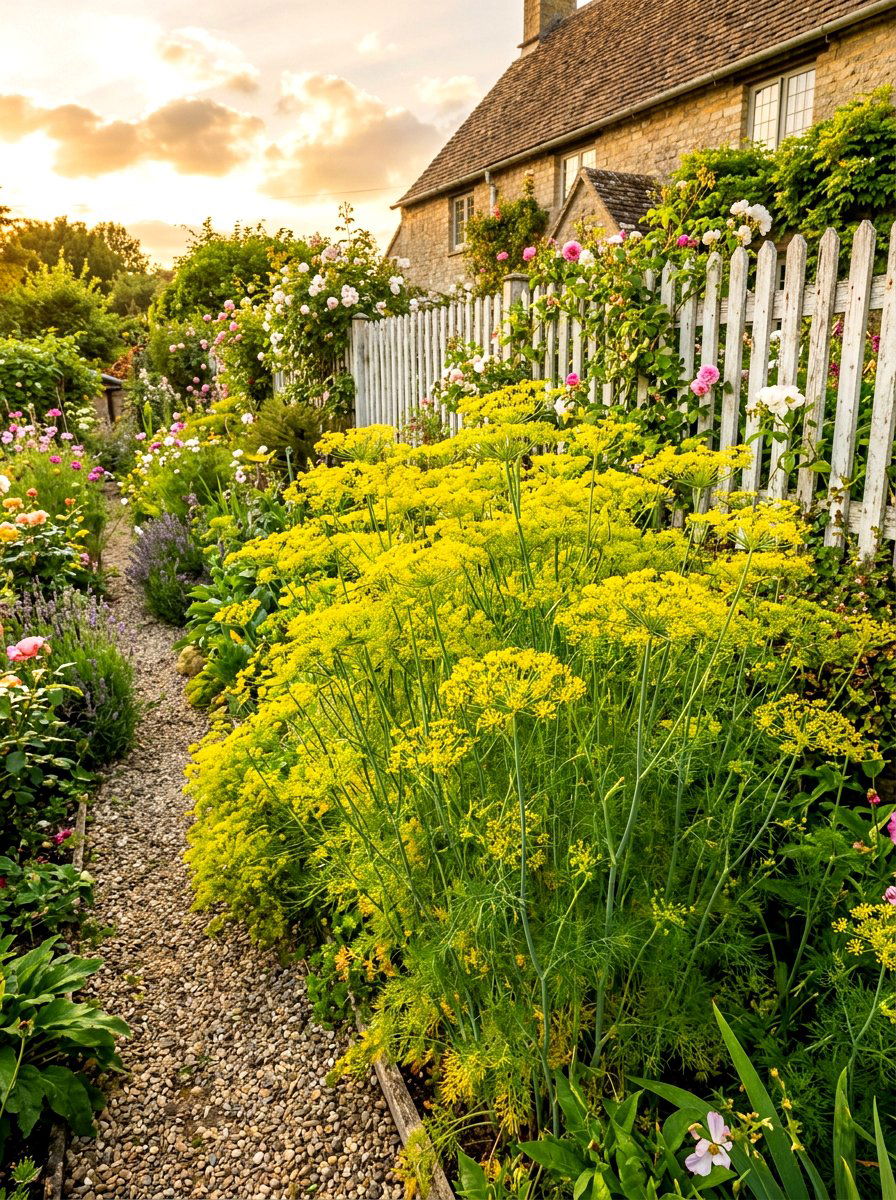
Creating a dedicated dill patch is another fantastic way to attract black swallowtail butterflies to your backyard. This airy, feathery herb grows quickly and produces tall stalks topped with yellow umbel flowers that look like tiny bursts of fireworks. Because dill reseeds easily, it can create a charming, informal look in a cottage-style garden. The delicate foliage is soft and inviting, providing a perfect hiding spot for small larvae. When the plant goes to seed, it continues to provide architectural interest and food for birds. To design a successful patch, plant several groupings in full sun and avoid using any pesticides, as the caterpillars are very sensitive to chemicals during their growth phases.
6. Fennel Herb Garden
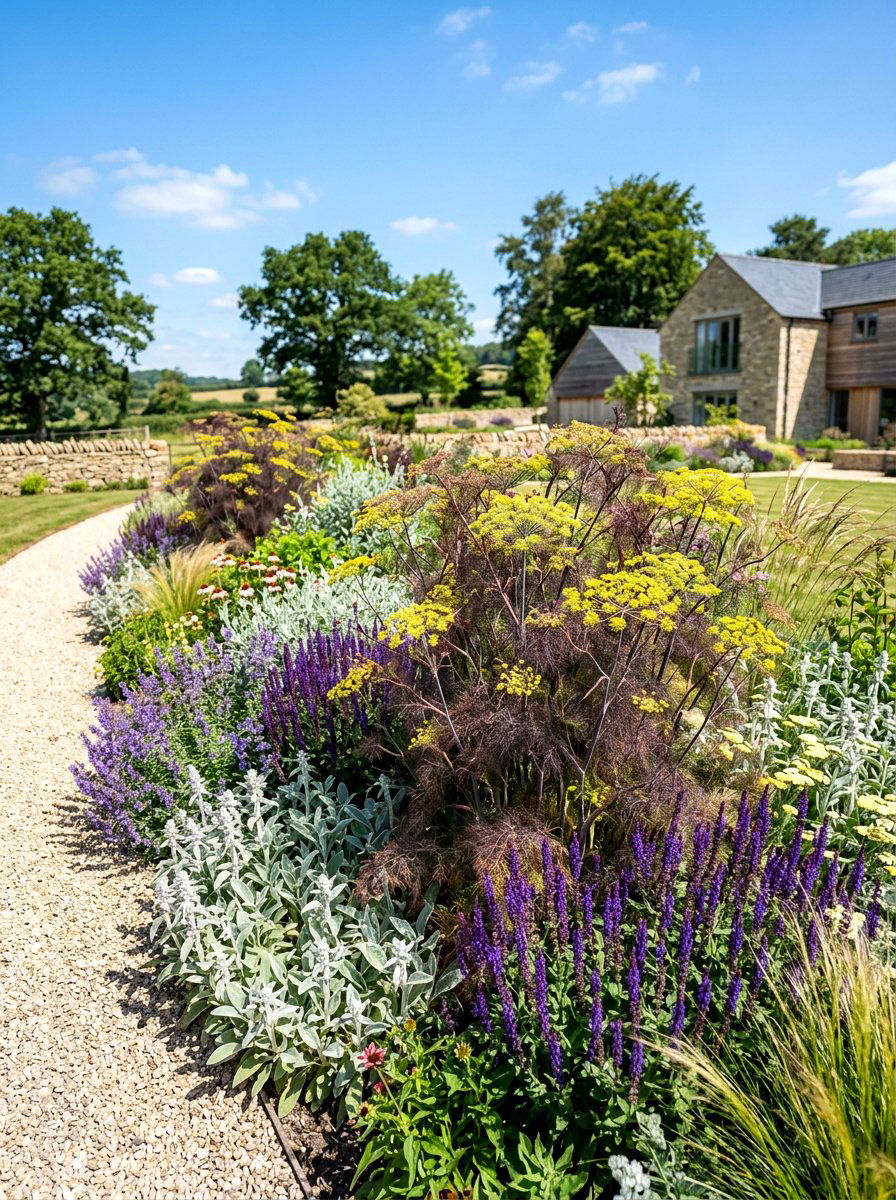
Bronze fennel is a visually stunning host plant that adds a sophisticated, smoky purple hue to any garden design. Its tall, wispy fronds create a soft backdrop for other flowering perennials while serving as a primary food source for black swallowtail caterpillars. The aromatic foliage and large yellow flower heads are magnets for a wide variety of beneficial insects beyond just butterflies. In a landscape, fennel works beautifully as a focal point or a tall filler in the middle of a border. Because it can grow quite large, it provides plenty of biomass to support multiple generations of caterpillars throughout the summer. The contrasting textures of fennel against broad-leaved plants create a professional, well-designed aesthetic for any modern garden.
7. Passion Flower Trellis
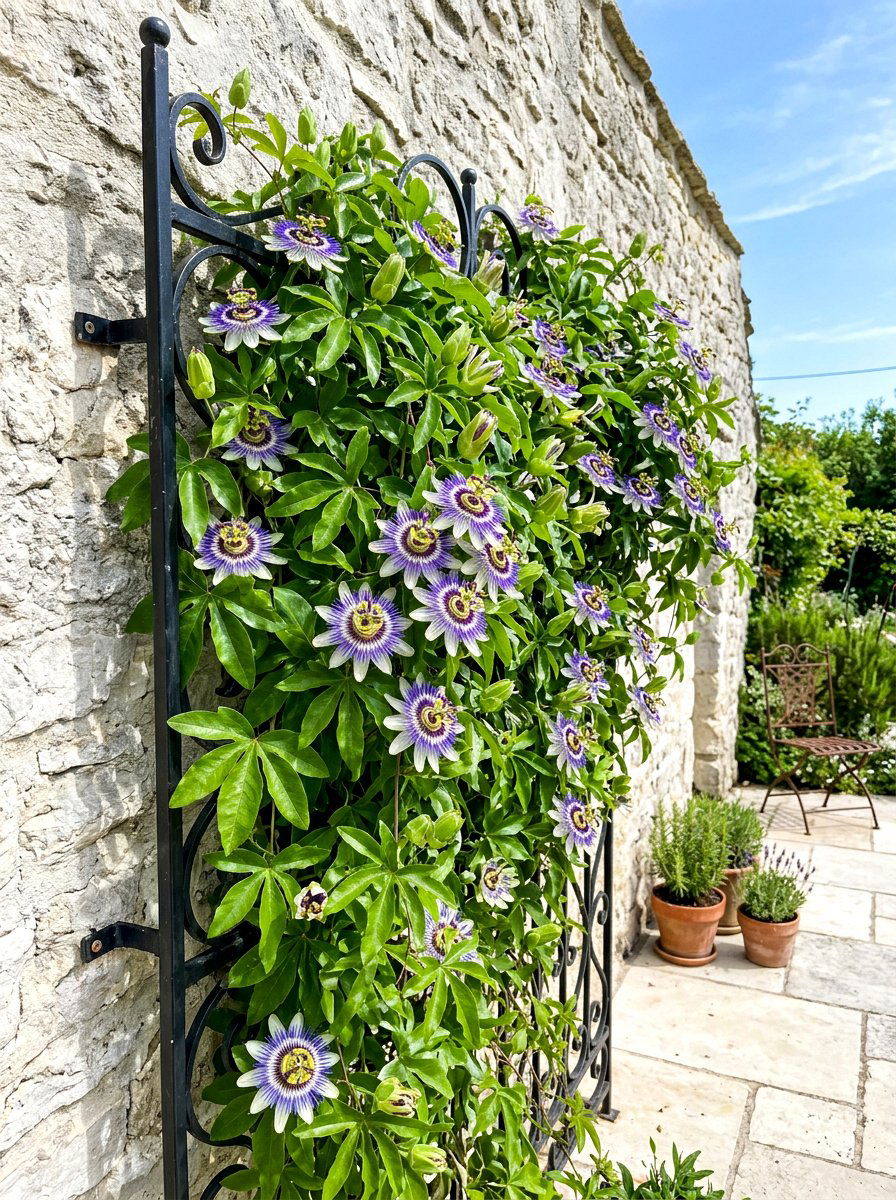
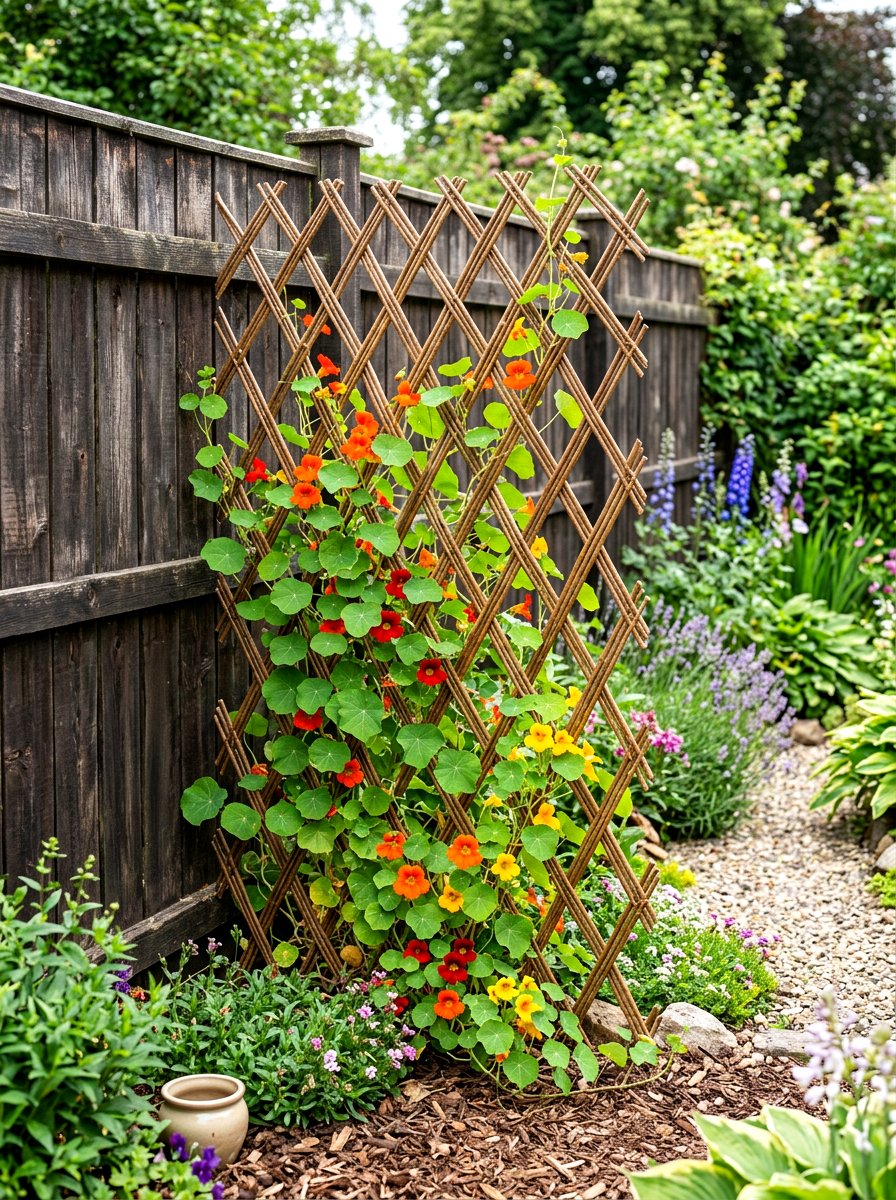
A passion flower vine climbing up a trellis creates a dramatic and exotic focal point that serves as a vital host for gulf fritillary butterflies. The intricate, alien-looking purple flowers are breathtakingly beautiful and provide a high-end look to any patio or fence line. This vigorous climber uses tendrils to wrap around supports, making it perfect for vertical gardening in small spaces. The lush green leaves are quickly discovered by female fritillaries looking for a place to deposit their eggs. When the caterpillars hatch, they blend in with the vine, eventually turning into shiny orange beauties. Using this vine on a sunny wall or arbor provides shade for your seating area while creating a vertical butterfly nursery.
8. Pipevine Butterfly Wall
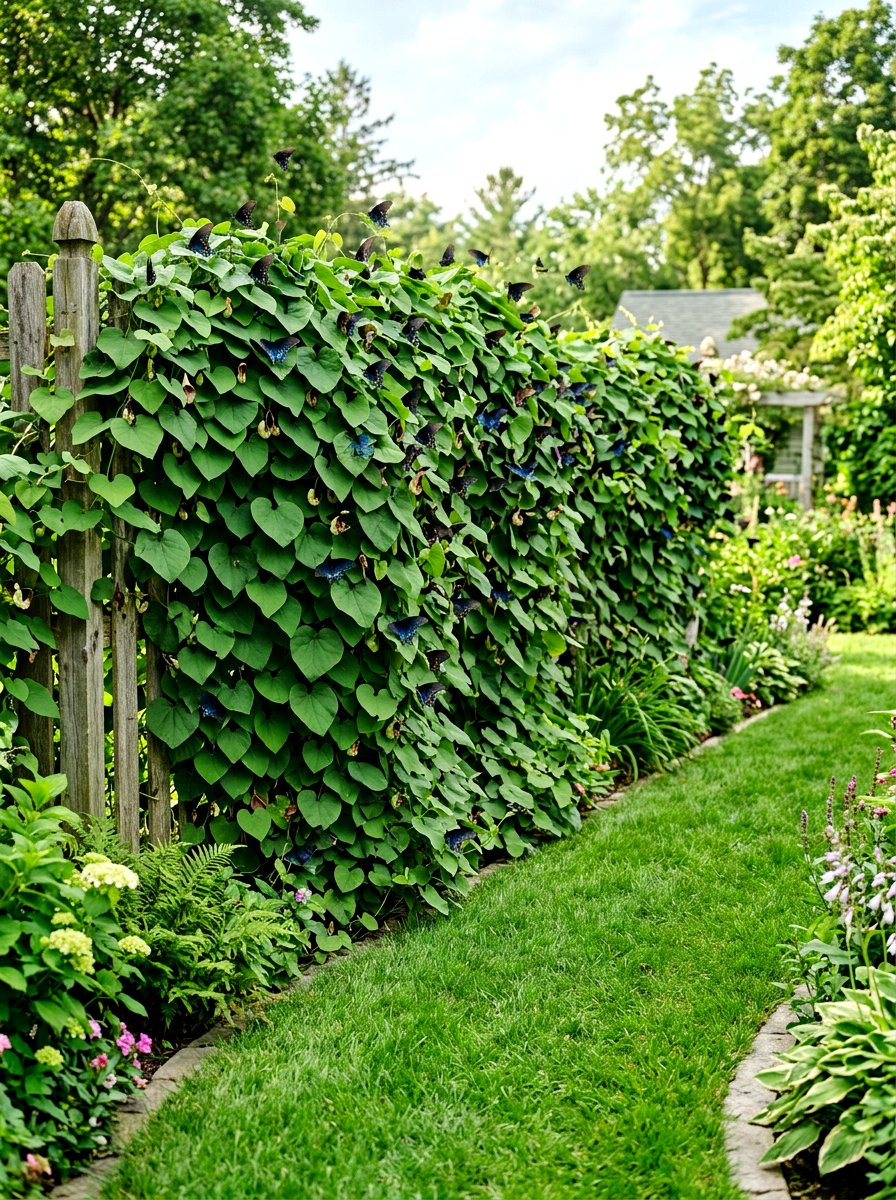
To attract the unique and beautiful pipevine swallowtail, you should consider planting a pipevine butterfly wall. This hardy climbing vine features large, heart-shaped leaves that overlap to create a dense, green curtain of foliage. It is perfect for covering unsightly fences or providing privacy on a balcony. The plant produces strange, pipe-shaped flowers that are often hidden beneath the leaves, adding an element of mystery to your garden. Because the vine contains specific toxins, the caterpillars that eat it become distasteful to predators, giving them a survival advantage. This architectural plant adds a tropical feel to temperate gardens and provides a massive amount of food for hungry swallowtail larvae in a compact vertical footprint.
9. Spicebush Shrub Garden
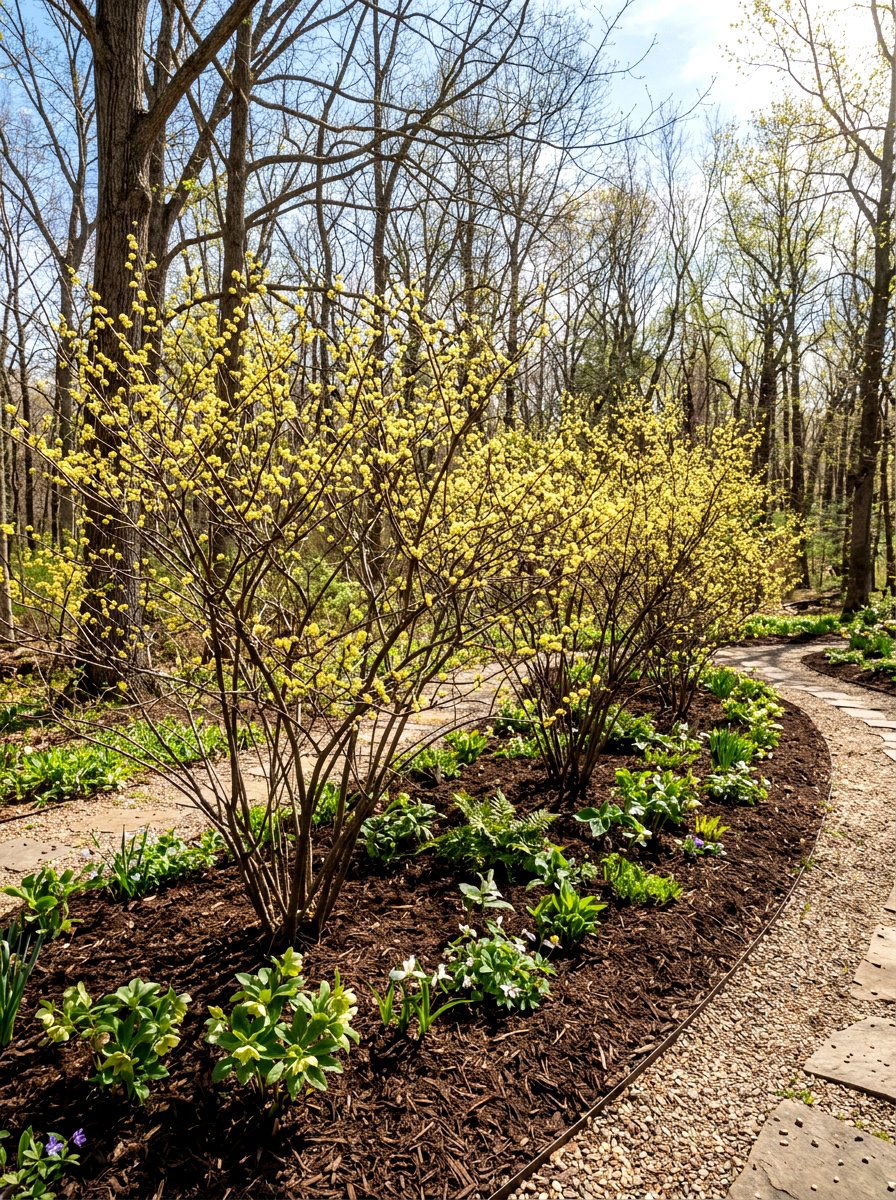
Adding a spicebush shrub to your landscape is a wonderful way to welcome the spicebush swallowtail butterfly into your yard. This native deciduous shrub is prized for its aromatic leaves and stems, which release a pleasant spicy scent when crushed. In early spring, it produces tiny, cheerful yellow flowers before the leaves even emerge, providing early nectar for pollinators. During the summer, the dense green foliage serves as the exclusive home for the spicebush swallowtail caterpillar, which famously mimics a snake to scare off birds. In the fall, the leaves turn a brilliant golden yellow, and the female plants produce bright red berries that birds love. It is a multi-seasonal powerhouse for any wildlife-friendly backyard.
10. Pawpaw Tree Grove
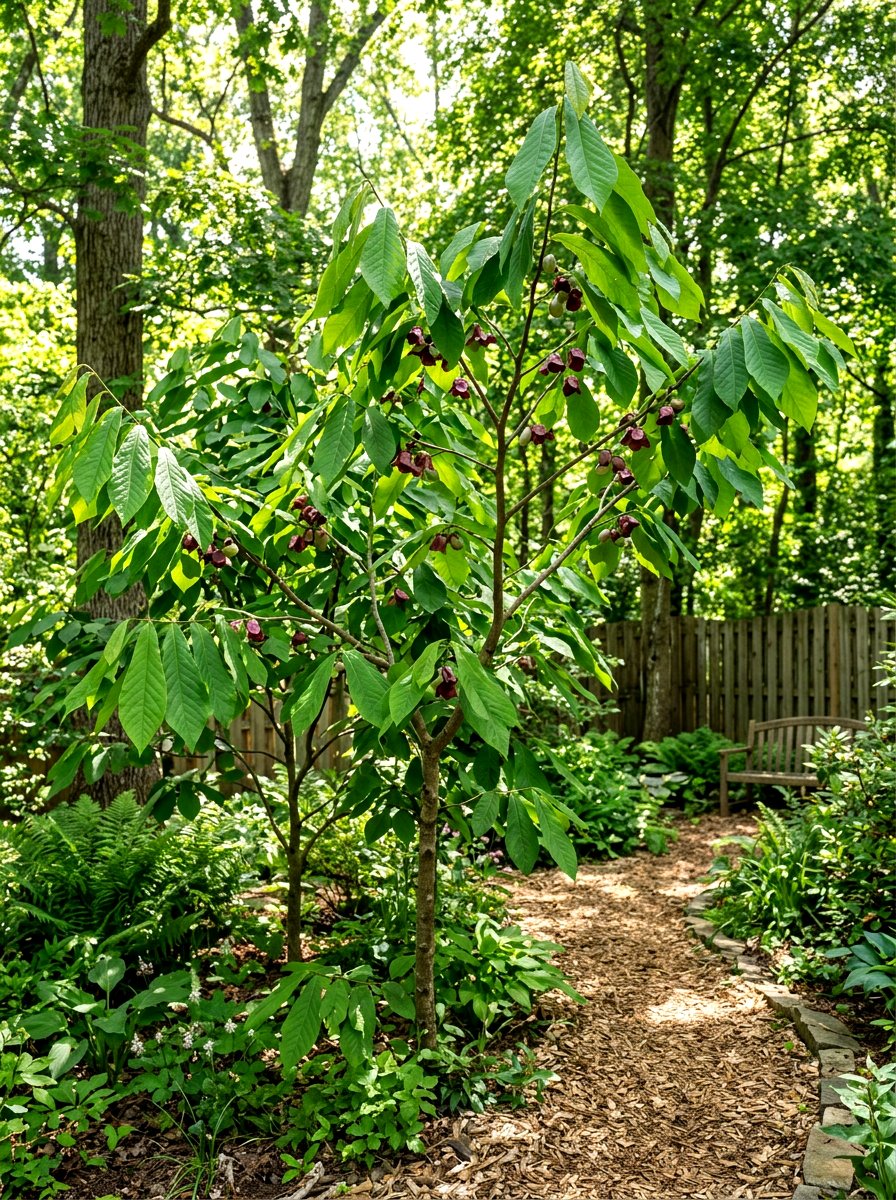
If you have enough space for a small grove, pawpaw trees are the only host plant for the stunning zebra swallowtail butterfly. These small, understory trees have a tropical appearance with large, drooping leaves that create a lush canopy. They produce unusual, maroon flowers in the spring and delicious, custard-like fruit in the late summer. Planting a cluster of three or more trees ensures better pollination for the fruit while providing a substantial habitat for butterflies. Pawpaws prefer slightly shaded areas with rich, moist soil, making them excellent choices for the edge of a woodland or a sheltered corner of the yard. This unique tree adds both edible value and ecological significance to your home landscape.
11. Hollyhock Flower Screen
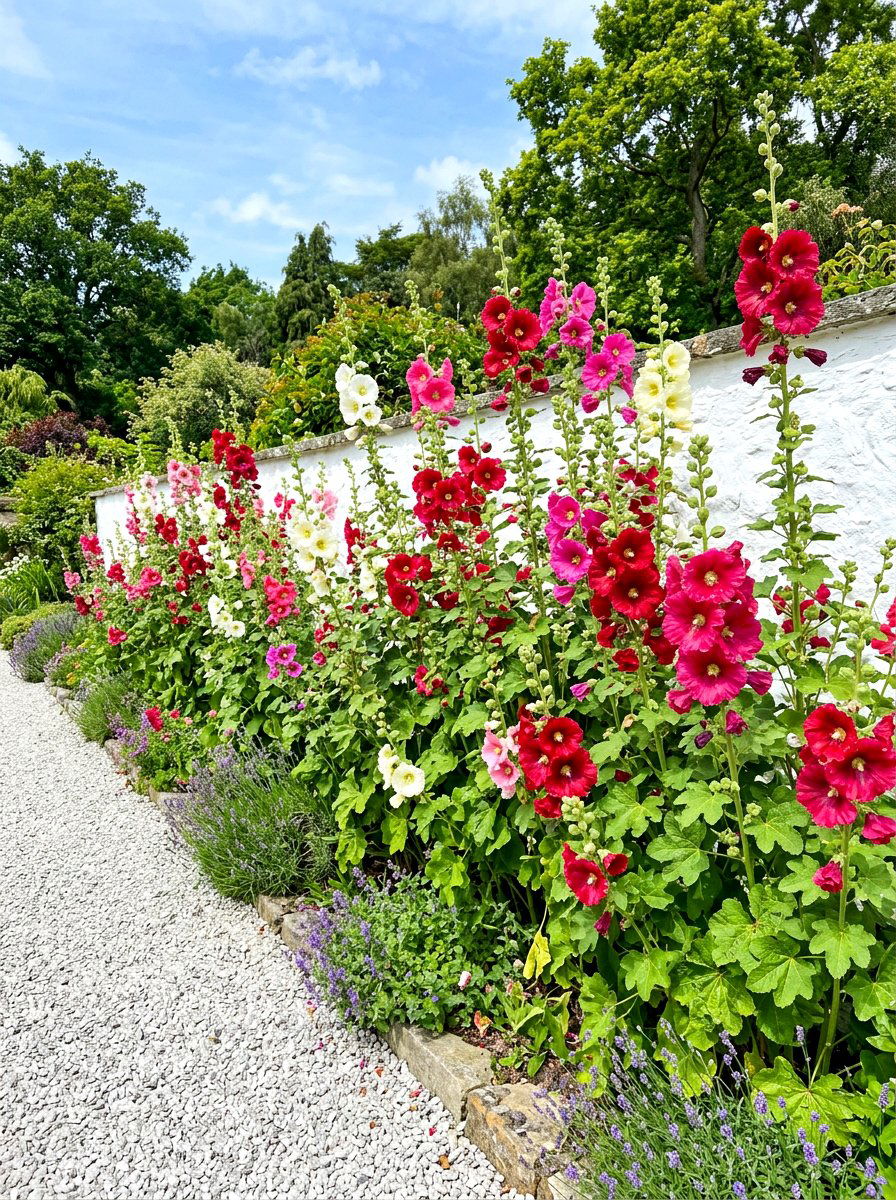
For a classic cottage garden feel that supports the painted lady butterfly, nothing beats a tall hollyhock flower screen. These towering biennials produce massive stalks covered in satiny blooms ranging from deep maroon to pale pink. Because they grow so tall, they are perfect for planting against a sunny wall or along a back fence to create a living privacy screen. Painted lady caterpillars use the large, fuzzy leaves to build protective silk nests while they feed. This vertical design allows you to fit many host plants into a narrow strip of land. The vibrant flowers also attract hummingbirds and bees, making your hollyhock screen a bustling hub of activity throughout the warm summer months.
12. Sunflower Butterfly Patch
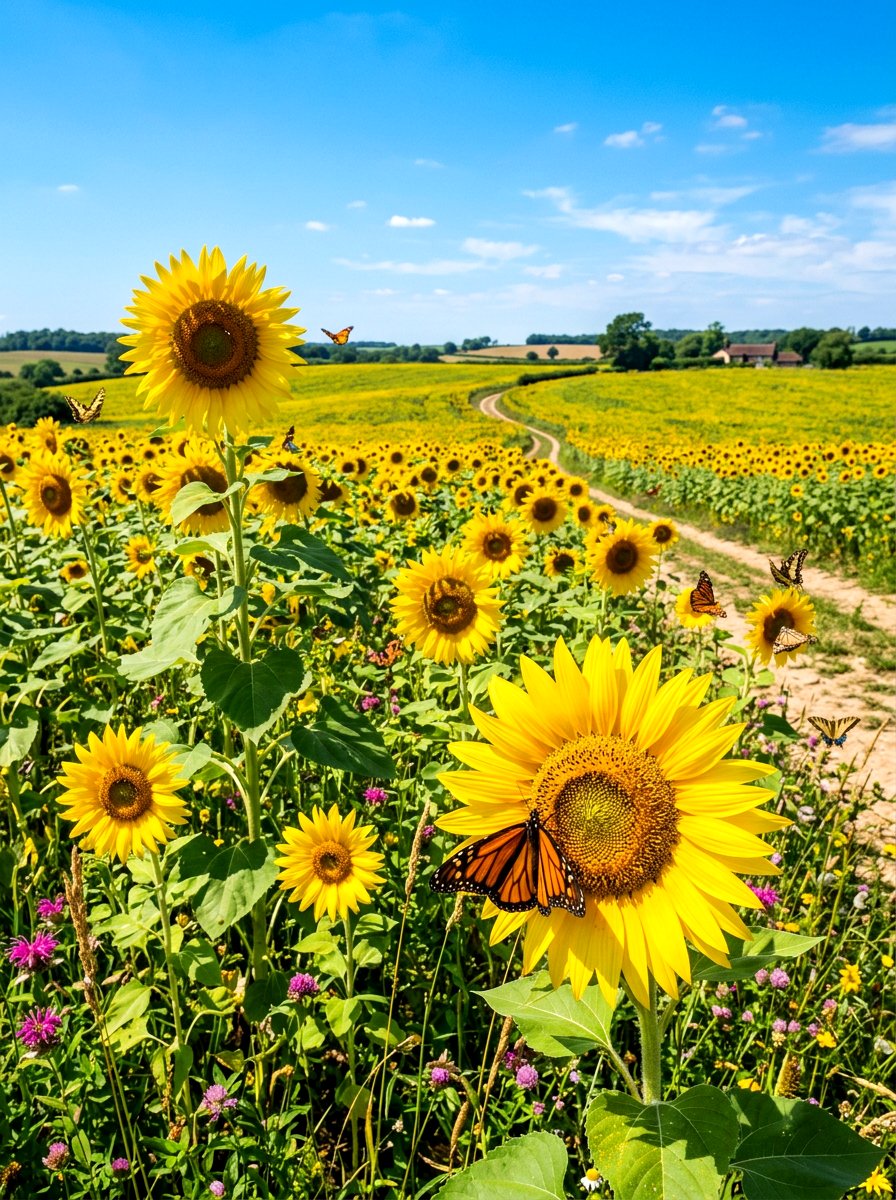
Sunflowers are not just for seeds; they are also important host plants for silvery checkerspot butterflies. A dedicated sunflower patch brings a sense of joy and scale to any garden with its giant, sun-facing blooms and sturdy stalks. You can choose from towering varieties that reach ten feet or dwarf versions for smaller containers. The broad, rough leaves provide plenty of surface area for butterflies to lay eggs and for caterpillars to thrive. Beyond their role as a host, sunflowers provide a massive amount of nectar and later offer seeds for goldfinches and other backyard birds. Planting them in a sunny corner creates a cheerful focal point that benefits a wide range of local wildlife species.
13. Snapdragon Flower Bed
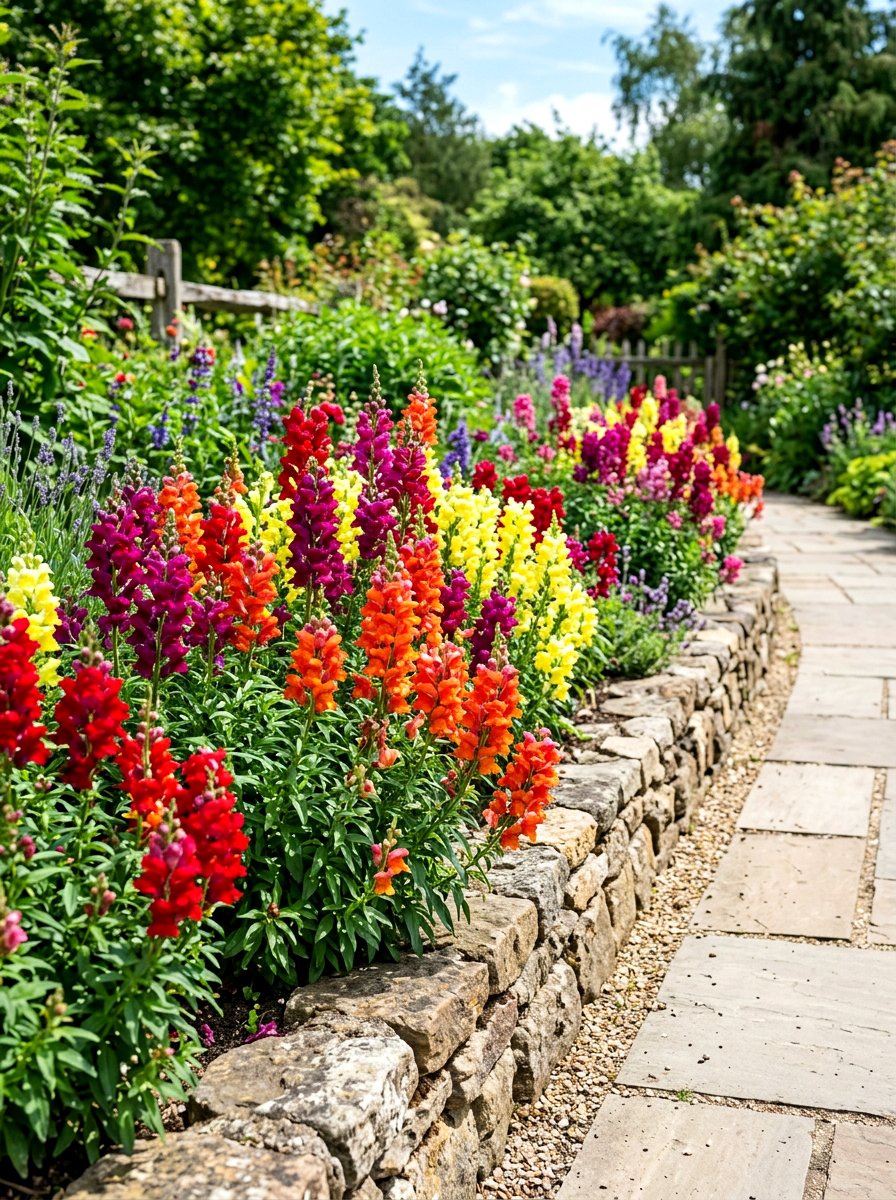
Common snapdragons are a nostalgic garden favorite that doubles as a host plant for the common buckeye butterfly. These versatile annuals or short-lived perennials come in nearly every color of the rainbow and feature unique, "snapping" flowers that children love. When planted in dense drifts, they create a colorful carpet that is highly attractive to adult butterflies looking for nectar. The buckeye caterpillars feed on the leaves, which are small but abundant. Snapdragons prefer cooler weather, so they are excellent for adding early spring and late autumn interest to your butterfly garden. They work beautifully in containers or as a colorful border along a garden path, providing beauty at eye level for both humans and insects.
14. Aster Butterfly Meadow
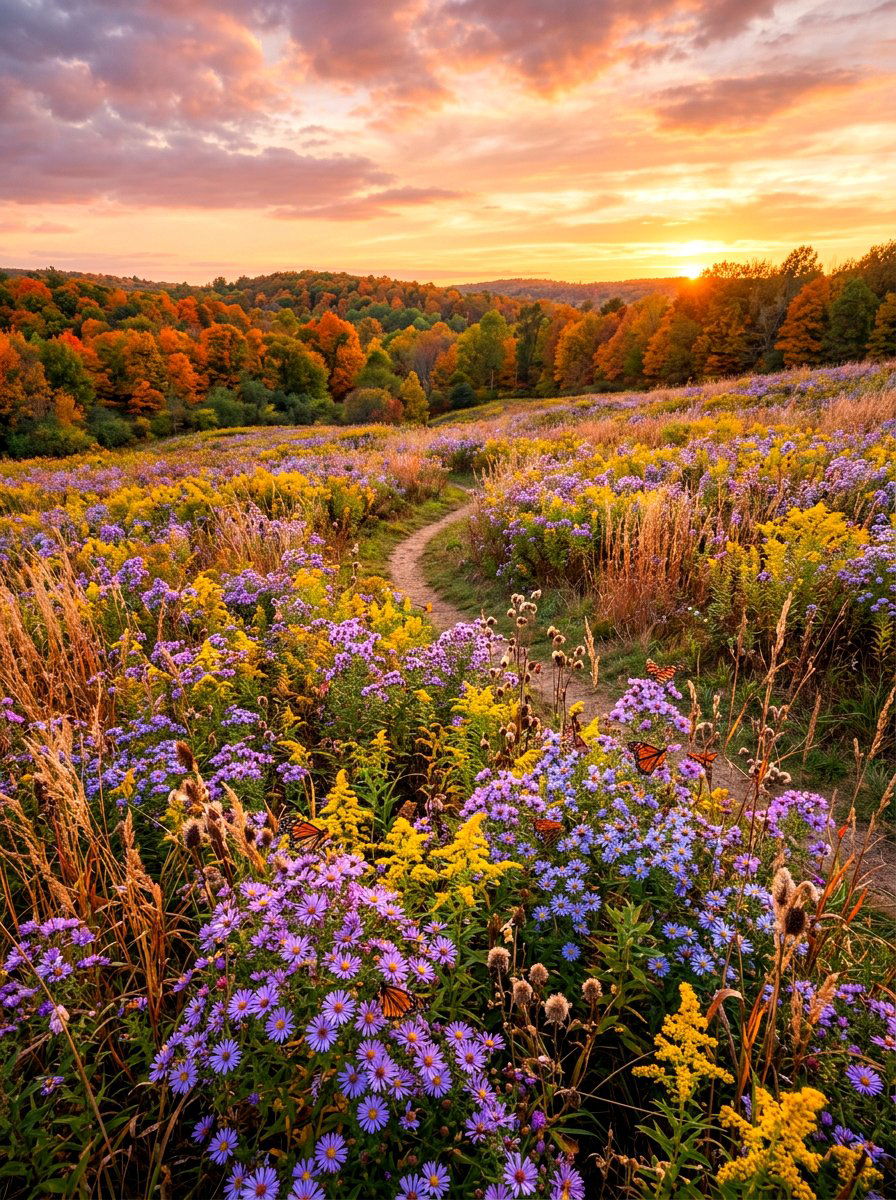
Incorporating native asters into your landscape is essential for supporting pearl crescent butterflies and providing late-season nectar. These tough, daisy-like flowers bloom in a riot of blues, purples, and whites just as other plants are starting to fade for the year. Creating an aster-heavy meadow area ensures that your garden remains a vital resource during the critical autumn migration period. The small, narrow leaves are the primary food source for several species of crescent caterpillars. Asters are generally low-maintenance and can handle a variety of soil conditions. When planted in large groups, they create a soft, cloud-like effect in the landscape that looks stunning against the golden hues of autumn grasses and falling leaves.


15. Violet Groundcover Bed
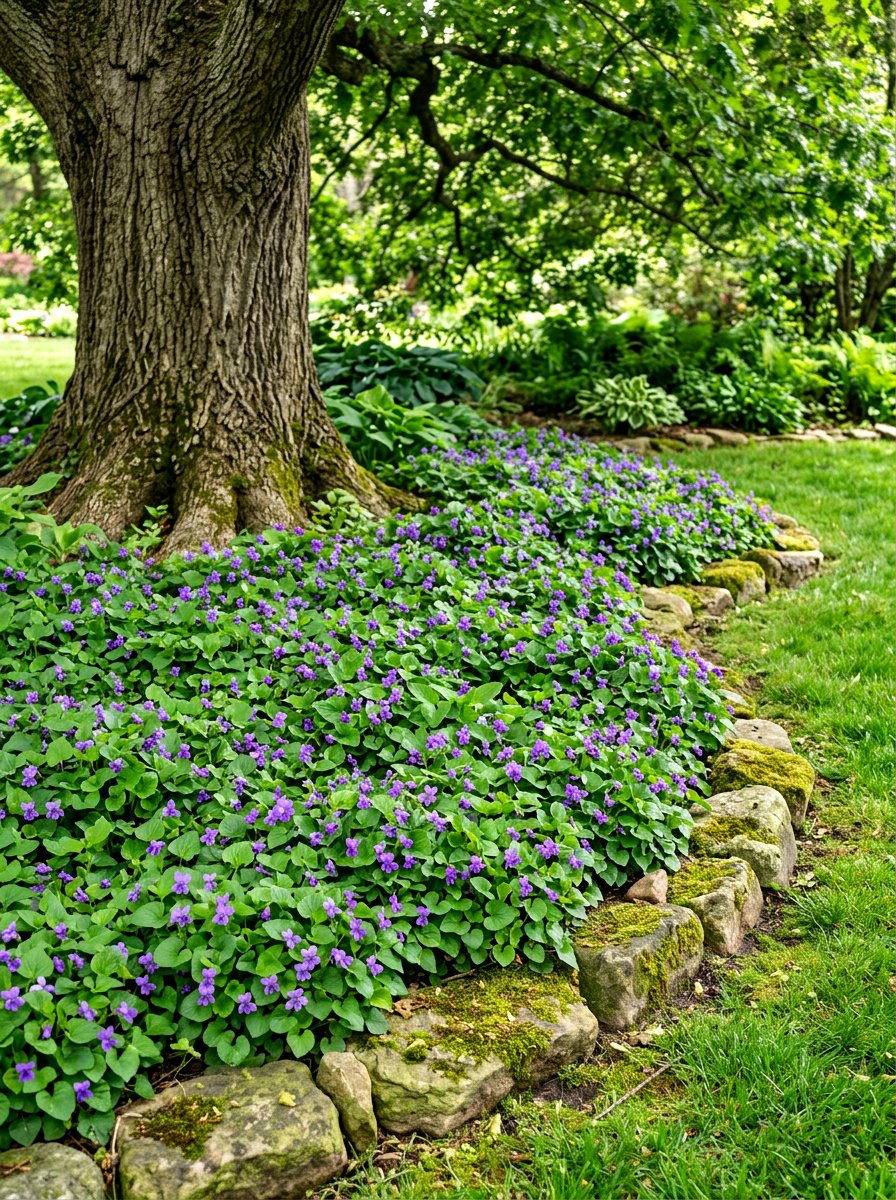
Wild violets are often overlooked, but they are the crucial host plant for many species of fritillary butterflies. Creating a dedicated groundcover bed of violets in a shady or partially sunny area provides a lush, green carpet that blooms with delicate purple or white flowers in the spring. Unlike many other host plants that can grow tall and lanky, violets stay low to the ground, making them perfect for under-planting beneath trees or along the front of a border. The heart-shaped leaves are a favorite for great spangled fritillary caterpillars, which often hide in the leaf litter nearby during the day. This low-maintenance design choice turns a quiet corner into a productive nursery for some of our most beautiful butterflies.
16. Senna Butterfly Hedge
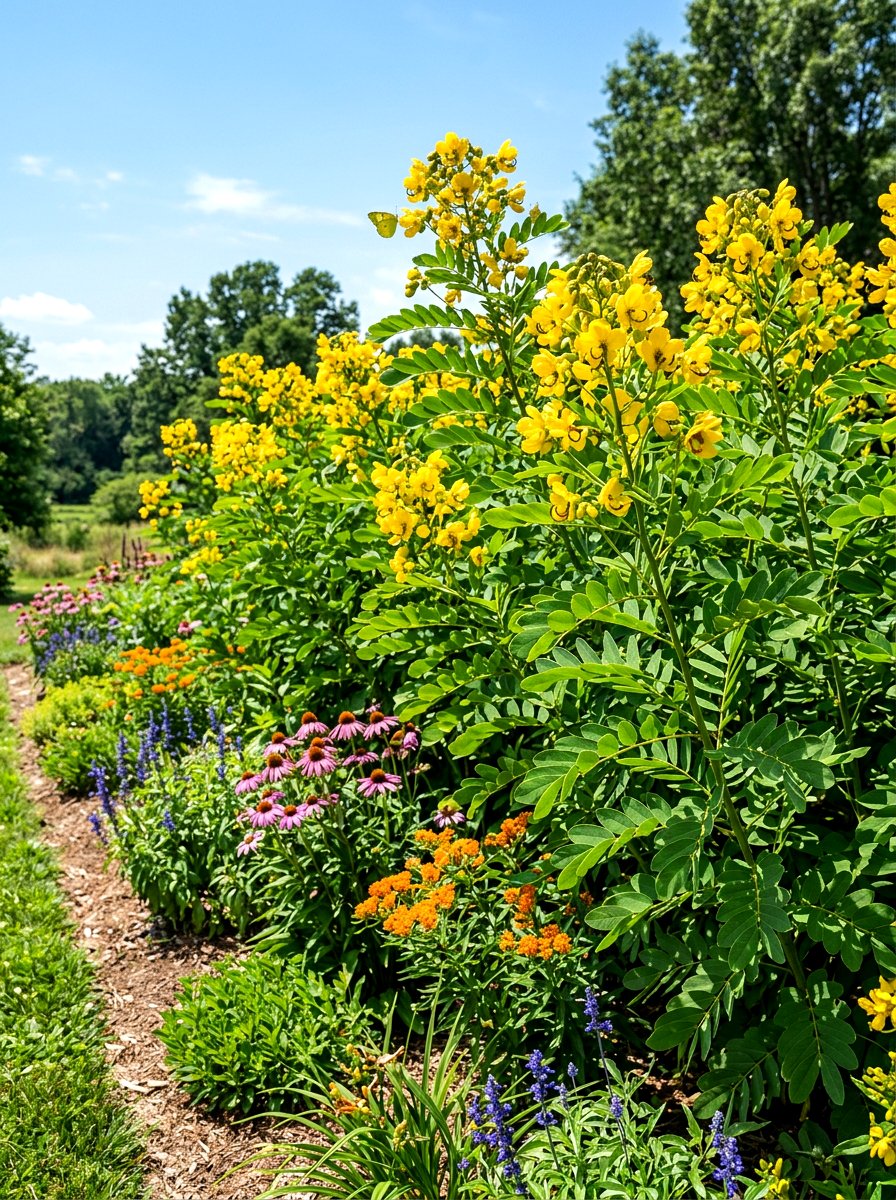
Wild senna is a fantastic structural plant that serves as a primary host for various sulphur butterflies, including the cloudless sulphur. This tall, shrub-like perennial features elegant, compound leaves and clusters of bright yellow flowers with dark centers that bloom in mid-to-late summer. Because it grows in a sturdy, upright form, it can be used to create a soft, informal hedge or a backdrop for shorter flowers. The delicate, pea-like foliage is highly attractive to egg-laying sulphurs. After the flowers fade, the plant produces long seed pods that add winter interest and food for birds. Planting senna in a sunny spot with good air circulation creates a magnificent and productive habitat that feels both wild and intentional.
17. False Indigo Shrub
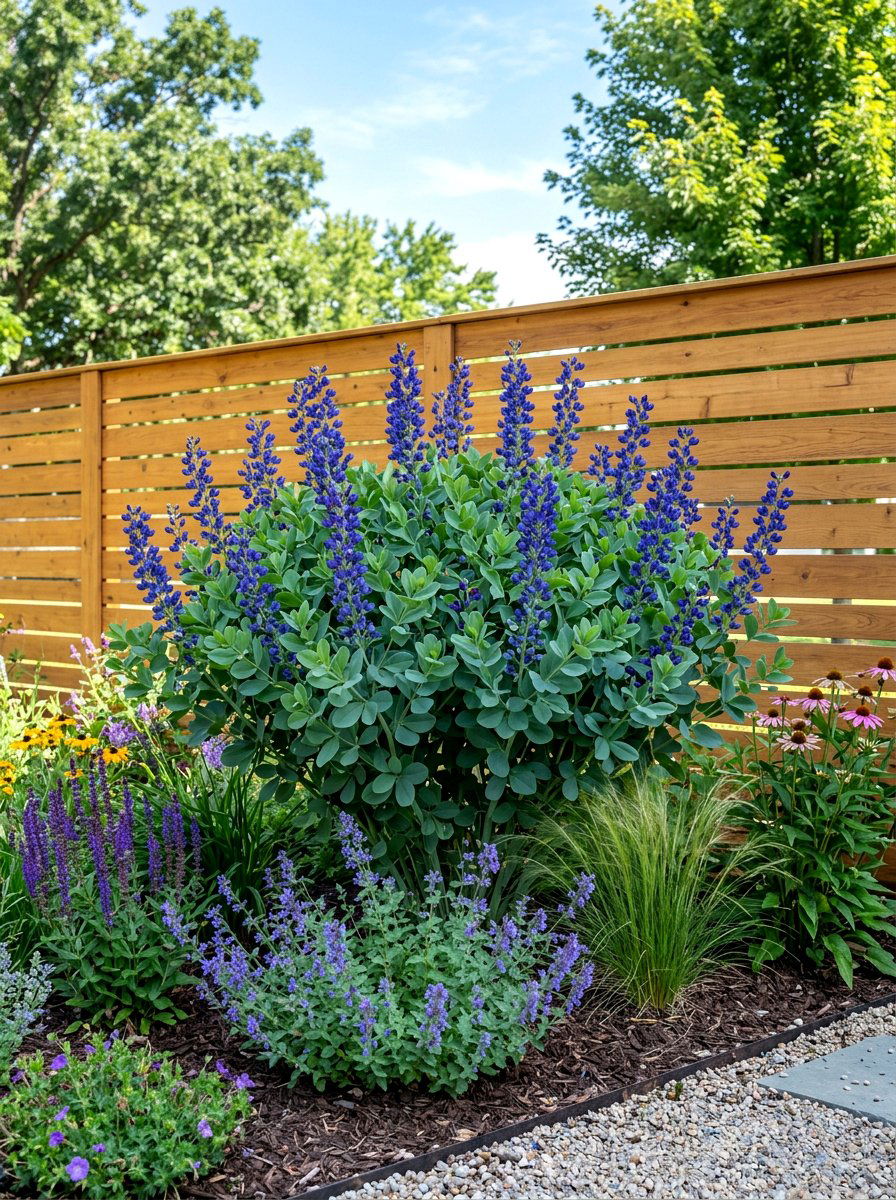
Baptisia, or false indigo, is a rugged and beautiful native plant that hosts several species of blue and duskywing butterflies. It has a rounded, shrub-like habit with blue-green foliage that looks great even when the plant is not in bloom. In late spring, it produces stunning spikes of lupine-like flowers in shades of deep indigo, yellow, or white. The thick, leathery leaves are tough enough to withstand significant caterpillar munching while still looking attractive in the landscape. Because false indigo has a deep taproot, it is extremely drought-tolerant once established. Using it as a structural anchor in your perennial beds provides long-term stability and a reliable food source for many generations of local butterfly species.
18. Rue Butterfly Herb Patch
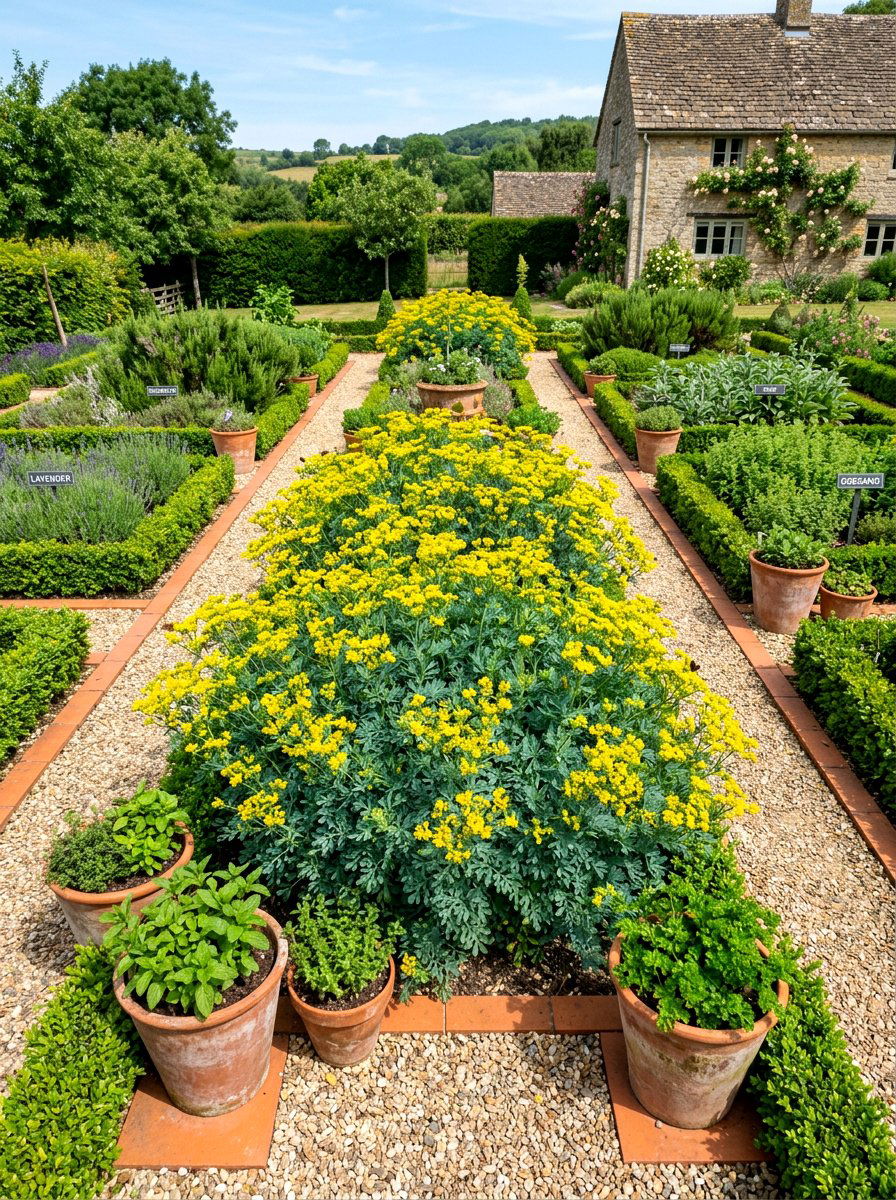
Common rue is a historical herb with beautiful glaucous, blue-green foliage that is the preferred host for giant swallowtail butterflies. This plant has a unique, mounded growth habit and produces small, yellow flowers that add a delicate texture to an herb garden. The bitter oils in the leaves protect the plant from many herbivores, but the giant swallowtail caterpillar has adapted to thrive on it. These caterpillars are famous for looking like bird droppings, a clever camouflage that keeps them safe while they eat. Rue is a very hardy plant that can tolerate poor soil and sunny conditions. Including it in your garden design adds a rare color palette and supports the largest butterfly species found in North America.
19. Turtlehead Bog Garden
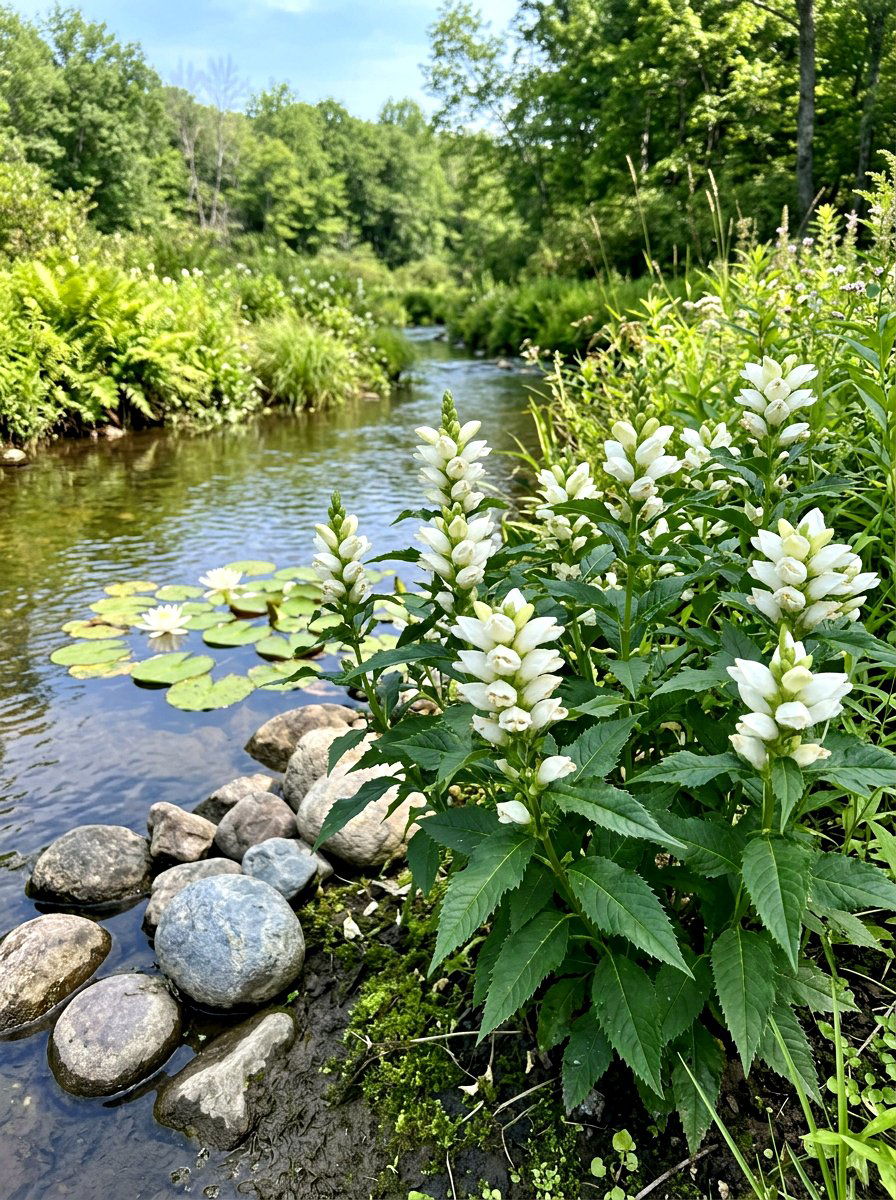
White turtlehead is a unique native perennial that is the primary host for the Baltimore checkerspot butterfly. The plant gets its name from its unusual flowers, which look remarkably like the heads of white turtles peeking out from the foliage. This species naturally thrives in wet, swampy conditions, making it an ideal candidate for a bog garden or the edge of a backyard pond. The dark green, serrated leaves provide a sturdy platform for checkerspot larvae, which live in communal silk nests during their early stages. Designing a moisture-rich zone with turtleheads allows you to support a specialist butterfly that is becoming increasingly rare in the wild due to habitat loss in natural wetland areas.

20. Hackberry Tree Garden
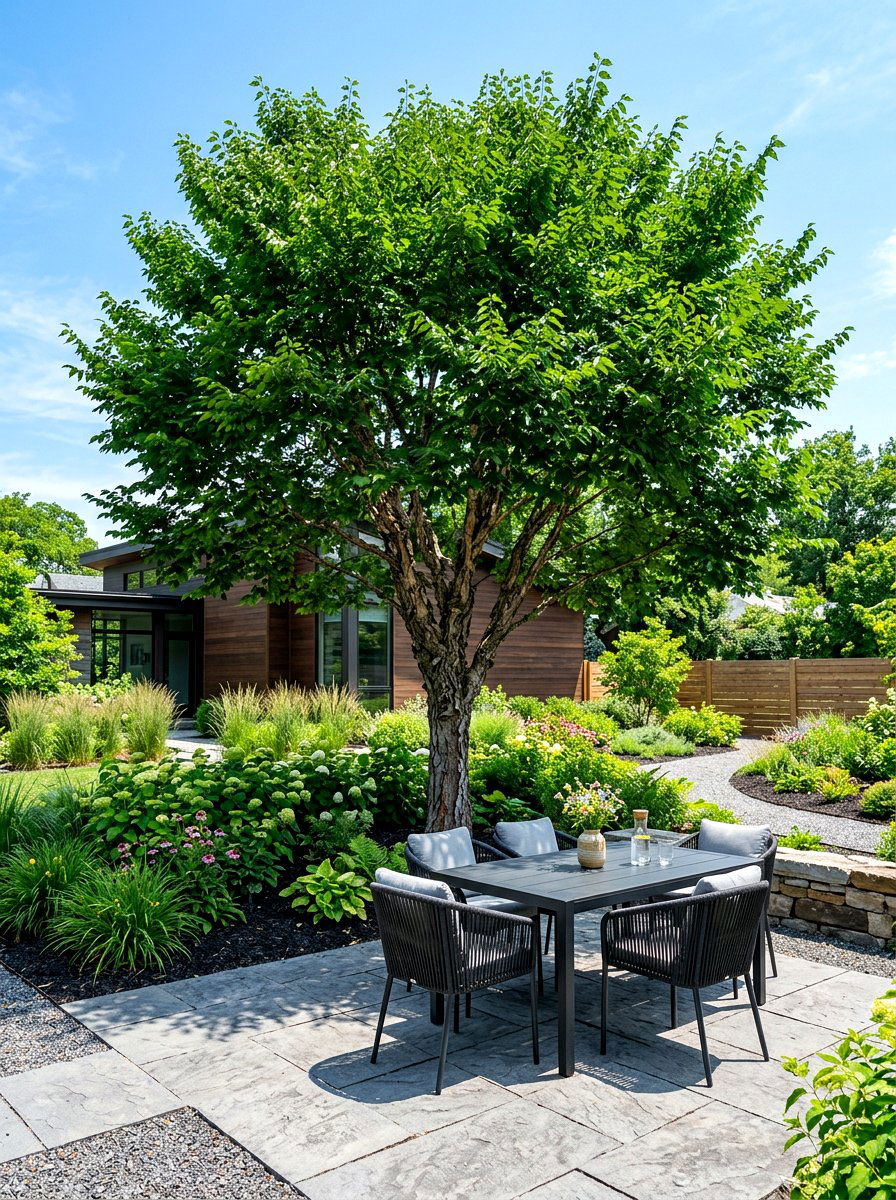
The hackberry tree is a powerhouse of a host plant, supporting several species including the hackberry emperor, tawny emperor, and question mark butterflies. While it is a large tree, its interesting corky bark and resilient nature make it a great addition to a medium-to-large landscape. The leaves are the exclusive food for emperor caterpillars, which are beautifully camouflaged against the green foliage. In the autumn, the tree produces small, dark berries that are a favorite of many songbirds. By planting a hackberry, you are providing a vertical habitat that supports hundreds of insects and birds. It is a perfect choice for providing shade to your home while creating a massive, multi-story nursery for a variety of unique butterfly species.
21. Oak Tree Habitat
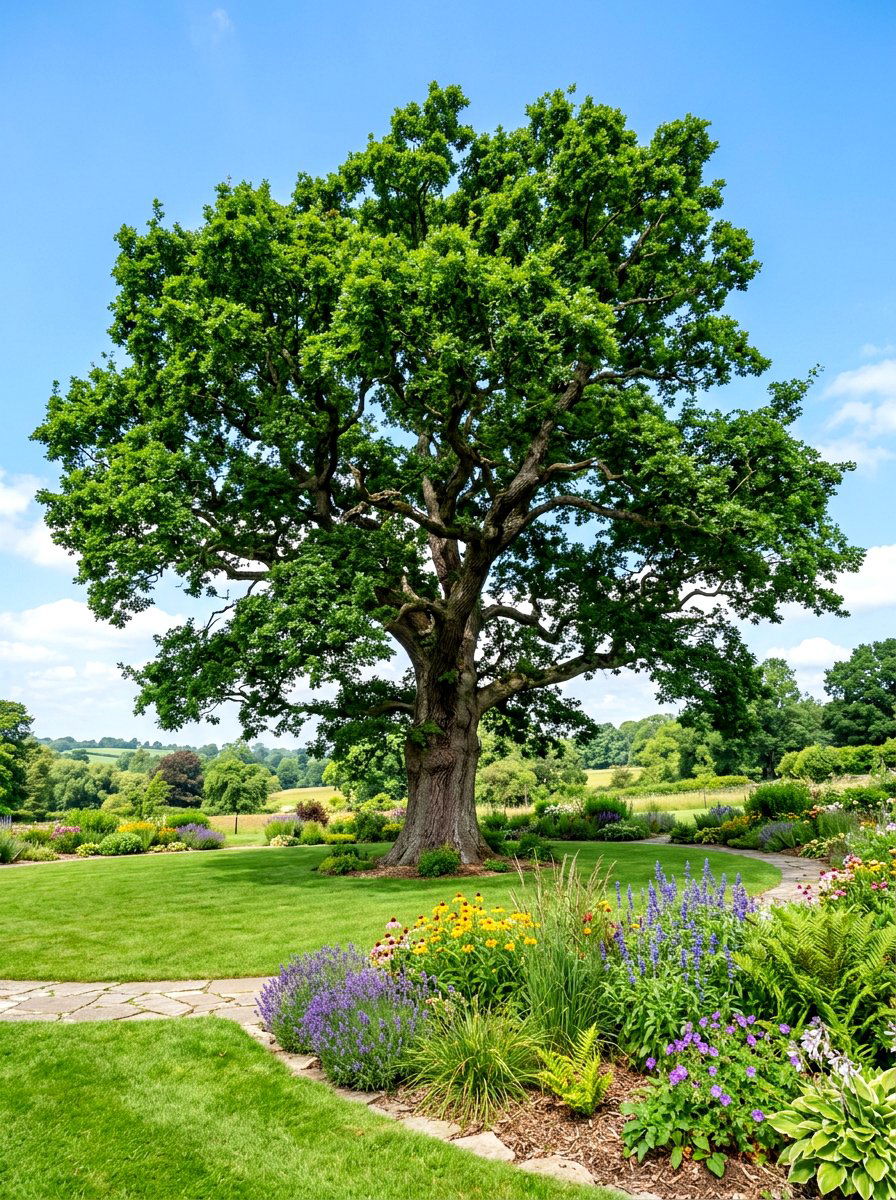
Oaks are often called "keystone" plants because they support more species of moths and butterflies than almost any other tree genus. Planting even a single oak tree can provide a home for hairstreaks, duskywings, and hundreds of other lepidoptera species. While we often think of host plants as small flowers, the massive canopy of an oak serves as a giant cafeteria for developing larvae. Beyond their ecological value, oaks provide majestic beauty, cooling shade, and valuable acorns for squirrels and jays. When designing your yard, placing an oak in a location where it has room to grow ensures a legacy of biodiversity that will benefit your local environment for many decades or even centuries to come.
22. Willow Tree Garden
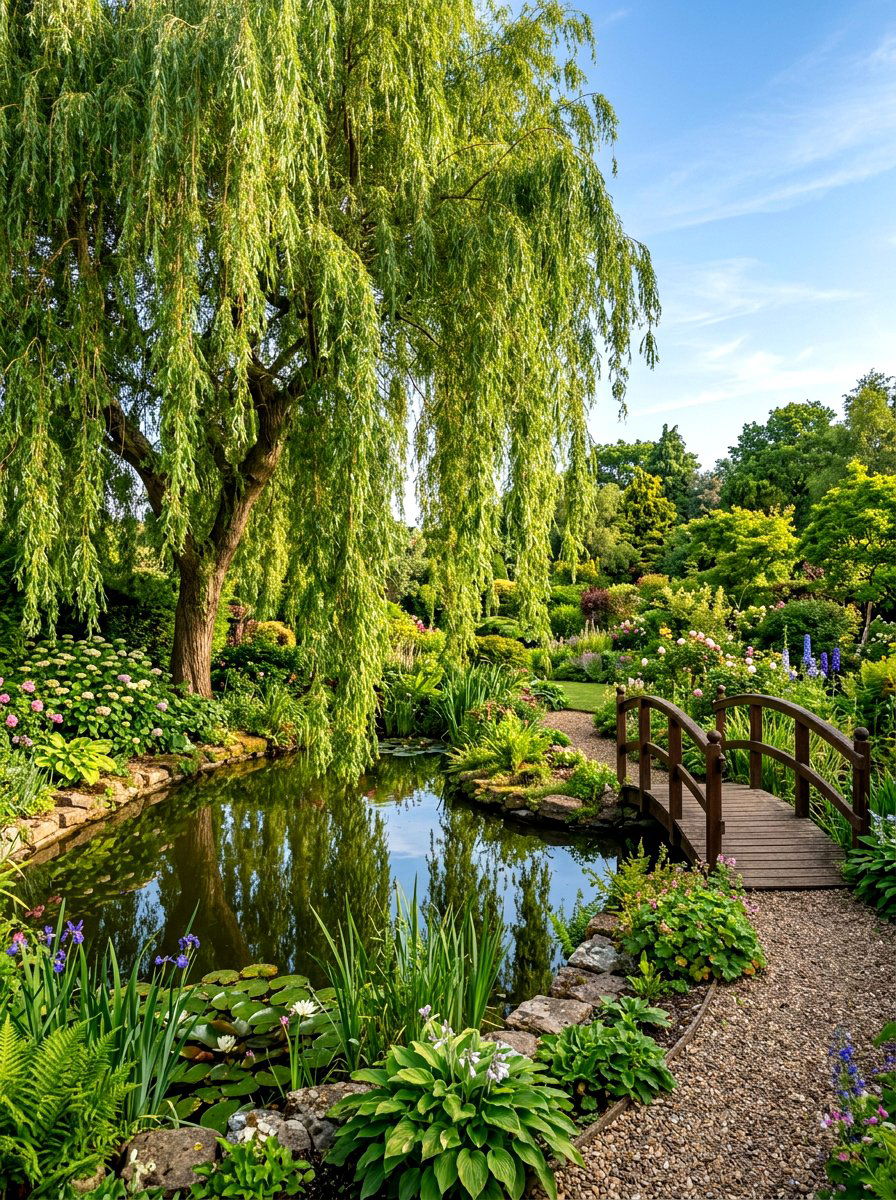
Willow trees are essential host plants for viceroys, mourning cloaks, and western tiger swallowtails. These water-loving trees are famous for their graceful, drooping branches and long, narrow leaves that shimmer in the breeze. If you have a stream, pond, or a consistently damp spot in your yard, a willow tree will thrive and provide a massive amount of food for hungry caterpillars. The early spring catkins are also a vital source of pollen for emerging bees. You can choose from large weeping varieties or smaller shrubs like the pussy willow, which fits perfectly into suburban landscapes. Their rapid growth and high nutritional value for insects make them a top-tier choice for any serious butterfly gardener.
23. New Jersey Tea Shrub
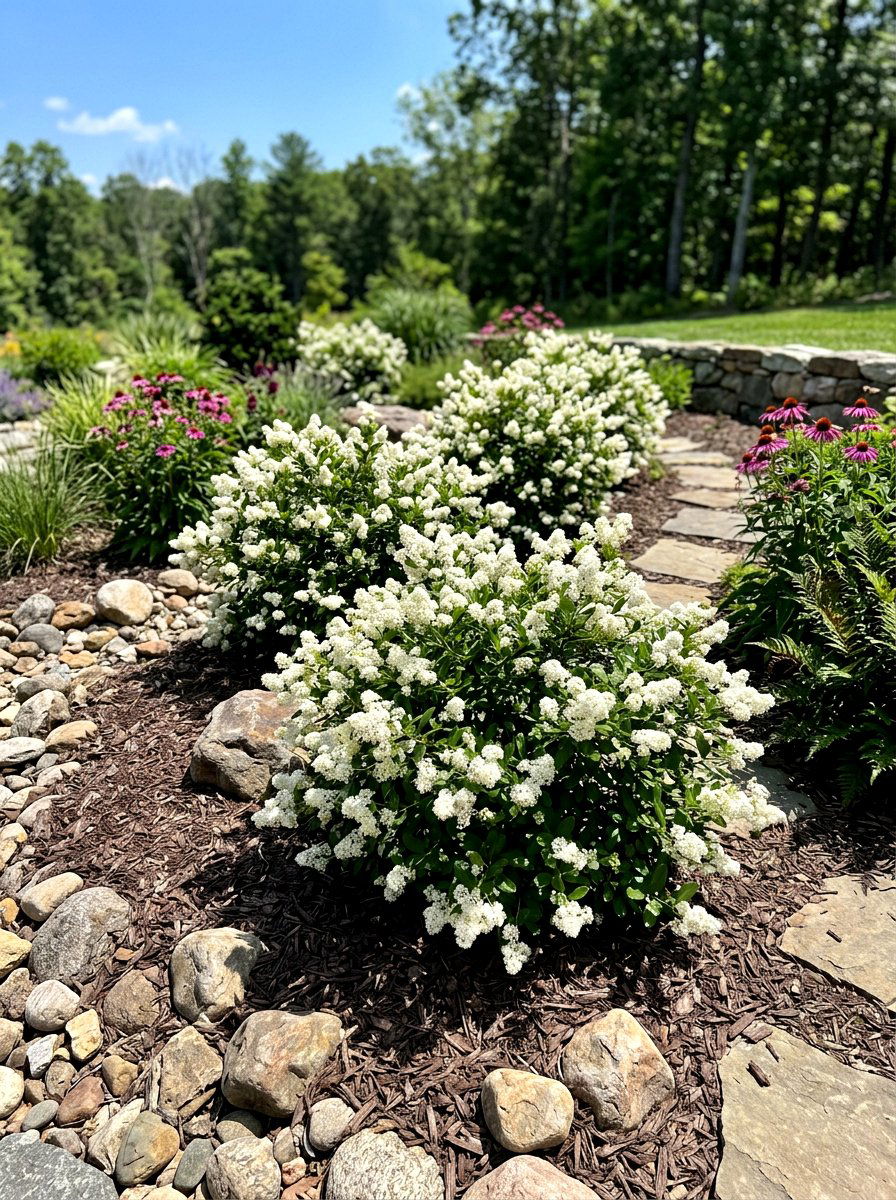
New Jersey tea is a compact, native shrub that is a favorite host for several species of tiny, jewel-like hairstreak butterflies. It produces dense clusters of frothy white flowers in early summer that smell faintly of honey and attract a huge variety of pollinators. This plant is incredibly tough, with deep roots that allow it to survive in dry, rocky soils where other shrubs might fail. Because it stays relatively small, it is an excellent choice for planting under taller trees or along a sunny garden border. The delicate foliage is easily consumed by caterpillars but the plant recovers quickly. This versatile shrub adds a refined, airy look to the landscape while performing a heavy-duty role in the local ecosystem.
24. Lupine Butterfly Field
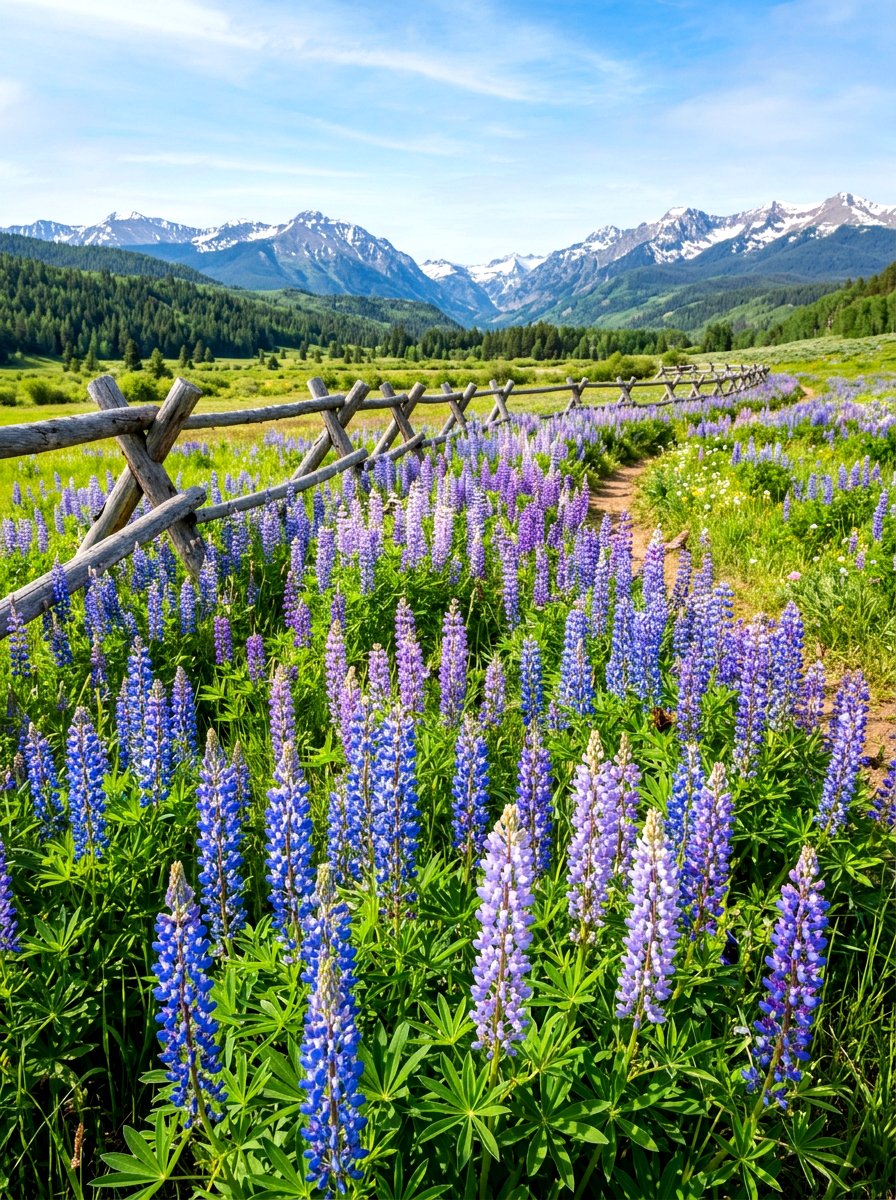
Wild lupines are the legendary host plant for the endangered Karner blue butterfly and several other blue butterfly species. These iconic flowers produce stunning vertical spikes of blue, purple, or pink blossoms that create a breathtaking display in late spring. Designing a mini-meadow or "field" of lupines requires well-drained, sandy soil and plenty of sunshine. The unique, palmate leaves collect dewdrops like sparkling jewels, adding visual interest even when the plants aren't in bloom. Because lupines are nitrogen-fixers, they actually improve the quality of the soil they grow in. Creating a dedicated lupine area not only helps rare butterflies but also brings a sense of wild, natural beauty to your backyard that feels like a piece of a mountain meadow.


25. Pearly Everlasting Patch
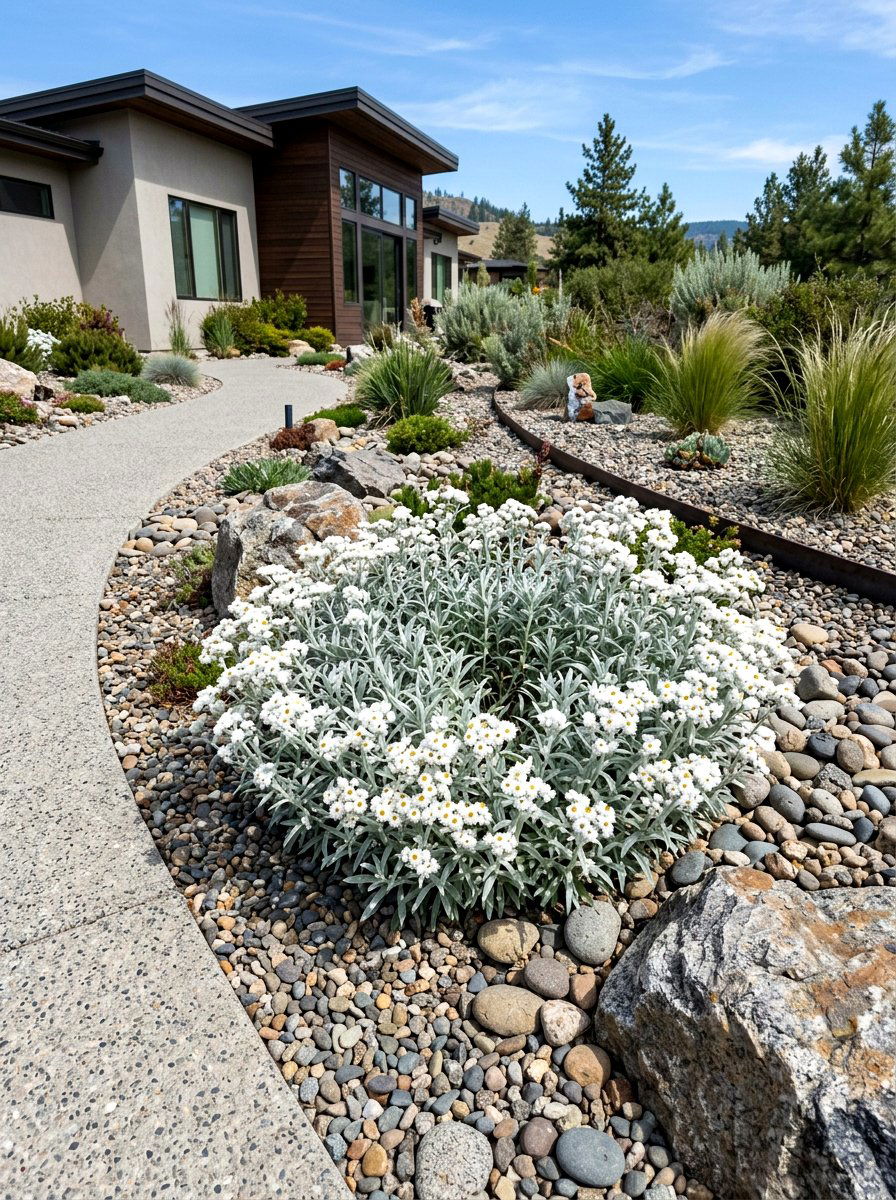
Pearly everlasting is a charming and resilient native plant that serves as a host for the American lady butterfly. It features silvery-gray foliage and small, white, button-like flowers that look like they are made of dried paper. These flowers are "everlasting" because they retain their shape and color long after being cut, making them a favorite for dried floral arrangements. The American lady caterpillars create silken nests among the leaves for protection while they feed. This plant is very drought-tolerant and thrives in poor soil, making it a great choice for low-maintenance areas or sunny hillsides. The cool, silver tones of the foliage provide a beautiful contrast to the bright greens and oranges commonly found in butterfly gardens.
26. Thistle Butterfly Meadow
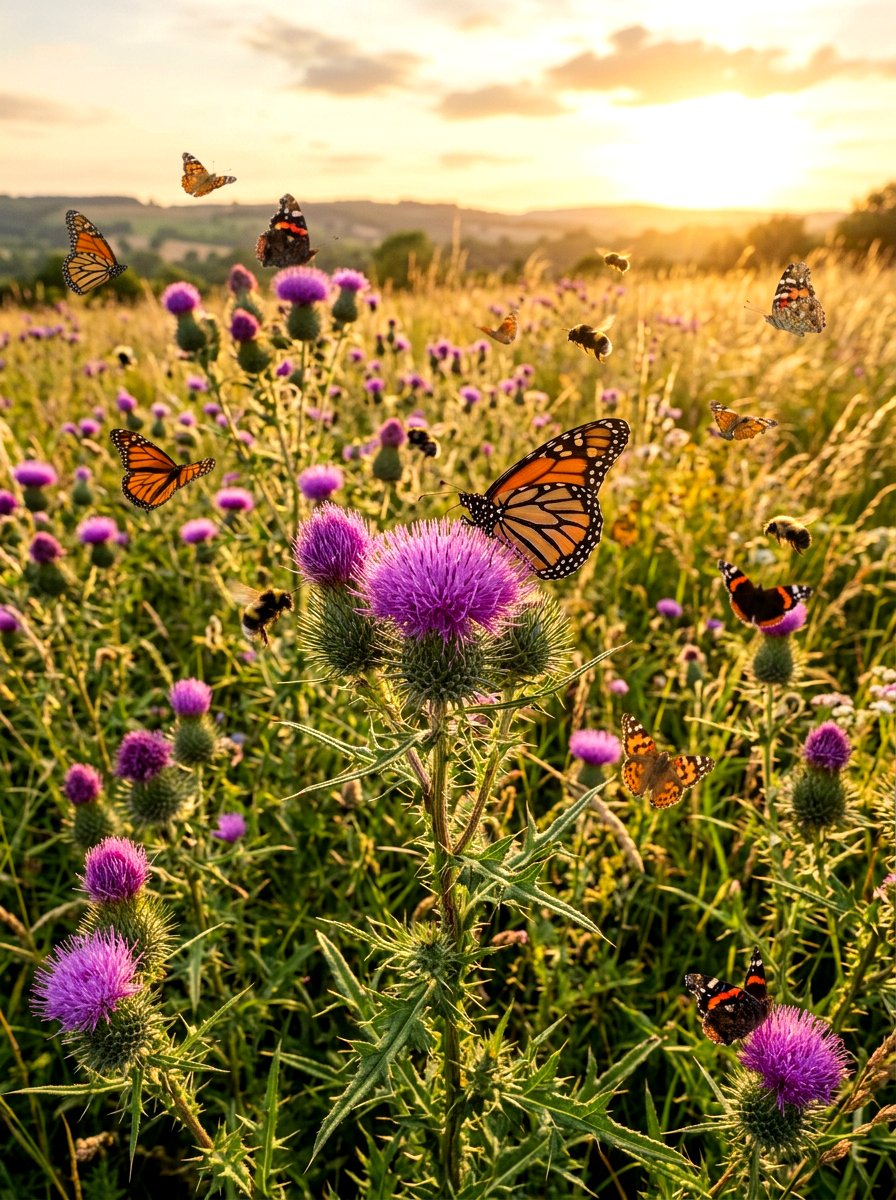
While some people consider thistles to be weeds, native thistles are some of the most important host plants for painted lady butterflies. Unlike invasive varieties, native thistles are well-behaved and produce spectacular, fuzzy purple flowers that are absolute magnets for all types of pollinators. The prickly leaves provide excellent protection for caterpillars, deterring birds and other predators from snacking on them. In a large backyard or rural setting, a dedicated thistle patch can become the most active spot in your entire garden. Once the flowers go to seed, the fluff is used by goldfinches to line their nests. Incorporating native thistles into a wilder corner of your property supports a high level of ecological interaction.
27. Mallow Butterfly Border
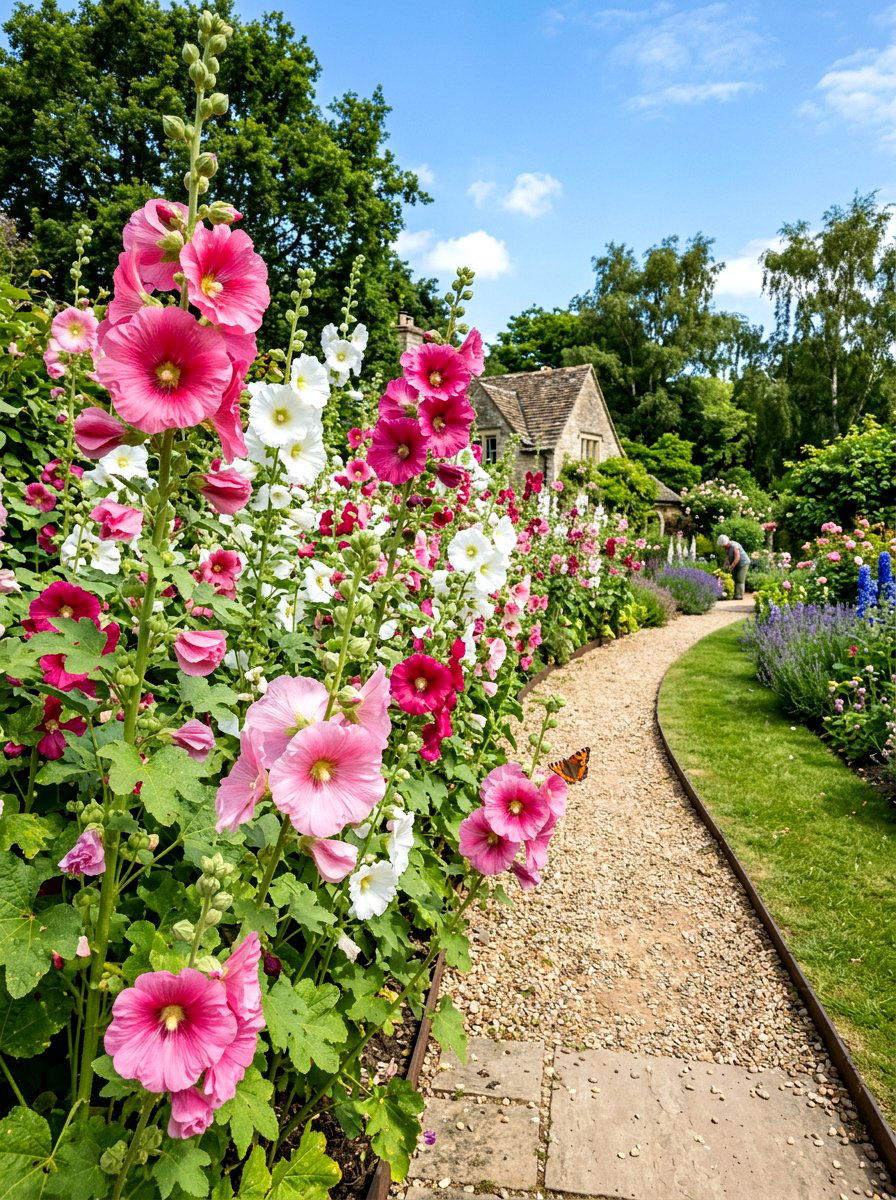
Native mallows, including the beautiful rose mallow, are fantastic host plants for gray hairstreak and painted lady butterflies. These plants are known for their large, showy, hibiscus-like flowers that come in shades of white, pink, and deep crimson. They love sunny spots and can handle both average and moist soils, making them very versatile for garden design. The broad, soft leaves provide a generous food source for caterpillars, while the massive blooms offer a high-impact visual that can be seen from the street. Planting a row of mallows along a fence or at the back of a flower bed creates a lush, tropical-looking border that is teeming with life throughout the hottest months of the summer.
28. Sedum Butterfly Garden
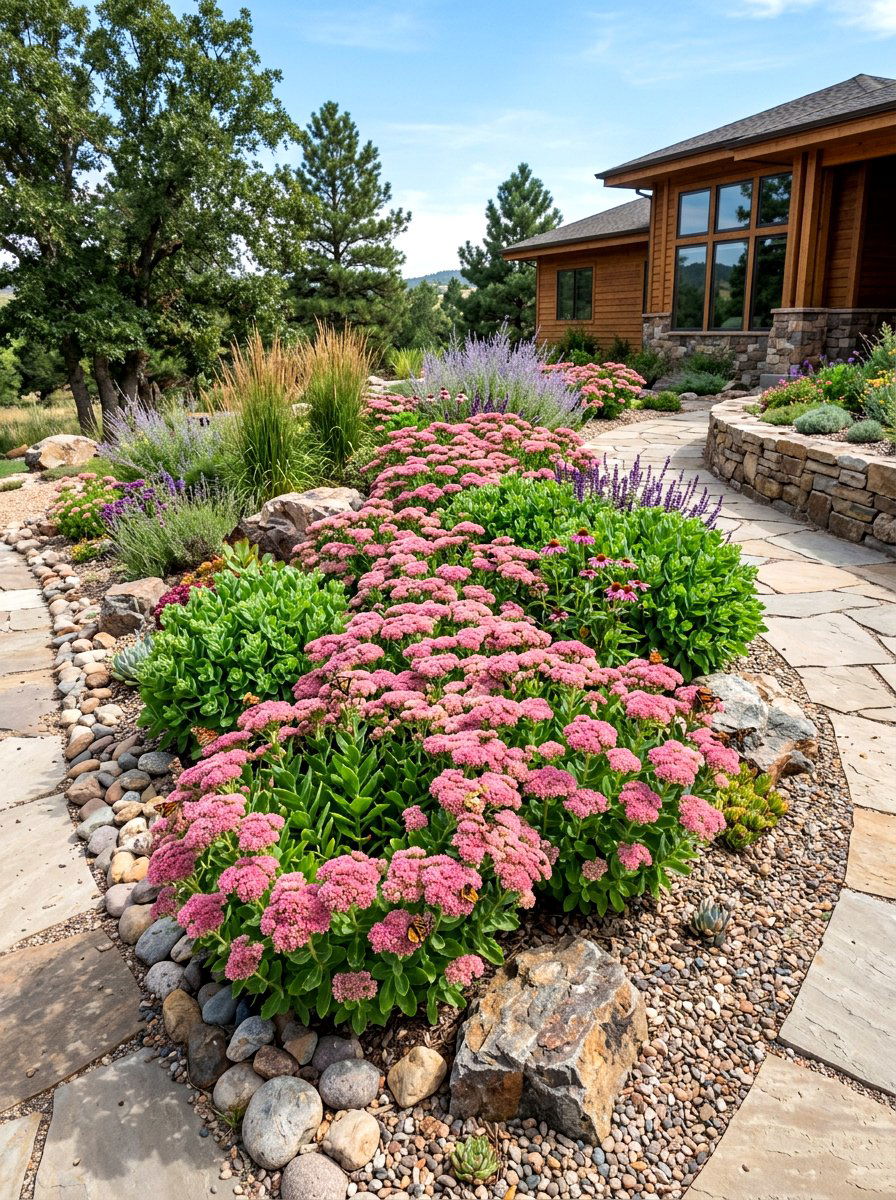
Sedums are not just for succulent lovers; they are also important host plants for several species of hairstreaks and other small butterflies. These fleshy-leaved perennials are incredibly hardy and come in a wide range of shapes, sizes, and colors. From low-growing groundcovers to upright varieties like "Autumn Joy, " sedums provide a sturdy platform for butterflies to rest and lay eggs. The thick leaves hold water, allowing the plant to stay green and healthy even during intense heat waves. In late summer and fall, they produce flat-topped flower clusters that are a favorite nectar source for migrating monarchs. Using sedums in your garden design ensures a long-lasting, drought-resistant habitat that looks great in every season.
29. Ornamental Grass Meadow
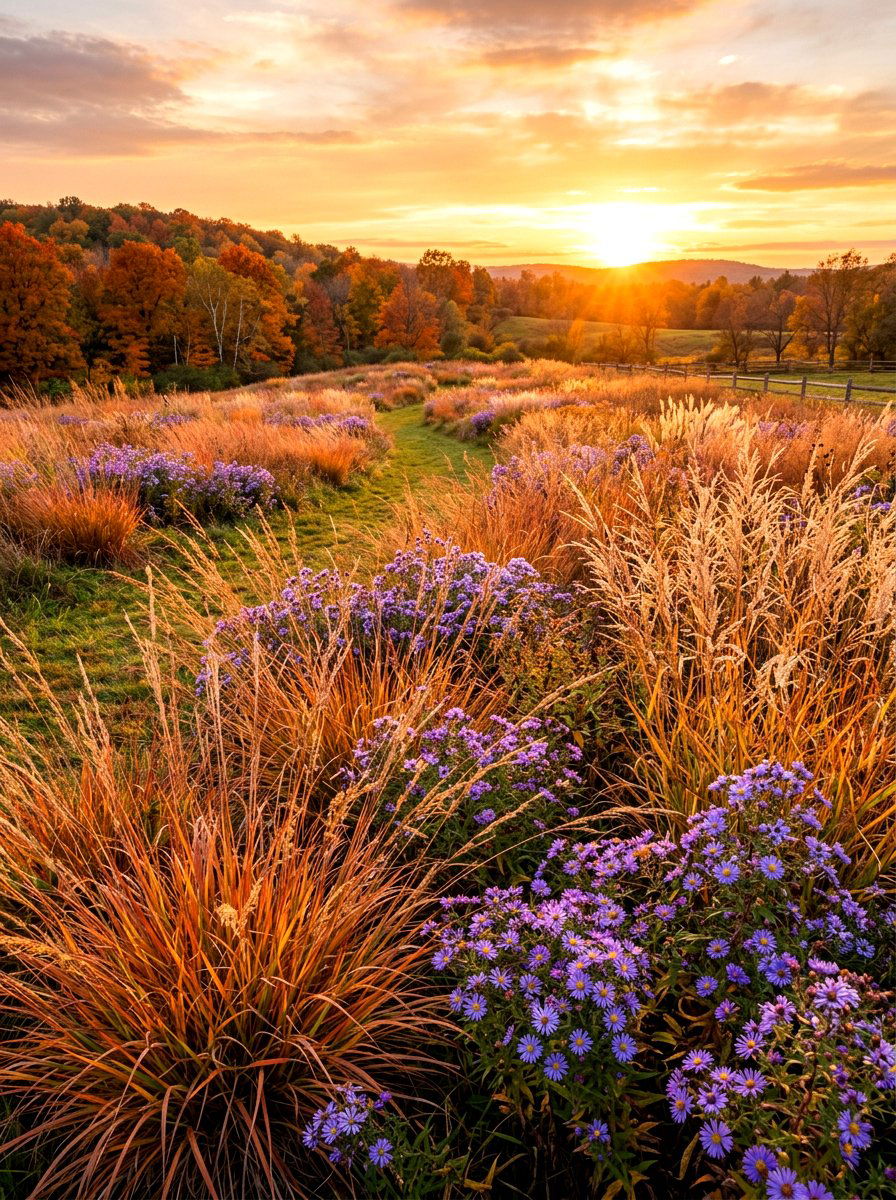
Many people forget that ornamental grasses are vital host plants for various species of skippers and satyr butterflies. Little bluestem and switchgrass are excellent native options that provide structure, movement, and essential food for these often-overlooked butterflies. The caterpillars feed on the grass blades and often overwinter in the base of the clumps, making it important not to cut your grasses back until late spring. In the autumn, these grasses turn beautiful shades of copper, gold, and burgundy, providing a stunning backdrop for late-blooming asters. Designing a meadow that mixes flowering host plants with native grasses creates a complete, self-sustaining ecosystem that mimics the natural prairies where these butterflies evolved.
30. Buttonbush Wetland Garden
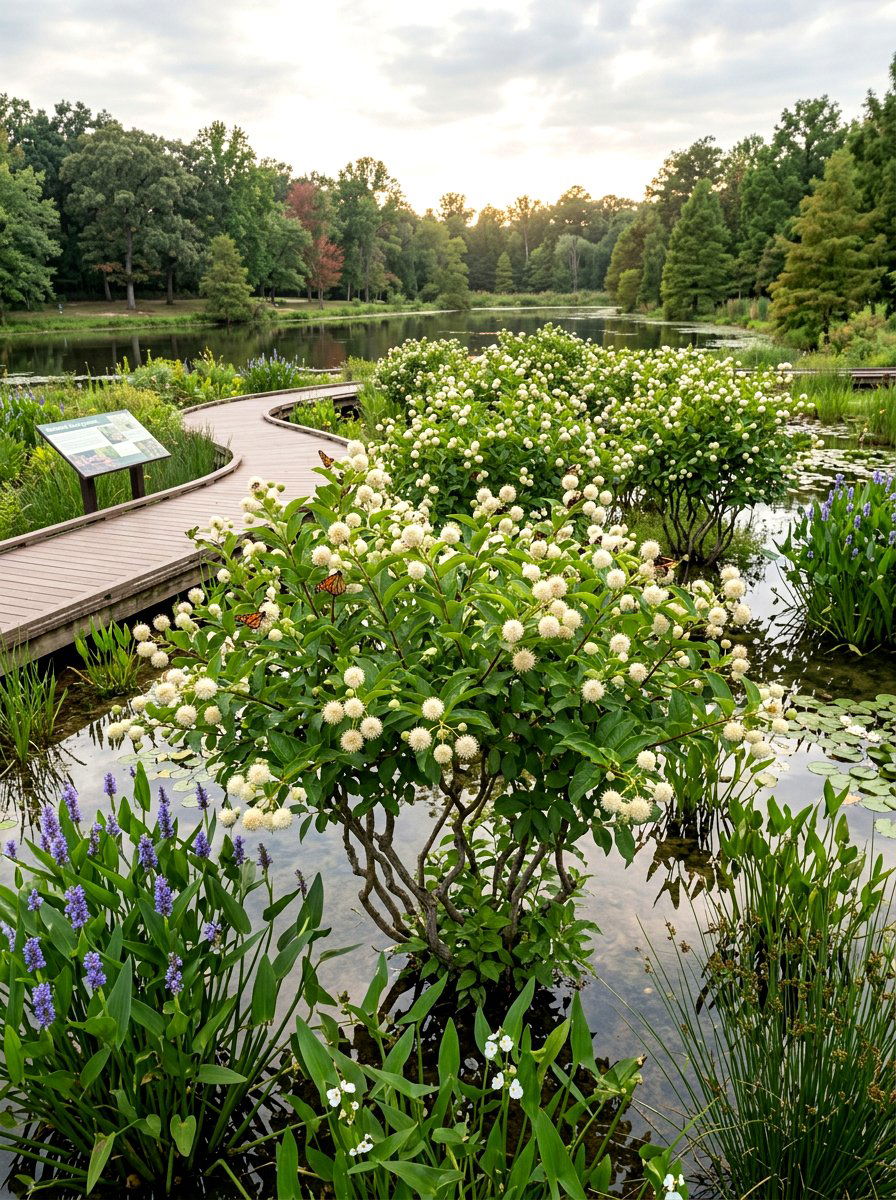
Buttonbush is a unique native shrub that thrives in wet soil and is a host plant for the spectacular hydrangea sphinx moth and various butterflies. It produces fascinating, perfectly spherical white flowers that look like little pincushions or planets. These blooms are highly fragrant and produce a massive amount of nectar, attracting dozens of butterflies at a time. The glossy green leaves provide a lush backdrop and a reliable food source for larvae. If you have a pond, a drainage ditch, or a low spot that stays wet, buttonbush is the perfect solution. It adds an architectural, modern look to the water's edge while serving as a high-traffic hub for your local pollinator population.
Conclusion:
Designing a garden with butterfly host plants is an act of environmental stewardship that brings immense beauty and joy into your daily life. By choosing a variety of these essential plants, you are not just creating a pretty landscape; you are actively rebuilding the lost habitats that our native butterflies need to survive and thrive. Watching a tiny caterpillar transform into a magnificent winged insect right in your own backyard is a magical experience that connects you deeply to the cycles of nature. Whether you start with a simple milkweed patch or plant a majestic oak tree, every host plant you add makes a real difference. We hope these thirty ideas inspire you to transform your outdoor space into a vibrant, living sanctuary where butterflies are always welcome and their future is nurtured with care.

Related posts: