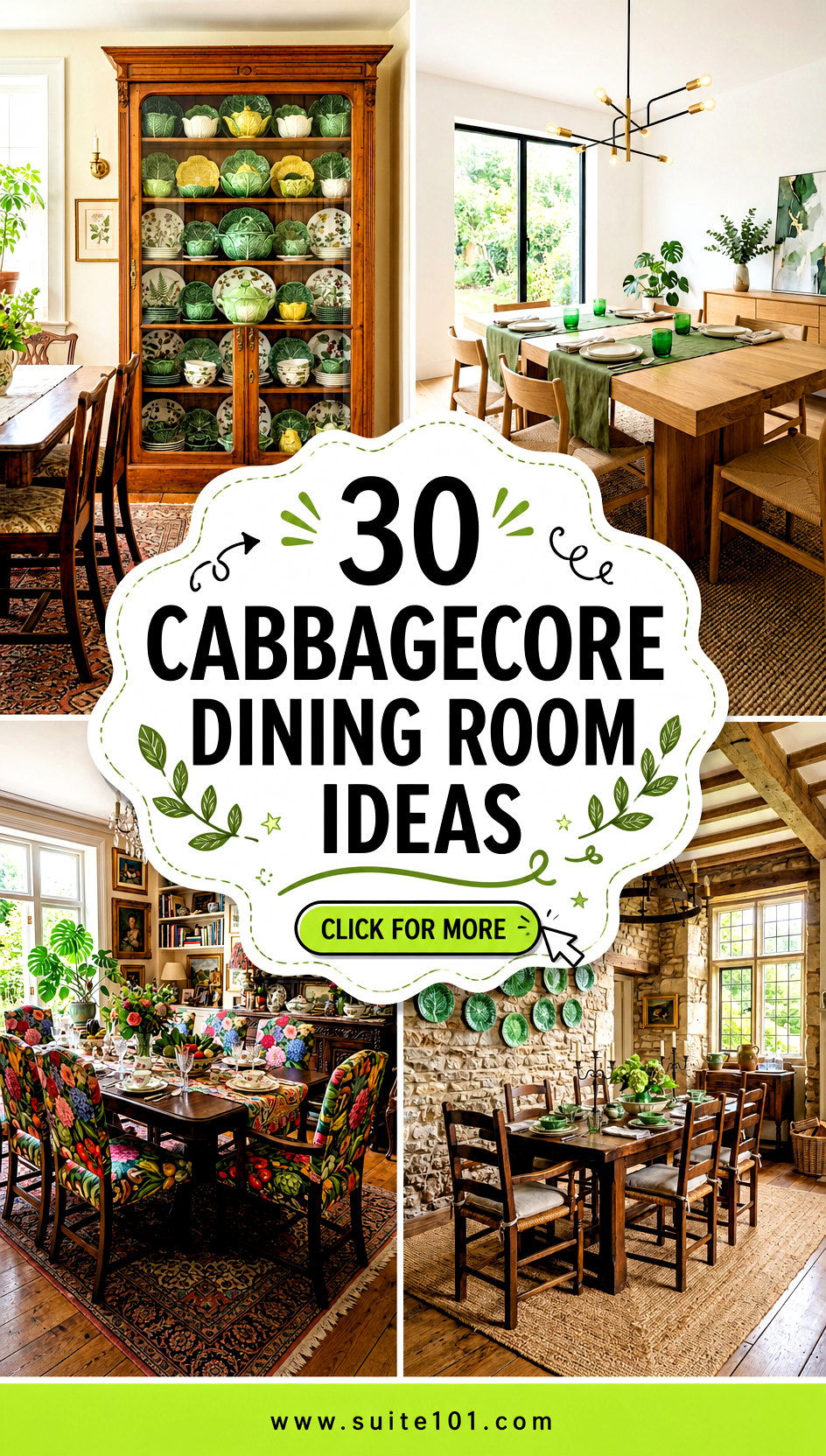
Cabbagecore is the latest whimsical trend taking the interior design world by storm, offering a refreshing and organic twist on the beloved cottagecore aesthetic. This unique style celebrates the humble vegetable, specifically the textured beauty of cabbage and lettuce leaves, through vibrant green ceramics and botanical motifs. By blending vintage charm with a playful garden-inspired spirit, you can transform your dining area into a space that feels both nostalgic and refreshingly modern. Whether you are an avid collector of lettuceware or simply looking to add a pop of verdant color, these concepts provide the perfect inspiration for a joyful and nature-centered home environment.
1. Lettuce ware ceramic table setting
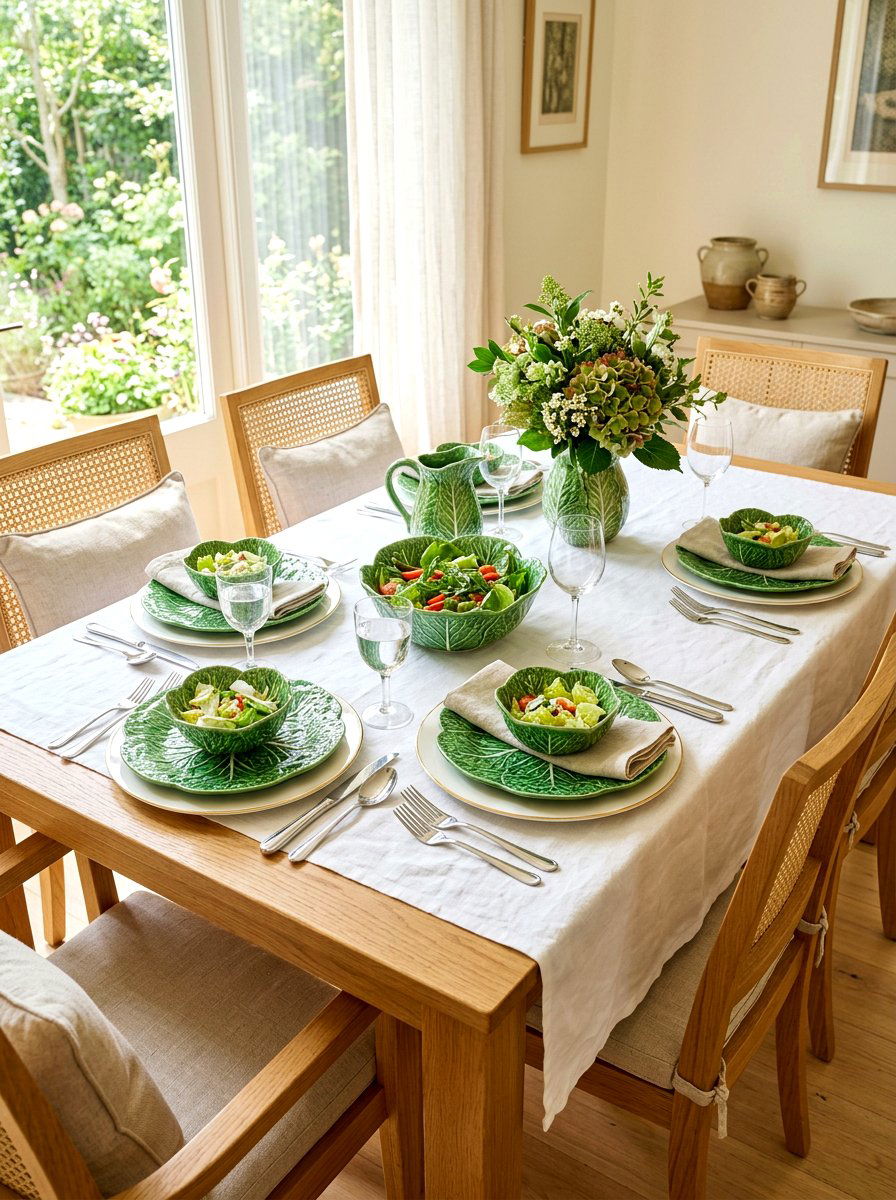
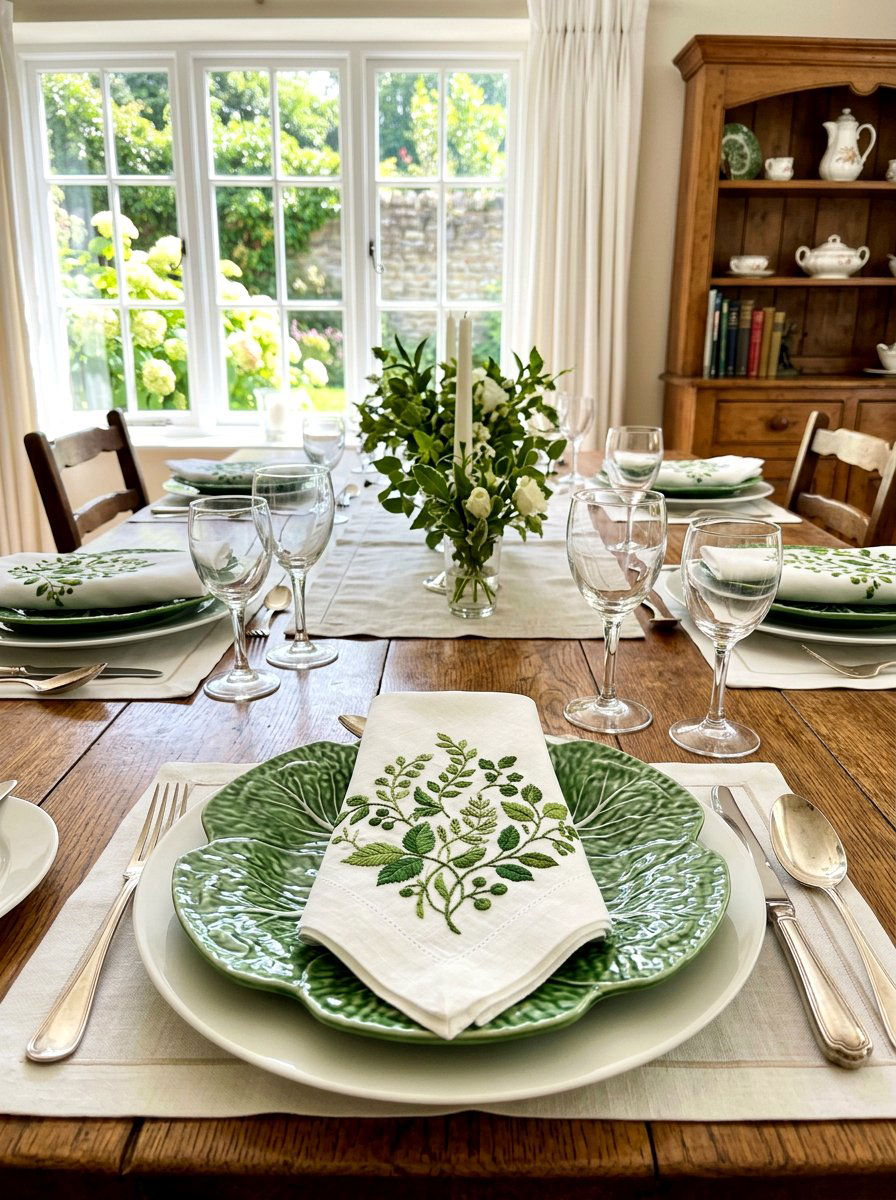
Creating a stunning tablescape starts with the iconic texture of lettuce ware ceramics. These pieces, famous for their vibrant green hues and delicate leaf veins, bring an immediate sense of garden-fresh energy to your dining room. You can layer different sizes of cabbage leaf plates on top of simple white dinnerware to make the green pop. Pairing these organic shapes with natural linen napkins and polished silver cutlery creates a sophisticated yet playful balance. It is a fantastic way to celebrate the history of botanical pottery while keeping your modern dining space feeling light, airy, and full of life for any spring gathering.
2. Vintage vegetable wallpaper accent wall
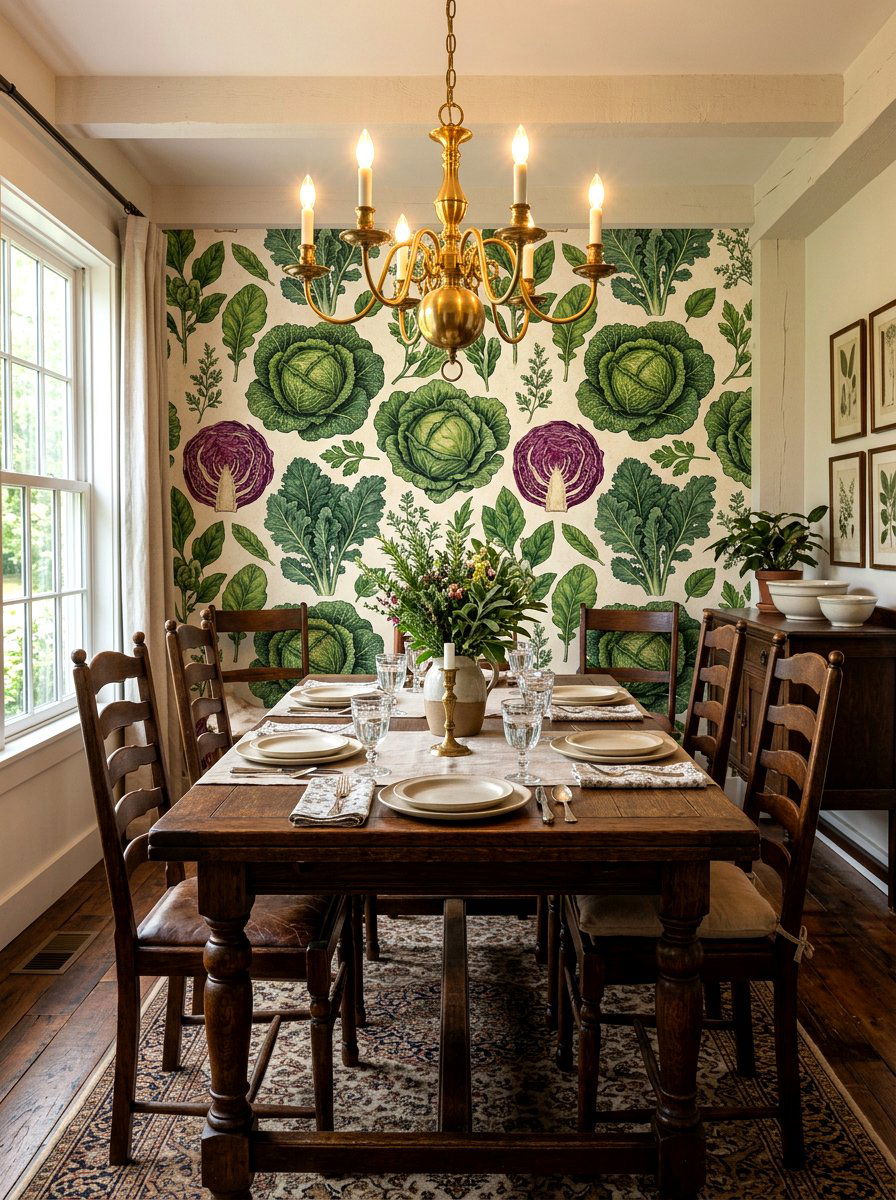
Applying a vintage-style vegetable wallpaper can completely redefine the mood of your dining room. Look for patterns that feature detailed botanical illustrations of cabbages, radishes, and leafy vines on a creamy or soft beige background. This wall treatment adds a layer of depth and visual interest that acts as a perfect backdrop for rustic wooden furniture. By choosing a muted color palette, the pattern remains elegant rather than overwhelming the space. It creates a cozy, "secret garden" atmosphere that encourages long, relaxed meals. This approach is ideal for those who want to commit to the cabbagecore aesthetic with a bold, artistic statement.
3. Cabbage leaf centerpiece on farmhouse table
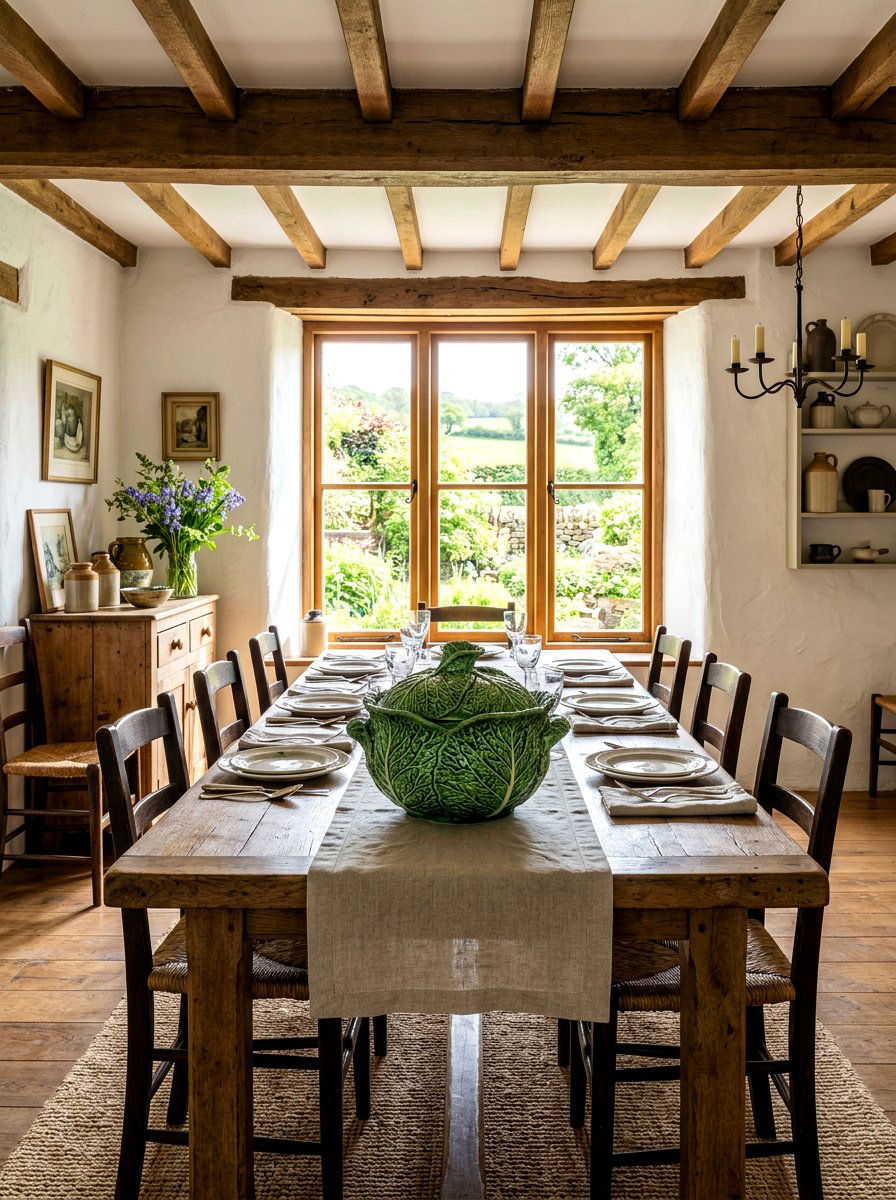
A large ceramic cabbage tureen or a bowl filled with fresh ornamental kale serves as a breathtaking centerpiece. When placed on a heavy, reclaimed wood farmhouse table, this organic element anchors the entire room. You can surround the main piece with smaller ceramic vegetables or simple glass votives to add a touch of warmth. The contrast between the rough texture of the wood and the glossy finish of the ceramic leaf creates a beautiful visual harmony. This design choice is practical because it utilizes functional serving pieces as high-impact decor, making your dining table look intentionally styled even when it is not in use.
4. Earthy green dining room wall color
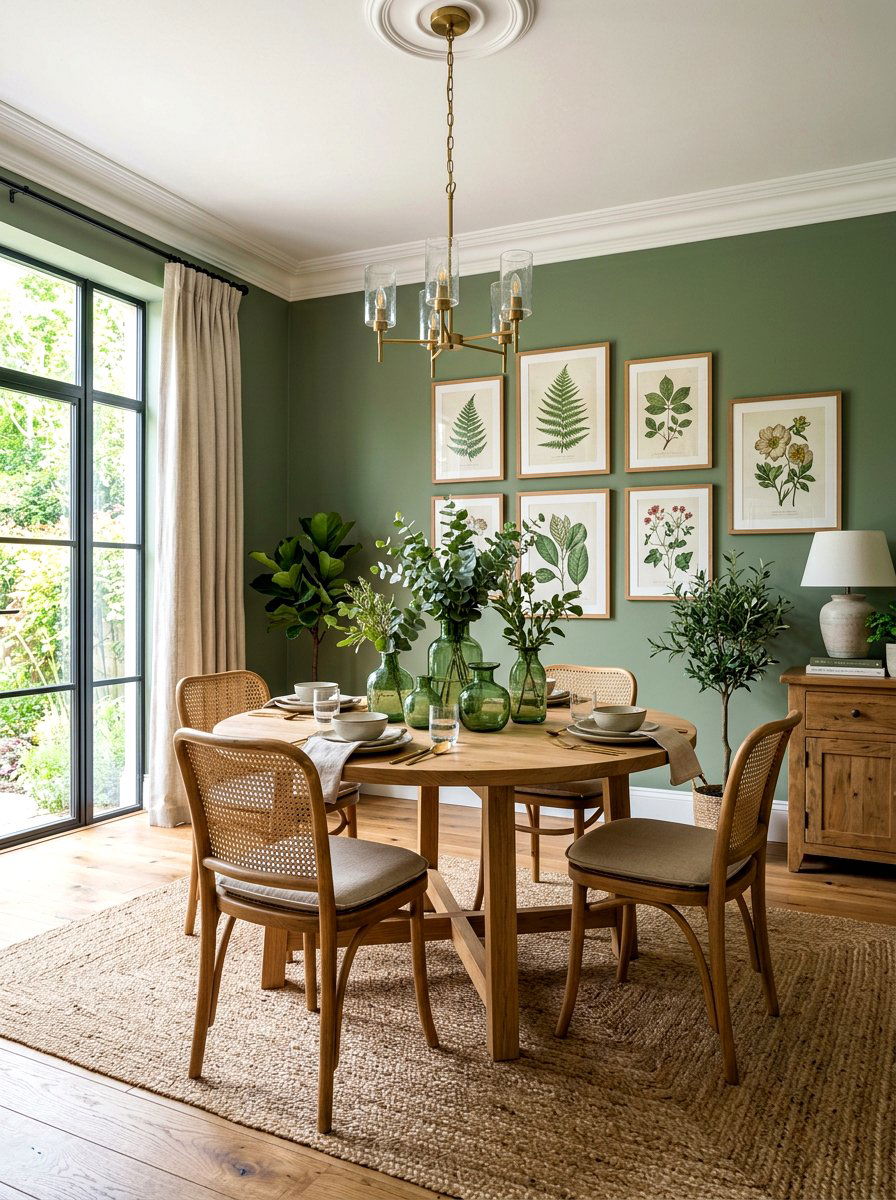
Painting your walls in a soft, earthy green like sage or pistachio provides a serene foundation for the cabbagecore style. These colors act as a colorful neutral, allowing white trim and natural wood accents to stand out beautifully. A verdant wall color mimics the lushness of a vegetable patch and brings a calming, biophilic quality to the interior. You can enhance this look by hanging gold-framed botanical prints that highlight different cabbage varieties. The result is a room that feels cohesive and grounded in nature. This palette is especially effective in rooms with plenty of natural light, as the green tones shift beautifully throughout the day.
5. Woven wicker chairs with botanical cushions
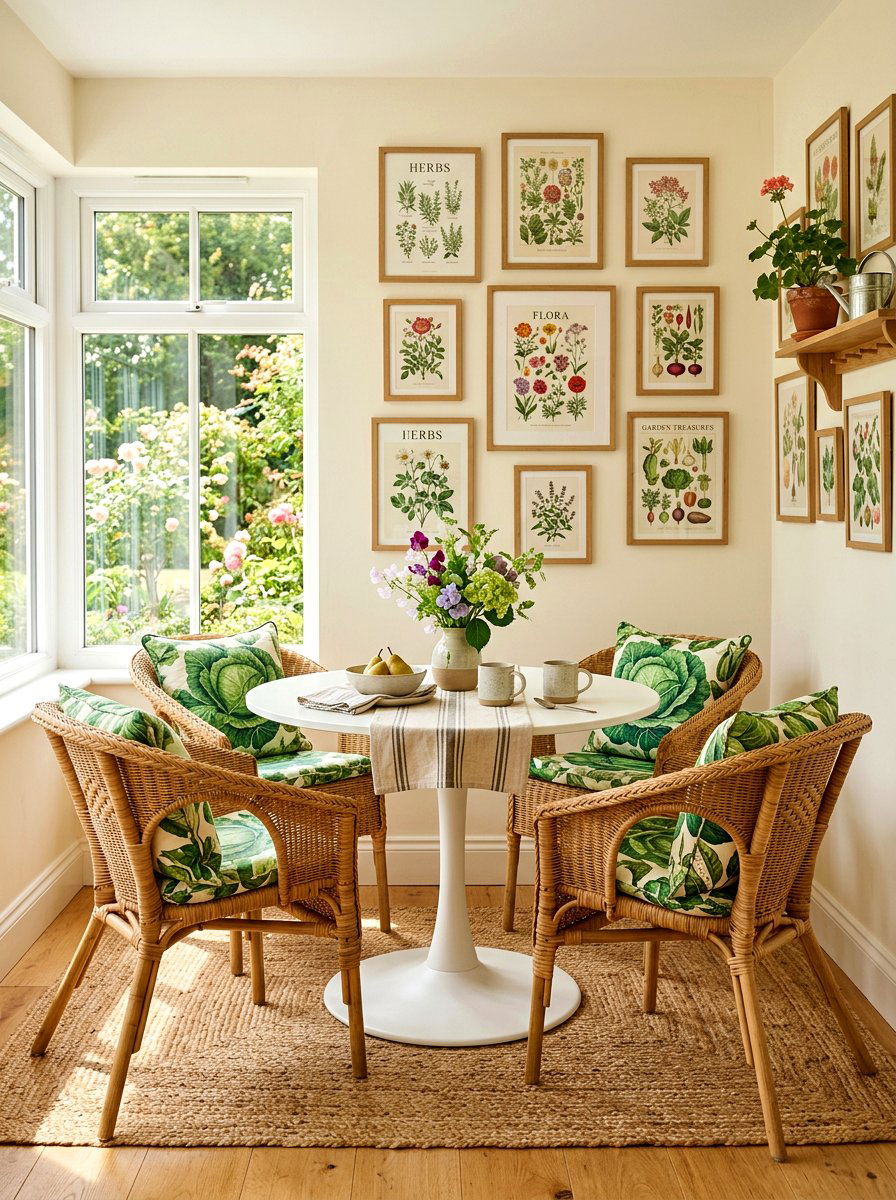
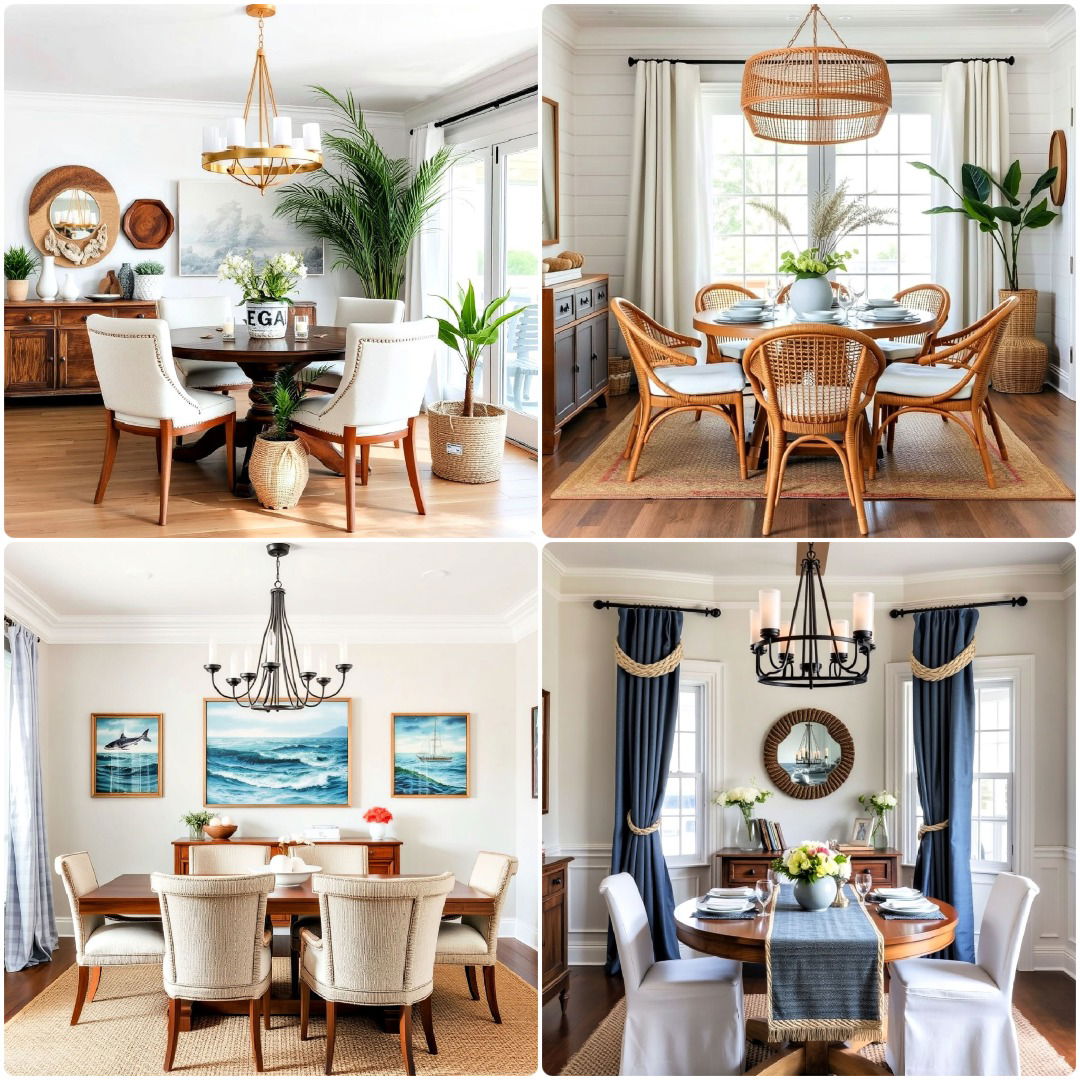
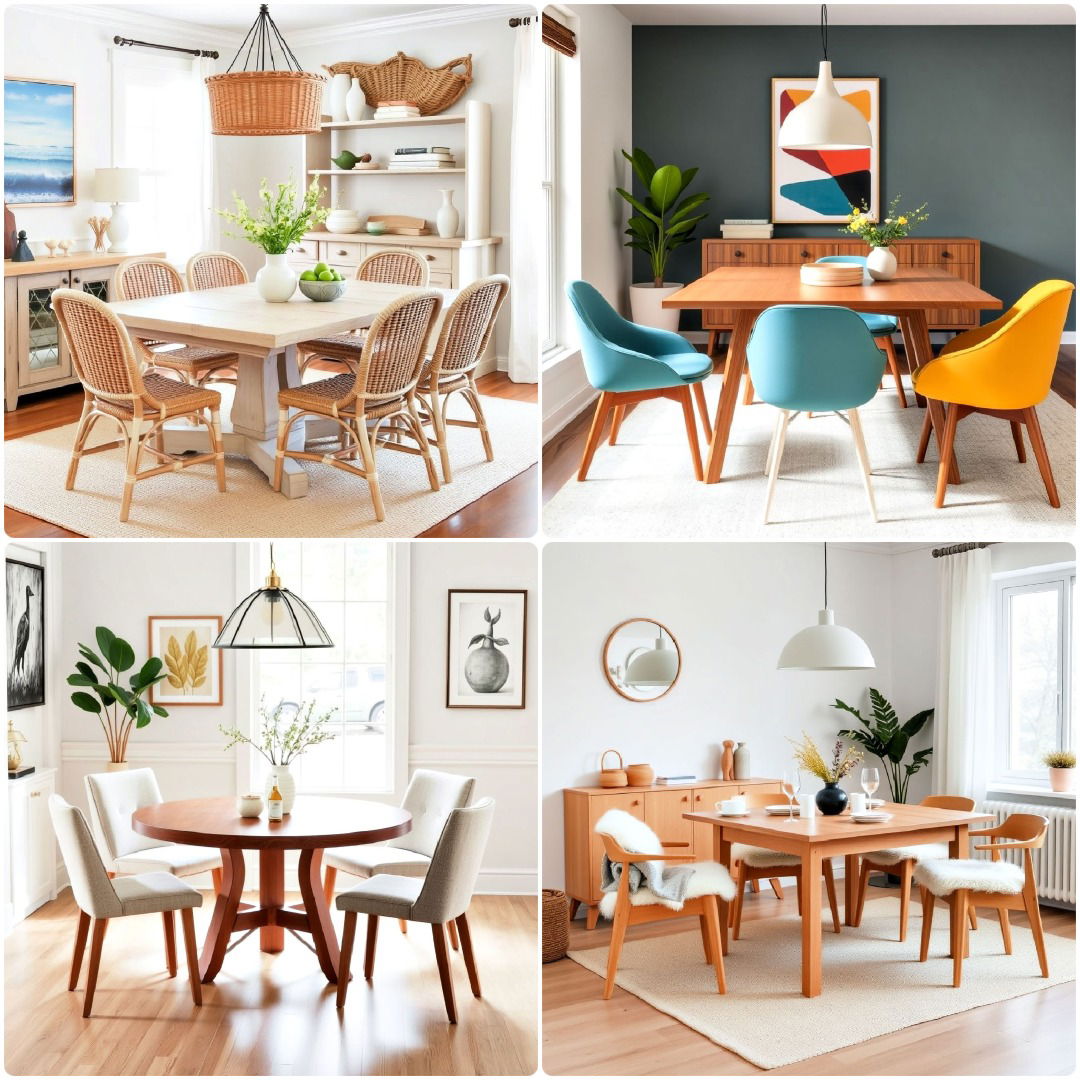
Integrating woven wicker or rattan chairs adds a necessary rustic texture that complements leafy ceramic decor. To fully embrace the theme, add seat cushions upholstered in a delicate botanical or cabbage print fabric. The natural fibers of the wicker bring an outdoor, garden-like feel into the home, while the patterned cushions provide comfort and a splash of color. This combination works well in both formal dining rooms and casual breakfast nooks. It softens the overall look of the space and reinforces the "garden-to-table" narrative that is central to the cabbagecore movement, making every meal feel like a special outdoor picnic.
6. Antique cabbage tureen on wooden sideboard
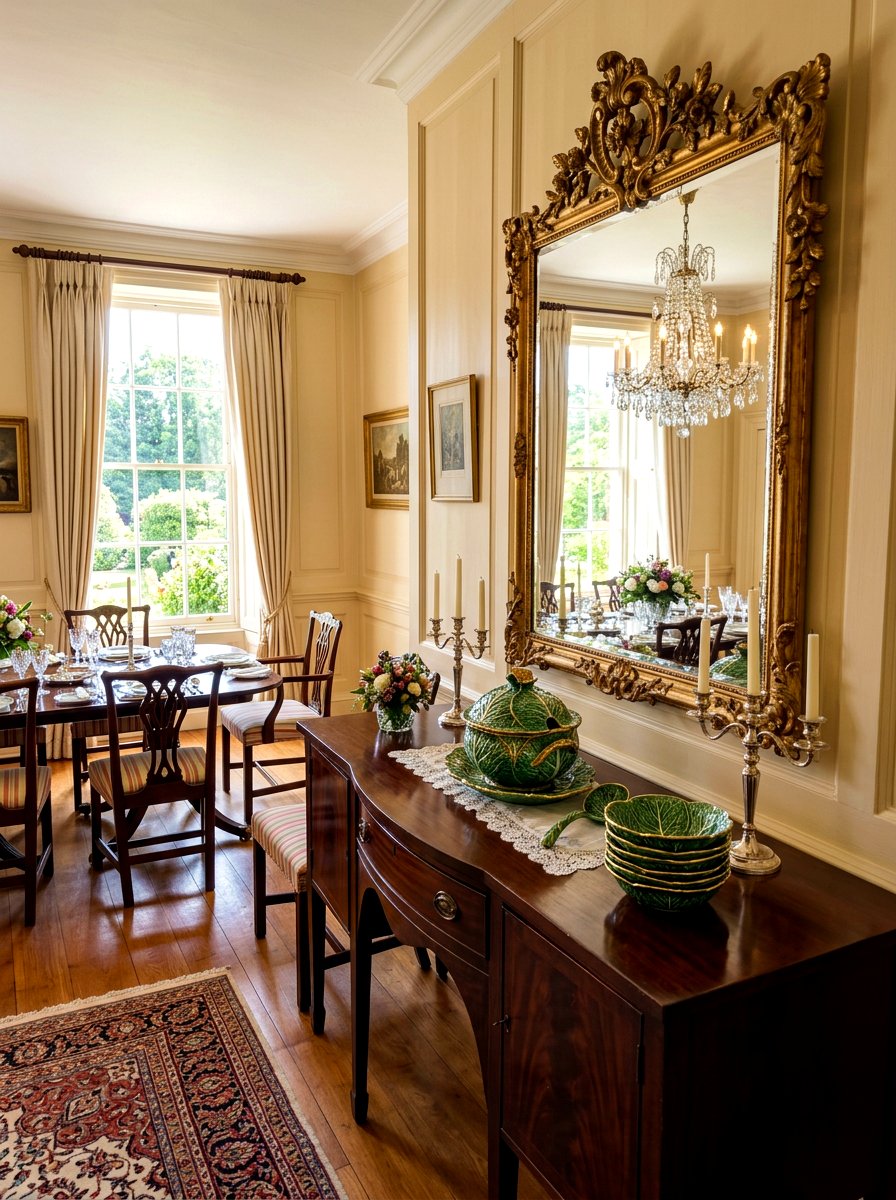
Displaying an antique cabbage tureen on a dark wood sideboard adds a touch of grandmillennial sophistication to your space. These vintage pieces often feature intricate hand-painted details that celebrate the organic form of the vegetable. By placing the tureen alongside a stack of linen napkins or a pair of brass candlesticks, you create a curated vignette that feels collected over time. This styling technique draws the eye toward the craftsmanship of the ceramic while grounding it with traditional furniture. It is an excellent way to showcase heirloom items while keeping the dining room's aesthetic focused on timeless, vegetable-inspired beauty.
7. Rustic dining room with vegetable art
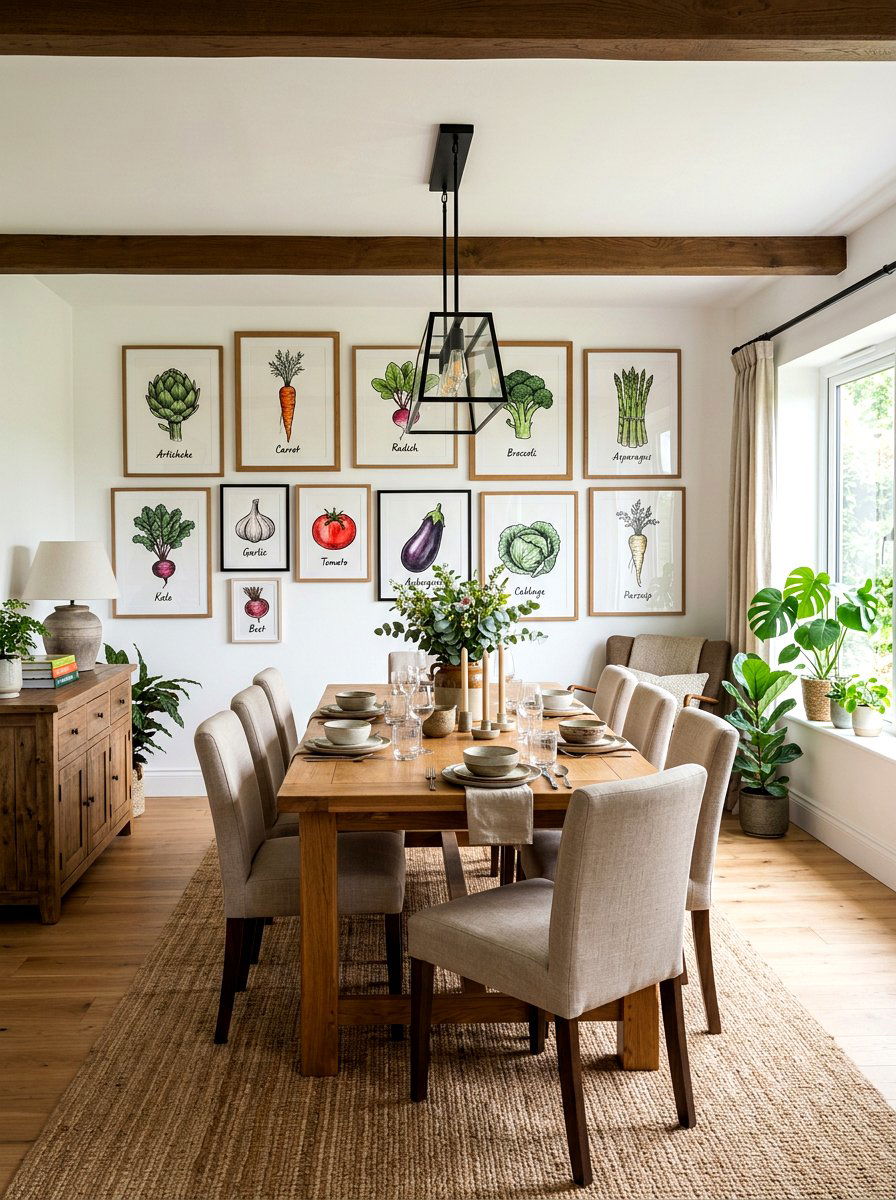
Decorating your walls with oversized vegetable art can turn a simple dining area into a gallery of nature. Consider high-quality sketches of cabbages or framed vintage seed packets to provide a sense of history and charm. These artistic elements help to reinforce the theme without requiring a complete room overhaul. When paired with a simple wooden table and neutral textiles, the artwork becomes the focal point of the room. This approach allows you to experiment with the trend in a flexible way, as frames can be easily moved or updated. It adds a sophisticated, intellectual layer to the playful cabbagecore aesthetic.
8. Green gingham curtains for dining windows
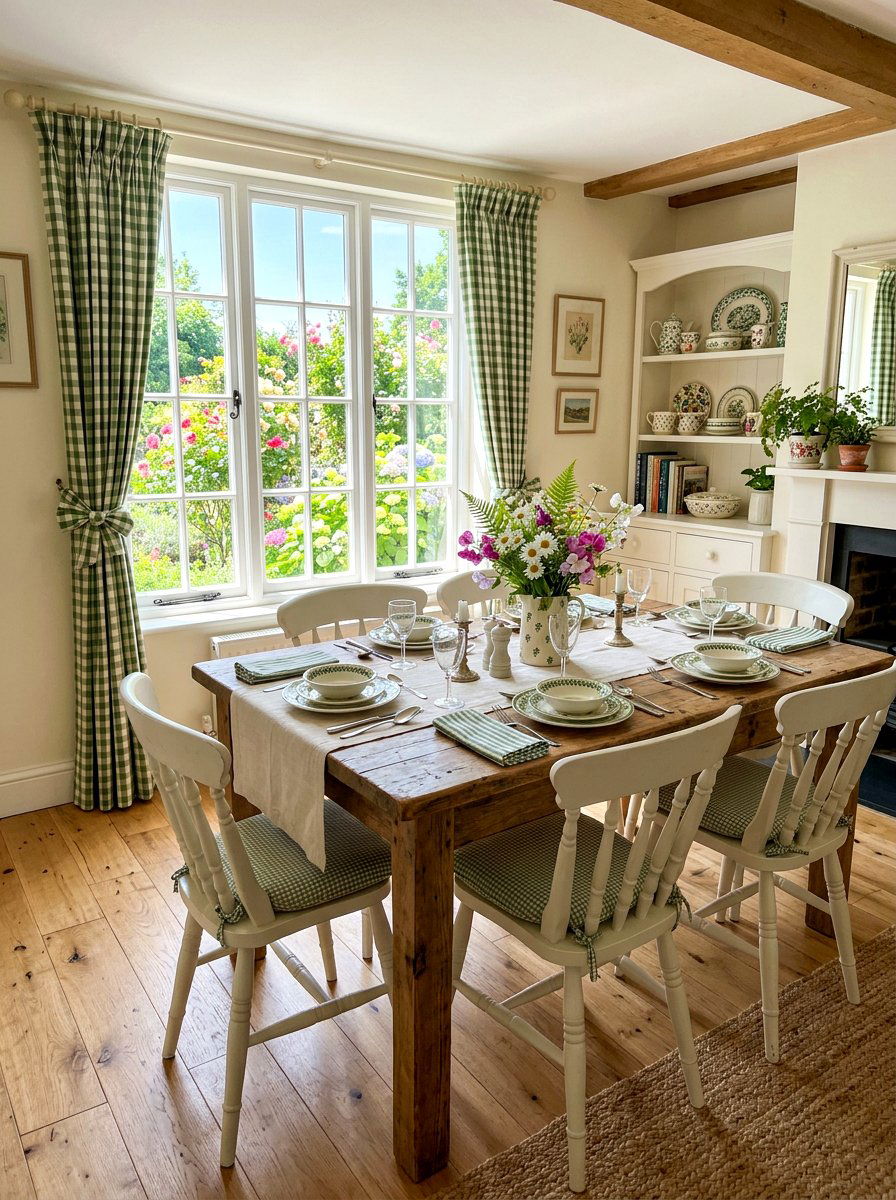
Hanging green and white gingham curtains is a classic way to introduce a sense of country-style charm to your dining room. This timeless pattern echoes the orderly rows of a garden and coordinates perfectly with green ceramic dinnerware. The fabric allows soft, filtered light to enter the room, creating a warm and inviting glow. Gingham provides a geometric contrast to the organic, flowing shapes of cabbage leaf decor, which helps to balance the visual energy of the space. It is a simple and affordable update that brings an immediate sense of cheerfulness and cozy cottage vibes to your daily dining experience.
9. Open shelving for green ceramic collection
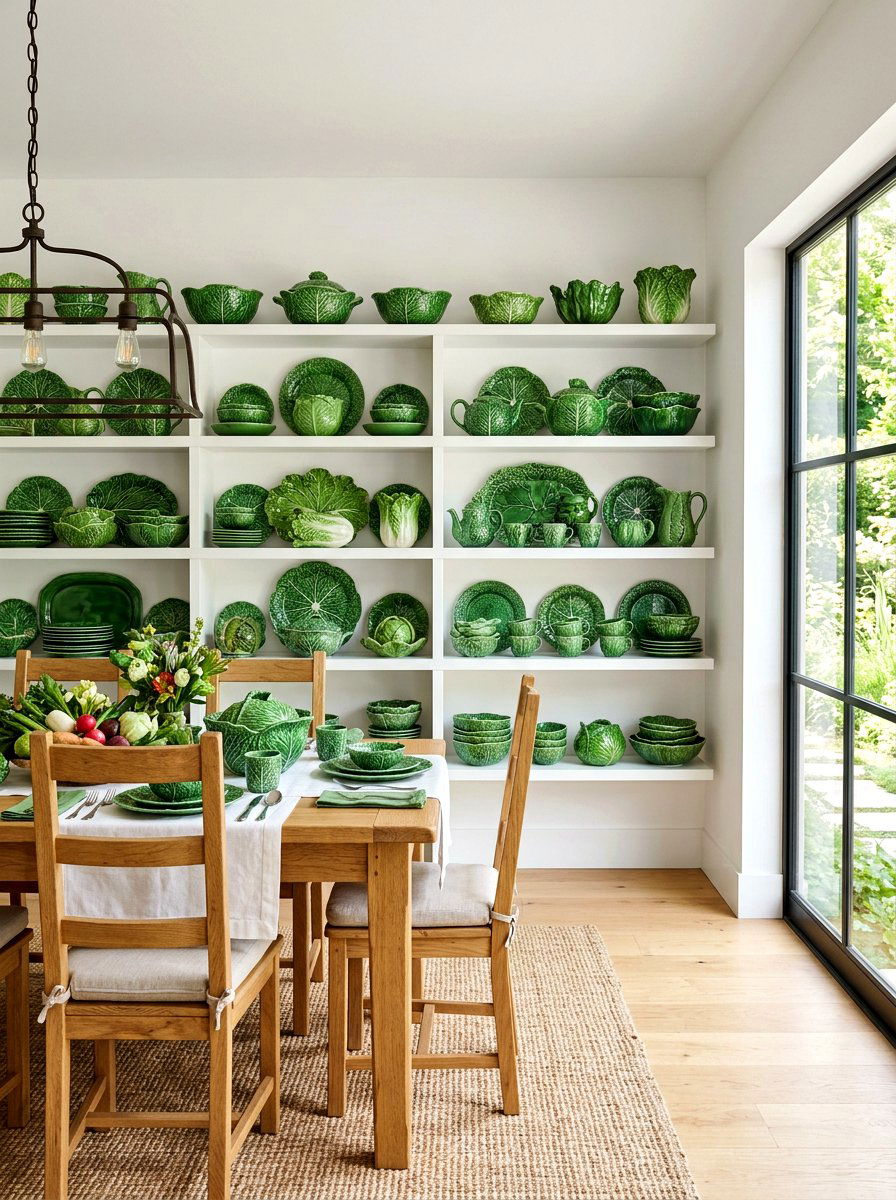
Installing open shelving allows you to proudly display your growing collection of cabbage ware and lettuce-themed pottery. Arranging various bowls, plates, and pitchers by shade or size creates a visually satisfying feature wall. The mix of different green glazes adds texture and dimension to the room, turning your functional kitchenware into a deliberate art installation. By keeping the shelves themselves a neutral white or natural wood, the green ceramics remain the star of the show. This layout makes it easy to grab pieces for daily use while ensuring your dining room always feels decorated and full of unique character.
10. Window garden with kale and herbs
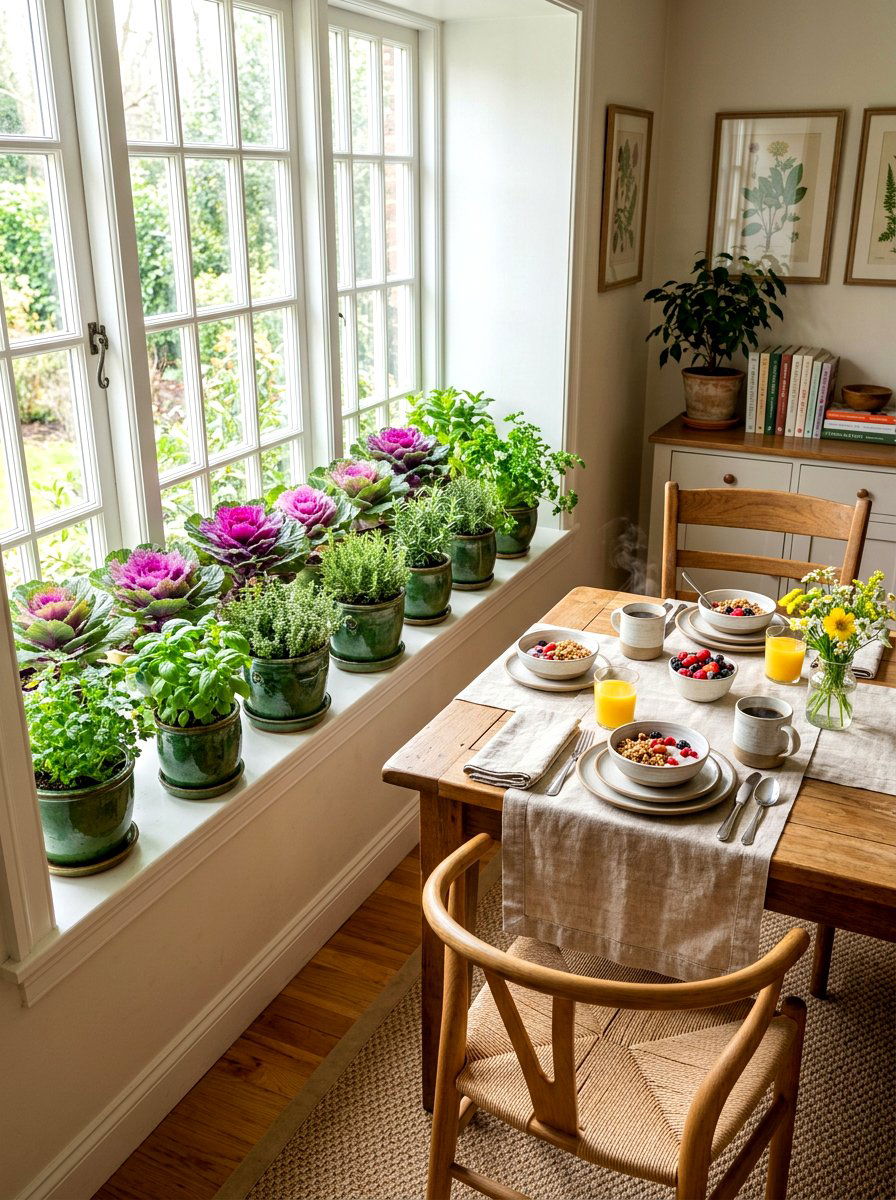
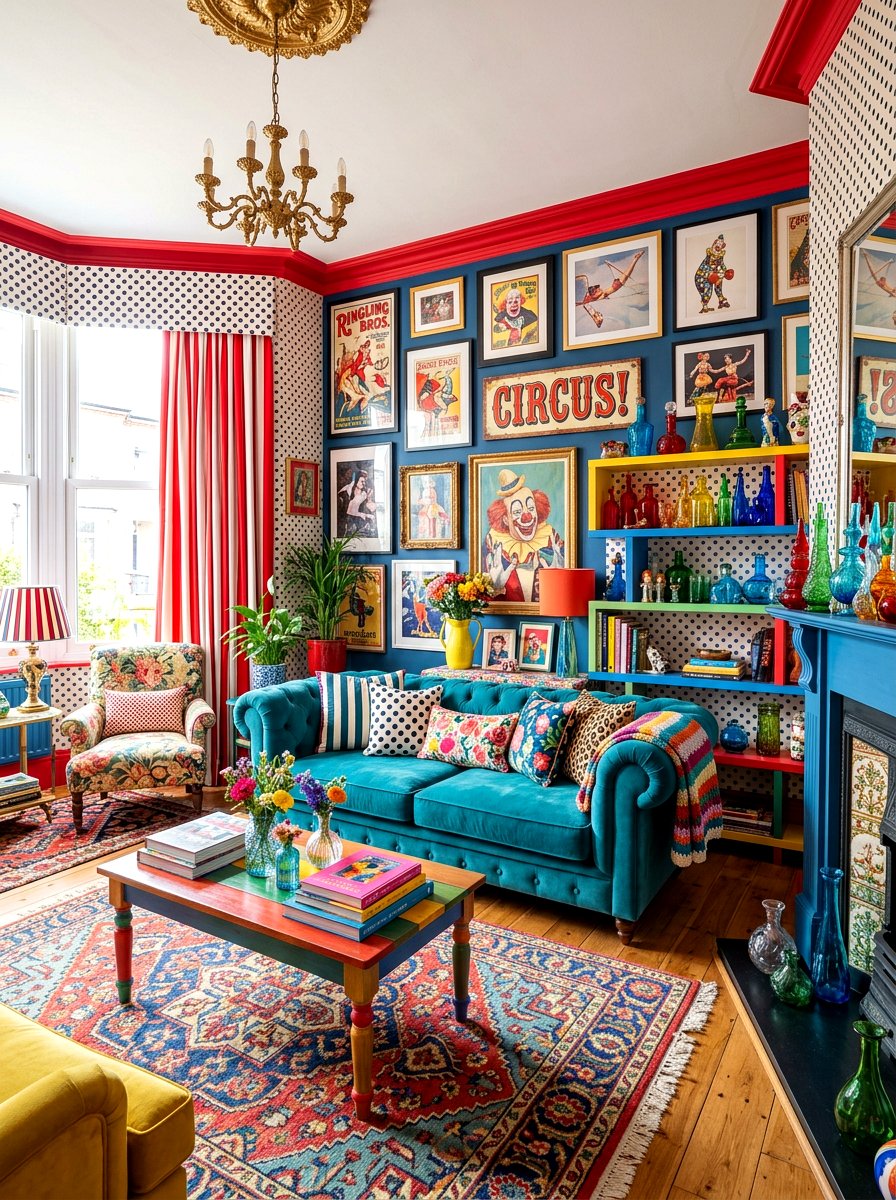
A built-in window garden featuring ornamental kale and fresh herbs brings the "cabbagecore" theme to life with actual living plants. Placing these greens in terracotta or green glazed pots along the windowsill adds a layer of freshness that no ceramic can fully replicate. The sight of thriving vegetables and herbs directly in the dining area connects the space to the cycles of nature. This feature is not only beautiful but also practical for those who enjoy cooking with fresh ingredients. The vibrant textures of the kale leaves provide a literal interpretation of the trend, grounding the room in authentic garden beauty.
11. Linen napkins with cabbage embroidery motifs
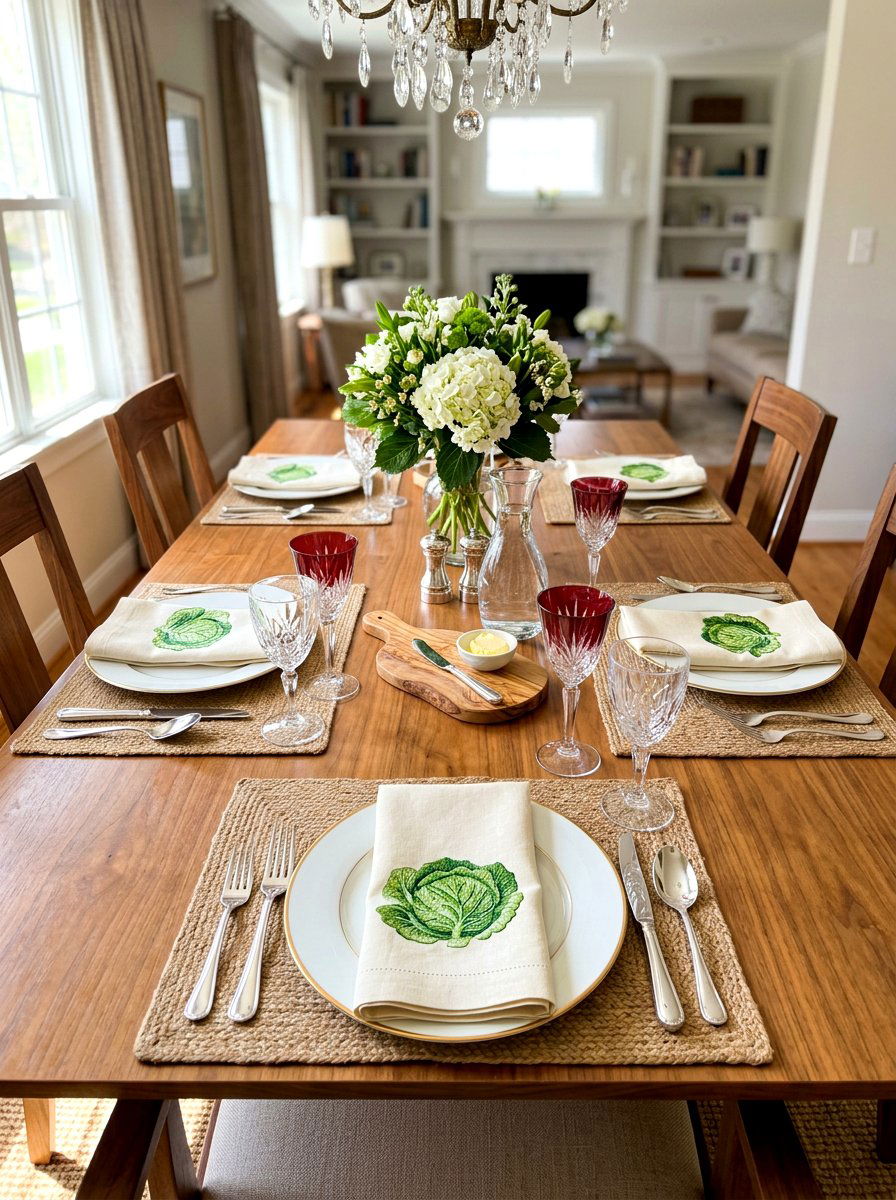
Small details like linen napkins featuring delicate cabbage embroidery can elevate a simple meal into a themed experience. These embroidered motifs add a touch of artisan craftsmanship to your table setting, showcasing a love for fine detail. Using high-quality white or flax-colored linen allows the green thread of the cabbage design to stand out as a subtle, sophisticated accent. When tucked into simple wooden or brass napkin rings, these textiles provide a tactile element that guests will appreciate. It is a wonderful way to introduce the cabbagecore aesthetic in a refined and understated manner that feels intentionally curated and high-end.
12. Terracotta pots with ornamental cabbage decor
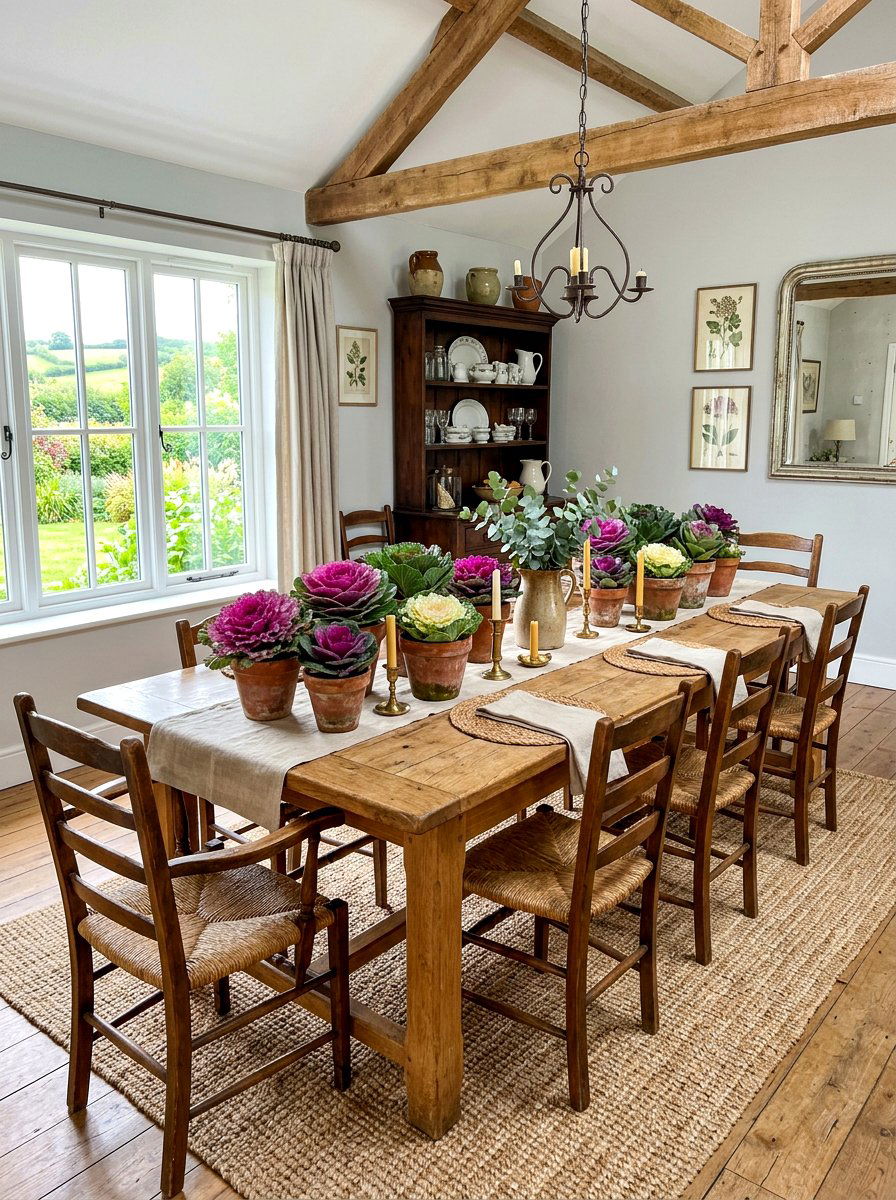
Using terracotta pots as decorative vessels for ornamental cabbages adds a grounded, earthy feel to your dining room. The warm orange tones of the clay provide a perfect color contrast to the cool greens and purples of the cabbage leaves. You can place these pots in a row down the center of the table or scatter them on a buffet for a casual, garden-inspired look. This styling choice bridges the gap between indoor luxury and outdoor rusticity. It is an affordable way to bring seasonal color into the room while reinforcing the botanical theme that defines the cabbagecore style in 2026.
13. Scalloped edge linen dining tablecloths
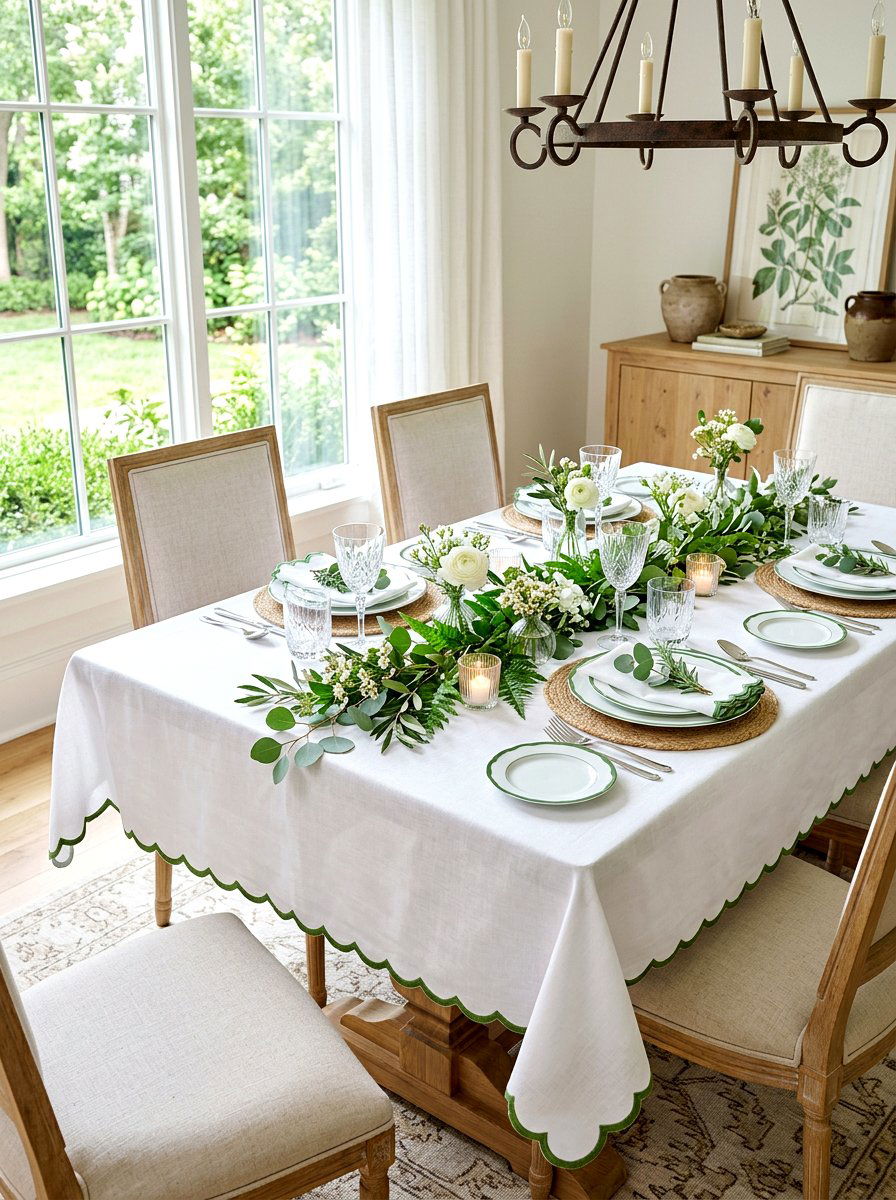
A white linen tablecloth with a green scalloped edge offers a clean yet whimsical foundation for your dining room. The scalloped detail mimics the undulating edges of a cabbage leaf, subtly reinforcing the theme without being overly literal. This type of textile adds a soft, feminine touch that works beautifully with both vintage and modern furniture. It provides a bright backdrop that makes green ceramic plates look even more vibrant. By choosing a high-quality fabric, you ensure that the room feels polished and sophisticated. It is a versatile piece that serves as a perfect canvas for any vegetable-inspired tablescape.
14. Vintage hutch filled with botanical dishes
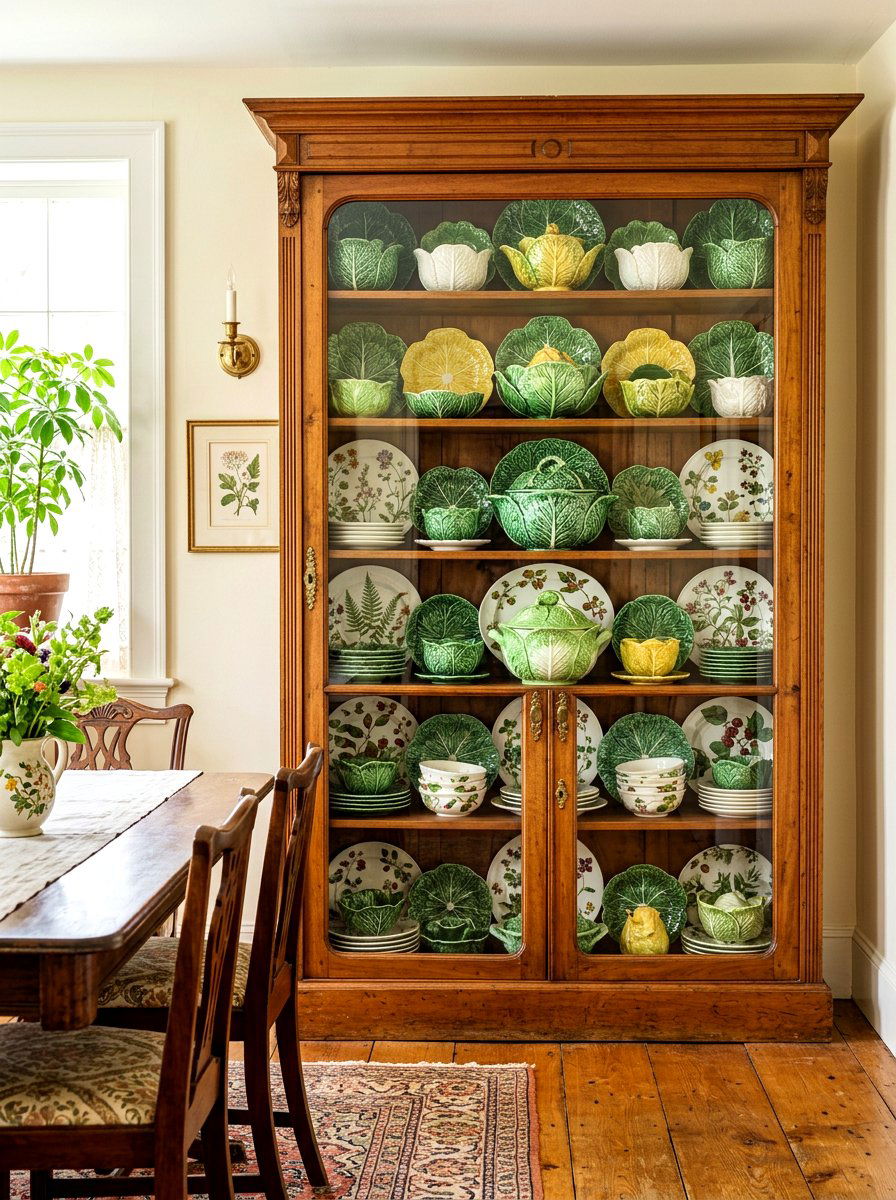
Filling a vintage glass-front hutch with a variety of botanical dishes creates a stunning focal point in any dining area. You can mix cabbage ware with floral patterns and solid green glass to create a layered, "collected" look. This storage solution keeps your favorite pieces safe while allowing them to contribute to the room's overall aesthetic. The wooden frame of an antique hutch provides a warm, historic contrast to the bright greens of the ceramics inside. It is a classic design choice that celebrates nostalgia and provides a sense of permanence and tradition within the playful and trendy world of cabbagecore.
15. Natural wood table with green accents
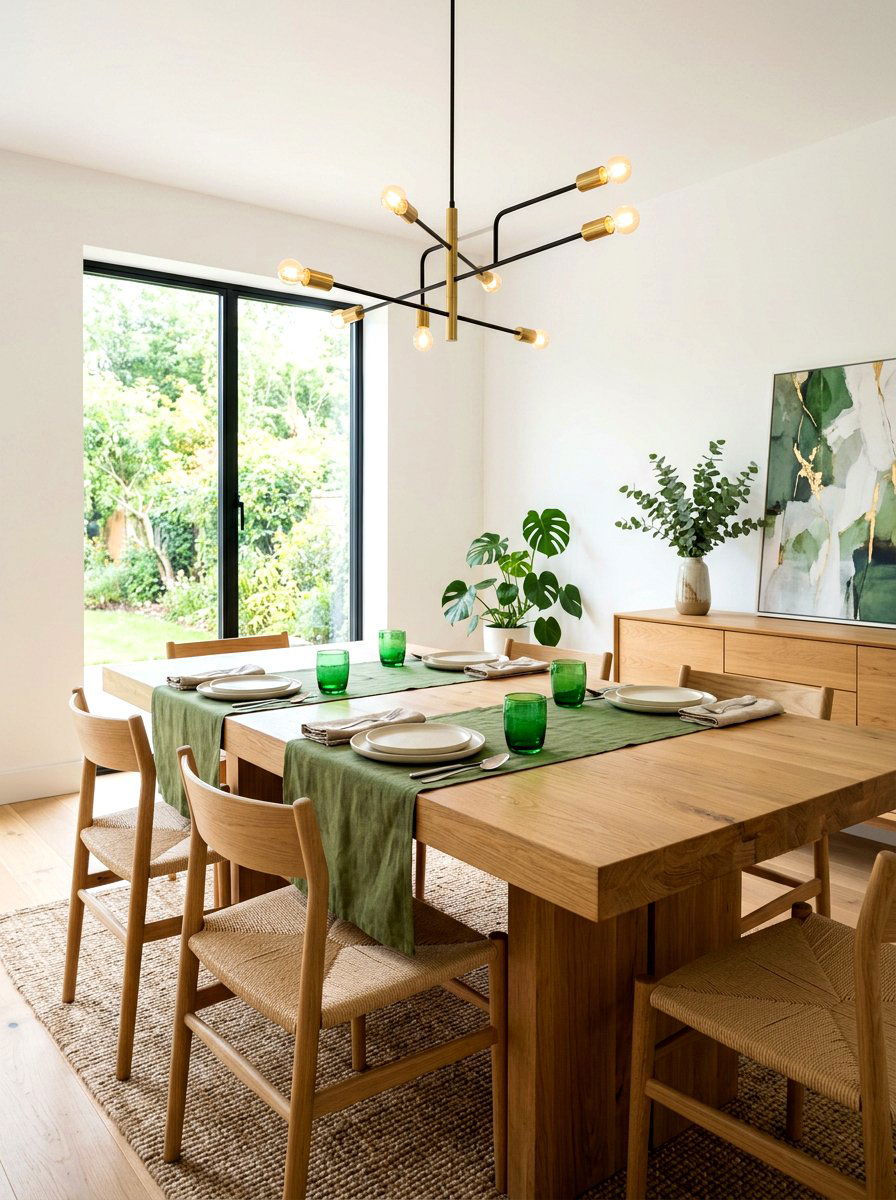
Pairing a simple, natural wood dining table with targeted green accents creates a balanced and modern cabbagecore look. You can introduce the color through a moss-green table runner, emerald glass water tumblers, or a set of olive-green candles. The warmth of the wood grain provides a beautiful natural anchor that prevents the green theme from feeling too clinical. This approach is perfect for those who prefer a more minimalist or Scandinavian-influenced take on the trend. It allows the beauty of natural materials to shine through while still acknowledging the garden-inspired color palette that makes cabbagecore so popular and inviting.
16. Dried garden wreaths on dining walls
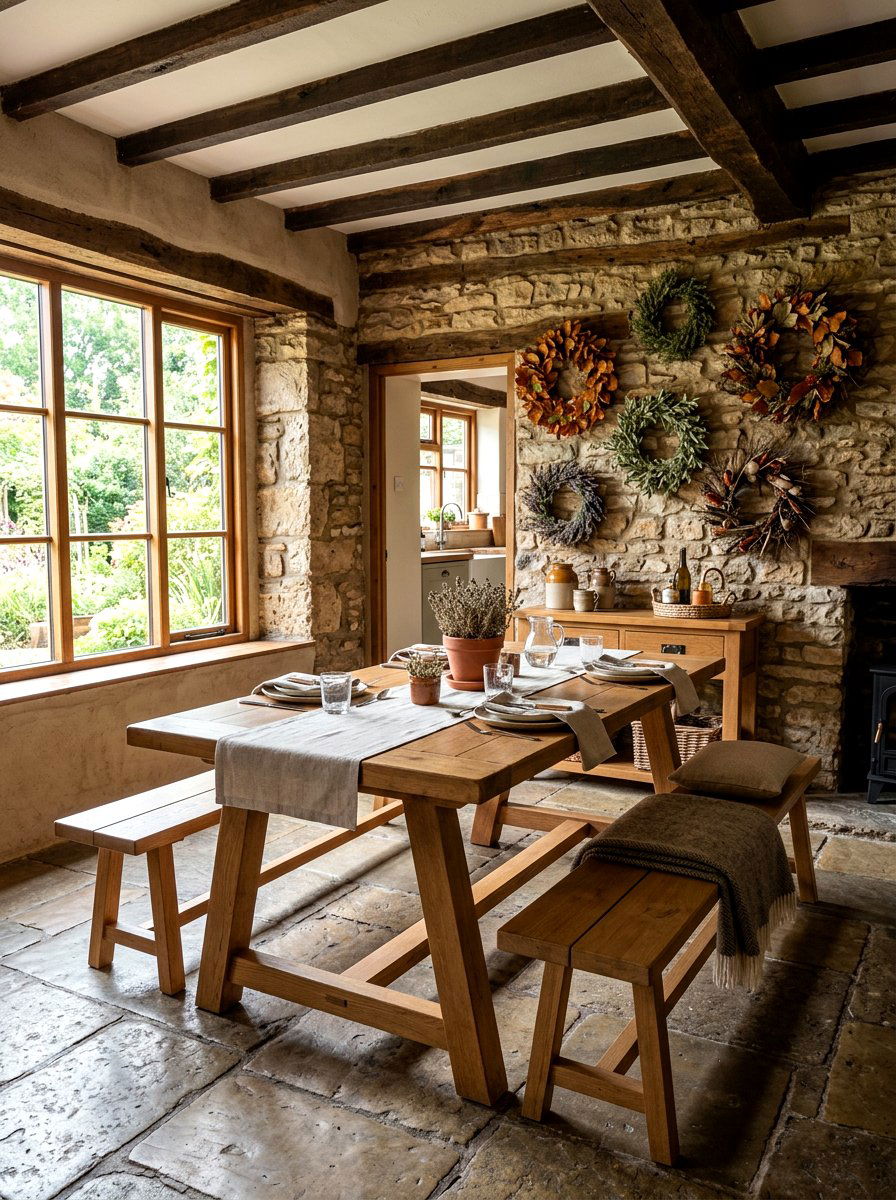
Hanging a wreath made of dried leaves, herbs, and even dehydrated cabbage slices adds a unique, rustic texture to your dining room walls. These wreaths provide a permanent botanical element that requires no maintenance while adding a touch of farmhouse charm. The muted tones of dried greenery offer a different perspective on the trend, focusing on the longevity and structure of garden plants. Placing a wreath above a sideboard or on a central wall helps to draw the eye upward and fill the vertical space. It is a creative way to incorporate the vegetable theme through natural, tactile materials that feel authentic.
17. Checkered floor tiles in sage green
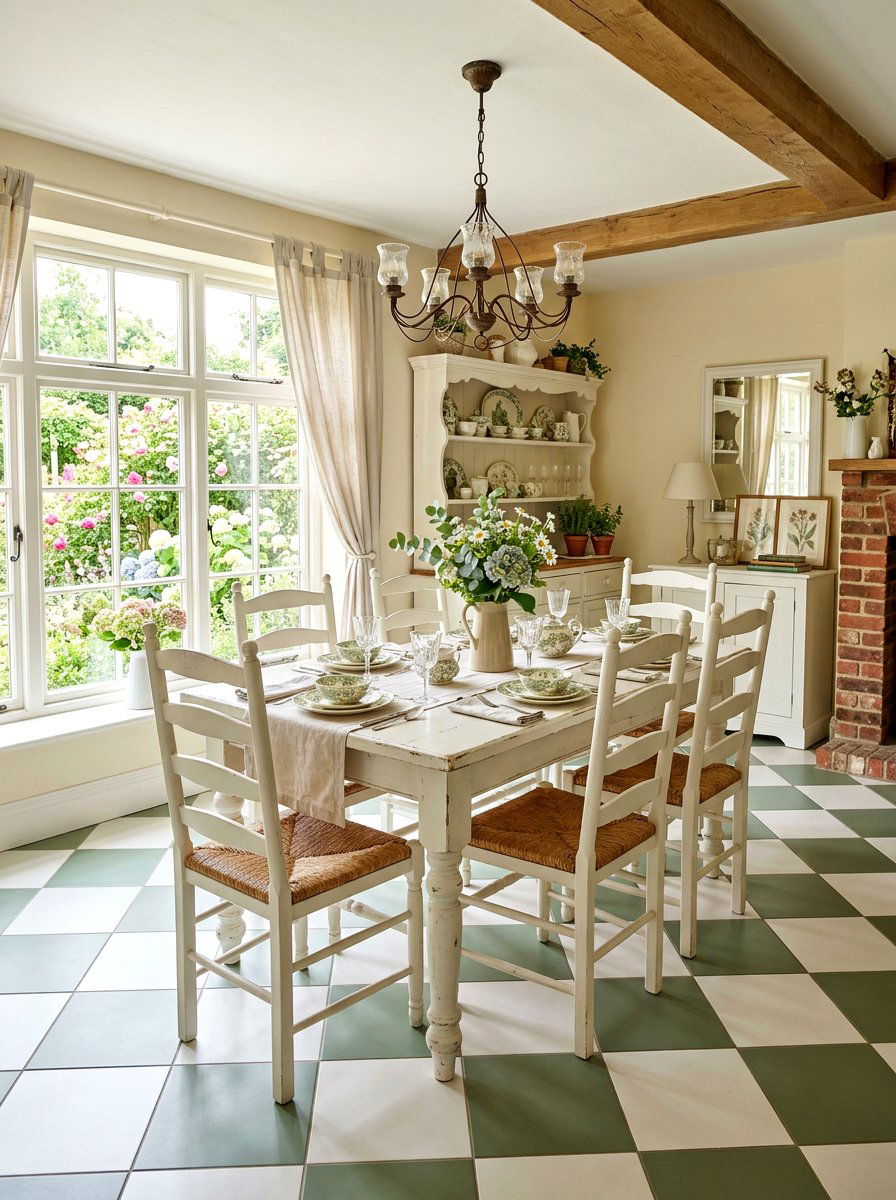
Installing checkered floor tiles in shades of sage green and creamy white can give your dining room a bold, historic foundation. This classic flooring pattern echoes the traditional kitchens of Europe and provides a structured base for a whimsical cabbagecore theme. The soft green color keeps the room feeling light and airy while adding a significant design element that anchors the space. When paired with simple wooden furniture and leafy decor, the floors become a major part of the room's personality. It is a durable and stylish choice that brings a sense of timelessness and intentional design to your garden-inspired dining area.
18. Floral and vegetable upholstered dining chairs
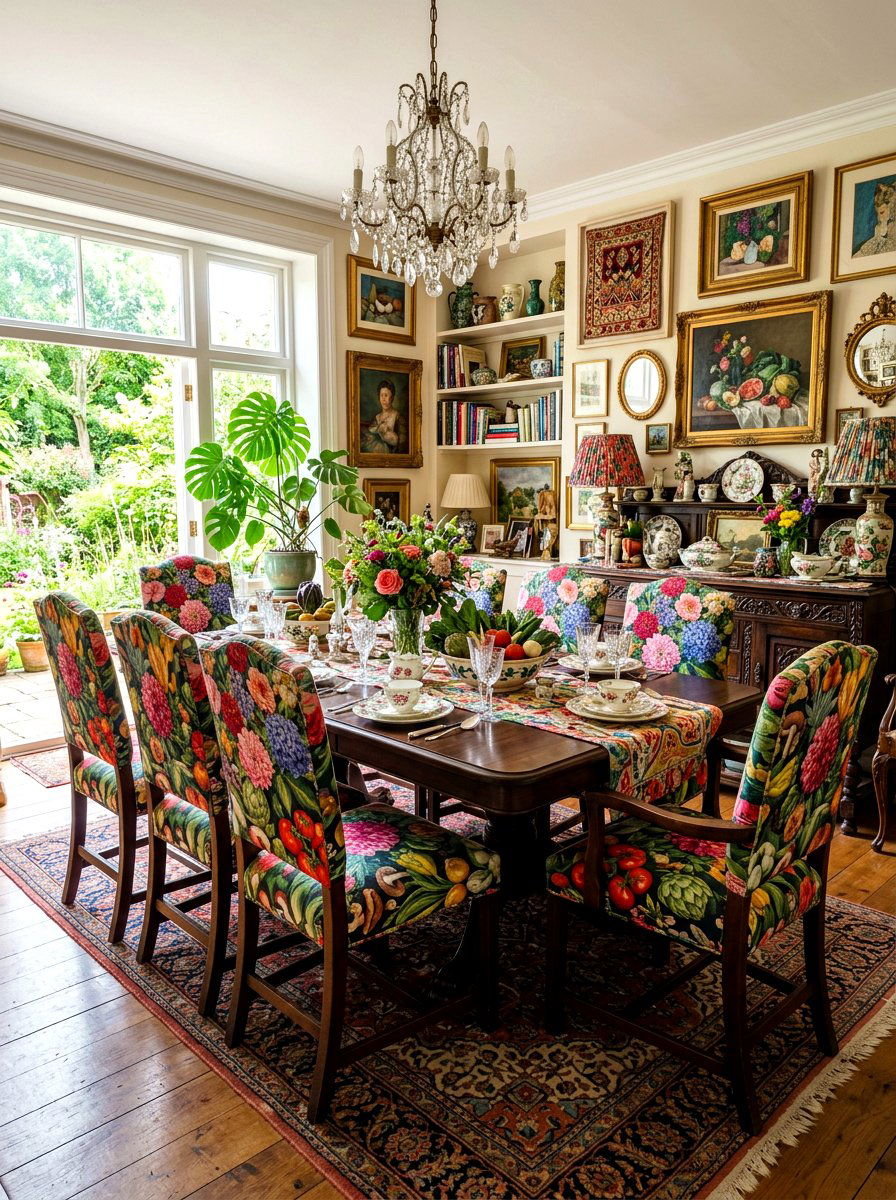
Upholstering your dining chairs in a fabric that combines floral patterns with vegetable illustrations creates a truly custom and maximalist look. This bold choice ensures that the cabbagecore theme is integrated into the very structure of your furniture. Look for fabrics that feature leafy greens, soft blossoms, and vine details to create a lush, immersive environment. These chairs act as functional art pieces that bring color and pattern to the room even when the table is not set. It is an excellent way to express your personality and create a dining space that feels curated, comfortable, and full of botanical wonder.
19. Woven seagrass rugs for green rooms
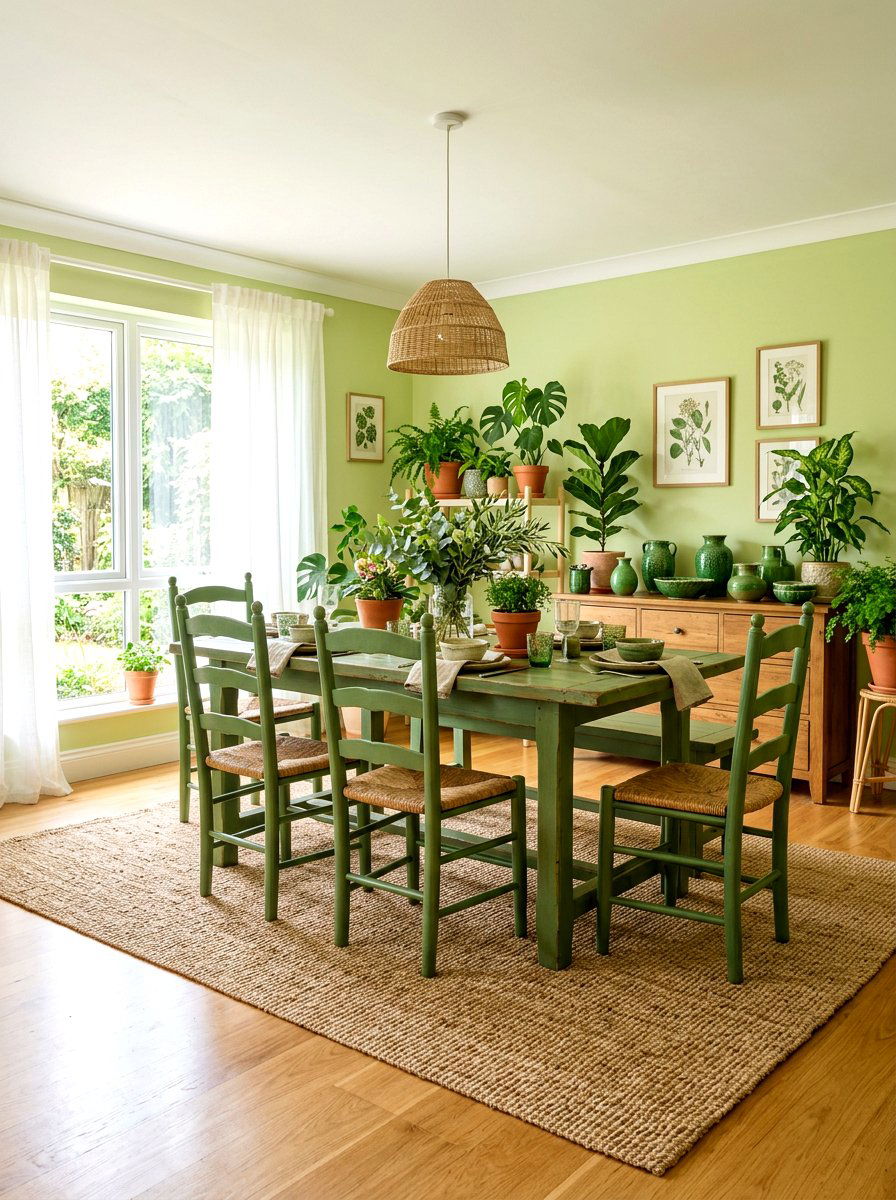
A large, woven seagrass rug provides the perfect organic texture to ground a green-themed dining room. The natural, slightly golden hue of the seagrass complements all shades of green and adds a touch of coastal or country charm. Its durable and easy-to-clean surface makes it a practical choice for under a dining table where spills might occur. The rustic feel of the fibers mimics the look of a garden path or an outdoor patio, reinforcing the biophilic connection of the cabbagecore style. This rug serves as a neutral foundation that allows your more colorful cabbage ceramics and patterned textiles to truly shine.
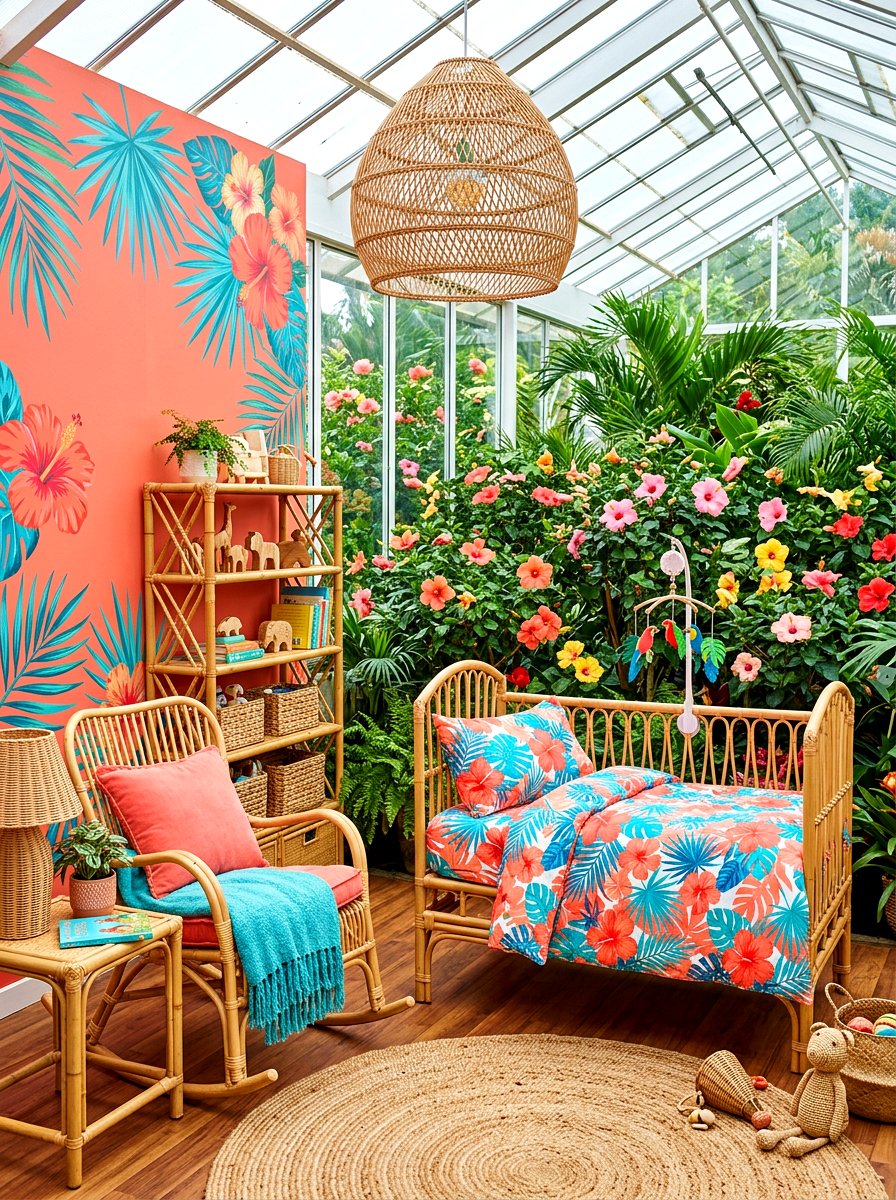
20. Copper accents with cabbage leaf decor
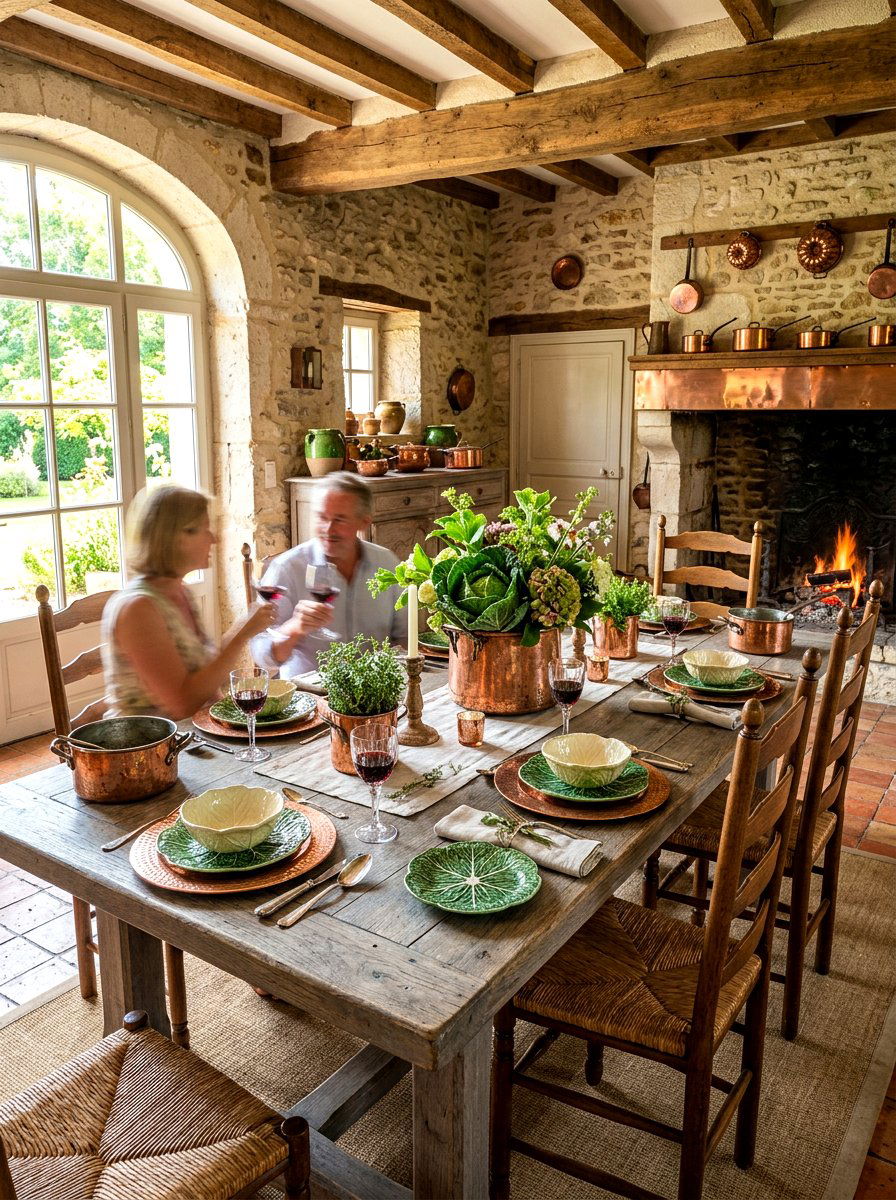
Integrating copper elements like chargers, mugs, or a large hanging pot rack adds a warm, metallic glow that beautifully offsets green cabbage decor. The reddish-orange tones of copper are the perfect complementary color to the verdant hues of lettuce ware. This combination feels both rustic and luxurious, reminiscent of a high-end French country kitchen. You can use copper napkin rings or a vintage copper watering can as a vase for a unique touch. This mix of materials adds a layer of sophistication and visual warmth to the room, making the vegetable-themed space feel more mature, grounded, and intentionally designed.
21. Sage green wall paneling dining room
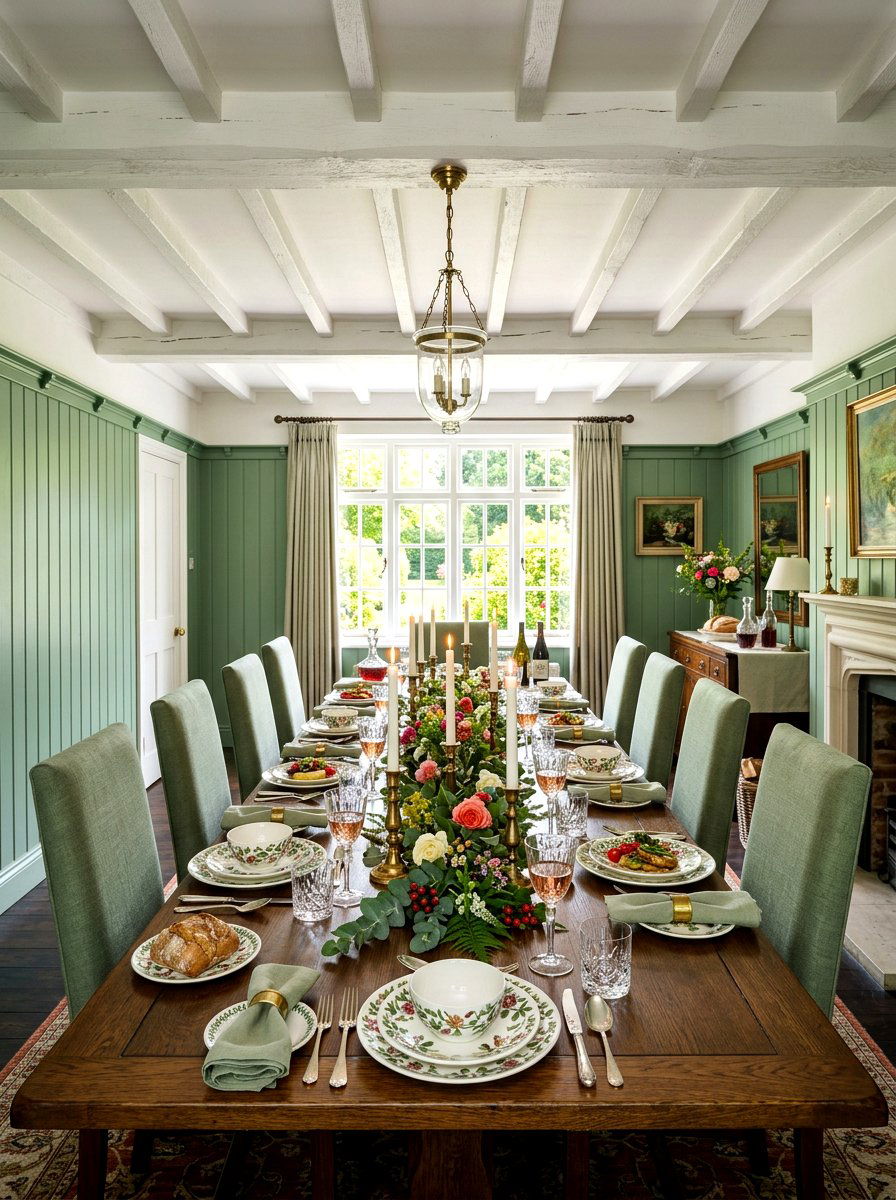
Adding sage green wall paneling or wainscoting provides an architectural depth that enhances the cabbagecore aesthetic. This classic wood detail adds a sense of history and structure to the room, making it feel more formal and finished. The soft green color maintains the botanical theme without needing constant floral or vegetable prints. You can hang vintage botanical sketches directly onto the panels for a traditional, library-like feel. This design choice is perfect for creating a cozy, "envelope" effect that makes the dining room feel intimate and inviting. It serves as a timeless backdrop that will remain stylish even as specific trends evolve.
22. Botanical sketch gallery wall for dining
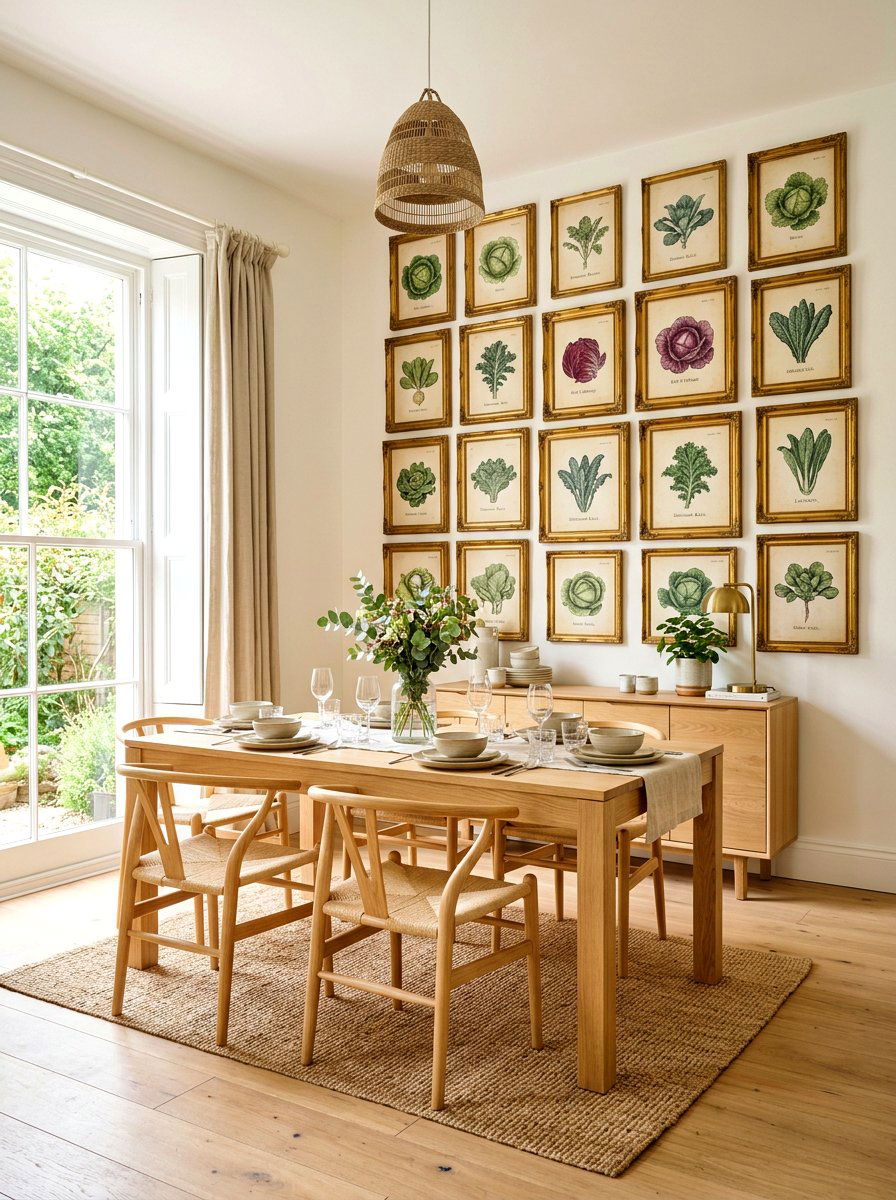
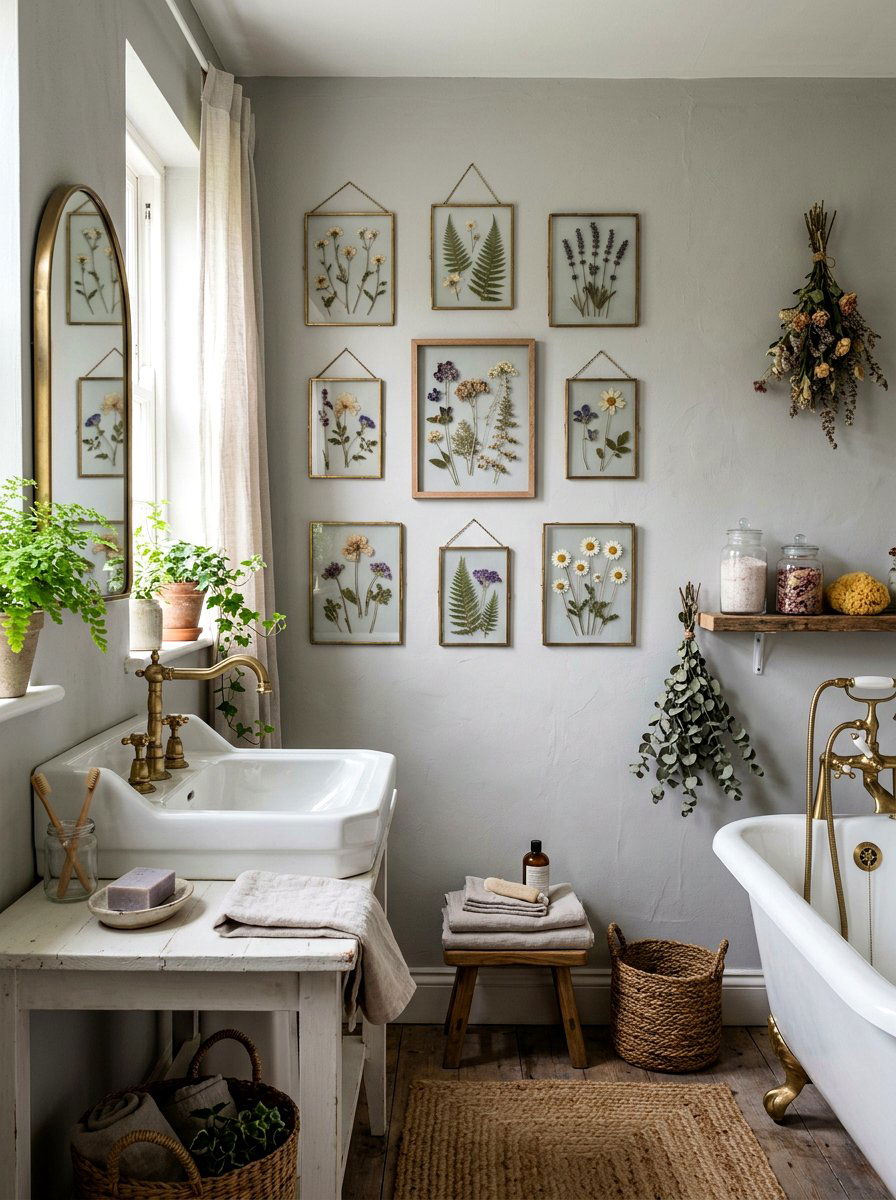
Creating a gallery wall composed entirely of botanical sketches, specifically focusing on cabbages, kale, and other leafy greens, adds an intellectual and artistic touch. Using a mix of frame styles in wood, gold, and black can give the wall a collected-over-time appearance. This display allows you to appreciate the intricate details of vegetable forms, from the tight curls of a savoy cabbage to the flowing lines of a lettuce leaf. It turns the dining room into a place of discovery and beauty. This arrangement is highly customizable and can be expanded as you find new pieces that fit your personal garden-inspired vision.
23. French country dining with vegetable motifs
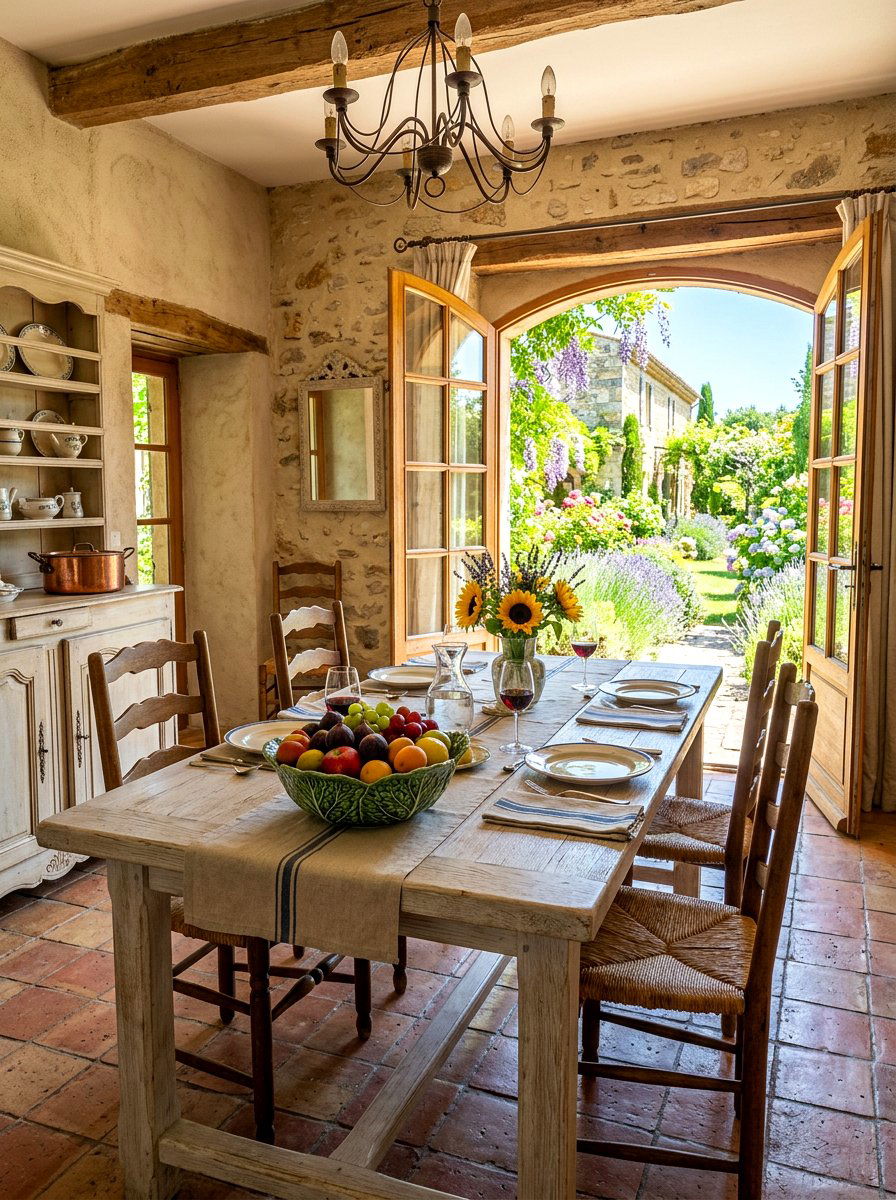
Embracing a French country style allows you to use vegetable motifs in a way that feels effortlessly chic and rustic. Think of a whitewashed wooden table paired with a large ceramic cabbage bowl filled with fresh lemons. This style emphasizes natural materials and a lived-in feel, making the cabbagecore elements feel right at home. You can add a vintage linen runner with faded green stripes to complete the look. The combination of bright whites, weathered woods, and leafy ceramics creates a sunny, cheerful atmosphere that is perfect for hosting long lunches and celebrating the simple joys of a garden-to-table lifestyle.
24. Mismatched vintage chairs in cottagecore style
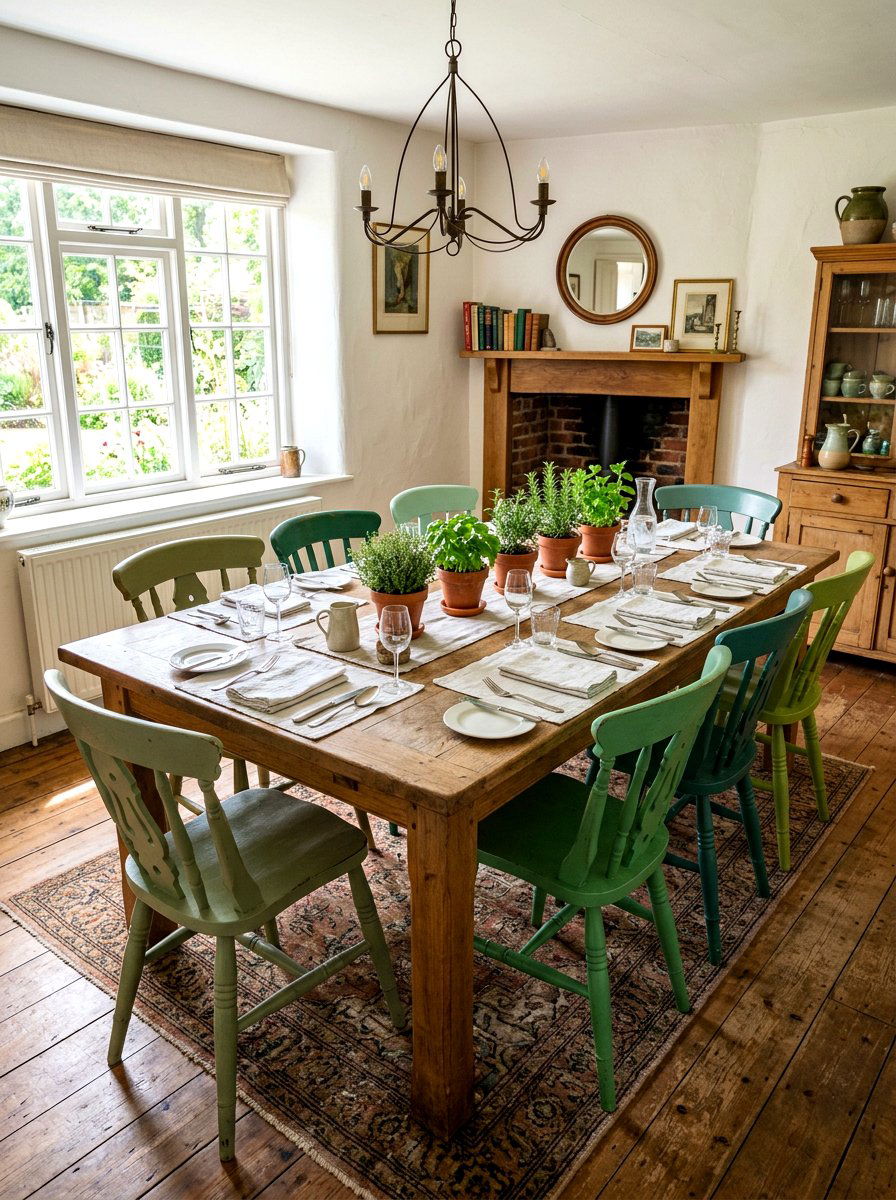
Using mismatched vintage wooden chairs around your dining table creates a charming, eclectic vibe that perfectly suits the cabbagecore aesthetic. You can paint each chair in a different shade of garden green or leave them in their natural wood finish for a more rustic look. This approach feels informal and welcoming, as if the room has been put together with pieces found at local flea markets. To tie the look together, use consistent seat cushions in a cabbage or botanical print. This design choice celebrates individuality and adds a layer of storytelling to your home, making the dining area feel like a cozy, lived-in sanctuary.

25. Tiered wire baskets for fresh cabbage
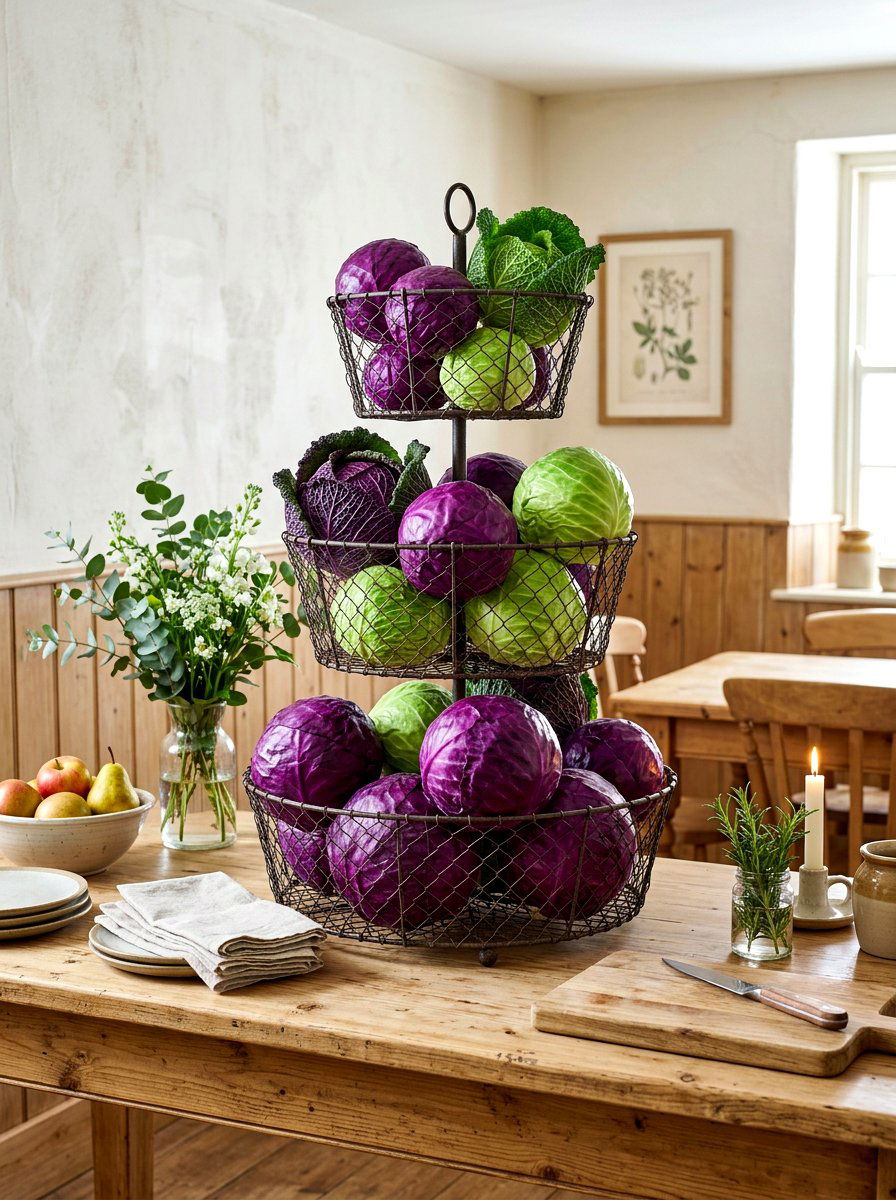
A tiered wire basket placed on a buffet or in a corner of the dining room provides a functional and stylish way to display real cabbages. Filling the levels with purple and green varieties of cabbage, along with some seasonal fruit, creates a dynamic and edible centerpiece. This display brings an authentic farmhouse feel to the room and highlights the natural beauty of the vegetables that inspire the trend. It is a simple way to add color and texture without needing permanent decor. Plus, it serves as a great conversation starter for guests who will appreciate the clever and practical interpretation of the theme.
26. Pendant lighting with botanical leaf shades
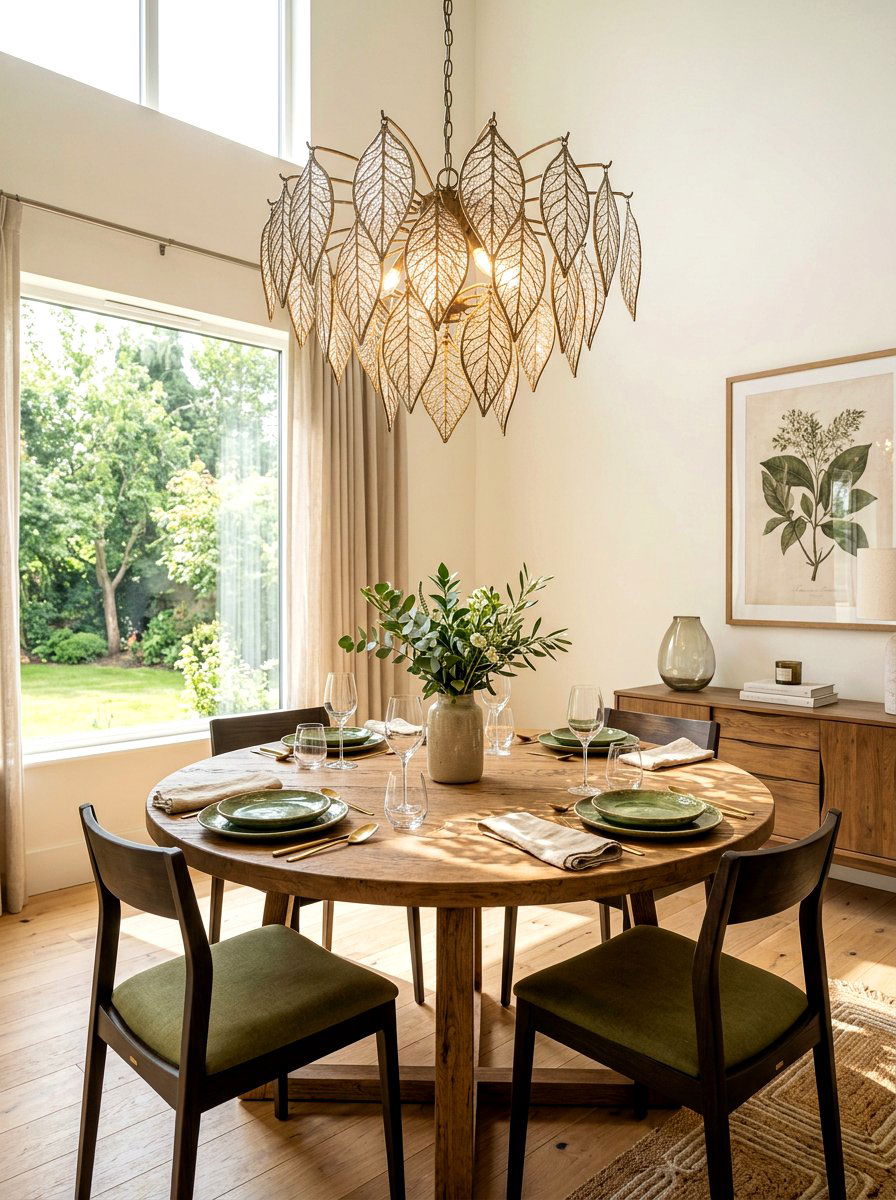
Installing a pendant light with a shade designed to look like oversized leaves can be a dramatic focal point for your dining room. These fixtures often cast beautiful, organic shadows on the walls, mimicking the feeling of being under a garden canopy. Look for designs in metal or glass that feature realistic leaf veining to enhance the cabbagecore connection. The light filtered through these shapes adds a warm, atmospheric glow to your evening meals. This choice is perfect for those who want to bring the theme into the room's architecture and lighting, creating a fully immersive and whimsical dining environment from top to bottom.
27. Ruffled linen tablecloths in garden green
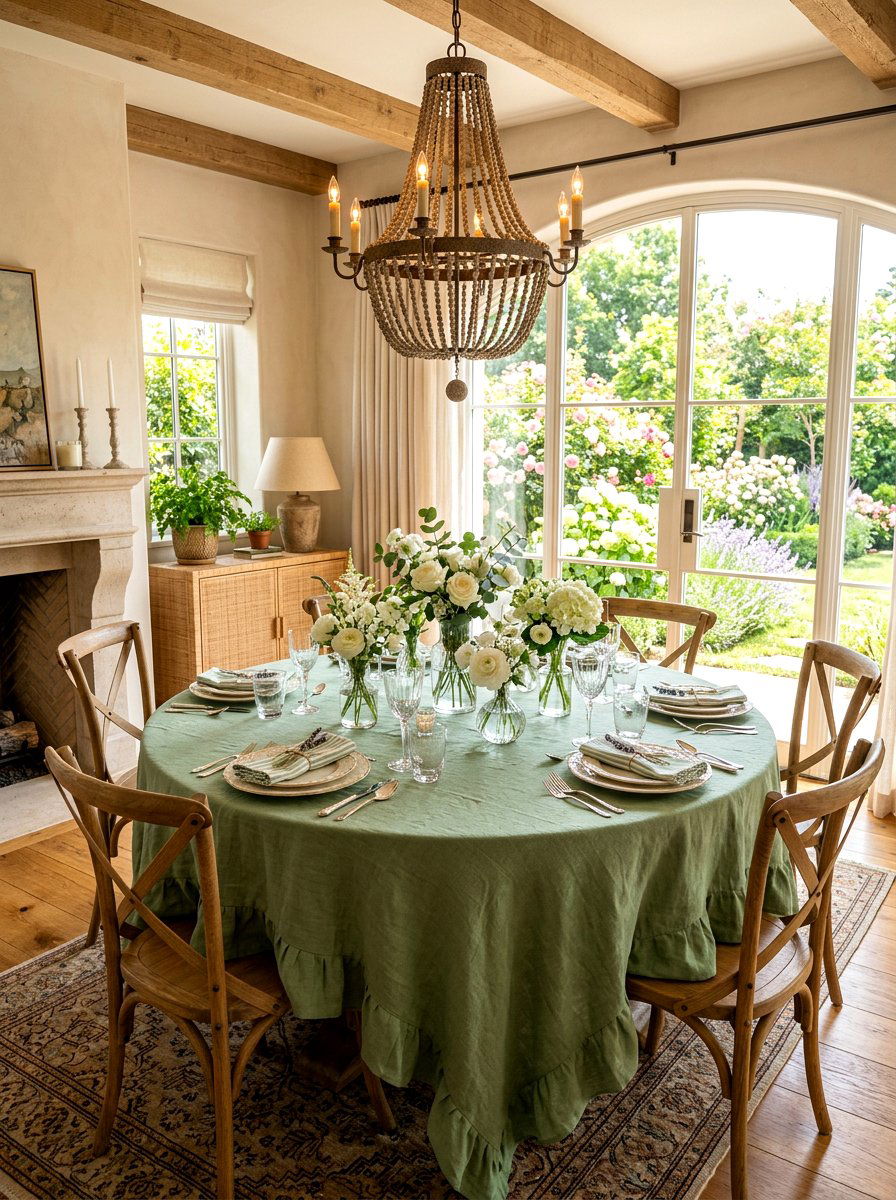
Choosing a ruffled linen tablecloth in a soft garden green adds a touch of romantic, Victorian-inspired charm to your dining space. The ruffles provide a soft, undulating texture that echoes the organic folds of a cabbage leaf. This type of textile brings a sense of luxury and softness to the room, making the dining experience feel more special and curated. When paired with simple ceramic plates and a bunch of wild garden flowers, the ruffled linen creates a beautiful, layered look. It is an easy way to introduce a feminine and whimsical element that perfectly aligns with the soft, nature-loving spirit of cabbagecore.
28. Hand painted vegetable tiles for dining
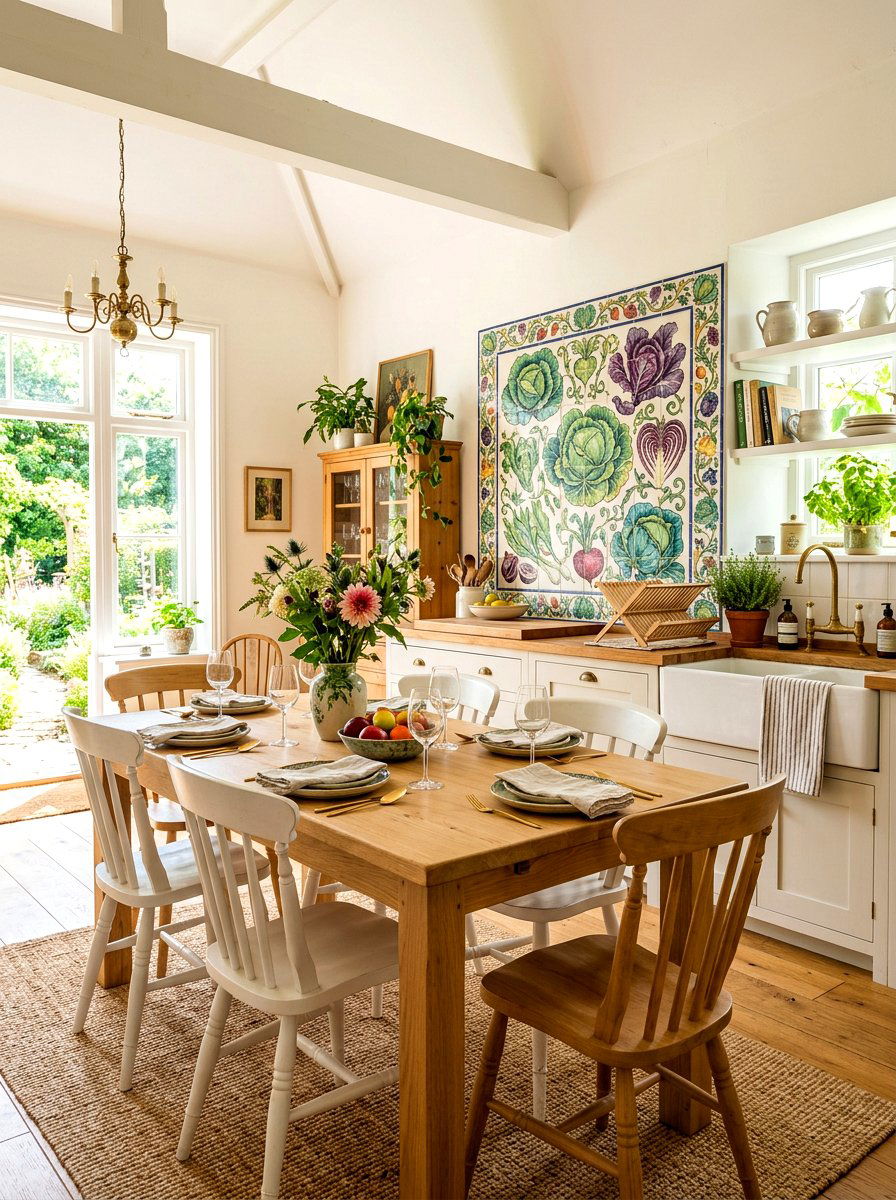
Incorporating hand-painted ceramic tiles featuring cabbages or other vegetables into a backsplash or a fireplace surround adds a permanent artistic element. These tiles provide a pop of color and a touch of artisan craftsmanship that feels unique and high-quality. By using these motifs in small, targeted areas, you can reinforce the theme without it becoming overwhelming. The glossy finish of the tiles complements other ceramic pieces in the room, creating a cohesive design language. This is a great option for a more permanent renovation that celebrates the beauty of the vegetable garden in a sophisticated and lasting way for years to come.
29. Rustic stone walls with cabbage decor
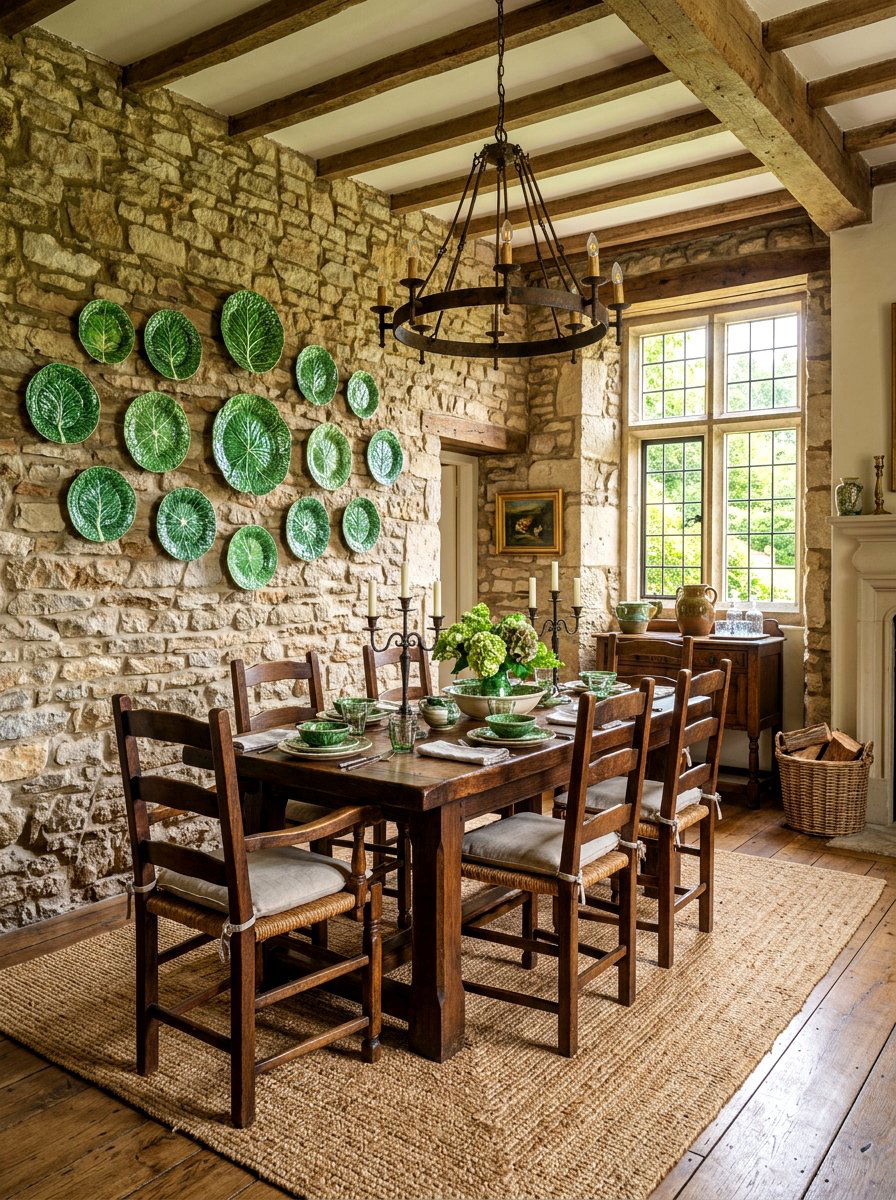
If your dining room features rustic stone or brick walls, the addition of cabbage ware creates a wonderful contrast between hard and soft textures. You can hang leaf-shaped plates directly on the stone wall using plate hangers for a unique and eye-catching display. The natural, earthy tones of the stone provide a beautiful backdrop for the vibrant green glazes of the ceramics. This combination feels historic and grounded, as if the room is part of an old country estate. It is a powerful way to use existing architectural features to enhance a specific design theme, resulting in a space that feels both rugged and whimsical.
30. Hand woven baskets for vegetable storage
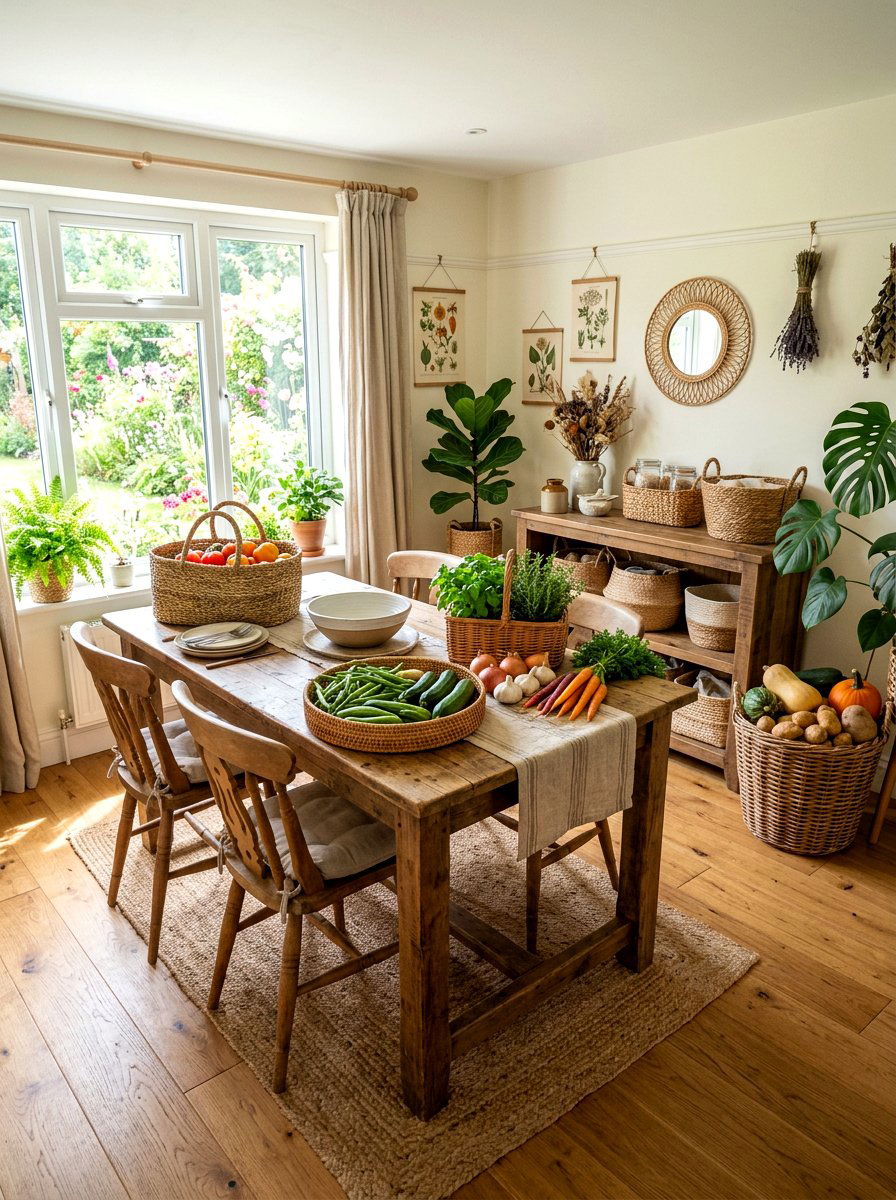
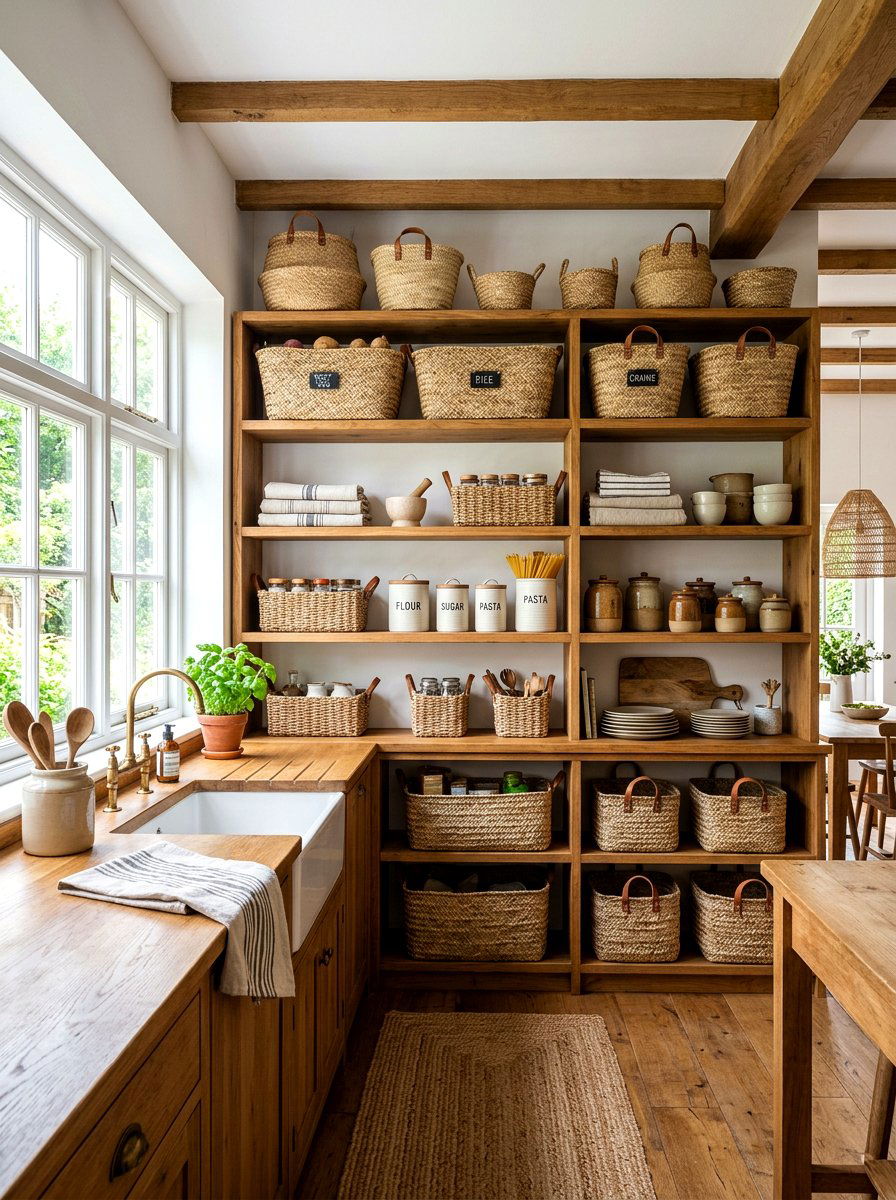
Using hand-woven baskets for both decoration and storage adds an essential layer of natural texture to your cabbagecore dining room. You can use large baskets to hold extra linens or smaller ones to display fresh produce on a sideboard. The earthy tones of the wicker or seagrass coordinate perfectly with the green and white color palette of the room. Baskets bring a sense of handmade warmth and practicality that is central to the cottage-inspired lifestyle. This styling choice is both functional and beautiful, ensuring that your dining area remains organized while staying true to the organic, garden-focused aesthetic that makes this trend so appealing.
Conclusion:
Embracing the cabbagecore dining room aesthetic is about finding joy in the whimsical details of nature and bringing them into the heart of your home. By combining vibrant lettuce ware ceramics, botanical textiles, and earthy green tones, you can create a space that feels both nostalgic and full of life. This trend encourages us to celebrate the simple beauty of a garden patch and to style our homes with a sense of playfulness and intentionality. Whether you choose a bold wallpaper or subtle embroidered napkins, these ideas offer a path to a dining room that is as welcoming as it is stylish.

Related posts: