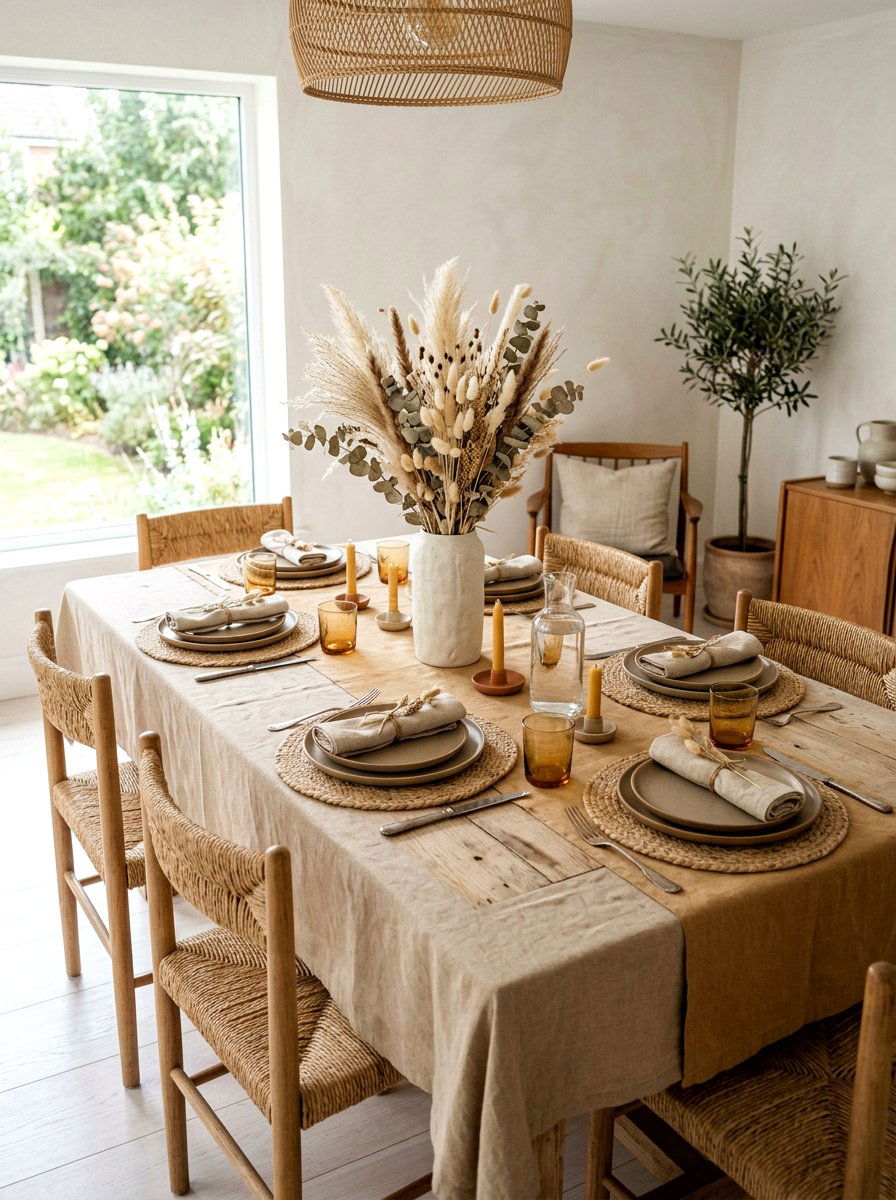
Have you ever dreamed of turning your dining room into a lush, garden-inspired sanctuary that feels both nostalgic and refreshingly modern? The cabbagecore aesthetic embraces the vibrant greens and organic shapes of the humble vegetable garden to create a whimsical, pastoral atmosphere inside your home. This growing trend is perfect for anyone who loves the intersection of nature, vintage charm, and high-end ceramic artistry. By incorporating verdant textures and botanical motifs, you can craft a tablescape that tells a story of earthy beauty and seasonal abundance. Whether you are hosting a formal spring brunch or a quiet family dinner, these cabbagecore concepts offer a delightful escape into a world of leafy greens and cottage charm.
1. Cabbage leaf plate setting
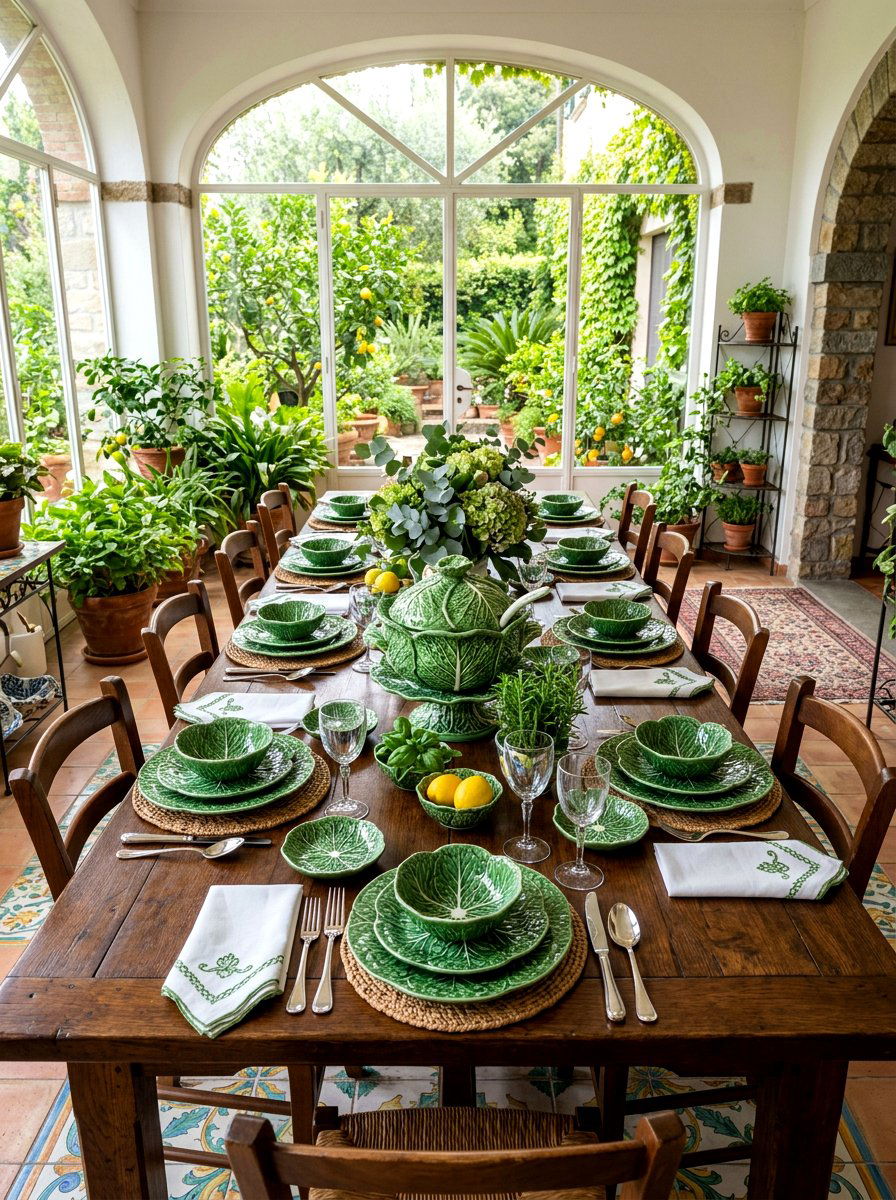
Are you ready to bring a touch of old-world charm and garden freshness to your next dinner party? The cabbage leaf plate setting is the absolute cornerstone of the cabbagecore trend, offering a tactile and visual feast for guests. These ceramics, popularized by historical brands, feature realistic leaf veins and vibrant shades of green that instantly liven up any dining room. By layering these sculptural plates with simple linens, you create a sophisticated yet whimsical look that celebrates nature. The organic shapes break the monotony of traditional round dinnerware, making every meal feel like a special occasion. This specific style works perfectly for spring gatherings where a natural, earthy vibe is the main goal.
2. Ceramic vegetable centerpiece
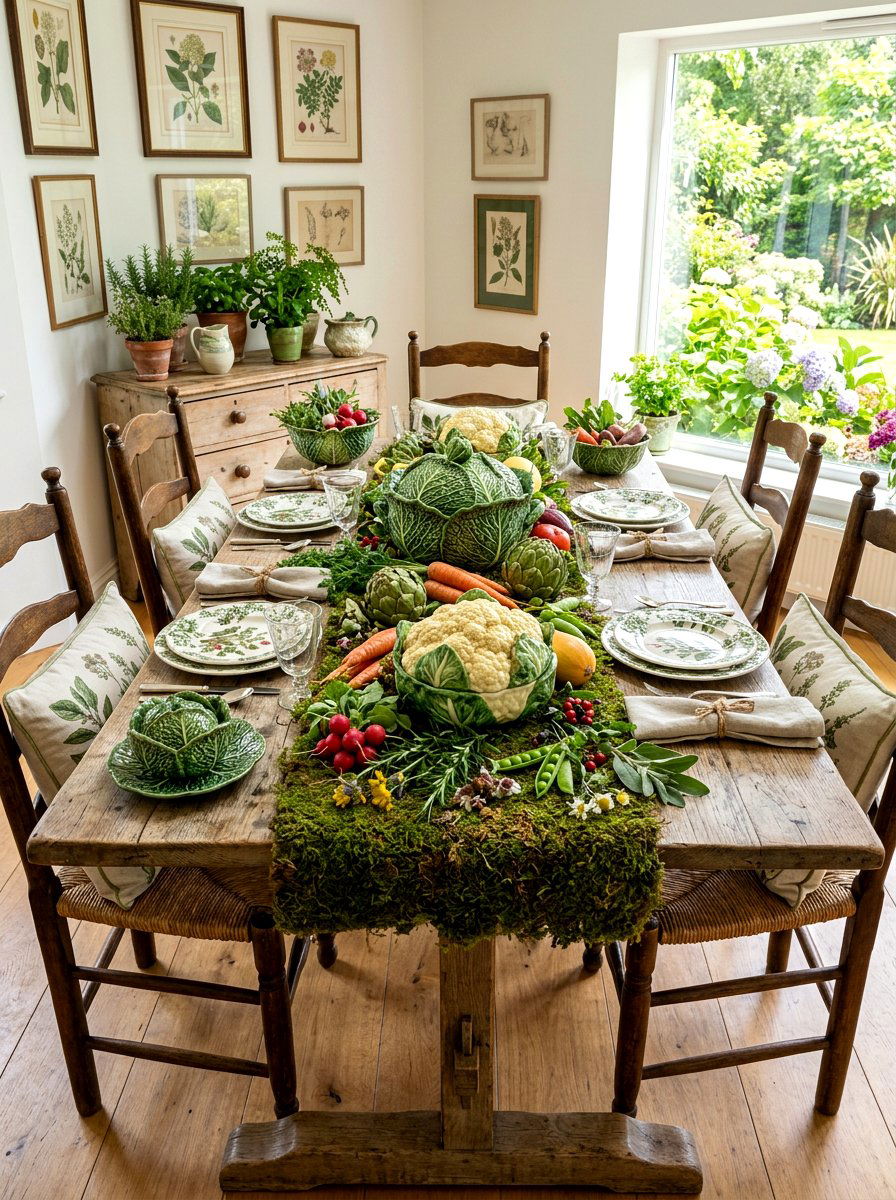
Imagine walking into a dining area where the main focal point is a beautiful, hand-painted ceramic vegetable centerpiece. This design idea utilizes large ceramic tureens shaped like cabbages or cauliflowers to anchor the middle of the table. Surrounding these main pieces with smaller ceramic radishes or carrots creates a playful garden scene that sparks immediate conversation among your dinner guests. The glossy finish of the majolica pottery reflects light beautifully, adding a sense of luxury to the rustic theme. It is a fantastic way to display your love for botanical art while keeping the table organized and visually balanced. This approach ensures your cabbagecore theme feels intentional, curated, and deeply rooted in tradition.
3. Green linen tablecloth
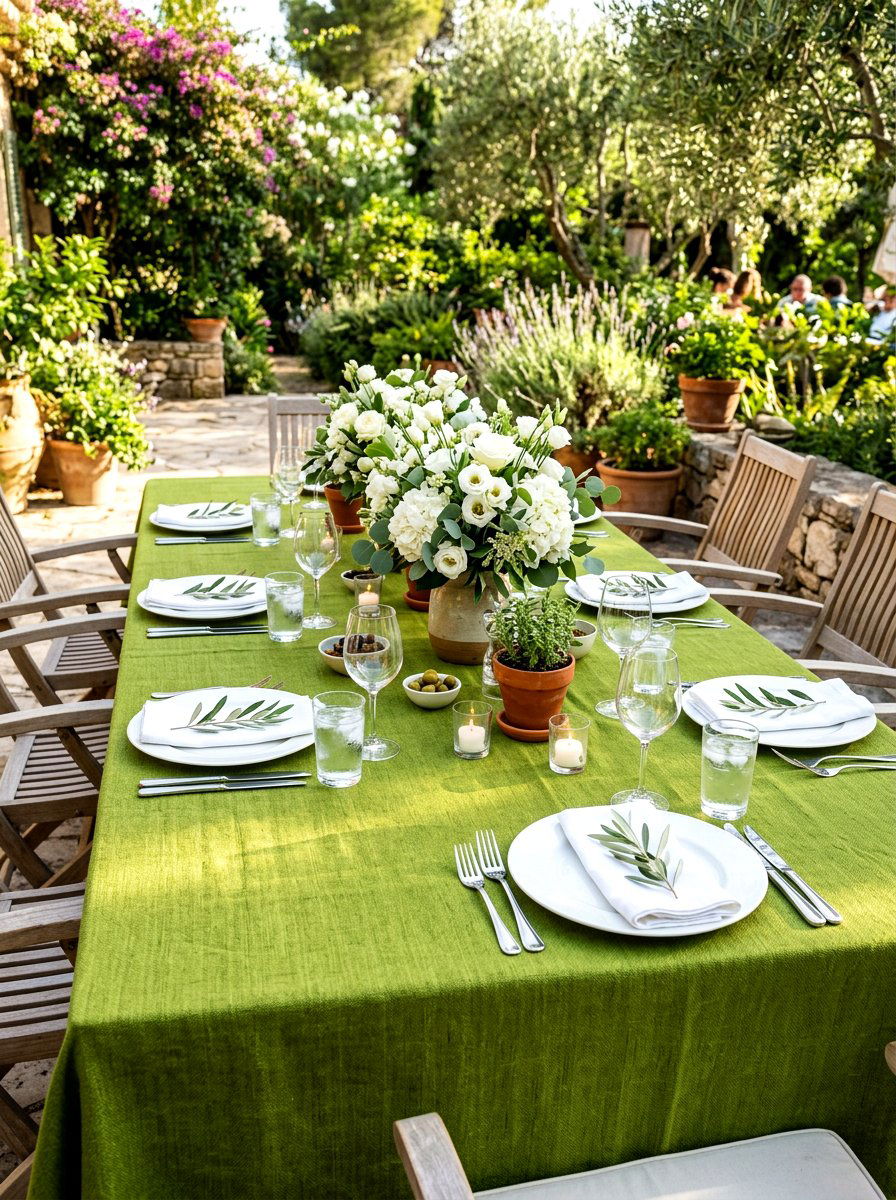
Have you considered using a rich green linen tablecloth to set the foundation for your next garden-themed event? Using a solid verdant base allows all your vegetable-shaped plates and decor items to truly pop against the fabric. Linen provides a wonderful organic texture that complements the smooth glaze of ceramic cabbage ware perfectly. You can choose a deep forest green for a moody, sophisticated look or a bright mossy shade for a cheerful morning brunch atmosphere. The natural drape of the fabric adds a relaxed, cottage-style elegance to the entire room. When paired with white napkins and brass accents, this base layer creates a cohesive and immersive cabbagecore experience for everyone.
4. Rabbit garden decor
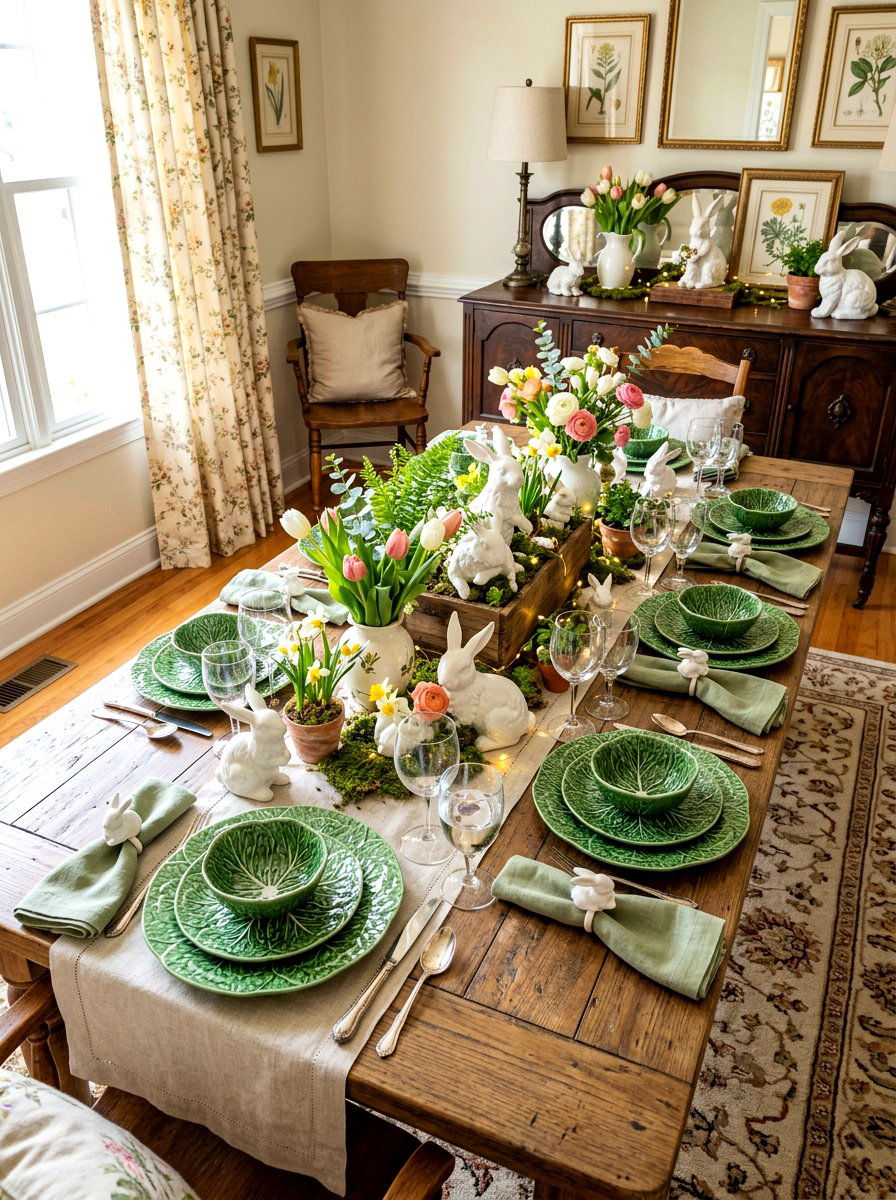
Why not add a touch of whimsy to your dining space by incorporating classic rabbit garden decor into your layout? Little white ceramic bunnies tucked between cabbage leaves and mossy runners add a storybook quality to the tablescape. These figurines provide a delightful focal point that children and adults alike will find charming and memorable. You can place them near the center of the table or even use tiny versions at each individual place setting. This design choice leans into the pastoral roots of the aesthetic, making the dining experience feel like a hidden garden party. It creates a playful balance between formal dinnerware and lighthearted, nature-inspired decorative elements.
5. Farmhouse vegetable table
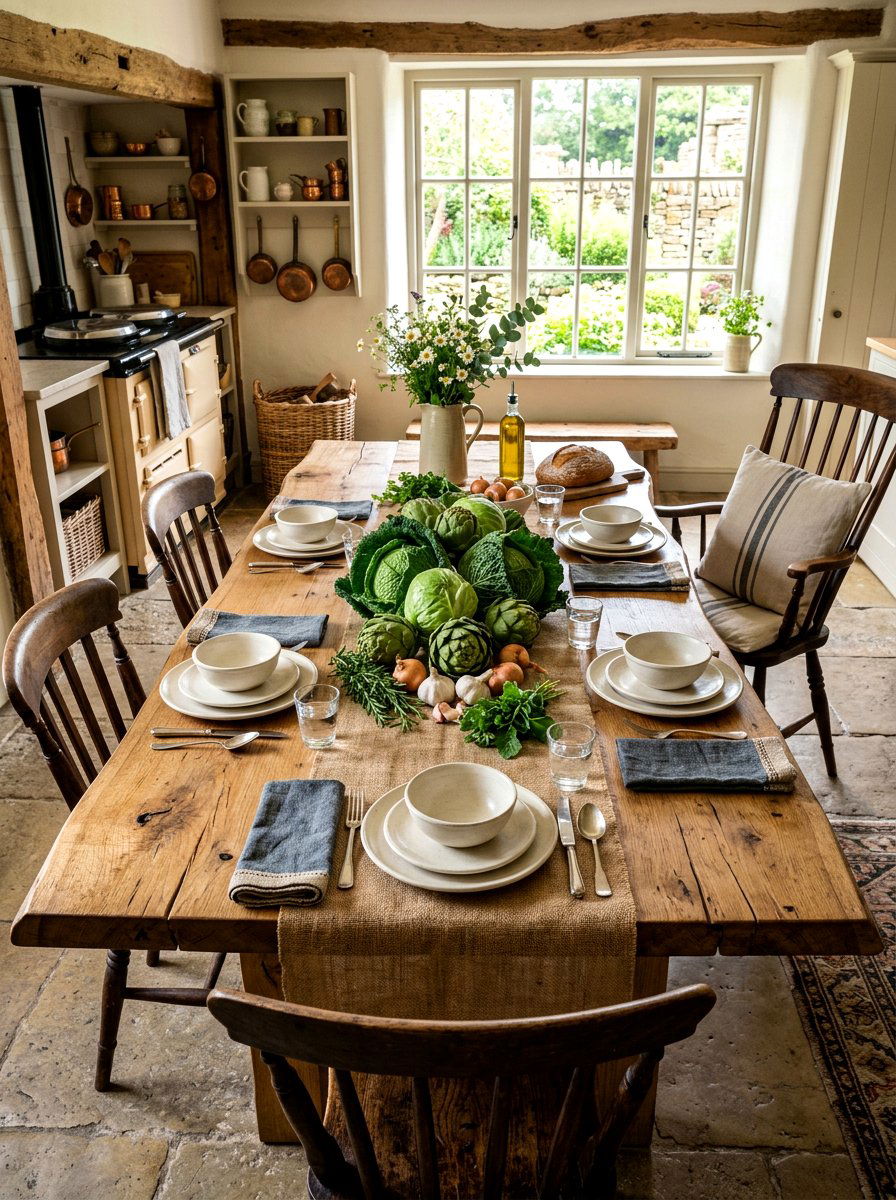
The farmhouse vegetable table design focuses on raw, natural beauty by using a heavy wooden table as the primary canvas. Instead of a full tablecloth, this look relies on a simple burlap or linen runner to showcase the beautiful wood grain beneath. You can pile real cabbages, artichokes, and clusters of grapes directly onto the center of the table for an effortless harvest feel. This "living" decor approach is incredibly affordable and brings an authentic, farm-to-table atmosphere to your home. Complement the rustic wood with sturdy ironstone bowls and mismatched vintage cutlery. This design is perfect for those who want a cabbagecore look that feels grounded, unpretentious, and very cozy.
6. Pink cabbage dinnerware
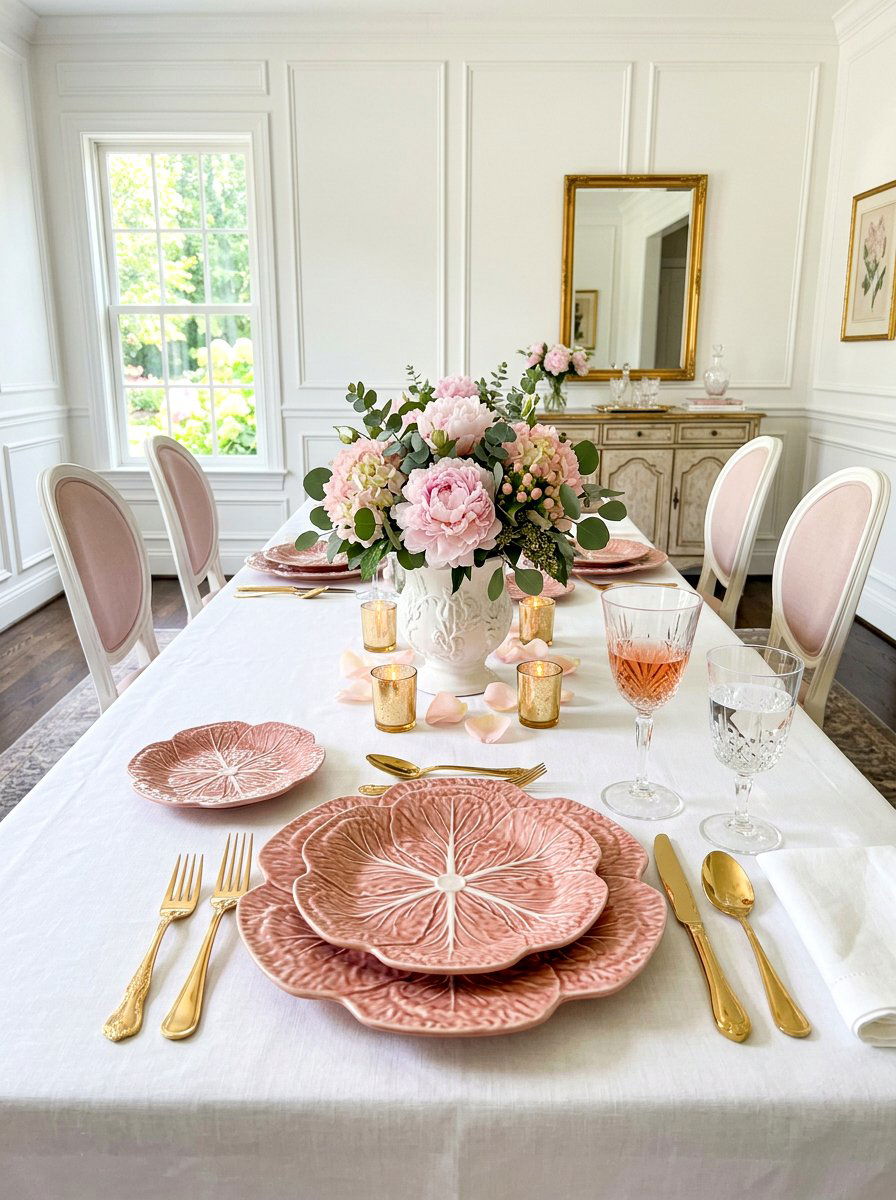
Did you know that cabbagecore can also be soft, romantic, and elegant by using pink cabbage dinnerware? While green is the traditional color, blush-toned cabbage plates offer a fresh and modern twist on the classic botanical style. This design idea pairs beautifully with gold-rimmed glassware and delicate floral arrangements in the center of the table. The pink glaze adds a sophisticated warmth that is perfect for a bridal shower or a romantic anniversary dinner. You can mix these pink pieces with a few green accents to create a balanced, bicolored look that mimics a real flowering garden. It is a stunning way to embrace the trend while maintaining a feminine aesthetic.
7. Vintage majolica pottery
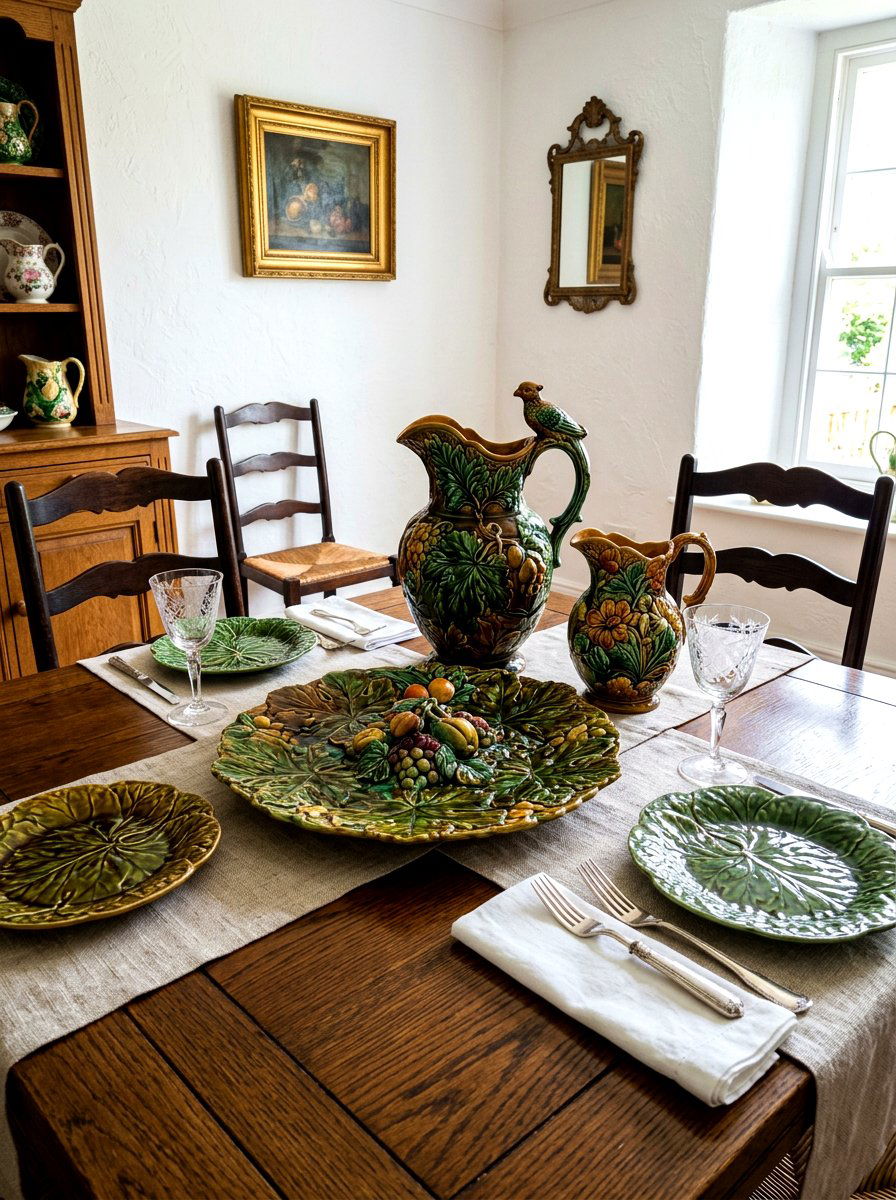
If you appreciate history and craftsmanship, creating a tablescape centered around vintage majolica pottery is the ultimate design choice. This style celebrates the highly detailed, lead-glazed ceramics that were popular in the nineteenth century. Each piece, from pitchers to platters, features high-relief textures of leaves, fruits, and vegetables that feel like works of art. By displaying a collection of these heirlooms on your table, you create a museum-like experience that feels both refined and eccentric. The deep, glassy glazes of vintage pieces provide a richness that modern reproductions often lack. It is a sophisticated way to pay homage to the roots of the cabbagecore movement while hosting.
8. Ornamental cabbage centerpiece
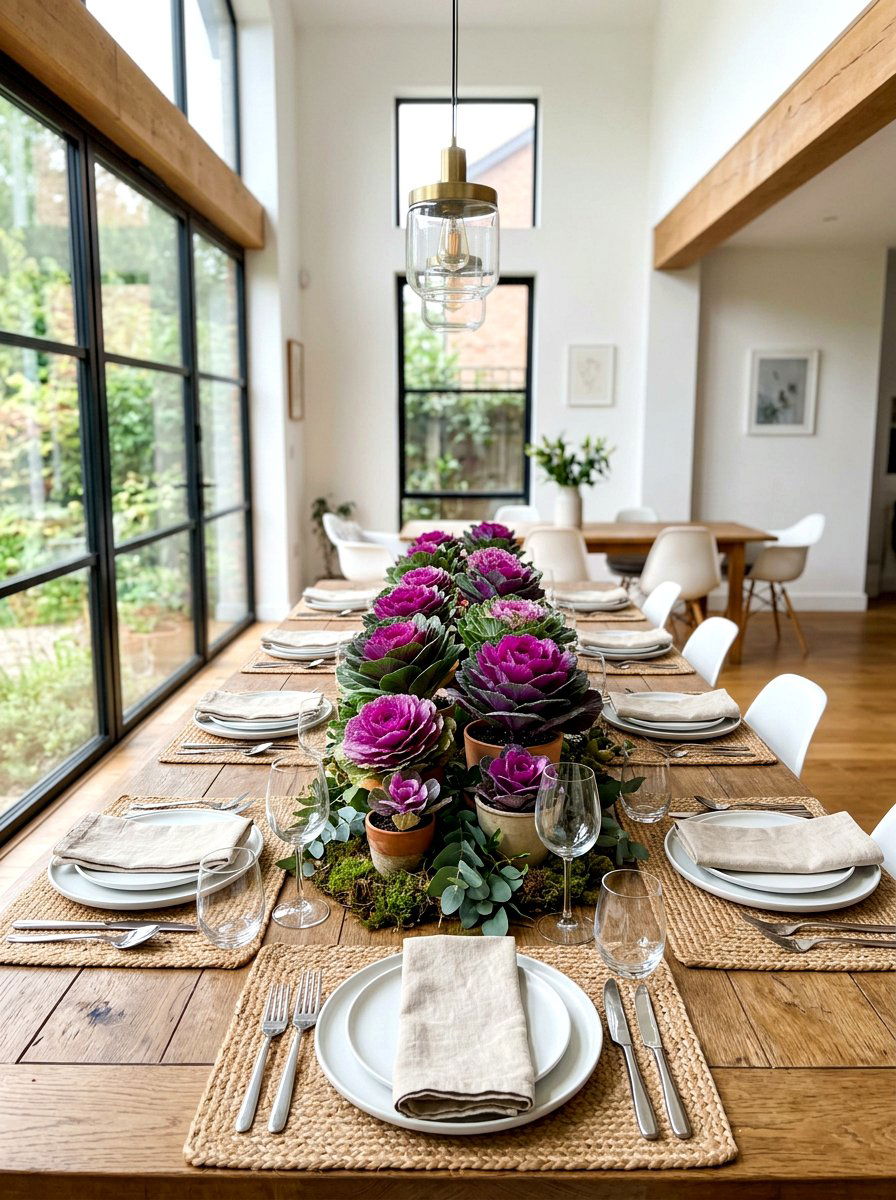
Using a living ornamental cabbage centerpiece is a brilliant way to bring actual nature directly onto your dining table. These plants feature stunning rosettes of purple, white, and green leaves that look remarkably like large, exotic flowers. You can place several potted cabbages in a row down the center of a long rectangular table for a dramatic effect. Wrapping the pots in rustic moss or simple brown paper ensures the focus remains on the beautiful foliage. This design idea is not only visually striking but also very long-lasting compared to traditional cut flowers. It provides a unique, architectural element to your room that perfectly embodies the spirit of the trend.
9. Scalloped edge linen
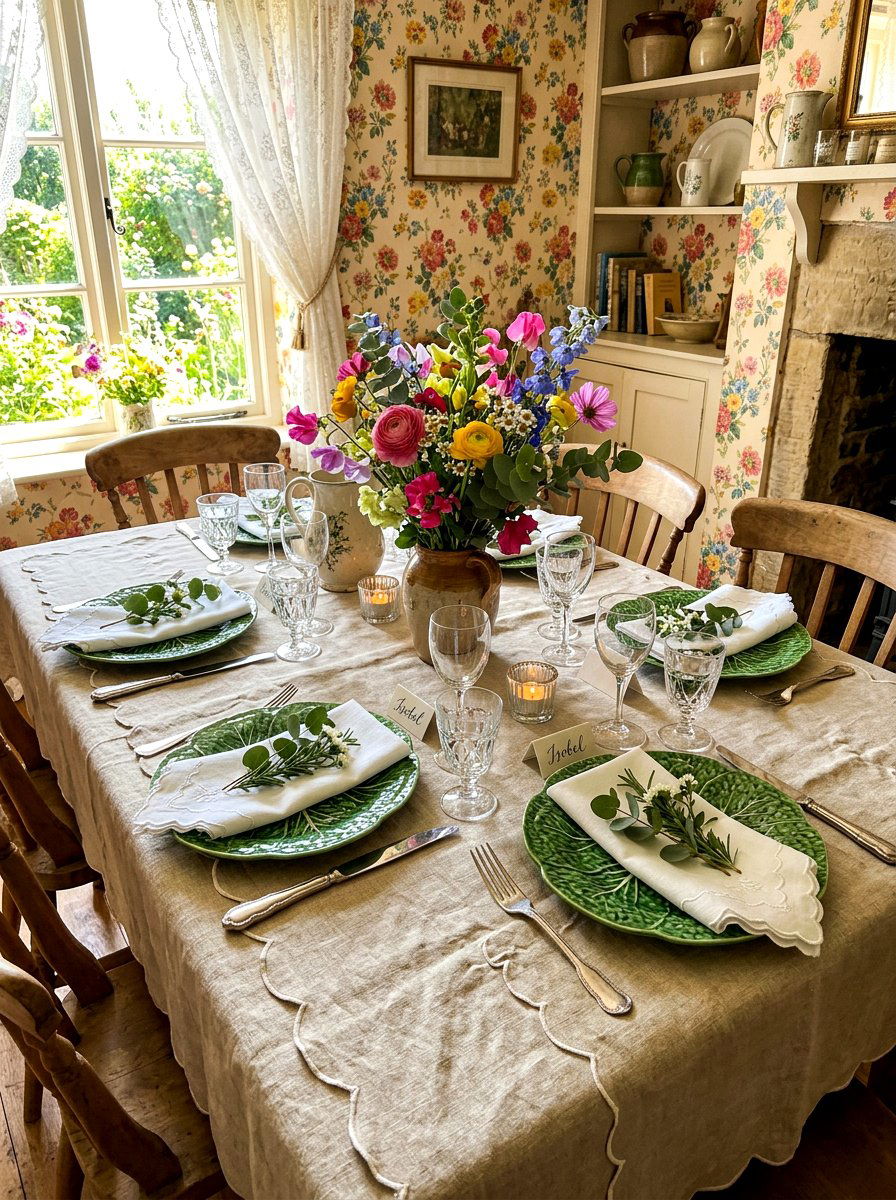
Adding scalloped edge linen to your table setting is a subtle yet effective way to mirror the ruffles of a real cabbage. These wavy borders on napkins or placemats provide a feminine and vintage feel that softens the overall look of the room. You can choose linens in a creamy white or a pale sage green to keep the palette harmonious and serene. The repetitive curves of the scallops add a rhythmic visual interest that guides the eye across the entire tablescape. When paired with round cabbage plates, the layers of curves create a cohesive and polished design. It is a small detail that makes a significant impact on the cottagecore vibe.
10. Gingham table runner
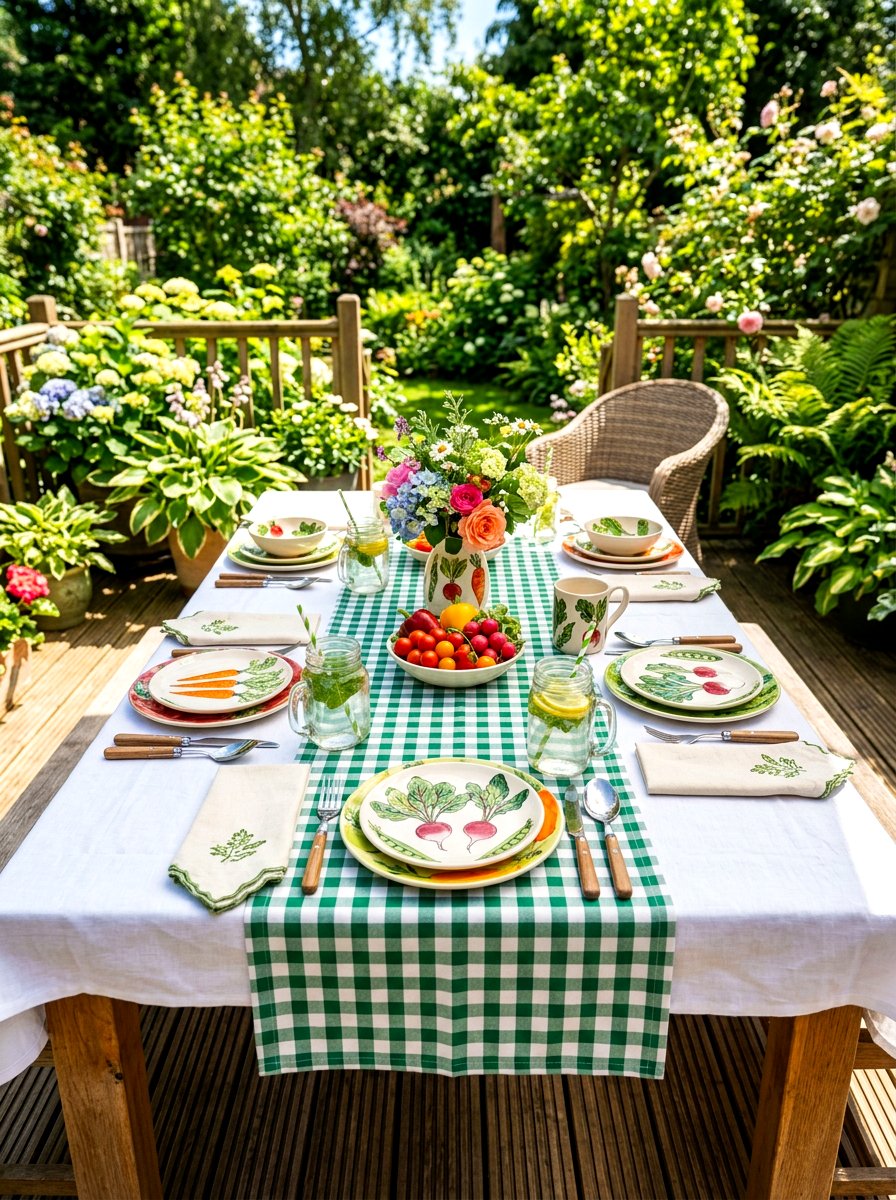
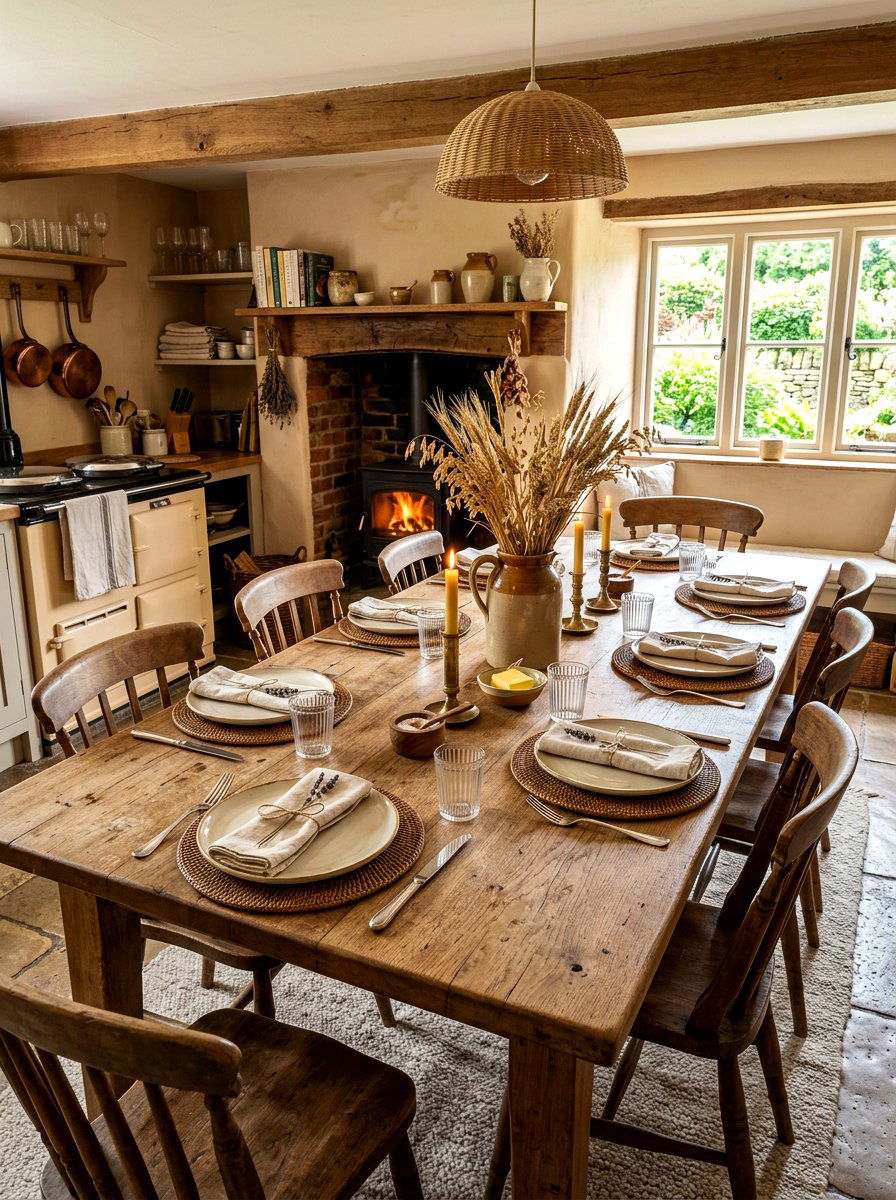
A gingham table runner is the perfect choice for creating a casual and inviting cabbagecore atmosphere in your home. The classic checkered pattern evokes a sense of nostalgia and country living that pairs beautifully with vegetable-themed decor. Choosing a green and white gingham print reinforces the botanical theme without feeling overwhelming. This design idea works exceptionally well for outdoor lunches or relaxed weekend breakfasts with the family. You can layer ceramic leaf plates directly over the runner for a playful mix of patterns and textures. The simplicity of the gingham balances the intricate details of the cabbage ware, creating a look that is both balanced and charming.
11. Woven rattan placemat
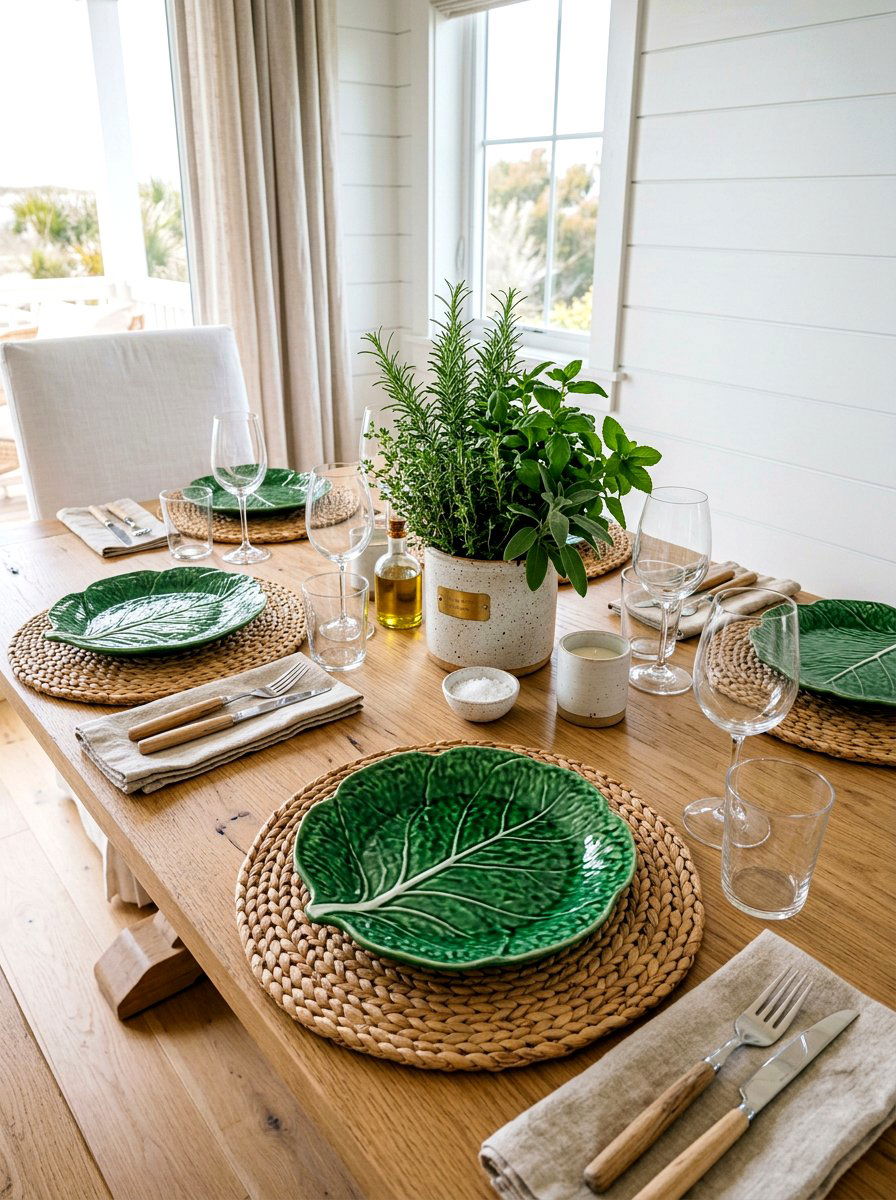
Incorporating a woven rattan placemat into your table design adds a layer of natural texture that grounds the vibrant green ceramics. The earthy, neutral tones of the rattan provide a beautiful contrast to the glossy finish of cabbage leaf plates. This combination feels very organic and reminiscent of a garden basket filled with fresh produce. Rattan is durable and practical for everyday use, but it also looks elevated enough for a special garden party. By adding this woven element, you introduce a tactile quality to the table that enhances the sensory experience of the meal. It is an easy way to achieve a professional, layered look in any dining space.
12. Vegetable cloche display
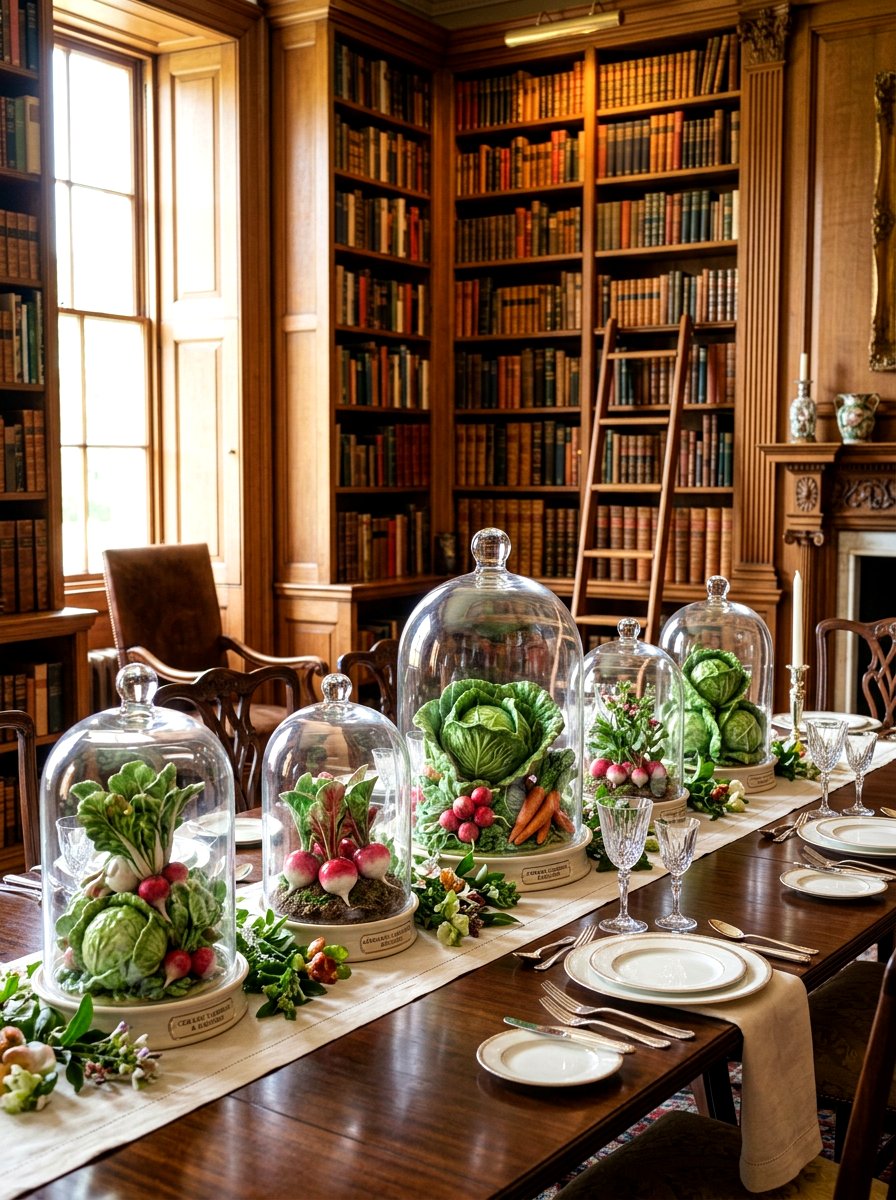
For a truly sophisticated and curated look, try using a vegetable cloche display as your primary table decor. Placing a single, perfectly shaped ceramic cabbage or a real heirloom vegetable under a glass dome creates an instant art installation. This design idea turns your dining table into a gallery of botanical specimens, drawing the eye to the beauty of organic forms. You can use cloches of varying heights to create a dynamic and interesting skyline across the center of your table. This approach feels very Victorian and scholarly, adding a layer of intellectual charm to the cabbagecore aesthetic. It is a clean, clutter-free way to showcase your most beautiful decorative pieces.
13. Herb bouquet centerpiece
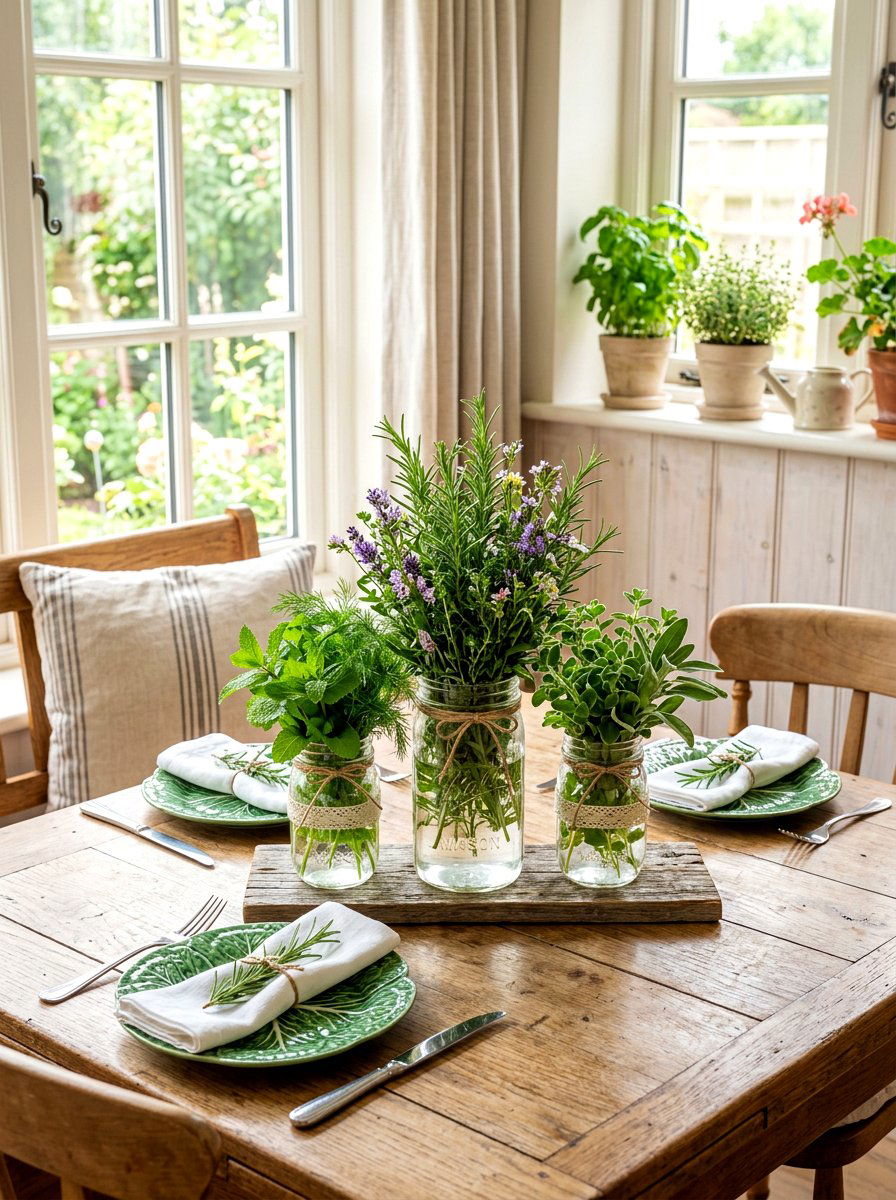
Why limit your greenery to just cabbage when you can create a fragrant herb bouquet centerpiece for your table? Bundling fresh rosemary, thyme, and mint into simple glass jars provides a beautiful and functional decoration that smells incredible. The soft, silvery greens of the herbs complement the bolder greens of the cabbage dinnerware perfectly. Guests can even pluck a few leaves to garnish their own drinks or meals, making the decor interactive. This design choice is incredibly easy to put together using items from your own garden or the local market. It adds a fresh, culinary-focused layer to your tablescape that feels authentic and very much in style.
14. Floral china mix
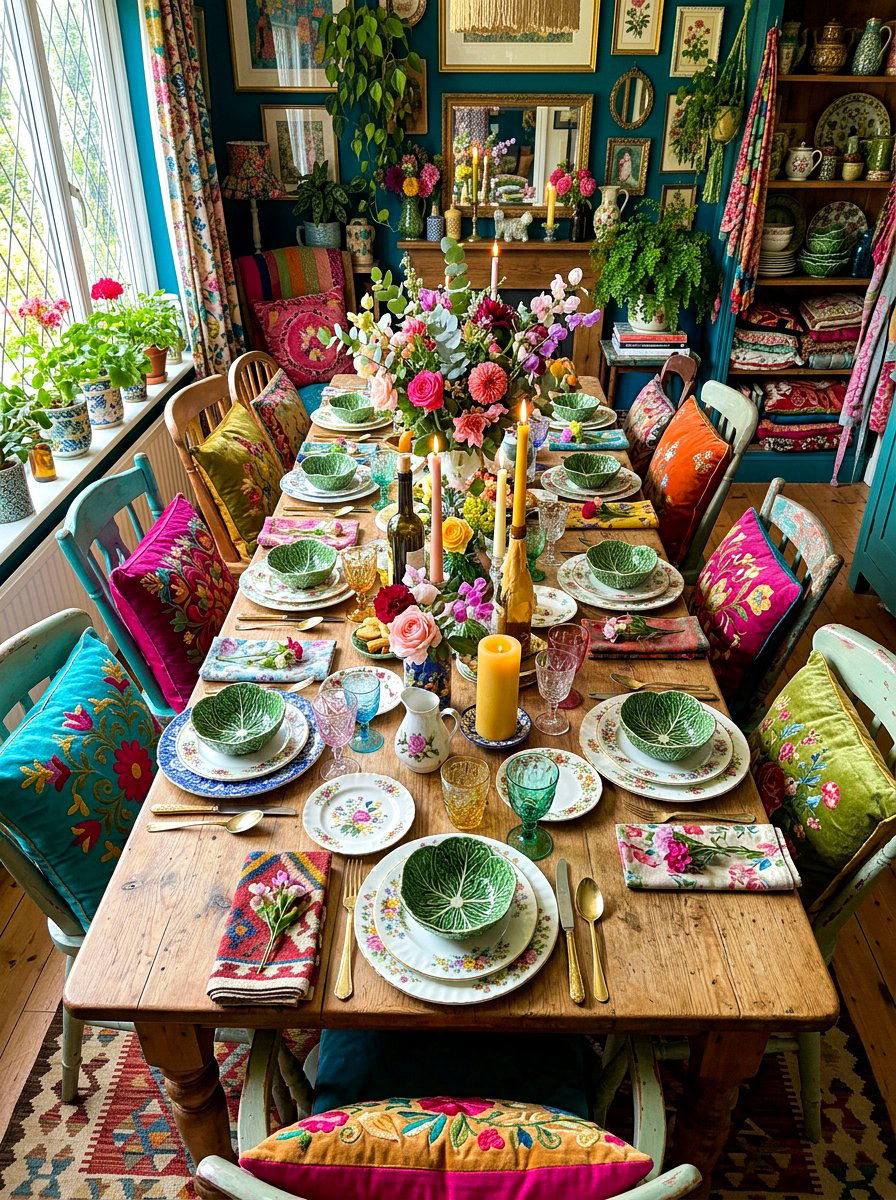
Creating a floral china mix is a wonderful way to embrace the maximalist side of the cabbagecore trend. By pairing your green cabbage plates with vintage floral-patterned saucers or bowls, you create a rich and eclectic look. This design idea relies on a shared color palette to keep the mismatched pieces feeling intentional and harmonious. The combination of delicate blossoms and bold leaves makes the table feel like a lush, overgrown garden in full bloom. It is a fantastic way to use your existing heirloom pieces while introducing new, trendy elements. This style is perfect for those who love a layered, "collected over time" aesthetic in their home.
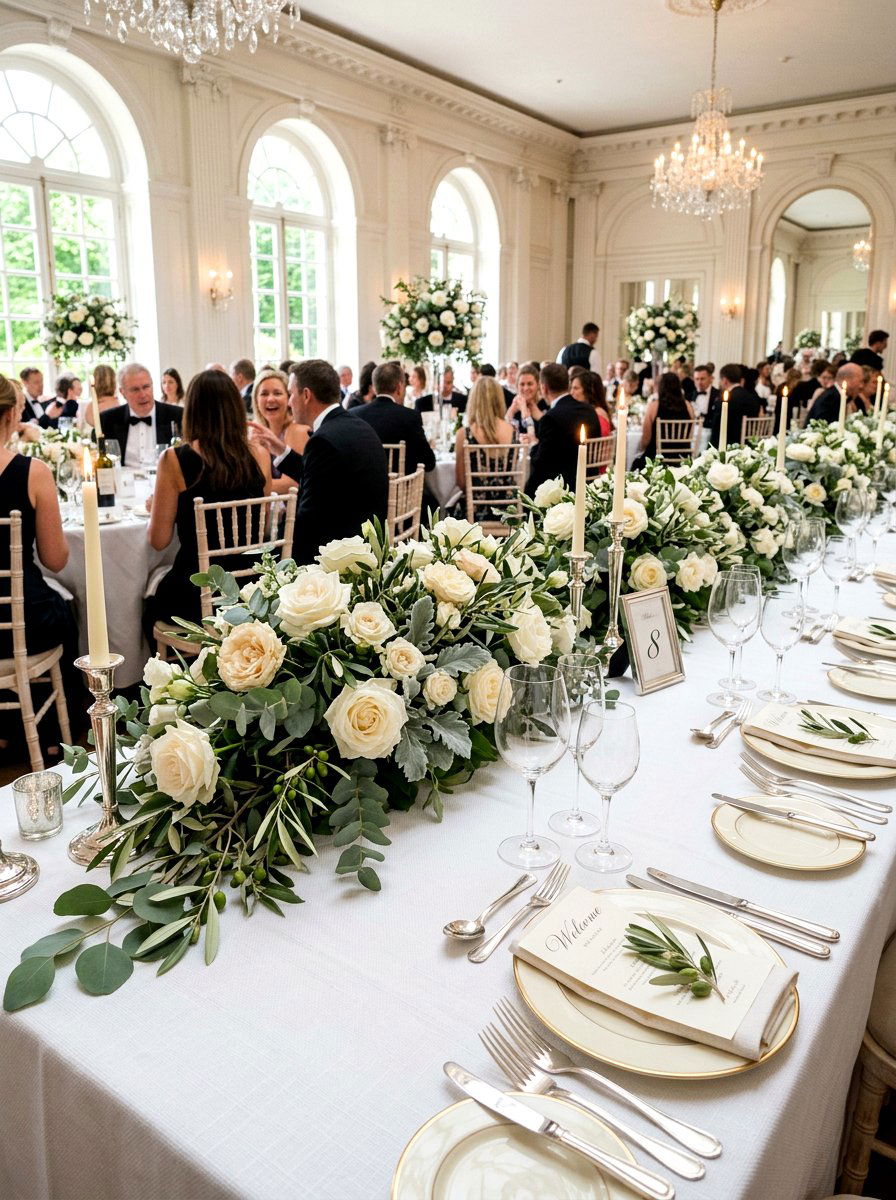
15. Moss table runner
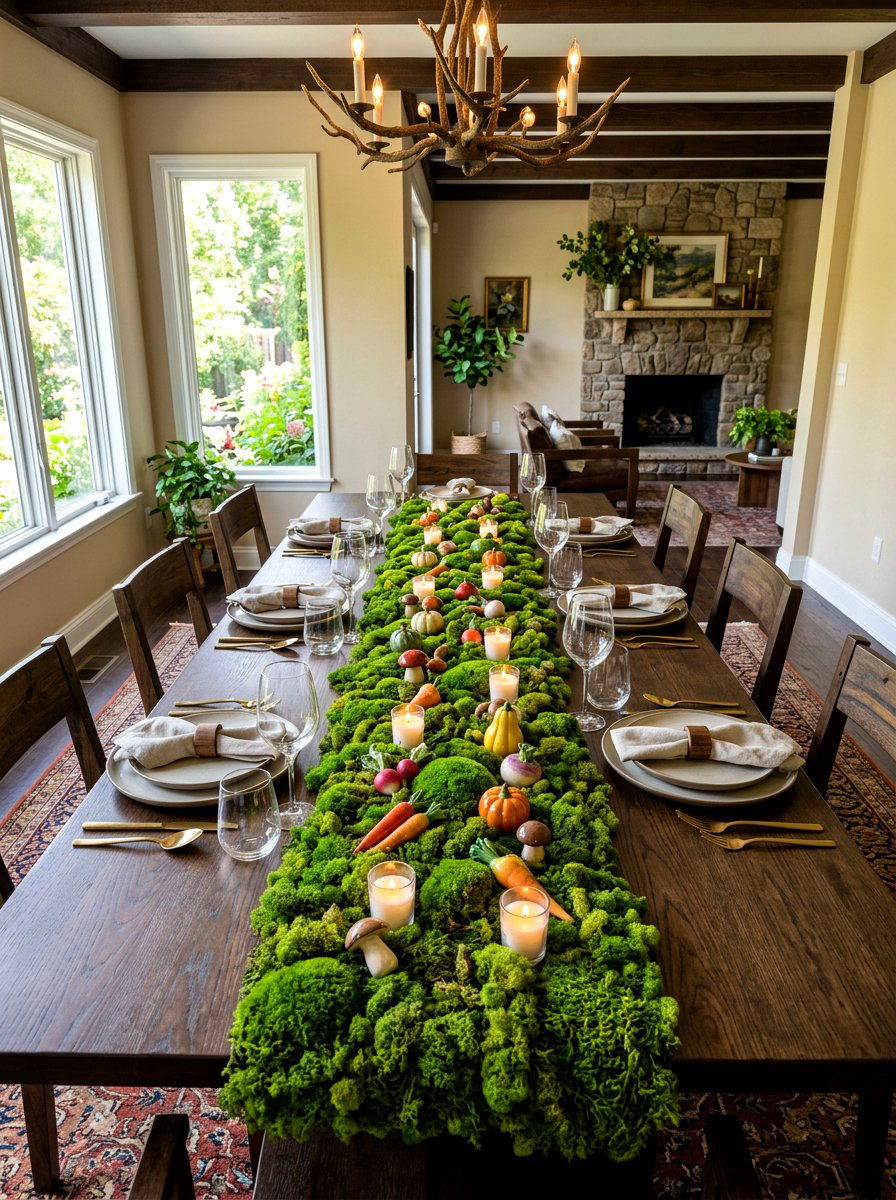
A moss table runner provides a soft, forest-like base that can completely transform the mood of your dining room. Using preserved moss down the center of the table creates a verdant path that looks like it was plucked from a fairy tale. You can nestle ceramic vegetables, small candles, and wooden elements directly into the moss for a seamless look. This design idea adds a deep, rich texture that feels very high-end and luxurious. The dark green of the moss makes the lighter green of your cabbage plates stand out beautifully. It is a dramatic and immersive way to bring the outdoors in, making every dinner feel like an enchanted forest feast.
16. Brass garden cutlery
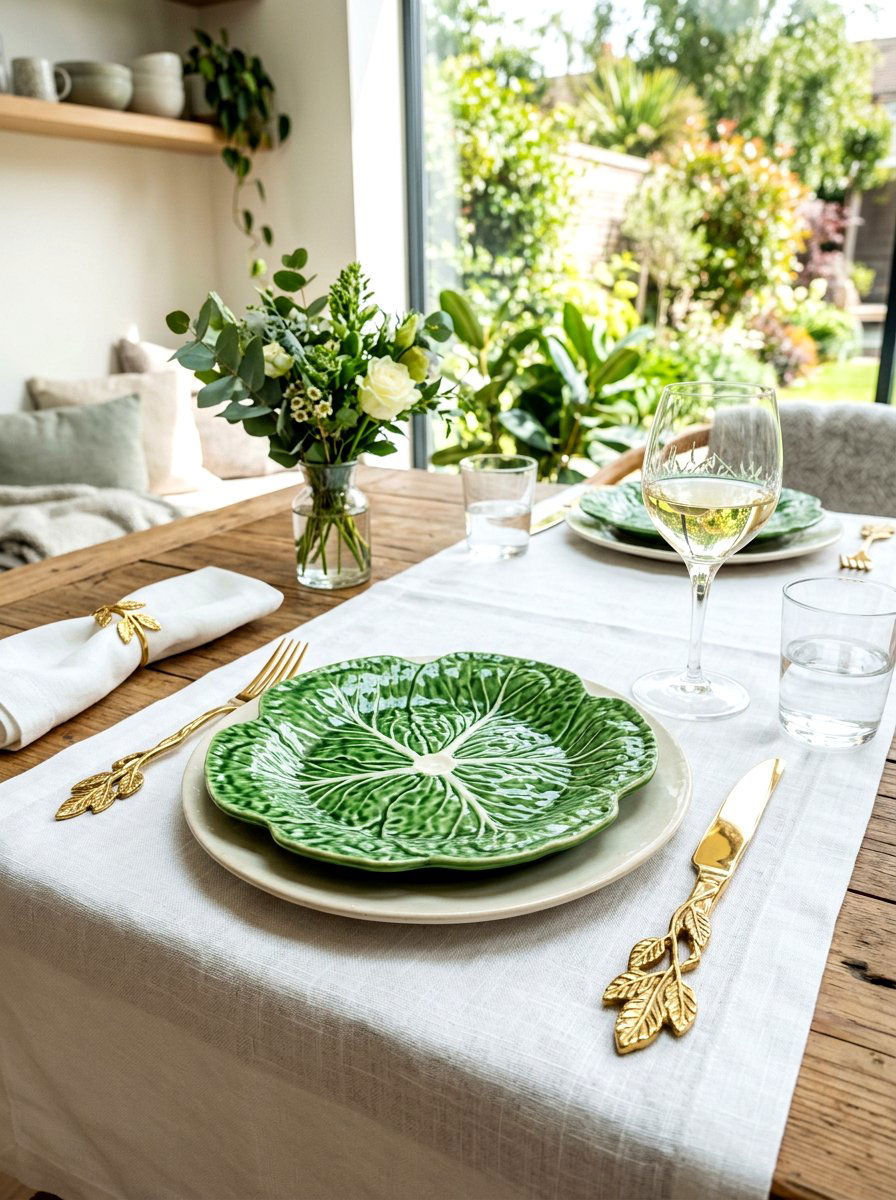
Elevate your vegetable-themed table by introducing brass garden cutlery to the mix. The warm, golden tones of the brass provide a stunning contrast to the cool greens of the cabbageware. This combination feels very elegant and adds a touch of "quiet luxury" to the otherwise rustic aesthetic. You can look for flatware with subtle leaf engravings or organic, twig-like handles to further reinforce the botanical theme. The metallic shine catches the light during evening meals, creating a festive and upscale atmosphere. By choosing brass over silver, you lean into a more vintage and artisanal feel that perfectly complements the handmade quality of majolica ceramics.
17. Terracotta place card
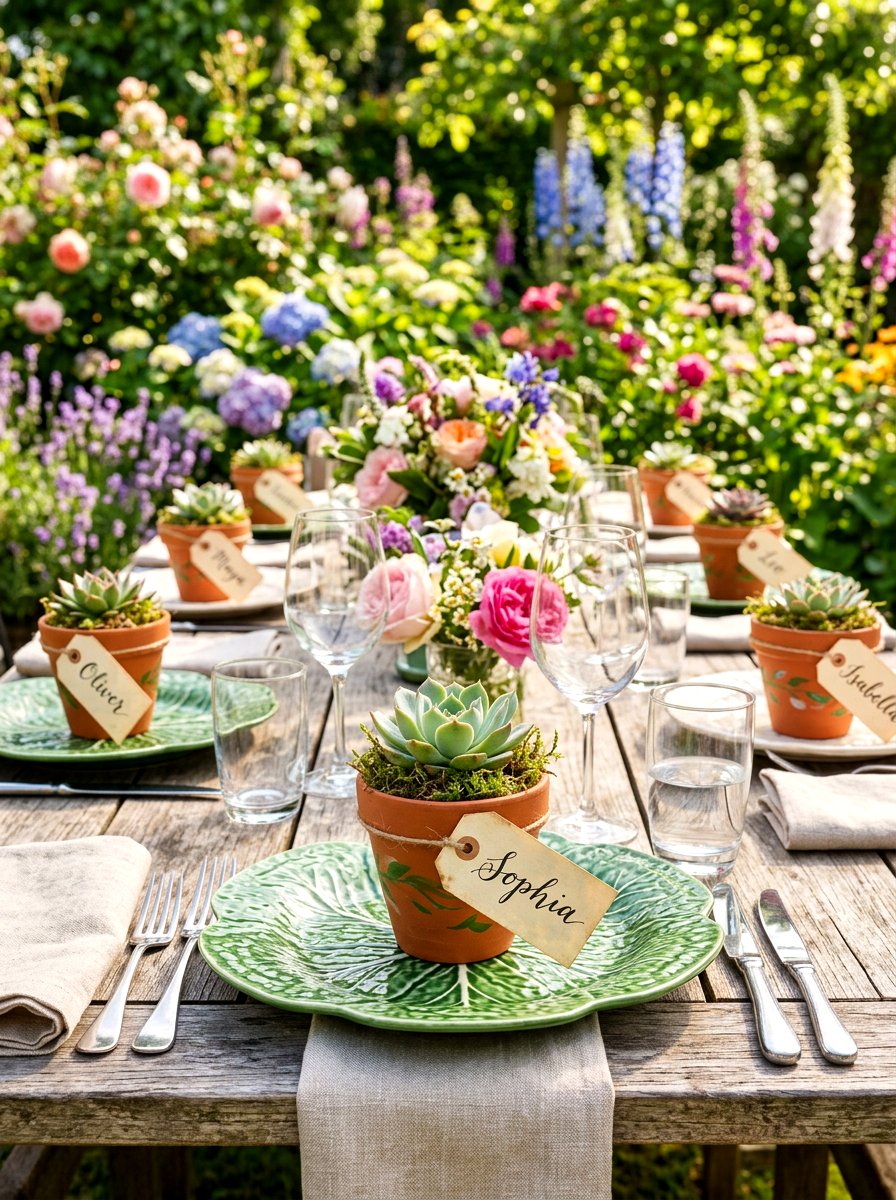
Using a terracotta place card is a clever and adorable way to bring garden elements to each individual seat. You can use tiny terracotta pots filled with a single sprig of parsley or a small succulent as a base for the name tag. This design idea makes each guest feel special and provides them with a little gift they can take home after the meal. The warm, earthy orange of the clay looks beautiful next to green cabbage plates and white linens. It is a simple DIY project that adds a personalized and handcrafted touch to your tablescape. This detail anchors the entire garden theme in a very literal and charming way.
18. Crystal glassware theme
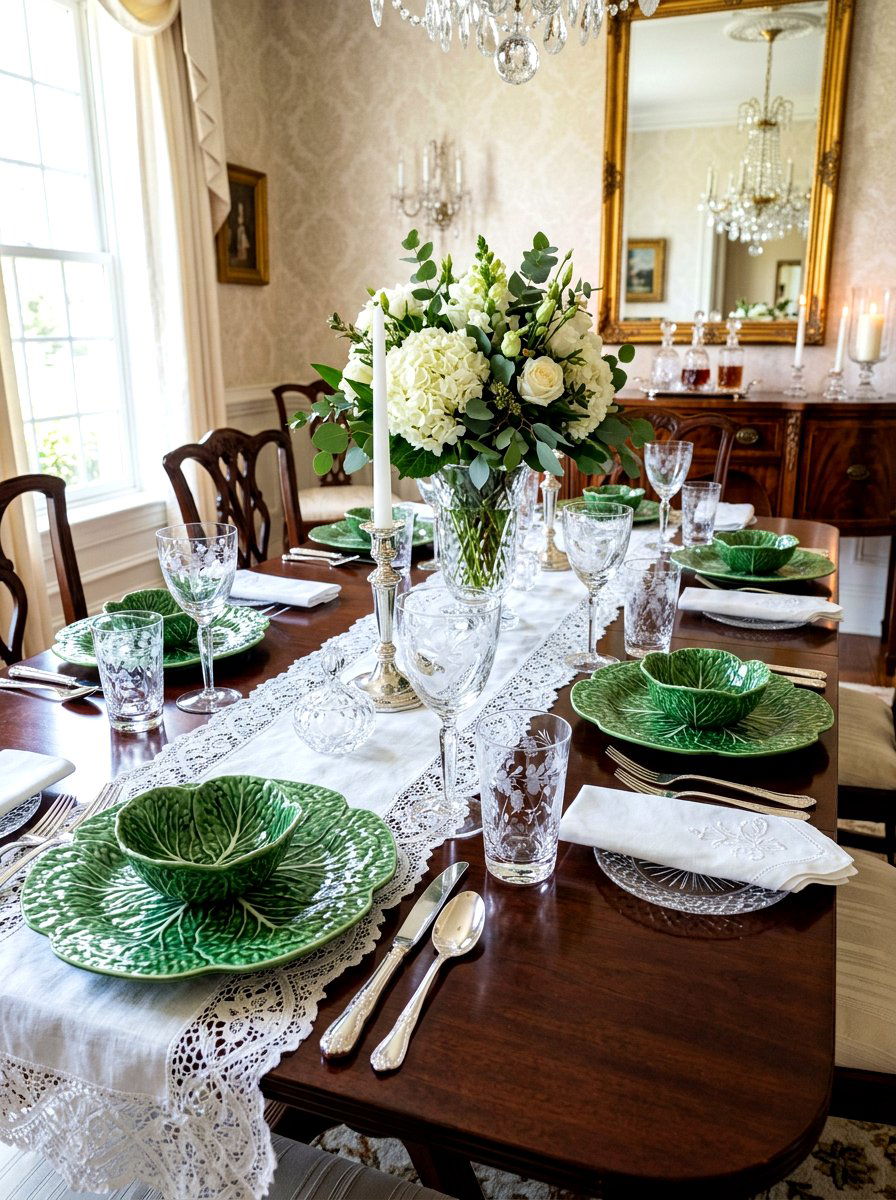
To prevent your cabbagecore table from feeling too rustic, try incorporating a refined crystal glassware theme into the layout. The clarity and sparkle of fine glass provide a necessary lightness that balances the heavy, opaque nature of ceramic dinnerware. You can choose glasses with etched leaf patterns or simple, modern silhouettes to keep the look clean and sophisticated. The way the light passes through the glass onto the green plates creates a beautiful play of shadows and highlights. This design choice ensures the tablescape feels upscale and appropriate for a formal dinner party. It adds a touch of traditional elegance that ties the whole botanical theme together beautifully.
19. Velvet napkin ribbon
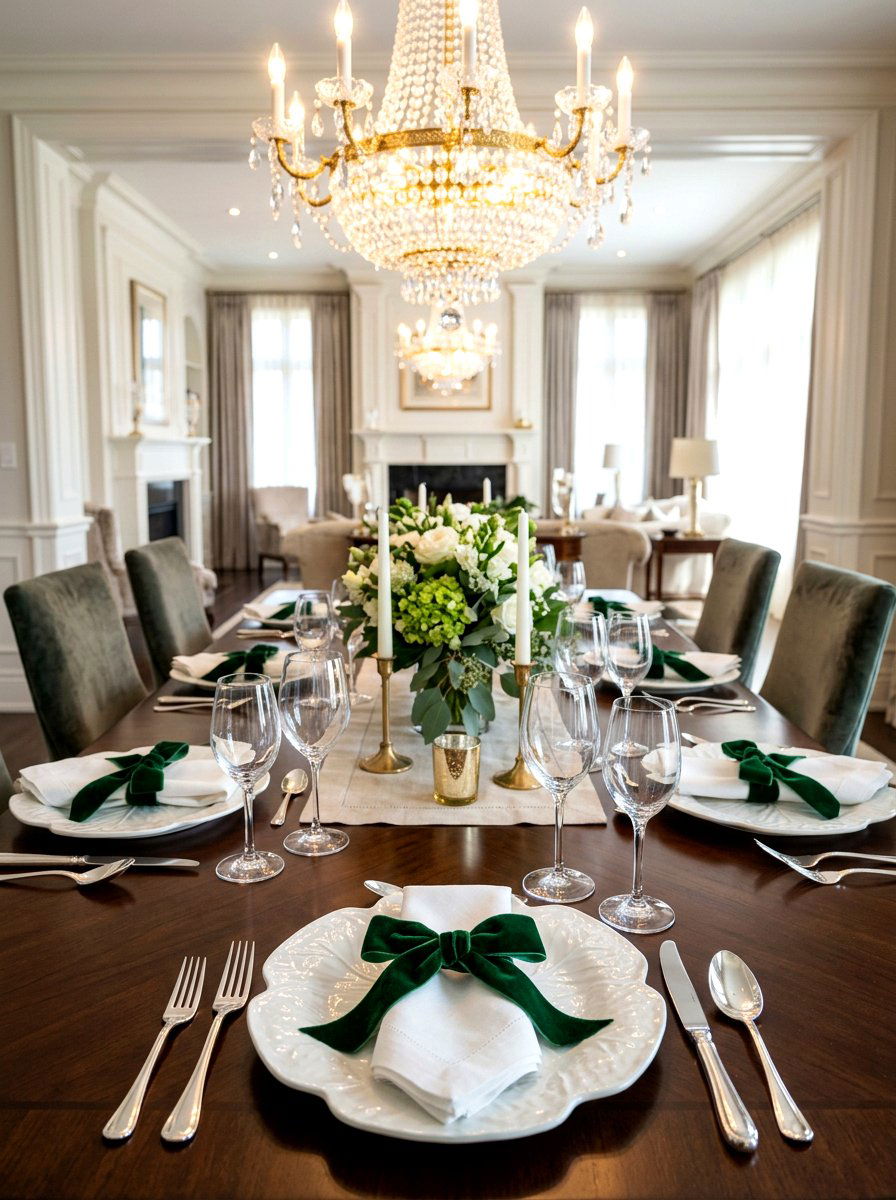
If you want to add a touch of luxury and softness to your table, consider using a velvet napkin ribbon. Tying your cloth napkins with a thin strand of moss green or deep forest green velvet adds an immediate sense of richness. The matte texture of the velvet is a lovely contrast to the shiny glaze of the cabbage leaf plates. You can even tuck a small leaf or a dried flower into the ribbon for an extra botanical detail. This design idea is simple yet incredibly effective at making the table feel more curated and expensive. It is a small tactile luxury that your guests will notice and appreciate as they sit down.
20. Dried flower centerpiece
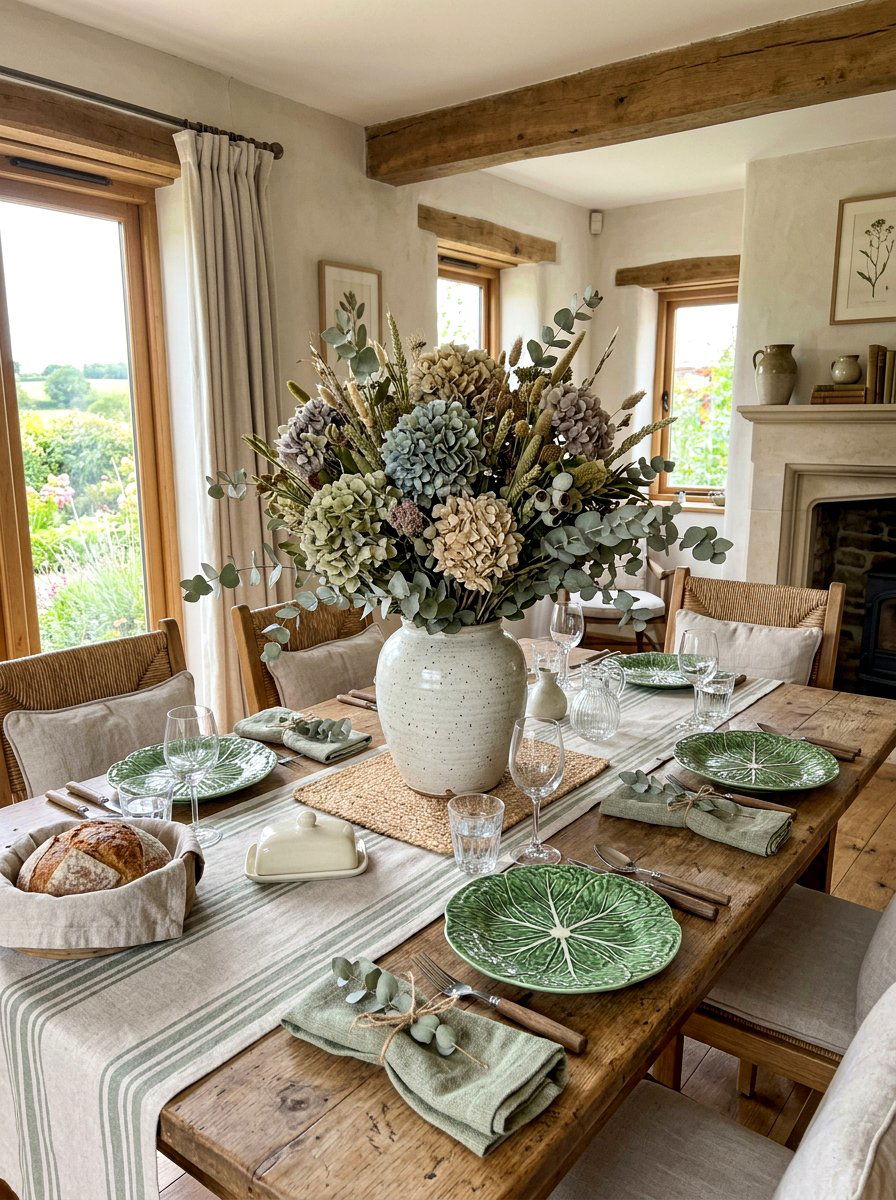
A dried flower centerpiece is a fantastic option for a cabbagecore table that needs to last for several weeks. Using dried hydrangeas, eucalyptus, and wheat provides a muted, earthy color palette that looks stunning next to vibrant green ceramics. This design idea leans into the "cottage" aspect of the aesthetic, offering a rustic and timeless look that feels very cozy. The various textures of the dried botanicals add depth and interest to the center of the table without requiring any maintenance. It is a sustainable and beautiful way to decorate your home, creating a bridge between the fresh garden vibe and a more permanent interior decor style.
21. Painted cottage chair
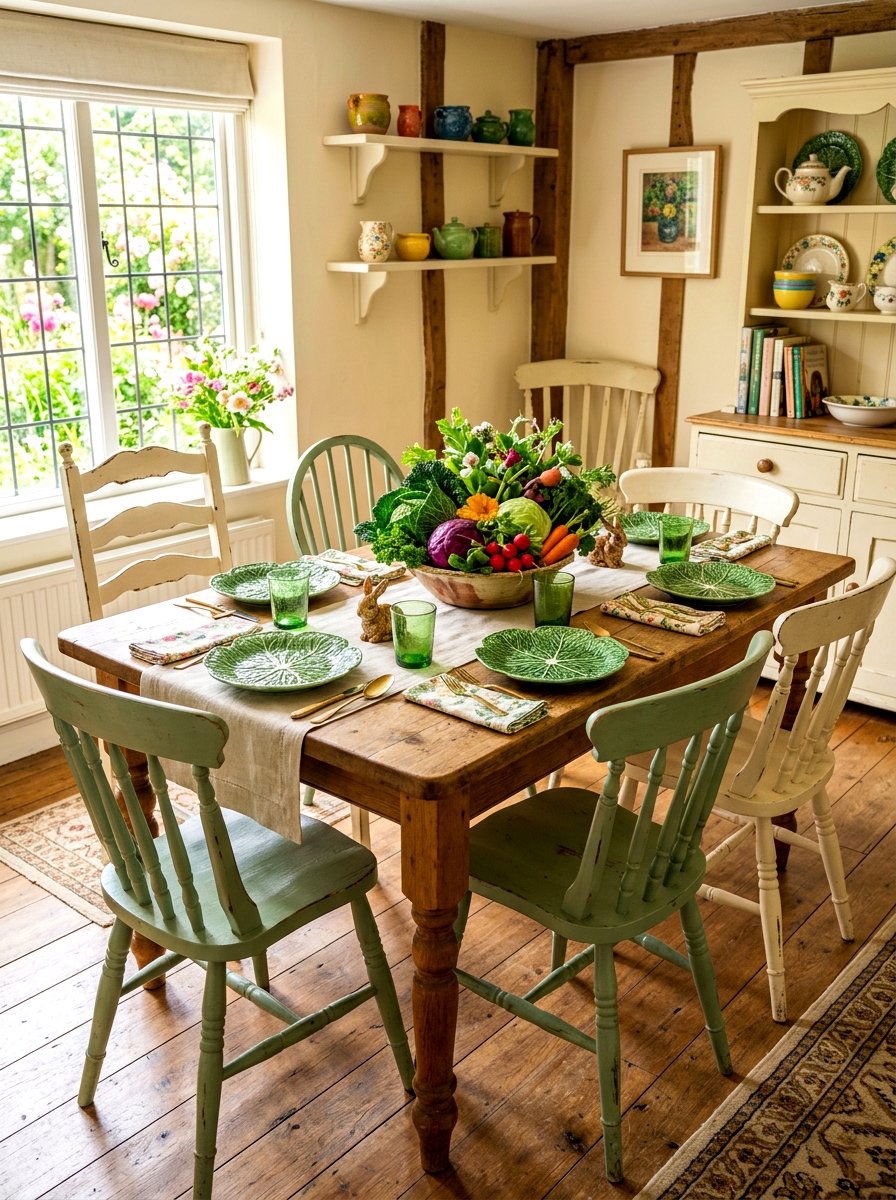
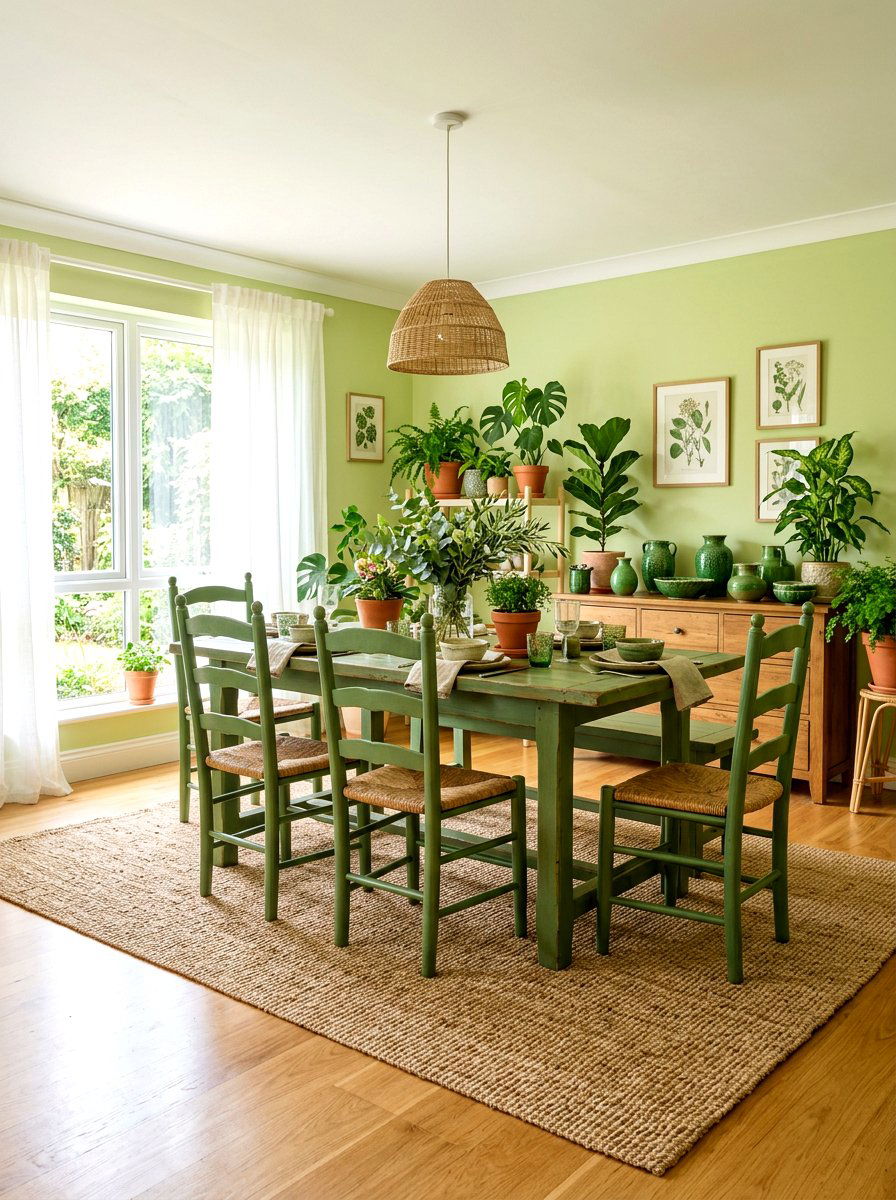
Don't forget that the furniture surrounding your table plays a huge role in the overall theme, such as a painted cottage chair. Using mismatched wooden chairs painted in various shades of sage green, cream, or soft yellow enhances the whimsical feel of the room. This design idea breaks away from formal sets and embraces a more relaxed, lived-in atmosphere that is central to cabbagecore. The colors of the chairs can pick up the different tones found in your ceramic cabbage plates, creating a cohesive visual loop. It makes the entire dining area feel like a charming breakfast nook in a rural countryside cottage, inviting guests to linger longer.
22. Burlap table base
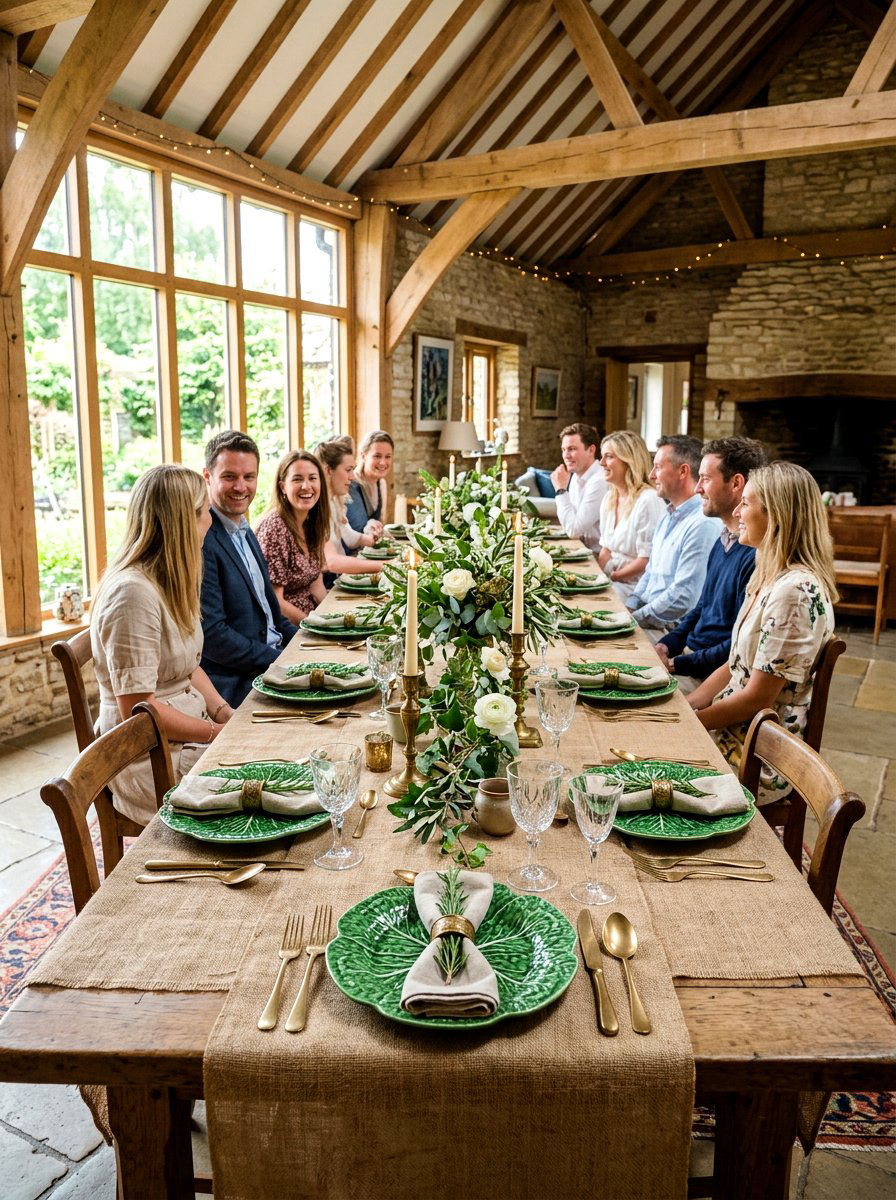
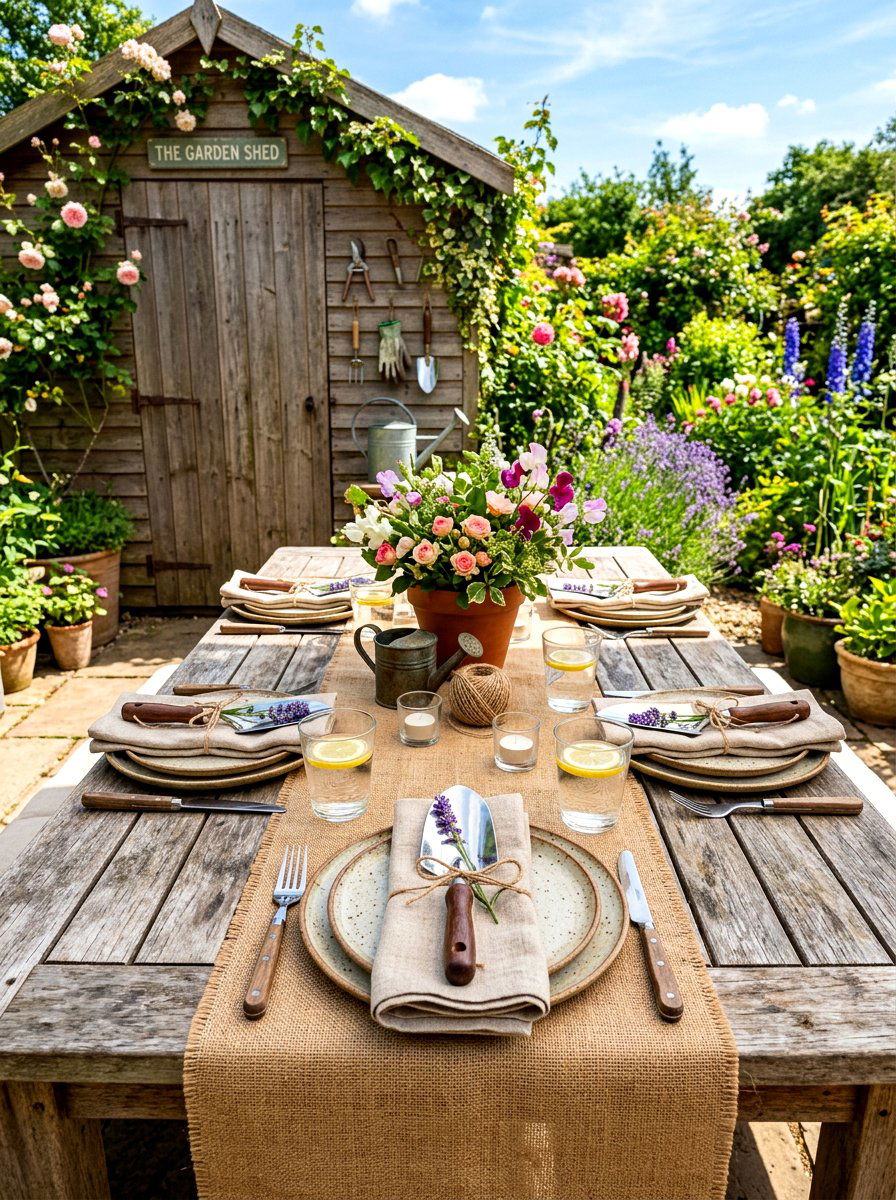
For a look that is truly grounded and organic, a burlap table base is an excellent choice for your next gathering. The rough, tan fabric provides a neutral and textured backdrop that makes every green leaf plate look incredibly vibrant. You can use a wide burlap runner or even a full tablecloth for a more dramatic, rustic effect. This material is inexpensive and durable, making it perfect for large family dinners or outdoor events. When paired with delicate lace or polished brass, the burlap creates a beautiful "high-low" contrast that is very trendy. It reinforces the farm-to-table spirit of cabbagecore by using materials that feel honest and unrefined.
23. Cauliflower serving tureen
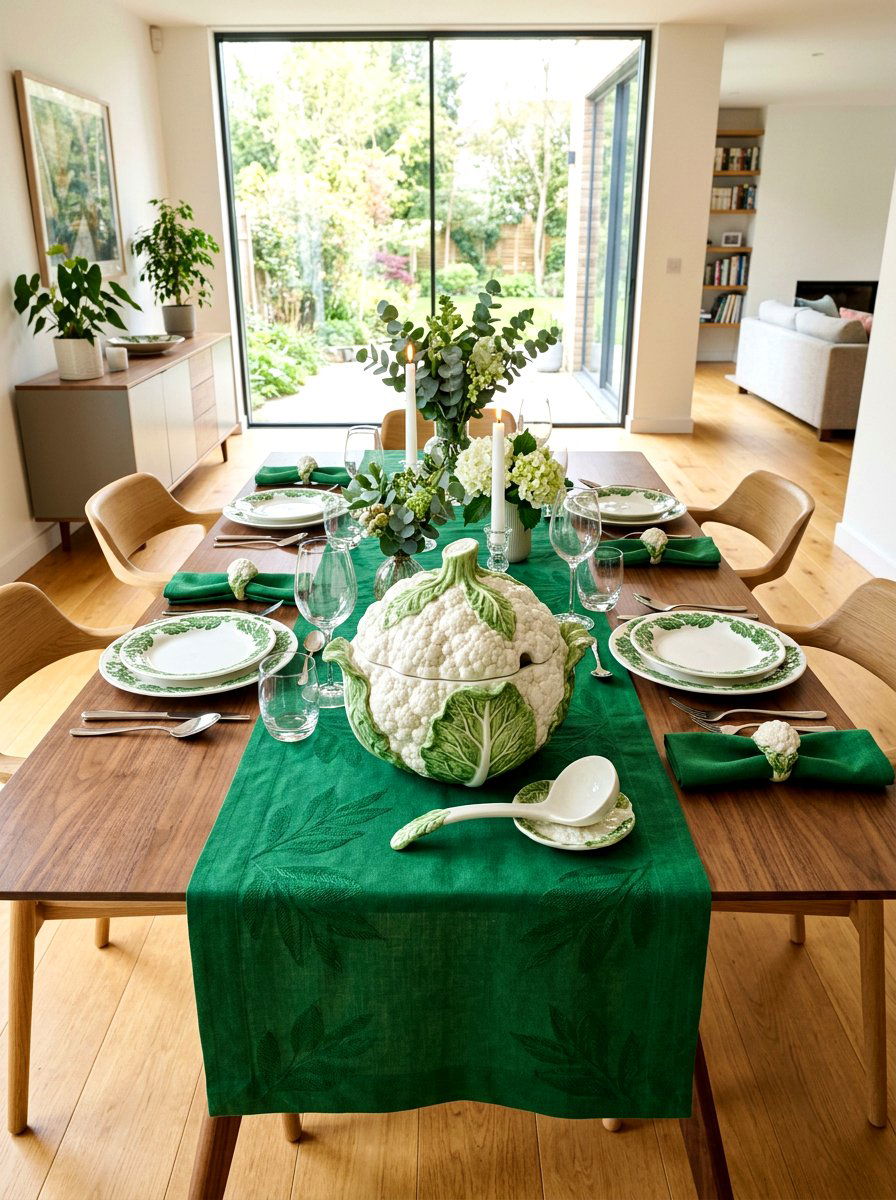
A cauliflower serving tureen is a show-stopping design element that can act as the main star of your dining table. This large, sculptural ceramic piece mimics the curd and leaves of a real cauliflower with incredible detail and a glossy white finish. Because it is neutral in color, it works beautifully with any table runner or plate setting you choose. Using it to serve a warm soup or a large salad adds a sense of theater and fun to the meal service. It is a functional piece of art that embodies the playful spirit of the cabbagecore trend. This specific item is a must-have for any serious collector of botanical-themed tableware.
24. Botanical embroidered napkin
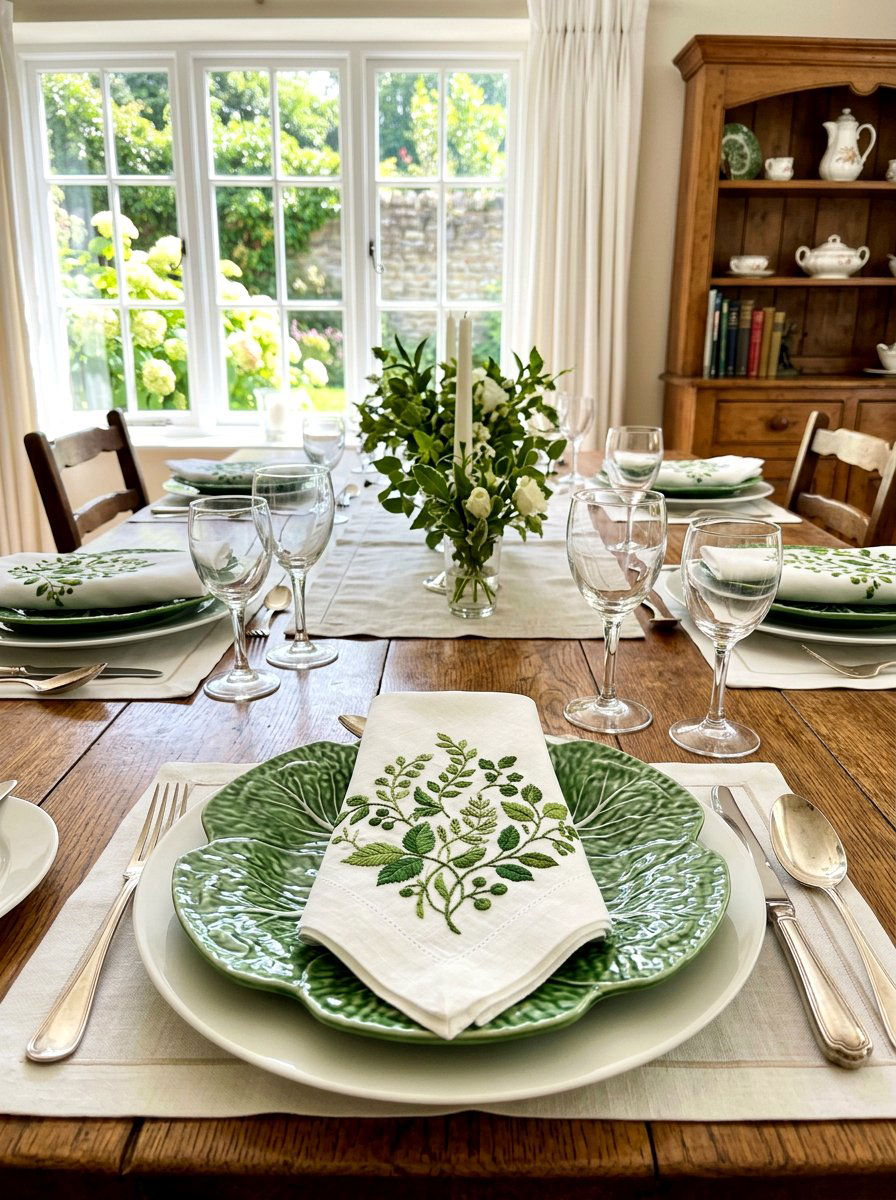
Adding a botanical embroidered napkin to each place setting is a beautiful way to introduce fine detail and craftsmanship to your table. Look for napkins that feature delicate stitches of cabbages, radishes, or simple green vines along the edges. This design idea provides a soft, textile-based version of the vegetable theme that complements the hard ceramics perfectly. The embroidery adds a touch of vintage charm that feels very personalized and thoughtful. You can fold the napkins in a way that showcases the art, placing them directly on top of your cabbage plates. It is a sophisticated way to tie the entire botanical color scheme together with a touch of needlework.
25. Tiered garden stand
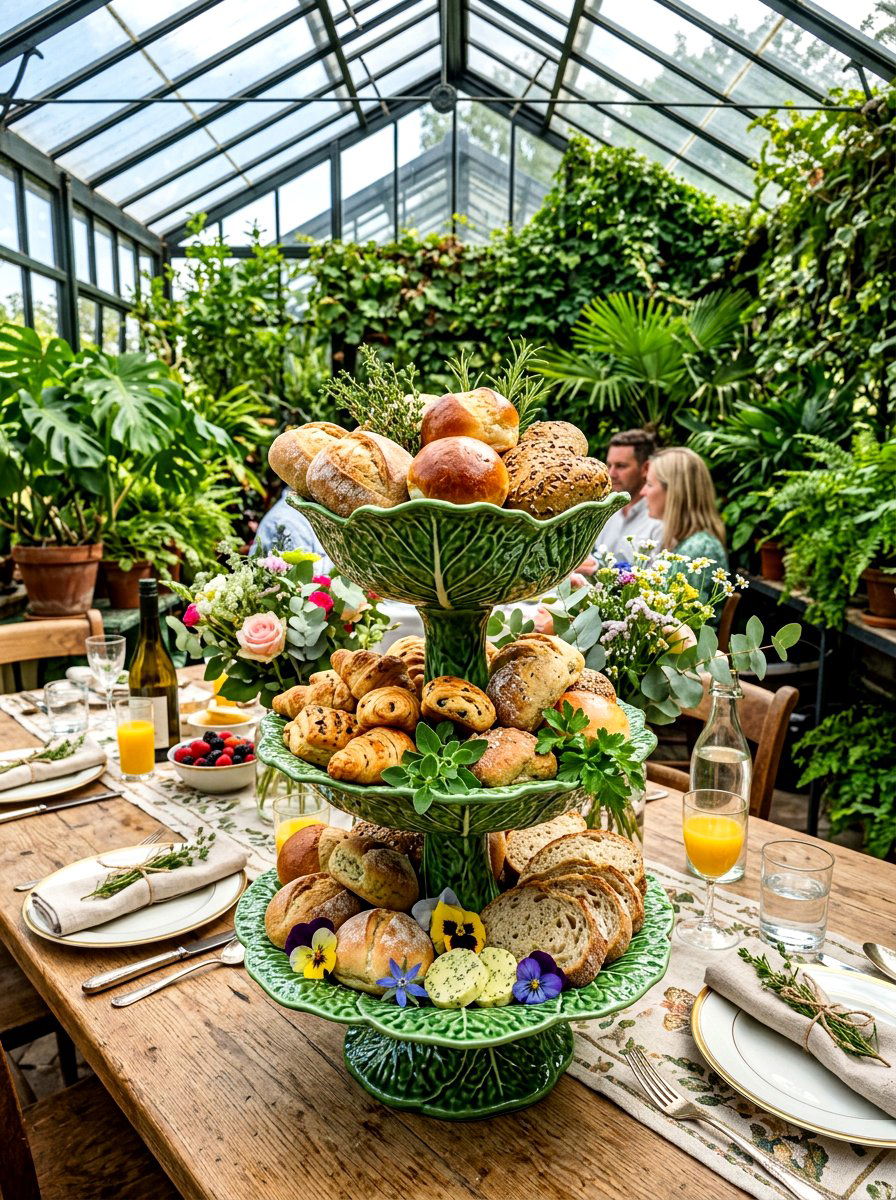
A tiered garden stand is a wonderful design idea for adding vertical interest and saving space on a crowded dining table. You can use a two or three-tiered ceramic stand to display small appetizers, rolls, or even tiny potted herbs. Choosing a stand with cabbage leaf edges ensures it stays within the core theme while providing a practical service solution. The height allows you to create a more dynamic tablescape that doesn't feel flat or one-dimensional. It is perfect for afternoon tea or a brunch buffet where multiple small dishes are served. This piece acts as a functional sculpture that enhances the garden-like atmosphere of the entire dining room.
26. Vegetable garland decor
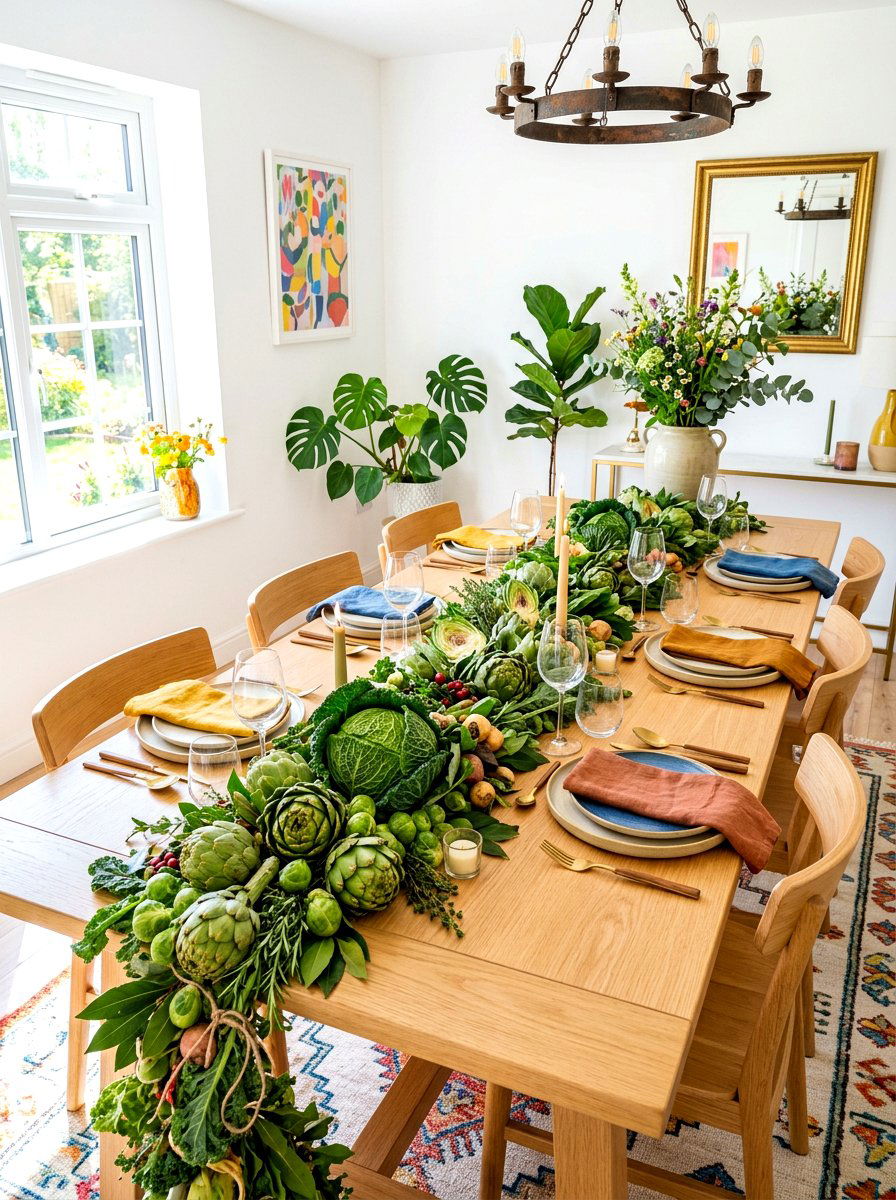
Creating a vegetable garland decor piece is a unique and bountiful way to decorate a long dining table for a special event. You can string together real or high-quality faux artichokes, small cabbages, and bunches of grapes to create a lush green rope. Draping this garland down the center of the table over a simple linen runner creates a stunning, harvest-themed focal point. This design idea feels very festive and abundant, making it perfect for holiday dinners or autumn celebrations. The varied shapes and shades of green provide a rich visual texture that guests will admire. It is a bold statement piece that fully embraces the "more is more" philosophy of cabbagecore.
27. Lace tablecloth overlay
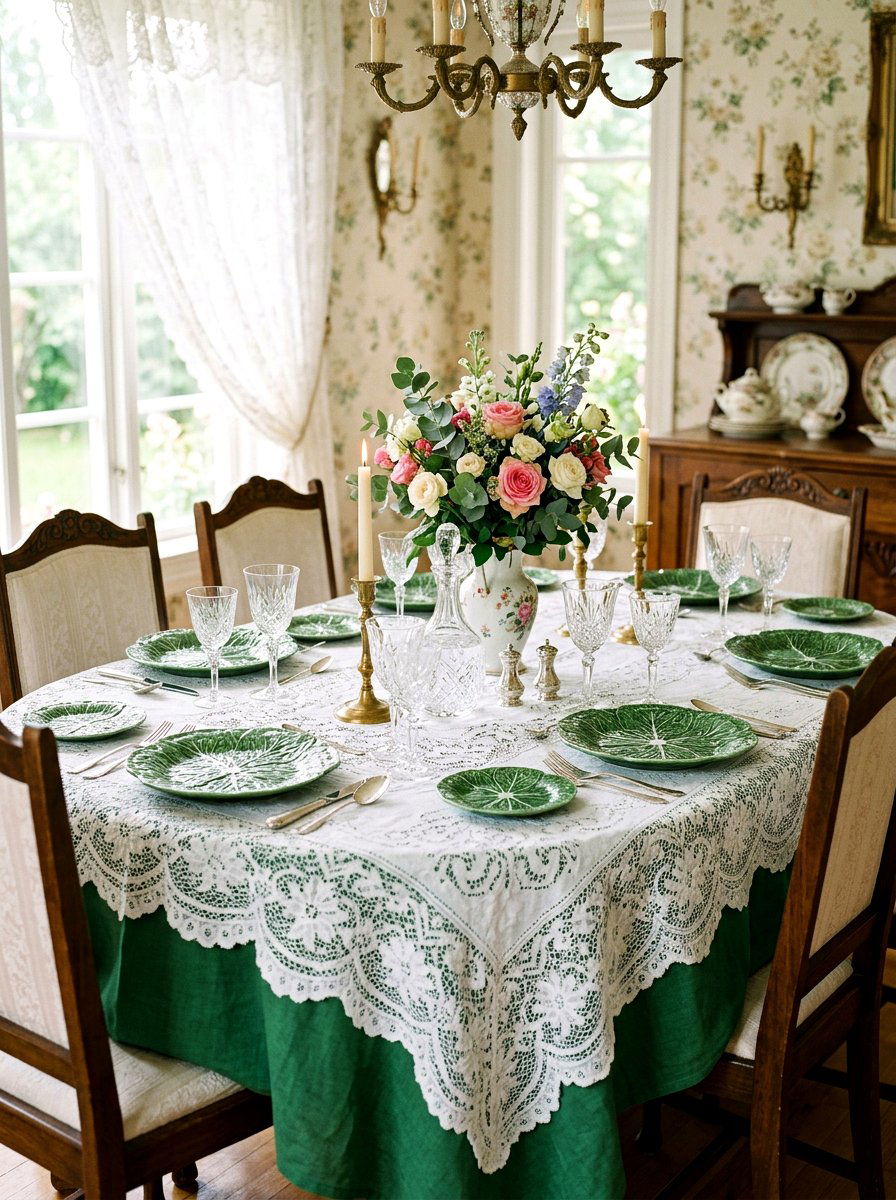
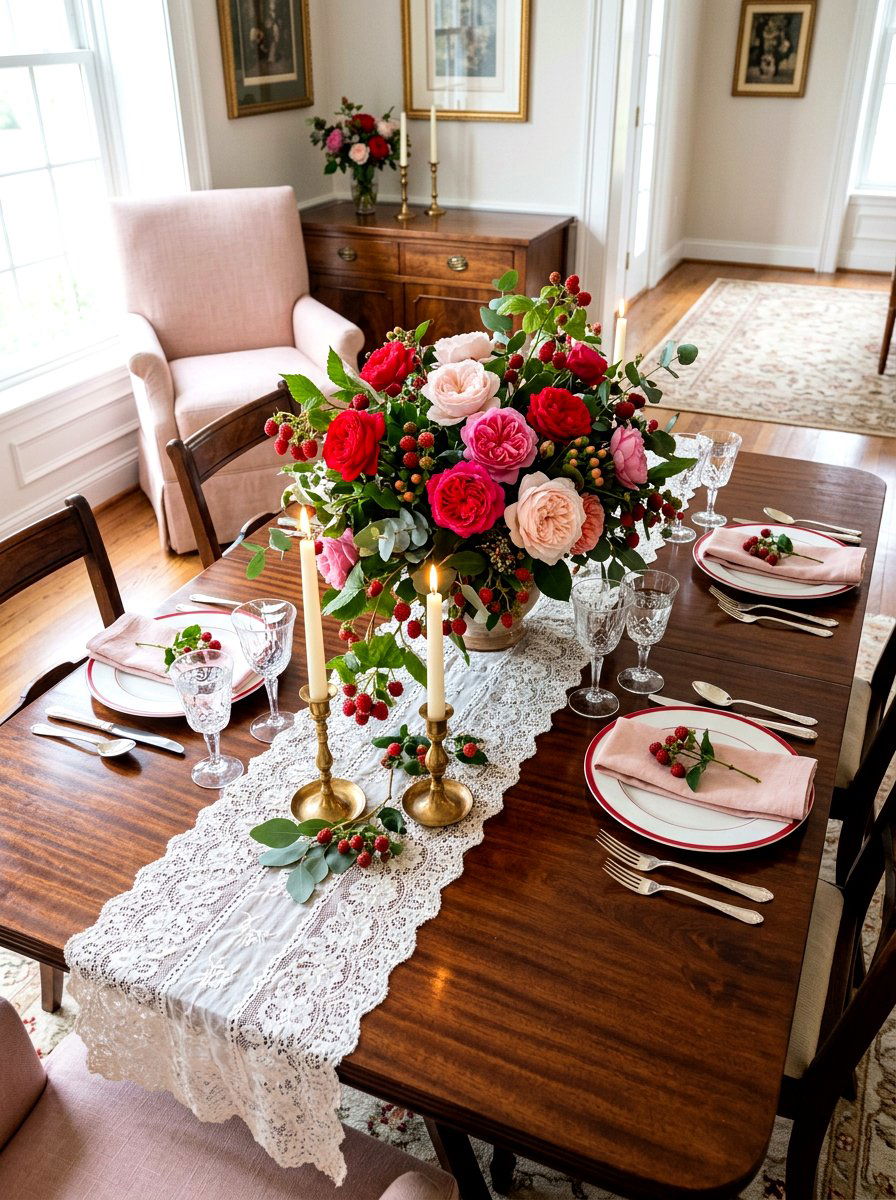
If you want to achieve a romantic and vintage-inspired look, try using a lace tablecloth overlay for your next dinner. Placing a delicate white lace cloth over a solid green tablecloth creates a beautiful layered effect that feels very feminine. The intricate patterns of the lace mimic the complex veins of a cabbage leaf, tying the two elements together subtly. This design idea is perfect for a tea party or a formal Sunday lunch where you want a touch of elegance. The lace provides a soft, airy quality that lightens the mood of the room. It creates a classic, timeless backdrop for your collection of green ceramic cabbage dinnerware.
28. Bird motif dinnerware
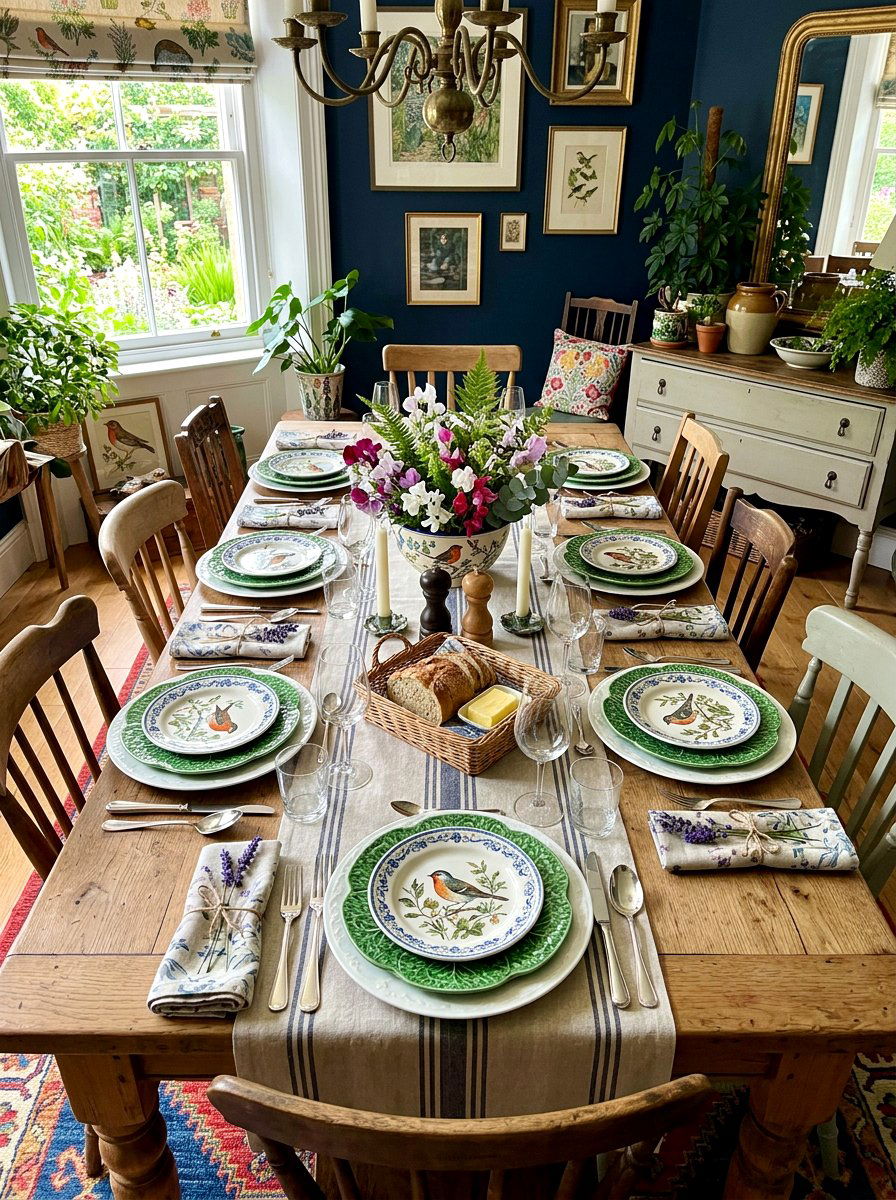
To further enhance the nature-inspired theme of your home, try mixing in bird motif dinnerware with your cabbage plates. Small salad plates or bowls featuring hand-painted birds add a sense of movement and life to the tablescape. This design idea suggests a thriving garden where birds and vegetables exist together in harmony. The colors of the birds can provide a nice contrast to the dominant green, adding pops of blue, yellow, or red to the table. This eclectic mix feels very artistic and tells a broader story about the natural world. It is a charming way to expand the cabbagecore aesthetic into a more comprehensive botanical and wildlife theme.
29. White cabbage setting
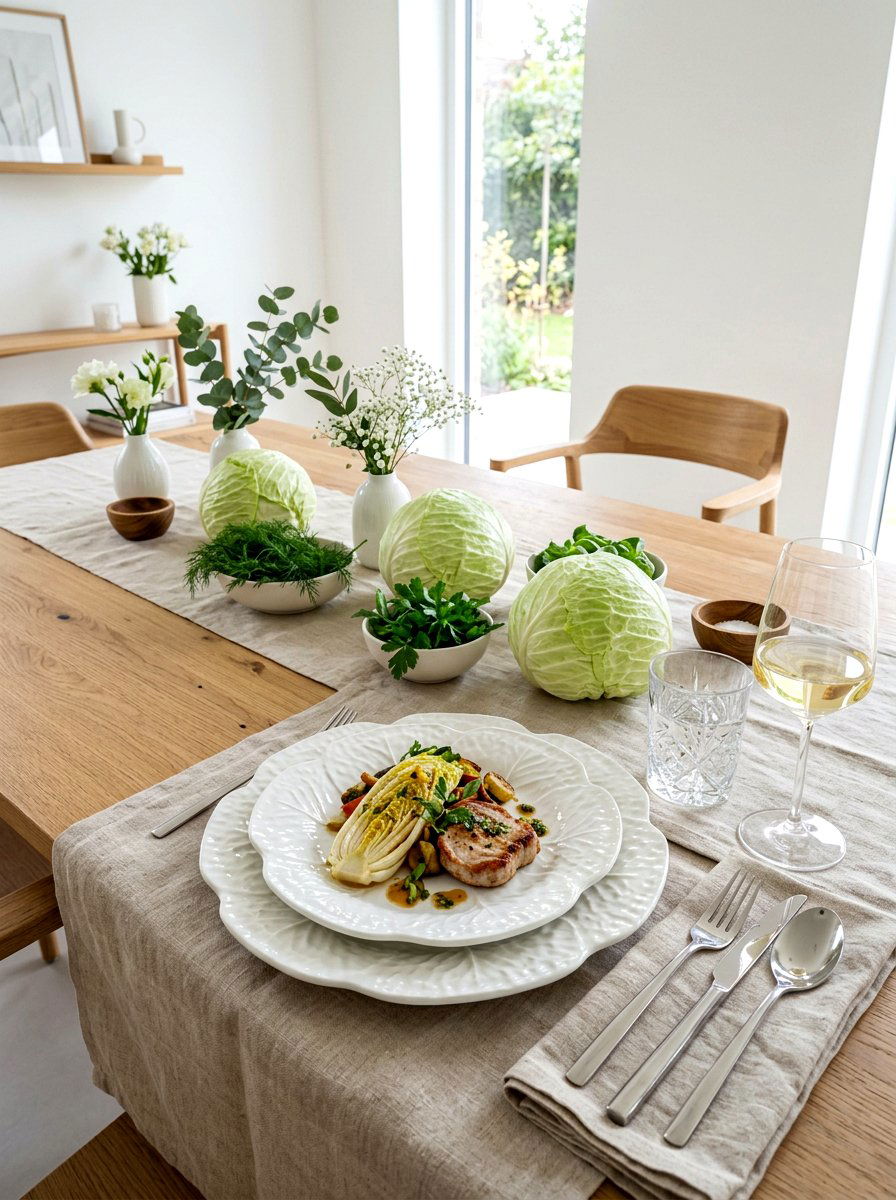
For those who prefer a more minimalist and clean aesthetic, the white cabbage setting is a perfect design choice. Instead of the traditional green, these pieces feature the same intricate leaf textures but in a crisp, glossy white glaze. This approach allows you to enjoy the organic shapes of the cabbagecore trend without committing to a bold color palette. You can pair white cabbage plates with neutral linens and natural wood accents for a sophisticated, "quiet luxury" look. The shadows created by the textured leaves are more subtle in white, providing a refined and modern feel. It is an elegant way to participate in the trend while maintaining a serene room.
30. Copper garden lantern
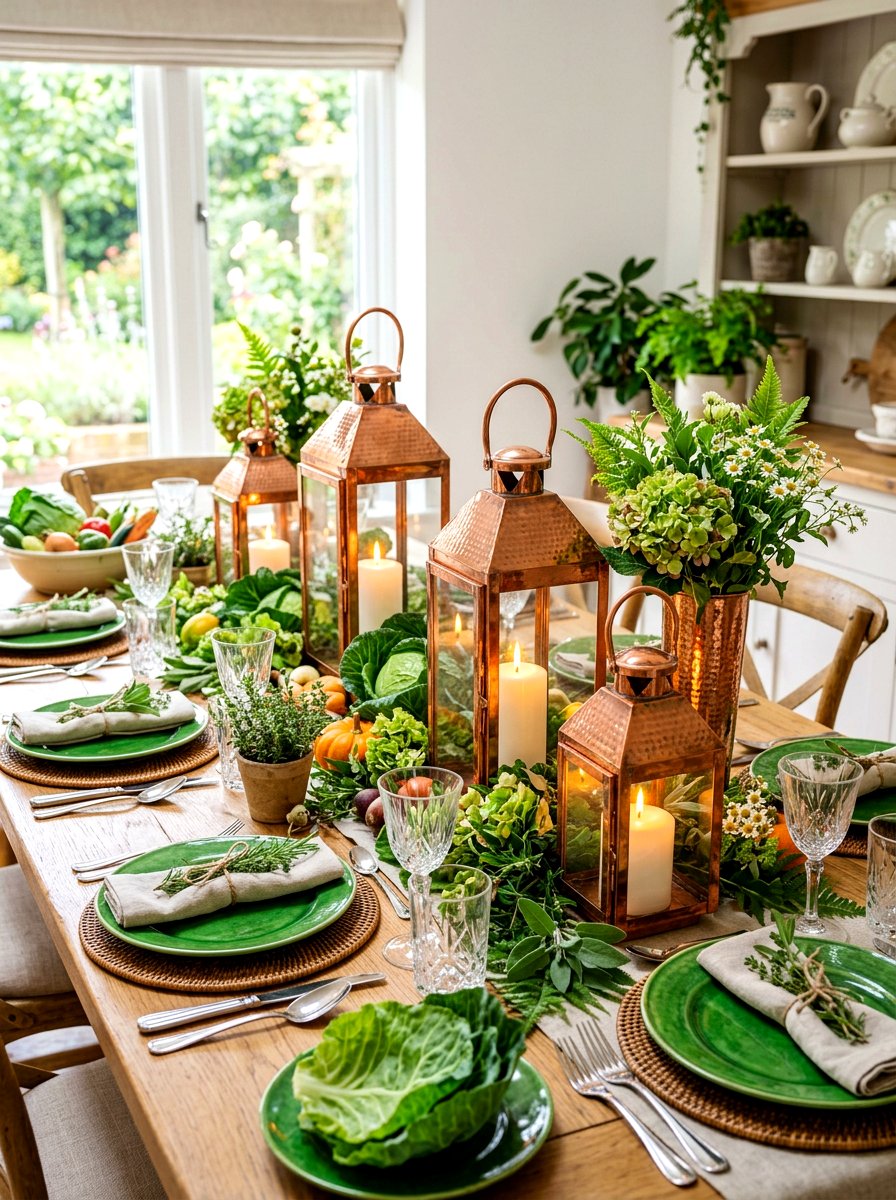
To finish off your tablescape with a warm and inviting glow, consider using a copper garden lantern as your primary lighting source. The metallic copper finish has a rustic, artisanal quality that pairs beautifully with the earthy tones of cabbagecore decor. Placing a few lanterns of different sizes among your ceramic vegetables creates a cozy, candlelit atmosphere for evening meals. The warm light reflects off the green glazes of the plates, making them look even more vibrant and rich. This design idea brings a touch of old-world charm to the table, making the dining experience feel intimate and special. It provides the perfect finishing touch to a well-planned garden-themed room.
Conclusion:
Embracing the cabbagecore aesthetic is a wonderful way to infuse your dining room with a sense of whimsy, nature, and timeless style. By moving beyond single elements and focusing on full tablescape designs, you can create a truly immersive experience for yourself and your guests. From the lush textures of majolica ceramics to the rustic charm of wooden farm tables, each idea offers a unique way to celebrate the beauty of the garden. This trend encourages a playful yet sophisticated approach to home decor that values craftsmanship and organic forms. We hope these ideas inspire you to bring the refreshing and delightful charm of cabbagecore into your own home today.

Related posts: