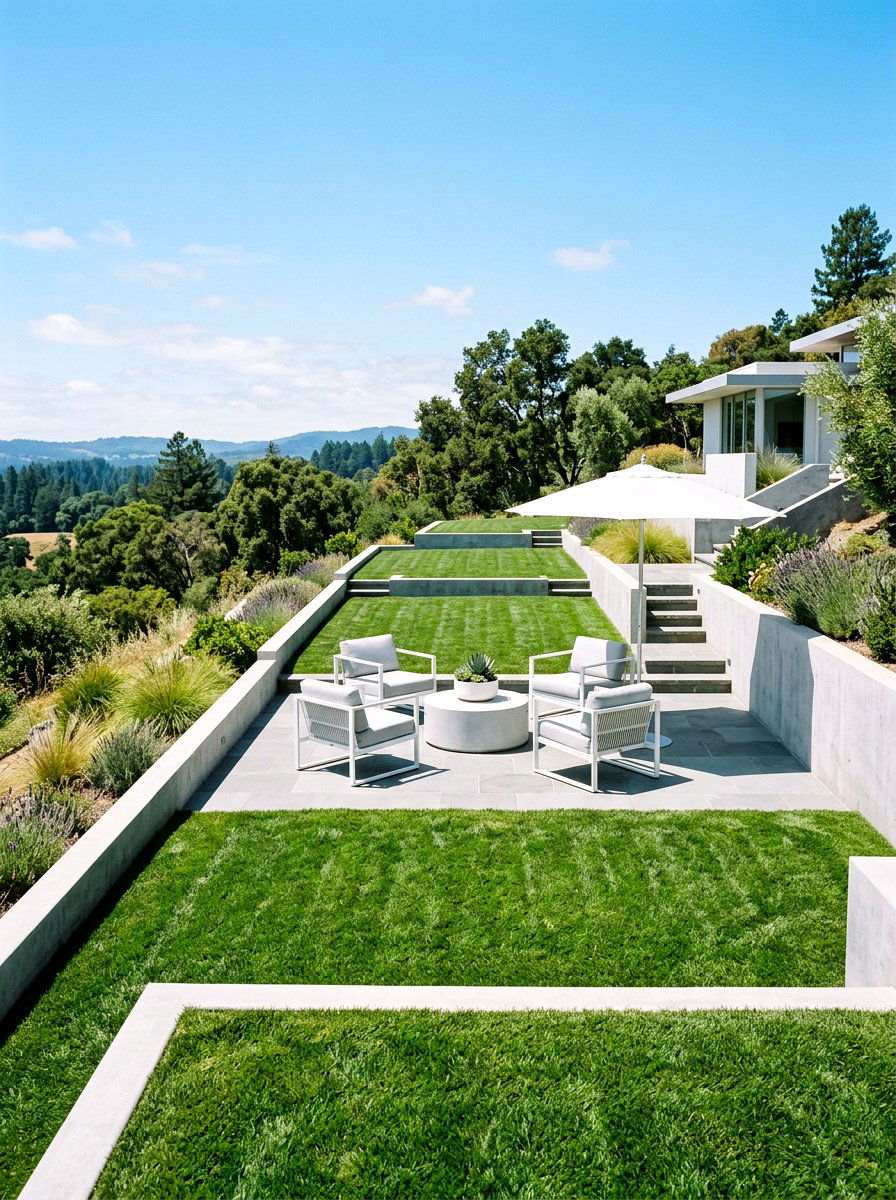
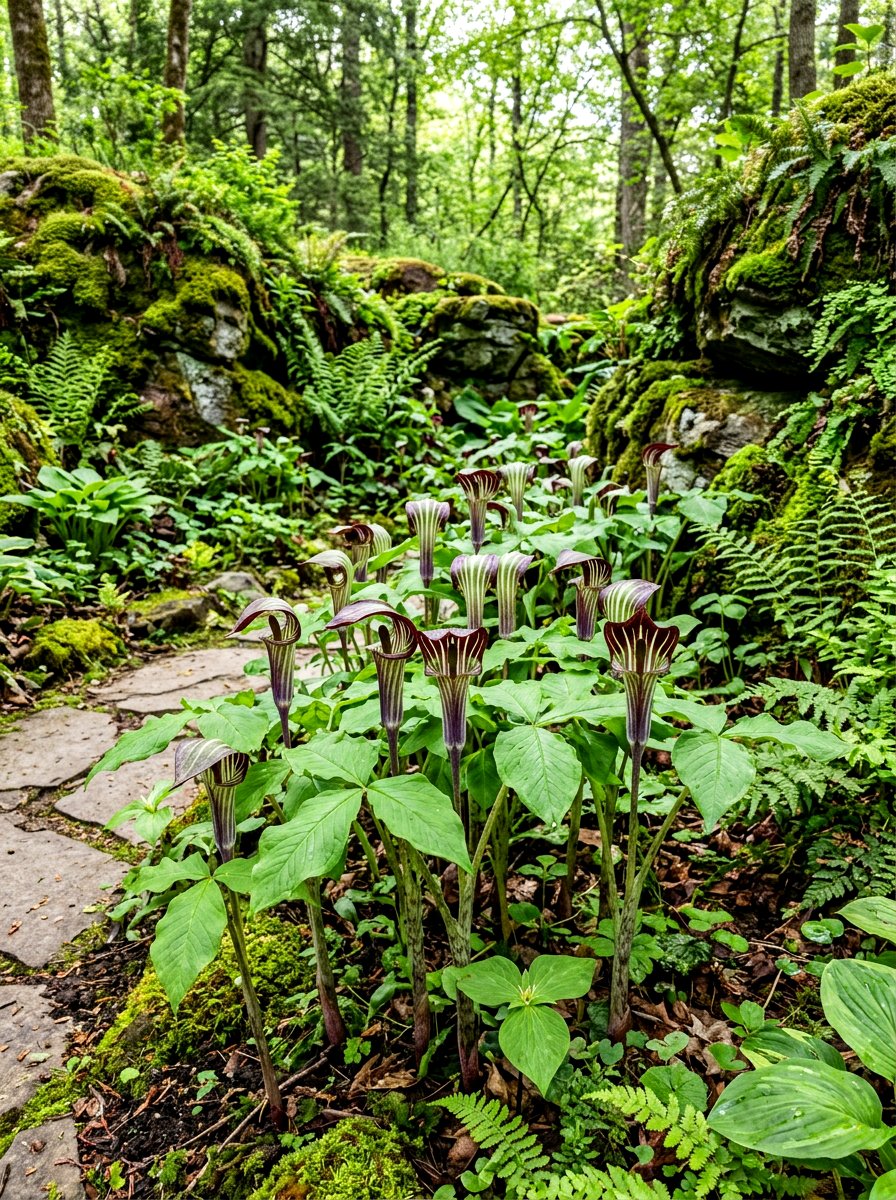
Transforming a steep slope into a functional and breathtaking part of your home requires a blend of creative engineering and thoughtful horticultural selection. Many homeowners view a hilly yard as a significant challenge, but these vertical spaces actually offer incredible opportunities for unique visual depth and architectural interest that flat lots simply cannot provide. By utilizing modern landscaping techniques like terracing, strategic rock placement, and deep-rooted plantings, you can effectively manage soil erosion while creating a series of beautiful outdoor rooms. Whether you prefer a rugged natural look or a sleek contemporary aesthetic, a well-planned hillside becomes a stunning focal point that enhances your property's value and overall curb appeal.
1. Natural Stone Retaining Wall
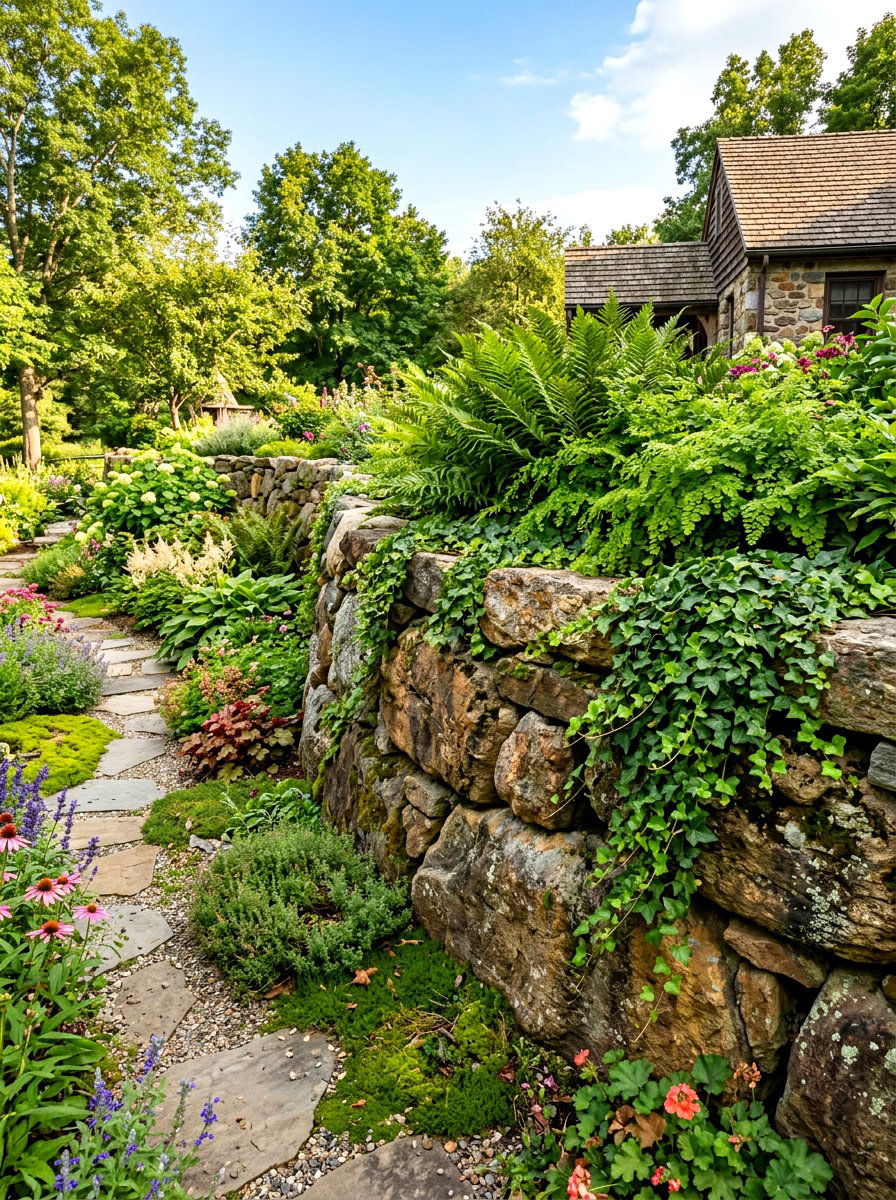
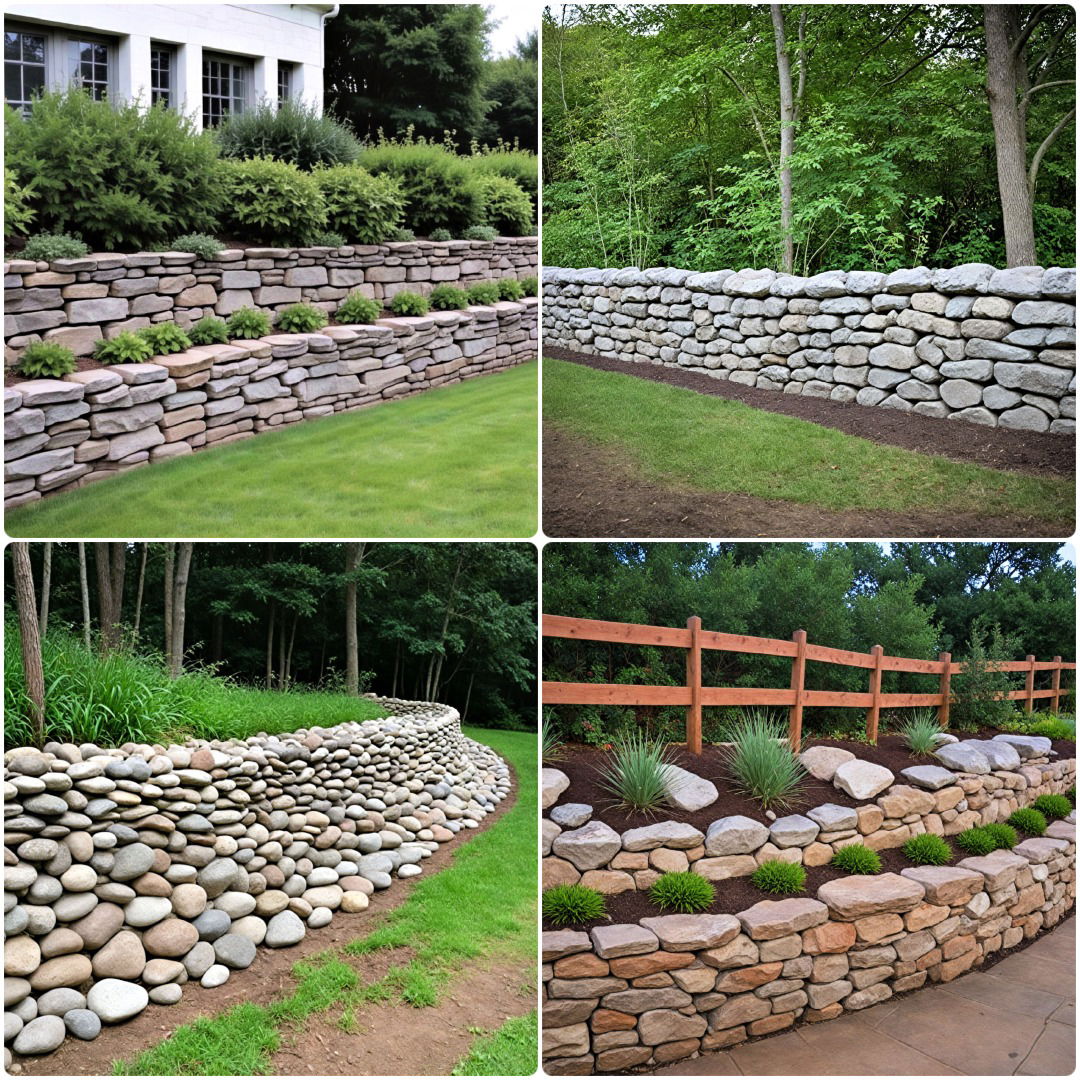
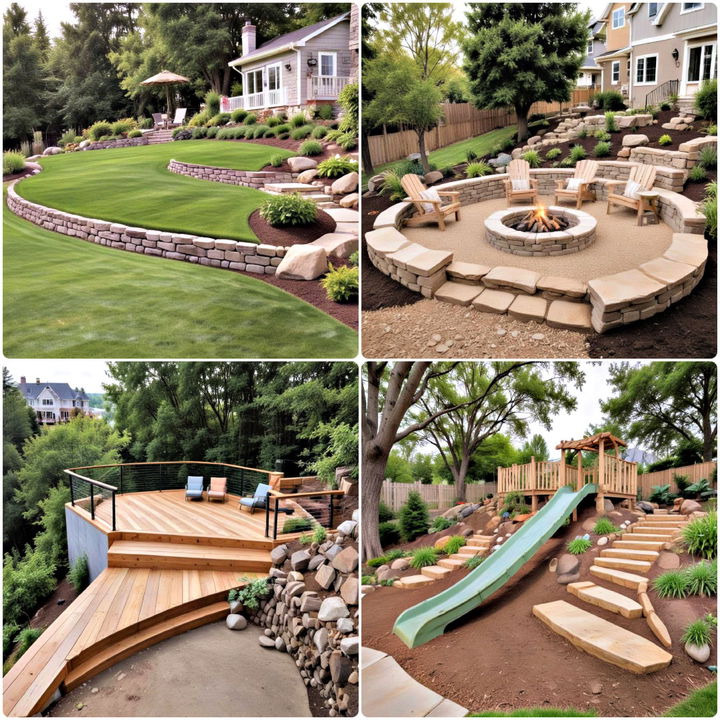
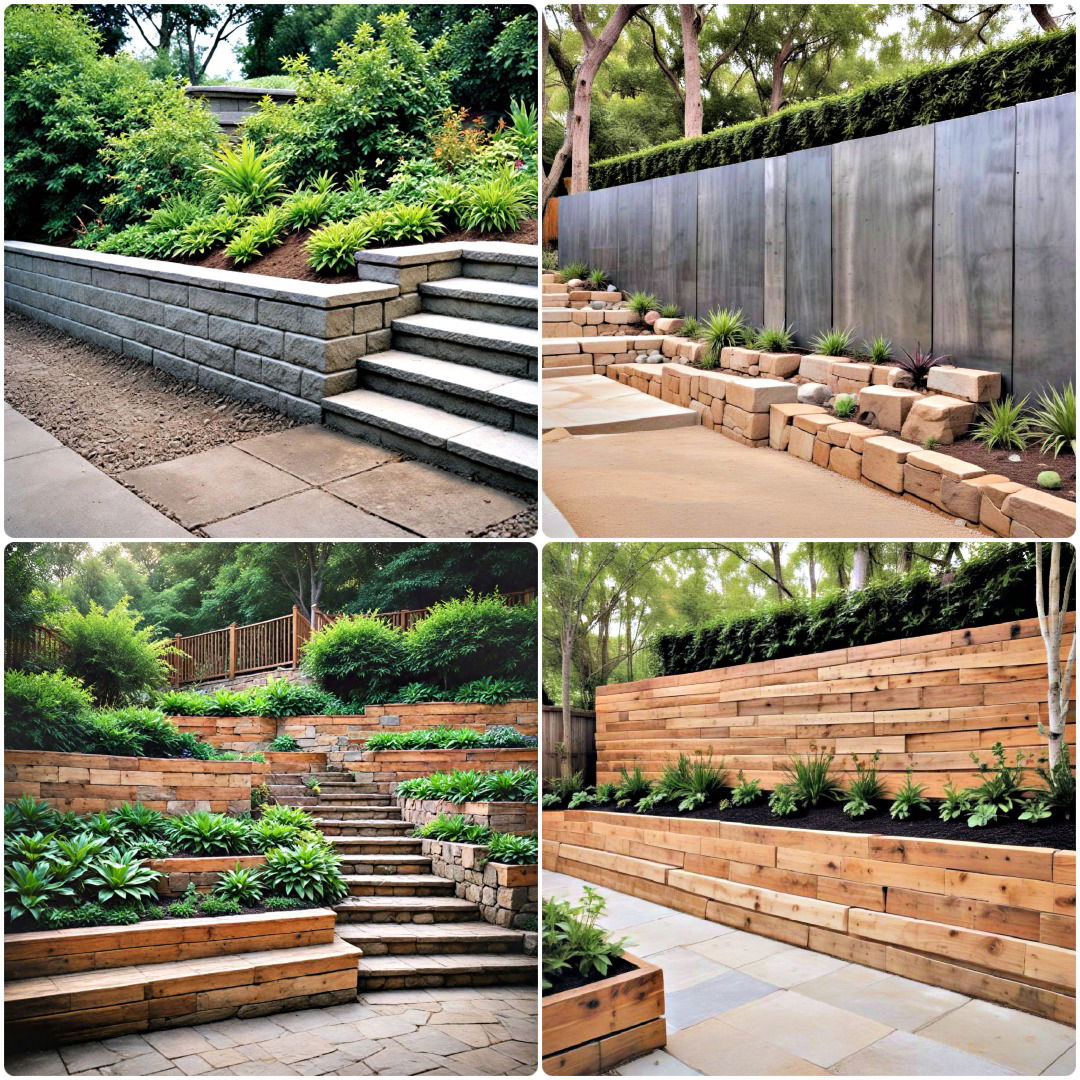
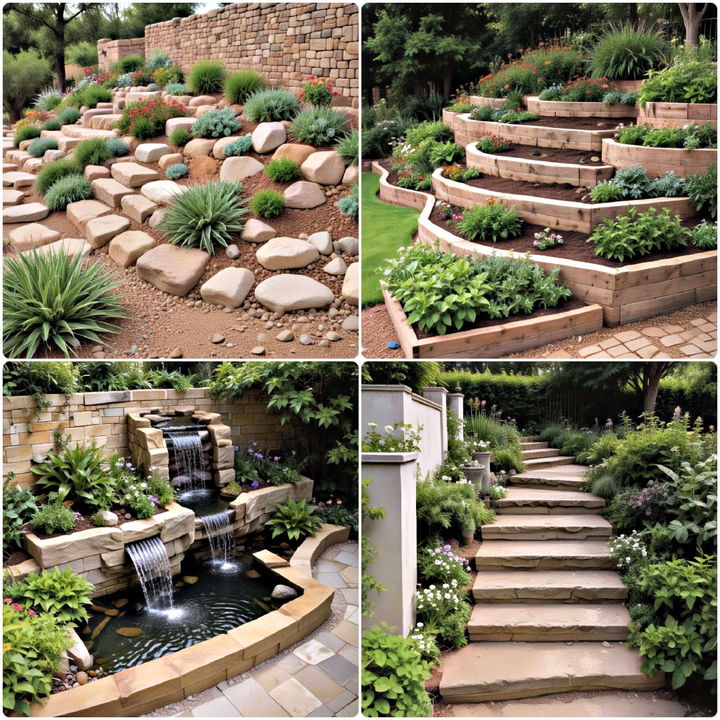
Natural stone retaining walls are perhaps the most popular and effective way to manage a steep incline while adding timeless character. These structures use heavy, irregular boulders or precisely cut fieldstones to hold back the earth and create flat, usable areas for planting or leisure. Unlike synthetic materials, natural stone blends seamlessly into the surrounding environment, making the landscape look as though it has existed for decades. You should choose stones that complement your home's exterior to create a cohesive aesthetic. When built correctly with proper drainage, these walls prevent soil runoff and provide a sturdy foundation for more delicate garden features above or below.
2. Tiered Garden Bed
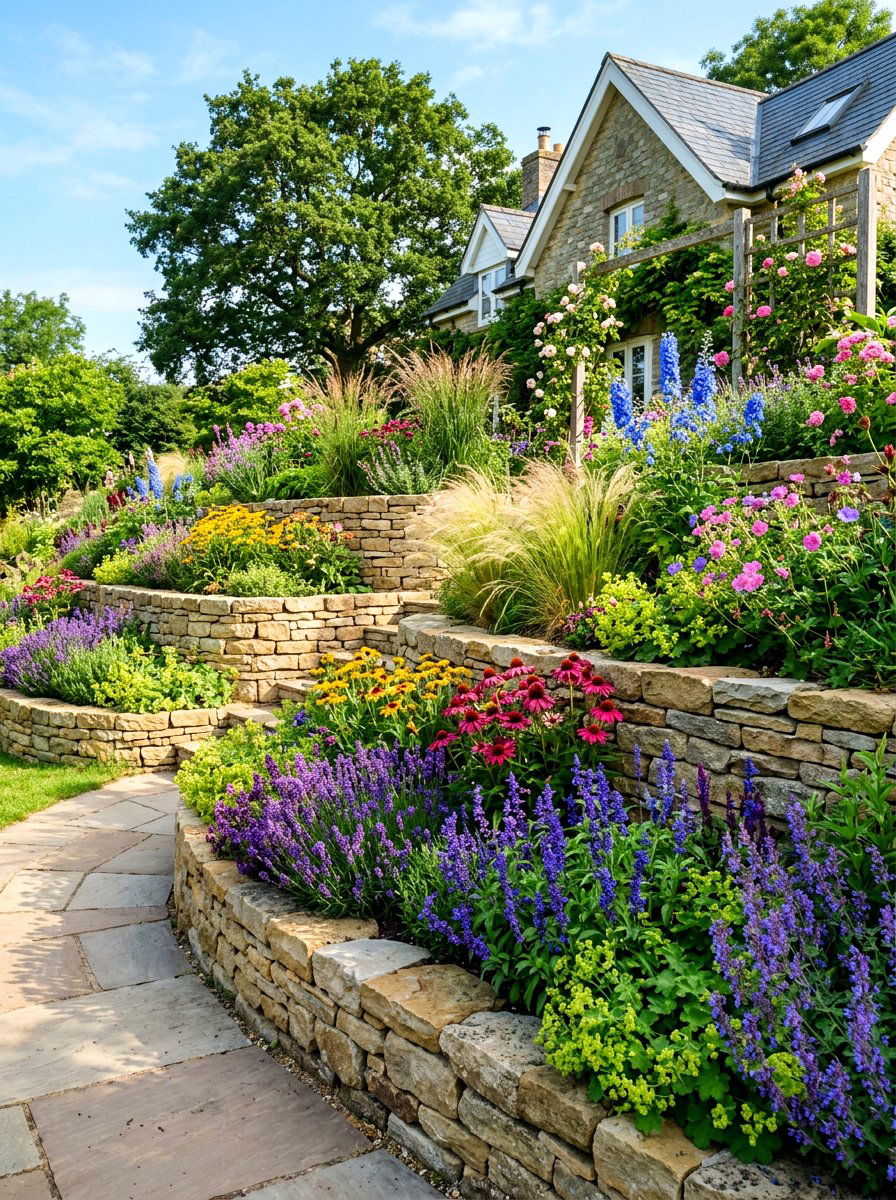
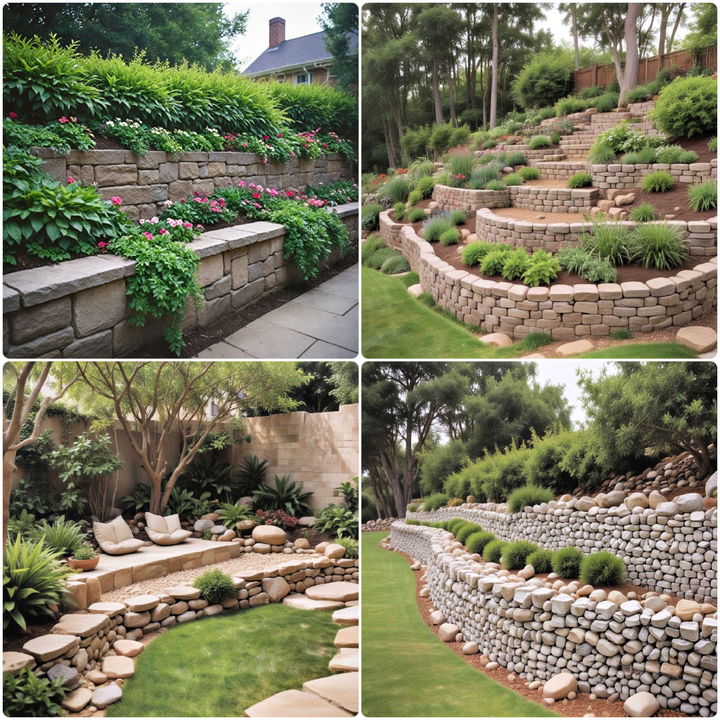
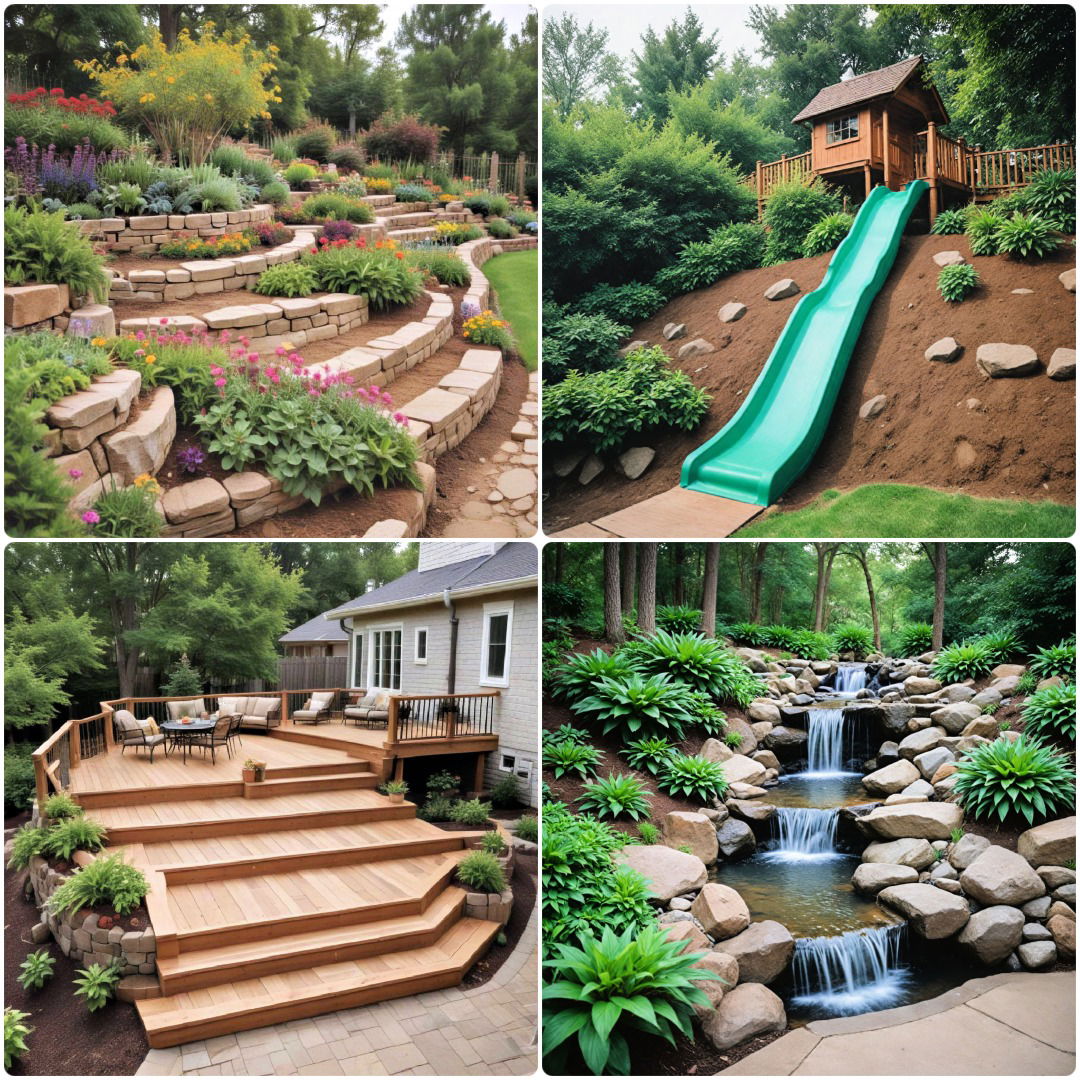
A tiered garden bed transforms a daunting slope into a series of manageable levels that are perfect for colorful perennials and lush greenery. Instead of one large, difficult-to-maintain hill, you create several flat steps that allow for easier watering and weeding. This design approach is ideal for adding visual variety, as you can plant different species on each level to create a cascading effect of color and texture. For example, taller shrubs can occupy the highest tier, while trailing vines and flowers spill over the edges of the lower walls. This layered look provides depth and makes a small sloped yard feel much larger and more organized.
3. Boulder Staircase
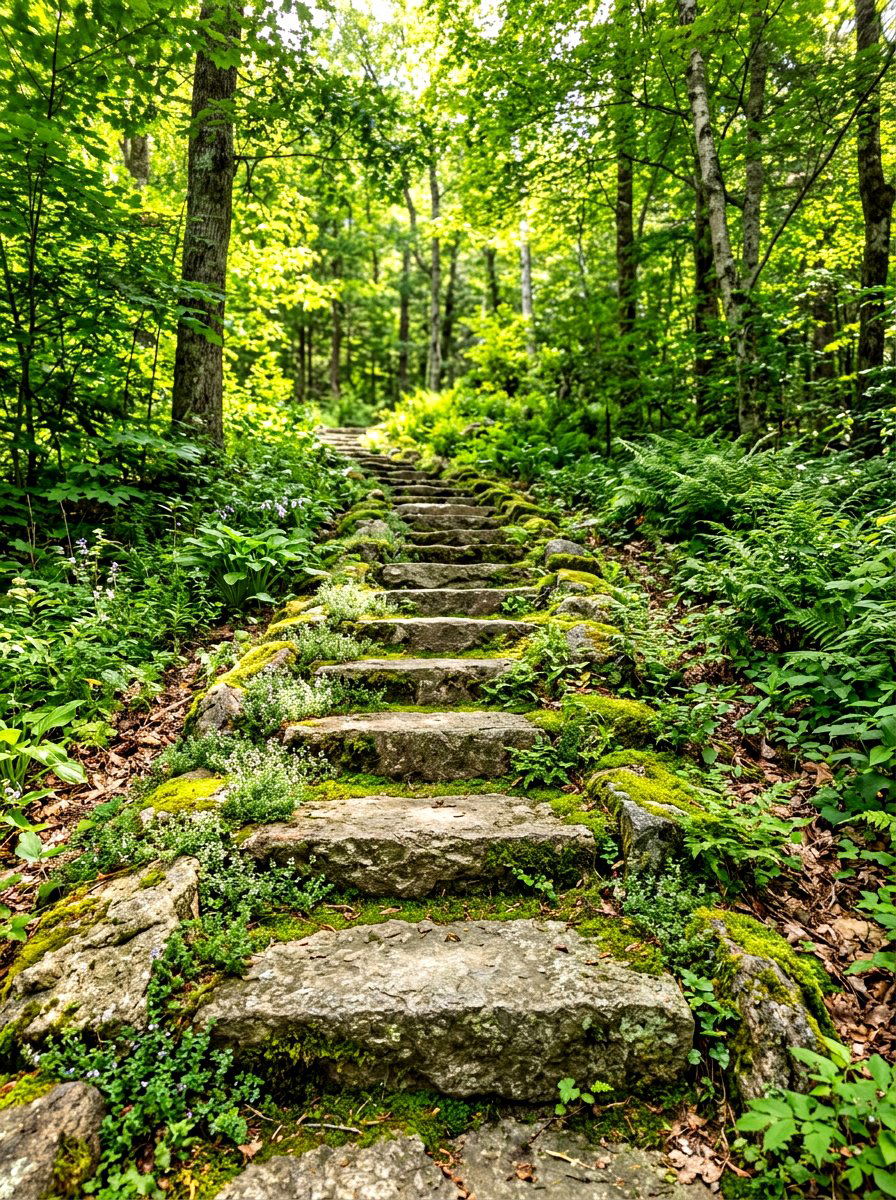
Integrating a boulder staircase is a fantastic way to navigate a hilly property while maintaining a rugged, organic feel. These steps are typically constructed from large, flat-topped rocks that are partially buried into the hillside for maximum stability. Using natural stone rather than concrete or wood makes the transition between different elevations feel much more integrated with the earth. You can plant small, creeping groundcovers like moss or woolly thyme in the crevices between the stones to soften the hard edges. This creates a magical, "secret garden" vibe that encourages guests to explore the vertical layers of your outdoor space safely and comfortably.
4. Native Groundcover Slope
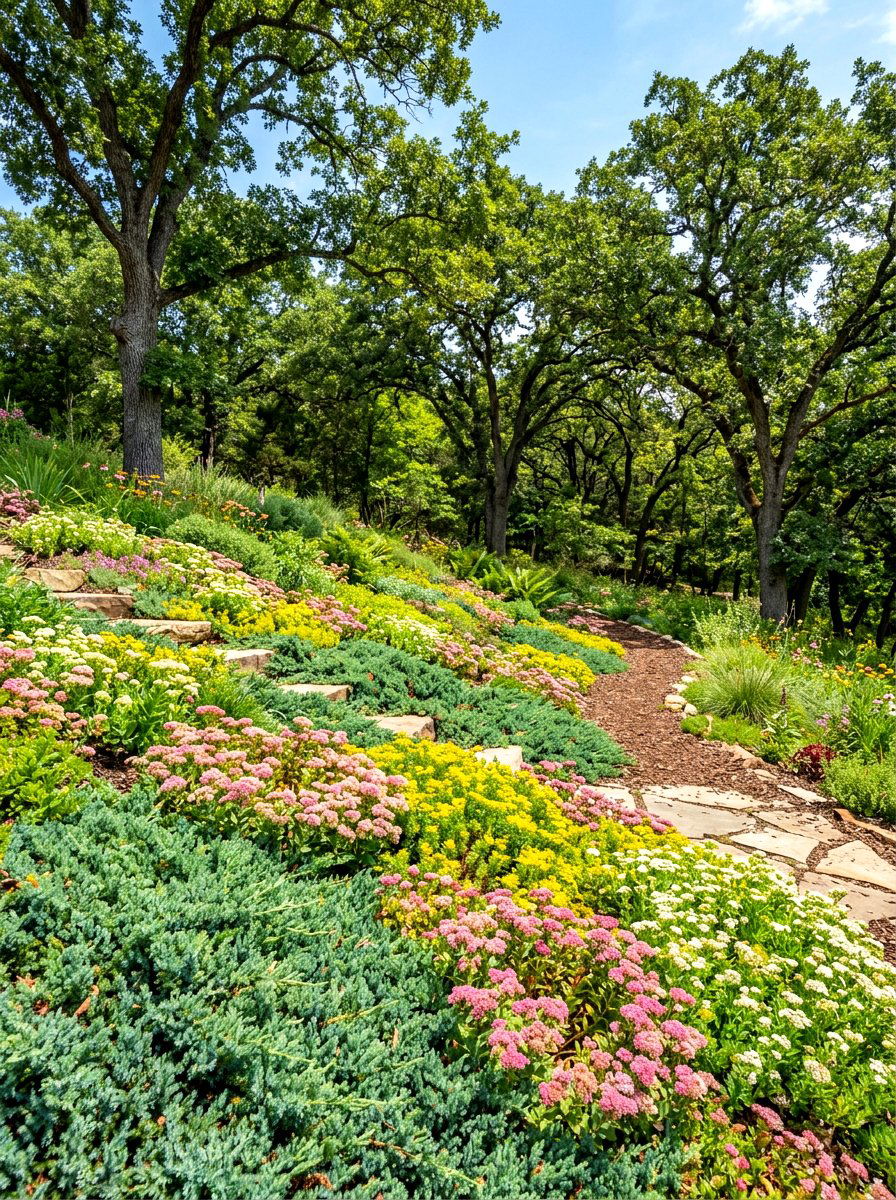
Planting a native groundcover slope is one of the most practical and low-maintenance solutions for erosion control on a steep bank. Native plants are naturally adapted to your local climate and soil conditions, meaning they require significantly less water and fertilizer once they are fully established. These species usually have deep, fibrous root systems that knit the soil together, preventing it from washing away during heavy rainstorms. Creeping varieties like juniper, sedum, or vinca minor create a thick, living carpet that chokes out weeds and provides a consistent green backdrop. This approach is perfect for areas that are too steep or dangerous to mow regularly.
5. Wood Timber Terrace
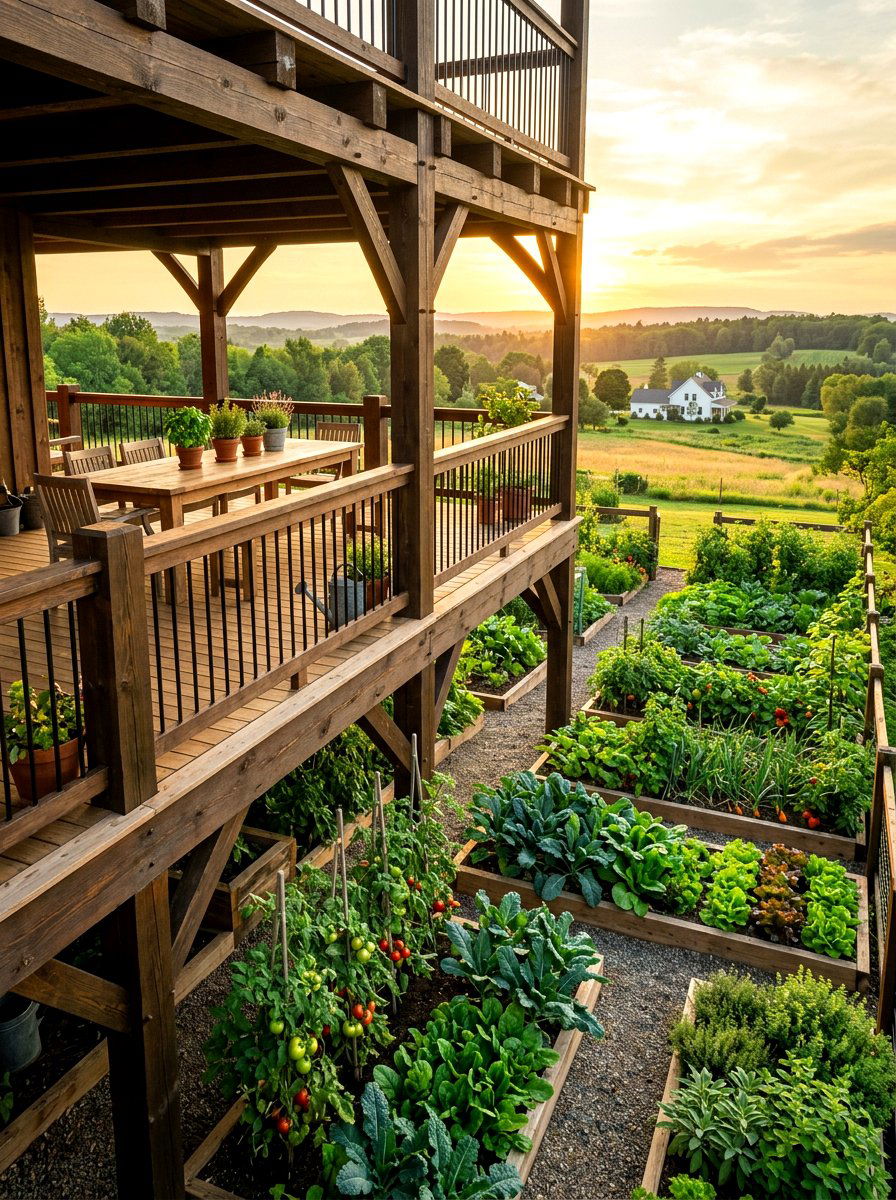
A wood timber terrace offers a rustic and cost-effective alternative to expensive stone masonry when leveling out a sloped backyard. Using pressure-treated 6x6 timbers or reclaimed railroad ties, you can build sturdy frames that hold soil in place and create clean, horizontal lines across the hill. This look works exceptionally well for farmhouse, cottage, or contemporary rustic home styles. The wood provides a warm, natural texture that contrasts beautifully with green foliage and bright floral displays. Timber terraces are also relatively easy for a determined DIYer to install, as they require fewer specialized tools and less heavy lifting than massive boulders or concrete blocks.
6. Cascading Hillside Waterfall
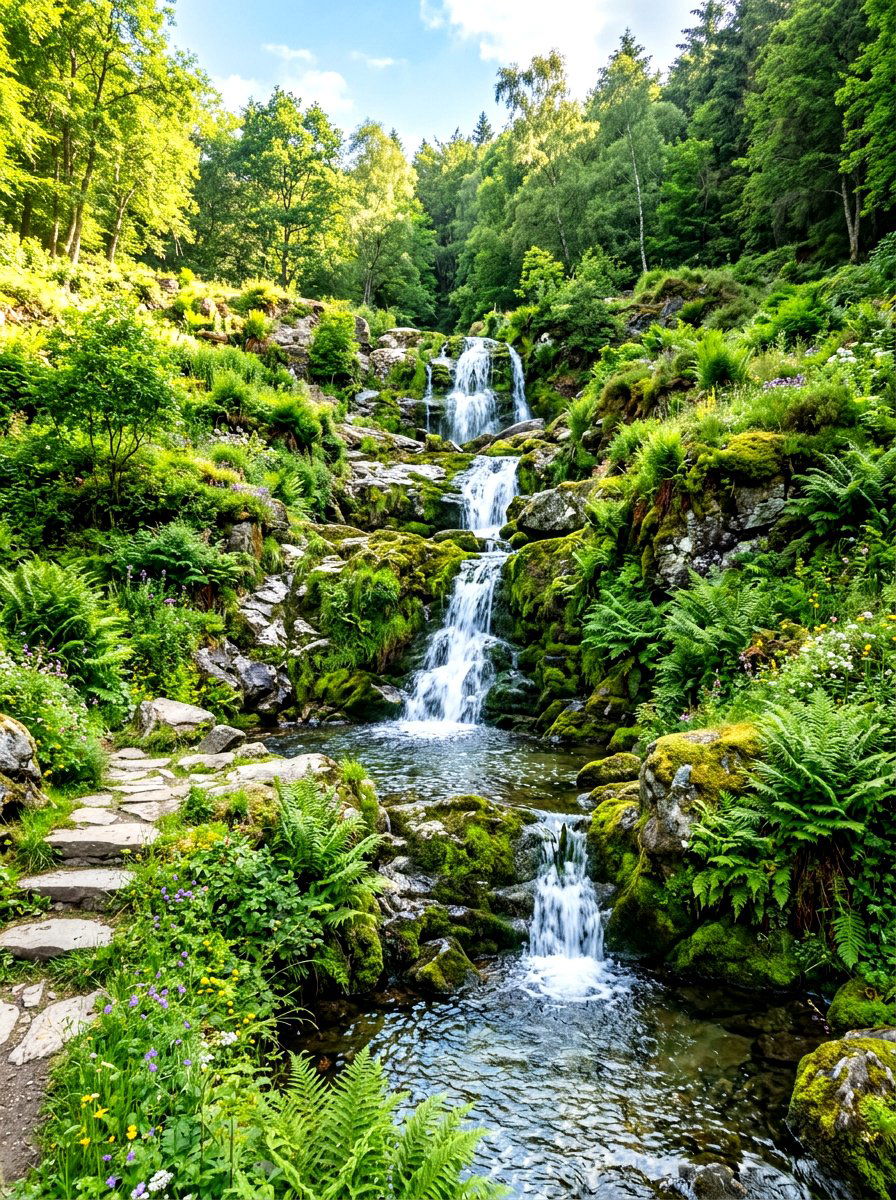
Nothing adds luxury and tranquility to a sloped yard quite like a cascading hillside waterfall that mimics a mountain stream. A natural incline is the perfect setting for a water feature because gravity does most of the work to create movement and sound. You can arrange flat stones to create small drops and pools where the water can collect and splash. Surrounding the stream with moisture-loving plants and mossy rocks helps it blend into the landscape. The sound of running water provides excellent white noise, masking nearby traffic and creating a private oasis. It also attracts birds and butterflies, turning your hillside into a vibrant habitat.
7. Wildflower Meadow Slope
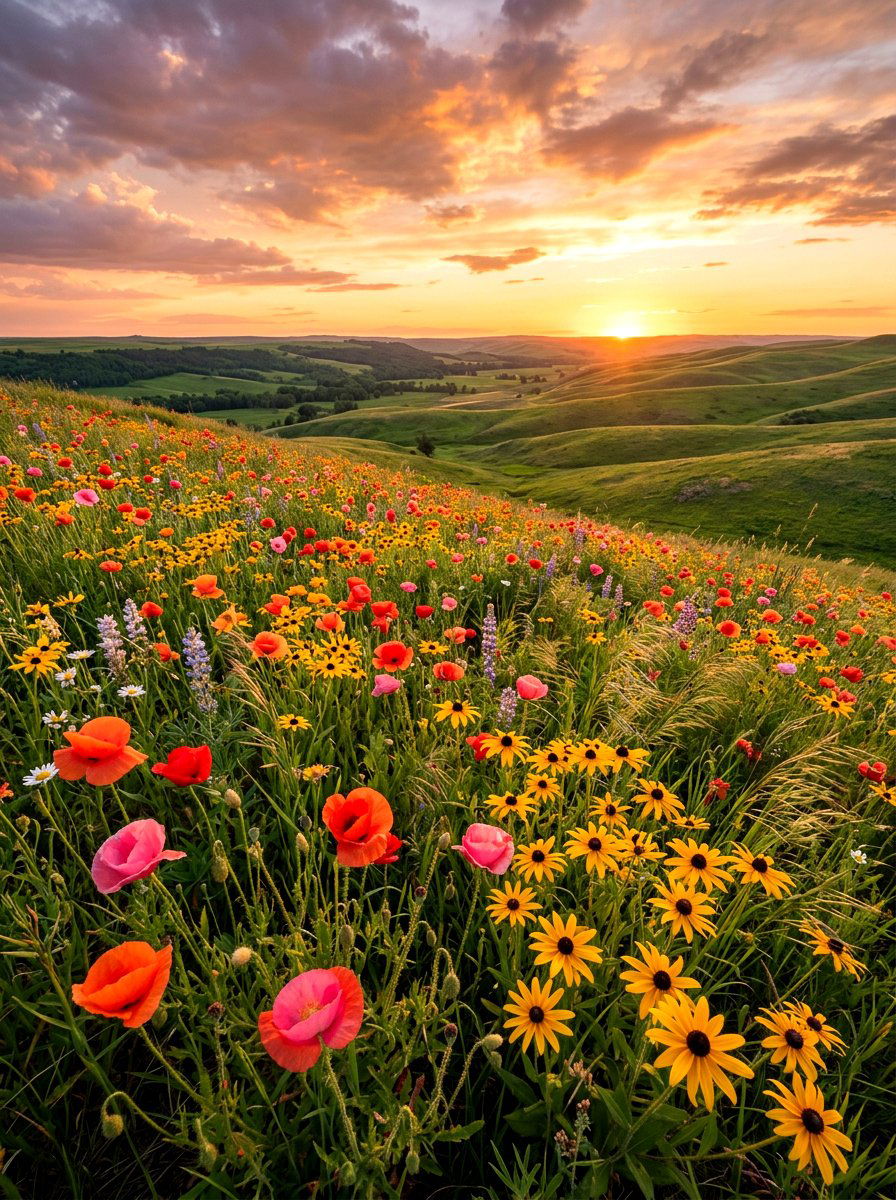
If you want a vibrant, low-maintenance landscape that supports local pollinators, a wildflower meadow slope is an excellent choice for your property. This idea involves replacing traditional grass with a mix of native flowering seeds that thrive in sunny, well-drained conditions. Wildflowers are particularly useful on hillsides because they don't require mowing and their roots help stabilize the ground. Over time, the meadow will change colors throughout the seasons, offering a dynamic and ever-evolving display of nature. This approach creates a relaxed, prairie-inspired look that feels incredibly peaceful. It is also an environmentally friendly way to reduce water usage and provide food for bees and butterflies.
8. Gravel Zigzag Path
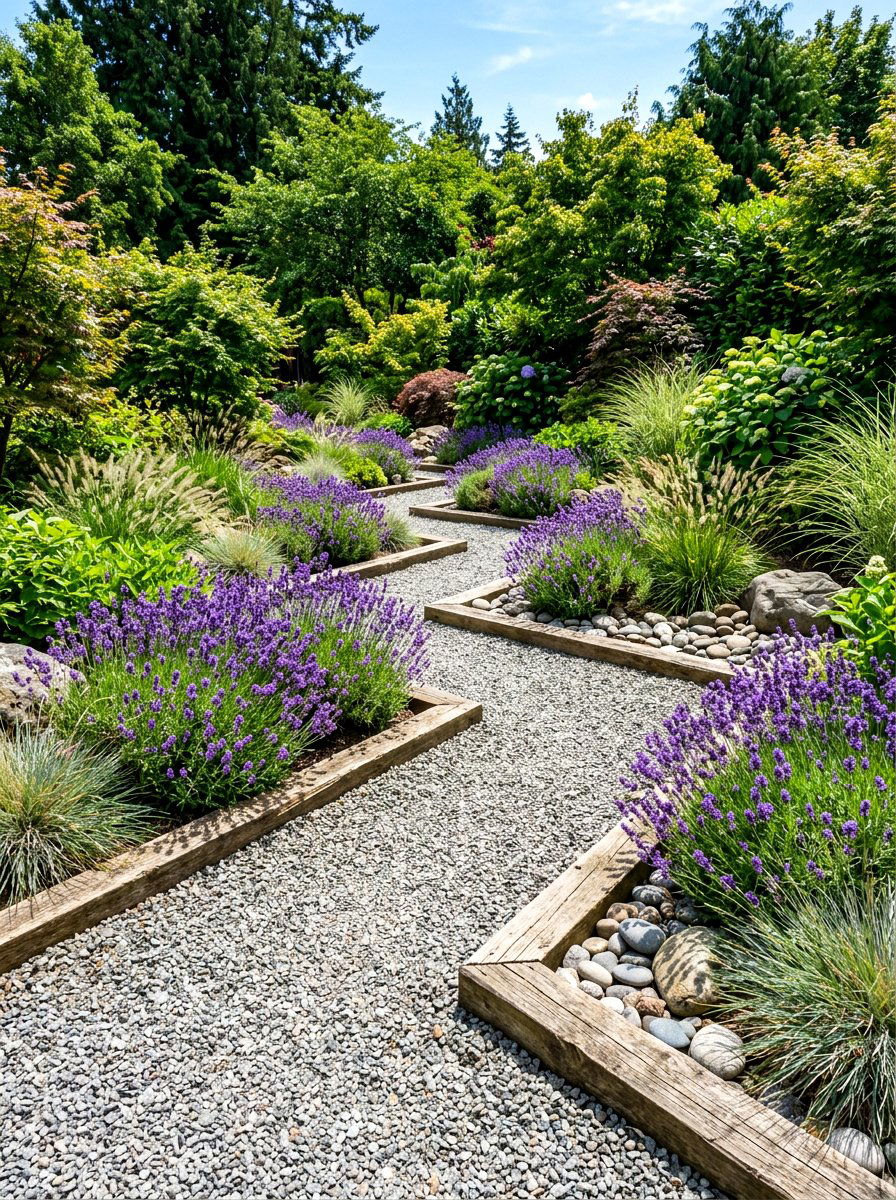
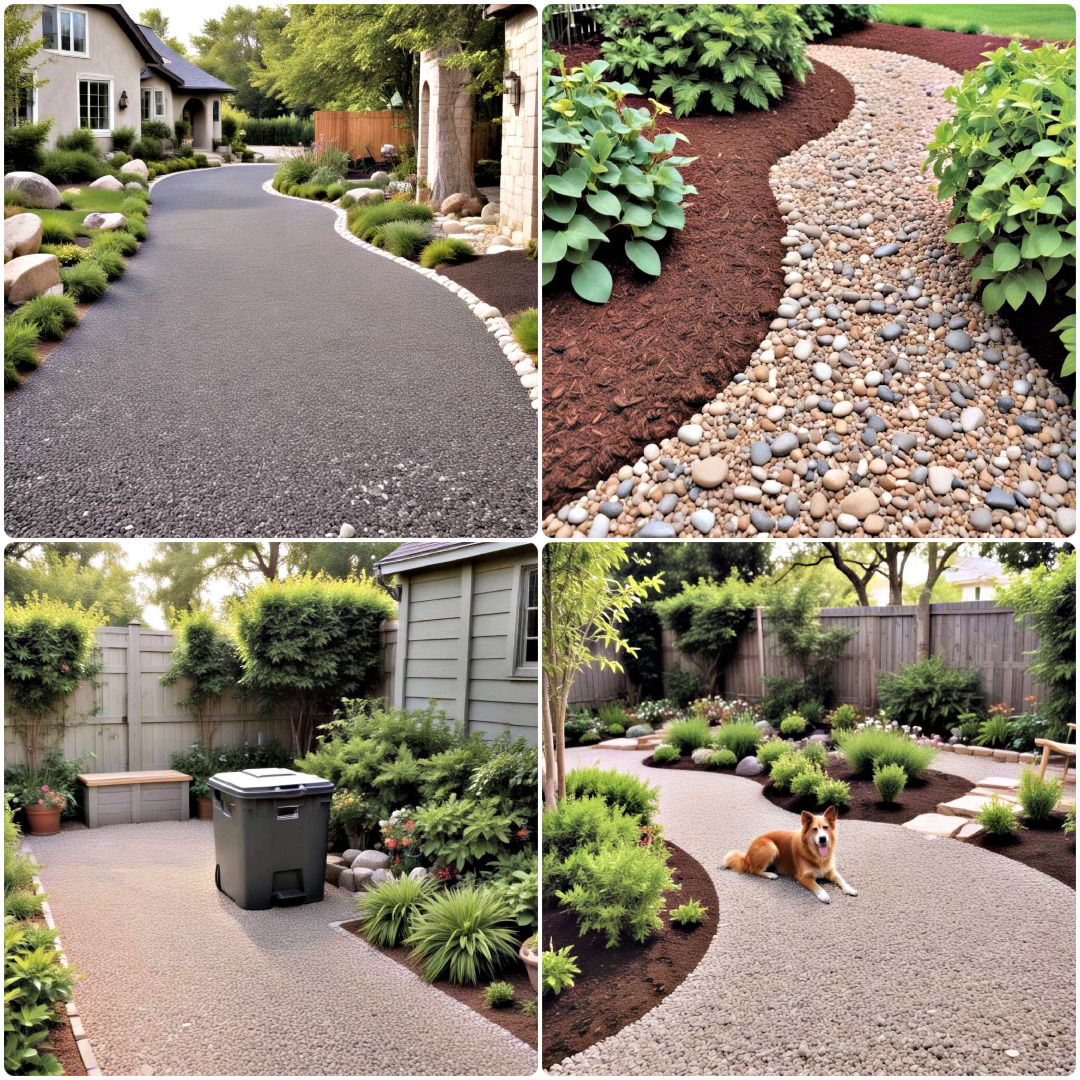
A gravel zigzag path, often referred to as a switchback trail, is a clever way to make a steep climb much more manageable. Instead of walking straight up a taxing incline, you create a winding route that follows the natural contours of the hill. Using crushed gravel or pea stone provides a stable, permeable surface that allows water to soak into the ground rather than running off. Lining the path with small rocks or timber edging keeps the gravel in place and defines the walkway. This design encourages a slower, more intentional pace, allowing you to enjoy the various plants and views along the way without getting winded.
9. Modern Steel Planter
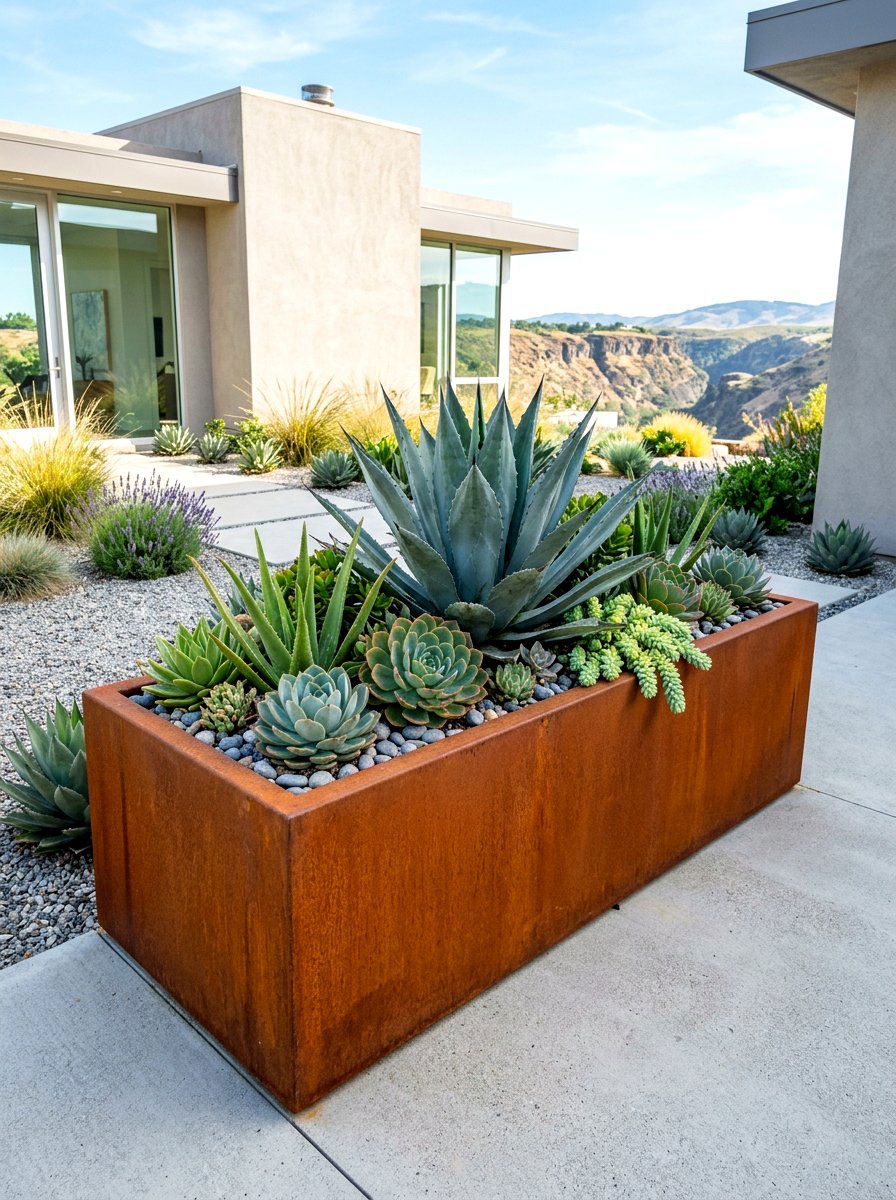
For homeowners who prefer a sleek and industrial aesthetic, modern steel planters offer a sharp, architectural way to terrace a hillside. Weathering steel, often known as Corten, is a popular choice because it develops a beautiful rust-like patina that protects the metal from further corrosion. These thin, strong walls allow you to create very clean edges and tight corners that traditional stone cannot easily replicate. Steel planters are excellent for contemporary homes, providing a striking contrast against soft ornamental grasses and structural succulents. The orange-brown hue of the weathered steel looks spectacular when paired with deep green foliage or bright architectural lighting during the evening.
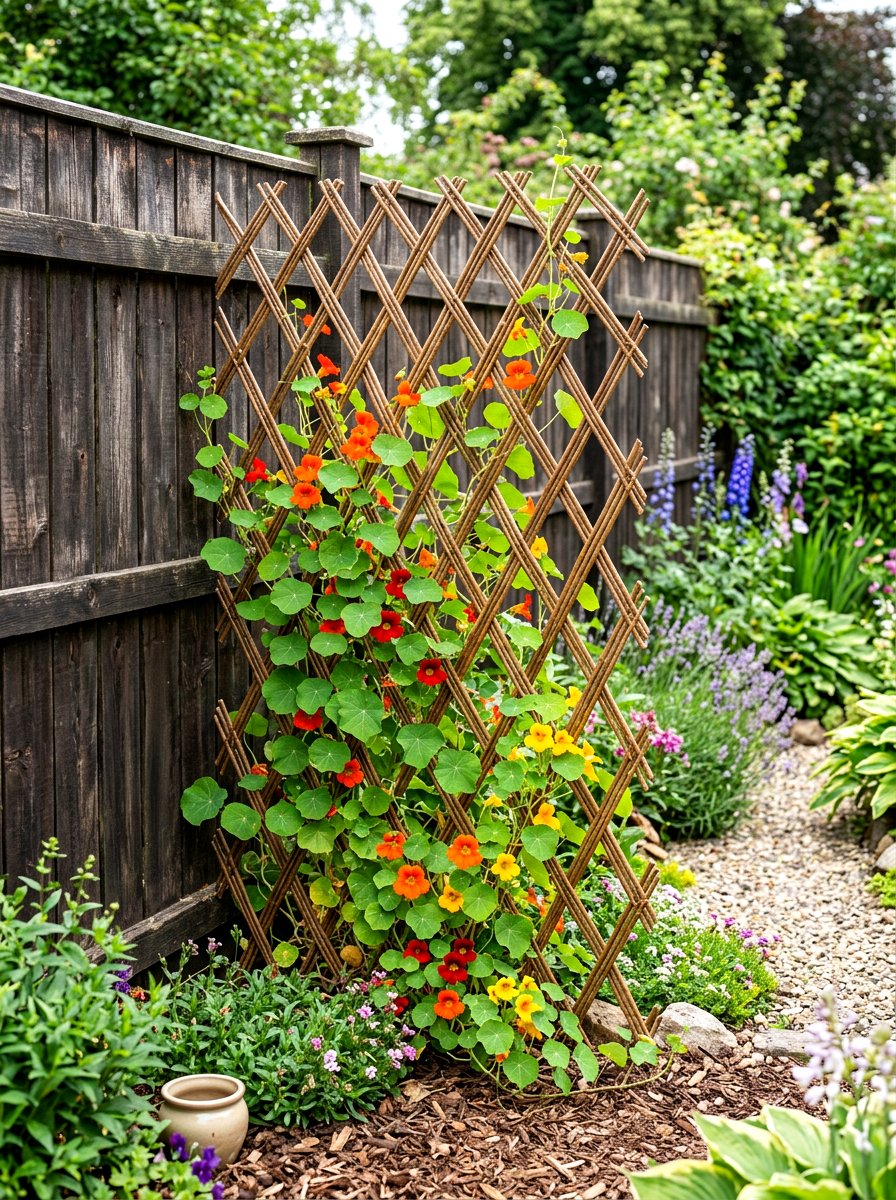
10. Concrete Retaining Wall
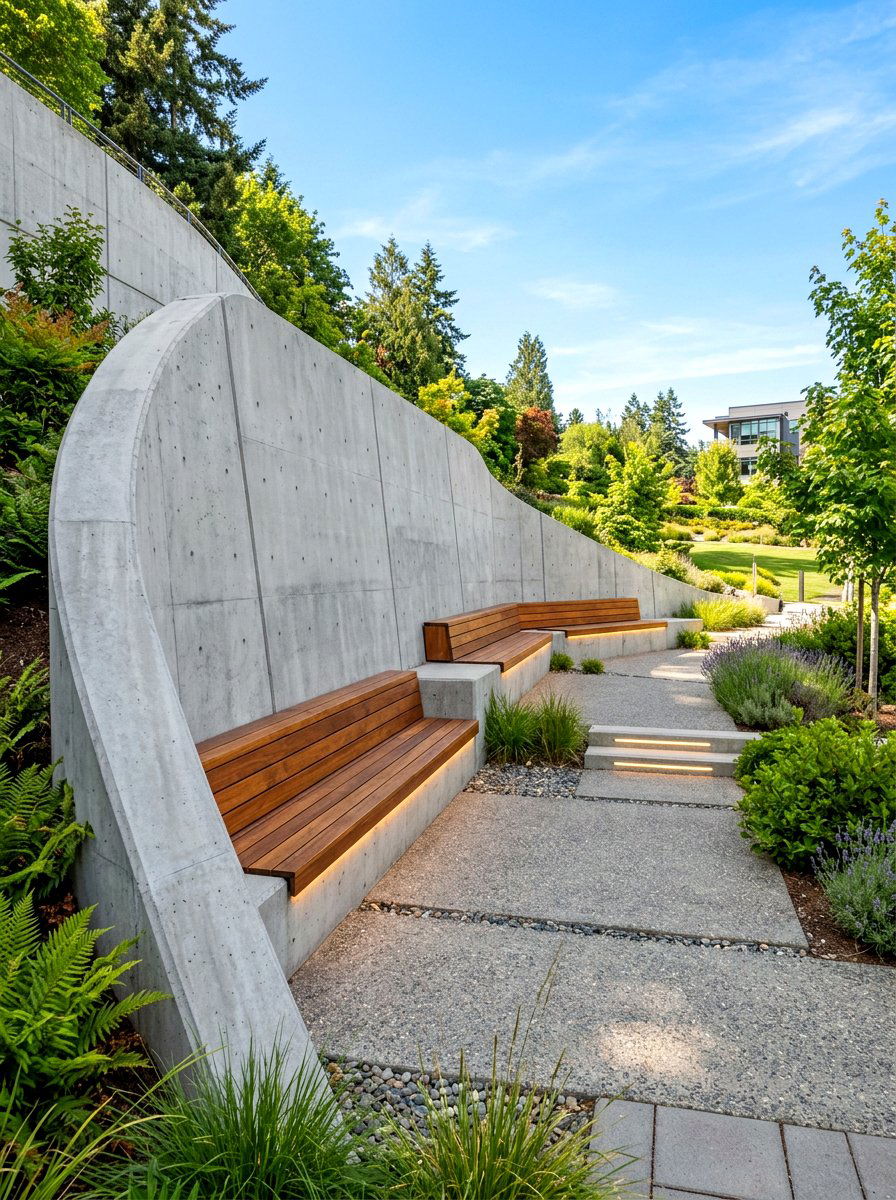
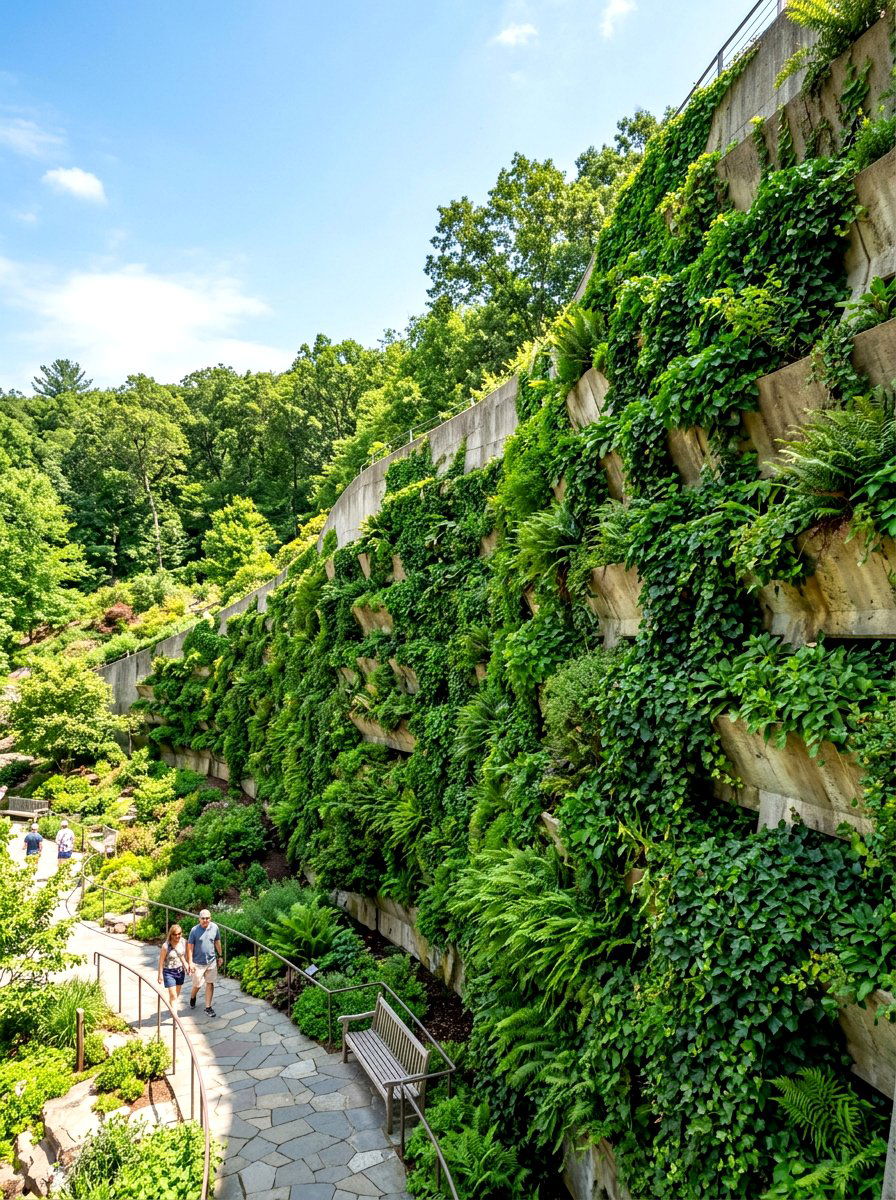
A concrete retaining wall is a versatile and durable solution for taming even the steepest and most unstable hillsides on your property. Modern concrete can be poured into custom shapes, stamped with textures that mimic stone, or left smooth for a minimalist look. Because of its incredible strength, concrete is often used for high walls that need to support a significant amount of earth or a structure above. You can easily integrate built-in seating, planters, or lighting directly into the wall design for added functionality. This material is perfect for creating a clean, structured appearance that complements modern architecture while providing long-lasting stability for your entire backyard landscape.
11. Evergreen Shrub Bank
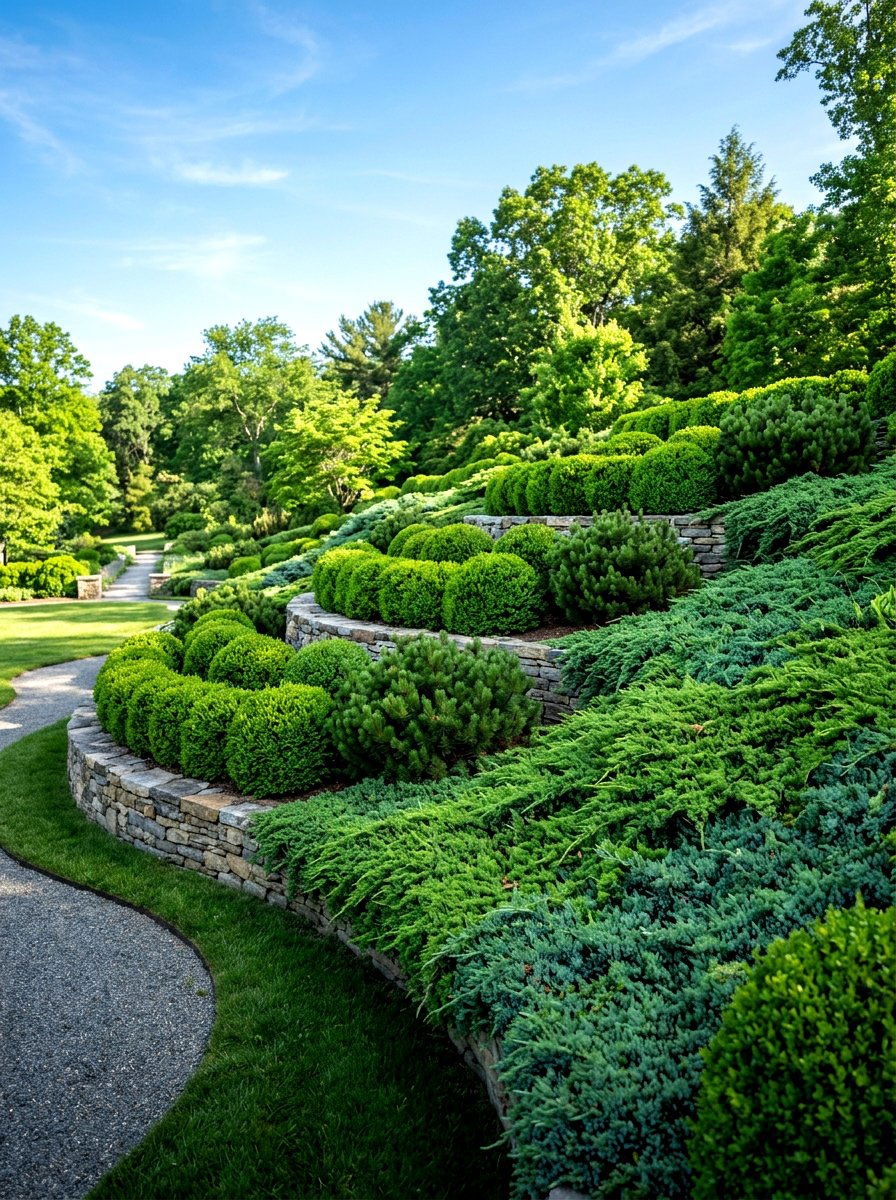
Creating an evergreen shrub bank is a smart way to ensure your hillside remains lush and vibrant even during the cold winter months. By choosing a variety of heights and textures, such as dwarf pines, boxwoods, and creeping junipers, you can build a dense wall of greenery. Evergreens are particularly effective for privacy, as they block views into your yard year-round. They also provide excellent wind protection and help hold the soil in place with their strong, established root systems. When arranged in staggered rows, these shrubs create a soft, undulating look that hides the steepness of the slope while providing a consistent backdrop for seasonal flowers.
12. Flagstone Patio Level
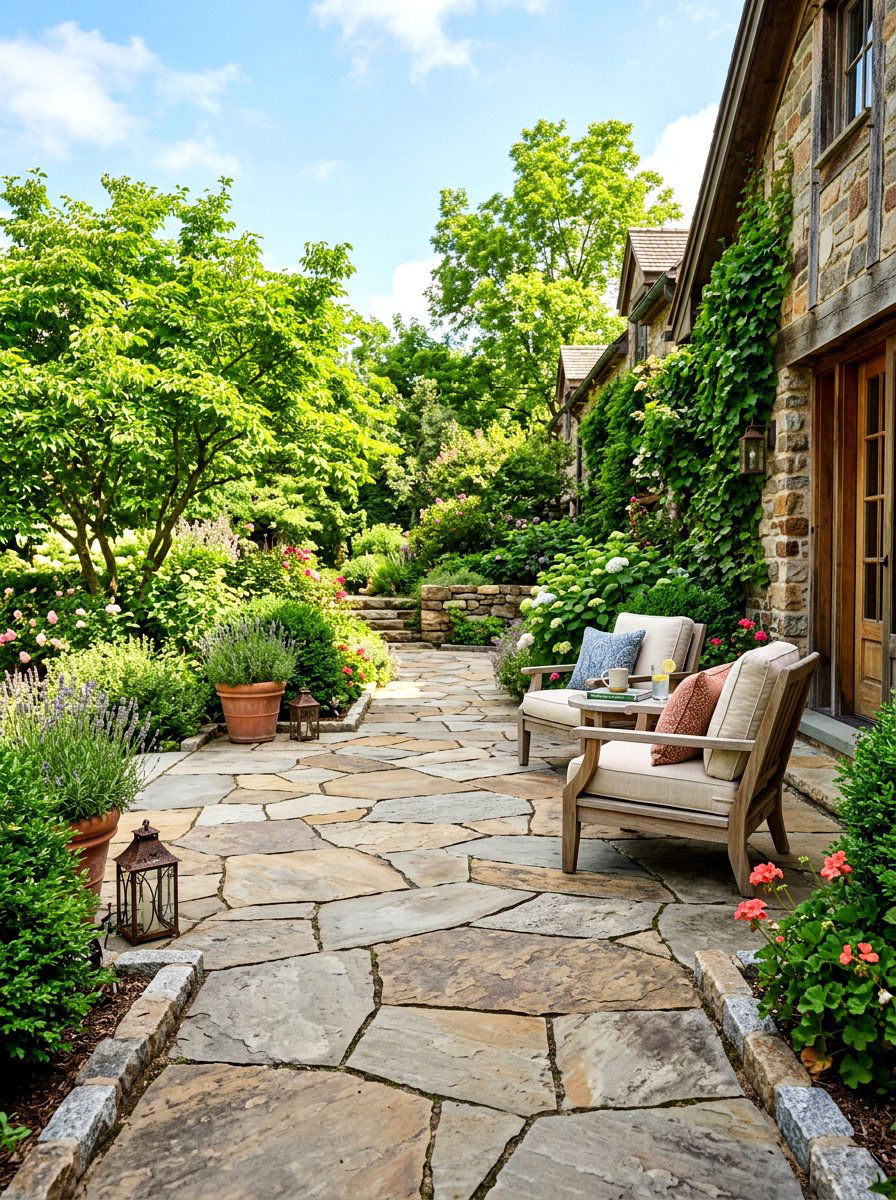
Integrating a flagstone patio level into your hillside design creates a functional destination where you can relax and enjoy the view. By carving out a flat section of the slope and reinforcing it with a small retaining wall, you create a "landing" that serves as an outdoor living room. Flagstone is a popular choice for these areas because of its natural, irregular shapes and varied earthy tones. When laid on a bed of sand or gravel, it provides a permeable surface that handles drainage well. Adding a set of comfortable chairs and a small table transforms a previously unusable slope into the most popular spot on your entire property.
13. Drought Tolerant Landscape
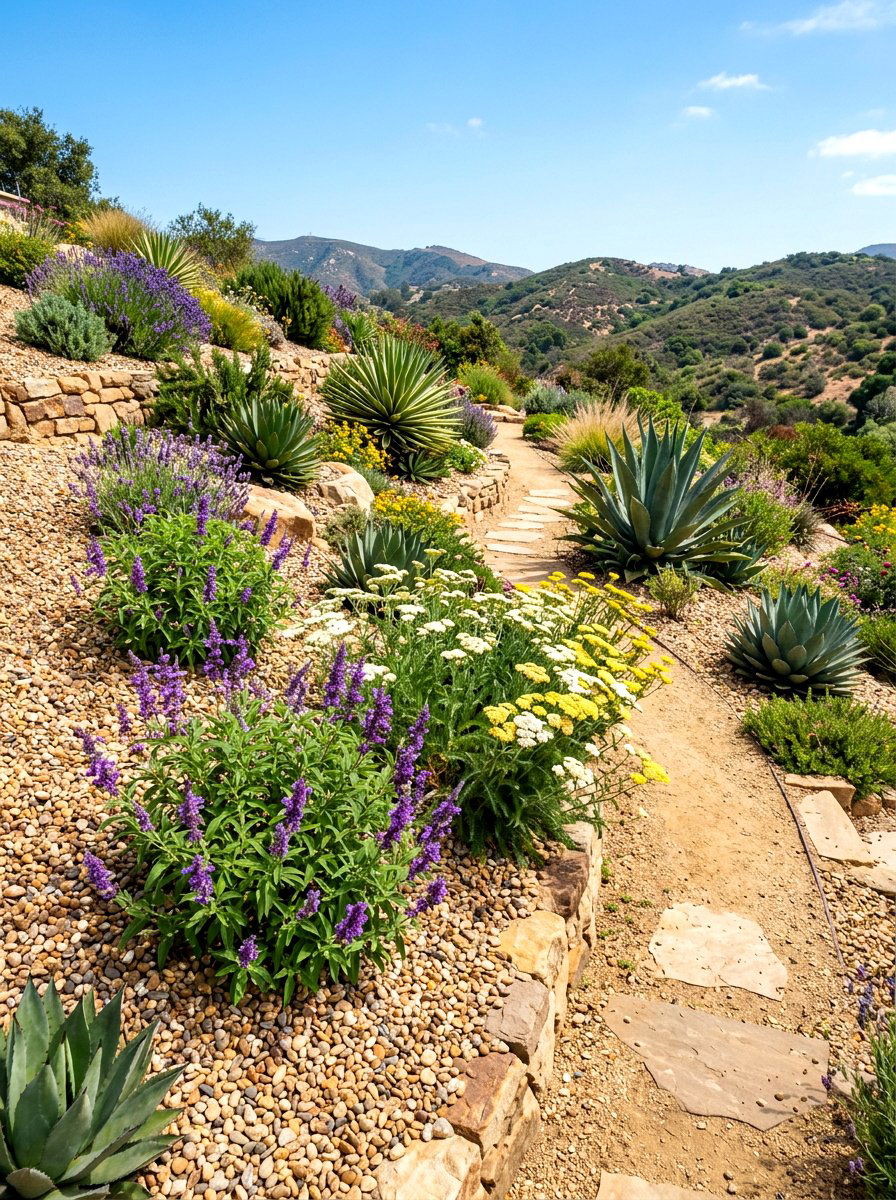
A drought-tolerant landscape, or xeriscape, is particularly well-suited for sloped areas that receive intense sun and drain quickly. Slopes are notorious for losing moisture fast, so choosing plants like lavender, sage, agave, and yarrow ensures your garden stays healthy without constant watering. These plants are often characterized by silvery-gray foliage or thick, water-storing leaves that help them survive in harsh conditions. Combining these resilient species with a thick layer of mulch or decorative gravel creates a sophisticated, Mediterranean-inspired look. This approach not only saves money on your water bill but also reduces the amount of maintenance required to keep your hillside looking beautiful throughout the year.
14. Hillside Orchard
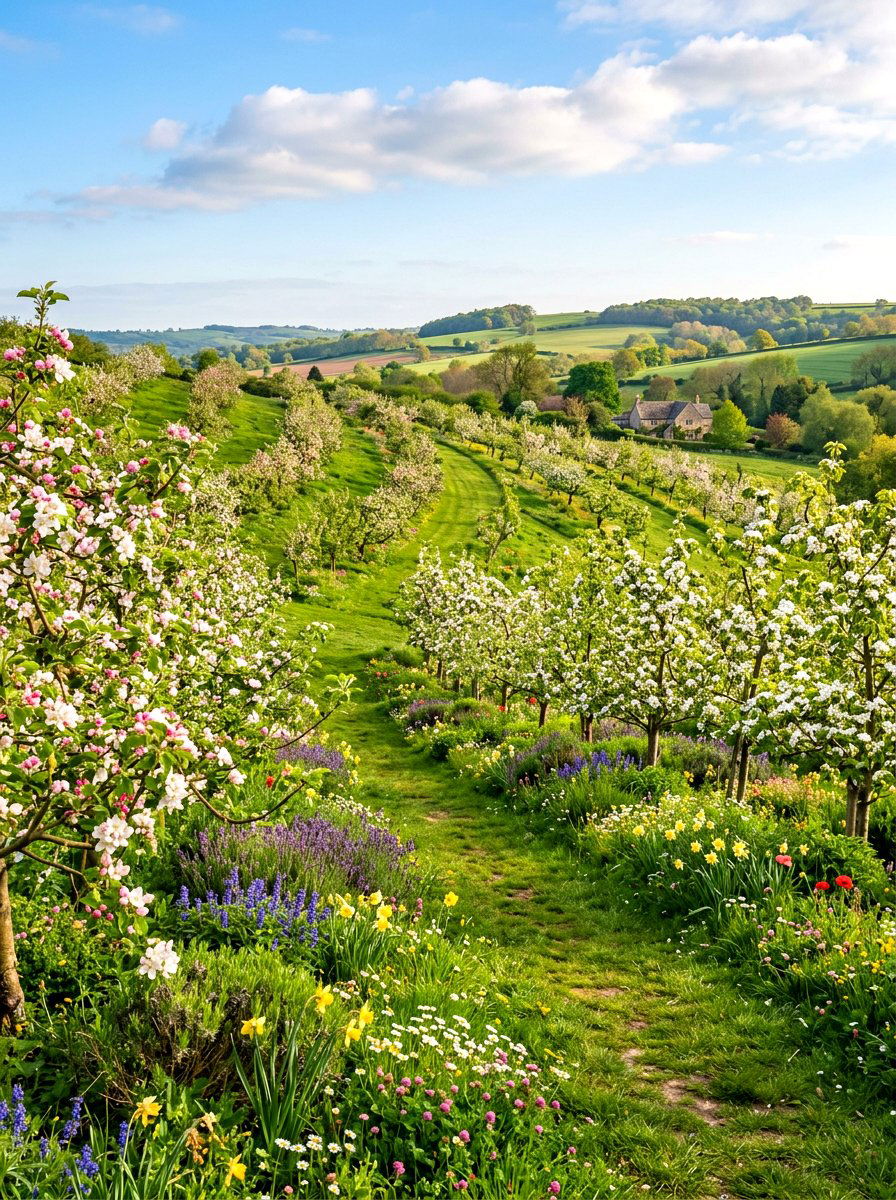
A hillside orchard is a productive and beautiful way to utilize a sunny slope that might otherwise go to waste. Fruit trees like apples, peaches, and pears actually benefit from being planted on an incline because it provides excellent air circulation and prevents water from pooling around their roots. You can plant the trees in a staggered pattern or create small individual terraces for each one to make harvesting easier. Beneath the trees, you can grow a variety of herbs or berries that enjoy the dappled shade. This multi-layered approach turns your vertical space into a functional "food forest" that provides fresh, organic produce right in your own backyard.
15. Sloped Fire Pit
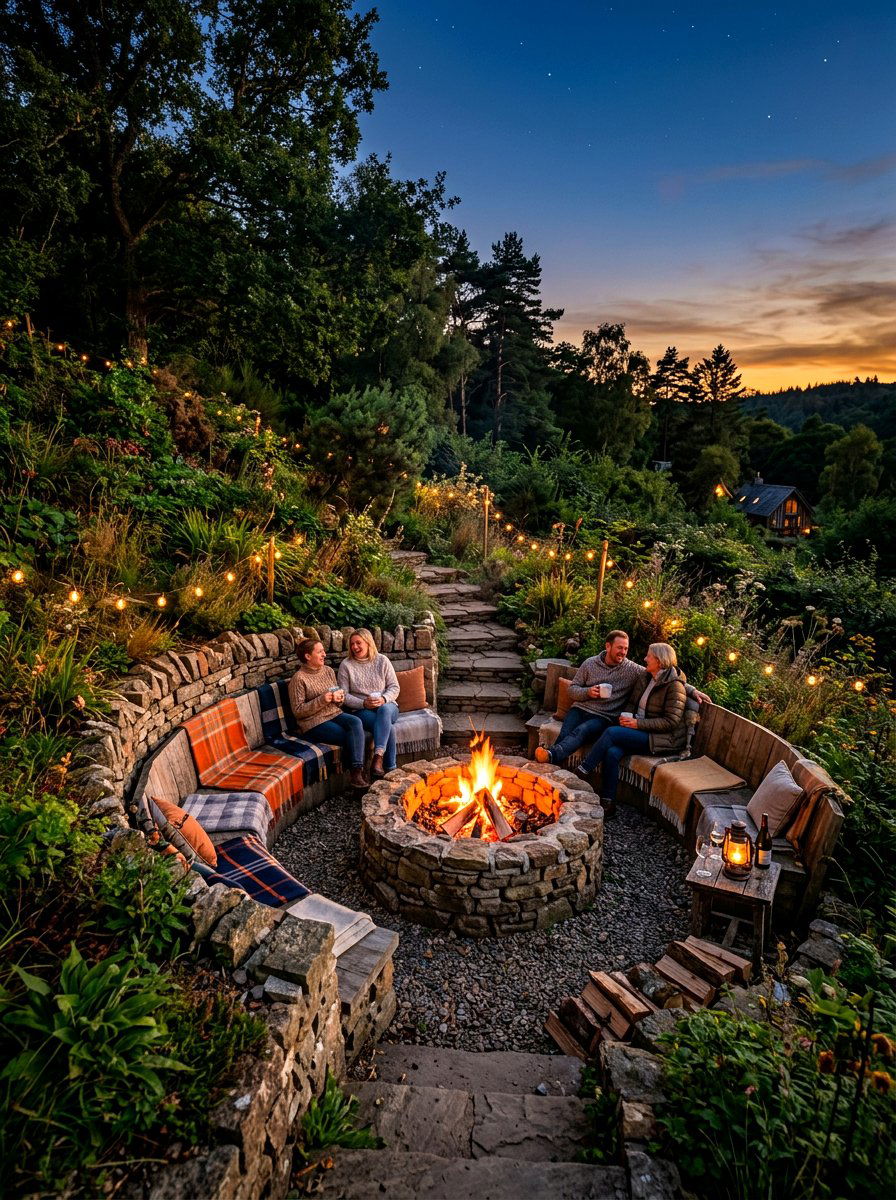
Designing a sloped fire pit area involves creating a sunken or terraced seating zone that feels cozy and protected from the wind. Because hills naturally provide a backrest or "wall, " you can build a fire pit into the side of the slope to create an intimate conversation pit. Using stone or masonry for the surrounding benches ensures the area is durable and fire-safe. This setup is perfect for cool evenings, as the hillside helps trap the heat and provides a sense of enclosure. From this elevated vantage point, you can look out over the rest of your garden or enjoy the sunset while staying warm by the crackling flames.
16. Gabion Wall System
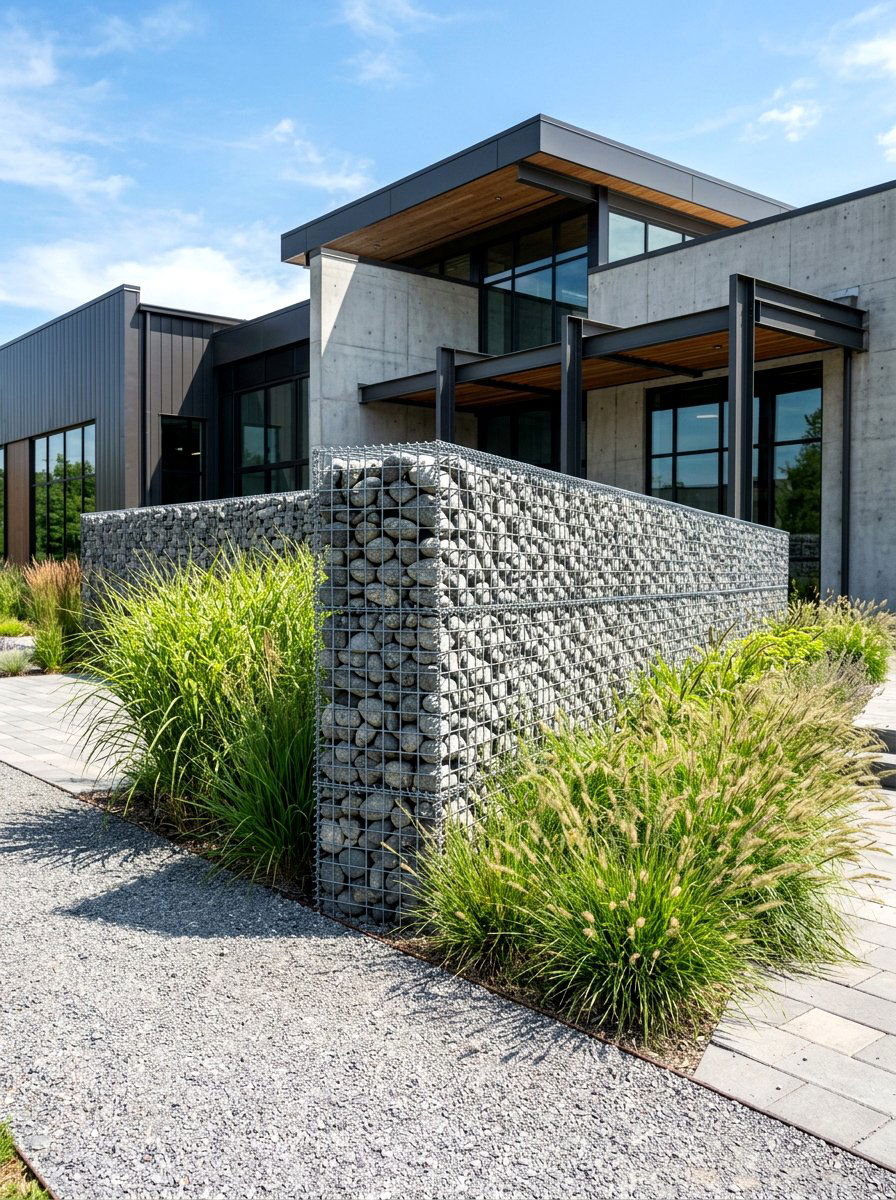
A gabion wall system is a modern and industrial way to stabilize a hillside using wire cages filled with rocks or recycled materials. This method is incredibly effective for drainage because water can easily flow through the gaps between the stones, preventing pressure from building up behind the wall. Gabion walls have a unique, textured appearance that works well with both rustic and contemporary landscapes. You can fill the cages with local river rock for a natural look or use colorful glass and tumbled brick for a more artistic statement. These walls are also very eco-friendly, as they require less mortar and heavy machinery to install.
17. Terraced Vegetable Garden
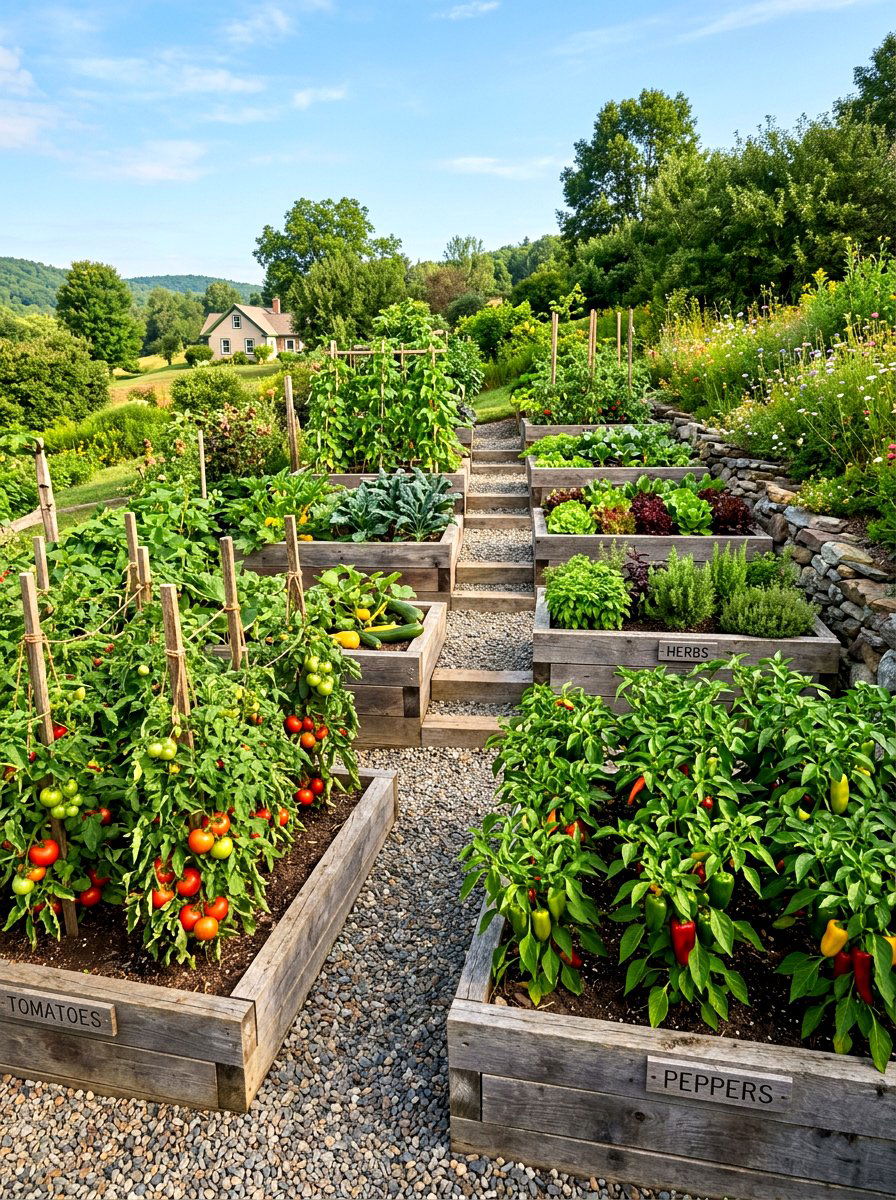
A terraced vegetable garden allows you to grow your own food on a steep lot that would be impossible to farm otherwise. By building several flat, narrow beds horizontally across the hill, you create easy access for planting, watering, and harvesting. These raised tiers prevent soil compaction and allow you to control the soil quality precisely for each crop. You can use wood, stone, or even recycled plastic for the bed frames. Growing vegetables on a slope often results in better sun exposure for the plants, leading to a more bountiful harvest. It also makes gardening much easier on your back, as the beds are naturally elevated.
18. Ornamental Grass Slope
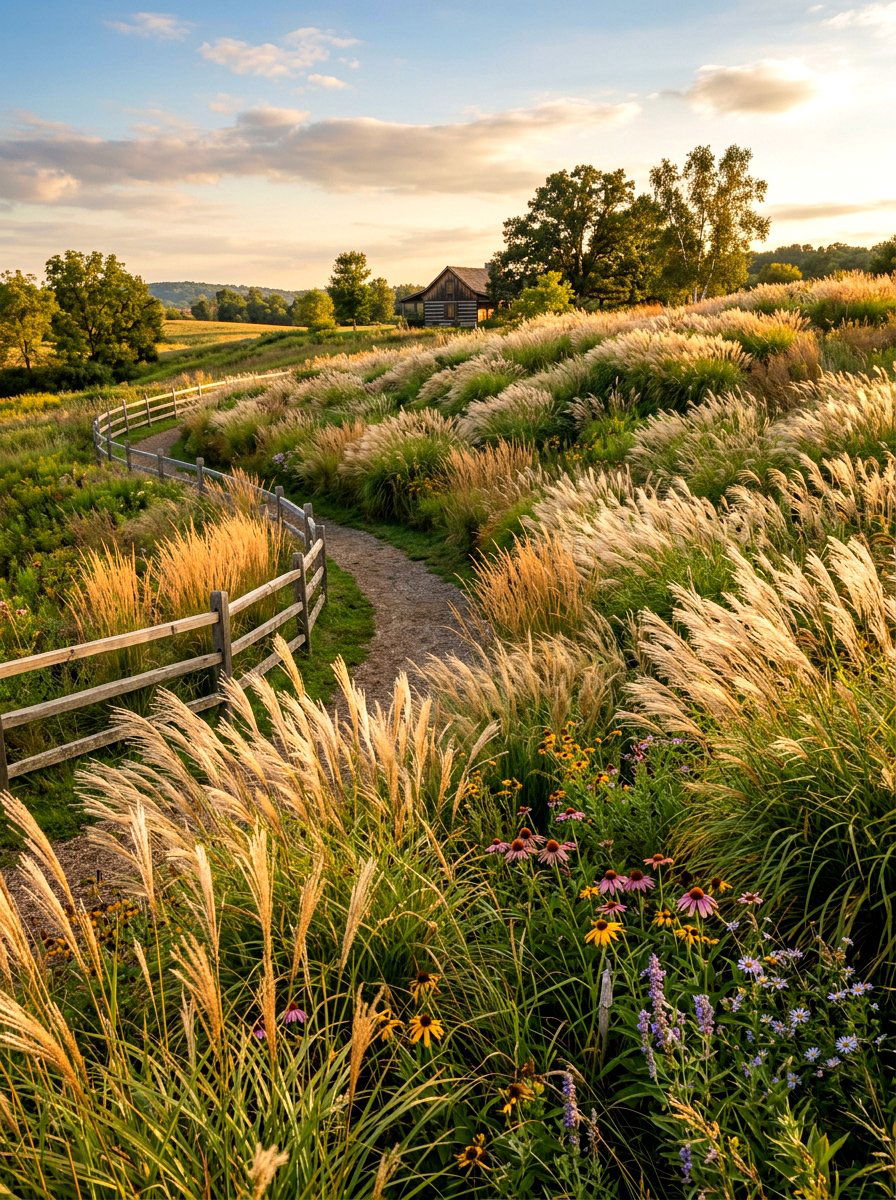
Using ornamental grass on a slope is a high-impact, low-maintenance design choice that adds incredible movement and texture to your yard. Large varieties like Maiden grass, Fountain grass, and Muhly grass sway beautifully in the breeze, creating a dynamic landscape that feels alive. These grasses have deep roots that anchor the soil, making them perfect for erosion control. When planted in large sweeps or drifts, they create a soft, meadow-like appearance that hides the harshness of a steep incline. They are particularly stunning in the autumn and winter when their seed heads catch the frost and low light, providing visual interest long after flowers have faded.
19. Woodland Trail
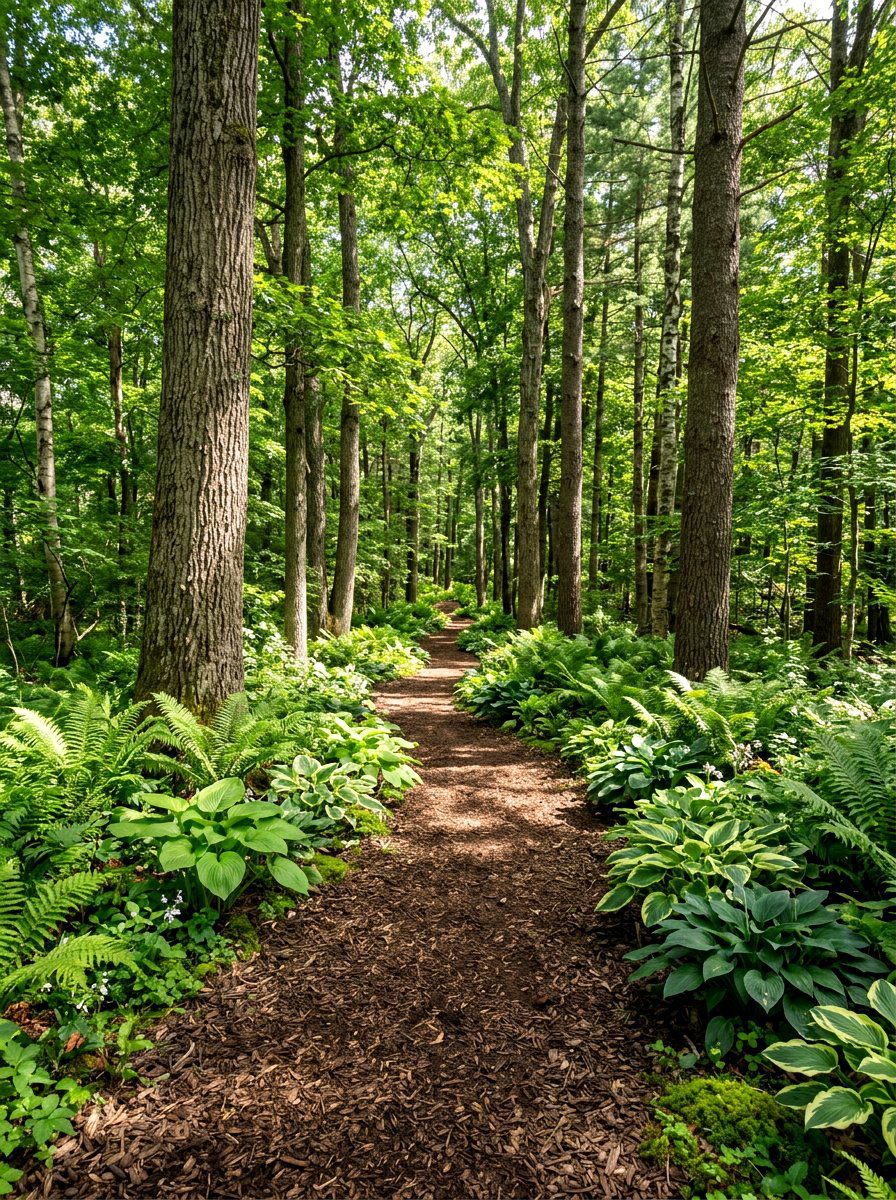
If your hillside is shaded by large trees, a woodland trail is a wonderful way to embrace the natural environment while creating a peaceful walking path. You can use bark mulch, wood chips, or simple dirt paths to weave through the trees, following the natural rise and fall of the land. Lining the trail with shade-loving plants like ferns, hostas, and bleeding hearts enhances the forest-like atmosphere. Adding a few rustic wooden benches along the way provides a quiet place to sit and enjoy the sounds of nature. This type of landscaping requires very little intervention, as it relies on the existing ecosystem to create a serene and organic escape.

20. Dry Creek Bed
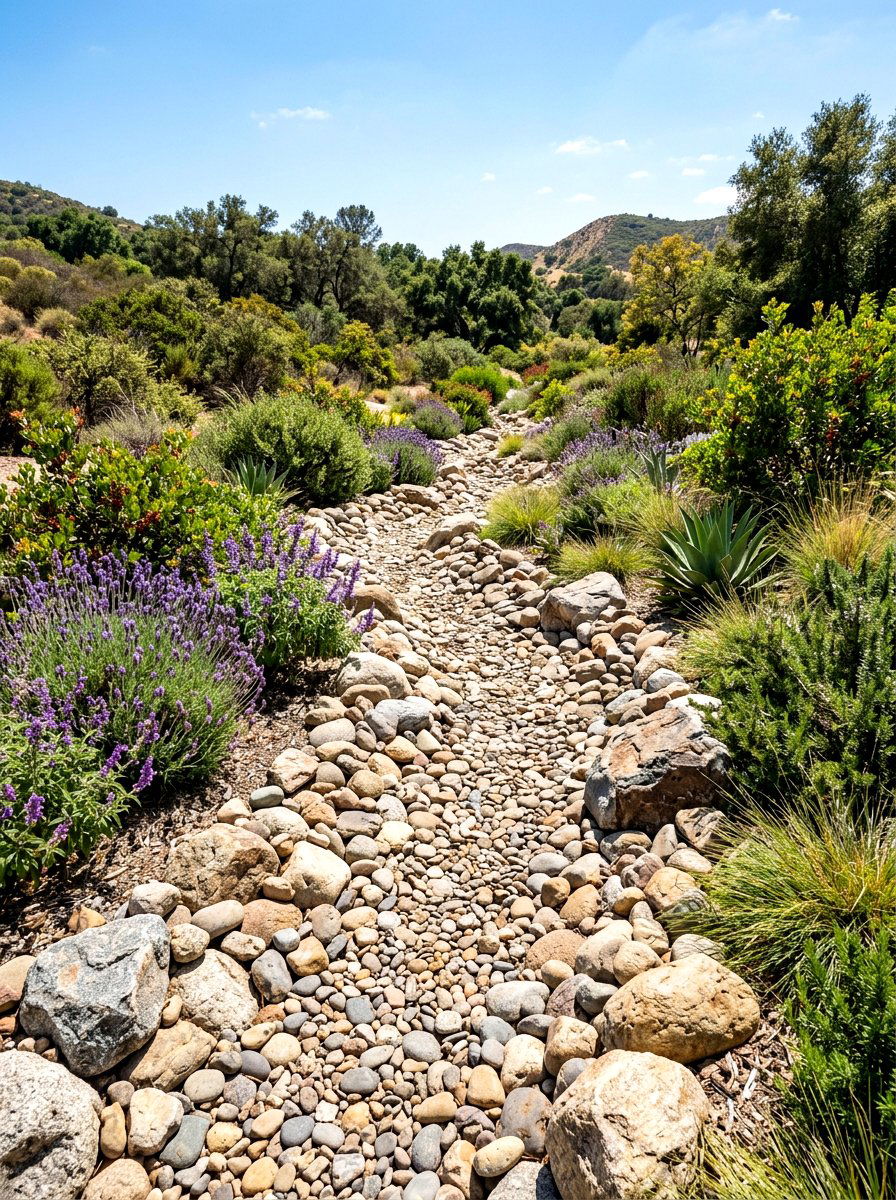
A dry creek bed is a functional and artistic feature designed to manage heavy rainwater runoff while looking like a natural part of the landscape. By lining a shallow trench with a mix of river rocks, boulders, and gravel, you create a path for water to follow during storms. This prevents the water from carving out ugly gullies in your soil or flooding lower areas of your property. Even when it is dry, the winding path of stones adds a beautiful, zen-like element to your hillside. You can plant moisture-tolerant grasses and shrubs along the edges to soften the look and make the "stream" feel even more authentic.
21. Hillside Infinity Pool
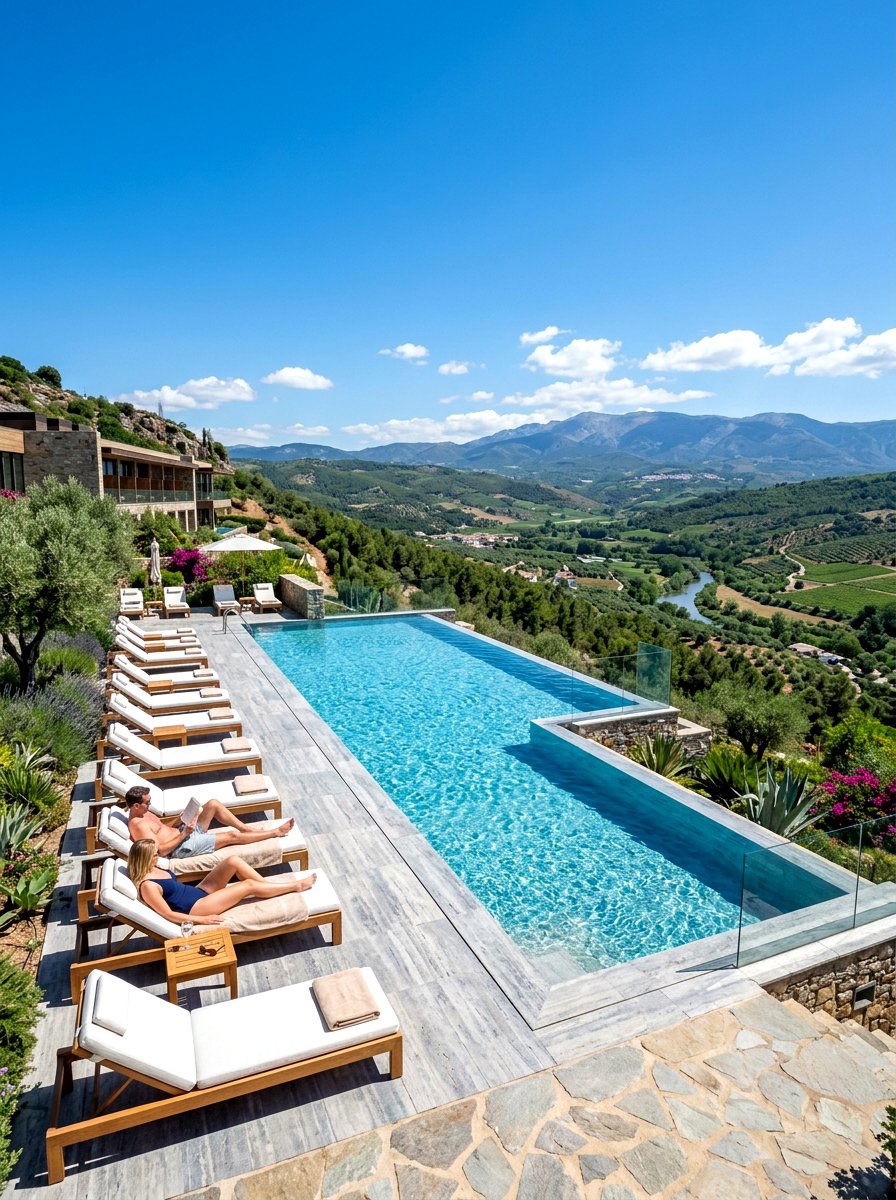
A hillside infinity pool is the ultimate luxury feature for a sloped property, providing a seamless visual transition between the water and the horizon. The natural drop-off of a hill is the perfect setting for a "vanishing edge" that creates the illusion of the pool spilling over into the landscape below. This design usually requires significant engineering to ensure the structure is stable on the slope, but the result is a world-class outdoor oasis. You can surround the pool with a cantilevered deck or a stone patio that offers panoramic views. It turns a difficult architectural challenge into a high-end destination that feels like a five-star resort.
22. Mediterranean Terrace
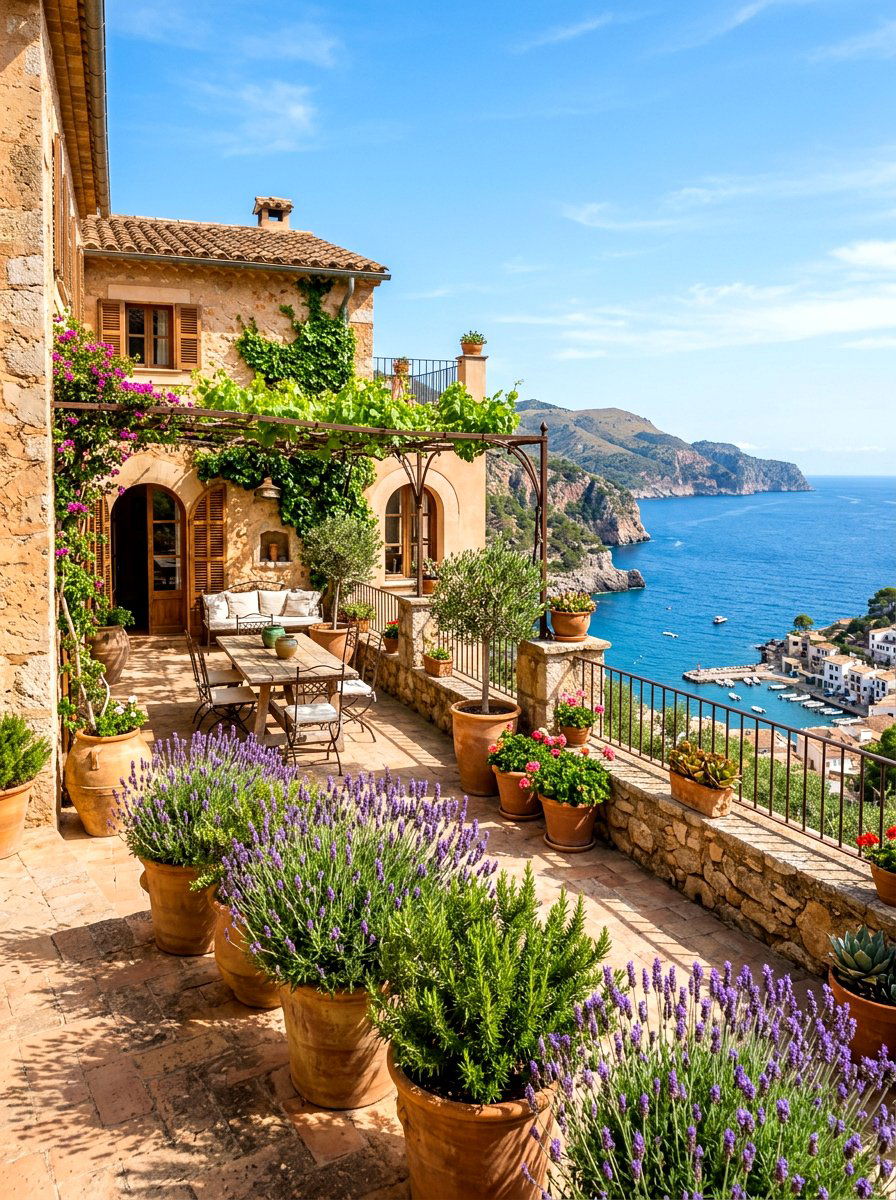
A Mediterranean terrace brings the sun-drenched vibes of the Italian or Greek coast to your hillside with warm-toned stones and fragrant plants. This style focuses on creating multiple levels using limestone or terracotta-colored walls that absorb and radiate heat. You should fill the garden beds with aromatic herbs like rosemary, lavender, and thyme, which thrive in the well-drained soil typical of sloped areas. Adding a few olive trees or cypress for height completes the look. This type of landscaping is perfect for entertaining, as the various levels can be used for dining, lounging, or even a small vineyard, making your backyard feel like a Mediterranean getaway.
23. Tropical Slope Garden
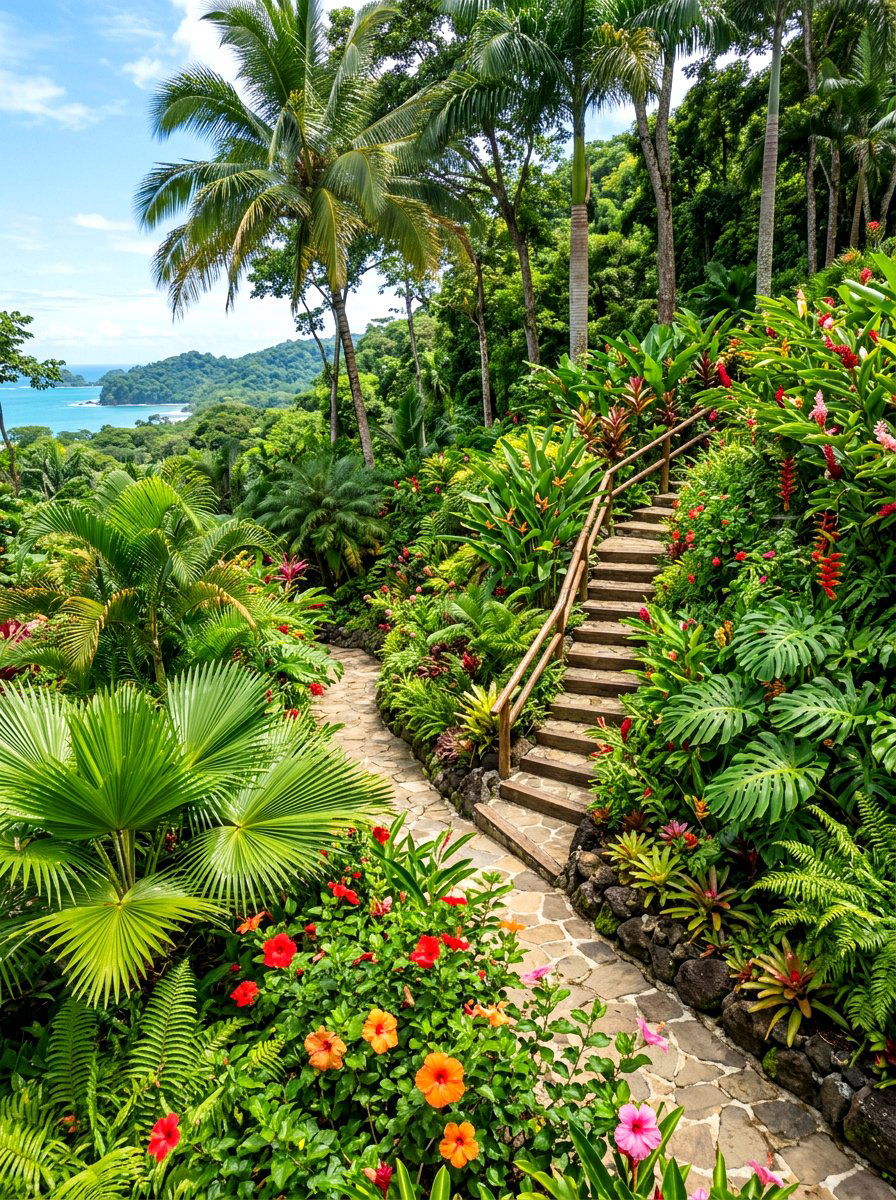
For homeowners in warmer climates, a tropical slope garden offers a lush, jungle-like escape filled with bold textures and vibrant colors. You can use large-leafed plants like elephant ears, palms, and hibiscus to create a dense canopy of greenery that thrives on a well-drained hillside. The vertical nature of the slope allows you to display these impressive plants at various eye levels, making the garden feel incredibly immersive. Adding a few tiki torches or colorful hammocks between the trees can enhance the vacation-like atmosphere. The thick foliage also provides excellent shade and privacy, turning your steep yard into a cool, hidden paradise that feels miles away from civilization.
24. Low Maintenance Groundcover
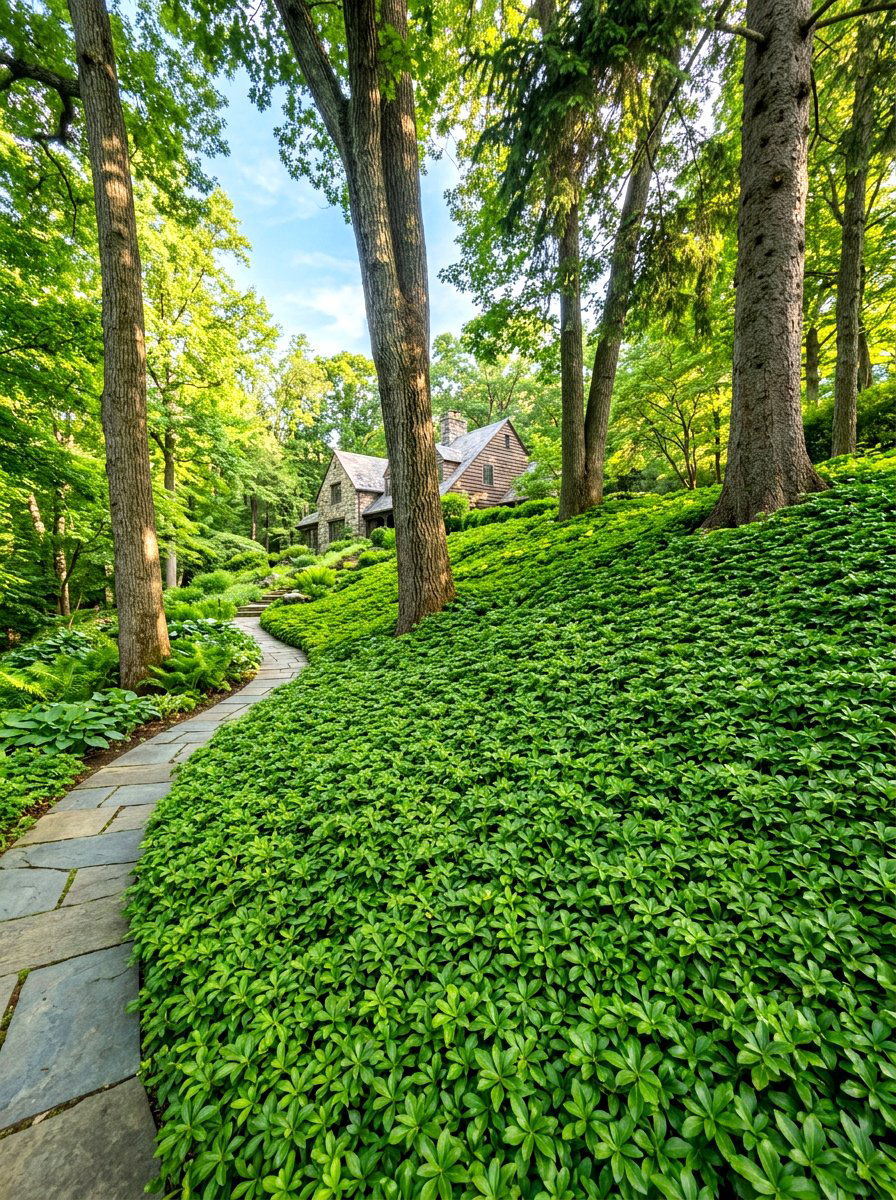
Choosing a low maintenance groundcover is the most efficient way to beautify a hillside that is too steep to walk on or mow safely. Plants like Pachysandra, English Ivy, or Creeping Myrtle are excellent choices because they spread quickly to cover bare dirt and require very little pruning. These plants create a uniform, green carpet that looks tidy and intentional throughout the year. Because they grow so densely, they naturally suppress weeds and prevent soil from washing away during rain. This is a perfect "set it and forget it" solution for homeowners who want a beautiful, green slope without having to spend every weekend performing difficult yard work.

25. Illuminated Stone Path
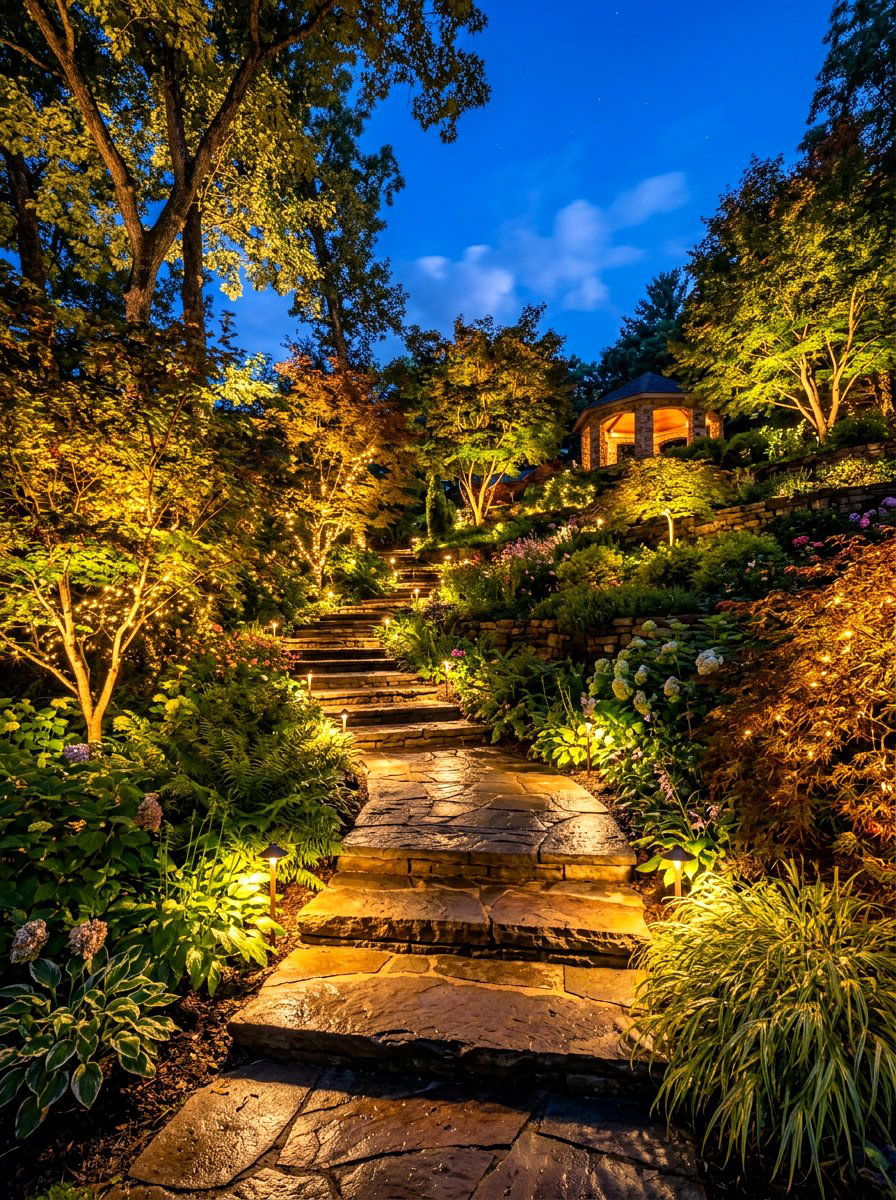
An illuminated stone path ensures that your hillside is both safe to navigate and visually stunning after the sun goes down. By installing small, low-voltage LED lights along the edges of your stairs or walkways, you highlight the textures of the stone and the shapes of nearby plants. You can also use "uplighting" on large trees or boulders to create a dramatic, theatrical effect on the slope. Proper lighting prevents trips and falls on uneven ground while extending the usability of your outdoor space into the evening hours. It makes your home look warm and inviting, providing a sophisticated glow that emphasizes the architectural layers of your landscape.
26. Redwood Deck Platform
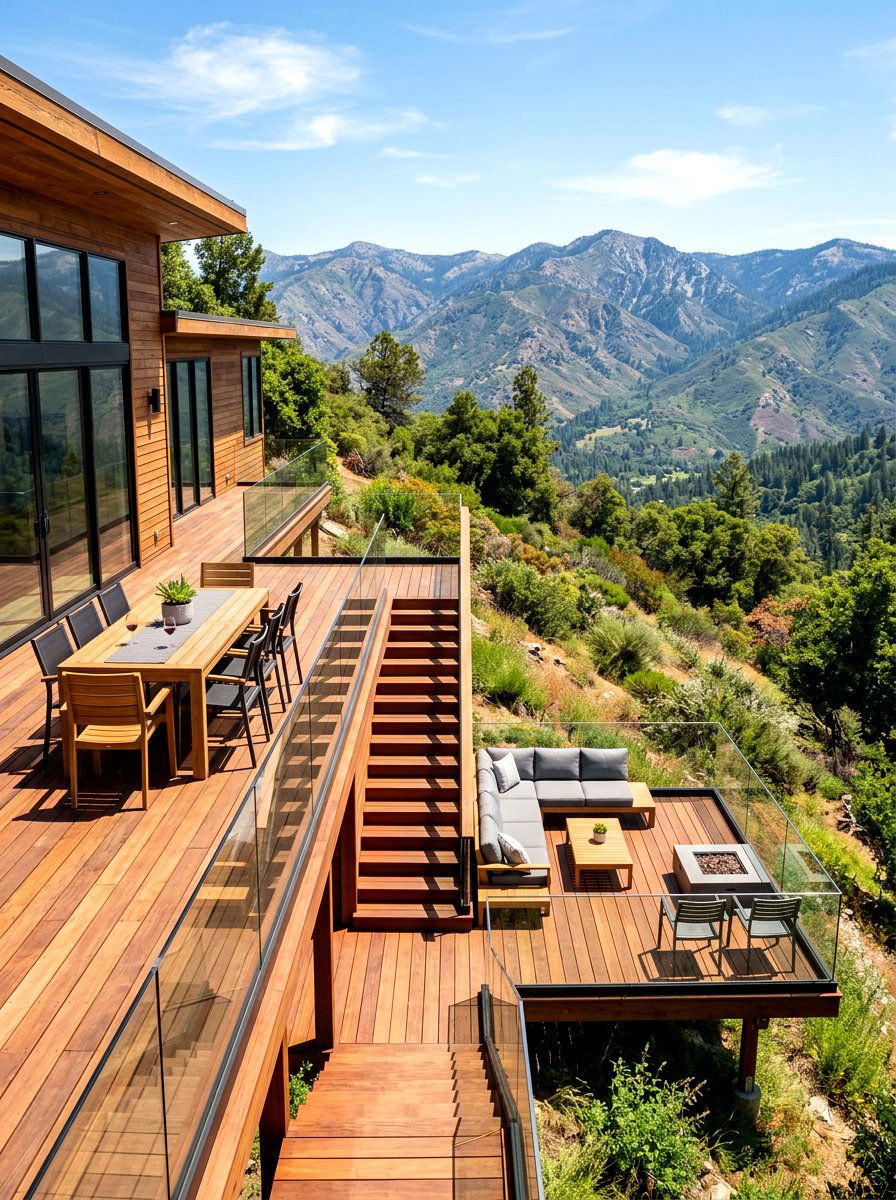
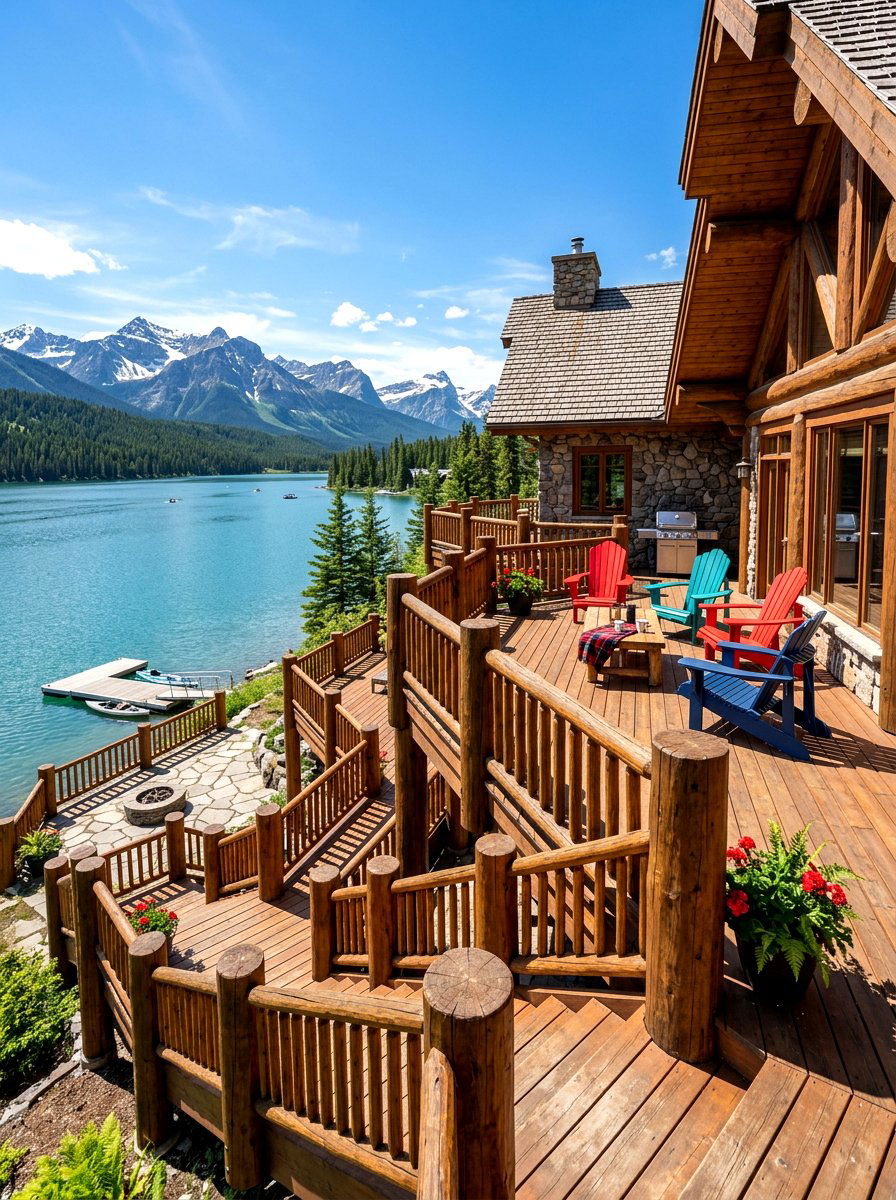
A redwood deck platform is an excellent way to create flat, usable square footage on a hill without the need for extensive excavation or heavy masonry walls. Using long support posts, you can build a deck that extends out over the slope, providing a "floating" feel and incredible views. Redwood is naturally resistant to decay and insects, making it a durable choice for outdoor structures. This platform can serve as a dining area, a yoga space, or a sun deck. By building a deck on different levels, you can create a series of interconnected outdoor rooms that follow the natural elevation changes of your property with modern elegance.
27. Succulent Rockery
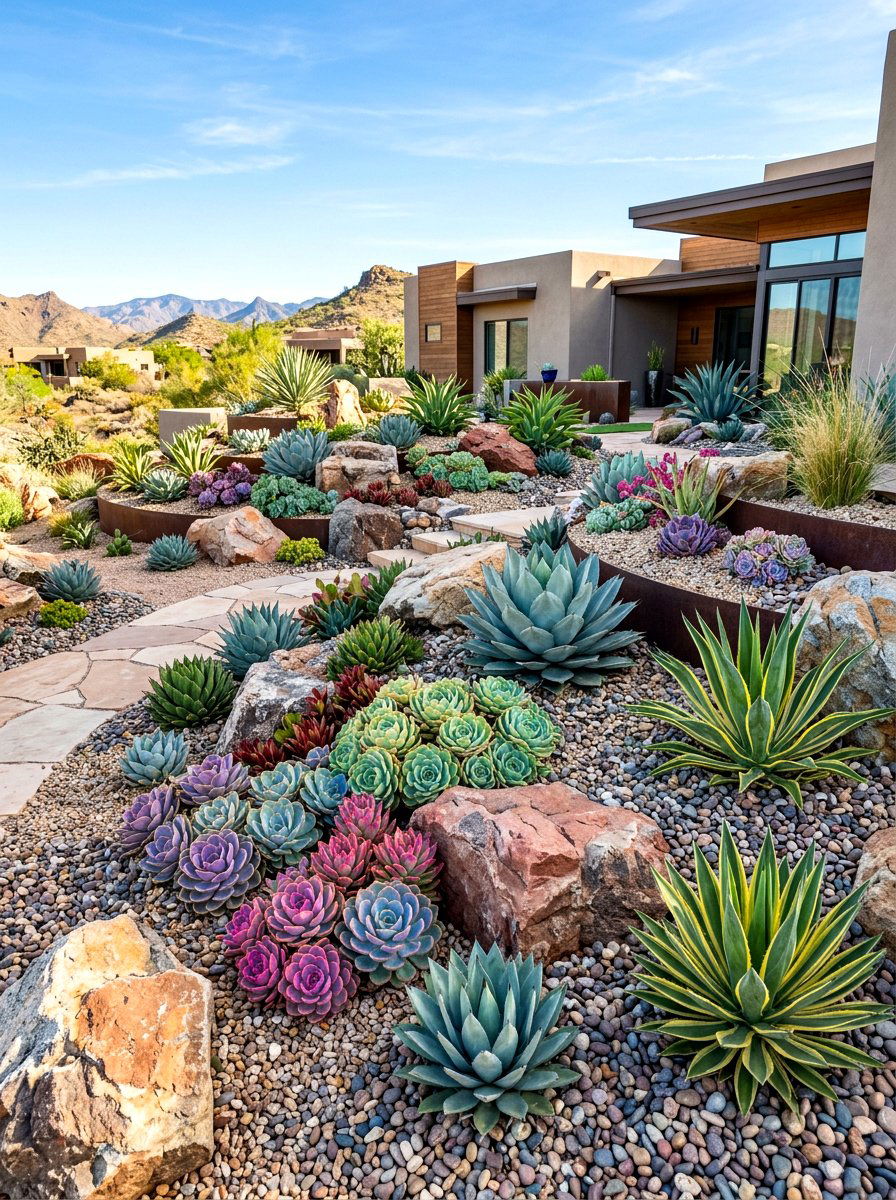
A succulent rockery is a low-water, high-texture landscaping choice that looks spectacular on a rocky or sandy hillside. Succulents come in a stunning array of geometric shapes and colors, from deep purples to bright blues and oranges. By planting them among large, decorative rocks and gravel, you create a miniature landscape that is both resilient and fascinating to look at. Succulents are ideal for slopes because they store water in their leaves and don't mind the fast-draining soil. This type of garden is very easy to maintain and provides a modern, sculptural look that works perfectly in arid regions or as a focal point in a contemporary yard.
28. Erosion Control Matting
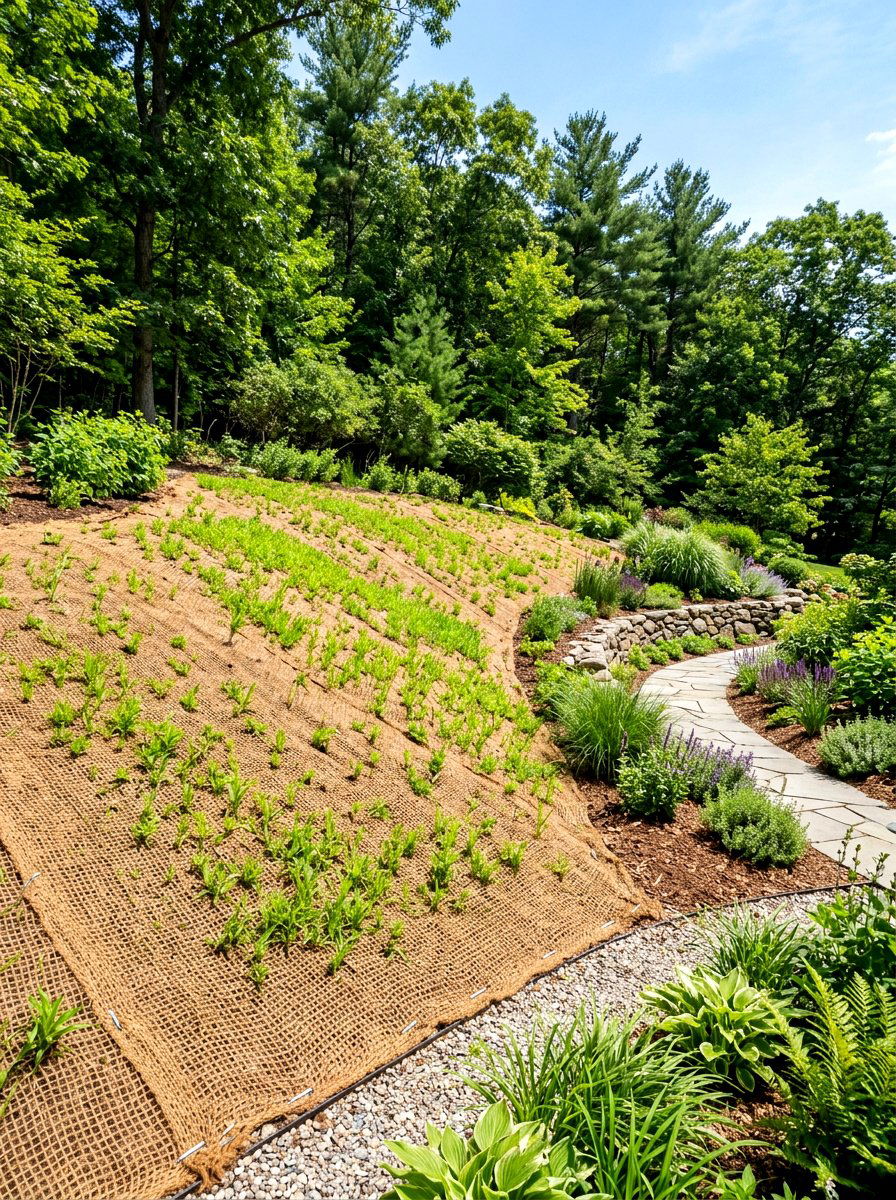
Erosion control matting is a practical, behind-the-scenes solution used during the initial stages of hillside landscaping to stabilize the soil while plants grow. These mats are typically made from natural fibers like coconut husk or jute, which eventually biodegrade as the vegetation's roots take over the job of holding the earth. You lay the matting over the bare slope, secure it with stakes, and plant your groundcovers directly through the mesh. This prevents the topsoil from washing away in the first few rainstorms, giving your new landscape a fighting chance to become established. It is an essential step for ensuring the long-term success of any steep gardening project.
29. Floating Concrete Step
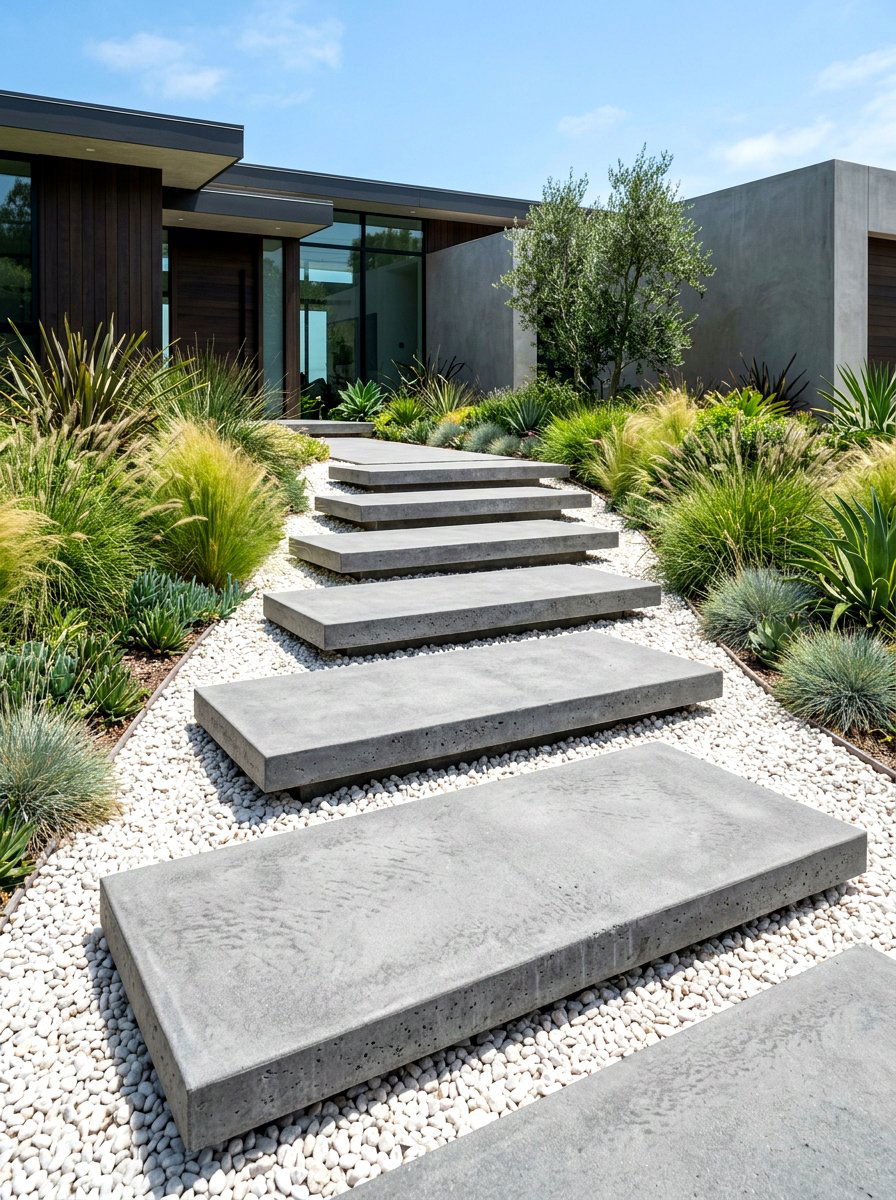
Floating concrete steps offer a minimalist and highly modern way to climb a hillside with architectural flair. These steps are designed so that each riser is hidden, making it look as though the thick concrete slabs are hovering above the ground. This style is often paired with simple gravel or a low groundcover like moss to emphasize the clean, horizontal lines. When illuminated from underneath with hidden strip lighting, the steps look truly magical at night. This design is perfect for contemporary homes where simplicity and structural beauty are the main priorities. It creates a sleek, effortless transition that makes navigating a steep slope feel like a work of art.
30. Sunken Fire Lounge
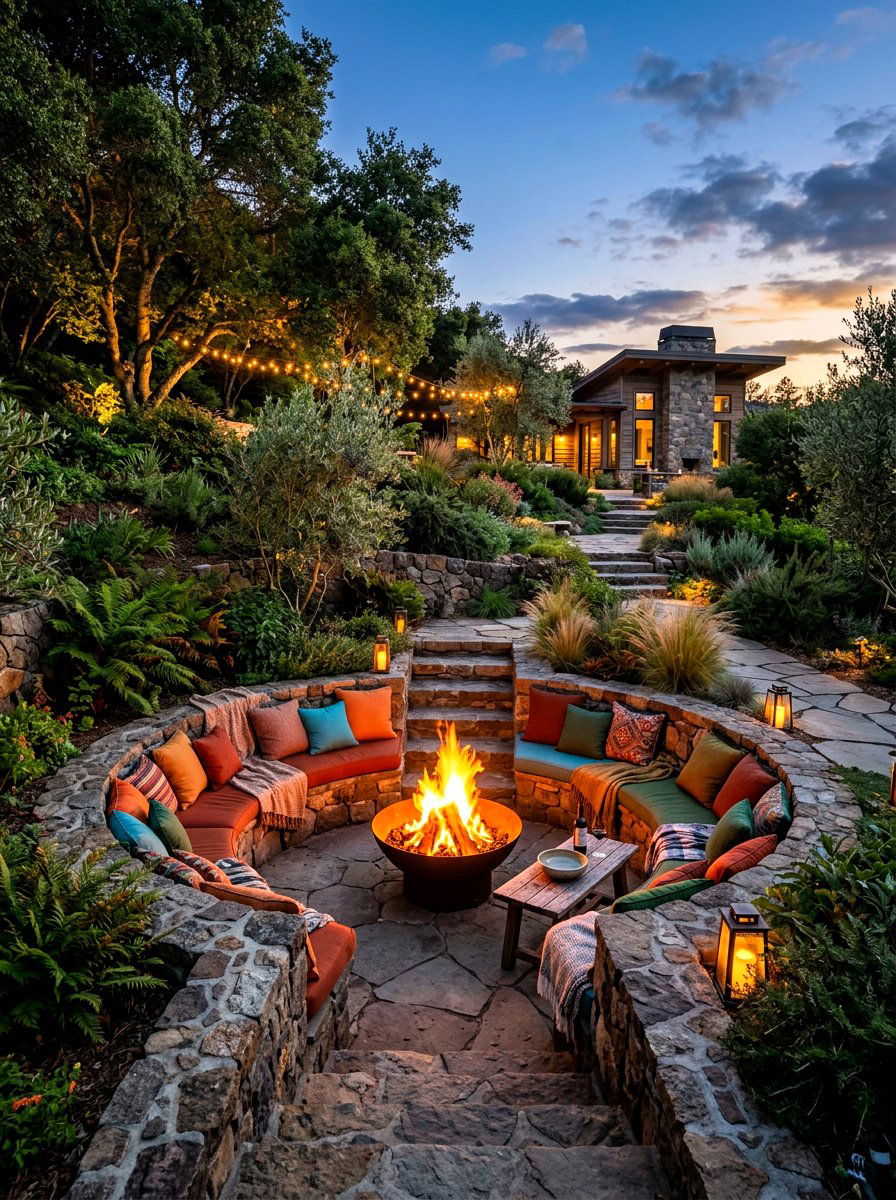
A sunken fire lounge takes advantage of the hillside’s natural geometry to create a protected and intimate gathering space. By carving out a deep level into the slope and surrounding it with stone or concrete walls, you create a private "room" that is naturally sheltered from the elements. Placing a modern gas fire table or a traditional wood-burning pit in the center makes it the ultimate spot for evening relaxation. The surrounding walls can also double as built-in seating when topped with comfortable cushions. This design feels luxurious and cozy, providing a sense of sanctuary that you simply cannot achieve on a flat, open lawn.
Conclusion:
Designing a hillside landscape is an investment in both the beauty and the structural integrity of your property. While sloped yards can be intimidating at first, the thirty ideas presented here demonstrate that vertical spaces offer unparalleled potential for creative expression and functional living. By combining hardscape elements like retaining walls and paths with resilient, deep-rooted plantings, you can turn a problematic incline into a series of stunning outdoor destinations. From peaceful waterfalls to modern steel terraces, there is a solution for every aesthetic and budget. Embracing the natural elevation of your land not only solves erosion issues but also creates a unique, multi-dimensional garden that will delight you and your guests for many years to come.

Related posts: