Sustainability starts in the heart of the home because the kitchen is where we consume the most resources every single day. Transforming this space into an eco-friendly sanctuary does not mean you have to sacrifice modern style or functional convenience. Many green choices are actually more durable and visually striking than conventional materials. From choosing energy-efficient appliances to opting for reclaimed wood, every small decision helps reduce your personal carbon footprint over time. You can create a healthy environment for your family while also protecting the planet's future. This guide explores various creative ways to incorporate sustainable practices into your cooking space for a better lifestyle.
1. Reclaimed Wood Kitchen Cabinet
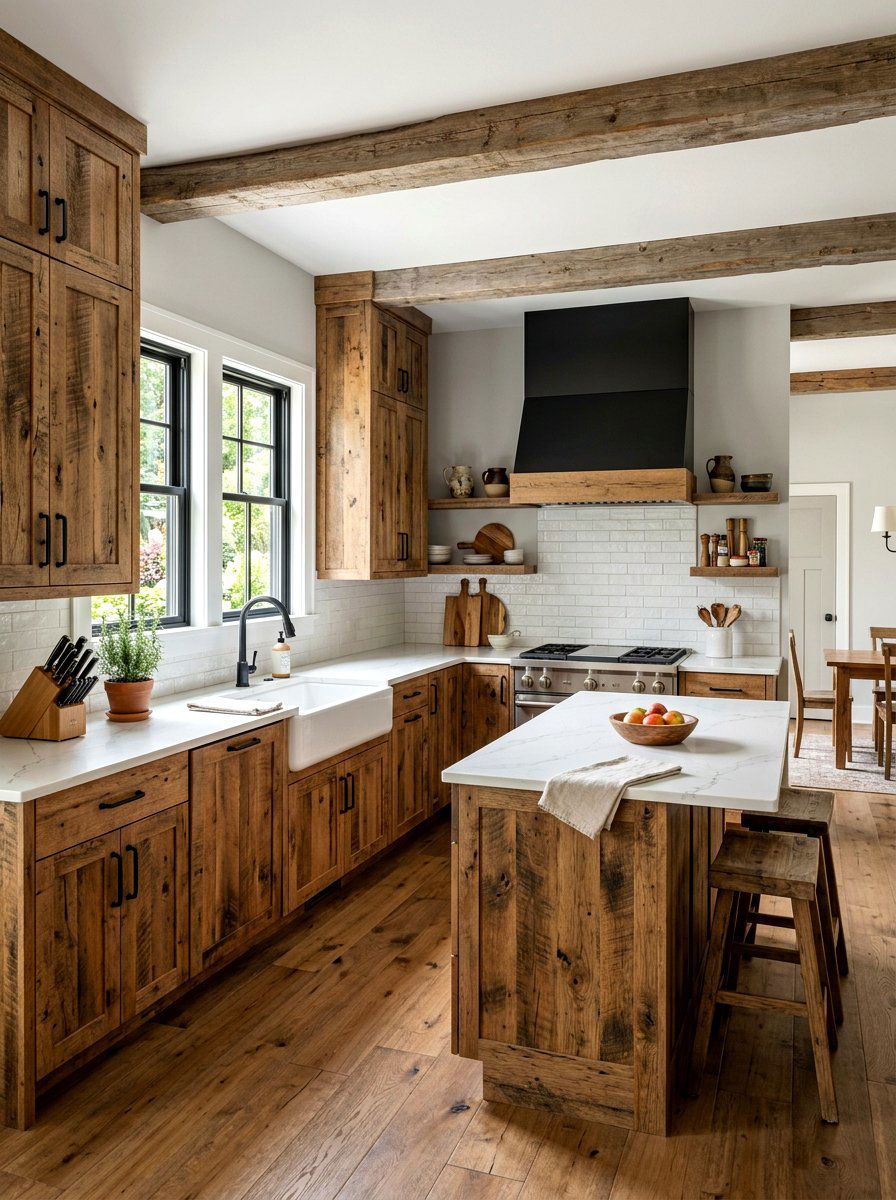
Choosing reclaimed wood for your cabinets is a beautiful way to bring history and character into your home while staying green. This material is salvaged from old barns, factories, or warehouses, giving a second life to high-quality timber that might otherwise end up in a landfill. Because the wood is seasoned and aged, it offers a level of durability and stability that new wood often lacks. You will notice unique textures, grain patterns, and even small nail holes that tell a story of its previous life. Pairing these rustic elements with modern hardware creates a sophisticated look that feels both warm and responsible for the environment.
2. Bamboo Kitchen Flooring
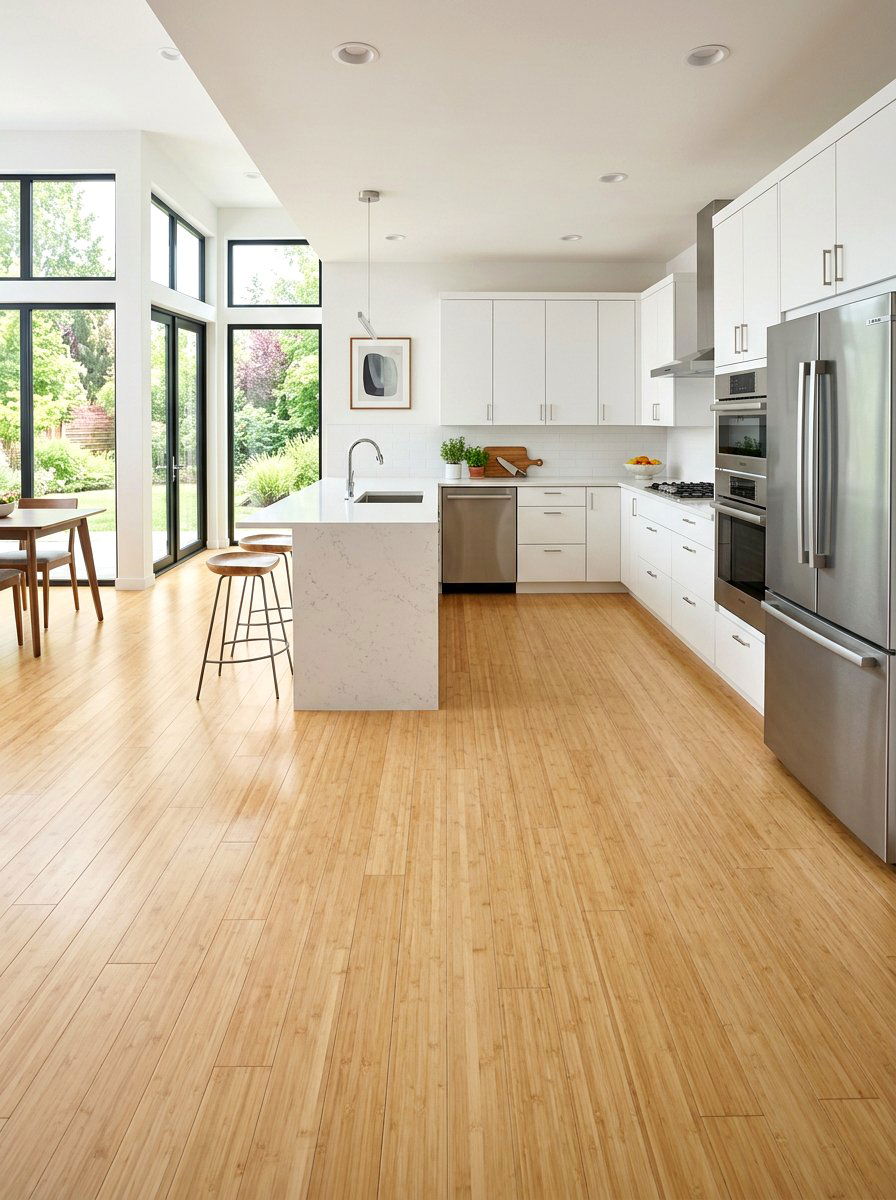
Bamboo is one of the most sustainable materials available for flooring because it is a rapidly renewable resource that grows much faster than traditional hardwoods. It provides a clean and modern aesthetic that works perfectly in contemporary kitchen designs while being incredibly tough against daily wear and tear. Bamboo is naturally resistant to moisture and pests, making it a practical choice for a high-traffic area where spills and splashes are common. Its light, airy color can make a small kitchen feel much larger and more inviting to guests. You can feel good knowing your floor comes from a plant that regenerates quickly without harming the soil.
3. Recycled Glass Kitchen Countertop
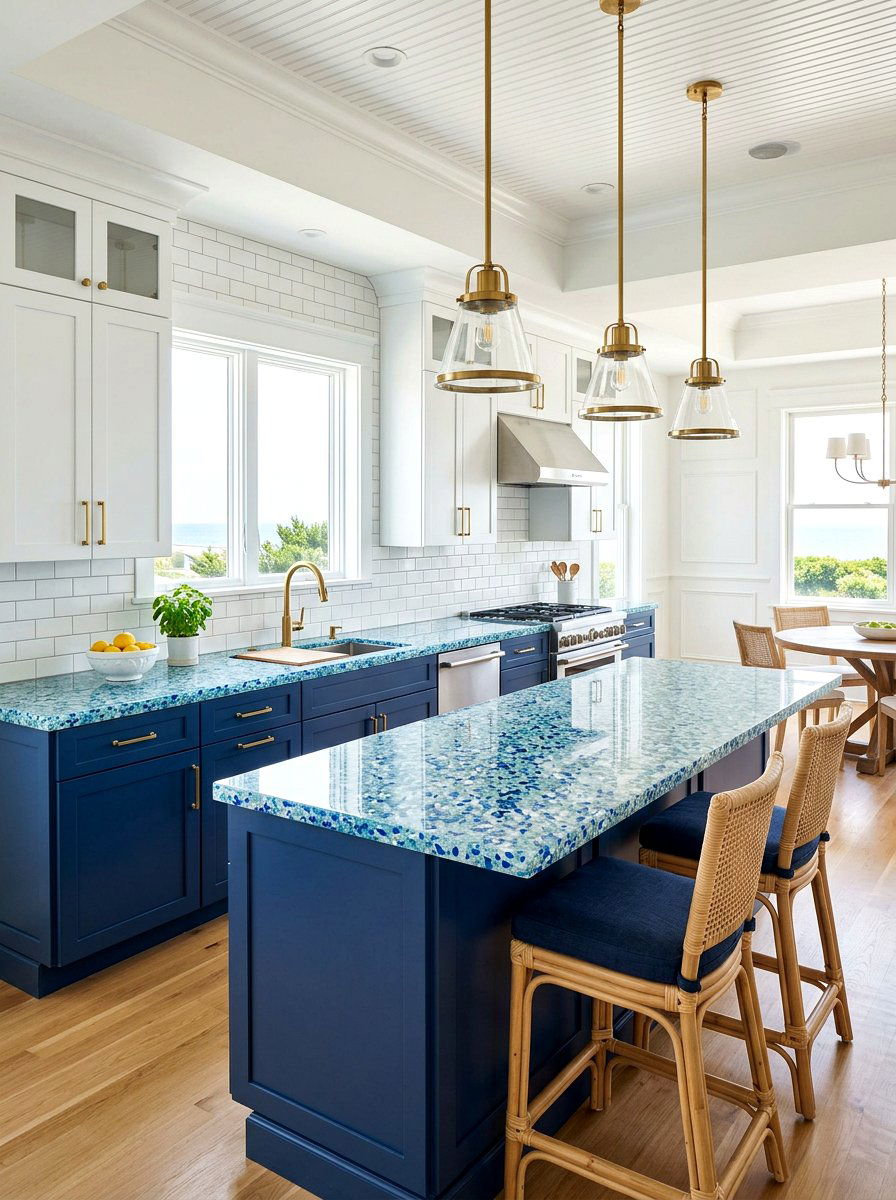
A recycled glass countertop is a stunning focal point that combines artistic beauty with environmental responsibility by diverting glass waste from local landfills. These surfaces are made by embedding crushed glass chips into a durable resin or cement base, creating a shimmering mosaic effect. Every slab is unique, offering a wide range of colors from deep ocean blues to bright emerald greens depending on the glass used. They are non-porous and highly resistant to stains and scratches, which is essential for busy home cooks who want low maintenance. This choice proves that high-end luxury and sustainability can go hand-in-hand in a modern home.
4. Energy Star Refrigerator
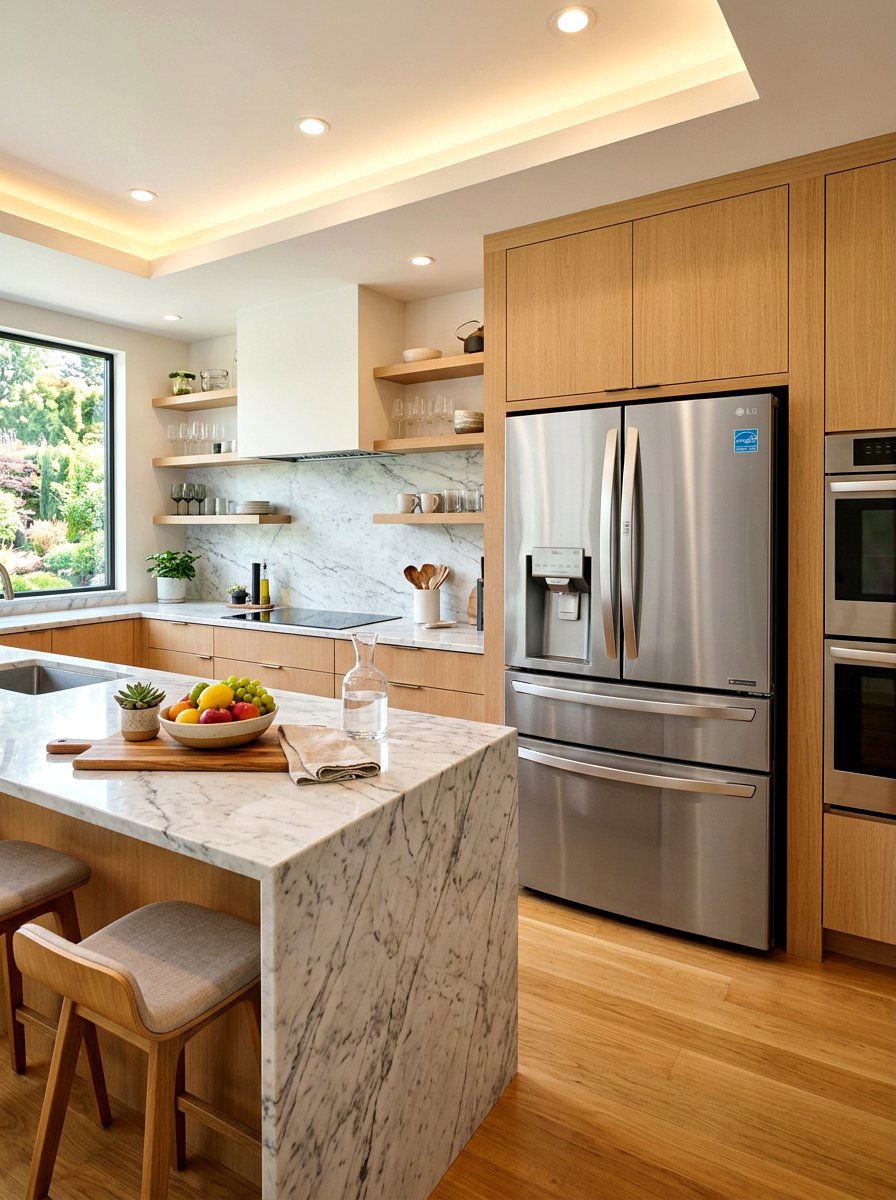
Investing in an Energy Star certified refrigerator is one of the most effective ways to lower your household's electricity consumption and utility bills. Modern eco-friendly fridges are designed with advanced insulation and high-efficiency compressors that keep food fresh while using significantly less power than older models. Many units now include smart features that allow you to monitor energy usage or receive alerts if a door is left open accidentally. By choosing a model with the best efficiency rating, you contribute to a smaller carbon footprint while enjoying the latest technology. This appliance is a vital cornerstone for any truly sustainable and modern kitchen layout.
5. Induction Cooktop Stove
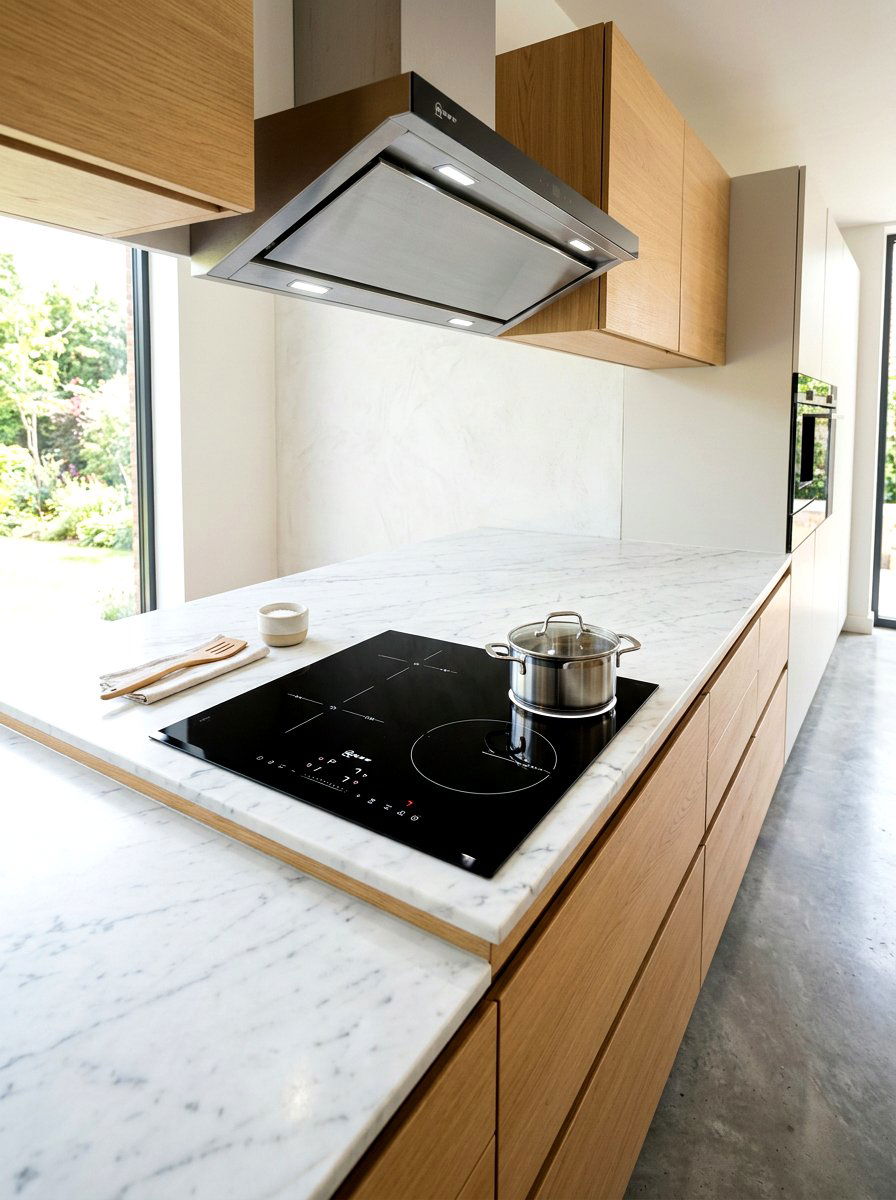
Switching to an induction cooktop is a smart move for both energy efficiency and indoor air quality in your family home. Unlike traditional gas stoves that release combustion by-products, induction uses electromagnetic energy to heat the cookware directly without warming the surrounding air. This process is incredibly fast, boiling water in half the time while wasting almost no heat during the entire cooking process. The glass surface stays relatively cool to the touch, making it a much safer option for households with young children or pets. Its sleek, flat design also makes cleaning effortless, requiring only a quick wipe after you finish preparing a meal.
6. Cork Kitchen Floor
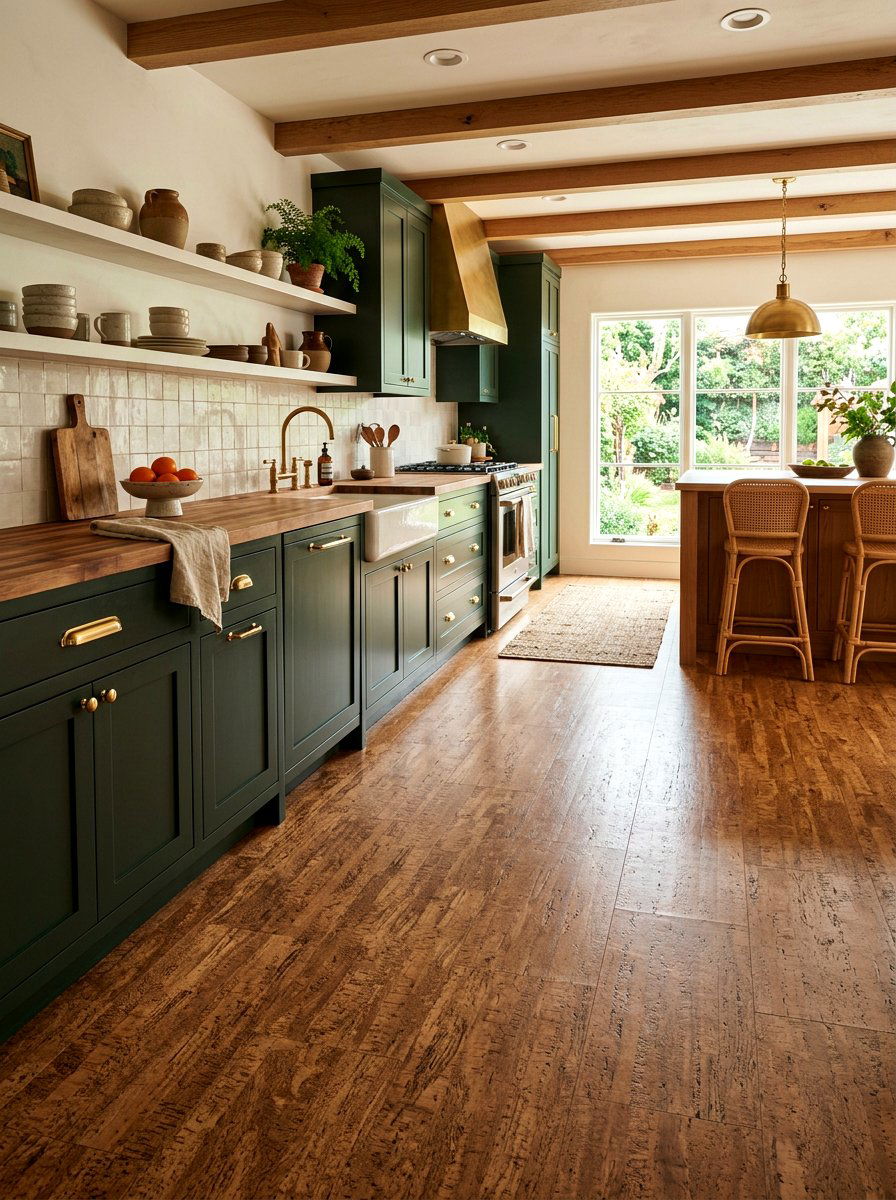
Cork flooring is an often-overlooked sustainable option that provides incredible comfort and natural warmth under your feet while you are cooking. It is harvested from the bark of cork oak trees without ever harming the tree itself, making it a truly renewable resource. The material is naturally cushioned, which helps reduce the physical strain on your back and legs during long sessions of meal preparation. Cork also has excellent acoustic properties, absorbing sound and making your kitchen a much quieter and more peaceful environment. Its natural antimicrobial properties help keep your home healthier by resisting the growth of mold, mildew, and common household allergens.
7. Low VOC Kitchen Paint
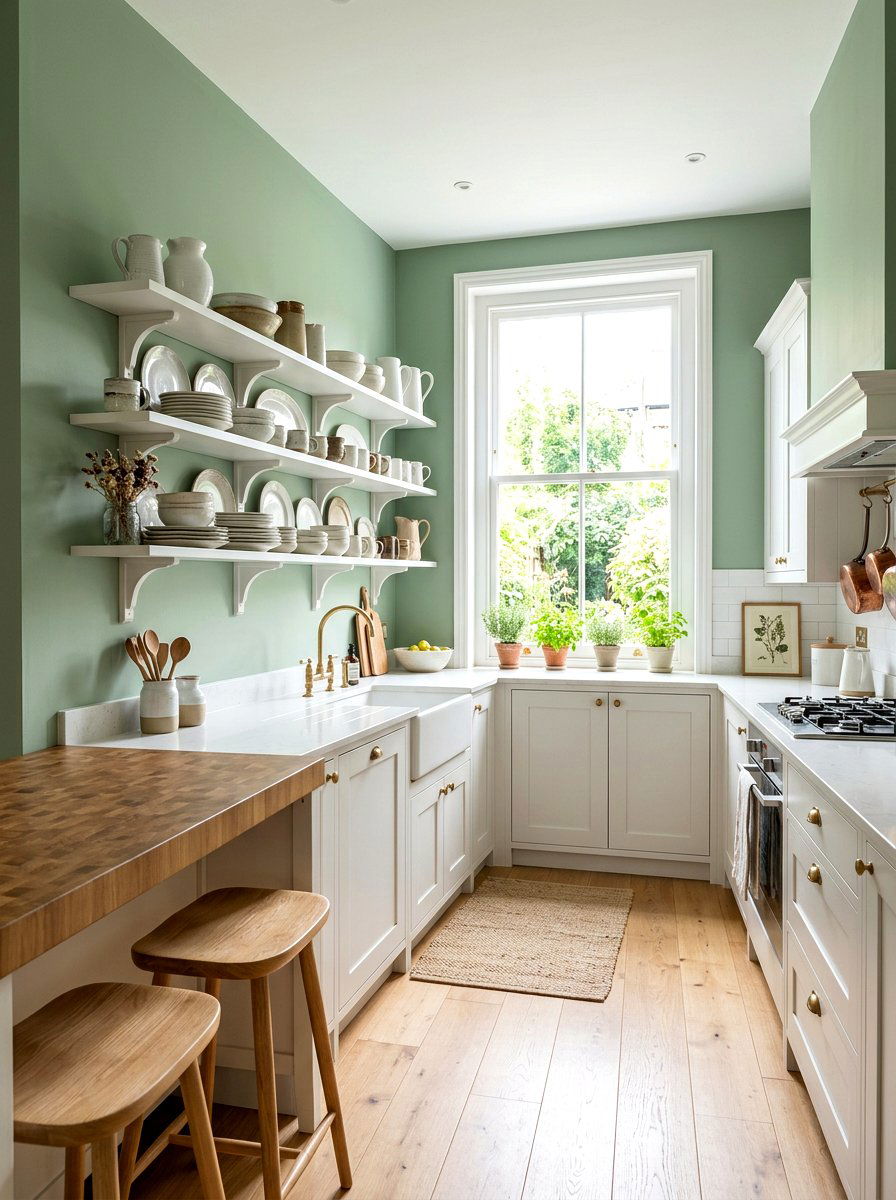
Using low VOC or zero VOC paint is essential for maintaining healthy indoor air quality in a space where you handle food. Traditional paints often release volatile organic compounds into the air for years, which can cause headaches or respiratory issues for sensitive individuals. Modern eco-friendly paints come in a massive array of vibrant colors and durable finishes that stand up perfectly to kitchen grease and steam. They dry quickly and have almost no odor, allowing you to use your kitchen immediately after a fresh coat is applied. Choosing non-toxic finishes ensures that your beautiful kitchen renovation supports the well-being of your entire family.
8. LED Under Cabinet Lighting
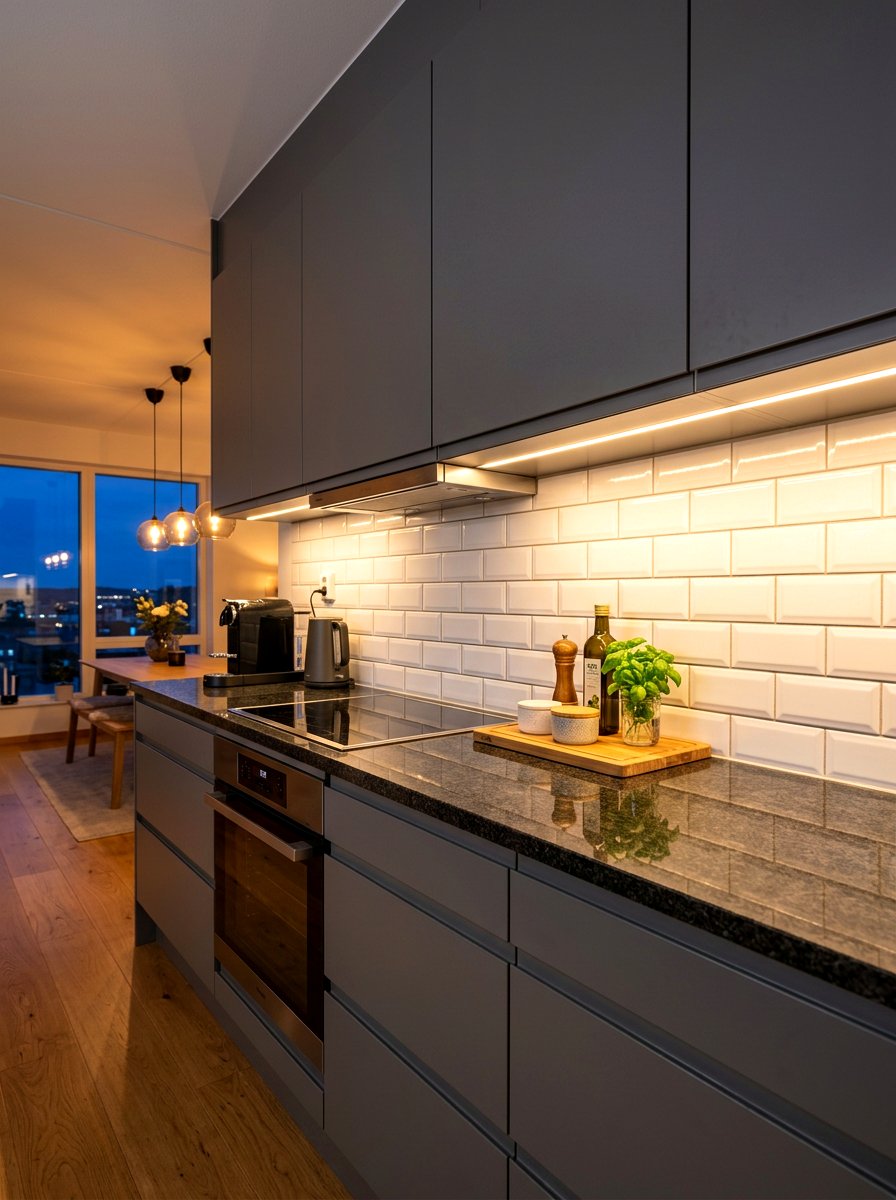
Installing LED lighting under your cabinets is a simple yet high-impact way to improve kitchen functionality while reducing your energy consumption. LEDs use up to ninety percent less energy than traditional incandescent bulbs and can last for decades before needing a replacement. This type of task lighting provides a bright and clear view of your workspace, making food preparation safer and much more enjoyable. You can choose different color temperatures to create a warm, inviting glow or a crisp, modern feel depending on your preference. These small fixtures are easy to install and represent a very cost-effective step toward a greener home.
9. Built In Kitchen Compost Bin
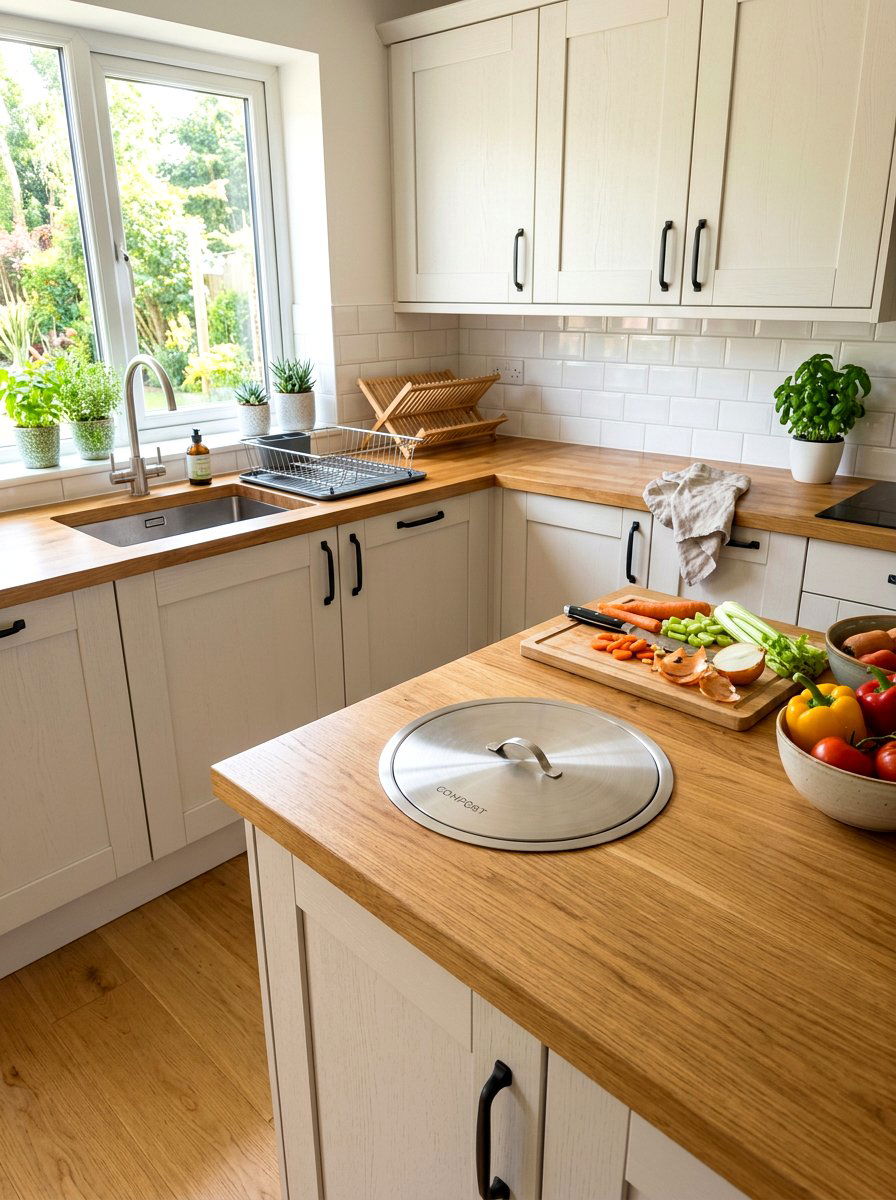
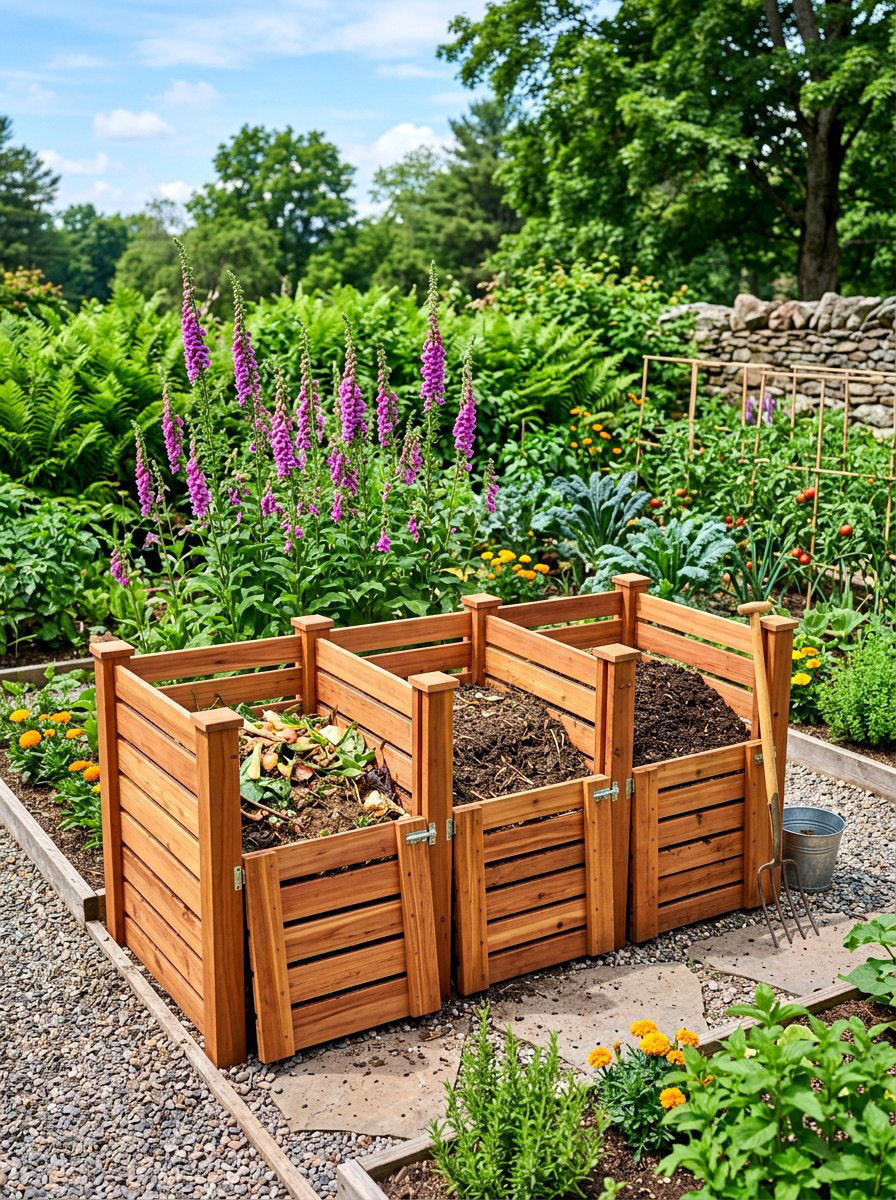
A built-in compost bin makes it incredibly easy to manage food scraps and reduce the amount of organic waste sent to landfills. Integrating a small, lidded container directly into your countertop or a pull-out cabinet allows you to toss peelings and cores aside while you work. This setup keeps your kitchen looking tidy and prevents the odors often associated with traditional countertop compost pails. The collected organic matter can be used to enrich your garden soil, completing a natural cycle of growth and reuse in your backyard. It is a practical addition that encourages every member of the family to practice mindful waste disposal.
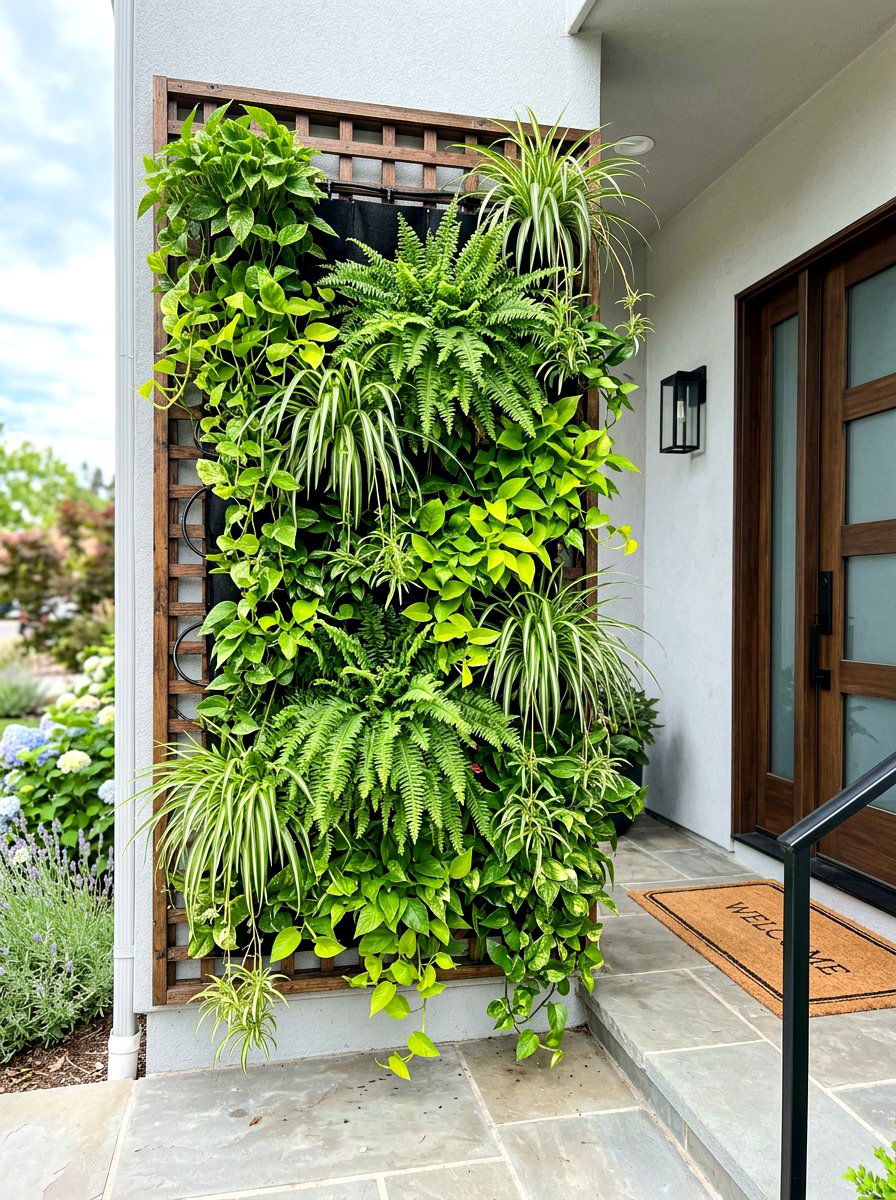
10. Glass Pantry Storage Jar
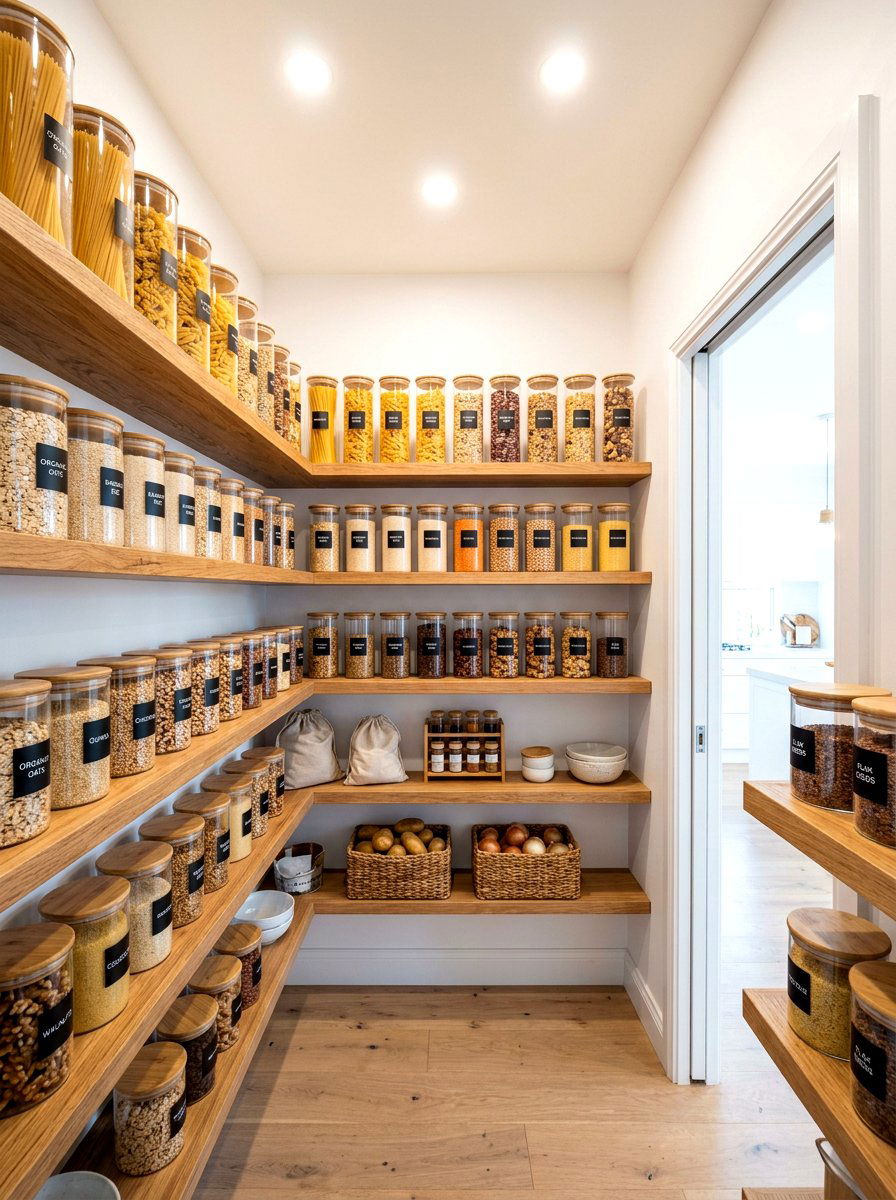
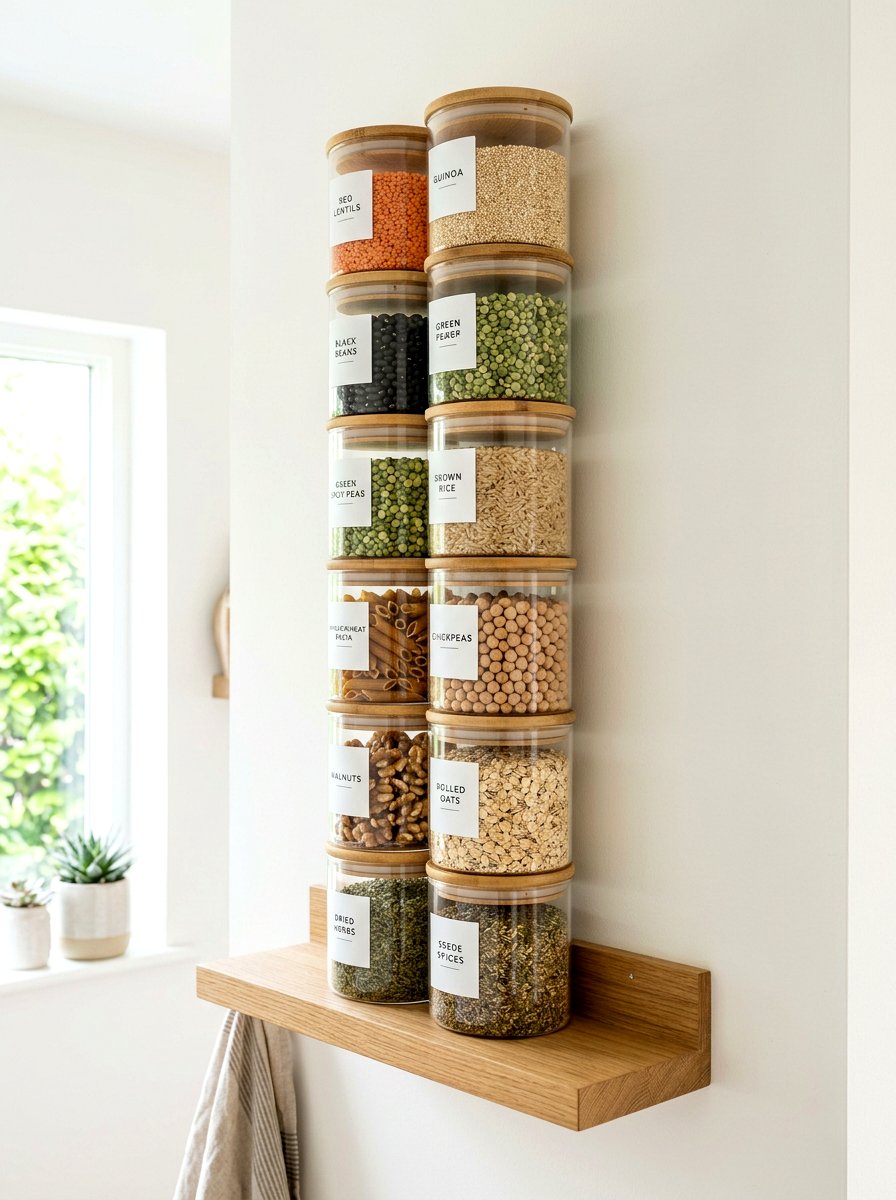
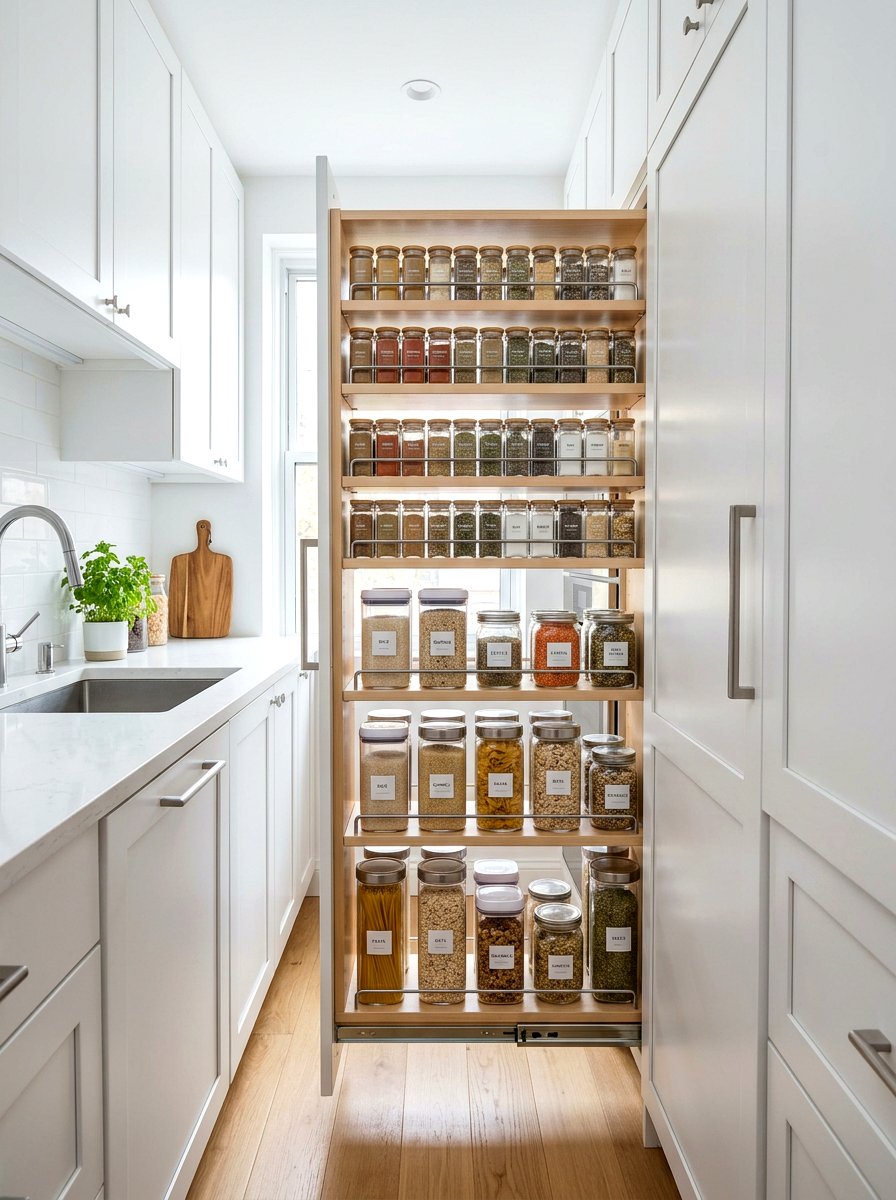
Replacing plastic containers with glass storage jars in your pantry is a timeless and eco-friendly way to organize your dry goods. Glass is a natural material that does not leach chemicals into your food and can be recycled infinitely without losing its quality. Using clear jars allows you to see exactly what you have on hand, which helps reduce over-buying and unnecessary food waste. When you buy in bulk using these containers, you also eliminate the need for single-use plastic packaging from the grocery store. These jars look beautiful on open shelves, adding a clean and organized aesthetic to your sustainable kitchen design.
11. Recycled Tile Kitchen Backsplash
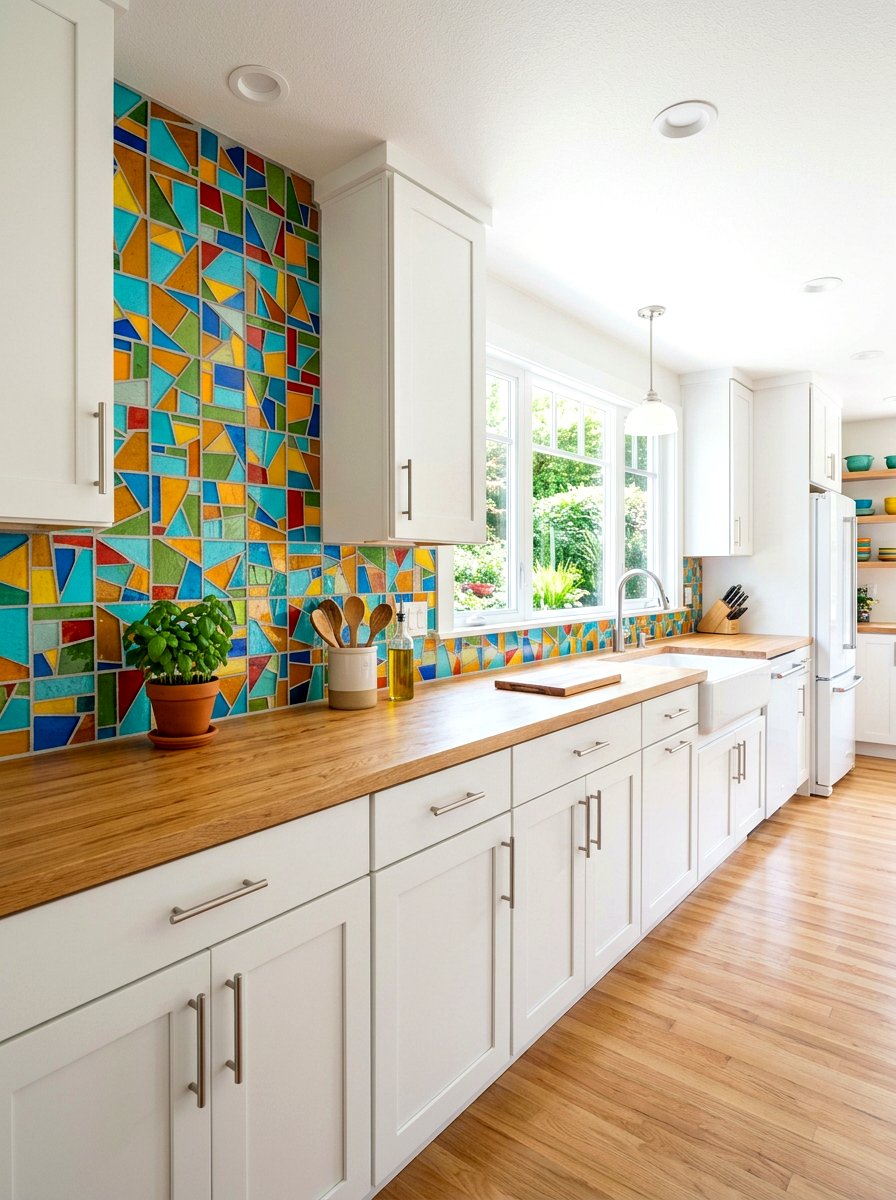
A recycled tile backsplash adds a vibrant splash of color and texture to your walls while utilizing materials like post-consumer glass or ceramic. Many companies now create stunning tiles from old bottles or manufacturing scraps, transforming waste into a durable and waterproof surface. These tiles are available in a huge variety of shapes and patterns, from classic subway styles to intricate geometric mosaics. They are easy to clean and protect your walls from moisture and grease during intense cooking sessions. Choosing recycled content for your backsplash is a visible statement of your commitment to a circular economy and responsible interior design.
12. Low Flow Kitchen Faucet
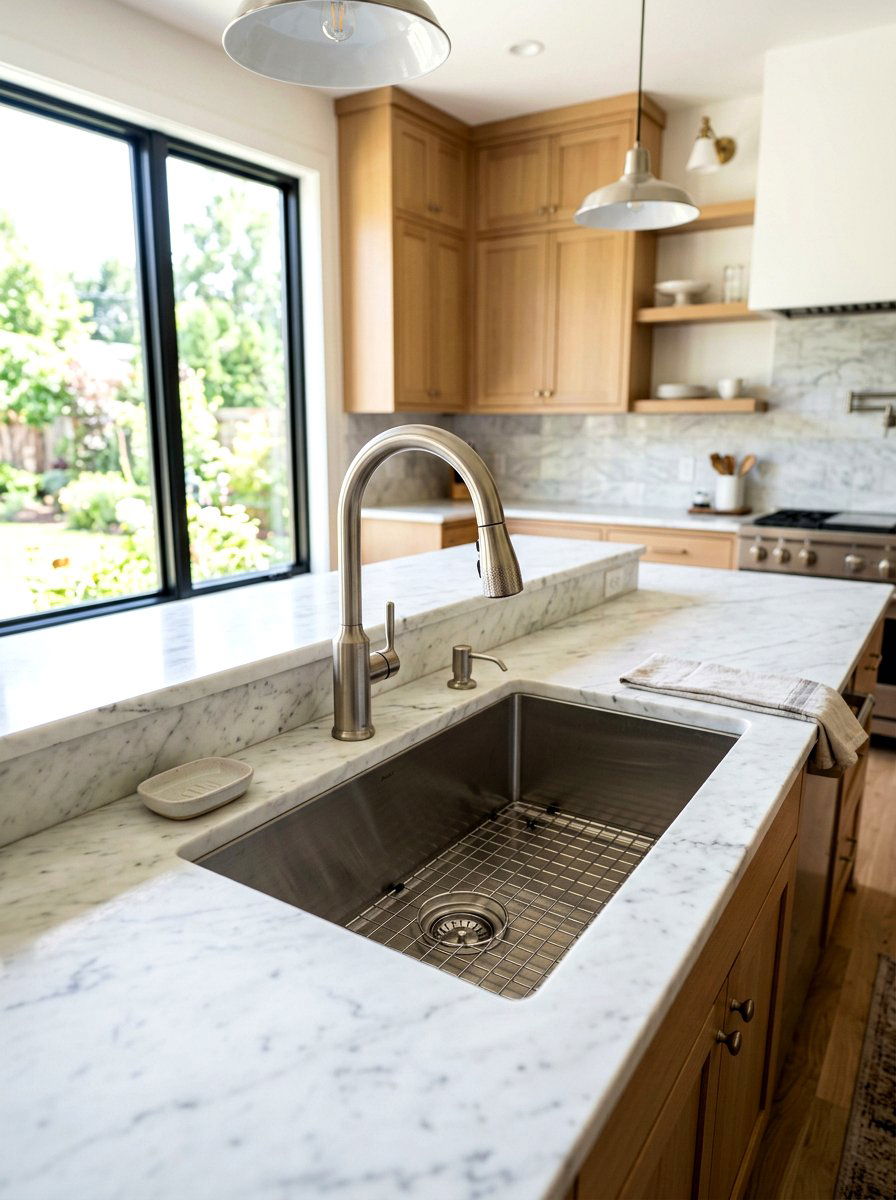
Upgrading to a low-flow kitchen faucet is a highly effective way to conserve water without sacrificing the water pressure you need for washing dishes. These modern fixtures use aerators to mix air into the water stream, providing a strong flow while using significantly fewer gallons per minute. Many models also feature touchless technology or motion sensors to prevent water from running unnecessarily while your hands are full. Saving water also means you are using less energy to heat that water, which further reduces your monthly utility costs. It is a small but powerful upgrade that makes your daily kitchen routine much more environmentally friendly.
13. Natural Stone Kitchen Countertop
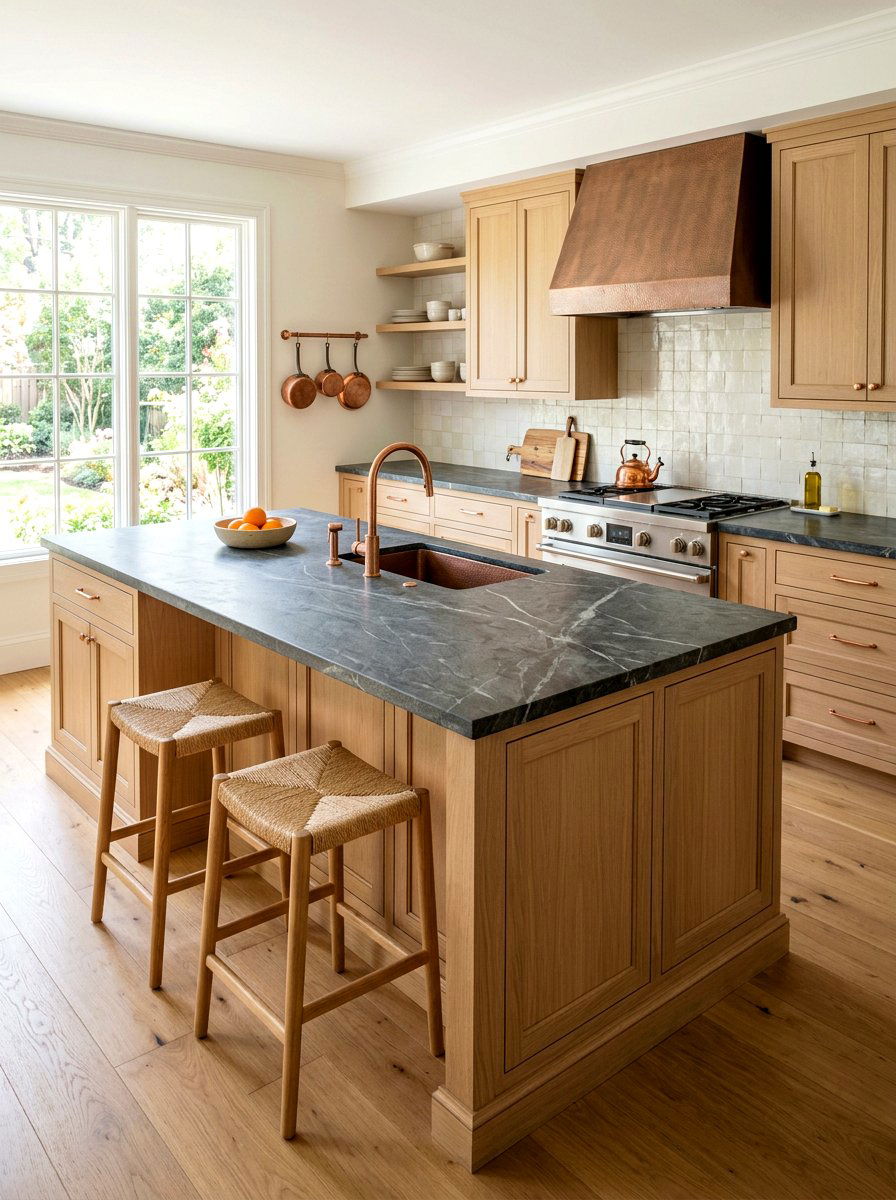
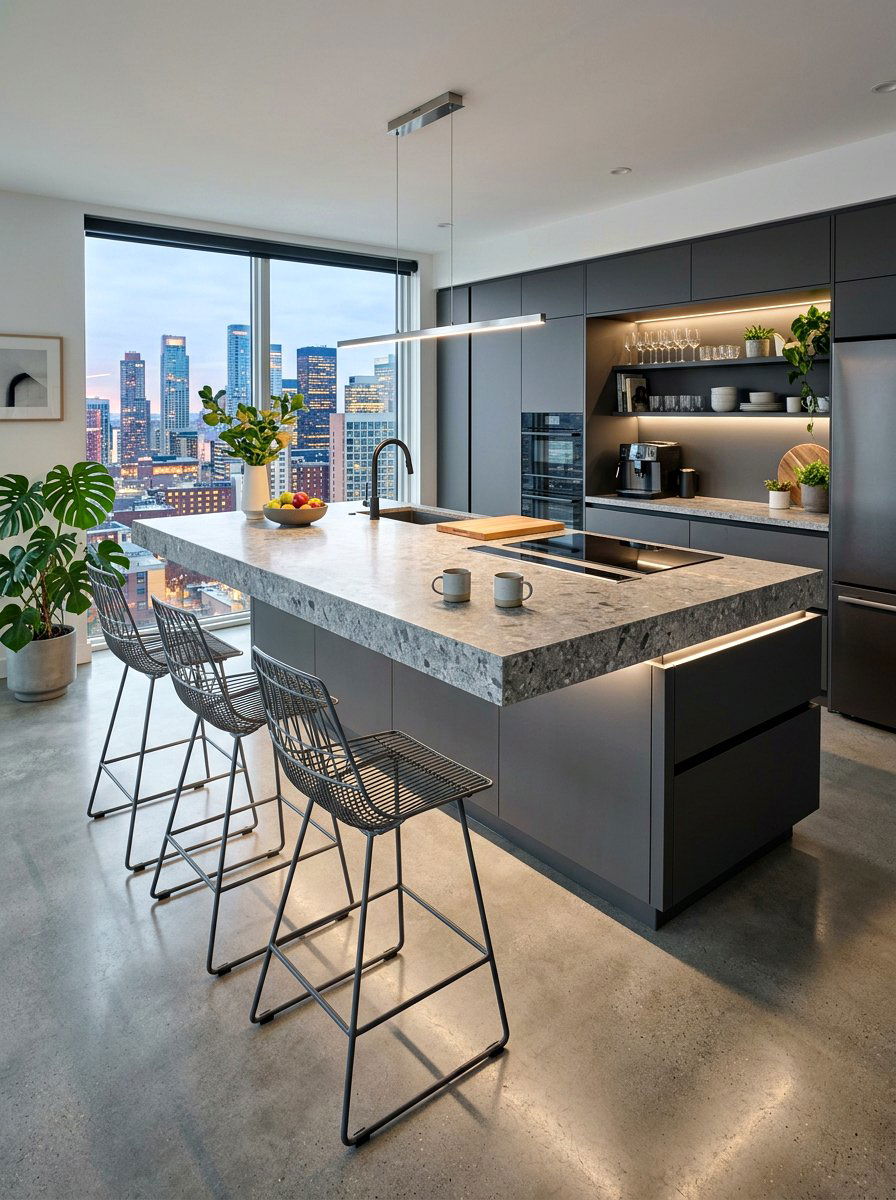
A natural stone countertop, such as soapstone or granite, is an eco-friendly choice when sourced from local or regional quarries to minimize transport. Stone is incredibly durable and can last for several lifetimes, which means you will never need to replace it or send it to a landfill. It contains no synthetic resins or harmful chemicals, making it a safe and inert surface for direct food preparation. The unique veining and natural colors of real stone provide a timeless elegance that never goes out of style. Investing in high-quality stone ensures that your kitchen surfaces remain beautiful and functional for many generations to come.
14. Linen Kitchen Window Curtain
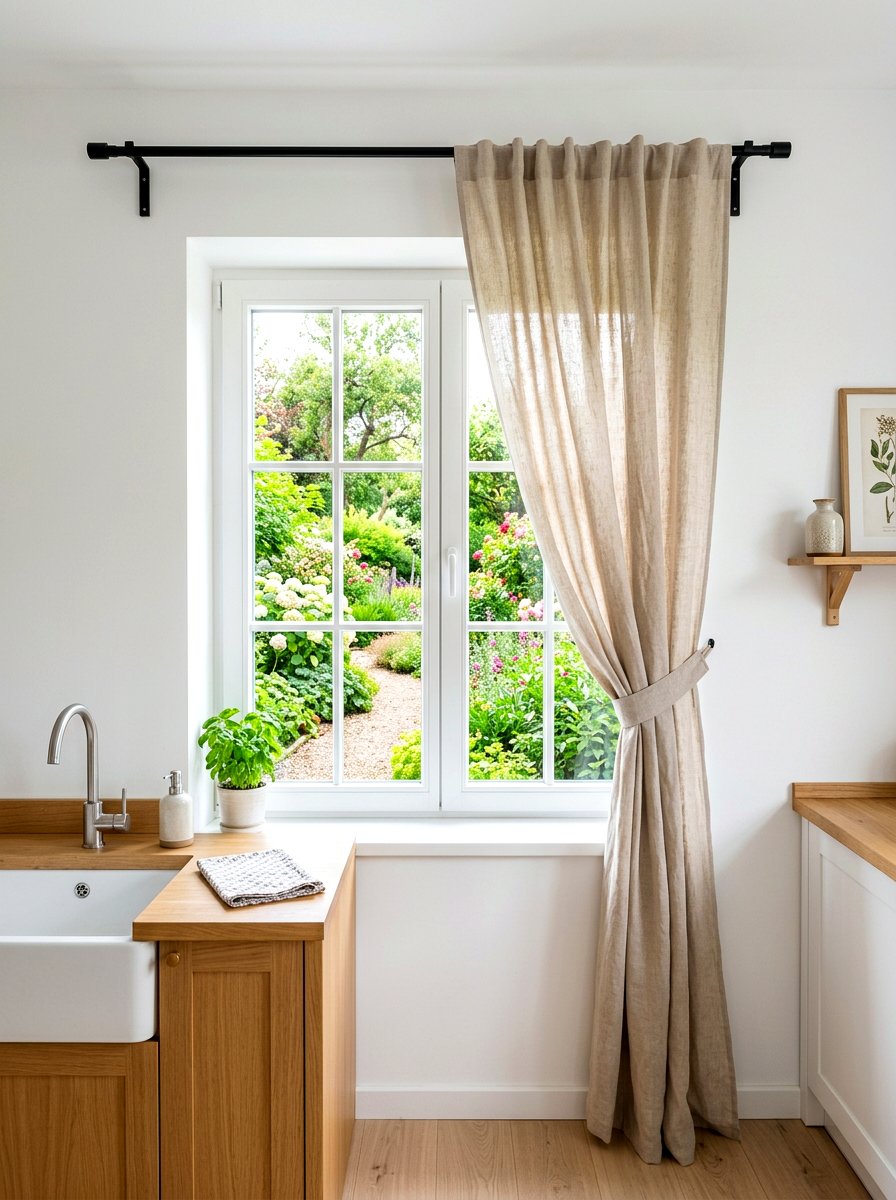
Linen window curtains are a wonderful natural textile choice for an eco-friendly kitchen because they are made from the hardy flax plant. Flax requires very little water and fewer pesticides to grow compared to cotton, making it a much more sustainable fiber for home decor. Linen is naturally breathable and highly durable, standing up well to the frequent washing that kitchen curtains often require. It provides a soft, filtered light that makes your space feel cozy and bright without the need for synthetic materials. The natural texture of linen adds a relaxed and organic feel that perfectly complements a green-focused interior design.
15. Indoor Kitchen Herb Garden
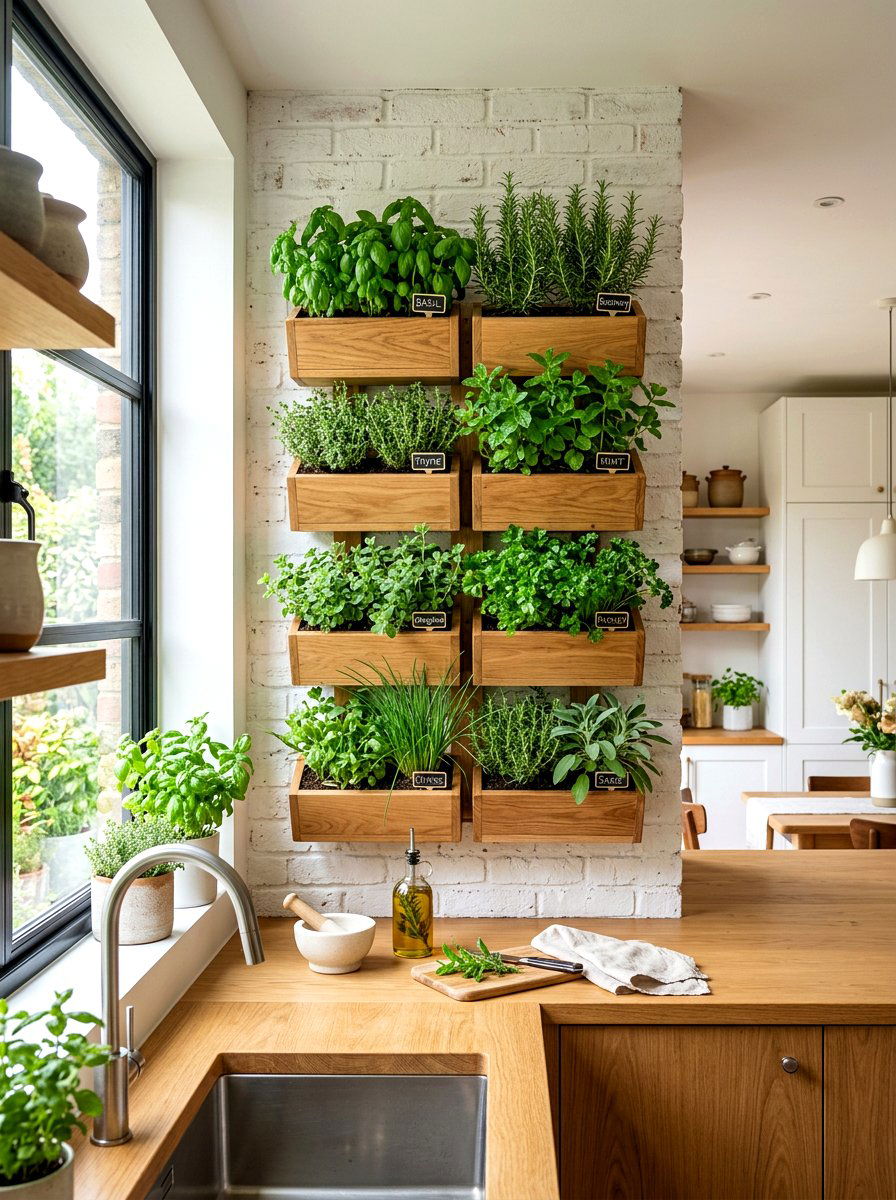
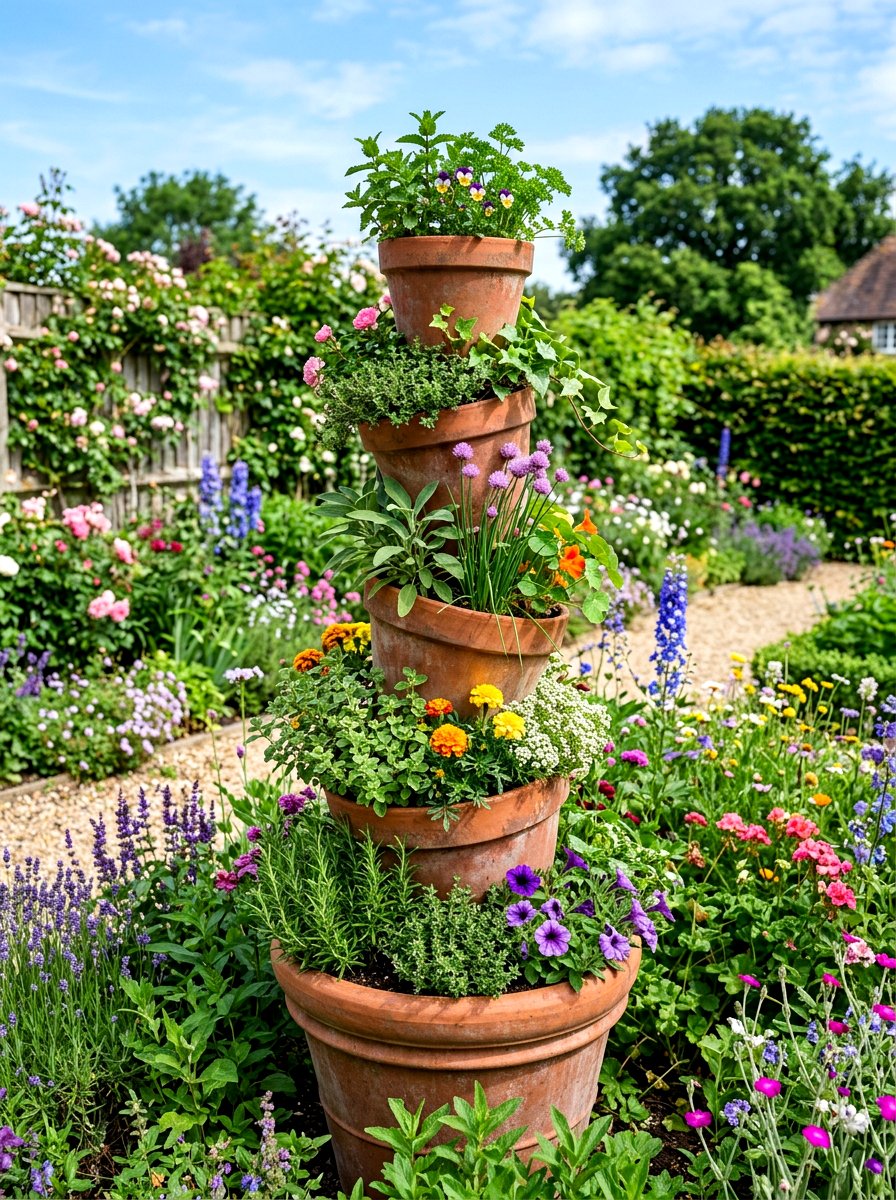
Growing your own herbs in a kitchen window or a dedicated wall planter is a fantastic way to enjoy fresh food while reducing grocery waste. Having basil, mint, or rosemary right at your fingertips means you only pick what you need, eliminating those plastic-wrapped grocery store bunches. Plants also act as natural air purifiers, absorbing carbon dioxide and releasing fresh oxygen into your home throughout the day. You can use recycled containers or terracotta pots to house your garden, adding a touch of living greenery to your decor. This small-scale farming project connects you with nature and makes every meal taste significantly fresher.
16. Vintage Kitchen Island Table
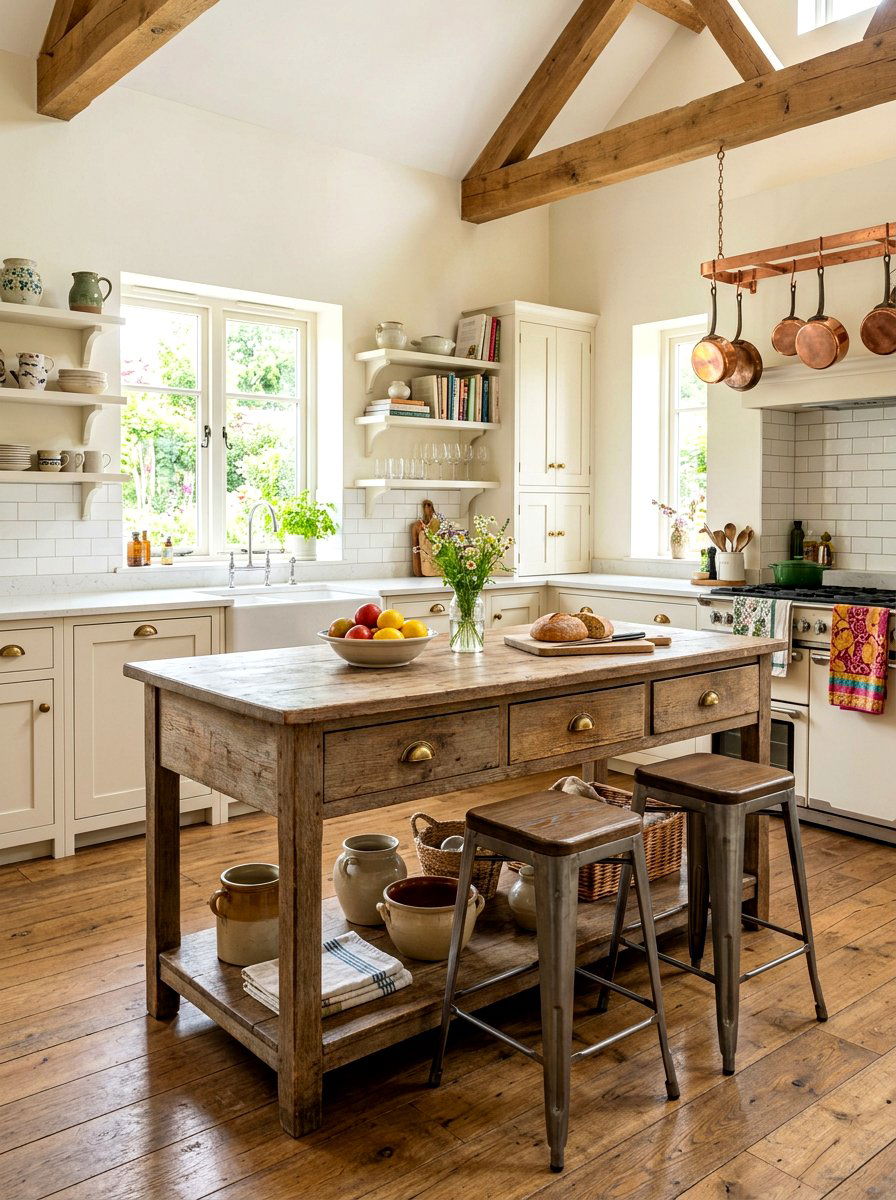
Incorporating a vintage table as a kitchen island is a clever way to upcycle an existing piece of furniture instead of buying something new. Using a sturdy antique wooden table or an old workbench adds instant soul and history to your kitchen while saving resources. This approach prevents old furniture from ending up in a dump and reduces the demand for new manufacturing and shipping. You can sand down the surface and apply a food-safe oil to make it a functional workspace for baking and meal prep. The eclectic look of a repurposed island becomes a unique conversation piece that guests will surely admire.
17. Zero Waste Kitchen Pantry
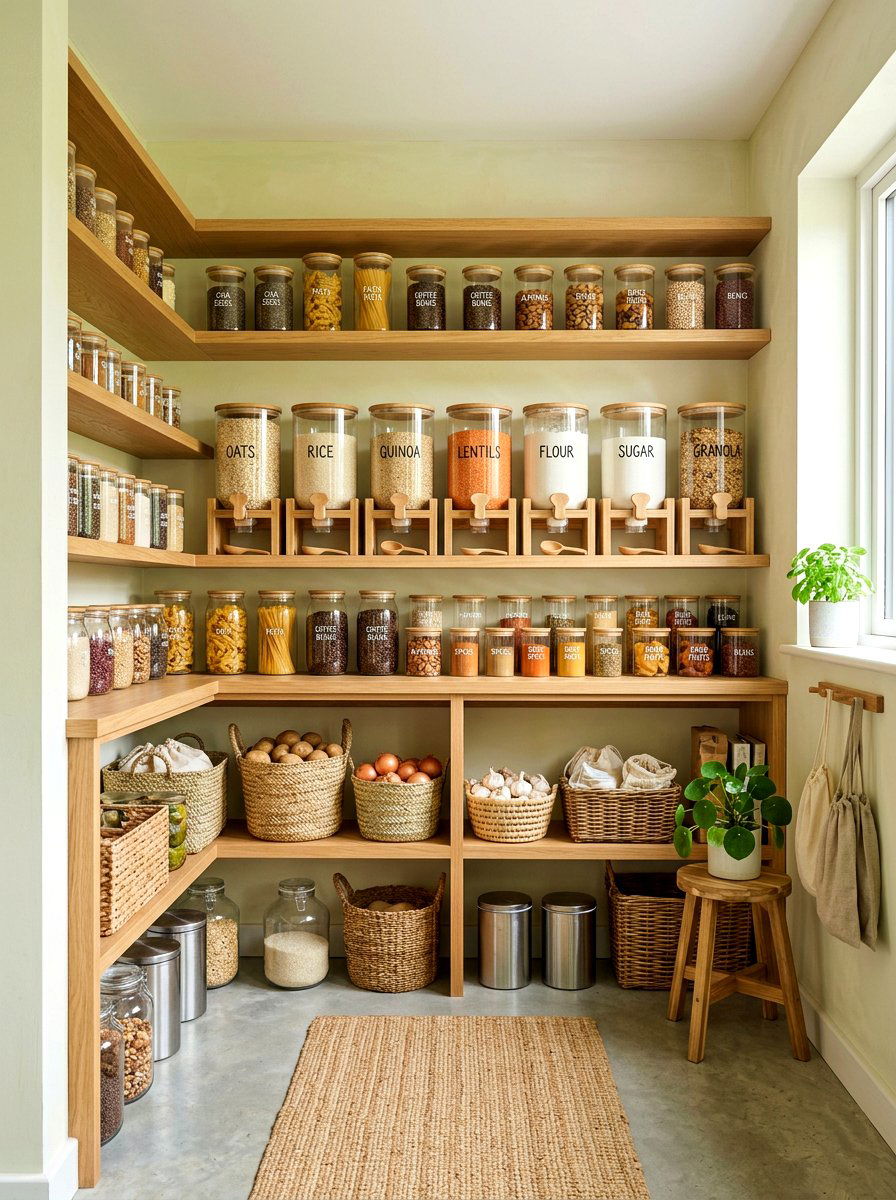
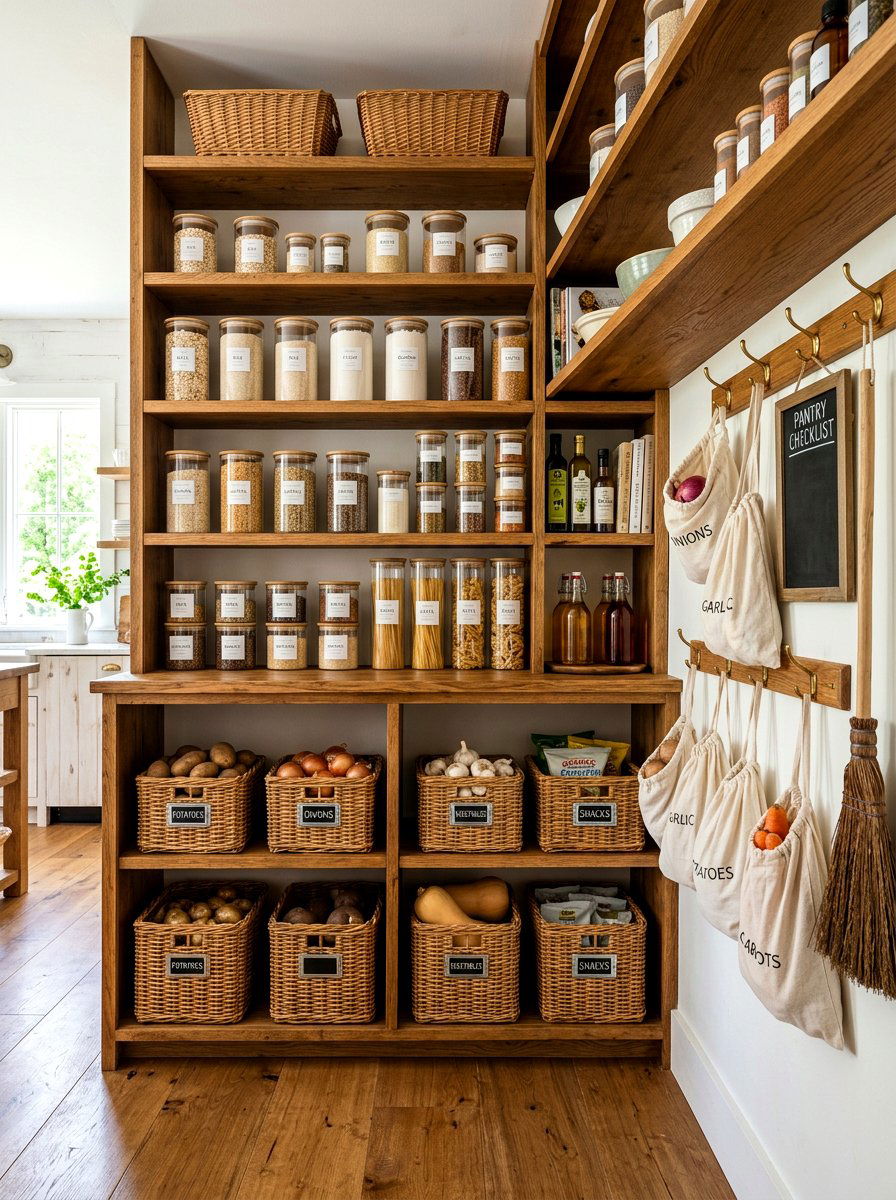
A zero-waste pantry is designed around the idea of buying in bulk and avoiding single-use plastic packaging whenever possible. By using large glass dispensers and jars, you can store everything from grains and pasta to spices and snacks in a visually appealing way. This system encourages you to shop at bulk stores where you can bring your own reusable bags and containers. It not only reduces the amount of trash your household produces but also saves you money by allowing you to buy only what you need. A well-organized zero-waste pantry looks incredibly clean and helps you maintain a mindful approach to consumption.
18. Terracotta Kitchen Floor Tile
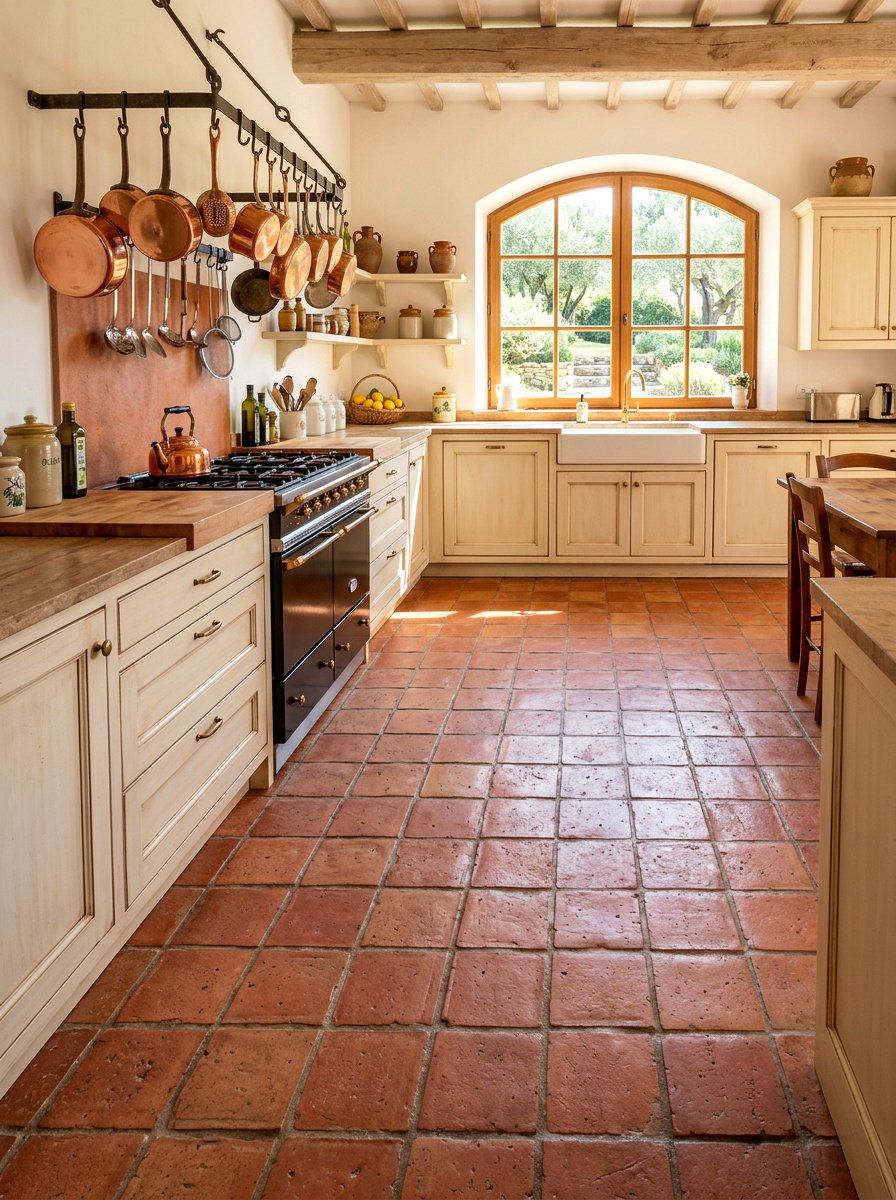
Terracotta floor tiles are a traditional and sustainable choice made from natural clay that is fired at high temperatures for extreme durability. These tiles are completely natural and contain no harmful chemicals, making them an excellent option for a healthy and eco-conscious home. Their warm, earthy tones bring a sense of Mediterranean charm and rustic comfort to your kitchen space. Terracotta also has great thermal mass, which means it can help regulate the temperature in your home by absorbing and slowly releasing heat. This material is incredibly long-lasting and only looks better as it develops a unique patina over many years of use.
19. FSC Certified Wood Cabinet
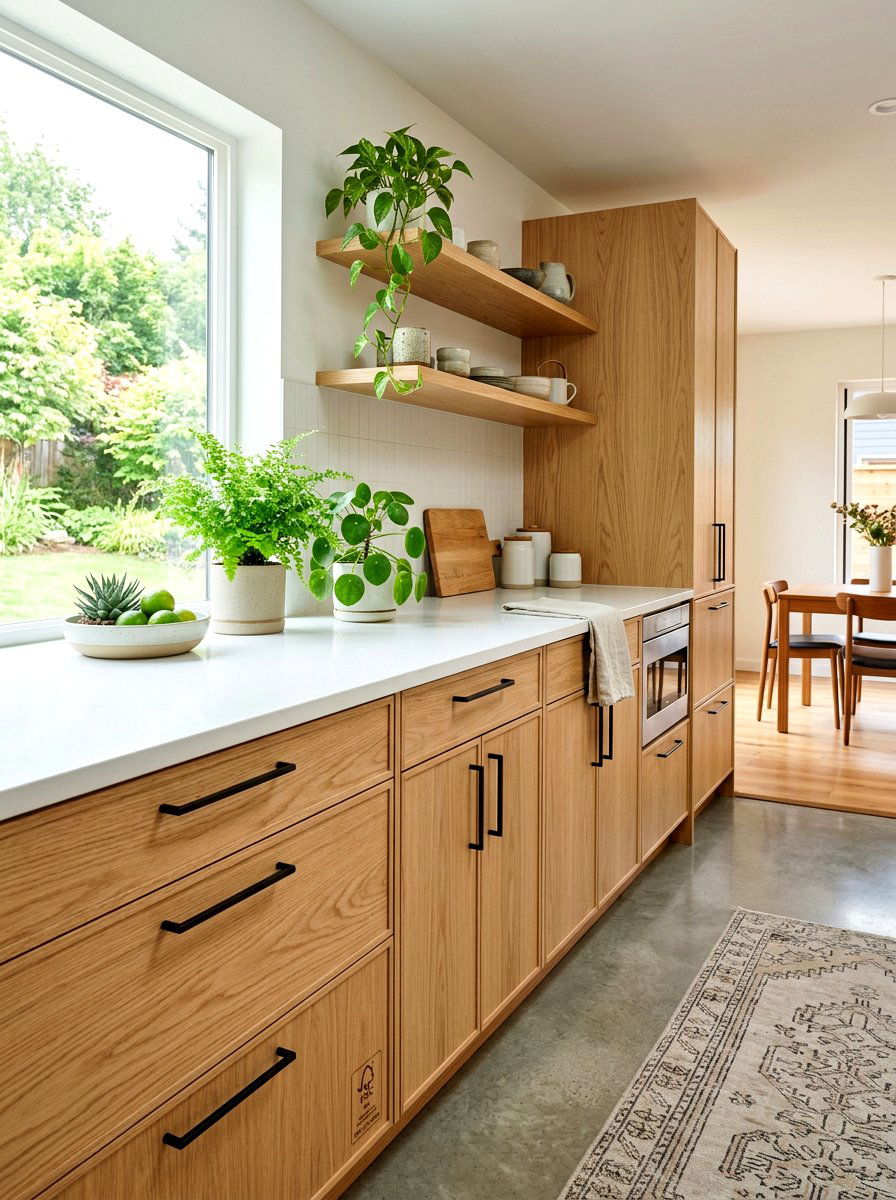
When buying new wooden cabinets, always look for the FSC certification to ensure the timber comes from responsibly managed forests. The Forest Stewardship Council guarantees that the wood is harvested in a way that protects biodiversity and the rights of local communities. These cabinets are often made with low-emission glues and finishes, further protecting your indoor air quality from harmful pollutants. Choosing certified wood supports global forest conservation efforts while providing you with a high-quality product that is built to last. It is a responsible way to enjoy the classic beauty of wood without contributing to the problem of illegal or destructive deforestation.
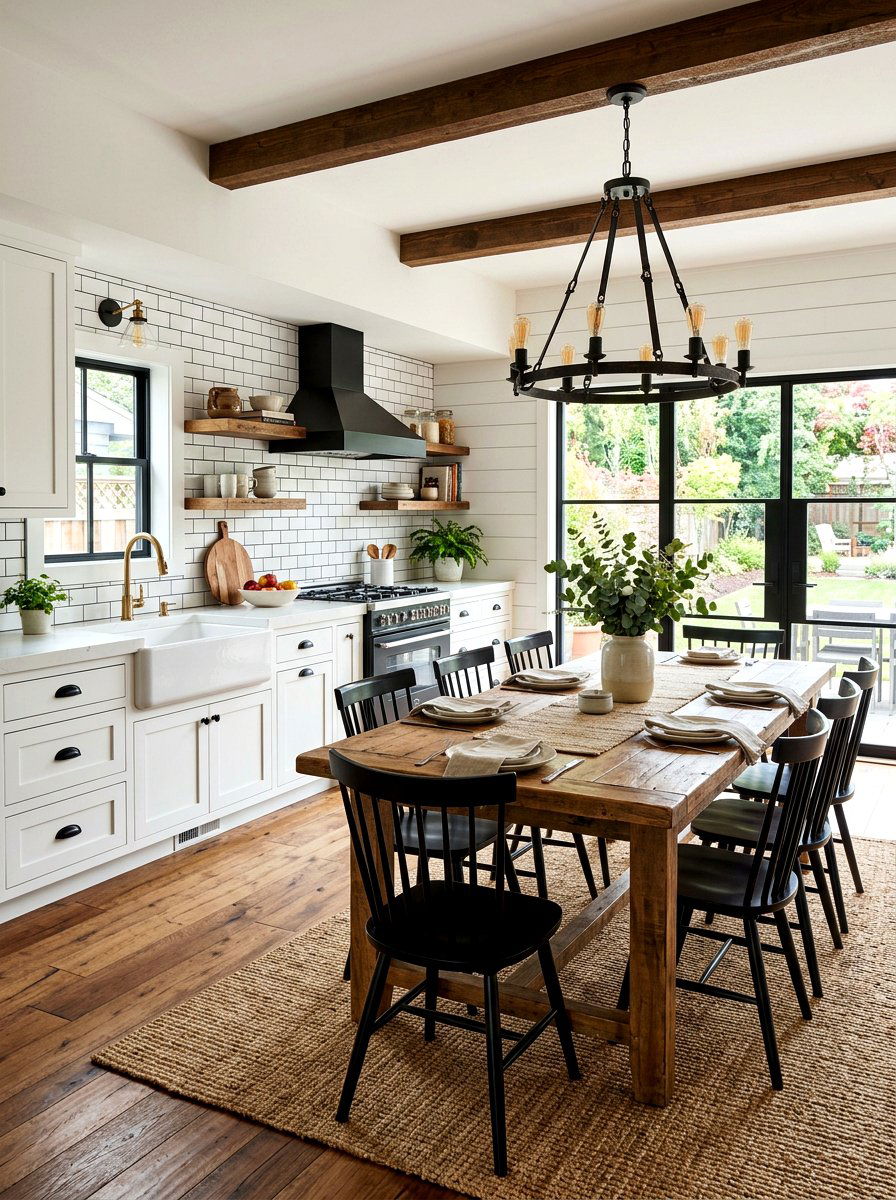
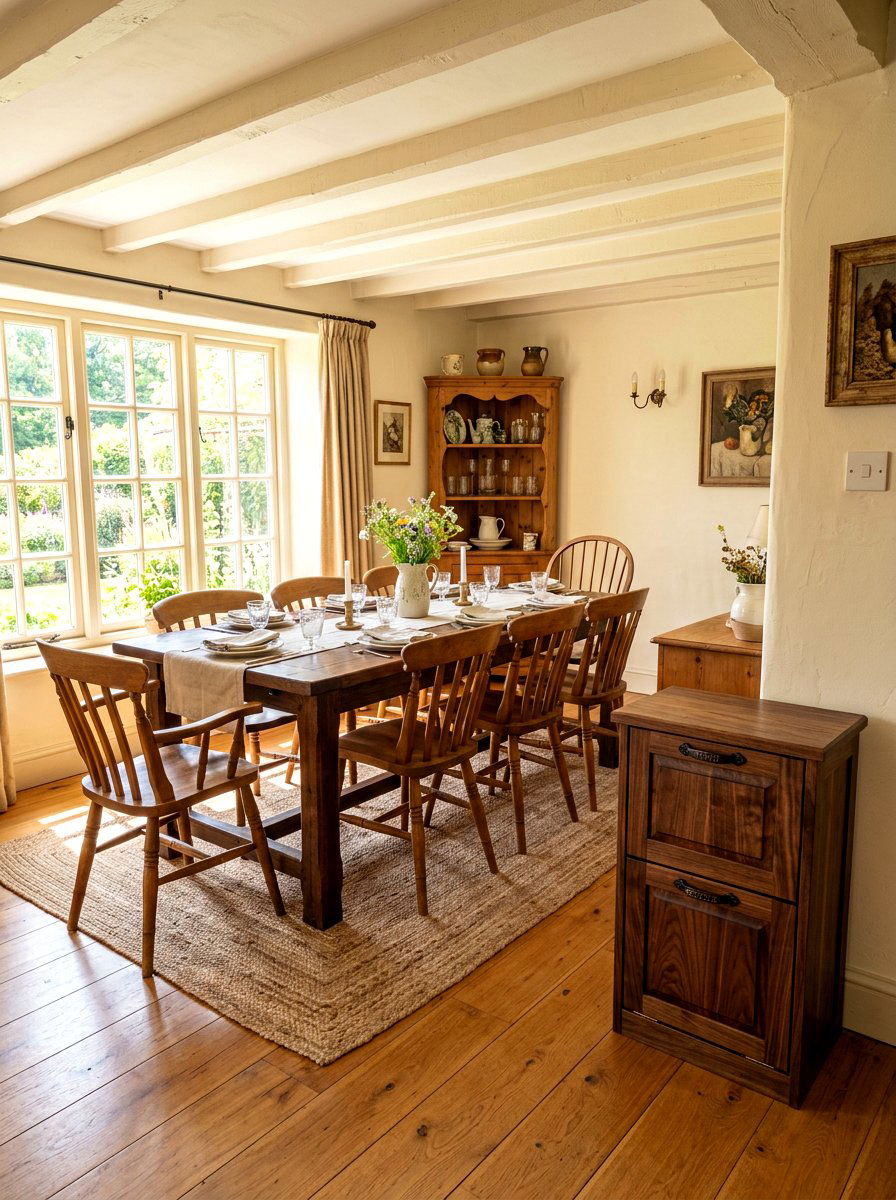
20. Copper Kitchen Pot Rack
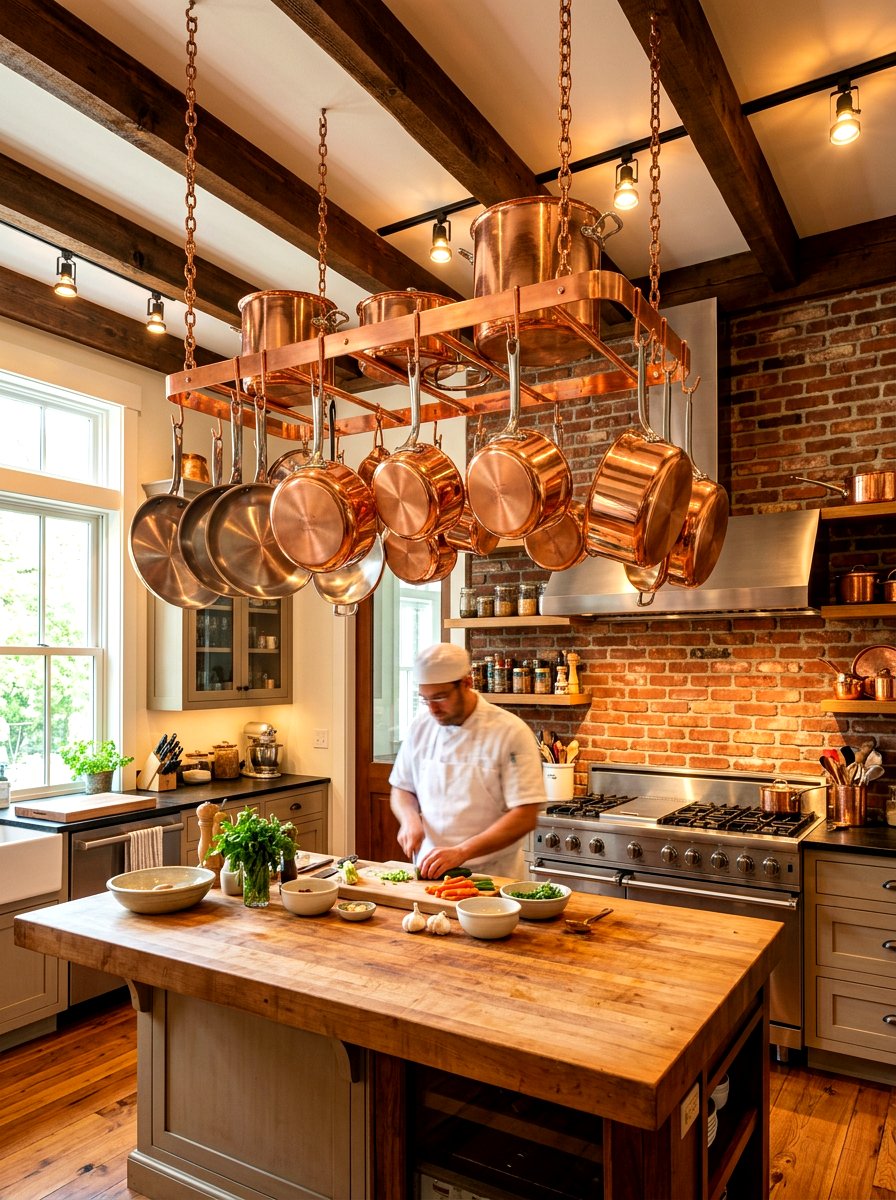
A copper pot rack is a functional and eco-friendly storage solution that allows you to display your cookware while freeing up valuable cabinet space. Copper is a highly durable metal that can be recycled indefinitely without any loss of its valuable properties. Using a rack encourages you to invest in high-quality, long-lasting cookware like cast iron or stainless steel, which are better for the environment than non-stick pans. Hanging your pots makes them easily accessible and adds a warm, metallic shine to your kitchen decor. This traditional storage method is a great way to combine efficiency with a beautiful, professional-looking kitchen aesthetic.
21. Recycled Metal Kitchen Shelf
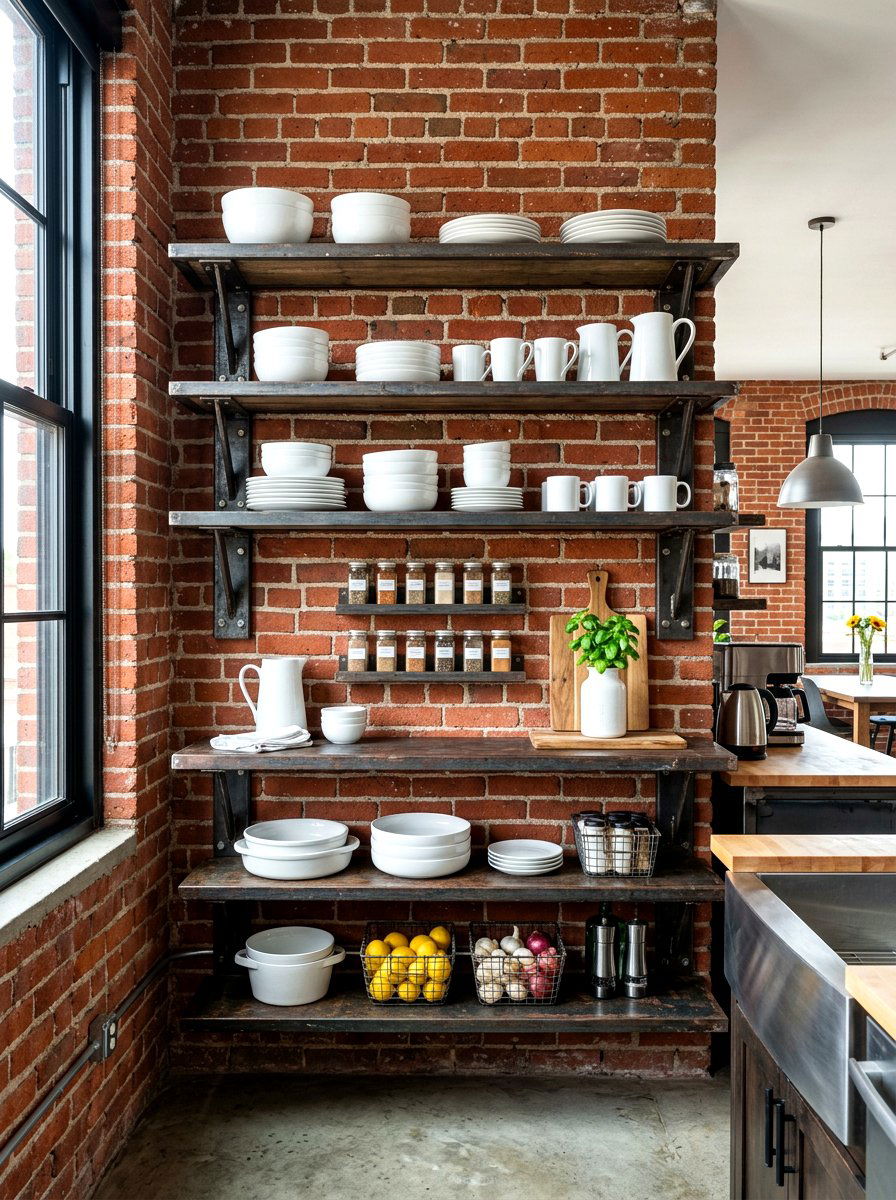
Installing shelves made from recycled steel or aluminum is a great way to add an industrial touch to your kitchen while supporting recycling. These metals are incredibly strong and can hold heavy stacks of dishes or jars without any bending or warping over time. Choosing recycled metal reduces the energy-intensive process of mining for new raw materials, which is much better for the planet. Metal shelves are also very easy to clean and do not harbor mold or bacteria, making them a hygienic choice for food storage. Their slim profile helps a small kitchen feel more open and airy compared to bulky traditional wall cabinets.
22. Kitchen Skylight Window
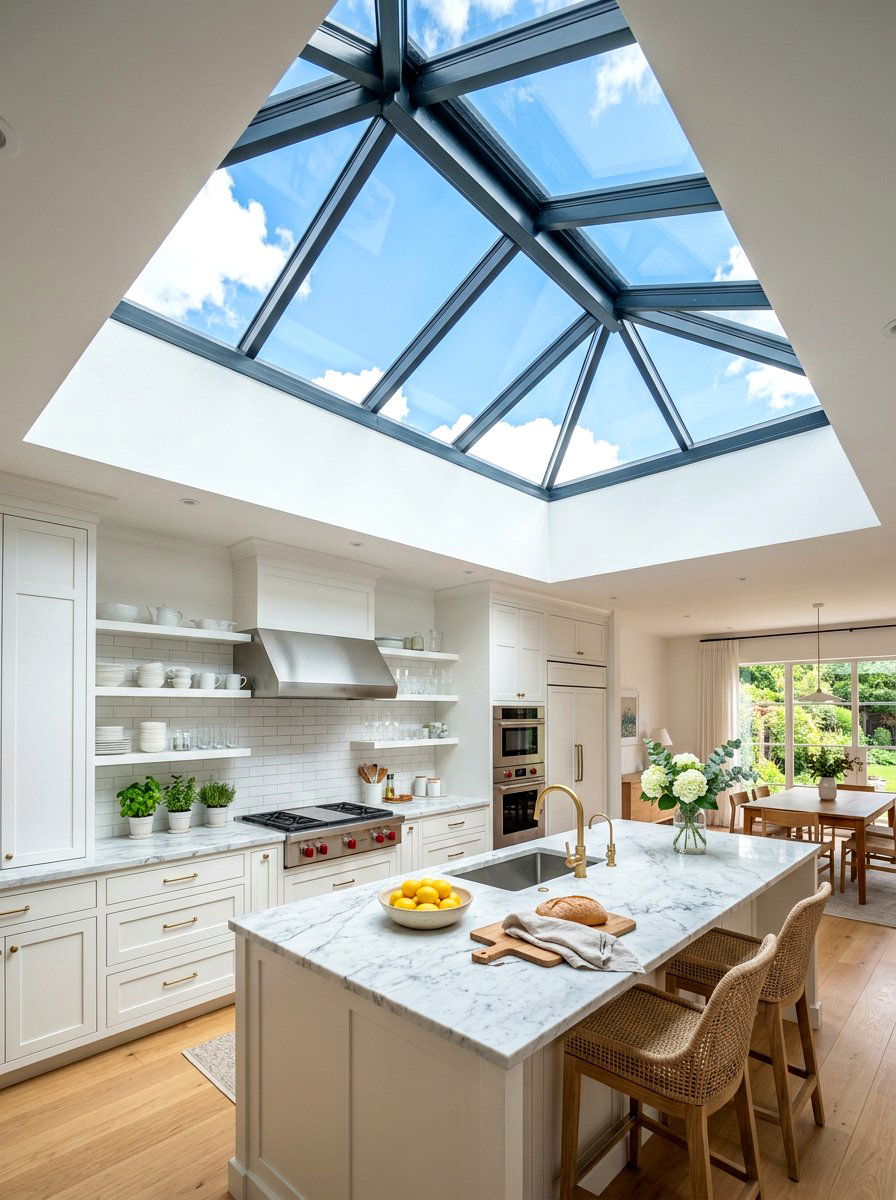
Adding a skylight to your kitchen is a brilliant way to flood the space with natural light and reduce your reliance on artificial lighting. Natural sunlight makes any room feel larger and more inviting, while also providing a boost to your mood and energy levels. During the day, you may not need to turn on any lights at all, which can lead to significant energy savings over the year. Operable skylights can also be opened to provide natural ventilation, allowing hot air and cooking smells to escape quickly. This simple architectural feature connects your kitchen to the sky and creates a bright, cheerful atmosphere.
23. Wool Kitchen Area Rug
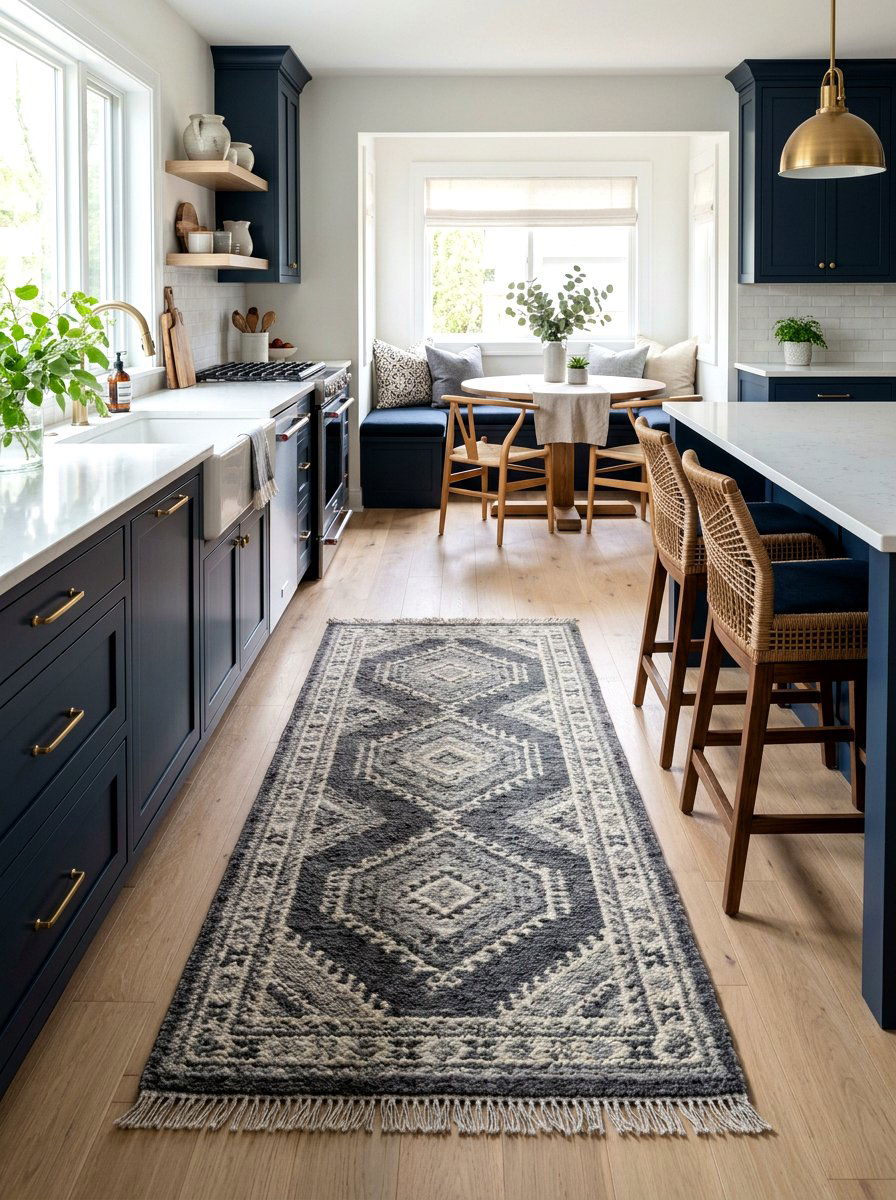
A wool area rug is a sustainable and naturally flame-resistant choice for adding warmth and texture to your kitchen floor. Wool is a renewable fiber that is harvested from sheep and is completely biodegradable at the end of its long life. It is naturally resistant to staining and crushing, which makes it surprisingly durable for a kitchen environment where spills might happen. Wool also provides excellent insulation, helping to keep your feet warm on cold mornings while reducing heat loss through the floor. Choosing a rug with natural dyes ensures that your home remains free from the harsh chemicals often found in synthetic carpets.
24. Paper Composite Kitchen Countertop
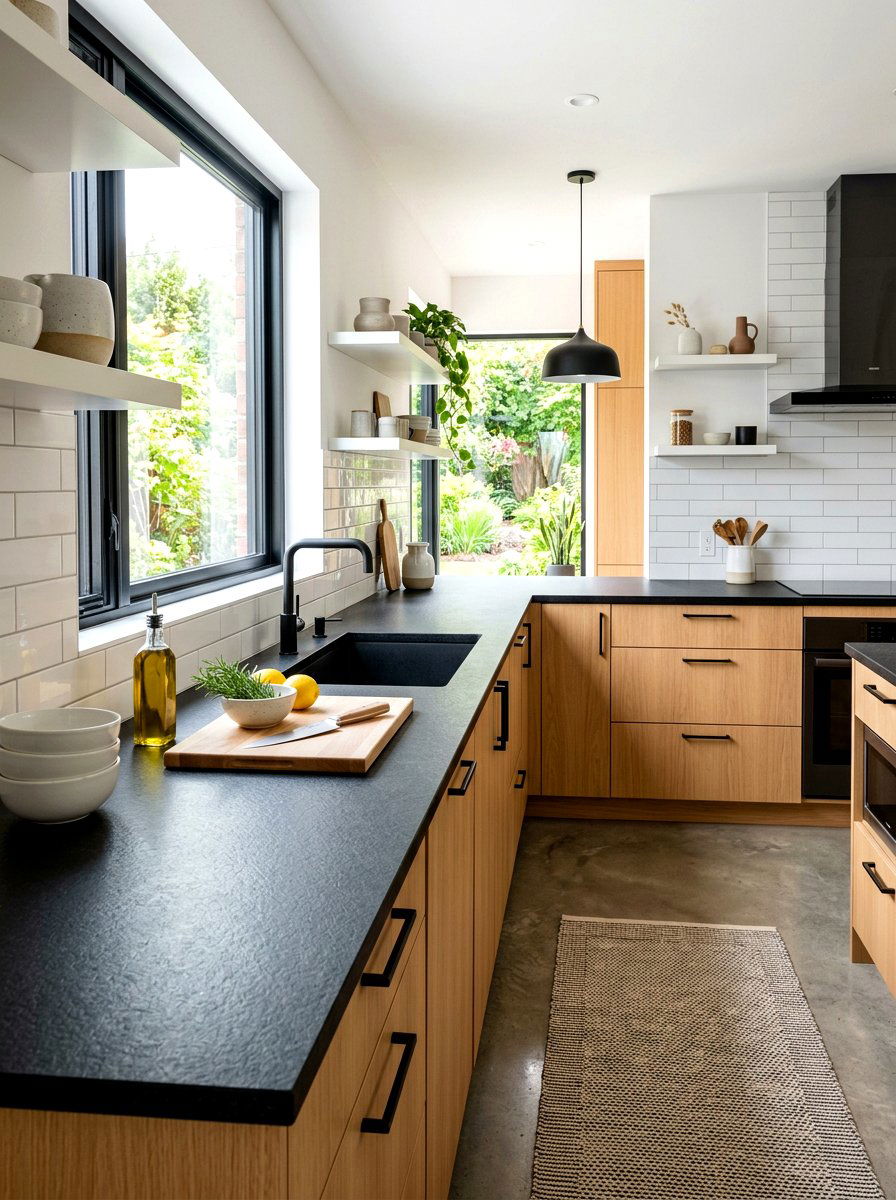
Paper composite countertops are an innovative eco-friendly surface made from recycled paper and a non-toxic resin that creates a stone-like finish. These slabs are incredibly dense and durable, offering high resistance to heat, scratches, and stains without the need for frequent sealing. They have a warm, matte texture that feels much more organic and approachable than cold stone or metal. Because they are made from post-consumer waste, they represent a significant reduction in the demand for newly quarried materials. This material is a perfect choice for homeowners who want a modern, high-performance kitchen with a very low environmental impact.

25. Smart Kitchen Water Monitor

Installing a smart water monitor under your sink is a high-tech way to detect leaks and track your household 's water usage in real-time. These small devices can alert your phone the moment a pipe starts to drip, preventing expensive water damage and unnecessary waste. By seeing exactly how much water your kitchen uses, you can identify habits that might be costing you money and wasting resources. Many of these systems can even shut off the main water valve automatically if a major leak is detected while you are away. It is a proactive investment in your home' s safety and environmental efficiency.
26. Butcher Block Kitchen Island
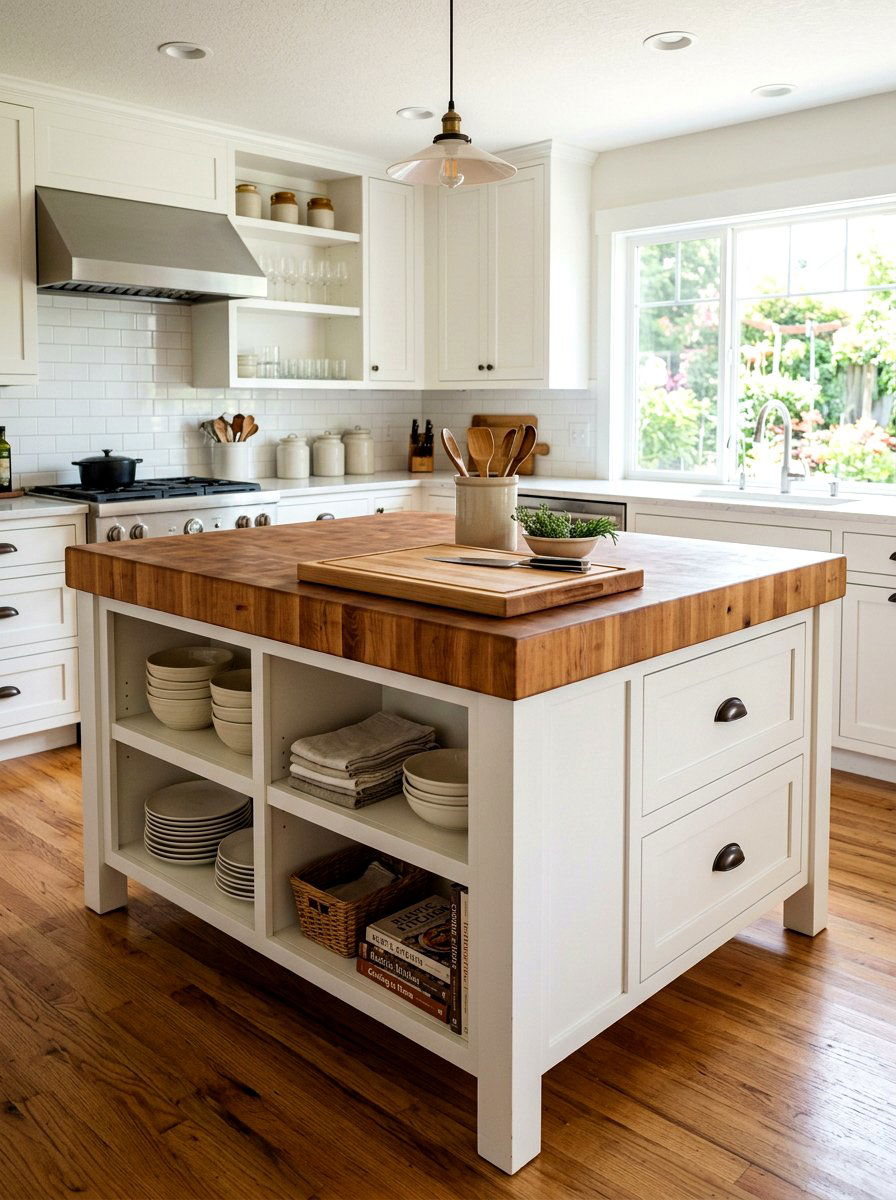
A butcher block island made from sustainably harvested wood or bamboo is a versatile and eco-friendly workspace that doubles as a giant cutting board. Using wood surfaces reduces the need for plastic cutting boards that can eventually wear out and end up in a landfill. When properly maintained with food-safe oils, a butcher block can last for decades and can even be sanded down and refinished if it gets damaged. The natural warmth of the wood creates a welcoming focal point in the room where family and friends can gather. This functional piece of furniture combines practical utility with a beautiful, organic design.
27. Rattan Kitchen Pendant Light
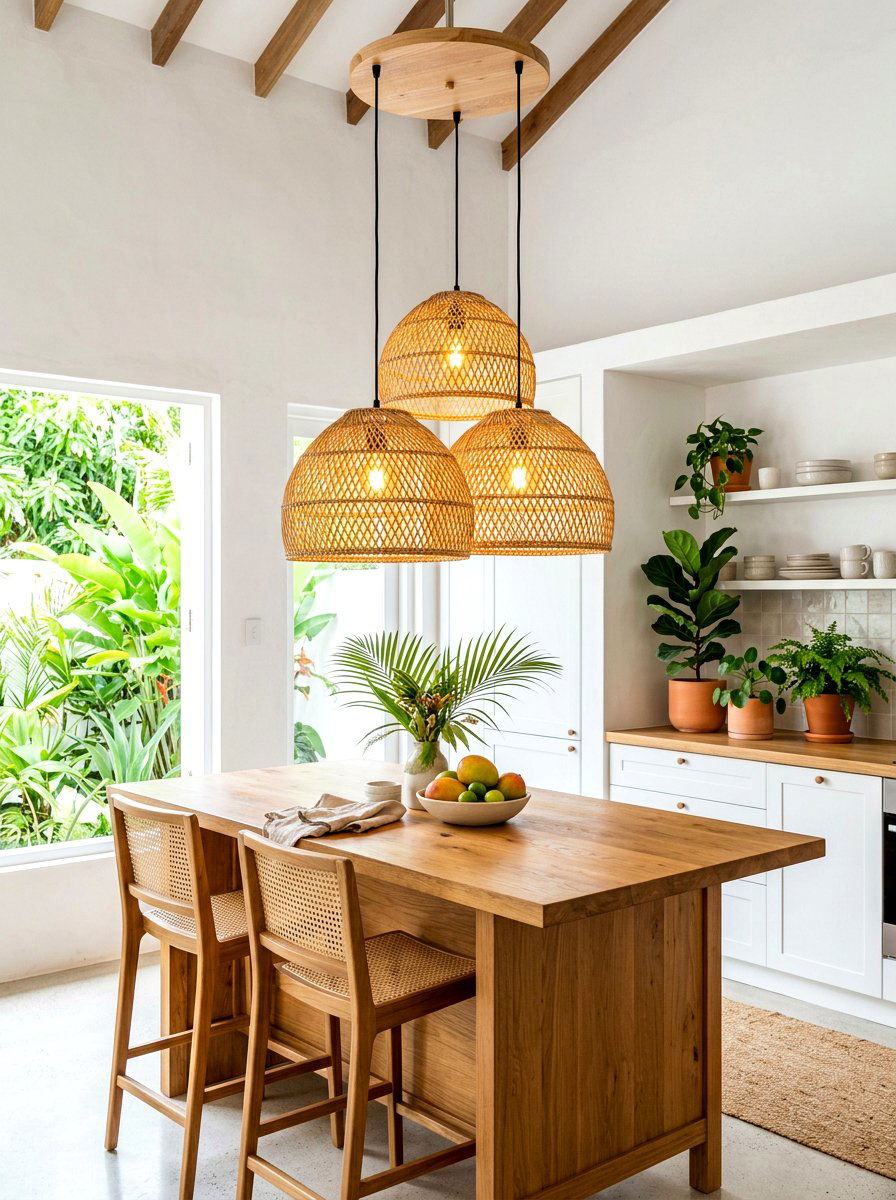
Rattan pendant lights are a popular eco-friendly choice because rattan is a fast-growing vine that is much more sustainable than many other timber products. Hand-woven rattan shades add a beautiful, organic texture to your kitchen and cast a warm, patterned light across the room. These fixtures are lightweight and biodegradable, making them a much greener alternative to heavy metal or plastic lighting options. The natural, bohemian look of rattan works perfectly in a wide variety of kitchen styles, from coastal to modern farmhouse. Choosing handmade rattan products also supports traditional craftsmanship and provides a unique, artisanal touch to your sustainable home decor.
28. Open Kitchen Wall Shelf
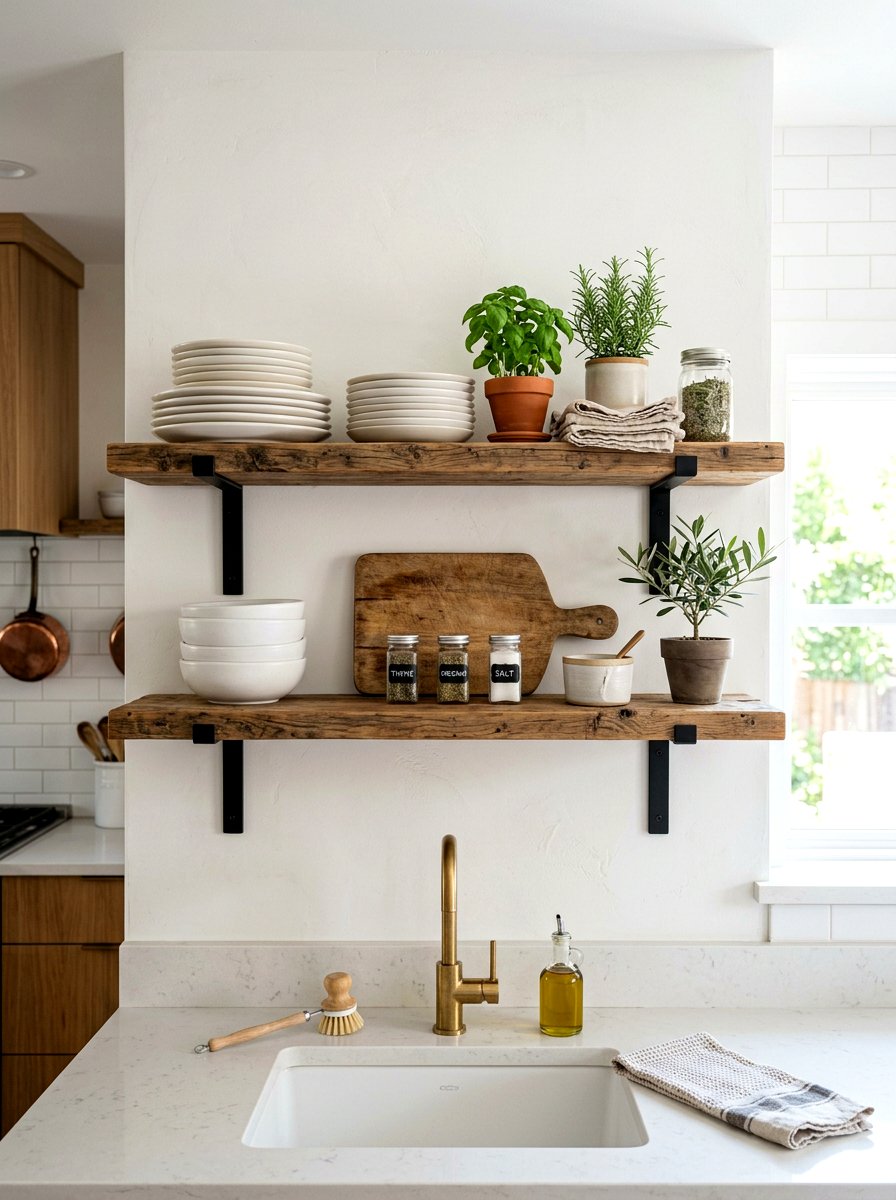
Swapping upper cabinets for open shelving is a minimalist design choice that uses significantly less material and creates an airy, spacious feel. This approach encourages you to own fewer items and display only the dishes and tools you truly use and love. By reducing the number of heavy cabinets in your kitchen, you lower the overall environmental impact of your renovation project. Open shelves also make it much easier to find what you need quickly, which can streamline your cooking process. Using reclaimed wood or recycled metal for the shelves further enhances the sustainability and unique character of your modern kitchen space.
29. Hemp Kitchen Table Linens
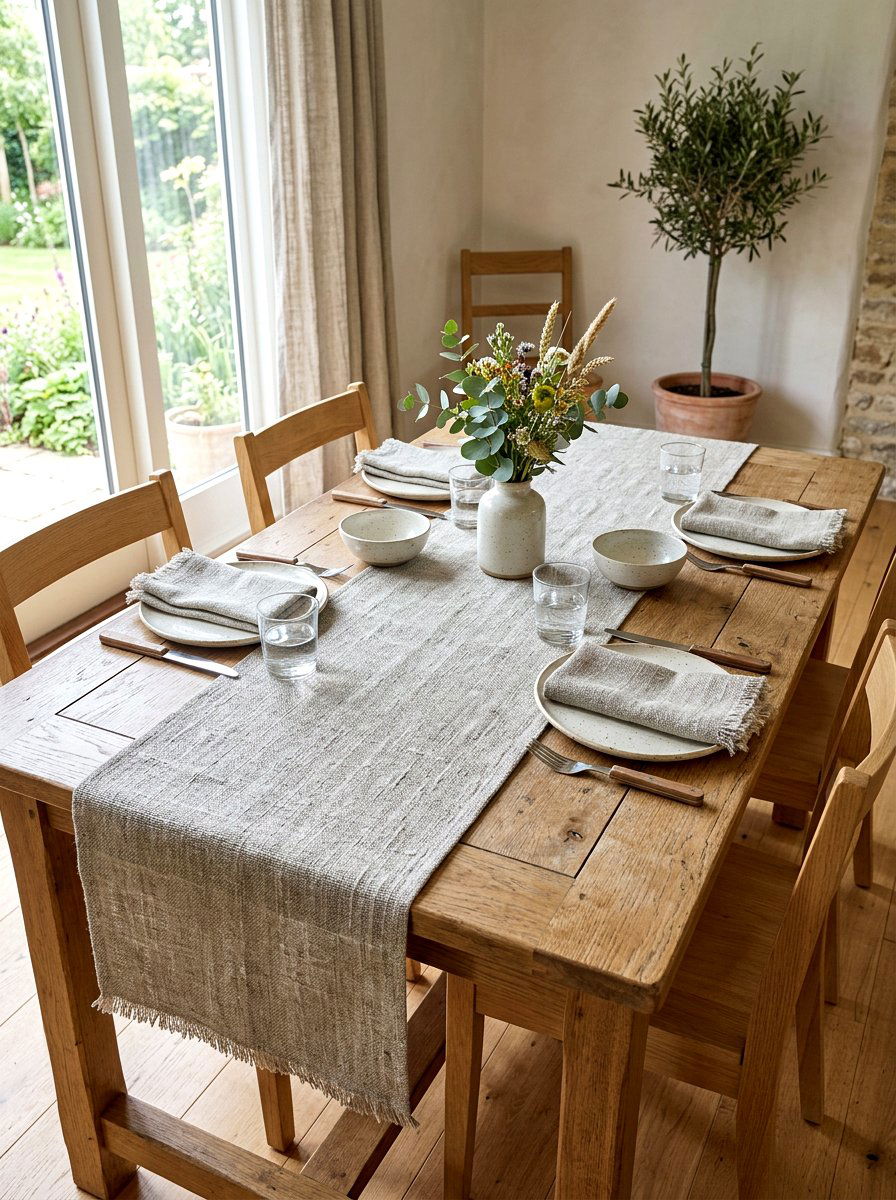
Hemp is one of the most eco-friendly fabrics in the world because it requires no pesticides and very little water to grow successfully. Using hemp for your napkins, placemats, and runners is a durable and sustainable way to dress your kitchen table for every meal. Hemp fibers are incredibly strong and actually become softer with every wash, ensuring they will last for many years of daily use. This fabric is also naturally antimicrobial, which is a great benefit for textiles that are frequently in contact with food. Its rugged, natural texture provides a sophisticated and grounded aesthetic that looks beautiful in any green-themed kitchen.
30. Modular Kitchen Cabinet System
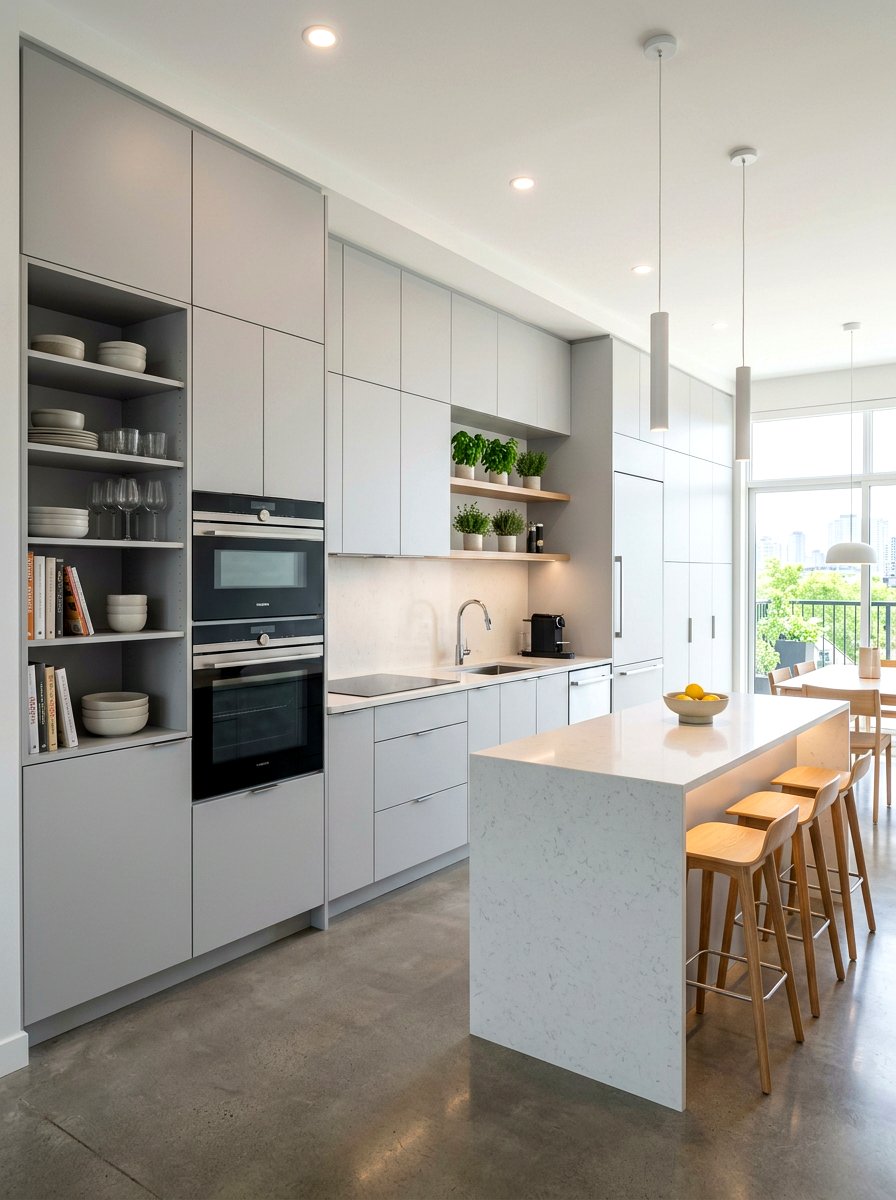
A modular kitchen cabinet system is designed for longevity and flexibility, allowing you to easily update or repair parts without replacing the entire kitchen. These systems often use sustainable materials and are built to be disassembled and recycled at the end of their long life cycle. If your needs change or a specific door gets damaged, you can simply swap out that one piece instead of tearing everything out. This approach significantly reduces the amount of waste generated during future home improvements or moves. Modular design represents a move toward a circular economy where products are valued for their ability to adapt and endure.
Conclusion:
Building an eco-friendly kitchen is a rewarding journey that blends your personal style with a deep respect for our natural world. By choosing sustainable materials like reclaimed wood, recycled glass, and renewable bamboo, you create a space that is both beautiful and ethically sound. These mindful decisions not only help protect the environment but also improve the health and well-being of your family through better air quality and non-toxic surfaces. Whether you are doing a full renovation or just making small upgrades like LED lighting, every step counts toward a greener future. Embrace these changes to transform your kitchen into a lasting sanctuary of sustainability.

Related posts: