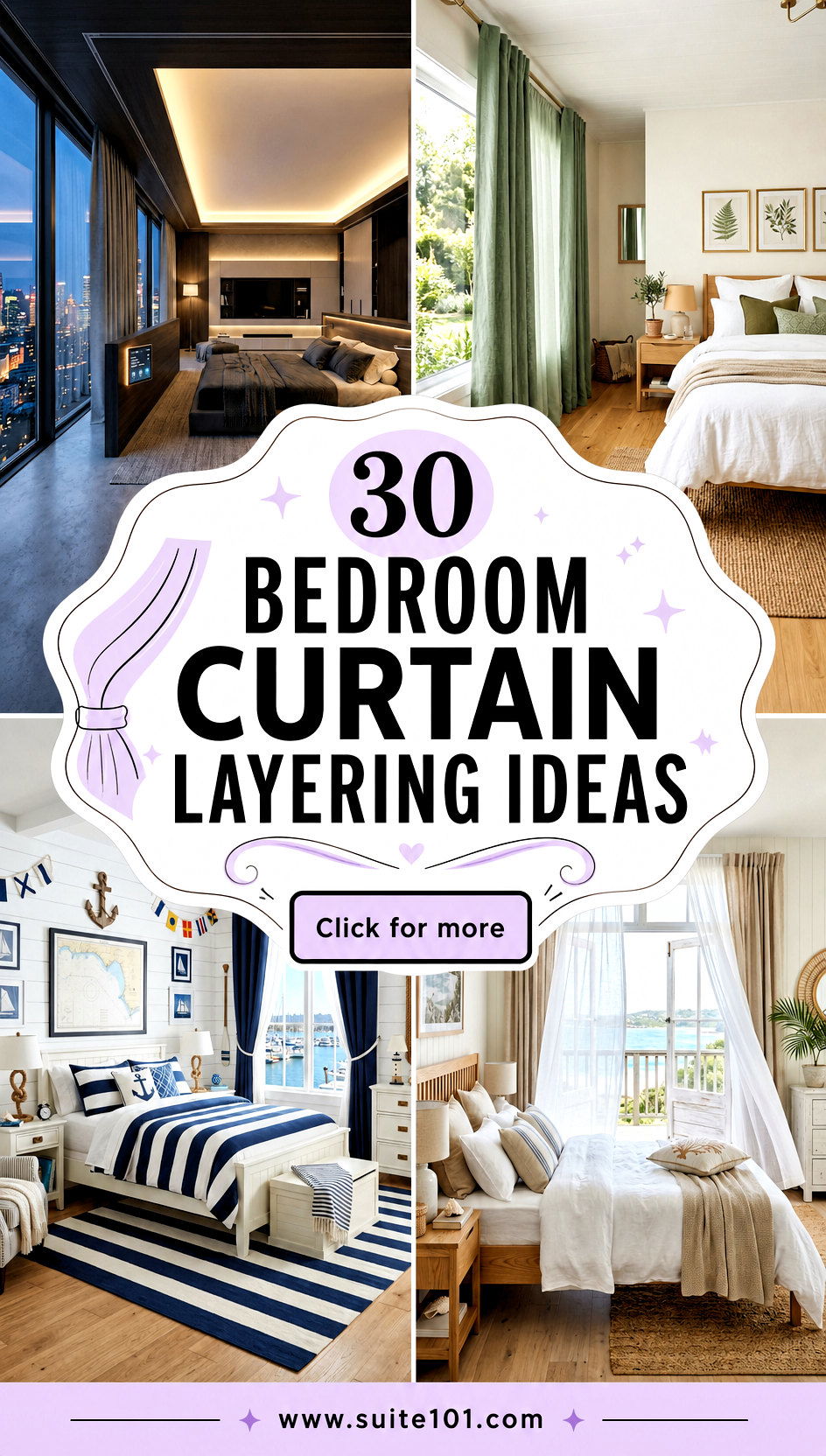
Creating a cozy and functional bedroom often starts with the right window treatments. Layering curtains is a brilliant way to add depth, texture, and practical benefits like better light control and improved insulation. By combining different fabrics and styles, you can transform a plain window into a stunning focal point that reflects your personal aesthetic. Whether you want to block out the morning sun for a better sleep or let in soft, filtered light during the afternoon, layering offers the perfect solution. This guide explores thirty creative ways to layer your bedroom curtains to achieve a high-end, professionally designed look that feels both welcoming and stylish.
1. Sheer and blackout curtain layering
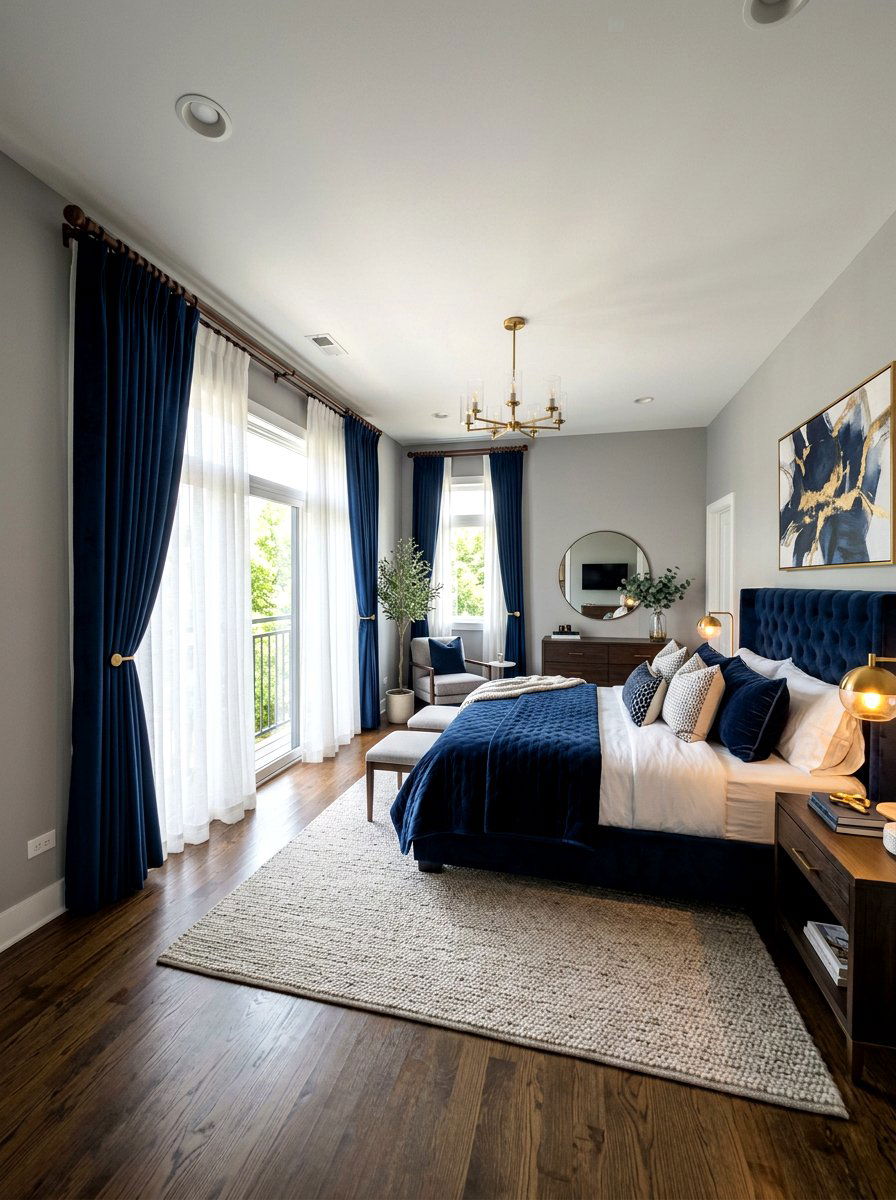
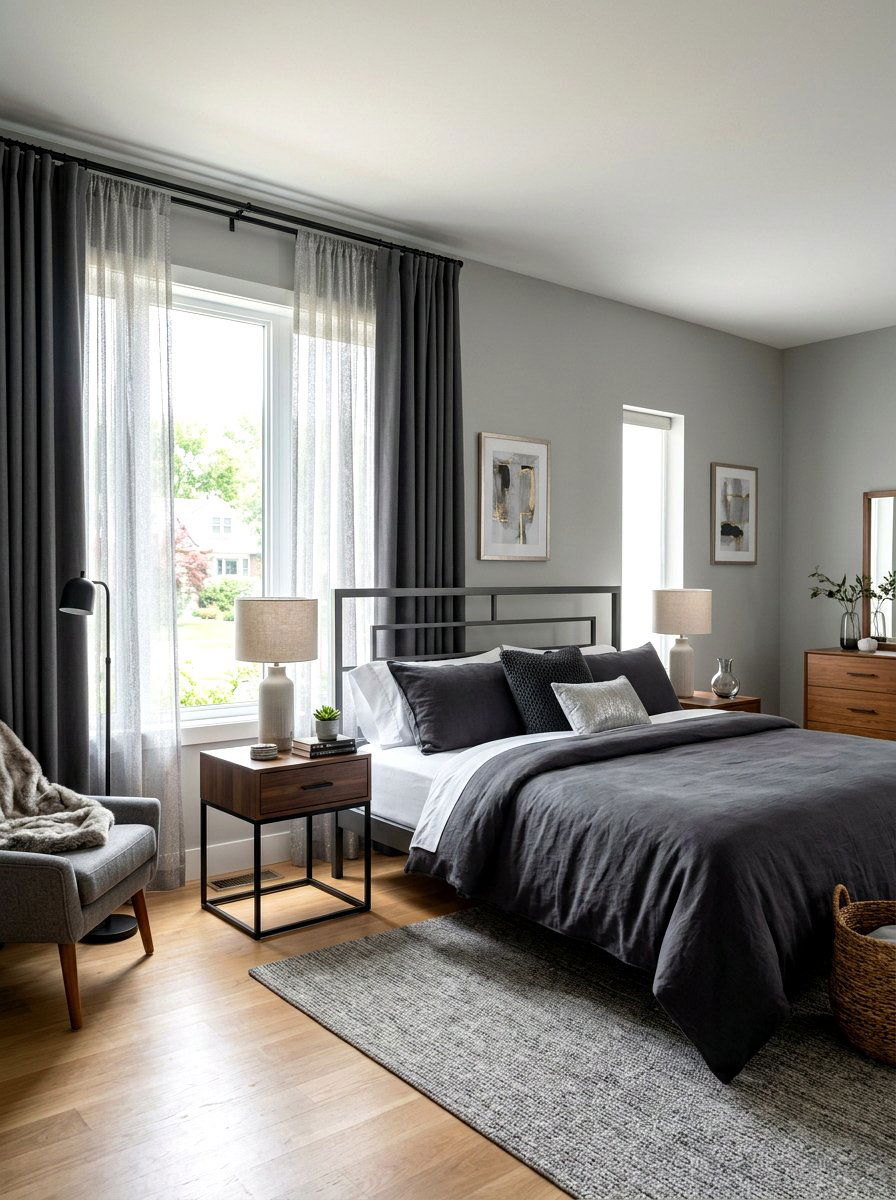
One of the most popular ways to dress a bedroom window involves combining sheer panels with heavy blackout curtains. This classic pairing allows you to enjoy soft, diffused light during the day while maintaining complete darkness for a restful night. The sheers act as a delicate base layer that provides privacy without making the room feel closed off. When the sun goes down, you can simply pull the blackout drapes shut to create a cozy, intimate environment. This setup works exceptionally well in master bedrooms where light management is a top priority. It also adds a luxurious, hotel-like feel to the overall space.
2. Linen and velvet curtain combinations
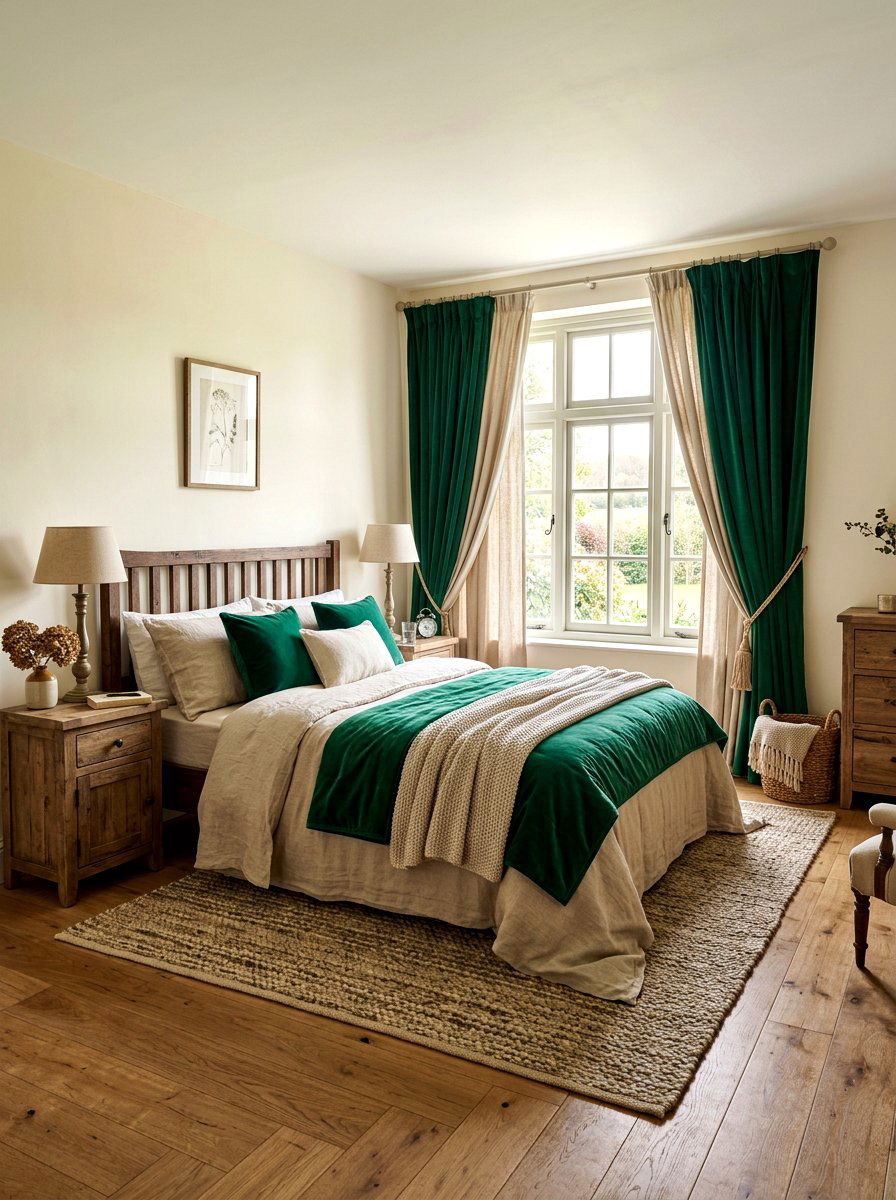
Mixing textures is a designer secret for creating a sophisticated and multi-dimensional bedroom. Combining the natural, matte finish of linen with the rich, shimmering look of velvet creates a striking visual contrast. Linen curtains offer a relaxed and breathable feel that is perfect for daytime use. Meanwhile, velvet drapes add weight and a sense of opulence to the window frame. This combination is particularly effective for sound dampening and thermal insulation, keeping your bedroom warm in winter and cool in summer. The heavy velvet perfectly anchors the lighter linen, making the entire window area feel more substantial and thoughtfully designed for comfort.
3. Double rod curtains
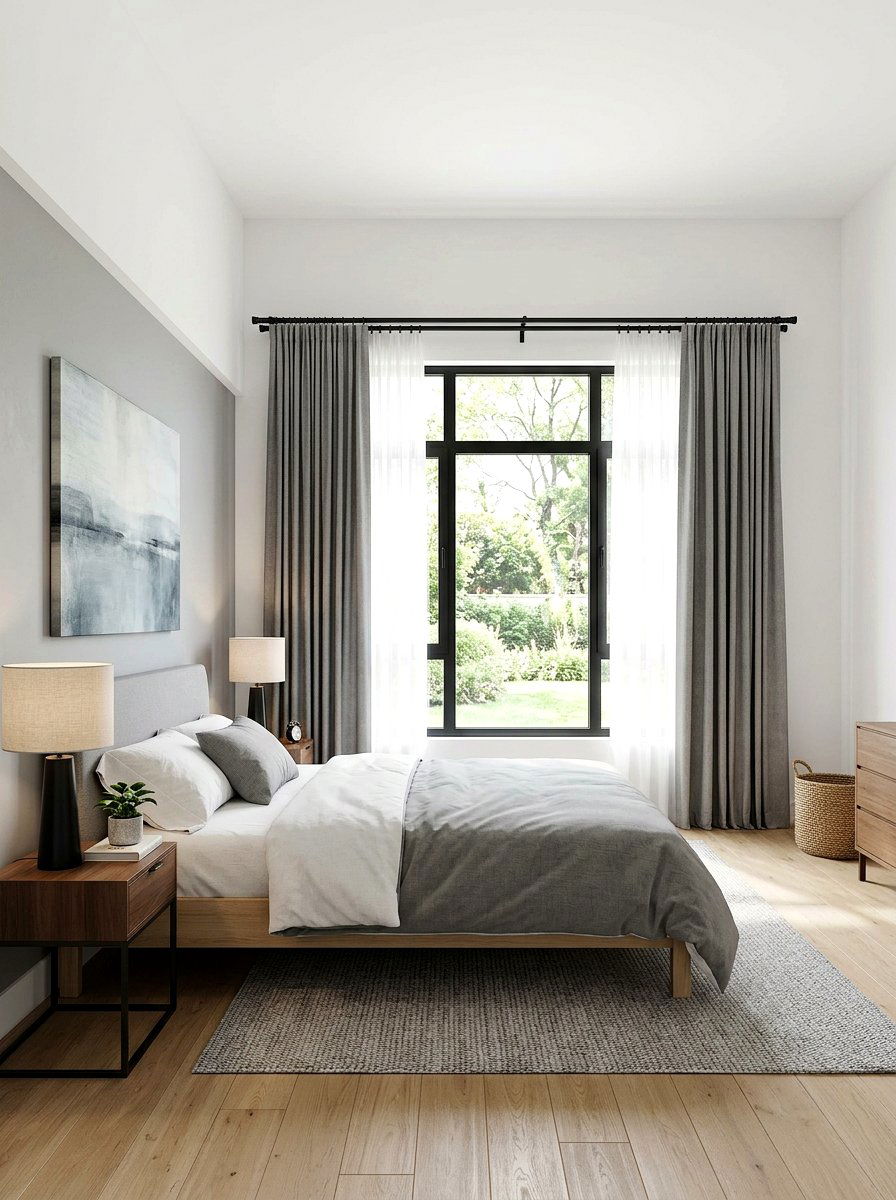
To achieve a professional layered look, using a double curtain rod is often the best approach. This specific hardware allows you to hang two sets of panels independently, ensuring they both glide smoothly without getting tangled. You typically place the thinner, light-filtering fabric on the inner rod closest to the glass and the heavier decorative panels on the outer rod. This configuration provides maximum versatility, as you can open or close each layer separately depending on your needs. Double rods come in various finishes like matte black, brushed gold, or classic silver, allowing you to match the hardware to your bedroom's existing metallic accents.
4. Floor to ceiling curtains
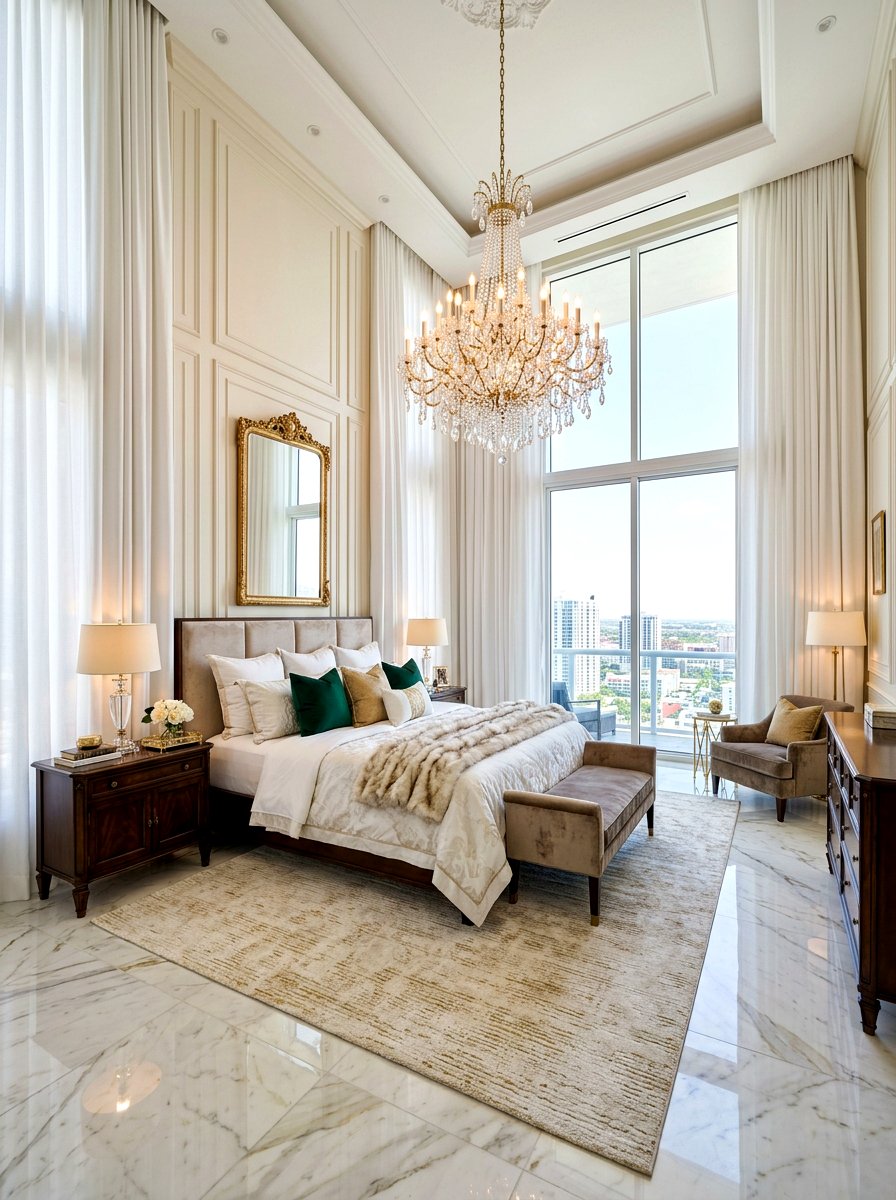
Hanging your curtains from the ceiling all the way down to the floor is a fantastic way to make a bedroom feel larger. This layering technique draws the eye upward, creating an illusion of height even in rooms with standard ceilings. When you layer sheer and solid fabrics in this manner, the vertical lines emphasize the scale of the room. It creates a seamless, wall-to-wall look that feels incredibly high-end and intentional. Using a ceiling-mounted track system can further enhance this aesthetic by hiding the hardware entirely. This approach is ideal for modern or minimalist bedrooms where clean lines and a grand sense of space are desired.
5. Neutral tone curtains
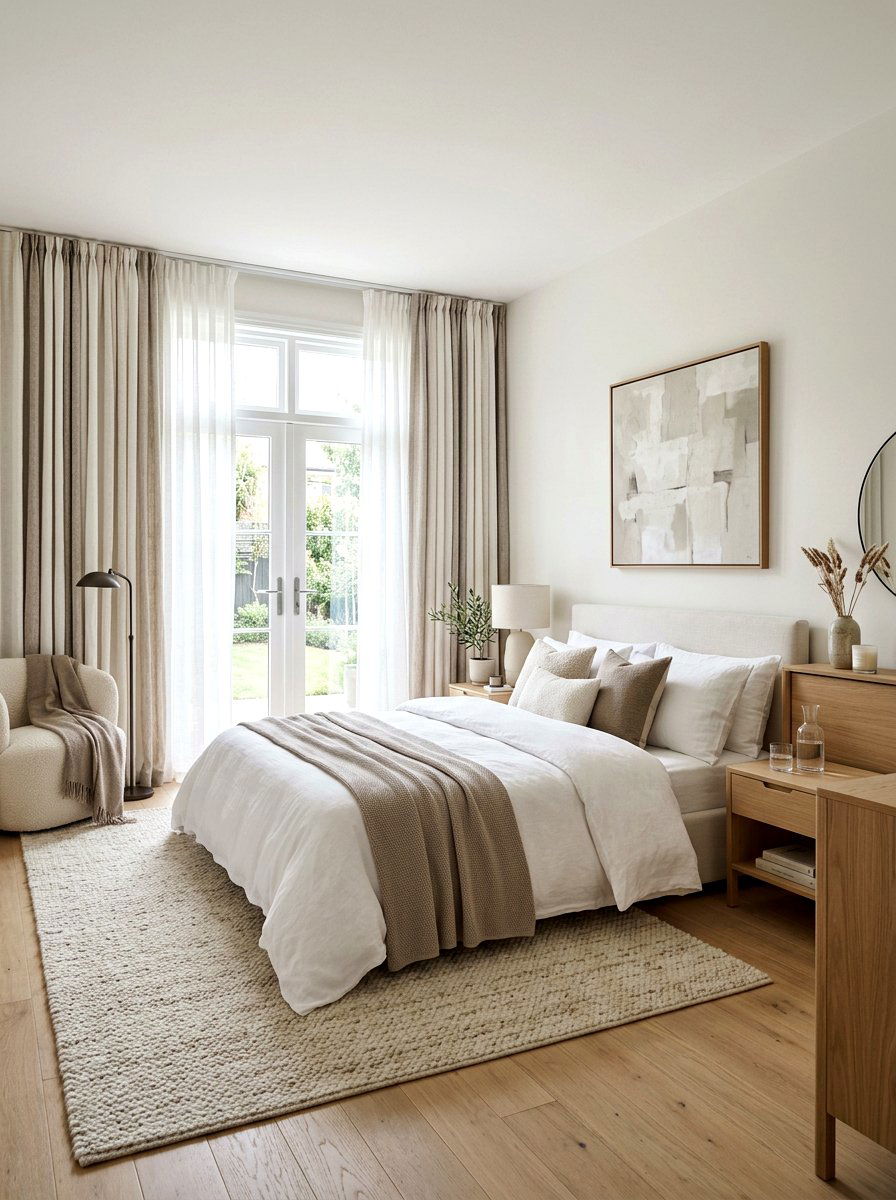
Sticking to a neutral color palette for your layered curtains is a foolproof way to create a serene and timeless bedroom atmosphere. By layering different shades of beige, cream, or soft grey, you add visual interest without overwhelming the space with bold colors. For instance, pairing a crisp white sheer with a taupe blackout curtain creates a subtle, sophisticated look. This monochromatic approach allows the focus to remain on the textures of the fabrics rather than the colors themselves. Neutral layers also provide a versatile backdrop that easily accommodates changes in bedding or wall decor over time, ensuring your window treatments never go out of style.
6. White sheer and grey curtains
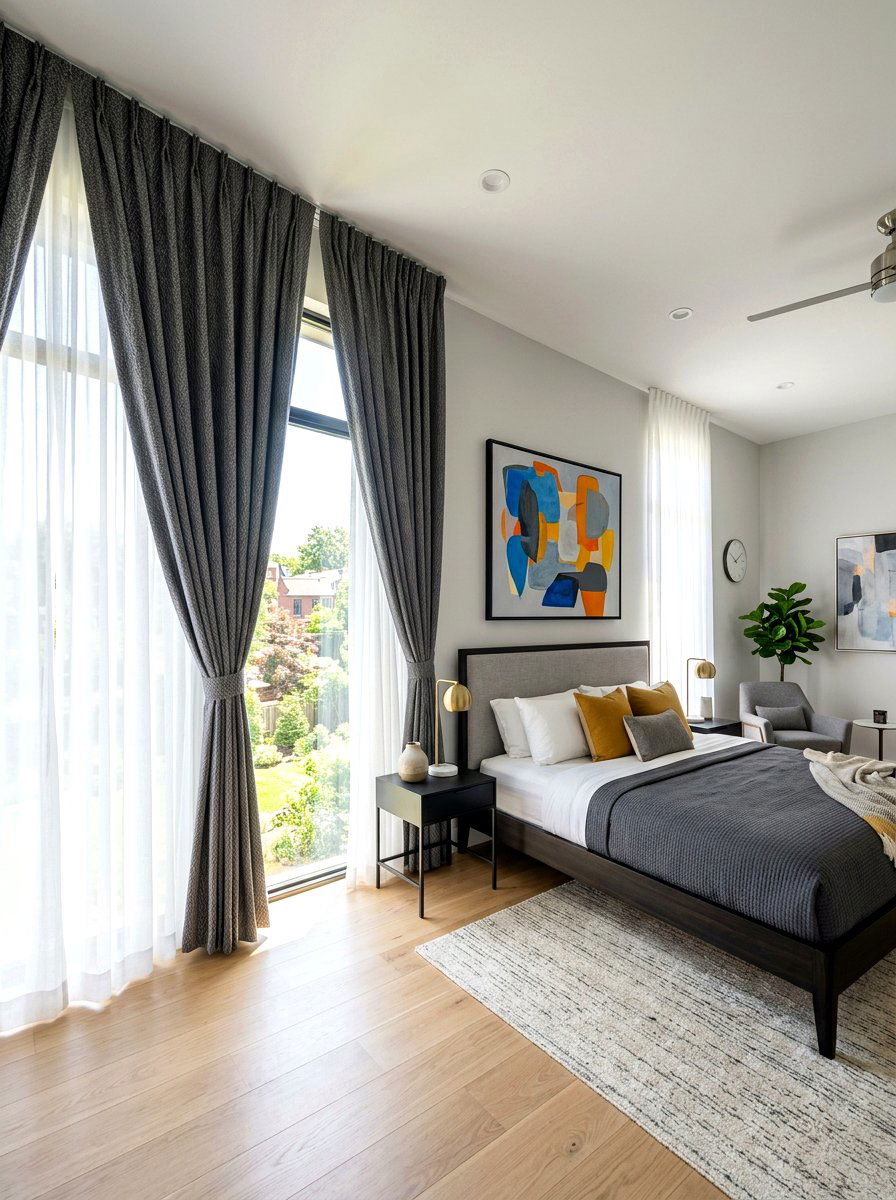
Combining bright white sheers with soft grey drapes is a classic aesthetic choice that fits perfectly into modern and transitional bedrooms. The white sheers keep the room feeling airy and bright by reflecting natural light deeper into the space. The grey top layer adds a touch of modern elegance and a sense of grounding. This pairing is especially effective in rooms with white walls, as it creates a gentle contrast that adds depth without being too jarring. You can choose a light dove grey for a subtle look or a deep charcoal for a more dramatic, moody vibe that enhances the bedroom's overall coziness.
7. Pinch pleat curtains
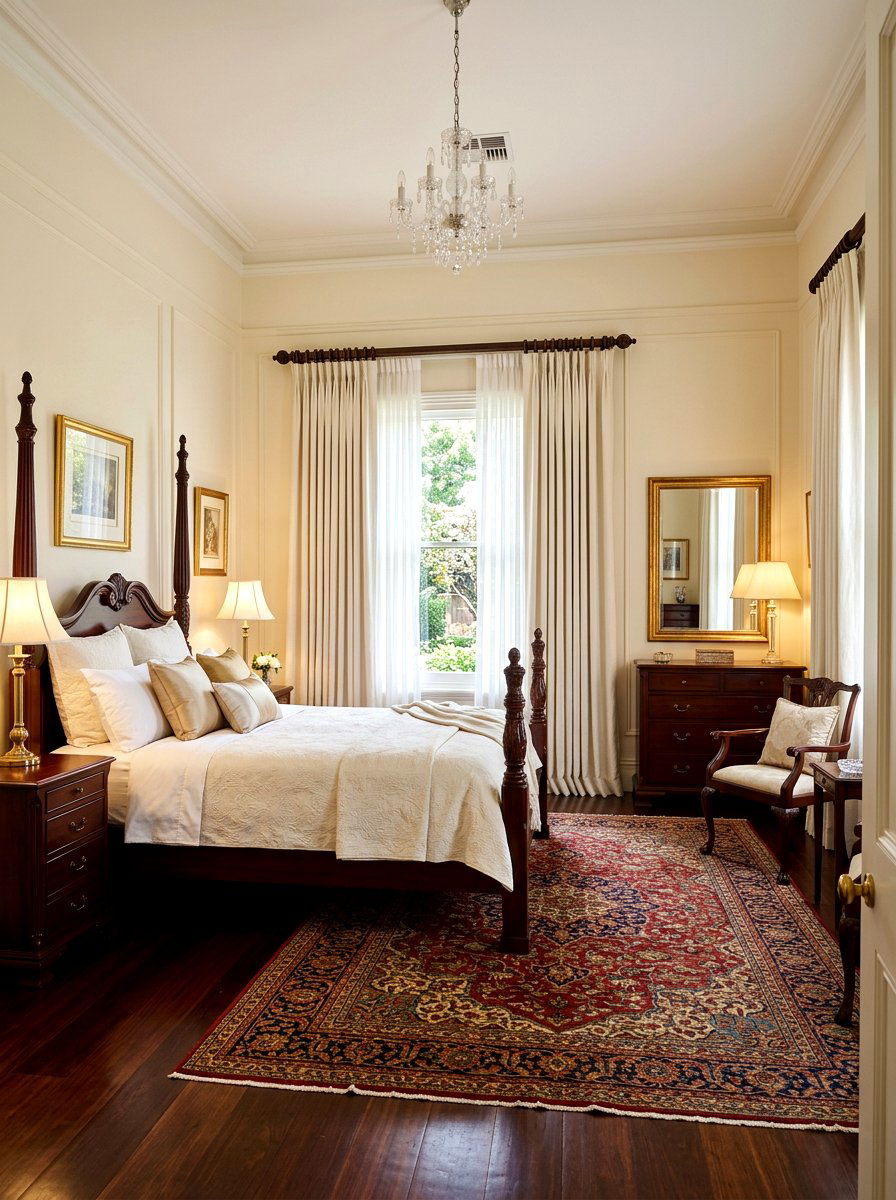
For those who prefer a more formal and tailored aesthetic, pinch pleat curtains are an excellent choice for layering. The sewn-in pleats at the top of the fabric create consistent, elegant folds that hang beautifully even when the curtains are pulled back. Layering a pinch pleat blackout drape over a simple sheer panel creates a very high-end look reminiscent of luxury estates. This style adds a sense of structure to the window that complements traditional or classic furniture pieces. The intentional folds also ensure that the fabric looks organized and voluminous, preventing the layered window treatment from looking messy or cluttered in your bedroom.
8. Roman shades and drapes
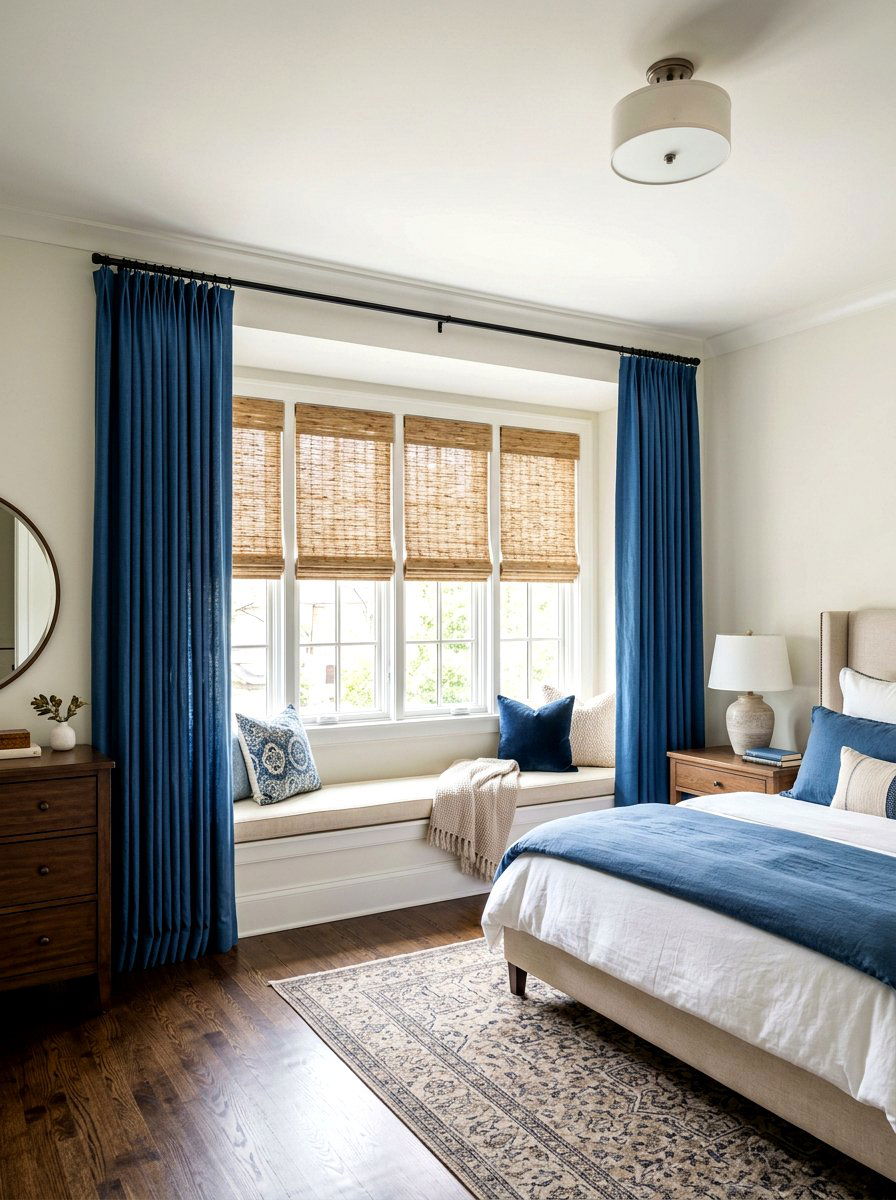
Layering curtains over Roman shades is a smart way to combine a clean, structured base with the softness of traditional drapery. The Roman shade fits snugly inside the window frame, providing a neat and tailored appearance that blocks light effectively. Adding a pair of floor-length drapes on either side frames the window and adds a layer of warmth and texture. This combination is particularly useful for smaller windows where full panels might feel too heavy on their own. By using a patterned Roman shade with solid curtains, or vice-versa, you can introduce a playful element of design while maintaining a very professional look.
9. Boho tassel curtains
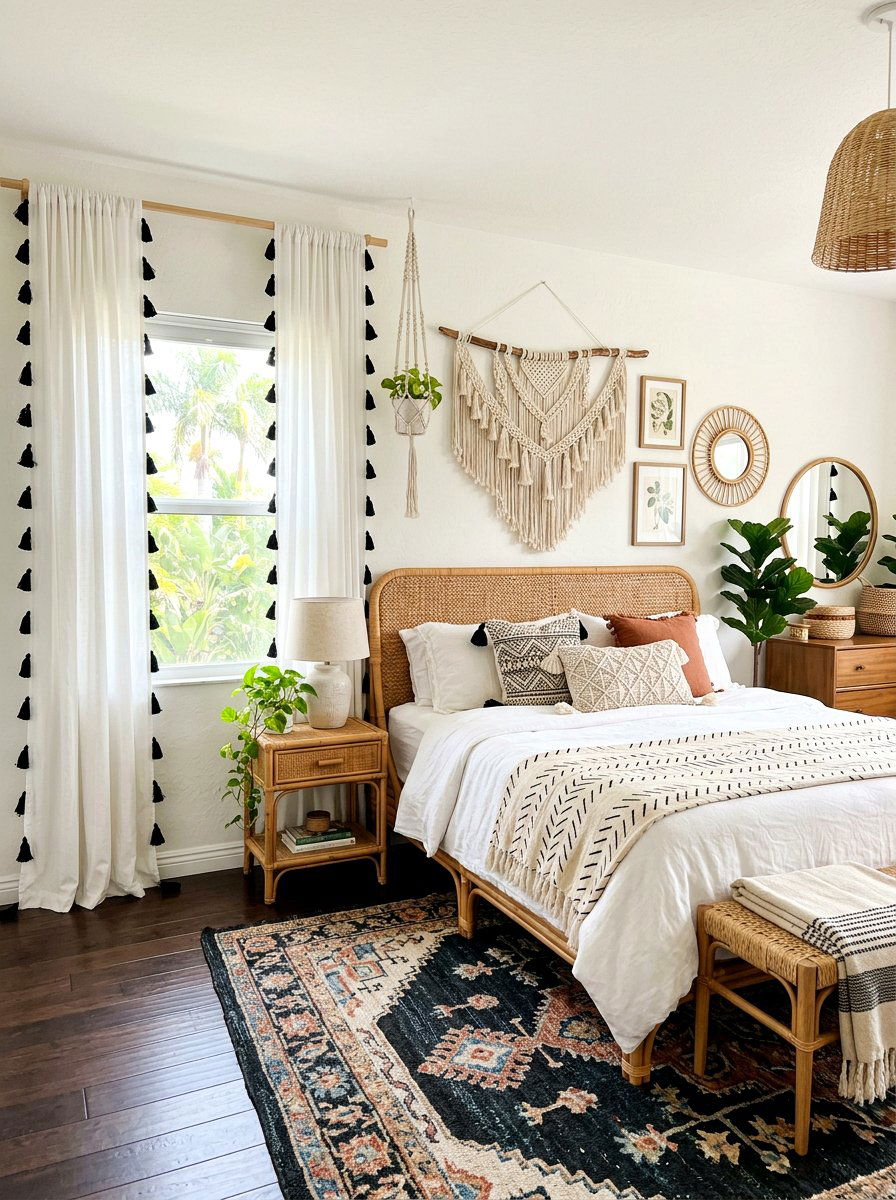
To achieve a relaxed and bohemian aesthetic in your bedroom, consider layering curtains that feature playful details like tassels or fringe. You can start with a simple cotton sheer as the base and layer a textured panel with fringe along the edges on top. This adds a sense of whimsy and personality to the room, making it feel more lived-in and comfortable. Boho styling often relies on layering different weights and patterns to create a curated, eclectic look. Natural fabrics like macramé or heavily textured weaves work beautifully in this context. These layers bring a tactile quality to the window that enhances the room's cozy and artistic vibe.
10. Minimalist curtain layering
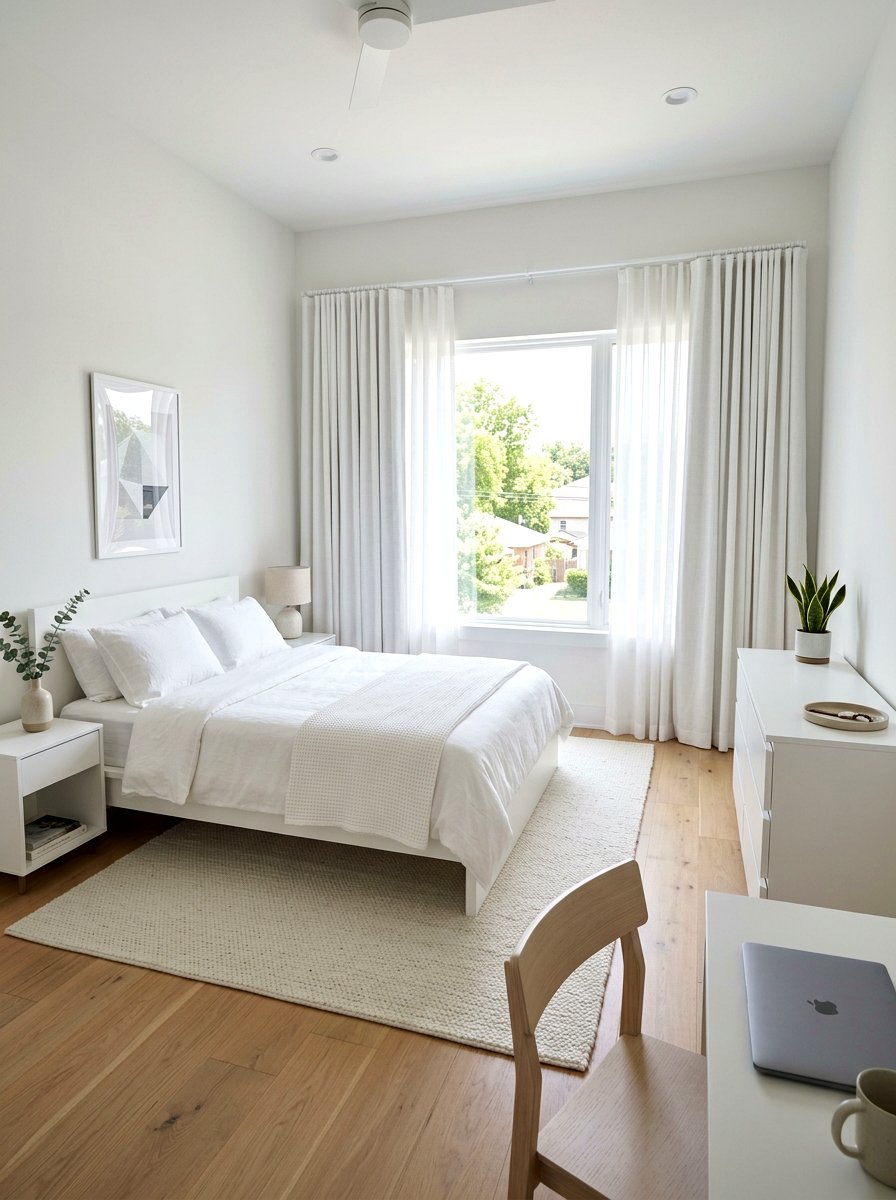
Minimalism doesn't mean you have to skip layering; it simply means choosing clean lines and simple fabrics. To achieve a minimalist layered look, use two sets of curtains in the same color or very similar tones. For example, layering a semi-sheer white linen panel with a solid white cotton drape creates depth through texture rather than color. Avoid heavy hardware and instead opt for slim, unobtrusive rods or hidden tracks. This approach provides the functional benefits of light control while maintaining a very streamlined and calm aesthetic. It is perfect for those who want a peaceful bedroom environment free from visual clutter and loud design elements.
11. Blackout blinds and curtains
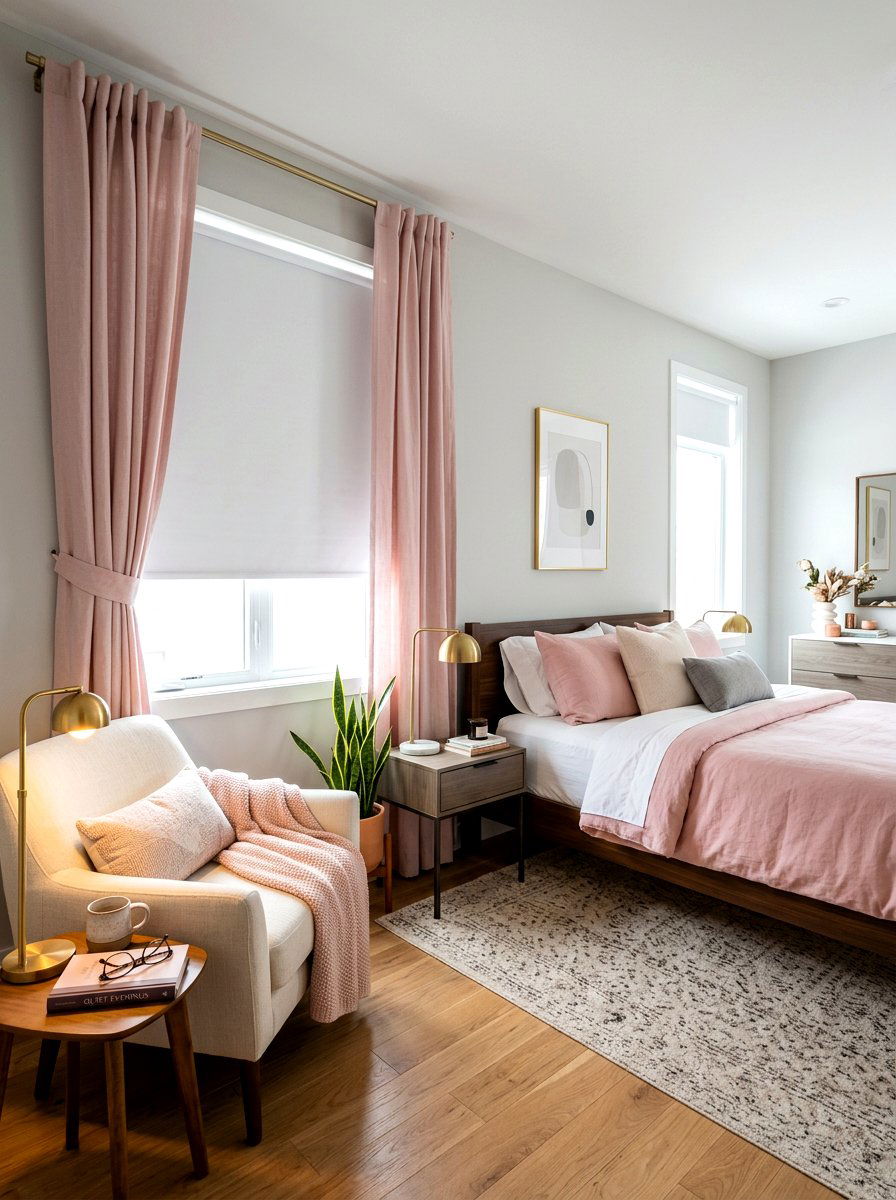
Combining functional blackout blinds with decorative curtains is a highly practical layering solution for light-sensitive sleepers. The blind sits close to the window pane, blocking out almost all light from the edges of the frame. Adding a layer of soft curtains on top hides the technical look of the blinds and introduces a much-needed decorative element to the room. This setup is excellent for insulation, as it creates an extra air pocket that helps maintain temperature. You can choose a roller blind or a cellular shade as the base layer and then add velvet or linen drapes to soften the overall appearance of the bedroom window.
12. Velvet and lace curtains
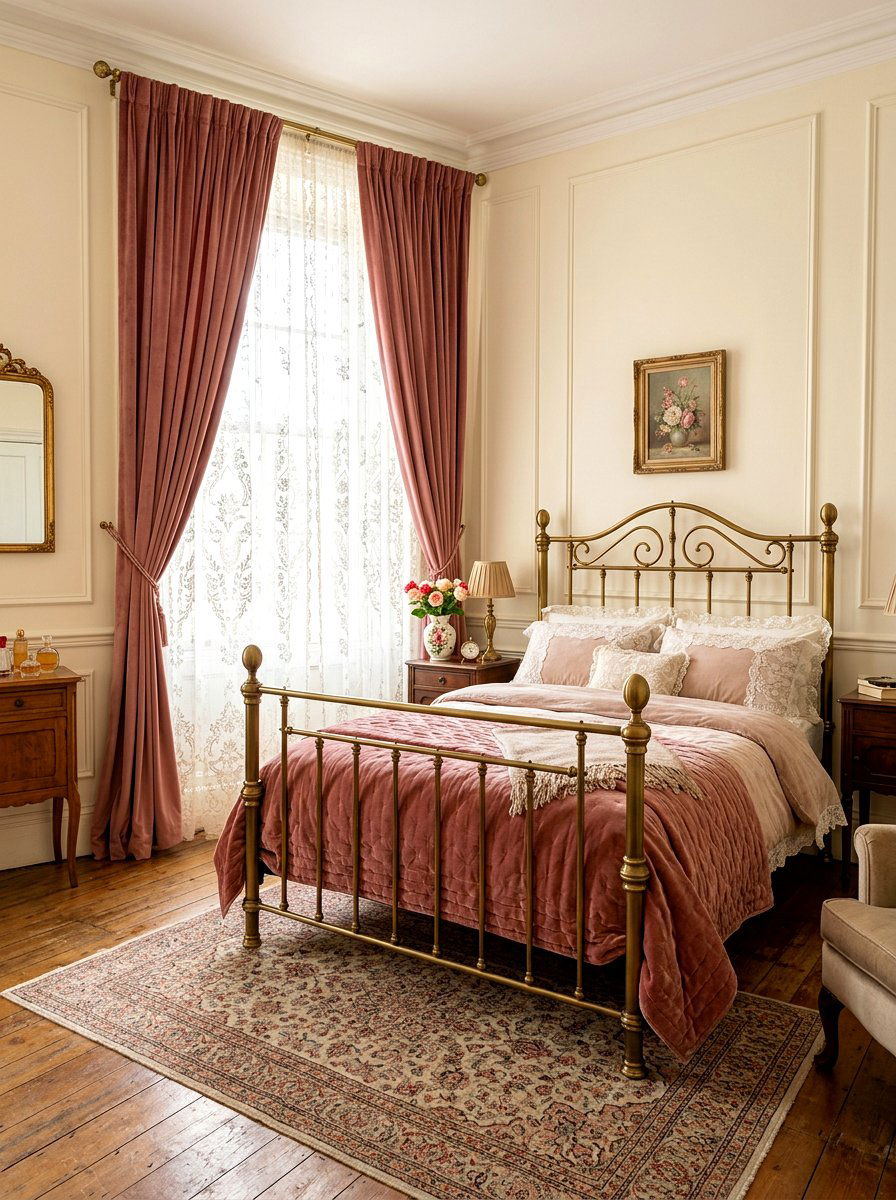
If you are aiming for a romantic or vintage-inspired bedroom, layering velvet with lace is a stunning choice. The delicate, intricate patterns of lace sheers allow dappled light to filter into the room, creating a dreamy and soft atmosphere. When paired with heavy, plush velvet drapes, the contrast is both visually and tactilely rich. This combination feels very traditional and feminine, adding a layer of historical charm to the space. It works exceptionally well in rooms with antique furniture or ornate architectural details. The velvet provides the necessary privacy and darkness, while the lace ensures the window remains beautiful even when the heavy drapes are open.
13. Earth tone curtain layers
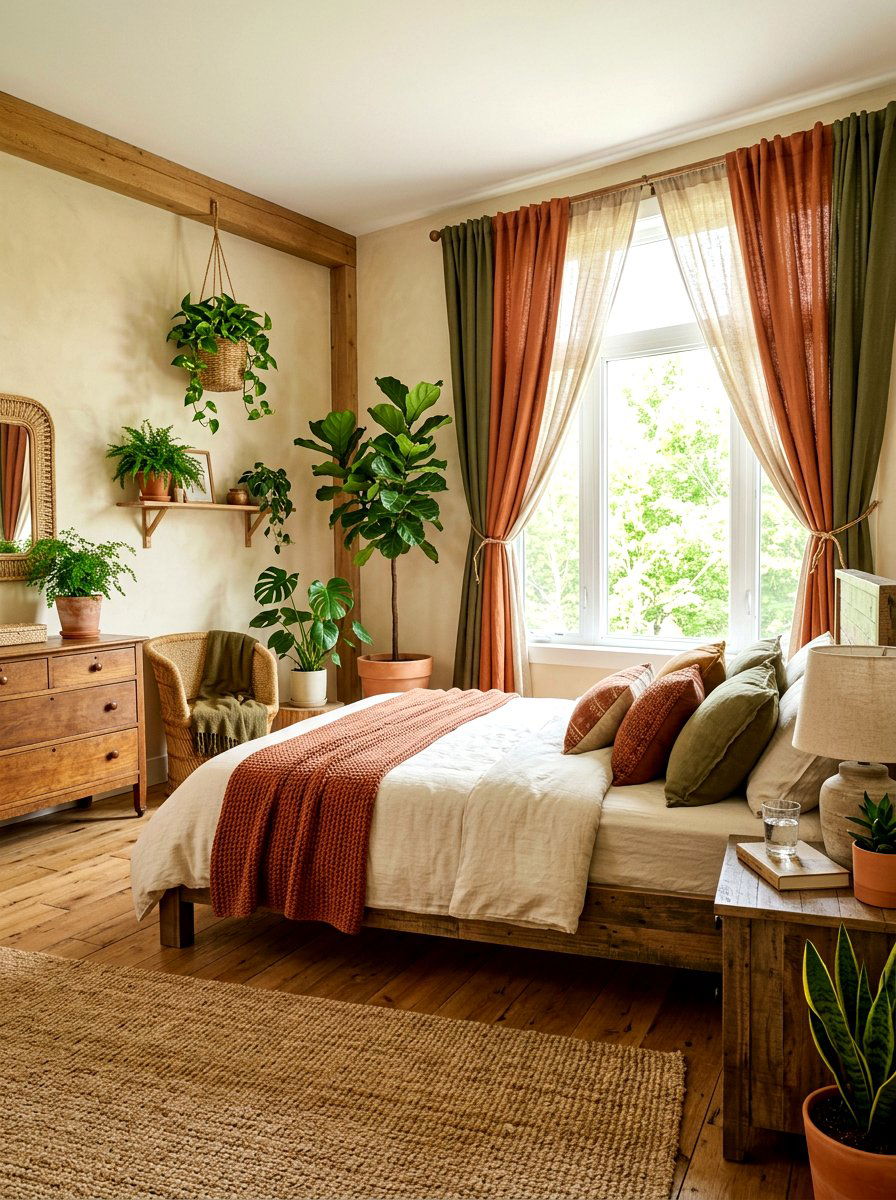
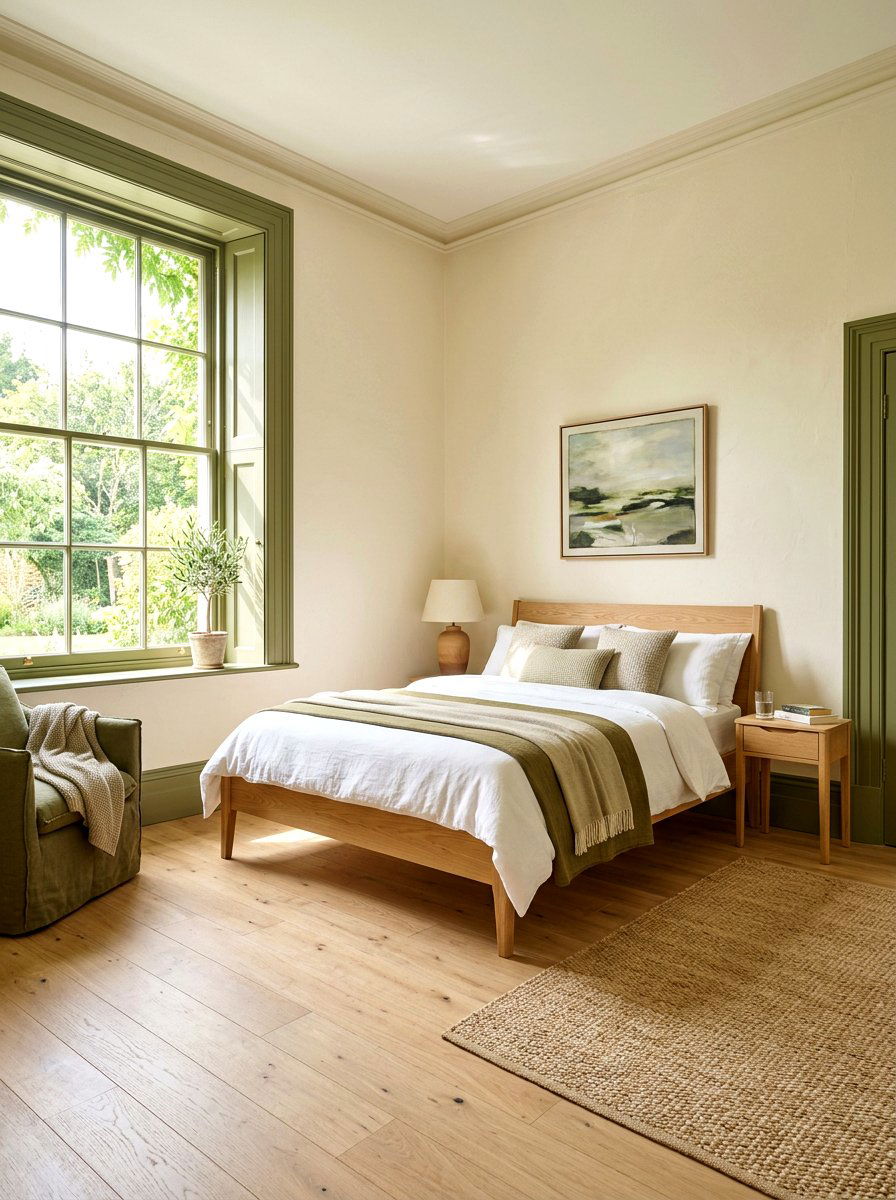
Drawing inspiration from nature by using earth tones can make your bedroom feel grounded and exceptionally calm. Consider layering curtains in shades like olive green, terracotta, ochre, or warm sand. These colors work harmoniously together to create a warm and inviting window treatment. For instance, pairing a light sage green sheer with a deep forest green drape creates a lush, organic look. Earth tones are incredibly popular in modern interior design because they create a connection to the outdoors. Using natural fabrics like hemp or thick cotton in these colors further emphasizes the rustic and cozy aesthetic, making the bedroom a perfect sanctuary for relaxation.
14. Patterned and solid curtains
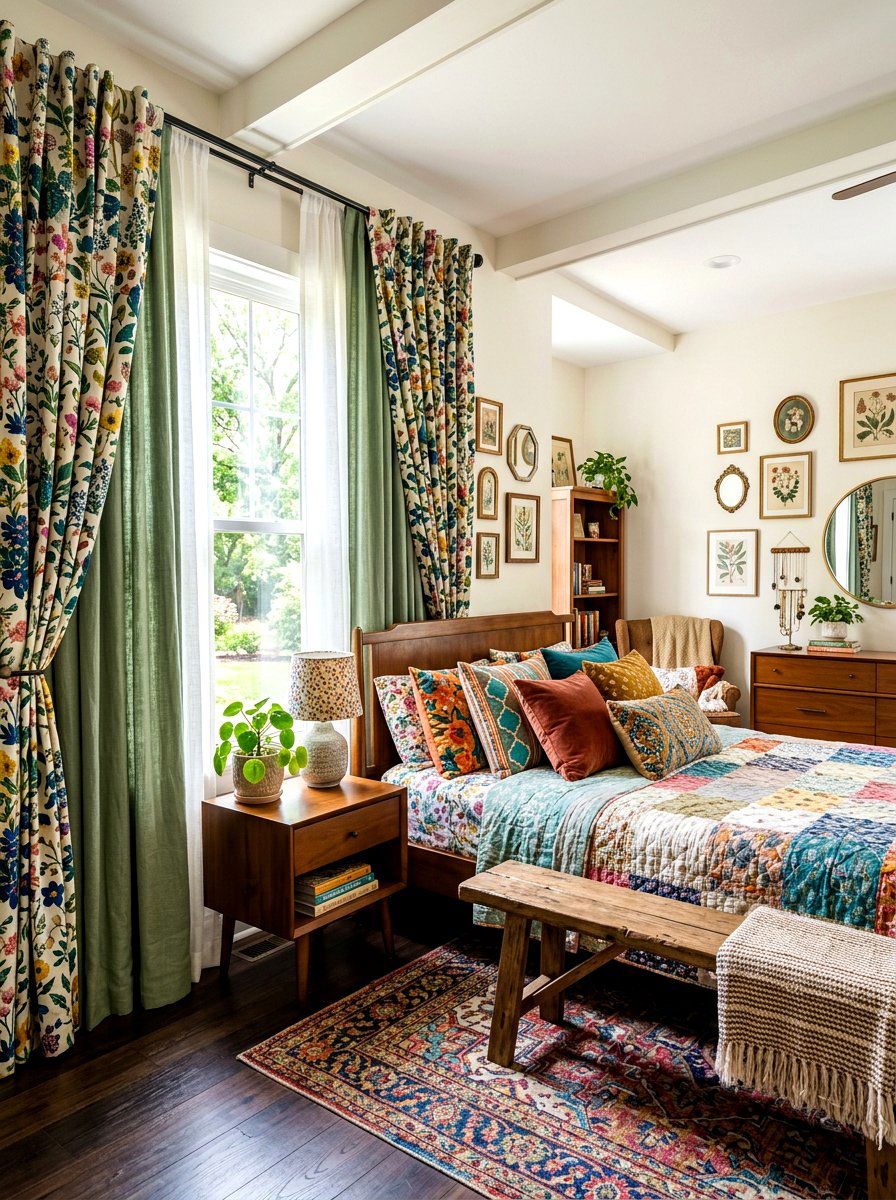
Layering a patterned curtain over a solid one is an effective way to introduce visual energy without overwhelming the entire bedroom. The solid base layer provides a calm foundation that prevents the pattern from looking too busy or chaotic. You might choose a subtle floral or geometric print for the outer panels and a solid color that matches one of the tones in the pattern for the inner layer. This creates a cohesive and professionally styled look that adds personality to the room. It also allows you to change the mood easily by simply pulling the patterned panels back to reveal the more subdued solid layer underneath.
15. Silk and linen curtains
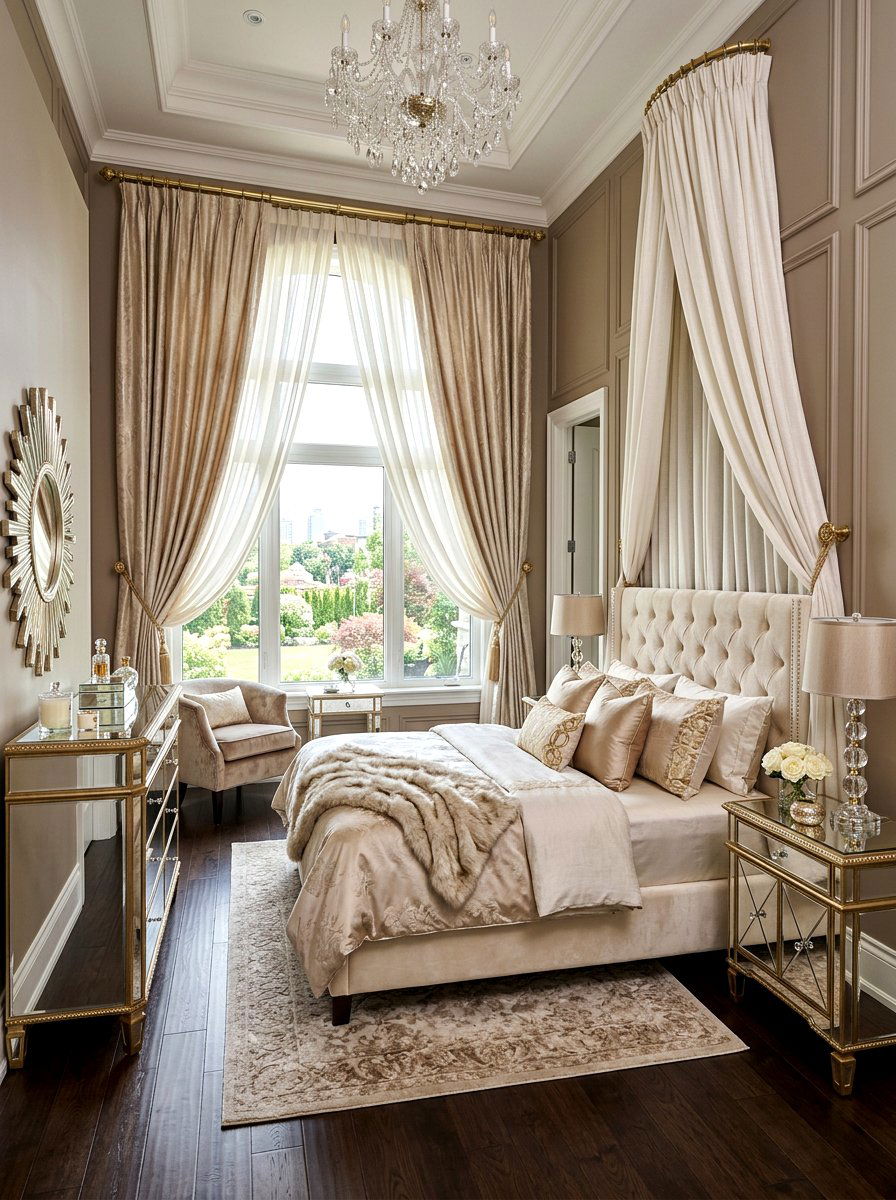
For a sophisticated and upscale bedroom design, layering silk and linen offers a beautiful play on sheen and texture. The subtle shimmer of silk drapes brings a touch of glamour and luxury, while the matte, textured finish of linen keeps the look grounded and approachable. This pairing is ideal for transitional spaces that blend modern and traditional styles. Silk reflects light in a way that can make a room feel brighter and more expensive, whereas linen provides a relaxed drape. When used together, they create a balanced window treatment that feels both refined and comfortable, perfect for a high-end master suite or a guest bedroom.
16. Dark academia curtain style
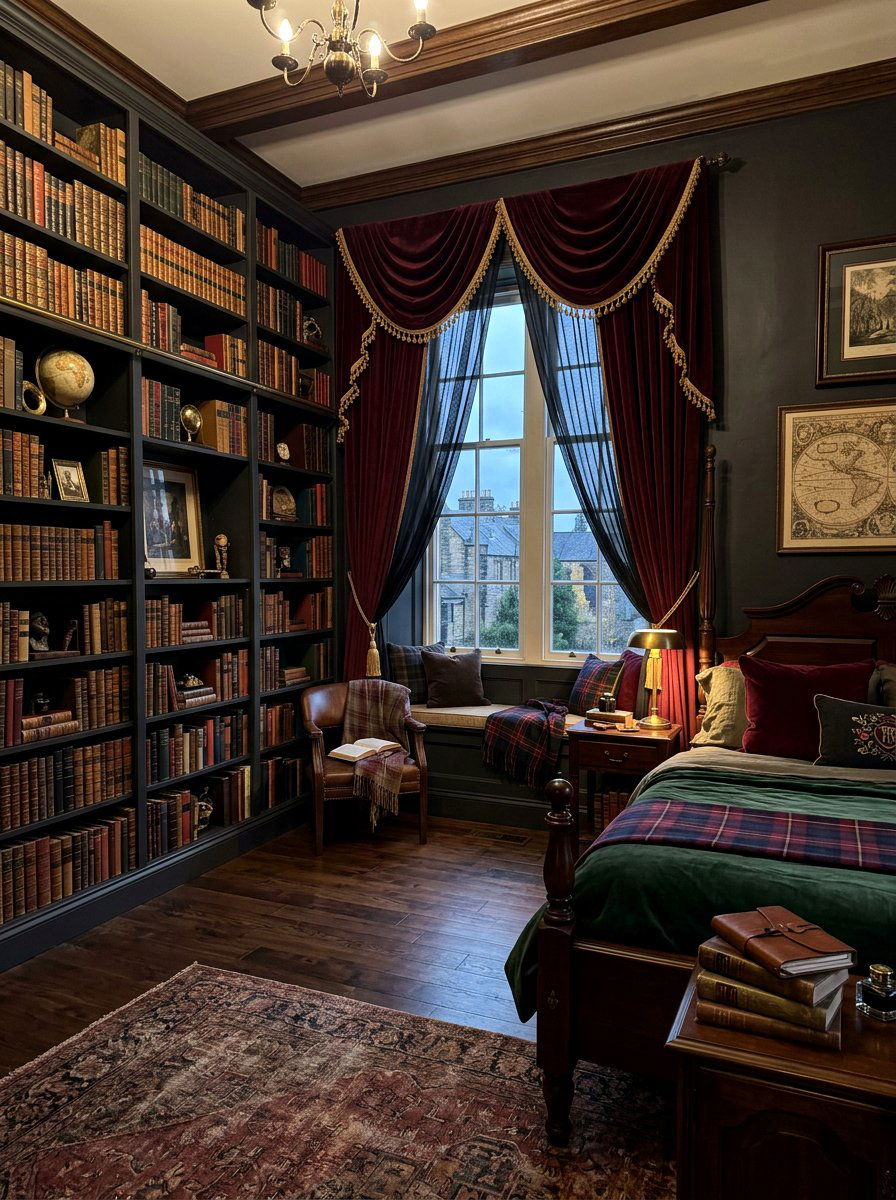
The dark academia aesthetic is all about moody colors, rich textures, and a scholarly atmosphere. To achieve this through curtain layering, use deep tones like burgundy, navy, or forest green. Layering a heavy, floor-length velvet curtain over a dark-toned sheer or a wooden blind creates the perfect dramatic look. This style thrives on a sense of weight and history, so choosing substantial fabrics and traditional hardware like dark wood or brass is essential. The result is a cozy, cave-like retreat that feels perfect for reading and quiet reflection. Even in bright daylight, the layered drapes maintain a sense of mystery and depth within the bedroom space.
17. Scandi bedroom curtains
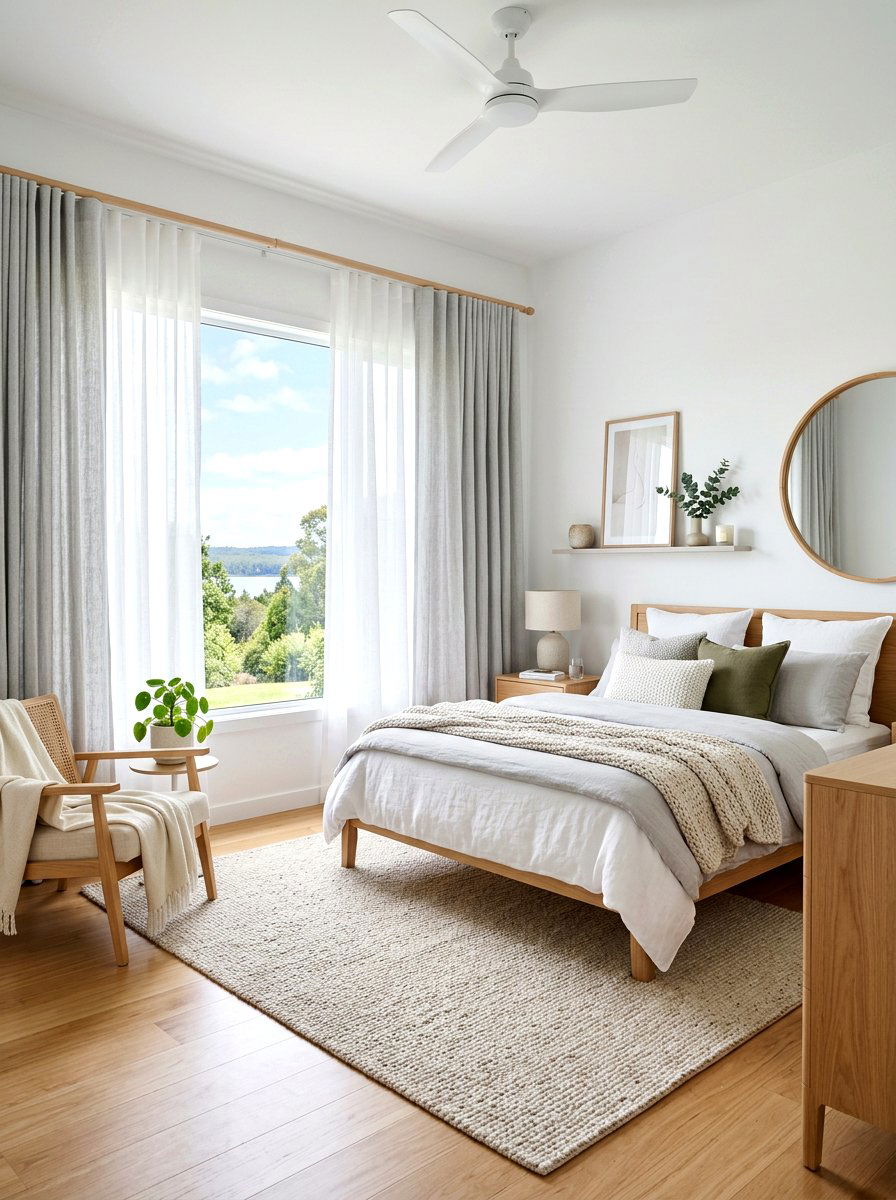
Scandinavian design is famous for its focus on light, simplicity, and natural materials. To layer curtains in a Scandi-style bedroom, stick to a palette of white, light grey, and natural wood tones. Layering two sets of sheer or semi-sheer panels in slightly different shades of white can create a soft, ethereal look that maximizes natural light. This technique provides just enough privacy while keeping the room feeling incredibly bright and open. Use light-colored wooden rods or minimalist metal hardware to complete the look. The goal is to create a window treatment that feels breezy and effortless, contributing to a clean and clutter-free bedroom environment.
18. Rustic wood rod curtains
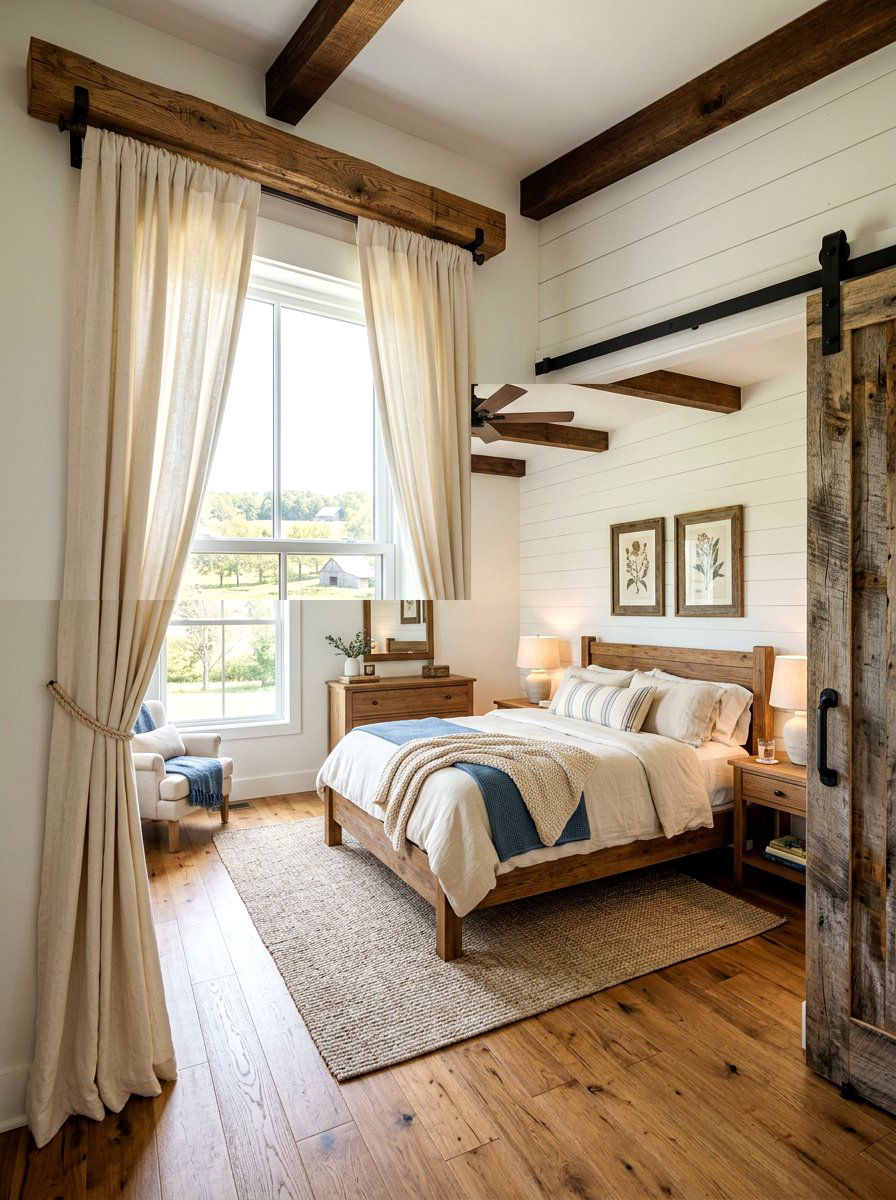
Hardware plays a significant role in the overall aesthetic of your layered curtains. Using a rustic wood rod can instantly add warmth and a farmhouse feel to your bedroom. This works beautifully when layering natural fabrics like cotton, burlap, or heavy linen. The thick, organic look of a wooden rod provides a sturdy anchor for multiple layers of fabric. You can pair a simple white cotton sheer with a thicker, cream-colored textured drape for a cozy, country-inspired look. The combination of natural wood and soft textiles creates a tactile and welcoming atmosphere that makes the bedroom feel like a peaceful retreat away from the modern world.
19. Modern motorized curtains
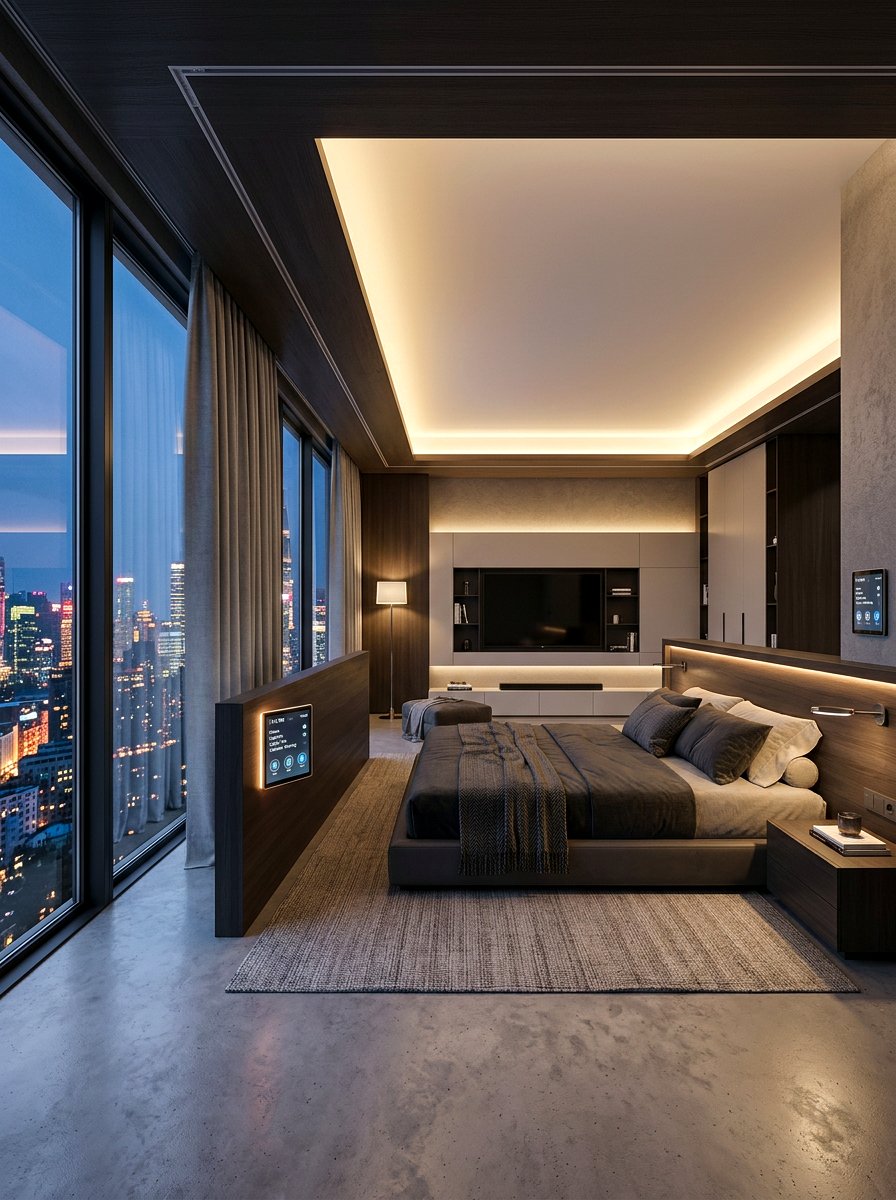
In a modern smart home, layering curtains can be both high-tech and stylish. Motorized track systems allow you to control both the sheer and the blackout layers with the touch of a button or a voice command. This is incredibly convenient for large or hard-to-reach windows in a master bedroom. From an aesthetic standpoint, motorized tracks often feature a sleek, hidden design that fits perfectly into a contemporary interior. You can layer crisp, high-quality fabrics that glide effortlessly along the track, creating a very polished and futuristic look. This setup ensures your bedroom always has the perfect amount of light and privacy with minimal effort.
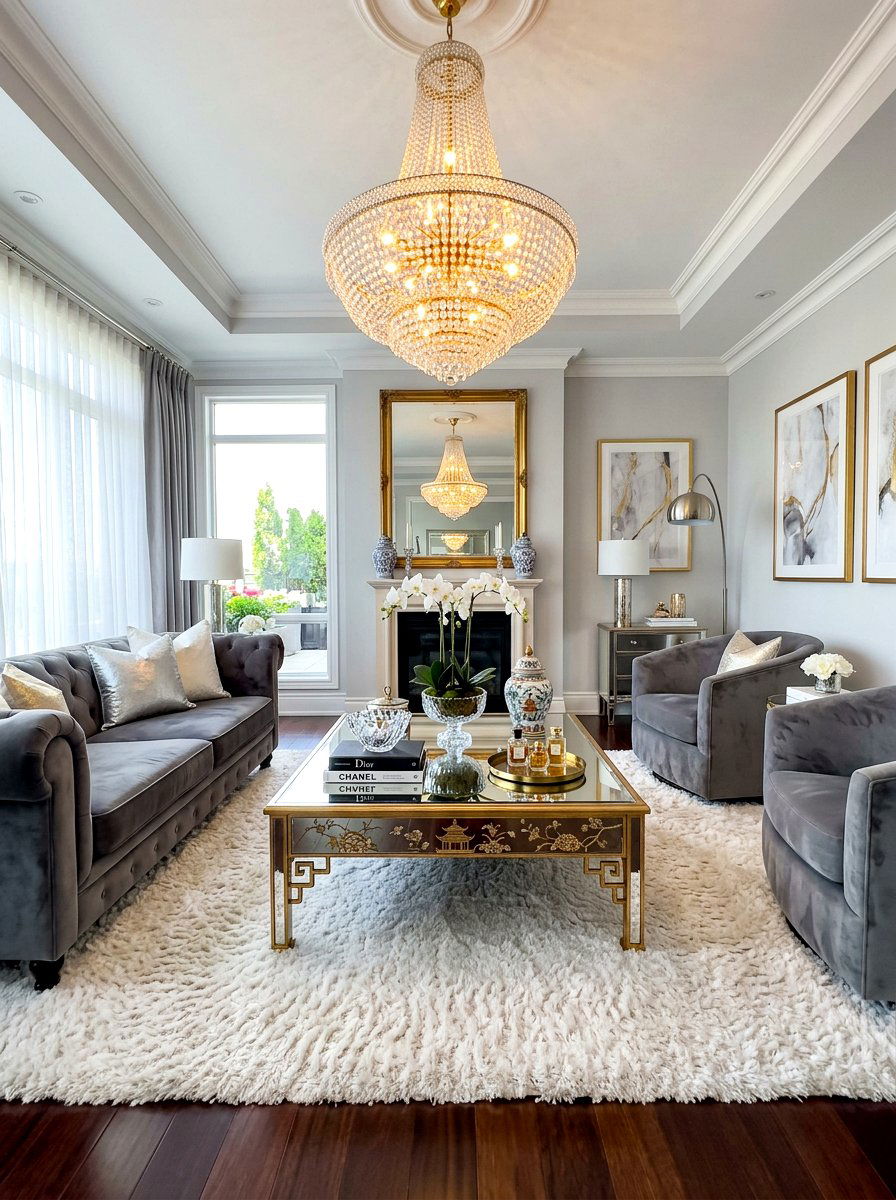
20. Waffle knit and sheer curtains
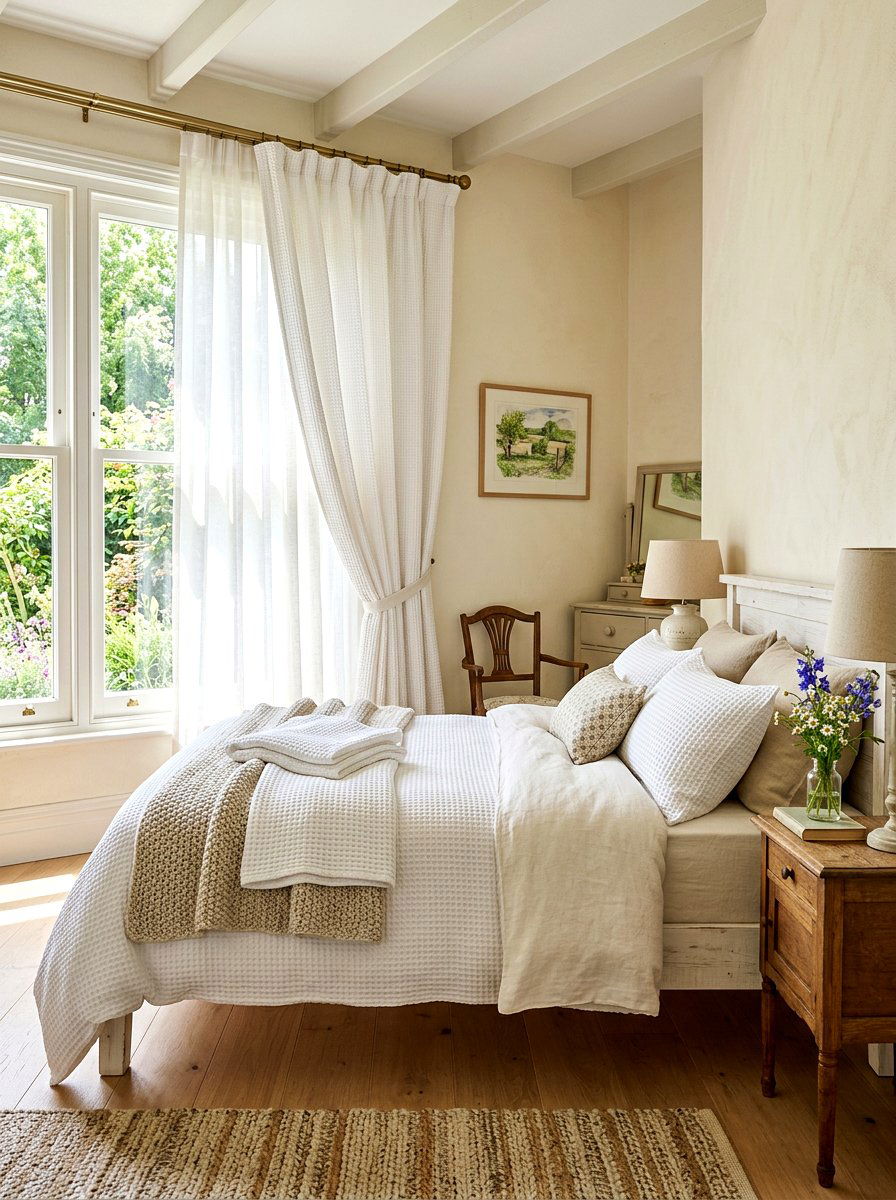
Adding a waffle knit curtain as a top layer is a unique way to introduce a cozy, sweater-like texture to your bedroom. The honeycombed pattern of the waffle knit fabric adds a lot of visual depth and a soft, tactile quality. When layered over a simple sheer panel, it creates a very comfortable and relaxed aesthetic. This combination is perfect for coastal or cottage-style bedrooms where comfort is the primary goal. The waffle knit provides good insulation and light filtering, while the sheer layer underneath keeps the window looking light and airy. It is a great way to make a bedroom feel extra snug during the colder months.
21. Sage green curtain layers
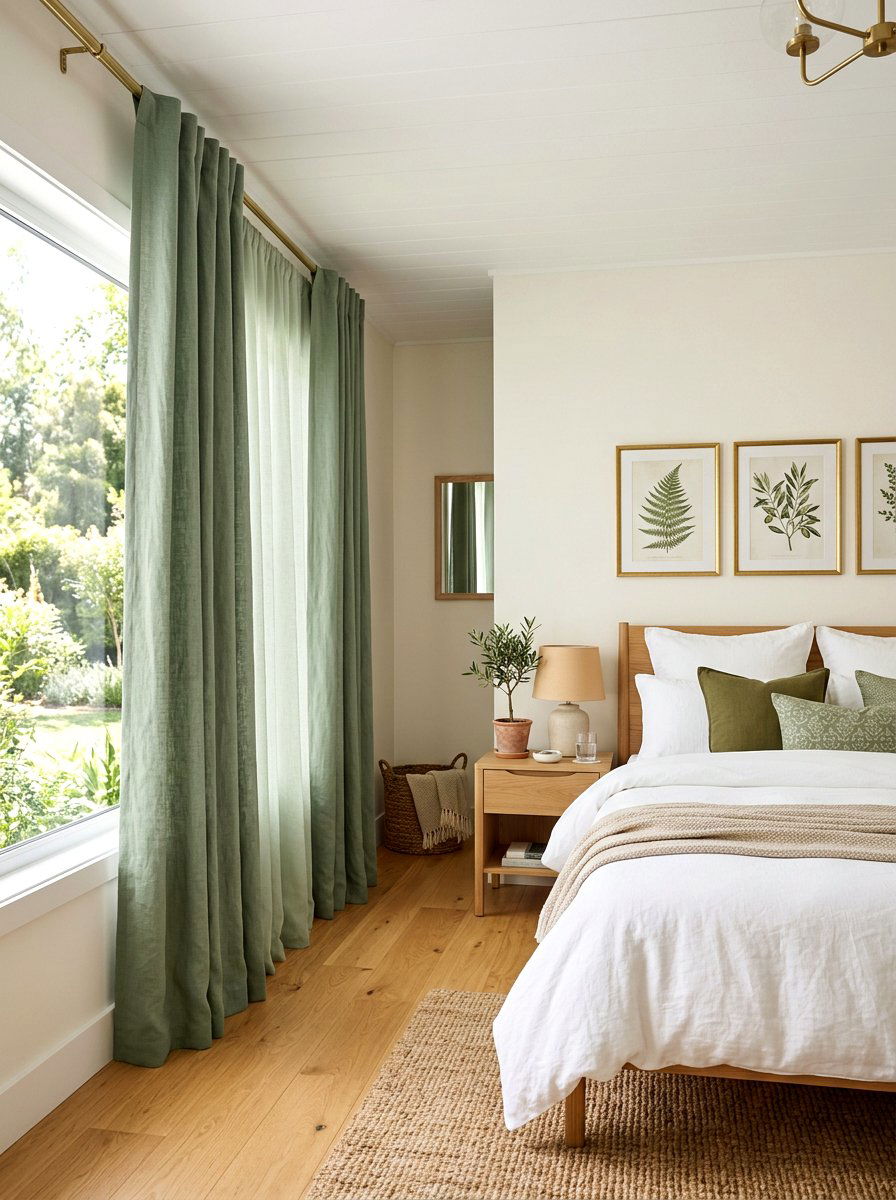
Sage green has become a staple color in modern bedrooms because of its calming and restorative properties. Layering curtains in this soft, muted green can create a very peaceful focal point. You might use a pale sage sheer as the base and a deeper, more saturated sage green velvet or linen drape on top. This monochromatic layering approach feels very sophisticated and cohesive. Sage green pairs beautifully with natural wood furniture and white bedding, making it easy to integrate into many different design styles. The layers of green evoke a sense of nature and serenity, helping to improve the overall mood of your sleep space.
22. Terracotta and cream curtains
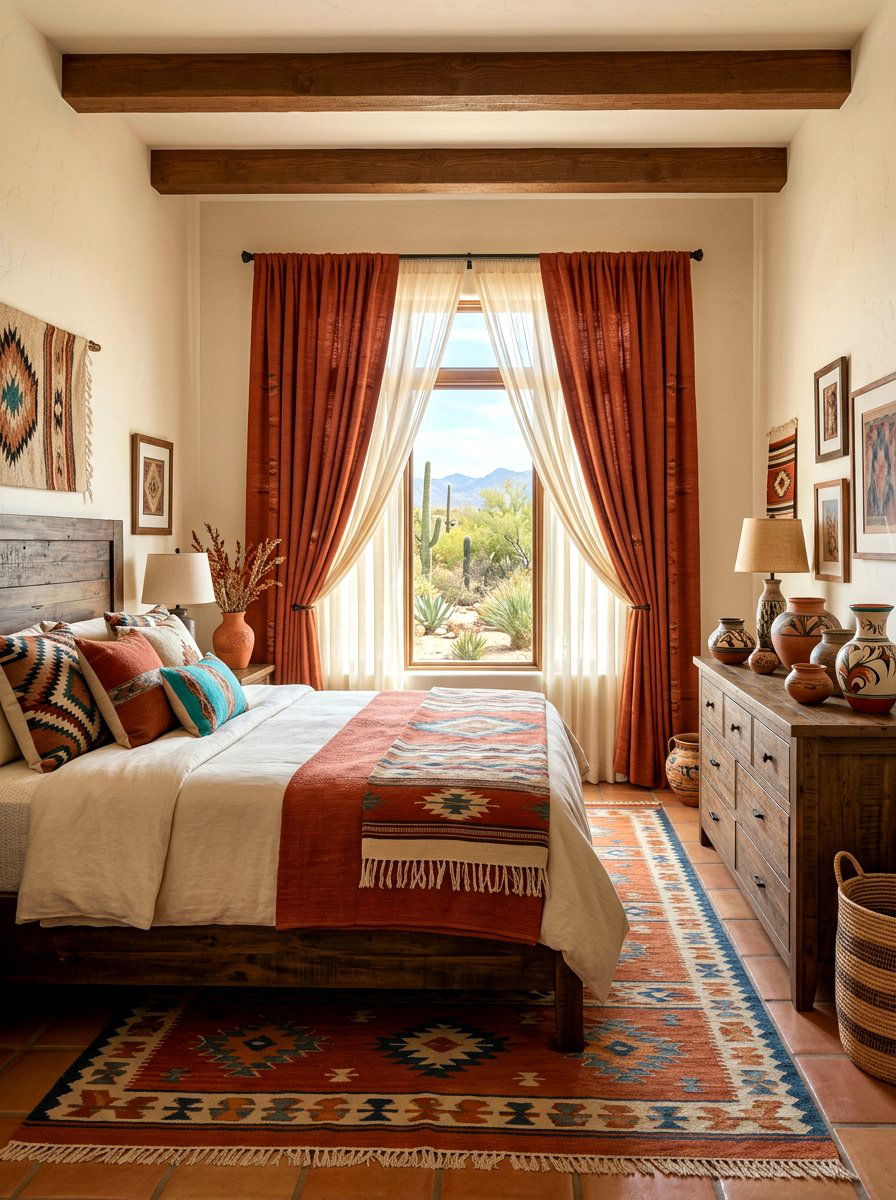
For a warm and earthy bedroom aesthetic, layering terracotta-colored drapes over cream sheers is a fantastic choice. The vibrant yet grounded tone of terracotta adds a pop of color that feels very cozy and inviting. The cream-colored base layer softens the look and prevents the orange-red tones from becoming too overwhelming. This combination is often seen in Mediterranean or Southwestern-style interiors but works equally well in a modern bohemian bedroom. The warm light that filters through the terracotta fabric can create a beautiful, sunset-like glow in the room during the late afternoon, enhancing the overall ambiance and warmth of the entire space.
23. Navy blue and white curtains
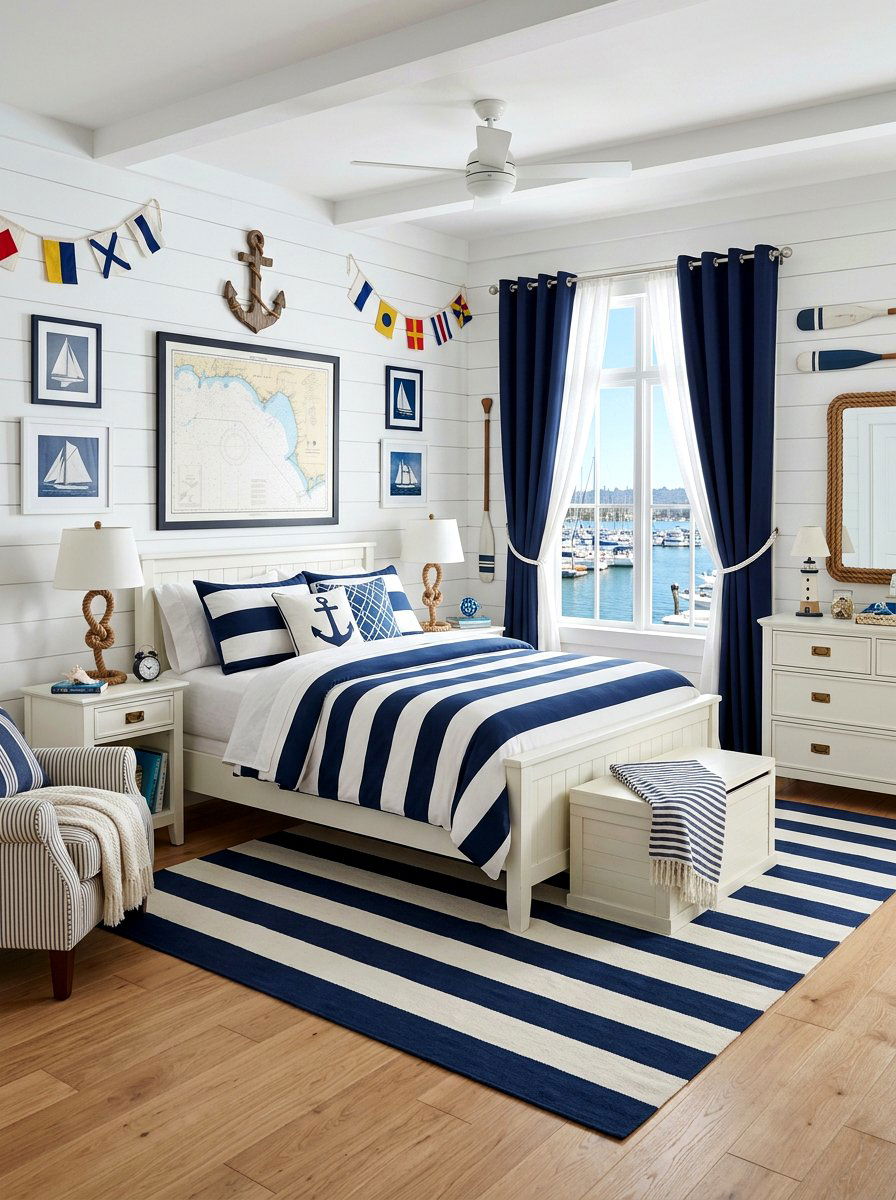
A navy blue and white combination is a classic choice for a bedroom that feels both nautical and timeless. Layering deep navy blackout curtains over crisp white sheers creates a sharp, high-contrast look that is very visually appealing. This pairing is perfect for traditional or coastal-inspired bedrooms where a sense of order and elegance is desired. Navy blue is a very grounding color that promotes a sense of security and rest, while the white keeps the room from feeling too dark or cramped. Using silver or chrome hardware can add a modern touch to this traditional color palette, making the window treatment feel fresh and updated.
24. Pastel aesthetic curtains
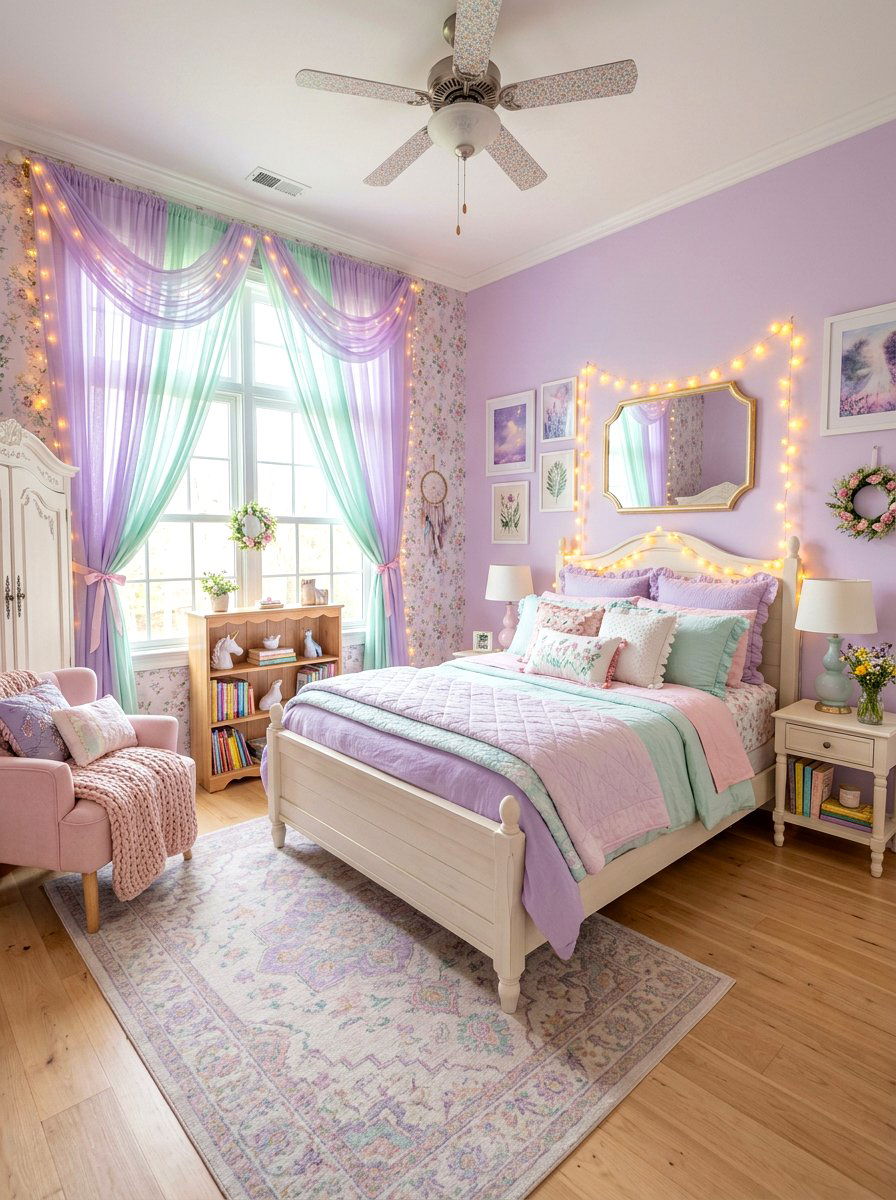
To create a soft and whimsical bedroom, consider layering curtains in pastel shades like lavender, mint, or peach. Using semi-sheer fabrics in different pastel tones can create a beautiful, multi-colored effect as the light passes through them. For example, layering a very pale pink sheer behind a soft lavender drape creates a dreamy and feminine atmosphere. This aesthetic is popular in younger bedrooms or for those who want a lighthearted and creative space. The key is to keep the fabrics light and airy so the room doesn't feel weighed down. Pastel layers contribute to a gentle and cheerful environment that is perfect for waking up happy.

25. Industrial metal rod curtains
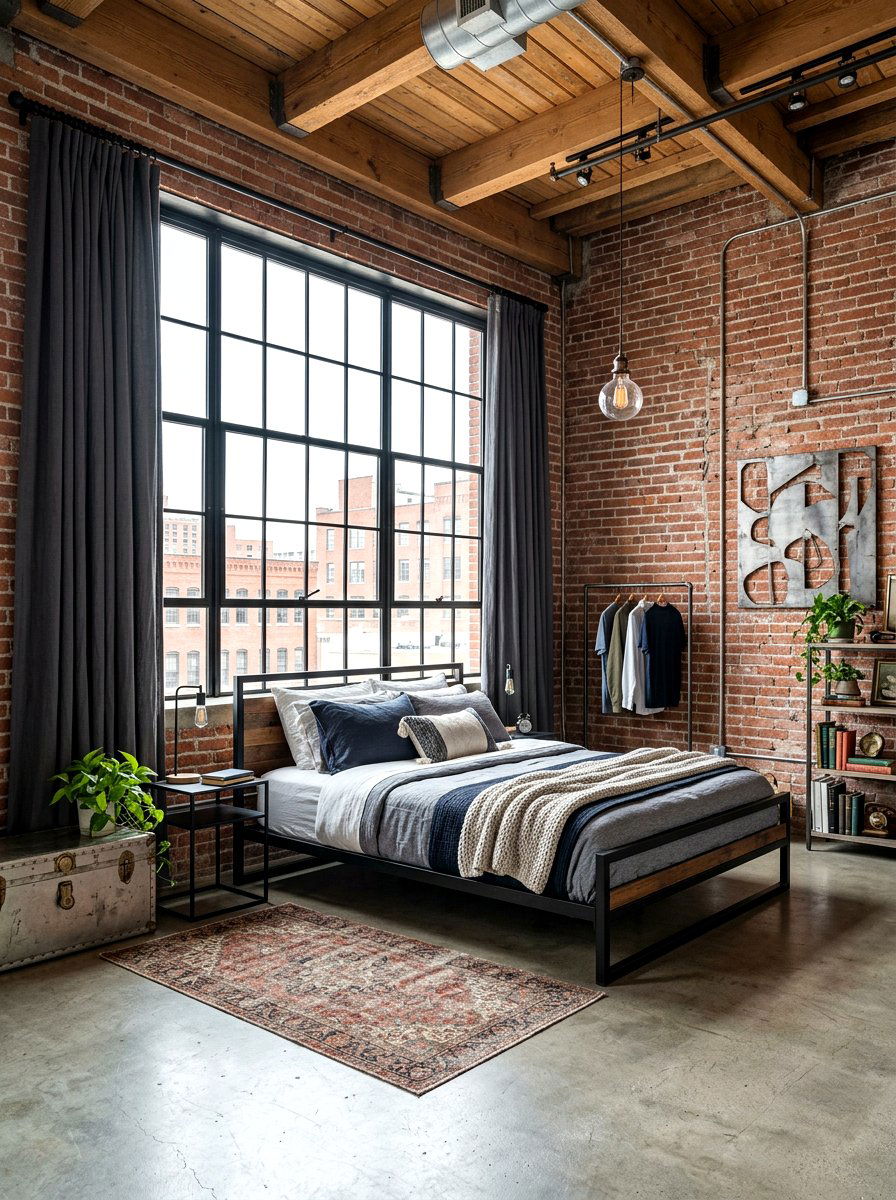
If your bedroom features an industrial or loft-style aesthetic, using heavy metal rods for your layered curtains is essential. Look for rods made of raw steel, iron, or matte black metal with simple, functional finials. Layering simple grey or charcoal curtains over a mesh-like sheer or a basic white panel fits this style perfectly. The contrast between the cold metal hardware and the soft fabric creates a balanced and interesting look. This approach is very straightforward and masculine, focusing on functionality and raw materials. It works exceptionally well in rooms with exposed brick walls, concrete floors, or large factory-style windows where a sturdy look is required.
26. Farmhouse style curtains
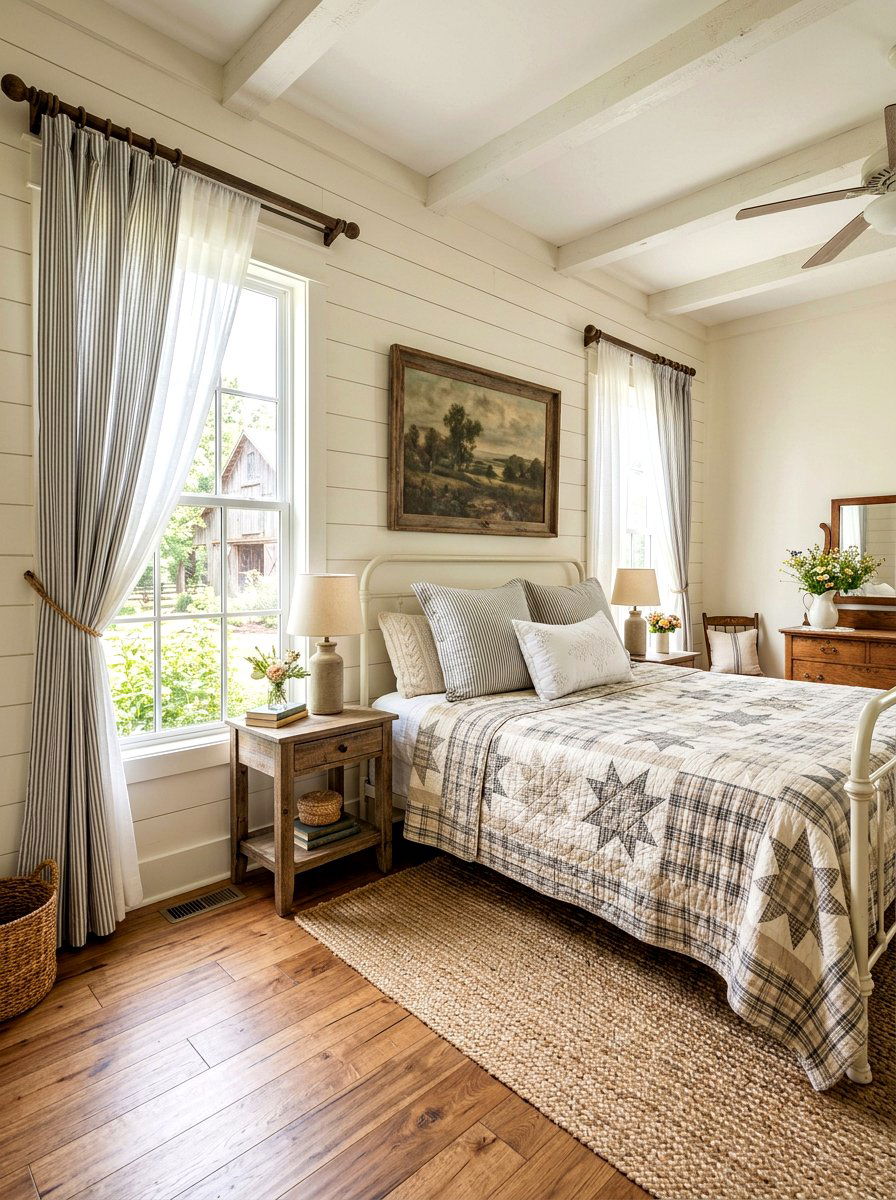
Achieving a farmhouse aesthetic through curtain layering involves using natural materials and traditional patterns like ticking stripes or small checks. Start with a simple white or off-white cotton panel as the base. Add a top layer featuring a subtle grey and white stripe or a soft buffalo plaid. This creates a charming and rustic look that feels very homey and lived-in. Using ring clips to hang the curtains on a simple black rod adds to the farmhouse feel. This style of layering is all about comfort and simplicity, making your bedroom feel like a cozy sanctuary in the countryside, regardless of where you actually live.
27. Ruffled edge curtains
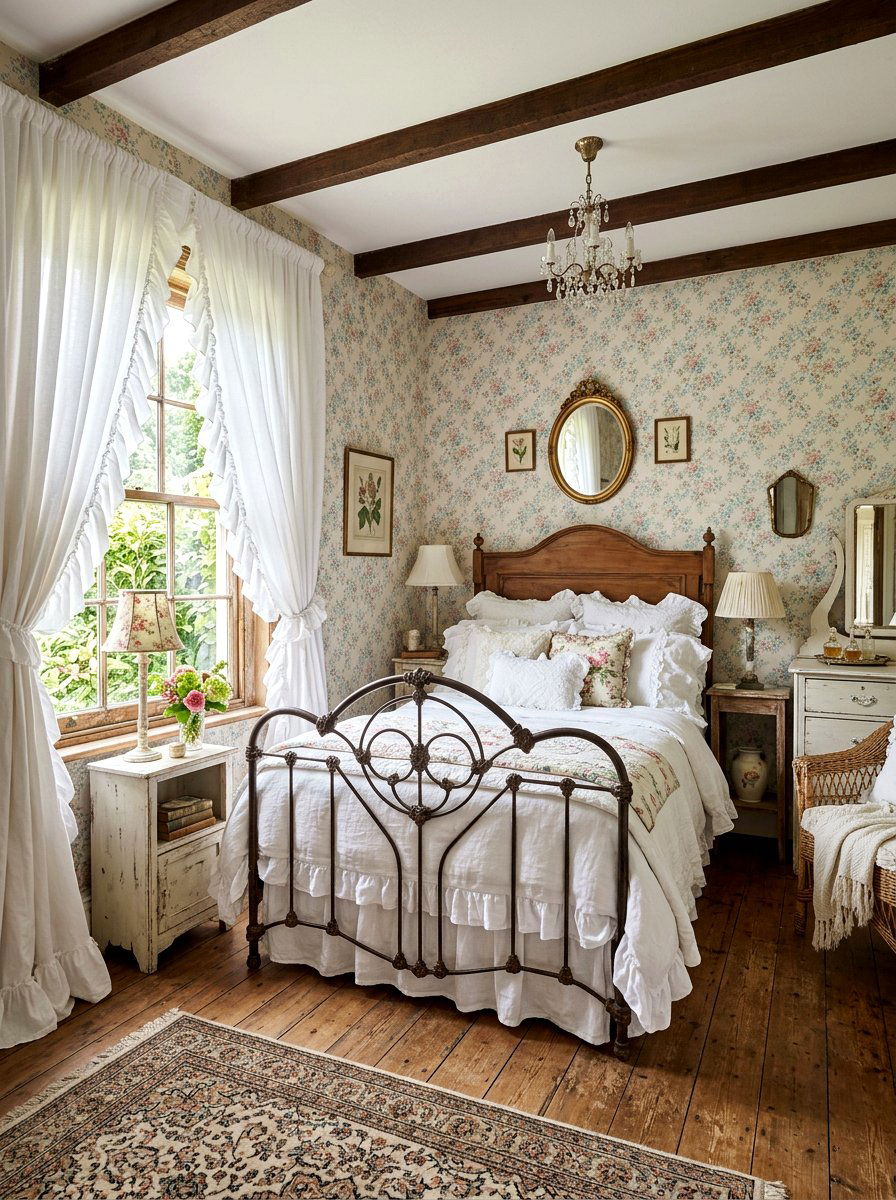
For a touch of vintage flair or Shabby Chic style, layering curtains with ruffled edges can add a lot of personality and movement to your windows. The ruffles create a soft, feminine silhouette that looks beautiful when layered. You might use a plain sheer panel and layer a drape with a large ruffle along the bottom or the vertical edge. This adds a sense of texture and whimsy that is very inviting. To keep the look sophisticated rather than cluttered, stick to a light color palette like ivory, pale blue, or soft rose. The ruffles catch the light and create interesting shadows, adding depth to the window.
28. Gauze and linen curtains
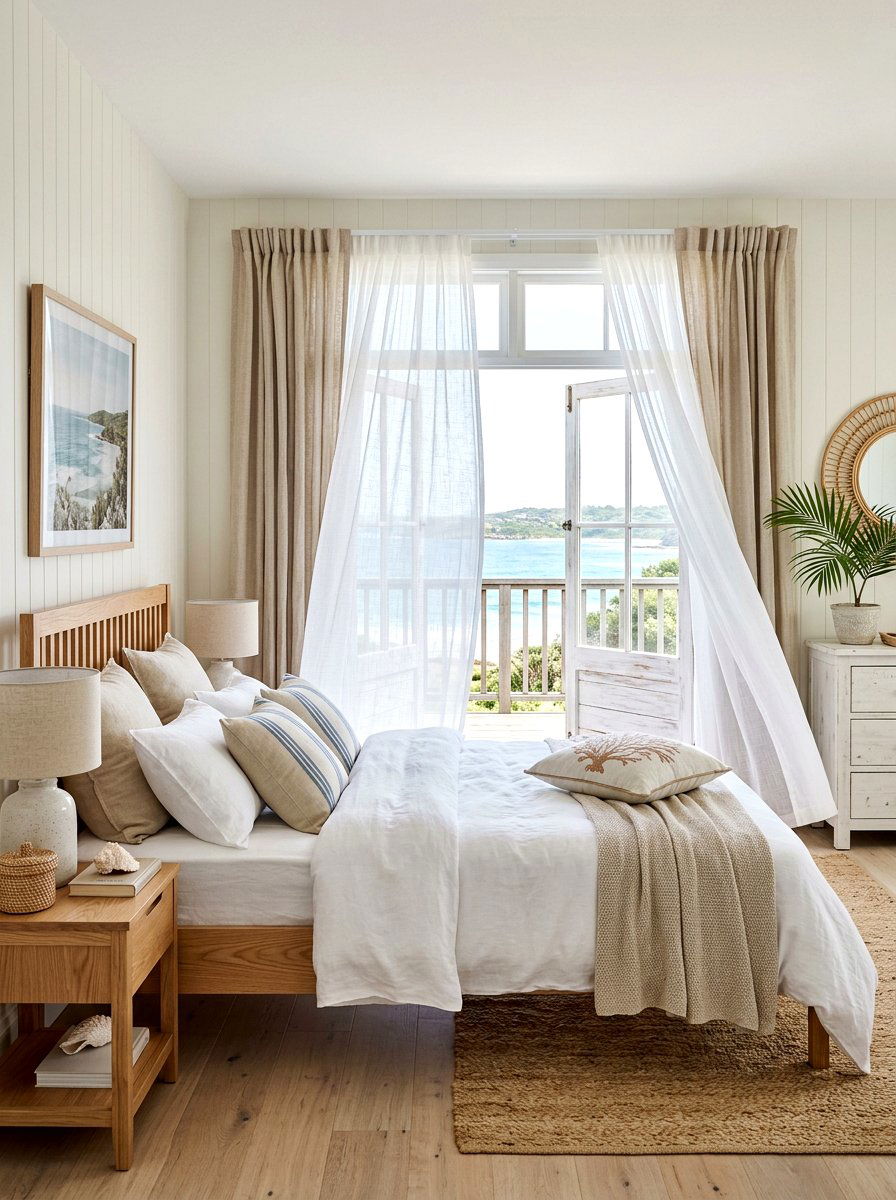
If you want the ultimate breezy and light-filled bedroom, layering gauze with linen is the way to go. Both fabrics are highly breathable and have a beautiful, natural drape. Gauze is even thinner than traditional sheer fabric, offering a crinkled and relaxed texture that feels very organic. Layering it behind a slightly heavier linen panel provides a soft, clouded look that is perfect for a coastal or minimalist bedroom. This combination is all about celebrating the natural beauty of the textiles. It creates a window treatment that moves gently with the breeze, contributing to a very calm and airy atmosphere that encourages relaxation and rest.
29. Gold hardware curtain layers
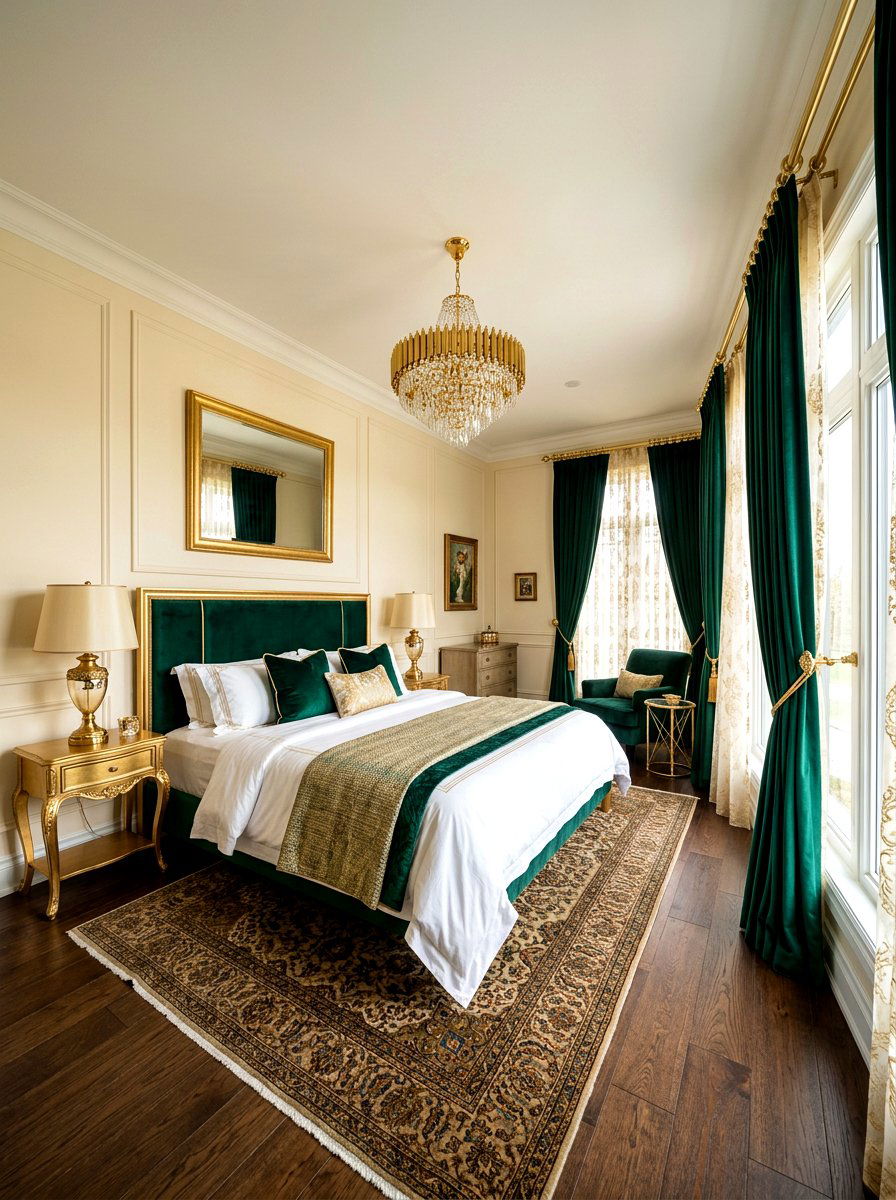
Using gold or brass hardware is an excellent way to elevate any layered curtain combination and add a touch of warmth. The metallic shine of a gold double rod looks stunning when paired with almost any color, but it especially pops against jewel tones like emerald green or navy blue. It also adds a high-end feel to simple white or cream layers. By choosing matching rings and tie-backs, you create a cohesive and luxurious look that feels very intentional. Gold hardware acts like jewelry for your windows, drawing the eye and making the entire layered treatment look more expensive and professionally styled within the bedroom.
30. Ceiling mounted curtain tracks
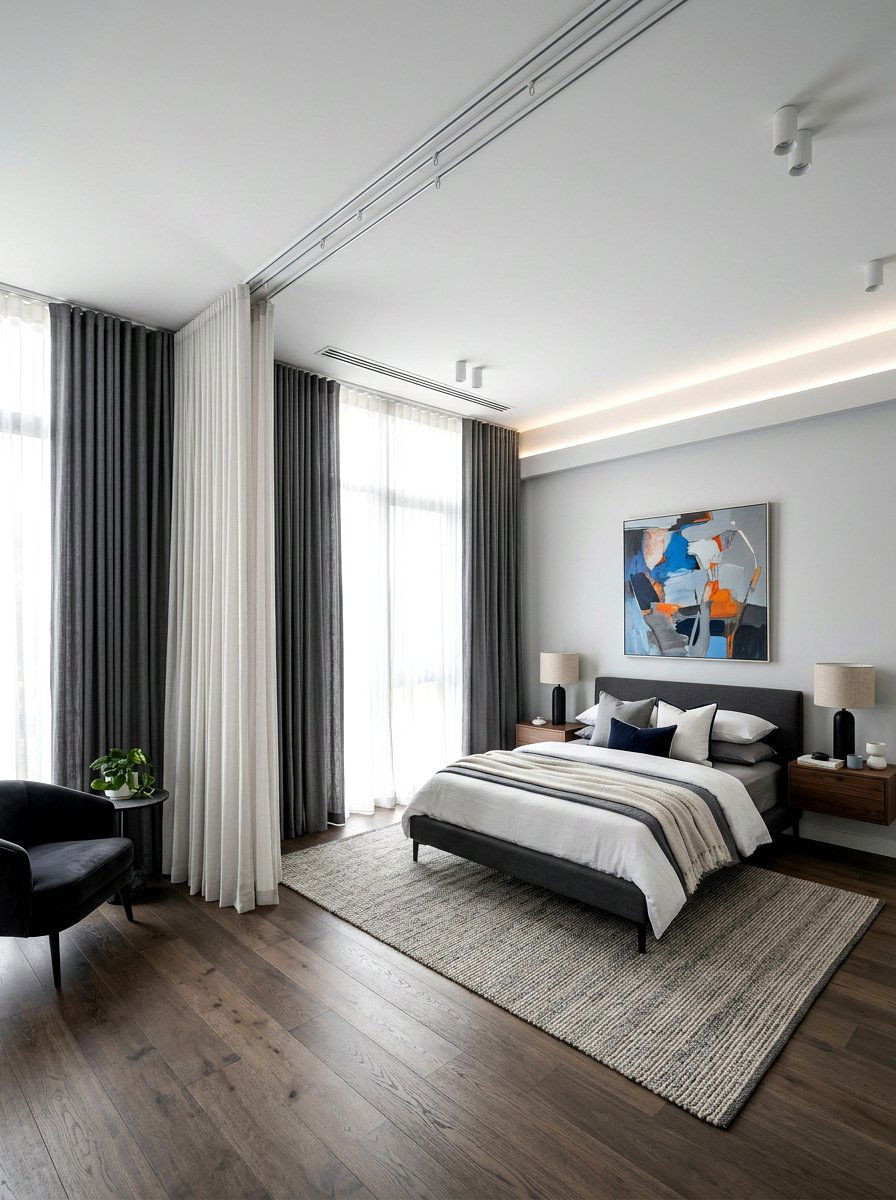
Ceiling-mounted tracks are a modern alternative to traditional rods and are perfect for creating a seamless, architectural look in the bedroom. By mounting the track directly to the ceiling, you can hang curtains that span the entire height of the wall, which is incredibly effective for creating a grand and spacious feel. This setup is ideal for layering because you can install two parallel tracks very close to each other. This allows for a very tight and organized layered look that works beautifully in contemporary or minimalist designs. It hides all the functional hardware, leaving only the beautiful folds of your chosen fabrics to be seen.
Conclusion:
Layering bedroom curtains is an artful way to blend functionality with a high-end aesthetic, ensuring your personal sanctuary is both comfortable and stylish. By thoughtfully combining different fabrics, textures, and hardware, you can master light control while adding significant visual depth to your space. Whether you prefer the timeless appeal of neutral tones or the dramatic flair of dark academia, there is a layering technique to suit every taste. Remember that the right window treatments do more than just block the sun; they anchor the room's design and enhance the overall ambiance. With these thirty ideas, you are now equipped to transform your bedroom into a beautiful, layered retreat.

Related posts: