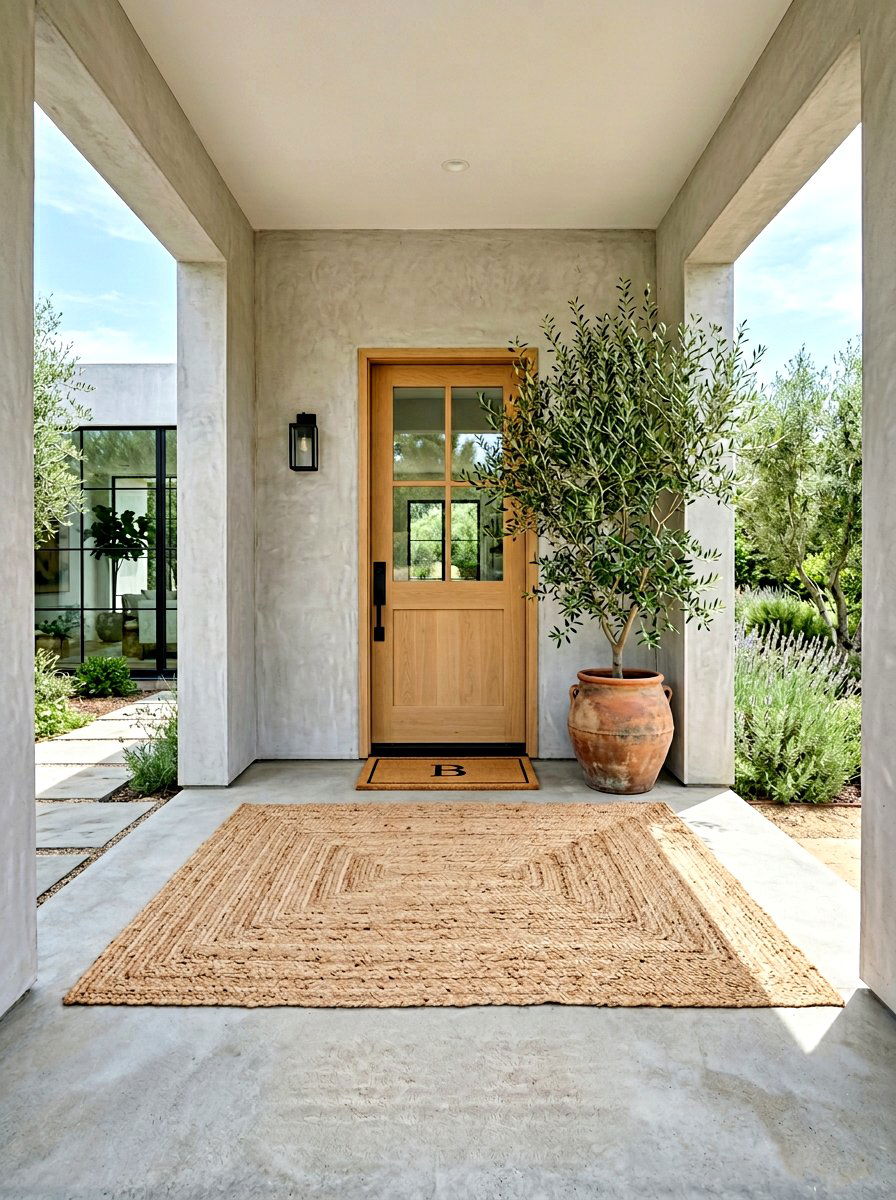
Layering window treatments is a transformative design strategy that adds immediate depth, luxury, and functionality to any room in your home. By combining different fabrics, textures, and hardware, you create a sophisticated look that standard single-panel setups simply cannot match. This approach allows for precise control over natural light, privacy, and indoor temperature throughout the shifting seasons. Whether you are aiming for a minimalist aesthetic or a grand, maximalist statement, understanding how to stack materials effectively is key. From breezy sheers that filter morning sunlight to heavy blackout drapes that ensure a restful night, the possibilities for customization are truly endless for modern homeowners.
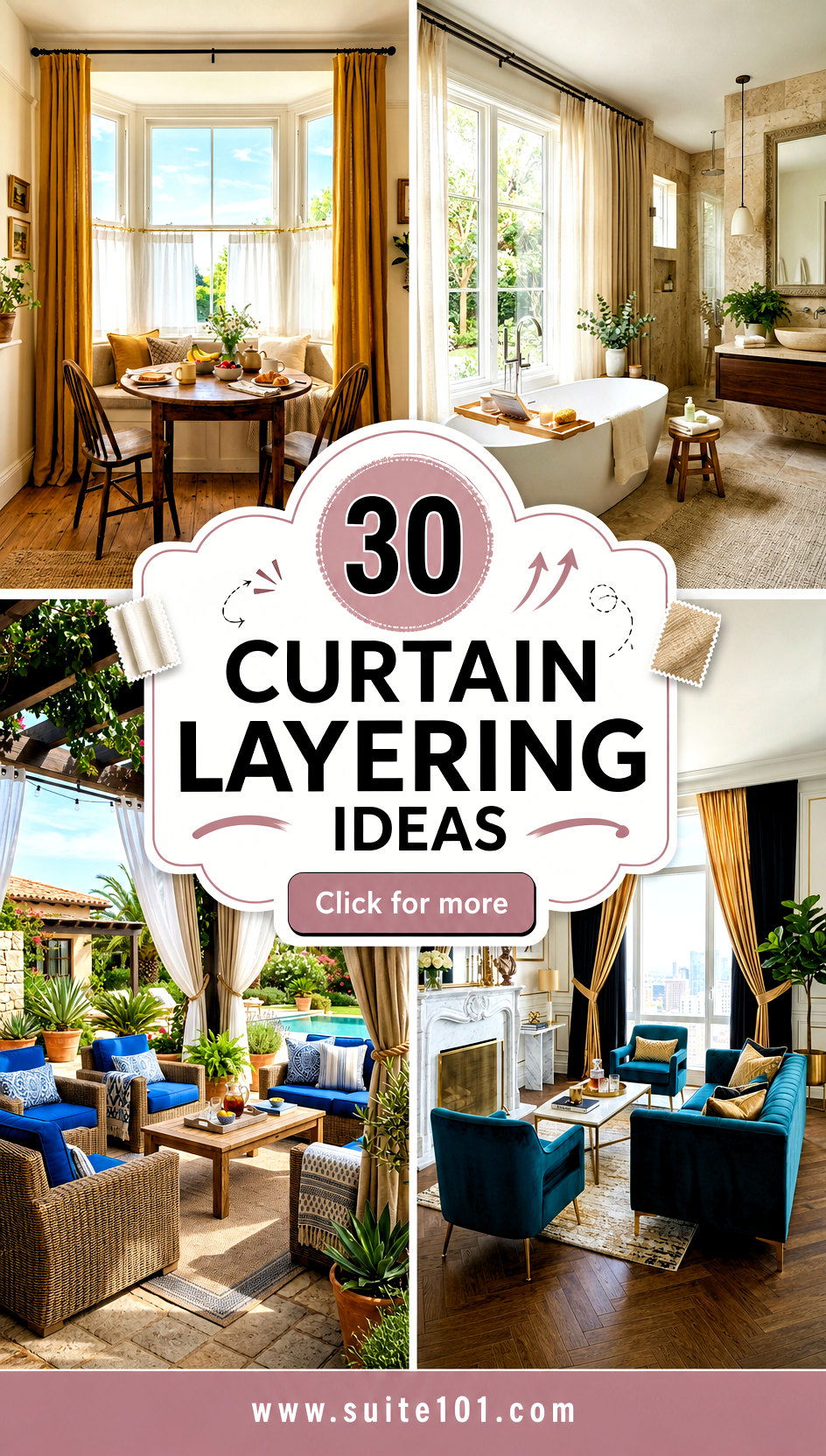
1. Sheer And Blackout Curtains
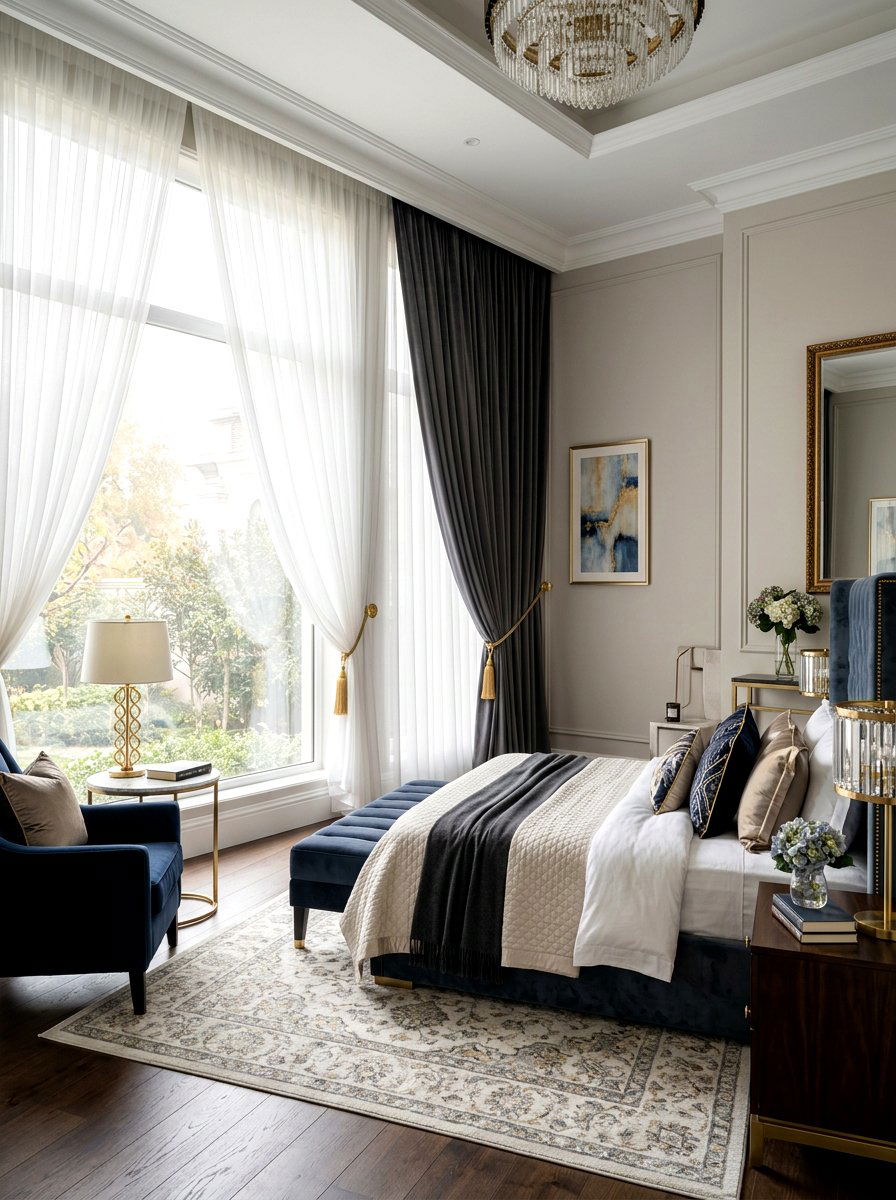
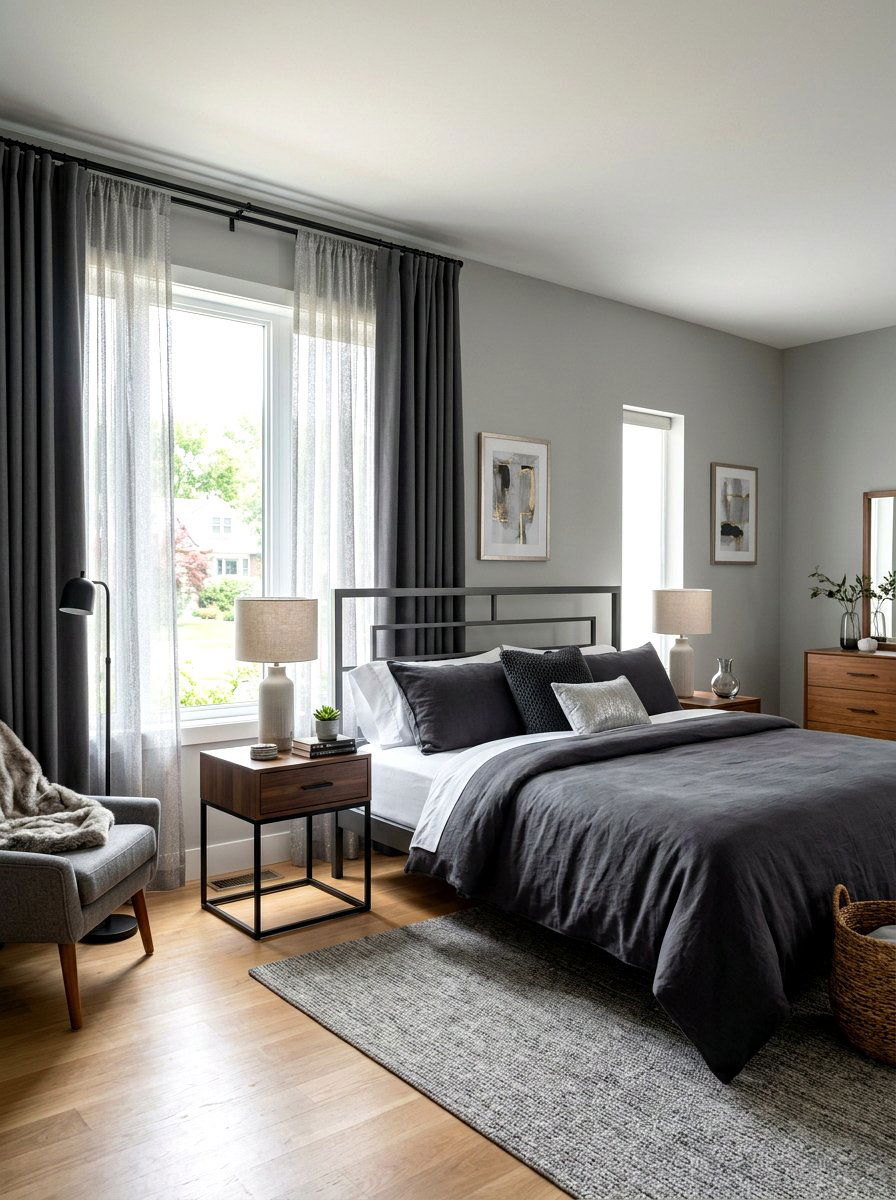
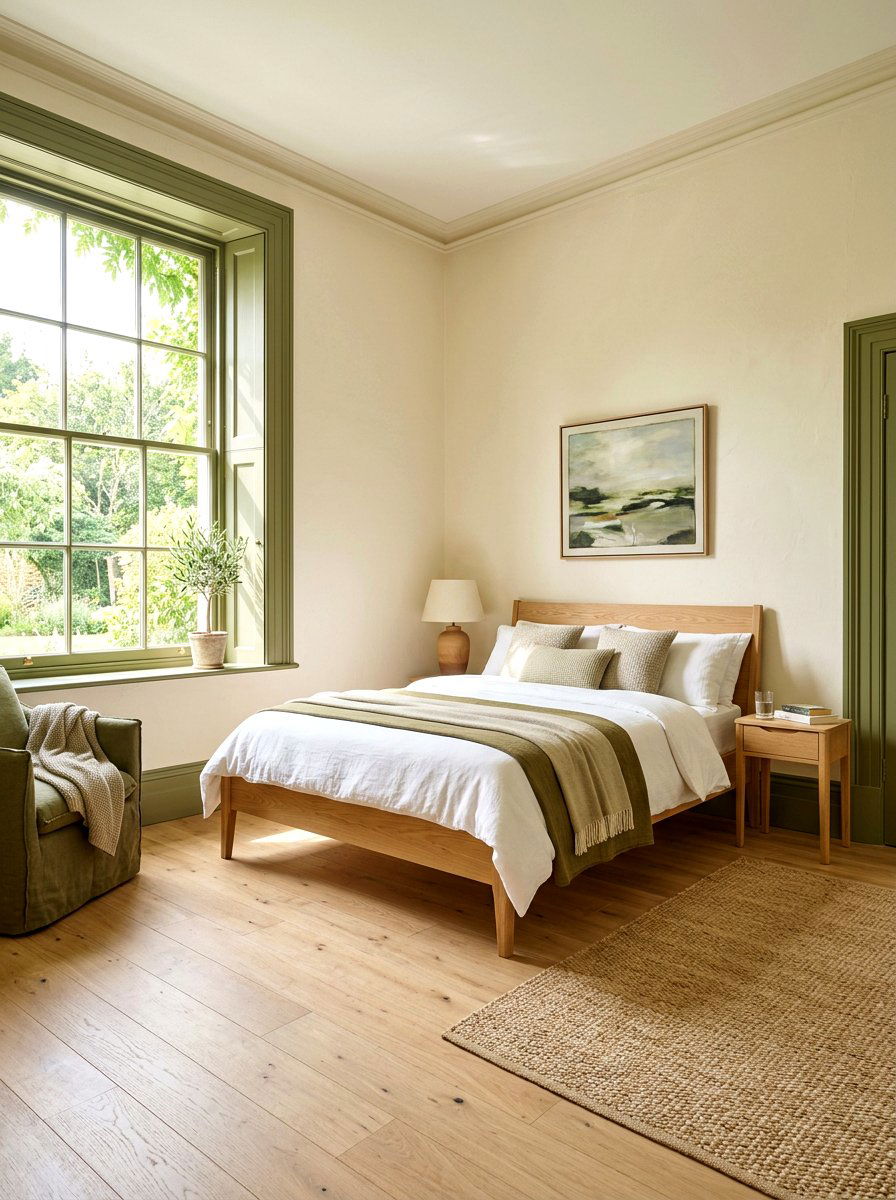
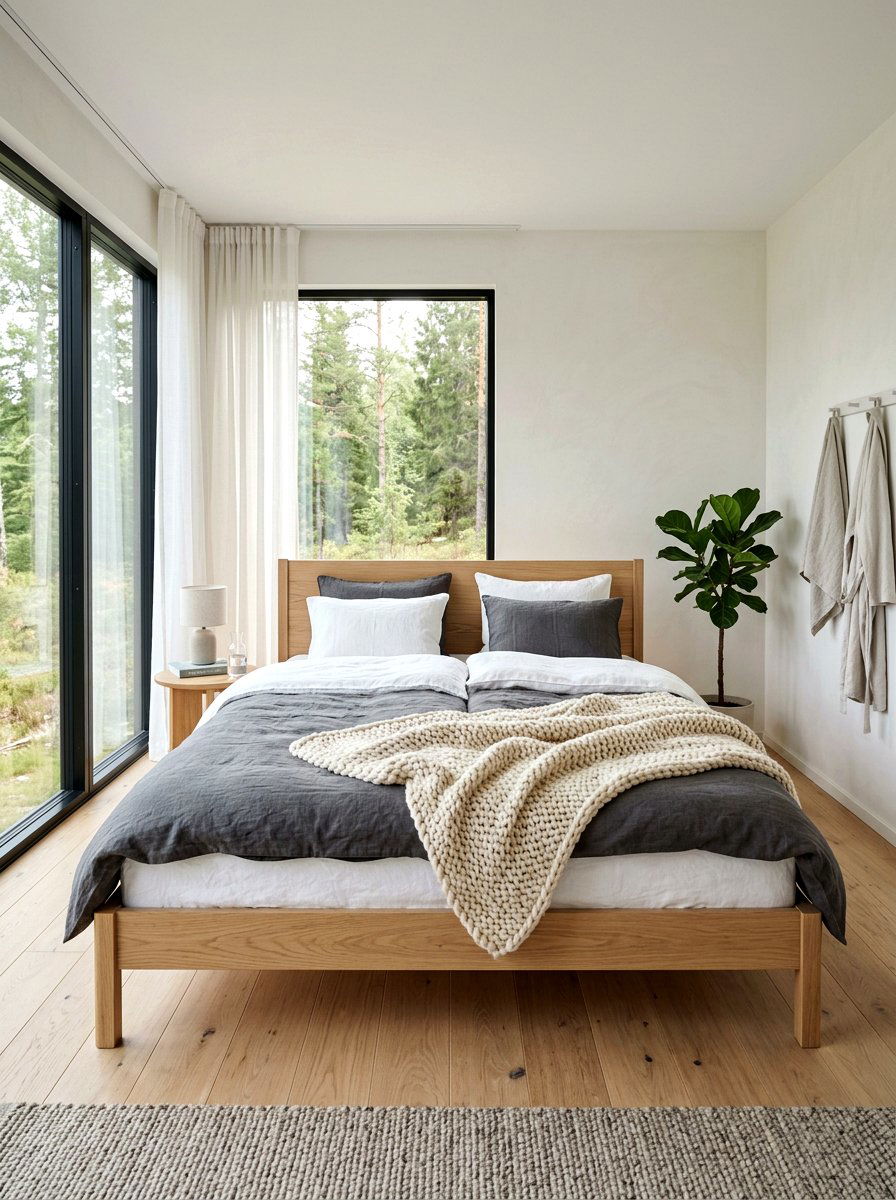
Creating a sophisticated master bedroom involves more than just picking a nice bed frame; it requires thoughtful window treatments like sheer and blackout curtains. This classic layering technique provides the ultimate flexibility for light control and privacy throughout the day. You can leave the lightweight sheers closed during the morning to enjoy a soft, ethereal glow while keeping the neighbors' eyes out. When it is time for sleep, pulling the heavy blackout panels closed ensures a dark, restful environment that promotes better health. This combination also adds a rich, multi-dimensional look to your walls, making the entire room feel more finished and high-end.
2. Bamboo Shades With Curtains
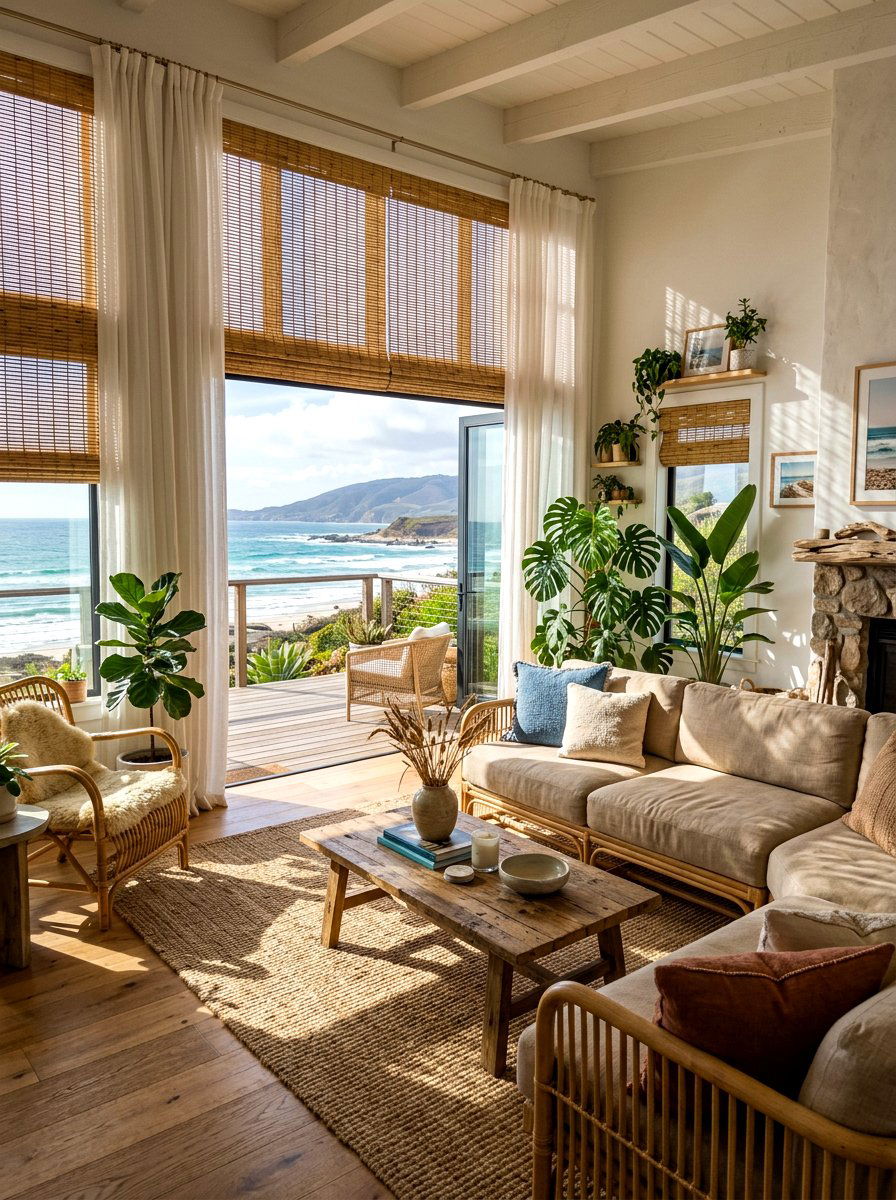
A coastal living room feels instantly more grounded when you pair natural bamboo shades with soft linen curtains. This layering technique brings an earthy, organic texture to the space while providing excellent light filtration. The rigid structure of the woven wood shades offers a beautiful contrast to the fluid, flowing movement of the fabric drapes. This setup works perfectly in sun-drenched areas where you want to block harsh glare without losing that breezy, outdoor connection. By choosing neutral tones for both layers, you achieve a calm and serene atmosphere that feels like a permanent vacation right inside your very own beautiful home.
3. Roman Shades And Drapes
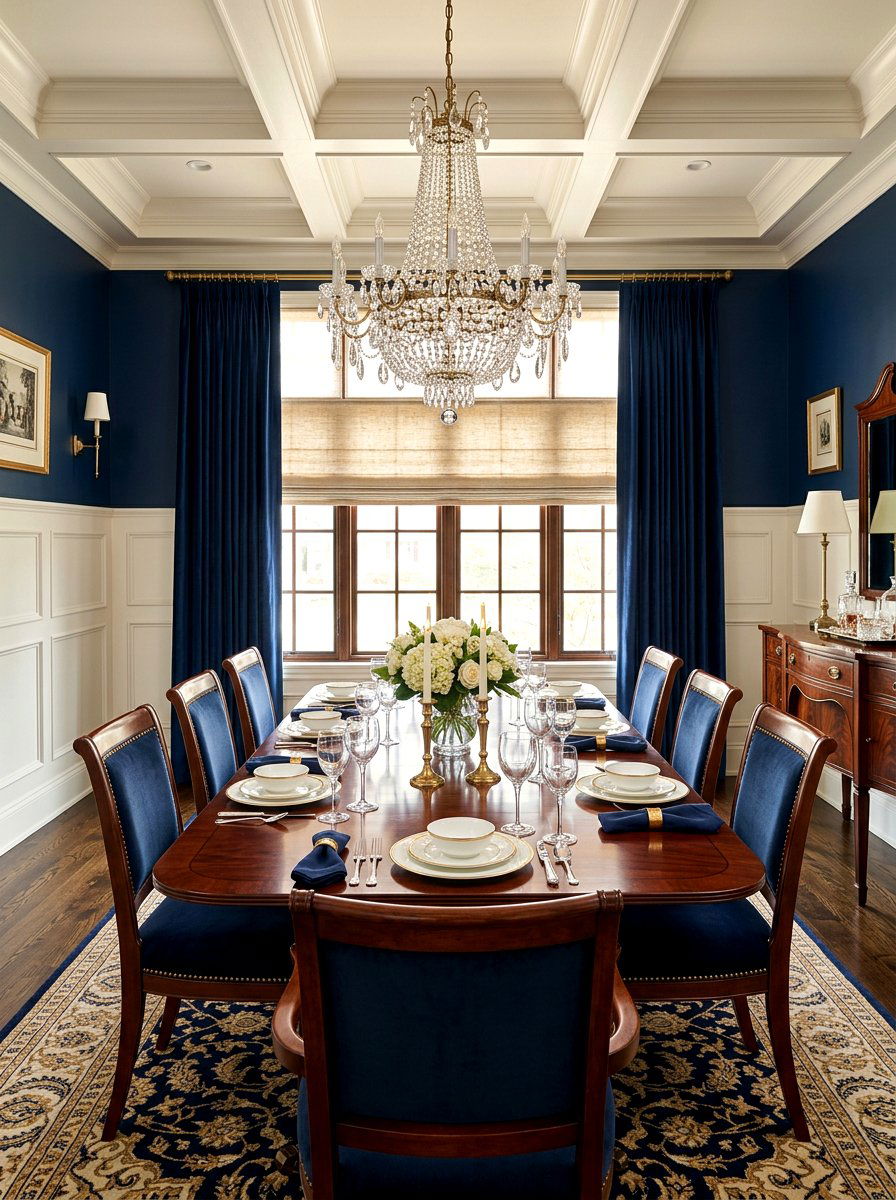
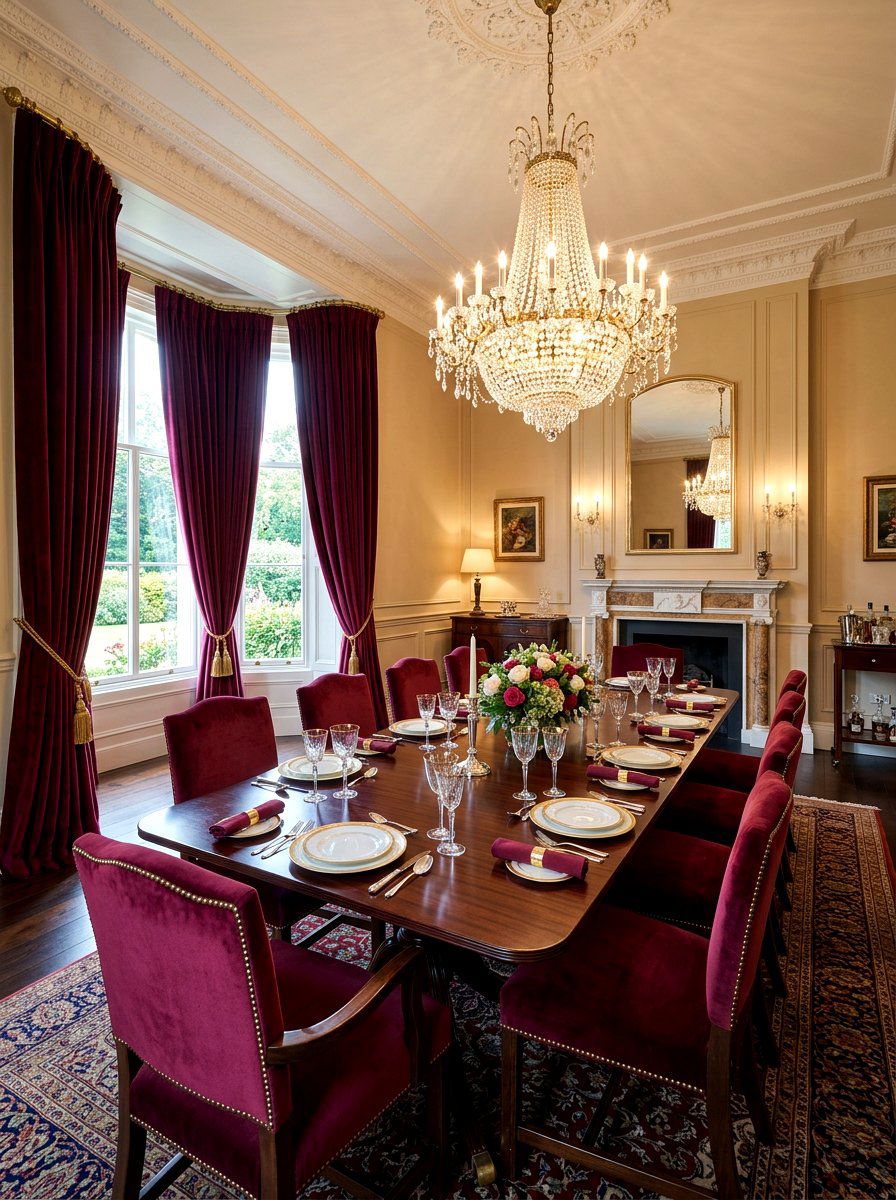
For a formal dining room that demands a tailored and polished appearance, try combining structured Roman shades with long drapes. The Roman shades provide a clean, architectural base that sits neatly within the window frame, while the flanking drapery panels add softness and vertical height. This combination is particularly effective for creating a sense of grandeur in rooms with high ceilings. You can choose a subtle pattern for the shades and a solid, rich color for the curtains to create a balanced visual interest. It is a timeless look that conveys elegance and shows a high level of attention to detail.
4. Double Rod Curtain Setup
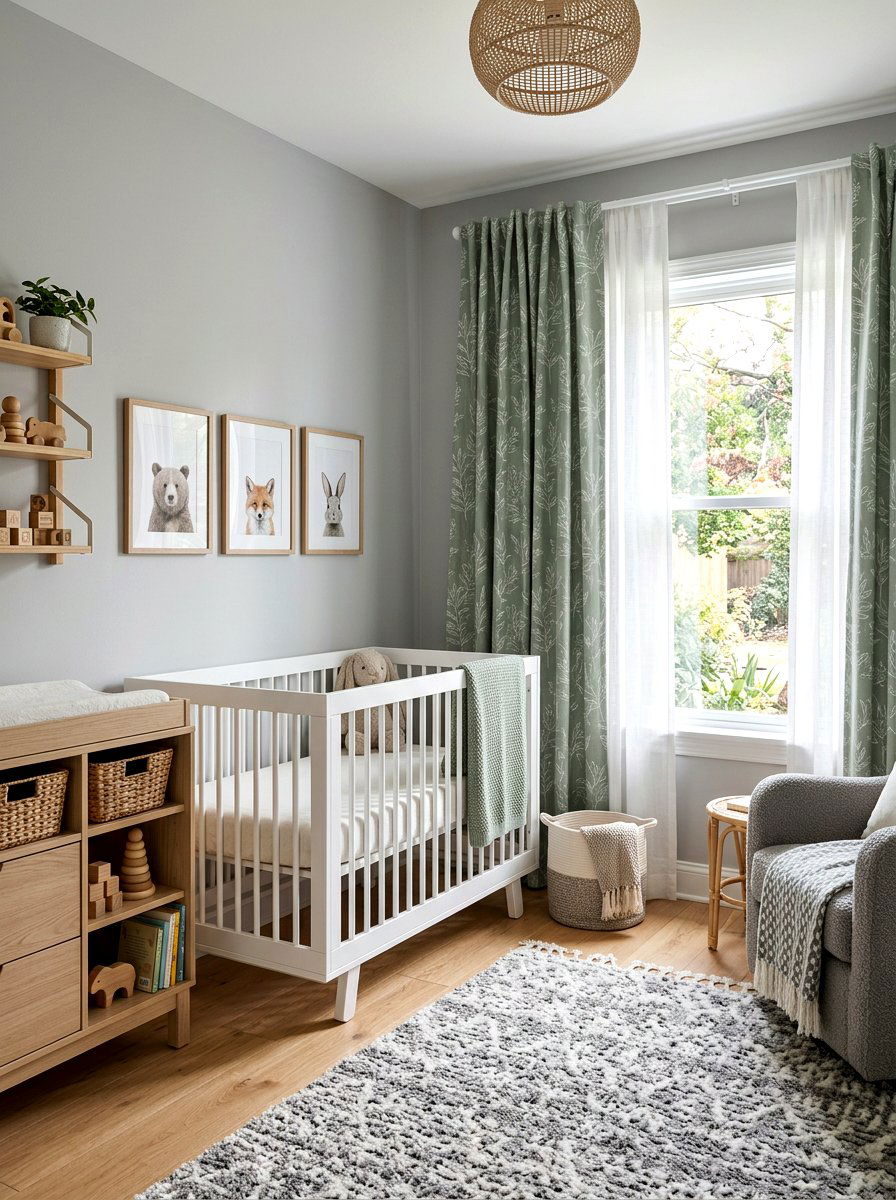
Installing a double rod system in a modern nursery is a practical way to manage changing light needs while maintaining a stylish look. This hardware allows you to hang two sets of panels independently, usually a functional light-filtering layer and a decorative outer layer. In a child's room, this means you can have playful patterned curtains on the front rod and high-quality blackout liners on the back rod. The dual-rod approach eliminates the bulkiness of having multiple separate tracks and gives the window a streamlined, professional finish. It makes it incredibly easy to transition the room from a bright playroom to a quiet nap zone.
5. Velvet And Linen Curtains
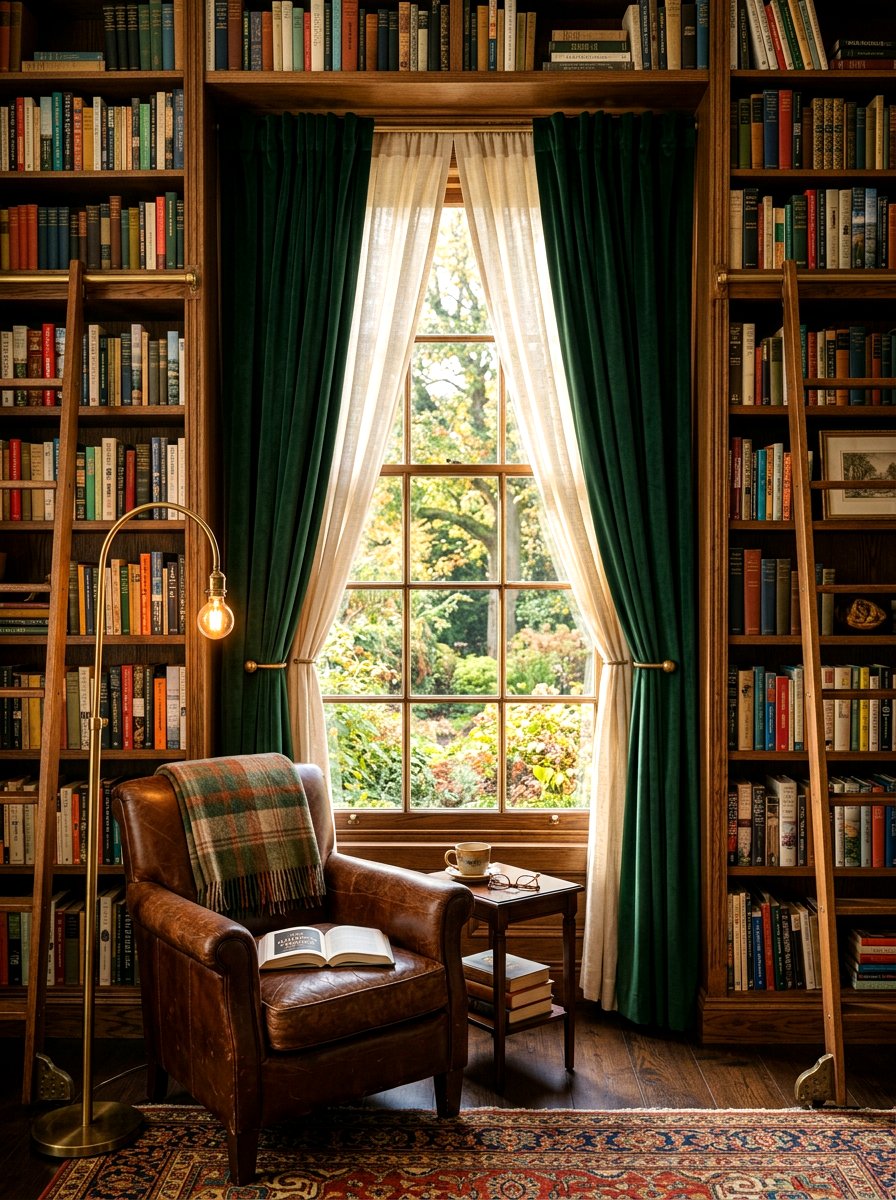
Mixing textures is a pro-level design move, especially when you combine heavy velvet curtains with light linen panels in a cozy library. The contrast between the matte, slightly rough texture of the linen and the plush, shimmering surface of the velvet creates a visually arresting display. During the warmer months, the linen layers keep the space feeling airy and breathable, while the velvet can be drawn during winter to provide extra insulation. This tactile variety adds a layer of sensory richness to the room, making it feel more expensive and well-curated. It is the perfect solution for creating a high-end, transitional interior style.
6. Patterned And Solid Curtains
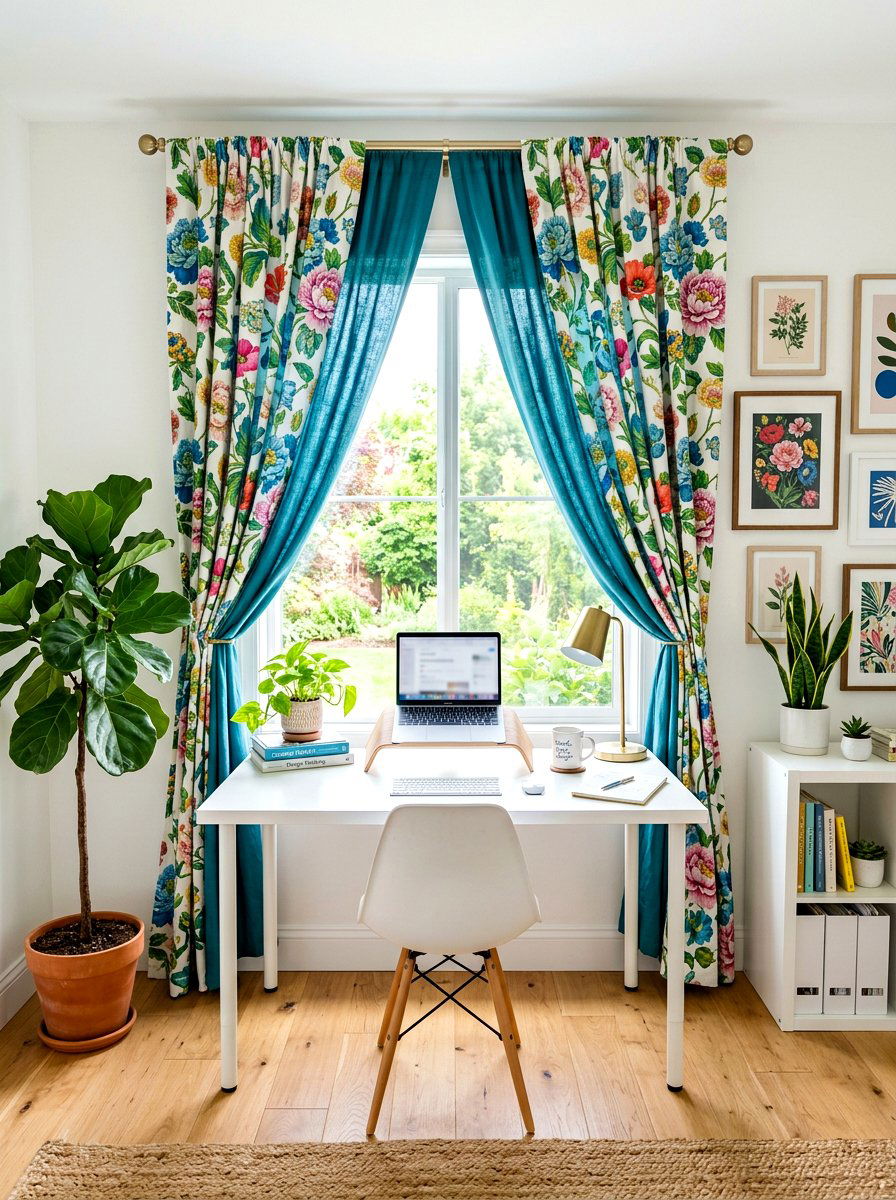
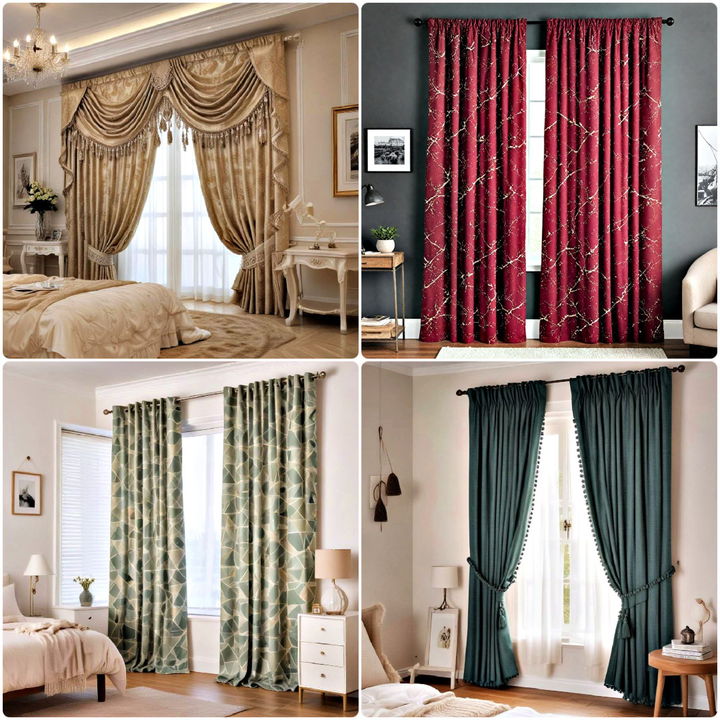
In a vibrant home office, layering patterned curtains over solid-colored panels can provide a much-needed boost of creative energy and visual focus. The solid base layer acts as a visual anchor, preventing the overall window treatment from feeling too busy or overwhelming for the small workspace. Choosing a bold geometric or floral print for the outer layer allows you to showcase your personality without sacrificing the clean lines of the room. This technique also helps to tie together different colors used in your furniture and accessories. It turns a functional window into a stunning focal point that inspires productivity and joy every single day.
7. Valance And Curtain Panels
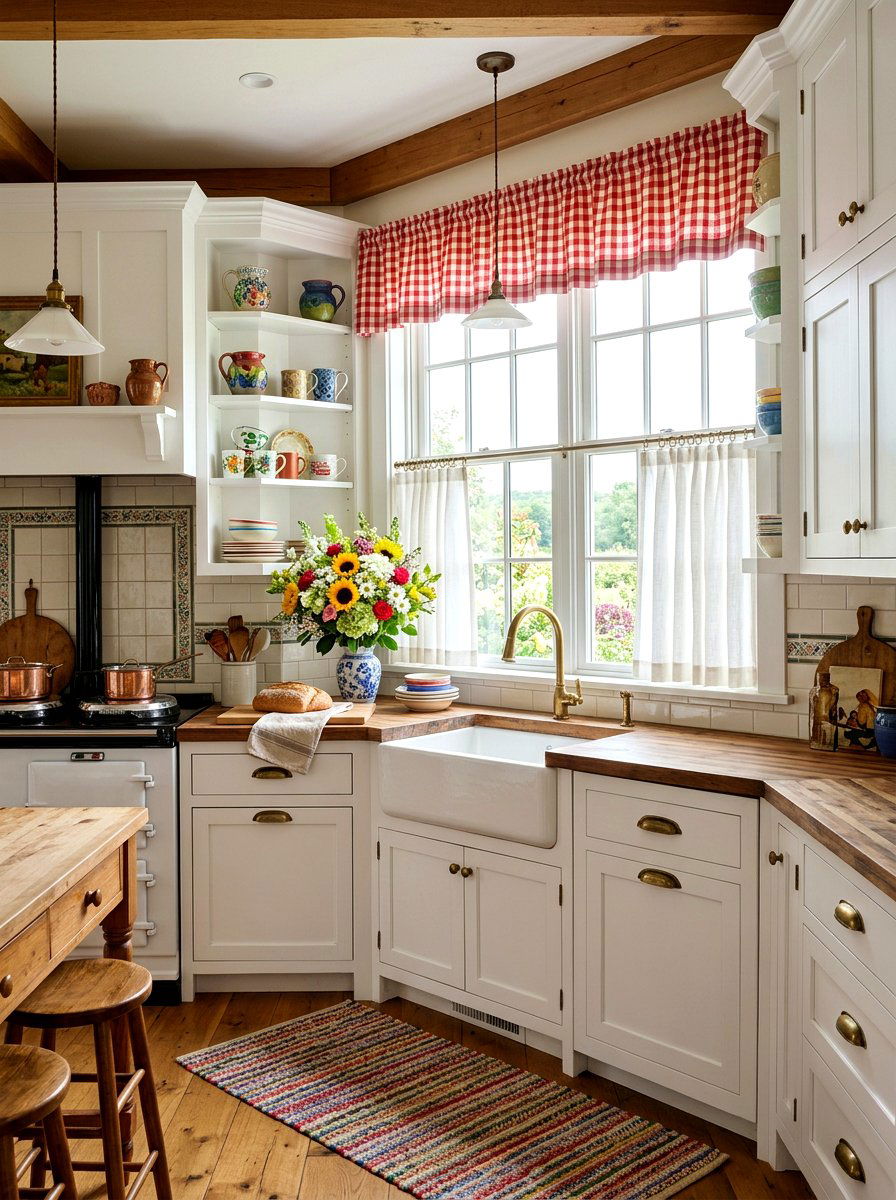
A traditional kitchen looks charming and complete when you add a decorative valance over standard curtain panels. This layering method is excellent for adding a pop of color and architectural interest to windows that might otherwise look a bit plain. The valance hides the curtain hardware and provides a finished, custom-made appearance that elevates the entire culinary space. By matching the fabric of the valance to your seat cushions or table linens, you create a cohesive and harmonious design theme. This classic setup is perfect for those who love a cozy, farmhouse aesthetic that feels warm, inviting, and meticulously planned.
8. Cafe Curtains With Drapes
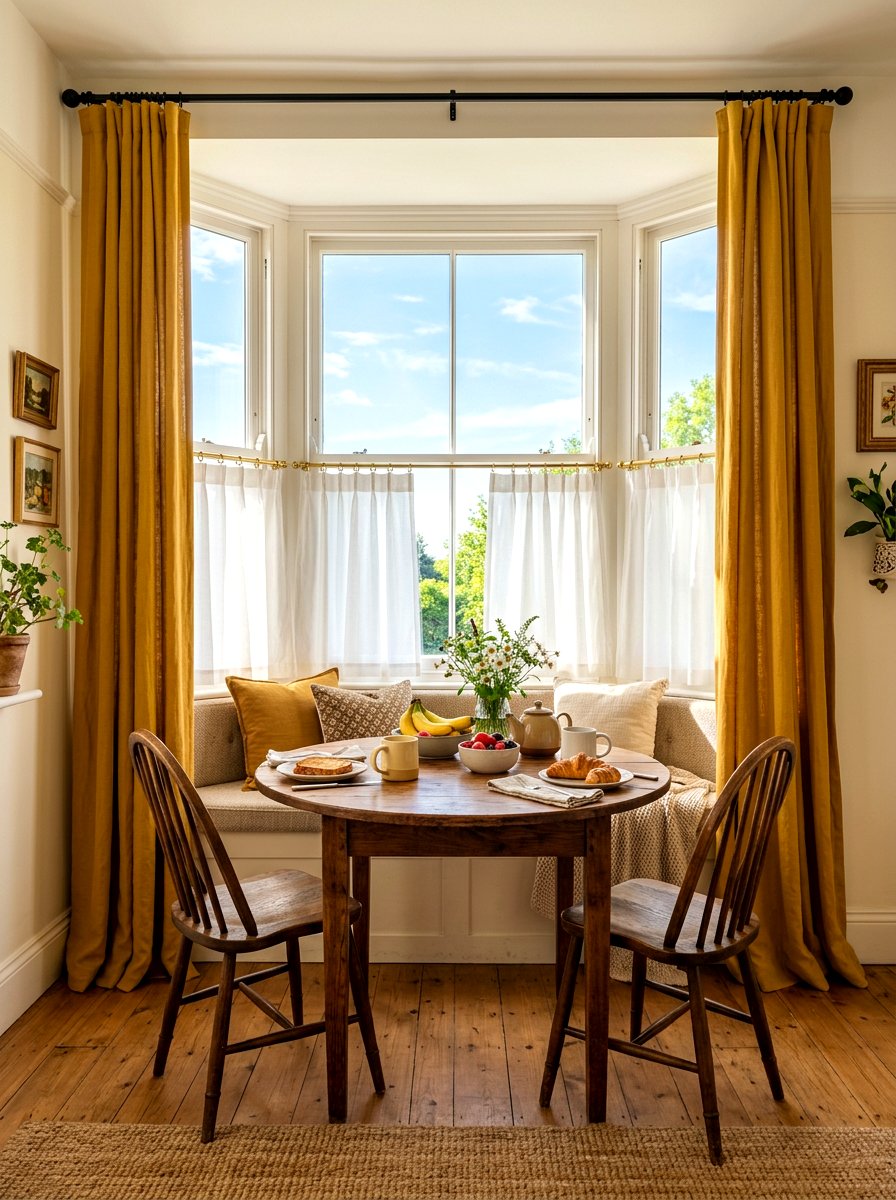
Designing a breakfast nook with cafe curtains and long drapes offers a unique blend of privacy and open views. The cafe curtains cover only the bottom half of the window, allowing you to enjoy the morning sky while blocking the view from the street. Adding full-length drapes on the sides provides the option to fully close the window in the evening for a more intimate dining experience. This tiered approach is highly functional and adds a nostalgic, European flair to the room. It creates a layered look that is both casual and sophisticated, making your morning coffee feel like a special daily ritual.
9. Triple Layered Curtains
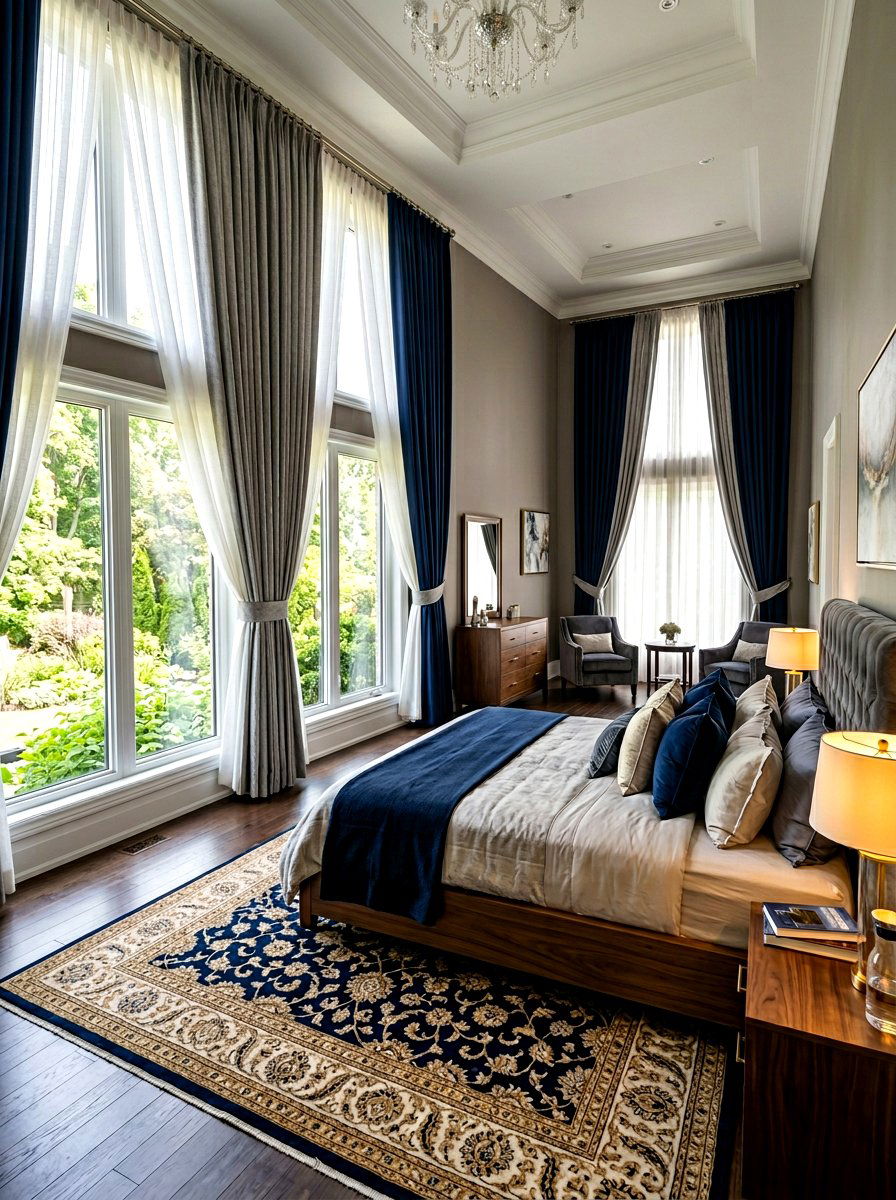
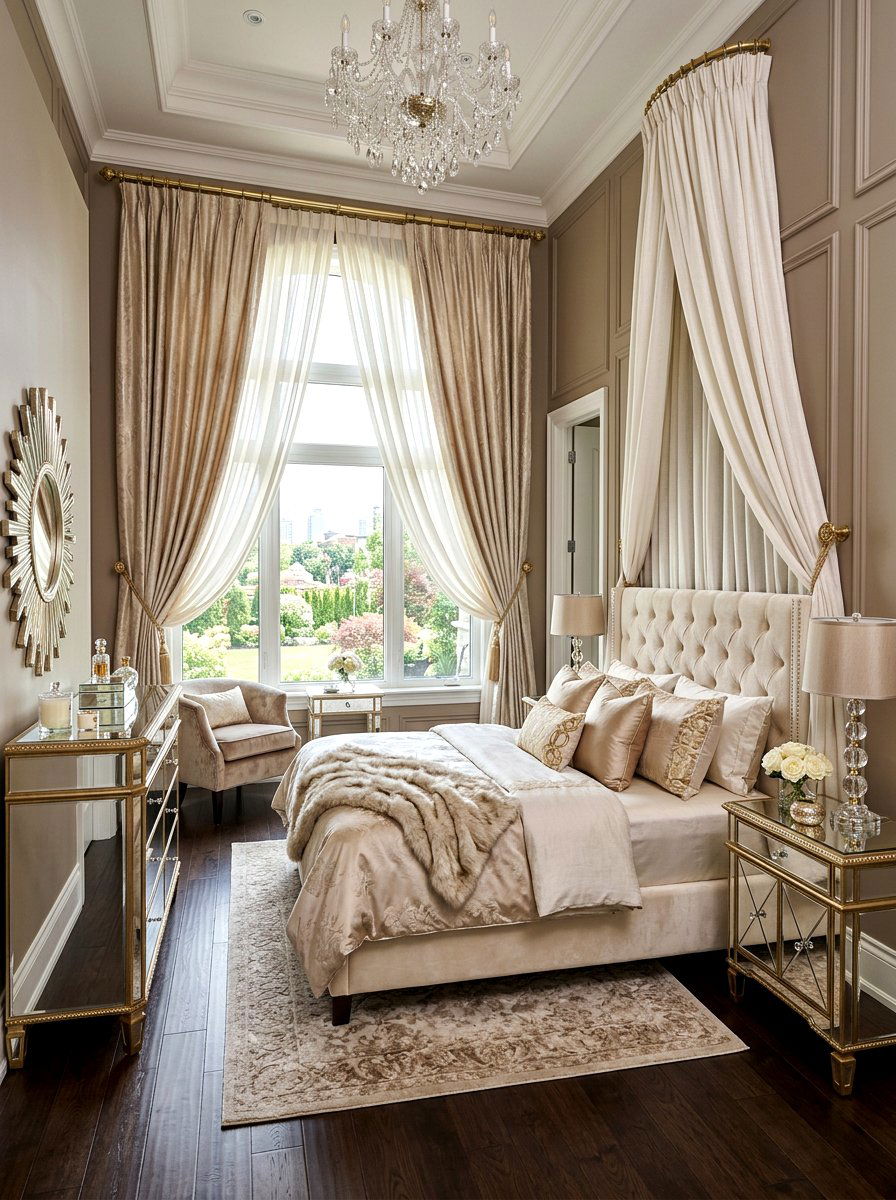
For the ultimate in luxury and light management, a triple-layered curtain system in a grand master suite is hard to beat. This setup typically includes a sheer inner layer, a mid-weight privacy fabric, and a heavy outer decorative drape or blackout panel. Having three distinct layers allows you to fine-tune the ambiance of the room at any hour of the day or night. It also provides superior sound dampening and thermal insulation, which is ideal for homes located in busy urban areas or extreme climates. The sheer volume of fabric creates a lush, high-end hotel feel that makes your bedroom a true sanctuary.
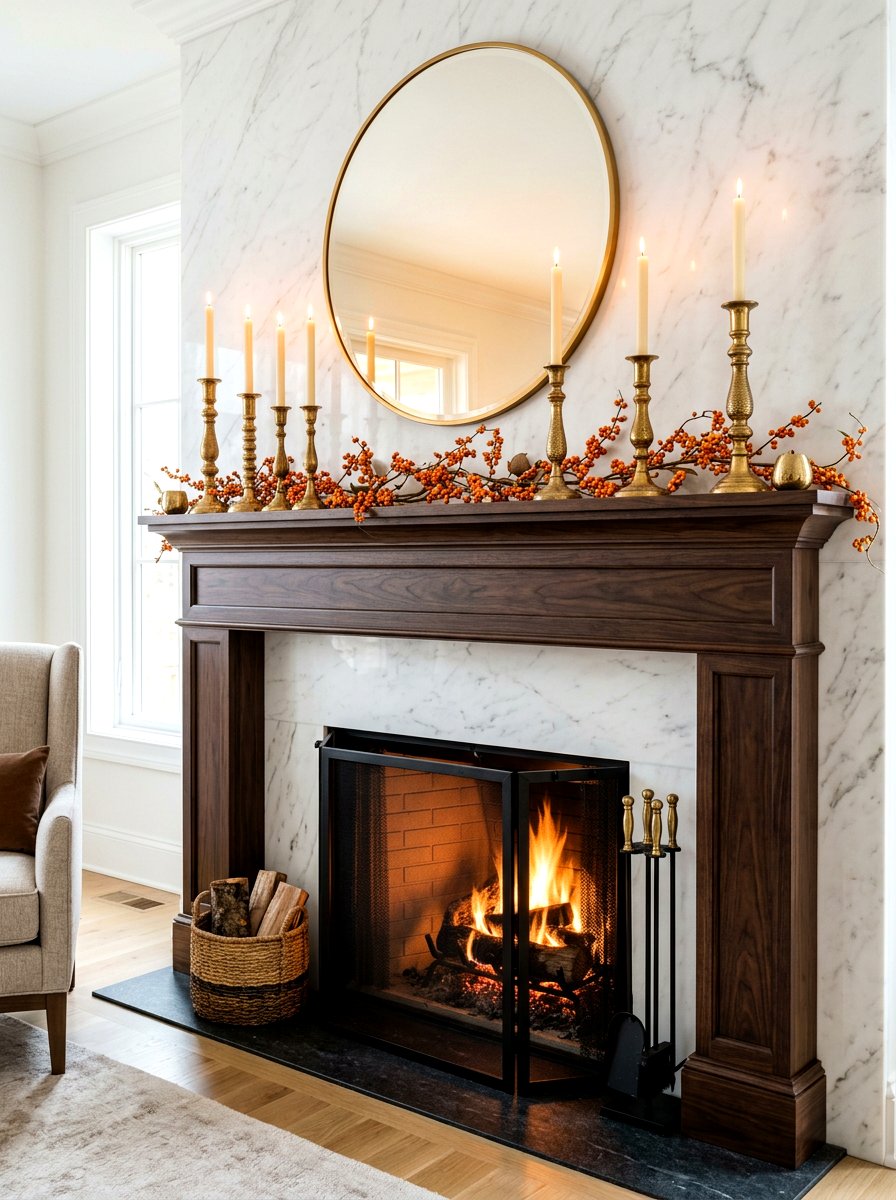
10. Roller Blinds And Curtains
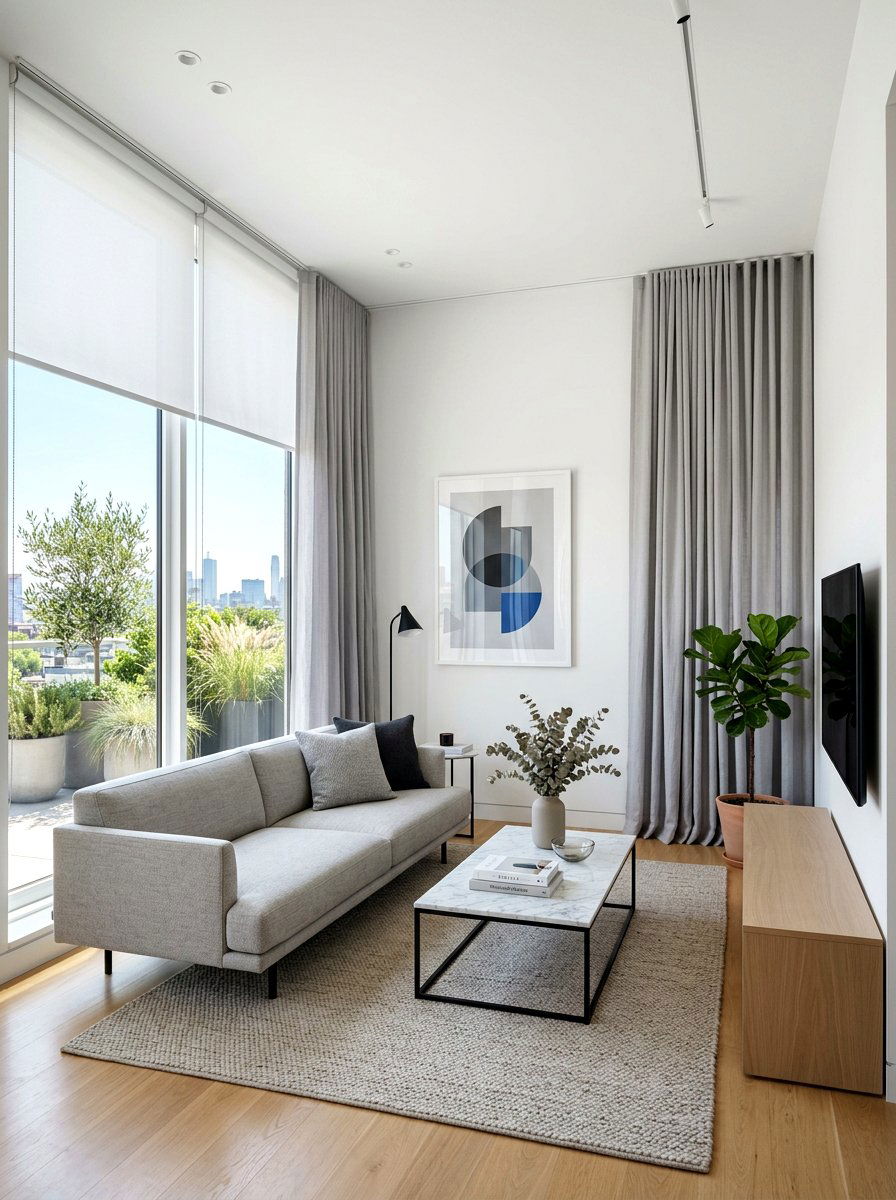
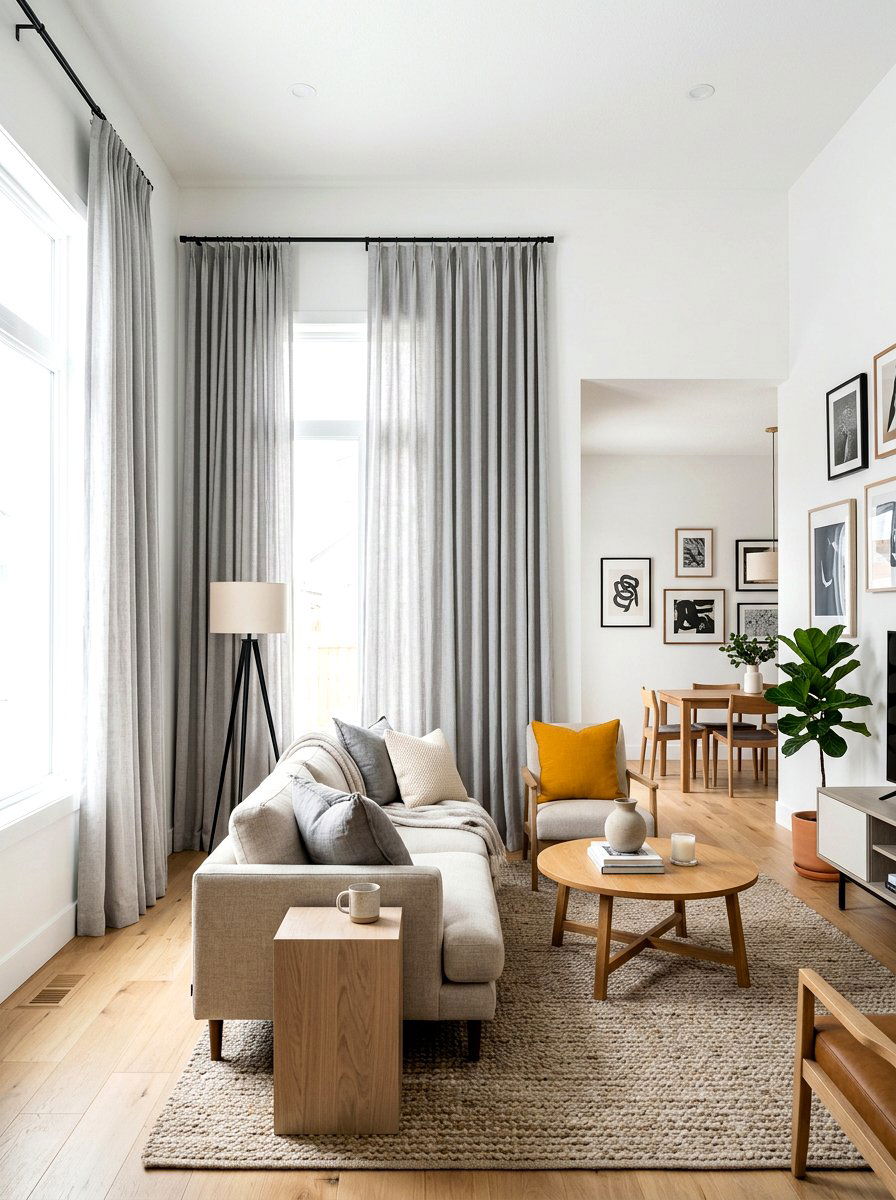
A minimalist living room can benefit greatly from the clean lines of roller blinds paired with soft, flowing curtains. The roller blinds provide a sleek, unobtrusive base that can be completely tucked away when not in use, allowing for a clear view. Adding floor-to-ceiling drapes softens the hard edges of the window and introduces a much-needed element of warmth and texture. This combination is particularly effective in modern apartments where space is at a premium but style is a top priority. It offers a contemporary look that is highly versatile, fitting easily into any color scheme or furniture arrangement you choose.
11. Floor To Ceiling Curtains
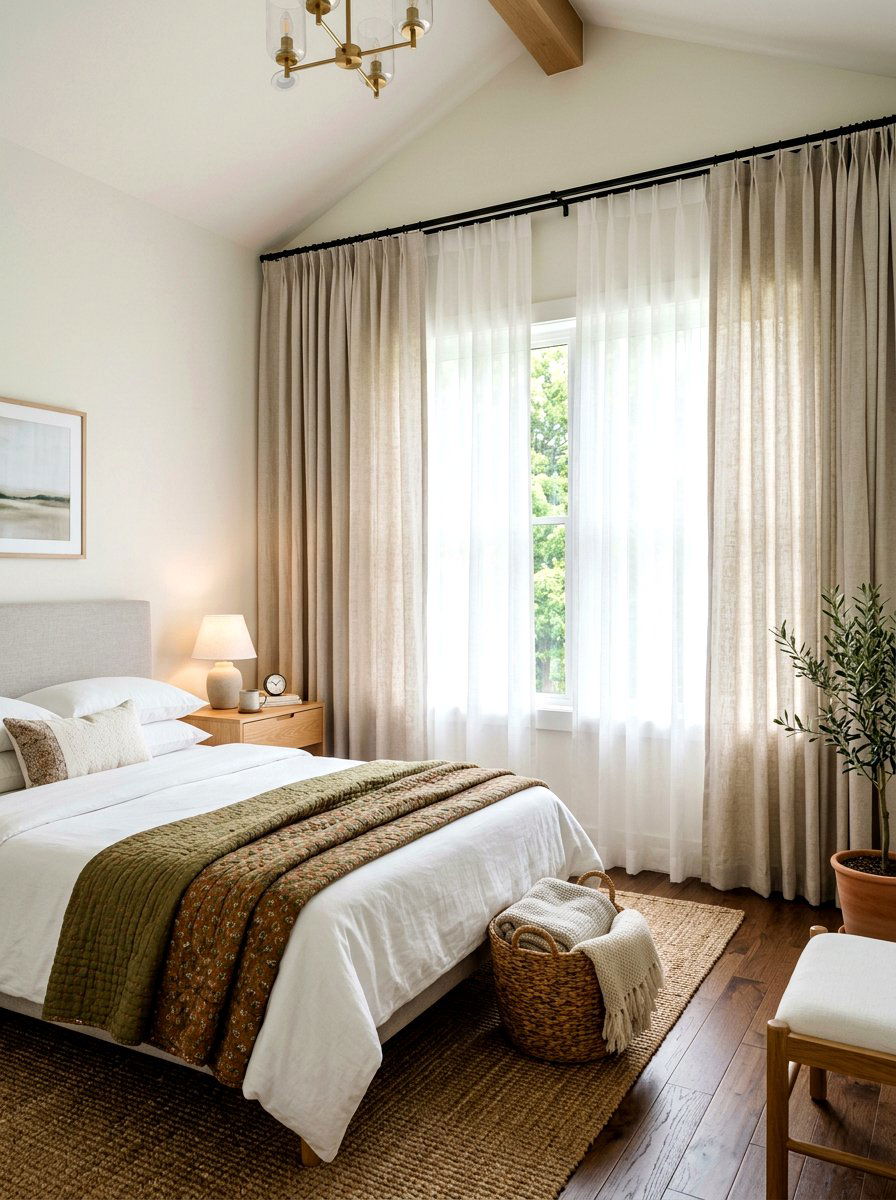
Creating a sense of immense height in a small guest bedroom is easily achieved by using floor-to-ceiling layered curtains. By mounting the curtain rod just a few inches below the ceiling, you draw the eye upward and make the walls appear significantly taller. Layering a light-colored sheer with a slightly darker solid panel adds depth without making the small space feel cramped or cluttered. This technique gives the window a grand, architectural presence that completely transforms the proportions of the room. It is a favorite trick among interior designers to make humble spaces feel much more luxurious and expansive than they actually are.
12. Tonal Color Curtains
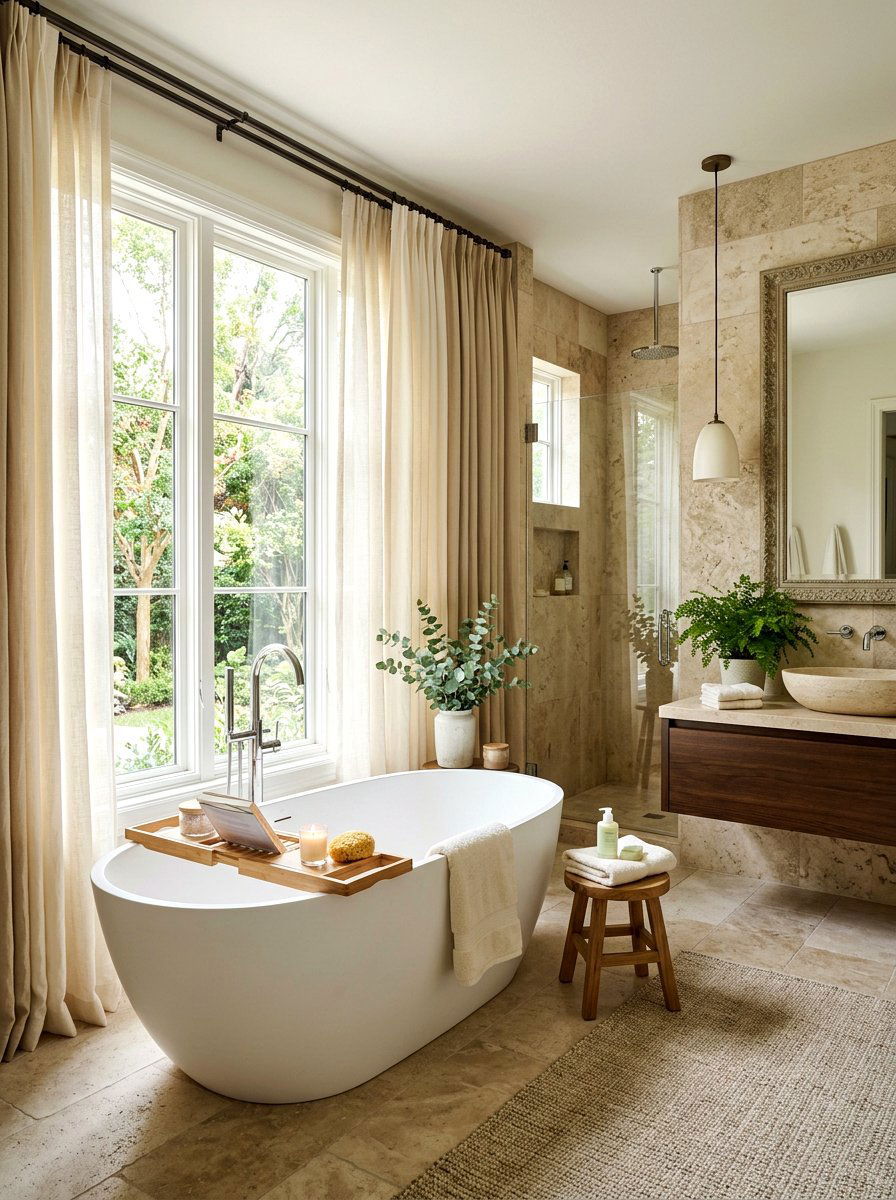
Using a tonal color palette for your layered curtains is a brilliant way to add subtle sophistication to a serene home spa. By choosing different shades of the same color, such as cream, beige, and sand, you create a soft and harmonious visual effect. This monochromatic layering technique adds depth and interest through texture and light rather than jarring color contrasts. It keeps the atmosphere calm and relaxing, which is essential for a bathroom or wellness area. The slight variations in tone catch the light beautifully, creating a gentle movement that makes the entire space feel more fluid and thoughtfully designed.
13. Contrast Trim Curtains
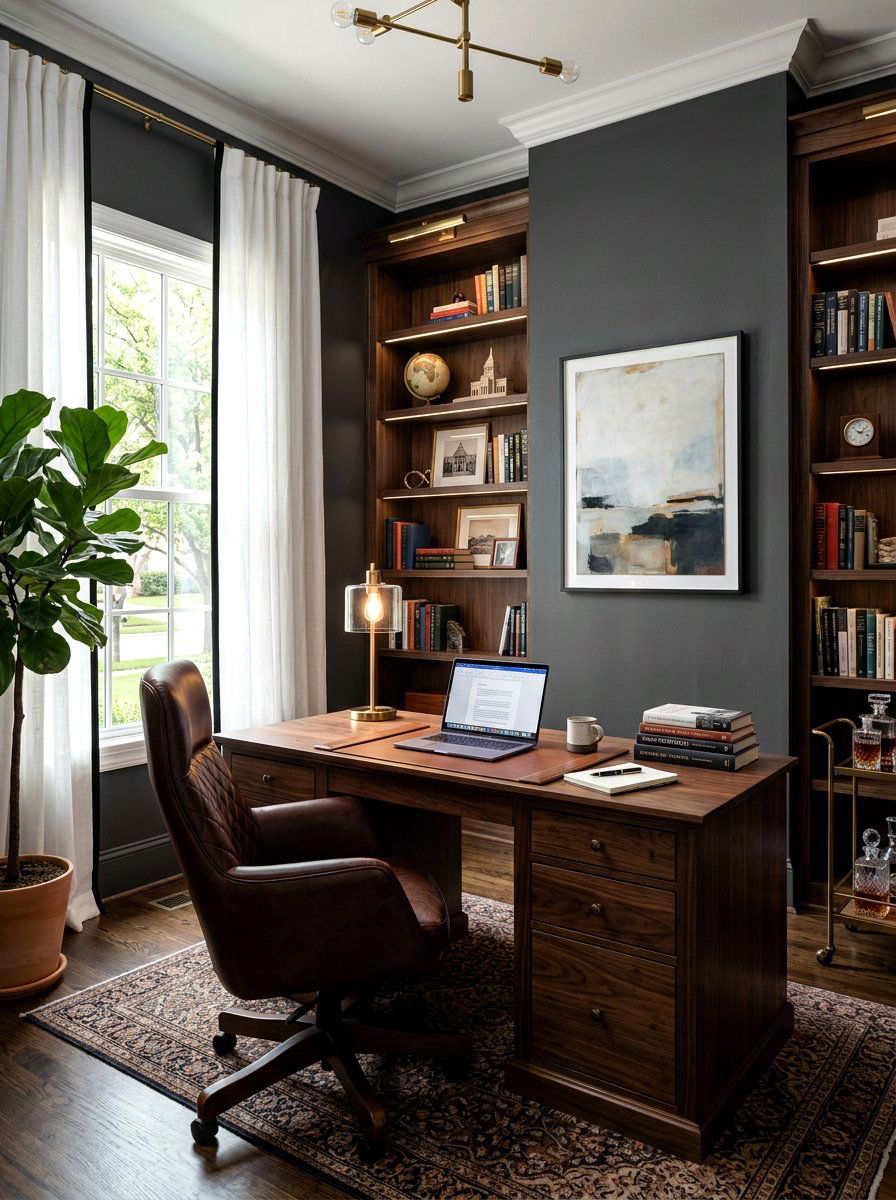
A sophisticated study feels more professional when you use layered curtains that feature a bold contrast trim on the edges. This small detail provides a sharp, graphic look that defines the shape of the window and coordinates with other dark accents in the room. Layering these trimmed panels over a simple white sheer allows the decorative border to really stand out and become a design feature. It is an excellent way to introduce a secondary color into your room without committing to a full patterned fabric. The resulting look is tailored, modern, and perfectly suited for a space dedicated to focus and high-level work.
14. Lace And Cotton Curtains
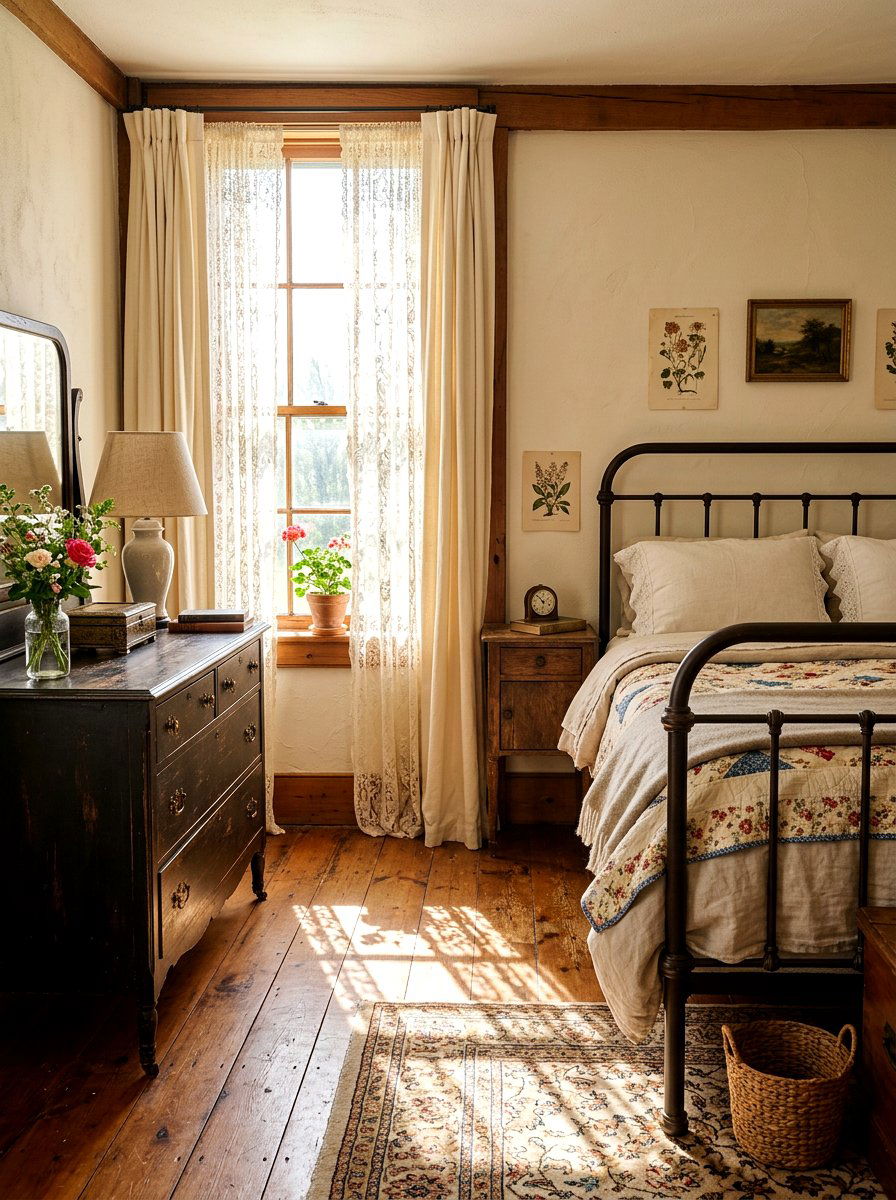
Bringing a touch of vintage charm to a cottage-style bedroom is simple when you layer delicate lace over heavy cotton panels. The intricate patterns of the lace allow sunlight to cast beautiful shadows across the room, creating a romantic and whimsical atmosphere. The solid cotton backing provides the necessary privacy and weight to keep the window treatment looking grounded and functional. This combination is perfect for those who love a feminine, shabby-chic aesthetic that feels lived-in and comfortable. It adds a nostalgic quality to the space, reminding one of simpler times and handcrafted beauty that stands the test of time.
15. Silk And Sheer Curtains
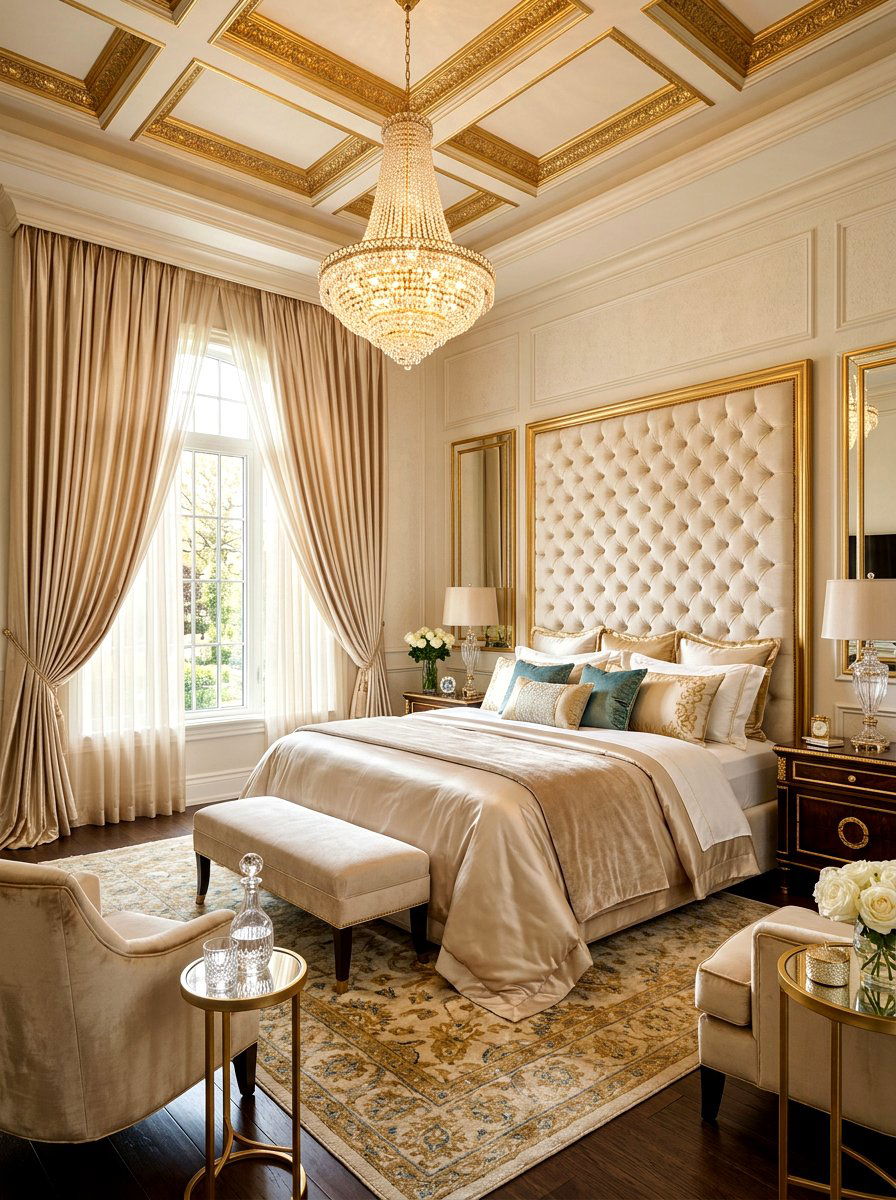
For a high-end master bedroom that screams luxury, nothing compares to the elegant pairing of genuine silk drapes and fine sheer panels. The natural sheen of the silk catches the light in a way that synthetic fabrics simply cannot replicate, adding a radiant glow to the space. Layering these over delicate sheers creates a look that is both ethereal and substantial, providing a beautiful frame for your window. This combination is best suited for formal spaces where the beauty of the fabric is the primary focus. It creates a rich, indulgent atmosphere that makes every day feel like a stay in a five-star resort.
16. Cellular Shades And Curtains
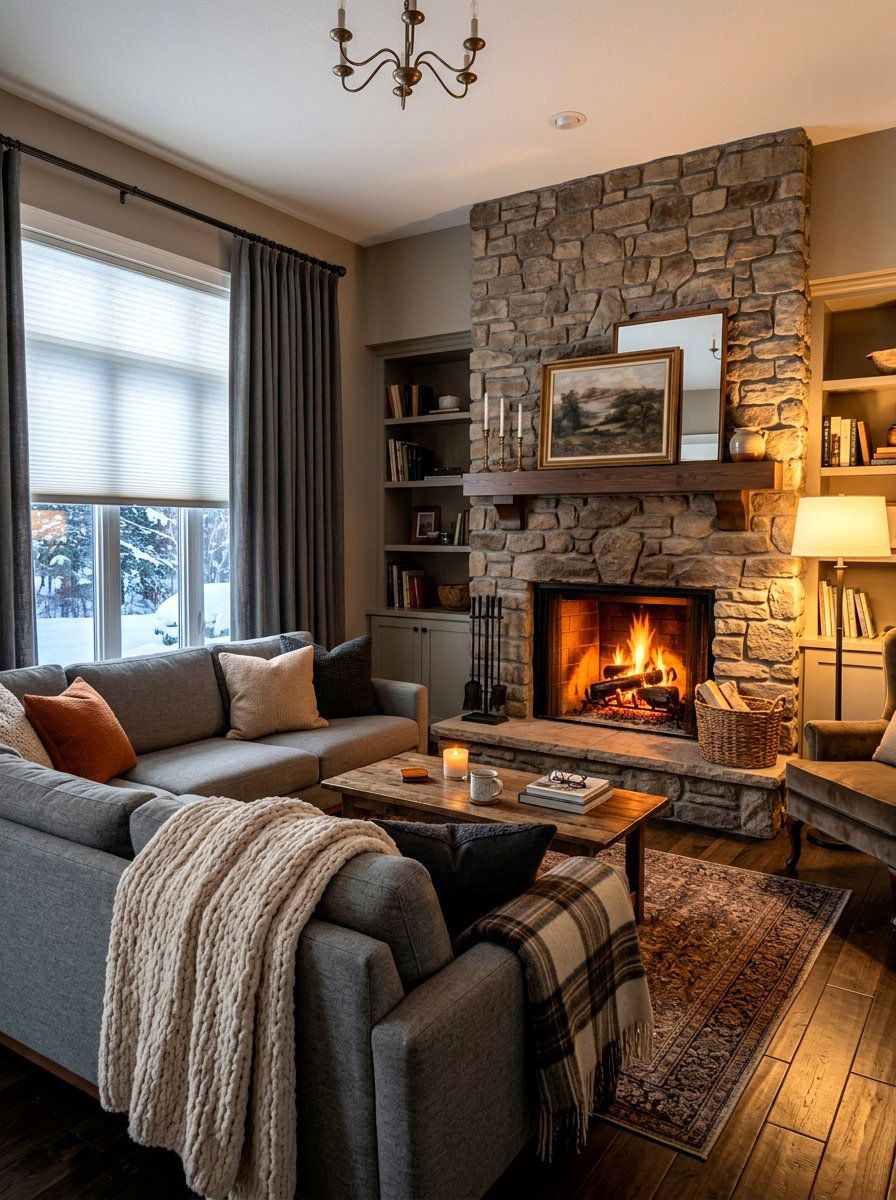
Homeowners looking to improve energy efficiency should consider layering cellular shades with heavy thermal curtains in their drafty living rooms. Cellular shades, often called honeycomb shades, are famous for their air-trapping pockets that provide an incredible layer of insulation at the window. Adding a set of thick drapes over these shades creates a second barrier against heat loss in the winter and heat gain in the summer. This functional layering technique not only lowers your utility bills but also creates a very cozy and quiet environment. It is a smart, practical design choice that proves you do not have to sacrifice style for comfort.
17. Burlap And Lace Curtains
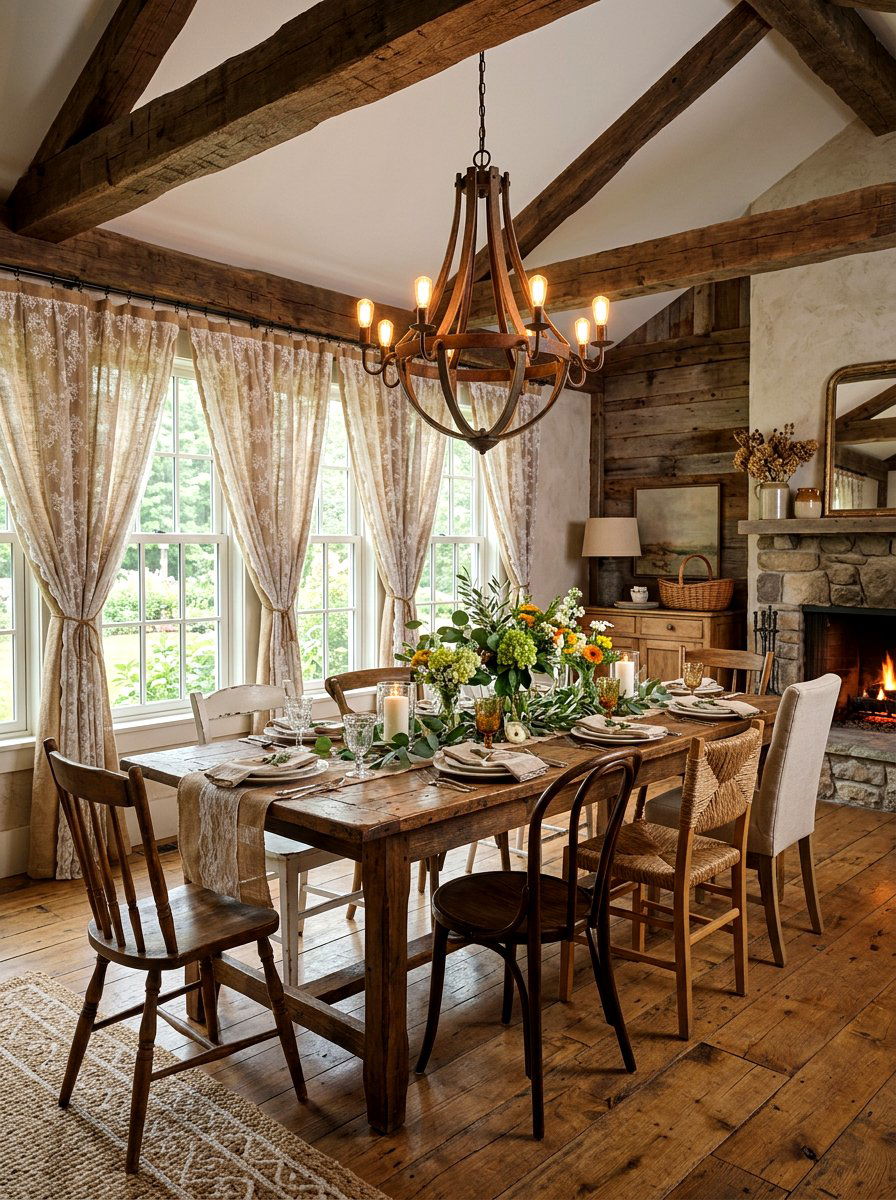
A rustic farmhouse dining area gets a beautiful makeover when you combine the raw texture of burlap with the refined detail of lace. This "rustic glam" layering technique is incredibly popular for creating a space that feels both down-to-earth and elegant. The heavy, woven nature of the burlap provides great light blockage and a sturdy look, while the lace adds a soft, feminine touch that lightens the overall feel. It is a perfect way to celebrate natural materials while still maintaining a sense of decorum for family gatherings. This look is approachable, stylish, and full of unique character that guests will truly admire.
18. Pelmet Box Curtains
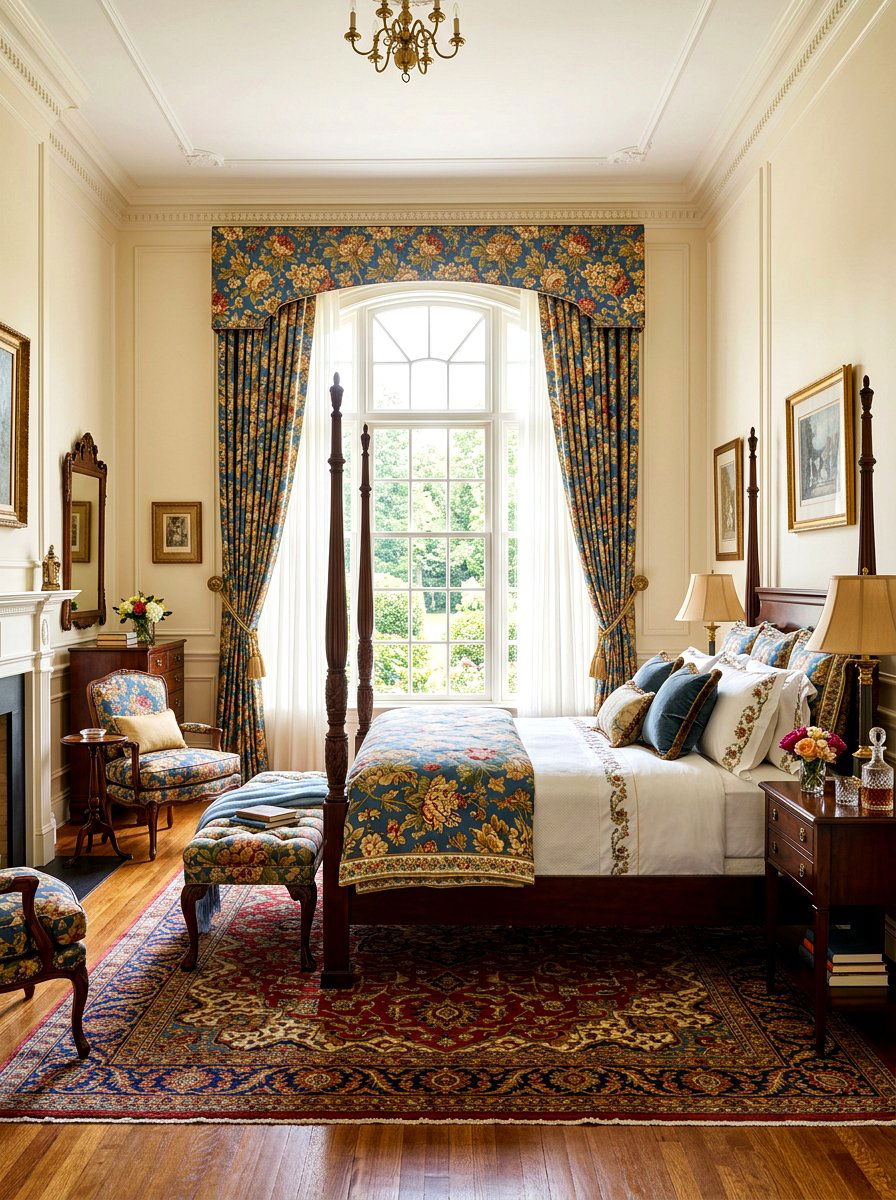
Adding a structured pelmet box over layered curtains in a traditional master suite creates a stunning, custom-built look that hides all hardware. This architectural feature provides a clean top border that can be upholstered in a fabric that matches your drapes for a seamless appearance. Layering sheers and heavy panels underneath the pelmet allows for full light control while maintaining a very formal and polished aesthetic. It is an excellent choice for rooms with large windows where you want to create a significant visual impact. This design style is timeless and gives the entire room a finished, high-end quality that feels very permanent.
19. Scalloped Valance Curtains
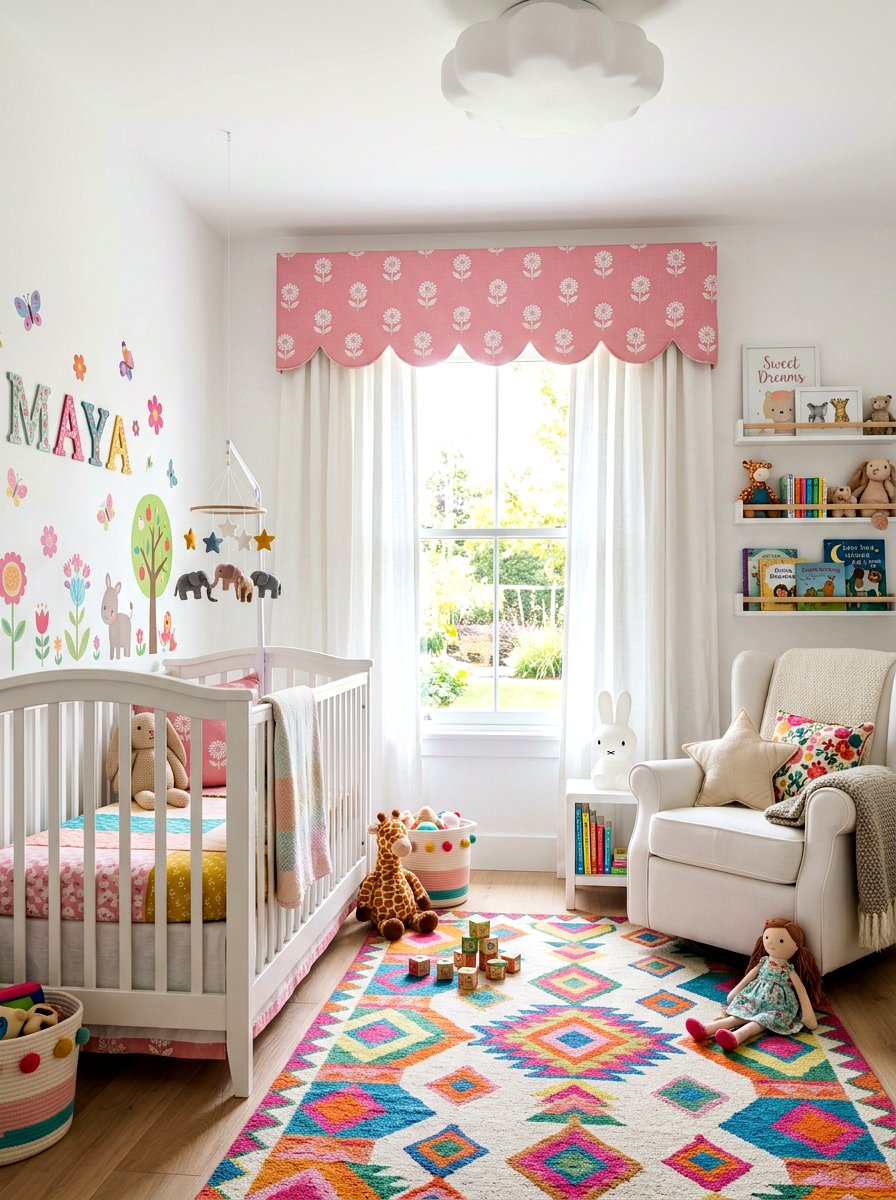
For a nursery or a young girl 's bedroom, layering a scalloped valance over soft pink or lavender panels adds a playful and sweet touch. The curved lines of the scalloped edge introduce a sense of movement and whimsy that perfectly suits a child' s space. By using a contrasting color for the valance, you can draw attention to the window and make it the focal point of the decor. This layering style is easy to achieve and can be updated as the child grows by simply changing the outer decorative layer. It creates a cheerful and inviting atmosphere that encourages imagination and joyful play.
20. Puddled Drapes And Blinds
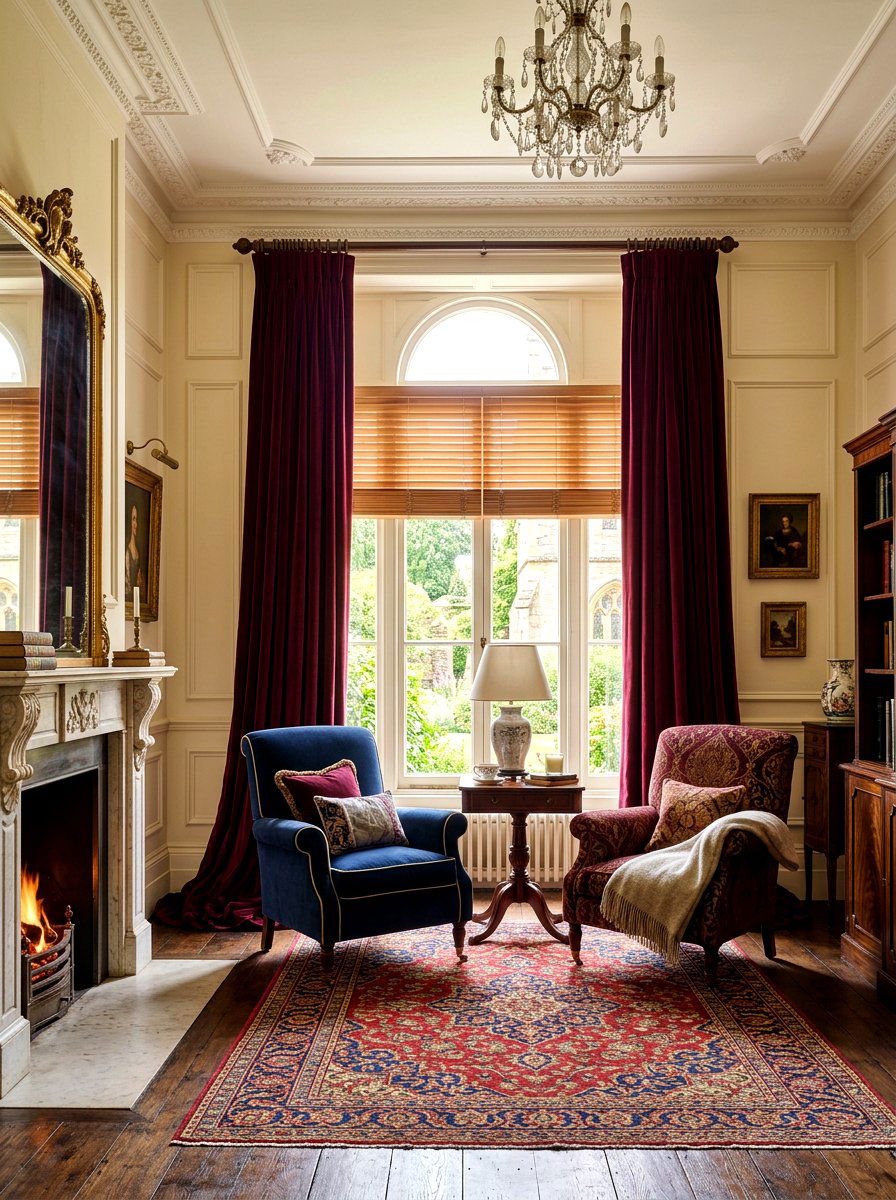
Creating a romantic, old-world feel in a formal sitting room is easy when you allow your layered drapes to puddle gracefully on the floor. This extra length adds a sense of opulence and drama that is further enhanced by layering them over simple wooden blinds. The structured lines of the blinds provide a sharp contrast to the soft, overflowing fabric at the base of the curtains. This look works best with high-quality fabrics like silk or heavy velvet that drape beautifully. It is a bold design choice that communicates a love for traditional luxury and a relaxed, European approach to home styling.
21. Ombre Layered Panels
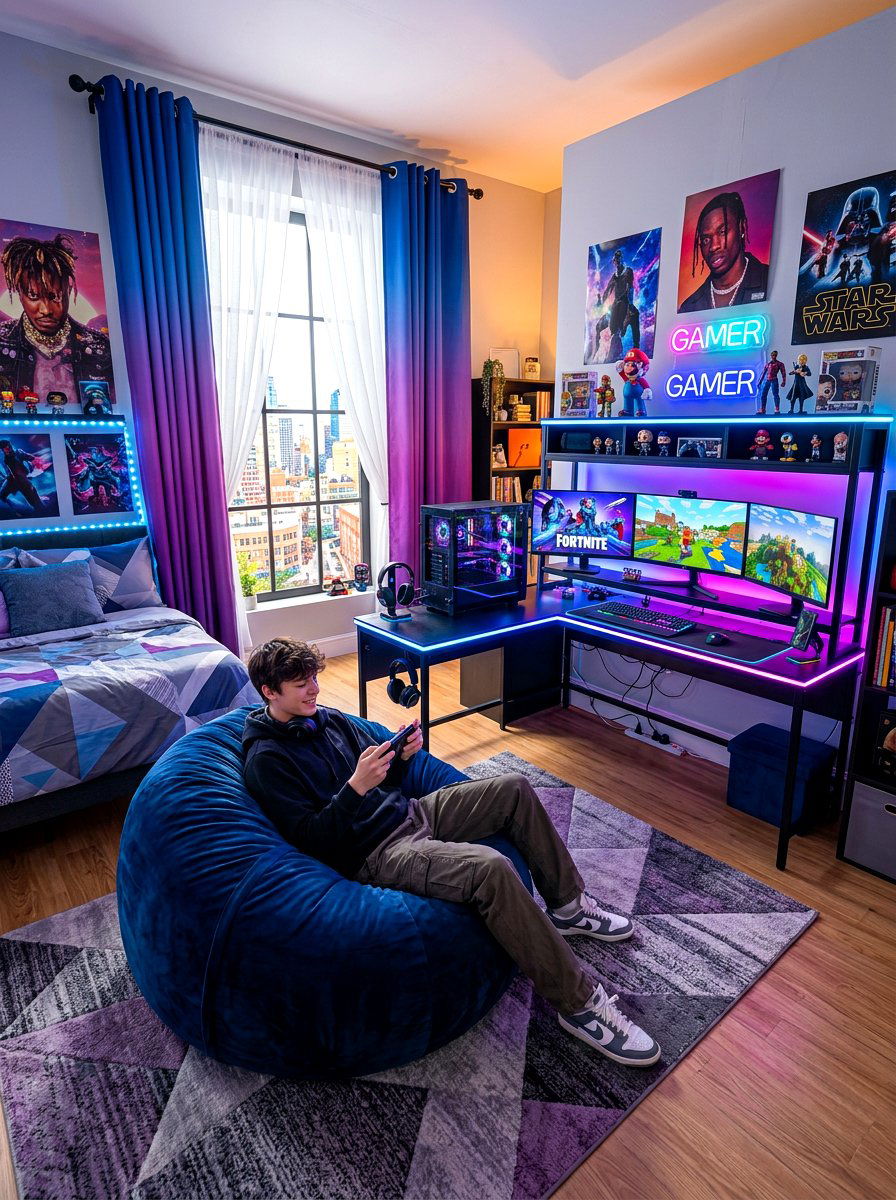
A modern teen bedroom comes to life with the addition of ombre layered curtains that transition from one vibrant color to another. This gradient effect adds a dynamic and trendy element to the space, making the windows look like a piece of contemporary art. Layering a solid ombre panel over a white sheer ensures that the colors remain bright and clear even when the sun is shining through. This technique is a fun way to incorporate multiple favorite colors into the room without it feeling messy. It creates a youthful, energetic vibe that is perfect for a space dedicated to self-expression and modern living.
22. Geometric And Solid Curtains
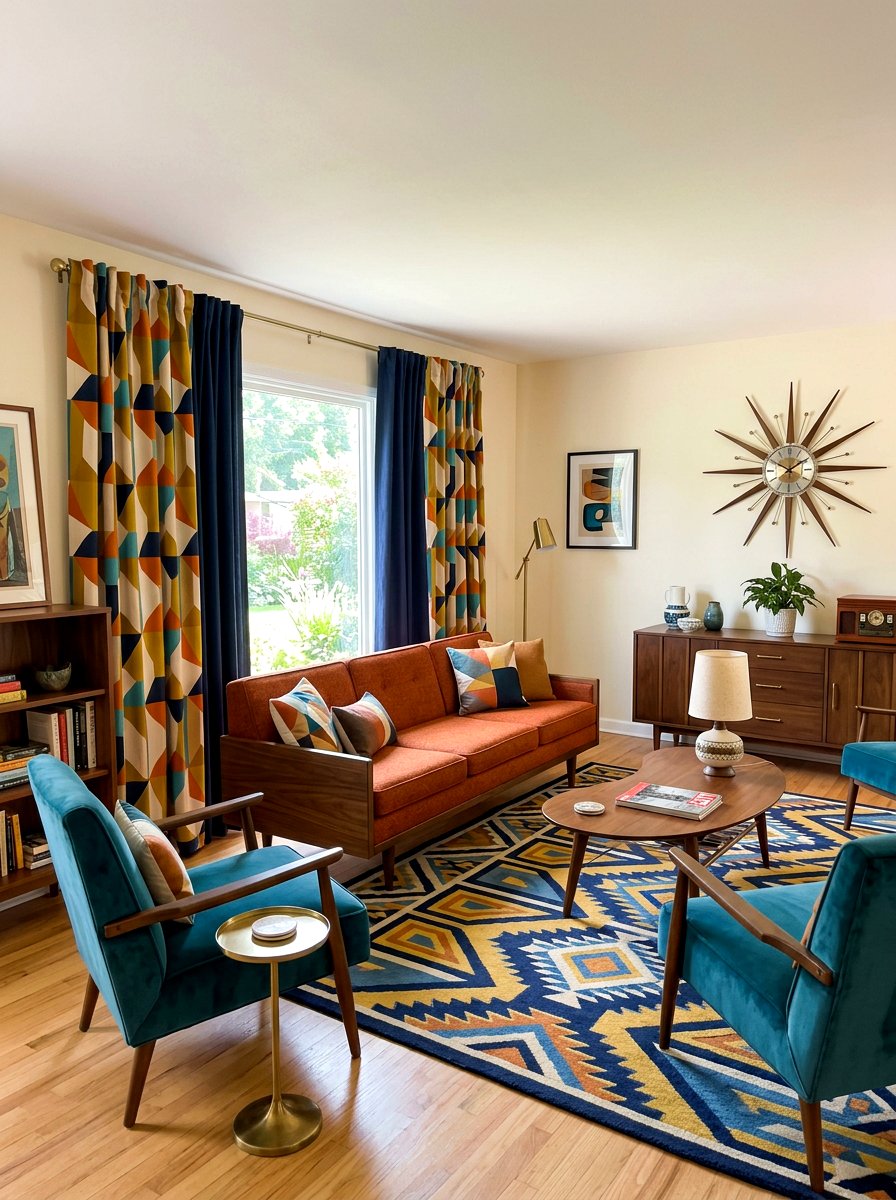
For a mid-century modern living room, try layering bold geometric print curtains over simple solid-colored panels in a neutral tone like charcoal or navy. The sharp lines of the geometric pattern echo the furniture styles of that era, while the solid layer provides a necessary visual break. This combination ensures that the room feels curated rather than cluttered. By keeping the rest of the walls simple, you allow the layered window treatments to take center stage. It is a sophisticated way to play with patterns while maintaining the clean, organized aesthetic that defines the mid-century design movement in modern homes.
23. Pleated Drapes And Sheers
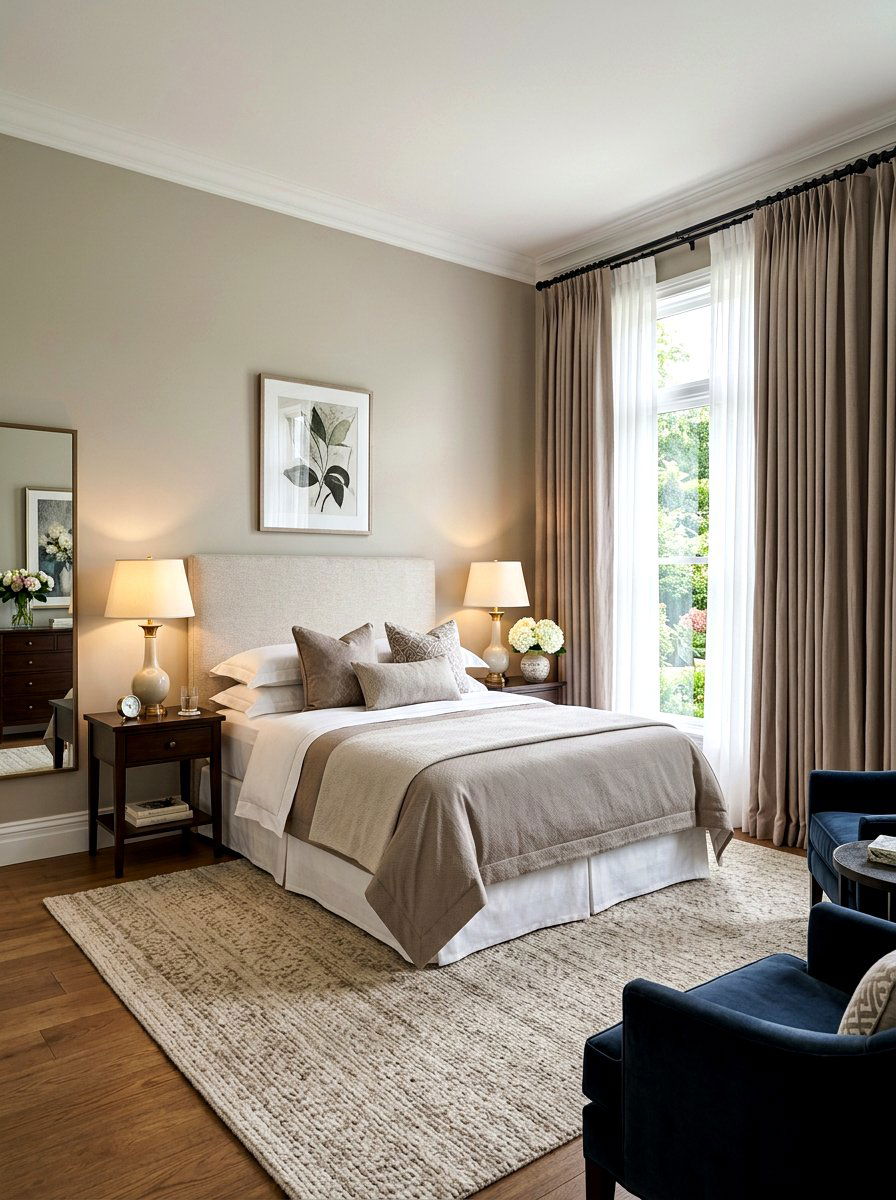
Nothing says "tailored elegance" quite like the combination of pinch-pleat drapes and delicate sheers in a formal guest room. The structured pleats at the top of the curtains create a uniform, high-end look that feels very professional and expensive. Layering these over sheers adds a soft, voluminous quality to the window that welcomes guests with a sense of luxury. This style is best for rooms where you want to leave a lasting impression of quality and care. Using a classic hardware finish like antique brass or matte black will further enhance the sophisticated and timeless feel of this specific layering setup.
24. Ring Top Curtains
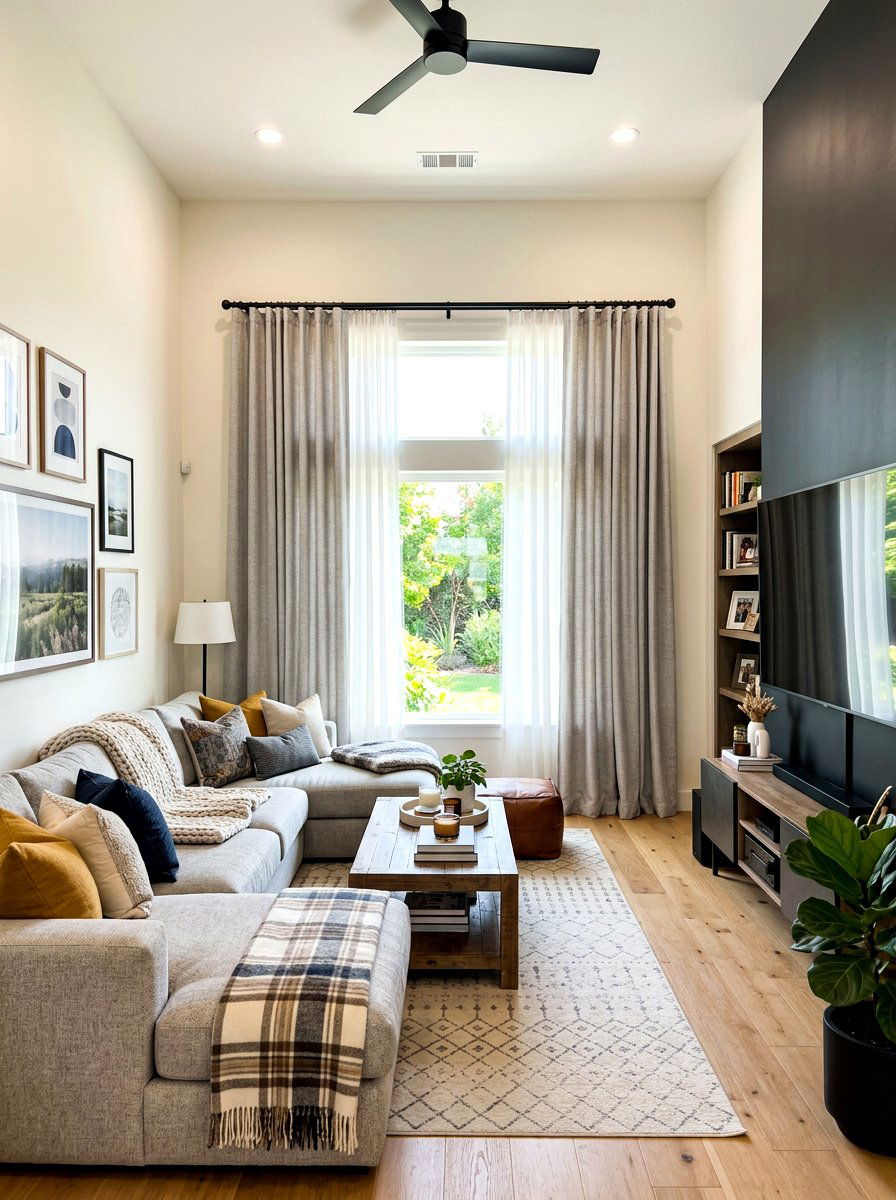
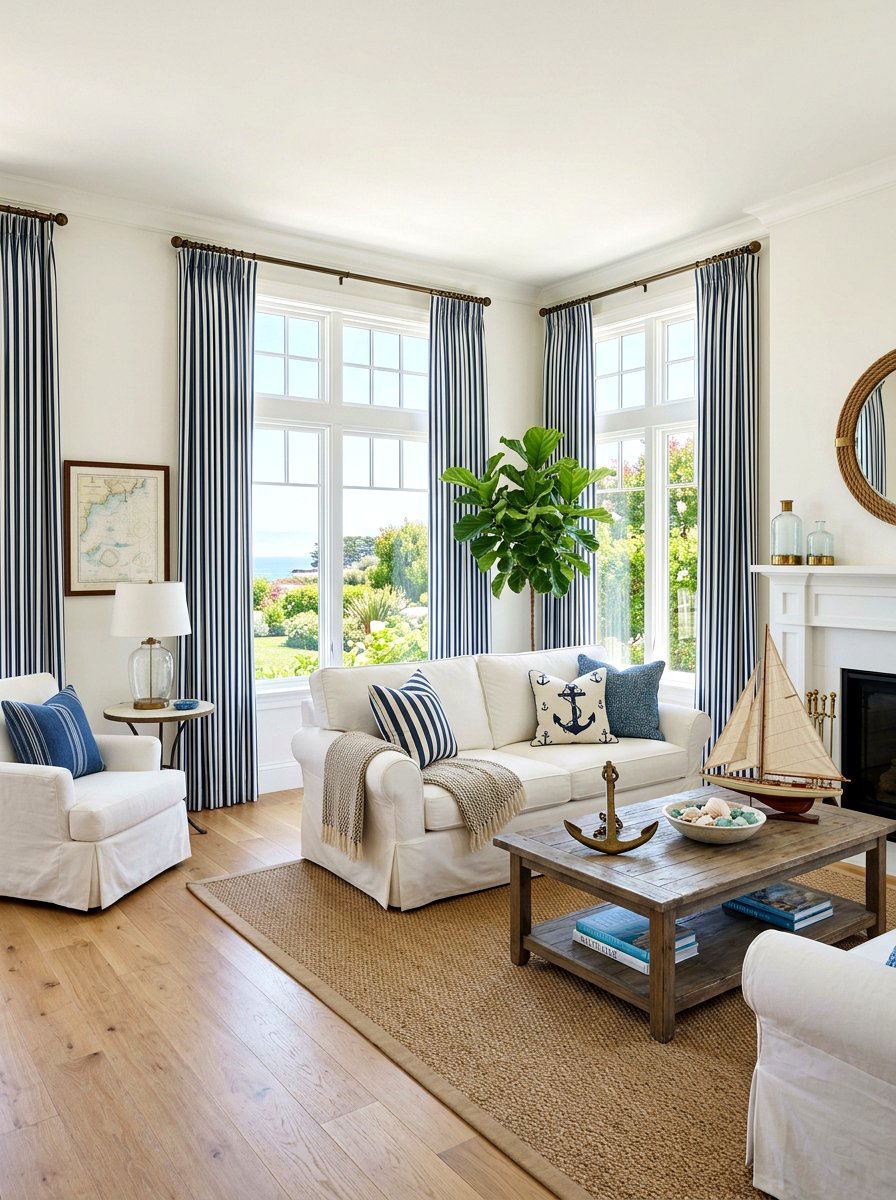
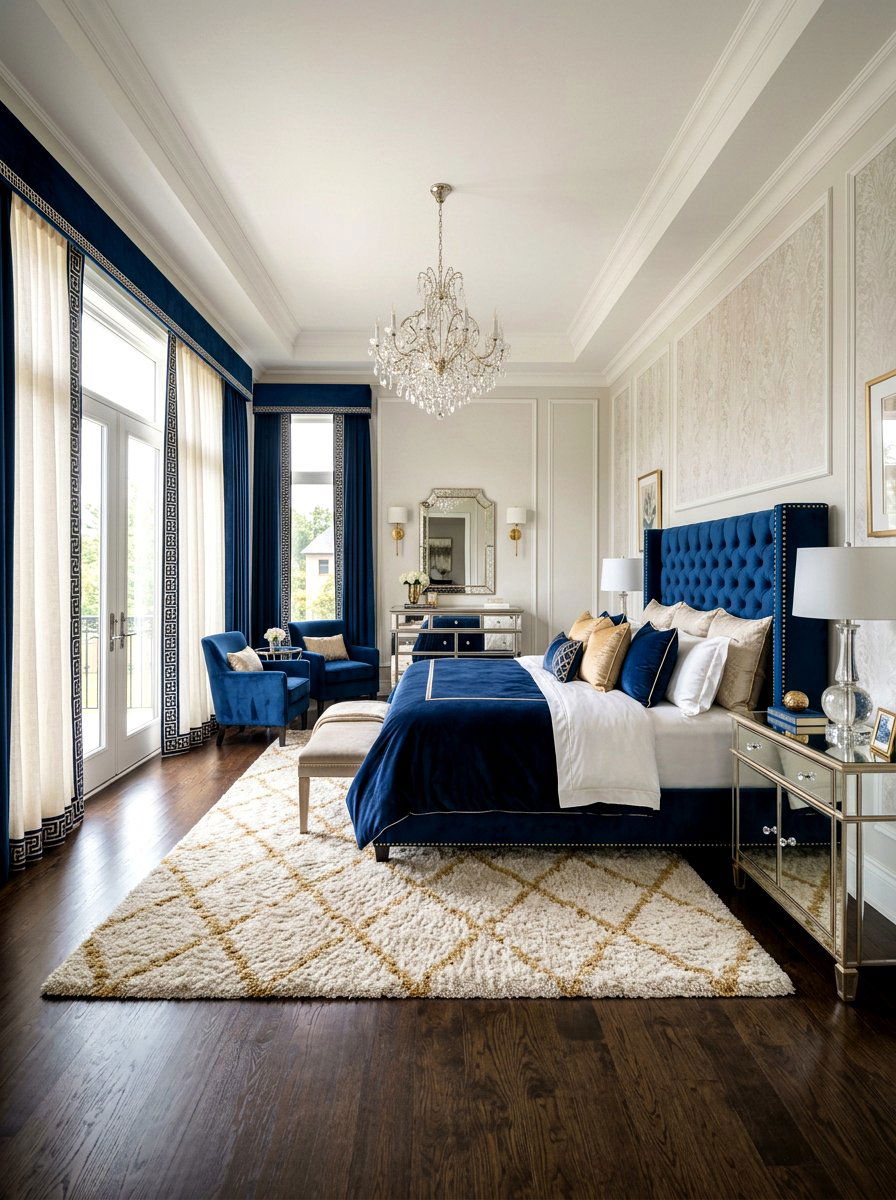
In a casual family room, layering ring top curtains provides an easy-to-use and stylish solution for a busy household. The visible rings on the rod add a slightly industrial or modern touch, depending on the finish you choose. You can layer a heavier cotton panel over a sheer layer, both using the ring top style for a consistent look. This setup makes it incredibly simple to slide the curtains open and closed as the sun moves throughout the day. It is a practical choice that doesn't skimp on style, providing a relaxed and approachable atmosphere for movie nights and weekend gatherings.
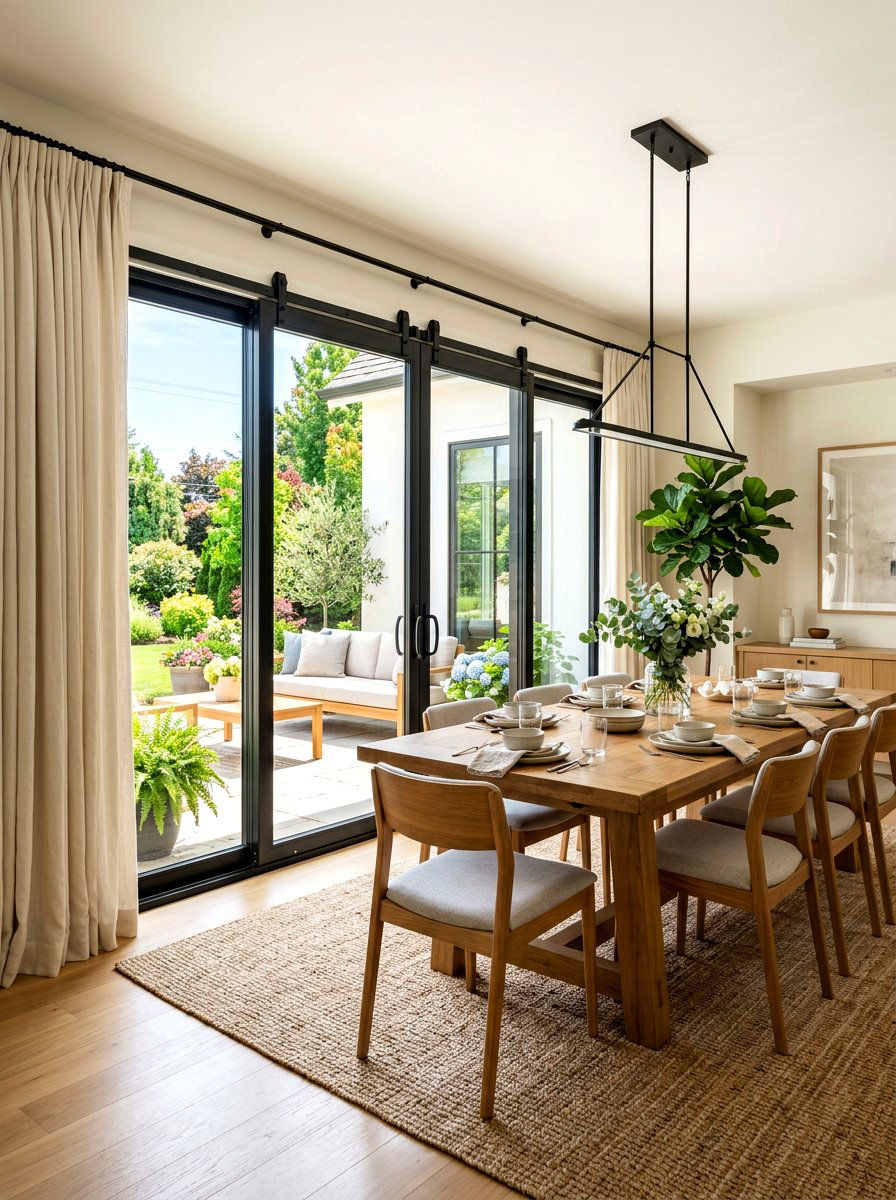
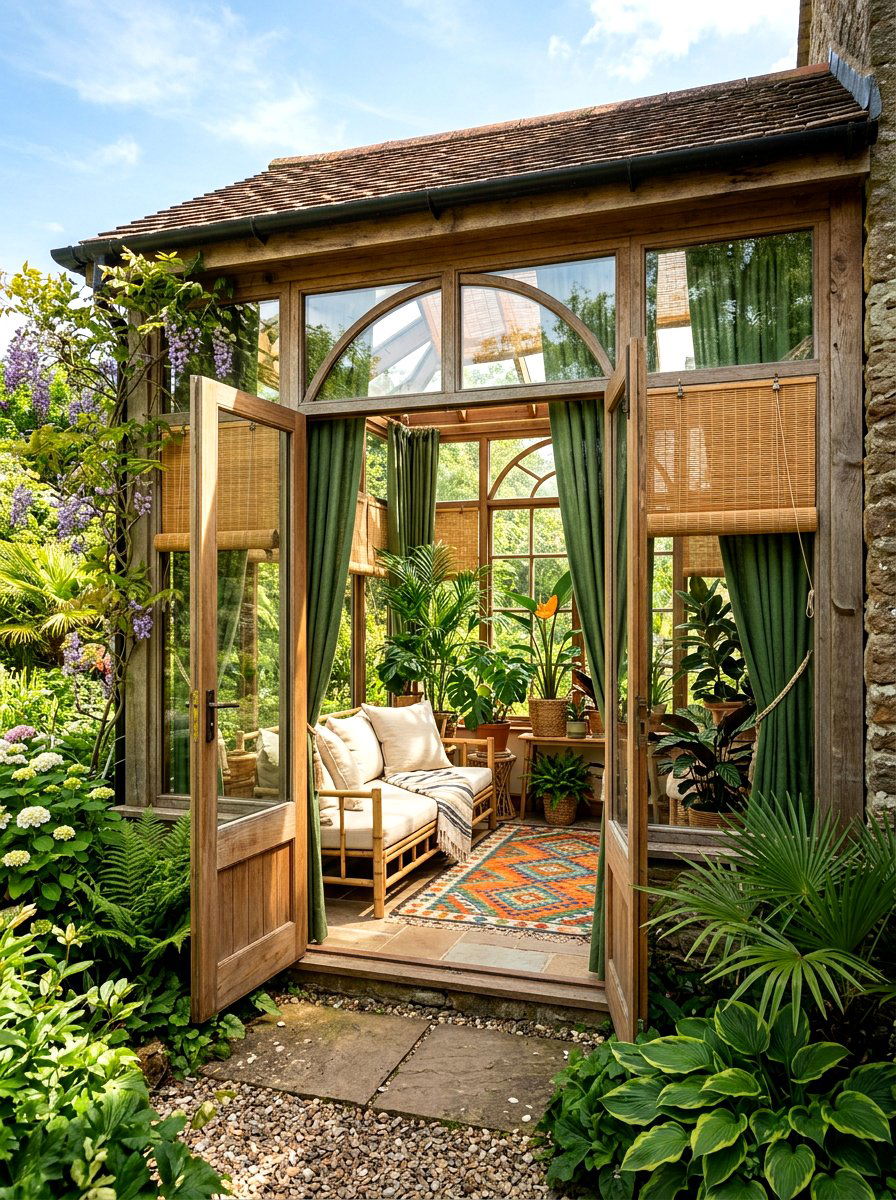
25. Swing Arm Curtains
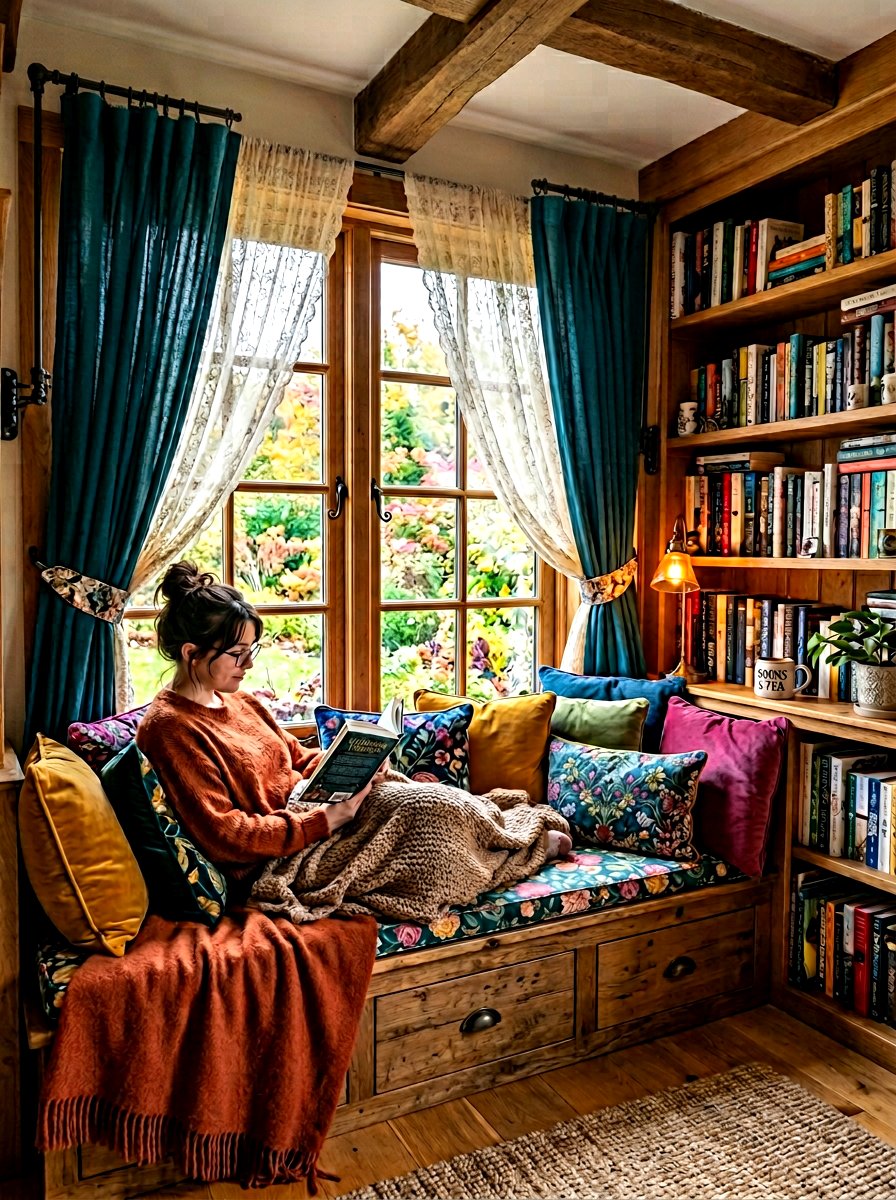
For small windows in a cozy reading nook or a bathroom, swing arm rods allow you to layer fabrics in a way that is highly functional. These unique rods are hinged on one side, allowing you to "swing" the entire curtain panel away from the window to let in maximum light. Layering a small lace panel behind a heavier fabric on a swing arm rod gives you privacy when you need it and an open view when you don't. This clever hardware solution is perfect for tight spaces where a traditional long rod might not fit or would look too bulky.
26. Corner Window Layering
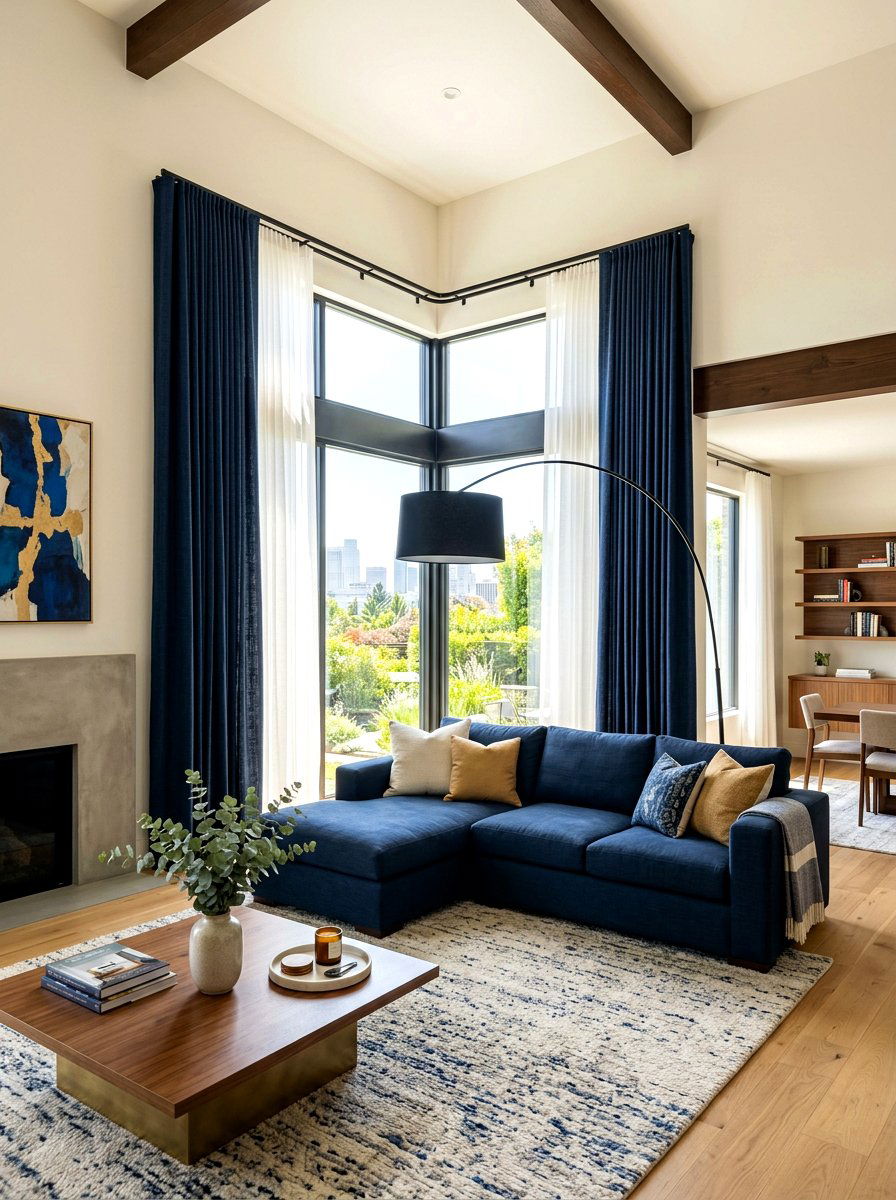
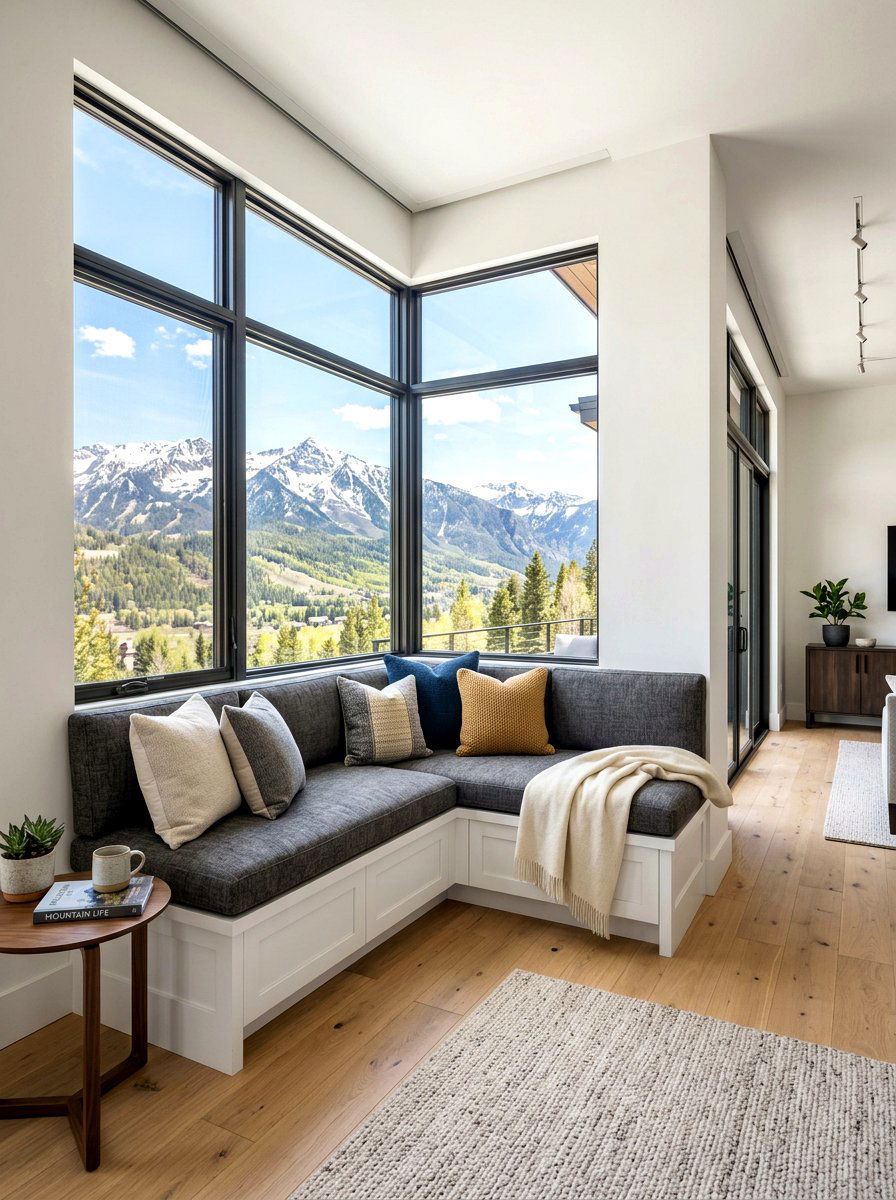
Decorating corner windows can be a challenge, but layering curtains effectively can turn them into a stunning architectural feature of your living room. By using a continuous rod that follows the angle of the wall, you can layer sheers across both windows with decorative panels at the outer ends. This creates a unified look that makes the two separate windows feel like one large, expansive piece of glass. It adds a lot of visual weight to the corner, making it a natural spot for a cozy seating arrangement. The layered approach softens the sharp angle and makes the entire room feel more cohesive.
27. Bay Window Curtains
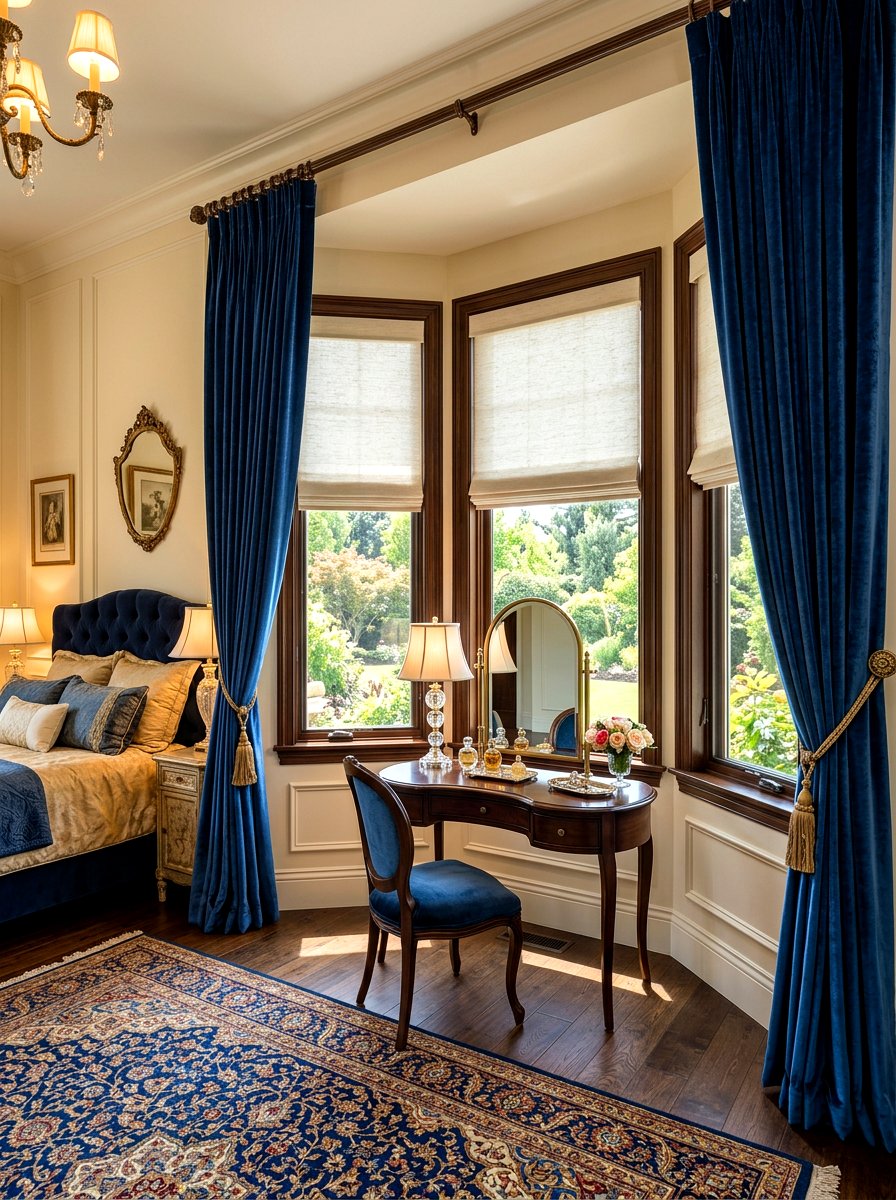
A large bay window in a master bedroom is the perfect place to experiment with multiple layers of fabric to create a luxurious retreat. You can install individual shades or sheers on each of the three window sections and then frame the entire bay with two large, heavy drapes on the outer edges. This layering technique highlights the unique shape of the window while providing excellent control over light and privacy. It creates a beautiful frame for a window seat or a small vanity table. The resulting look is grand, inviting, and makes the best possible use of a stunning architectural feature.
28. French Door Curtains
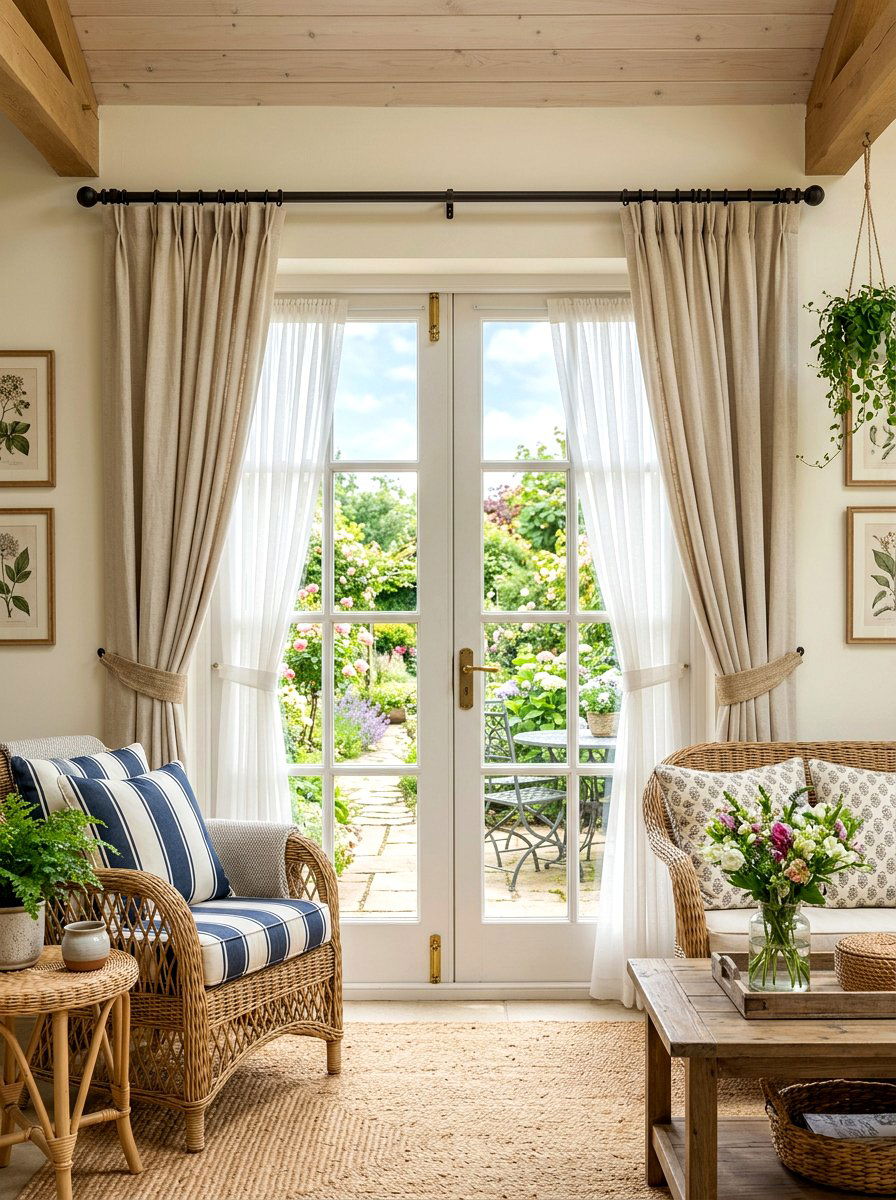
Managing light and privacy on French doors is easily solved by layering door-mounted sheers with full-length drapes on a rod above the door frame. The sheers move with the doors, providing constant privacy without getting in the way of the handles or the swinging motion. Adding the long drapes allows you to fully black out the room or add a layer of warmth during the evening. This dual-layered approach is both practical and stylish, ensuring your doors look as good as the rest of your windows. It turns a functional exit into a beautiful part of your overall interior design scheme.
29. Outdoor Layered Curtains
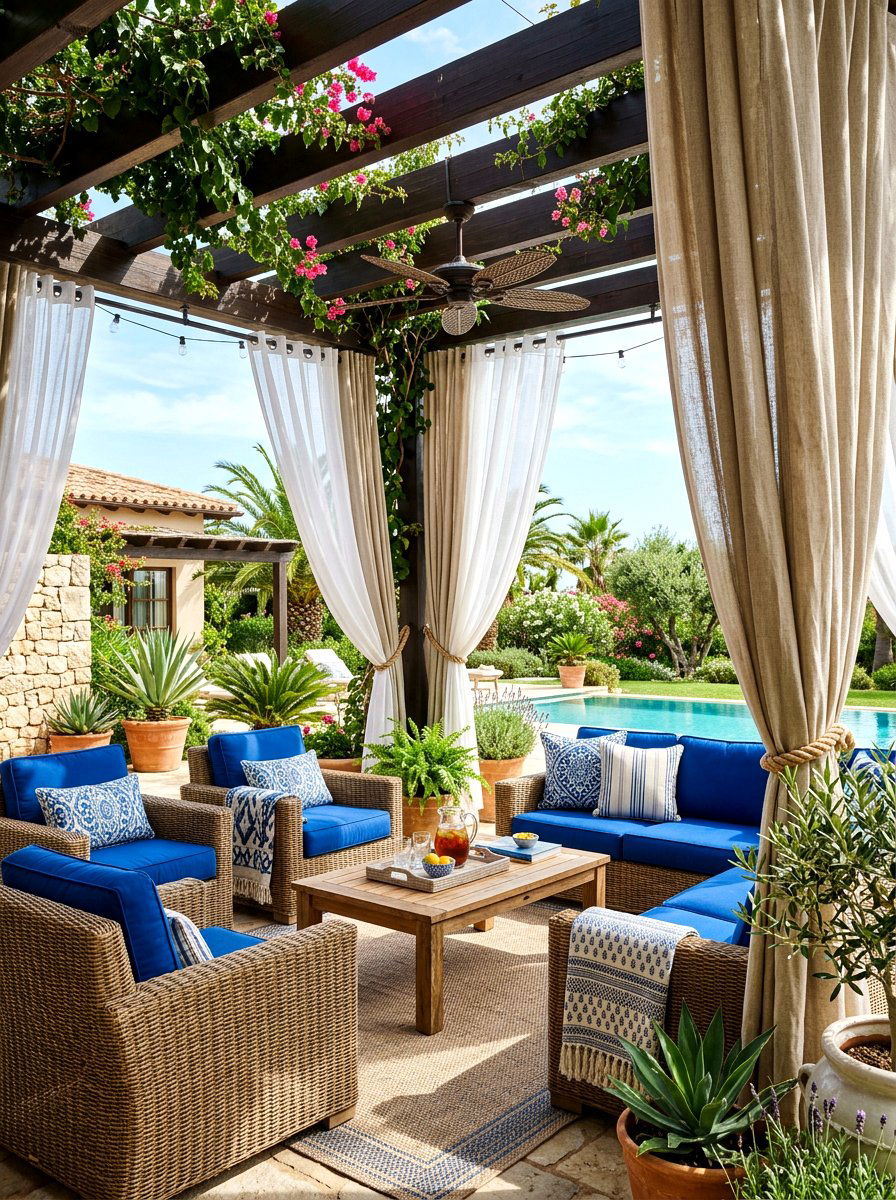
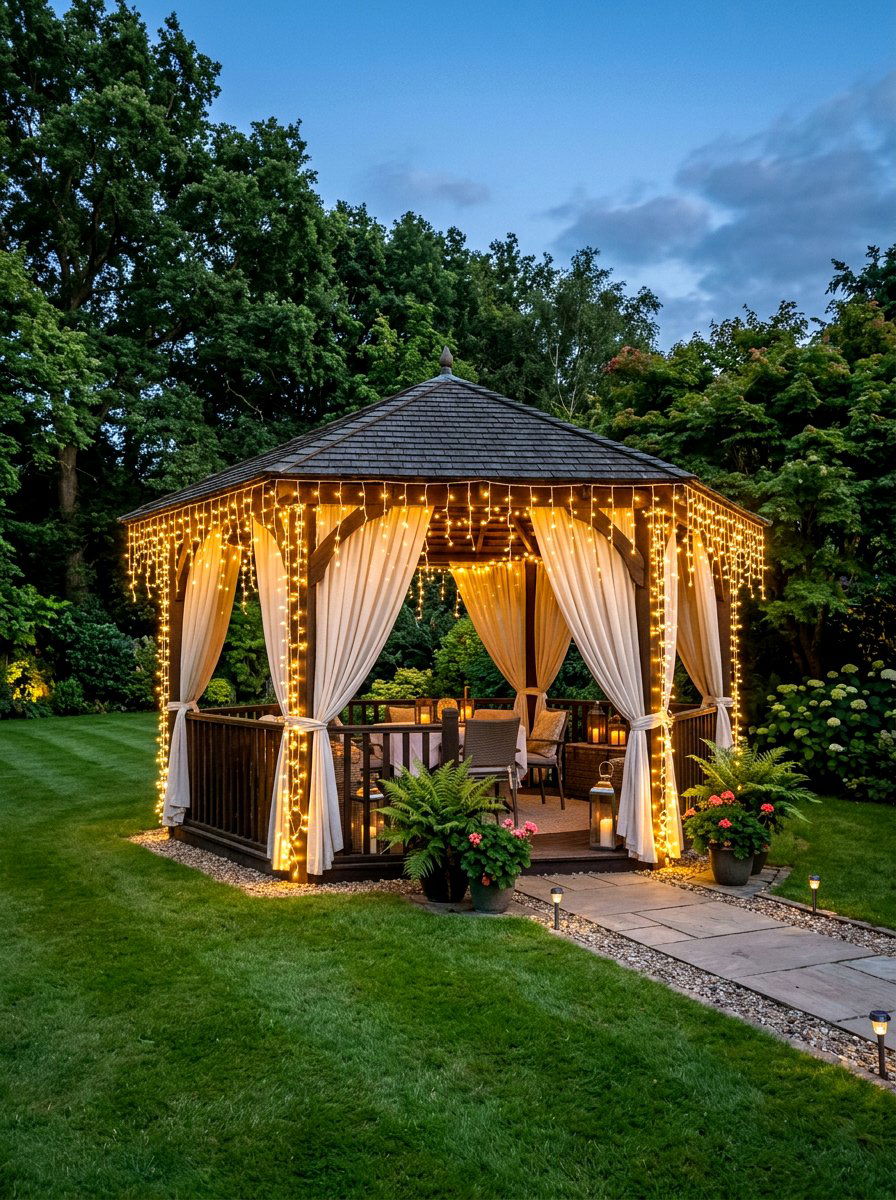
You can bring the comfort of your living room outside by layering weather-resistant curtains on a covered patio or pergola. Using a sheer outdoor fabric as a base layer helps to keep bugs at bay while still allowing for a cooling breeze to pass through. Adding a heavier, opaque outdoor curtain allows you to block the hot afternoon sun and create a private sanctuary for relaxing. This layering technique makes your outdoor space feel like a true extension of your home. Choosing durable, fade-resistant fabrics ensures that your layered look stays beautiful despite exposure to the sun, wind, and rain.
30. Metallic Accent Curtains
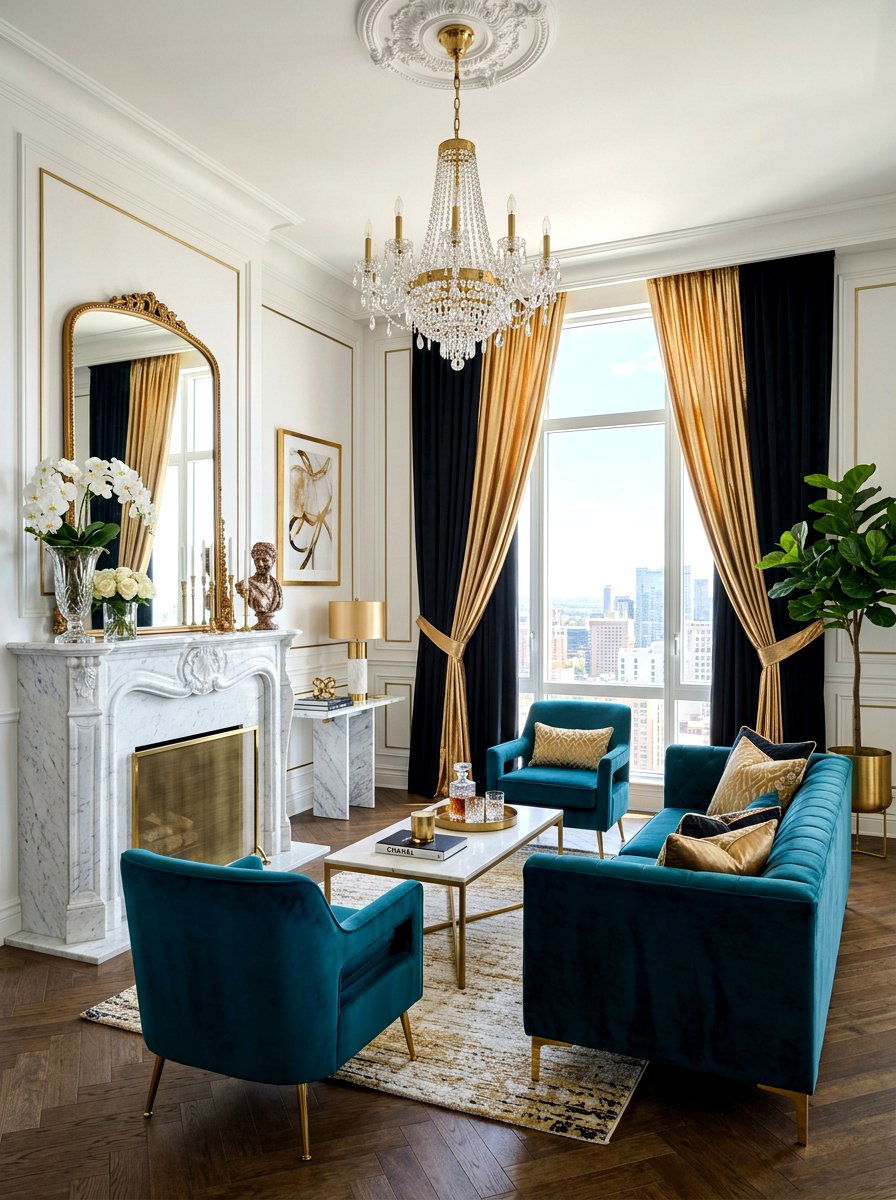
For a touch of modern glam in a chic apartment, try layering curtains that feature subtle metallic threads over matte velvet or linen panels. The hint of gold or silver in the fabric catches the evening light, creating a shimmering and sophisticated atmosphere that is perfect for entertaining. This layering style adds a bit of "jewelry" to your windows without being overly flashy or dated. It works beautifully when paired with metallic light fixtures and hardware throughout the room. The contrast between the matte base and the sparkling top layer creates a high-fashion look that feels current, daring, and very expensive.
Conclusion:
Mastering the art of curtain layering is one of the most effective ways to elevate your home's interior design from standard to spectacular. Throughout this guide, we have explored how different combinations of shades, sheers, and heavy drapes can solve functional problems while creating stunning visual focal points. By considering the unique light and privacy needs of each room, you can choose layers that provide comfort, insulation, and a personalized style. Whether you prefer the organic feel of bamboo or the opulent touch of silk, these layering ideas offer a roadmap to a more beautiful and functional living space.

Related posts: