Growing a successful vegetable garden often starts with finding the perfect way to protect your hard work from local wildlife and wandering pets. A well-planned fence does much more than just set a boundary; it creates a safe haven where your tomatoes, peppers, and leafy greens can flourish without the threat of being eaten overnight. Whether you are dealing with persistent deer, curious rabbits, or simply want to define your growing space with style, choosing the right barrier is a crucial step in your gardening journey. Modern fencing options combine durability with aesthetic appeal, allowing you to enhance your backyard's overall look while maintaining a highly productive and organized planting area for your family.

1. Wood and wire garden fence
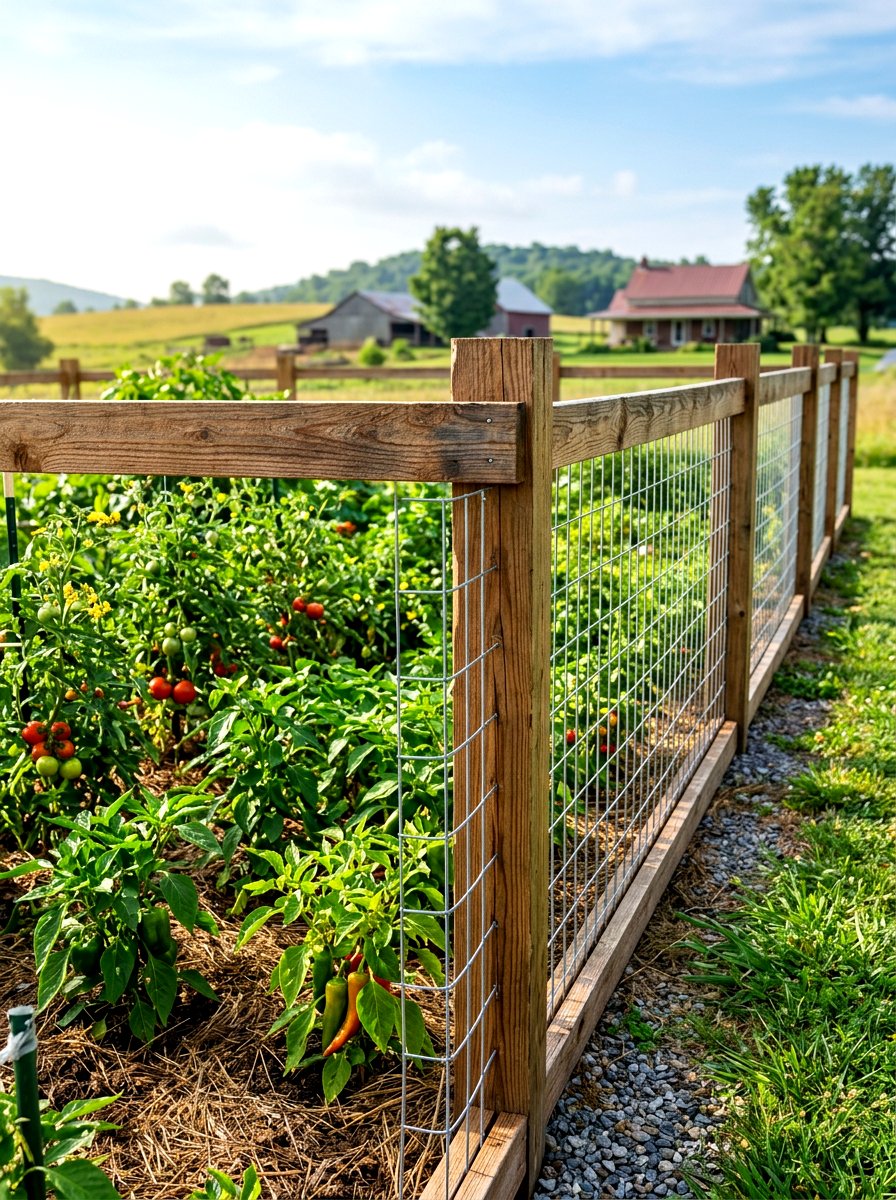
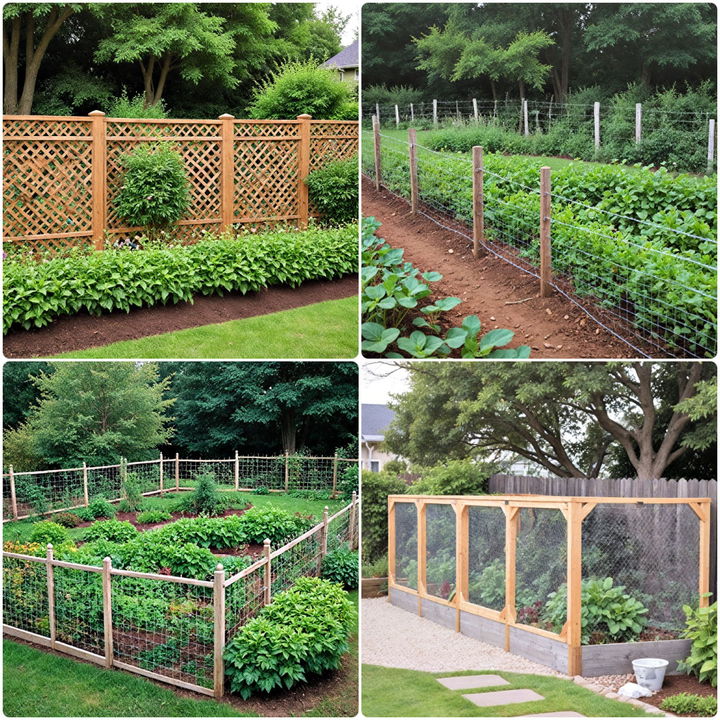
Choosing a wood and wire garden fence offers a perfect balance between visibility and protection for your growing vegetables. This style typically features a sturdy wooden frame, often made from cedar or pressure-treated lumber, paired with a durable wire mesh like hardware cloth or galvanized poultry netting. The open nature of the wire allows plenty of sunlight and airflow to reach your crops, which is vital for preventing fungal diseases and ensuring healthy growth. Meanwhile, the wooden structure provides a solid foundation that can withstand various weather conditions throughout the seasons. It creates a defined border that keeps small animals like rabbits and groundhogs from feasting on your leafy greens while maintaining a charming, rustic aesthetic in your backyard space.
2. Cedar picket garden fence
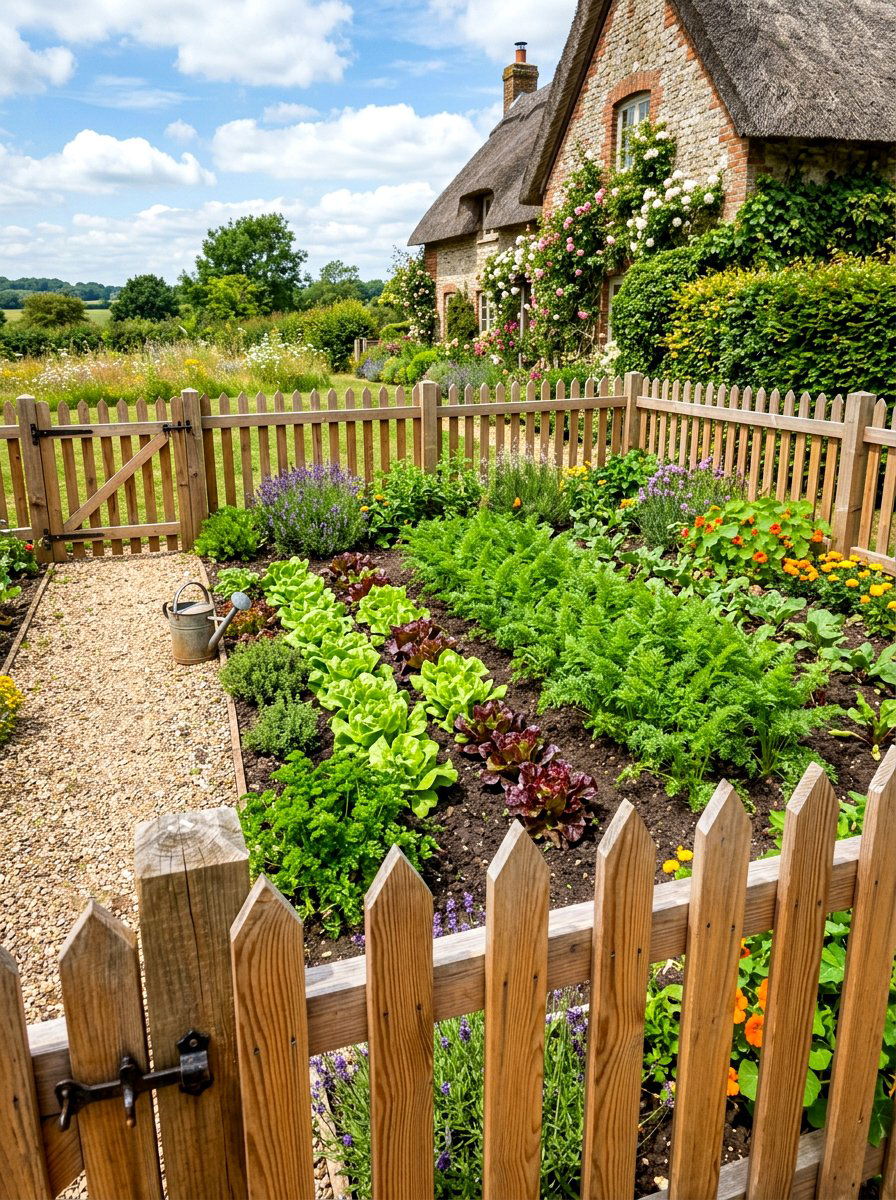
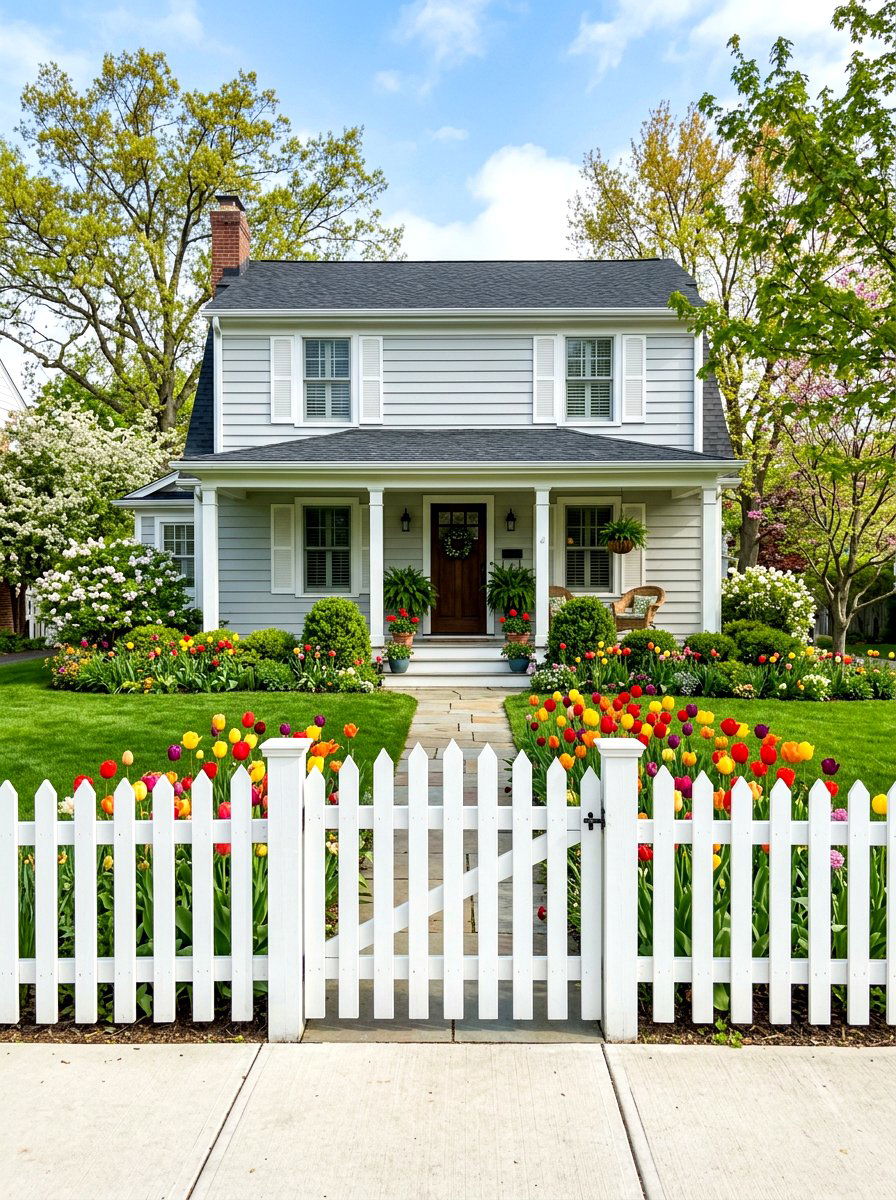
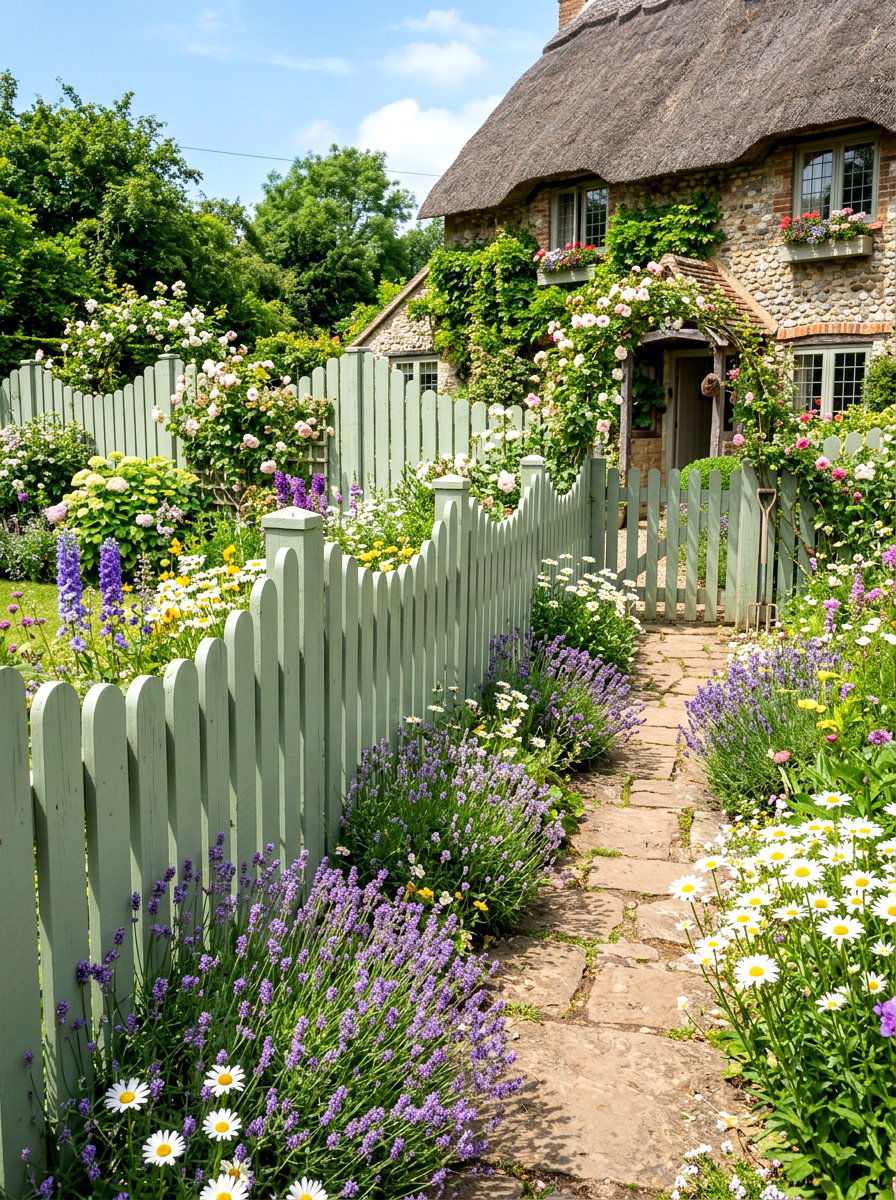
A cedar picket garden fence brings a timeless and classic look to any vegetable patch while offering incredible natural durability. Cedar is prized by gardeners for its inherent resistance to rot, decay, and insect damage, making it an ideal choice for outdoor structures that sit close to damp soil. These fences usually consist of vertical pickets with pointed or decorative tops, spaced closely enough to deter larger pests while still feeling open and welcoming. Because cedar weathers to a beautiful silvery-gray over time, it blends seamlessly into a natural garden environment. You can also stain or paint it to match your home’s exterior, providing a polished and cohesive look that adds significant curb appeal to your property.
3. Horizontal slat garden fence
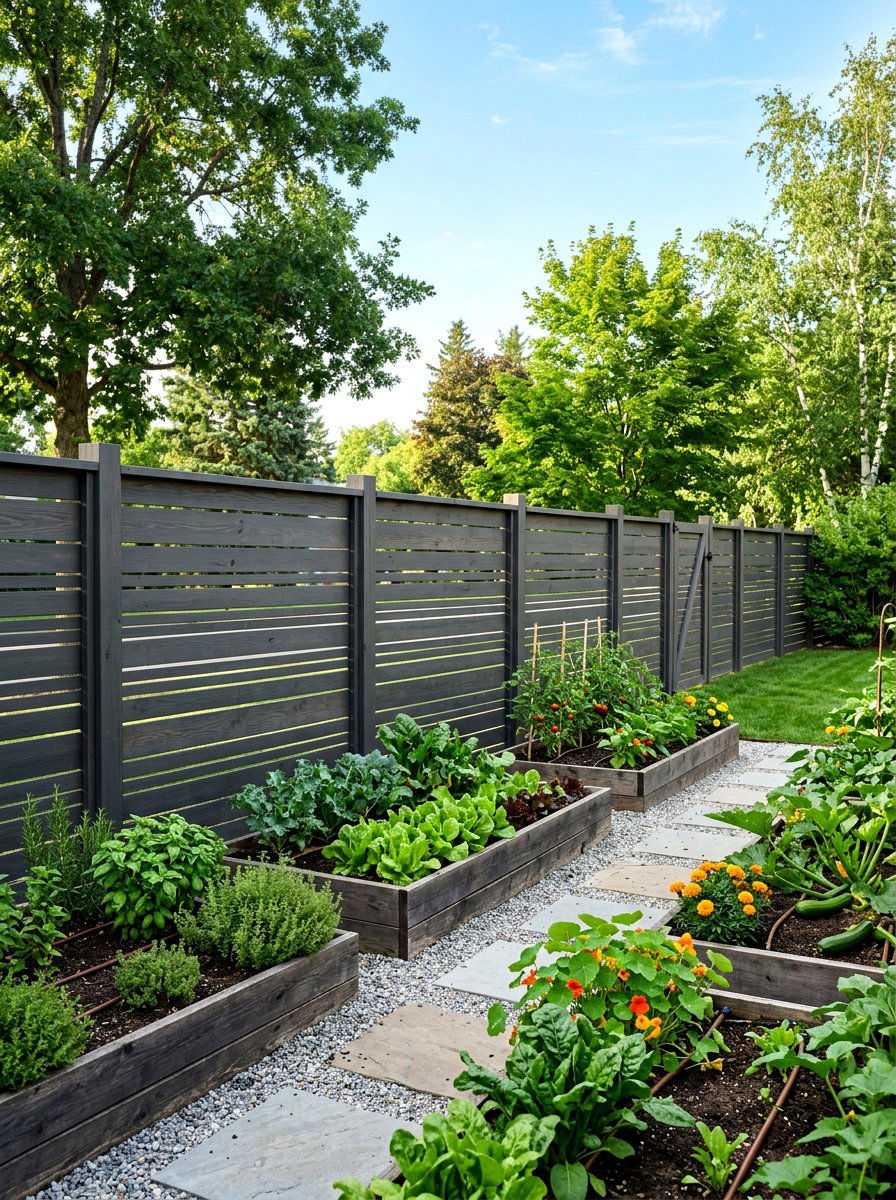
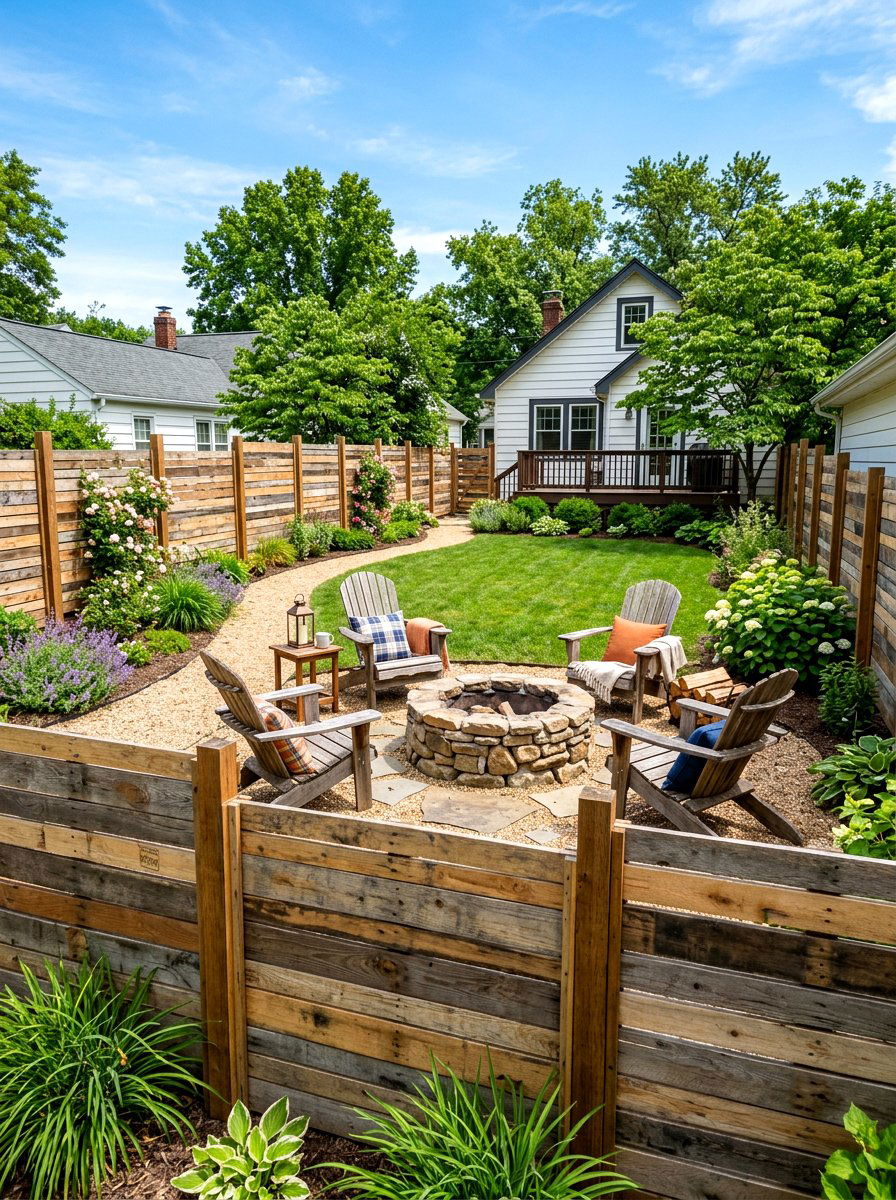
For homeowners who prefer a contemporary aesthetic, a horizontal slat garden fence provides a sleek and modern way to enclose a vegetable garden. This design uses long, narrow wooden or composite boards stacked horizontally with small gaps between them. The result is a clean-lined structure that feels architectural and sophisticated. These fences are particularly effective at providing a windbreak for delicate plants while still allowing filtered light to pass through to the soil. The horizontal orientation of the slats can also make a small garden space feel wider and more expansive. By using dark stains or natural wood finishes, you can create a striking backdrop that makes the vibrant greens and reds of your vegetables really pop.
4. Cattle panel garden fence
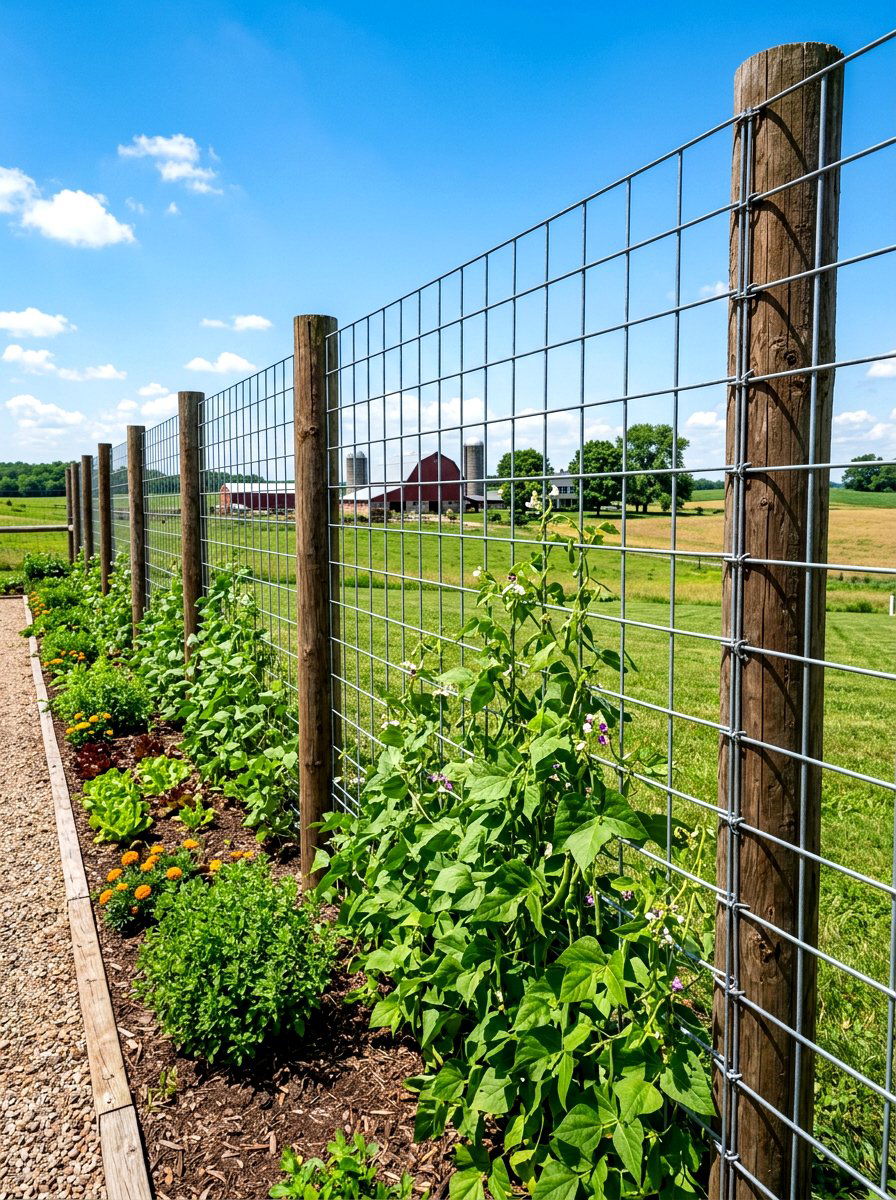
A cattle panel garden fence is a favorite among practical gardeners because of its immense strength and versatility in the field. These heavy-duty wire panels are made from thick galvanized steel, originally designed to contain large livestock, so they easily stand up to the elements and hungry deer. Because the mesh is rigid, these panels do not sag over time and provide an excellent structure for climbing vegetables like pole beans, cucumbers, and peas to grow upward. You can mount these panels between sturdy wooden posts for a professional look or use T-posts for a more utilitarian setup. Their longevity and ability to support heavy fruit make them a smart, long-term investment for any serious vegetable grower.
5. Hog wire garden fence
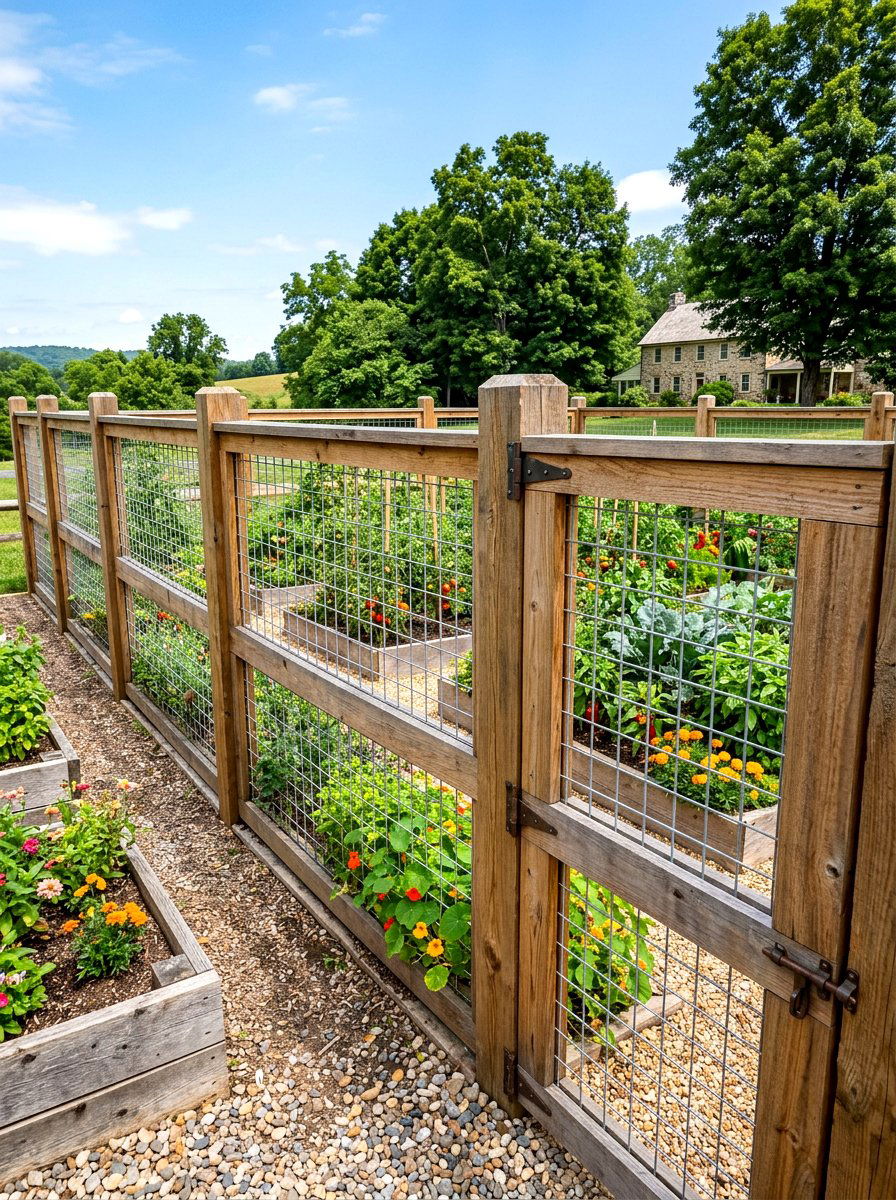
Using a hog wire garden fence is an excellent way to maintain a clear view of your vegetable beds while providing a high level of security. Similar to cattle panels but with smaller grid spacing at the bottom, hog wire is designed to keep out smaller animals that might try to squeeze through traditional fencing. This type of fence is usually framed in high-quality wood, creating a "picture frame" effect that looks very intentional and high-end. It is a popular choice for urban and suburban gardens where homeowners want to see their beautiful harvests from the patio. The grid pattern is also perfect for attaching small pots or training vines, turning your fence into a functional vertical garden.
6. Chicken wire garden fence
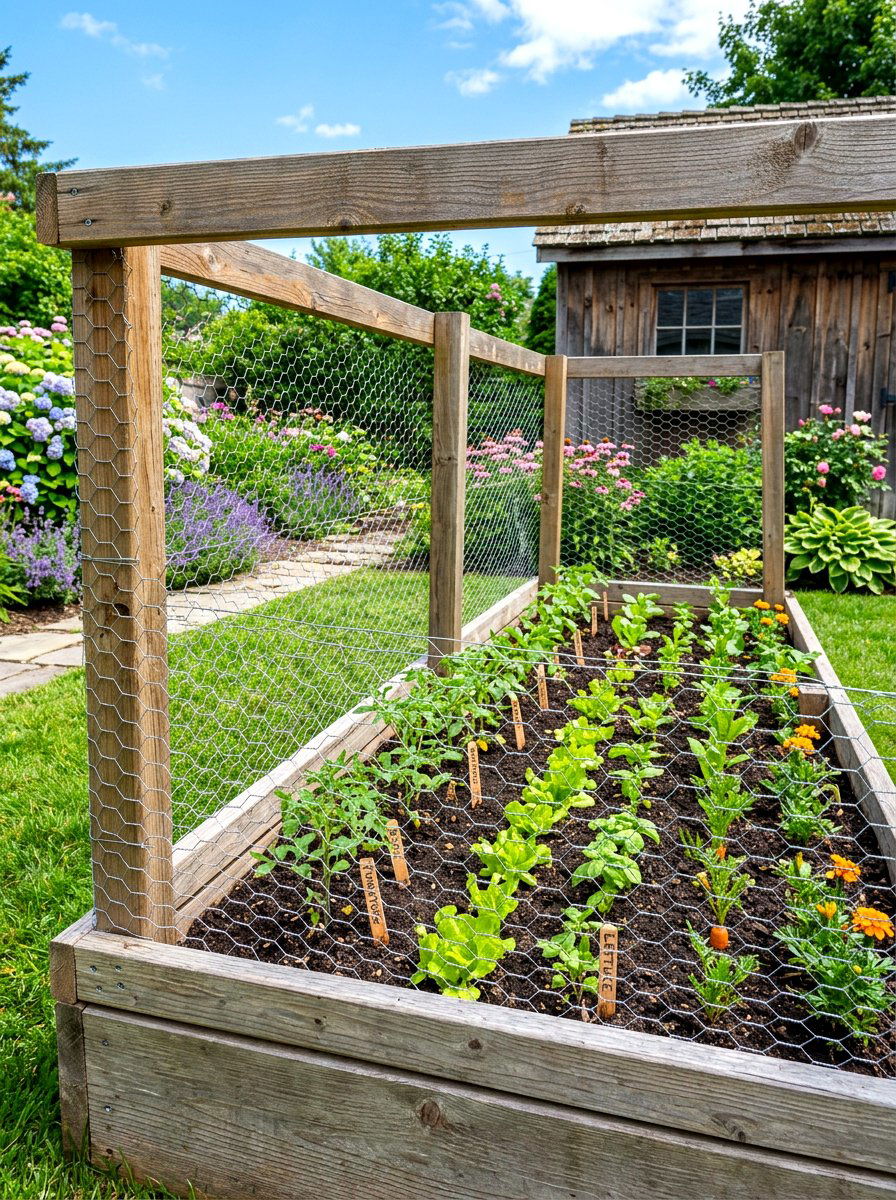
The chicken wire garden fence remains one of the most affordable and effective solutions for keeping small, nibbling pests away from your produce. This lightweight, flexible hex-mesh wire is incredibly easy to work with, allowing you to wrap it around existing structures or create a simple DIY frame with ease. While it might lack the architectural weight of heavier metals, it is virtually invisible from a distance, which helps maintain an open feel in your yard. To make it more durable and attractive, many gardeners staple the wire to the inside of a simple wooden rail frame. This prevents the wire from curling and gives the fence a much more finished and professional appearance in the landscape.
7. Woven willow garden fence
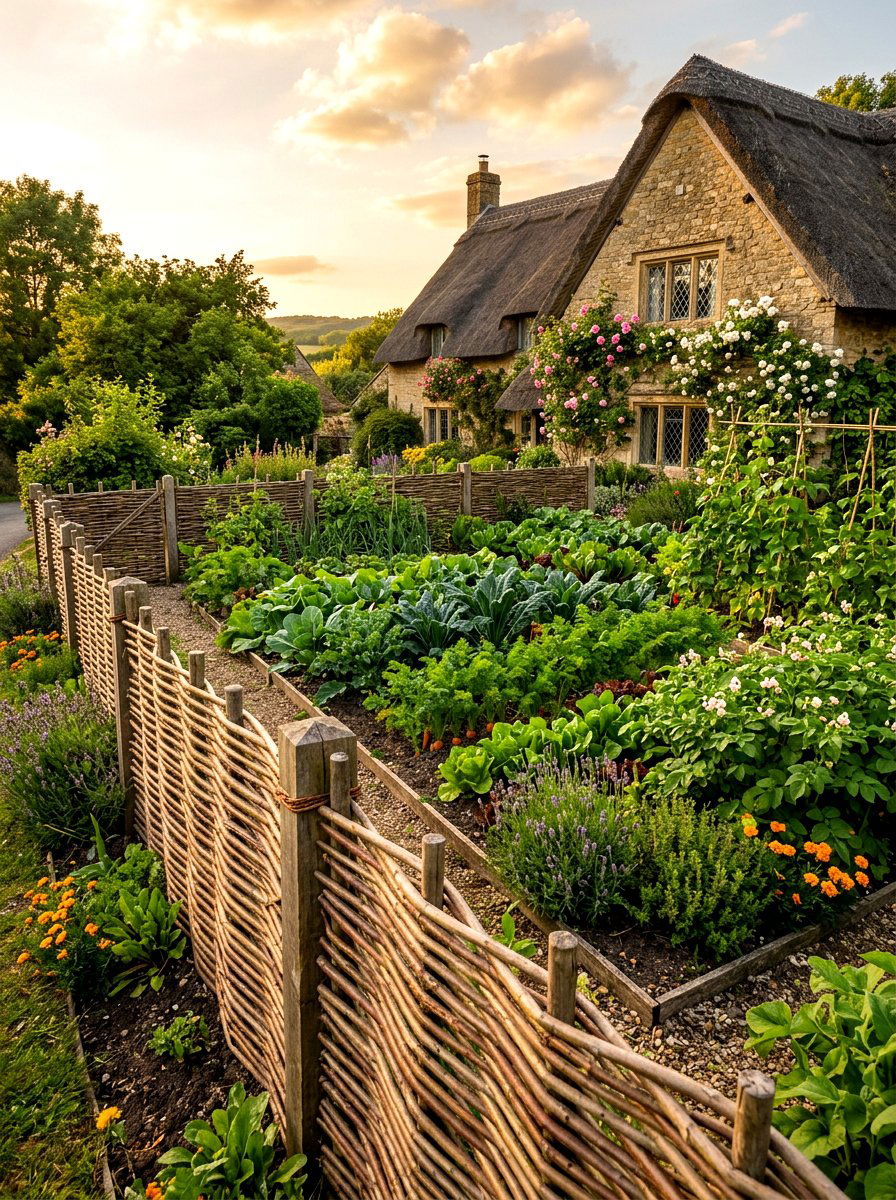
A woven willow garden fence, often called a wattle fence, is a beautiful and sustainable choice that adds a touch of old-world charm to your garden. These fences are created by weaving flexible willow or hazel branches between upright stakes driven into the ground. Because they are made from natural, biodegradable materials, they are incredibly eco-friendly and blend perfectly into a cottage-style or organic garden. They provide excellent protection against wind, which can help regulate the temperature for your vegetables during early spring. The hand-crafted nature of a woven fence means that no two sections are exactly alike, giving your vegetable garden a unique, artisanal character that feels deeply connected to the earth.
8. Reclaimed pallet garden fence
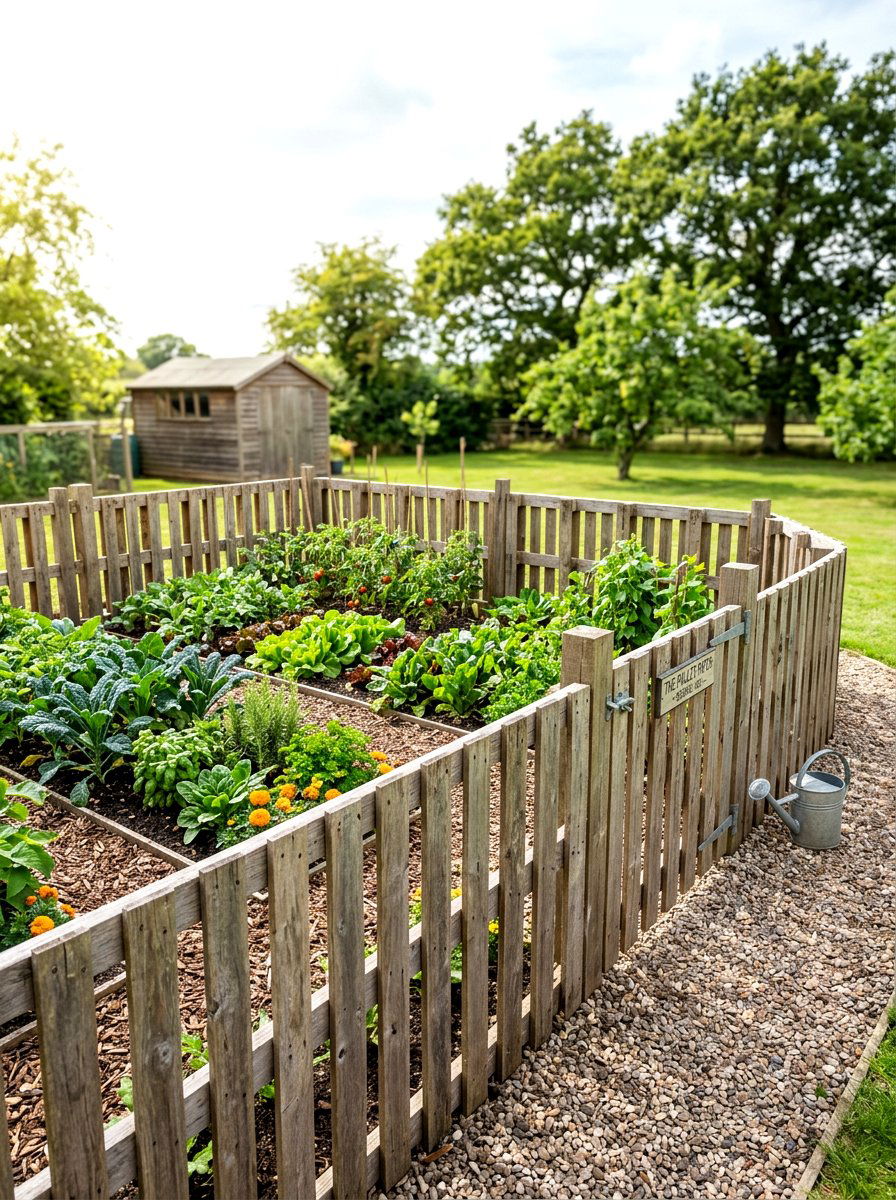
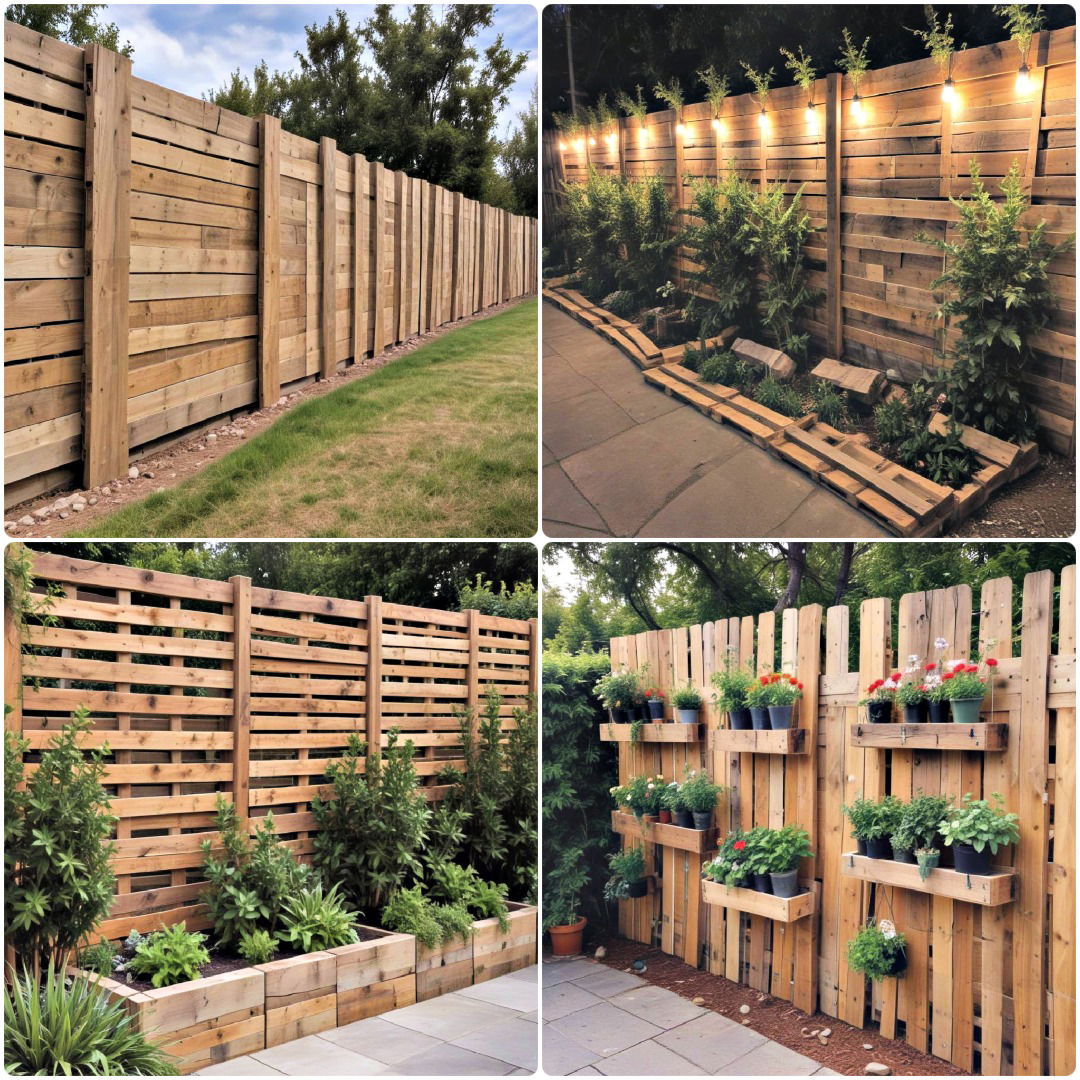
Building a reclaimed pallet garden fence is a fantastic way to protect your vegetables while practicing sustainability and saving money on materials. Shipping pallets are often available for free or at a very low cost, and their sturdy construction makes them perfect for creating a rustic, farmhouse-style border. You can use the pallets whole for a heavy, solid look, or disassemble them to use the individual slats for a custom picket design. Many gardeners choose to leave the wood raw for a weathered look, while others paint them in bright colors to add a fun, whimsical vibe to the space. Additionally, the openings in the pallets can serve as built-in planters for herbs or strawberries.
9. Black metal garden fence
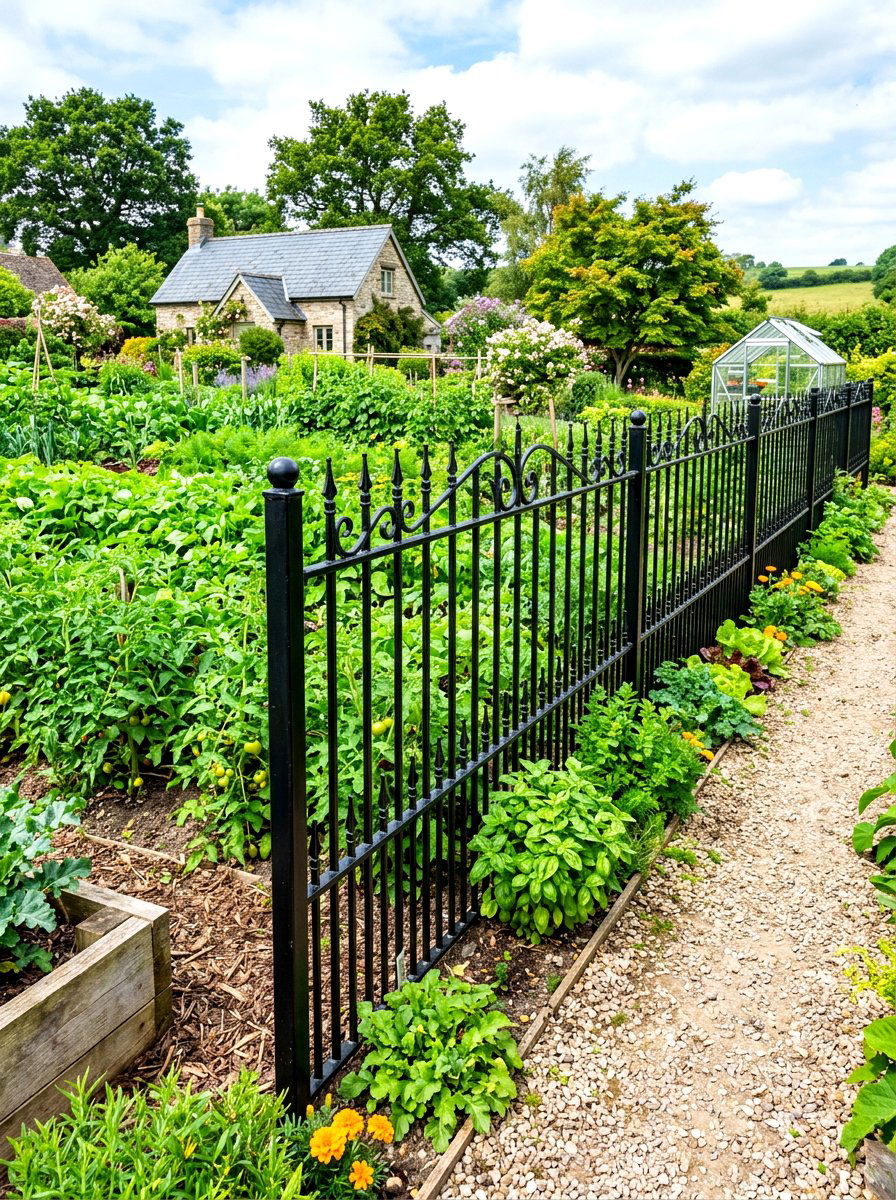
A black metal garden fence offers a sophisticated and low-maintenance solution for those who want a permanent and elegant garden enclosure. Typically made from wrought iron or powder-coated aluminum, these fences provide a high-contrast look that looks stunning against a backdrop of green foliage. The dark color helps the fence "disappear" into the shadows of the garden, making the plants themselves the focal point. Metal fences are incredibly durable and won't rot or warp like wood, ensuring your vegetable garden remains protected for decades. Many styles feature slim pickets that allow for maximum sunlight and visibility, ensuring your garden feels integrated with the rest of your backyard living area and landscaping.
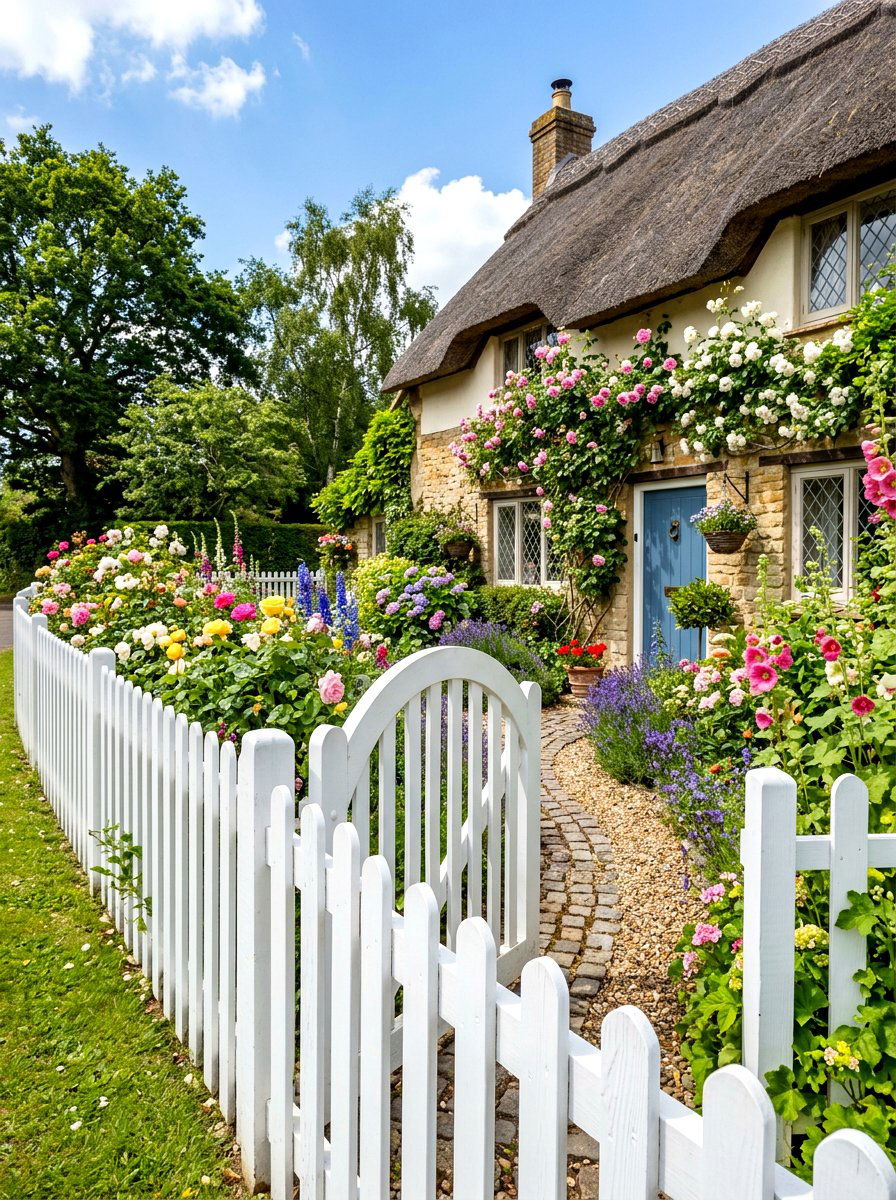
10. Bamboo garden fence
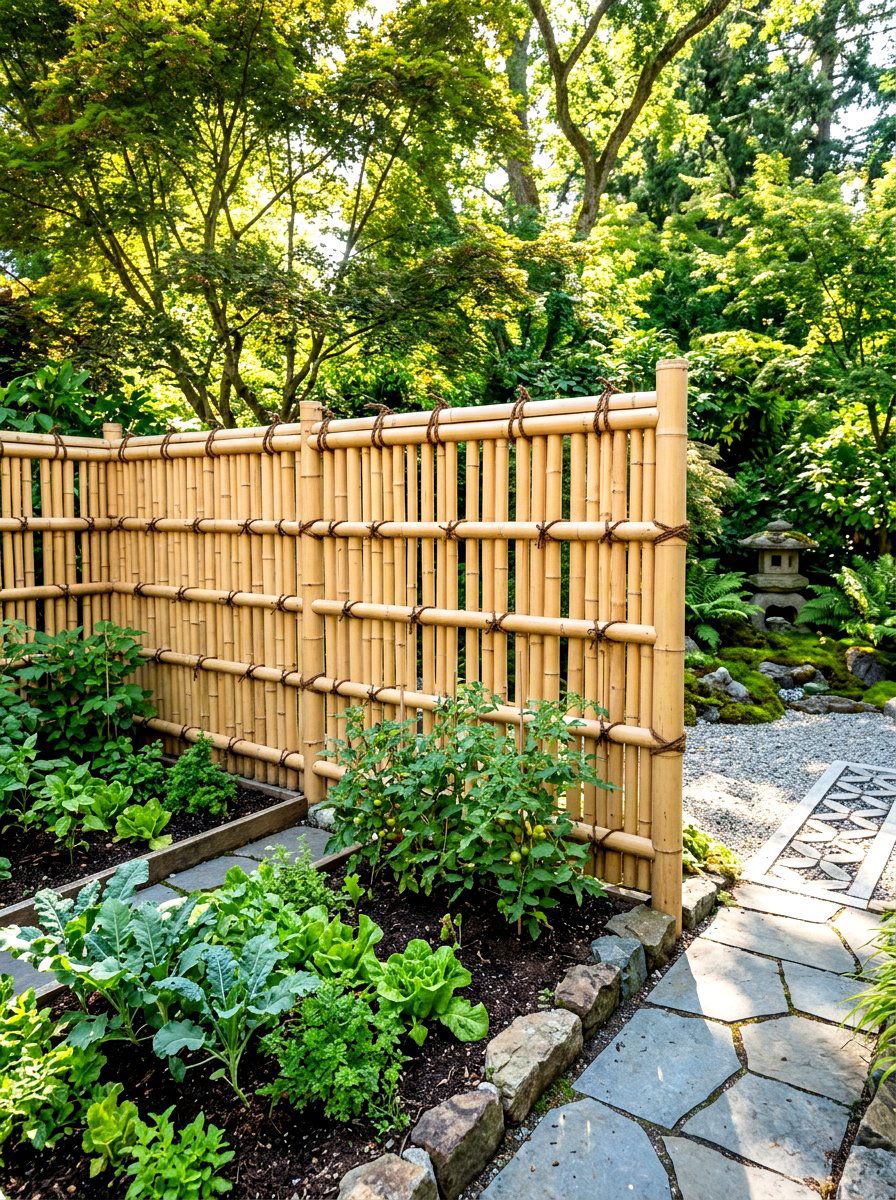
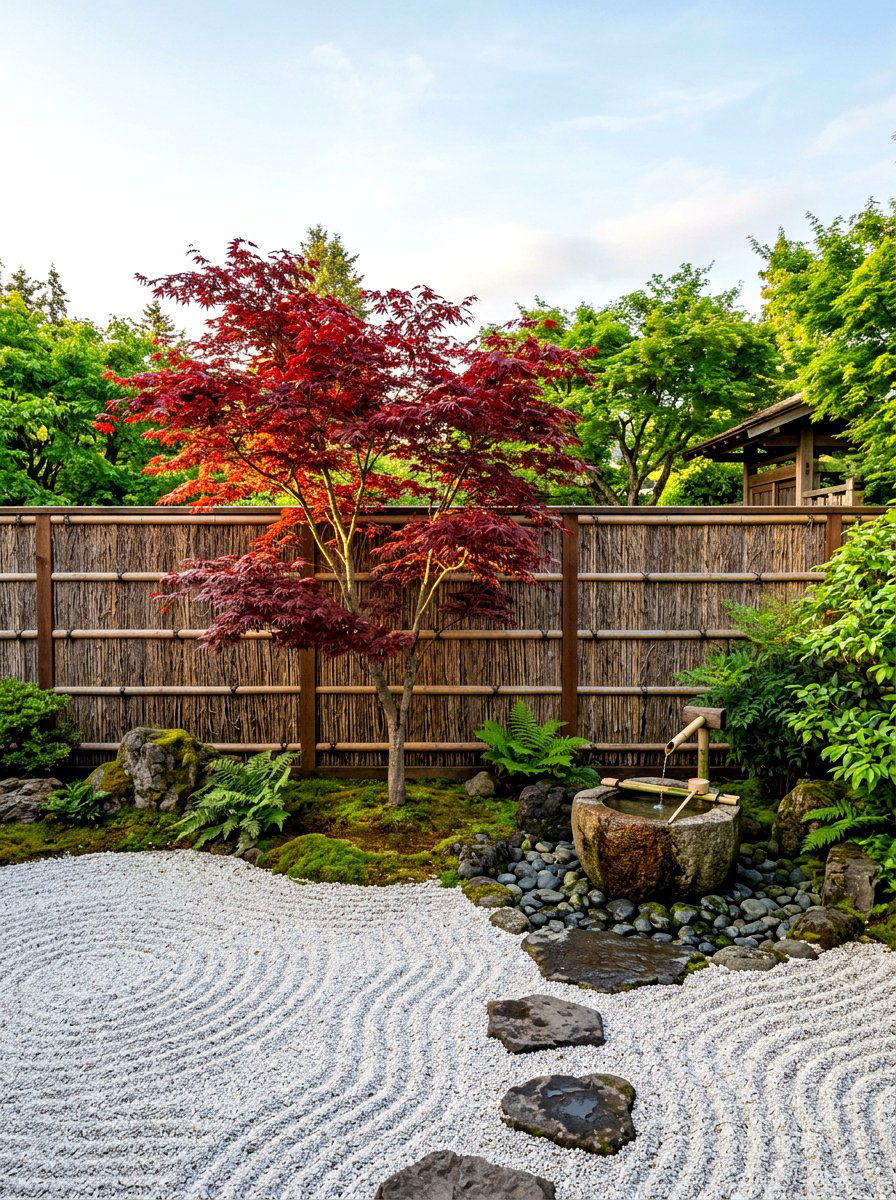
A bamboo garden fence is an excellent choice for gardeners looking for a fast-growing, renewable material that provides a tropical or Zen-like atmosphere. Bamboo is naturally strong and resistant to moisture, making it a reliable barrier for a vegetable patch. You can purchase bamboo in pre-made rolls that are easy to attach to existing posts, or you can build a custom frame using individual thick bamboo poles. This type of fencing provides great privacy and can act as a natural screen to hide unsightly utility areas while protecting your crops. Its light tan or green color complements the natural hues of a vegetable garden, creating a peaceful and harmonious environment for your gardening tasks.
11. Vinyl garden fence
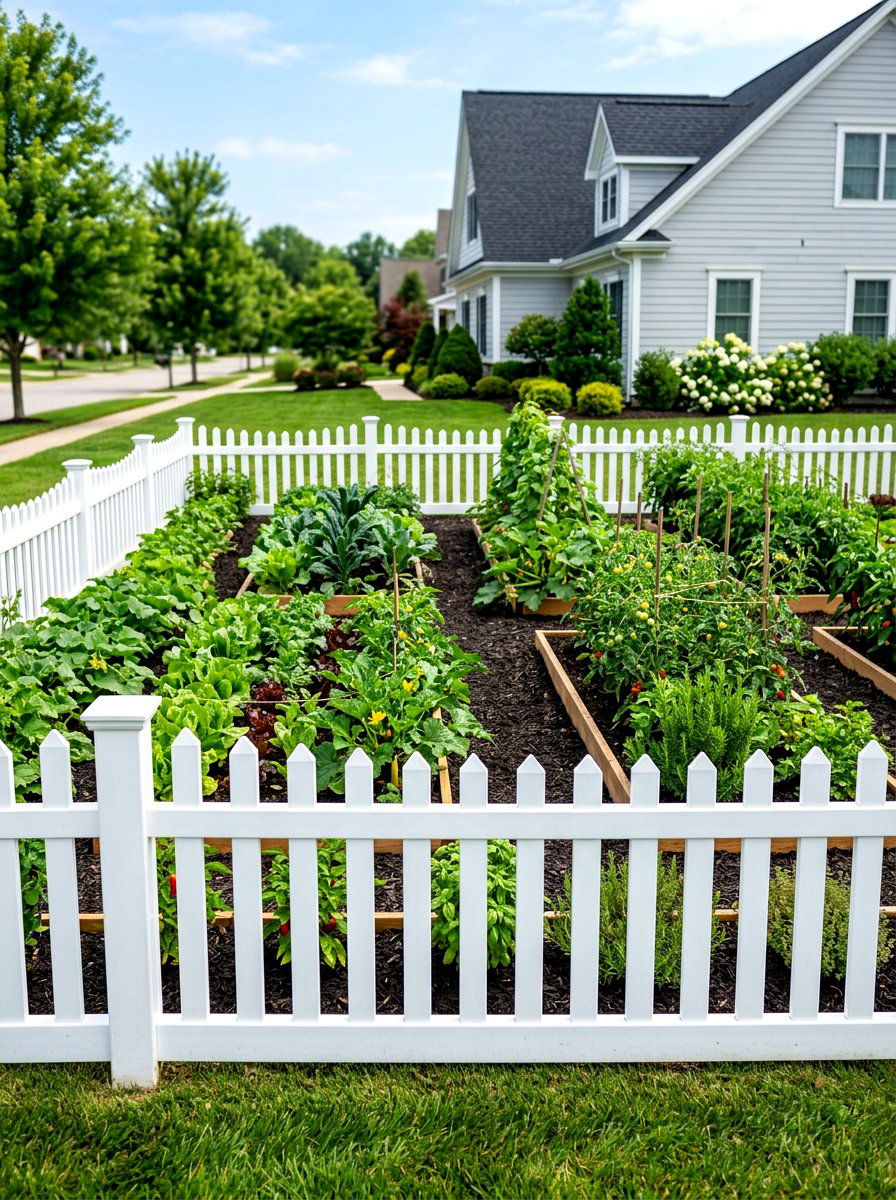
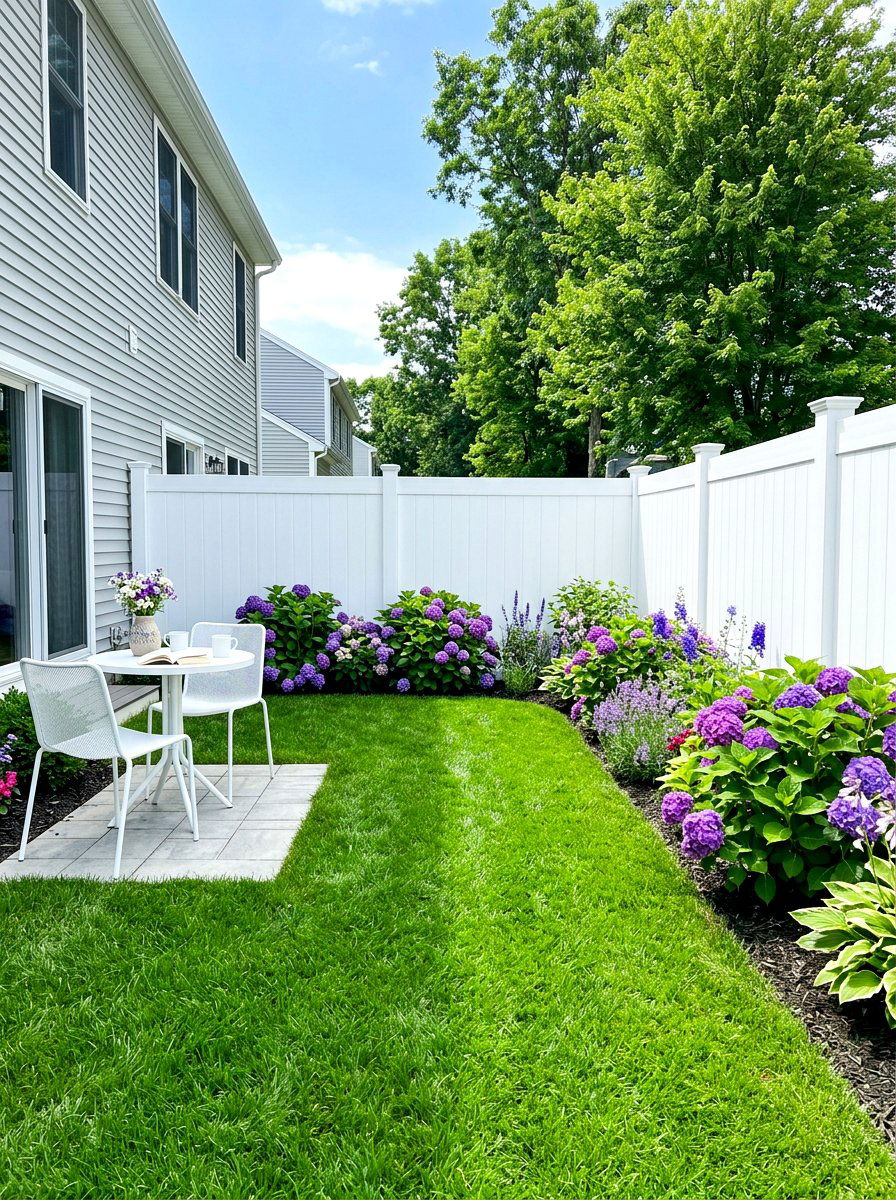
If you are looking for a "set it and forget it" solution, a vinyl garden fence is an ideal option for your vegetable patch. Vinyl is completely resistant to moisture, insects, and UV damage, meaning it will never need to be painted, stained, or treated for rot. Modern vinyl fencing comes in a wide variety of styles, from traditional white pickets to textured wood-grain finishes that look remarkably like the real thing. It provides a clean, crisp border that looks perfect in suburban neighborhoods and stays looking brand new with just an occasional rinse from a garden hose. This durability makes it a very cost-effective choice over the long term for busy vegetable gardeners.
12. Stone and mesh garden fence
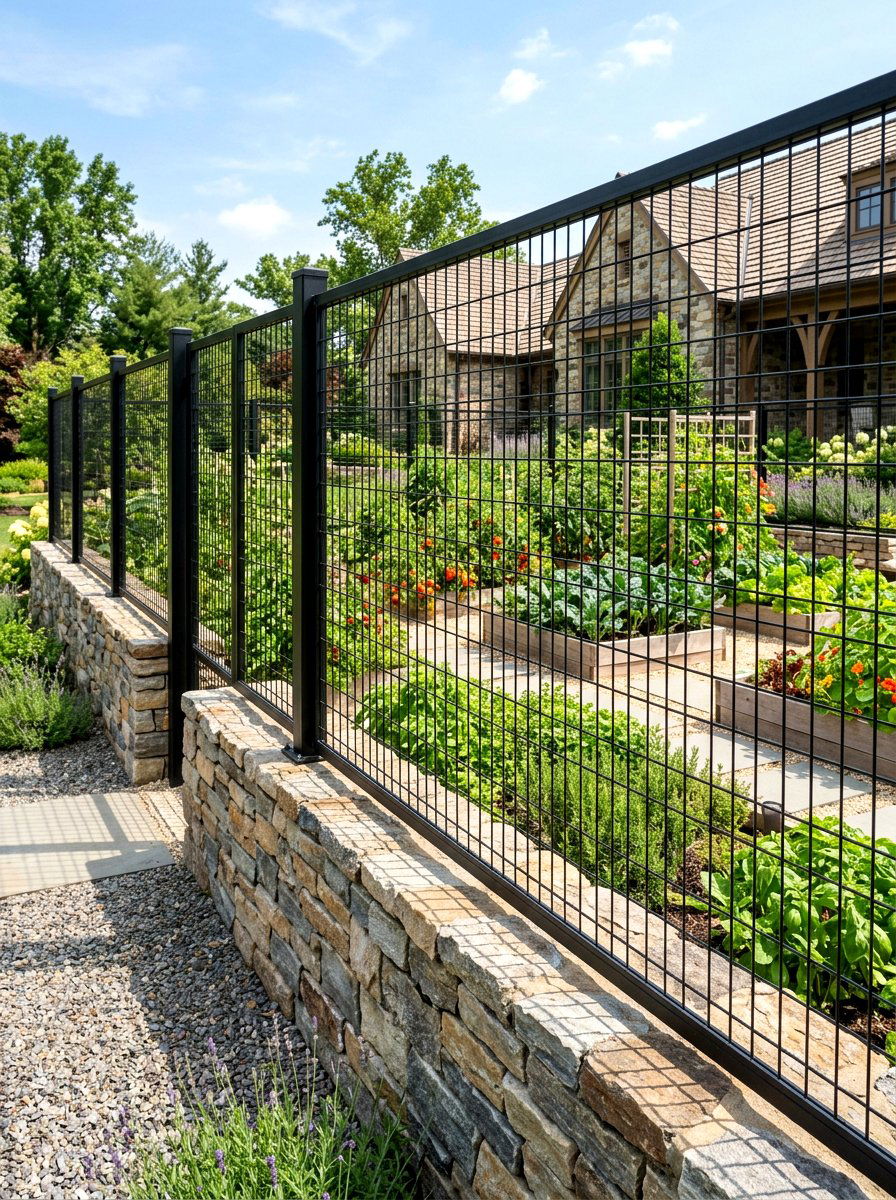
Combining a stone and mesh garden fence creates a high-end, architectural look that provides superior protection at ground level. In this design, a low stone wall or stone base is built along the perimeter, with a metal or wire mesh fence installed on top. The stone base is particularly effective at preventing burrowing animals like groundhogs and gophers from digging their way into your vegetable beds. It also provides a sturdy foundation that prevents the mesh from coming into contact with wet soil, extending the life of the metal. This multi-material approach adds texture and visual interest to your landscape, making your vegetable garden feel like a permanent and integral part of the home's design.
13. Trellis garden fence
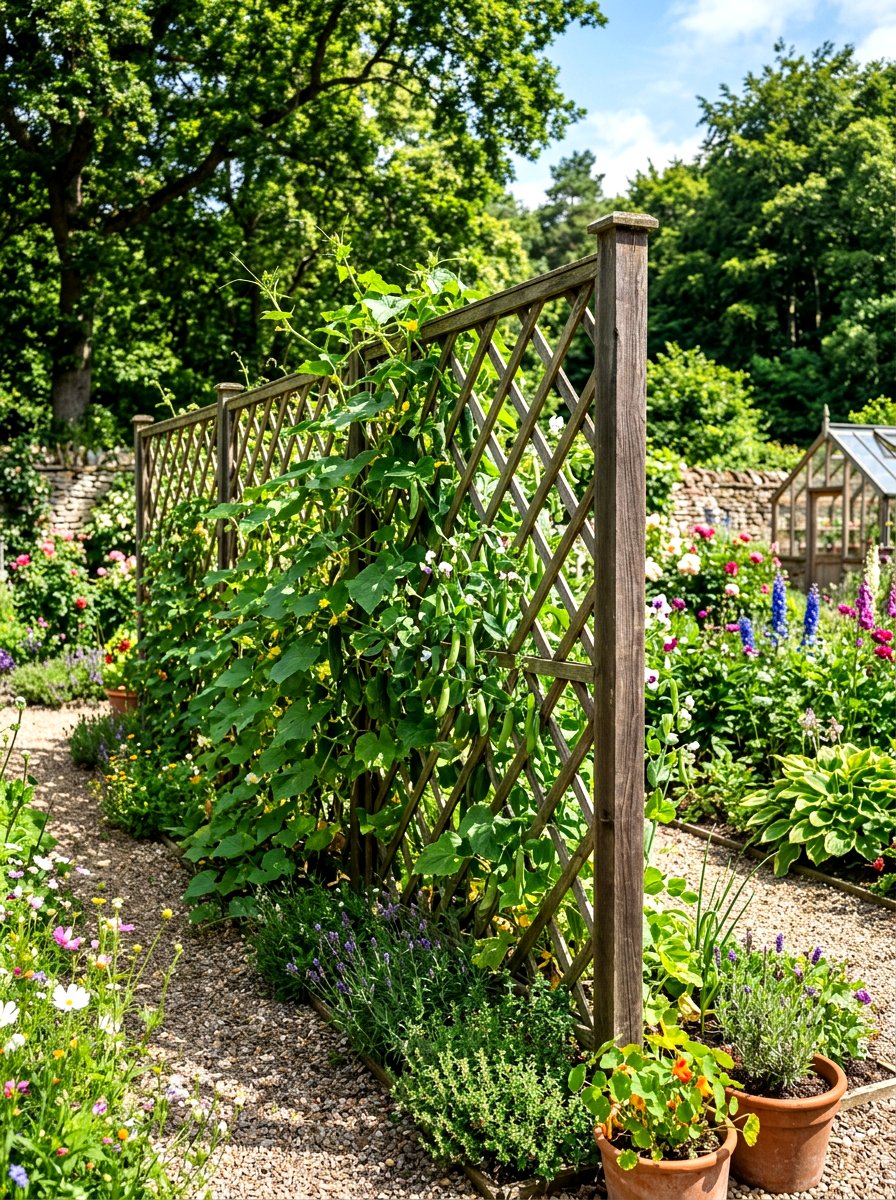
A trellis garden fence serves a dual purpose by acting as a secure boundary and a massive vertical growing surface for your plants. These fences are usually made of crisscrossed wood or metal lath, creating a grid that is perfect for vining vegetables to climb. By encouraging plants like tomatoes, squash, and beans to grow upward on the fence, you can significantly increase the yield of your garden while saving precious ground space. The dense foliage of the climbing plants eventually covers the trellis, creating a lush, green living wall that provides privacy and beauty. This is a brilliant solution for small backyard gardens where every square inch of growing space is valuable.
14. Living hedge garden fence
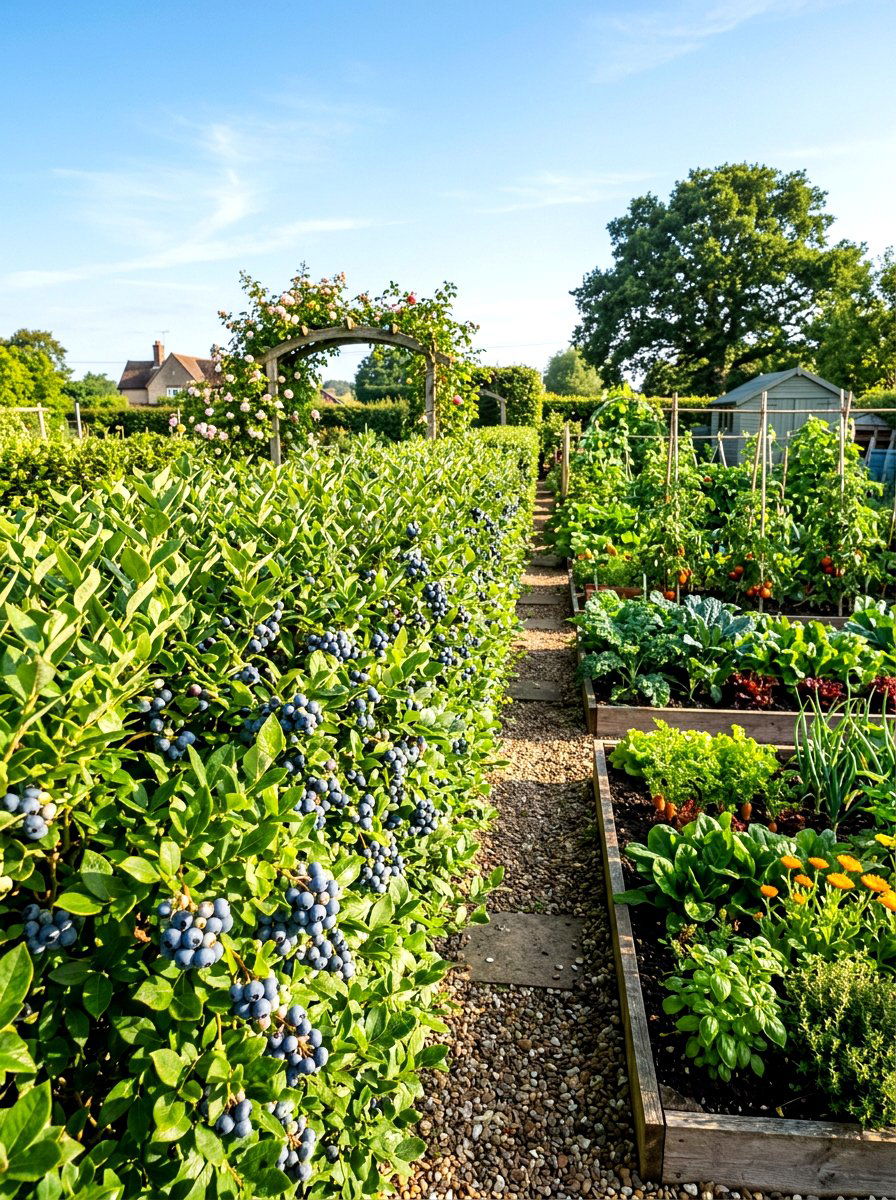
Creating a living hedge garden fence is a unique way to protect your vegetables using nature itself rather than man-made materials. By planting dense, fast-growing shrubs or edible bushes like blueberries or currants around your garden, you create a soft, green barrier that serves multiple functions. Not only does it deter animals, but it also provides a habitat for beneficial insects and birds that help manage garden pests naturally. A well-maintained hedge can also act as a windbreak and help retain moisture in the soil by providing gentle shade during the hottest parts of the day. This approach turns your garden border into a productive part of the harvest while softening the landscape.

15. Corrugated metal garden fence
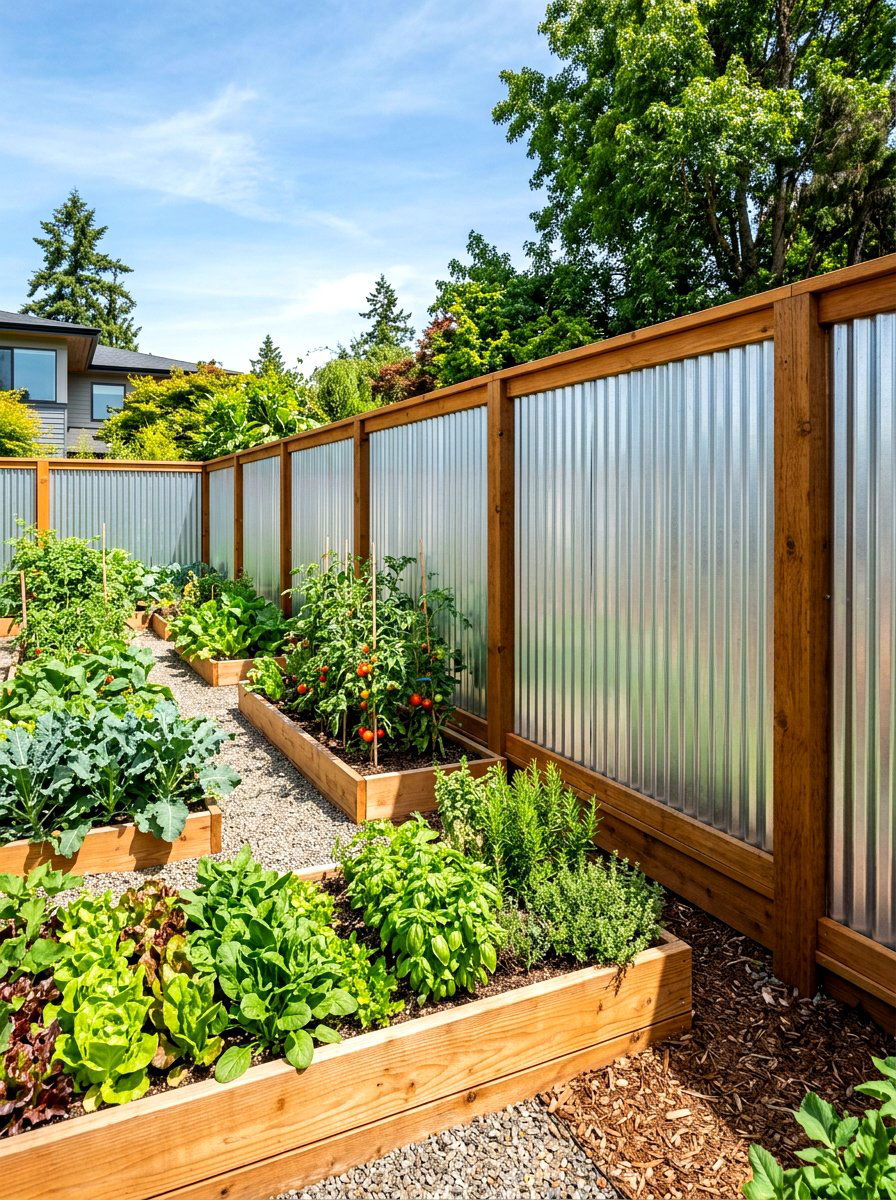
A corrugated metal garden fence offers an industrial-chic look that is becoming increasingly popular in modern landscape design. This material is incredibly durable, fire-resistant, and provides a completely solid barrier that stops small pests and keeps out wind. When framed with warm wood like cedar, the silver or rusted finish of the metal creates a striking contrast that feels both rugged and refined. Because corrugated metal is opaque, it is perfect for gardens where you want total privacy or need to block out a neighbor's yard. It also reflects heat, which can be a benefit in cooler climates by creating a warmer microclimate for heat-loving vegetables like peppers and eggplants.
16. Chain link garden fence
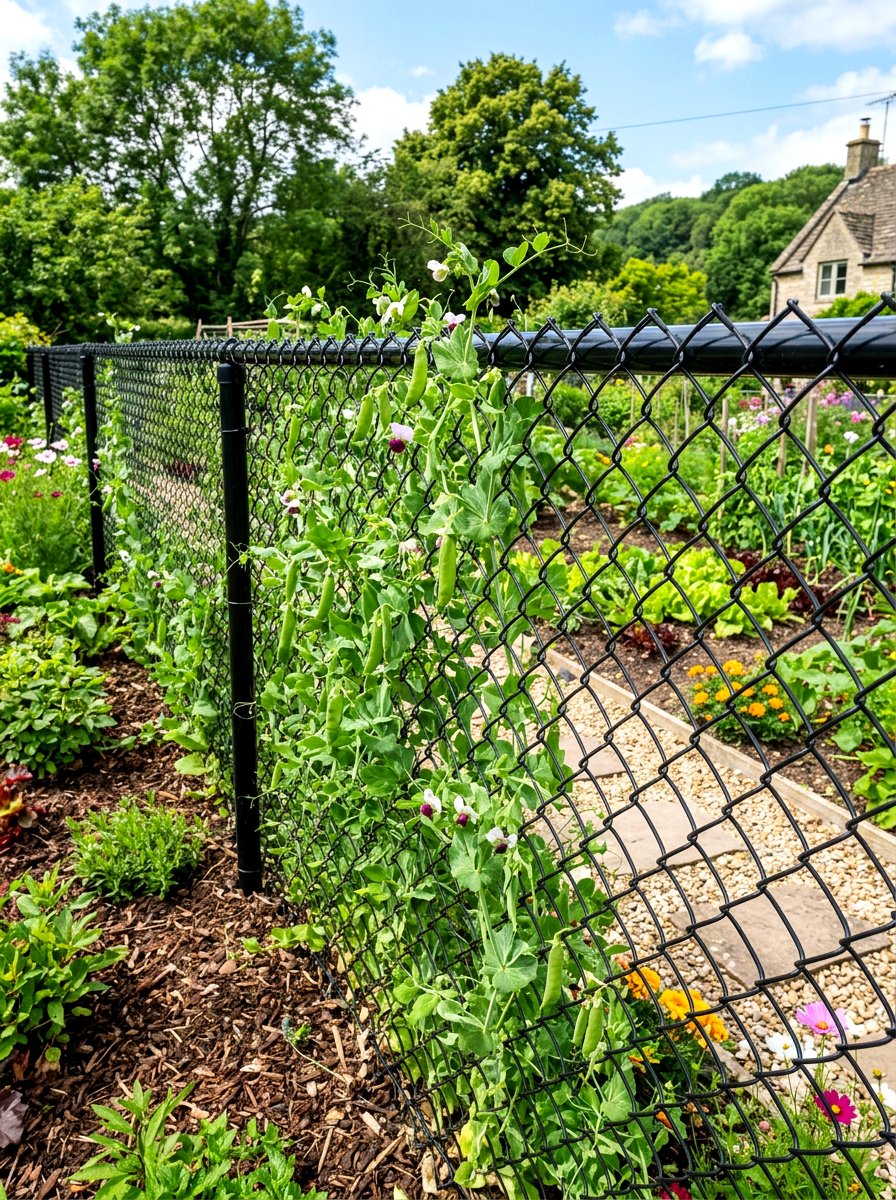
A chain link garden fence is one of the most practical and long-lasting ways to secure a large vegetable garden on a budget. While it is often viewed as strictly utilitarian, it can be easily customized to look attractive in a home setting. Many homeowners choose black-coated chain link, which blends much better with the environment than the standard galvanized silver version. The open diamond mesh provides a perfect structure for peas and beans to climb, effectively turning the fence into a giant trellis. Because it is made of steel, it is virtually indestructible and can withstand heavy snow loads and high winds, making it a very reliable choice for many years of gardening.
17. Folding wire garden fence
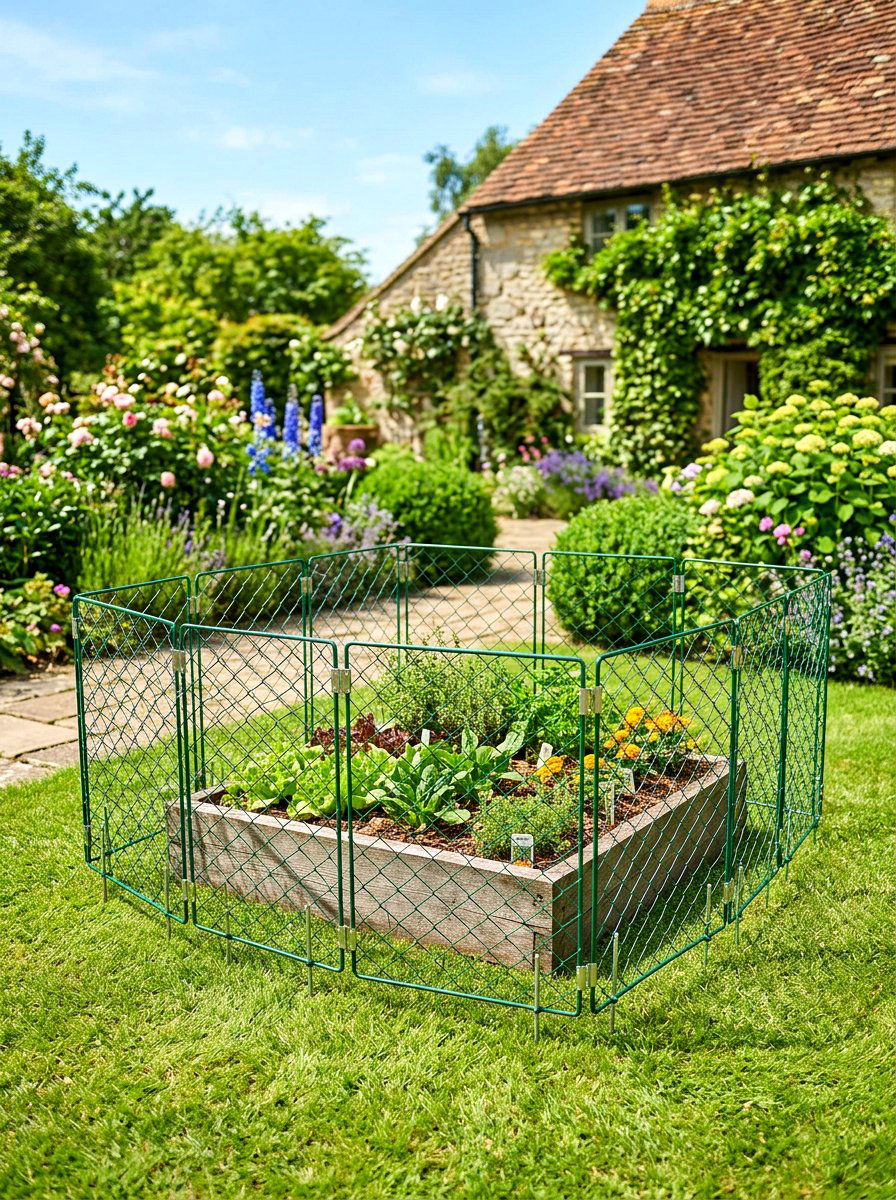
For gardeners who want a temporary or adjustable solution, a folding wire garden fence is a highly convenient option. These fences consist of individual wire panels connected by hinges, allowing you to easily move, expand, or reshape the border as your garden grows. They are perfect for protecting specific rows of vegetables during their most vulnerable seedling stage and can be easily removed when the plants are established. Because they fold flat, they are simple to store in a shed or garage during the winter months when the garden is dormant. This flexibility makes them an excellent choice for renters or those who like to change their garden layout every season without a permanent installation.
18. Electric garden fence
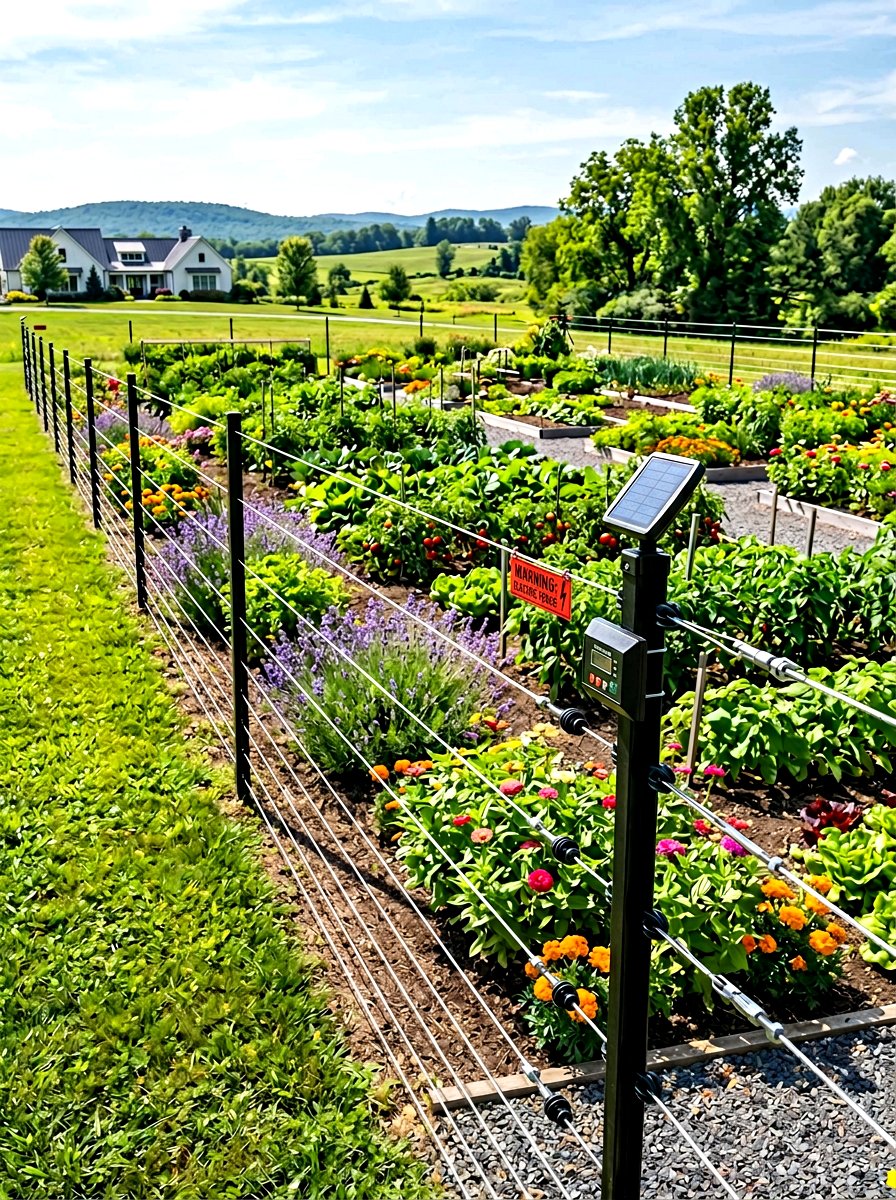
An electric garden fence is often the most effective solution for those dealing with persistent large animals like deer or bears that can jump over or push through traditional barriers. These systems use a low-voltage pulse that provides a harmless but memorable sting to any animal that touches the wire, teaching them to stay away from your vegetables. Most modern systems are solar-powered, making them easy to install even in remote corners of your yard without the need for an outlet. The thin wires are nearly invisible, allowing you to maintain an unobstructed view of your garden while ensuring that your hard-earned harvest is completely safe from even the most determined wildlife intruders.
19. Rope and post garden fence
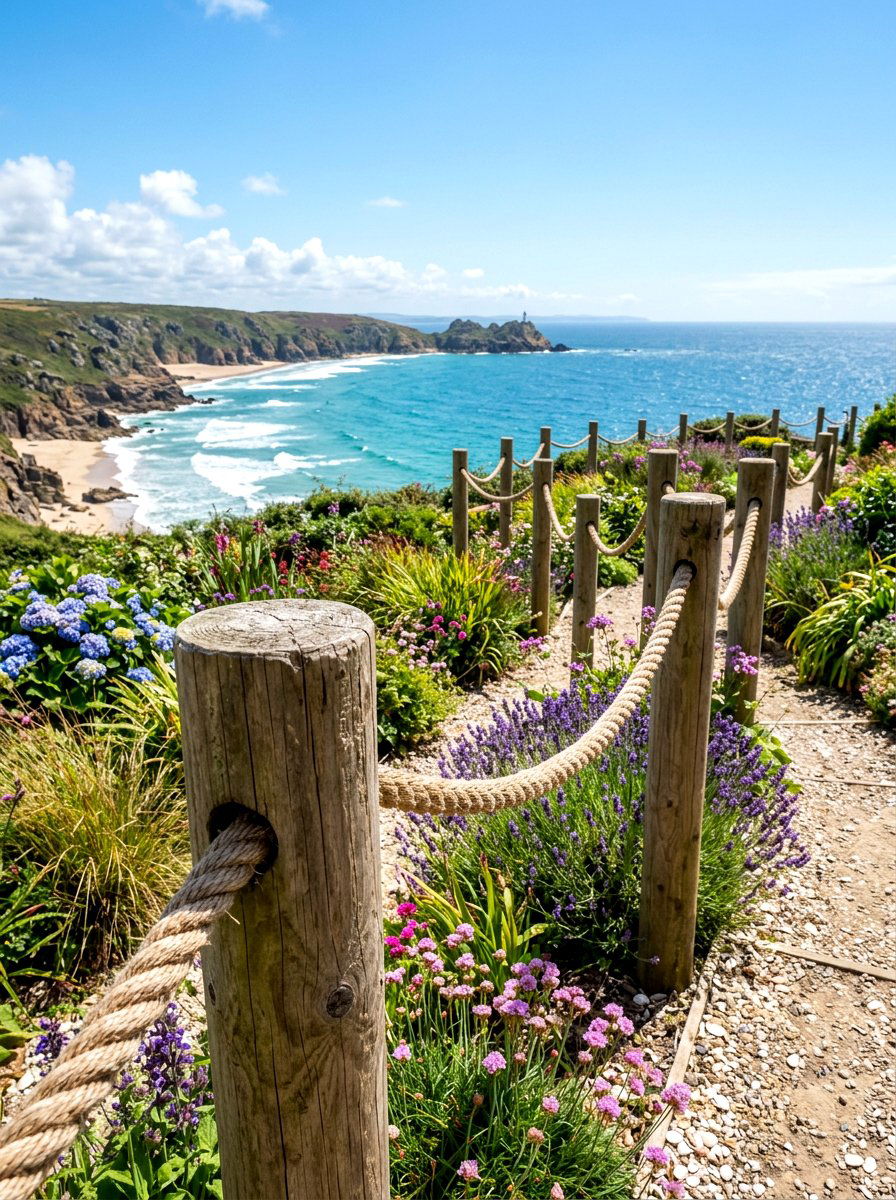
A rope and post garden fence is a charming and decorative way to define the edges of a vegetable patch where heavy animal pressure is not a major concern. This style uses thick nautical rope threaded through holes in sturdy wooden posts, creating a relaxed and coastal vibe. While it won't stop a rabbit, it serves as an excellent visual boundary that keeps people and pets from accidentally stepping on delicate seedlings. It is a popular choice for "open" garden designs where the goal is to create an inviting and organized space. You can easily add a layer of fine mesh behind the rope if you find you need extra protection from small critters later on.
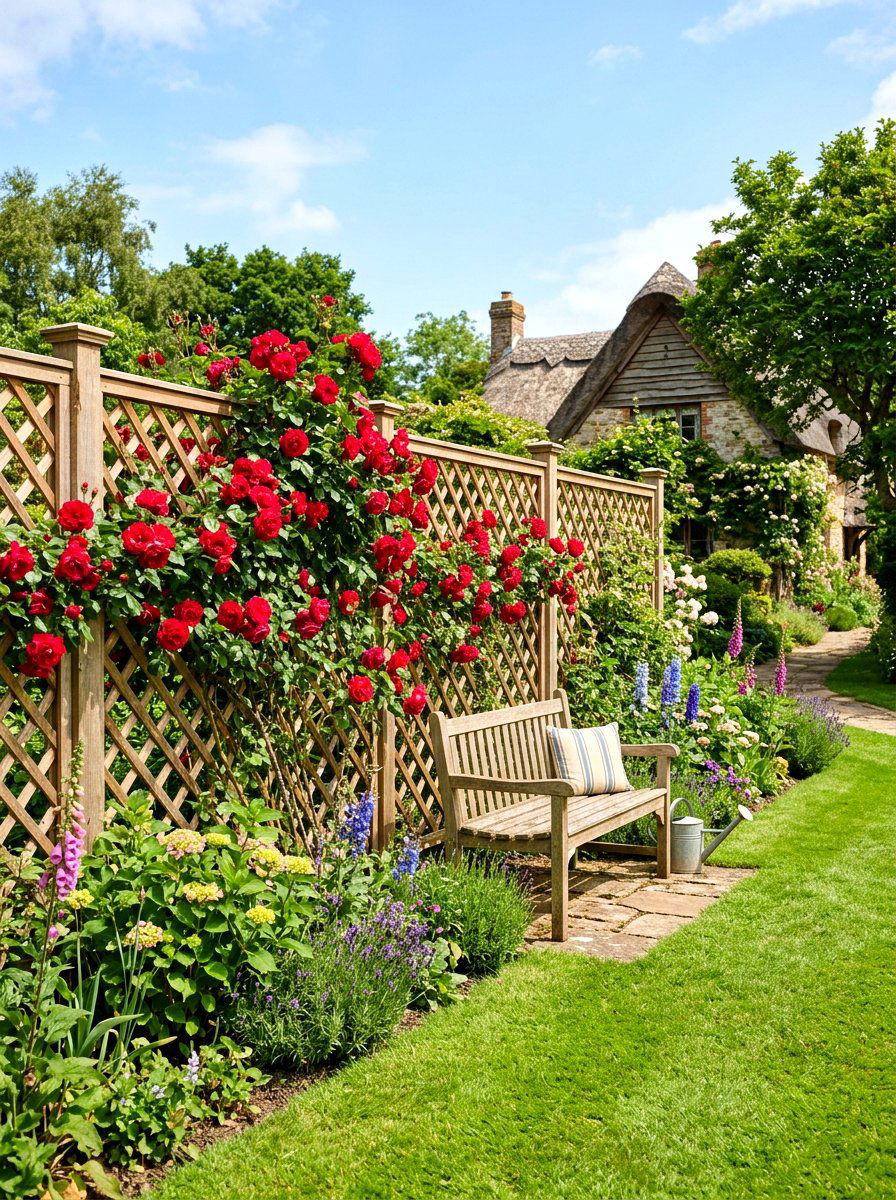
20. Wattle garden fence
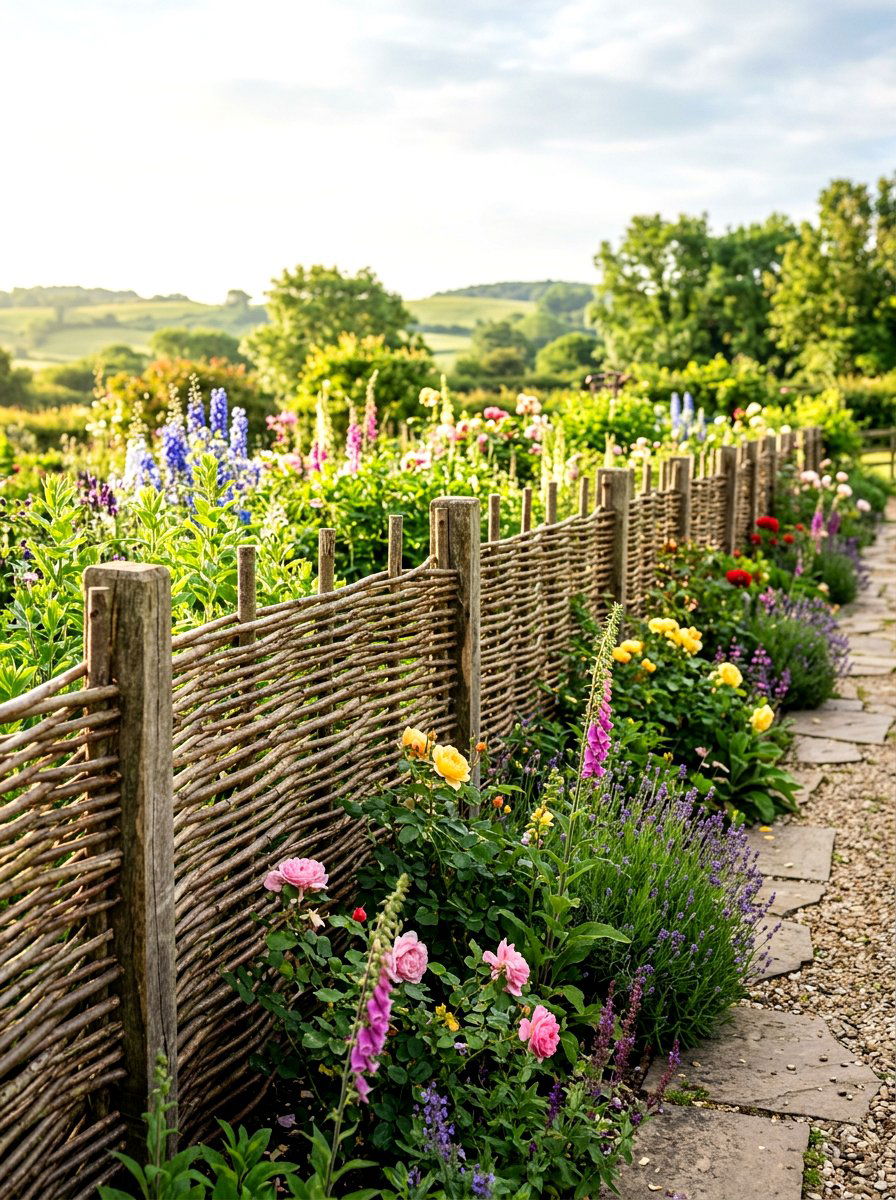
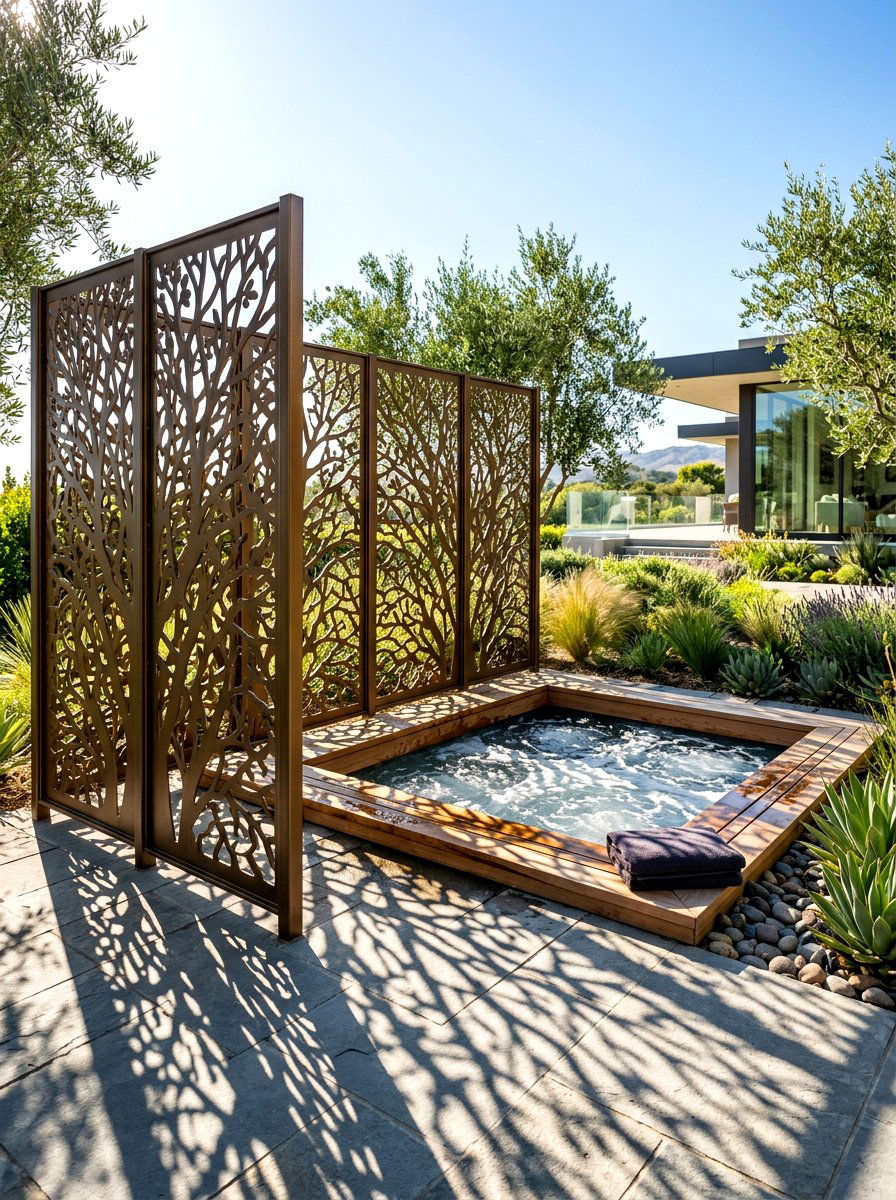
A wattle garden fence is a traditional European fencing style made by weaving thin, flexible branches through upright stakes. This ancient technique is incredibly effective for creating a sturdy and beautiful border using free materials from your own property, such as willow, hazel, or fruit tree prunings. The dense weave of the branches creates a natural-looking barrier that allows air to circulate while providing enough of a screen to deter most small animals. Because it is made of organic matter, a wattle fence will eventually break down over several years, returning nutrients to the soil. This makes it a perfect choice for gardeners who want a sustainable and environmentally friendly way to enclose their vegetables.
21. Lattice garden fence
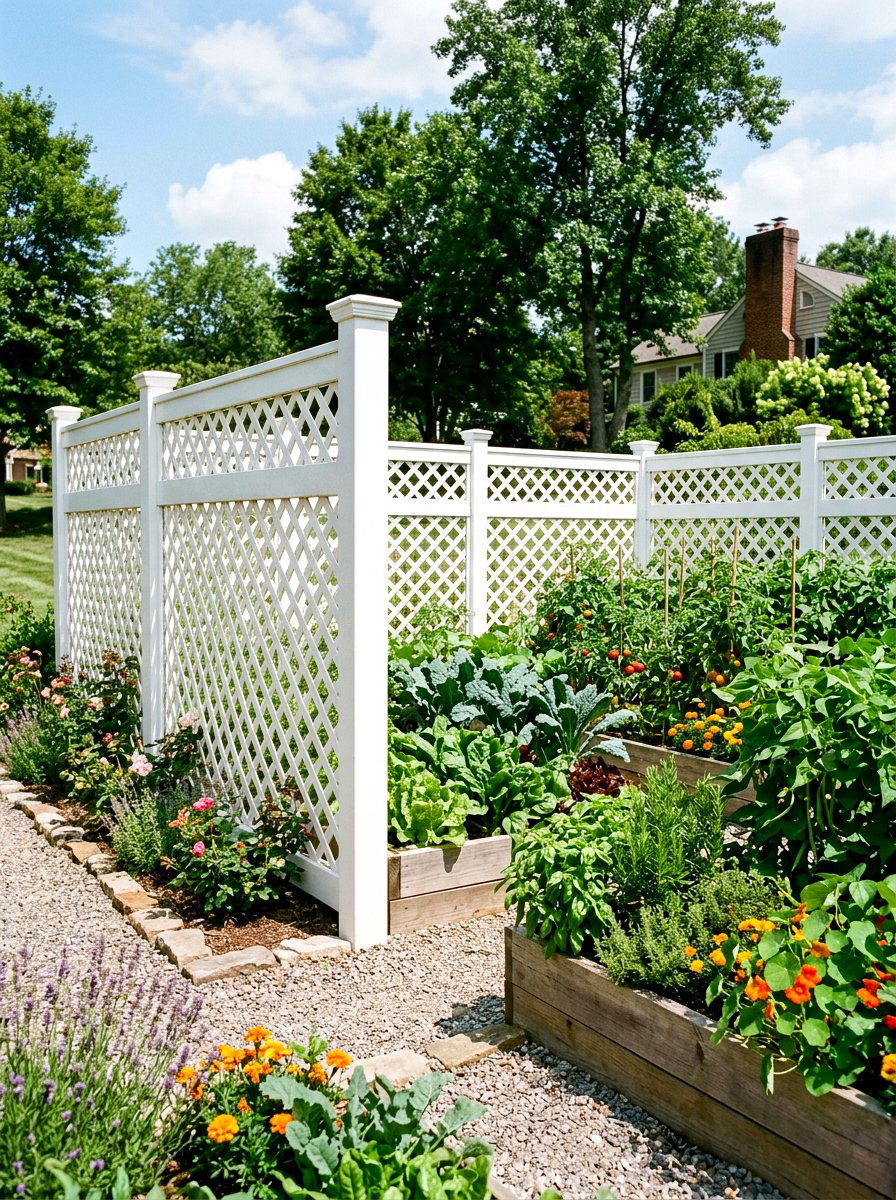
A lattice garden fence provides a classic, airy feel that works beautifully for enclosing a vegetable garden while maintaining visibility. Lattice panels feature thin wooden or plastic strips arranged in a diagonal or square grid pattern, creating a delicate look that is surprisingly strong. This style is particularly useful for gardeners who want to grow climbing plants, as the small openings provide hundreds of attachment points for vines. You can buy pre-made lattice panels and install them between sturdy posts for a quick and professional-looking enclosure. The filtered light that passes through the lattice is perfect for leafy greens that might otherwise bolt in the intense midday sun during the peak of summer.
22. Gabion wall garden fence
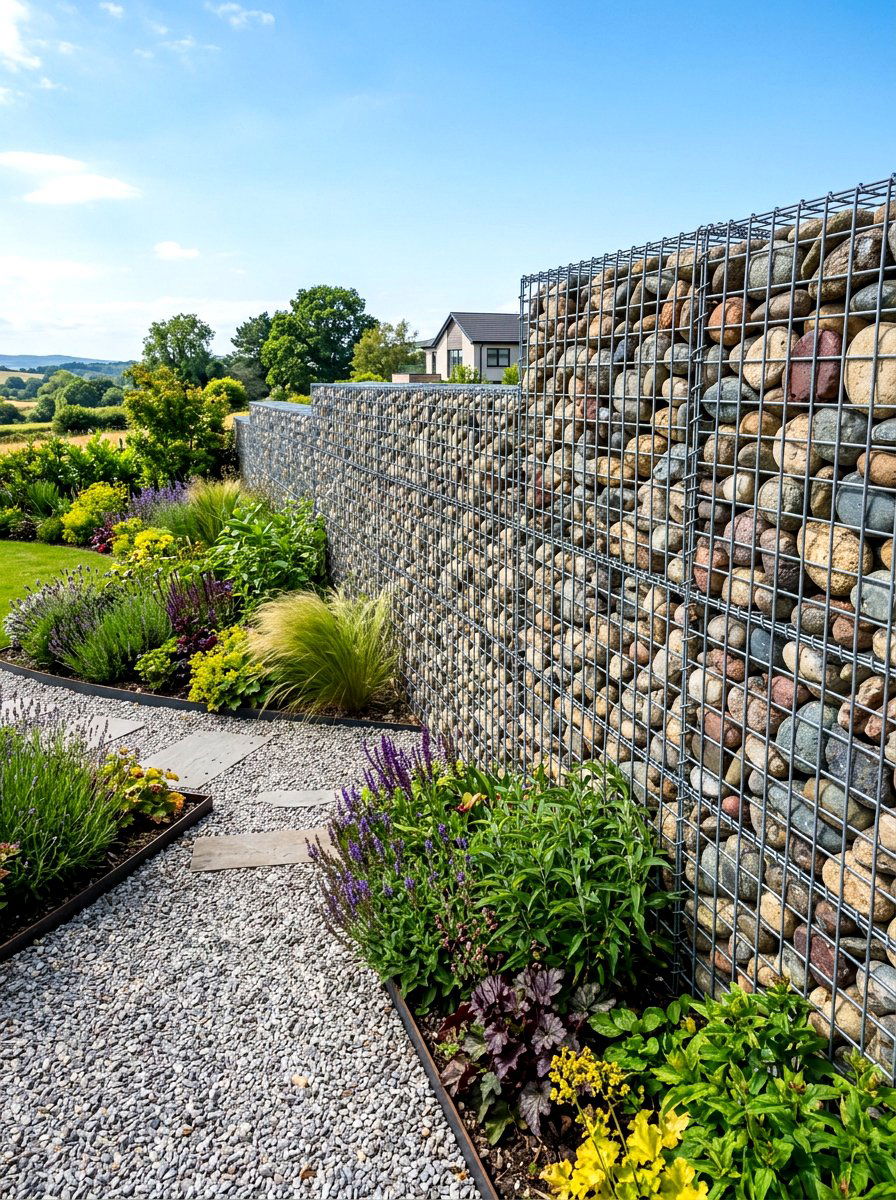
For a truly unique and modern look, a gabion wall garden fence uses wire cages filled with rocks or stones to create a solid and permanent barrier. This design is exceptionally durable and provides an excellent deterrent against burrowing animals, as the heavy stone base is impossible for them to dig through. Gabion walls have a wonderful textural quality and can be used as a thermal mass to absorb heat during the day and release it at night, helping to keep your vegetables warm. You can customize the look by choosing different colors and sizes of stones, or even mixing in recycled glass or bricks for a more artistic and personalized garden border.
23. Split rail garden fence
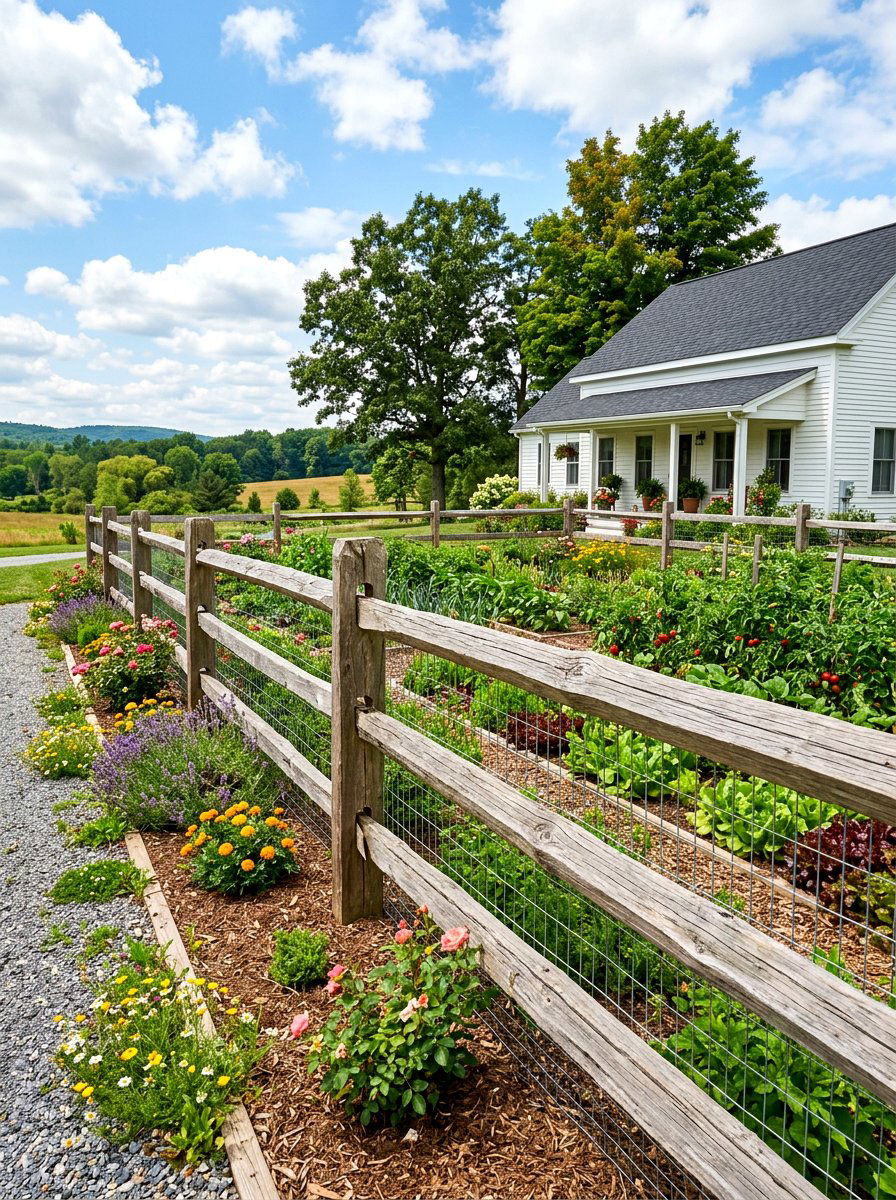
A split rail garden fence is the ultimate choice for a rustic, country-style vegetable garden. This design uses roughly hewn logs that are slotted into notched posts, creating a rugged and natural appearance that looks like it has been part of the landscape for decades. While the wide gaps in a traditional split rail fence won't keep out small pests, most gardeners line the inside with a layer of welded wire or chicken wire. This combination provides the beautiful, historic look of the split rail with the practical security needed to protect vegetables from rabbits and groundhogs. It is an excellent way to maintain a wide-open, pastoral feel in a larger backyard or farm.
24. Decorative iron garden fence
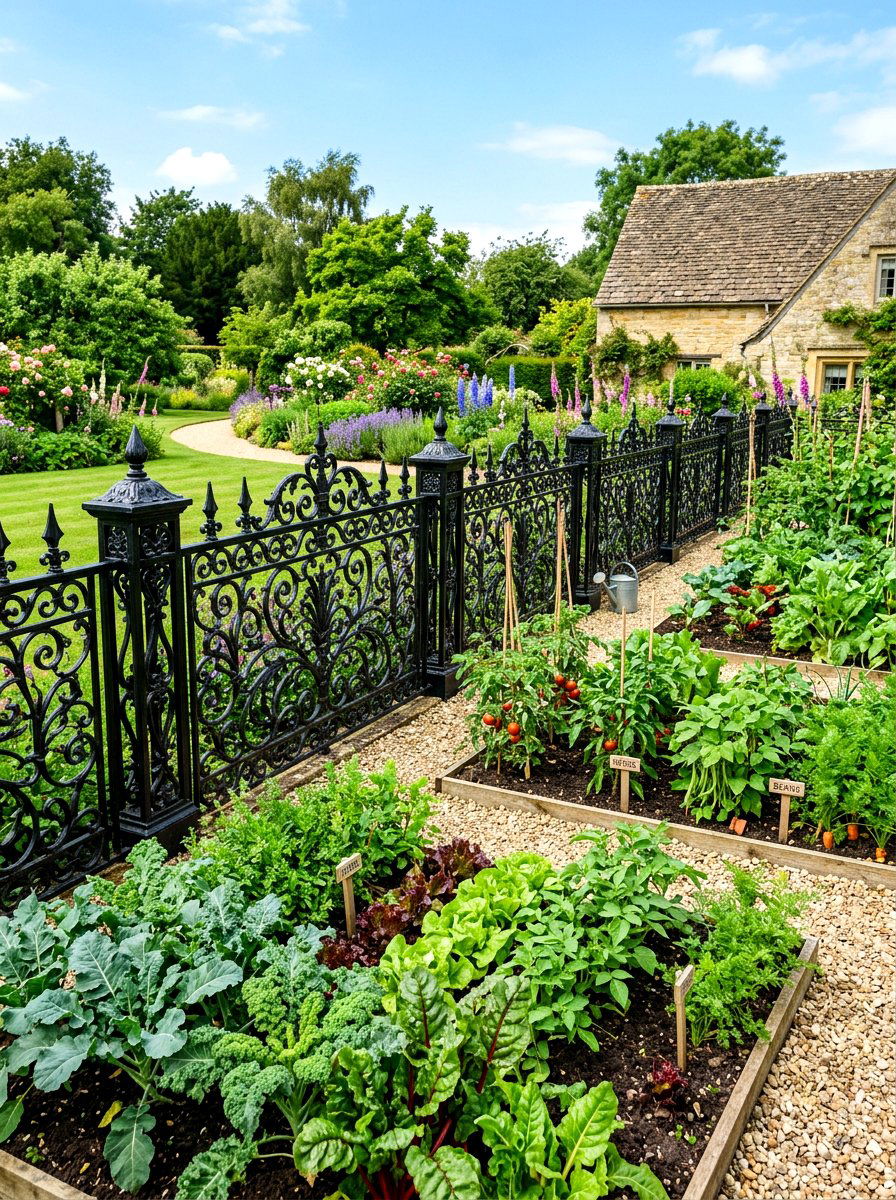
Choosing a decorative iron garden fence is a wonderful way to treat your vegetable patch like a formal English garden. These fences feature ornate scrolls, finials, and intricate metalwork that turn a simple garden into a stunning focal point. Most modern versions are made from rust-resistant aluminum or steel with a durable powder-coated finish, ensuring they stay beautiful without the need for constant maintenance. The slim profile of iron pickets allows for plenty of sun and keeps the garden feeling connected to the rest of the yard. This style is perfect for homeowners who want their vegetable garden to look as polished and intentional as their front yard landscaping and flower beds.
25. Plastic mesh garden fence
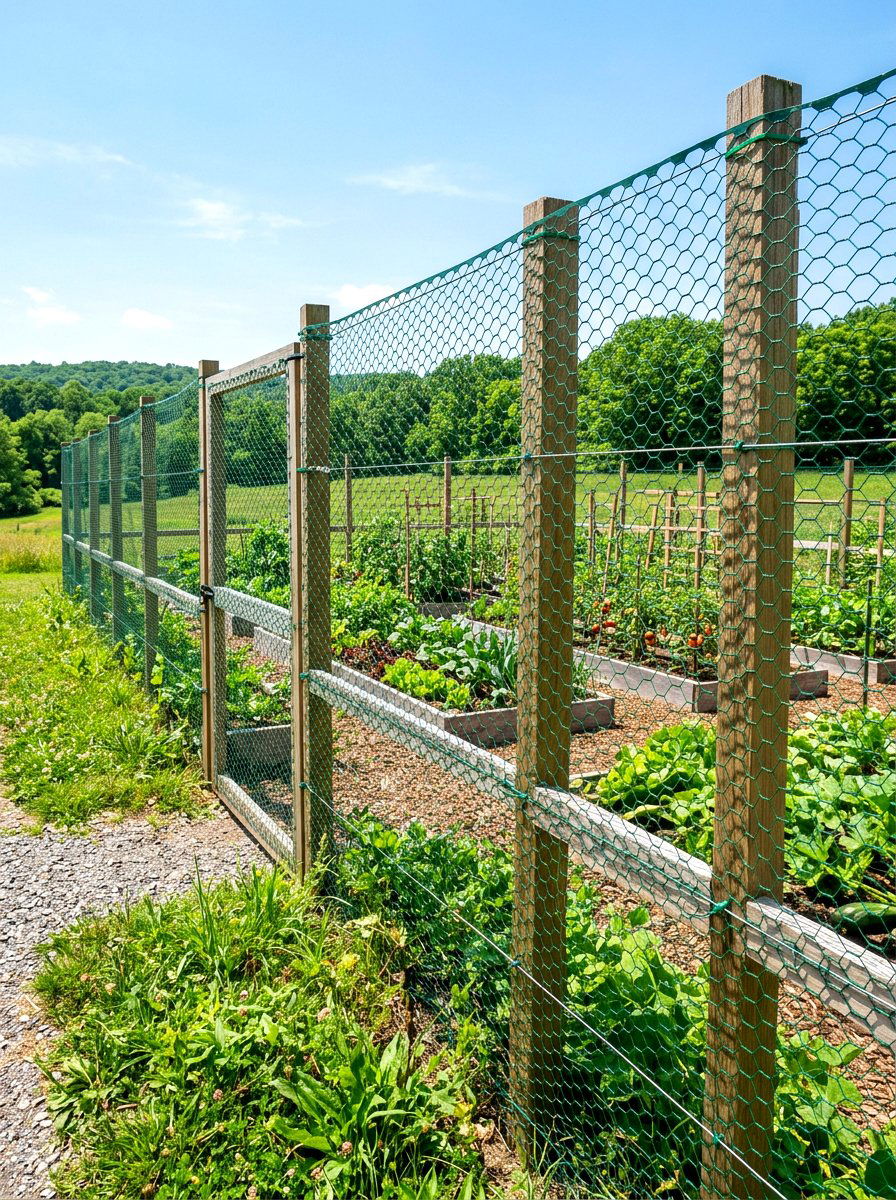
A plastic mesh garden fence is a lightweight, affordable, and incredibly easy-to-install option for temporary or seasonal vegetable protection. Made from high-density polyethylene, this mesh is resistant to UV rays and won't rot when exposed to moisture and soil. It is an excellent choice for keeping out birds and deer, as the mesh can be quite tall without becoming heavy or difficult to handle. Many gardeners use it to create "cages" around individual beds or to line the perimeter of the entire garden area. Because it is flexible, you can easily wrap it around odd-shaped spaces or uneven terrain, making it a highly versatile tool for any backyard vegetable grower.
26. Poured concrete garden fence
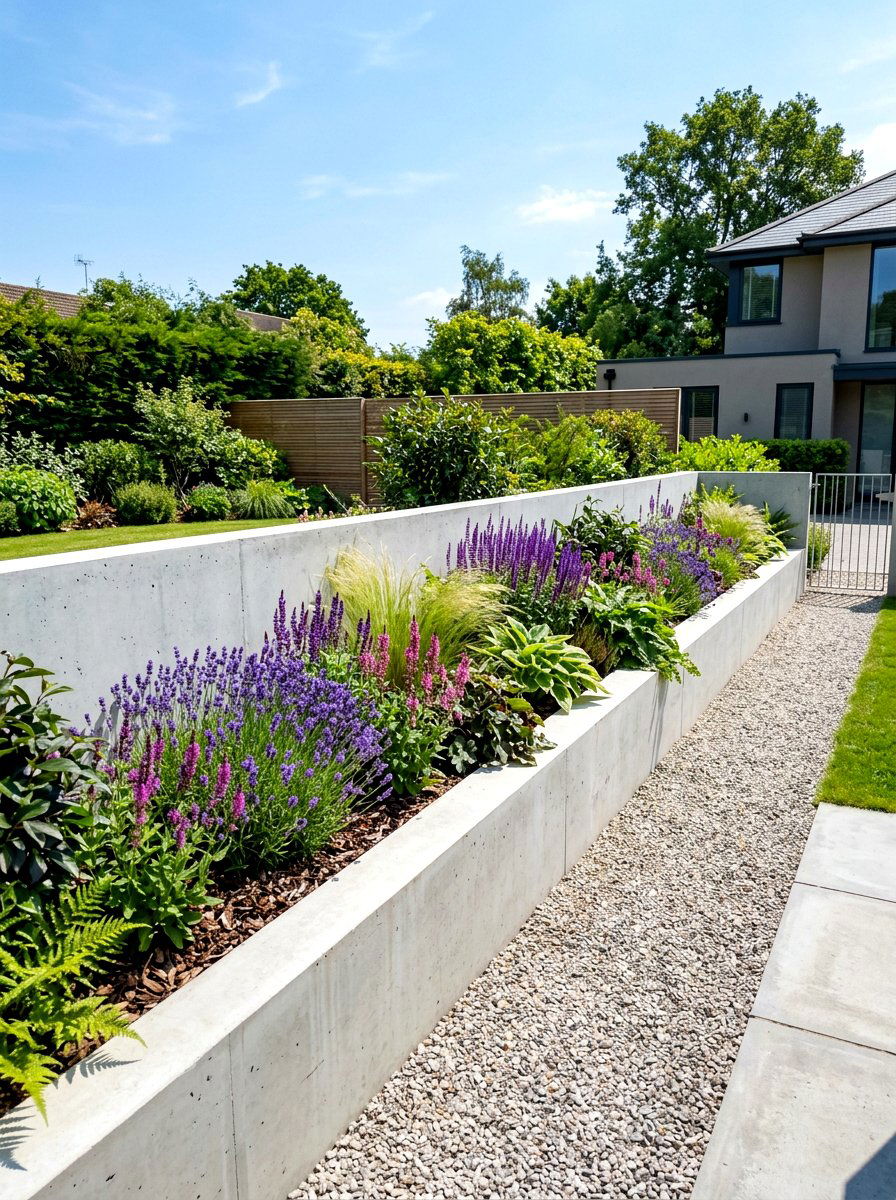
A poured concrete garden fence, often designed as a low retaining wall, provides a sleek and permanent boundary that is perfect for modern homes. These walls are incredibly effective at preventing erosion and defining raised bed areas, while the solid surface is a total barrier against ground-level pests. You can leave the concrete raw for a minimalist, industrial look or finish it with stucco or stone veneer to match your house. Concrete has a high thermal mass, meaning it can help regulate the temperature of the soil in the adjacent vegetable beds. This makes it an excellent choice for extending the growing season in regions with cold nights or late spring frosts.
27. Glass bottle garden fence
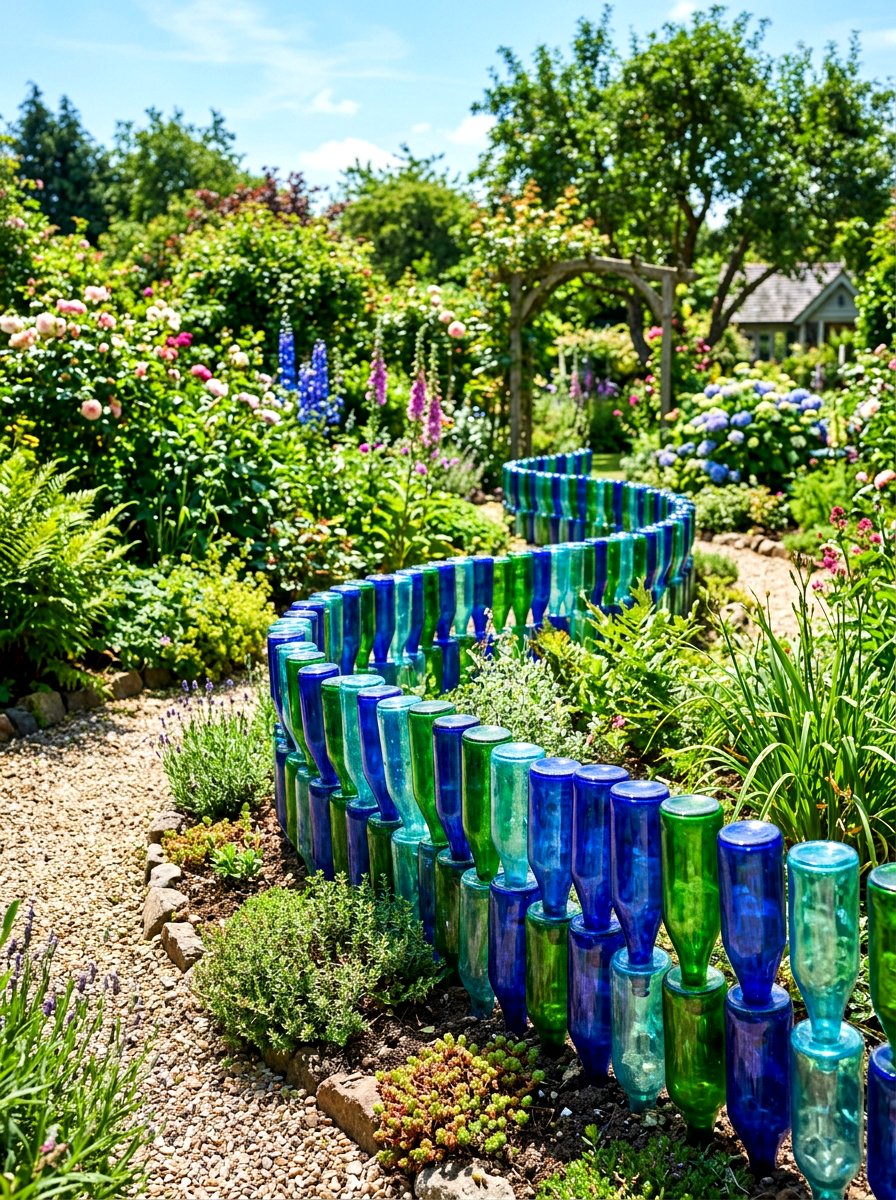
For a whimsical and colorful touch, a glass bottle garden fence is a creative way to repurpose old containers while protecting your plants. This DIY design involves burying bottles neck-down in the soil or stacking them in mortar to create a low, light-catching wall. The glass reflects sunlight in beautiful patterns across your garden, adding a unique artistic element to the space. Beyond its beauty, a bottle wall is very effective at blocking wind and deterring small animals at the ground level. It is a fantastic project for families and those who love a bohemian or eclectic garden style, turning everyday recycled items into a functional and vibrant piece of garden architecture.
28. Corten steel garden fence
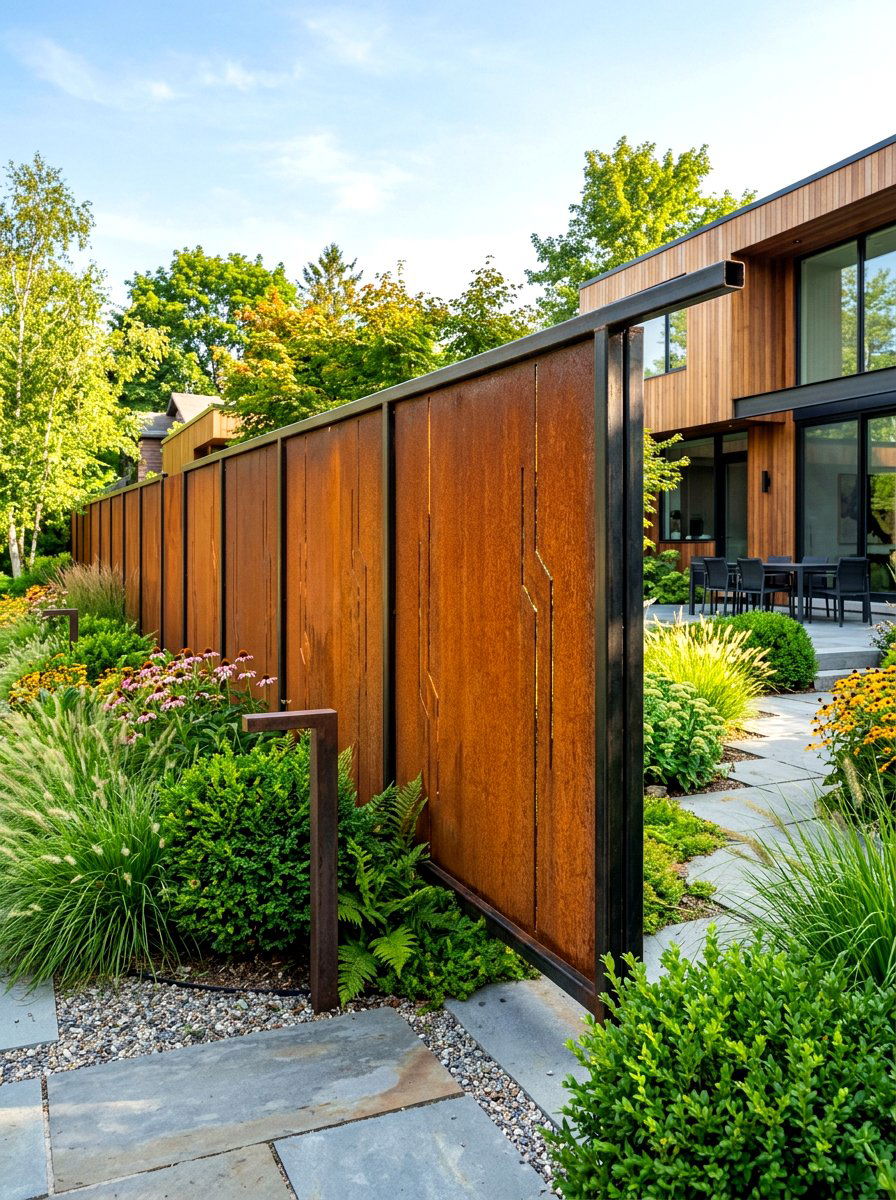
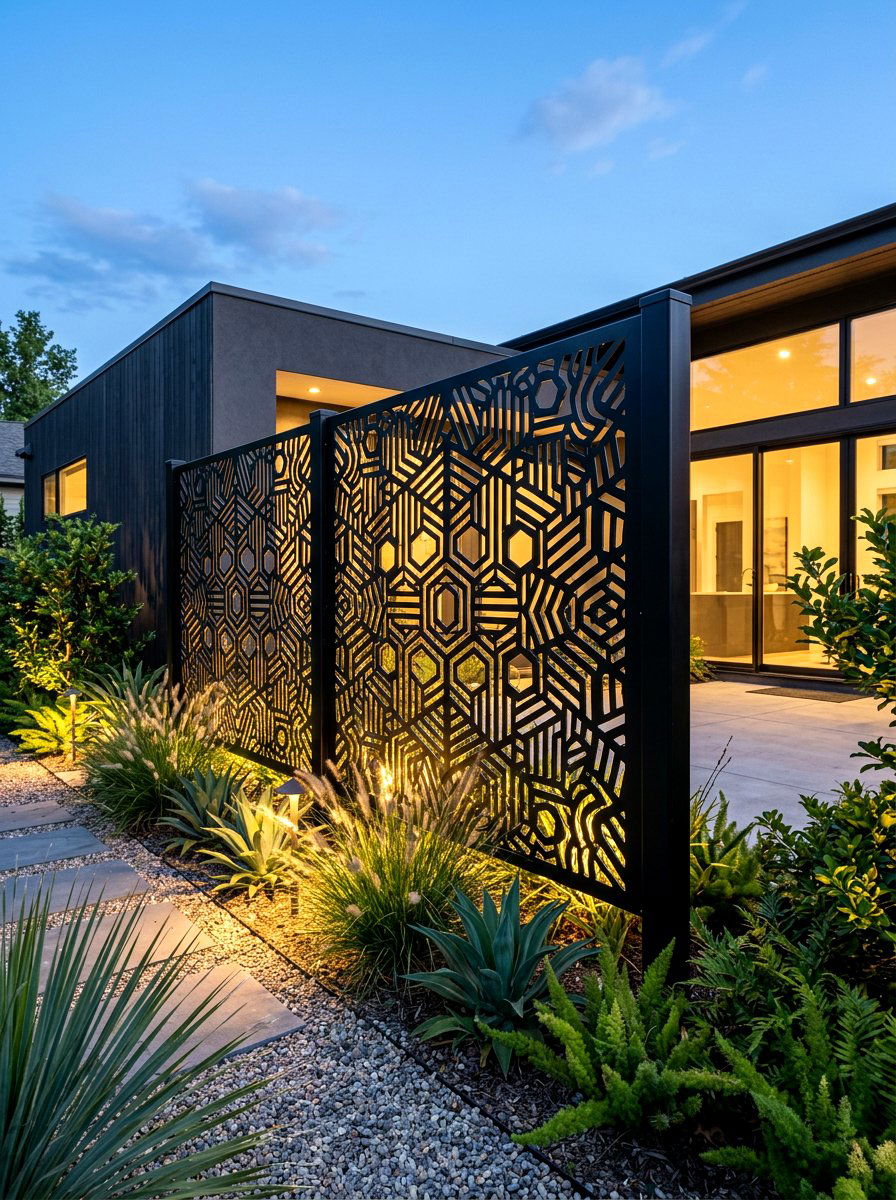
A Corten steel garden fence is a high-end choice that offers a striking, rusted orange patina that deepens and improves with age. This specialized steel is designed to develop a protective layer of rust that actually prevents further corrosion, making it incredibly long-lasting in any climate. The warm, earthy tones of the weathered steel provide a beautiful contrast to the deep greens of vegetable plants, creating a very sophisticated and modern aesthetic. These fences can be custom-cut with decorative patterns or used as solid panels to create a private and secure enclosure. Their industrial strength and unique color make them a standout choice for high-end residential landscapes and contemporary garden designs.
29. Copper pipe garden fence
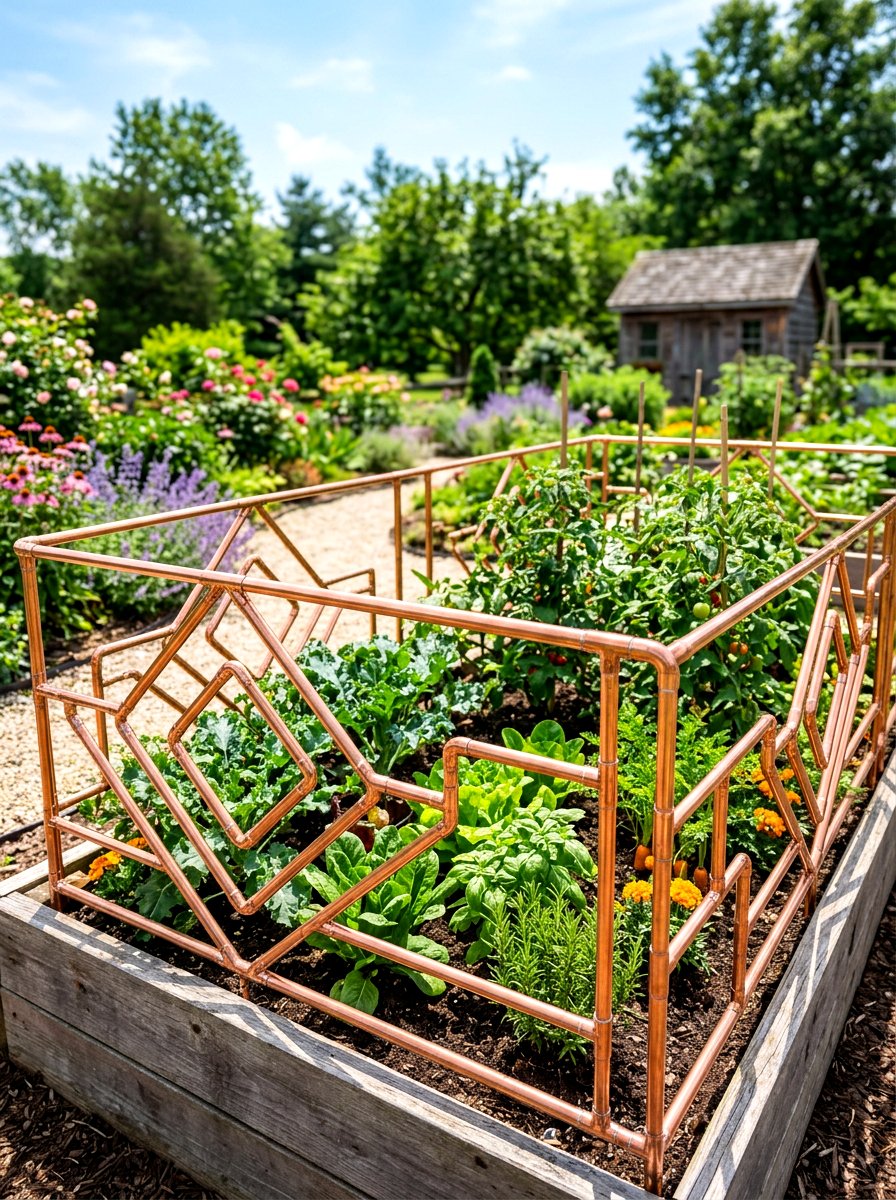
A copper pipe garden fence is an elegant and slightly luxurious option that adds a bright, metallic glow to your vegetable patch. Over time, the shiny copper will weather into a beautiful verdigris green, blending naturally with the foliage of your plants. This type of fence is usually custom-built using standard plumbing pipes and fittings, allowing for a very clean and geometric design. Copper is also naturally deterrent to certain pests like snails and slugs, which can be a small added benefit for your leafy greens. It is a relatively easy DIY project for those comfortable with simple tools and provides a unique, high-quality look that you won't find in every neighborhood.
30. Modular planter garden fence
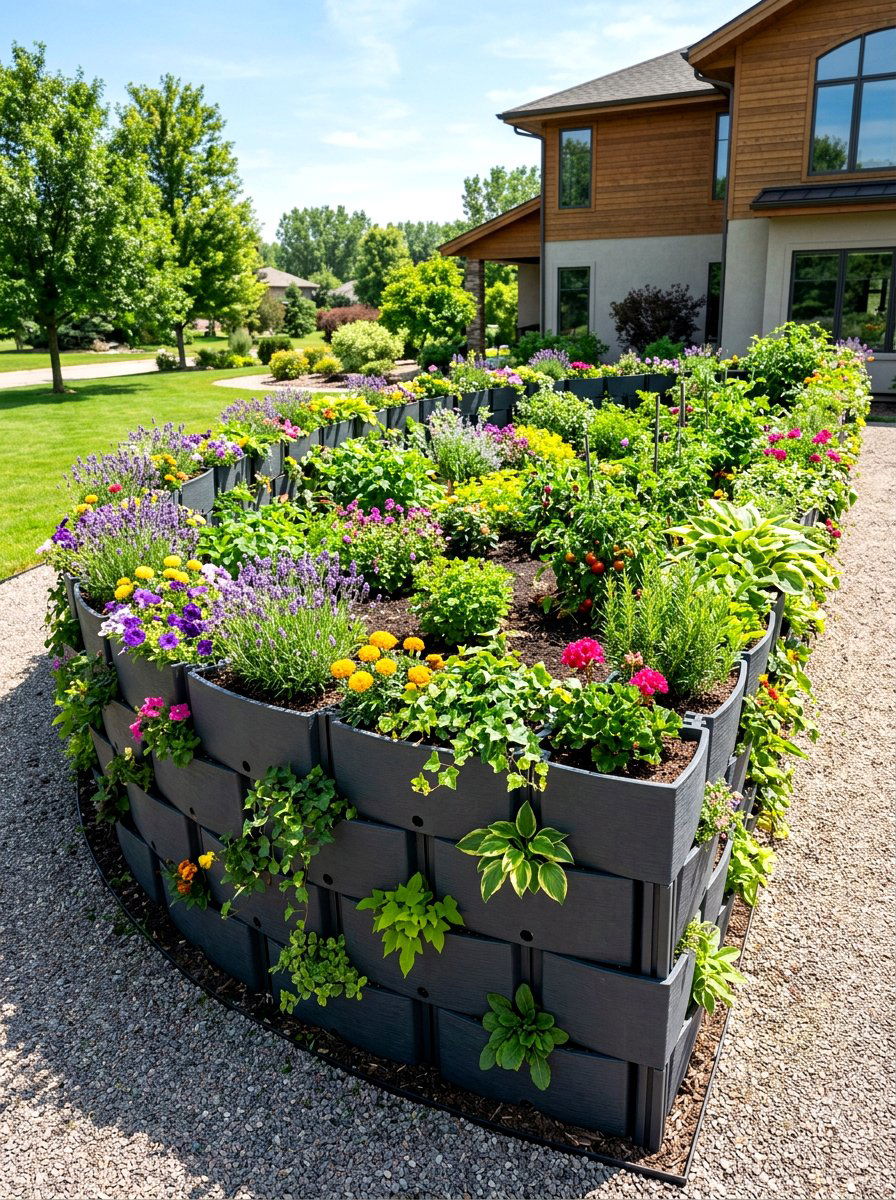
A modular planter garden fence is the ultimate space-saving solution, as the fence itself becomes part of the garden. These systems consist of stacked or connected planter boxes that form a solid boundary around your main vegetable beds. This allows you to grow even more crops in the fence itself, such as herbs, flowers for pollinators, or strawberries. These fences are typically made from durable plastic or wood and can be easily reconfigured to fit your space. This approach not only protects your central garden area but also maximizes every inch of vertical and horizontal space, making it a perfect choice for urban gardeners with very limited backyard footprints.
Conclusion:
Finding the right vegetable garden fence is a journey that blends your personal style with the practical needs of your local environment. From the rustic charm of woven willow to the sleek sophistication of black metal, each option provides a unique way to safeguard your harvest. By investing in a high-quality barrier, you are not just keeping animals away; you are creating a dedicated space where you can connect with nature and enjoy the rewards of your labor. No matter the size of your yard or your budget, there is a fencing solution that will turn your vegetable patch into a beautiful, productive, and secure oasis for years to come.

Related posts: