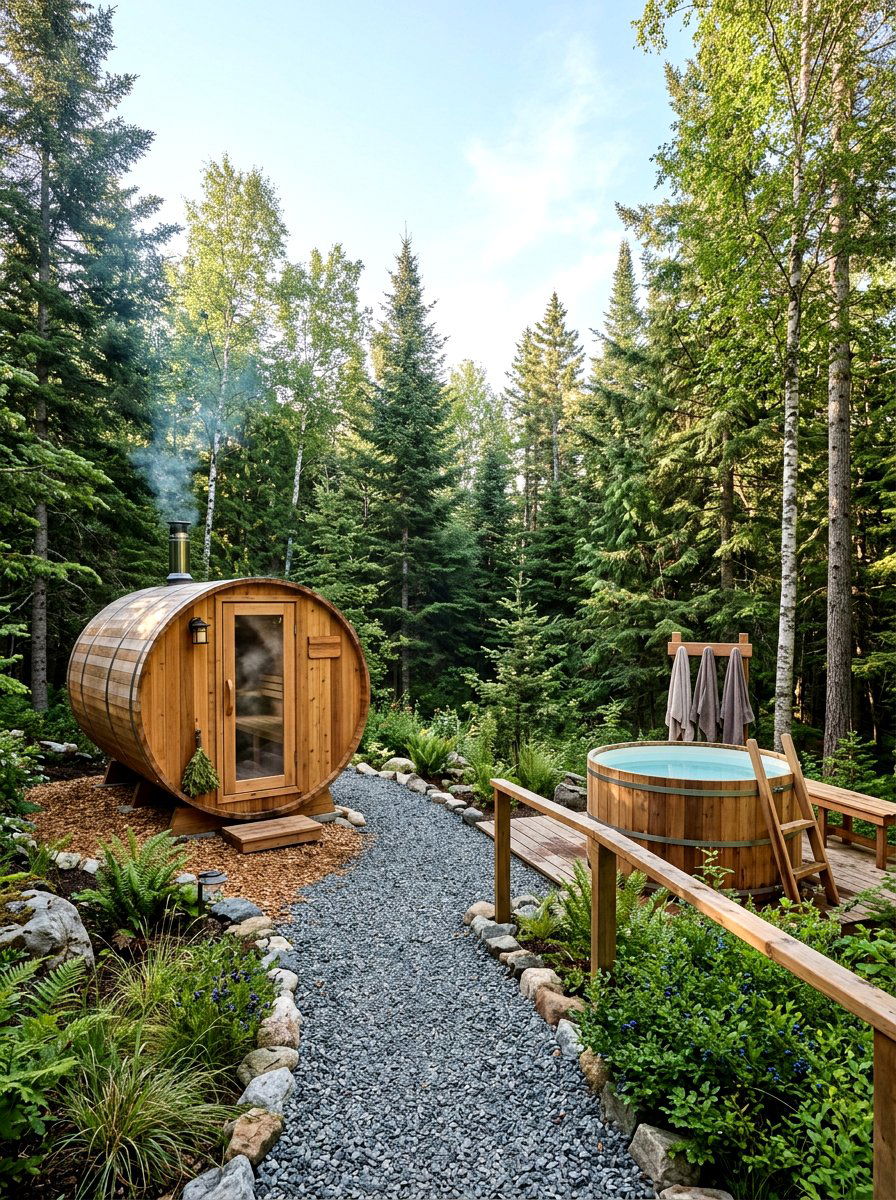
Imagine walking into a backyard that feels like a slice of the rolling countryside right outside your back door. Meadow style landscapes are becoming incredibly popular because they prioritize natural beauty over strict, manicured lawns. This design philosophy focuses on biodiversity, soft textures, and vibrant colors that change with every passing season. Instead of spending every weekend mowing and fertilizing, you can create a self-sustaining ecosystem that invites birds, butterflies, and bees into your private sanctuary. It is a beautiful way to embrace the local climate while reducing water usage significantly. These outdoor spaces feel wild, free, and deeply relaxing for anyone who values a more organic and low-maintenance approach to gardening.
1. Wildflower Meadow
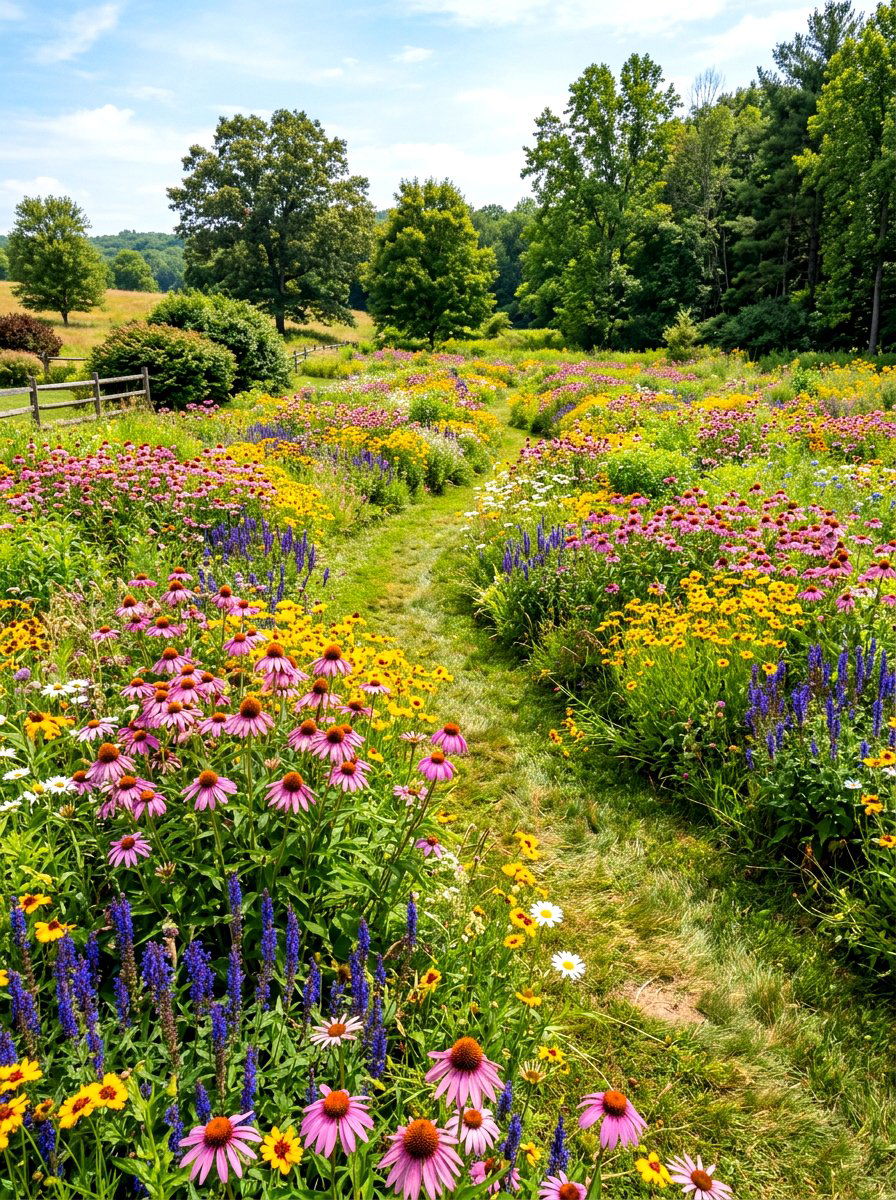
Have you ever dreamed of a yard filled with waves of colorful blooms that sway gently in the summer breeze? A wildflower meadow is the ultimate centerpiece for a naturalistic backyard design. This approach involves replacing traditional grass with a mix of annuals and perennials that thrive in your specific region. You can enjoy a tapestry of purples, yellows, and pinks that provide vital nectar for local pollinators. The best part is the seasonal evolution, as different species take turns blooming throughout the year. It creates a dynamic visual experience that feels both rustic and intentional. Proper soil preparation and choosing native seeds are key to ensuring long-term success in this wild garden.
2. Native Grass Garden
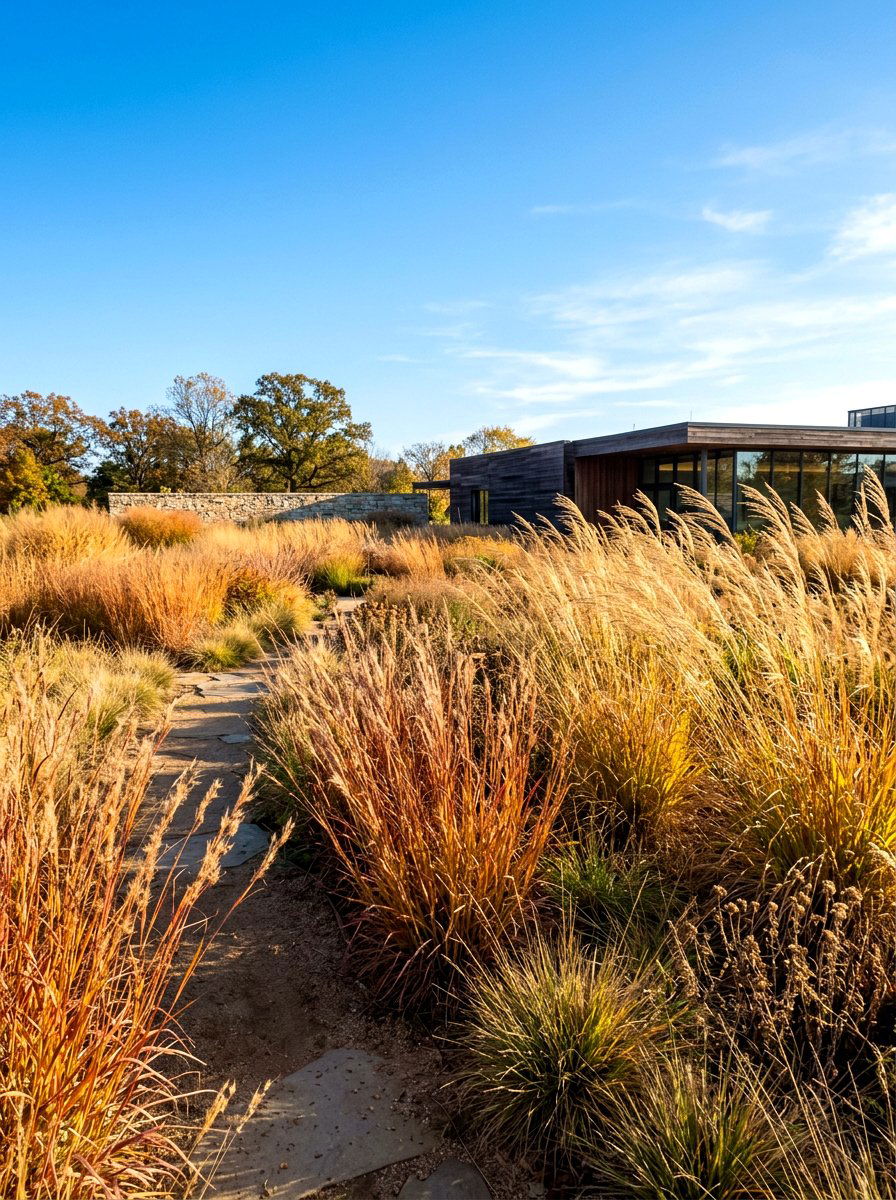
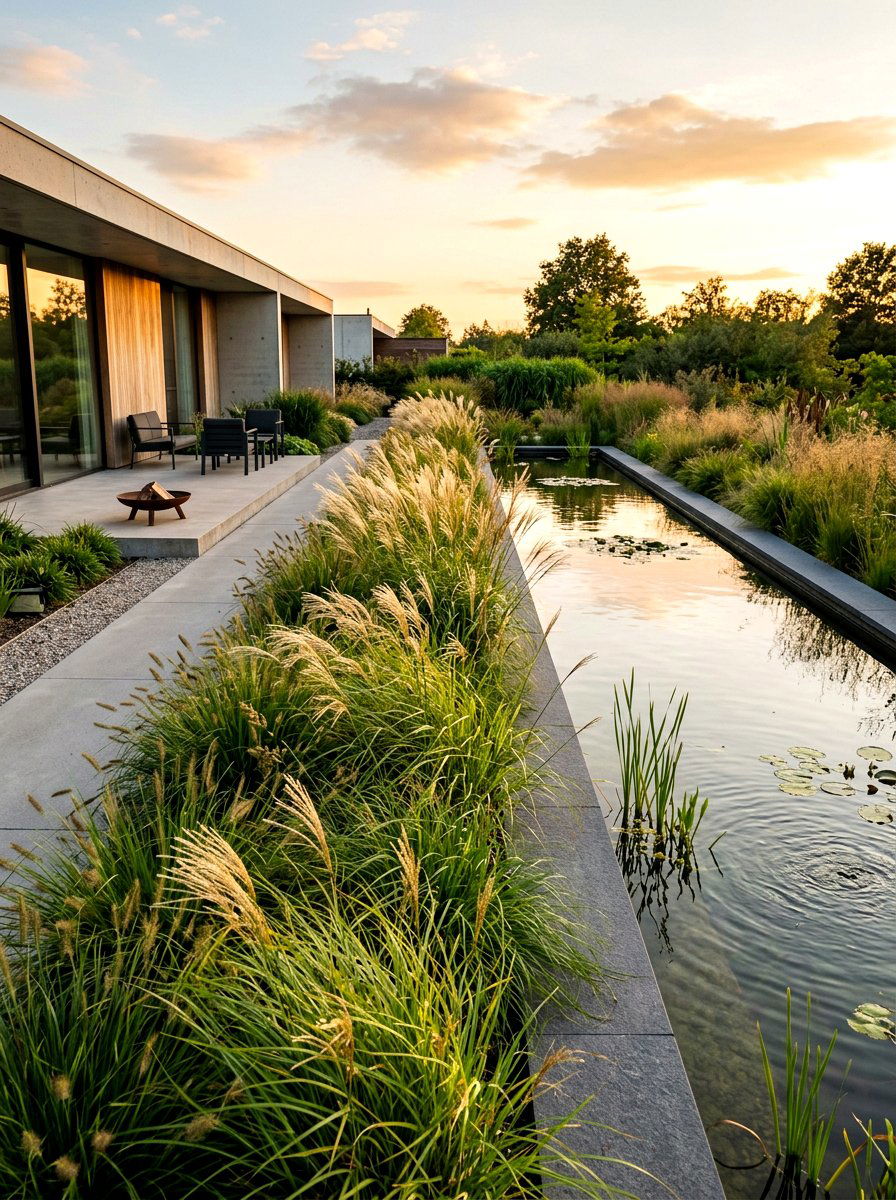
What happens when you trade a flat lawn for the rhythmic movement of tall, swaying blades of native grass? A native grass garden offers a stunning architectural look that requires very little upkeep compared to turf. These grasses, such as Little Bluestem or Switchgrass, provide incredible texture and golden hues that last well into the winter months. They create a soft, hazy backdrop that makes any backyard feel larger and more connected to the wilderness. Because these plants are indigenous to the area, they have deep root systems that help with soil health and water retention. It is a smart, sustainable choice for a modern, organic landscape design.
3. Naturalistic Gravel Path
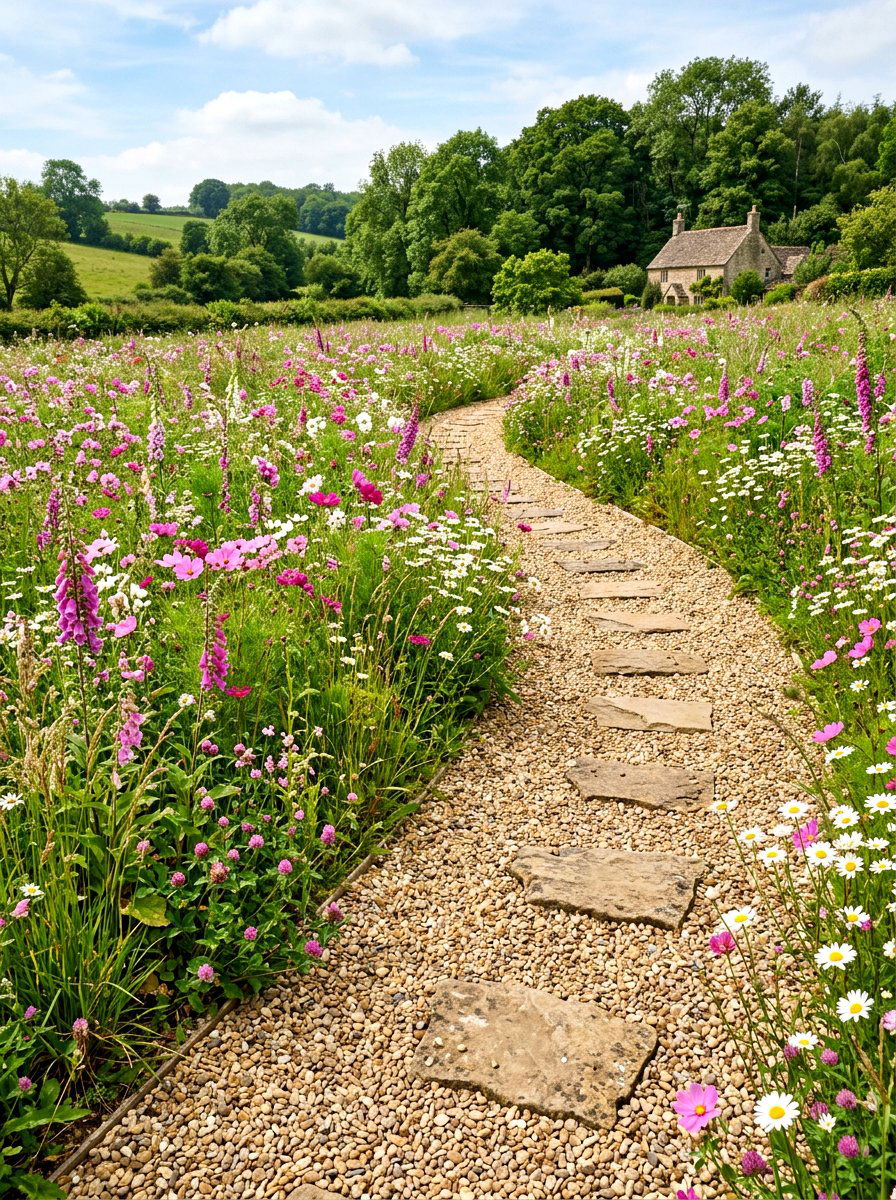
Can you picture a winding trail that leads you through a sea of blossoms and tall, textured greenery? A naturalistic gravel path is the perfect way to navigate a meadow garden without disturbing the delicate ecosystem you have built. Using fine, earth-toned gravel creates a crunch underfoot that adds a sensory element to your outdoor stroll. These paths should curve organically, mimicking the way water flows through a field rather than following straight, rigid lines. They provide a clean contrast to the wildness of the surrounding plants. Adding larger stepping stones at intervals can further enhance the rustic charm while ensuring the pathway remains functional and accessible.
4. Pollinator Garden Patch
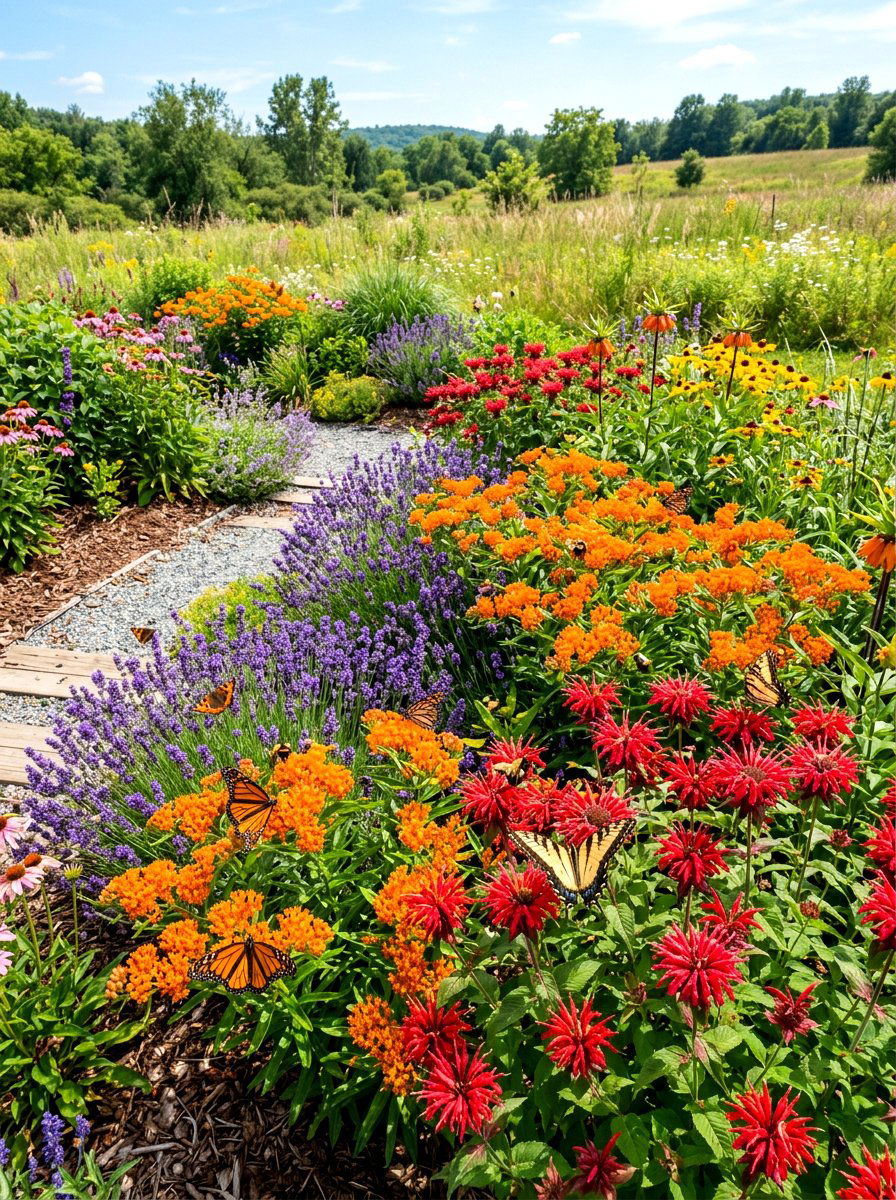
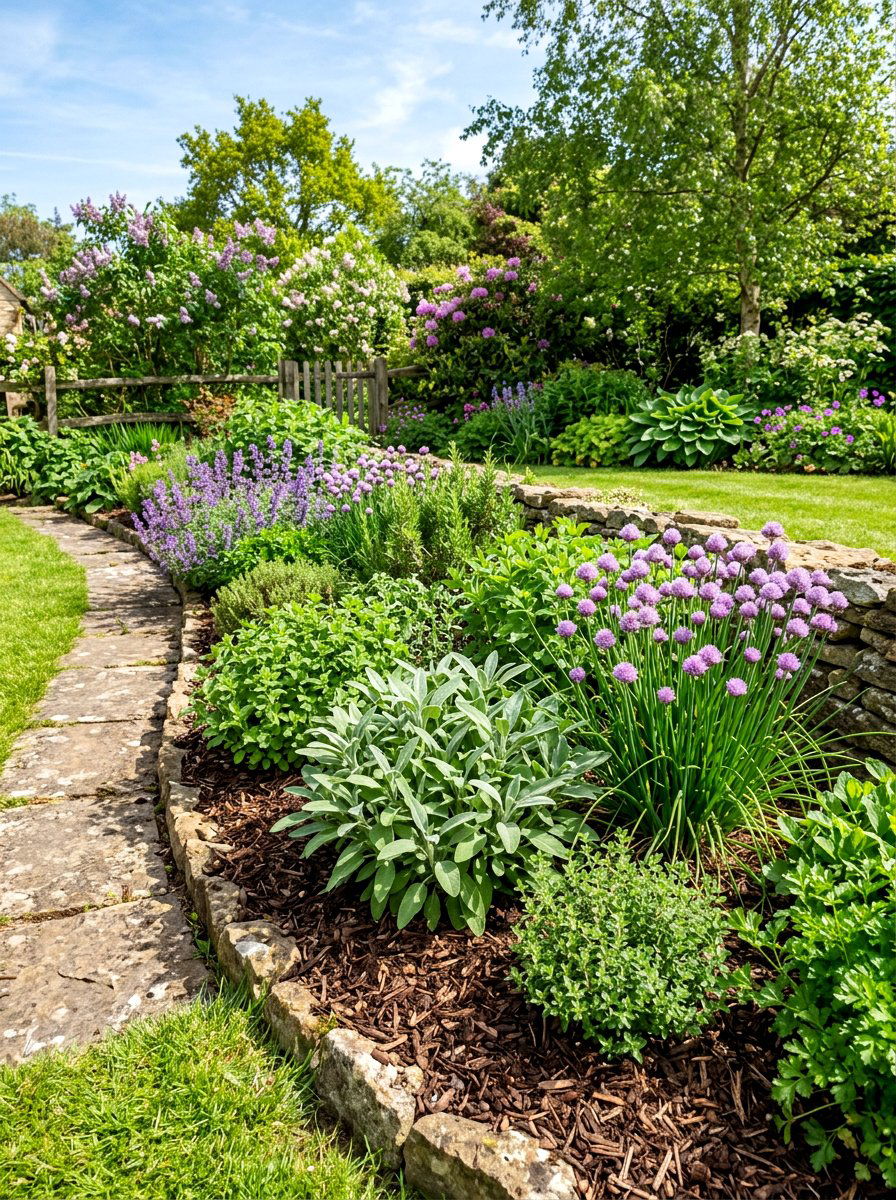
Do you want to turn your backyard into a bustling sanctuary for bees, butterflies, and hummingbirds all year? A pollinator garden patch focuses on high-nectar plants that are grouped together to attract beneficial insects. By selecting species like milkweed, lavender, and coneflowers, you create a vibrant hub of activity that supports local biodiversity. This design often looks best when planted in dense clusters, creating a concentrated explosion of color against a softer meadow backdrop. It is not just about aesthetics; it is about providing a functional habitat. Watching a monarch butterfly land on a bright bloom is a rewarding experience that connects you deeply to nature.
5. Cottage Style Prairie
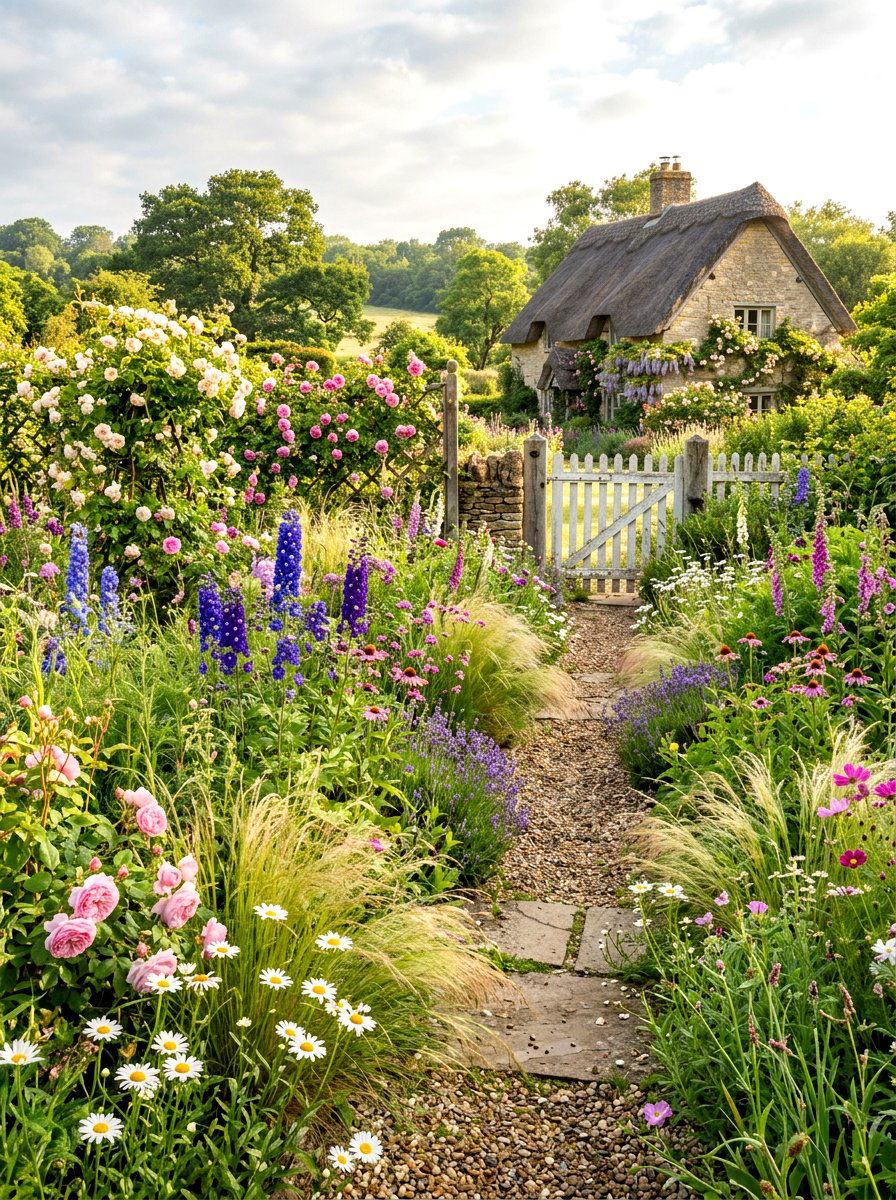
How can you blend the charm of a classic cottage garden with the rugged resilience of a wild prairie? A cottage style prairie uses a mix of traditional garden favorites and hardy native grasses to create a romantic, overgrown look. Think of roses and delphiniums peeking out from behind wispy clumps of prairie dropseed. This style embraces a bit of chaos and layering, allowing plants to intermingle freely. It creates a lush, full environment that feels lived-in and cozy. This approach is perfect for smaller backyards where you want a high impact of flowers but still desire the low-maintenance benefits of meadow-style landscaping.
6. Wildlife Pond Edge
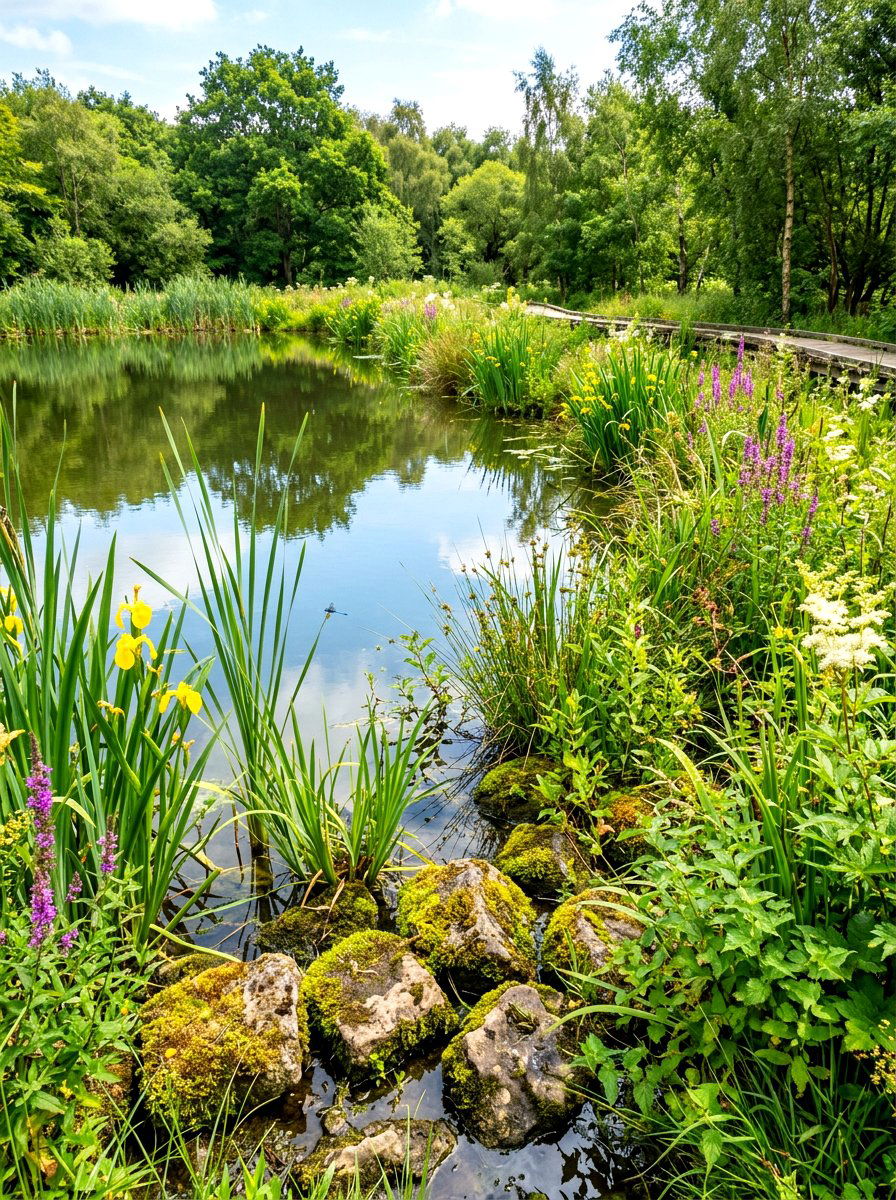
Is there anything more peaceful than the sound of water hidden amongst tall grasses and colorful flowering marginal plants? A wildlife pond edge integrates a water feature seamlessly into your meadow design by using plants that love damp soil. Instead of harsh stone borders, use sedges and rushes to soften the transition from land to water. This creates a safe entry point for frogs and birds, turning your garden into a complete ecosystem. The reflection of the sky and the surrounding meadow in the still water adds a sense of depth and tranquility. It is a beautiful way to introduce movement and sound into your yard.
7. Rustic Wood Bench
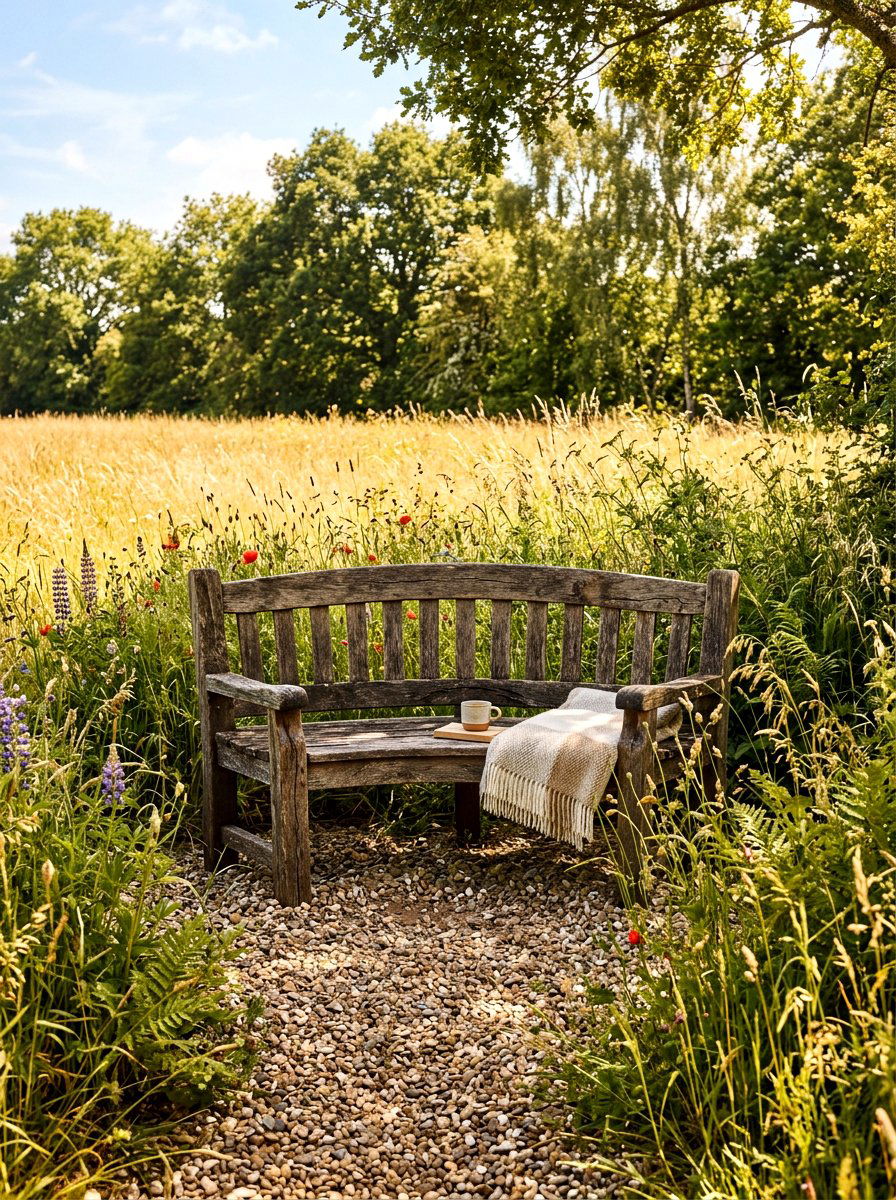
Where is the best place to sit and soak in the sights and sounds of your growing meadow? A rustic wood bench placed at a strategic viewpoint provides a quiet spot for reflection and rest. Choosing natural, weathered timber allows the seating to blend perfectly with the organic surroundings rather than standing out as a modern intrusion. You might tuck the bench into a tall grass alcove or place it at the end of a winding path. This simple addition transforms your backyard from a landscape to be viewed into a living room to be experienced. It encourages you to slow down and notice the small details.
8. Perennial Border Mix
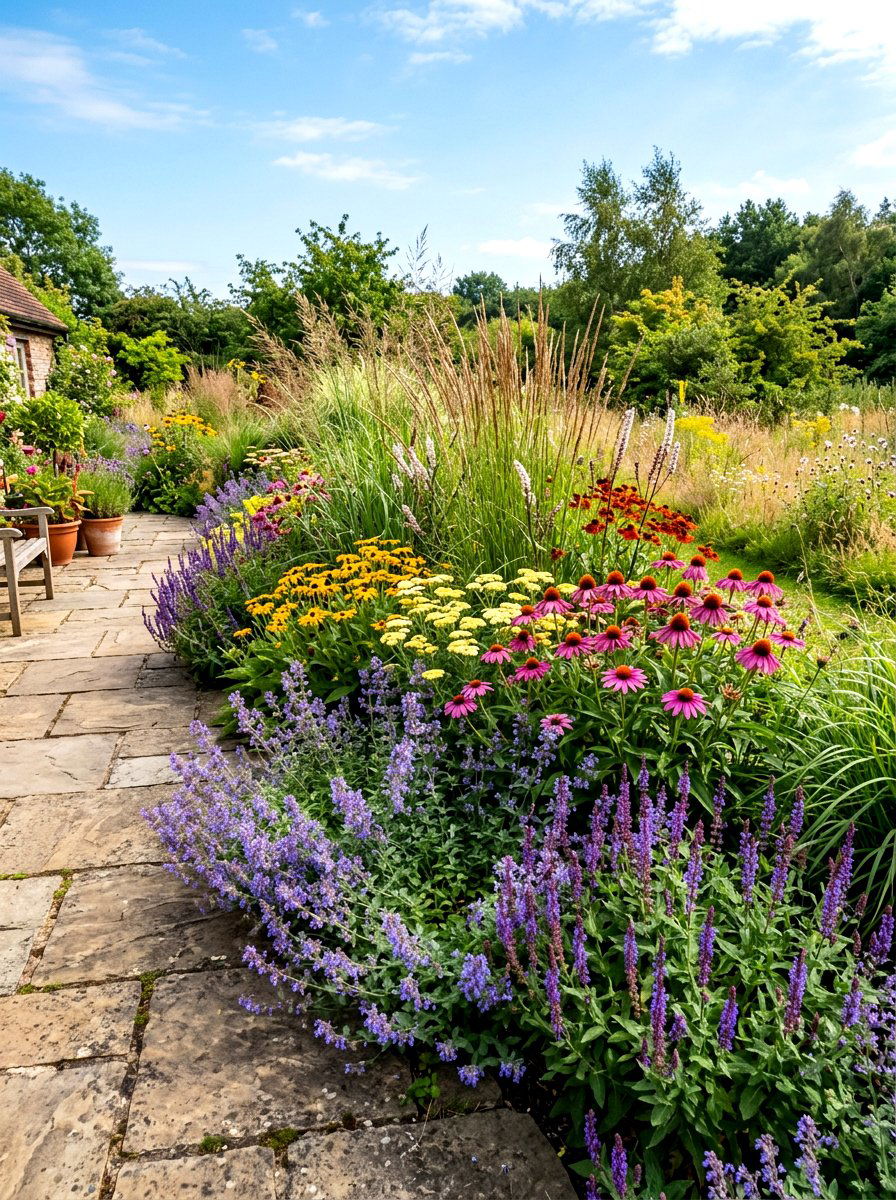
How do you create a structured yet natural transition between your home and the wilder parts of your meadow? A perennial border mix uses a curated selection of hardy plants that stay in place while still echoing the meadow aesthetic. By layering different heights and textures, you can create a visual frame for your backyard. Use shorter clumping plants at the front and taller, airy species at the back to draw the eye inward. This approach keeps the area closest to your patio looking tidy without sacrificing the wild spirit of the design. It is an excellent way to balance organization with natural freedom.
9. Organic Stone Walkway
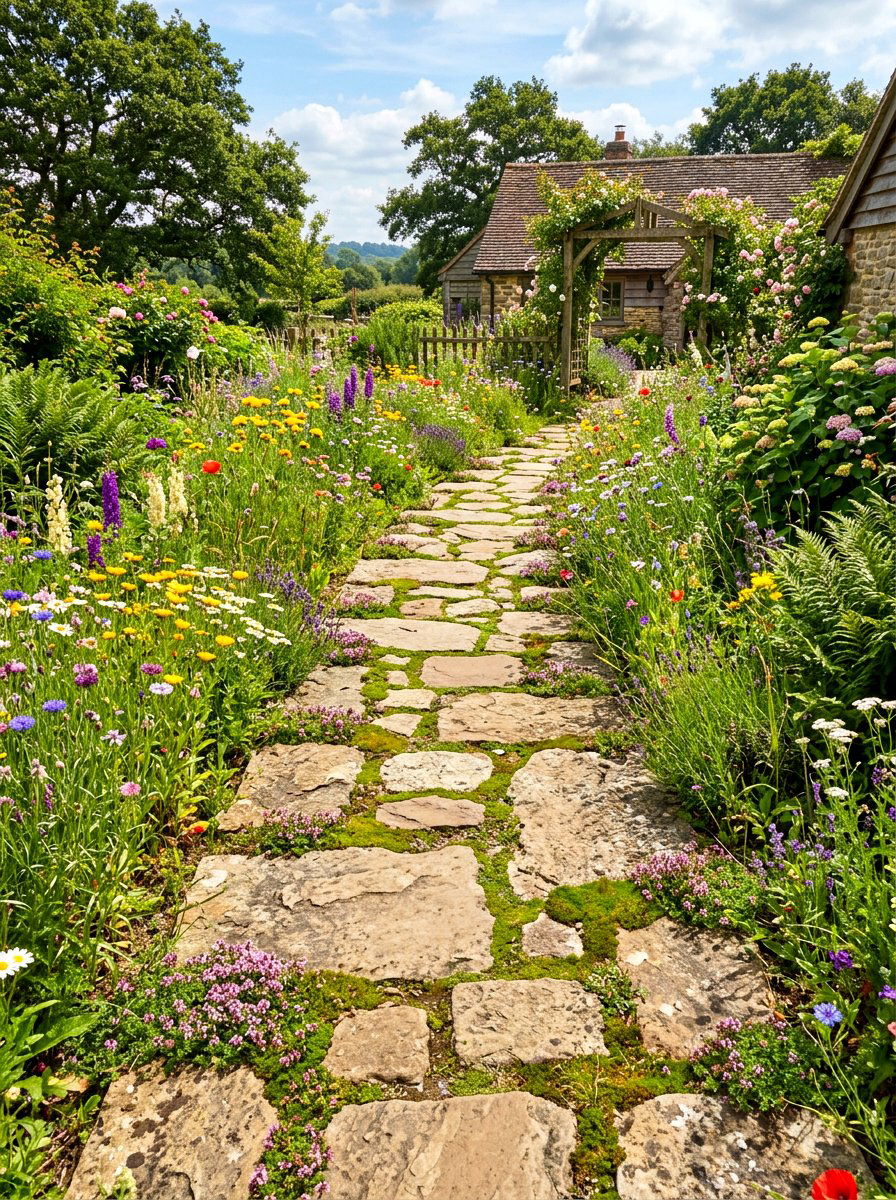
Would you like a path that feels like it has been part of the landscape for hundreds of years? An organic stone walkway uses irregularly shaped flagstones or fieldstones set into the earth with small groundcovers growing in the gaps. Creeping thyme or moss can fill these spaces, adding scent and softness to the hardscape. Unlike a poured concrete path, this style allows for drainage and supports the soil life beneath. The uneven edges and natural colors of the stone complement the wild textures of meadow grasses and flowers. It guides visitors through the space while maintaining a strong connection to the natural earth.
10. Tall Grass Screen
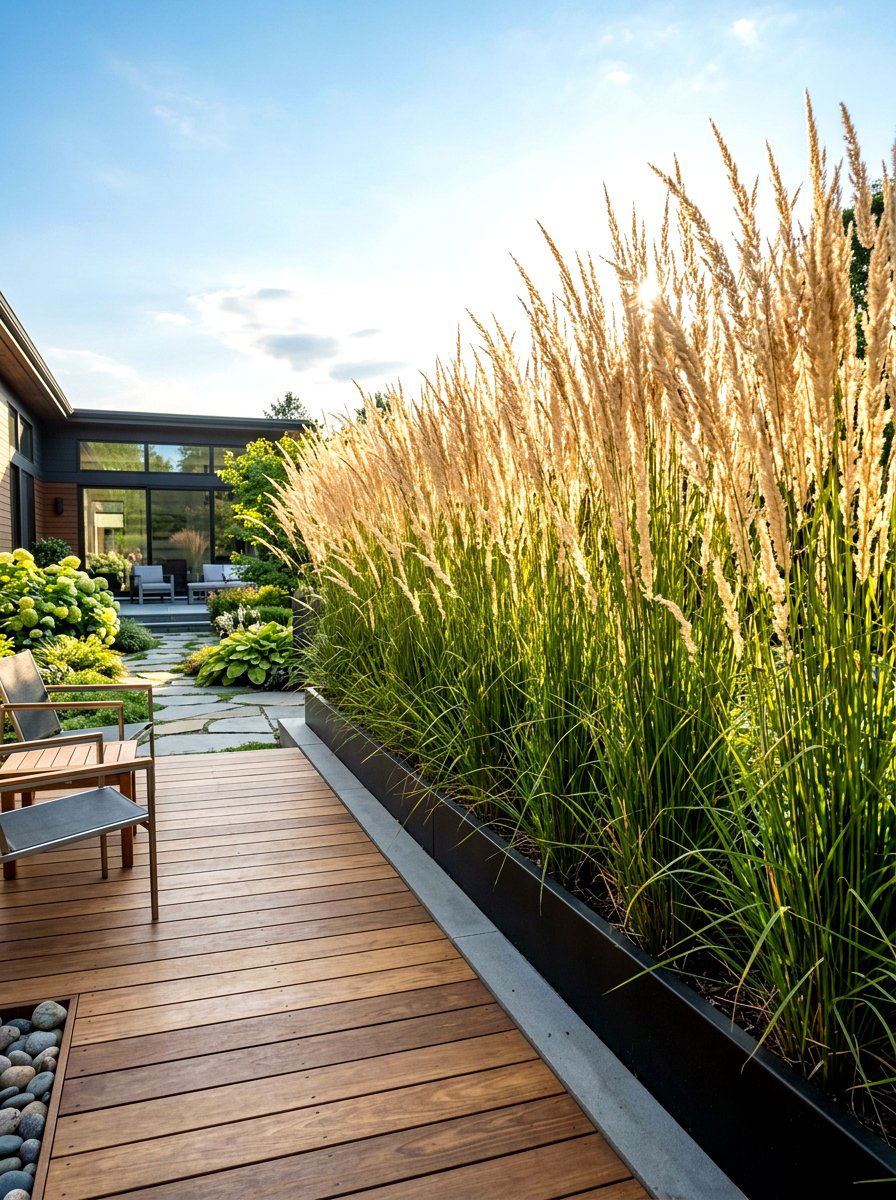
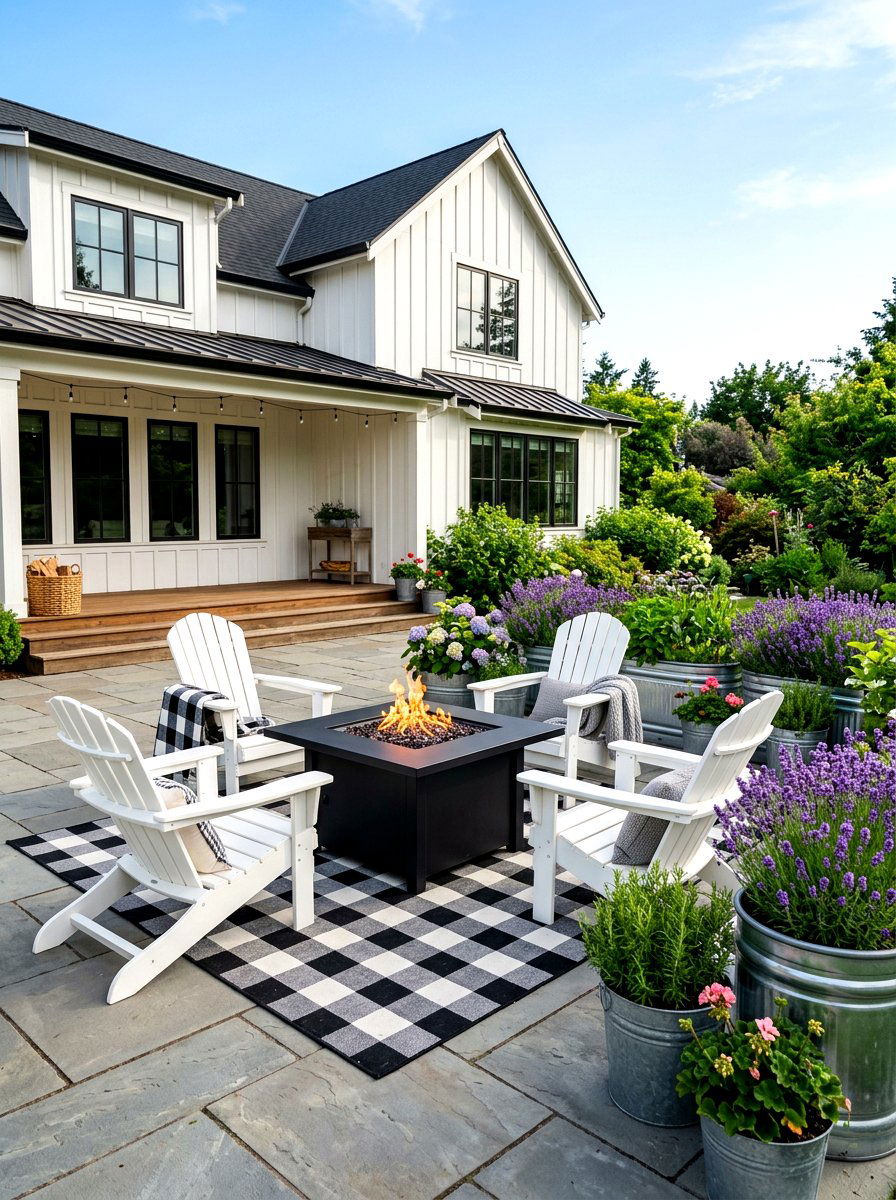
Are you looking for a way to create privacy in your backyard without building a heavy, solid wood fence? A tall grass screen uses architectural species like Big Bluestem or Karl Foerster feather reed grass to create a living wall. These plants grow quickly and provide a dense yet airy barrier that filters the light beautifully. Unlike a static fence, a grass screen moves and whispers in the wind, adding a dynamic layer of sound and motion to your yard. It offers a sense of seclusion while still allowing you to feel connected to the wider environment. This is a modern, eco-friendly privacy solution.
11. Butterfly Garden Border
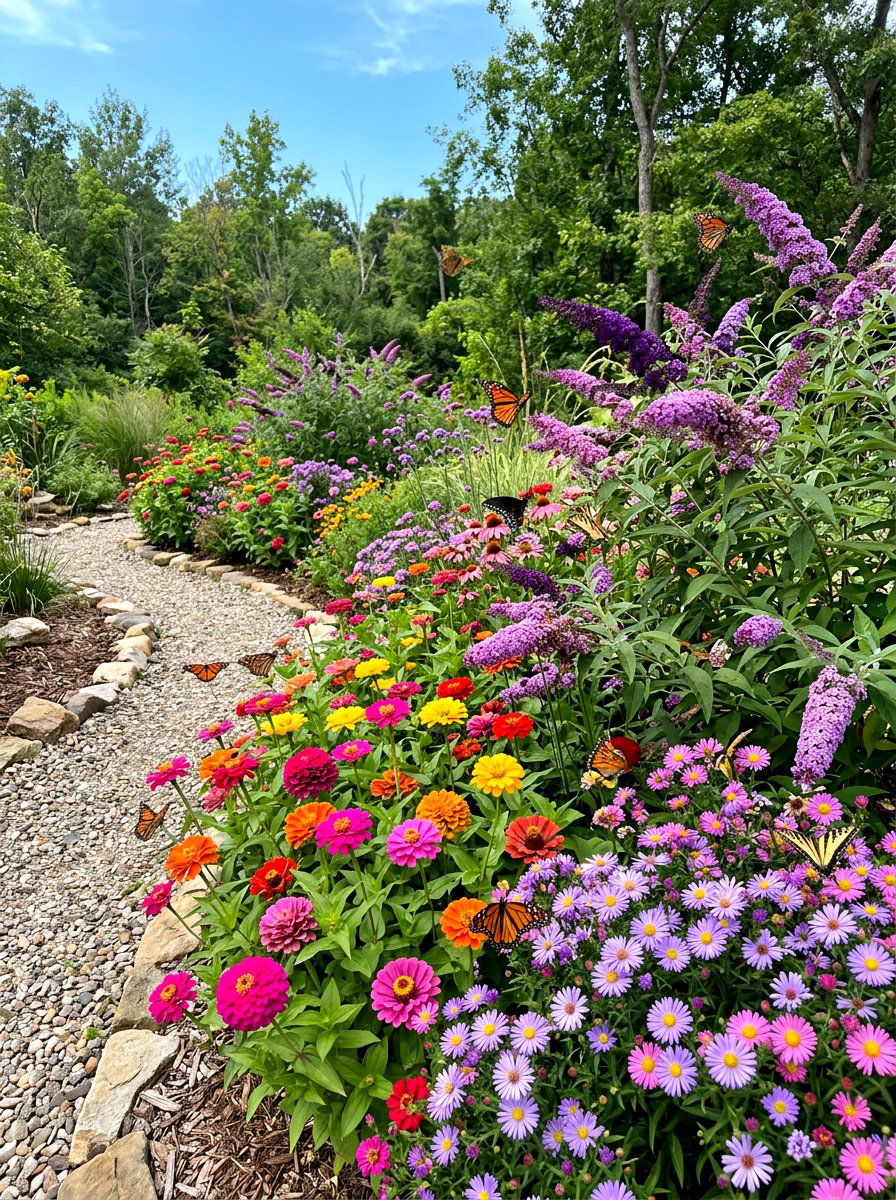
Can you imagine a garden edge that is constantly alive with the fluttering wings of colorful native butterflies? A butterfly garden border specifically incorporates host plants and nectar sources to support the entire lifecycle of these beautiful creatures. Planting clusters of zinnia, buddleia, and native aster ensures there is always something blooming to provide energy. This design looks best when it follows the natural curves of your property line, creating a soft transition between your yard and the neighborhood. It is a delightful way to add focused color and movement to your meadow while contributing to the health of the local insect population.
12. Natural Stone Fire Pit
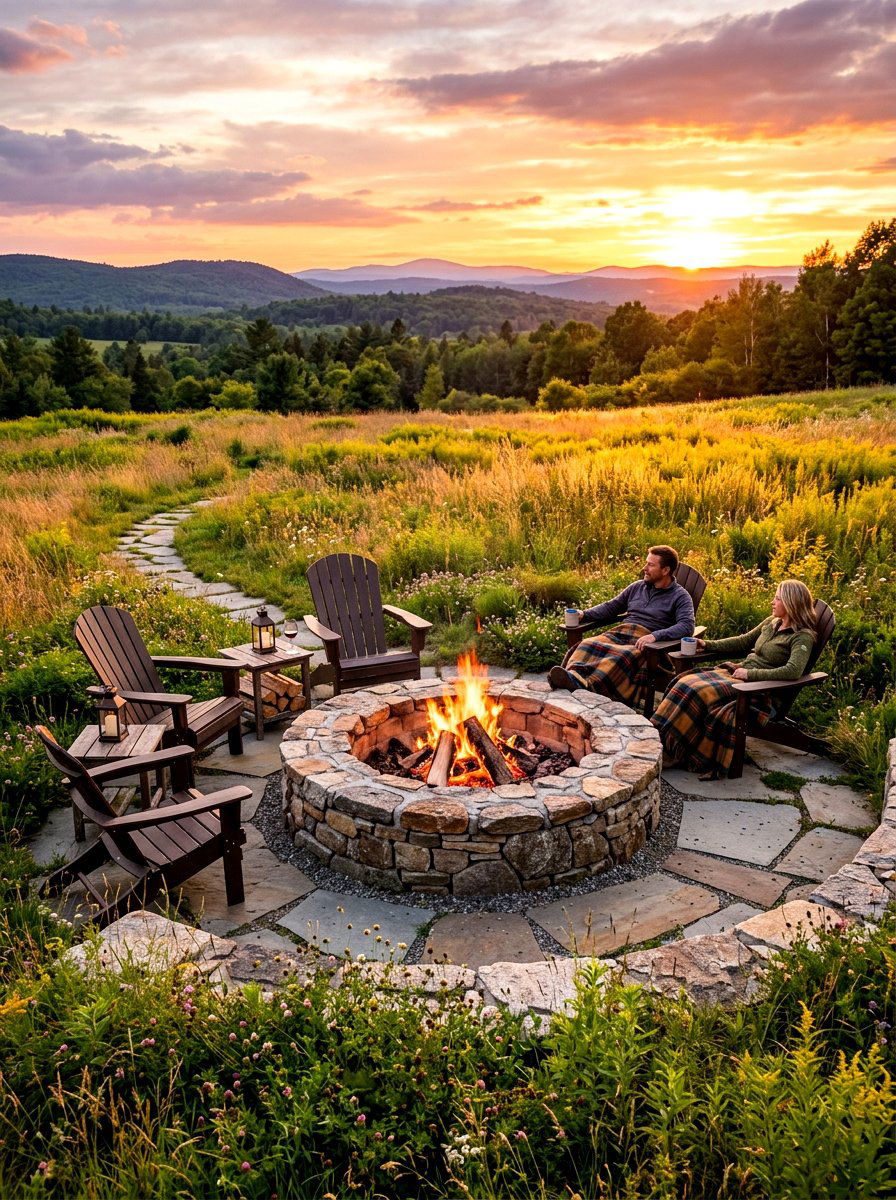
Is there a better way to enjoy a cool evening than sitting around a fire surrounded by glowing meadow grasses? A natural stone fire pit anchors your outdoor living space and provides a cozy focal point for family gatherings. By using rough-hewn stones and a circular design, the pit feels like a natural outcropping rather than an industrial addition. Surround the area with low-growing meadow plants to keep the view open while maintaining the wild aesthetic. The contrast between the warm, flickering flames and the soft, cool textures of the surrounding greenery creates a magical atmosphere that is perfect for late-night storytelling.
13. Drift Planting Layout
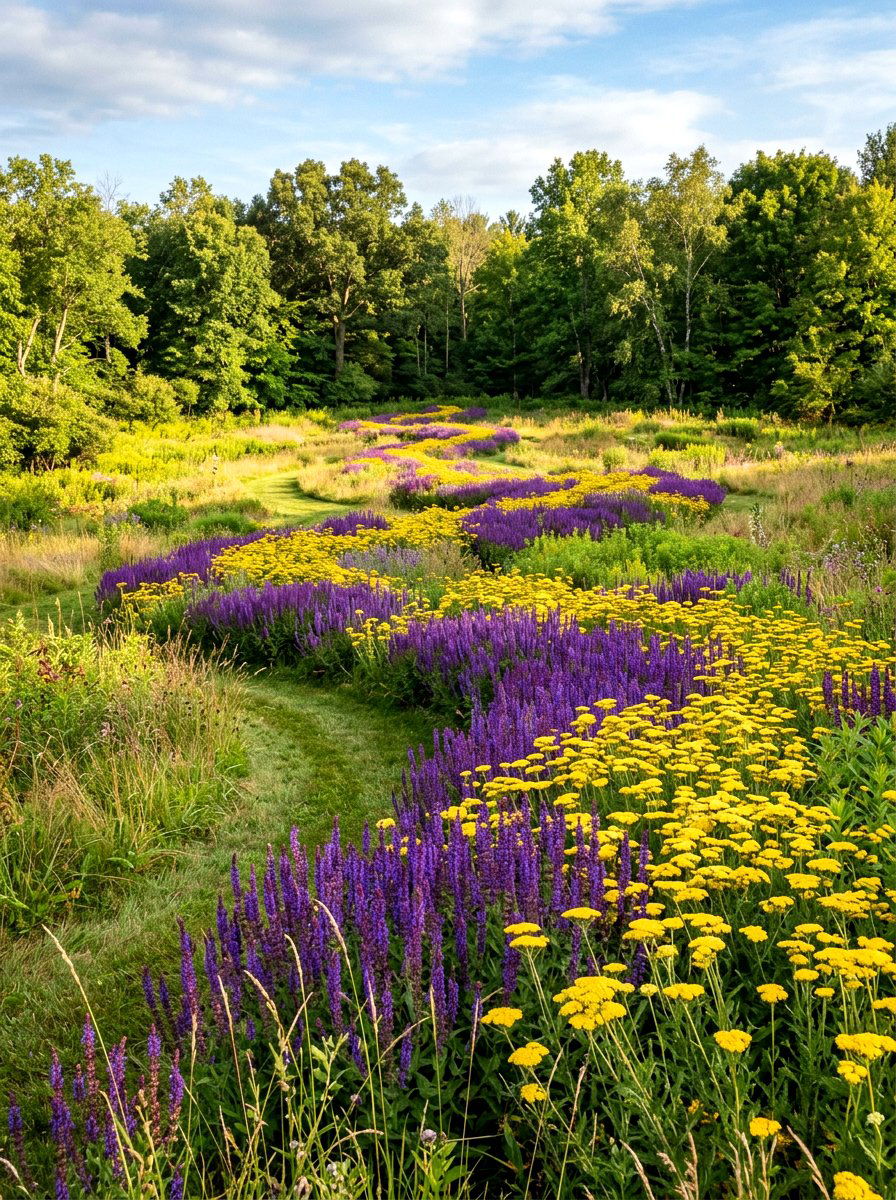
How do you mimic the effortless beauty of a natural field where flowers seem to grow in graceful, flowing waves? A drift planting layout involves planting large groups of the same species together in elongated, irregular shapes. This technique creates a sense of movement and rhythm that is much more natural than planting in rigid rows or single spots. When the wind blows, these drifts sway in unison, creating a painterly effect across your backyard. It also makes a bigger visual impact from a distance, drawing the eye through the space. This is a core principle of naturalistic design used by professional landscape architects.
14. Drought Tolerant Meadow
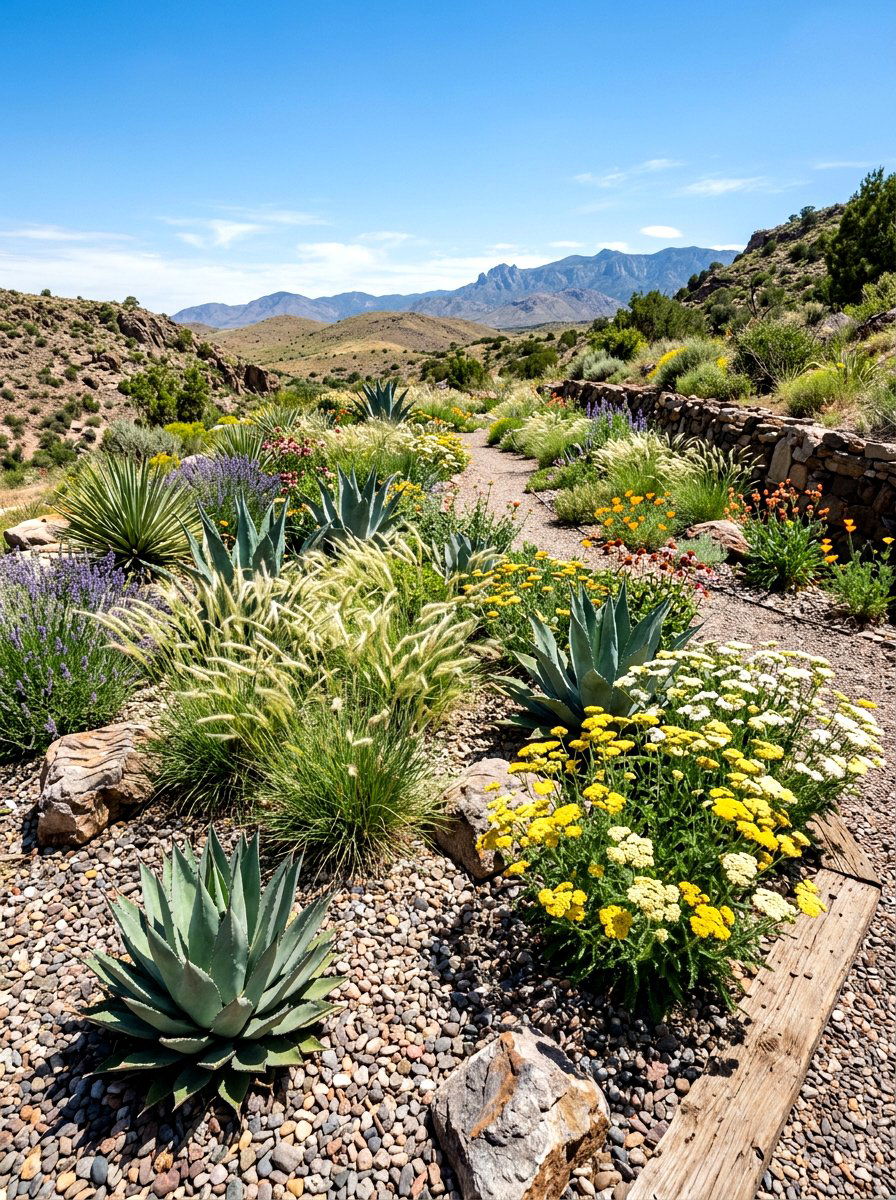
What if you could have a stunning, lush backyard that requires almost no extra water even during a dry summer? A drought tolerant meadow uses xeric plants and native grasses that are specifically adapted to survive on rainfall alone. Species like yarrow, sage, and blue grama grass are excellent choices for this type of landscape. These plants often have deep roots and interesting foliage that can withstand intense sun and heat. This approach is not only environmentally responsible but also saves you time and money on utility bills. It creates a rugged, resilient beauty that looks gorgeous throughout the hottest months of the year.
15. Woodland Edge Garden
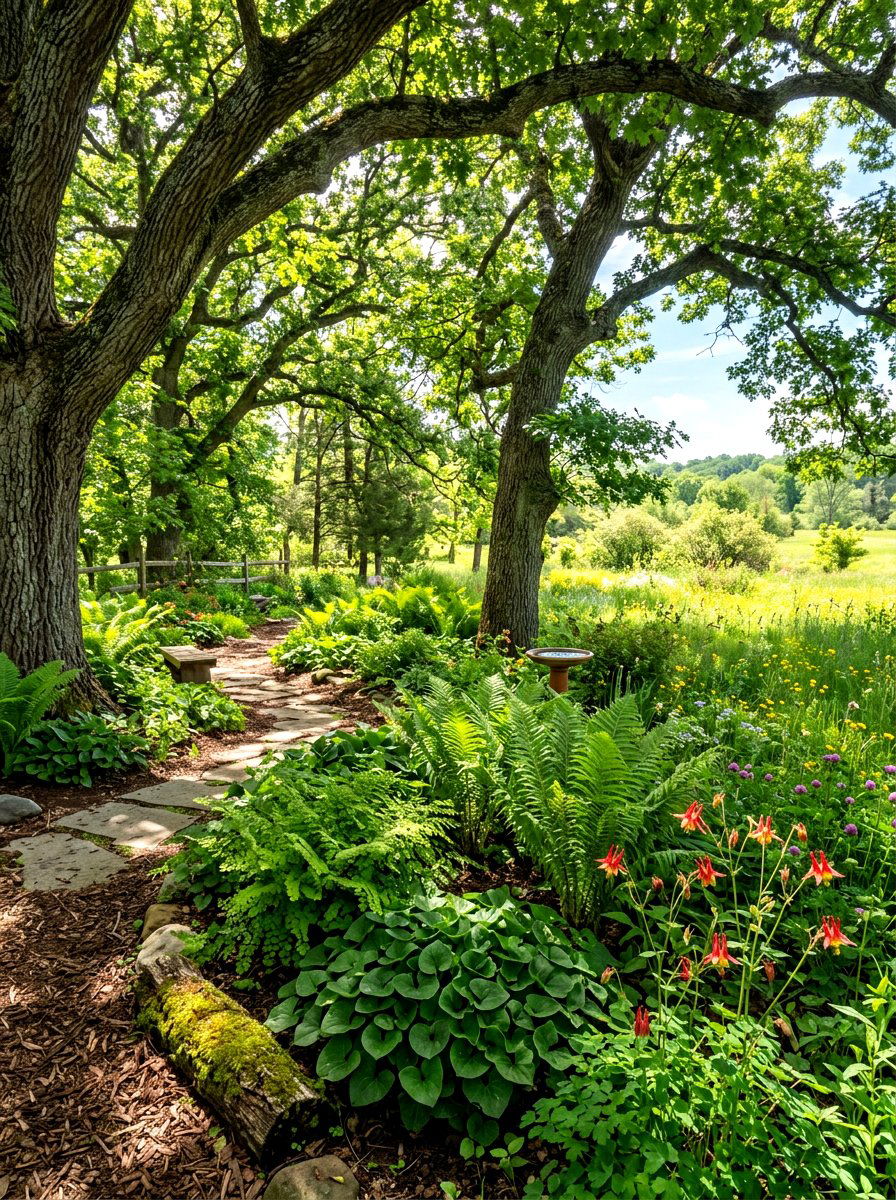
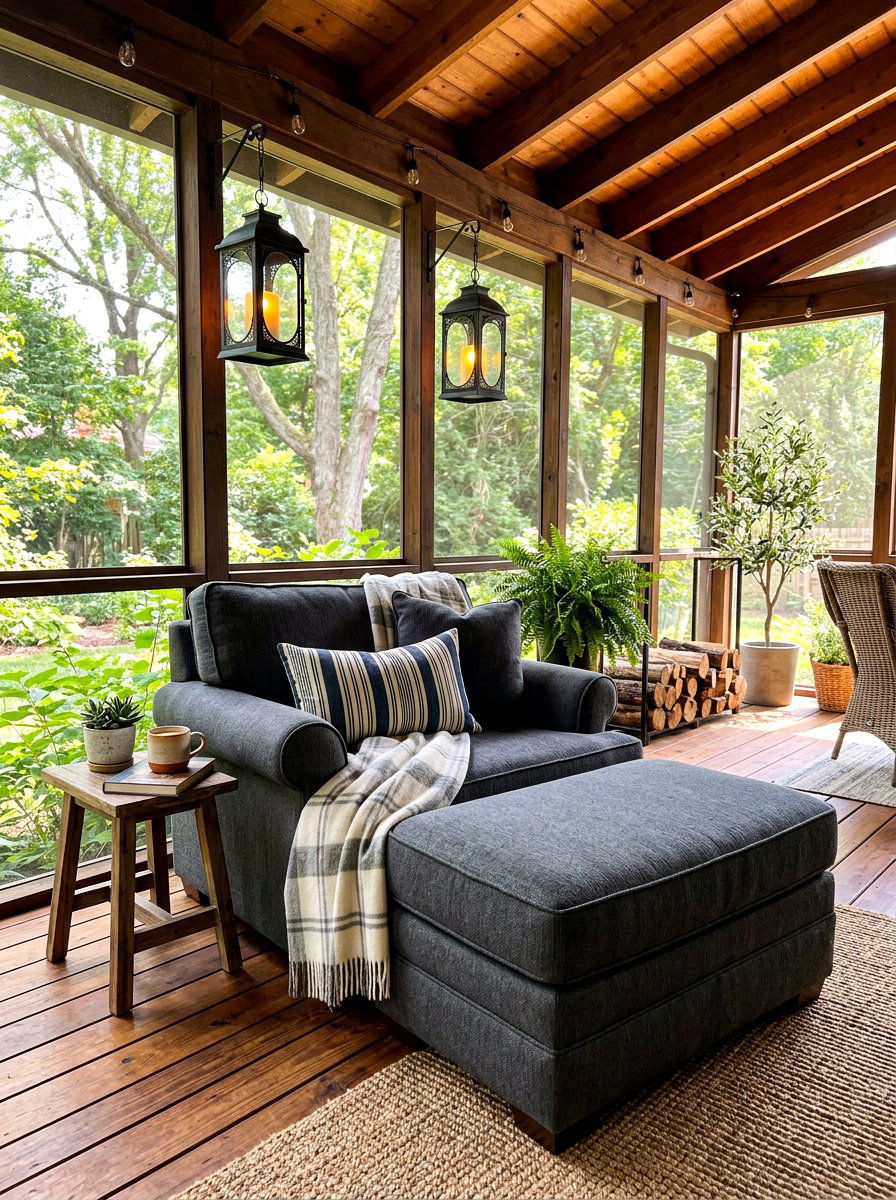
Does your backyard transition into a shaded area with large trees where traditional sun-loving meadow plants might struggle? A woodland edge garden uses shade-tolerant species to create a meadow-like feel under the canopy. Incorporating ferns, wild ginger, and columbine allows you to maintain a soft, naturalistic look in the darker corners of your yard. These plants provide a lush, green texture that feels cool and refreshing during the height of summer. By blending these shade lovers with the sun-kissed meadow in the center of your yard, you create a diverse and interesting landscape that makes use of every inch of space.
16. Dry Creek Bed
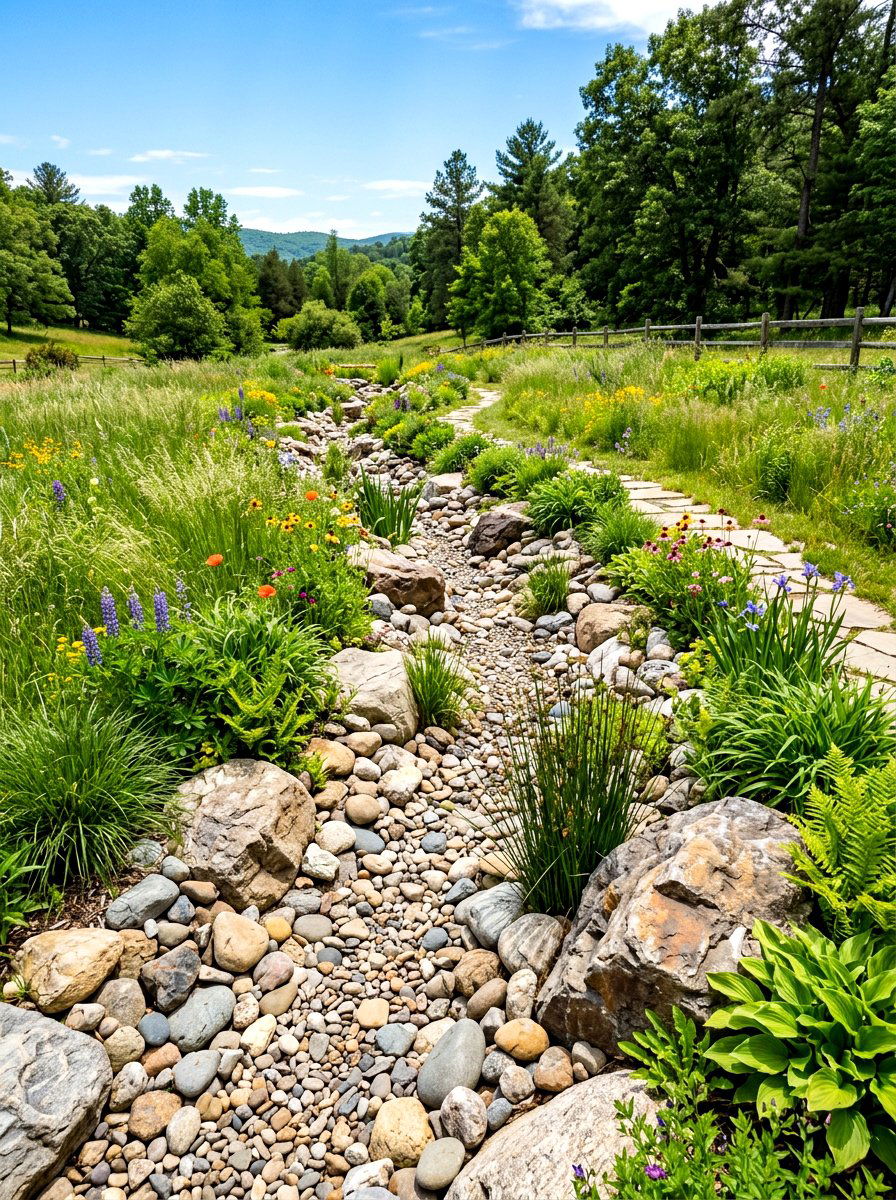
How can you manage rainwater runoff while adding a striking visual feature that looks like a natural mountain stream? A dry creek bed uses various sizes of river rock and boulders to create a decorative drainage path through your meadow. During a storm, it safely channels water away from your home, but during dry spells, it serves as a beautiful hardscape element. Surround the rocky edges with moisture-loving grasses and perennials to soften the look and make it appear authentic. This feature adds a sense of structure and geology to the soft textures of the plants, creating a balanced and professional landscape design.
17. Bee Friendly Flower Bed
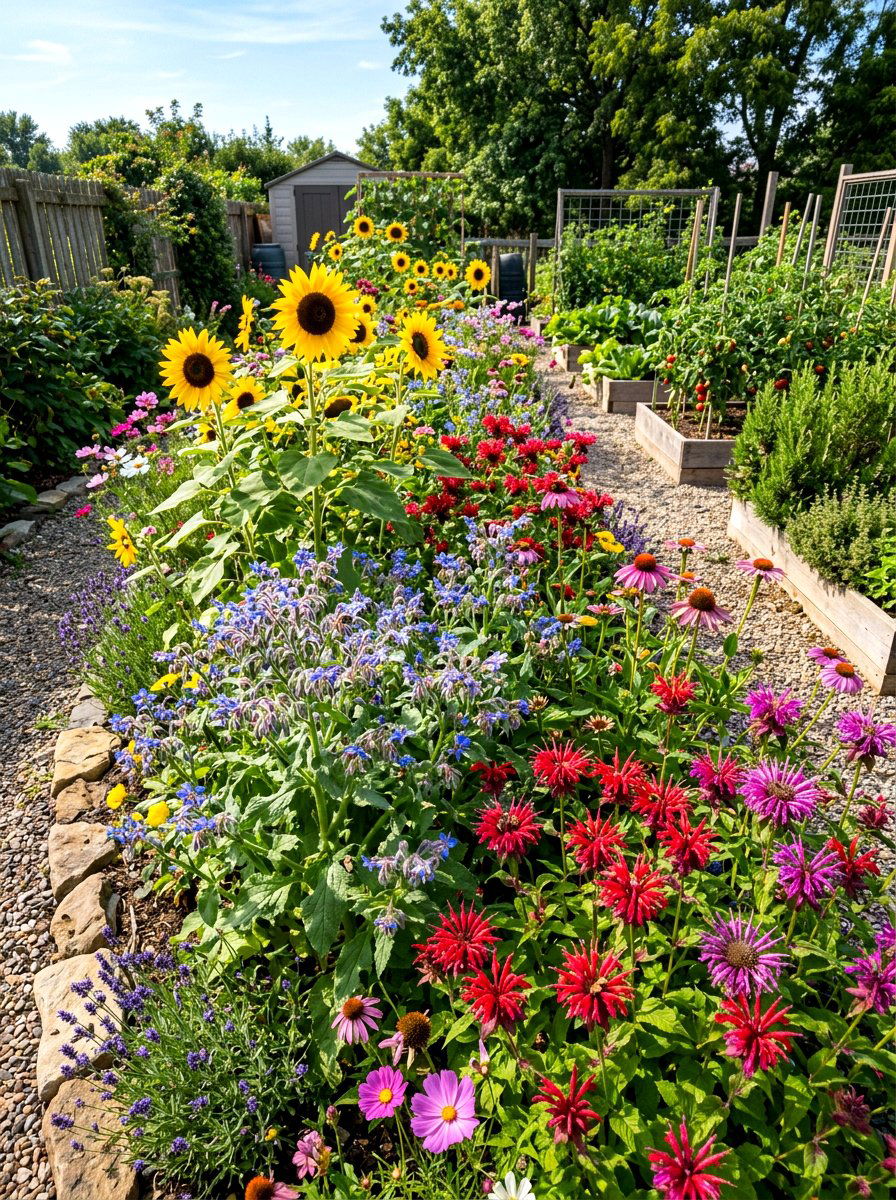
Have you thought about how a small change in your flower selection can help save the local bee population? A bee friendly flower bed focuses on plants with open, accessible blooms like sunflowers, borage, and bee balm. These flowers provide easy access to pollen and nectar, making your yard a favorite stop for many different types of bees. In a meadow setting, these beds can be placed near your vegetable garden to improve pollination and harvest yields. The bright, cheerful colors of these blooms add a joyful energy to the landscape while performing a vital ecological service for your local community environment.
18. Ornamental Grass Cluster
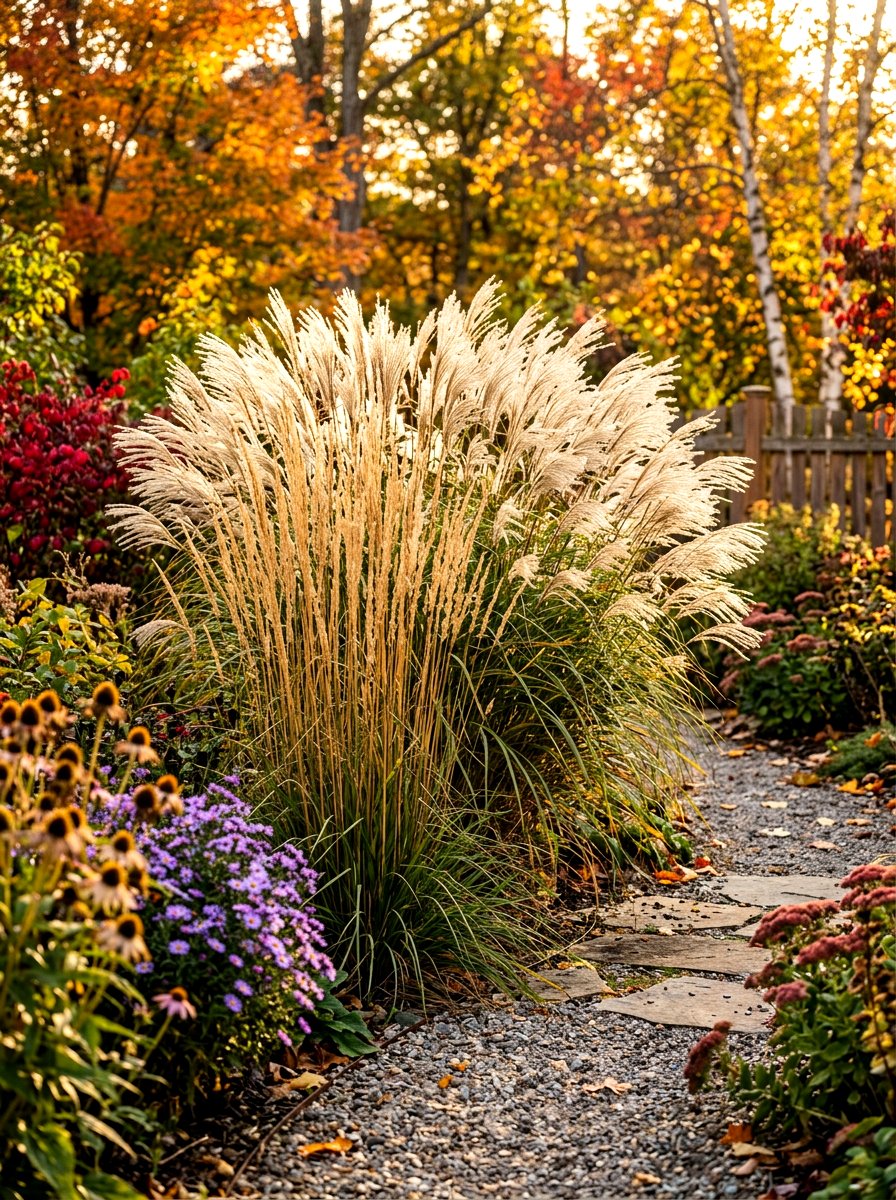
Do you want to add a sense of drama and height to your meadow without planting heavy trees or shrubs? An ornamental grass cluster uses several different types of tall grasses grouped together to create a focal point. Mixing the feathery plumes of Miscanthus with the upright spikes of Calamagrostis provides a variety of shapes and textures. These clusters catch the low autumn light beautifully, turning your garden into a glowing display of amber and gold. They also provide structure during the winter months when other plants have died back. It is a simple yet effective way to add architectural interest to a wild space.
19. Sunken Meadow Seating
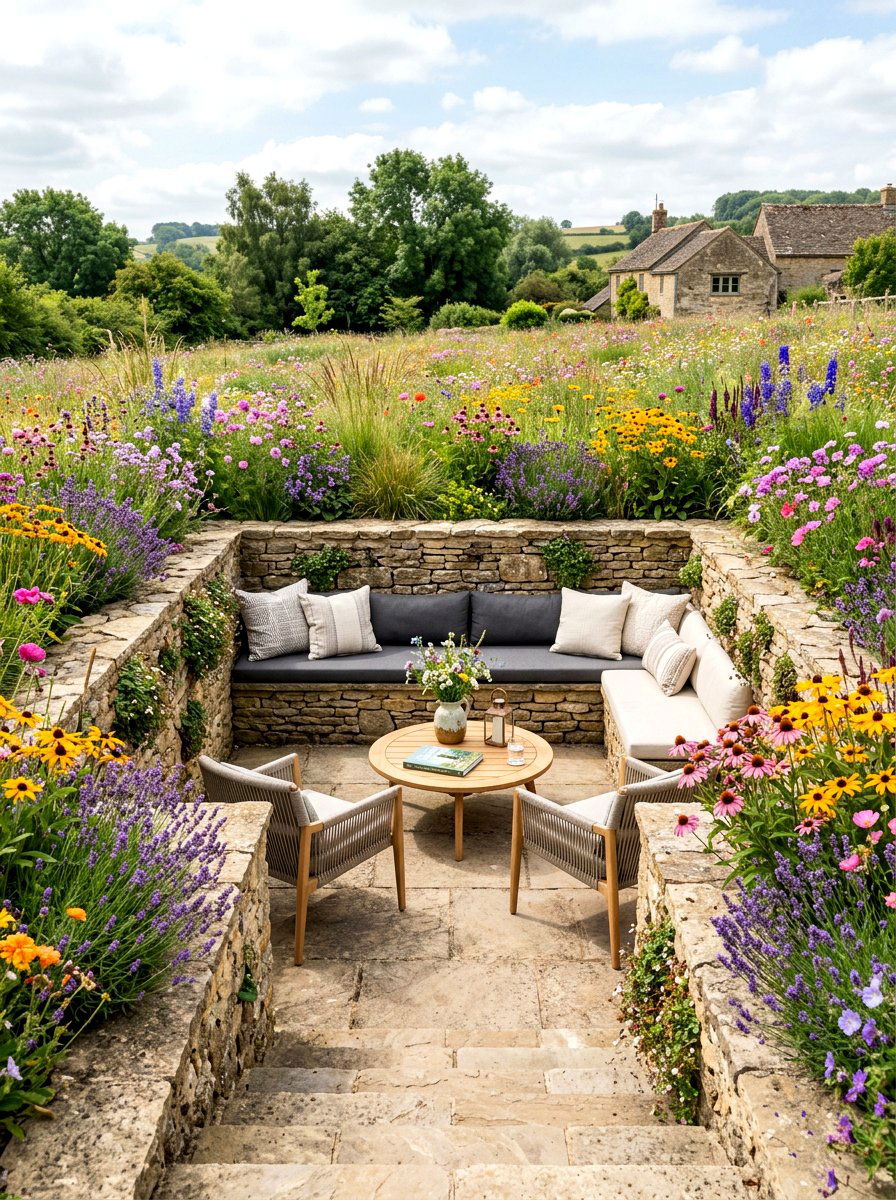
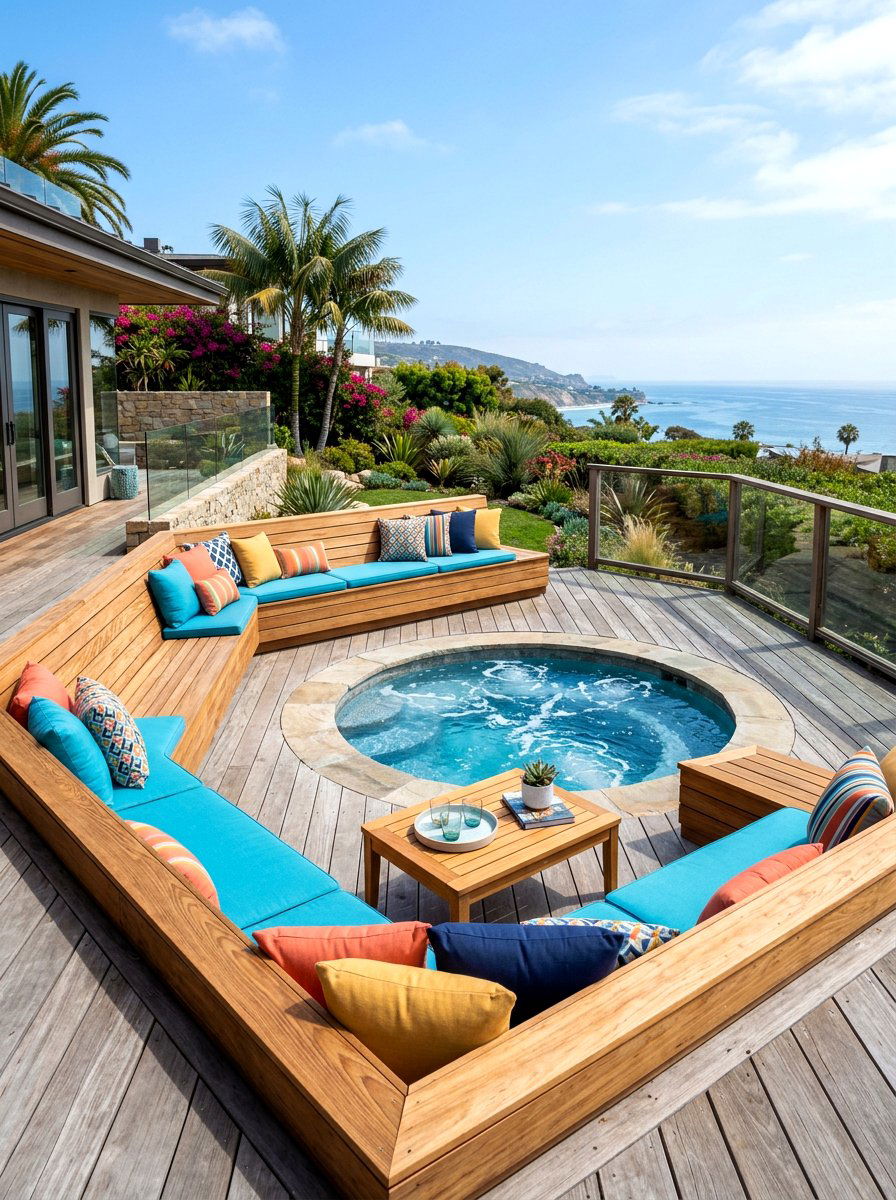
Can you imagine stepping down into a hidden lounge area that is completely surrounded by tall, fragrant meadow flowers? A sunken meadow seating area creates an intimate and immersive experience by lowering the patio below the level of the surrounding garden. As you sit, the plants are at eye level, making you feel like you are truly part of the landscape. This design offers natural sound insulation and a feeling of complete privacy. Use natural stone or wood for the retaining walls and comfortable, weather-resistant cushions for the furniture. It is the ultimate retreat for anyone looking to escape the stresses of modern life.
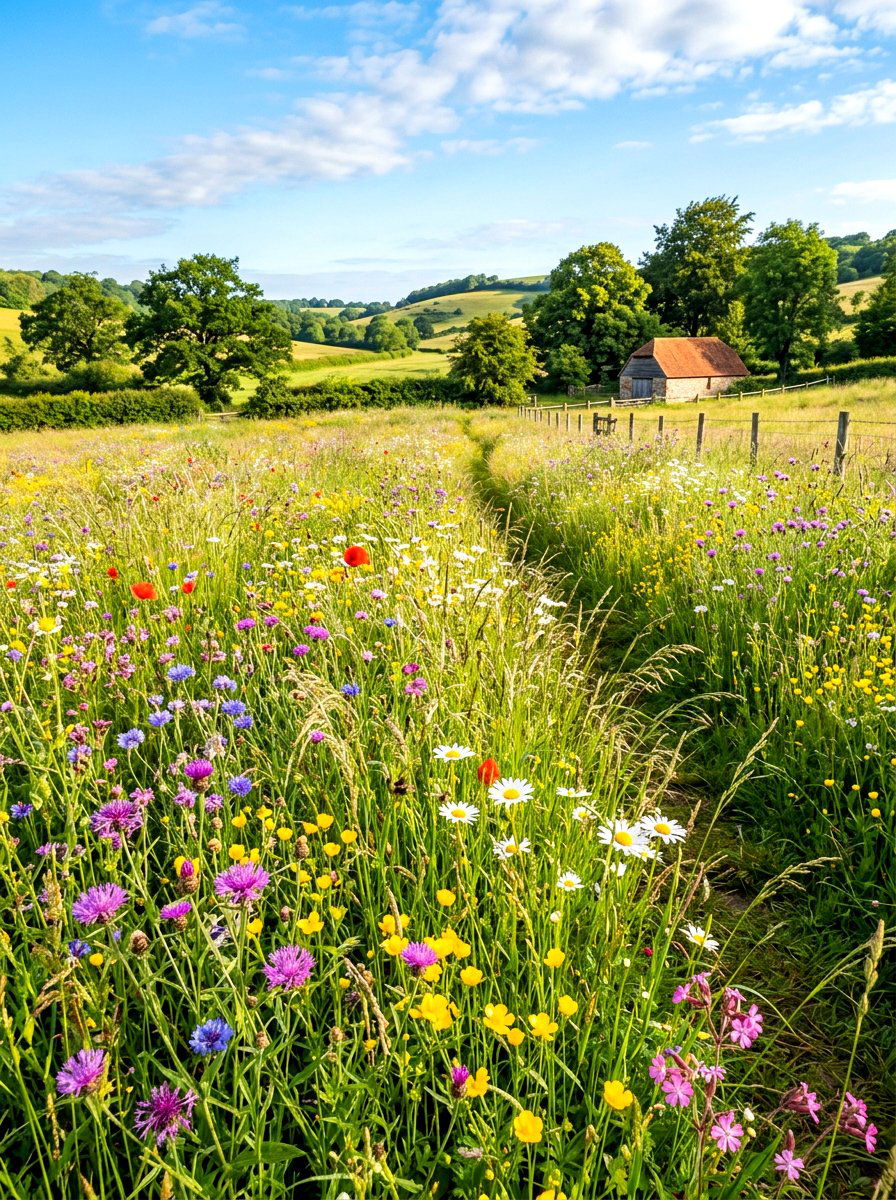
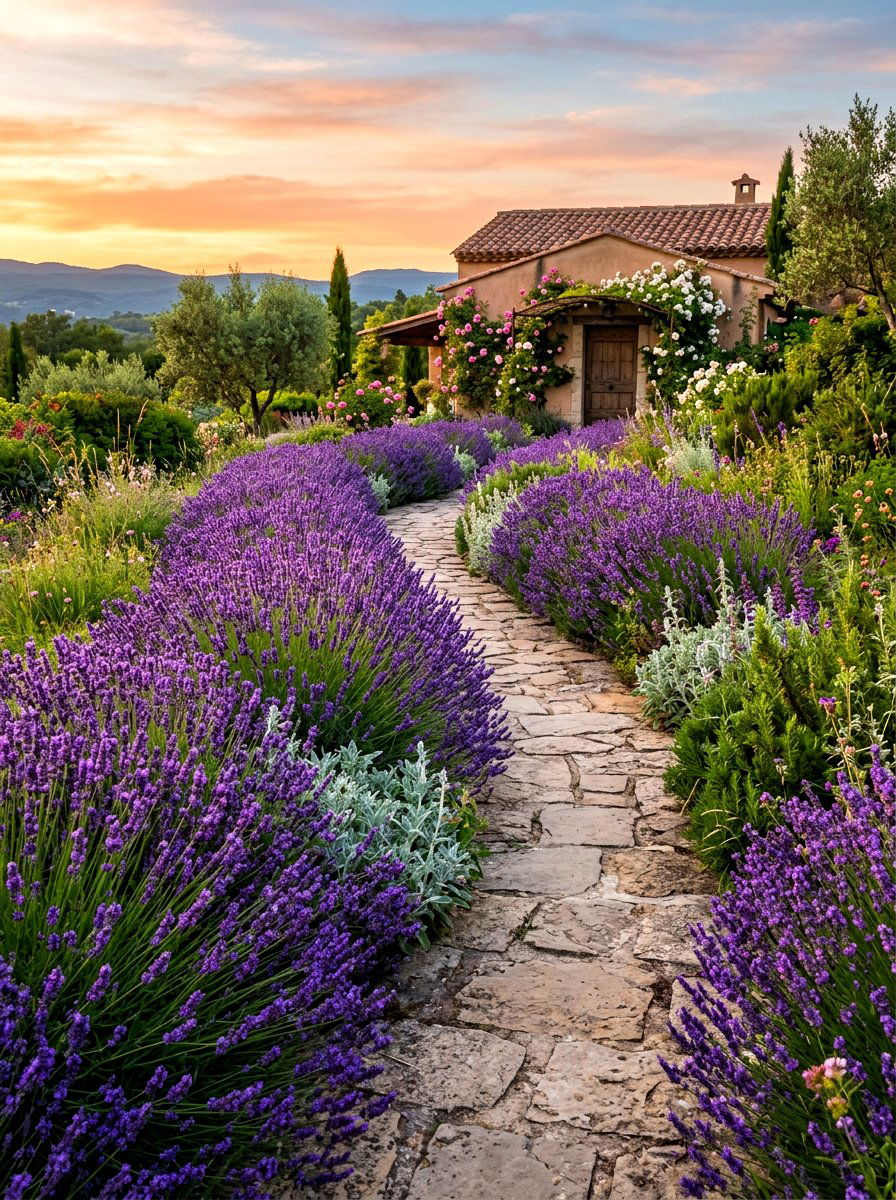
20. Wildflower Lawn Alternative
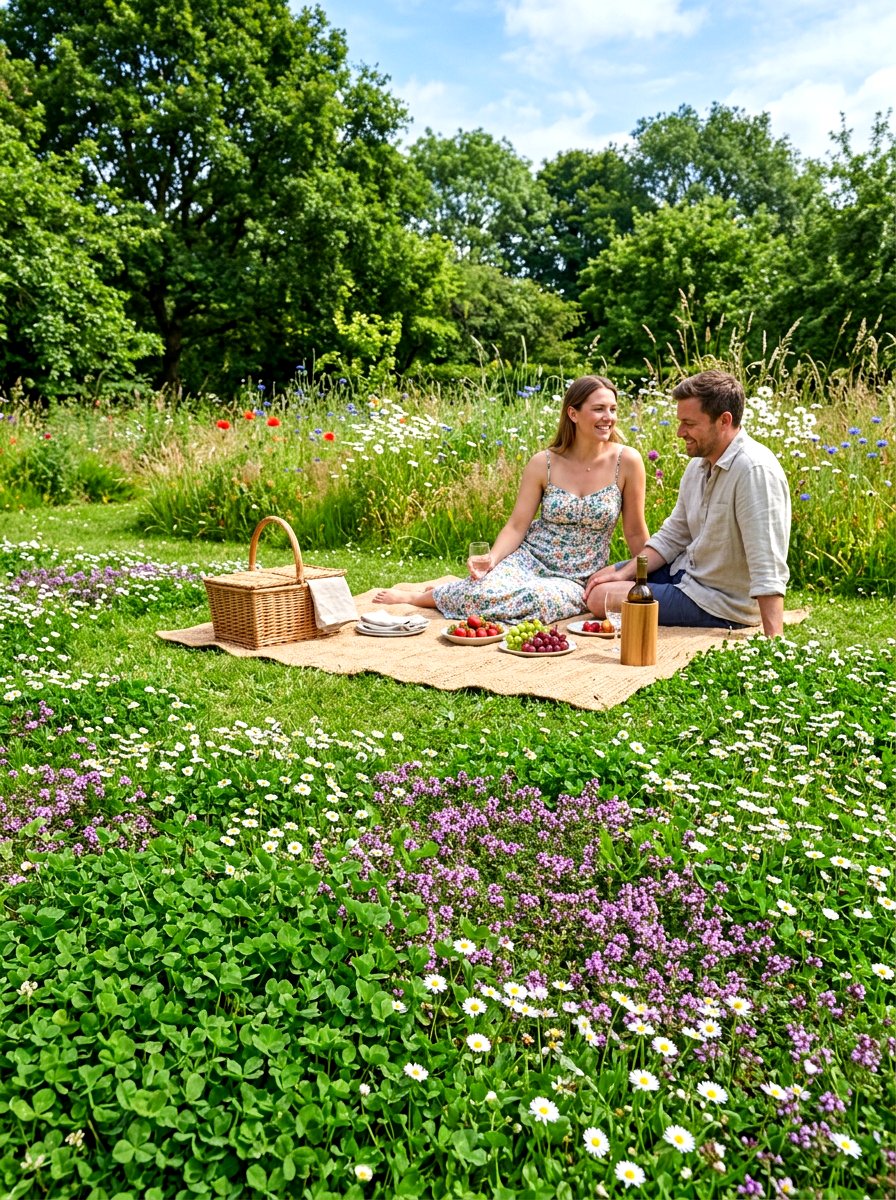
Are you tired of the endless cycle of mowing, watering, and fertilizing a traditional grass lawn every single week? A wildflower lawn alternative uses low-growing species like clover, creeping thyme, and miniature daisies to create a mowable but biodiverse surface. This type of lawn stays green with much less water and provides a beautiful, flowering carpet for your feet. It is tough enough for children and pets to play on but far more interesting to look at than a monoculture of grass. This is a perfect middle ground for families who need usable space but want to embrace a more naturalistic and eco-friendly aesthetic.
21. Modern Prairie Landscape
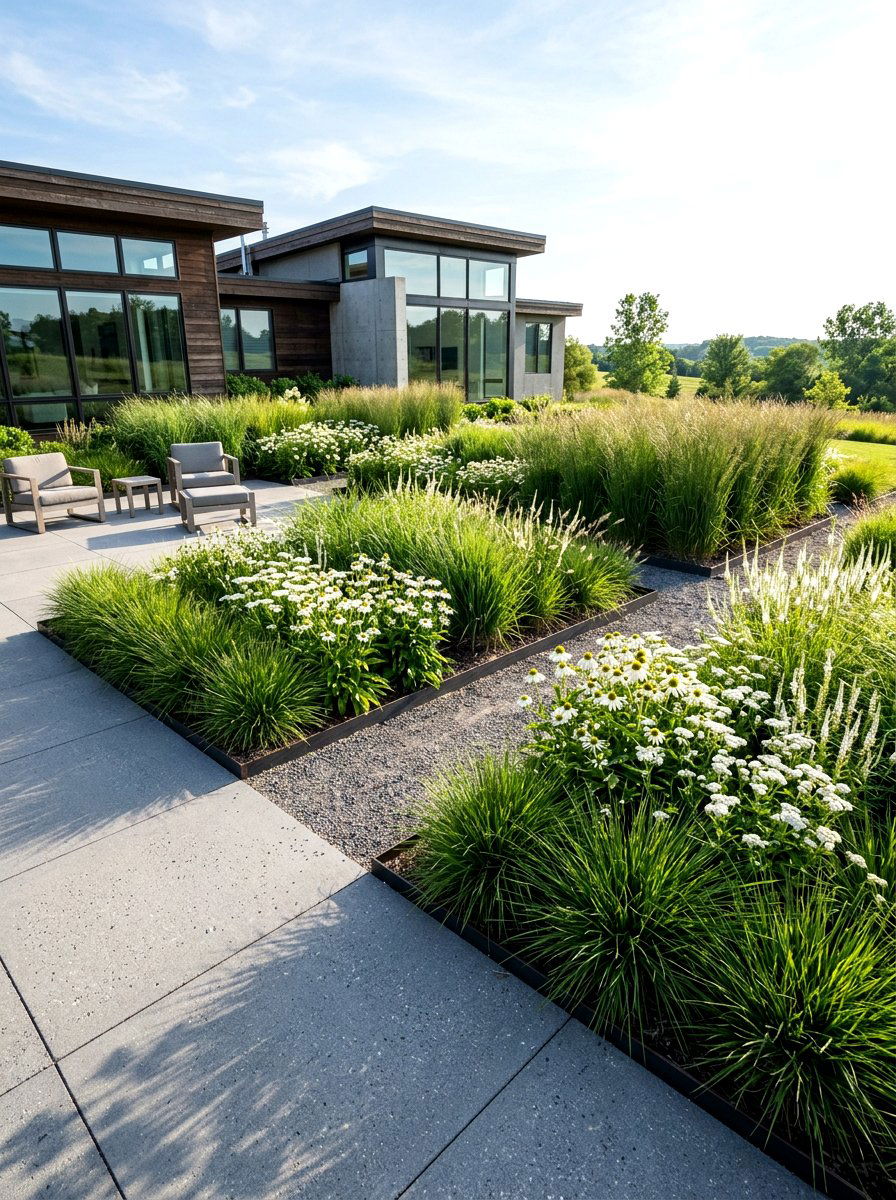
How can you bring a clean, contemporary look to a wild meadow design without making it feel too messy? A modern prairie landscape uses a limited color palette and repeated patterns to create a sense of order and sophistication. By choosing only three or four plant species and planting them in large, clean blocks, you achieve a minimalist look that is still full of texture and movement. This style looks incredible when paired with modern architectural features like steel edging or sleek concrete patios. It is proof that naturalistic gardening can be high-end and stylish while still supporting local wildlife and a healthy ecosystem.
22. Log Pile Habitat
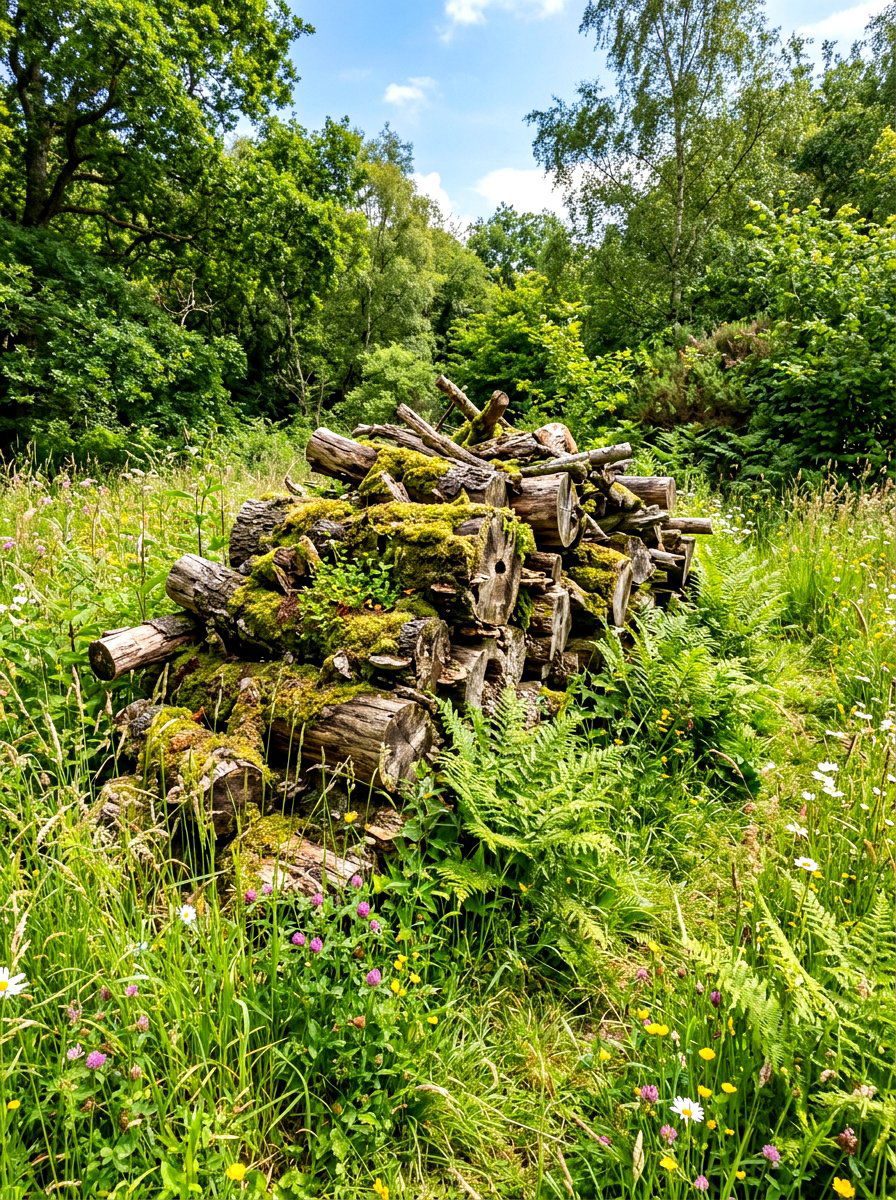
Do you want to add an element of natural sculpture to your yard while providing a home for beneficial insects? A log pile habitat uses fallen branches and timber arranged artfully among the meadow grasses to create a rustic focal point. Over time, the wood will weather and decompose, supporting beetles, solitary bees, and other wildlife. You can tuck the pile into a quiet corner or make it a prominent feature of your design. Surrounding the logs with mosses and ferns adds to the ancient, forest-floor aesthetic. It is a wonderful way to recycle garden waste into a beautiful and functional part of nature.
23. Low Maintenance Wildflowers
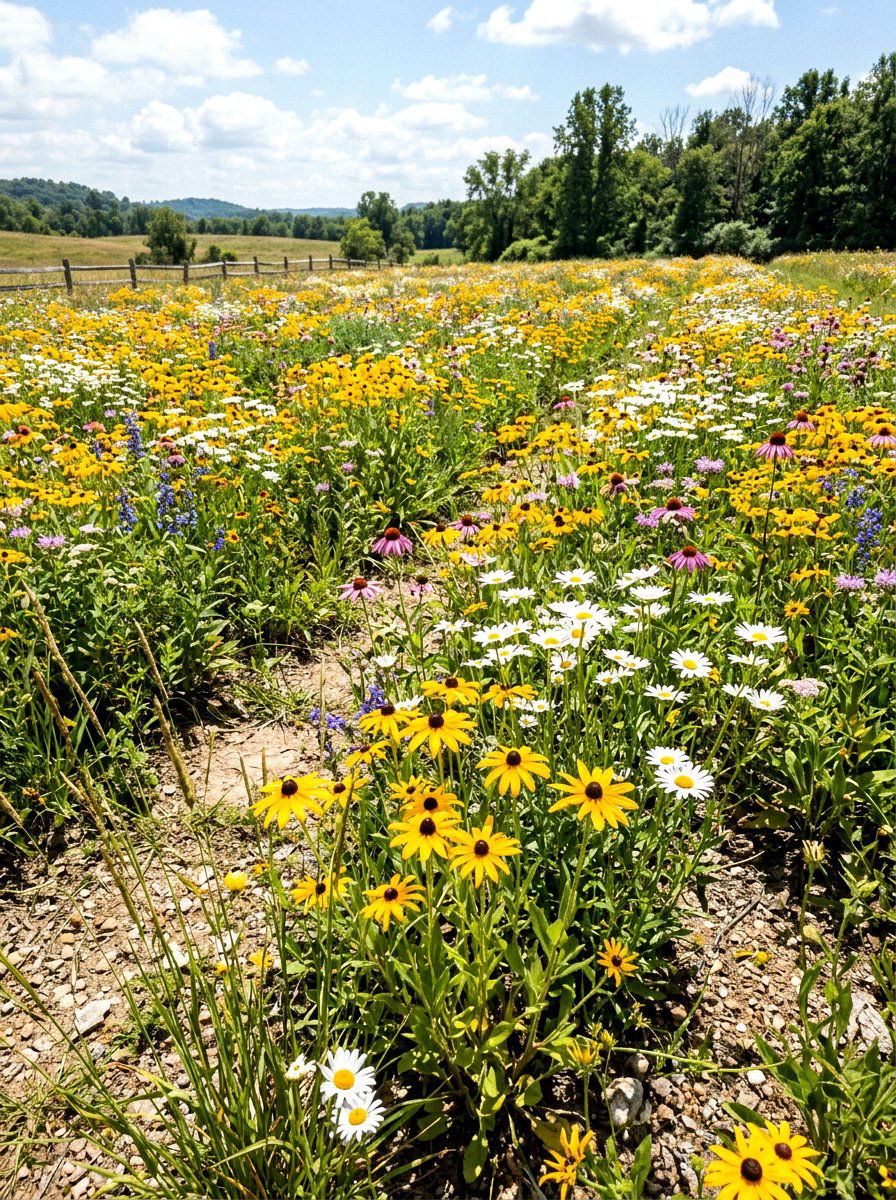
What is the secret to a garden that looks professional but requires almost zero effort from you once established? Low maintenance wildflowers are species that are known for their ability to thrive in poor soil without extra fertilizer or constant weeding. Plants like Black-eyed Susans and Shasta daisies are incredibly hardy and will come back year after year with very little help. By choosing these reliable performers, you can enjoy a stunning meadow without becoming a slave to your garden tools. This approach is ideal for busy homeowners who want a beautiful outdoor space to enjoy on their days off rather than work in.
24. Flowering Shrub Thicket
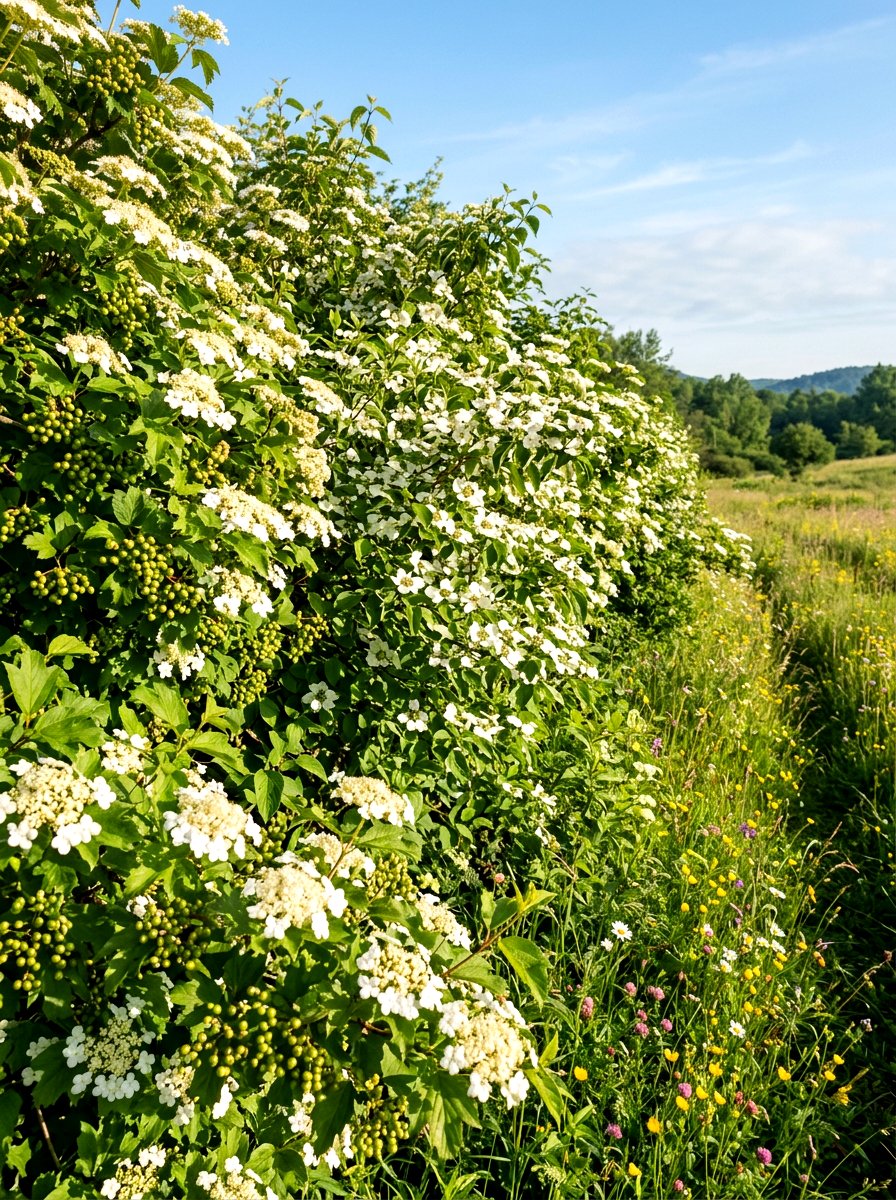
How do you provide nesting sites for birds while adding a splash of spring color to your meadow? A flowering shrub thicket uses native bushes like viburnum, dogwood, or elderberry to create a dense, protective border. These shrubs offer beautiful blossoms in the spring and nutritious berries in the autumn, making them a triple threat for beauty and function. They provide a structural backbone for the softer grasses and perennials in your yard. Planting them in a loose, informal grouping creates a natural hedge that blocks wind and noise. It is a vital component for anyone looking to create a true wildlife sanctuary.
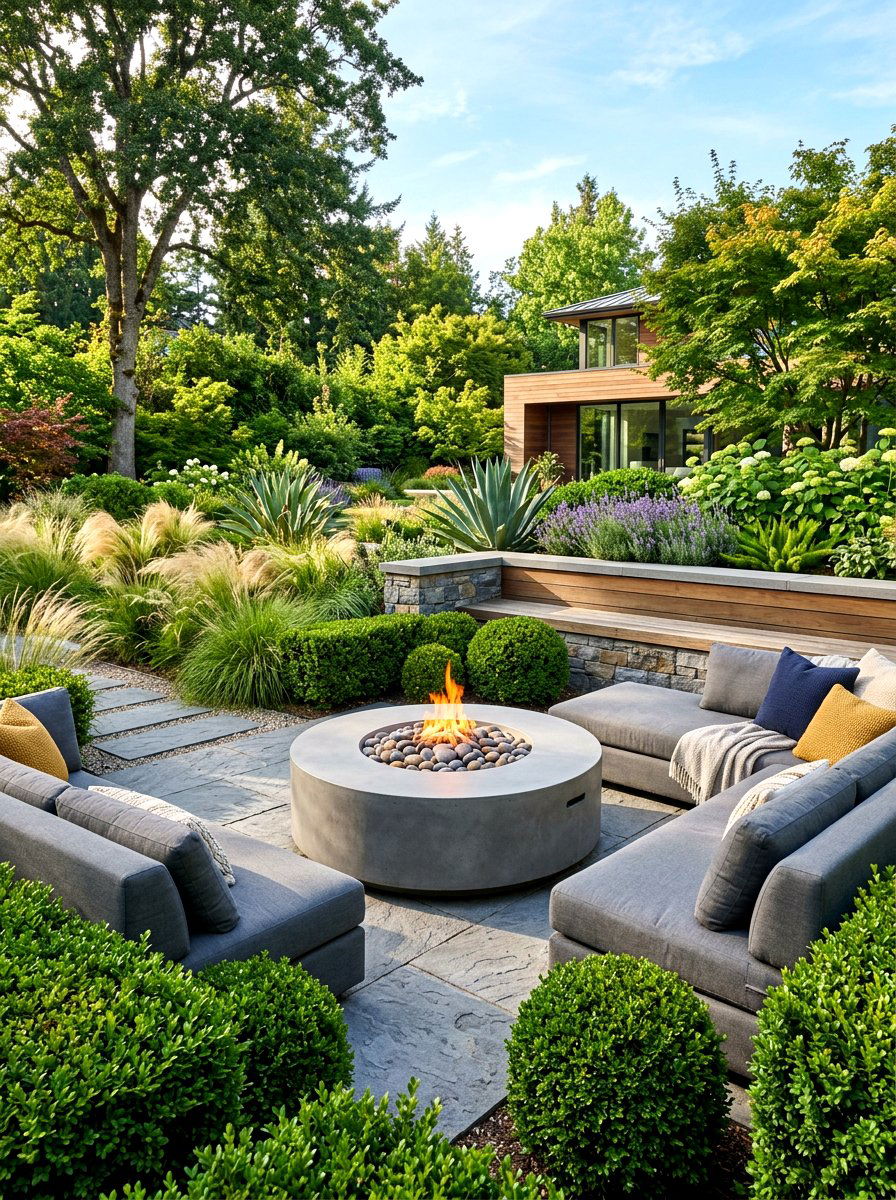
25. Gravel Patio Landscaping
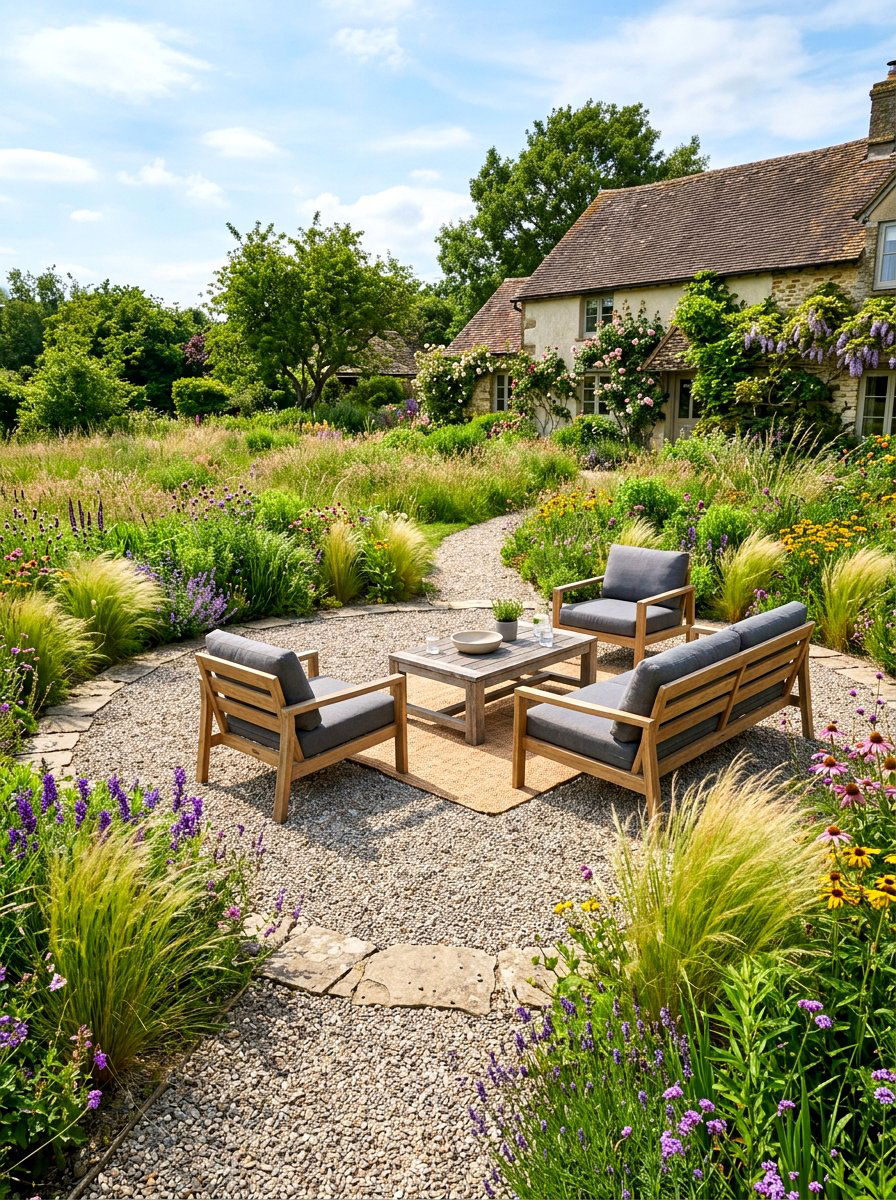
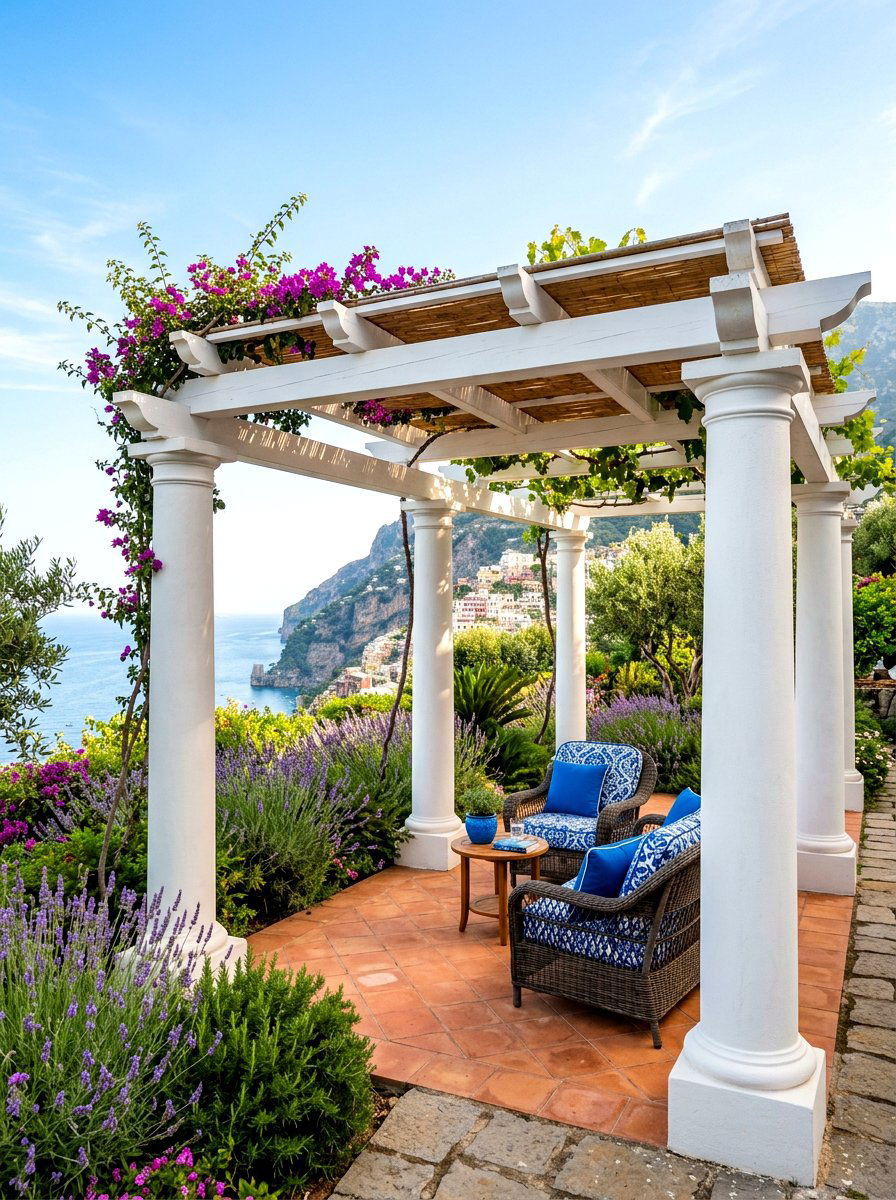
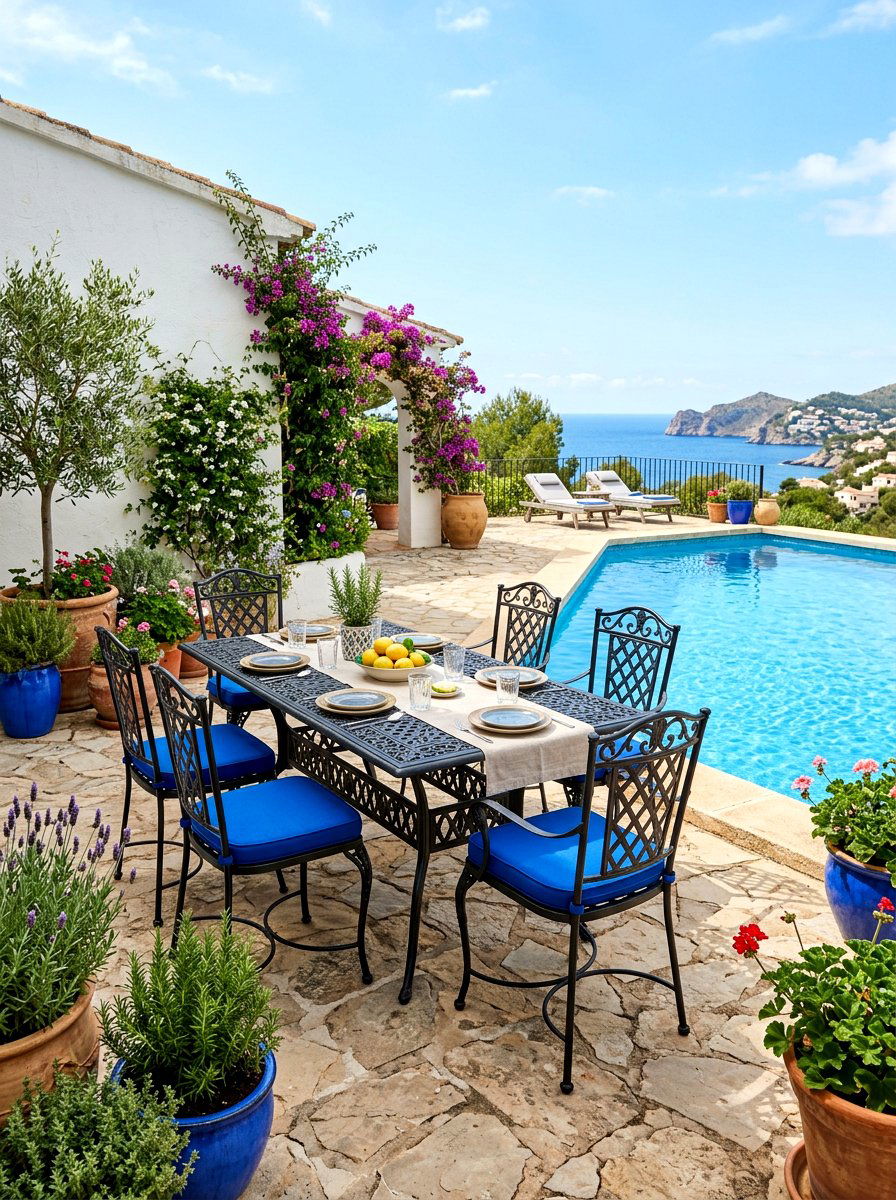
Can you picture a chic, European-inspired seating area nestled directly into a sea of waving grasses and colorful blooms? Gravel patio landscaping uses crushed stone to create a level, permeable surface for outdoor furniture that blends seamlessly with a meadow. Unlike heavy pavers, gravel feels soft and natural, allowing plants to spill over the edges and blur the lines between hardscape and garden. This design stays cool in the summer and provides excellent drainage for the surrounding soil. It is a cost-effective and stylish way to create a functional entertaining space that feels like a natural part of the wild landscape behind your house.
26. Bird Bath Garden Focal Point
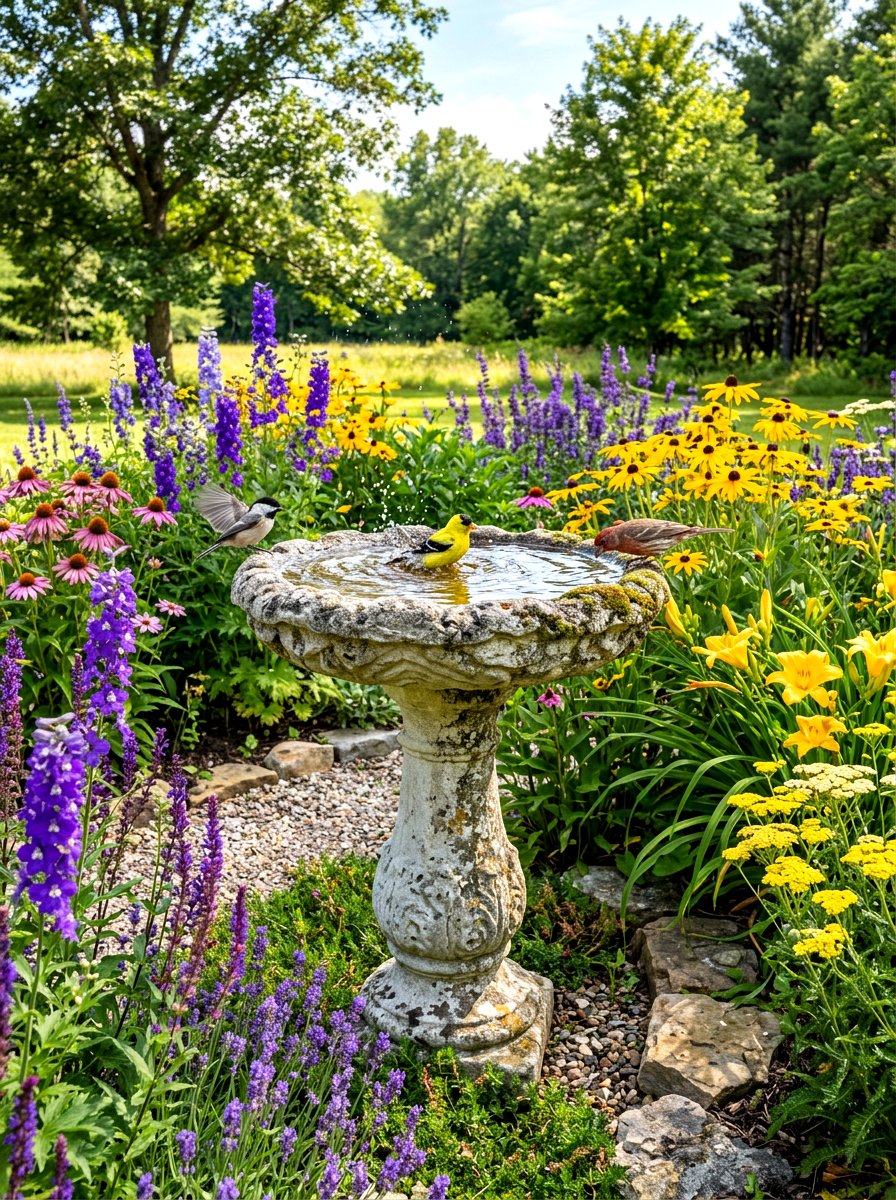
What is the easiest way to bring songbirds and immediate life into your new meadow style backyard design? A bird bath garden focal point places a stone or ceramic basin in the center of a clearing surrounded by tall flowering plants. The water provides a vital resource for birds, while the surrounding meadow offers them protection and food. Watching different species visit for a drink or a splash adds a joyful, lively element to your garden every day. Choose a design that complements your aesthetic, whether it is a modern minimalist bowl or a more traditional, weathered stone pedestal for a classic look.
27. Woven Willow Fence
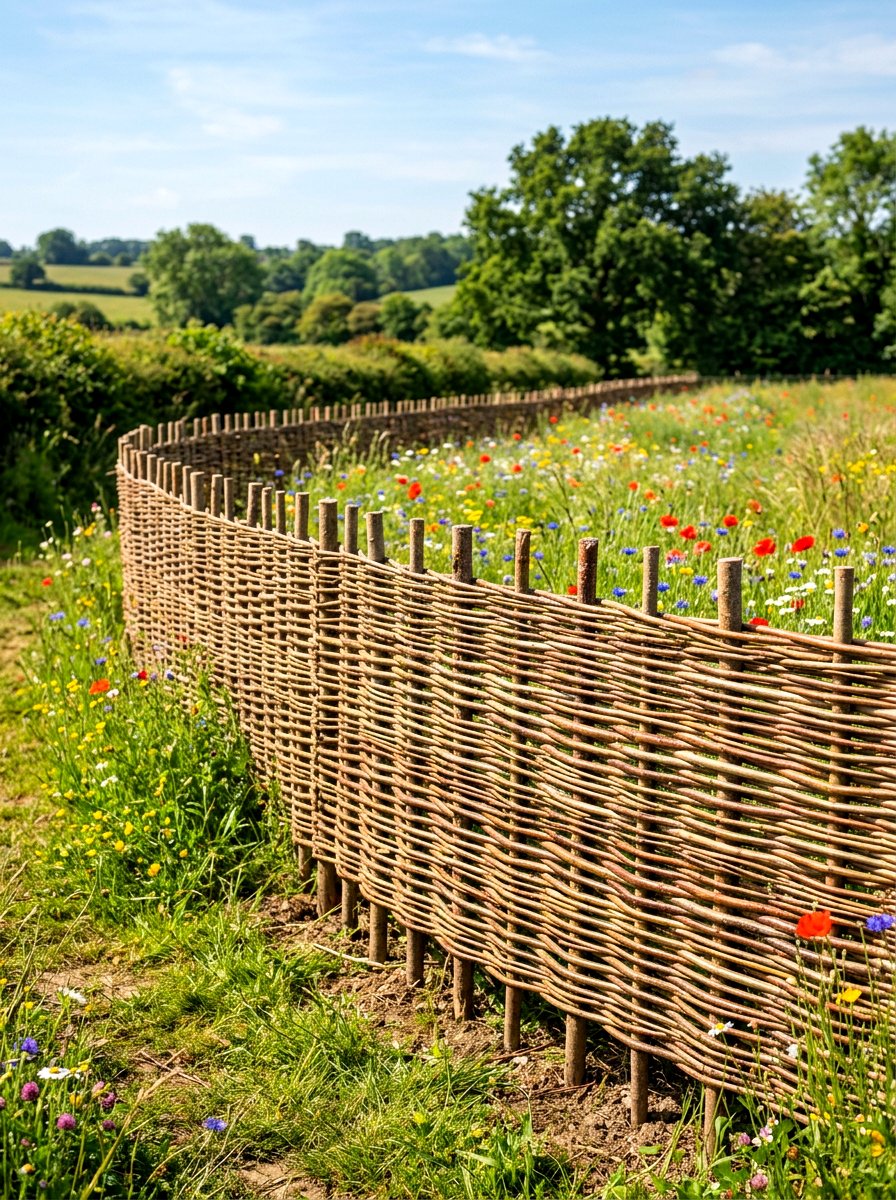
Are you looking for a unique and organic way to define the boundaries of your meadow without using plastic? A woven willow fence, also known as a wattle fence, uses natural branches to create a beautiful, rustic barrier that looks completely at home in nature. These fences are handmade and provide a textured, breathable boundary that allows air to circulate while keeping pets or small animals contained. The earthy brown tones of the willow provide a perfect backdrop for the vibrant greens and bright colors of your meadow plants. It is a traditional craft that brings a touch of historical charm to your backyard.
28. Garden Gate Entrance
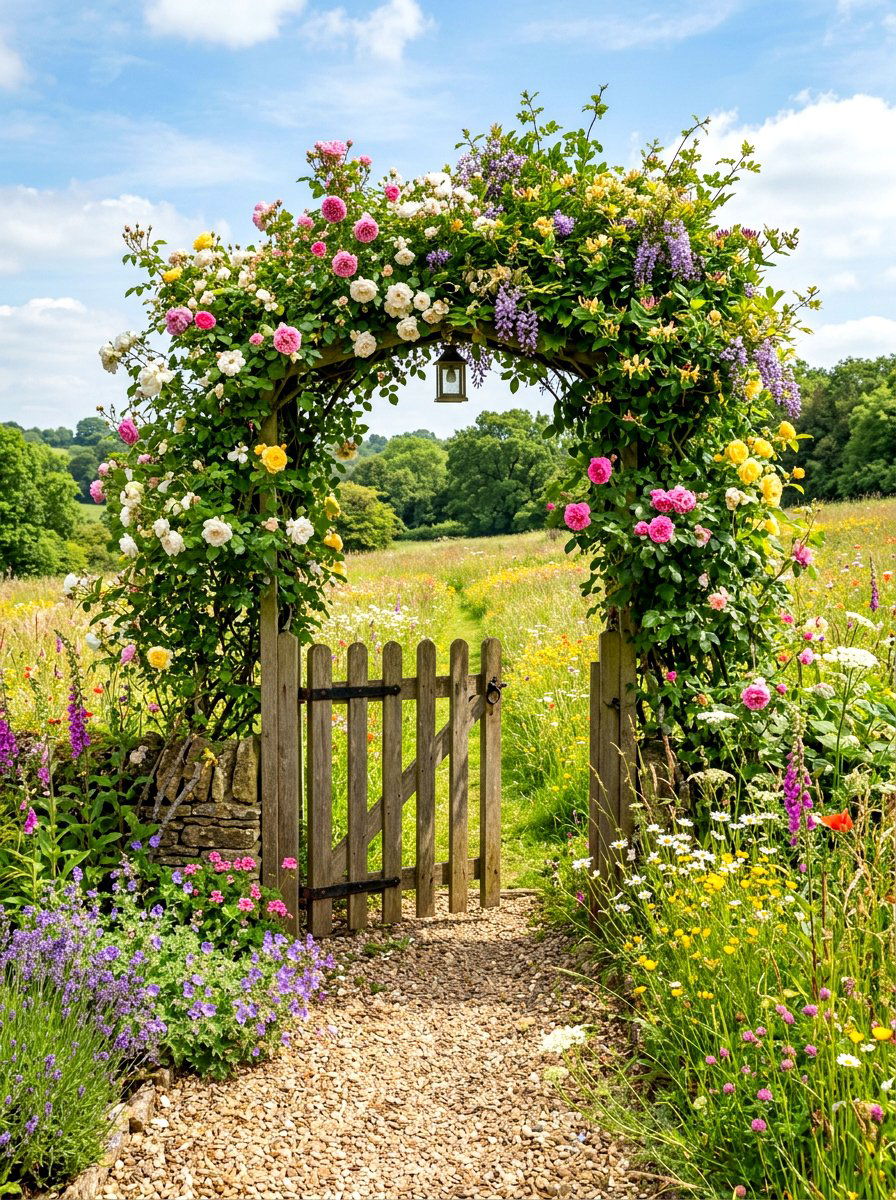
How can you create a sense of wonder and transition as people move from your home into the wild meadow? A garden gate entrance serves as a symbolic portal into your private nature retreat. Using a simple wooden gate or an ornate wrought iron design can set the tone for the space beyond. You might frame the gate with a simple arbor covered in climbing honeysuckle or wild roses to add scent and height. This small architectural detail makes the meadow feel like a special, intentional destination rather than just a neglected part of the yard. It invites visitors to step inside and explore.
29. Self Seeding Garden
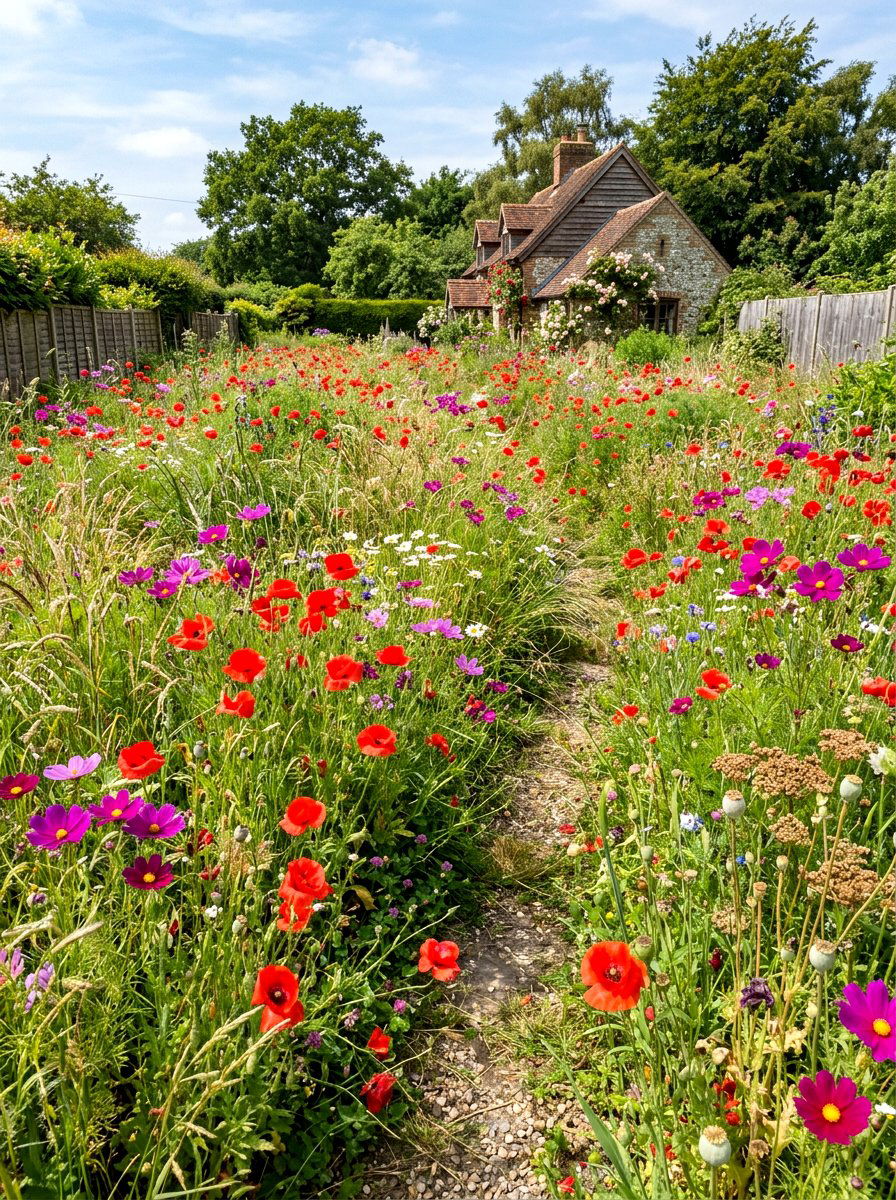
Would you love a backyard that literally replants itself and changes its design every single year without your help? A self seeding garden uses plants like poppies, cosmos, and larkspur that drop their seeds at the end of the season to grow anew the following spring. This creates a spontaneous and ever-changing landscape where flowers pop up in unexpected and beautiful places. It embraces the natural cycle of life and reduces the need for buying new plants every year. This "chaos gardening" approach results in a lush, full look that feels authentically wild and full of pleasant surprises for every season.
30. Mowed Meadow Path
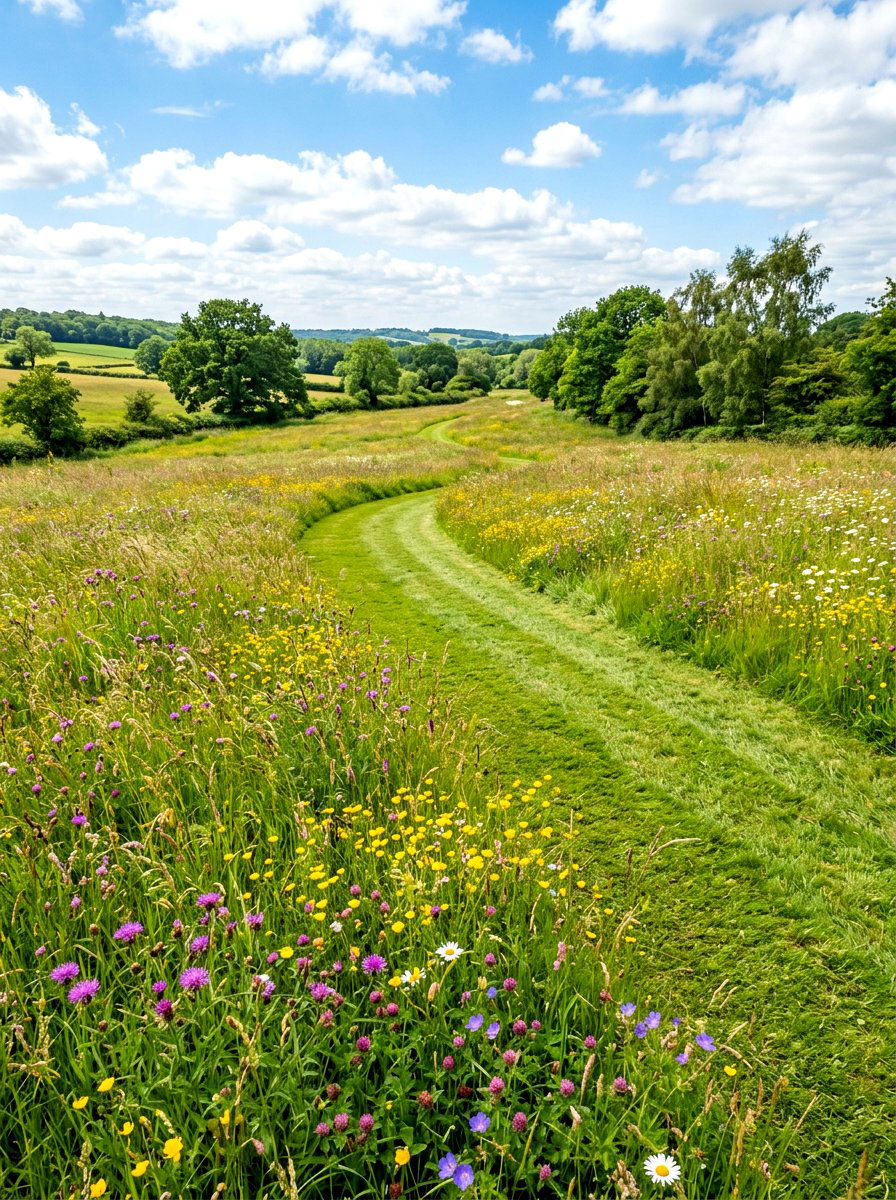
How do you keep a large, wild meadow looking intentional and cared for rather than just overgrown or messy? A mowed meadow path is a simple yet powerful design tool where you cut a wide, clean trail through the tall grasses and flowers. This creates a clear visual contrast between the manicured walking area and the untamed garden around it. It tells the viewer that the landscape is a deliberate choice. These paths are wonderful for children to run through and for you to enjoy a peaceful morning walk. It is the most cost-effective way to add structure and accessibility to a naturalistic landscape.
Conclusion:
Transitioning your outdoor space into a meadow style backyard is more than just a landscaping trend; it is a commitment to a healthier and more beautiful environment. By embracing the wild textures and vibrant colors of native plants, you create a living tapestry that changes and grows with you. These designs offer a peaceful retreat from the modern world while providing essential habitat for the local wildlife that shares our neighborhoods. Whether you start with a small pollinator patch or replace your entire lawn, the result is a low-maintenance, sustainable sanctuary. Enjoy the whispering grasses and fluttering butterflies in your very own private meadow.

Related posts: