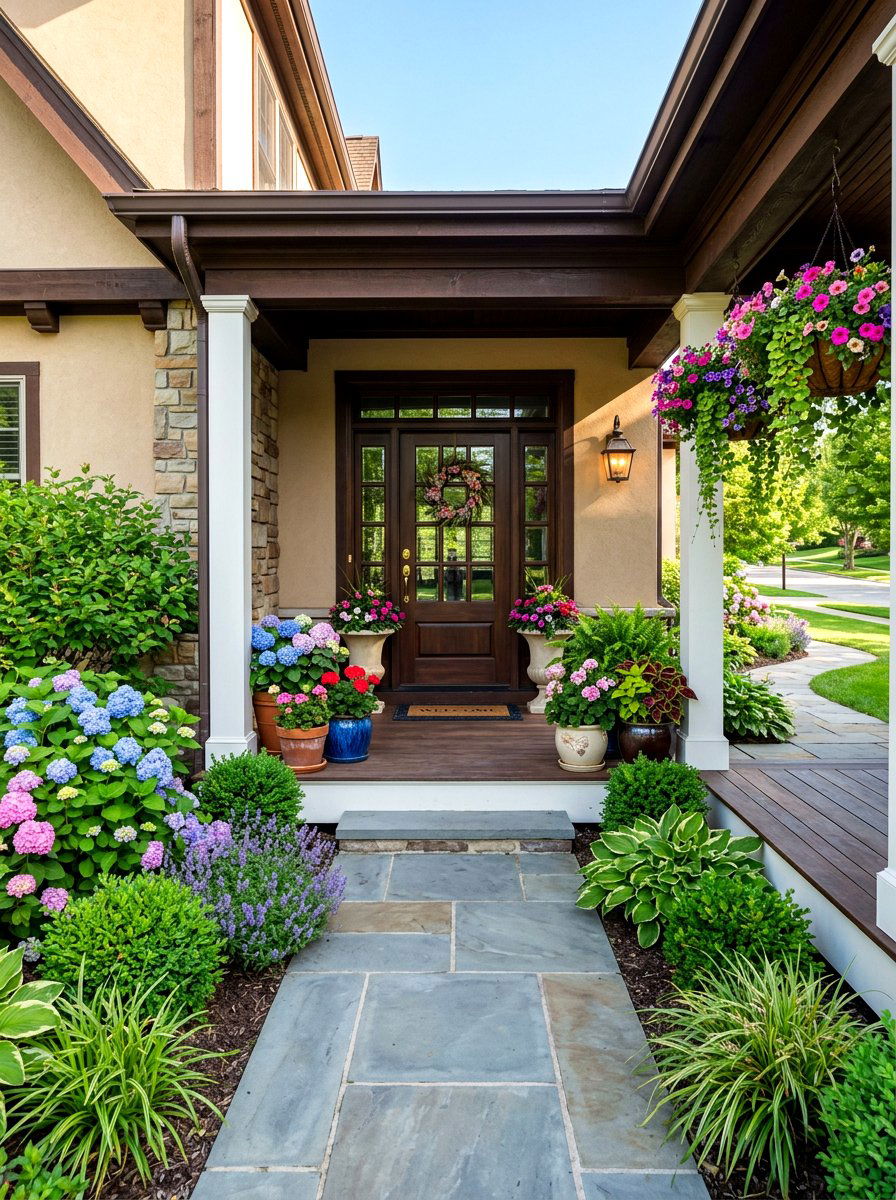
Designing a tiny cottage exterior is about more than just picking a paint color; it is about creating a big personality within a very small footprint. Whether you are looking for a permanent residence or a cozy getaway, the curb appeal of your small home sets the stage for the life lived inside. From the rustic charm of weathered cedar to the sleek lines of modern industrial metal, every detail counts when space is at a premium. These thirty unique concepts show how architectural elements like gabled roofs, wrap-around porches, and large windows can transform a simple structure into a viral-worthy retreat. Exploring these varied styles will help you find the perfect balance between functionality and stunning aesthetic beauty for your property.
1. Modern Farmhouse Tiny Cottage
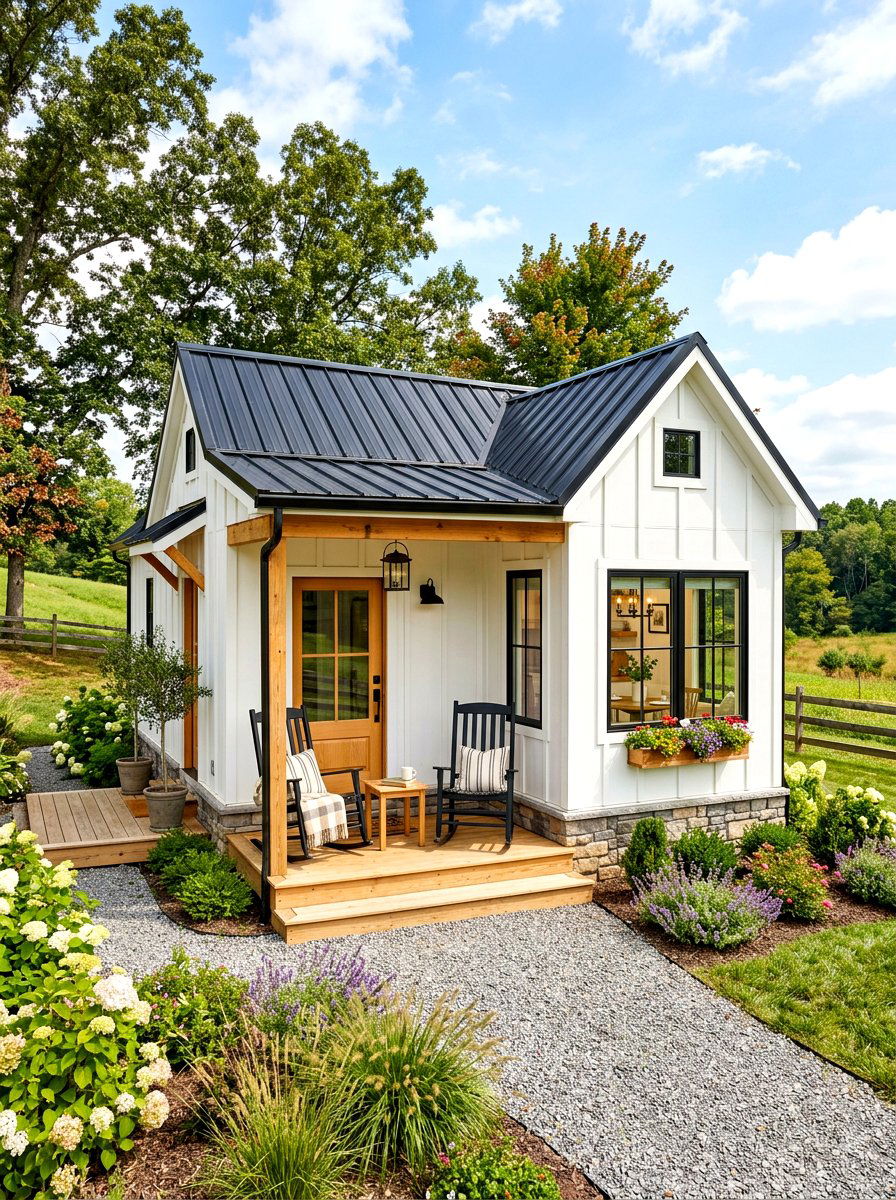
Have you ever wondered how to blend contemporary style with small-scale living perfectly? The modern farmhouse aesthetic is a leading choice for tiny homes because it offers a clean yet cozy look. This design typically features crisp white board and batten siding contrasted with sharp black window frames and a standing-seam metal roof. To complete the full exterior theme, a small front porch with natural wood pillars adds warmth and texture. Symmetry plays a major role here, with centered doors and balanced windows creating a sense of order. This style feels fresh and inviting, making it a favorite for those who want a home that feels both timeless and trendy.
2. English Garden Cottage
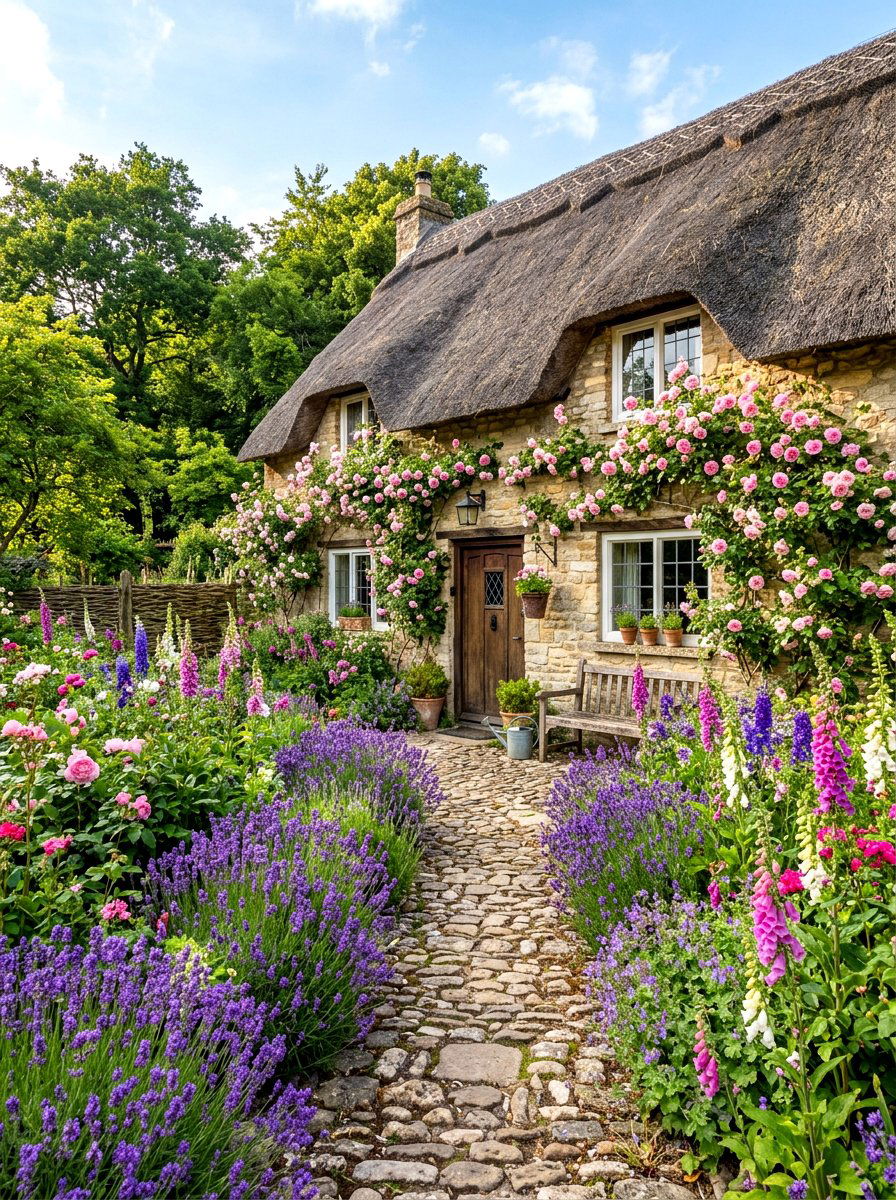
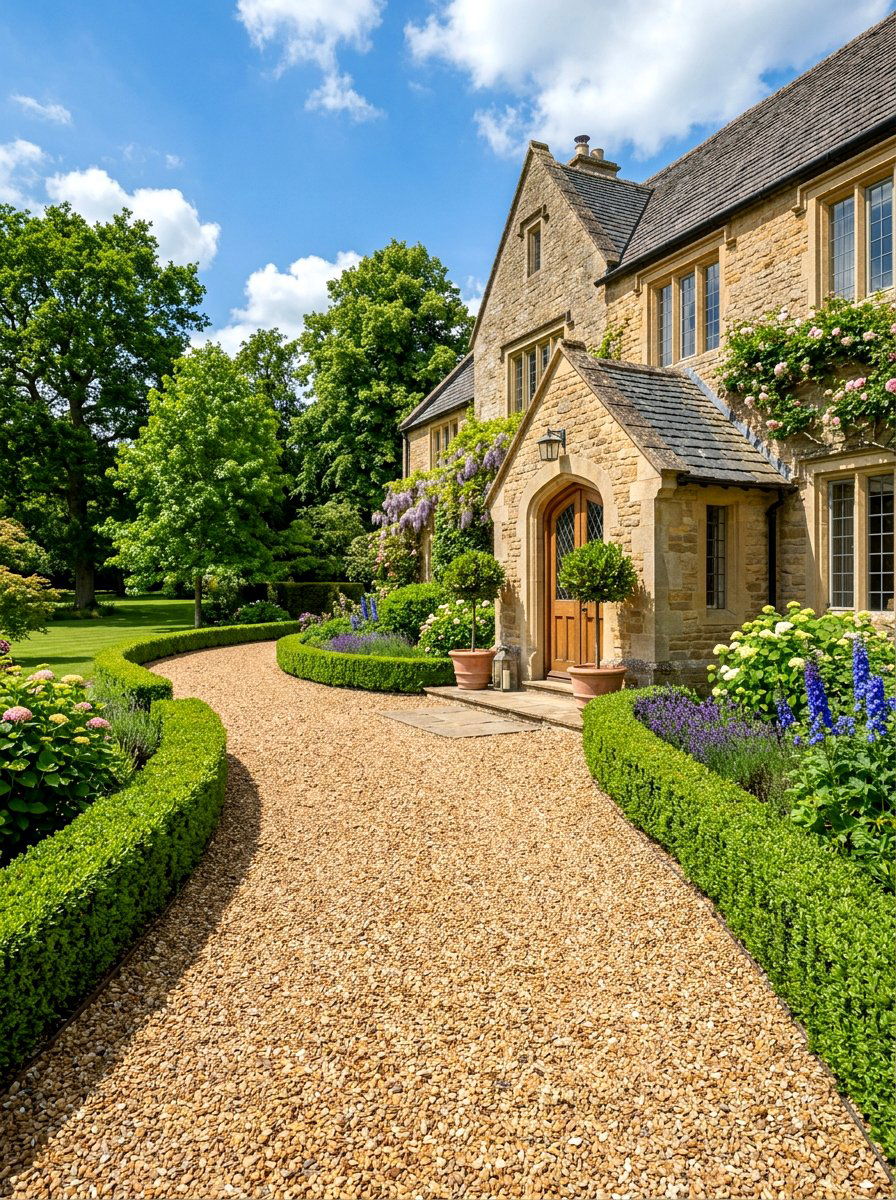
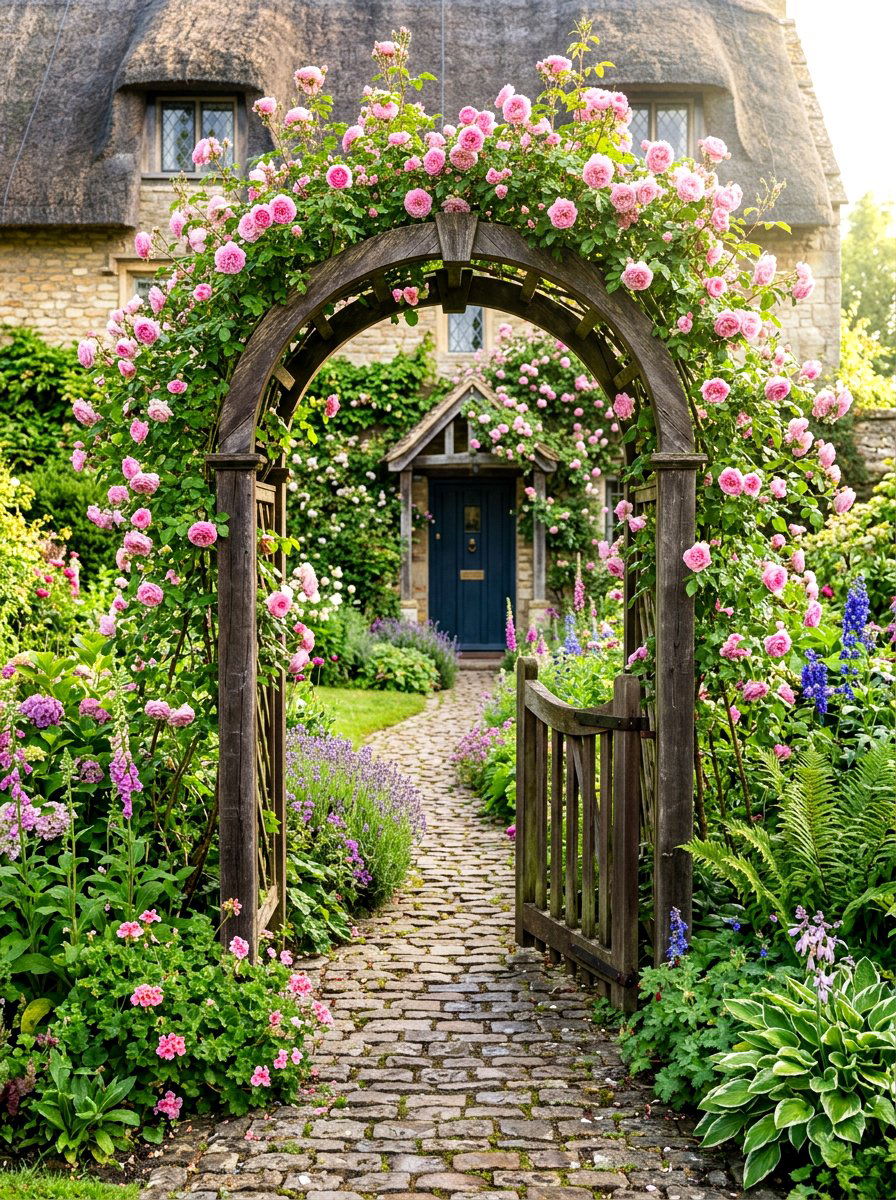
Walking up to a home covered in climbing roses feels like entering a beautiful storybook world. The English garden style focuses on romantic, organic details that help the small structure blend into a lush landscape. You will often see stone or brick exteriors paired with steep rooflines and multi-pane windows that let in soft light. A heavy wooden door with arched details serves as a charming focal point for the entire facade. Surrounding the house with wildflower beds and cobblestone paths enhances the magical feel. This approach prioritizes a "lived-in" charm that makes a tiny space feel expansive and deeply connected to the natural world.
3. Black Siding Tiny House
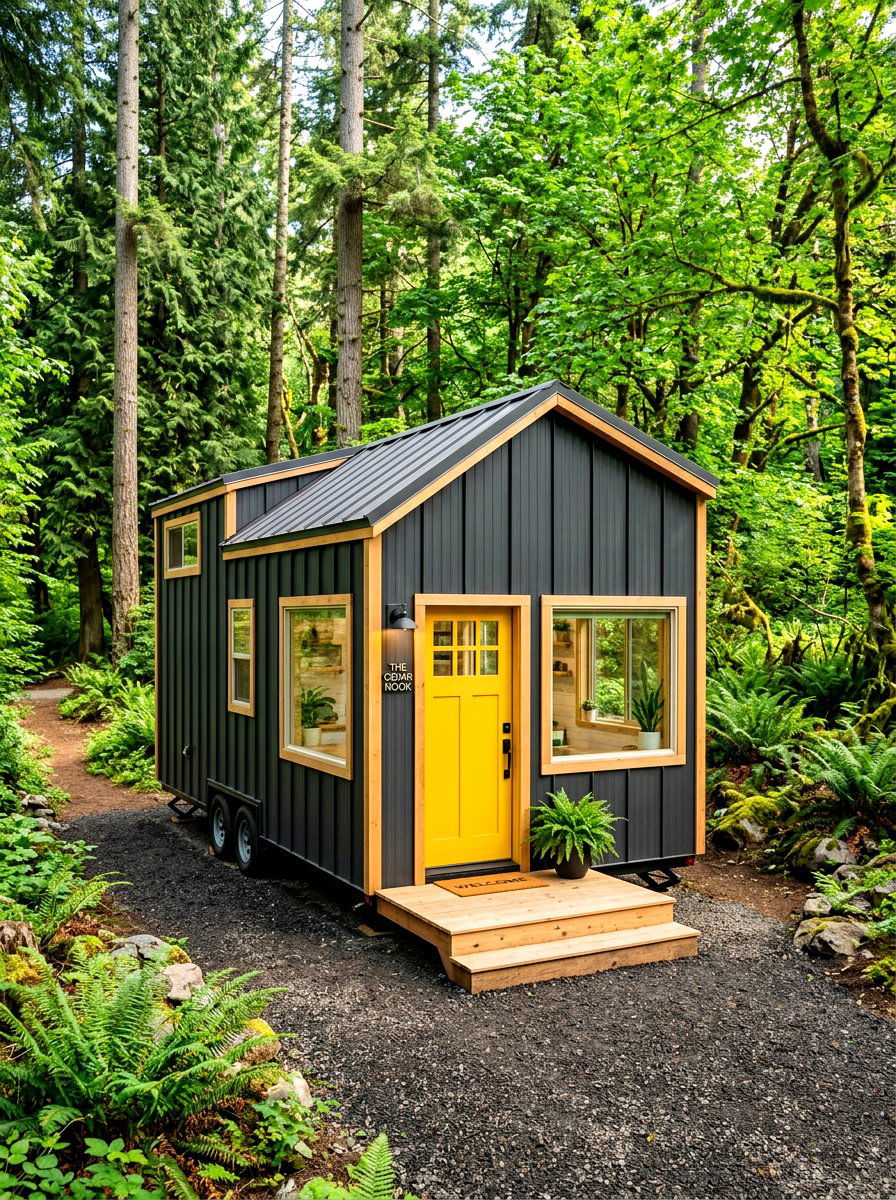
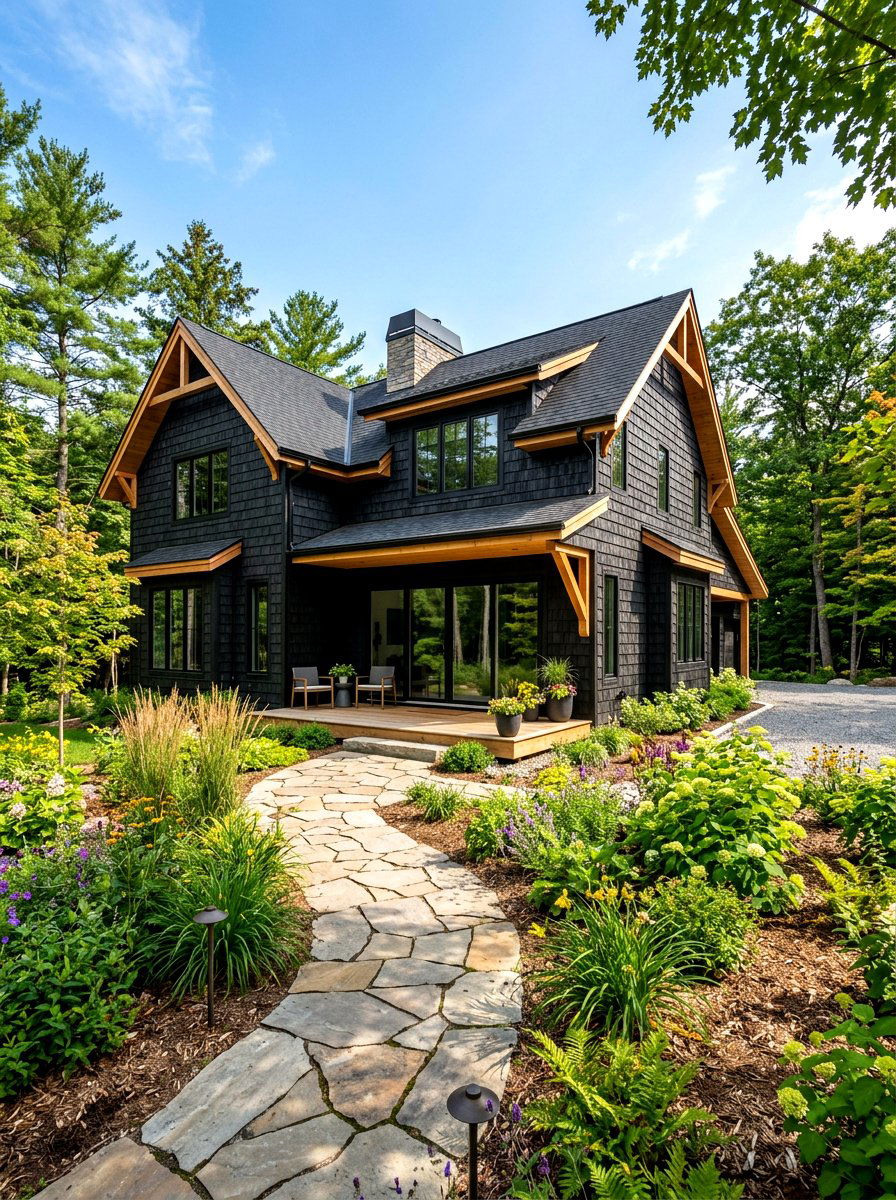
Are you bold enough to try a dark and moody look for your small exterior? Using matte black or charcoal siding is a massive trend that brings instant sophistication to a tiny cottage. This design usually relies on high-contrast elements, such as light wood trim around the door or a vibrant pop of color on the front porch furniture. The dark hue helps the building recede into the shadows of trees, making it a great choice for forest settings. Large glass doors often break up the dark walls, reflecting the sky and surrounding greenery. It is a sleek, architectural statement that proves small homes can be incredibly luxurious and modern.
4. A-Frame Woodland Cabin
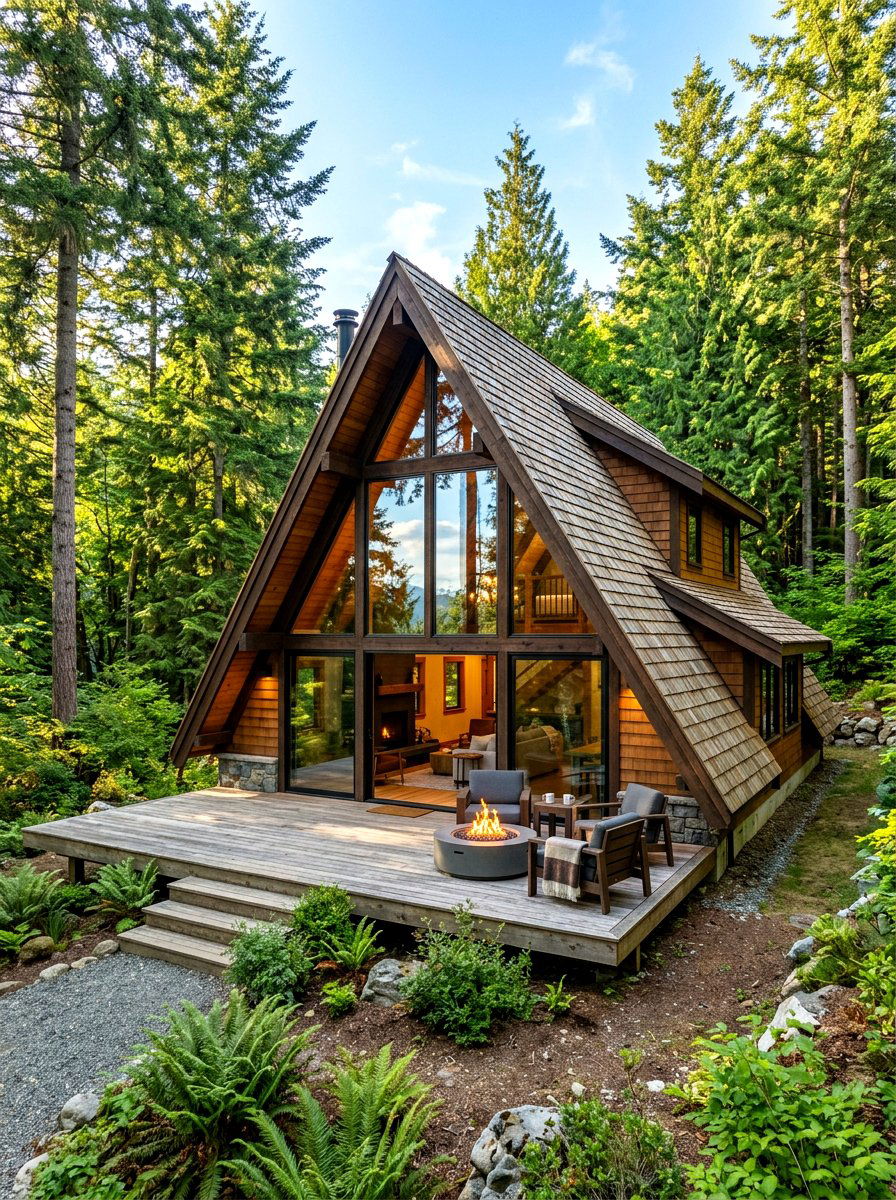
There is something undeniably iconic about the sharp, triangular silhouette of a classic A-frame cabin nestled among the trees. This design maximizes vertical space while keeping the ground footprint minimal, which is ideal for steep or wooded lots. The exterior is often dominated by a massive wall of windows that reaches all the way to the peak, blurring the lines between inside and out. Natural wood siding, often left to weather into a silvery gray, keeps the building feeling humble and grounded. A wide deck usually extends from the front, providing an essential outdoor living area that doubles the usable space during the warmer months.
5. Coastal Beach Cottage
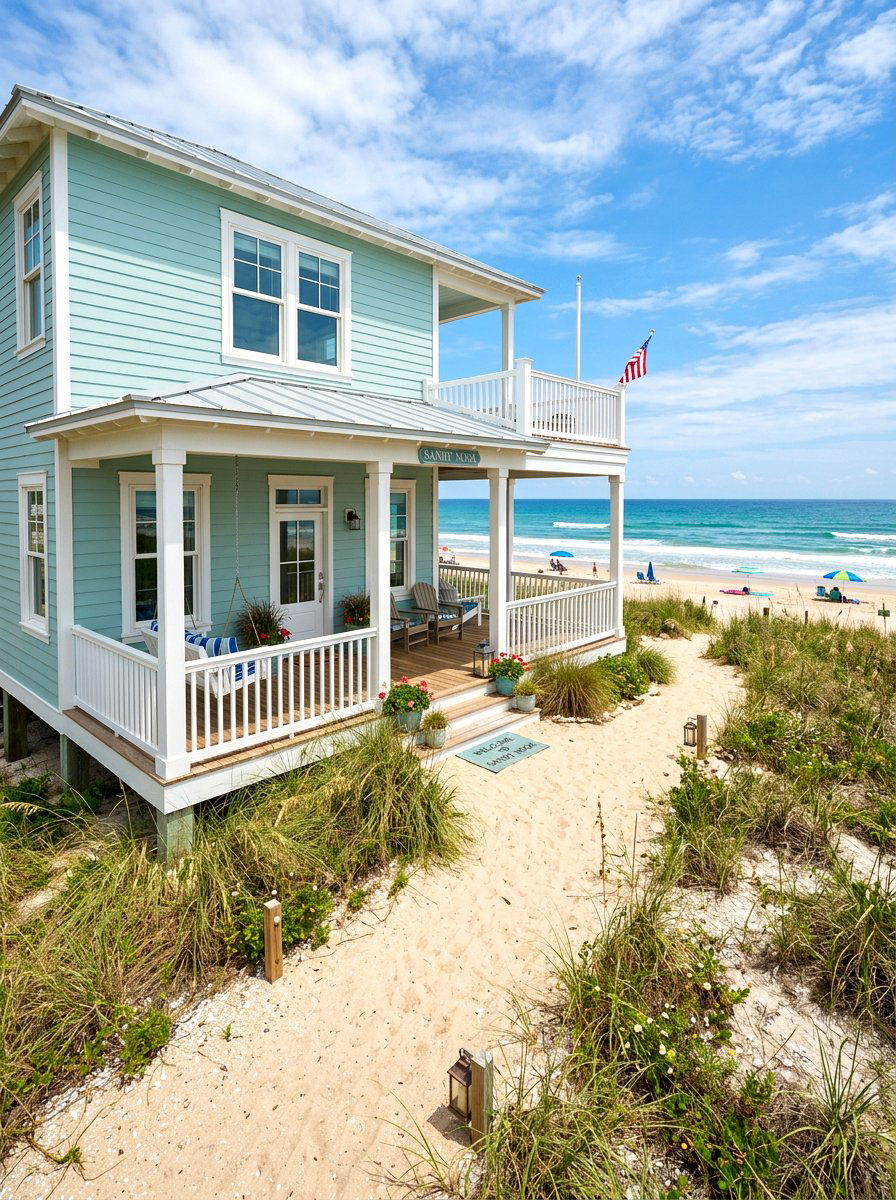
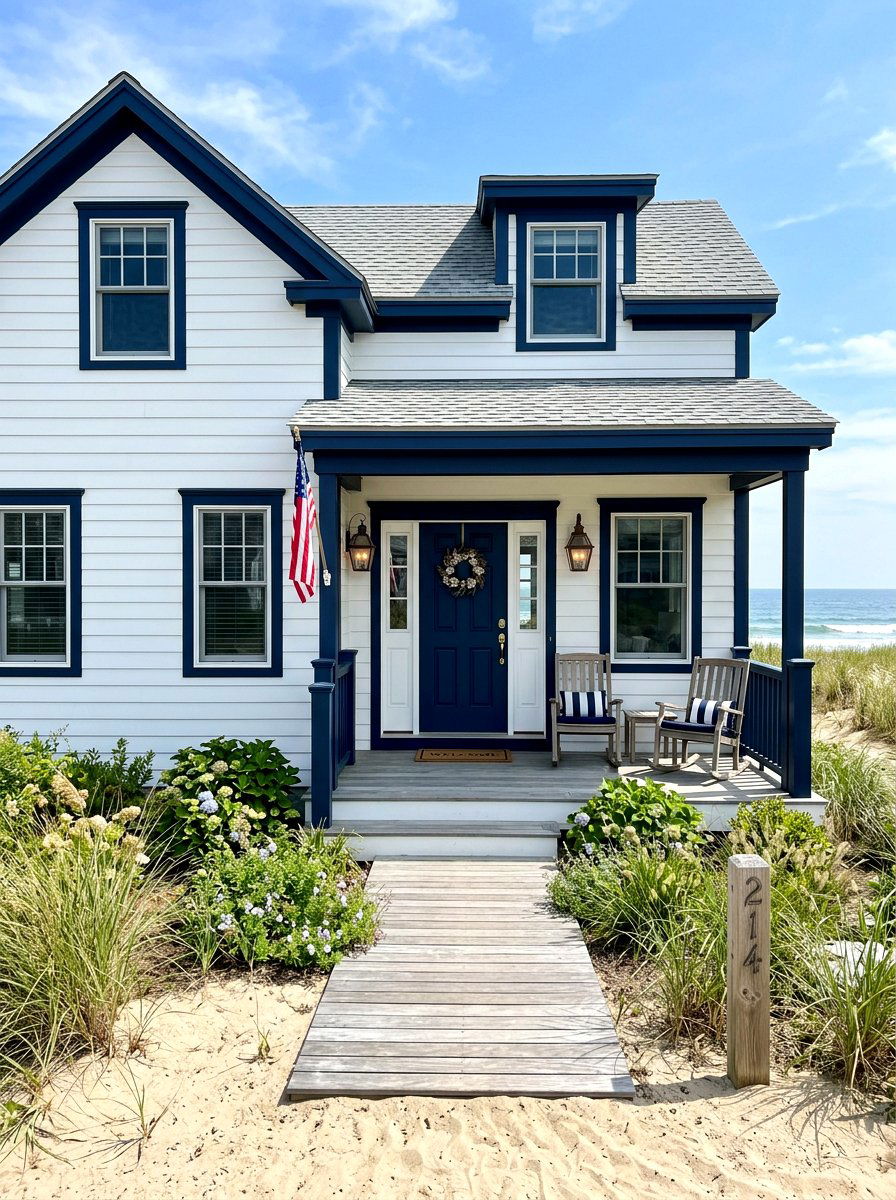
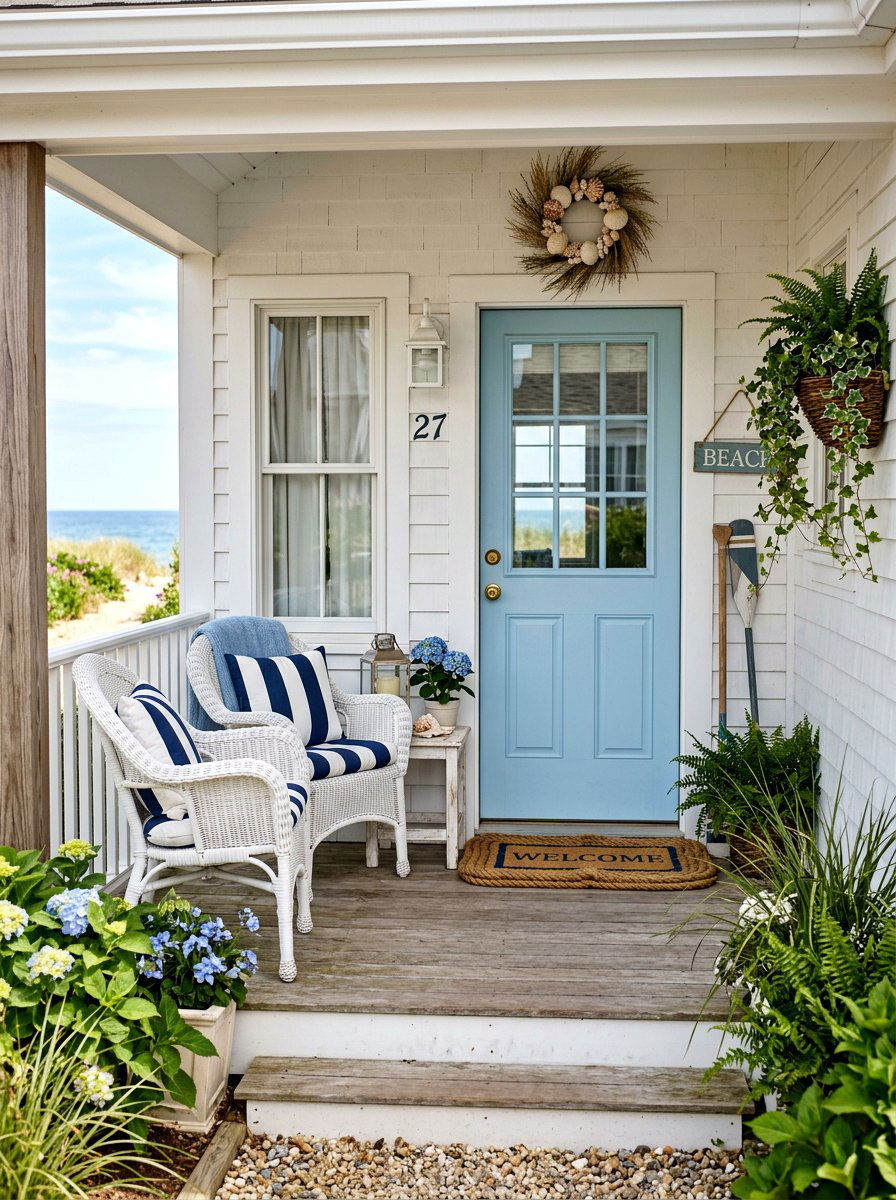
Imagine a tiny home that captures the breezy, light-filled essence of the seaside no matter where it is located. A coastal cottage exterior usually features soft pastel colors like seafoam green, pale blue, or sandy beige. To withstand the elements, durable materials like fiber cement shingles or vinyl siding are used to mimic the look of traditional cedar. White railings and nautical-style lanterns add a polished finish to the overall look. Large windows are essential to catch the ocean breeze and provide wide views of the surroundings. Using light colors also helps the house stay cool in the sun while creating a cheerful and welcoming atmosphere.
6. Rustic Log Cabin Exterior
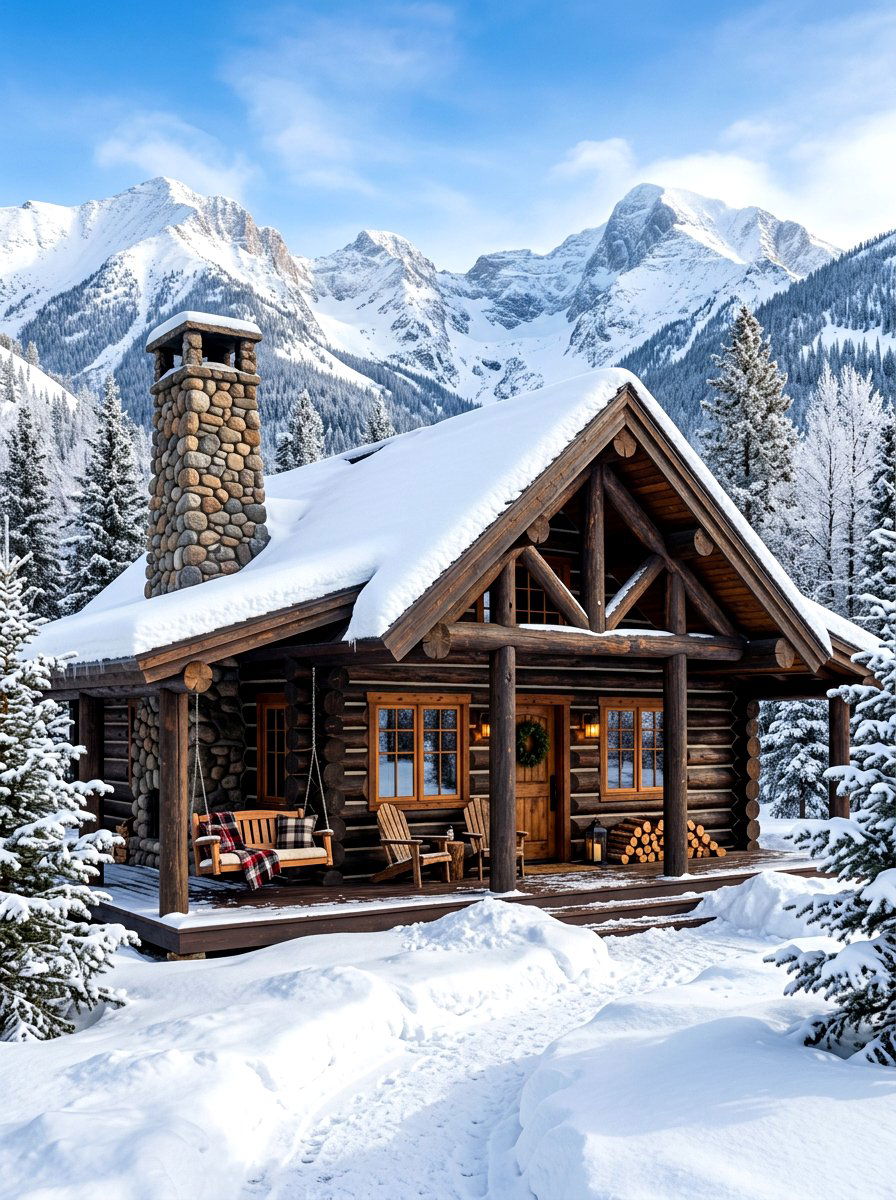
For those who dream of a traditional mountain retreat, a rustic log cabin exterior provides unmatched warmth and character. This design uses thick, hand-hewn logs or log-look siding to create a sturdy and grounded appearance. The natural texture of the wood serves as the primary decoration, often highlighted by dark bronze hardware and stone accents. A deep, covered porch is a staple of this style, offering a place to sit and enjoy the fresh air regardless of the weather. Adding a stone chimney on the exterior wall further emphasizes the cozy, hearth-centered lifestyle that defines cabin living. It is a timeless look that feels incredibly permanent.
7. Victorian Style Tiny Home
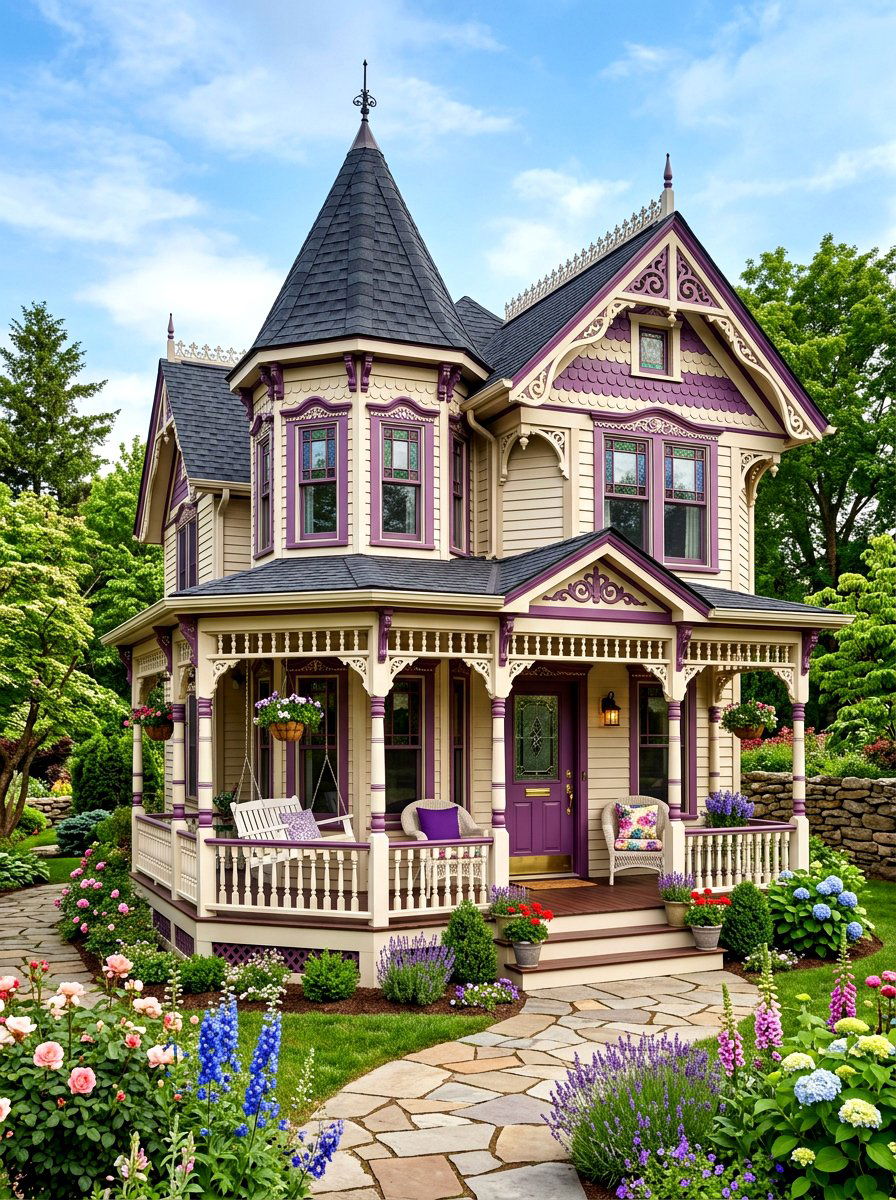
Can a tiny house truly capture the intricate and ornate beauty of the Victorian era? Yes, by focusing on vertical height and detailed trim work known as "gingerbread" scrollwork. These cottages often use a vibrant, multi-colored palette to highlight different architectural layers and textures. Steeply pitched roofs and small, round "porthole" windows in the gables add to the whimsical character. A narrow but highly decorated front porch with turned spindles creates a grand entrance despite the small size. This style is perfect for those who love historical charm and want their home to stand out as a unique piece of art on the street.
8. Scandinavian Minimalist Cottage
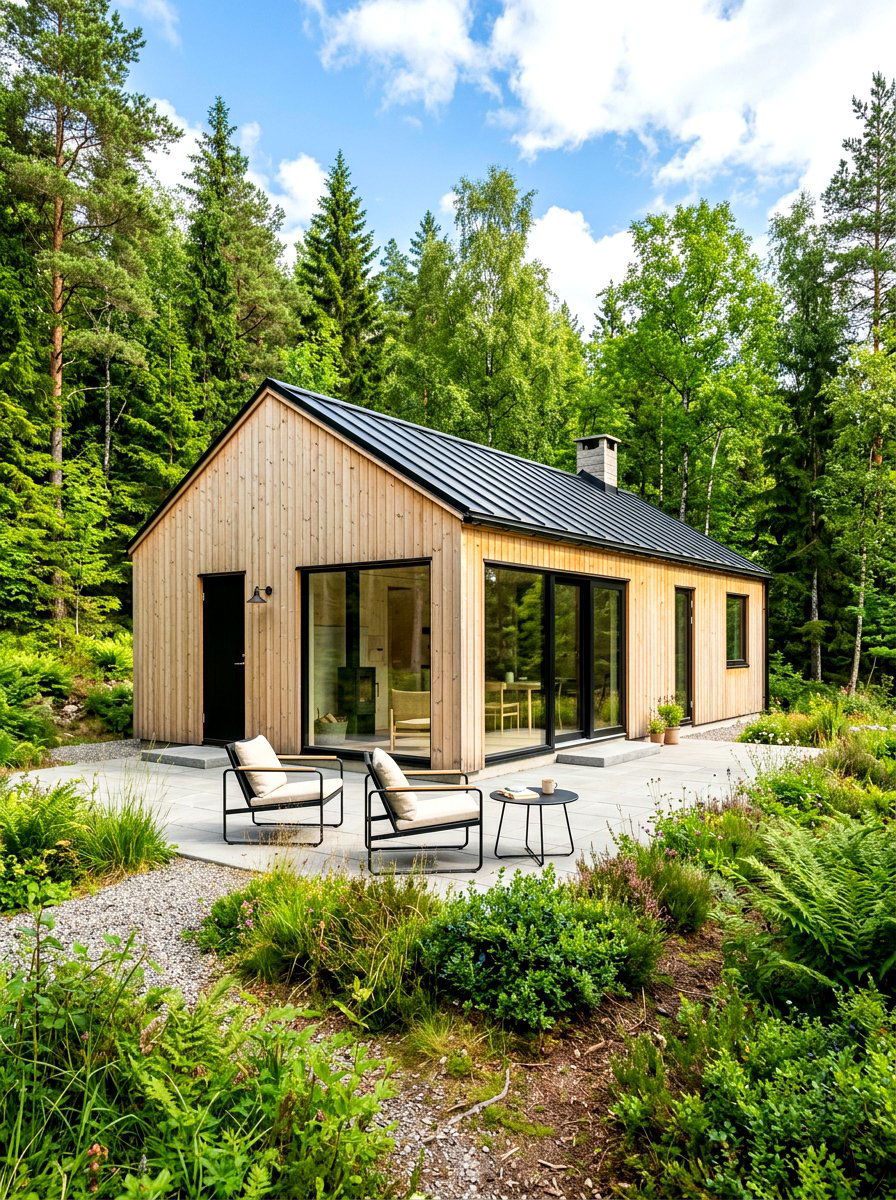
Simplicity and functionality are the core pillars of Scandinavian design, making it an excellent fit for the tiny house movement. This style focuses on clean lines, a monochromatic color scheme, and the use of high-quality natural materials. You will often see light-colored wood like pine or spruce used for the siding, paired with large, unadorned windows. The lack of clutter on the exterior allows the architecture itself to be the main focus. High ceilings are often visible from the outside through tall windows, giving the impression of a much larger home. This look is perfect for anyone who values a calm, serene, and highly organized environment.
9. Cedar Shake Siding Cottage
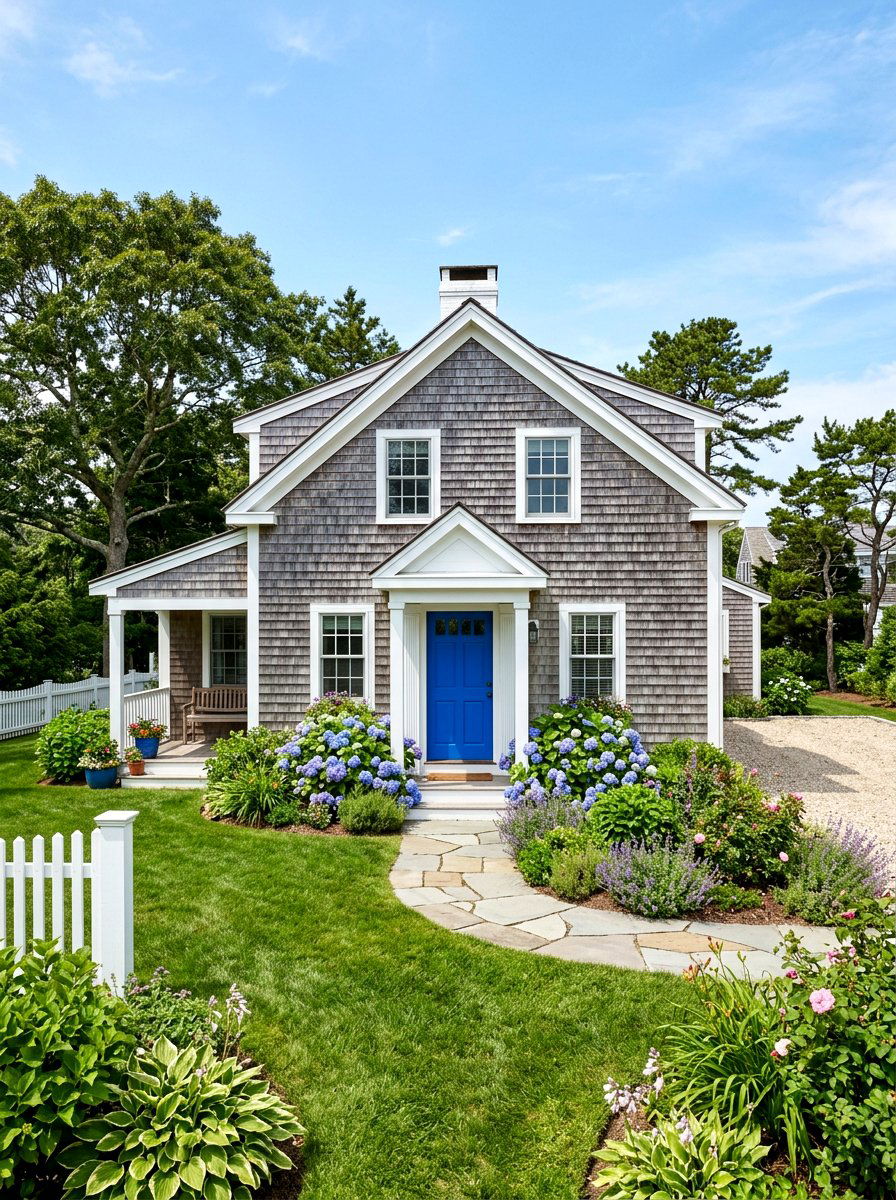
If you want an exterior that gains beauty as it ages, cedar shake siding is an incredible choice for a cottage. The individual shingles create a rich, layered texture that adds depth to the small walls. Over time, the wood naturally transitions from a warm honey tone to a beautiful weathered gray, reflecting the local climate. To keep the look cohesive, you can pair the shakes with white trim and a simple wooden door. This style works exceptionally well in both coastal and wooded environments because it feels so organic. It is a durable and classic option that provides a high-end, custom-built look for any tiny home.
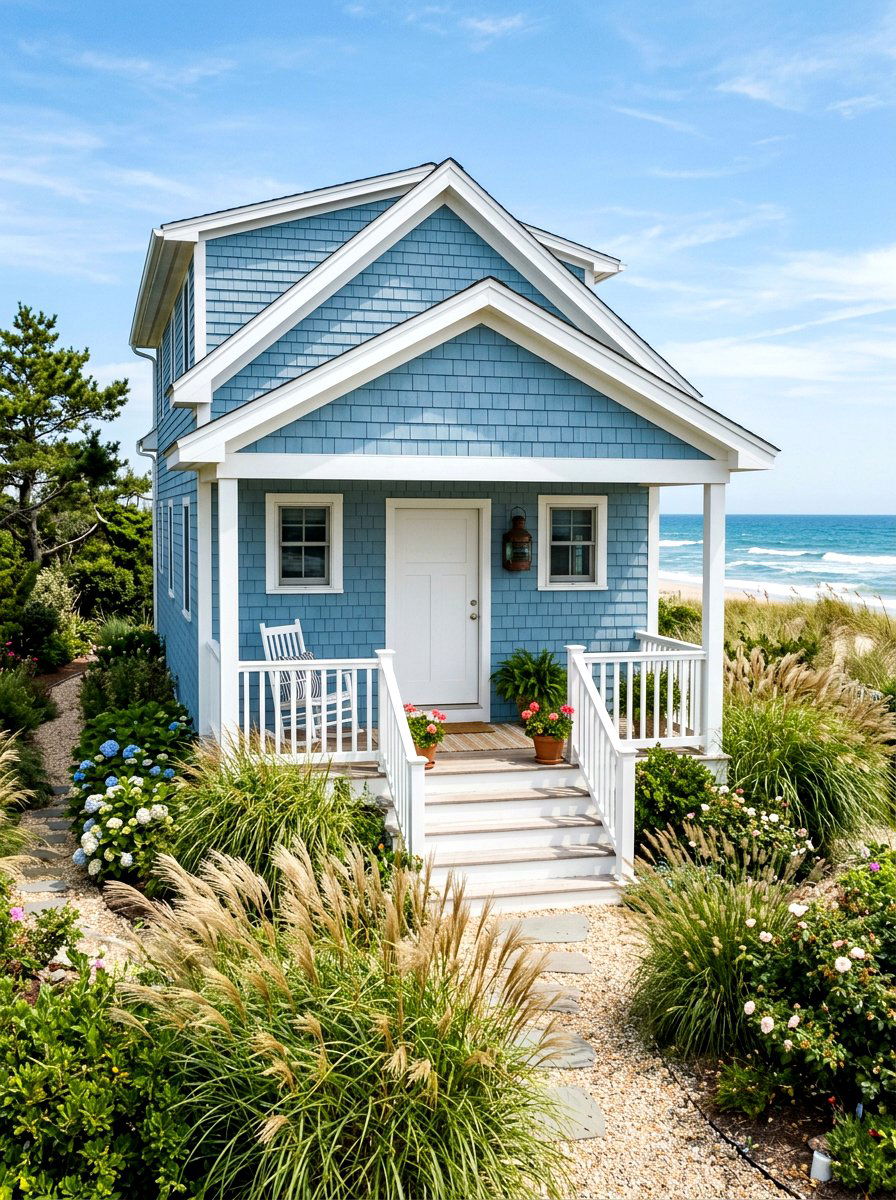
10. Craftsman Tiny Cottage
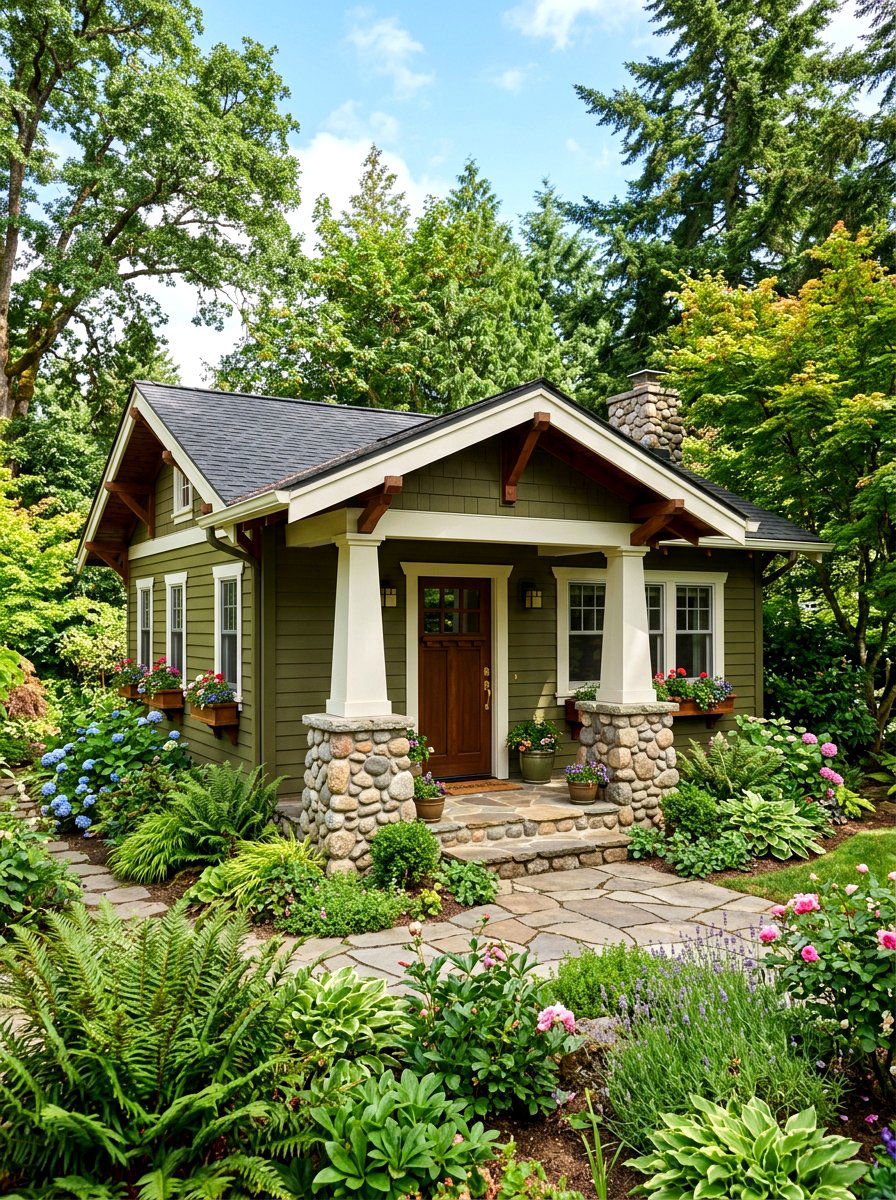
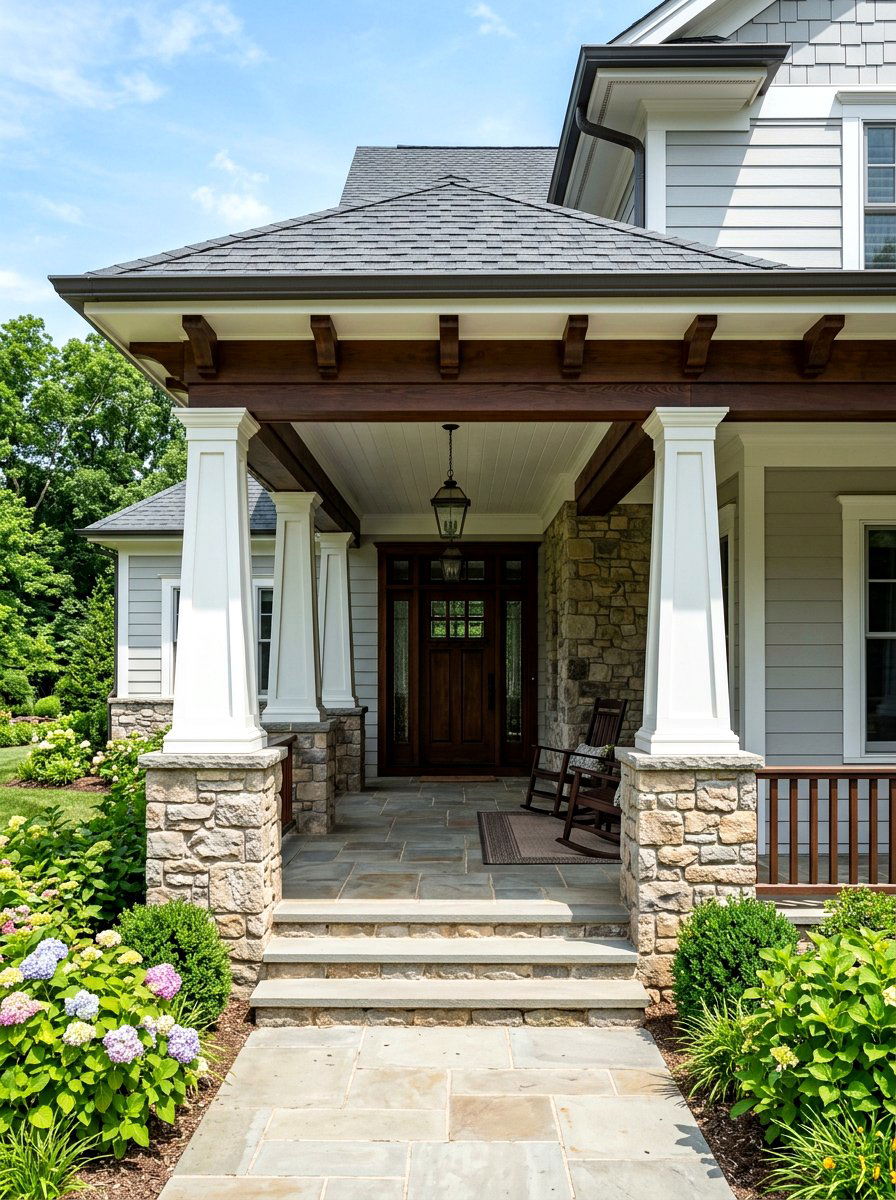
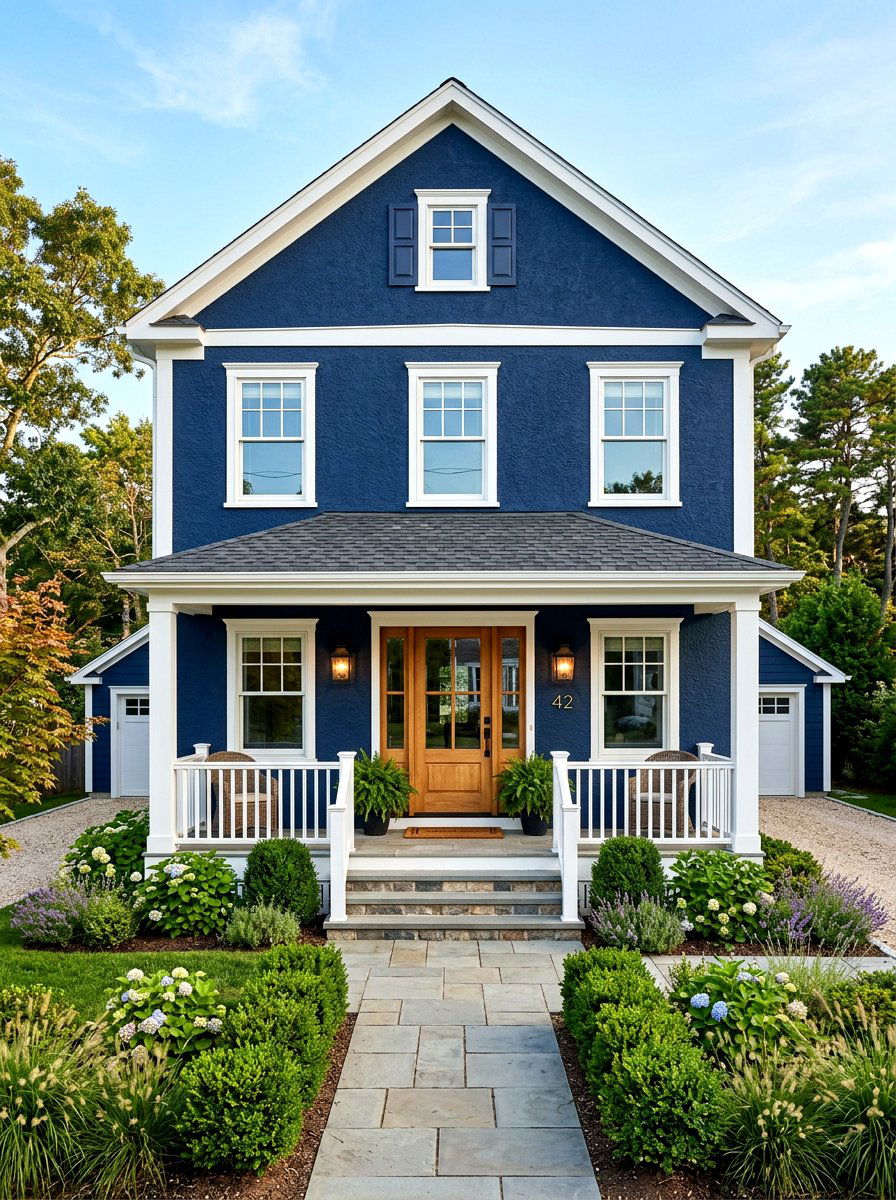
The Craftsman style is all about celebrating honest materials and expert handiwork, which translates beautifully to a compact home. This exterior usually features tapered porch columns resting on stone piers and wide overhanging eaves with exposed rafters. Deep earthy tones like olive green, russet brown, or navy blue are common, helping the home feel settled into its lot. Multi-pane windows with thick wooden frames provide plenty of character and historical context. The heavy, solid wood front door often features a small window at the top, adding to the sturdy and reliable feel. It is a design that emphasizes quality and craftsmanship over sheer square footage.
11. Stone Foundation Cottage
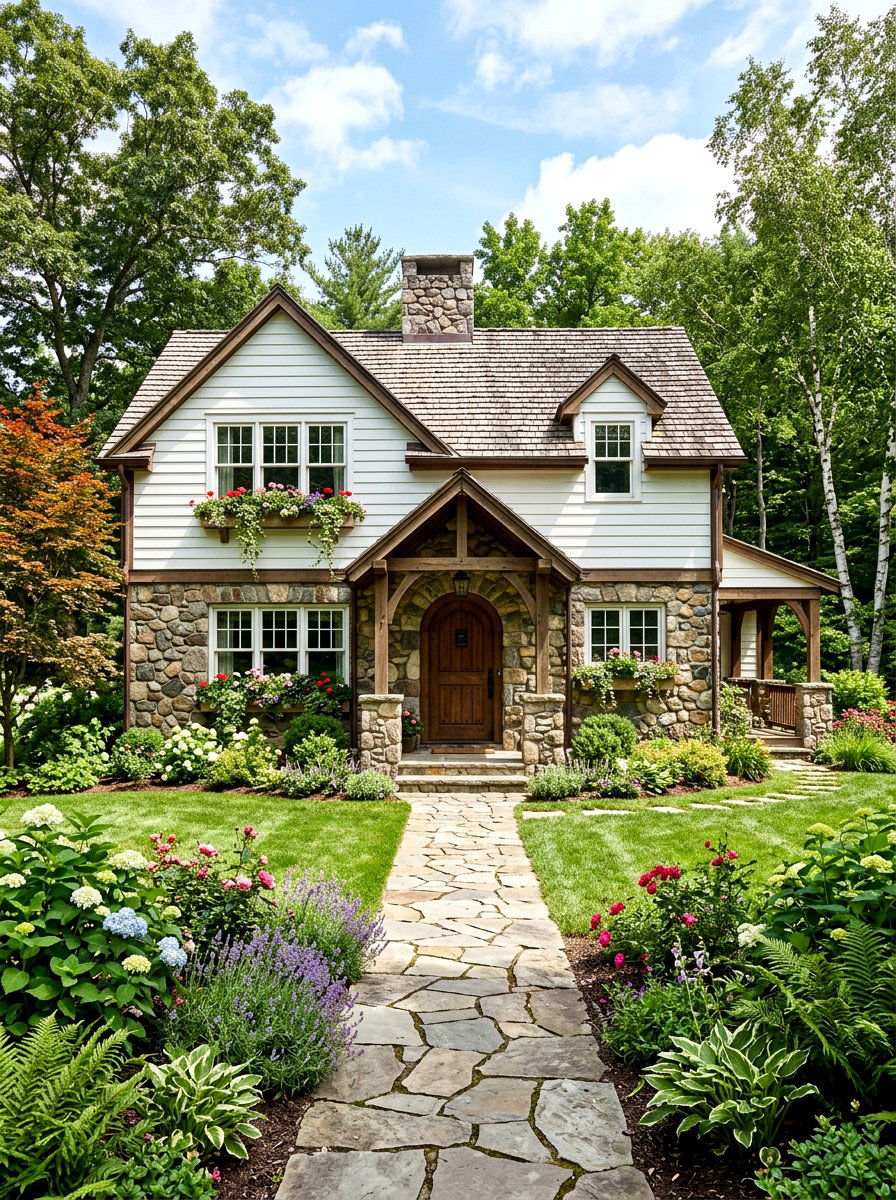
Using natural stone at the base of a tiny cottage creates a sense of permanence and strength that is often missing from small structures. This design choice anchors the house to the ground, making it feel like it has been part of the landscape for decades. You can use stacked fieldstone or smooth river rocks to cover the foundation area or create a stunning accent wall. The rest of the exterior might feature wood lap siding or stucco to provide a visual contrast against the rough stone. This combination of materials adds incredible texture and curb appeal, especially when paired with a matching stone walkway or garden border.
12. Wrap Around Porch Cottage
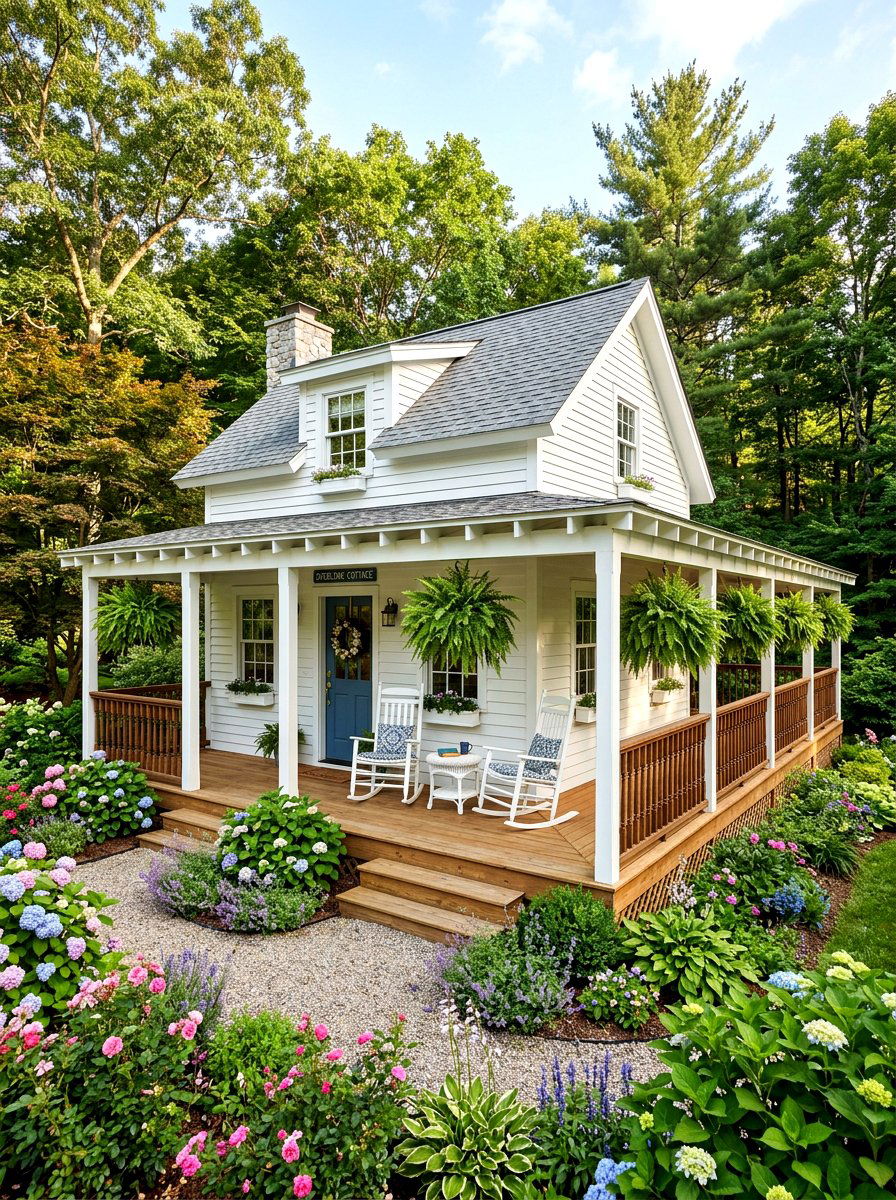
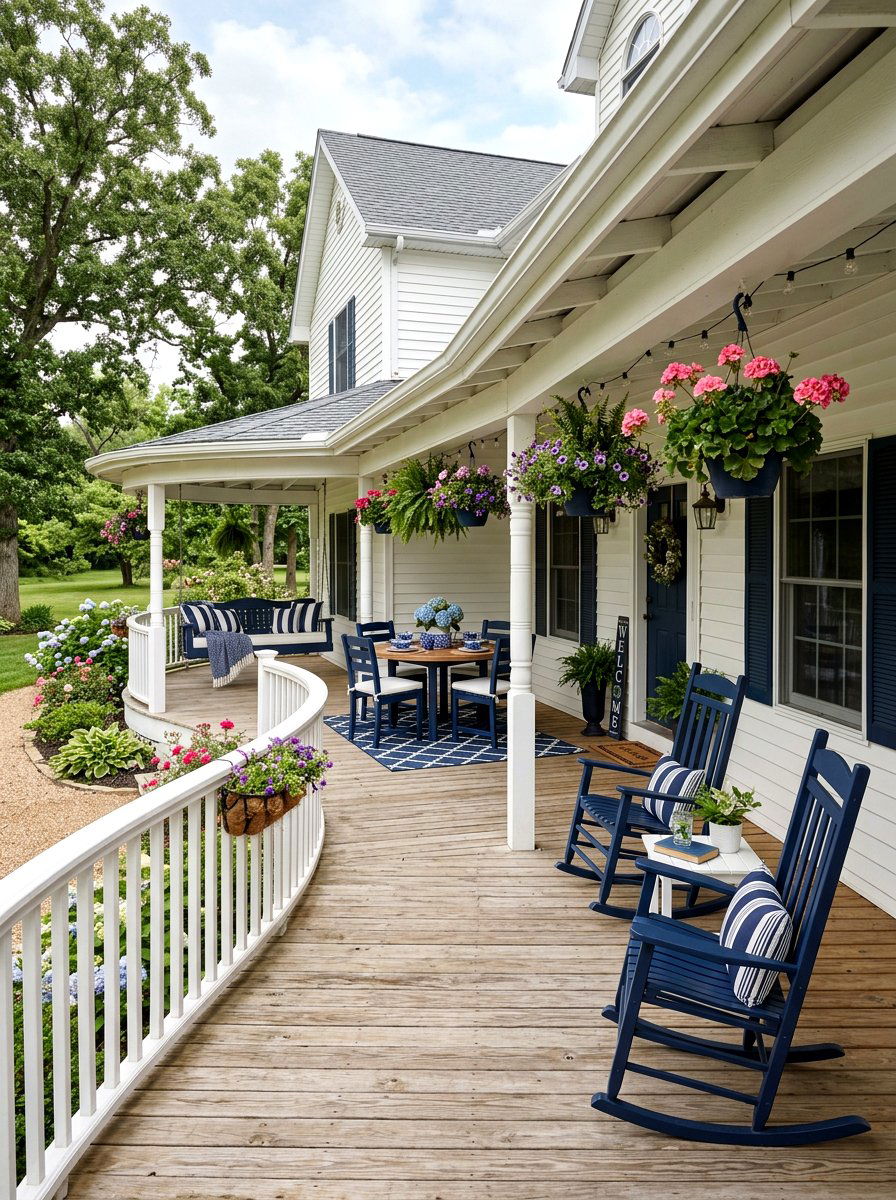
A wrap-around porch is one of the most effective ways to make a tiny home feel like a massive estate. By extending the living space to three or four sides of the house, you create different zones for dining, lounging, and gardening. The exterior architecture usually features a continuous roofline that shades the porch, keeping the interior cooler during the summer. Railings with simple vertical pickets maintain a classic look without blocking the view of the yard. This design encourages an outdoor lifestyle and provides a sheltered transition between the house and nature. It essentially adds a "second skin" to the home, greatly increasing its functional footprint.
13. Dutch Colonial Tiny House
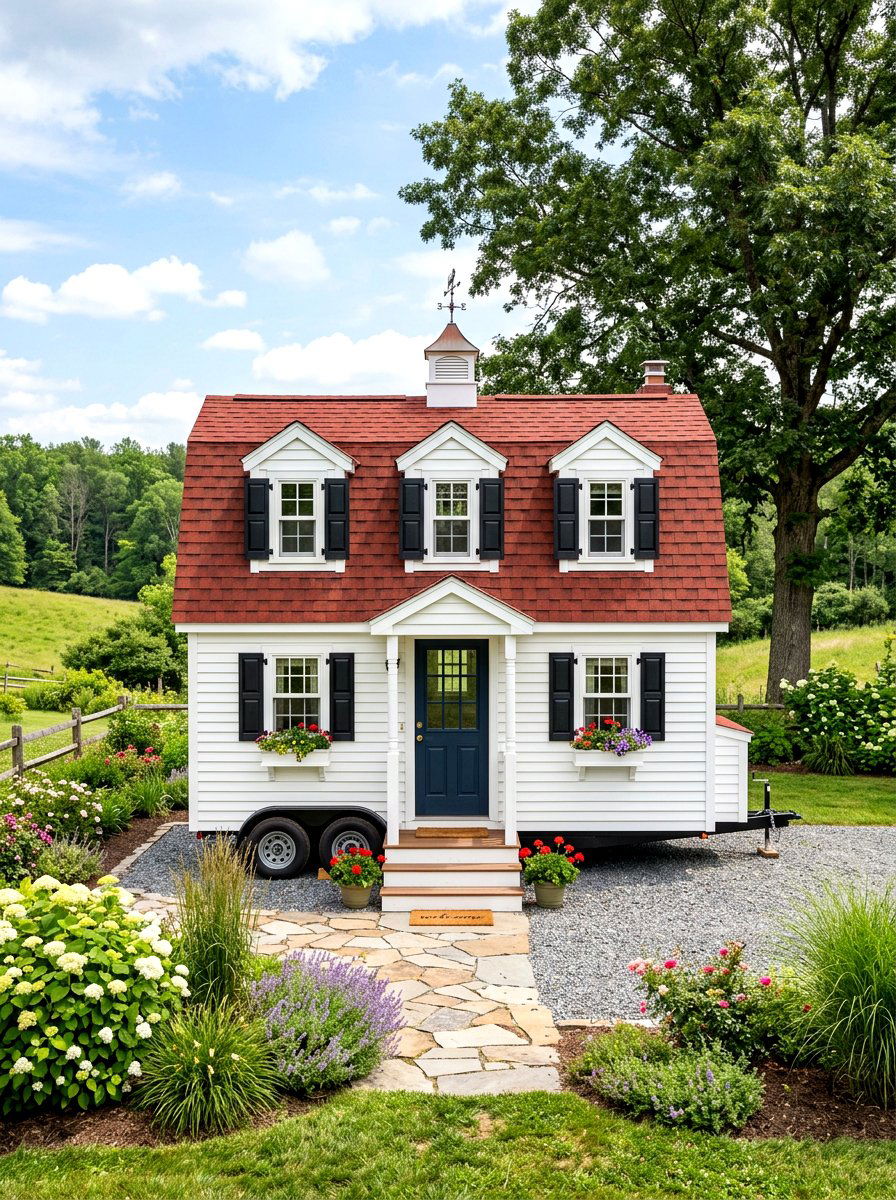
Characterized by its unique gambrel roof, the Dutch Colonial style offers extra interior loft space while looking incredibly charming from the street. The roof features two slopes on each side — one steep and one shallow — which creates a distinctive silhouette that mimics traditional barns. On the exterior, you will often find flared eaves and a symmetrical arrangement of windows that give the home a balanced look. The use of shingle siding or clapboard fits perfectly with this historical theme. A central door with a small pediment or a covered entry adds a touch of formality. It is a clever way to maximize space while maintaining a classic look.
14. French Country Cottage
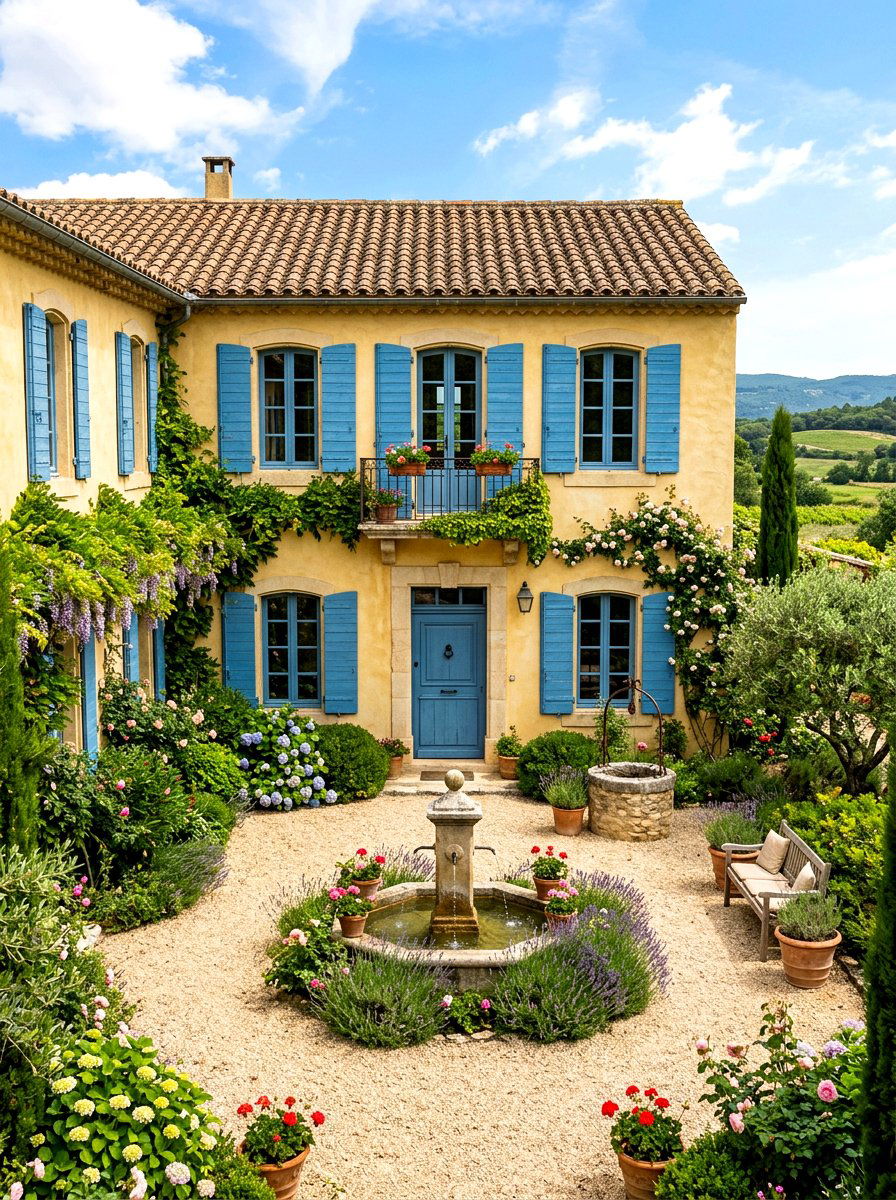
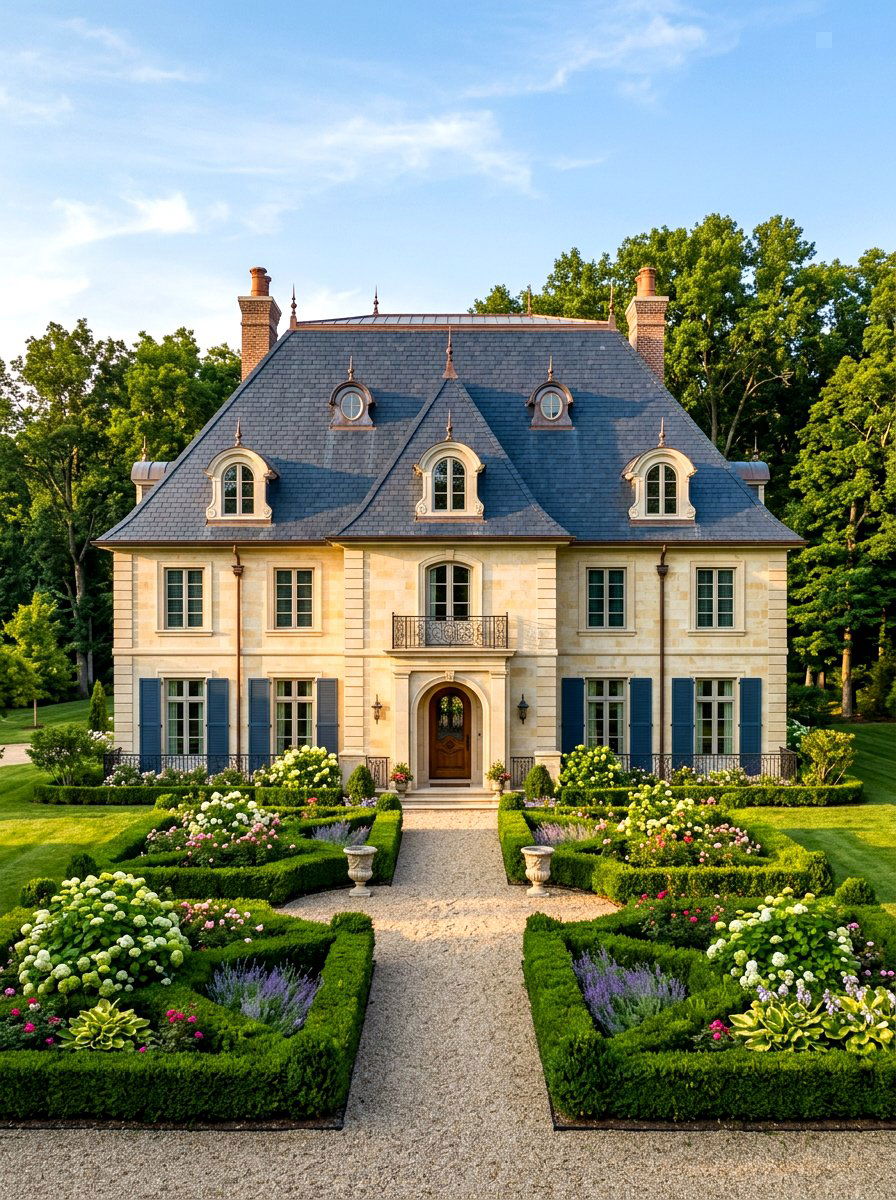
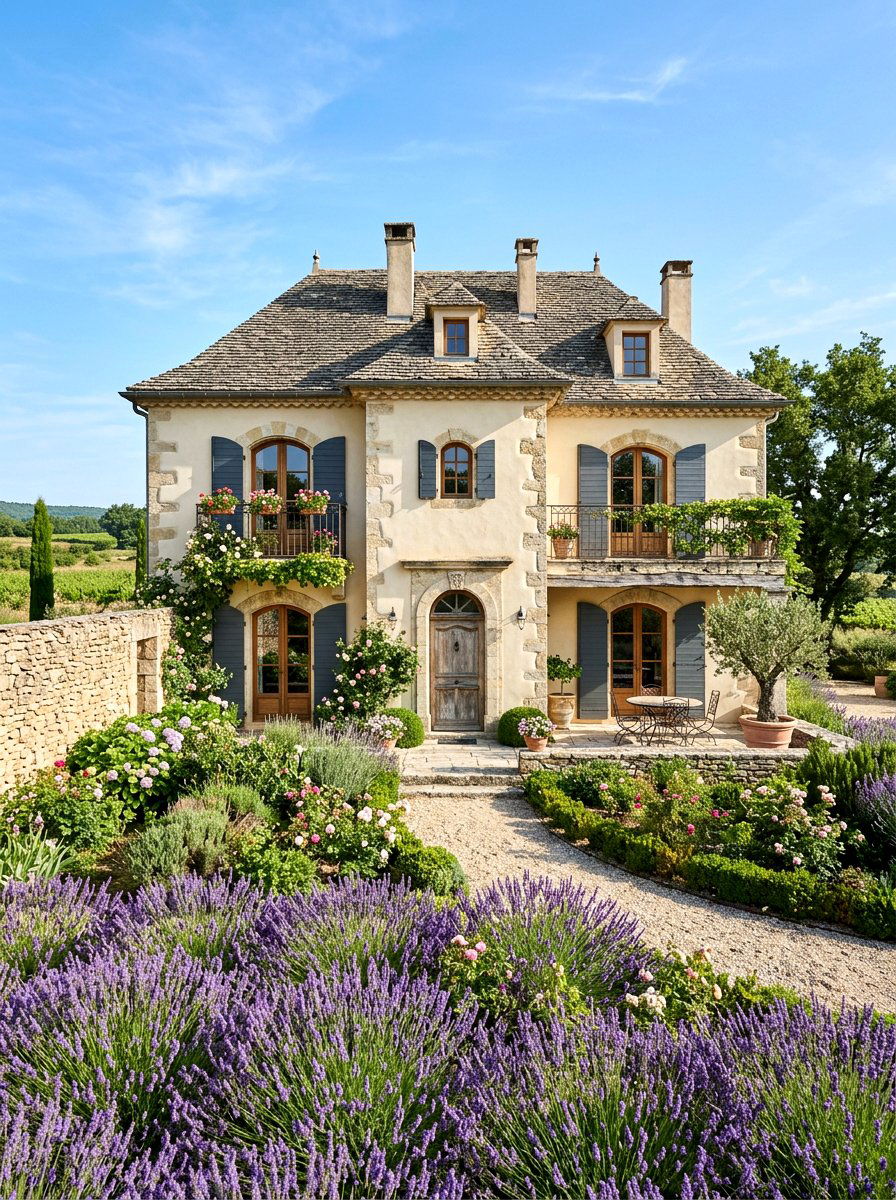
For an exterior that feels elegant and sophisticated, the French country style offers a perfect blend of rustic and refined elements. This design often features soft stucco walls in cream or buttery yellow, paired with tall, narrow windows and functional shutters. A hipped roof with clay tiles or dark shingles adds a European flair to the tiny structure. You might see a small Juliet balcony on the second level or a charming wrought iron gate leading to the front door. Surrounding the cottage with lavender, boxwood hedges, and gravel paths completes the look. This style proves that even a tiny home can feel like a luxurious getaway.
15. Bohemian Style Cottage
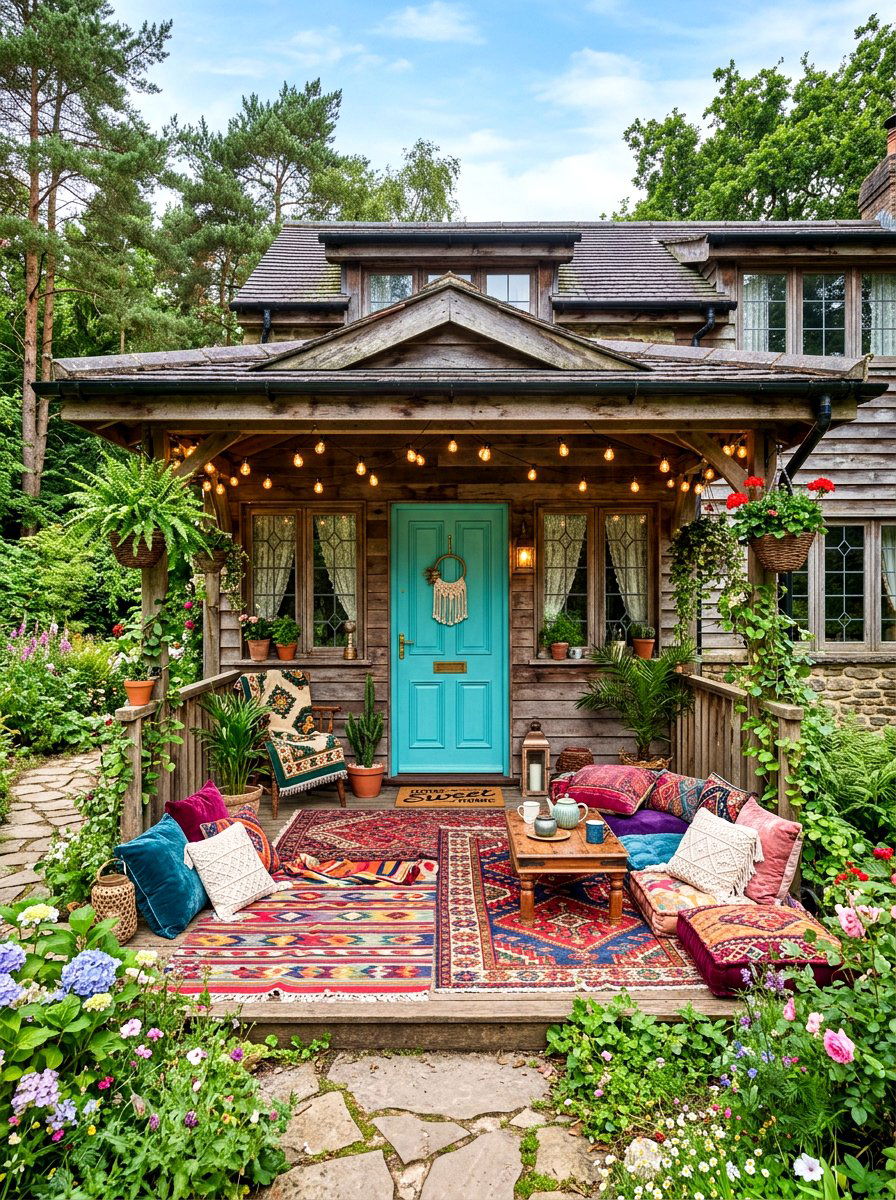
The Bohemian exterior is all about self-expression, vibrant colors, and a deep connection to nature. This style often involves mixing different materials, such as reclaimed wood siding, colorful tile accents, and plenty of hanging plants. You might see a bright turquoise or sun-yellow door paired with deep purple trim for a playful and artistic vibe. Large windows are often decorated with stained glass or intricate curtains that can be seen from the outside. A front porch filled with mismatched rugs, floor cushions, and string lights creates a relaxed and inviting atmosphere. It is the perfect choice for those who want their home to reflect a free-spirited lifestyle.
16. Industrial Tiny House
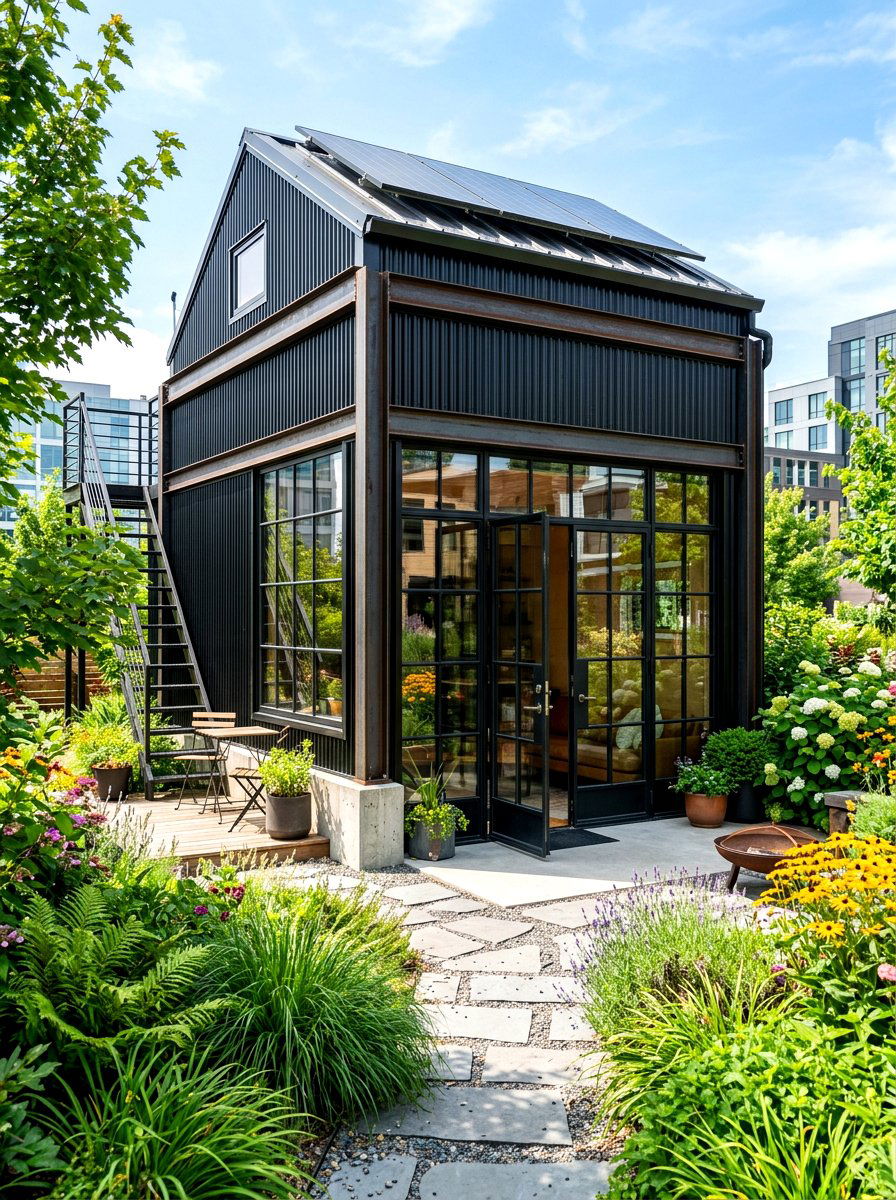
The industrial style uses raw, durable materials to create an edgy and modern cottage exterior that is very popular today. Corrugated metal siding, exposed steel beams, and large factory-style windows are the hallmarks of this design. The color palette is usually limited to grays, blacks, and rust-tones, which look striking against a green lawn or urban backdrop. To soften the look, you can incorporate warm wood accents around the entrance or on a small deck. This style is not only visually bold but also incredibly low-maintenance and fire-resistant. It is a great option for those who want a tiny house that feels tough, functional, and contemporary.
17. Glass Wall Tiny Cabin
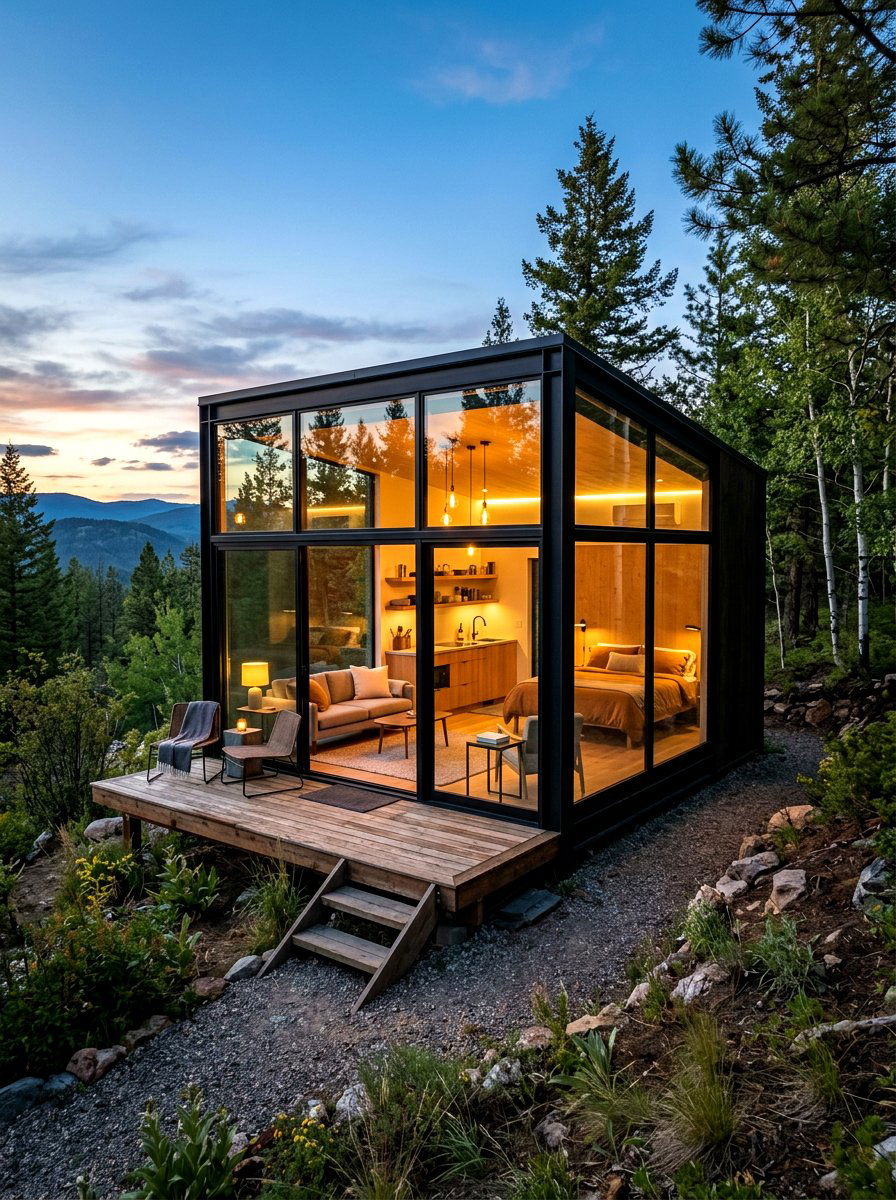
Maximizing natural light is essential in a small space, and a glass-walled exterior takes this concept to the absolute extreme. This design often features one or more walls made entirely of floor-to-ceiling glass panels, supported by a minimalist timber or steel frame. From the outside, the house looks like a glowing lantern at night, reflecting its interior warmth. During the day, it allows the surrounding landscape to become the "wallpaper" of the home. To maintain privacy, strategic landscaping or integrated blinds are often used. This approach creates a seamless flow between the indoors and outdoors, making the tiny footprint feel virtually limitless and very high-end.
18. Greek Revival Tiny Cottage
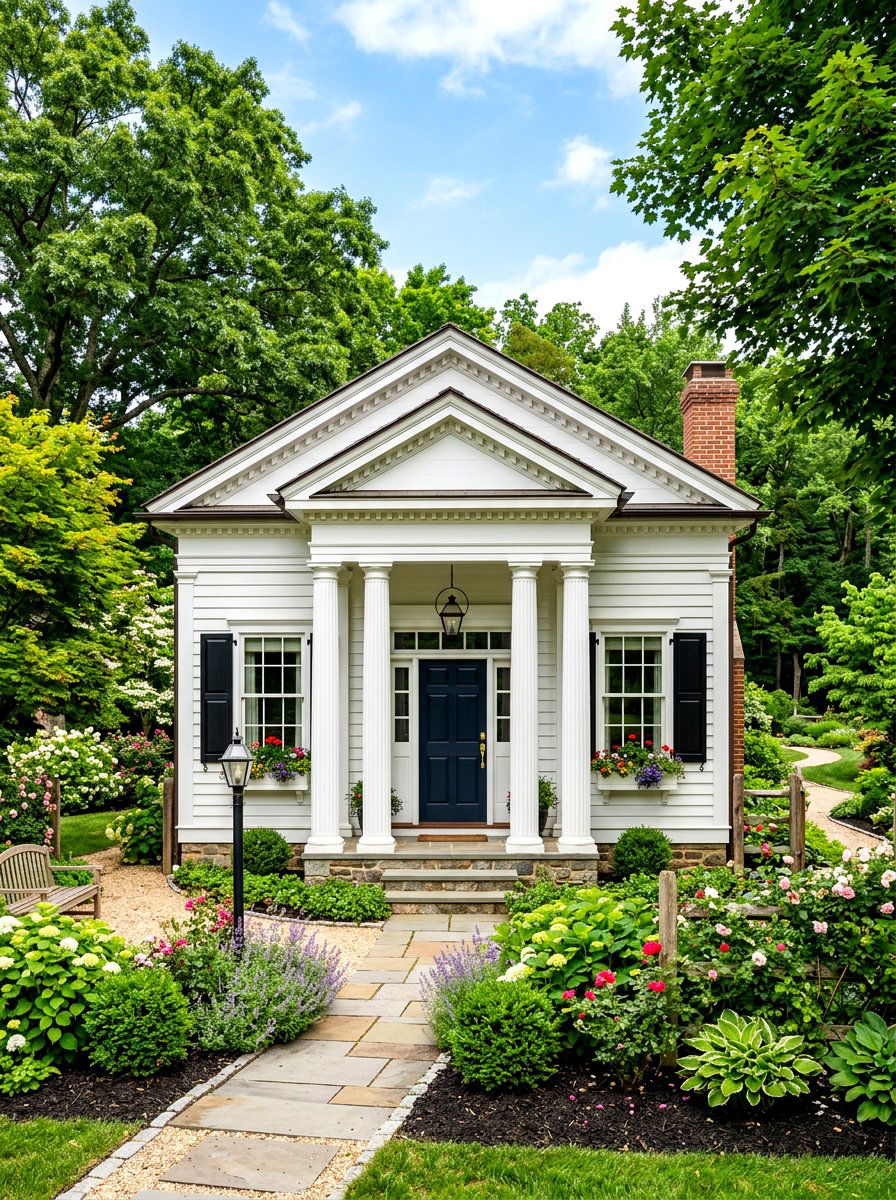
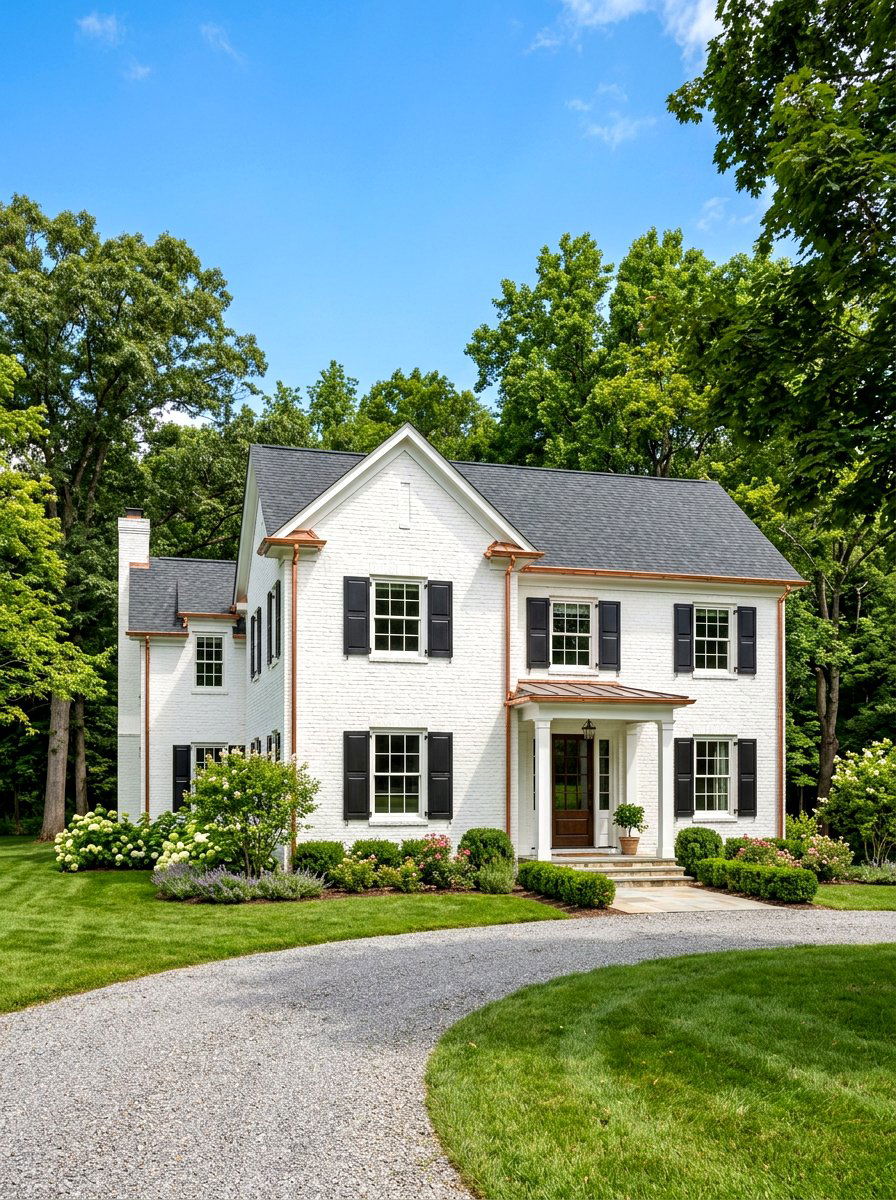
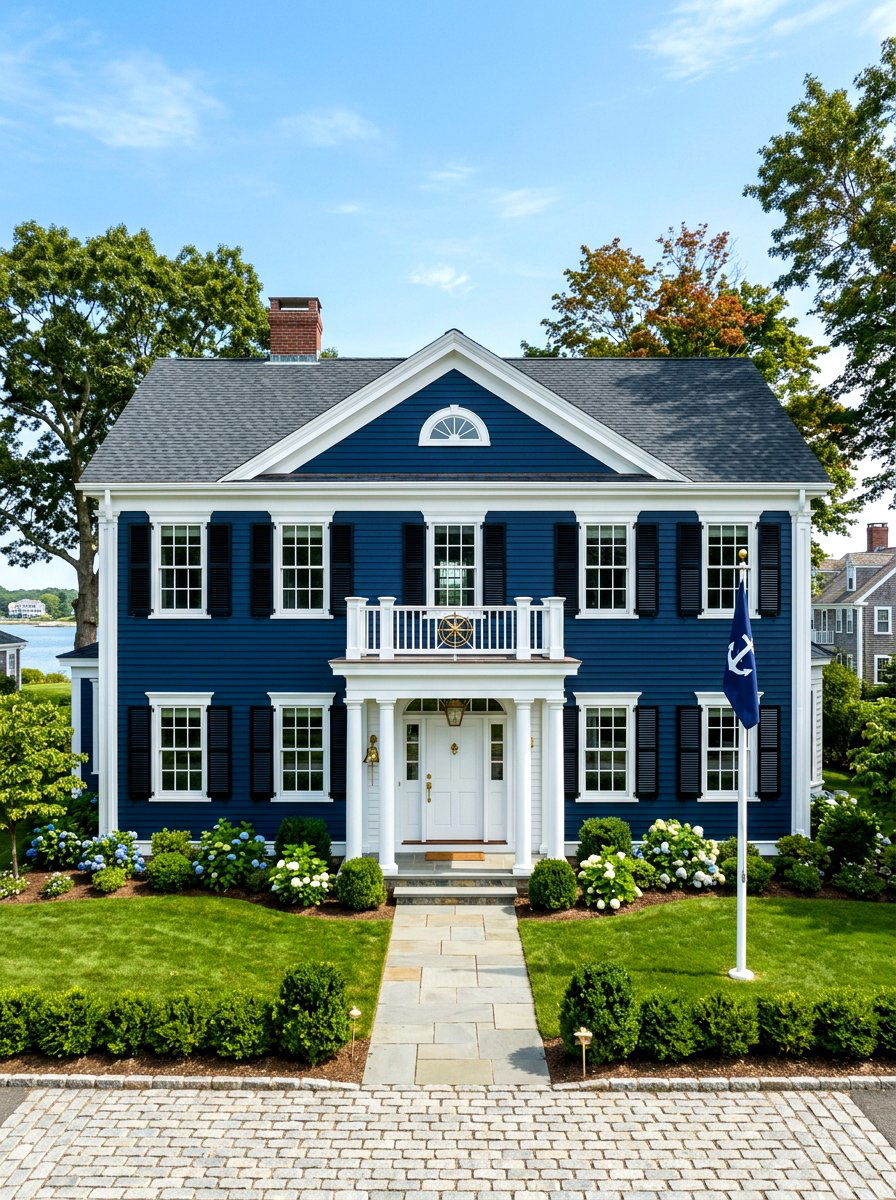
Can a tiny house look like a classic temple? The Greek Revival style uses formal architectural elements to give a small cottage a sense of dignity and grandeur. This design is characterized by white siding, a low-pitched gable roof, and prominent columns supporting a small front porch. Wide trim boards, known as friezes, run along the roofline to emphasize the structure's clean lines. The windows are usually tall and symmetrically placed, often with black shutters for a high-contrast look. This style is perfect for those who want a small home that feels historic, formal, and substantial despite its compact and efficient square footage.
19. Mid Century Modern Tiny Home
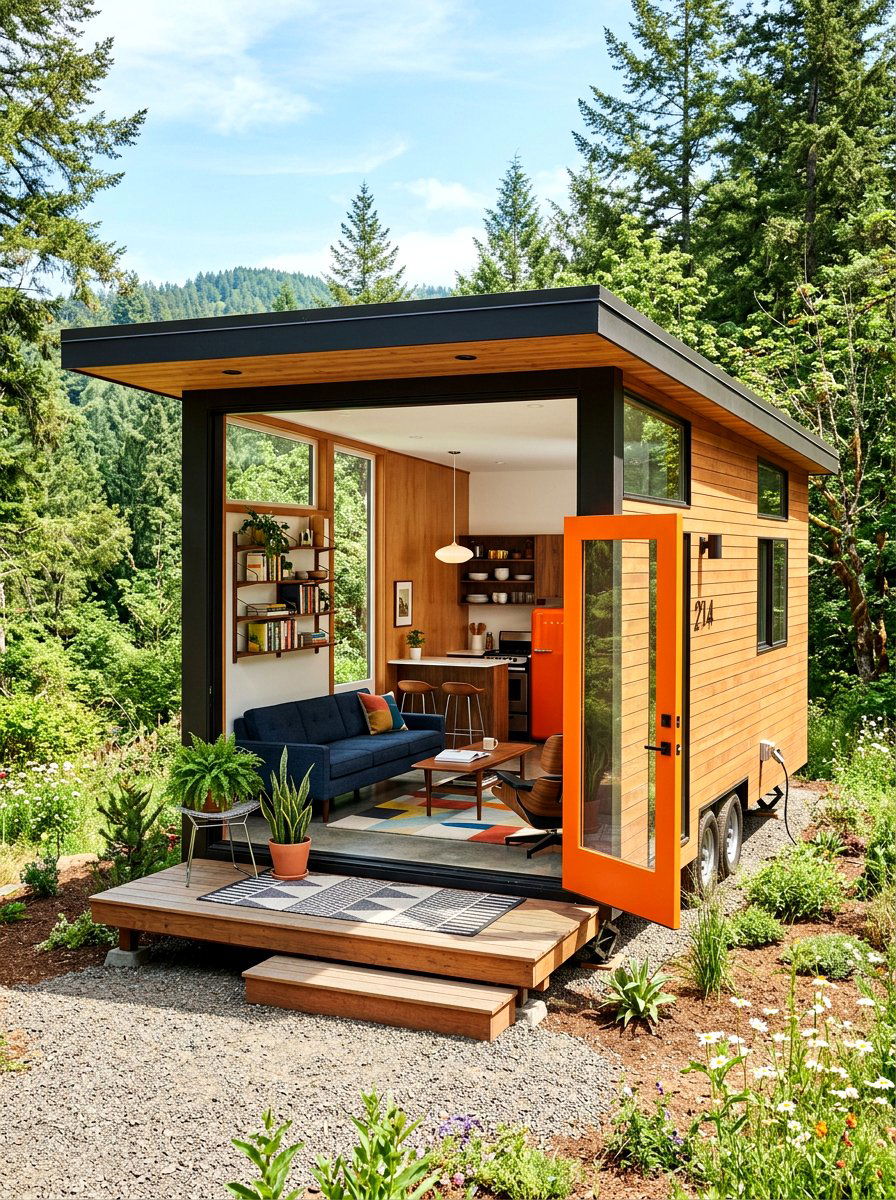
The mid-century modern aesthetic is perfect for tiny homes because it prioritizes efficiency and a strong connection to the environment. This exterior style usually features a flat or low-sloped shed roof with wide overhangs. Large windows and sliding glass doors are used to create a "transparent" look that invites the outdoors inside. Horizontal wood siding is often mixed with brick or stone accents to add texture and visual interest. Pops of bright color, like an orange or lime green front door, are common and add a fun retro touch. The overall look is clean, geometric, and timeless, appealing to those who love vintage-inspired modernism.
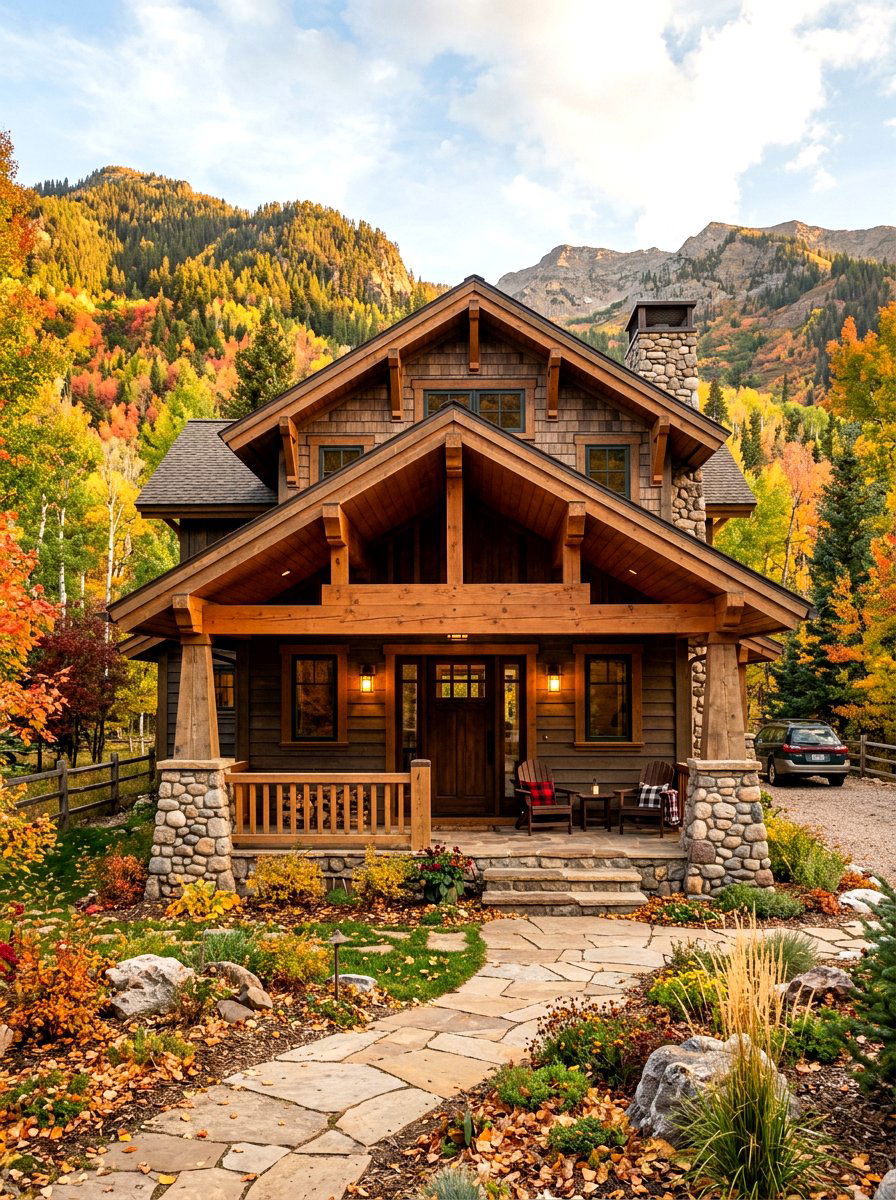
20. Mediterranean Style Cottage
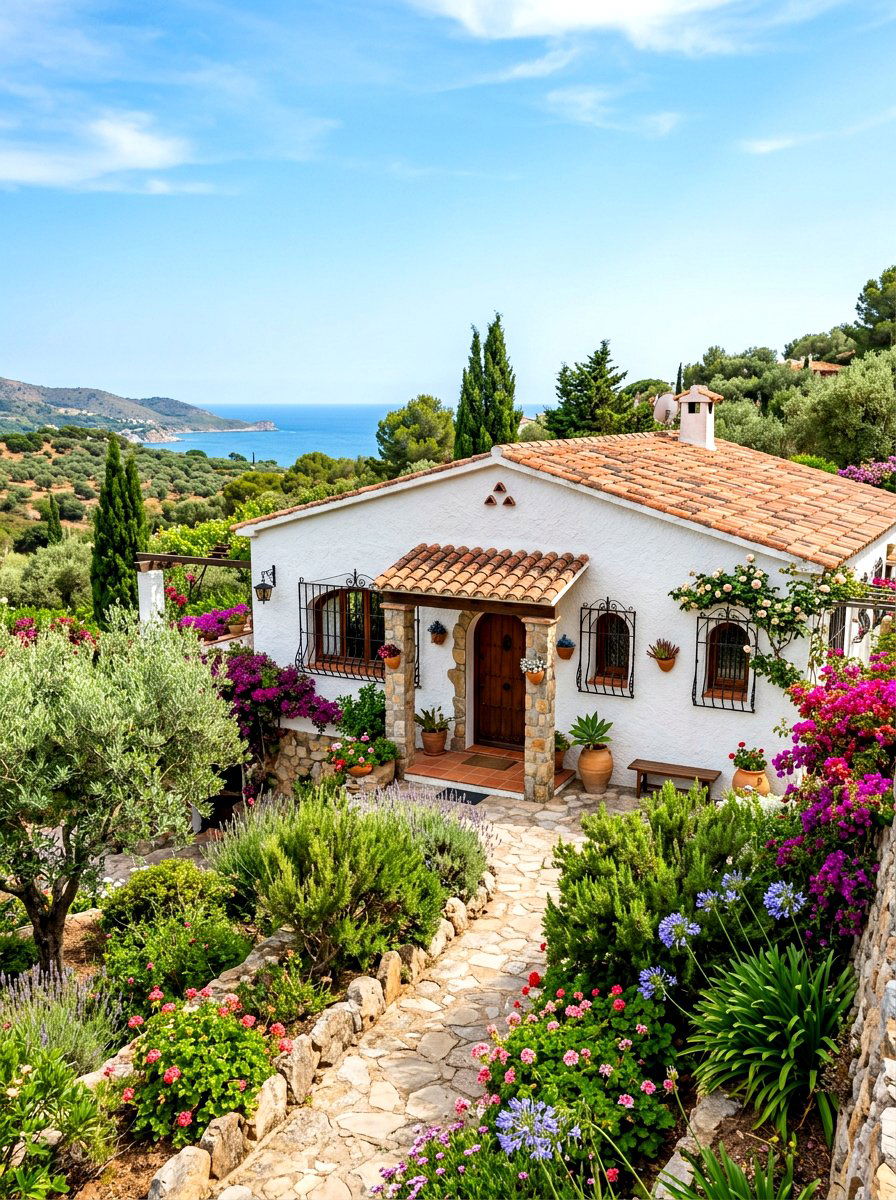
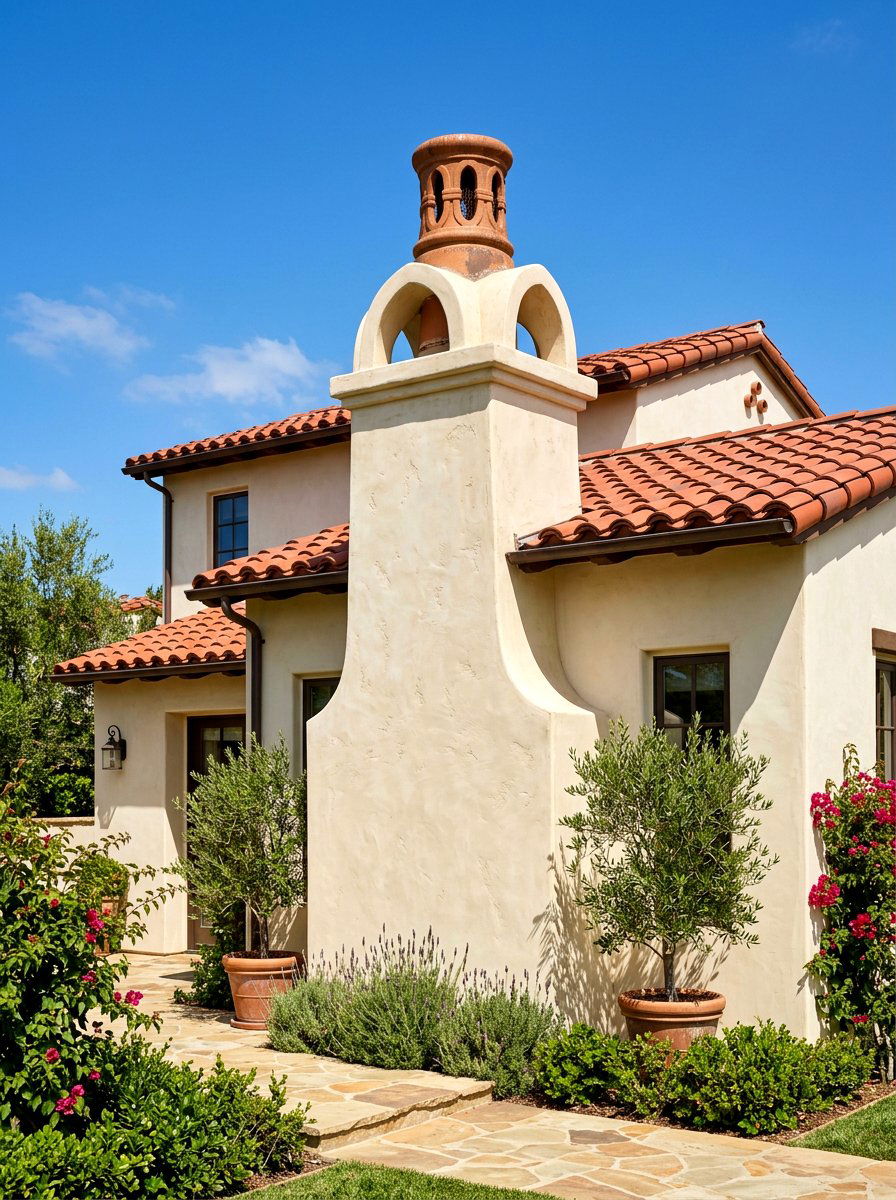
Bring the warmth of the coast to your tiny home with a Mediterranean-inspired exterior. This style is known for its white or sand-colored stucco walls that stay cool in the sun and terracotta tile roofs that add a splash of warm color. Arched doorways and windows are a key feature, giving the house a soft and inviting appearance. Wrought iron details on the railings, light fixtures, and window grates add a touch of old-world charm. A small courtyard or tiled patio in front of the house provides a perfect spot for outdoor dining. This design feels sunny and relaxing, creating a vacation-like atmosphere all year long.
21. Rooftop Deck Tiny House
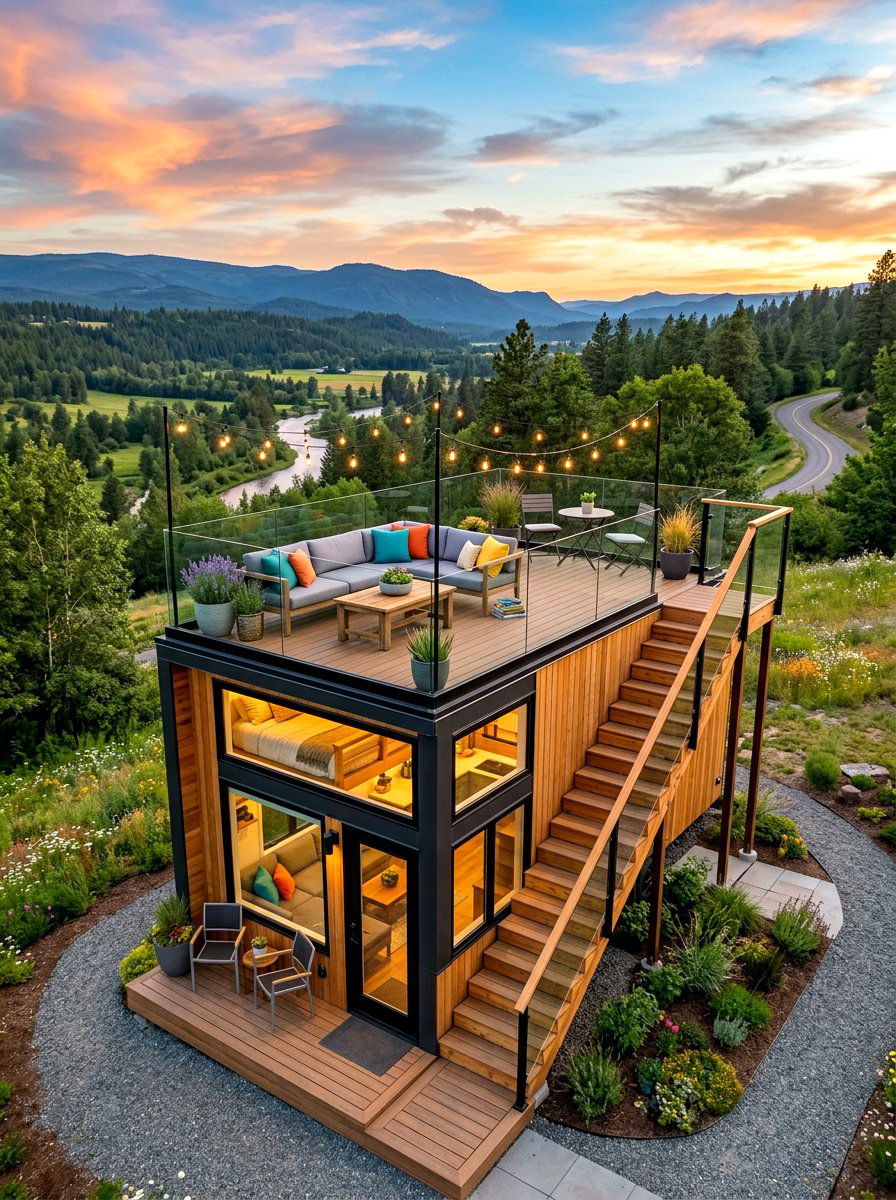
When you cannot build "out, " you should definitely build "up" by adding a functional rooftop deck to your tiny cottage exterior. This design usually features a flat roof with a sturdy railing system and a staircase — either internal or external — leading to the top. From the street, the deck adds architectural layers and makes the house look taller and more complex. It provides a private outdoor oasis for sunbathing, gardening, or stargazing without taking up any extra yard space. Using weather-resistant materials like composite decking and glass railings ensures the space remains beautiful and safe. It is a brilliant way to maximize every inch of the home’s structure.
22. Sage Green Cottage Exterior
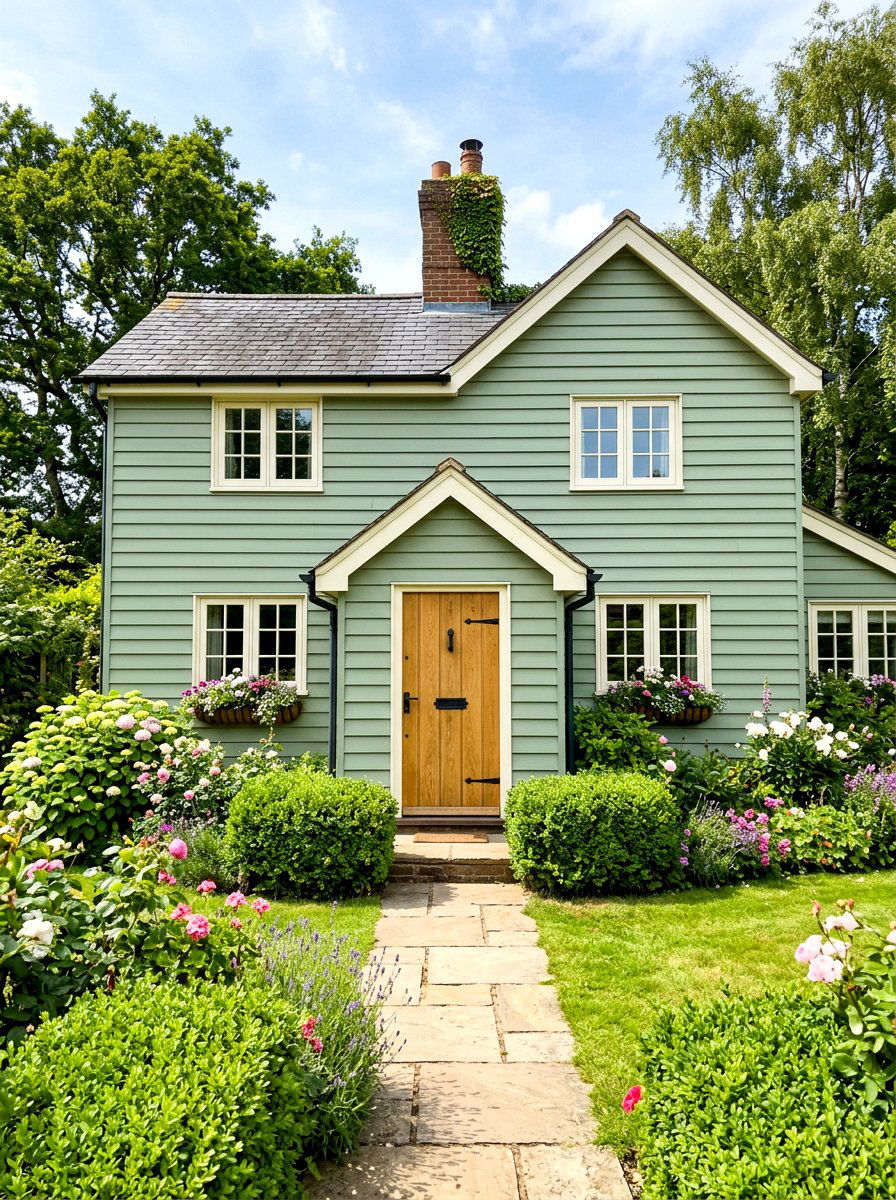
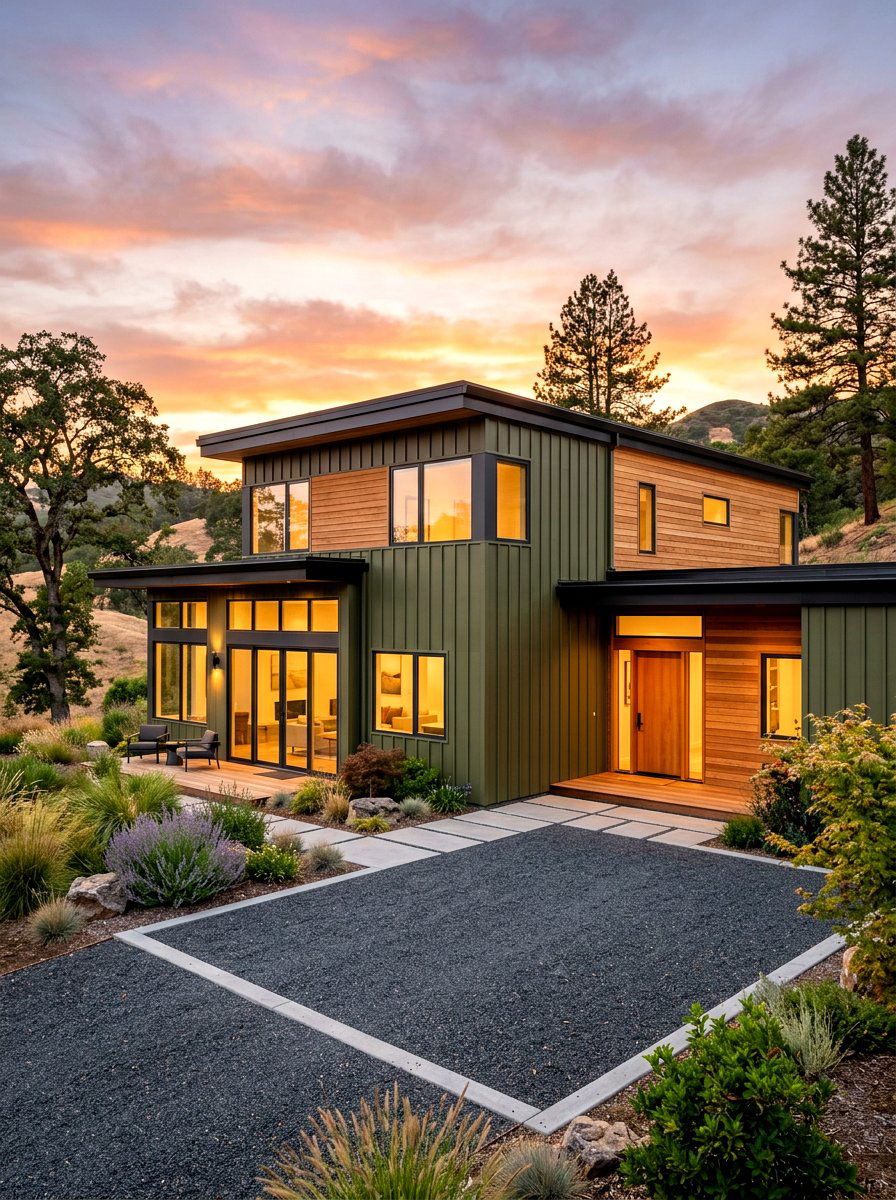
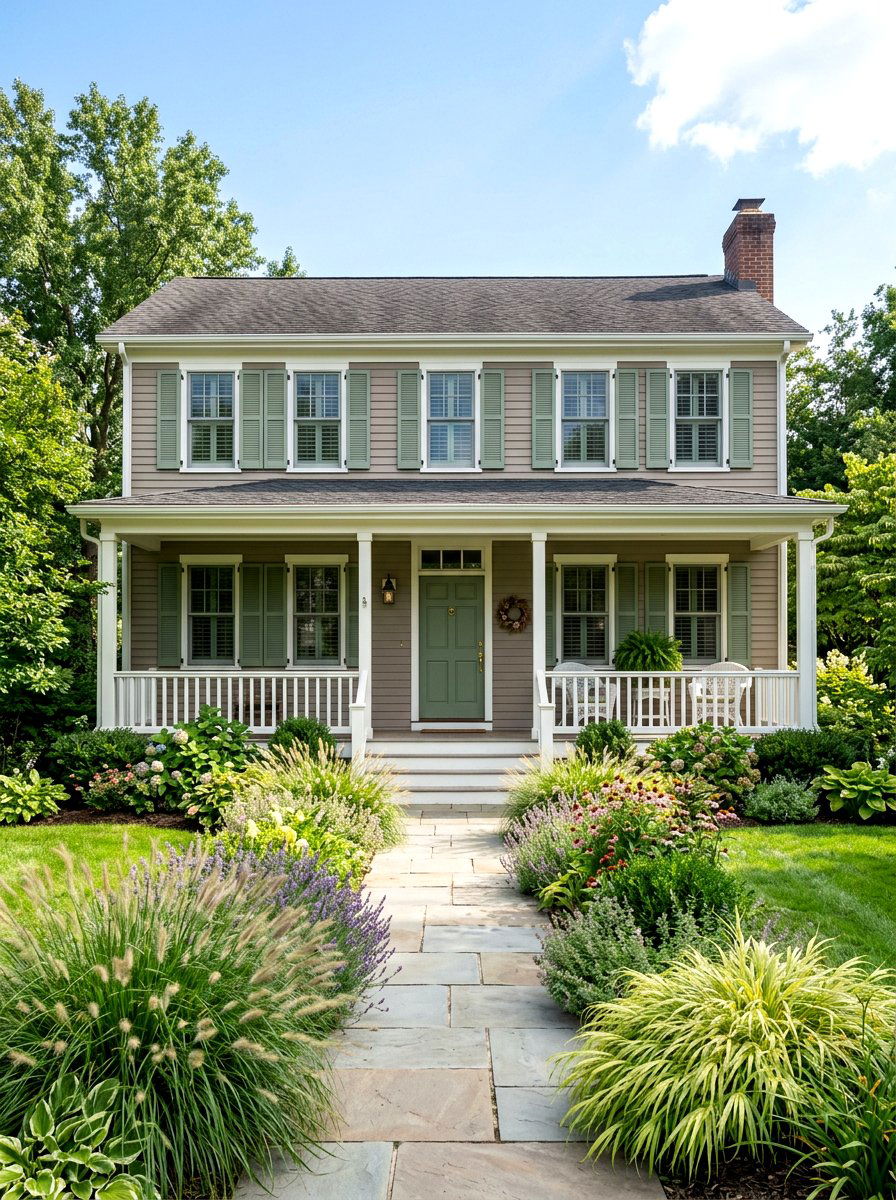
Sage green is becoming a top choice for tiny cottage exteriors because it is a neutral that still offers a subtle and sophisticated color. This earthy hue helps the house blend perfectly with trees, gardens, and natural landscapes. When paired with creamy white trim and a natural wood door, the result is a look that is both calming and classic. You can use this color on traditional lap siding or modern board and batten panels. The soft tone makes the small building appear larger and less imposing on the lot. It is a versatile color that works well in any climate and never goes out of style.
23. White Board and Batten Cottage
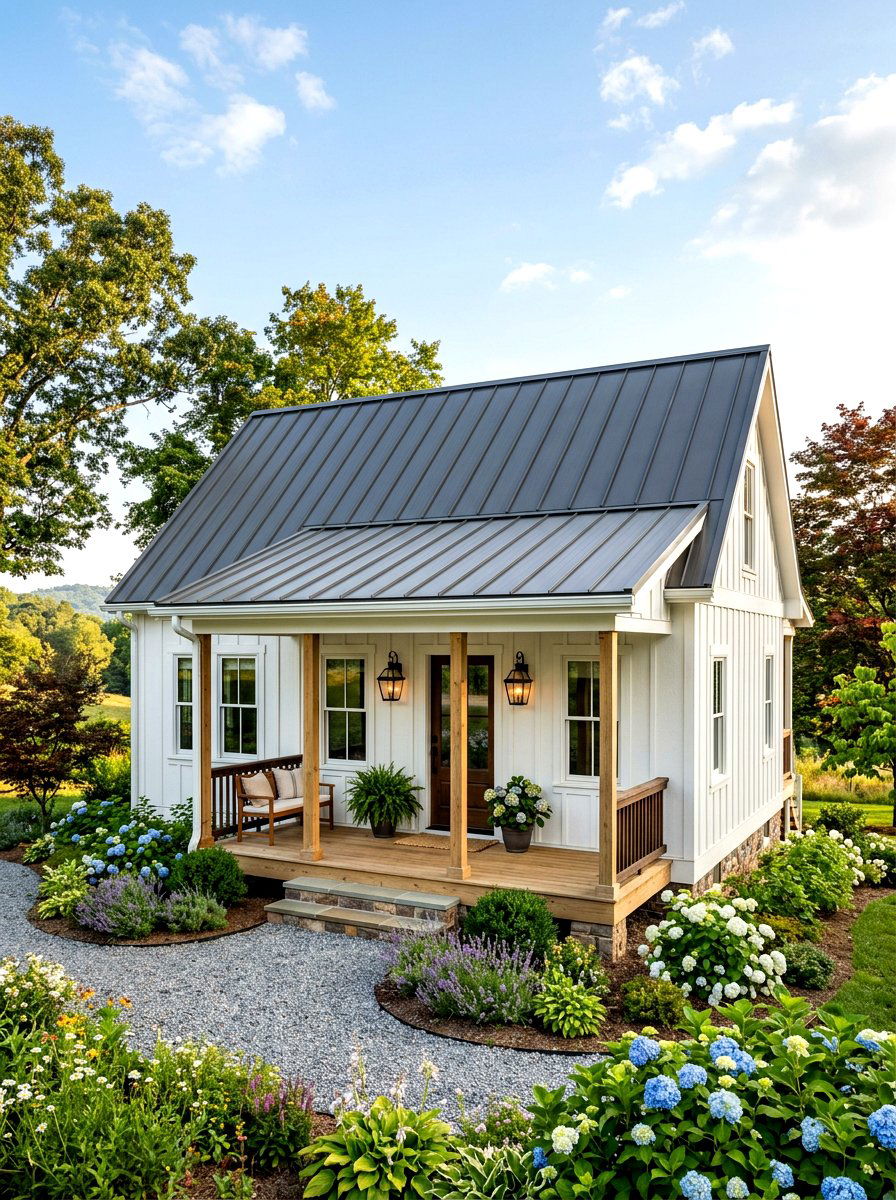
Vertical white board and batten siding is a classic choice that helps a tiny cottage appear taller and more spacious. The vertical lines draw the eye upward, while the bright white color reflects sunlight to keep the structure looking fresh and clean. This exterior style is often paired with a dark gray or silver metal roof for a bit of contemporary contrast. To prevent the look from feeling too stark, you can add warmth with a natural cedar porch or a collection of colorful potted plants around the door. It is a simple, high-impact design that offers a perfect canvas for any landscaping or seasonal decorations.
24. Tudor Style Tiny House
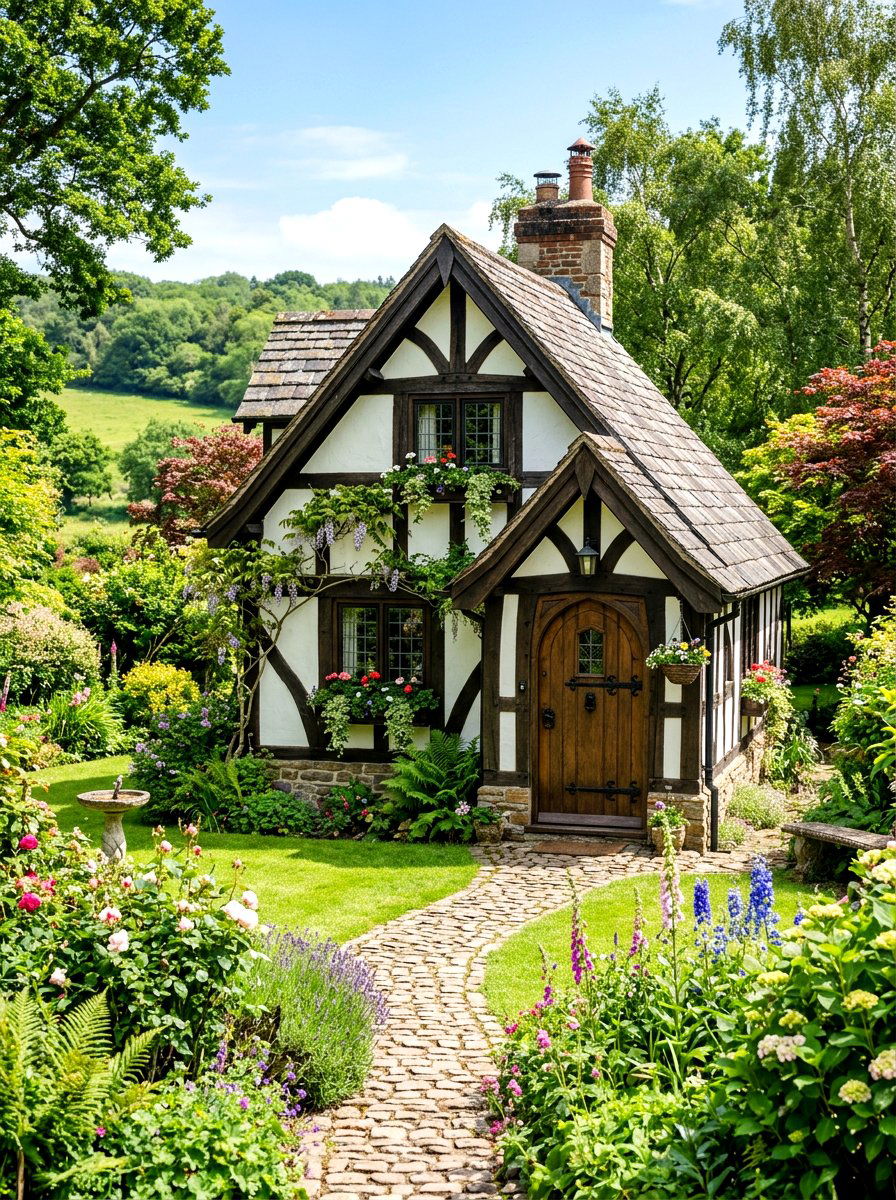
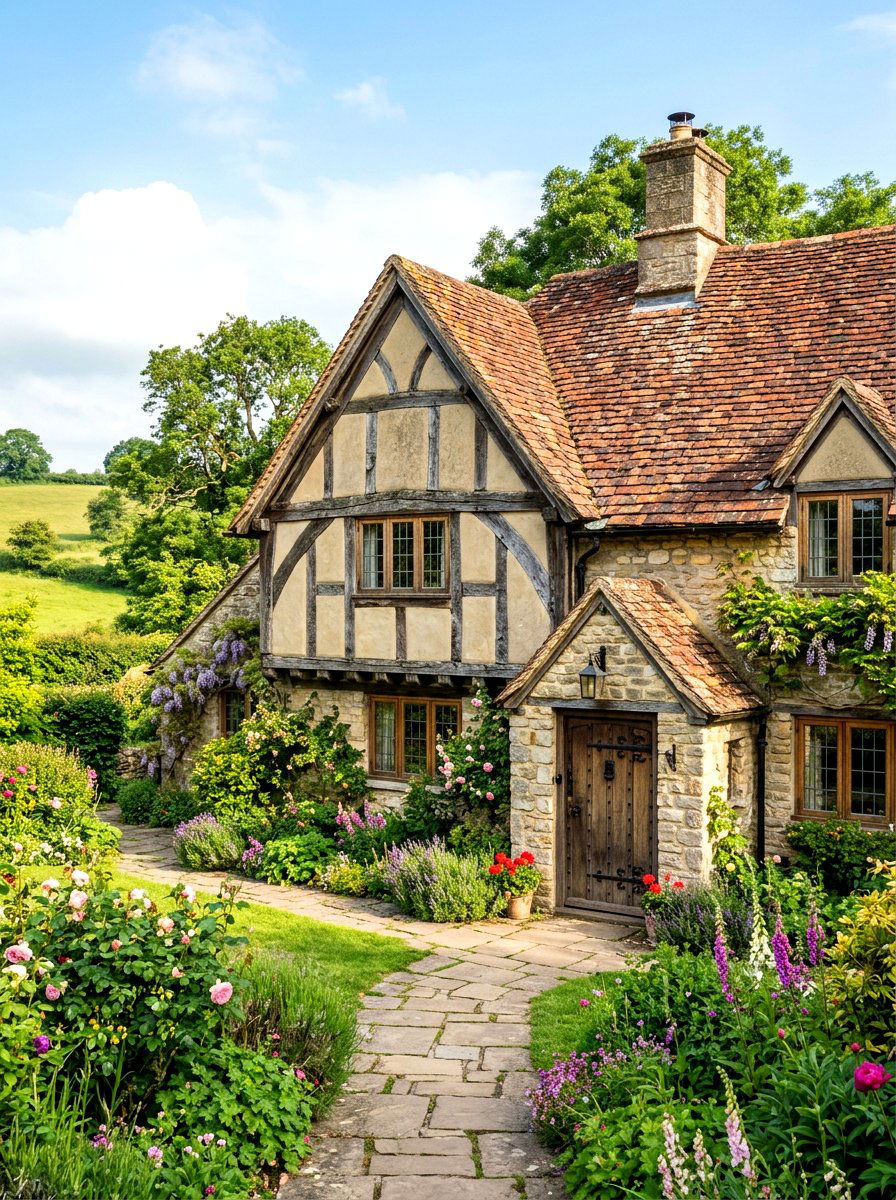
For a look that is full of character and historical charm, the Tudor style offers a unique and textured exterior. This design is easily recognized by its decorative "half-timbering" — dark wooden beams set against light-colored stucco or brick walls. Steeply pitched roofs and tall, narrow windows with diamond-shaped panes add to the medieval-inspired aesthetic. A heavy, arched wooden door with iron hardware serves as a sturdy focal point for the tiny home. This style feels very solid and protected, making it a great choice for colder climates. It transforms a tiny structure into a miniature manor that feels rich with history and architectural detail.
25. Mountain Lodge Tiny Home
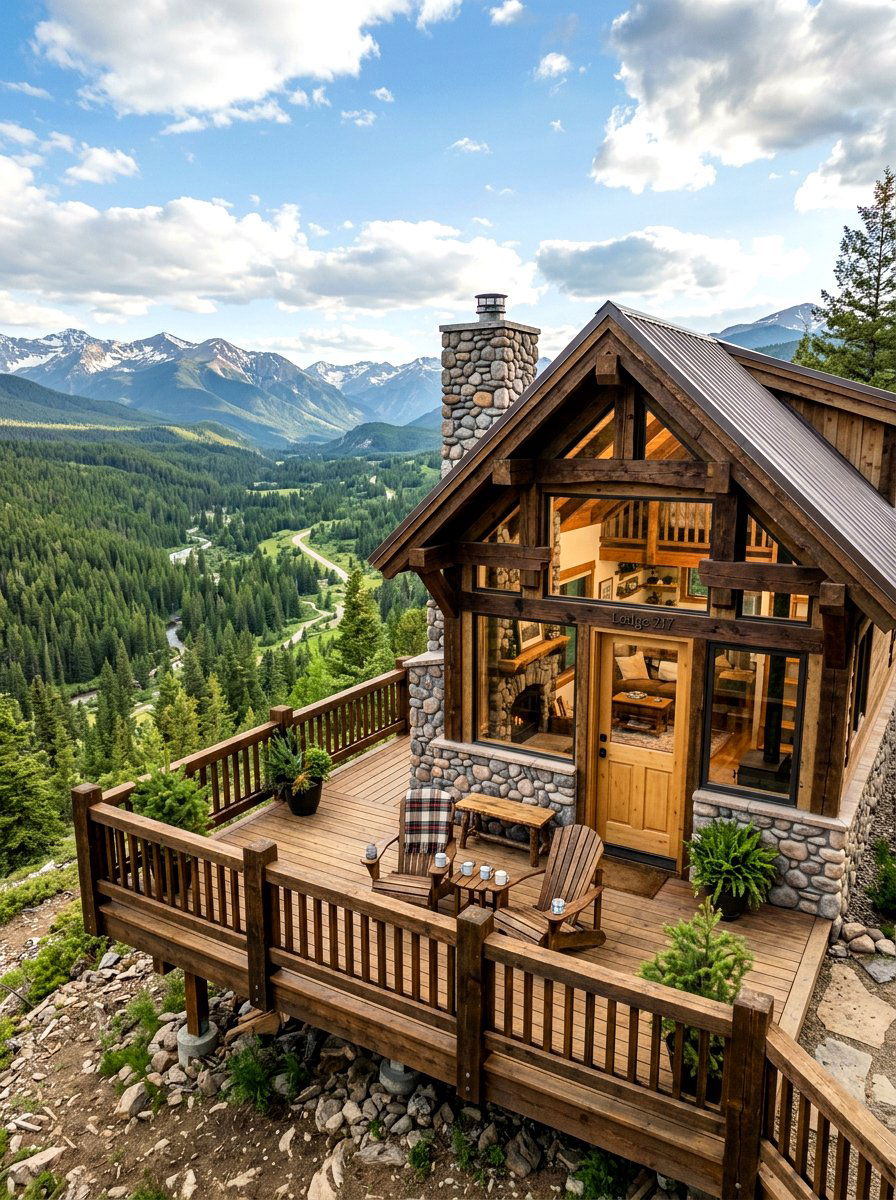
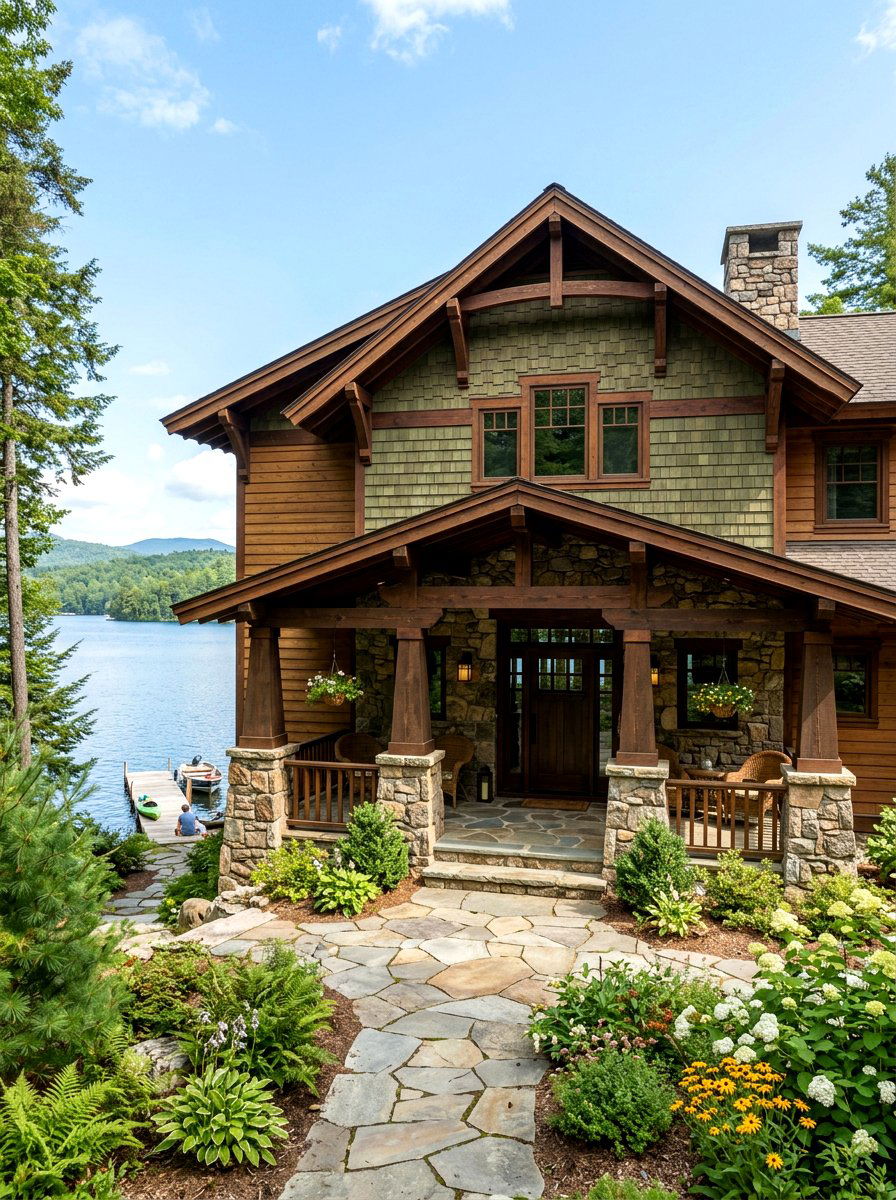
If your tiny house is located in a rugged area, a mountain lodge exterior will help it feel right at home. This style uses heavy timber framing, large natural stones, and dark-stained wood siding to create a look that is both rustic and powerful. The architecture often features multiple roof levels and wide porches that offer views of the surrounding peaks. Deep eaves protect the house from snow and rain, while large windows ensure you never miss the scenery. Adding a small outdoor fireplace or fire pit on the deck enhances the lodge atmosphere. It is a cozy and durable design built for adventure and comfort.
26. Desert Style Tiny House
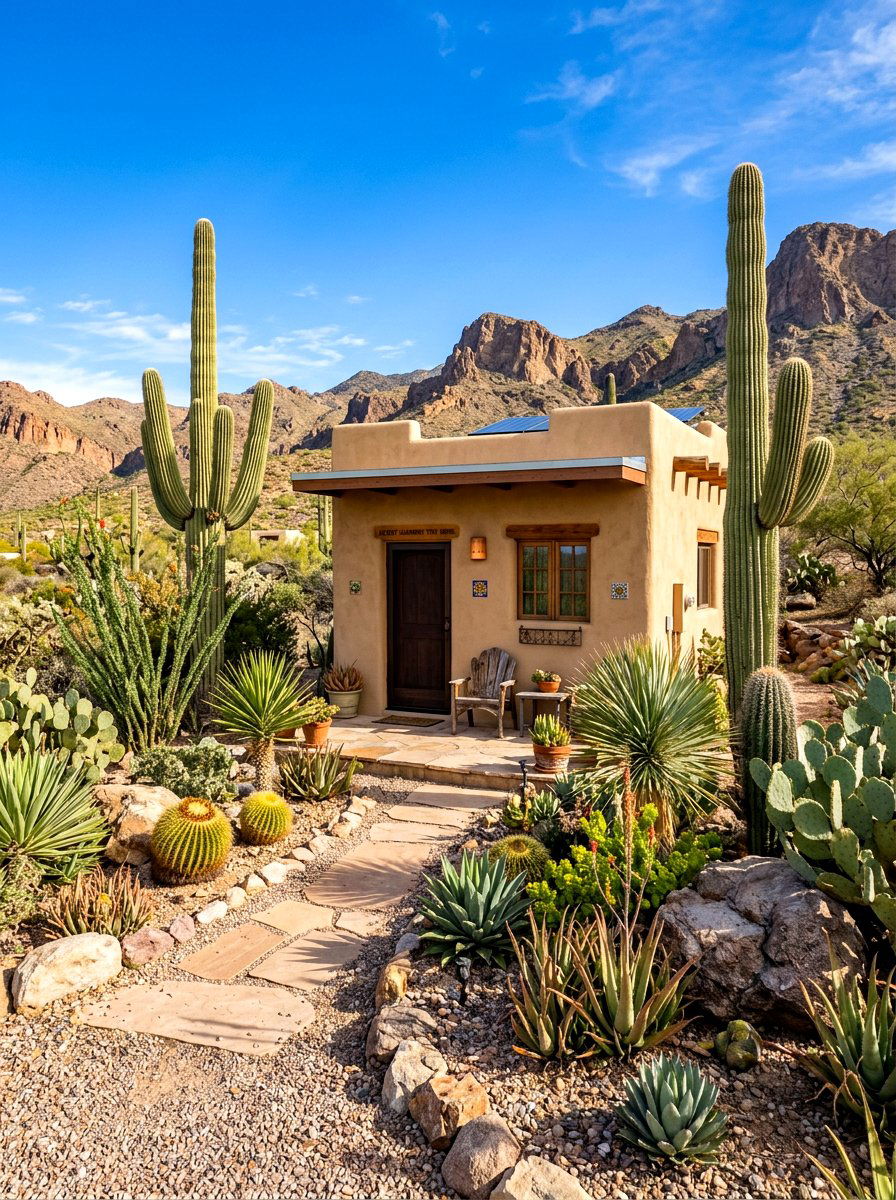
Designing for a hot, arid climate requires an exterior that is both heat-reflective and aesthetically integrated with the desert. This style often features thick adobe or stucco walls in warm shades of tan, ochre, or dusty pink. The flat roof and minimalist silhouette help the house stay cool and resist wind damage. Xeriscaping, which uses drought-tolerant plants like cacti and succulents, surrounds the house to create a beautiful and low-maintenance landscape. Natural wood accents and shaded patios provide much-needed relief from the sun. This design celebrates the unique beauty of the desert while offering a functional and sustainable living space for its residents.
27. Window Flower Box Cottage
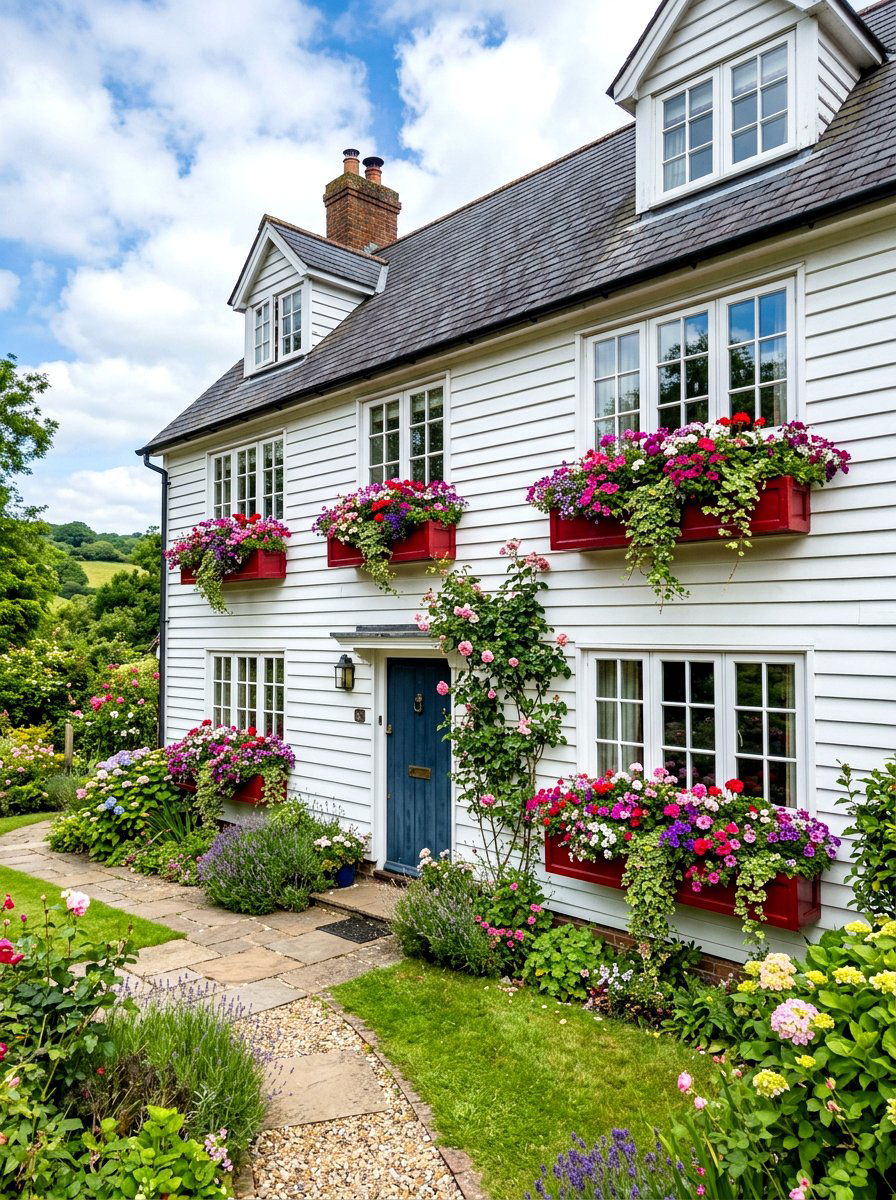
Sometimes the best way to elevate a tiny cottage exterior is through the addition of simple, charming details like window flower boxes. These built-in planters add a burst of color and life to the facade, making the small home feel cared for and vibrant. You can match the boxes to the trim color or use a contrasting shade to make the windows "pop. " Planting trailing ivy, bright geraniums, or seasonal blooms allows you to change the look of your home throughout the year. This small architectural addition adds depth to the walls and creates a welcoming storybook feel that is always popular on social media platforms.
28. Dutch Door Tiny House
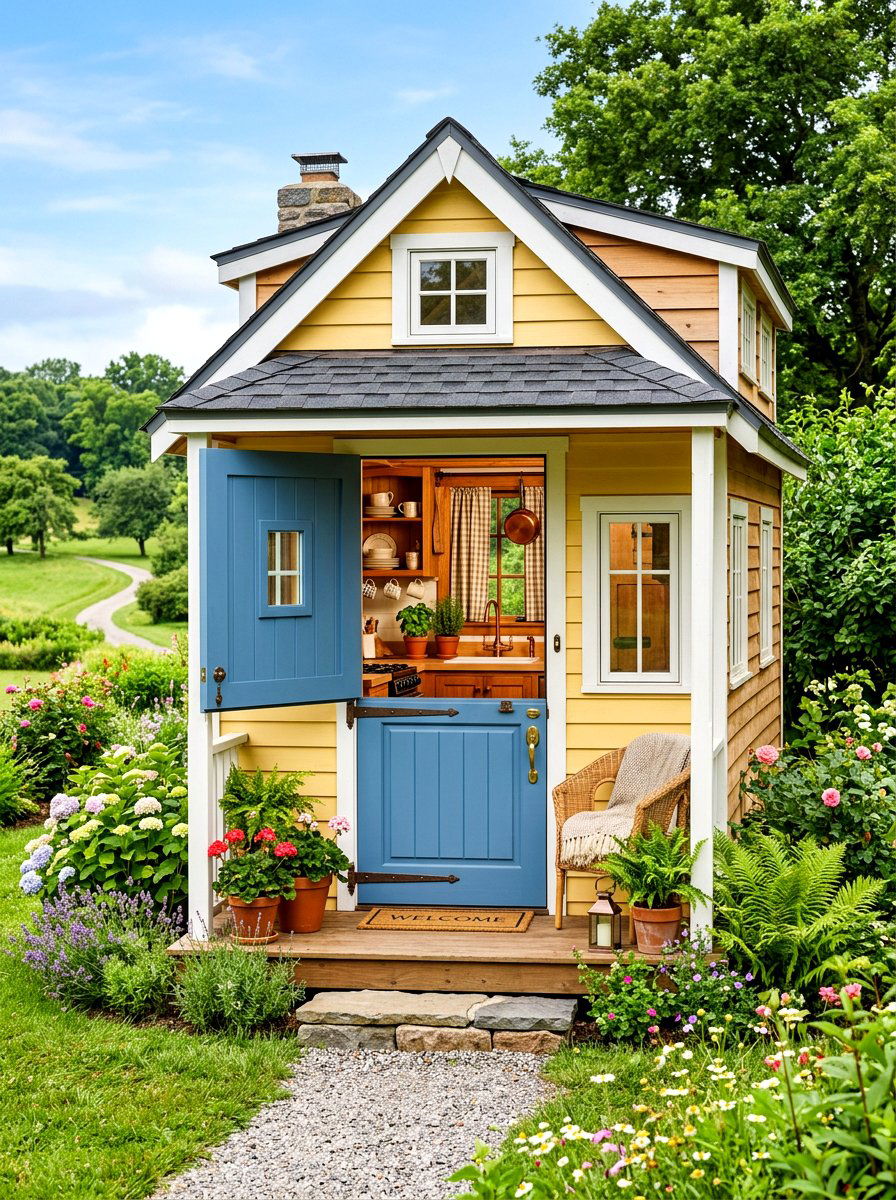
A Dutch door is a functional and stylish exterior feature that is perfect for tiny cottage living. By allowing the top half to open while the bottom remains closed, you can let in fresh air and light while keeping pets or small children safely inside. From the outside, the horizontal split adds a unique architectural line that hints at the home's cozy and practical nature. Often painted in a bright, cheerful color, the Dutch door becomes the main attraction of the front porch. It is a classic element that provides a strong sense of nostalgia and helps connect the interior living space with the outdoors easily.
29. Gable Roof Tiny Cottage
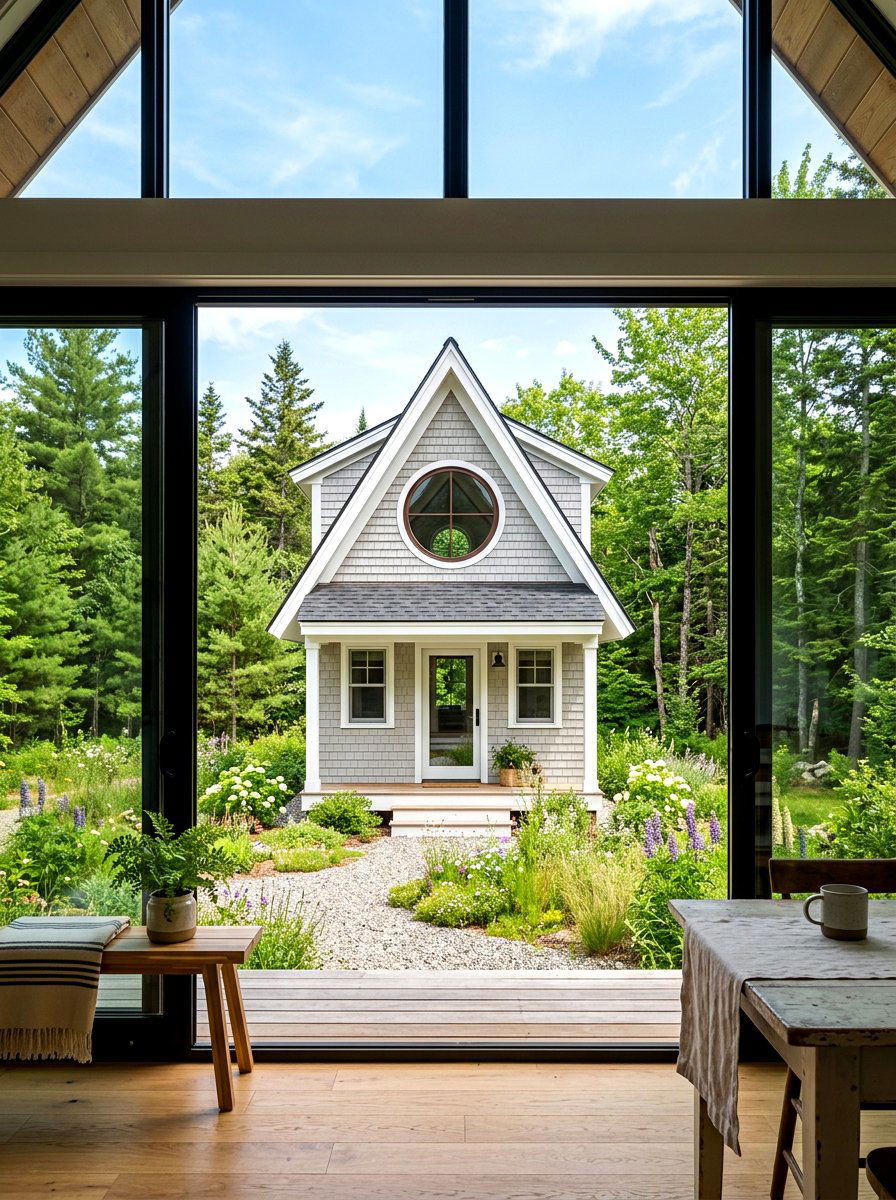
The gable roof is the most recognizable shape for a house, and it works perfectly for tiny cottages by providing classic symmetry and extra height. A steep gable allows for a spacious sleeping loft inside while creating a tall, impressive facade on the outside. You can accentuate the gable with decorative shingles, a large circular window, or ornamental trim at the peak. This roof style is also excellent for shedding rain and snow, making it a practical choice for many regions. Whether finished in metal or traditional shingles, a prominent gable gives a tiny home a sense of stability and a truly timeless residential look.
30. Solar Powered Tiny House
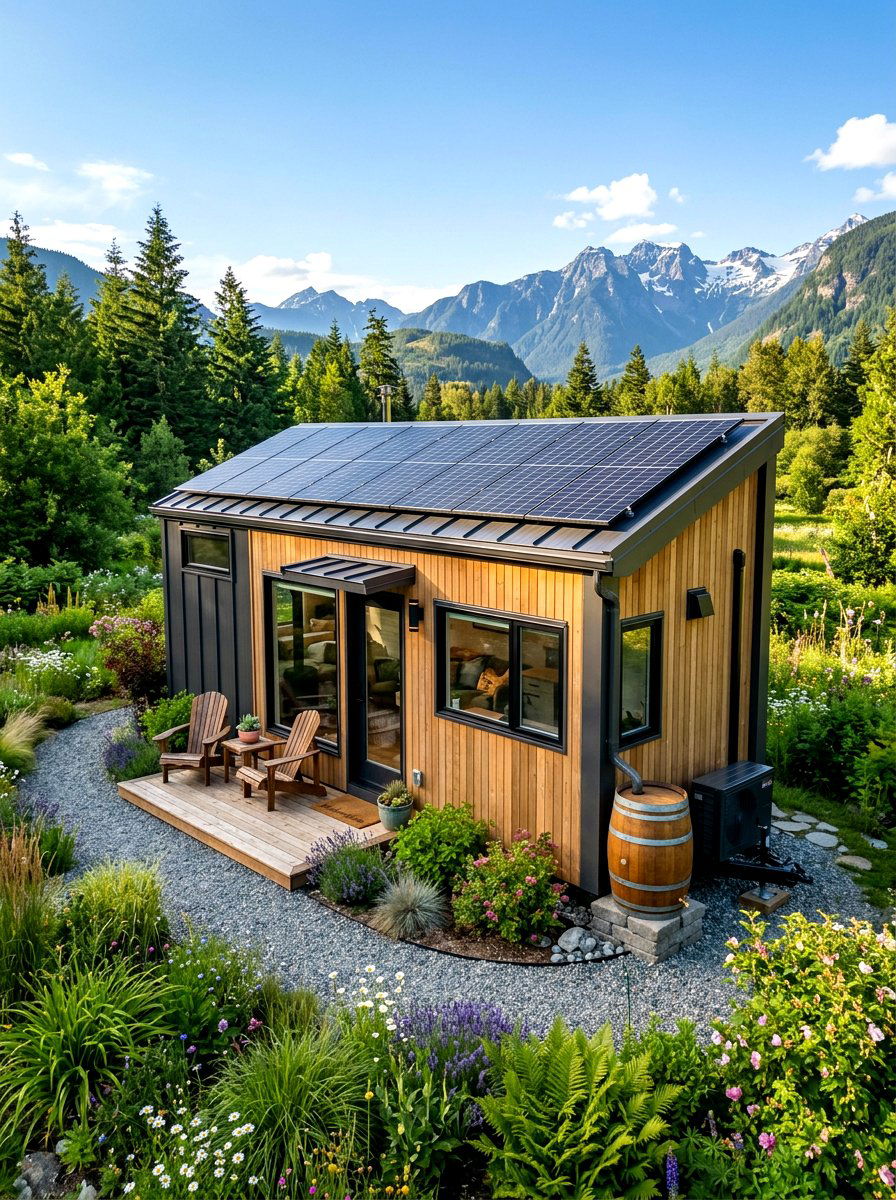
A modern tiny cottage exterior can also be a powerhouse of sustainability by integrating solar panels directly into the design. Instead of looking like an afterthought, solar arrays can be installed as part of a sleek metal roof or even as shaded awnings over windows. This design often features eco-friendly materials like reclaimed wood siding and rainwater collection barrels that are styled to match the house. The overall look is clean, tech-forward, and deeply responsible. Large windows are strategically placed for passive solar heating, further enhancing the home's efficiency. It is a forward-thinking design that proves you do not have to sacrifice style to live an off-grid lifestyle.
Conclusion:
Building or renovating a tiny cottage exterior is an exciting opportunity to showcase your personal style through smart architecture and thoughtful material choices. As we have seen, even the smallest homes can achieve incredible curb appeal by embracing styles ranging from rustic cabins to modern glass escapes. The key to a successful design is ensuring that every element — from the roofline to the front door — works together to create a cohesive and inviting theme. By focusing on quality over quantity, you can create a viral-worthy home that feels much larger than its footprint. We hope these thirty ideas inspire you to dream big while living small in your perfect cottage.

Related posts: