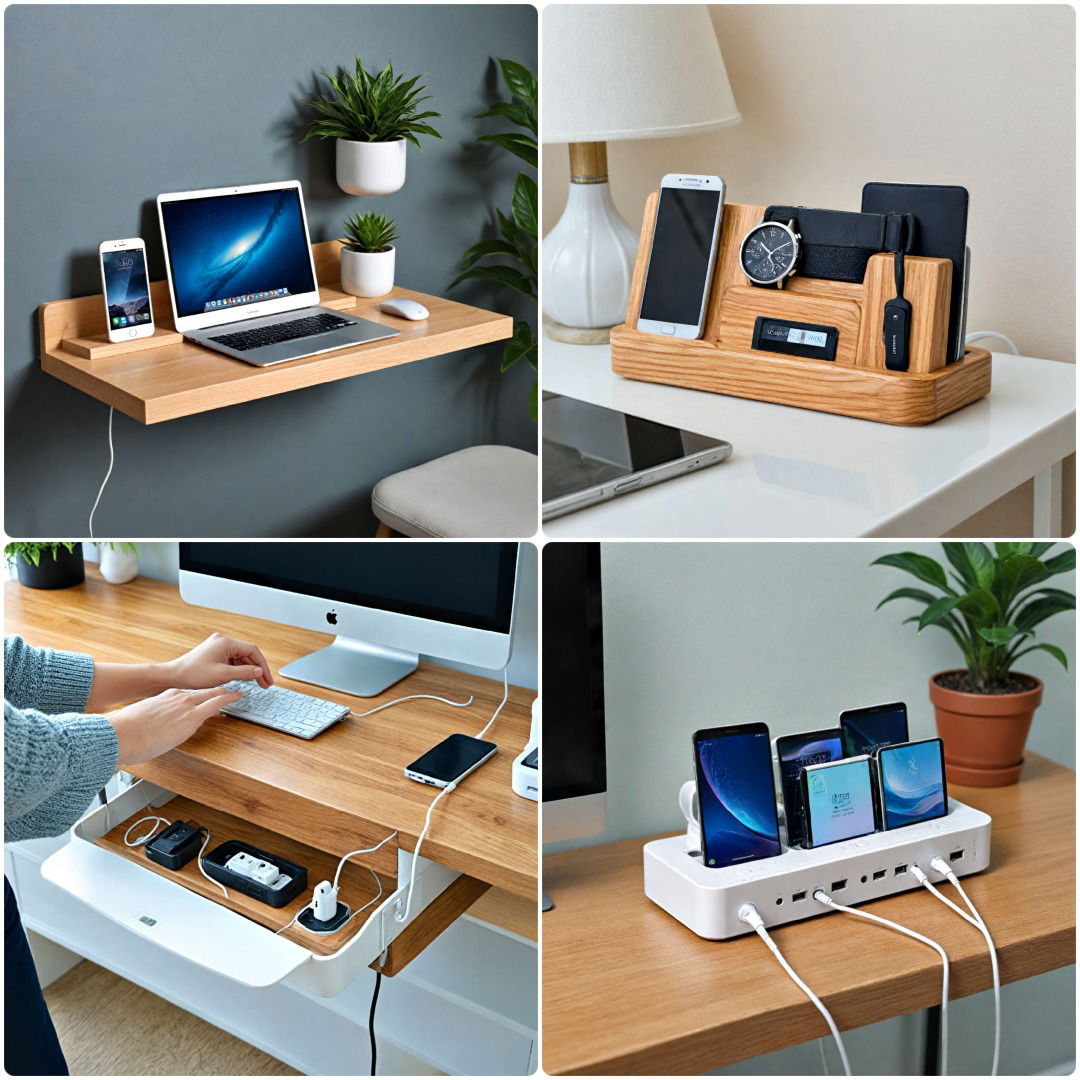
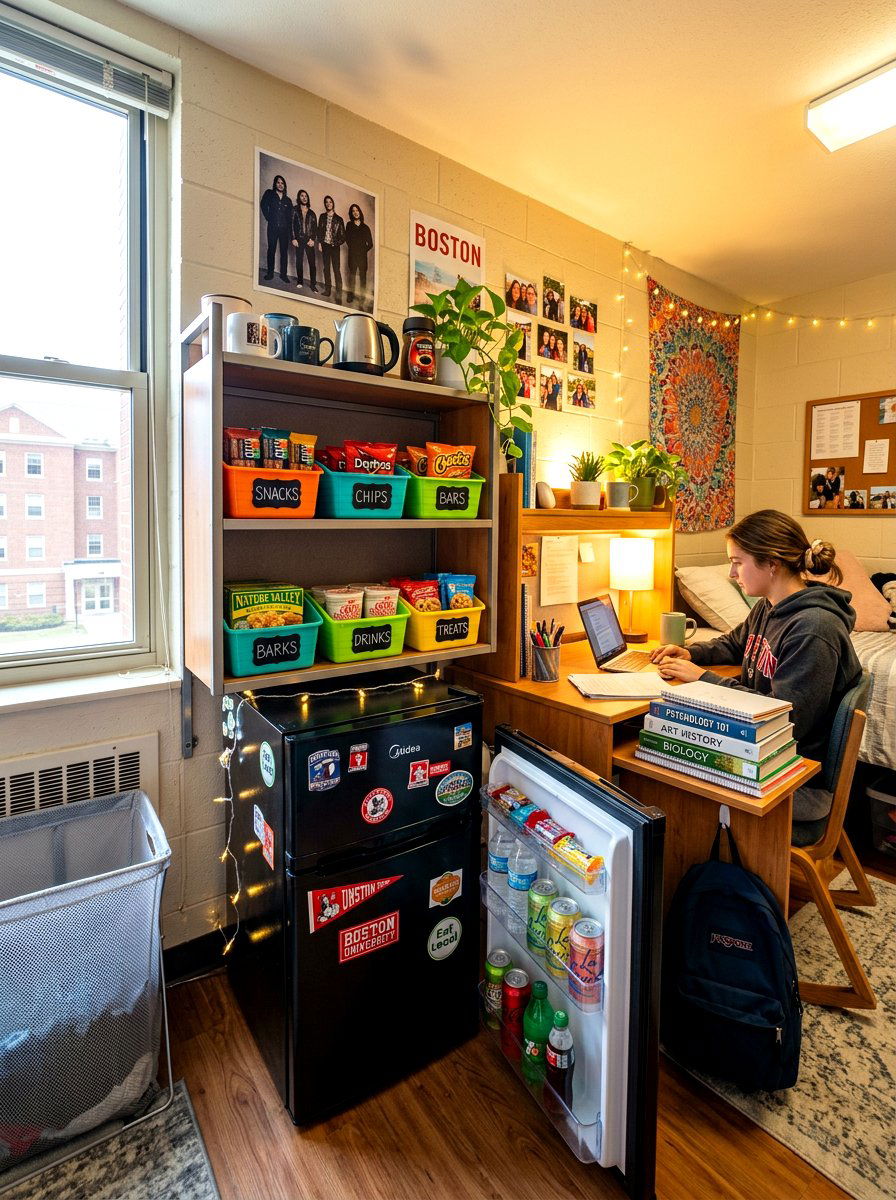
Managing a household full of modern electronics often leads to a frustrating web of tangled cords and cluttered surfaces. We all rely on smartphones, tablets, and laptops every day, but finding a central place to power them can be a design challenge. A well-planned charging station does more than just supply energy; it restores order to your living environment and protects your expensive gadgets from accidental drops or spills. By integrating power solutions into your existing furniture and decor, you can maintain a clean aesthetic while ensuring every device is ready for use. These creative setups focus on blending technology with home style for a seamless look.
1. Kitchen charging drawer
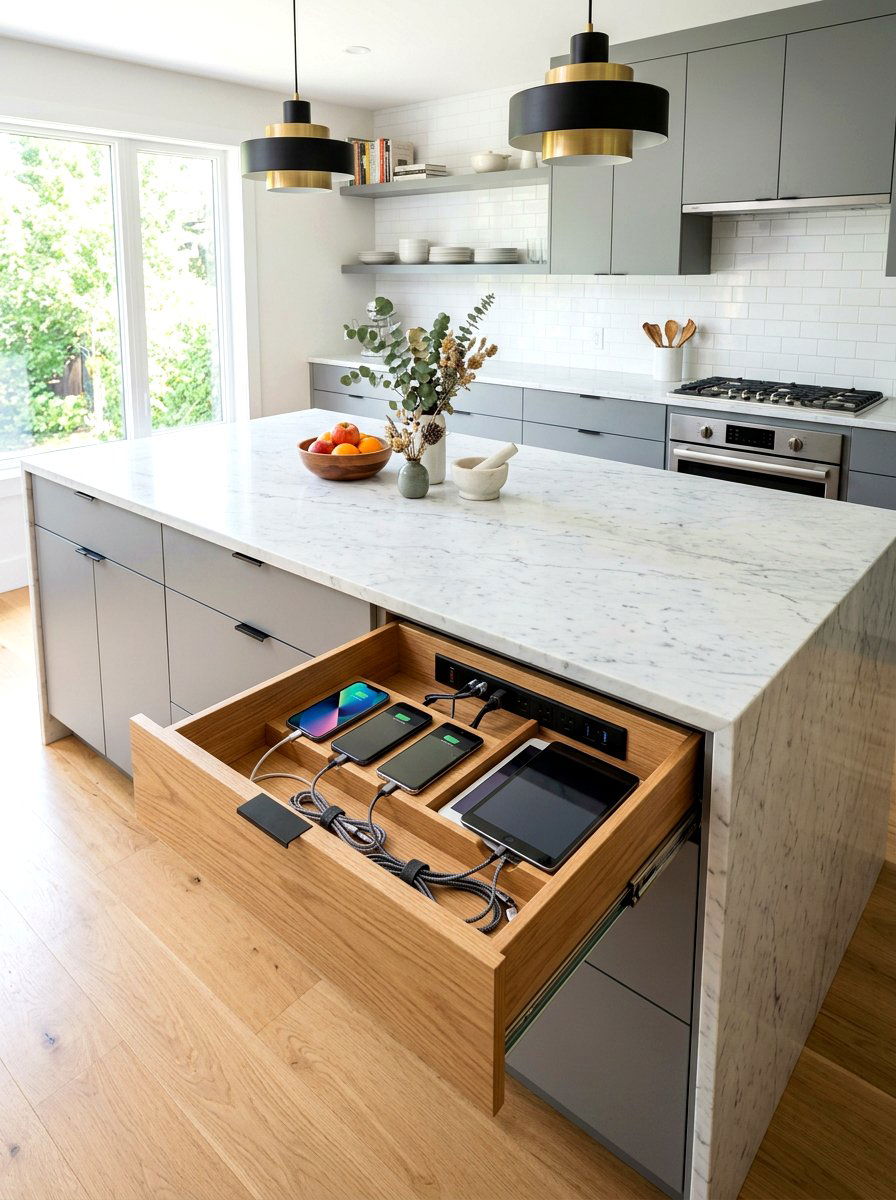
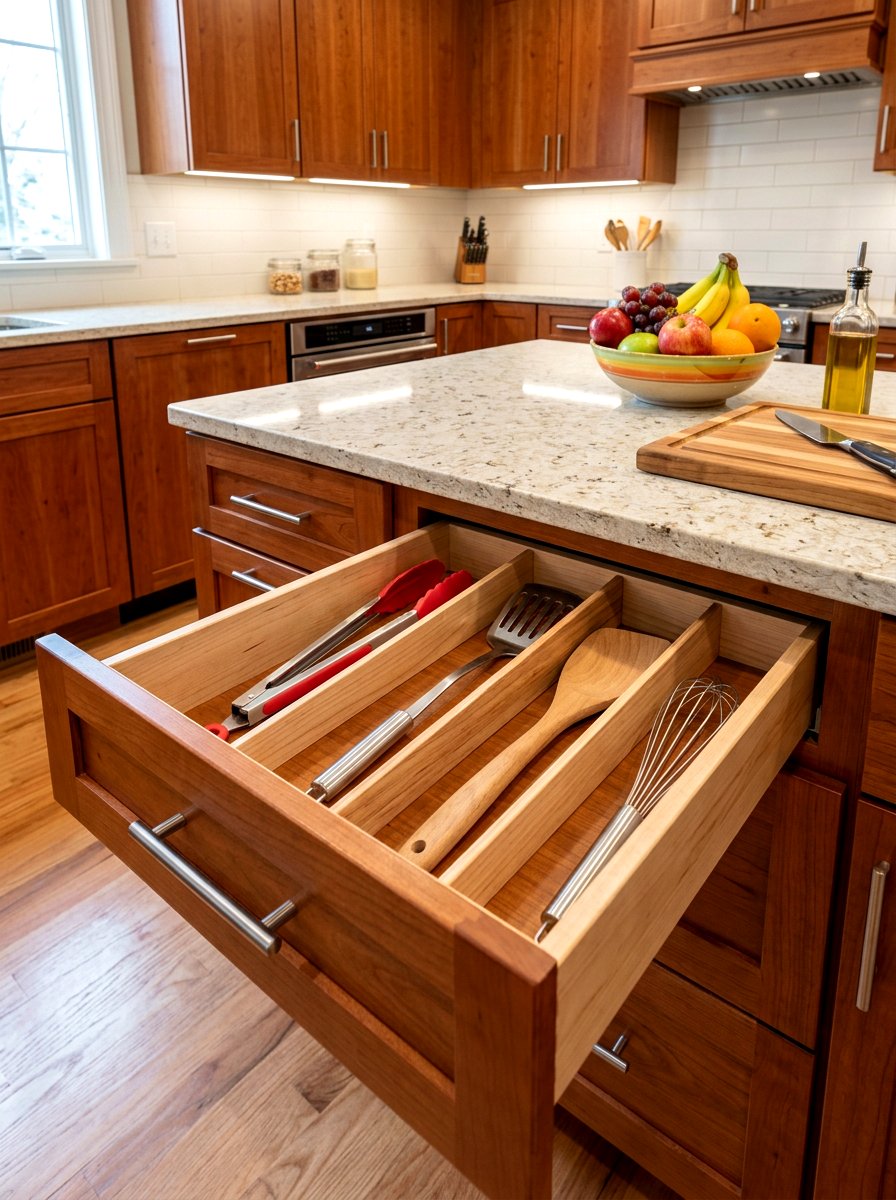
One of the most effective ways to hide tech clutter is by installing a dedicated power outlet inside a kitchen drawer. This setup allows you to plug in multiple phones and tablets behind closed doors, keeping your beautiful countertops completely clear of wires. Most modern versions use a specialized folding arm to protect the power cord as the drawer slides in and out. This prevents wire pinching and ensures long-term safety for your home electrical system. It is a perfect solution for the busiest room in the house where space is at a premium. You can even add dividers to keep each device separated and neatly organized during the charging cycle.
2. Entryway drop zone station
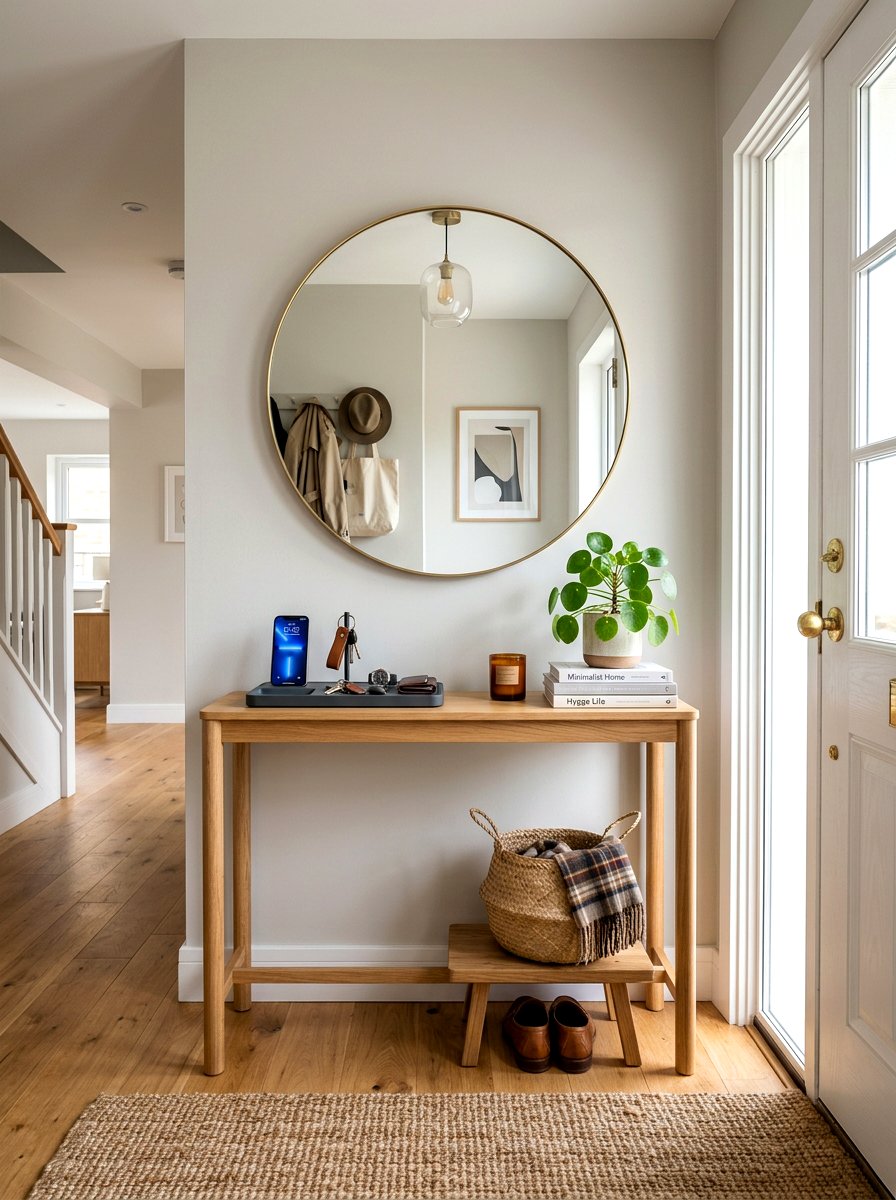
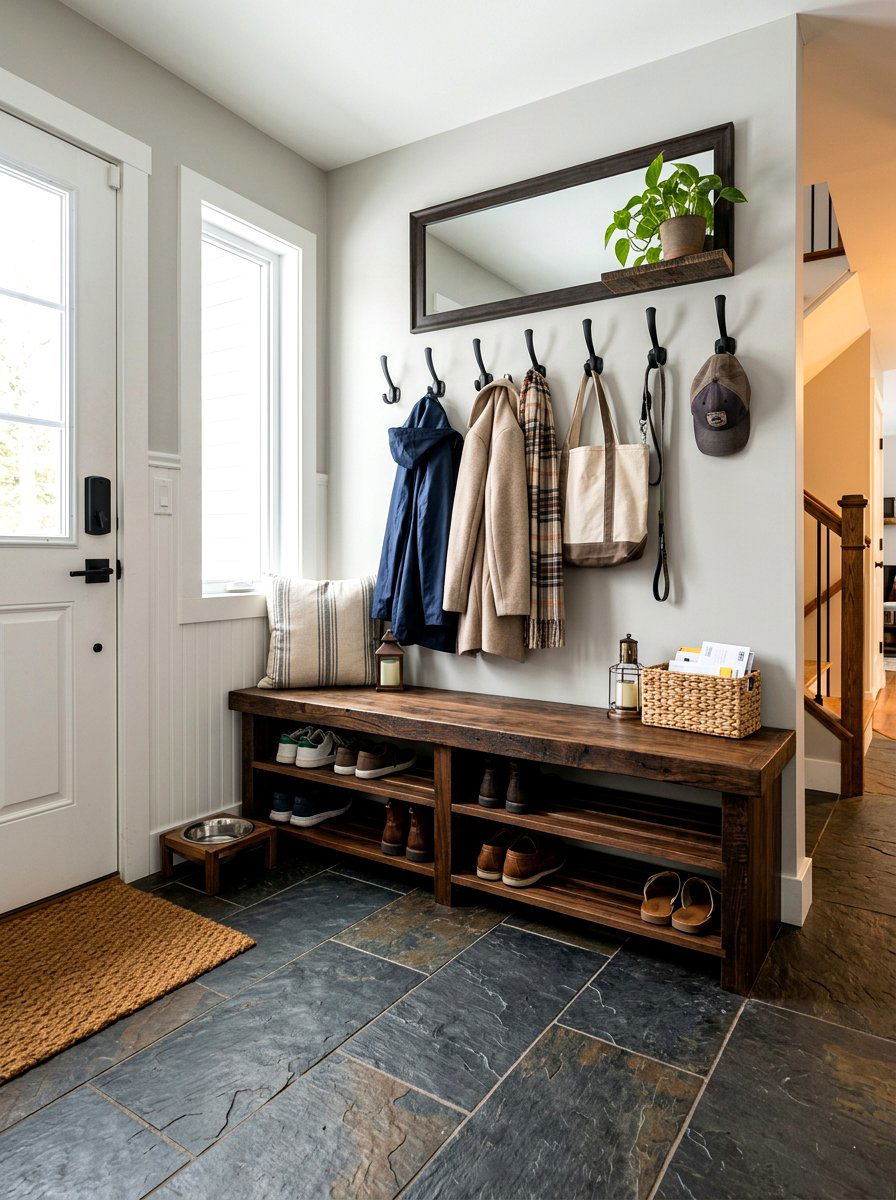
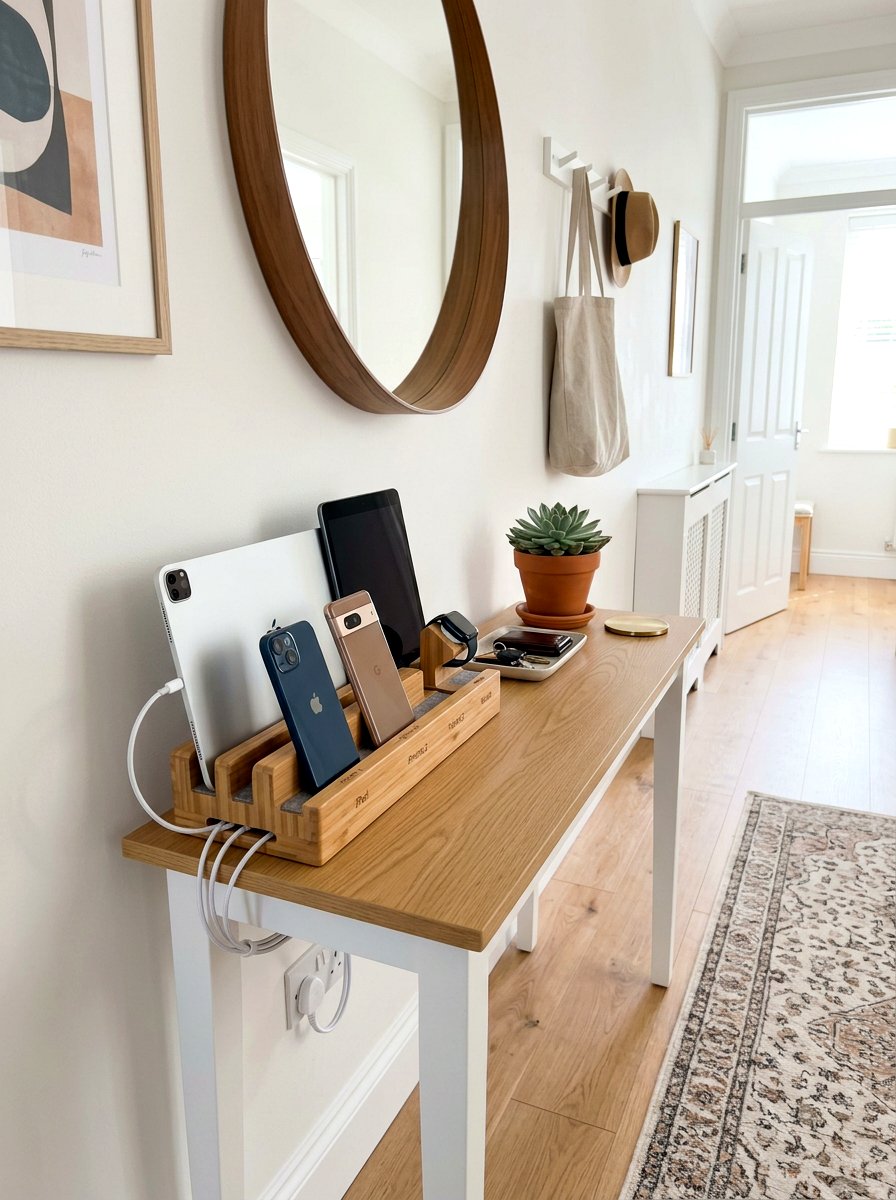
The entryway is the first place you land when coming home, making it the ideal spot for a quick device drop. A small console table or a dedicated wall niche can serve as a primary hub for your electronics and daily essentials. By adding a multi-port USB hub to a stylish tray, you create a landing pad that reminds you to plug in immediately. This habit ensures your phone is fully charged before you head back out for evening errands or morning commutes. You can also include space for keys and mail to keep your entire entryway functional. It turns a messy pile into a very intentional design feature.
3. Hidden nightstand dock
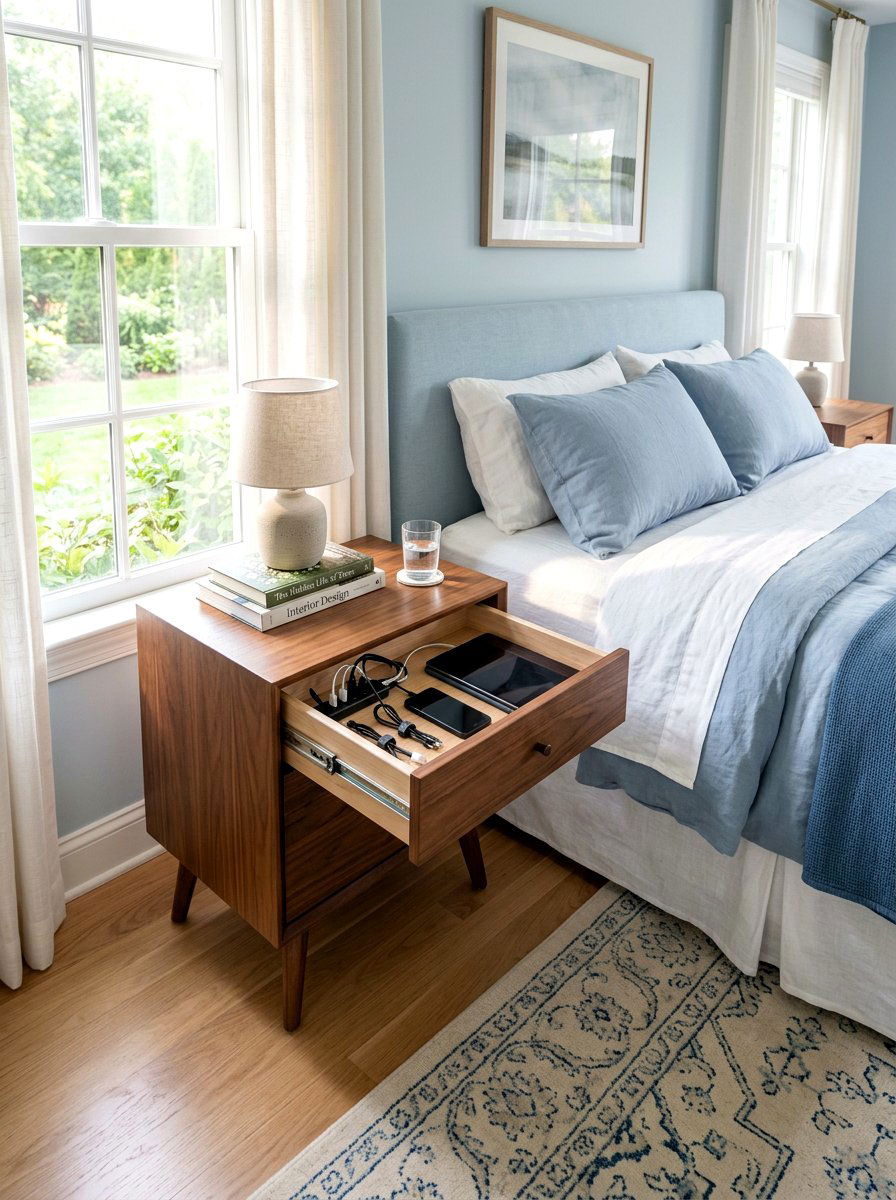
Tangled cords on a bedside table can disrupt the peaceful vibe of your bedroom and make it hard to relax. A hidden dock built into the back or top drawer of your nightstand offers a much cleaner alternative for overnight power. Many people prefer this method because it hides the bright LED lights of charging devices that might otherwise disturb their sleep. You can easily drill a small hole in the back of an existing nightstand to pass a power strip through. This simple DIY upgrade keeps your alarm clock and phone accessible but out of sight. It creates a serene environment for better rest without sacrificing modern convenience.
4. Wall mounted charging shelf
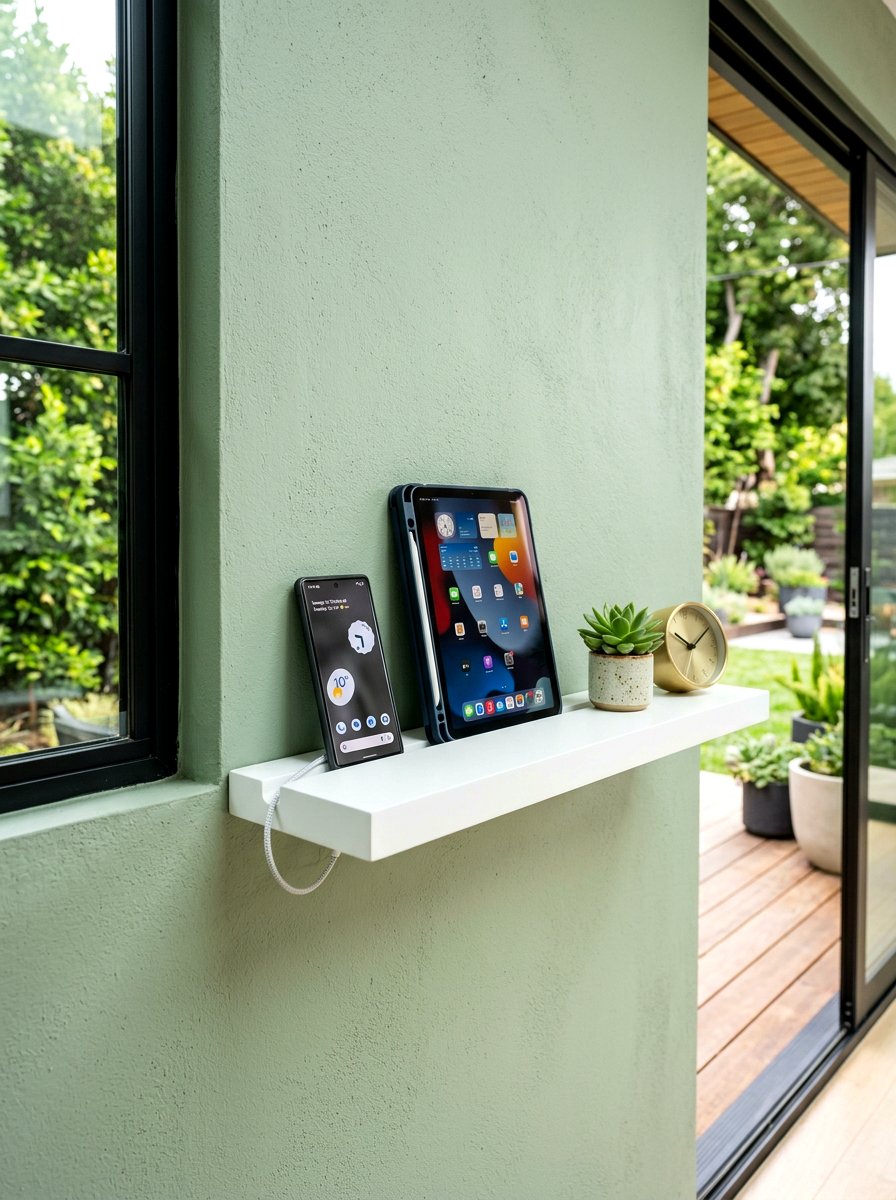
When floor space is limited, a small wall-mounted shelf provides a vertical solution for keeping electronics off of your furniture. These compact units often feature a built-in groove or a hidden compartment to tuck away excess cord length and power adapters. They work exceptionally well in hallways, small offices, or even near a kitchen island where you need a quick boost. You can choose a finish that matches your wall color or wood trim to help the shelf blend into the architecture. Using vertical space keeps your surfaces open for decor items and prevents the dreaded "tech pile" from forming on your tables or desks.
5. Desk cord management hub
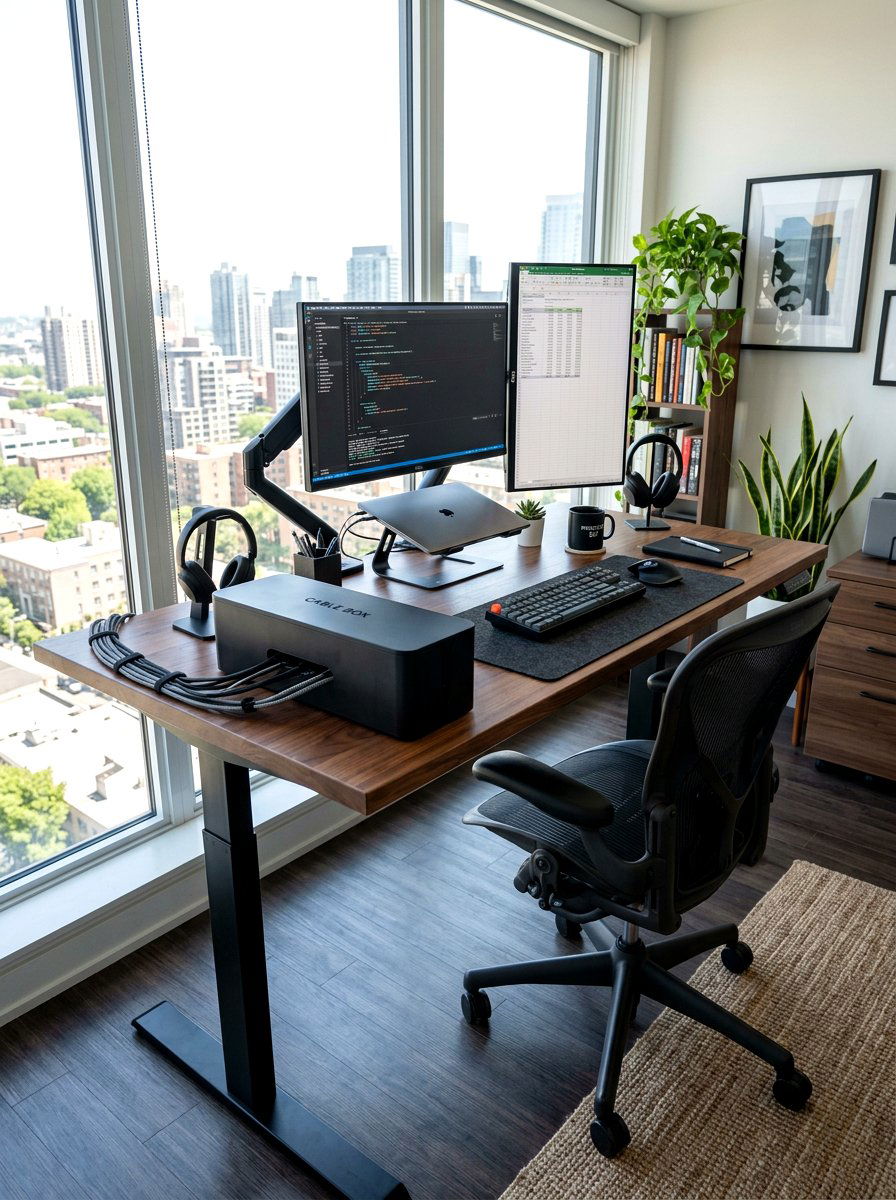
A busy home office often becomes a maze of laptop chargers, monitor cables, and phone cords that look messy and unprofessional. Installing a dedicated cord management hub under or on top of your desk can instantly transform your productivity level. These systems use clips, trays, or boxes to gather all the wires into one central location. It makes it much easier to swap out devices or move your laptop without fighting a knot of cables. Look for a sleek box that matches your desk material for a high-end look. A tidy workspace helps you focus on your tasks instead of the visual chaos of your technology.
6. Mudroom locker electronics station
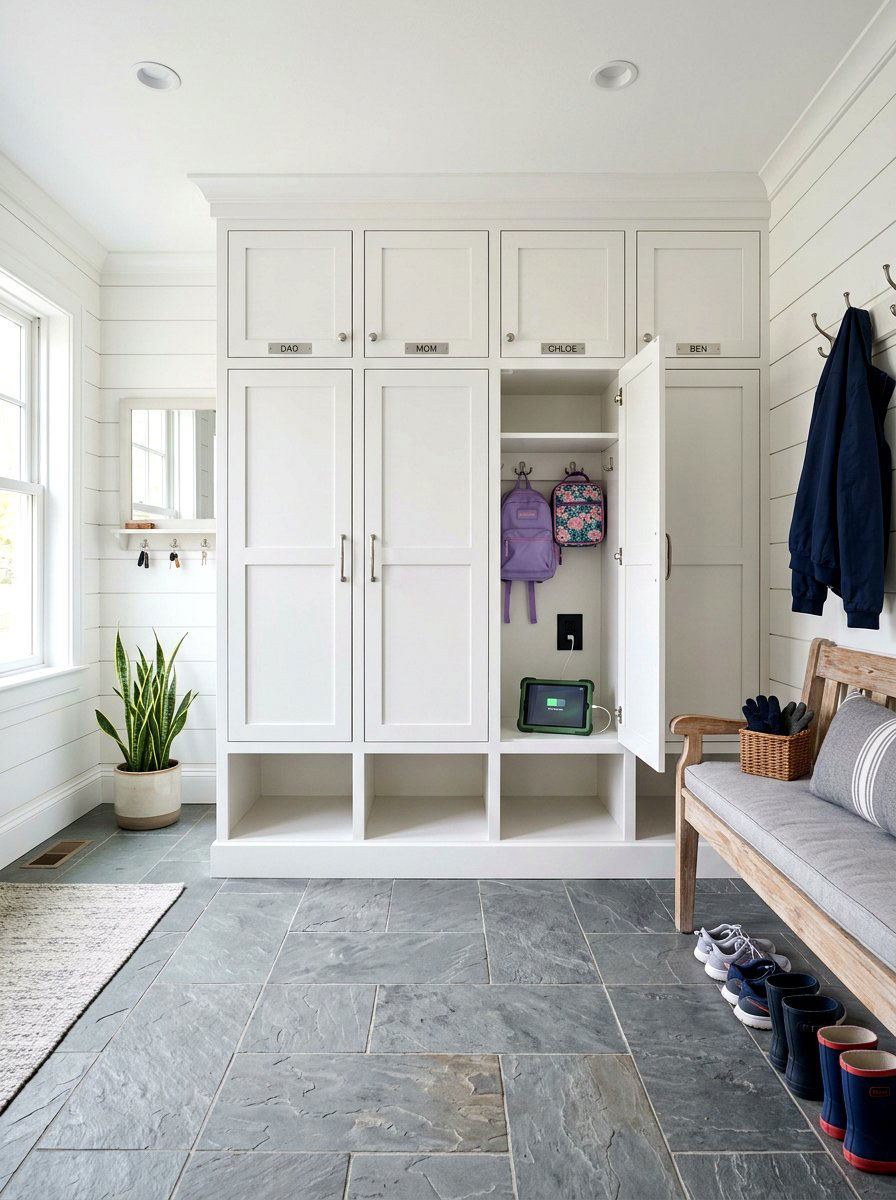
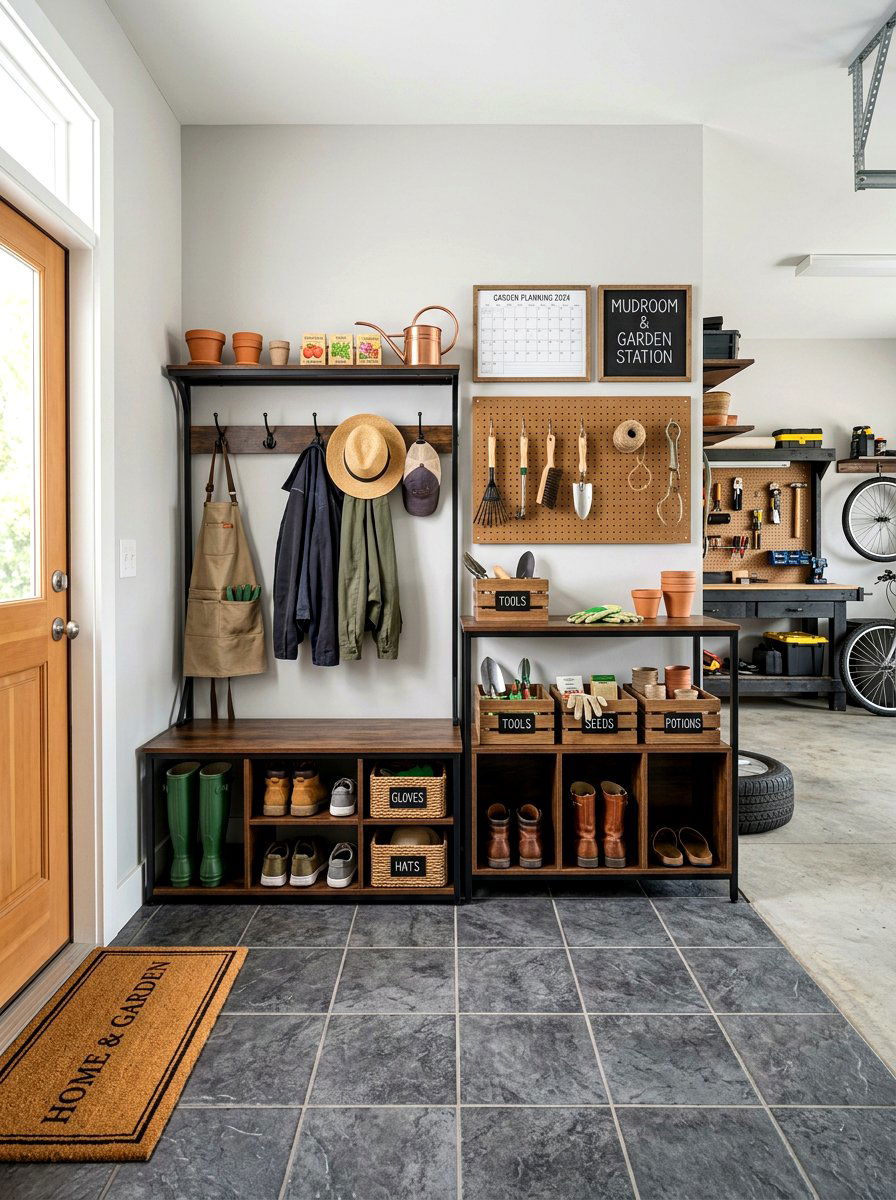
Families with children can benefit greatly from adding individual power ports inside mudroom lockers or cubbies for easy device access. This setup encourages kids to put away their school tablets and phones as soon as they walk through the door. It creates a central "tech garage" where everything stays safe and accounted for throughout the busy school week. You can install a small power strip in each locker section so every family member has their own personal charging spot. This organization prevents the daily hunt for a missing charger before the bus arrives. It also keeps expensive school electronics away from the high-traffic areas like the kitchen or living room.
7. Sofa side table with USB
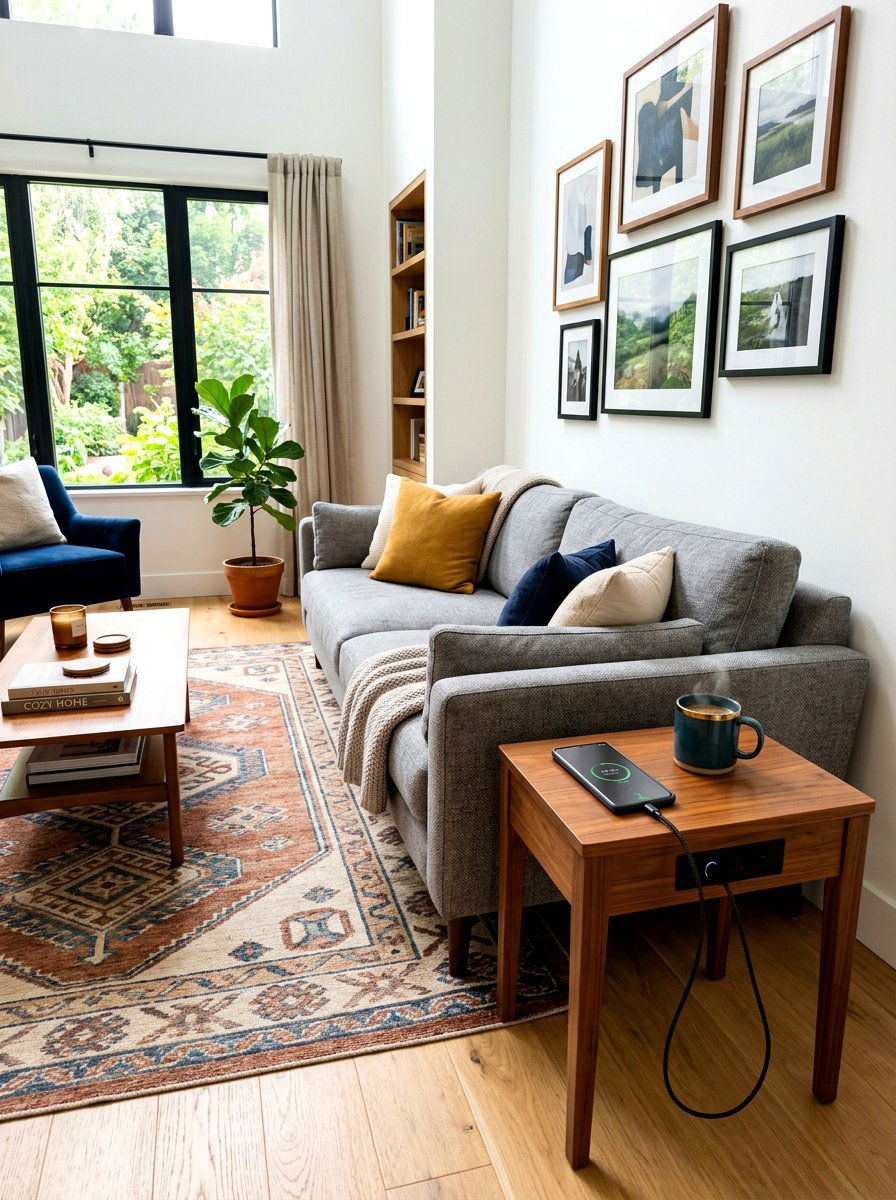
Modern living rooms often feature sofas that float in the middle of the room, far away from standard wall outlets. A side table with built-in USB ports or a hidden power strip solves the problem of dying batteries during a movie night. These tables allow you to charge your phone or tablet while you sit comfortably on the couch without stretching cords across the floor. This setup is much safer as it eliminates tripping hazards for guests and family members. You can find many stylish end tables that look like traditional furniture but hide powerful tech features inside. It is a subtle way to keep the living room functional for everyone.
8. Floating entryway shelf with power
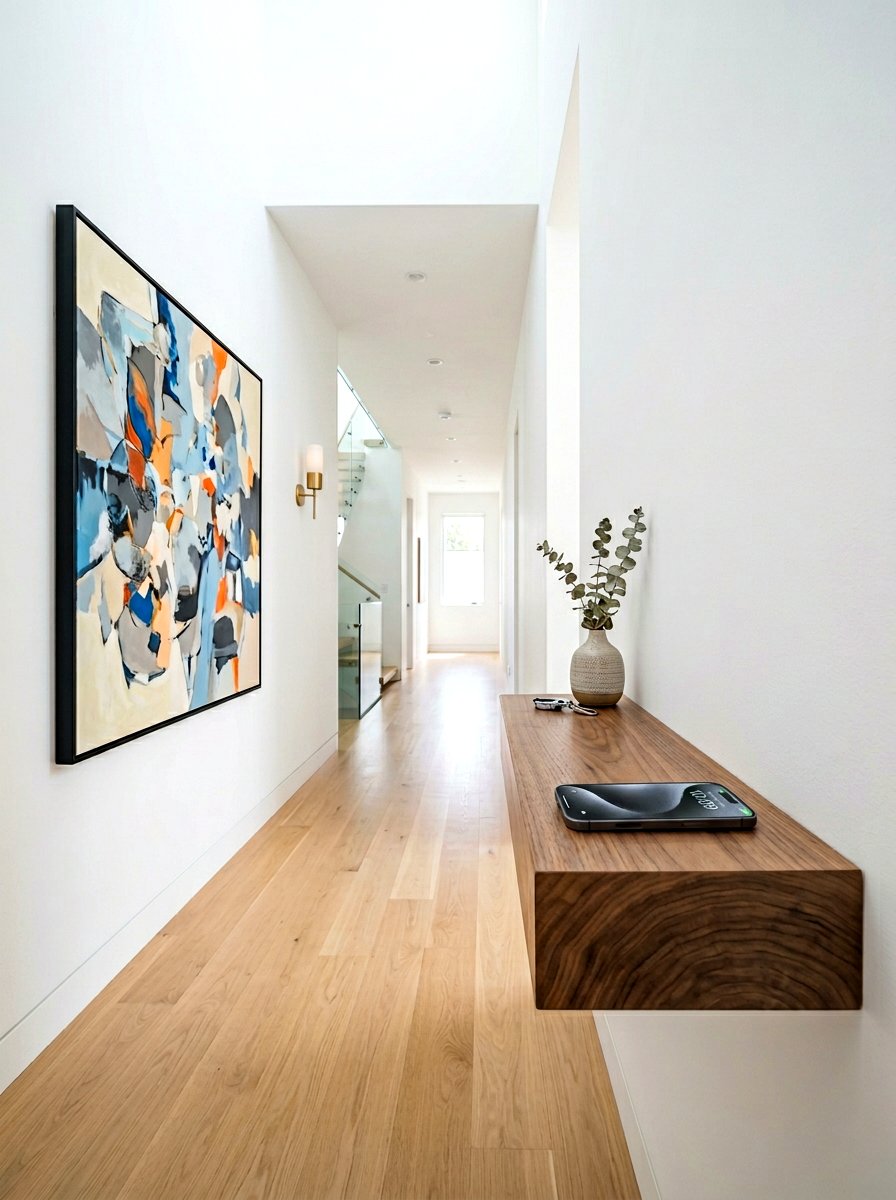
A floating shelf in the hallway offers a minimalist and airy look that works perfectly for modern home designs. By integrating a thin wireless charging pad into the wood surface, you can power your devices simply by laying them down. This eliminates the need for any visible cables on the top of the shelf, maintaining a very clean and sleek appearance. It is a great conversation piece that also serves a very practical purpose for anyone entering the home. You can decorate the rest of the shelf with small plants or artwork to make it feel like a part of your decor. It blends technology into the home seamlessly.
9. Under cabinet kitchen charger
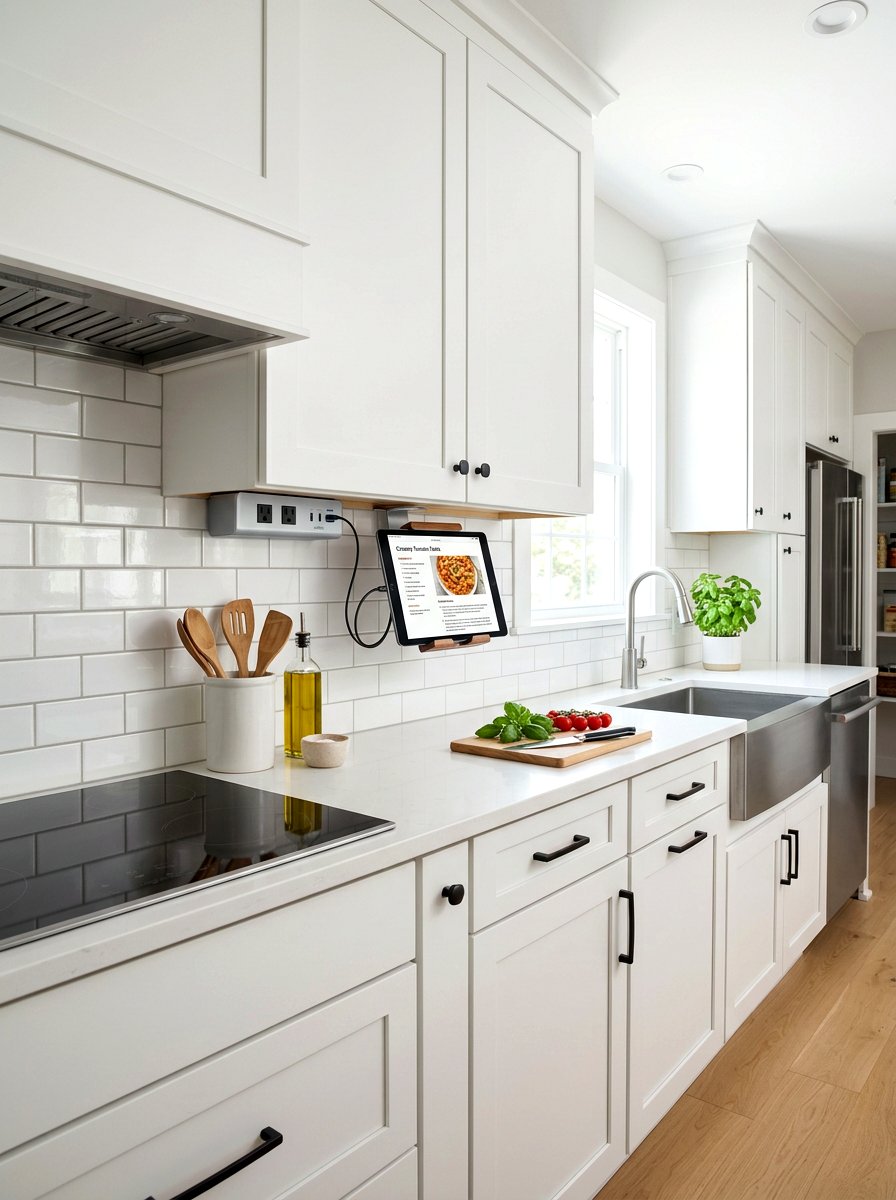
The space beneath your upper kitchen cabinets is often underutilized and provides a great location for a hidden charging hub. You can mount a slim power strip or a dedicated tablet cradle to the underside of the cabinet to keep tech off the counters. This protects your devices from accidental flour spills or water splashes while you are cooking or cleaning up. It also keeps the screen at eye level if you like to follow digital recipes or watch videos while preparing meals. This smart use of space keeps your work surfaces clear for actual food preparation. It is a clever trick for small kitchens with limited counter space.
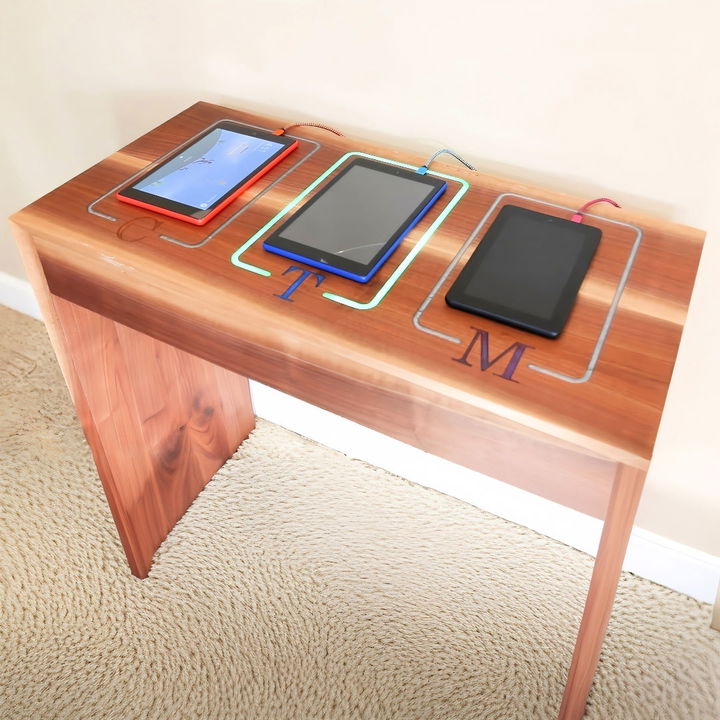
10. Living room end table station
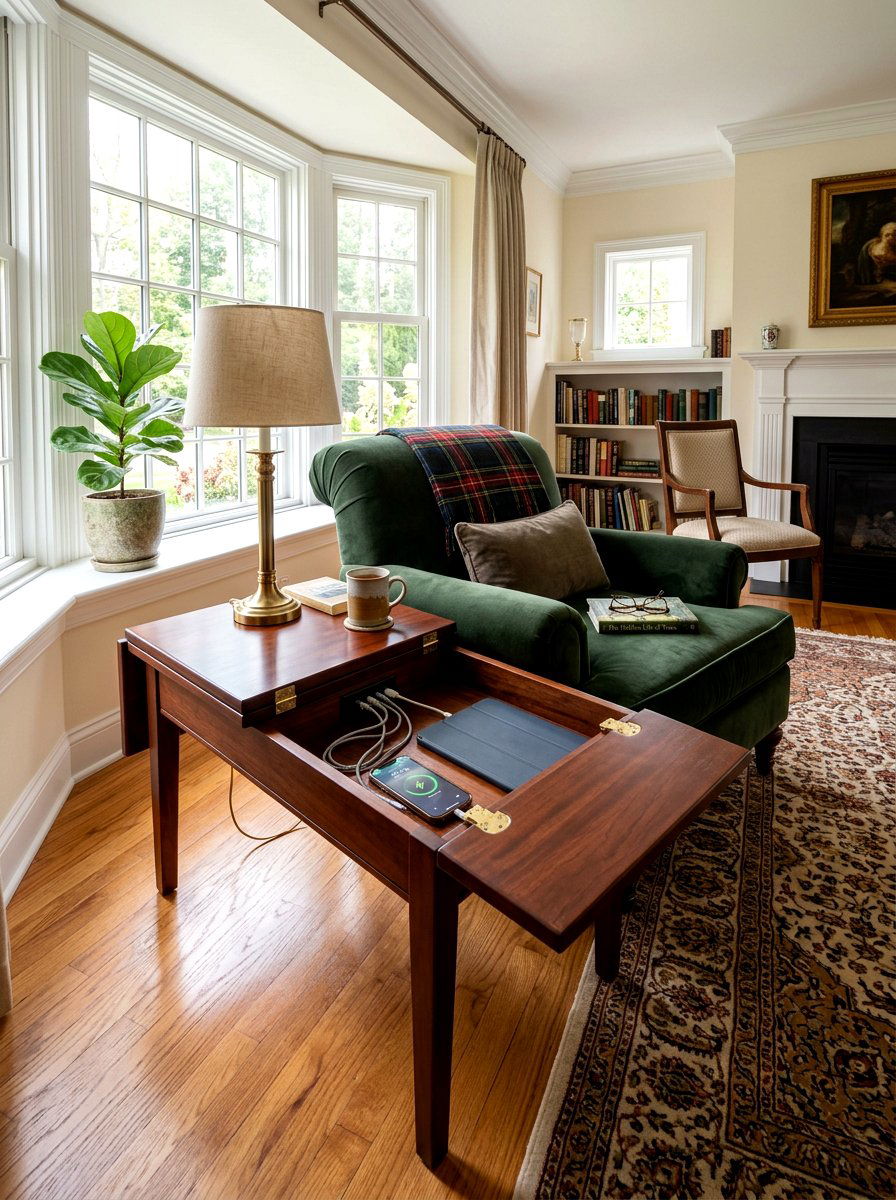
Integrating a power hub into a standard end table allows you to keep your electronics close at hand without the mess. You can find furniture pieces that feature a flip-top lid that reveals a hidden compartment for all your charging needs. This is perfect for storing bulky laptop bricks and extra long cables that usually clutter up the floor area. When the lid is closed, the table looks like a normal piece of high-quality furniture that fits your room style. It provides a convenient spot for guests to plug in their devices during visits without searching for outlets behind the sofa. This design prioritizes both hospitality and home organization.
11. Built in office cabinet power
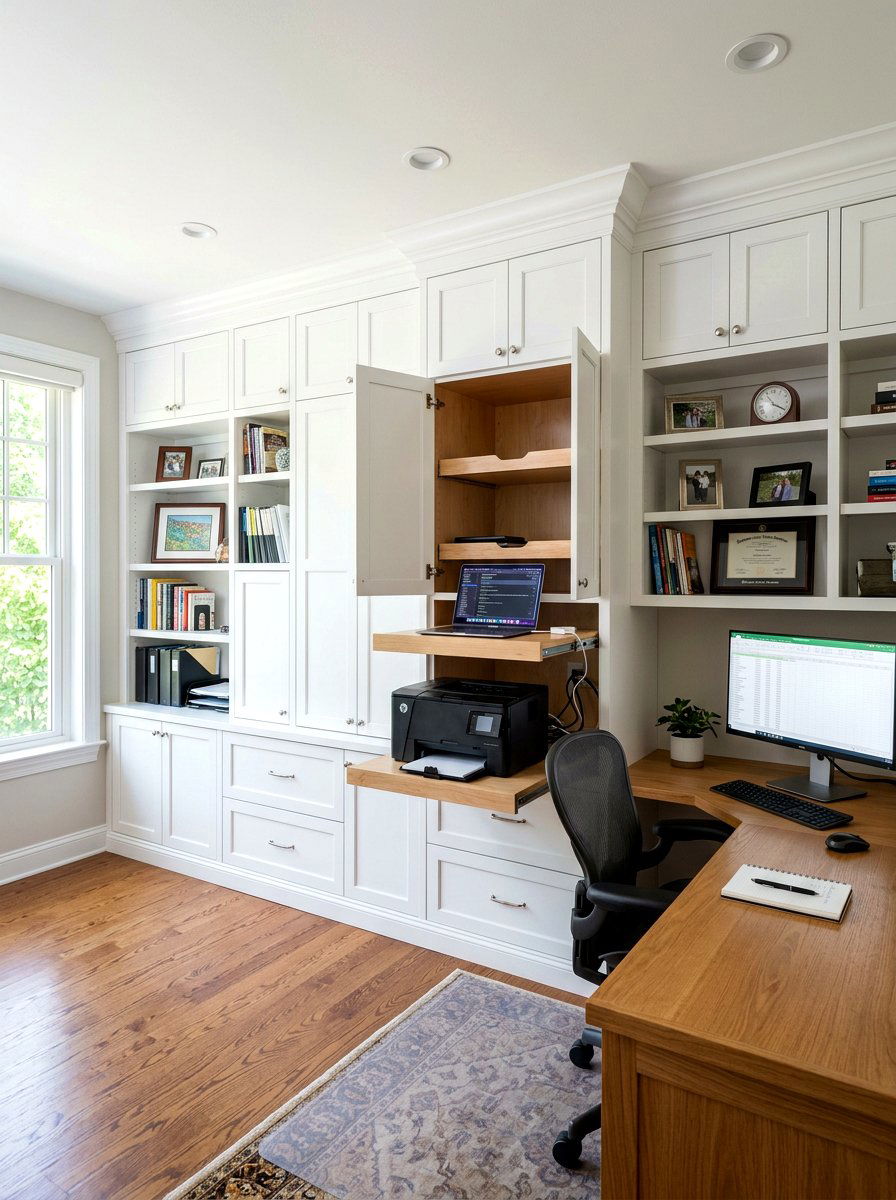
If you have a dedicated home office with built-in cabinetry, consider adding a hidden power station inside one of the lower cupboards. This allows you to charge larger items like printers, laptops, and camera batteries without having them sit out on the desktop. You can even add pull-out trays to make accessing your devices easier when they are finished charging. This setup keeps the visual weight of the room light and airy by hiding the most clunky pieces of technology. It is a sophisticated way to manage a heavy tech load while maintaining a professional and organized environment. Built-in solutions always add value and function to a modern home office.
12. Bedside wireless charging pad
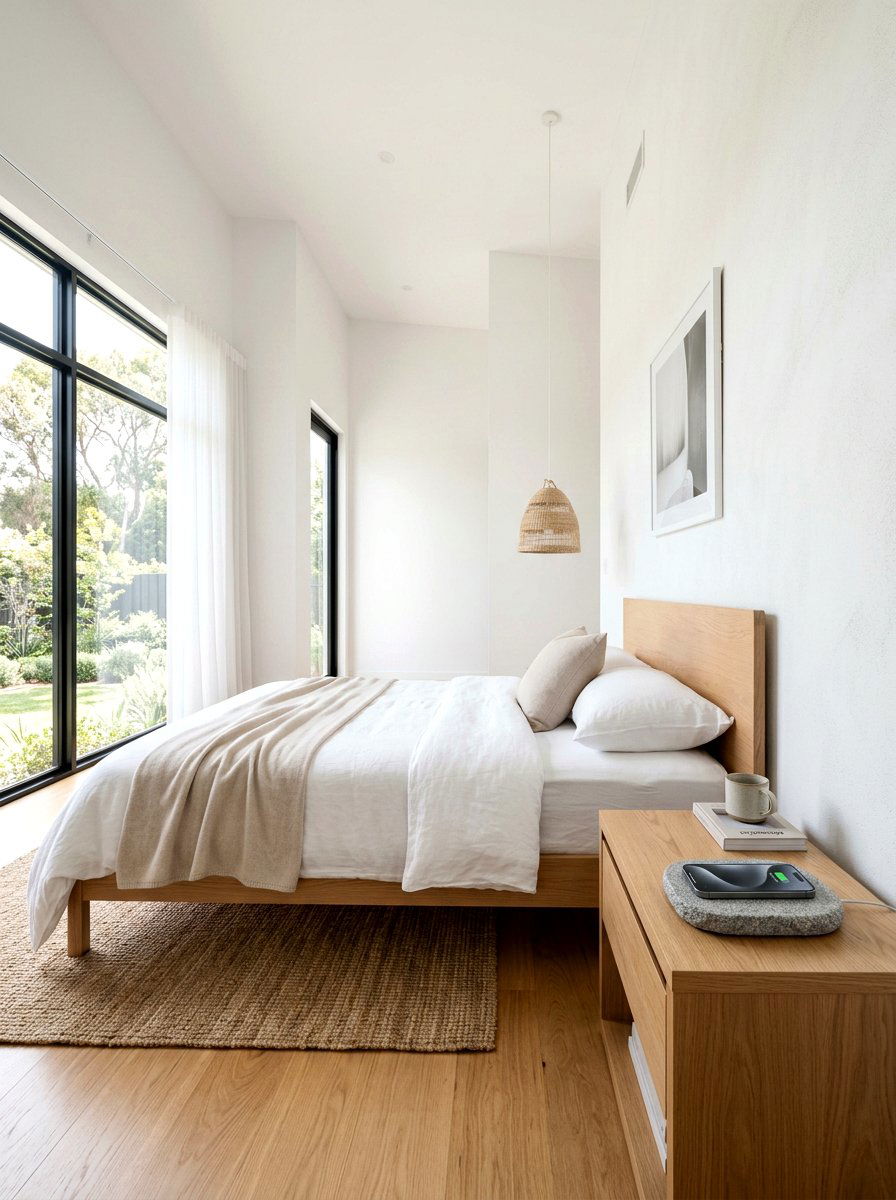
Wireless charging pads are becoming a staple in modern bedroom design because they offer a very clean and simple user experience. Instead of fumbling with tiny cords in the dark, you can just set your phone on a sleek pad to begin charging. Many of these pads are now designed with high-end materials like leather, wood, or stone to match your nightstand. Some are even built directly into the furniture surface for a completely flush and invisible look. This eliminates the "rat's nest" of cables that usually lives behind the bed. It promotes a much more relaxing and clutter-free atmosphere for your nightly sleep routine.
13. Family room console table dock
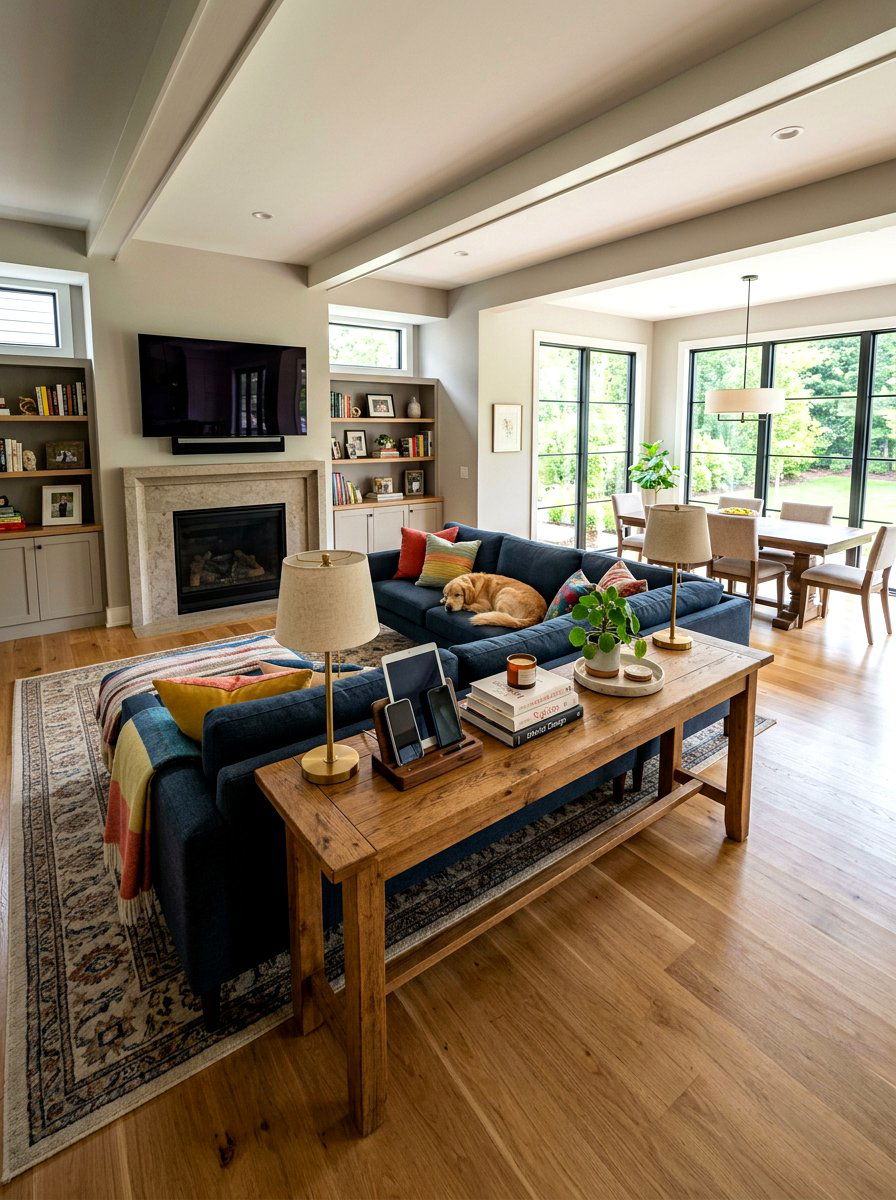
A long console table behind the sofa is the perfect location for a communal charging dock that the whole family can use. This central hub can hold multiple phones and tablets in one place, which helps reduce device usage during family time. By setting a rule that all tech lives at the console table during dinner or movies, you encourage more face-to-face interaction. You can style the table with lamps and books to hide the charging components from view. Using a multi-device organizer made of natural wood ensures the station looks like a decorative accessory rather than a piece of office equipment. It serves both social and practical goals.
14. Closet shelf charging station
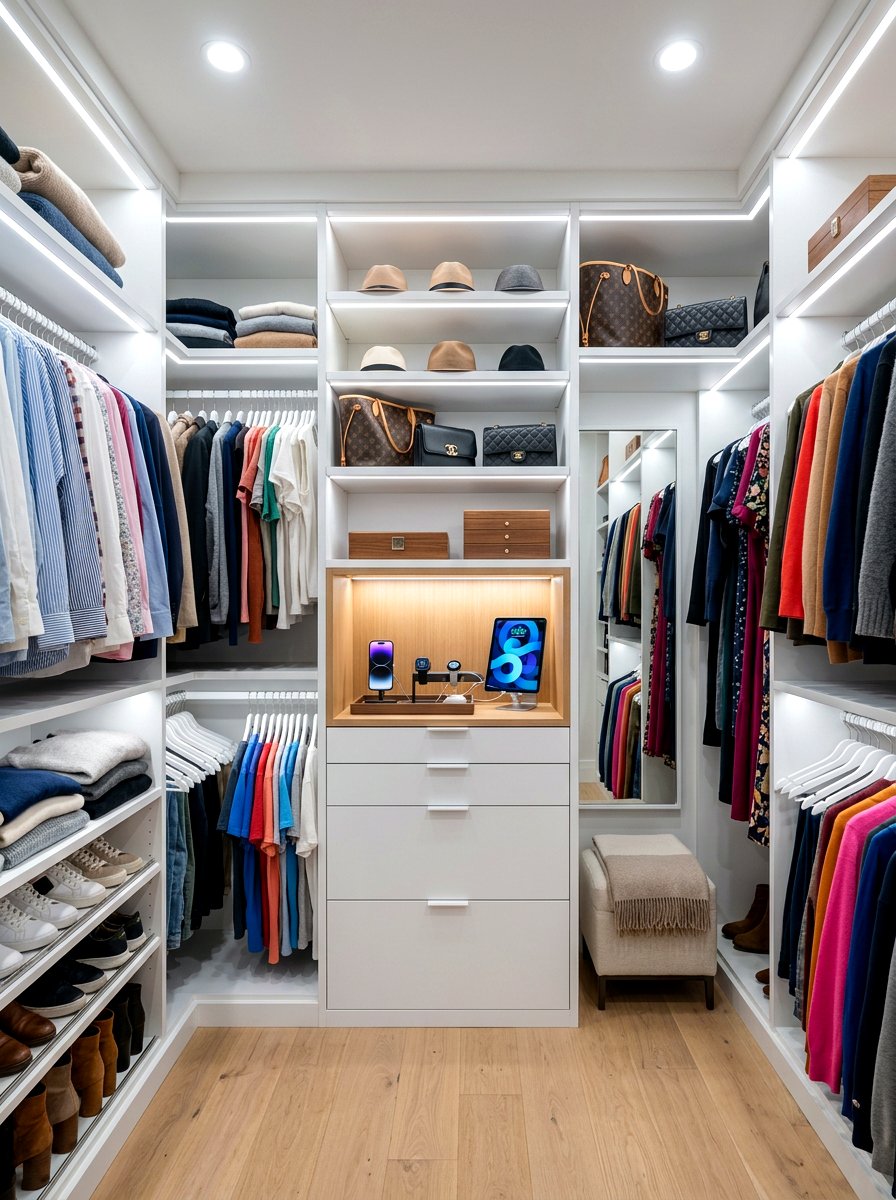
The primary closet is an often overlooked spot for a charging station that keeps your devices completely out of common living areas. Adding a small shelf with an outlet allows you to charge your smartwatch and phone while you sleep without the temptation of scrolling. This can lead to better sleep hygiene by keeping screens away from the bed. It is also a great place to power up portable speakers or fitness trackers that you use during your morning routine. A closet station keeps your tech organized alongside your accessories, making it easy to grab everything you need as you get dressed. It simplifies your morning and evening habits.



15. Multi device wooden organizer
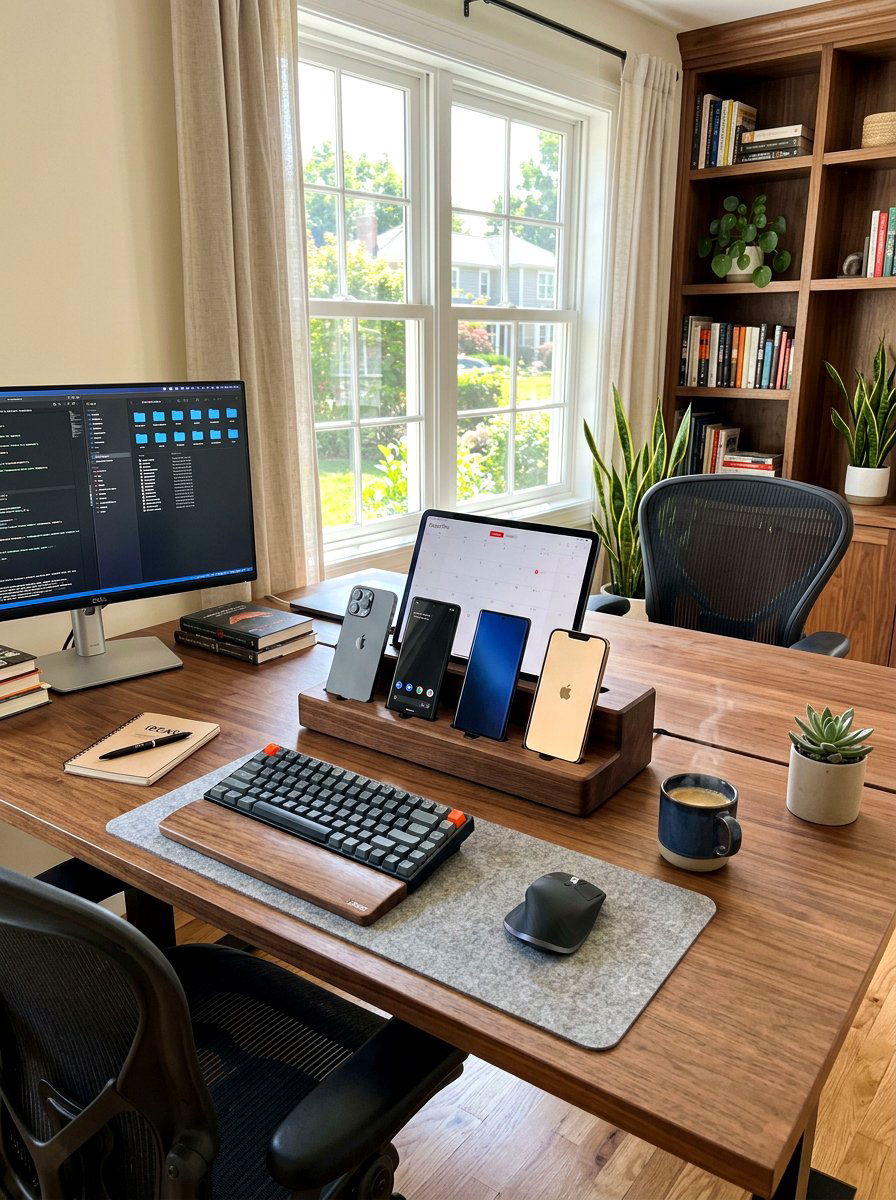
For those who prefer a more natural and rustic look, a handcrafted wooden organizer provides a beautiful way to manage multiple gadgets. these stands usually feature several slots to hold tablets and phones upright so you can see notifications as they arrive. They often have a hidden base that conceals a large USB hub and all the messy excess wiring. Choosing a high-quality wood like walnut or oak ensures the piece feels like a part of your fine furniture collection. This is a great desktop or countertop solution for someone who has several devices but hates the look of plastic tech accessories. It brings warmth and order to any room.
16. Pantry charging cabinet
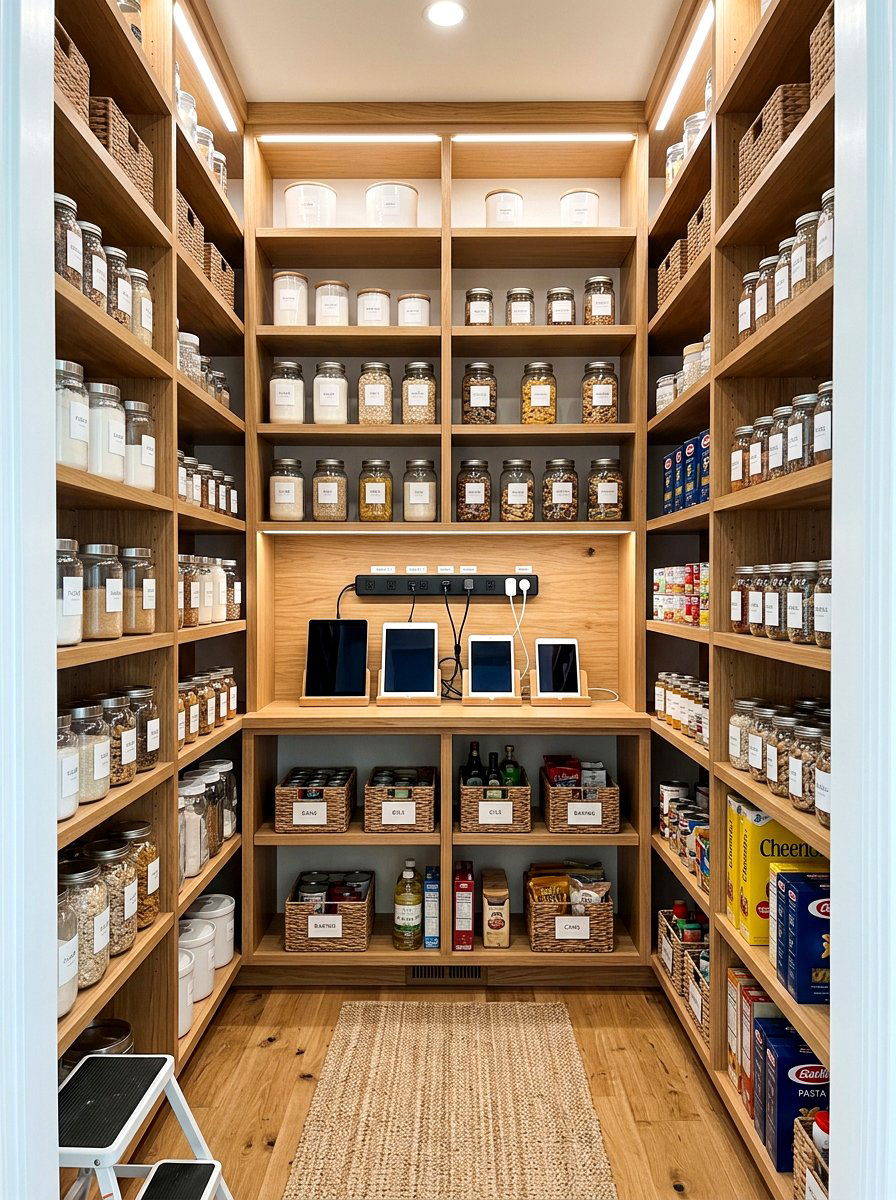
A walk-in pantry or a dedicated kitchen larder is a fantastic spot to hide a family charging center away from guests. Since the pantry is already used for storage, adding a power strip to one of the middle shelves feels very natural. This keeps tablets and laptops off the dining table and kitchen island, which are high-traffic areas for food and drinks. It also prevents kids from being distracted by their devices while they are supposed to be doing homework or chores. You can close the pantry door to completely hide the tech when company comes over. It is a very practical way to utilize secondary storage space efficiently.
17. Hallway tech command center
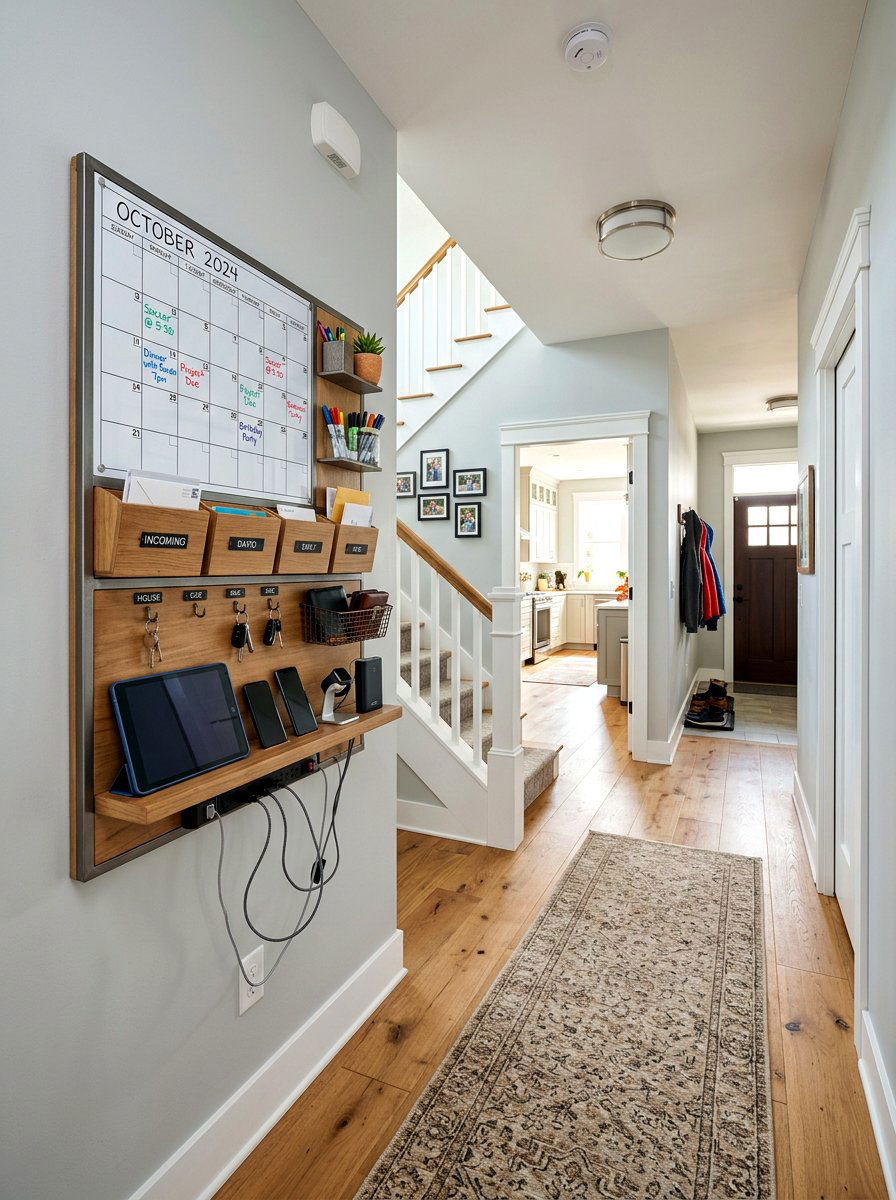
A hallway command center acts as the brain of the home, combining a calendar, mail sorter, and device charging in one spot. By installing a wall-mounted organizer with built-in power, you create a high-functioning zone that keeps the rest of the house tidy. This is the perfect place to charge the family iPad that controls the smart home settings or the security cameras. Having everything in a central hallway makes it accessible to everyone without entering private bedrooms or the kitchen work zone. It helps streamline the daily flow of information and energy in a busy household. A dedicated command center reduces mental load and physical clutter simultaneously.
18. Laundry room fold down station
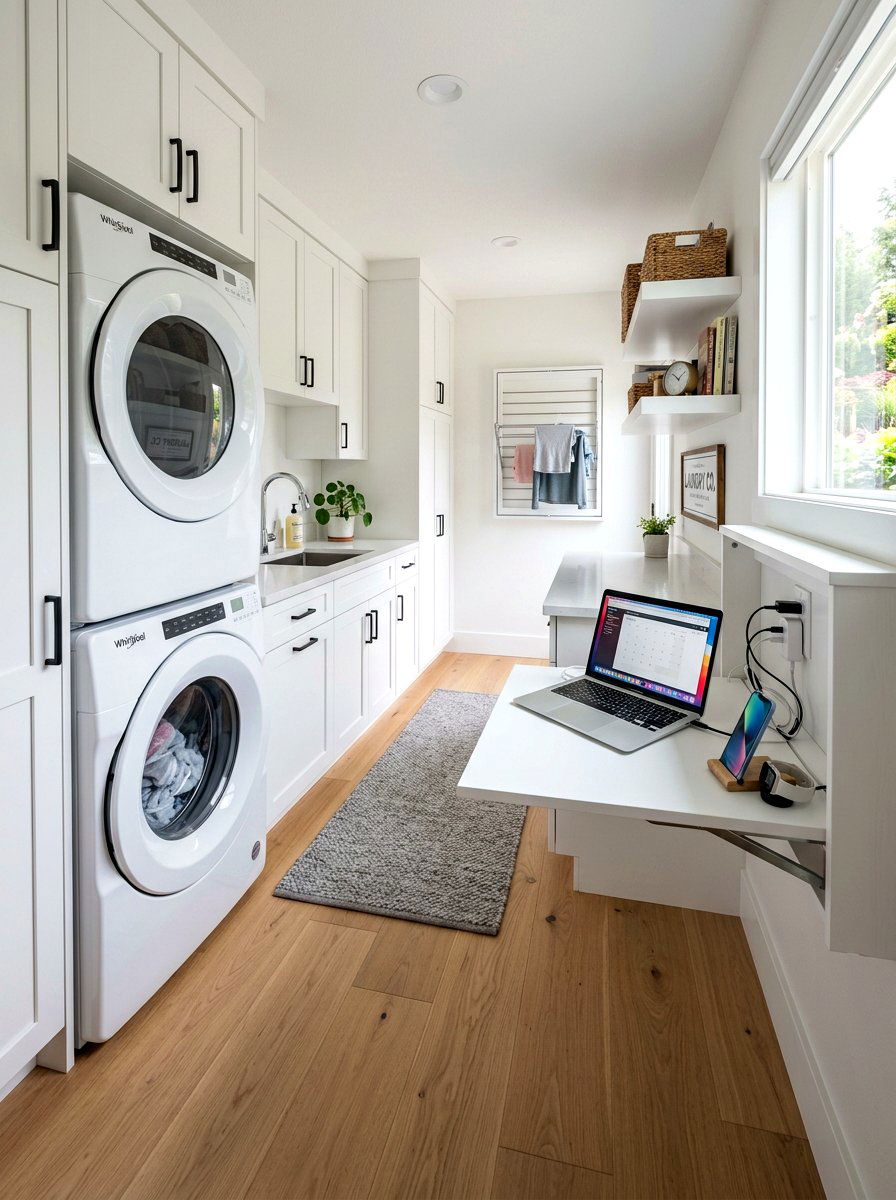
The laundry room is a surprisingly good place for a small tech hub, especially for items that need infrequent charging like handheld vacuums. A fold-down wall desk can serve as a temporary spot to plug in devices while you are sorting or folding clothes. When you are finished with your tasks, the desk folds back against the wall to save precious floor space in small rooms. This keeps your technology away from the main living areas where it might get knocked over or misplaced. It is also a quiet place to set up a laptop for a few minutes while waiting for a cycle to finish. It maximizes utility in a utility room.
19. Bathroom vanity power drawer
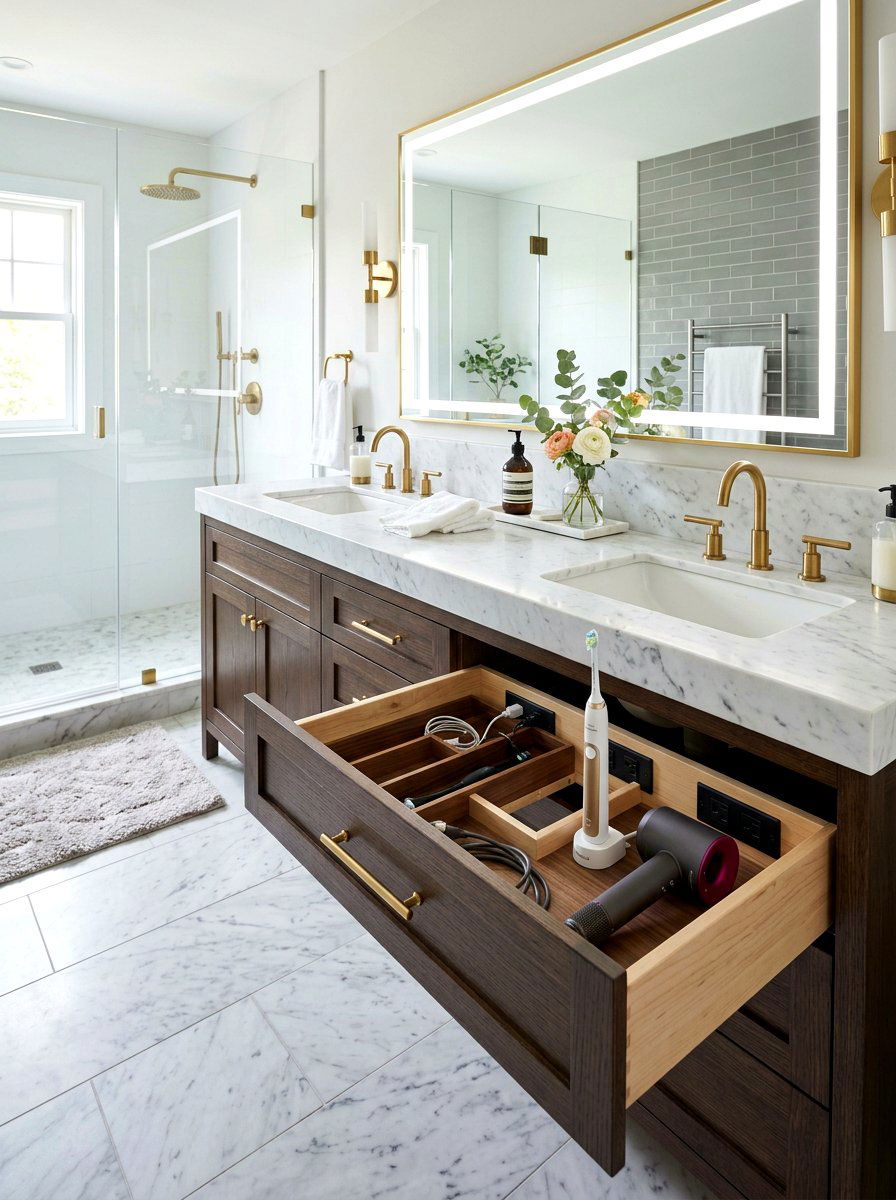
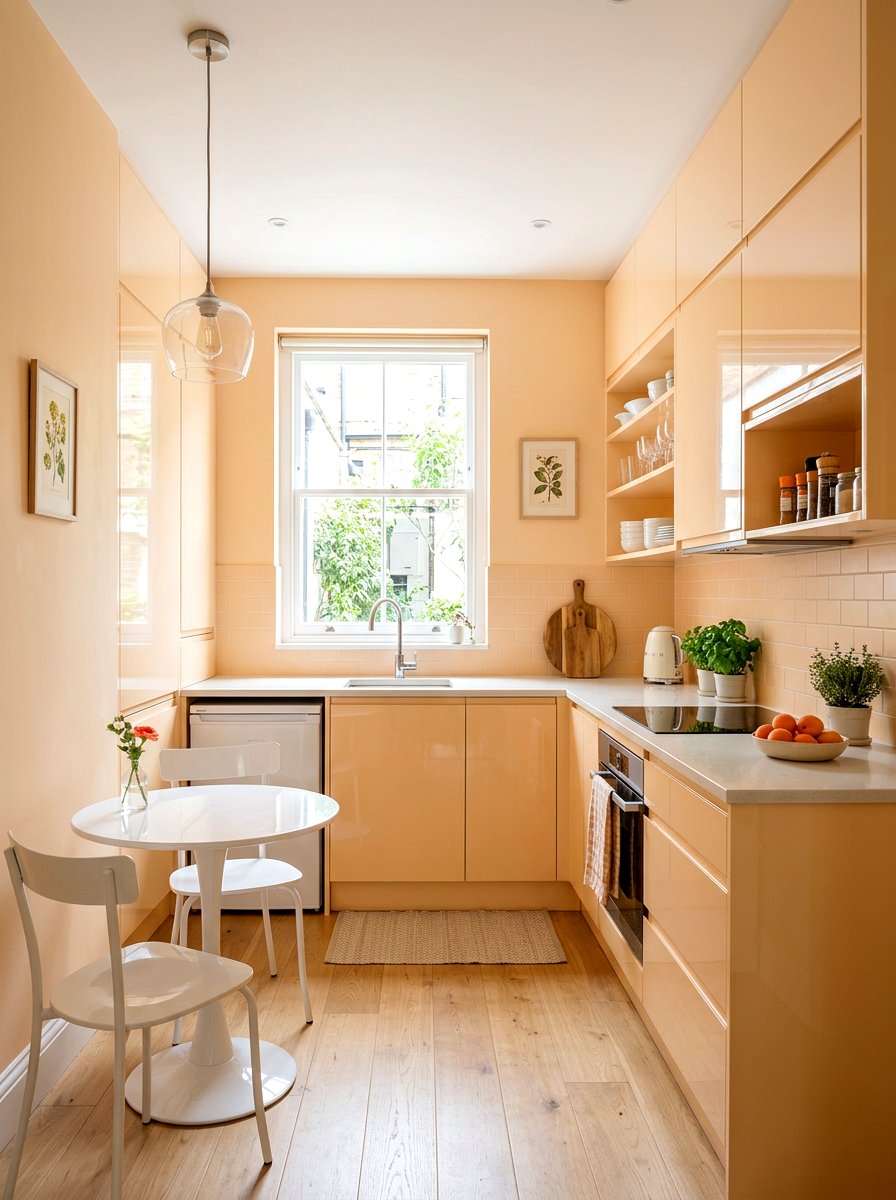
Bathroom clutter often includes electric toothbrushes, razors, and hair tools that come with many annoying cords. Installing a power outlet inside a vanity drawer allows you to keep these items plugged in and ready without cluttering the counter. This not only looks much cleaner but also keeps your electronics away from sink water for better safety. Specialized vanity outlets are designed to handle the moisture of a bathroom environment while providing multiple ports for all your grooming tech. It creates a spa-like feel in your bathroom by removing the visual noise of various charging bases. It is a high-end upgrade for any modern bathroom remodel.
20. Window seat charging nook
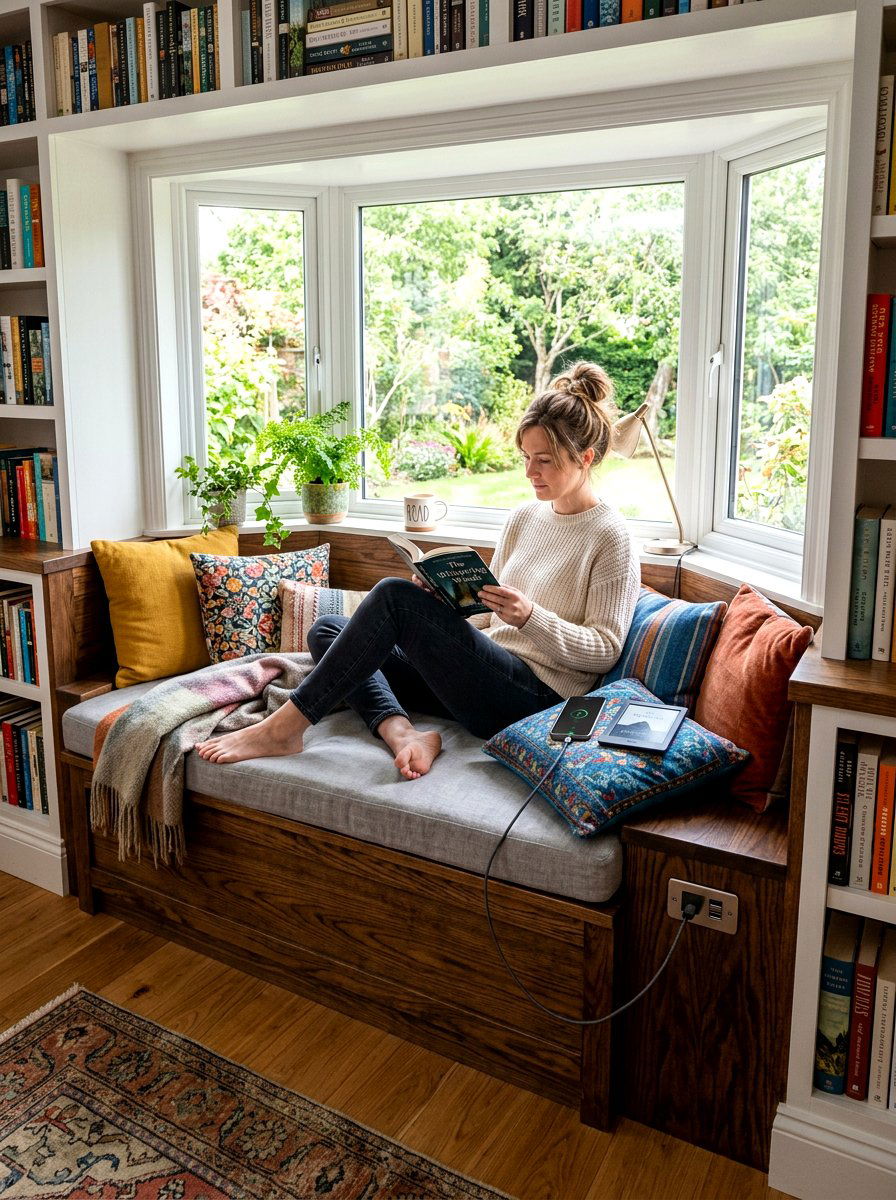
A cozy window seat is a favorite spot for reading and relaxing, making it a prime location for a hidden power outlet. You can install a small pop-up outlet or a recessed USB port into the side of the built-in bench. This allows you to charge your e-reader or phone while you enjoy the natural light and view without leaving your comfortable spot. It turns a simple architectural feature into a high-tech relaxation zone that the whole family will love to use. You can hide the outlet behind a throw pillow when it is not in use to keep the look traditional. It blends comfort with modern connectivity perfectly.
21. Armoire hidden tech hub
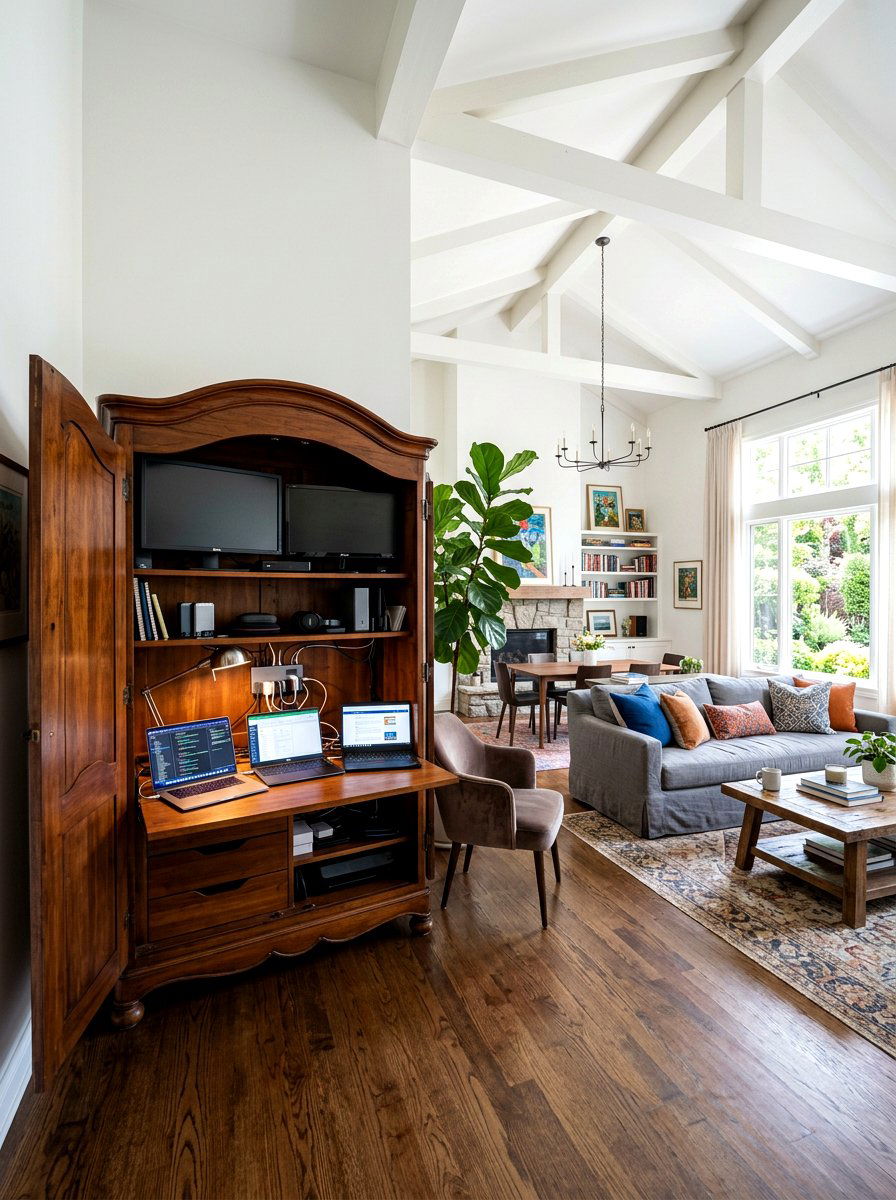
An antique or modern armoire can be repurposed into a massive hidden tech hub that houses everything from laptops to gaming consoles. By drilling access holes in the back panel, you can run power to every shelf inside the cabinet. This allows you to close the doors and completely hide the "nerve center" of your home 's technology whenever you want. It is an excellent choice for open-concept living rooms where you don' t want a desk to be the focal point. The armoire provides plenty of space for larger items and keeps everything organized behind beautiful wood doors. It is a stylish way to manage a large amount of electronics.
22. Standing desk cable box
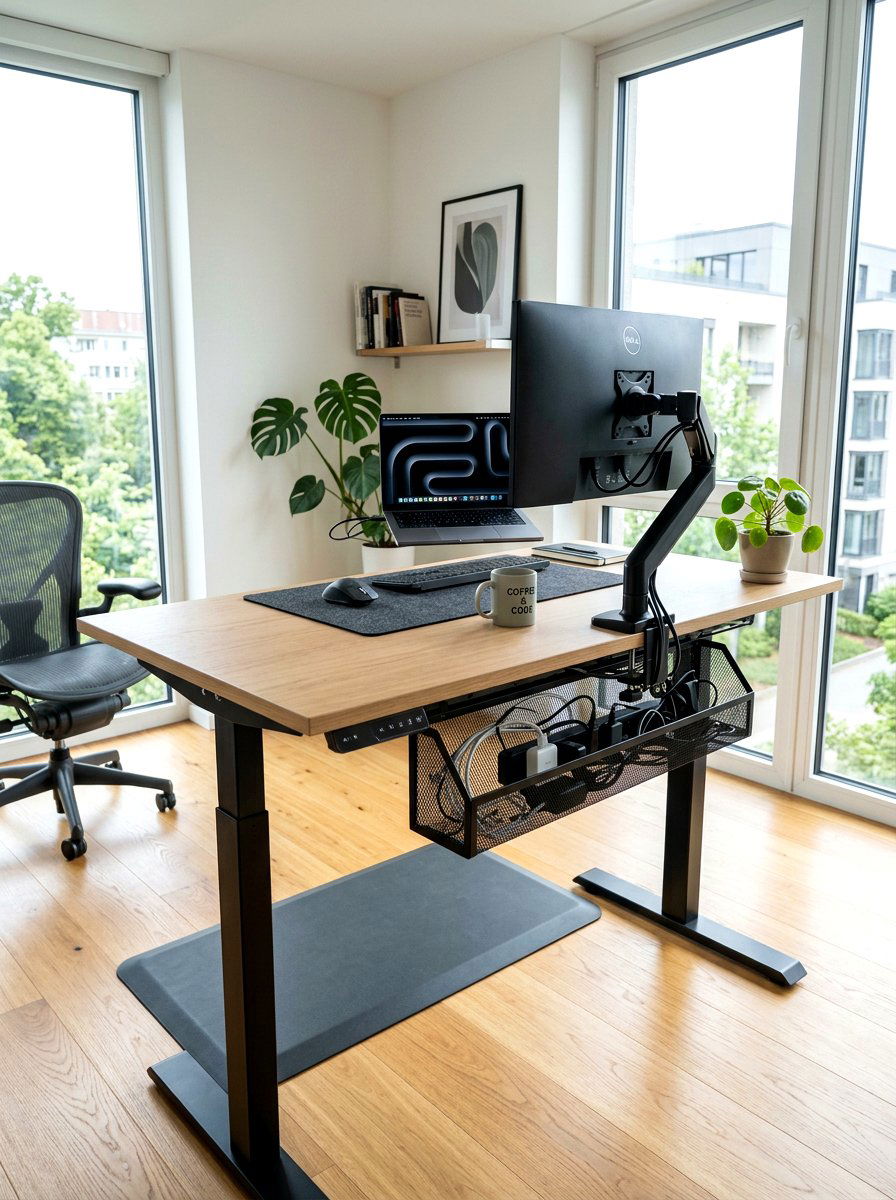
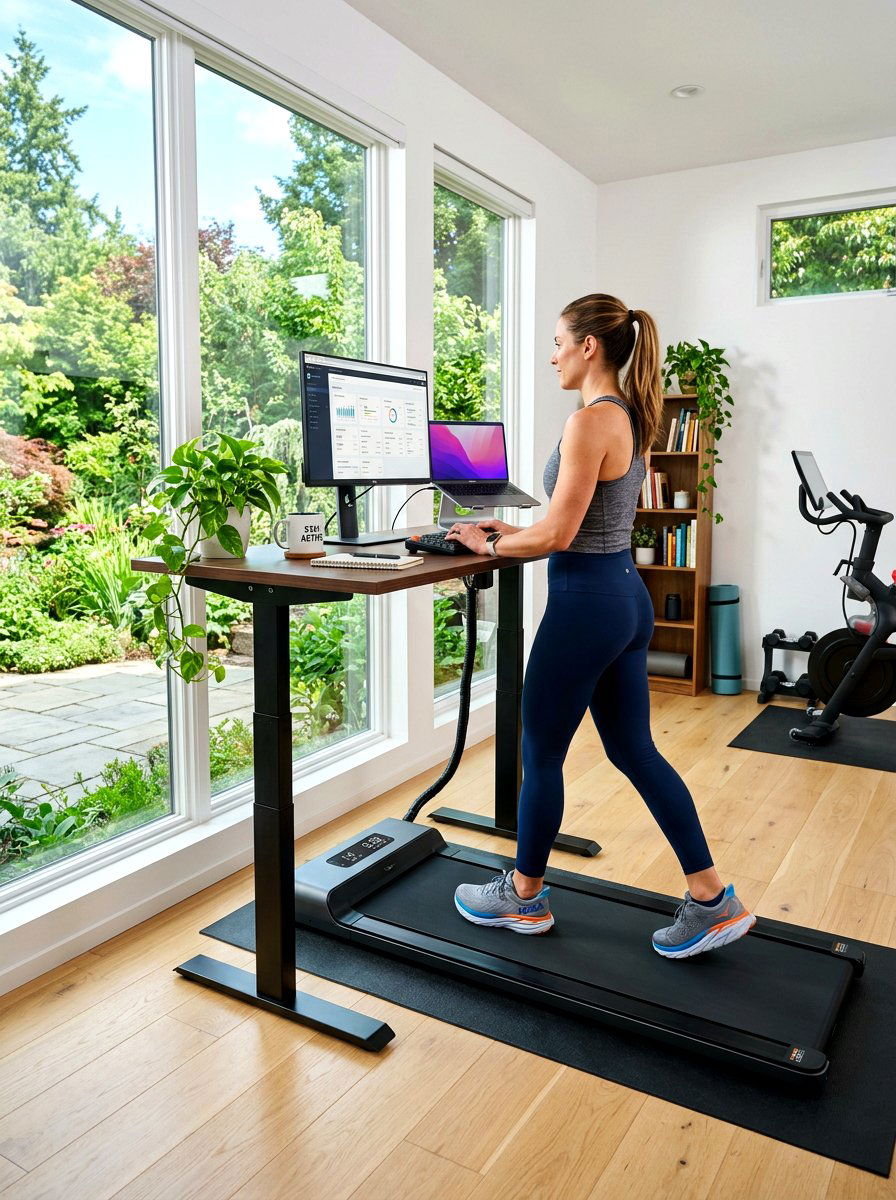
Standing desks often have many moving parts, which can make cable management a significant challenge for the average home office user. A dedicated cable management box that attaches to the underside of the desk surface keeps all your power bricks moving with the desk. This prevents cords from being pulled or disconnected as you transition between sitting and standing heights throughout the day. These boxes are usually made of lightweight metal or plastic and feature multiple exit points for your various device cables. It ensures your workspace remains clean and safe no matter what height you choose to work at. It is an essential accessory for any ergonomic office setup.
23. Guest room welcome dock
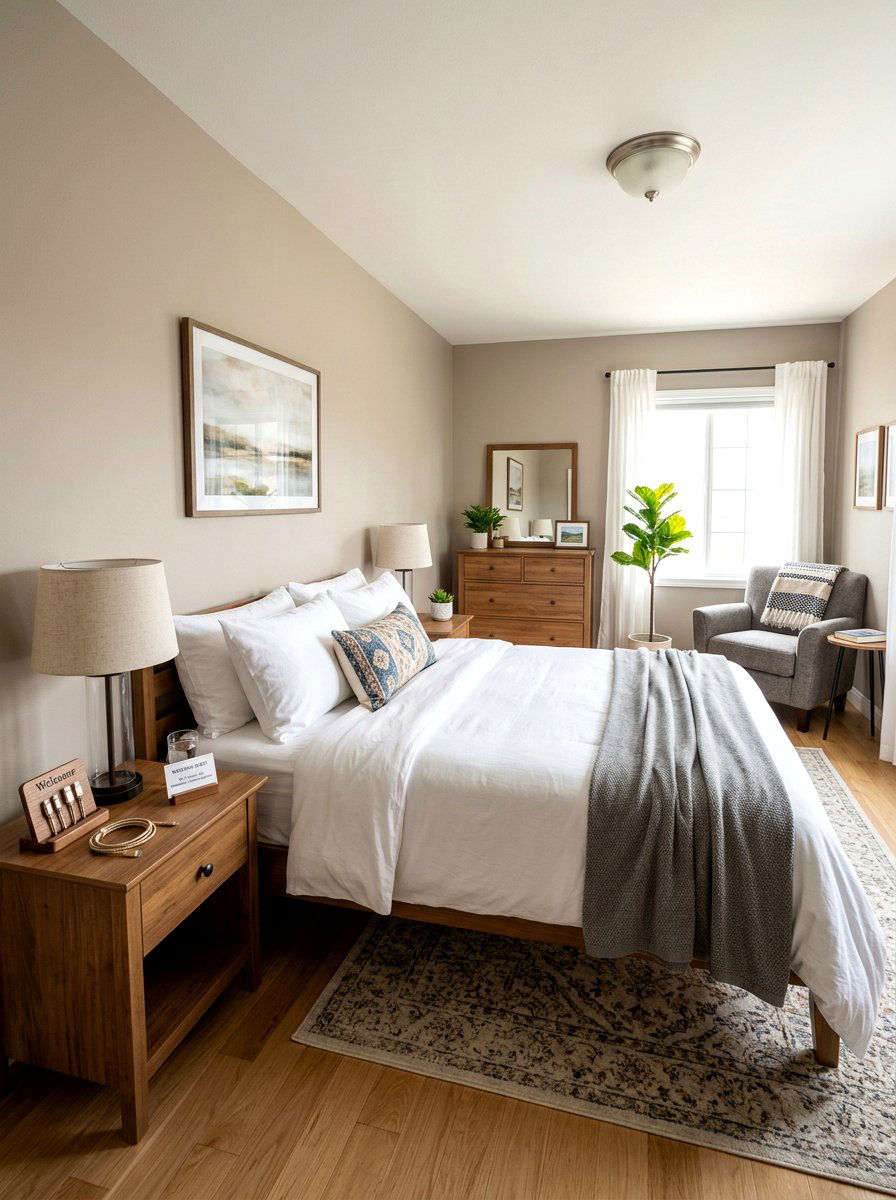
Providing a dedicated charging spot in your guest room is a thoughtful touch that makes visitors feel right at home immediately. A small bedside tray with a multi-headed charging cable ensures your guests can power their phones regardless of what brand they use. This saves them from the hassle of digging through their luggage or searching for hidden wall outlets behind heavy furniture. You can place the dock on a nightstand or a small desk alongside a card with the Wi-Fi password for a complete welcome experience. It shows that you have considered their needs and want them to stay connected during their visit. It is the ultimate hospitality upgrade.
24. Kids playroom tablet station
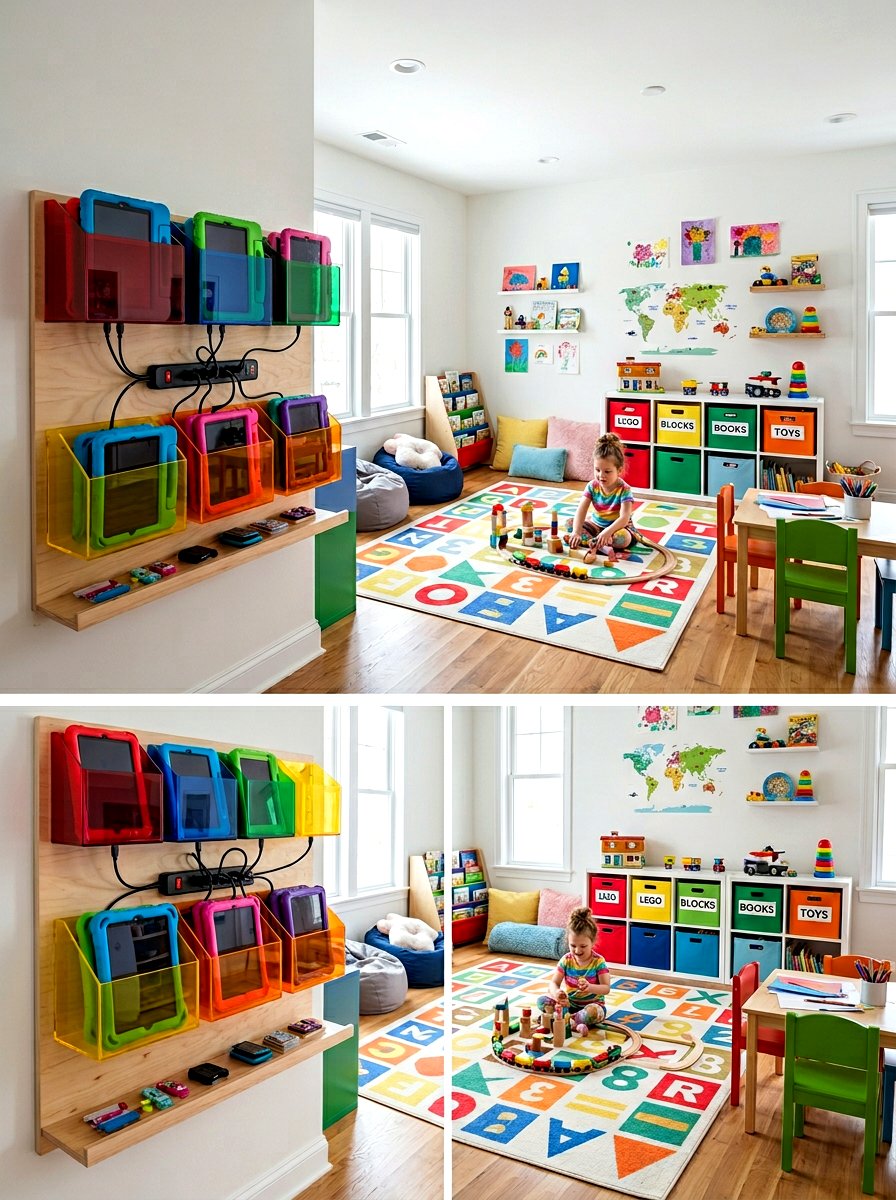
A playroom tablet station helps manage the various screen-time devices that children use for school and entertainment throughout the day. By creating a sturdy, wall-mounted docking area, you can keep expensive tablets safe from being stepped on or spilled on by little ones. You can use brightly colored organizers to make the station look fun and inviting for the kids to use properly. This setup also makes it very easy for parents to monitor how much the devices are being used and when they need to be put away. It teaches children responsibility for their tech while keeping the playroom organized and free of tripping hazards from long cords.
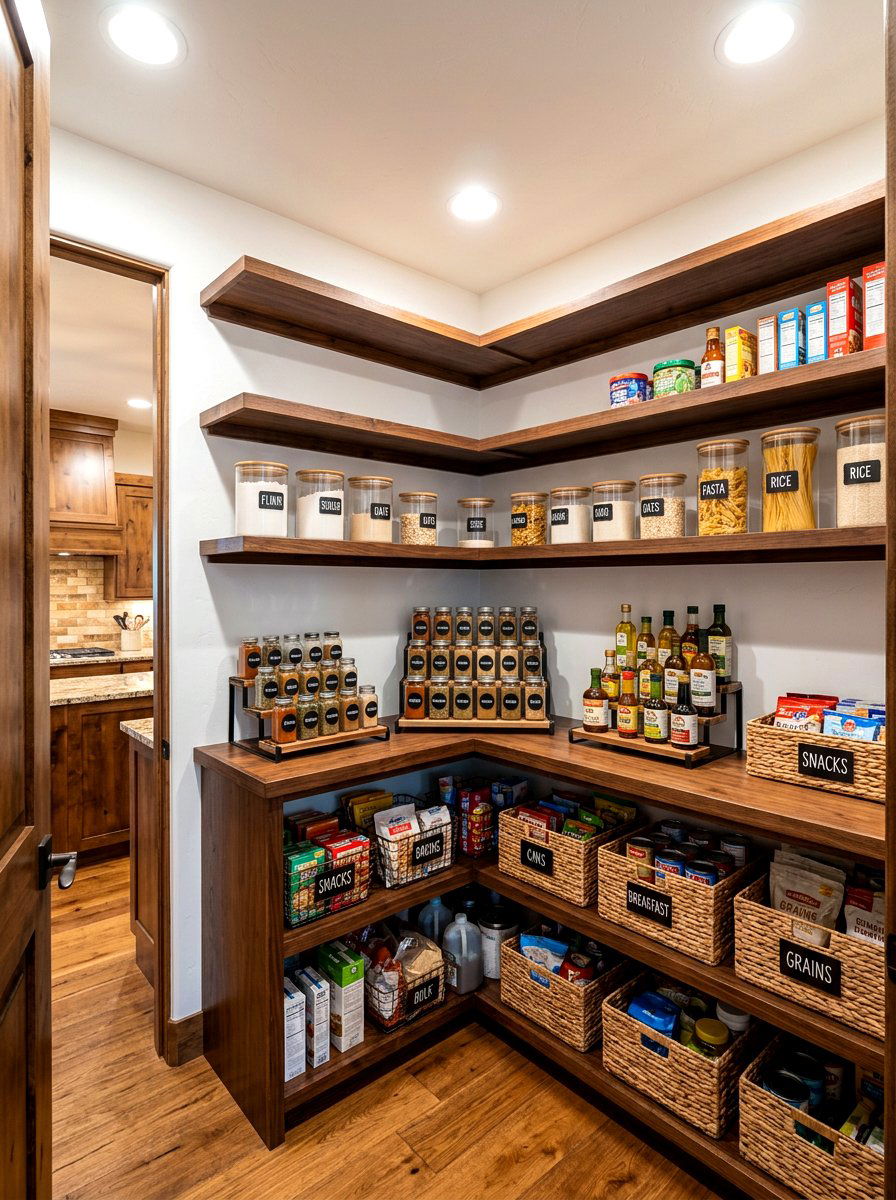
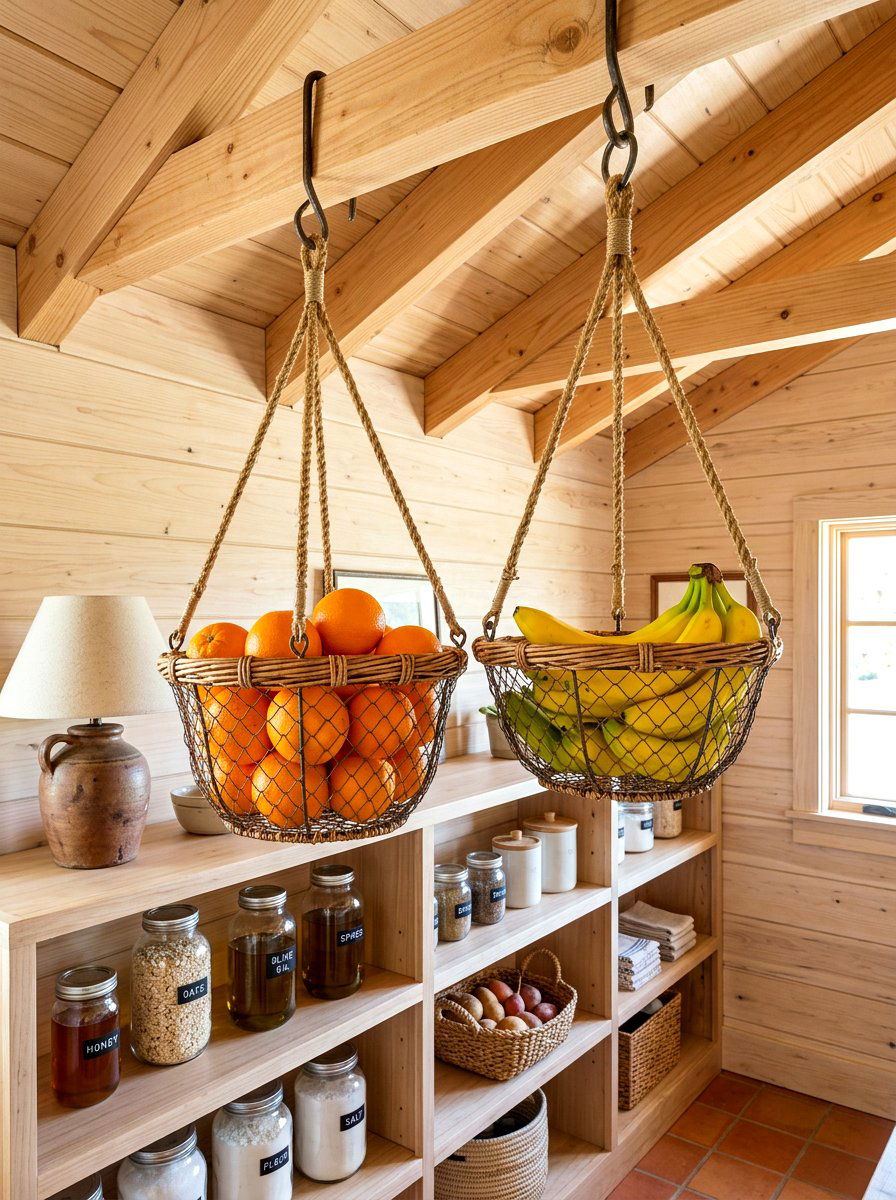
25. Home theater media cabinet
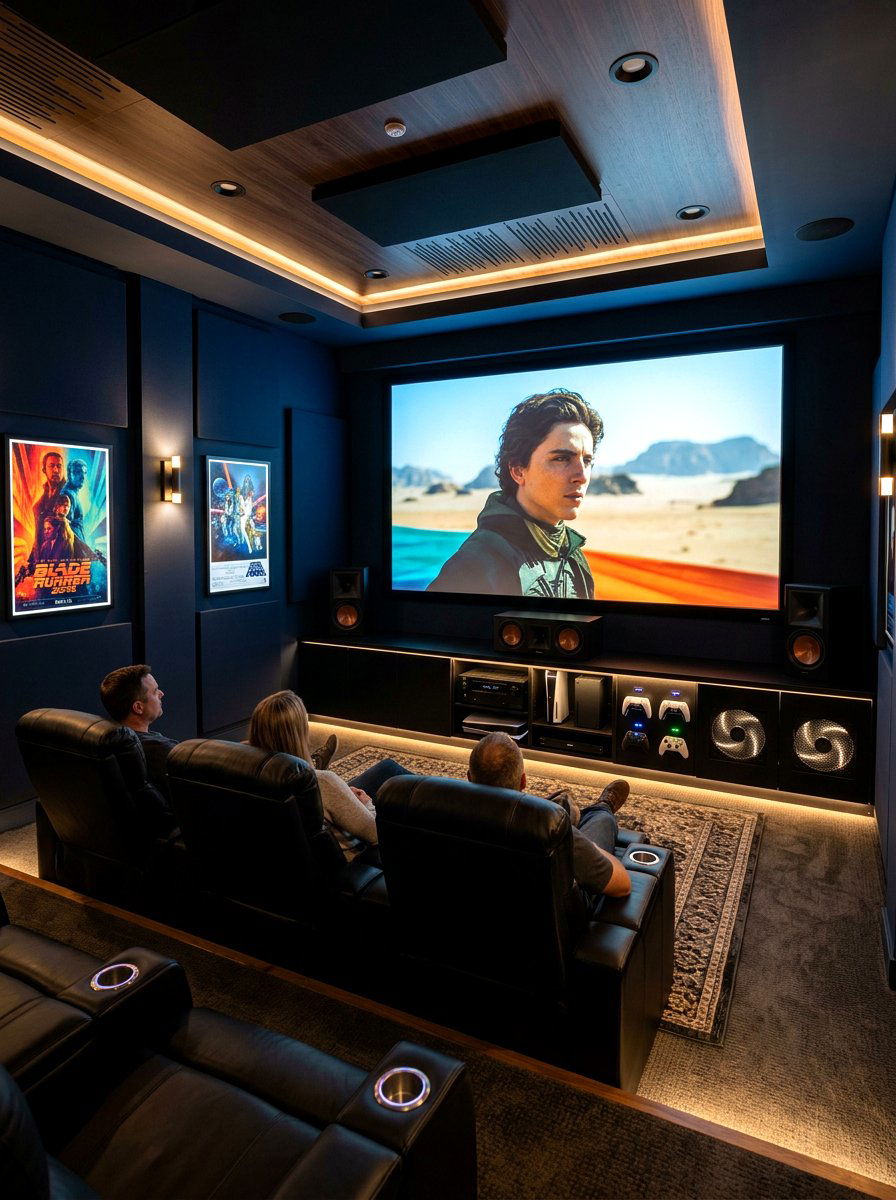
The home theater is often the most tech-heavy room in the house, requiring a very robust solution for managing power and connectivity. A high-quality media cabinet with integrated fans and power strips ensures all your gaming controllers and remotes stay charged. Look for a unit that offers specialized compartments for controllers so they aren't rolling around on top of the cabinet. This keeps the focus on the big screen and the entertainment rather than a pile of black plastic accessories and messy wires. It protects your expensive home theater equipment from overheating while keeping the entire area looking professional and sleek for movie nights with friends.
26. Basement lounge tech station

A basement lounge or "man cave" is a great place to install a rugged and functional charging station for all your social gatherings. You can build a charging dock directly into a bar height table or a side console to keep everyone's phones powered up. This is especially useful during sports games or long movie marathons where guests might be staying for several hours at a time. Using industrial-style materials like metal or reclaimed wood can help the station fit the casual and relaxed vibe of a basement. It provides a convenient service for your guests while keeping the main living areas of the home clear of extra tech.
27. Craft room storage charger
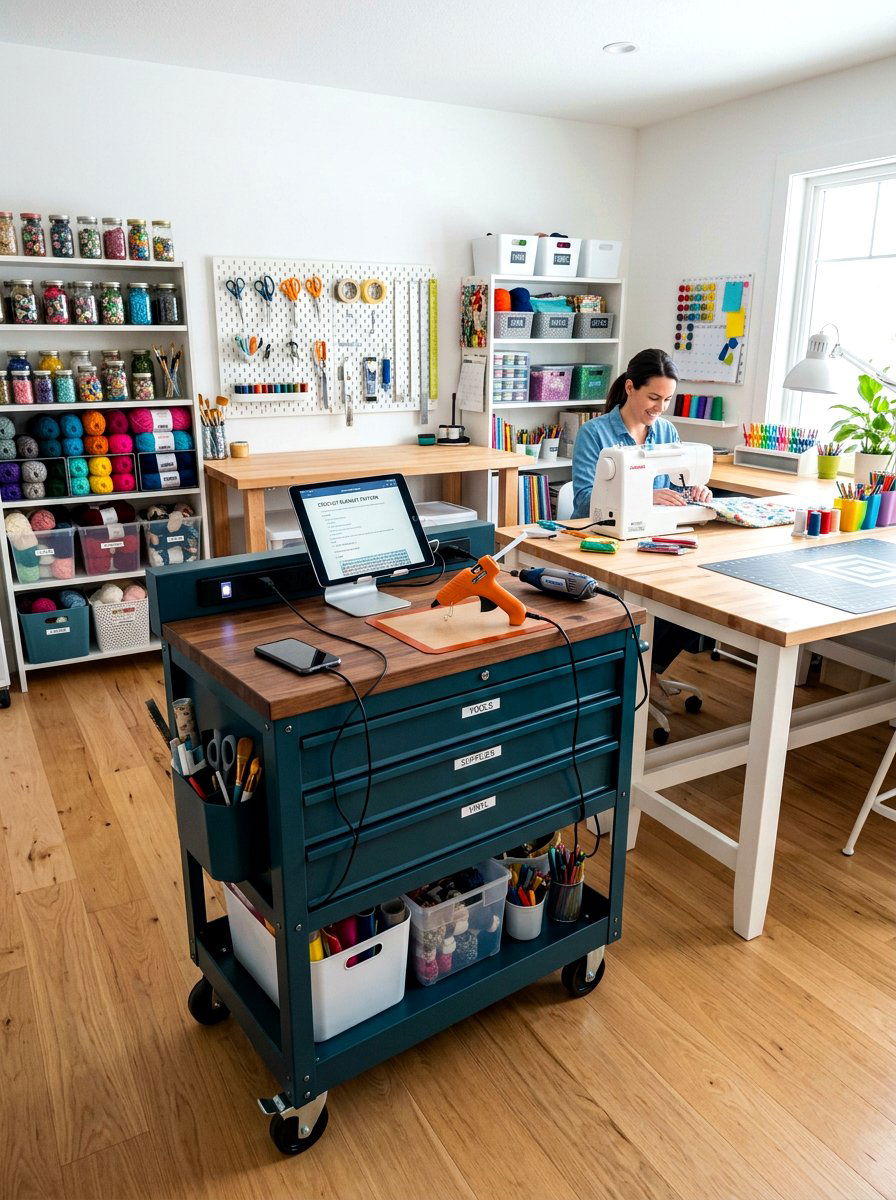
Craft rooms are filled with small tools and devices like glue guns, Cricut machines, and tablets that all need reliable power sources. A dedicated storage cart with a built-in power strip allows you to move your tools to wherever you are working in the room. This mobility is key for large projects that require different stations for cutting, gluing, and designing. You can keep your tablet plugged in for watching tutorials while you work on your latest handmade creation. It keeps the floor clear of extension cords, which can be dangerous in a room filled with fabric and paper. It makes your creative process much smoother and more enjoyable.
28. Attic office power hub
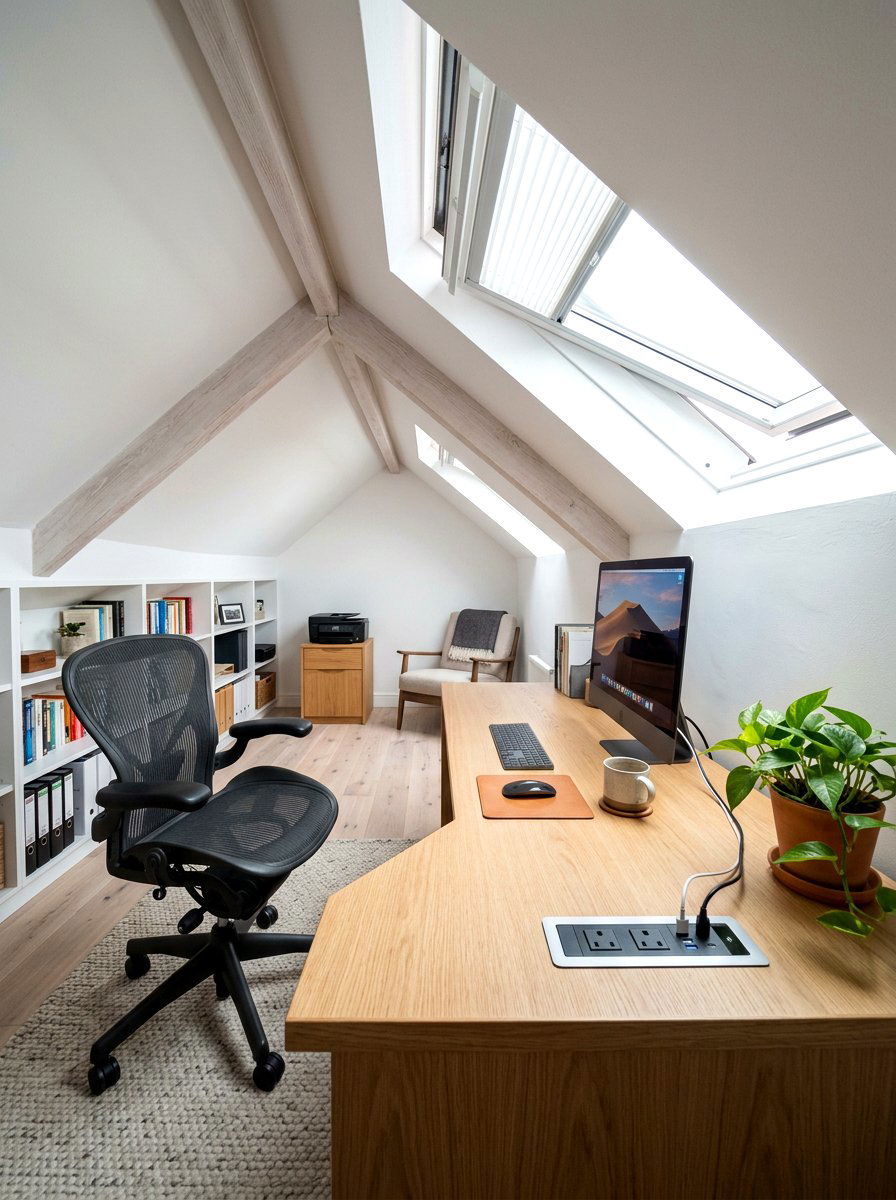
Attic offices often have unique architectural angles and limited wall space, making standard outlet placement a bit difficult for the average user. A custom power hub built into the knee walls or a corner desk utilizes every inch of available space effectively. This ensures you have plenty of ports for your computer, printer, and phone without needing to run ugly cords across the center of the room. Using a sleek, recessed power strip keeps the desktop surface flat and usable for spreading out large documents or art projects. It turns a challenging room layout into a highly functional and modern workspace that feels cozy rather than cramped or disorganized.
29. Mudroom bench with USB
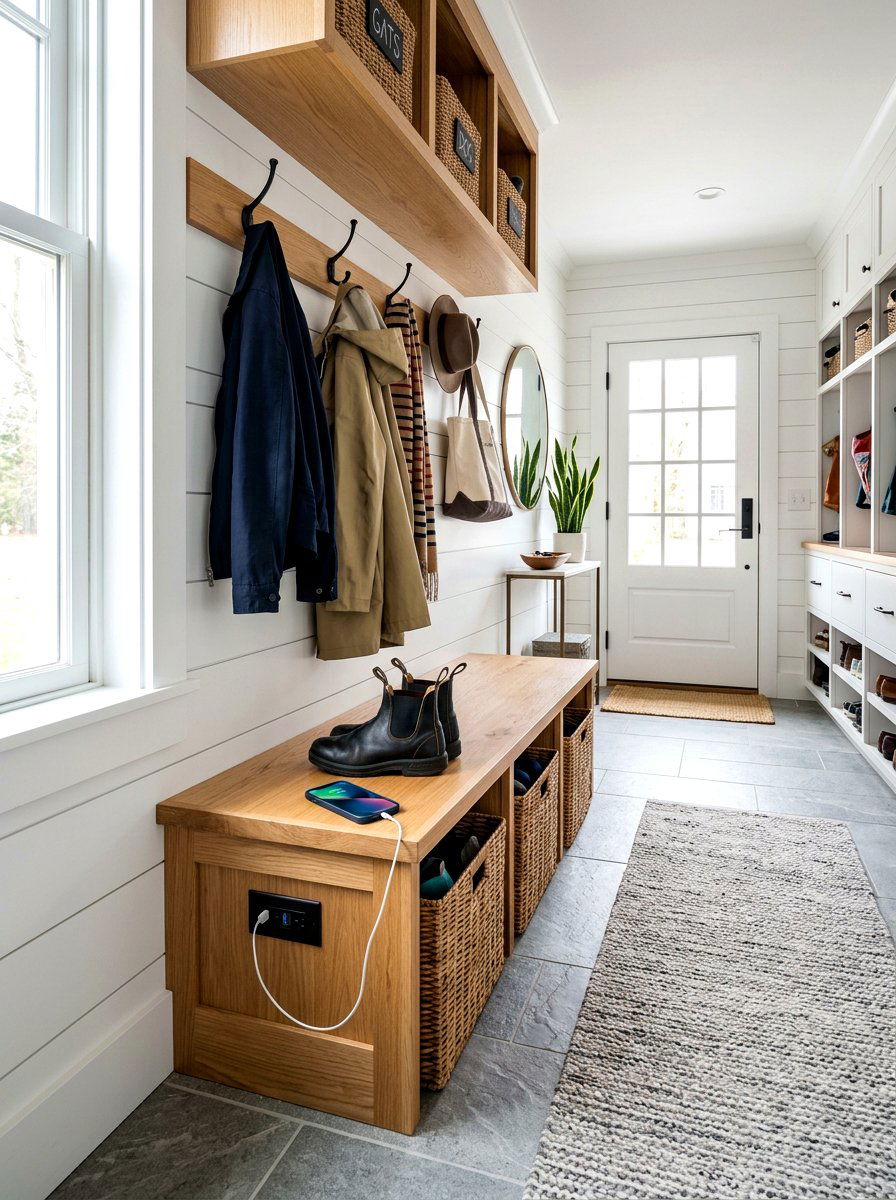
Integrating USB ports into a mudroom bench provides a convenient place to charge your phone while you are putting on your shoes. This is a great spot for a "last-minute boost" before you head out for a long day of work or travel. The bench can also serve as a charging home for rechargeable flashlights or outdoor gear that you use frequently. By hiding the power components inside the base of the bench, you maintain the clean look of your entryway or mudroom. It adds a surprising layer of functionality to a piece of furniture that is usually only used for seating and storage. It is a smart modern upgrade.
30. Minimalist glass top desk station
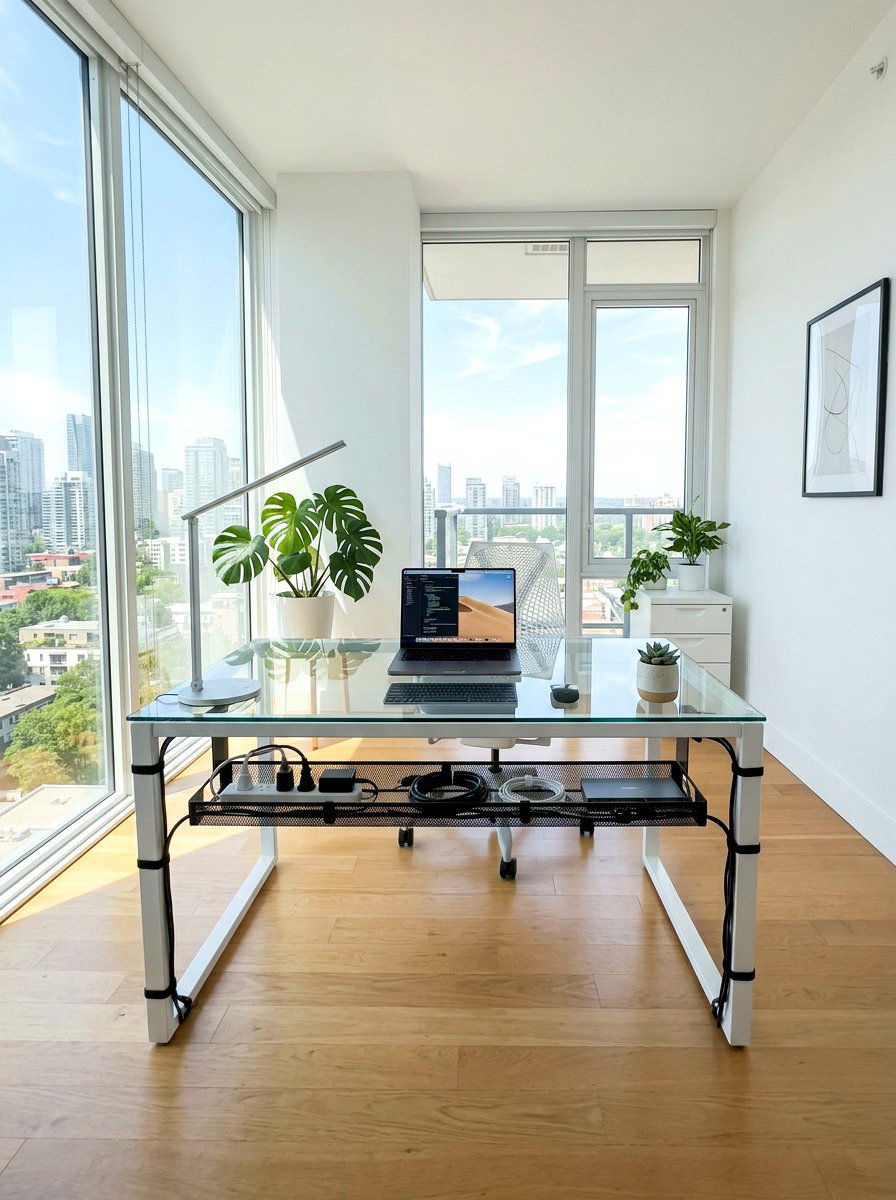
For a very modern and airy home office, a glass-top desk provides a sleek look that can be easily ruined by messy cables. A specialized under-desk tray that is visible through the glass can actually become a design feature if managed neatly. You can use colorful cords or a stylish white power strip to create a clean, intentional look that matches the minimalist aesthetic. This keeps all your devices off the glass surface, allowing the desk to feel light and uncluttered at all times. It is a bold choice for someone who loves high-end design and wants their technology to reflect their personal style and organization skills.
Conclusion:
Creating a dedicated spot for your electronics is an essential part of modern home organization that improves both function and style. Whether you choose a hidden drawer in the kitchen or a stylish wooden organizer for your desk, the goal is to eliminate visual noise. A well-placed charging station reduces the daily stress of searching for cords and protects your devices from accidental damage on cluttered surfaces. By thinking about where you naturally use your tech, you can place power hubs exactly where they are needed most. These 30 ideas offer a range of solutions that fit any decor style while keeping your home connected and organized.

Related posts: