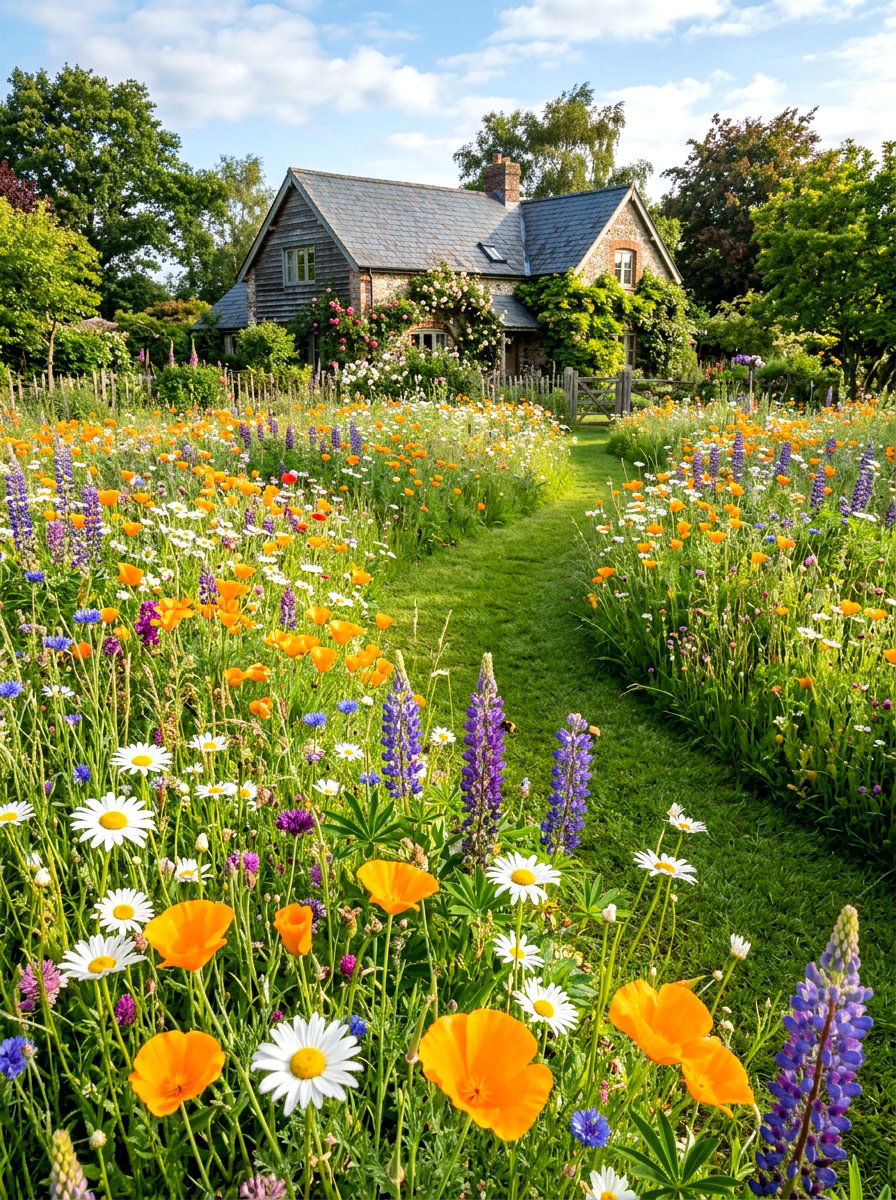
Parterre gardens offer a timeless sense of elegance and structure that can transform any outdoor space into a breathtaking work of art. Originating from the formal gardens of the French Renaissance, these organized layouts use symmetrical beds and pathways to create intricate patterns that look stunning from every angle. Whether you have a sprawling estate or a small backyard, incorporating a parterre adds a professional and polished feel to your landscape design. These gardens are famous for their ability to provide year-round visual interest through the use of evergreen hedging and organized gravel walks. Discover how to bring this classic look home and enjoy refined outdoor living today.
1. Traditional French Boxwood Parterre
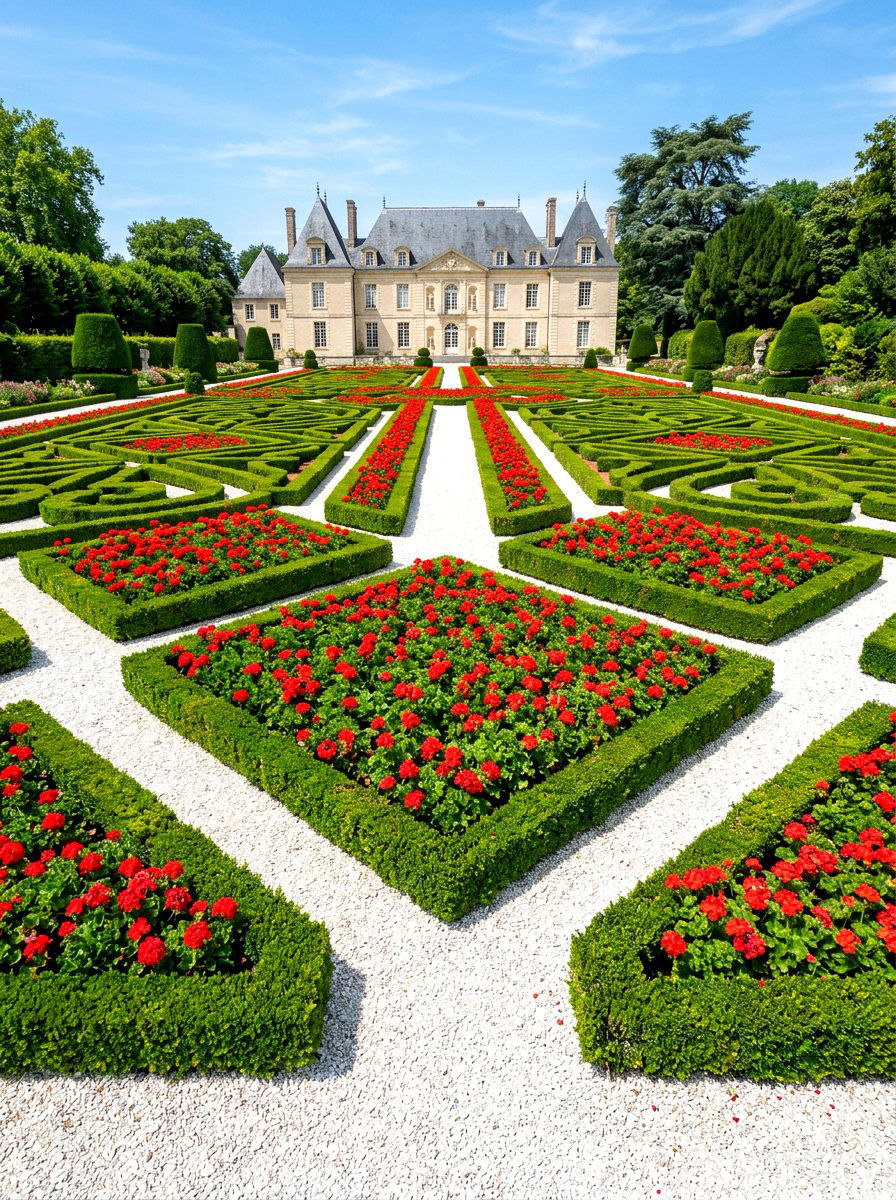
Many homeowners appreciate the timeless beauty of a traditional French boxwood parterre because it adds immediate structure to any property. This specific style relies on low-growing evergreen hedges that are meticulously clipped to form geometric shapes such as diamonds or scrolls. Within these green frames, you can plant vibrant seasonal flowers or leave the space filled with decorative gravel for a cleaner look. Because symmetry is the primary goal, every element on one side must perfectly mirror the other. This creates a sense of peaceful order that makes even a standard backyard feel like a royal estate. It is the ultimate choice for formal elegance and classic charm.
2. Symmetrical English Knot Garden
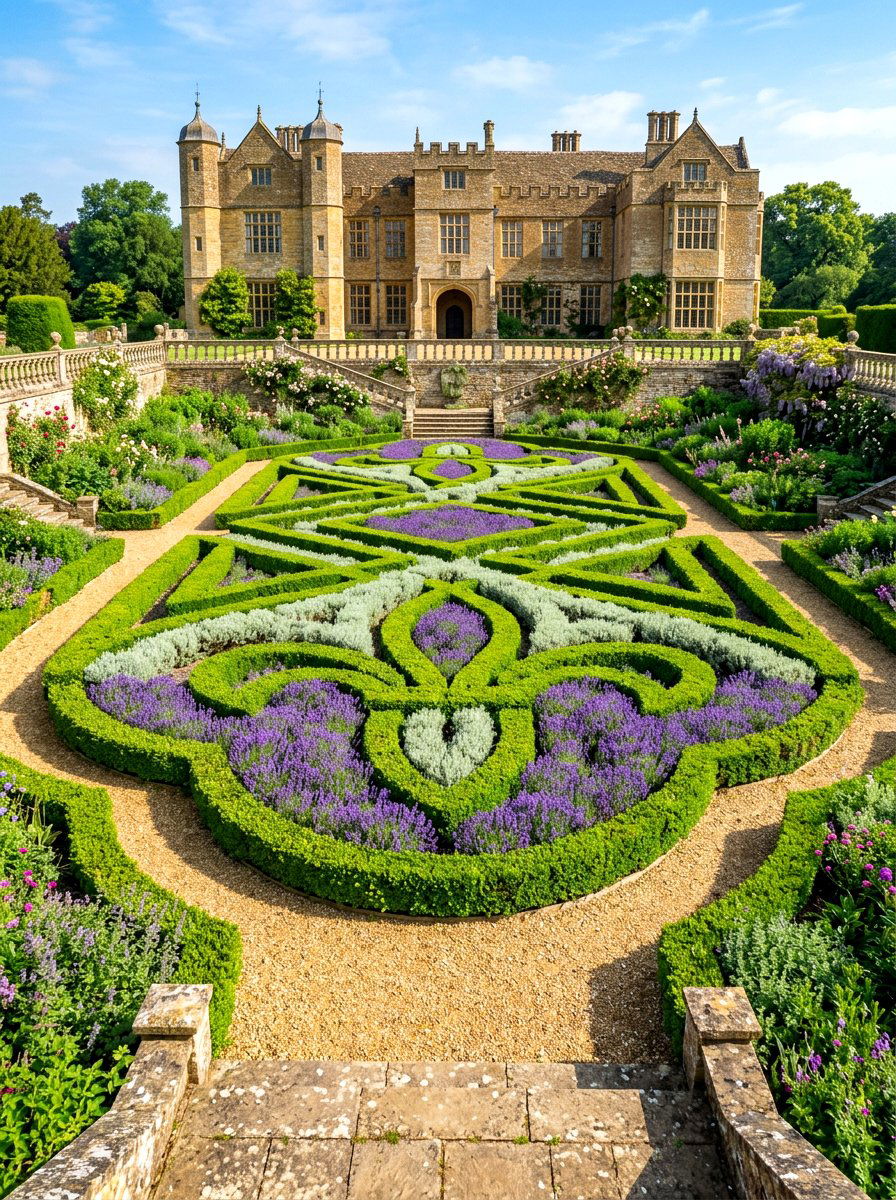
Have you ever wondered how to create a garden that looks like a woven tapestry on the ground? A symmetrical English knot garden uses different shades of green and silver hedging to create the illusion of overlapping threads. By interweaving plants like common boxwood with gray santolina or lavender, you achieve a three-dimensional effect that is visually captivating. This style requires regular maintenance to keep the "knots" looking crisp and distinct. It is best placed where you can look down on the pattern, such as from a terrace or balcony. The result is a highly sophisticated focal point that serves as a beautiful living sculpture.
3. Modern Geometric Parterre
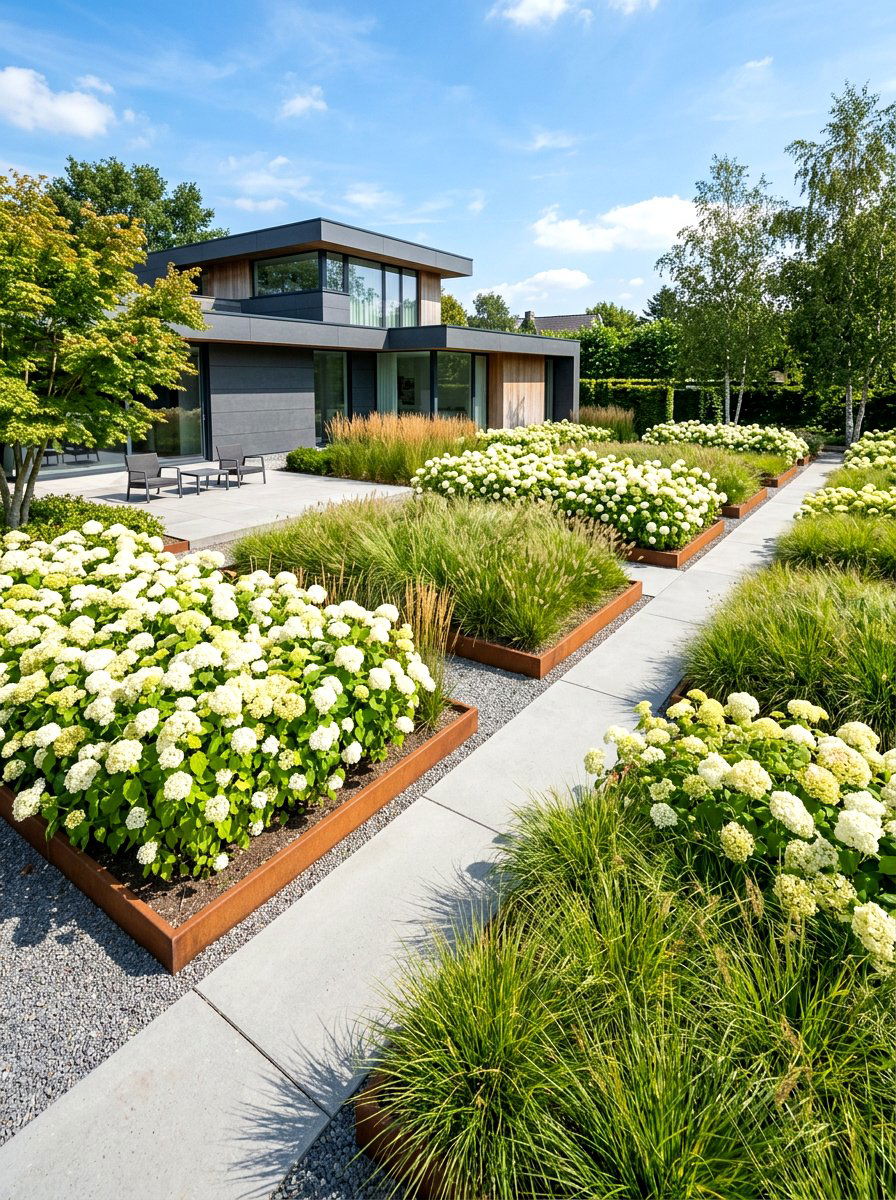
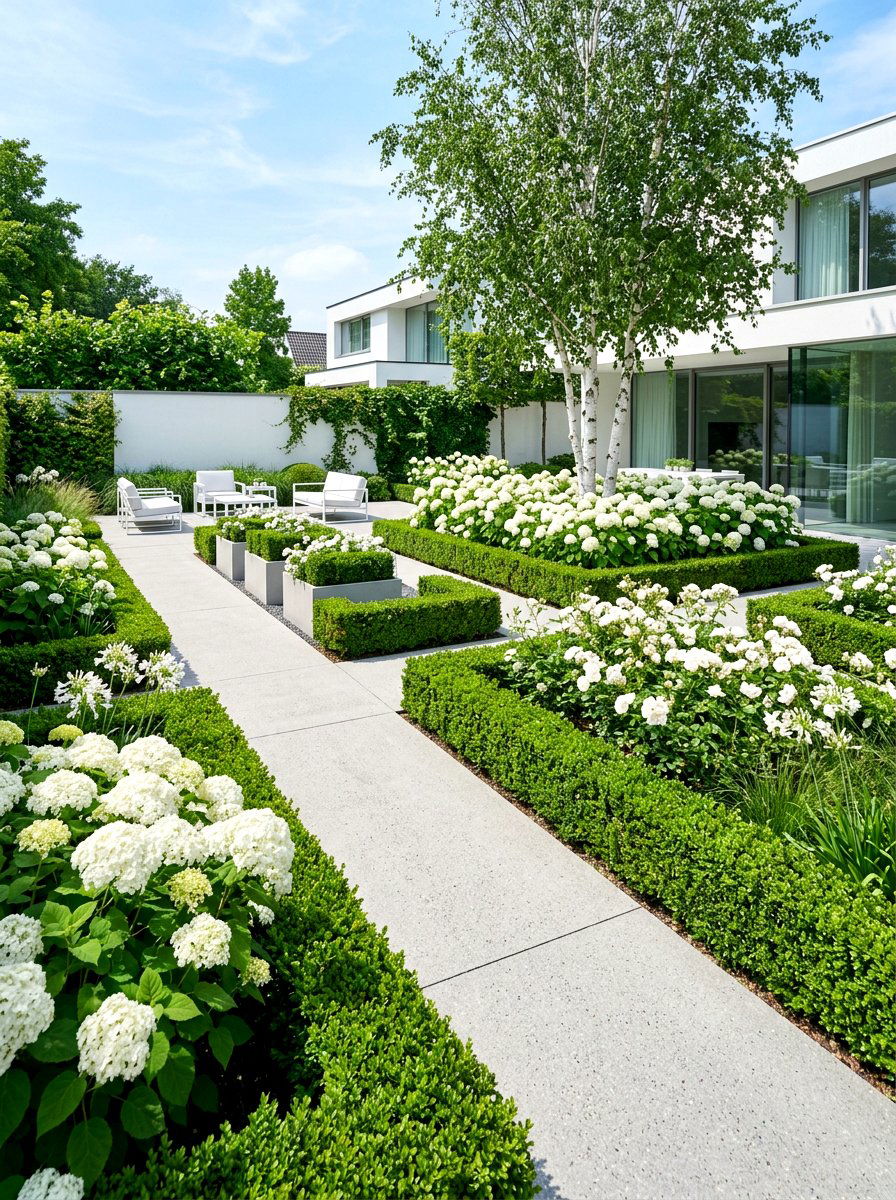
Modern homeowners often prefer clean lines and minimal palettes, making a modern geometric parterre an excellent choice for contemporary landscapes. Instead of elaborate scrolls, this style focuses on sharp squares, rectangles, and crisp right angles. You can use concrete edging or steel borders to define the spaces instead of traditional hedging for a more industrial feel. Inside the compartments, consider using single-species plantings like ornamental grasses or massed white flowers for a monochromatic look. This approach emphasizes the architectural quality of the garden while maintaining the essential order of a parterre. It creates a serene and clutter-free environment that complements any sleek architectural home design perfectly.
4. Low Maintenance Gravel Parterre
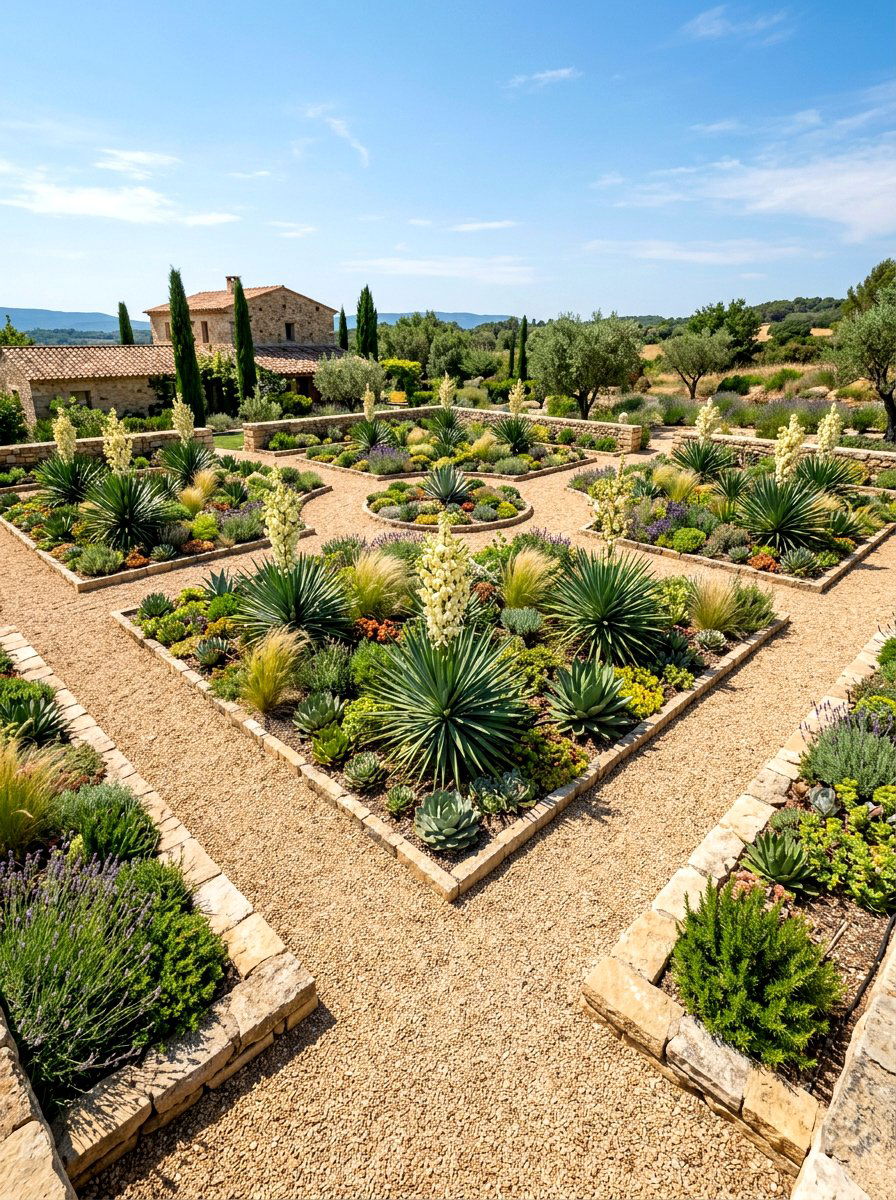
If you love the look of a formal garden but lack the time for intensive pruning, a low maintenance gravel parterre is the ideal solution. This design replaces high-maintenance lawn paths with crushed stone or pea gravel in contrasting colors like tan or white. By using hardy, drought-tolerant plants like yuccas or agaves within the beds, you can significantly reduce watering and trimming needs. The gravel provides a clean backdrop that makes the structural plants pop, while the lack of grass means no mowing is required. This style is perfect for sunny climates and adds a refined, Mediterranean-inspired feel to your outdoor living space.
5. Herb Garden Parterre
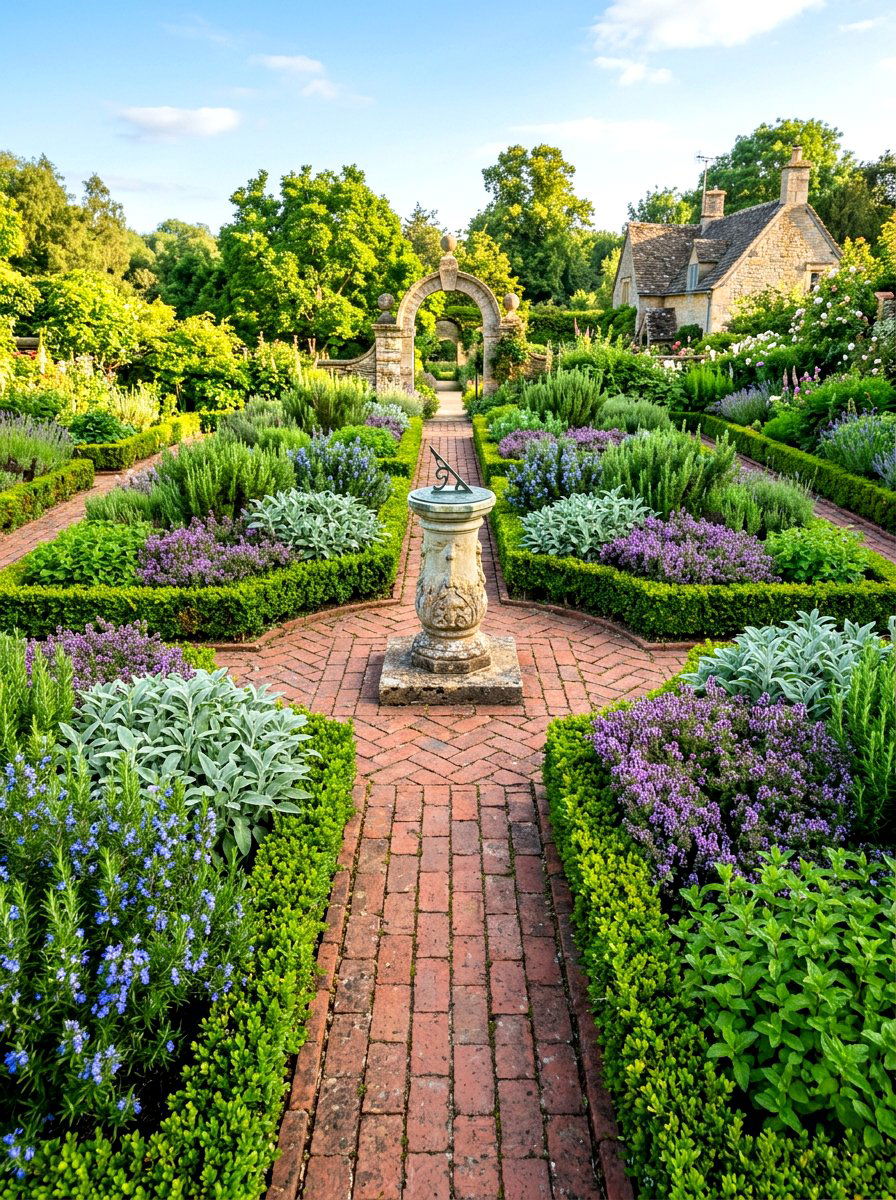
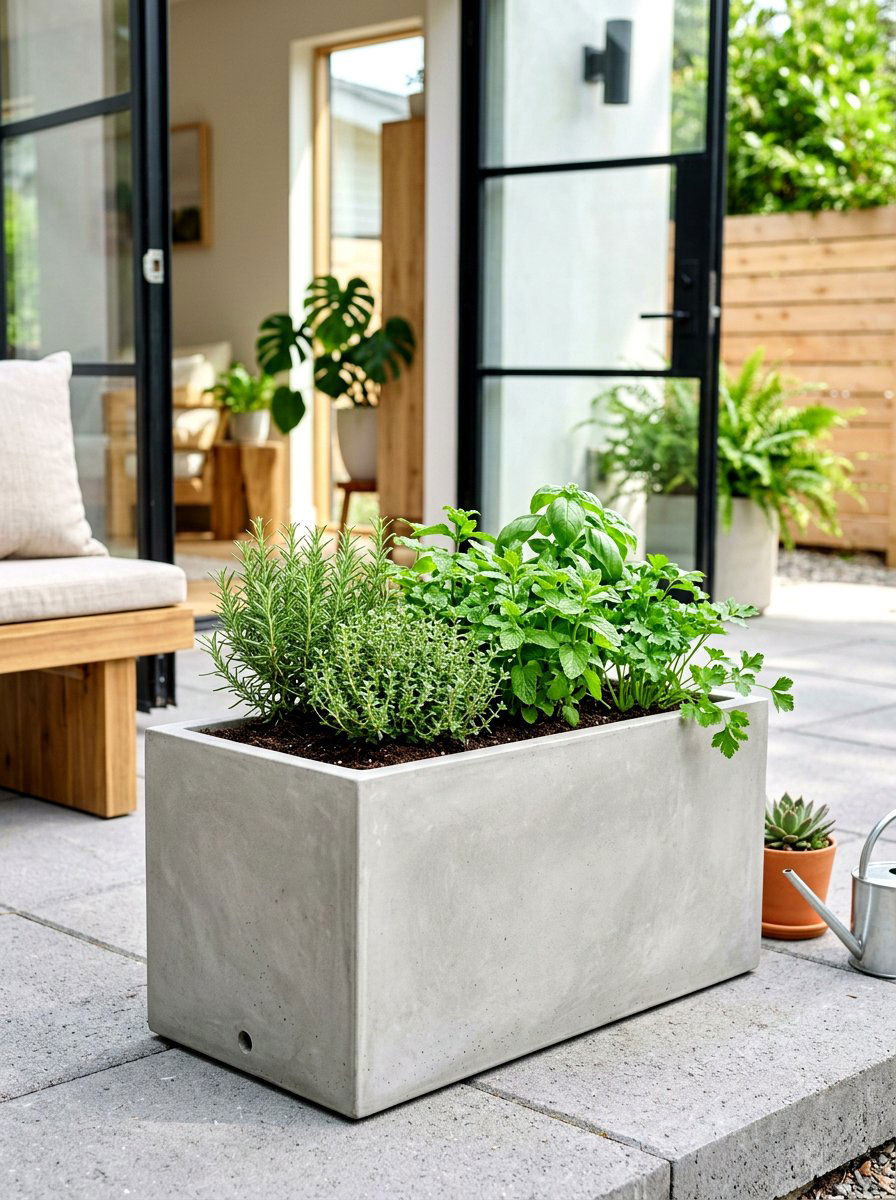
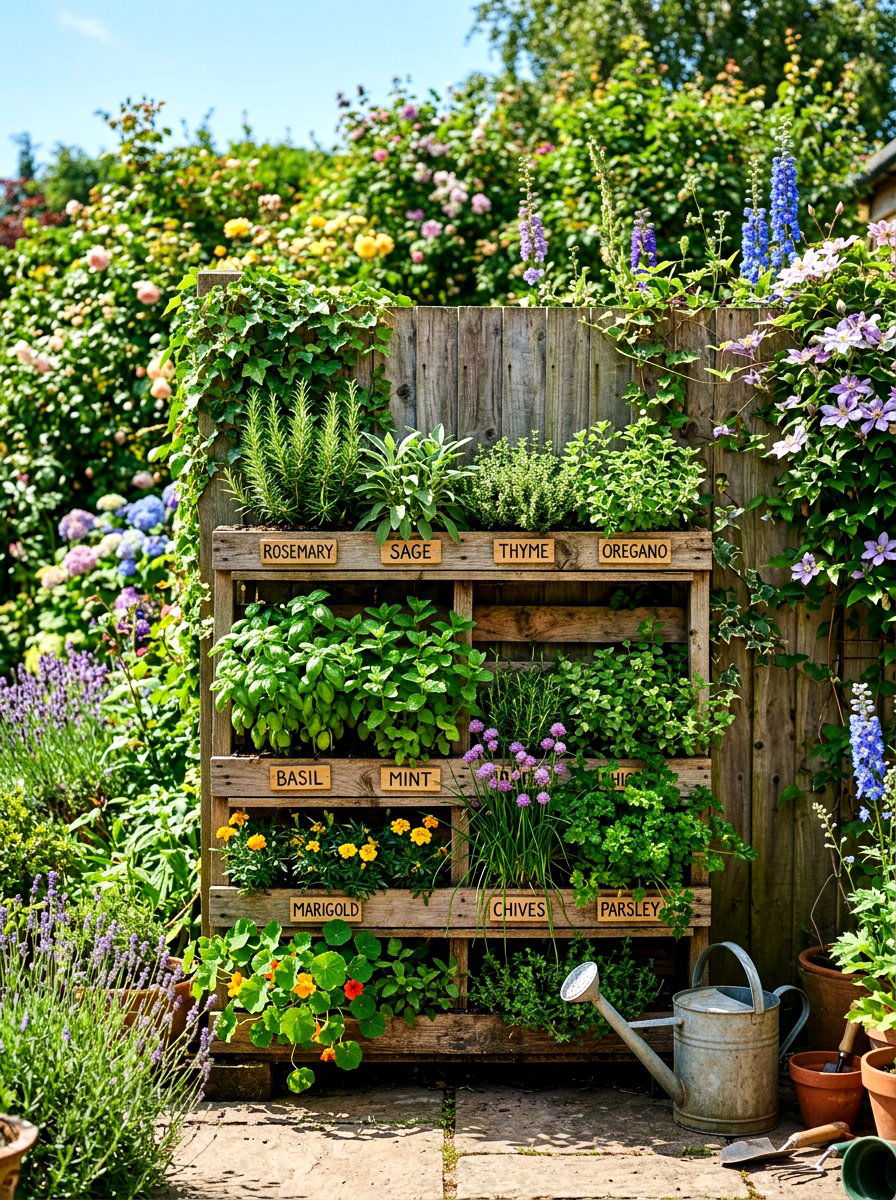
Why not combine beauty and utility by creating a functional herb garden parterre right outside your kitchen? This layout uses traditional parterre symmetry to organize culinary plants like rosemary, thyme, sage, and parsley into neat, accessible beds. Using herbs as the primary plants ensures your garden smells as good as it looks. The low hedges can be made from woody herbs like lavender or hyssop, which provide beautiful blooms for pollinators. This design turns a simple vegetable patch into an ornamental masterpiece. It is an excellent way to make the most of a small sunny spot while ensuring you always have fresh ingredients on hand.
6. Rose Parterre With Stone Paths
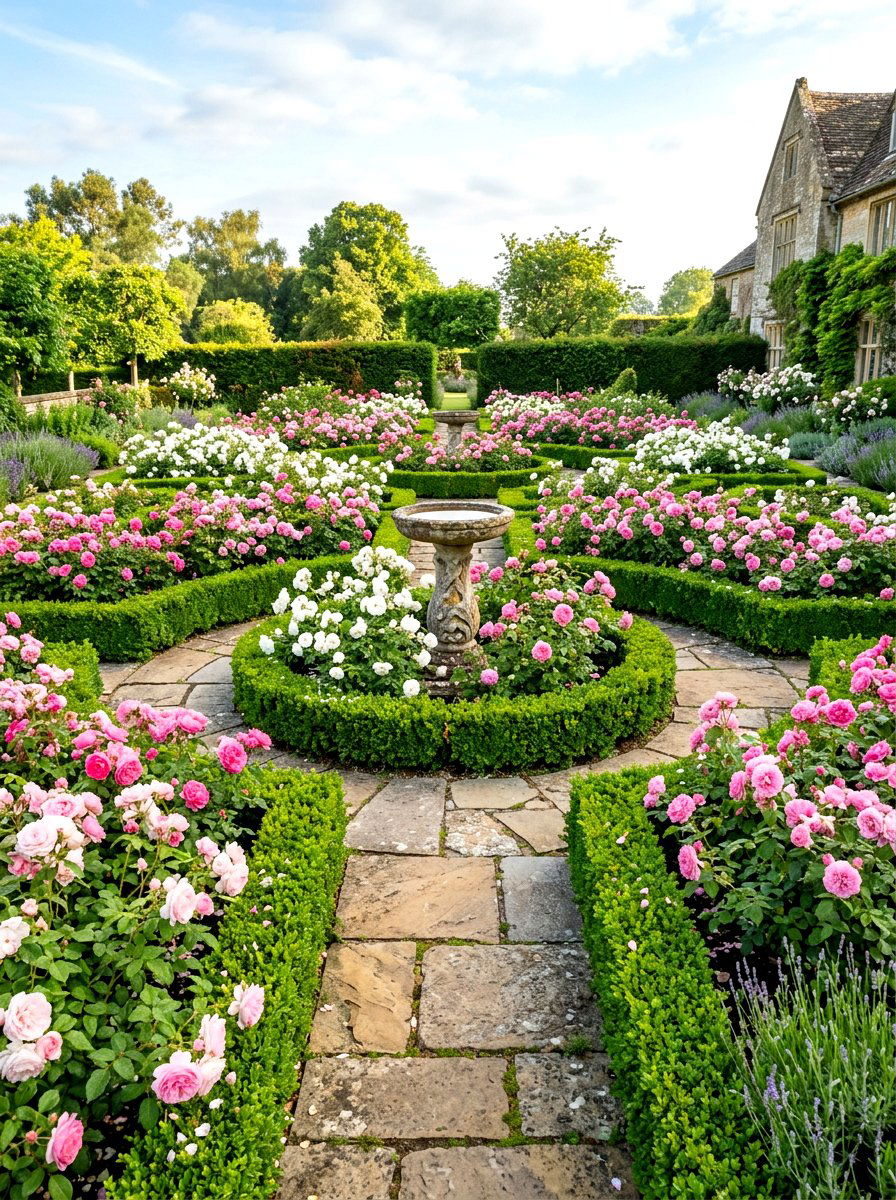
There is nothing more romantic than a rose parterre with stone paths winding through fragrant blossoms. This design uses formal hedging to contain various types of roses, from hybrid teas to classic shrub varieties. The evergreen borders provide structure during the winter months when the roses are dormant, ensuring the garden never looks empty. Using natural stone for the walkways adds an old-world charm that pairs perfectly with the softness of the flower petals. Centering the design with a stone sundial or a small birdbath can enhance the historical aesthetic. This layout creates a sensory experience that defines the peak of summer garden beauty.
7. Lavender And Boxwood Parterre
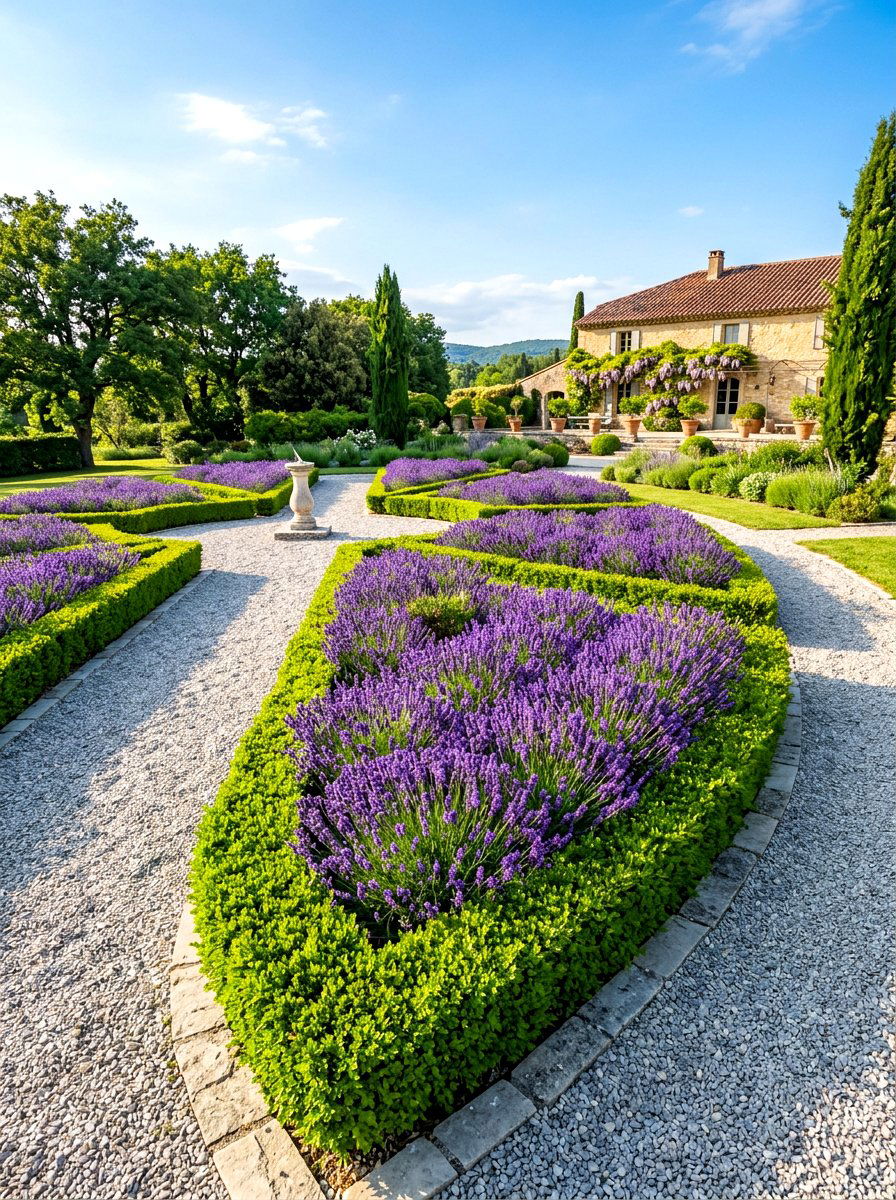
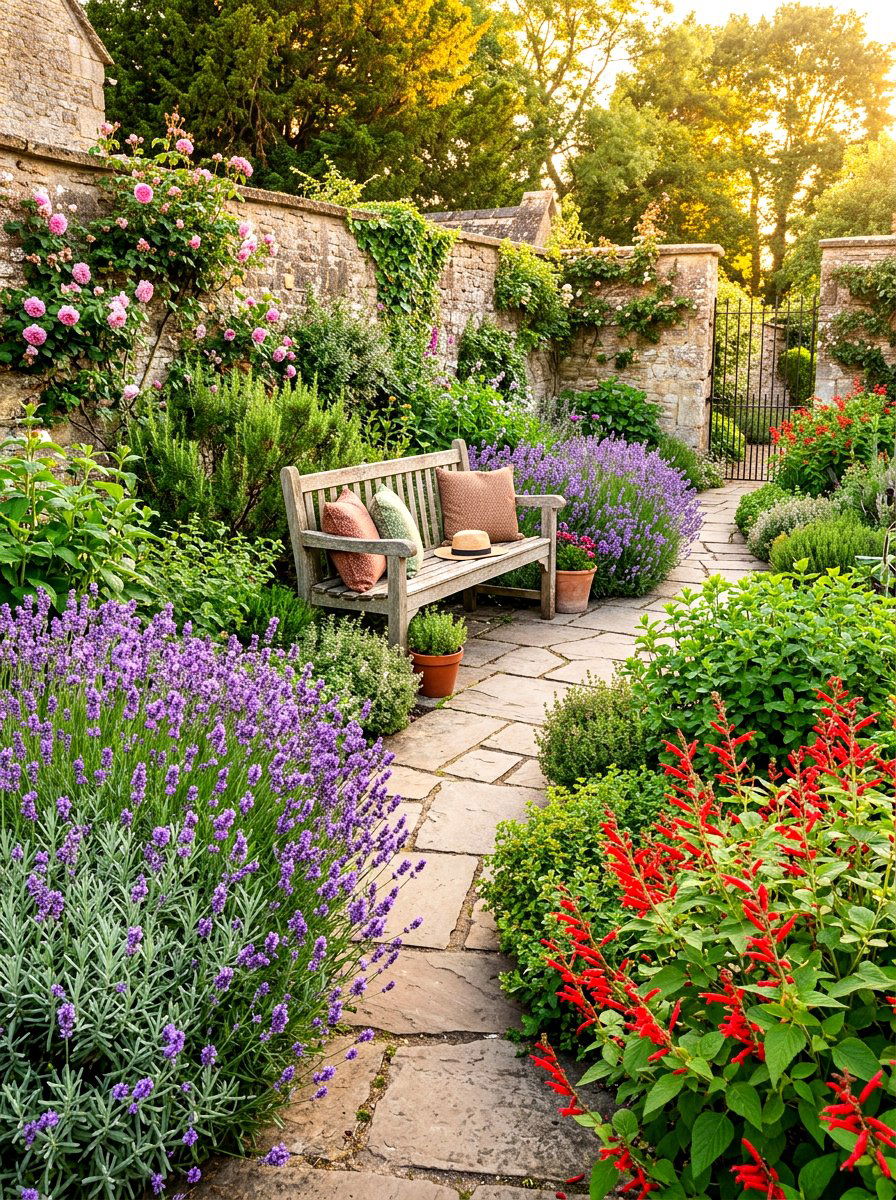
Creating a lavender and boxwood parterre is a wonderful way to play with color and texture in a formal setting. The deep green of the boxwood provides a sharp contrast to the silvery foliage and purple spikes of the lavender plants. This combination is particularly effective because both plants enjoy similar growing conditions and look great even when not in bloom. During the summer, the garden will be filled with the soothing scent of lavender and the buzz of happy bees. The rigid structure of the boxwood keeps the somewhat wilder lavender from looking messy. It is a classic pairing that works beautifully in both large and small gardens.
8. Italian Renaissance Parterre
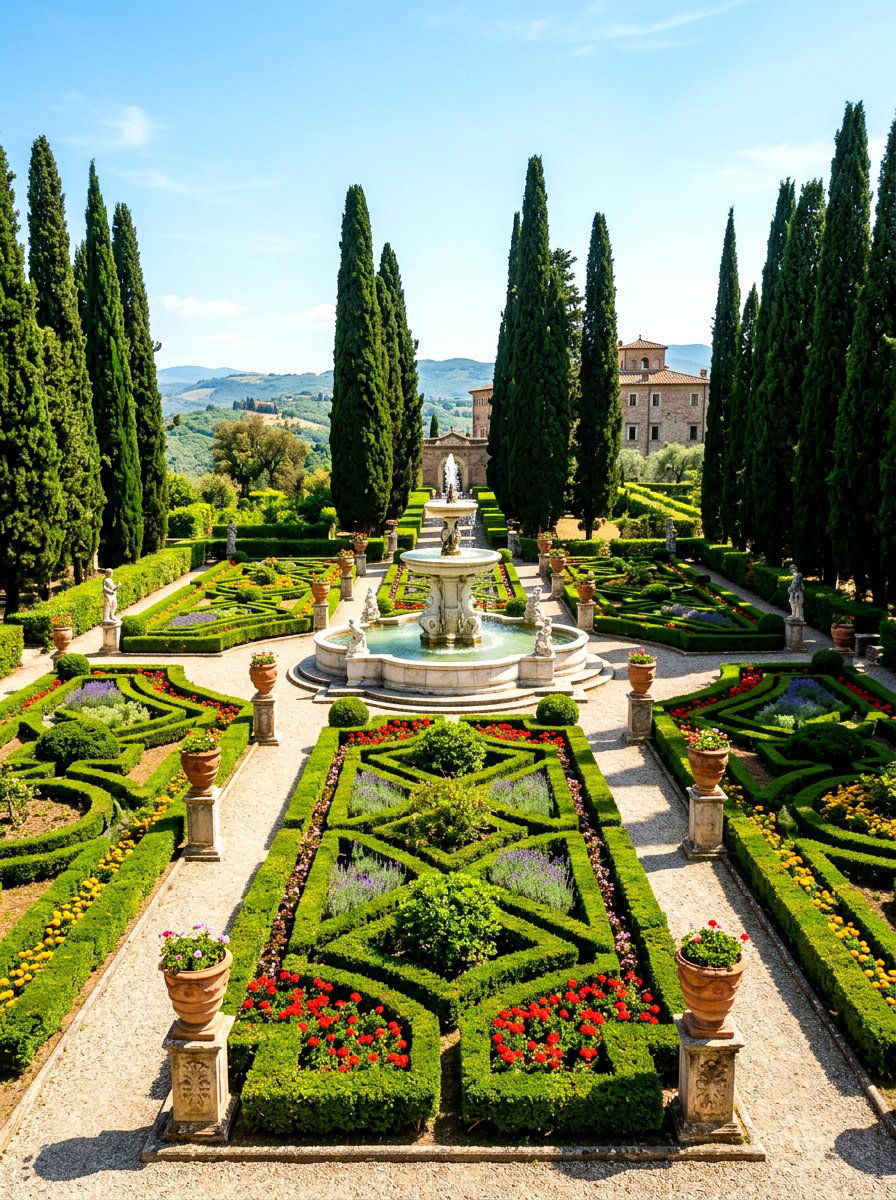
An Italian Renaissance parterre focuses on the harmony between nature and classical architecture through the use of stone and greenery. This style often incorporates terracotta pots, marble statues, and tiered fountains as central focal points within the symmetrical beds. The planting palette is usually limited to shades of green, using cypress trees for height and low boxwood for the patterns. This creates a cool, shaded atmosphere that feels like a private retreat in a Mediterranean villa. The use of hardscape elements ensures the garden feels like an outdoor room. It is a sophisticated way to add a sense of history and permanence to your property layout.
9. Small Backyard Parterre Layout
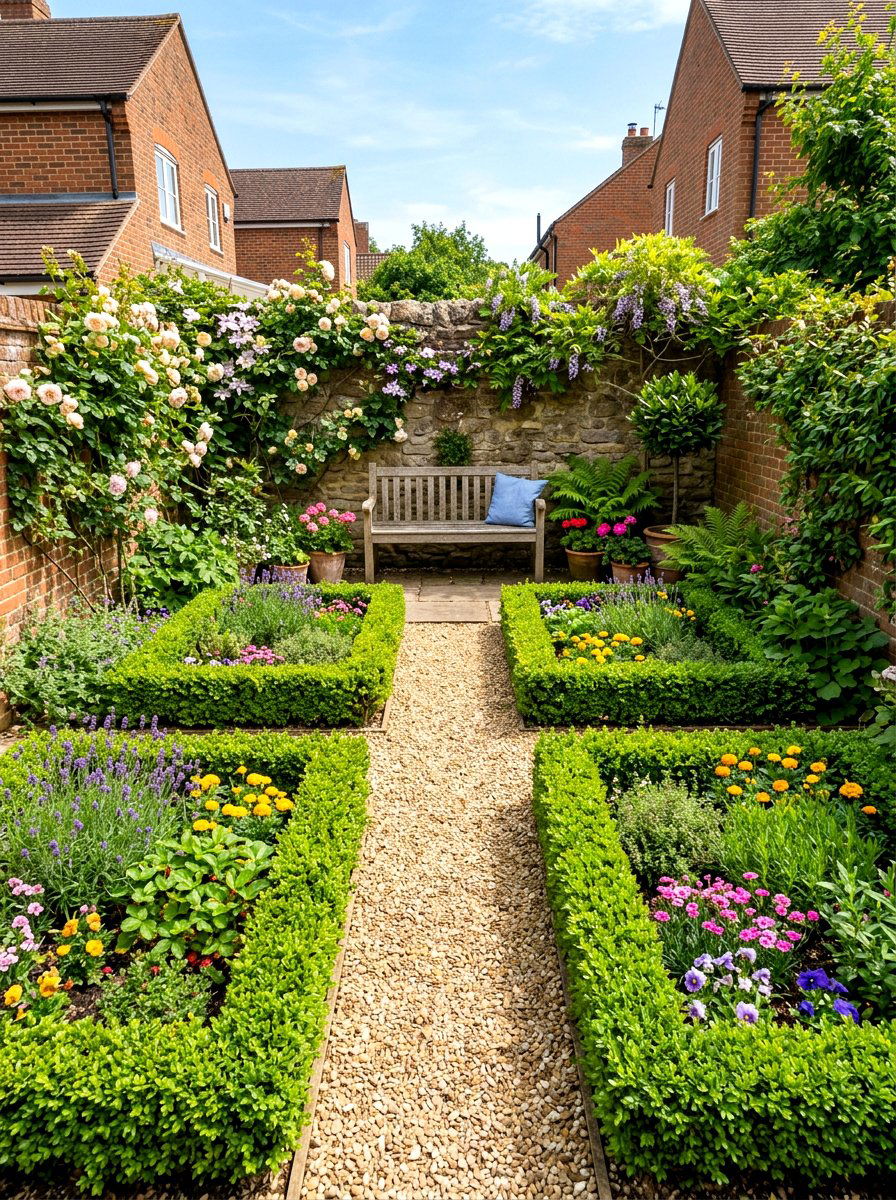
You do not need a massive estate to enjoy the benefits of a small backyard parterre layout. By scaling down the patterns and using narrower paths, you can fit a formal design into even the most compact urban garden. Using simple four-square or circular designs helps the space feel larger by providing clear sightlines and organization. Choosing dwarf varieties of plants ensures they do not overwhelm the limited area over time. Adding a small bench at one end of the parterre creates a cozy destination for morning coffee. This approach proves that formal style can be achievable and incredibly effective in any size of outdoor space.
10. Circular Parterre Focal Point
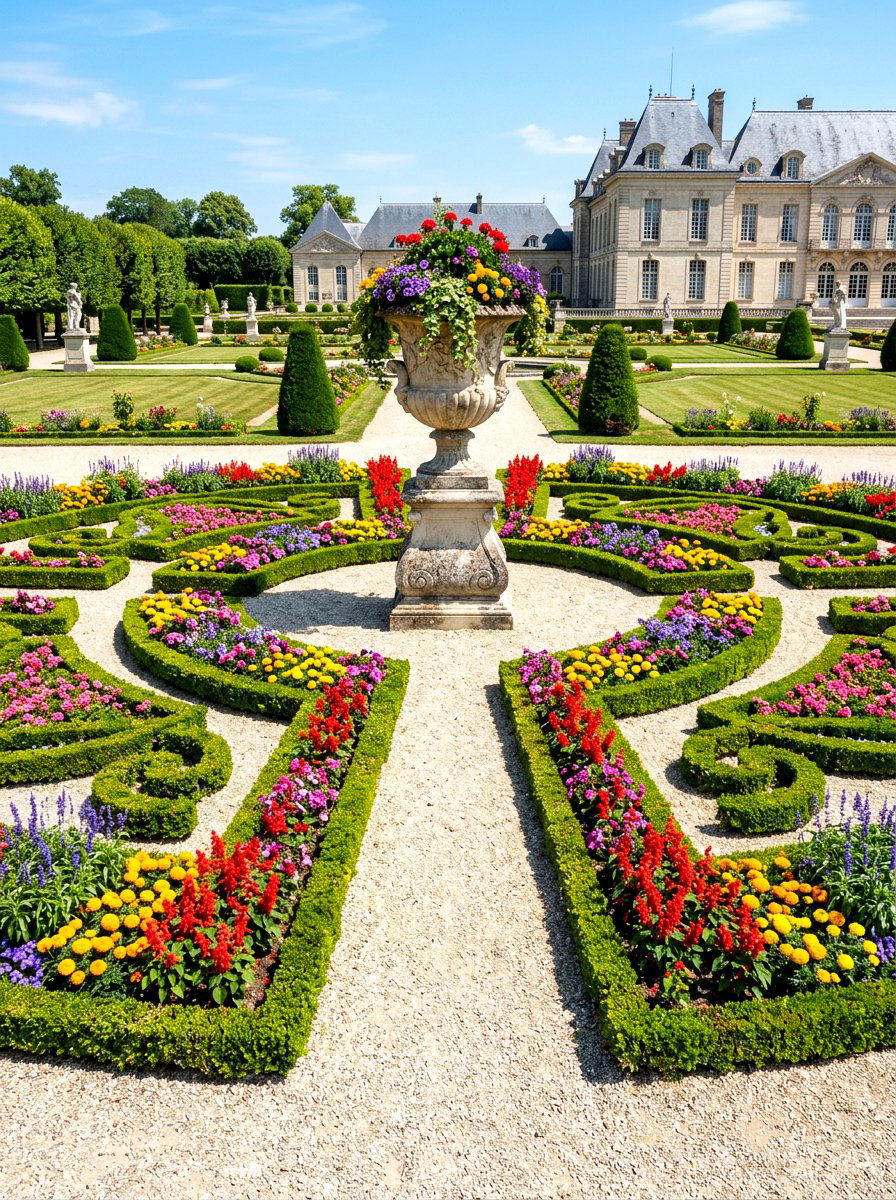
A circular parterre focal point is a brilliant way to break up the long lines of a rectangular lawn. This design uses radial symmetry, where all paths and planting beds originate from a central point. This center could feature a majestic fountain, a large urn, or even a single specimen tree like a weeping cherry. The circular shape draws the eye inward and creates a natural sense of balance and flow. It works particularly well at the intersection of two main garden paths. By using varying heights of plants, you can create a tiered effect that adds depth and visual drama to the entire landscape.
11. Raised Bed Parterre
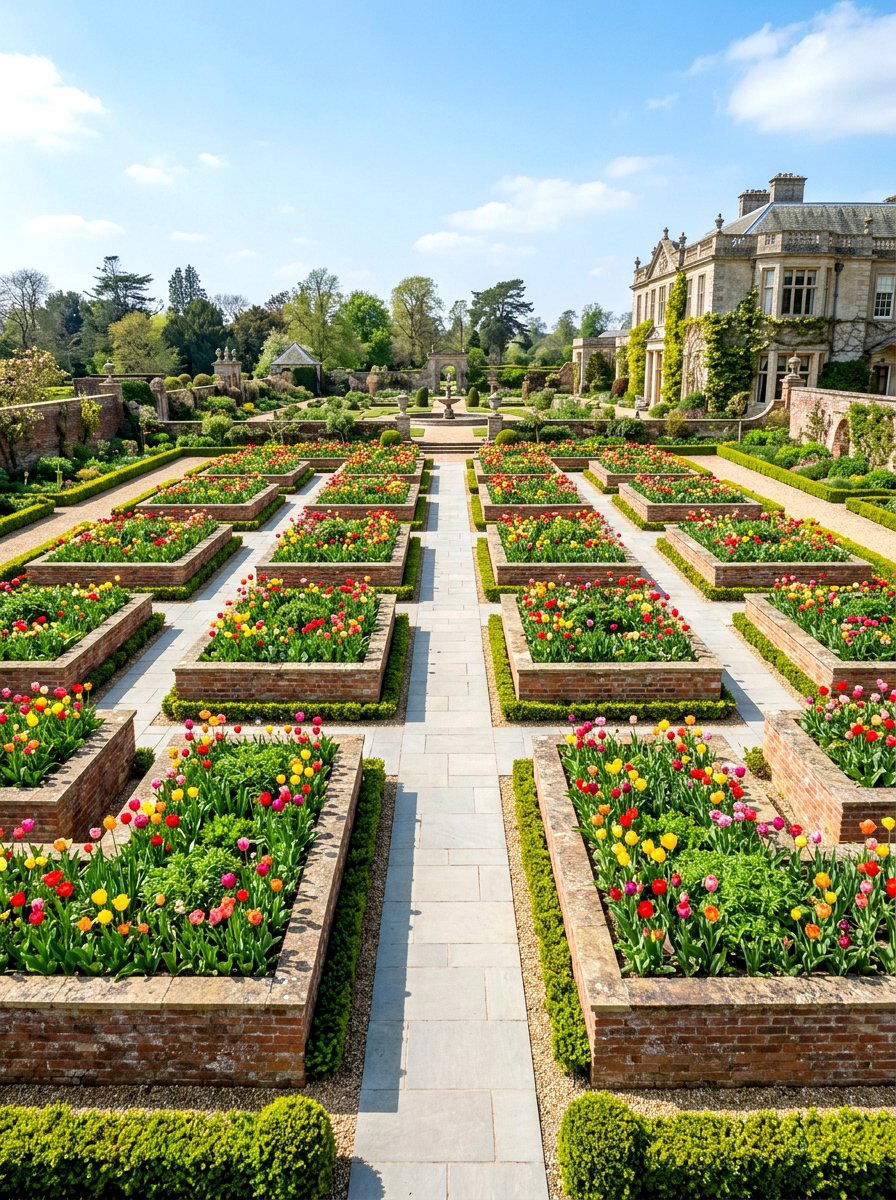
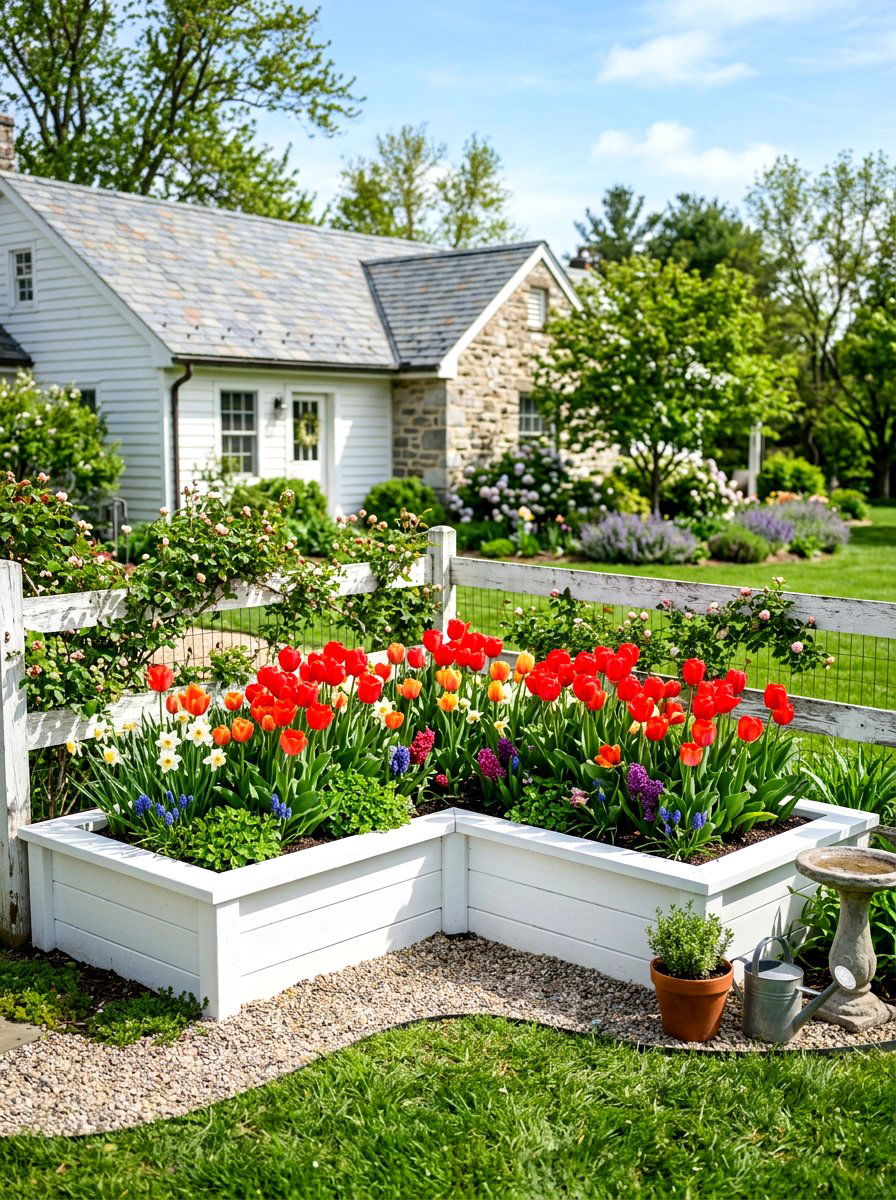
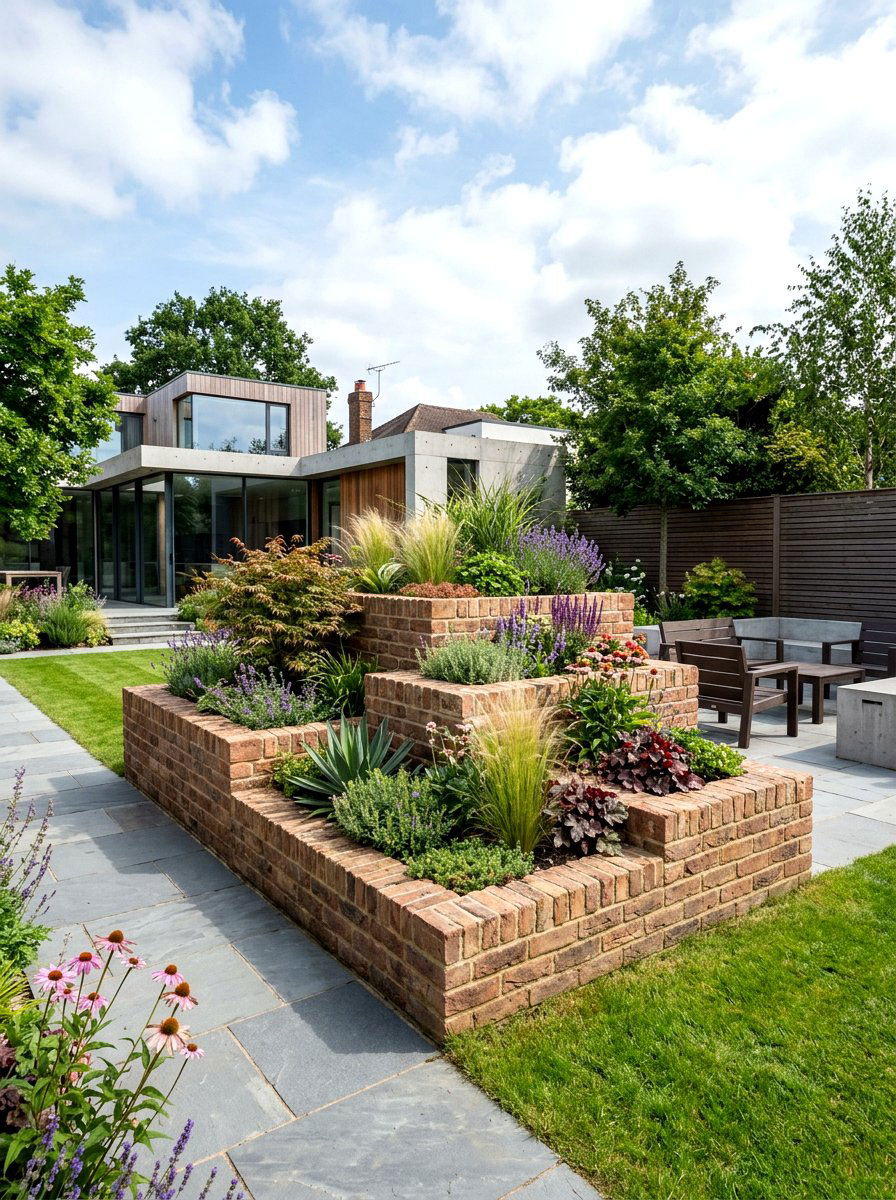
For those who prefer a more architectural look or have poor soil quality, a raised bed parterre is a practical and stylish choice. This design uses timber, brick, or stone walls to elevate the symmetrical planting beds above the surrounding ground level. This elevation provides excellent drainage and makes maintenance much easier on the back and knees. The vertical sides of the beds add another layer of geometric detail to the garden pattern. You can fill the raised sections with rich soil and a variety of plants, from ornamentals to edibles. It is a clean, modern way to interpret a traditional formal garden concept effectively.
12. Victorian Carpet Bedding Parterre
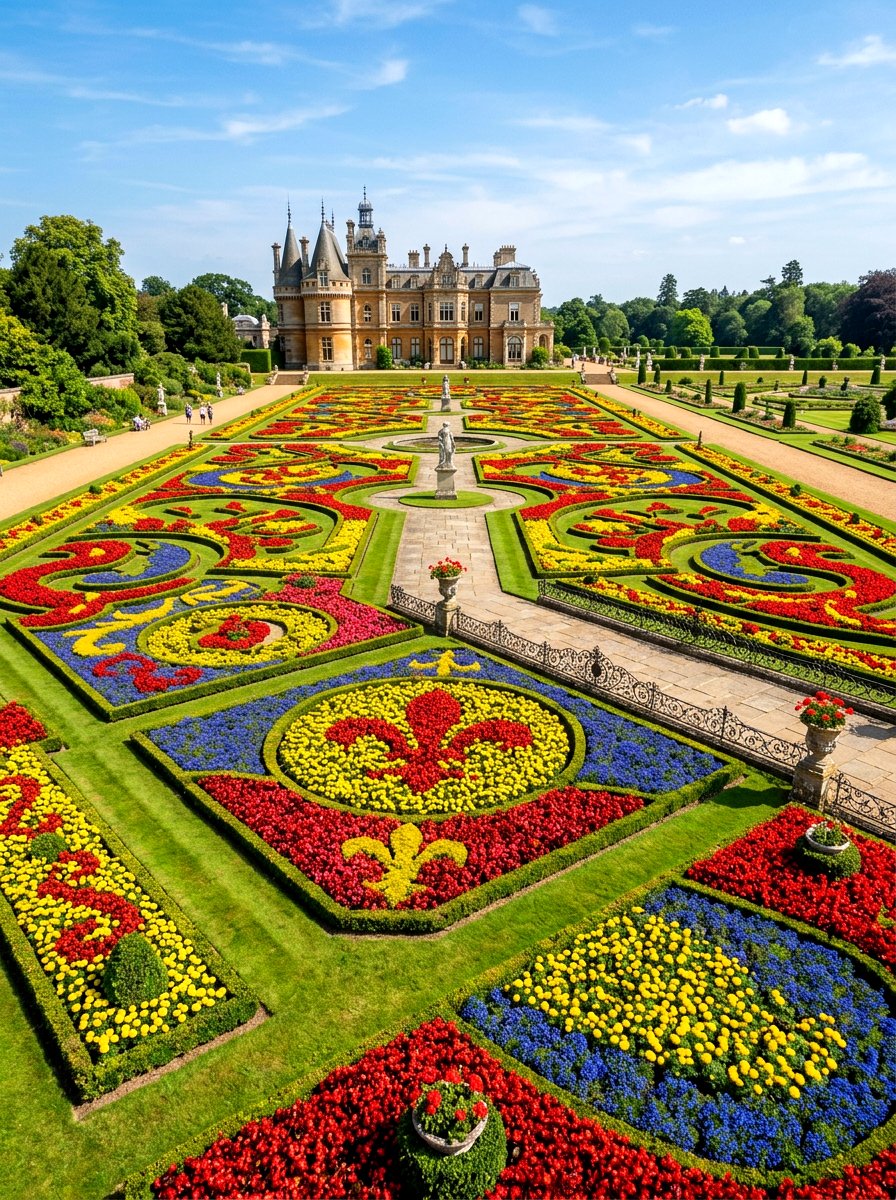
Relive the grandeur of the 19th century by installing a Victorian carpet bedding parterre in your front yard. This high-impact style uses thousands of small, colorful annuals planted closely together to create a literal "carpet" of flowers. Popular plants include begonias, marigolds, and coleus, chosen for their bright colors and uniform growth habits. The beds are typically arranged in intricate, symmetrical patterns that change with the seasons. While this style requires more frequent replanting than perennial designs, the result is an explosion of color that is sure to turn heads. It represents the height of horticultural showmanship and brings a festive energy to the home.
13. Contemporary Grass Parterre
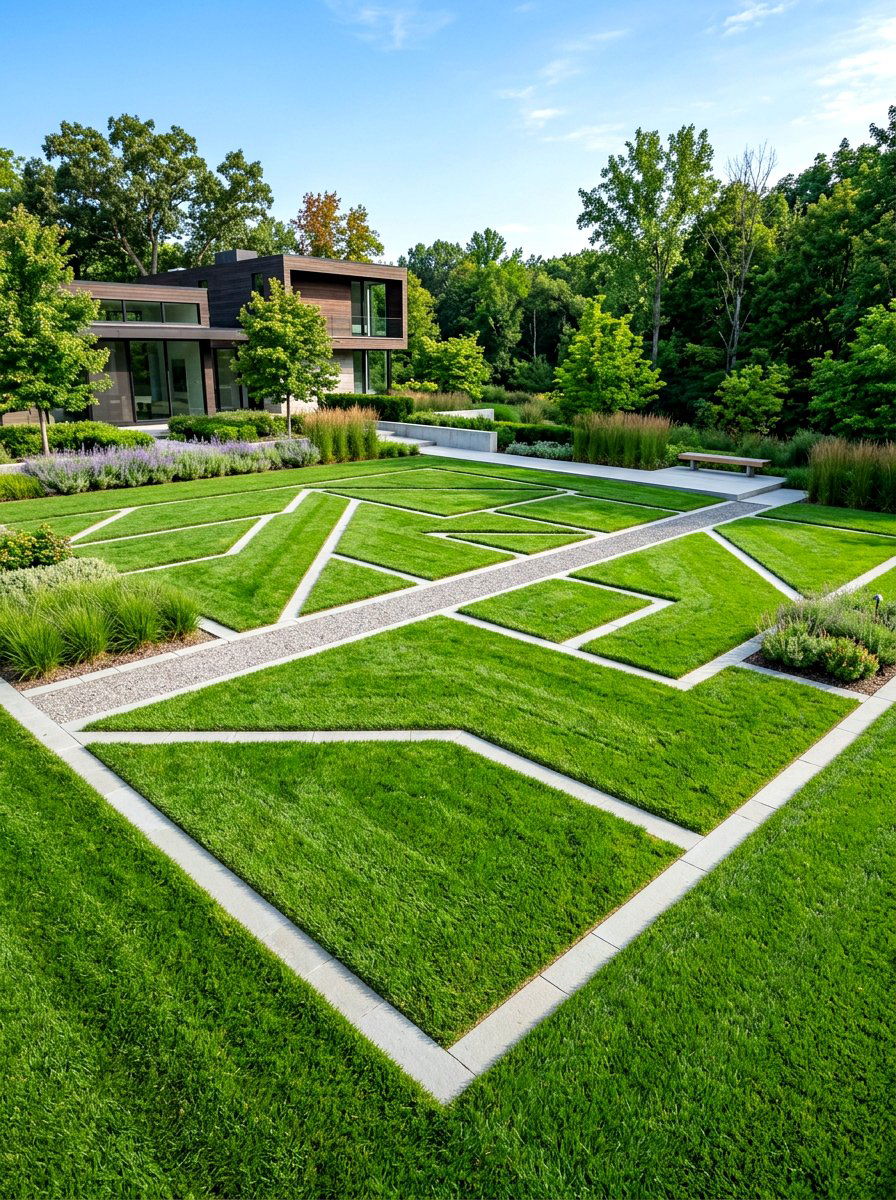
The contemporary grass parterre, also known as parterre à l’anglaise, focuses on the interplay between different levels of lawn and gravel. Instead of complex floral displays, this style uses neatly mown turf as the primary material for the "embroidery. " The patterns are created by cutting the grass at different heights or by outlining lawn sections with narrow gravel or stone strips. This minimalist approach is incredibly soothing and highlights the natural beauty of a healthy green lawn. It is a fantastic option for modern homes with large open spaces where you want to maintain a sense of openness. This layout offers a clean, low-profile aesthetic.
14. Edible Parterre With Vegetables
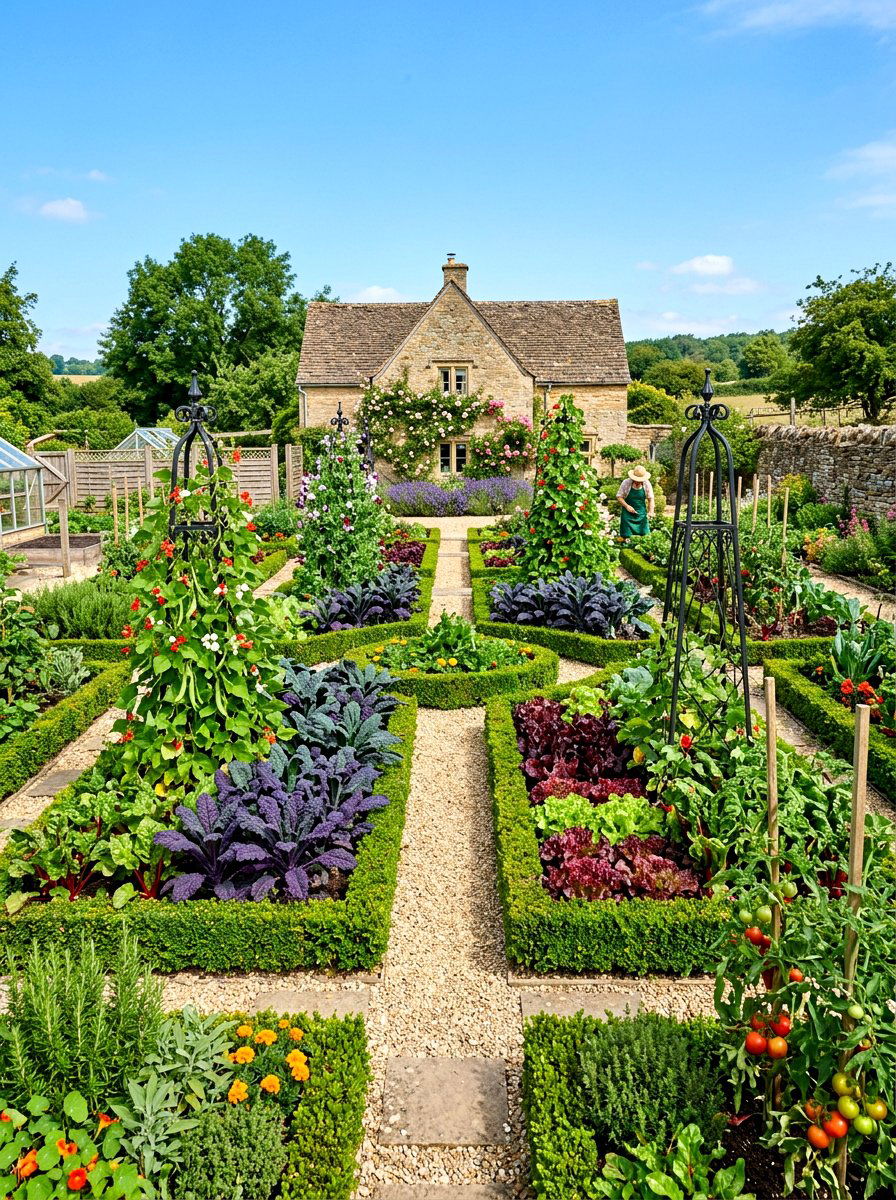
Transform your backyard into a productive oasis with an edible parterre with vegetables and fruit. This "potager" style garden uses formal parterre rules to organize your food crops into beautiful, manageable sections. You can use low-growing fruit bushes or edible herbs to create the borders, while filling the interiors with colorful lettuce, kale, and tomatoes. The symmetry makes the vegetable garden look tidy and intentional rather than messy or overgrown. Adding vertical elements like bean teepees or fruit tree obelisks can enhance the structural appeal. It is the perfect blend of high-end design and sustainable living for the modern, health-conscious homeowner.

15. Symmetrical Courtyard Parterre
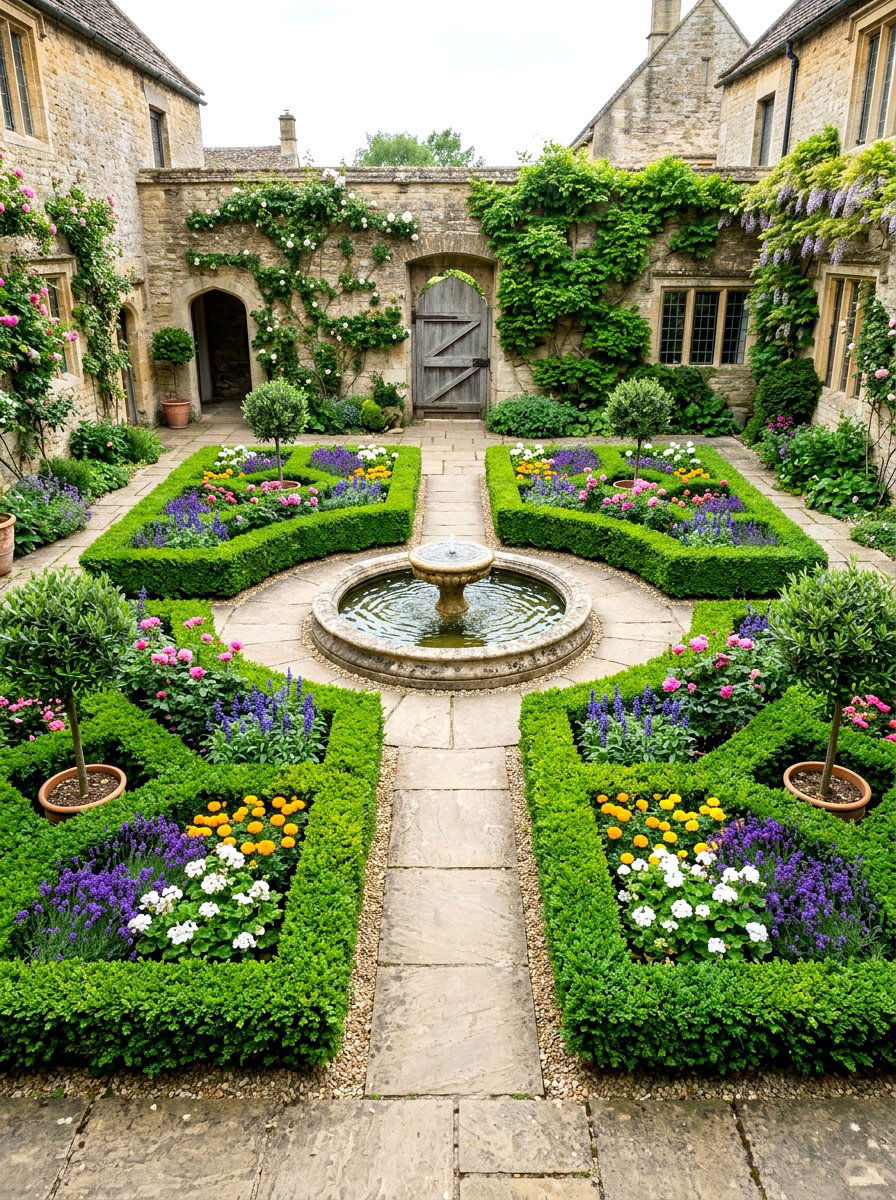
A symmetrical courtyard parterre is the ultimate solution for an enclosed outdoor space where you want to create a sense of intimacy. Because courtyards are often viewed from the surrounding rooms, the overhead pattern is incredibly important for visual appeal. Using a central water feature or a group of symmetrical planters can anchor the design and provide a sense of calm. Evergreen hedging ensures the view remains beautiful even during the winter months when you are inside. Low-voltage lighting can be used to highlight the patterns at night, turning the courtyard into a glowing masterpiece. It makes any small enclosure feel like a luxury spa retreat.
16. Formal Topiary Parterre
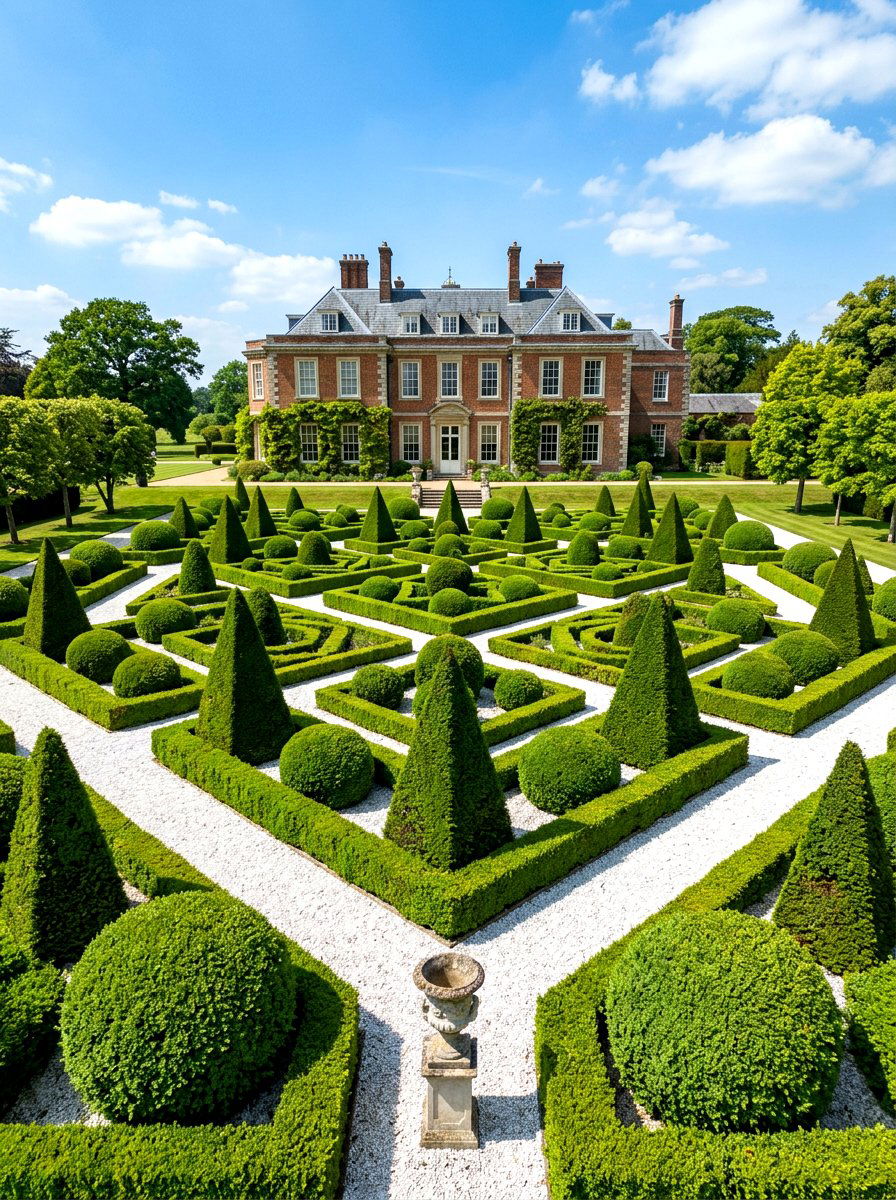
Take your garden structure to the next level by incorporating a formal topiary parterre into your landscape. In addition to low borders, this design includes taller shrubs pruned into spheres, cones, or spirals at regular intervals. These vertical accents provide a rhythm to the garden and act as living architectural columns. Using evergreen plants like yew or holly ensures that these shapes stay crisp and green throughout the entire year. This style is deeply rooted in European tradition and adds an air of sophistication and craftsmanship to your home. It requires a steady hand with the shears, but the result is a truly world-class garden display.
17. Classic Box Hedge Border
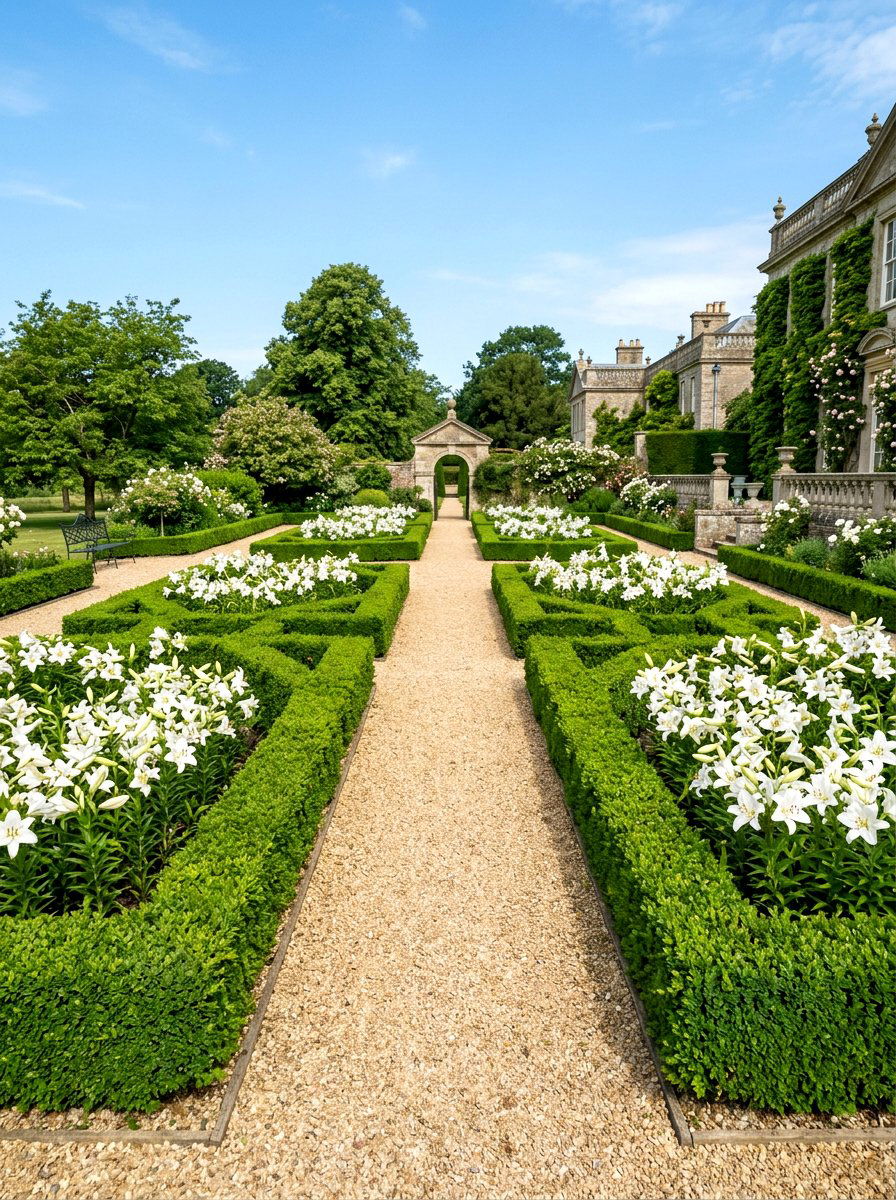
Sometimes the simplest approach is the most effective, and a classic box hedge border provides a clean foundation for any parterre. By using Buxus varieties, you can create a series of interconnected rectangles that define the paths and planting areas perfectly. This "skeleton" of the garden remains constant, allowing you to change the interior plantings as often as you like. You might fill them with tulips in the spring and zinnias in the summer for a rotating display of color. The dark green of the boxwood acts as a neutral frame that makes any other color look more vibrant. It is the most versatile parterre element.
18. Monochromatic White Flower Parterre
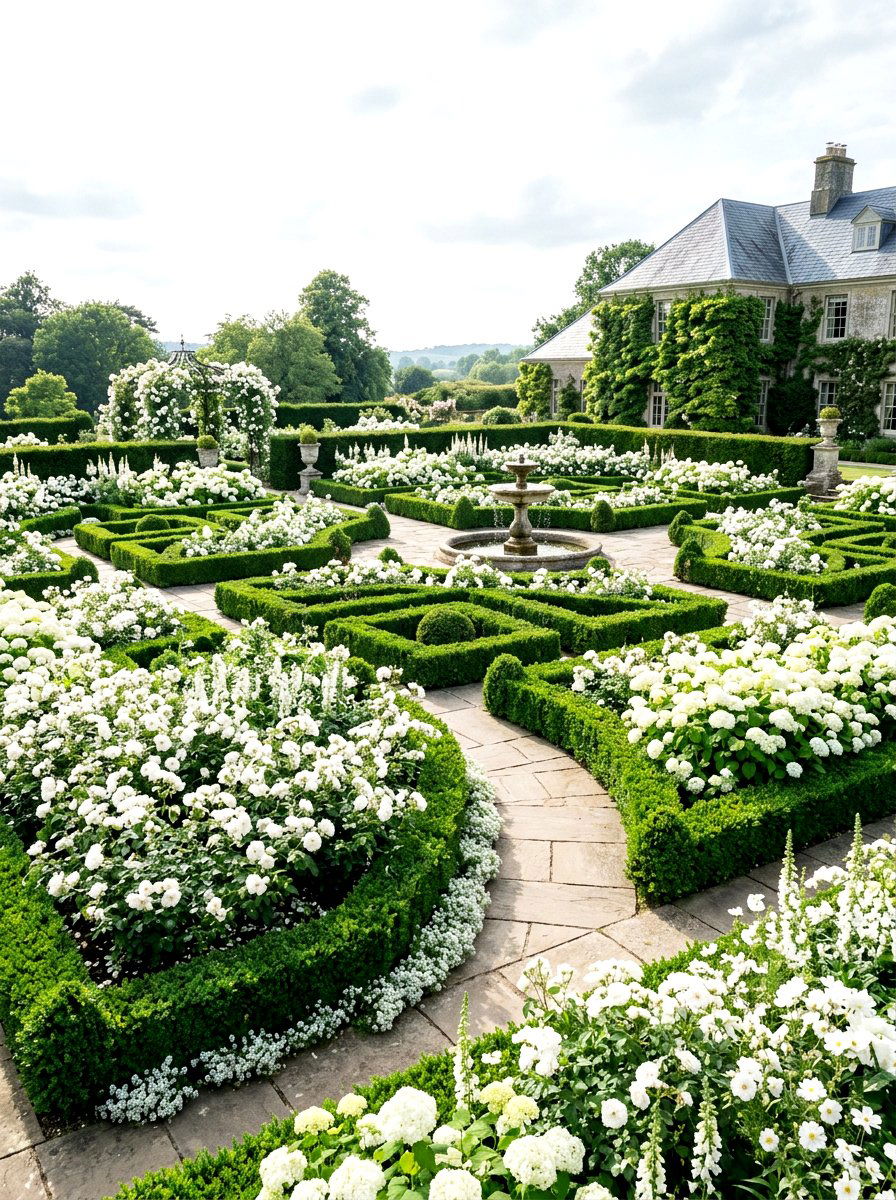
A monochromatic white flower parterre, often called a moon garden, is designed to look stunning both day and night. By filling your symmetrical beds with white roses, hydrangeas, lilies, and alyssum, you create a glowing effect that is incredibly peaceful. The white blooms stand out sharply against dark green evergreen hedging, emphasizing the garden's geometry. In the evening, the white flowers reflect the moonlight, making the garden accessible and beautiful after dark. This refined color palette is sophisticated and timeless, working well with both traditional and modern home styles. It creates a serene sanctuary that feels far removed from the busy outside world.
19. Ornamental Kitchen Garden Parterre
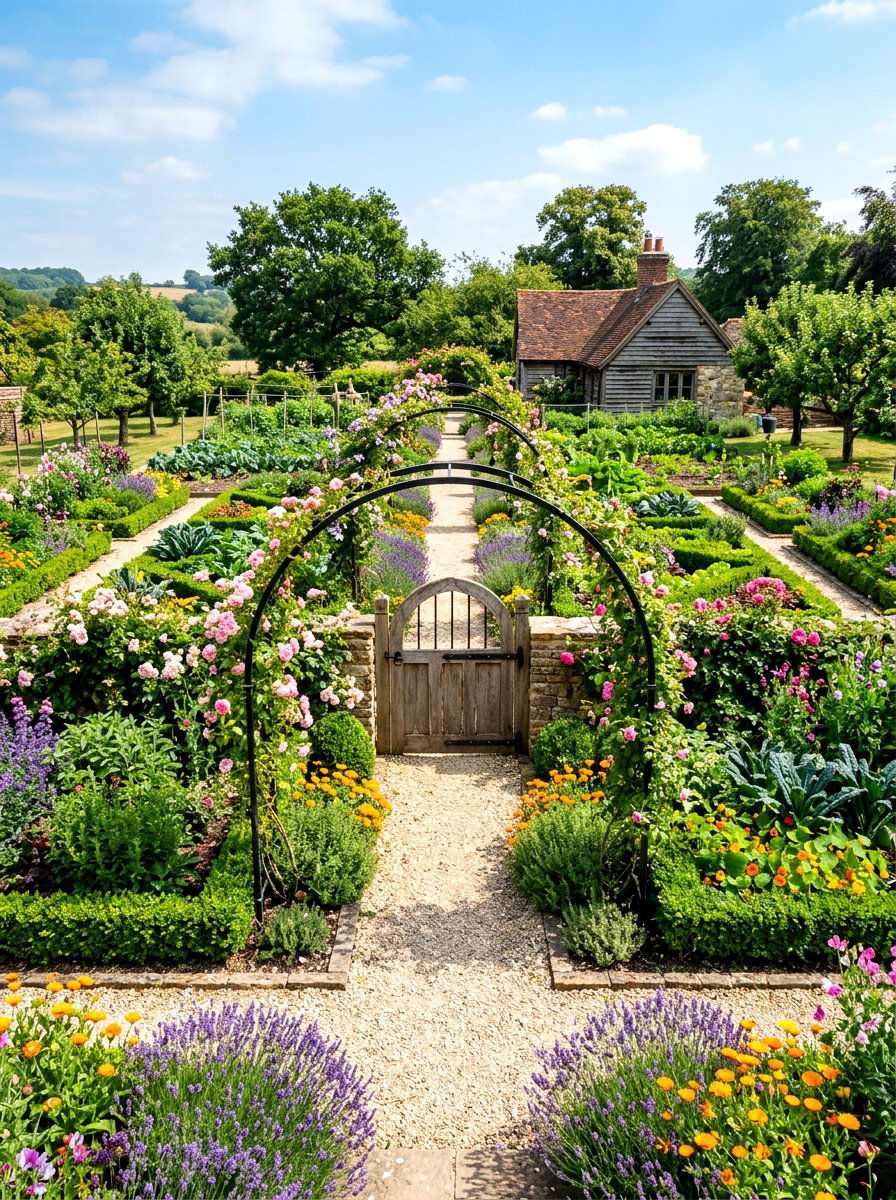
Combine the best of both worlds with an ornamental kitchen garden parterre that prioritizes both aesthetics and harvesting. This design uses decorative structures like iron arches or wooden trellises to support climbing vegetables within a formal layout. You can mix flowers and vegetables together, such as planting marigolds alongside tomatoes to help deter pests naturally. The structured paths ensure that you can reach every part of the garden without getting your shoes muddy. This approach turns the act of growing food into a high-end hobby that enhances the beauty of your property. It is a wonderful way to teach children about nature in a beautiful setting.
20. Square Patterned Parterre
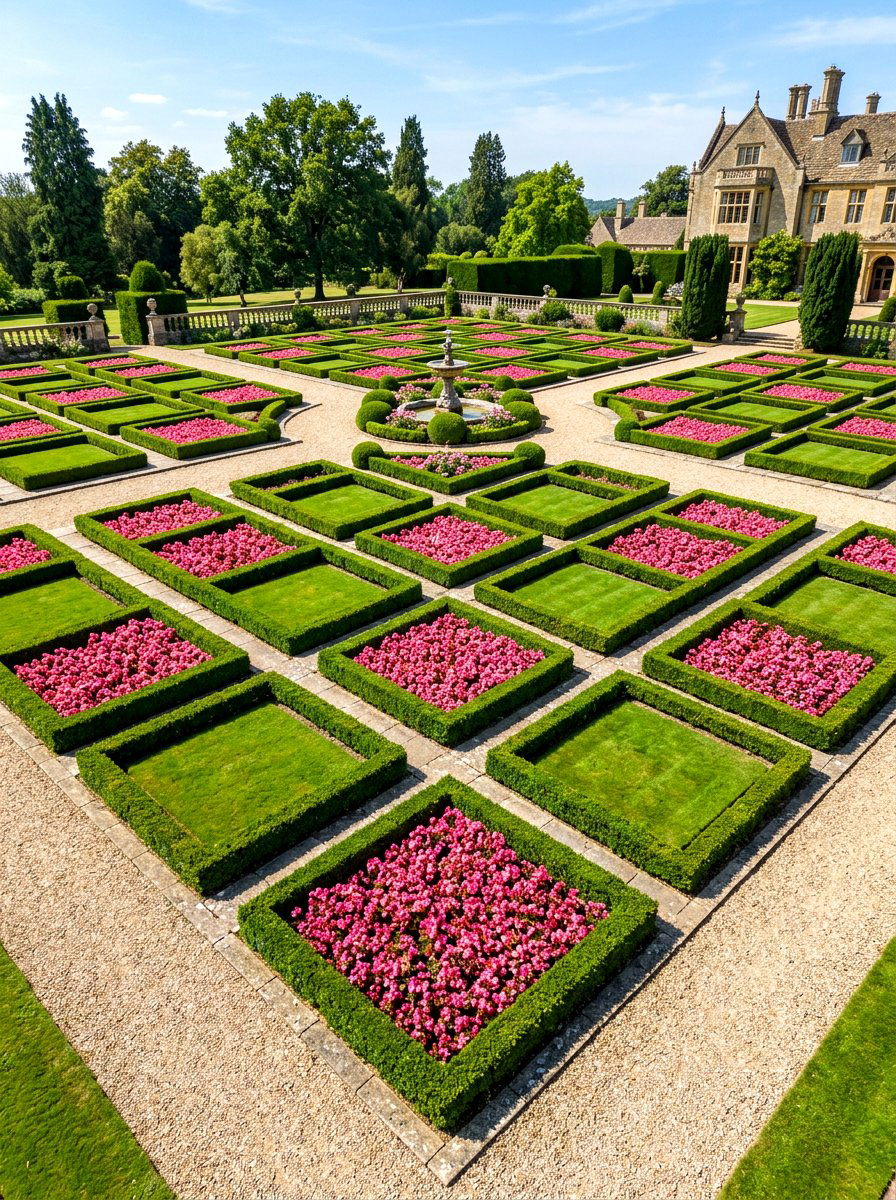
If you prefer a balanced and rhythmic look, a square patterned parterre provides a sense of solid stability. This design uses a grid of identical squares separated by clean paths, creating a "checkerboard" effect on the ground. You can alternate what is inside each square, such as filling one with green lawn and the next with colorful flowers. This repetition is visually satisfying and makes a large garden feel more intimate and organized. It is also one of the easiest parterre styles to plan and install on a level surface. The grid system allows for endless creativity within a very disciplined and orderly framework.
21. Rustic Cottage Style Parterre
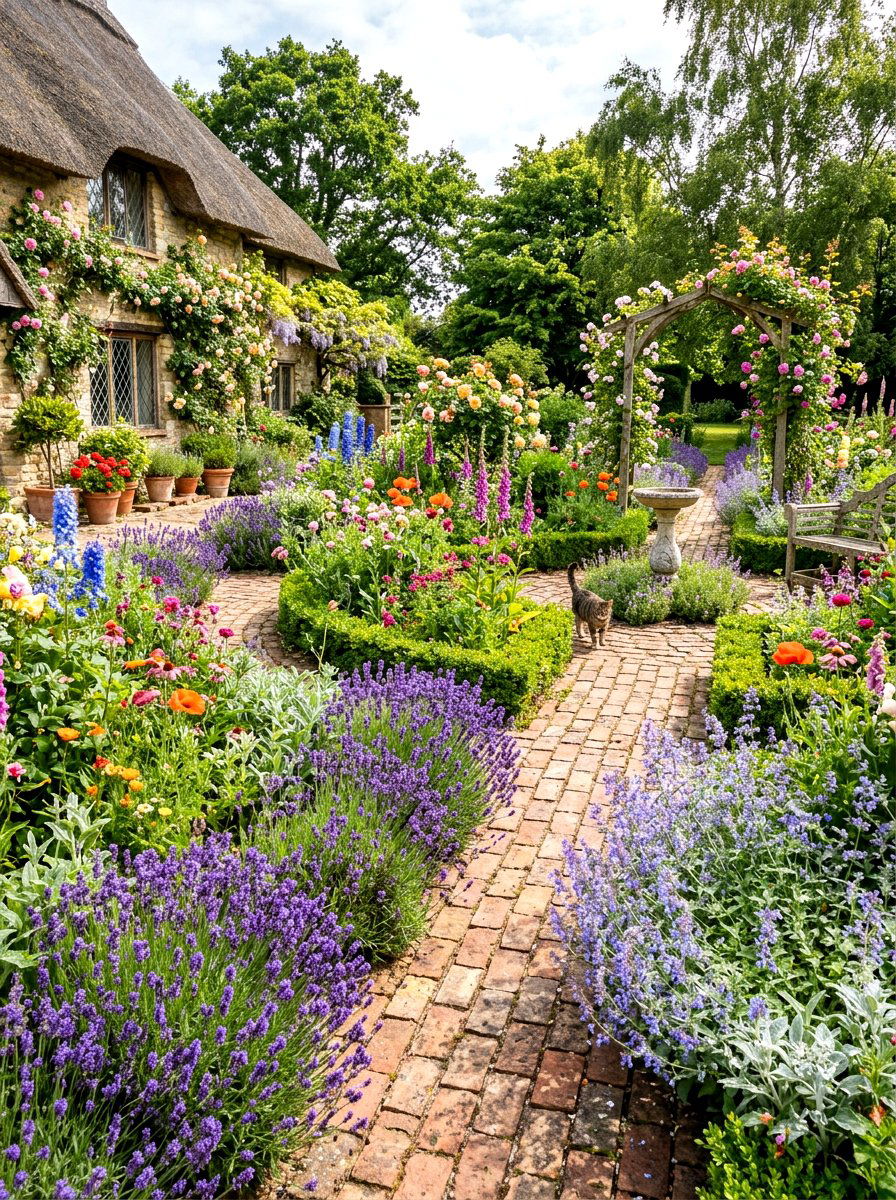
For a less rigid take on formality, consider a rustic cottage style parterre that uses softer plants and natural materials. Instead of perfectly clipped boxwood, you could use sprawling lavender or catmint for the borders to create a "fuzzy" and romantic edge. The paths could be made of reclaimed brick or weathered wood chips to add a sense of history and warmth. Inside the beds, a mix of wildflowers and perennials can be allowed to grow more freely, spilling over the edges slightly. This approach maintains the underlying symmetry of a parterre but feels much more relaxed and inviting. It is perfect for a traditional country home.
22. Coastal Parterre With Salt Tolerant Plants
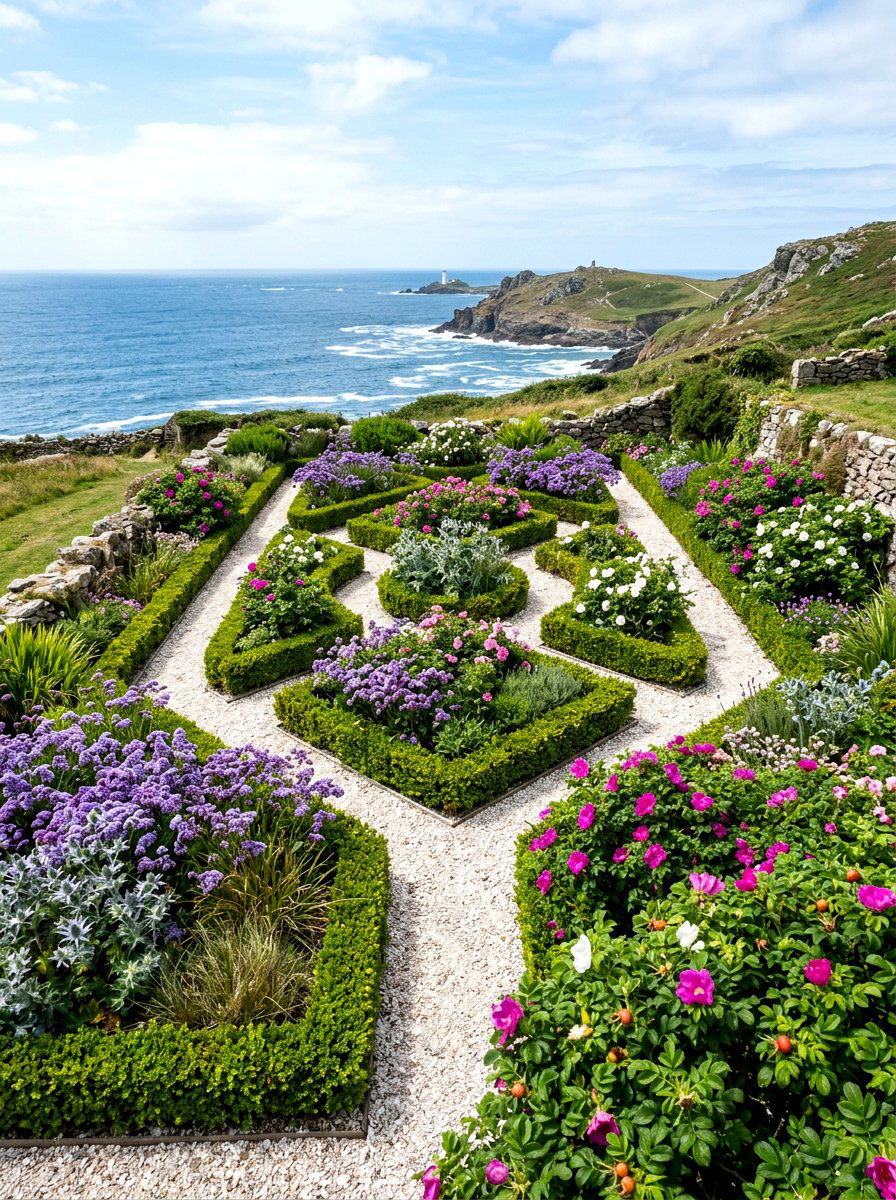
Living near the ocean does not mean you have to give up on formal gardening, as a coastal parterre uses salt-tolerant plants to maintain structure. Instead of traditional boxwood which can struggle with sea spray, consider using rugged evergreens like Japanese holly or certain types of privet. You can fill the beds with coastal favorites like sea lavender, grasses, and rugosa roses that thrive in sandy soil. Using light-colored gravel or crushed shells for the paths reflects the beach environment and keeps the garden feeling bright and airy. This design brings a sense of refined order to the rugged beauty of a seaside property or coastal vacation home.
23. Terrace Parterre For Sloped Gardens
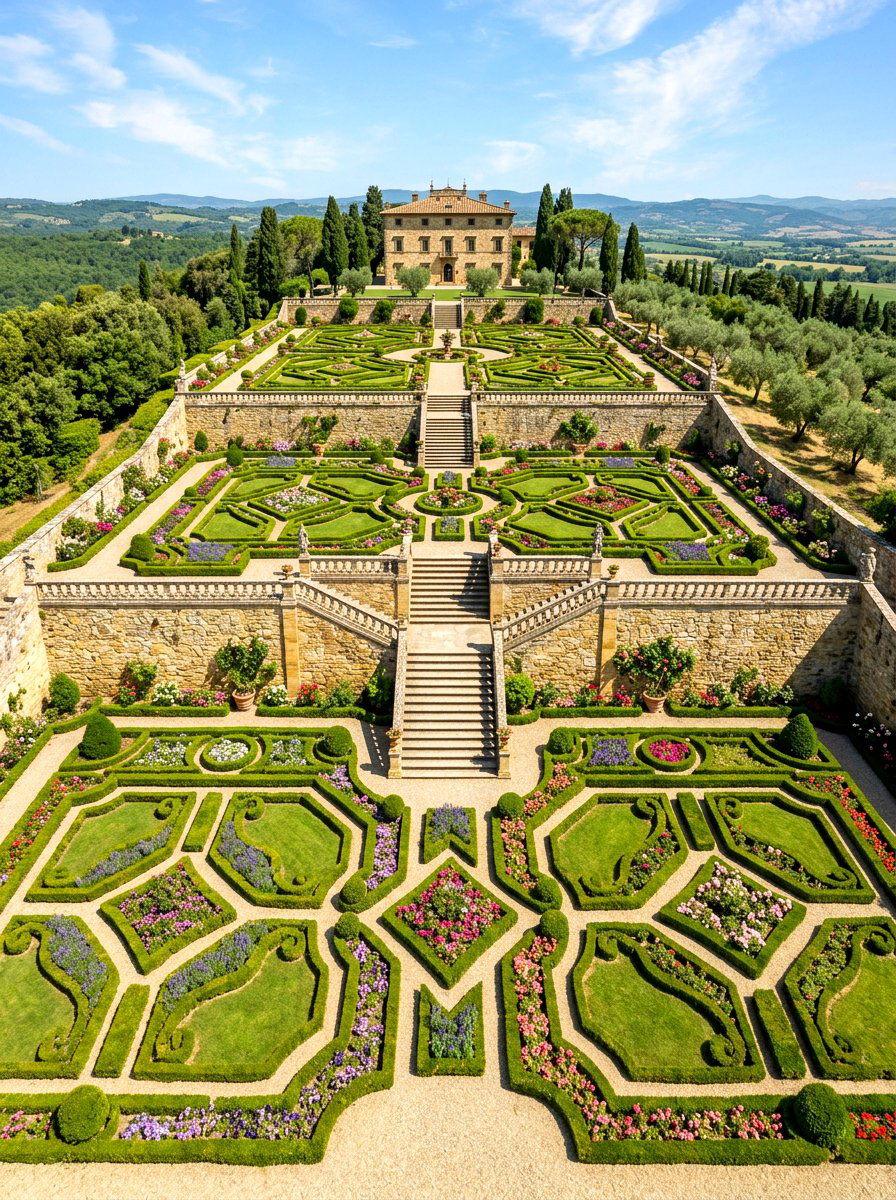
If your property is not perfectly flat, a terrace parterre for sloped gardens allows you to enjoy formal symmetry on multiple levels. By building stone retaining walls, you can create flat "steps" where each level features its own parterre pattern. This vertical layering adds incredible depth and interest to the landscape, making the garden feel much more expansive. You can connect the levels with wide, symmetrical stone stairs that align with the central axis of the parterre. This style is often seen in grand Italian villas and provides a dramatic, cinematic feel to the outdoor space. It turns a challenging slope into a stunning architectural feature.
24. Minimalist Boxwood Hedge Layout
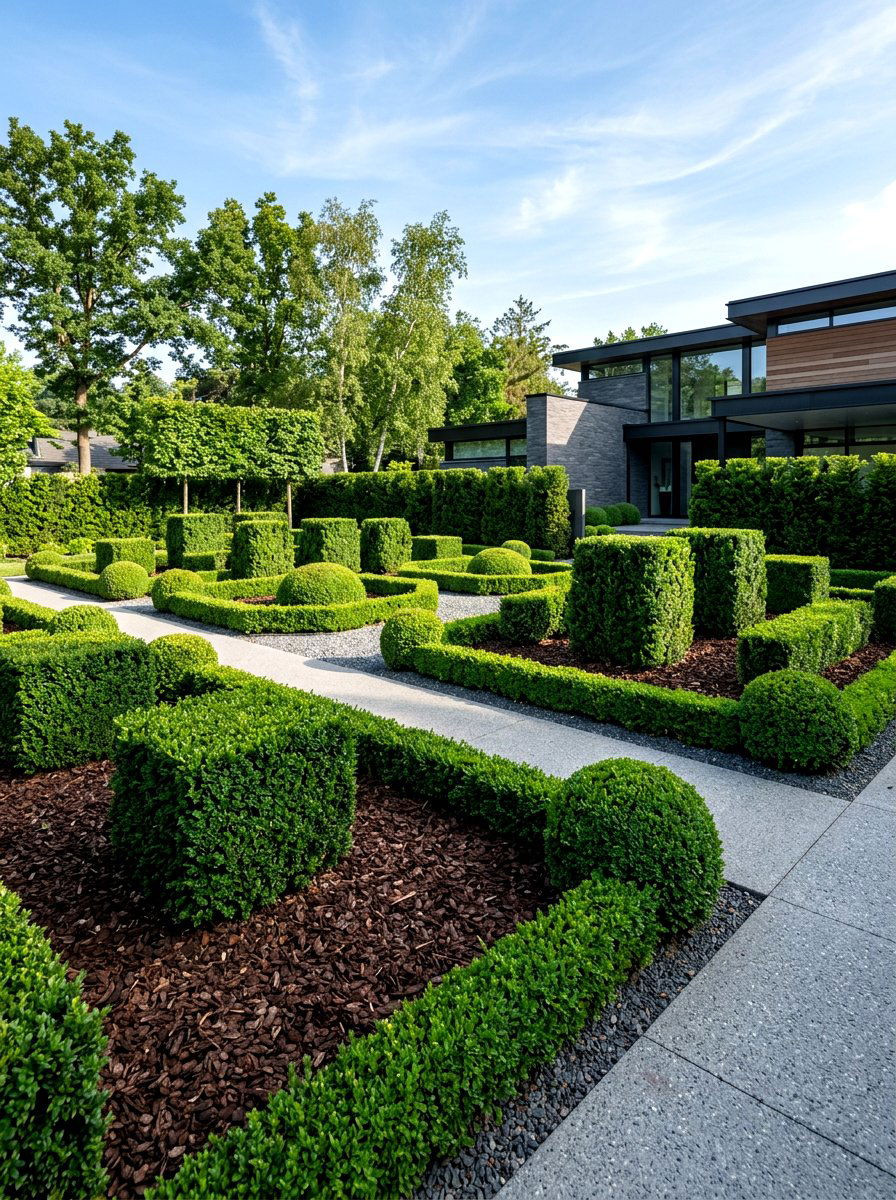
A minimalist boxwood hedge layout focuses entirely on the beauty of green tones and architectural shapes without the distraction of flowers. This design uses varying heights of boxwood and other evergreens to create a living 3D sculpture. You might have low "ribbons" of hedge winding through taller "blocks" of greenery, all set against a clean backdrop of dark mulch or gray stone. This style is incredibly low-maintenance once the hedges are established, requiring only a few trims per year. The result is a calm, contemplative space that emphasizes form and shadow. It is a perfect choice for those who appreciate quiet, understated luxury in their landscape.
25. Colorful Perennial Parterre
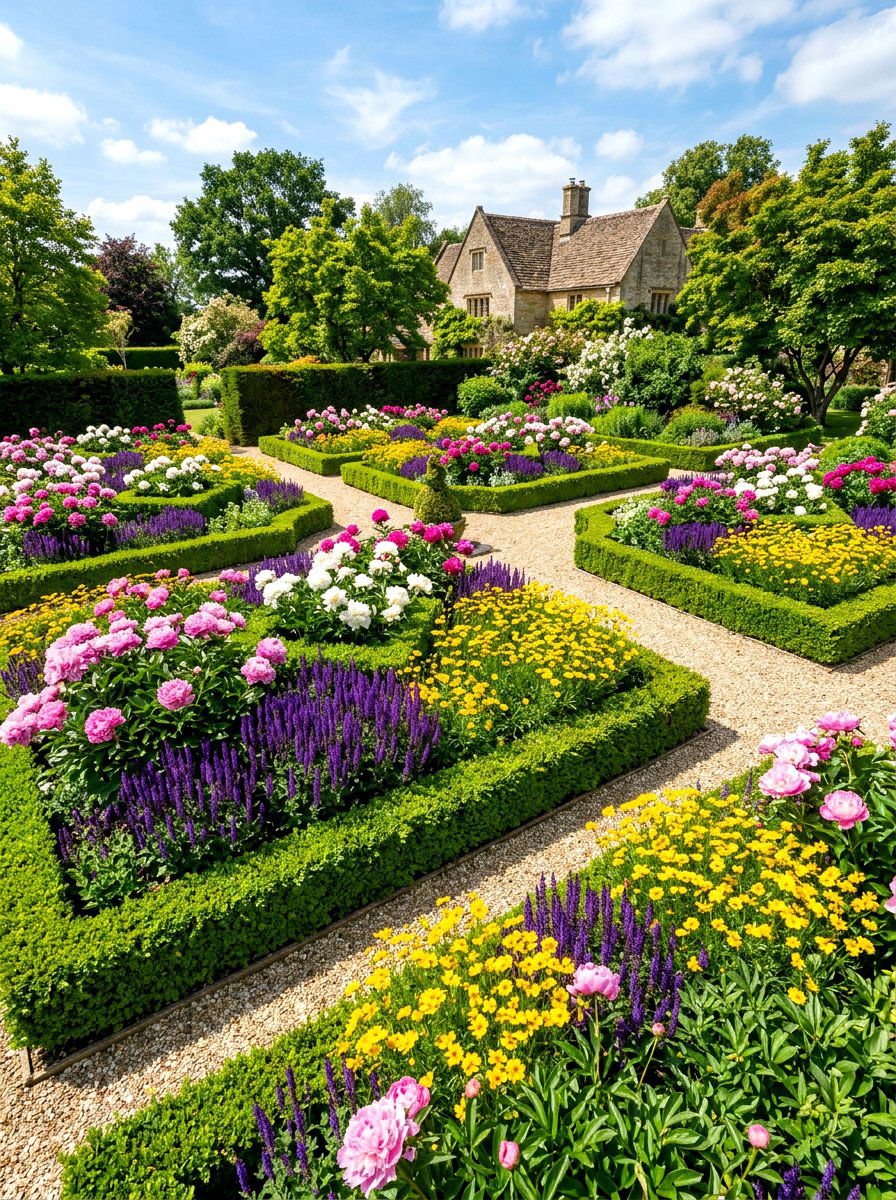
A colorful perennial parterre offers a dynamic and ever-changing display that evolves with the seasons. Unlike annual bedding which must be replaced, perennials come back every year, providing a reliable source of beauty. You can plan the beds so that different plants bloom at different times, ensuring there is always something interesting to look at. For example, peonies might take center stage in late spring, followed by purple salvia and yellow coreopsis in the summer. The permanent hedging keeps the garden looking tidy even when the perennials are cut back in the autumn. This approach creates a rich, textured tapestry that celebrates the diversity of the plant world.
26. Shadow Patterned Parterre
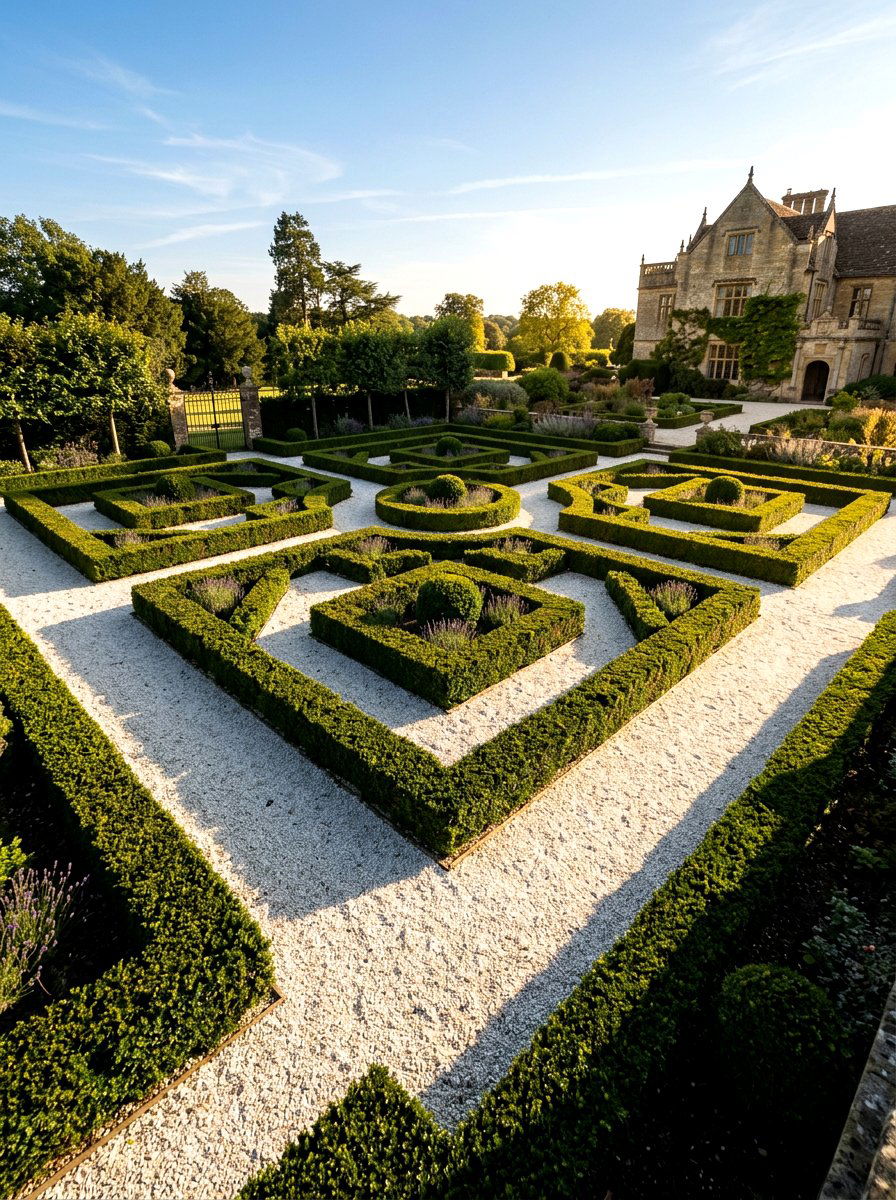
A shadow patterned parterre is a unique design that uses the height of the hedges to play with light and shadow throughout the day. By using slightly taller hedging (about two feet high) , the garden creates long, dramatic shadows during the morning and late afternoon. These shadows add a second "ghost" pattern to the ground, changing the look of the garden every hour. This style works best in open, sunny areas where the sun can move across the entire layout. It emphasizes the three-dimensional nature of the parterre and adds a sense of mystery and movement. It is a sophisticated way to use natural light as a design tool.
27. Formal Entrance Parterre
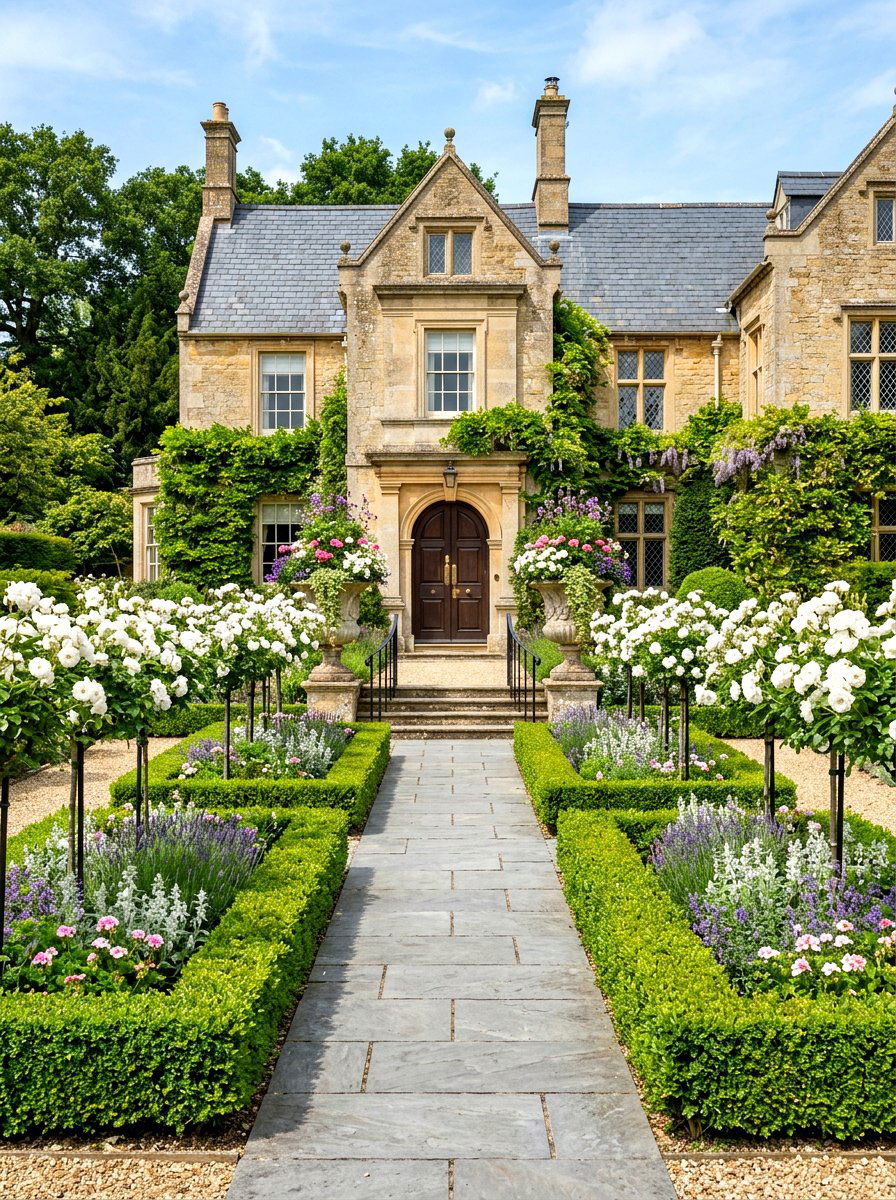
First impressions matter, and a formal entrance parterre creates a grand sense of arrival for anyone visiting your home. Placing a symmetrical garden layout on either side of the front walkway immediately tells guests that they are entering a place of care and elegance. You can use standard roses or topiary trees to add height and frame the front door perfectly. This layout works well with a central fountain or a pair of large, classic urns filled with seasonal flowers. The organized structure of the parterre complements the architecture of the house and increases curb appeal significantly. It is the ultimate way to welcome visitors with style.
28. Mirror Image Parterre
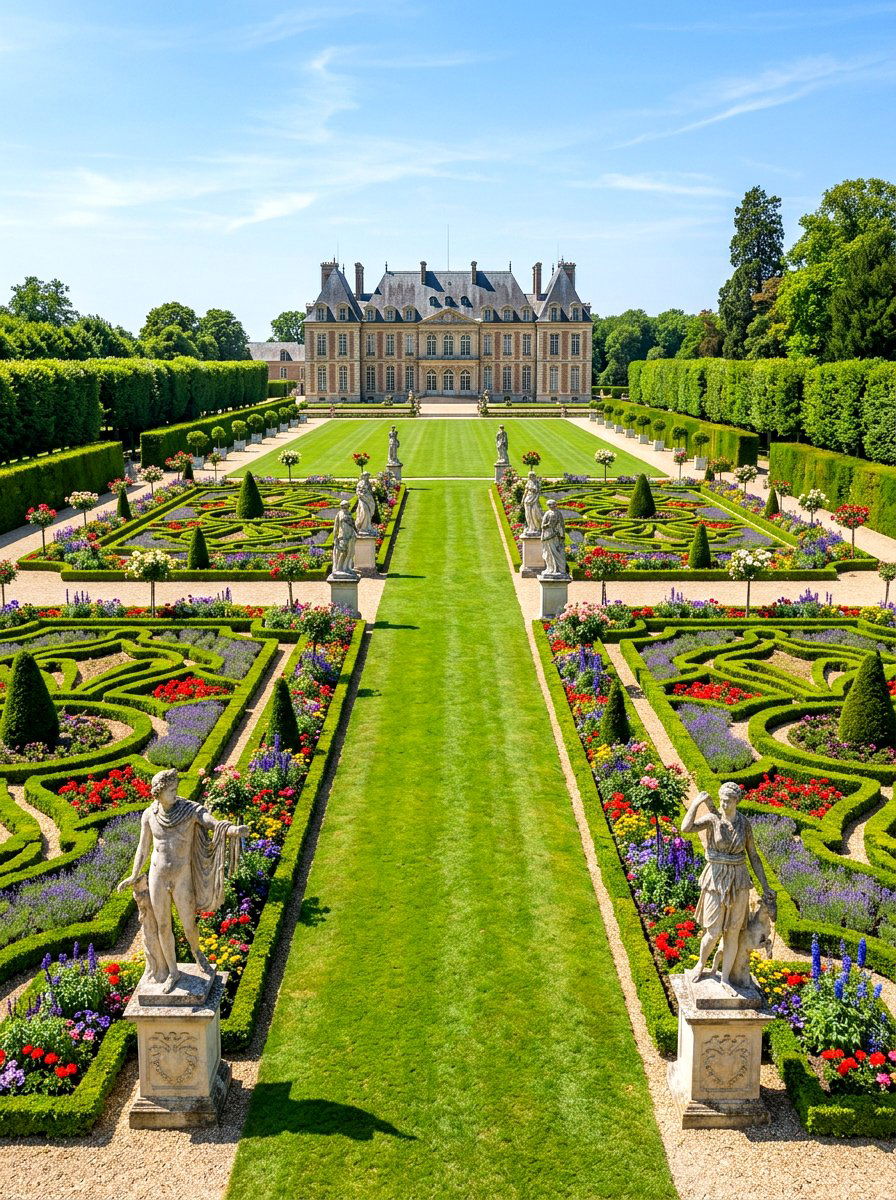
The mirror image parterre is the purest expression of formal garden design, where two identical garden halves face each other across a central path. This bilateral symmetry is incredibly pleasing to the human eye and creates a strong sense of balance and harmony. Every plant, pot, and stone on the left must have an exact twin on the right. This layout is perfect for a long, rectangular backyard where you want to create a grand vista. Standing at one end and looking down the central axis provides a powerful visual experience. It is a classic technique used in the world's most famous gardens to create a feeling of majesty.
29. Water Feature Parterre
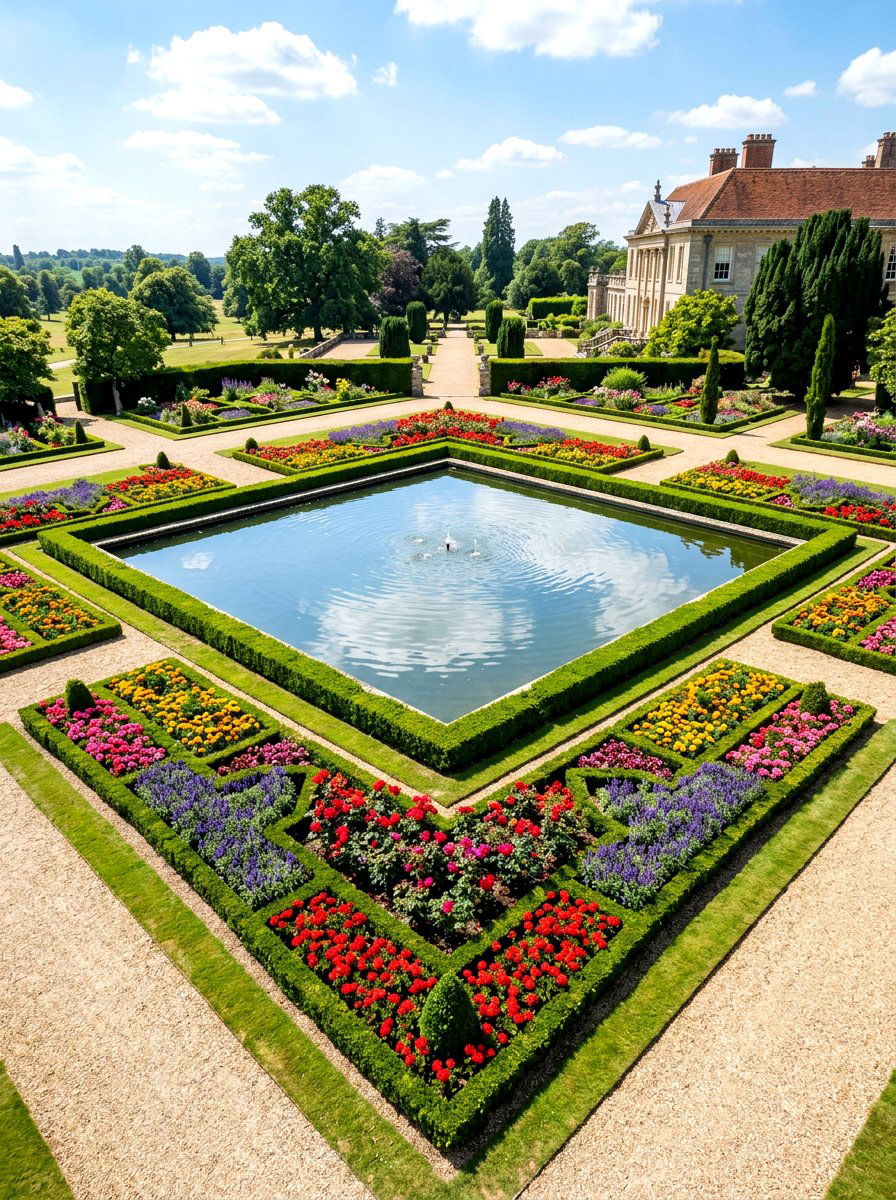
Integrating a water feature parterre adds the soothing sound and cooling effect of water to your formal garden. This design places a central pond or fountain at the heart of the symmetrical beds, often with narrow "rills" or water channels following the path lines. The reflection of the sky and the surrounding hedges in the water adds a sense of light and space to the garden. Water features also attract birds and beneficial insects, adding life and movement to the structured environment. Using stone or tile to edge the water elements keeps the look clean and integrated. It creates a tranquil oasis that appeals to all the senses.
30. Winter Interest Parterre
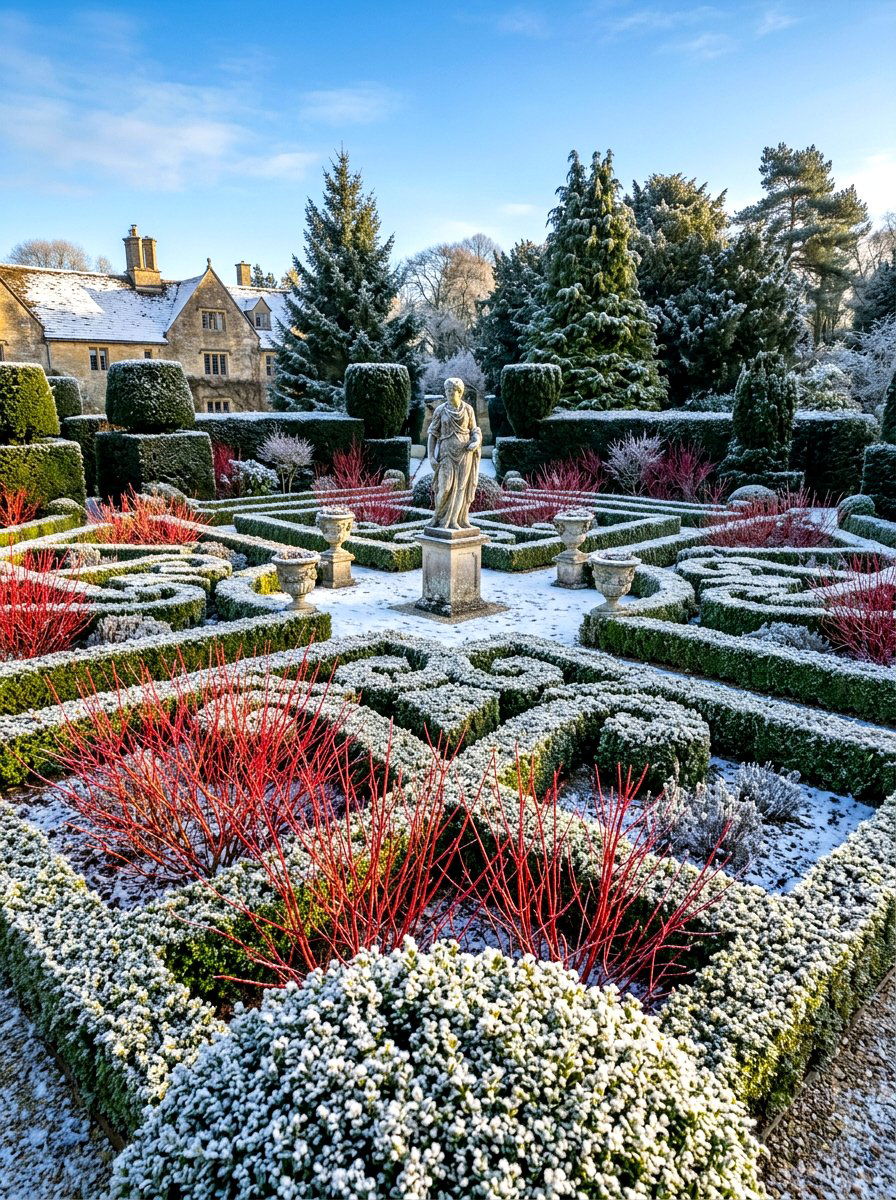
A winter interest parterre is designed specifically to look beautiful even during the coldest months of the year. By relying heavily on evergreen hedging and strong hardscape elements, the "bones" of the garden remain visible when everything else is dormant. You can choose plants with interesting winter bark or berries, like red-twig dogwood or holly, to add pops of color against the snow. The geometric patterns are often most striking when highlighted by a light dusting of frost or snow. This ensures your view from the house is always rewarding, regardless of the weather outside. It is the perfect way to maintain a year-round connection to nature.
Conclusion:
A parterre garden is more than just a collection of plants; it is a structured masterpiece that brings order, beauty, and value to your outdoor living space. By following the principles of symmetry and using evergreen hedging, you can create a landscape that remains visually stunning throughout every season. Whether you choose a traditional French layout or a modern geometric approach, the parterre serves as a timeless symbol of garden excellence and personal style. It offers a peaceful retreat where you can enjoy the harmony of nature and design in perfect balance. Start your journey toward a more elegant garden today by implementing these classic ideas.

Related posts: