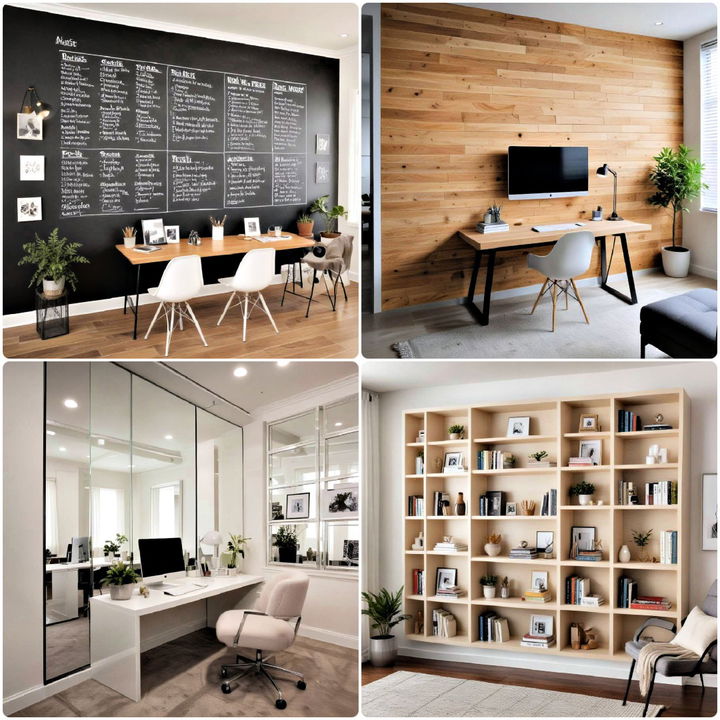
Designing a professional legal environment requires a careful balance between establishing authority and ensuring client comfort. When you walk into an attorney's office, the atmosphere should immediately communicate trust, competence, and meticulous attention to detail. This collection of thirty unique inspirations explores various aesthetics ranging from the time-honored traditional mahogany suites to the sleek, glass-filled contemporary offices of today’s modern practitioners. Whether you are building a boutique private practice or refining a high-stakes corporate environment, these concepts provide actionable ways to enhance your workflow and client experience. Every detail, from the choice of ergonomic seating to the strategic placement of law libraries, contributes to a cohesive and powerful professional identity that resonates with everyone who enters the space.

1. Professional Law Office
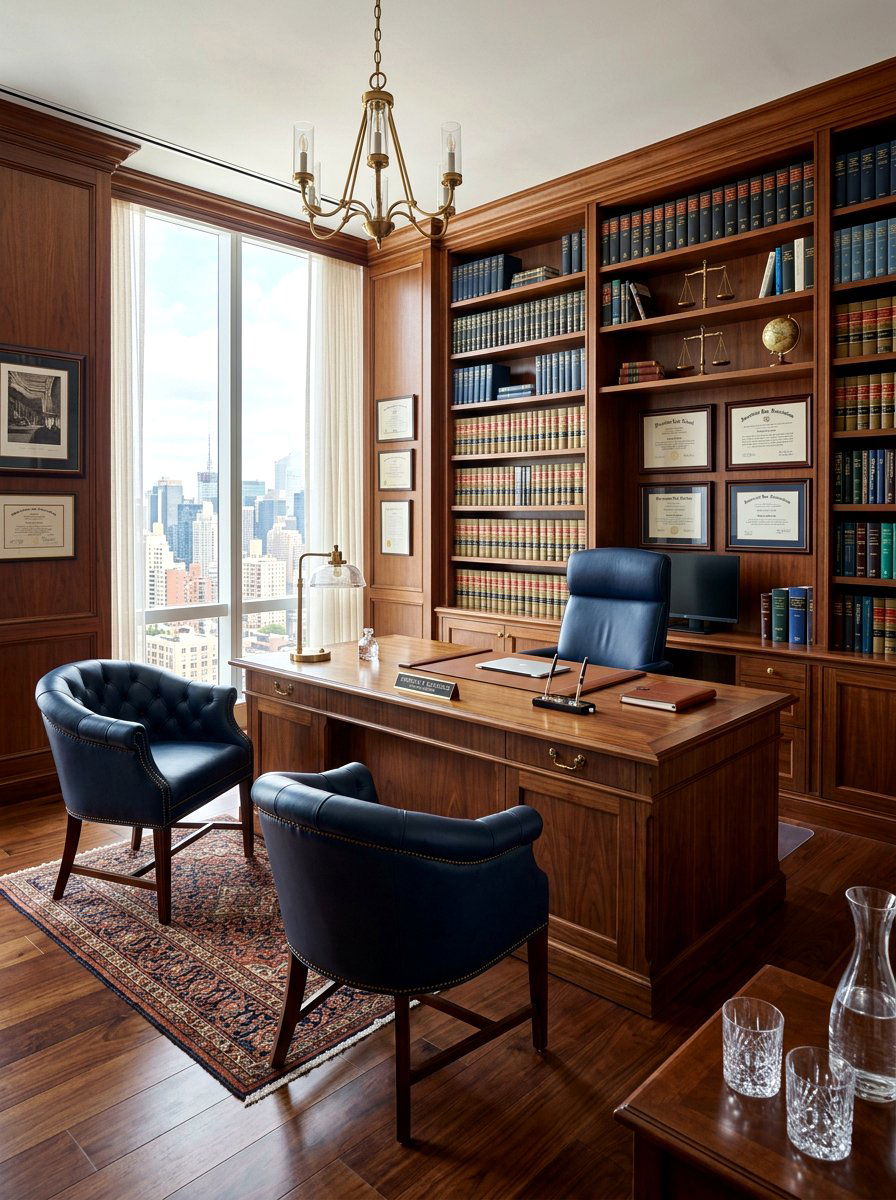
Creating a professional law office begins with a layout that prioritizes confidentiality and a sense of permanence. You can achieve this by selecting substantial furniture pieces, such as a heavy executive desk made from walnut or cherry wood. The arrangement should allow for a clear distinction between the attorney's focused work area and the client consultation zone. Incorporate high-quality materials like polished stone or rich textiles to signal success and reliability. Lighting plays a crucial role here; choose a mix of recessed ceiling lights and a classic brass desk lamp to create a focused yet welcoming environment. This design approach ensures that every visitor feels they are in capable hands immediately.
2. Modern Attorney Suite
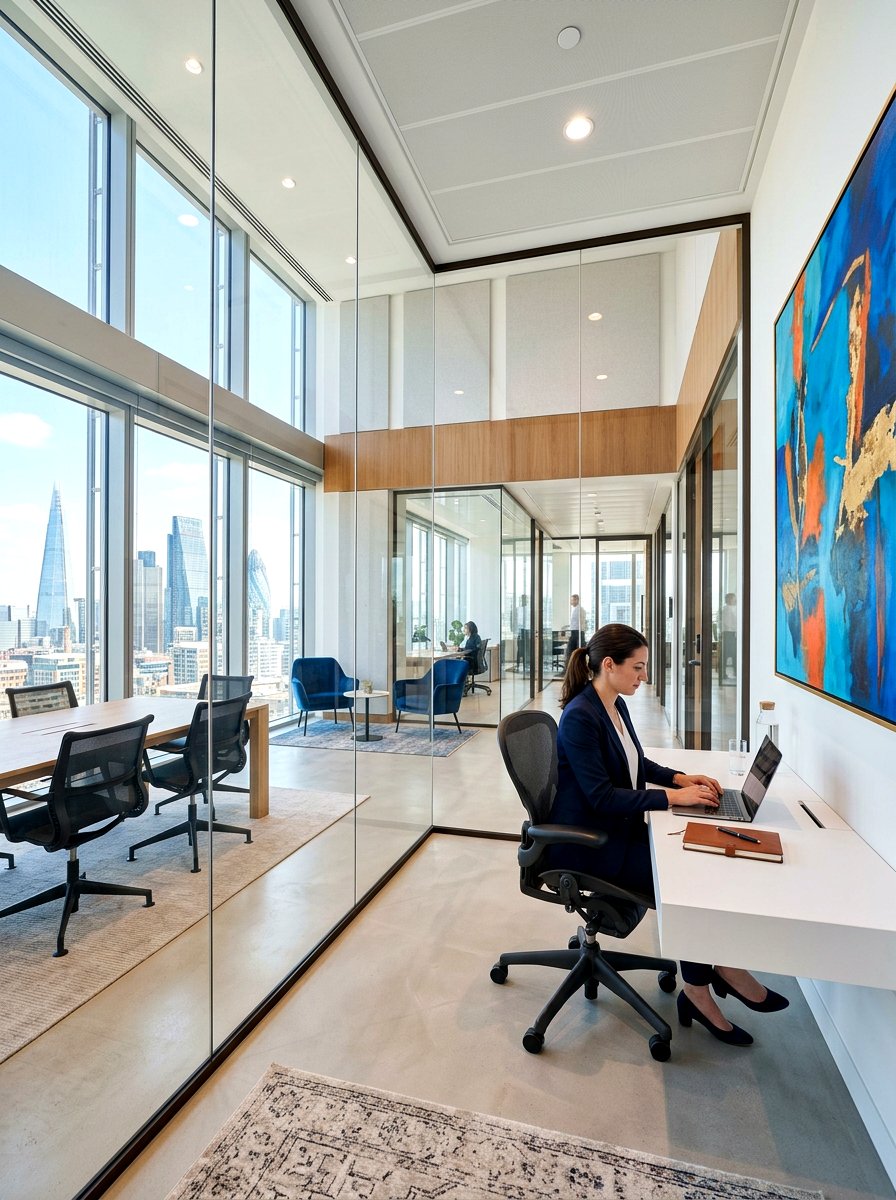
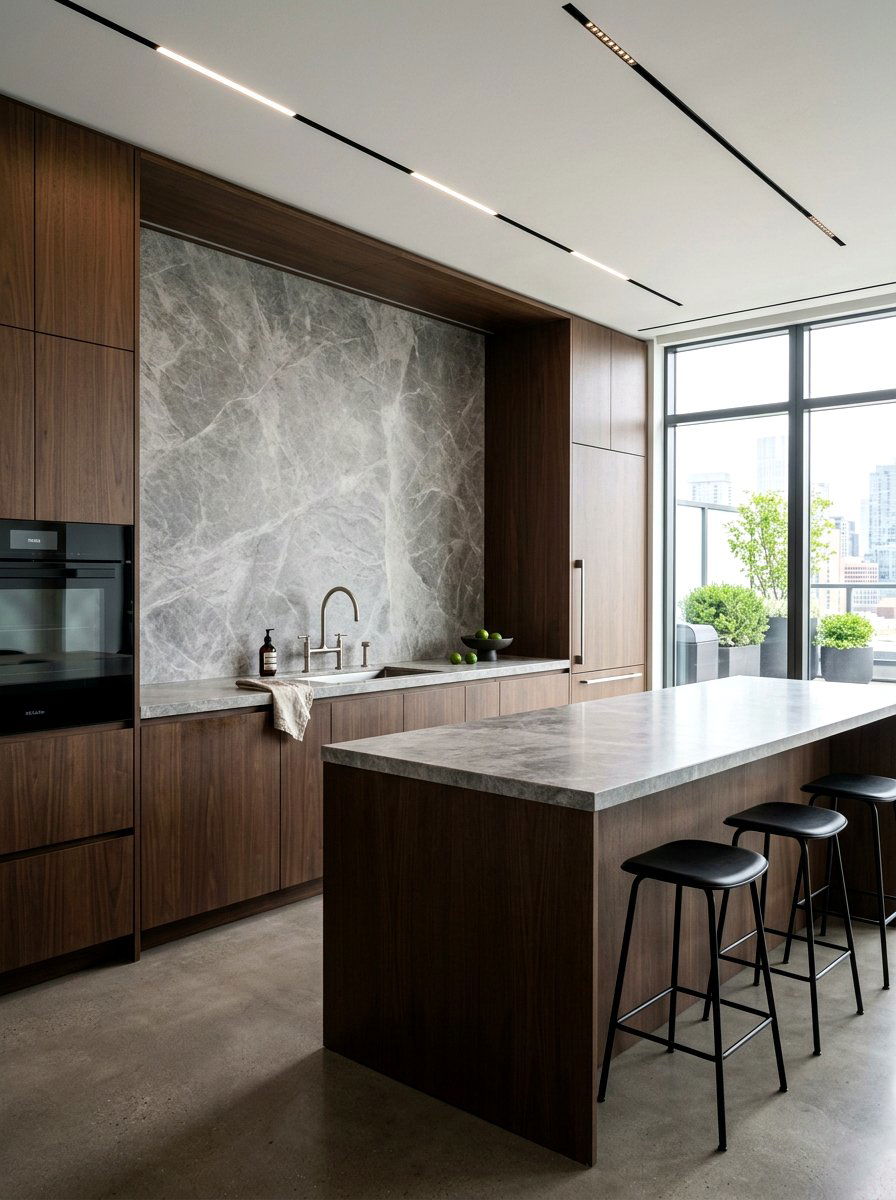
A modern attorney suite focuses on transparency and sleek efficiency, often utilizing glass partitions to create an open yet acoustically private atmosphere. You should choose furniture with clean lines, such as a minimalist floating desk paired with a high-back ergonomic mesh chair. The color palette typically leans toward cool grays, crisp whites, and matte black accents to project a forward-thinking image. Integrating technology is seamless in this design, with hidden cable management systems and built-in charging ports. Large windows that provide ample natural light are essential, as they make the suite feel more expansive and less intimidating. This style is perfect for firms that specialize in technology or intellectual property.
3. Traditional Law Firm Office
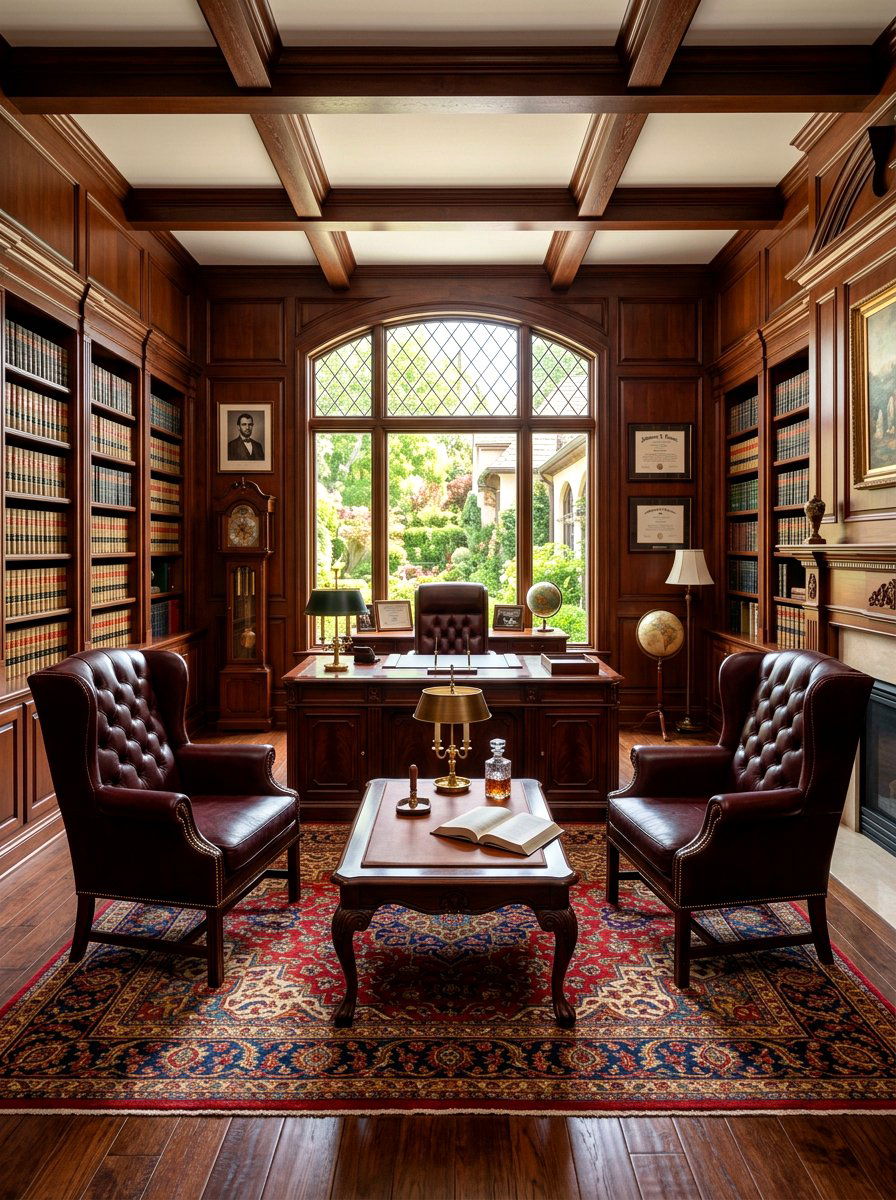
The traditional law firm office remains a timeless choice for those who want to evoke deep-seated authority and historical prestige. You should focus on classic elements like floor-to-ceiling built-in bookshelves filled with leather-bound legal volumes. A large, dark wood desk serves as the room's anchor, complemented by button-tufted leather wingback chairs for clients. Darker color palettes, including navy blue or forest green wall treatments, add to the solemn and serious tone required for sensitive legal matters. Adding an authentic Persian rug can soften the space while maintaining its luxurious feel. This design choice conveys a long-standing legacy and a commitment to the foundational principles of the legal profession.
4. Small Legal Workspace
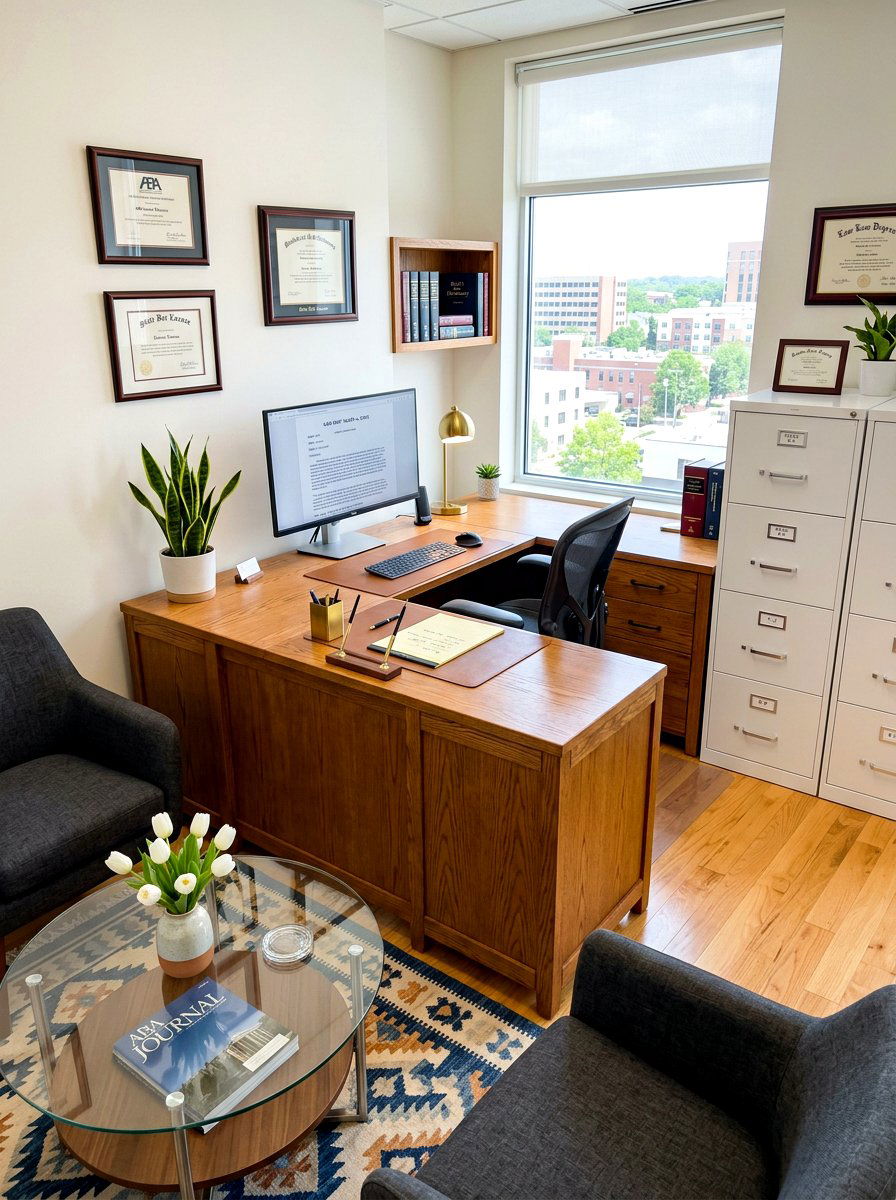
Designing a small legal workspace requires a strategic approach to maximize functionality without sacrificing a professional appearance. You can use an L-shaped desk to optimize corner space, providing a large surface area for document review while keeping the floor open. Utilize vertical storage solutions, such as tall cabinets or floating shelves, to keep case files organized and out of sight. Light colors and reflective surfaces, like a glass-topped desk, help the room feel larger than its actual dimensions. Adding a single, high-quality piece of art can provide a focal point that draws the eye away from the limited square footage. This setup is ideal for solo practitioners working in urban settings.
5. Minimalist Attorney Office
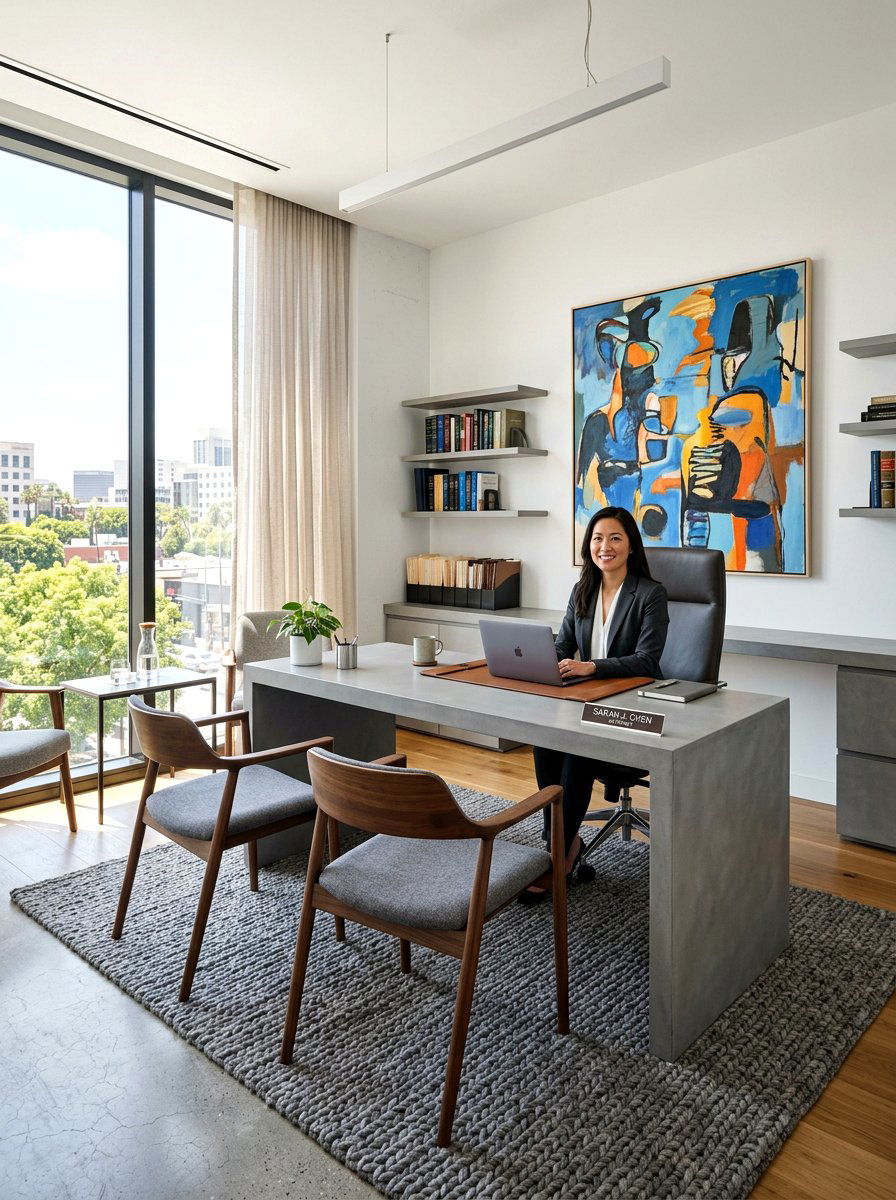
A minimalist attorney office emphasizes clarity of thought by removing all unnecessary visual clutter. You should select a simple, high-quality desk with no visible drawers to maintain a clean aesthetic, relying instead on a separate, hidden filing system. The walls should remain largely bare, perhaps featuring one striking piece of abstract art to provide a sophisticated touch. Use a monochromatic color scheme with varying textures, such as a wool rug or a concrete-finished accent wall, to prevent the room from feeling sterile. This design style suggests a lawyer who is highly organized, direct, and focused solely on the most important aspects of their clients' complex legal cases.
6. Executive Lawyer Office
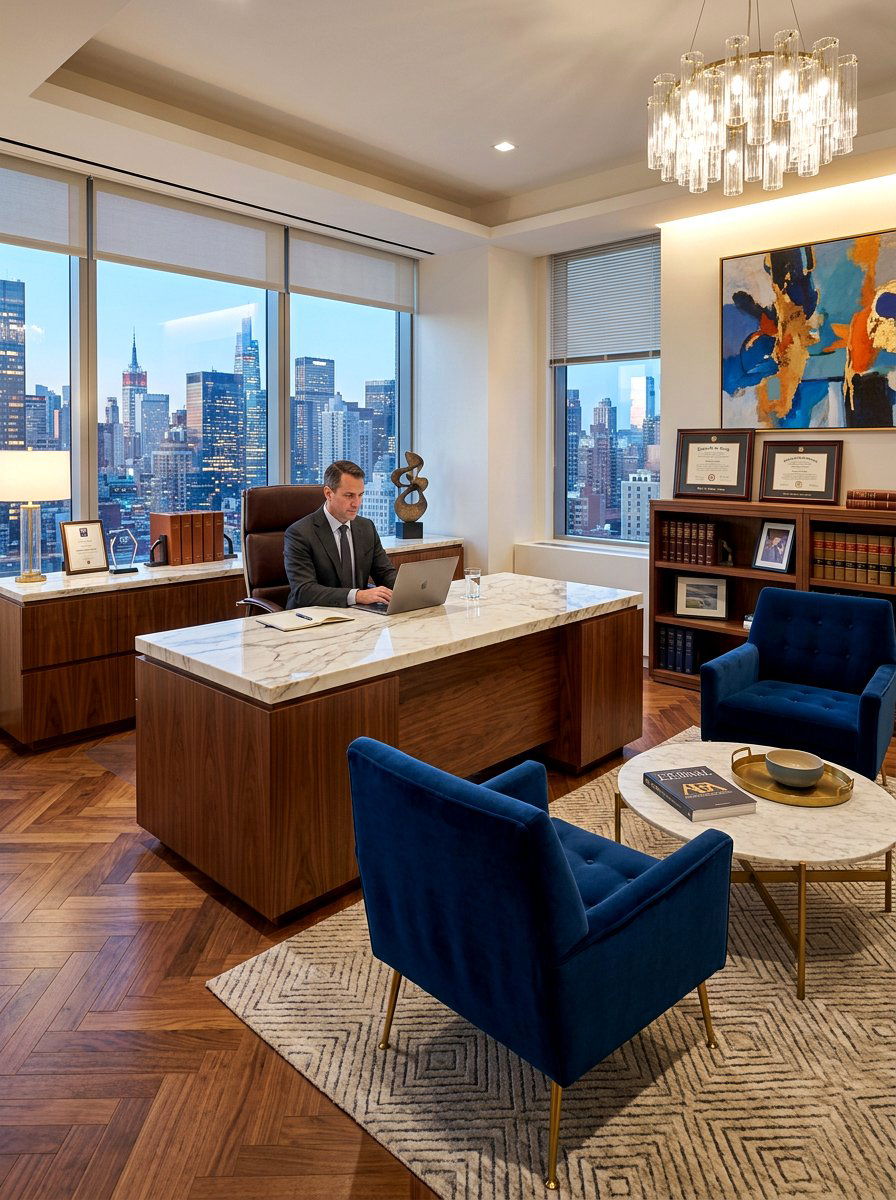
The executive lawyer office is designed to make a powerful statement of leadership and high-level success. You should incorporate premium finishes like marble-topped credenzas and custom millwork that integrates both storage and display areas. A large, high-performance leather executive chair provides the necessary comfort for long hours of strategic planning. The seating area for visitors should be equally luxurious, perhaps featuring a pair of designer lounge chairs and a sleek coffee table for informal discussions. Strategic spotlighting can be used to highlight diplomas or awards, reinforcing the attorney's expertise. This office design is well-suited for partners at major firms who frequently host high-profile clients and corporate executives.
7. Law Office Library
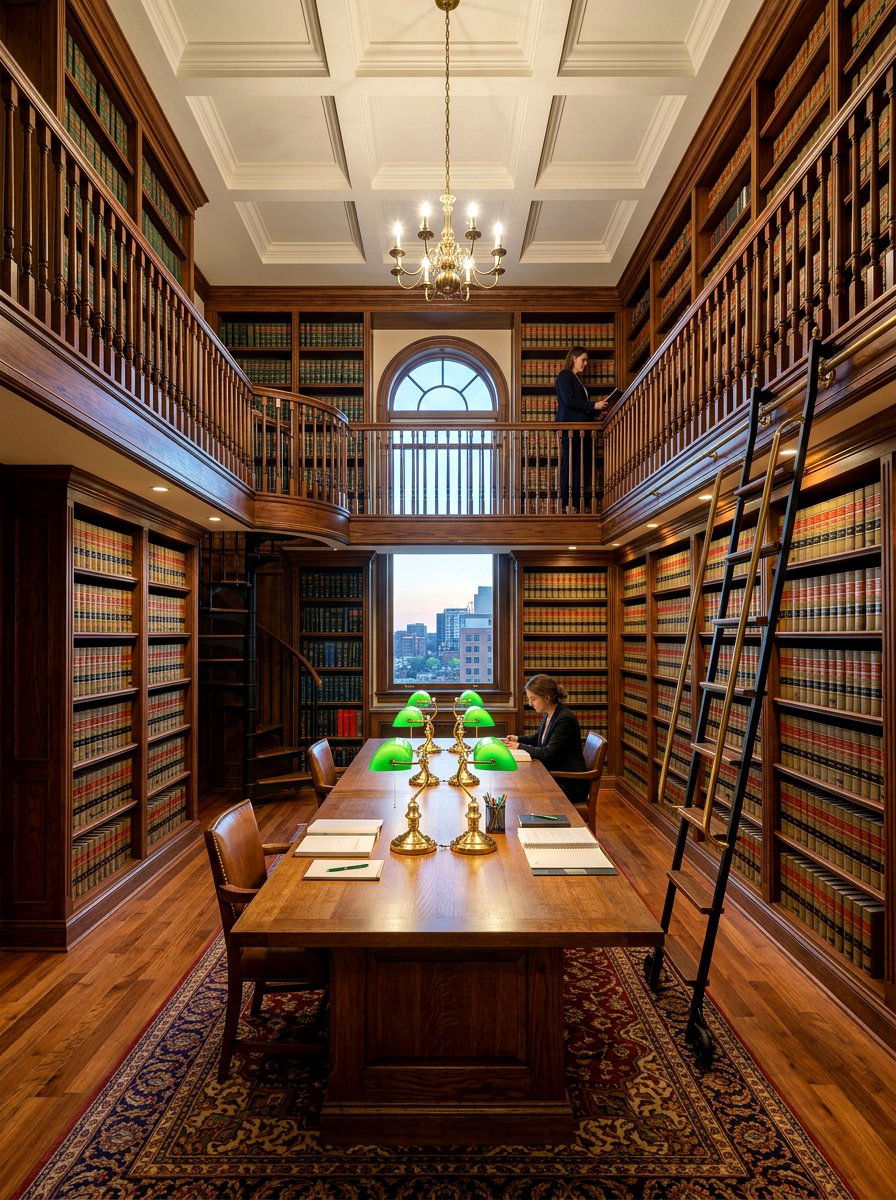
A dedicated law office library serves as both a functional research hub and an impressive backdrop for client meetings. You should install custom-built shelving that spans the entire height of the walls to house an extensive collection of legal texts. A large, central table made of solid oak provides a collaborative space for the legal team to gather and review case materials. To enhance the scholarly atmosphere, use warm, layered lighting including library-style lamps with green glass shades. Comfortable armchairs tucked into quiet corners offer a place for deep reading and reflection. This design highlights the intellectual rigor of the practice and serves as a physical manifestation of the firm's knowledge.
8. Contemporary Legal Practice
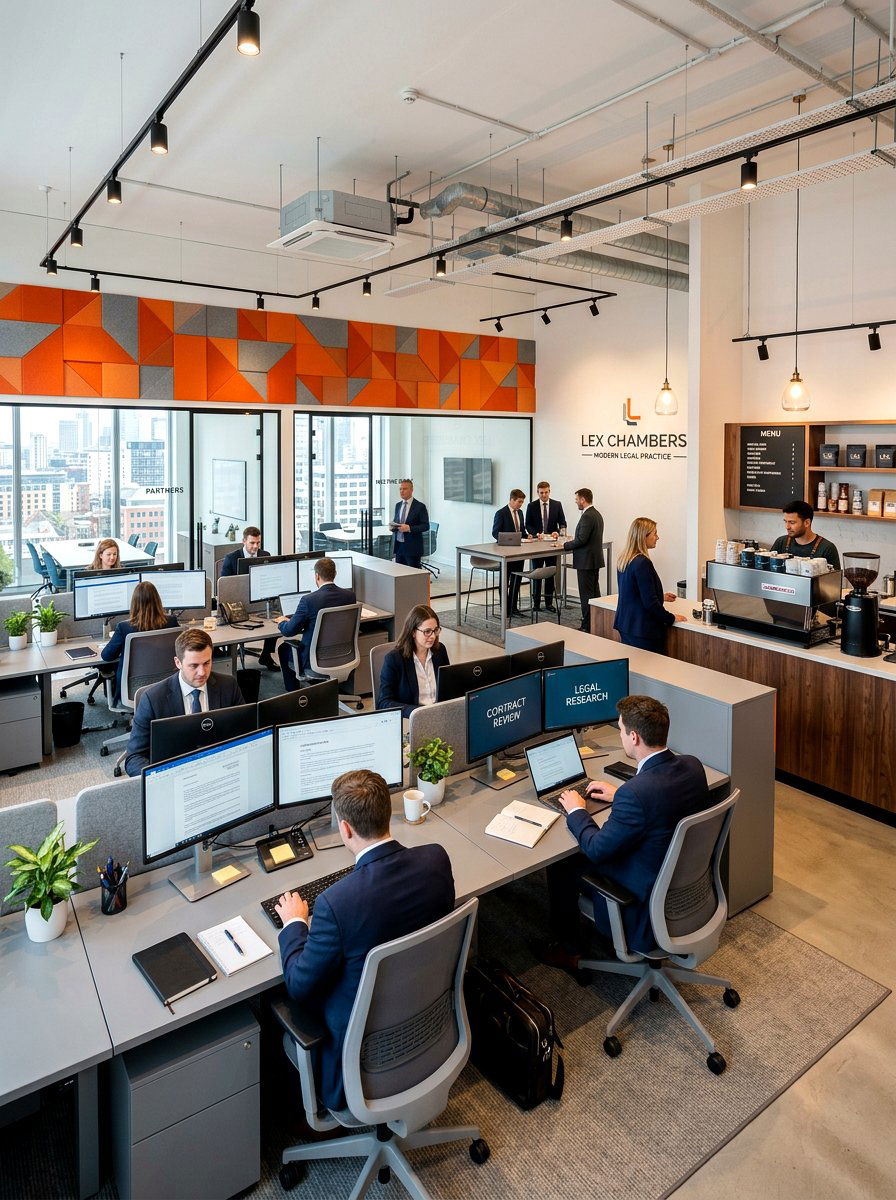
A contemporary legal practice design blends modern aesthetics with a focus on collaborative workflows. You can use modular furniture that can be easily rearranged to accommodate different team sizes or meeting formats. Incorporate vibrant pops of color against a neutral base to create an energetic and approachable atmosphere. Acoustic wall panels in geometric shapes can provide both sound dampening and a unique visual element. This style often includes a "resimercial" touch, adding home-like comforts such as a high-end coffee station or soft, upholstered sofas in the waiting area. This approach is excellent for firms looking to attract younger talent and clients who prefer a less formal but highly professional environment.
9. Boutique Law Firm Office
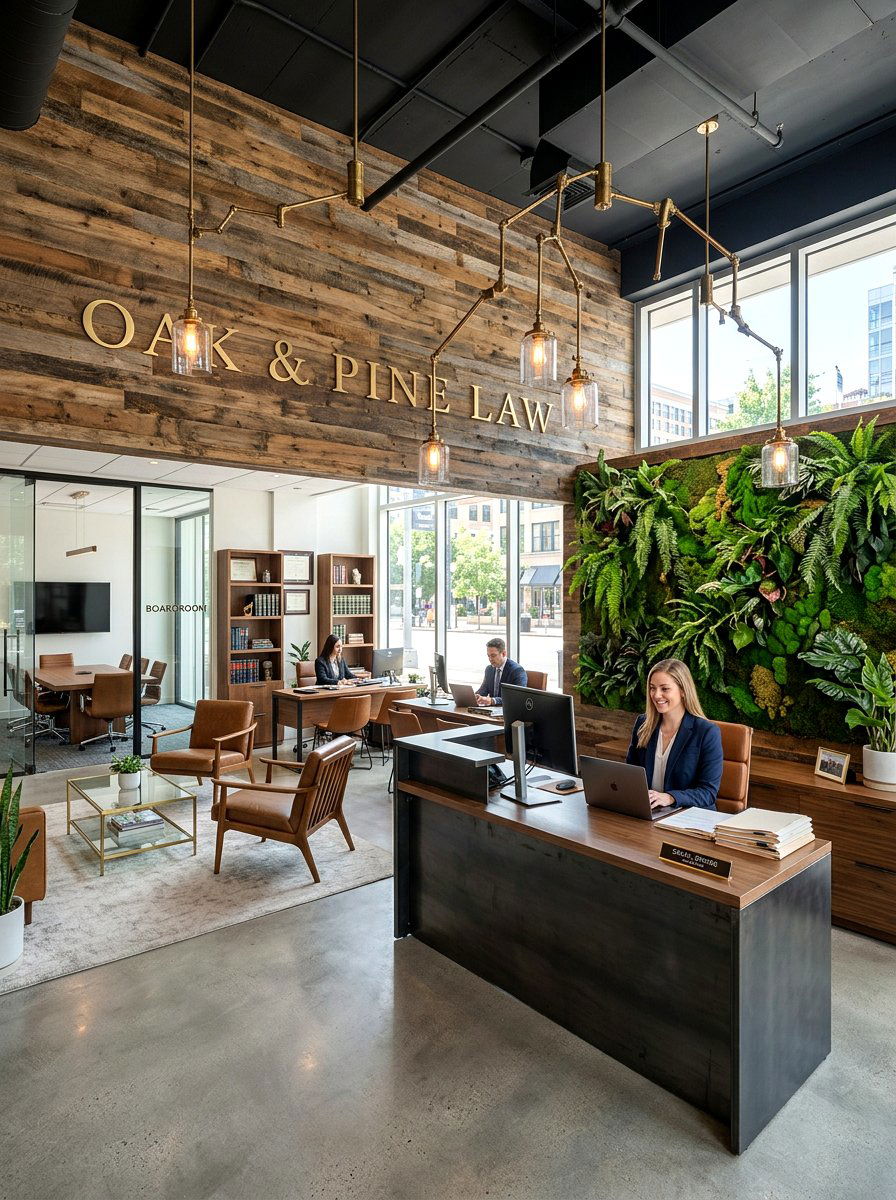
The boutique law firm office should reflect the unique personality and specialized focus of a smaller practice. You can create a highly personalized space by incorporating unique antique finds or custom-made furniture that reflects your specific legal niche. For instance, an environmental law firm might use reclaimed wood and biophilic elements like a living green wall. Soft, residential-style lighting and textured wallpapers can make the office feel more like a private study than a corporate suite. This design encourages a closer, more personal relationship between the attorney and their clients. By moving away from generic office furniture, you create a memorable brand identity that sets your specialized firm apart.
10. Corporate Law Suite
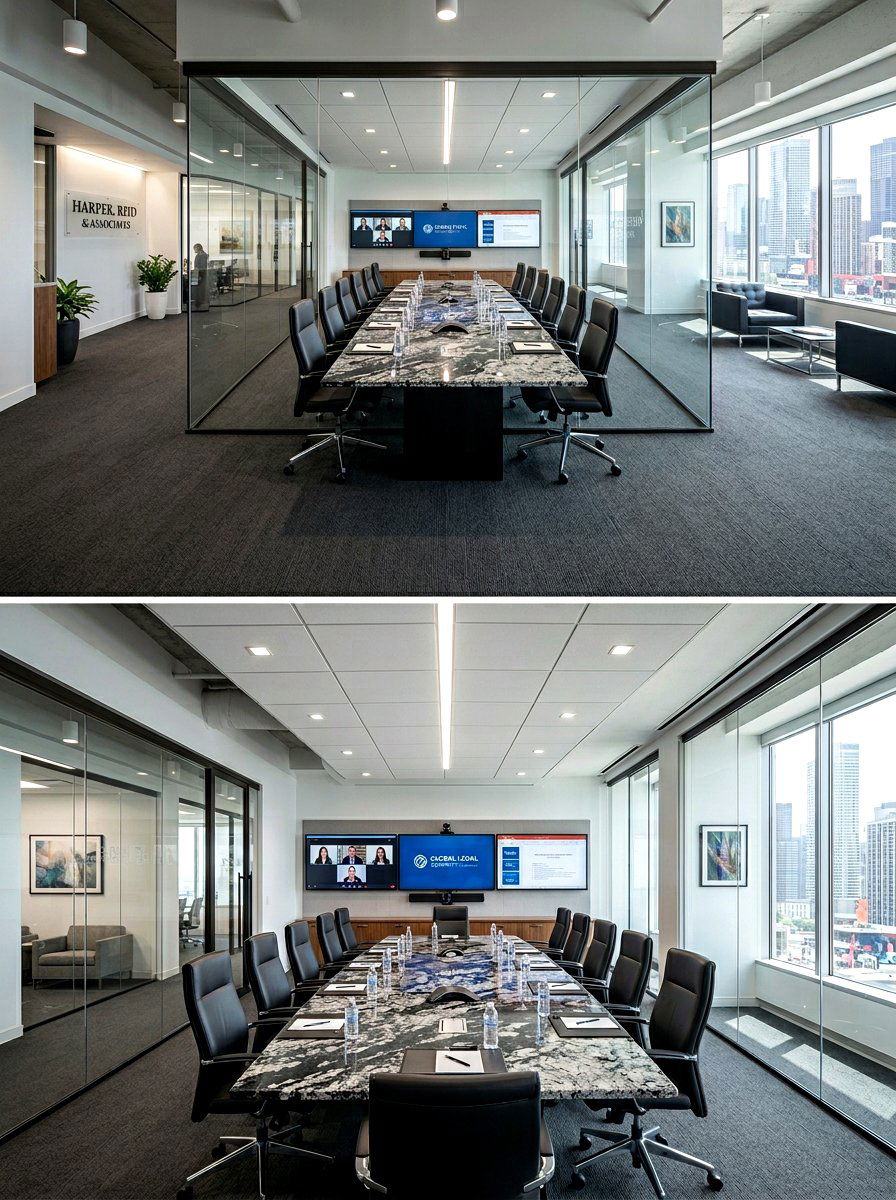
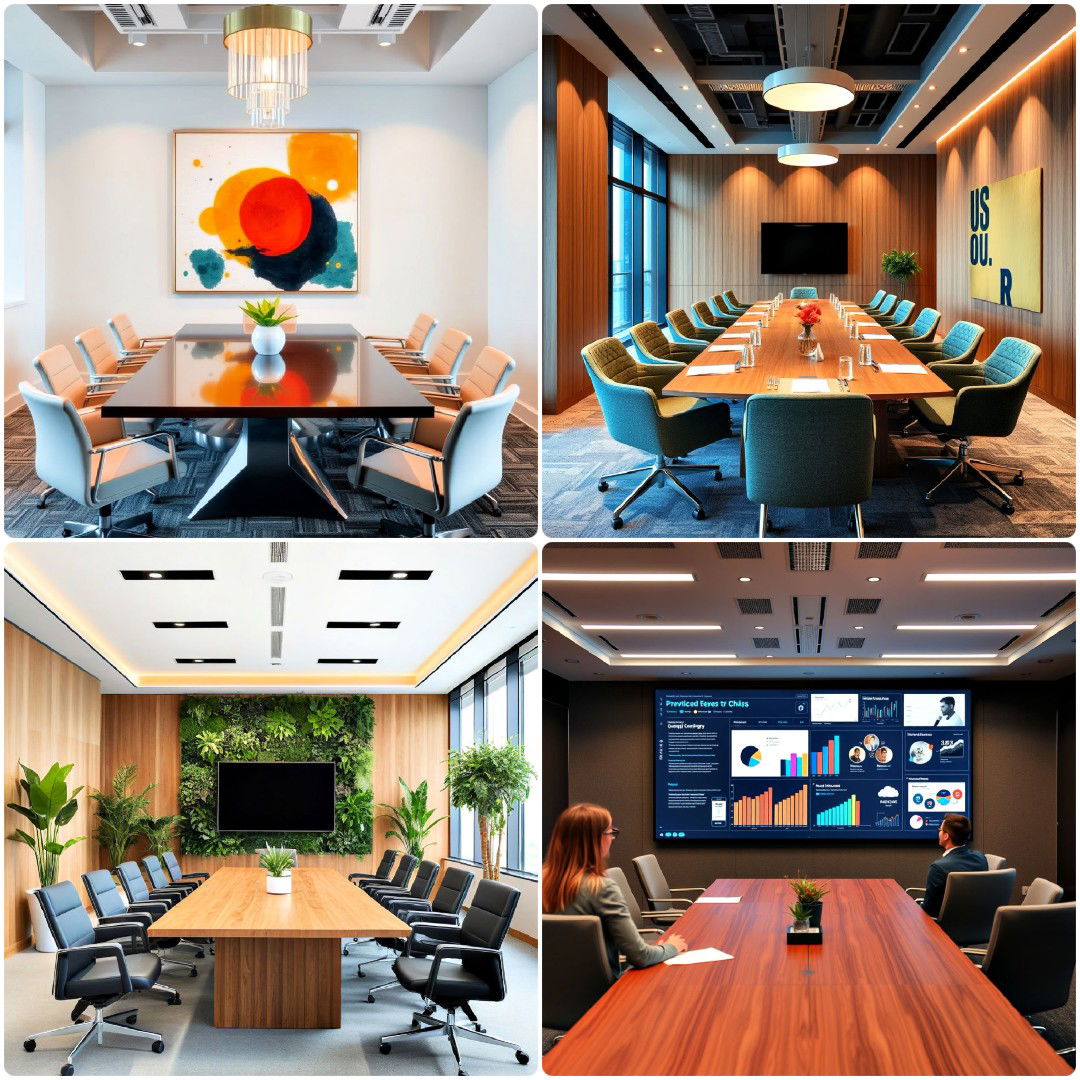
A corporate law suite is characterized by its scale, precision, and alignment with global business standards. You should prioritize a layout that includes several private offices surrounding a central, high-tech boardroom. Use a consistent color palette across all rooms, such as charcoal gray and brushed aluminum, to maintain a unified and disciplined look. High-end carpeting and sound-absorbing ceiling tiles are essential for maintaining the quiet environment required for intense negotiations. Integrated audiovisual systems for global video conferencing should be a focal point in the meeting areas. This design communicates that the firm is fully equipped to handle large-scale corporate transactions and provides a seamless experience for international business clients.
11. High End Attorney Office
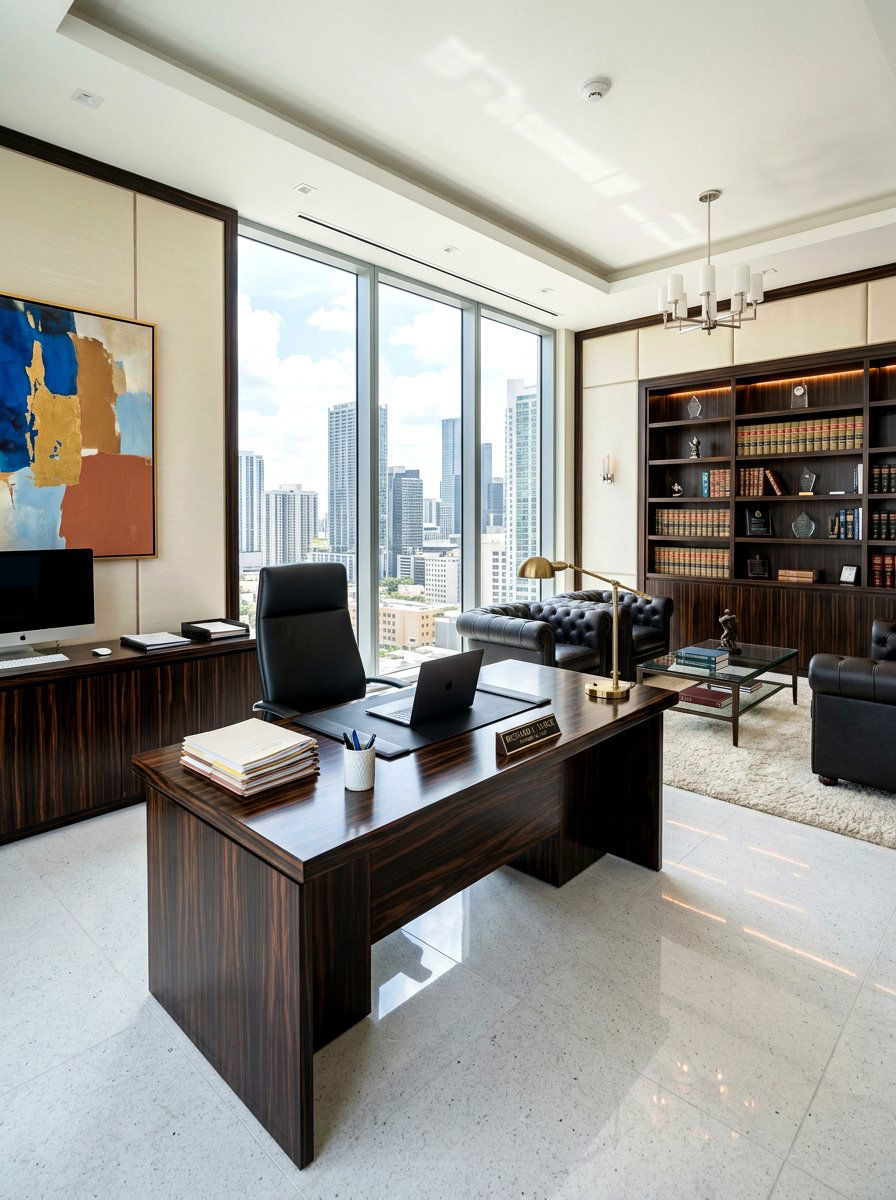
A high end attorney office is the pinnacle of luxury, utilizing the finest materials to create a world-class environment. You can feature polished granite floors, silk-wrapped wall panels, and custom-designed furniture that functions as art. A grand entrance with a bespoke reception desk made of rare wood or stone sets the tone for the entire suite. Soft, ambient lighting hidden in recessed coves creates a sophisticated and calming atmosphere for high-stakes discussions. Every element, from the door handles to the desk accessories, should be selected for its exceptional quality and design. This level of detail ensures that the office reflects the elite status and exceptional results the firm consistently provides.
12. Classic Legal Chambers
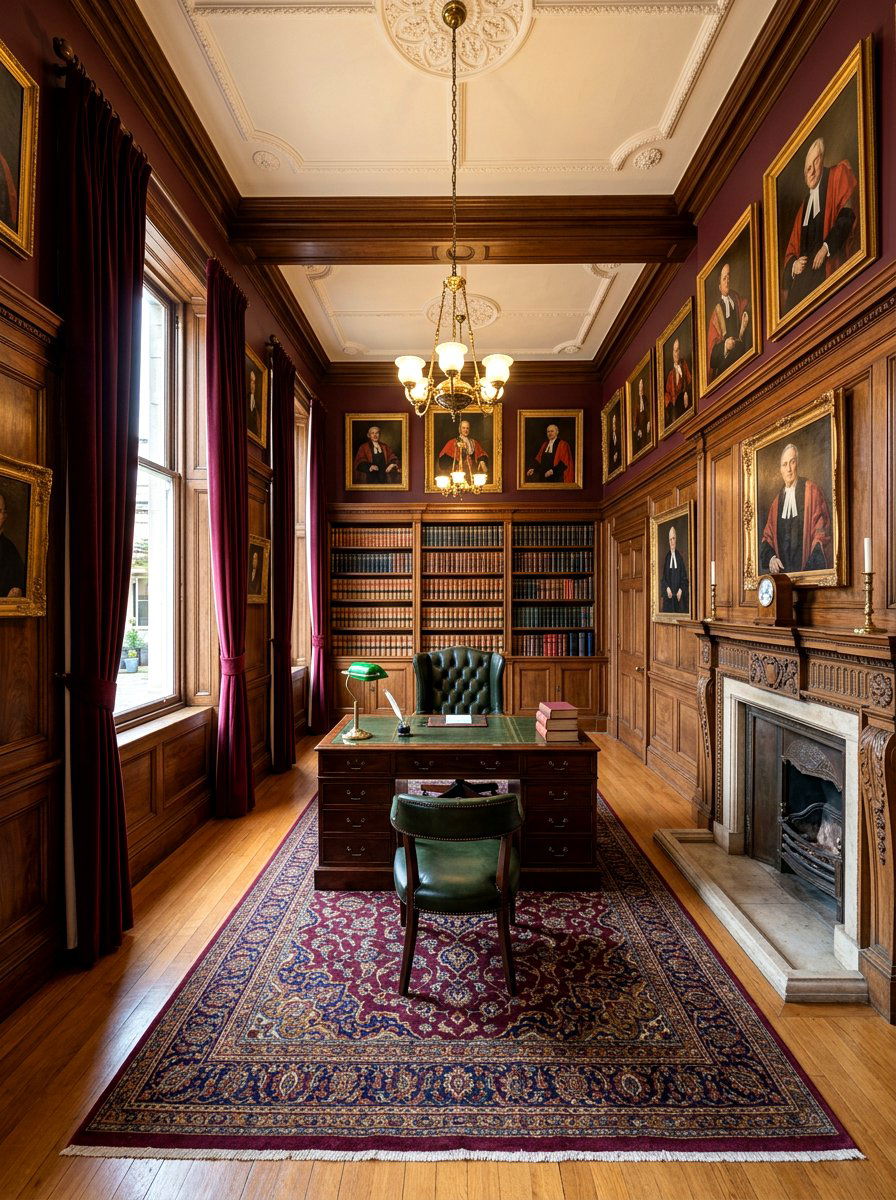
Classic legal chambers draw inspiration from the historical law courts of London and early American courthouses. You should use dark wood wainscoting and heavy velvet drapes to create a sense of enclosure and privacy. A desk with an inlaid leather top and a traditional banker’s lamp provides the perfect workspace for drafting legal briefs. Incorporate framed historical documents or portraits of famous legal figures to anchor the room in legal tradition. The use of a deep, warm color palette, such as burgundy or gold, enhances the feeling of stability and wisdom. This design is perfect for practitioners who want their office to feel like a sanctuary of justice and timeless legal tradition.
13. Home Law Office
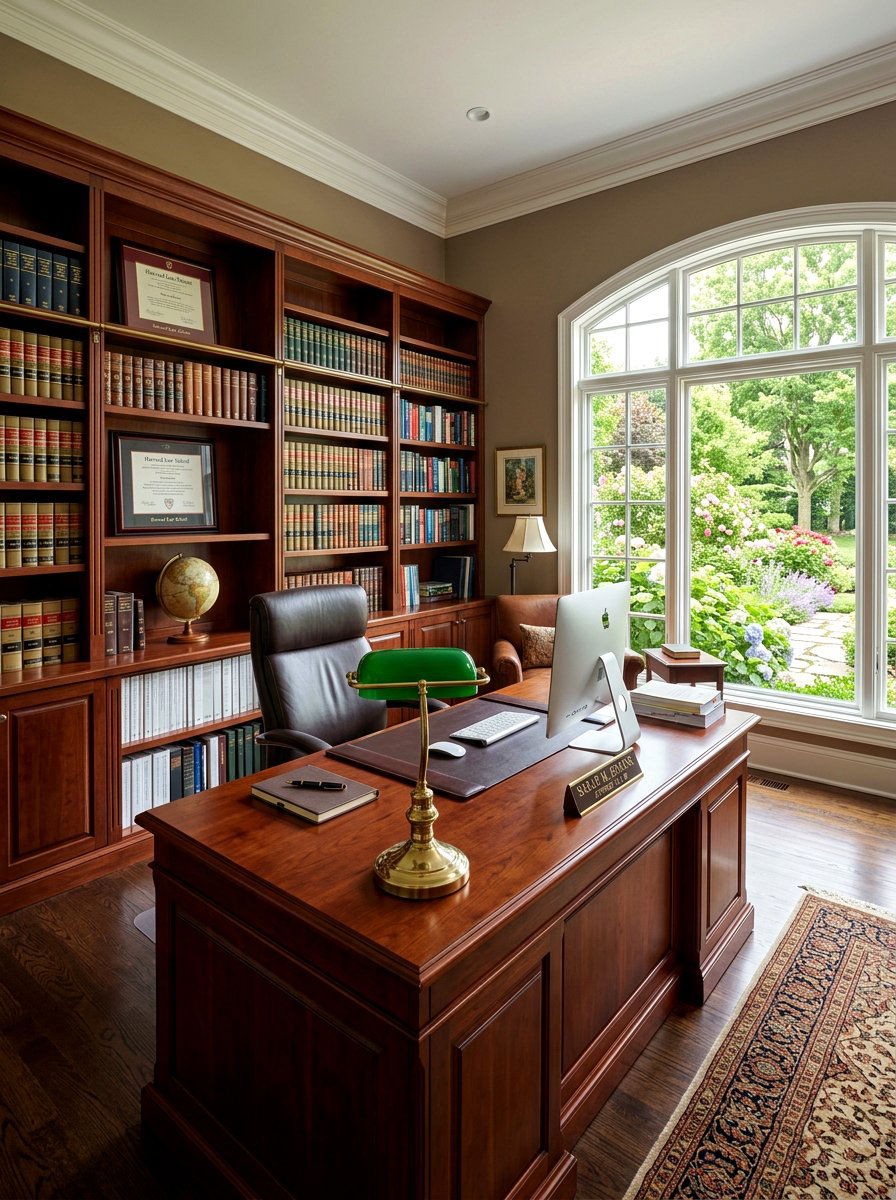
Creating a home law office requires a professional atmosphere that remains distinct from the rest of the residence. You should choose a dedicated room with a door that can be closed to ensure privacy during confidential client calls. Select furniture that is both functional and aesthetically pleasing, such as a classic writing desk and a comfortable guest chair. Built-in shelving can help keep your legal library organized while also serving as a professional background for video hearings. Ensure the space has excellent lighting, combining natural light from a window with high-quality task lamps. This setup allows you to maintain a high level of professionalism while enjoying the flexibility of a home-based legal practice.
14. Industrial Law Office
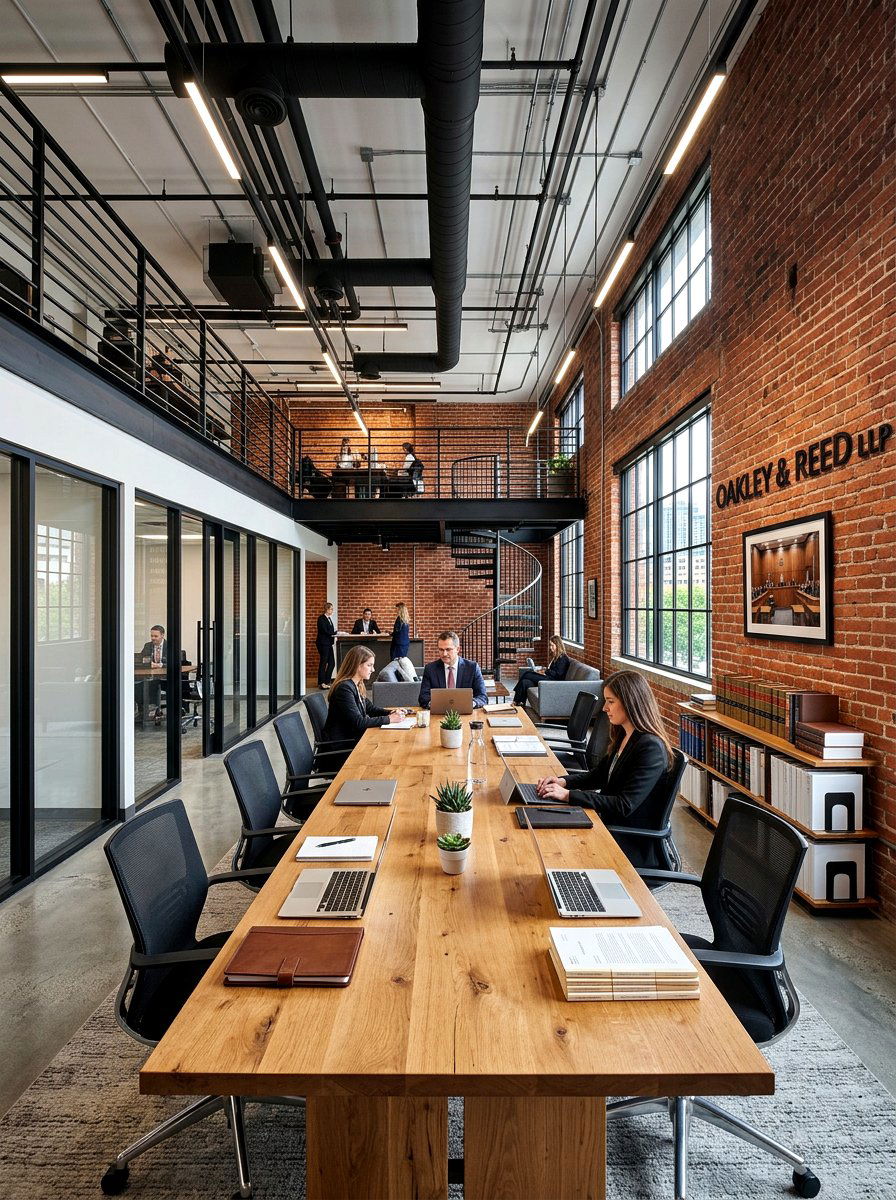
An industrial law office uses raw materials like exposed brick, concrete, and steel to create a modern and edgy workspace. You can keep the ceiling open to reveal ductwork and structural beams, which adds a sense of height and transparency. Choose large, sturdy tables made of wood and metal to serve as desks and meeting areas. Large-scale windows with black metal frames allow for an abundance of natural light, which contrasts beautifully with the darker, industrial elements. This style is often favored by firms located in converted warehouses or urban lofts. It suggests a practice that is innovative, transparent, and grounded in the real-world realities of the clients they serve.
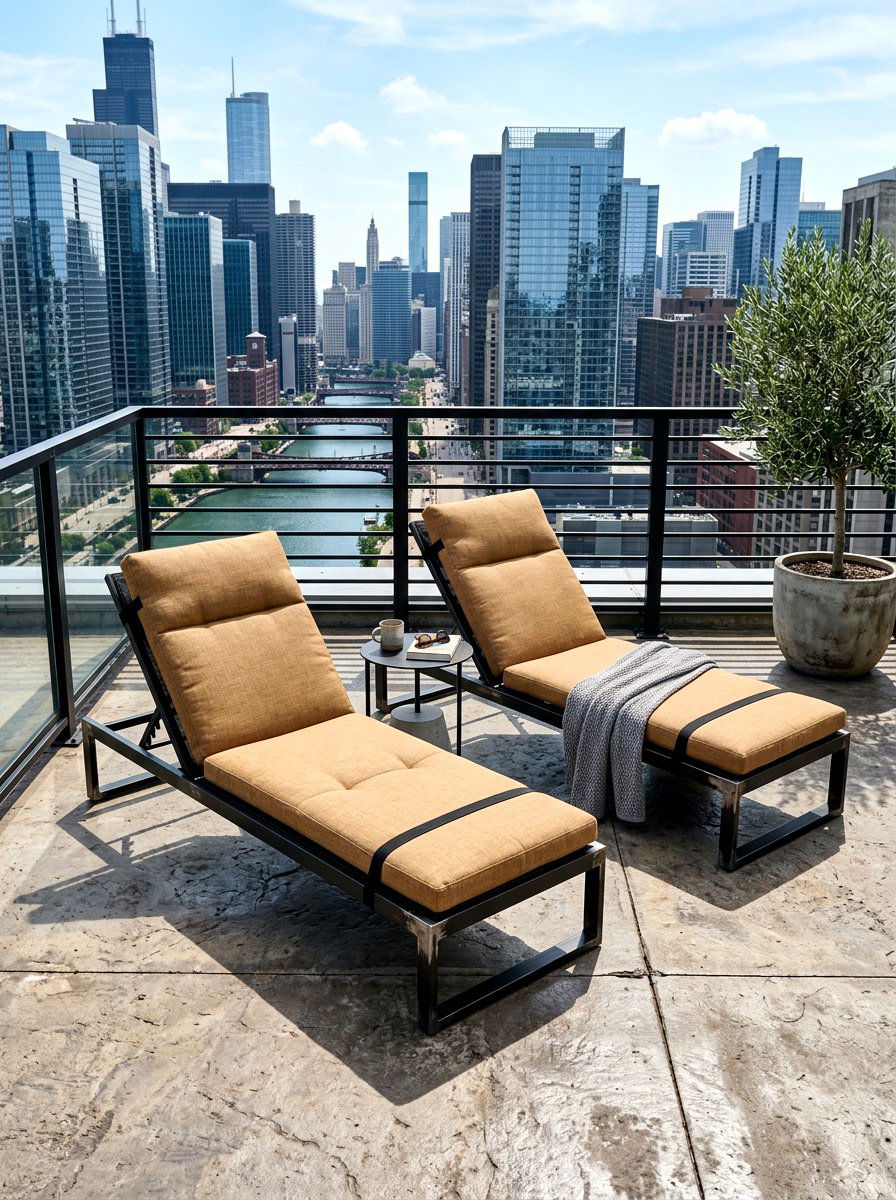
15. Mid Century Modern Law Office
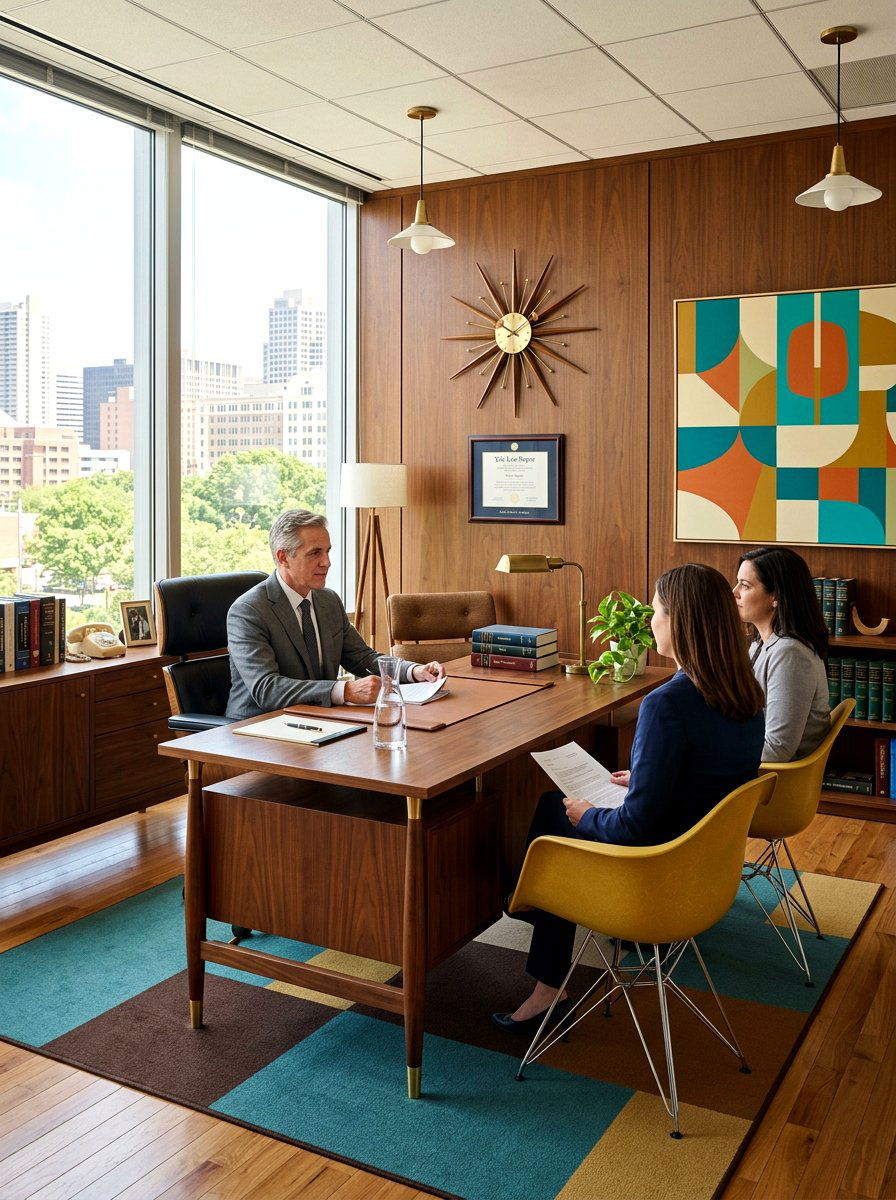
A mid century modern law office offers a sophisticated blend of vintage charm and functional simplicity. You should focus on furniture with organic shapes and tapered legs, such as a walnut desk or iconic molded plastic chairs. A palette of warm wood tones paired with "mod" colors like mustard yellow or teal can create a stylish and inviting atmosphere. Use large-scale windows and open floor plans to connect the interior space with the outdoors, a hallmark of this design style. Adding a statement piece, such as a starburst clock or a geometric area rug, completes the look. This aesthetic appeals to clients who appreciate timeless design and a bright, optimistic professional environment.
16. Luxury Executive Office
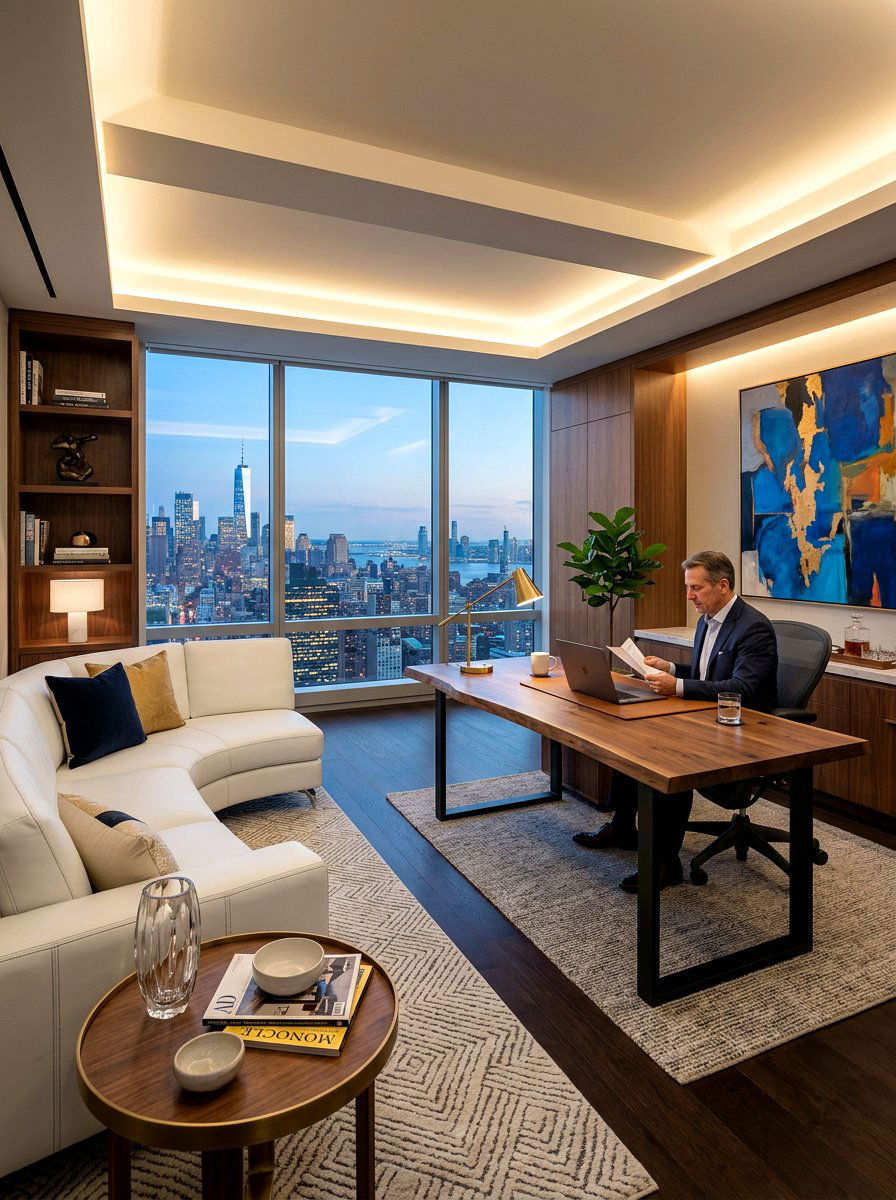
A luxury executive office focuses on providing the ultimate experience for both the attorney and their most prestigious clients. You can include a private lounge area within the office, featuring high-end sofas and a discreet refreshment station. Use premium wall treatments like suede or hand-painted murals to add depth and exclusivity to the space. The desk should be a custom-built masterpiece, perhaps featuring a live-edge wood top or integrated leather work surface. Advanced climate control and personalized lighting settings ensure the environment is always perfectly comfortable. This office serves as a private retreat where the most complex and sensitive legal strategies can be developed in total comfort and absolute privacy.
17. Coastal Lawyer Workspace
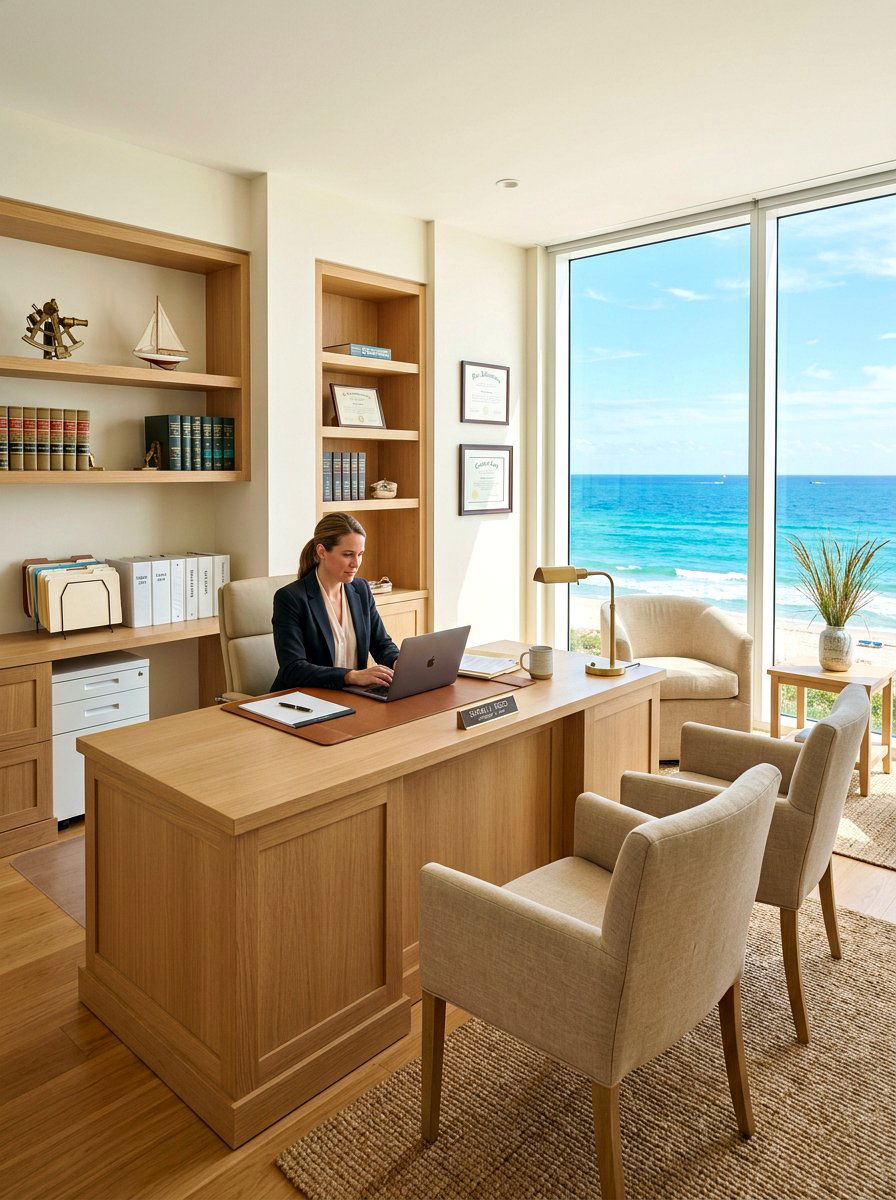
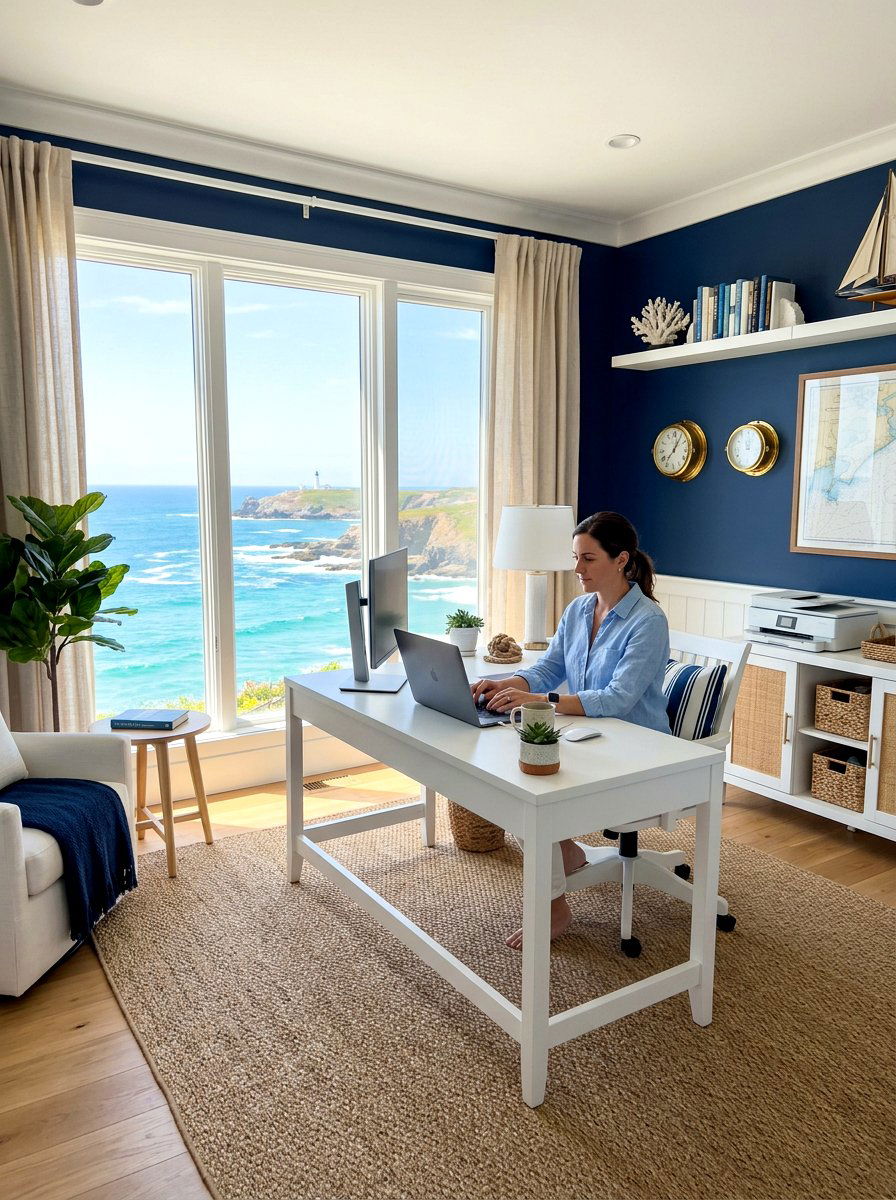
A coastal lawyer workspace brings a sense of calm and clarity through the use of light colors and natural textures. You should choose a palette of soft blues, sandy beiges, and crisp whites to mirror the seaside environment. Furniture made from light-colored woods like white oak or bleached maple keeps the room feeling airy and bright. Incorporate natural elements such as jute rugs, linen upholstery, and perhaps a large piece of driftwood art. Large windows that offer a view of the water or a lush garden help to reduce stress during long workdays. This design creates an approachable and serene environment that can help put anxious clients at ease immediately.
18. Dark Wood Law Office
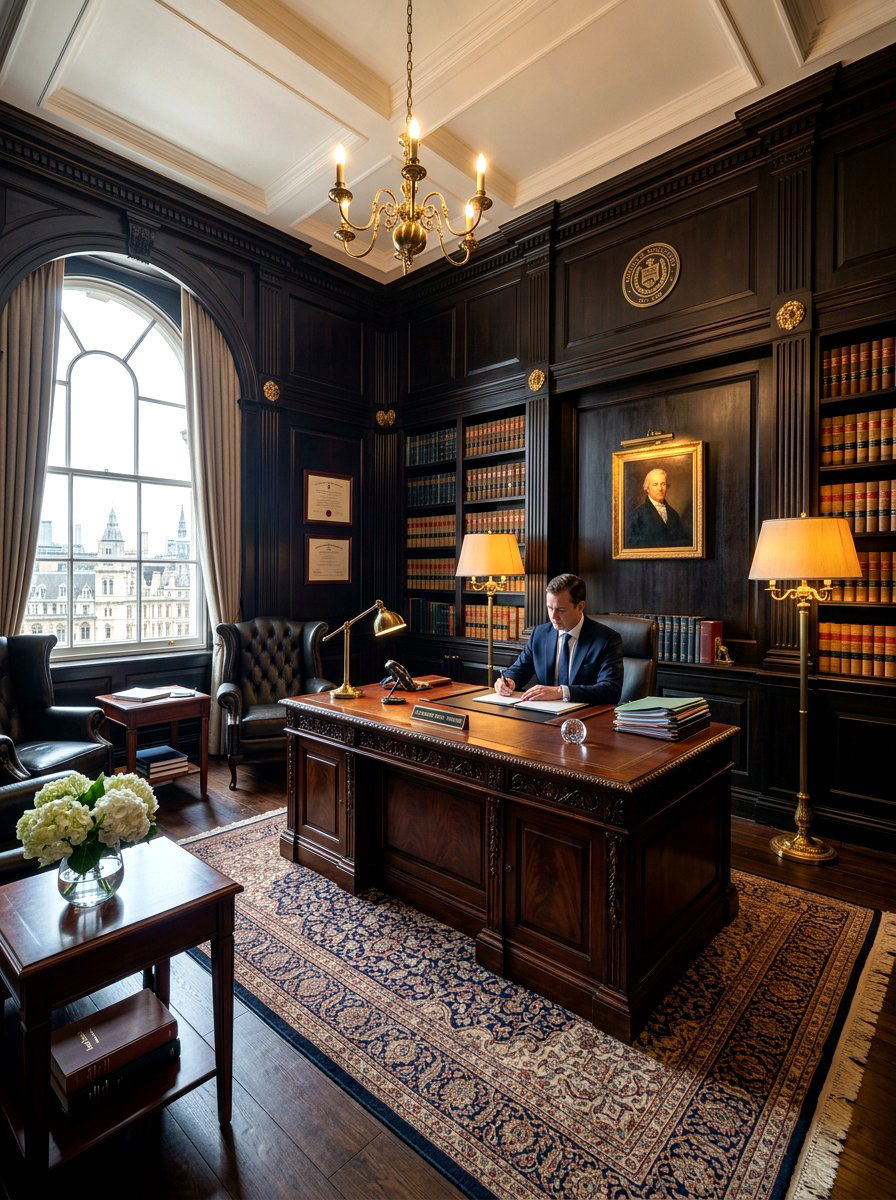
The dark wood law office is the ultimate expression of traditional legal authority and serious professionalism. You should use mahogany, walnut, or ebony for the desk, shelving, and wall paneling to create a rich and immersive environment. To prevent the space from feeling too heavy, use light-colored upholstery on the chairs and a pale area rug to provide contrast. Brass or gold accents in the lighting fixtures and hardware add a touch of warmth and luxury. This design is particularly effective for high-stakes litigation or trust and estates practices where a sense of permanence is vital. The deep tones suggest a firm that is well-established, reliable, and deeply rooted in legal history.
19. Bright Legal Office
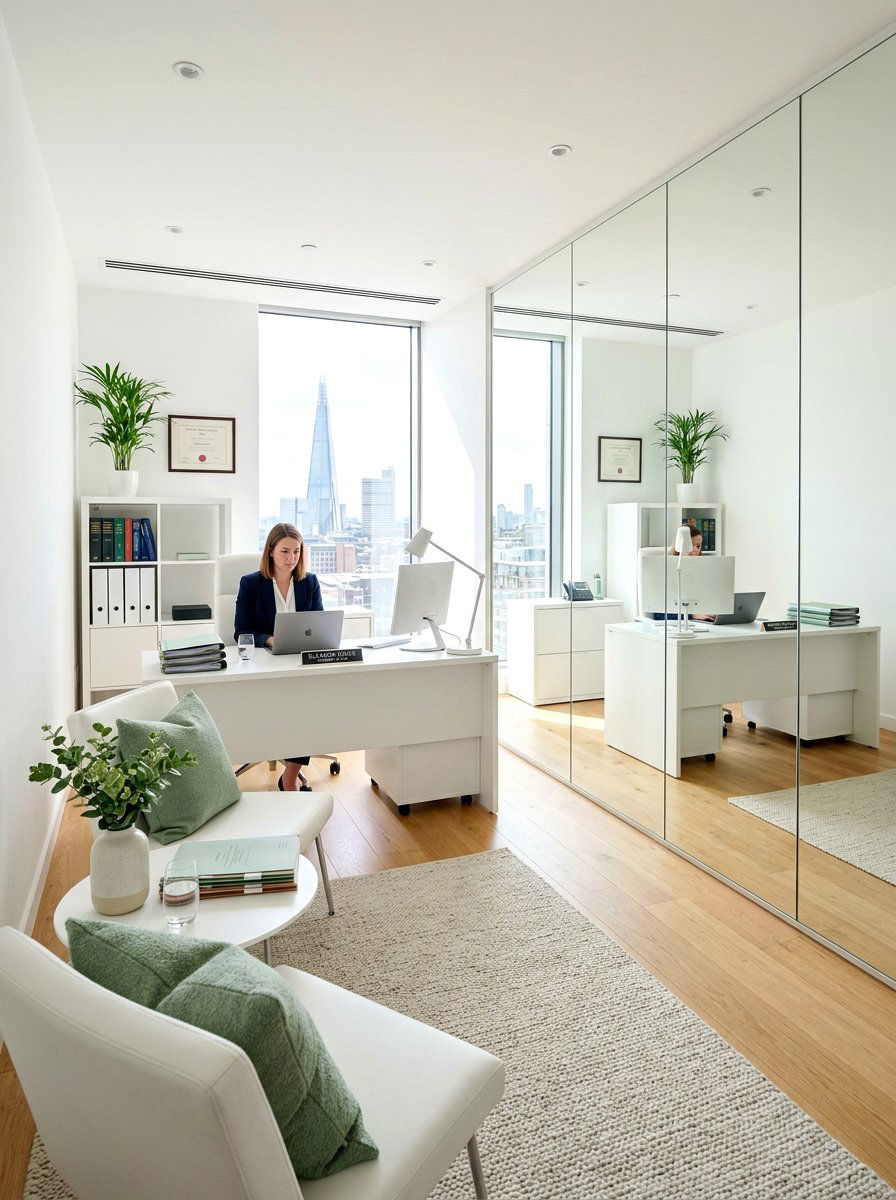
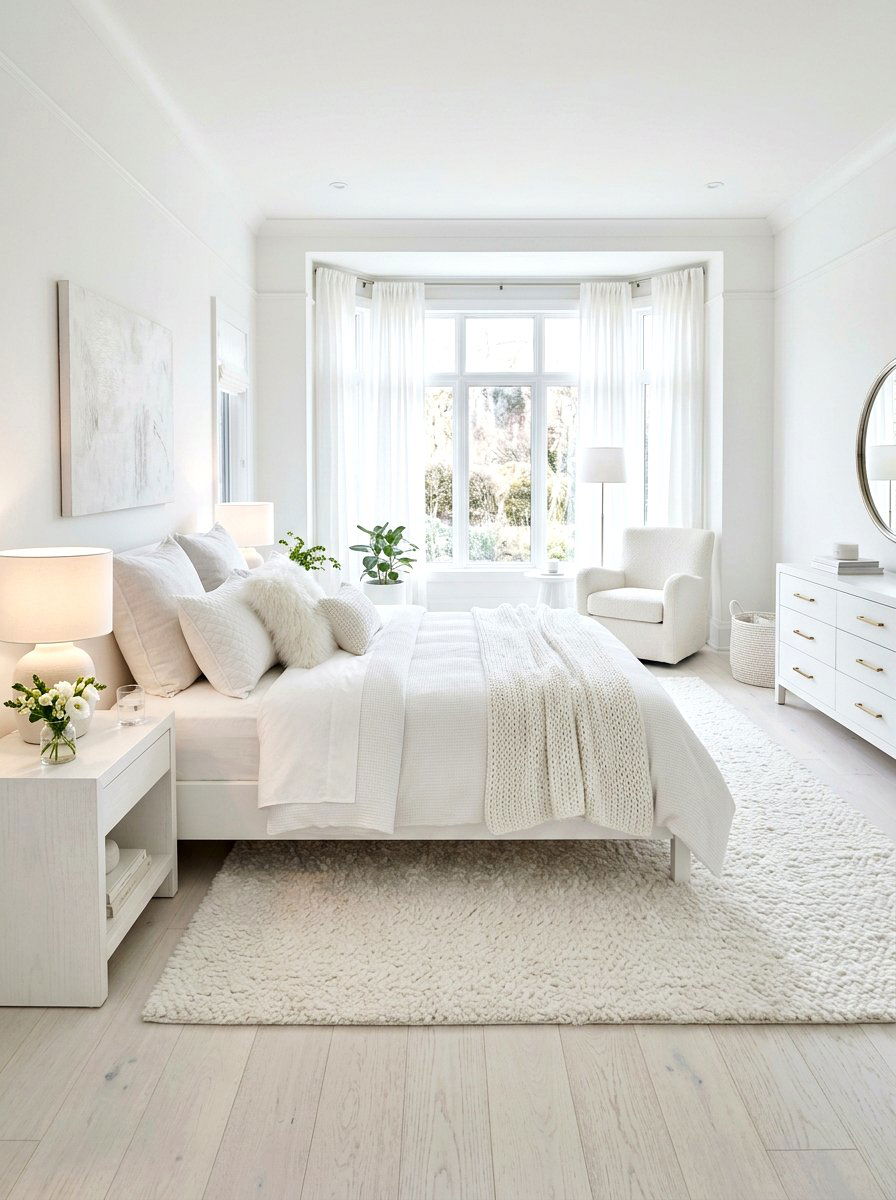
A bright legal office utilizes a high-contrast palette of white and light gray to create a crisp and energetic workspace. You should prioritize reflective surfaces and glass elements to bounce light throughout the room, making it feel open and vibrant. Minimalist white desks paired with ergonomic chairs in a soft accent color, like sage green or pale blue, keep the look modern and fresh. Large-scale mirrors can be used to further enhance the sense of space in smaller offices. This design style is excellent for firms that want to project a sense of transparency, efficiency, and a modern, upbeat approach to the practice of law for their clients.

20. Art Deco Law Office
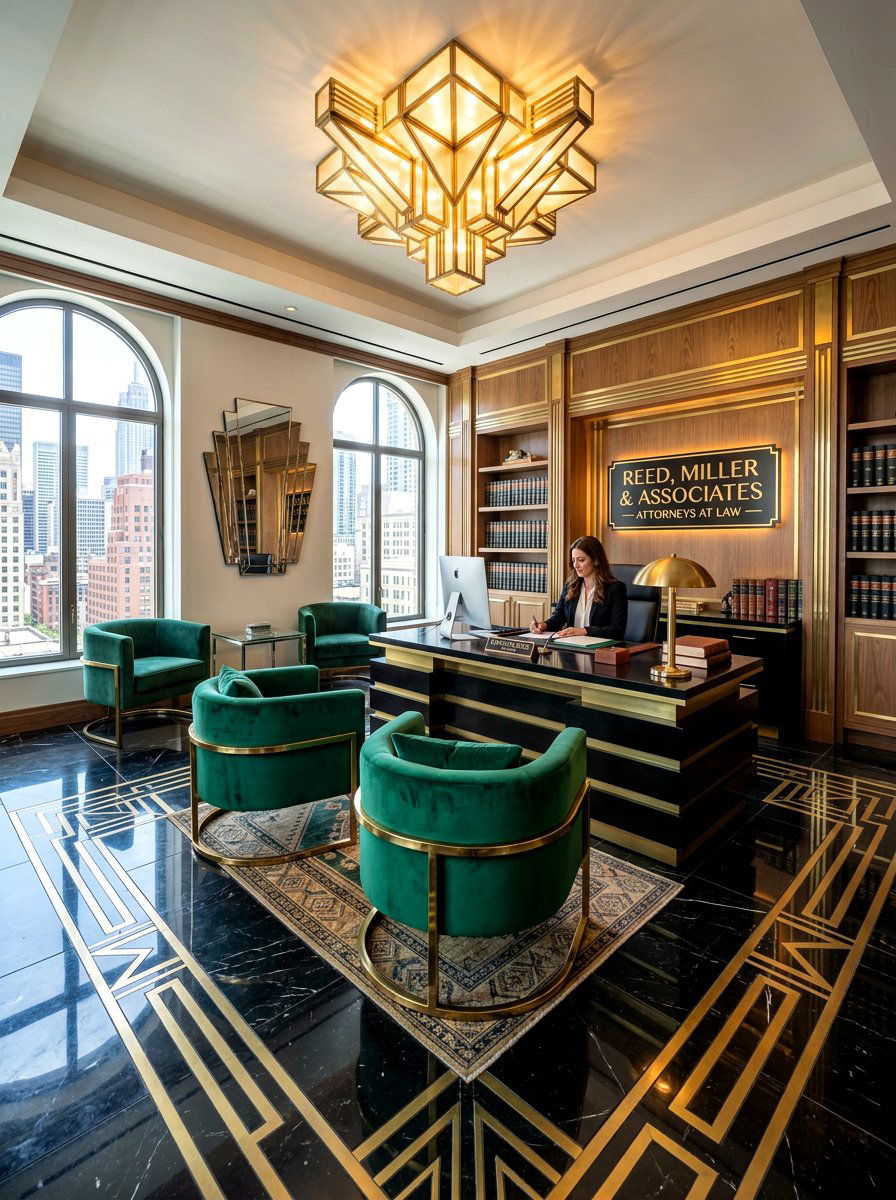
An art deco law office combines 1920s glamour with a disciplined, professional structure. You should incorporate geometric patterns in the flooring or wall treatments, using high-contrast materials like black marble and polished brass. Choose furniture with bold lines and luxurious finishes, such as a lacquered desk or chairs with velvet upholstery. Symmetrical arrangements of art and lighting fixtures enhance the sense of order and formality. Use a sophisticated color palette of emerald green, deep navy, or rich gold to create a space that feels both historic and highly fashionable. This design style is perfect for attorneys who want an office that is as much a statement of style as it is of expertise.
21. Scandinavian Law Office
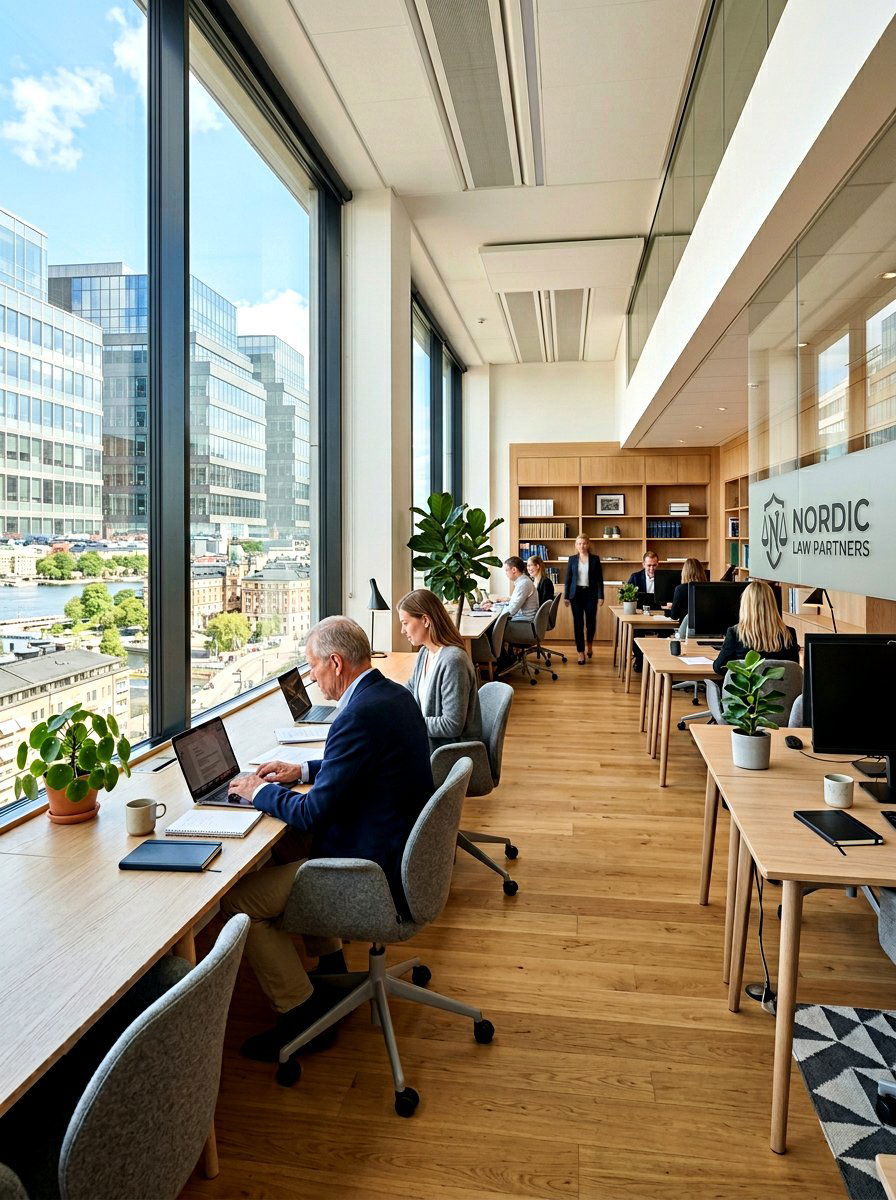
A Scandinavian law office focuses on the principles of "hygge" and functional minimalism to create a warm yet professional workspace. You should use light-colored woods, such as ash or pine, and a neutral palette of whites and soft grays. Incorporate cozy textures like wool throws on guest chairs and simple, high-quality textiles. The furniture should be highly functional with a clean, understated design that avoids any unnecessary ornamentation. Large windows that maximize natural daylight are a core component of this style. This approach creates a calm and inviting environment that feels human-centric and accessible, making it an excellent choice for family law or mediation practices where comfort is key.
22. Rustic Legal Studio
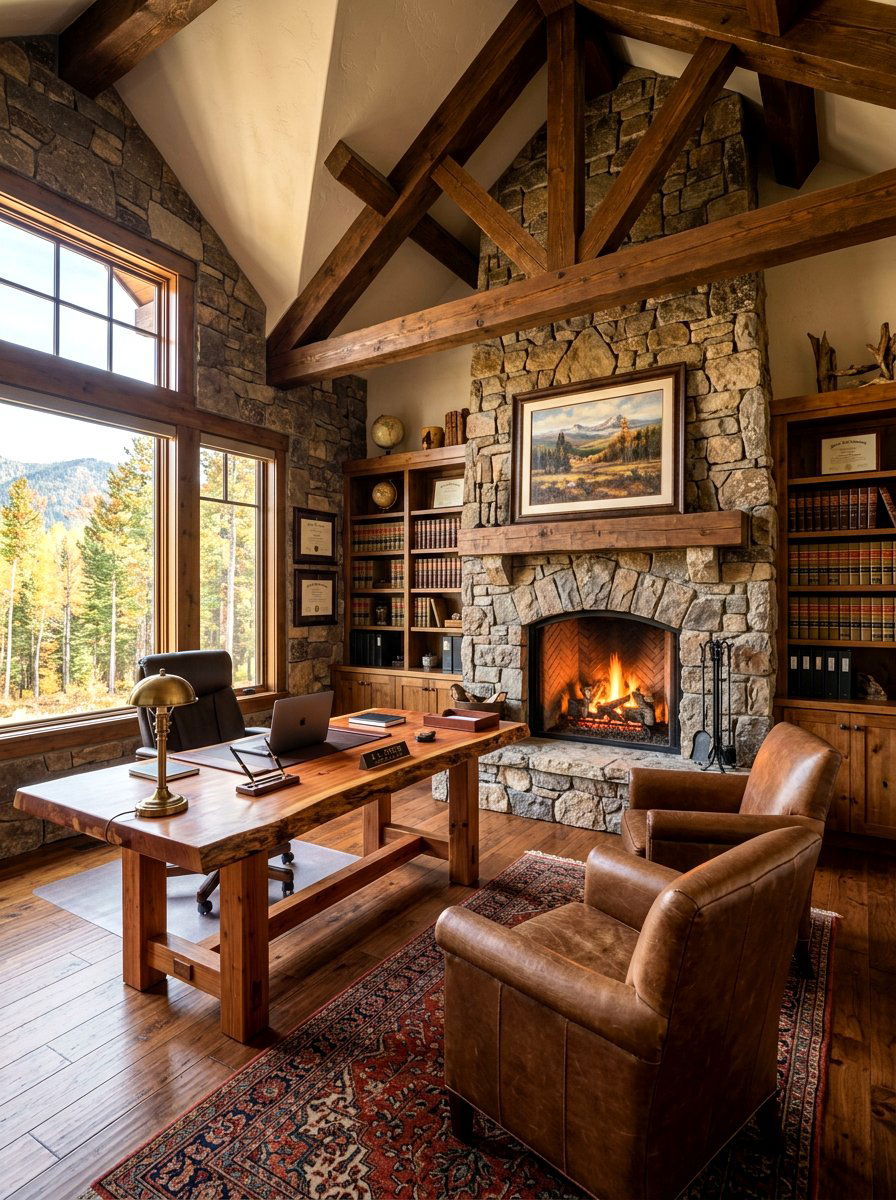
A rustic legal studio uses natural materials and a warm, earthy palette to create a grounded and authentic workspace. You can feature reclaimed wood beams on the ceiling and a desk made from a solid slab of timber with a natural edge. Use leather and heavy woven fabrics for seating to add to the tactile, organic feel of the room. A stone fireplace can serve as a stunning focal point, providing warmth and a sense of home. This design is perfect for firms located in rural areas or for attorneys who want to project a down-to-earth and highly approachable professional image that resonates with the local community they serve.
23. Urban Attorney Workspace
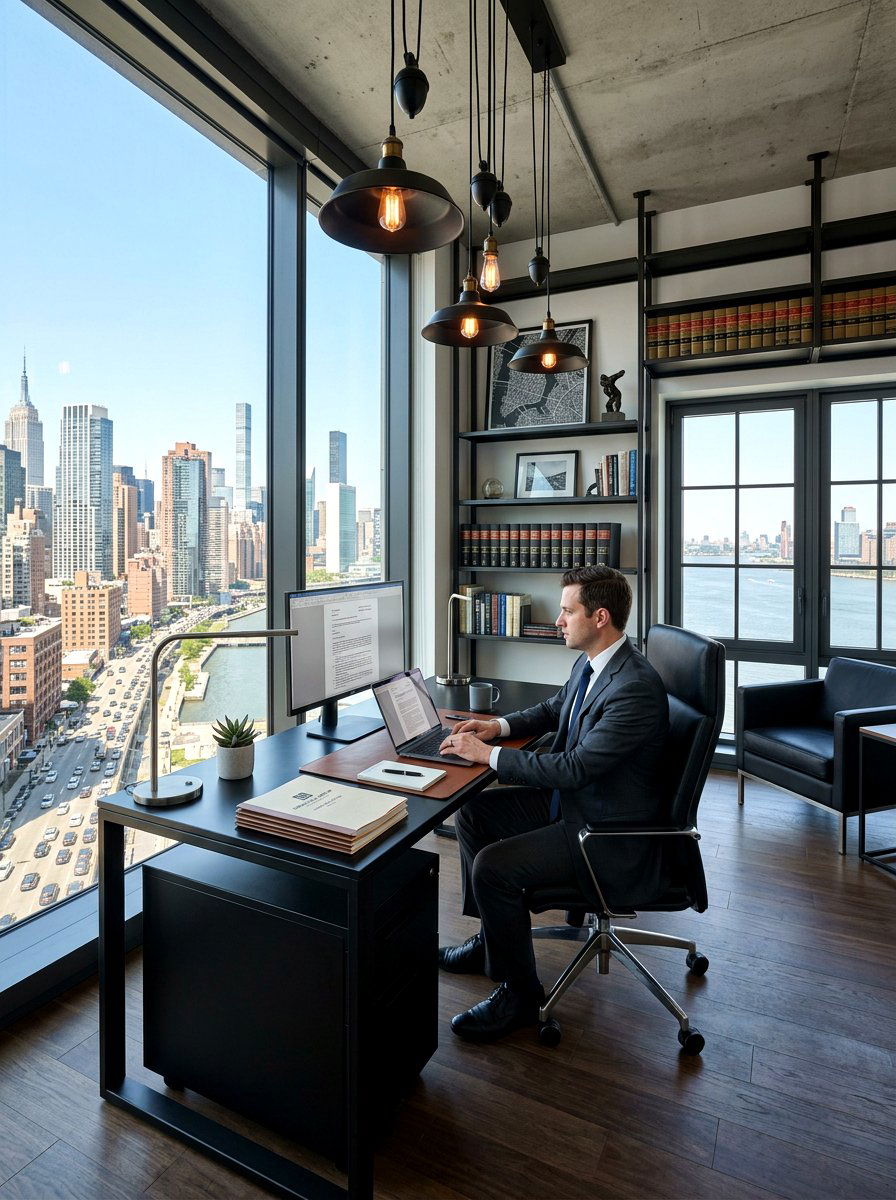
An urban attorney workspace is designed to reflect the fast-paced energy and sleek sophistication of a major city. You should utilize a palette of grays, blacks, and metallics to mirror the surrounding cityscape. Incorporate large-scale windows that offer impressive views of the skyline, making the city itself a part of your office decor. Furniture should be modern and space-efficient, such as a slim profile desk and high-back task chairs. Use abstract city-themed art and industrial-style lighting to tie the urban theme together. This design is ideal for firms specializing in real estate, finance, or corporate law within a bustling metropolitan area, signaling a firm that is deeply connected.
24. Private Legal Practice
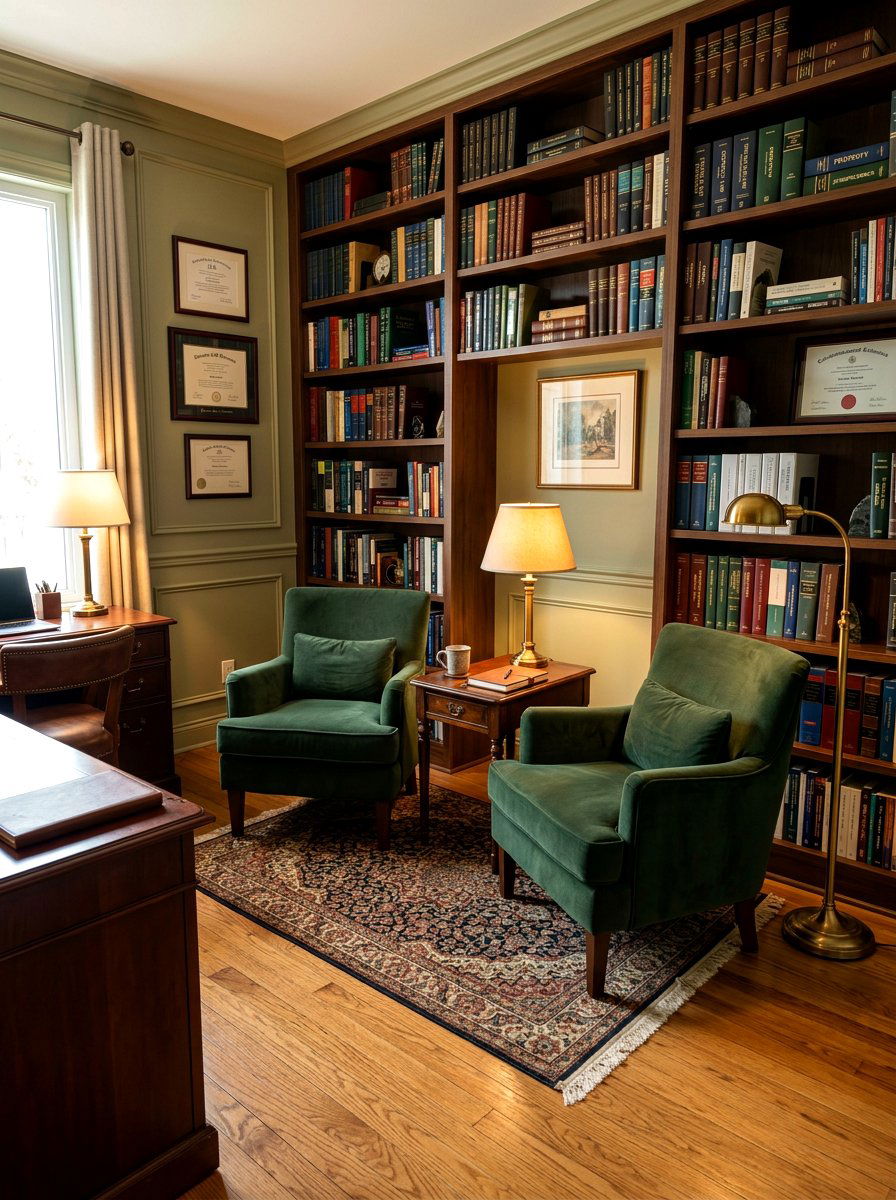
A private legal practice design focuses on creating a discrete and highly personalized environment for individual clients. You should prioritize soundproofing and layout choices that ensure absolute privacy for sensitive consultations. Use a mix of traditional and comfortable residential-style furniture to make the space feel like a private study. A small, intimate seating area for two people can be more effective for deep conversations than a large, imposing desk. Personalized touches, such as a curated collection of art or a small bookshelf with the attorney's favorite non-legal books, help to build a sense of personal trust and connection. This design emphasizes the bespoke, one-on-one nature of the legal services provided.

25. Shared Law Office
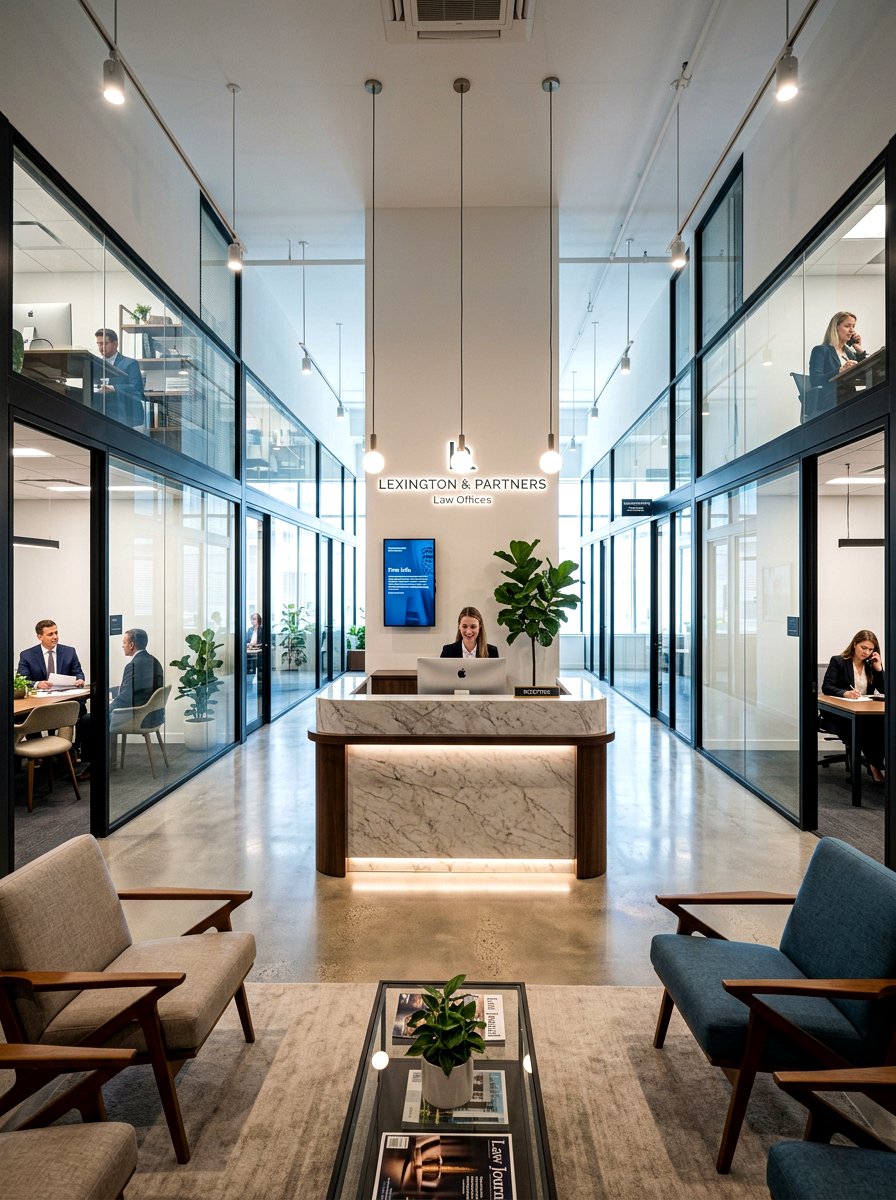
Designing a shared law office requires a balance between individual privacy and collective efficiency. You should create private, soundproofed offices for each attorney that surround a central, shared resource hub. This hub can include a common reception area, a legal library, and a high-tech conference room available to all members. Use a consistent design language throughout the suite to create a professional and unified brand image for the building. Modular partitions can be used to easily adjust the size of individual workspaces as the firm grows or changes. This approach allows smaller firms to enjoy the benefits of a large-office infrastructure while maintaining their independent identities and private workspaces.
26. Open Concept Law Firm
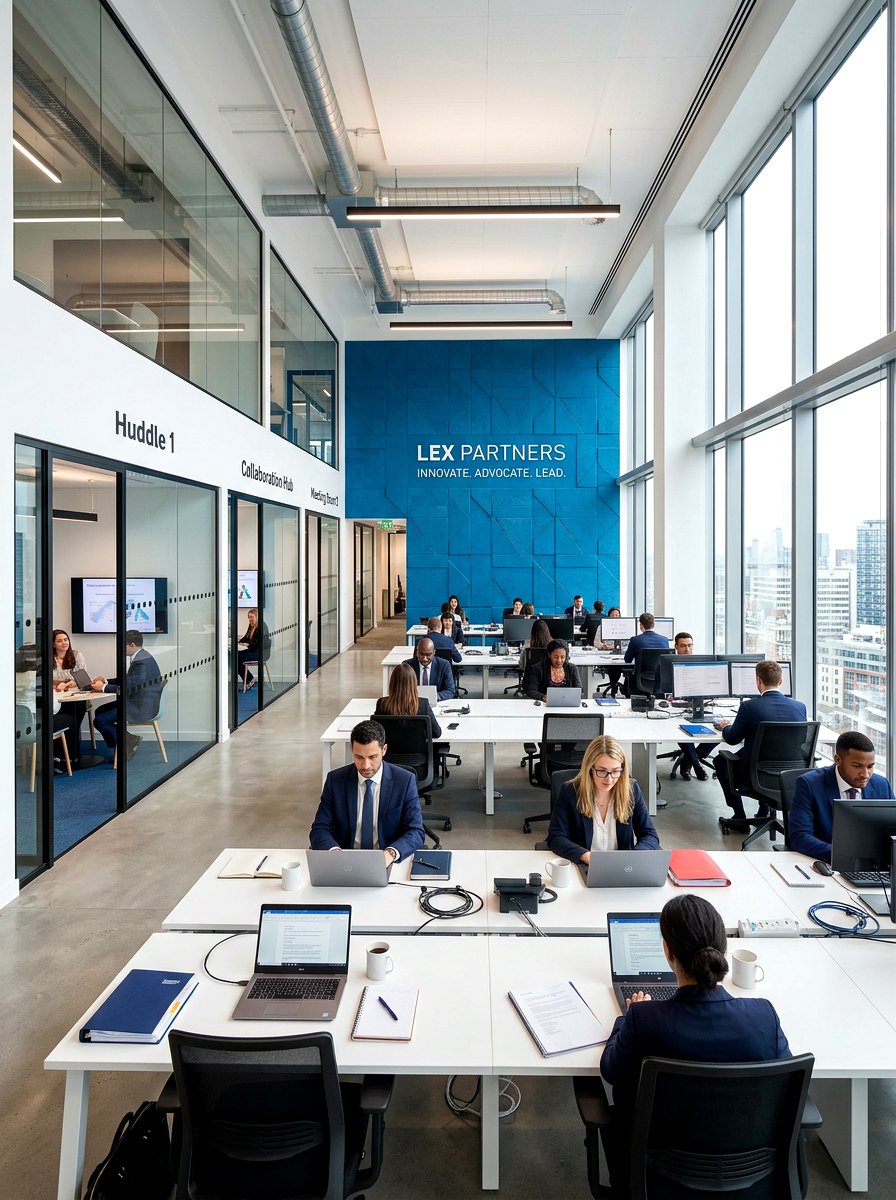
An open concept law firm breaks down traditional barriers to encourage collaboration and communication among the legal team. You can use low-profile desks and open-plan seating arrangements while ensuring that private rooms are still available for confidential client meetings. Acoustic solutions, such as felt wall panels and sound-absorbing ceiling clouds, are essential to manage noise levels in an open environment. Large, communal tables can serve as touchdown spots for quick team huddles or research sessions. This design style is perfect for innovative firms that value teamwork and a flatter organizational structure. It creates a dynamic and transparent atmosphere that can be highly attractive to modern legal professionals and clients.
27. Neutral Law Office
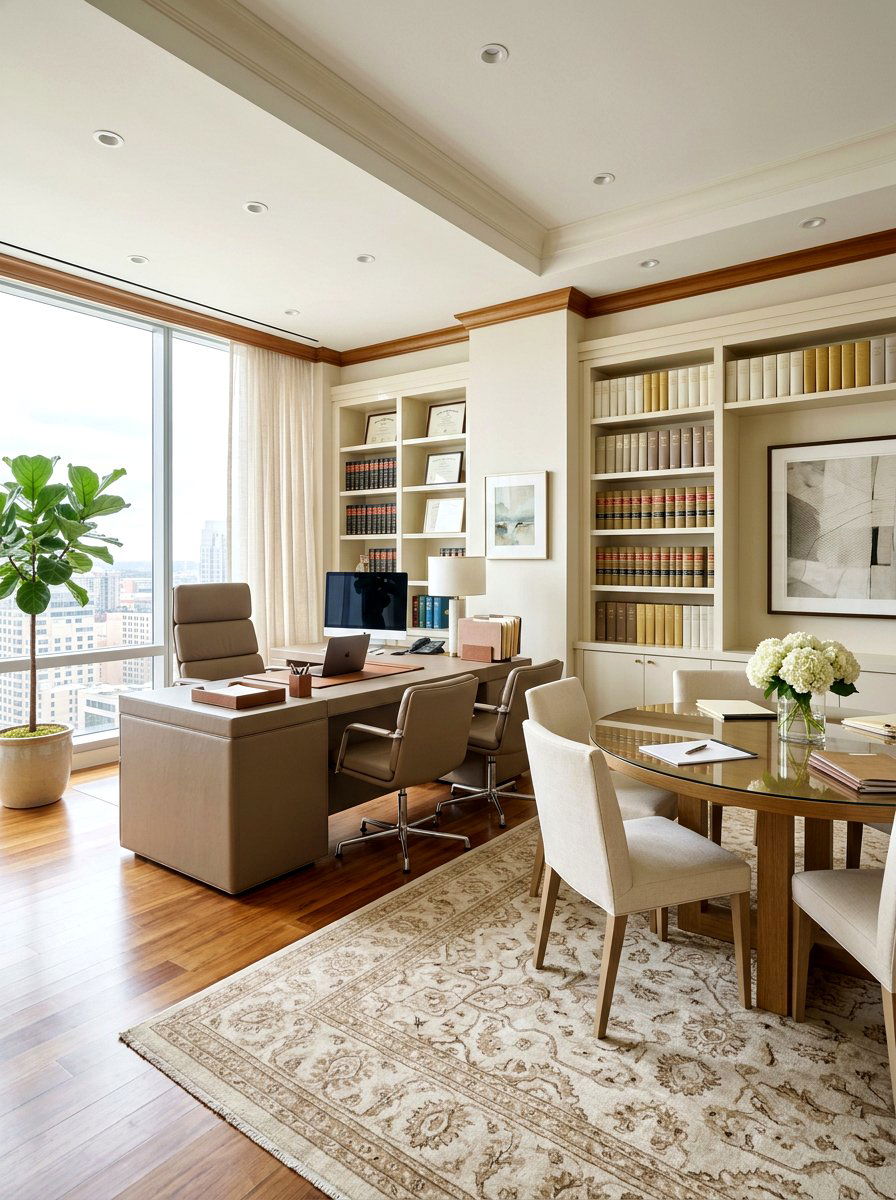
A neutral law office uses a sophisticated palette of beige, cream, and taupe to create a timeless and calming professional environment. You should focus on layered textures to add depth and interest without the need for bold colors. For instance, pair a smooth leather desk with a textured wool rug and silk wallpaper. The furniture should be classic and high-quality, ensuring it will remain stylish for many years to come. This design approach is highly versatile and projects a sense of stability, calmness, and understated elegance. It is particularly effective for practices that handle high-stress situations, such as criminal defense or litigation, where a soothing environment can be highly beneficial for clients.
28. Bold Legal Workspace
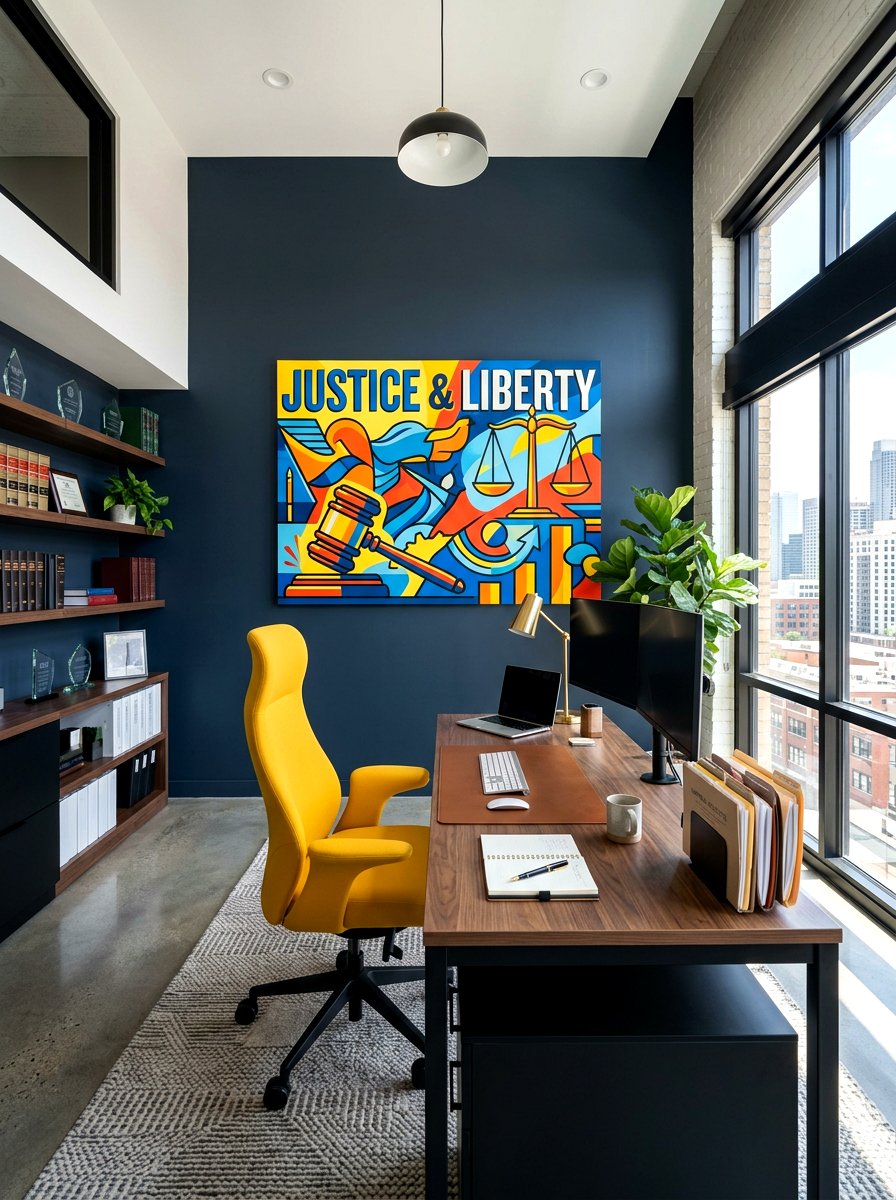
A bold legal workspace uses striking colors and unique design elements to create a memorable and high-energy environment. You can choose a deep accent color, such as charcoal blue or burnt orange, for a primary wall or for the upholstery of your executive chair. Use large-scale, impactful artwork and sculptural lighting fixtures to serve as conversation starters. The furniture should be modern and feature interesting silhouettes that stand out against the bold backdrop. This design style suggests a firm that is confident, creative, and willing to take a unique approach to solve complex legal problems. It is perfect for firms that want to differentiate themselves in a crowded and traditional legal market.
29. Transitional Attorney Office
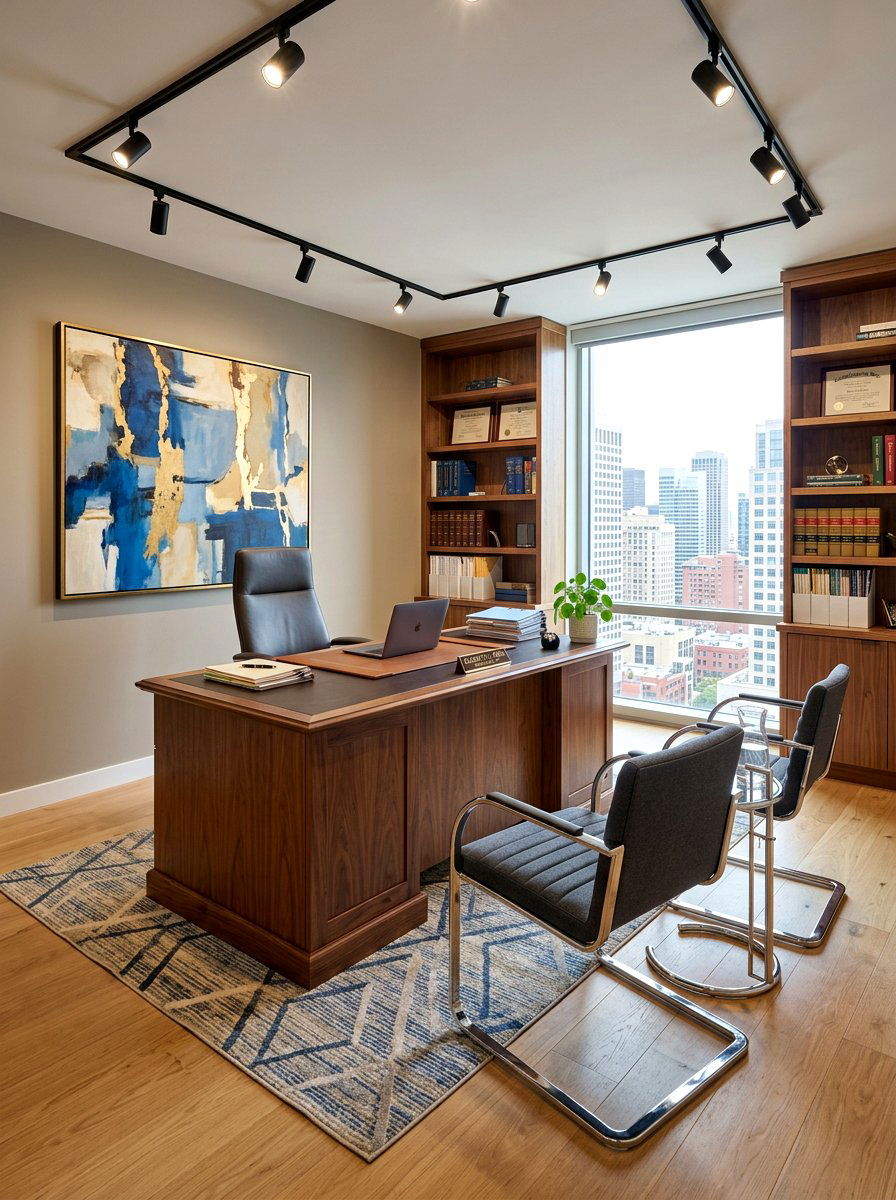
A transitional attorney office perfectly blends traditional and modern elements to create a space that feels both classic and current. You can pair a traditional wood desk with sleek, contemporary guest chairs and a modern abstract painting. This approach allows you to maintain the authority of legal tradition while acknowledging the efficiency and style of modern design. Use a balanced color palette of warm wood tones and cool neutral grays to tie the different elements together. This versatile style appeals to a wide range of clients and ensures that your office will not feel dated as trends change. It projects an image of a firm that is well-grounded yet forward-looking.
30. Sustainable Law Office
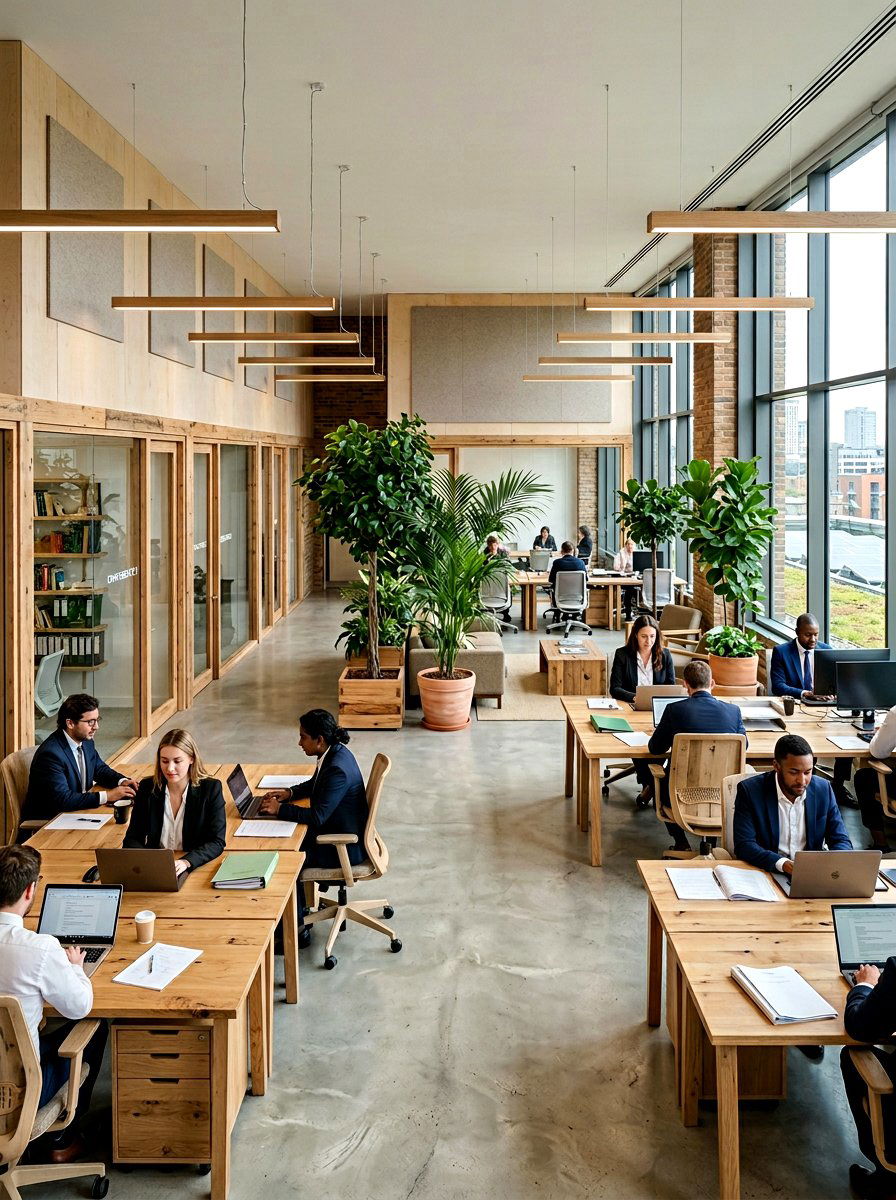
A sustainable law office prioritizes eco-friendly materials and energy-efficient design to reflect a commitment to environmental responsibility. You should use furniture made from reclaimed wood or recycled materials and choose non-toxic, low-VOC paints and finishes. Incorporate biophilic design elements, such as indoor plants and natural light optimization, to improve the well-being and productivity of the team. Use smart lighting systems that adjust based on natural light levels and occupancy. This design approach not only reduces the firm's environmental footprint but also appeals to clients who value sustainability. It communicates that the firm is responsible, ethical, and focused on the long-term future, aligning its values with its legal practice.
Conclusion:
Investing in a thoughtfully designed attorney office is a strategic decision that pays dividends in client trust and professional satisfaction. Whether you prefer the gravity of a dark wood traditional suite or the vibrant energy of a modern open-concept firm, your workspace should always reflect your firm's core values. By carefully selecting furniture, lighting, and materials that balance authority with comfort, you create an environment where high-level legal work can thrive. Each of the thirty ideas presented offers a unique way to communicate professionalism and expertise. Ultimately, a well-designed office serves as a silent partner in your success, welcoming clients and inspiring your legal team every single day.

Related posts: