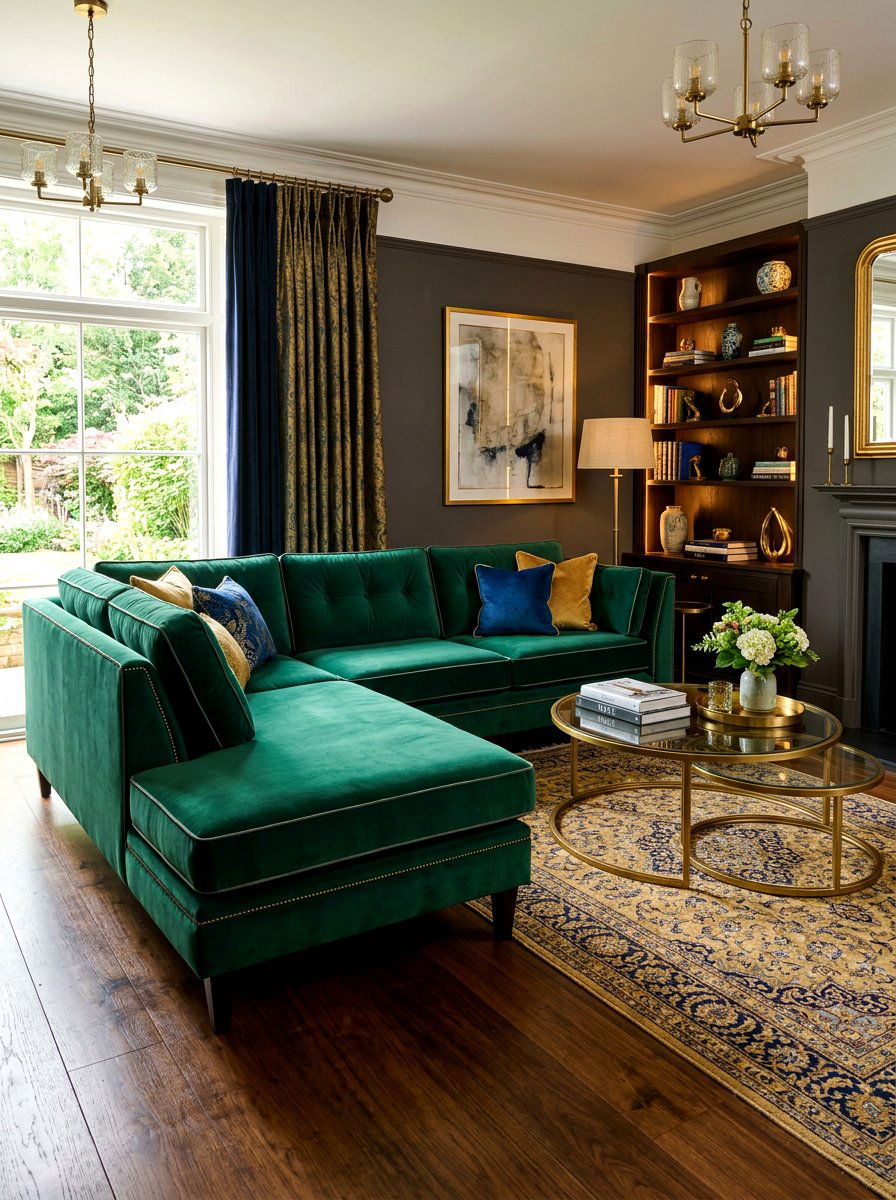
Creating a functional home starts with understanding the spatial dynamics of your specific environment. Many homeowners struggle with layouts because they focus on individual pieces rather than the overall flow of the room. When you master furniture arrangement, you unlock the true potential of your square footage, making even the smallest corners feel purposeful and inviting. This guide explores thirty distinct ways to organize your furniture across various rooms, focusing on balance, traffic patterns, and visual harmony. Whether you are dealing with a long, narrow living area or a sprawling open-concept floor plan, these strategies provide a clear roadmap for transformation. By placing your largest items first and then layering in smaller accents, you can create a space that feels professional, curated, and perfectly tailored to your lifestyle. Proper planning ensures that every chair, table, and rug serves a meaningful role in your daily routine while enhancing the aesthetic appeal of your home interiors.
1. Open concept living room layout
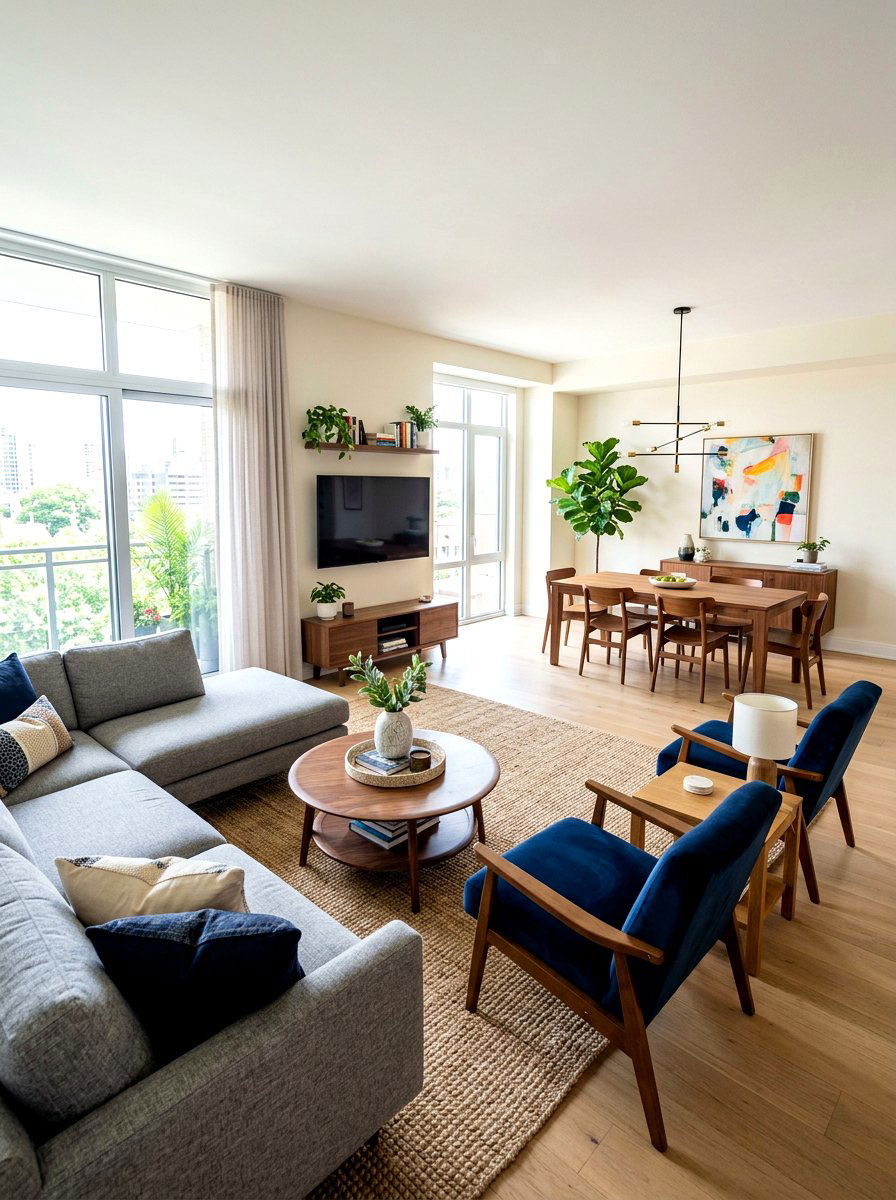
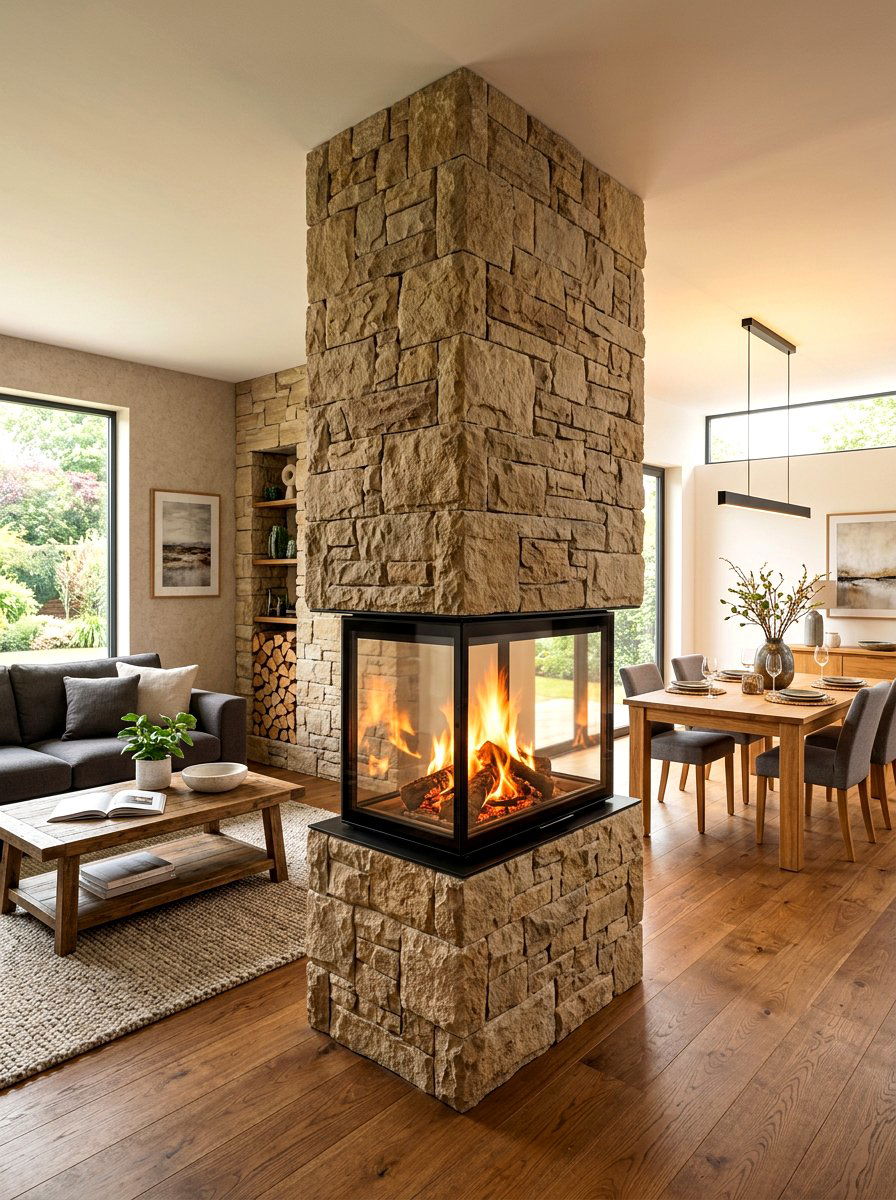
Designing an open concept living room layout requires a strategic approach to create distinct zones without using physical walls. You can start by placing a large area rug to anchor the primary seating area, which provides a visual boundary for the lounging space. Using the back of a sofa to face away from the dining table acts as a subtle room divider while maintaining an airy feel. It ensures that the floor plan remains connected but organized. Adding a pair of armchairs opposite the sofa completes a natural conversation circle. This specific method ensures that traffic flows easily around the furniture rather than cutting through the center of your main seating group.
2. Small living room furniture placement
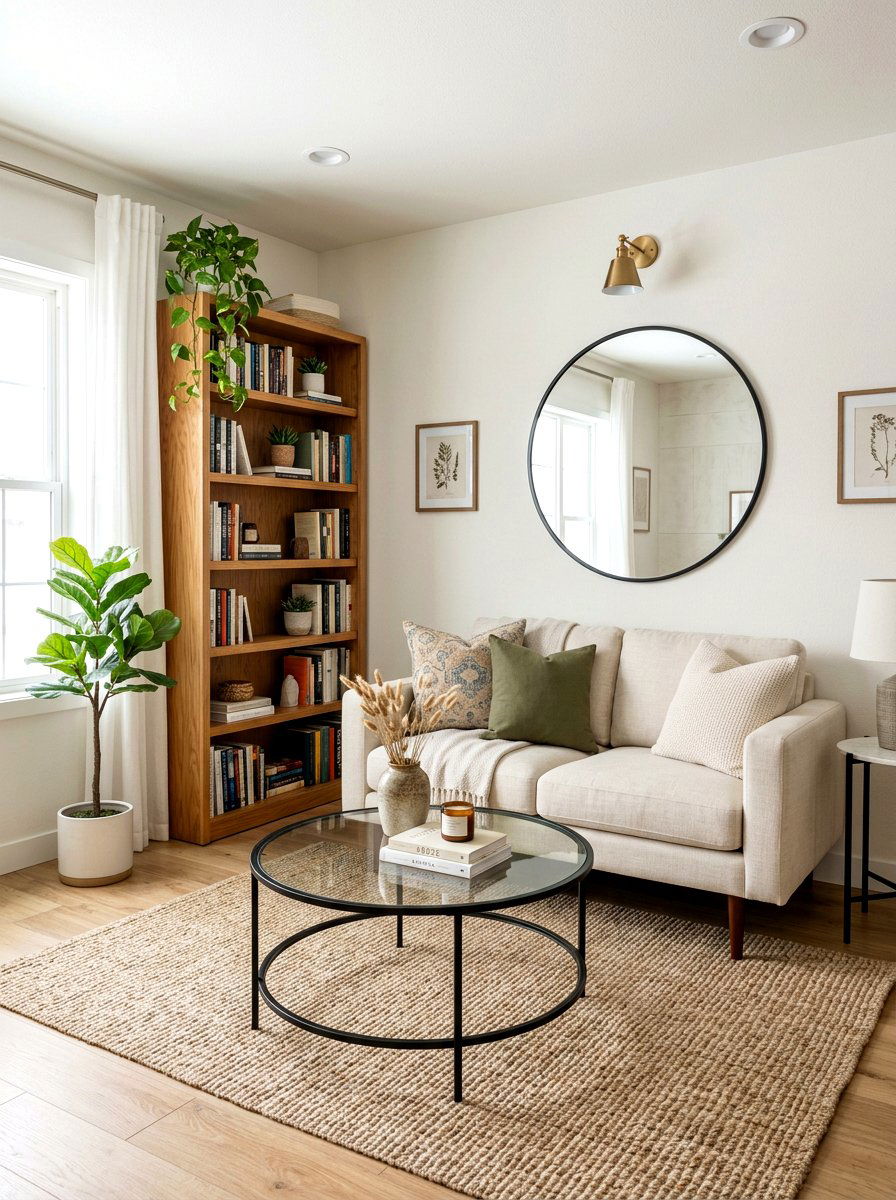
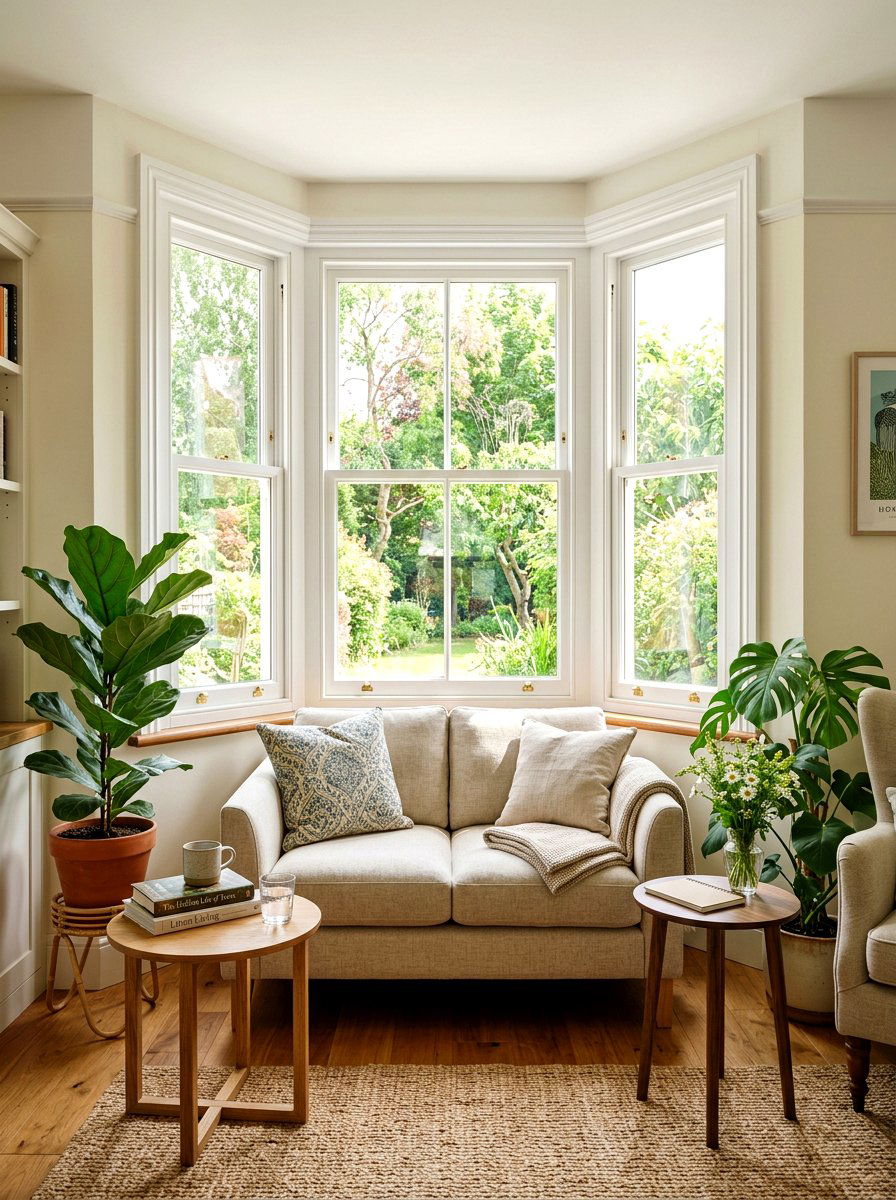
Successful small living room furniture placement focuses on maximizing floor space while maintaining comfort. You should choose furniture with exposed legs to create a sense of openness by allowing light to pass underneath. Placing a loveseat or a small-scale sofa against the longest wall opens up the center of the room. You can then add a round coffee table to prevent the space from feeling too boxy and to improve navigation. Using a tall bookshelf in a corner draws the eye upward, making the ceiling feel higher. This vertical strategy is essential for compact areas because it shifts the focus away from the limited floor dimensions.
3. Symmetrical living room arrangement
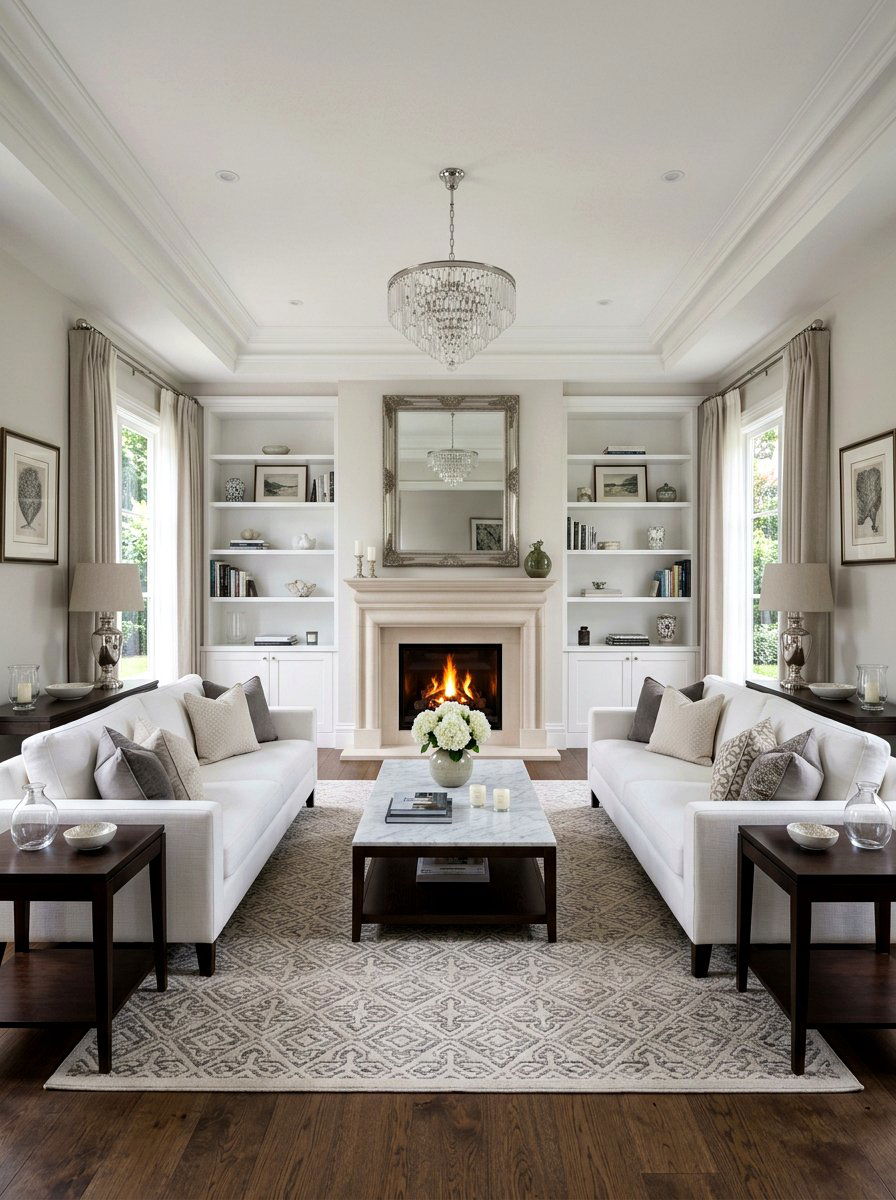
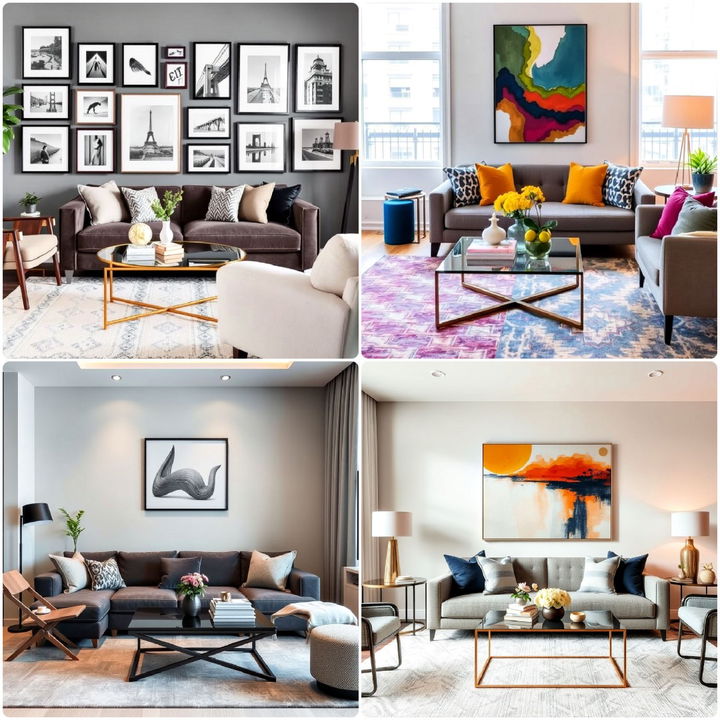
A symmetrical living room arrangement offers a sense of formal balance and calm that works perfectly in traditional spaces. You achieve this by identifying a central focal point, such as a fireplace or a large window, and mirroring the furniture on both sides. Place two identical sofas facing each other with a coffee table positioned in the exact middle. This layout creates an intimate setting for conversation and looks incredibly polished from any angle. To finish the look, place matching end tables and lamps at the outer edges of the sofas. This structured approach provides a clean, organized aesthetic that feels timeless and very visually satisfying.
4. Sectional sofa corner placement
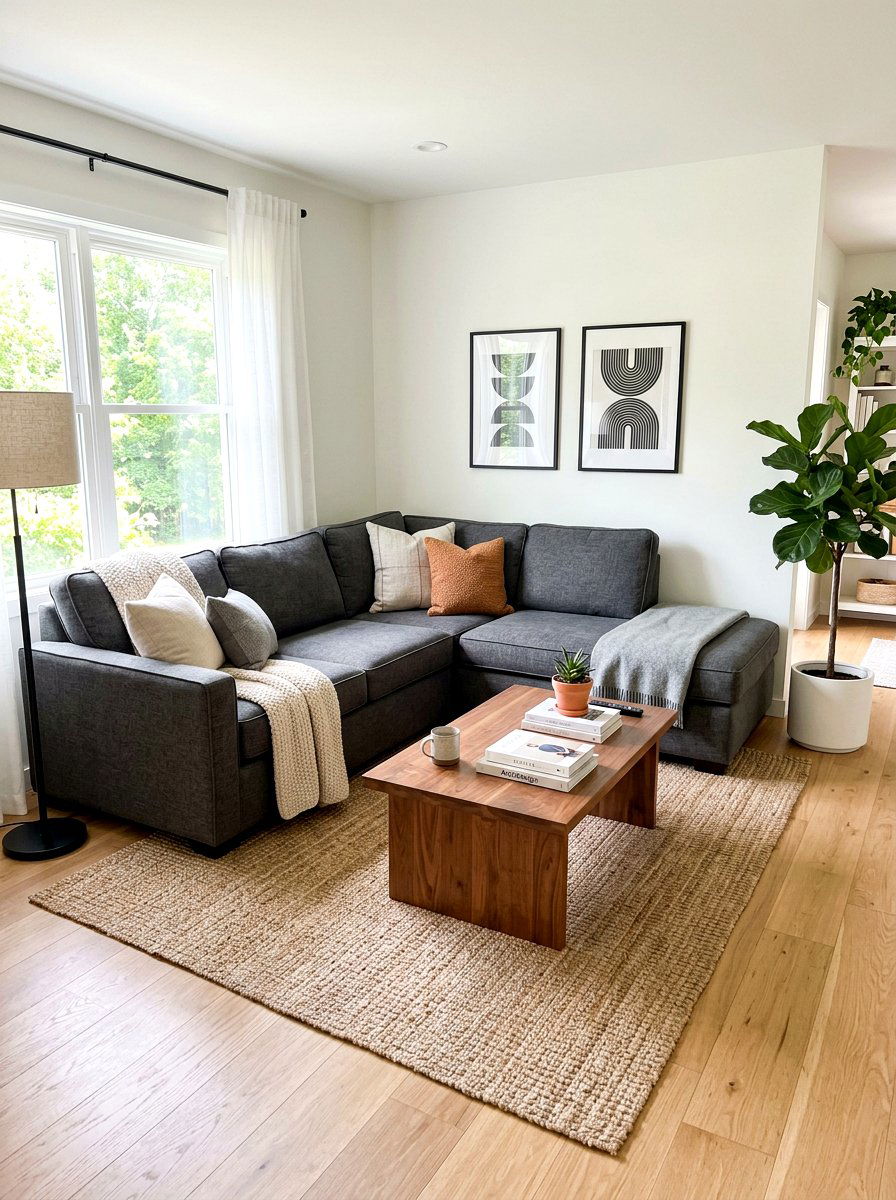
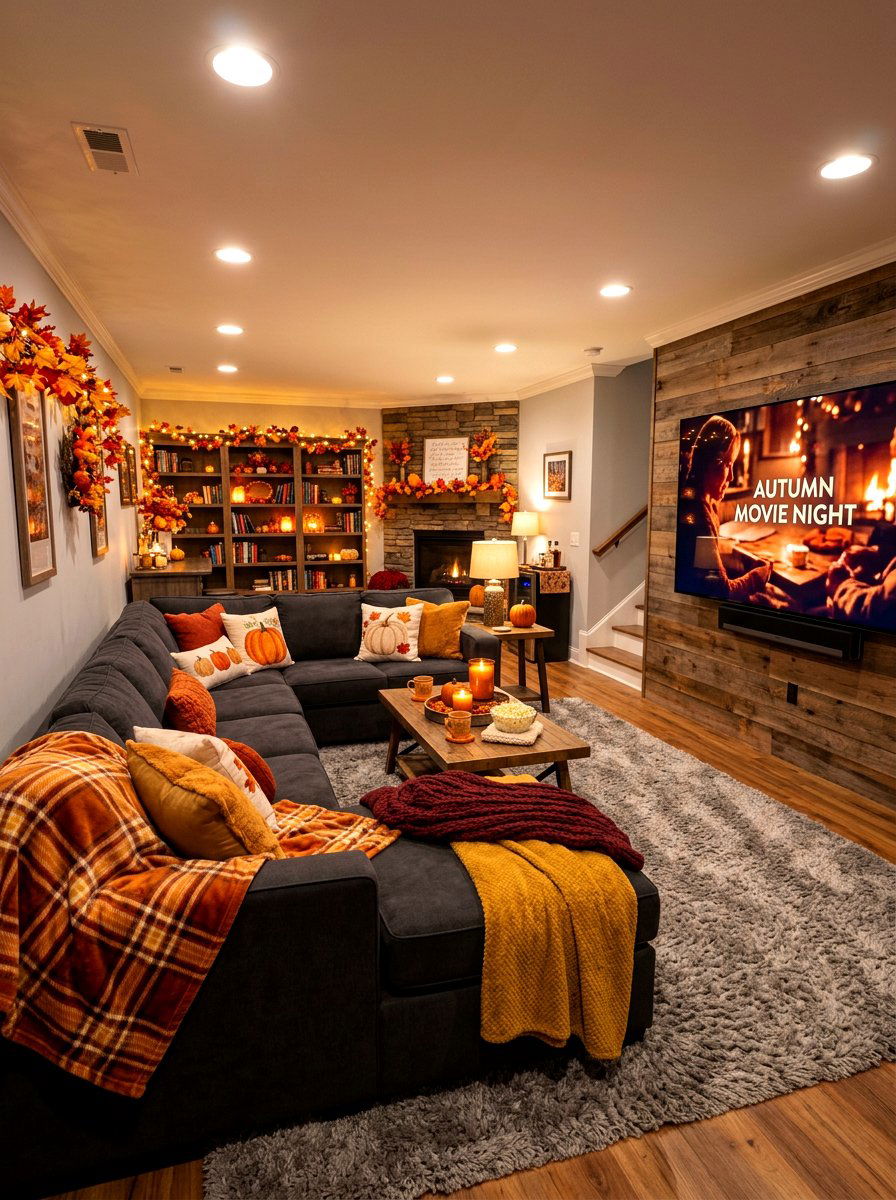
Utilizing a sectional sofa corner placement is one of the most efficient ways to provide ample seating in a family-oriented space. By tucking the longest side of the sectional into a corner, you open up the rest of the room for additional activities. This arrangement works exceptionally well in basements or media rooms where the primary goal is comfort. You can complement the large sofa with a low-profile coffee table that is easily accessible from all seats. To prevent the corner from feeling heavy, keep the surrounding wall decor light and simple. This setup maximizes every inch of the room while creating a cozy, unified lounging area.
5. Master bedroom sitting area
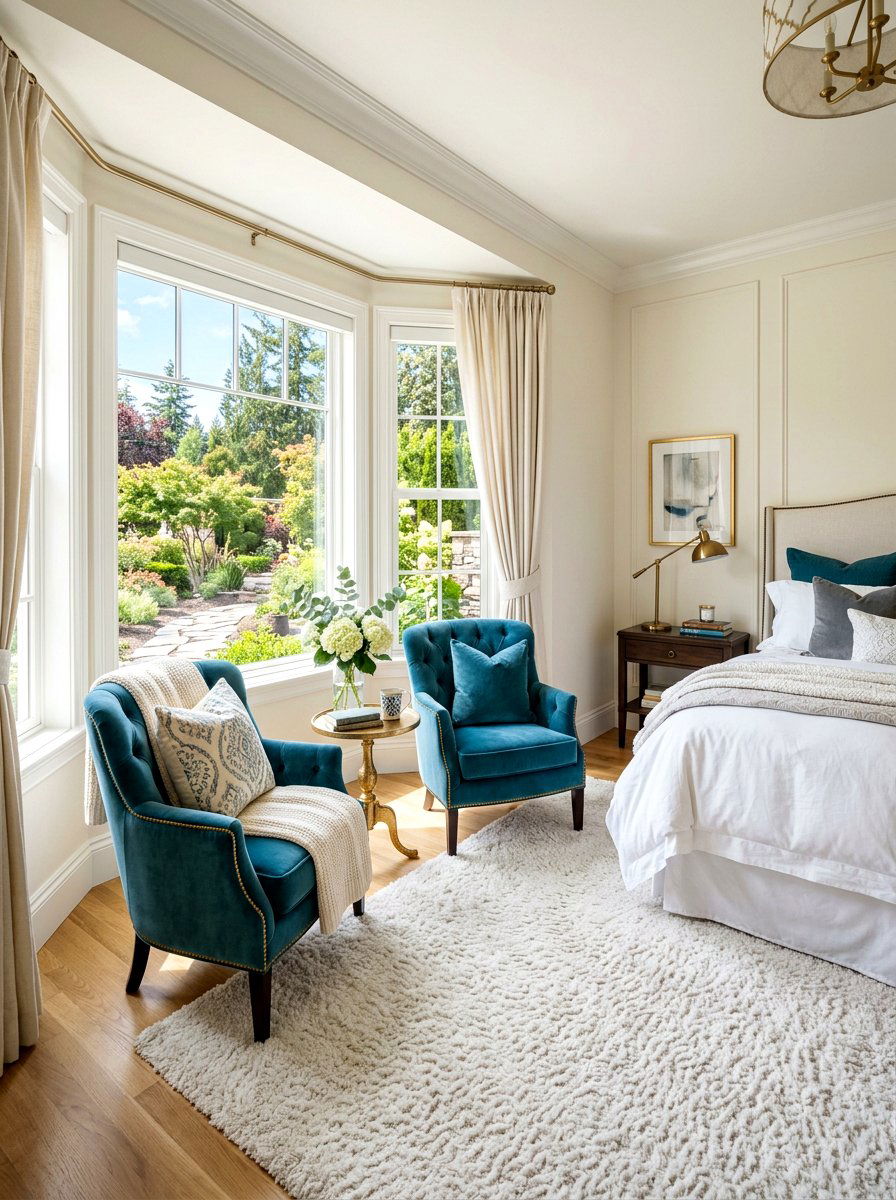
Incorporating a master bedroom sitting area transforms a simple sleeping space into a luxurious private retreat. You can arrange two upholstered armchairs and a small side table in a corner or near a window. If space allows, placing a plush chaise lounge at the foot of the bed also provides a sophisticated spot for relaxation. This arrangement encourages you to use the bedroom for more than just sleep, offering a quiet place to read or enjoy morning coffee. Using a separate rug for the seating zone helps to distinguish it from the sleeping area. This layer of comfort adds immense value to the overall room flow.
6. Floating sofa layout
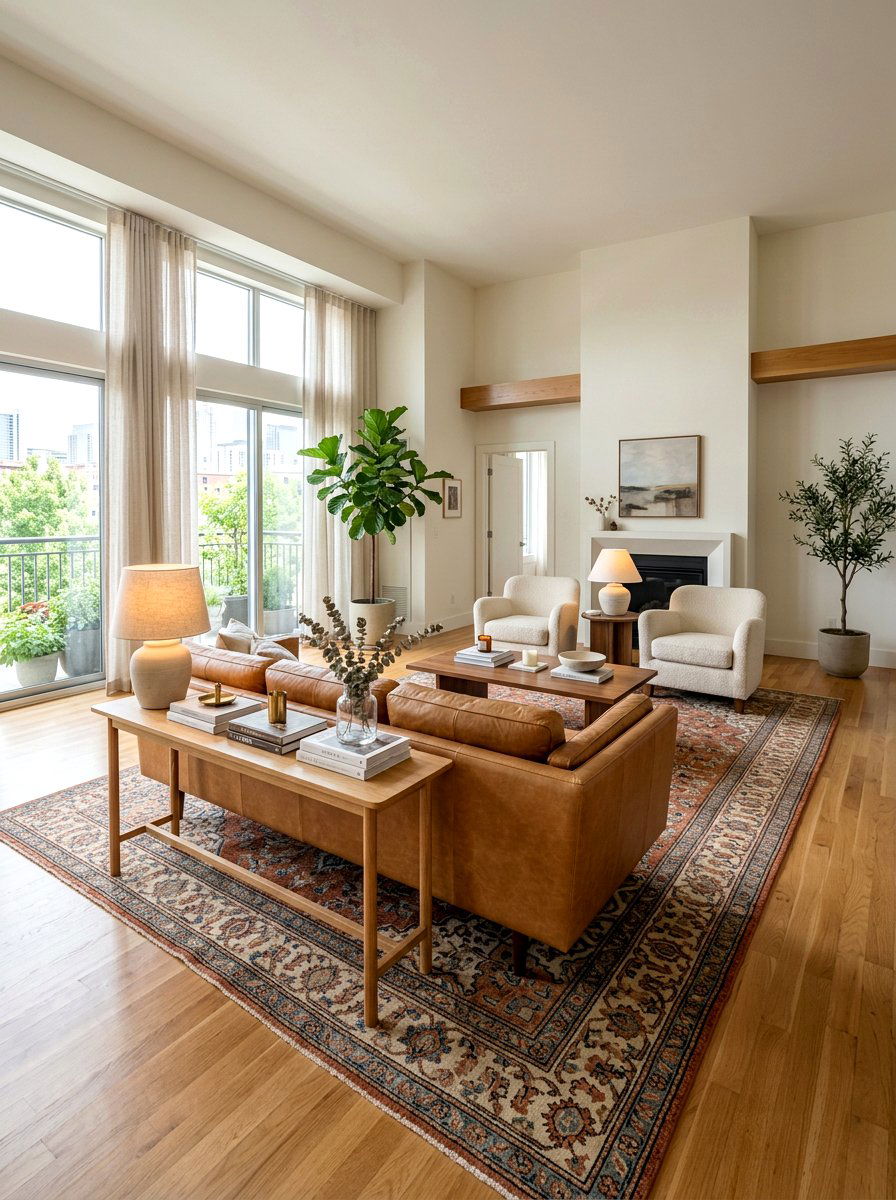
A floating sofa layout involves pulling your main seating away from the walls to create a more intimate and dynamic room structure. This technique is particularly effective in large rooms where placing furniture against the perimeter leaves a massive, awkward gap in the middle. By centering the sofa on a large rug, you create a dedicated "island" for socializing. You can then place a slim console table behind the sofa to hold lamps or decorative items. This arrangement improves the acoustics of the room and makes the space feel more high-end. It also allows for clear walking paths behind the furniture, improving the general room circulation.
7. Dining room table placement
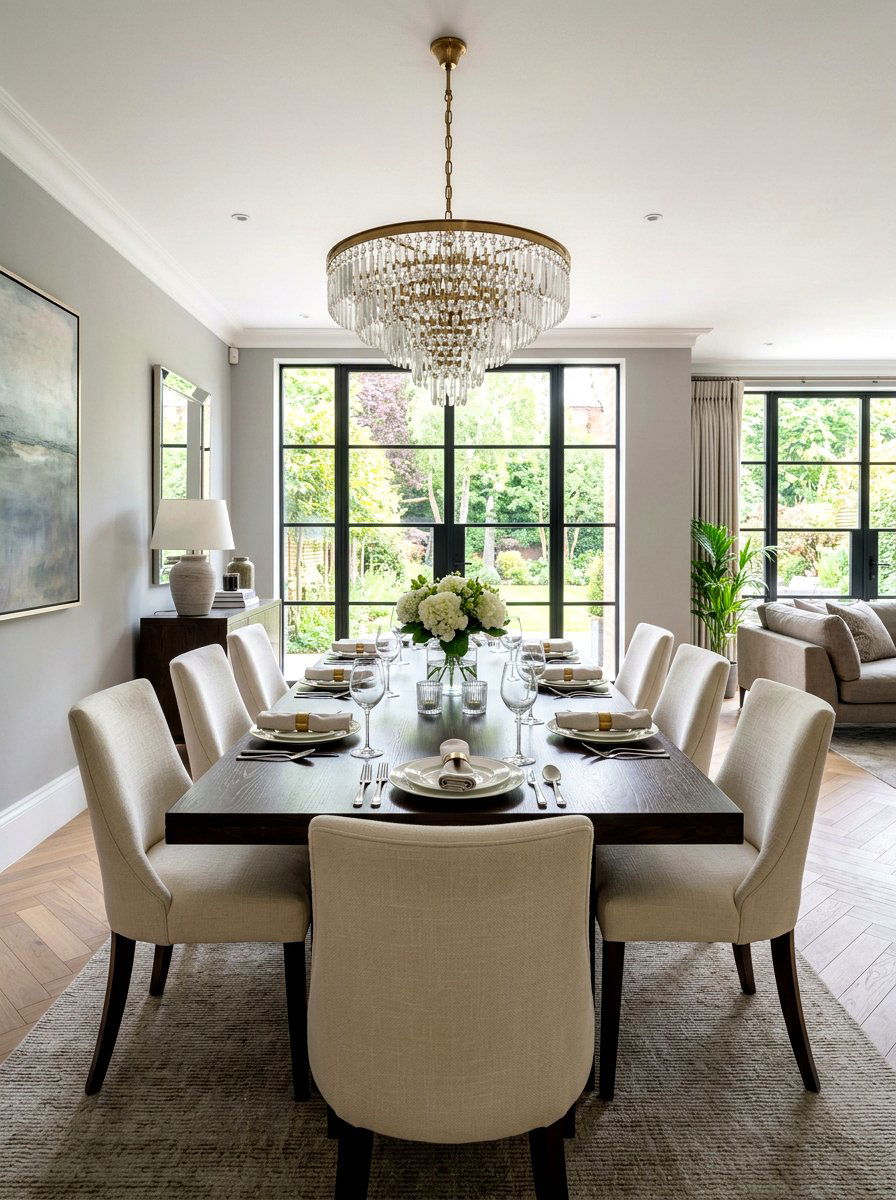
Classic dining room table placement centers the table directly under a chandelier or pendant light to establish a clear focal point. You should ensure there is at least thirty-six inches of clearance between the table edges and the walls or other furniture. This space allows guests to pull out chairs comfortably and navigate the room without feeling restricted. If you have a long, narrow dining area, opting for a rectangular table helps mirror the room's proportions. For smaller, square rooms, a round table fosters a more inclusive and social dining experience. Proper spacing and alignment are the keys to a formal yet functional eating environment.
8. Studio apartment room divider
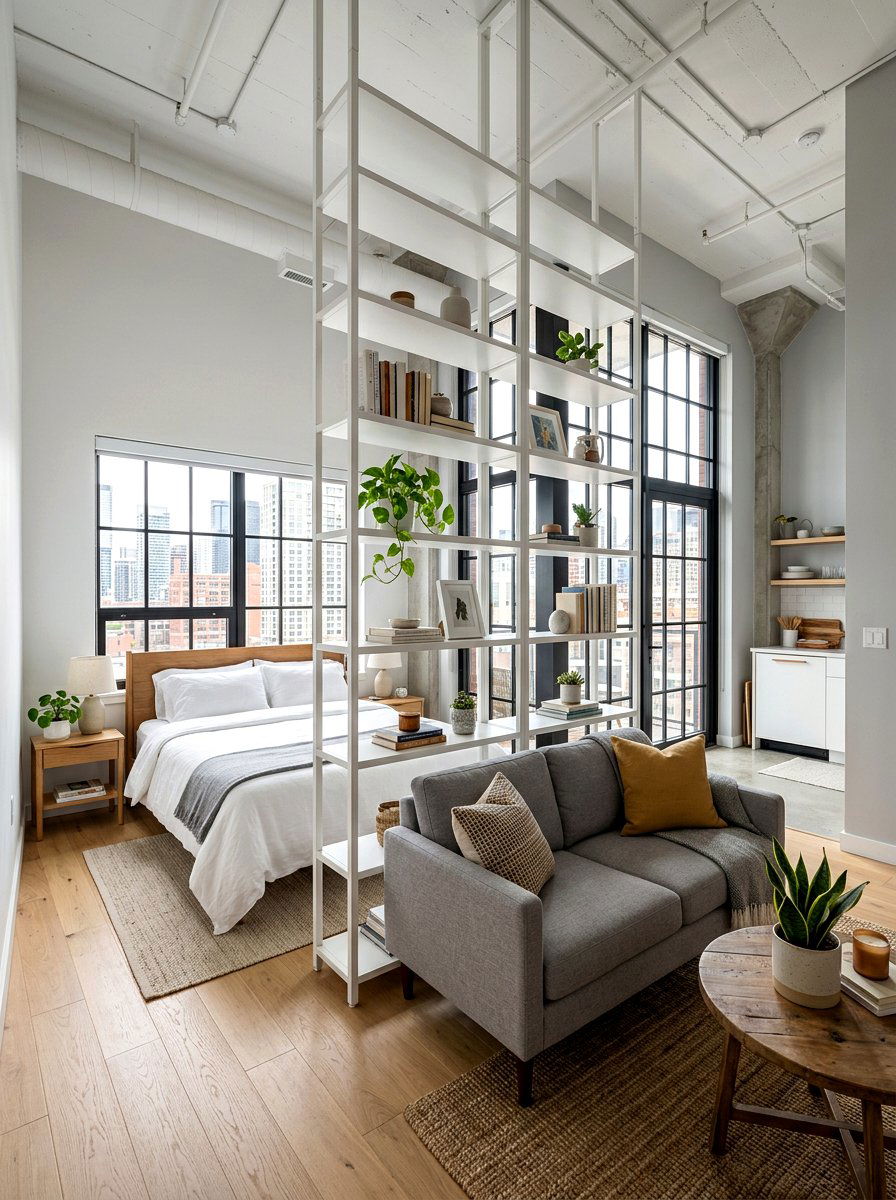
Implementing a studio apartment room divider using furniture is a brilliant way to separate your sleeping quarters from the living area. You can use a double-sided open bookshelf to act as a wall while still allowing natural light to filter through both sections. Placing the headboard of your bed against the back of the shelf creates a cozy bedroom nook. On the opposite side, the living room furniture can face away, further defining the boundaries. This multi-functional approach provides essential storage while solving the challenge of living in a single room. It creates a sense of privacy and organization that makes a small studio feel much larger.
9. Narrow living room furniture layout
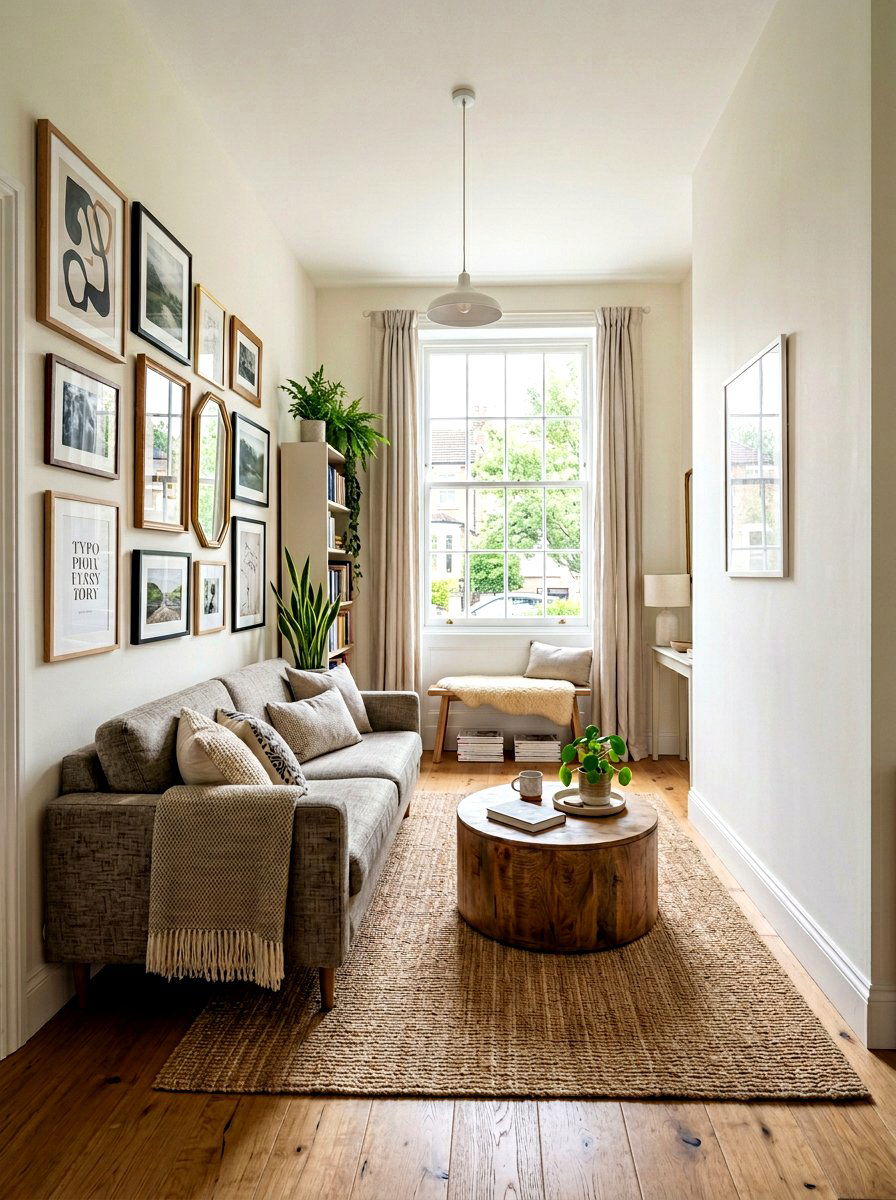
Mastering a narrow living room furniture layout requires avoiding the "hallway" effect where all pieces are lined up against one wall. Instead, try creating small clusters of furniture that break up the length of the room. You can place a small sofa perpendicular to the long wall and use a slim bench for extra seating. This cross-room arrangement helps to visually widen the space and creates a more interesting floor plan. Using circular elements, like a round ottoman or a curved lamp, helps soften the sharp lines of a long room. These subtle shifts in orientation make a narrow space feel much more balanced and approachable.
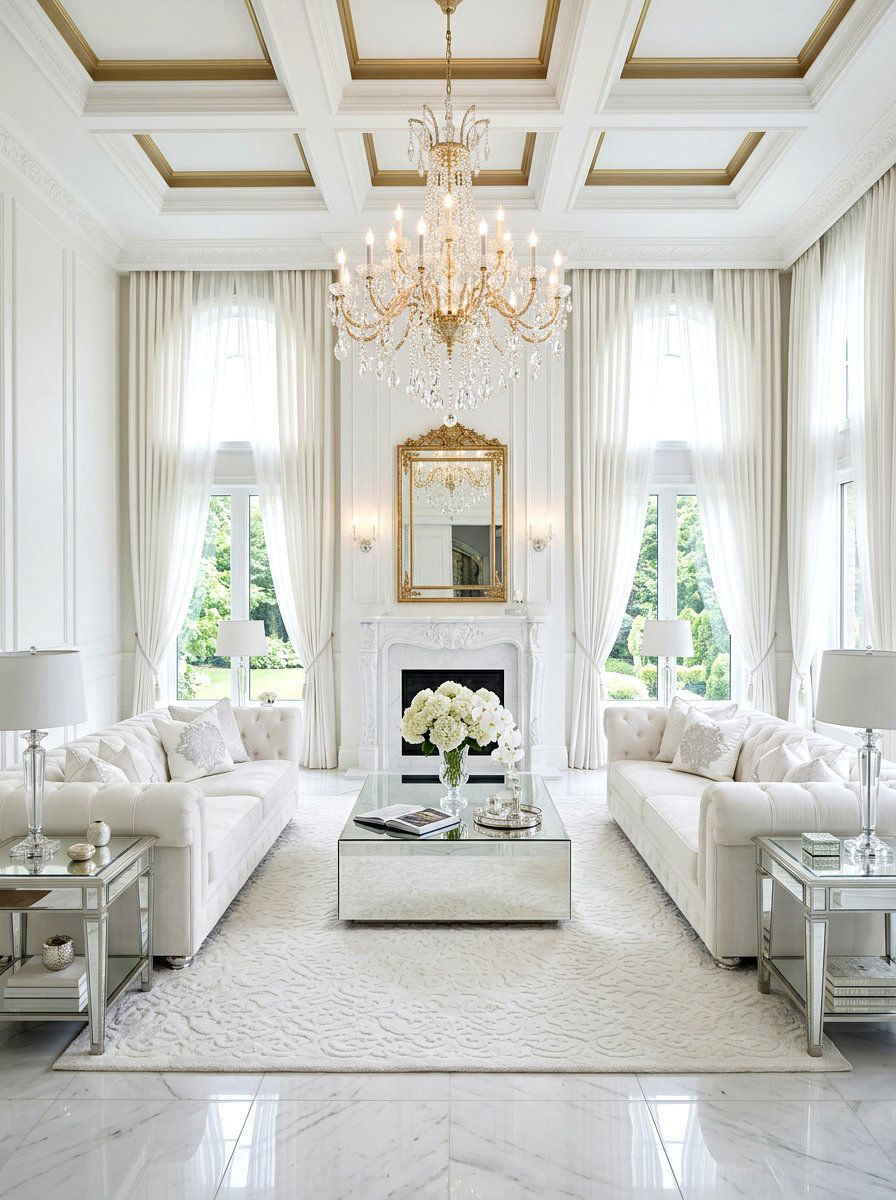
10. Fireplace focal point arrangement
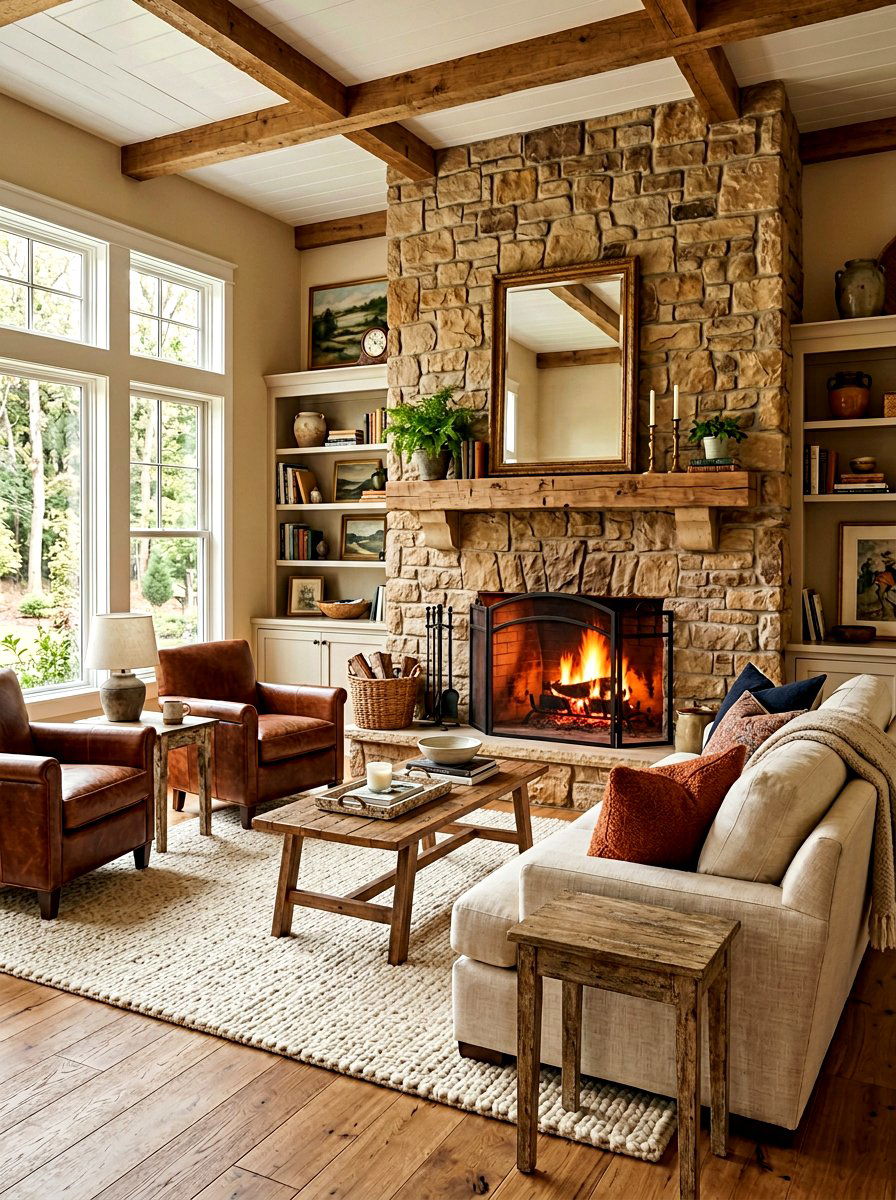
Creating a fireplace focal point arrangement involves orienting your primary seating to highlight the hearth as the heart of the home. You can place your sofa directly across from the fireplace and flank it with two comfortable accent chairs angled inward. This U-shaped setup naturally draws the eyes toward the fire and encourages warm, social gatherings. A large coffee table in the center ties the group together, providing a surface for drinks or books. To enhance the symmetry, use the mantel for curated decor that reflects the style of the furniture. This layout is perfect for creating a classic, inviting atmosphere that feels grounded and cozy.
11. Entryway console table setup
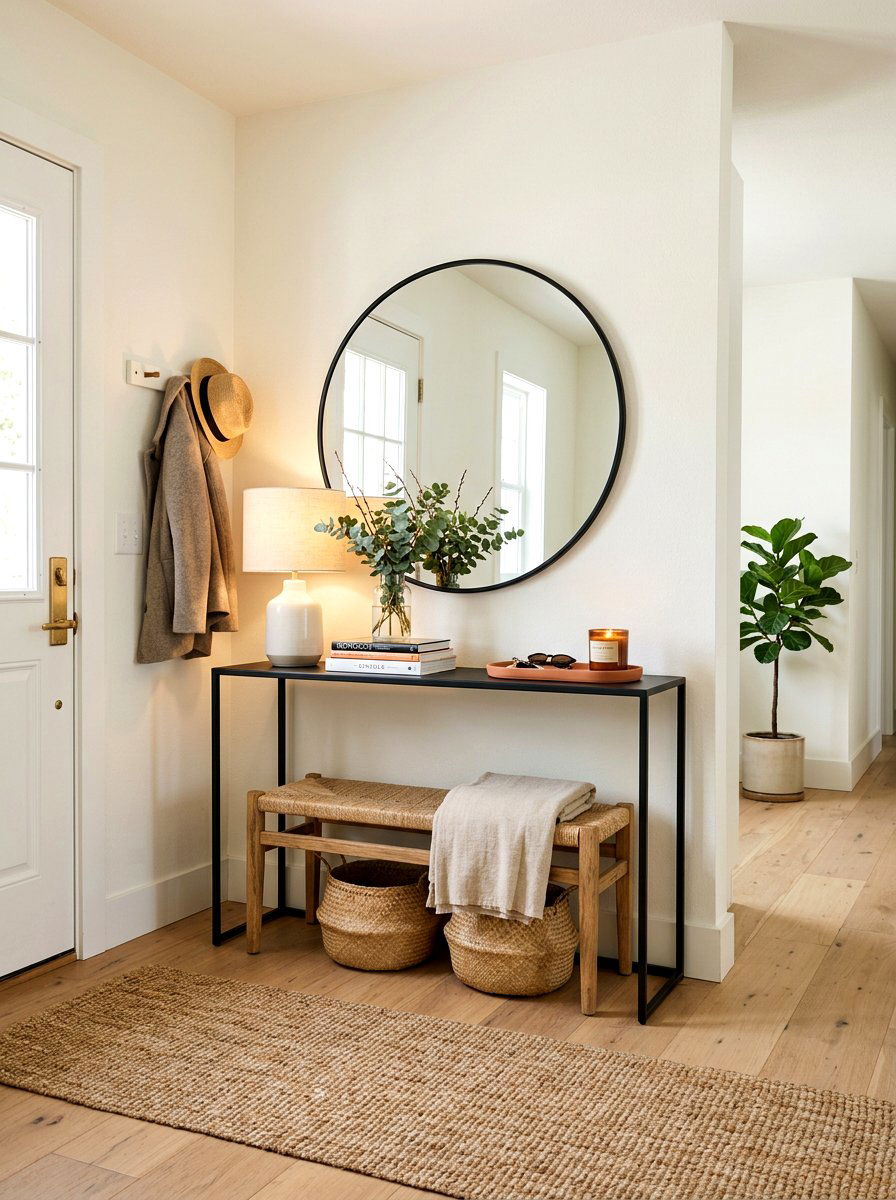
An effective entryway console table setup provides a functional and stylish first impression for anyone entering your home. You should place a slim console table against the main wall, ideally near a mirror to bounce light around the foyer. A small bench tucked underneath the table offers a convenient spot for guests to remove their shoes. Adding a decorative tray for keys and a table lamp creates a warm, welcoming glow during the evening hours. This arrangement keeps the entry clutter-free while serving as a hub for daily essentials. It defines the transition from the outside world into the private comfort of your interior living spaces.
12. Sunroom wicker furniture layout
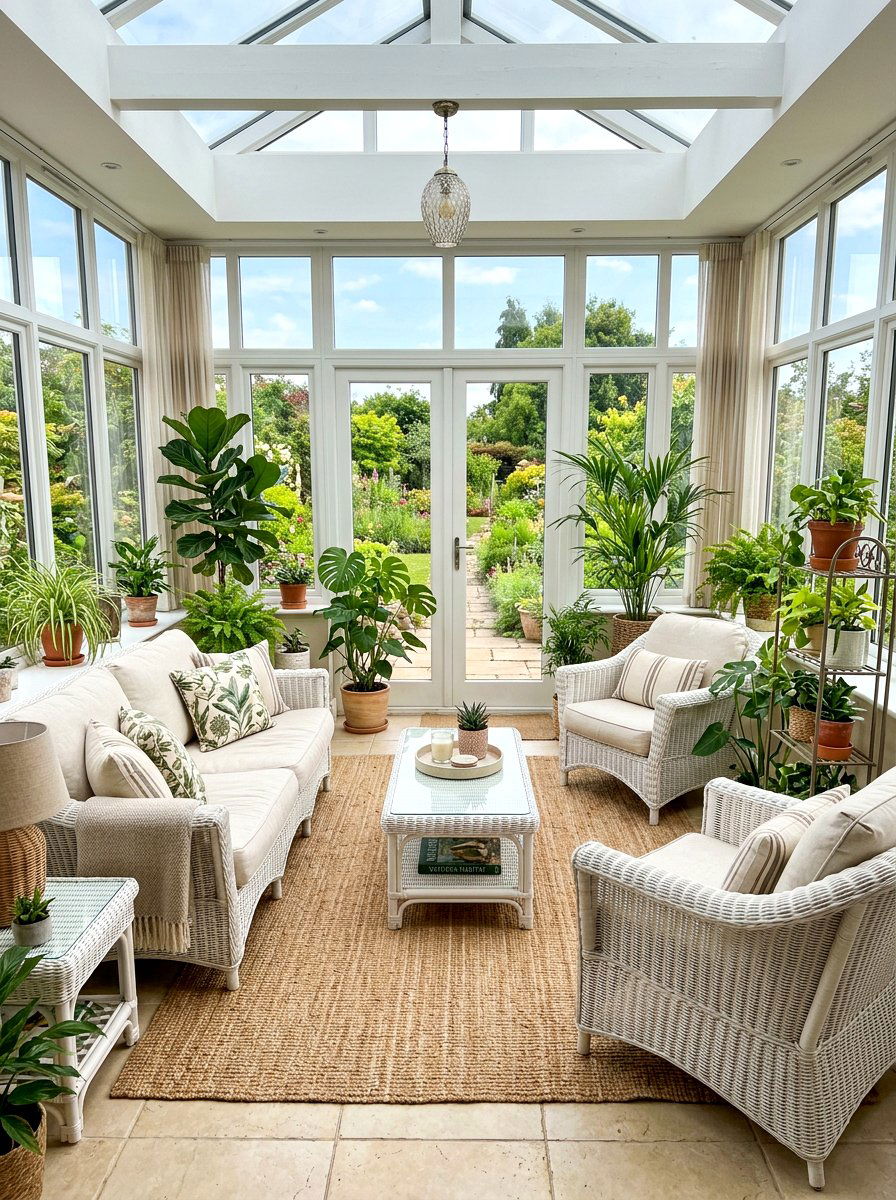
A sunroom wicker furniture layout should prioritize the outdoor views and the influx of natural light throughout the day. You can arrange a sofa and a set of chairs in a circular formation to create a relaxed garden-like atmosphere. Using lightweight wicker or rattan pieces makes it easy to rearrange the space as the sun moves or for seasonal changes. Placing a low coffee table in the center allows for unobstructed sightlines to the surrounding greenery. Adding indoor plants between the furniture pieces helps blur the lines between the interior and the exterior environment. This setup fosters a peaceful, airy mood that is perfect for morning meditation.
13. Kids bedroom twin bed arrangement
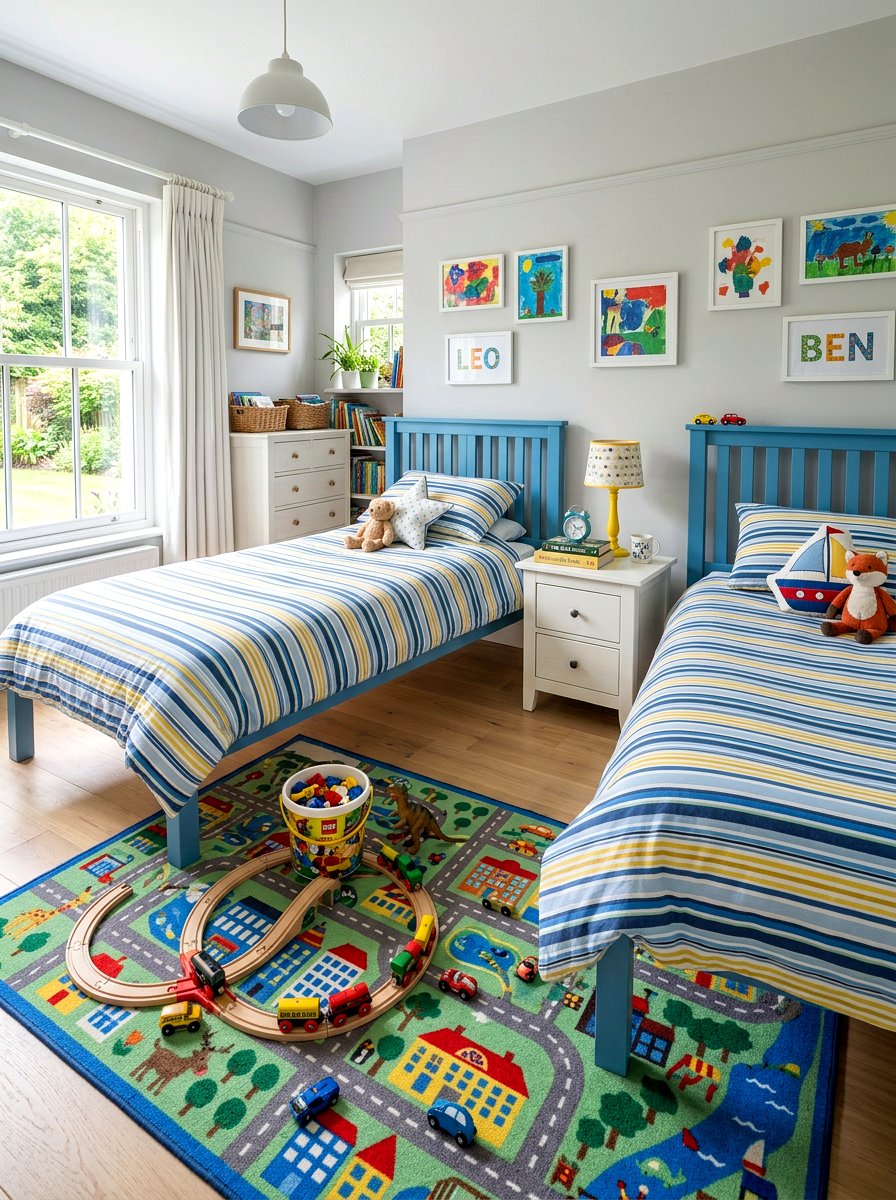
A kids bedroom twin bed arrangement often works best when the beds are placed parallel to each other with a shared nightstand in the middle. This symmetrical setup provides equal space for two children and creates a clean, organized look. You can place the beds against the longest wall to leave the center of the room open for a dedicated play area. If the room is narrow, placing the beds end-to-end along one wall can free up the opposite side for desks or storage units. This flexible layout accommodates growth and changing needs while ensuring that each child has their own defined sleeping zone within the room.
14. L shaped living room dining room combo
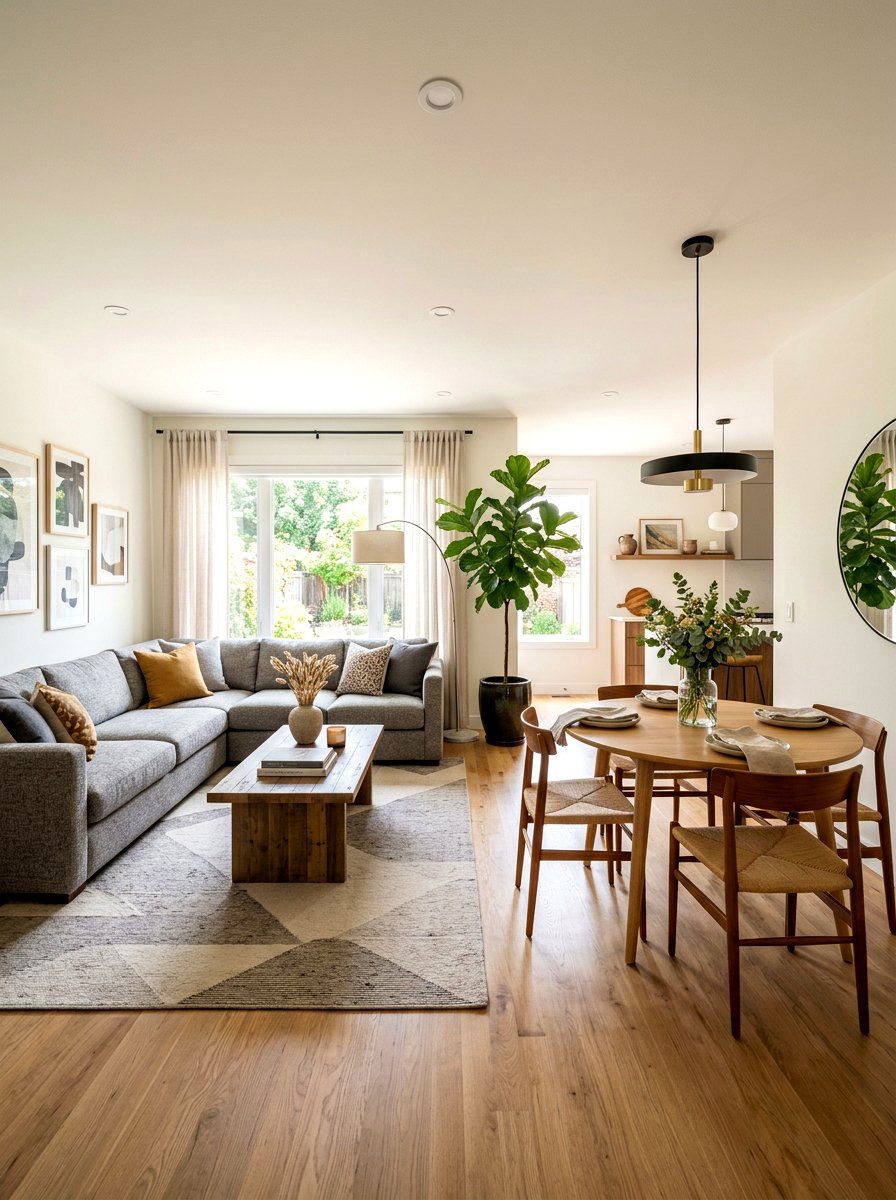
An L shaped living room dining room combo requires careful furniture placement to ensure that both areas feel distinct yet cohesive. You can use the corner of the "L" to transition between the two functions, perhaps by placing a low cabinet or a tall plant there. Arrange the living area furniture in a cozy cluster at one end, using a rug to anchor it. The dining table should be placed in the other section, ideally near the kitchen for convenience. Matching the wood tones or color palettes across both zones creates a harmonious flow. This layout maximizes the utility of an irregular space while maintaining a high-end feel.
15. Home office desk placement
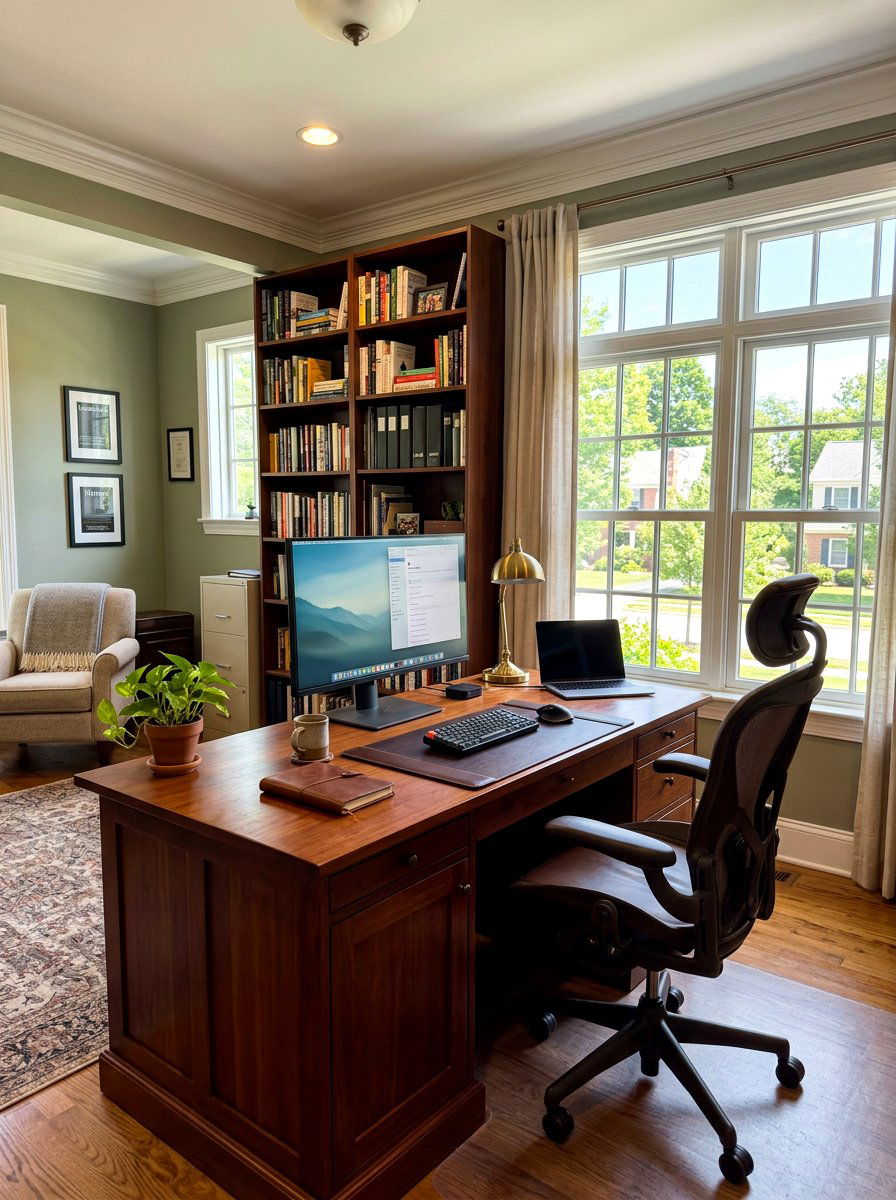
Thoughtful home office desk placement is essential for maintaining productivity and focus throughout the workday. You should consider placing your desk facing the door, a technique known as the "command position, " which provides a sense of security and professional presence. If you have a beautiful view, positioning the desk near a window can provide natural light and inspiration. Ensure there is enough space behind the chair to move freely and access storage cabinets or bookshelves. Using a secondary armchair in the corner offers a comfortable spot for reading or taking phone calls. This balanced arrangement creates a professional environment that supports a healthy work-life balance at home.
16. Reading nook armchair setup
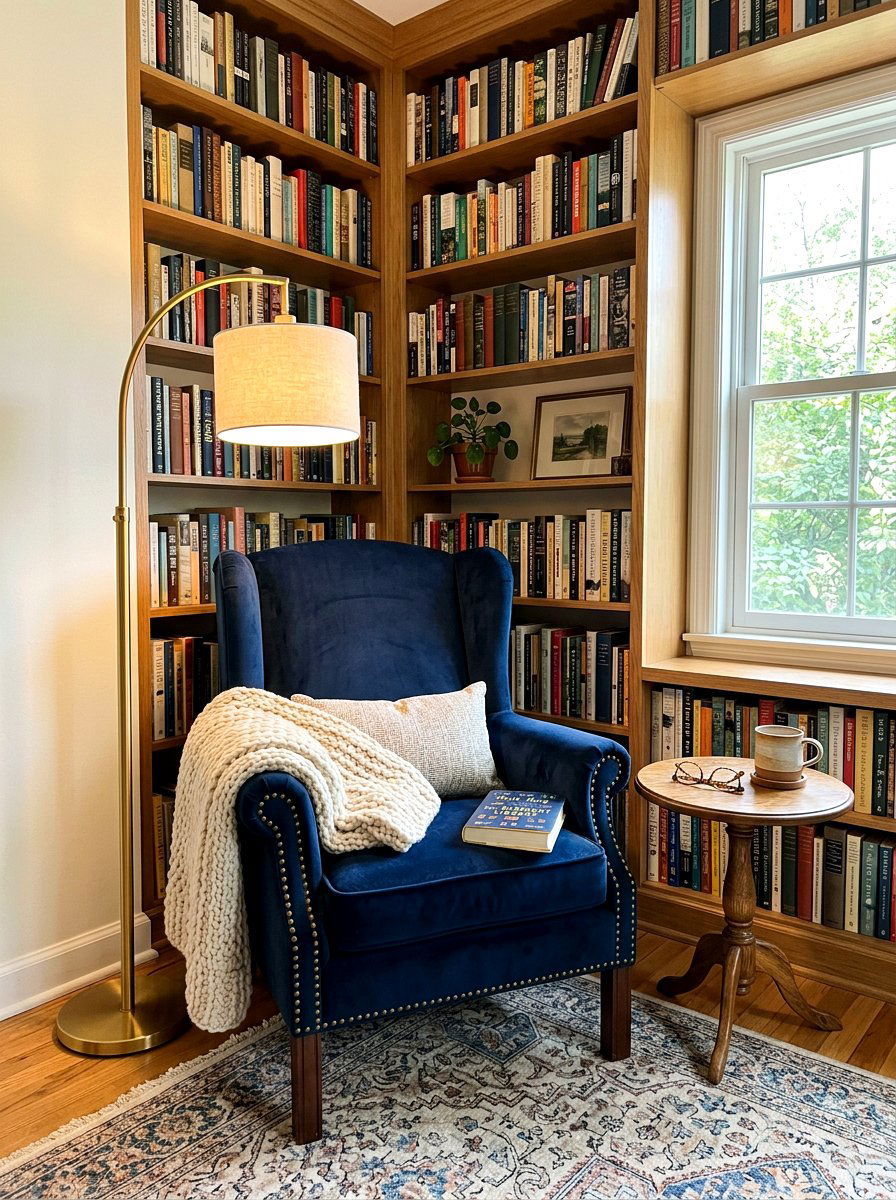
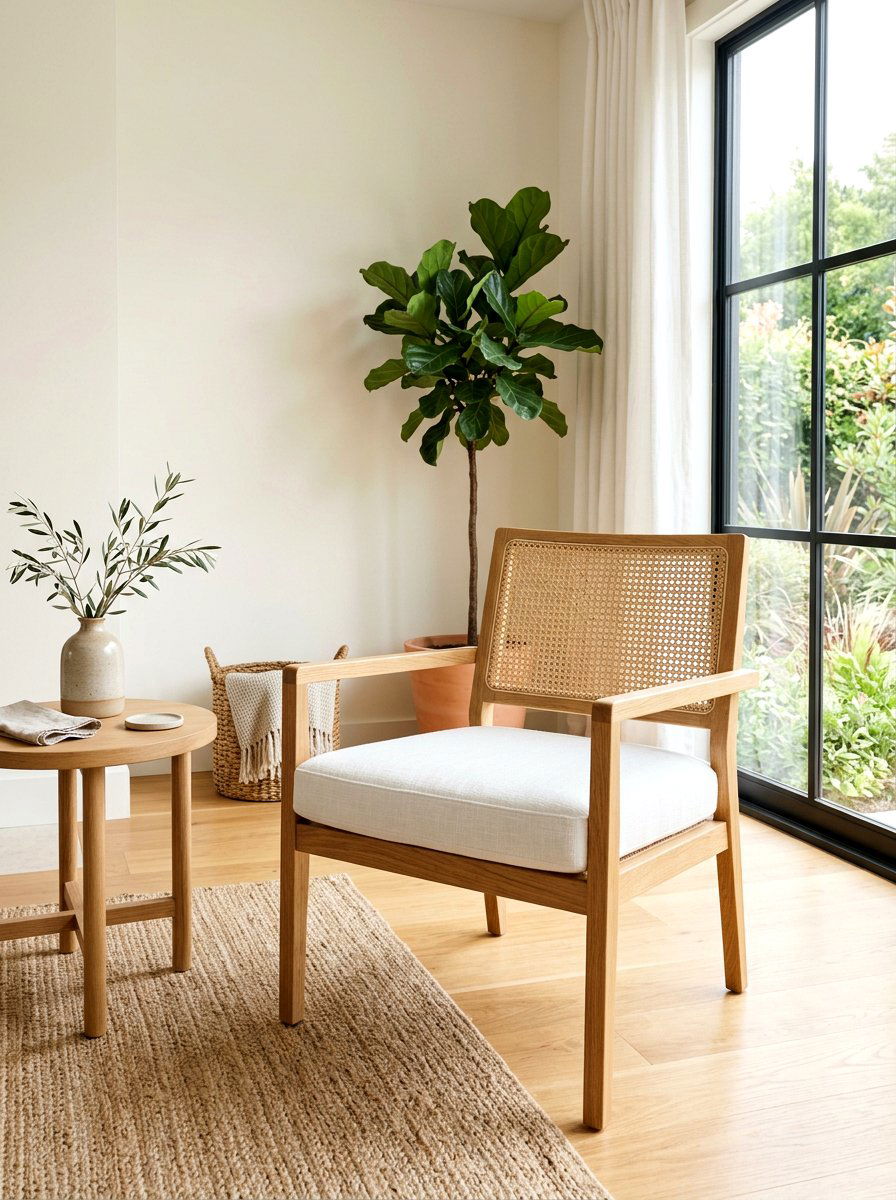
A reading nook armchair setup is the perfect way to utilize an awkward corner or a quiet spot under a staircase. You should choose a deep, comfortable armchair and pair it with a floor lamp that provides targeted task lighting. Adding a small side table for your book and a cup of tea makes the space fully functional. To increase the comfort level, include a soft ottoman so you can put your feet up while you read. Placing a small bookshelf within arm's reach ensures your favorite titles are always accessible. This dedicated corner provides a personal sanctuary that encourages downtime and mental relaxation within a busy household.
17. Kitchen island bar stool seating
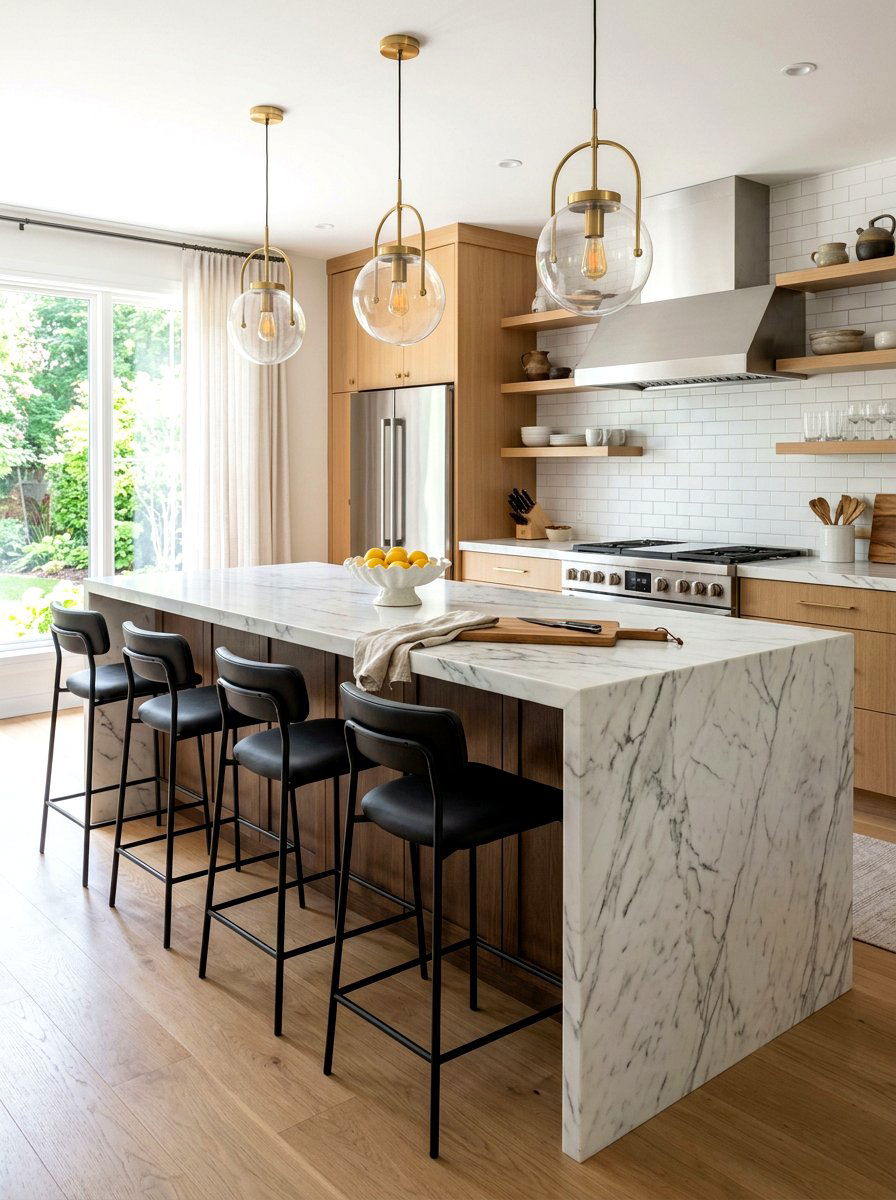
Integrating kitchen island bar stool seating creates a social hub where family and friends can gather while meals are being prepared. You should choose stools that tuck completely under the counter to keep the walkways clear when they are not in use. Spacing the stools about twenty-four inches apart ensures that everyone has enough elbow room for eating or working on a laptop. If the island is large, you can place stools on two sides to encourage face-to-face conversation. This arrangement transforms a functional cooking area into a multi-purpose space for casual dining and socializing. It enhances the overall utility and warmth of the modern kitchen.
18. Long hallway console table layout
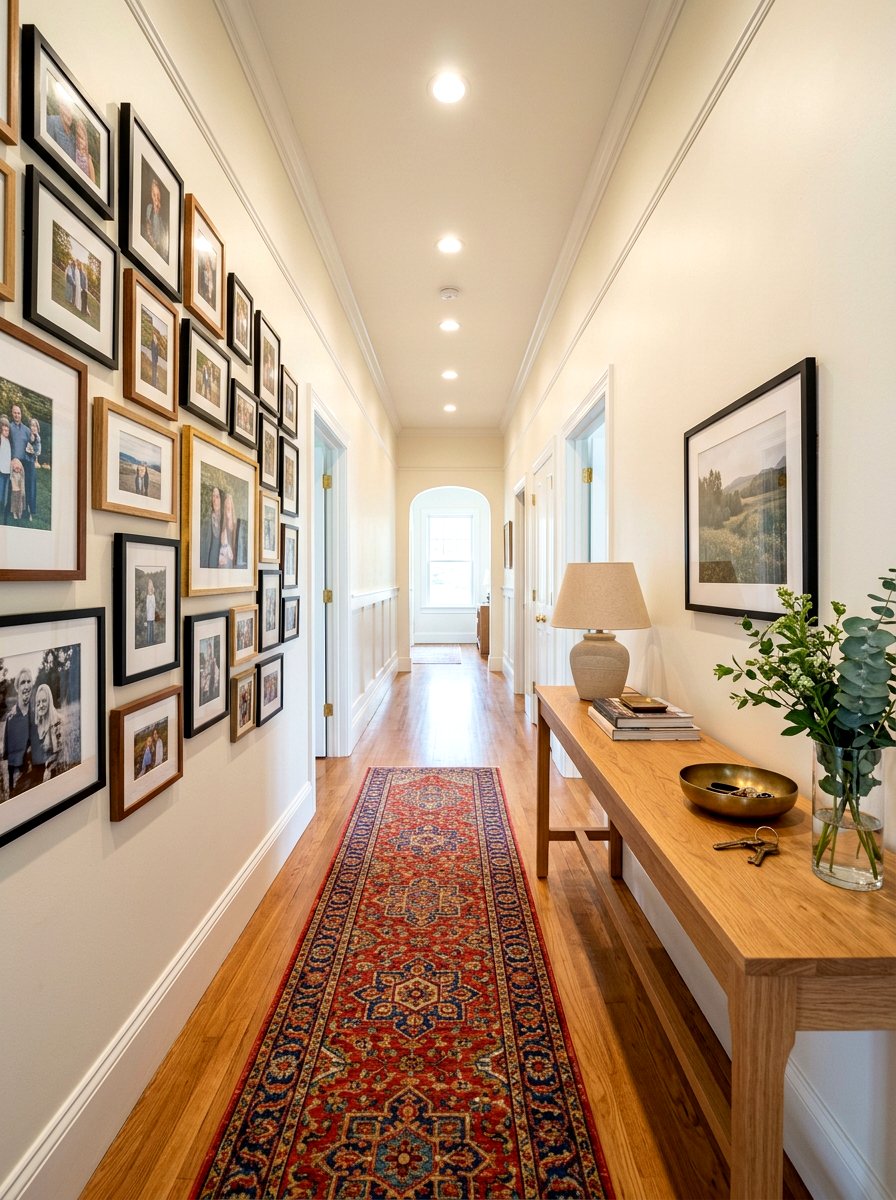
Decorating a long hallway console table layout helps to break up the visual monotony of a transitional space. You can place a narrow, long console table halfway down the hall to act as a decorative anchor. Hanging a gallery wall of family photos or art pieces above the table adds personality and visual interest. Using a long runner rug that spans the length of the furniture helps define the area and muffles the sound of footsteps. This setup turns a purely functional walkway into a curated gallery that tells a story. It makes the journey between rooms feel more intentional and aesthetically pleasing for residents and guests.
19. Guest bedroom daybed arrangement
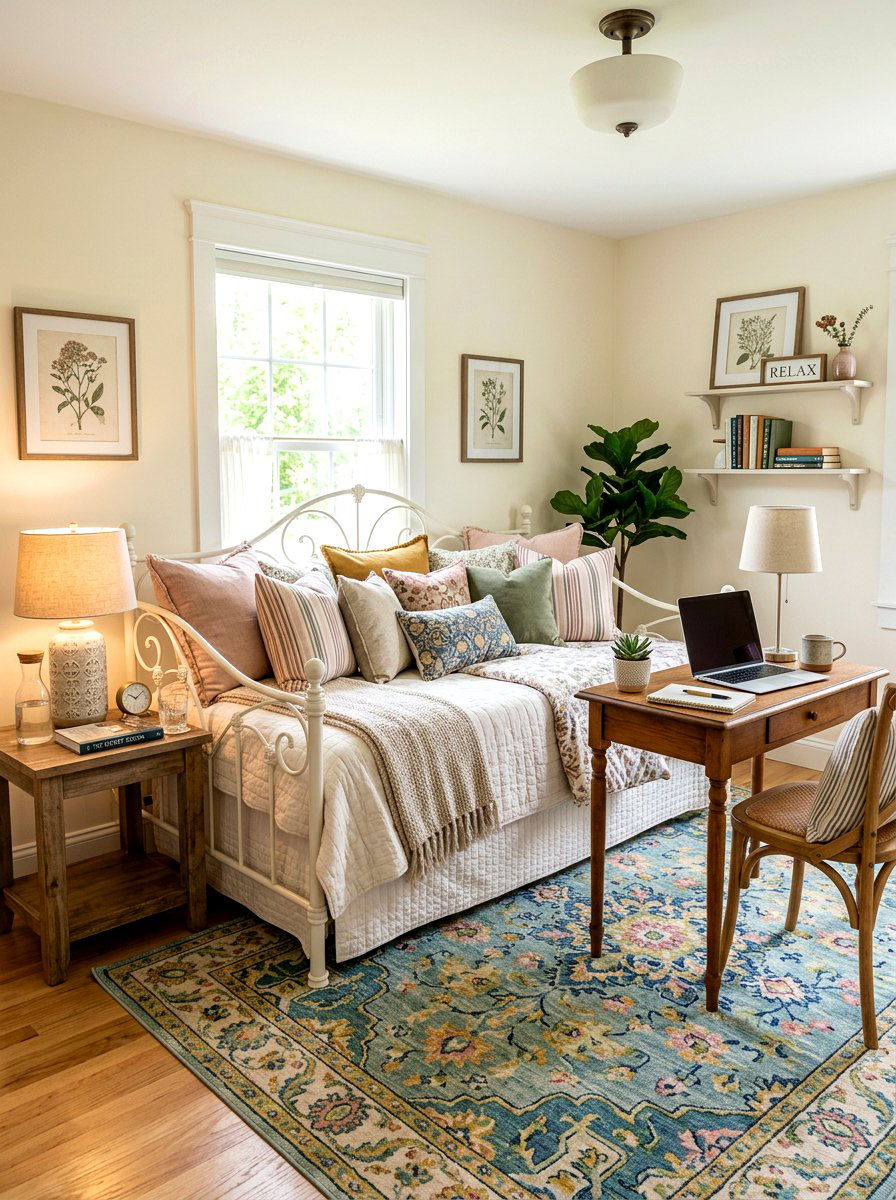
A guest bedroom daybed arrangement is a smart solution for rooms that serve multiple purposes, such as an office or a hobby space. Placing the daybed against the longest wall allows it to function as a sofa during the day and a bed at night. You can pile it with decorative cushions to enhance the loungelike feel when guests aren 't staying over. Placing a small nightstand at one end and a desk at the other maximizes the room' s footprint. This versatile layout ensures that the room remains useful every day while providing a comfortable and welcoming environment for overnight visitors when the need finally arises.
20. Outdoor patio furniture setup
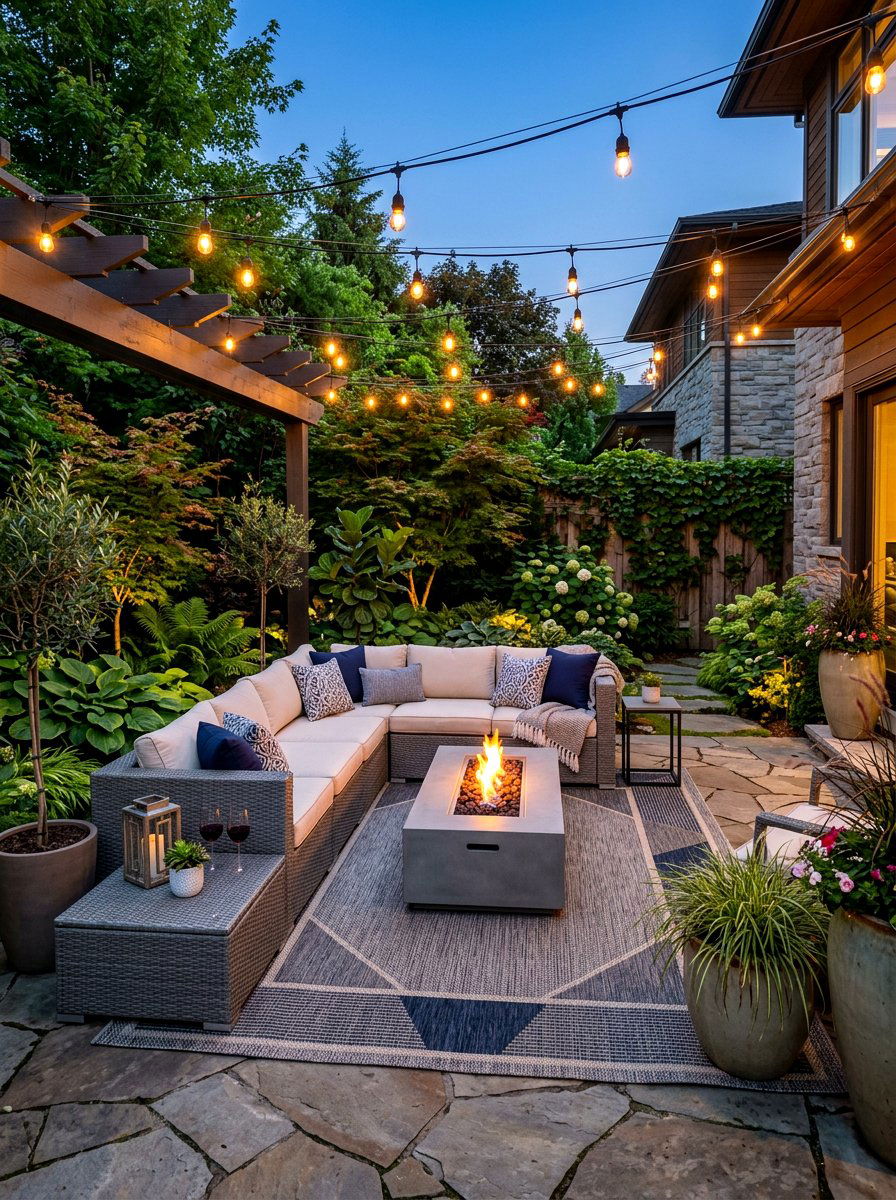
A well-planned outdoor patio furniture setup extends your living space into the fresh air for entertaining and relaxation. You can arrange a weather-resistant sofa and two chairs around a central fire pit or a low coffee table. Using an outdoor rug helps to define the seating area and adds a touch of interior comfort to the patio. Positioning the furniture to face a beautiful garden feature or a scenic view enhances the outdoor experience. Adding a large umbrella or a pergola provides necessary shade during the day. This inviting arrangement creates a perfect spot for summer gatherings, morning coffee, or quiet evenings under the stars.
21. Corner office desk arrangement
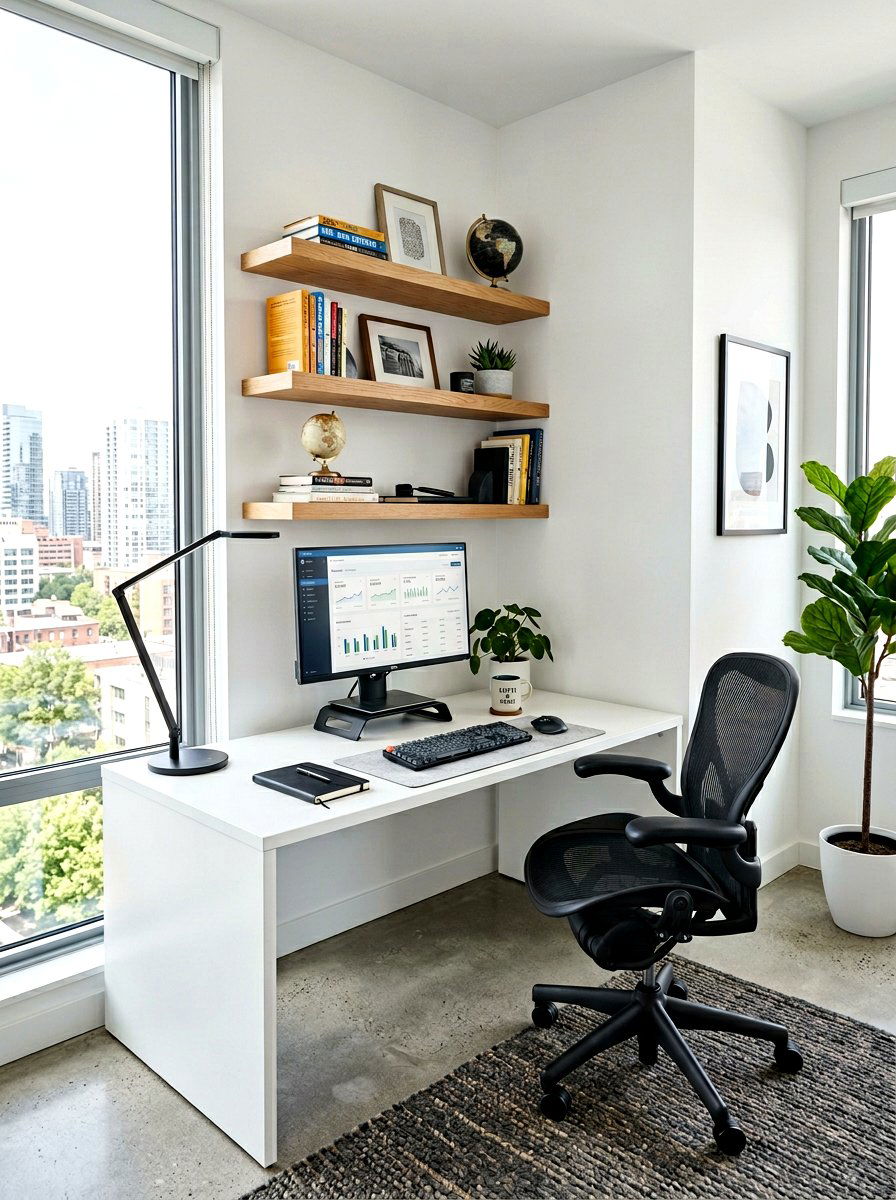
A corner office desk arrangement is the ultimate space-saving solution for small apartments or bedrooms. By utilizing an L-shaped desk that fits snugly into a corner, you maximize the available surface area for your computer and paperwork. This layout keeps the center of the room open, making the space feel less cluttered. You can install floating shelves above the desk to provide vertical storage for office supplies and books. Placing a comfortable swivel chair in the corner allows you to move easily between different tasks. This efficient setup creates a dedicated workspace that feels private and organized, even in the middle of a larger living area.
22. Basement media room seating
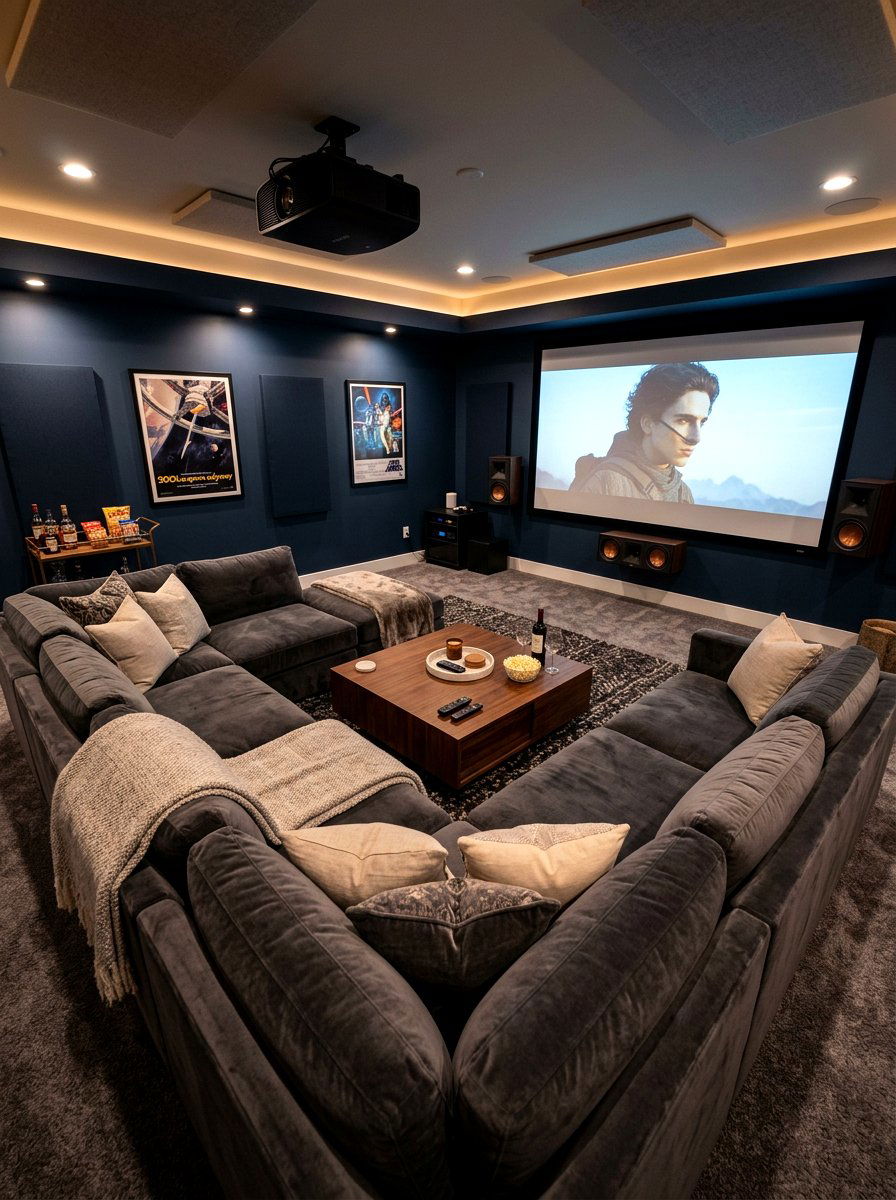
Designing basement media room seating requires a focus on sightlines and total comfort for movie marathons. You can arrange a large sectional sofa in a U-shape to ensure that everyone has a clear view of the screen. Adding a row of theater-style recliners behind the main sofa on a slightly raised platform can create a true cinema experience. Use a large, soft rug to improve the room's acoustics and make the floor space comfortable for extra guests. Placing side tables with built-in cup holders adds a functional touch. This layout maximizes the social aspect of the room while providing a specialized environment for high-quality entertainment.
23. Nursery crib and glider placement
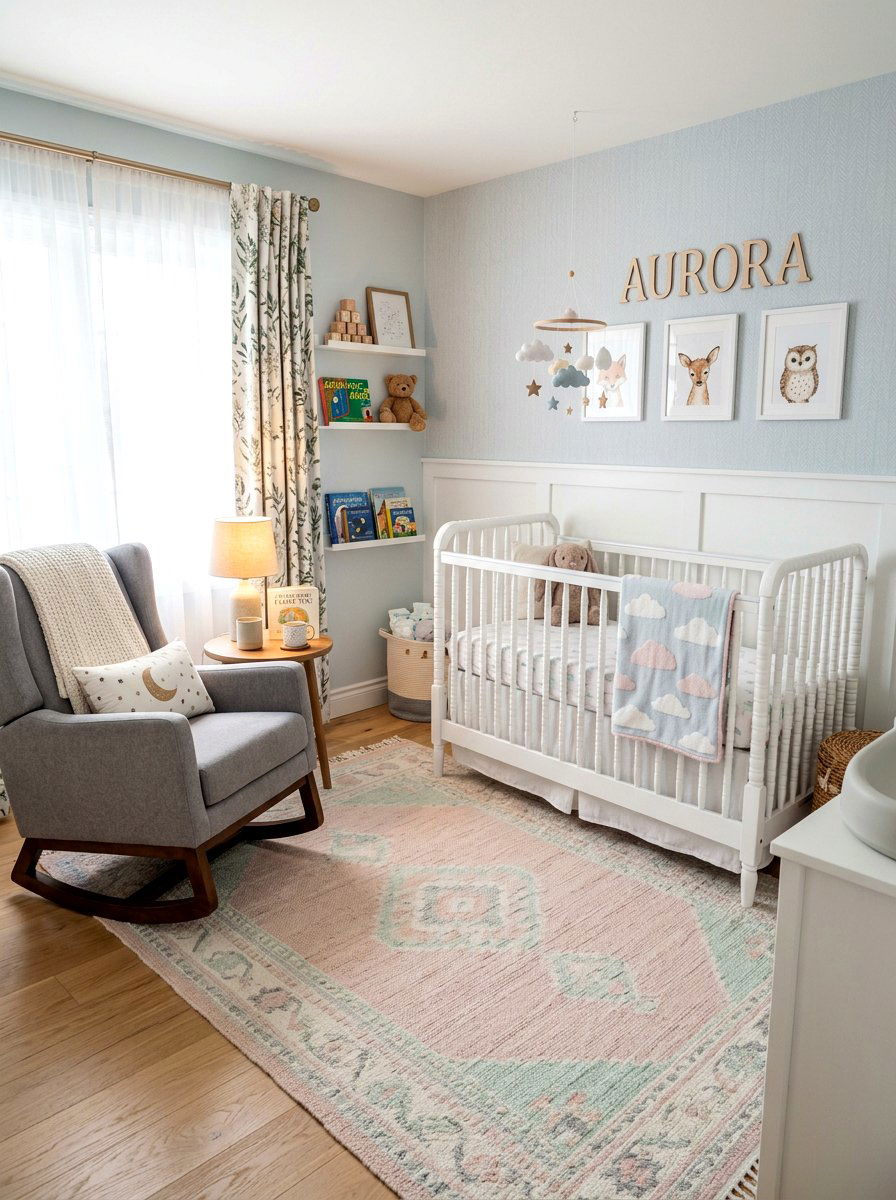
Strategic nursery crib and glider placement ensures that the room is both safe for the baby and comfortable for the parents. You should place the crib away from windows and cords to prioritize safety and light control. Positioning the glider or rocking chair in a corner with a small side table and a dimmable lamp creates a soothing zone for nighttime feedings. A soft rug in the center of the room provides a comfortable surface for future tummy time and play. Keeping the diaper changing station near the crib but not blocking the doorway maintains a smooth flow. This thoughtful arrangement supports a peaceful and organized environment for both sleep and care.
24. Loft bed desk setup
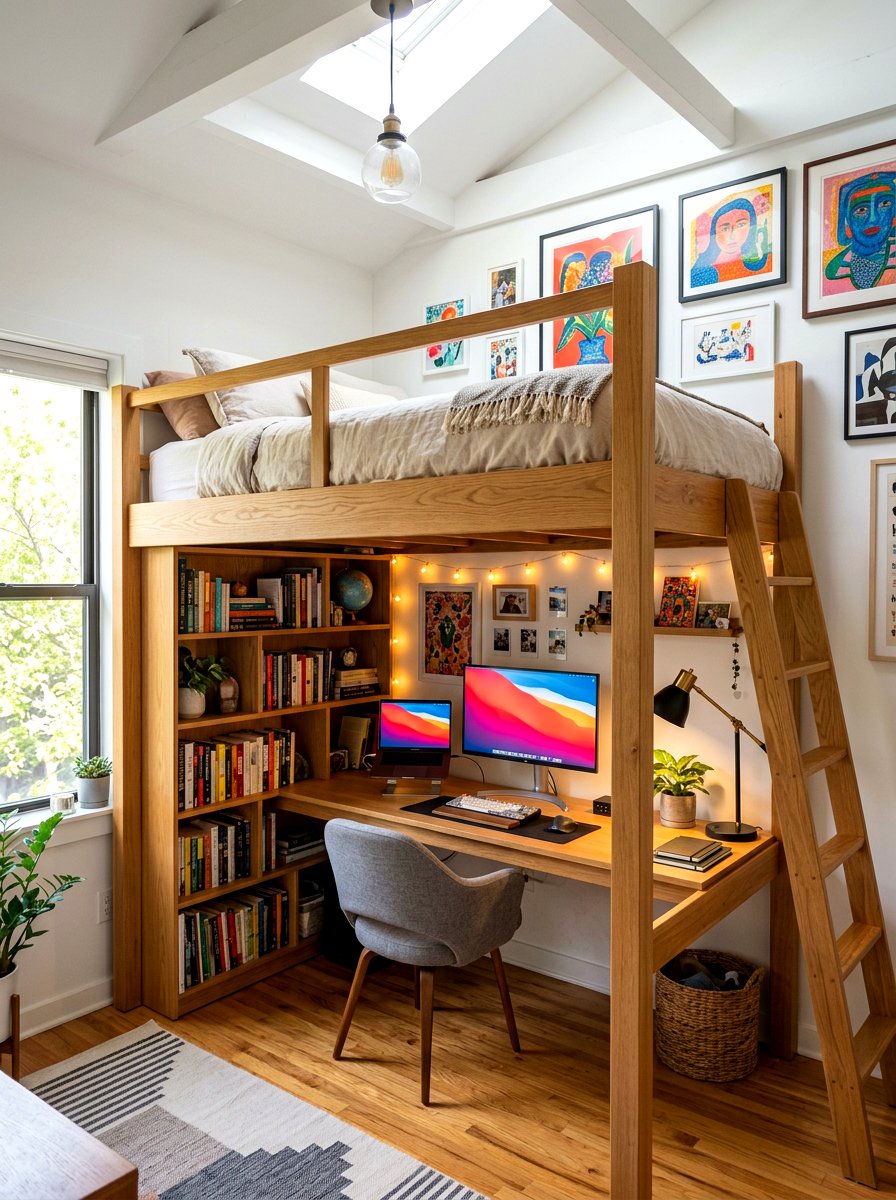
A loft bed desk setup is a classic furniture arrangement for maximizing vertical space in small bedrooms or dorm rooms. By elevating the bed, you create a large open area underneath that is perfect for a full-sized desk and chair. This layout effectively doubles the usable square footage of the room's footprint. You can add a small bookshelf and a desk lamp to complete the study zone. Using the ladder as a decorative element or a spot to hang bags adds further functionality. This vertical strategy is ideal for students or young professionals who need a dedicated workspace without sacrificing a comfortable and private sleeping area.
25. Rectangular dining room sideboard placement
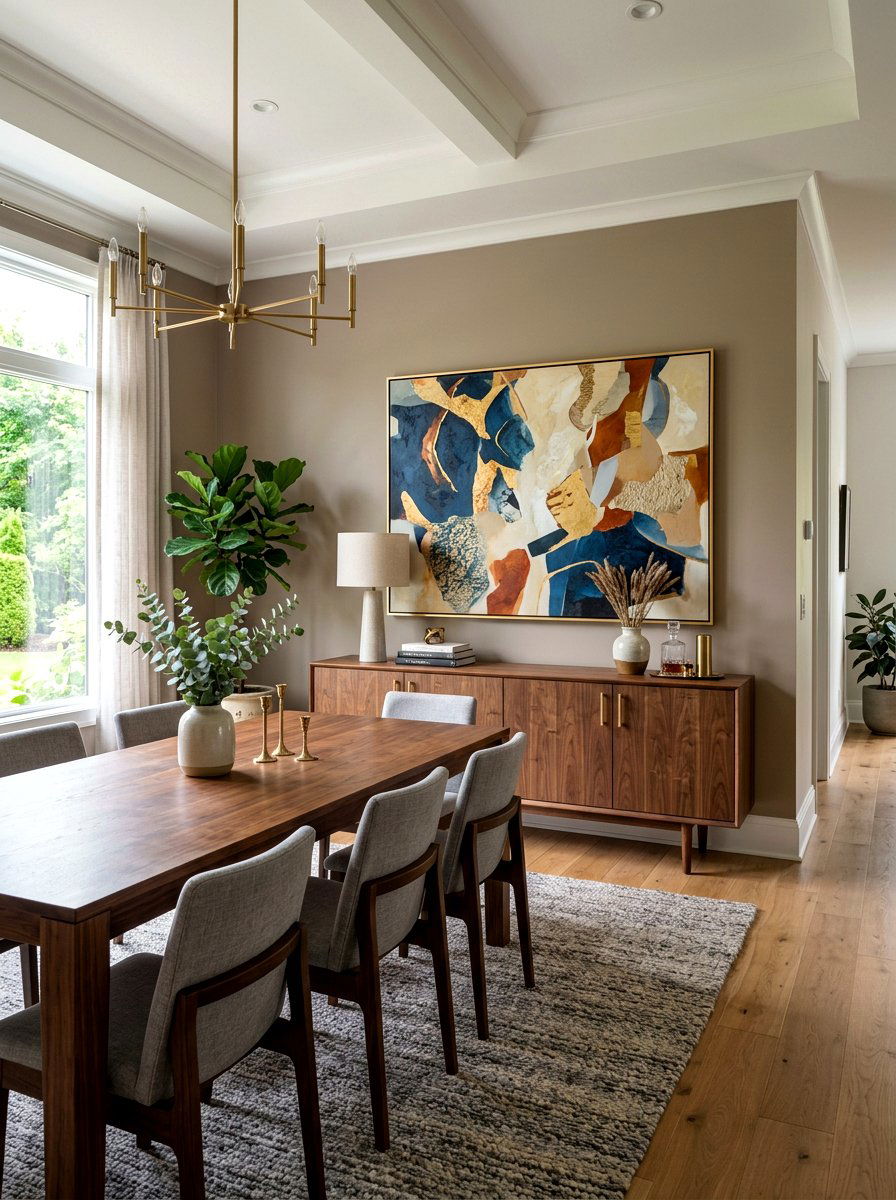
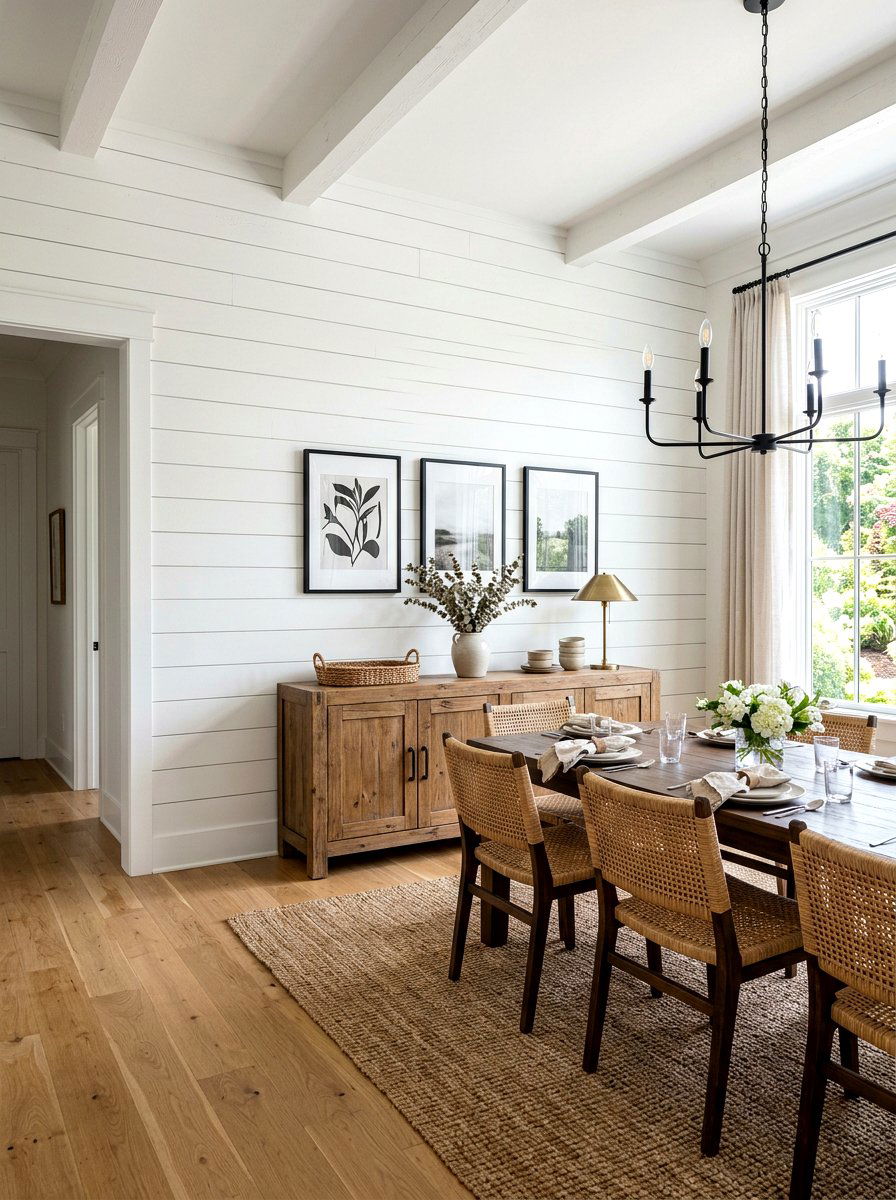
In a rectangular dining room sideboard placement, the furniture should be positioned along the longest wall to provide balance to the table. A sideboard or buffet offers essential storage for fine china and linens while serving as a surface for food during parties. You can hang a large piece of art or a decorative mirror above the sideboard to create a secondary focal point. Ensure there is enough space for the dining chairs to be pulled out without hitting the sideboard. This arrangement enhances the room's formal atmosphere and provides a practical solution for entertaining. It creates a complete, well-proportioned dining environment that feels incredibly sophisticated.
26. Breakfast nook banquet seating
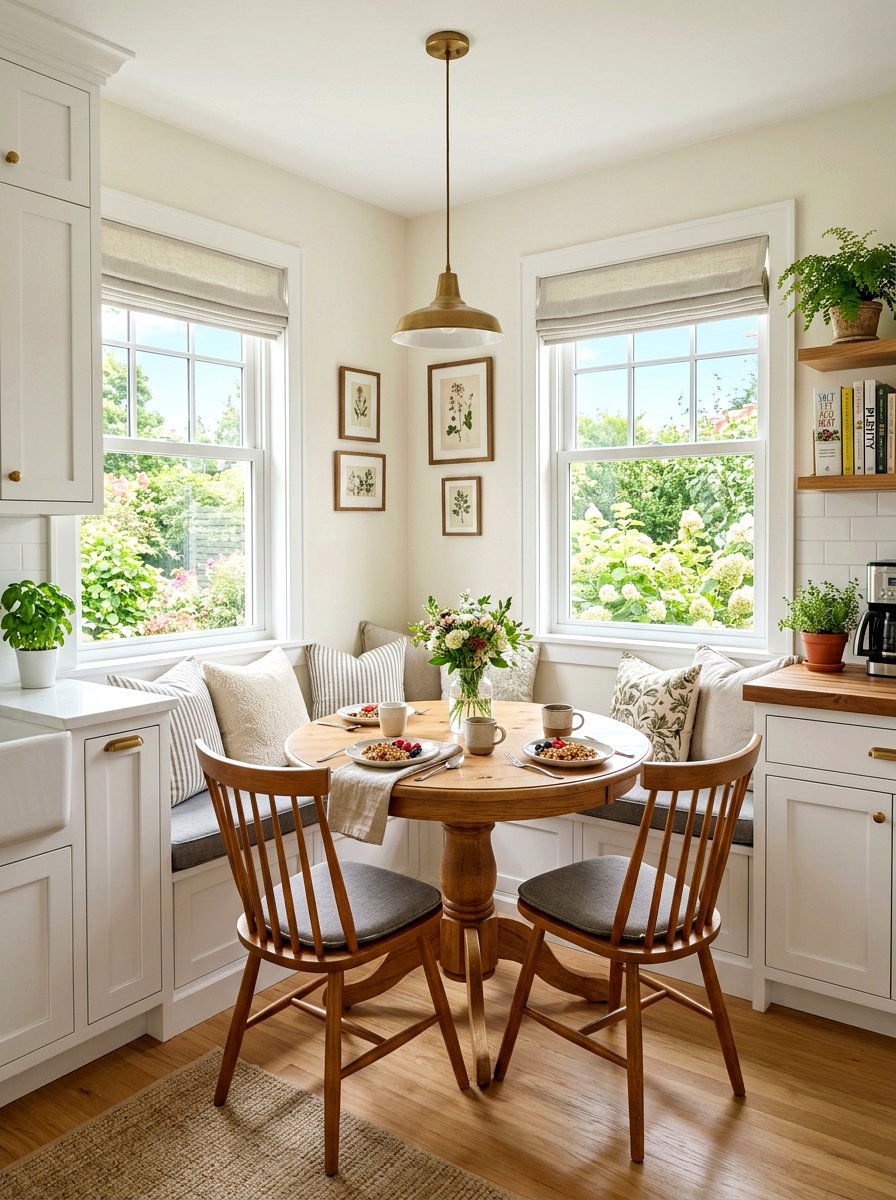
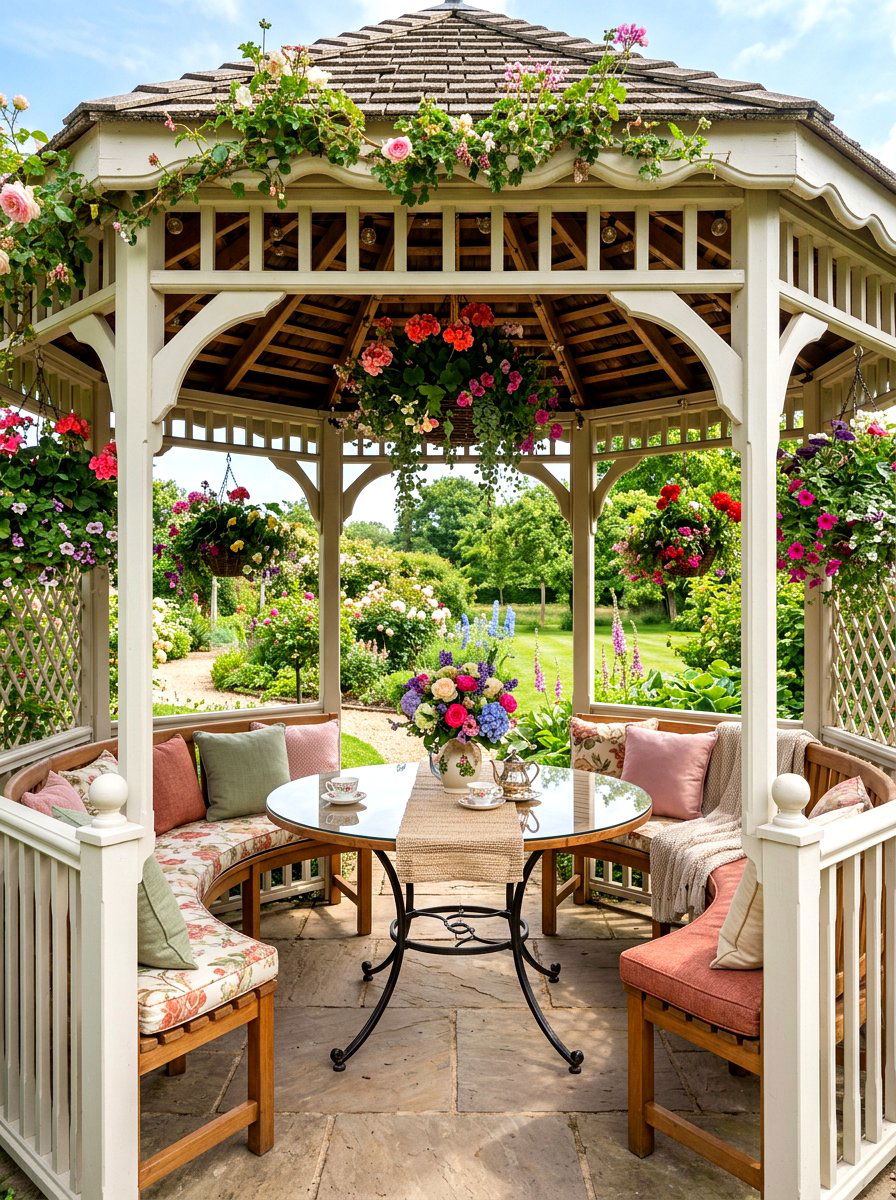
Creating breakfast nook banquet seating is a cozy and efficient way to use a small corner in the kitchen. Built-in benches against the walls provide more seating than individual chairs while taking up much less floor space. You can pair the benches with a pedestal table to make it easier for people to slide in and out. Adding colorful seat cushions and throw pillows makes the nook feel like a charming cafe. This arrangement is perfect for casual family meals or a quick morning coffee. It turns an underutilized corner into a high-functioning and inviting part of the home that children and adults will both love.
27. Mudroom bench and storage layout
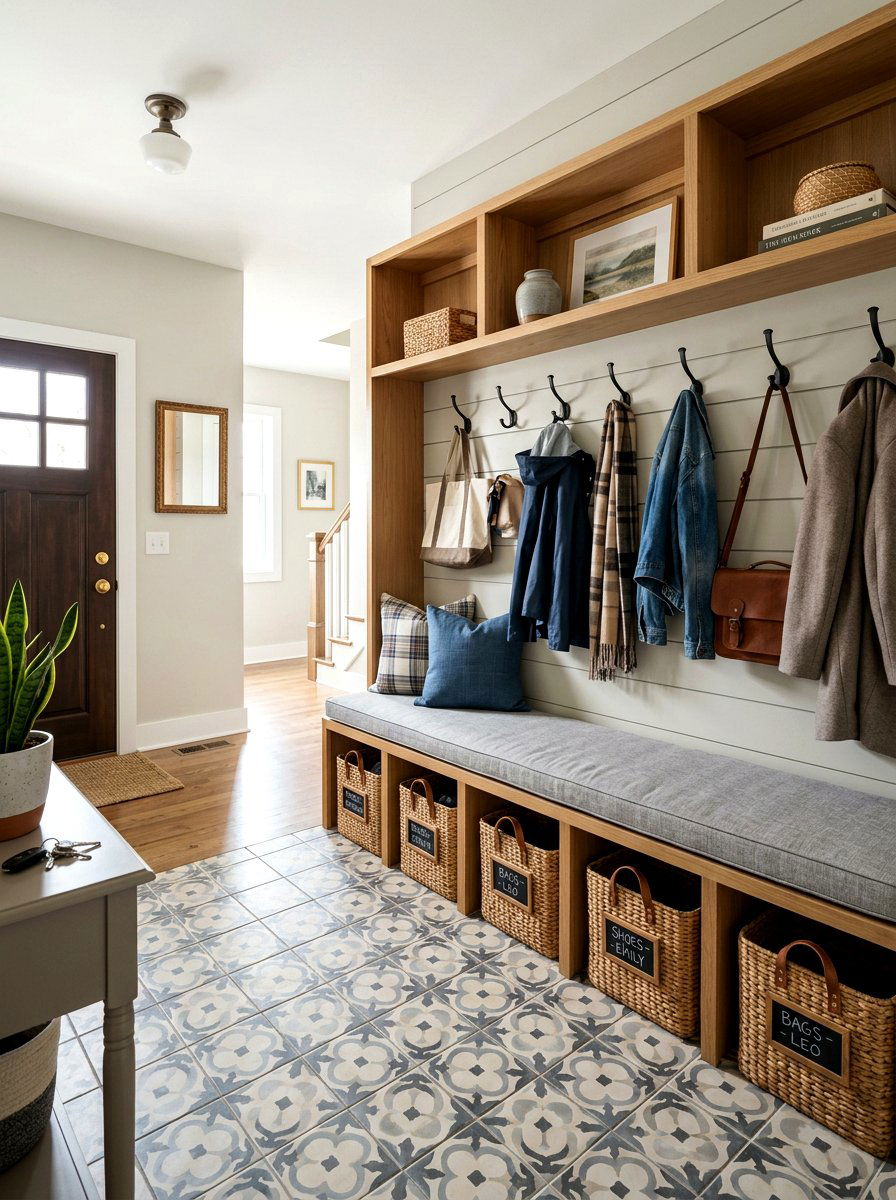
A functional mudroom bench and storage layout is the key to maintaining an organized and clean household. You should place a sturdy bench near the entry for putting on and taking off shoes. Above the bench, install a row of hooks for coats, bags, and hats to keep them off the floor. Incorporating cubbies or baskets underneath the bench provides a dedicated spot for each family member's footwear. If space allows, a tall cabinet can hide away bulky sports equipment or seasonal gear. This organized system ensures that the entryway remains tidy and that everything you need is easily accessible as you head out the door.
28. Balcony bistro set arrangement
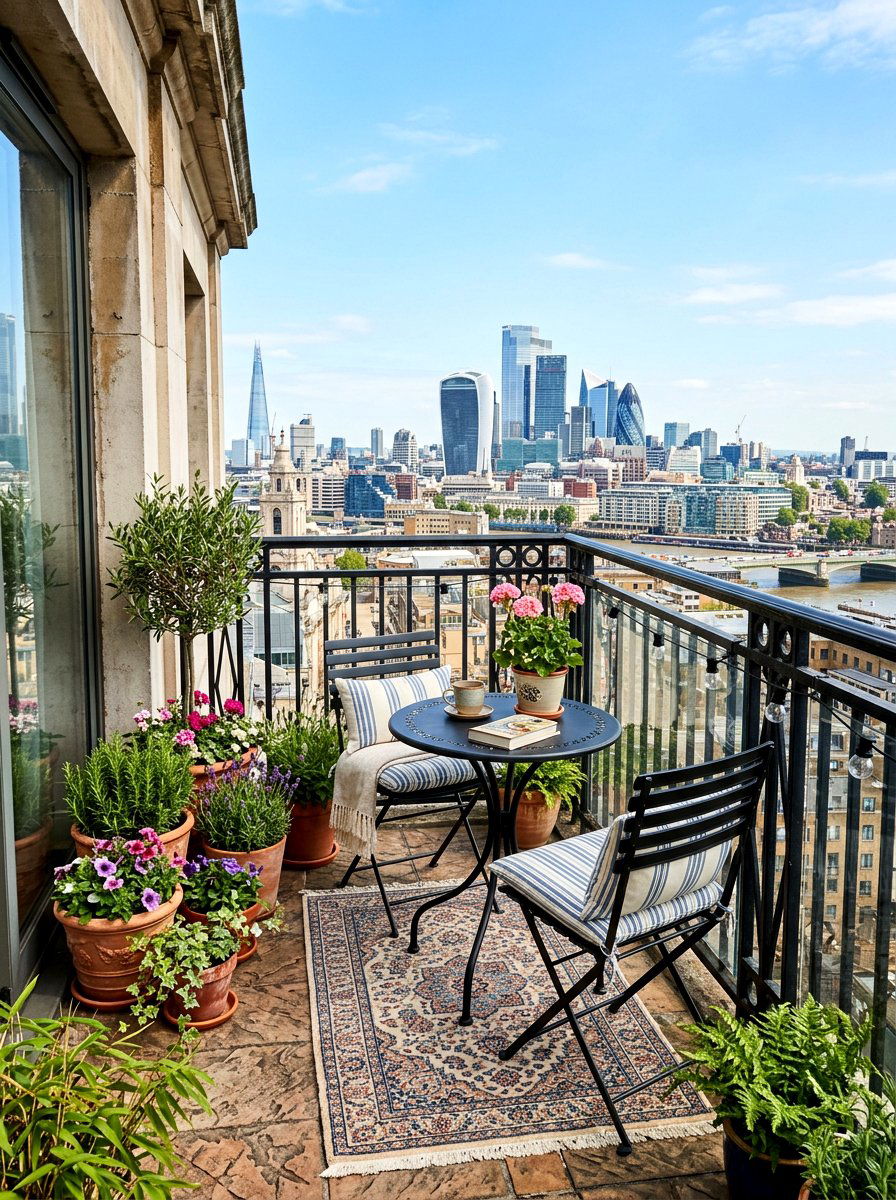
A balcony bistro set arrangement is the perfect solution for adding outdoor living to a small urban apartment. You should choose a compact table and two folding chairs that can be easily moved or stored during bad weather. Placing the set near the railing allows you to enjoy the city views while you eat or work outdoors. Adding a few weather-resistant planters with herbs or flowers creates a private green oasis in the sky. Using an outdoor rug can help define the small space and make it feel like a true extension of your interior. This simple setup transforms a tiny balcony into a romantic and functional retreat.
29. Conversational seating circle layout
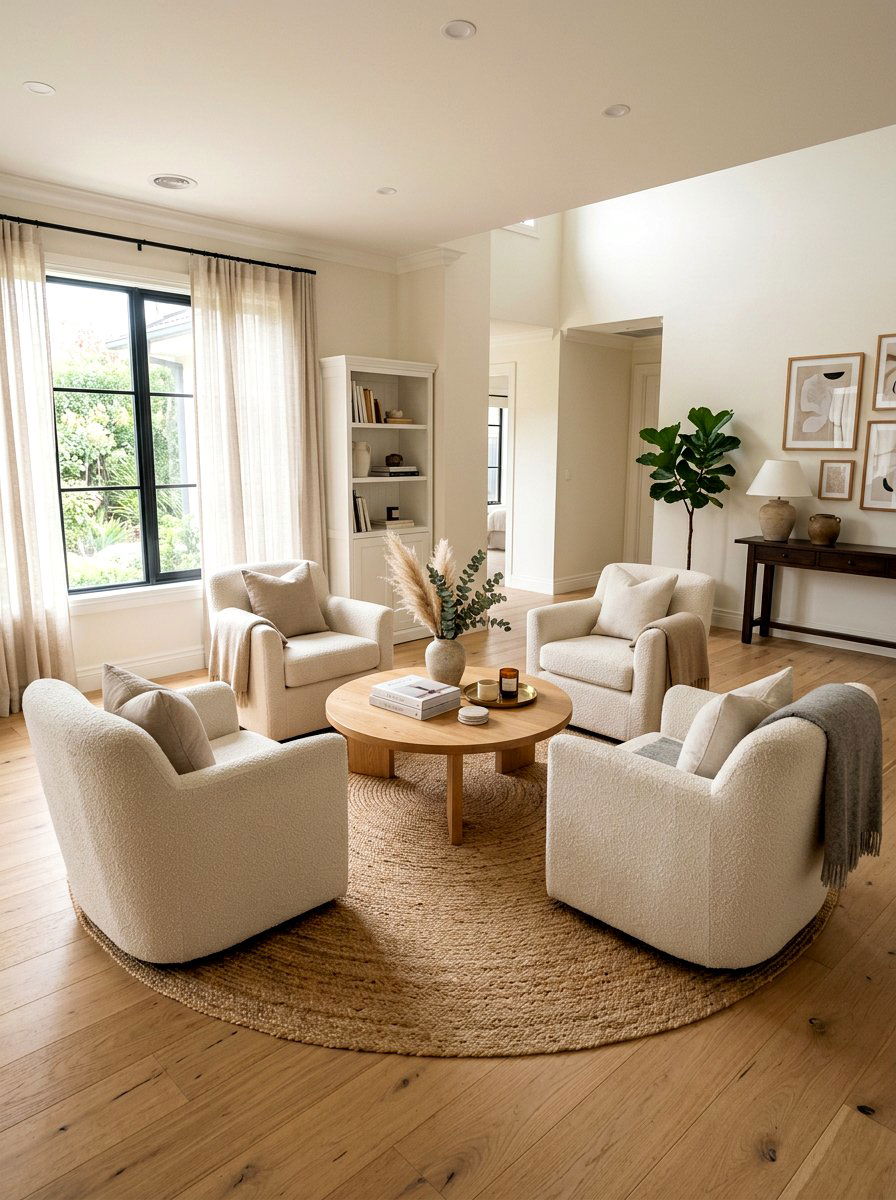
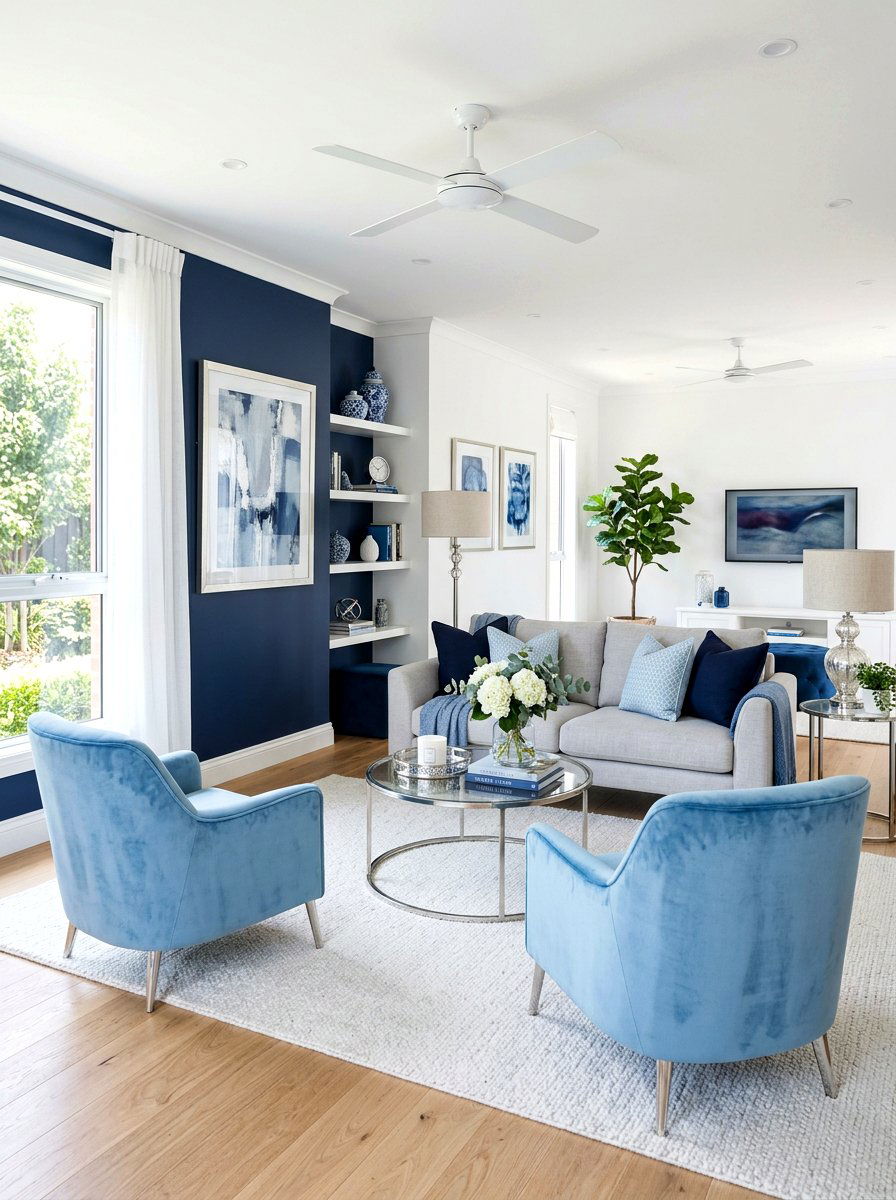
A conversational seating circle layout is designed to prioritize social interaction over television viewing. You can achieve this by arranging four armchairs in a circle around a central round coffee table or a large ottoman. This setup ensures that everyone is facing each other, making it much easier to maintain eye contact and engage in deep discussion. This layout works beautifully in a formal living room or a library where the goal is connection. Using a circular rug underneath the group reinforces the unified shape and adds a layer of warmth. It creates a focused, intimate atmosphere that feels welcoming and intentional for hosting guests.
30. Multifunctional guest room office setup
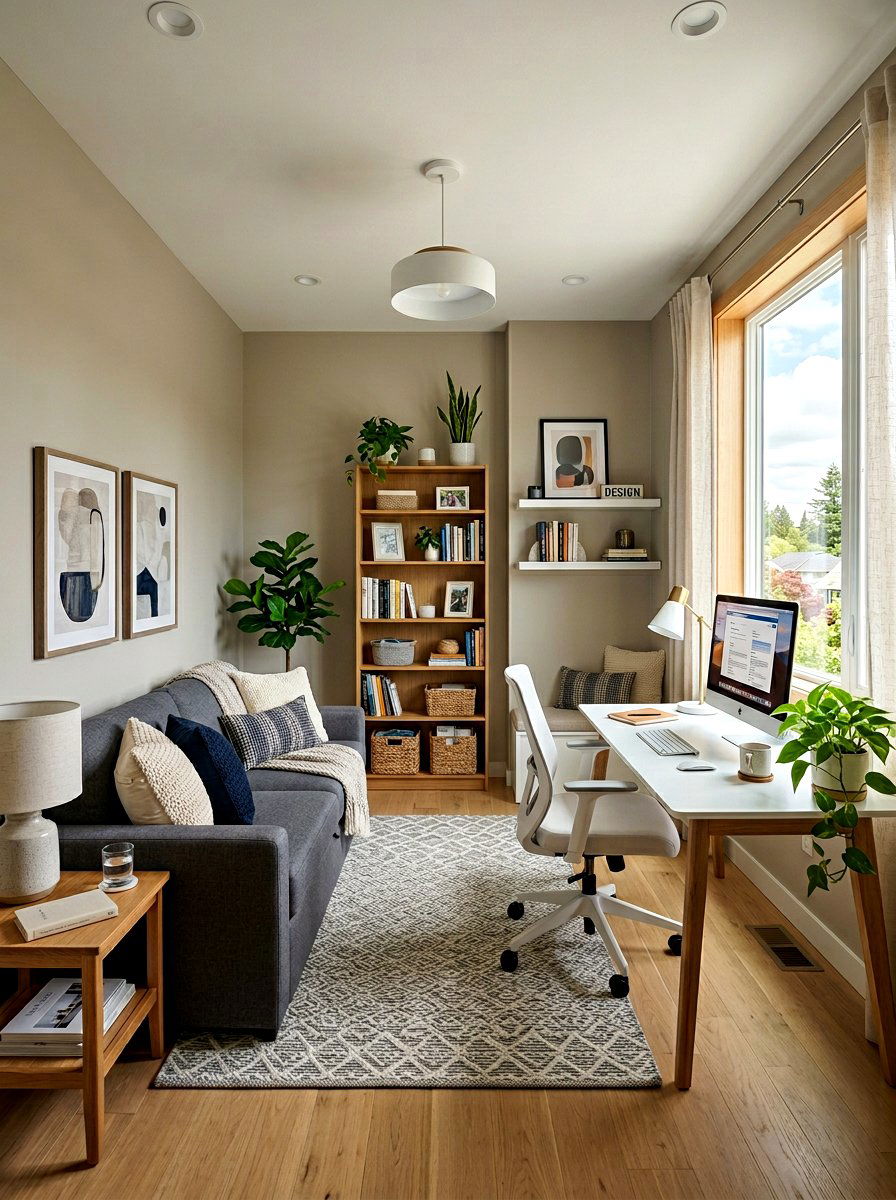
Creating a multifunctional guest room office setup requires furniture that can easily transition between two very different roles. You should place a sleek desk against one wall for your daily work and a comfortable sleeper sofa or murphy bed on the opposite side. Using a stylish office chair that can double as an accent chair helps save space. A large rug can tie the two zones together, making the room feel cohesive rather than cluttered. Adding a small chest of drawers provides storage for office supplies and a place for guests to put their clothes. This balanced arrangement ensures the room is productive during the week and welcoming for visitors.
Conclusion:
Mastering the art of furniture arrangement is a journey toward creating a home that reflects your unique lifestyle and aesthetic preferences. By following the thirty ideas outlined above, you can transform any room into a well-organized, functional, and visually stunning environment. Whether you are maximizing a small apartment or defining zones in a large open-plan house, the key is to prioritize flow and comfort. Remember to consider focal points, traffic patterns, and the scale of your pieces to ensure a balanced look. With a bit of creativity and strategic planning, your furniture can do much more than just fill a room; it can elevate your entire daily experience. Investing time into your home's layout pays off in long-term satisfaction and a deeper sense of belonging within your personal sanctuary.

Related posts: