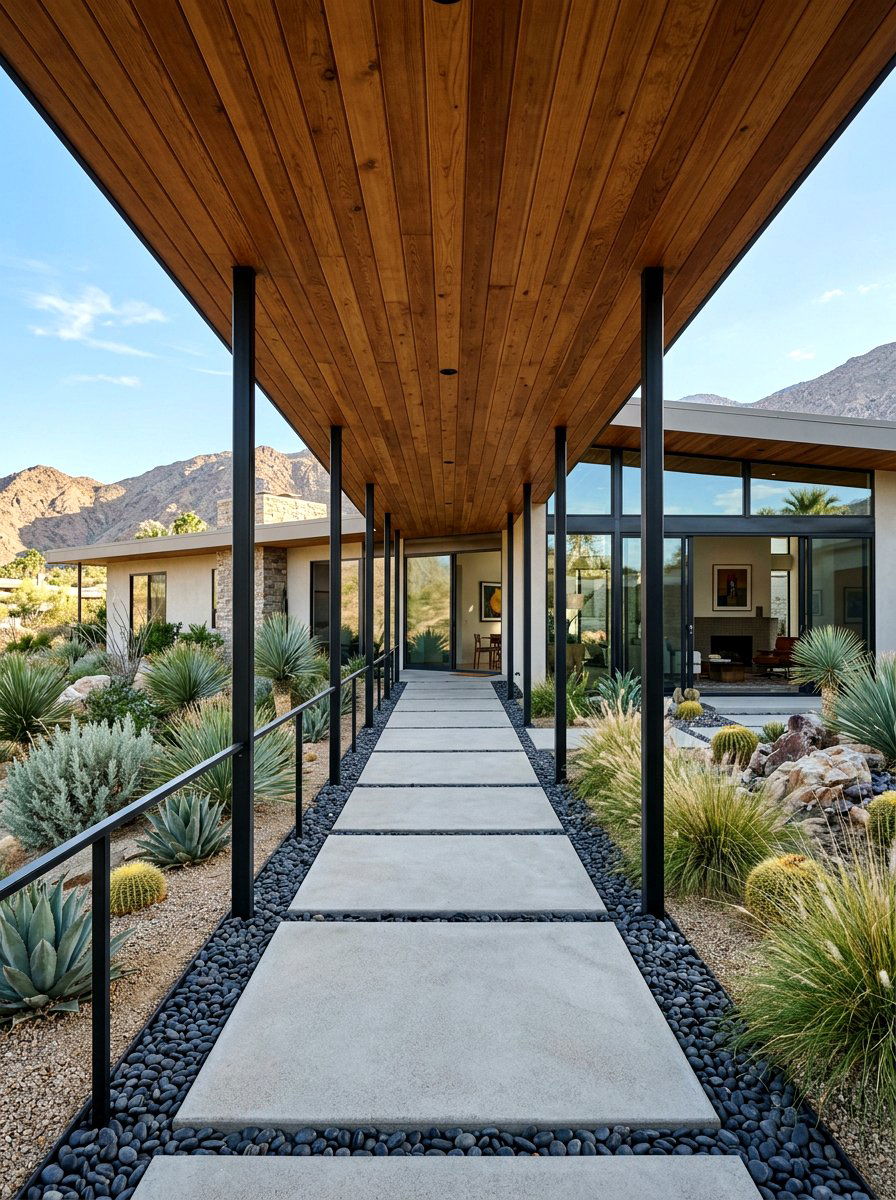
Transforming your home’s entrance begins with the landscape that leads visitors to your front door. A well-designed front path flower bed does more than just add beauty; it creates a lasting first impression and increases your property’s curb appeal significantly. Whether you prefer the structured elegance of a formal garden or the wild, colorful charm of a cottage-style border, the right plants can turn a simple walkway into a sensory journey. Planning these spaces requires a thoughtful balance of seasonal color, varied textures, and structural evergreen elements to ensure the area looks inviting throughout the entire year. By selecting the right theme, you can create a personalized outdoor space that reflects your home’s unique architectural style and your personal taste perfectly.
1. Lavender walkway border
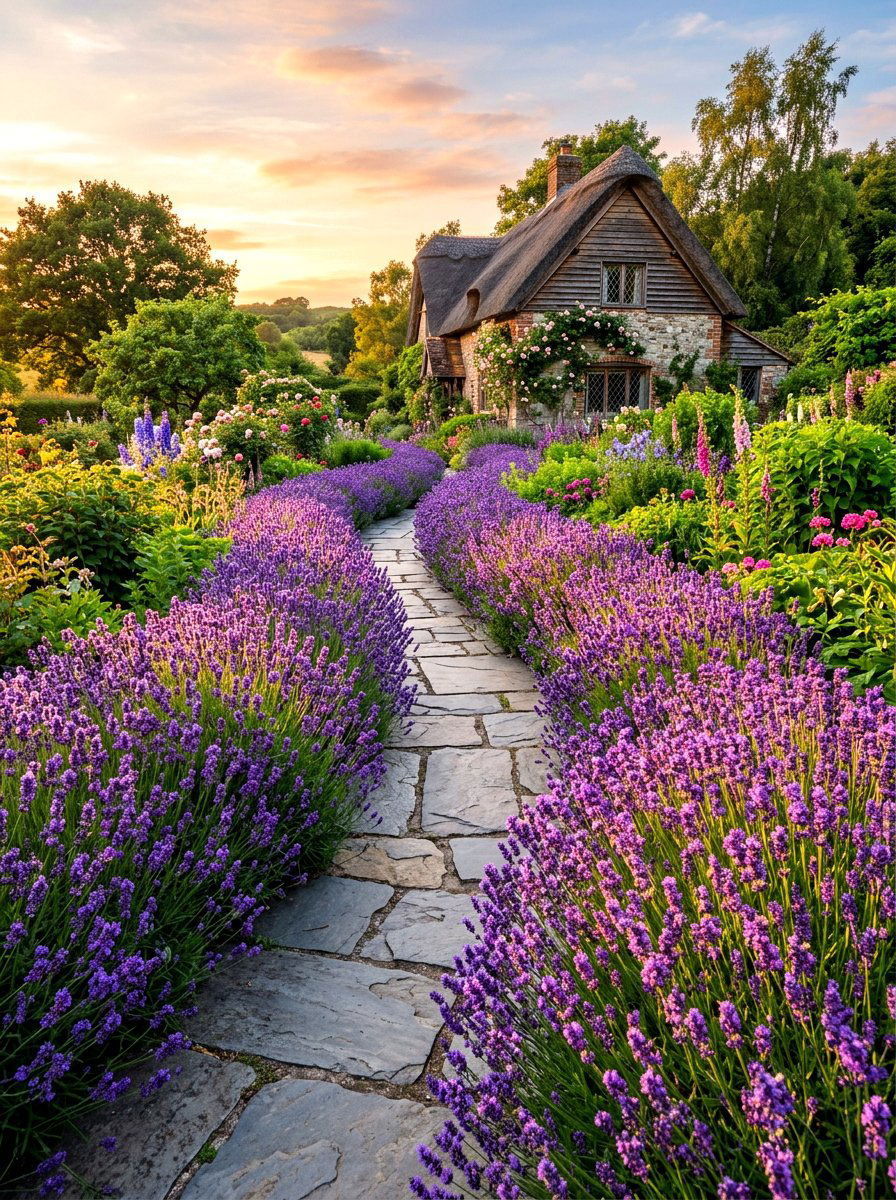
Imagine walking toward your front door and being greeted by the soothing scent of fresh lavender. This plant choice is incredibly popular for front paths because it offers a timeless, Mediterranean feel that boosts curb appeal instantly. Lavender thrives in sunny spots and requires well-draining soil to stay healthy and vibrant throughout the summer months. You can plant them in a dense row to create a soft, purple hedge that spills over the edges of your walkway. This creates a romantic look that works perfectly with traditional or modern homes. It also attracts beneficial pollinators like bees and butterflies to your yard. The silver-green foliage remains attractive even when the flowers are not in full bloom.
2. Boxwood hedge path
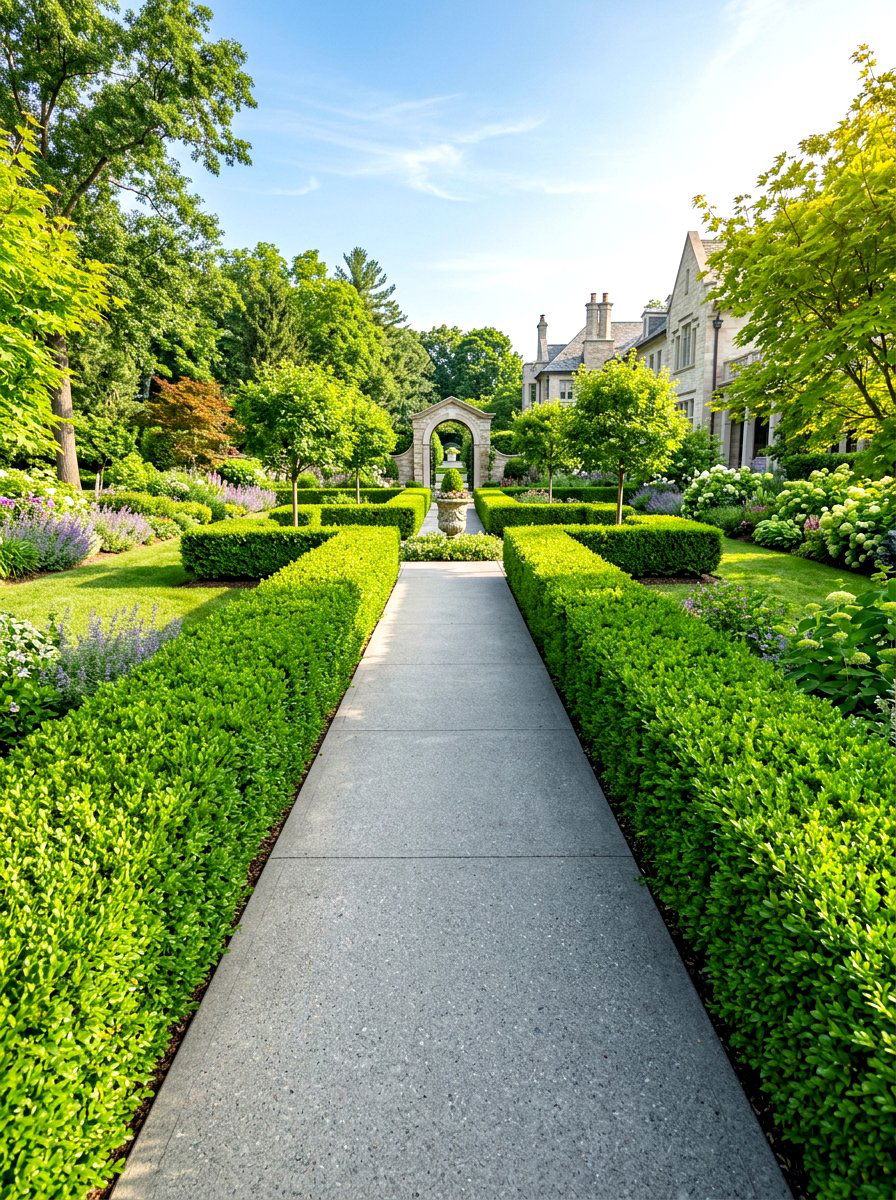
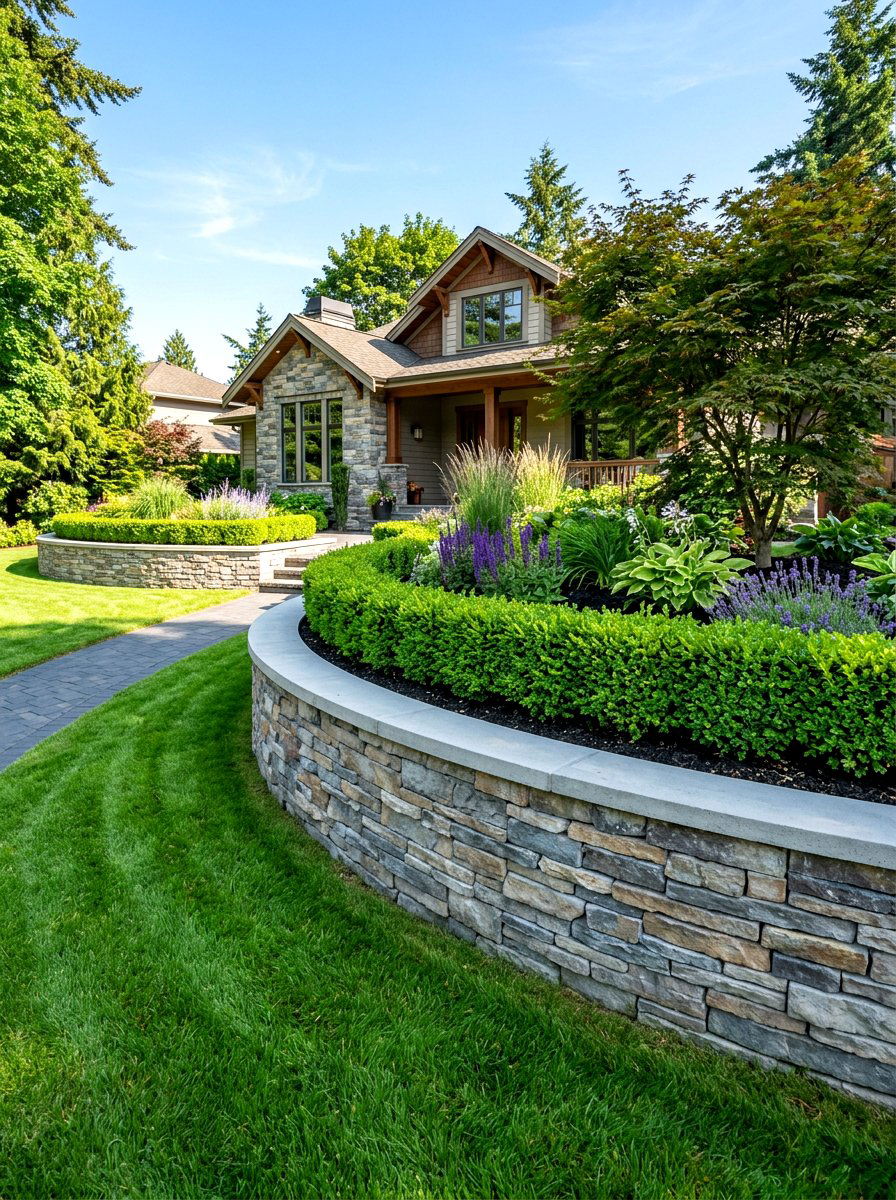
For homeowners who love a clean and organized look, a boxwood hedge path provides the ultimate structural foundation. These evergreen shrubs are highly versatile and can be trimmed into sharp, geometric lines or soft, rounded spheres. Lining your front walkway with boxwood creates a permanent green frame that looks professional and sophisticated regardless of the season. You can leave space between the hedge and the path to tuck in white annuals for a high-contrast appearance. Because boxwoods grow slowly, they are relatively low-maintenance once they reach your desired height. They provide a wonderful sense of enclosure and direction, guiding guests toward your entryway with clear, architectural precision and very timeless style.
3. Hydrangea entry garden
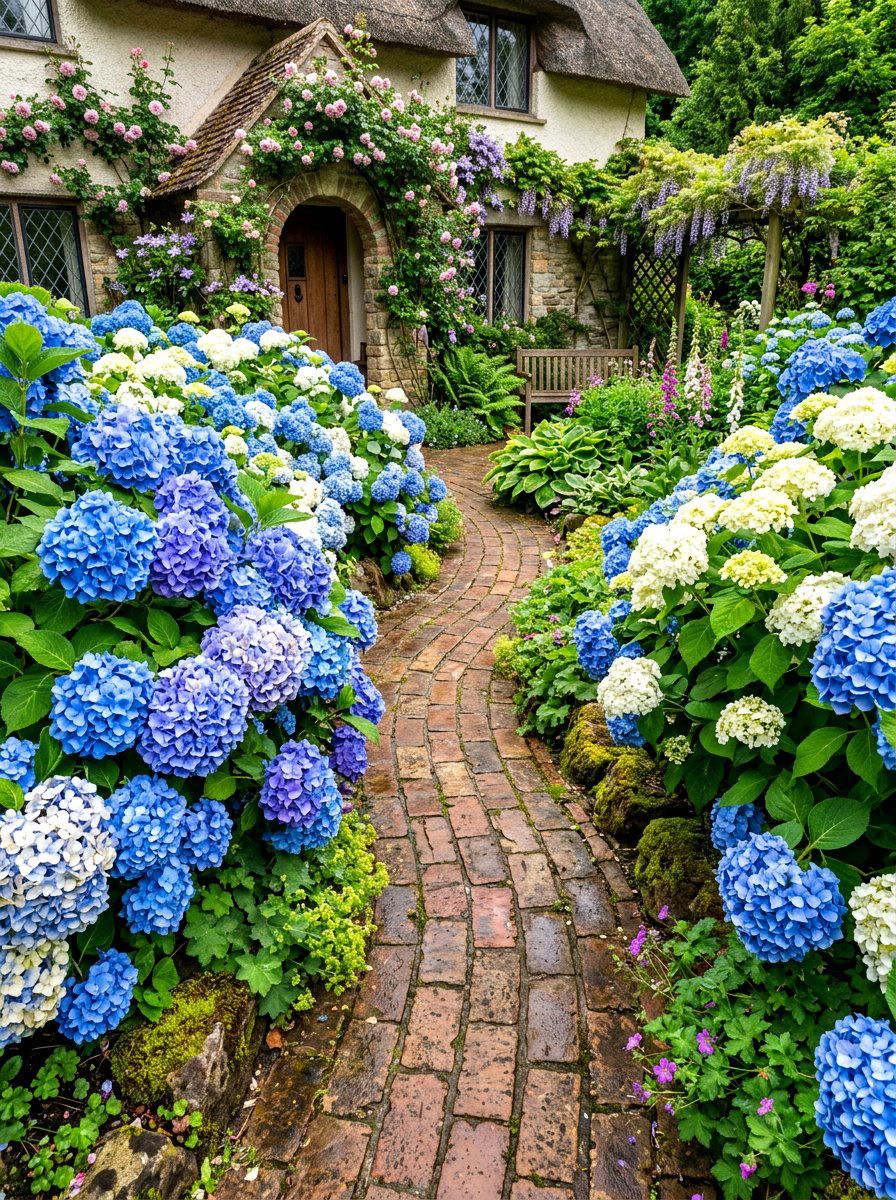
Few things capture the essence of a lush, welcoming home quite like a hydrangea entry garden. These shrubs are famous for their massive, cloud-like blooms that come in shades of blue, pink, white, and deep purple. Planting them along a front path creates a soft, voluminous border that feels incredibly romantic and abundant. They work best in areas that receive morning sun and afternoon shade, making them ideal for north-facing entrances. As the flowers age, they often change colors, providing a dynamic visual experience that evolves from early summer through the first frost. Pairing them with lower-growing hostas or ferns can help fill in the base and create a truly layered, professional landscape design.
4. Cottage garden flower bed
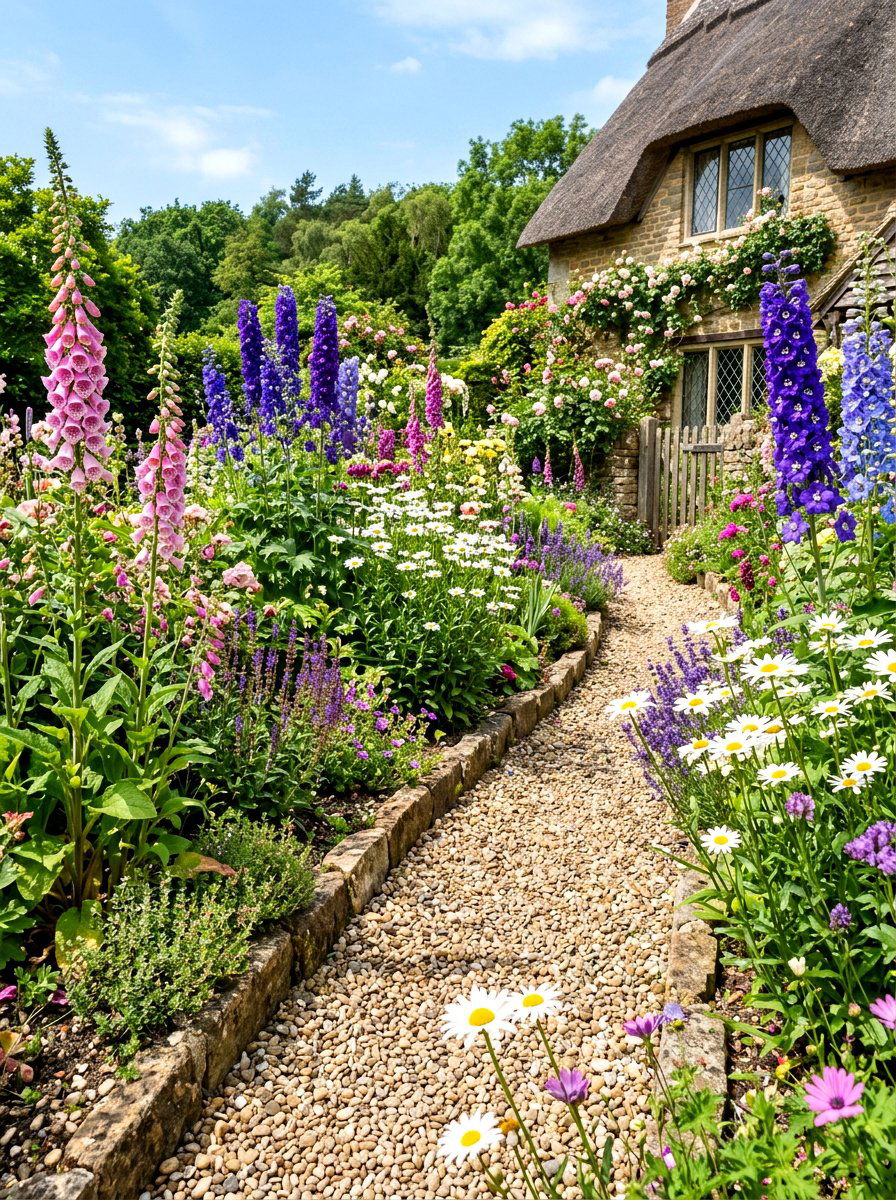
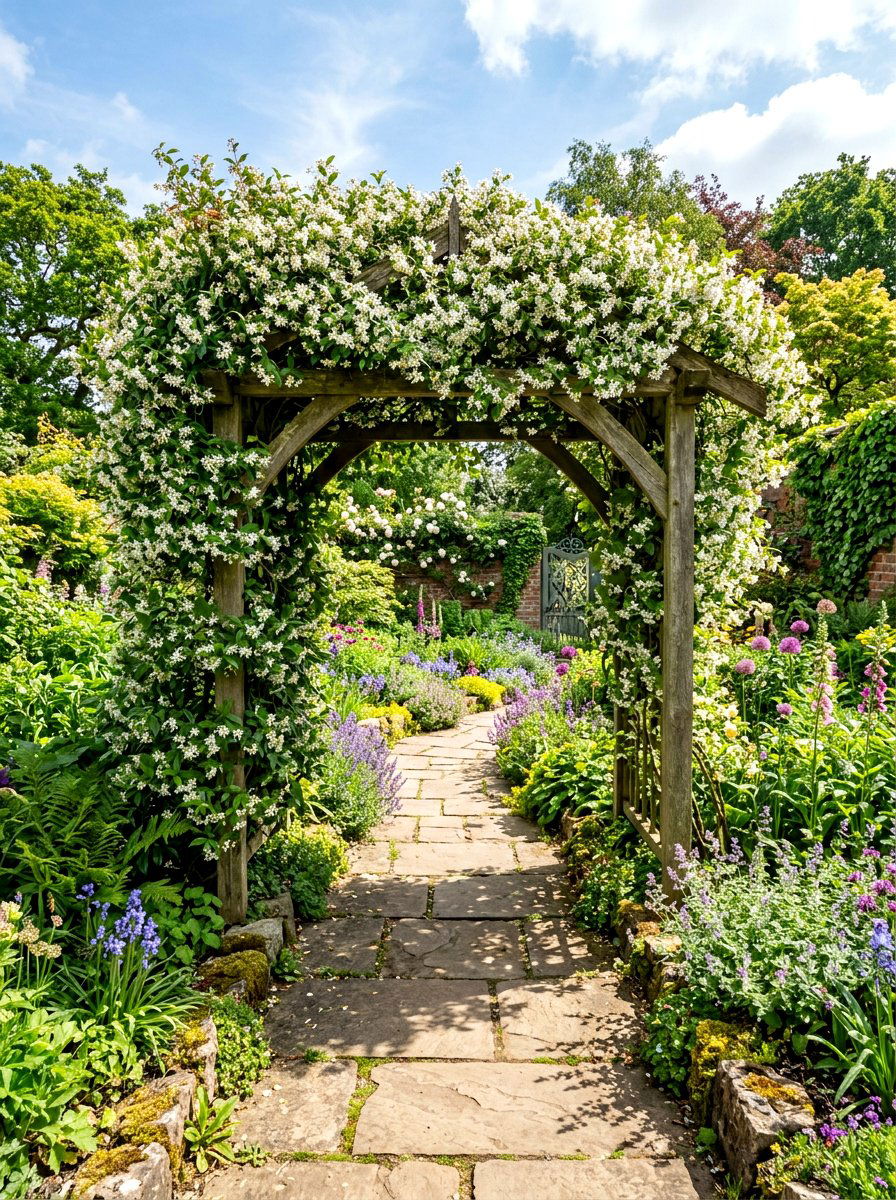
A cottage garden flower bed is the perfect choice if you want your front path to feel whimsical and unstudied. This style embraces a "more is more" philosophy, mixing various heights, colors, and textures in a beautiful, intentional jumble. Classic choices like foxgloves, delphiniums, and daisies work together to create a nostalgic atmosphere that feels warm and lived-in. The key to this look is allowing plants to spill over the edges of the path, softening the hard lines of the stone or concrete. This approach supports local biodiversity by providing a rich habitat for various birds and insects. It is a joyful, high-energy design that makes coming home feel like entering a private, floral sanctuary every single day.
5. Ornamental grass walkway
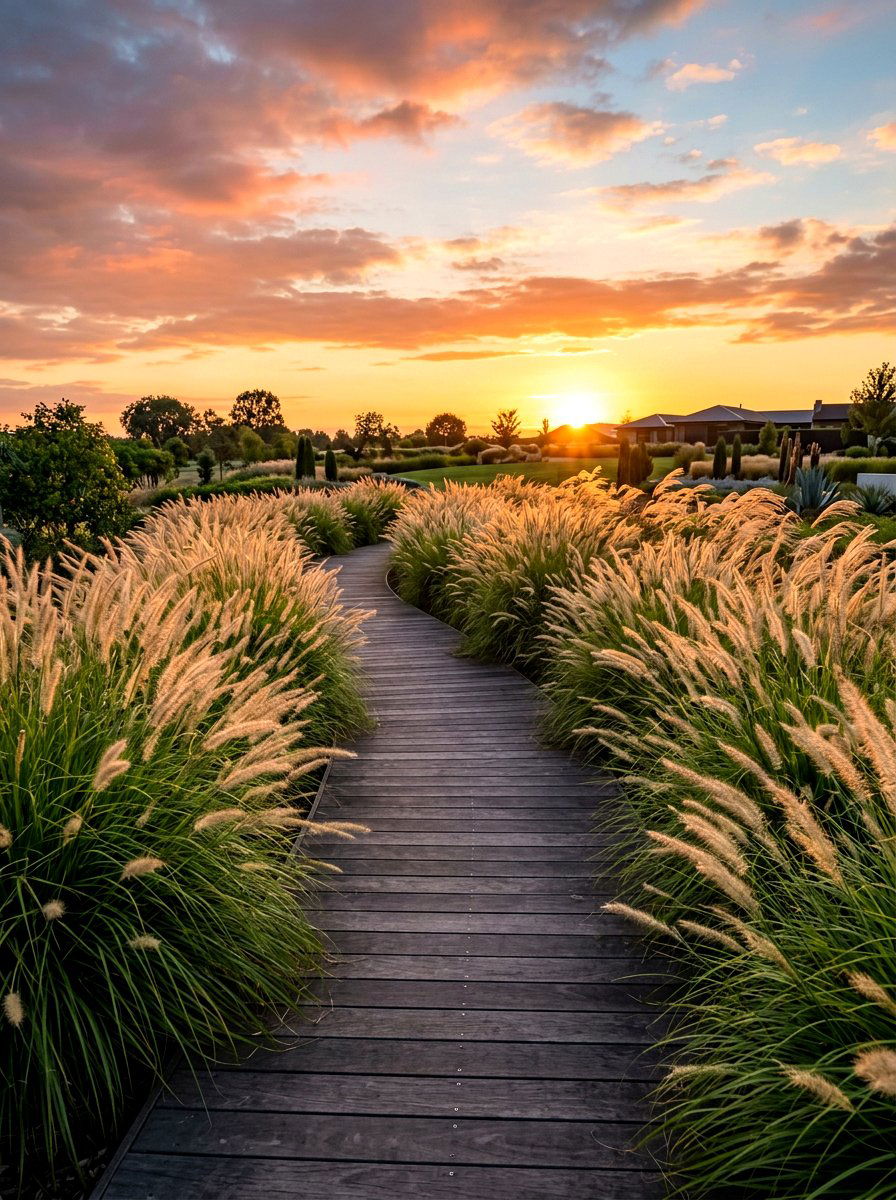
If you appreciate movement and sound in your landscape, an ornamental grass walkway is a fantastic modern option. Tall grasses like Pennisetum or Miscanthus sway gently in the breeze, creating a rhythmic rustling sound that is very relaxing. These plants offer a unique texture that contrasts beautifully with solid architectural features like brick or stone walls. In the autumn, many varieties turn golden or bronze, and their feathery seed heads provide visual interest throughout the winter months. They are generally drought-tolerant and require very little maintenance beyond a once-yearly trim in the early spring. This minimalist yet impactful approach is ideal for contemporary homes that prioritize natural shapes and a very earthy, organic color palette.
6. Rose lined path
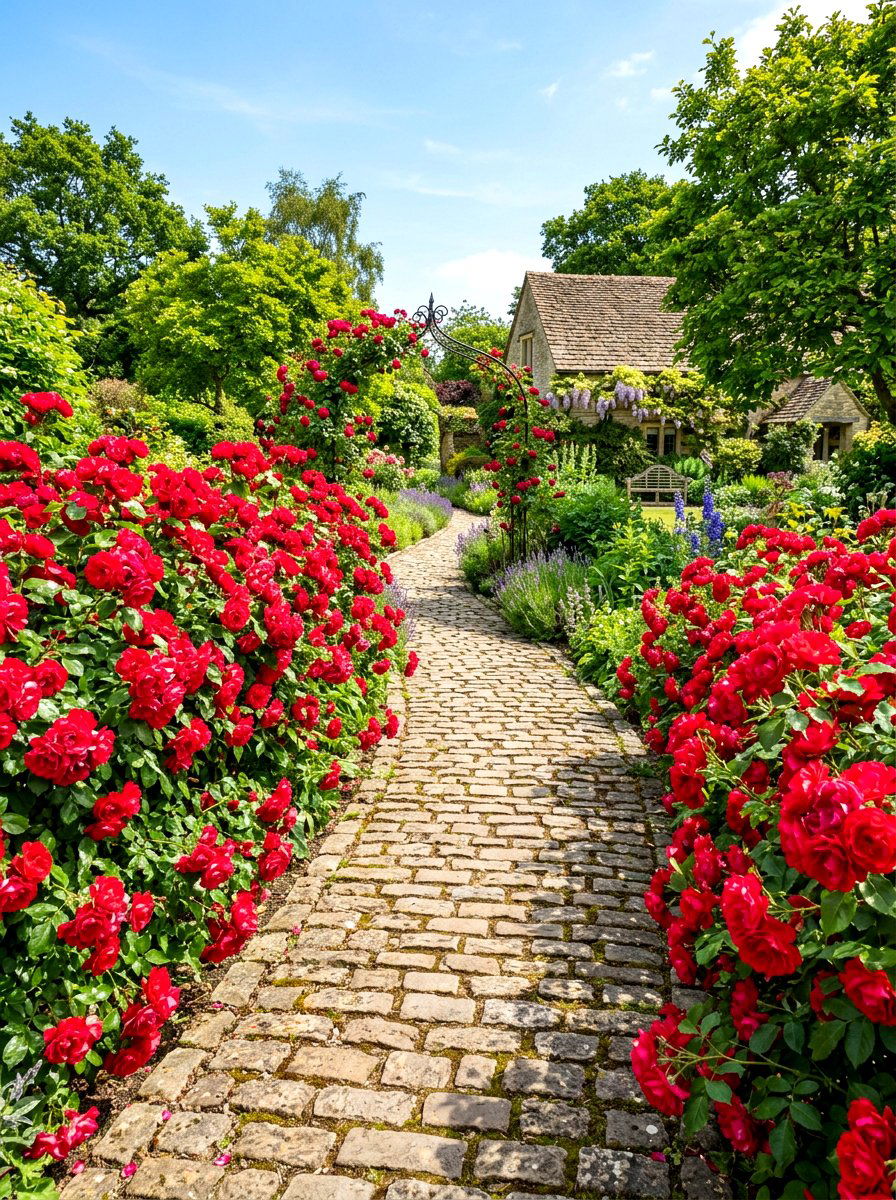
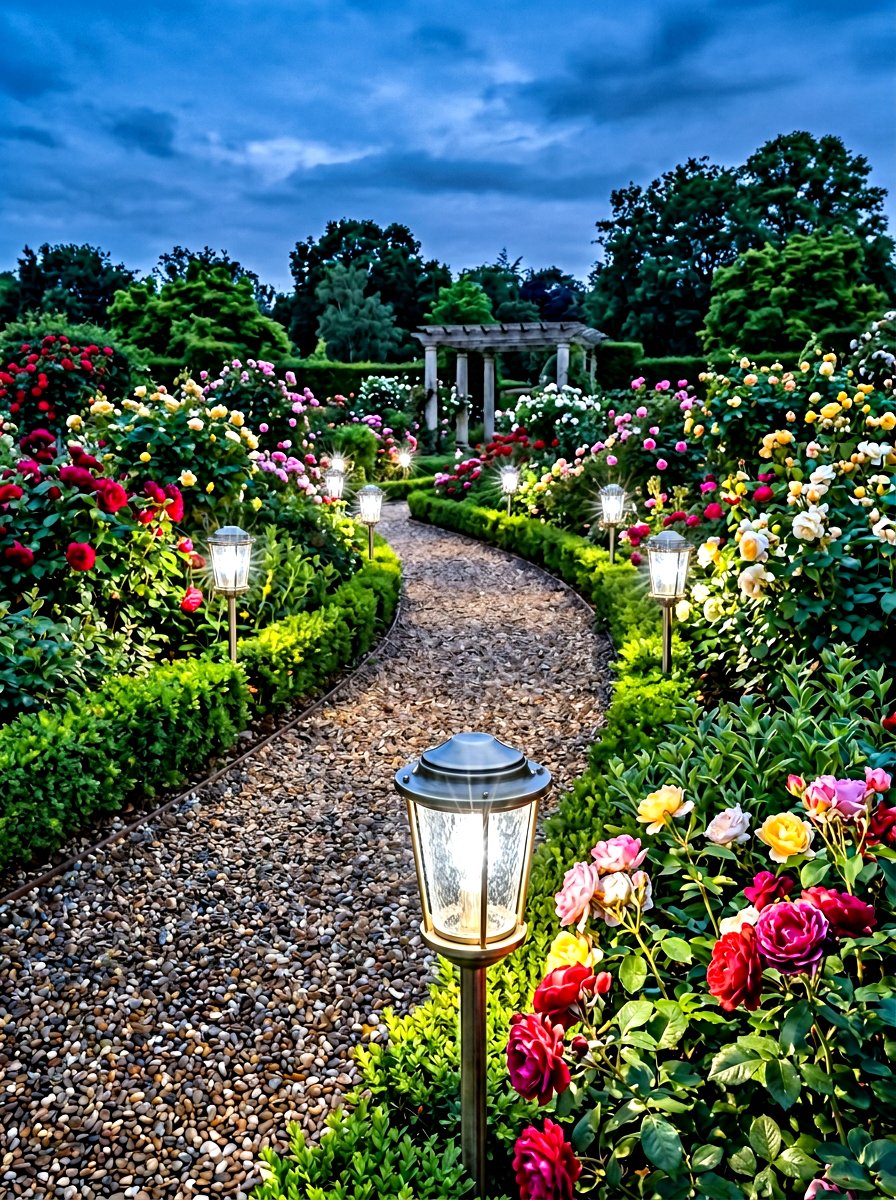
A rose lined path is perhaps the most iconic way to landscape a front entry with classic elegance. Using shrub roses or groundcover roses along your walkway ensures a steady supply of blooms and a wonderful fragrance throughout the growing season. Modern "knockout" varieties are particularly popular because they are disease-resistant and bloom repeatedly with very little deadheading required. You can choose a single color for a formal, unified look or mix different shades for a more vibrant, eclectic feel. The thorns also provide a natural deterrent for pets or people wandering off the path. Planting roses alongside low-growing lavender or catmint creates a classic "English garden" aesthetic that never goes out of style for homeowners.
7. Hostas for shaded walkway
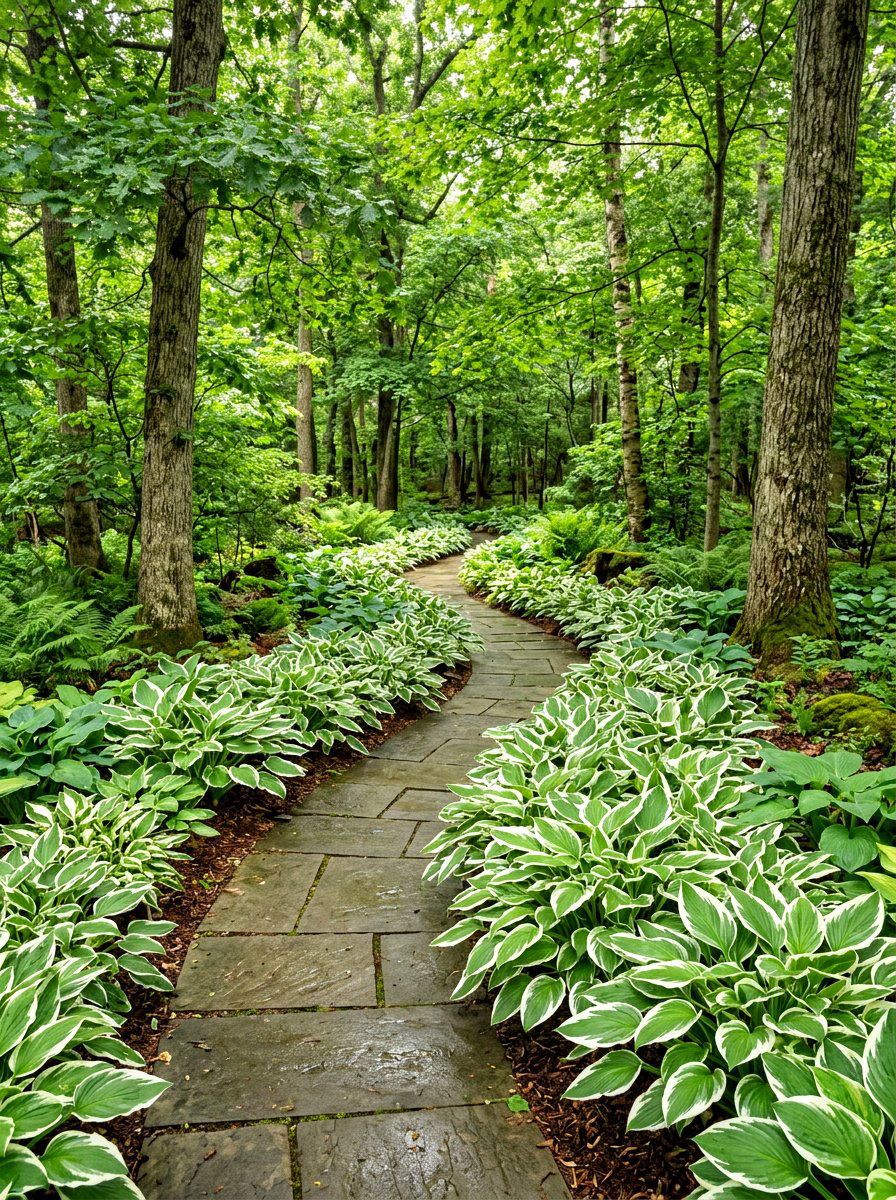
Front paths that are heavily shaded by large trees or the house itself can still be incredibly beautiful with a hosta-focused design. Hostas are the kings of the shade garden, offering an unbelievable variety of leaf colors ranging from chartreuse and gold to deep forest green and blue-grey. Many varieties also feature stunning white or yellow variegation that brightens up dark corners instantly. By mixing different sizes and leaf textures, you can create a lush, tropical-looking border that feels cool and refreshing during the hot summer months. They are very easy to care for and reliably return every year, slowly expanding to fill the space. Their purple or white summer flowers are a bonus for visiting hummingbirds.
8. Wildflower garden path
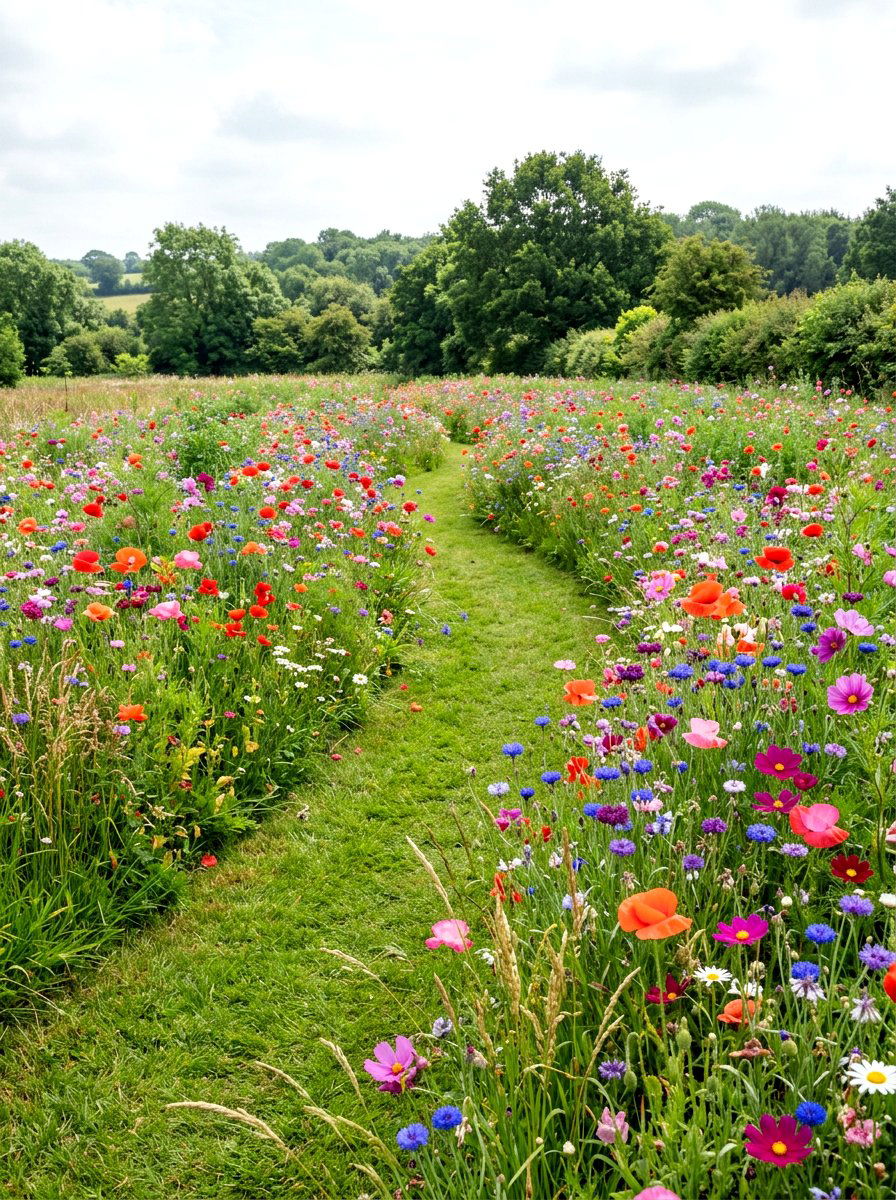
Embracing a wildflower garden path is an excellent way to support the local environment while creating a relaxed, naturalistic entrance. This style uses native flowering plants that are naturally adapted to your specific climate and soil conditions, making them very resilient. You can sow a mix of seeds that will provide a rotating display of colors from spring through late autumn. This "meadow" look is becoming increasingly popular as homeowners move away from thirsty green lawns in favor of more sustainable options. It attracts a wide variety of butterflies and songbirds, turning your front yard into a thriving ecosystem. The casual appearance works beautifully with farmhouse, rustic, or modern organic home styles and requires very little water.
9. Succulent entry border
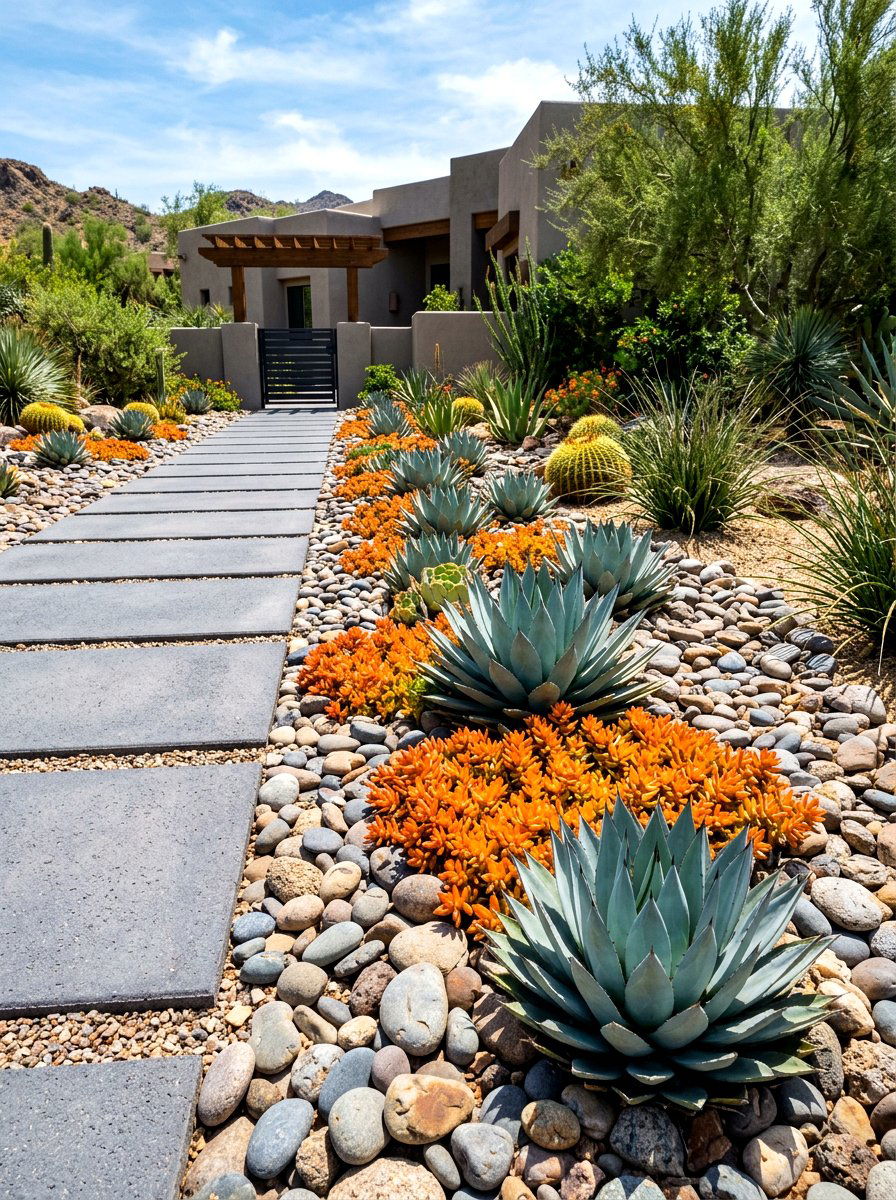
For those living in arid climates or seeking a ultra-low maintenance look, a succulent entry border is a sophisticated choice. Plants like Echeveria, Agave, and various Sedums offer incredible geometric shapes and unusual colors that look like living sculptures. These plants store water in their leaves, allowing them to thrive even during long dry spells without drooping or fading. You can arrange them in a clean, linear fashion for a modern aesthetic or cluster them among decorative river rocks for a more natural, desert-inspired feel. Their slow growth means they won't quickly overgrow the path, keeping your walkway clear and safe. The subtle, dusty blues and pinks of many succulents provide a very chic, high-end look.
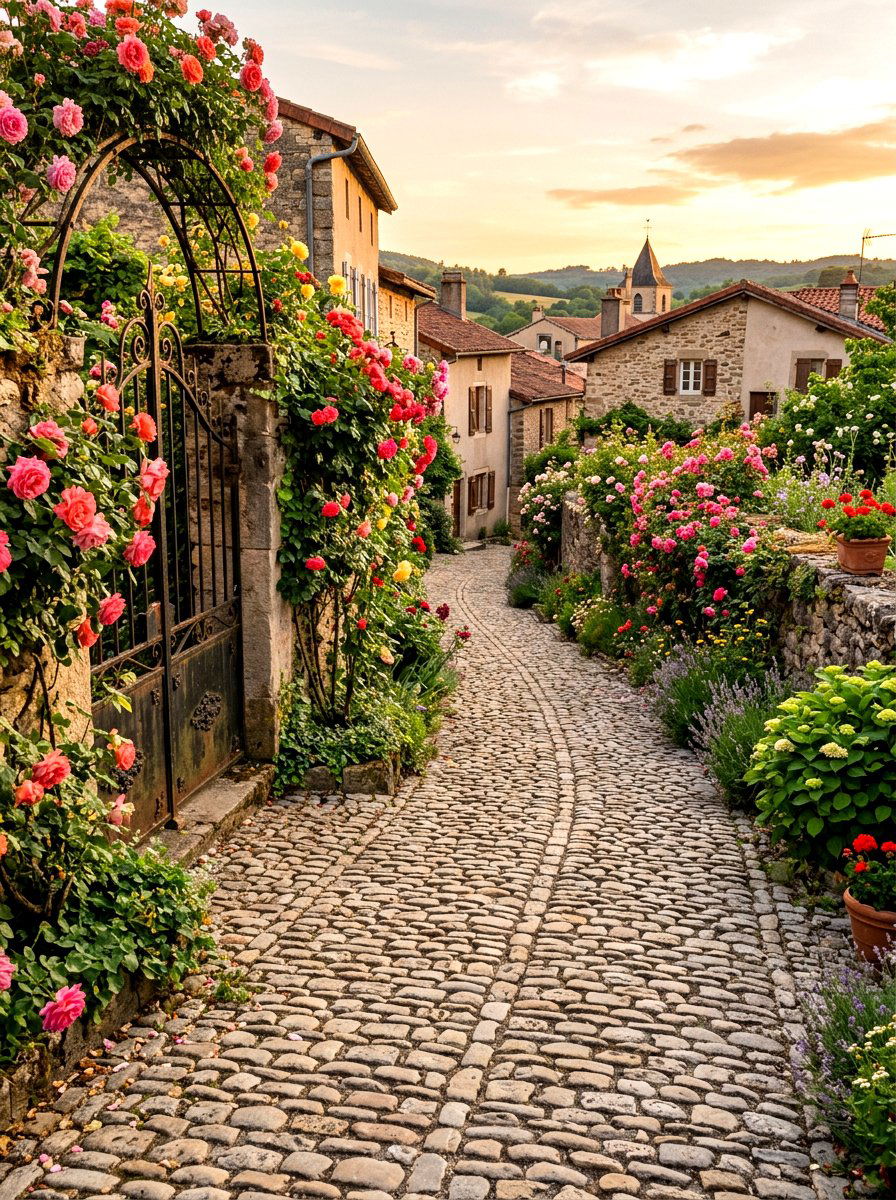
10. Perennial flower bed
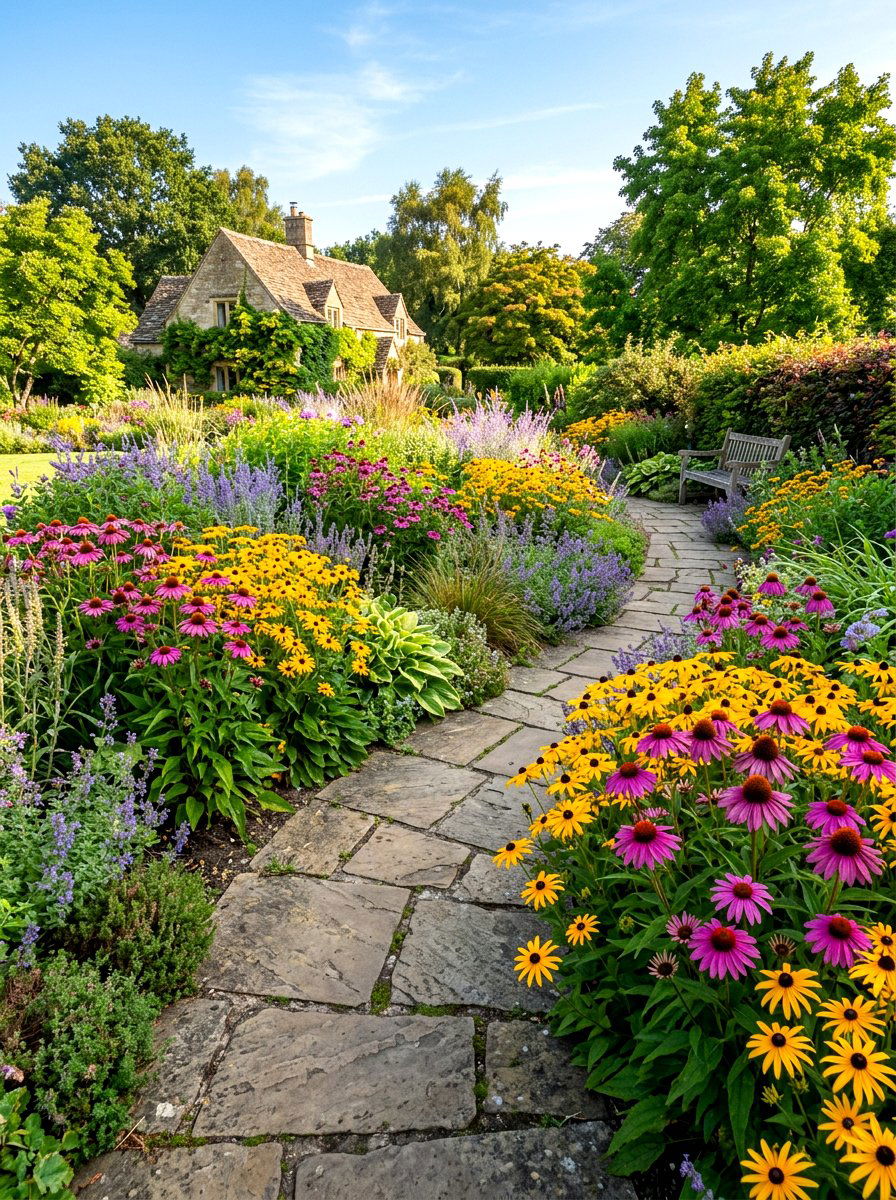
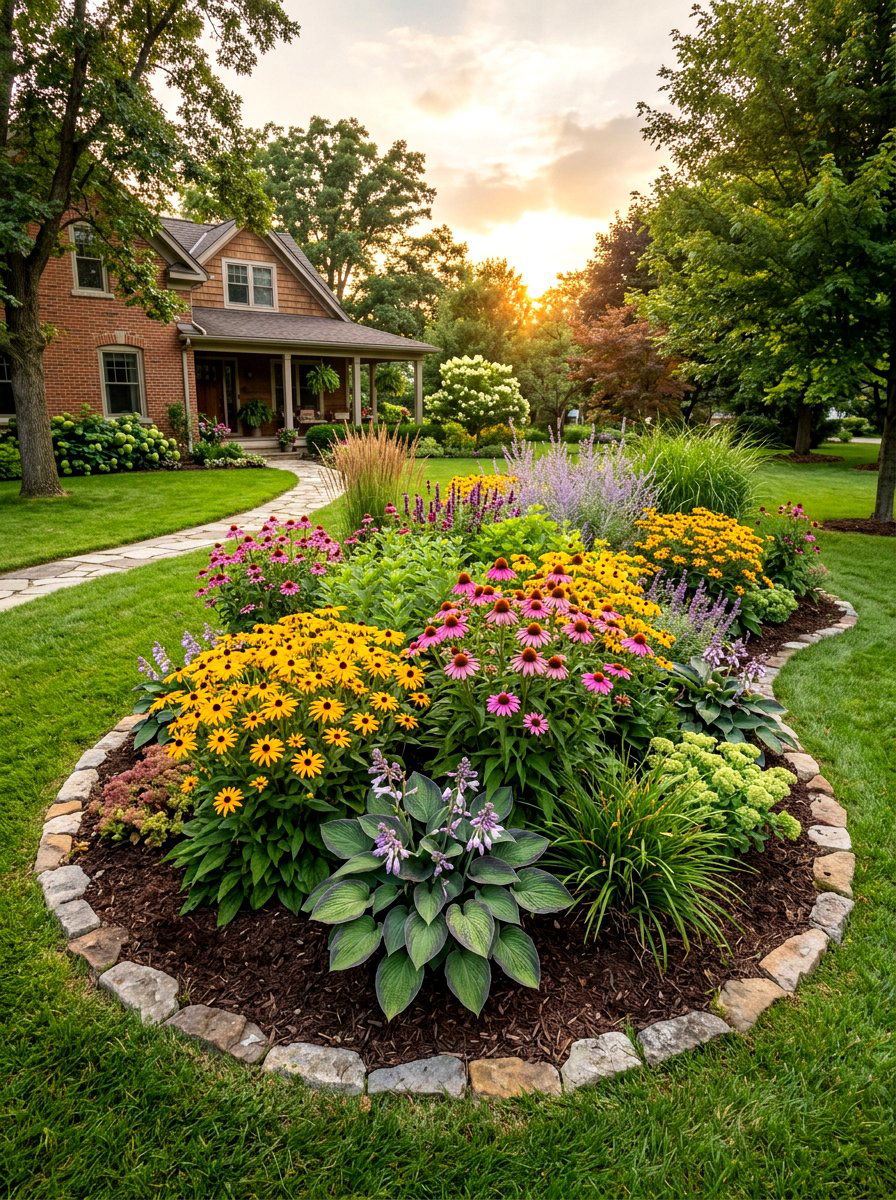
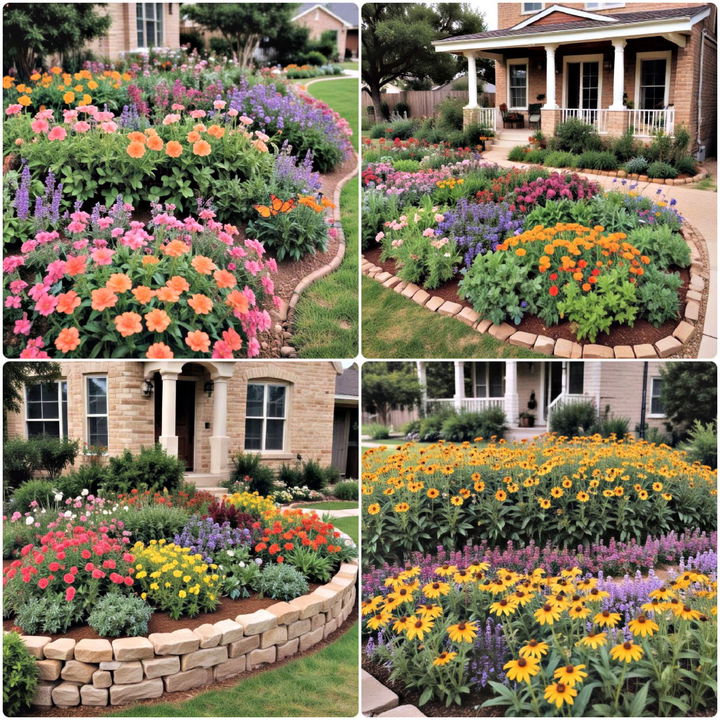
A dedicated perennial flower bed along your front path is a smart investment that pays off year after year. Unlike annuals that must be replaced, perennials like coneflowers, black-eyed Susans, and salvia return with more vigor each season. By selecting plants with different bloom times, you can ensure that your walkway always has something interesting to show from April through October. This approach allows you to build a complex, layered design that matures over time, becoming more beautiful as the plants fill in their allotted spaces. It is a cost-effective way to achieve a professional landscaping look that provides consistent color and structure. Using mulch between the plants helps suppress weeds and keeps the entry looking tidy.
11. Modern minimalist landscaping
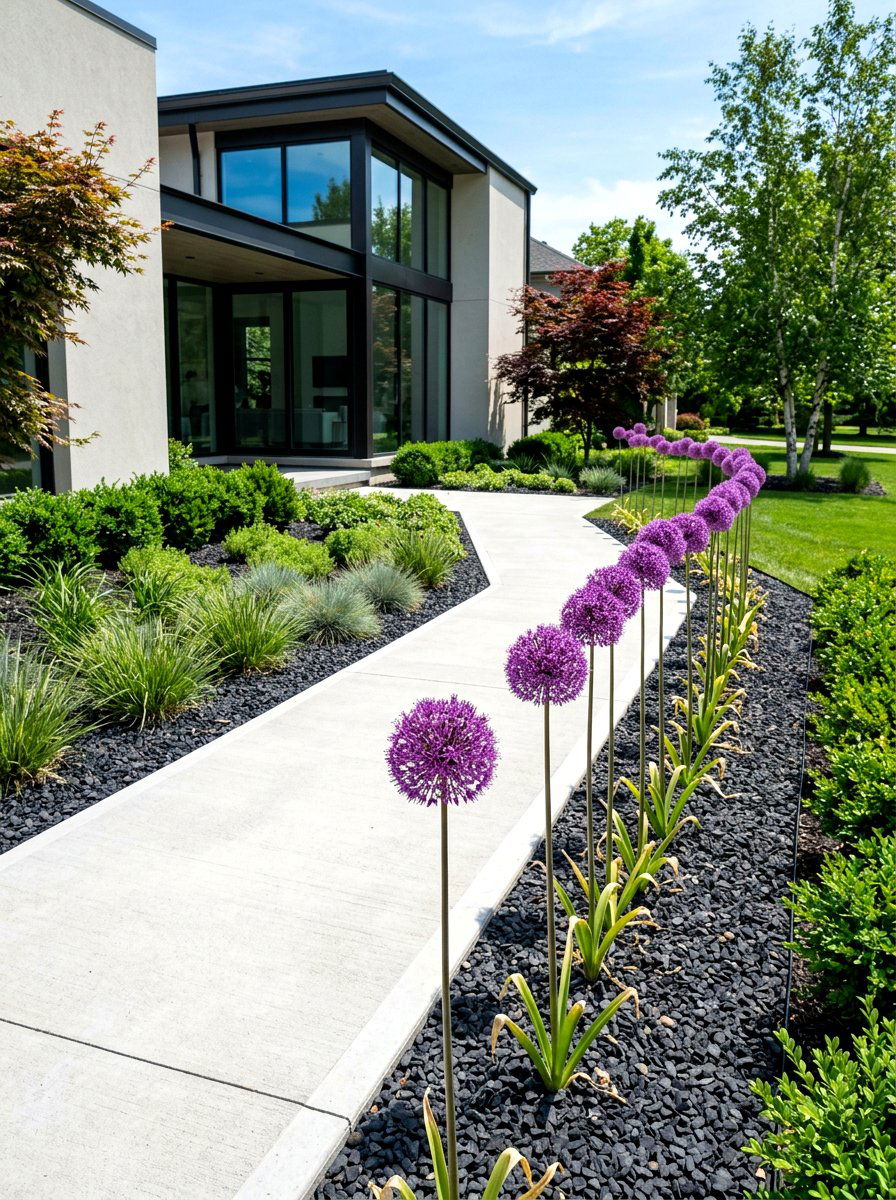
Modern minimalist landscaping focuses on "less is more, " using a very limited plant palette and strong geometric lines. This style often features just one or two types of plants, such as architectural Alliums or a single row of uniform ornamental grasses. The emphasis is on the relationship between the plants and the hardscaping materials like smooth concrete, steel edging, or dark gravel. This clean approach highlights the architecture of the home and creates a sense of calm and order. It is perfect for busy homeowners who want a high-impact look that requires very little pruning or deadheading. The simplicity of the design ensures that the front path remains the clear focal point without any visual clutter.
12. Rock garden path
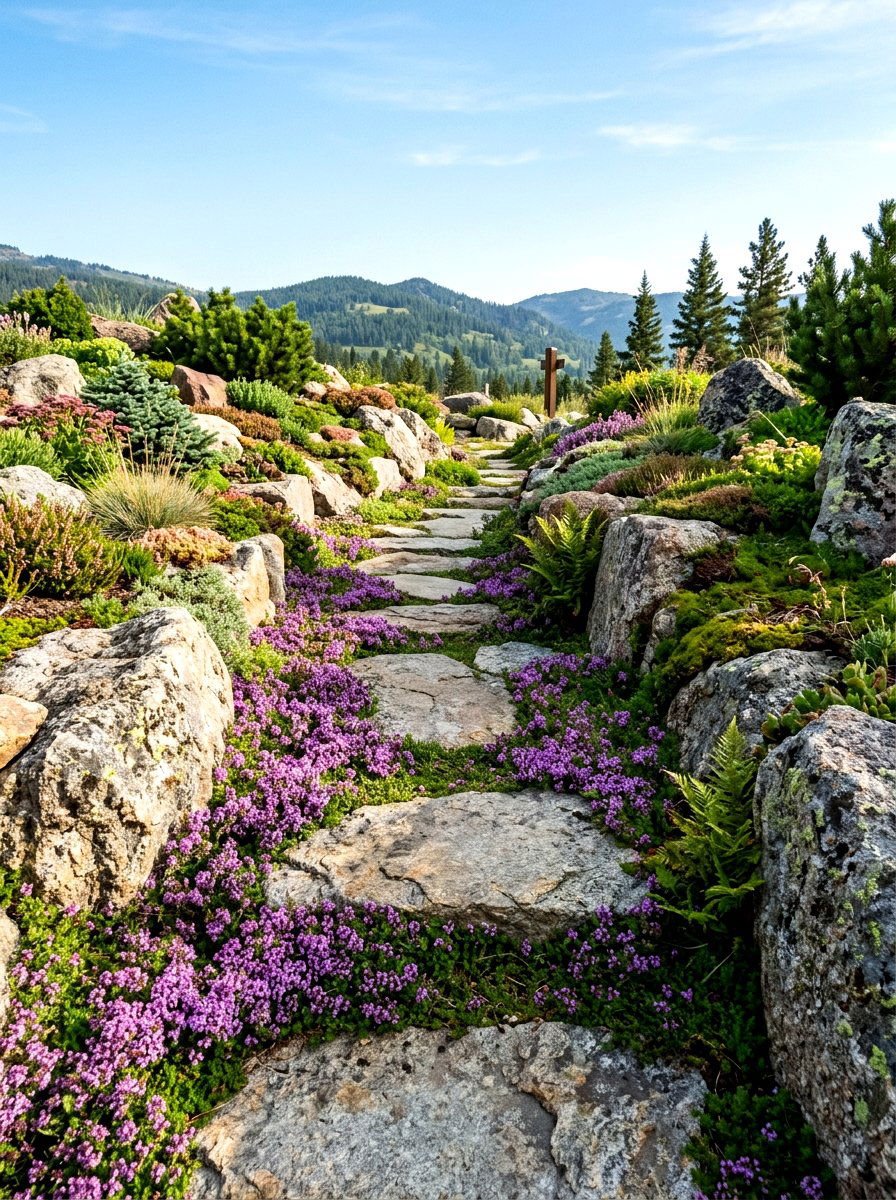
Integrating a rock garden path is a clever way to add texture and vertical interest to a flat front yard. This design uses various sizes of boulders, river stones, and gravel interspersed with hardy, low-growing plants like creeping thyme or rock cress. The stones act as a permanent structural element that looks great even in the middle of winter when most plants are dormant. This style is exceptionally good for sloping front yards where soil erosion might be a concern. The contrast between the hard, cold surfaces of the rocks and the soft, colorful petals of alpine flowers creates a beautiful balance. It is a rugged, durable design that handles foot traffic and changing weather conditions with total ease.
13. Tropical flower bed

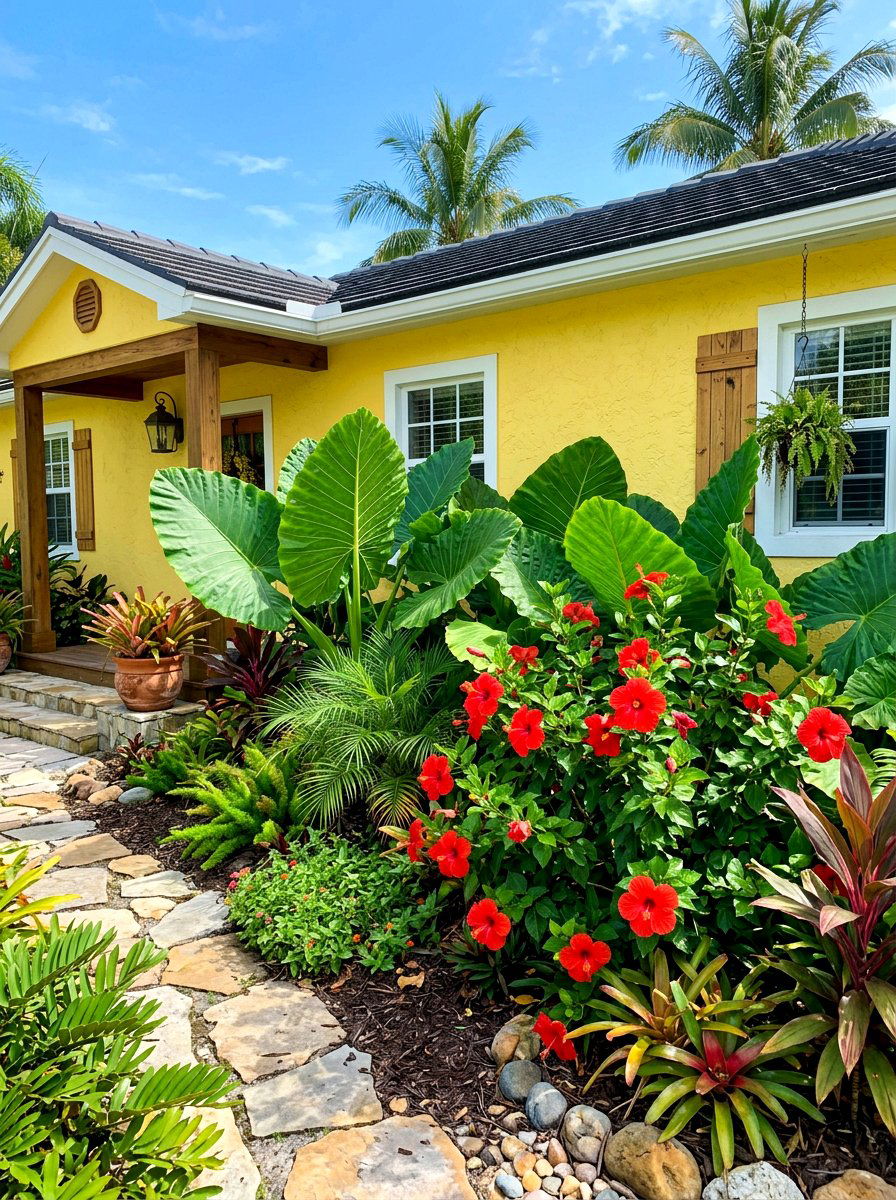
You can create a vacation-like atmosphere every time you come home by installing a tropical flower bed along your path. Even in non-tropical climates, you can use large-leafed plants like Canna lilies, Hibiscus, and Elephant Ears during the summer to achieve this lush look. The bold colors and oversized foliage create a dramatic sense of scale that makes a small front yard feel much larger and more exotic. Bright oranges, deep reds, and vibrant yellows are hallmarks of this style, providing an energetic welcome for your guests. To maintain the look in colder regions, many of these plants can be treated as annuals or brought indoors for the winter. It’s a high-impact, conversation-starting choice for any home.
14. Peony walkway border
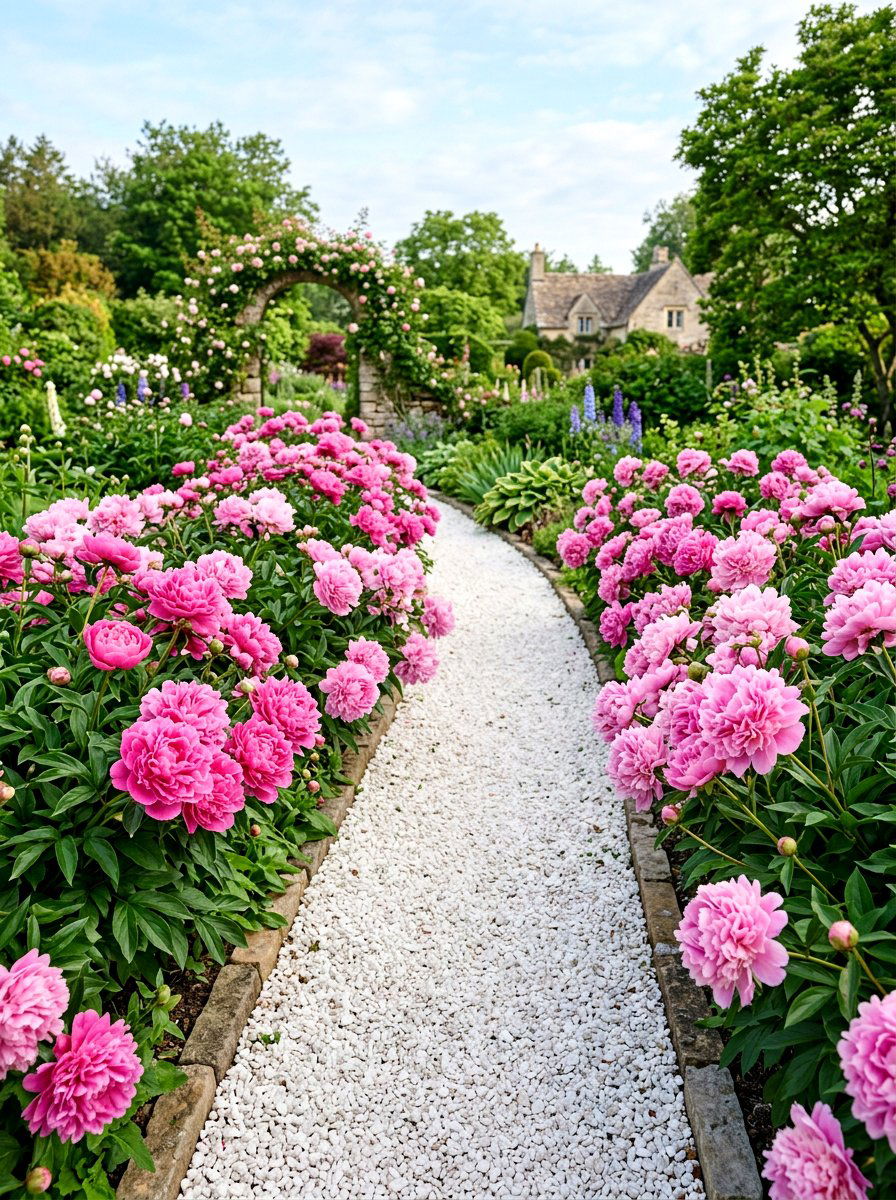
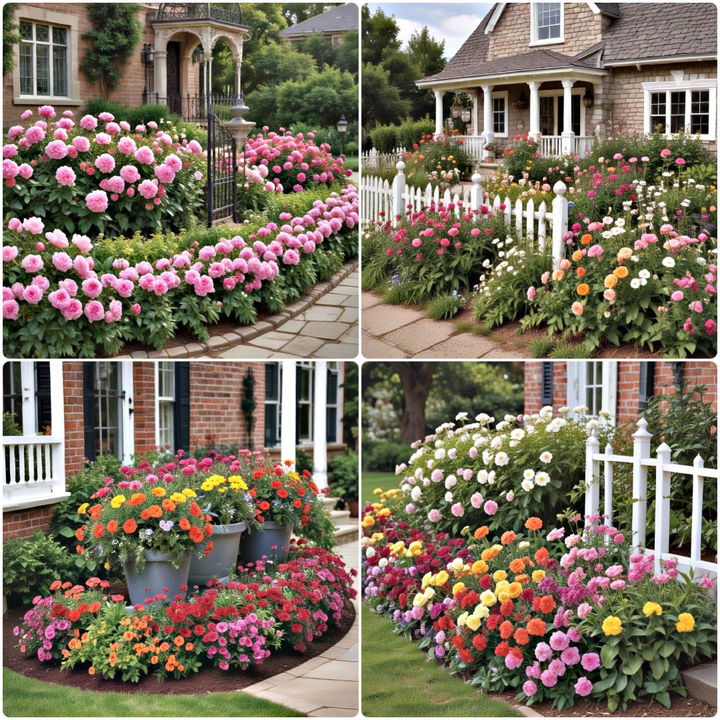
A peony walkway border offers a short but incredibly spectacular show of massive, fragrant blooms in late spring. Peonies are beloved for their lush, ruffled petals and sweet scent that can fill an entire front yard. While their blooming period is relatively brief, the deep green, shrub-like foliage remains attractive for the rest of the summer. To extend the visual interest, you can interplant them with later-blooming perennials like lilies or asters. Peonies are famously long-lived, with some plants surviving for fifty years or more in the same spot. Planting them along your path creates a sense of tradition and timeless beauty that signals the true arrival of the warm summer growing season.
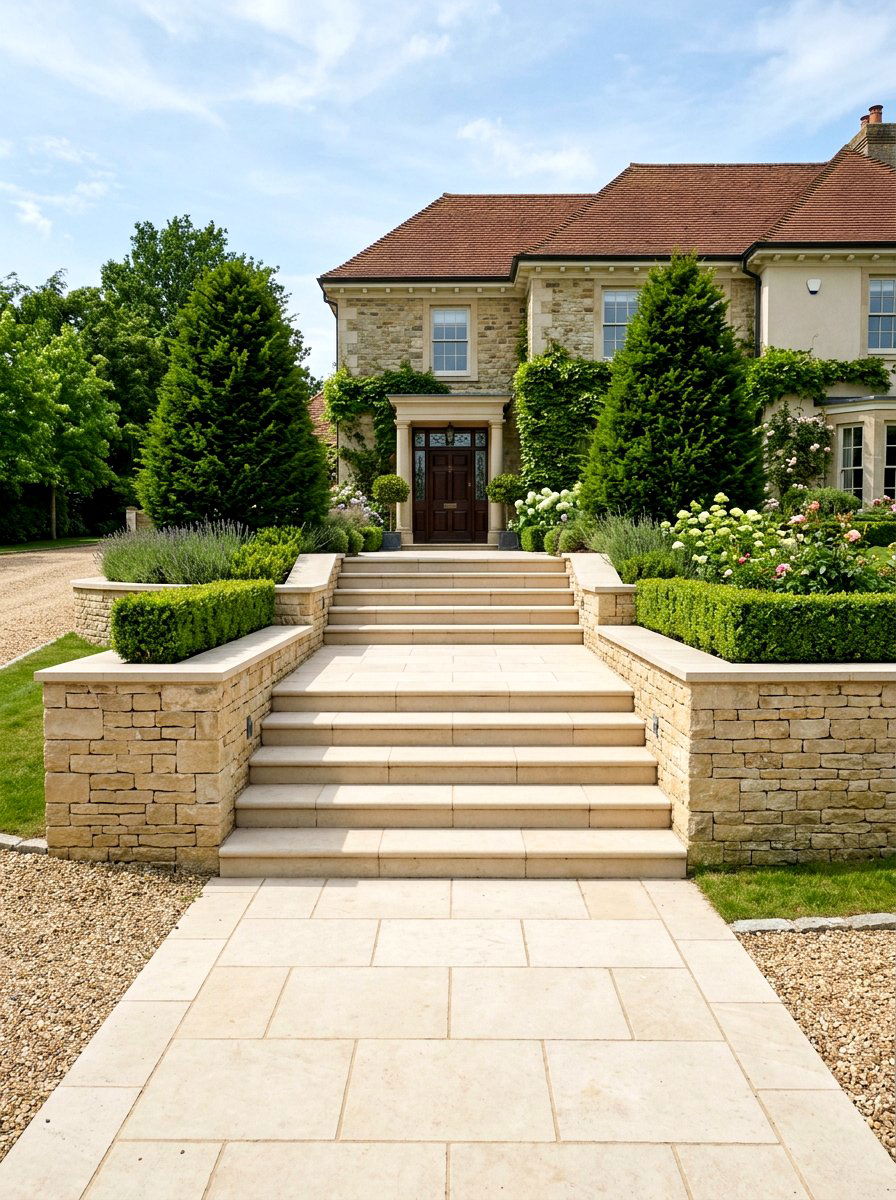
15. Tulip spring garden
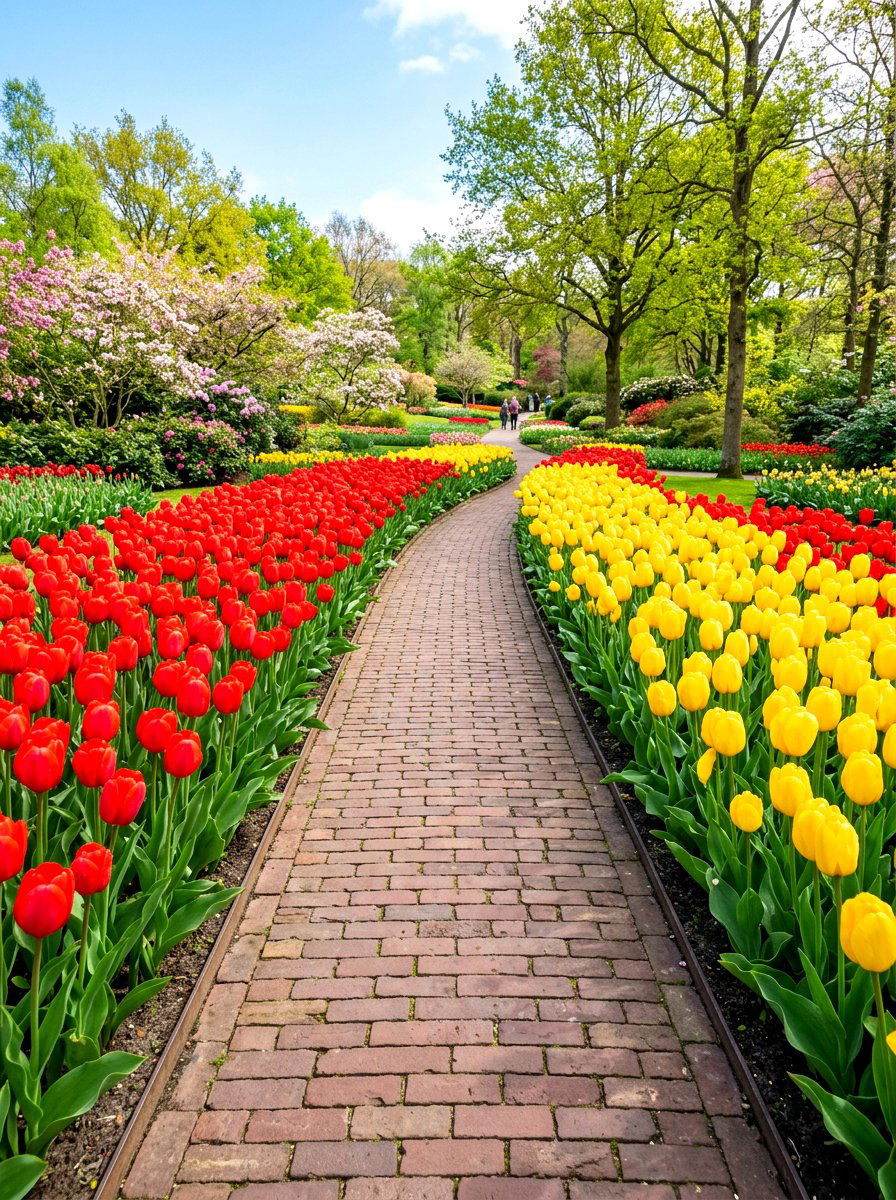
Welcoming the change of seasons with a tulip spring garden ensures your front path is the brightest spot in the neighborhood. By planting hundreds of bulbs in the autumn, you can create a breathtaking river of color that emerges as soon as the snow melts. You can choose a monochromatic theme for a sleek look or a "confetti" mix of every color imaginable for a cheerful, high-energy entrance. Because tulips are temporary, they allow you to follow them up with summer annuals like petunias or marigolds in the same space. This rotational strategy keeps your front path looking fresh and intentionally designed throughout the entire year. It is a classic way to celebrate the return of gardening.
16. Lavender and rose mix
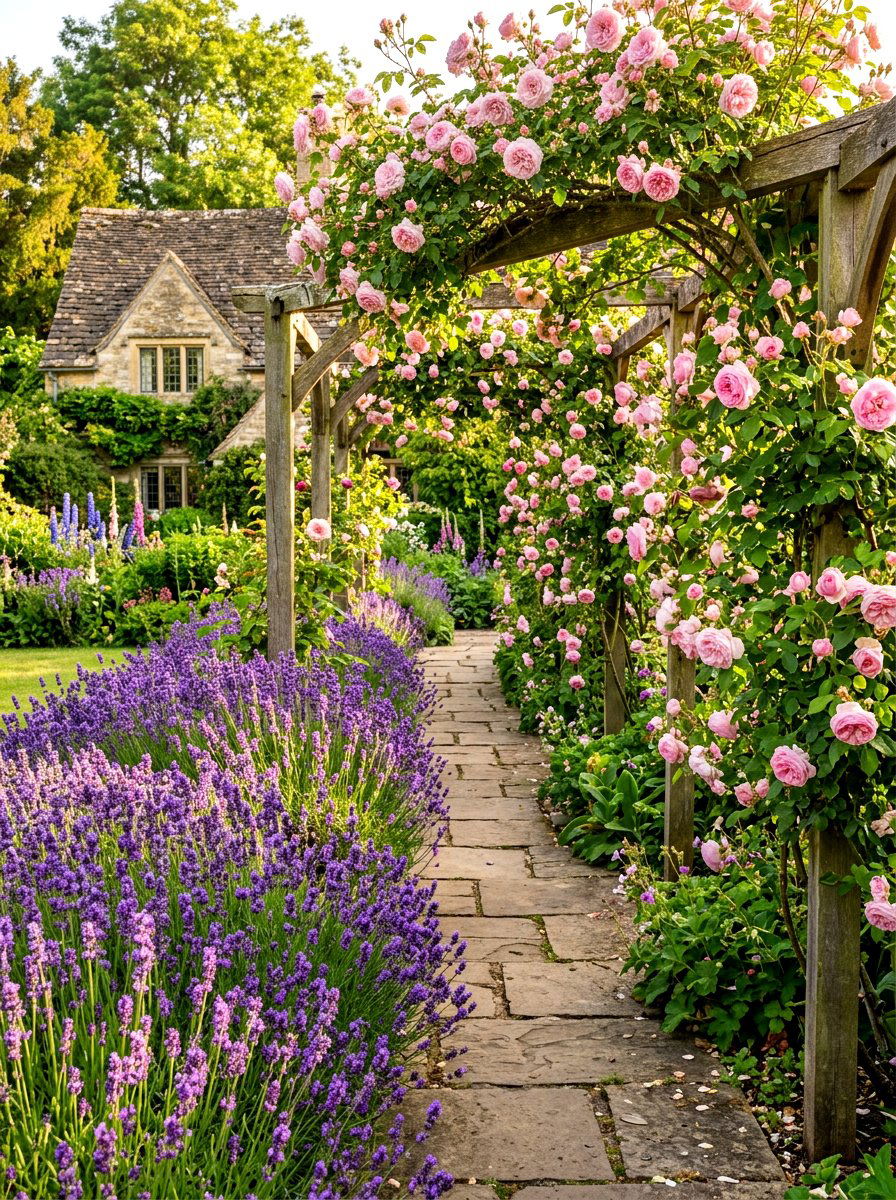
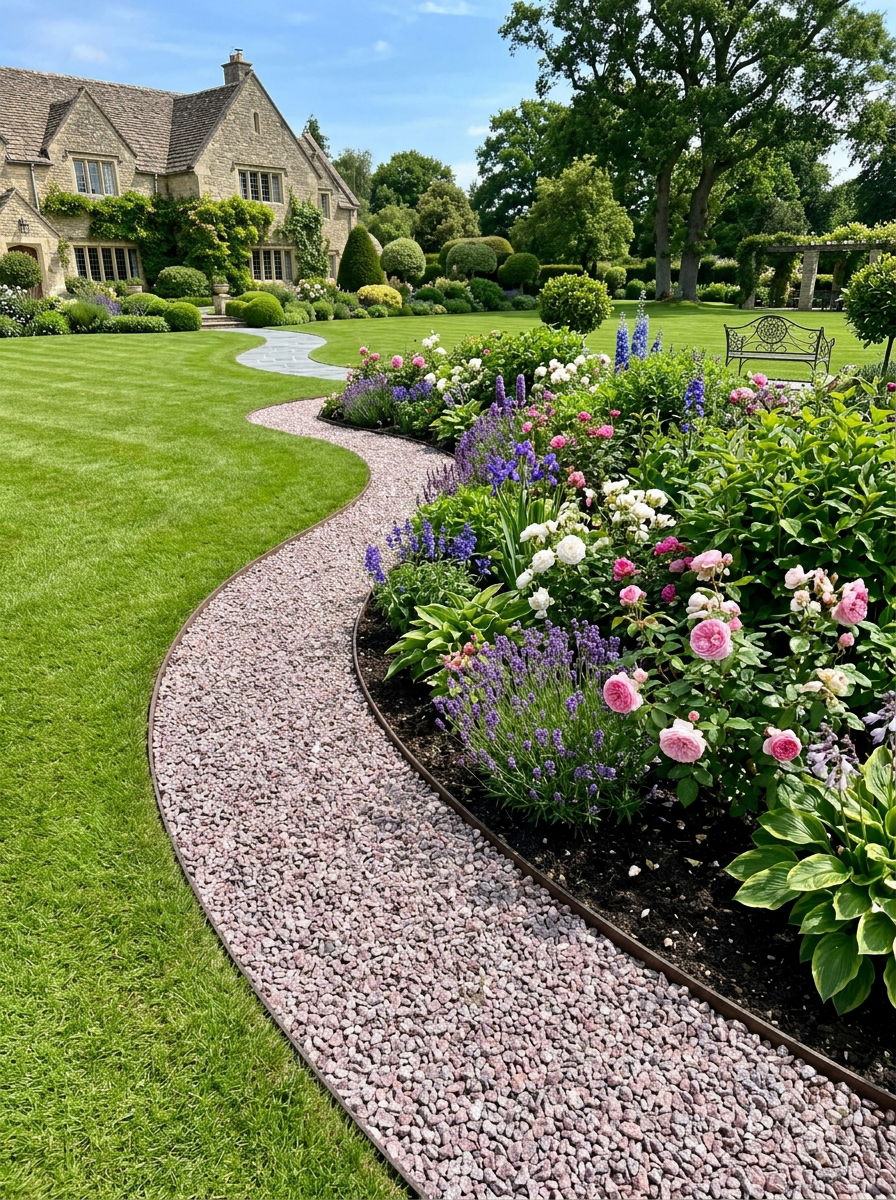
Combining lavender and roses creates a classic sensory experience that is widely considered the gold standard of romantic landscaping. The silvery foliage and upright purple spikes of the lavender provide a perfect cool-toned backdrop for the heavy, colorful blooms of the roses. Beyond their visual compatibility, these two plants share similar growing requirements, both thriving in full sun and well-drained soil. The scent profile of this combination is unmatched, offering a complex perfume that greets anyone approaching your front door. This pairing also helps with pest control, as the strong scent of lavender can sometimes deter insects that might otherwise bother the roses. It is a sophisticated, traditional choice that never feels dated or boring.
17. Native plant garden
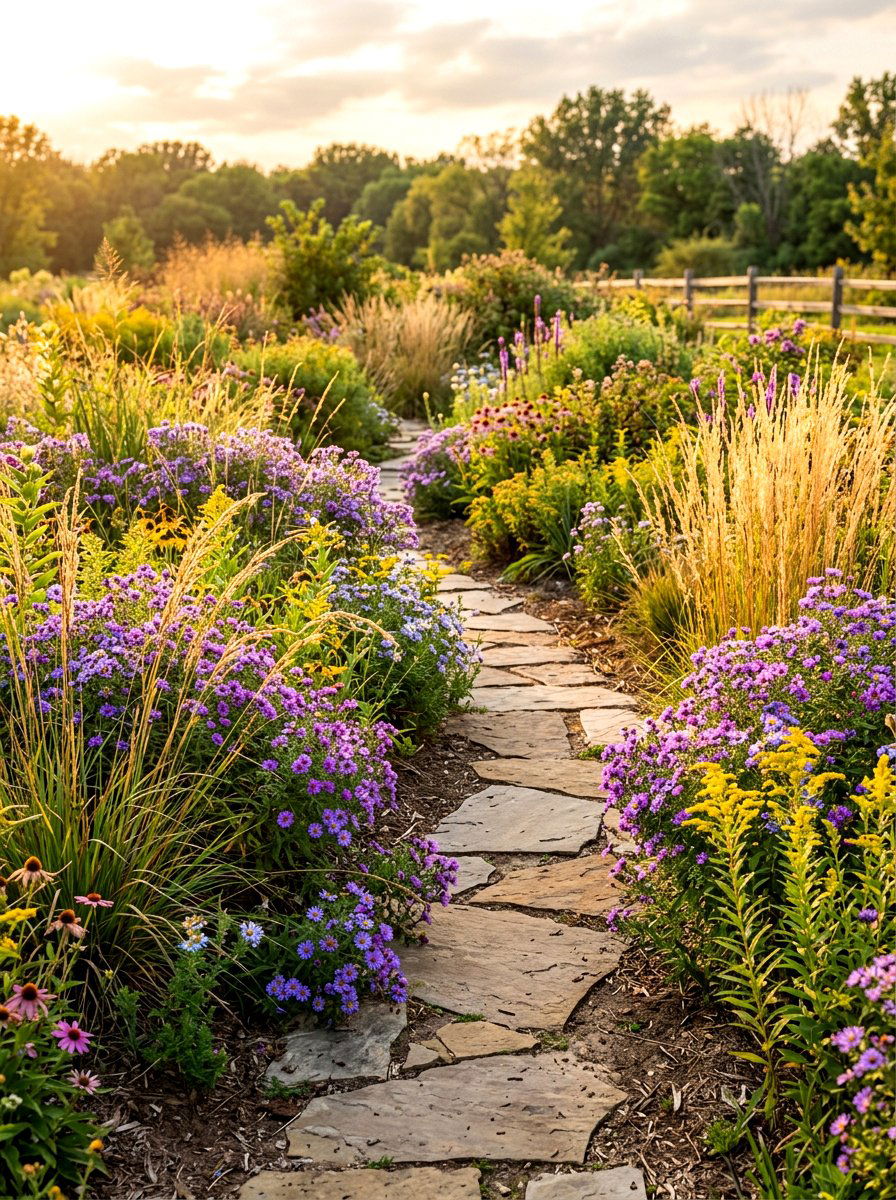
A native plant garden is a sustainable and deeply localized way to design your front path flower beds. By choosing species that naturally occur in your region, you ensure that your garden is perfectly adapted to local rainfall and temperature patterns. These plants usually require much less supplemental water and no chemical fertilizers to thrive. They also provide essential food sources for local birds, bees, and butterflies that have evolved alongside them. Native gardens often have a rugged, authentic beauty that feels grounded in the local landscape. Using these plants shows a commitment to environmental stewardship while providing a low-maintenance and highly resilient entrance that looks beautiful in every single season of the year.
18. Butterfly pollinator path
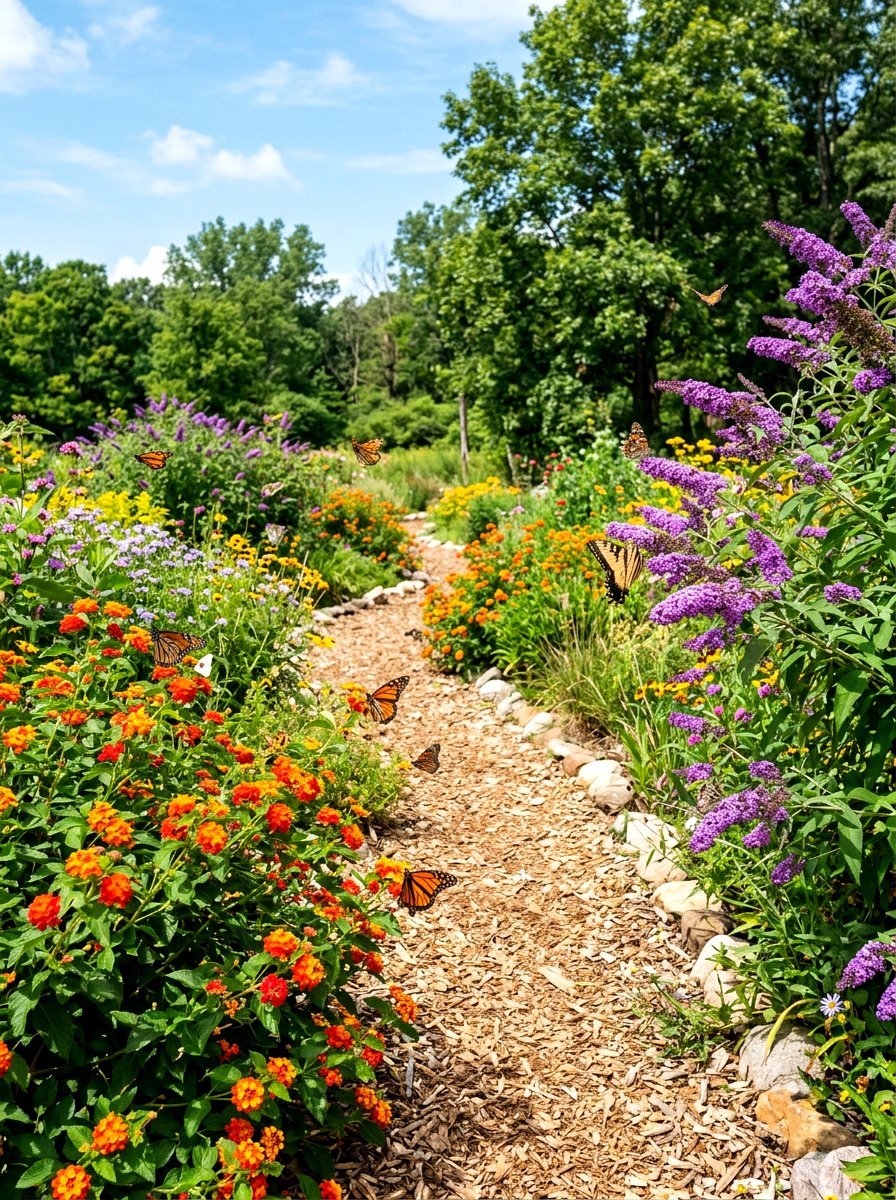
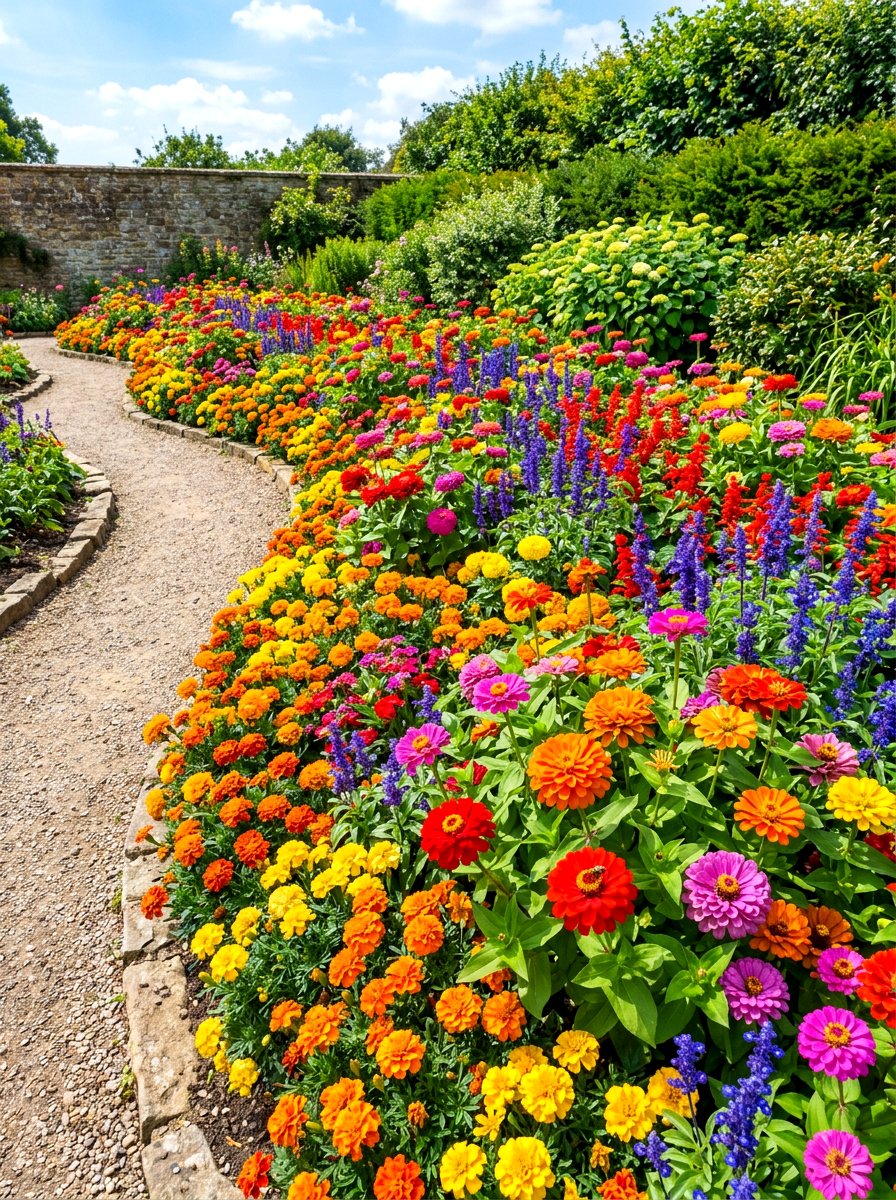
Creating a butterfly pollinator path turns your front walkway into a lively destination for local wildlife. This design focuses on "host" plants like milkweed and "nectar" plants like Zinnias, Lantana, and Buddleja. By providing both food and a place for butterflies to lay their eggs, you can enjoy the sight of these colorful insects all summer long. This type of garden is educational and engaging for children and neighbors alike. The plants chosen for pollinator gardens are often very colorful and hardy, ensuring your front path looks vibrant and energetic. It’s a wonderful way to give back to the environment while simultaneously creating a stunning, high-impact floral display that changes every day with new visitors.
19. Tiered flower bed
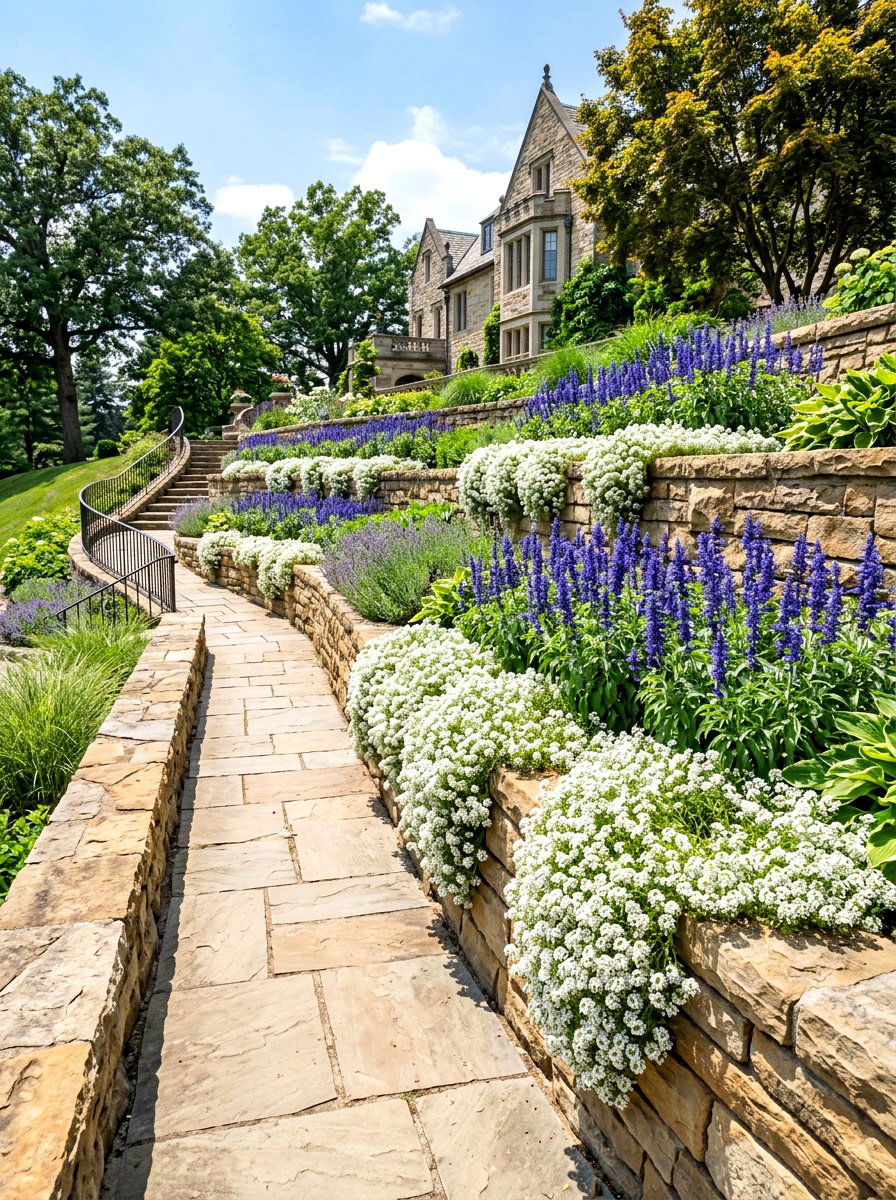
If your front path sits on a slope or you want to add architectural depth, a tiered flower bed is an excellent solution. By using retaining walls made of stone, timber, or brick, you can create multiple levels of planting space that rise up from the walkway. This allows you to place trailing plants on the bottom levels to spill over the edges, while taller shrubs or small trees sit at the back. Tiering creates a sense of grandness and helps to define the entry space more clearly. It also makes maintenance much easier on your back since the plants are elevated. This structured approach is perfect for creating a high-end, custom look that adds significant value.
20. White flower garden
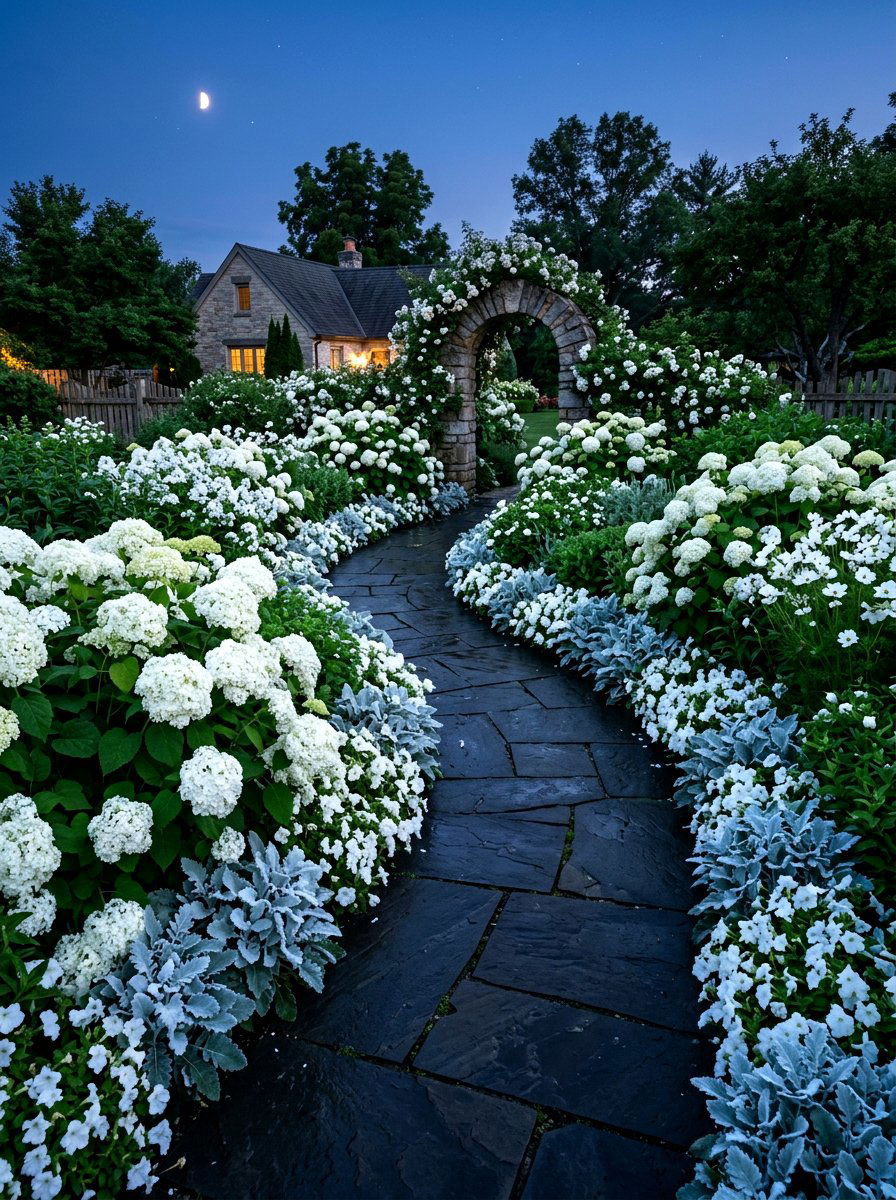
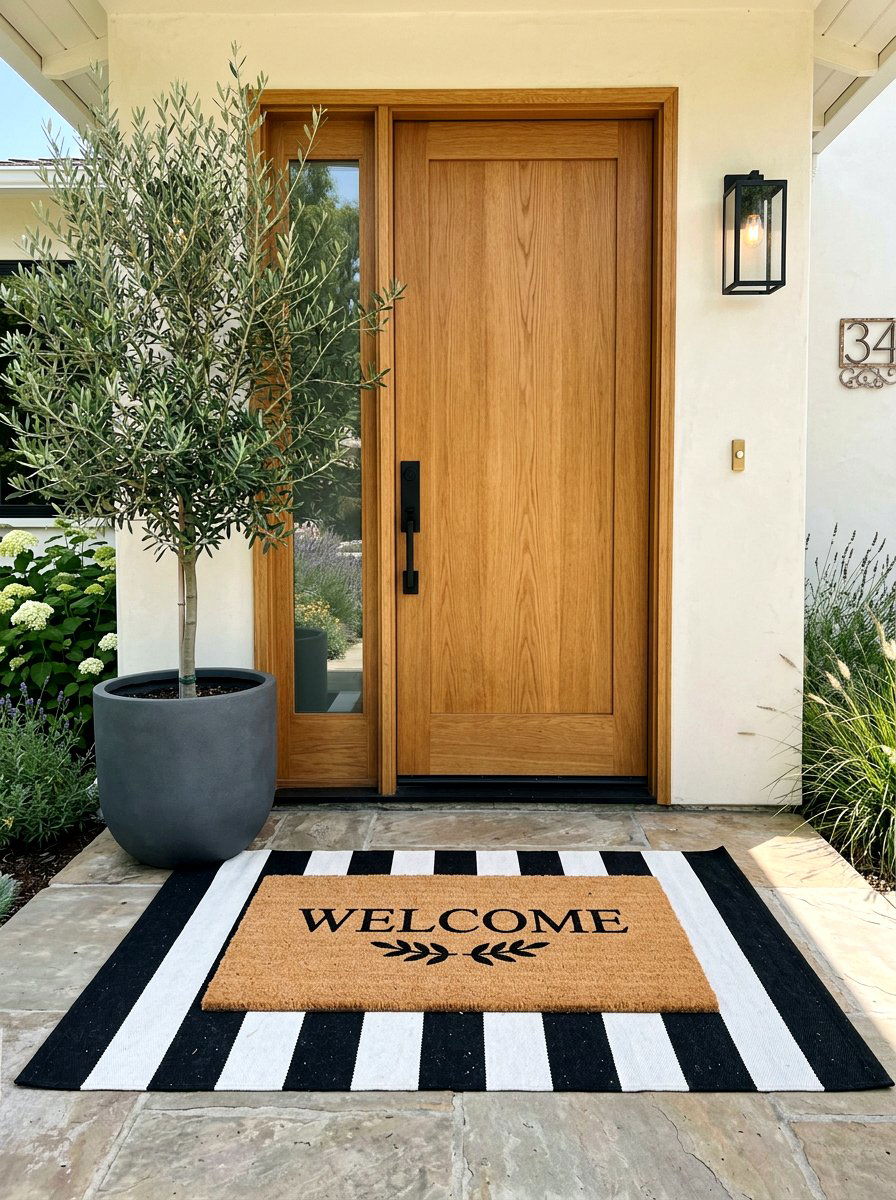
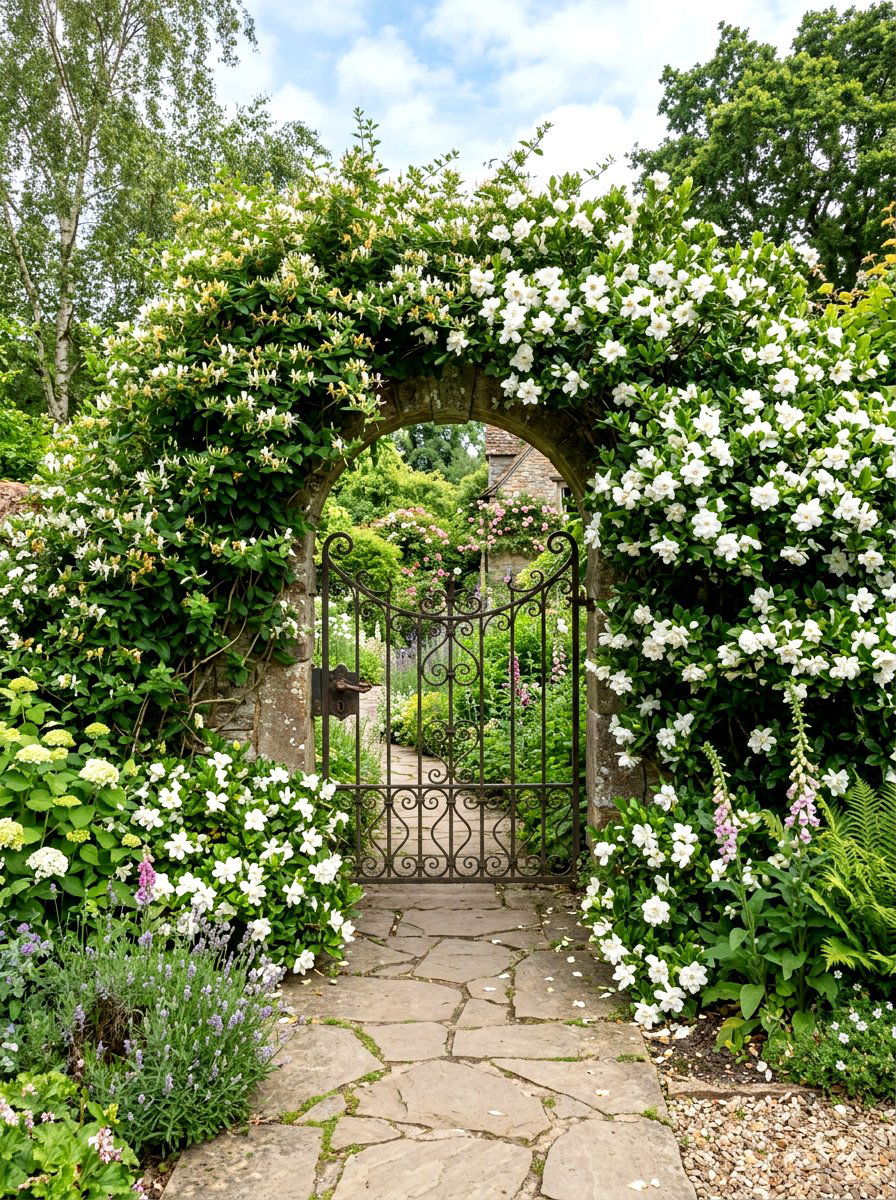
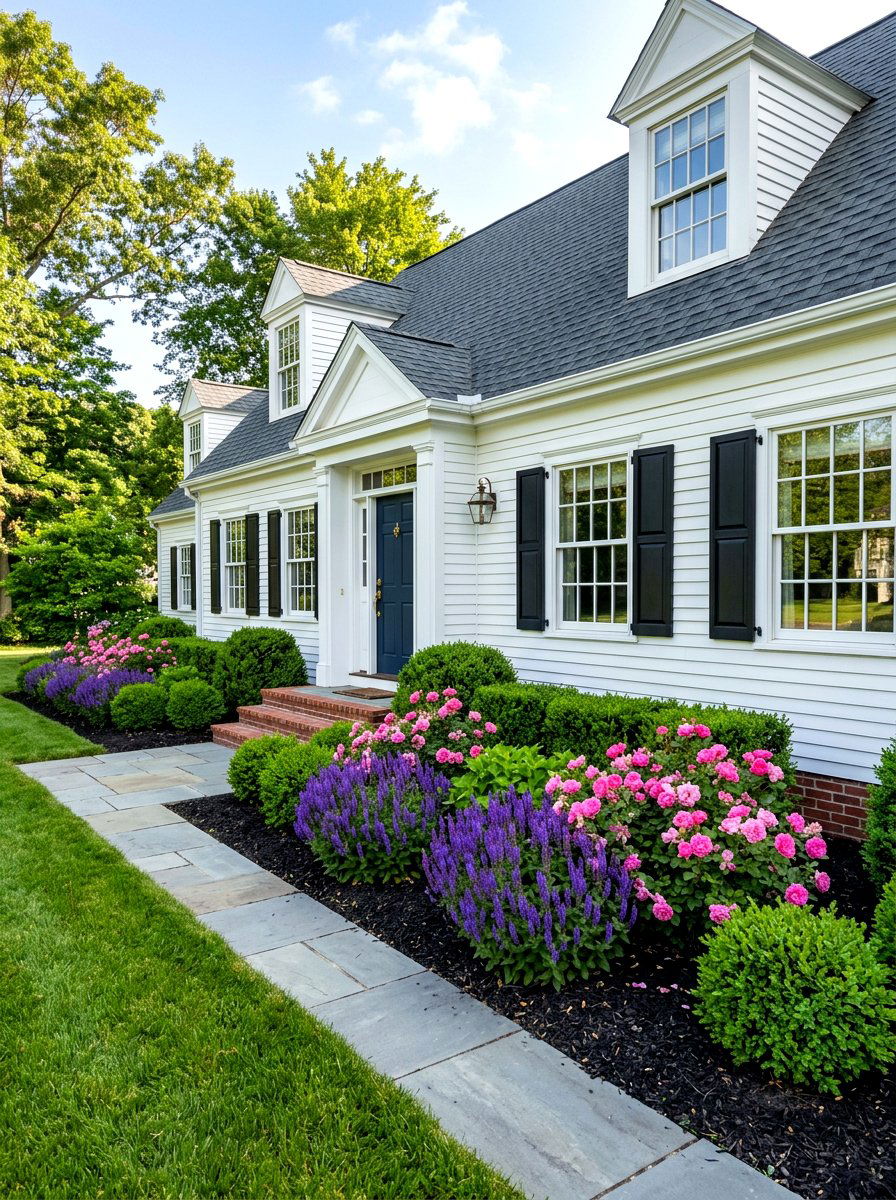
A white flower garden, often called a "moon garden, " creates a sophisticated and ethereal look for your front entrance. White blooms reflect the moonlight, making your path appear to glow during the evening hours when you are most likely to be coming home from work. Plants like white hydrangeas, lilies, Alyssum, and "Silver Falls" Dichondra work together to create a monochromatic palette that feels very calm and high-end. This style highlights different textures and shapes rather than relying on color for interest. It creates a very clean, bright appearance against dark green foliage or a dark-colored house. A white-themed border is timeless, elegant, and provides a very serene welcome for both residents and visitors.
21. Symmetrical entry landscaping
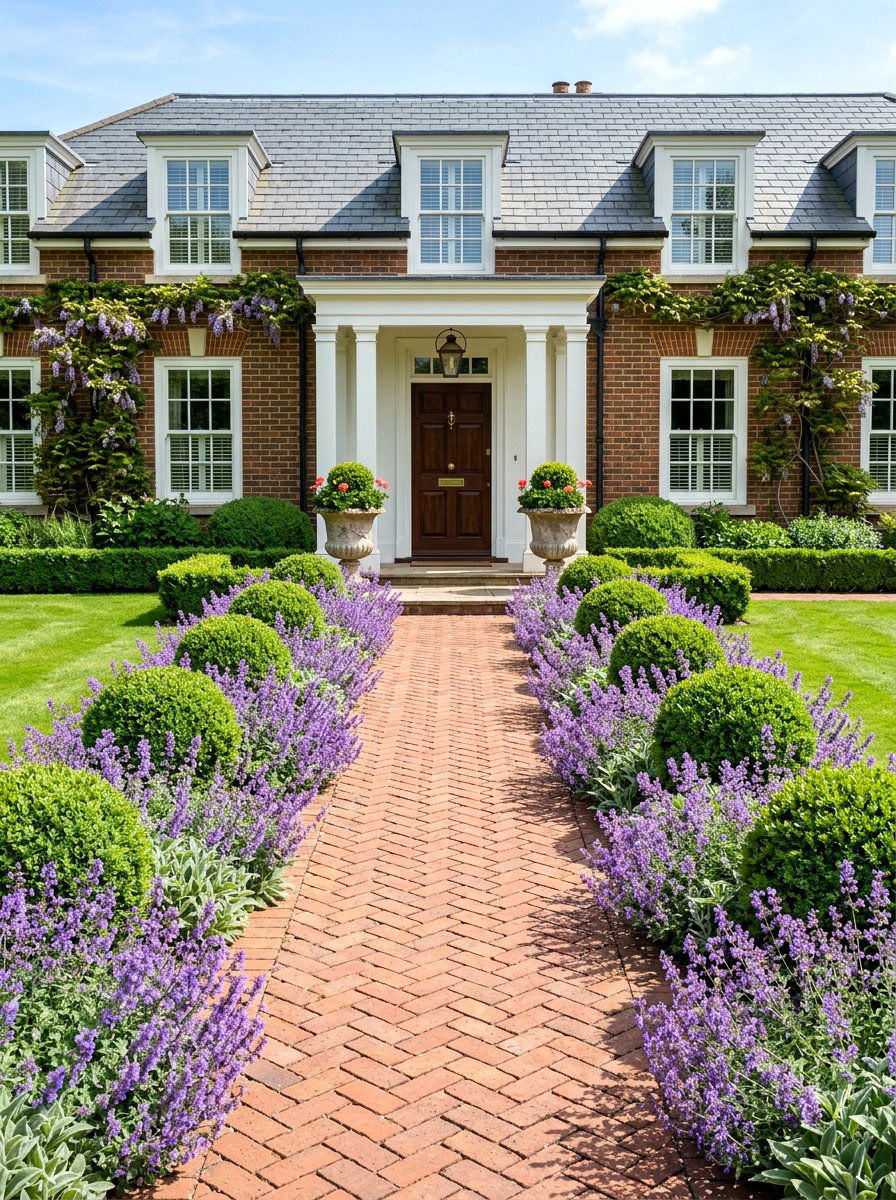
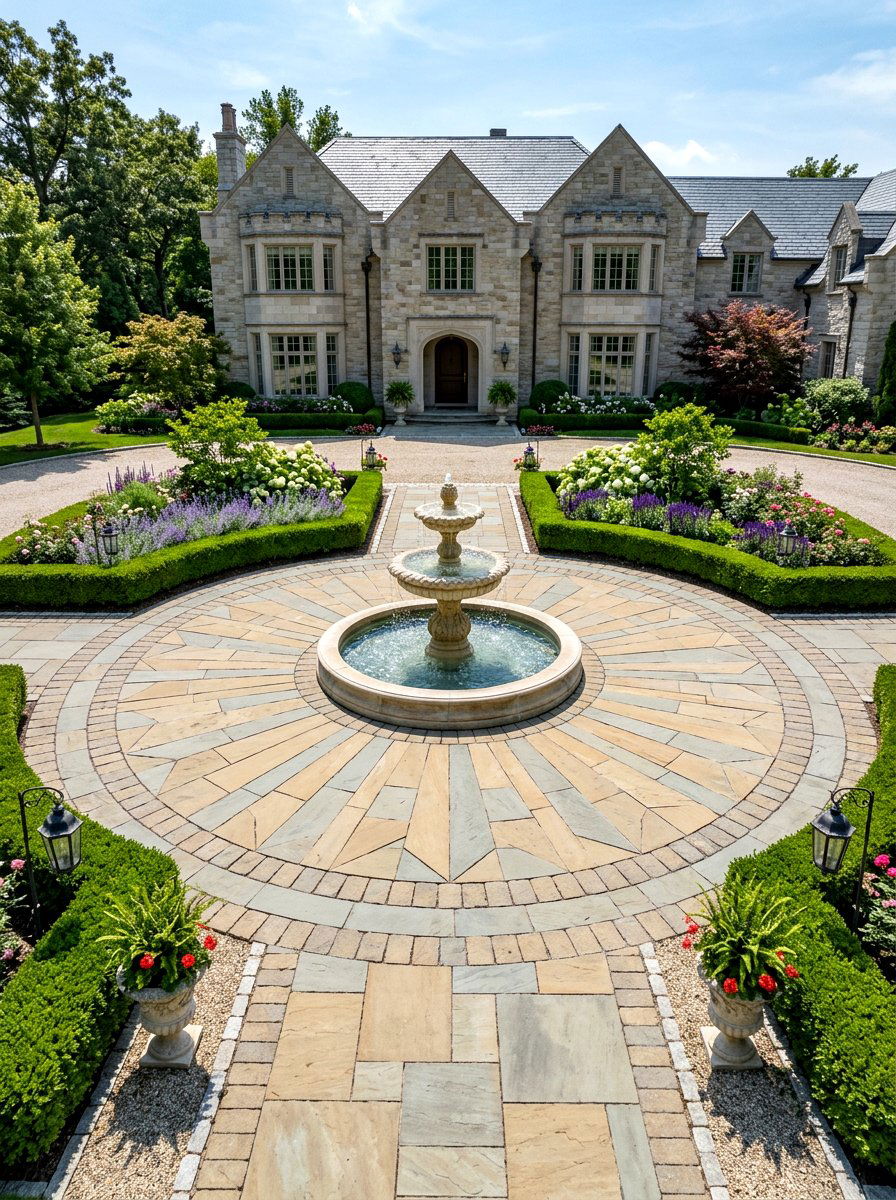
Symmetrical entry landscaping is the hallmark of formal home design, providing a sense of balance and traditional prestige. By planting identical flower beds on either side of your front path, you create a mirrored effect that draws the eye directly to the front door. This style often uses clipped boxwoods, upright junipers, or uniform rows of flowering perennials to maintain the perfect balance. It works exceptionally well with colonial, Georgian, or modern symmetrical architecture. The orderliness of the design suggests a well-kept and organized home environment. While it requires a bit more precision in maintenance to keep both sides looking identical, the resulting visual impact is incredibly powerful, professional, and very classic for any neighborhood.
22. Coastal garden walkway
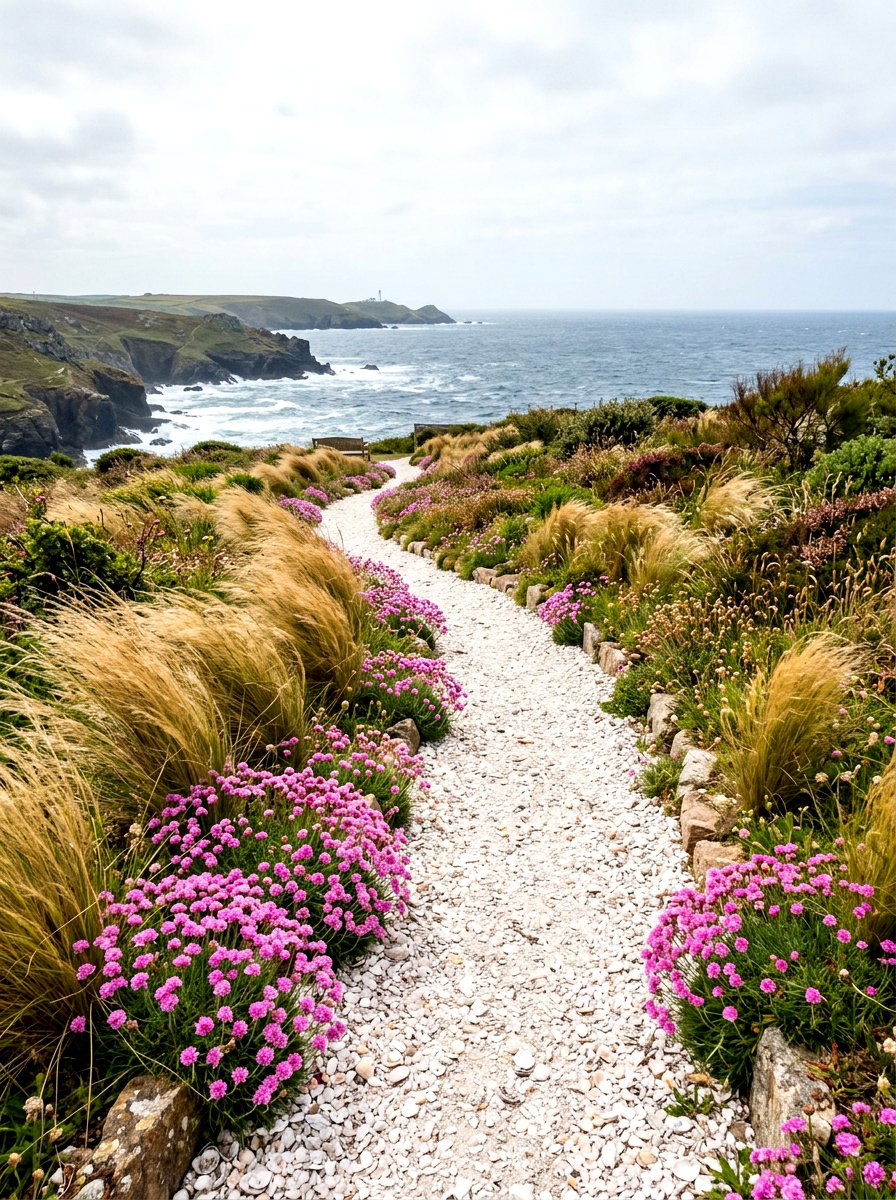
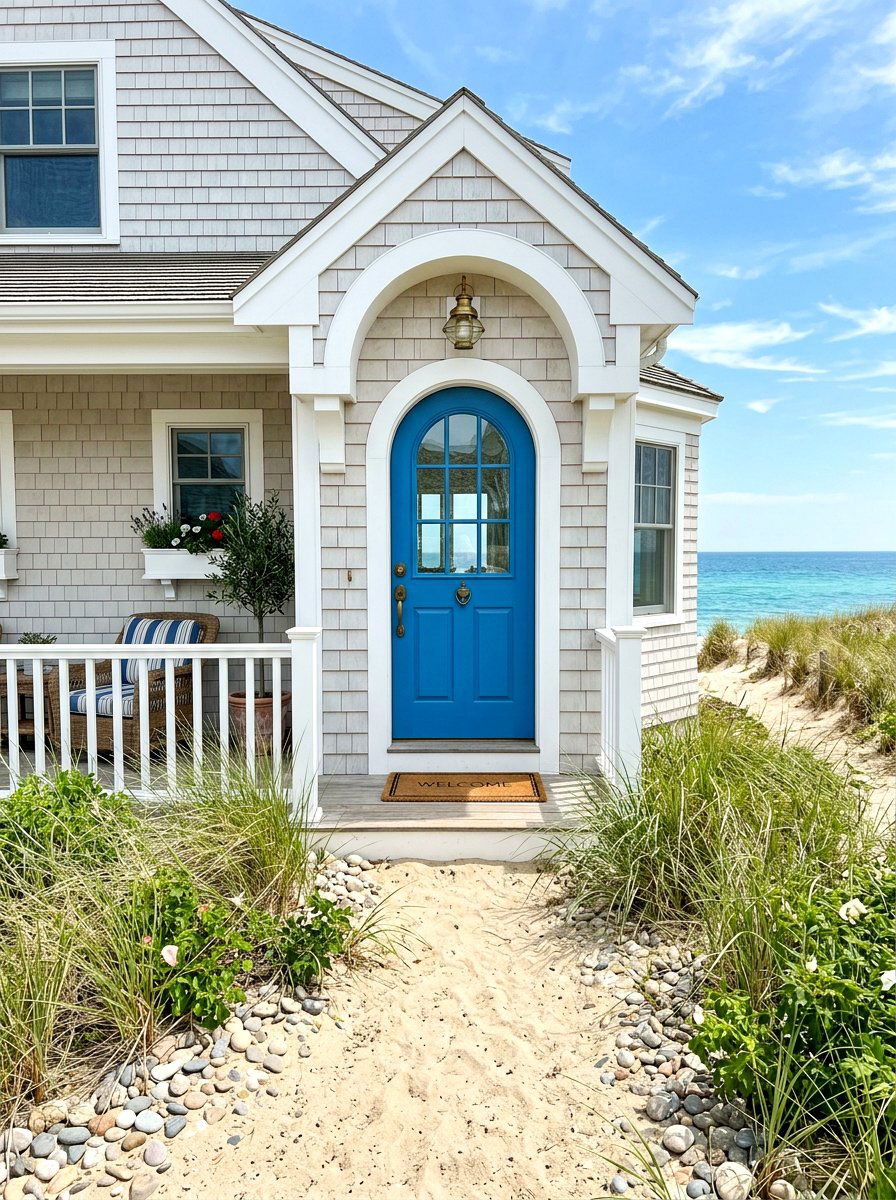
A coastal garden walkway uses hardy, salt-tolerant plants and light-colored materials to mimic the relaxed feel of the seaside. This style often incorporates ornamental grasses like Sea Oats, rugged perennials like Sea Thrift, and plenty of light-colored gravel or crushed shells. These gardens are designed to handle wind and poor soil, making them very resilient choices even if you don't actually live near the ocean. The color palette usually leans toward soft blues, sandy yellows, and crisp whites. This breezy, low-maintenance approach creates a permanent vacation vibe at your front door. It is a wonderful way to create a bright, airy entrance that feels very natural, unpretentious, and extremely easy to keep looking great.
23. Salvia flower bed
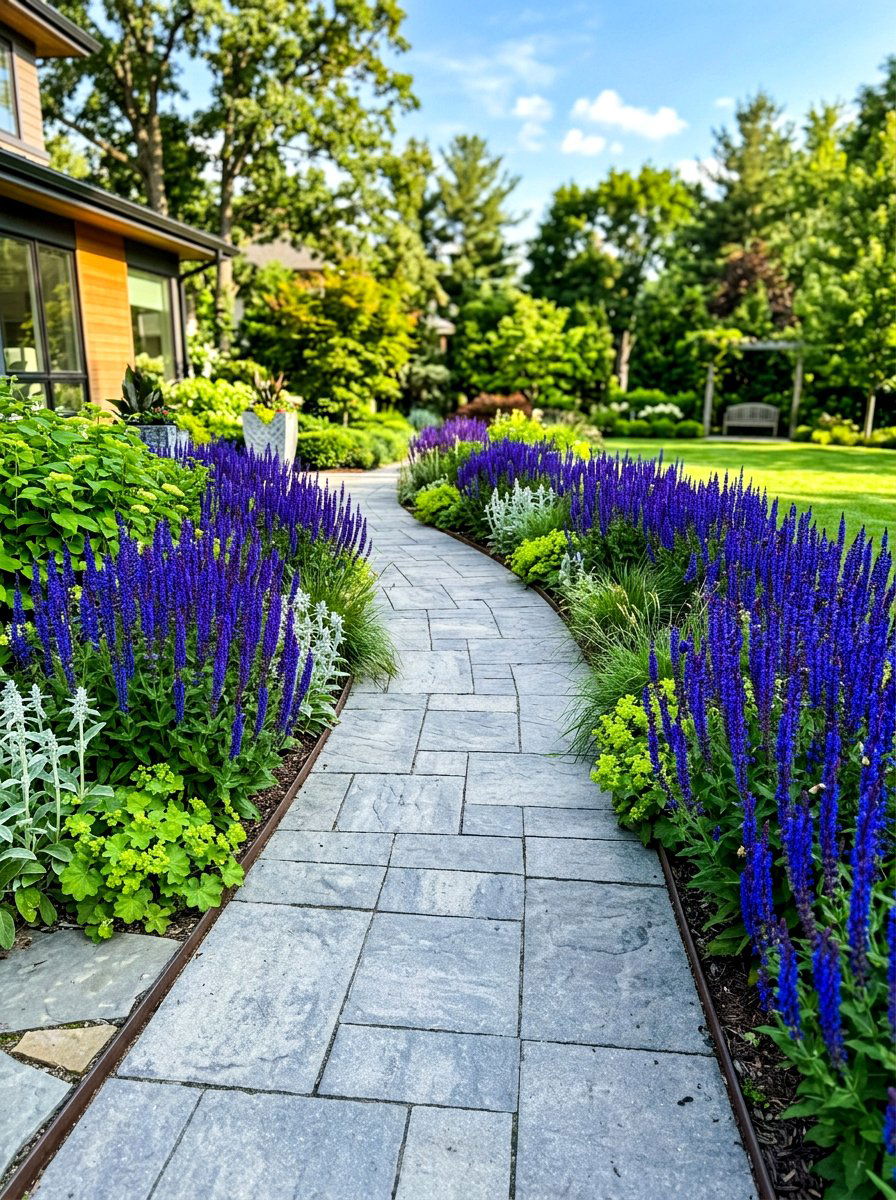
For a front path that stays colorful for months on end, a salvia flower bed is one of the most reliable options available. Salvias are known for their tall spikes of densely packed flowers in vibrant shades of blue, purple, red, and even hot pink. They are exceptionally drought-tolerant once established and are rarely bothered by deer or rabbits. Many varieties bloom from early summer all the way through the first hard frost, providing a long-lasting display that few other perennials can match. Their upright growth habit makes them excellent for lining paths without obstructing the walkway. They are also absolute magnets for hummingbirds and bees, adding delightful movement to your front yard throughout the day.
24. Daisy border path
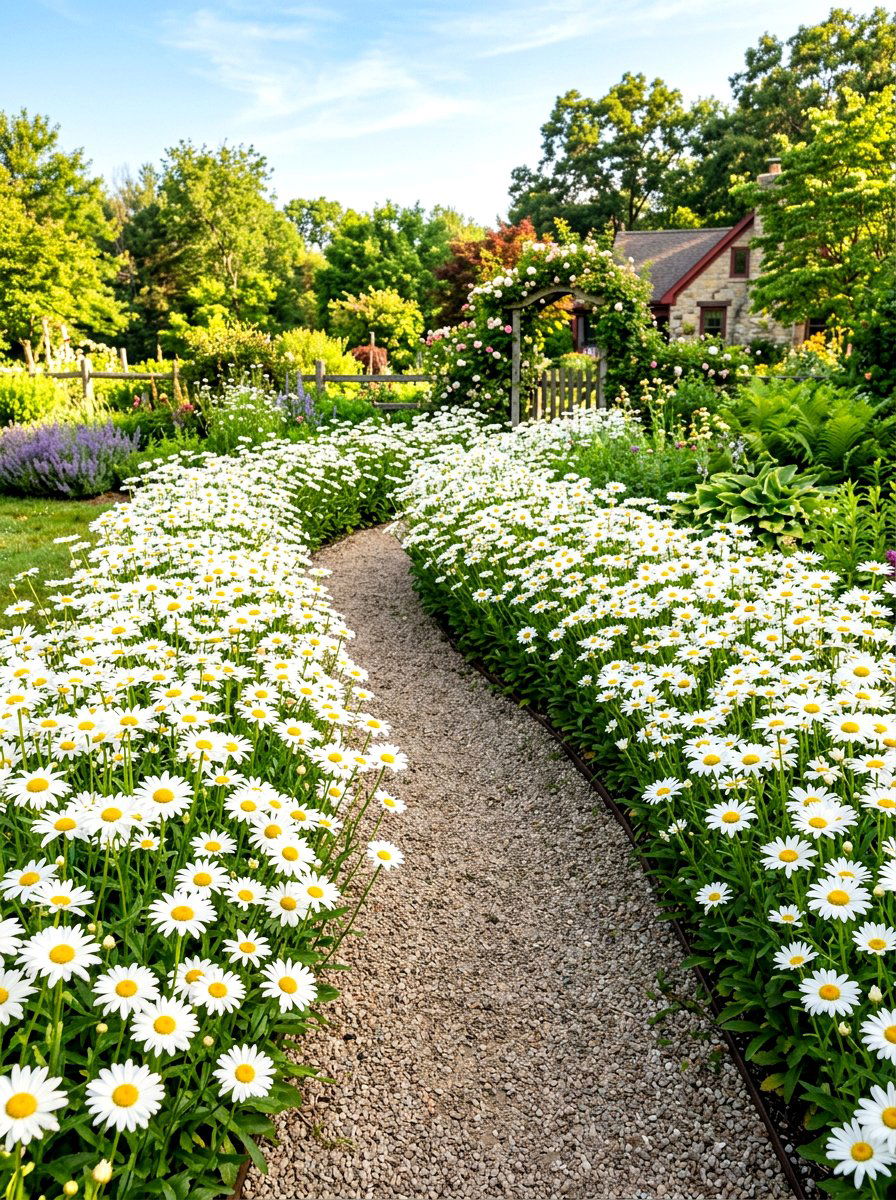
A daisy border path offers a classic, cheerful look that everyone seems to recognize and love. Whether you choose the traditional white Shasta daisy or the golden-yellow black-eyed Susan, these flowers bring a sense of simple joy to your entrance. They are incredibly hardy plants that spread easily, filling in gaps to create a thick, lush carpet of blooms. Daisies work well in both formal and informal settings and pair beautifully with almost any other flower. Their long stems also make them perfect for cutting, allowing you to bring a bit of your front garden inside the house. This friendly, approachable design style makes any home feel more welcoming and bright to those passing by.
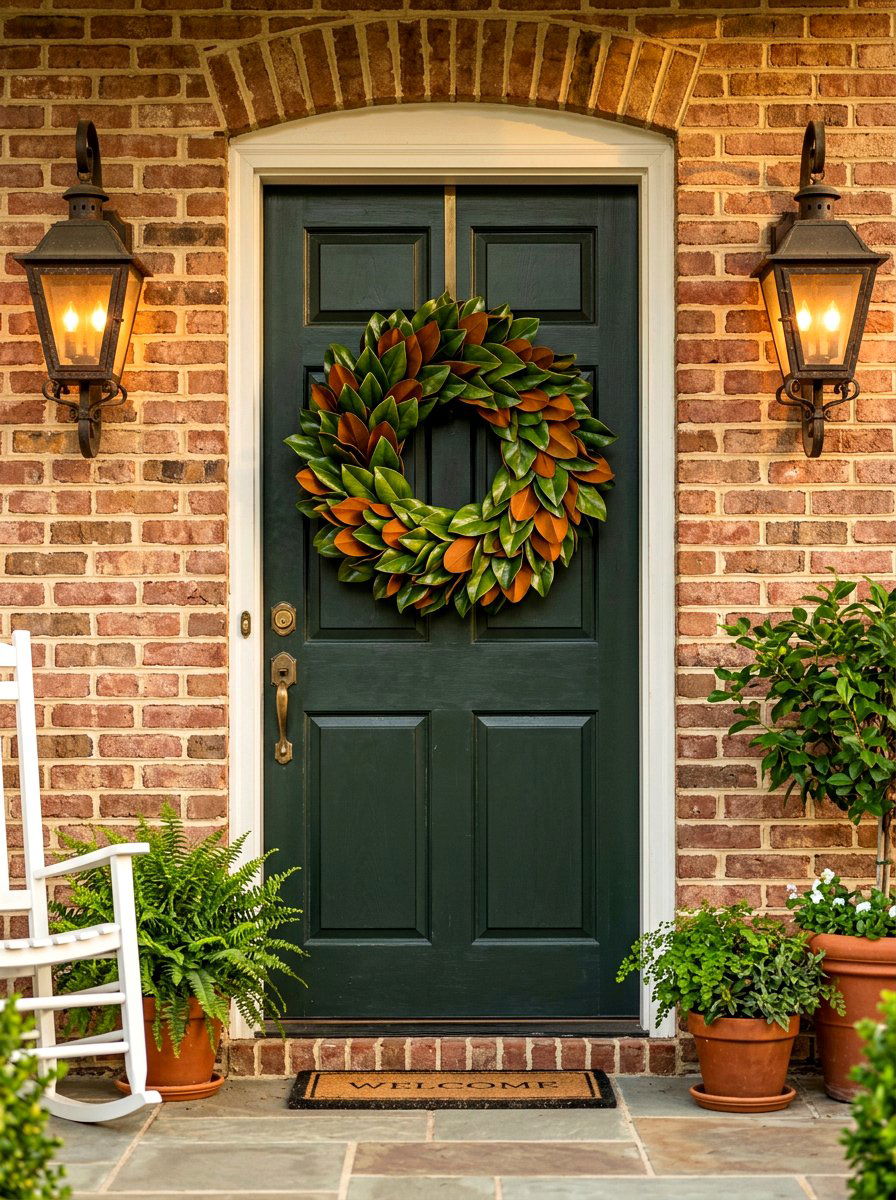
25. Evergreen garden bed

If you live in a climate with long winters, an evergreen garden bed ensures your front path never looks bleak or empty. By focusing on plants with permanent foliage, such as dwarf conifers, heathers, and hollies, you can maintain structure and color even when the ground is covered in snow. Many evergreens offer interesting textures, from the soft needles of pines to the glossy, spiny leaves of Mahonia. You can mix different shades of green, gold, and blue-grey to create a sophisticated tapestry of foliage. This approach provides a solid "backbone" for your landscape, which you can then supplement with seasonal flowers in the spring and summer for an ever-changing but always beautiful front entry.
26. Petunia walkway border
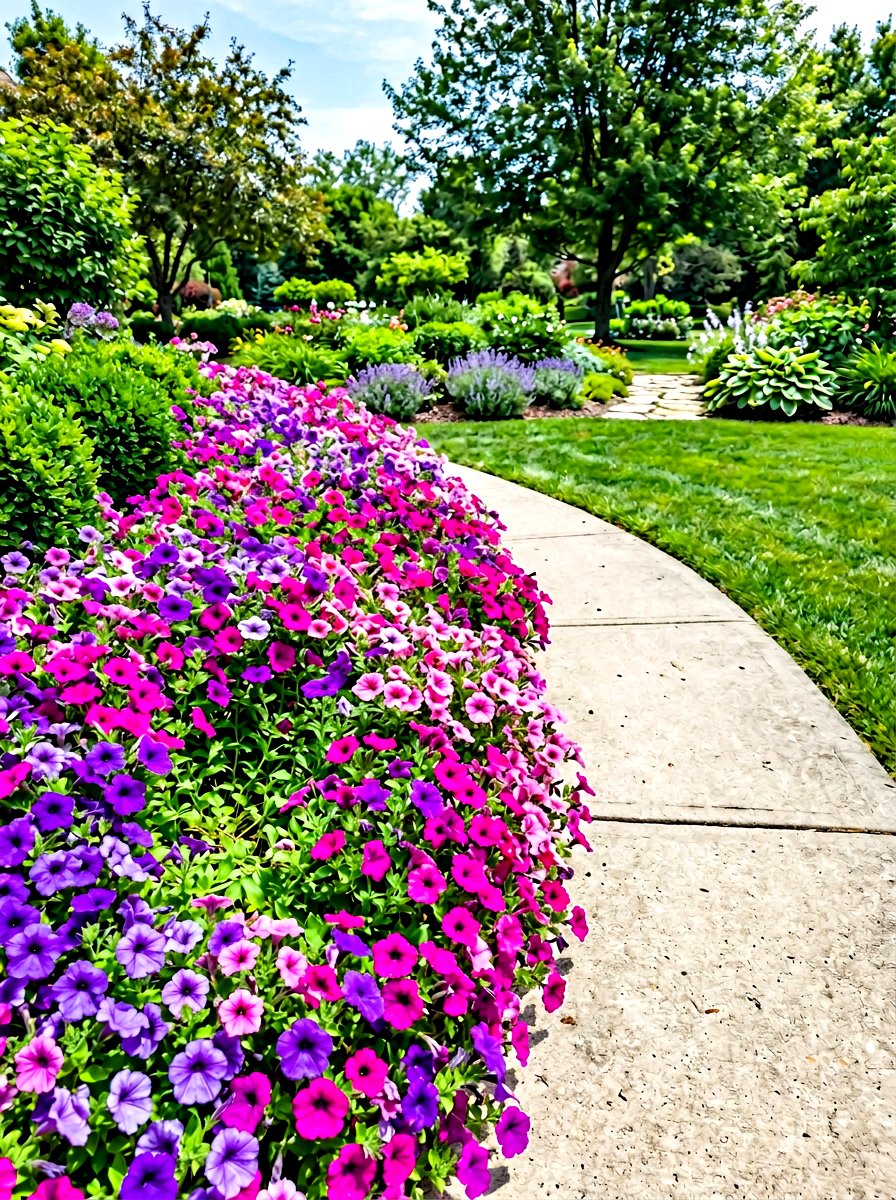
Using petunias as a walkway border is the fastest way to achieve a high-impact, "carpet of color" look during the summer. These annuals are famous for their prolific blooming and come in almost every color and pattern imaginable, including stripes and speckles. "Wave" petunias are particularly effective for paths because they spread horizontally, quickly covering the ground and spilling over edges with hundreds of flowers. While they do require regular watering and occasional fertilizing, the sheer volume of blooms they produce is unmatched. They are perfect for homeowners who want to change their look every year, as you can easily swap out the colors each spring to match your current mood or home decor.
27. Ornamental kale path
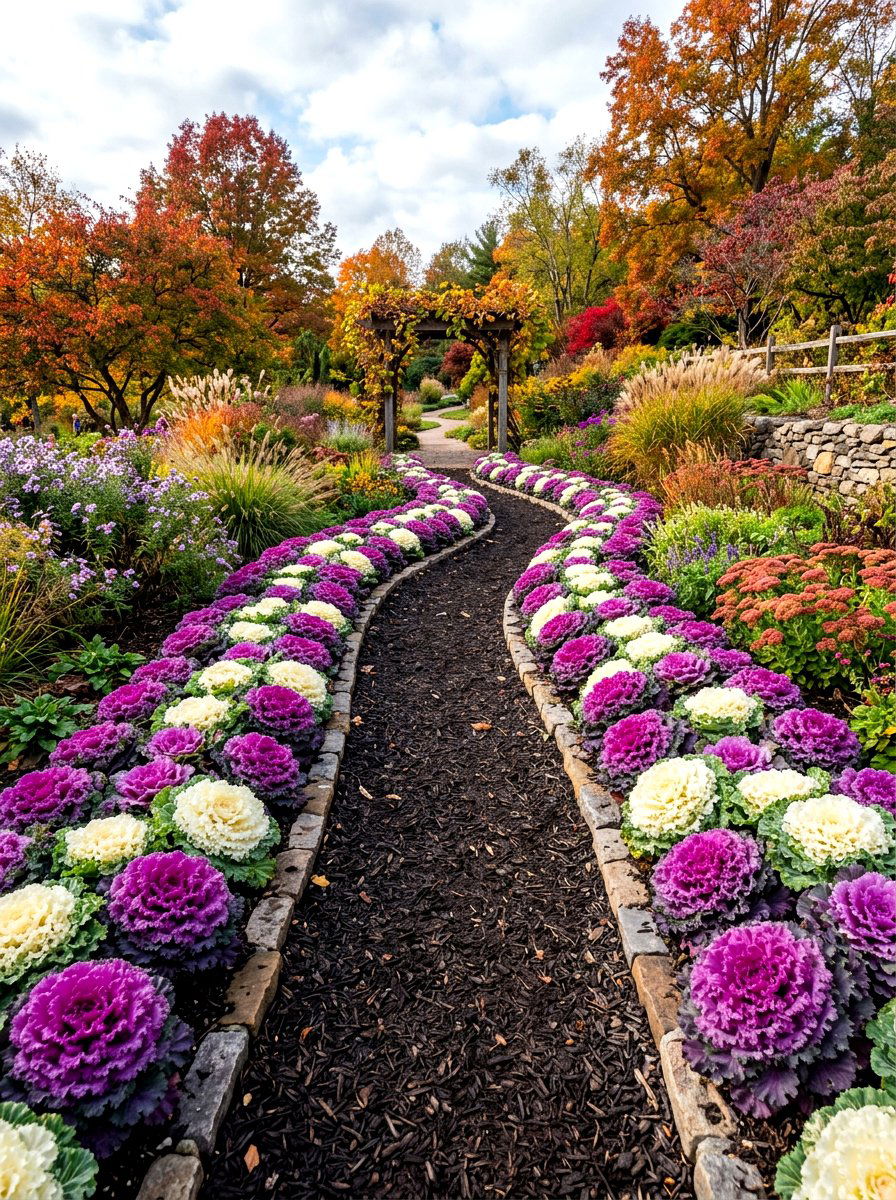
For a front path that looks stunning in the autumn and early winter, consider an ornamental kale path. These plants are grown for their spectacular ruffled leaves that turn vibrant shades of purple, pink, and white as the temperatures drop. Unlike most flowers that fade when it gets cold, ornamental kale actually becomes more colorful and beautiful after a light frost. They provide a unique, cabbage-like texture that looks very modern and high-end when planted in neat rows or clusters. Pairing them with orange pansies or decorative pumpkins creates a festive, seasonal entrance that celebrates the cooler months. It is a sophisticated way to extend your garden’s beauty long after the summer perennials have finished.
28. Fern shaded walkway
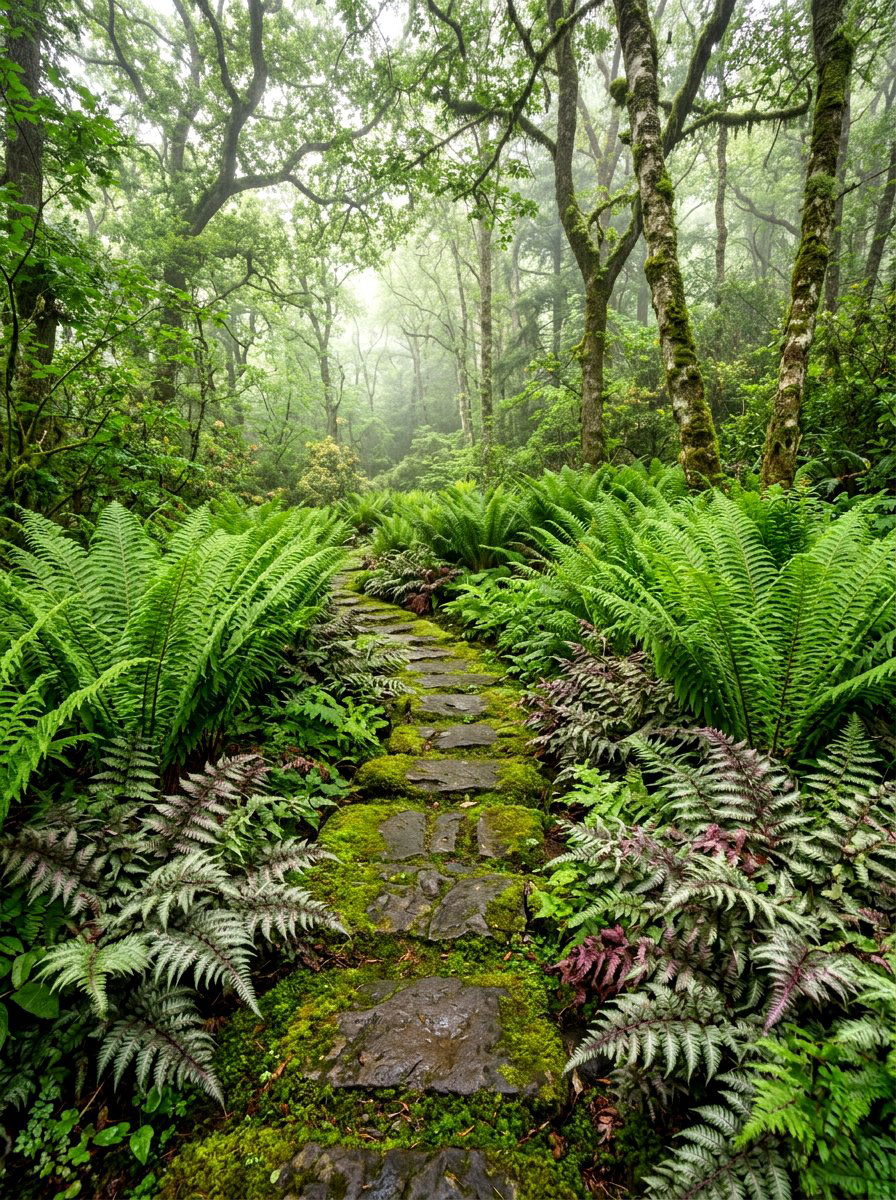
A fern shaded walkway creates a cool, lush, and tranquil atmosphere that feels like a walk through a hidden forest. Ferns like the Ostrich, Painted, or Autumn varieties offer incredibly delicate, lacy fronds that add a sense of softness and movement to a shaded front path. Their varying shades of green, silver, and copper create a subtle but deeply sophisticated color palette. Ferns thrive in moist, shady conditions where most flowering plants struggle, making them the perfect problem-solvers for north-facing entries or paths under large trees. The repetitive texture of the fronds creates a rhythmic, calming effect that makes arriving home feel like a peaceful retreat from the busy world outside.
29. Mixed shrub border
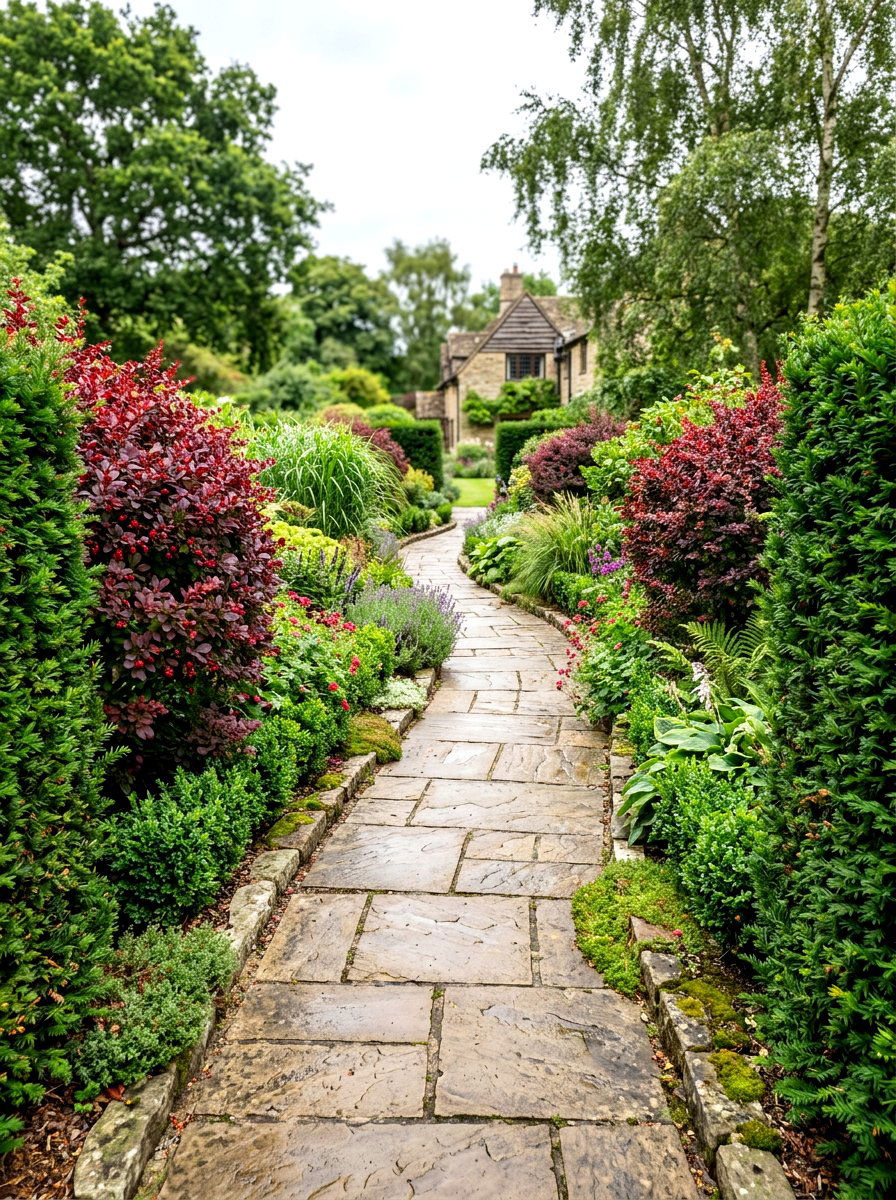
A mixed shrub border provides a permanent, low-maintenance structure that offers privacy and year-round interest for your front path. By combining different types of shrubs, such as flowering Weigela, colorful Barberry, and evergreen Yew, you create a diverse landscape that changes with the seasons. This approach is excellent for creating a "living wall" that separates your walkway from the street or a neighbor's yard. Shrubs require much less frequent attention than perennial flowers, making this an ideal choice for busy homeowners. You can select varieties that offer spring flowers, summer berries, and dramatic autumn foliage, ensuring that there is always something beautiful to look at as you walk to your door.
30. Herb garden path
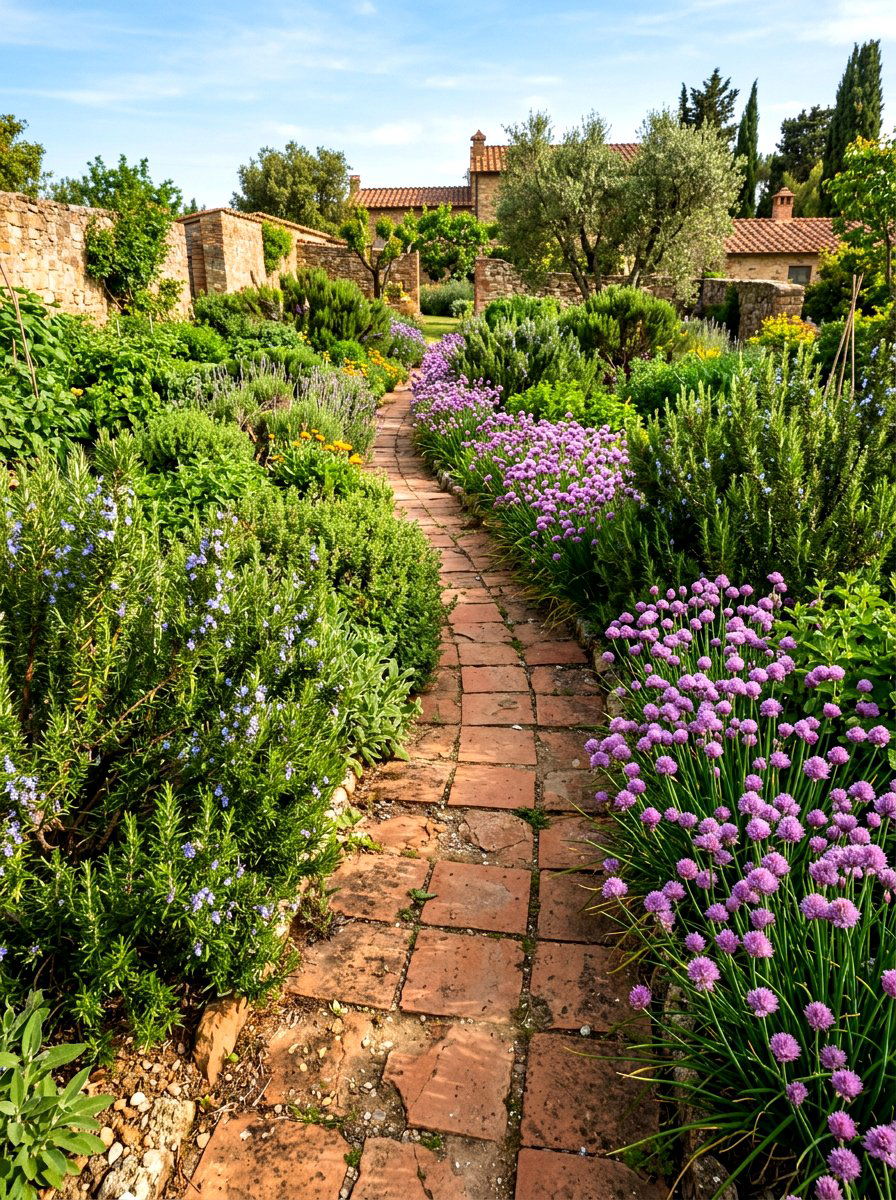
An herb garden path is a clever "edimental" design that combines beauty with practical functionality. Planting fragrant herbs like rosemary, thyme, sage, and oregano along your front walkway allows you to enjoy their wonderful scents every time you brush past them. Many herbs produce lovely flowers, such as the blue spikes of rosemary or the pink clusters of chives, which are very attractive to pollinators. Creeping thyme is an especially popular choice for planting between stepping stones, as it releases a fresh aroma when stepped upon. This type of garden is very drought-tolerant and provides you with fresh ingredients for cooking right at your doorstep. It’s a sensory, useful, and very charming way to landscape.
Conclusion:
Designing the perfect front path flower bed is a rewarding project that transforms the entire personality of your home’s exterior. By choosing a theme that resonates with your personal style and the specific conditions of your yard, you create an inviting transition from the public street to your private sanctuary. Remember to consider the mature size of your plants to ensure the path remains easy to navigate as the garden grows. A well-maintained border not only brings joy to your daily life but also serves as a gift to your neighborhood, enhancing the local environment and community beauty. With a little planning, your front path can become a stunning, year-round highlight of your property.

Related posts: