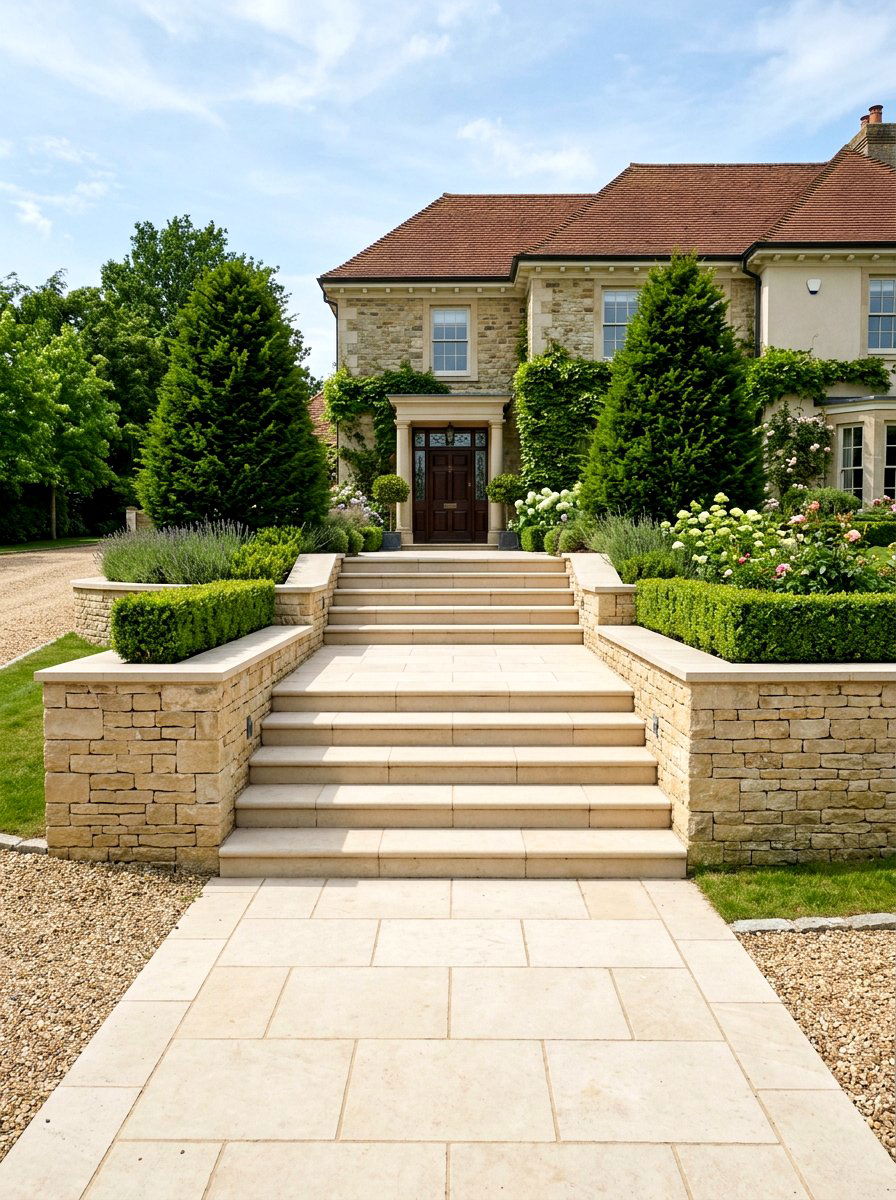
Creating a memorable first impression starts right at the edge of your property where the sidewalk meets your personal sanctuary. A front arbor serves as more than just a structural element; it acts as a literal and figurative gateway that welcomes guests into your home with style and grace. Whether you prefer the classic romance of climbing roses or the clean lines of modern steel, an arbor defines your entryway and boosts curb appeal instantly. These vertical structures add height and architectural interest to even the simplest landscapes. By choosing the right materials and plants, you can transform a plain walkway into a captivating journey toward your front door and enjoy a beautiful home.
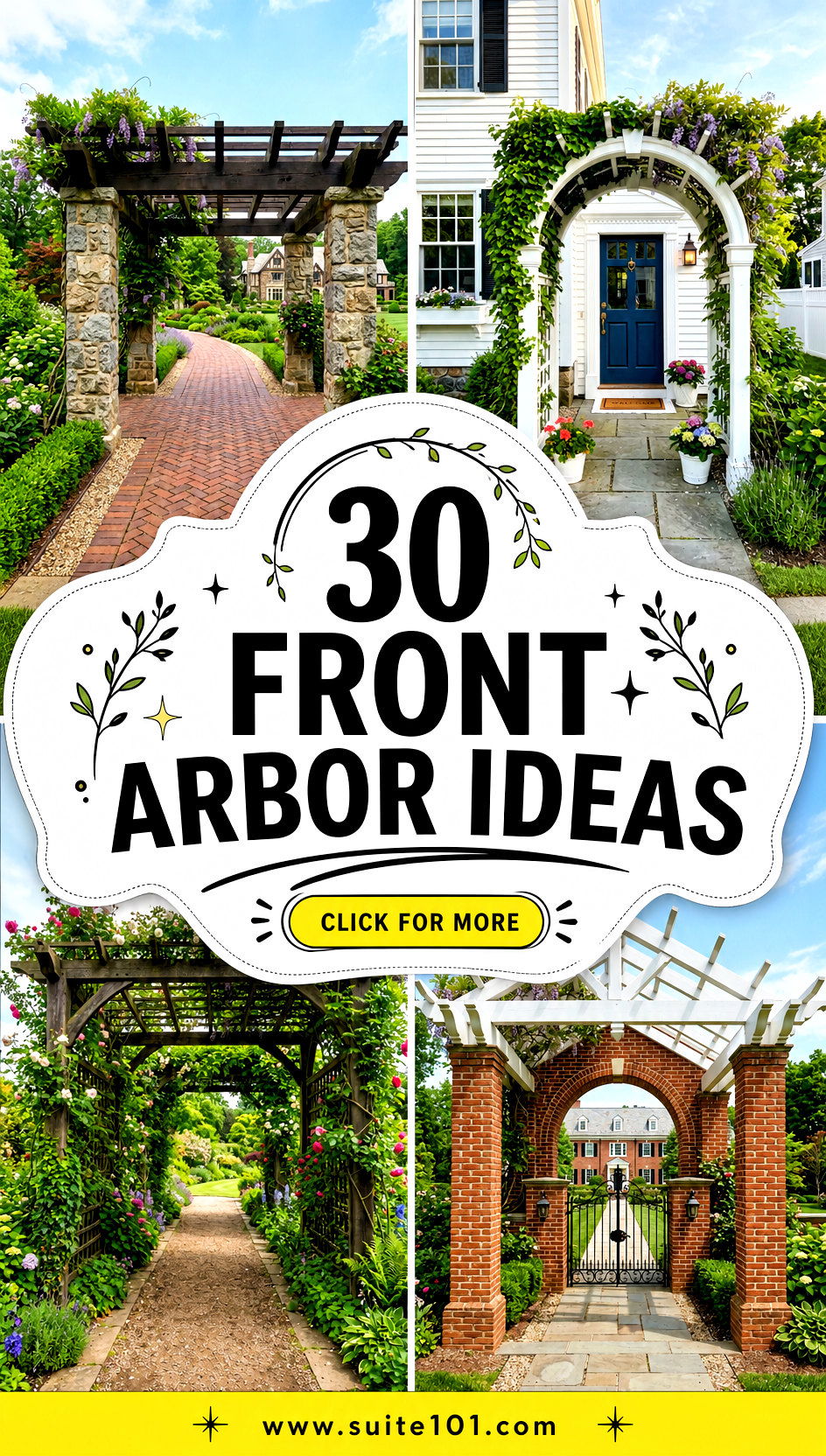
1. Wooden Arched Arbor
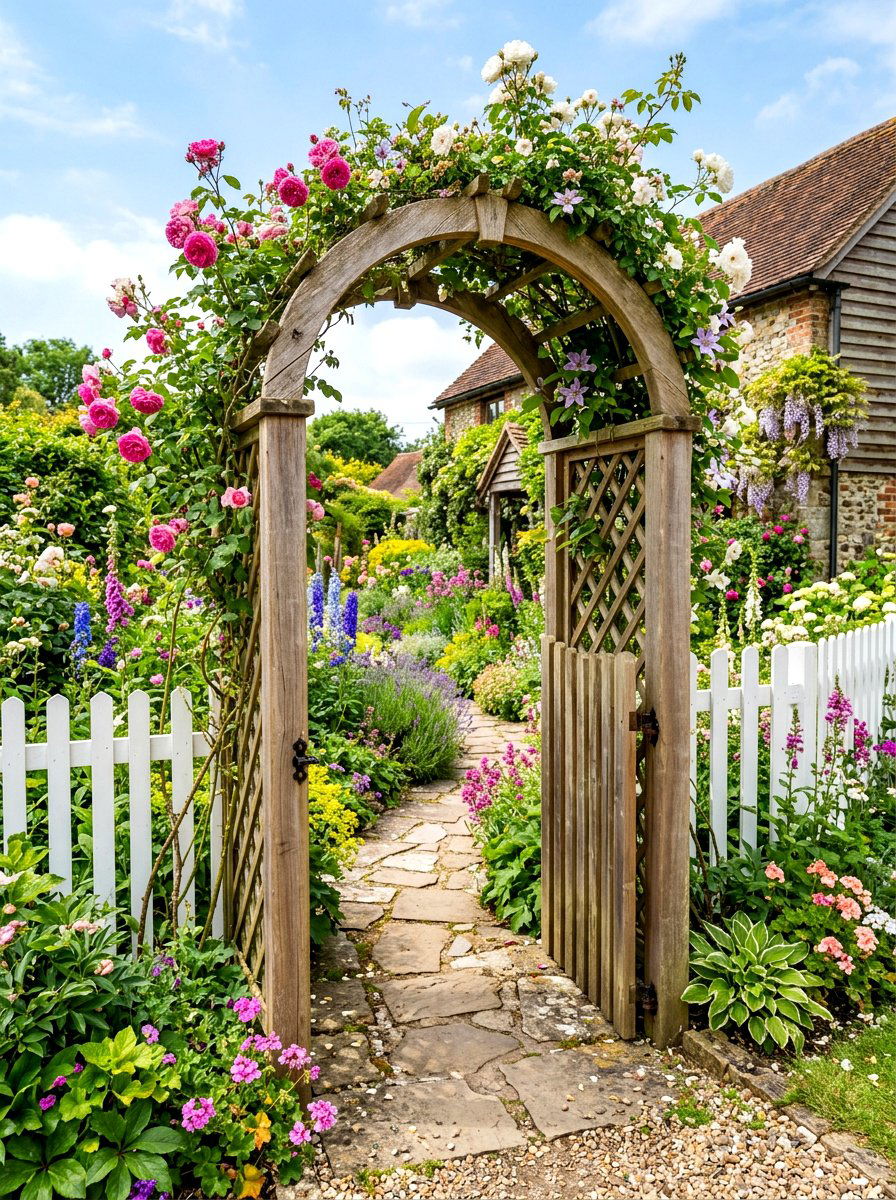
A wooden arched arbor is the quintessential choice for homeowners who want to blend natural beauty with classic architectural design. Usually crafted from durable softwoods like cedar or redwood, these structures age gracefully and develop a lovely silvery patina over time if left untreated. The soft curve of the arch provides a gentle visual contrast to the sharp, straight lines often found in house siding and rooflines. This specific style works exceptionally well when paired with a matching picket fence, creating a cohesive and traditional boundary. You can also stain the wood to match your front door, ensuring that the entryway feels like a deliberate extension of your home’s aesthetic and style.
2. White Vinyl Arbor
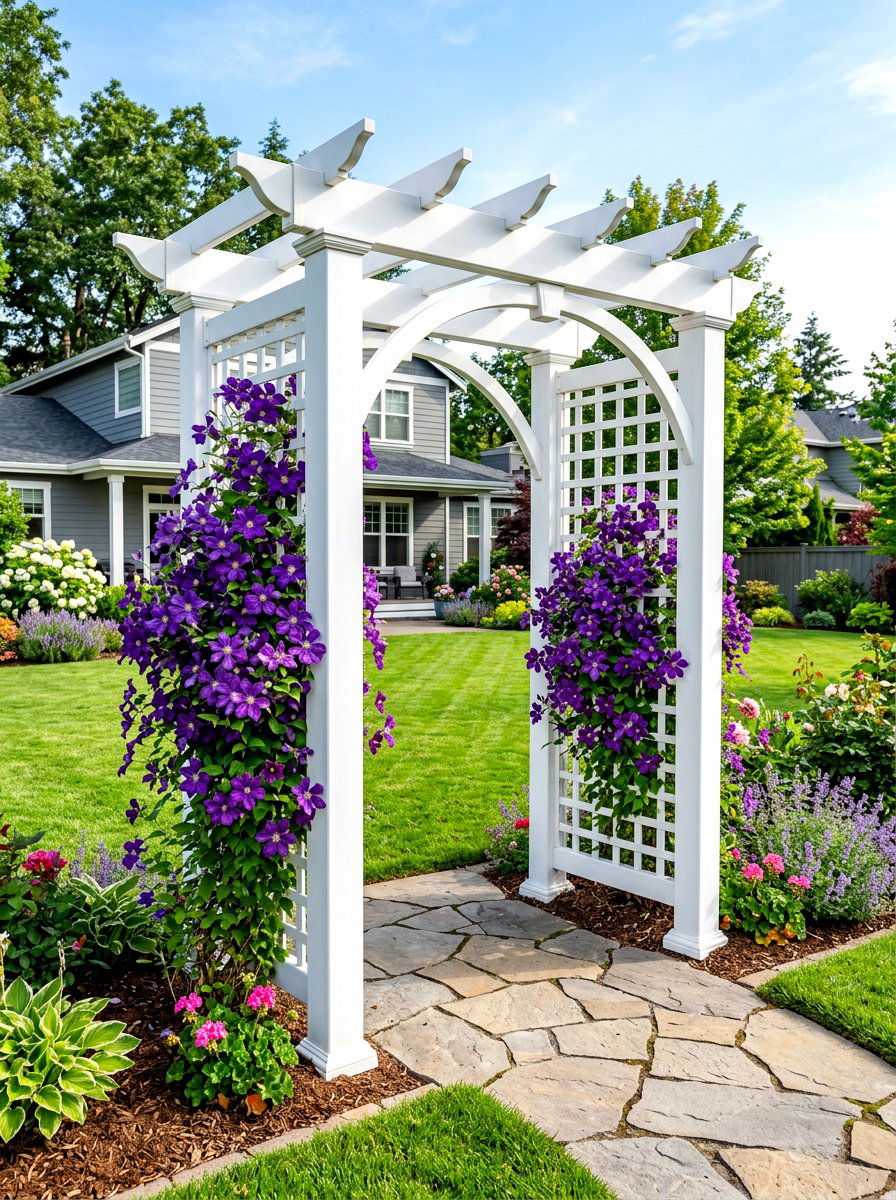
A white vinyl arbor offers a crisp and clean look that remains bright and beautiful with virtually no maintenance required throughout the year. Unlike wood, vinyl does not rot, warp, or require regular painting, making it a highly practical choice for busy homeowners who prioritize longevity. The brilliant white finish provides a stunning backdrop for vibrant green foliage and colorful blooming flowers like clematis or morning glories. This style is particularly popular for suburban front yards because it creates a polished, high-contrast look against a manicured lawn. It often includes side lattice panels that allow climbing vines to grow easily, adding a touch of natural softness to the durable and synthetic structure.
3. Black Metal Arbor
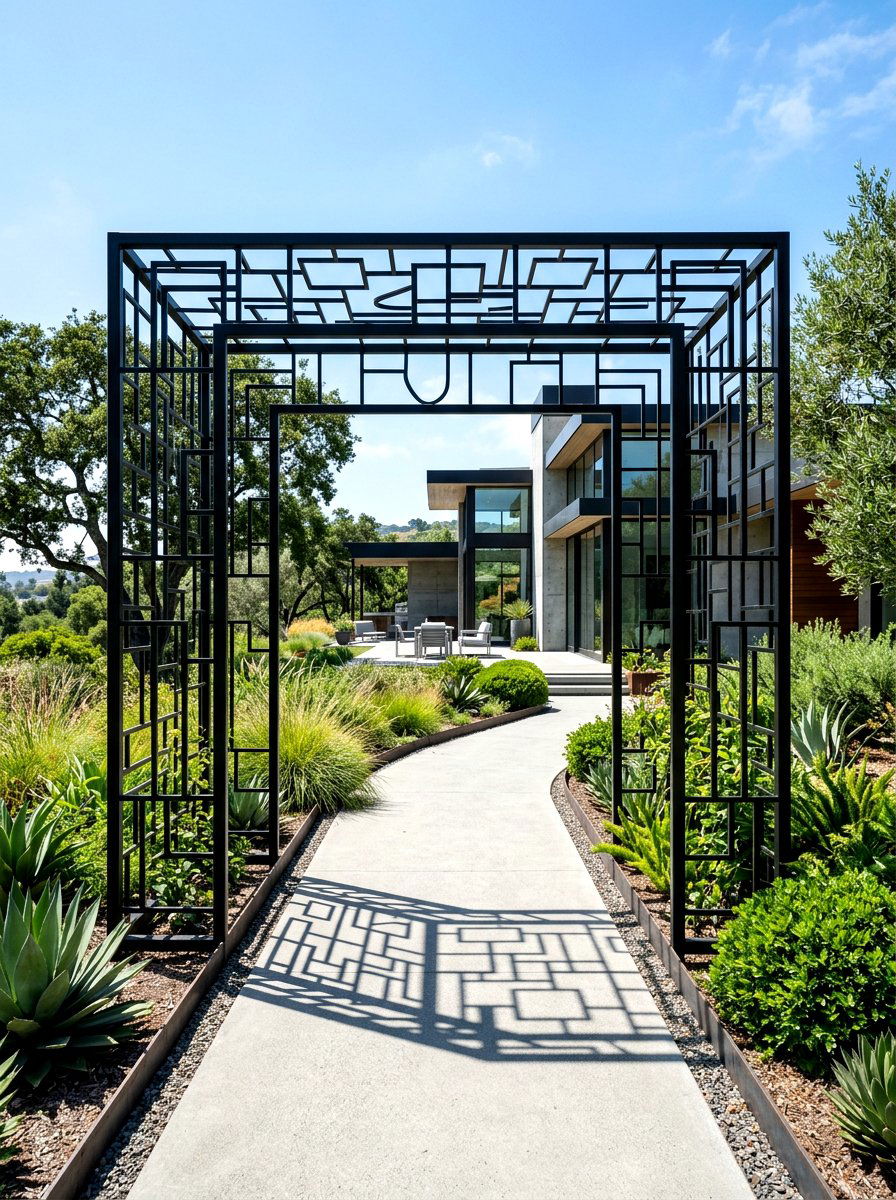
Choosing a black metal arbor is an excellent way to introduce a sophisticated and modern touch to your home’s exterior landscape. The thin, dark lines of the metal frame provide a minimalist aesthetic that does not overwhelm the surrounding garden or architectural features. This type of arbor is incredibly sturdy and can easily support heavy perennial vines like wisteria or trumpet creeper. Because metal is sleek and often features geometric patterns, it fits perfectly with contemporary or industrial home designs. It creates a bold frame for your front walkway, acting as a striking focal point that draws the eye directly toward the entrance with elegance and architectural strength.
4. Cedar Entryway Pergola
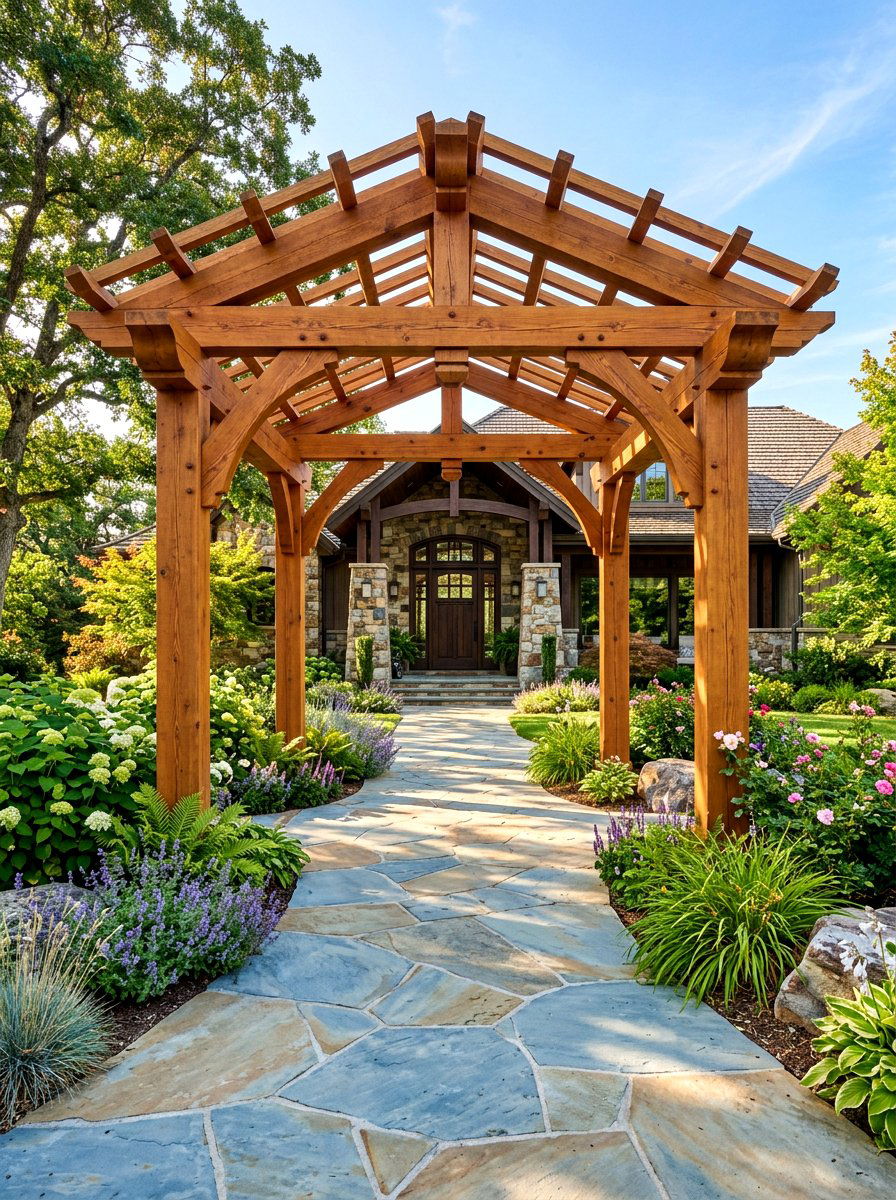
A cedar entryway pergola provides a substantial and high-end feel to the front of any residence, offering a flat-topped alternative to traditional arches. The thick timber beams and rafters create a sense of permanence and architectural depth that enhances the overall value of the property. Cedar is naturally resistant to insects and decay, making it one of the best materials for outdoor structures that must withstand the elements. When positioned directly over the front walkway, a pergola creates a shaded transition zone that feels like an outdoor foyer. You can leave the wood natural for a rustic look or apply a dark stain for a modern, luxurious finish.
5. Rose Covered Arbor
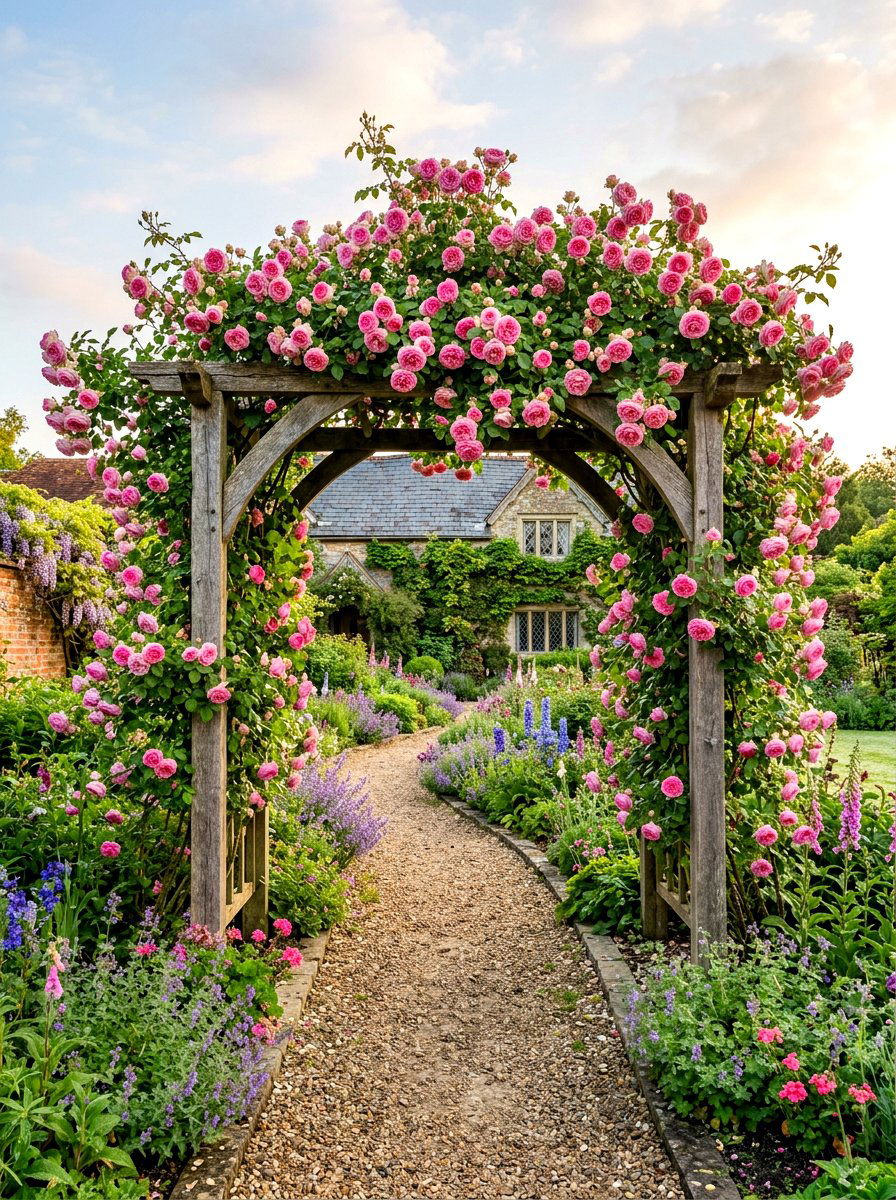
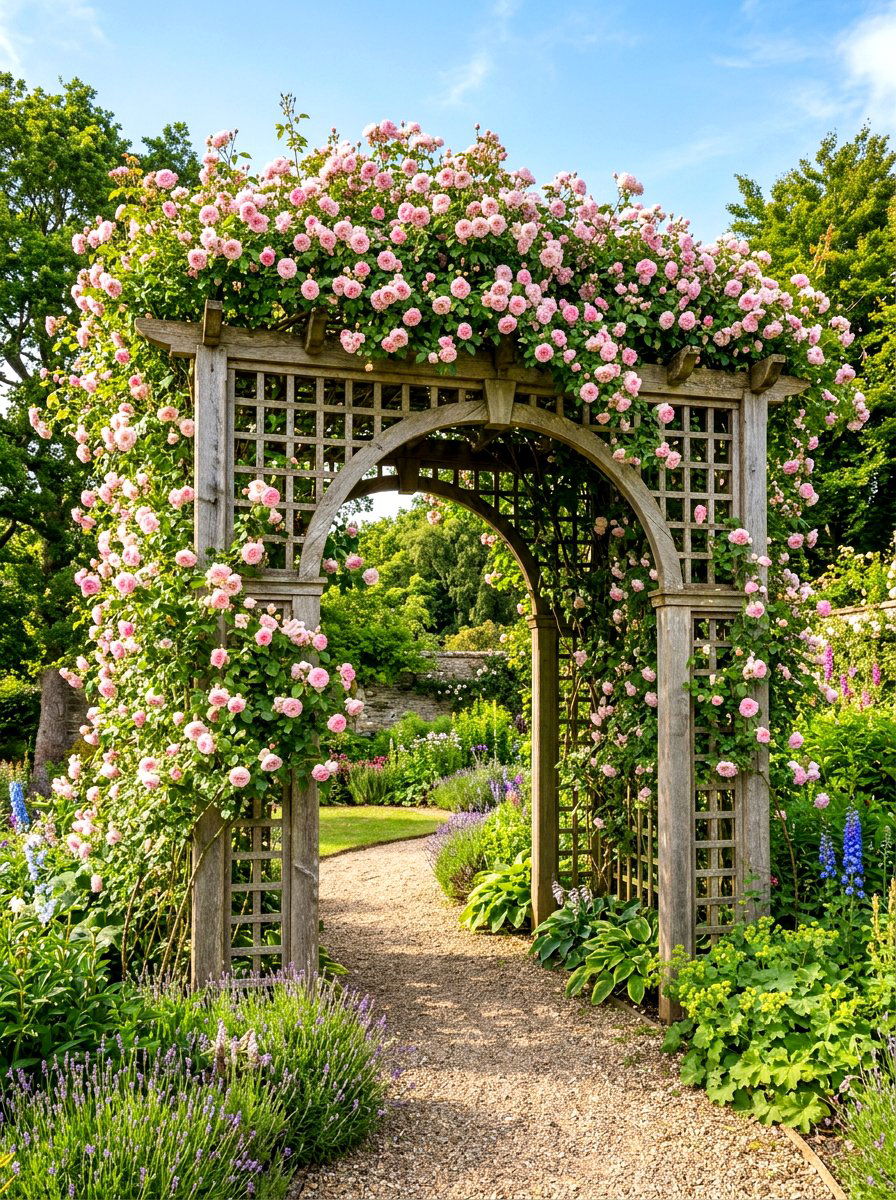
A rose covered arbor is perhaps the most romantic and timeless feature you can add to a front garden landscape. By training climbing roses to grow over a sturdy frame, you create a fragrant and colorful tunnel that delights the senses of everyone who enters. This design is perfect for cottage-style homes where lush, overflowing greenery is the primary goal of the landscaping. During the peak blooming season, the structure becomes almost invisible beneath a canopy of thick blossoms and green leaves. It is important to choose a variety of roses known for their climbing habits and disease resistance to ensure the arbor looks healthy and vibrant.
6. Stone Pillar Arbor
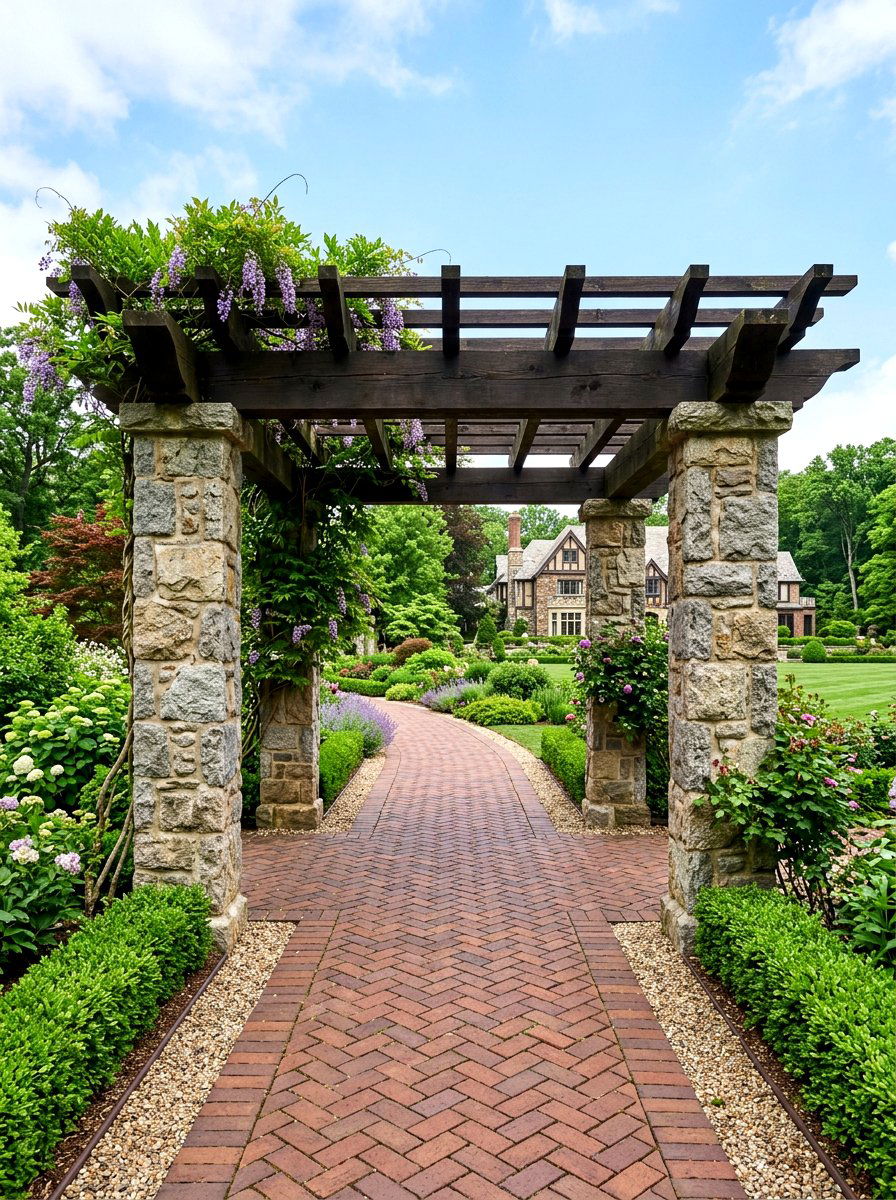
A stone pillar arbor combines the rugged strength of masonry with the delicate beauty of wood or metal overhead crossbeams. By using heavy stone or brick bases, this structure gains a massive sense of scale and importance that mimics the grandeur of historical estates. It is a fantastic choice for homes with stone accents or traditional brickwork, as it creates a visual bridge between the house and the garden. The heavy pillars provide unmatched stability, allowing for a much wider span than typical lightweight arbors. This design effectively anchors the corners of a front walkway, making the entrance feel grounded, secure, and incredibly well-crafted for visitors.
7. Wisteria Climbing Arbor
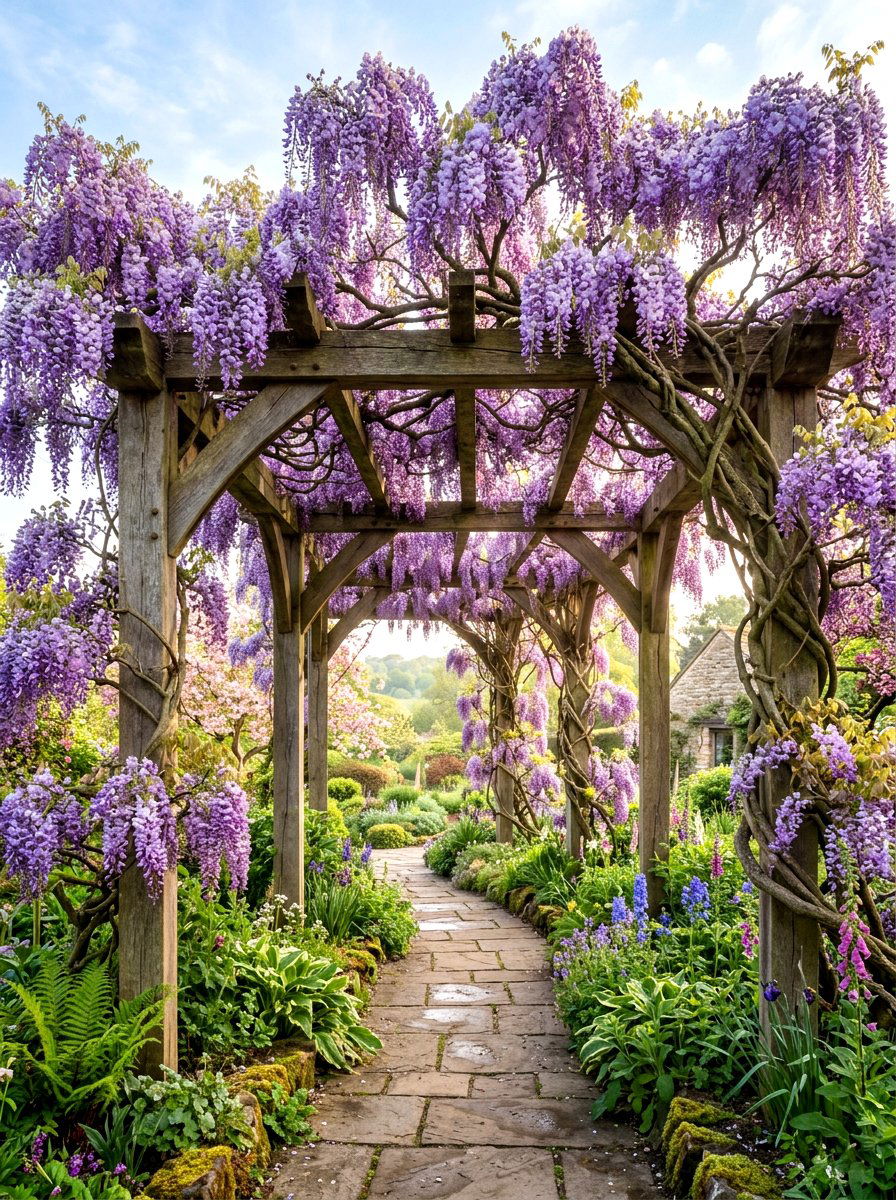
Integrating a wisteria climbing arbor into your front yard creates a dramatic and ethereal entrance that feels like something out of a fairy tale. Known for its cascading clusters of purple or white flowers, wisteria is a vigorous grower that quickly covers a large structure with lush foliage. Because the vines can become very heavy and woody over time, it is essential to use a reinforced arbor made of thick timber or heavy-duty steel. The downward-hanging blooms create a beautiful ceiling effect for anyone walking underneath, providing shade and a sweet fragrance. This design is ideal for homeowners who want a high-impact, seasonal display of natural beauty.
8. Rustic Log Arbor
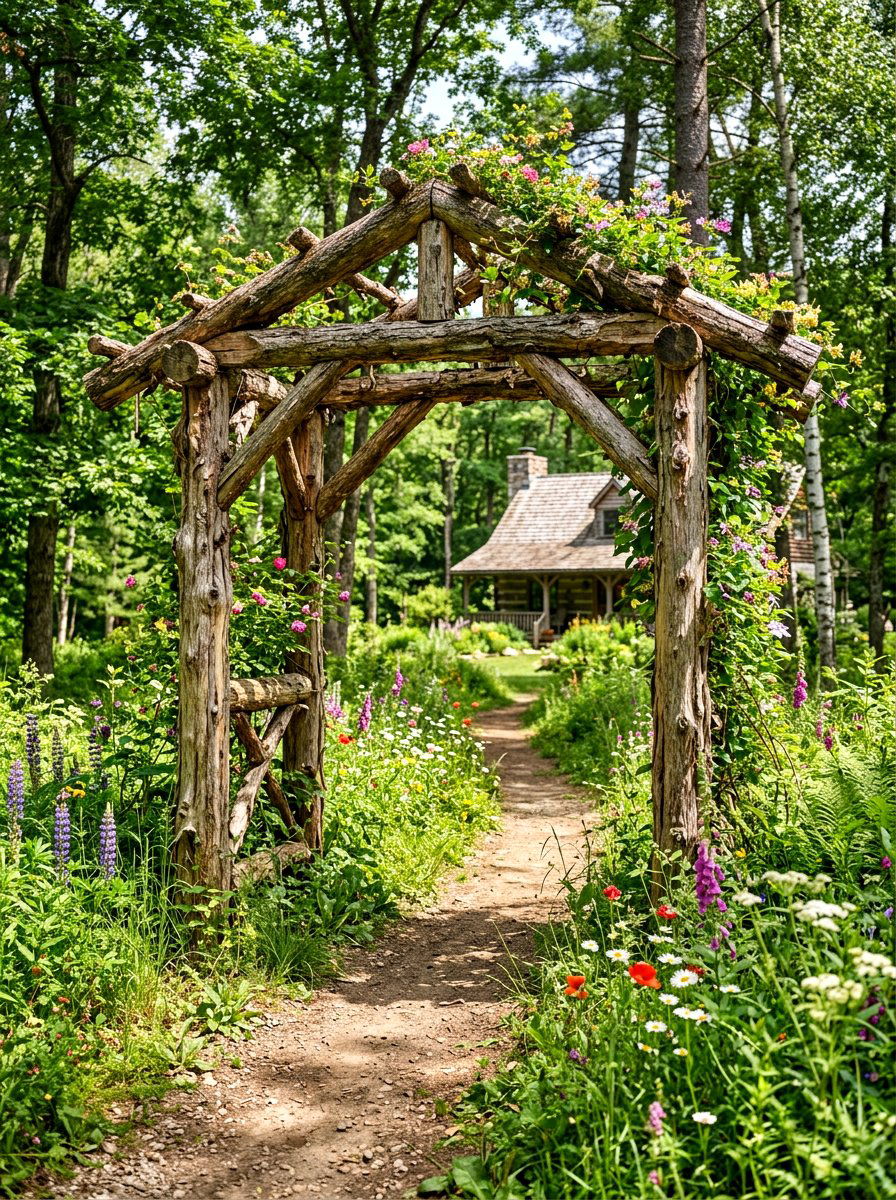
A rustic log arbor is the perfect solution for homes located in wooded areas, mountains, or those following a farmhouse aesthetic. Constructed from unpeeled logs or rough-hewn timber, this structure emphasizes organic shapes and raw textures that blend seamlessly with a natural environment. It avoids the polished look of manufactured kits, instead offering a handcrafted charm that feels authentic and grounded. This style of arbor looks best when surrounded by native plants, wildflowers, and stone paths rather than formal manicured lawns. It provides a rugged yet welcoming transition into the property, highlighting a love for nature and the simplicity of traditional outdoor building techniques.
9. Asian Style Arbor
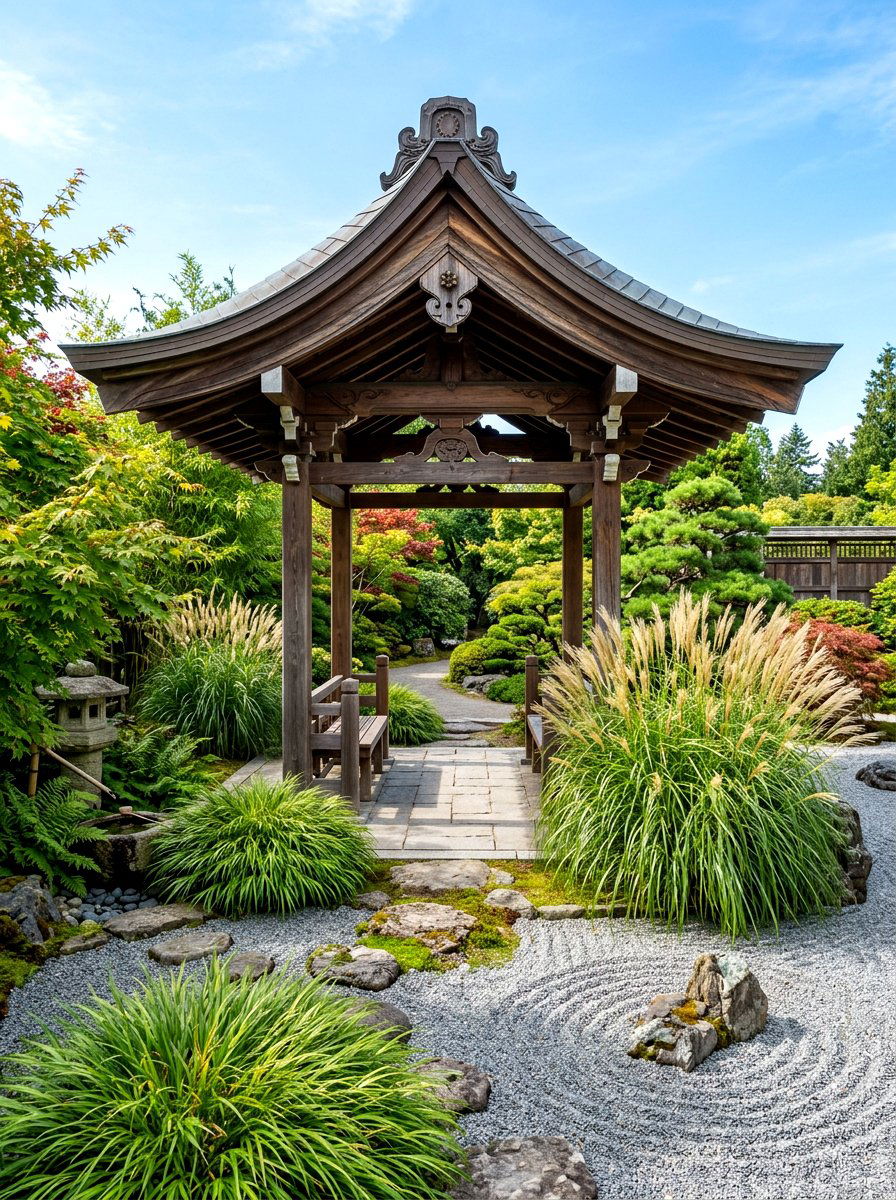
An Asian style arbor, often inspired by Japanese Torii gates or Zen garden design, brings a sense of tranquility and balance to the front yard. These structures typically feature clean horizontal lines and flared rafters, creating a unique silhouette that stands out from more common Western designs. They are often painted in bold colors like red or black, or left in a dark, natural wood finish to emphasize their structural purity. Placing this type of arbor at the start of a gravel path creates a meditative entrance that encourages visitors to slow down and appreciate the surrounding landscape. It works beautifully with maples and ornamental grasses.
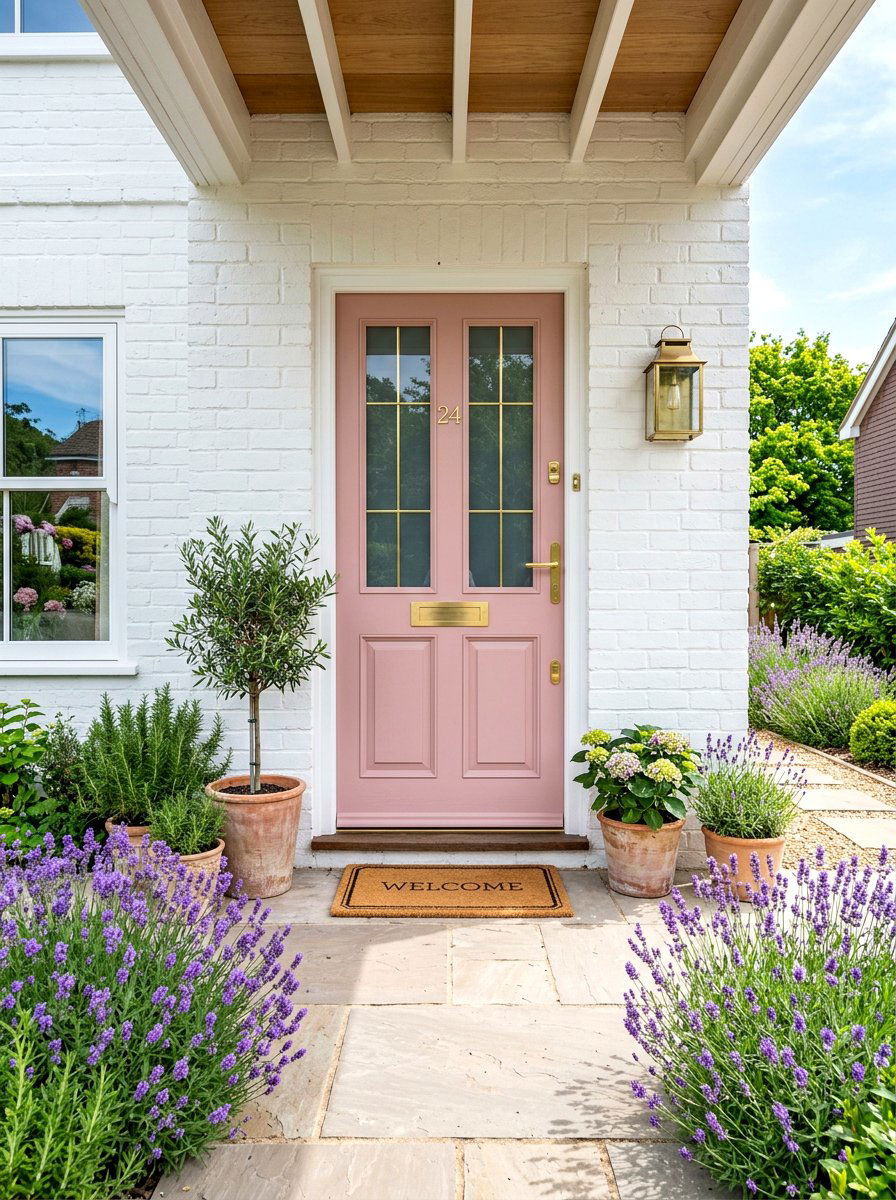
10. Attached House Arbor
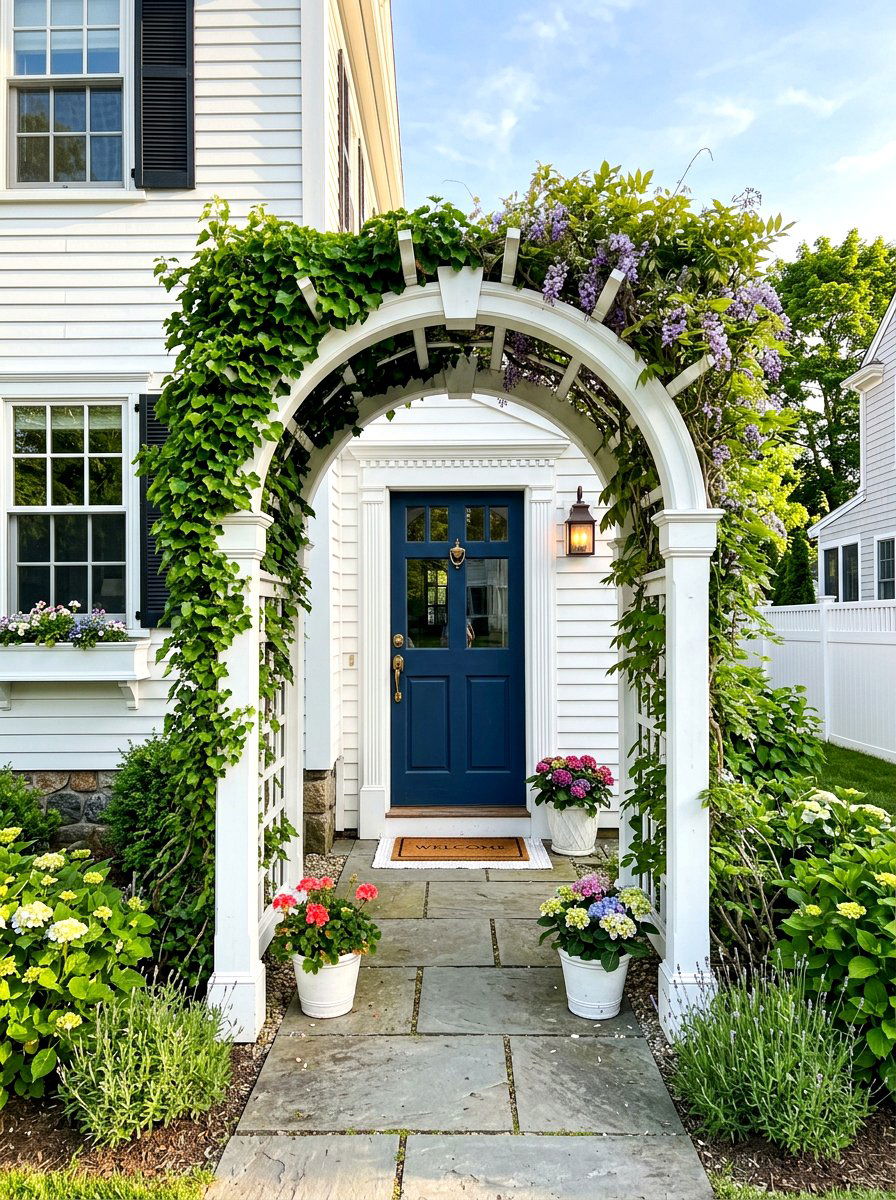
An attached house arbor is built directly onto the facade of the home, typically framing the front door or a large window. This design functions similarly to an awning but uses an open-roof structure to support climbing plants and add architectural interest. It is a space-saving solution for small front yards where a freestanding structure might feel too crowded or out of scale. By connecting the arbor to the house, you create a seamless flow between the building and the garden. This style is excellent for adding vertical greenery to a flat exterior wall, softening the appearance of the siding with living vines and seasonal flowers.
11. Driveway Entry Arbor
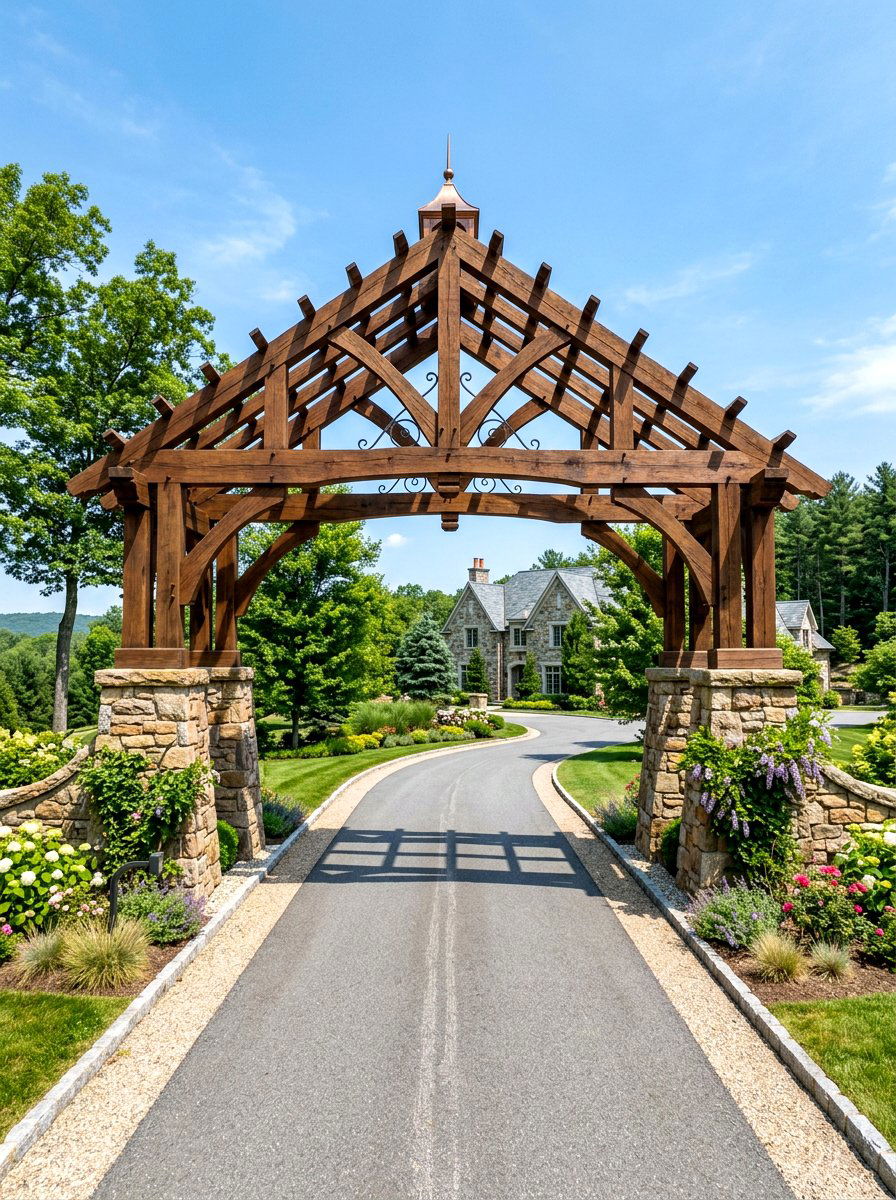
A driveway entry arbor is a large-scale structure designed to span the width of a vehicle entrance, creating a grand sense of arrival. Because of its significant size, it often serves as the primary landmark for a property, making the home easy to identify from the street. These arbors must be built with heavy-duty materials to ensure they can handle the wide span without sagging over time. They are often flanked by low walls or pillars to further define the boundary of the estate. Adding a driveway arbor instantly elevates the curb appeal of a home, giving it a prestigious and well-kept appearance that is very welcoming.
12. Gated Front Arbor
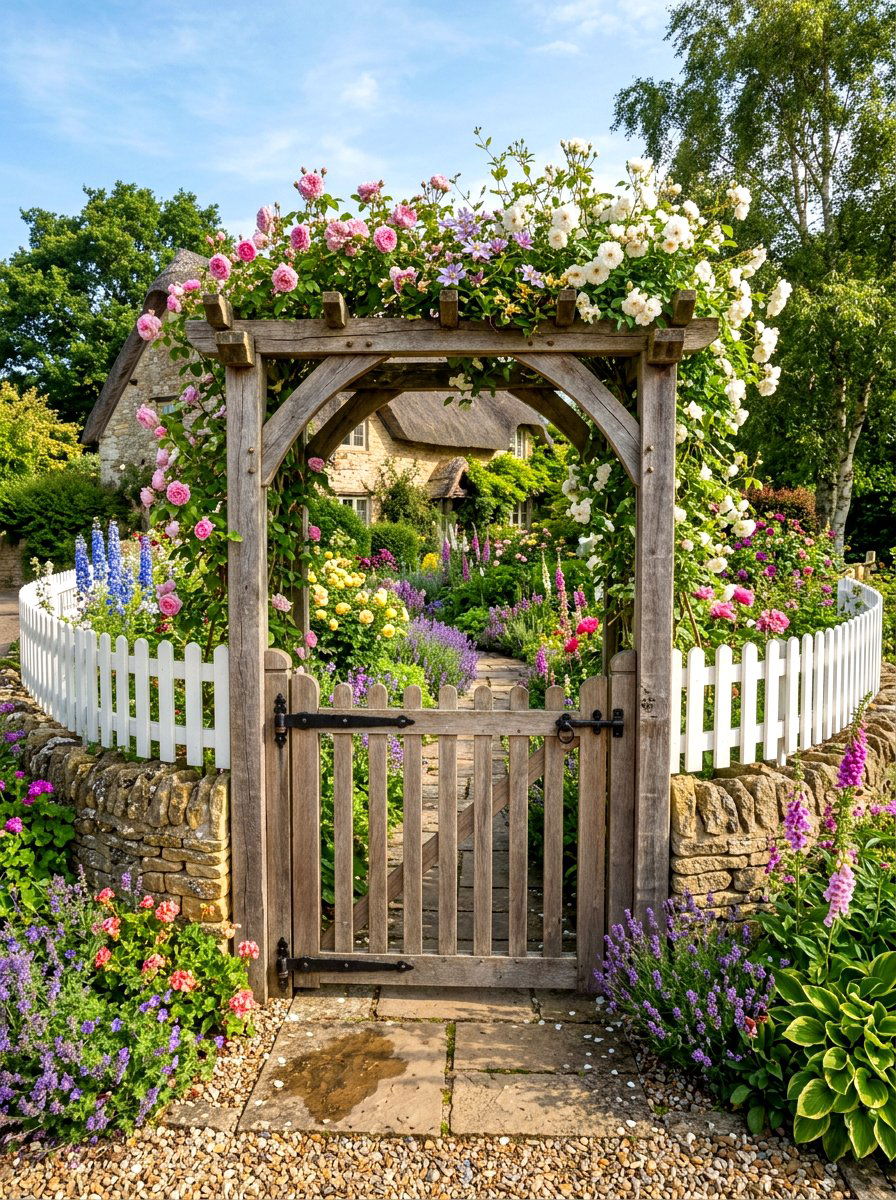
A gated front arbor combines the vertical beauty of an arch with the functional security of a swinging garden gate. This design is perfect for homeowners who have a fenced-in front yard and want a clear, attractive point of entry for guests. The gate adds a layer of privacy and charm, reminiscent of classic English garden designs. You can choose a gate that matches the arbor material or use a contrasting metal gate for a more decorative look. This combination not only guides people toward the front door but also keeps pets or children safely contained while providing a picturesque frame for the house behind it.
13. Wrought Iron Arbor
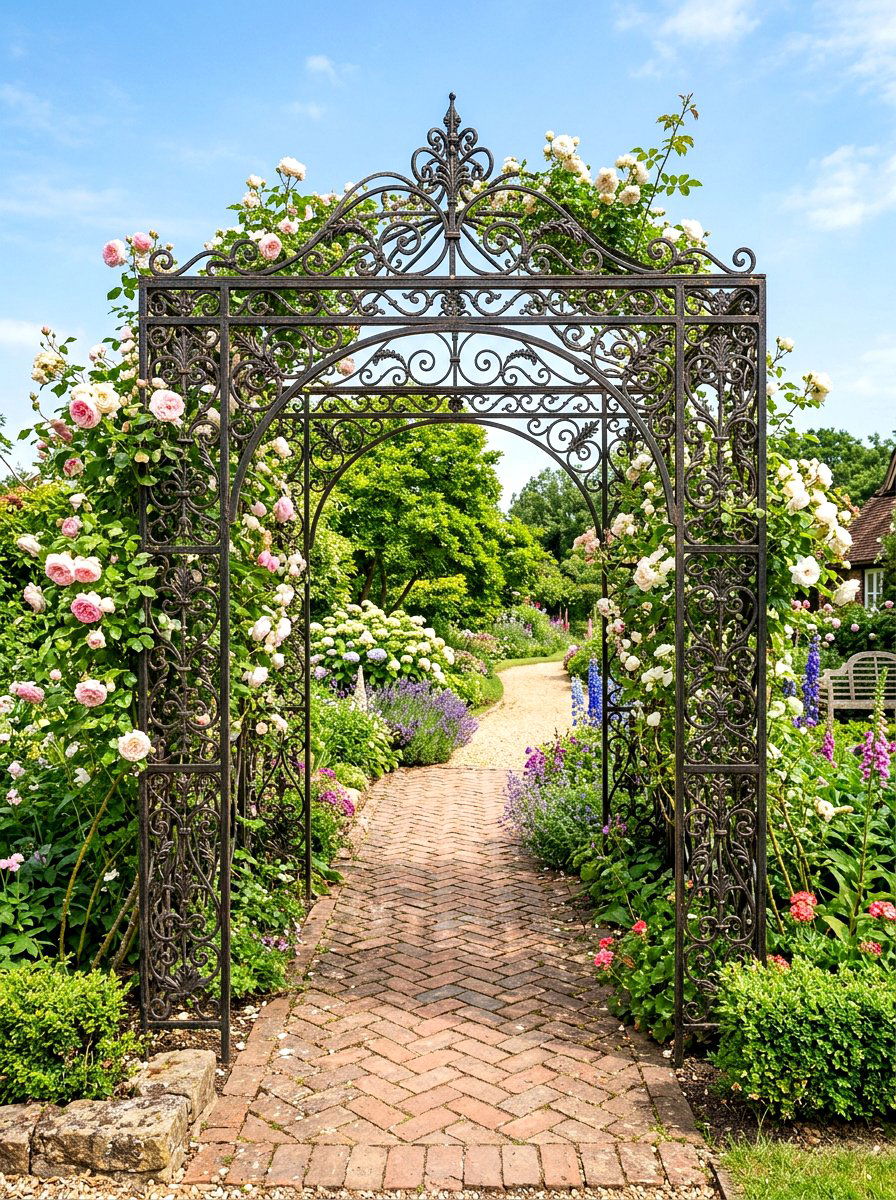
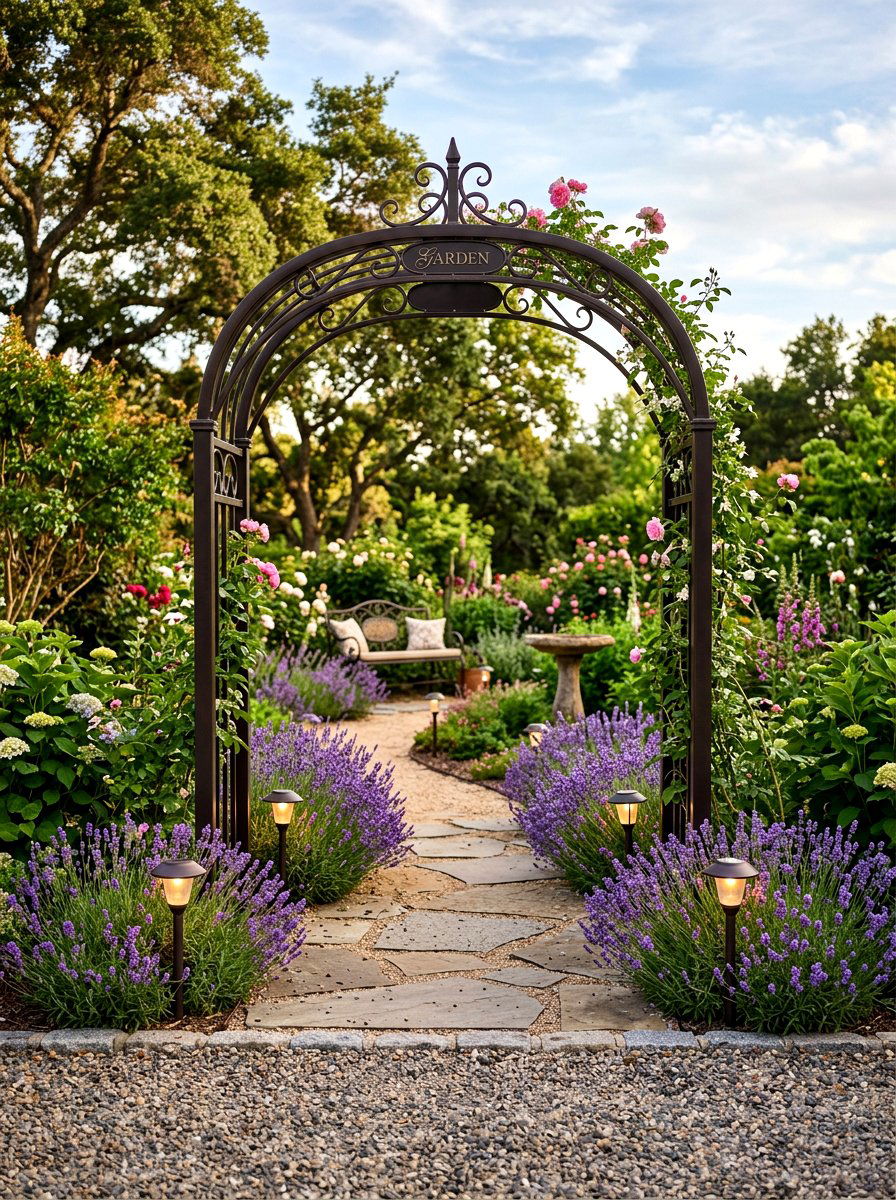
A wrought iron arbor is a timeless choice that offers intricate detail and unmatched durability for a front garden entrance. The thin profile of the iron allows for elaborate scrollwork and decorative finials that add a touch of vintage elegance to the landscape. Unlike bulkier wooden structures, a wrought iron frame provides an airy and open feel that does not block views of the house or other garden features. It is a highly versatile option that looks just as good in a formal rose garden as it does in a modern minimalist yard. With proper powder coating, it can withstand rust and weather for many decades.
14. Moon Gate Arbor
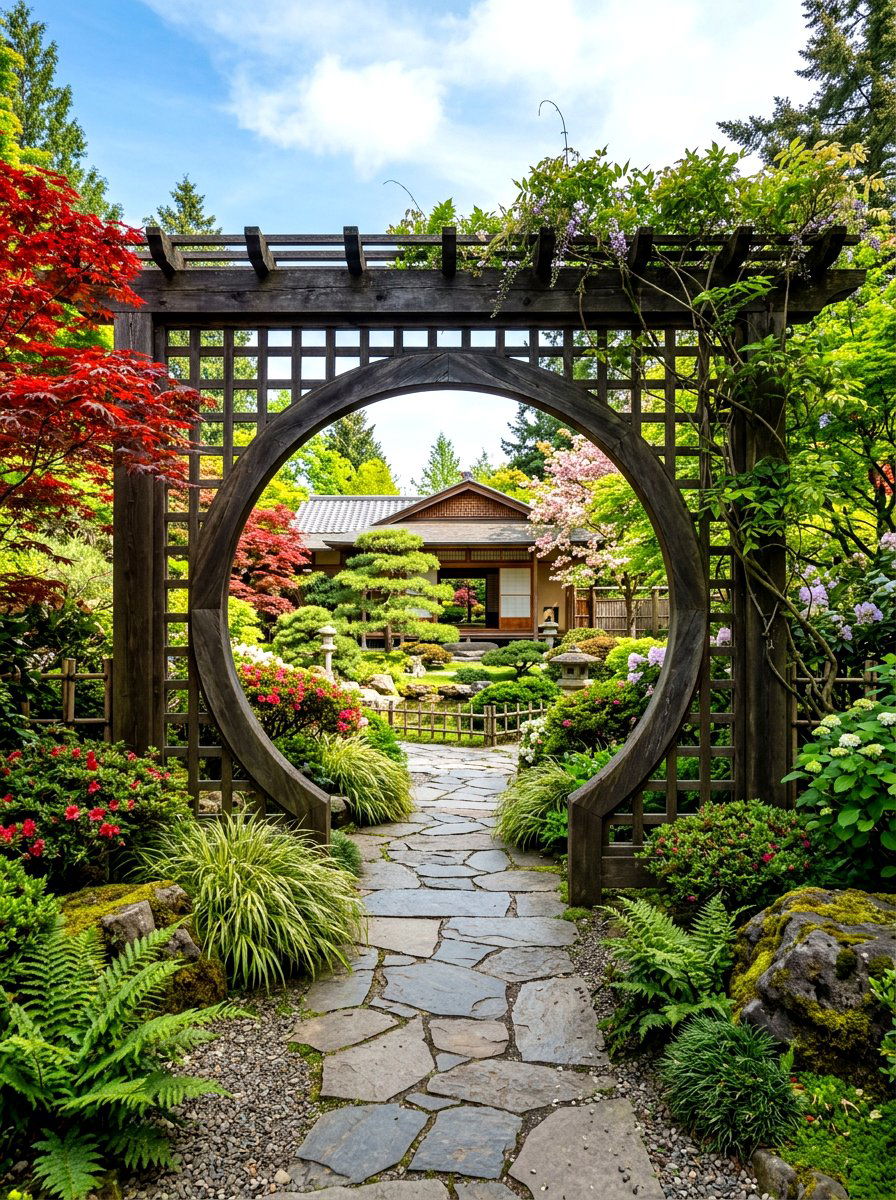
A moon gate arbor is a circular structure that creates a stunning and unusual focal point in any front yard landscape. Originating from Chinese garden traditions, the full circle represents unity and provides a literal "window" through which to view the home or garden beyond. This design is often built from stone, wood, or metal and serves as a highly artistic transition piece. Because of its unique shape, it naturally draws the eye and makes a bold statement about the homeowner's design style. Walking through a moon gate feels like entering a special, protected space, making it an incredibly impactful choice for a front entryway.
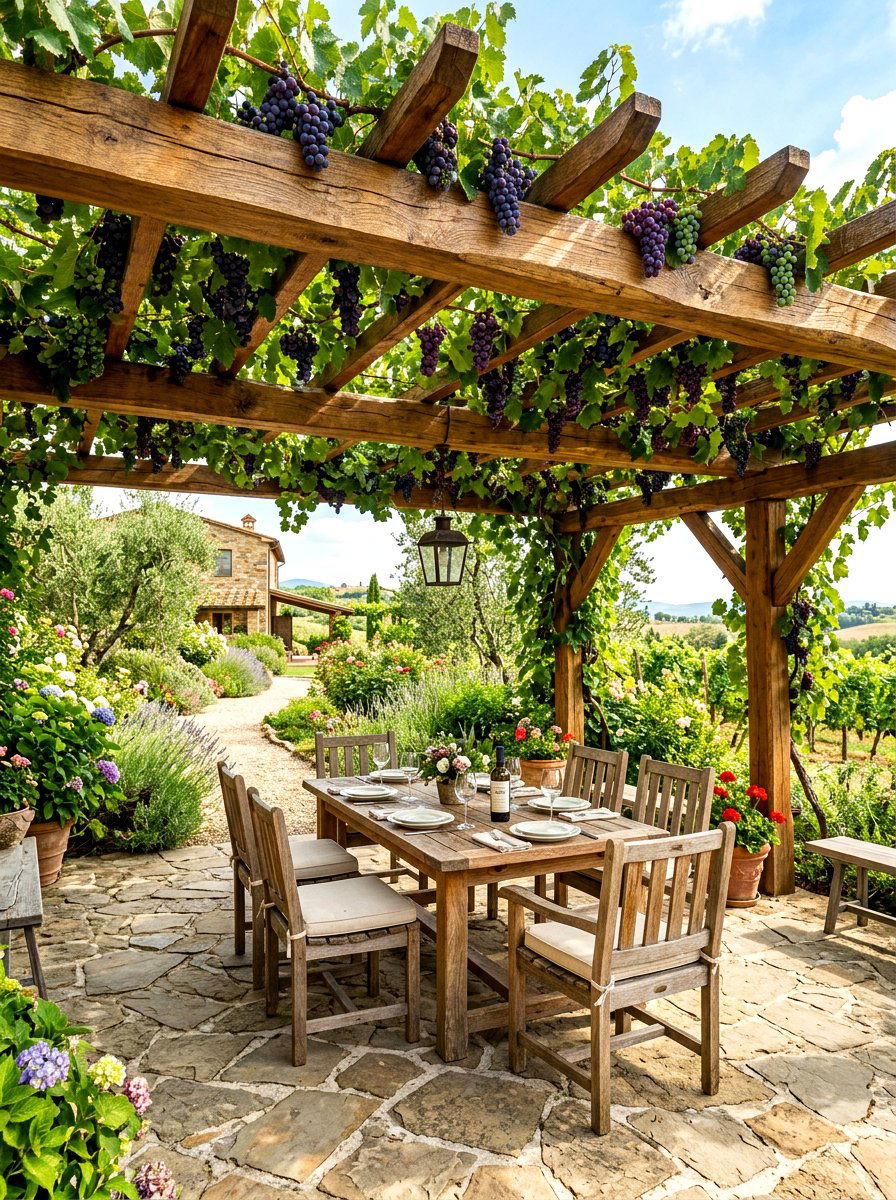
15. Grapevine Wood Arbor
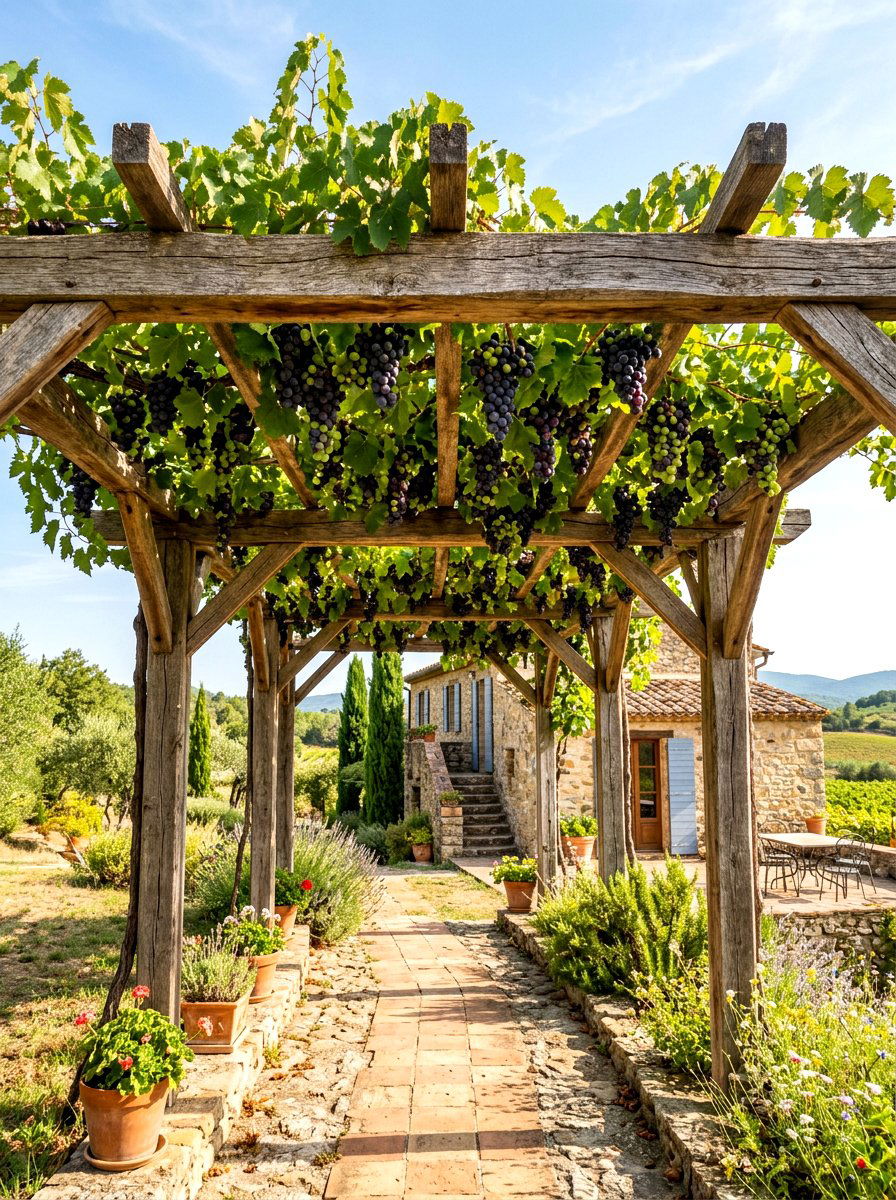
A grapevine wood arbor uses a sturdy timber frame to support the heavy, twisting vines of fruit-bearing grapes. This design is both beautiful and functional, offering a lush green canopy in the summer and a bountiful harvest in the early autumn. The gnarled trunks of older grapevines add a sense of history and character to the structure that is hard to replicate with other plants. This style of arbor is perfect for Mediterranean or farmhouse-style homes where the connection between the land and the household is celebrated. It provides excellent shade for a front walkway while creating a very cozy and productive garden atmosphere.
16. Four Post Arbor
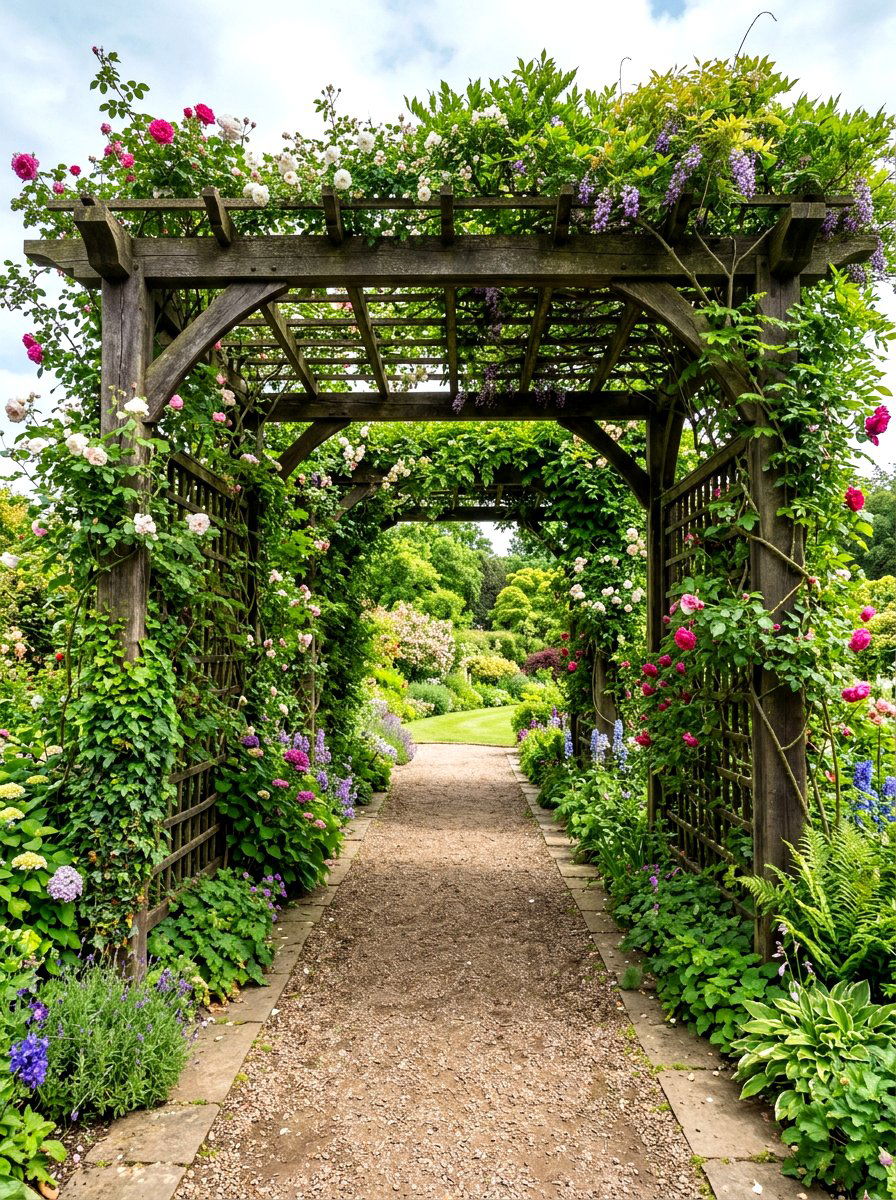
A four post arbor features a deeper footprint than standard two-post arches, creating a more substantial tunnel-like effect for the entryway. This extra depth allows for more elaborate side trellis panels and a larger roof area, providing a more immersive experience for anyone walking through it. Because it is supported by four corners, it is incredibly stable and can handle the weight of very dense climbing plants. This design is often used to create a short "green hallway" that leads visitors from the street toward the front porch. It provides a significant architectural presence that helps to ground a house with a very large front lawn.
17. Trellis Side Arbor
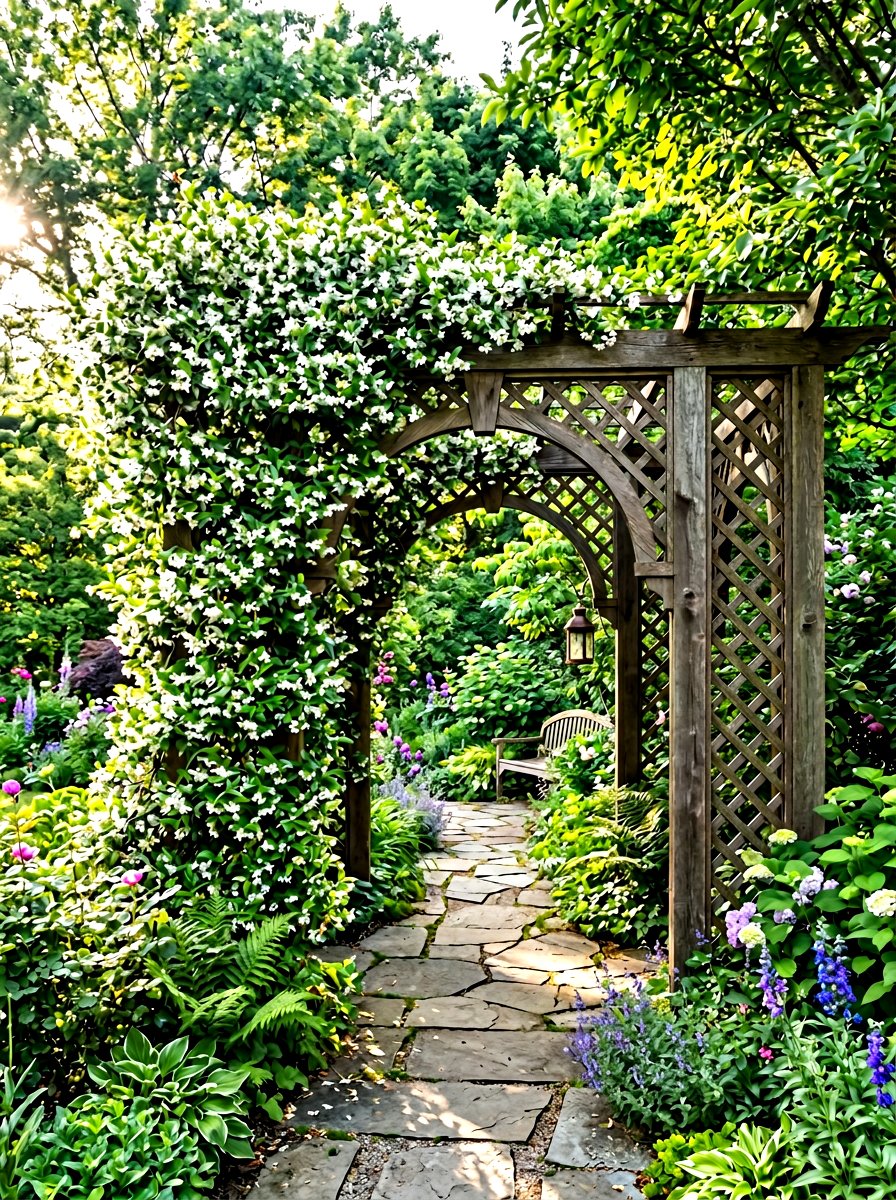
A trellis side arbor is designed with a primary focus on supporting climbing plants on its vertical panels. While the top of the arbor provides the classic arch or flat roof, the sides feature intricate latticework or wire grids that go all the way to the ground. This design is ideal for growing a mix of different vines, such as clematis and jasmine, which can weave through the lattice to create a living wall of green. It offers a great deal of privacy for the front walkway, screening the path from neighbors while still feeling open and inviting. The trellis adds a delicate, detailed texture to the landscape.
18. Blue Painted Arbor
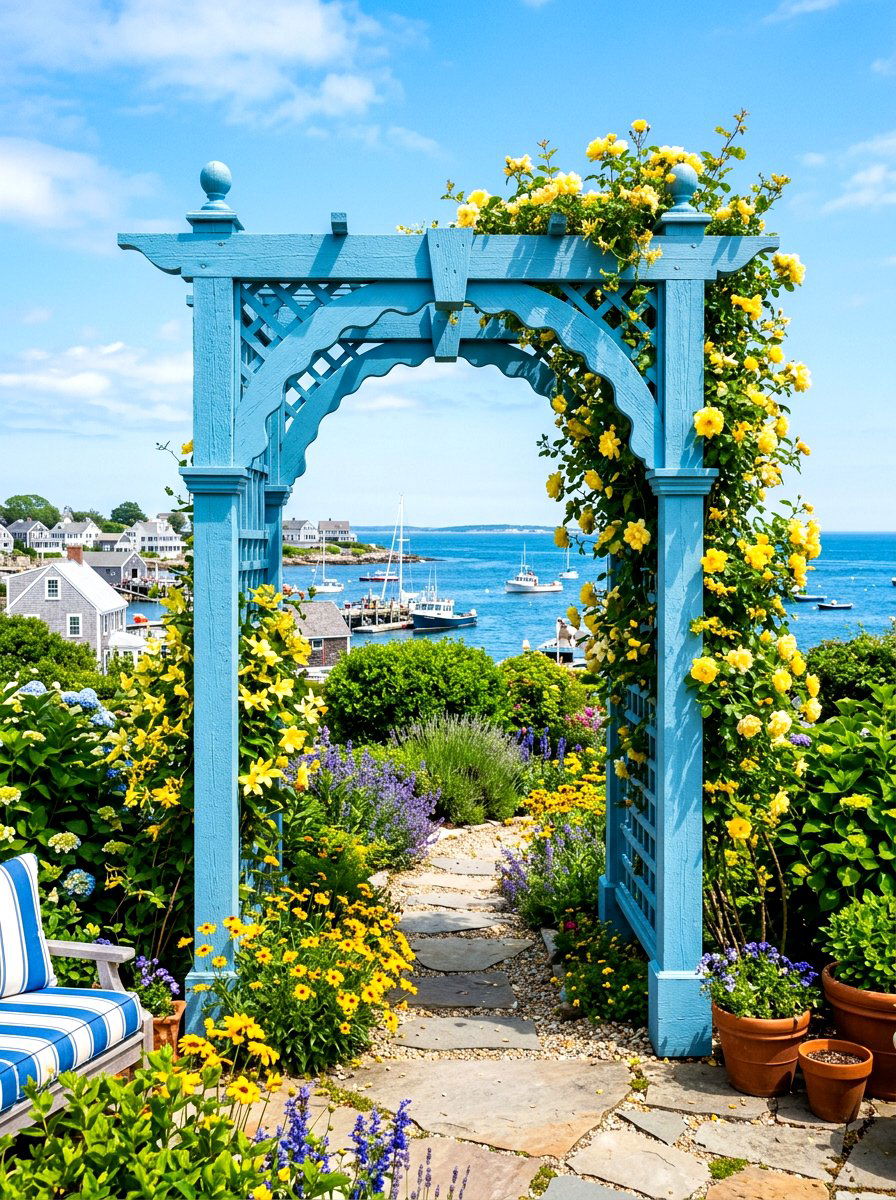
A blue painted arbor is a bold and creative way to add a splash of color to your front yard without relying solely on flowers. Using a vibrant shade like robin 's egg blue or a deep navy creates an instant focal point that reflects the homeowner' s personality. This choice is particularly effective for coastal or cottage-style homes where colorful accents are common. The paint protects the underlying wood from the elements while making the structure stand out against green grass and brown mulch. It provides a cheerful and unique welcome that makes your home feel distinctive and memorable to everyone who passes by the property.
19. Formal Boxwood Path Arbor
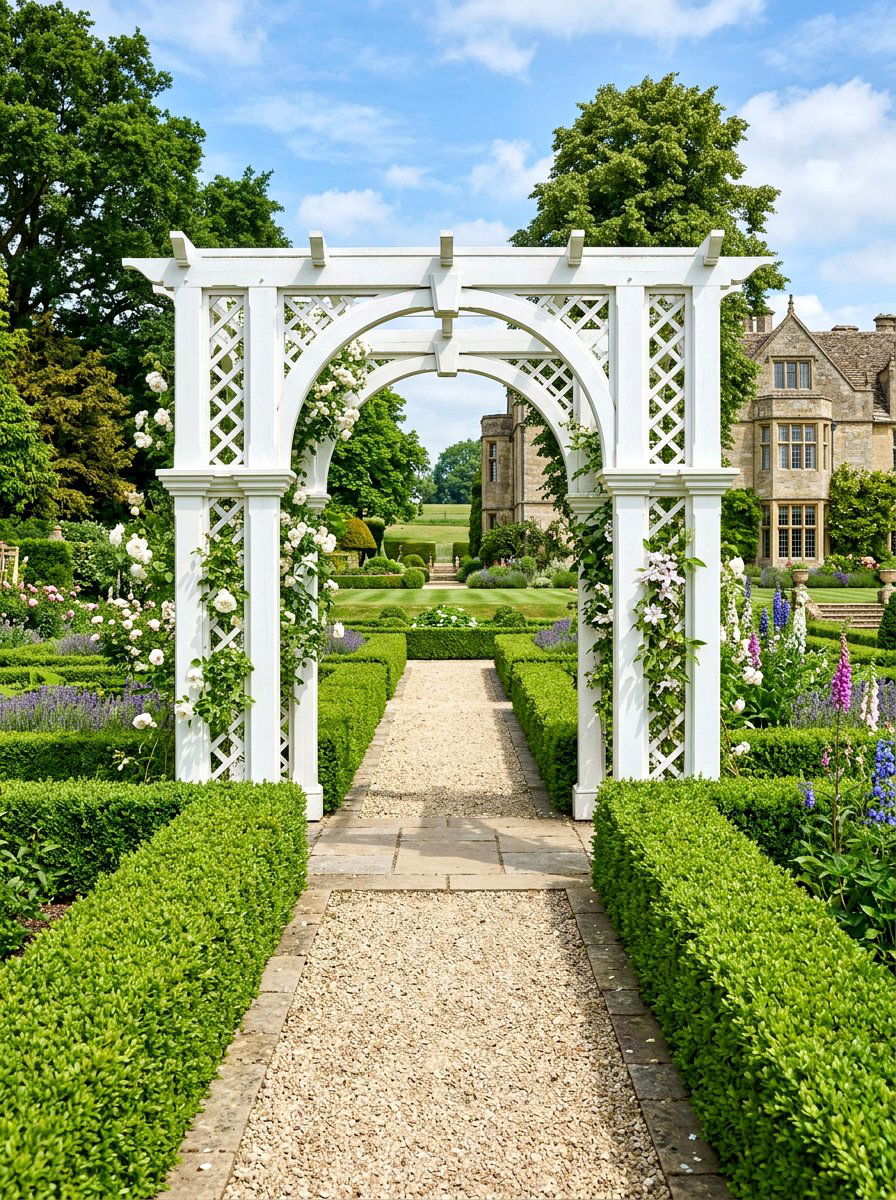
A formal boxwood path arbor involves placing a classic structure, usually white or dark green, at the end of a perfectly manicured hedge-lined walkway. This design emphasizes symmetry and order, making it a perfect match for colonial or traditional estate-style homes. The arbor acts as the crown of the path, guiding the eye through the structured greenery toward the house. This setup works best with low-maintenance evergreens that provide year-round structure, ensuring that the entryway looks polished even in the winter months. It is a sophisticated approach to landscaping that feels timeless, elegant, and very high-end for any residential property.
20. Natural Branch Arbor
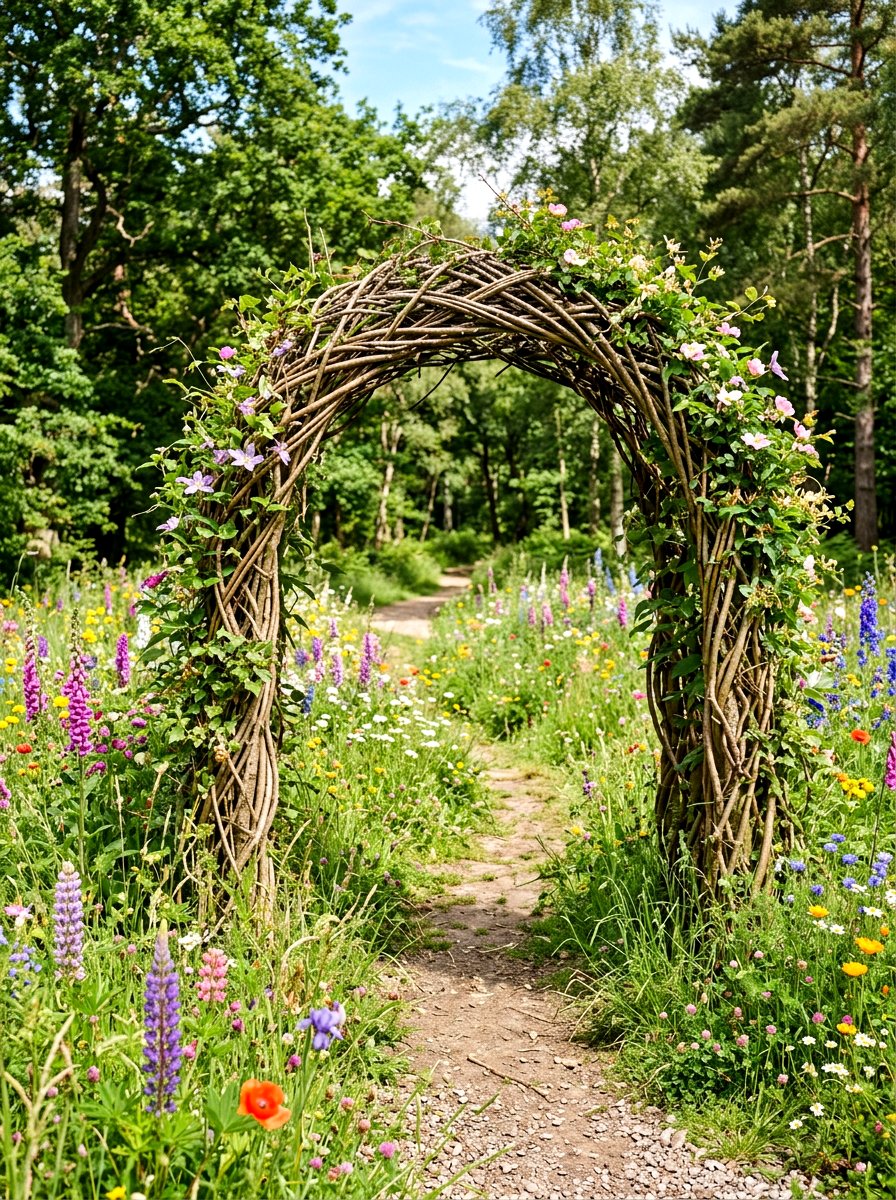
A natural branch arbor is a wonderful DIY project for those who want a completely unique and organic look for their front garden. By using fallen branches, willow switches, or saplings, you can weave a structure that looks like it grew naturally out of the ground. This style is often seen in woodland gardens or "secret garden" designs where the goal is to blend art with the wilderness. Because no two branches are the same, every arbor is a one-of-a-kind piece of functional art. It provides a soft, whimsical entrance that is perfect for houses with informal landscaping and a focus on native wildlife.
21. Contemporary Slat Arbor
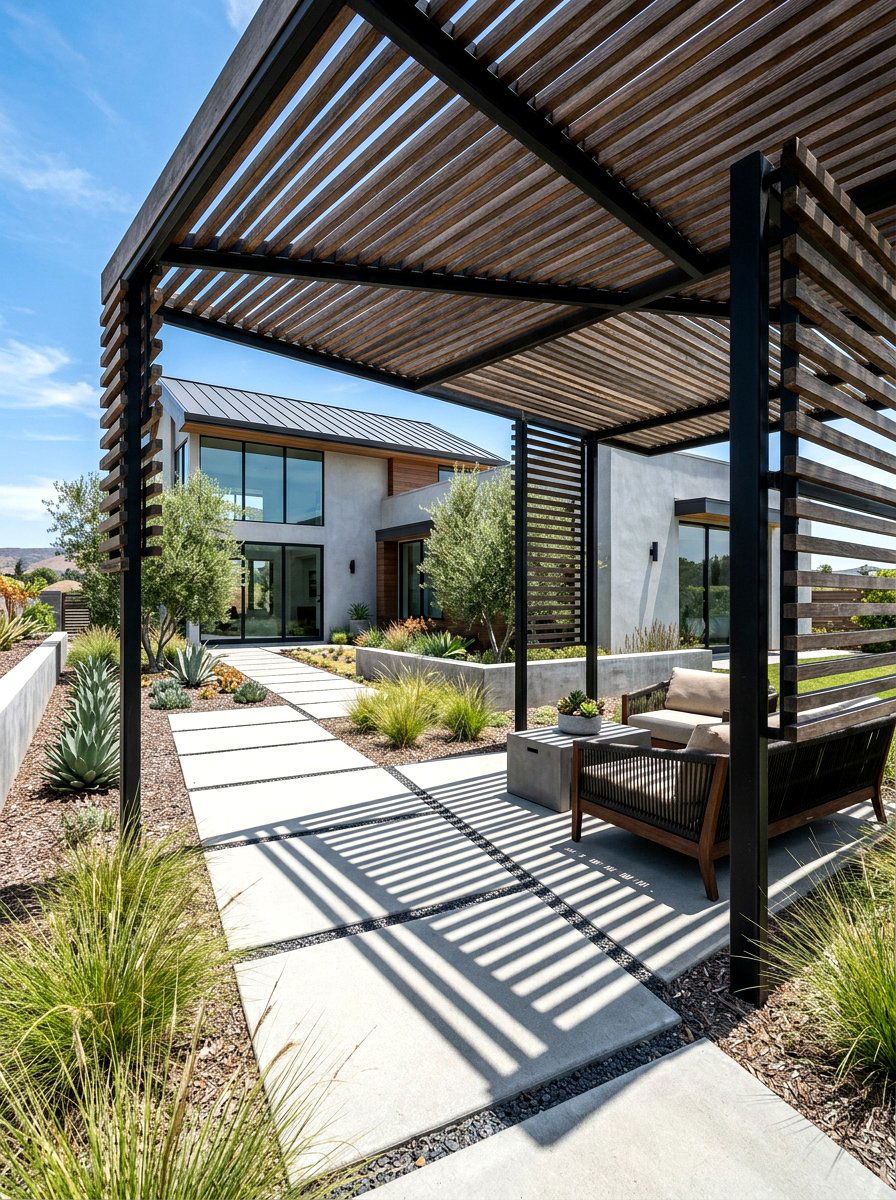
A contemporary slat arbor uses horizontal or vertical wooden slats spaced closely together to create a sleek and modern architectural feature. This design plays with light and shadow, casting interesting patterns on the ground as the sun moves throughout the day. The clean, straight lines of the slats match perfectly with modern home designs that feature large windows and flat rooflines. Often finished in a dark stain or left as natural light-colored wood, this arbor provides a high degree of visual interest without the need for heavy plant cover. It is a stylish way to define the front entrance with a very current and minimalist aesthetic.
22. Copper Pipe Arbor
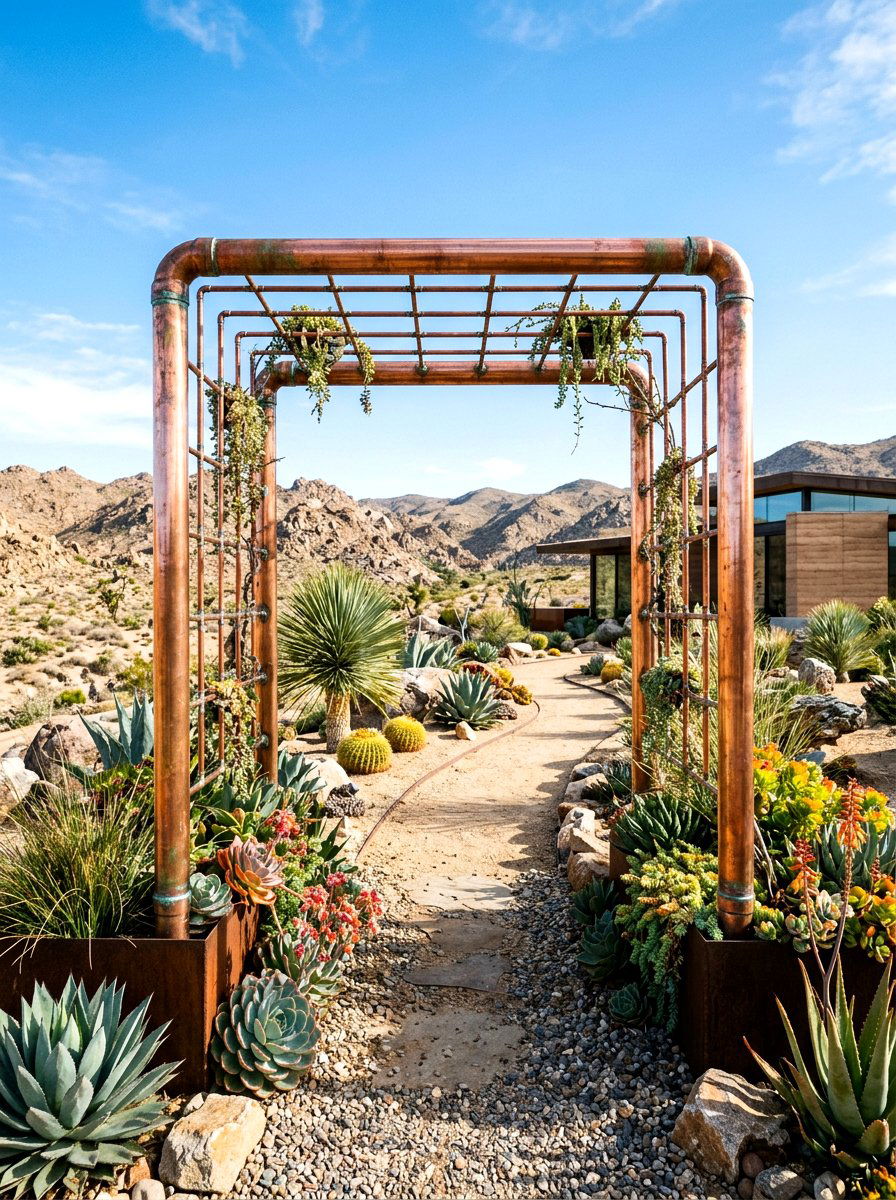
A copper pipe arbor is a unique and shimmering addition to a front yard that offers a brilliant metallic finish. Over time, the bright copper will naturally oxidize and develop a beautiful verdigris green patina, which looks stunning against garden foliage. This material is very easy to work with and allows for custom shapes and sizes that might be difficult to achieve with traditional wood kits. It is a fantastic choice for modern or industrial-style homes where metal accents are a primary theme. The thin pipes provide a sturdy yet delicate frame for lightweight climbing plants like sweet peas or delicate jasmine vines.
23. Brick Entry Arbor
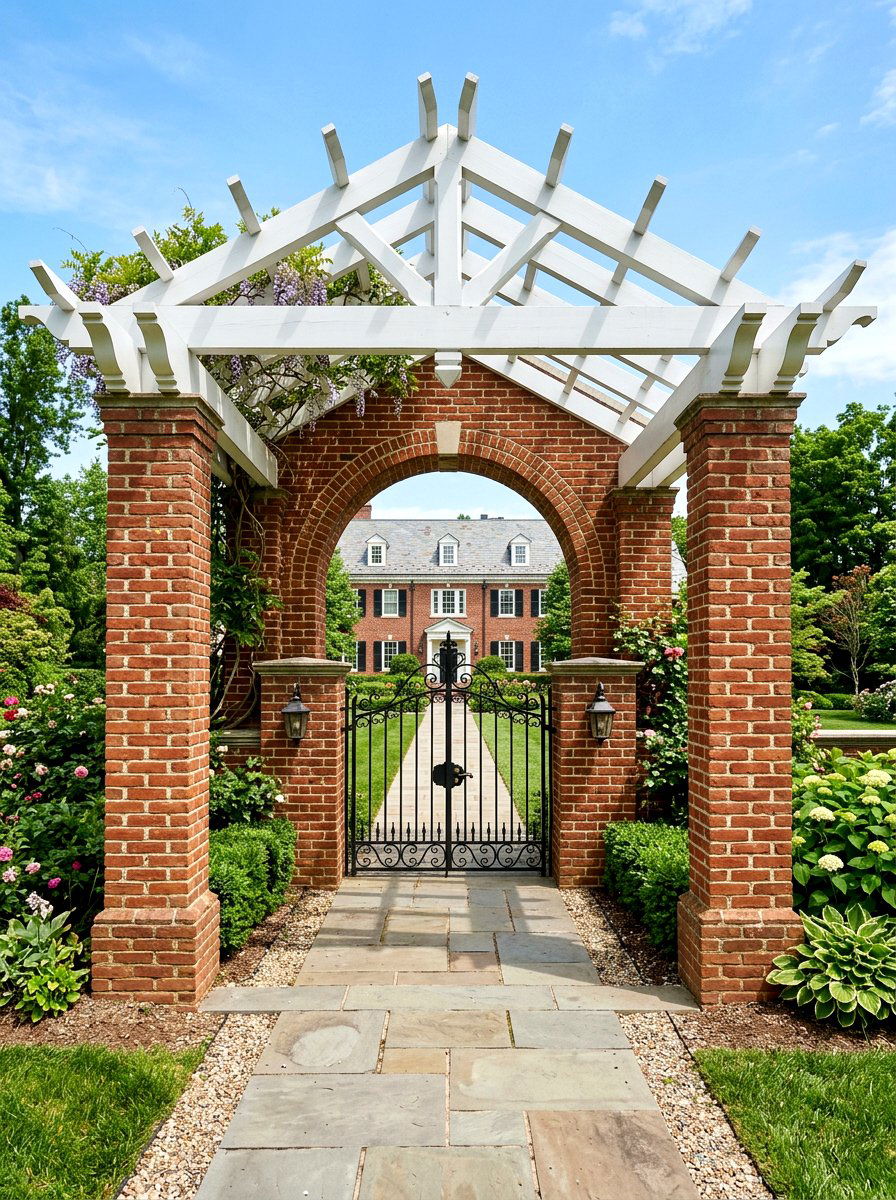
A brick entry arbor is a permanent and highly durable structure that uses masonry columns to support a wooden or metal top. By matching the brick to the exterior of the house, you create a perfectly integrated look that feels like part of the original home construction. This design is exceptionally stable and can survive for many decades with very little maintenance. The weight and texture of the brick add a sense of luxury and historical charm to the front yard. It is a great way to frame a gate or a front door, providing a solid and welcoming transition that feels both grand and incredibly secure.
24. Jasmine Covered Arbor
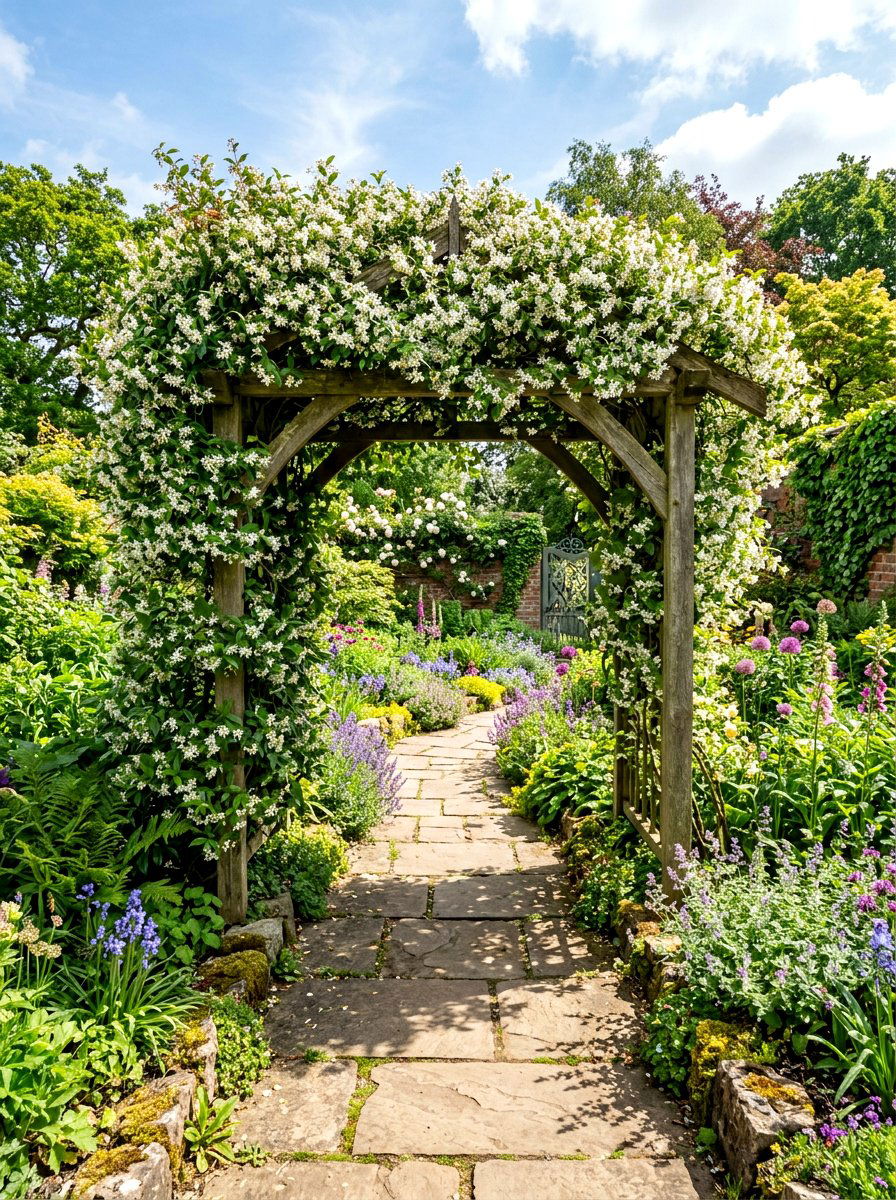
A jasmine covered arbor is a treat for both the eyes and the nose, especially during the spring and summer months when the flowers are in full bloom. Star jasmine is a popular choice because it is an evergreen vine that stays green and lush throughout the entire year, even in milder winters. The small, white, star-shaped flowers release a powerful and sweet fragrance that greets anyone who walks through the arbor. This design is perfect for creating a sensory experience right at the entrance of your home. The thick growth of the jasmine provides excellent coverage, quickly turning any frame into a solid green archway.
25. Gothic Arch Arbor
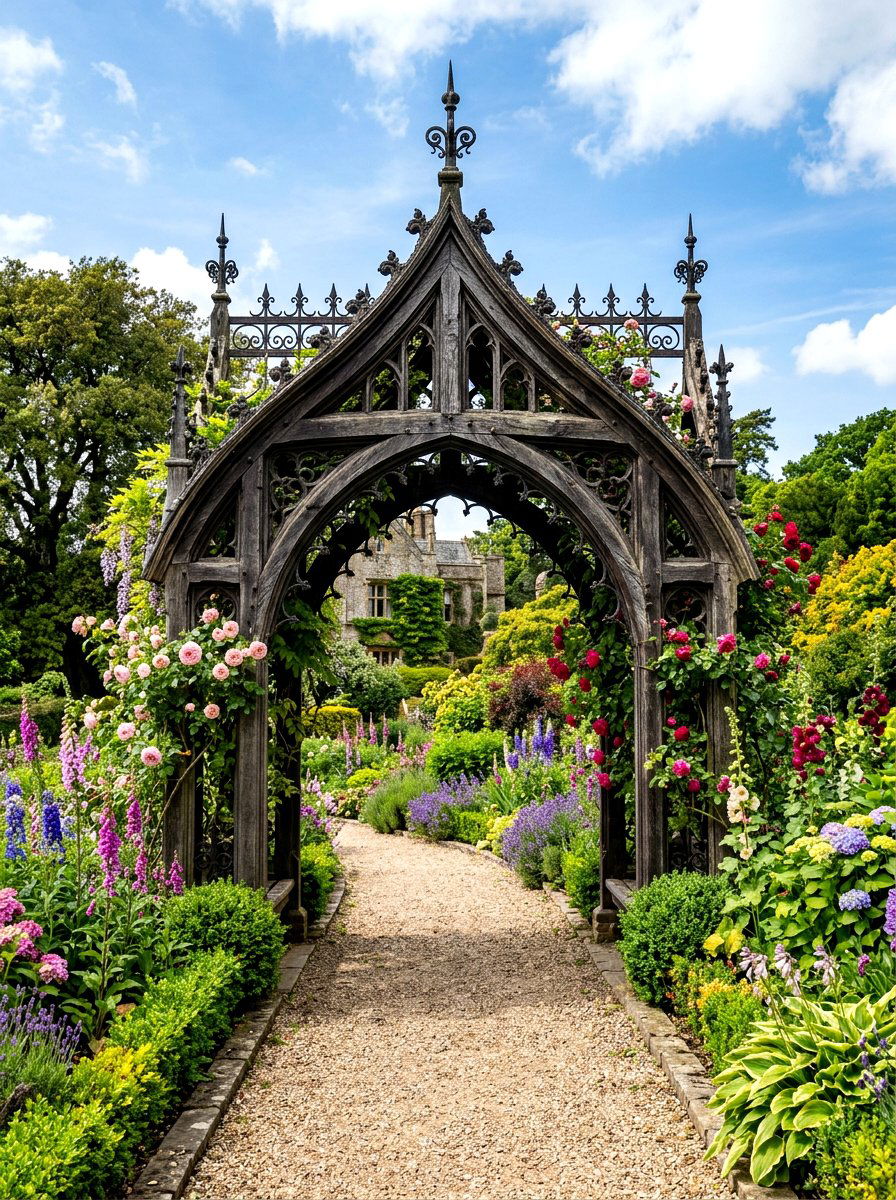
A gothic arch arbor features a distinctive pointed top, reminiscent of traditional cathedral architecture and vintage garden designs. This sharp peak adds height and drama to the front yard, making it a perfect choice for Victorian-style homes or properties with a bit of historical flair. The vertical lines of the gothic shape draw the eye upward, making a small yard feel more expansive and grand. Often decorated with intricate scrollwork or finials, this style of arbor stands as a piece of art on its own, even without the addition of climbing plants. It provides an elegant and slightly formal welcome that is very visually striking.
26. Flat Top Arbor
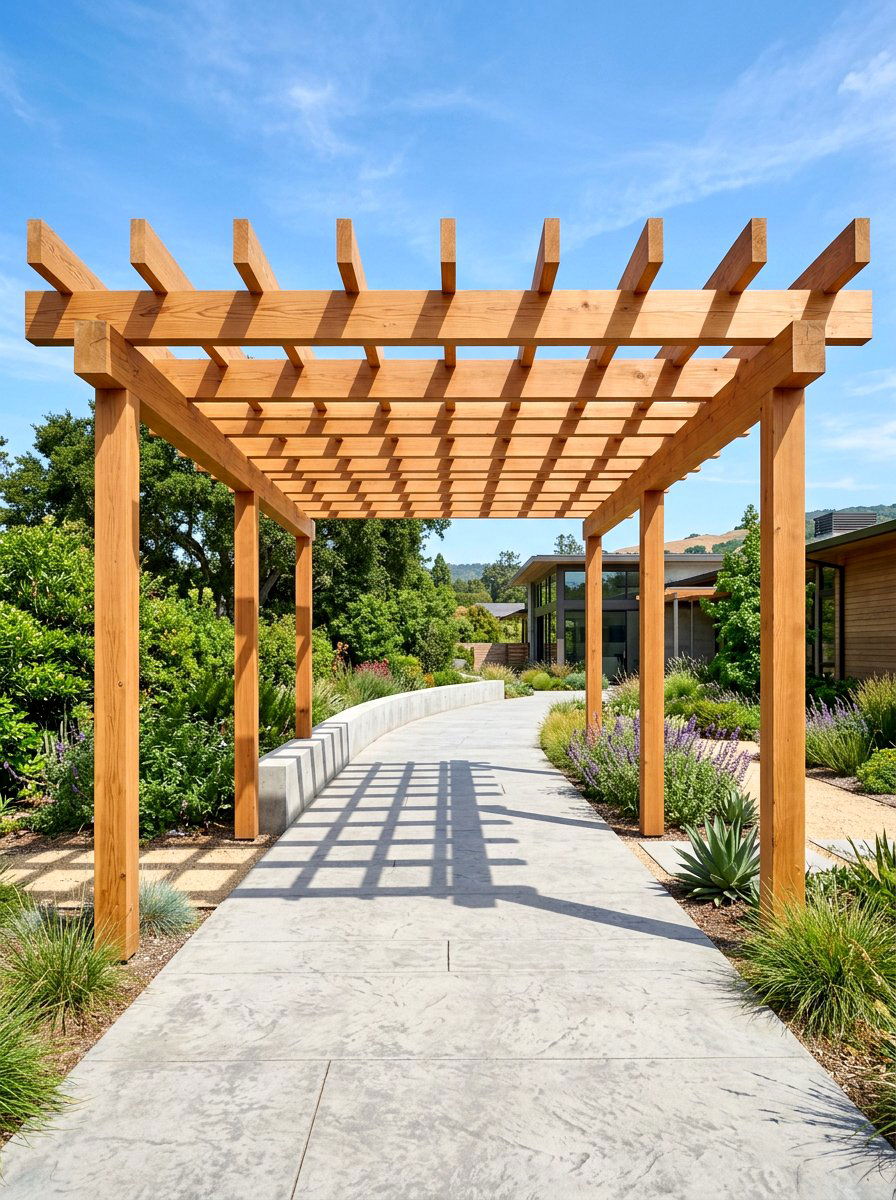
A flat top arbor, also known as a garden pergola, offers a clean and modern silhouette that is very popular in contemporary landscaping. Instead of a curved arch, the horizontal beams provide a stable and geometric frame that matches the straight lines of most modern residential architecture. This design is highly versatile and can be used to frame a wide path or a double front door with ease. It is particularly effective for supporting heavy vines or even hanging lanterns and seasonal decorations. The simplicity of the flat top makes it a timeless choice that won't go out of style as your garden continues to mature.
27. White Rose Arbor
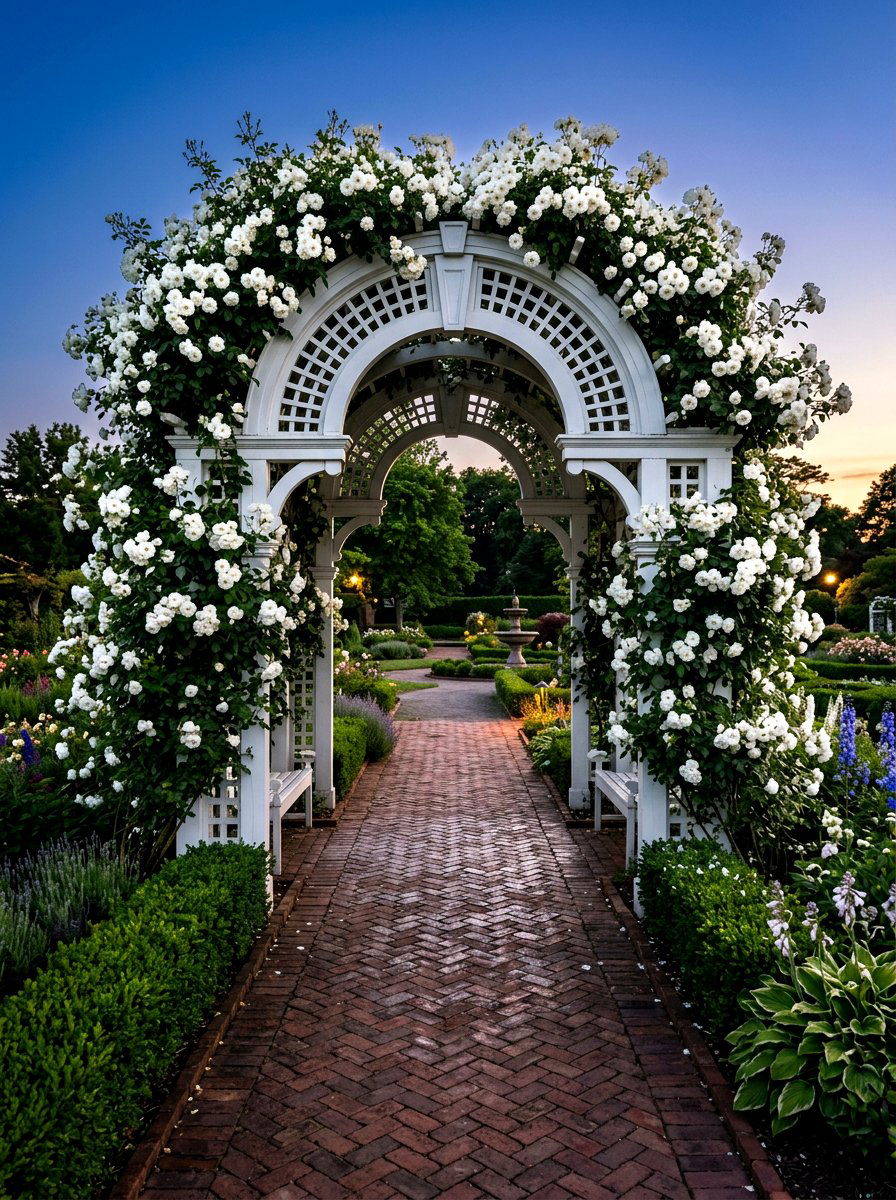
A white rose arbor creates a pure and elegant entrance that looks stunning against a dark house exterior or a lush green lawn. Using white climbing roses specifically allows the blooms to stand out in the twilight, creating a "moon garden" effect that is visible even after the sun goes down. This design is often associated with formal weddings and classical estates, bringing a high level of sophistication to a standard suburban front yard. The combination of dark green leaves and brilliant white blossoms provides a high-contrast look that is incredibly photogenic. It is a graceful and high-end way to enhance your home's curb appeal.
28. Cottage Style Arbor
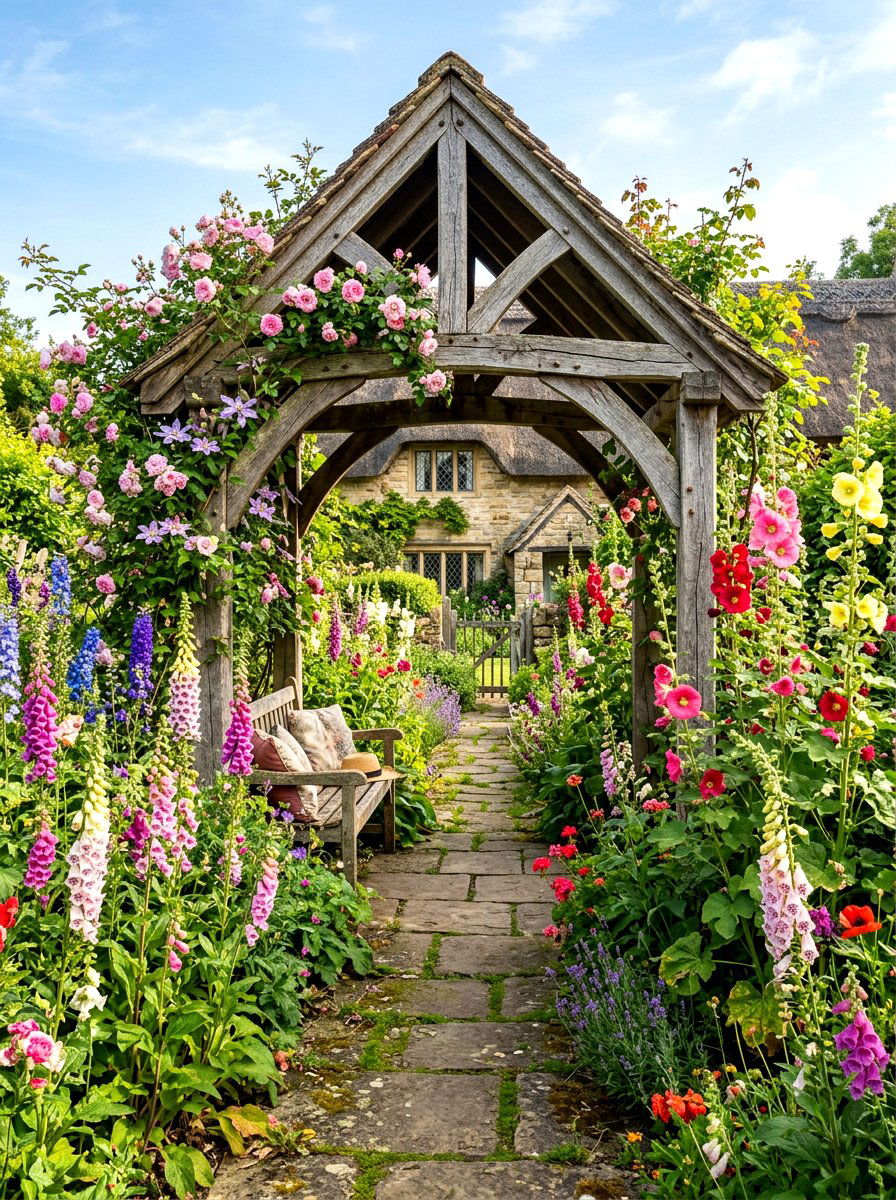
A cottage style arbor is all about charm, personality, and a slightly overgrown, lived-in feel that is very welcoming. These arbors are often painted in soft pastel colors or left as weathered wood to give them a vintage appearance. They are typically surrounded by a wild mix of perennials like foxgloves, delphiniums, and hollyhocks that grow right up against the base of the structure. This design avoids strict symmetry in favor of a lush and abundant look that feels natural and relaxed. It is the perfect choice for homeowners who want their front yard to feel like a cozy, inviting sanctuary filled with life and color.
29. Minimalist Steel Arbor
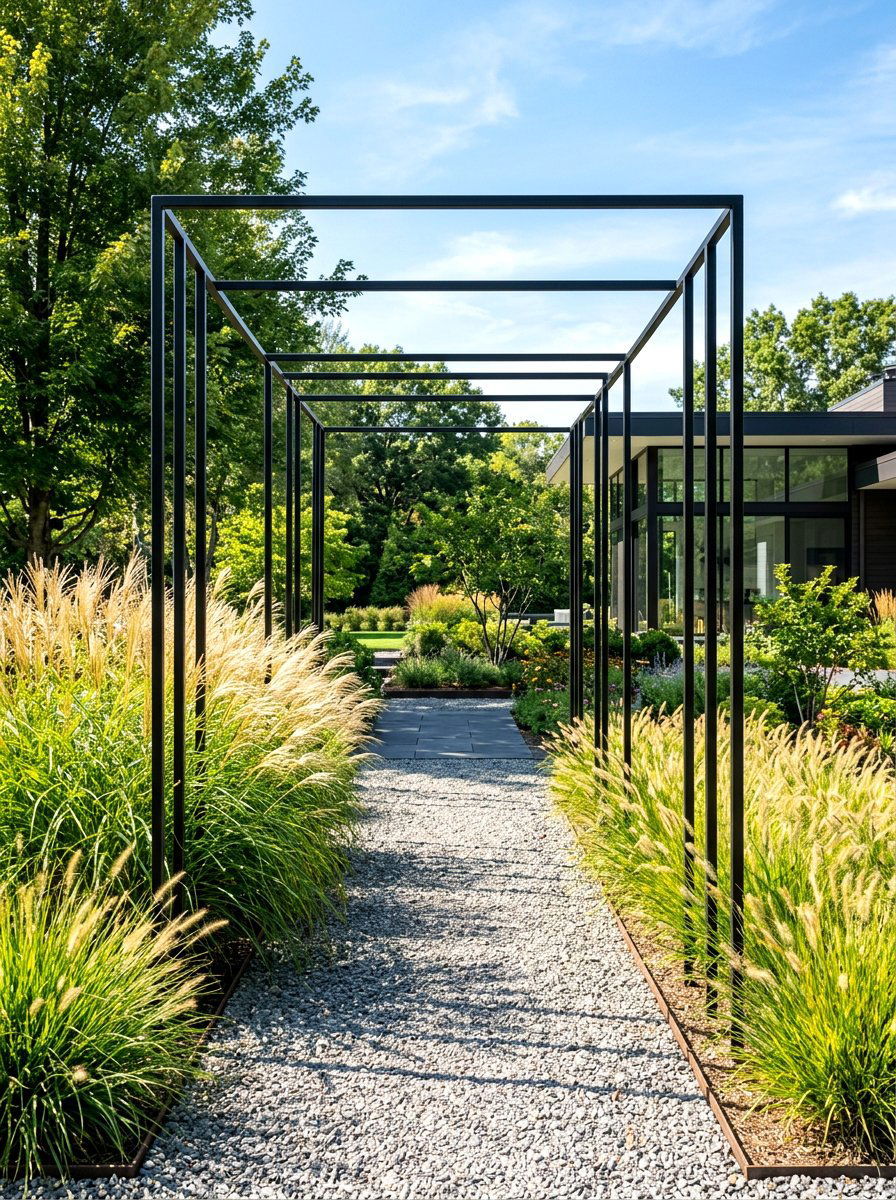
A minimalist steel arbor is the ultimate choice for a home with ultra-modern or industrial architecture. Made from high-quality stainless steel or powder-coated black steel, this structure features very thin profiles and sharp, clean angles. It is designed to be as unobtrusive as possible, acting as a simple frame for the landscape rather than a decorative centerpiece. This style is incredibly durable and requires zero maintenance over its lifetime. It works best in landscapes that feature gravel, concrete, and ornamental grasses, providing a subtle but effective way to mark the entrance to the property without cluttering the visual field of the home.
30. Built In Bench Arbor
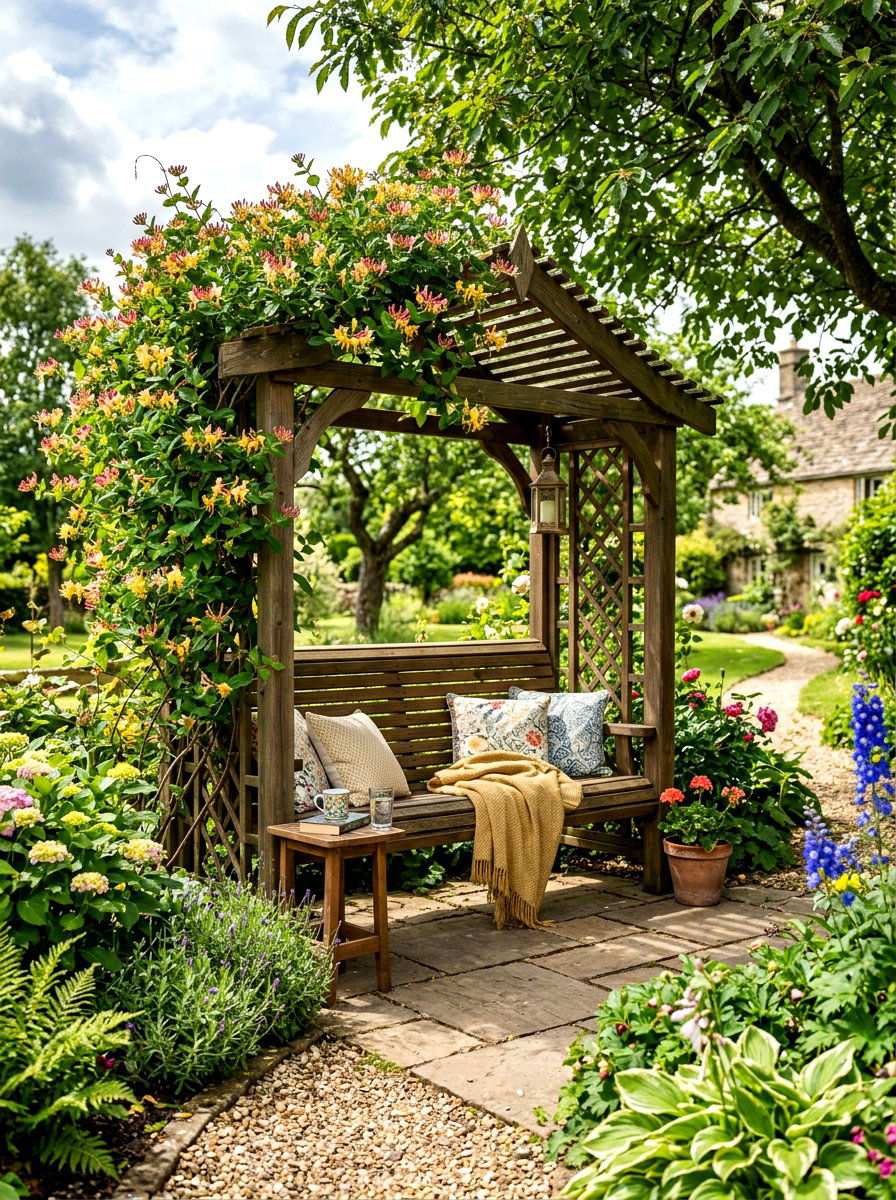
A built in bench arbor combines the beauty of a garden arch with a functional place to sit and enjoy the outdoors. By adding a small wooden bench between the vertical supports of the arbor, you create a cozy nook right at the front of your property. This is a lovely way to wait for guests or simply watch the neighborhood pass by in the evening. This design is particularly effective in larger front yards where there is enough space to create a destination area. When covered in climbing vines or fragrant flowers, the bench becomes a fragrant and shaded retreat that adds a lot of utility.
Conclusion:
Adding a front arbor is one of the most effective ways to instantly transform your home’s curb appeal while creating a warm welcome for guests. Whether you select a traditional wooden arch or a sleek modern steel frame, these structures provide the architectural backbone for a stunning entryway. By thoughtfully pairing your arbor with the right climbing plants and surrounding landscape elements, you can create a beautiful focal point that reflects your personal style. It is a long-term investment in your property’s aesthetic value and overall charm. Take the time to choose materials that complement your house to ensure a cohesive and inviting look for years.

Related posts: