Rustic kitchens bring a sense of history and warmth into the modern home, creating a space that feels lived-in and truly welcoming. This design style often relies on natural materials like weathered wood, aged stone, and hammered metals to tell a story of craftsmanship and durability. Whether you live in a bustling city apartment or a quiet countryside cottage, incorporating rustic elements can transform your cooking area into a cozy sanctuary. Pinterest users love these designs because they offer a perfect balance between rugged textures and functional modern appliances. From reclaimed timber ceilings to vintage-inspired hardware, every detail contributes to a timeless aesthetic that celebrates the beauty of imperfection and natural character. This approach encourages a slower, more intentional pace of life.
1. Reclaimed Wood Kitchen
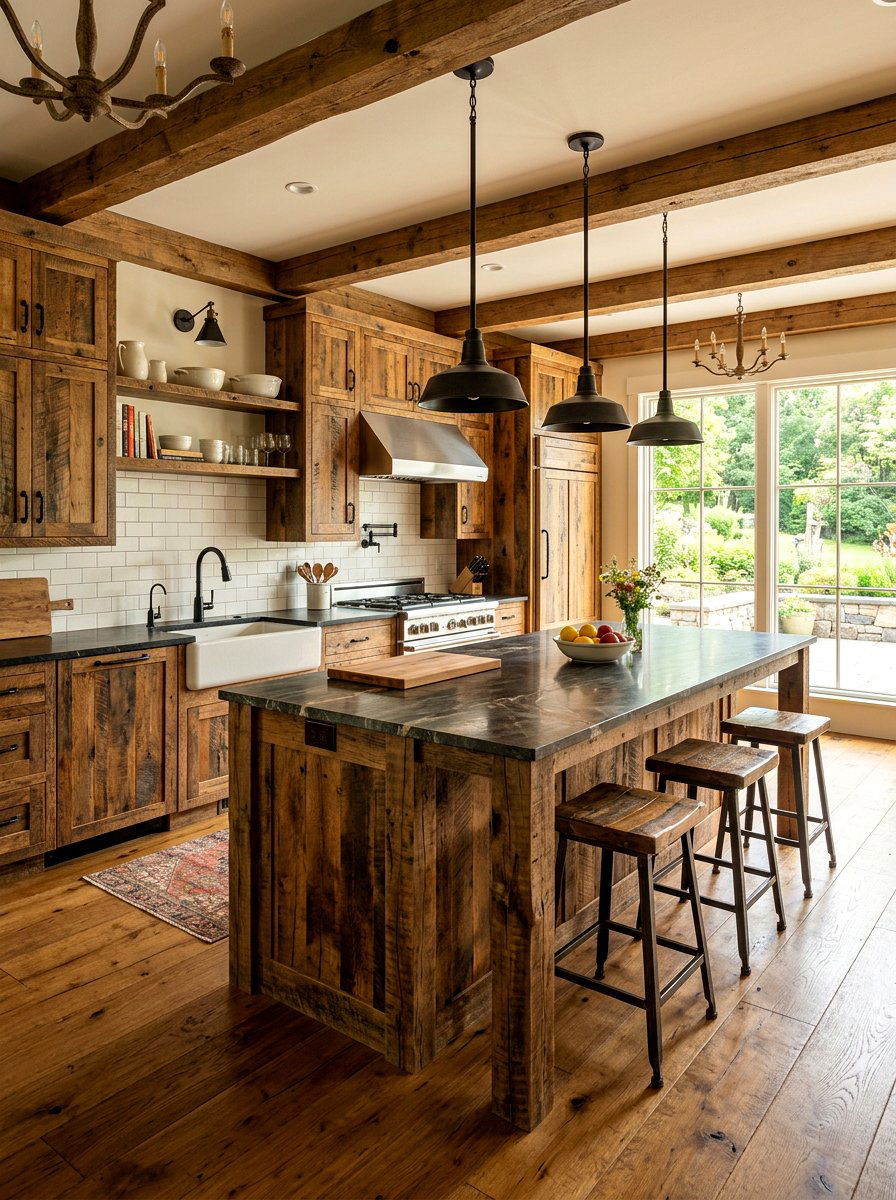
A reclaimed wood kitchen focuses on sustainability while infusing the entire space with deep history and rich, tactile textures. By using salvaged timber for the cabinetry, flooring, and large wall panels, you create an environment that feels grounded and incredibly sturdy. This design approach highlights the natural grain, knots, and slight color variations that only aged wood can provide. To complete the look, designers often pair these wooden surfaces with neutral tones and soft lighting to prevent the room from feeling too heavy or dark. The result is a sensory-rich space where every plank of wood has its own unique story. This style perfectly captures the essence of heritage-inspired home design for modern families.
2. Stone Wall Kitchen
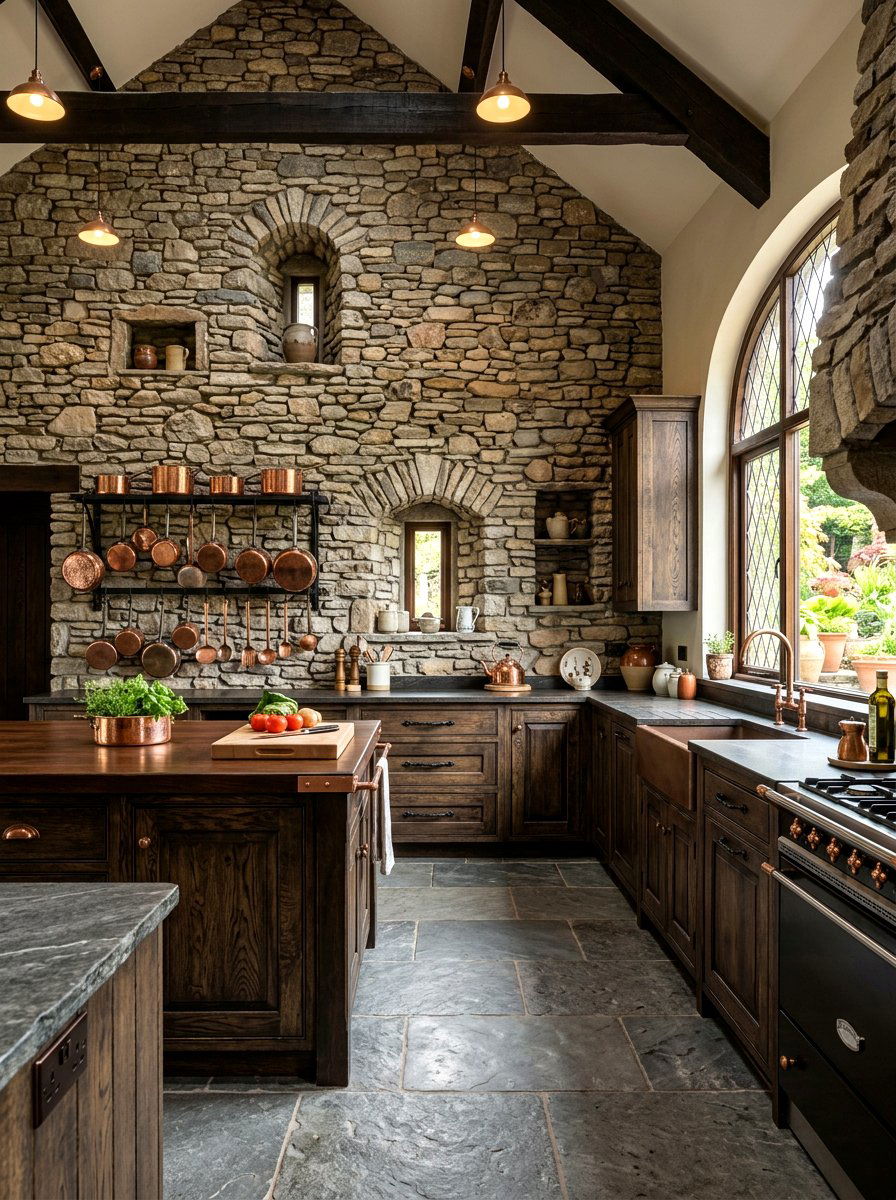
The stone wall kitchen design brings a rugged, outdoor element inside, creating a dramatic focal point that feels both ancient and permanent. Utilizing natural fieldstone or stacked slate across an entire accent wall provides a massive amount of texture and visual weight to the room. This masonry work is typically balanced with smooth wooden cabinetry and high-end stainless steel appliances to create a sophisticated contrast. The cool tones of the stone are often warmed up by under-cabinet lighting and copper cookware displayed on open racks. This layout feels like a cozy European grotto, offering a peaceful and fortress-like atmosphere that makes the kitchen feel like the most secure room in the house.
3. Modern Farmhouse Kitchen
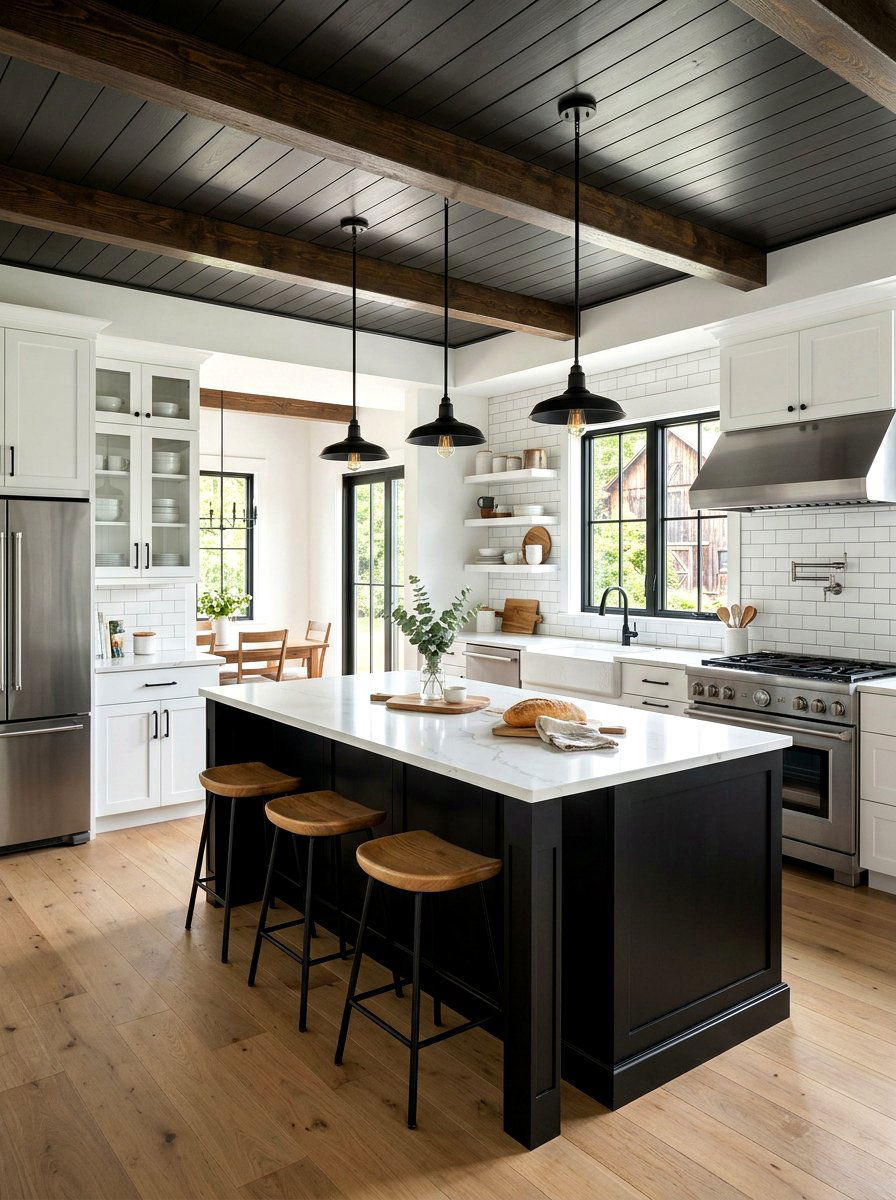
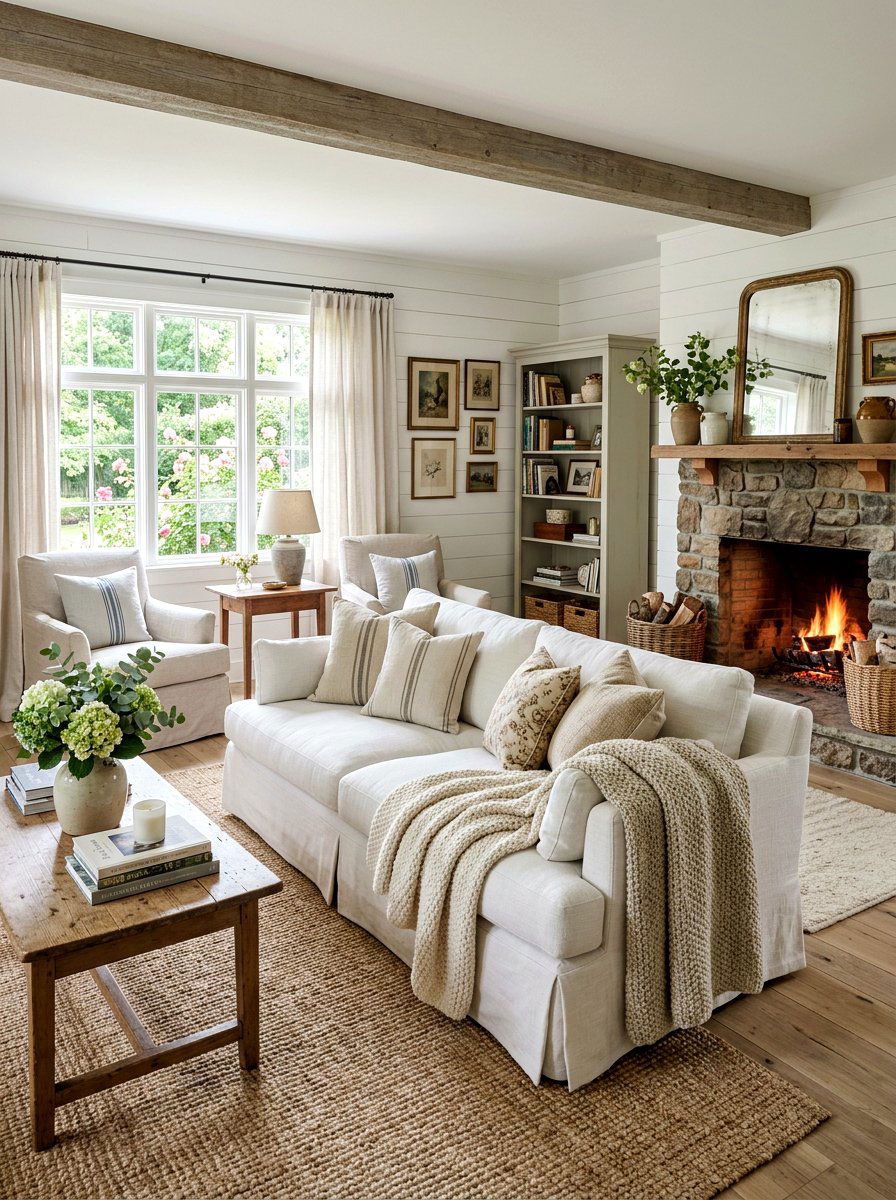
A modern farmhouse kitchen strikes a perfect balance between traditional country charm and sleek, contemporary lines for a fresh look. This design usually features bright white cabinetry paired with dark hardware and warm wood accents on the island or ceiling beams. It prioritizes an open, airy layout that allows for plenty of movement and social interaction during meal preparation. Subway tile backsplashes and apron-front sinks are essential elements that anchor the theme without making it feel dated. By mixing clean finishes with a few carefully chosen antique pieces, this kitchen style remains functional for busy families while retaining a nostalgic, cozy vibe that performs exceptionally well on social media platforms.
4. Exposed Ceiling Beam Kitchen
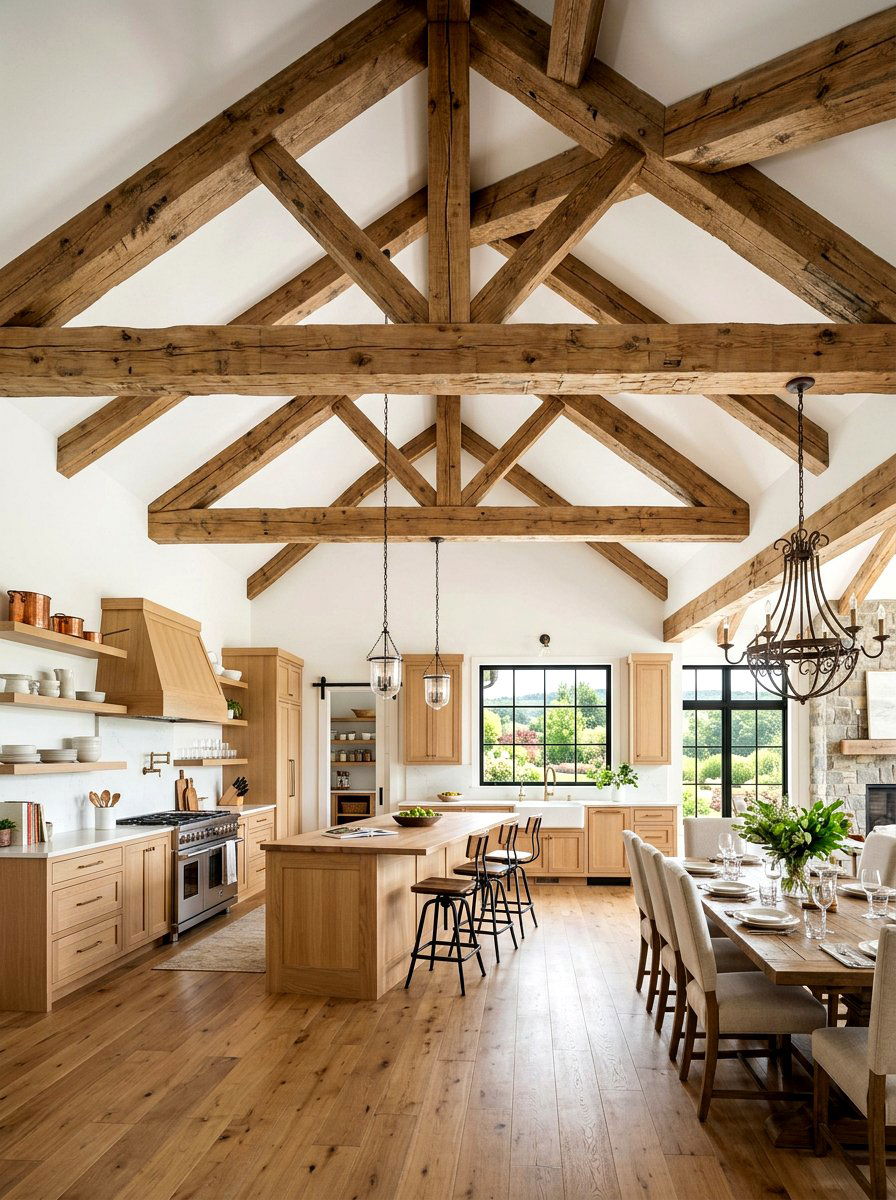
The exposed ceiling beam kitchen emphasizes vertical space and architectural interest by drawing the eye upward toward raw, structural elements. Heavy timber beams, whether original to the home or added for aesthetic purposes, provide a sense of scale and craftsmanship to the room. This design often works best in kitchens with vaulted ceilings where the wood can stand out against light-colored plaster or shiplap. To keep the space feeling cohesive, the wood finish on the beams is usually matched to the kitchen island or the flooring below. This creates a framed look that feels architectural and intentional, making even a medium-sized kitchen feel much more expansive and historically significant.
5. Antique Cabinet Kitchen
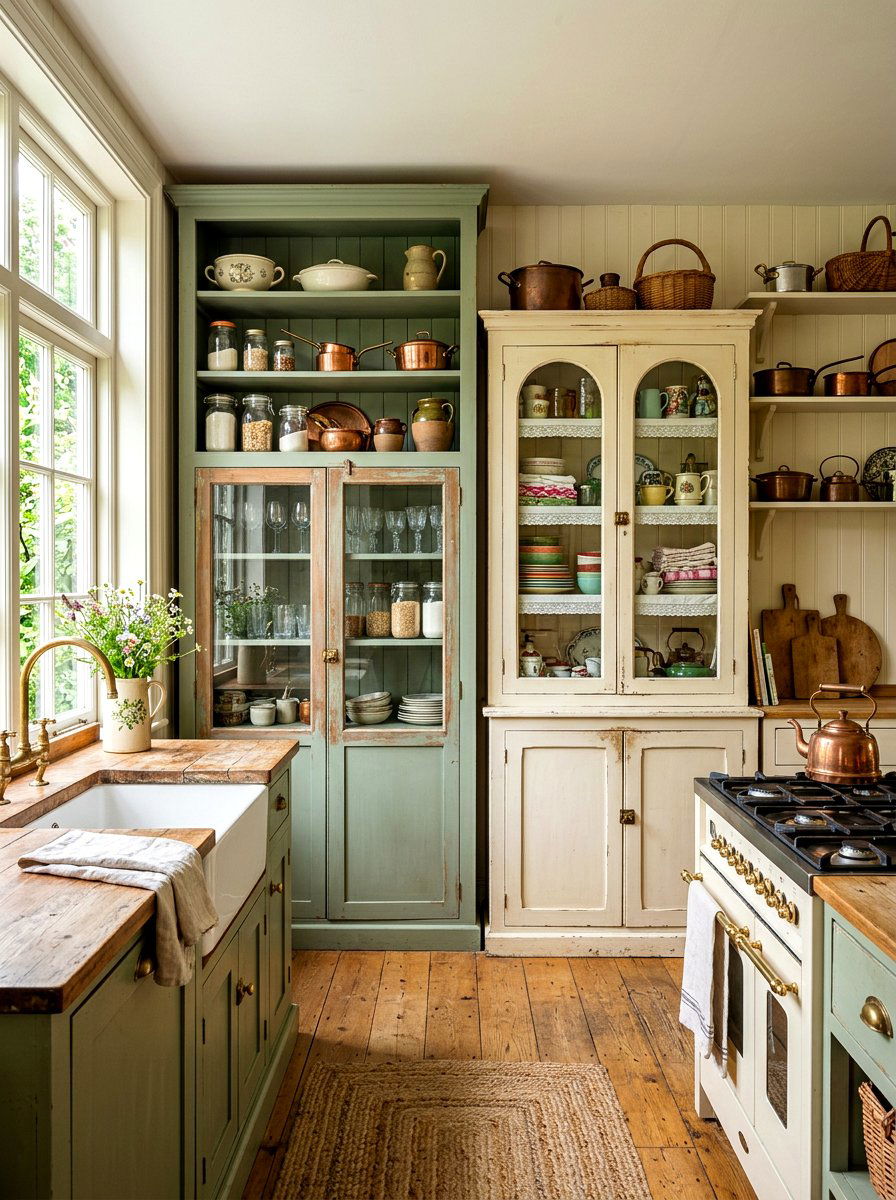
An antique cabinet kitchen moves away from the uniform look of modern sets and embraces a more curated, "unfitted" design aesthetic. This style often involves using freestanding hutch-style cabinets, vintage glass-front cupboards, and weathered pantry doors that look like they were collected over several decades. The mismatched finishes and varied heights add layers of personality and charm that a standard kitchen simply cannot replicate. To tie the look together, a consistent color palette of muted greens, blues, or creams is often used across the different furniture pieces. This approach creates a kitchen that feels more like a lived-in room than a utility space, encouraging guests to linger and enjoy the atmosphere.
6. Copper Accent Kitchen
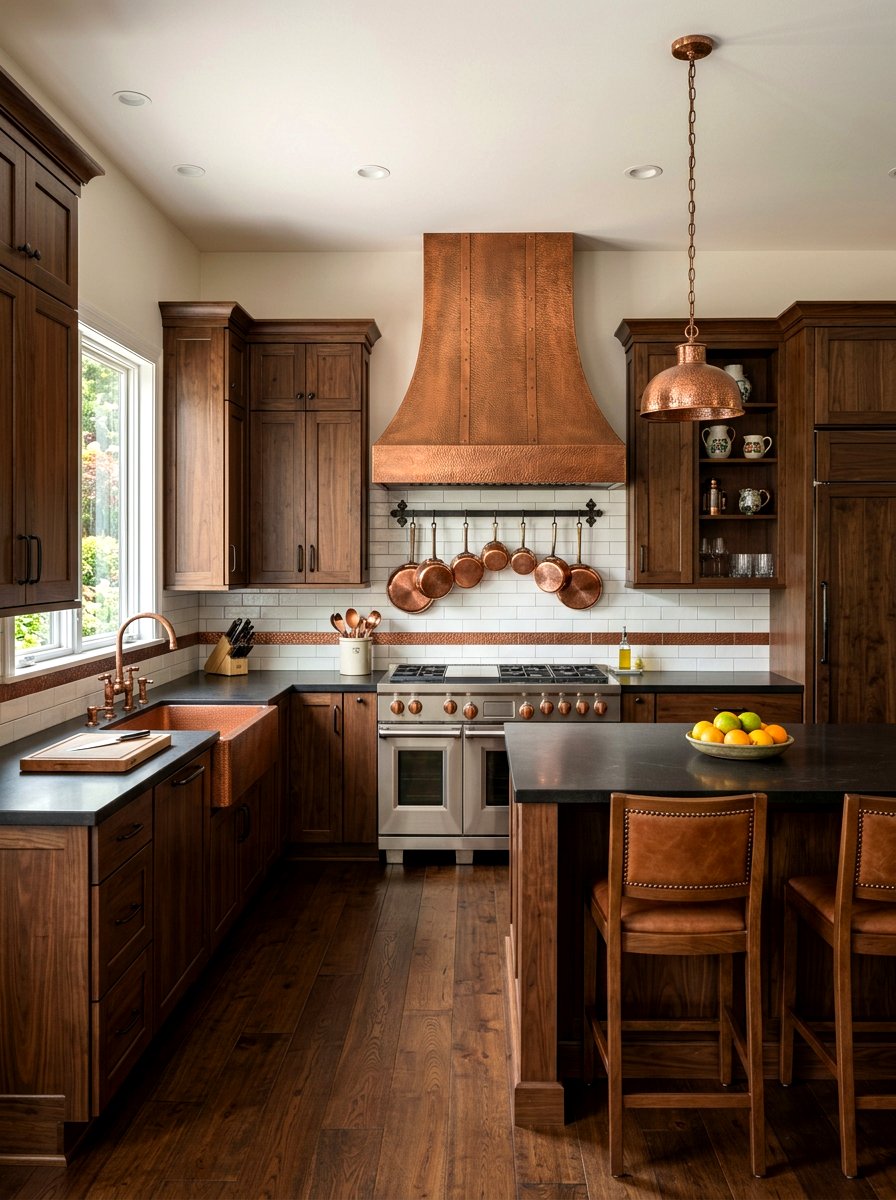
The copper accent kitchen uses warm, glowing metal to add a touch of luxury and traditional craftsmanship to a rustic setting. Integrating a large hammered copper range hood or a deep apron-front copper sink serves as a stunning centerpiece for the entire room. These metallic elements develop a beautiful patina over time, which only adds to the rustic character of the space. Designers often complement these focal points with matching copper pendant lights and hanging pot racks to distribute the warmth throughout the layout. When paired with dark wood cabinets or natural stone countertops, the copper pops brilliantly, creating a rich and inviting color scheme that feels high-end yet approachable.
7. Open Shelf Kitchen
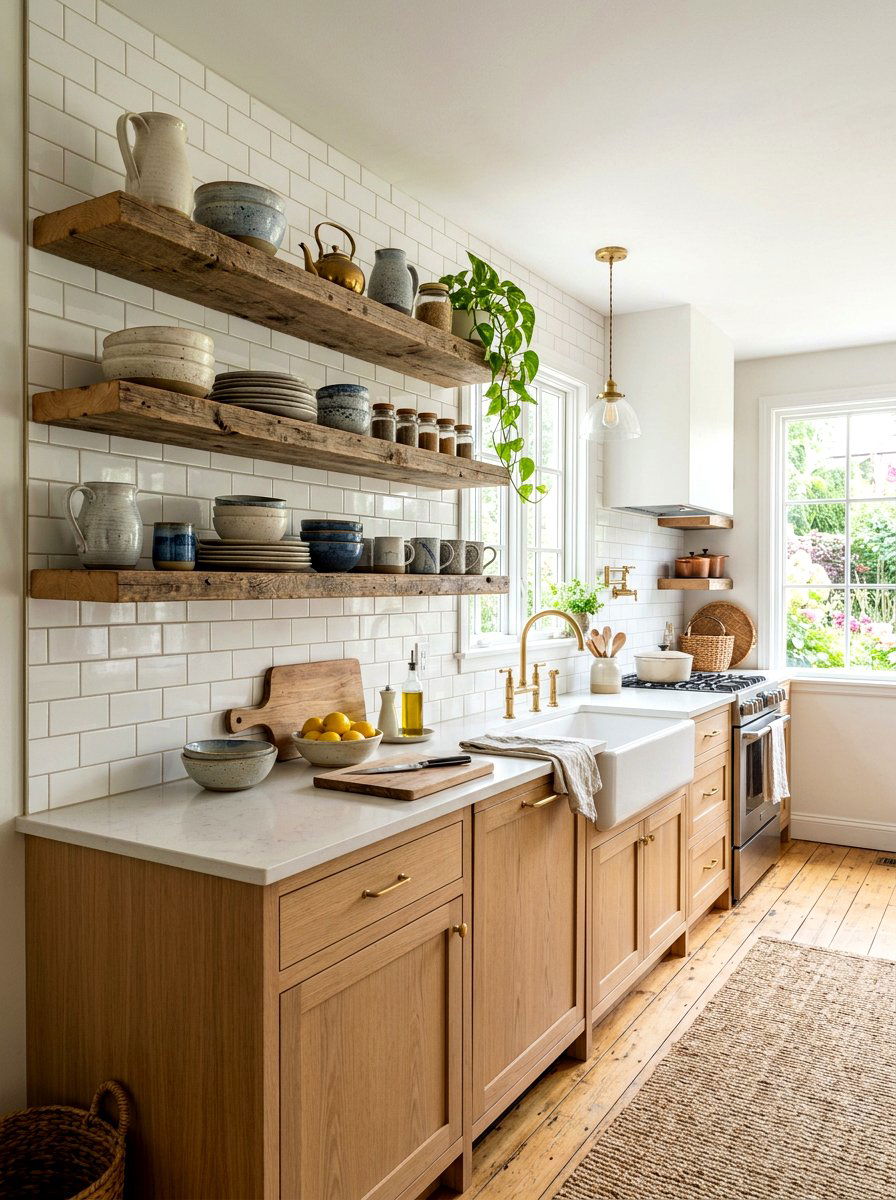
An open shelf kitchen replaces heavy upper cabinets with thick wooden planks to create a breezy and accessible storage solution for daily items. This design encourages a more organized and intentional display of beautiful ceramics, glassware, and wooden cutting boards. It makes the kitchen feel much larger and more social, as everything is visible and within easy reach for both the cook and guests. To maintain the rustic theme, the shelves are often supported by wrought iron brackets or chunky wooden corbels. This layout works exceptionally well in smaller spaces where traditional cabinetry might feel too restrictive, allowing the walls to breathe while showcasing the owner’s personal style and collections.
8. Butcher Block Countertop Kitchen
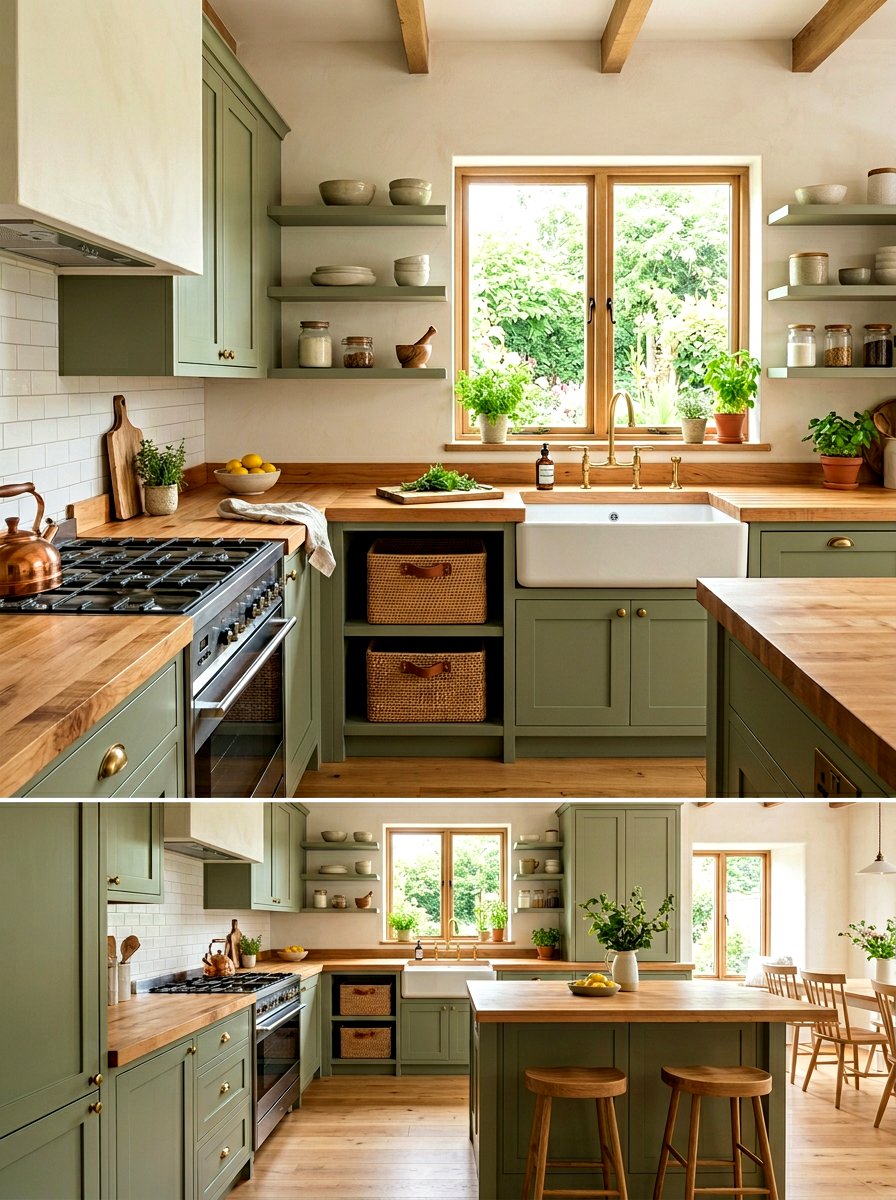
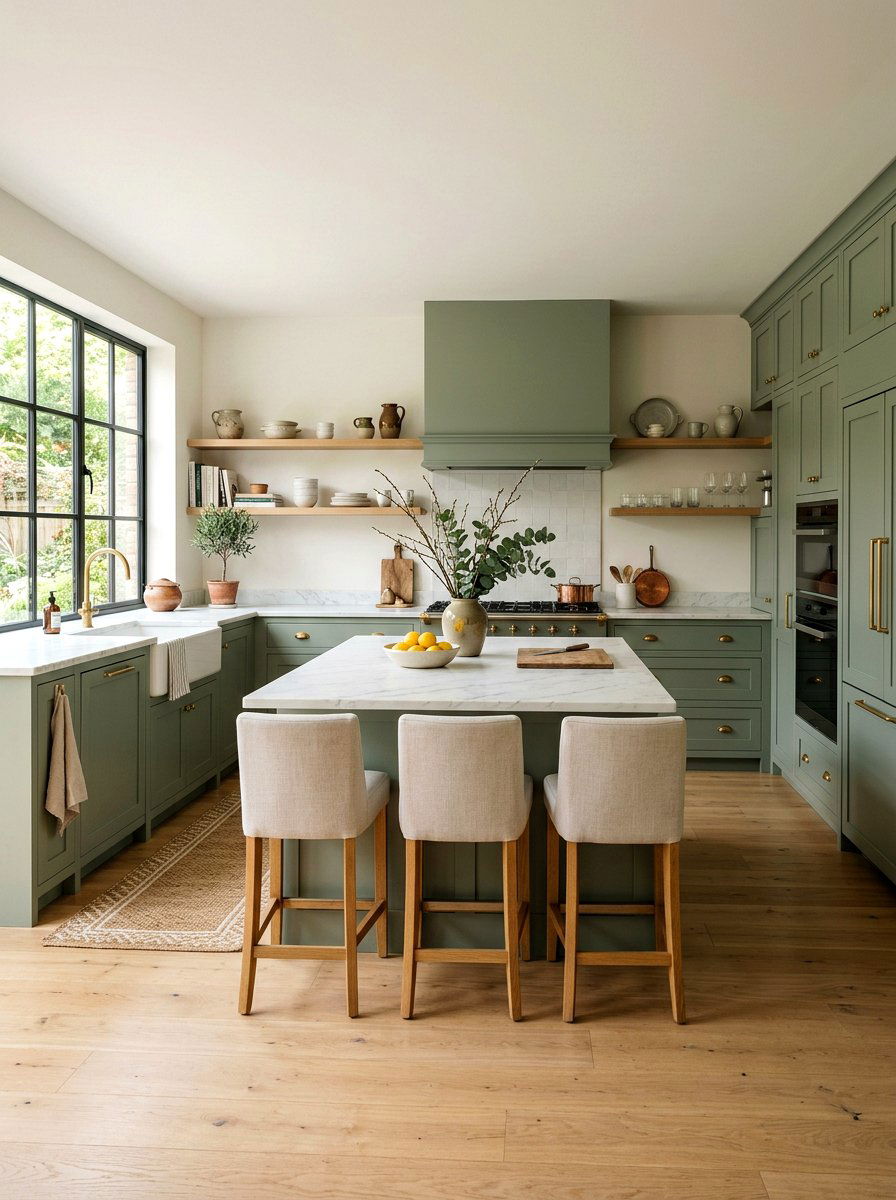
A butcher block countertop kitchen focuses on the beauty of functional wood surfaces to create a workspace that feels organic and inviting. Large expanses of maple, walnut, or oak provide a soft, warm alternative to cold stone or laminate materials. These countertops are often paired with creamy white or sage green cabinetry to create a soft, nature-inspired palette. The wood surface is not just for looks; it provides a durable and repairable area that handles the rigors of daily cooking with grace. In a full room context, the wood counters tie into other timber elements like flooring or window trim, creating a cohesive and harmonious environment for food preparation.
9. Industrial Rustic Kitchen
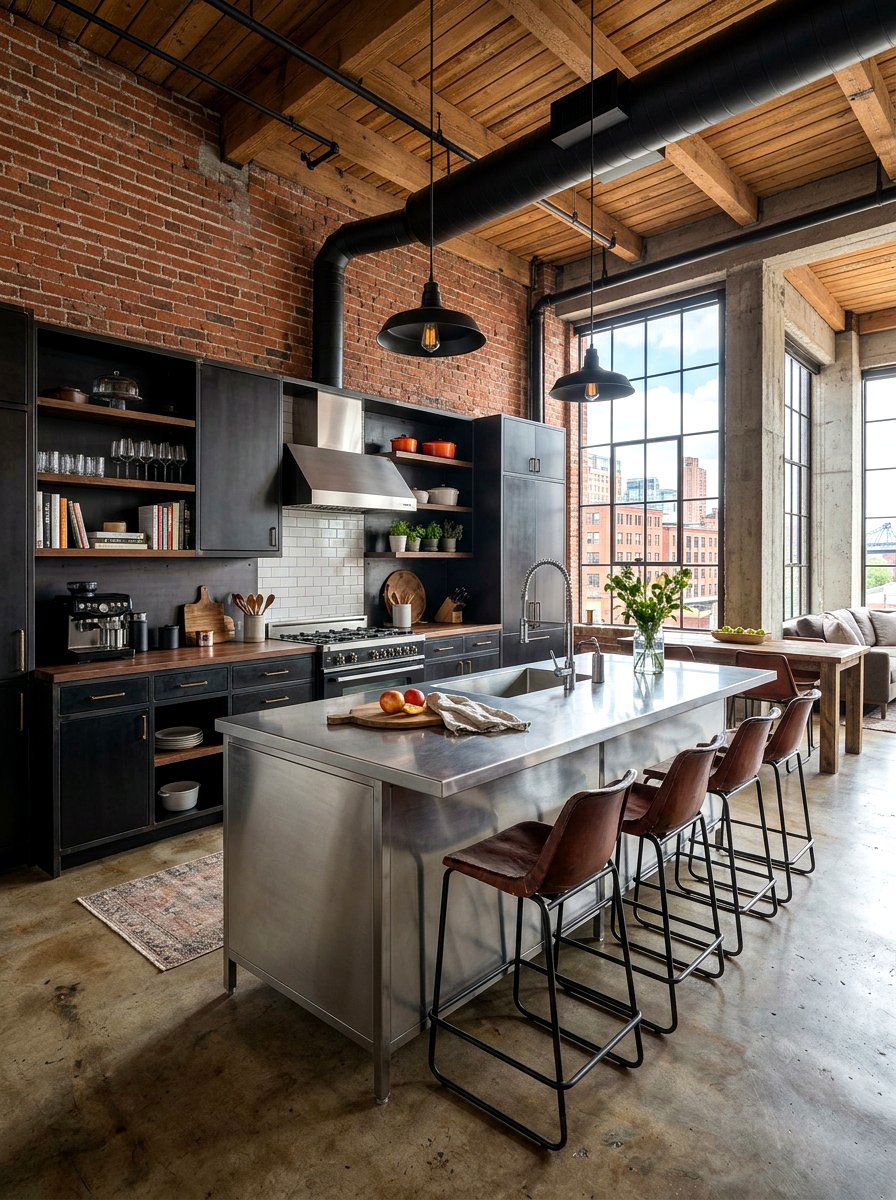
The industrial rustic kitchen blends the raw, edgy feel of factory-inspired elements with the warmth of natural, weathered materials for a unique look. This design frequently features exposed brick walls, matte black metal fixtures, and stainless steel accents alongside reclaimed wood islands and leather barstools. It is a style that celebrates structural honesty, often leaving pipes or ductwork visible as part of the overall decor. Large Edison bulb pendants and heavy iron hardware provide the finishing touches that ground the space. This combination of "hard" and "soft" textures creates a sophisticated, urban-inspired kitchen that feels both trendy and timeless, appealing to those who love a bold and masculine aesthetic.
10. Farmhouse Sink Kitchen
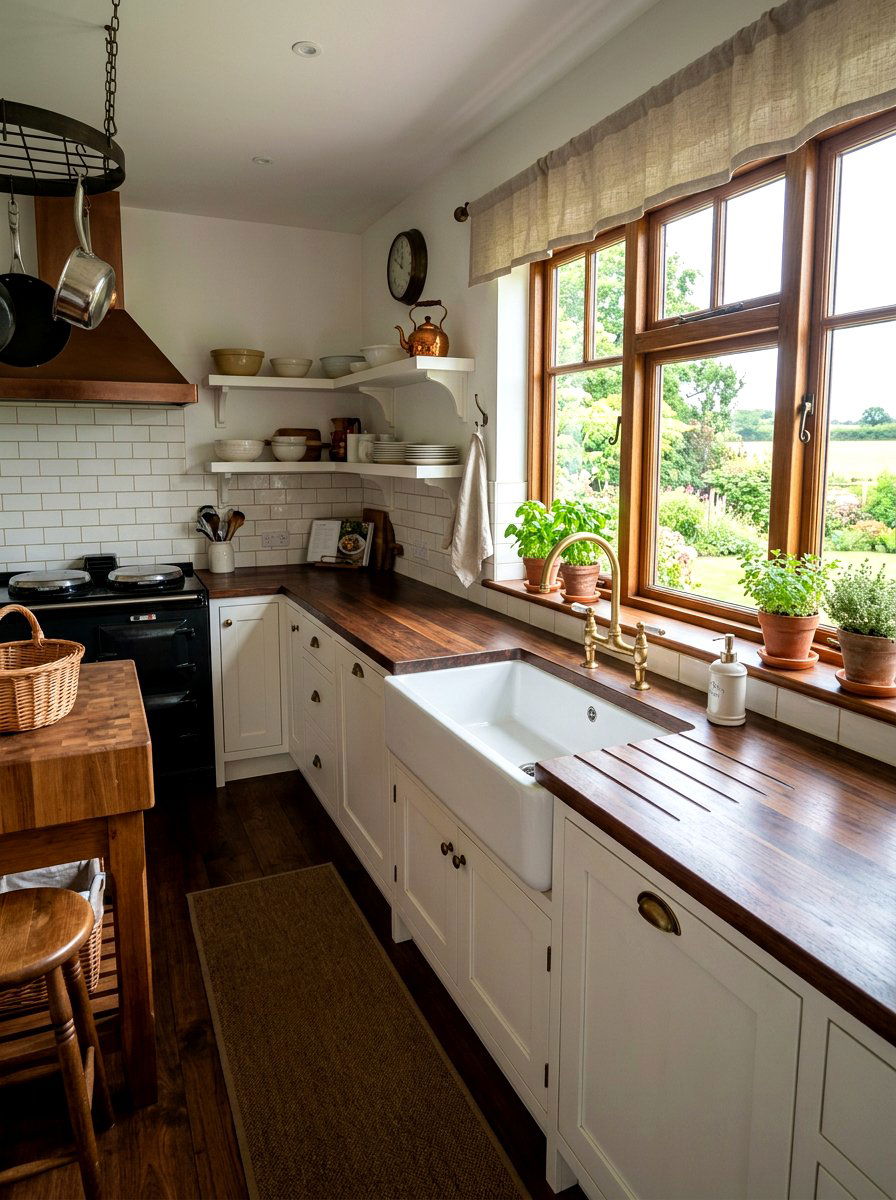
A farmhouse sink kitchen is designed around the iconic, deep-basin apron sink that serves as the functional and visual heart of the room. This layout often positions the sink under a large window with a view, making the cleaning process a more pleasant experience. The sink itself, whether made of white fireclay, hammered metal, or carved stone, dictates the traditional and hardworking feel of the entire space. Surround the sink with shaker-style cabinets and bridge-style faucets to reinforce the vintage aesthetic. This design is highly popular because it suggests a life of simplicity and manual care, while the large sink capacity remains incredibly practical for modern heavy-duty cooking needs.
11. Natural Light Kitchen
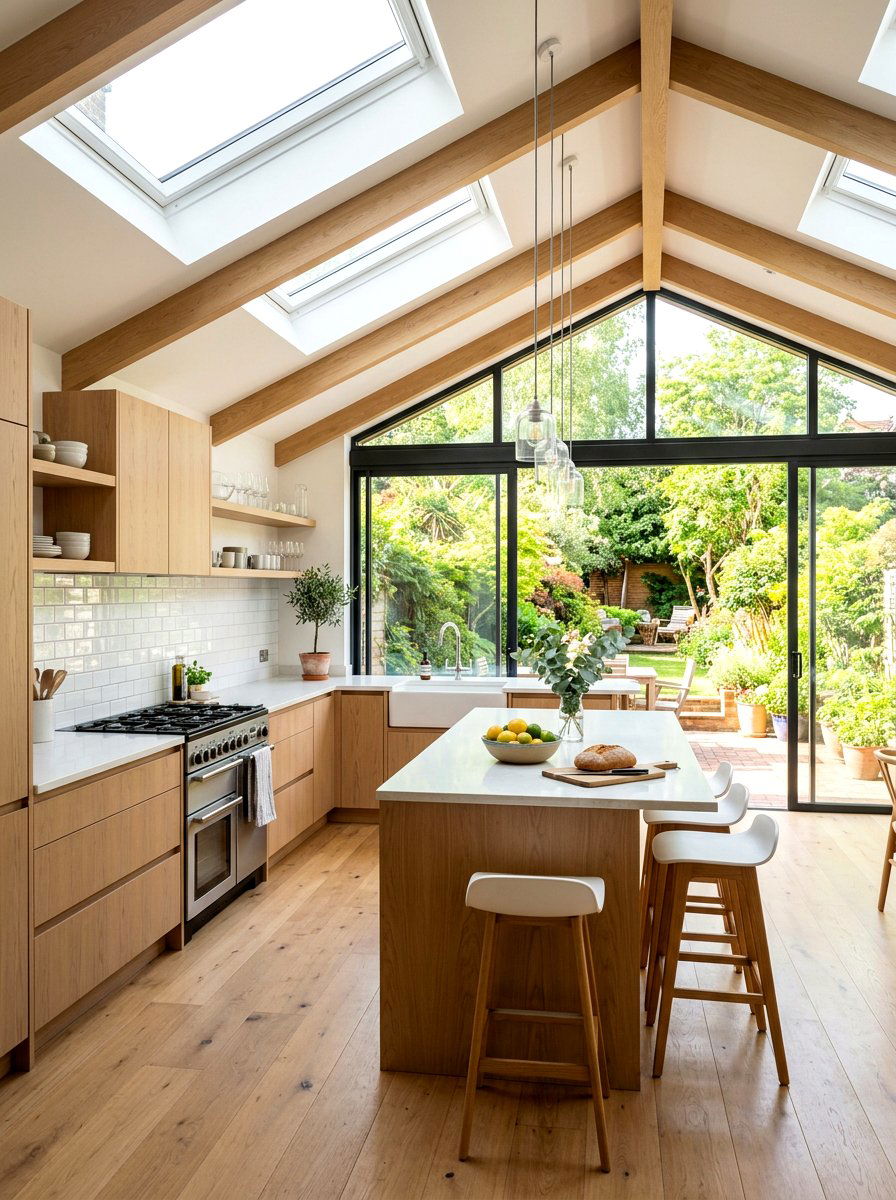
A natural light kitchen prioritizes large windows, skylights, and glass doors to highlight the organic textures of rustic design through sun-drenched views. When sunlight hits weathered wood and stone surfaces, it brings out the depth of the materials and makes the space feel vibrant and alive. This design often features light-filtering linen curtains and reflective surfaces like glazed tiles to bounce light into every corner. By connecting the indoor cooking area with the outdoor landscape, the kitchen feels like an extension of nature itself. This airy atmosphere is perfect for growing indoor herbs on the windowsill, further enhancing the fresh and organic feeling of a well-lit, rustic-themed home environment.
12. Barn Door Kitchen
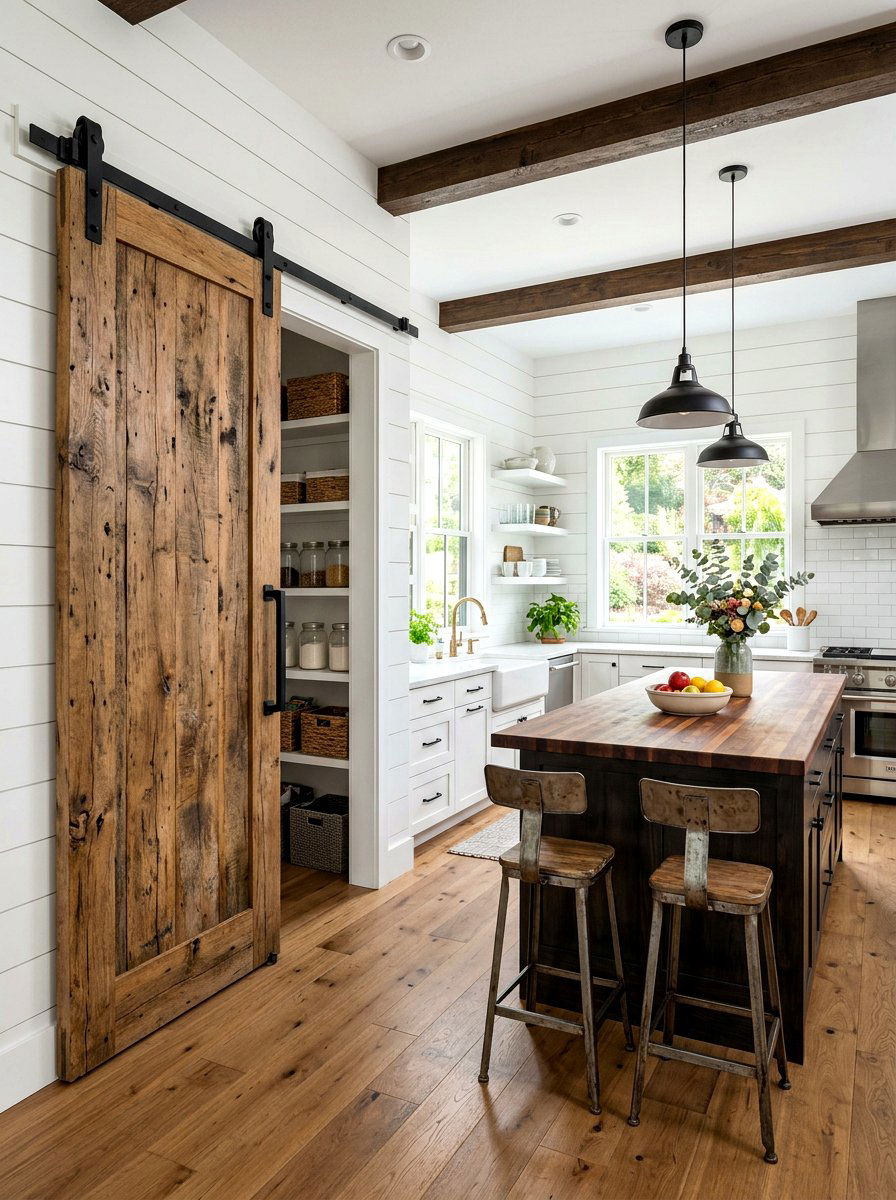
The barn door kitchen utilizes large, sliding wooden doors as both a functional entry point and a major decorative statement for the room. These oversized doors, often made from reclaimed timber with heavy iron tracks, can hide a walk-in pantry or separate the kitchen from the dining area. The presence of such a large wooden element instantly establishes a rural, farmhouse vibe regardless of the home's location. Inside the kitchen, the wood from the door is often echoed in the island base or floating shelves to ensure design continuity. This layout is particularly effective for saving space while adding a massive dose of architectural character and "wow" factor to the home.
13. Shiplap Wall Kitchen
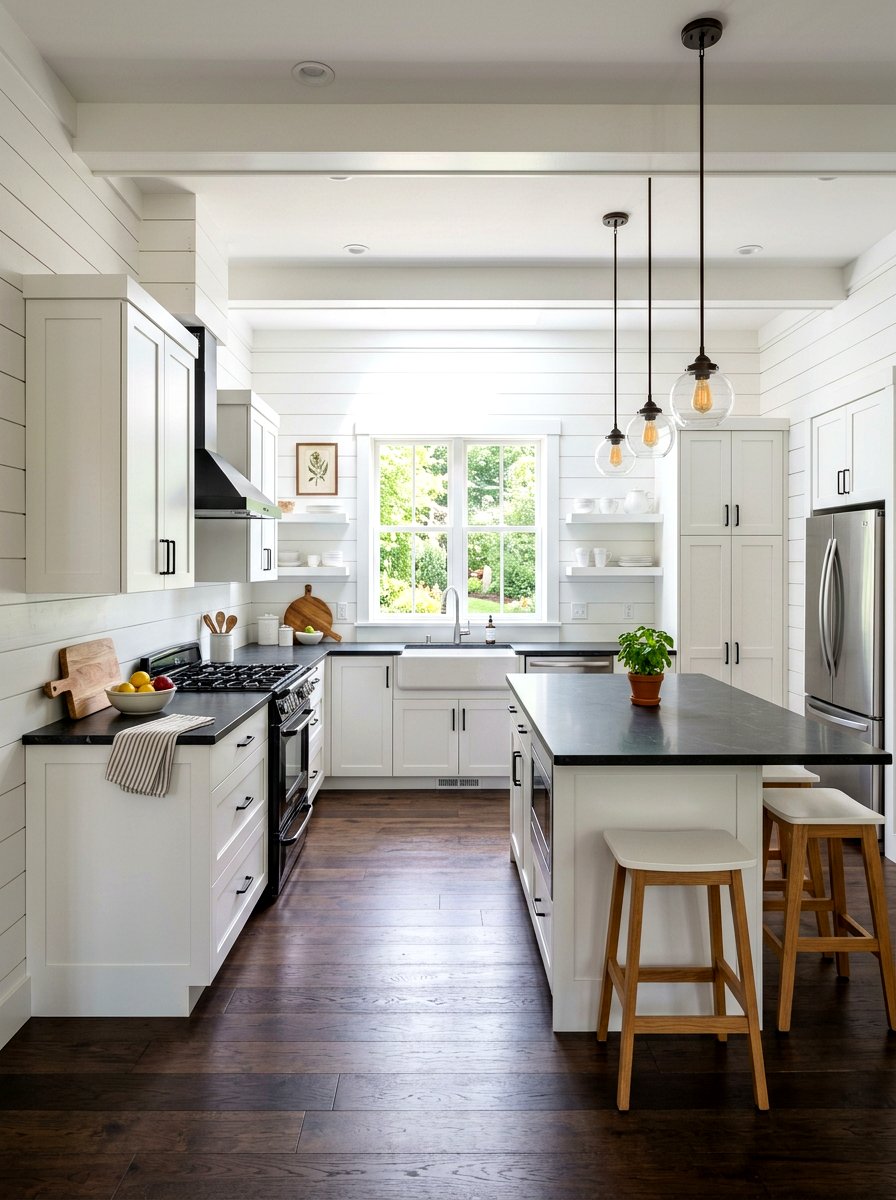
A shiplap wall kitchen uses horizontal wood planking to add subtle texture and a clean, cottage-like feel to the entire cooking space. Typically painted in soft whites or light greys, the shiplap provides a versatile backdrop that works with both modern and traditional rustic furniture. This wall treatment covers the entire room, creating a sense of wrap-around comfort and architectural detail without the need for expensive masonry. When paired with dark wood floors and simple pendant lighting, the shiplap helps to define the room’s boundaries while maintaining a bright and cheerful mood. It is a favorite for those seeking a coastal or "Fixer Upper" style that feels fresh and very clean.
14. Slate Floor Kitchen
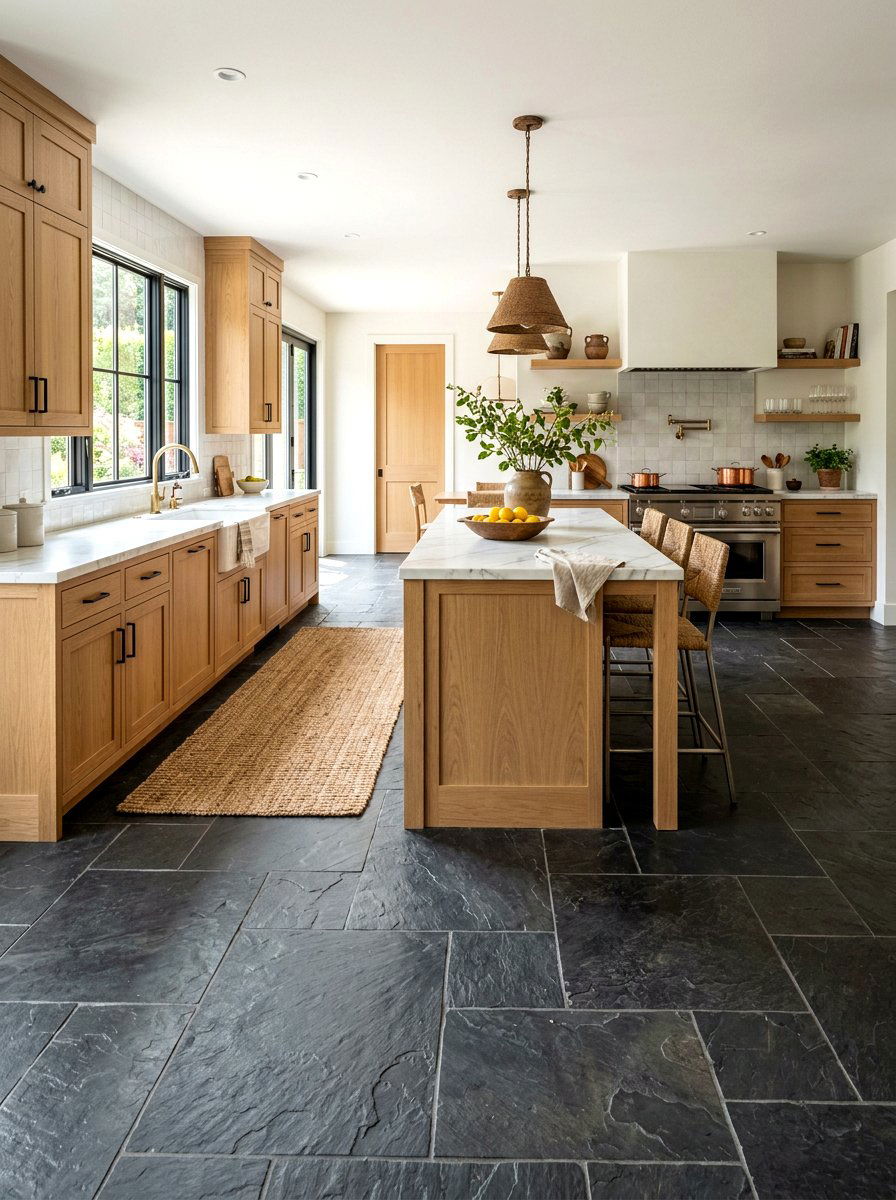
The slate floor kitchen relies on dark, natural stone tiles to ground the space with a durable and high-contrast foundation for the room. The uneven texture and varied grey tones of the slate provide an excellent counterpoint to smooth wooden cabinetry and shiny appliances. This flooring choice is not only beautiful but also incredibly practical for a high-traffic kitchen, as it hides dirt and stands up to heavy wear. To keep the room from feeling too cold, designers often add woven jute rugs and warm wood accents throughout the cabinetry and furniture. The result is a sophisticated, earthy kitchen that feels connected to the land and built to last for many generations.
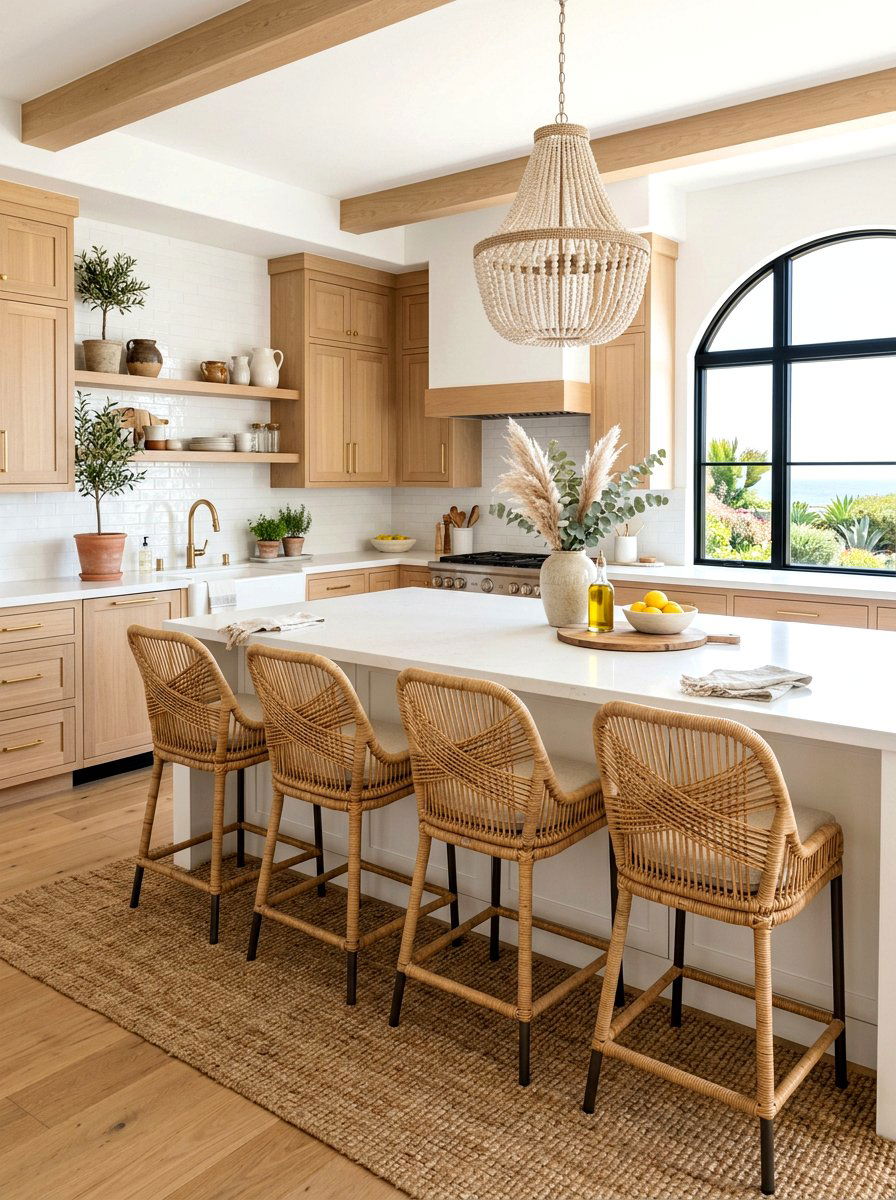
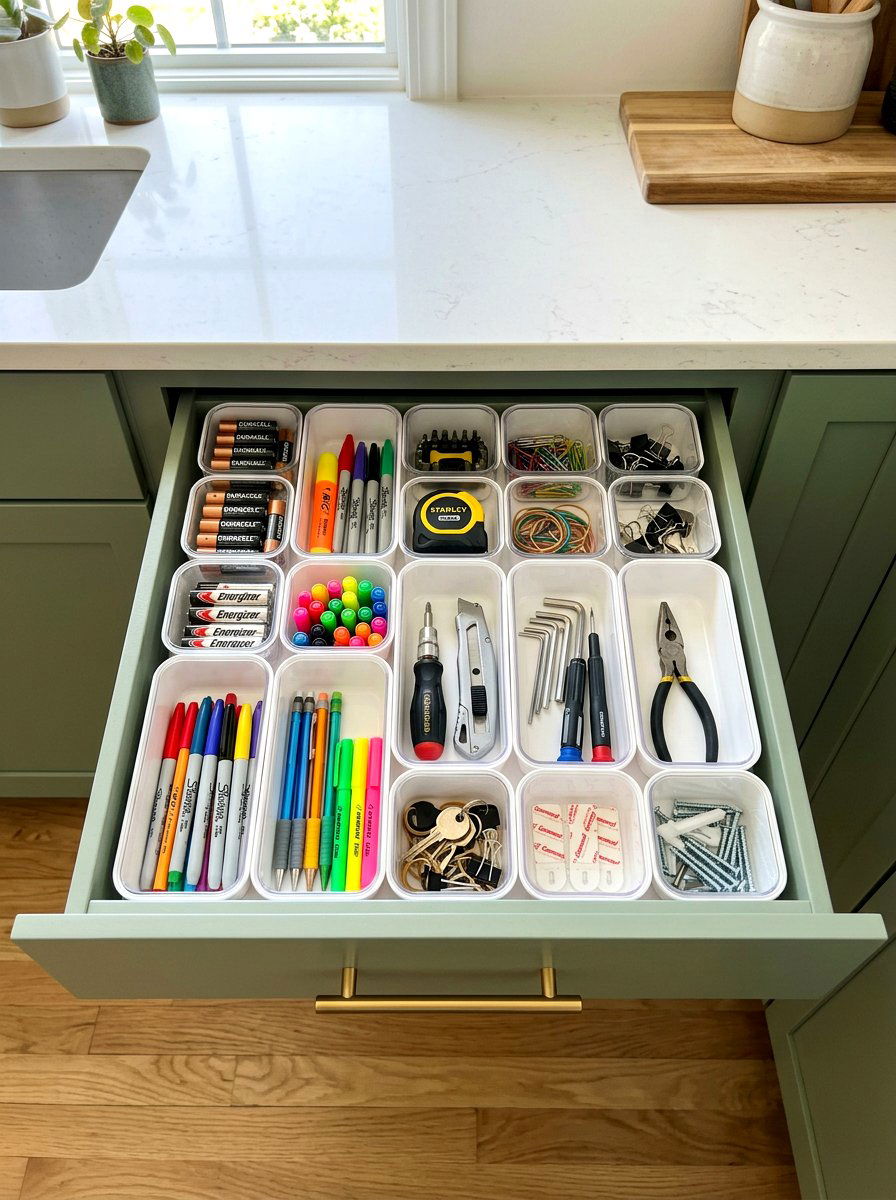
15. Vintage Range Kitchen
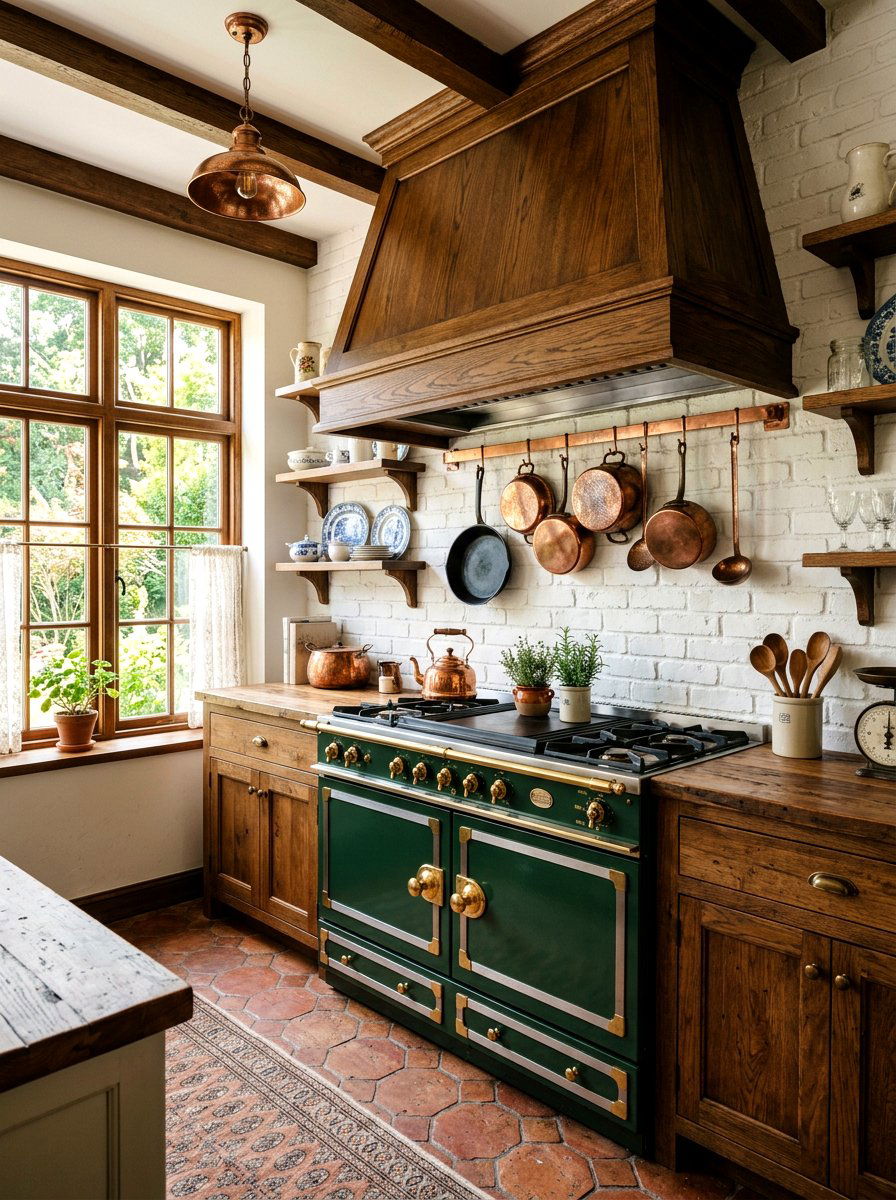
A vintage range kitchen centers the entire room's design on a classic, heavy-duty stove that looks like it belongs in a mid-century farmhouse. Whether it is a restored original or a modern high-end reproduction in a bold color like cobalt blue or forest green, the range becomes the primary focal point. The surrounding cabinetry is often designed to be simple and understated to let the appliance shine as a piece of functional art. Adding a custom hearth-style hood above the range further emphasizes its importance in the space. This design celebrates the joy of traditional cooking and gives the kitchen a professional yet soulful character that guests will always admire.
16. Log Cabin Kitchen
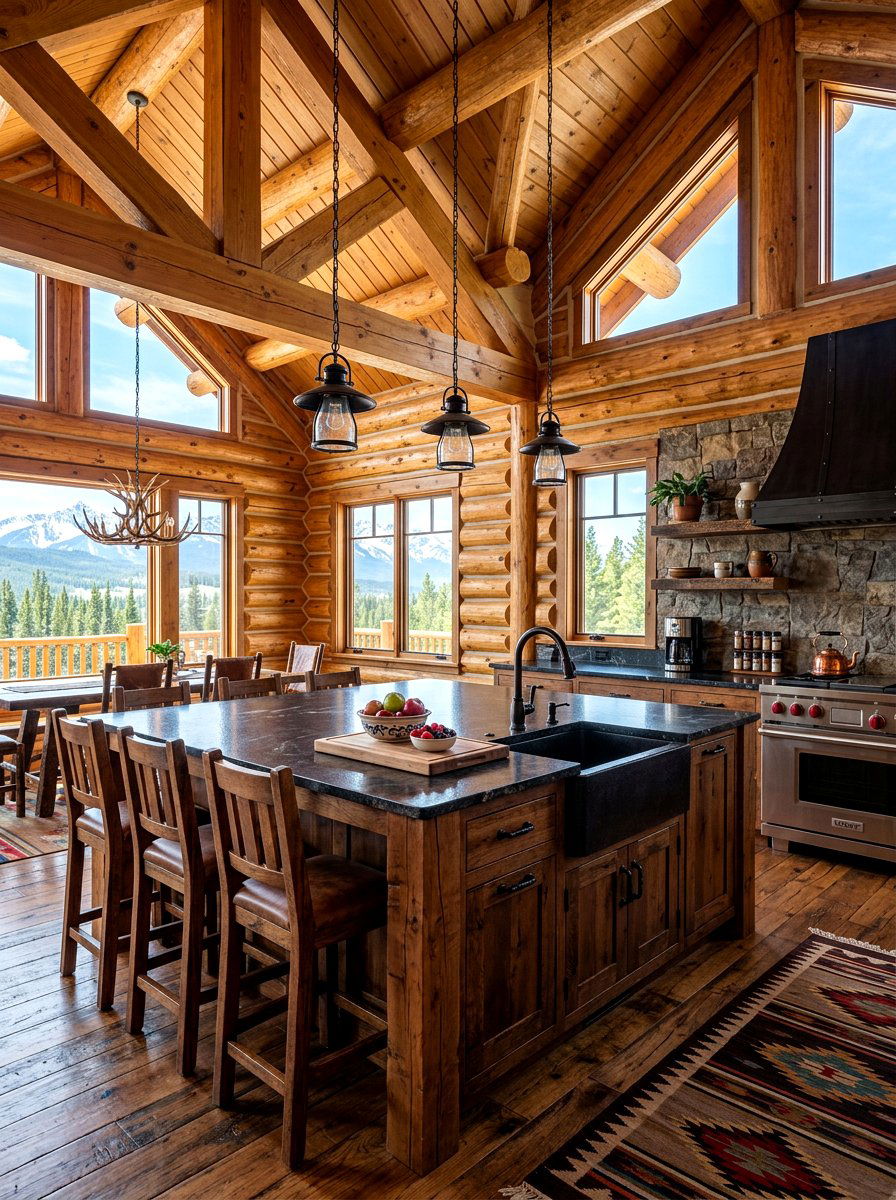
The log cabin kitchen fully embraces its architectural roots by leaving the rounded timber walls exposed as the primary decorative element of the room. This design feels incredibly cozy and protective, like a woodland retreat where the interior and exterior are one. To prevent the wood from becoming overwhelming, the kitchen often features contrasting elements like dark granite countertops, black iron fixtures, and perhaps a colorful tile backsplash. The furniture in a log cabin kitchen is typically oversized and sturdy, matching the scale of the massive logs. This layout is the ultimate expression of rustic living, offering a warm and nostalgic atmosphere that is perfect for snowy winters and family gatherings.
17. Brick Backsplash Kitchen
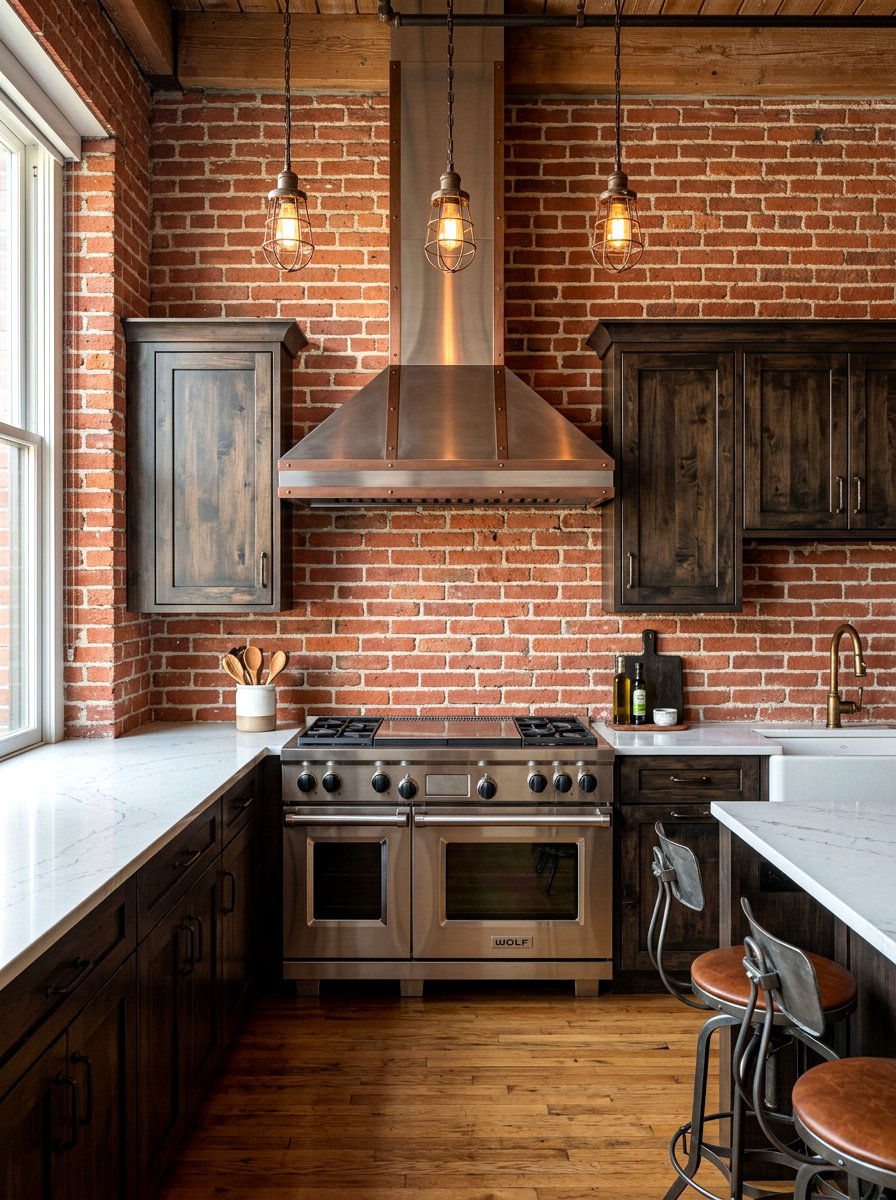
A brick backsplash kitchen introduces a warm, urban texture that bridges the gap between old-world European charm and modern loft-style living for the home. Using thin brick veneers or original exposed masonry across the entire wall behind the stove creates a rich, multi-toned surface that hides splashes and adds character. This design often pairs the red or tan bricks with dark-stained cabinetry and industrial-style lighting to create a moody and sophisticated environment. The rough texture of the brick provides a beautiful contrast to smooth quartz or marble countertops. This style is highly sought after for its ability to make a brand-new kitchen feel established, historic, and full of unique architectural personality.
18. Pot Rack Kitchen
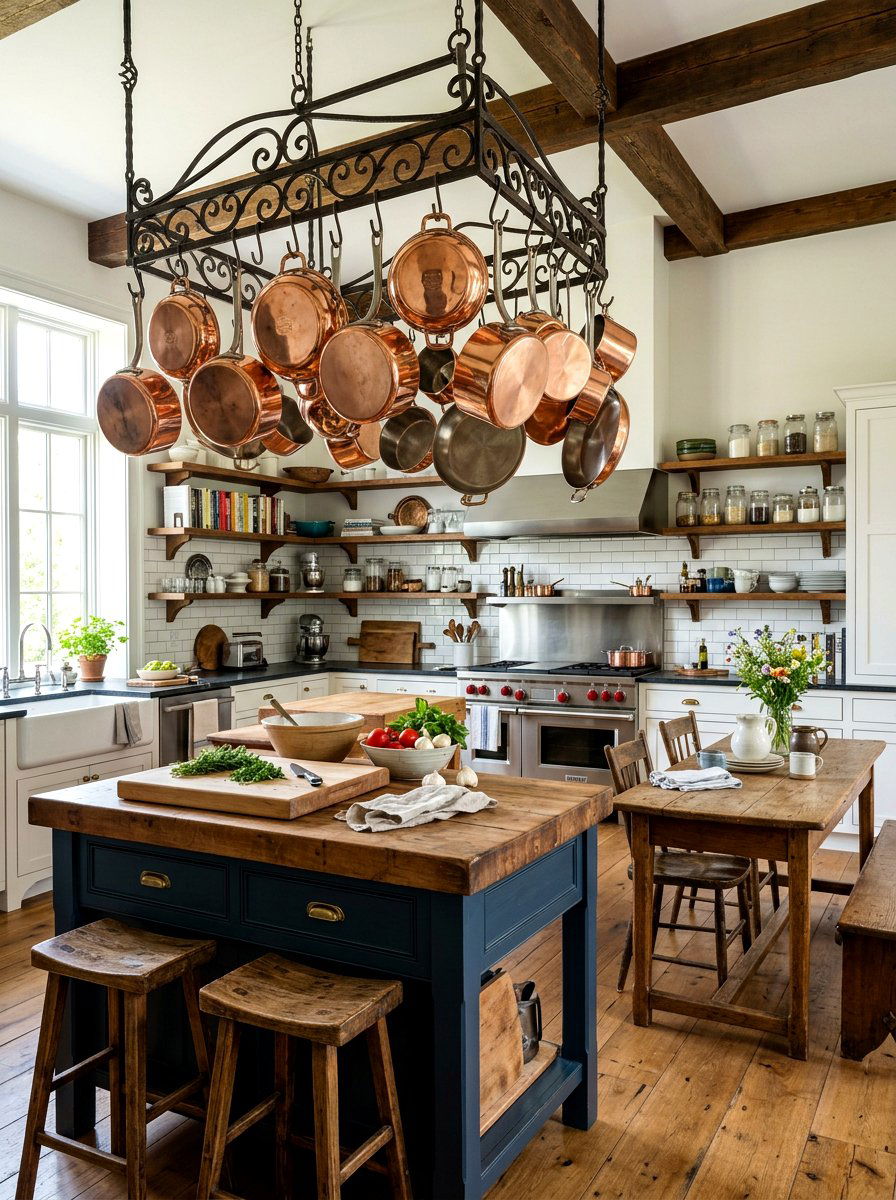
A pot rack kitchen celebrates functional maximalism by turning everyday cookware into a beautiful and accessible wall or ceiling display for the room. A large wrought iron or wooden rack hanging over the island or near the stove keeps copper pans and cast iron skillets within easy reach while freeing up cabinet space. This design choice gives the kitchen an active, "working" feel that suggests a passion for culinary arts and home-cooked meals. When combined with open shelving and a large farmhouse table, the pot rack contributes to a cozy, lived-in aesthetic that is both practical and visually interesting. It’s a great way to add vertical interest to a high-ceilinged room.
19. Two Tone Rustic Kitchen
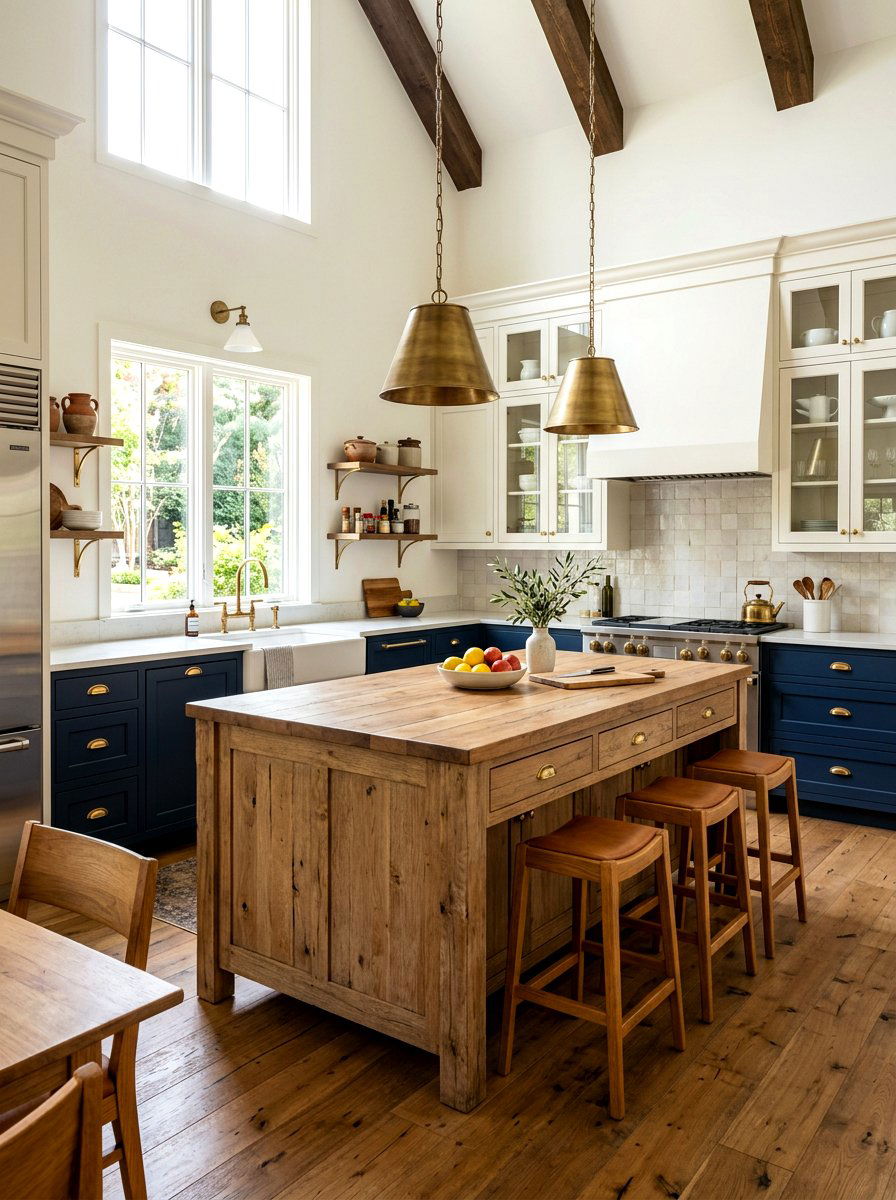
The two-tone rustic kitchen uses a sophisticated color-blocking technique to add depth and visual interest to the cabinetry throughout the entire space. Typically, this involves painting the lower cabinets or the central island in a moody color like navy blue or charcoal, while the upper cabinets or walls remain a light, creamy white. This contrast highlights the different textures of the wood and makes the room feel more dynamic and custom-designed. The use of natural wood for the countertops or flooring helps to bridge the two colors, ensuring the space remains warm and cohesive. This layout is perfect for homeowners who want to experiment with color while staying within a traditional theme.
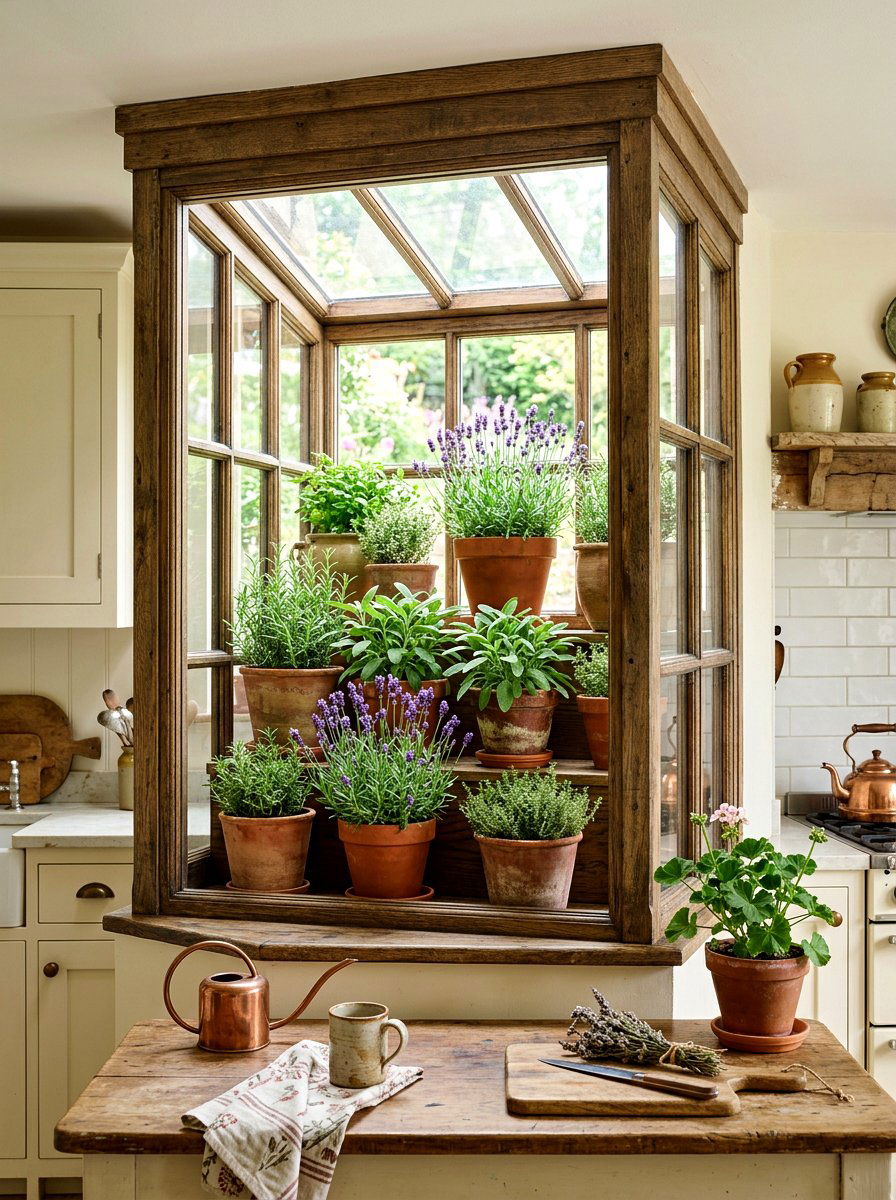
20. Weathered Oak Kitchen
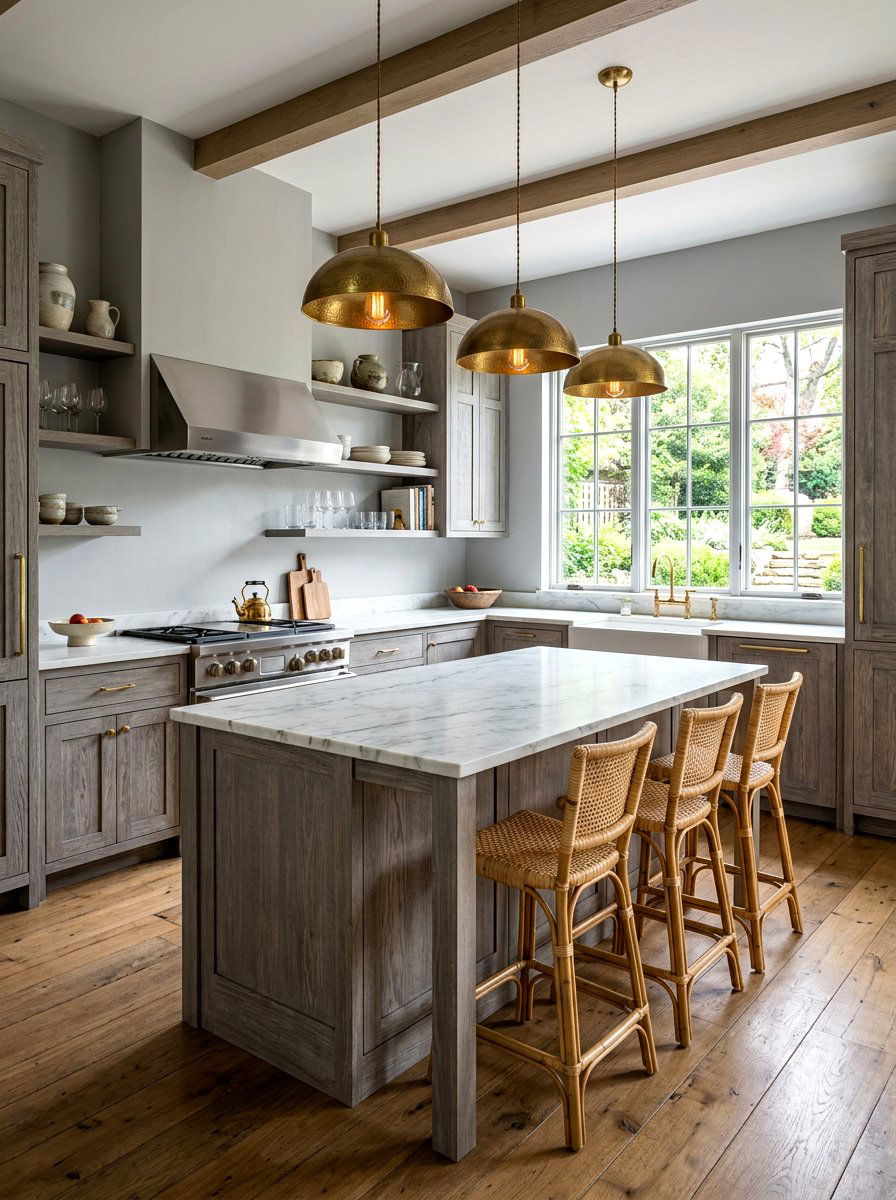
A weathered oak kitchen focuses on the soft, grey-washed tones of aged wood to create a serene and sophisticated take on rustic design. Unlike dark or orange-toned woods, weathered oak feels light and airy, making it an excellent choice for modern homes with an organic aesthetic. This wood finish is often applied to the entire cabinetry set and the kitchen island to create a uniform, textured look. Designers usually pair these soft wood tones with white marble countertops and brass hardware to add a touch of elegance and shine. The result is a calm, monochromatic space that feels incredibly high-end while still maintaining a strong connection to natural materials and craftsmanship.
21. Cottage Style Kitchen
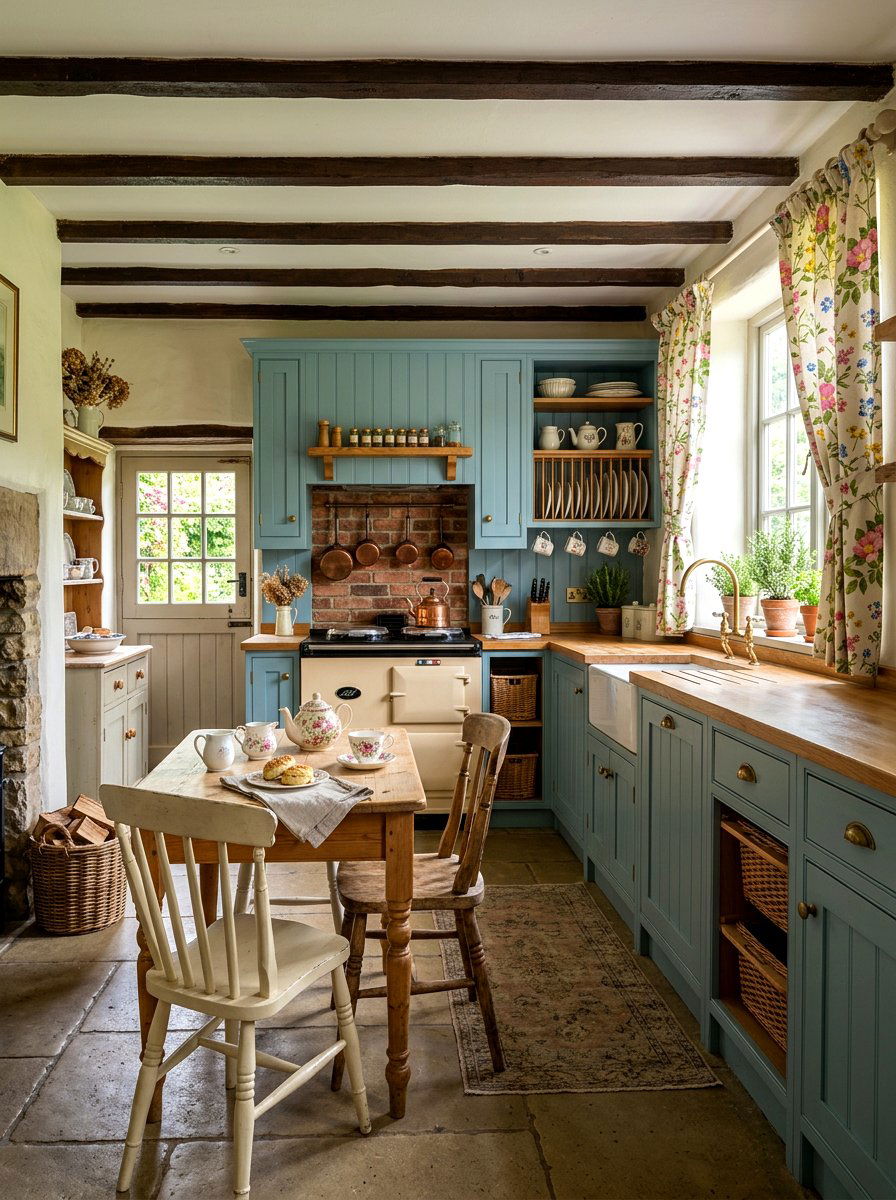
The cottage style kitchen is all about creating a quaint, charming, and highly personalized space that feels like a quiet country escape. This design often features beadboard detailing, floral patterns, and soft pastel colors like duck-egg blue or butter-yellow. Freestanding furniture, such as a vintage dresser used as a pantry or a small bistro table in the corner, adds to the informal and "collected" atmosphere. To keep it rustic, incorporate natural elements like woven baskets, stone floors, and plenty of fresh greenery. This layout is meant to feel unpretentious and incredibly welcoming, providing a sweet and nostalgic backdrop for baking, morning coffee, and intimate family meals in a cozy setting.
22. Dark Wood Kitchen
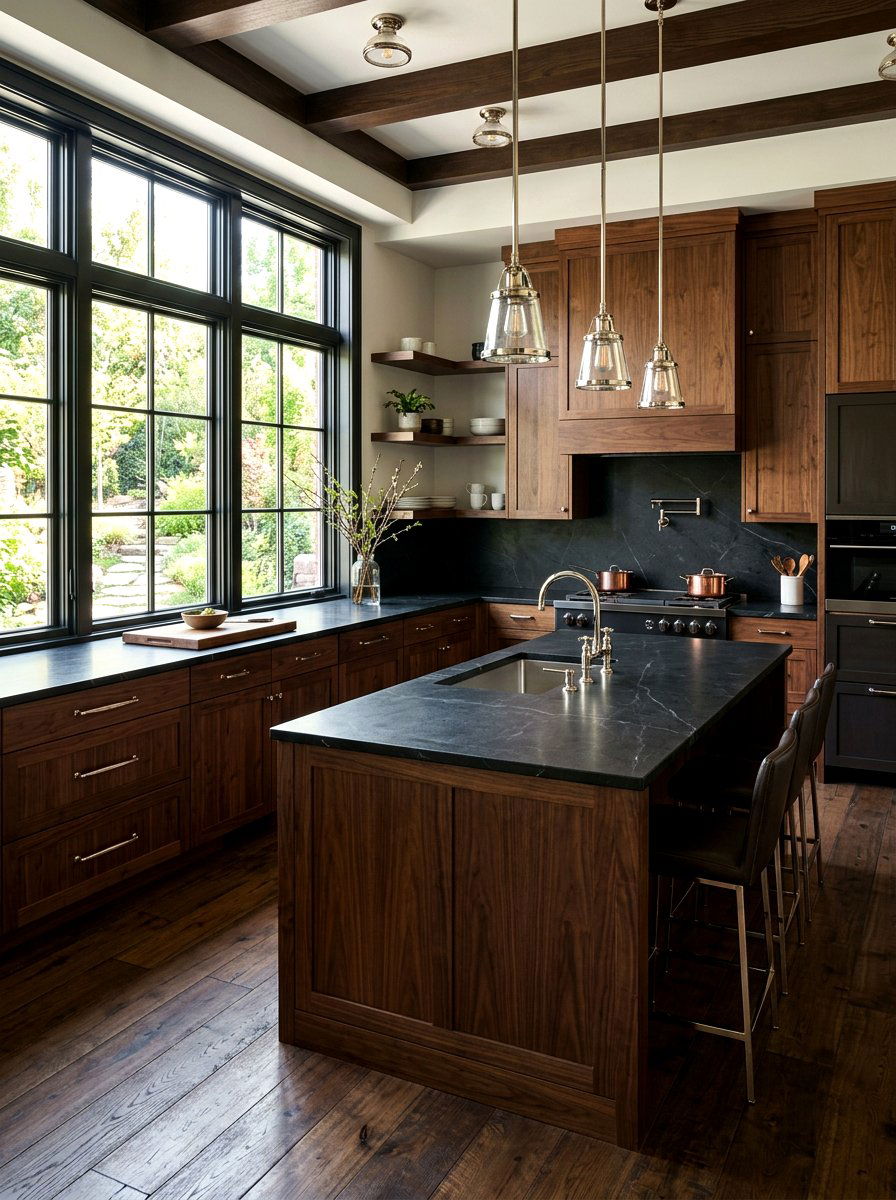
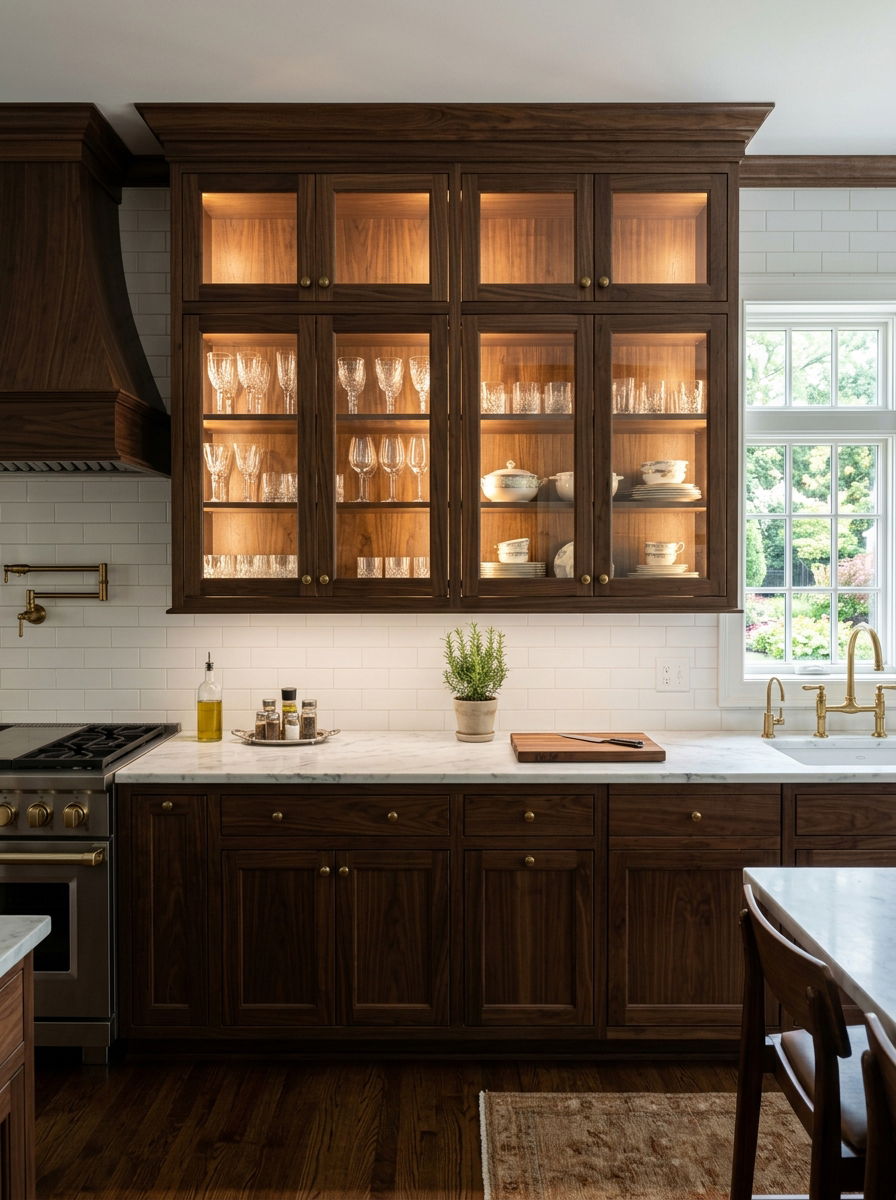
A dark wood kitchen utilizes deep espresso or walnut stains to create a moody, luxurious, and grounded atmosphere that feels very high-end. When used across all the cabinetry and paired with dark stone countertops, the room takes on a dramatic and sophisticated presence. To prevent the space from feeling too heavy, designers often include large windows, light-colored backsplashes, and bright metallic accents like gold or polished nickel. The rich wood grain provides a natural warmth that balances the dark tones, making the kitchen feel like a cozy den. This style is perfect for those who want a kitchen that feels formal enough for entertaining while remaining rooted in traditional rustic materials.
23. White Rustic Kitchen
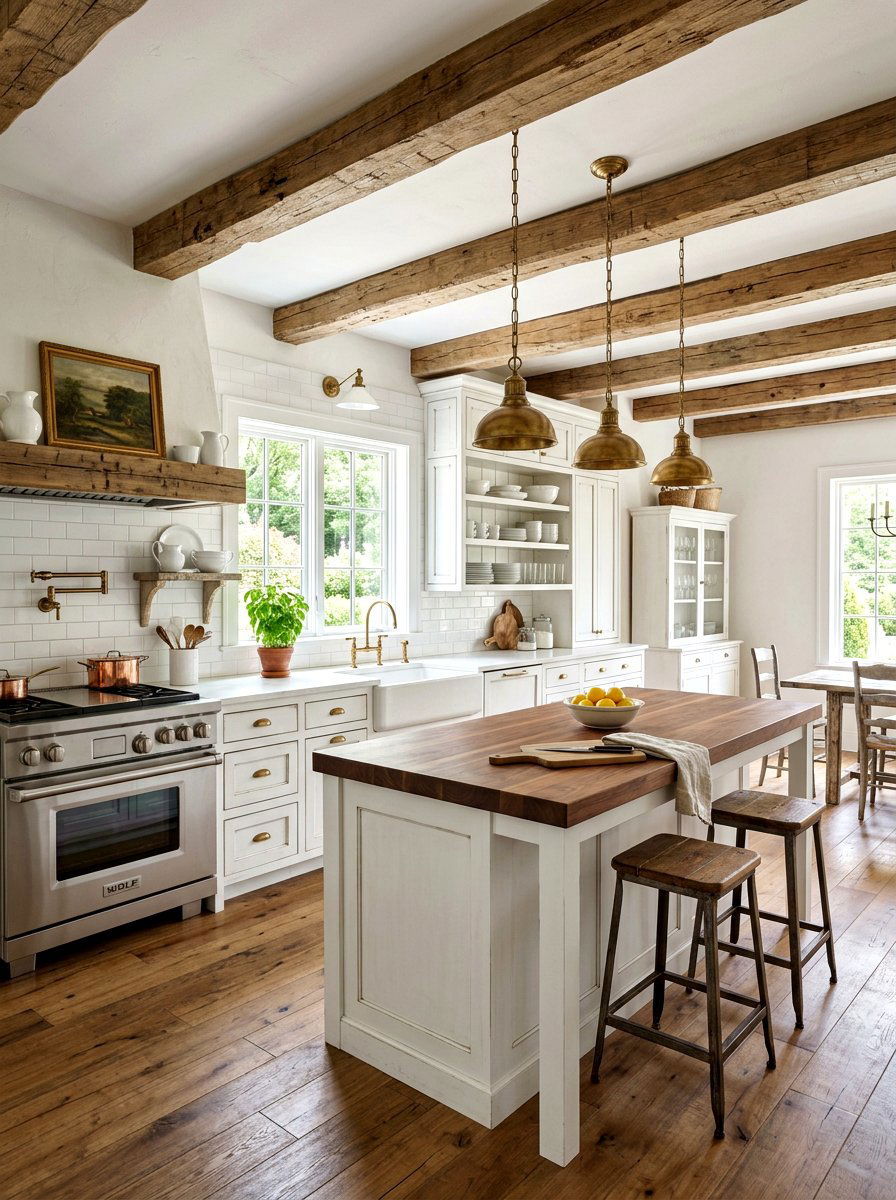
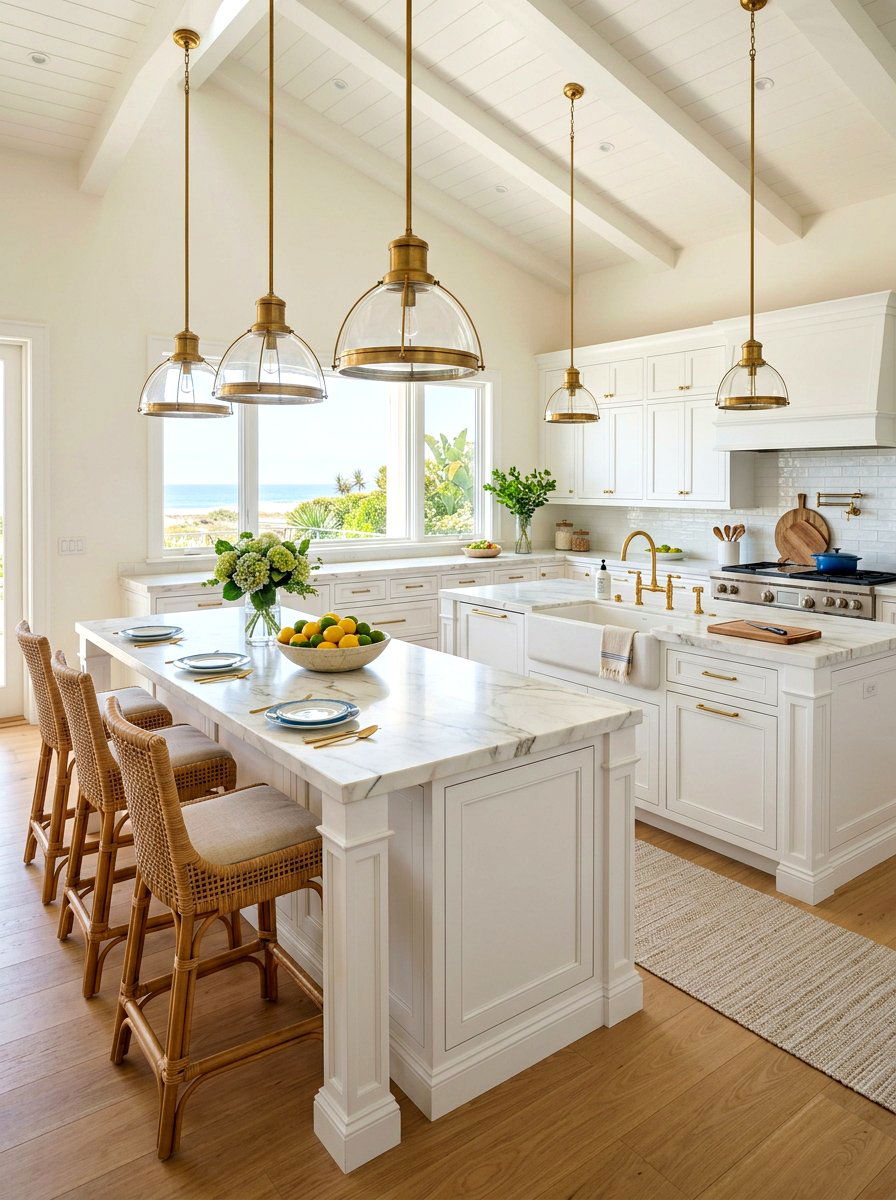
The white rustic kitchen is a timeless favorite because it combines the cleanliness and brightness of a white palette with the warmth of natural textures. This design uses white-painted shaker cabinets as a canvas for reclaimed wood ceiling beams, butcher block islands, and antique brass fixtures. The combination ensures the room feels fresh and modern while avoiding the sterility often found in all-white contemporary kitchens. The addition of a vintage-style runner rug and wooden barstools brings in the necessary "soul" to make the space feel like a home. This versatile layout works in almost any architectural setting, offering a bright and cheerful environment that never goes out of style for Pinterest.
24. Terracotta Tile Kitchen
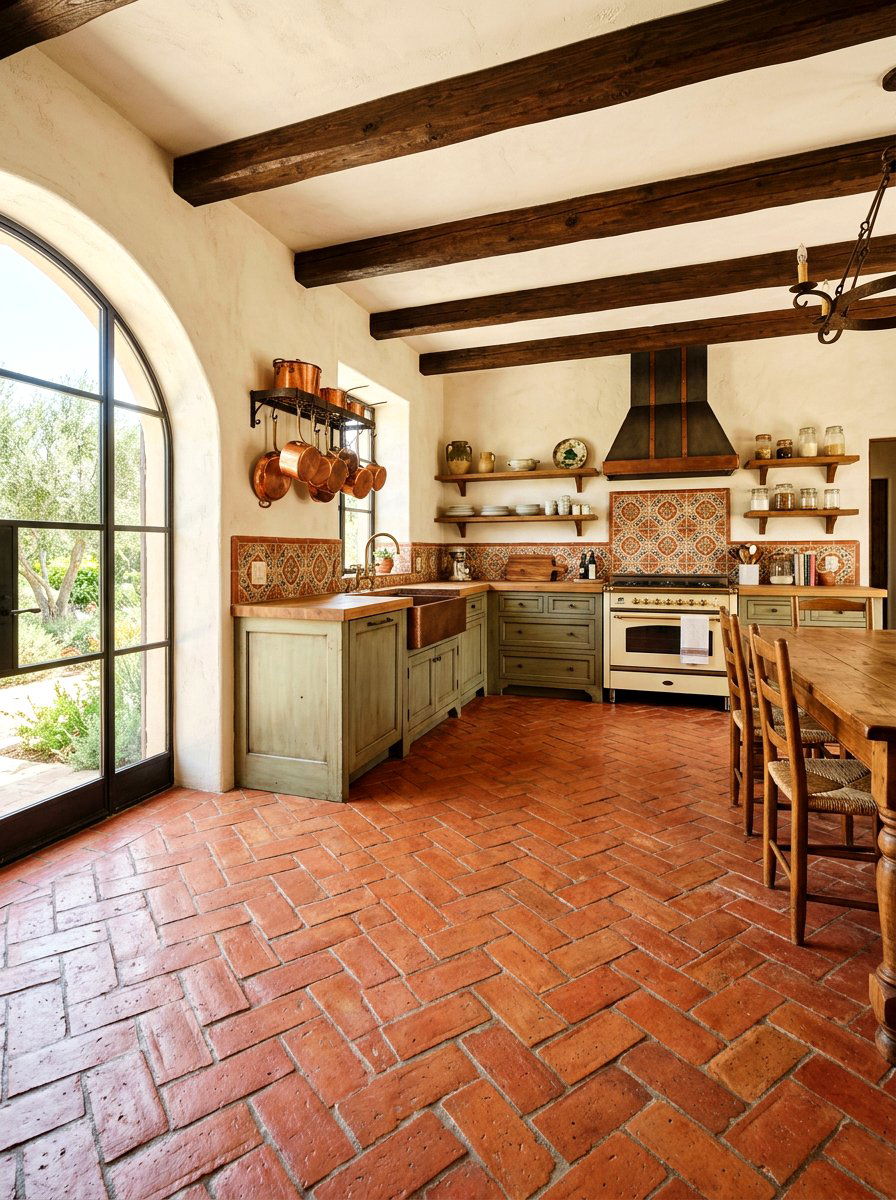
A terracotta tile kitchen brings a warm, Mediterranean or Southwestern influence into the home through the use of earthy, reddish-orange clay flooring. These handmade tiles provide an instant sense of history and warmth, feeling soft and natural underfoot. The vibrant color of the floor is usually balanced with neutral cabinetry in shades of cream, sage, or even a soft terracotta-toned wood. This design often features plastered walls and arched doorways to enhance the old-world aesthetic. Copper accents and hand-painted ceramic backsplashes further tie the theme together, resulting in a sun-drenched and soulful kitchen that feels like it has been part of a rustic villa for hundreds of years.
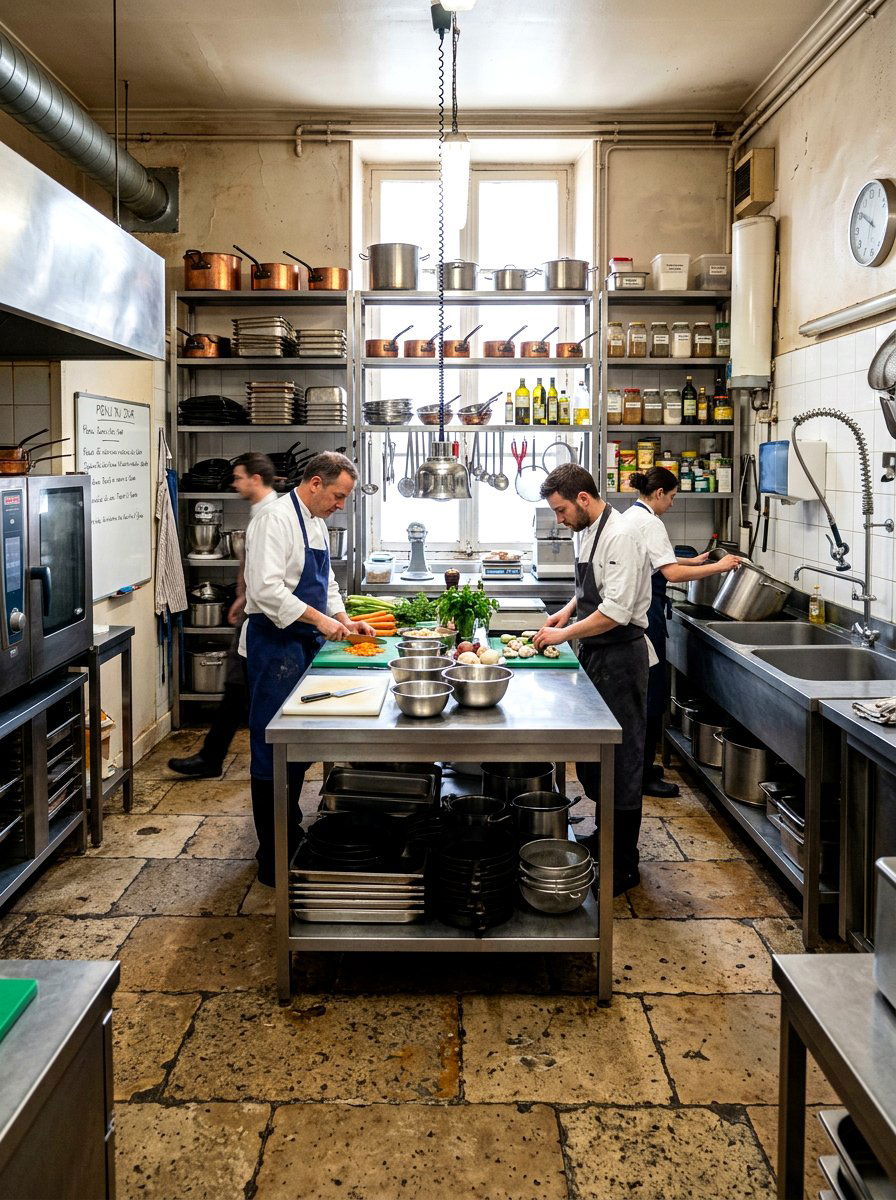
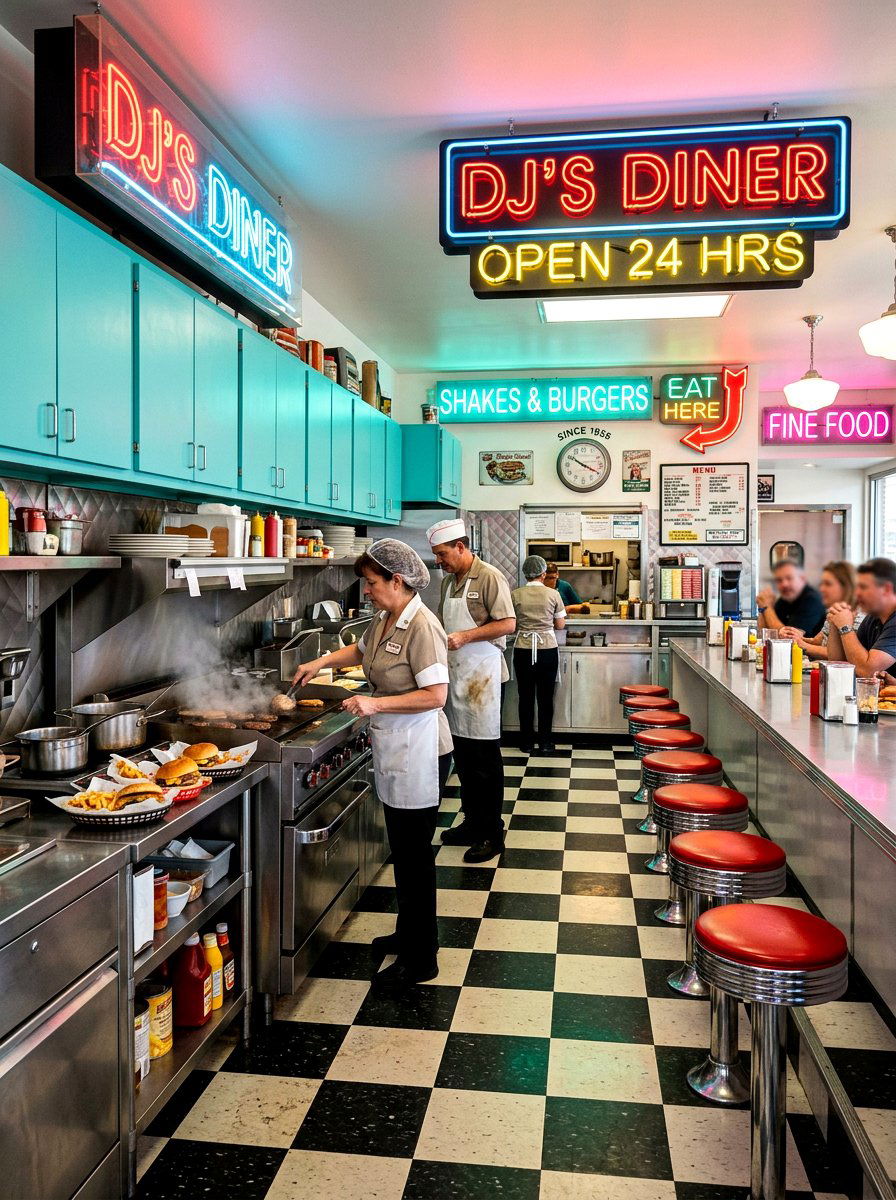
25. Distressed Finish Kitchen
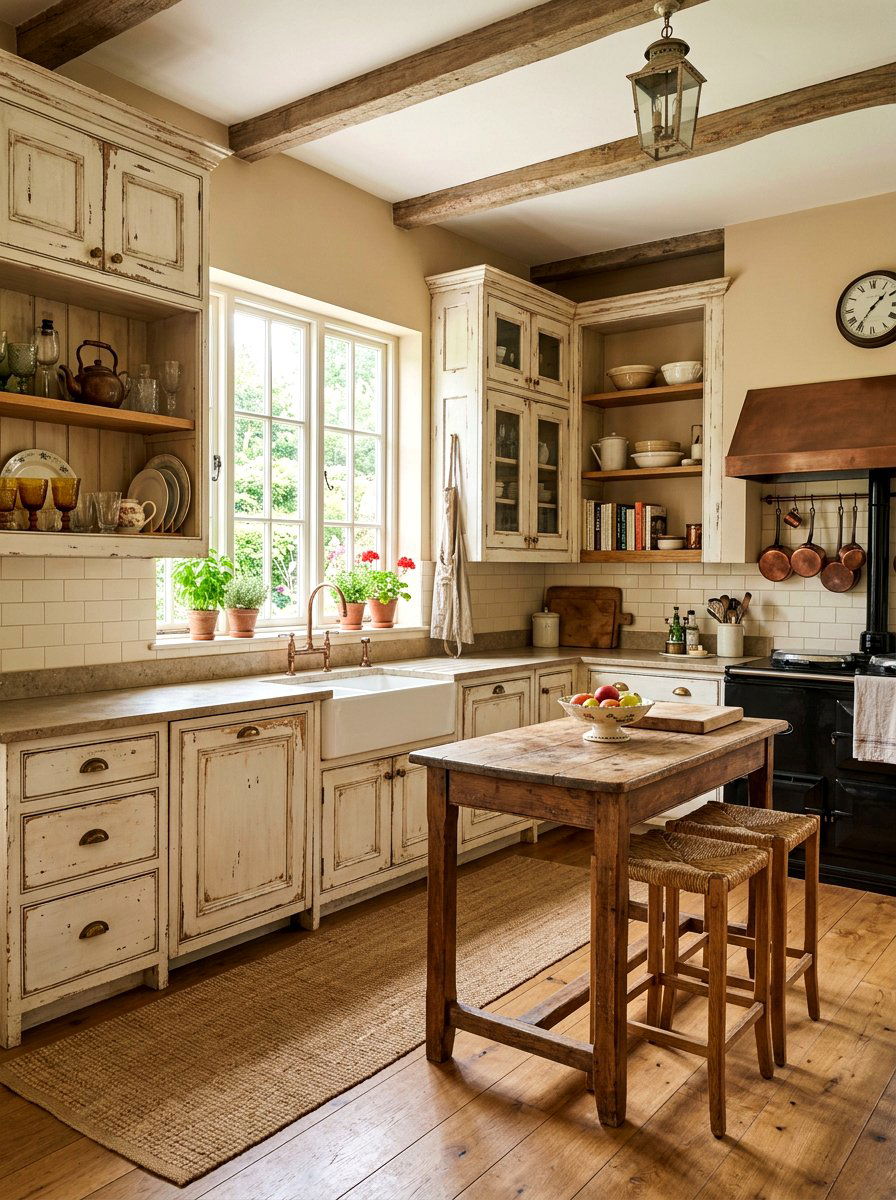
The distressed finish kitchen celebrates the beauty of age and wear by using cabinetry and furniture with a purposefully "chipped" or "weathered" paint effect. This technique gives the entire room an instant sense of history, making new cabinets look like they have been part of the house for generations. Often seen in French country or Shabby Chic designs, the distressed look is usually applied to soft colors like antique white, mint green, or pale blue. To keep the space looking intentional and not messy, the worn elements are paired with high-quality stone countertops and clean, modern appliances. This creates a charming "perfectly imperfect" environment that feels relaxed and very easy to live in.
26. Iron Hardware Kitchen
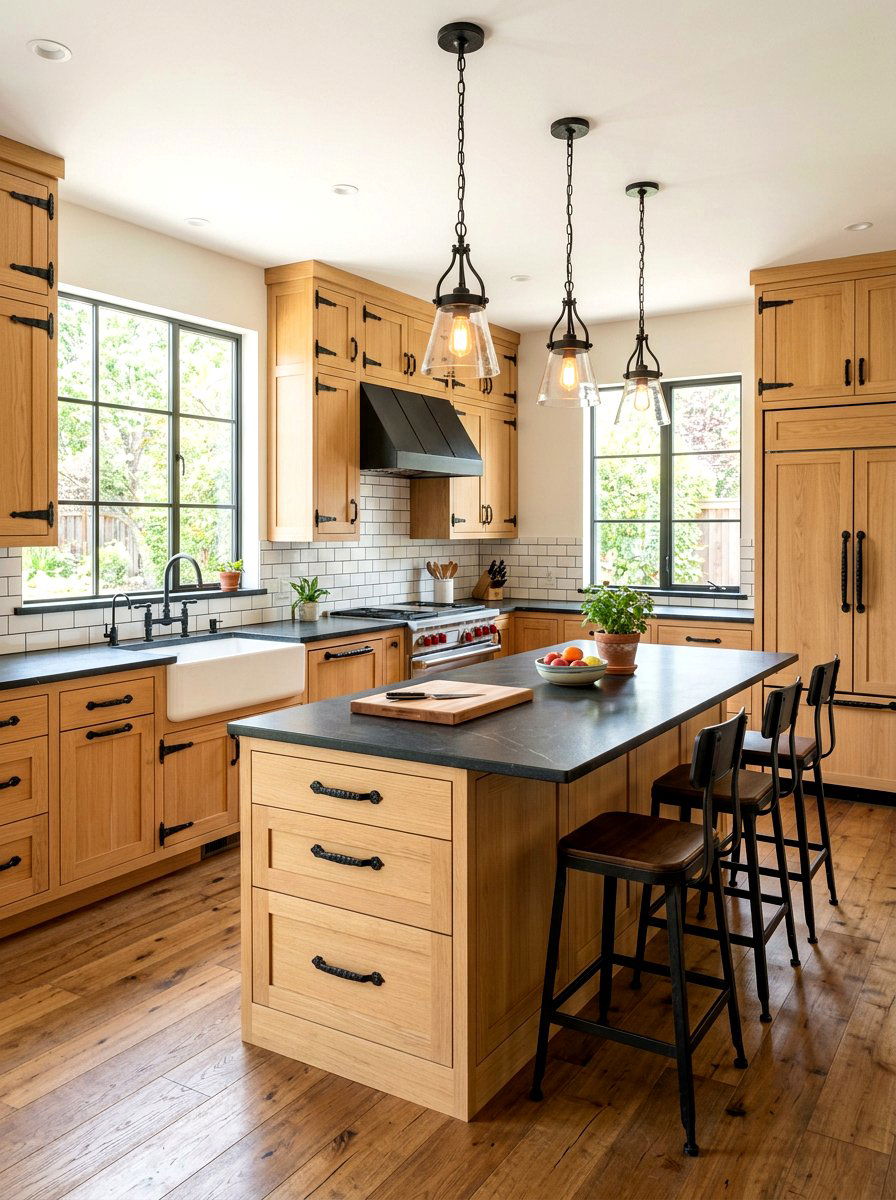
An iron hardware kitchen focuses on the small but powerful details of black, hand-forged metal to anchor the rustic design of the room. Oversized iron handles, visible door hinges, and heavy-duty latches provide a masculine and structural feel to the cabinetry. These dark elements pop beautifully against light wood or white-painted surfaces, creating a classic and high-contrast look. The theme is often extended to other parts of the room through wrought iron pendant lights, barstools with iron frames, and even an iron pot rack. This design approach is inspired by old blacksmithing traditions, giving the kitchen a sturdy, handcrafted quality that feels permanent and very well-made for the modern homeowner.
27. French Country Kitchen
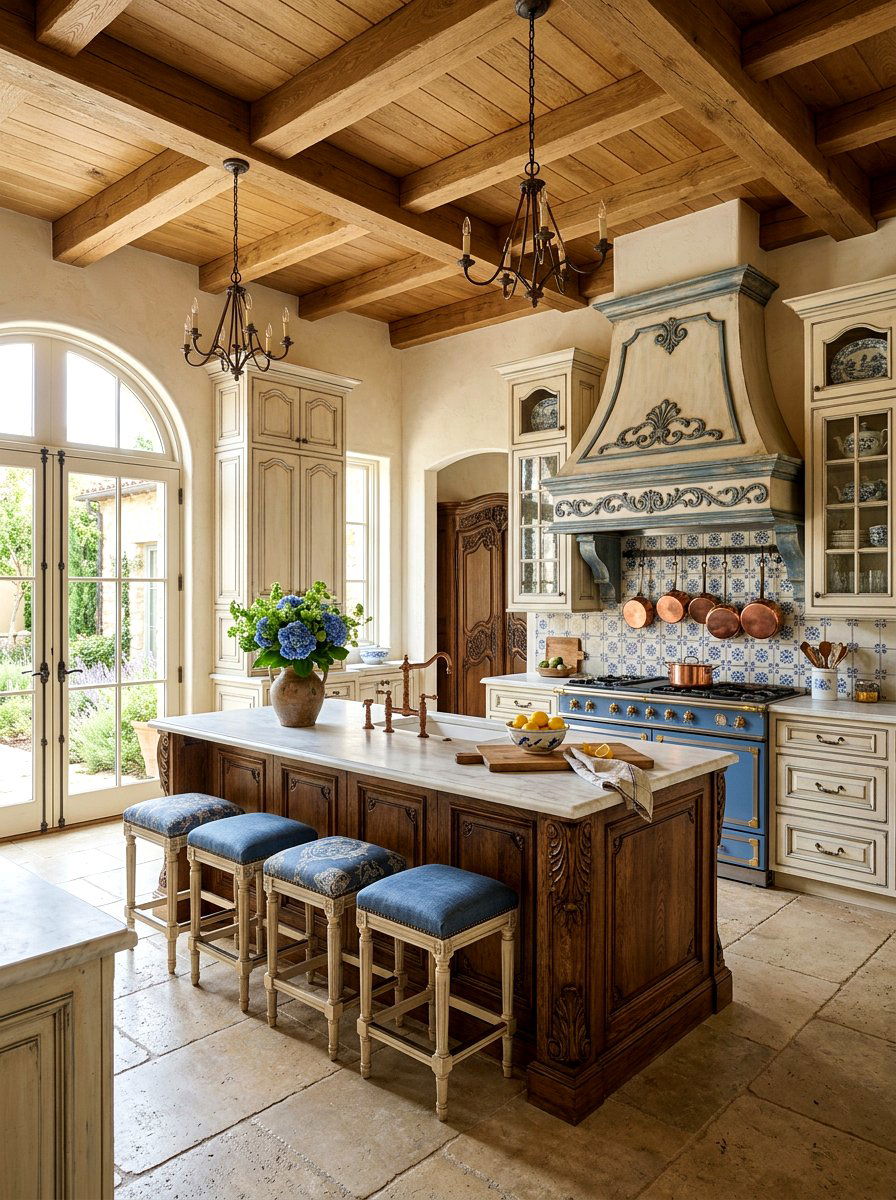
A French country kitchen blends rustic simplicity with elegant, decorative flourishes to create a space that feels both sophisticated and incredibly comfortable. Key elements include carved wooden details, ornate range hoods, and a large central island that serves as a gathering spot for the entire family. The color palette is typically soft and warm, featuring creams, golds, and muted blues. To anchor the rustic side of the design, designers use stone floors, exposed ceiling beams, and linen-upholstered chairs. This style is perfect for those who love the "farmhouse" look but want a bit more refinement and grace in their home, resulting in a kitchen that feels like a chic provincial estate.
28. Vaulted Ceiling Kitchen
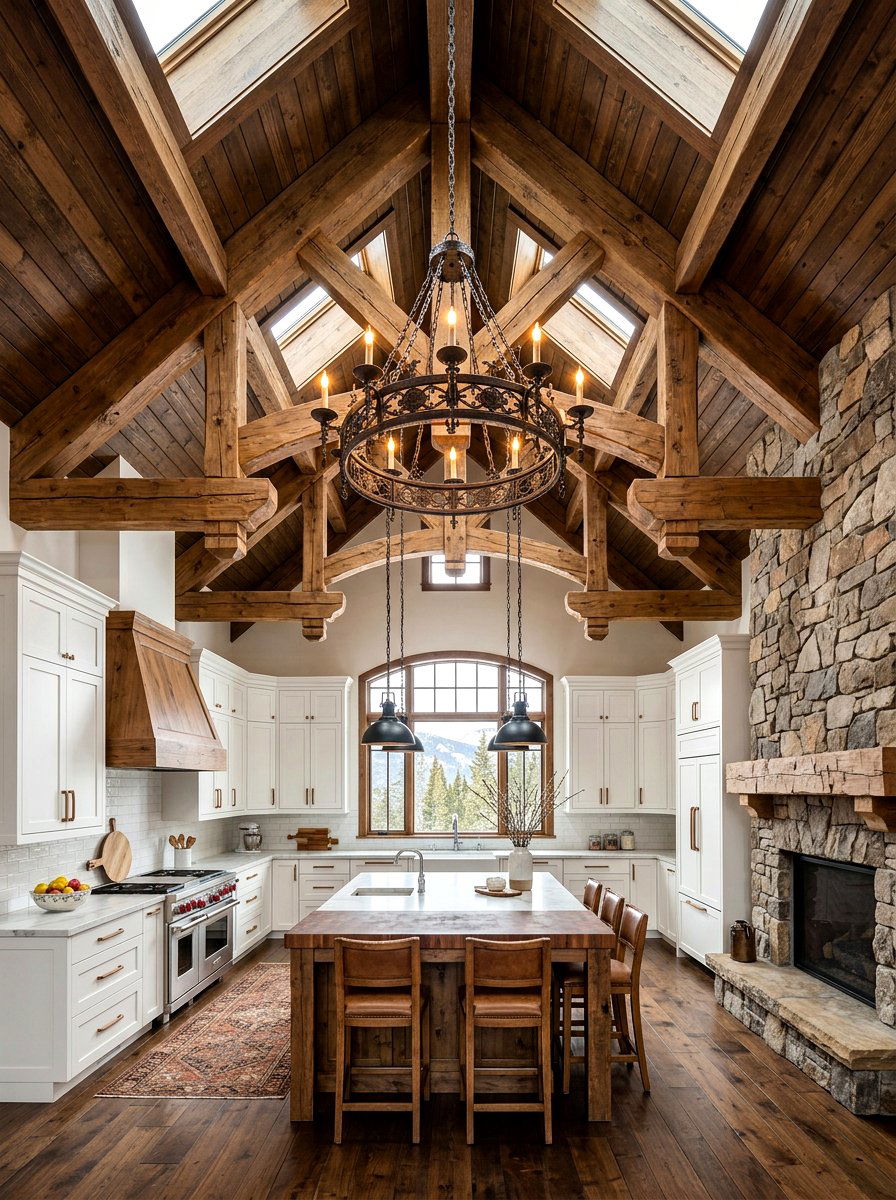
The vaulted ceiling kitchen uses soaring architectural heights to create a grand yet cozy atmosphere that feels incredibly expansive and light-filled. The high, pitched ceiling is often lined with wood planks or punctuated by massive timber trusses that provide a sense of history and scale. This vertical volume allows for the installation of oversized statement lighting, such as large iron chandeliers or long pendant rows. Because the upper half of the room is so dramatic, the lower cabinetry can remain simple and functional. This layout is ideal for open-concept homes where the kitchen serves as the visual anchor for the entire living area, offering a sense of luxury and traditional mountain lodge charm.
29. Breakfast Nook Kitchen
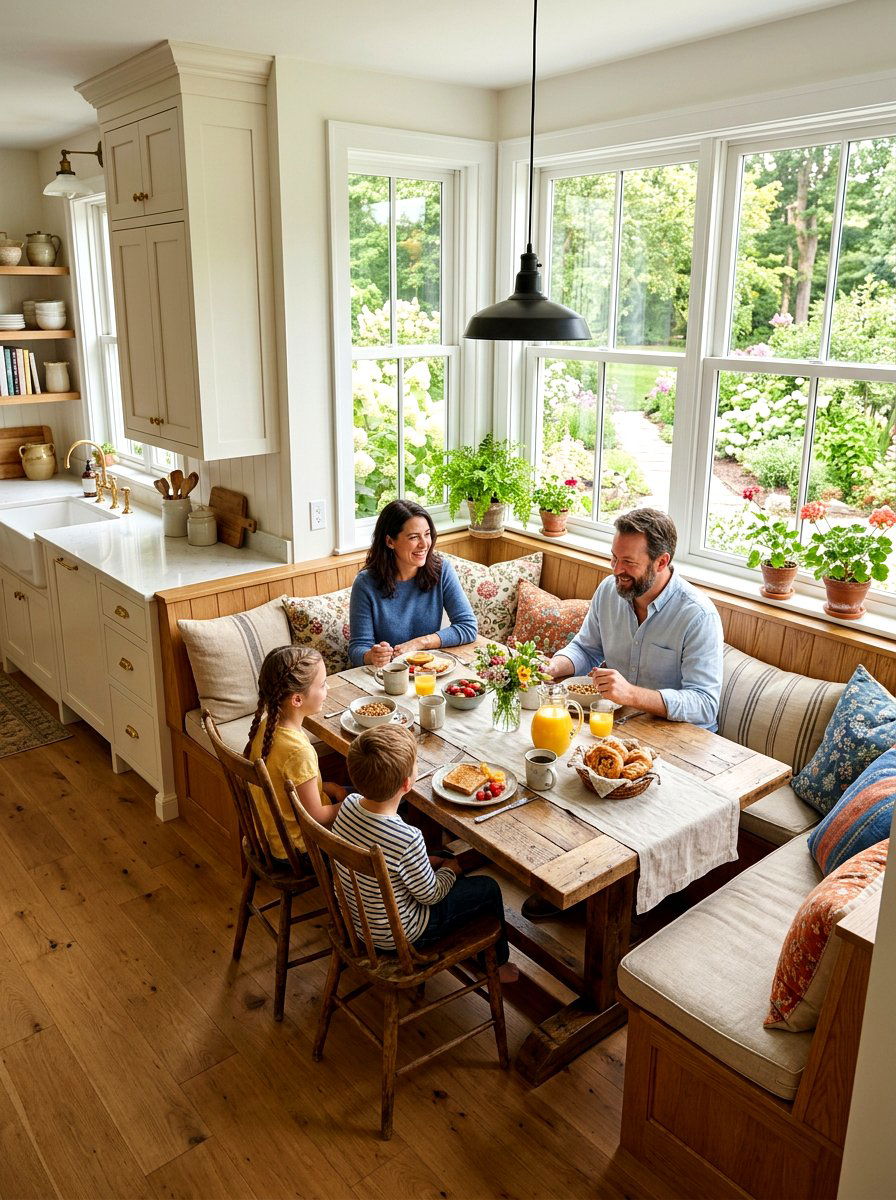
A breakfast nook kitchen incorporates a built-in seating area that feels like a cozy, private corner for morning rituals and family conversations. This design often features a wooden banquette with plush cushions, a rustic farm table, and a dedicated window with a view of the garden. The nook is styled to match the rest of the kitchen, using the same wood tones and fabric textures to ensure a cohesive look. This layout encourages a more informal and social way of living, making the kitchen feel like a true multipurpose room. It is a favorite for families who want to maximize their space while creating a charming and intimate spot for daily gatherings.
30. Minimalist Rustic Kitchen
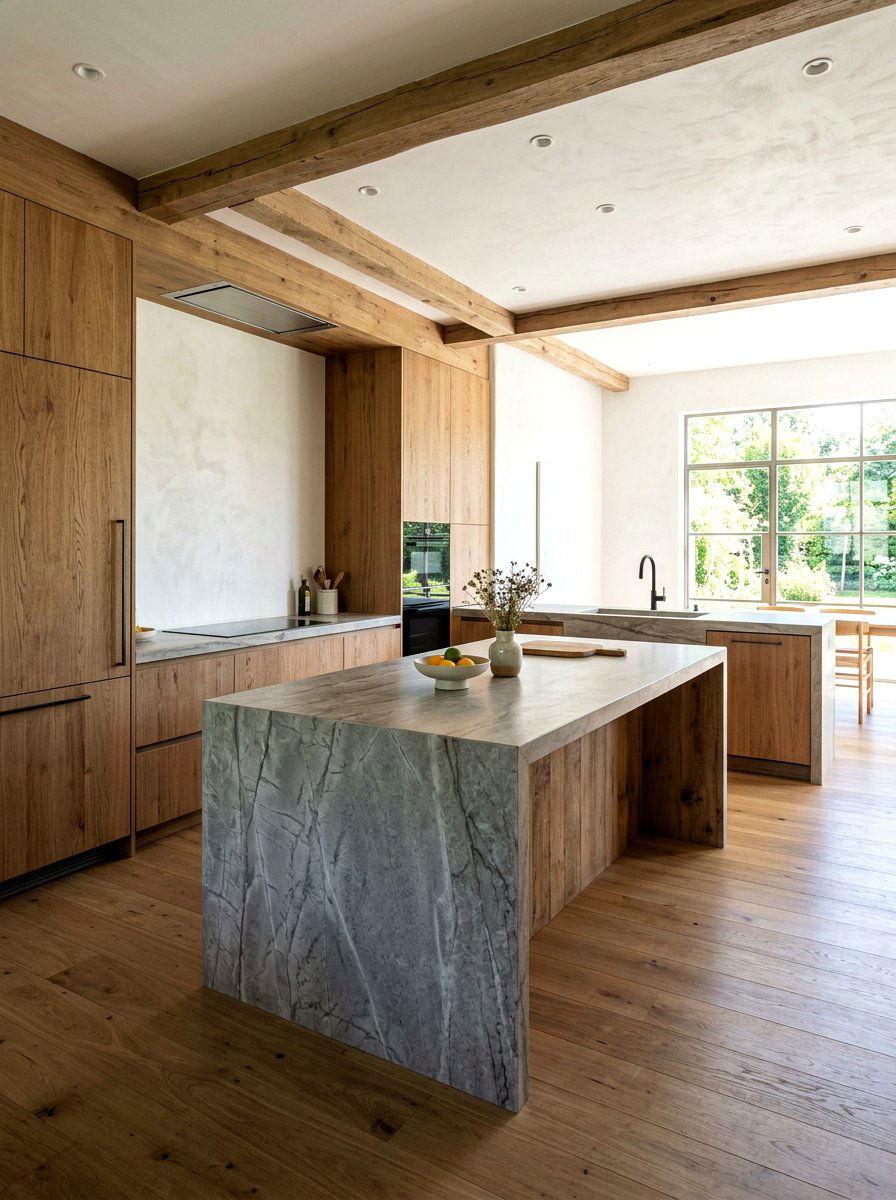
The minimalist rustic kitchen proves that you can have a clean, clutter-free space while still embracing the warmth of natural materials for your home. This design focuses on a few high-quality elements — like a single massive wood island or a perfectly textured stone floor — and keeps everything else very simple. Cabinetry is often handleless and finished in a matte, neutral tone to let the organic textures take center stage. The lighting is subtle and integrated, avoiding any visual clutter. This approach creates a calm, meditative environment that feels modern and sophisticated but avoids the coldness of typical minimalism by using the "soul" found in rustic wood and natural stone surfaces.
Conclusion:
A rustic kitchen is much more than just a place to cook; it is a heart-centered design choice that prioritizes comfort, history, and the beauty of the natural world. By blending raw materials like reclaimed wood and stone with modern functionality, these spaces offer a timeless appeal that transcends passing trends. Whether you prefer the rugged edge of industrial design or the soft charm of a country cottage, the versatility of the rustic aesthetic allows every homeowner to create a personalized sanctuary. These kitchens encourage us to slow down, appreciate craftsmanship, and gather together in a space that feels truly authentic, warm, and exceptionally welcoming.

Related posts: