A breezeway is more than just a simple path connecting two structures; it is a transformative architectural feature that elevates the entire aesthetic of your home exterior. These transitional spaces bridge the gap between a main residence and a garage, guest house, or studio, offering both practical protection and breathtaking visual appeal. By integrating a breezeway, you can invite natural light, improve ventilation, and create a seamless flow between indoor and outdoor environments. Whether you prefer a sleek glass enclosure or a rustic timber frame, these ideas provide endless inspiration for creating a viral-worthy entrance. Your home will benefit from improved curb appeal and a unique architectural identity that stands out.

1. Glass Enclosed Breezeway
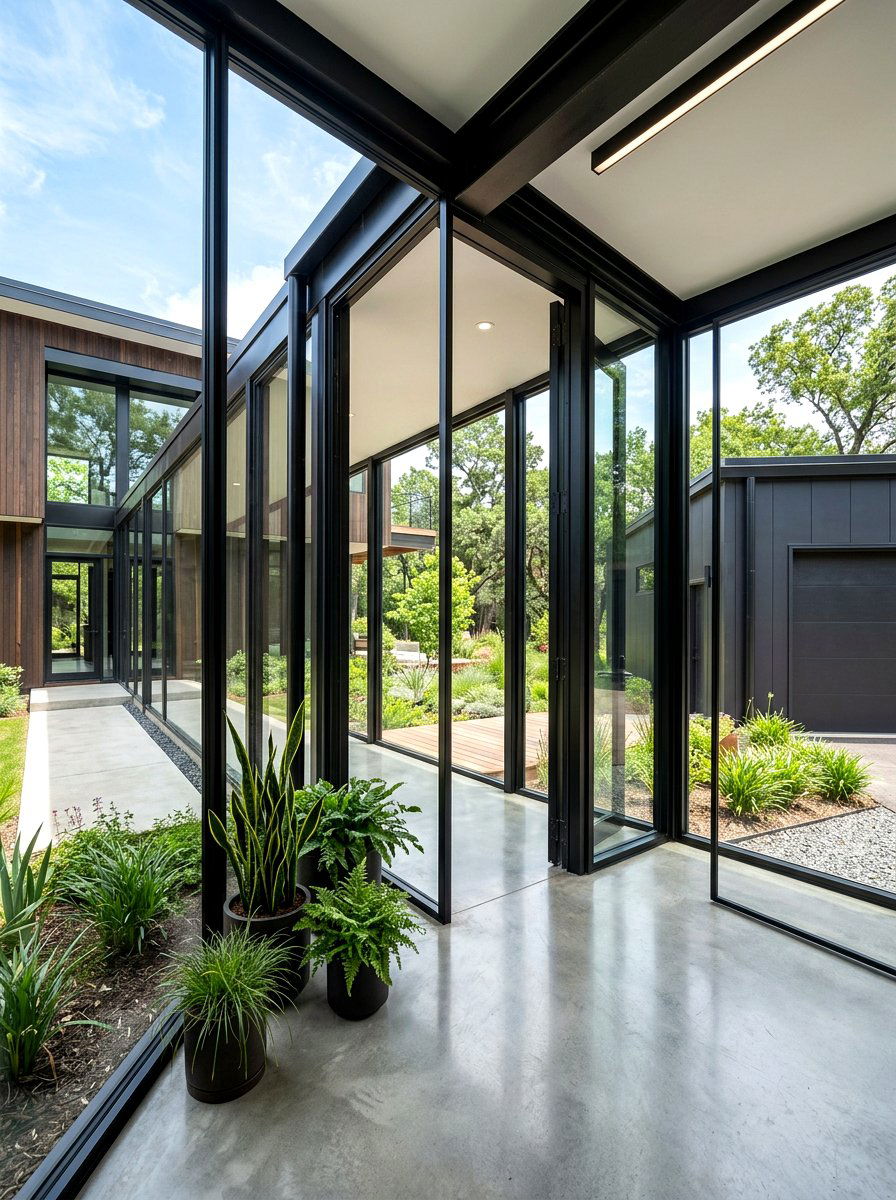
A glass enclosed breezeway offers a stunning way to connect two buildings while maintaining a complete visual connection with the surrounding landscape. By using floor-to-ceiling glass panels, you create a transparent corridor that feels like walking through the garden itself. This design is particularly effective for modern or contemporary homes where clean lines and natural light are prioritized. The glass protects you from wind and rain while acting as a sunroom that captures warmth during the winter months. You can use thin black metal frames to add a sophisticated, industrial touch. This approach ensures that the architectural link does not obstruct beautiful backyard views or the overall flow of the property.
2. Modern Farmhouse Breezeway
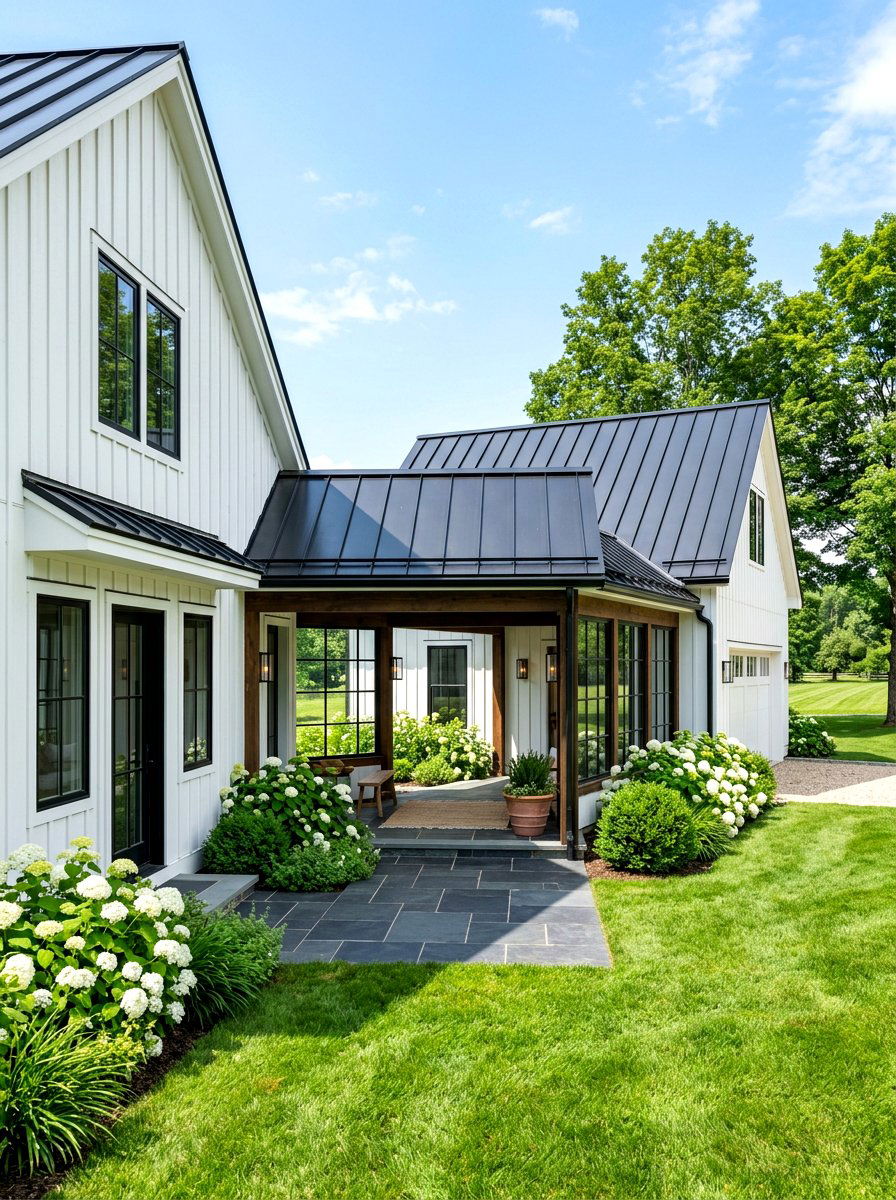
The modern farmhouse breezeway combines classic rural charm with clean, updated finishes to create an inviting passage. Typically featuring white siding and black accents, this design often uses a gabled roof that matches the main house and garage. You can incorporate large, double-hung windows or even sliding barn doors to enhance the farmhouse feel. The floor is often finished with reclaimed wood or dark slate tiles to provide a durable yet stylish surface. This type of breezeway serves as a beautiful transition that anchors the property's aesthetic. It provides a sheltered space for boots and outdoor gear while looking incredibly organized and intentional for a timeless exterior look.
3. Screened In Breezeway
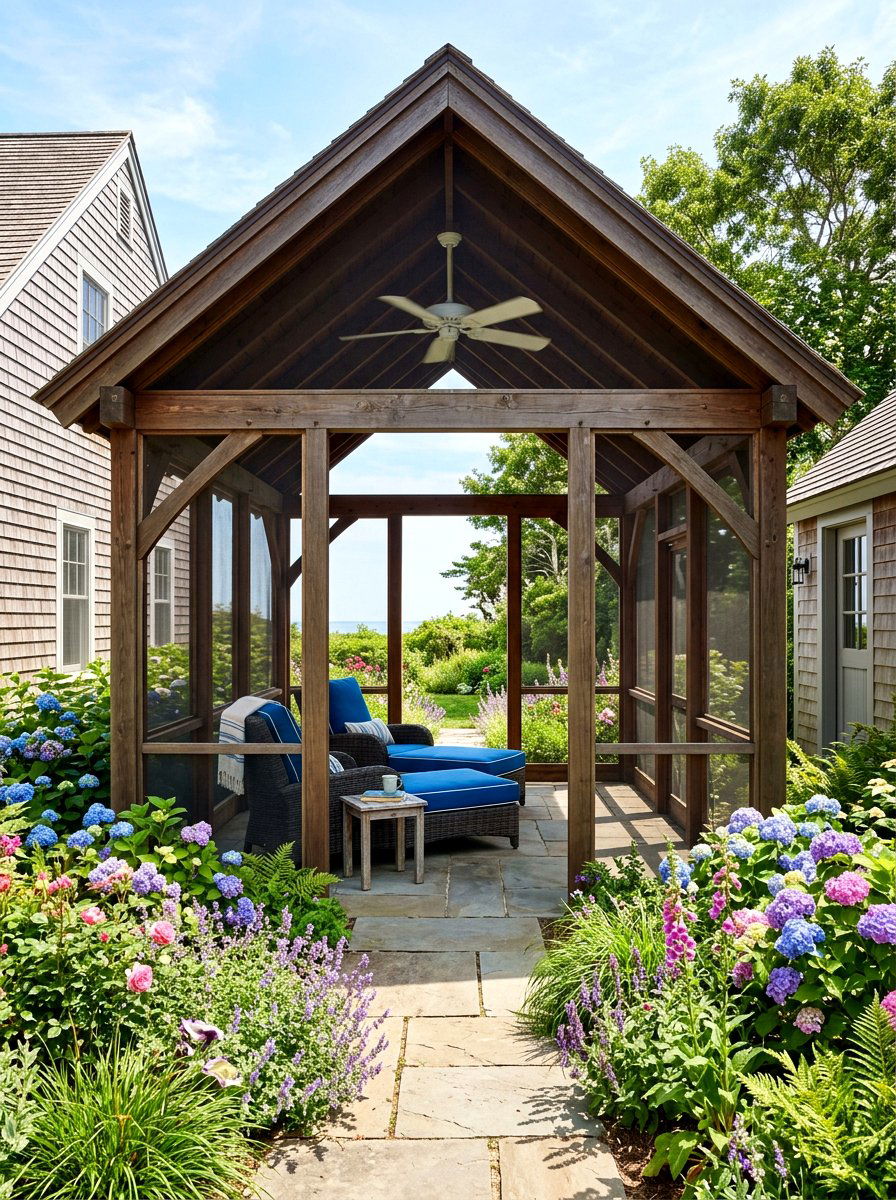
A screened in breezeway is a perfect choice for homeowners who want to enjoy the fresh air without dealing with pesky insects. This functional space uses fine mesh screens stretched between sturdy wooden or metal pillars to allow maximum airflow. It essentially acts as a narrow porch that connects your living areas, providing a cool and shaded spot to relax during the summer. You can add comfortable outdoor chairs or a small table to make it a usable living area rather than just a walkway. The screening keeps the area clean from falling leaves, making it a low-maintenance option that enhances the overall comfort of your home.
4. Rustic Timber Breezeway
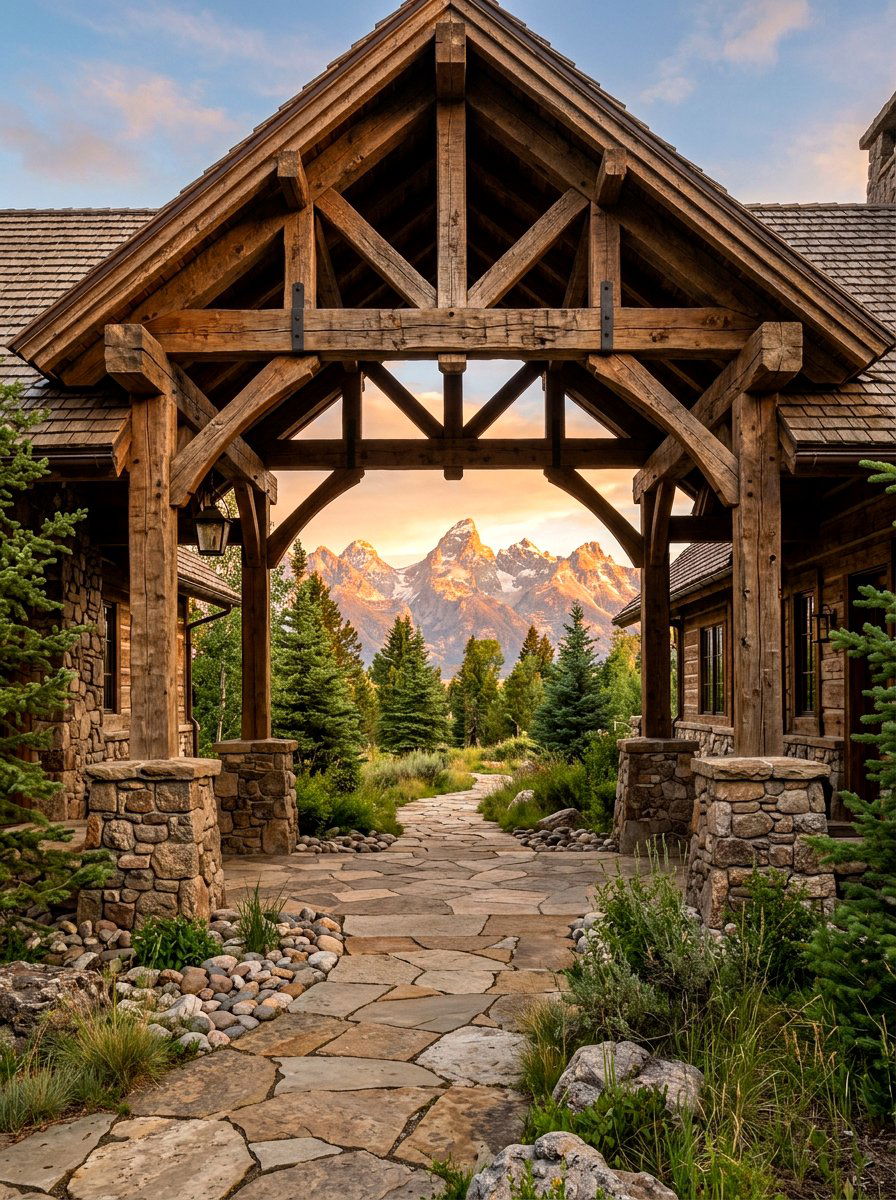
Embracing natural materials, a rustic timber breezeway uses heavy wood beams and exposed rafters to create a warm and grounded atmosphere. This style is inspired by traditional lodge or cabin architecture and works beautifully in wooded or mountainous settings. The chunky wooden posts provide a sense of permanence and strength, while the open-air design allows the house to breathe. You might choose to leave the wood in its natural state or apply a dark stain to highlight the grain. Pairing the timber with a stone foundation or flagstone flooring completes the organic look. It is a fantastic way to add character and a sense of history to a newer property.
5. Industrial Steel Breezeway
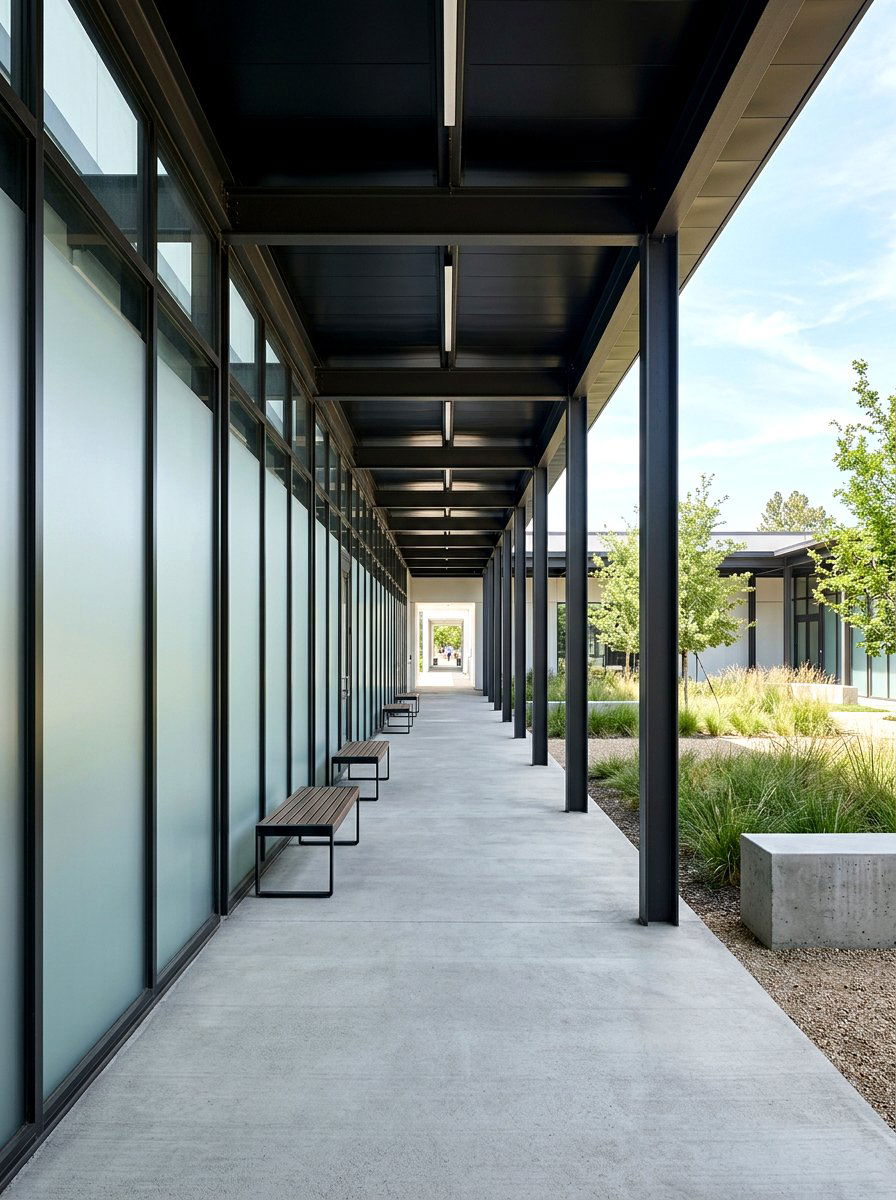
For a bold and edgy exterior, an industrial steel breezeway utilizes sharp angles and dark metal finishes to make a statement. This design often features a flat or shed-style roof supported by slender steel columns. The use of metal allows for wider spans and thinner profiles compared to wood, giving the space a very light and airy feel despite its heavy-duty materials. You can pair the steel structure with glass or even perforated metal panels for a unique play of light and shadow. This aesthetic is ideal for urban settings or modern minimalist homes. It offers a low-maintenance solution that looks incredibly sleek and professional from every possible camera angle.
6. Traditional Brick Breezeway
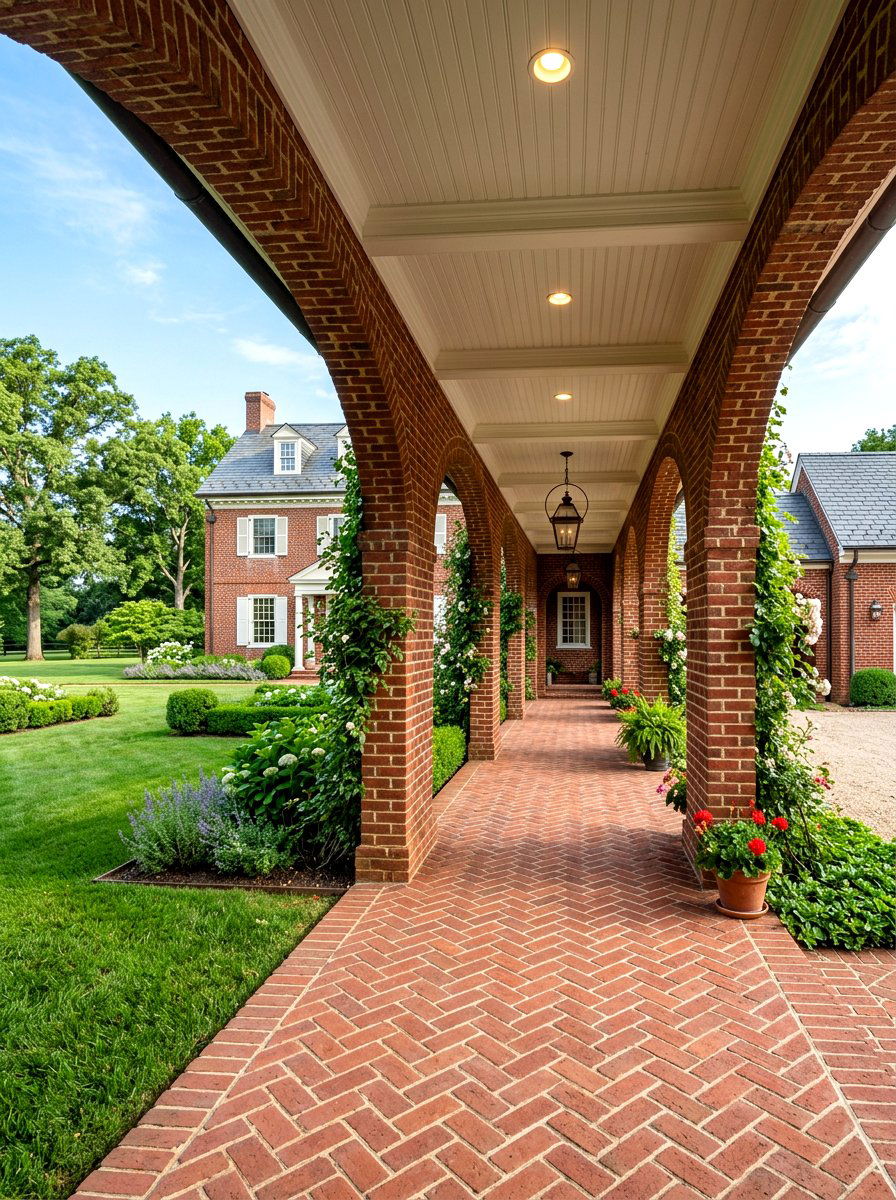
A traditional brick breezeway offers a classic and permanent feel that complements colonial or Georgian-style architecture perfectly. Using matching brickwork from the main house ensures the addition looks like it was part of the original design. You can create elegant arches or simple rectangular openings supported by sturdy brick pillars. This style often features a finished ceiling with recessed lighting to make the walkway feel like a true extension of the interior. The red or tan tones of the brick provide a warm backdrop for climbing ivy or potted flowers. It is a durable, weather-resistant choice that adds significant value and a sense of grandeur to your home's exterior.
7. Mediterranean Arched Breezeway
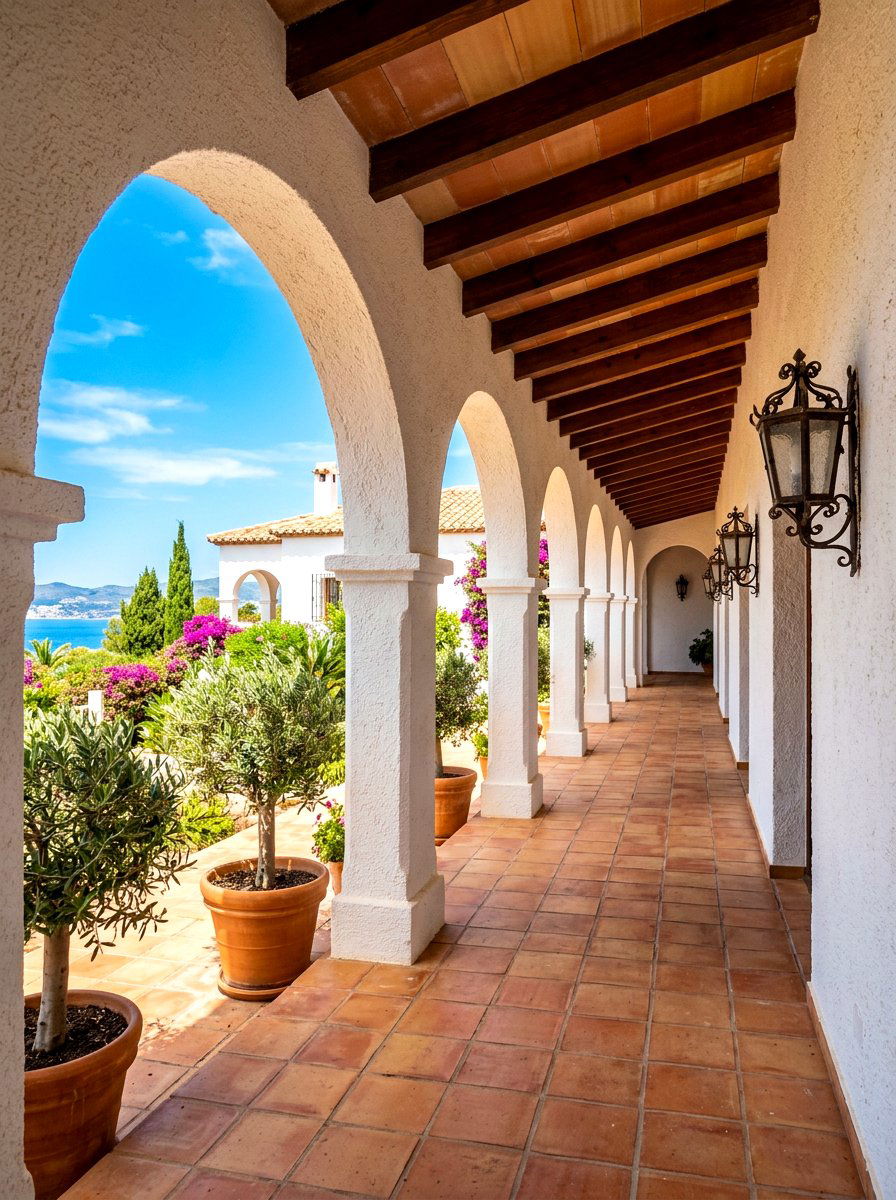
Capturing the essence of a coastal villa, a Mediterranean arched breezeway uses soft curves and white stucco finishes to create a romantic passage. The repetitive arches provide a rhythmic visual appeal that draws the eye toward the backyard or courtyard. You can finish the floor with terracotta tiles or mosaic patterns to enhance the European feel. This design is excellent for warm climates, as the thick walls and shaded path keep the area naturally cool. Adding some wrought iron wall lanterns or a hanging bell can provide the perfect finishing touches. It transforms a simple connection into a beautiful architectural journey that feels like a luxury vacation every day.
8. Minimalist Concrete Breezeway
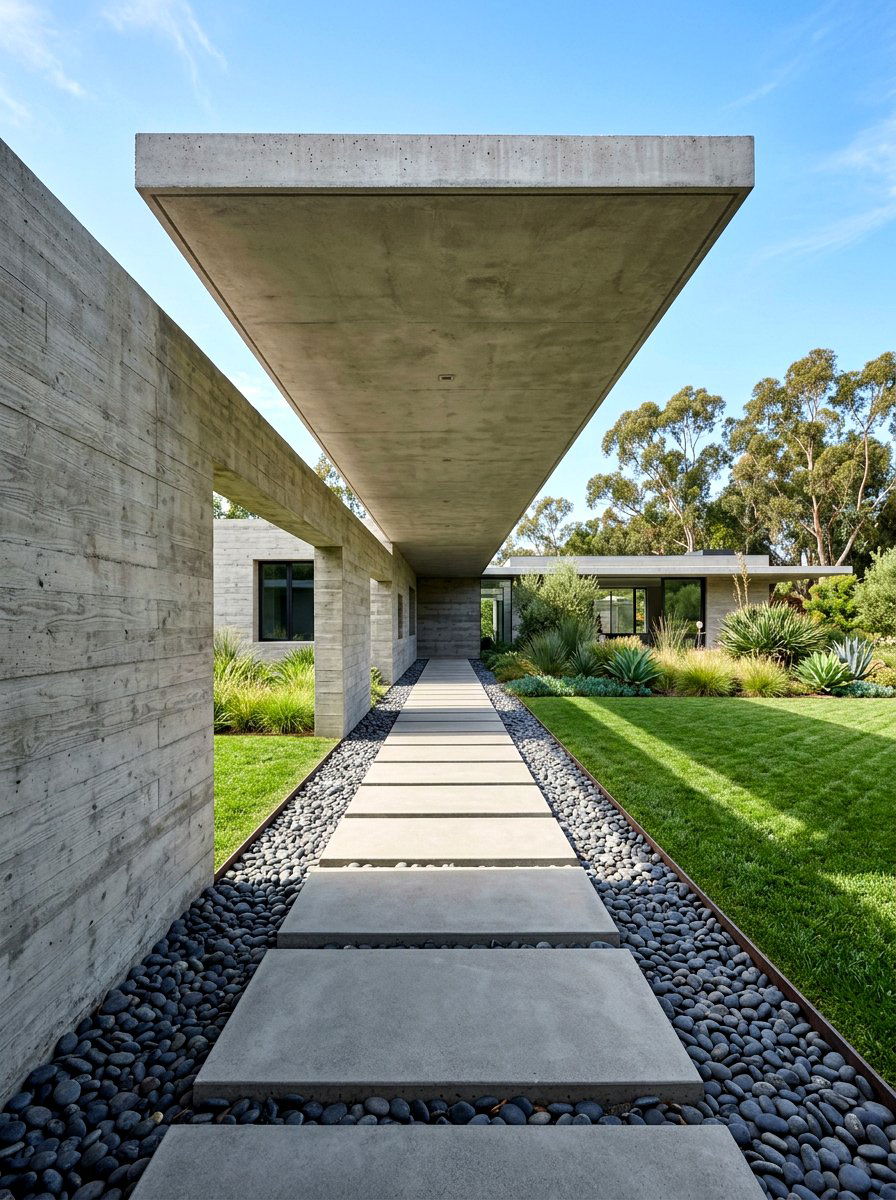
A minimalist concrete breezeway is all about simplicity, texture, and structural honesty. This design often uses board-formed concrete or smooth-poured slabs to create a monolithic look that feels very contemporary. The gray tones of the concrete serve as a neutral canvas that allows the surrounding greenery to pop. You might see a simple flat roof or even a cantilevered overhang that provides shelter without the need for excessive supports. This style is perfect for those who appreciate high-end architecture and want a breezeway that feels like a work of art. It is incredibly durable and requires very little upkeep over the years, making it both stylish and practical.
9. Tropical Lush Breezeway

A tropical lush breezeway focuses on integrating vibrant greenery directly into the walkway's design. This is often achieved by leaving the sides completely open and surrounding the path with oversized palms, ferns, and exotic flowers. The roof might be made of light bamboo or feature deep overhangs to provide shade from the intense sun. You can use natural stone pavers with moss growing in between to make the floor feel like part of the jungle floor. This aesthetic is all about creating a sensory experience where the scent of jasmine and the sound of rustling leaves follow you as you move between buildings on your property.

10. Open Air Breezeway
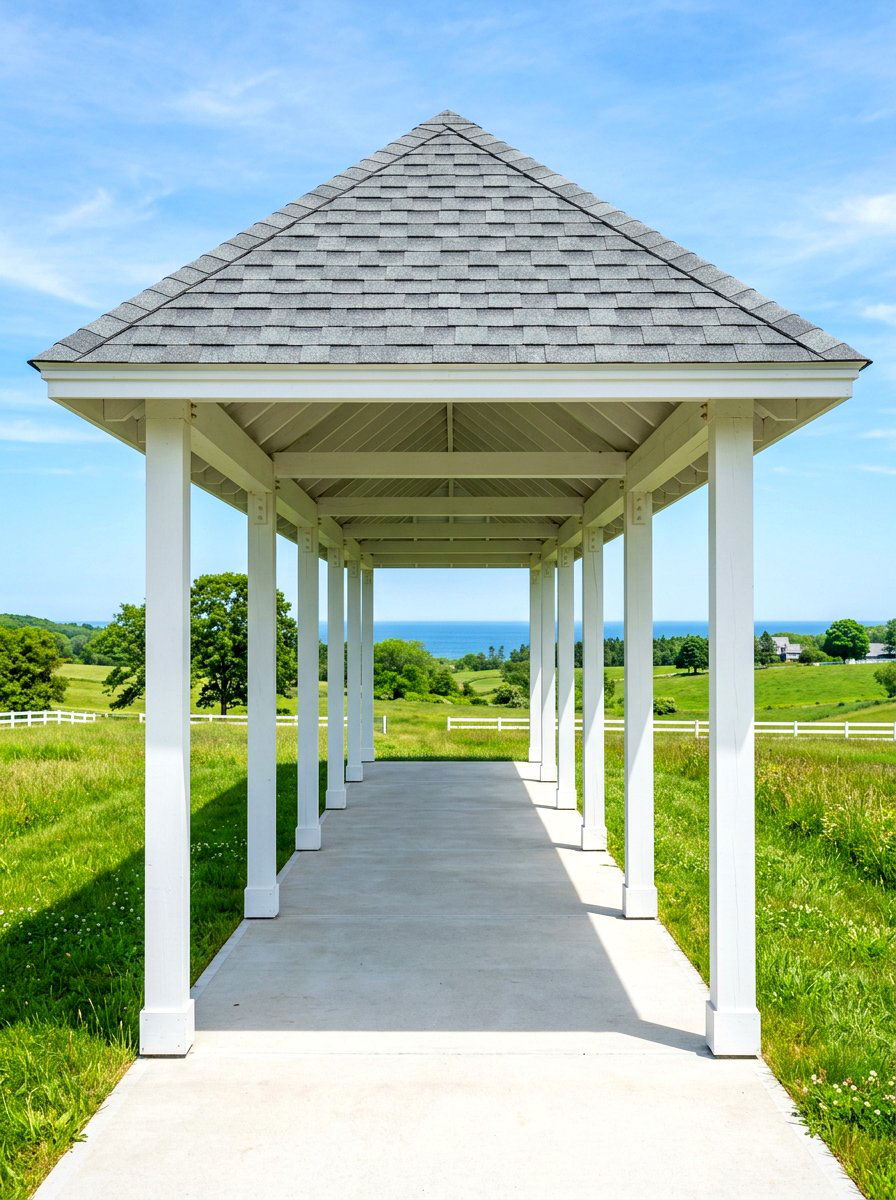
The classic open air breezeway is the simplest form of this architectural feature, consisting of a roof supported by columns with no walls or screens. This design is highly effective for maintaining a strong breeze throughout the property, which is essential in humid environments. It provides a clear, unobstructed path that frames the view of the horizon or a central garden. You can choose columns that match your home's trim — whether they are simple square posts or ornate round pillars. The open nature of this design makes it feel very inviting and less restrictive than enclosed options. It is a cost-effective way to add a lot of style and functionality.
11. Two Story Breezeway
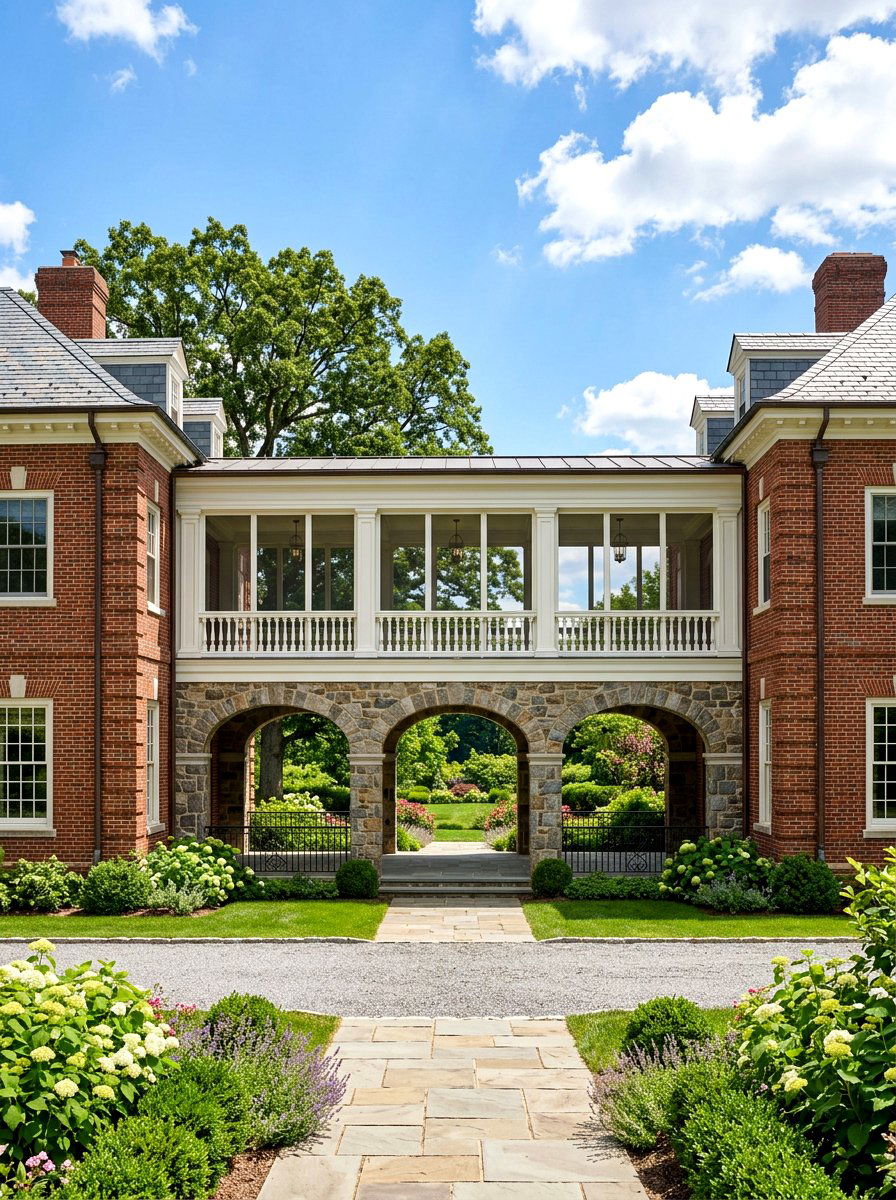
A two story breezeway is a grand architectural statement that connects both the ground floor and the upper levels of two structures. This design often features a covered walkway on the bottom and a fully enclosed bridge or balcony on the top. It is an excellent solution for large families or homes with a detached second-floor guest suite. The verticality of the structure adds a lot of visual interest to the home's silhouette. You can use glass walls on the upper level to provide panoramic views while keeping the lower level open for air circulation. It creates a complex and sophisticated exterior that looks impressive from the street and the backyard.
12. Mudroom Integrated Breezeway
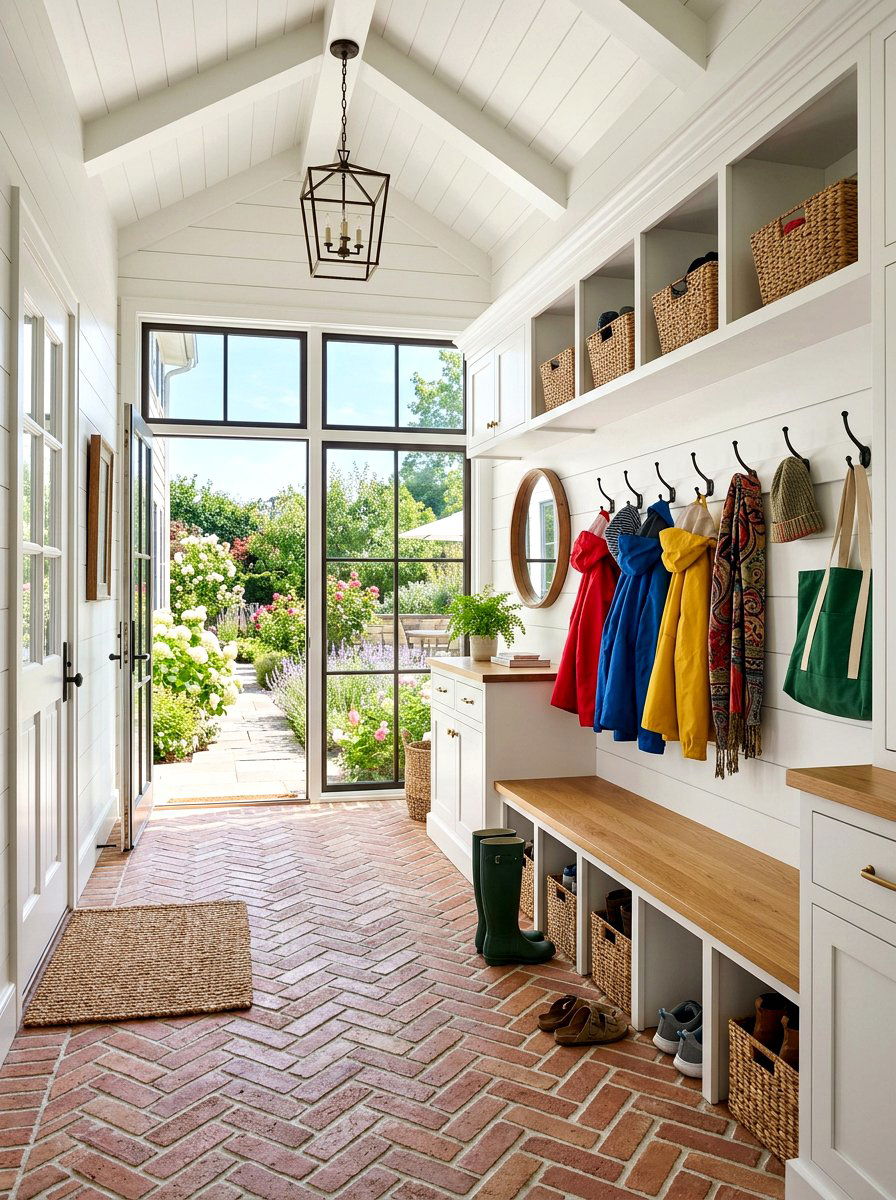
A mudroom integrated breezeway turns a transitional walkway into a highly functional utility space for the entire family. By partially enclosing the area, you can install built-in cubbies, benches, and hooks for coats and muddy shoes. This prevents dirt from entering the main house while providing an organized transition from the car to the kitchen. You can use durable materials like brick floors and beadboard walls to handle the wear and tear of daily use. Adding a few windows allows the space to remain bright and welcoming. It is the perfect blend of practical storage and architectural beauty, making your daily routine much smoother and more organized.
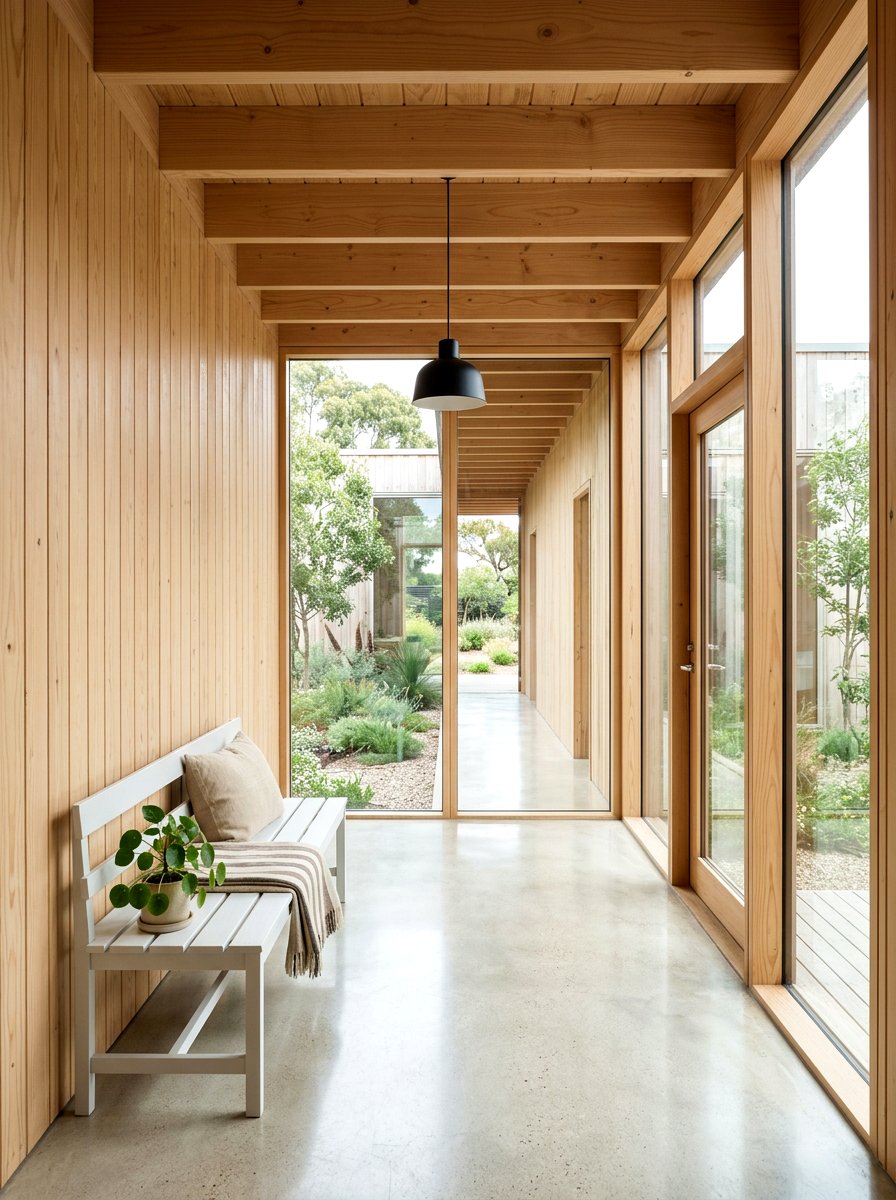
13. Scandinavian Wood Breezeway
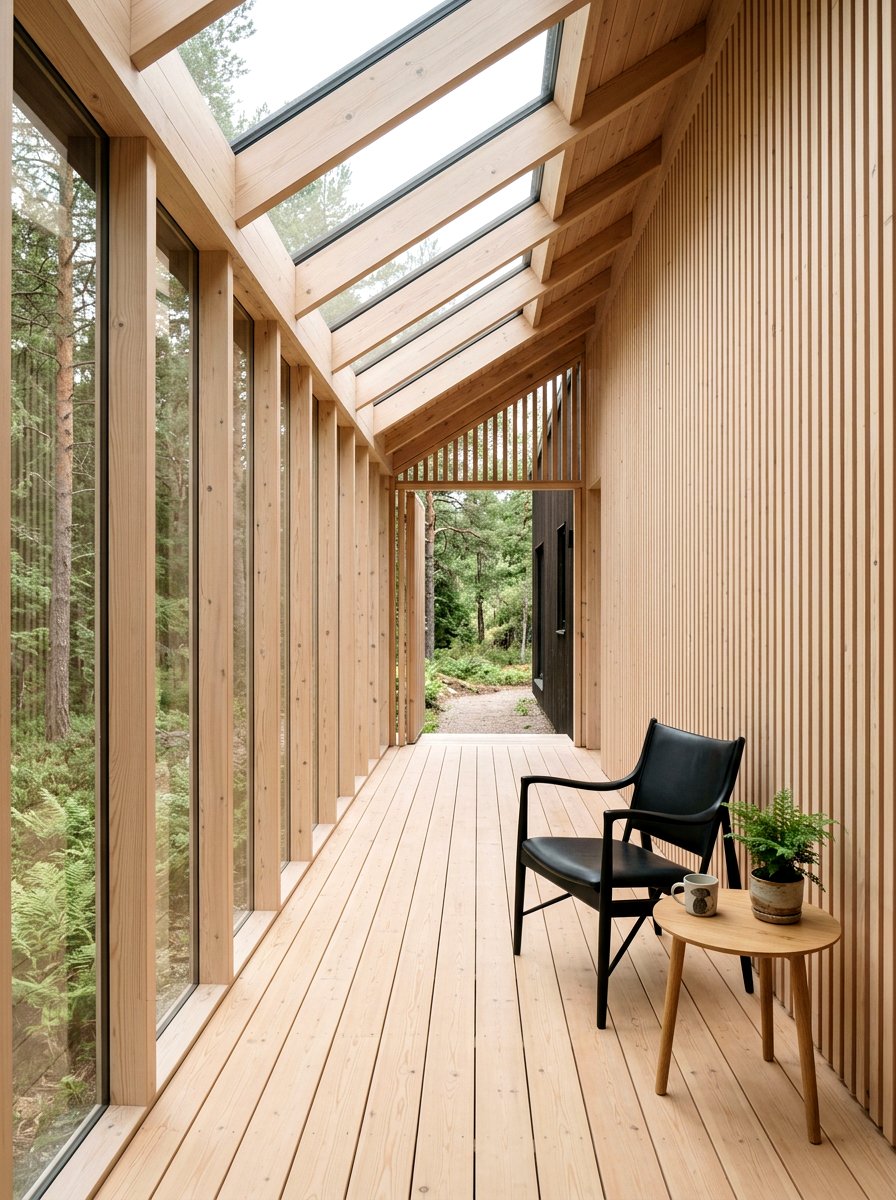
The Scandinavian wood breezeway emphasizes light-colored timber, clean lines, and a deep connection to the natural world. This style often uses vertical wood slats or light-stained cedar to create a warm and cozy feel. The design is usually very simple, with a focus on high-quality craftsmanship and functional beauty. You might see large windows that allow the soft northern light to penetrate deep into the space. Simple pendant lights and minimal furniture keep the area from feeling cluttered. This aesthetic creates a calm and serene passage that feels modern yet incredibly timeless. It is ideal for those who want their home to feel like a peaceful sanctuary.
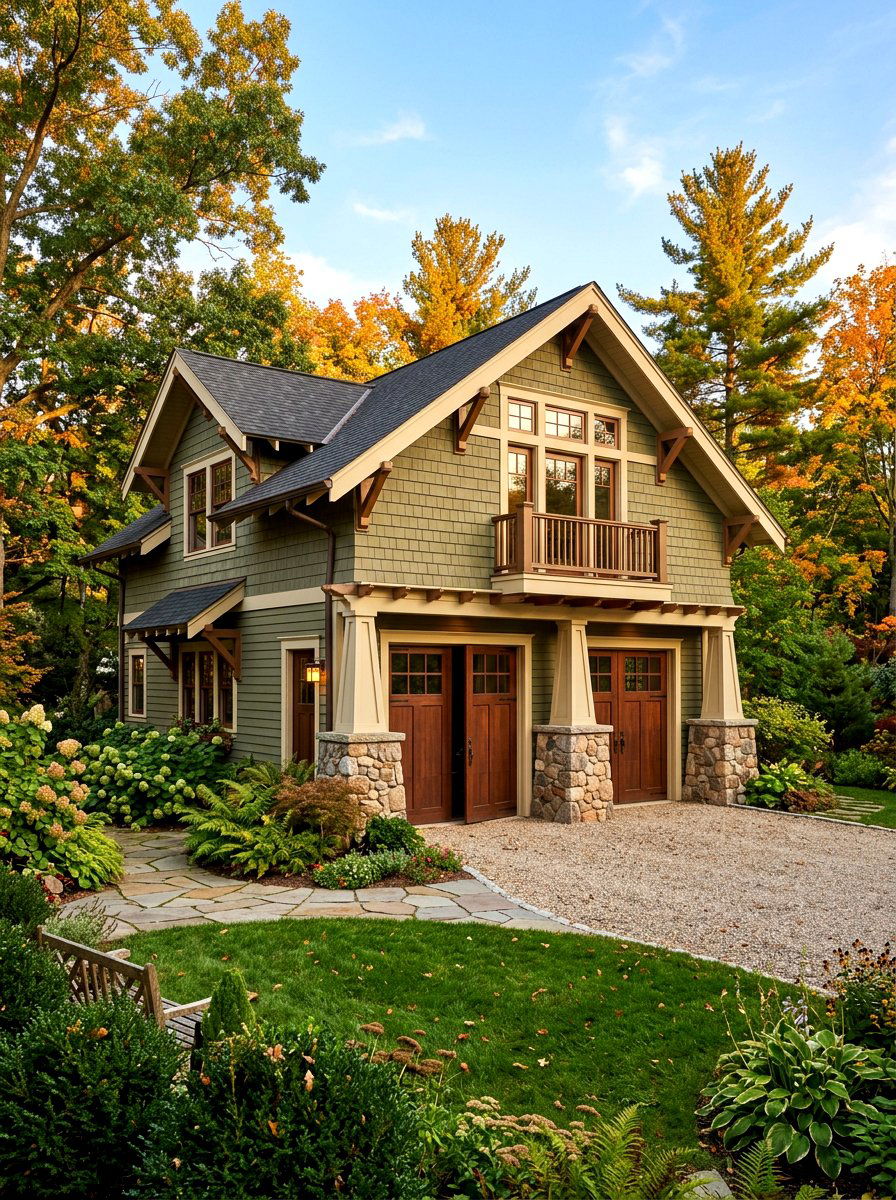
14. Craftsman Style Breezeway
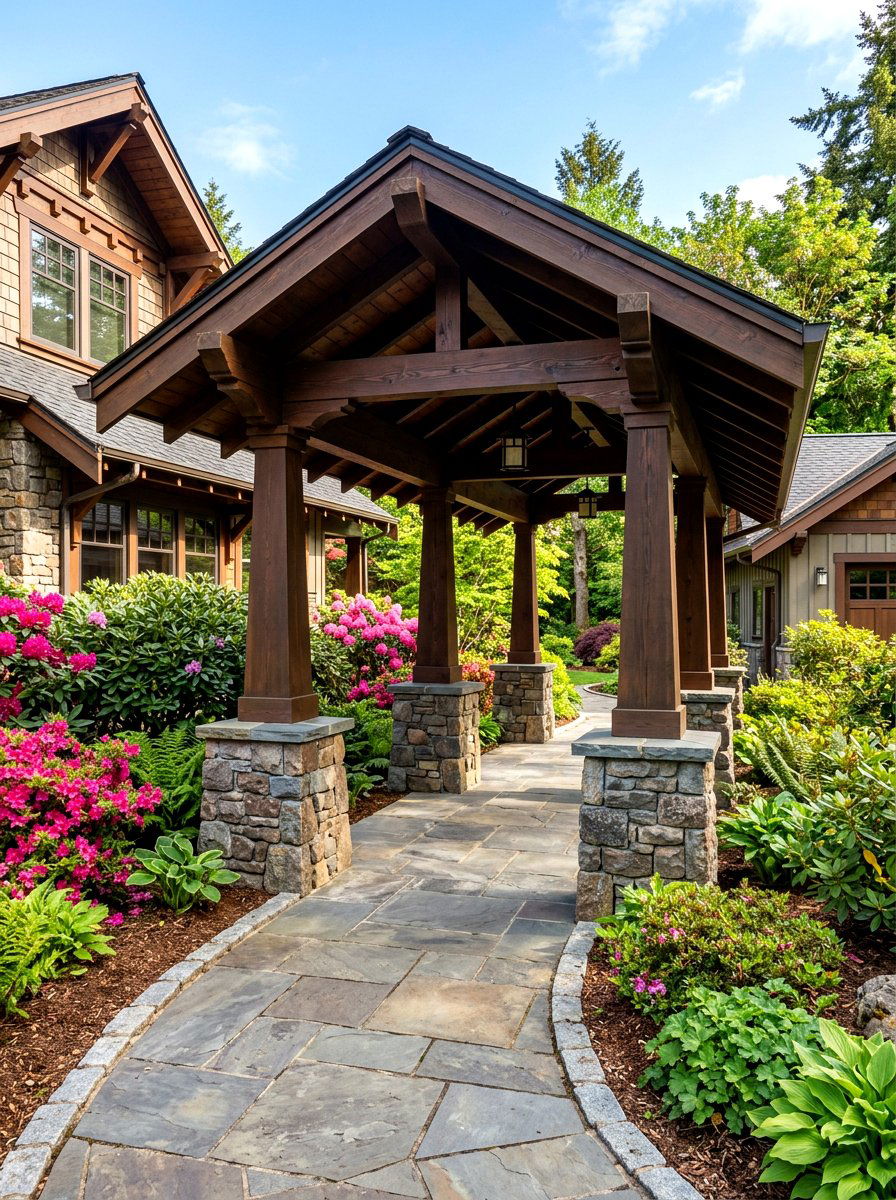
A craftsman style breezeway celebrates the beauty of hand-worked materials and intricate architectural details. You will often find tapered square columns resting on stone pedestals, which provide a sturdy and grounded appearance. The roof might feature exposed rafter tails and decorative brackets that match the main house's trim. This design uses a mix of wood, stone, and sometimes shingle siding to create a rich and textured look. The floor is typically finished with high-quality tiles or slate. Every element of a craftsman breezeway feels intentional and built to last. It adds a level of artisanal charm that makes your home feel unique, historic, and very well-crafted.
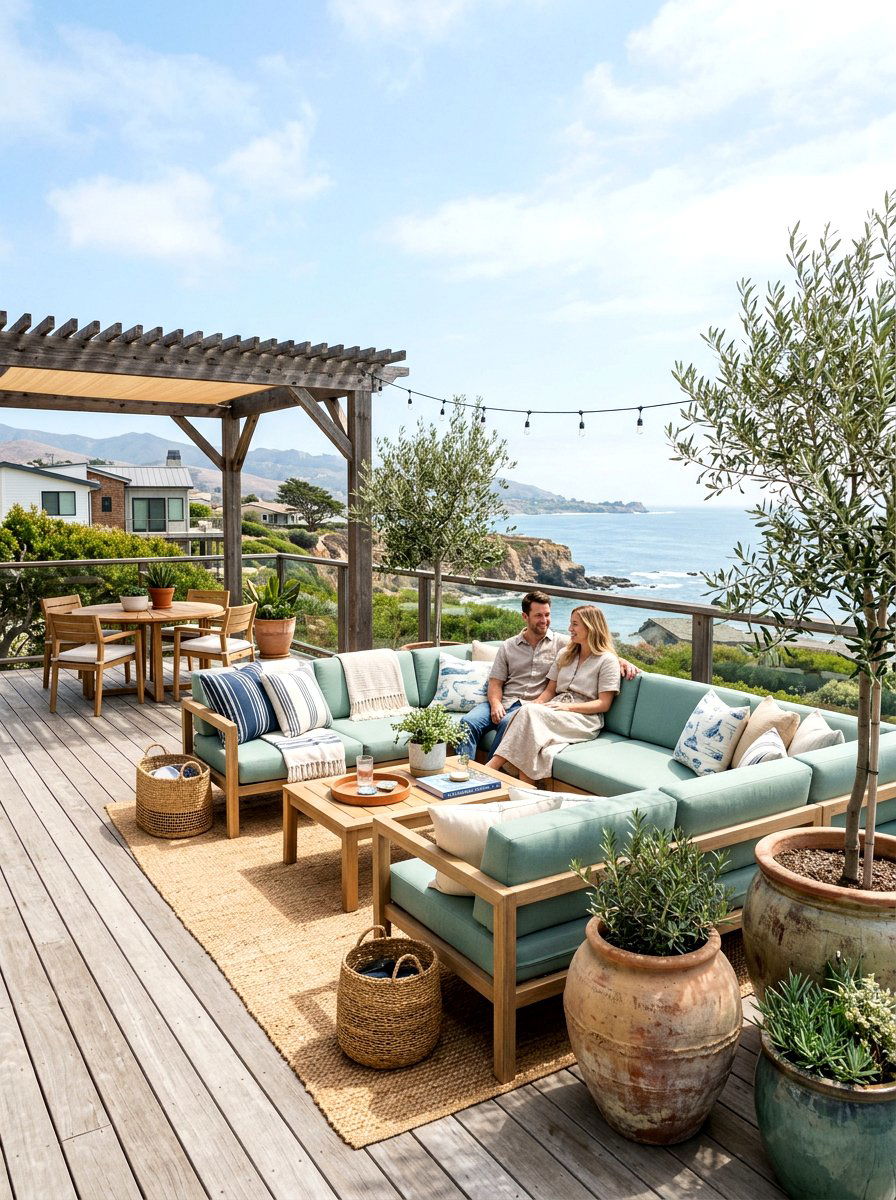
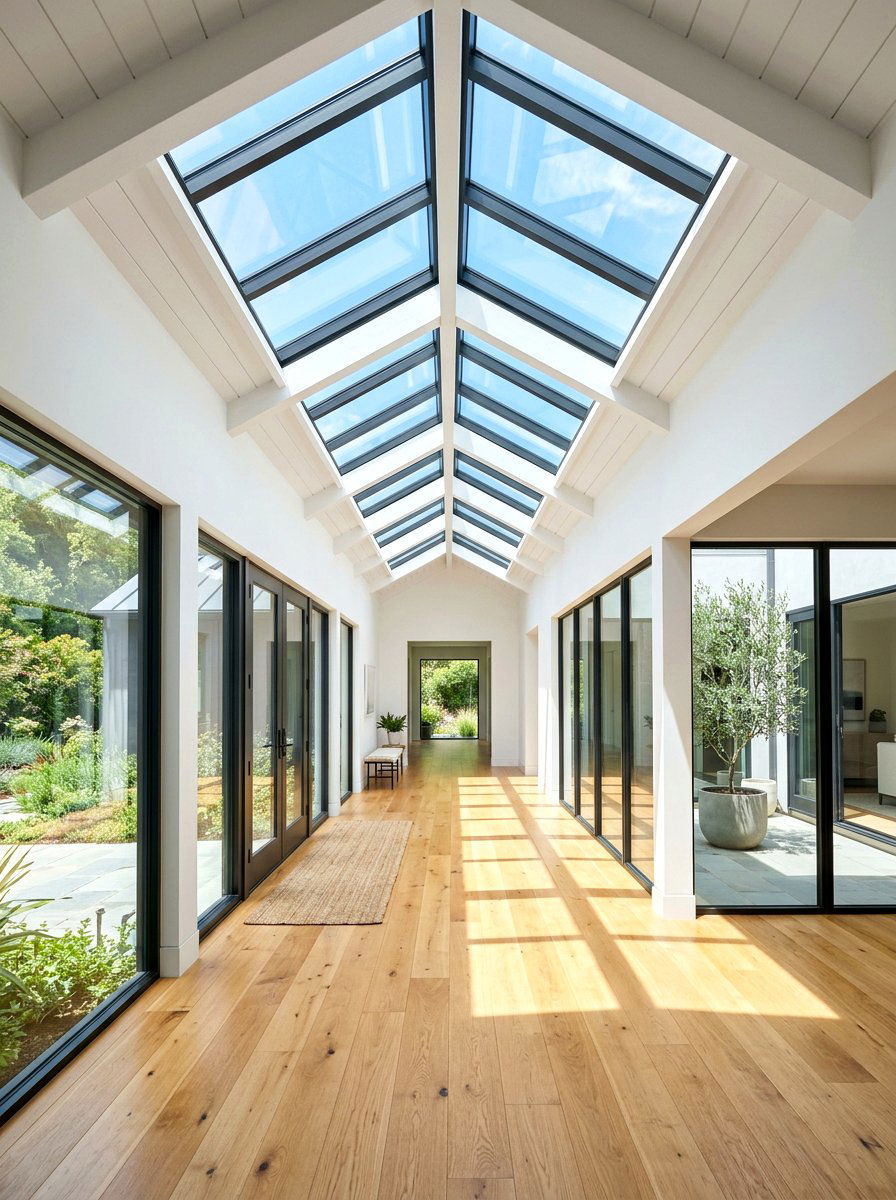
15. Breezeway With Skylights
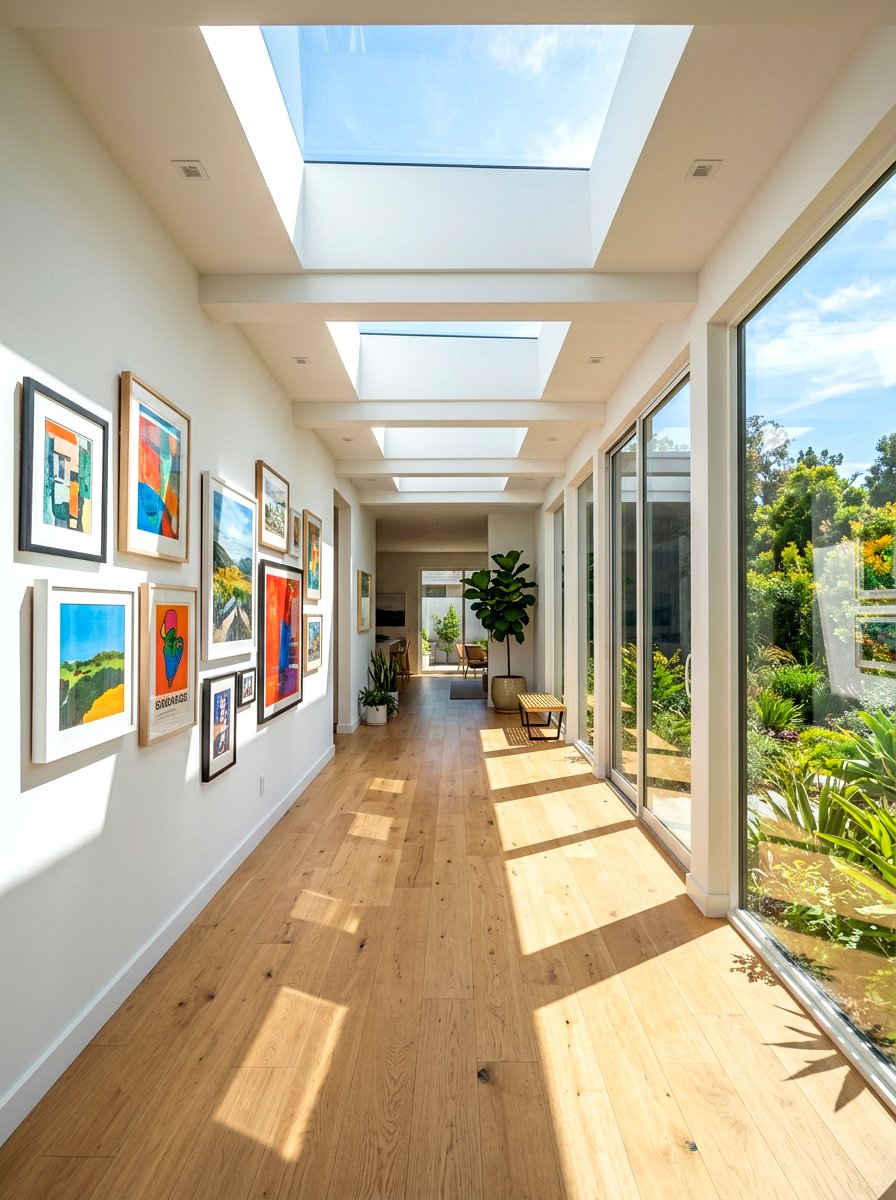
Adding skylights to a breezeway is a genius way to brighten up a long or narrow passage that might otherwise feel dark. By installing several glass panels in the roof, you allow sunlight to flood the walkway from above throughout the day. This is particularly effective for enclosed or deeply shaded breezeways. The changing patterns of light and shadow create a dynamic environment that changes with the sun's position. You can use fixed skylights for light or operable ones to help vent hot air during the summer. This feature makes the space feel much taller and more open, turning a simple utility path into a bright and airy architectural highlight.
16. Greenhouse Style Breezeway

A greenhouse style breezeway is a dream for plant lovers, featuring a structure made almost entirely of glass and metal frames. This design acts as a conservatory that connects your home to the garage while providing the perfect environment for indoor gardening. You can fill the space with shelving for potted herbs, hanging baskets, and large tropical plants that thrive in the abundant light. The floor should be made of a water-resistant material like stone or tile with a central drain for easy cleaning. This breezeway not only serves as a beautiful walkway but also adds a functional growing space that brings life and color into your home year-round.
17. Coastal White Breezeway
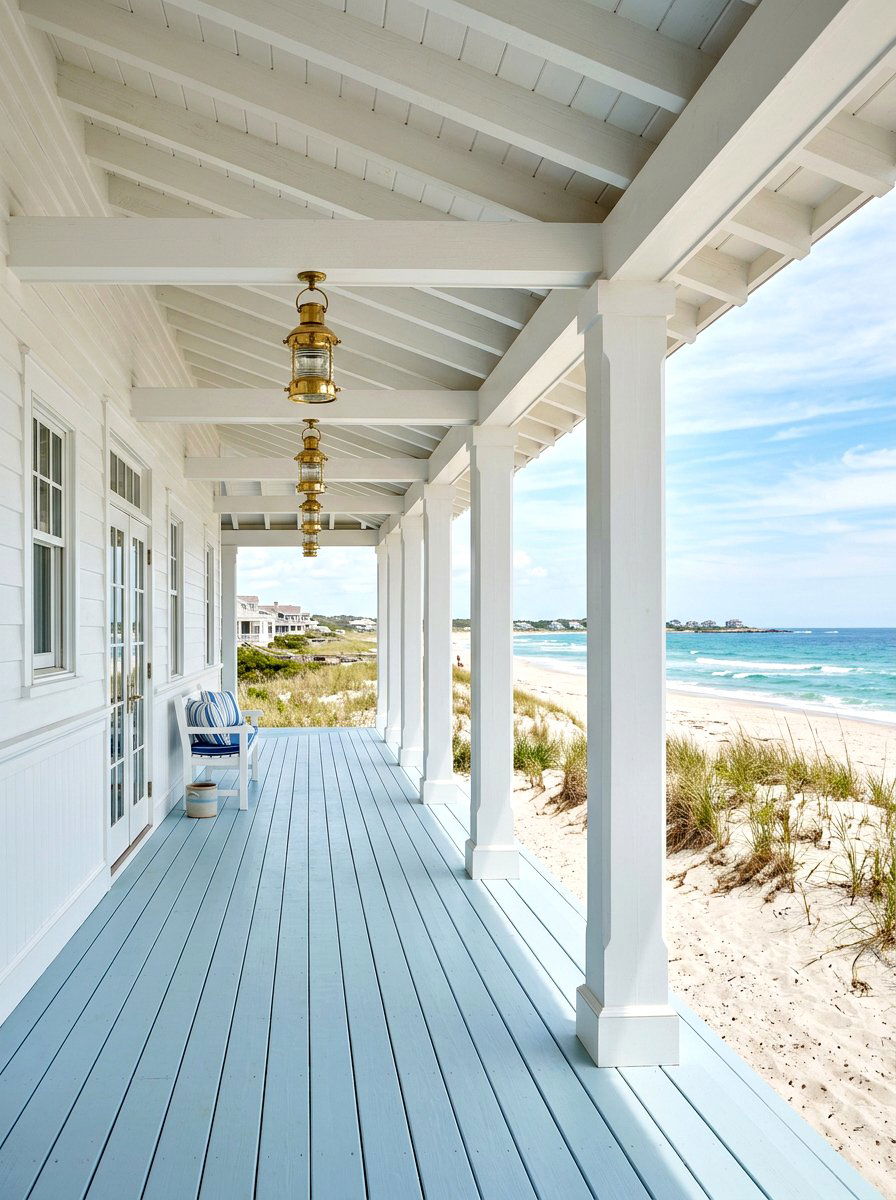
The coastal white breezeway is designed to feel light, breezy, and reminiscent of a seaside retreat. Using crisp white paint on all the woodwork, including the columns and ceiling, helps to reflect sunlight and make the space feel larger. You can use nautical-themed lighting like brass lanterns and add a light blue or gray floor to mimic the colors of the ocean. This style often incorporates louvered shutters or decorative lattice work to provide a bit of privacy and wind protection without blocking the air. It is a refreshing and clean design that makes every trip between the house and the garage feel like a walk on the boardwalk.
18. Flagstone Path Breezeway
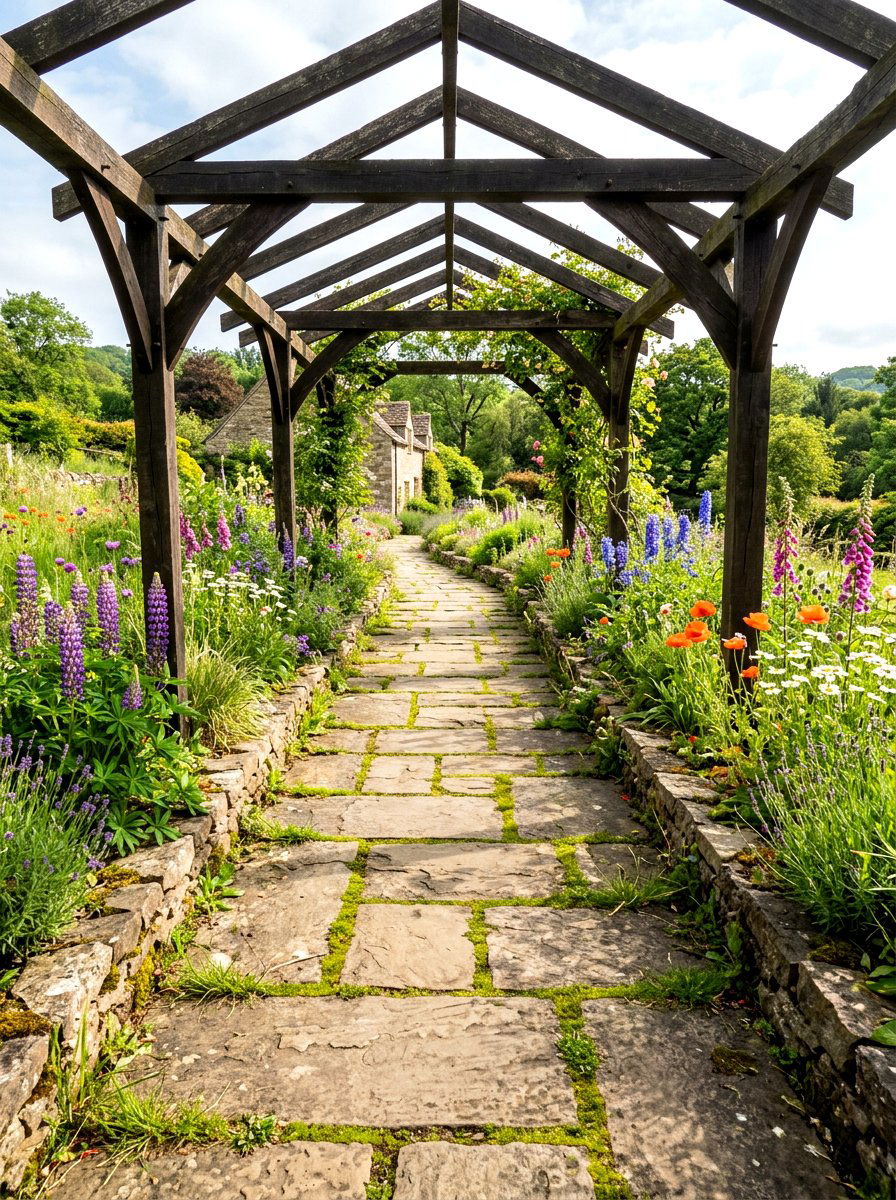
A flagstone path breezeway focuses on the ground beneath your feet to create a natural and organic transition. Instead of a uniform concrete slab, this design uses irregular pieces of natural stone set into the ground. You can allow small groundcover plants like thyme or moss to grow in the gaps for an aged, "secret garden" look. The overhead structure is usually kept simple, such as a basic pergola or a roof supported by slender wooden posts. This approach helps the breezeway blend seamlessly into the surrounding landscape. It is an excellent choice for cottage-style homes or any property where you want to emphasize a relaxed and informal aesthetic.
19. Gated Security Breezeway
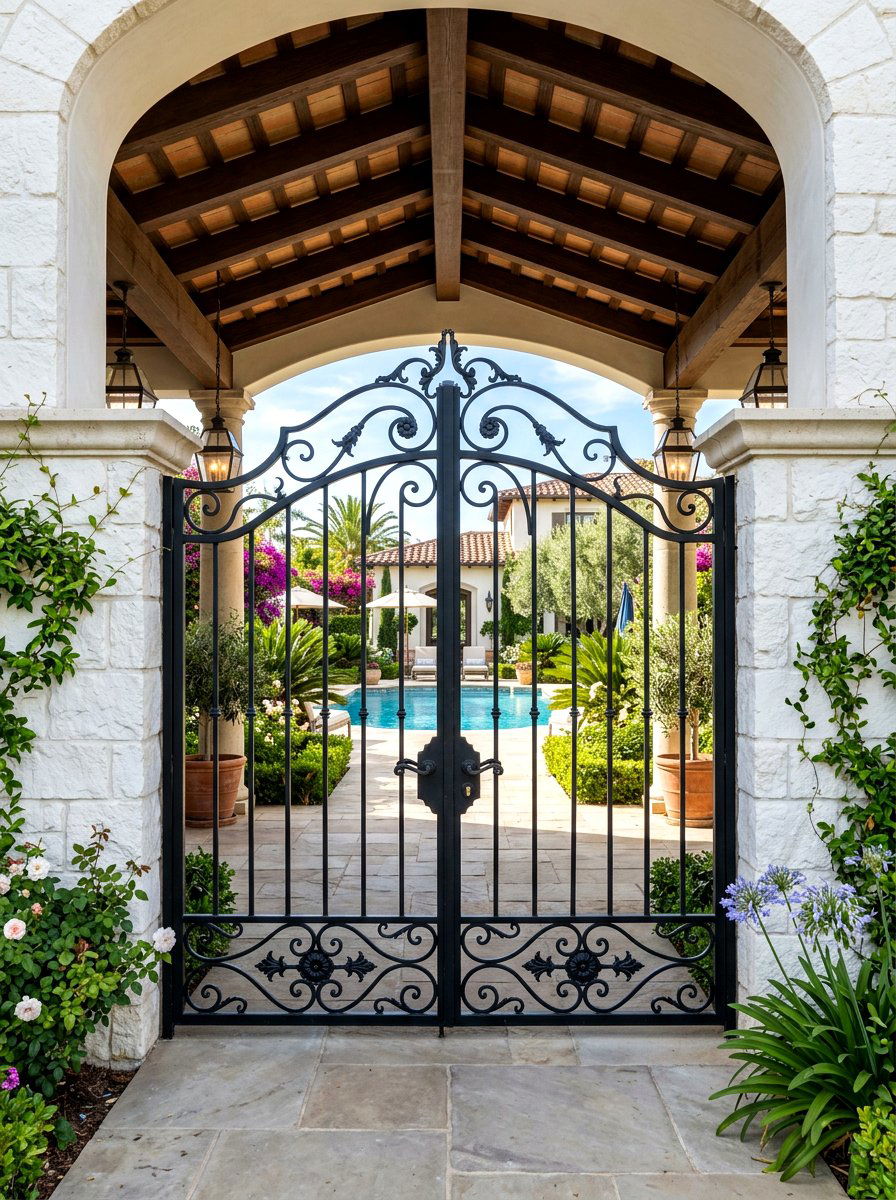
A gated security breezeway adds an extra layer of protection and privacy to your home while remaining architecturally beautiful. By installing a custom wrought iron or decorative wooden gate at one or both ends of the passage, you create a secure zone for the family. This is especially useful if the breezeway leads to a central courtyard or a pool area. The gate can feature intricate scrollwork or modern geometric patterns to match your home's style. This design allows you to keep the area open for airflow while ensuring that children or pets stay safely within the property. It combines functional safety with a high-end, exclusive look.
20. Breezeway With Built In Seating
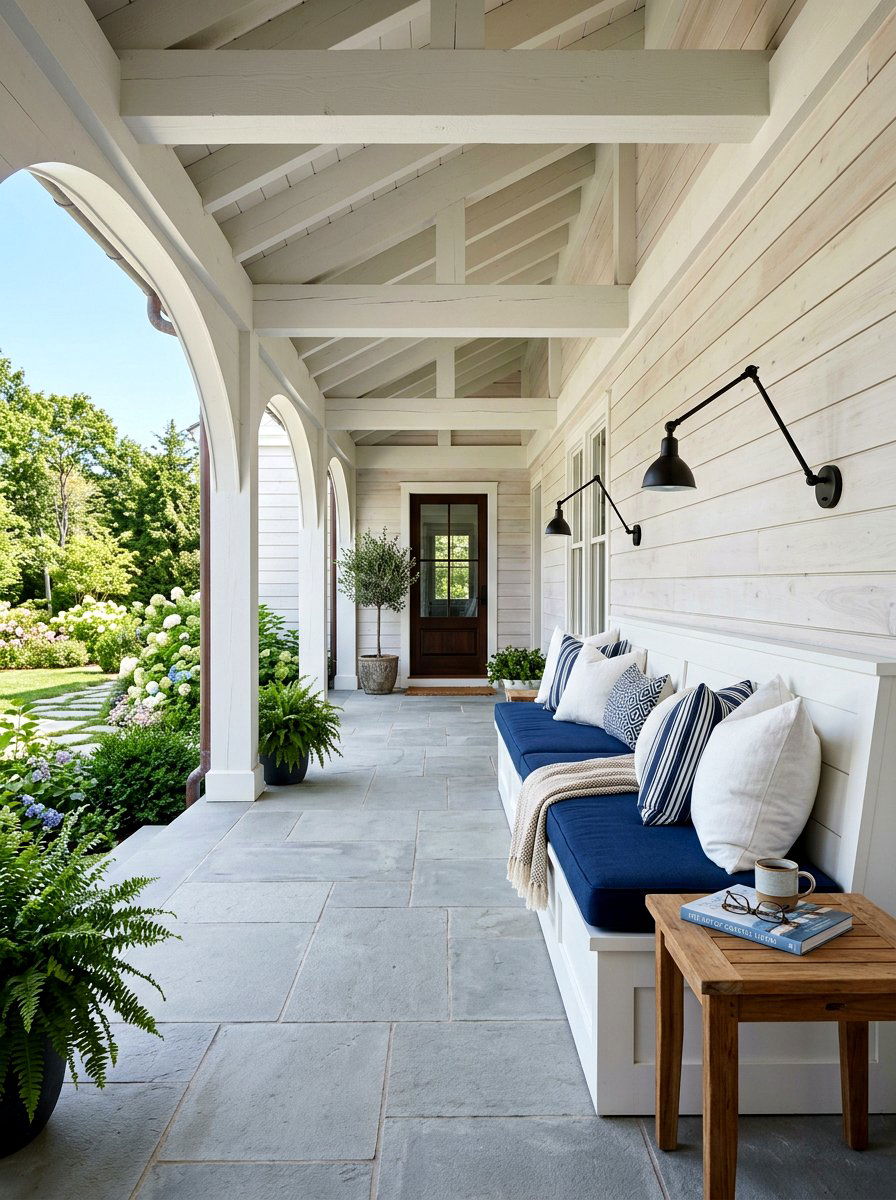
Turning your breezeway into a destination rather than just a pass-through is easy when you add built-in seating. You can install a long wooden bench along one wall, complete with comfortable outdoor cushions and throw pillows. This creates a cozy nook where you can sit and enjoy a morning coffee or watch the rain while staying dry. The area beneath the bench can be used for hidden storage for gardening tools or outdoor toys. By adding a small side table and some wall-mounted reading lights, you transform a simple hallway into a functional outdoor living room. It is a great way to maximize every square foot of your property.
21. Zen Garden Breezeway
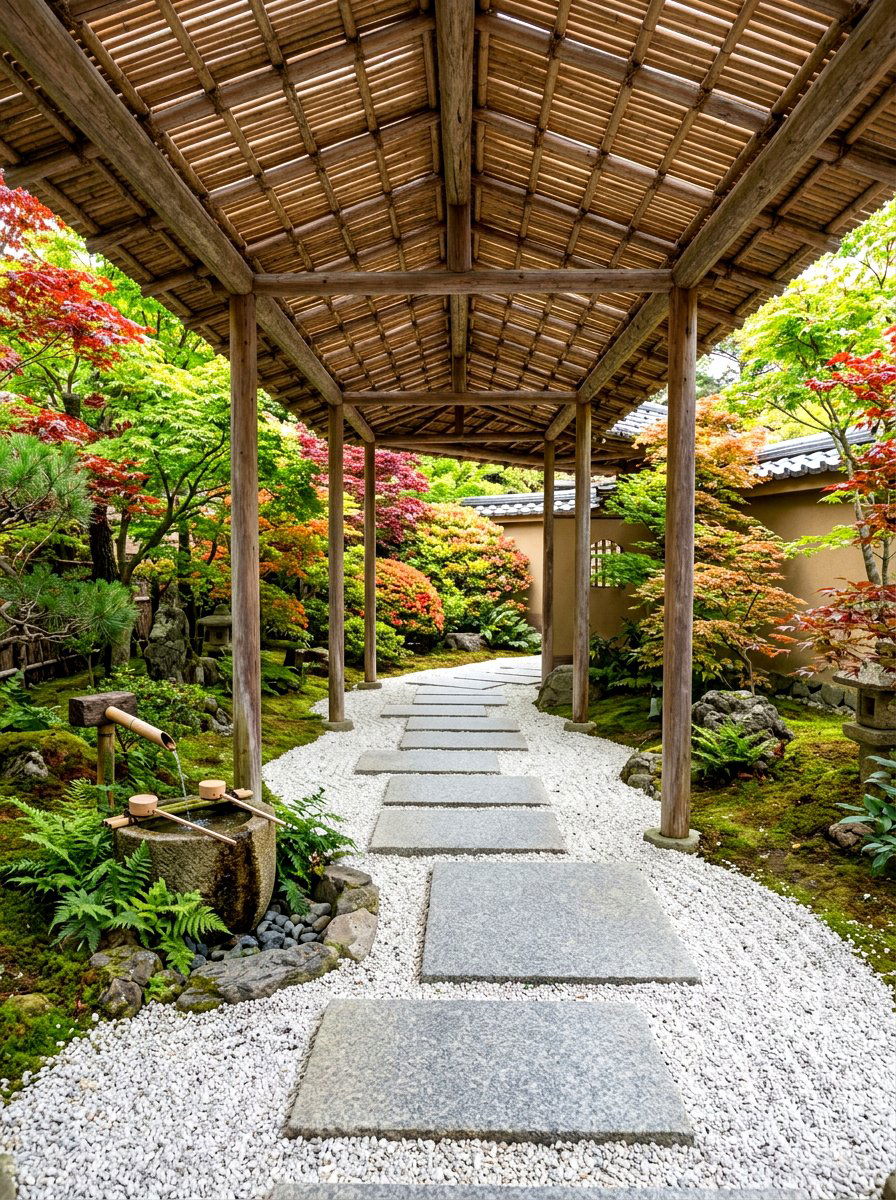
A Zen garden breezeway is designed to promote a sense of peace and mindfulness as you move through your home. This aesthetic uses a minimalist approach with natural materials like bamboo, smooth river rocks, and raked gravel. You might include a small water feature, such as a stone basin with a bamboo spout, to add the soothing sound of trickling water. The walkway itself could be a series of floating wooden slats or large stepping stones. This design encourages you to slow down and appreciate the moment. It is a beautiful way to create a transition that cleanses the mind and provides a visual break from the busy world outside.
22. Shingle Style Breezeway
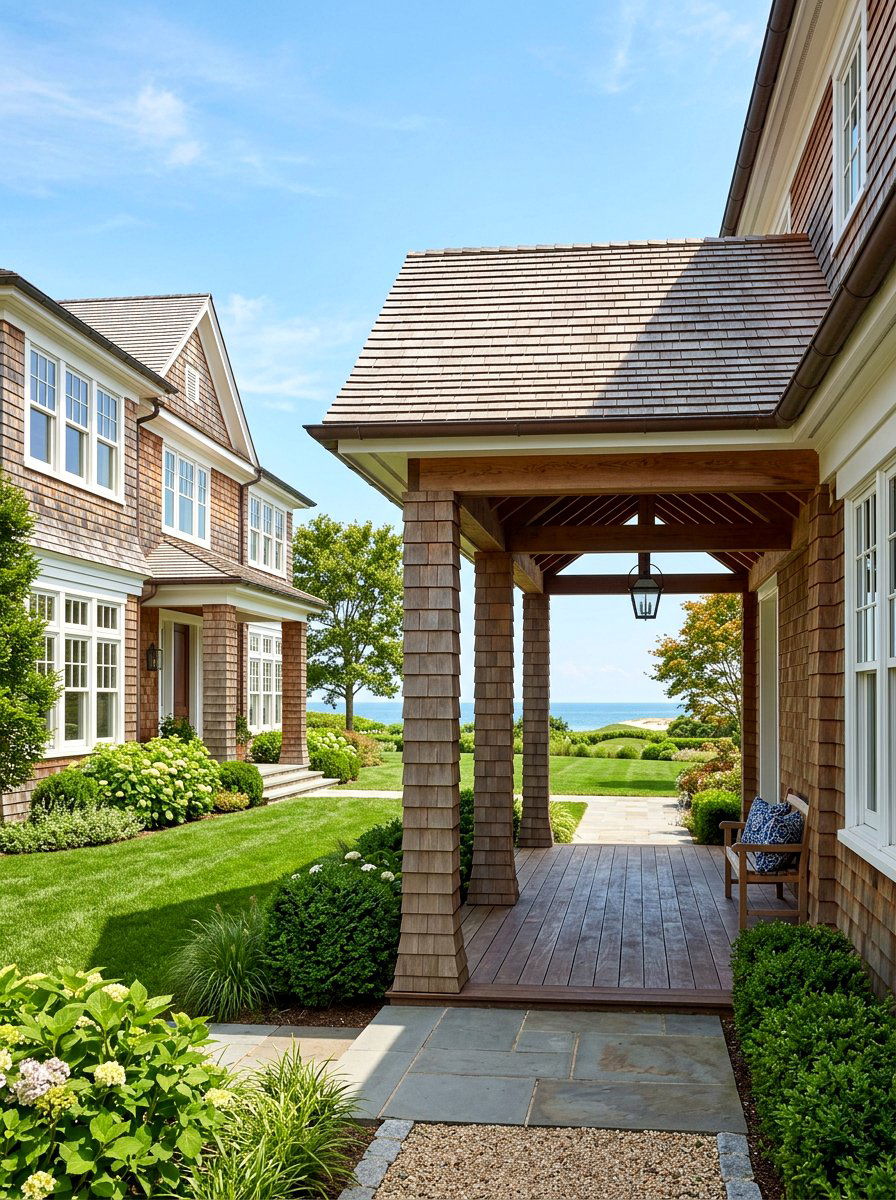
Inspired by the classic homes of the Northeast, a shingle style breezeway uses cedar shakes or shingles to cover the walls and roof. This creates a highly textured and unified look that feels both coastal and cozy. The shingles can be left to weather into a natural silvery-gray or stained in earthy tones. This style often features shingled columns and deep porches that provide plenty of shade. Large, multi-pane windows are common, allowing you to peek into the garden as you walk. It is a sophisticated and historic aesthetic that feels very grounded and established. A shingle breezeway adds a layer of luxury and traditional charm to any large estate.
23. Black Modern Breezeway
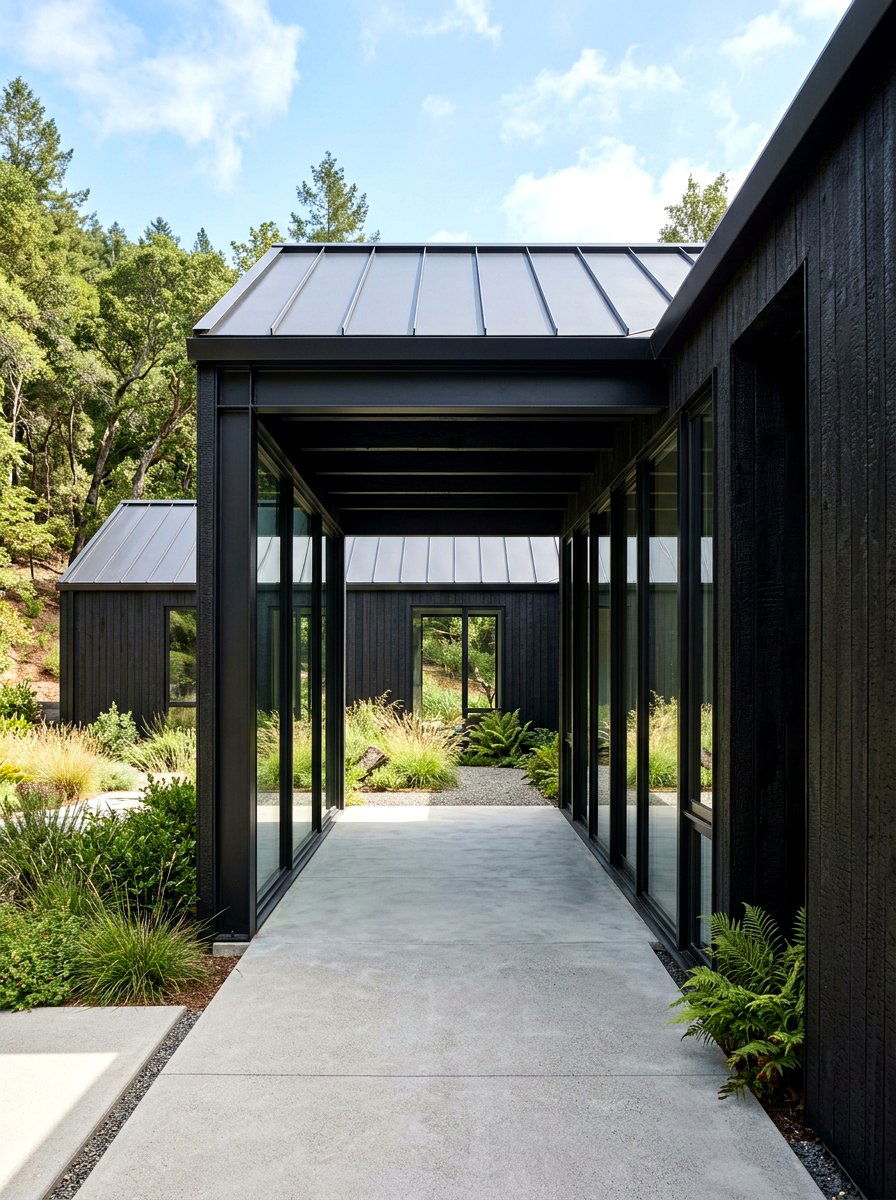
The black modern breezeway is a high-contrast design that uses dark siding, trim, and roofing to create a dramatic architectural feature. This bold choice makes the structure pop against the green landscape and provides a very contemporary edge. You can use materials like charred wood (Shou Sugi Ban) or black metal panels for a sleek and uniform finish. To keep the space from feeling too heavy, use large glass inserts and bright interior lighting. This aesthetic is incredibly popular on social media because of its moody and sophisticated vibe. It turns a functional connector into a standout design element that defines the modern character of your entire home exterior.
24. Stone Column Breezeway
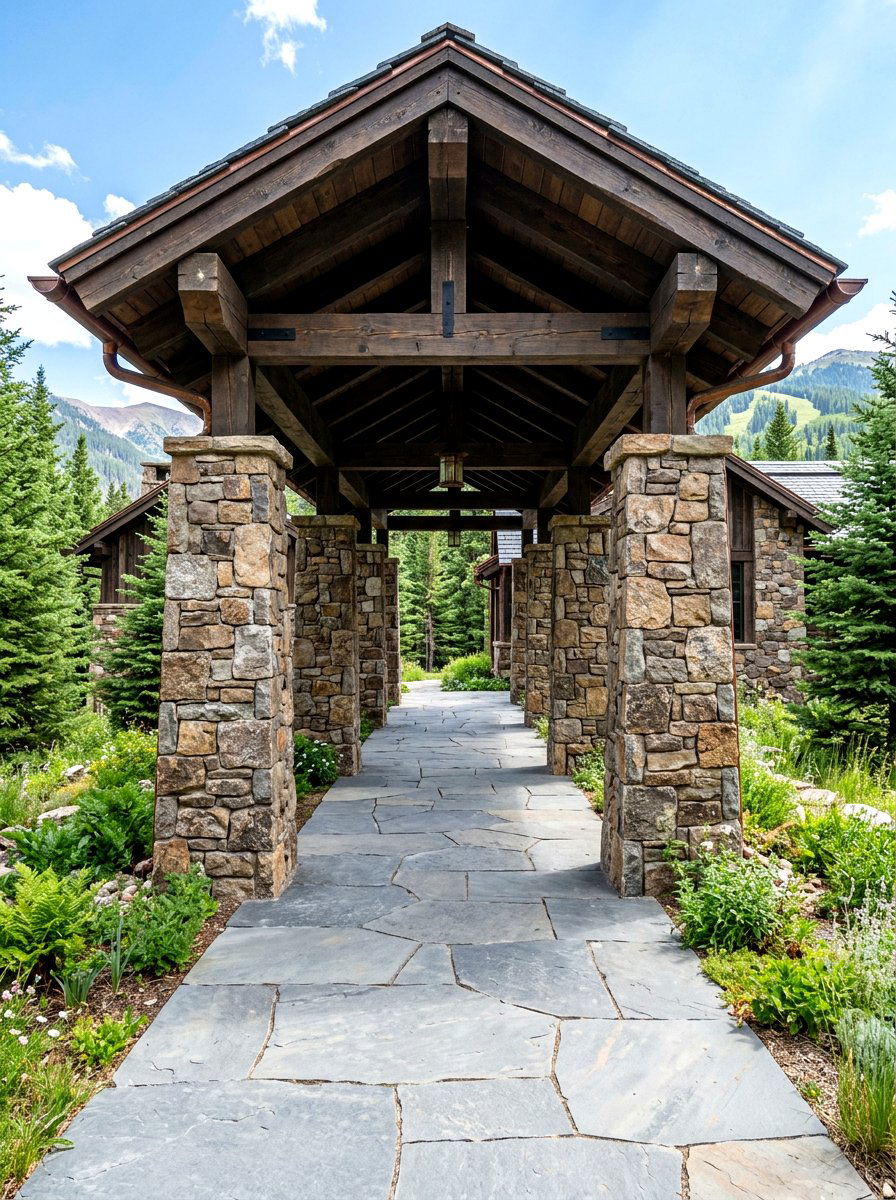
A stone column breezeway provides a sense of massive strength and timeless elegance. By using natural fieldstone or cut limestone for the support pillars, you create a structure that looks like it has been there for centuries. The stone adds a lot of visual weight and texture, which can be balanced with a lighter wooden roof or glass panels. This design is perfect for Mediterranean, Craftsman, or rustic-style homes. The variation in the stone colors and shapes ensures that no two columns look exactly alike, adding a unique and artisanal quality to the walkway. It is a durable and impressive choice that makes a fantastic first impression on guests.


25. Breezeway With Outdoor Kitchen
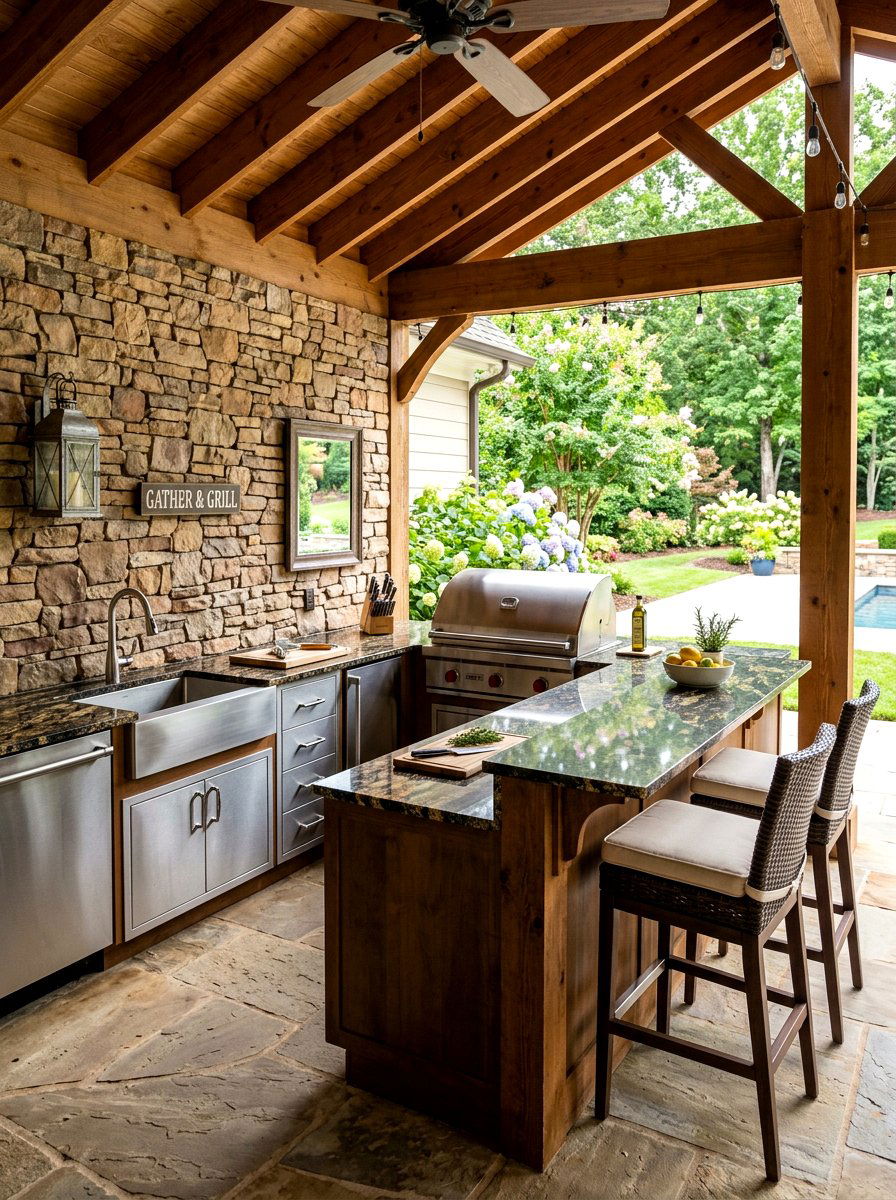
For the ultimate entertaining space, consider a breezeway with an integrated outdoor kitchen. Because the breezeway is covered, it provides the perfect sheltered spot for a built-in grill, a small sink, and a bar-height counter. This allows you to cook and serve food outside even if it is drizzling or the sun is too hot. You can add a small refrigerator and some storage cabinets to keep all your BBQ essentials nearby. This design turns a transitional space into the hub of your backyard activities. It is a smart way to utilize a covered area that might otherwise be ignored, adding significant functional value and luxury to your home.
26. Contemporary Slatted Breezeway
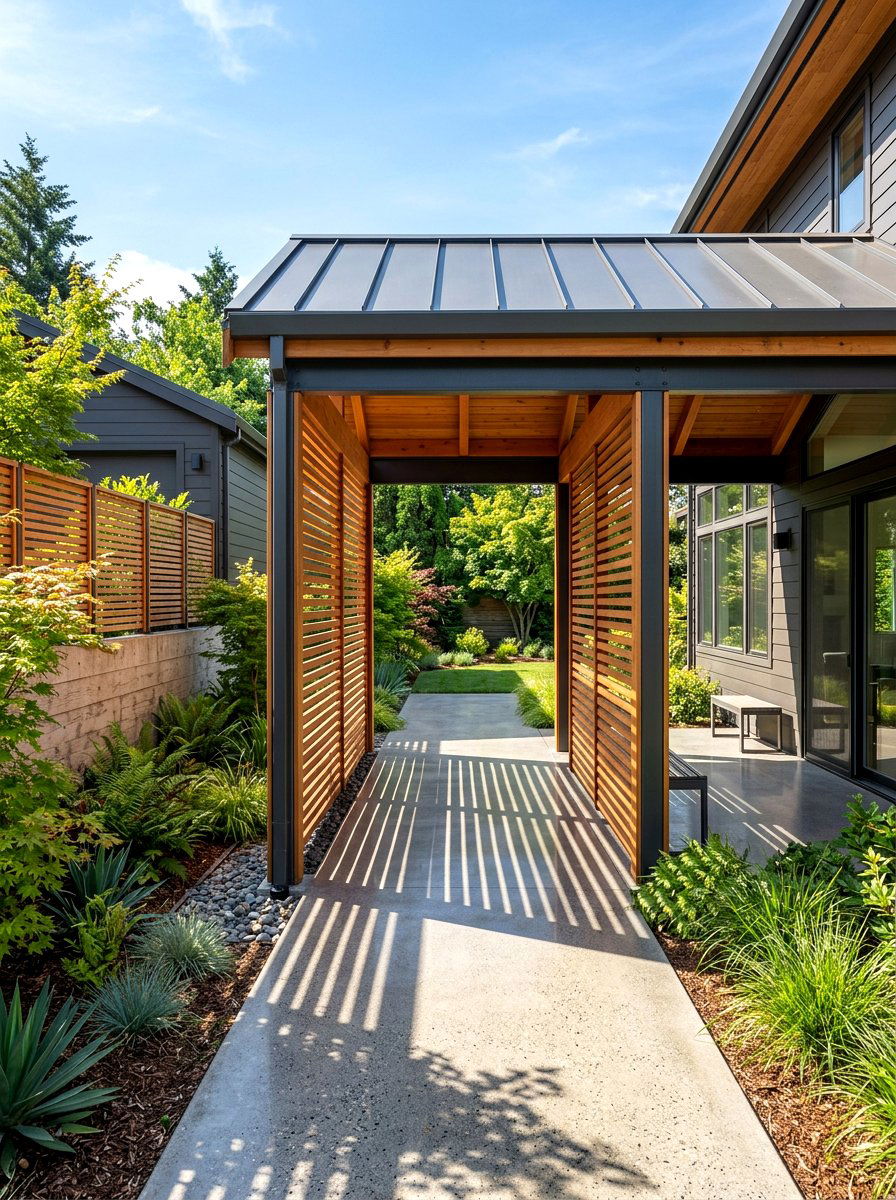
A contemporary slatted breezeway uses horizontal or vertical wood slats to create a semi-private passage with a beautiful play of light. The narrow gaps between the boards allow the breeze to pass through while obscuring the view from the street or neighbors. This design creates a rhythmic pattern of shadows on the floor that changes throughout the day. You can use a high-quality hardwood like Ipe or teak for a luxurious and durable finish. This aesthetic is perfect for modern homes that value privacy and artistic architectural details. It feels very high-end and provides a sense of enclosure without feeling dark or completely closed off from the outdoors.
27. Formal Boxwood Breezeway
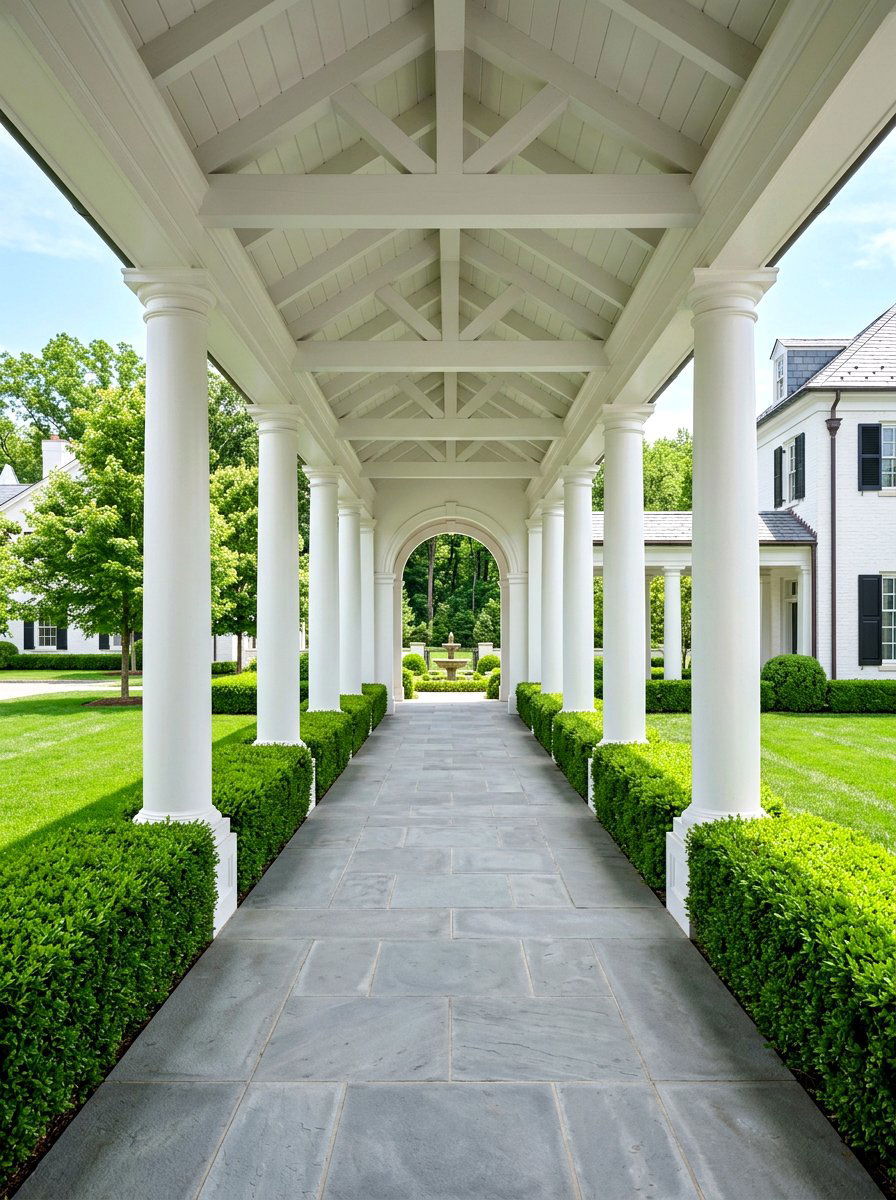
A formal boxwood breezeway uses classic landscaping techniques to define the path and enhance the architectural lines. By planting neatly trimmed boxwood hedges along both sides of the walkway, you create a green "hallway" that feels very orderly and elegant. This design often features a symmetrical layout with white columns and a simple roof. You can add large stone planters with seasonal flowers at the entrances to provide a pop of color. The floor is typically finished with polished stone or clean concrete to maintain the formal look. It is a timeless and sophisticated aesthetic that works beautifully for traditional estates or homes with a refined garden design.
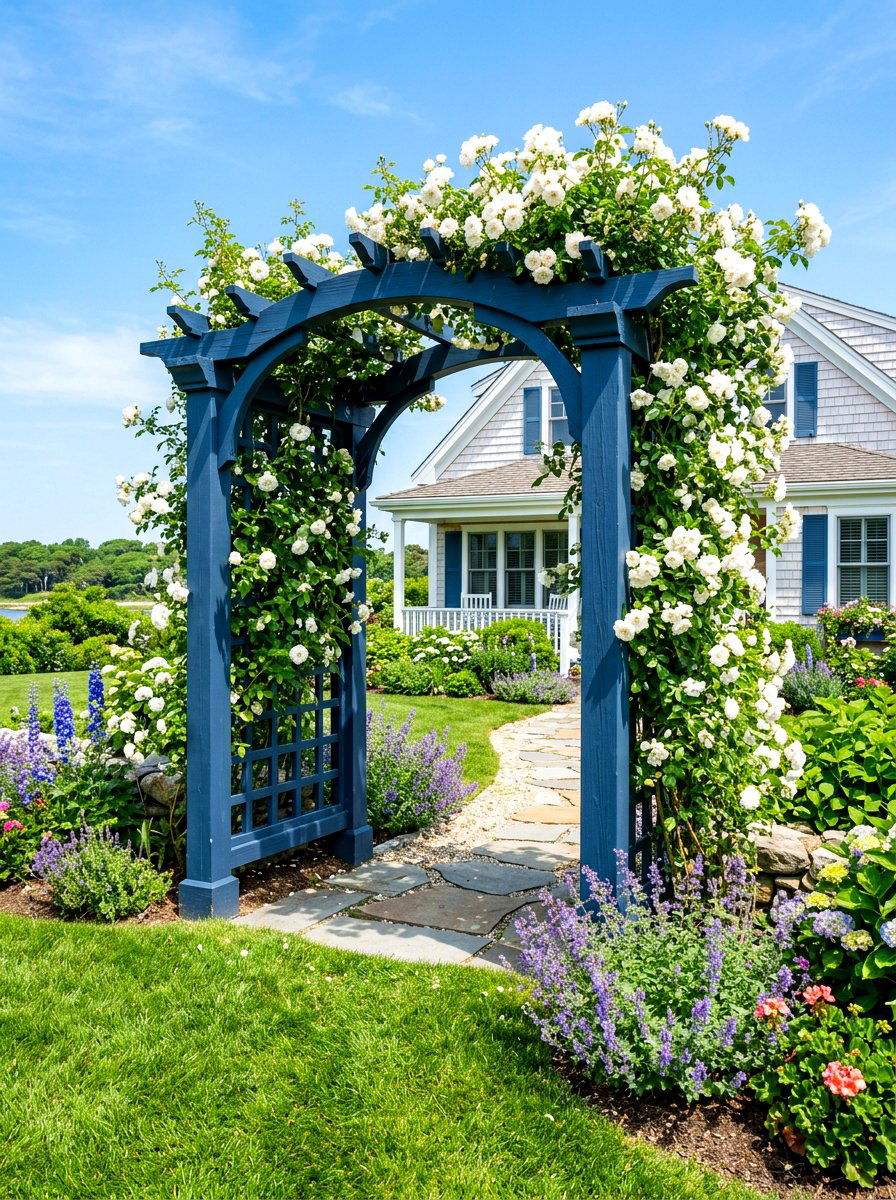
28. English Cottage Breezeway
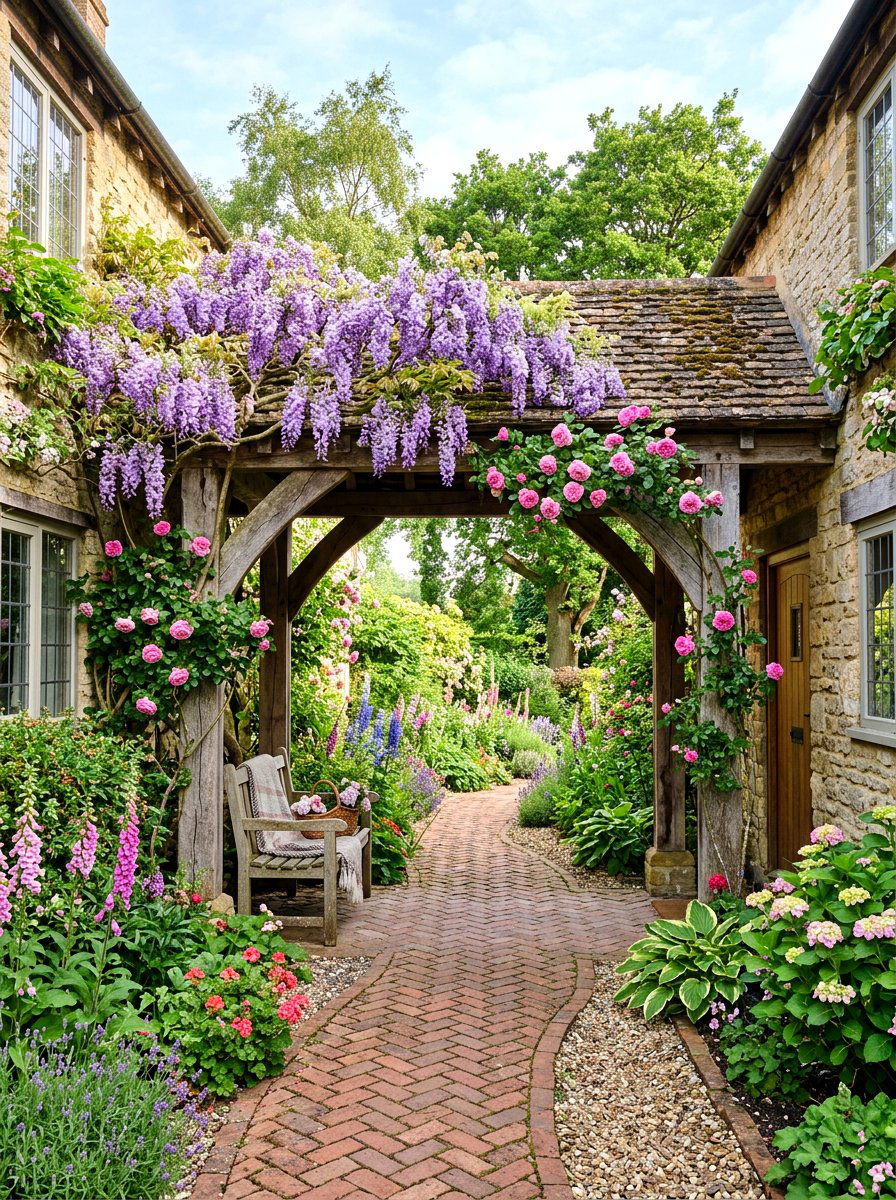
An English cottage breezeway is all about charm, softness, and an abundance of flowers. This style often features a rustic wooden frame that serves as a trellis for climbing roses, clematis, or wisteria. The roof might be made of traditional shingles or even a thatched-style material for a truly authentic look. You can use a winding brick path instead of a straight line to make the journey feel more whimsical. Adding small details like a vintage birdhouse or a weathered wooden bench enhances the "lived-in" feel. This breezeway is designed to feel like a romantic escape, turning a simple walk between buildings into a stroll through a blooming garden.
29. Mid Century Modern Breezeway
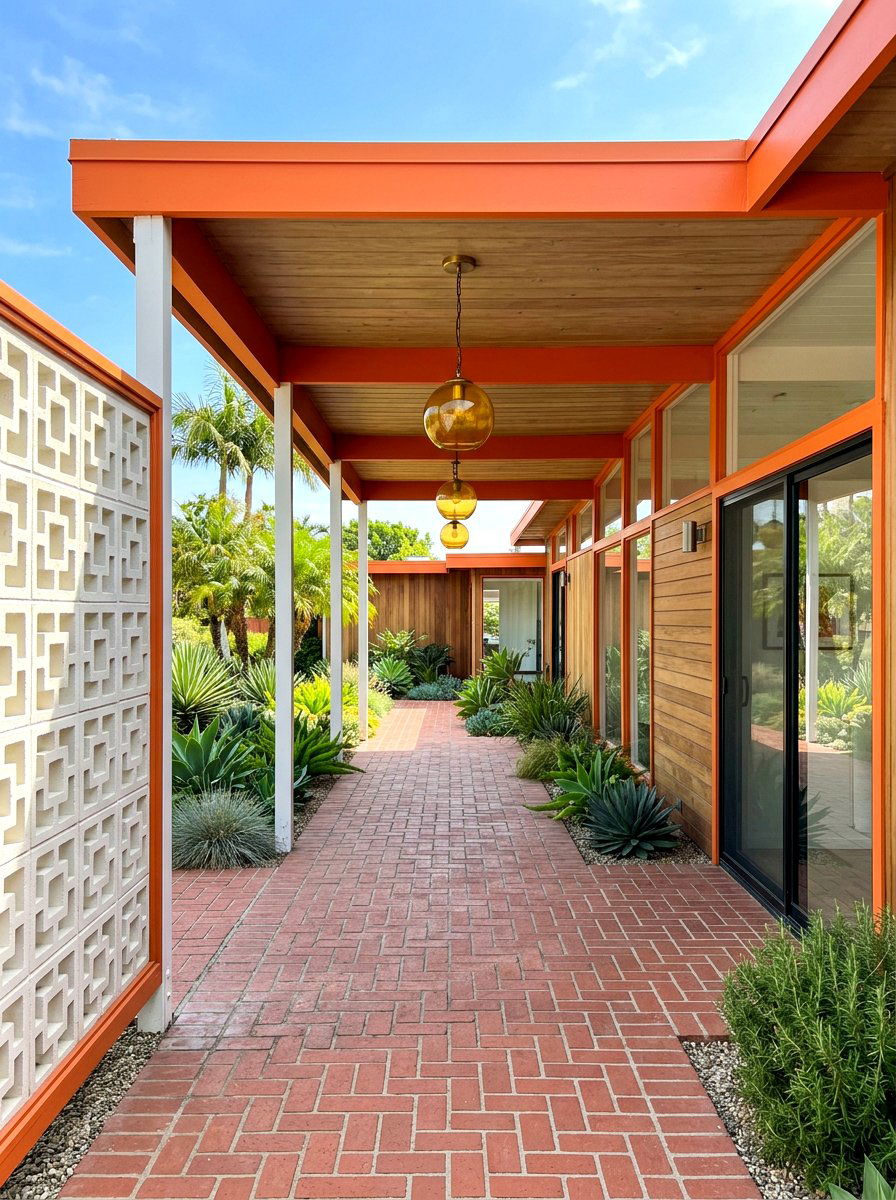
The mid century modern breezeway captures the optimistic and experimental spirit of the 1950s and 60s. This design often features flat roofs, large geometric shapes, and a mix of materials like brick, wood, and glass. You might see "breeze blocks" — decorative concrete blocks with geometric cutouts — used as walls to provide privacy while allowing air and light to flow through. The use of vibrant accent colors on the doors or light fixtures can add a playful touch. This aesthetic is all about the integration of the home with the natural world. It provides a cool and stylish transition that celebrates the unique architectural heritage of the mid-century era.
30. Natural Rock Breezeway
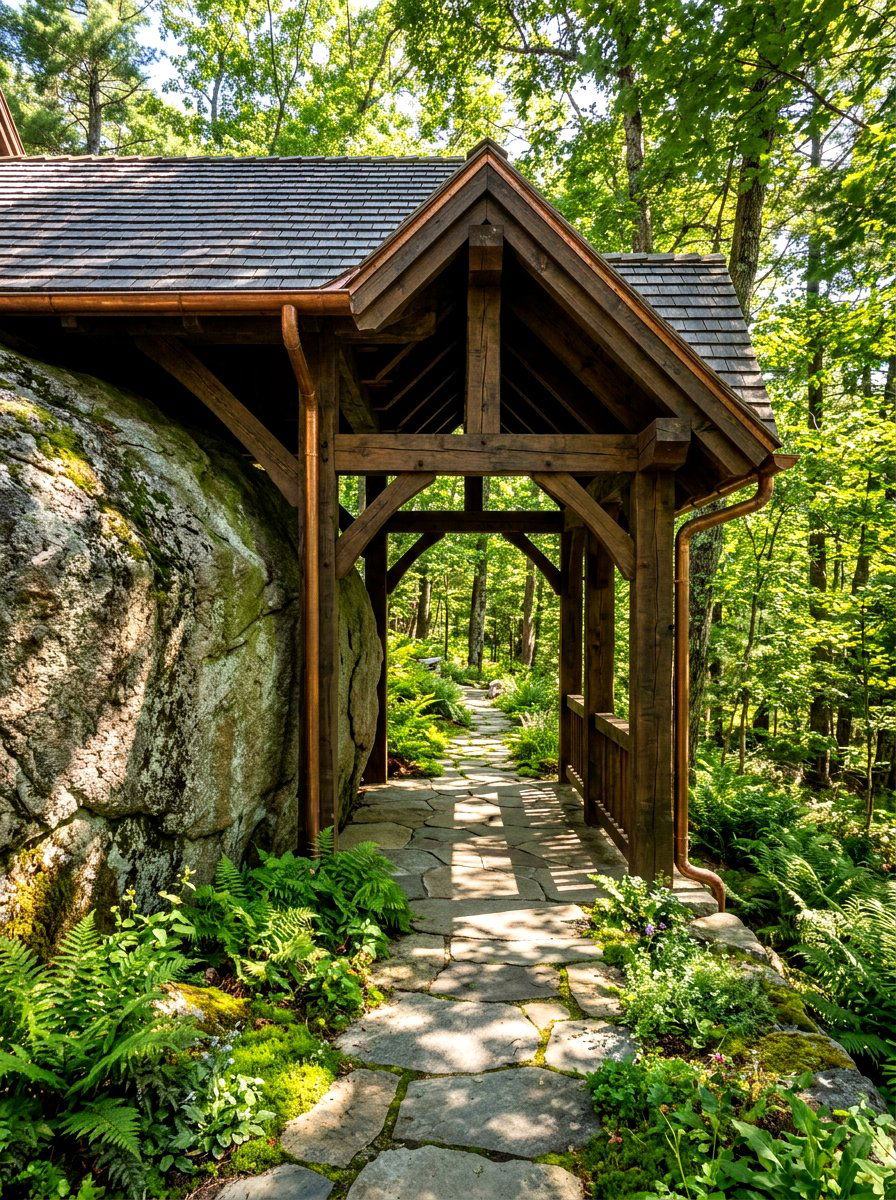
A natural rock breezeway is built into the landscape, using the existing terrain to create a one-of-a-kind passage. This might involve building the walkway alongside a large boulder or using stacked stone walls that seem to emerge from the earth. The roof can be supported by heavy timbers that complement the rugged look of the stone. This design is ideal for homes on sloped lots or in areas with interesting geological features. By leaving the rock exposed, you create a direct connection with the environment. It is a grounding and impressive architectural choice that makes the home feel like it is an organic part of the world around it.
Conclusion:
A well-designed breezeway is a significant investment that pays off in both functional utility and incredible aesthetic beauty. By choosing a style that complements your home 's existing architecture, you create a cohesive and impressive exterior that will surely go viral on any design platform. From the modern elegance of glass enclosures to the rustic warmth of timber frames, these thirty ideas offer something for every homeowner. A breezeway doesn' t just connect two rooms; it connects you with the outdoors and provides a daily moment of architectural inspiration. Start planning your transition space today to enhance your home's value and your overall quality of living.

Related posts: