google_search{queries: [
1. Reading Nook
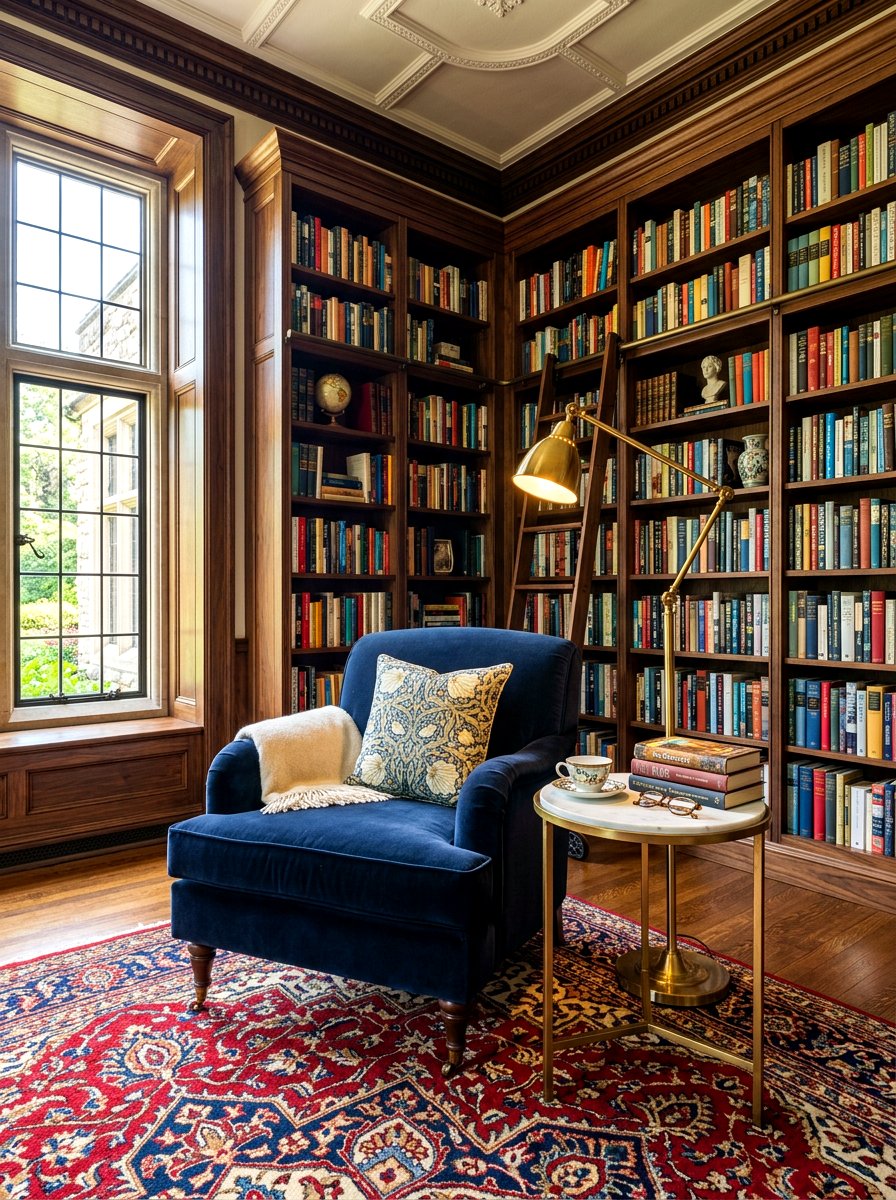
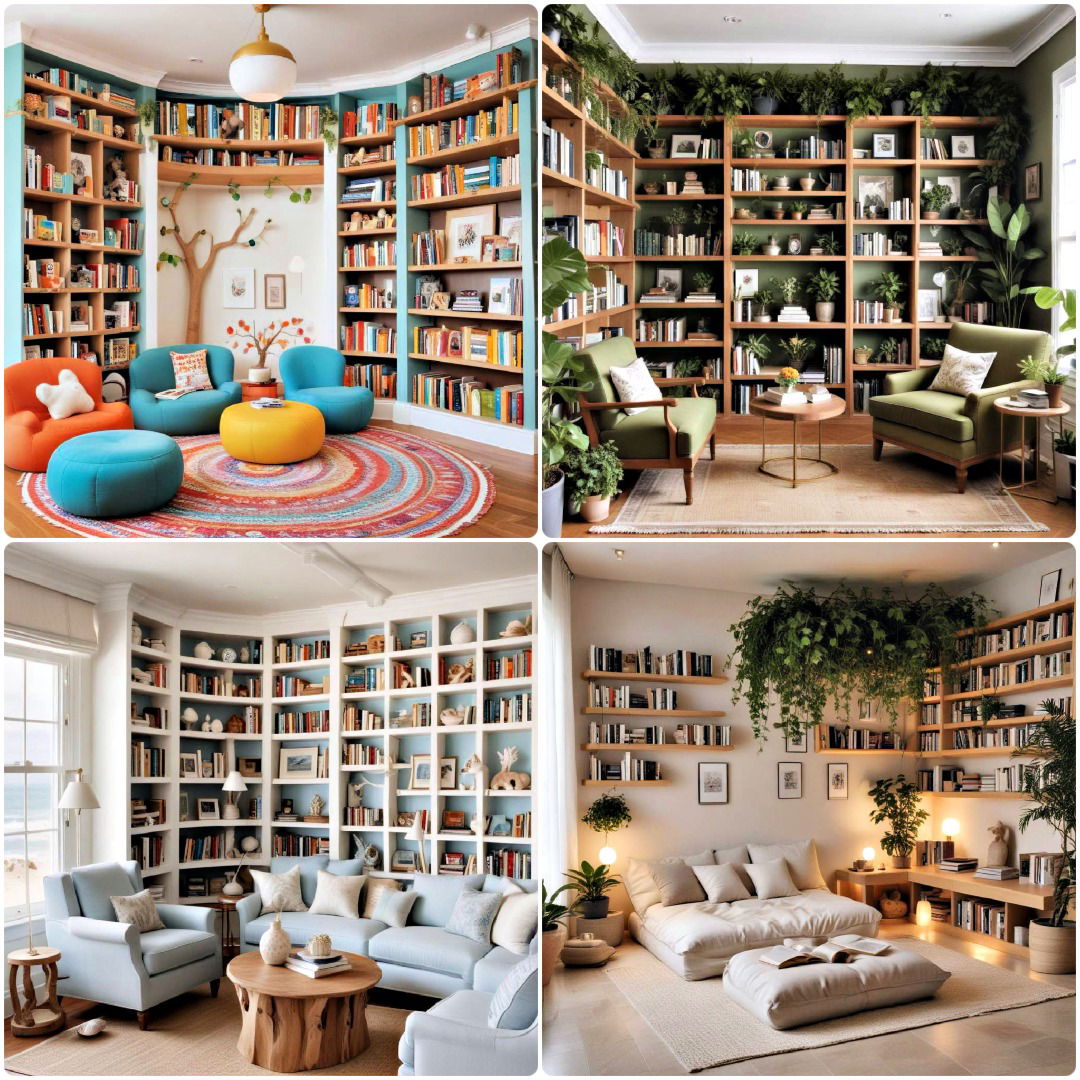
Imagine being tucked away in a quiet corner of your living room where a plush velvet armchair sits surrounded by floor-to-ceiling bookshelves. A dedicated reading nook provides a perfect escape from the hustle of daily life without requiring a completely separate room. You can define this space using a soft area rug and a dedicated floor lamp that casts a warm, focused glow. Incorporating a small side table for your coffee or tea enhances the comfort level significantly. By keeping this area visually distinct from the main seating zone, you create a private sanctuary that feels incredibly intimate. This specific compartmentalization technique encourages more downtime and reflection.
2. Sunken Living Room
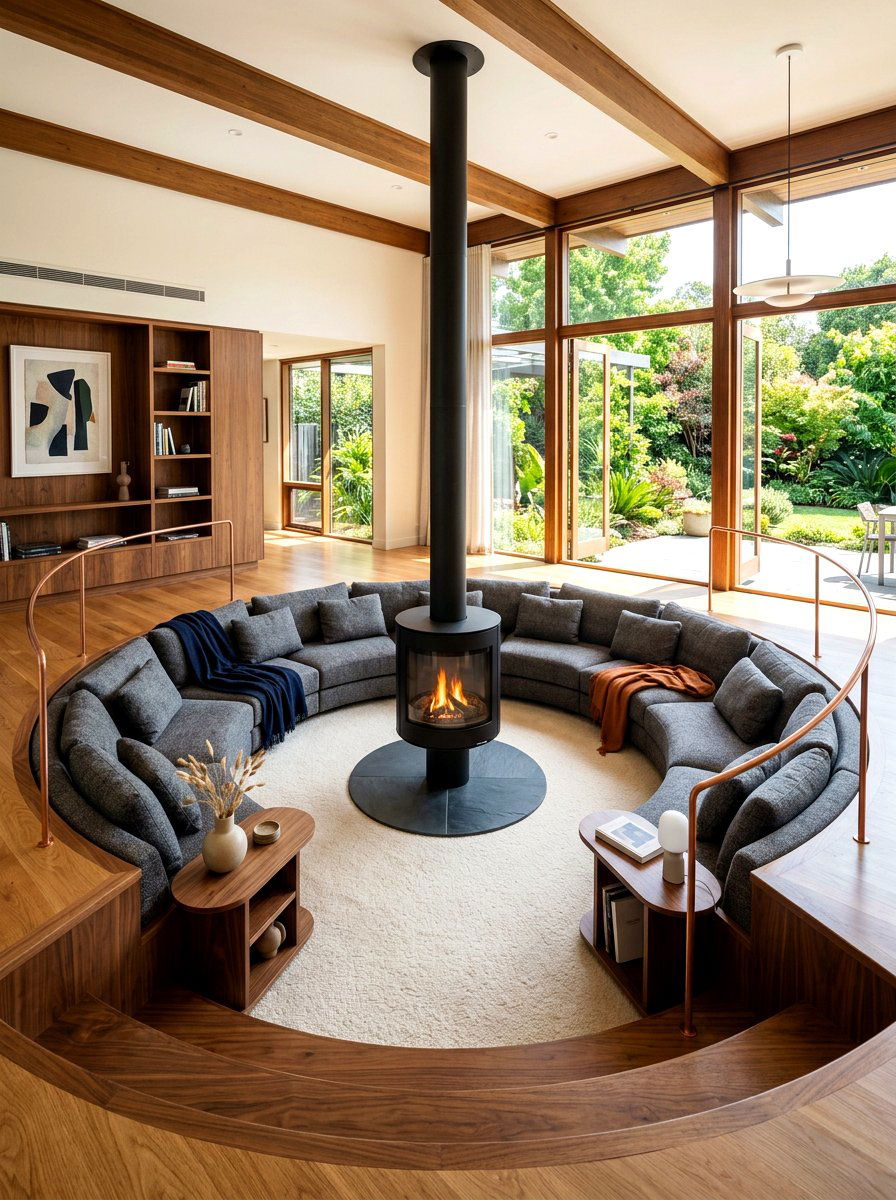
A sunken living room is a classic architectural feature that creates an immediate sense of separation without the need for traditional walls. By lowering the floor level of the seating area, you create a natural conversation pit that feels grounded and secure. This design encourages guests to gather in a focused circle, making the space feel like a cozy retreat within a larger open area. High-quality carpeting or large area rugs can further soften the zone, while built-in perimeter seating maximizes the use of the lower level. This structural change adds significant character and a retro-modern vibe to any contemporary home layout today.
3. Glass Partition Wall
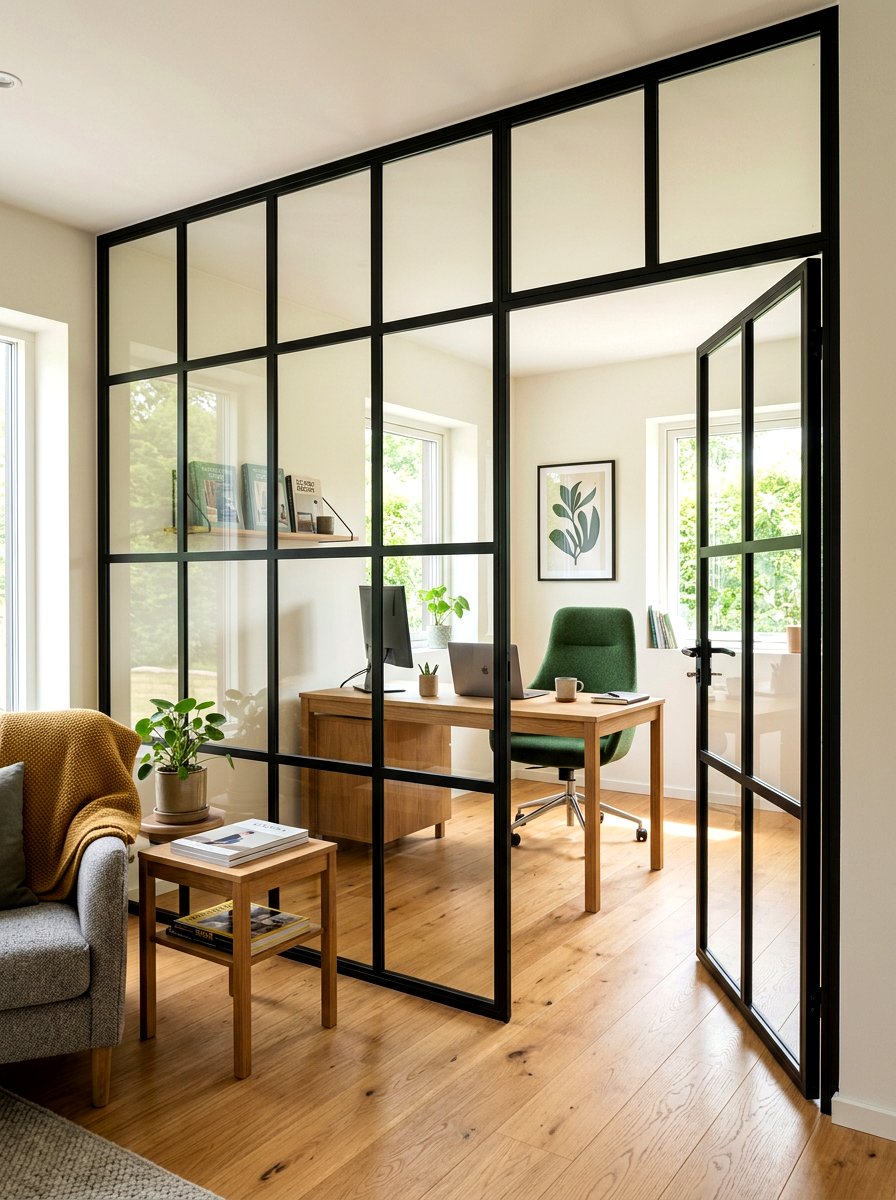
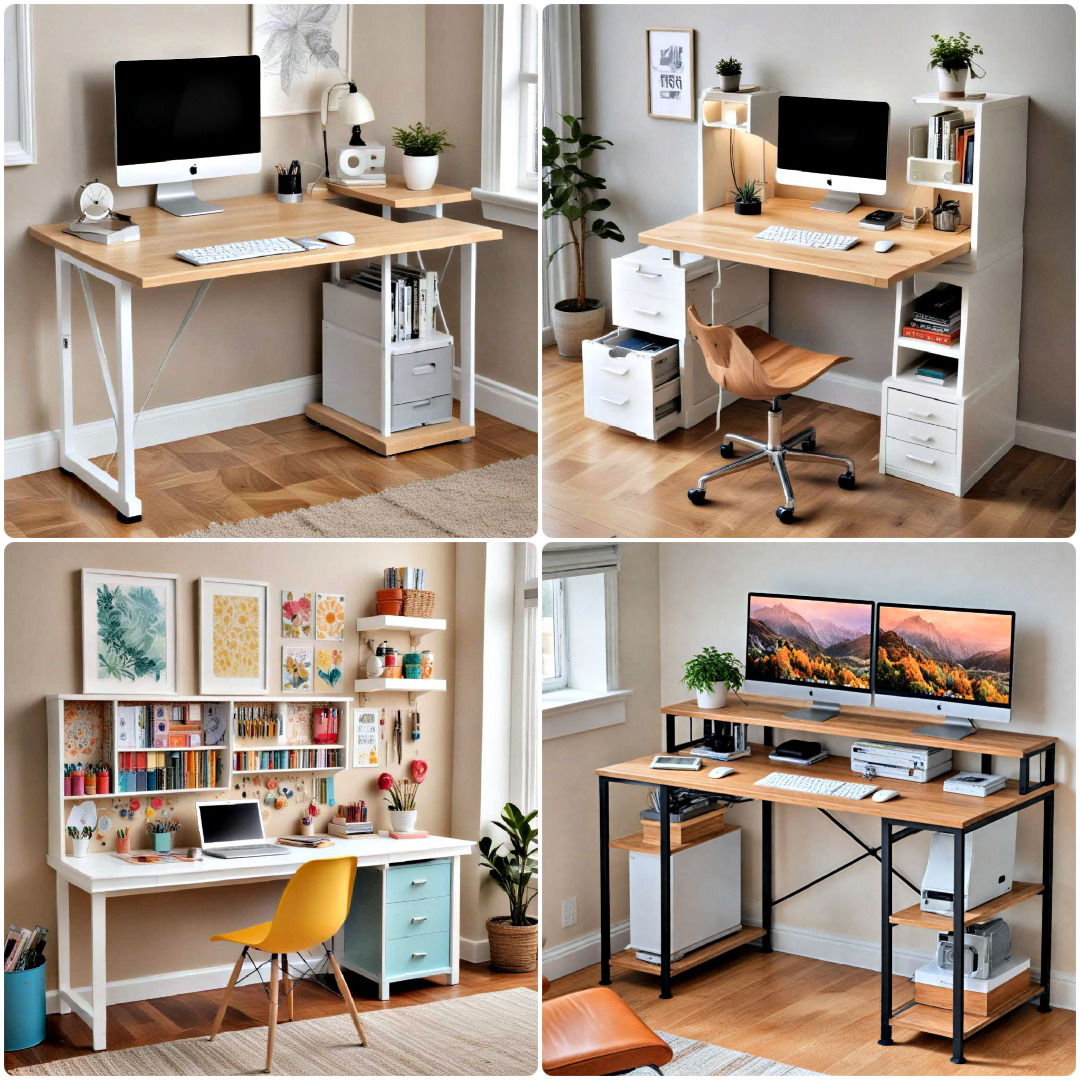
Installing a glass partition wall is an excellent way to divide a room while maintaining a bright and airy atmosphere. These partitions allow natural light to flow through the entire space while providing a physical barrier against noise and activity. You can choose from framed industrial styles or minimalist frameless glass to suit your interior aesthetic. This design works particularly well for separating a home office from a living area, ensuring you stay focused without feeling isolated. Adding a set of sheer curtains behind the glass can provide instant privacy whenever you need to hide a messy desk or create a more secluded environment.
4. Breakfast Nook
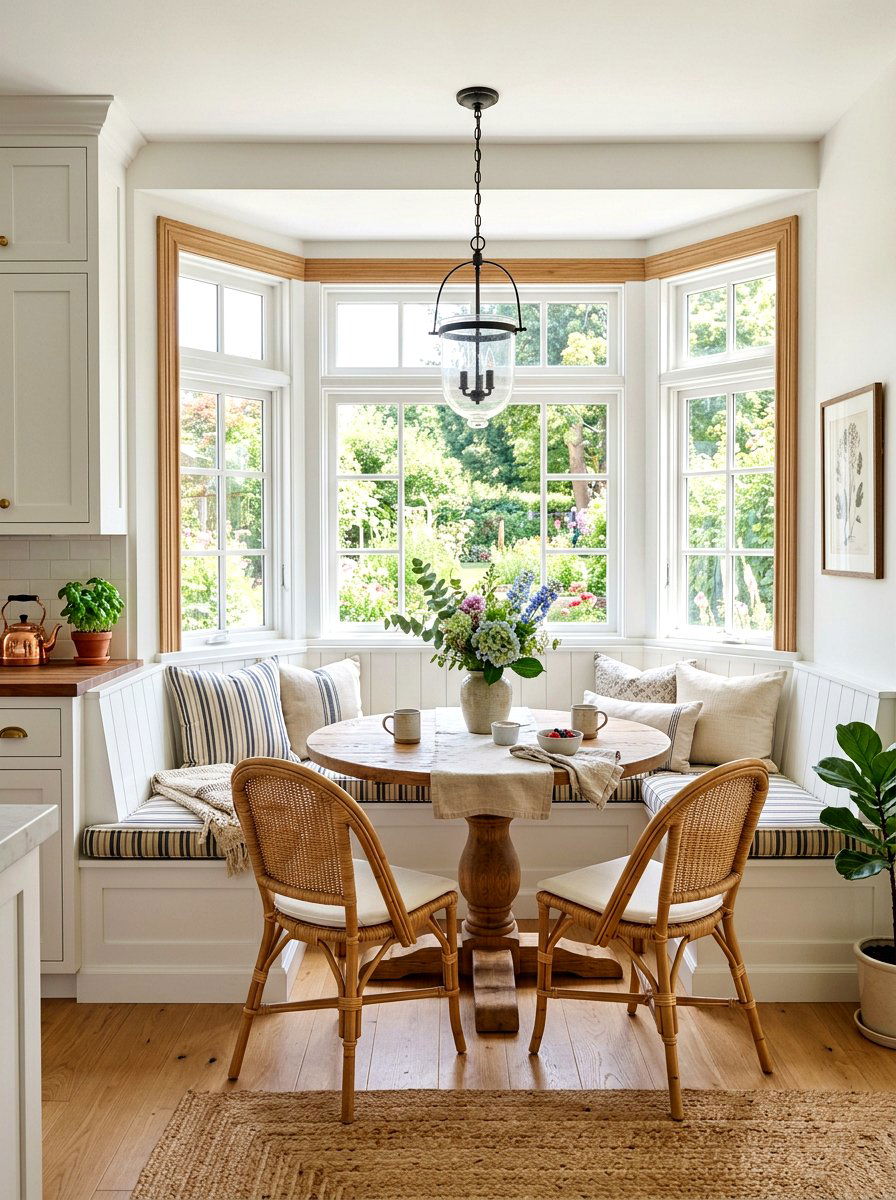
A breakfast nook transforms an unused corner of your kitchen into a charming and functional dining area for small family gatherings. By using built-in banquette seating against the walls, you maximize space and create a café-like atmosphere that feels very cozy. A round table helps soften the hard edges of the kitchen cabinetry and facilitates easier conversation during morning meals. Layering the benches with custom cushions and decorative pillows adds a pop of color and much-needed comfort. This small, compartmentalized zone becomes the heart of the morning routine, offering a dedicated spot to enjoy coffee while looking out of a nearby window.
5. Built In Bookcase Divider
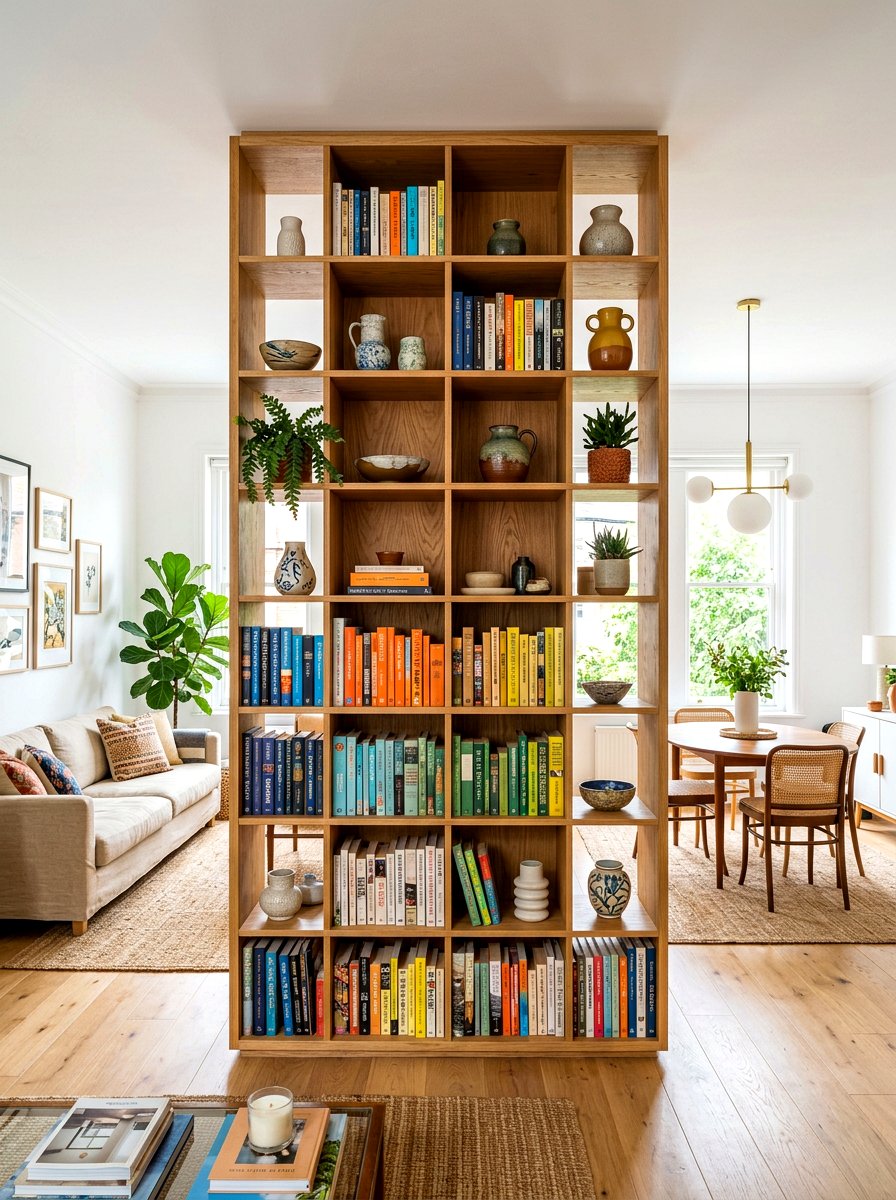
Using a large built-in bookcase as a room divider is a smart way to gain storage while effectively zoning your living space. This functional piece of furniture acts as a semi-permanent wall that separates the entryway from the main lounge or the dining room. You can leave some shelves open to allow light to pass through, keeping the space from feeling too closed off or dark. Filling the shelves with books, plants, and curated decor pieces adds personal character and warmth to the divider itself. This approach turns a necessary storage solution into a stunning architectural focal point that defines different home activities.
6. Closet Office
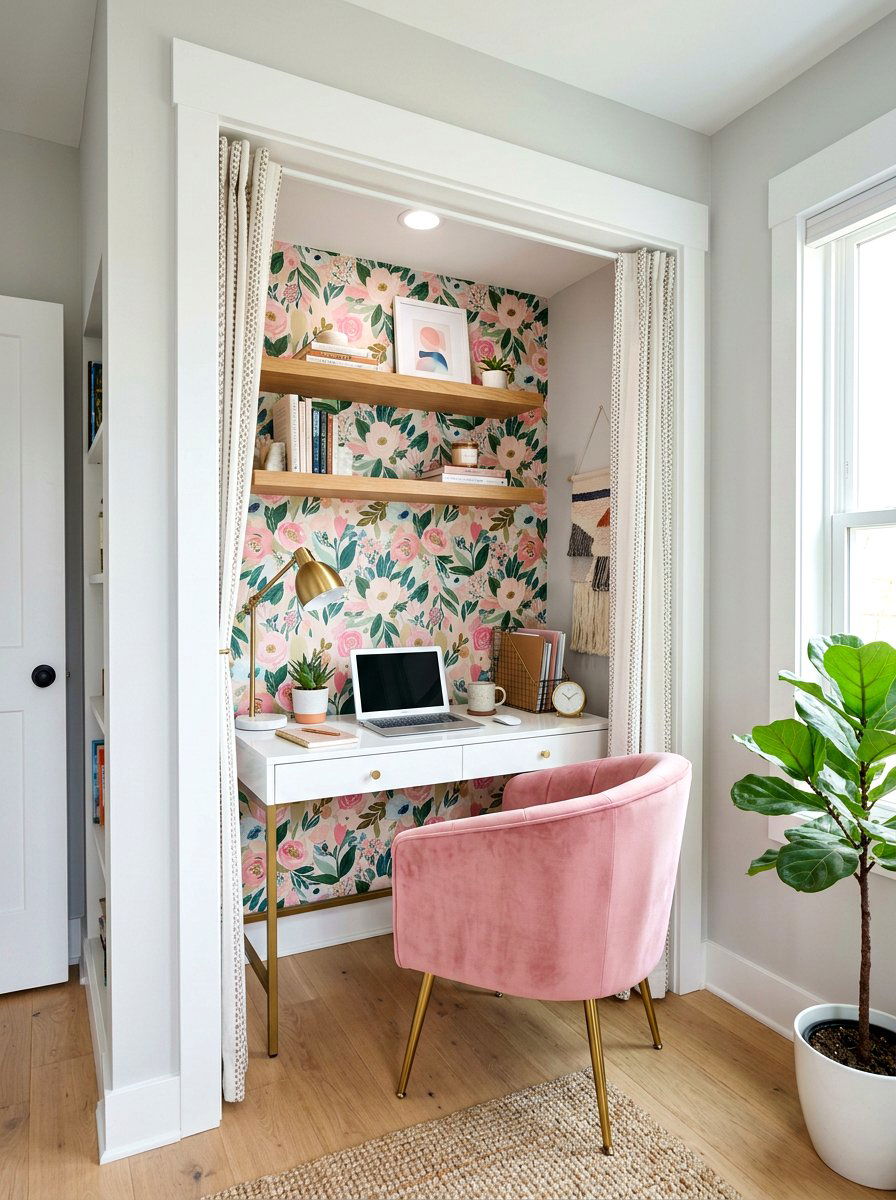
The closet office, or "cloffice, " is a brilliant solution for homeowners who need a workspace but lack a dedicated spare room. By removing the doors of a standard reach-in closet, you can install a desk, floating shelves, and task lighting to create a compact workstation. This design keeps your work life contained within a specific zone that can be hidden behind a curtain or stylish barn doors when not in use. Decorating the back wall with vibrant wallpaper or a bold paint color makes the small space feel intentional and inspiring. It is the perfect example of maximizing every square inch through creative compartmentalization.
7. Mudroom Entryway
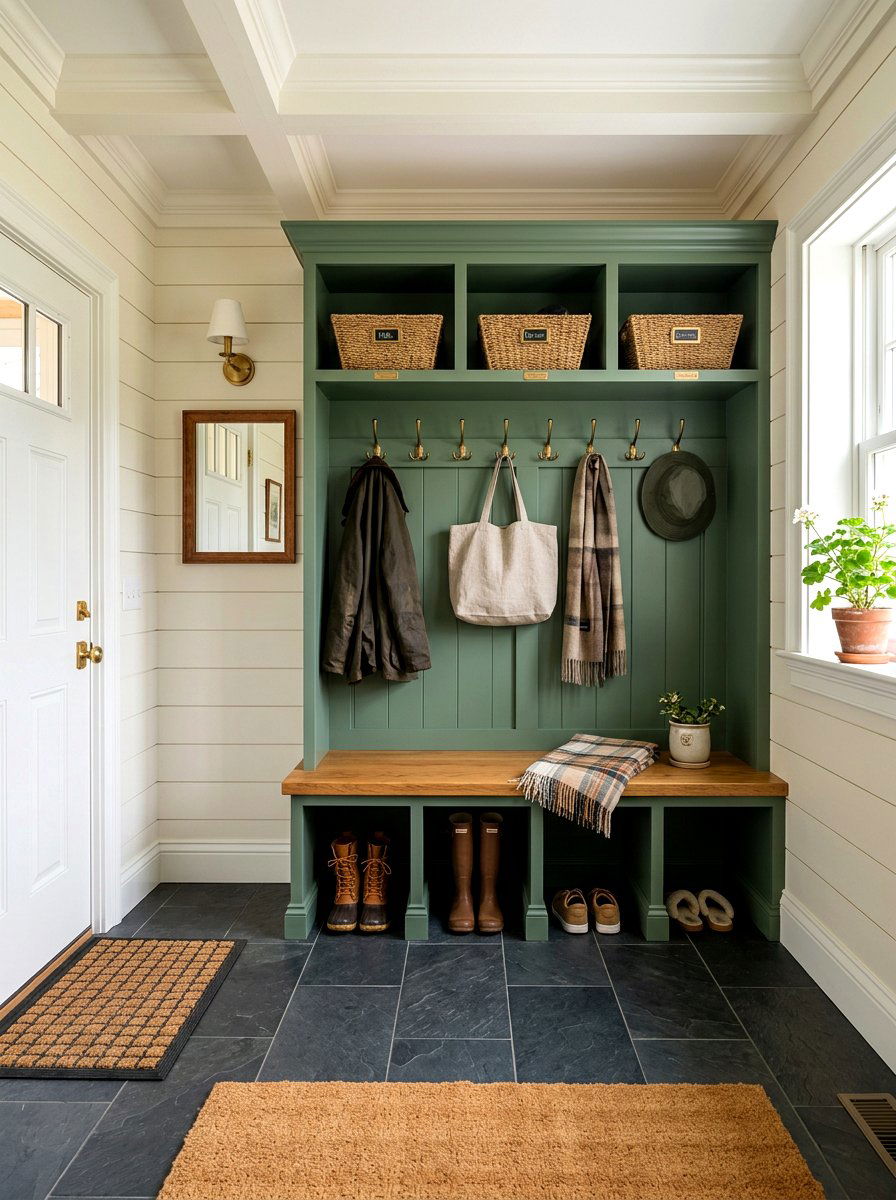
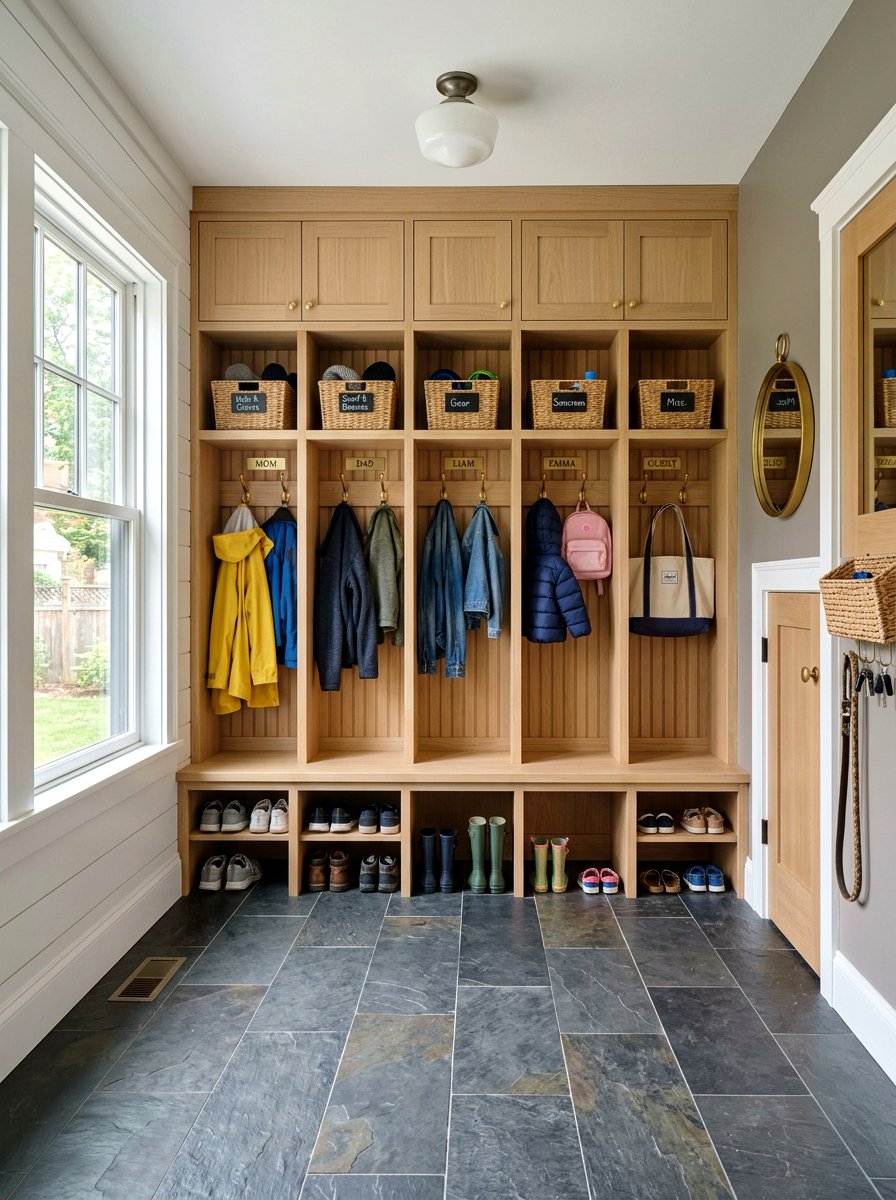
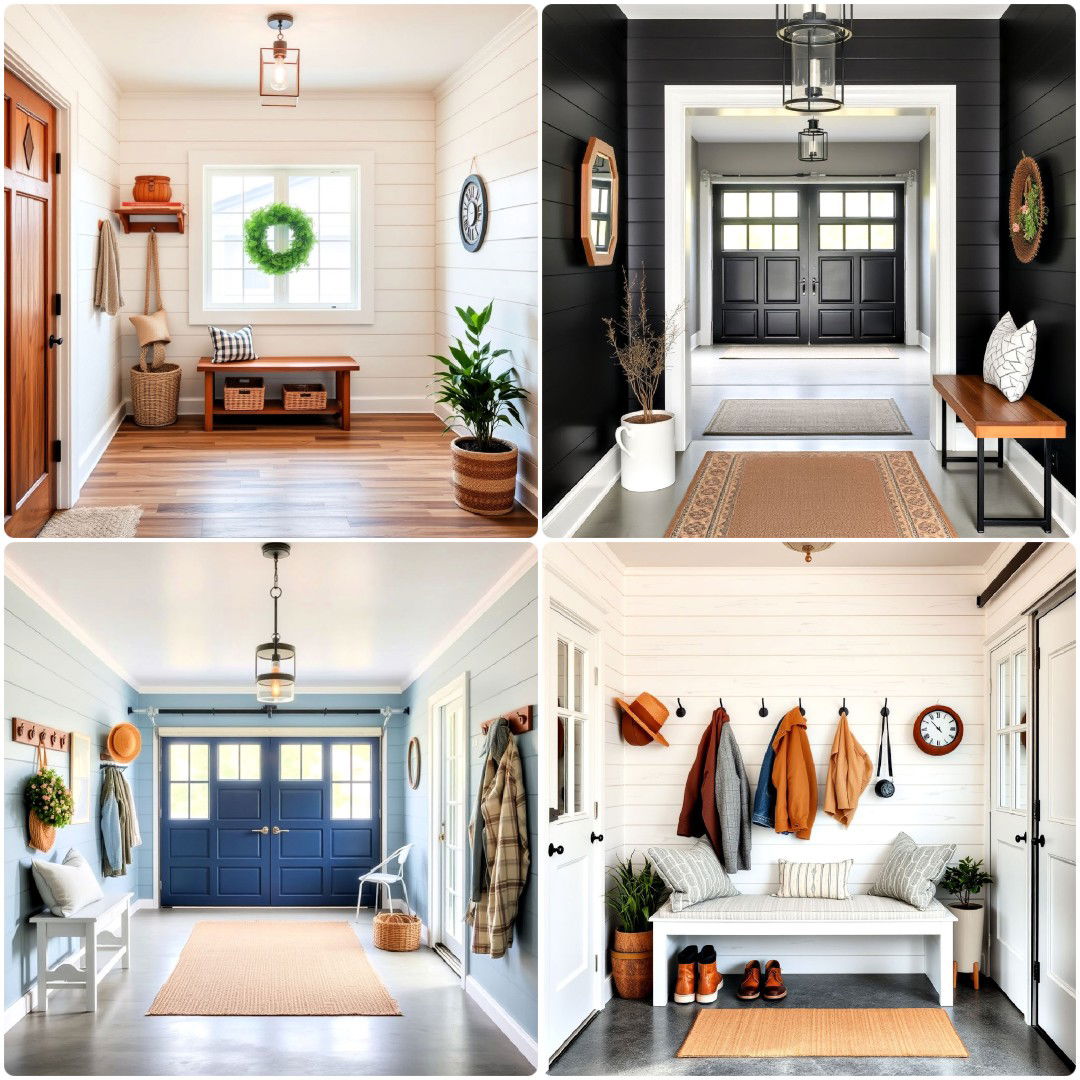
Creating a dedicated mudroom entryway helps keep the rest of your home clean and organized by containing outdoor gear in one zone. A well-designed mudroom features built-in cubbies, sturdy hooks for coats, and a bench for comfortably removing shoes after a long day. Using durable flooring like tile or slate in this area makes it easy to clean up dirt and moisture from outside. By separating the entrance from the main living area with a half-wall or a different flooring material, you establish a clear transition zone. This structured approach prevents clutter from spilling into the common areas, maintaining a peaceful and tidy atmosphere.
8. Window Seat
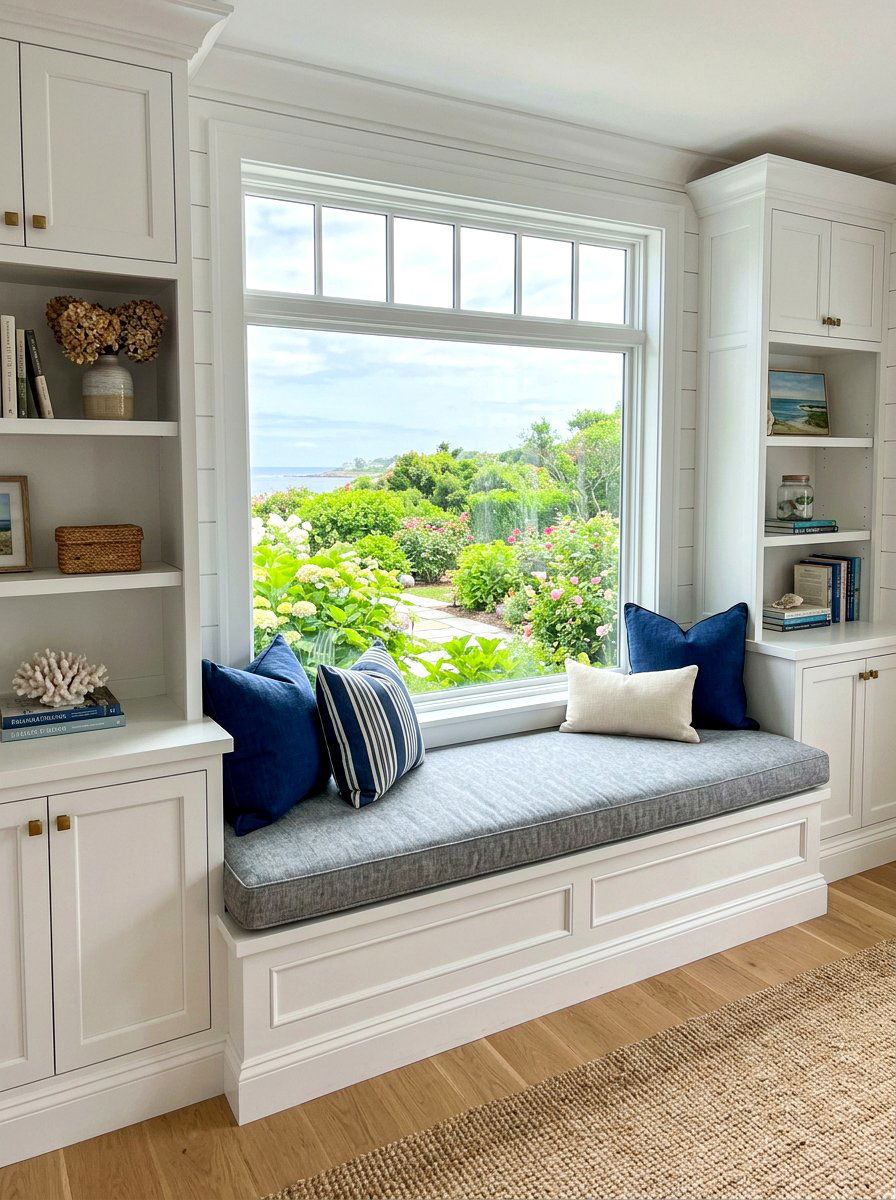
A window seat is a timeless design feature that turns a simple ledge into a cozy spot for relaxation and observation. Nestled between cabinets or built directly into a bay window, this seating area provides a unique vantage point of the outdoors. You can make it extra inviting with thick foam cushions, plush throw blankets, and a couple of soft accent pillows. This small nook serves as a secondary seating area that doesn't take up valuable floor space in the center of the room. It is a wonderful way to utilize architectural recesses and create a private corner for quiet thinking or reading.
9. Attic Bedroom
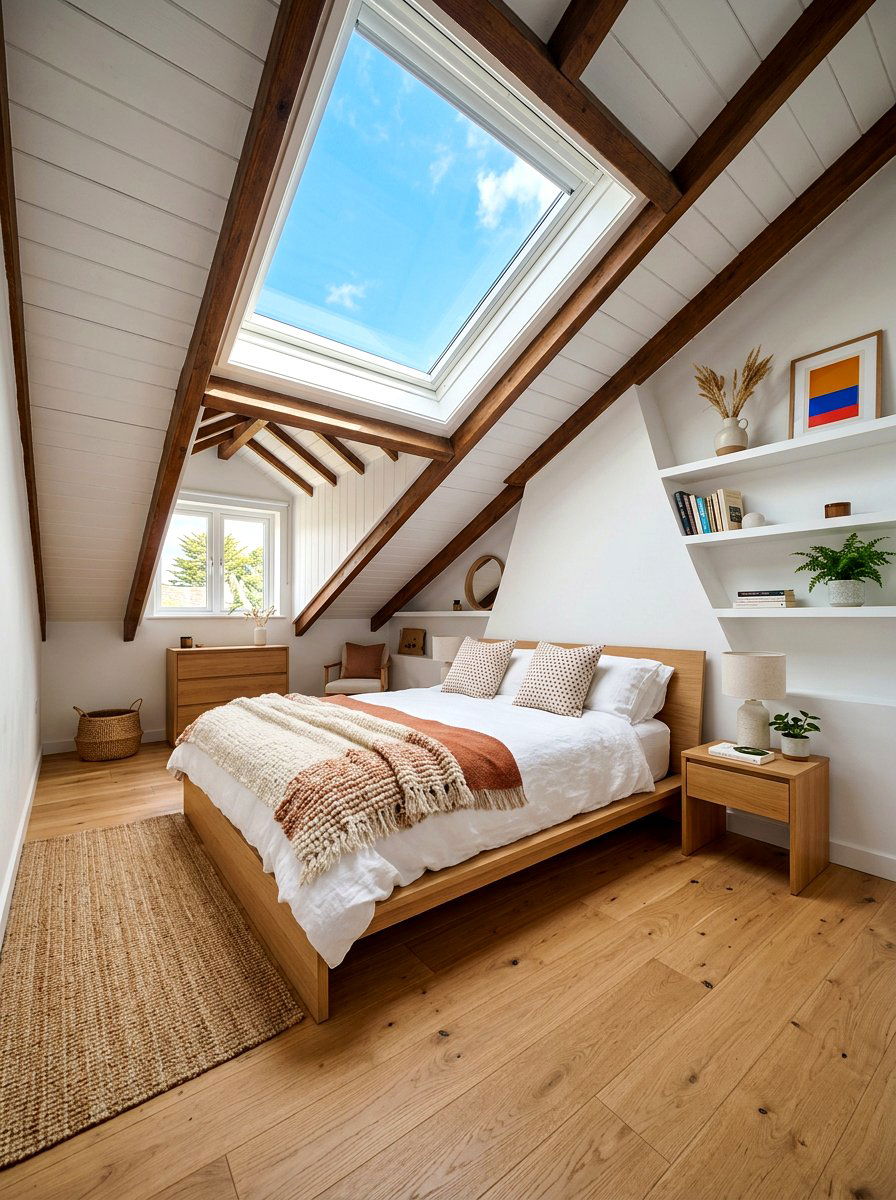
Converting an attic into a bedroom creates a naturally compartmentalized sleeping area that feels like a private hideaway at the top of the house. The unique sloped ceilings and tucked-away nature of the space provide an inherent coziness that is difficult to replicate on lower floors. Using light colors on the walls and ceilings helps the space feel larger and more open despite the low angles. Adding skylights can flood the room with natural light during the day and offer a view of the stars at night. This separate level ensures that the bedroom remains a quiet sanctuary far removed from daily household noise.
10. Basement Playroom
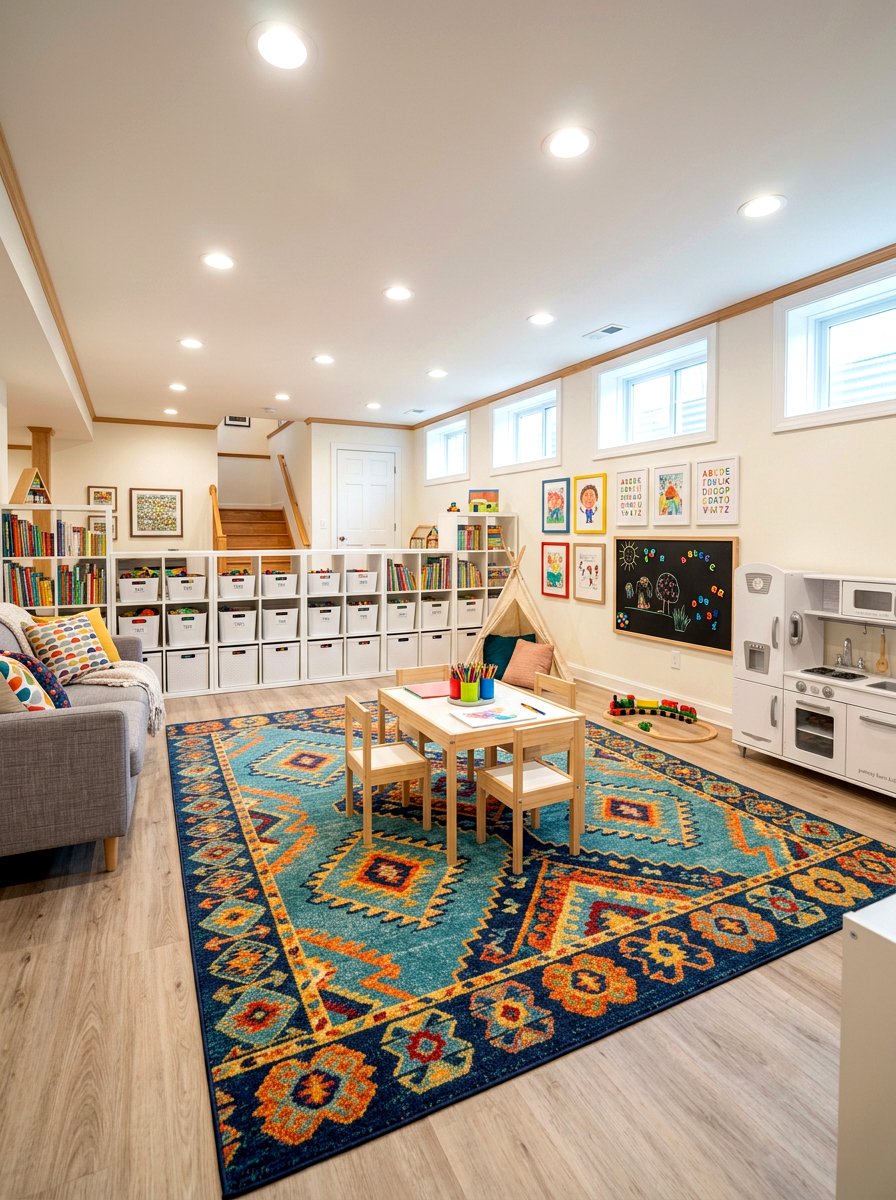
A basement playroom is a fantastic way to give children a dedicated space for toys and activities while keeping the main living floor tidy. By compartmentalizing the "messy" fun to the lower level, you can maintain a more sophisticated and clutter-free aesthetic in your primary living zones. Use soft foam tiles or durable low-pile rugs to create a safe and comfortable environment for floor play. Incorporating built-in storage bins and low shelving allows kids to easily access their toys and helps them learn to tidy up their own space. This separation provides a sense of independence for children within the safety of the home.
11. Butler Pantry
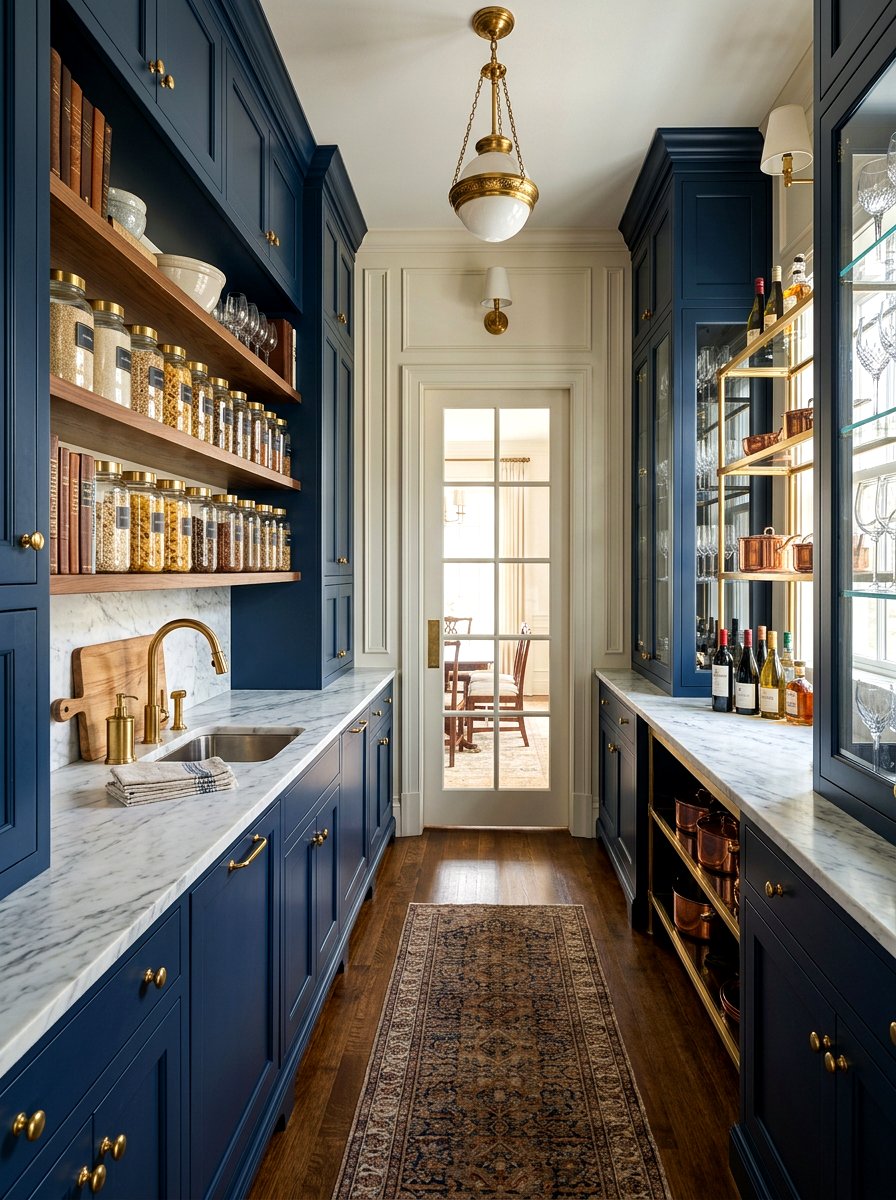
A butler pantry acts as a hidden extension of the kitchen, providing a separate zone for meal preparation and small appliance storage. This small room or large walk-in cupboard allows you to keep the main kitchen counters clear of clutter during dinner parties or daily cooking. You can equip it with its own sink, wine fridge, and plenty of shelving for seasonal serving platters and extra glassware. By closing the door to the butler pantry, you can effectively hide dirty dishes and prep mess from your guests. This functional compartmentalization enhances the flow of the home and makes entertaining much more organized and enjoyable.
12. Slatted Wood Screen
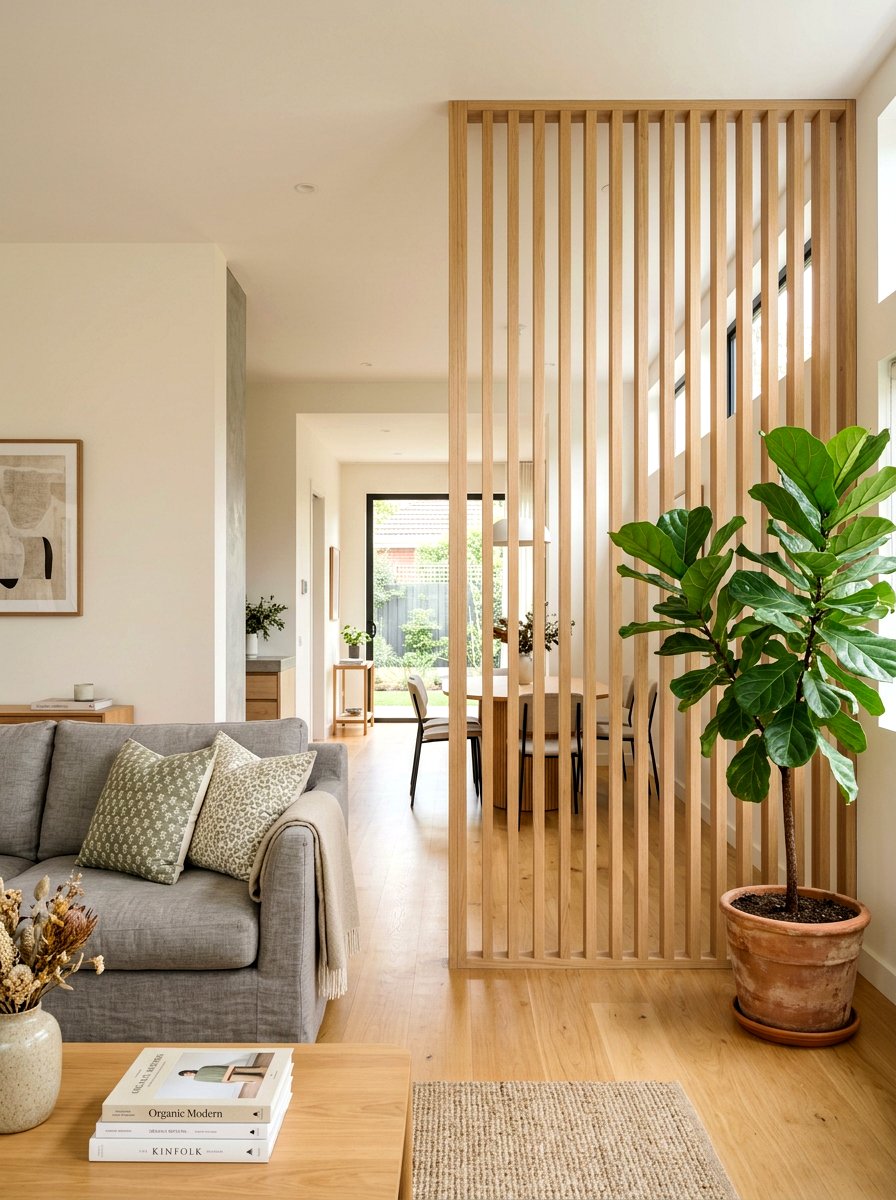
A slatted wood screen offers a modern and organic way to divide a room without completely blocking the line of sight. These vertical or horizontal timber slats create a beautiful play of light and shadow while defining specific functional zones in an open floor plan. The natural wood grain adds warmth and texture to the interior, making the space feel more grounded and connected to nature. You can use these screens to separate a dining area from a living room or to create a more private entryway. This design choice provides a subtle physical boundary while maintaining the spacious feel of a larger connected area.
13. Curtained Bed Nook
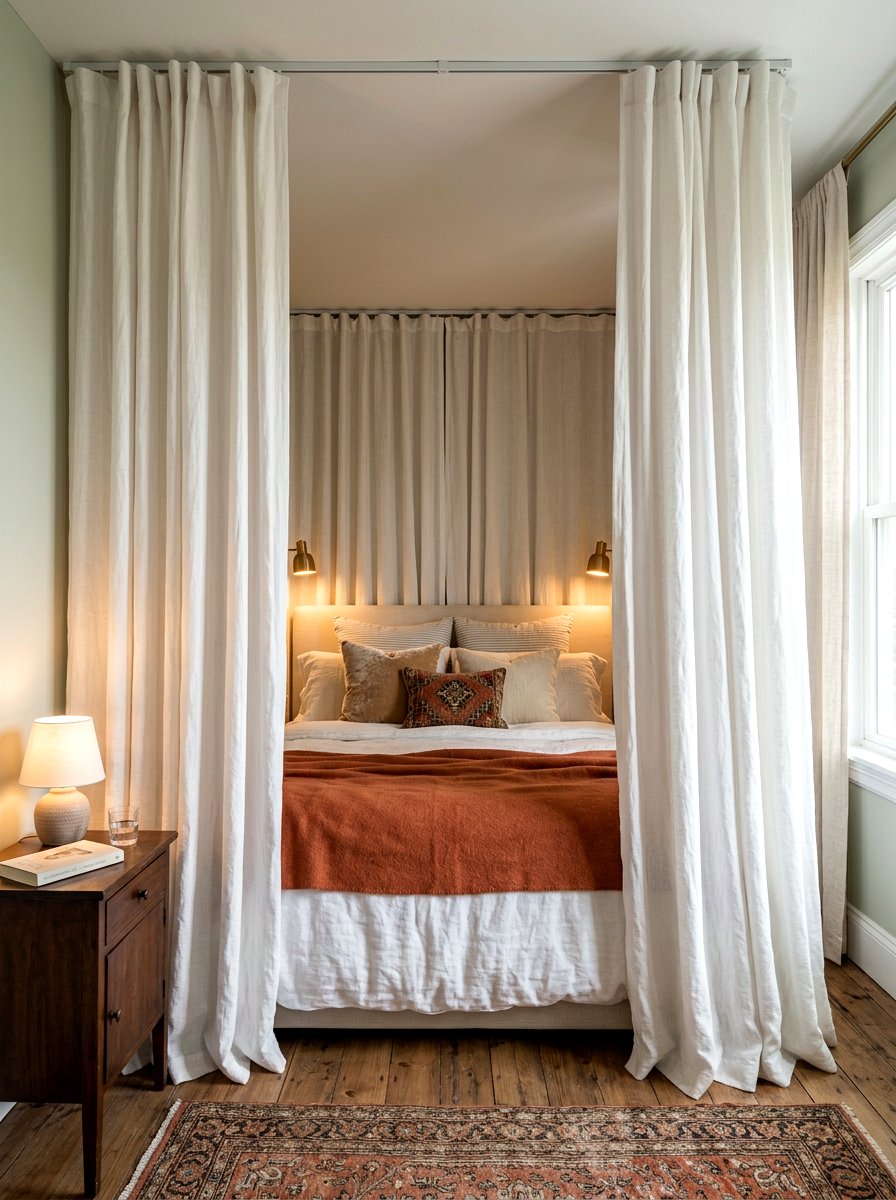
In a studio apartment or a large shared bedroom, a curtained bed nook provides a soft and romantic way to create privacy. By hanging heavy velvet or light linen drapes from a ceiling-mounted track, you can completely enclose the sleeping area at night. This creates a cocoon-like environment that feels separate from the rest of the living space, encouraging better rest and relaxation. During the day, the curtains can be pulled back to make the room feel open and integrated again. It is an affordable and flexible solution for anyone looking to add structure and a sense of luxury to their sleeping quarters.
14. Loft Workspace
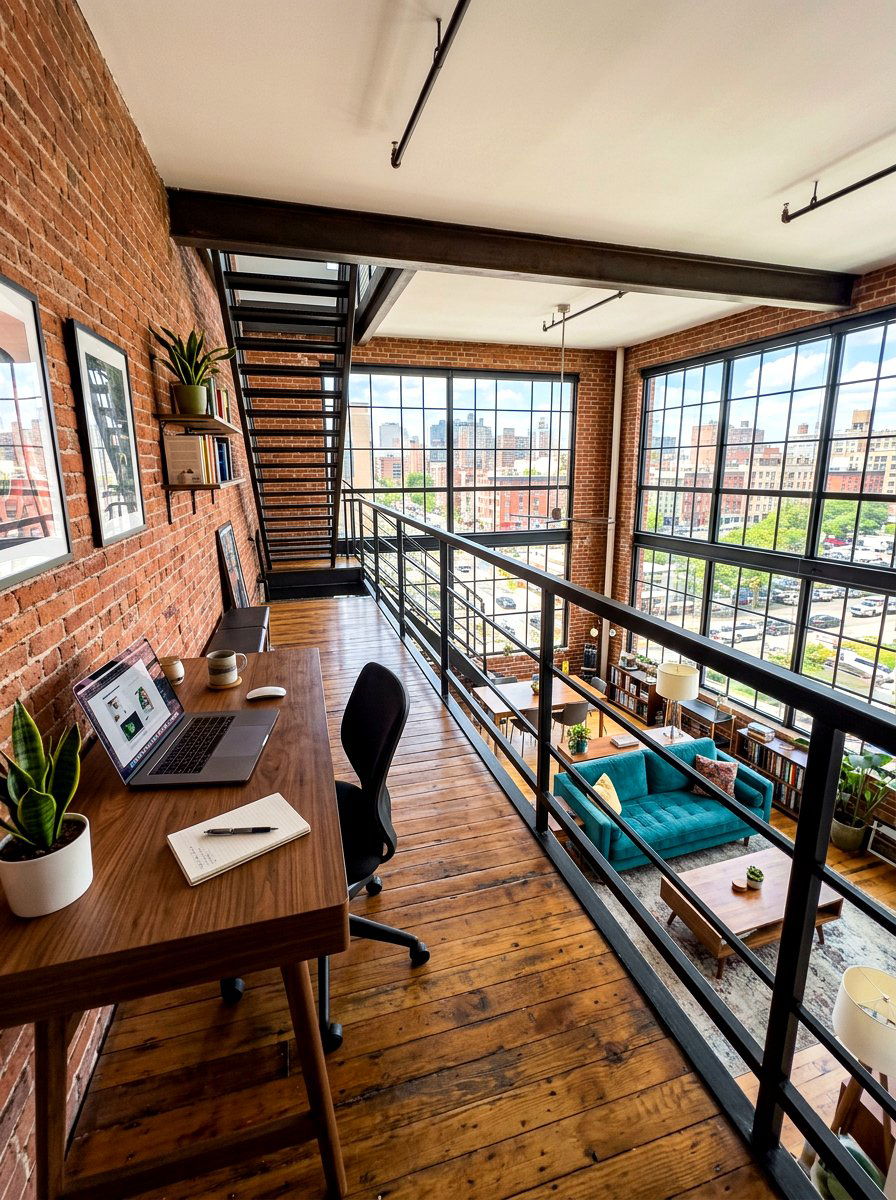
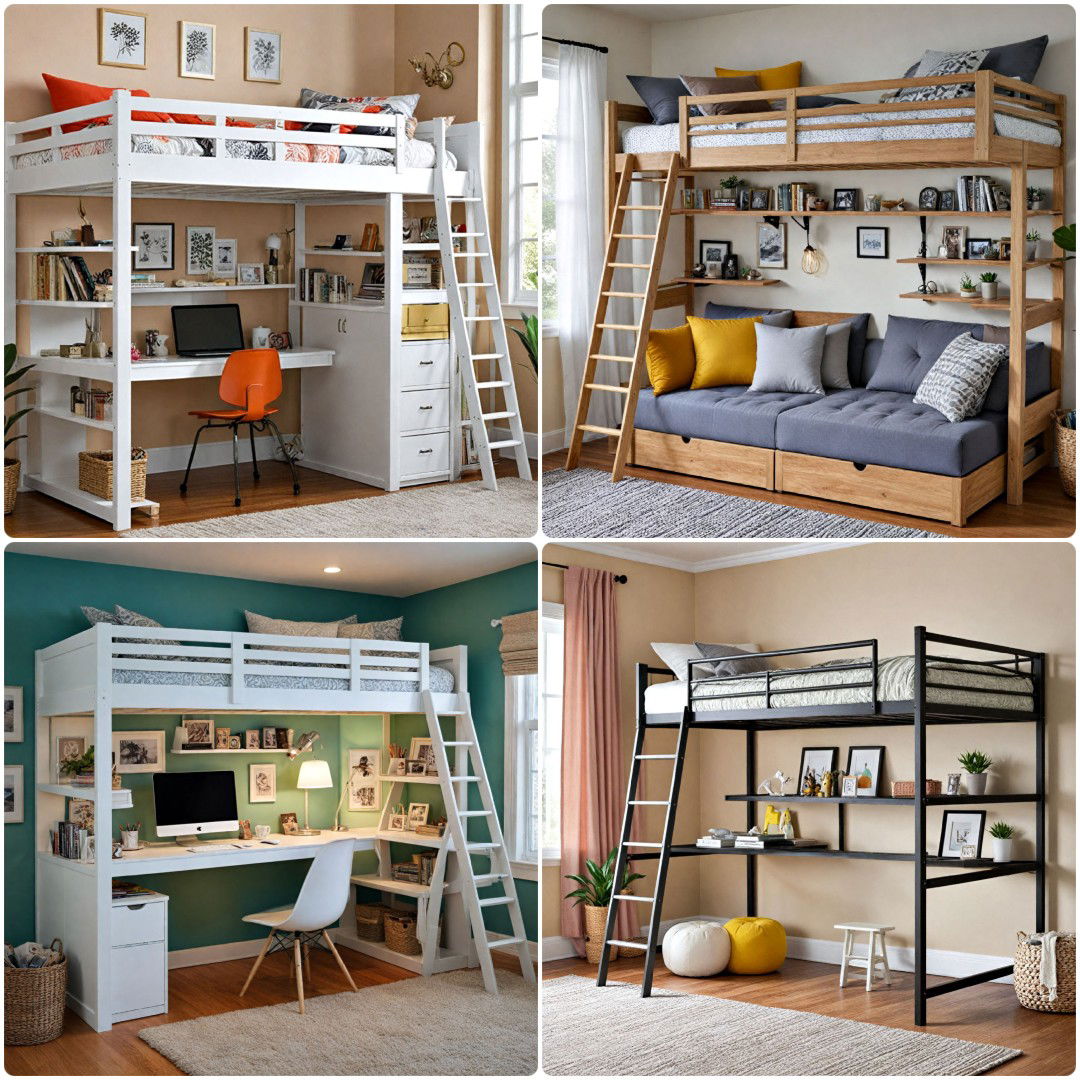
Utilizing vertical space for a loft workspace is a creative way to separate your professional life from your personal relaxation zones. A raised platform or a mezzanine level provides a physical elevation that signals a change in focus and productivity throughout the day. This setup allows you to look over the main living area while still having a dedicated and quiet spot for your desk. You can access the loft via a stylish spiral staircase or a minimalist wooden ladder to save on floor space. This architectural compartmentalization makes a small home feel much larger by adding an entire extra functional level.
15. Banquette Dining
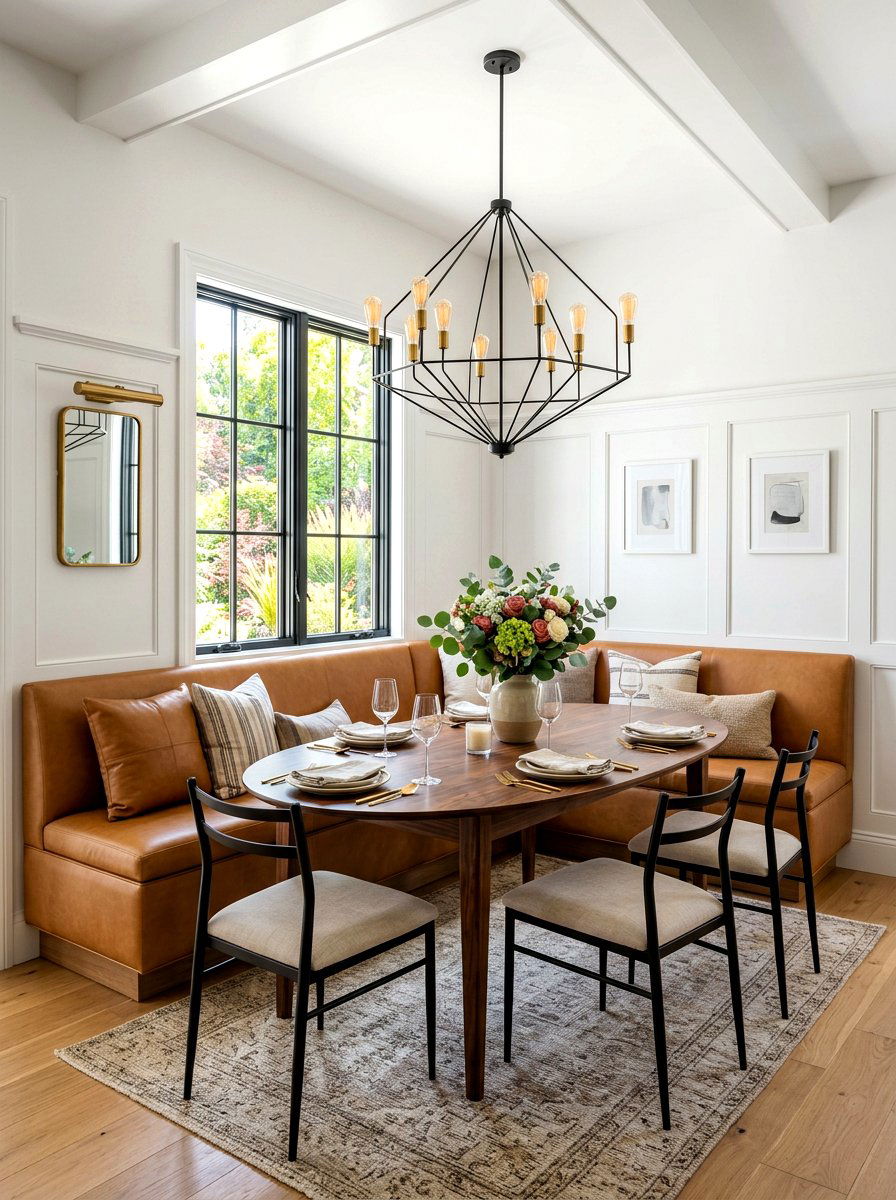
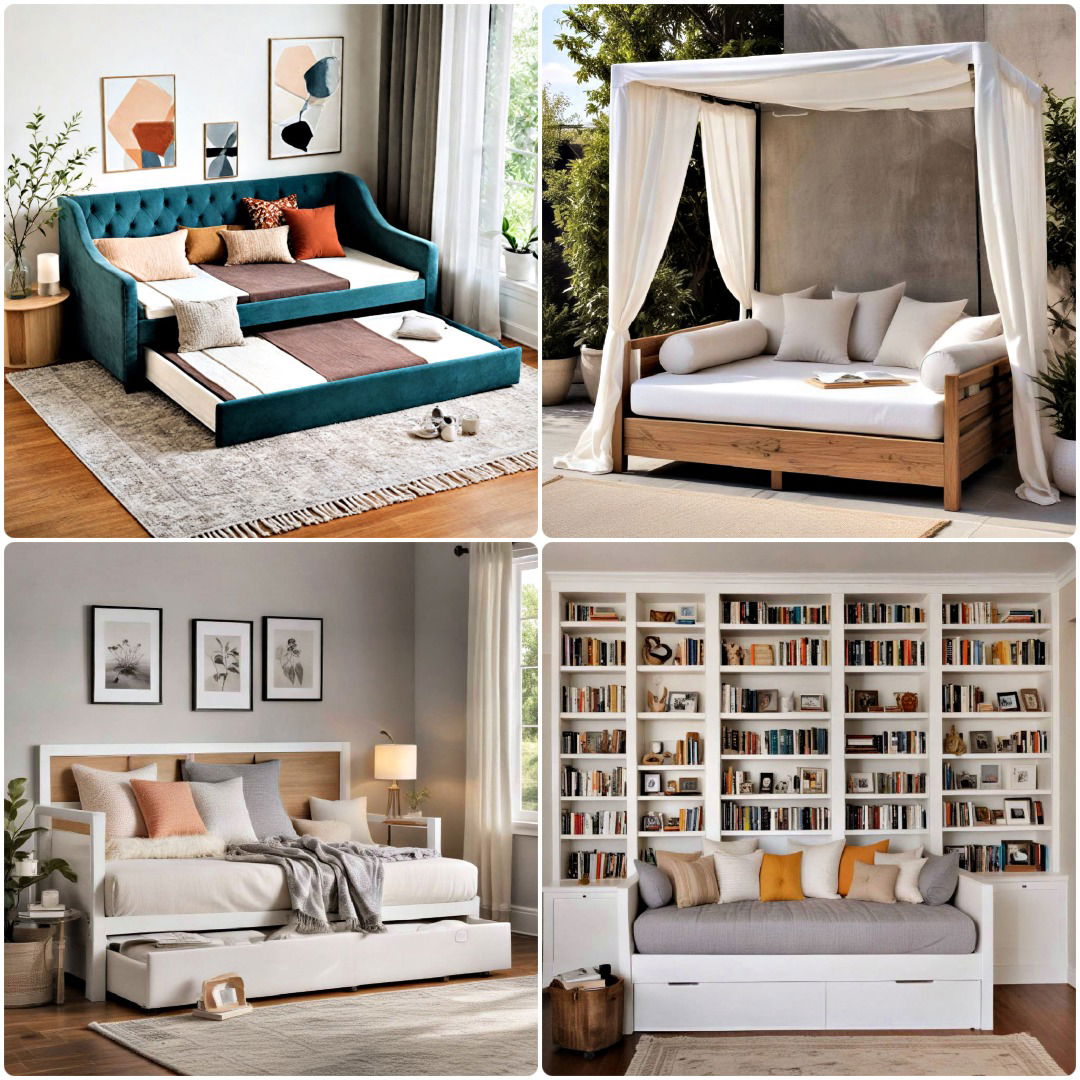
Banquette dining involves using a built-in bench along one or more walls to create an intimate and space-saving eating area. This setup is perfect for small kitchens or dining rooms where a traditional table and chair set would feel too cramped. The bench seating encourages people to slide in close together, fostering a sense of community and warmth during meals. You can add storage drawers underneath the bench to hide away table linens or bulky kitchen gadgets that aren't used daily. Styling the banquette with high-quality upholstery and plenty of soft cushions makes it the most popular seat in the entire house.
16. Double Sided Fireplace
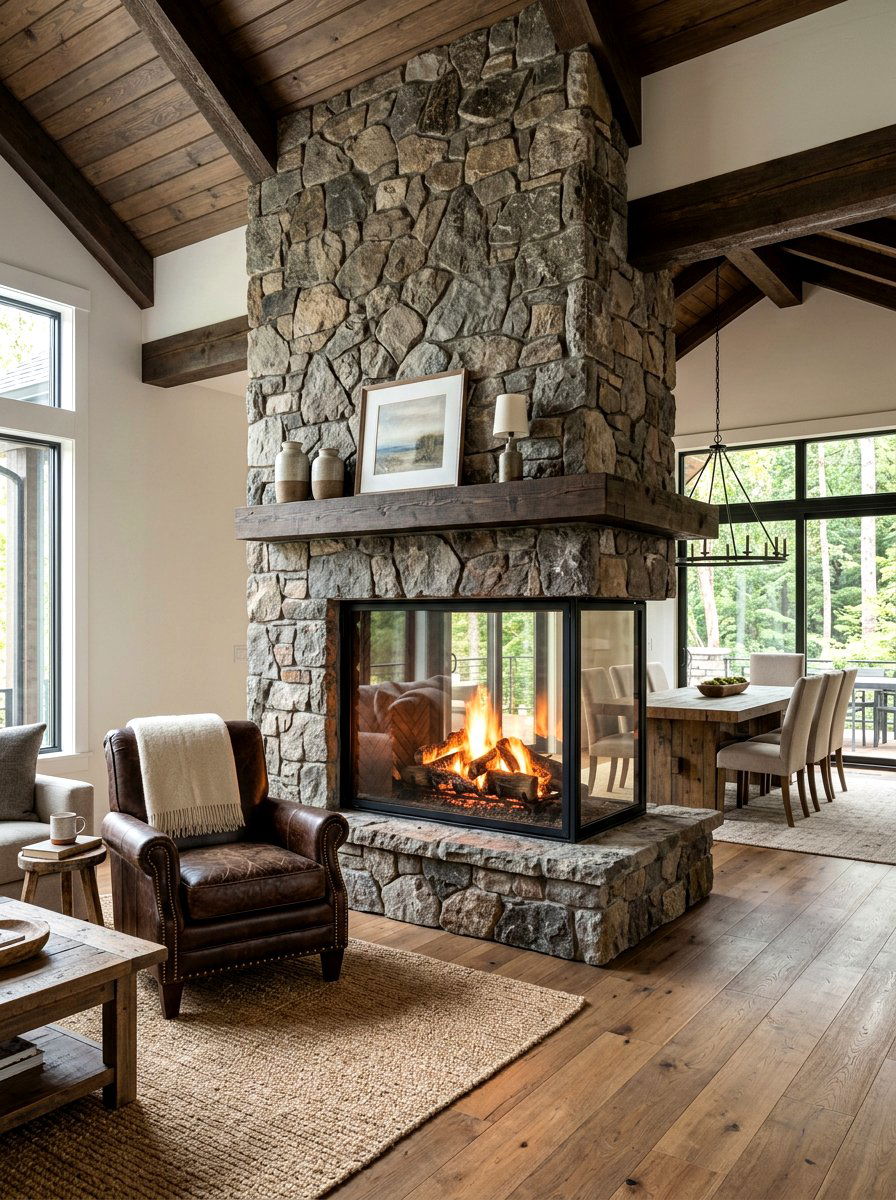
A double-sided fireplace serves as a stunning architectural divider that provides warmth and ambiance to two separate rooms simultaneously. Positioned in the center of a large space, it can elegantly partition a living room from a dining area without using solid walls. The flickering flames and glowing embers create a mesmerizing focal point that anchors both sides of the compartmentalized layout. Using stone or modern tile finishes on the fireplace surround can help define the aesthetic of both adjacent zones. This functional design feature adds a high-end, luxurious feel while making the home feel incredibly cozy during the colder winter months.
17. Pantry Cupboard
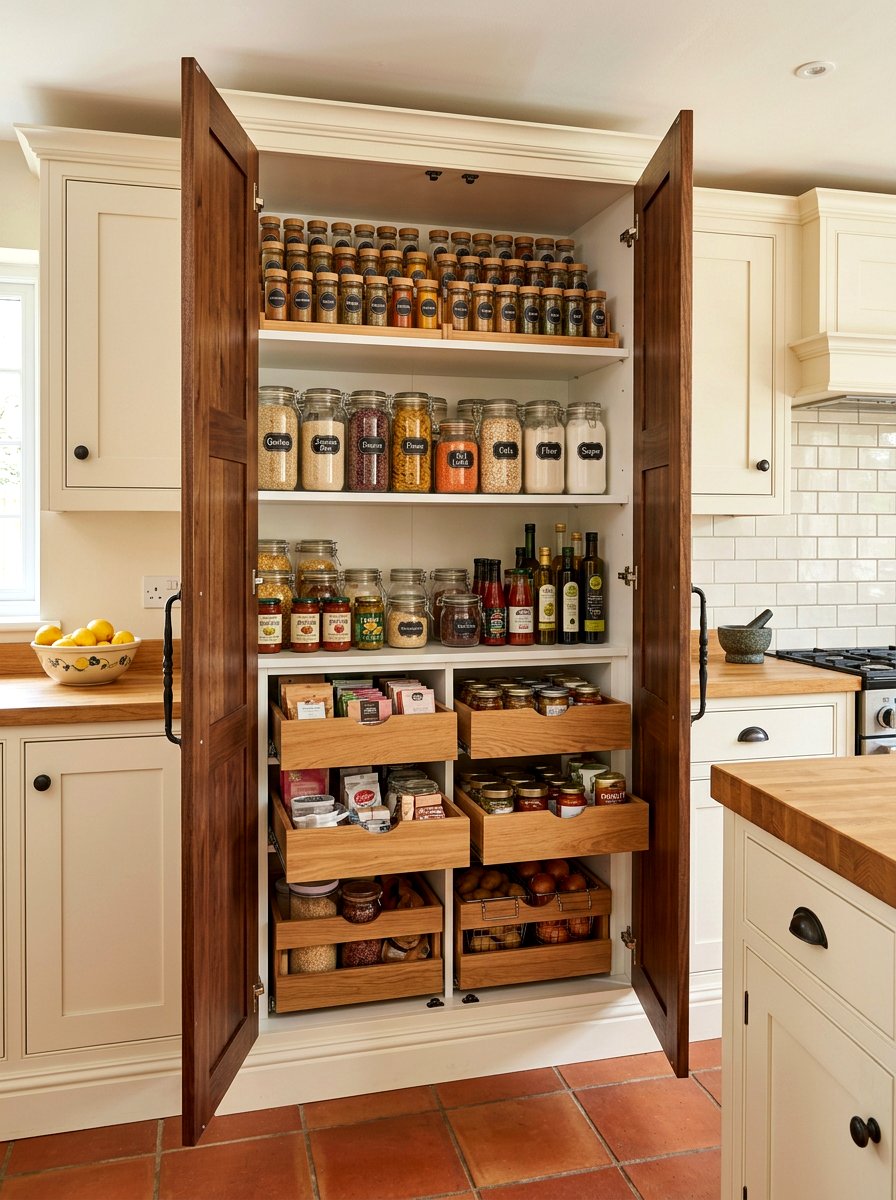
A large freestanding or built-in pantry cupboard provides a dedicated zone for all your dry goods and kitchen essentials. By centralizing food storage into one organized cupboard, you can eliminate the need for excessive upper cabinets in the main kitchen area. This allows for a more open and minimalist kitchen design while keeping everything you need within easy reach behind closed doors. Many modern pantries include pull-out drawers, spice racks, and even small prep counters for coffee machines or toasters. This compartmentalized storage solution makes meal planning more efficient and keeps your kitchen counters looking sleek and completely free of everyday clutter.
18. Laundry Mudroom
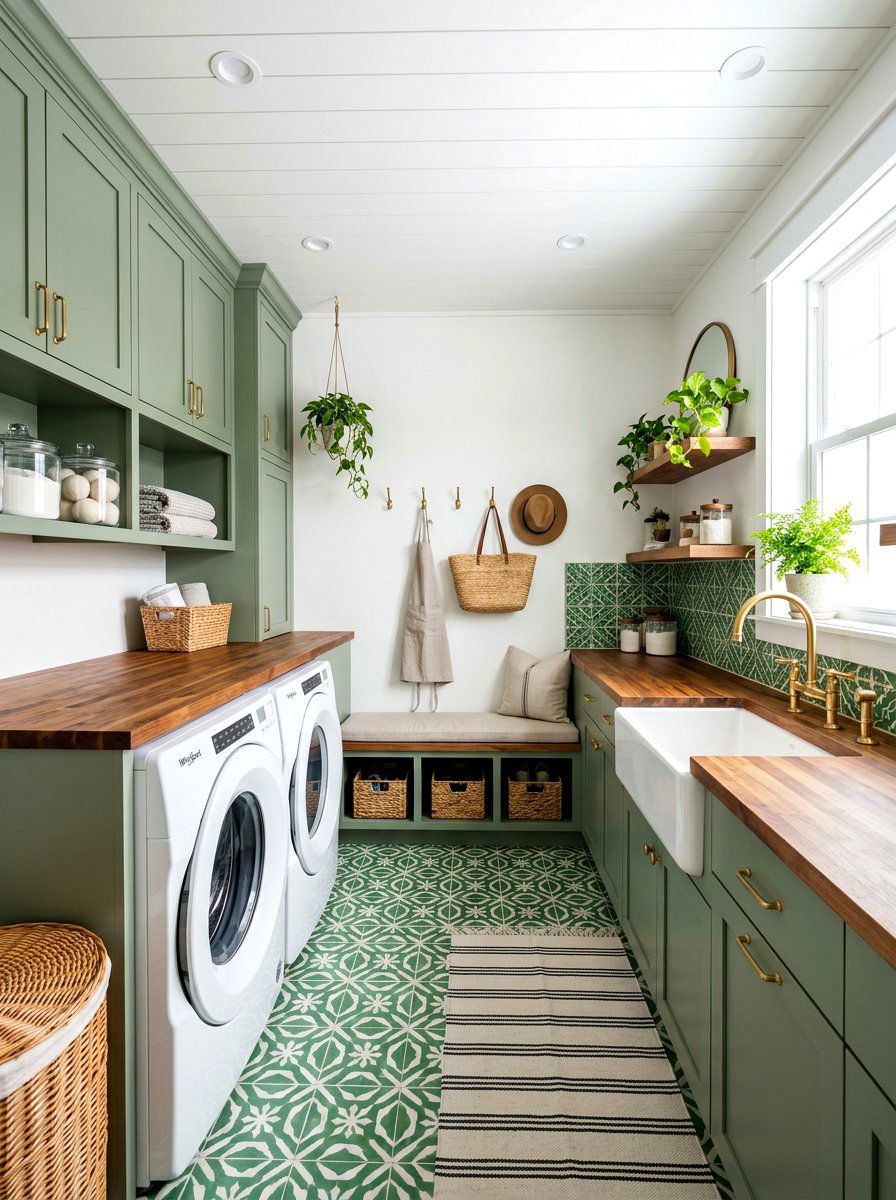
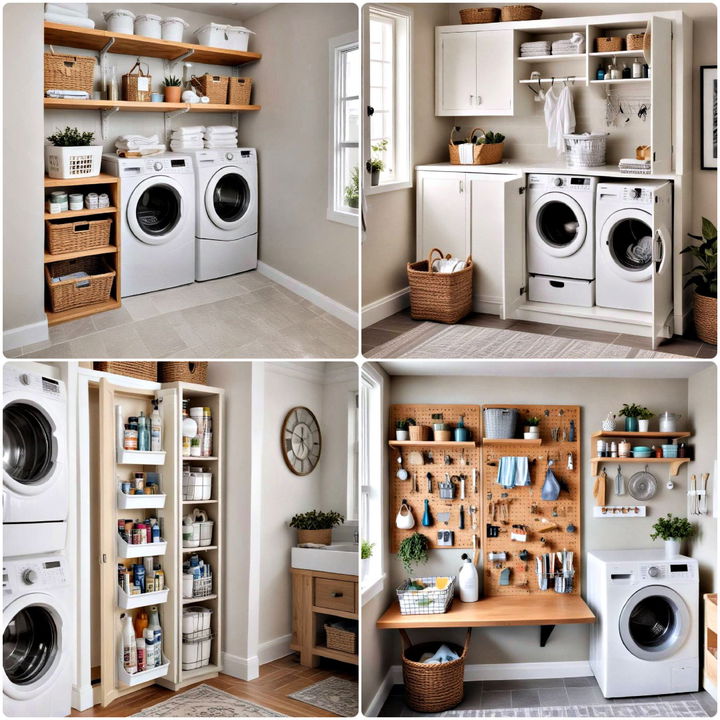
Combining a laundry room with a mudroom creates a highly efficient utility zone that handles the busiest chores in one separate space. This room serves as a buffer between the outdoors and the main house, catching dirty clothes and muddy shoes before they spread further. Installing a large deep sink allows for easy hand-washing of delicate items or cleaning up after messy outdoor projects. Adding built-in cabinetry and hanging rods provides plenty of space for drying clothes and storing cleaning supplies out of sight. This practical compartmentalization ensures that the utilitarian aspects of home life stay organized and tucked away from the main living areas.
19. Under Stair Storage
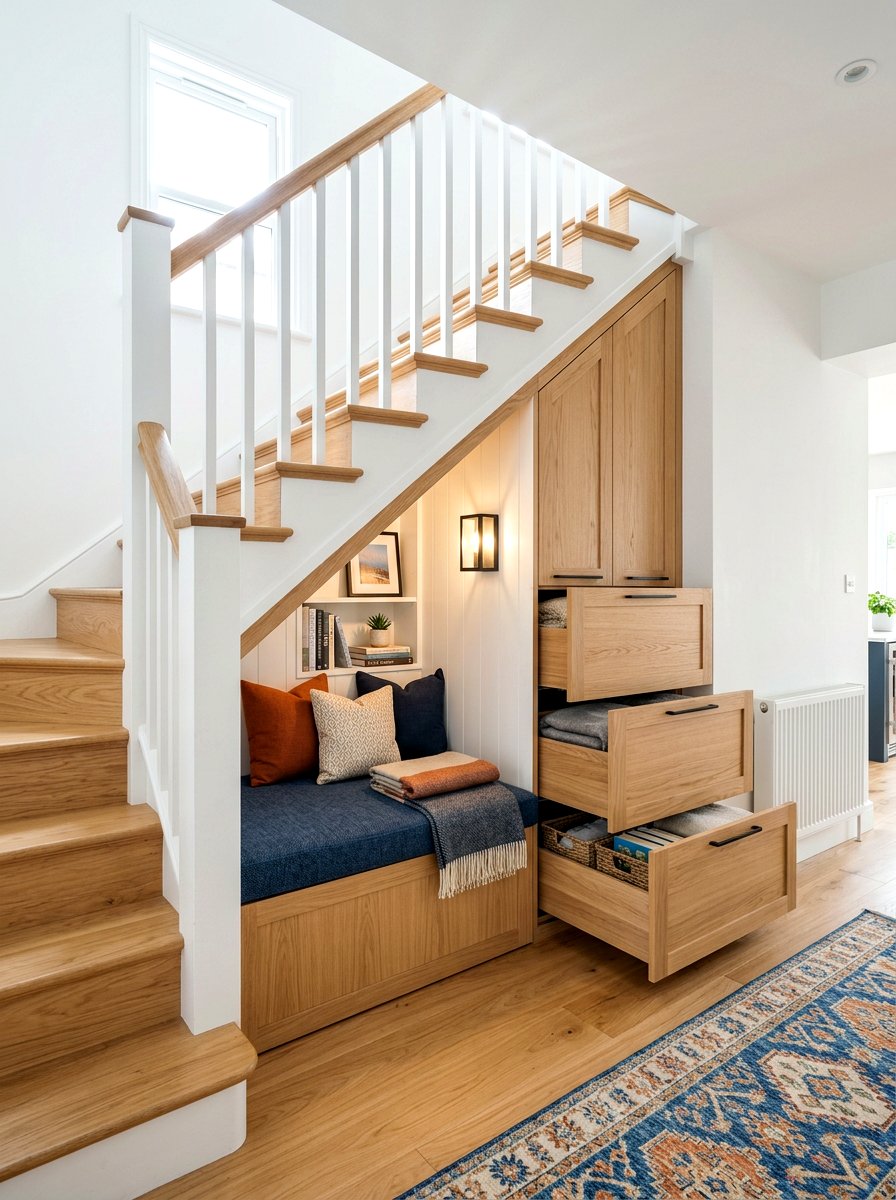
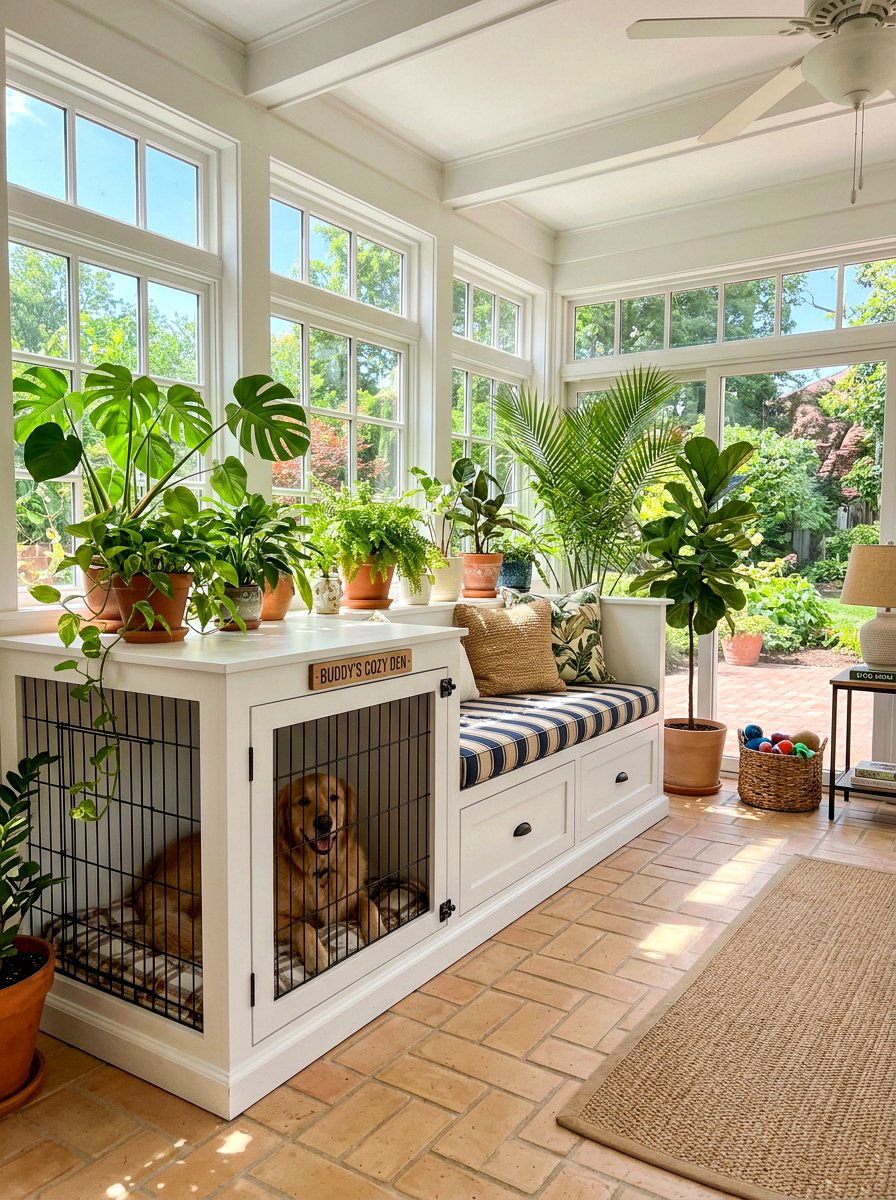
The often-neglected space under a staircase can be transformed into a functional and cozy nook through creative compartmentalization. You can install custom pull-out drawers for shoe storage or create a tiny library with built-in bookshelves and a small bench. Some homeowners even turn this area into a secret "den" for pets or a compact powder room for guests. By utilizing this architectural gap, you add valuable utility to your home without requiring any additional square footage. It is a brilliant way to make a transition area feel like a purposeful part of the home's design while maximizing every bit of storage potential.
20. Corner Banquette
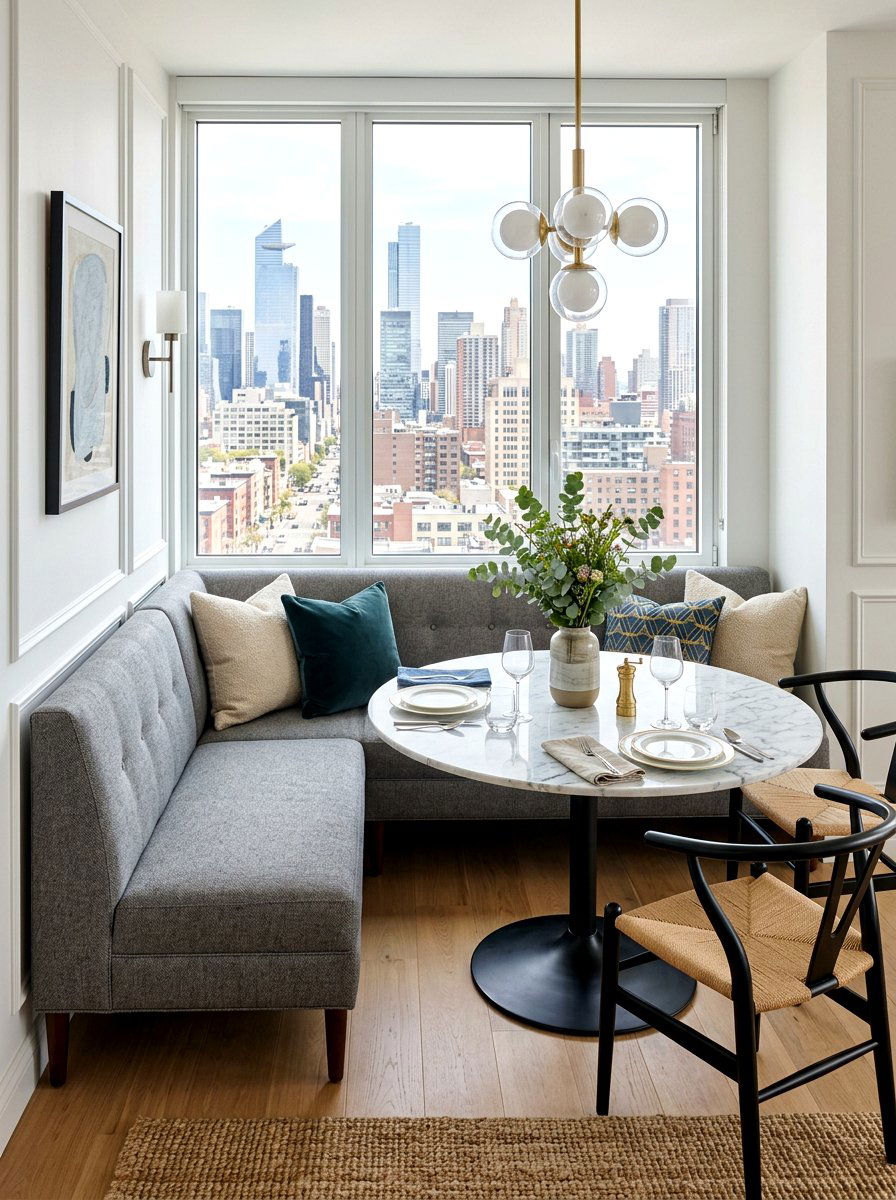
A corner banquette is a smart way to turn a dead corner into a vibrant social hub for dining or working. By wrapping seating around a corner, you create a cozy "booth" feel that is reminiscent of a favorite local bistro. This arrangement works beautifully in open-plan kitchens where you want to define a specific area for family meals without using a formal dining room. Pairing the banquette with a sturdy wooden table and a statement pendant light creates a visually distinct and inviting zone. This simple addition makes the room feel more structured and provides a comfortable spot for long, lingering conversations.
21. Glass Enclosed Office
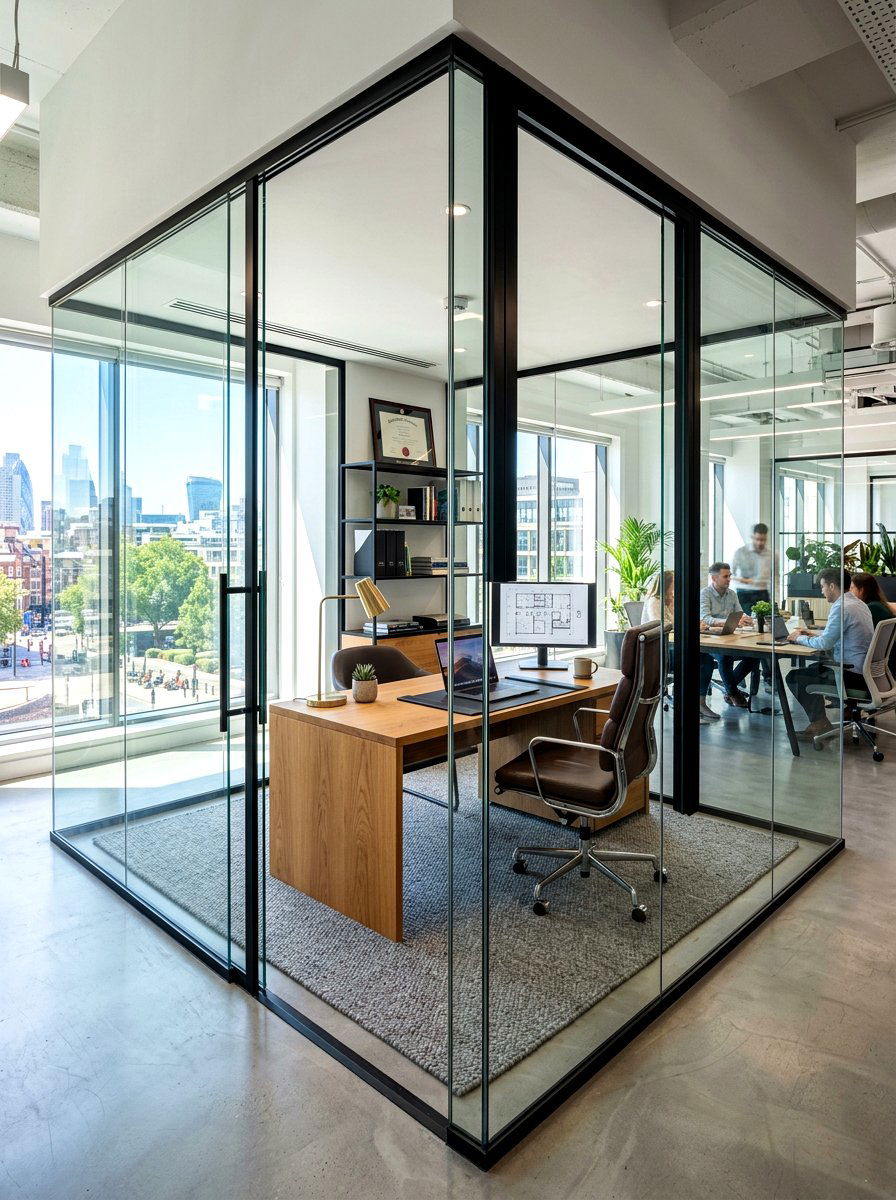
A glass-enclosed office provides the ultimate balance between total privacy and a visual connection to the rest of the home. By using floor-to-ceiling glass walls, you create a soundproof barrier that is essential for deep work or important video calls. Unlike a solid wall, the glass allows you to monitor the household or enjoy the surrounding decor while you are working. This setup makes the office feel like a high-end studio rather than a dark closet or a boring spare room. You can use black metal frames for a modern industrial look or go frameless for a clean and seamless architectural finish.
22. Decorative Folding Screen
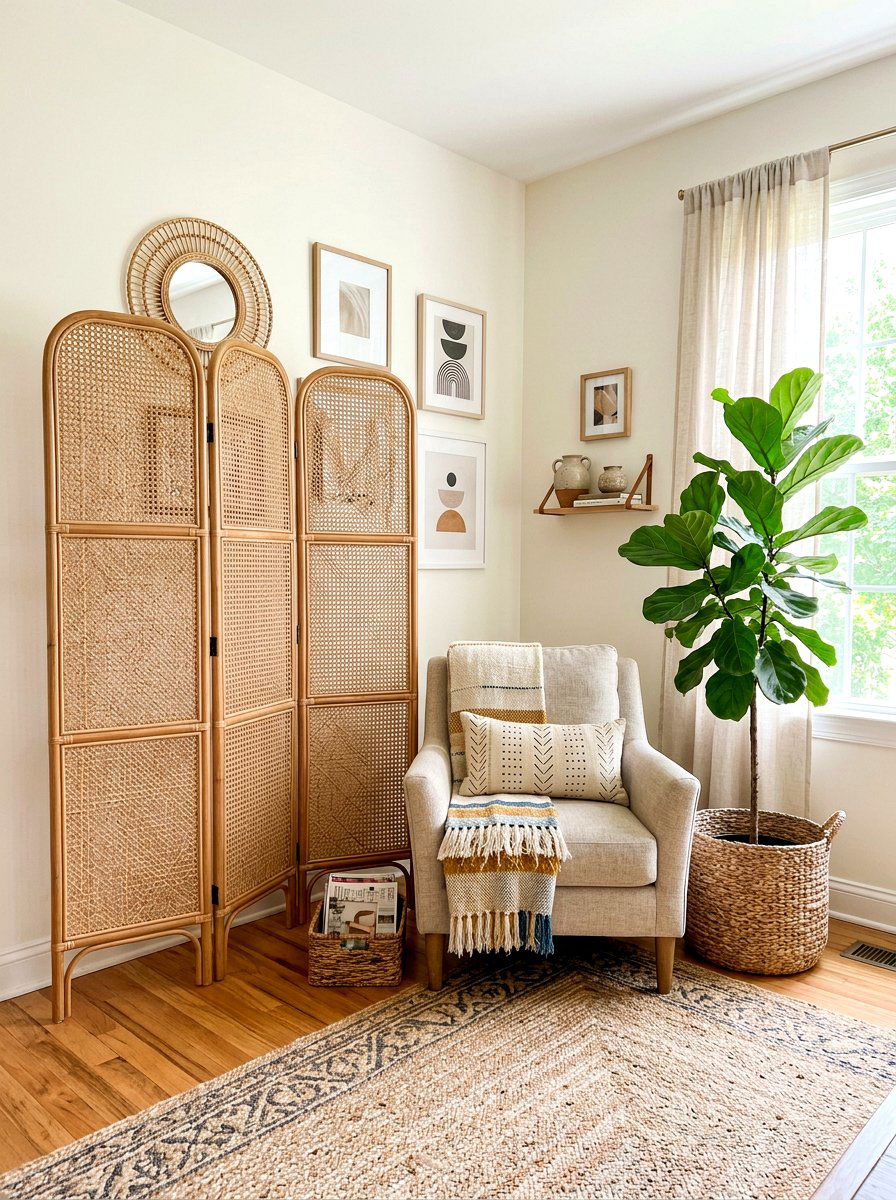
A decorative folding screen is a versatile and temporary way to compartmentalize a room whenever the need arises. These screens can be easily moved and adjusted to hide a cluttered corner, create a changing area, or define a temporary workspace. Available in a wide variety of materials like woven rattan, carved wood, or fabric panels, they add an artistic element to your interior design. When you want to return to a more open layout, the screen can simply be folded and tucked away against a wall. This is an ideal solution for renters or those who enjoy frequently changing their home's layout.
23. Half Wall Divider
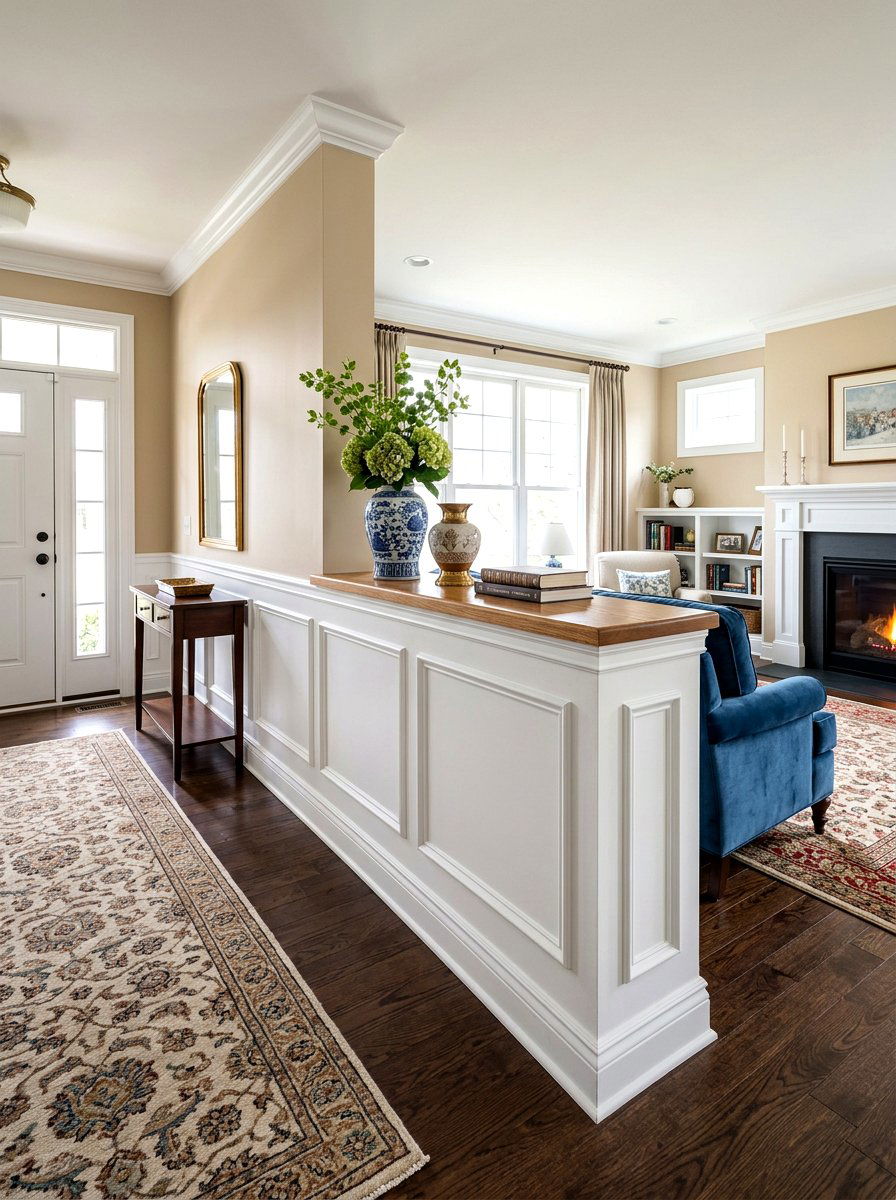
A half-wall, or pony wall, is a subtle structural element that provides clear zoning while keeping the upper half of the room open. This design is perfect for separating an entryway from a living room or a kitchen from a breakfast area without blocking light. The top of the half-wall can be capped with wood or stone to create a useful ledge for plants, books, or decorative accessories. This approach offers a sense of enclosure and privacy when you are seated, but still allows you to feel connected to the wider space. It adds architectural interest and structure to modern homes with wide floor plans.
24. Floor To Ceiling Sheers
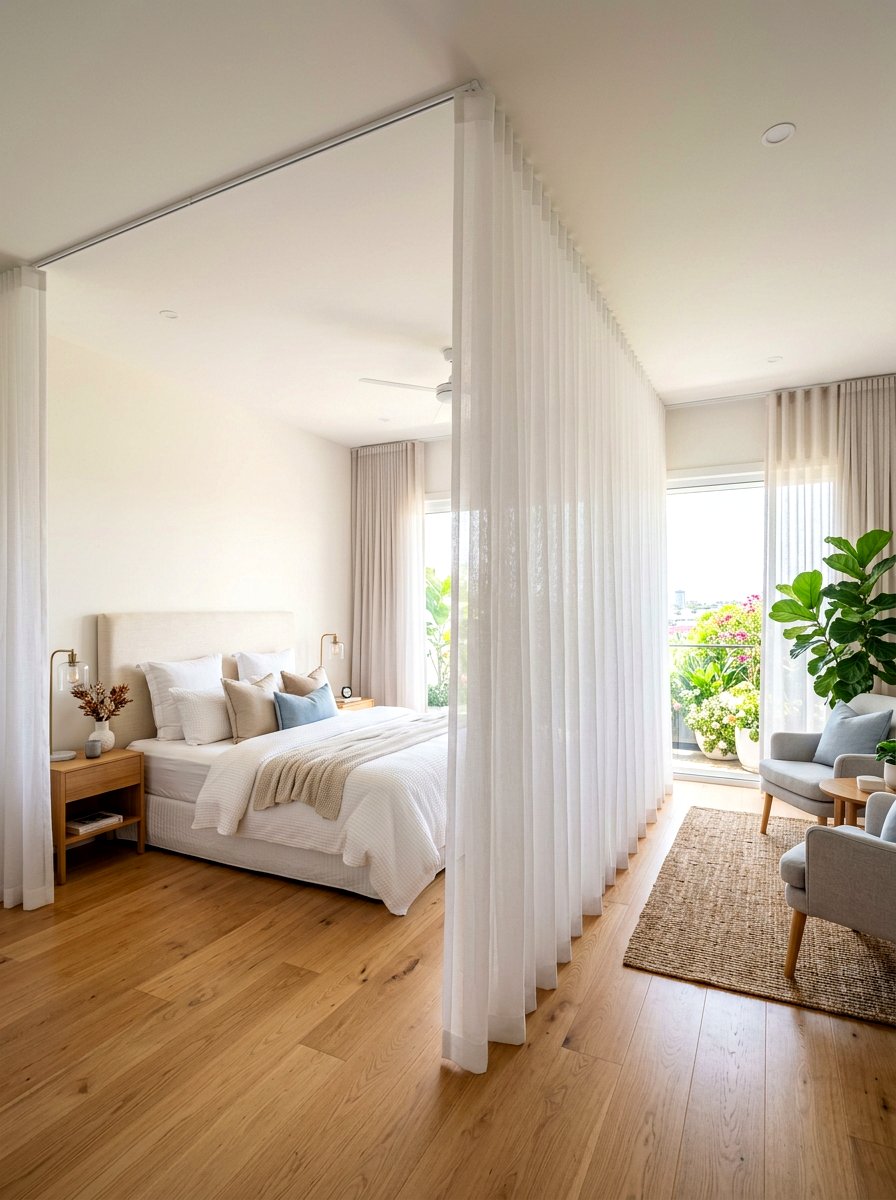
Hanging floor-to-ceiling sheer curtains is a soft and elegant way to compartmentalize a large room without any permanent construction. These lightweight fabrics can be used to divide a bedroom into sleeping and lounging areas or to screen off a home office. The sheers allow plenty of light to filter through, maintaining a bright and airy feel while providing a gentle visual boundary. When drawn closed, they create a dreamy and ethereal atmosphere that feels incredibly peaceful and high-end. This budget-friendly zoning technique adds movement and texture to your space, making it feel more dynamic and layered throughout the day.
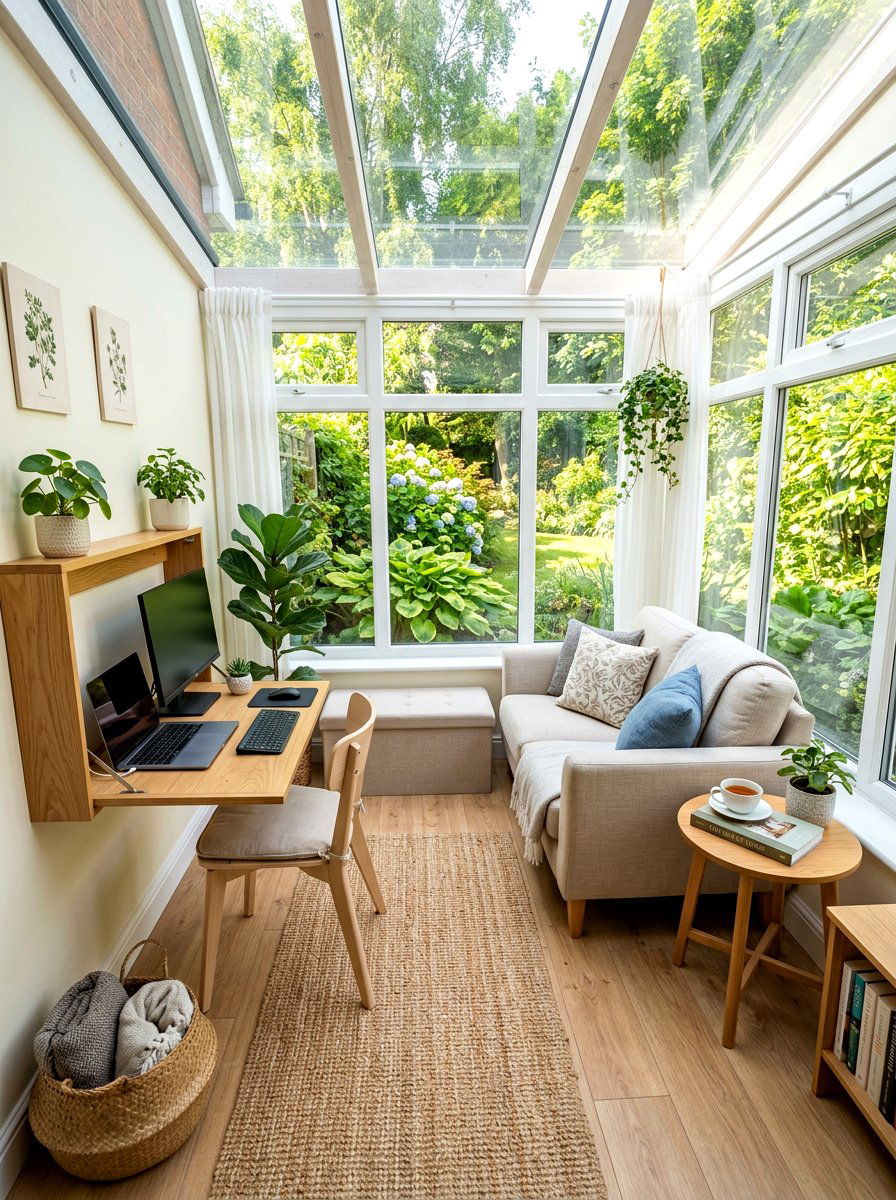
25. Sunroom Sunken Seating
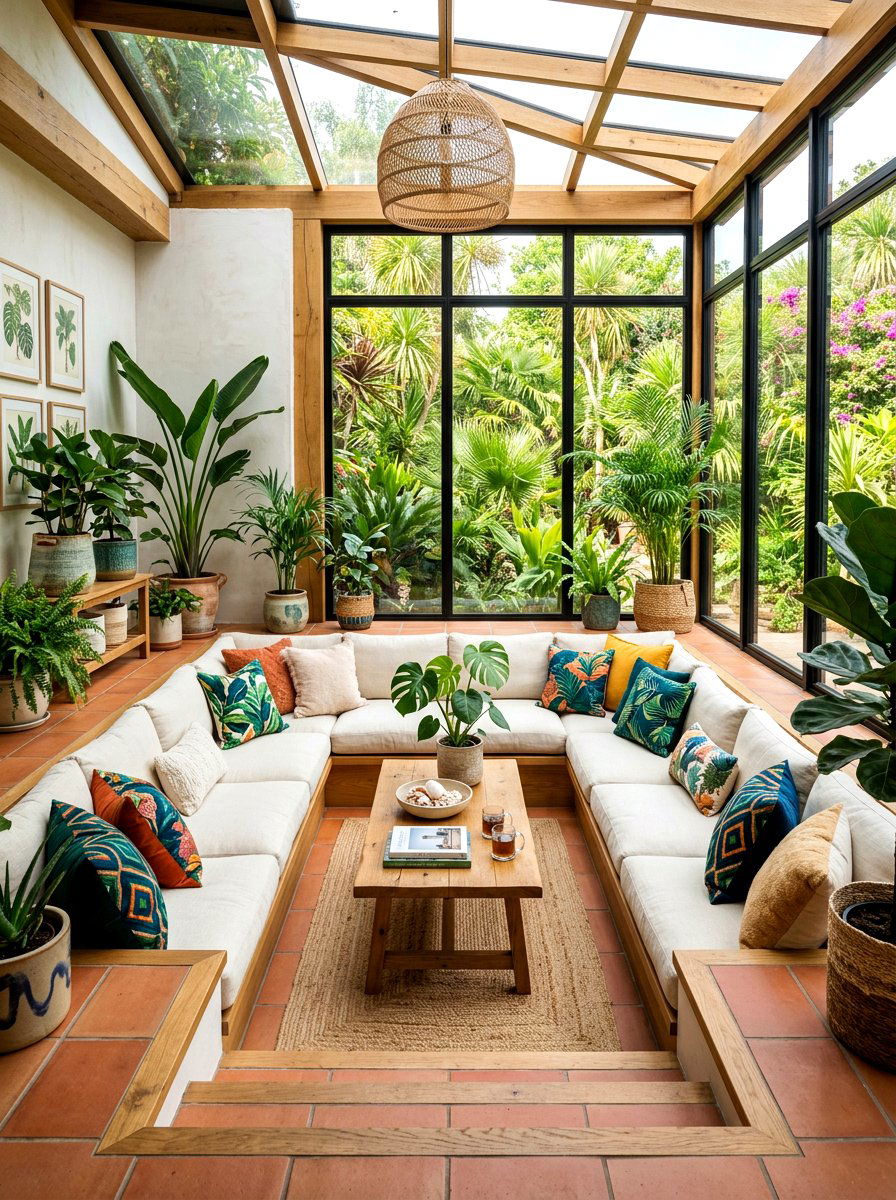
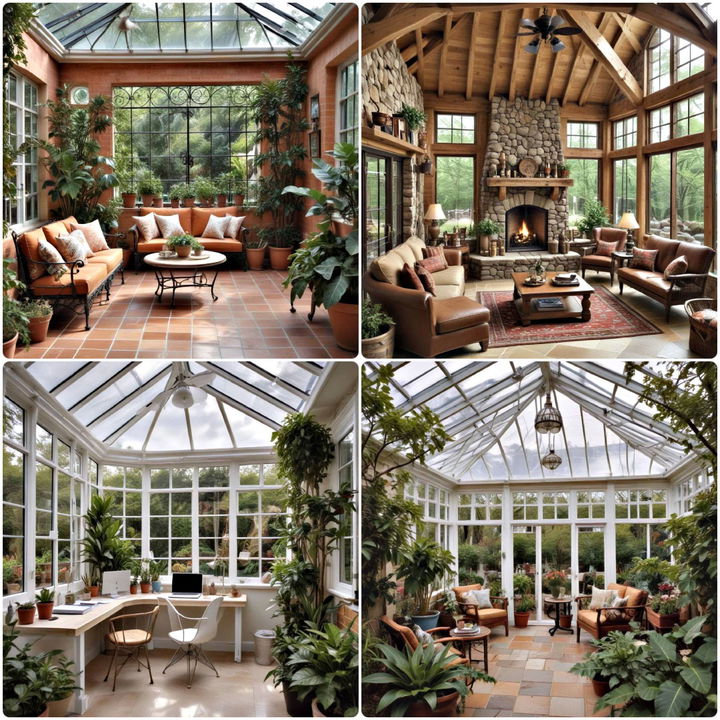
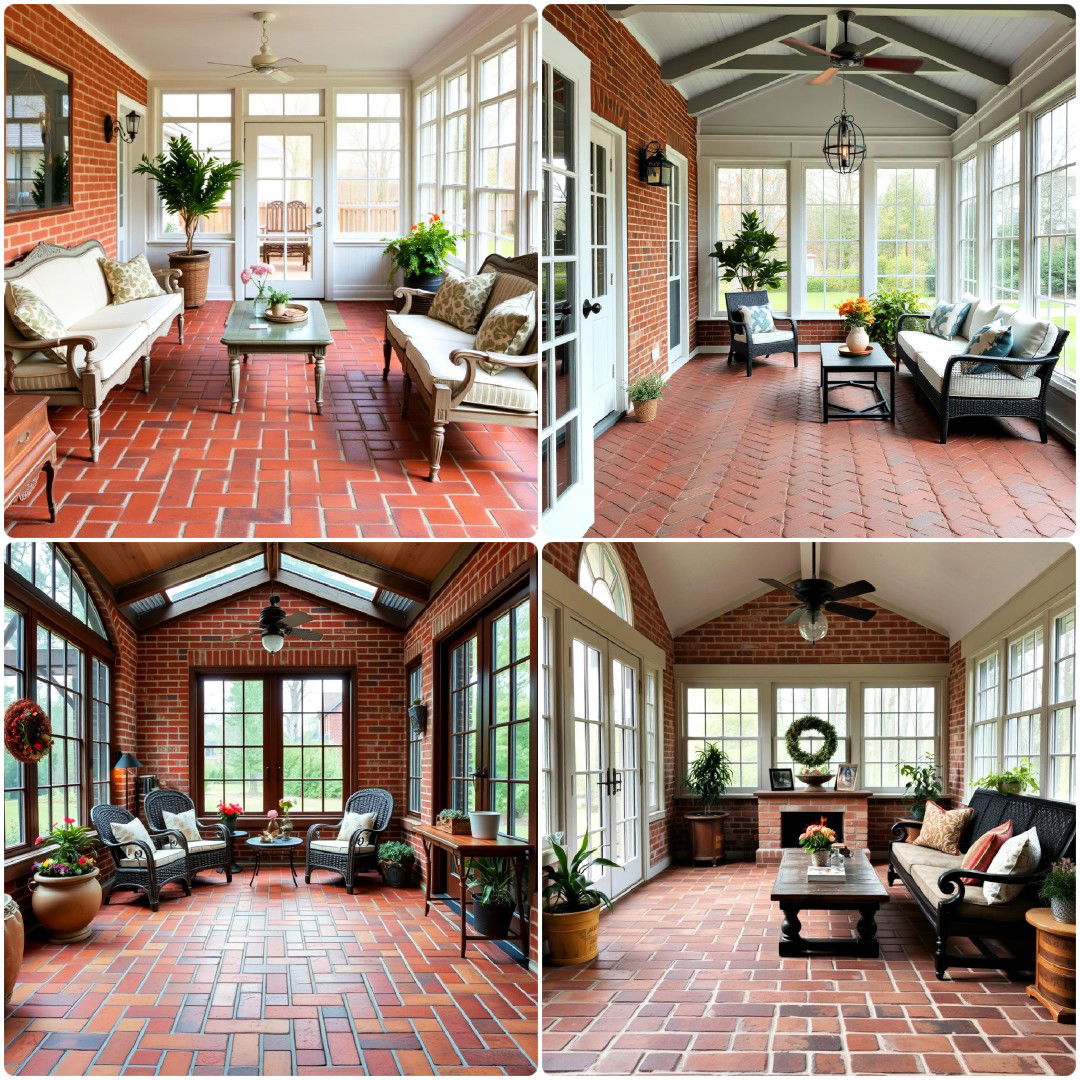
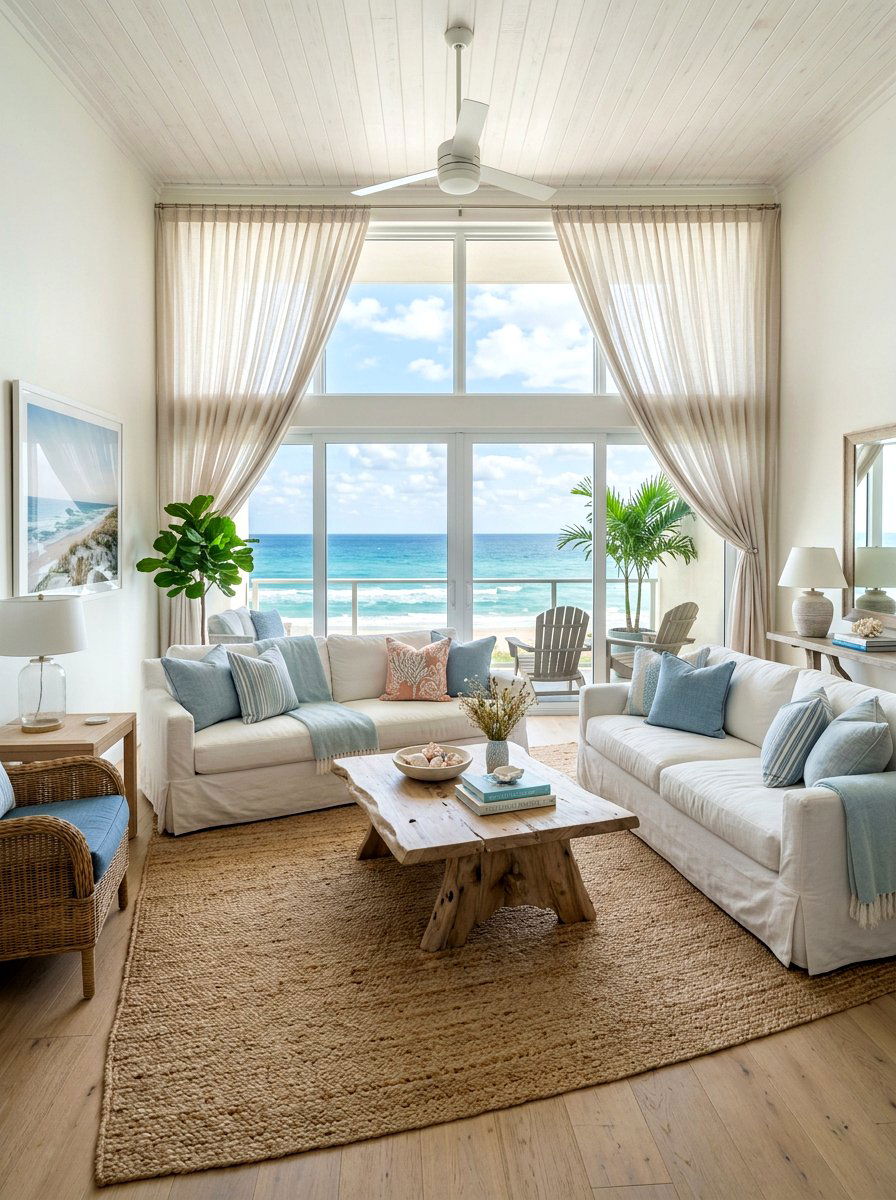
Incorporating sunken seating into a sunroom creates a luxurious and cozy destination for enjoying the beauty of the outdoors from inside. By lowering the lounge area, you feel more immersed in the surrounding garden or landscape view through the large glass windows. This compartmentalized zone becomes a dedicated sanctuary for relaxation, meditation, or casual entertaining in a bright environment. Layering the space with natural materials like wicker furniture, linen cushions, and plenty of green potted plants enhances the biophilic connection. This design makes the sunroom feel like a special retreat that is distinct from the more formal living areas of the main house.
26. Entryway Console
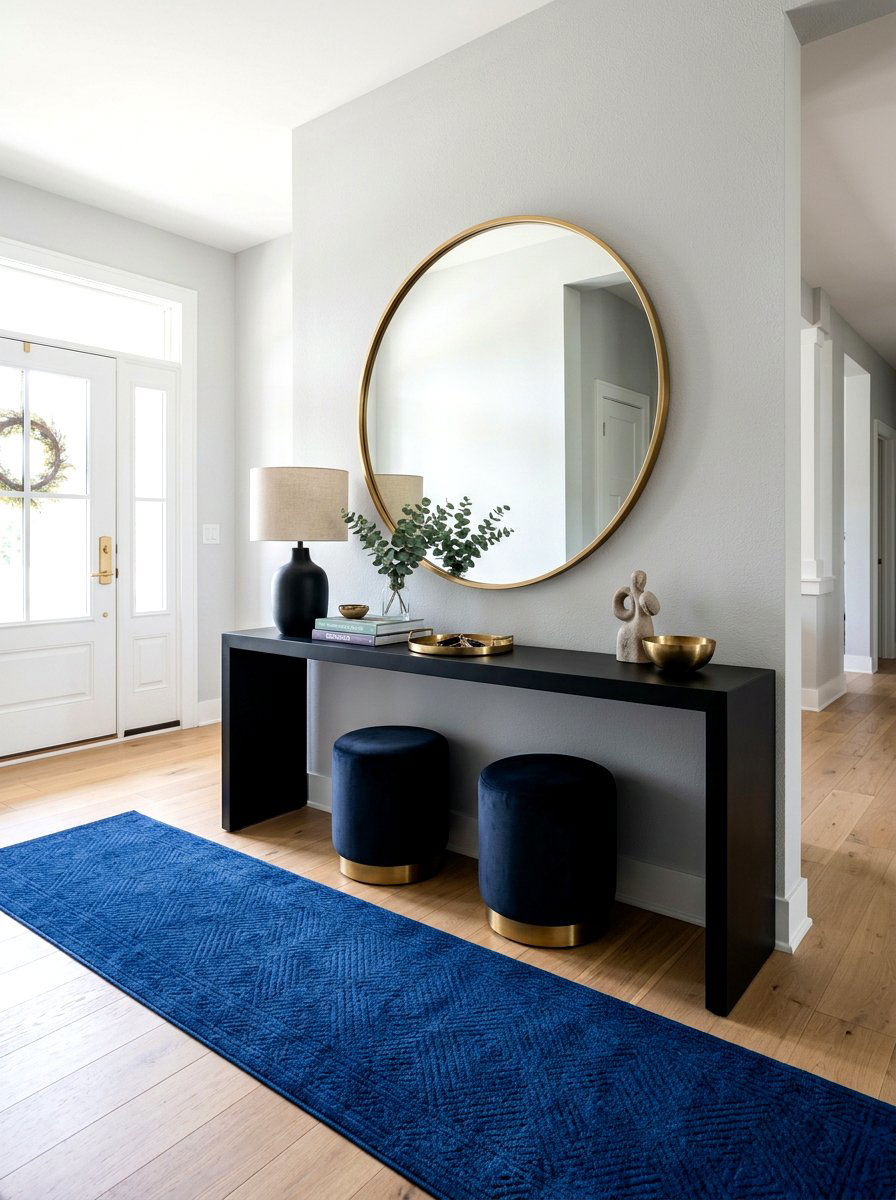
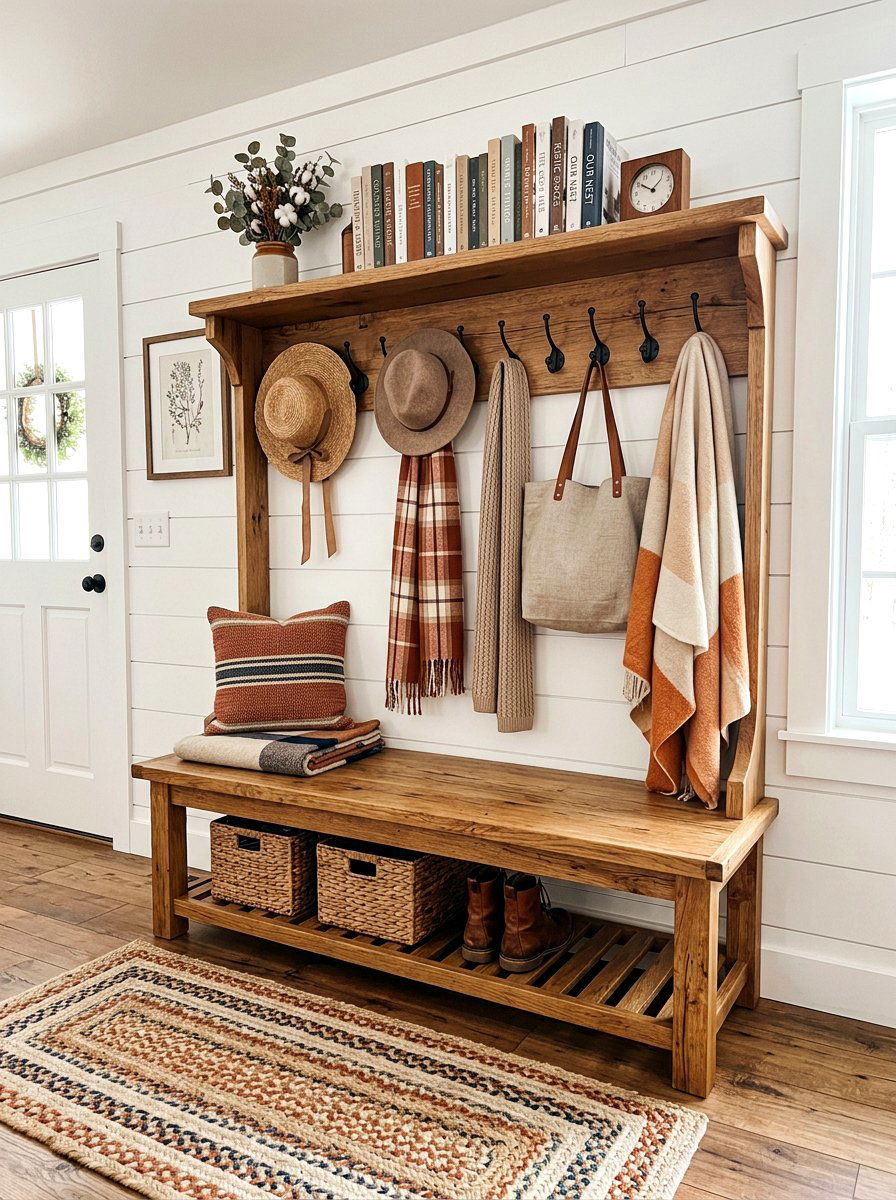
An entryway console table, paired with a large mirror and a statement rug, creates a small but effective "landing zone" in a home. This compartmentalized area provides a specific place to drop keys, mail, and bags as soon as you walk through the door. By defining this space with distinct furniture and decor, you signal a clear transition from the outside world into the private sanctuary of your home. Adding a small bench or a pair of stools underneath the console provides a convenient spot for putting on shoes. This simple organization prevents entryway clutter from drifting into the living room and keeps the home tidy.
27. Platform Bed
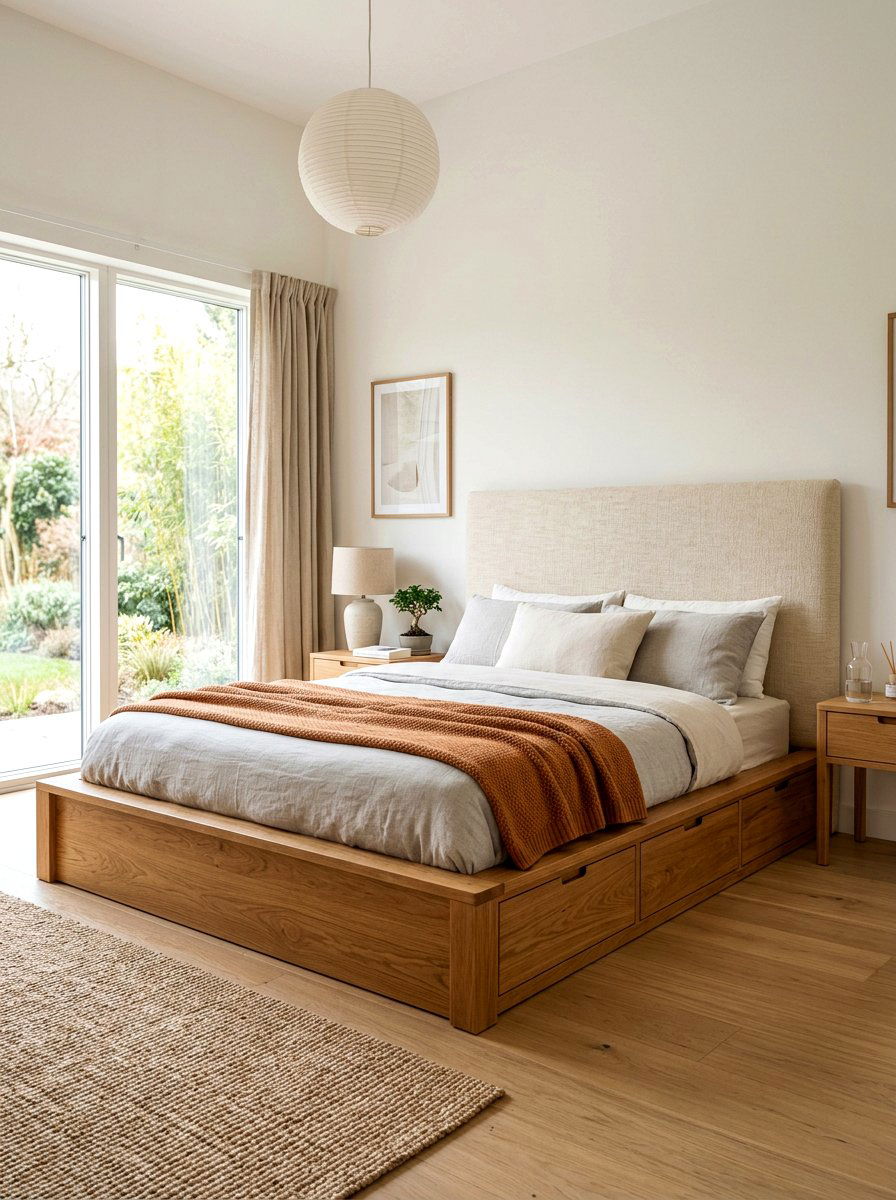
A platform bed with built-in storage or a raised base creates a clearly defined sleeping zone that feels like its own separate island. By elevating the mattress, you distinguish the bed as the primary focal point and separate it from the rest of the bedroom floor. Many platform designs include integrated nightstands, headboard shelving, and large under-bed drawers for seasonal clothing and extra linens. This self-contained setup minimizes the need for extra bulky furniture, making the bedroom feel more spacious and less cluttered. It is a sleek and modern way to compartmentalize your resting area while adding significant functional value to the room.
28. Kitchen Island
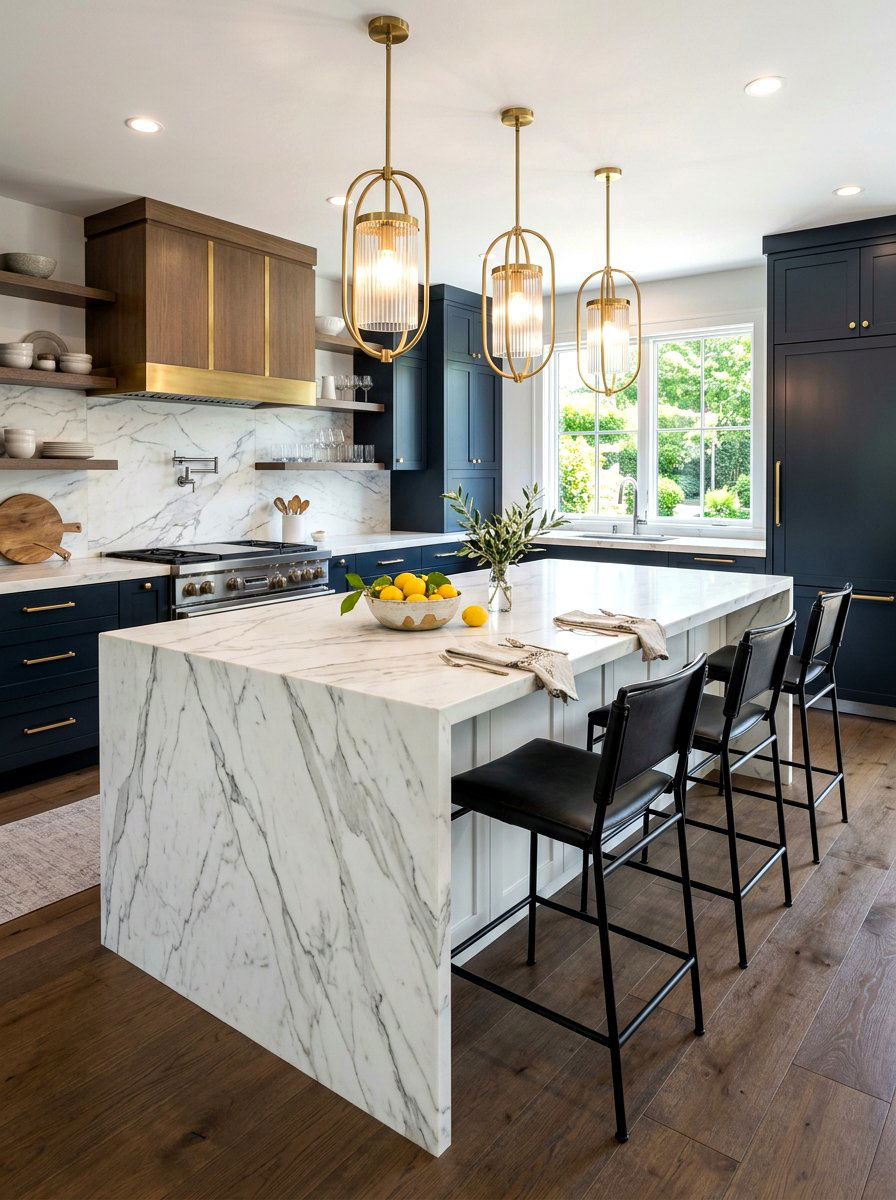
A large kitchen island acts as a natural divider between the cooking zone and the social living area of a home. It provides a massive amount of counter space for food preparation while also serving as a casual dining and gathering spot. By adding comfortable bar stools, you create a dedicated seating zone where family members can relax while the cook is busy. This layout encourages social interaction without guests getting in the way of the kitchen workflow. Many islands also feature integrated storage and appliances, making them the hard-working center of a compartmentalized kitchen. It is a versatile and essential design element.
29. Walk In Closet
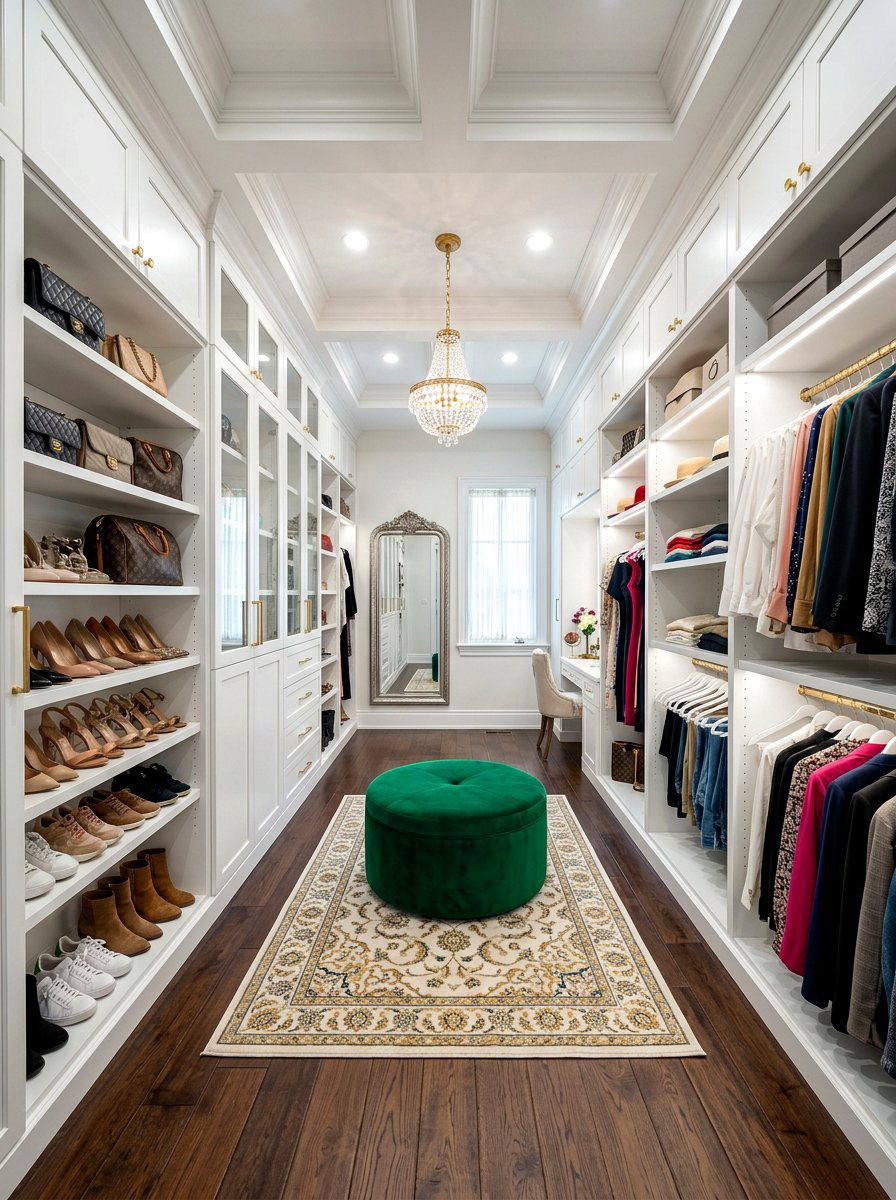
A well-organized walk-in closet is a private and luxurious compartmentalized zone that keeps your clothing and accessories perfectly tucked away. By moving the wardrobe out of the main bedroom area, you create a more serene and peaceful environment for sleeping. Custom shelving, hanging rods, and specialized jewelry drawers ensure that every item has a dedicated home, making getting dressed a daily joy. Adding a central ottoman or a built-in vanity turns the closet into a multi-functional dressing room that feels like a boutique. This separation of storage from the sleeping area is a key step in creating a truly relaxing and high-end master suite.
30. Garden Pod
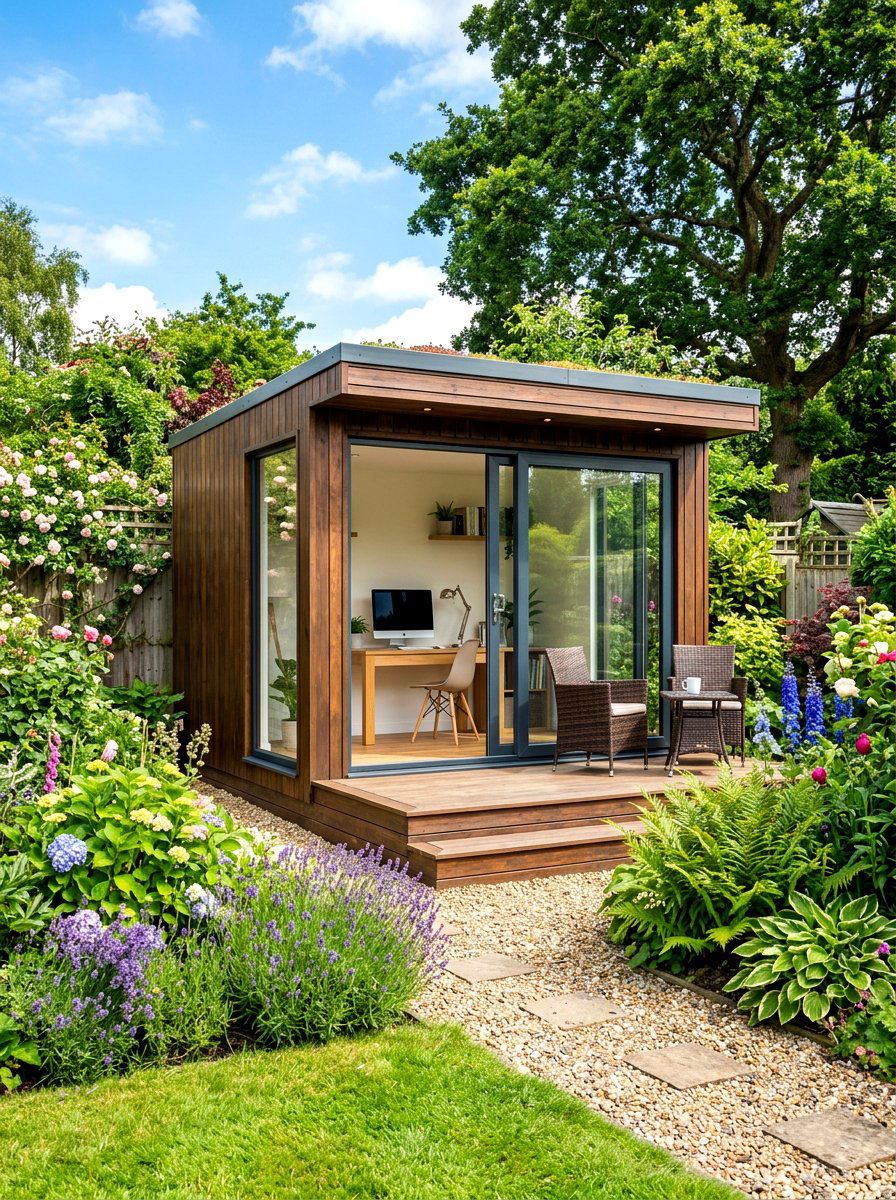
An outdoor garden pod is the ultimate compartmentalized home extension, providing a completely separate room in the middle of your backyard. These modern structures are perfect for use as a quiet home office, an art studio, or a peaceful yoga retreat away from household distractions. Large glass doors and windows connect the interior of the pod with the surrounding greenery, offering a constant source of inspiration. Most garden pods are fully insulated and wired for electricity, making them usable all year round regardless of the weather. This creative solution adds valuable living space and provides a true getaway just a few steps from your back door.
Conclusion:
Embracing a compartmentalized home design is a transformative way to bring order, coziness, and intentionality into your daily living environment. By moving away from the "one size fits all" approach of open-plan living, you can create a series of intimate sanctuaries that cater to your specific lifestyle needs. Whether you choose to add a permanent glass wall, a cozy reading nook, or a flexible folding screen, these zones offer a much-needed sense of privacy and focus. A structured home feels more managed and less chaotic, allowing every family member to find their own corner of peace. We hope these 30 ideas inspire your next home project.

Related posts: