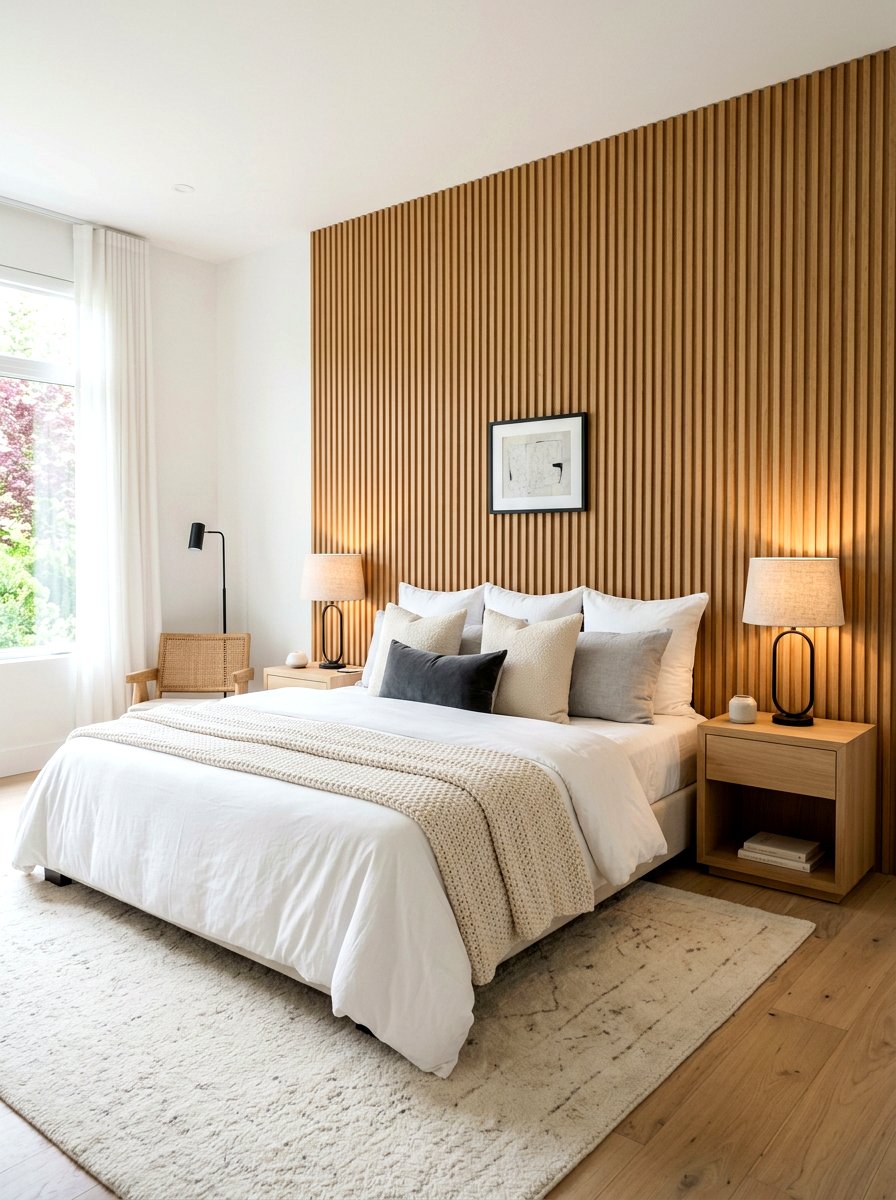
Reeded textures are making a massive comeback in modern interior design, offering a sophisticated way to add depth and visual interest to the heart of the home. These delicate, vertical grooves transform a standard kitchen island from a basic functional piece into a stunning architectural focal point. Whether you prefer the warmth of natural wood or the bold look of painted cabinetry, reeding provides a tactile quality that flat surfaces simply cannot match. This trend blends timeless craftsmanship with contemporary aesthetics, making it perfect for various styles ranging from Scandi-minimalism to organic modernism. Explore these diverse concepts to find the perfect textured inspiration for your upcoming kitchen renovation.
1. Natural Oak Reeded Kitchen Island
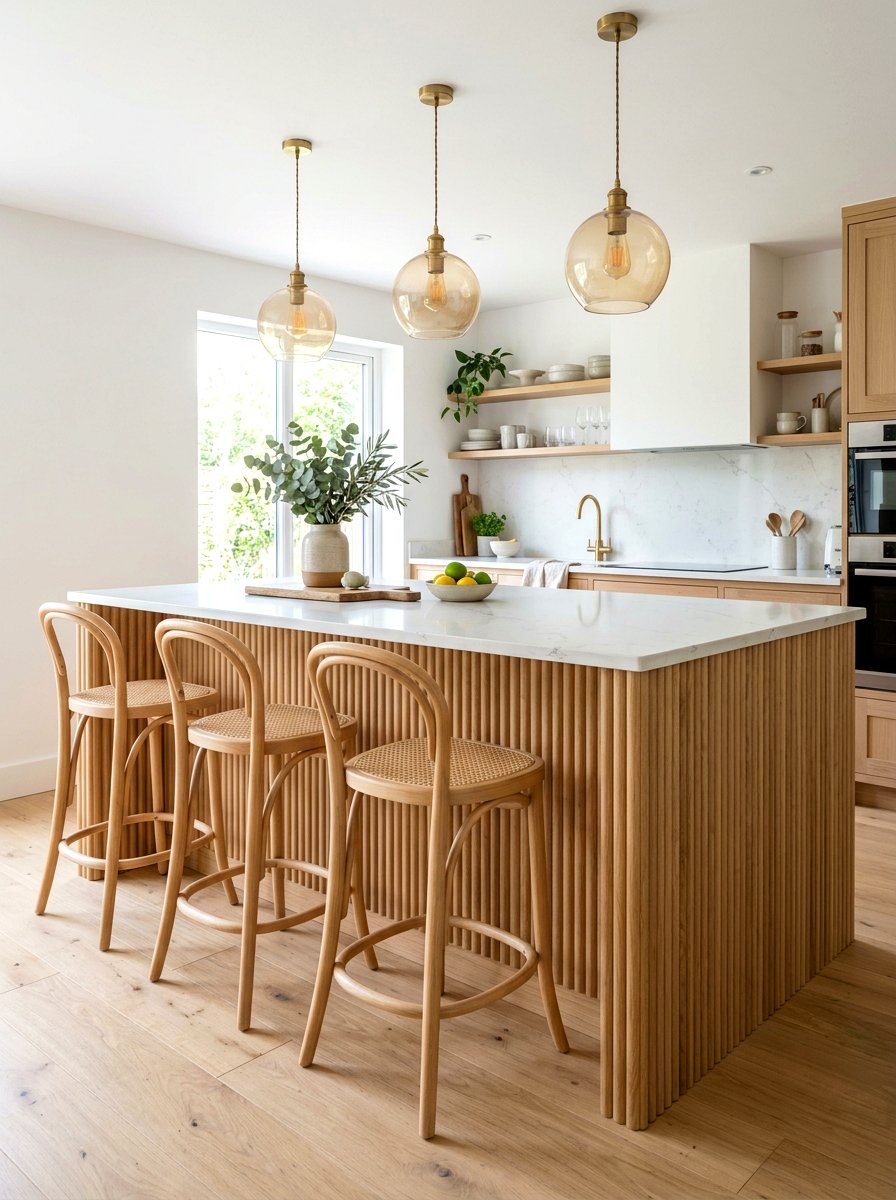
Natural oak reeding is a timeless choice that brings an organic feel to any culinary space. This texture creates a beautiful play of light and shadow, making the island the centerpiece of the room. When you pair this with a crisp white quartz countertop, the result is a clean, Scandinavian-inspired look that feels both warm and modern. The vertical grooves help to elongate the kitchen's visual height, giving the impression of a larger, more airy environment. It is a perfect way to add subtle detail without overwhelming the space with heavy patterns. This design works exceptionally well in open-concept homes where the kitchen meets the living area.
2. Black Fluted Kitchen Island Cabinetry
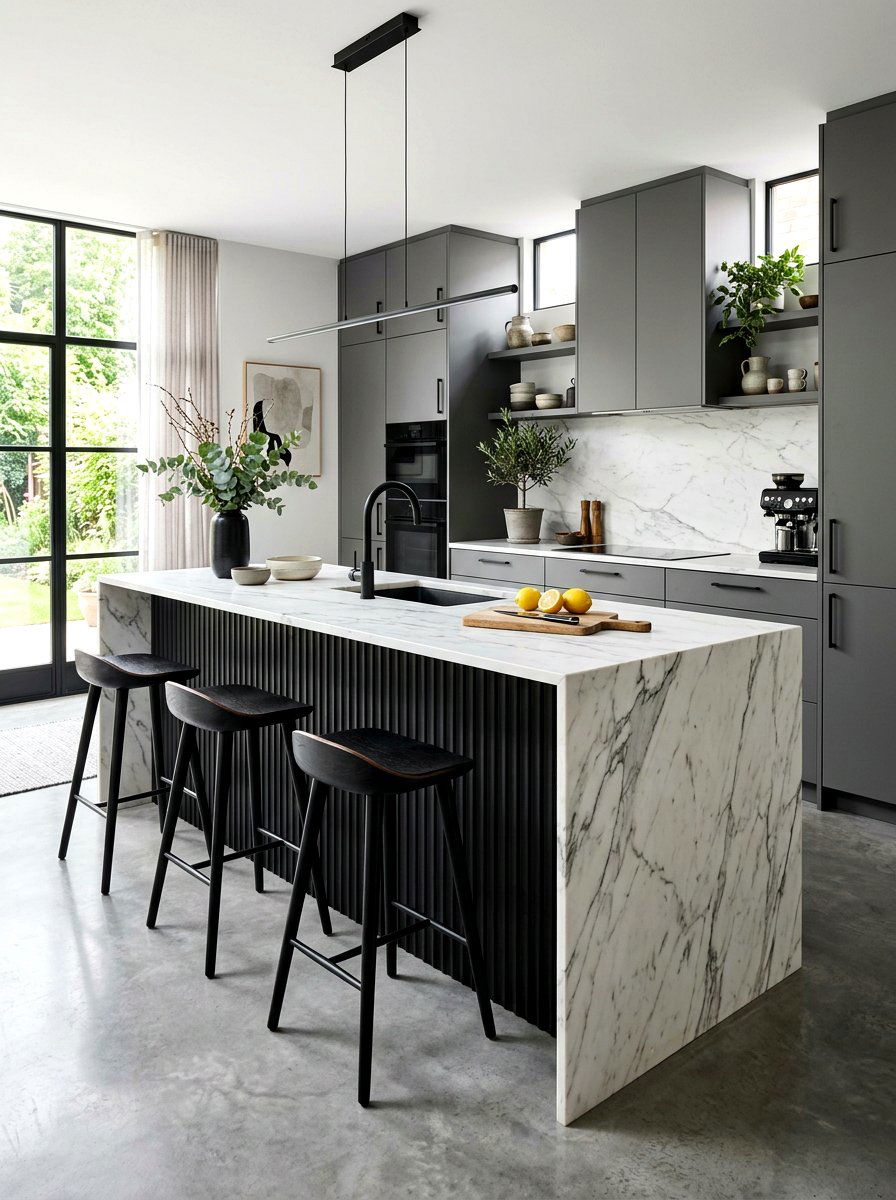
For homeowners looking to make a dramatic statement, a black fluted island offers unmatched sophistication and depth. The dark finish highlights the vertical ridges, creating a moody and luxurious atmosphere that anchors the entire room. Pairing a dark base with a contrasting light marble countertop ensures the space remains bright and balanced rather than feeling too heavy. This style is particularly effective in modern minimalist kitchens where you want one primary feature to draw the eye. The textured surface also helps to hide fingerprints and scuffs better than smooth matte finishes, making it a practical choice for busy families who love high-end style.
3. Curved Reeded Kitchen Island Design
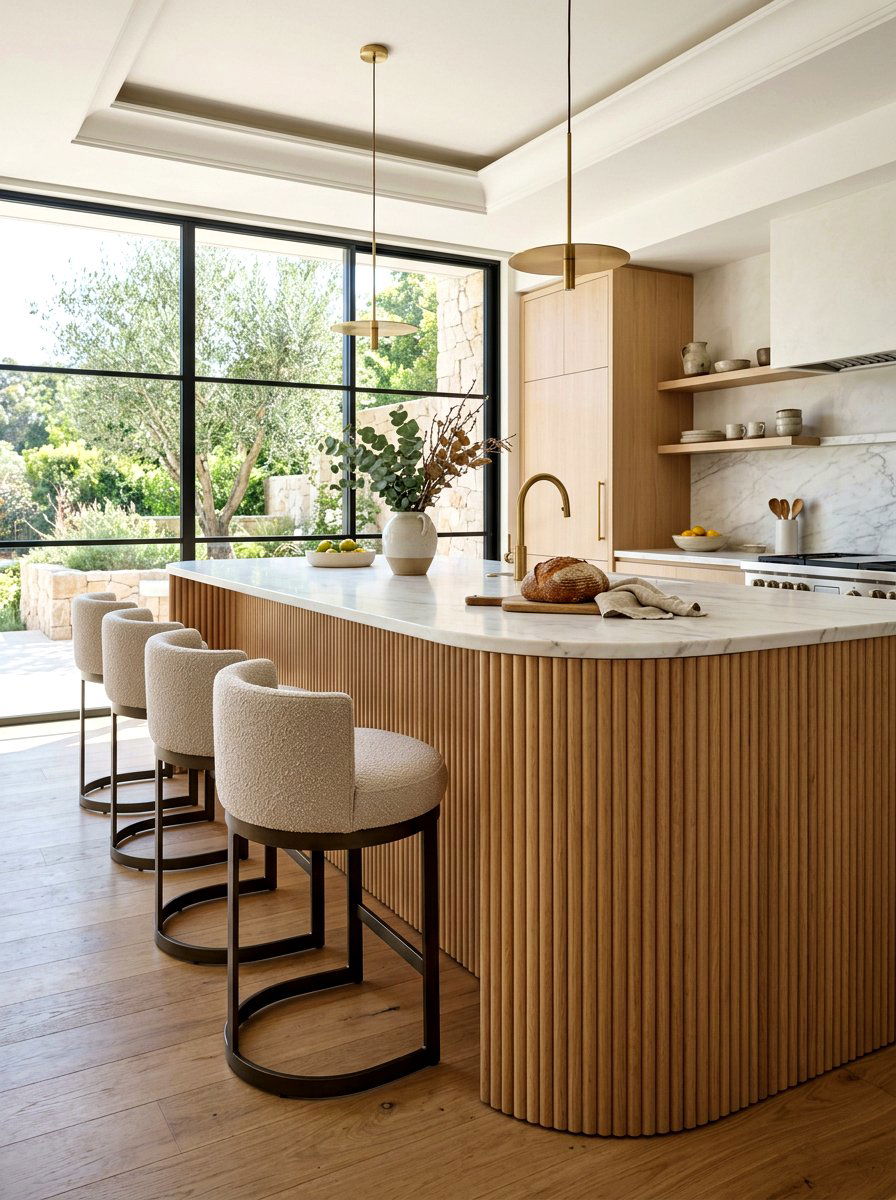
Curved silhouettes are trending in 2025, and adding reeded texture to a rounded island base enhances its sculptural appeal. The vertical lines wrap seamlessly around the soft edges, creating a fluid movement that guides traffic through the kitchen more naturally. This design eliminates sharp corners, making the space feel more inviting and safer in high-traffic households. Using a light wood finish on a curved island adds a touch of "quiet luxury" that feels bespoke and handcrafted. When illuminated by soft pendant lighting, the ridges create a rhythmic pattern that adds a layer of artistic complexity to an otherwise simple and functional layout.
4. White Reeded Kitchen Island Base
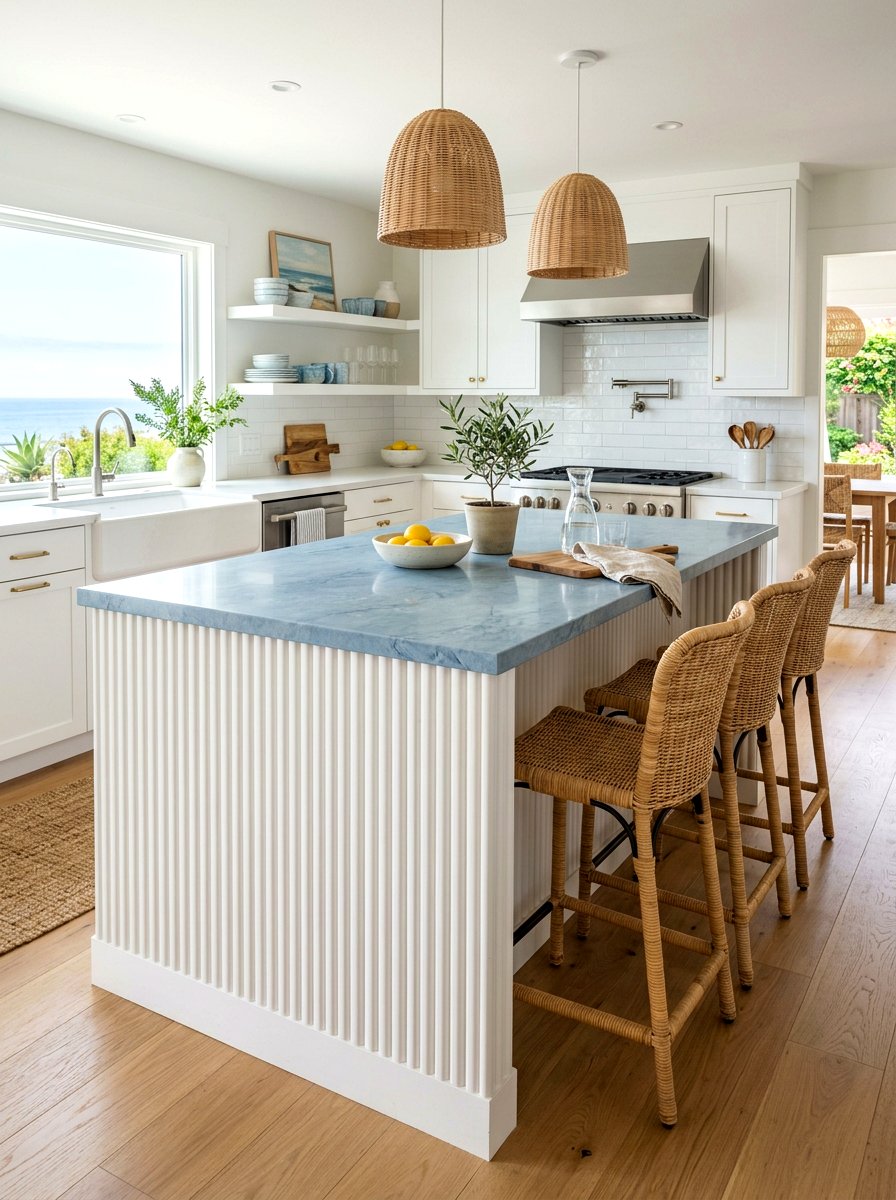
A white reeded island is the perfect solution for those who want texture without sacrificing a bright and airy aesthetic. The subtle grooves provide just enough detail to prevent a monochromatic kitchen from looking flat or sterile. This approach works beautifully in coastal or transitional homes where a clean look is prioritized. You can enhance the design by choosing a honed stone countertop that complements the matte finish of the painted reeding. The verticality of the ridges adds a sense of formality and structure, elevating the island to look more like a custom piece of furniture rather than just standard kitchen cabinetry.
5. Walnut Reeded Kitchen Island Wood
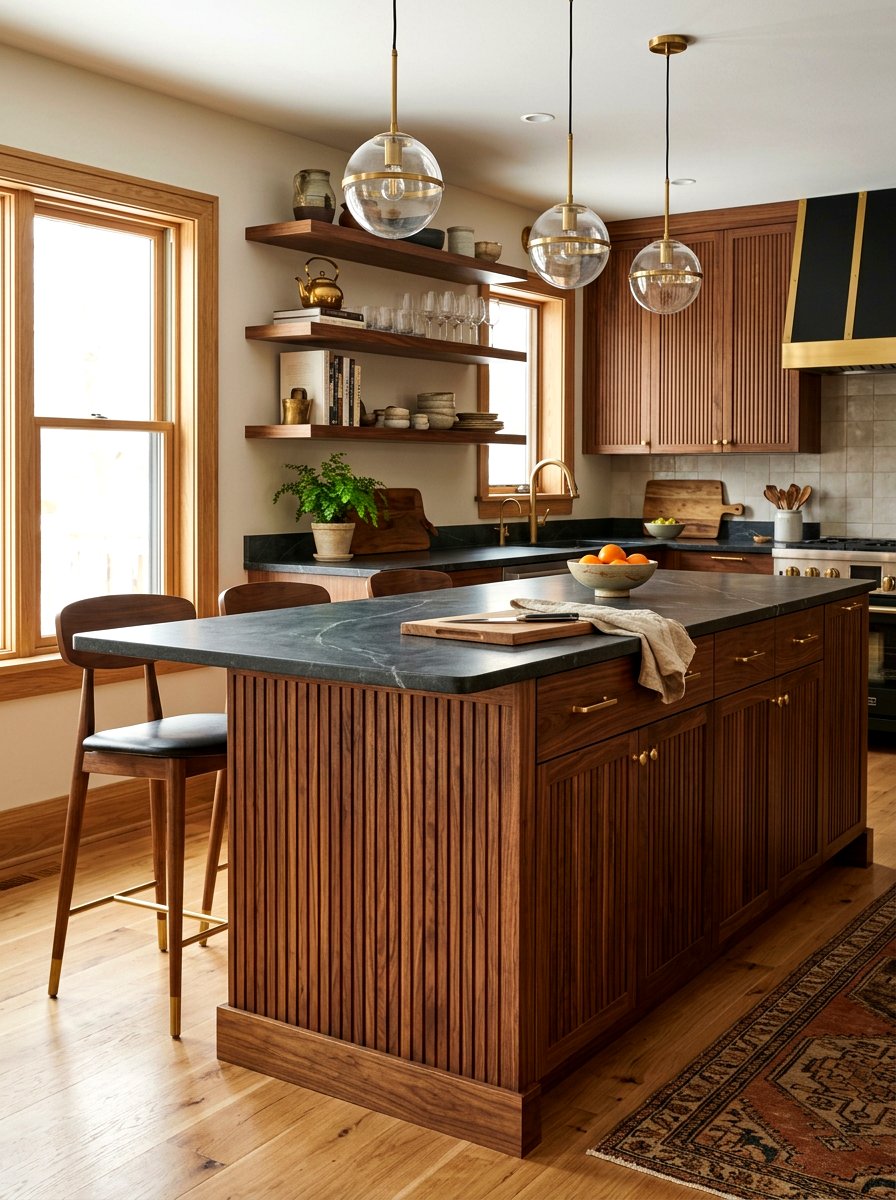
Walnut is prized for its rich, deep tones and stunning grain patterns, which are further emphasized when crafted into a reeded design. A walnut reeded island brings an immediate sense of mid-century modern elegance and high-end luxury to the kitchen. The warmth of the wood contrasts beautifully with cool metal accents like brass or chrome hardware. Because walnut is such a bold material, the reeding adds a secondary layer of sophistication that makes the island feel truly unique. This style is best suited for kitchens with plenty of natural light, allowing the intricate details of the wood and the texture to shine throughout the day.
6. Marble Top Reeded Kitchen Island
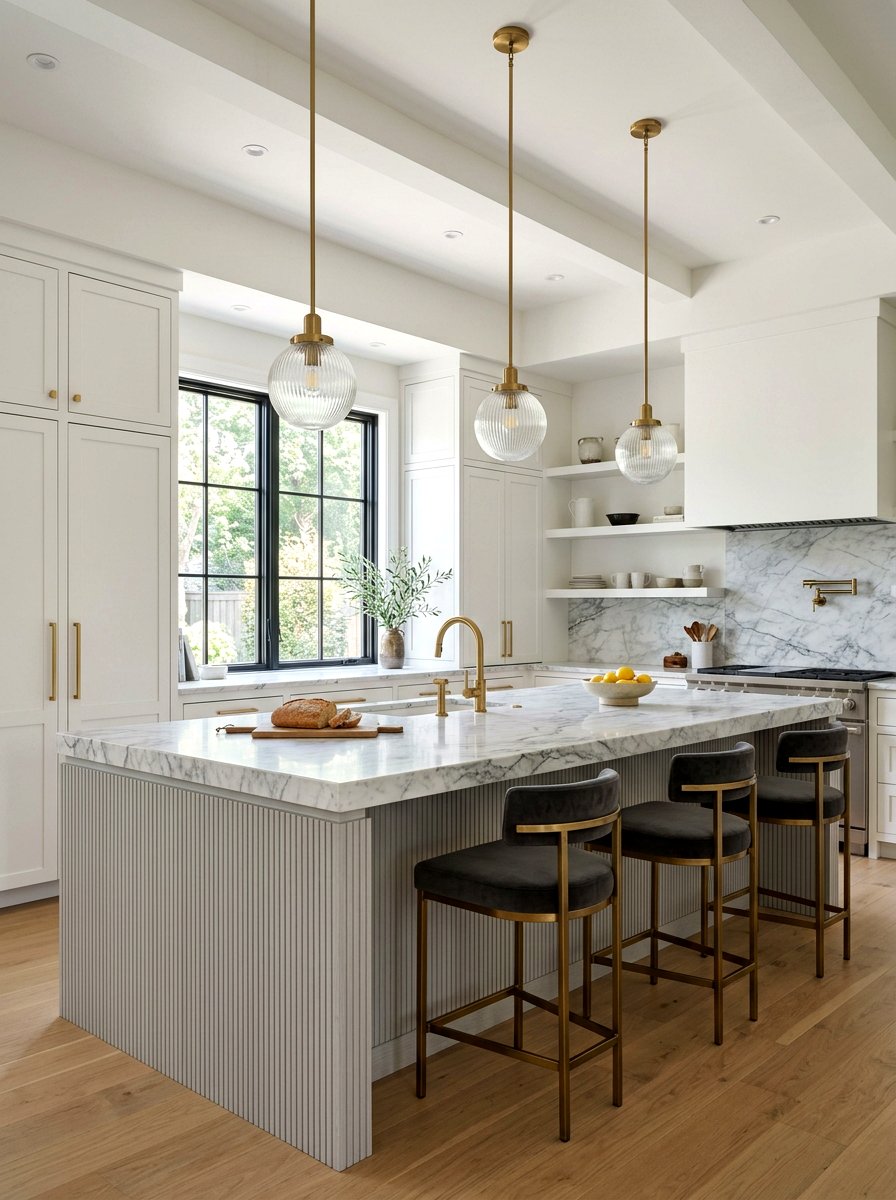
Combining the linear precision of a reeded base with the organic veining of a marble countertop creates a stunning visual contrast. The hard, smooth surface of the stone sits beautifully atop the repetitive, textured ridges of the cabinetry. For a cohesive look, choose a marble with grey or gold veins that pick up the tones in the island’s finish. This pairing is a favorite in luxury kitchen designs because it balances two very different types of movement. The island becomes a tactile experience, where the coolness of the stone meets the warmth of the textured wood, providing a rich sensory experience for anyone gathered around.
7. Sage Green Reeded Kitchen Island
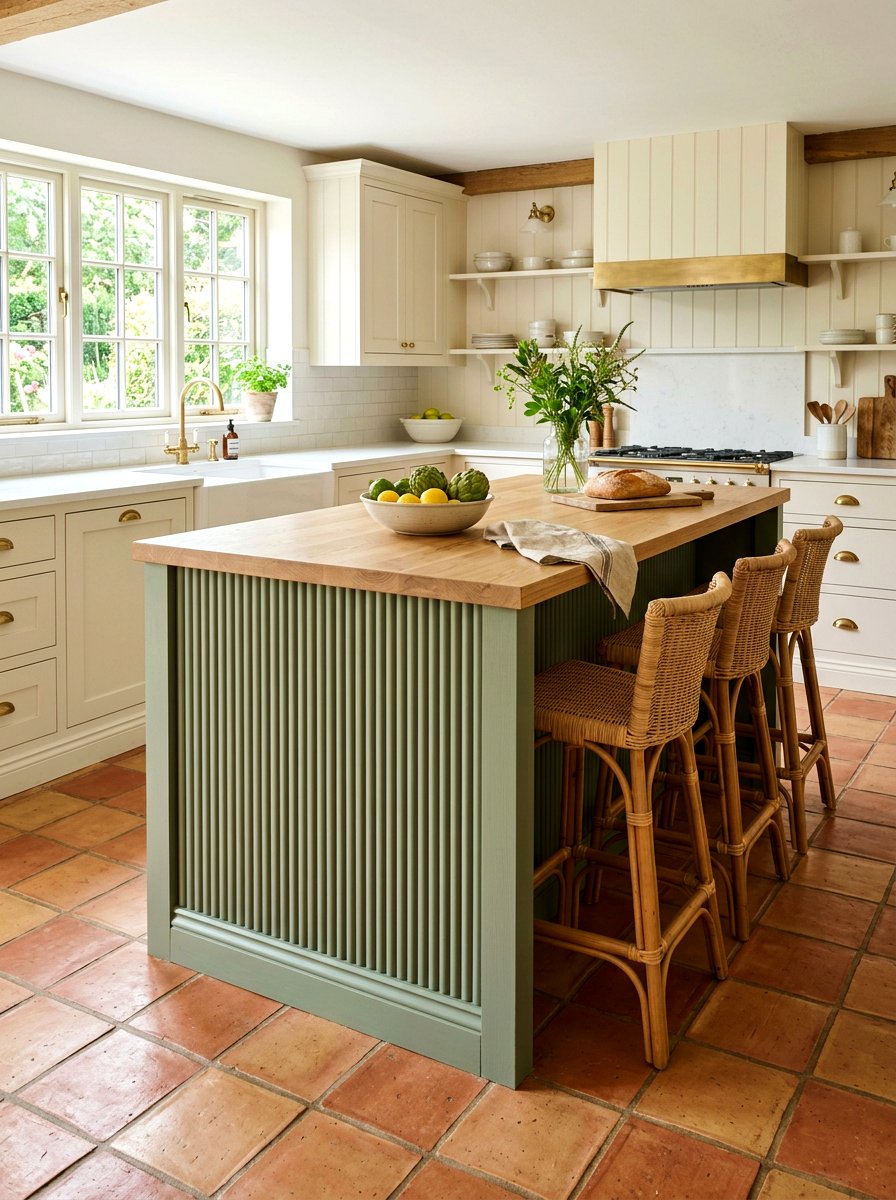
Sage green is a top color trend for 2025, offering a calming, nature-inspired hue that pairs perfectly with textured reeding. A sage green island feels fresh and organic, especially when finished with a matte or satin sheen. The vertical grooves catch the light, revealing different shades of green throughout the day as the sun moves across the room. This look is ideal for modern farmhouse or cottage-style kitchens where a pop of color is desired but needs to remain sophisticated. Pairing this with light oak flooring and brass stools creates a harmonious, earthy palette that makes the kitchen feel like a peaceful sanctuary.
8. Small Reeded Kitchen Island Cart
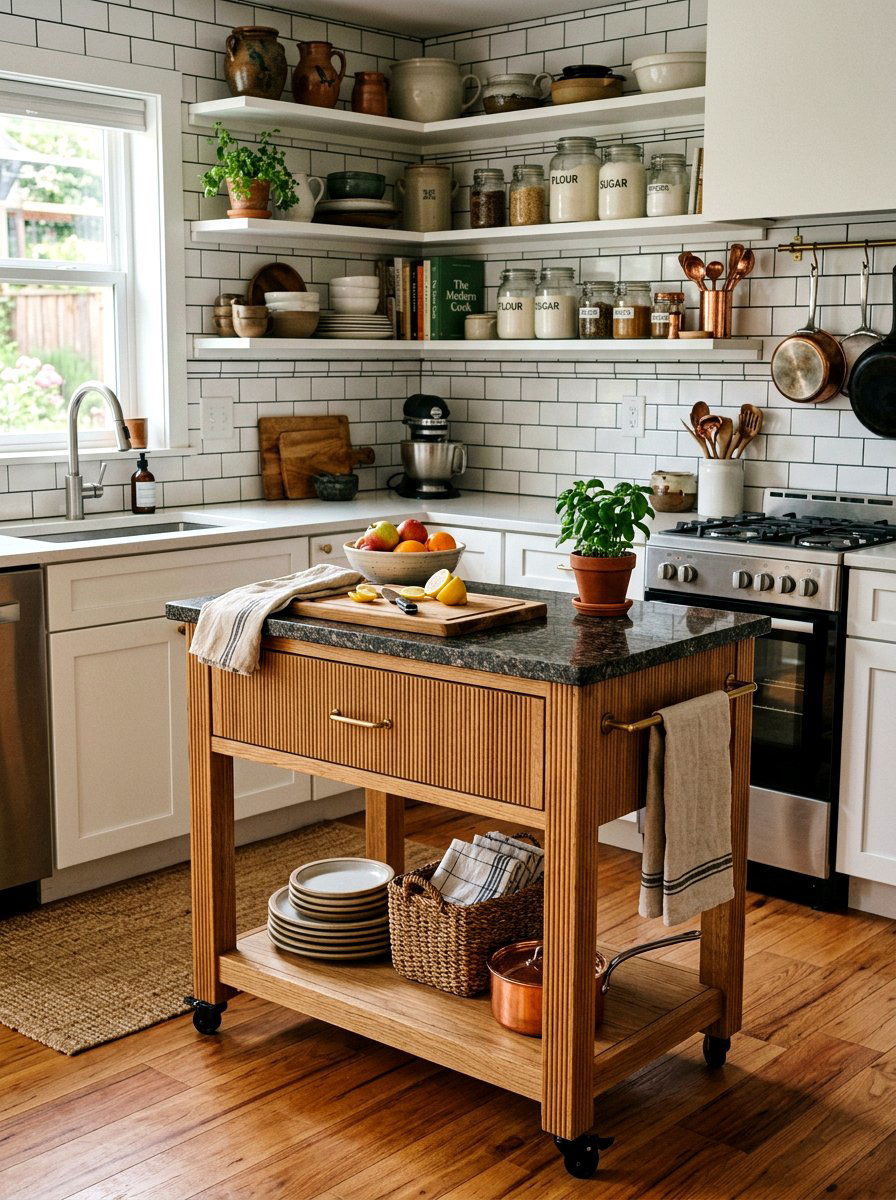
Even in compact kitchens, you can incorporate the reeded trend through a stylish mobile island or a small stationary cart. A reeded base on a smaller scale adds a high-end, custom feel to a piece that might otherwise look utilitarian. Opt for a light wood or soft grey finish to keep the small space feeling open and uncluttered. The texture provides enough visual weight to make the small island a focal point without overwhelming the surrounding cabinetry. Adding a butcher block top or a small piece of granite can turn this compact addition into a functional prep station that looks like a designer piece of furniture.
9. Modern Reeded Kitchen Island Seating
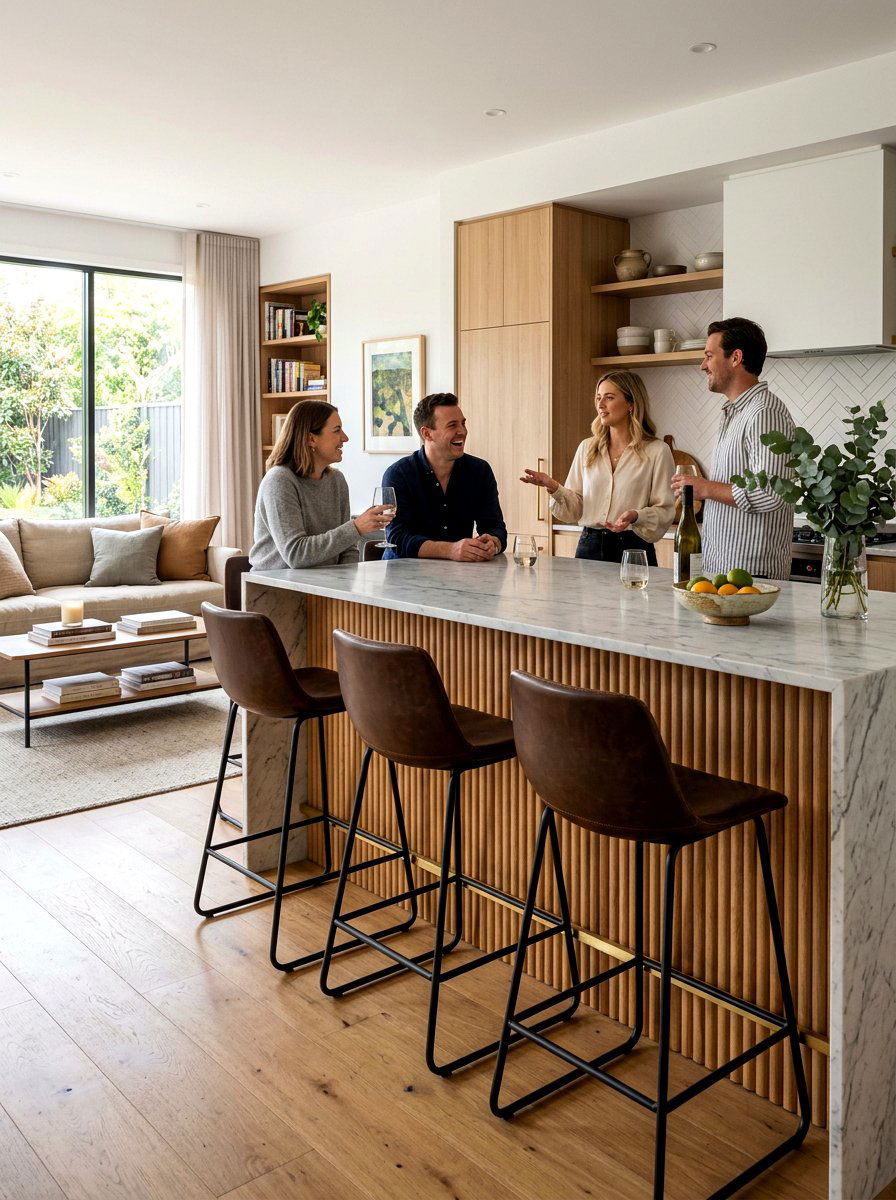
Designing a reeded island with an integrated seating area allows you to showcase the texture on the most visible part of the unit. Placing reeded panels on the "back" of the island — the side facing the living room — ensures that the detail is always on display for guests. This area often takes the most wear and tear from feet and stools, and the textured surface is surprisingly durable and good at disguising minor imperfections. Use a contrasting wood tone or a bold paint color for the reeded section to define the seating zone. This creates a clear visual distinction between the work side and the social side of the island.
10. Floating Reeded Kitchen Island Aesthetic
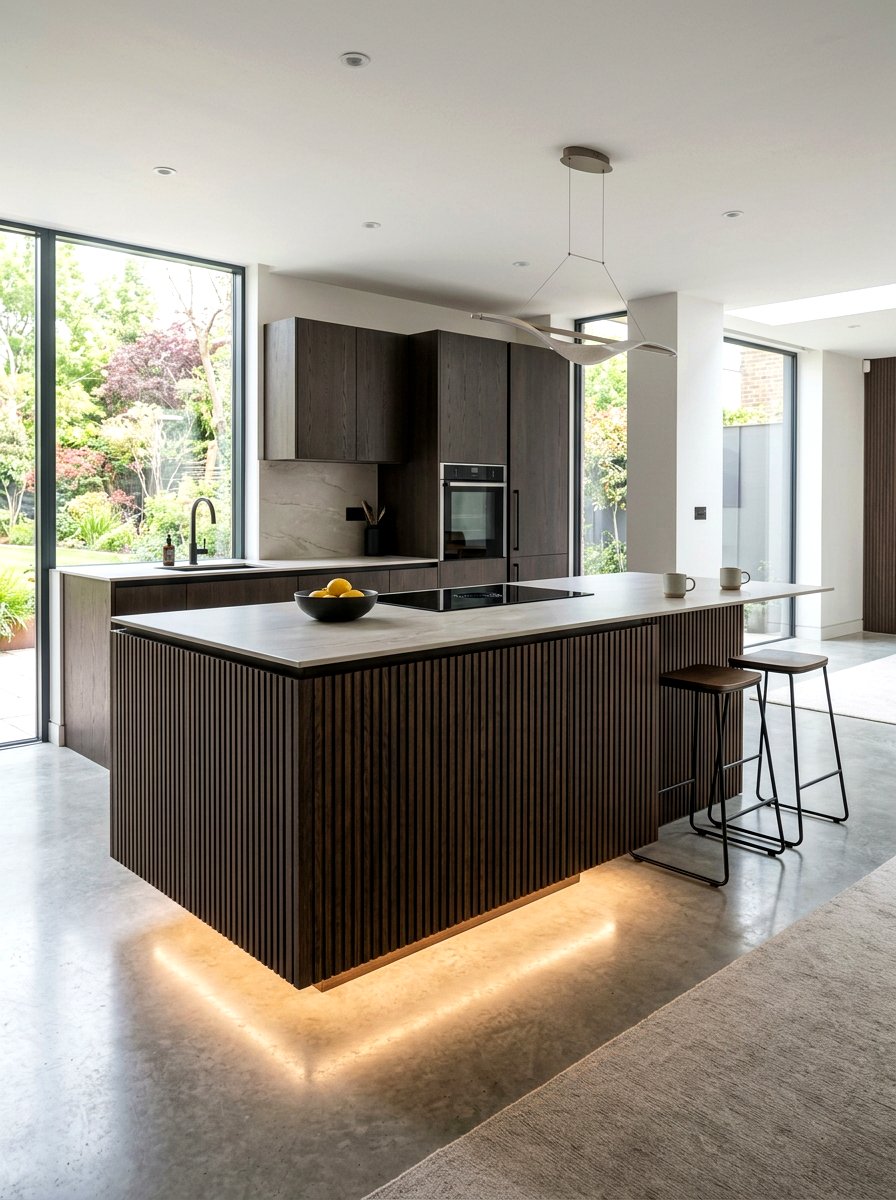
A floating island design uses a recessed kickplate to create the illusion that the heavy unit is hovering above the floor. When you add reeded panels to a floating island, the vertical lines draw the eye down toward the shadow gap, emphasizing the modern, architectural look. This style is incredibly sleek and works best in contemporary or minimalist homes. To enhance the floating effect, you can install LED strip lighting under the edge of the island, which will cast a soft glow onto the floor and highlight the bottom of the reeded texture. It’s a sophisticated way to make a large island feel lighter and more artistic.
11. Navy Blue Reeded Kitchen Island
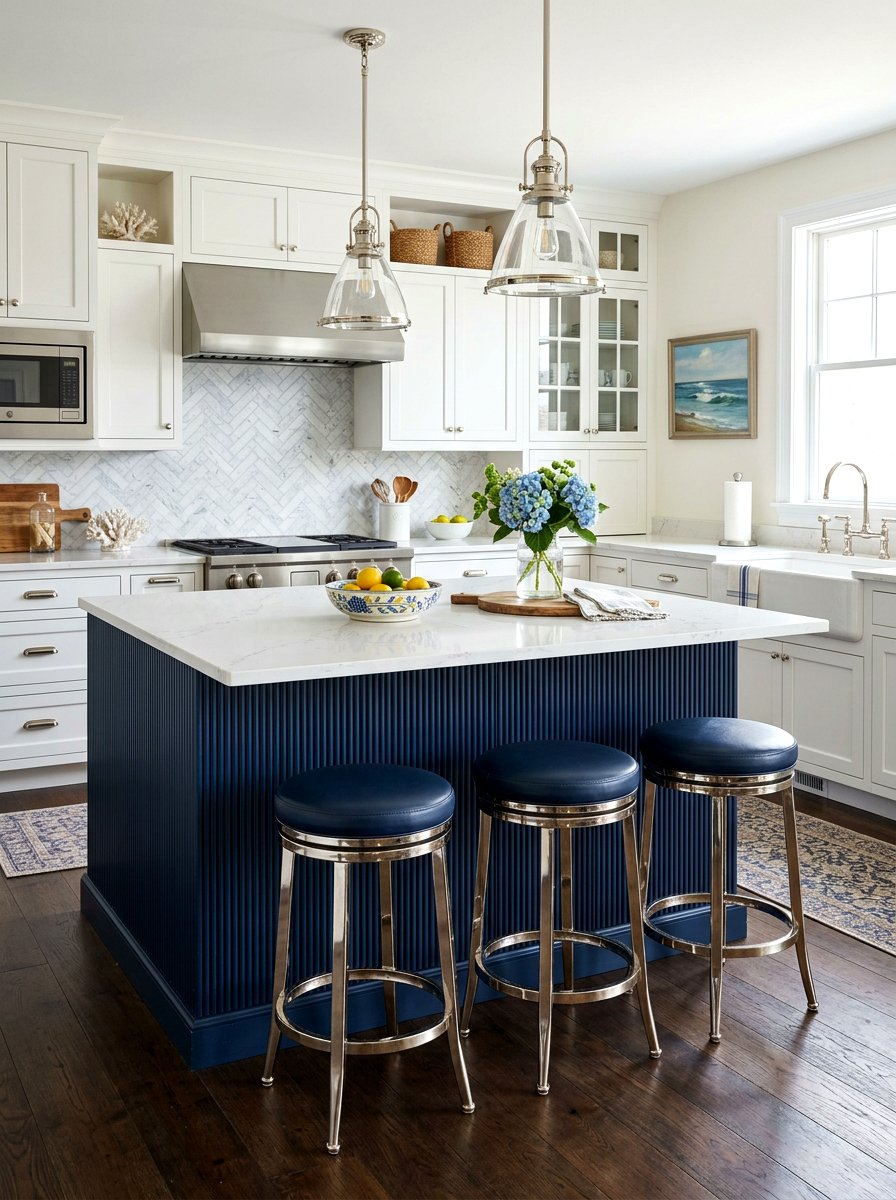
Navy blue is a classic kitchen color that takes on a whole new personality when applied to a reeded surface. The deep, saturated hue settles into the grooves of the reeding, creating a rich, multi-tonal effect that looks incredibly expensive. A navy reeded island works as a perfect anchor in an all-white kitchen, providing a sense of stability and traditional elegance with a modern twist. To make the navy pop, use high-contrast accents like white quartz countertops and polished nickel hardware. The result is a nautical yet refined aesthetic that feels timeless and will not go out of style as trends evolve.
12. Round Reeded Kitchen Island Pedestal
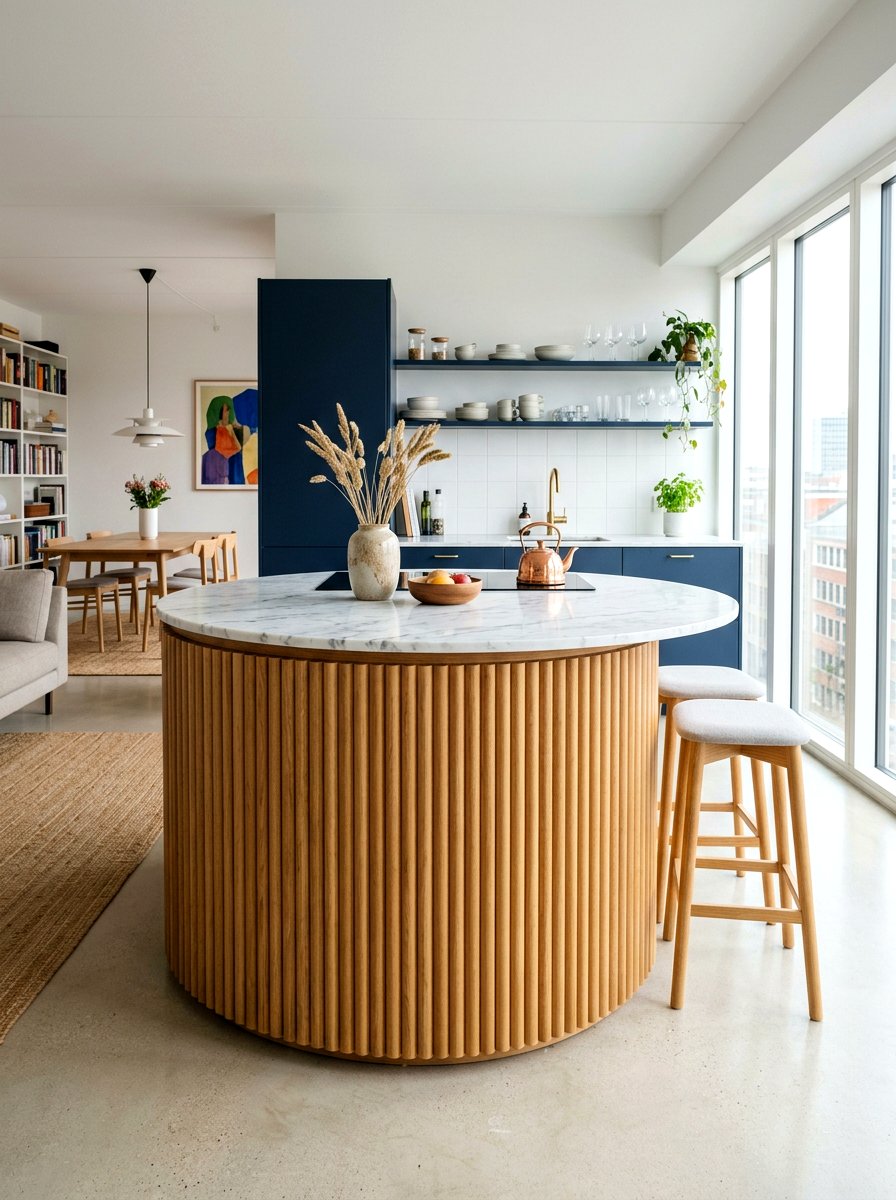
For a truly unique look, consider a circular or oval island supported by a thick, reeded pedestal base. This design leans into a more sculptural, furniture-inspired aesthetic that breaks away from the standard rectangular island. The reeding wraps around the central column, creating a beautiful 360-degree texture that looks stunning from every angle in an open-plan room. This style is particularly effective in smaller kitchens where a full-sized island might feel too bulky. A round island encourages better flow and movement, while the reeded pedestal adds the necessary architectural detail to make it feel substantial and well-designed despite its smaller footprint.
13. Large Reeded Kitchen Island Waterfall
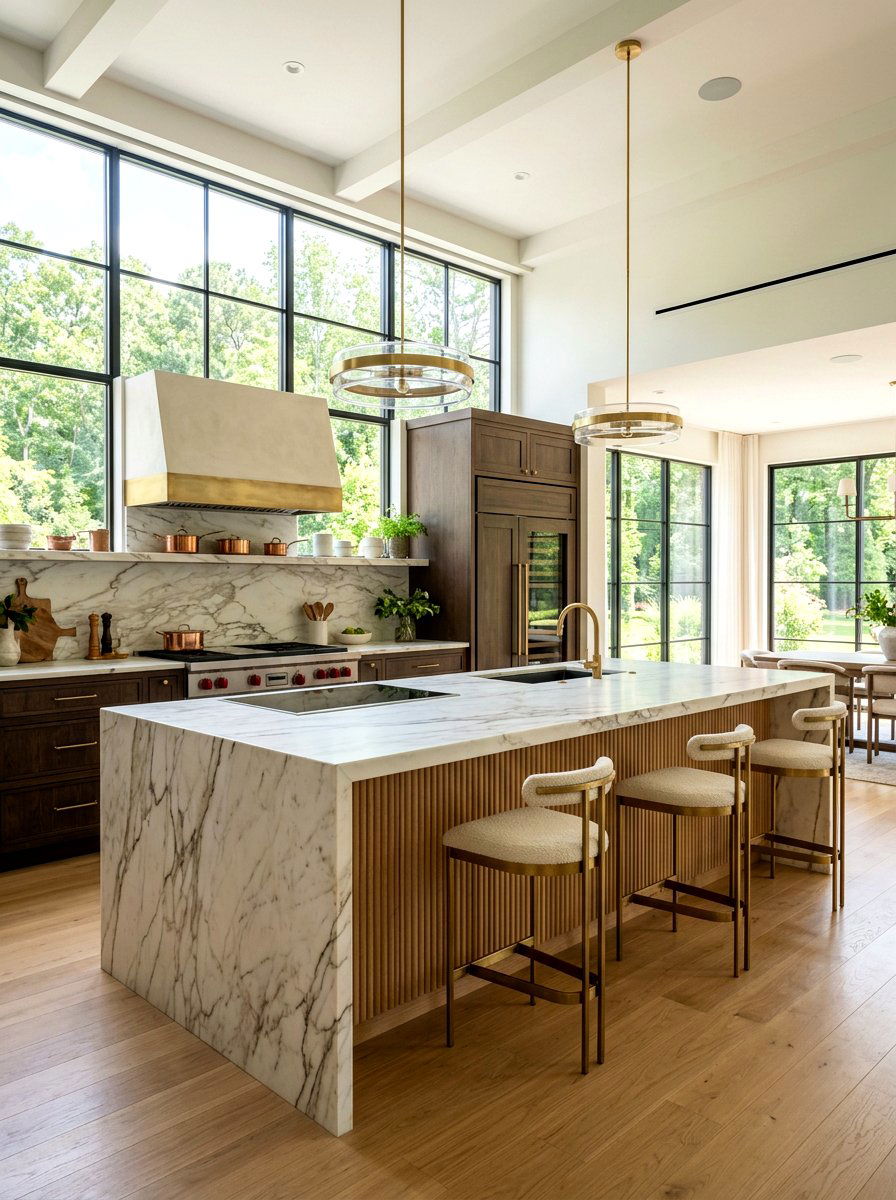
A waterfall countertop, where the stone extends down the sides of the island, can be paired with reeded front panels for a high-contrast luxury look. The smooth, continuous flow of the stone on the ends frames the textured reeding in the center, creating a balanced and sophisticated composition. This design highlights the different materials used, showing off both the beauty of the stone and the craftsmanship of the reeding. It is a popular choice for large, upscale kitchens where the island is the primary workhorse. The combination of horizontal stone and vertical reeding creates a grid-like visual stability that feels very grounded and permanent.
14. Dark Charcoal Reeded Kitchen Island
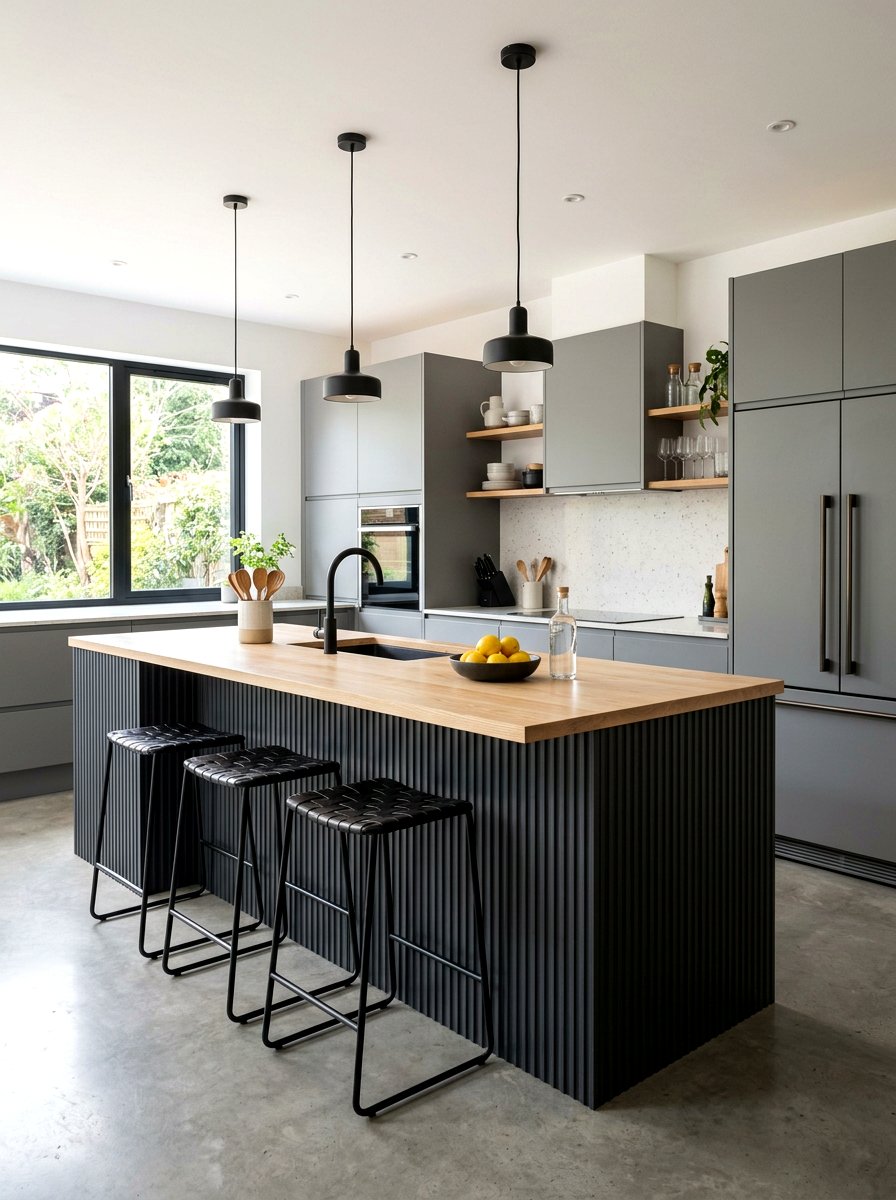
Charcoal grey offers a softer alternative to black while still providing that moody, contemporary vibe that many homeowners crave. A charcoal reeded island looks especially sharp when paired with light wood accents or a warm-toned backsplash. The matte finish on the charcoal highlights the precision of the reeding, making the island look like a piece of high-end cabinetry. This color works beautifully with stainless steel appliances and industrial-style lighting. Because charcoal is a neutral tone, it provides a versatile base that allows you to swap out decor and accent colors easily over time without needing to repaint the primary island structure.
15. Brass Accents Reeded Kitchen Island
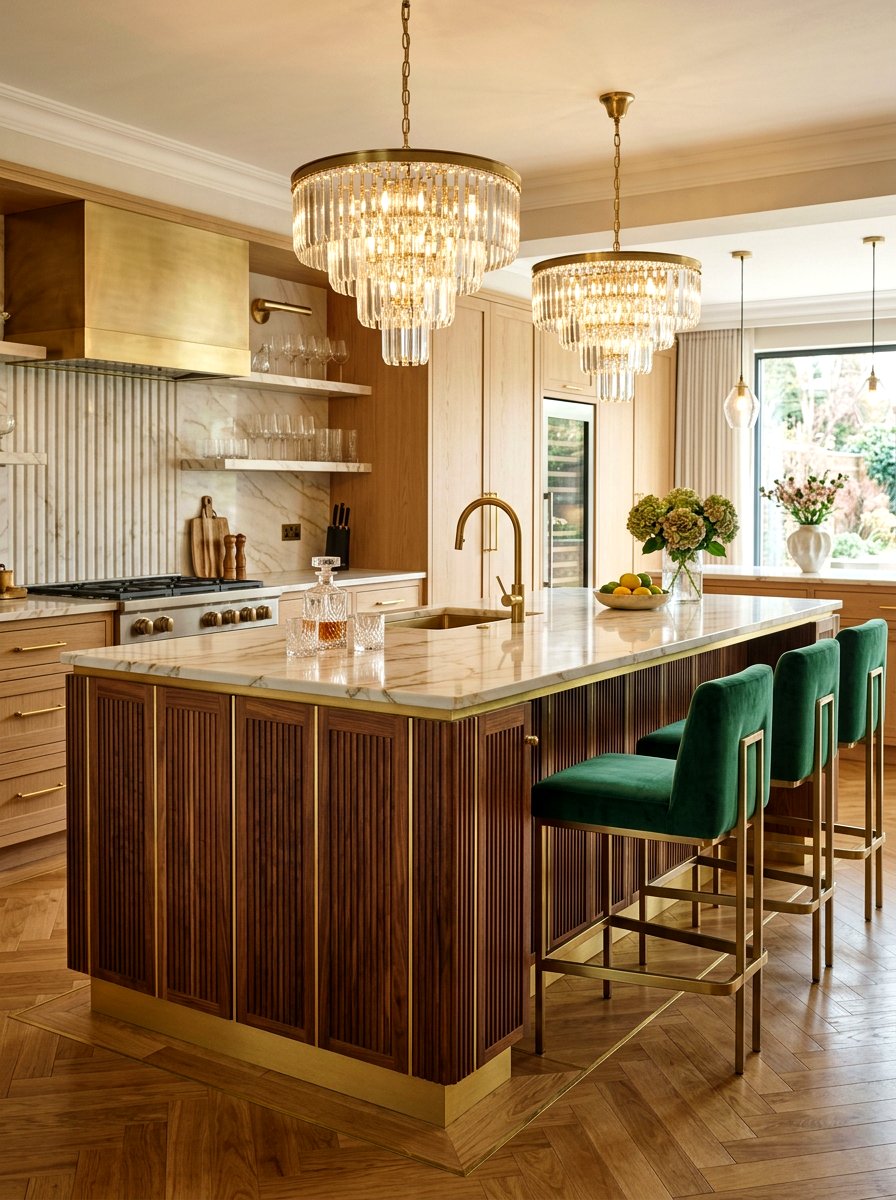
The combination of warm wood reeding and metallic brass accents is a match made in design heaven. You can incorporate brass through thin inlay strips between the reeded panels, or simply through the hardware and lighting choices. The gold tones of the brass complement the shadows created by the reeding, adding a touch of glamour and warmth to the kitchen. This look is often associated with "glam-modern" or "refined organic" styles. For a truly custom feel, use a brass kickplate at the base of the island. This not only protects the wood from scuffs but also reflects light, making the reeded texture feel even more vibrant.
16. Scandi Style Reeded Kitchen Island
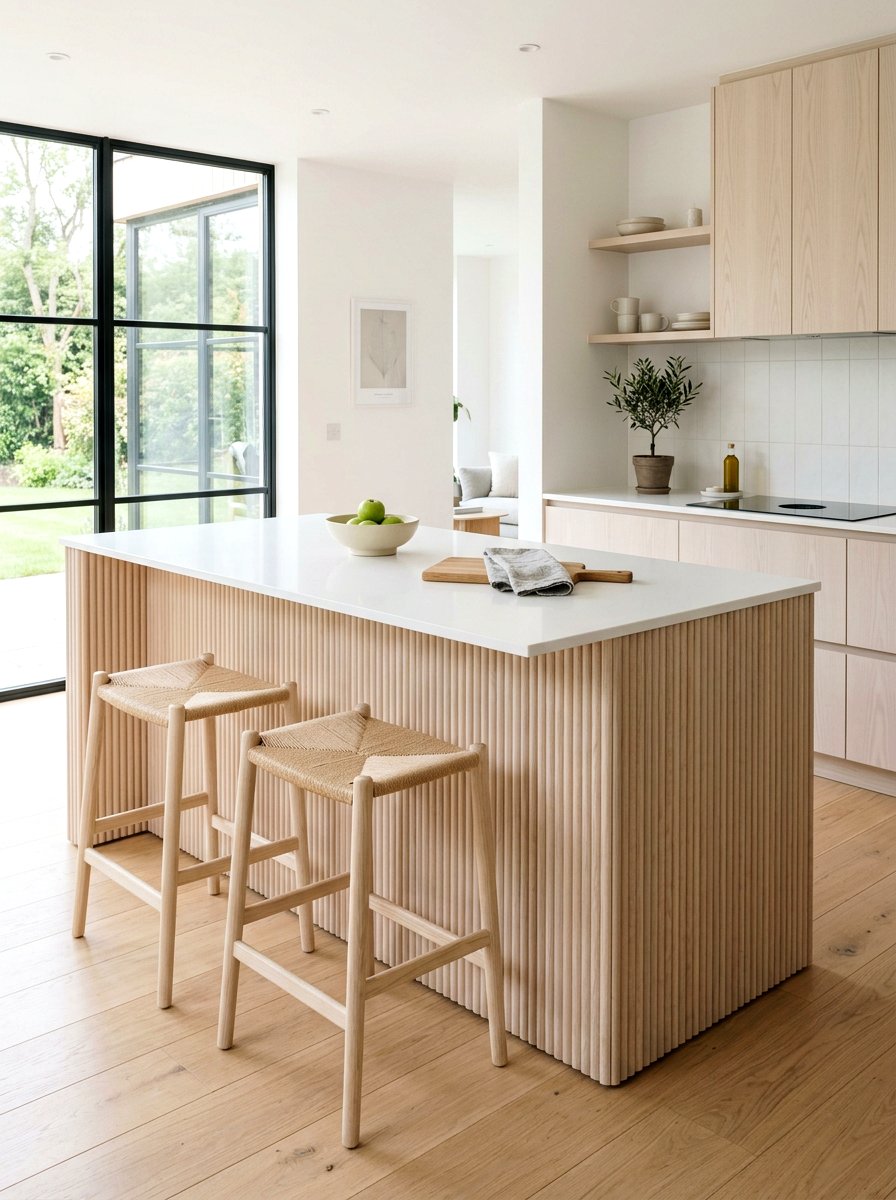
Scandinavian design is all about simplicity, natural materials, and functional beauty, all of which are embodied in a light oak reeded island. To achieve this look, keep the lines clean and avoid heavy hardware. A handleless design with push-to-open reeded drawers creates a seamless, minimalist facade that lets the texture speak for itself. Pair the island with light-colored flooring and plenty of white space to maintain that signature Scandi brightness. This style of island feels incredibly calm and organized, making it the perfect centerpiece for a home that prioritizes a clutter-free and peaceful environment. The texture adds just enough warmth to prevent the space from feeling cold.
17. Mid Century Reeded Kitchen Island
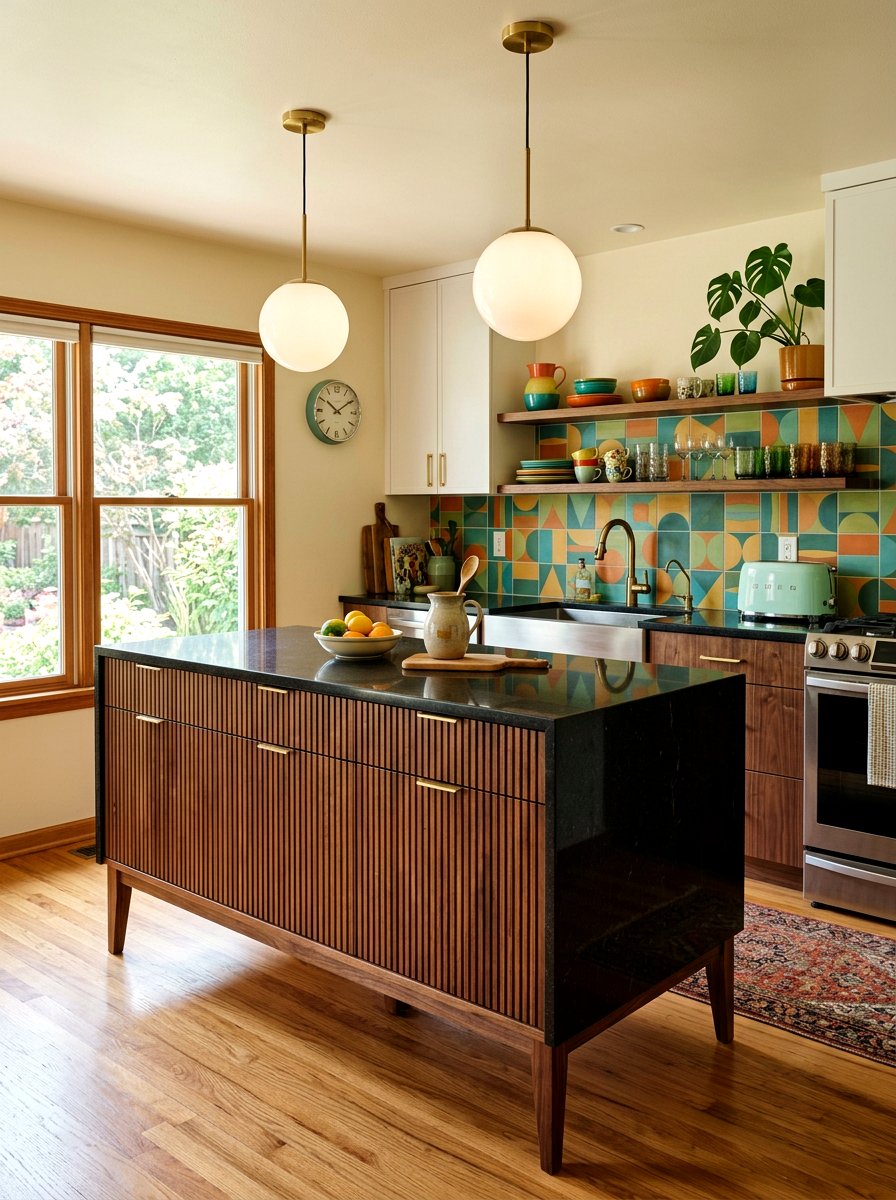
Mid-century modern design often features tapered legs and rich wood tones, both of which pair perfectly with reeded details. A reeded island in a teak or medium-oak finish can evoke a vintage 1950s or 60s feel while still looking completely current. To lean into this aesthetic, choose an island with an overhanging top and slender, angled legs on one side for seating. The reeded panels add a rhythmic quality that was very popular in mid-century furniture. Pairing this island with iconic bar stools and globe-style pendant lights will complete the look, creating a kitchen that feels nostalgic yet perfectly suited for a modern lifestyle.
18. Arched Reeded Kitchen Island Ends
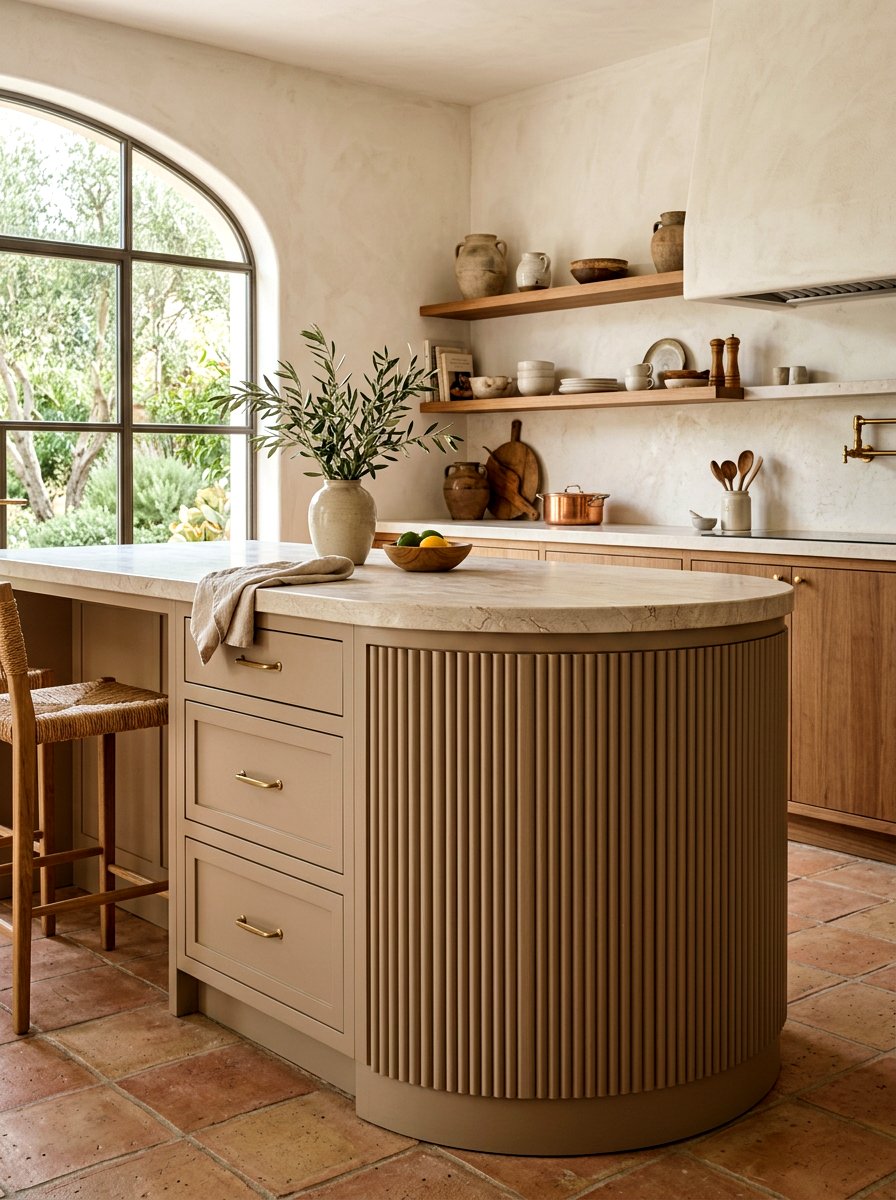
Adding arched or radius ends to a reeded island is a brilliant way to soften the overall look of a kitchen filled with hard lines and appliances. The reeding effortlessly follows the curve, creating a soft, tactile edge that is much more comfortable to lean against than a sharp 90-degree corner. Arched ends also help to "open up" the walkways in a smaller kitchen, making it easier for multiple people to move around the space at once. This design detail is often found in high-end custom cabinetry and gives the island a bespoke, architectural quality that feels much more expensive than standard boxy island designs.
19. Painted Reeded Kitchen Island Finish
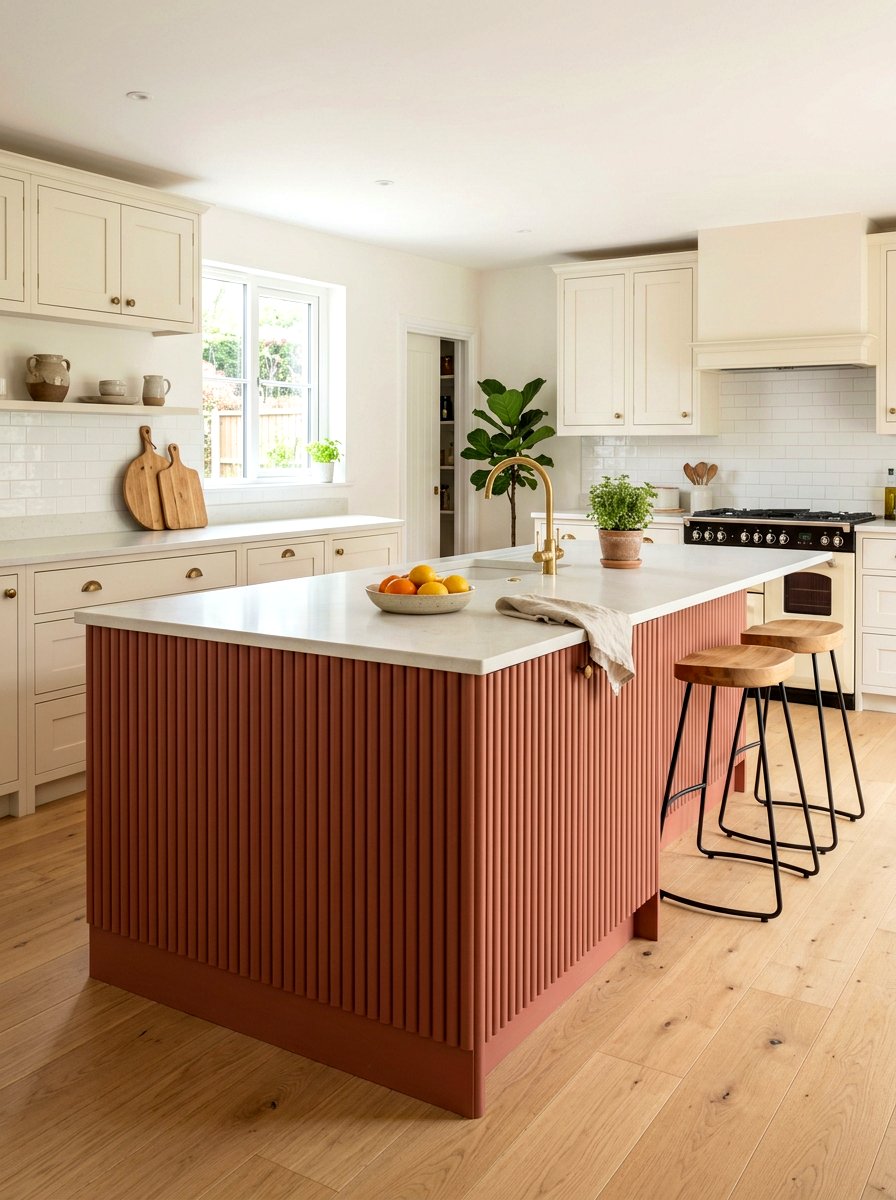
Don't feel limited to natural wood; a painted reeded island allows you to experiment with color while still enjoying the benefits of texture. From soft taupe and mushroom tones to bold terracotta or forest green, a painted finish can completely change the mood of the room. When painting reeded panels, it is important to use a high-quality spray finish to ensure the paint gets into every groove evenly without clogging the detail. A satin finish is usually best, as it provides a subtle sheen that helps define the ridges. This approach is perfect for those who want a unique, custom-colored kitchen that still feels high-end.
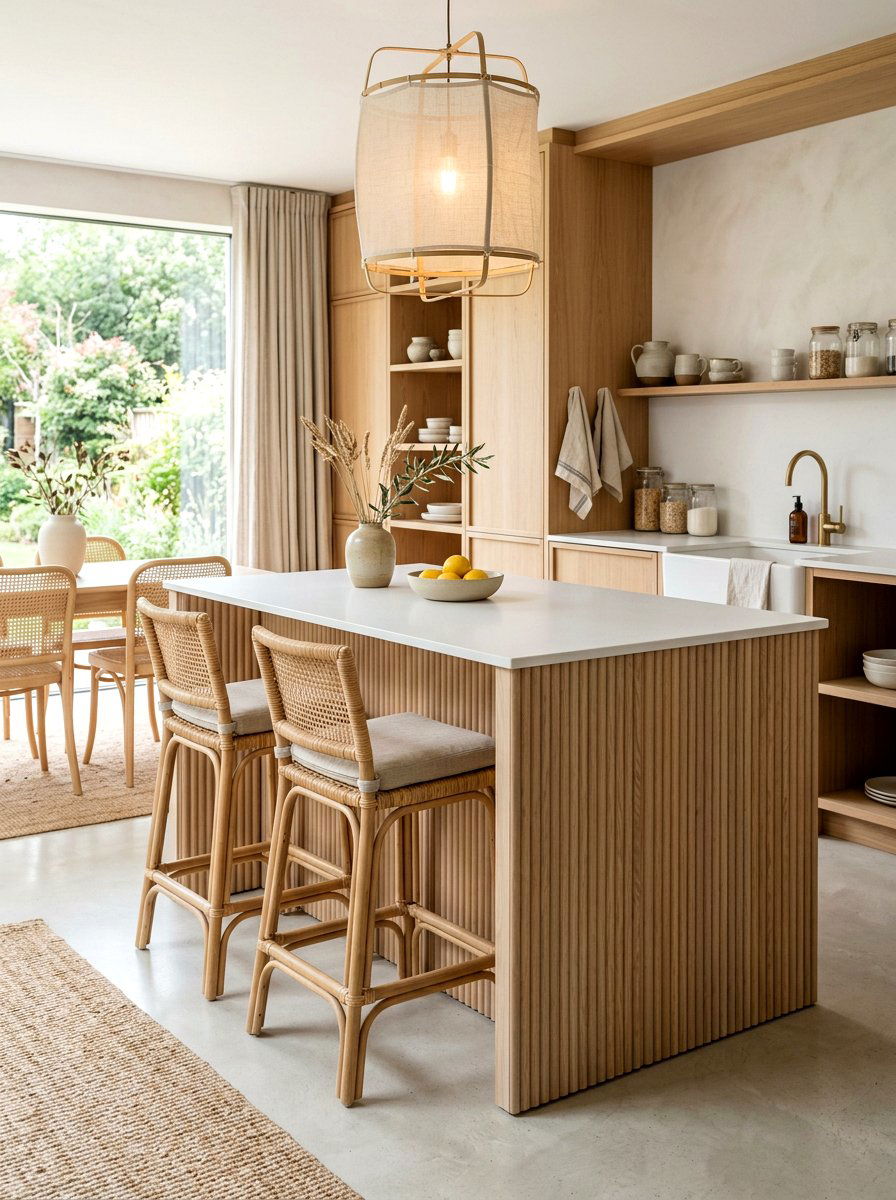
20. Double Reeded Kitchen Island Layout
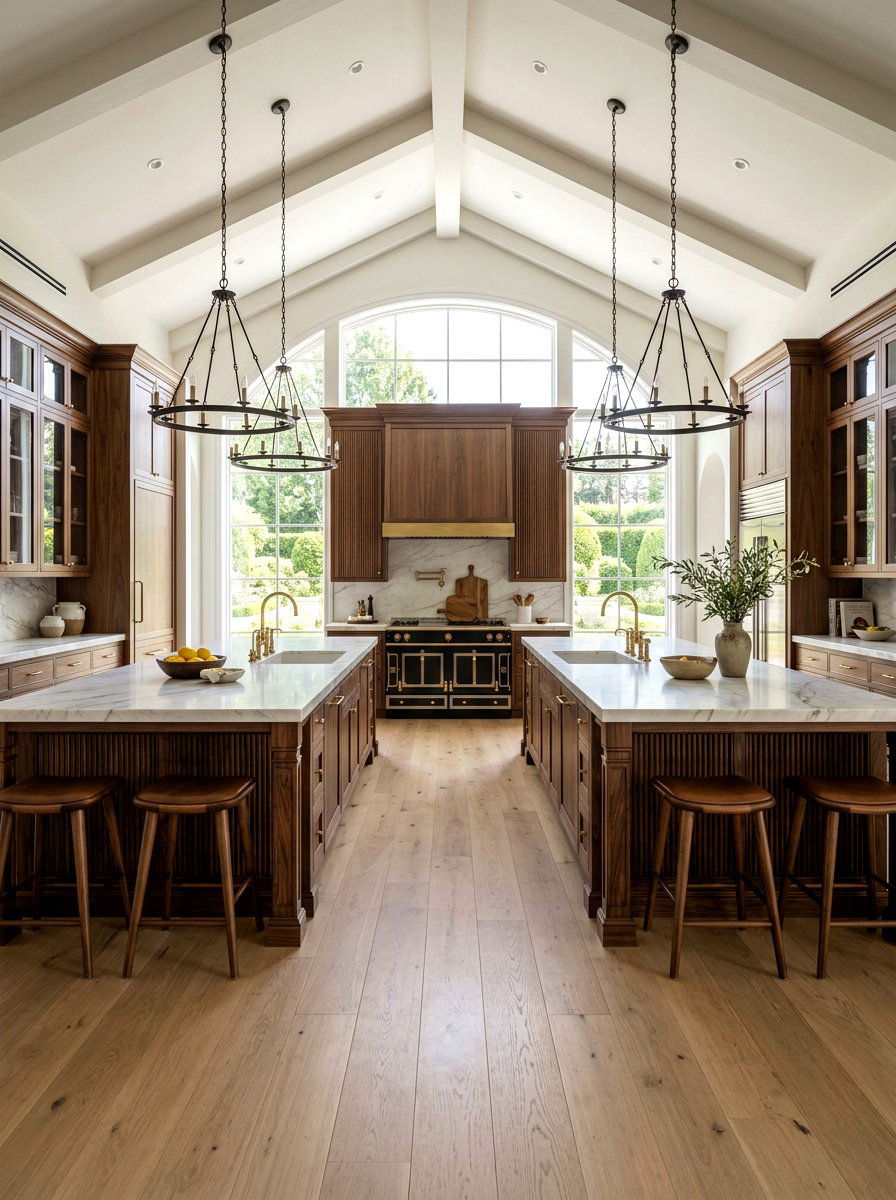
In very large kitchens, a double island layout is becoming increasingly popular, and using reeding on both units can create a stunning sense of symmetry and rhythm. You might choose to have one island dedicated to prep work and the other for dining and socializing. Keeping the reeding consistent across both islands ties the large room together, making it feel cohesive rather than fragmented. Alternatively, you could use reeding on just the "social" island to distinguish it as the more decorative piece. This grand design choice makes a bold statement and is perfect for homeowners who love to entertain and have the space for a massive kitchen.
21. Light Ash Reeded Kitchen Island
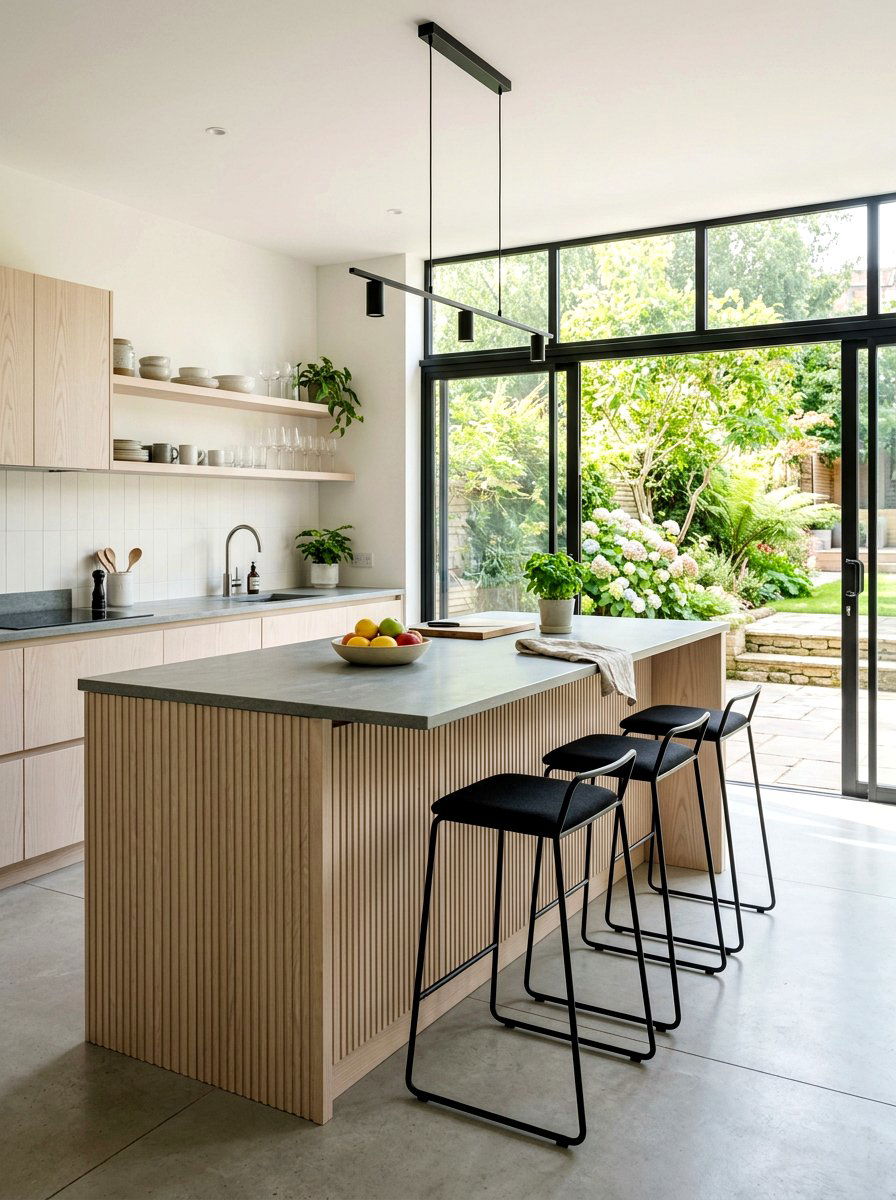
Ash wood is known for its pale, almost white-toned grain, making it an excellent choice for a reeded island in a bright, contemporary home. The fine texture of ash takes well to reeding, creating very sharp and clean lines that look incredibly modern. This wood species is also very durable, making it a practical choice for a hard-working kitchen island. Pair a light ash island with grey stone countertops and black minimalist hardware for a high-contrast look that feels very current. The pale wood brings a sense of serenity and freshness to the space, helping to reflect natural light and make the whole room feel more spacious.
22. Rustic Wood Reeded Kitchen Island
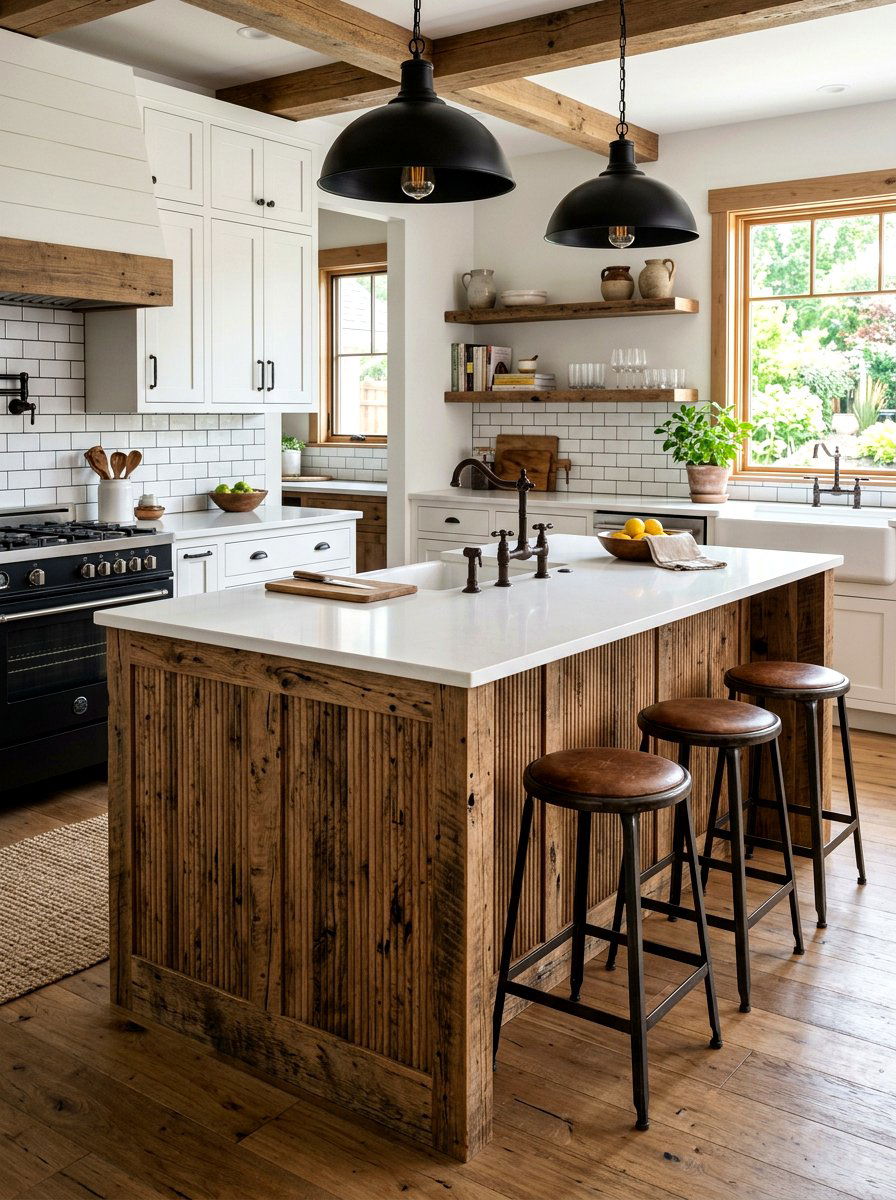
If you love the "modern farmhouse" or "rustic chic" look, consider a reeded island made from reclaimed wood or wood with a more prominent, knotty grain. The precision of the reeding contrasts beautifully with the natural imperfections and history of the wood. This creates a "perfectly imperfect" aesthetic that adds immense character to the home. To keep it looking modern, pair the rustic wood with a very clean, man-made countertop like white Corian or quartz. This balance of old and new ensures the kitchen feels grounded and lived-in but still sophisticated and high-end. It is a great way to add soul to a new construction home.
23. Minimalist Reeded Kitchen Island Detail
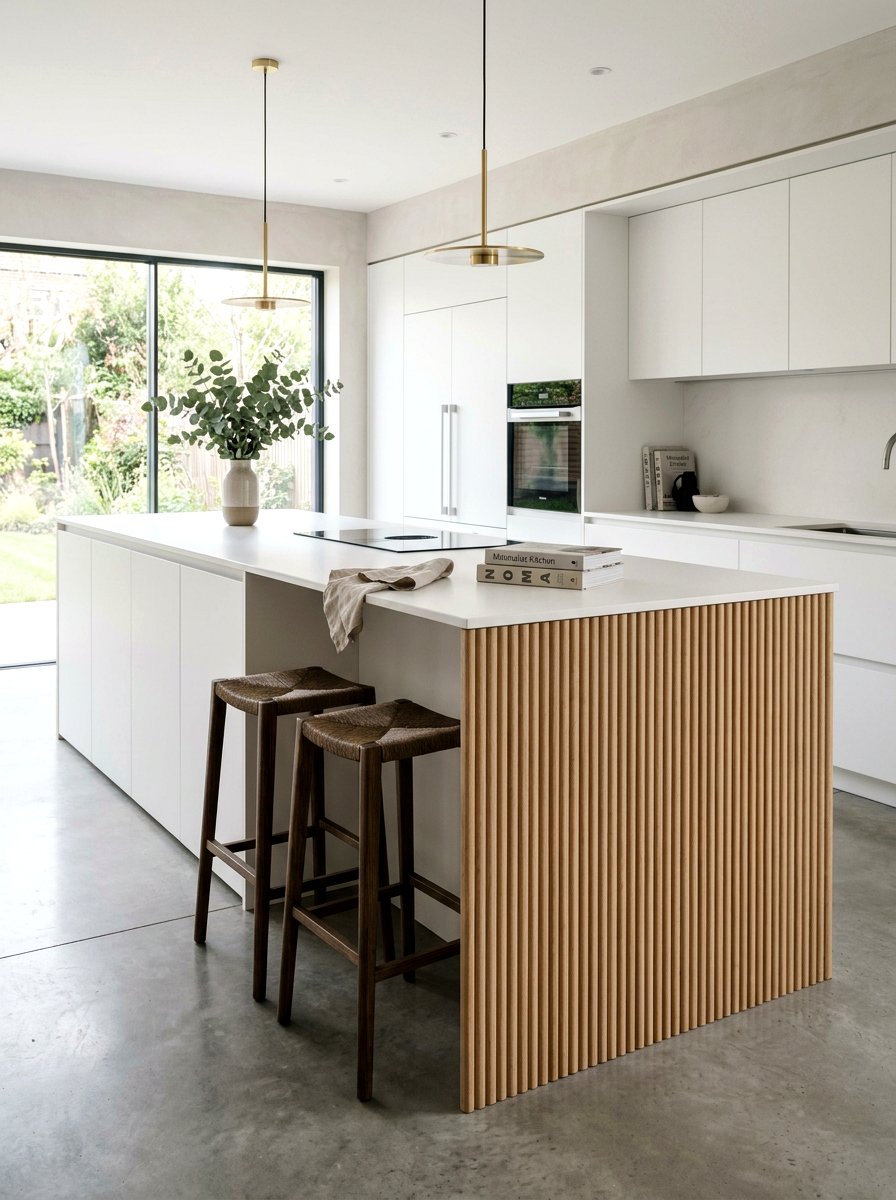
For those who prefer a "less is more" approach, you can incorporate reeding as a subtle detail rather than covering the entire island. For example, you might use reeded panels only on the end caps or as a decorative strip along the top of the cabinetry. This allows you to enjoy the trend without making it the dominant feature of the kitchen. A minimalist reeded detail works best when the rest of the island has very clean, flat-panel surfaces. This creates a deliberate point of interest that draws the eye in for a closer look. It is a sophisticated way to add "hidden" luxury to a very streamlined design.
24. Reeded Glass Kitchen Island Doors
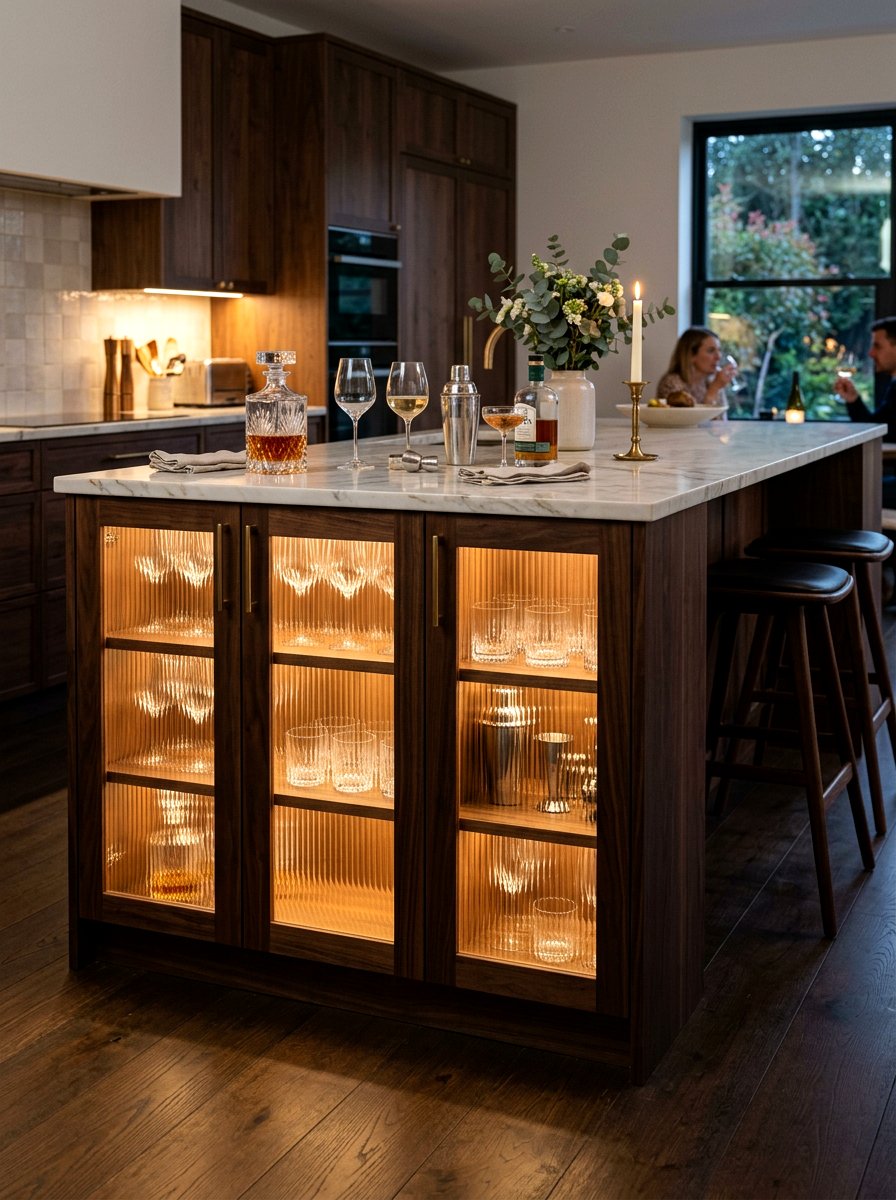
While most people think of reeded wood, reeded glass is another fantastic way to bring this texture into your island design. Using reeded glass inserts on island cabinet doors allows you to display beautiful dishware while blurring the contents just enough to hide any clutter. This is especially useful for islands that face the dining or living area. The vertical lines in the glass complement any reeded wood panels used elsewhere in the kitchen. Adding interior cabinet lighting will make the reeded glass glow, creating a beautiful ambiance in the evening. It’s a classic look that feels both vintage and contemporary at the same time.
25. Terracotta Reeded Kitchen Island Tones
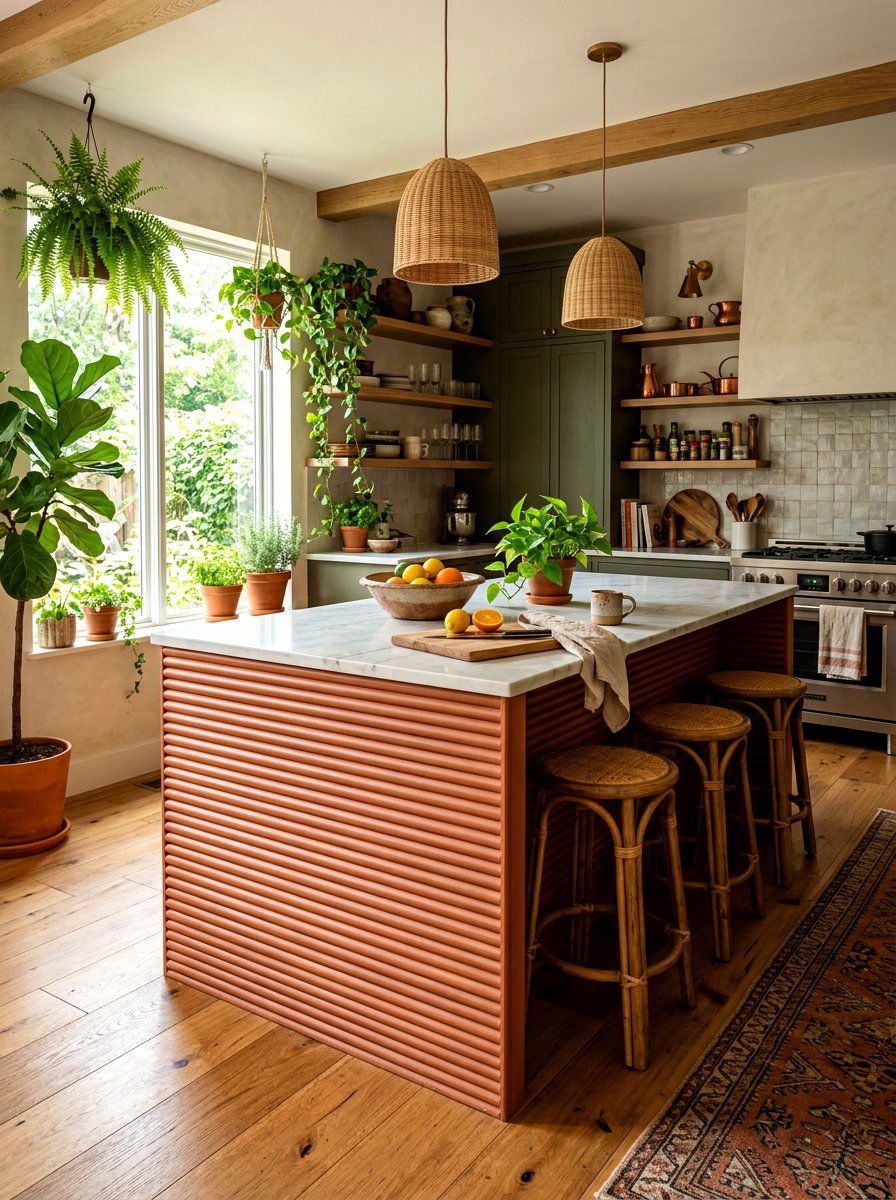
Warm, earthy colors like terracotta and clay are making a big impact in 2025 kitchen design, and they look spectacular on a reeded island. These tones bring a Mediterranean or southwestern warmth to the home that feels very welcoming. The reeded texture adds a layer of artisanal charm to these colors, making the island look like it was handcrafted from clay or fine timber. Pair a terracotta island with cream-colored cabinetry and natural stone floors for a cohesive, sun-drenched palette. This look is perfect for homeowners who want to step away from traditional neutrals and embrace a bolder, more personality-driven color scheme in their kitchen.
26. Butcher Block Reeded Kitchen Island
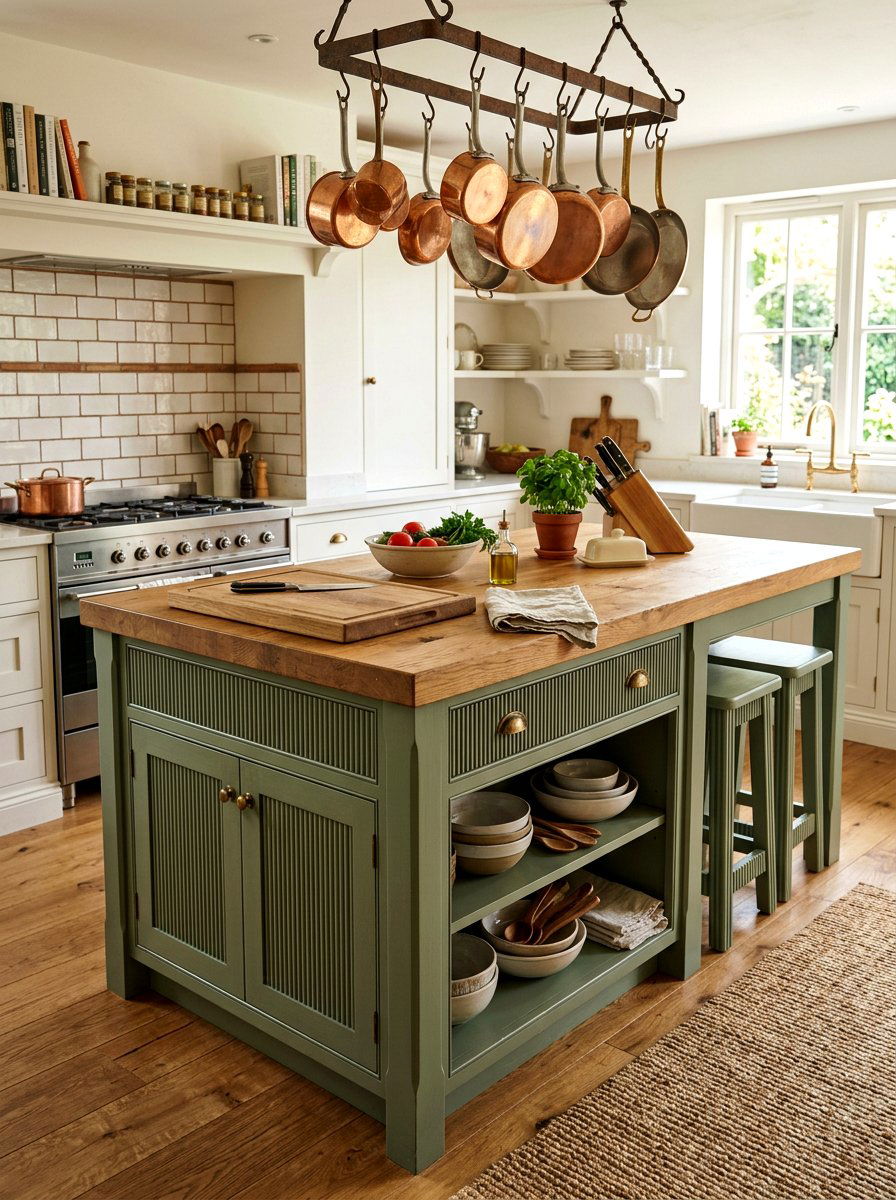
A butcher block countertop adds immediate warmth and utility to a kitchen, and pairing it with a reeded base creates a very tactile and inviting centerpiece. This combination works particularly well in smaller, "chef-focused" kitchens where the island is used heavily for food preparation. The vertical reeding on the base provides a nice counterpoint to the horizontal grain of the wood block on top. To keep the look modern, choose a base color that provides a slight contrast to the wood top, such as a soft navy or a warm grey. This design feels functional, sturdy, and full of classic charm while remaining firmly in the modern era.
27. Industrial Reeded Kitchen Island Metal
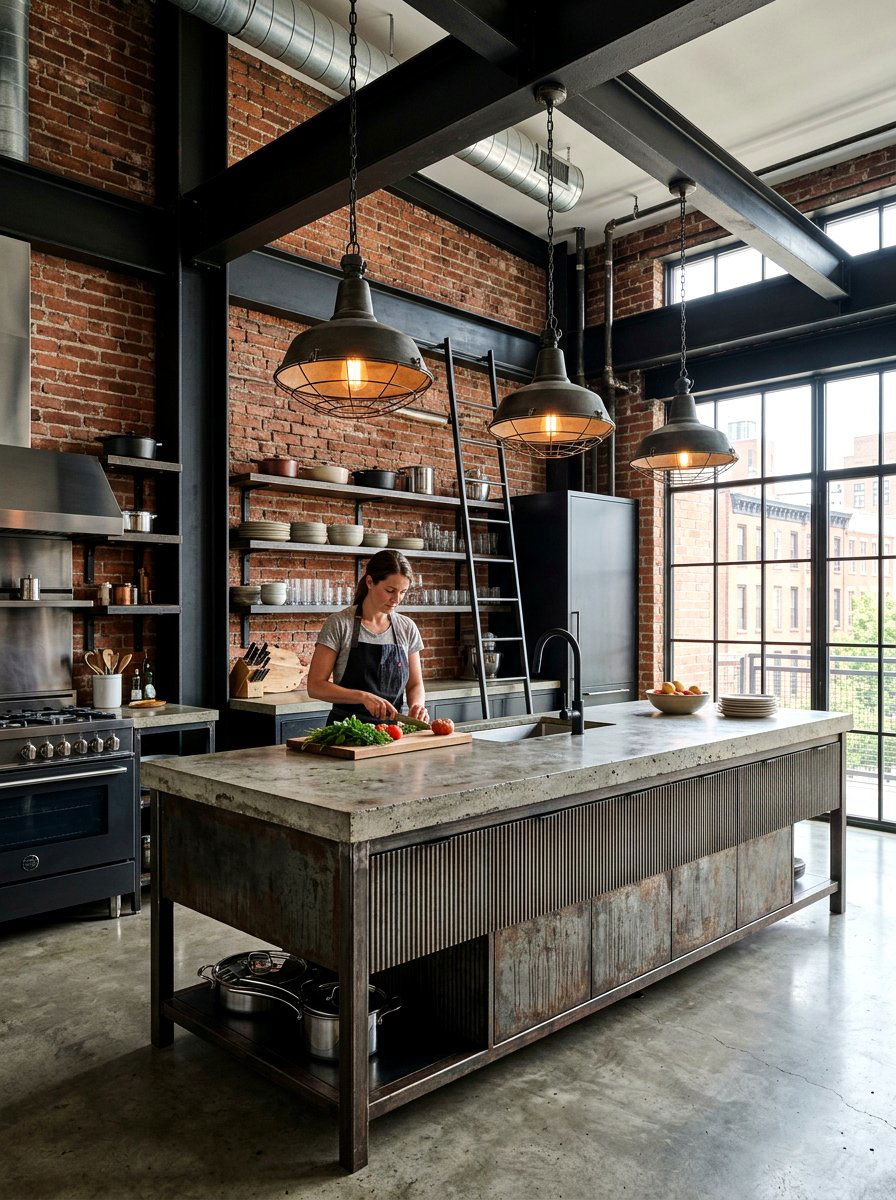
For an edgy, urban look, you can find reeded panels made from metal or finished in a metallic paint that mimics the look of industrial materials. A reeded metal island feels very strong and architectural, making it a perfect fit for a loft or a contemporary industrial-style home. The way light reflects off the metallic ridges creates a high-energy look that is very different from the warmth of wood. Pair this with concrete countertops and exposed brick walls to lean fully into the industrial aesthetic. This is a bold choice for someone who wants a kitchen that feels unique, durable, and slightly unconventional in its material choices.
28. Soft Grey Reeded Kitchen Island
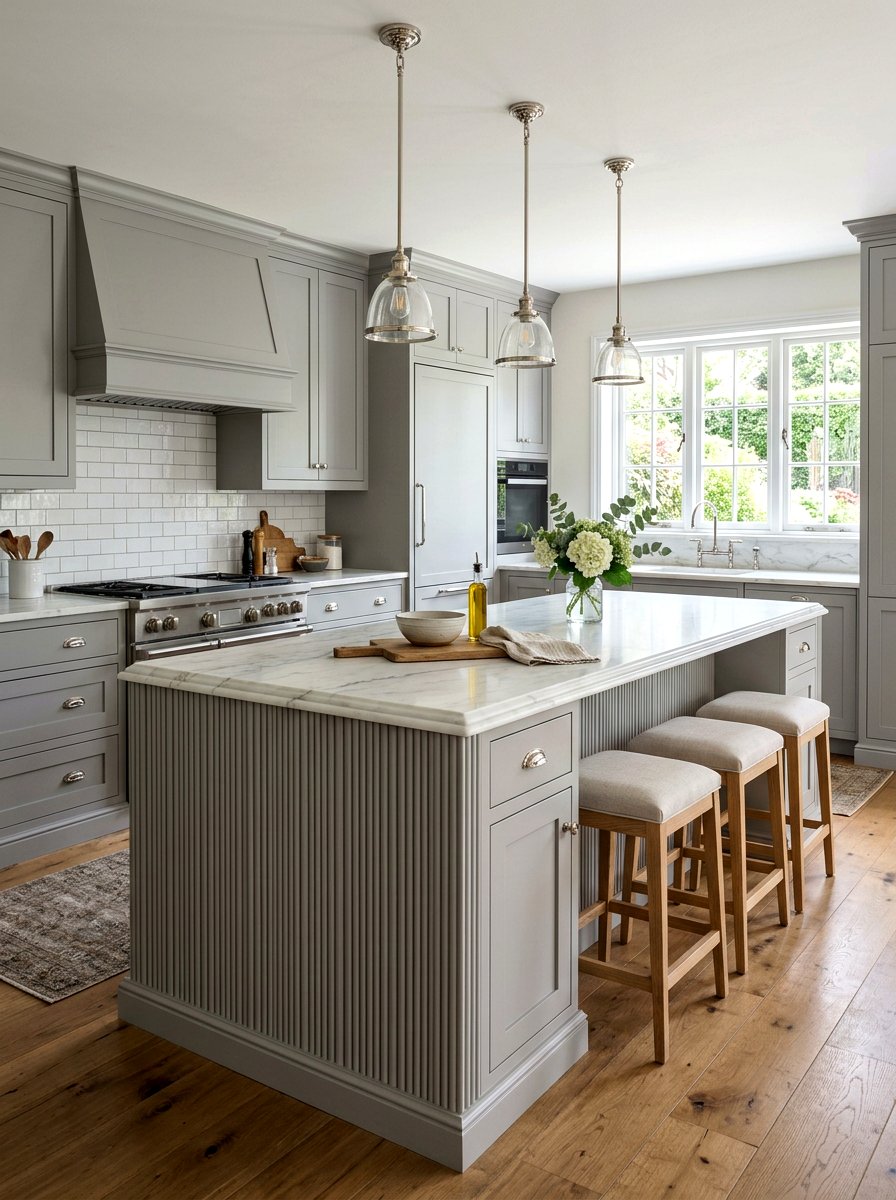
Soft grey is the ultimate "safe" neutral that still feels incredibly chic and updated when combined with reeded texture. A dove grey or "greige" reeded island provides a subtle elegance that doesn't demand attention but rewards those who look closely. This color works beautifully in almost any kitchen environment, from traditional to ultra-modern. The reeding prevents the grey from looking flat or boring, adding the necessary depth to make it feel high-end. Pair this with light marble tops and silver hardware for a cool, sophisticated palette, or use gold hardware to bring out the warmer undertones in a greige-colored reeded base for a more inviting feel.
29. Vertical Reeded Kitchen Island Panels
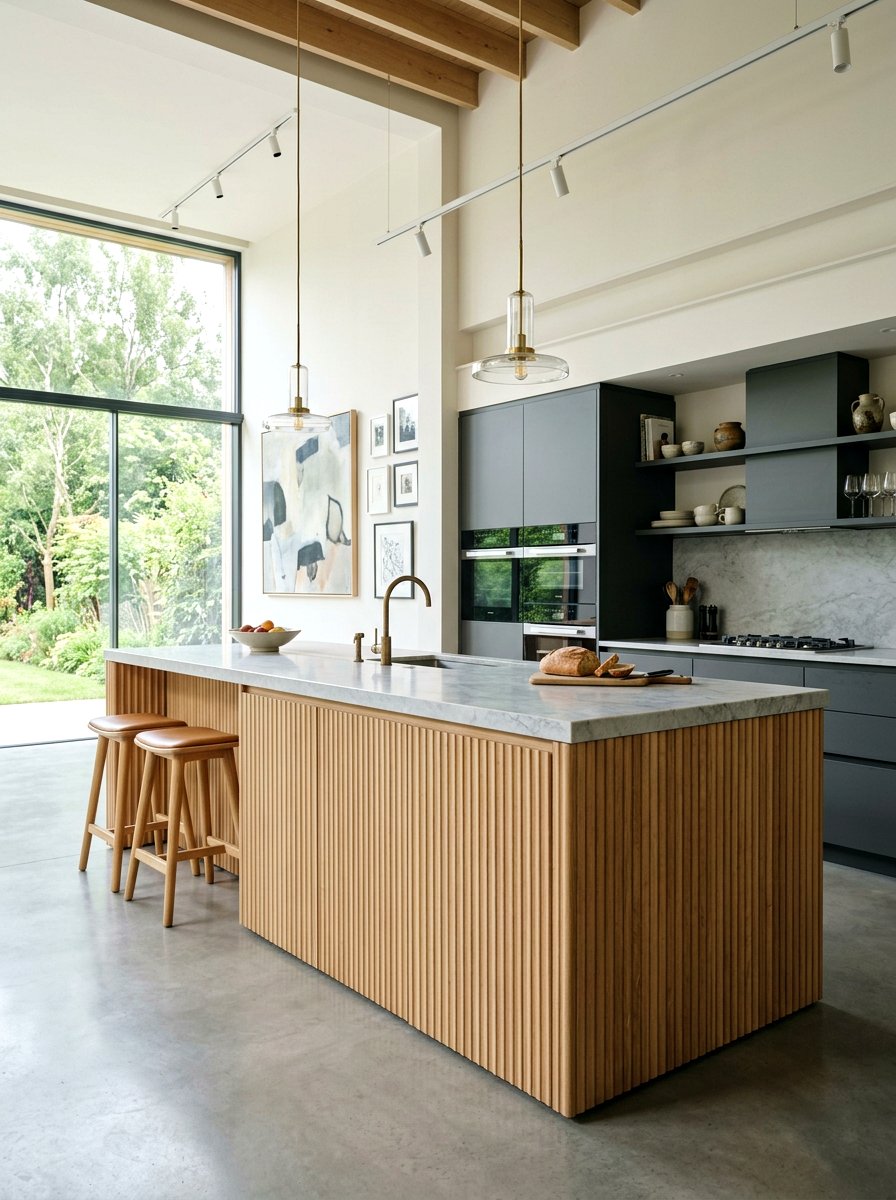
Using full-height reeded panels that run from the floor all the way up to the underside of the countertop is the best way to emphasize the height and presence of your island. This "floor-to-ceiling" approach for the island base creates a very solid, monolithic look that feels architectural and intentional. It eliminates the need for a visible baseboard or toe-kick, which further streamlines the design. This works especially well on large islands where the repetitive pattern can create a sense of rhythm and scale. It is a confident design move that turns the kitchen island into a true piece of stationary sculpture within the open-plan living space.
30. Luxury Reeded Kitchen Island Lighting
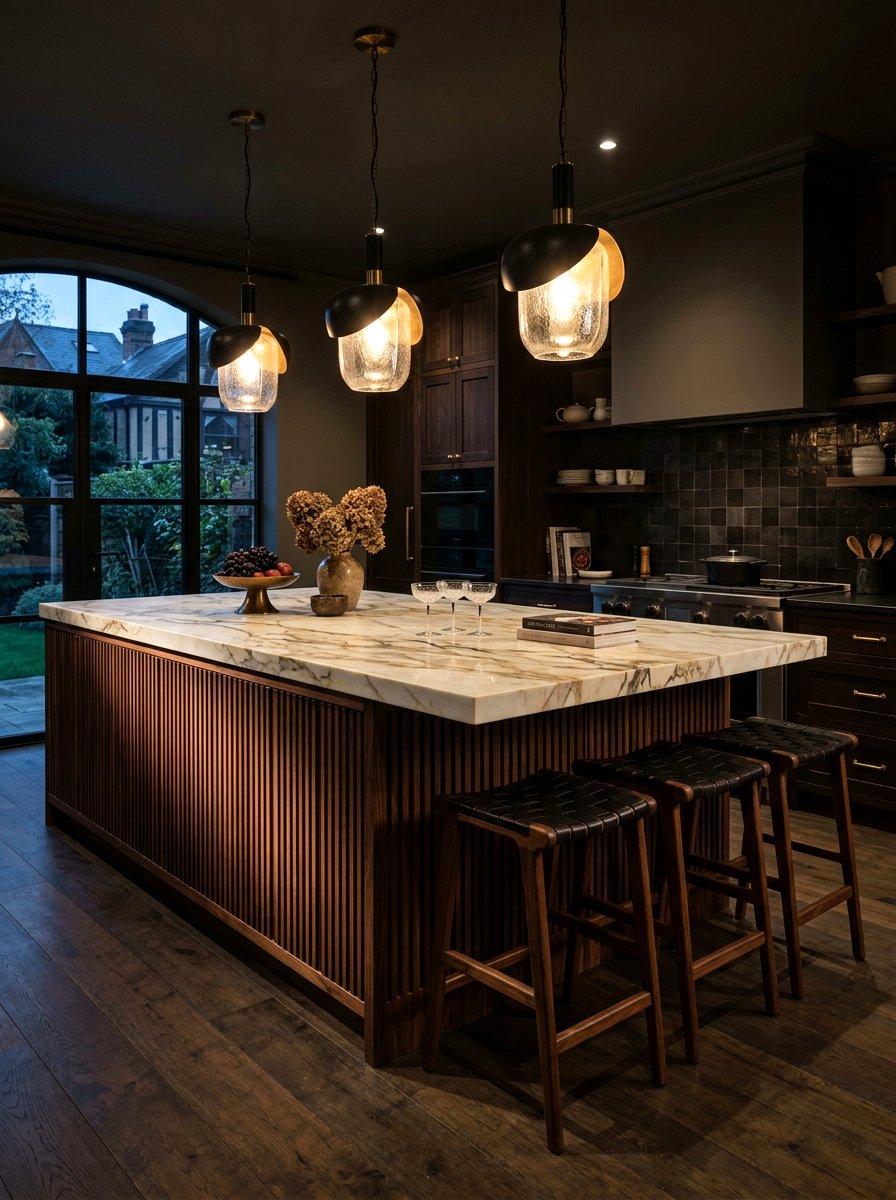
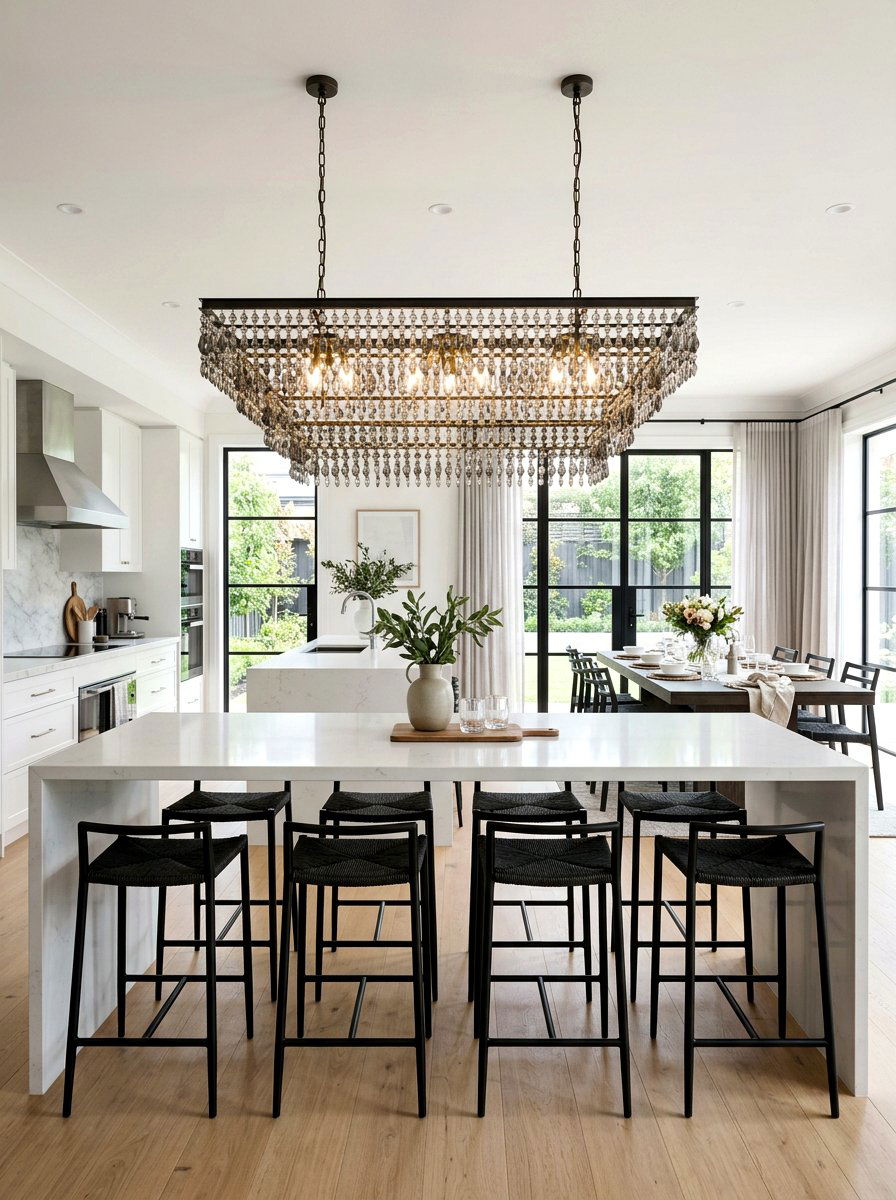
To truly make your reeded kitchen island shine, the lighting you choose is just as important as the texture itself. Large, statement pendant lights hung low over the island will cast light directly onto the reeded surface, highlighting the depth of the grooves and creating a beautiful play of shadows. You can also install LED tape lighting under the lip of the countertop, which will graze the top of the reeding and emphasize the texture even when the overhead lights are dimmed. Proper lighting turns the reeded island into a dramatic feature at night, making the kitchen feel like a high-end lounge or a boutique hotel space.
Conclusion:
Choosing a reeded kitchen island is an excellent way to introduce texture, movement, and a sense of luxury into your home. This versatile design element bridges the gap between traditional craftsmanship and modern minimalism, ensuring your kitchen feels both current and timeless. Whether you opt for the organic warmth of walnut, the dramatic impact of black fluted panels, or the soft elegance of curved edges, the tactile nature of reeding will elevate your space. By carefully considering materials, colors, and lighting, you can create a centerpiece that not only serves your daily needs but also stands as a stunning architectural statement.

Related posts: