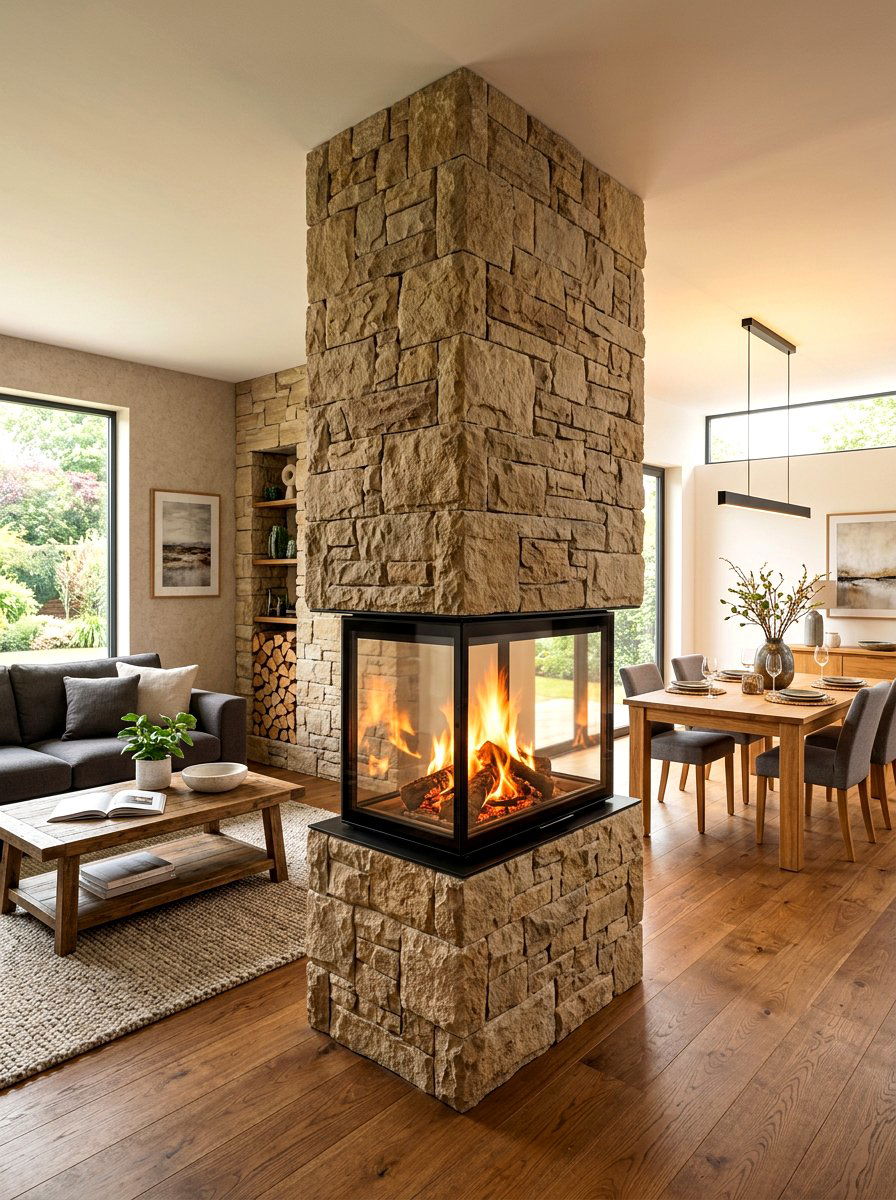
Creating a restorative living room is about more than just picking out a pretty sofa; it is about crafting a sanctuary that actively supports your mental and physical well-being. In our fast-paced world, the home should act as a personal reset zone where the nervous system can truly decompress. By intentionally integrating elements of nature, soft textures, and thoughtful lighting, you can transform a standard lounge into a healing ecosystem. This approach shifts the focus from purely aesthetic trends to a deeper, more functional design philosophy. Whether you are dealing with daily stress or simply seeking a quiet place to reflect, these thirty concepts provide practical ways to build a space that nurtures your spirit and restores your energy every single day.
1. Neutral color living room
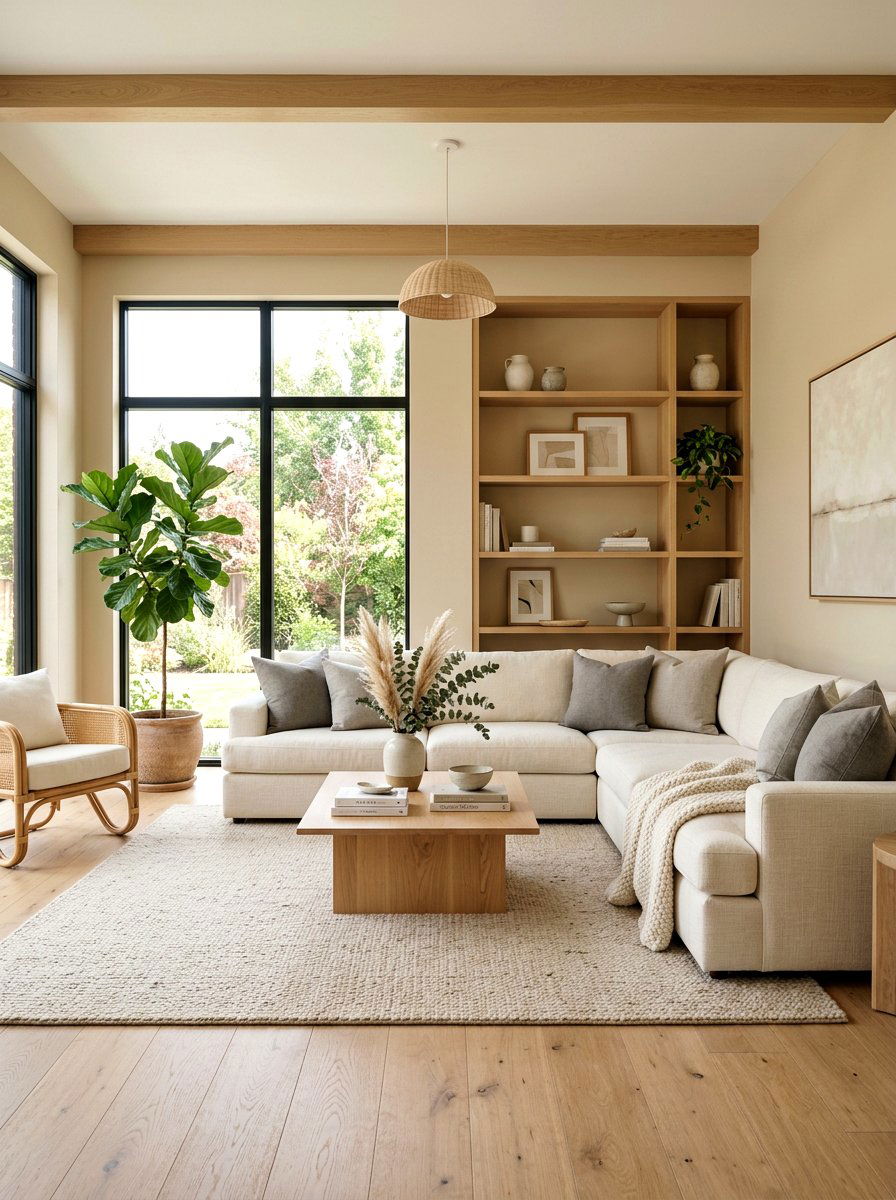
Starting with a neutral color living room creates a serene foundation that immediately lowers visual noise. When you use shades of beige, cream, and soft taupe, you provide the eyes with a place to rest without being overstimulated by high-contrast patterns. These muted tones mimic the calming palettes found in nature, like sandy beaches or limestone cliffs. By keeping the walls and large furniture pieces in a cohesive neutral family, the entire space feels more expansive and airy. This lack of visual clutter allows you to focus on relaxation rather than being distracted by bold, energetic colors. It is a timeless approach that consistently promotes a sense of peace and quiet sophistication in any home environment.
2. Biophilic living room
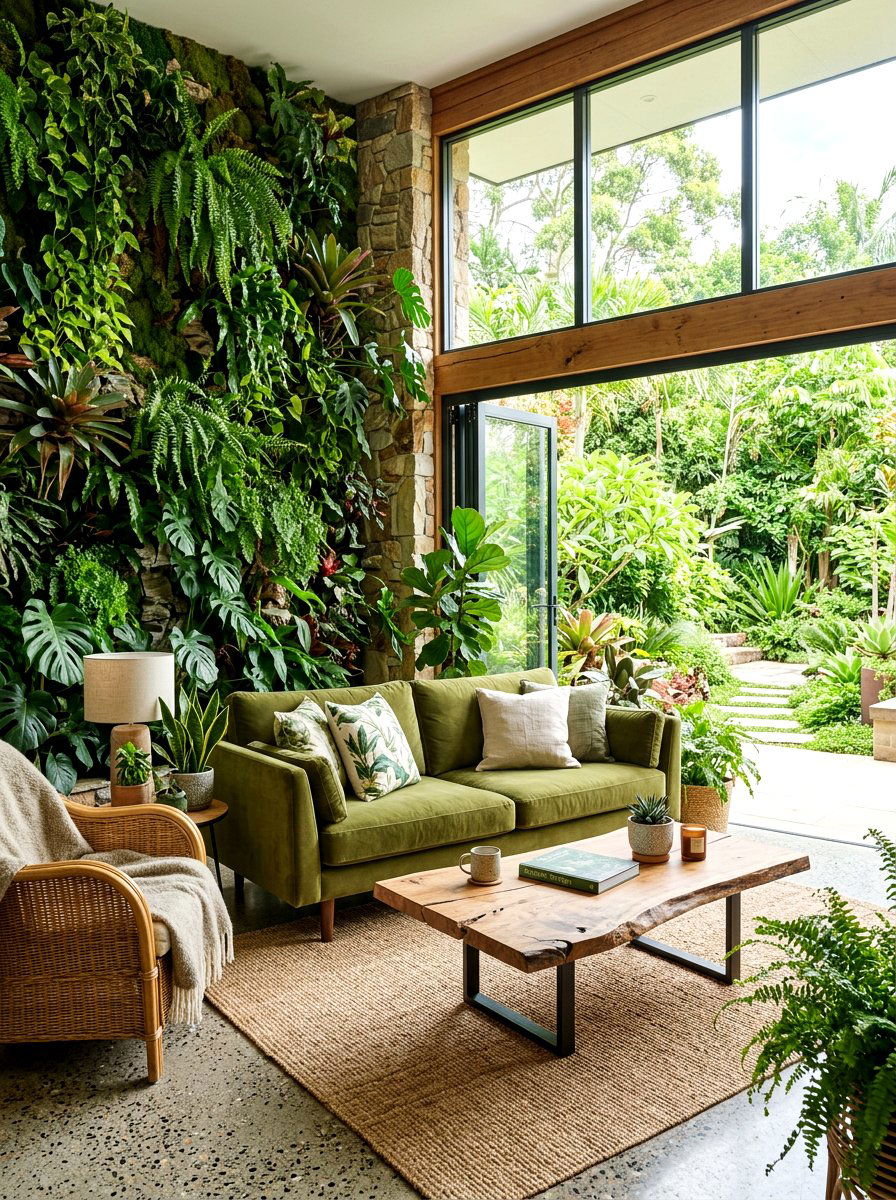
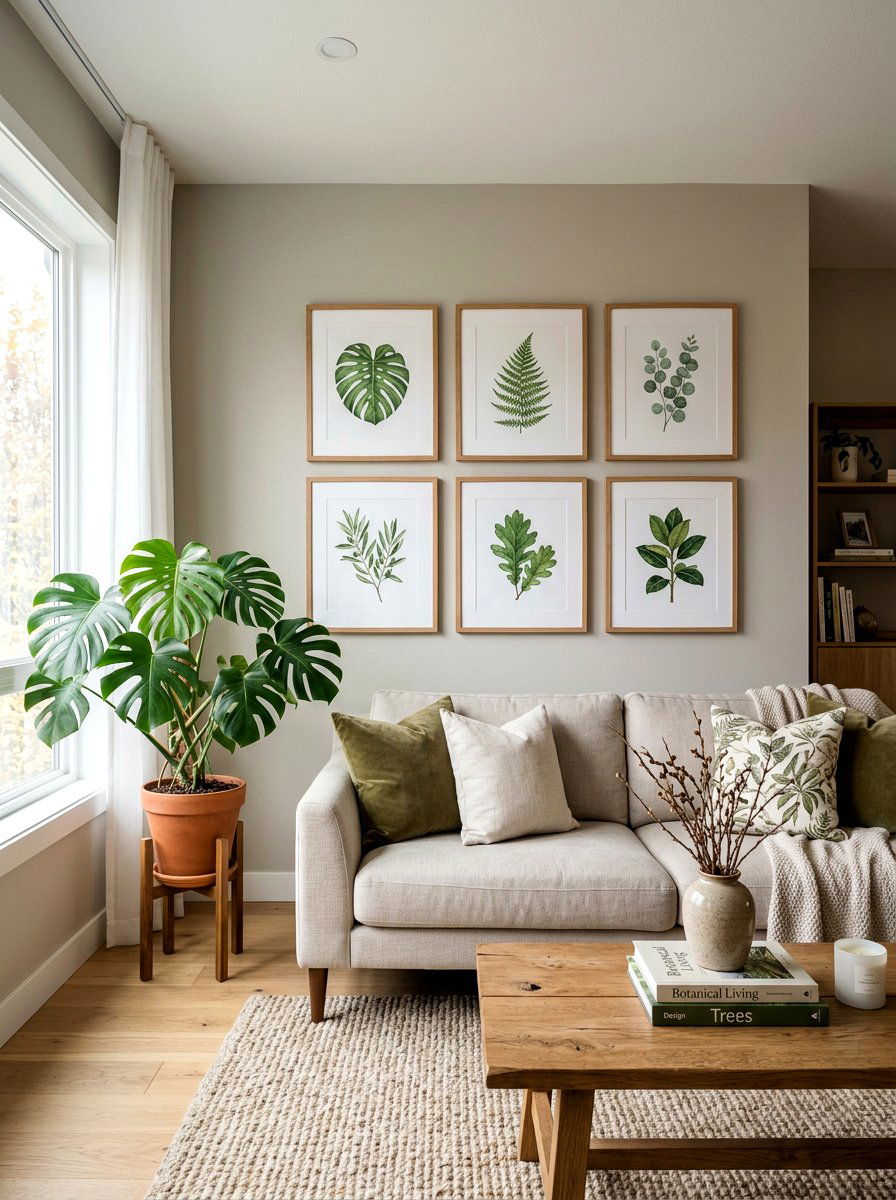
A biophilic living room focuses on the innate human connection to the natural world to improve emotional health. This design style goes beyond just adding a few pots; it integrates organic shapes, natural materials, and views of greenery into the very fabric of the space. By bringing the outside in, you can lower cortisol levels and boost your overall mood. Consider using raw timber, stone accents, and plenty of foliage to create a lush, breathing environment. These elements work together to purify the air and provide a sensory richness that synthetic materials simply cannot replicate. Living in a space that reflects the outdoors helps ground you, making your daily life feel more balanced and harmonious.
3. Sunlight filled living room
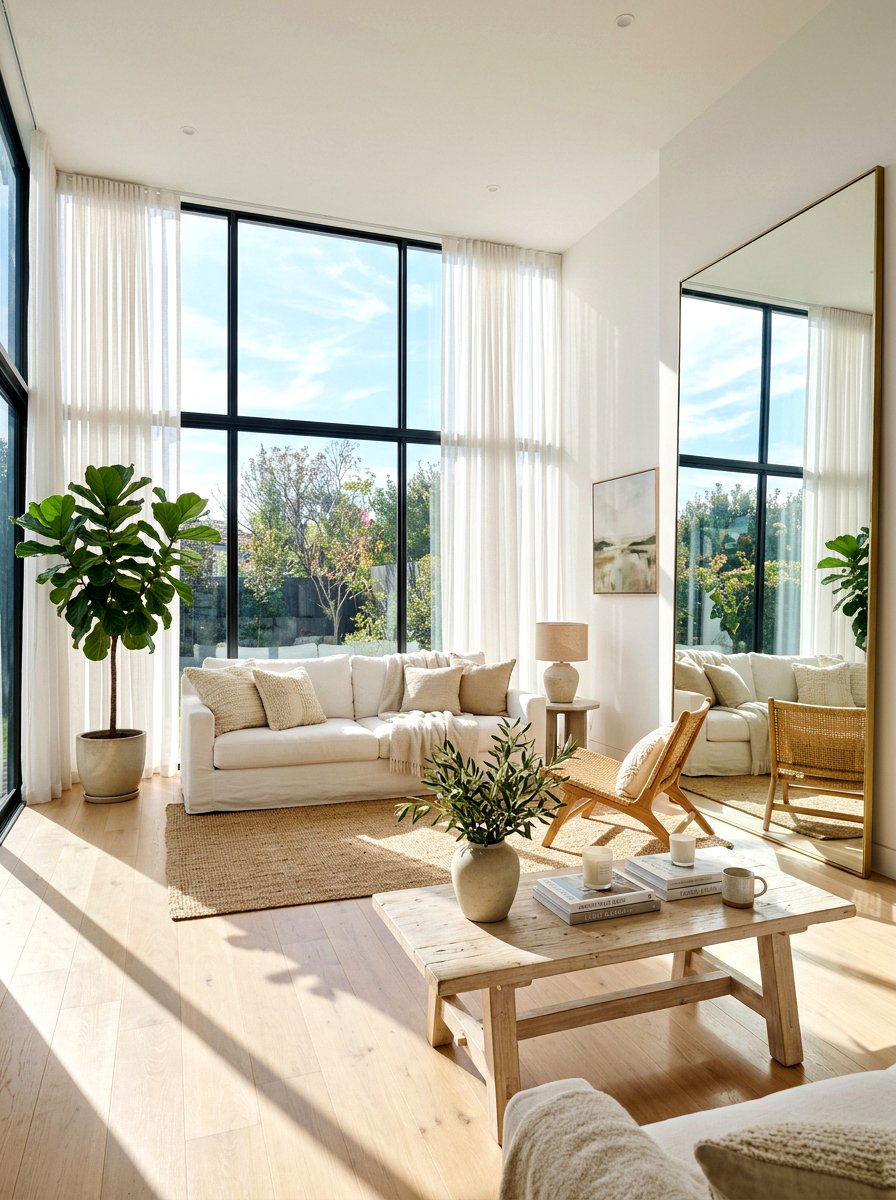
Maximizing natural light is essential for a sunlight filled living room because it regulates your internal circadian rhythm. When a space is flooded with morning and afternoon sun, it boosts serotonin levels and improves your sleep-wake cycle. You can achieve this by using sheer window treatments or removing heavy drapes entirely to let the light permeate every corner. Strategically placing mirrors opposite windows can also bounce light into darker areas, making the room feel larger and more vibrant. Sunlight creates a dynamic environment that changes throughout the day, providing a natural connection to time and the seasons. This brightness makes the living area feel inviting and energized, which is vital for a restorative home atmosphere.
4. Curved furniture living room
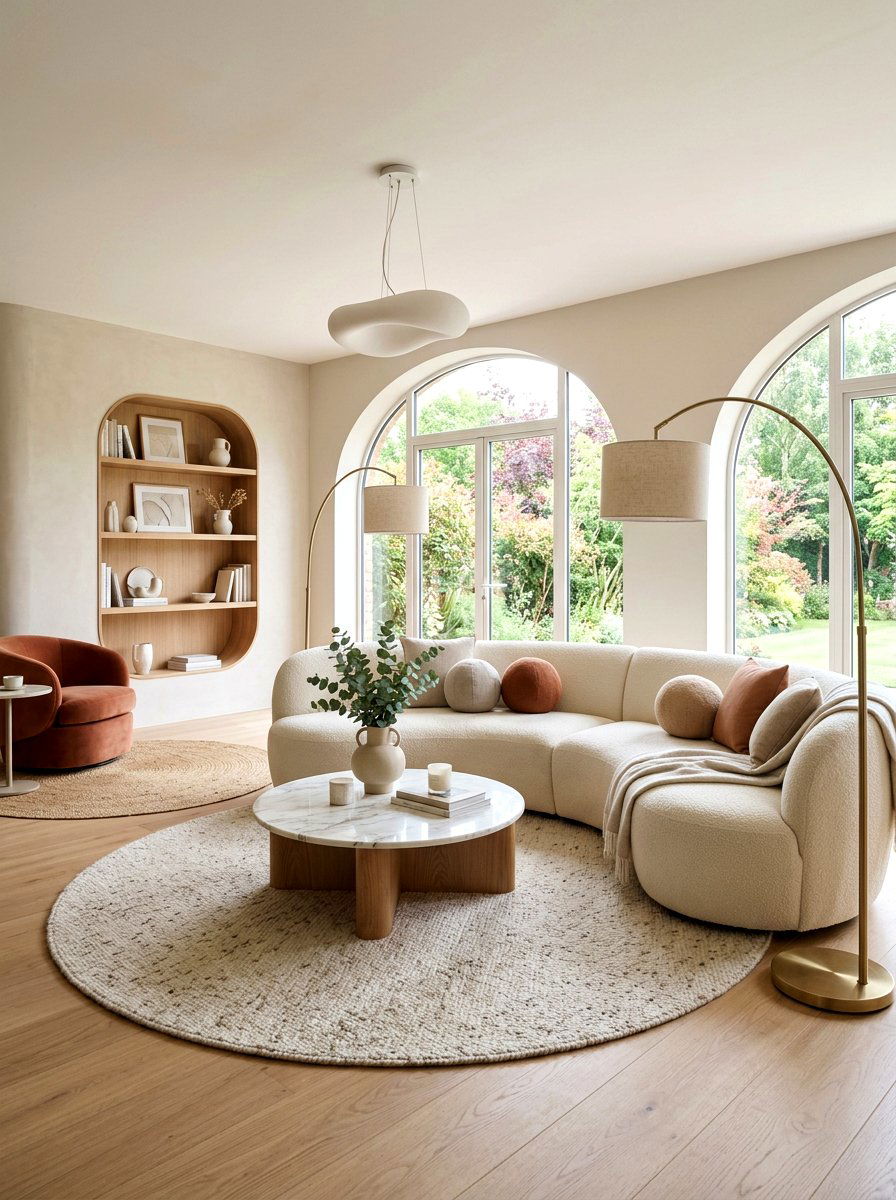
A curved furniture living room moves away from harsh, angular lines to create a sense of safety and flow. In nature, straight lines are rare, so rounded sofas and circular coffee tables feel more organic and approachable to the human mind. These soft silhouettes encourage a more relaxed posture and a gentle visual journey across the room. When the eye encounters curves instead of sharp edges, the brain perceives less threat, which helps the body enter a state of calm. Mixing a crescent-shaped sofa with round ottomans can transform a rigid space into a cozy cocoon. This fluid design style promotes better social interaction and a more comfortable, lived-in feel that truly supports daily restoration.
5. Soft texture living room
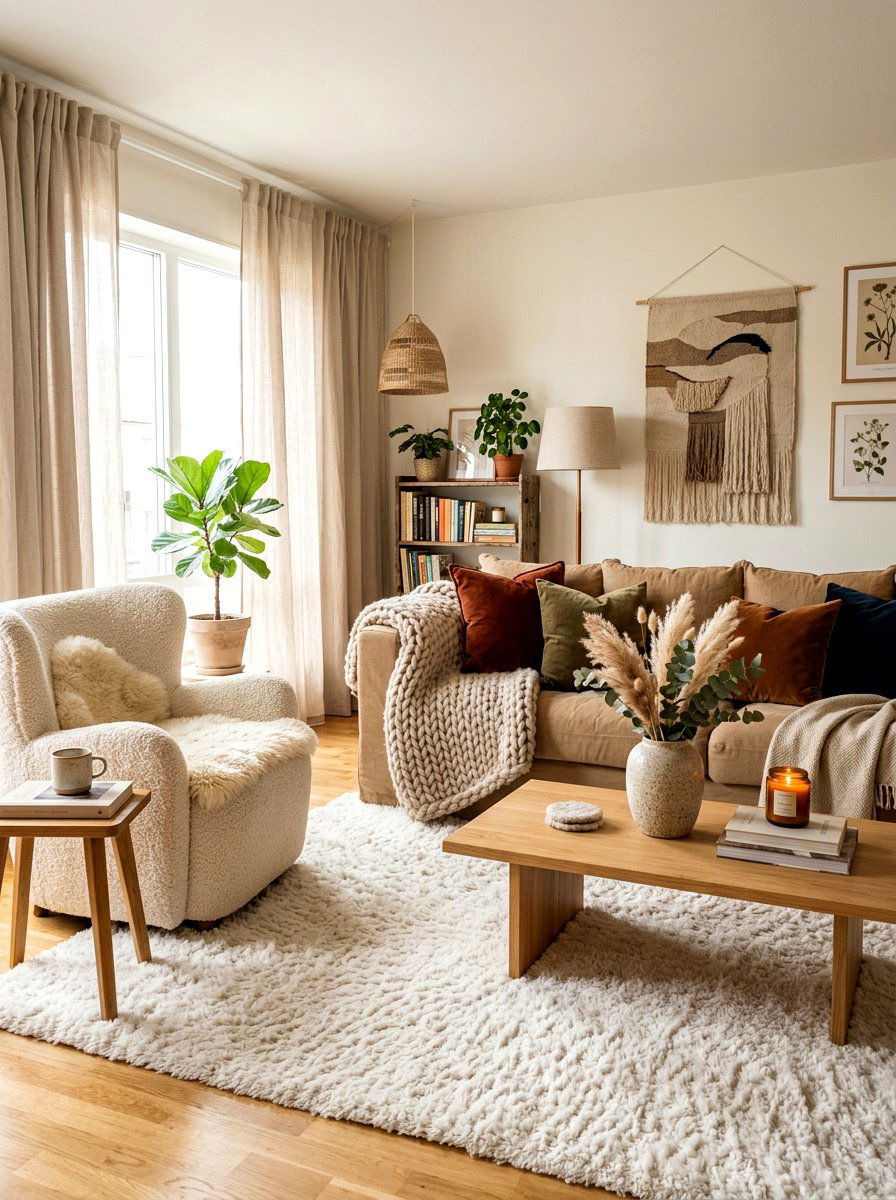
Developing a soft texture living room is all about engaging the sense of touch to provide comfort. By layering materials like chunky knit throws, velvet cushions, and high-pile rugs, you create a tactile environment that feels like a warm hug. These varied surfaces add depth to the room and help absorb sound, reducing echo and creating a quieter sanctuary. Soft fabrics encourage you to slow down and sink into your surroundings, which is a key component of restorative living. Choosing natural fibers like wool, linen, and cotton ensures that the materials are breathable and skin-friendly. This focus on physical comfort directly translates to emotional ease, making your living room a true refuge from the world.
6. Minimalist living room
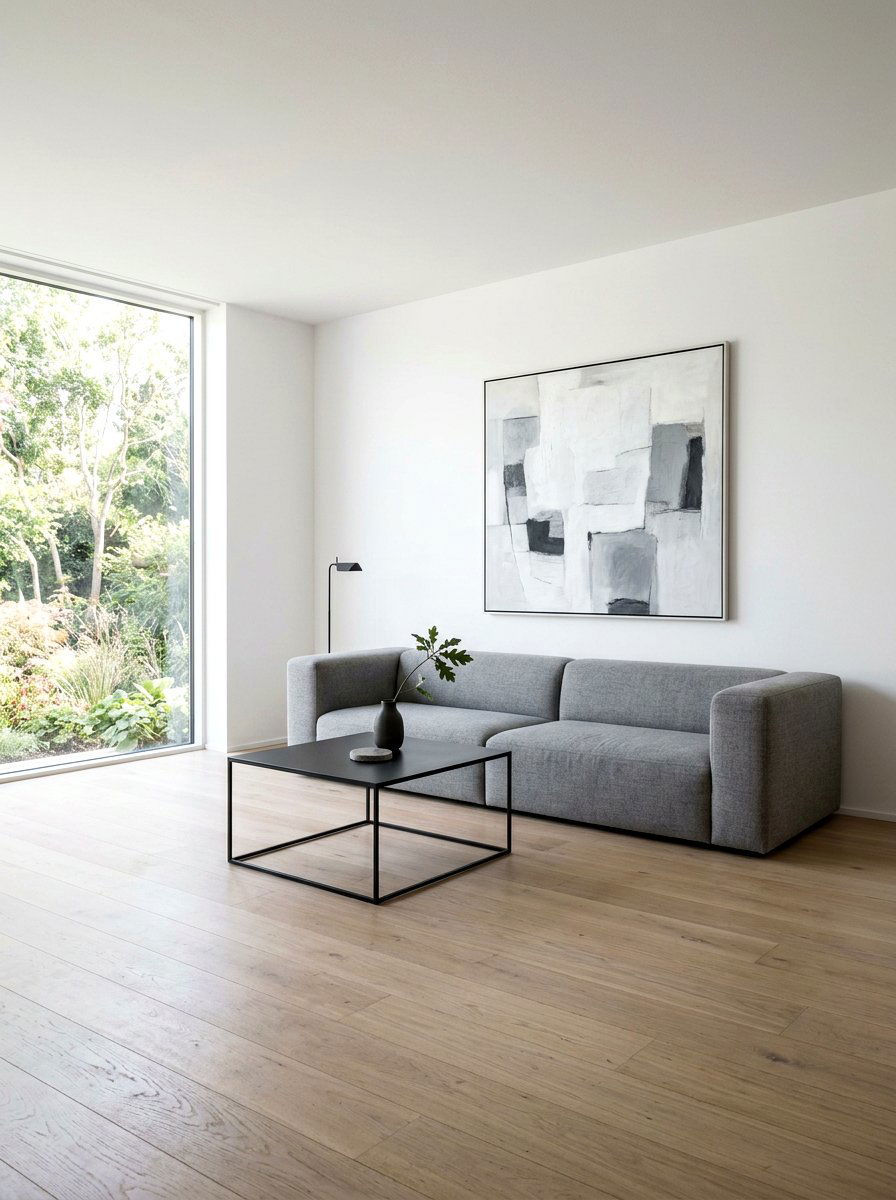
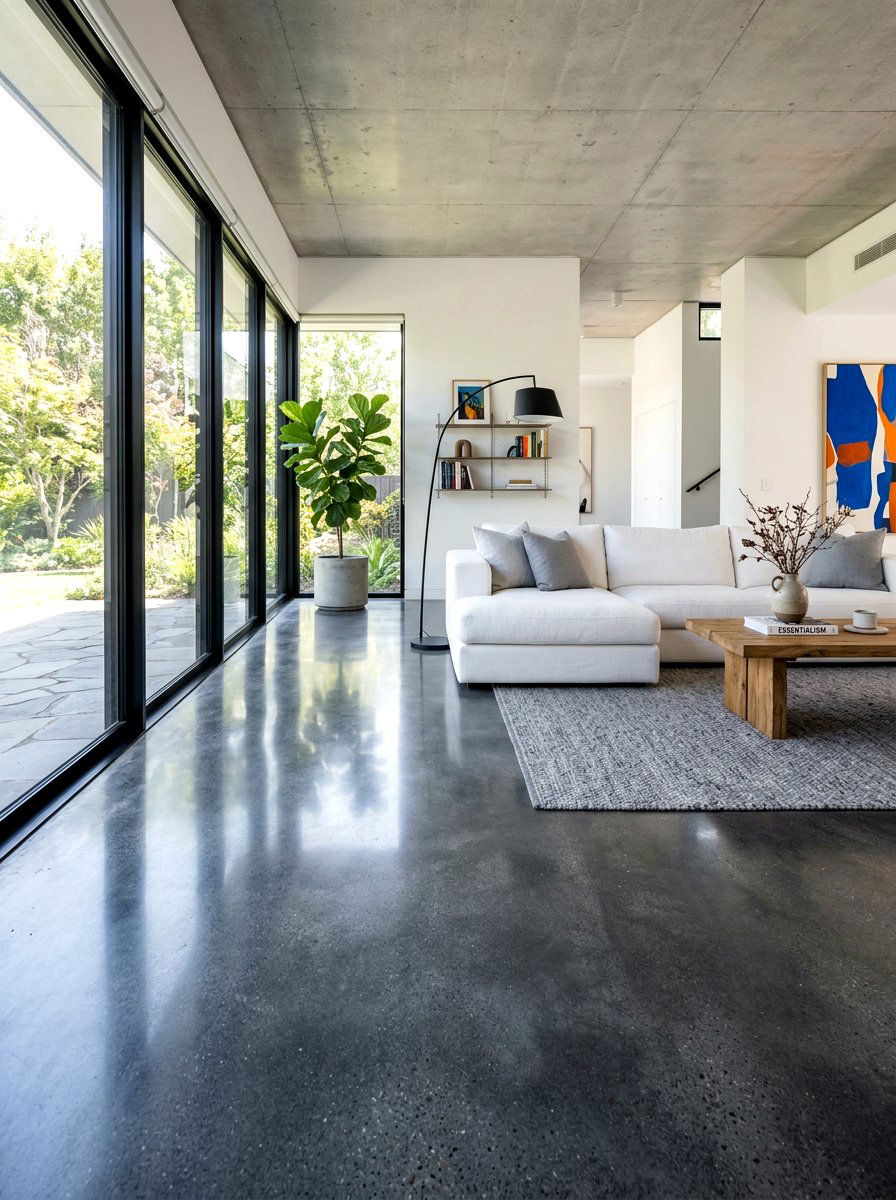
A minimalist living room prioritizes "less is more" to reduce the mental burden of managing too many possessions. When every item in the room has a specific purpose or brings genuine joy, the space becomes a clear canvas for your thoughts. This design approach eliminates the visual noise that can lead to feelings of overwhelm and anxiety. By focusing on high-quality pieces and open space, you allow for better movement and a sense of freedom. Minimalist environments often use a restrained color palette and simple layouts to foster a meditative quality. This intentional simplicity helps you detach from the chaos of modern life, providing a clean and quiet setting where your mind can finally find peace.
7. Indoor plant living room
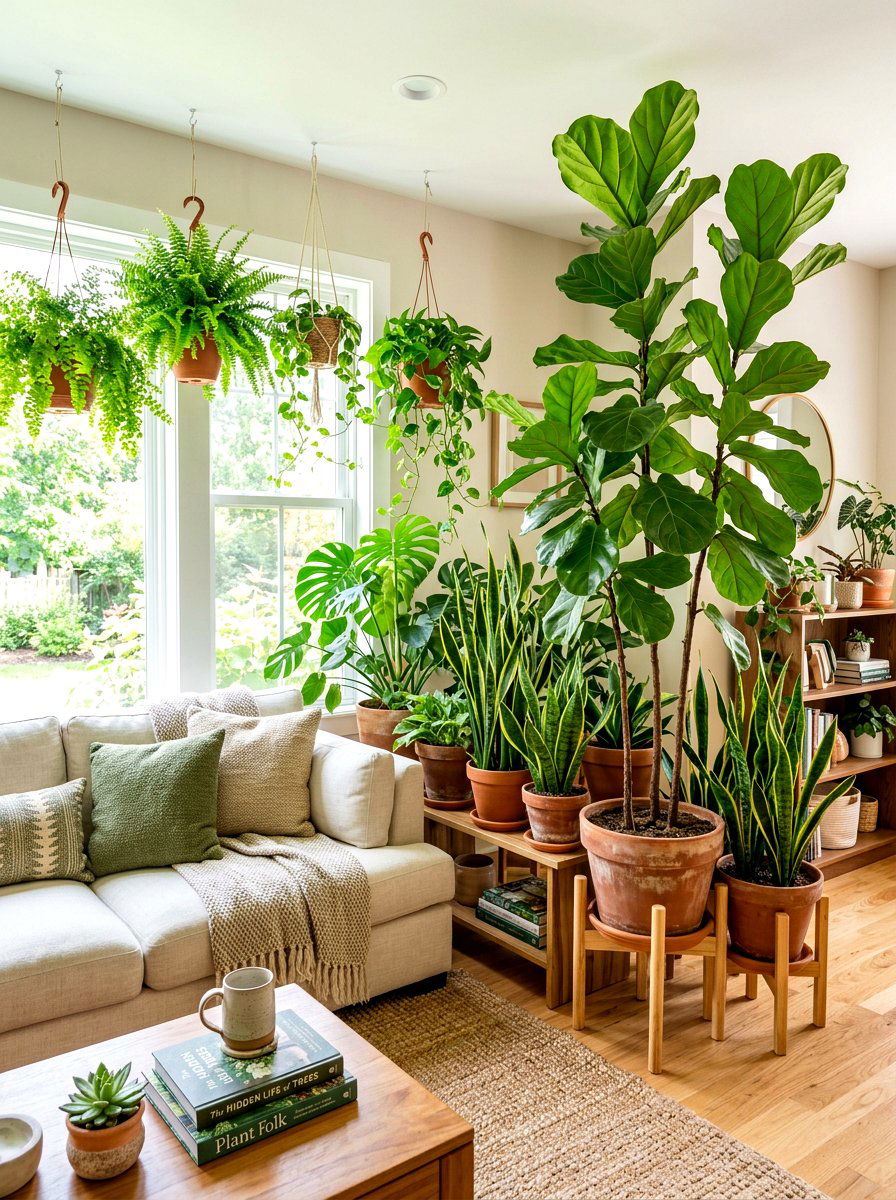
Creating an indoor plant living room is one of the most effective ways to purify your air and boost your mood. Plants like the fiddle leaf fig, snake plant, or trailing ivy bring vibrant life into an interior space. These living organisms provide a visual connection to nature that has been proven to lower heart rates and improve concentration. Instead of scattering small pots everywhere, consider grouping plants in clusters to mimic a natural forest floor or a tropical garden. This layering of greenery creates a lush backdrop that feels protective and revitalizing. The act of caring for plants also provides a mindful routine that can be incredibly grounding, making the living room a sanctuary for growth.
8. Warm lighting living room
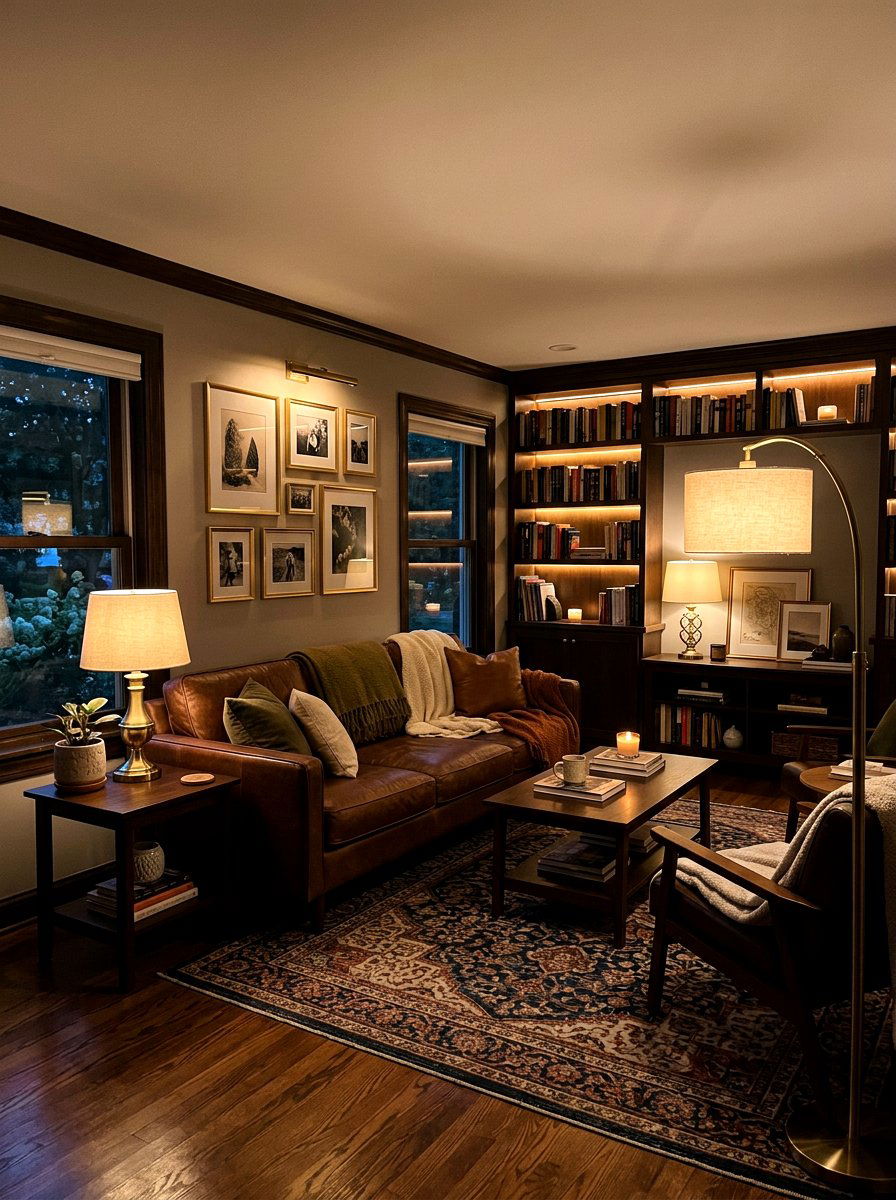
A warm lighting living room uses multiple light sources to create a cozy and inviting ambiance. Instead of relying on a single overhead fixture, try layering floor lamps, table lamps, and wall sconces with warm-toned bulbs. This approach allows you to control the mood and eliminate harsh shadows that can feel clinical. Soft, indirect light mimics the gentle glow of a sunset or a fireplace, which signals to your body that it is time to relax. Using dimmable switches gives you the flexibility to adjust the brightness based on the time of day or your current activity. This thoughtful lighting design transforms the atmosphere, making the living room feel intimate, secure, and perfectly suited for evening decompression.
9. Natural wood living room
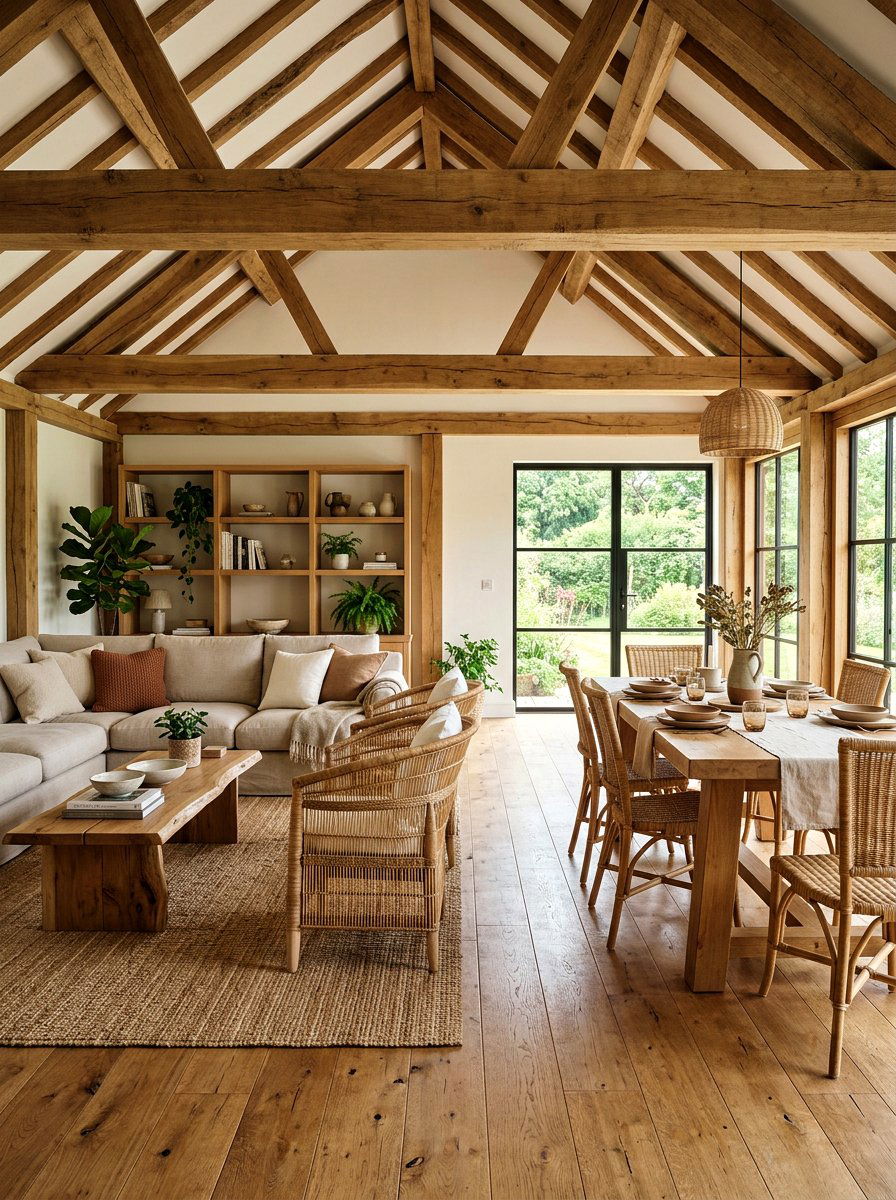
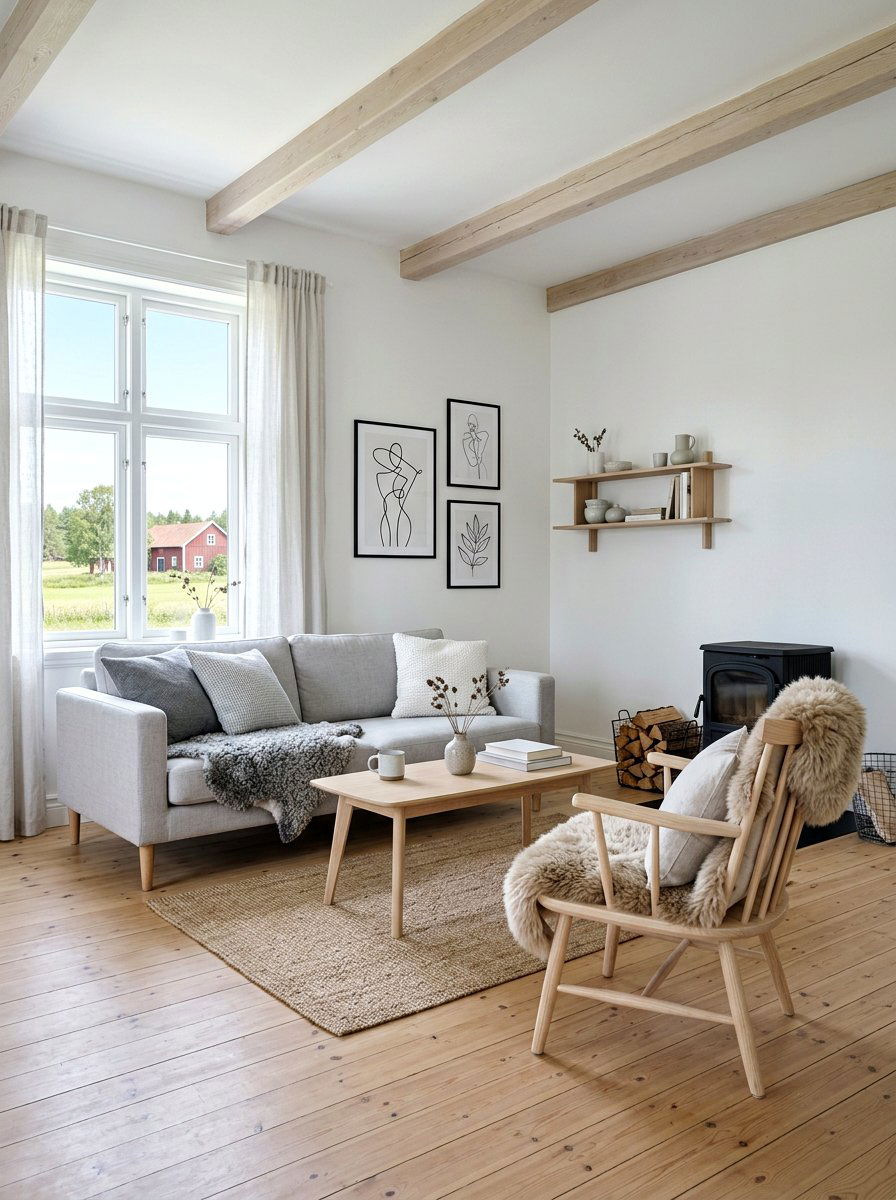
Integrating a natural wood living room brings an earthy, grounded quality to your home that feels both sturdy and warm. Whether it is a reclaimed timber coffee table, exposed ceiling beams, or oak flooring, wood provides a rich texture that synthetic materials lack. The unique grain patterns and varied tones of wood create a sense of history and authenticity. In restorative design, wood is highly valued for its ability to lower stress levels through visual and tactile association with the forest. Keeping the wood finish matte or lightly oiled preserves its natural beauty and keeps the space feeling modern and breathable. This material choice anchors the room, providing a solid foundation for a peaceful and healthy lifestyle.
10. Cozy reading nook living room
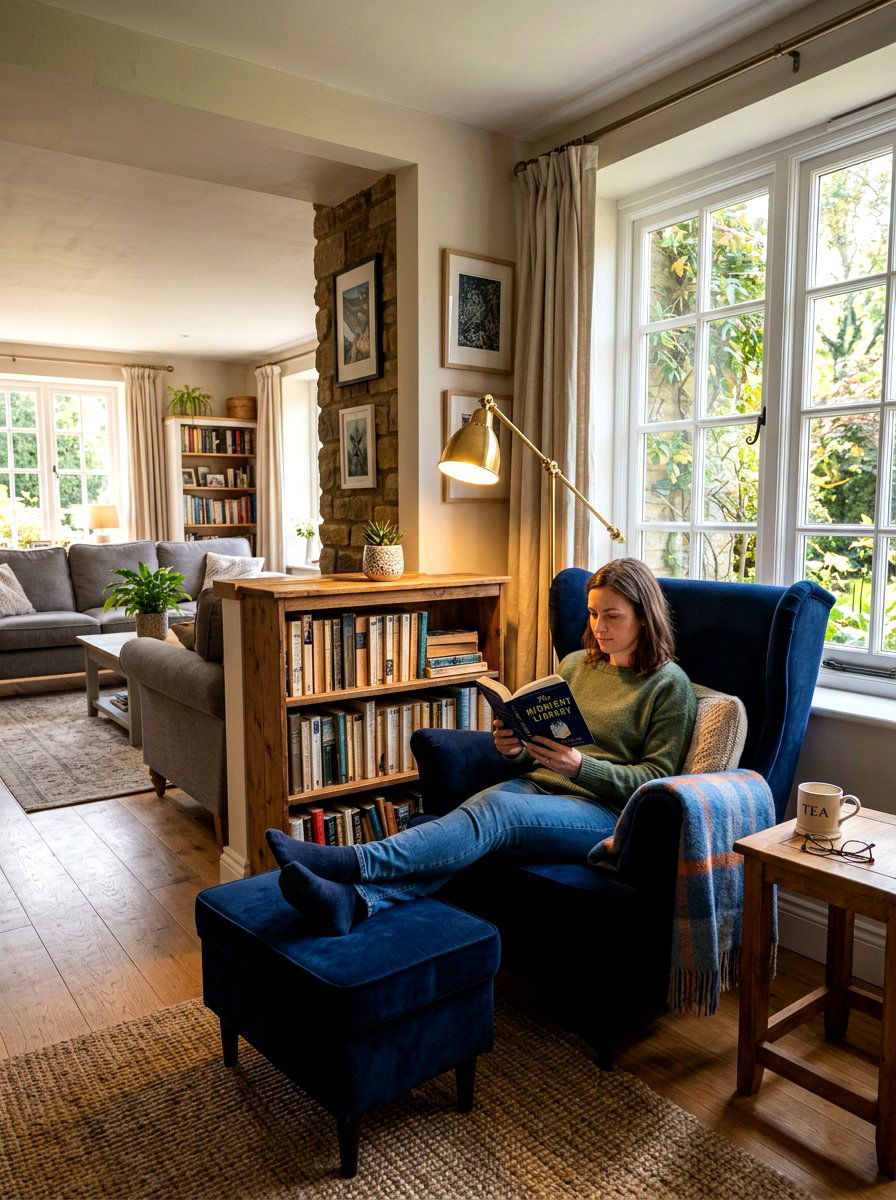
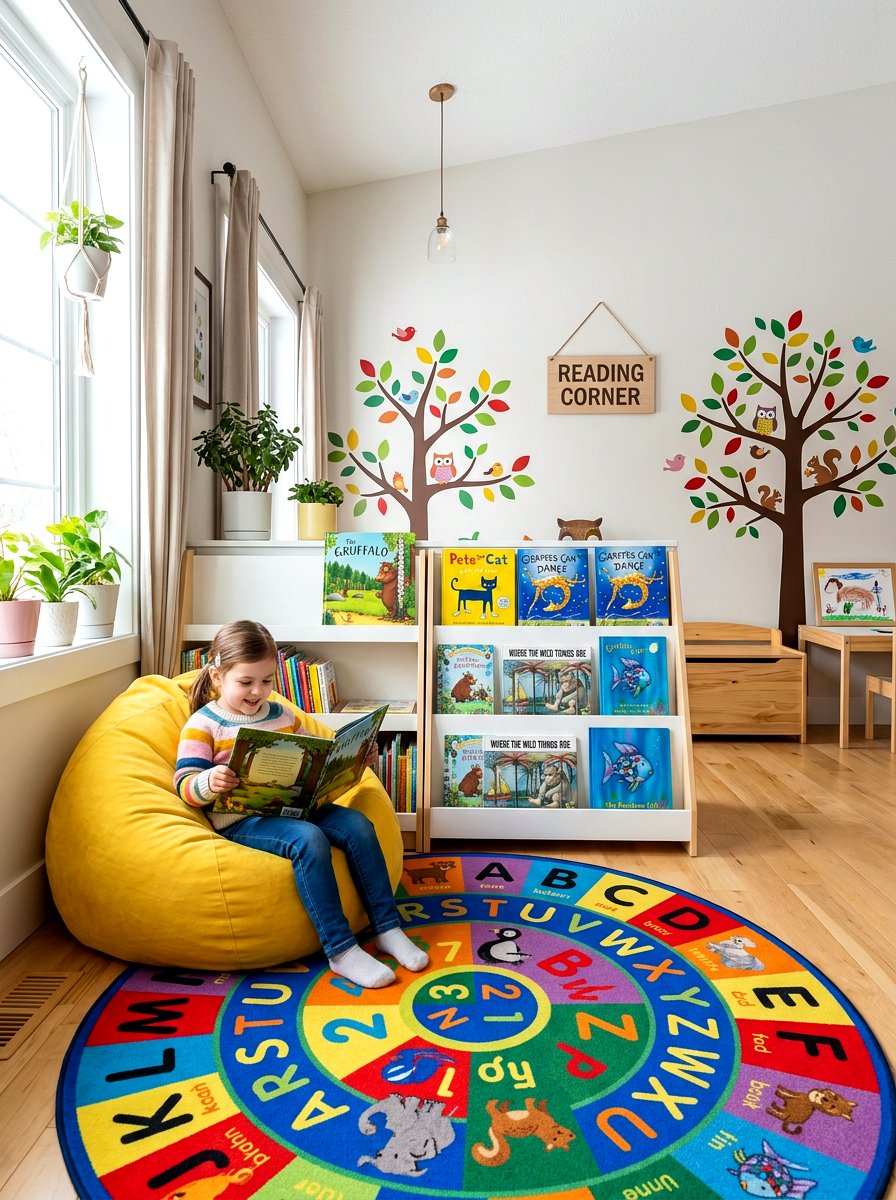
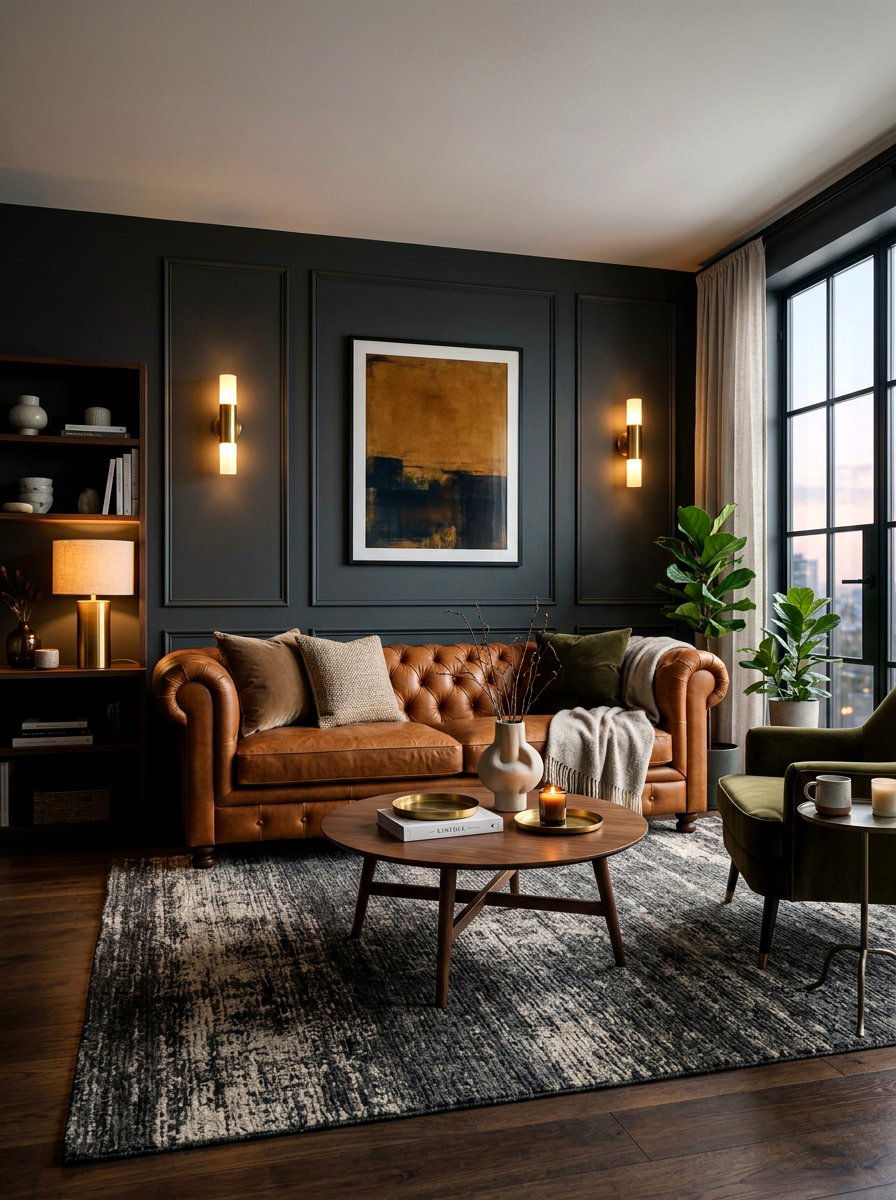
Designing a cozy reading nook living room offers a dedicated space for quiet reflection and digital detoxification. By carving out a corner with a comfortable armchair, a small side table, and a dedicated reading lamp, you create a private retreat within the larger room. This area should be free from distractions like televisions or workstations, allowing you to fully immerse yourself in a book or a hobby. Adding a soft footstool and a plush blanket enhances the sense of enclosure and comfort. Having a designated spot for relaxation helps train your brain to slow down when you enter that specific zone. It is a simple addition that significantly increases the restorative potential of your entire living space.
11. Earth tone living room
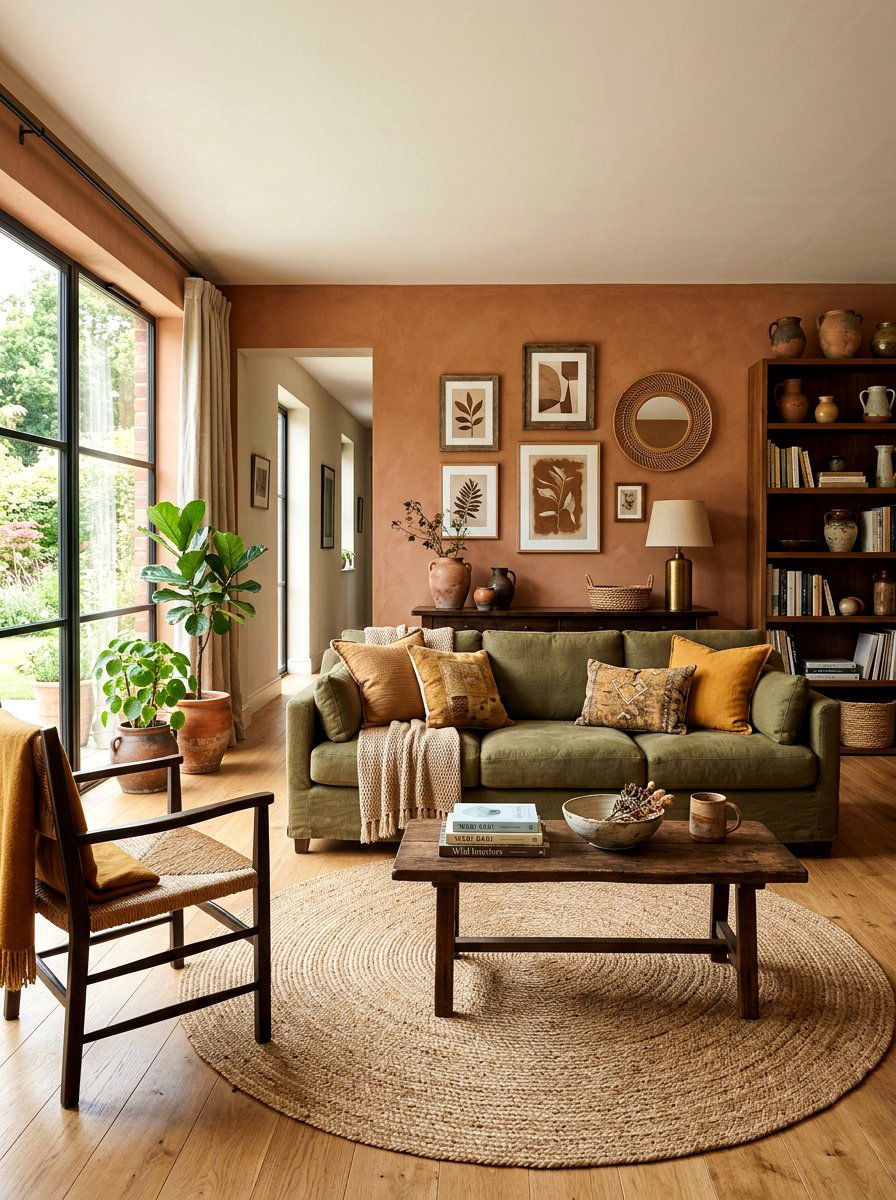
An earth tone living room utilizes a palette inspired by the landscape, including terracotta, olive green, and ochre. These colors are inherently soothing because they reflect the natural world, which our brains find deeply comforting. Earthy hues provide a sense of warmth and stability that can make a large room feel more intimate and grounded. By layering different shades of brown and clay, you create a sophisticated yet approachable environment. These colors work exceptionally well with natural materials like jute, clay, and timber. This color strategy avoids the sterility of pure white while maintaining a calm, cohesive look. It is a perfect choice for those who want their home to feel like a nurturing and stable sanctuary.
12. Open floor plan living room
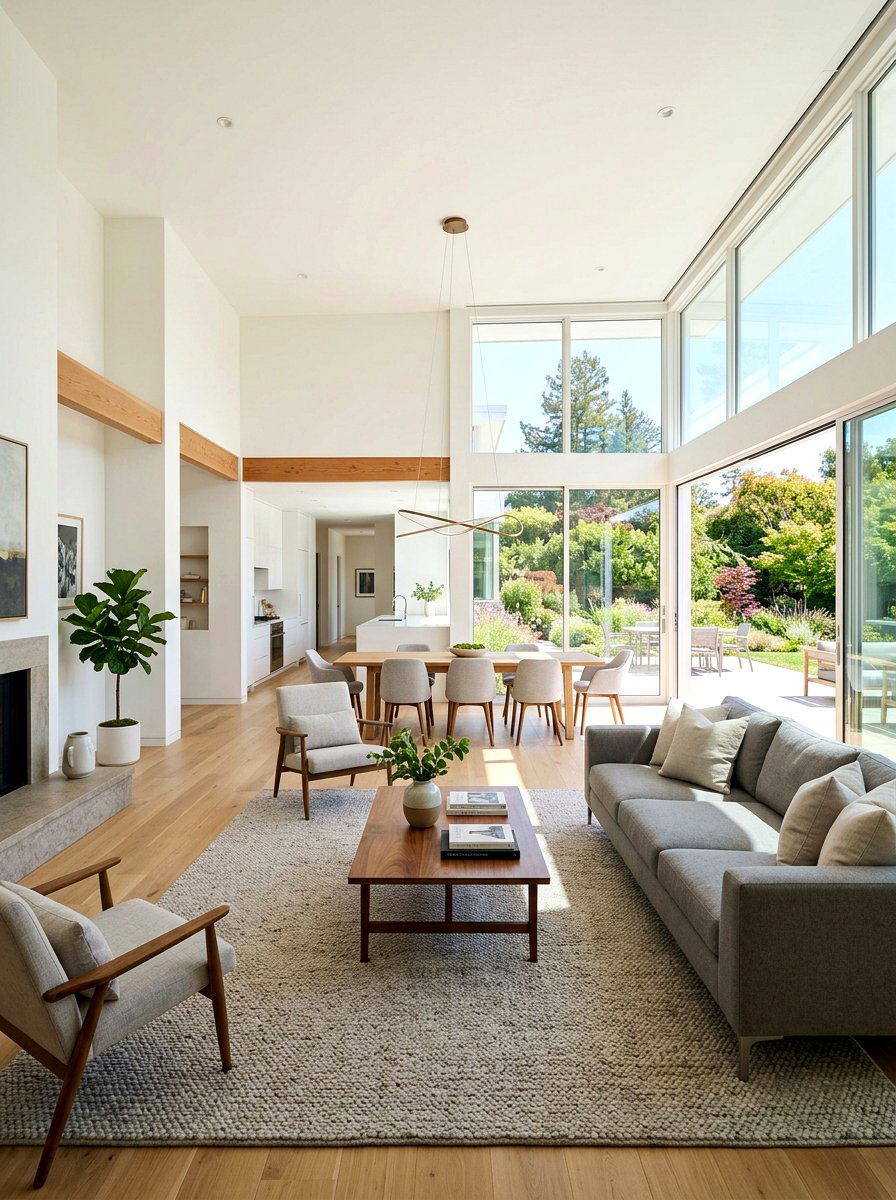
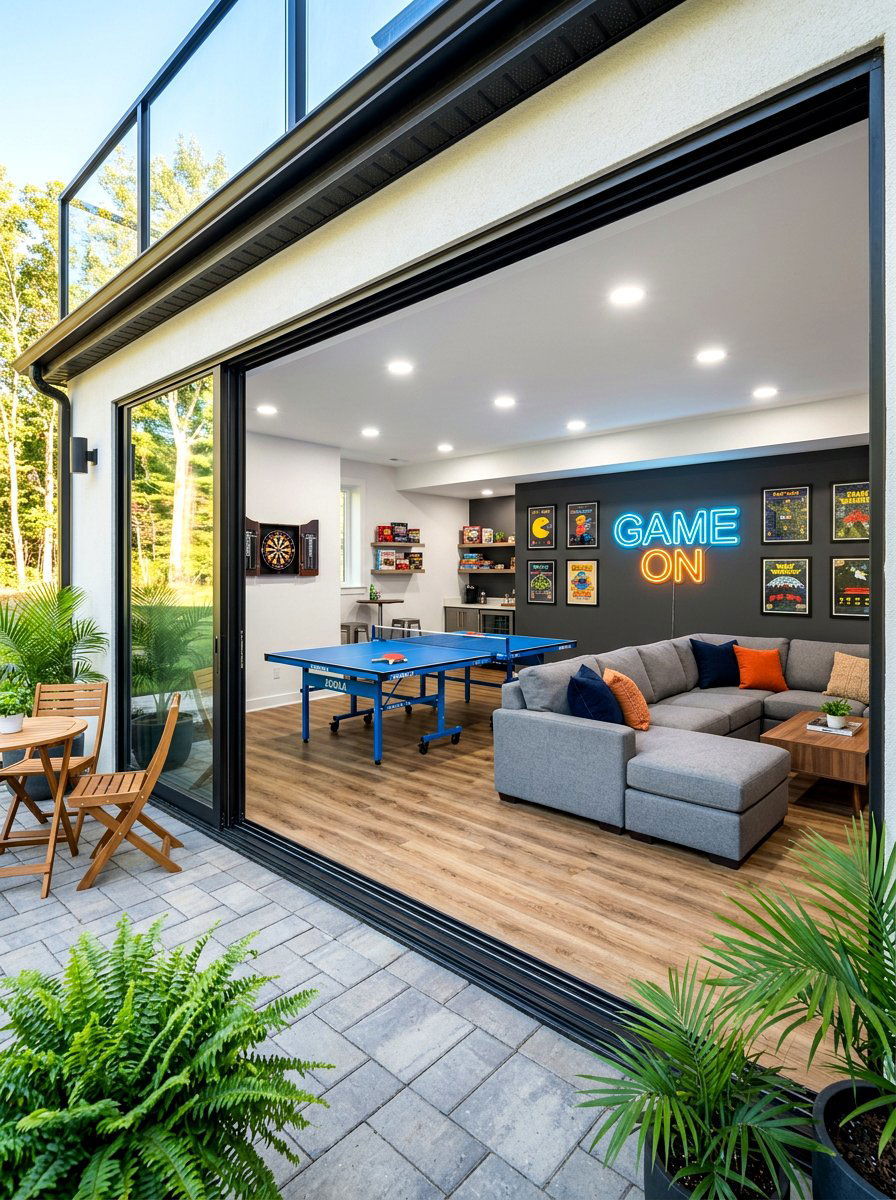
An open floor plan living room emphasizes spaciousness and flow, which can prevent the feeling of being trapped in a cramped environment. By allowing the living area to transition seamlessly into the dining or kitchen space, you encourage a more social and flexible lifestyle. This layout maximizes the distribution of natural light and allows for better air circulation throughout the home. Using rugs and furniture placement to define different zones helps maintain a sense of order without needing physical walls. A sense of openness can lead to a more relaxed mental state, as the eyes can wander further across the room. This architectural style supports a modern, breezy, and restorative way of living that feels light.
13. Zen style living room
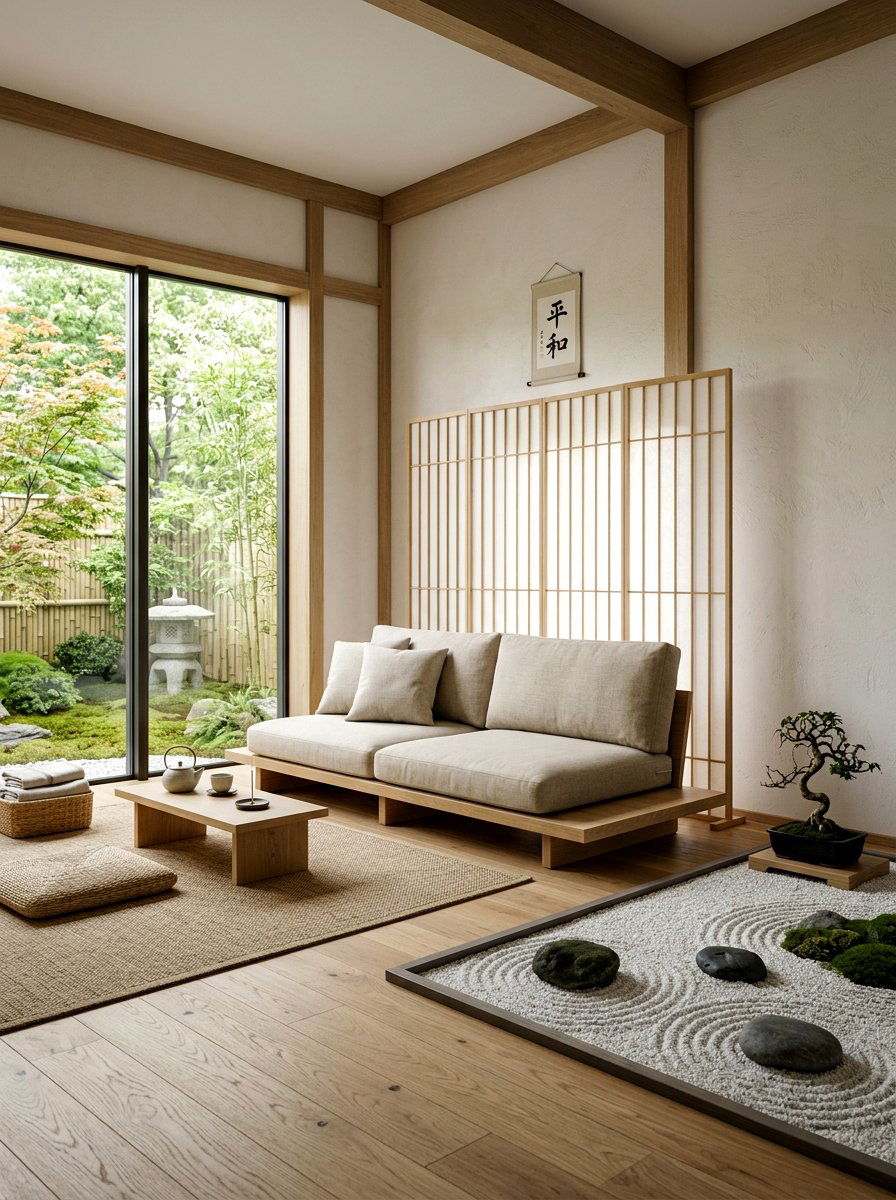
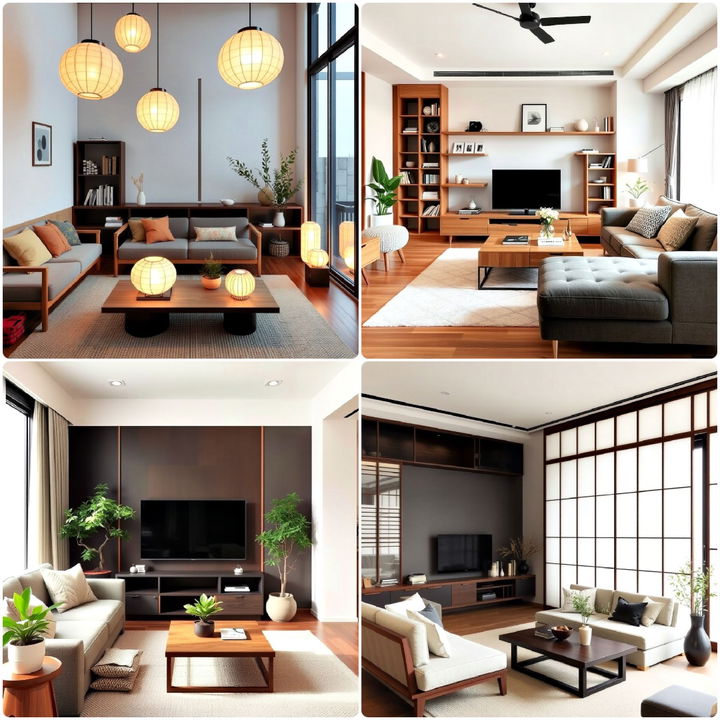
A Zen style living room is built on the principles of balance, harmony, and simplicity to create a meditative atmosphere. This design focuses on clean lines, a neutral color palette, and the elimination of unnecessary clutter. Incorporating elements like low-profile furniture and natural screens can help define the space while maintaining a sense of tranquility. Zen interiors often use soft, diffused lighting and natural materials like bamboo or stone to enhance the sensory experience. By creating a layout that feels balanced and orderly, you reduce the chaotic energy that can accumulate in a busy household. This intentional design fosters a sense of inner peace, making the living room an ideal place for daily mindfulness or meditation practices.
14. Large window living room
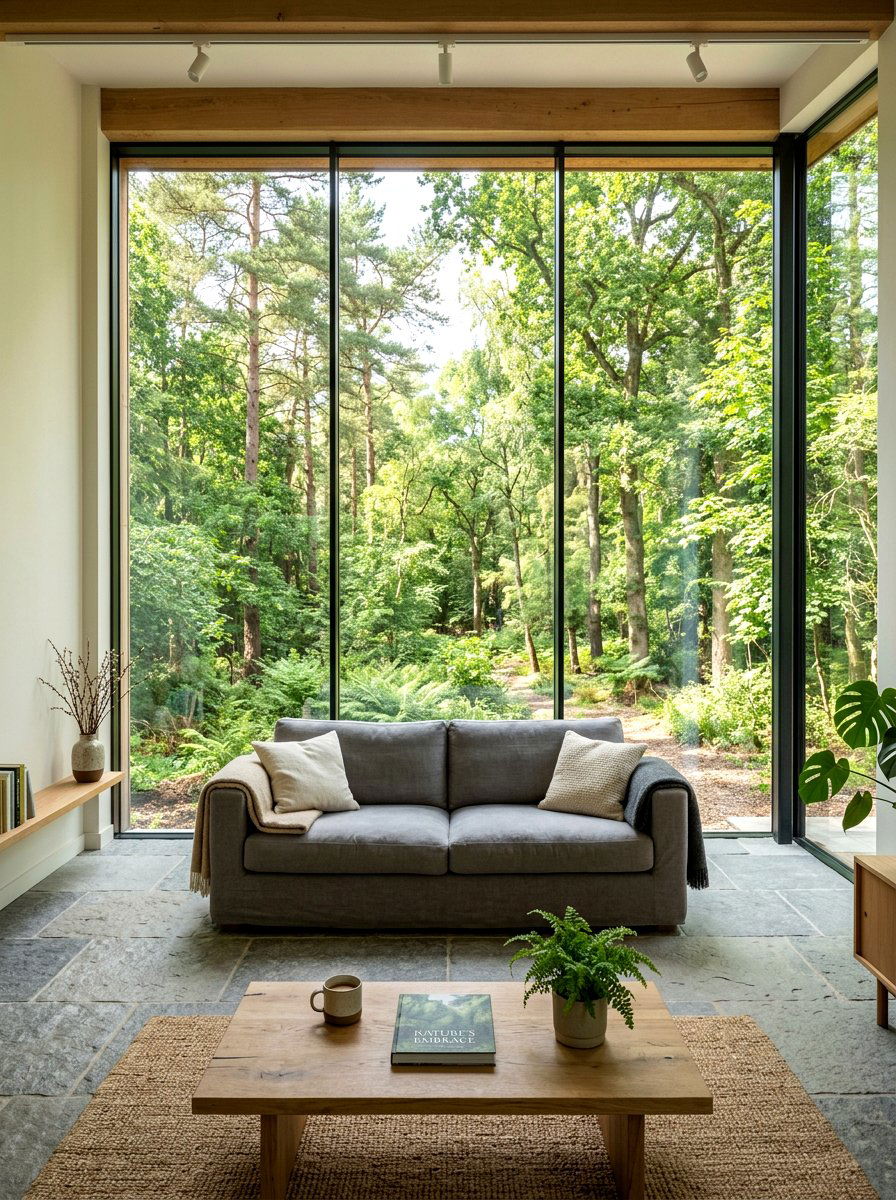
A large window living room acts as a bridge between your indoor sanctuary and the beauty of the outdoors. Expansive panes of glass frame the shifting sky and seasonal changes, providing a living artwork that evolves throughout the year. This visual connection to nature is highly restorative, as it offers a sense of perspective and expansion beyond the walls of the house. Large windows also flood the space with Vitamin D-rich sunlight, which is essential for maintaining a positive mood and high energy levels. To maximize the effect, keep the area around the window clear and use minimal window treatments. This design choice makes the room feel airy and connected to the world, promoting a healthy living environment.

15. Sustainable decor living room
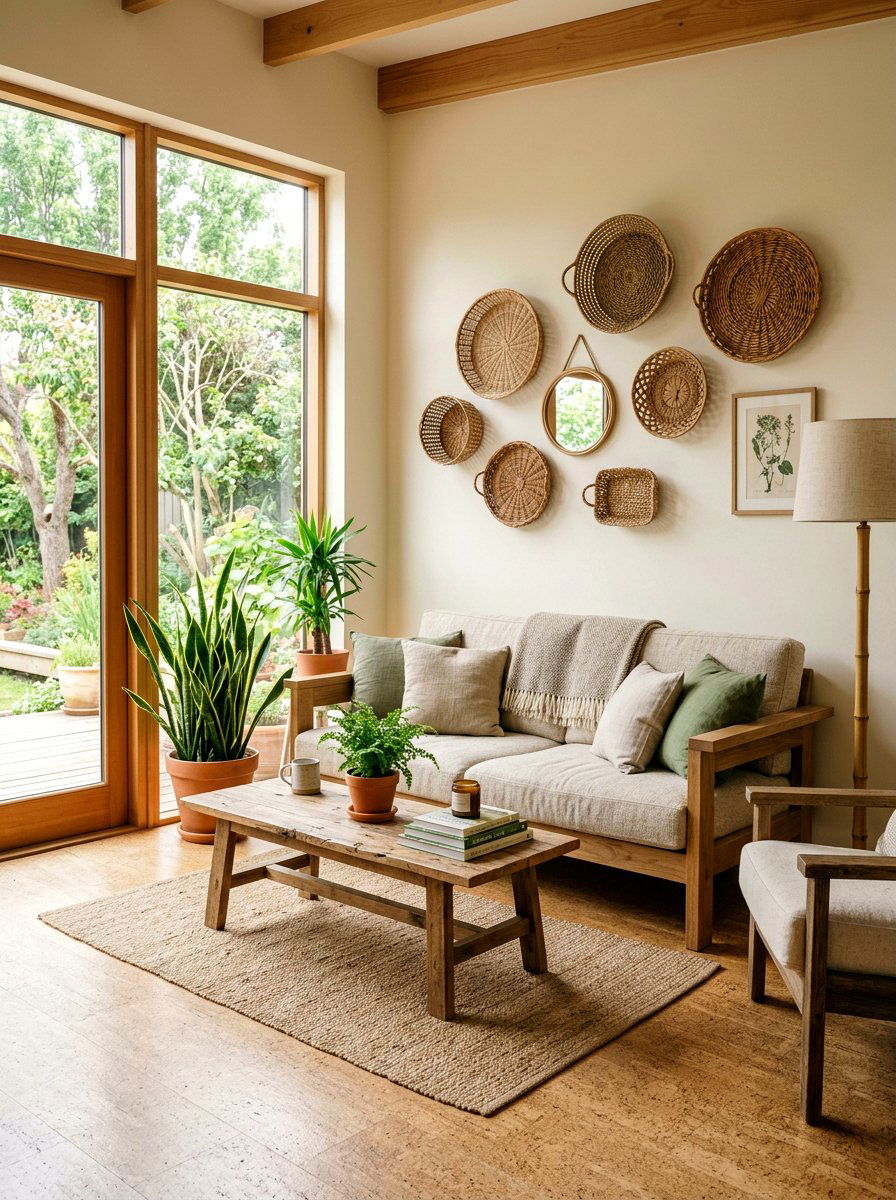
Choosing a sustainable decor living room means surrounding yourself with non-toxic, eco-friendly materials that promote better indoor air quality. By selecting furniture made from FSC-certified wood, organic cotton upholstery, and low-VOC paints, you reduce your exposure to harmful chemicals. Restorative design is not just about looks; it is about the health of the environment you live in. Sustainable pieces often have a unique, handcrafted quality that adds character and a story to your home. Using recycled glass, vintage finds, and natural fibers like hemp or sisal further enhances the organic feel of the space. This ethical approach to decorating creates a home that is as kind to your body as it is to the planet.
16. Layered rug living room
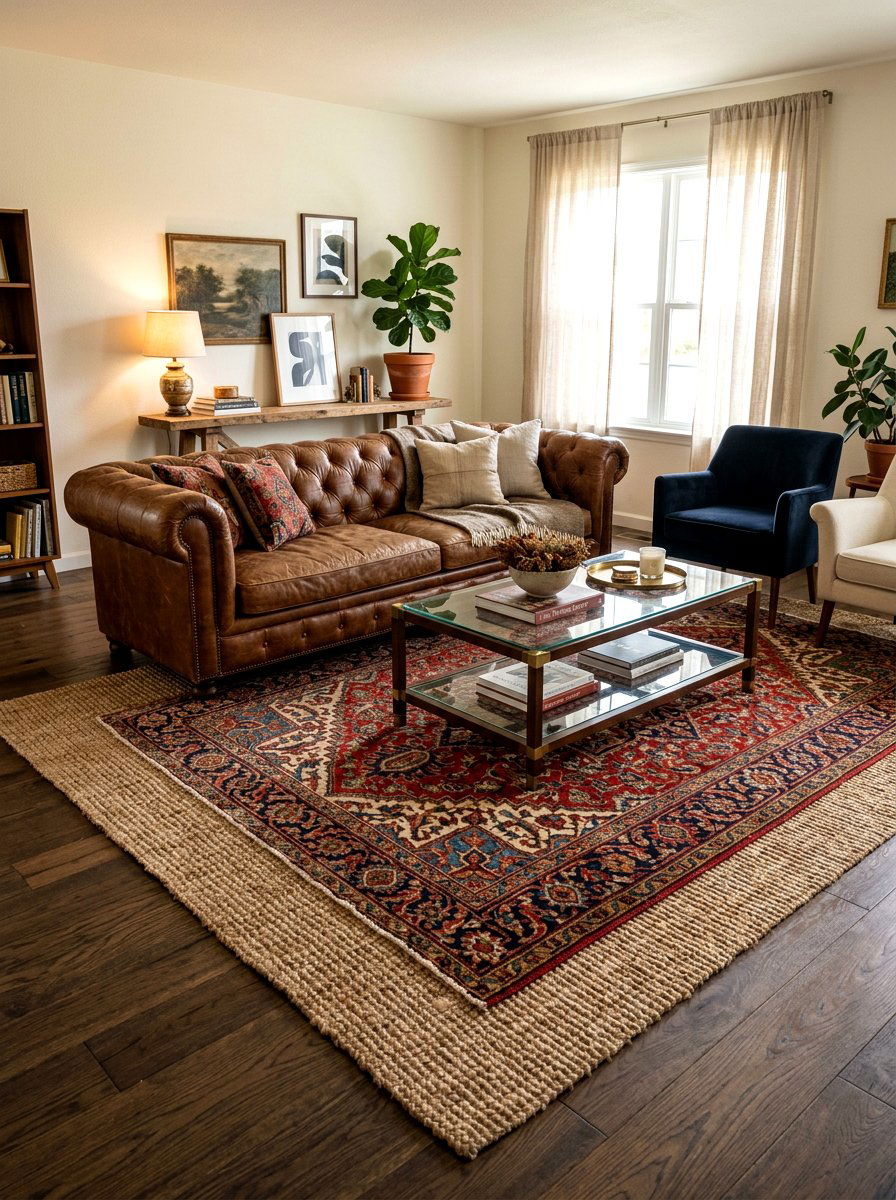
A layered rug living room adds a rich sense of depth and acoustic comfort to your primary living space. By placing a plush, patterned rug over a larger, neutral jute or sisal base, you create a soft landing for your feet and a sophisticated visual focal point. This layering technique helps to define the seating area and anchors the furniture, making the room feel more intentional and finished. Rugs also act as excellent sound insulators, absorbing the noise of footsteps and conversation to create a quieter, more peaceful ambiance. The combination of different textures — rough natural fibers mixed with soft wool — engages the senses and contributes to a cozy, grounded feeling that is essential for a restorative home environment.
17. Aromatherapy focused living room
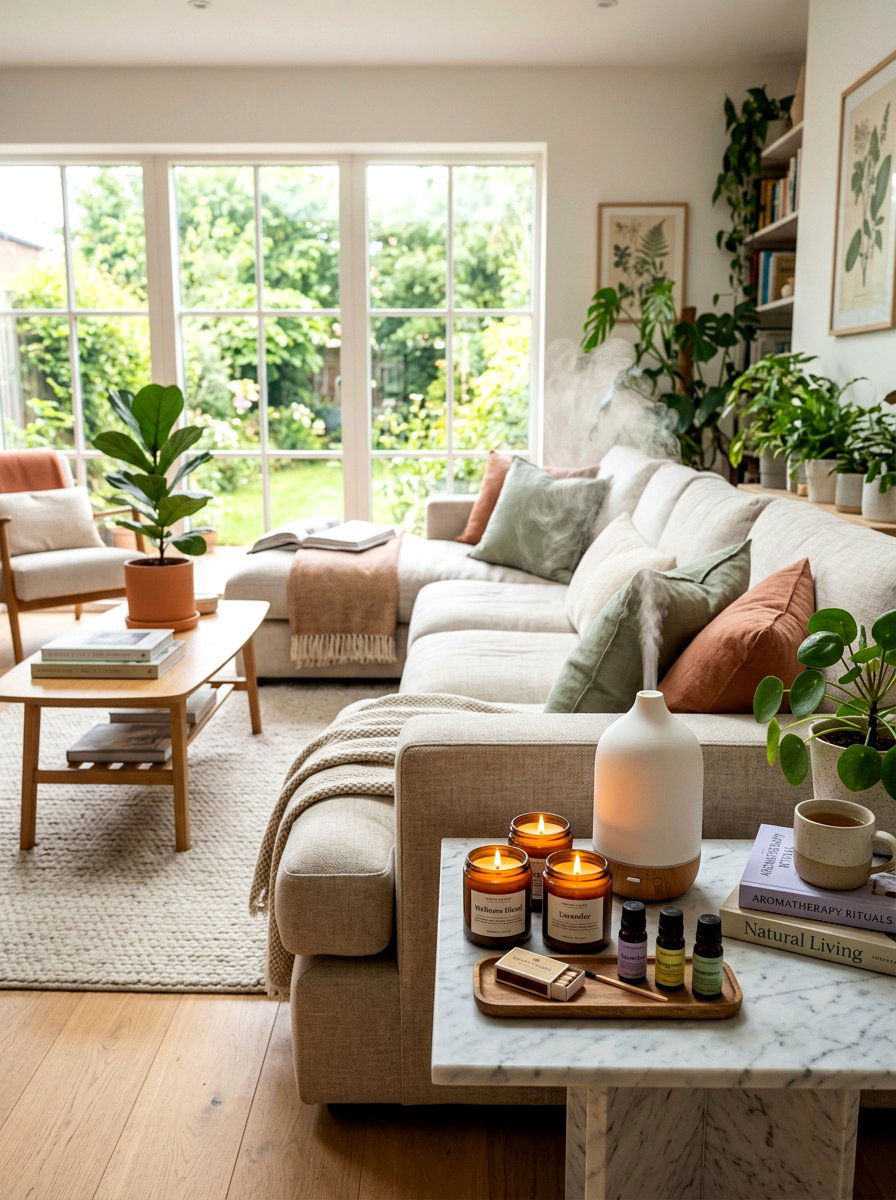
An aromatherapy focused living room uses scent to influence the mood and promote deep relaxation within the home. By integrating essential oil diffusers or natural soy candles, you can infuse the air with calming scents like lavender, eucalyptus, or cedarwood. Our sense of smell is directly linked to the brain's emotional center, meaning the right fragrance can instantly lower stress levels. Beyond just the scent, the sight of a gentle mist or a flickering flame adds a therapeutic visual element to the room. Using natural plant extracts instead of synthetic air fresheners ensures that the air remains clean and non-toxic. This sensory layer completes the restorative experience, making the living room a truly multi-sensory retreat for the mind.
18. High ceiling living room
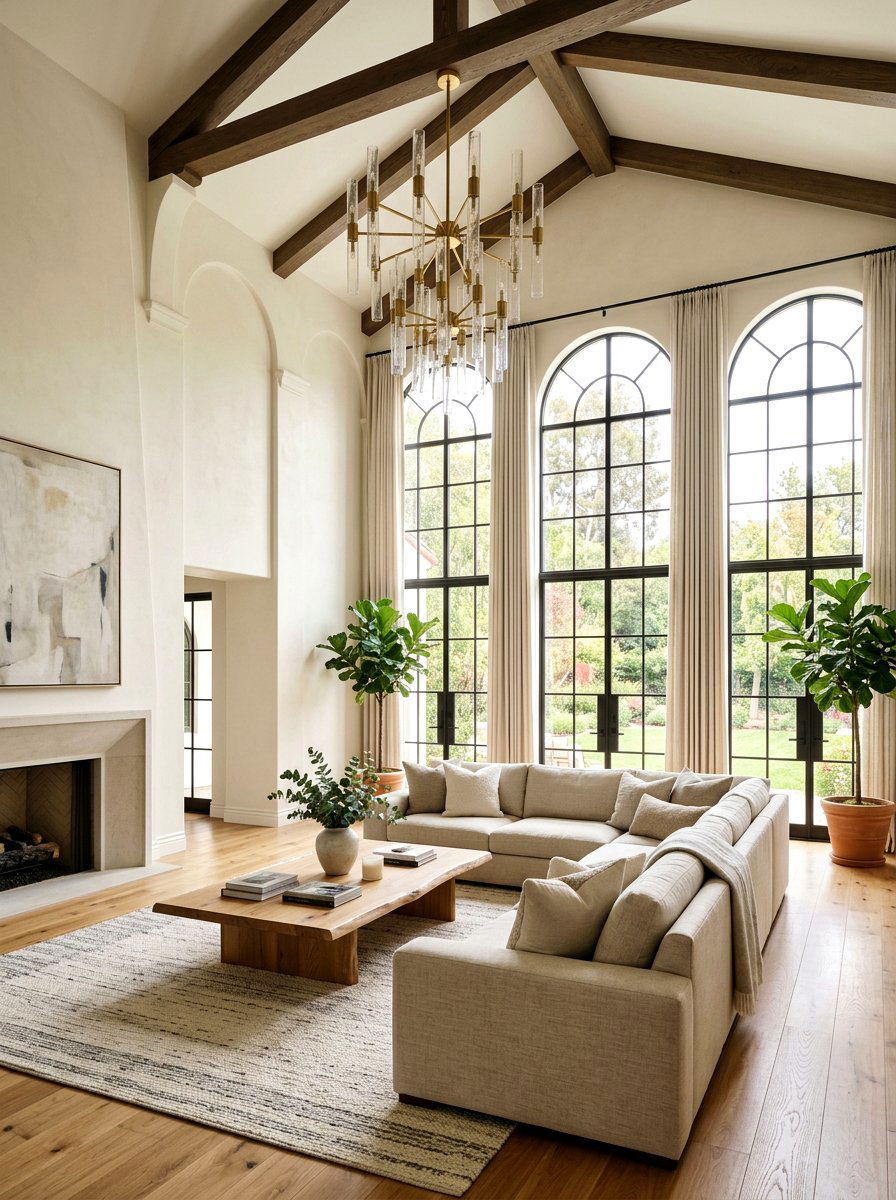
A high ceiling living room provides a sense of grandeur and airiness that can make even a small floor plan feel incredibly expansive. The extra vertical space allows for better air circulation and can be utilized for large windows that bring in more light. In psychological terms, high ceilings are often associated with freedom and creativity, providing a mental breathing room that reduces the feeling of being confined. You can emphasize the height by using tall indoor trees or hanging statement lighting that draws the eye upward. This architectural feature creates a sense of luxury and openness that is naturally restorative. It transforms the living room into a light-filled, majestic space where you can feel energized and inspired daily.
19. Stone fireplace living room
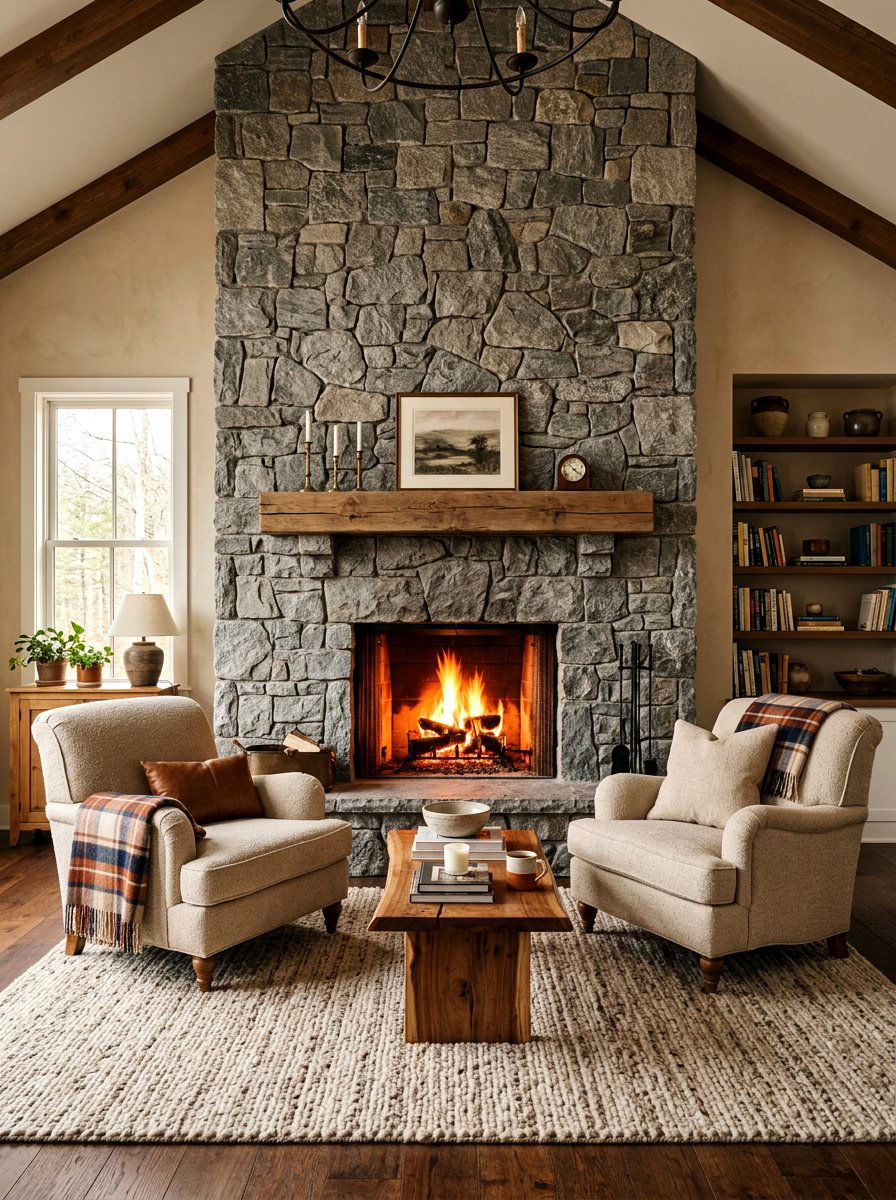
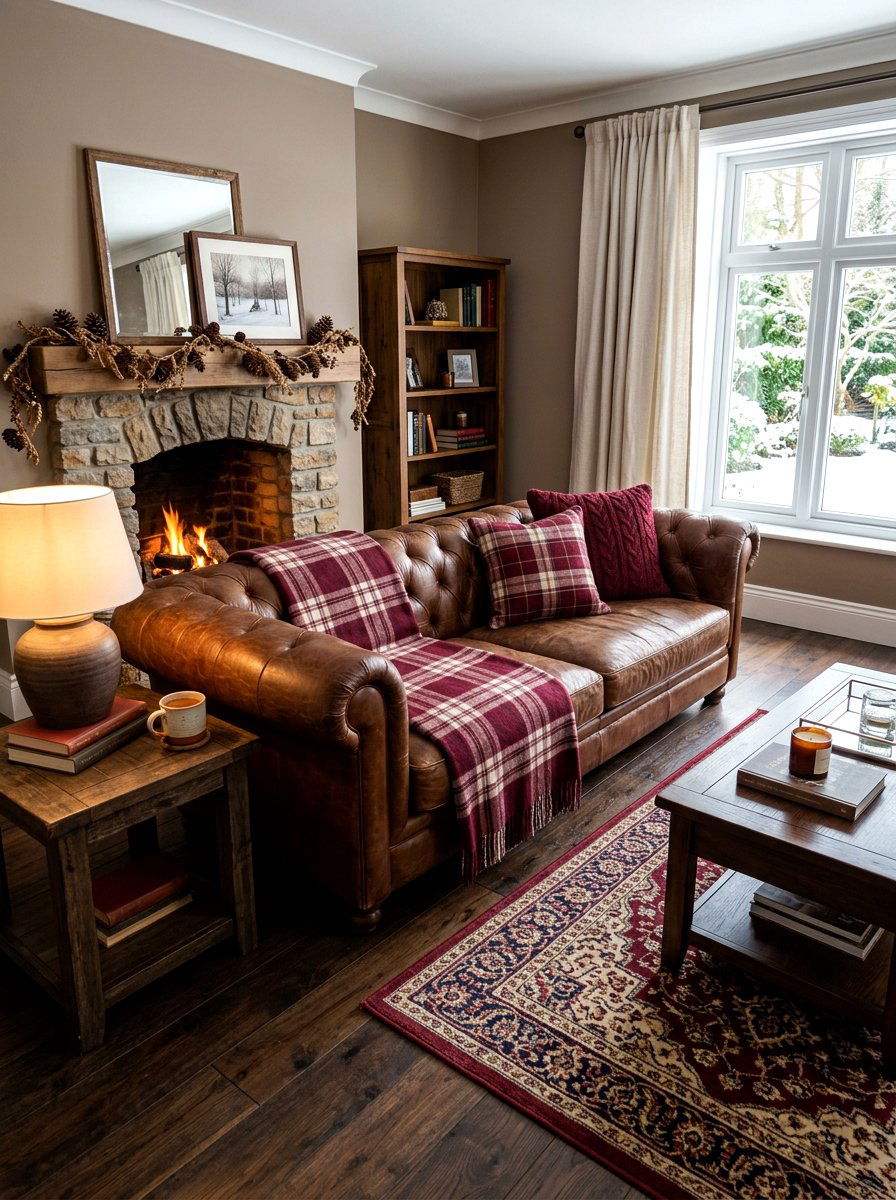
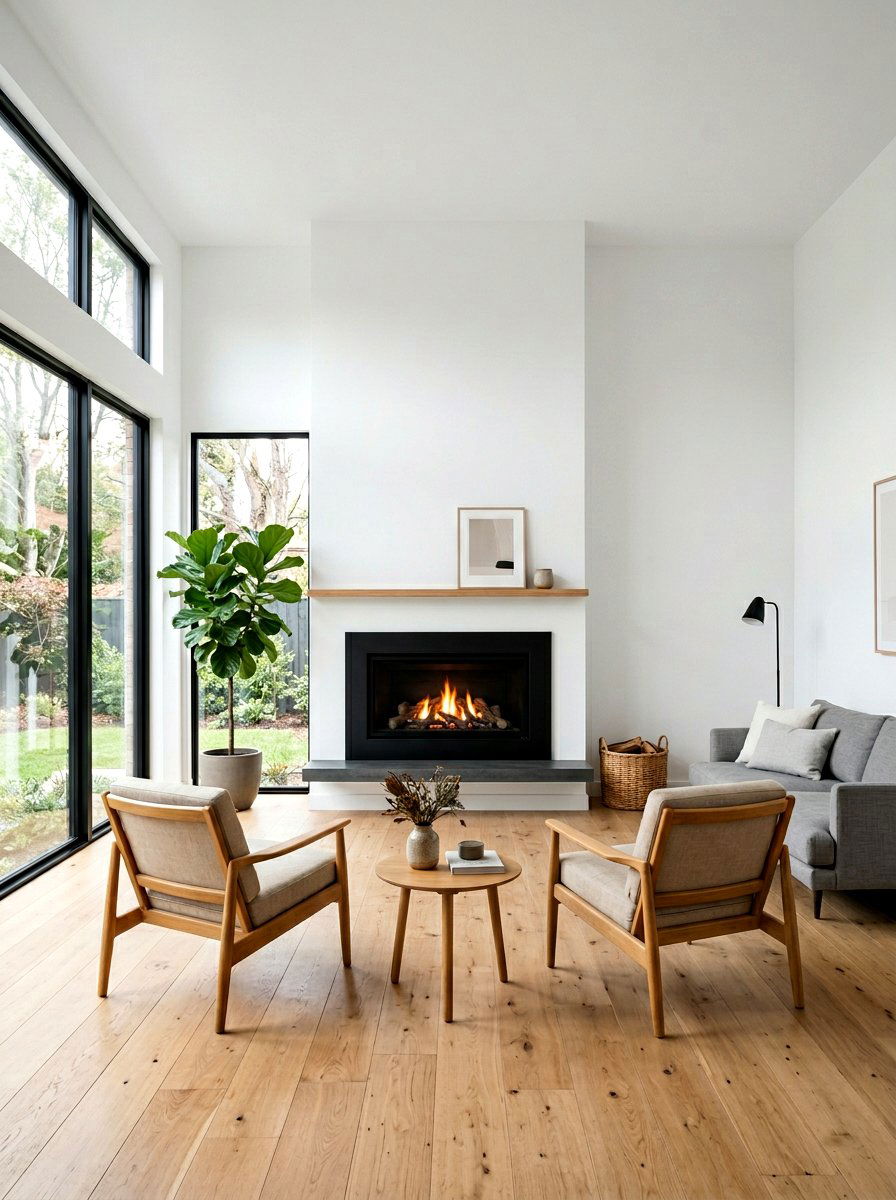
A stone fireplace living room serves as a powerful natural focal point that brings the grounding element of earth into your home. The raw, tactile texture of stone creates a sense of permanence and security, while the warmth of a fire provides a primal form of comfort. Watching a crackling fire is a proven way to lower blood pressure and induce a meditative state of mind. Integrating a fireplace into the living area encourages family gathering and provides a cozy destination for cold evenings. Whether you choose sleek slate or rugged fieldstone, the material adds a timeless quality to the room. This combination of heat, light, and natural texture makes the living room a quintessential restorative sanctuary for all.
20. Soft blue living room
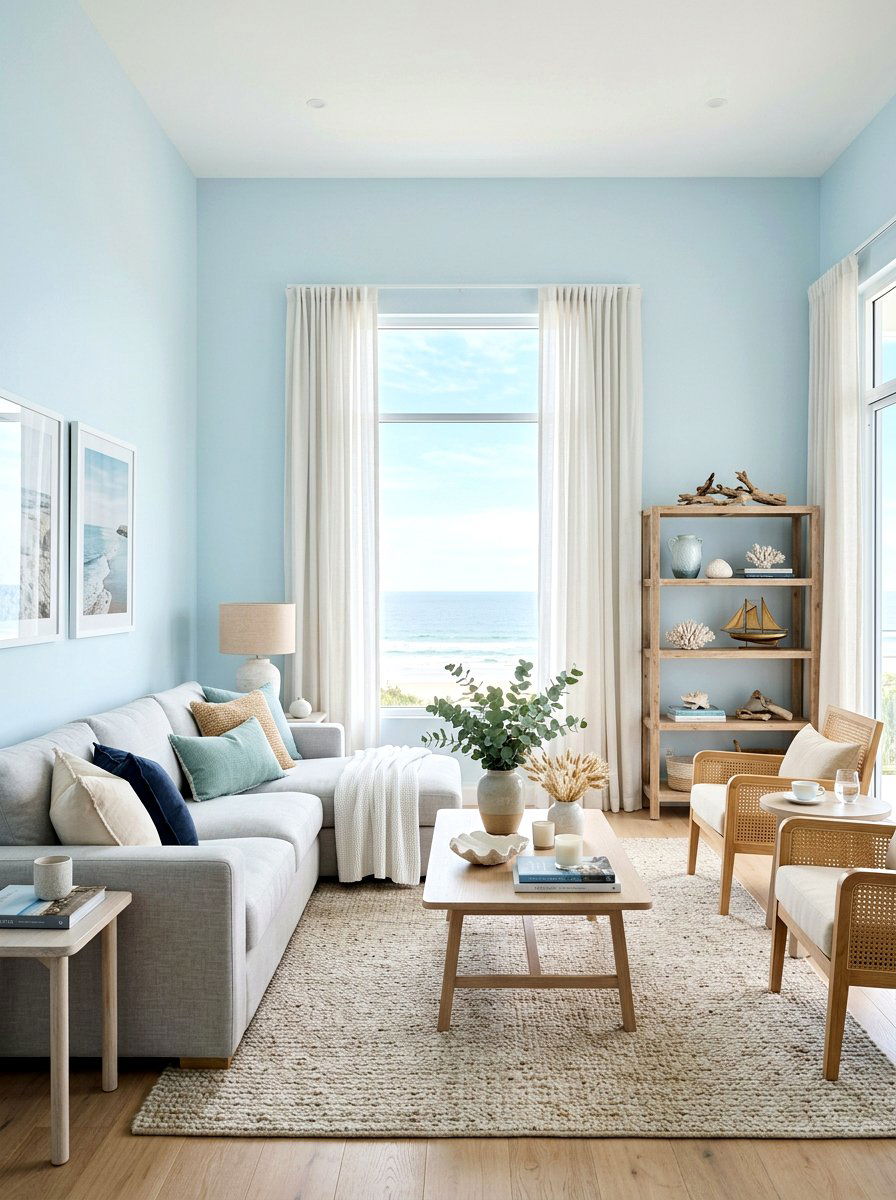
A soft blue living room draws inspiration from the sky and the sea to create an atmosphere of immense calm. Blue is scientifically recognized as one of the most soothing colors for the human eye, often helping to lower the heart rate and reduce feelings of anxiety. By using pale azure or dusty navy on the walls or in large textiles, you can evoke a sense of serenity and expansiveness. This color works beautifully with white accents and light wood furniture to keep the space feeling fresh and airy. A blue-themed room acts as a cool, quiet retreat that feels refreshing after a long day in a high-stimulation environment. It is a classic choice for a restorative and peaceful home.
21. Velvet sofa living room
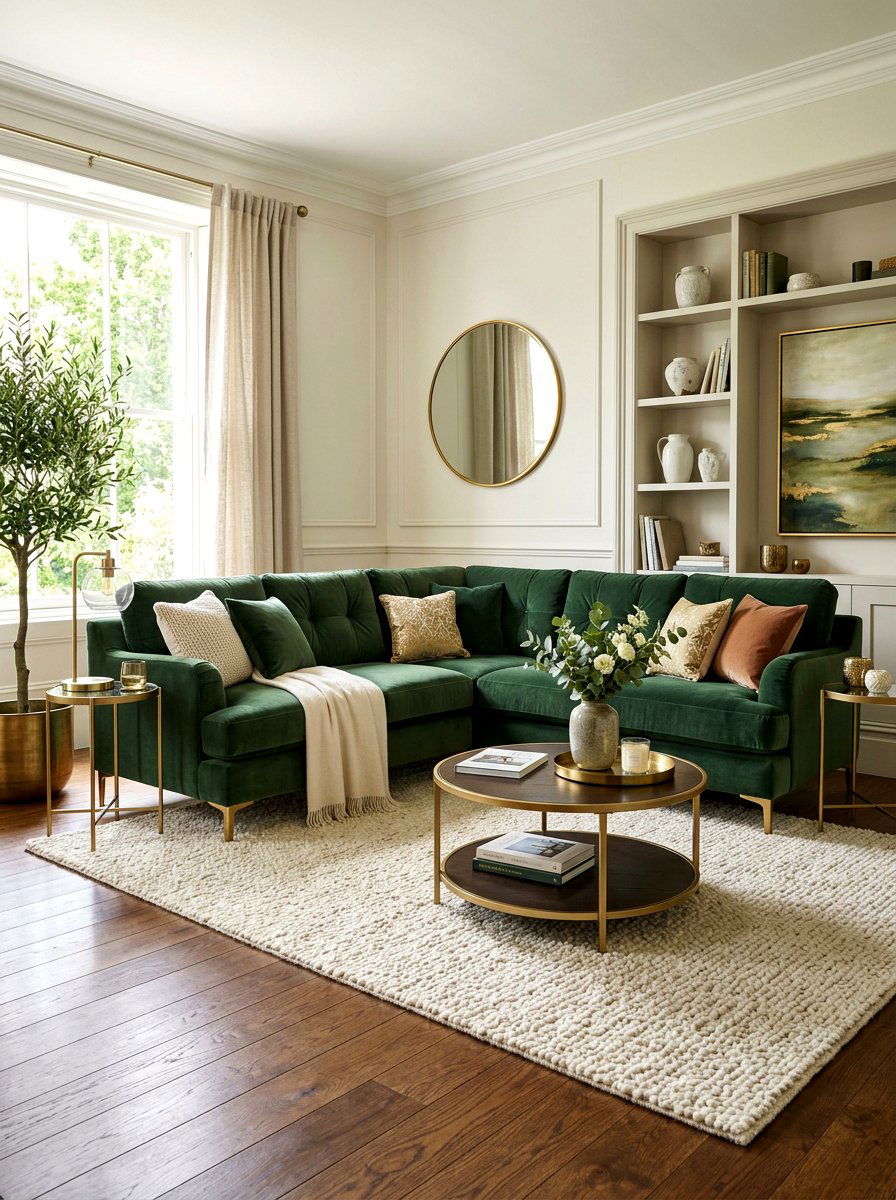
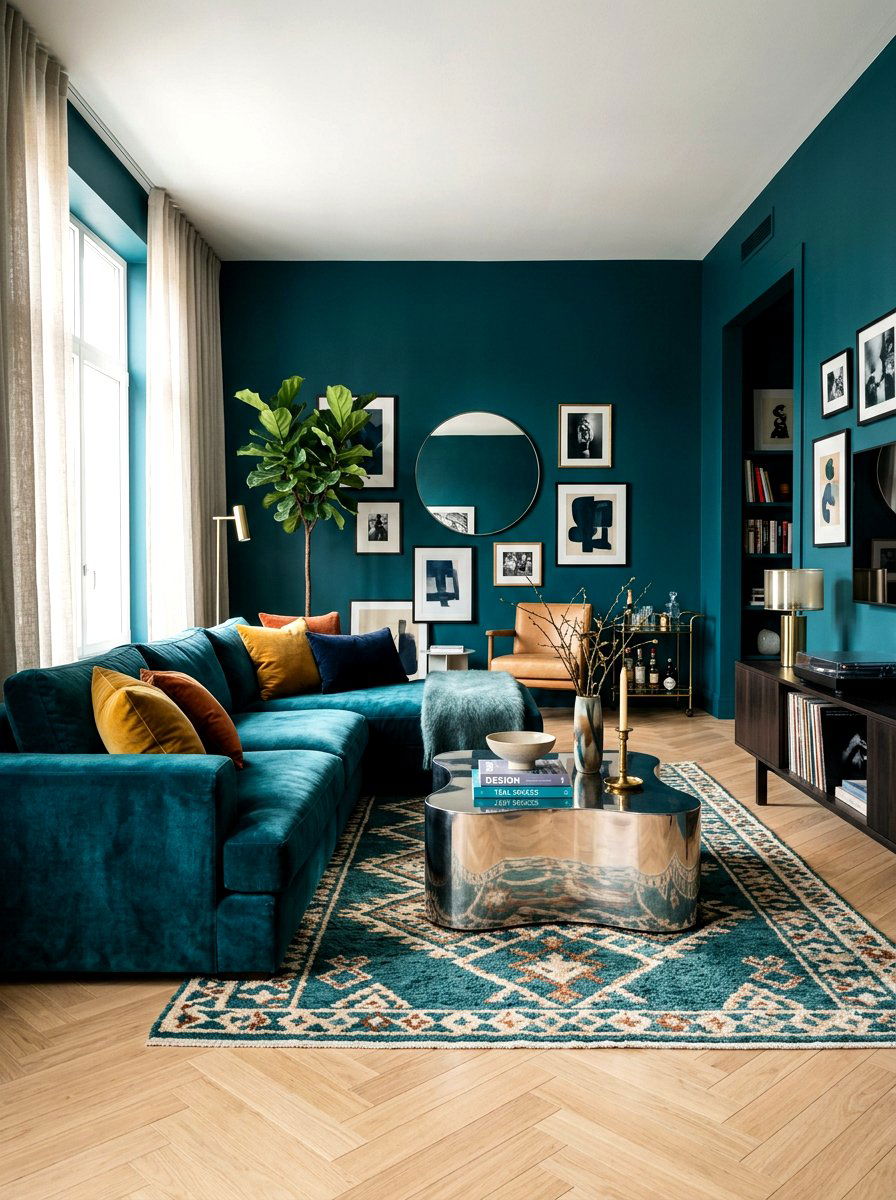
Adding a velvet sofa living room introduces a touch of luxury and incredible tactile comfort to your main relaxation area. Velvet is a dense, soft fabric that feels wonderful against the skin, encouraging you to sit back and stay for a while. The way velvet catches the light adds a subtle sheen and depth to the room, making it feel more cozy and sophisticated. Choosing a sofa in a calming color like forest green or deep ocean blue can further enhance the restorative vibe of the space. This statement piece becomes the heart of the room, inviting everyone to enjoy a moment of softness and ease. It is a perfect way to prioritize physical comfort while also elevating the overall design.
22. Organic modern living room
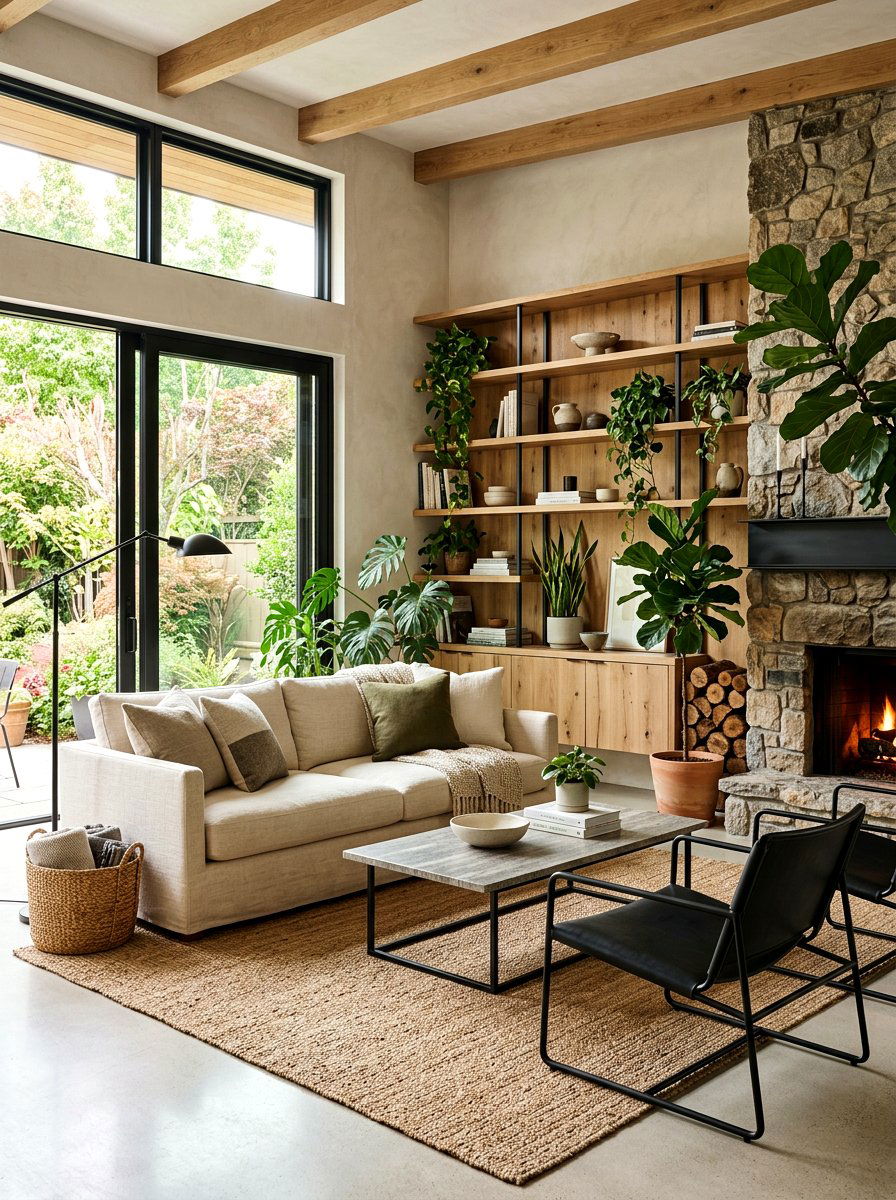
An organic modern living room strikes the perfect balance between clean, contemporary lines and the warmth of natural elements. This style avoids the coldness of traditional modernism by incorporating plenty of wood, stone, and natural fibers into a streamlined layout. It focuses on high-quality, sustainable materials and a neutral color palette that feels fresh and timeless. The result is a space that looks sophisticated but feels approachable and lived-in. By mixing smooth surfaces with rough textures, you create a sensory experience that is both stimulating and relaxing. This design direction is ideal for those who appreciate modern aesthetics but want their home to feel like a grounded, restorative environment that supports a healthy and mindful lifestyle.
23. Soundproof living room
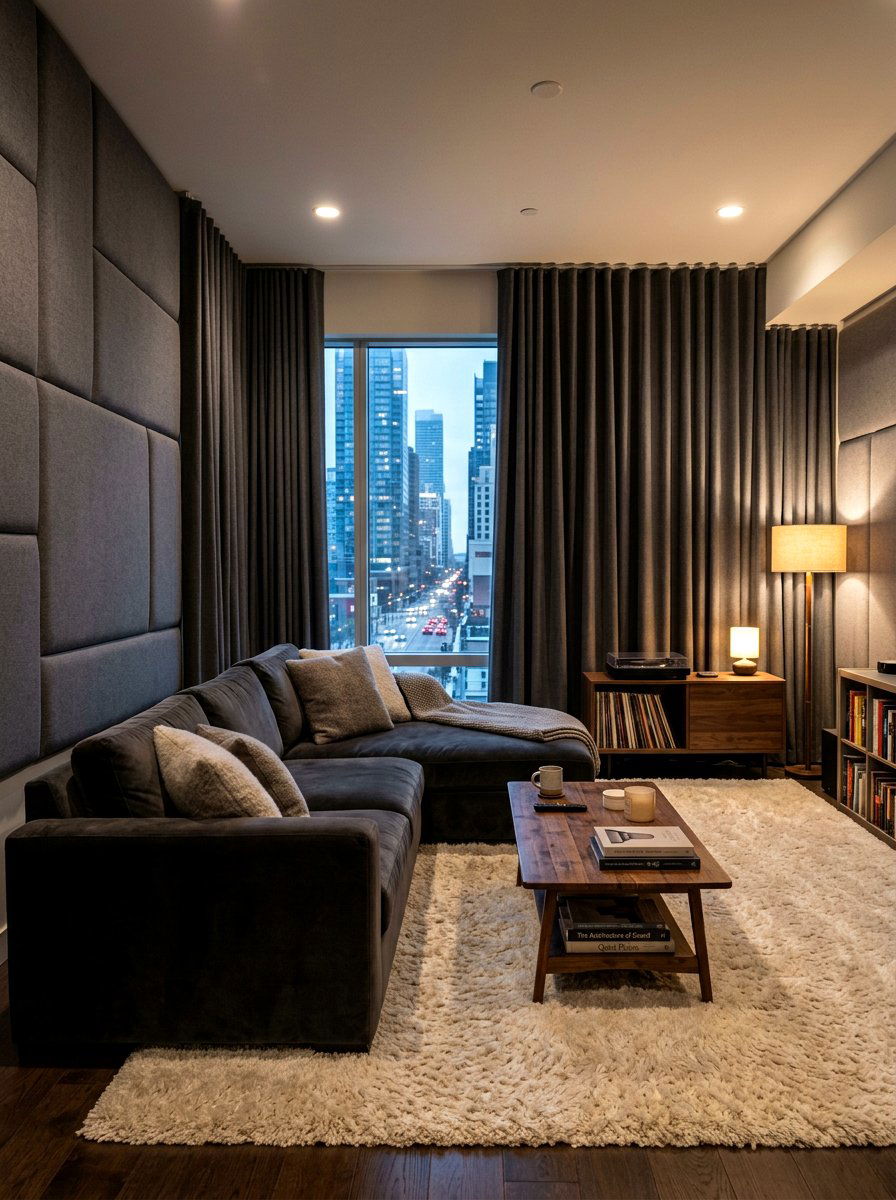
A soundproof living room is designed to protect your peace of mind by blocking out the noise of the outside world. This can be achieved through the use of heavy acoustic curtains, thick rugs, and upholstered furniture that absorb sound waves. Reducing environmental noise like traffic or neighbors is a critical component of restorative design, as constant noise can lead to chronic stress and fatigue. You can also incorporate acoustic wall panels disguised as art to further dampen echoes within the space. Creating a quiet zone allows for better conversation, deeper meditation, and a more profound sense of privacy. This focus on auditory comfort makes the living room a true haven where you can finally hear yourself think.
24. Clutter free living room
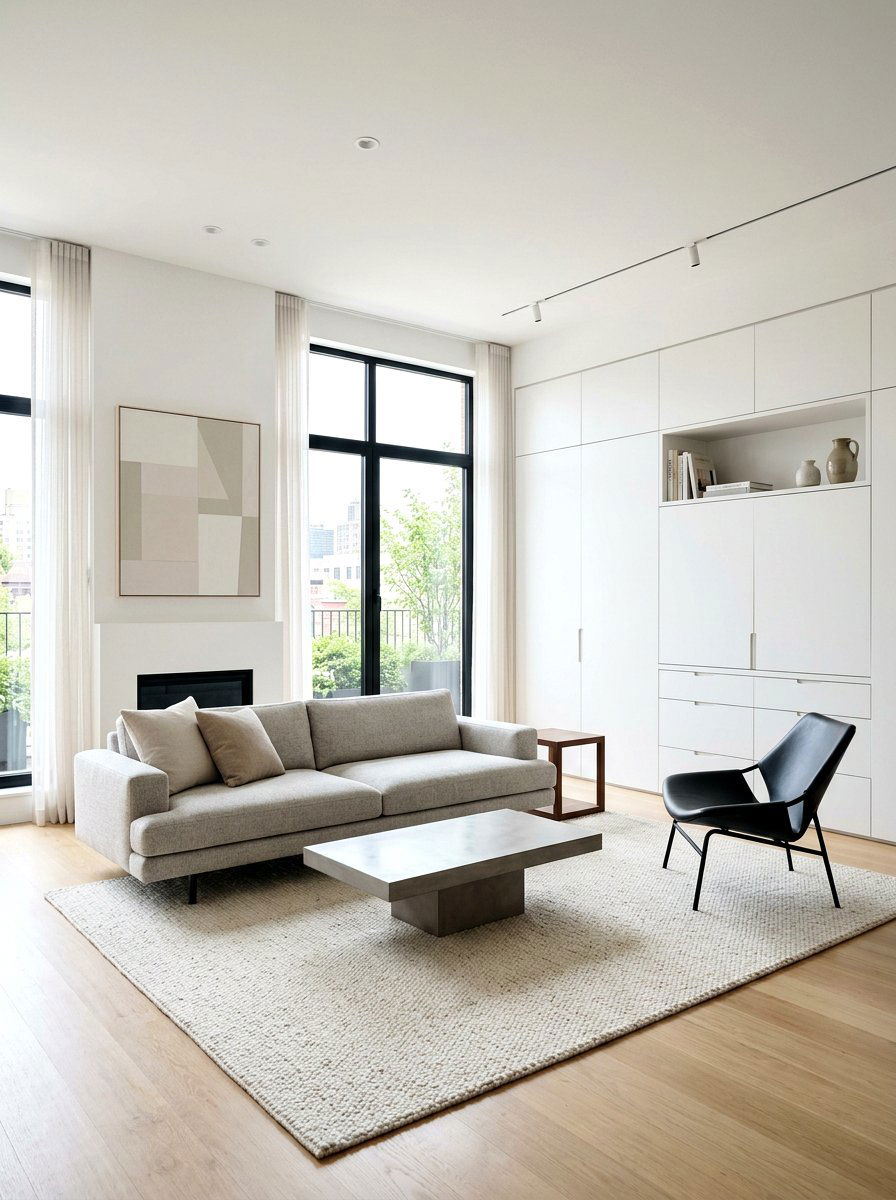
Maintaining a clutter free living room is essential for a restorative home because visual disarray can lead to mental exhaustion. When every surface is clear and everything has a designated place, the brain can relax and focus on the present moment. Utilizing smart storage solutions like built-in cabinets, stylish baskets, and hidden drawers helps keep daily items out of sight. A tidy room feels larger, more organized, and significantly more peaceful than one filled with excess objects. This intentional organization allows the beauty of your design and the quality of your materials to shine through. By committing to a clutter-free lifestyle, you create a sustainable sanctuary that supports mental clarity and a sense of control over your environment.
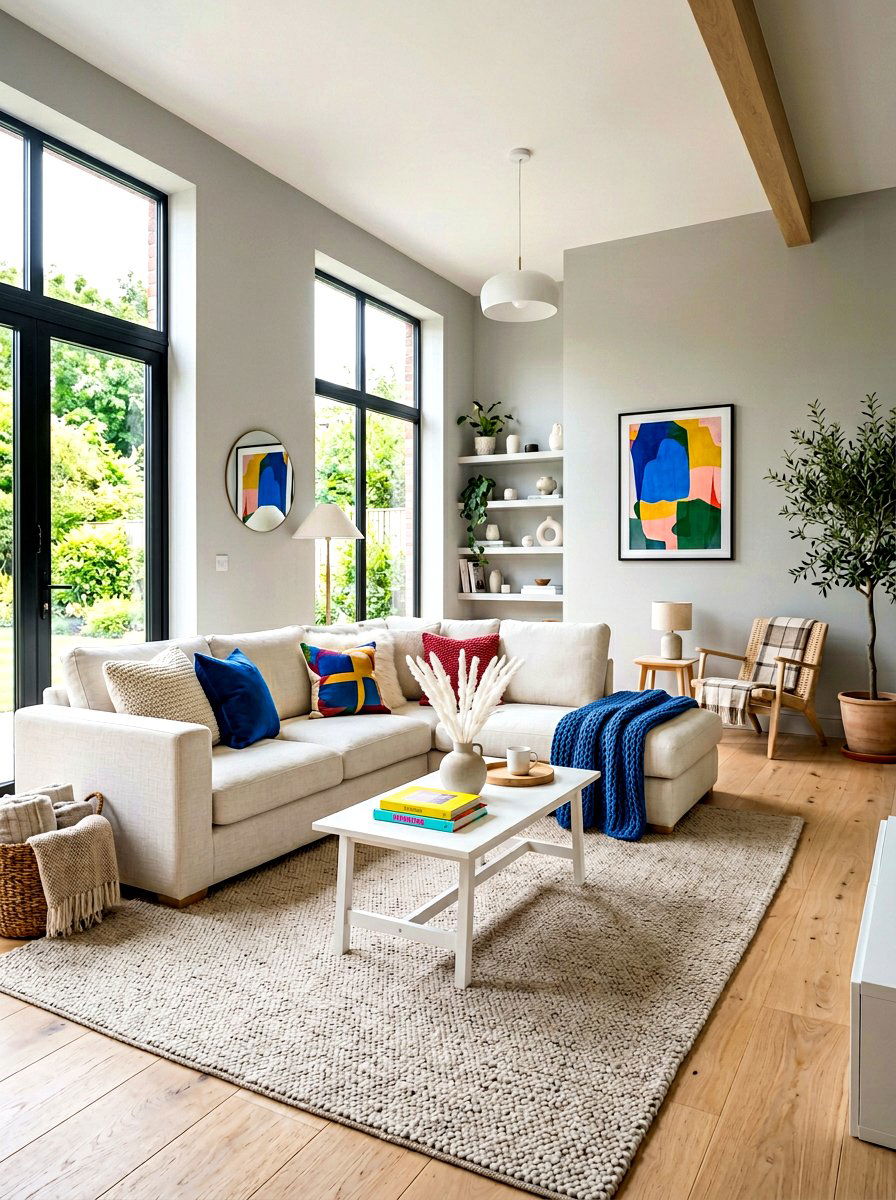
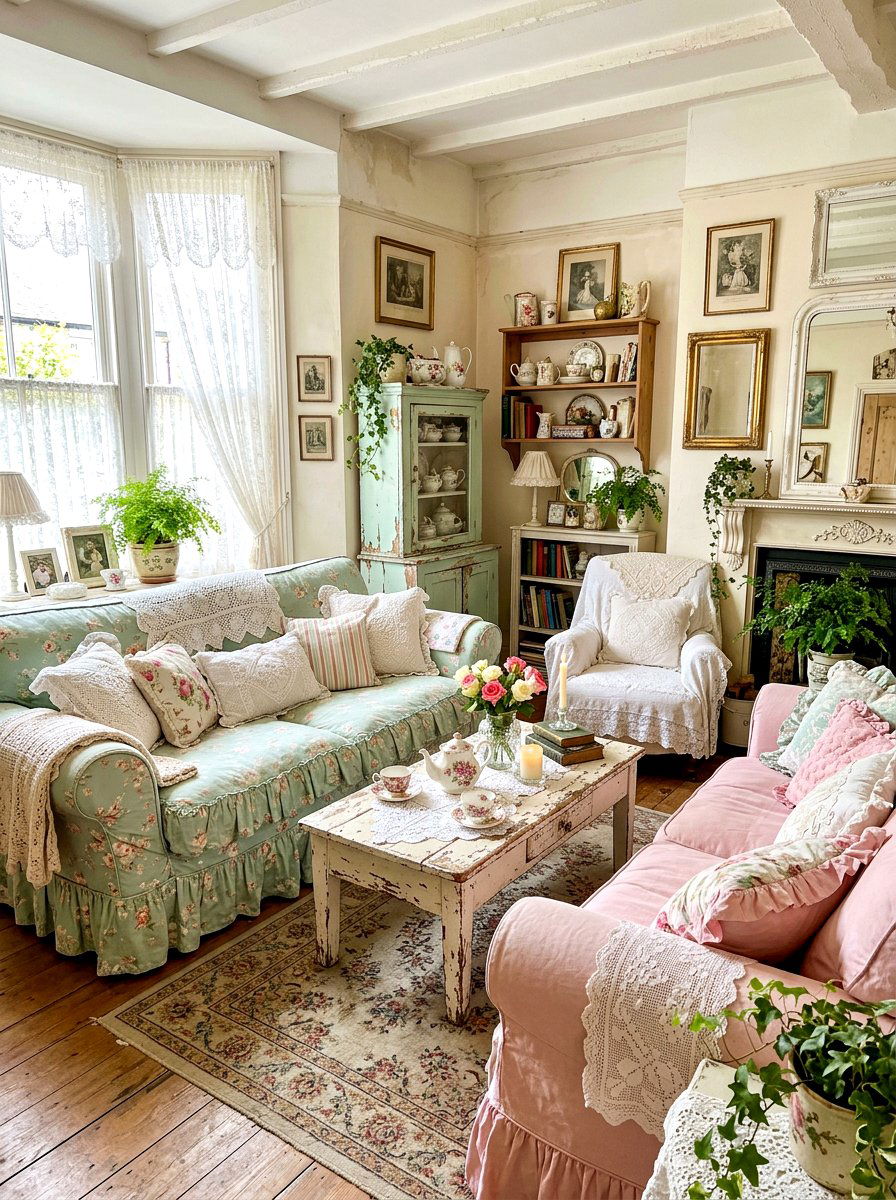
25. Floor seating living room
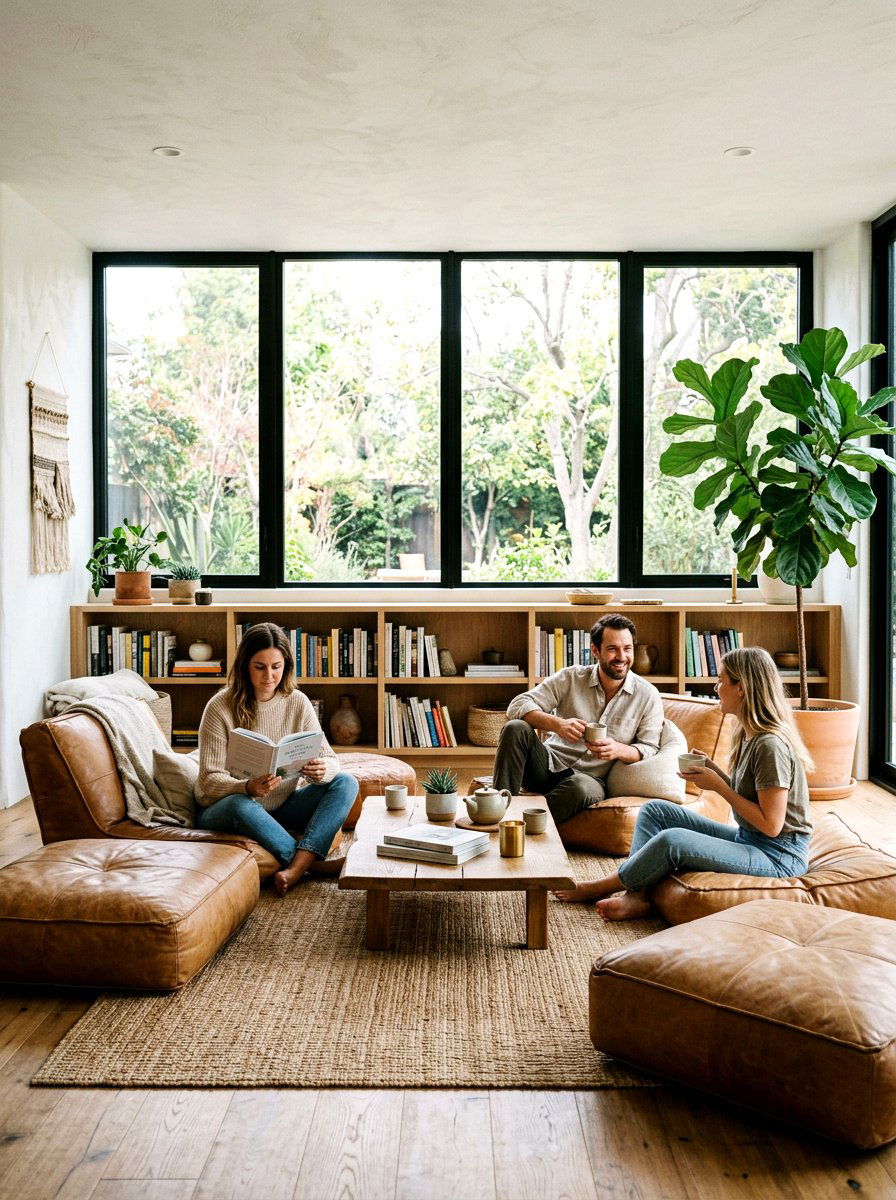
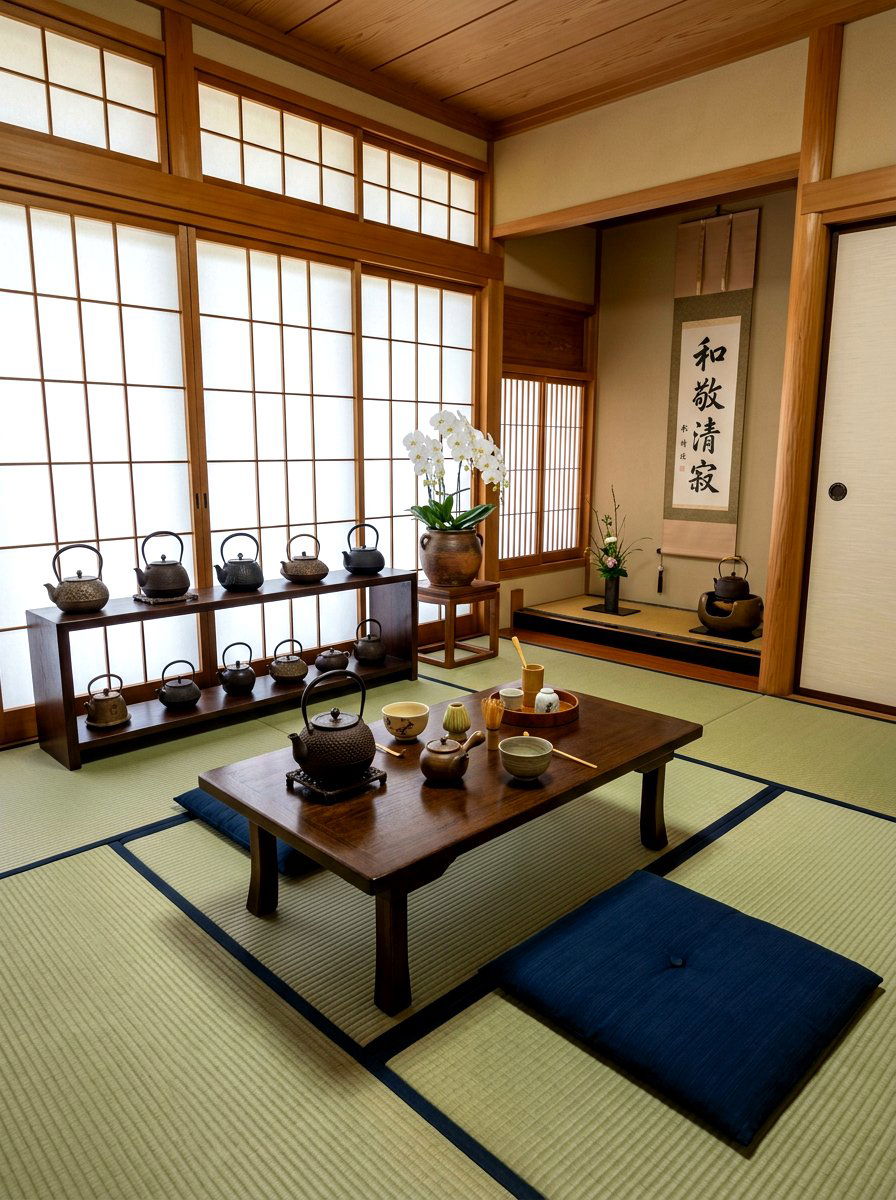
A floor seating living room encourages a more relaxed and informal way of interacting with your space. By using large, plush floor cushions, low-slung chairs, or traditional tatami mats, you create a grounded environment that feels approachable and cozy. This lower perspective can make the room feel taller and more expansive, while also promoting better posture and flexibility through varied sitting positions. Floor-based layouts are common in many restorative cultures and suggest a slower, more mindful pace of life. Adding a low coffee table and a soft area rug completes the setup, making it a perfect spot for tea, conversation, or gentle stretching. This design choice fosters a unique sense of intimacy and tranquility in any home.
26. Sage green living room
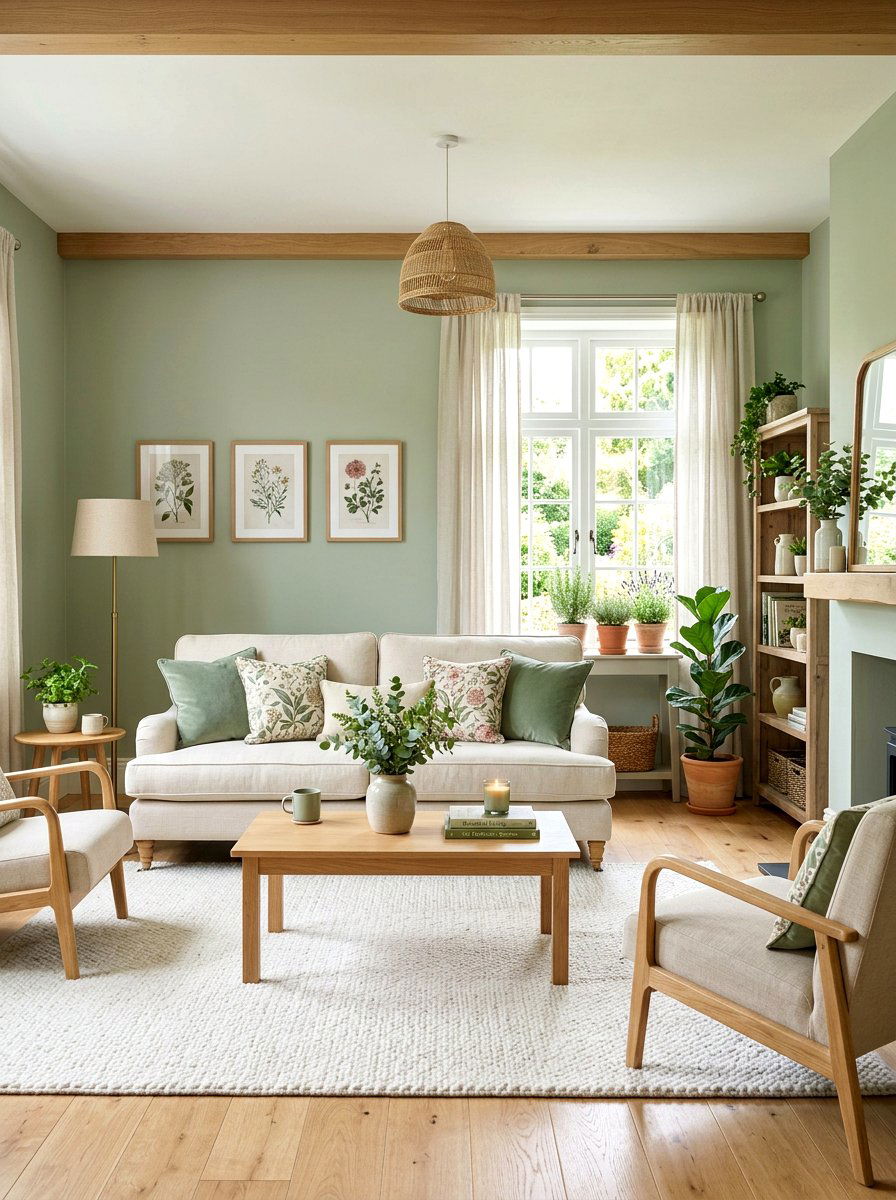
A sage green living room offers a gentle, muted connection to the natural world that feels incredibly refreshing. Sage is a sophisticated neutral that brings the calming essence of an herb garden or a quiet forest into your interior. It is a versatile color that pairs beautifully with warm wood tones, cream textiles, and metallic accents. In color psychology, green is associated with renewal, balance, and harmony, making it a top choice for restorative spaces. Whether used on the walls or as an accent color for a velvet armchair, sage green provides a visual breath of fresh air that never feels overwhelming. This soothing hue transforms the living room into a peaceful retreat that nurtures the soul and reduces daily stress.
27. Gallery wall living room
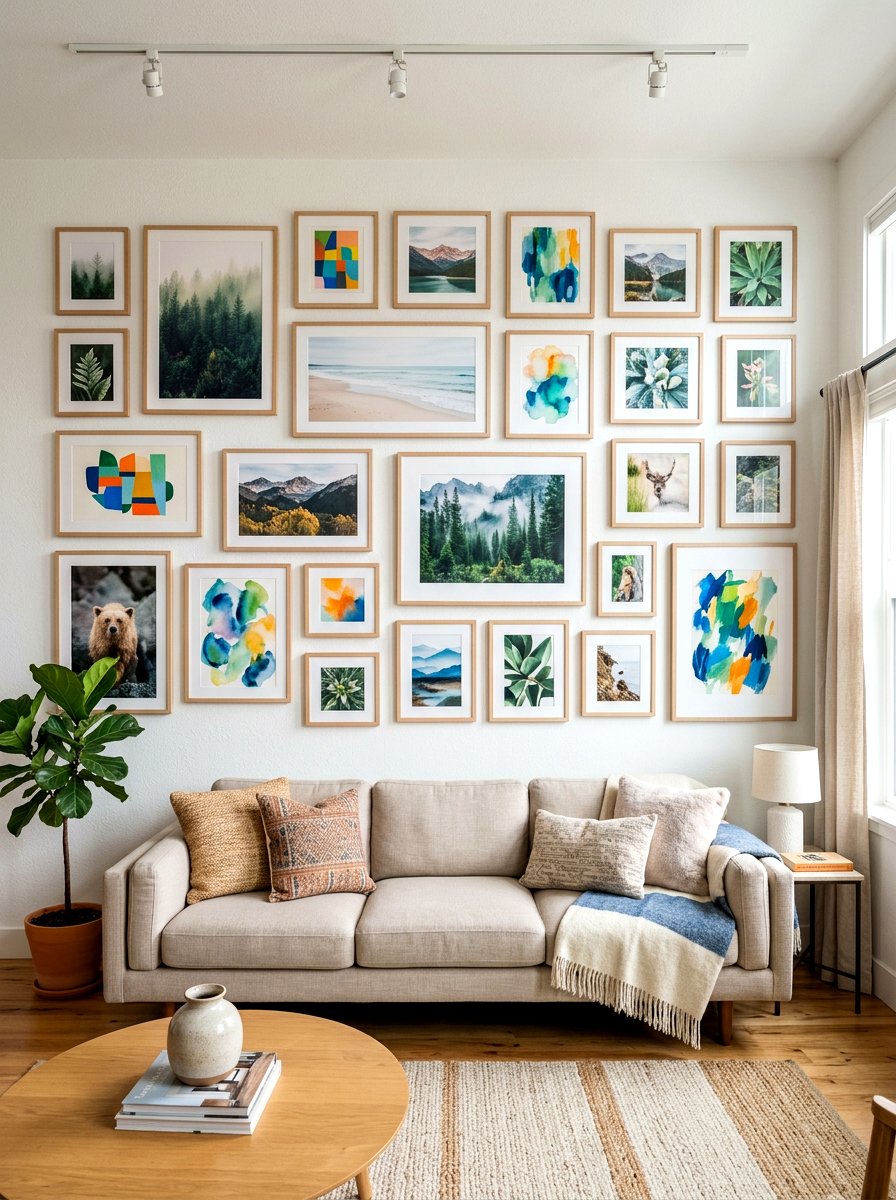
A gallery wall living room allows you to personalize your sanctuary with meaningful art and photography that brings you joy. Instead of just following trends, curate a collection of pieces that evoke positive memories or reflect your personal values. Looking at art that you love can stimulate the release of dopamine and provide a mental escape from the stresses of daily life. To keep the look restorative, use a cohesive framing style or a consistent color palette to ensure the wall doesn't become visually chaotic. Balancing the artwork with plenty of white space around the frames helps maintain a sense of order and calm. This creative expression makes your living room feel like a true reflection of your unique spirit.
28. Linen curtain living room
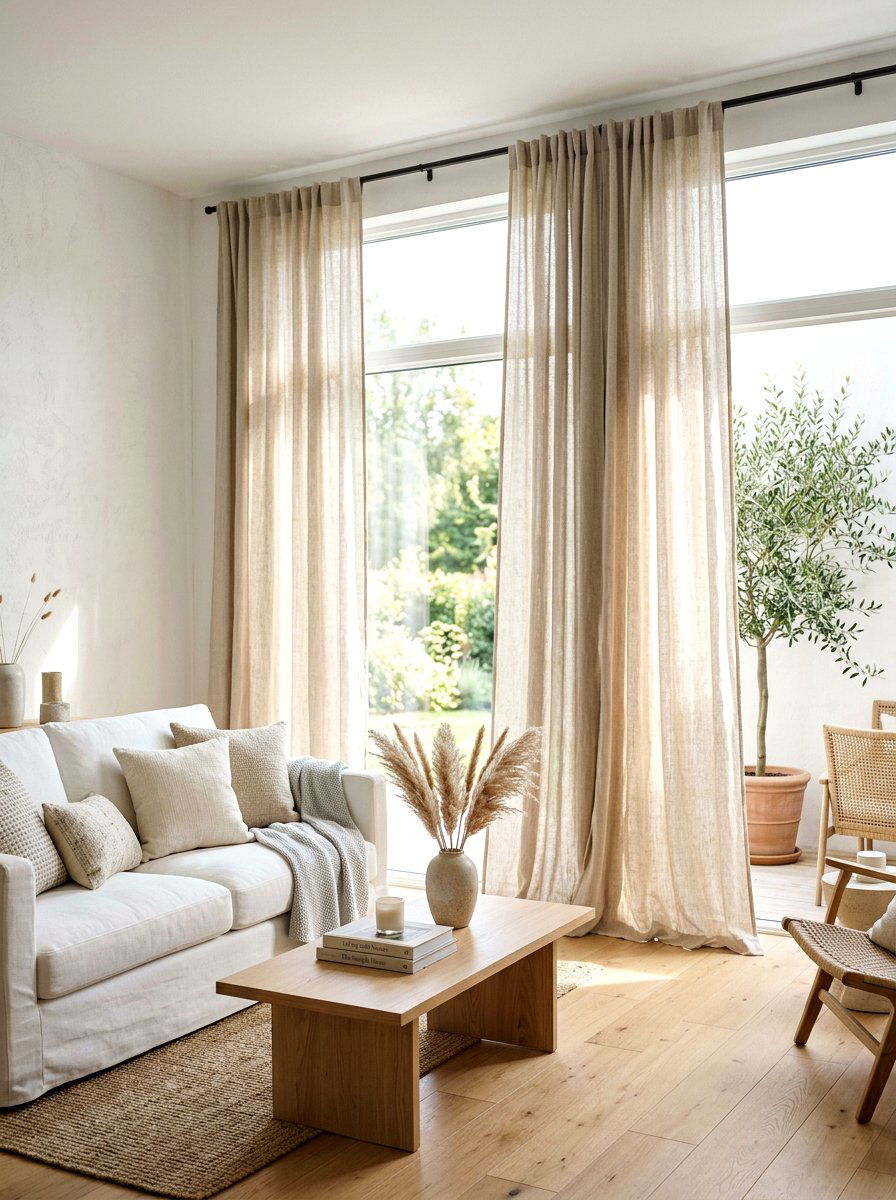
Installing a linen curtain living room is a simple way to add softness, movement, and natural light to your space. Linen is a breathable, organic fabric that has a beautiful, slightly wrinkled texture, adding a relaxed and lived-in feel to the room. These curtains diffuse the sunlight perfectly, creating a soft, ethereal glow that is much more soothing than the harsh light from an uncovered window. The gentle swaying of the fabric in a breeze adds a subtle kinetic element that connects you to the outdoors. Choosing neutral tones like oatmeal or soft white keeps the look airy and expansive. This small textile upgrade can significantly soften the overall aesthetic and enhance the restorative quality of your sanctuary.
29. Wabi sabi living room
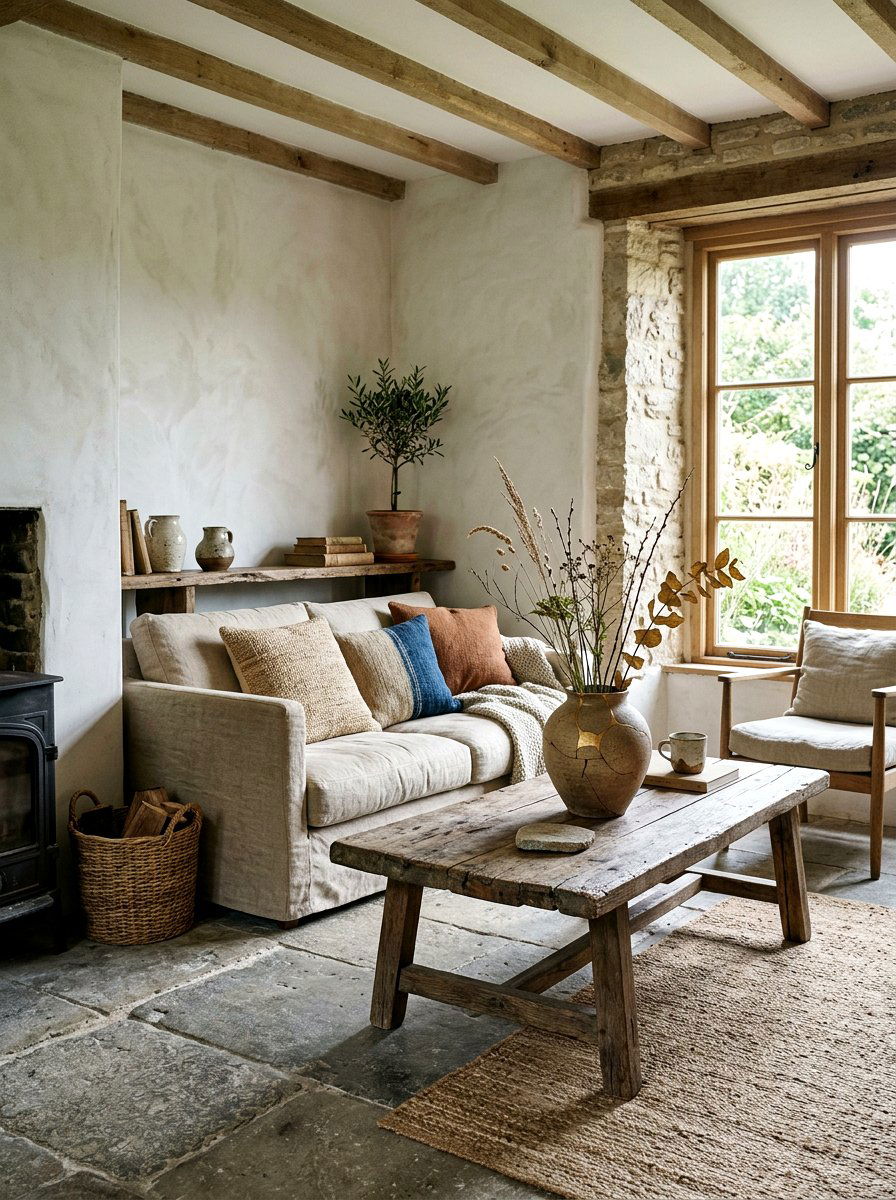
A wabi sabi living room embraces the beauty of imperfection, transience, and the natural cycle of life. This Japanese-inspired philosophy encourages you to appreciate the cracks in a ceramic vase or the worn edges of a vintage wooden table. By moving away from the pressure of perfection, you create a space that feels honest, humble, and deeply relaxing. Wabi sabi interiors often feature raw materials, muted colors, and a minimalist approach that prioritizes quality over quantity. This design style teaches us to find peace in simplicity and to accept the passage of time. Surrounding yourself with objects that have a story and a natural patina fosters a sense of gratitude and grounding that is profoundly restorative.
30. Smart home living room
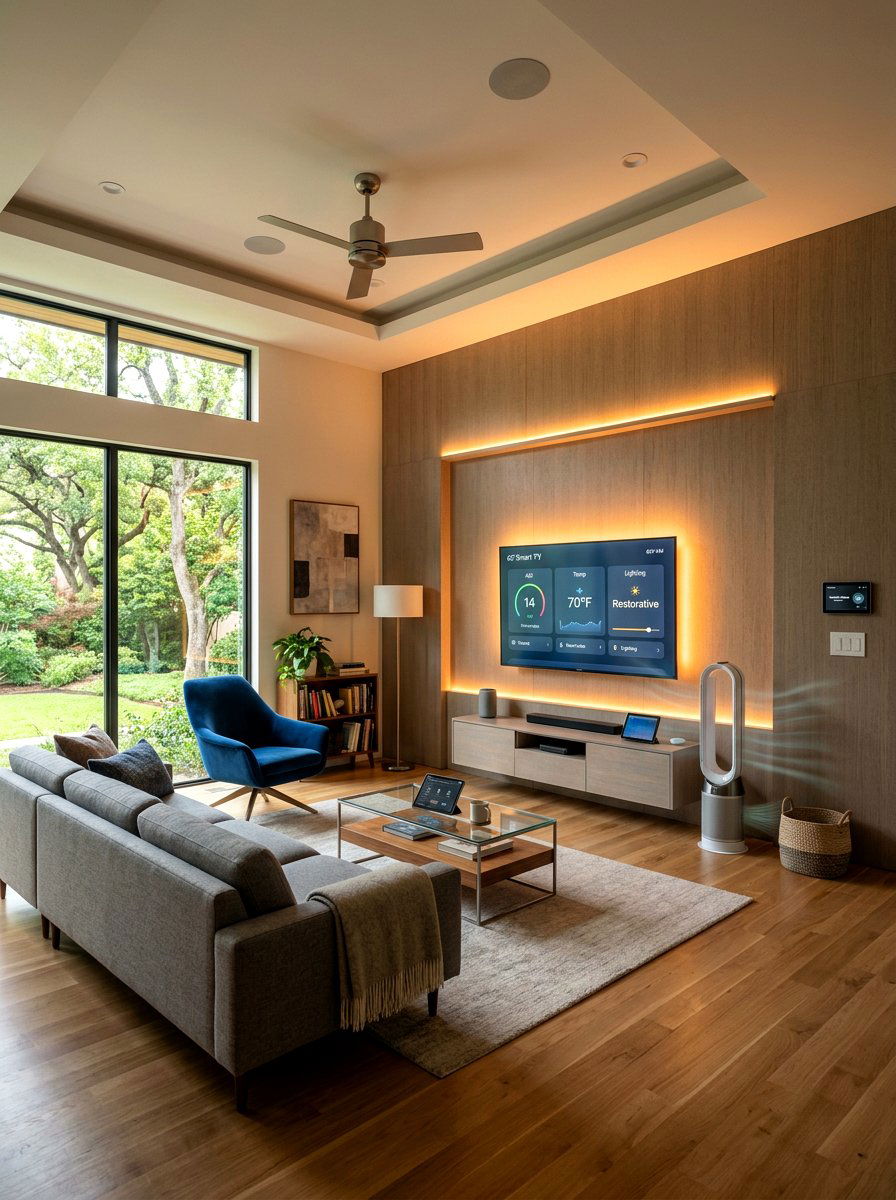
A smart home living room uses technology to subtly enhance your comfort and wellness without becoming a distraction. Imagine automated lighting that gradually shifts from cool white in the morning to warm amber in the evening, supporting your natural sleep cycles. Smart thermostats can maintain the perfect restorative temperature, while integrated sound systems play nature soundscapes at a touch of a button. The key is to keep the technology hidden or integrated into the decor so it doesn't interrupt the peaceful atmosphere. High-tech solutions for air purification and automated blinds can handle the maintenance of your environment, allowing you more time to relax. This modern approach ensures that your home works for you, creating a seamless and supportive sanctuary.
Conclusion:
In conclusion, a restorative living room is the ultimate investment in your long-term health and happiness. By moving beyond temporary aesthetics and focusing on sensory comfort, natural elements, and intentional layouts, you can create a home that truly heals. Whether you choose to introduce biophilic elements, embrace a wabi-sabi philosophy, or simply declutter your surroundings, each small change contributes to a more peaceful lifestyle. These thirty ideas demonstrate that a sanctuary is not a luxury but a necessity in our modern, fast-paced world. Your living room should be a place where you can breathe deeply, reconnect with yourself, and emerge feeling completely restored. Start your journey today and transform your house into a nurturing haven that supports your best, most balanced life.

Related posts: