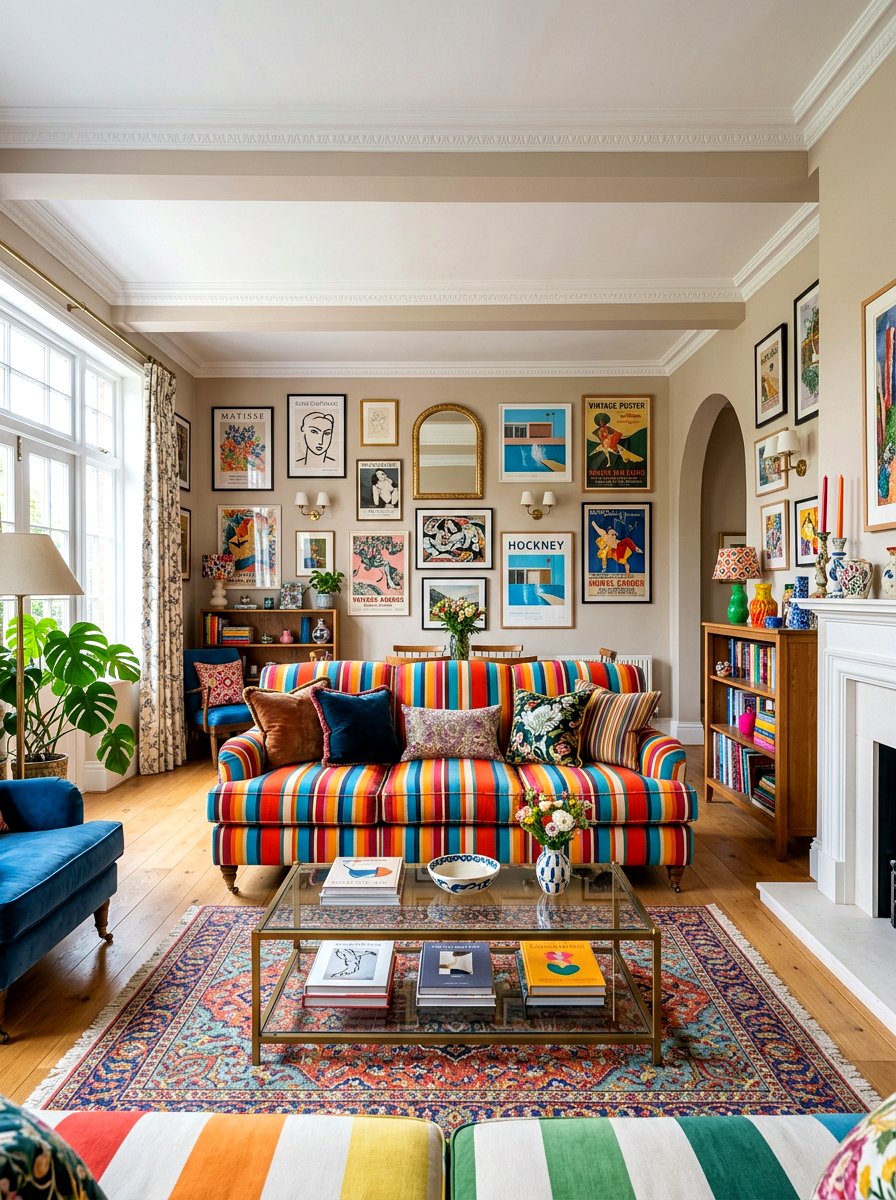
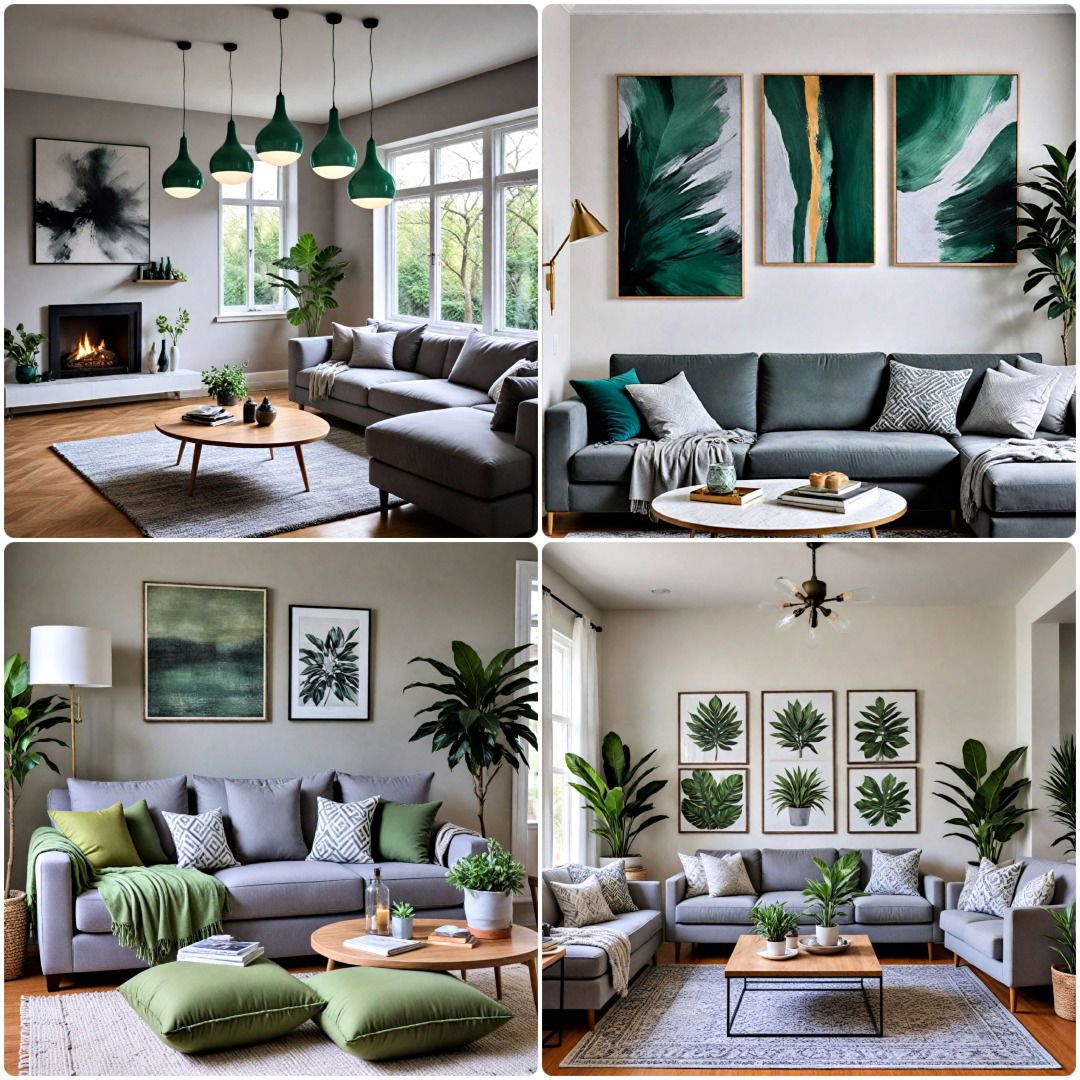
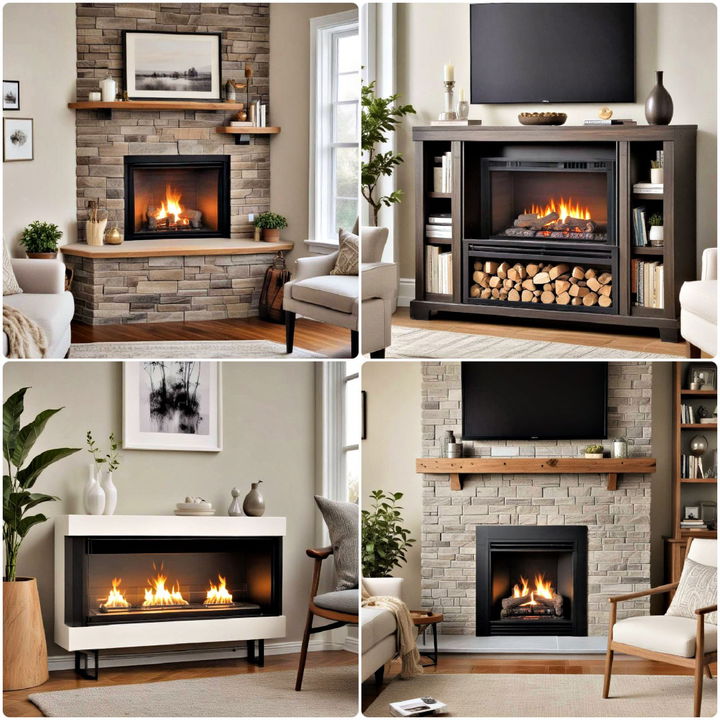
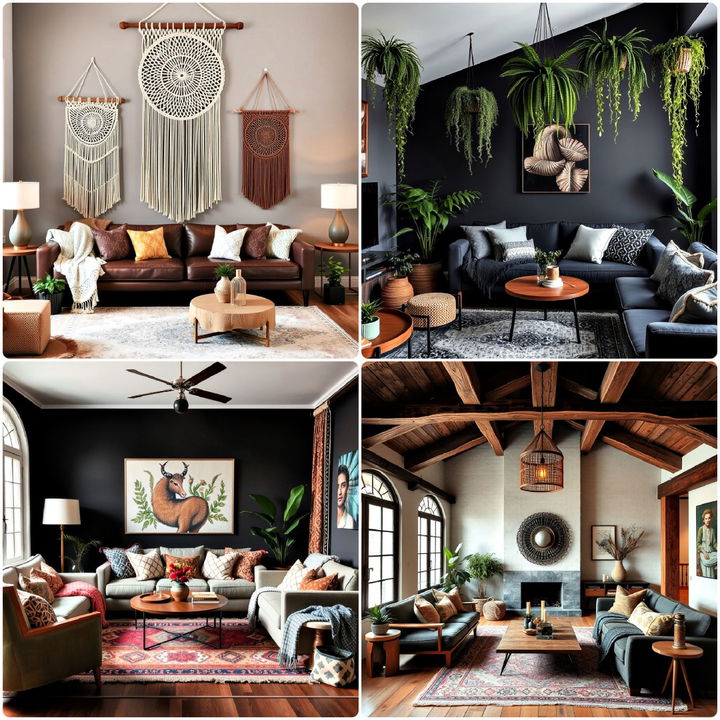
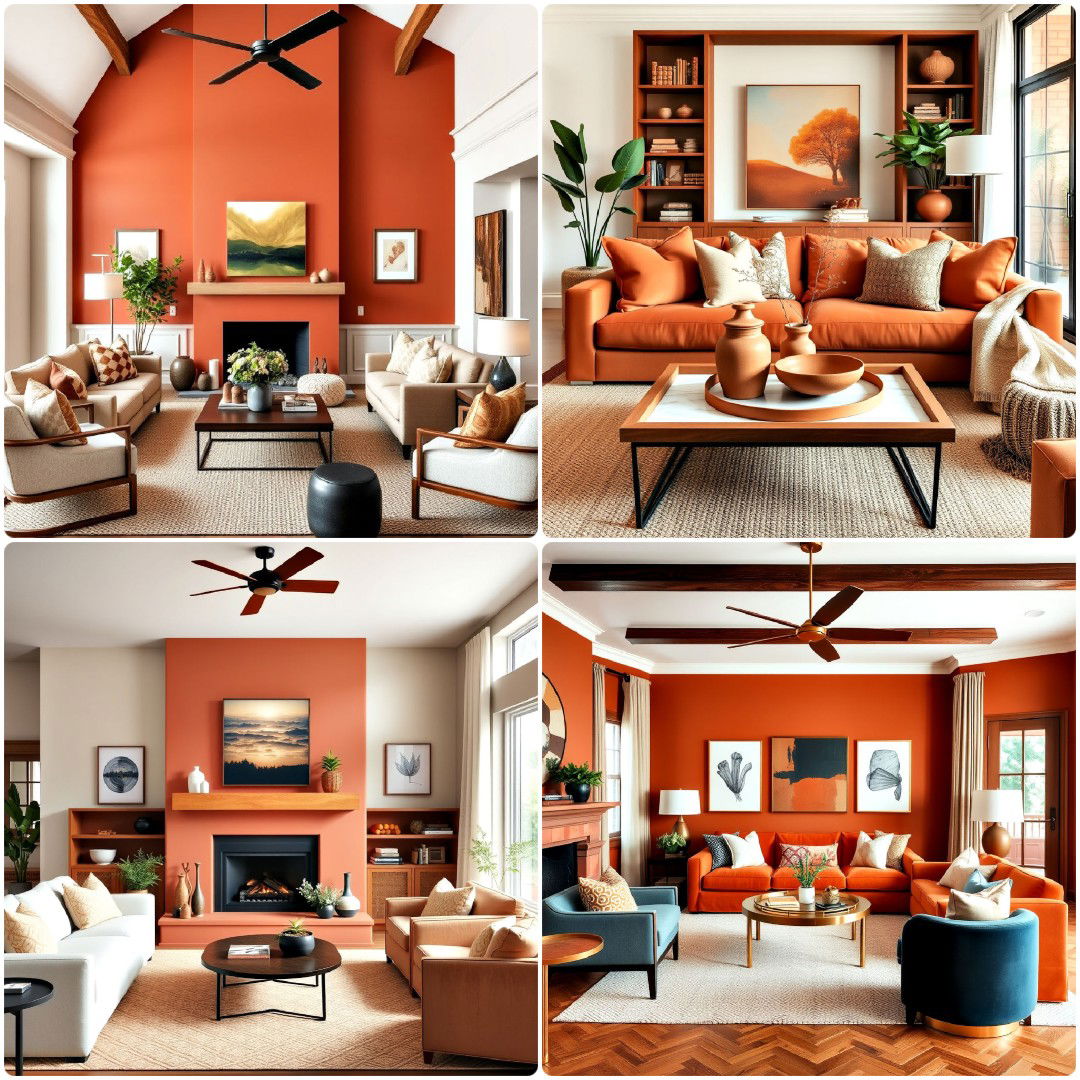
The nineteen seventies are making a massive comeback in the world of interior design, bringing a sense of warmth, personality, and nostalgia that modern minimalism often lacks. This era was defined by a fearless approach to color, texture, and communal living, making it a goldmine for viral Pinterest inspiration. From the iconic sunken lounges to the earthy palettes of avocado green and burnt orange, these vintage elements offer a cozy yet sophisticated vibe for contemporary homes. Integrating retro silhouettes with modern materials allows you to create a space that feels both timeless and trendy. Whether you love bohemian textures or sleek disco-inspired glam, the seventies provide endless creative possibilities for your home.
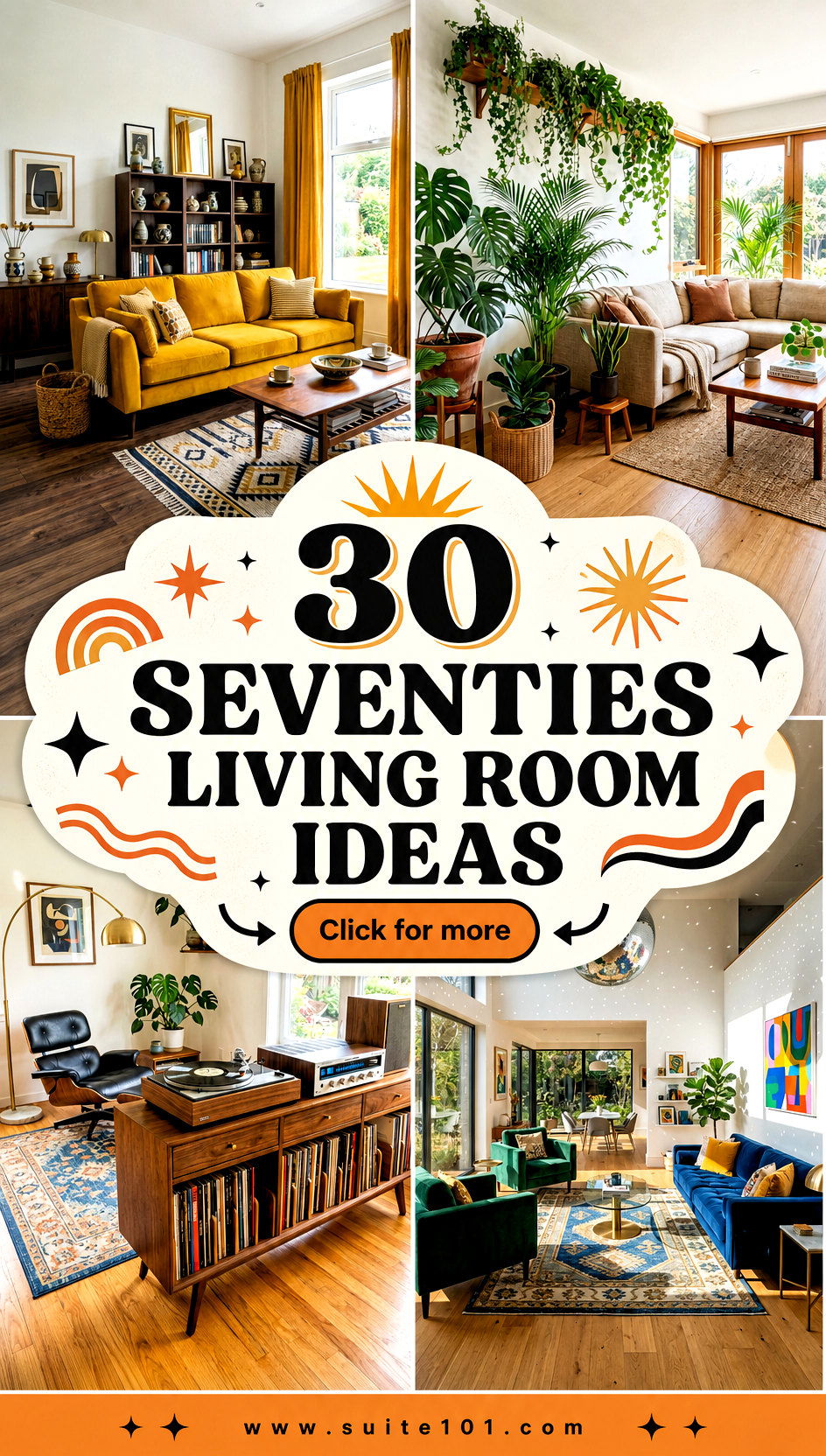
1. Conversation pit living room
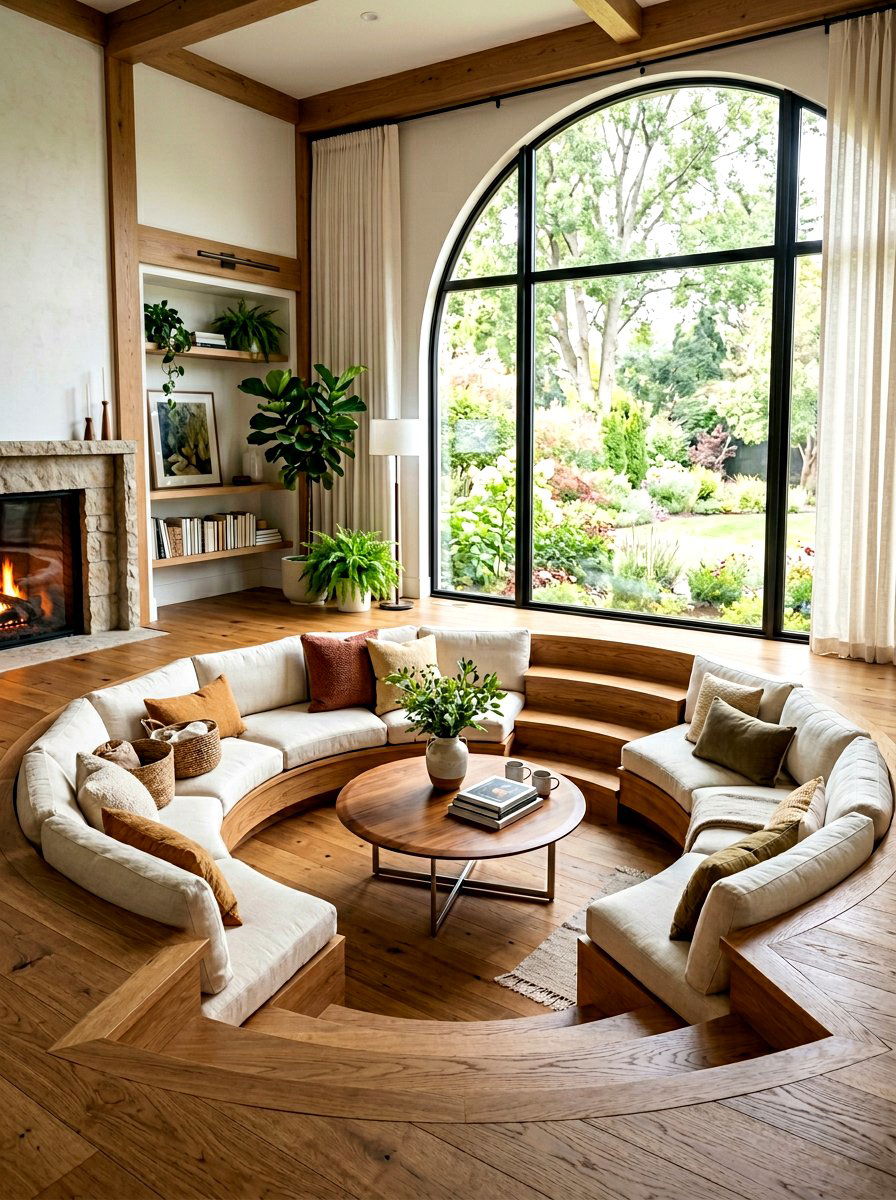
The conversation pit living room remains one of the most iconic architectural features of the seventies, offering a unique sunken area for social gatherings. This design focuses on creating an intimate environment where family and friends can sit closer together without the barrier of traditional bulky furniture. By lowering the floor level, the room gains a sense of depth and architectural interest that immediately draws the eye downward. Modern interpretations use plush velvet upholstery and neutral colors to update this retro look for contemporary homes. Adding a circular layout encourages face-to-face interaction while maintaining a cozy, enclosed atmosphere that feels both luxurious and nostalgic for anyone entering the space.
2. Sunken lounge
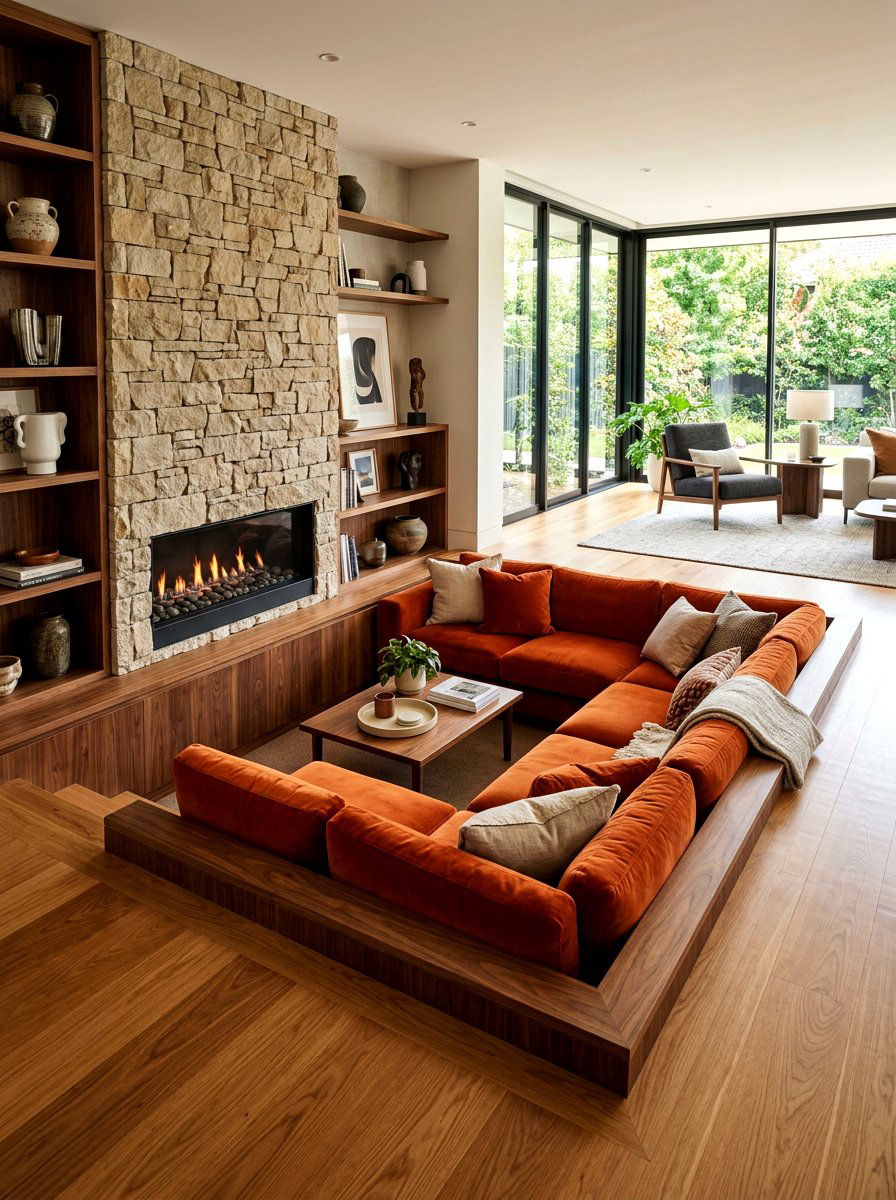
A sunken lounge creates a distinct architectural boundary within an open-concept living space, providing a cozy sanctuary for relaxation and entertainment. This classic seventies feature uses a change in floor elevation to define the seating area without the need for walls or dividers. In a modern home, this design element can be highlighted with sleek hardwood steps and integrated lighting for a sophisticated touch. Pairing the sunken area with a large modular sofa ensures that the space remains functional for large groups of people. The result is a dramatic focal point that celebrates communal living while offering a high-end, custom feel to any residential floor plan.
3. Shag rug
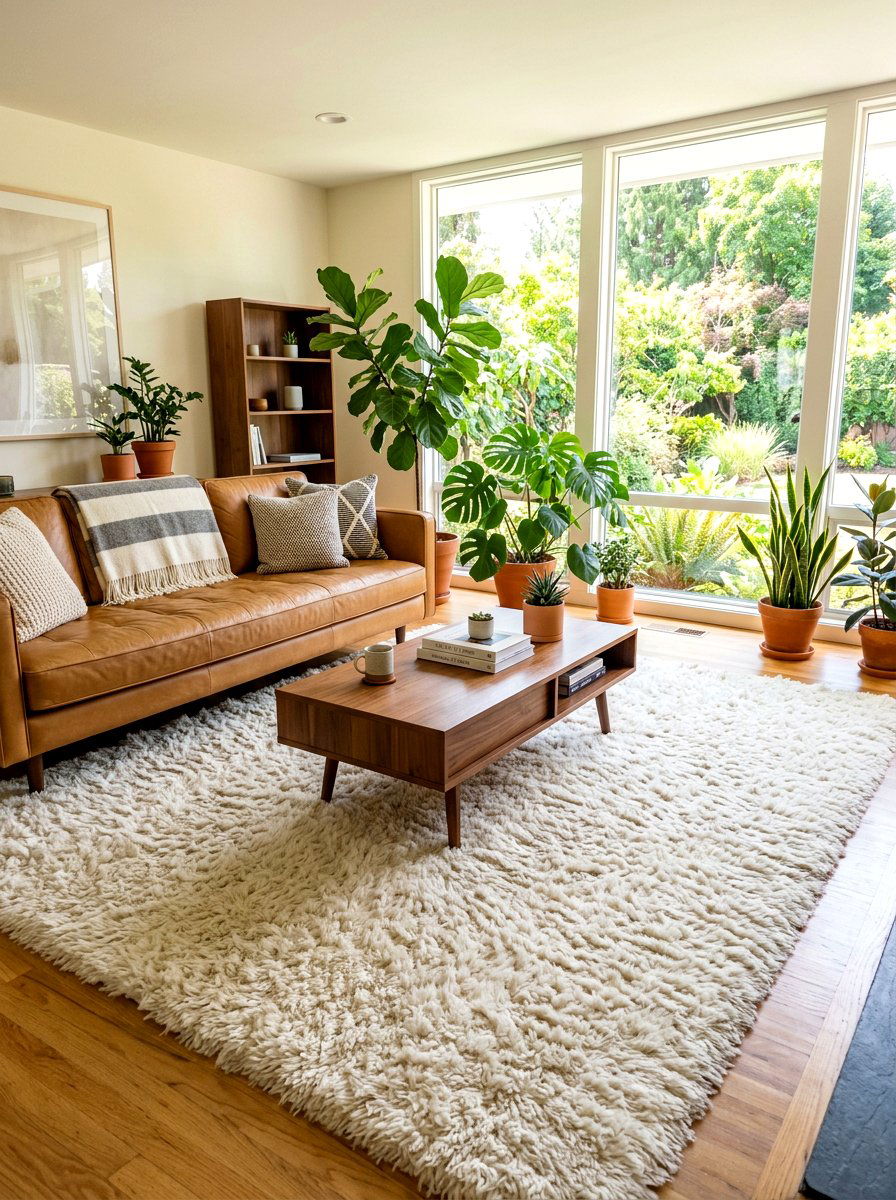
The shag rug is a staple of seventies decor that provides unmatched texture and comfort to any modern living room arrangement. Known for its high pile and soft feel, this type of flooring adds a layer of cozy warmth that grounds the entire room. Choosing a cream or beige shag rug allows you to incorporate this retro trend without overwhelming the space with too much color. When placed under a mid-century coffee table, the rug creates a beautiful contrast between sleek wood and fluffy fibers. This design choice not only enhances the room's acoustics but also invites guests to kick off their shoes and stay a while.
4. Wood paneling
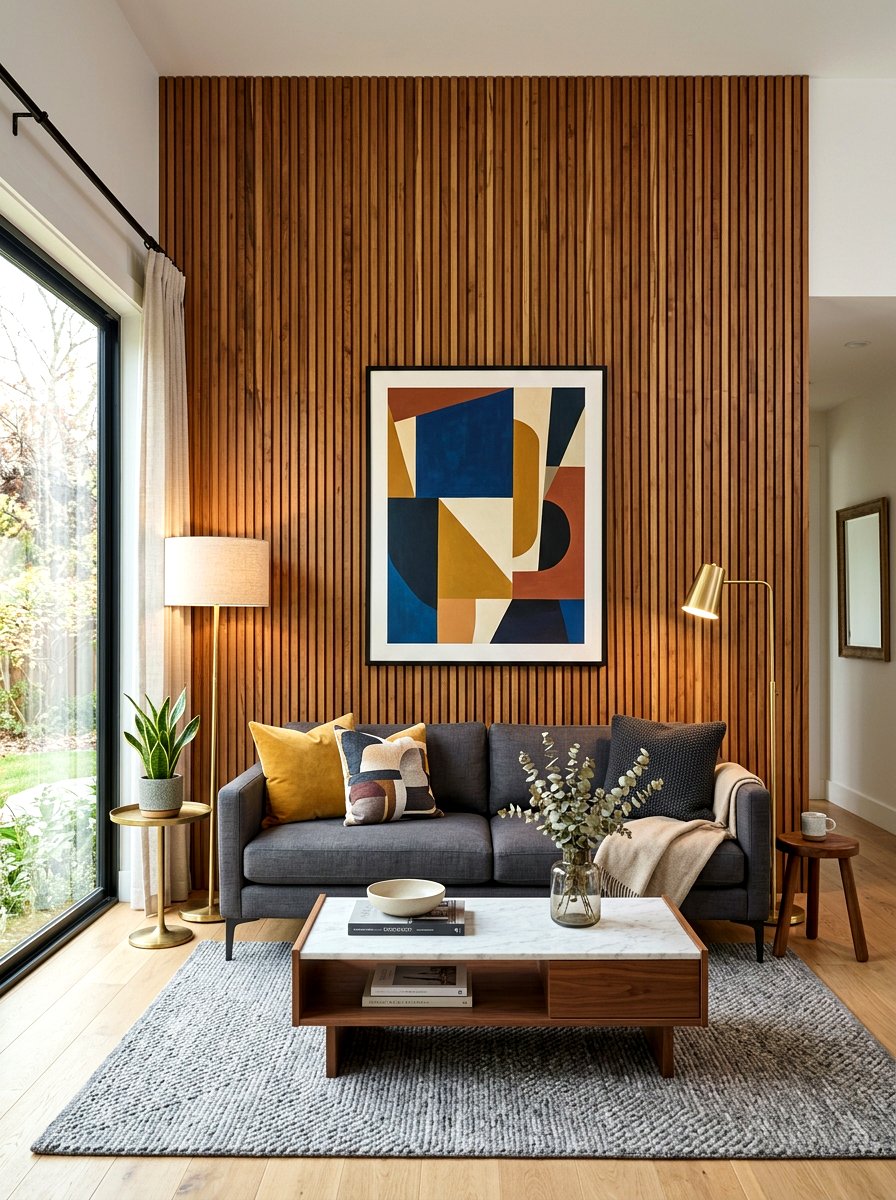
Wood paneling has evolved from its dark and heavy origins into a chic, natural element that adds incredible warmth to modern interiors. In a seventies-inspired living room, vertical wood slats or warm walnut panels can create a sophisticated backdrop for retro furniture and colorful art pieces. This treatment brings a sense of the outdoors inside, echoing the era’s deep connection to organic materials and earthy textures. When paired with bright, neutral furniture, wood-paneled walls prevent the space from feeling too enclosed or dated. It is a perfect way to introduce architectural character while keeping the overall aesthetic grounded, textured, and visually interesting for any guest.
5. Rattan furniture
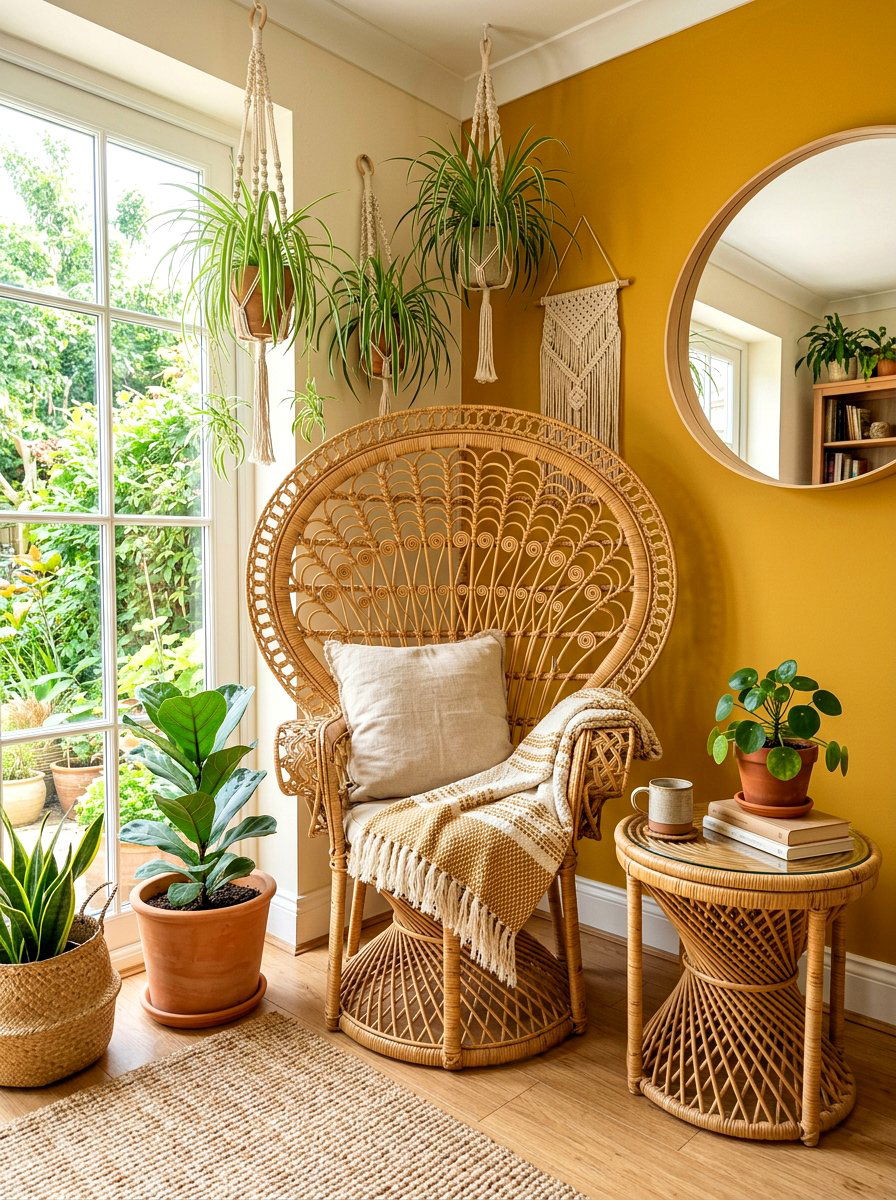
Rattan furniture brings a light and airy bohemian vibe to any living space, making it a quintessential element of the seventies revival. From peacock chairs to intricate side tables, these woven pieces add a handmade quality that feels both authentic and sustainable for modern living. Rattan works exceptionally well when paired with lush indoor plants and earthy color palettes like terracotta or mustard yellow. Its natural texture breaks up the sleekness of modern surfaces, providing a relaxed atmosphere that encourages comfort. Using rattan as a statement piece ensures your living room feels curated and inspired by nature while maintaining a stylish, vintage-inspired look throughout.
6. Velvet sofa
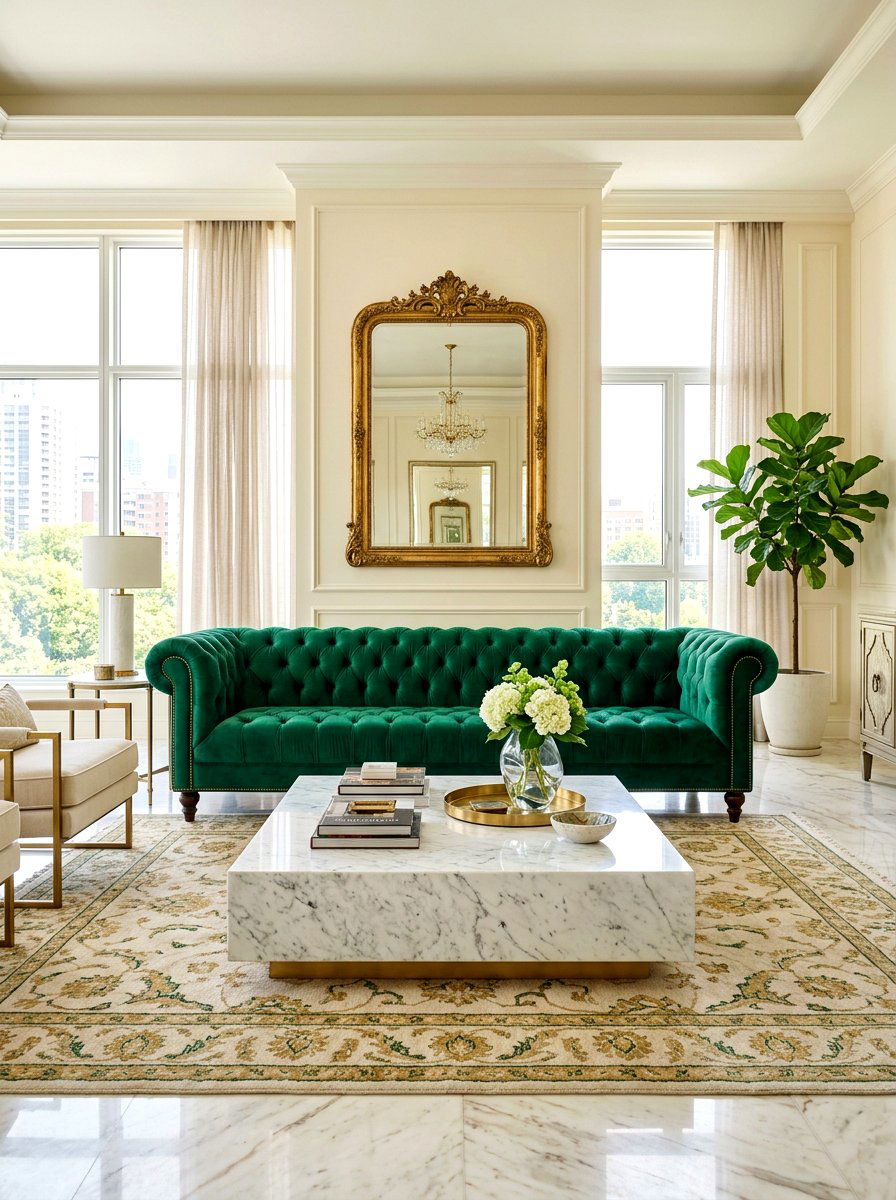
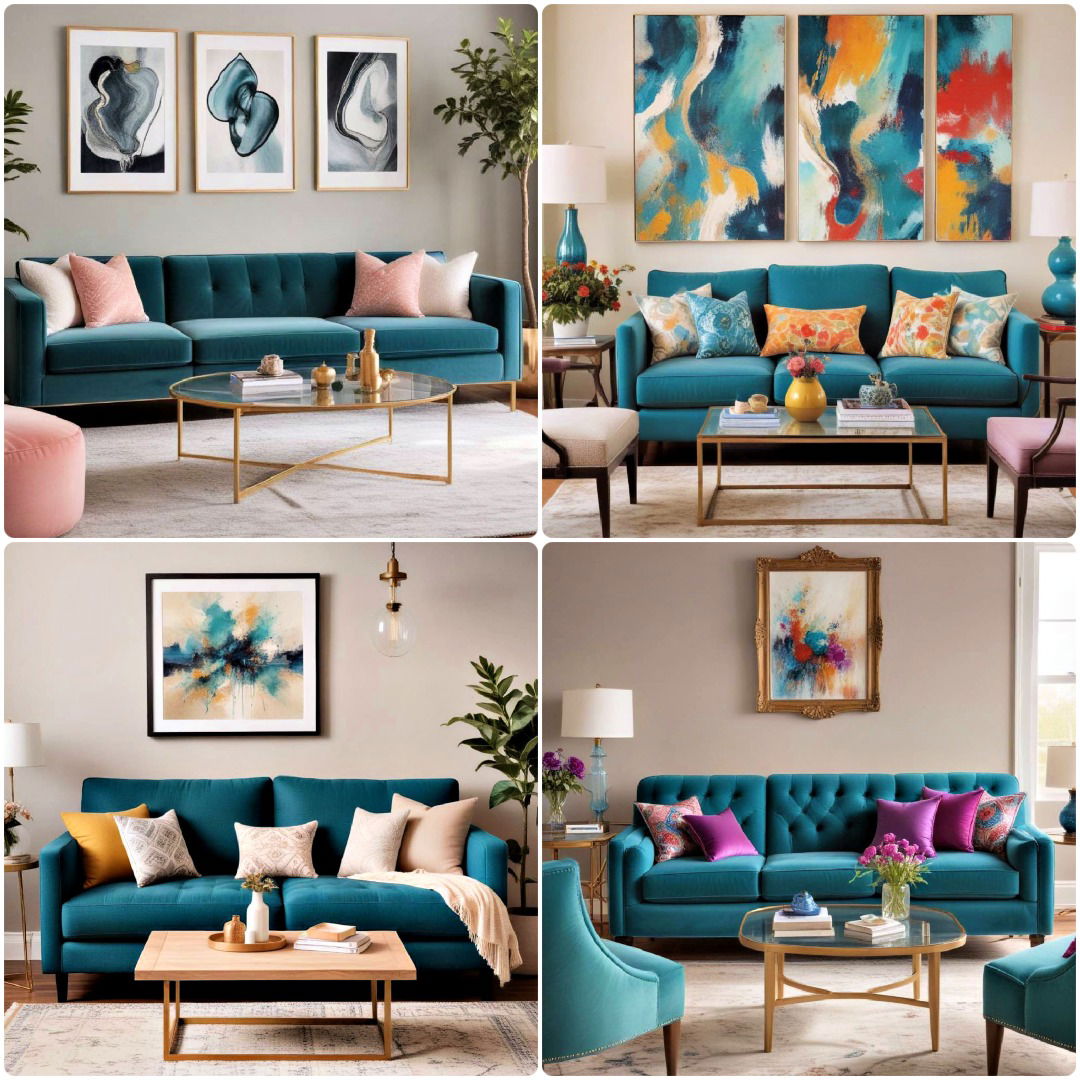
A velvet sofa is the ultimate statement piece for a seventies-themed living room, offering a rich texture and a vibrant pop of color. During this era, velvet was synonymous with luxury and comfort, often appearing in bold shades like emerald green or navy blue. A low-profile, tufted velvet couch provides a comfortable place to lounge while serving as the primary focal point of the interior design. The way velvet catches the light adds a dynamic quality to the room, making it feel more upscale and sophisticated. This fabric choice bridges the gap between retro glam and modern elegance, ensuring your seating area feels both cozy and grand.
7. Macrame wall decor
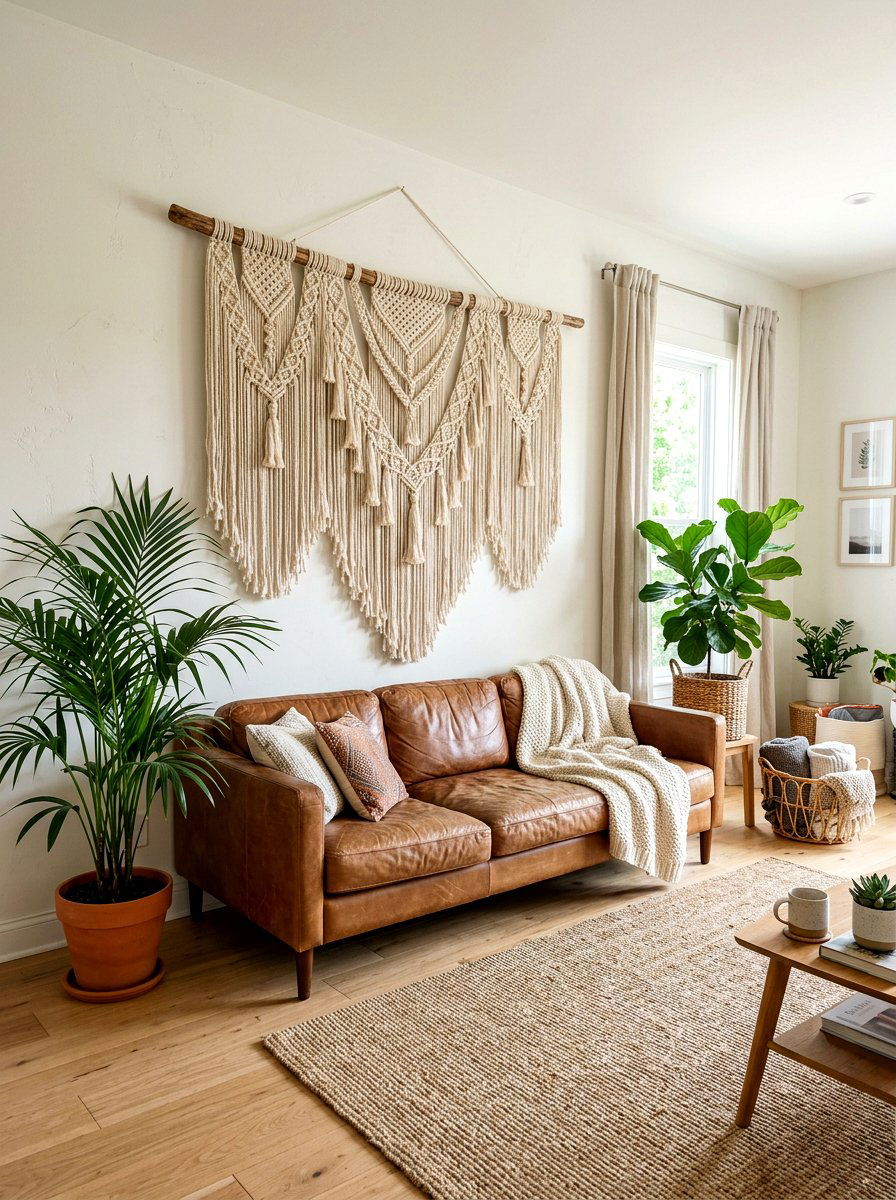
Macrame wall decor is a beloved textile art form that adds a soft, bohemian touch to the vertical surfaces of a room. These hand-knotted pieces provide a sense of craftsmanship and history, reflecting the artistic and DIY spirit of the nineteen seventies. Hanging a large macrame tapestry above a sofa or fireplace creates a stunning focal point that introduces intricate patterns without the need for paint. The natural cotton fibers complement other organic materials like wood and stone, enhancing the room's overall tactile appeal. It is an affordable and stylish way to fill empty wall space while adding a layer of vintage-inspired charm to your home.
8. Mustard yellow living room
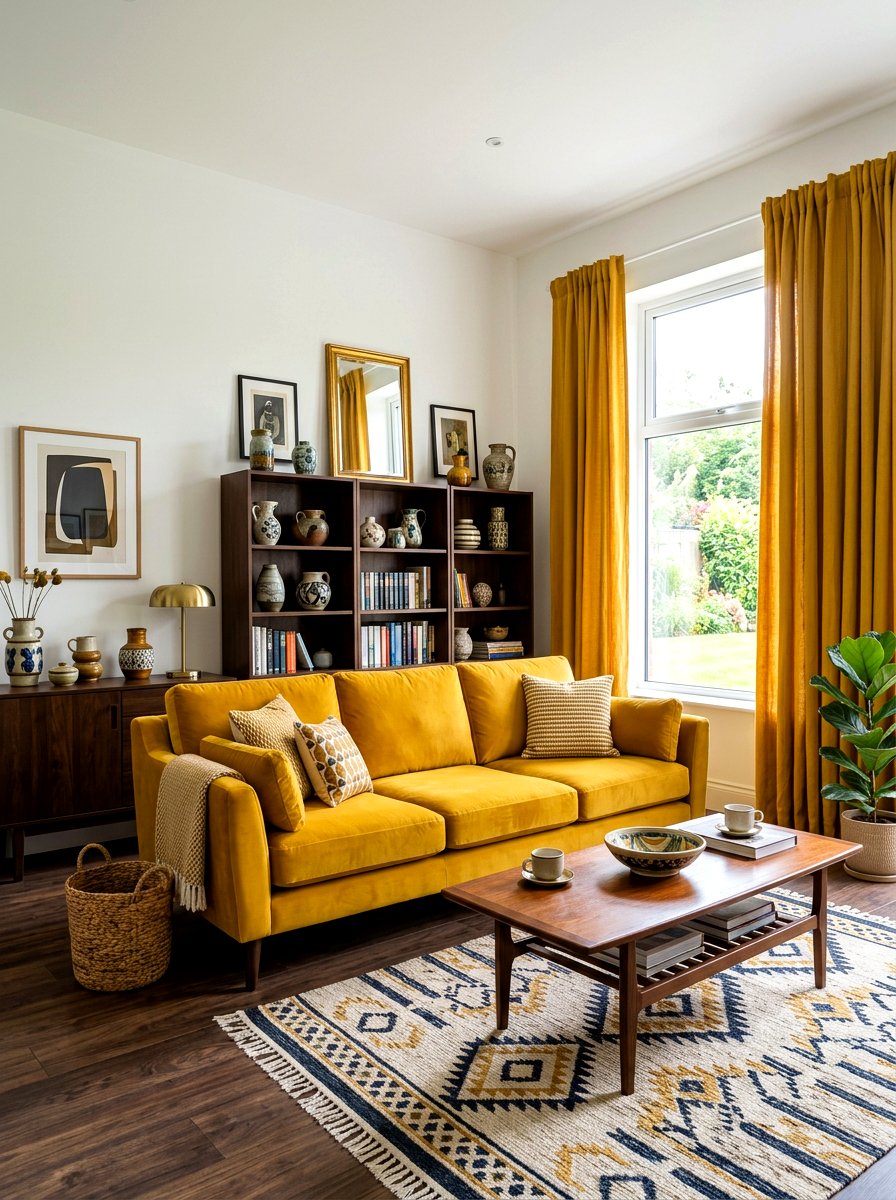
A mustard yellow living room captures the sunny and optimistic spirit of the seventies, providing a warm and inviting atmosphere for everyone. This bold hue works beautifully as a primary wall color or as a dominant accent through upholstered furniture and throw pillows. When paired with dark wood tones and white accents, mustard yellow feels sophisticated rather than overwhelming or dated. This color choice adds an instant energy to the space, making it feel bright even on cloudy days. By layering different textures in this specific shade, you can create a cohesive and stylish look that pays homage to the era while remaining completely modern.
9. Avocado green living room
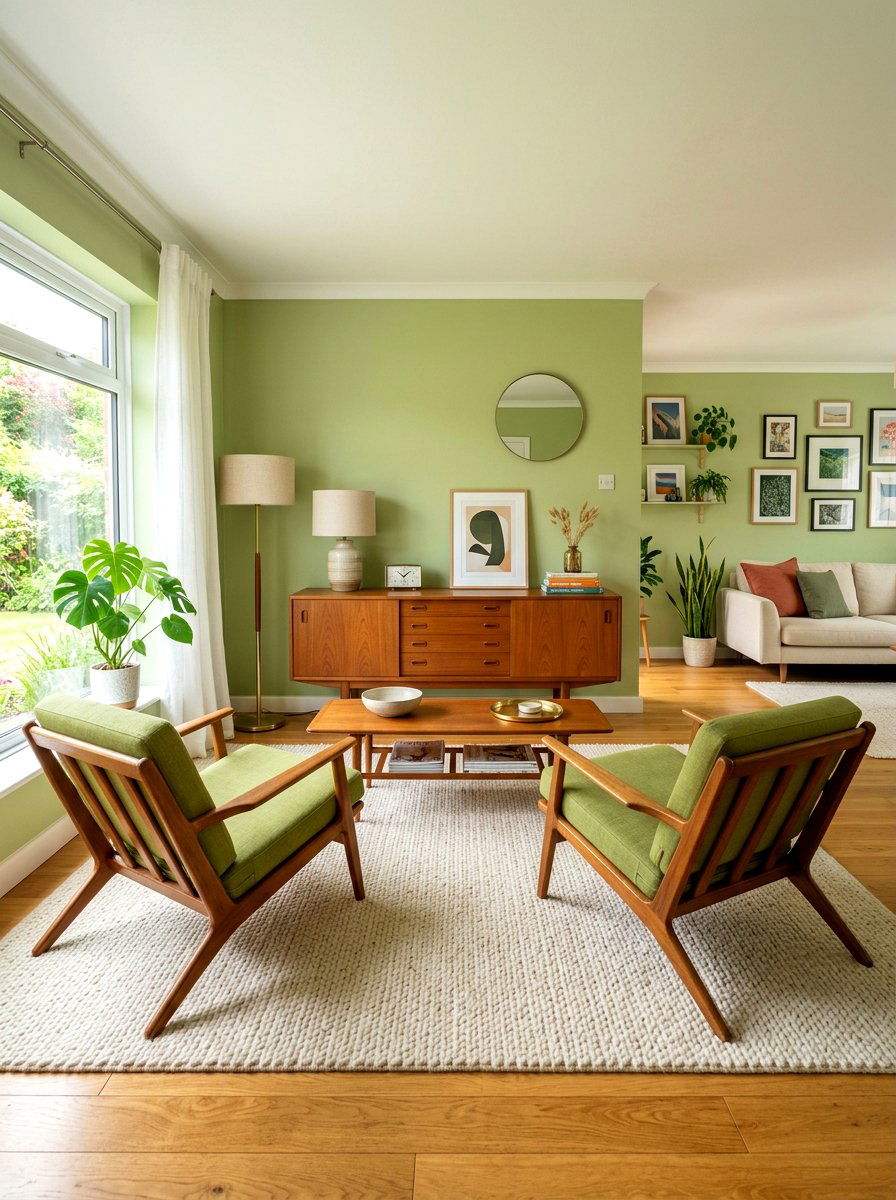
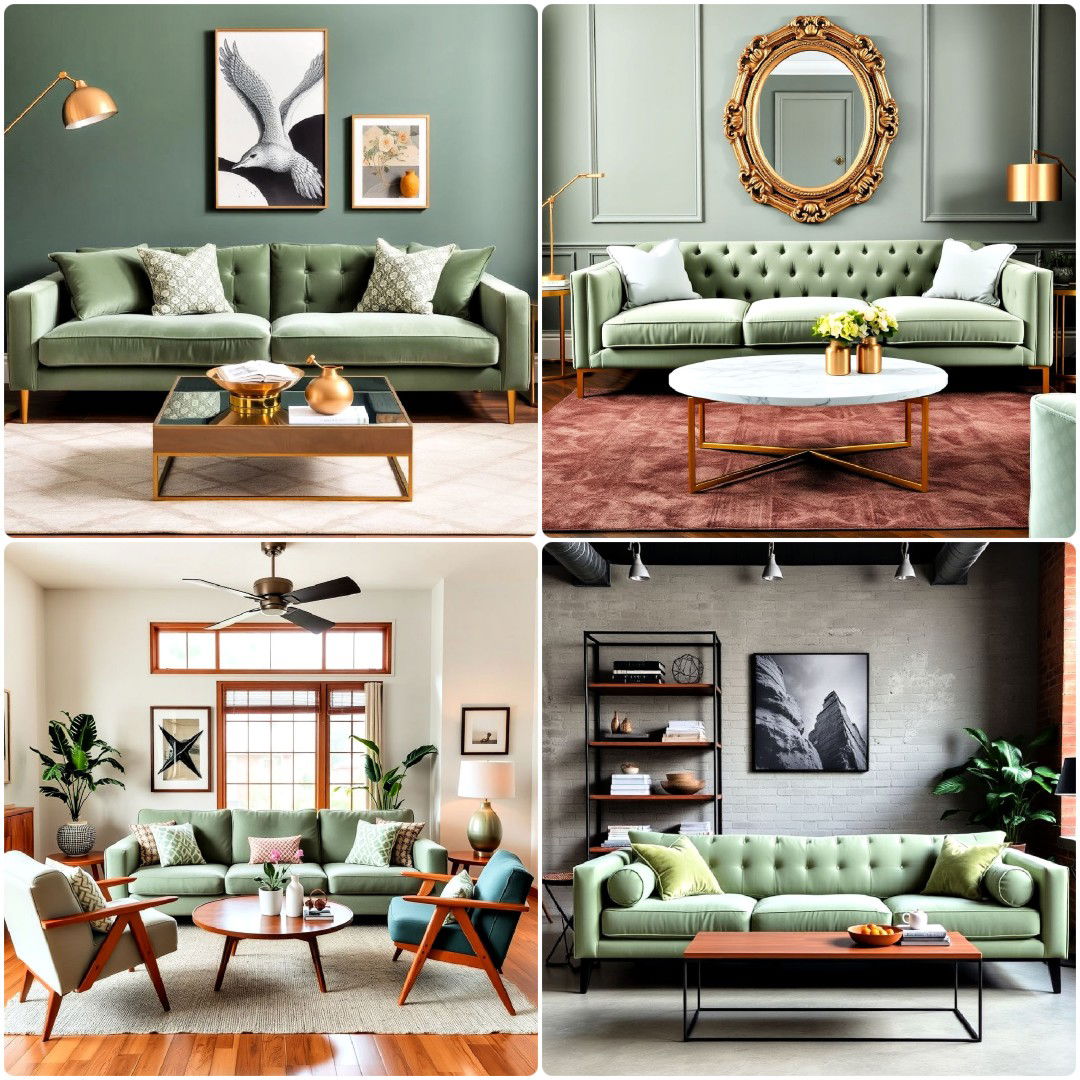
Avocado green is perhaps the most recognizable color from the seventies, and it is making a stylish return in modern interior design. This muted, earthy tone brings a sense of serenity and connection to nature, making it ideal for a relaxing living space. Using avocado green on a statement wall or through a velvet armchair creates a grounded look that pairs perfectly with warm wood finishes. When balanced with neutral creams and gold accents, this color feels fresh and elevated rather than stuck in the past. It offers a unique alternative to standard neutrals, providing a sophisticated backdrop that celebrates vintage charm and organic beauty.
10. Burnt orange living room
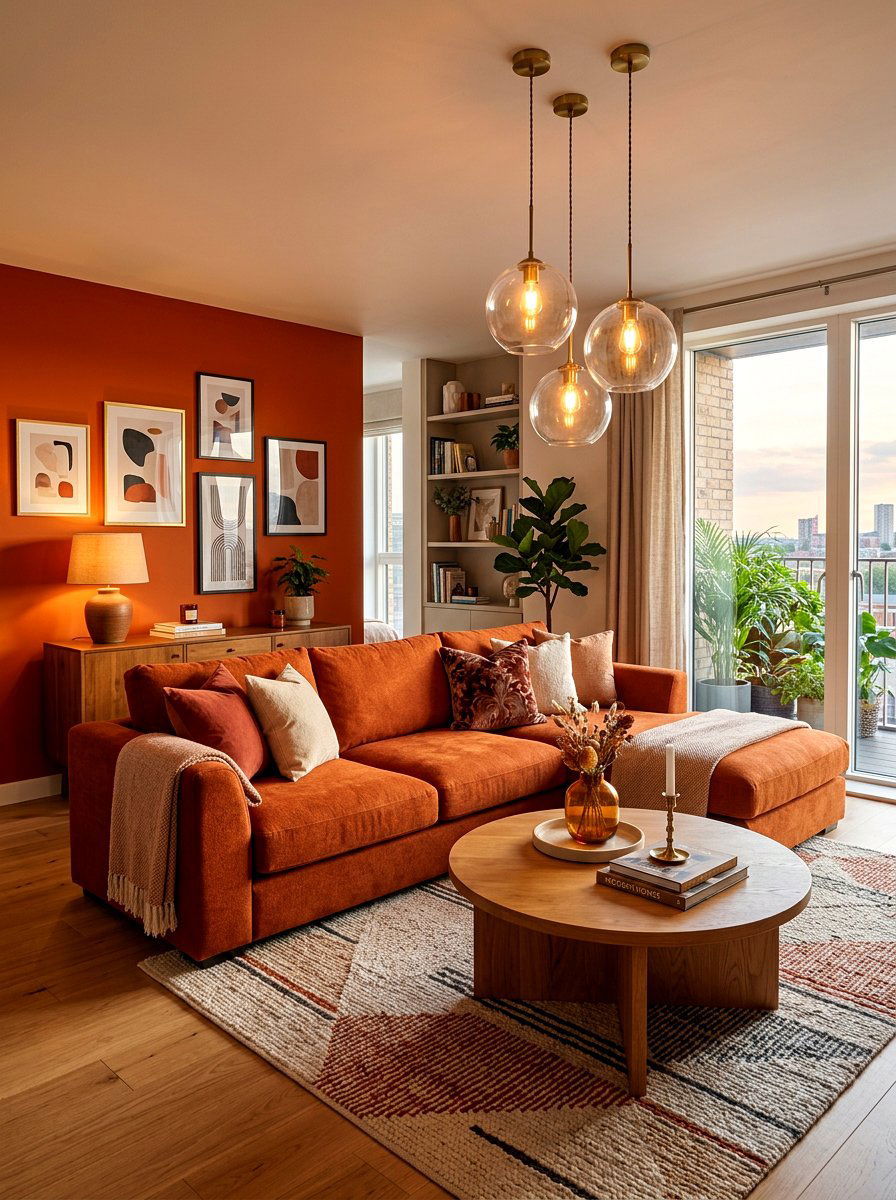
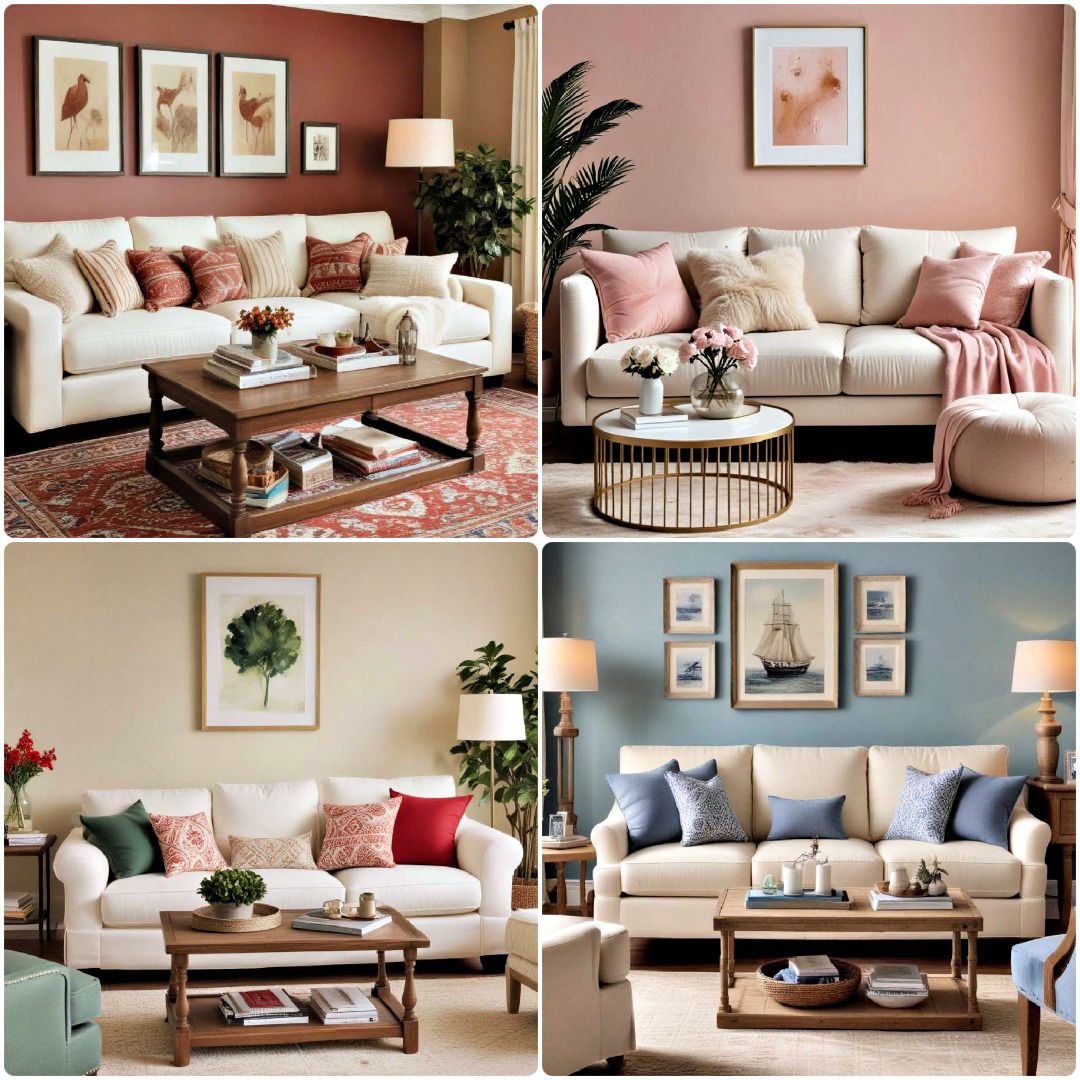
The burnt orange living room trend is all about creating a cozy, autumnal feel that lasts throughout the entire year. This rich and fiery hue adds a sense of depth and warmth, especially when used on large pieces of furniture like a sectional sofa. Burnt orange pairs exceptionally well with other seventies-inspired colors like chocolate brown and mustard yellow for a complete retro palette. To keep the look modern, incorporate plenty of white space and natural light to prevent the room from feeling too dark. This color choice creates a vibrant and energetic environment that is perfect for entertaining guests or relaxing with family members.
11. Mushroom lamp
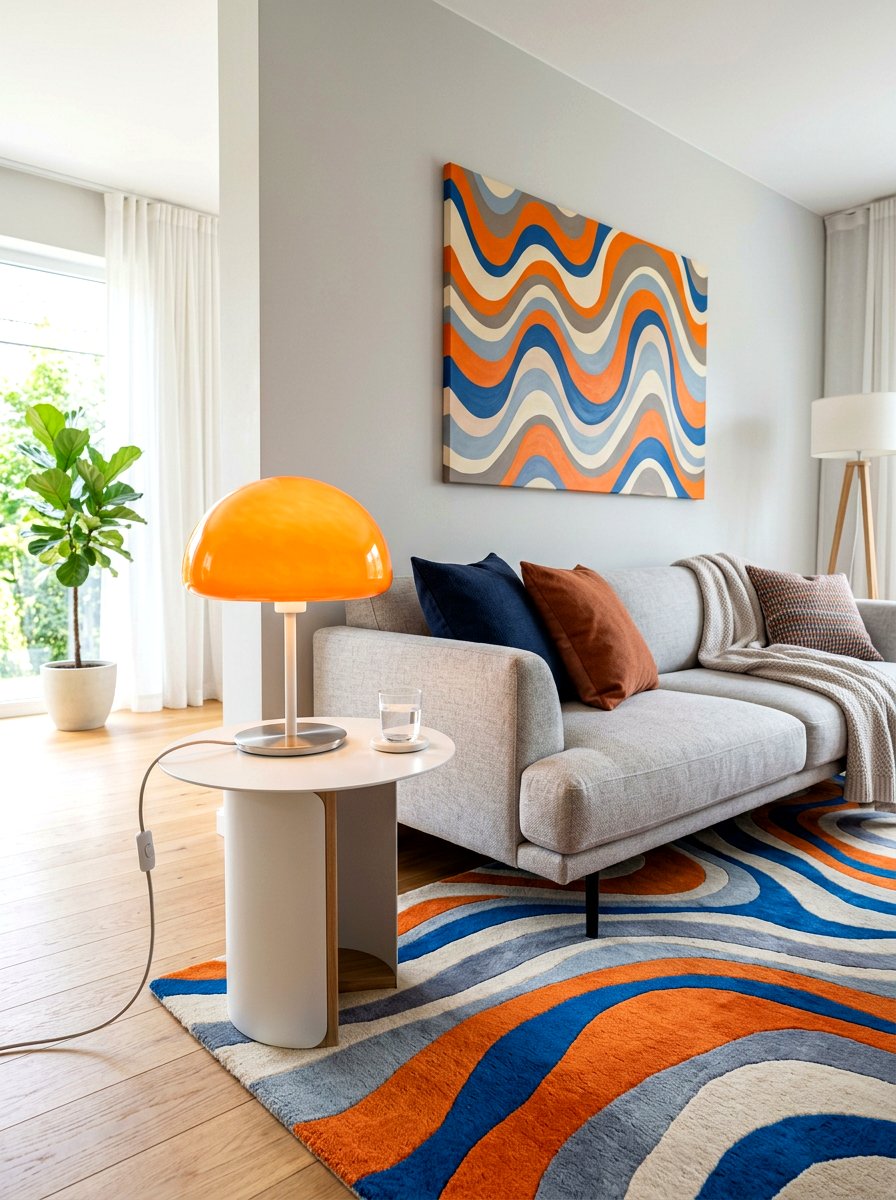
The mushroom lamp is a classic lighting silhouette that has become a viral sensation for its playful shape and soft ambient glow. Originally popularized in the seventies, these lamps feature a dome-shaped top that mimics the look of a forest mushroom. Placing a sleek glass or metal mushroom lamp on a side table adds a touch of whimsical retro style to your living room. The diffused light they provide creates a relaxing atmosphere that is perfect for evening lounging or reading. This iconic piece of decor serves as a functional sculpture, drawing the eye and adding a sense of curated vintage personality to any tabletop surface.
12. Geometric wallpaper
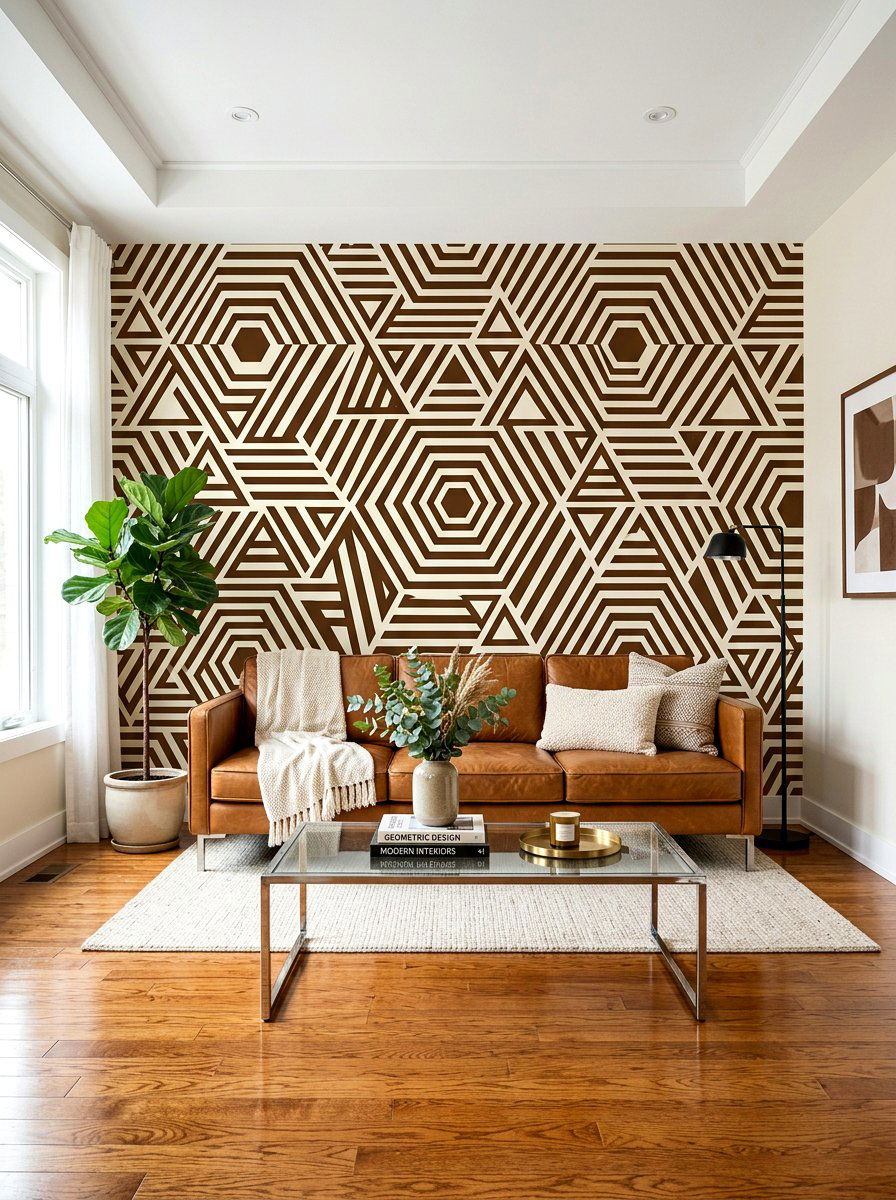
Geometric wallpaper offers a bold way to introduce pattern and visual movement into a seventies-themed living room. During this decade, large-scale prints and repetitive shapes were used to create dynamic accent walls that demanded attention. Modern versions of these patterns often feature more subtle color palettes, such as tonal grays or soft pastels, to suit contemporary tastes. When applied to a single wall, geometric wallpaper acts as a work of art that grounds the rest of the room's furniture and decor. It is a fantastic way to add architectural interest and a sense of fun to a space that might otherwise feel too plain.
13. Chrome furniture
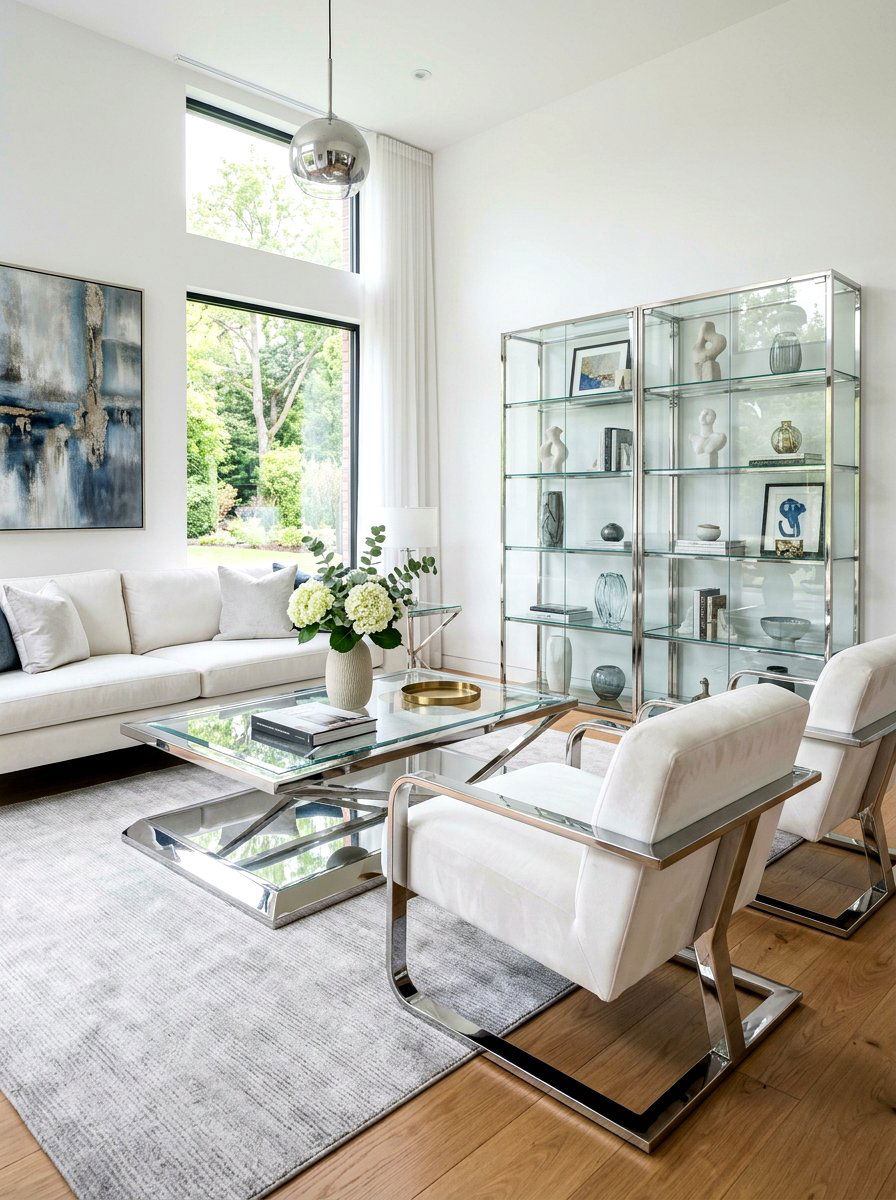
Chrome furniture represents the glitzy and futuristic side of the seventies, offering a sleek contrast to the era’s more earthy and organic elements. Reflective surfaces like polished steel coffee tables or chrome-framed chairs add a touch of modern sophistication and light to a living room. This material helps bounce light around the space, making it feel larger and more open than it actually is. Pairing chrome with soft textures like sheepskin or velvet creates a balanced look that is both edgy and comfortable. Incorporating these metallic accents is a great way to lean into the disco-glam aesthetic while keeping your interior design feeling fresh.
14. Terrazzo flooring
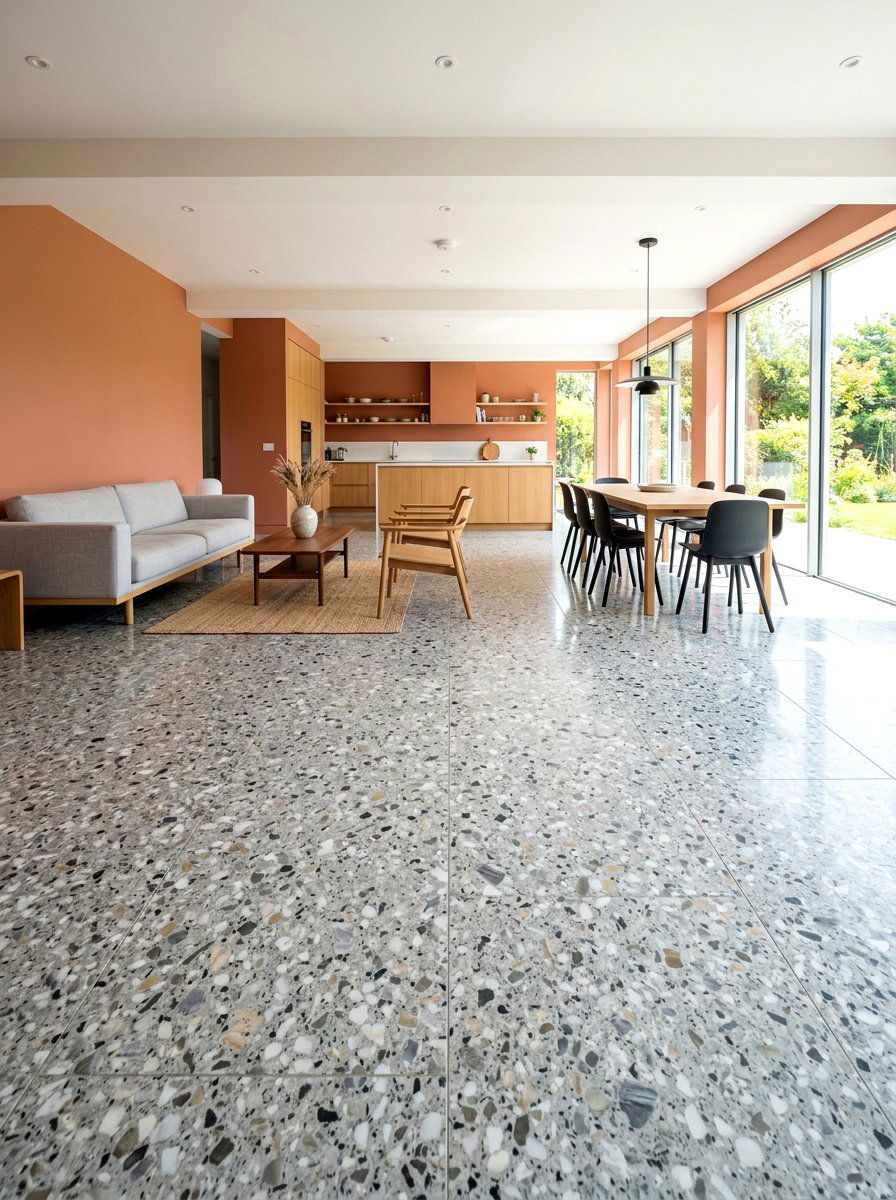
Terrazzo flooring is a durable and visually stunning material that was widely used in seventies architecture for its unique speckled appearance. Made from chips of marble, quartz, and glass set in cement, this flooring adds a layer of color and texture to any living room. Modern terrazzo often features larger chips and more diverse color combinations, making it a versatile choice for contemporary homes. Because it is so visually busy, it works best when paired with simple, solid-colored furniture to let the floor shine. This design choice is not only nostalgic but also incredibly practical, offering a long-lasting and easy-to-clean surface for busy family areas.
15. Hanging chair
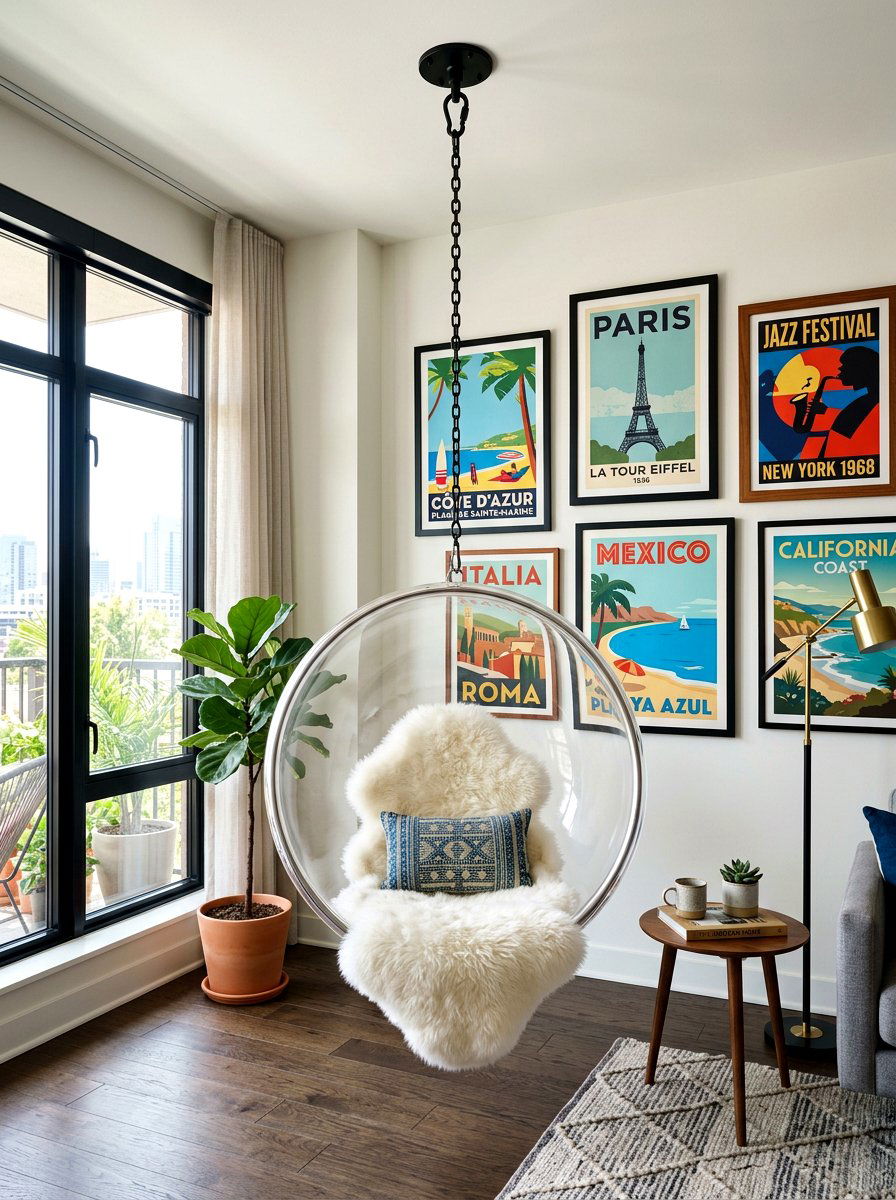
A hanging chair is the ultimate cool-girl accessory for a seventies-inspired living room, offering a playful and relaxed seating option for any corner. Typically made from rattan or clear acrylic, these chairs are suspended from the ceiling to create a floating effect that feels light and airy. Adding a plush faux fur cushion and a few throw pillows makes the chair a cozy spot for reading or napping. This design element adds a sense of movement to the room and breaks up the traditional furniture layout. It serves as a fun conversation piece that instantly elevates the bohemian or retro-modern vibe of your home interior.
16. Floating fireplace
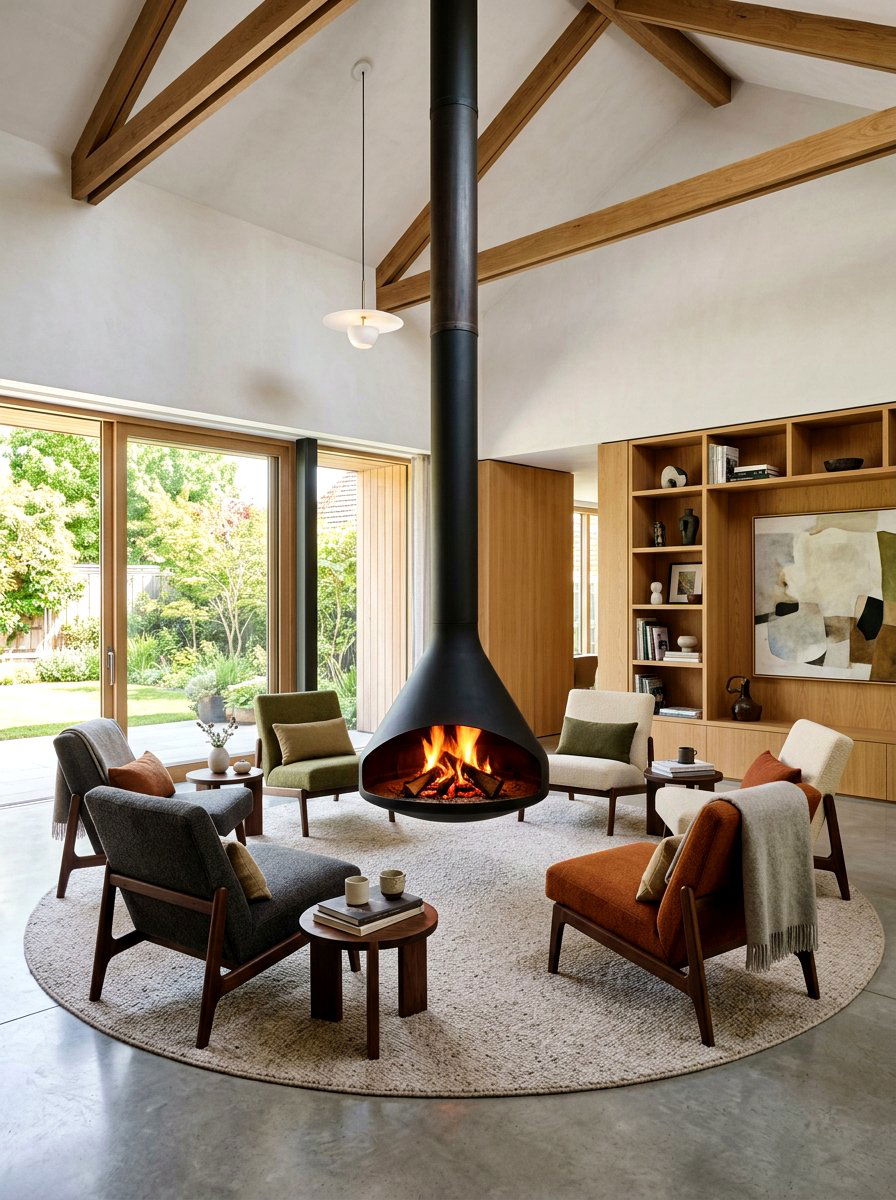
The floating fireplace is a dramatic architectural feature that brings a sense of warmth and mid-century style to the center of a room. These suspended hearths were popular in the seventies for their futuristic look and their ability to provide heat to a wide area. A black matte or copper-finished floating fireplace acts as a stunning sculptural focal point that anchors the entire living space. Surrounding the fireplace with a circular seating arrangement encourages family members to gather around the fire, just like a traditional campfire. It is a bold design choice that combines vintage aesthetics with a high-end, contemporary feel for any luxury home.
17. Indoor plants
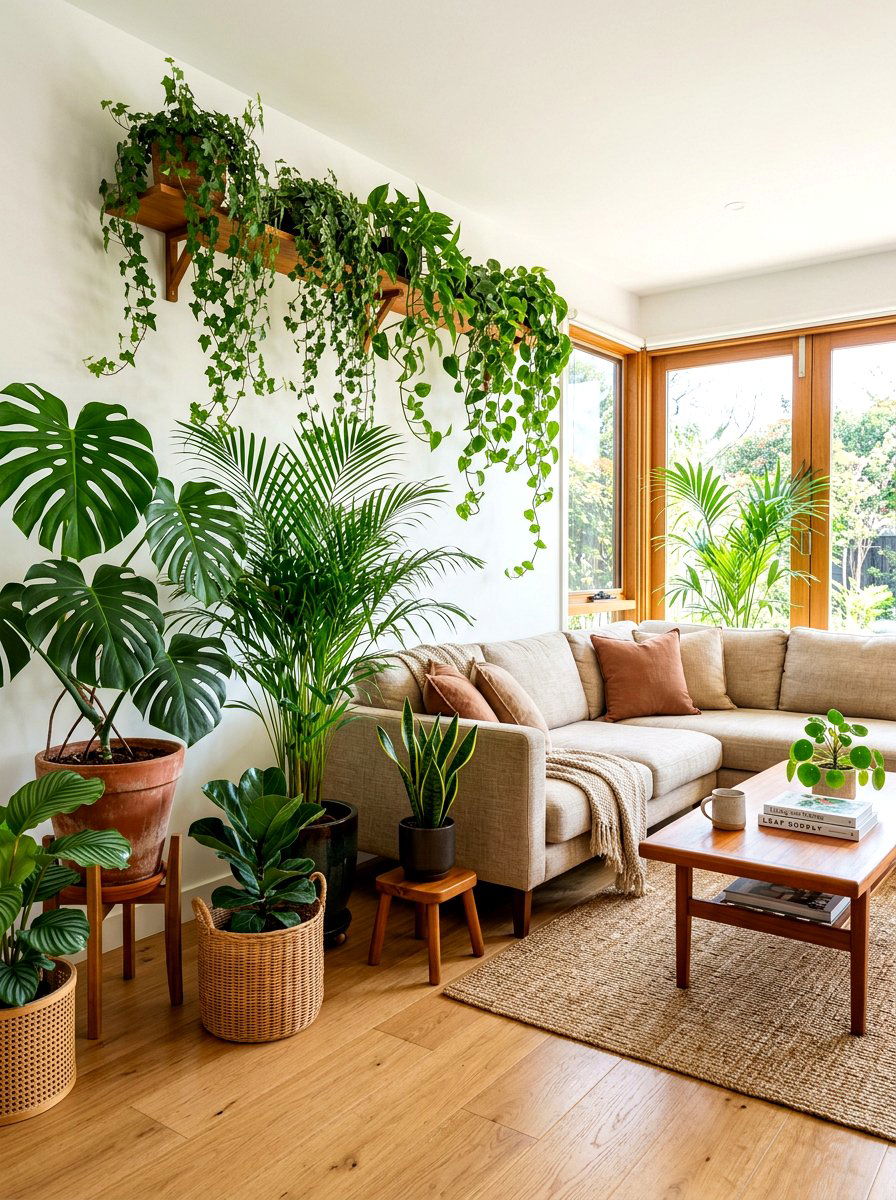
Indoor plants were a major part of seventies home life, as people sought to bring the beauty of the outdoors into their living spaces. Large, leafy plants like monsteras, fiddle leaf figs, and spider plants add a vibrant pop of green that breathes life into the room. Placing plants at various heights using wooden stands or macrame hangers creates a lush, jungle-like atmosphere that feels incredibly relaxing. Beyond their aesthetic appeal, indoor plants also help purify the air and improve the overall mood of the inhabitants. This trend is a timeless way to celebrate the natural world while enhancing your seventies-inspired interior design scheme.
18. Bohemian living room
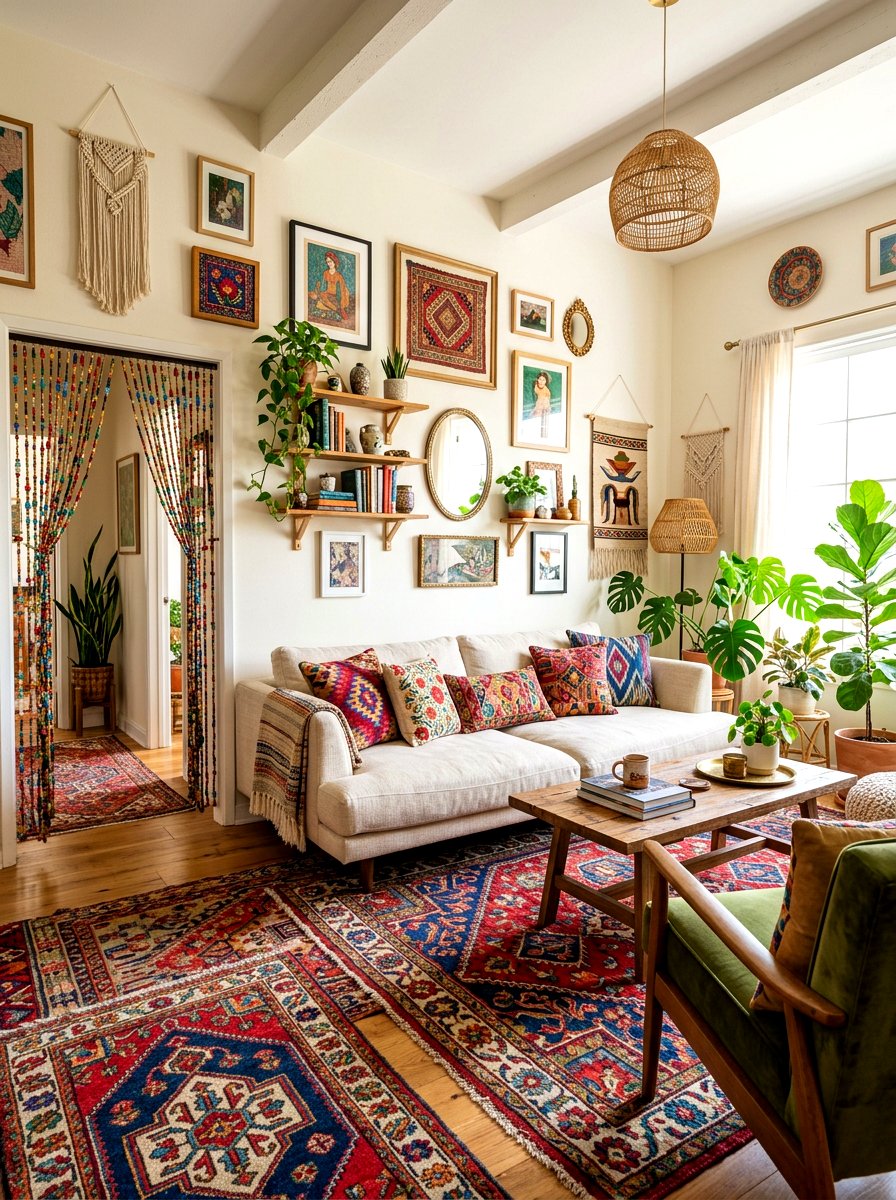
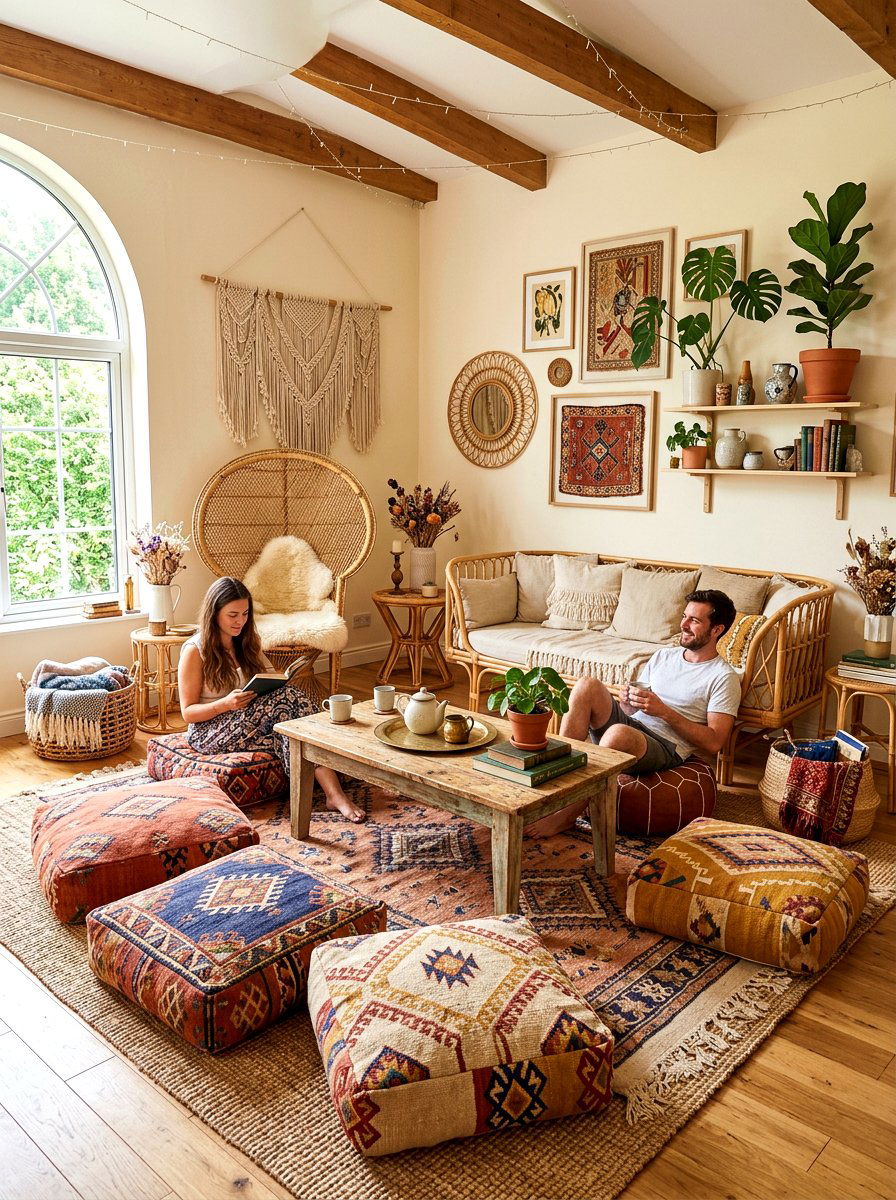
A bohemian living room blends the carefree spirit of the seventies with eclectic global influences for a space that feels deeply personal and curated. This style is all about layering different textures, such as woven rugs, beaded curtains, and embroidered pillows, to create a cozy and inviting environment. Use a mix of vintage finds and handmade items to ensure the room has a sense of history and character. The color palette typically features warm earth tones accented by vibrant jewel colors like turquoise or magenta. This approach to design encourages creativity and self-expression, resulting in a unique home that feels warm, lived-in, and full of life.
19. Wicker furniture
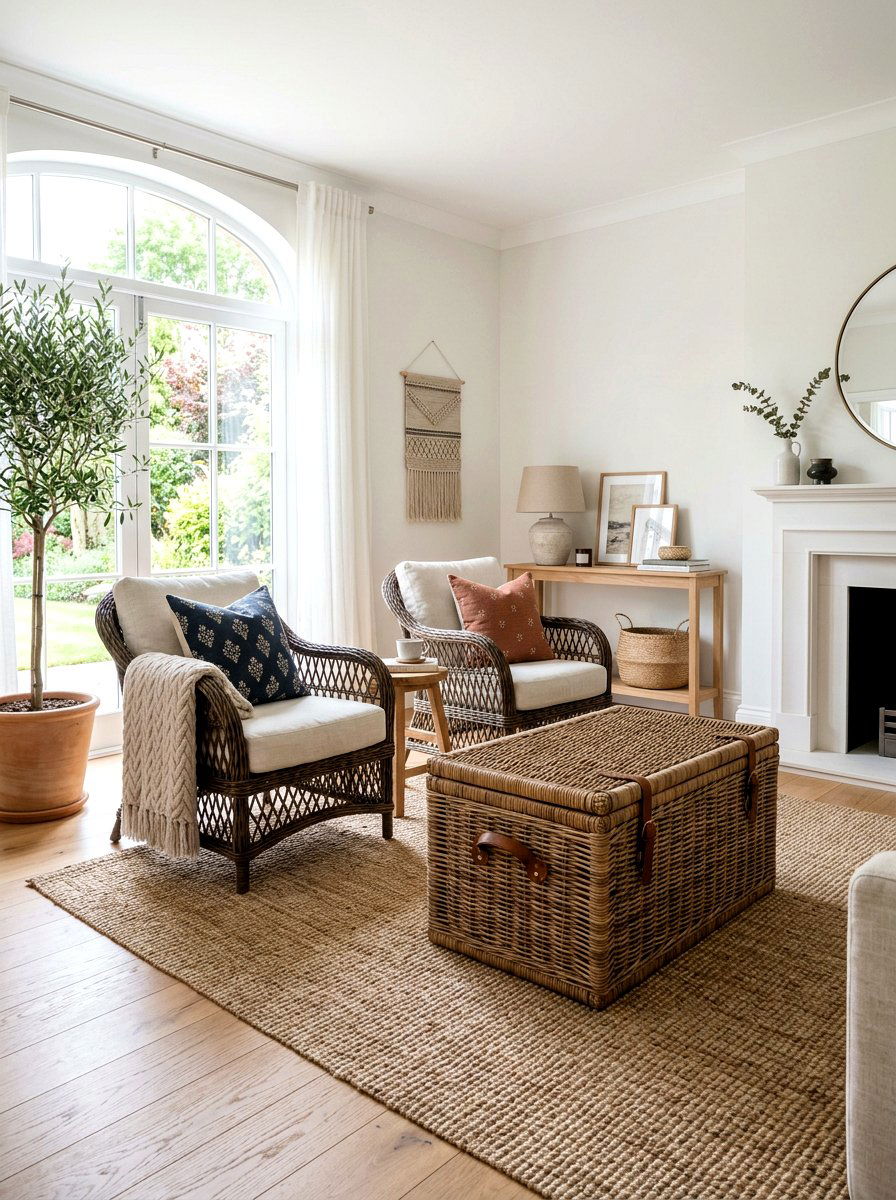
Wicker furniture offers a nostalgic and rustic charm that perfectly complements the natural aesthetic of a nineteen seventies-inspired living space. Often used for accent chairs, coffee tables, and even shelving units, wicker provides a light-weight and textured alternative to heavy wood pieces. Its intricate weaving patterns add visual interest without making the room feel cluttered or dark. Wicker pieces are versatile enough to work in both indoor and outdoor settings, bridging the gap between the two environments. Pairing wicker with soft linen cushions and plenty of greenery creates a fresh, coastal-boho look that remains a favorite for Pinterest users looking for vintage home inspiration.
20. Record player station
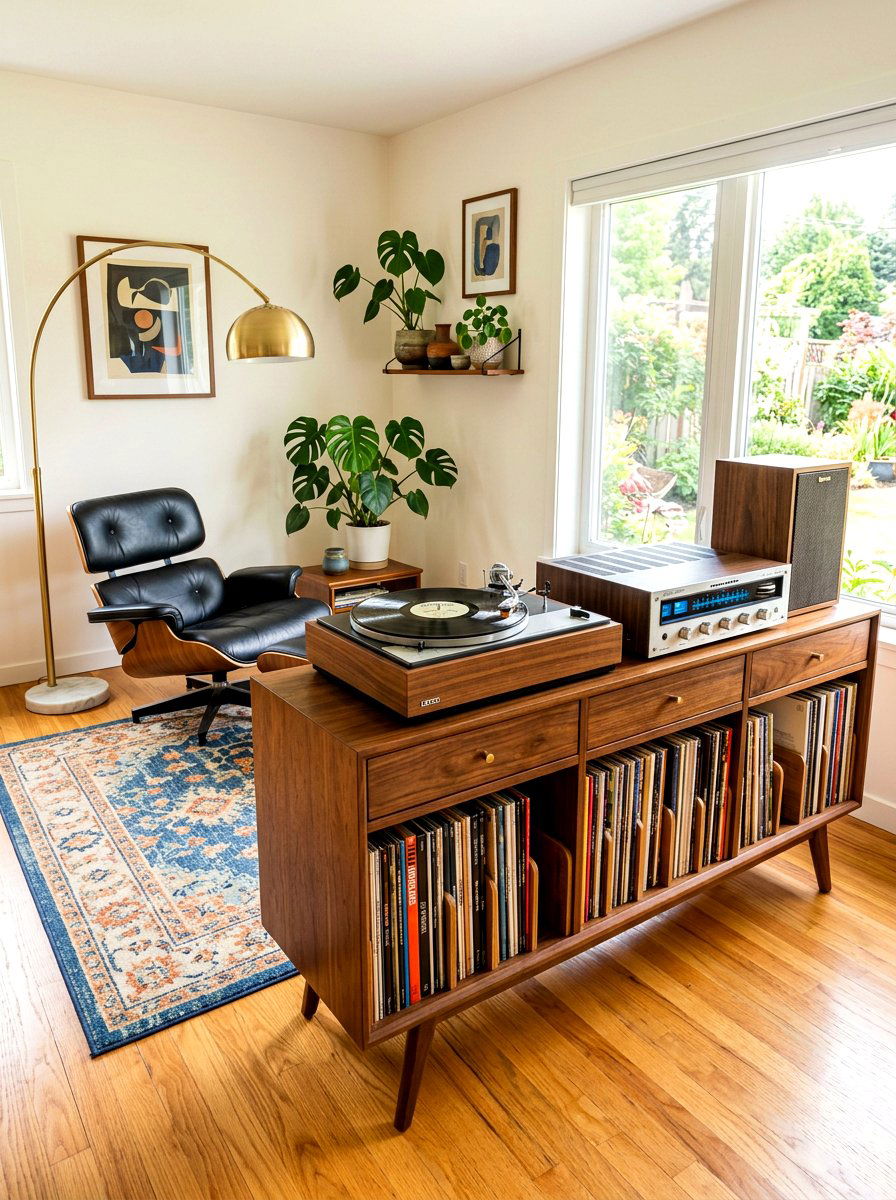
A record player station is a functional and stylish way to celebrate the musical culture of the seventies while adding a vintage vibe. Dedicated space for a turntable and a collection of vinyl records serves as a cultural focal point that invites guests to interact with the room. Use a mid-century modern sideboard or a custom wooden shelf to house the equipment and organize the record sleeves by color or artist. This design element not only looks great but also encourages a more tactile and intentional way of listening to music. It’s a nostalgic addition that brings a sense of soul and personality to any contemporary living room.
21. Arched wall
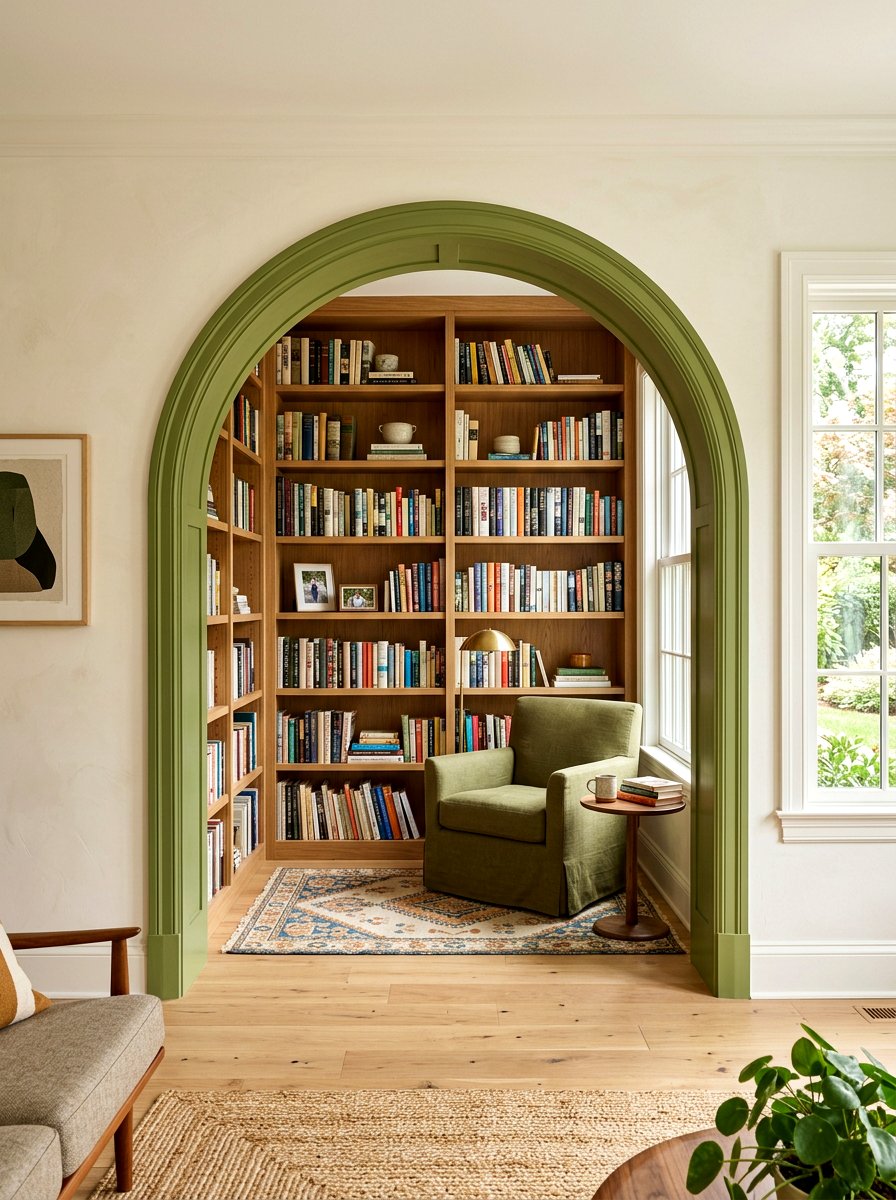
Arched walls and doorways are architectural details that add a sense of softness and flow to a seventies-inspired living room layout. During this era, curves were used to break away from the rigid lines of traditional construction, creating a more organic and inviting feeling. An arched alcove can be used to frame a bookshelf, a piece of art, or even a small home bar area. This design choice adds a custom, high-end look to the space while nodding to the decade’s love for sculptural forms. When painted in a contrasting color, the arch becomes a striking visual element that defines the room's unique architectural character.
22. Disco ball decor
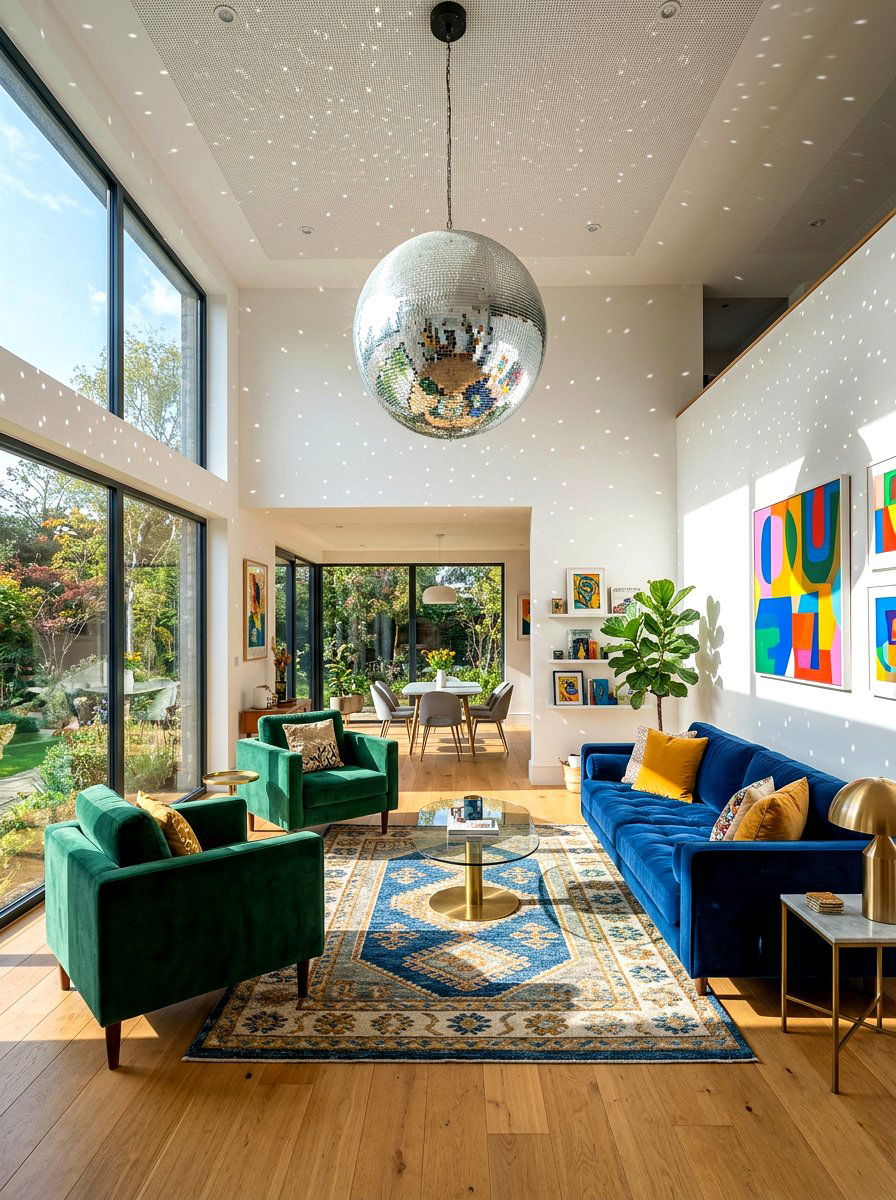
Disco ball decor brings a sense of playfulness and glamour to a living room, reflecting the high-energy nightlife culture of the late seventies. While it might seem bold, a small disco ball placed near a window can create a magical effect as it scatters light across the walls. This unexpected element adds a touch of kitsch that feels fun and unpretentious in a modern home. You can also incorporate disco-inspired elements through metallic fabrics, mirrored trays, and glittery accents. It is a fantastic way to introduce a bit of sparkle and personality into your space, making every day feel like a small celebration of life.
23. Mid century modern furniture
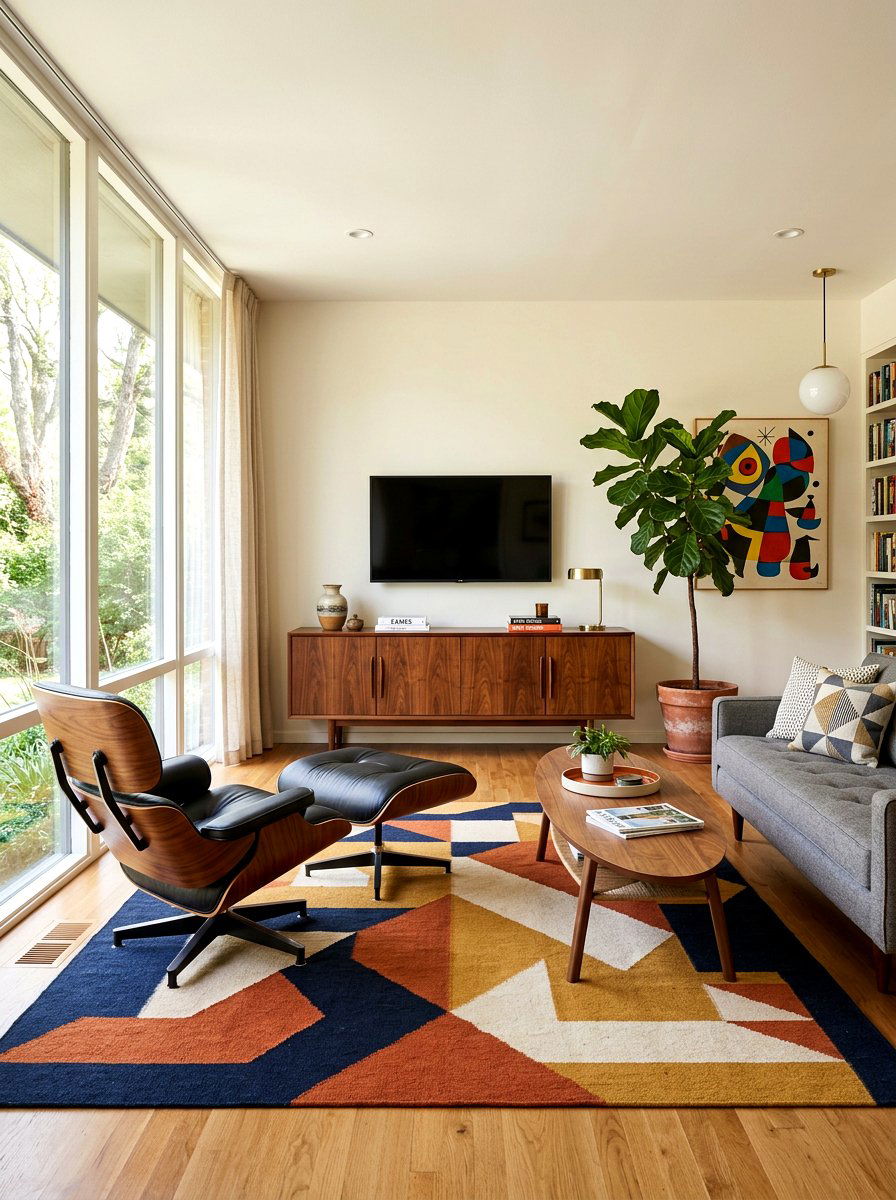
Mid century modern furniture provides the structural foundation for many seventies-inspired living rooms, featuring clean lines and functional silhouettes that never go out of style. Pieces like the Eames lounge chair or a low-slung teak sideboard offer a timeless elegance that balances the bolder colors and textures of the era. This style of furniture emphasizes high-quality materials and craftsmanship, ensuring your living room feels sophisticated and well-curated. By mixing these iconic designs with more eclectic seventy-style accents, you can create a space that feels both historical and fresh. It is the perfect marriage of form and function for any modern home seeking a retro edge.
24. Lucite furniture
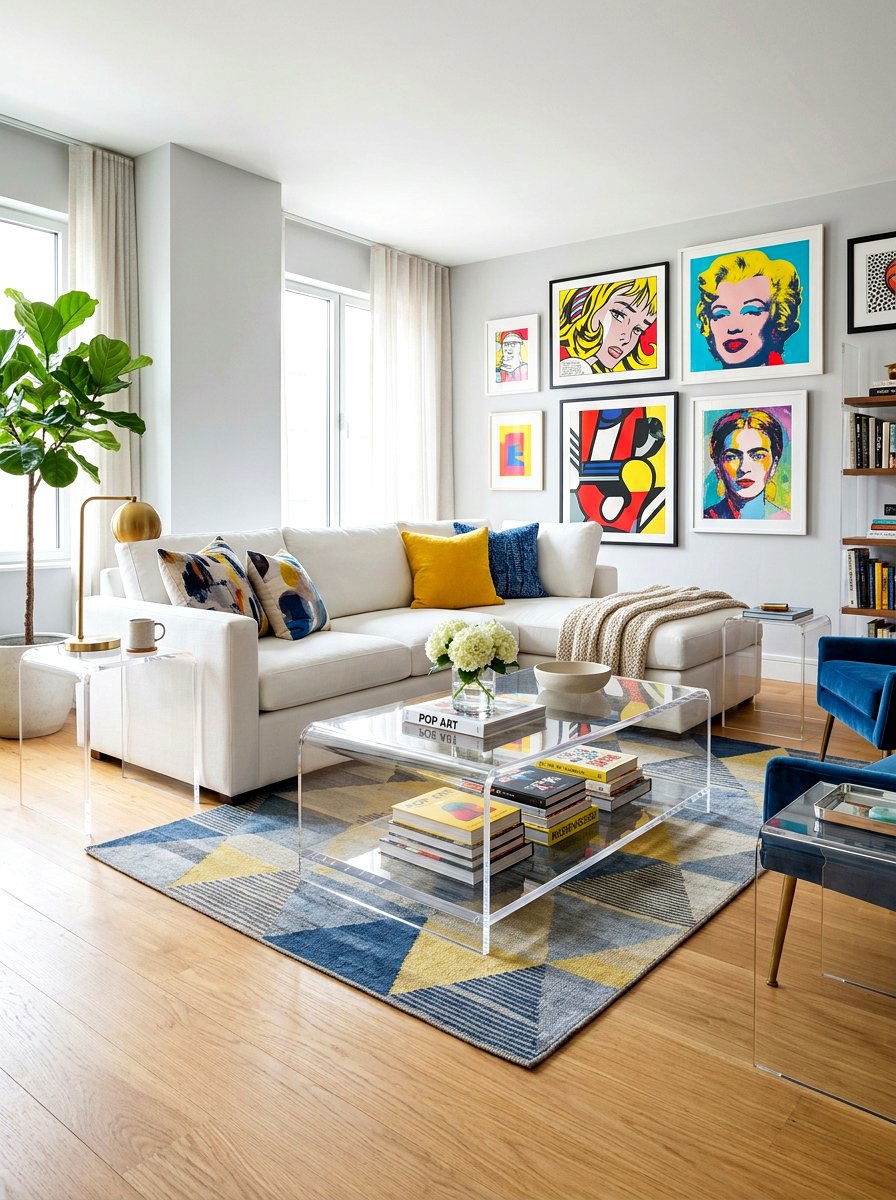
Lucite furniture, also known as acrylic or ghost furniture, represents the futuristic and experimental side of nineteen seventies interior design trends. Because these pieces are transparent, they take up very little visual space, making them ideal for smaller living rooms or crowded areas. A lucite coffee table or a set of clear dining chairs adds a touch of modern glam without competing with other bold patterns or colors. This material reflects light beautifully and gives the room an airy, sophisticated feel that is perfect for a contemporary lifestyle. Incorporating lucite is a subtle way to lean into the retro-modern aesthetic while keeping your space looking clean and organized.
25. Flokati rug
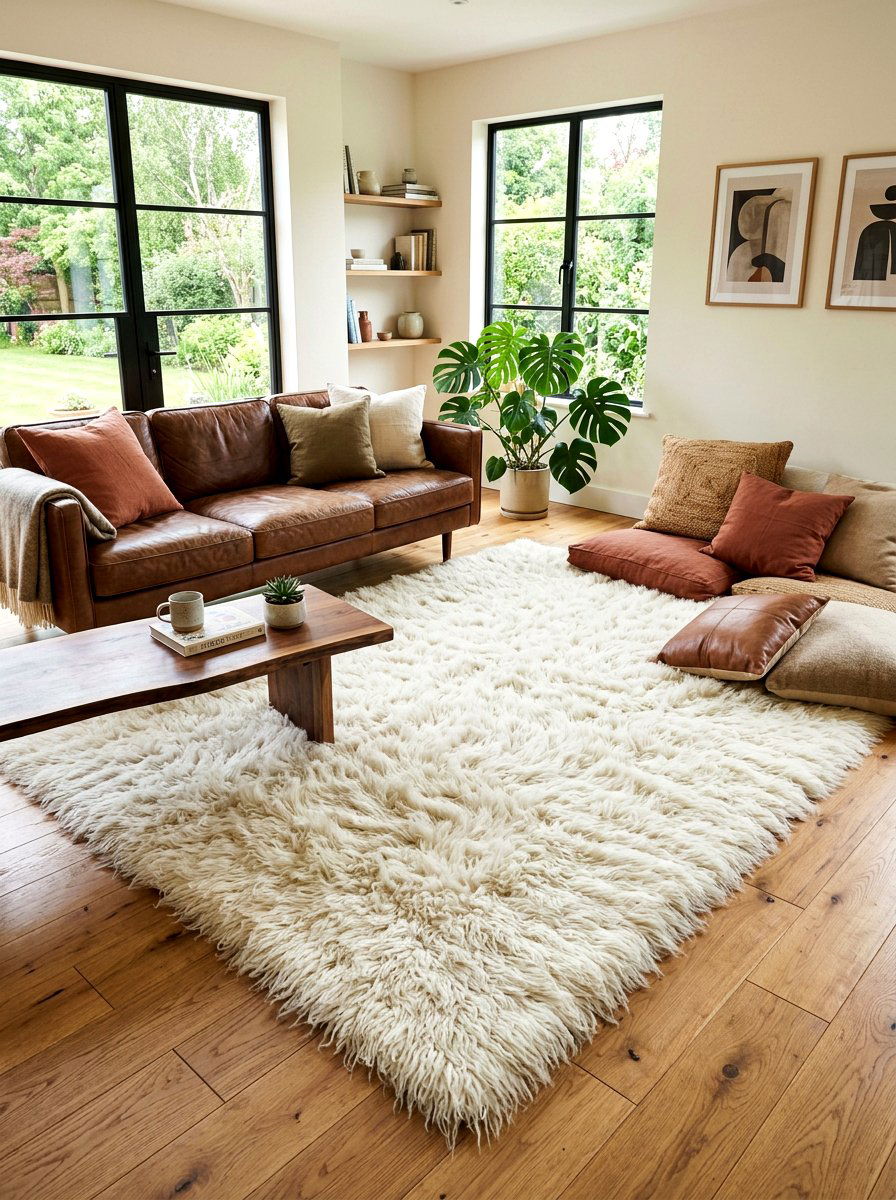
The flokati rug is a traditional Greek textile that became a massive hit in the seventies for its incredibly soft and shaggy texture. Made from one hundred percent wool, these rugs offer a luxurious feel underfoot that is perfect for creating a cozy seating area. Their natural off-white color provides a neutral base that allows other colorful furniture pieces to stand out. A flokati rug adds a layer of organic warmth and bohemian charm that feels both authentic and high-end. Whether placed in the center of the room or layered over a larger carpet, it brings a sense of comfort and vintage style to any living space.
26. Brown leather sofa
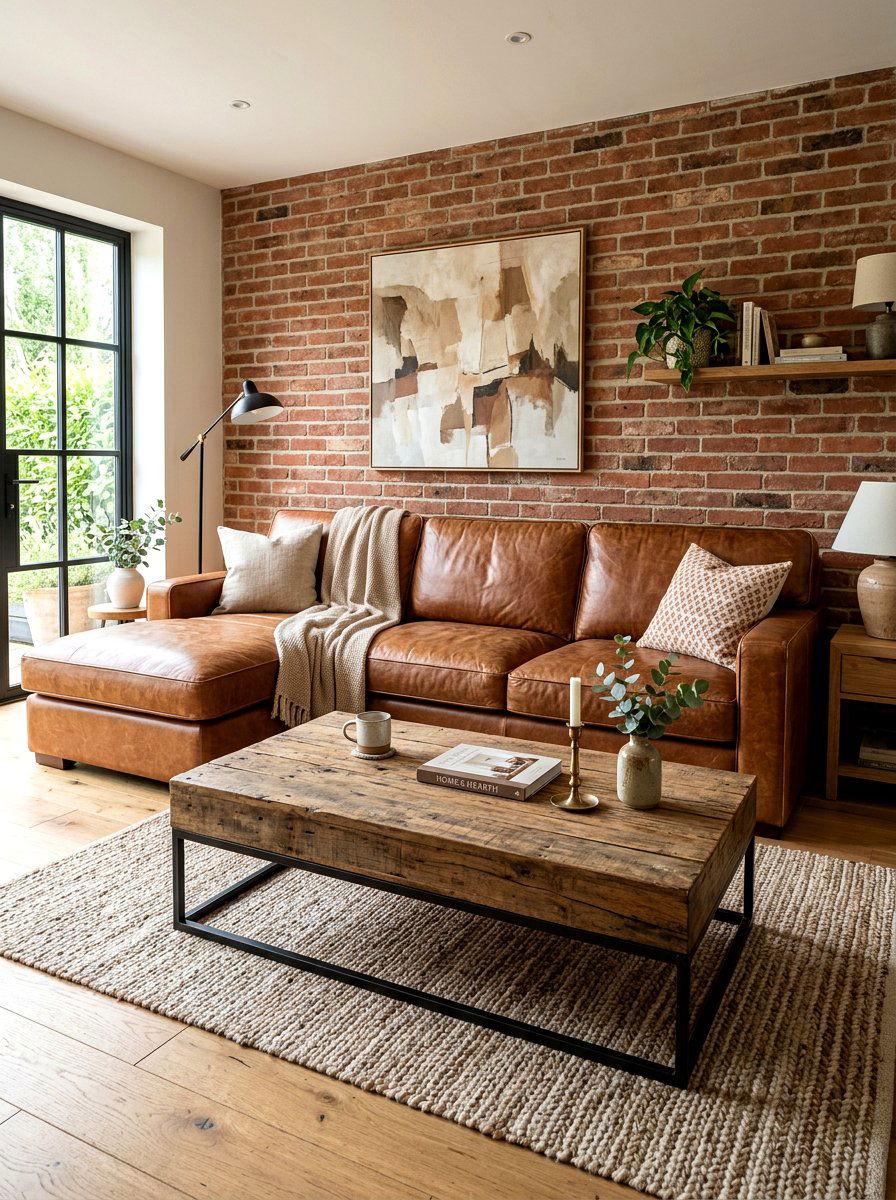
A brown leather sofa is a timeless classic that anchors a seventies-themed living room with its rich color and durable texture. During this decade, oversized and modular leather couches were popular for their comfort and their ability to age beautifully over time. A cognac or chocolate brown leather piece pairs perfectly with earthy tones like olive green and mustard yellow. The natural variations in the leather add a sense of history and character to the room, making it feel more lived-in and authentic. This furniture choice is not only stylish but also practical, offering a long-lasting seating solution that only gets better with every passing year.
27. Earthy color palette
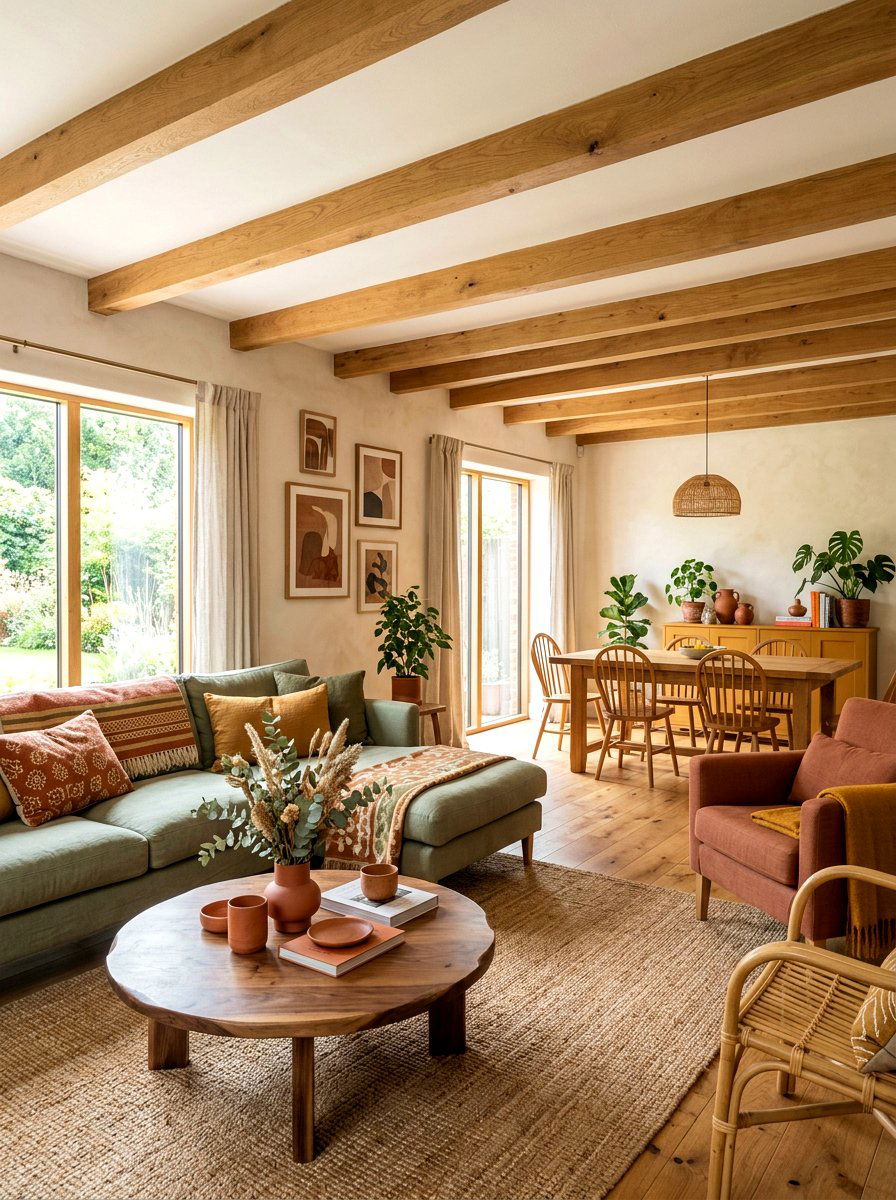
The earthy color palette is the backbone of seventies design, featuring warm tones inspired by the natural world like terracotta, ochre, and moss green. Using these colors throughout your living room creates a grounded and harmonious environment that feels incredibly welcoming to guests. You can apply these hues through wall paint, upholstery, and decorative accessories to create a cohesive and layered look. This palette works best when combined with natural materials like wood, stone, and woven textiles. By focusing on these organic colors, you can achieve a sophisticated retro vibe that avoids looking dated and instead feels timeless and connected to the beauty of the outdoors.
28. Pop art decor
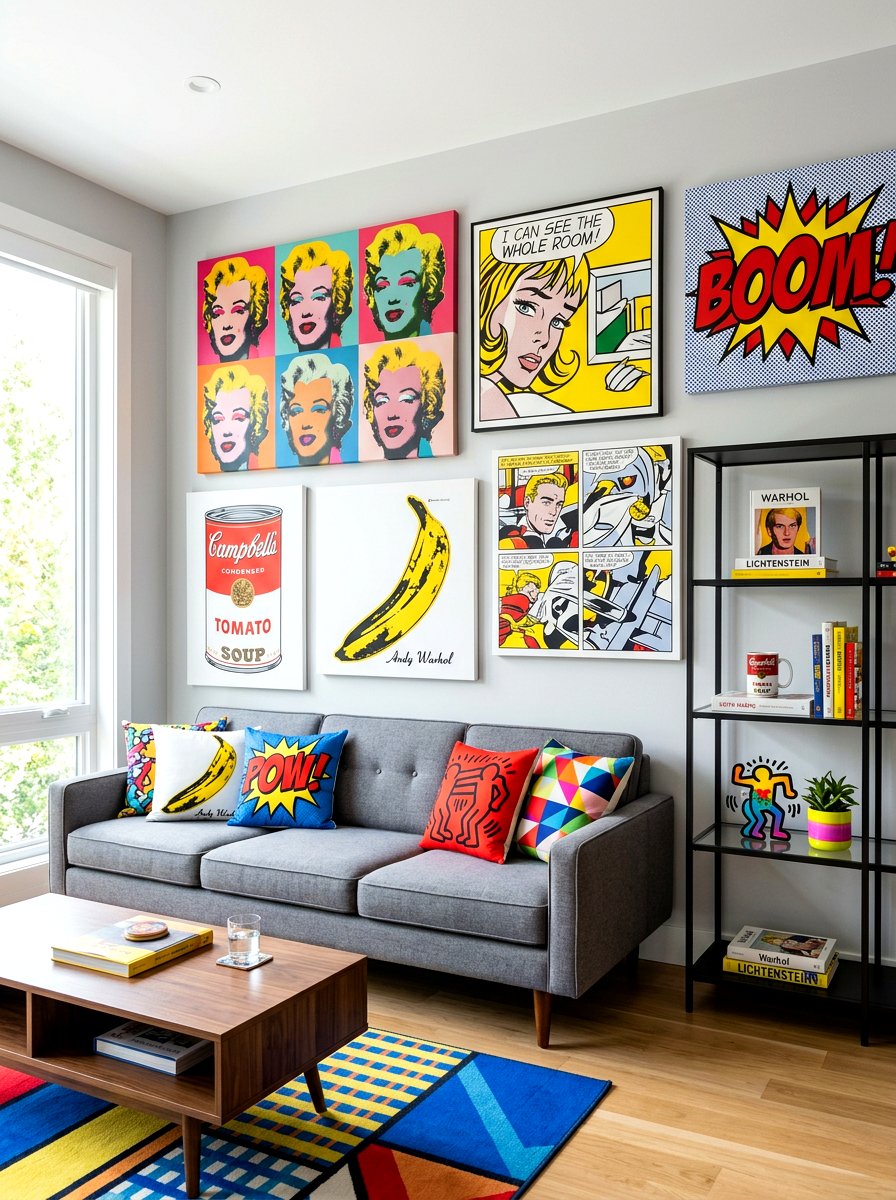
Pop art decor introduces a sense of bold color and graphic energy into a seventies-inspired living room setting. This art movement used everyday objects and celebrity portraits as subjects, often rendered in bright, high-contrast colors like red, yellow, and blue. Hanging a large pop art print above your sofa creates an instant focal point that sparks conversation and adds a youthful vibe to the room. This style of art reflects the era’s interest in mass culture and creative expression, making it a perfect fit for an eclectic or modern-retro home. It is a simple way to inject some fun and visual excitement into your interior design.
29. Open shelving
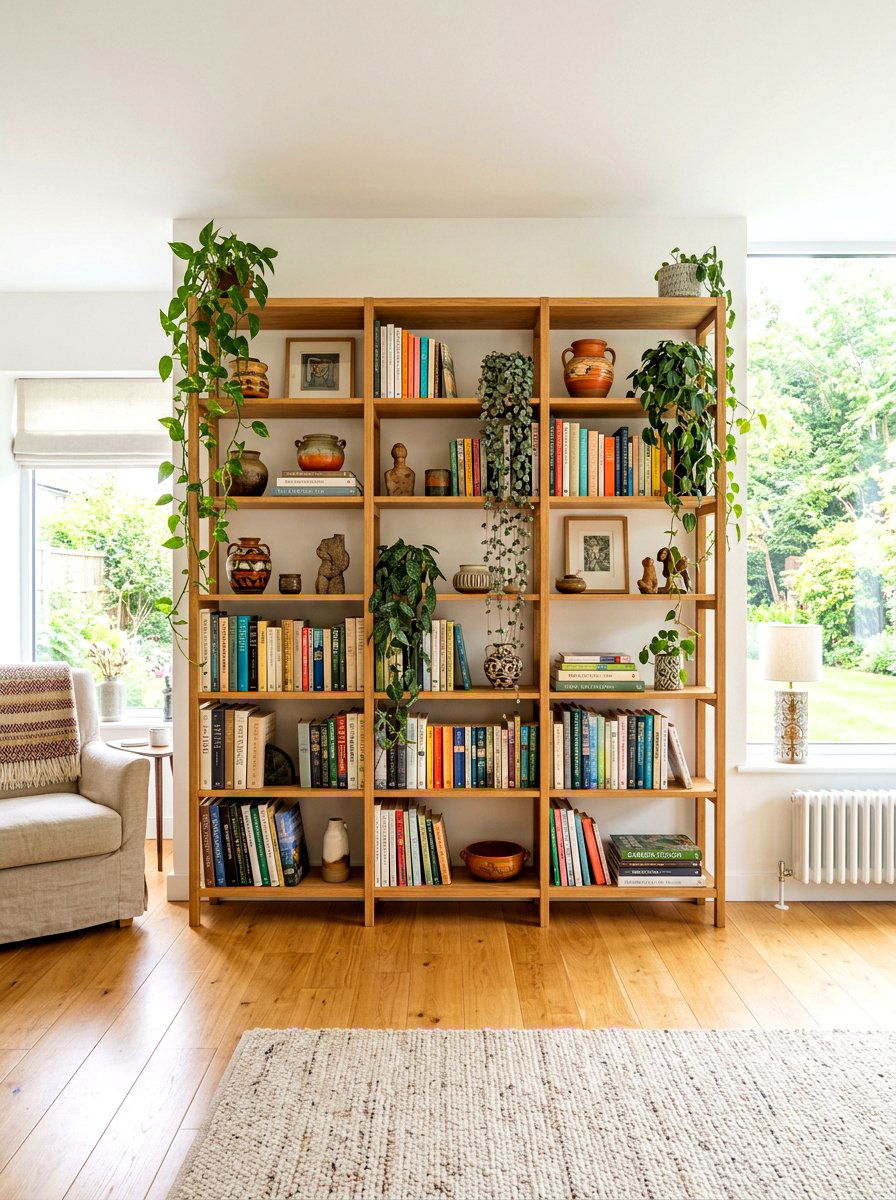
Open shelving units, especially those made from warm wood or dark metal, provide a functional and stylish way to display seventy-inspired decor. These freestanding units allow you to curate a collection of vintage ceramics, books, and indoor plants that reflect your personal taste. Because there are no doors, the room feels more open and connected, encouraging a relaxed and casual atmosphere. You can use these shelves to organize your record collection or showcase colorful glassware from the era. This design choice adds a sense of transparency and light to the room while providing plenty of space for all your favorite vintage finds and everyday essentials.
30. Mirrored wall
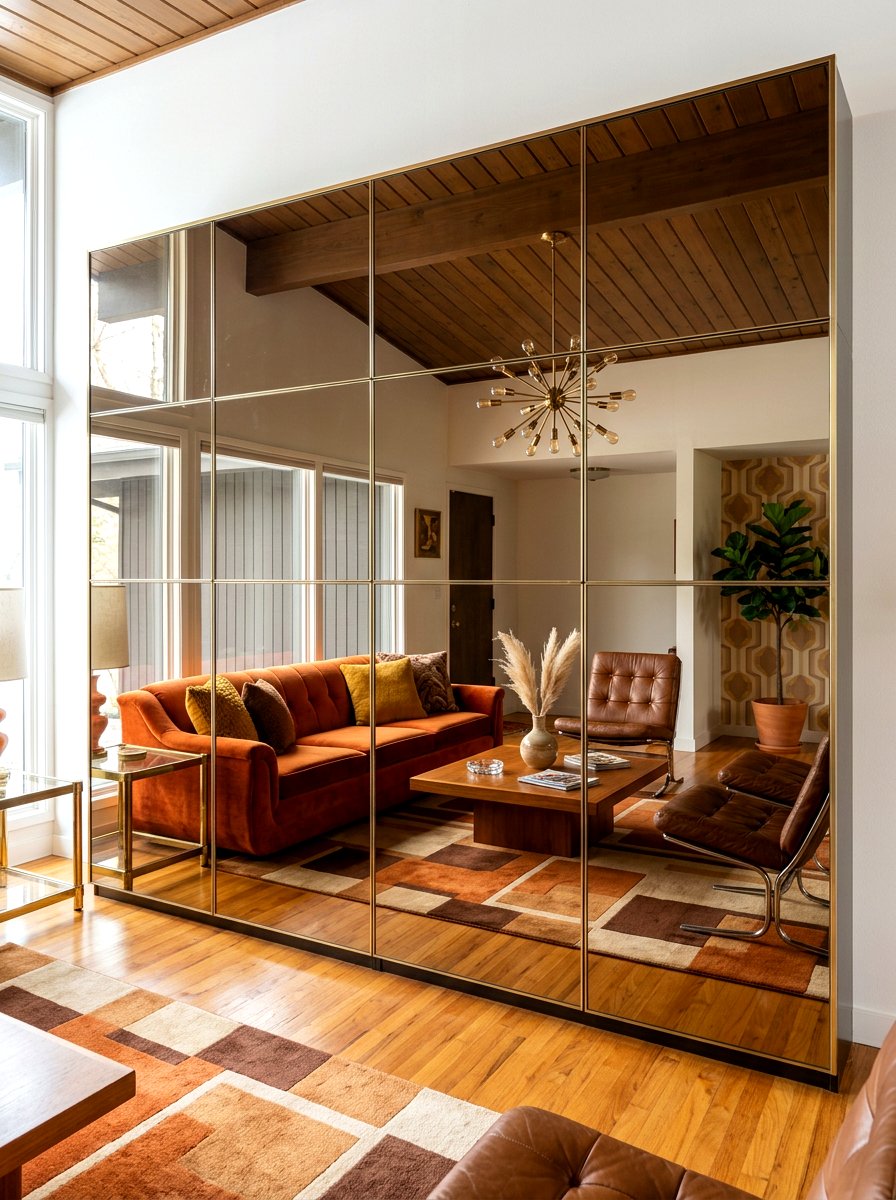
A mirrored wall is a classic seventies design trick used to make a living room feel twice as large and significantly brighter. During this era, mirrors were often used to cover entire walls, sometimes featuring smoky or tinted glass for a more moody and sophisticated effect. In a modern home, a mirrored wall or a collection of oversized mirrors adds a touch of retro glamour and architectural depth. This feature reflects your beautiful furniture and lighting, creating a dynamic visual experience from every angle. It is a bold and effective way to elevate the luxury and space of your living room while nodding to vintage glam.
Conclusion:
Embracing the nineteen seventies in your living room design is a fantastic way to celebrate a decade of comfort, creativity, and community. By incorporating iconic elements like conversation pits, velvet textures, and earthy color palettes, you can create a space that feels both nostalgic and perfectly suited for modern living. This era’s focus on organic materials and social interaction offers a refreshing alternative to the cold and sterile designs often found in contemporary homes. Whether you choose to go full retro or just add a few vintage-inspired accents, the results will be a home full of warmth and personality. Your space will surely become a viral inspiration for others to enjoy.

Related posts: