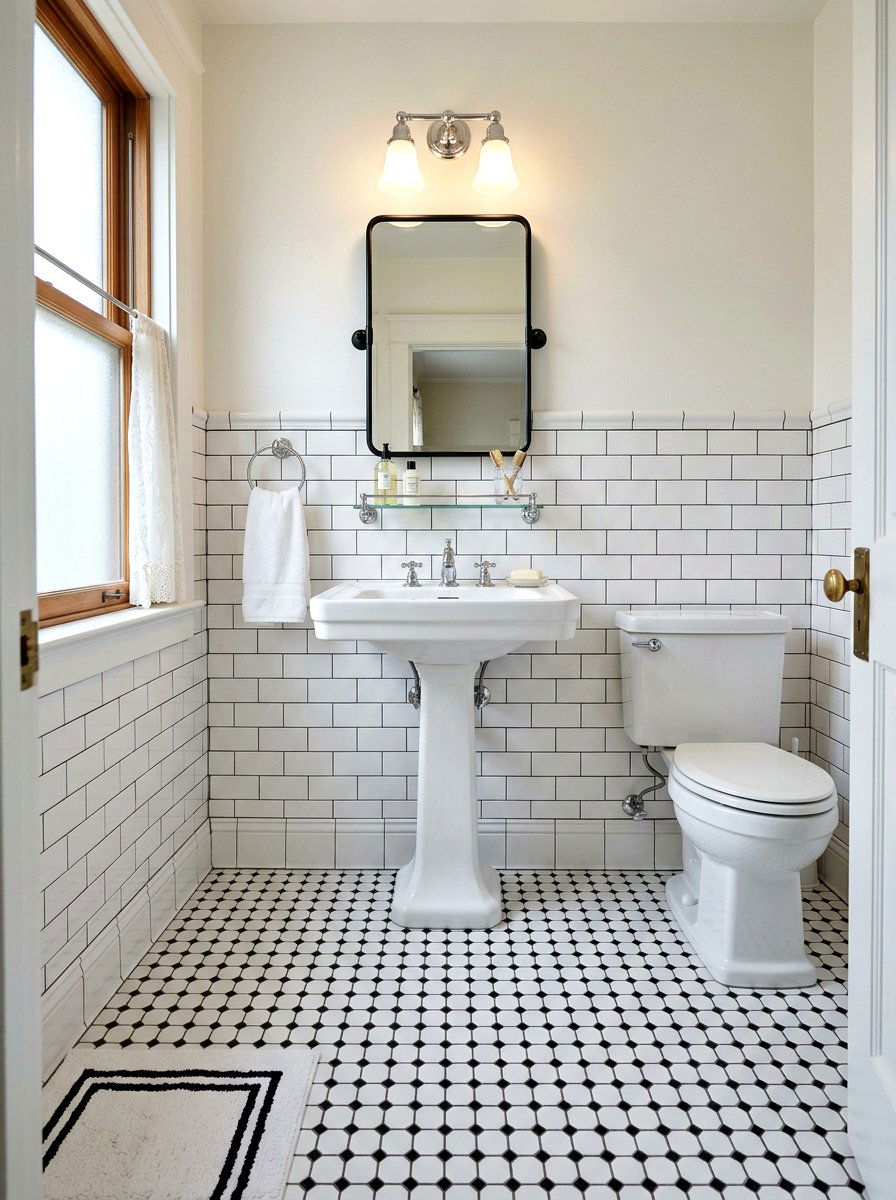
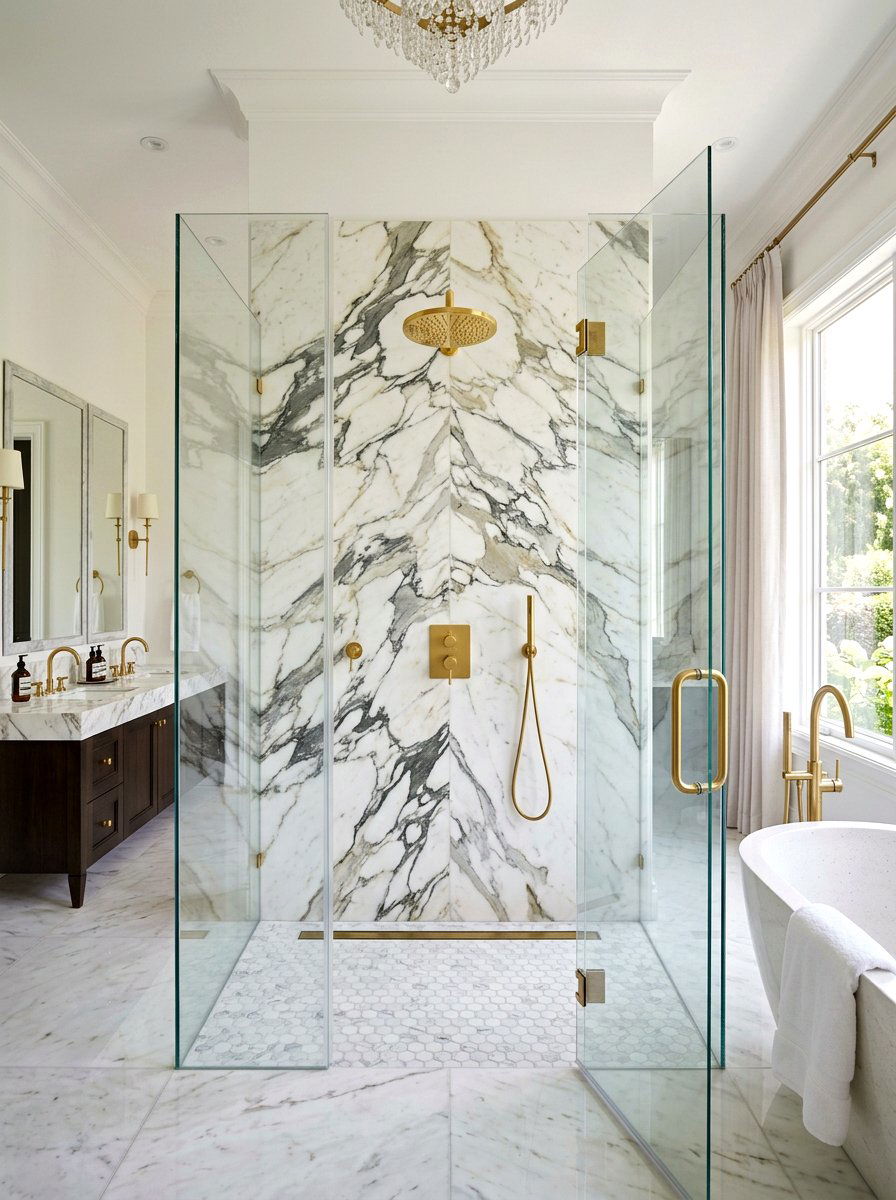
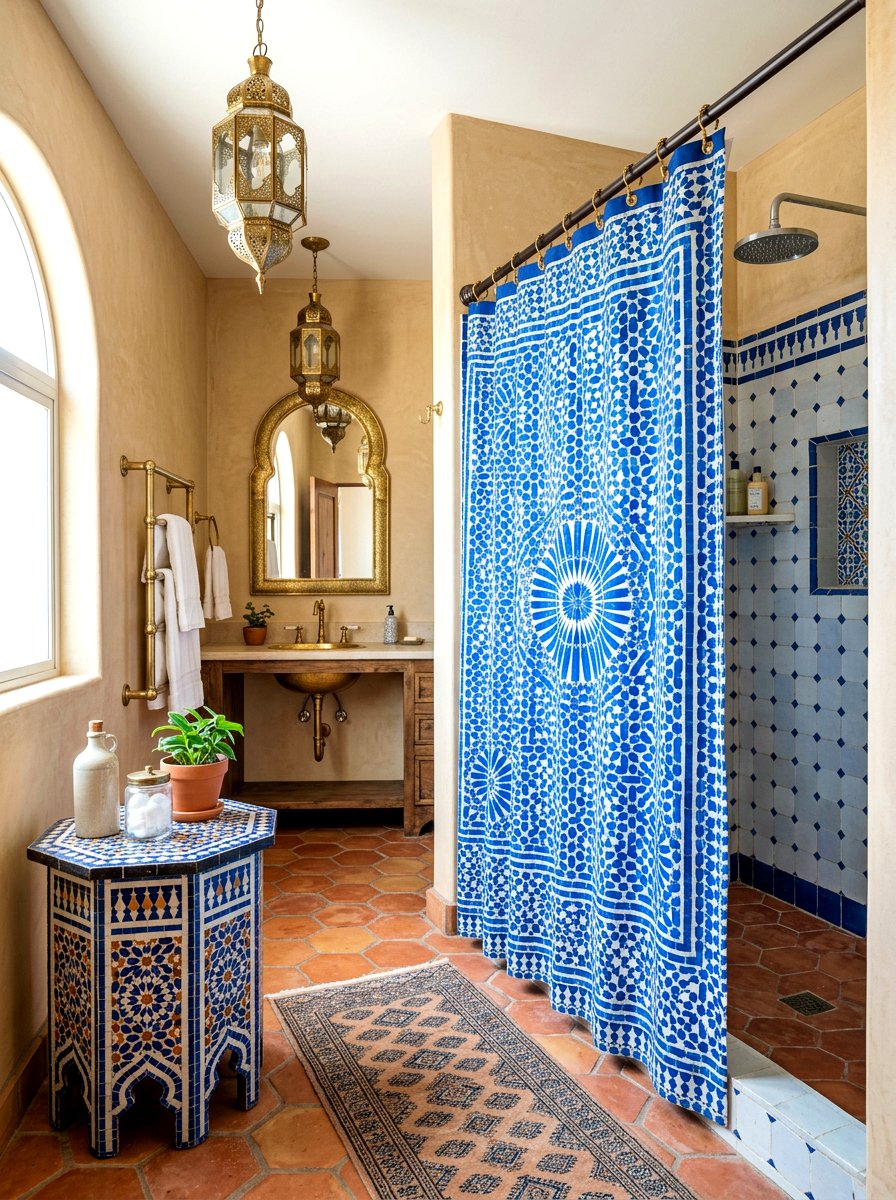
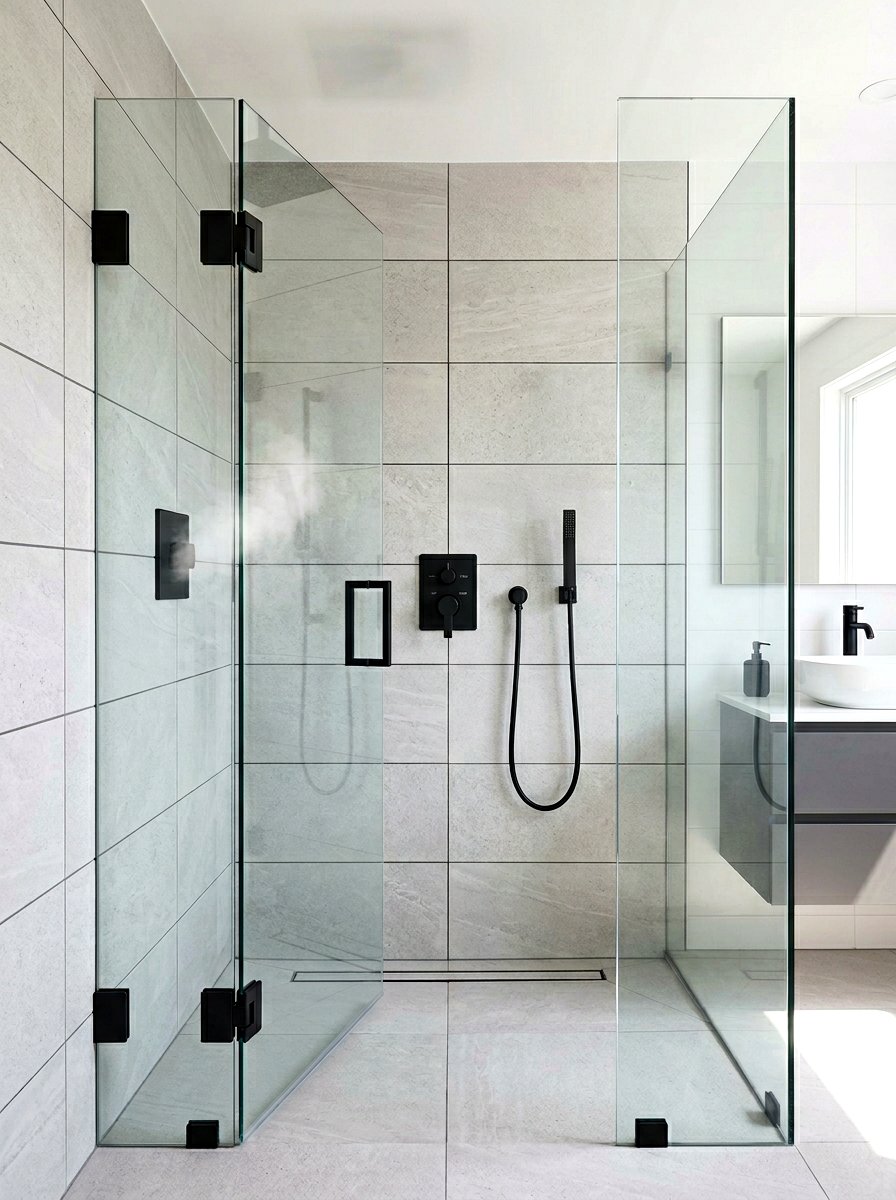
Designing a bathroom often starts with selecting the perfect shower tile because it sets the entire tone for your morning routine. Whether you are planning a complete renovation or just refreshing a guest bath, the pattern you choose for your tiles makes a significant visual impact. Most homeowners focus solely on color or material, but the layout is what truly adds character and architectural interest to the space. From classic grid patterns to intricate mosaic designs, the right tile arrangement can make a small shower feel expansive or a large one feel cozy. This guide explores creative ways to lay tiles to achieve a high-end look that is both functional and stylish for any home.
1. Vertical Stacked Subway Tile
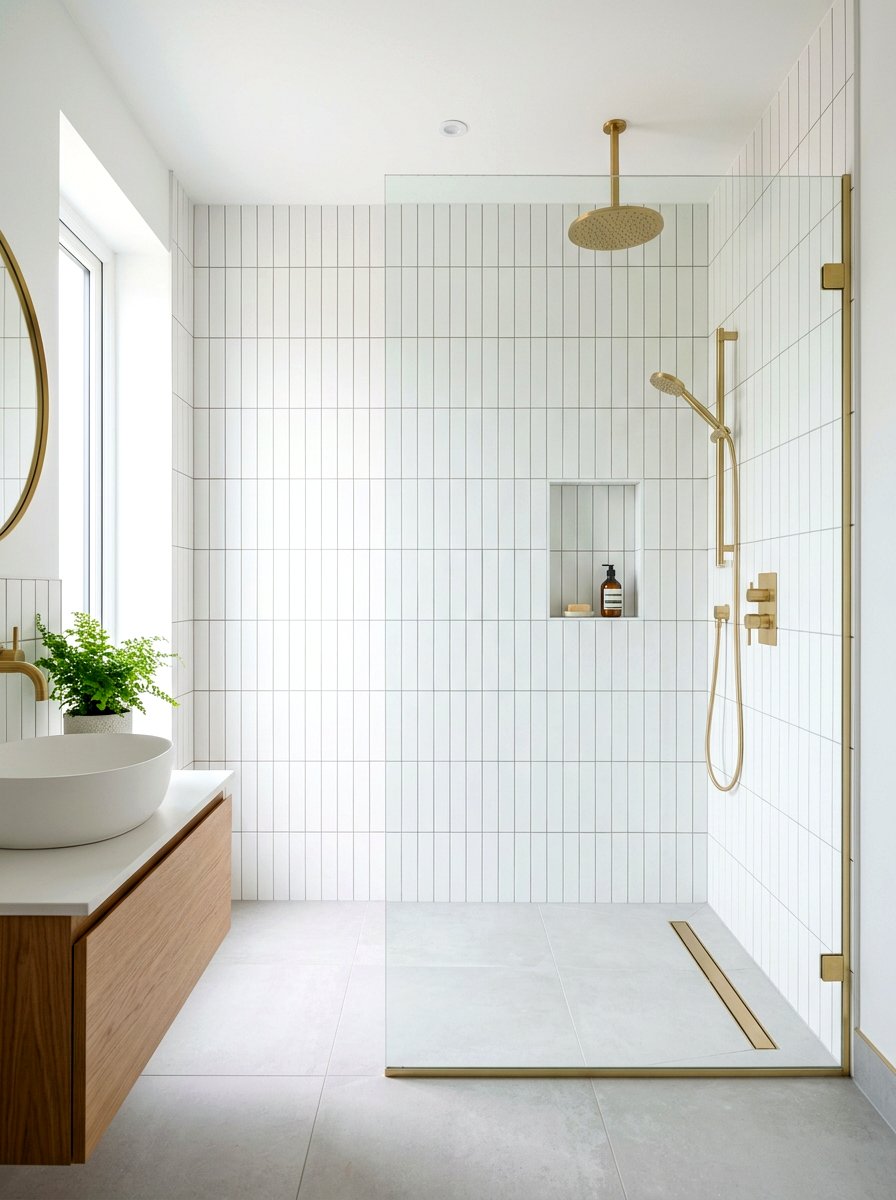
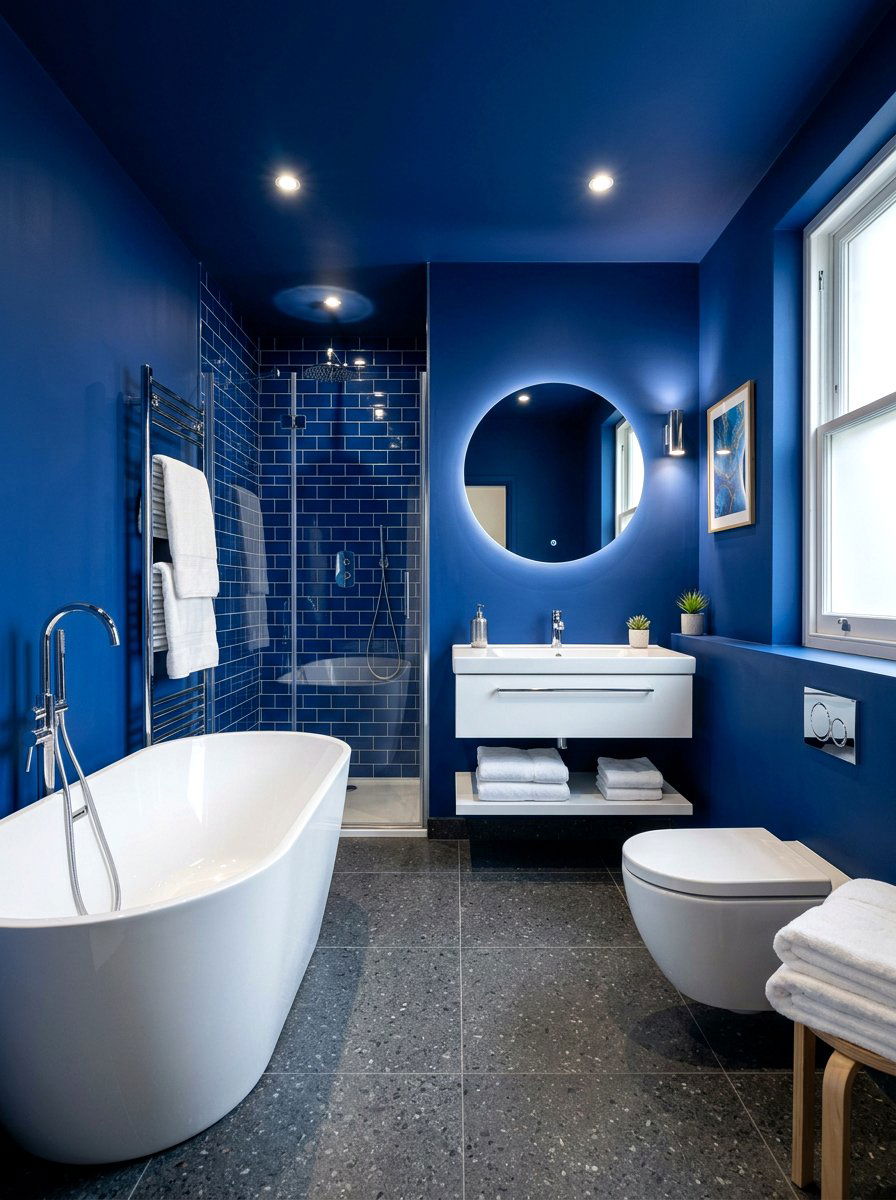
Choosing a vertical stacked layout for your subway tiles is an excellent way to emphasize the height of your bathroom. This modern arrangement moves away from the traditional brick look and creates clean, continuous lines that draw the eye upward toward the ceiling. It works particularly well in smaller bathrooms where you want to create an illusion of more vertical space and a sense of openness. By aligning the edges perfectly, you achieve a minimalist and structured aesthetic that pairs beautifully with contemporary fixtures. Using a contrasting grout can highlight the geometric precision of the stack, while matching grout provides a seamless, subtle appearance that feels incredibly calm and sophisticated.
2. Horizontal Offset Subway Tile
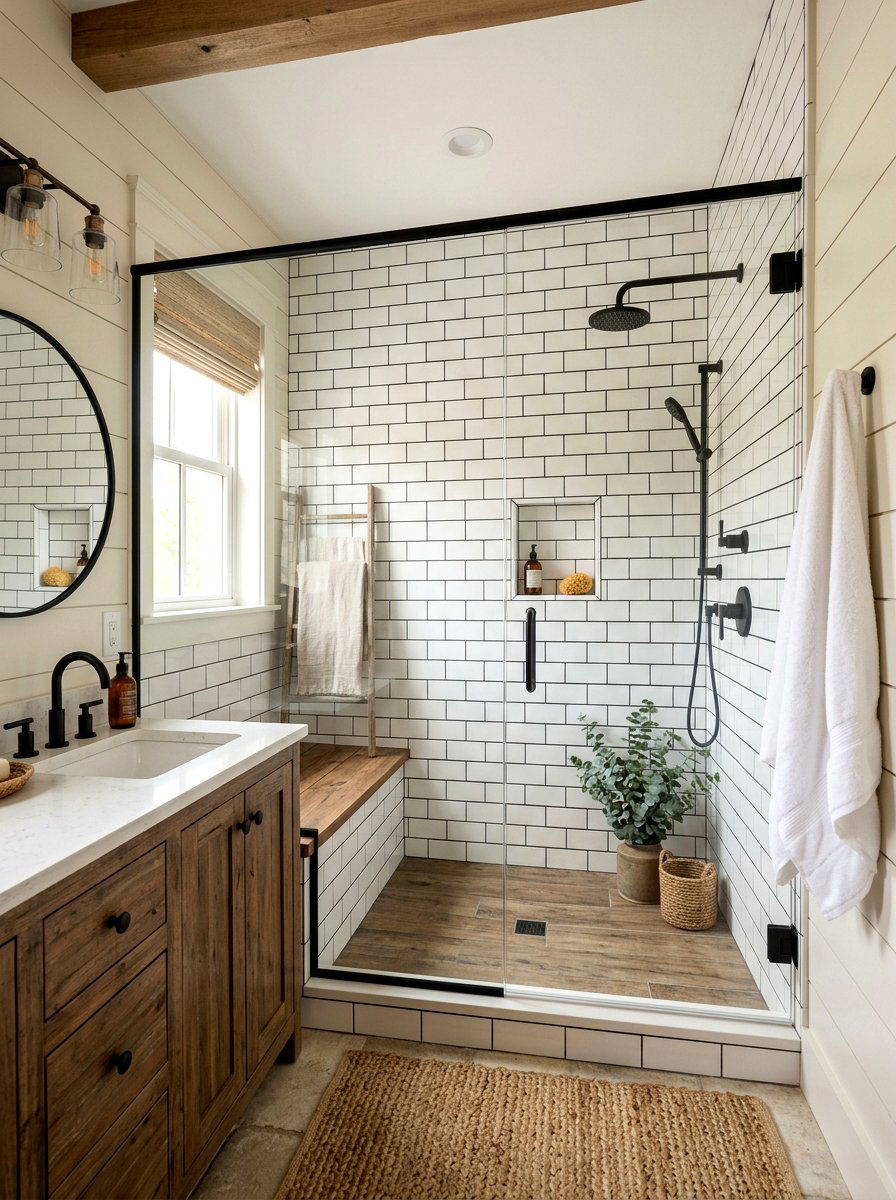
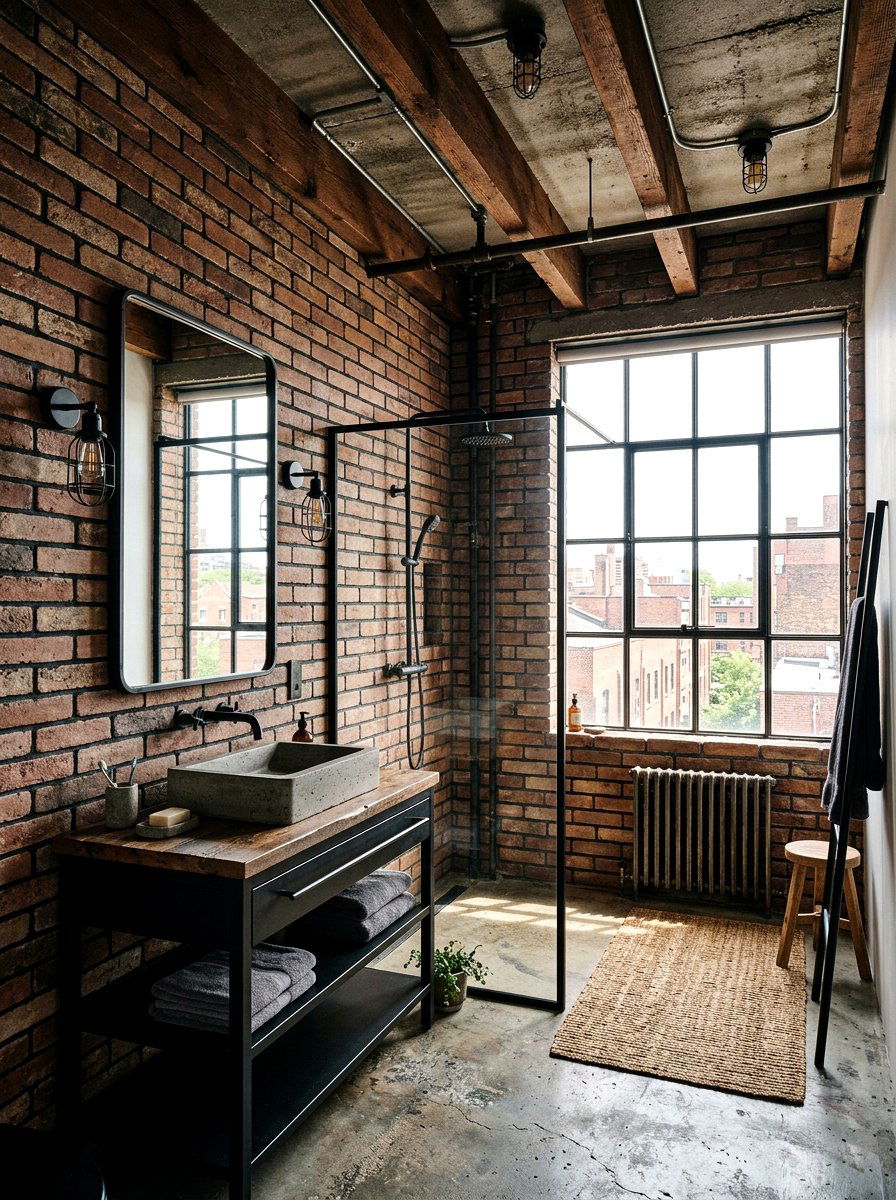
The horizontal offset, also known as the classic brick or running bond pattern, remains one of the most popular choices for a timeless shower design. This layout involves staggering each row of rectangular tiles so the ends align with the center of the tiles above and below. It provides a sturdy, balanced look that feels familiar and grounded, making it a safe yet stylish option for any home value. You can customize this traditional style by playing with the scale of the tiles or choosing a handmade texture for added depth. This pattern effectively hides minor wall imperfections and works with almost any decor style, from rustic farmhouse to sleek industrial.
3. Herringbone Tile Shower Wall
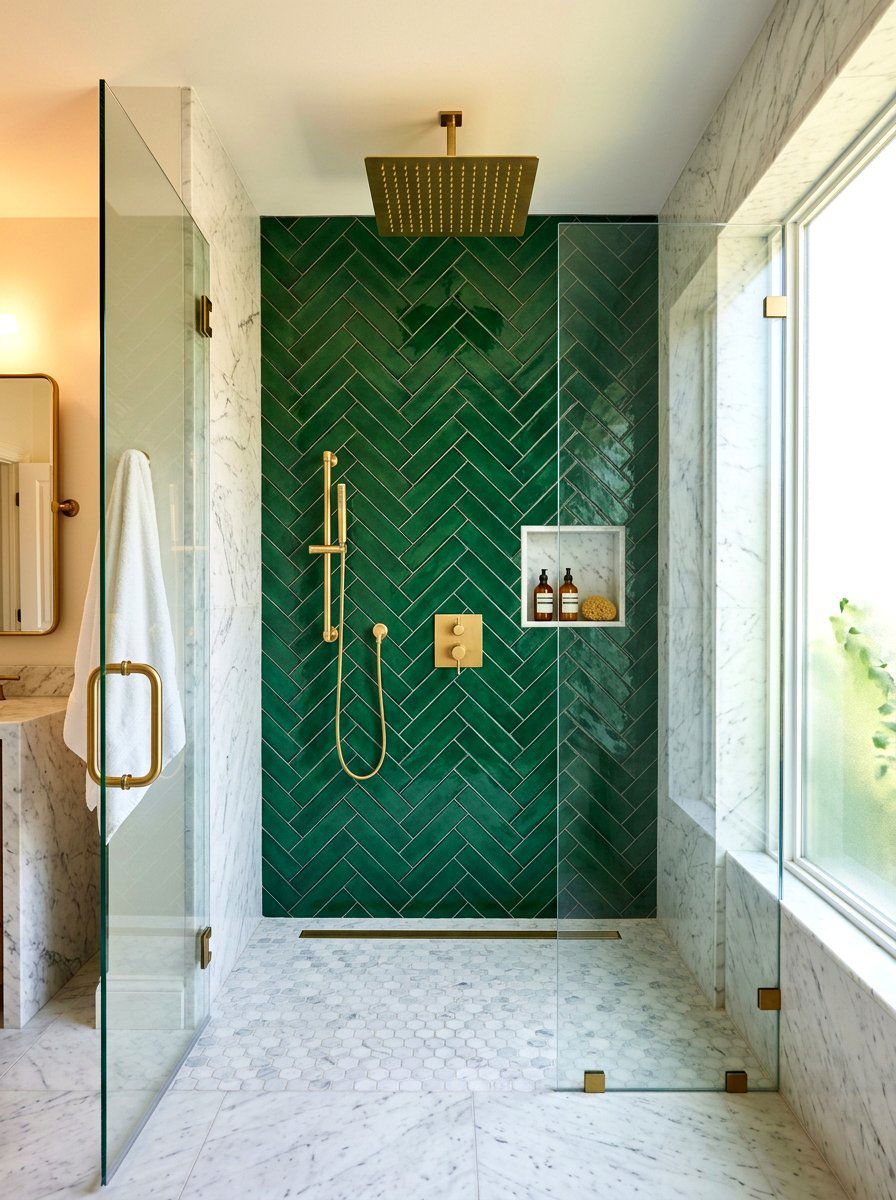
A herringbone pattern is created by placing rectangular tiles at a forty-five-degree angle to form a distinctive V-shape that resembles the skeleton of a fish. This intricate layout adds a significant amount of movement and visual energy to your shower walls, making the space feel more dynamic and professionally designed. Because of the complex angles involved, it often serves as a focal point in the bathroom, drawing attention the moment someone enters the room. While it requires more precise cutting and planning during installation, the results are undeniably luxurious and high-end. It is a fantastic way to elevate standard, affordable tiles into a custom architectural feature that looks expensive.
4. Vertical Herringbone Tile Layout
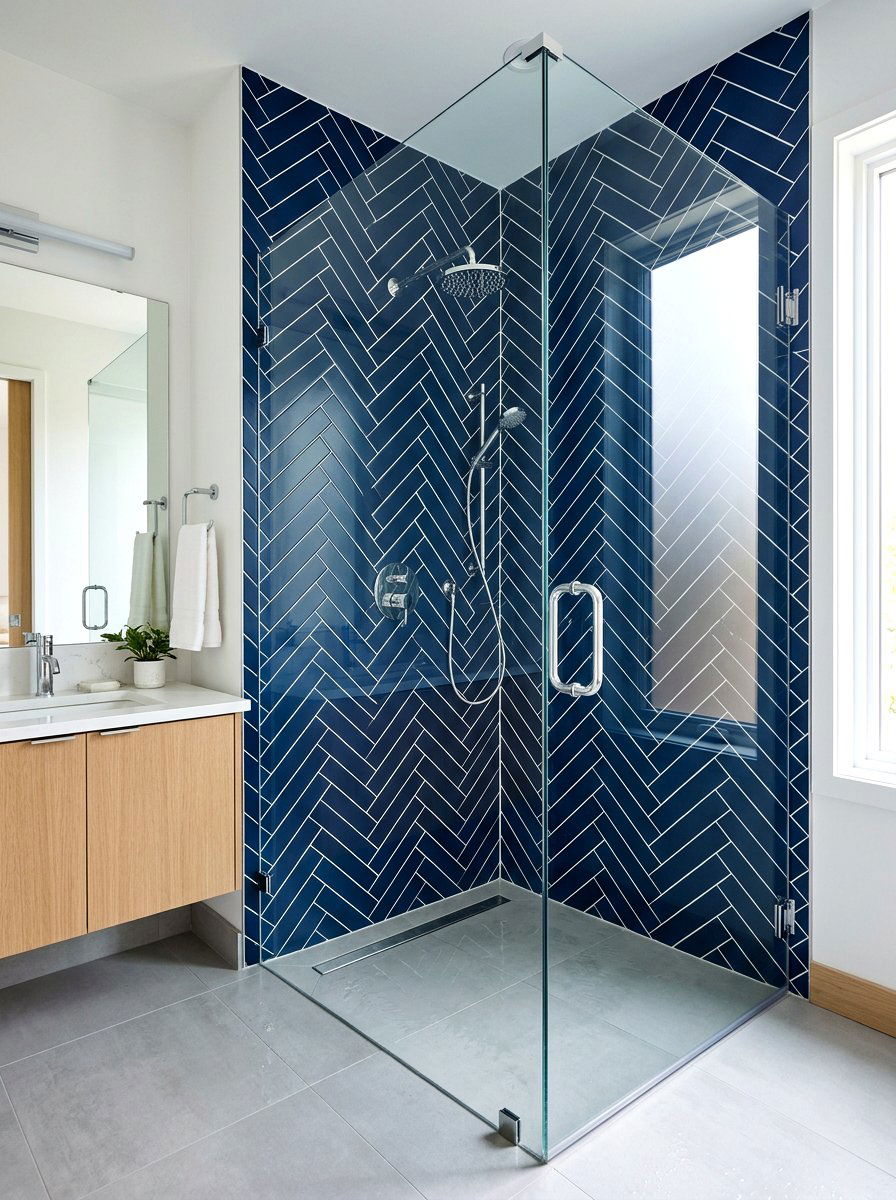
To put a fresh and contemporary twist on a classic design, try a vertical herringbone layout in your walk-in shower. Instead of the pattern flowing horizontally across the wall, it climbs upward, which helps to elongate the space while maintaining that iconic zigzag movement. This orientation feels more modern and unexpected than the traditional version, making it perfect for those who want a unique look without being too eccentric. It looks particularly stunning with elongated, slim tiles that emphasize the sharp angles of the pattern. When paired with bright, natural lighting, the varying angles of the tiles catch reflections beautifully, adding a layer of shimmer and texture.
5. Double Herringbone Pattern Tile
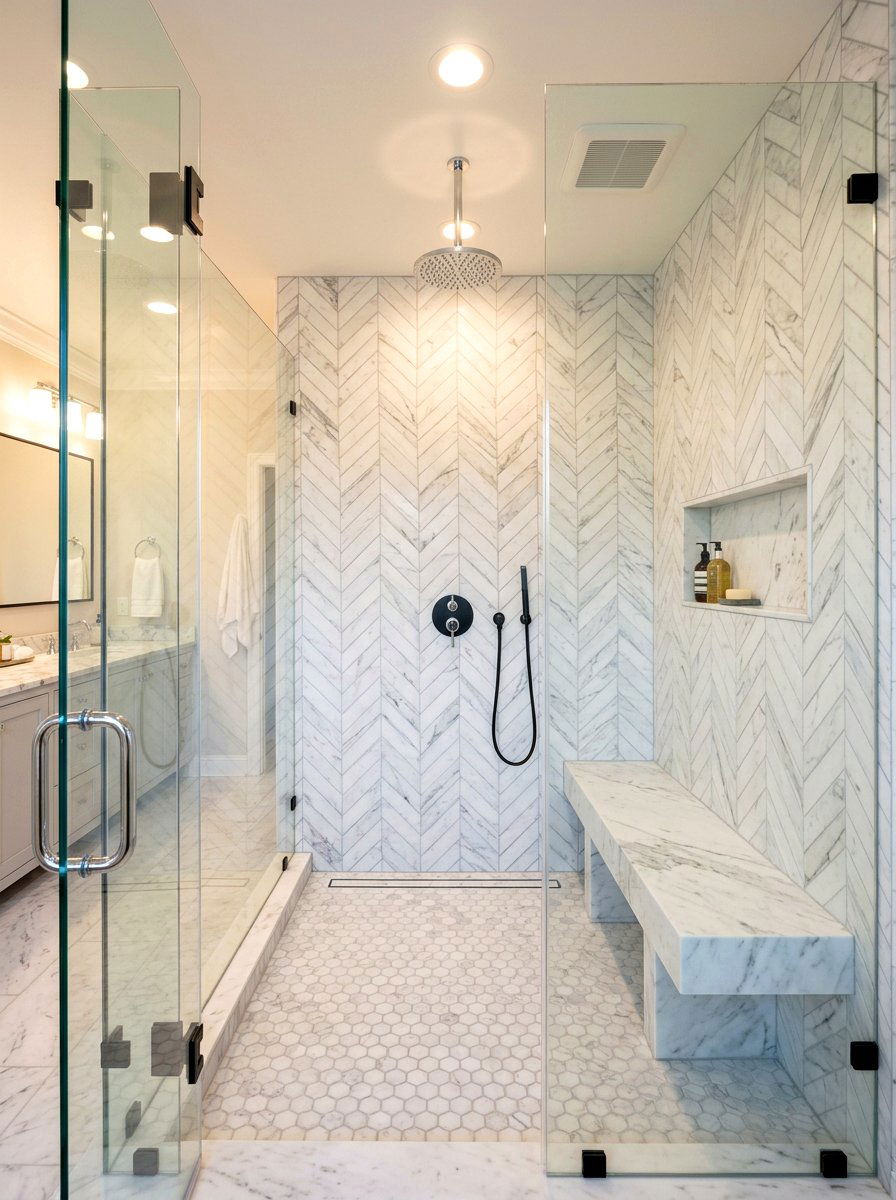
If you want to maximize the visual impact of your shower walls, consider the double herringbone pattern for extra texture. This variation uses two rectangular tiles placed side-by-side to create a thicker, more substantial V-shape than the single-tile version. The result is a bold, woven appearance that adds a sense of craftsmanship and weight to the bathroom design. This pattern is ideal for larger shower areas where a single herringbone might feel too busy or small in scale. By doubling up the tiles, you create a more deliberate and graphic look that stands out, especially when you use tiles with slight color variations or a beautiful glossy finish.
6. Large Format Marble Tile
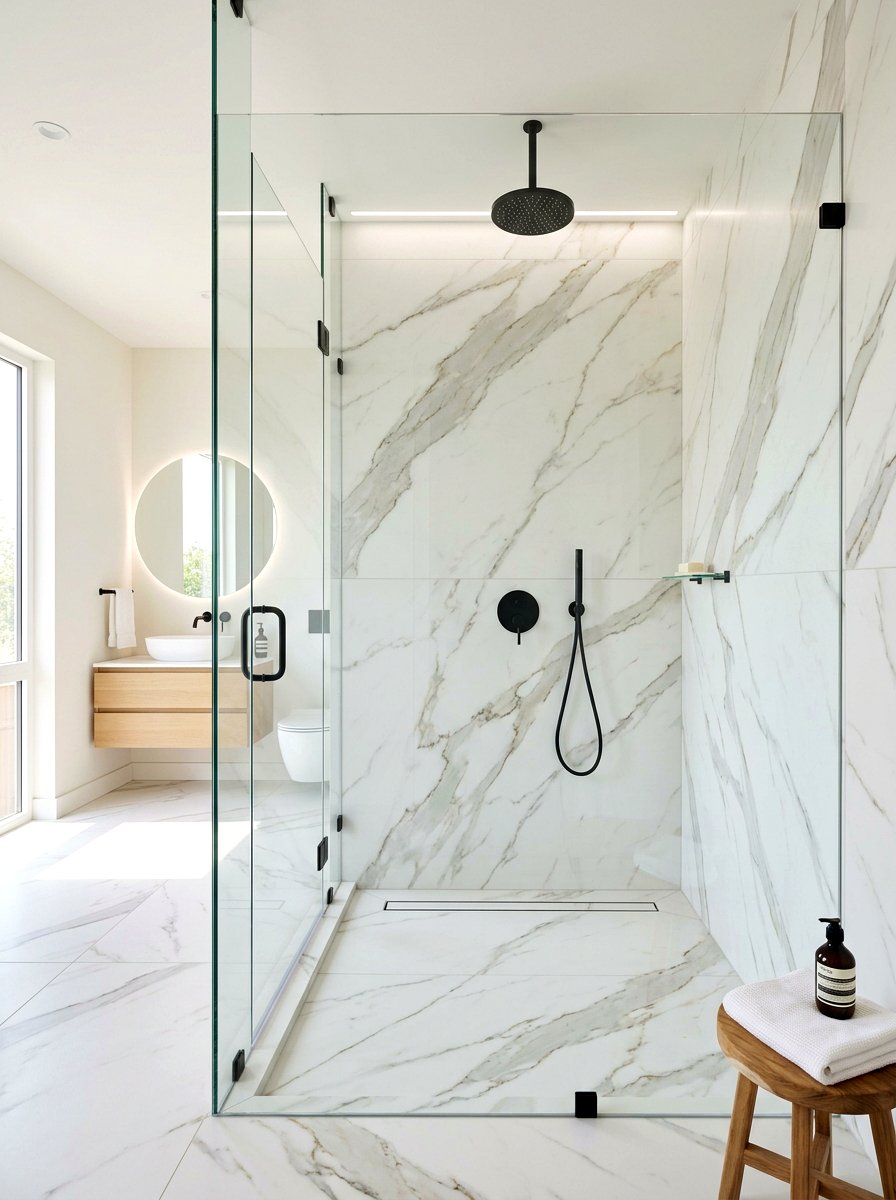
Large format tiles are becoming increasingly popular for homeowners who desire a seamless and high-end look with fewer grout lines. These oversized slabs, often featuring realistic marble veining, create a sense of grandeur and luxury that mimics the atmosphere of a high-end spa or hotel. Because there are fewer breaks in the surface, the natural patterns of the stone or porcelain can flow more freely across the wall, providing a calm and cohesive visual experience. This choice is also highly practical, as fewer grout lines mean less cleaning and maintenance over time. It is the perfect solution for achieving a minimalist, expensive aesthetic in a master suite.
7. Small Hexagon Floor Tile
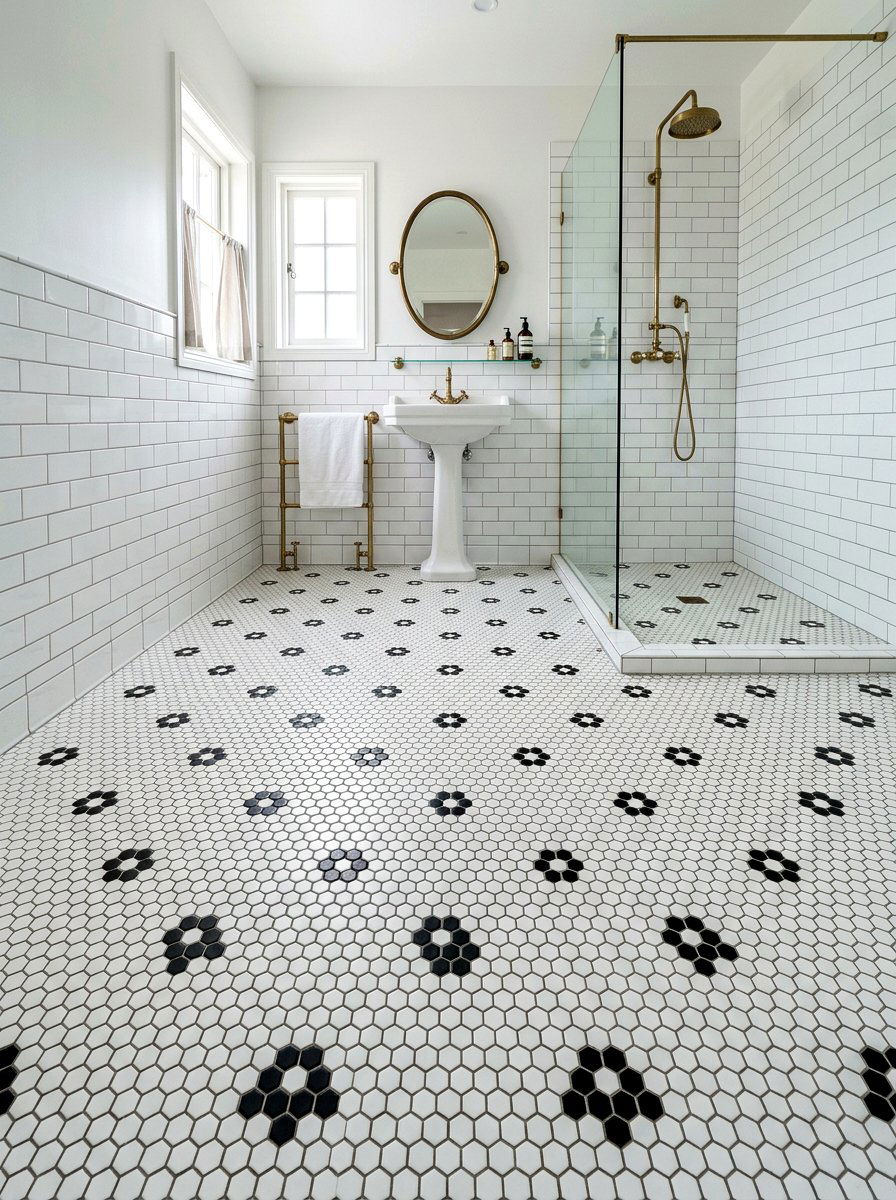
Small hexagon mosaic tiles are a staple in traditional bathroom design, but they offer endless versatility for modern spaces as well. These six-sided shapes provide excellent traction on a wet shower floor because the numerous grout lines create a naturally slip-resistant surface. Beyond safety, the honeycomb pattern adds a charming geometric texture that breaks up the flat planes of the walls. You can choose a classic white tile with dark grout for a vintage look, or opt for colorful mosaics to create a playful and vibrant atmosphere. Their small scale makes them very forgiving around drains and sloped floors, ensuring a professional and even installation.
8. Large Hexagon Wall Tile
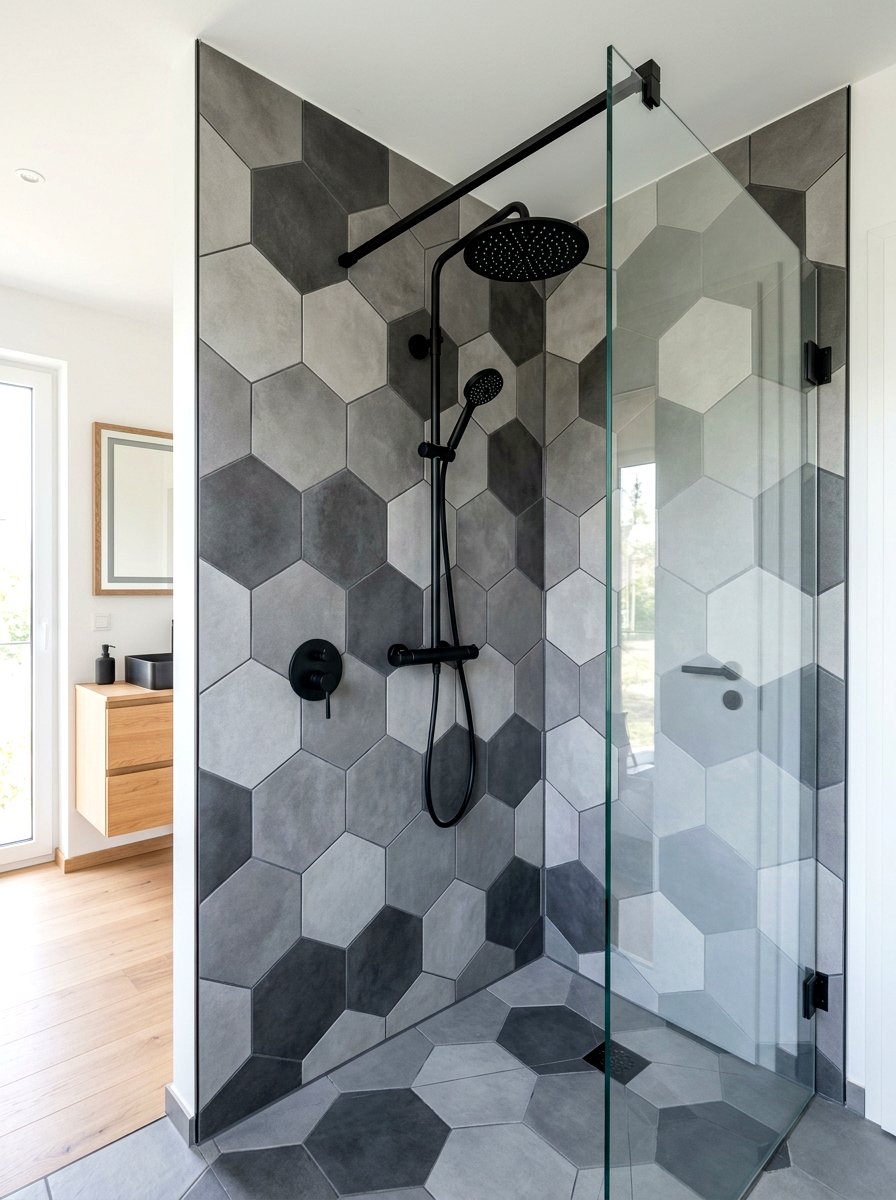
Using large-scale hexagon tiles on shower walls is a bold way to introduce geometric interest without the busyness of smaller mosaics. These bigger shapes create a more modern and architectural feel, turning the shower into a statement piece within the room. The honeycomb structure is inherently pleasing to the eye and provides a unique alternative to standard squares or rectangles. You can even experiment with "bleeding" the hexagons into other materials, such as wood-look tile or paint, for a creative and artistic transition. This layout works best when you want to highlight the shape itself, so consider using a contrasting grout color to define the crisp, sharp edges.
9. Matte Black Bathroom Tile
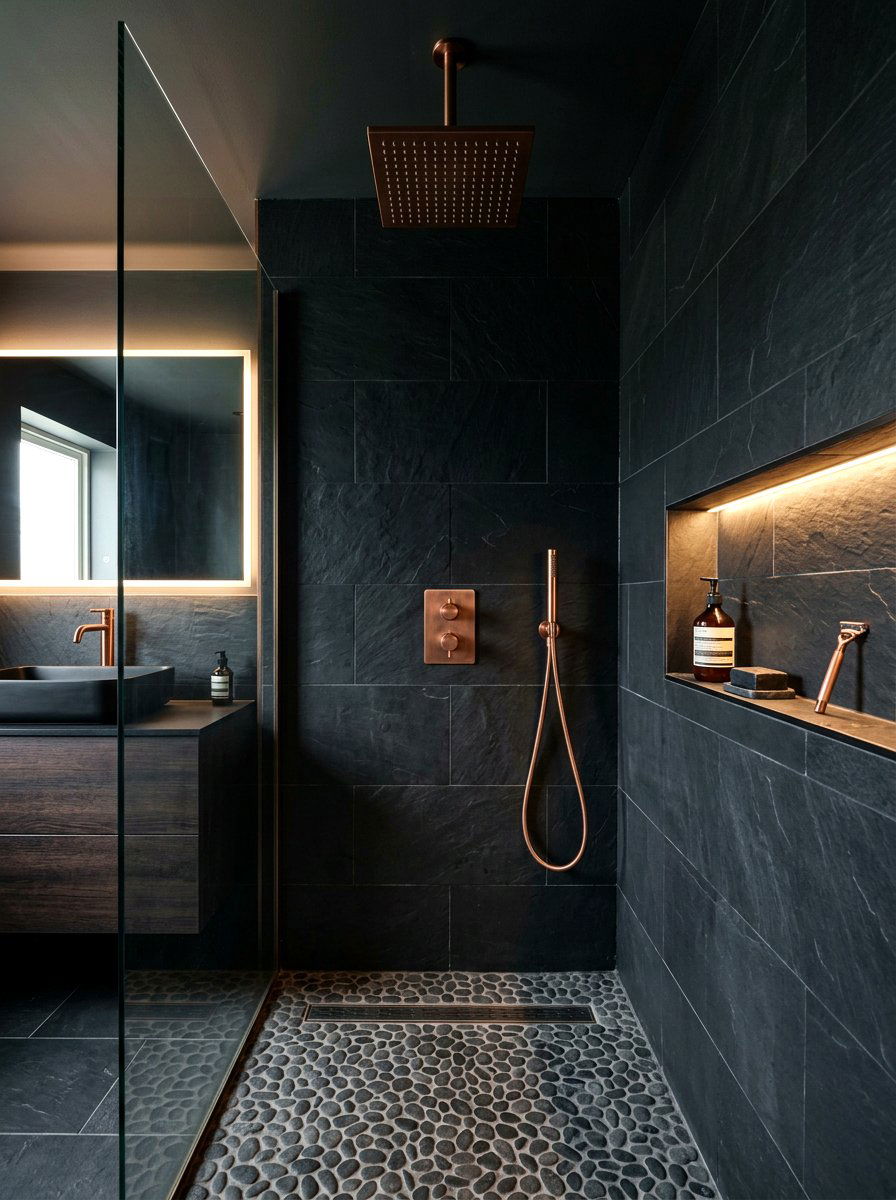
Matte black tiles offer a sophisticated and moody aesthetic that instantly elevates the drama in a modern bathroom. Whether you choose a large format slab or a small geometric mosaic, the non-reflective finish provides a velvet-like texture that looks incredibly high-end. Black tiles create a stunning backdrop for metallic fixtures, such as brass or polished chrome, making the hardware truly pop against the dark surface. While dark colors can sometimes make a space feel smaller, the matte finish absorbs light in a way that adds depth and intimacy to the shower. This style is perfect for those who want to create a cozy, spa-like retreat with masculine undertones.
10. Chevron Pattern Shower Tile
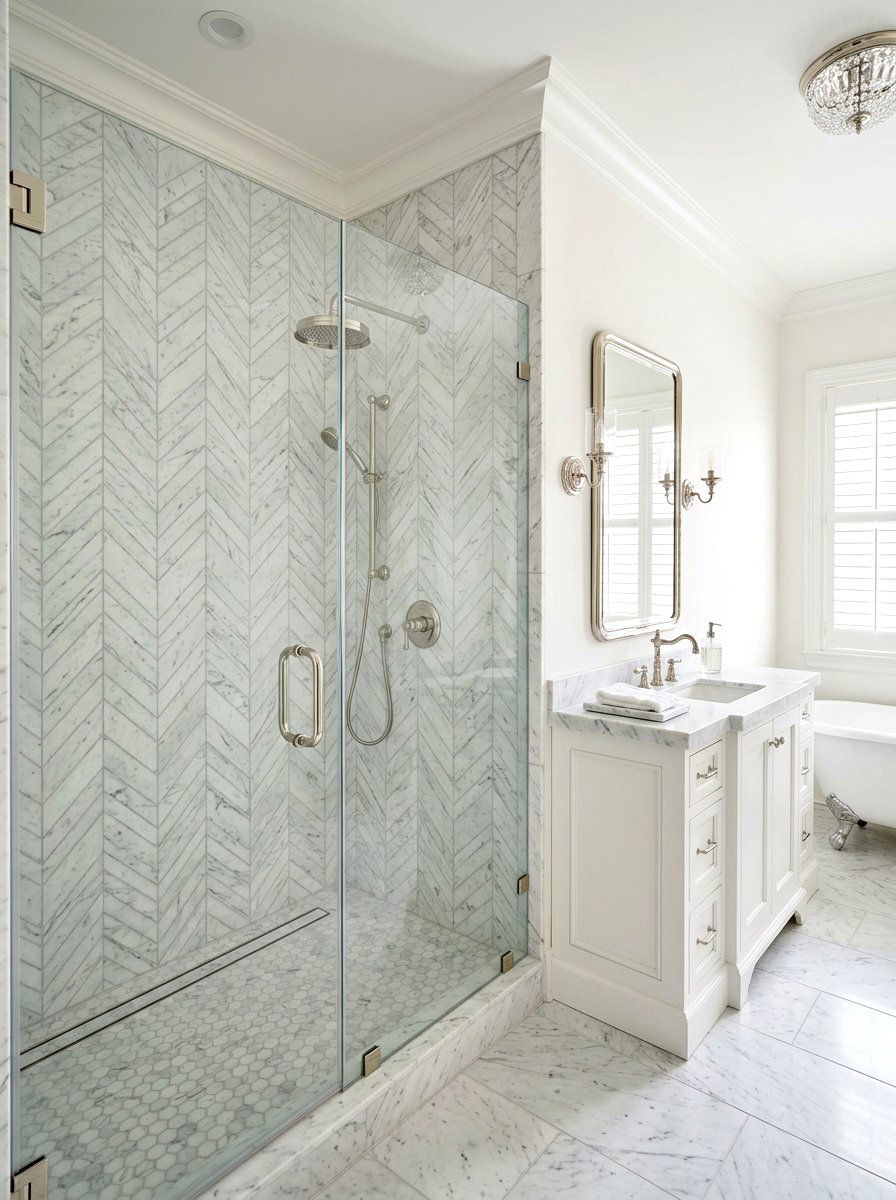
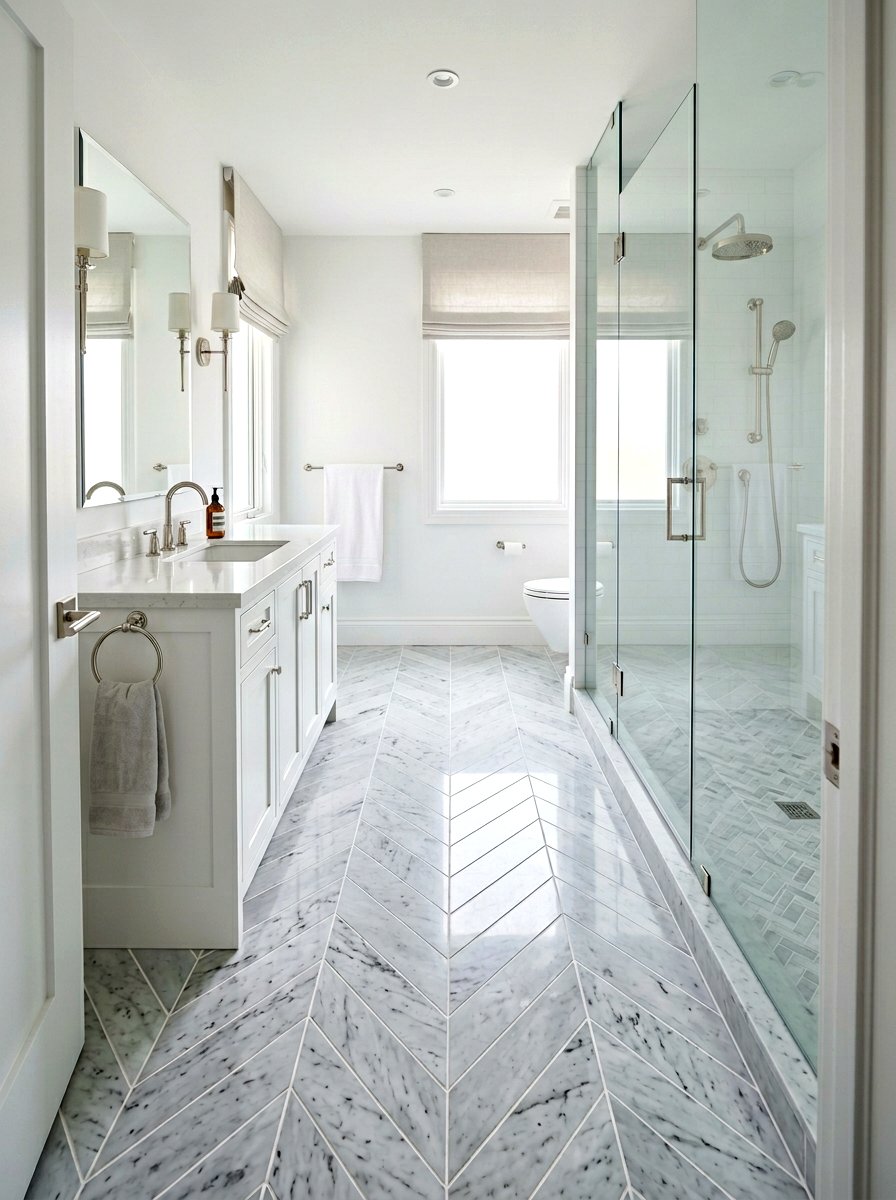
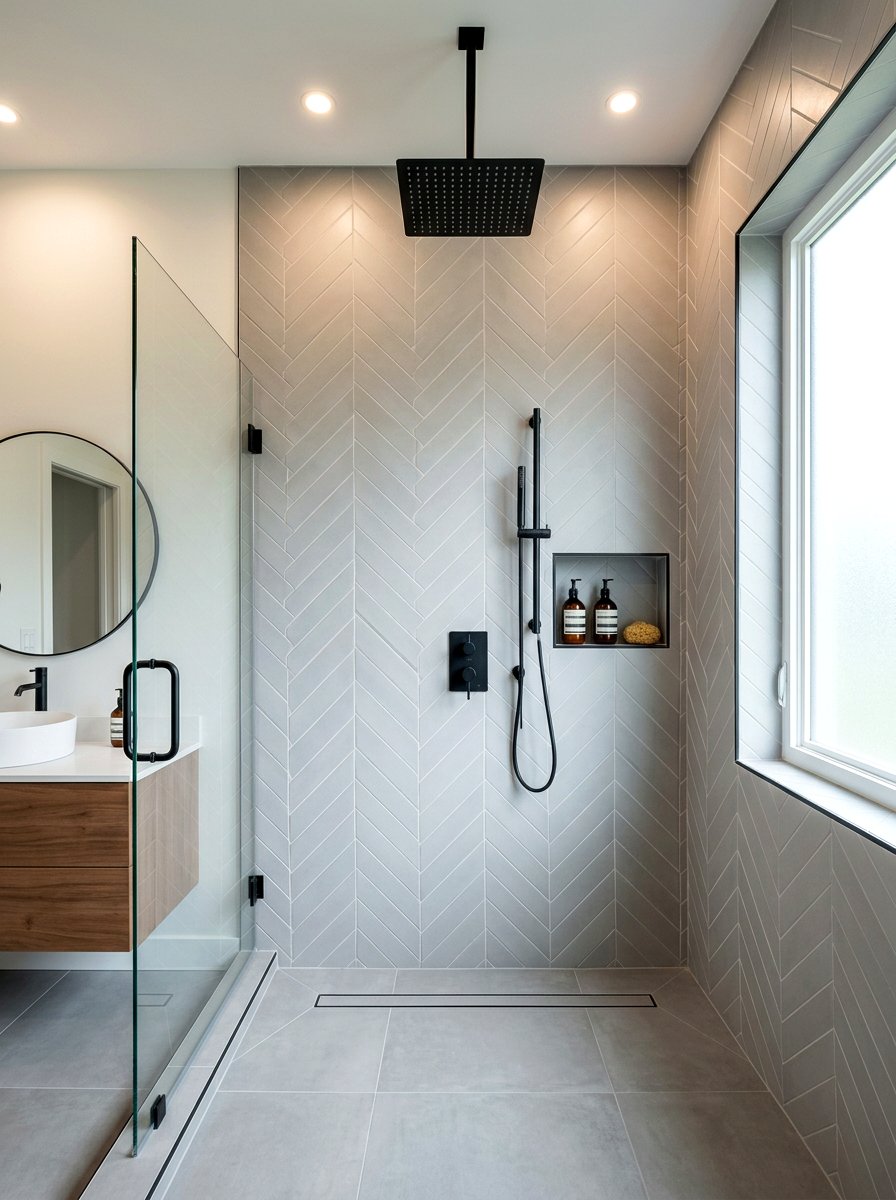
While similar to herringbone, the chevron pattern is distinct because the tiles are mitered at the ends to meet in a perfect point. This creates a continuous zigzag line that looks like a series of arrows pointing in one direction, providing a very clean and organized visual flow. The precision of the chevron layout makes it feel more formal and structured than other angled patterns. It is an excellent choice for a feature wall in the shower, as the repetitive lines guide the eye through the space with ease. Because of the custom cutting required, this pattern often signifies a high level of detail and luxury in home design.
11. Basketweave Pattern Tile Floor
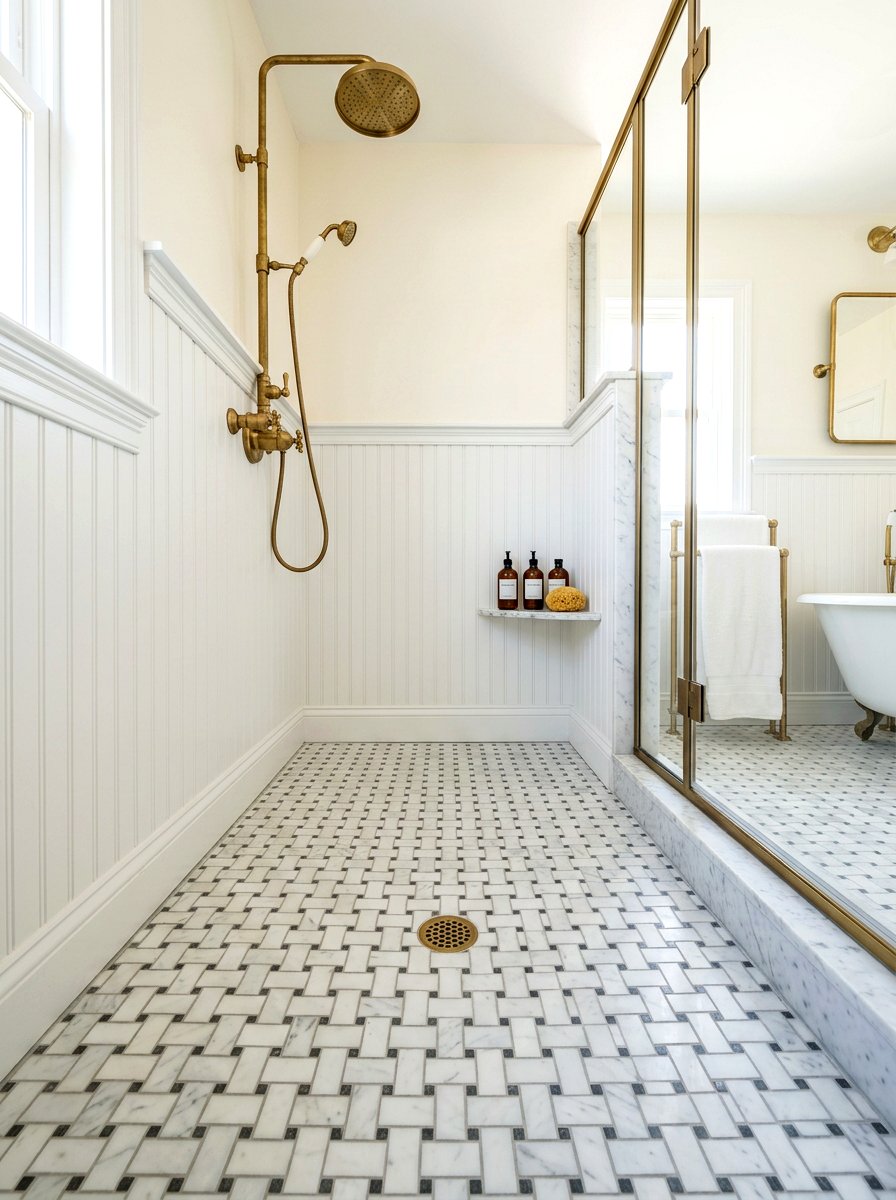
The basketweave pattern is a classic mosaic style that mimics the look of woven fabric or traditional wicker. It usually consists of small rectangular tiles arranged around a tiny square "dot, " creating a complex and textured surface that feels both vintage and refined. This layout is most commonly used on shower floors because it provides excellent slip resistance while adding a touch of old-world elegance. It is a fantastic way to introduce a sense of history into a new renovation, especially when using marble or traditional ceramic materials. The repetitive nature of the weave is incredibly soothing and brings a sophisticated, tailored look to the entire bathroom.
12. Zellige Tile Bathroom Wall
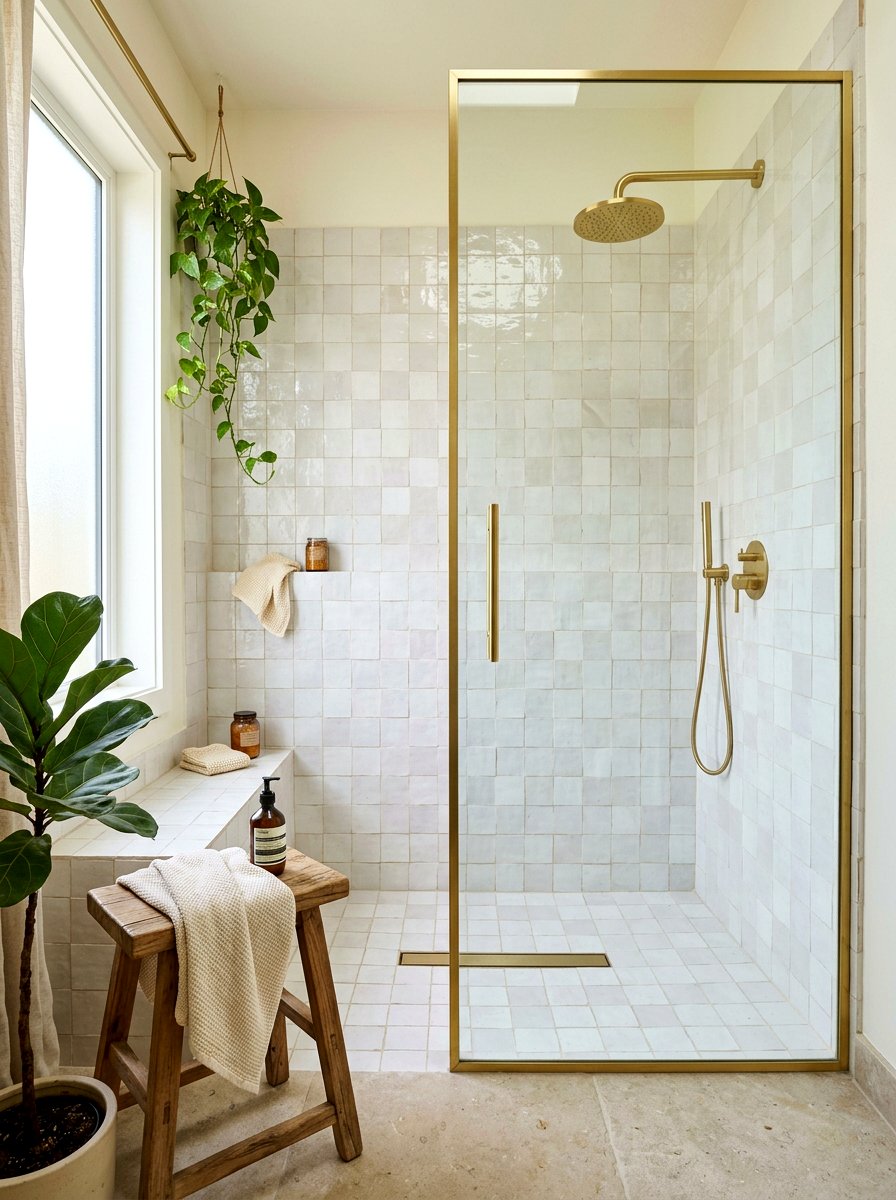
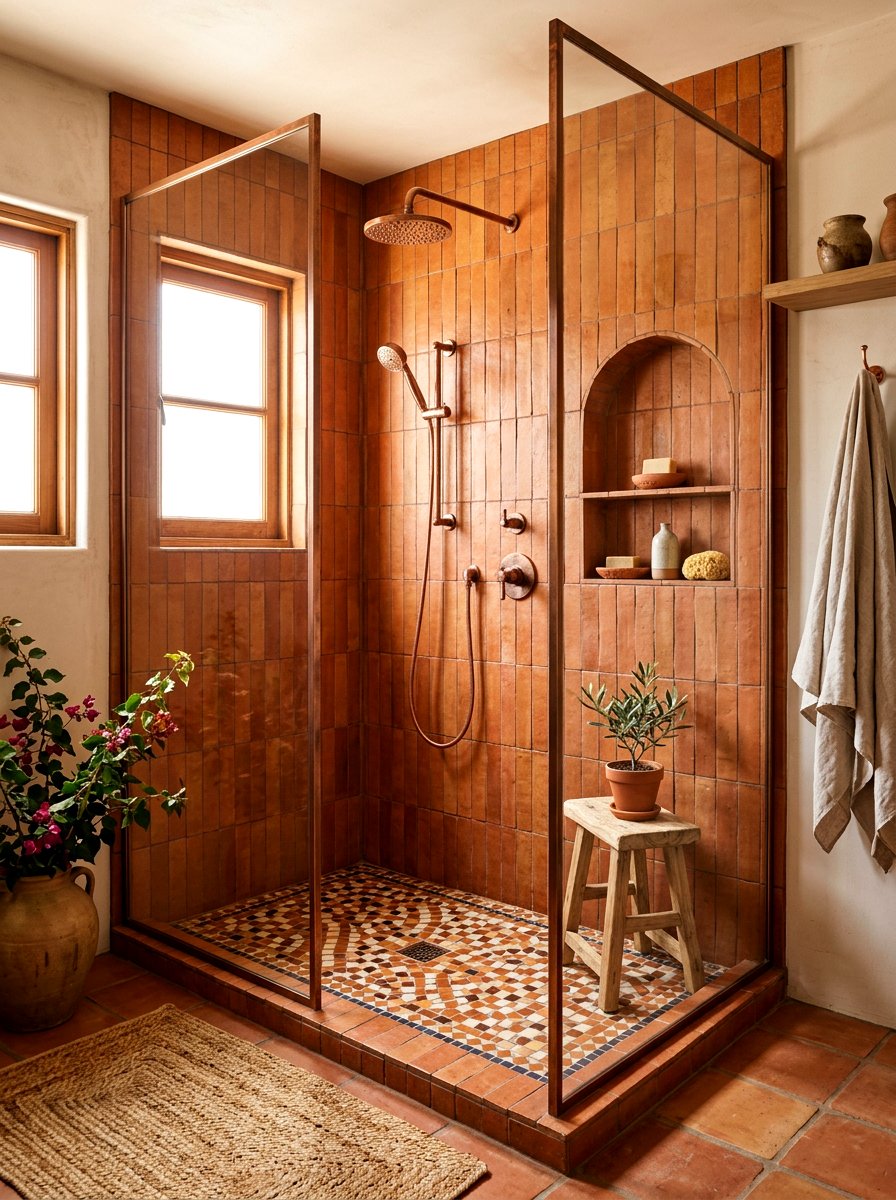
Zellige tiles are prized for their handmade look, featuring slight variations in color, thickness, and surface texture that create a beautifully imperfect finish. When these tiles are installed in a simple stacked or offset pattern, the natural movement of the glazes creates a shimmering, organic effect. The way light hits the uneven surfaces adds a layer of depth and soul that machine-made tiles simply cannot replicate. Zellige is perfect for creating a relaxed, artisanal vibe that feels both grounded and luxurious. Because each tile is unique, the overall wall becomes a work of art, full of tonal shifts and character that make the shower feel truly one-of-a-kind.
13. Penny Tile Shower Floor
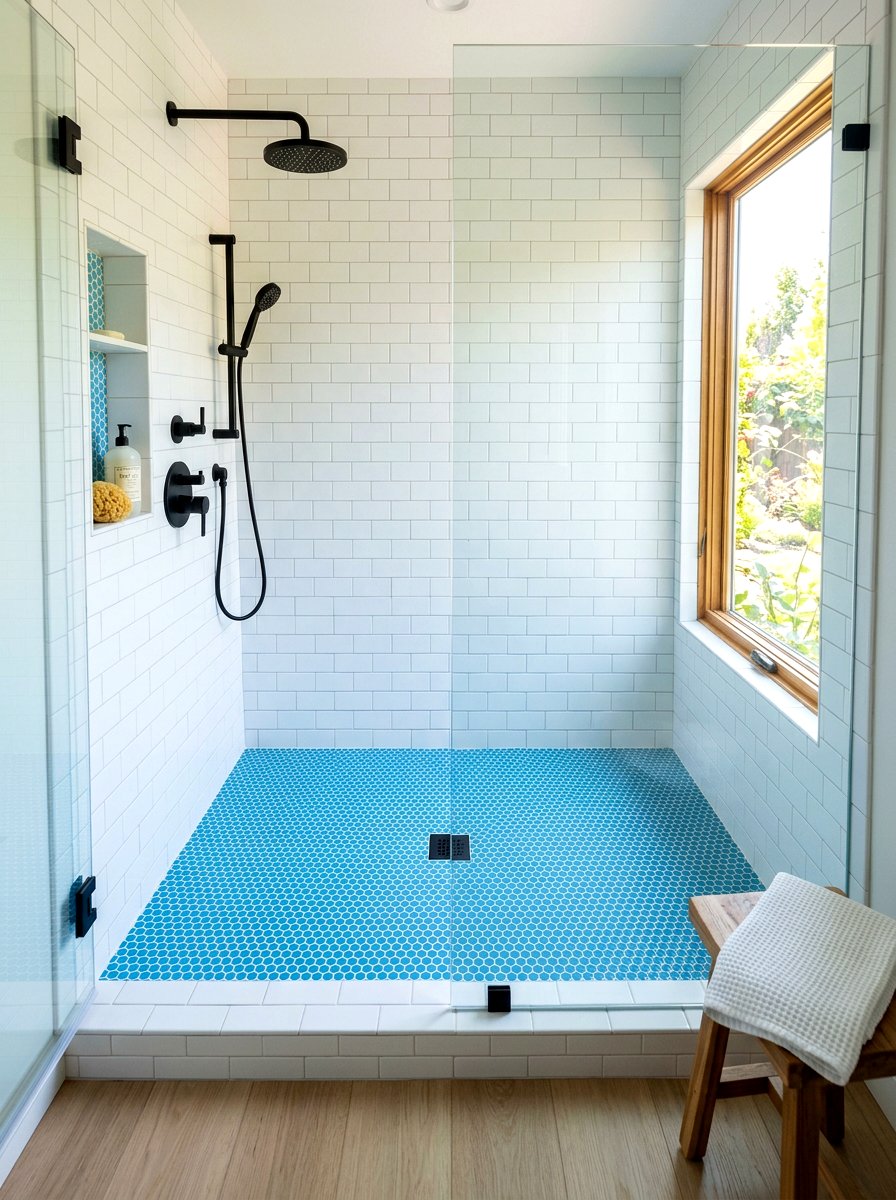
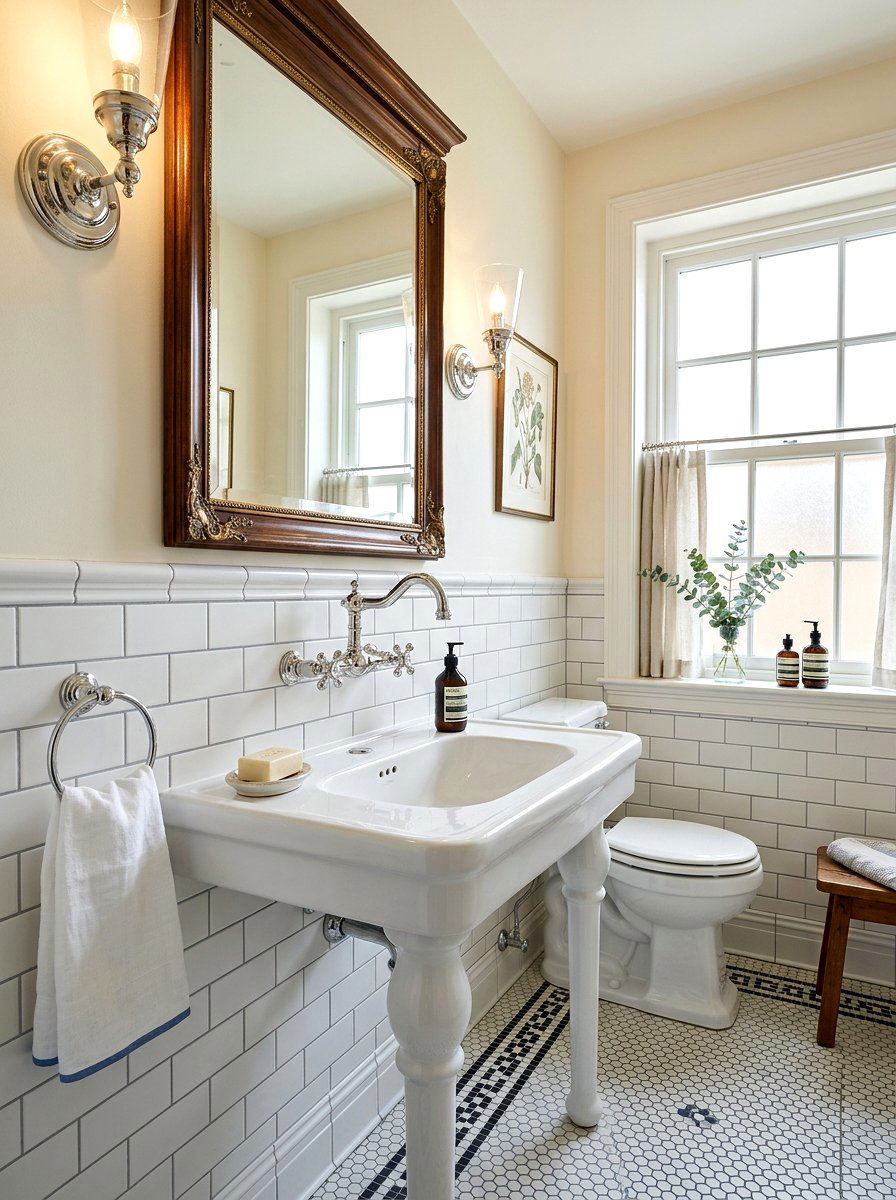
Penny tiles are small, circular mosaics that have been a favorite in bathroom design for over a century. Their tiny size and round shape provide an incredible amount of texture and grip, making them one of the safest choices for wet shower floors. Beyond functionality, they offer a retro charm that can be styled to look either vintage or completely modern depending on the color choice. You can create custom borders, flowers, or even words using different colored penny rounds for a personalized touch. Their ability to curve around corners and sloped drains makes them a practical and stylish solution for any bathroom layout or size.
14. Fish Scale Tile Shower
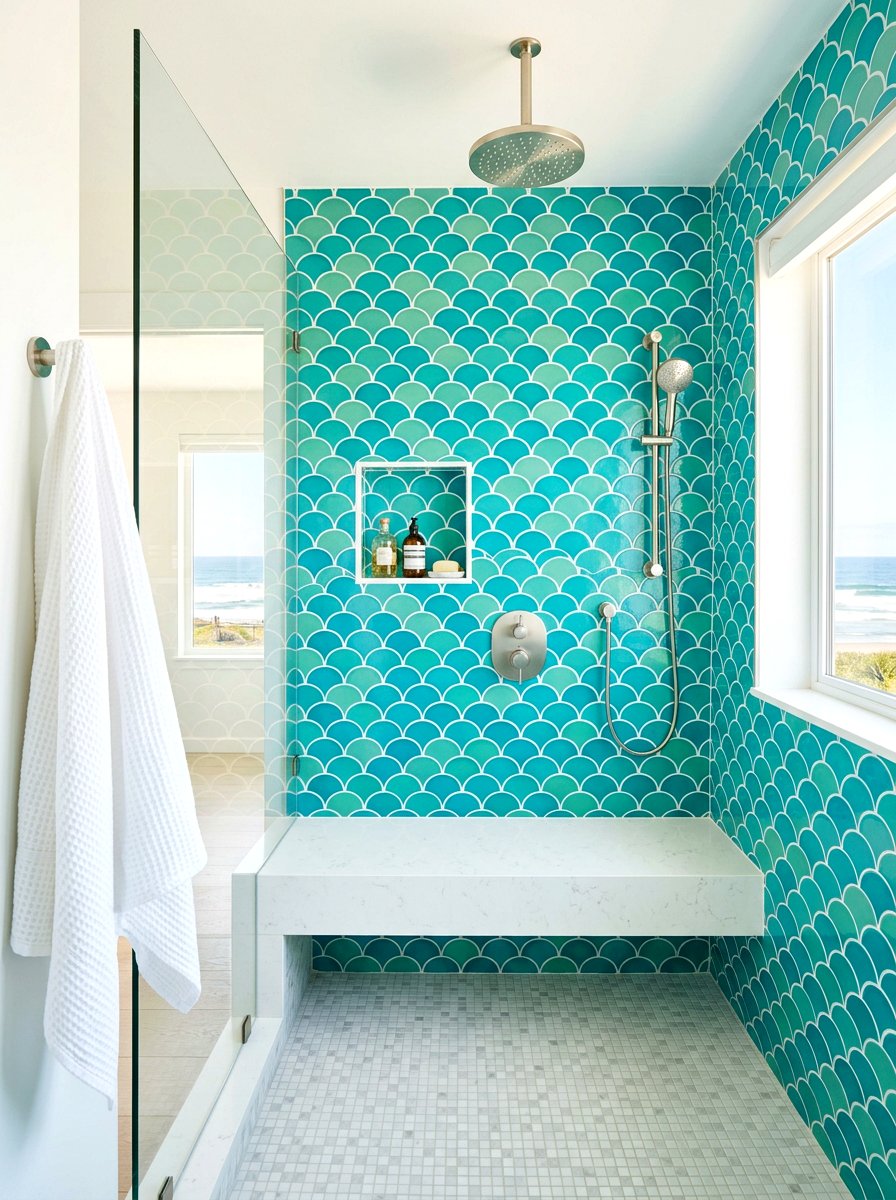
Fish scale tiles, also known as scalloped or fan tiles, bring a soft and whimsical feel to the shower with their curved edges. This pattern is inspired by natural maritime elements and adds a sense of flow and movement that is perfect for a water-focused environment. The overlapping look of the scales creates a unique rhythm on the wall, especially when using a variety of blue or green tones to mimic the ocean. It is a great way to break away from hard angles and straight lines, introducing a more feminine and graceful aesthetic. This pattern works beautifully as an accent wall or within a recessed shower niche for interest.
15. Square Grid Tile Pattern
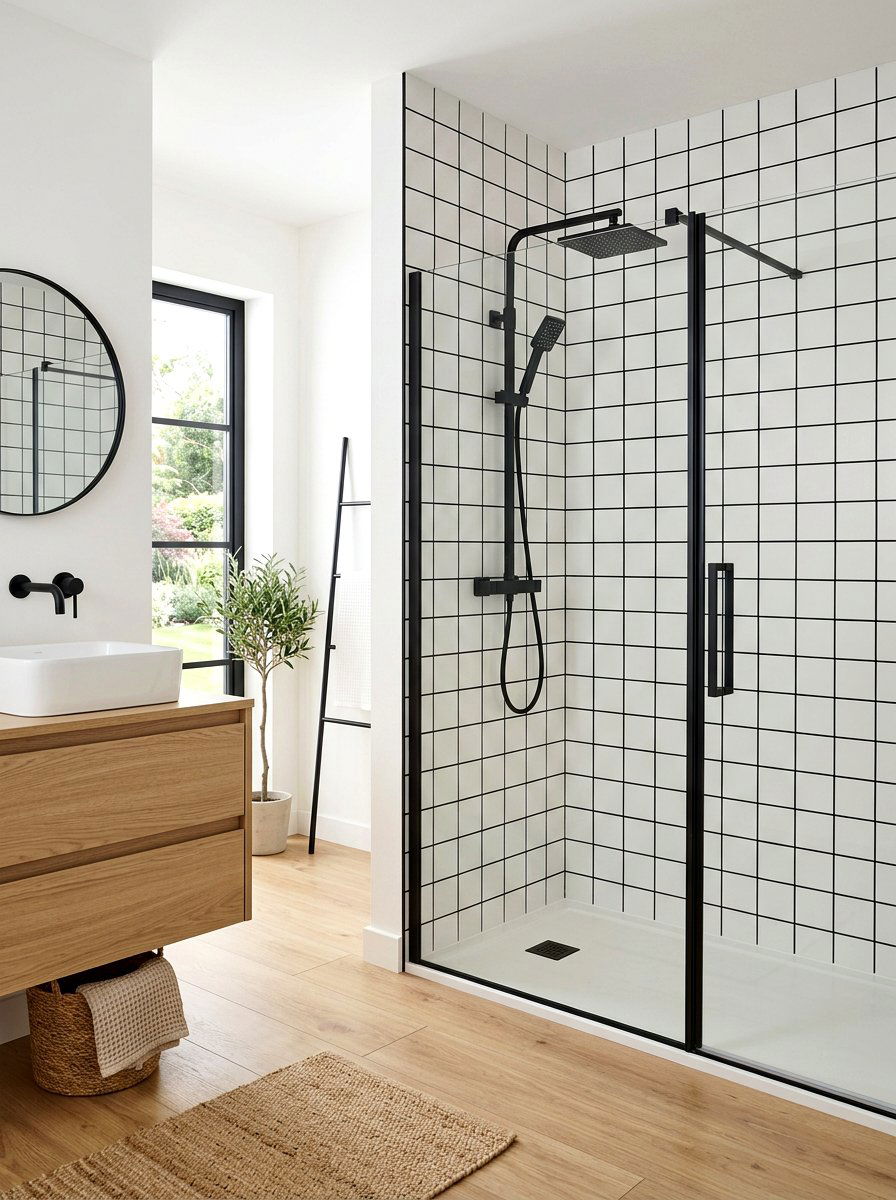
The square grid pattern is a straightforward and honest layout where square tiles are aligned perfectly in rows and columns. While it may seem simple, this pattern is currently trending in modern and Scandinavian design because of its clean, graphic appeal. Using square tiles in a grid creates a sense of order and stability that feels very calming in a bathroom setting. You can make this look more interesting by choosing oversized squares for a bold statement or using a contrasting grout to emphasize the mathematical precision of the lines. It is a versatile choice that works well with both minimalist decor and more colorful, eclectic bathroom styles.
16. Diagonal Tile Installation Layout
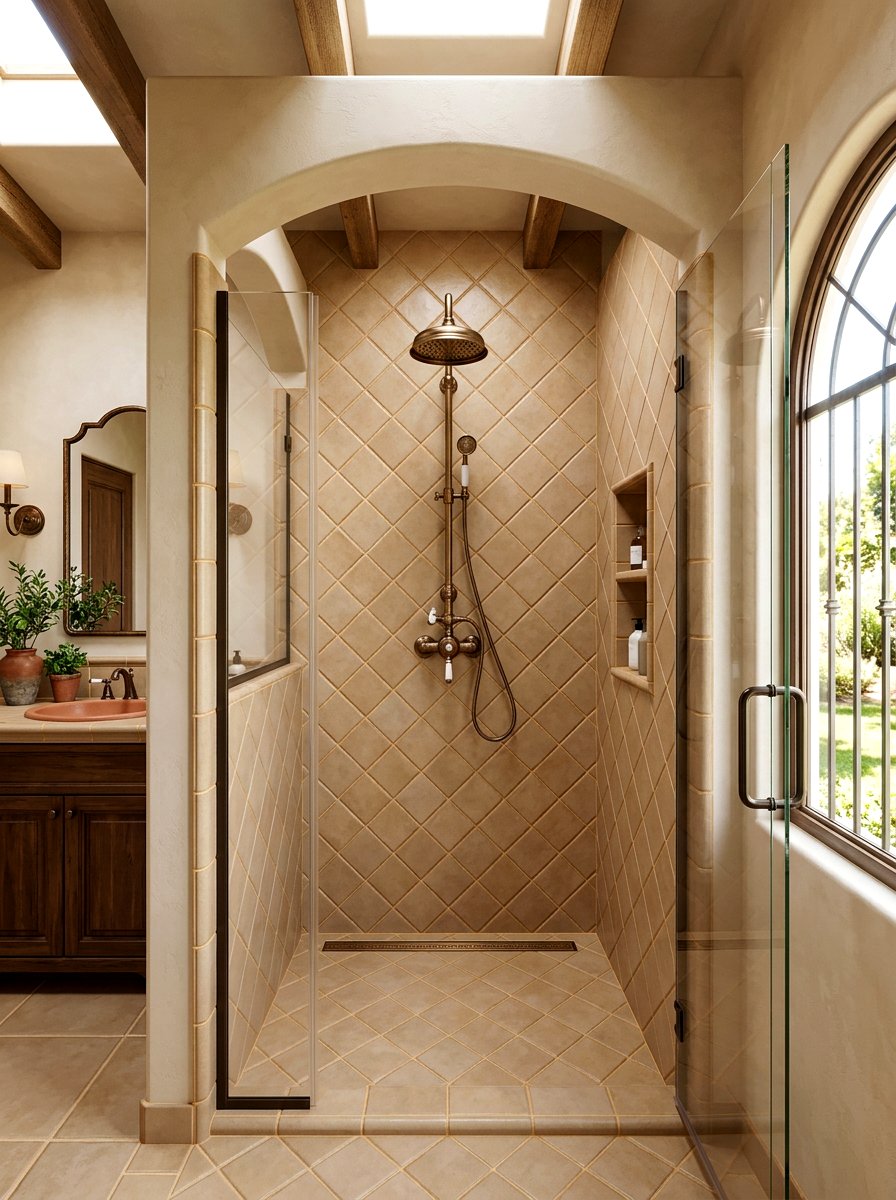
Rotating square or rectangular tiles forty-five degrees to create a diagonal layout is a clever design trick for making a small shower feel much larger. The diagonal lines trick the eye into seeing more width and length, breaking up the boxy feel of standard bathroom walls. This orientation adds a subtle sense of energy and movement without being as busy as a herringbone or chevron pattern. It is a classic technique that has been used for decades to add architectural interest to floors and walls alike. When paired with a border, a diagonal layout can look very formal and traditional, adding a custom-built feel to the space.
17. Picket Tile Shower Wall
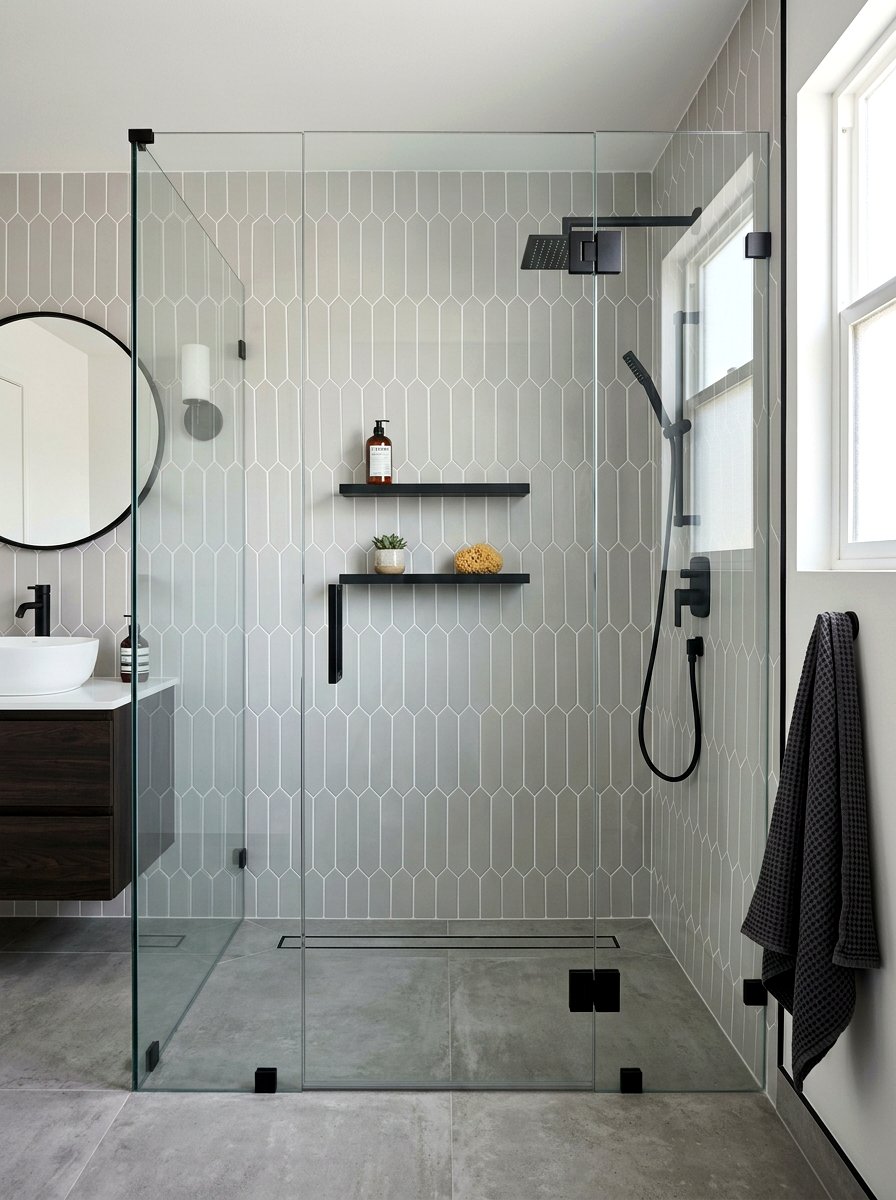
Picket tiles are an elongated hexagonal shape that looks like the pointed slats of a picket fence. This pattern offers a unique geometric twist on the standard subway tile, providing a more vertical and sharp appearance. You can install them horizontally for a wide look or vertically to emphasize the height of the shower. The pointed ends create a beautiful interlocking pattern that feels contemporary and fresh. Picket tiles are an excellent choice for those who love the simplicity of rectangles but want a little more personality and edge in their design. They look particularly striking in a soft matte finish with a matching grout.
18. Linear Mosaic Glass Tile
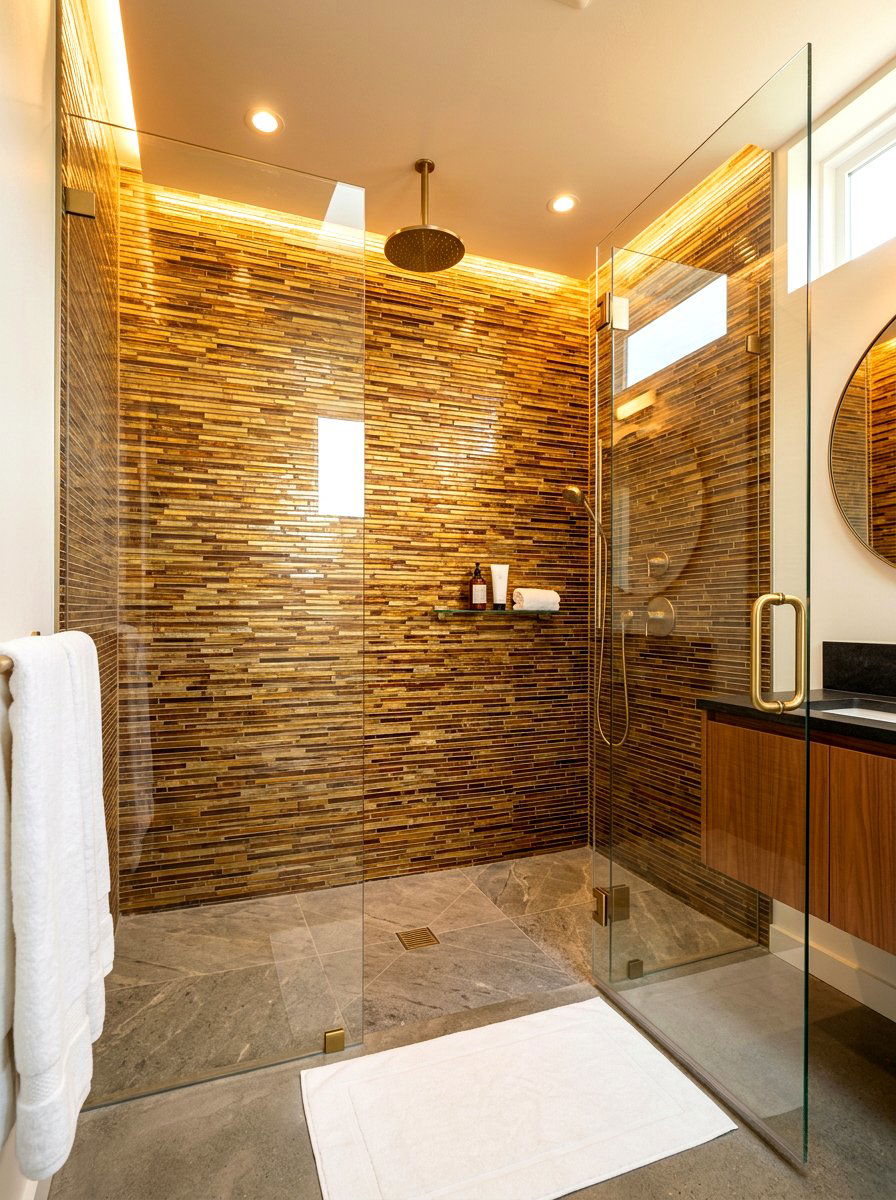
Linear glass mosaics feature thin, rectangular strips of varying lengths and colors, often pre-mounted on sheets for easier installation. This pattern creates a high-energy, modern look that is full of texture and light-reflecting properties. The varying widths of the tiles add a sense of horizontal movement, which can help a narrow shower feel much wider and more expansive. Glass material is naturally resistant to mold and stains, making it a very practical choice for wet areas. Whether you use them as a full wall treatment or a decorative accent strip, linear mosaics provide a sparkling, jewel-like finish that brightens up any bathroom space instantly.
19. Checkerboard Bathroom Tile Pattern
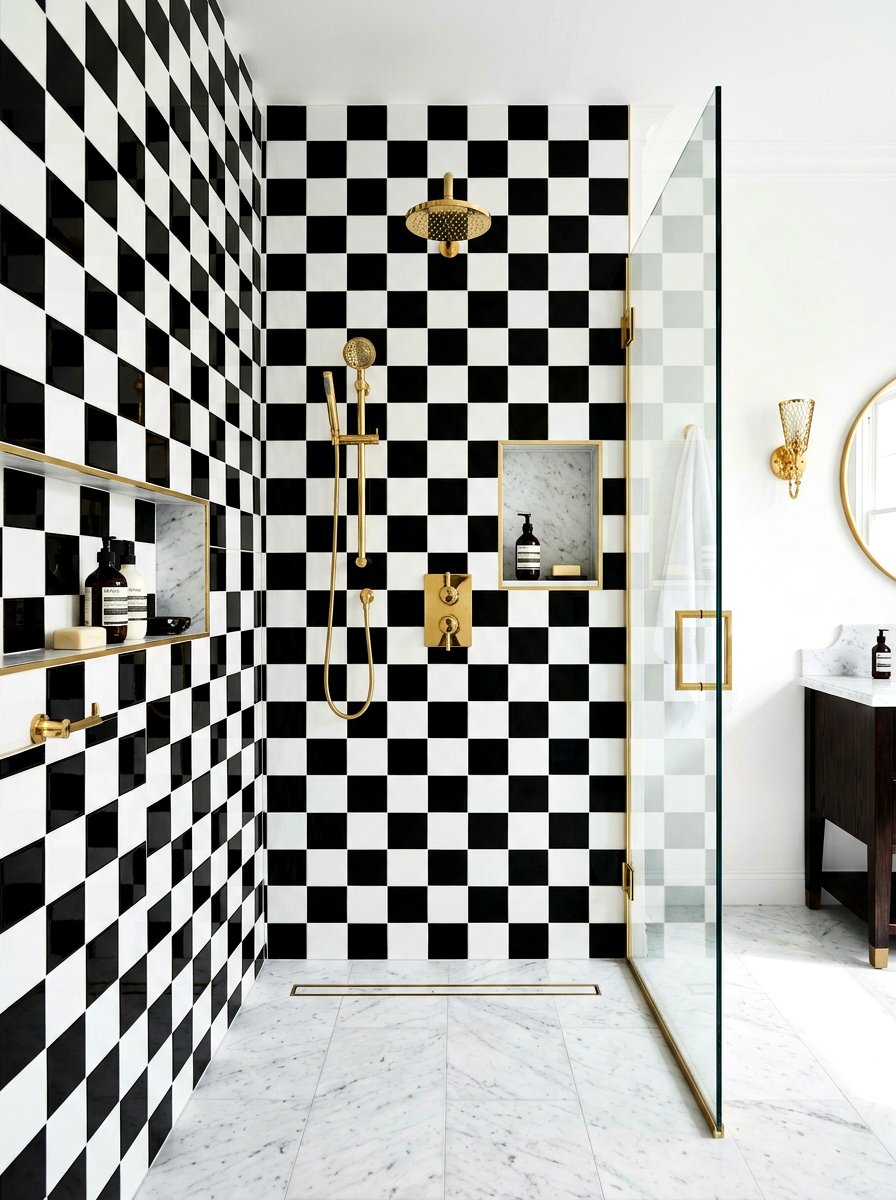
The checkerboard pattern is a classic and high-contrast layout that involves alternating two different colors of square tiles, usually black and white. This timeless design brings a sense of traditional elegance and rhythm to the bathroom, making a bold statement that never goes out of style. While it is often seen on floors, using a checkerboard pattern on shower walls can create a striking and artistic focal point. You can modernize this look by using softer color pairings, like beige and cream, or by experimenting with different textures. It is a fantastic way to introduce a classic, upscale feel that works with various decor styles.
20. Arabesque Tile Backsplash Shower
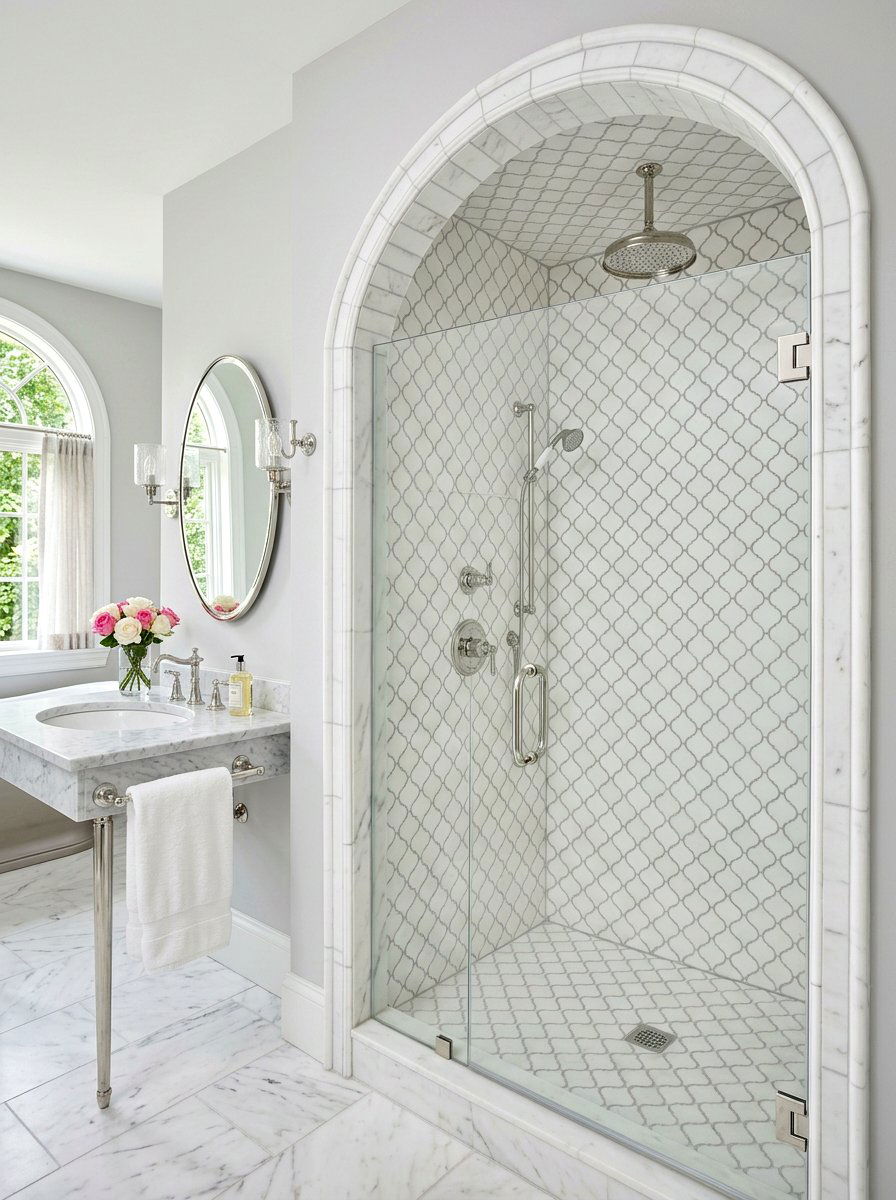
Arabesque tiles feature a beautiful, curvaceous shape inspired by traditional Middle Eastern and Mediterranean design. This intricate pattern adds a sense of luxury and exotic charm to the shower, turning the walls into a decorative tapestry. The interlocking curves create a soft, flowing visual that is very different from the sharp lines of modern geometric tiles. Because the shape is so ornate, it usually looks best in a single color so the pattern itself can be the main focus. Arabesque tiles are ideal for creating a romantic, spa-like atmosphere where the focus is on beauty and relaxation. They pair wonderfully with arched doorways and elegant fixtures.
21. Versailles Pattern Stone Tile
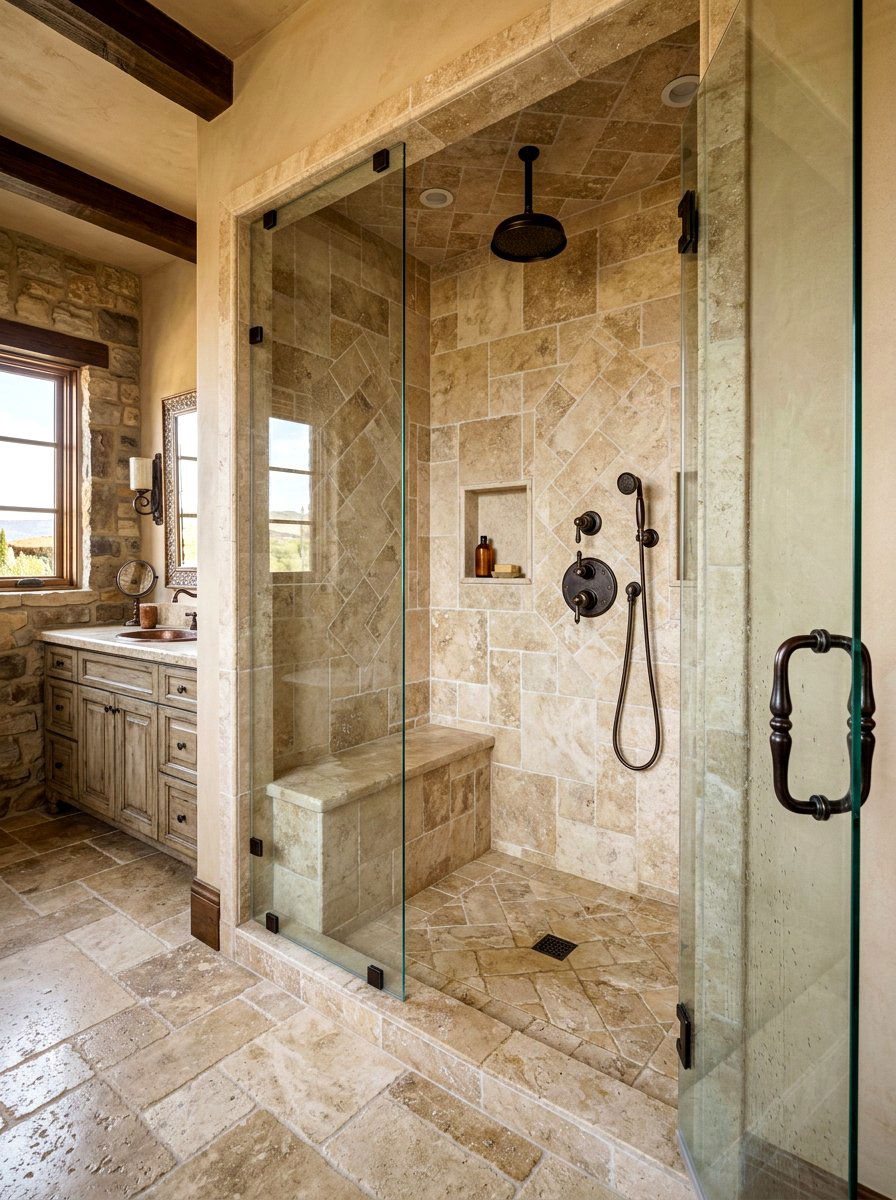
The Versailles pattern, also known as the French pattern, uses a mix of four different sizes of square and rectangular tiles to create a random, modular look. This layout is most commonly used with natural stone like travertine or slate to achieve a rustic and historical aesthetic. It feels very grounded and organic, as the lack of continuous straight lines makes the surface look like it has been there for centuries. This pattern is perfect for a Mediterranean or farmhouse-style bathroom where you want to emphasize natural textures and timeless craftsmanship. It adds a high level of sophistication and visual complexity to any large shower floor or wall.
22. Wood Look Tile Shower
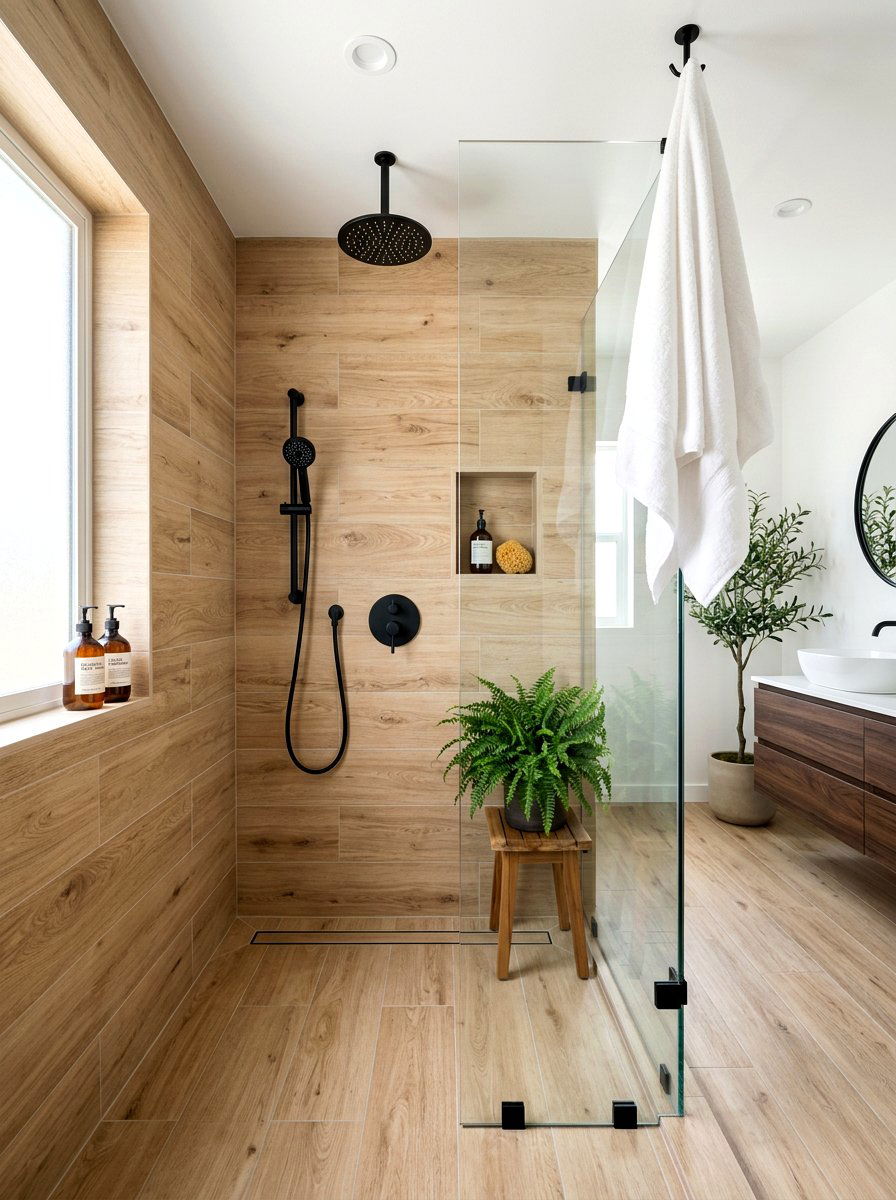
Wood-look porcelain tiles allow you to bring the warmth and organic beauty of natural timber into the wet environment of a shower. These tiles are usually shaped like long planks and are installed in an offset or herringbone pattern to mimic traditional hardwood flooring. This choice creates a very cozy and spa-like atmosphere, making the bathroom feel more like a living space than a utilitarian room. Unlike real wood, porcelain is completely waterproof and durable, so you don't have to worry about warping or rot. It is a fantastic way to introduce a biophilic design element that connects your indoor space with the natural world.
23. Pebble Tile Shower Floor
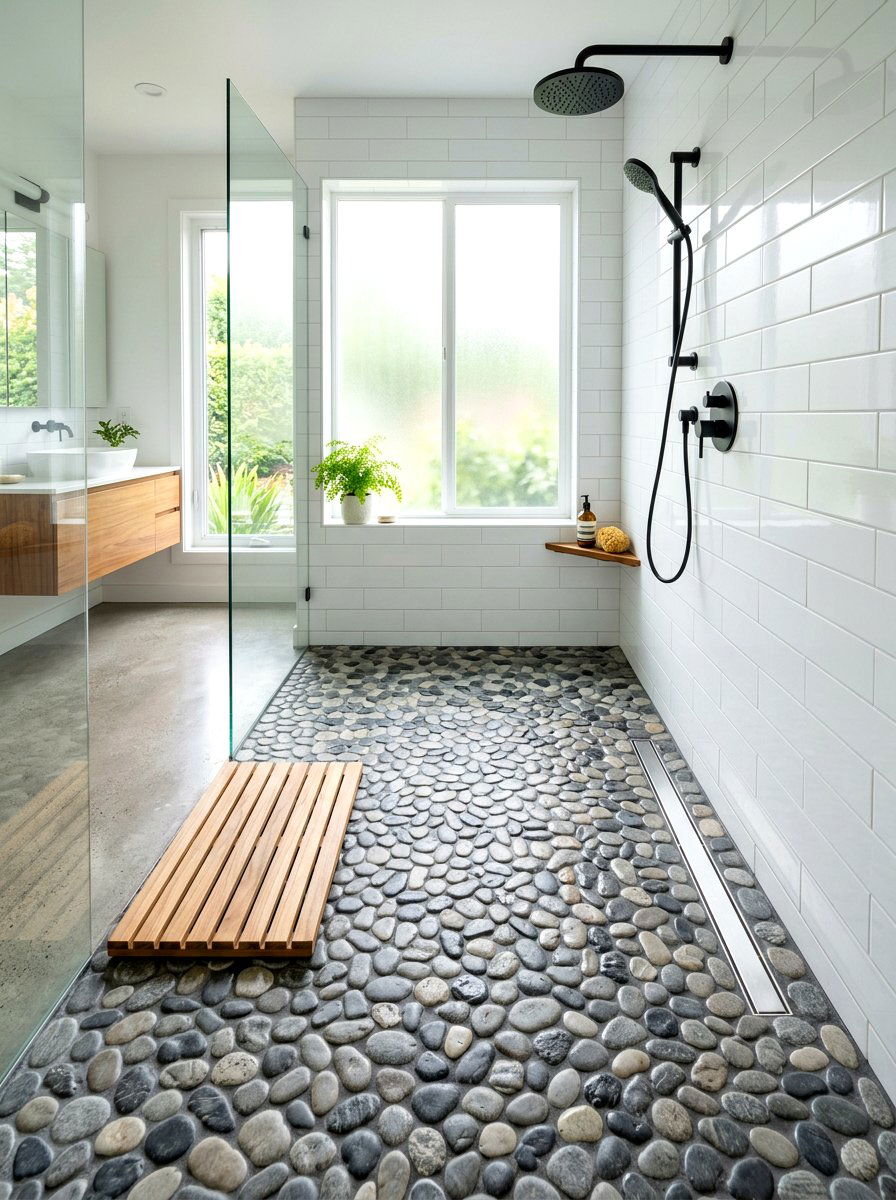
Pebble tiles consist of small, smooth stones mounted on a mesh backing, providing a natural and highly textured surface underfoot. This pattern is incredibly popular for shower floors because it feels like walking on a riverbed, offering a gentle massage and excellent slip resistance. The organic shapes and varying earthy tones create a tranquil, spa-like environment that encourages relaxation. Pebble tiles are very forgiving on sloped shower floors and can be used to create a seamless transition between the shower and the rest of the bathroom. They pair beautifully with other natural materials like slate or wood-look tiles for a complete outdoor-inspired retreat.
24. Diamond Pattern Tile Wall
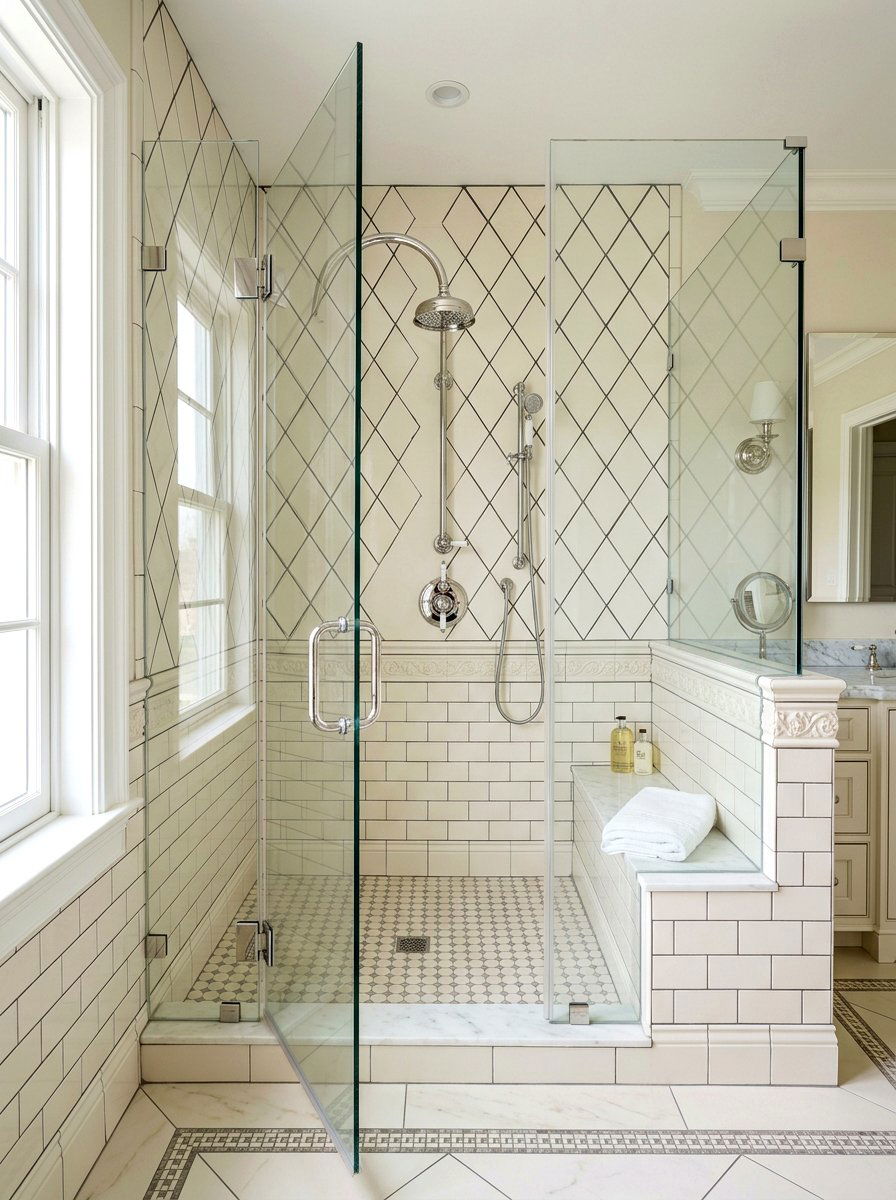
A diamond pattern is essentially a square tile grid rotated forty-five degrees, but when used on a large scale, it feels more decorative and intentional. This layout adds a sense of height and elegance to the shower, as the points of the diamonds lead the eye upward. It is a classic choice for traditional and transitional bathrooms, often used to create a formal and upscale atmosphere. You can enhance the look by adding a decorative border or using a contrasting grout to define each diamond shape. This pattern is particularly effective in master bathrooms where you want to create a sense of grandeur and custom architectural detail.
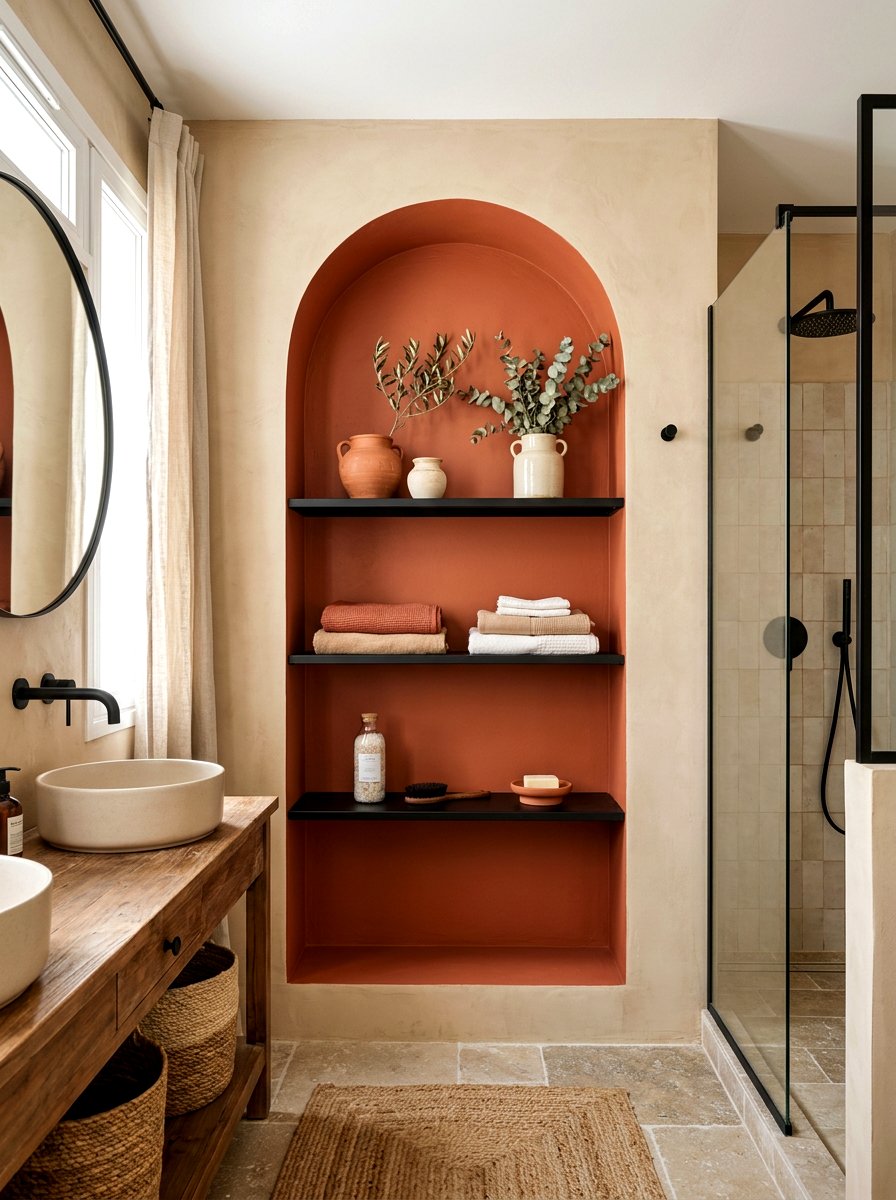
25. Random Linear Tile Mosaic
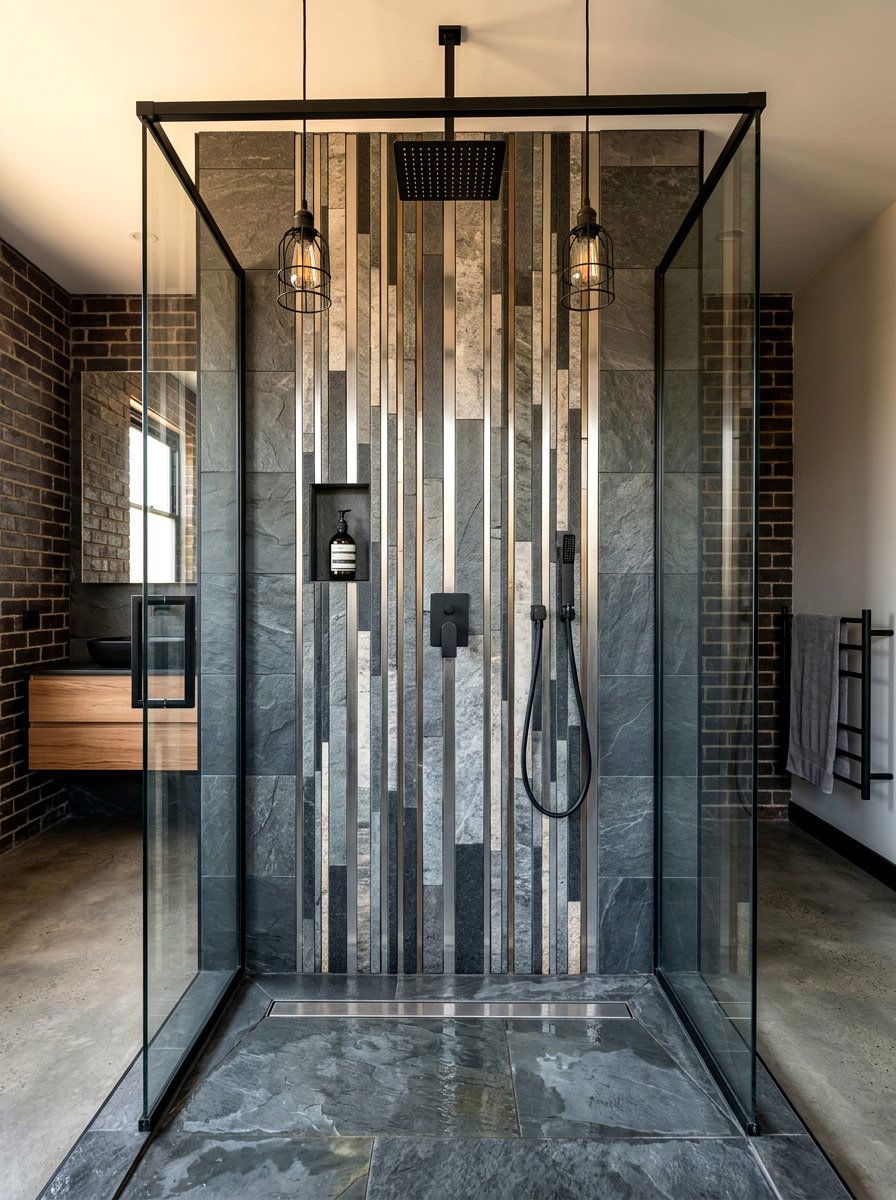
Random linear mosaics use strips of tile with different lengths and sometimes varying thicknesses to create a modern and energetic wall surface. This layout is all about movement and texture, as the eye jumps between the different pieces to take in the whole design. It is a great way to incorporate multiple colors or materials, such as a mix of stone, glass, and metal, into one cohesive look. The horizontal orientation of the lines helps to visually widen the shower area, making it feel more spacious. This pattern is ideal for a contemporary bathroom that needs a bit of visual "pop" and a focal point.
26. Moroccan Lantern Tile Pattern
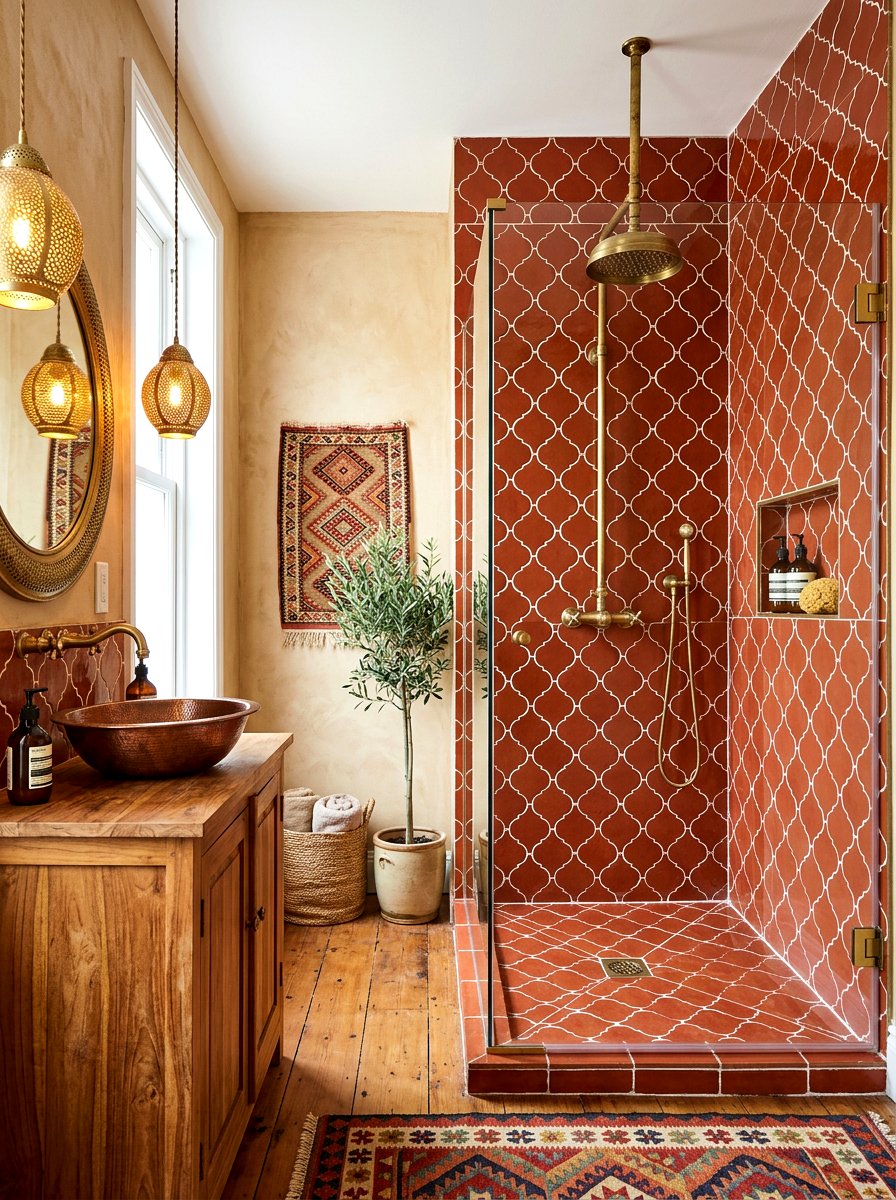
The Moroccan lantern pattern is a specific type of arabesque tile that features a more elongated, lantern-like shape. This design brings a touch of global influence and vintage charm to the shower, making it feel unique and curated. The interlocking shapes create a rhythmic and repetitive pattern that is both soothing and visually interesting. Using these tiles in a soft, glossy finish can help reflect light throughout the bathroom, making the space feel brighter and more open. This pattern is perfect for homeowners who want to step away from traditional rectangles and squares in favor of something more artistic and decorative that tells a story.
27. Framed Accent Tile Niche
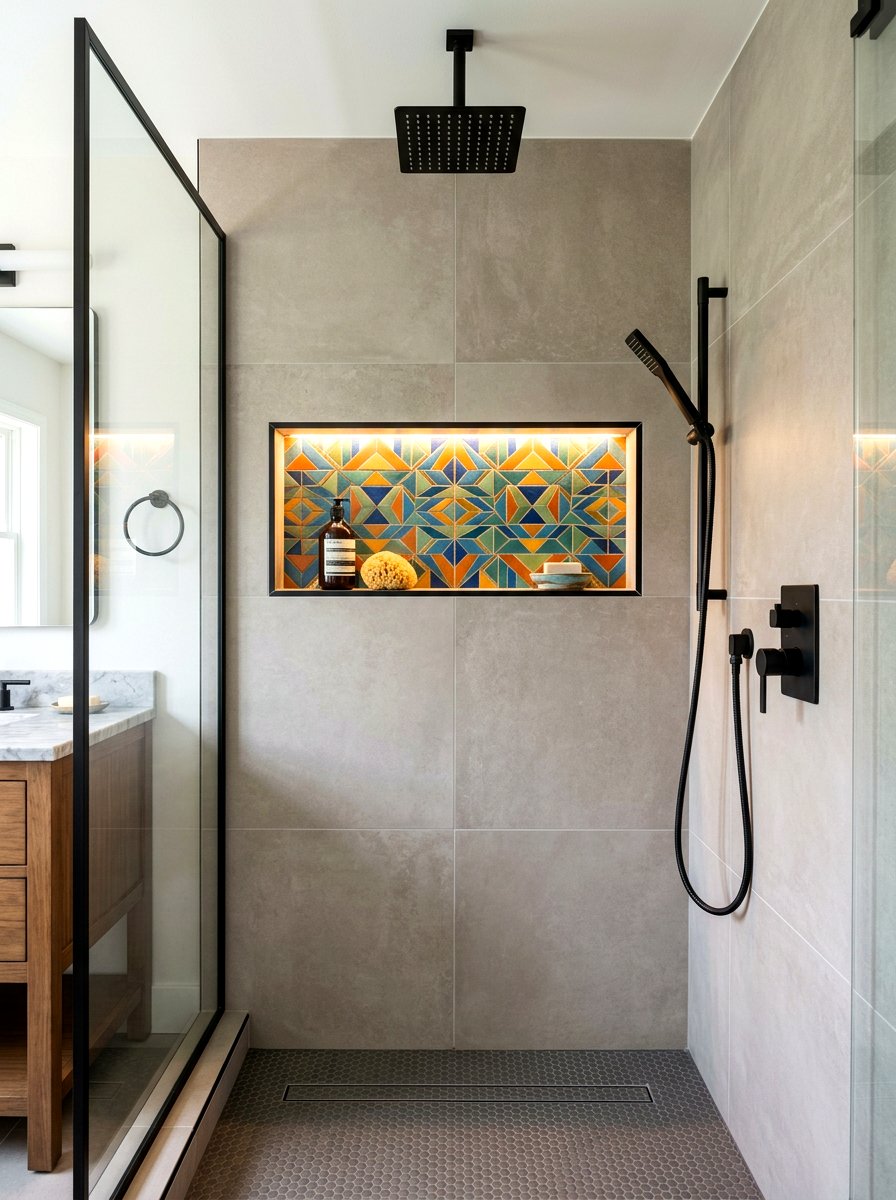
Creating a framed accent within a shower niche is a brilliant way to introduce a different tile pattern without overwhelming the entire space. By using a bold mosaic or a contrasting color inside the recessed shelf, you turn a functional storage area into a decorative feature. You can use a mitered tile edge or a metal trim to "frame" the niche, making it look like a piece of built-in art. This is the perfect place to experiment with more expensive or intricate tiles that might be too costly for a full wall. It adds a layer of custom detail that makes the shower feel professionally designed and thoughtfully finished.
28. Vertical Brick Pattern Tile
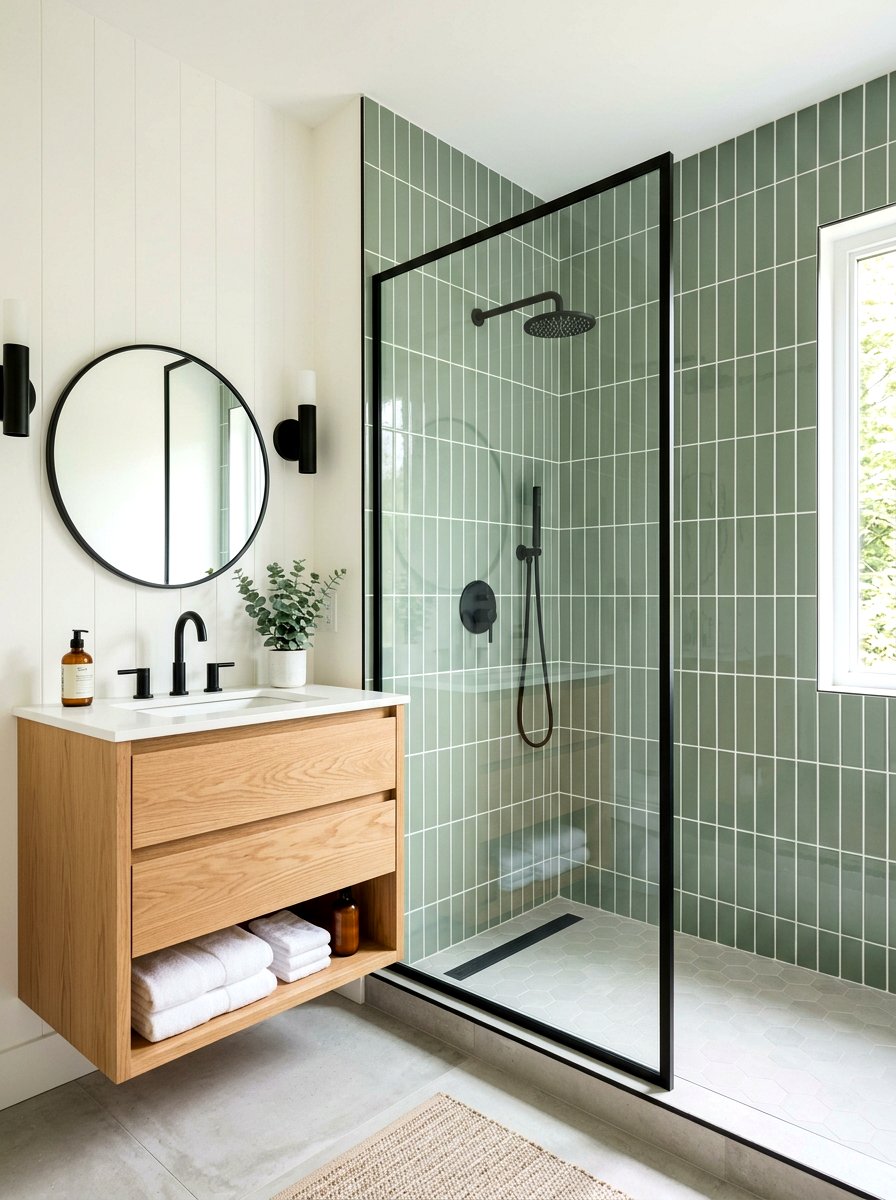
The vertical brick pattern, also known as a vertical running bond, is a simple shift from the classic horizontal layout that completely changes the vibe of the room. By turning rectangular tiles on their ends and staggering the joints, you create a look that emphasizes height and modern geometry. This arrangement feels very fresh and updated, making it a popular choice for contemporary renovations. It is an easy way to make standard, affordable tiles look more expensive and custom. The vertical lines help to draw the eye up to the shower head and ceiling, which is especially helpful in bathrooms with lower-than-average overhead space.
29. Terrazzo Tile Shower Floor
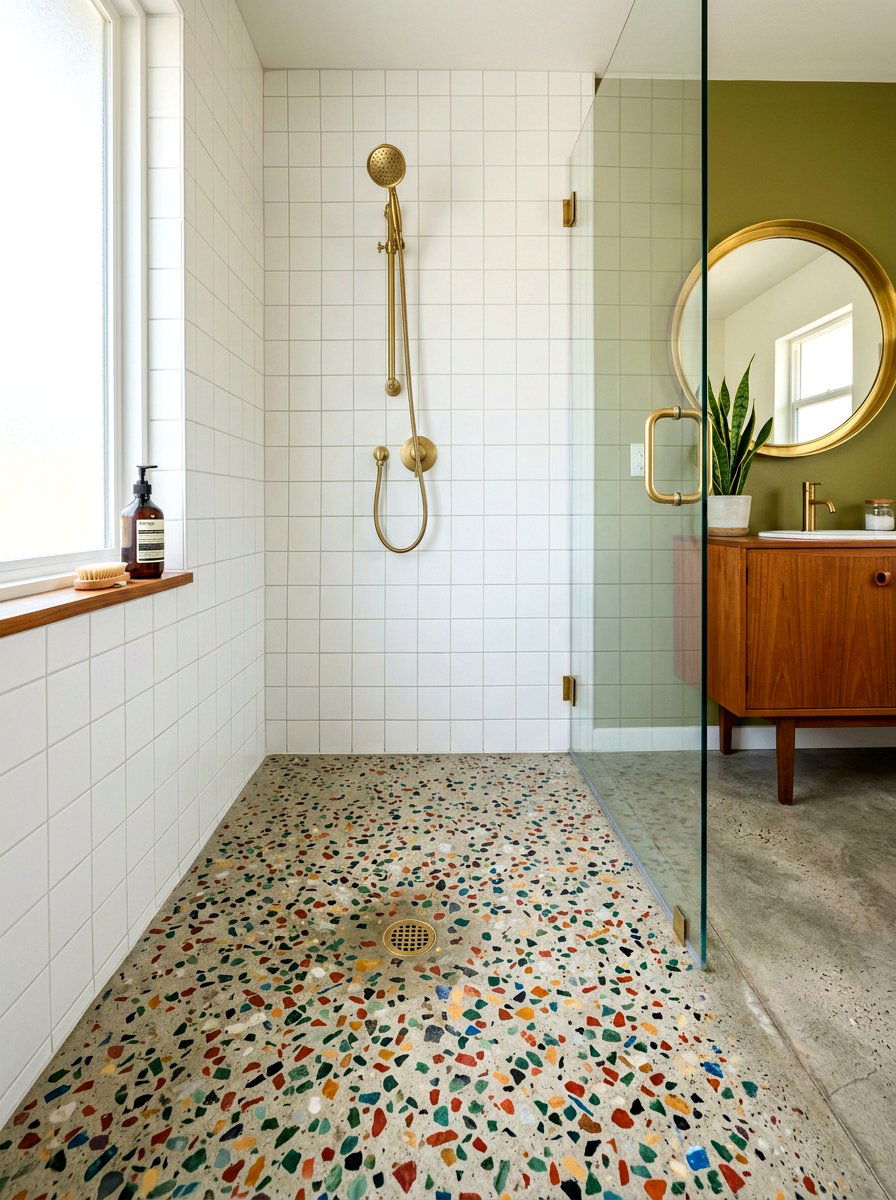
Terrazzo tiles are made of a composite material featuring chips of marble, quartz, or glass set in cement, creating a playful and speckled appearance. This pattern has made a huge comeback in modern interior design because it offers a unique blend of mid-century charm and contemporary flair. The random distribution of the colorful chips adds a sense of texture and visual interest that hides water spots and dirt exceptionally well. Terrazzo works beautifully on shower floors, providing a sturdy and stylish foundation that pairs well with solid-colored wall tiles. It is a fantastic way to introduce a subtle mix of colors into a neutral bathroom palette.
30. Fluted Textured Wall Tile
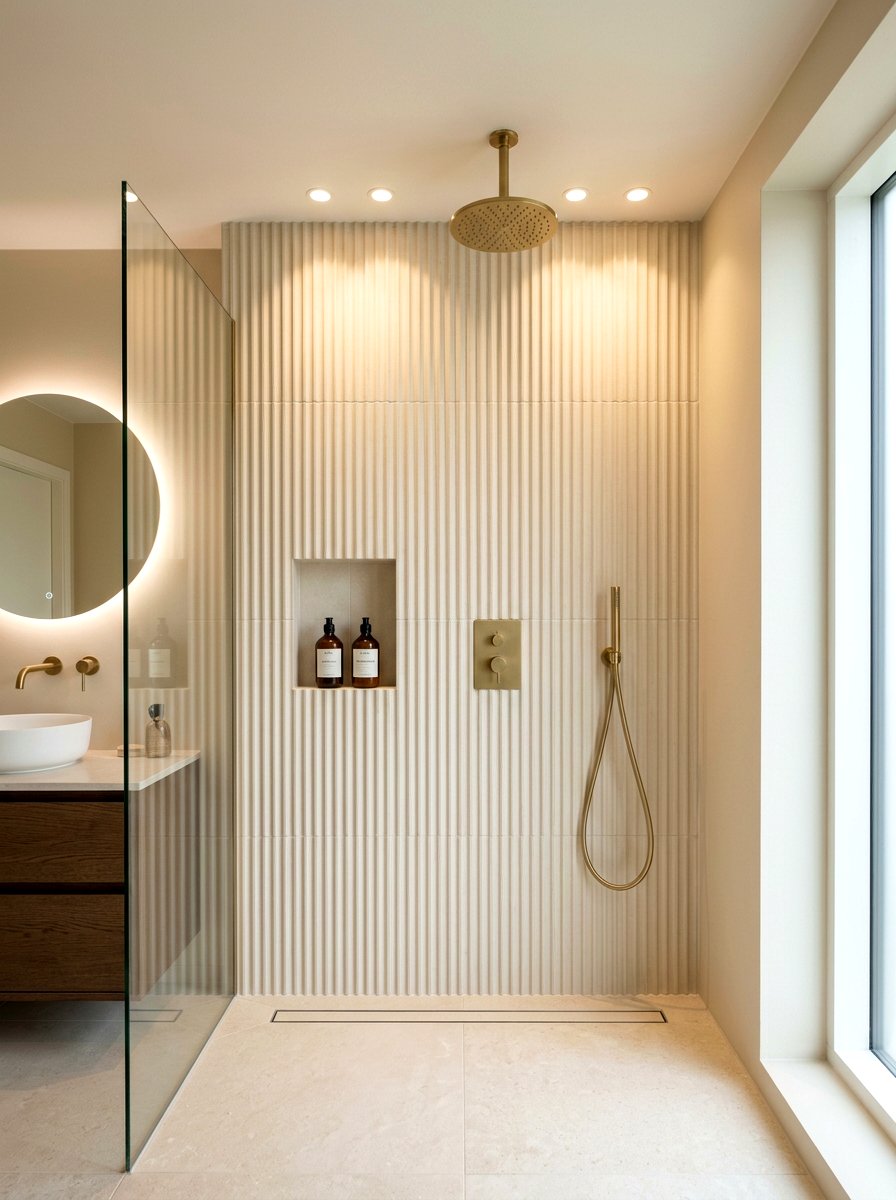
Fluted tiles feature a ribbed or grooved surface that adds a three-dimensional, tactile element to the shower walls. This pattern is highly trending because it introduces architectural depth and shadow play that flat tiles cannot provide. The vertical ridges create a sense of rhythm and elegance, mimicking the look of classical columns or modern tambour wood. When light hits the textured surface, it creates a beautiful gradient of light and shadow that makes the shower feel like a high-end designer space. This style is perfect for those who want a monochromatic look that still feels rich and full of detail through the use of texture.
Conclusion:
Choosing the right shower tile pattern is one of the most important decisions you will make during a bathroom remodel. The layout you select does more than just cover the walls; it defines the room's energy, highlights architectural features, and can even change the perceived size of the space. Whether you prefer the timeless appeal of a classic herringbone or the bold geometry of a large-scale hexagon, each pattern offers a unique way to express your personal style. By considering factors like grout color, tile scale, and material, you can create a Pinterest-worthy shower that combines functional durability with stunning visual impact for your home.

Related posts: