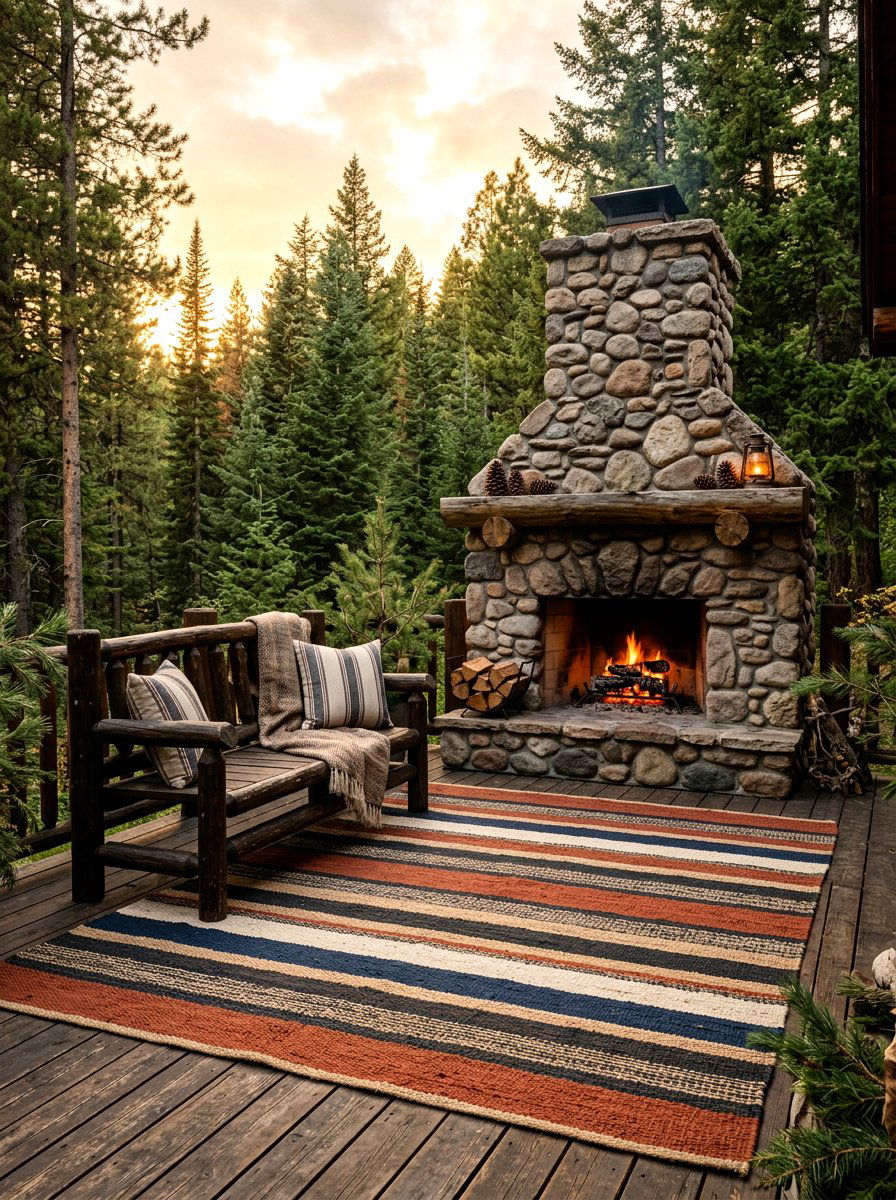
stone courtyard patio ideas Creating a beautiful stone courtyard patio can completely transform your outdoor living space into a luxurious retreat that adds significant value to your home. Stone is a premier choice for landscaping because it offers unmatched durability and a timeless aesthetic that matures gracefully over many decades. Whether you are looking for a cozy nook for morning coffee or a grand area for evening gatherings, the versatility of natural materials allows for endless customization. From the rugged charm of irregular flagstones to the sleek sophistication of cut limestone, stone courtyards provide a solid foundation for any architectural style. These durable surfaces handle foot traffic and weather conditions with ease while remaining relatively low maintenance for homeowners.
1. Flagstone Patio
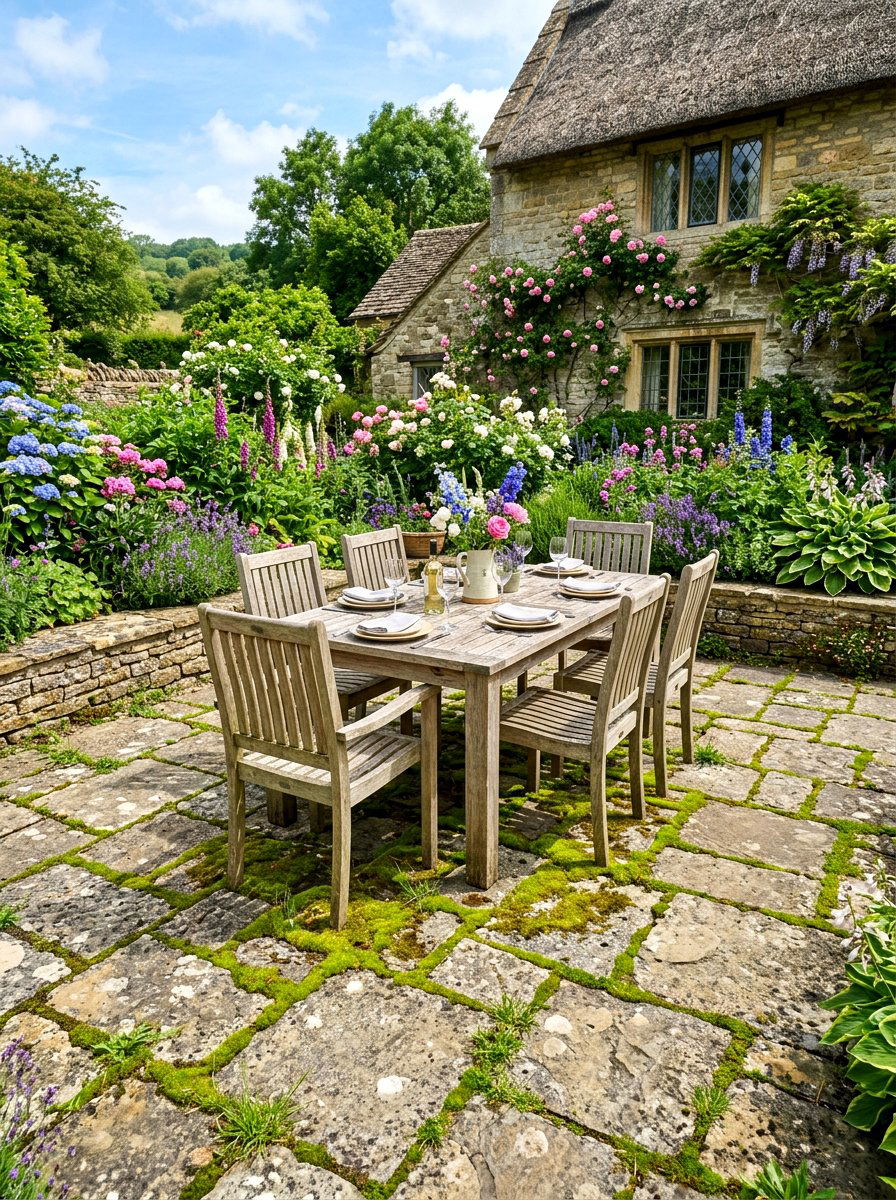
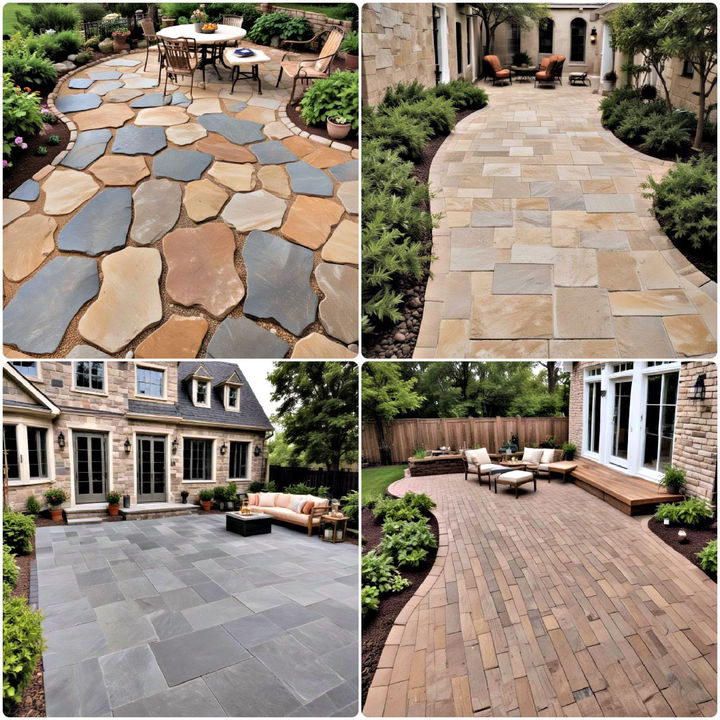
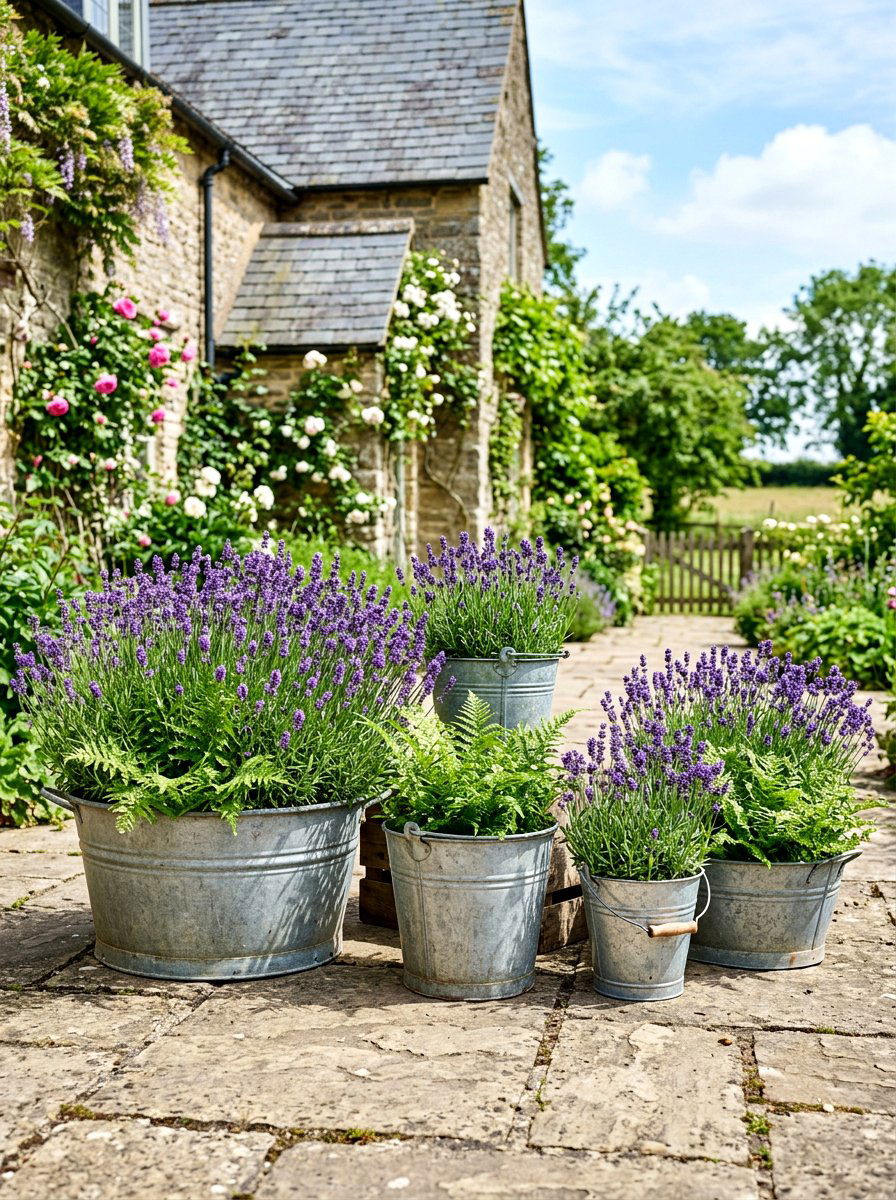
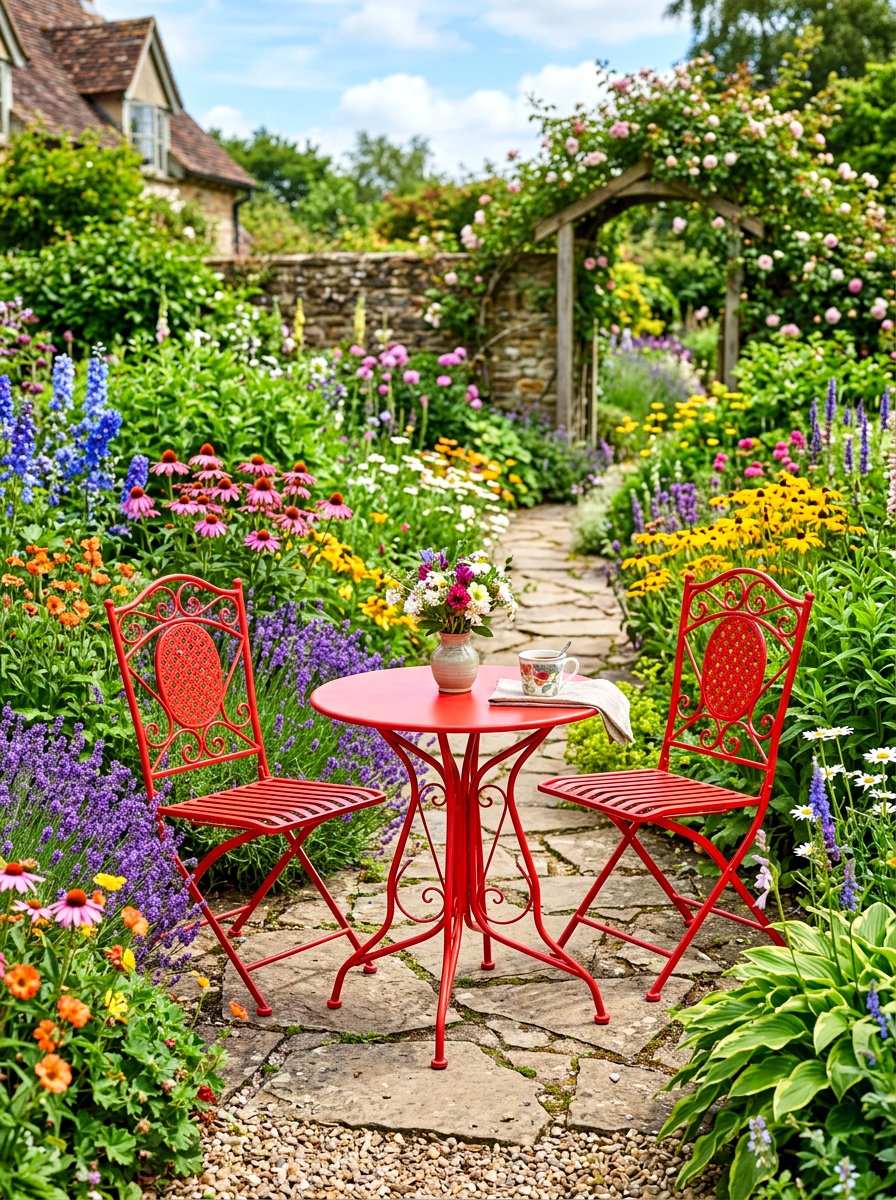
Installing a flagstone patio provides an organic and natural appearance that blends perfectly with lush garden surroundings. These irregular, flat slabs of rock offer a unique charm because no two stones are exactly alike in shape or texture. You can choose to fill the wide gaps between the stones with moss, thyme, or decorative gravel to create a softer and more integrated look. This style works exceptionally well for traditional or rustic homes where a rigid or formal pattern might feel out of place. The earthy tones of flagstone, ranging from deep grays to warm tans, provide a neutral yet interesting base for colorful patio furniture and vibrant potted plants.
2. Limestone Courtyard
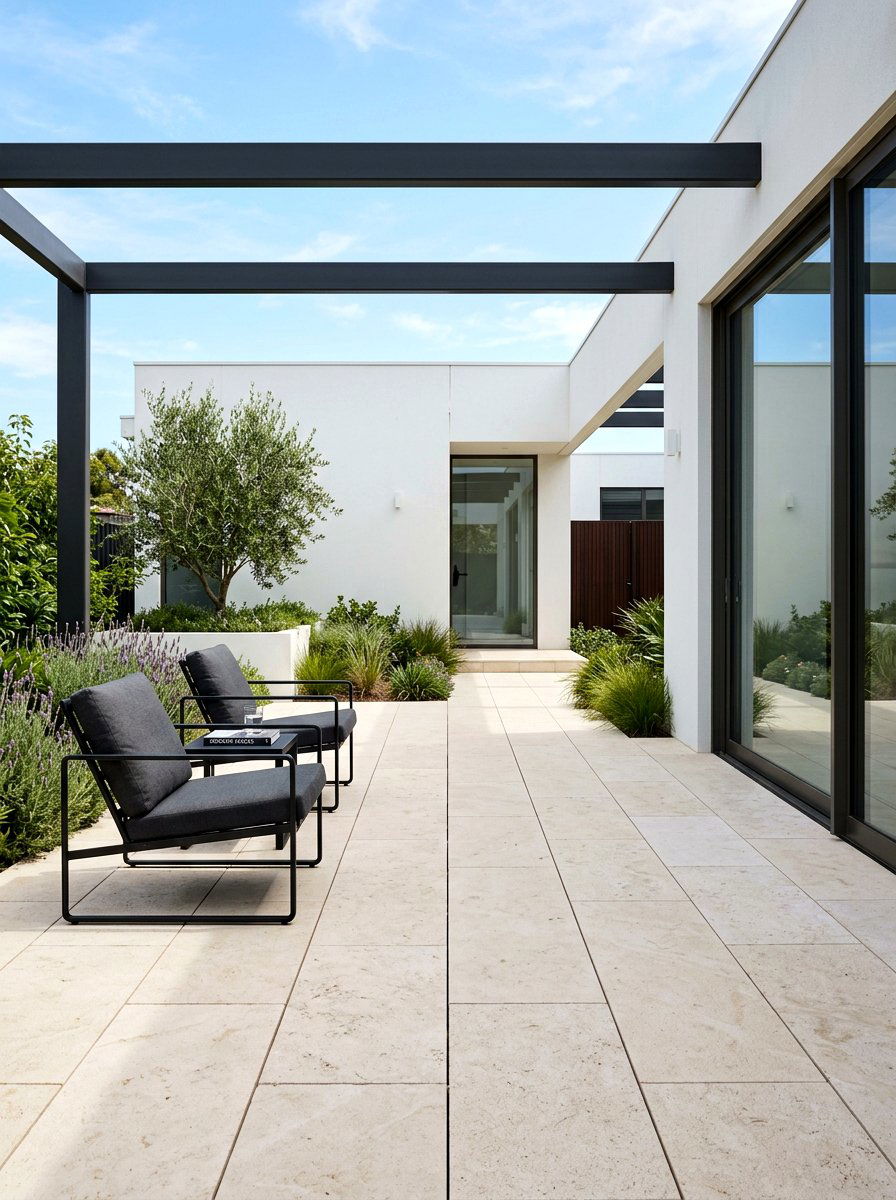
A limestone courtyard offers a clean and sophisticated aesthetic that works beautifully for both modern and classic home designs. This light-colored natural stone reflects sunlight, which helps keep the outdoor area feeling bright and airy even on overcast days. Limestone is often cut into uniform rectangular or square pavers, allowing for tight joints and a very smooth, level walking surface. The subtle variations in cream, beige, and light gray tones provide a high-end feel that mimics the look of luxury Mediterranean villas. Because limestone is quite durable, it serves as an excellent long-term investment for high-traffic entertaining areas that require a refined and elegant touch.
3. Cobblestone Patio
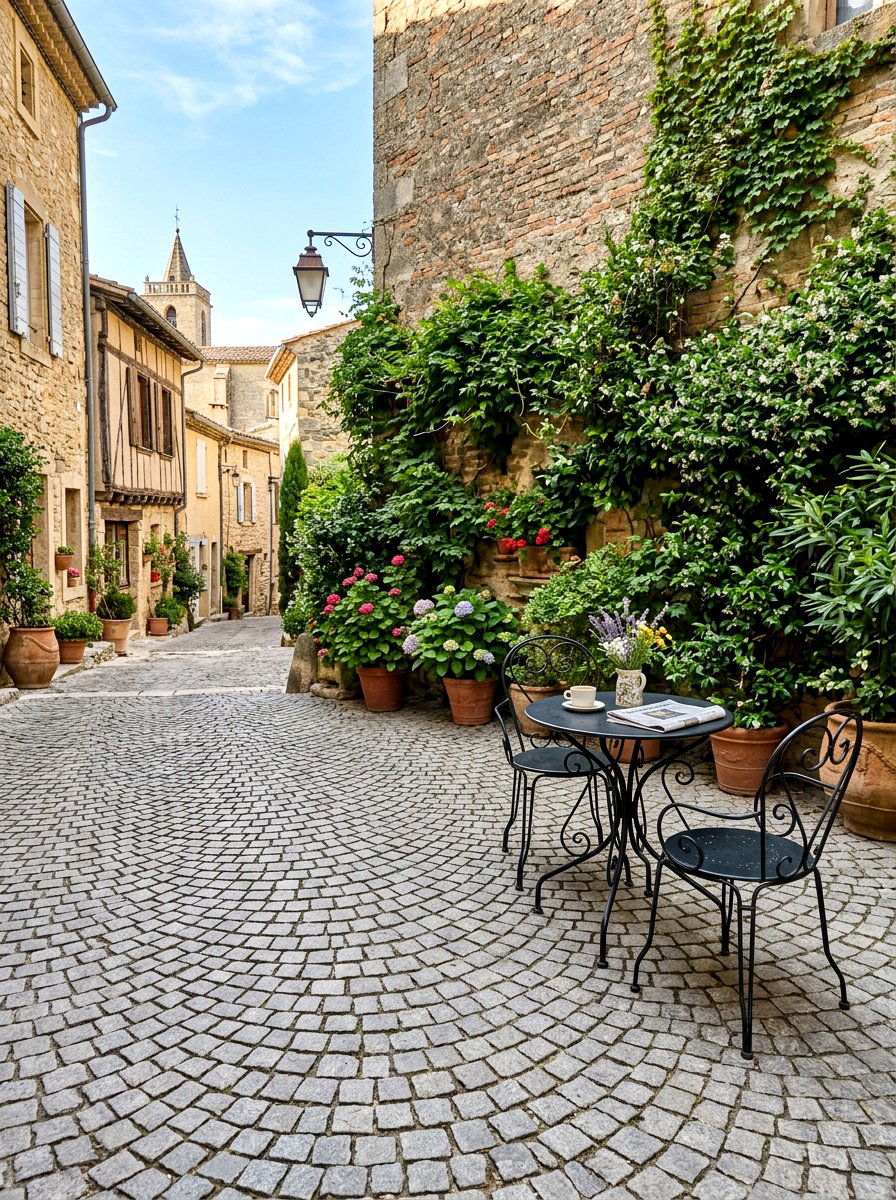
Choosing a cobblestone patio evokes a sense of old-world charm and European history within your own backyard setting. These small, rounded stones are incredibly durable and can withstand heavy use while maintaining their classic visual appeal over many generations. Cobblestones are often arranged in traditional fan or running bond patterns to create visual interest and a sense of movement across the ground. This design is particularly effective for smaller courtyards or entryways where you want to create a focal point with intricate masonry work. The slightly uneven surface adds texture and character, making the space feel like a quaint street in a historic coastal village or mountain town.
4. Pea Gravel Courtyard
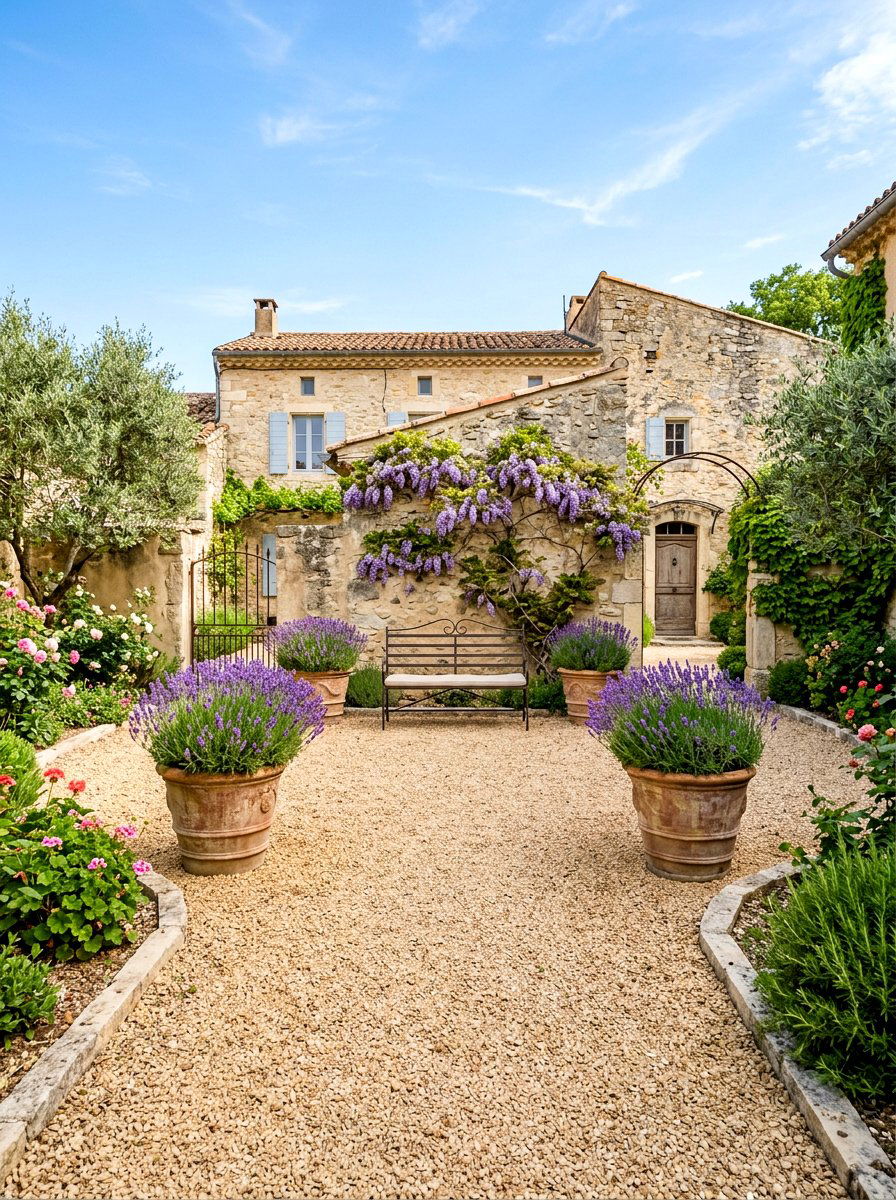
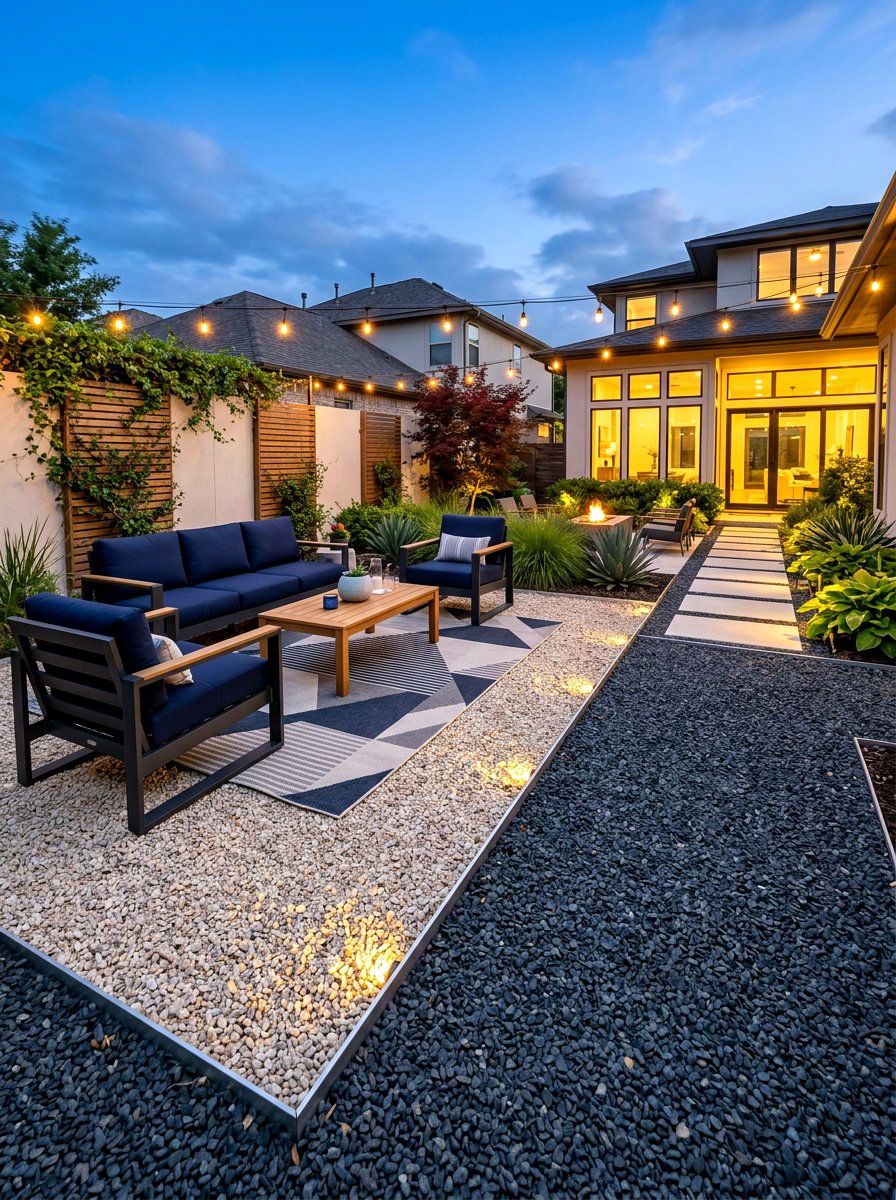
A pea gravel courtyard is a fantastic choice for homeowners who want a relaxed and casual outdoor space with excellent drainage properties. These small, smooth stones are easy to install and provide a crunching sound underfoot that many find very soothing and nostalgic. You can easily define the edges of the gravel area using larger stones or metal edging to keep the material contained within the designated patio space. This style is often seen in French country gardens, where it creates a low-maintenance surface that looks beautiful when paired with simple bistro sets. Gravel is also an affordable option that allows for flexible landscaping changes whenever you want to update.
5. Travertine Patio
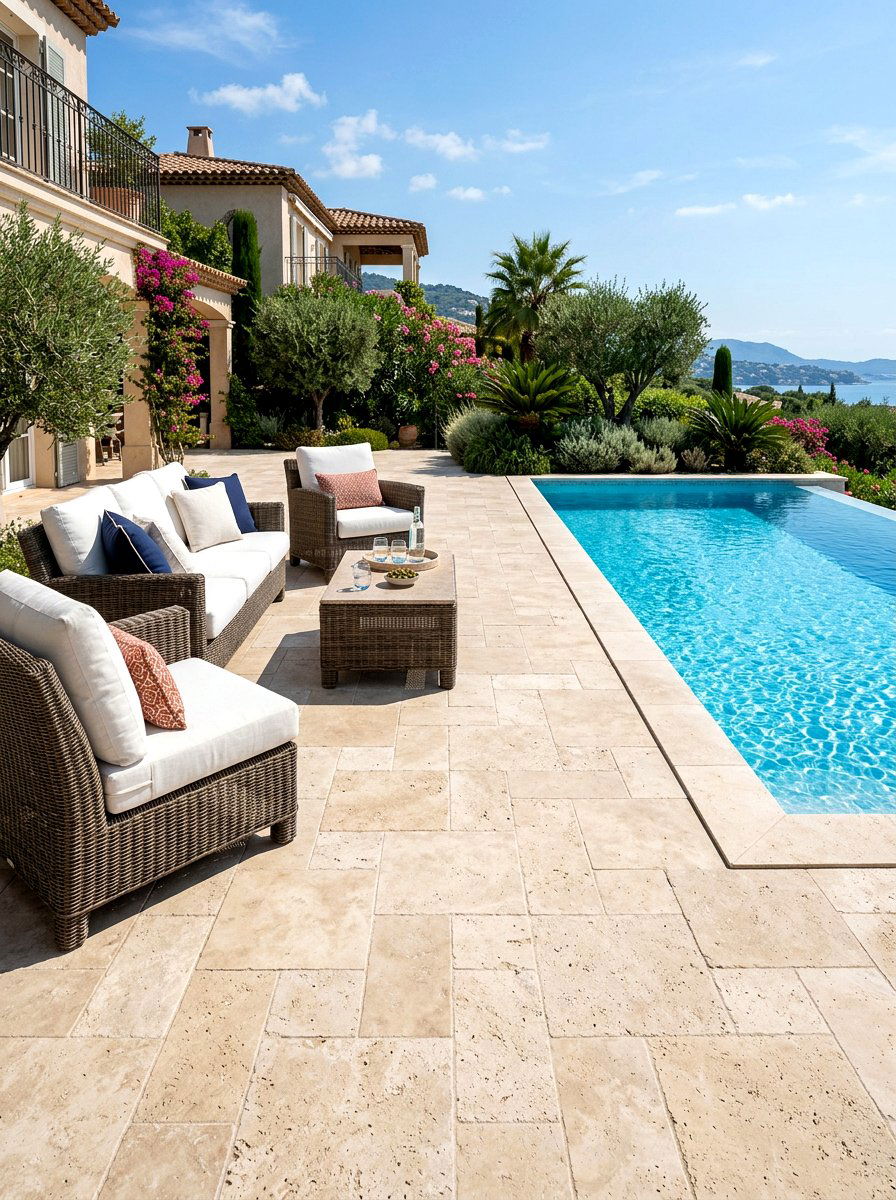
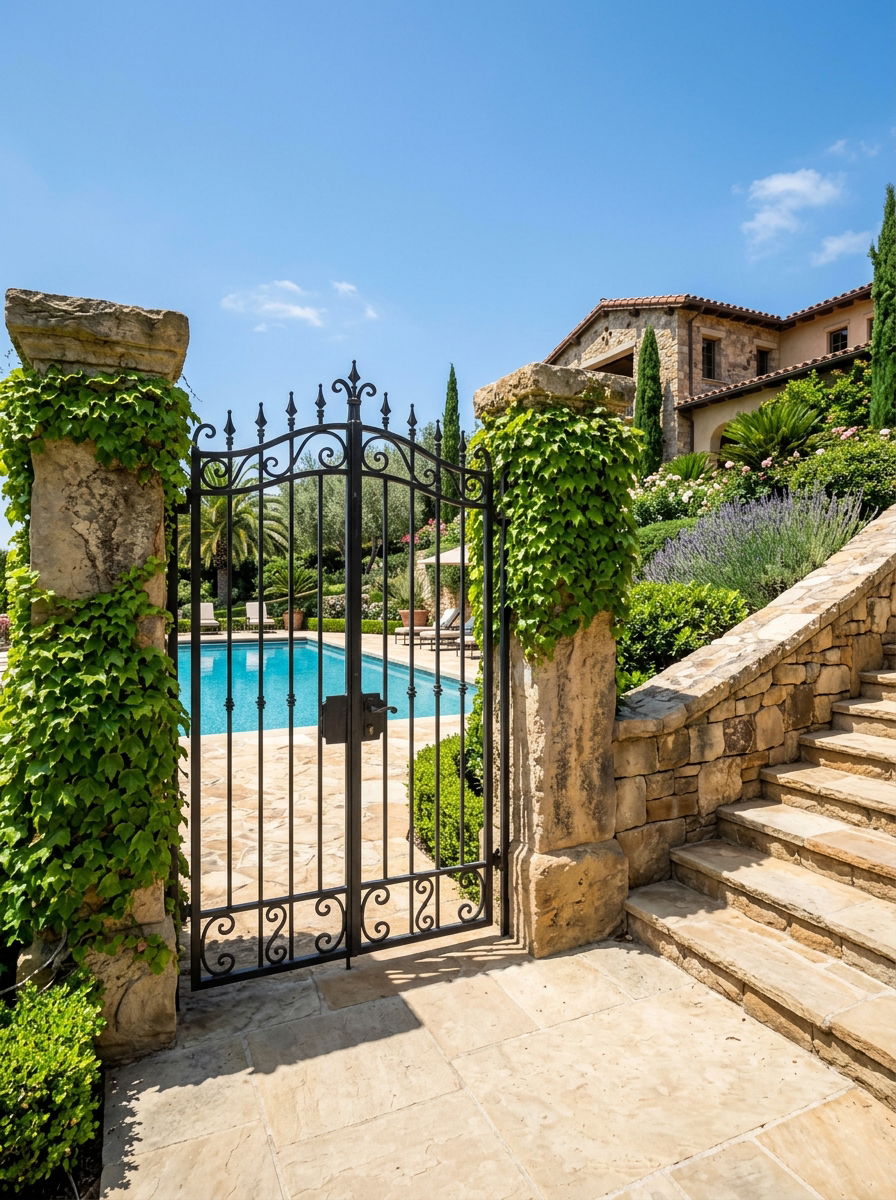
A travertine patio brings a sense of luxury and warmth to any outdoor courtyard through its distinct pitted texture and soft color palette. This natural stone is highly prized for its ability to stay cool underfoot, making it an ideal choice for sunny areas or poolside retreats. You can find travertine in various finishes, from tumbled for a more rustic look to honed for a sleek and modern appearance. The natural holes and troughs in the stone can be filled or left open to emphasize the raw beauty of the material. When laid in a French pattern, travertine creates a sophisticated visual rhythm that anchors the entire outdoor room.
6. Slate Courtyard
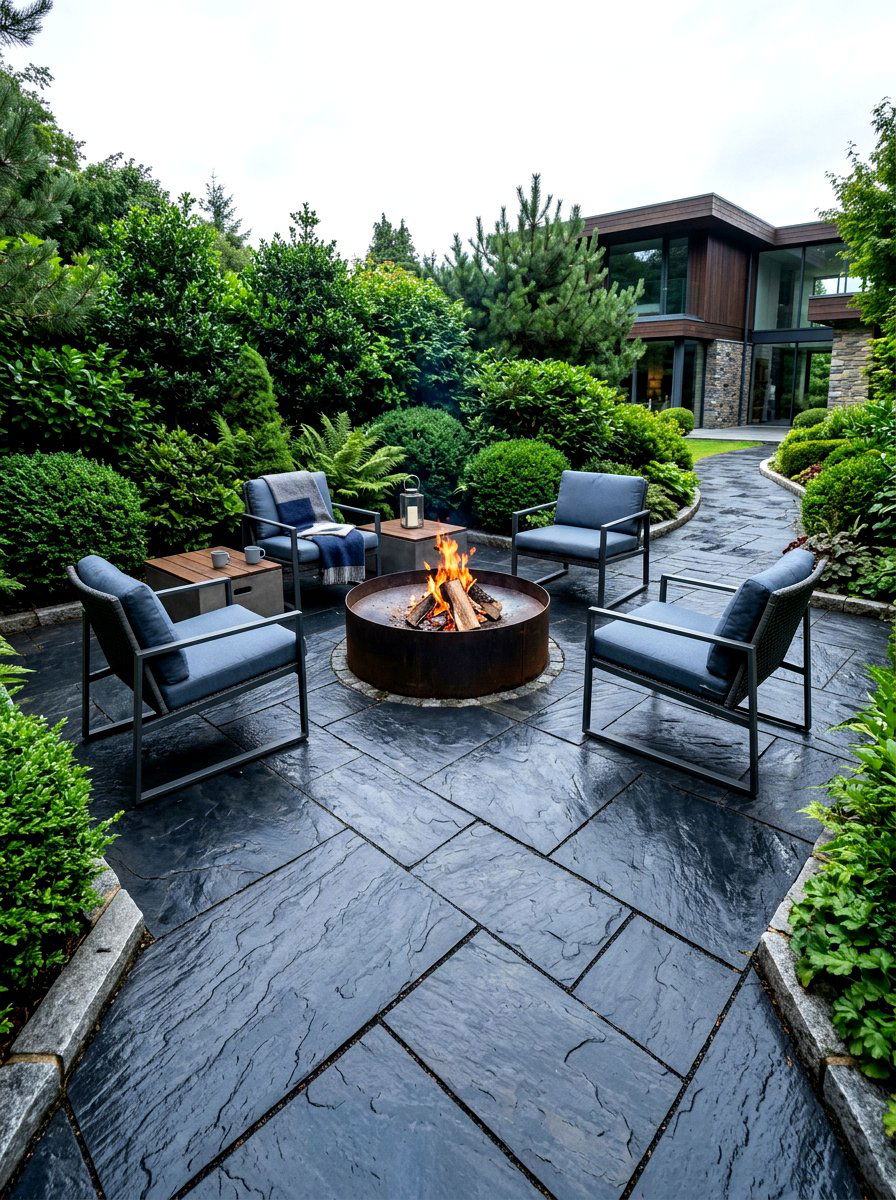
Slate courtyards are known for their striking color variations and unique layered texture that adds a dramatic flair to the landscape. This metamorphic rock often features beautiful shades of charcoal, deep blue, purple, and even hints of rusty copper or gold. Because slate can be split into thin layers, it provides a relatively flat surface while still showcasing a natural, slip-resistant finish that is perfect for outdoor use. The dark tones of slate create a stunning contrast against green foliage and bright white exterior walls. This material is exceptionally dense and resistant to moisture, ensuring that your patio stays looking beautiful through many rainy or snowy seasons.
7. Granite Patio
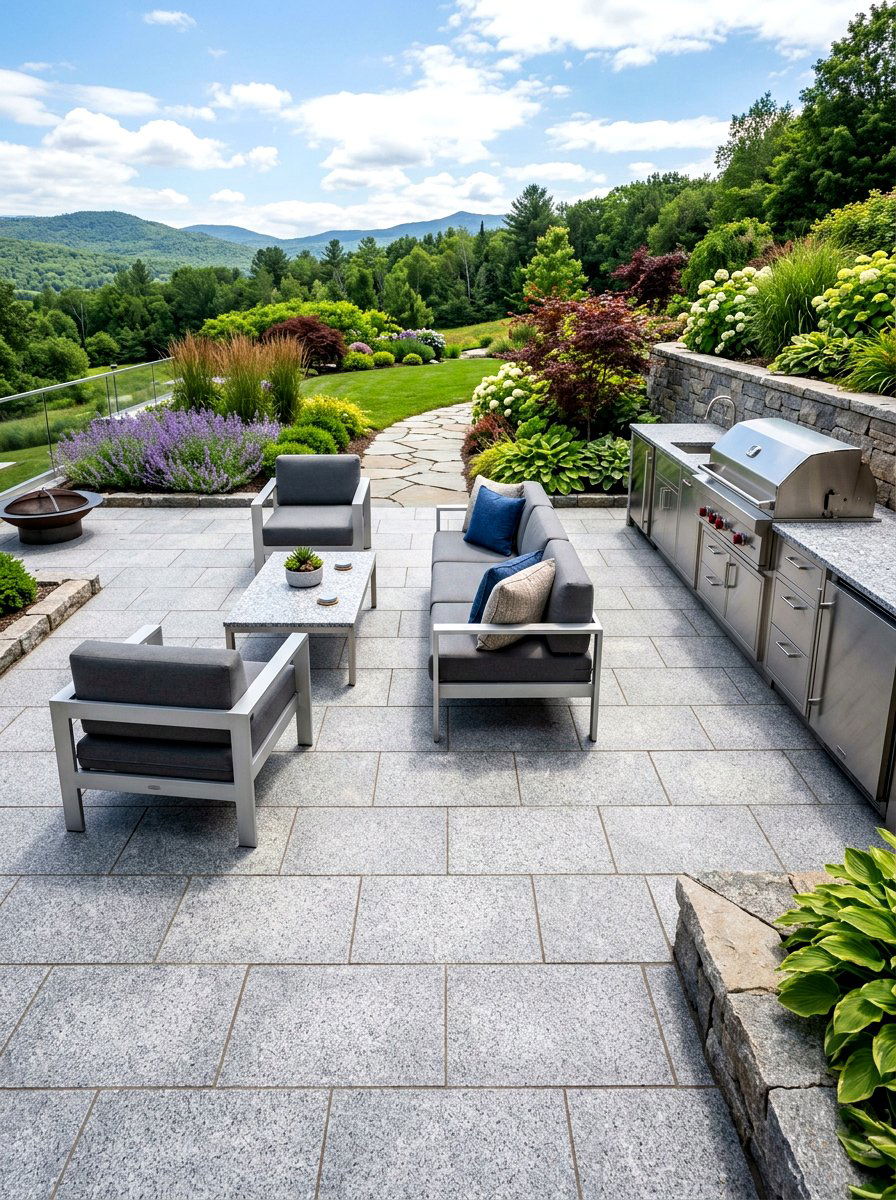
Installing a granite patio ensures that your outdoor space is built with one of the strongest and most resilient natural stones available today. Granite pavers are famous for their speckled appearance and incredible resistance to scratching, staining, and extreme temperature fluctuations. This makes it an excellent choice for outdoor kitchens or areas where heavy furniture will be moved frequently across the surface. You can select flamed or brushed finishes to ensure the surface remains slip-resistant even when the stone is wet. The consistent color and high-end feel of granite provide a modern and professional look that complements contemporary architecture and high-quality outdoor appliances effortlessly.
8. Sandstone Courtyard
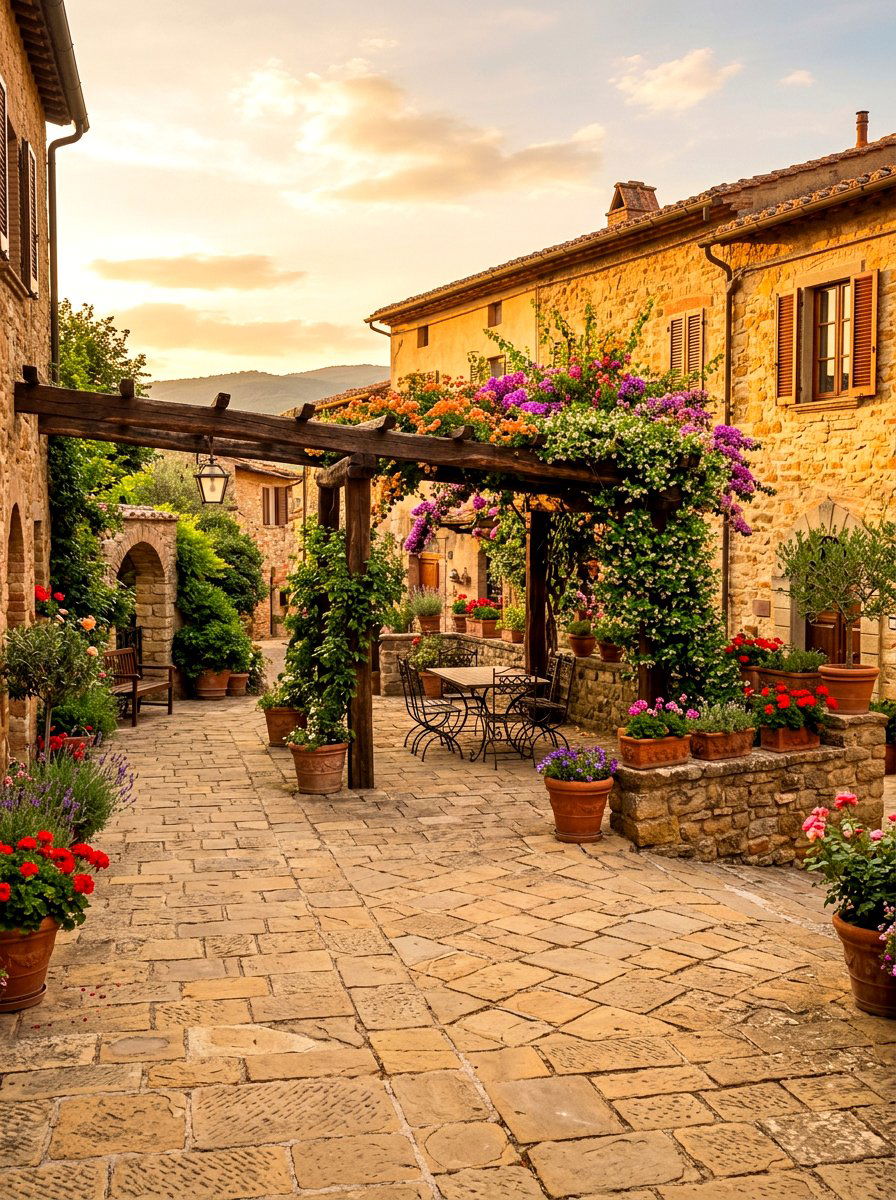
Sandstone courtyards are beloved for their warm, golden hues and sandy textures that bring a sun-drenched feeling to the backyard. This versatile stone is easy to work with and can be cut into various sizes to create custom patterns or large-scale pavers. The natural ripples and grain patterns found in sandstone add a layer of visual depth that makes every square foot of the patio interesting. It is a popular choice for traditional cottage gardens or desert-inspired landscapes where the stone mimics the surrounding natural environment. Sandstone is naturally porous, so it stays relatively cool, but it may require sealing to protect its beautiful color from the elements.
9. Bluestone Patio
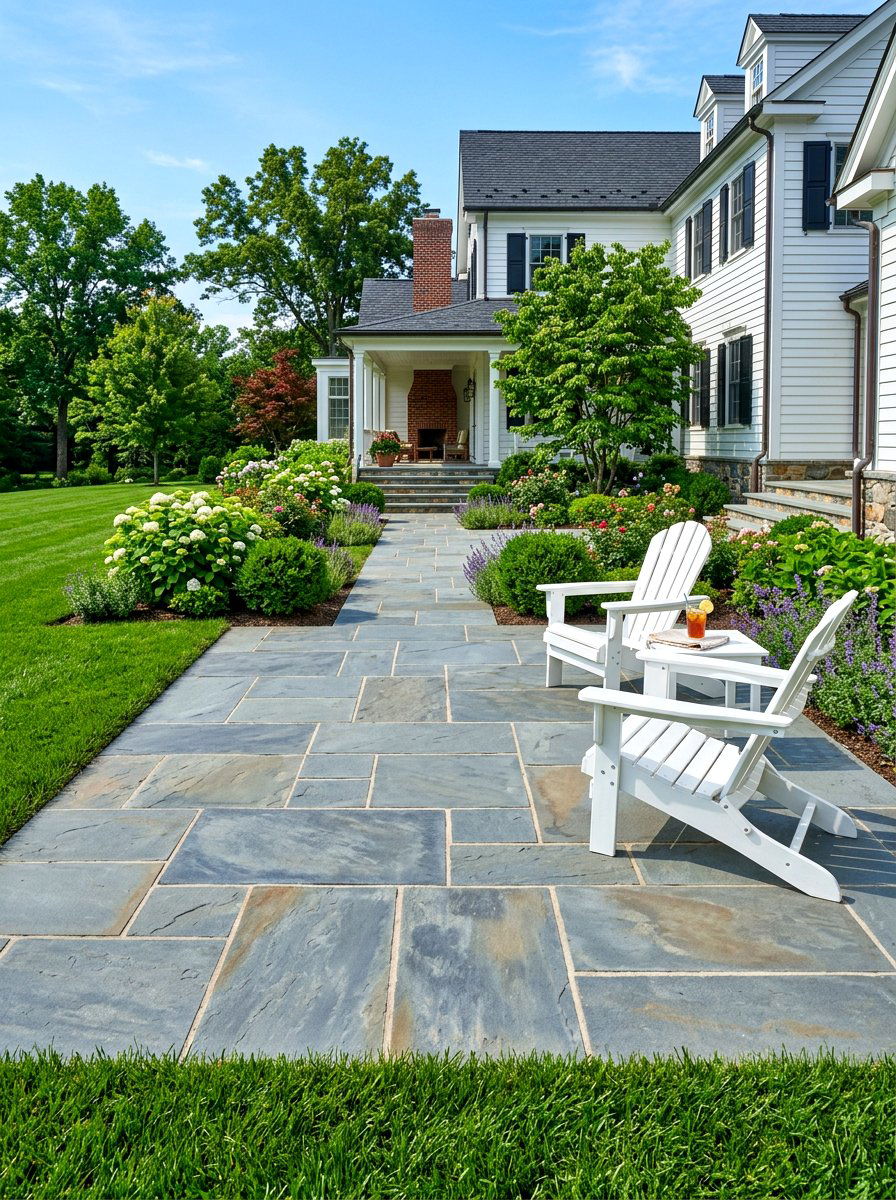
A bluestone patio is a classic American choice that offers a sophisticated blue-gray color palette that looks stunning in any light. This durable sandstone variety can be installed as "natural cleft" for a textured surface or "thermal" for a perfectly smooth and uniform finish. Bluestone is often used in large rectangular slabs to create a grand sense of scale and permanence in the courtyard. The cool tones of the stone provide a refreshing contrast to warm wood decking or red brick accents on the home. Because it is so dense and strong, bluestone is ideal for creating pathways that lead directly into a large, expansive seating area.
10. Mixed Stone Courtyard
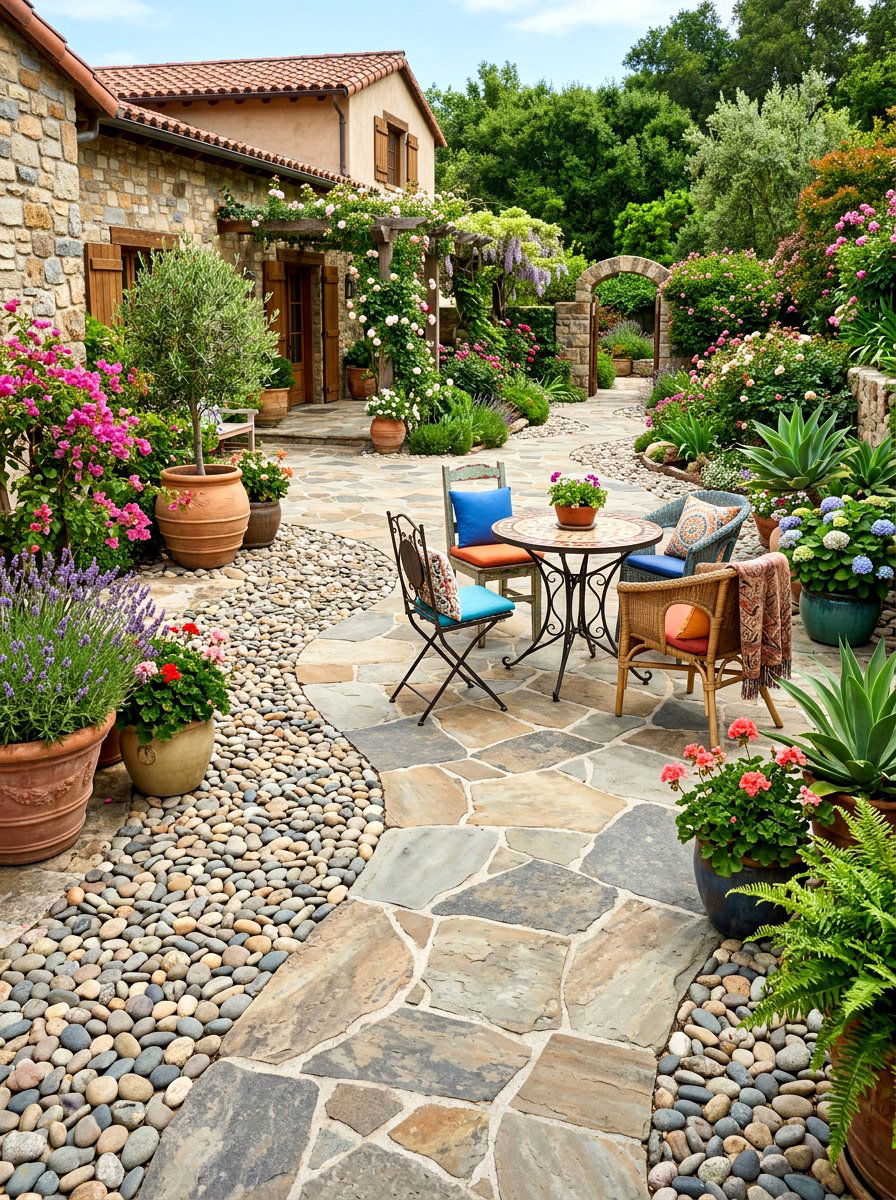
Creating a mixed stone courtyard allows you to play with different textures, sizes, and colors to build a truly custom outdoor environment. You can combine large flagstone slabs with smaller cobblestone borders or use river rocks to fill the decorative gaps between pavers. This eclectic approach adds a handcrafted feel to the patio and allows you to define different zones for dining, lounging, or gardening. Mixing materials is also a clever way to blend the patio into other existing hardscape elements like stone walls or outdoor fireplaces. The result is a visually rich space that feels curated and full of personality, reflecting a more artistic approach to design.
11. Circular Stone Patio
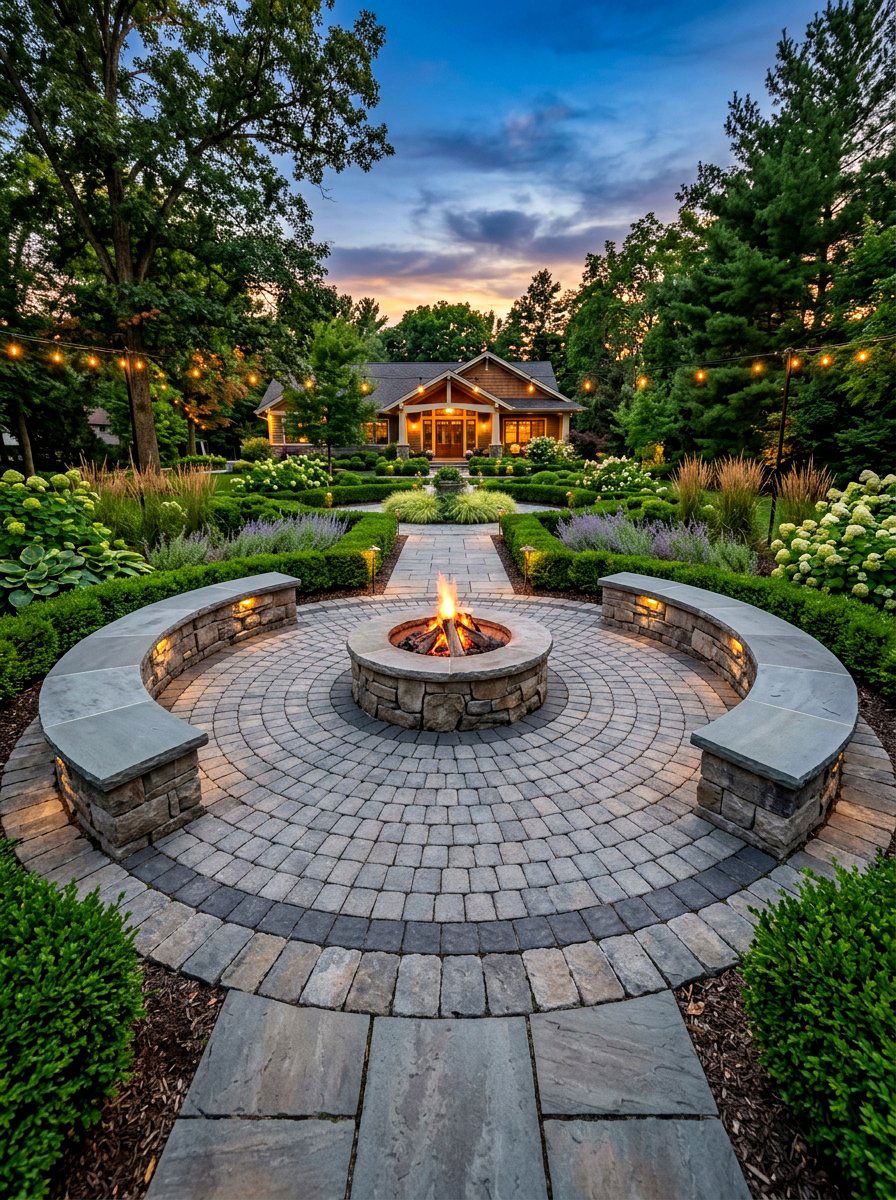
A circular stone patio acts as a powerful focal point that draws people together in a central, intimate gathering spot. This layout is particularly effective for fire pit areas or under a large dining table, creating a sense of symmetry and balance. You can use tapered pavers or carefully cut natural stones to form the concentric rings that radiate outward from the center. This design softens the sharp corners of a rectangular yard and creates a more flowing and organic movement through the landscape. Surrounding the circular patio with low stone walls or curved flower beds further enhances the "outdoor room" feeling, making it a very cozy retreat.
12. Minimalist Courtyard
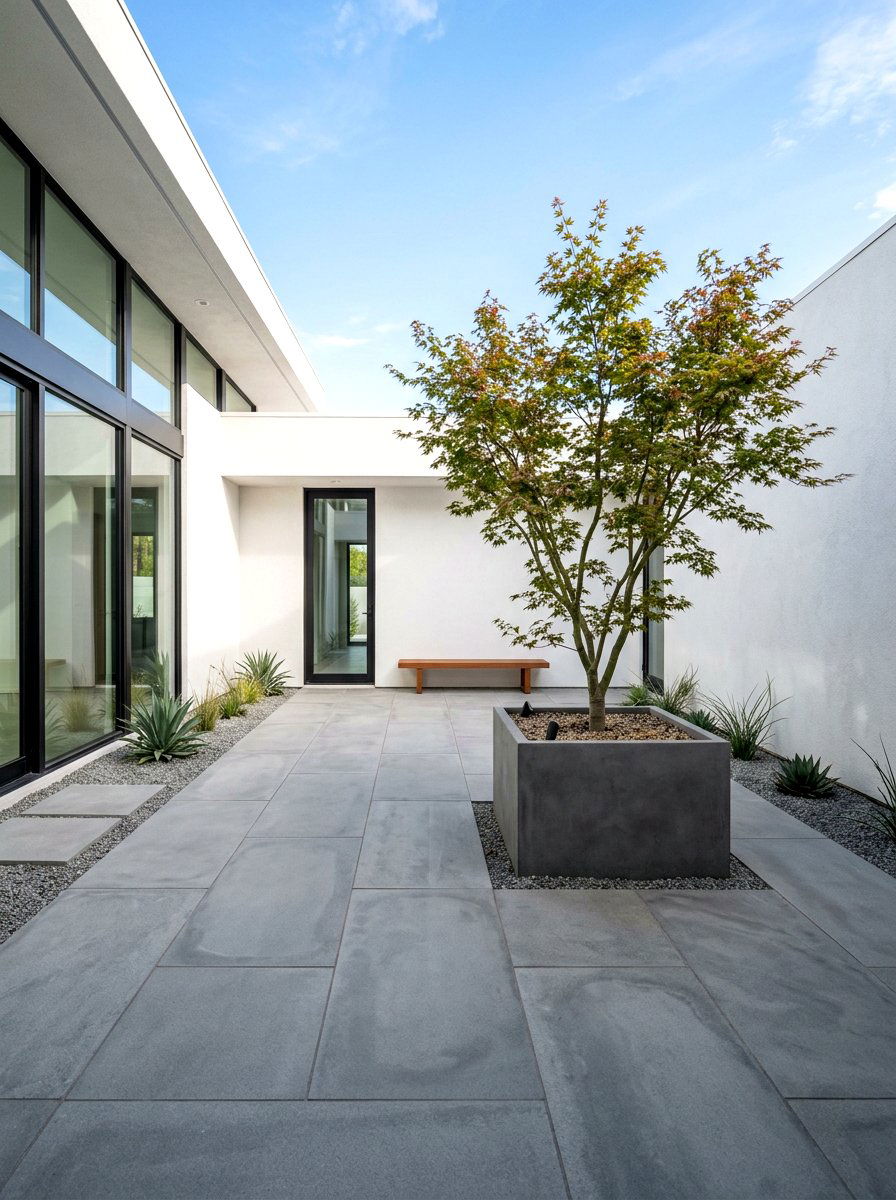
The minimalist courtyard focuses on clean lines, a limited color palette, and high-quality stone materials to create a serene and uncluttered space. Large-format pavers with very thin grout lines are typically used to create a seamless and expansive floor that feels open and modern. This style often utilizes neutral grays or whites to emphasize the architectural features of the home and the surrounding greenery. By keeping the design simple, you allow the natural beauty and texture of the stone to take center stage without unnecessary distractions. This approach is perfect for small urban courtyards where you want to maximize the perception of space and create a peaceful escape.
13. Mediterranean Patio
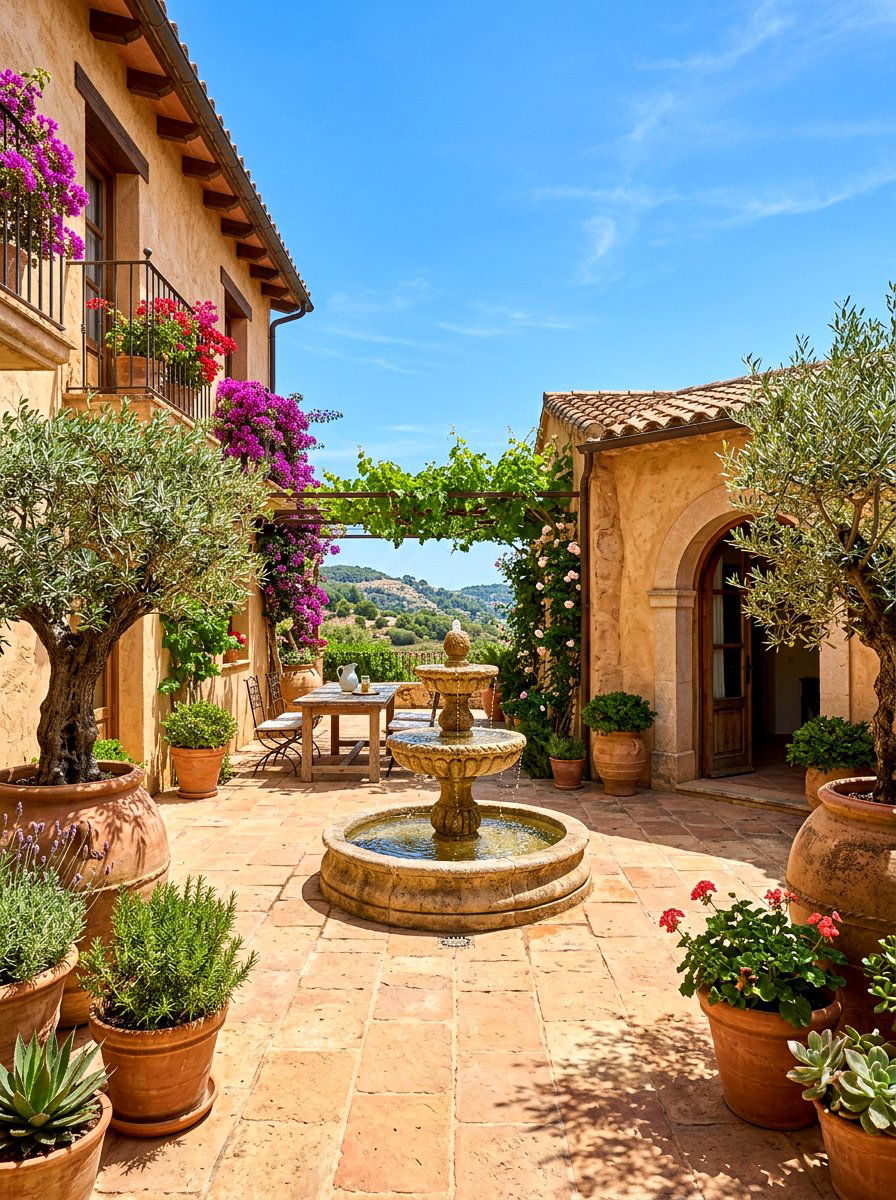
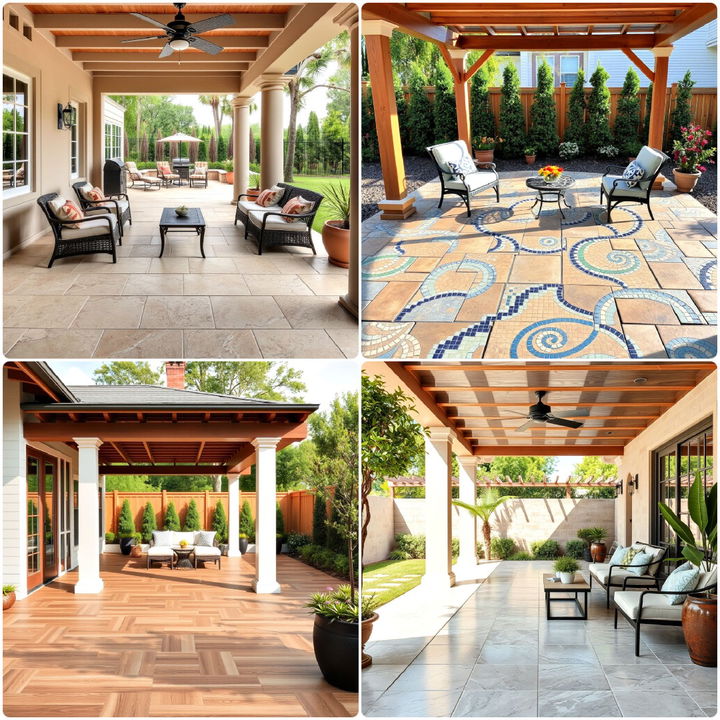
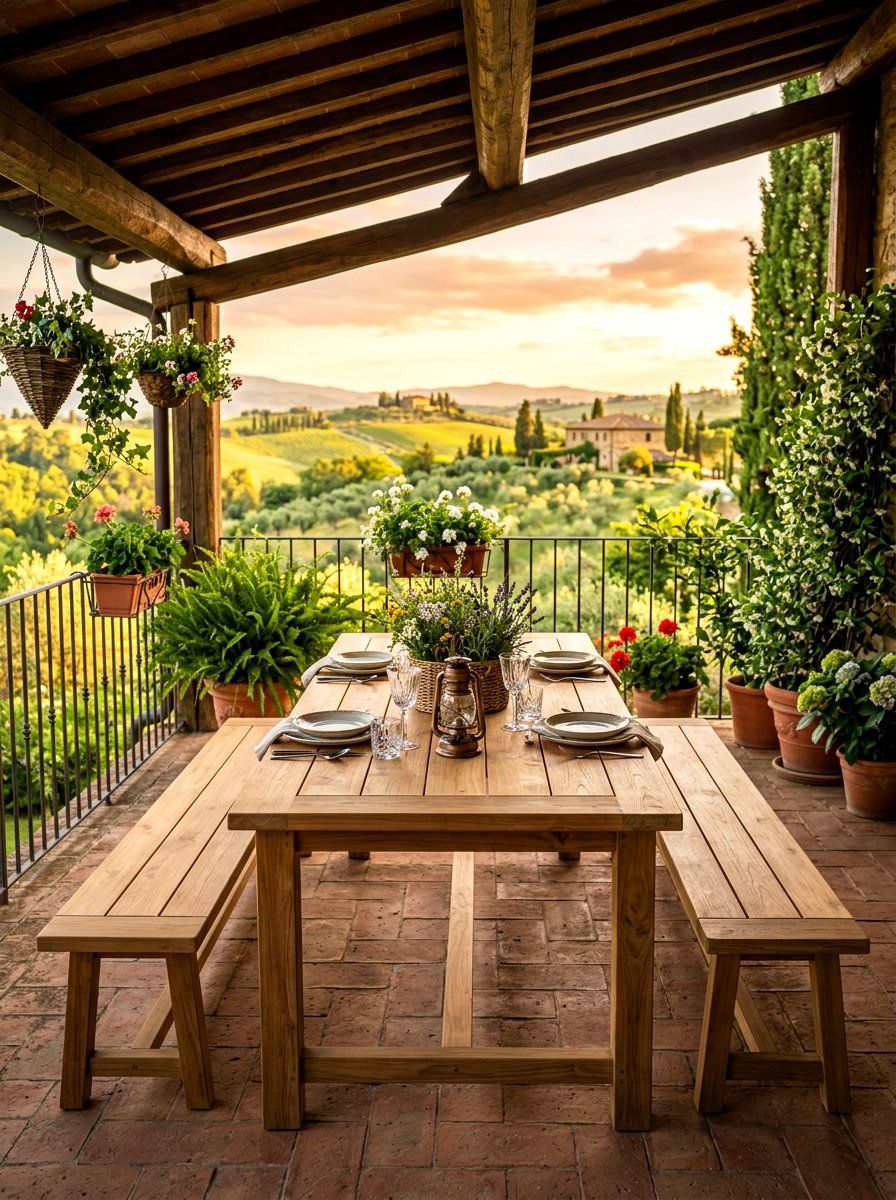
Designing a Mediterranean patio involves using warm-toned stones like terra cotta, limestone, or tumbled travertine to evoke the sunny atmosphere of coastal Europe. This style often incorporates decorative accents like colorful ceramic tiles or mosaic stone patterns to add a touch of artistic flair to the ground. Lush plantings such as olive trees, lavender, and citrus plants in large clay pots complement the stone surface beautifully. Incorporating a central water feature or a stone fountain can further enhance the Mediterranean vibe, providing a cooling sound and visual element. This type of courtyard is designed for slow afternoons and long evening meals under a shaded pergola or trellis.
14. Cottage Courtyard
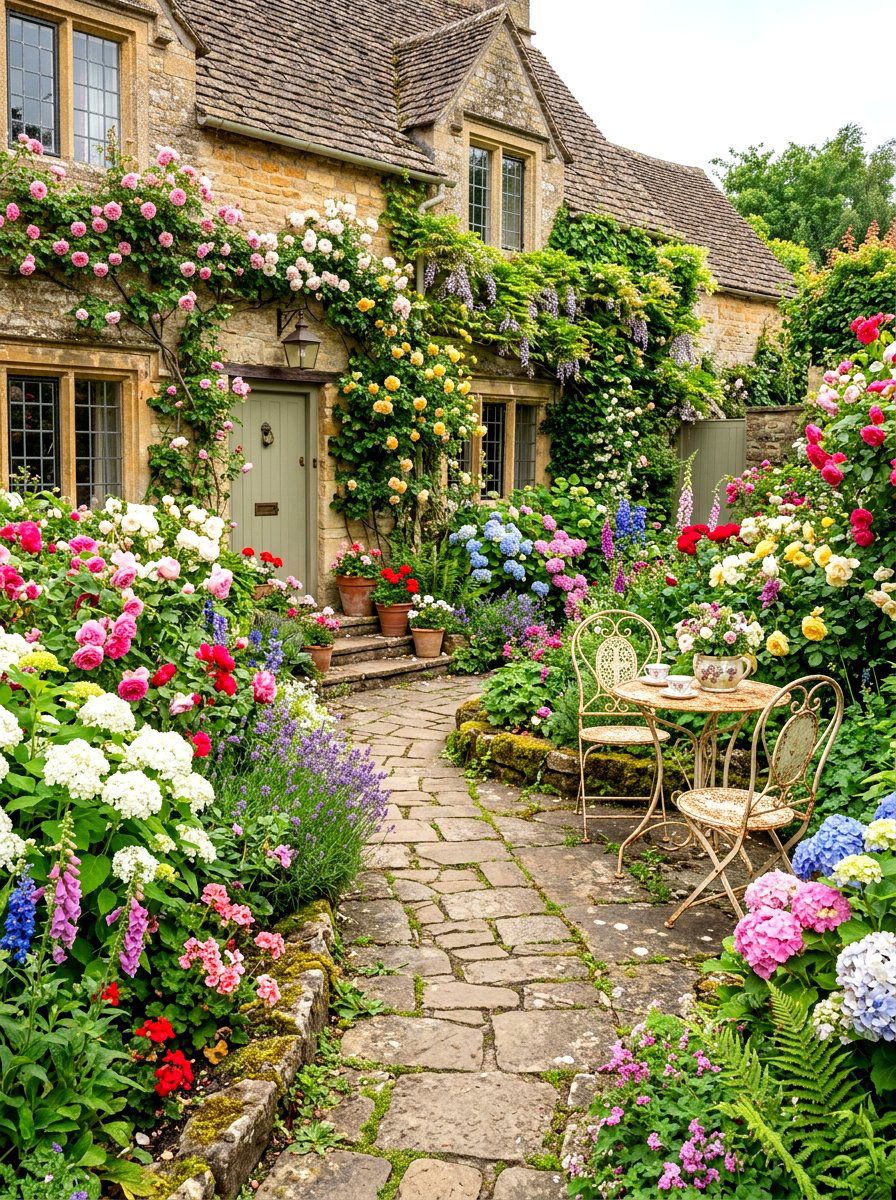
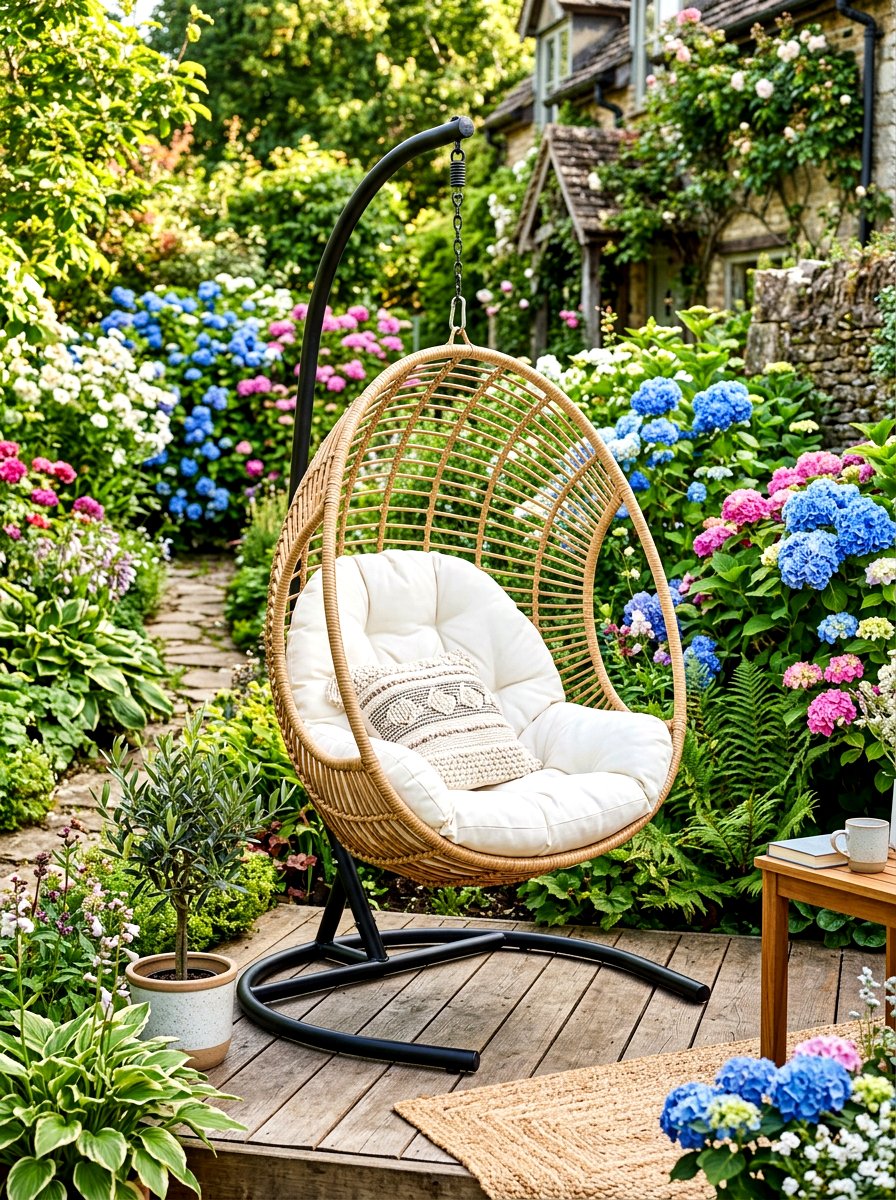
A cottage courtyard is all about charm, abundance, and an informal mix of natural stone materials that feel like they have been there for years. Using weathered fieldstone or reclaimed pavers helps to achieve an authentic and lived-in look that pairs perfectly with climbing roses and wildflowers. The paths and patio areas might have soft, rounded edges that disappear into the surrounding garden beds for a romantic and whimsical effect. This design encourages a relaxed atmosphere where the stone acts as a sturdy but humble backdrop for a variety of vintage-style outdoor furniture. It is a wonderful way to create a private, magical sanctuary in a backyard.
15. European Patio
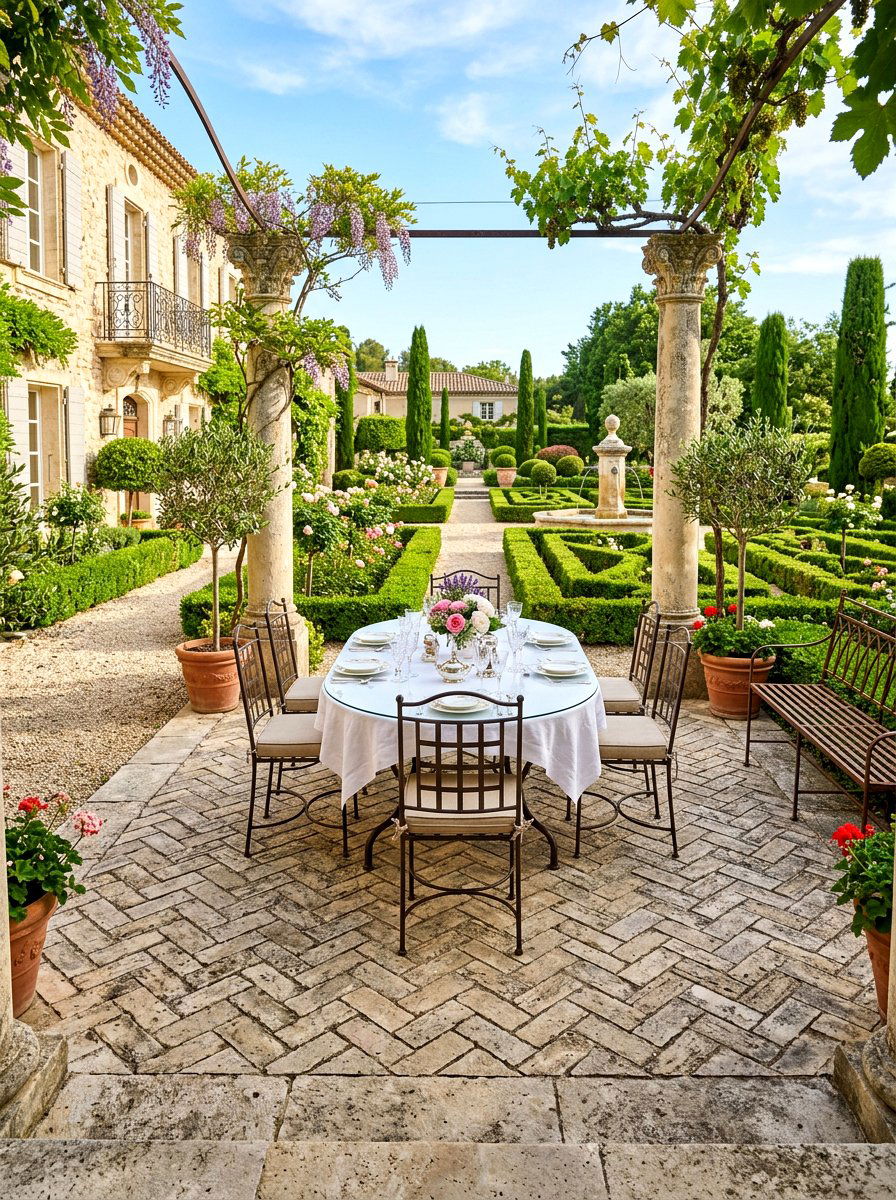
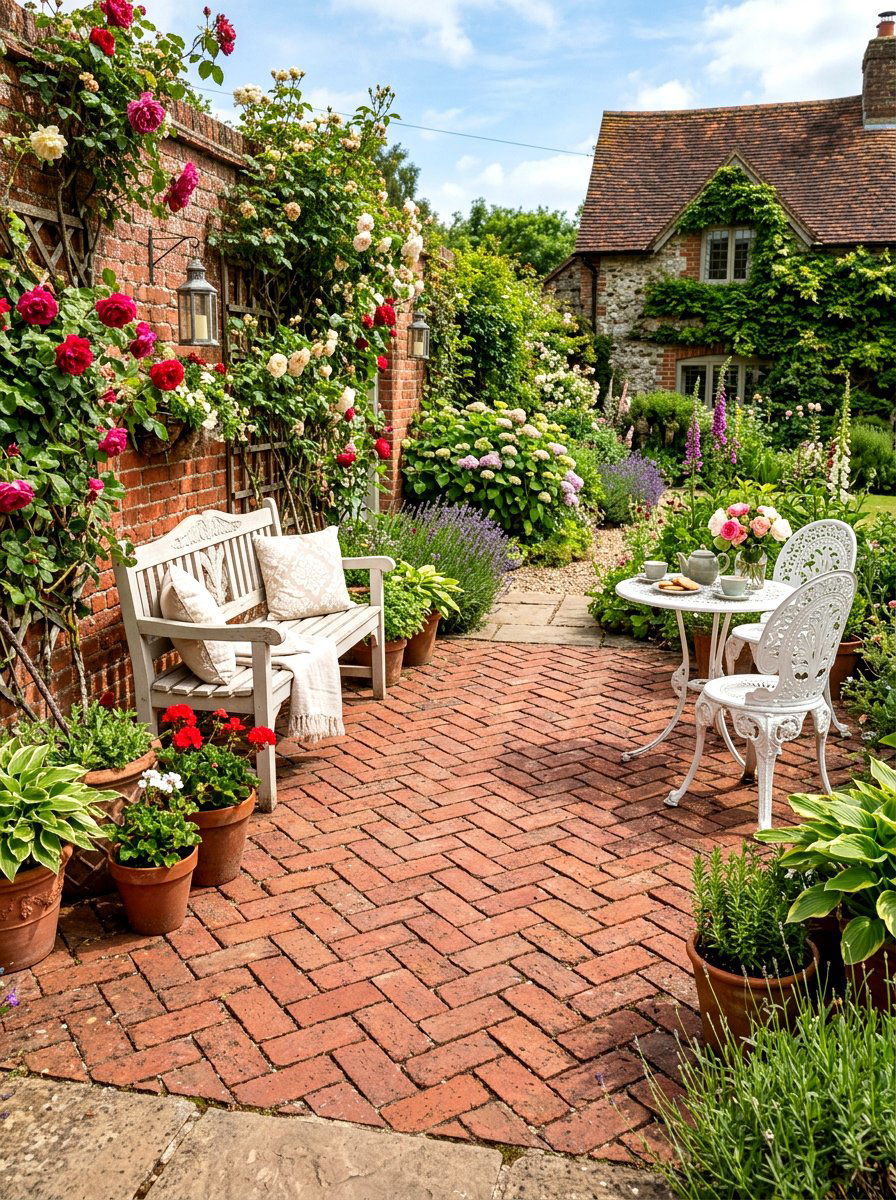
The European patio style often utilizes traditional masonry techniques like herringbone or basketweave patterns using high-quality stone pavers. This approach brings a sense of structure and elegance that is reminiscent of formal courtyard gardens found in France or Italy. Using a combination of different stone sizes can create a complex and visually interesting floor that feels very sophisticated. Incorporating stone columns or arched entryways can further define the space and add a vertical element to the design. This style is ideal for homeowners who want a timeless and grand outdoor area that serves as a seamless extension of their formal indoor living spaces.
16. Fieldstone Courtyard
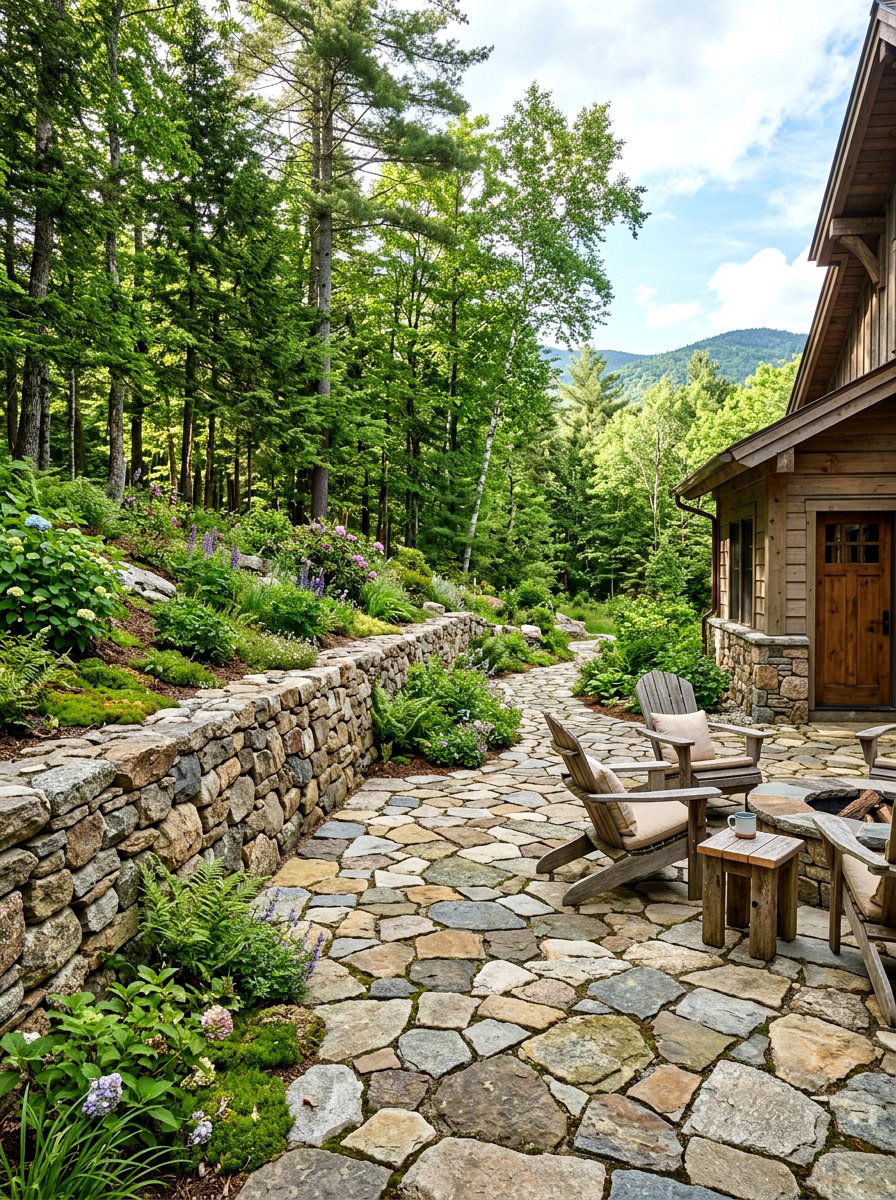
A fieldstone courtyard utilizes naturally occurring rocks gathered from the earth’s surface, providing a rugged and completely unique look for your home. These stones come in various sizes and shapes, often featuring moss or lichen that adds to their authentic and rustic appeal. Because fieldstones are often thicker and more irregular, they create a very textural surface that feels deeply connected to the local environment. This style is perfect for woodland settings or historic farmhouses where you want the landscaping to feel as natural as possible. Building low dry-stack walls using the same fieldstone can help enclose the patio and provide additional seating or garden borders.
17. Reclaimed Stone Patio
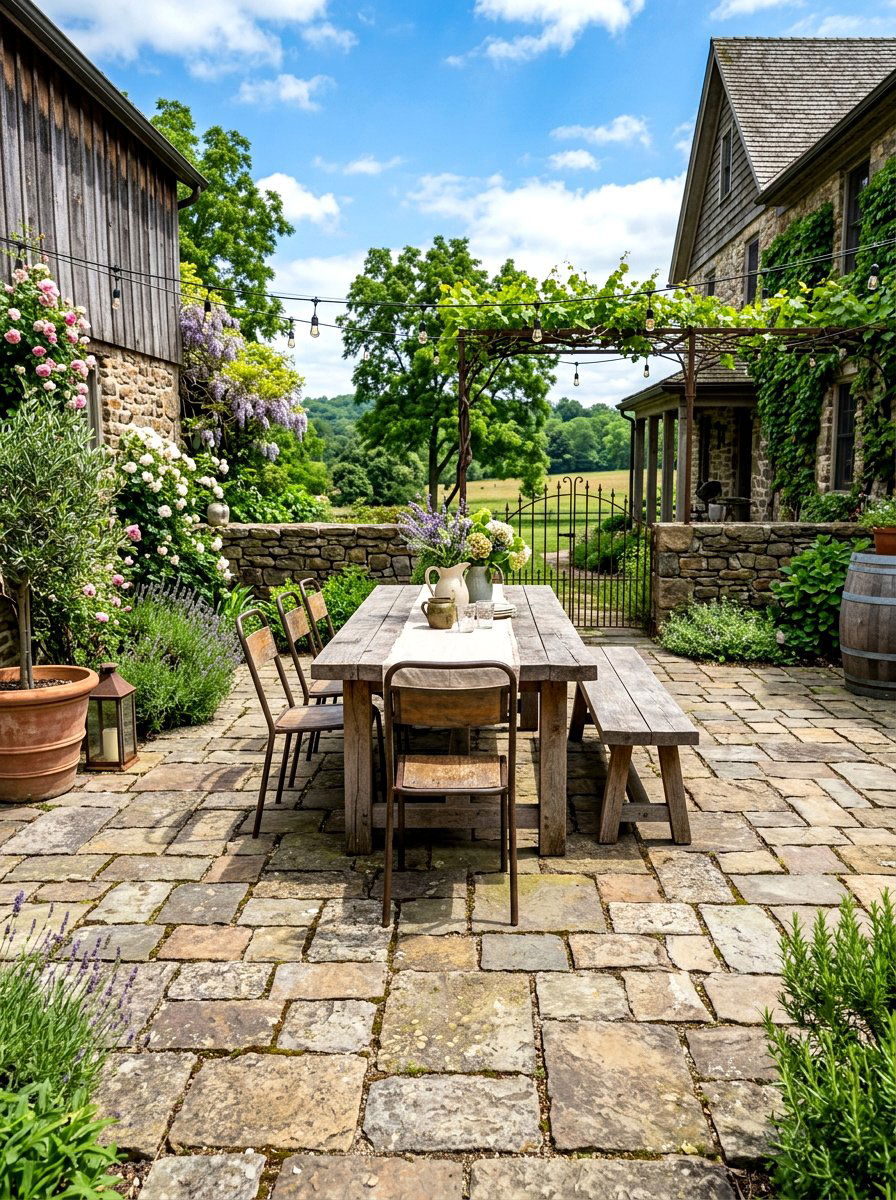
Using reclaimed stone for your patio is an environmentally friendly choice that adds incredible character and a sense of history to your landscape. Old street pavers, salvaged granite, or historic bricks can be repurposed to create a one-of-a-kind courtyard with a story to tell. These materials often have a beautiful patina and worn edges that simply cannot be replicated with new products. Incorporating reclaimed stone is a great way to maintain the historic integrity of an older home or to add soul to a brand-new construction. The variations in color and texture found in salvaged materials create a rich and inviting surface that feels warm and established.
18. Zen Courtyard
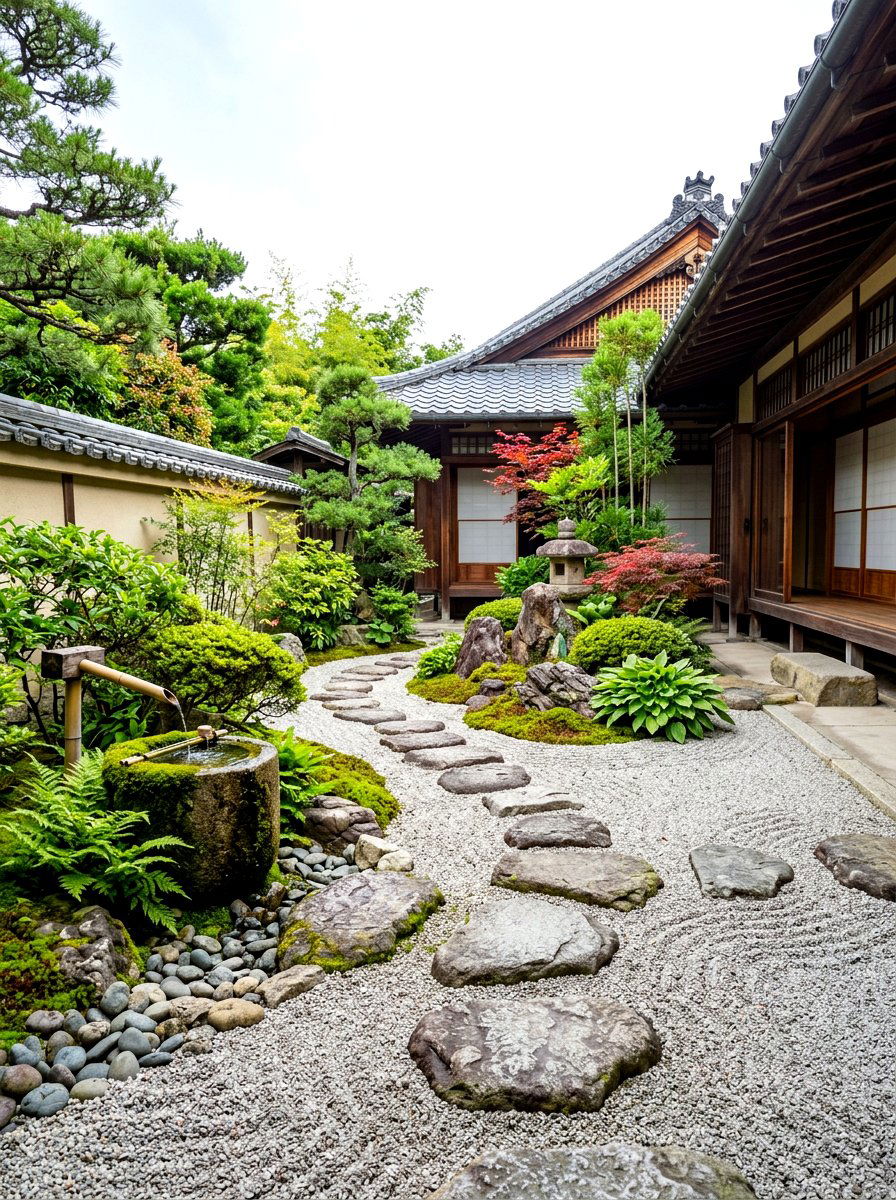
A Zen courtyard focuses on simplicity, balance, and the thoughtful placement of stone to encourage meditation and relaxation. This style often combines smooth river rocks with large, flat stepping stones and areas of meticulously raked fine gravel. The design is intended to represent natural landscapes like mountains and rivers in a symbolic and minimal way. Using a few carefully selected stones as focal points allows the eye to rest and the mind to calm down after a busy day. Incorporating elements like bamboo screens and a simple stone basin for water creates a private and peaceful oasis that serves as a dedicated space for quiet reflection.
19. French Country Patio
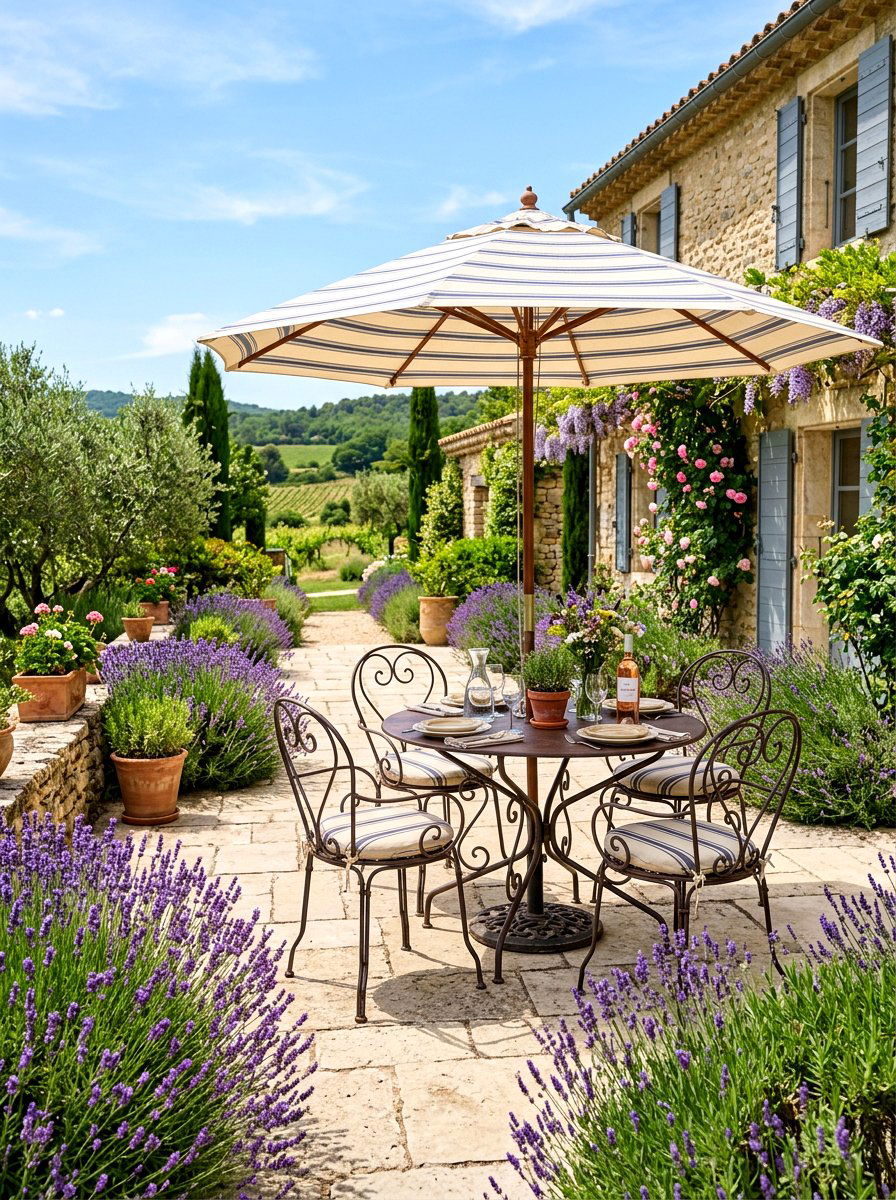
The French country patio style blends rustic materials with elegant details to create a space that is both comfortable and sophisticated. Light-colored stones with a tumbled finish provide a soft and aged appearance that looks wonderful under the dappled shade of a large tree. You can arrange the stones in a random ashlar pattern to maintain an informal yet organized look across the courtyard. Adding wrought iron furniture and oversized stone planters filled with boxwood or lavender completes the classic look. This design philosophy emphasizes the "art of living, " making the outdoor space feel like an inviting room where you can enjoy wine and good conversation.
20. Geometric Courtyard
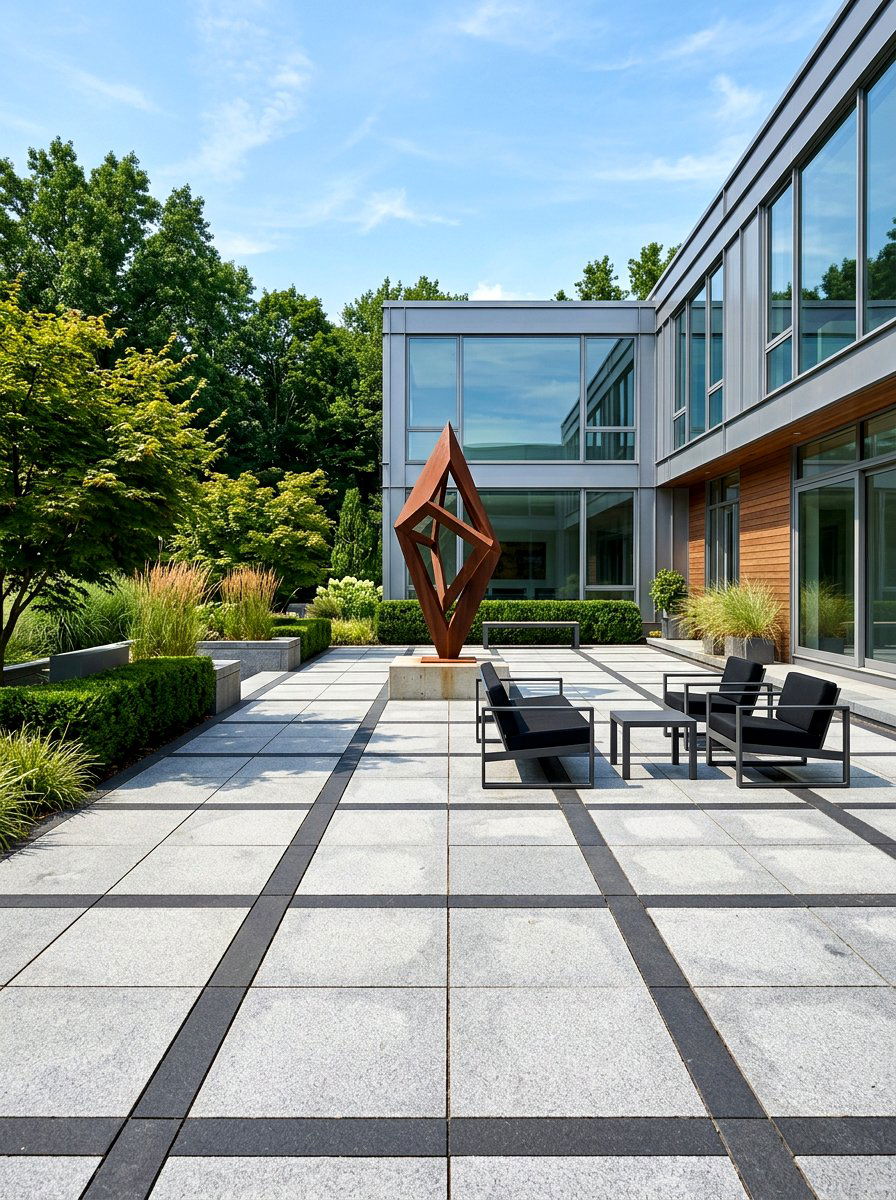
A geometric courtyard uses sharp angles and precise stone cutting to create a bold and visually striking outdoor environment. This style often features squares, rectangles, or even hexagons arranged in a very deliberate and rhythmic pattern. Using contrasting stone colors for the borders or specific sections can highlight the geometric shapes and add a graphic quality to the patio floor. This modern approach works exceptionally well in urban settings or with contemporary architecture where the lines of the house are reflected in the landscape. The precision of the stonework creates a very tidy and organized feel that is perfect for homeowners who appreciate clean, structured design.
21. Natural Rock Patio
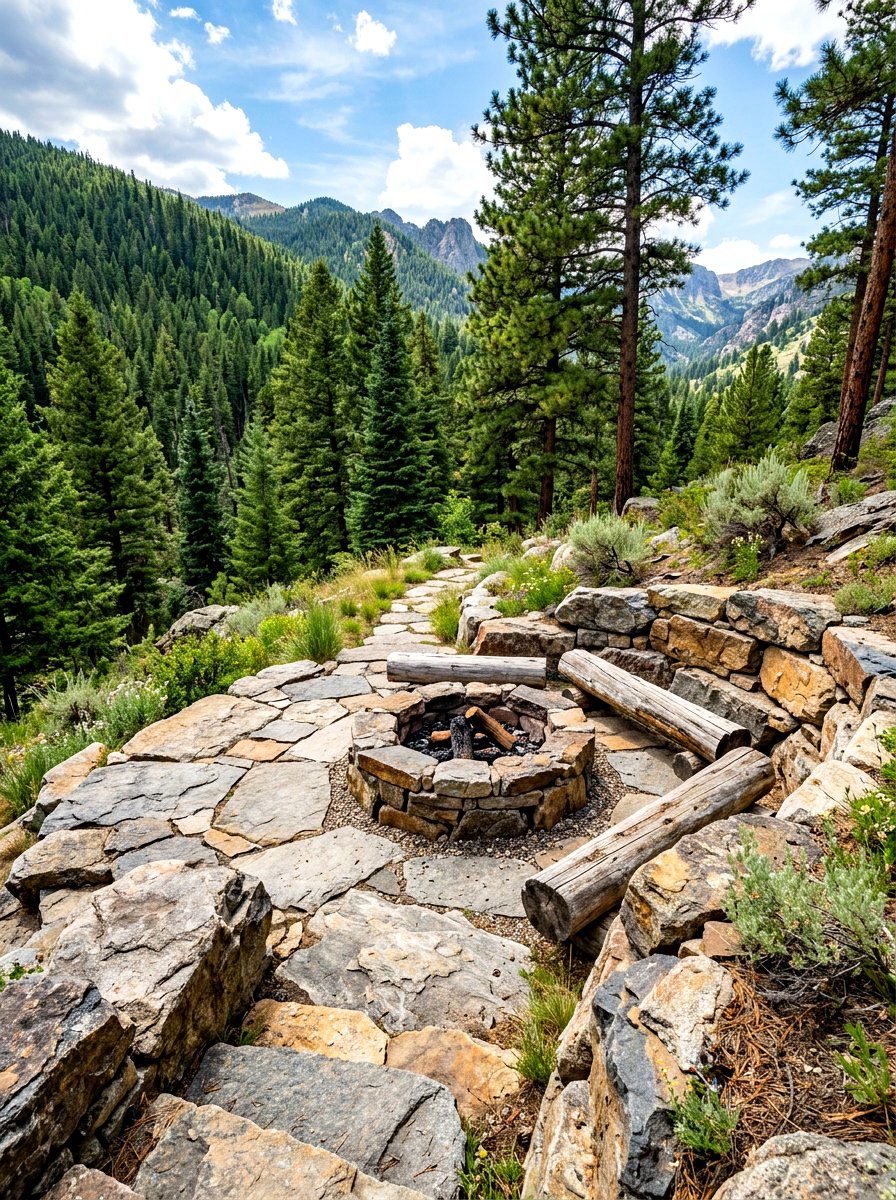
A natural rock patio embraces the raw and unrefined beauty of large boulders and jagged stone slabs to create a dramatic landscape. Instead of creating a perfectly level floor, this design might incorporate natural elevation changes and integrate the patio directly into a hillside. This approach requires a skilled mason to fit the large rocks together like a giant puzzle, resulting in a surface that looks like a natural rock outcropping. This style is incredibly durable and requires almost no maintenance once installed. It provides an adventurous and bold aesthetic that is perfect for homes located in mountainous or rocky regions where the terrain is part of the charm.
22. Porphyry Courtyard
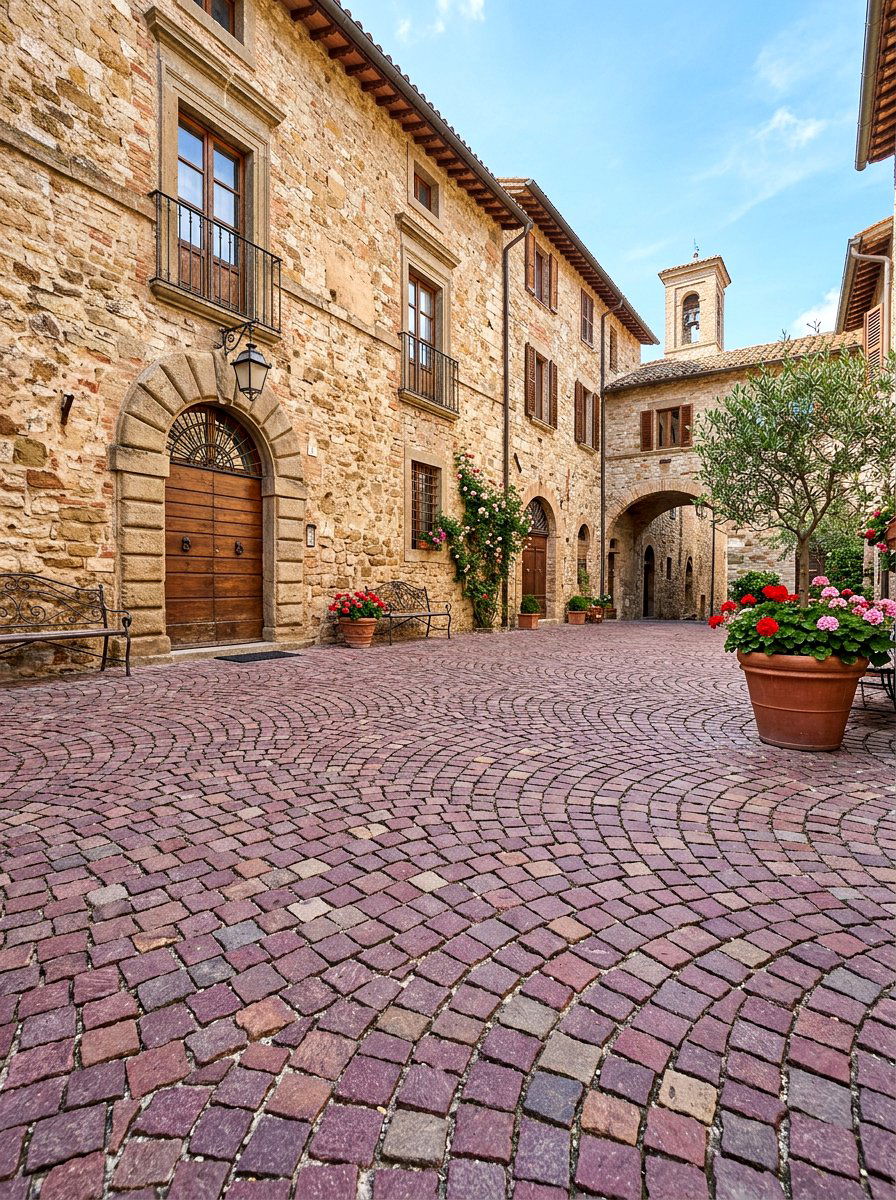
Porphyry is a stunning volcanic stone that has been used for paving since ancient Roman times because of its incredible hardness and beautiful color. This stone typically features a mix of earthy reds, purples, grays, and browns, which creates a vibrant and rich surface that hides dirt very well. Porphyry is usually cut into small cubes or irregular tiles, making it perfect for creating fan patterns or traditional European-style street paving. Its slip-resistant texture and extreme durability make it a practical choice for driveways and high-traffic courtyards. Choosing porphyry ensures your patio will remain beautiful and intact for centuries, just like the ancient roads of Italy.
23. Basalt Patio
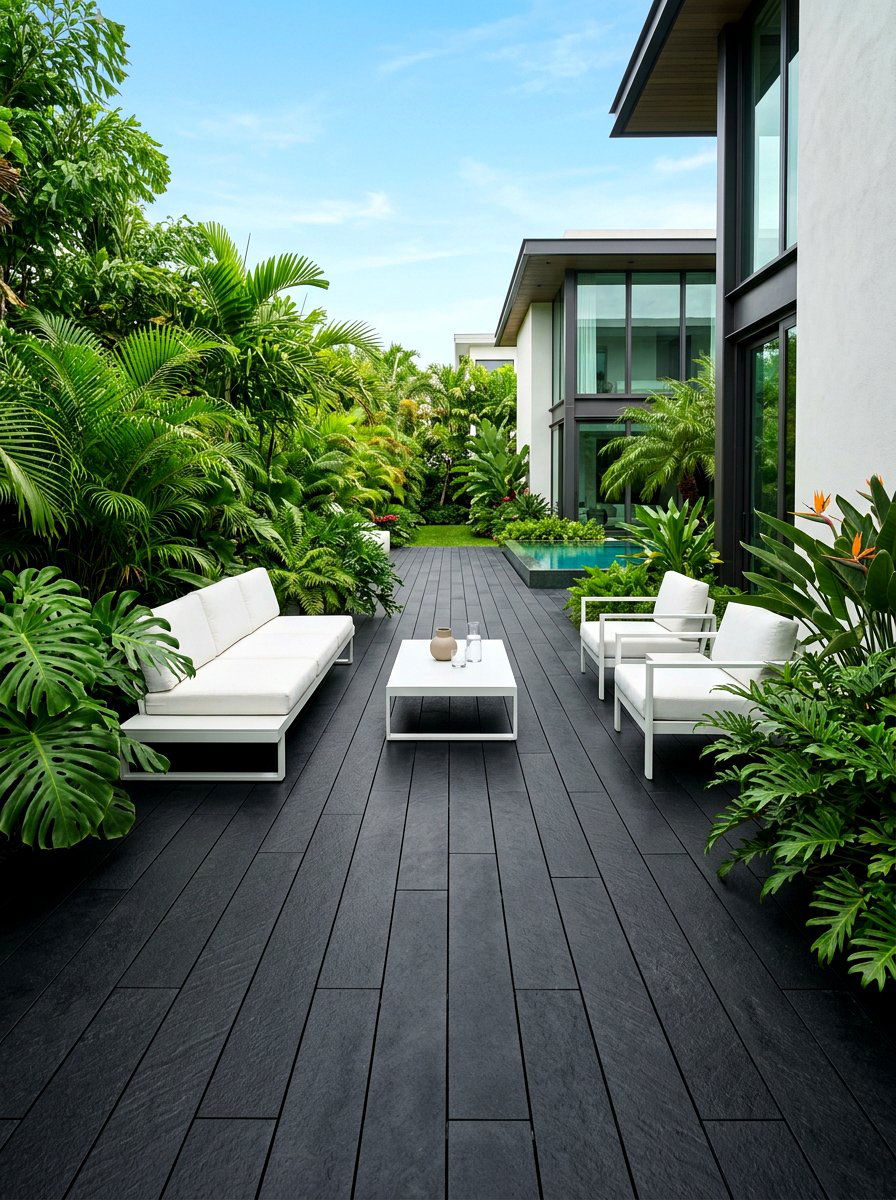
Basalt is a dark, dense volcanic rock that provides a sleek and ultra-modern look for a contemporary stone courtyard. Its deep charcoal or black color provides a sophisticated backdrop that makes the green of your plants and the colors of your furniture pop with intensity. Basalt can be cut into long, thin planks to create a "linear" look that elongates a small space or into large slabs for a bold statement. The stone has a very fine grain and a consistent color, which contributes to a very high-end and polished aesthetic. Basalt is also very resistant to staining and weathering, making it a low-maintenance option for busy families.
24. Tumbled Stone Courtyard
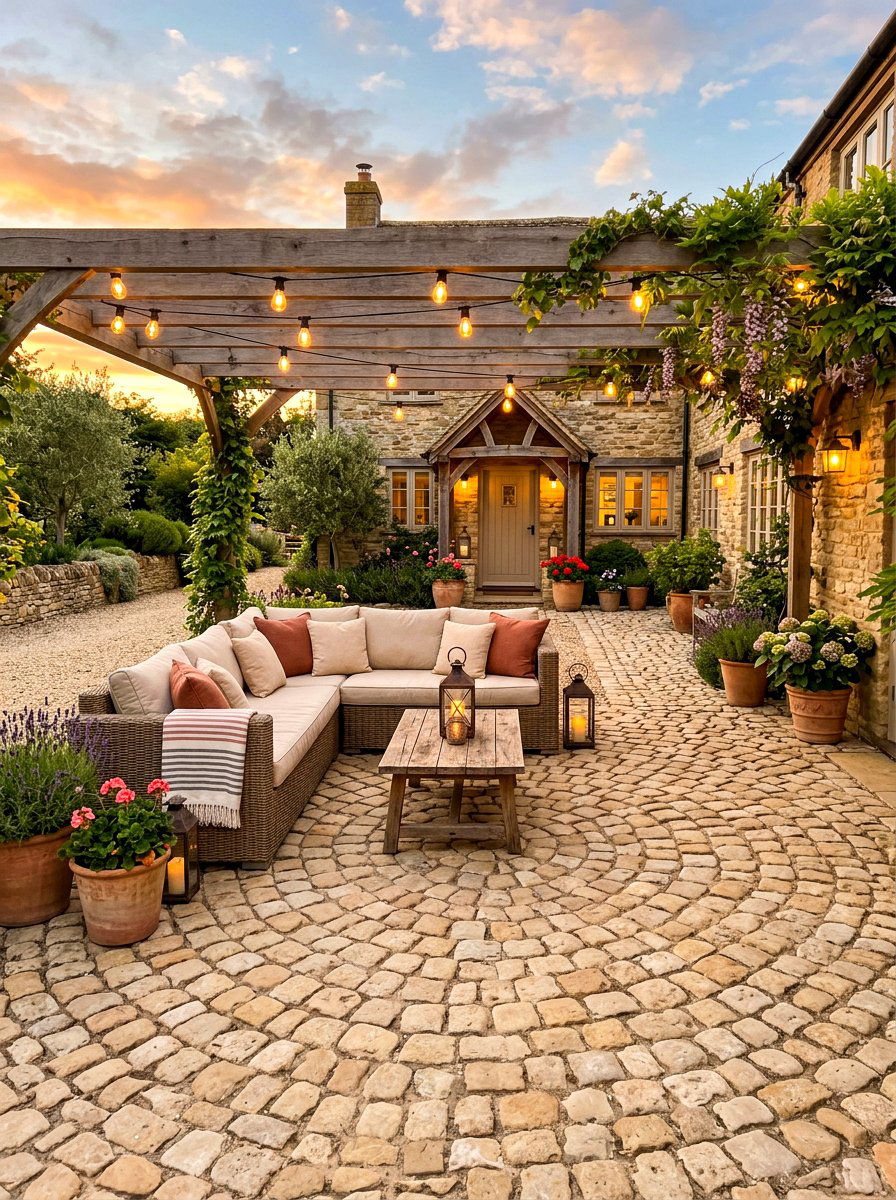
A tumbled stone courtyard offers a soft, aged appearance that feels immediately comfortable and welcoming to anyone who visits. The "tumbling" process rounds off the sharp edges and corners of the stones, giving them a weathered look that mimics years of natural wear. This style is perfect for creating a child-friendly environment as there are no sharp points on the pavers. Tumbled stones are often used in varied sizes to create a random pattern that feels informal and lived-in. This approach works beautifully for Mediterranean or rustic farmhouse styles where a "perfectly imperfect" look is desired to create a sense of timelessness and relaxation.
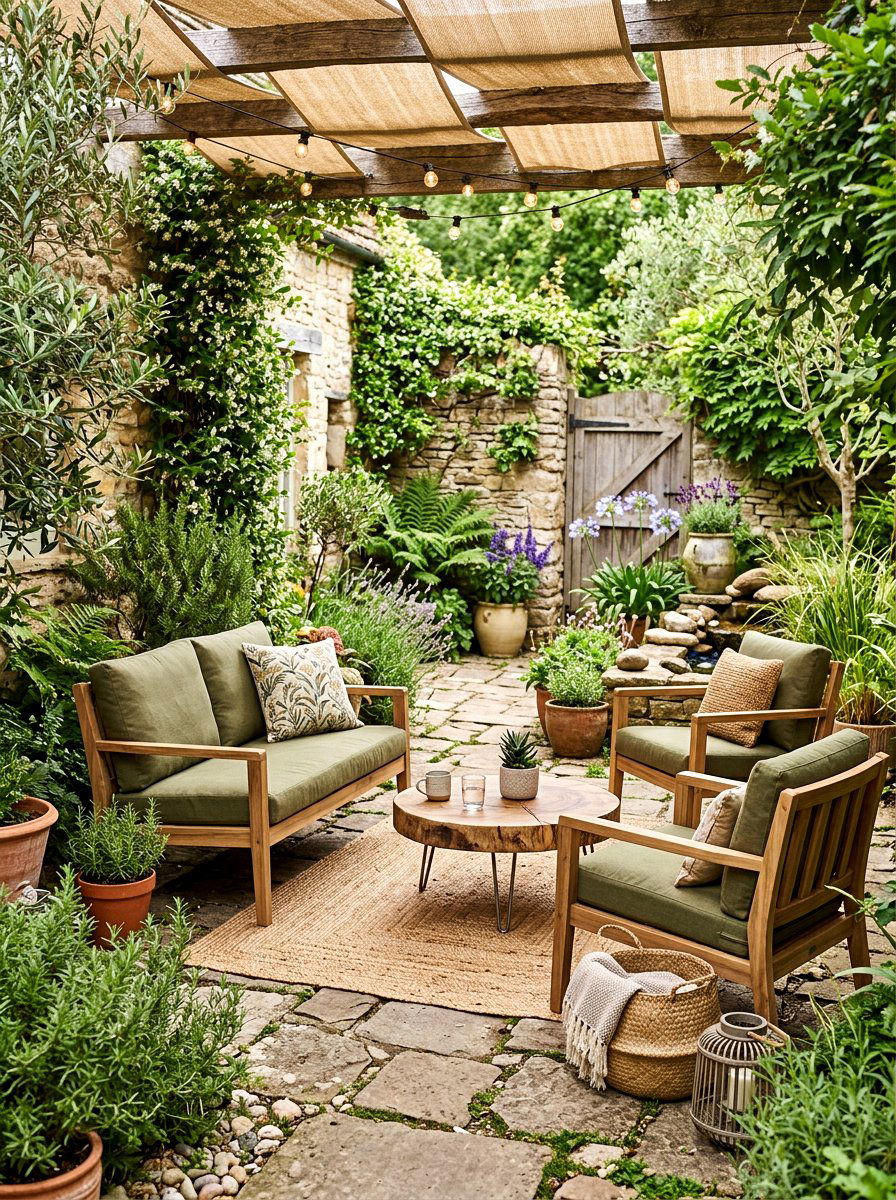
25. Checkerboard Patio
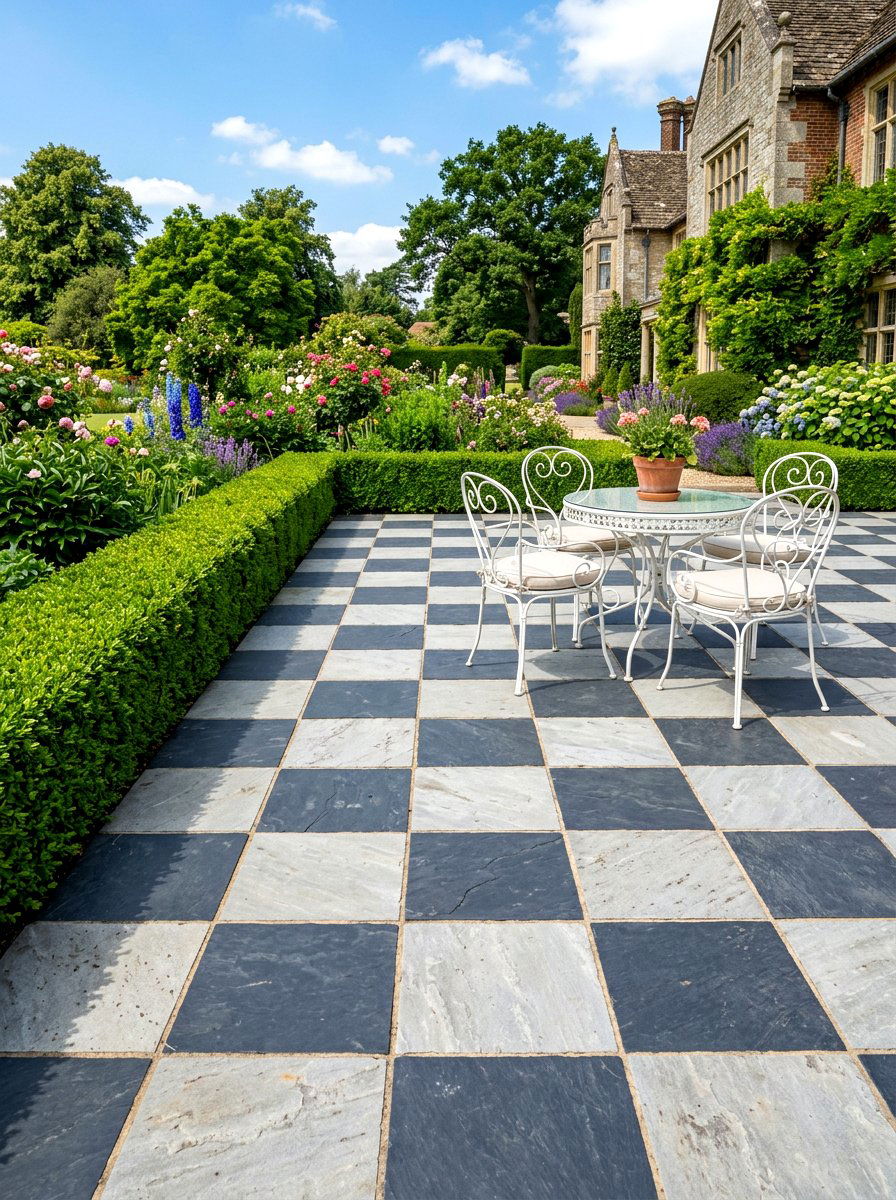
The checkerboard patio is a classic design choice that uses two different colors of stone to create a striking and playful pattern. Typically, light limestone and dark slate or granite are used to achieve the iconic look that resembles a giant game board. This style adds a sense of formality and tradition to a courtyard, making it feel like part of a grand estate or a historic garden. You can also achieve a softer version of this look by alternating stone pavers with squares of green grass or low-growing ground cover. This adds a lush, living element to the hardscape and helps with water drainage in the patio area.
26. Ashlar Stone Courtyard
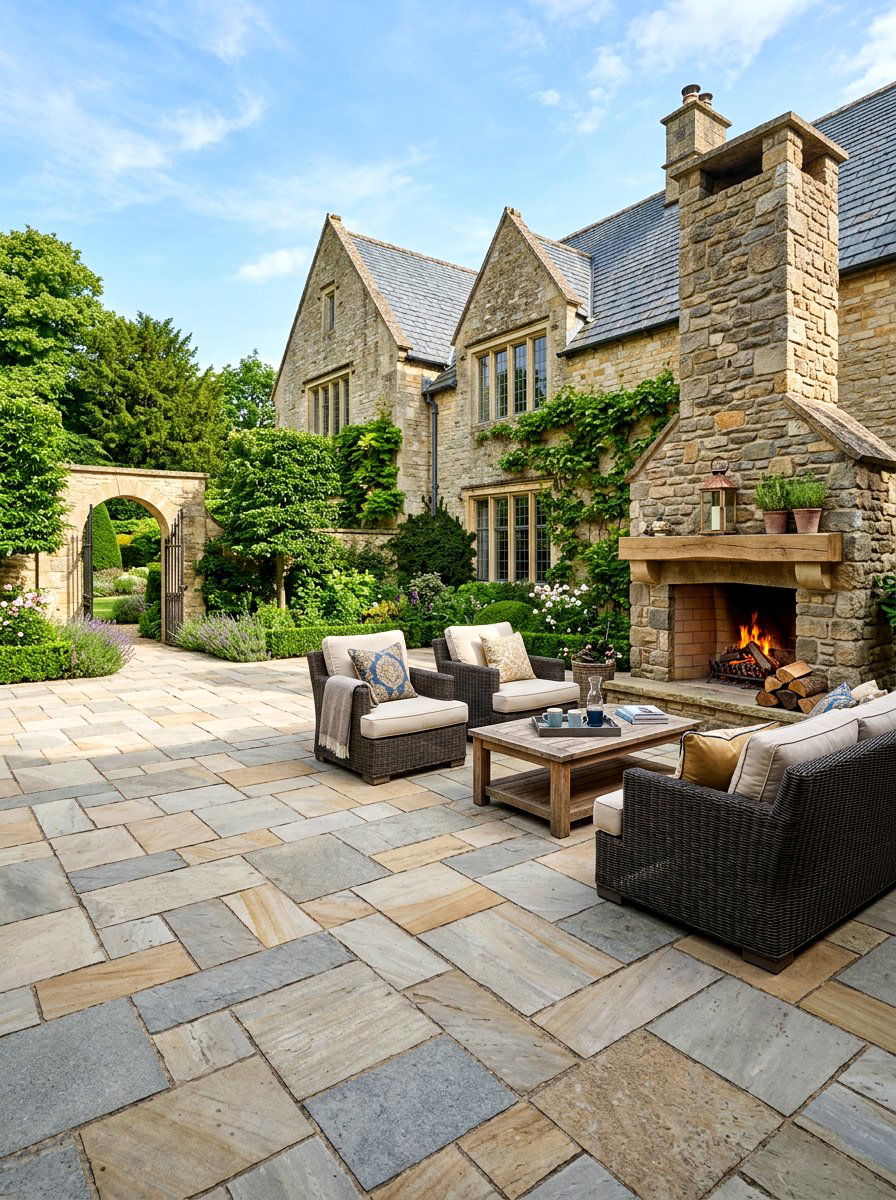
An ashlar stone courtyard uses stones that are finely dressed and cut into rectangular shapes of varying sizes to create a complex but orderly pattern. Unlike a standard running bond, the ashlar pattern avoids continuous joint lines, which creates a more interesting and high-end visual effect. This masonry style has been used for centuries in high-quality architecture and brings a sense of permanence and craftsmanship to your outdoor space. It provides a very flat and stable surface that is ideal for dining areas and heavy outdoor furniture. The variety of stone sizes helps to break up a large expanse of patio, making the space feel more intimate.
27. Desert Stone Patio
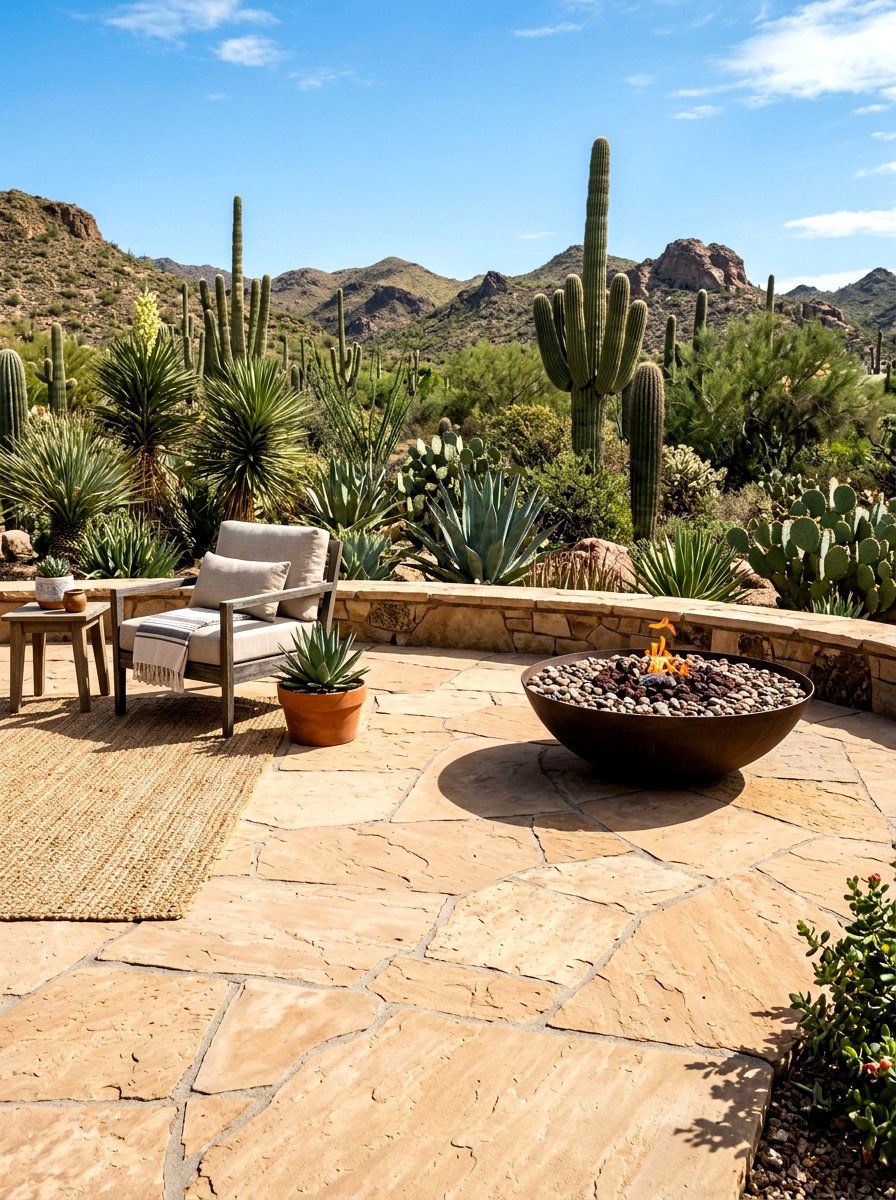
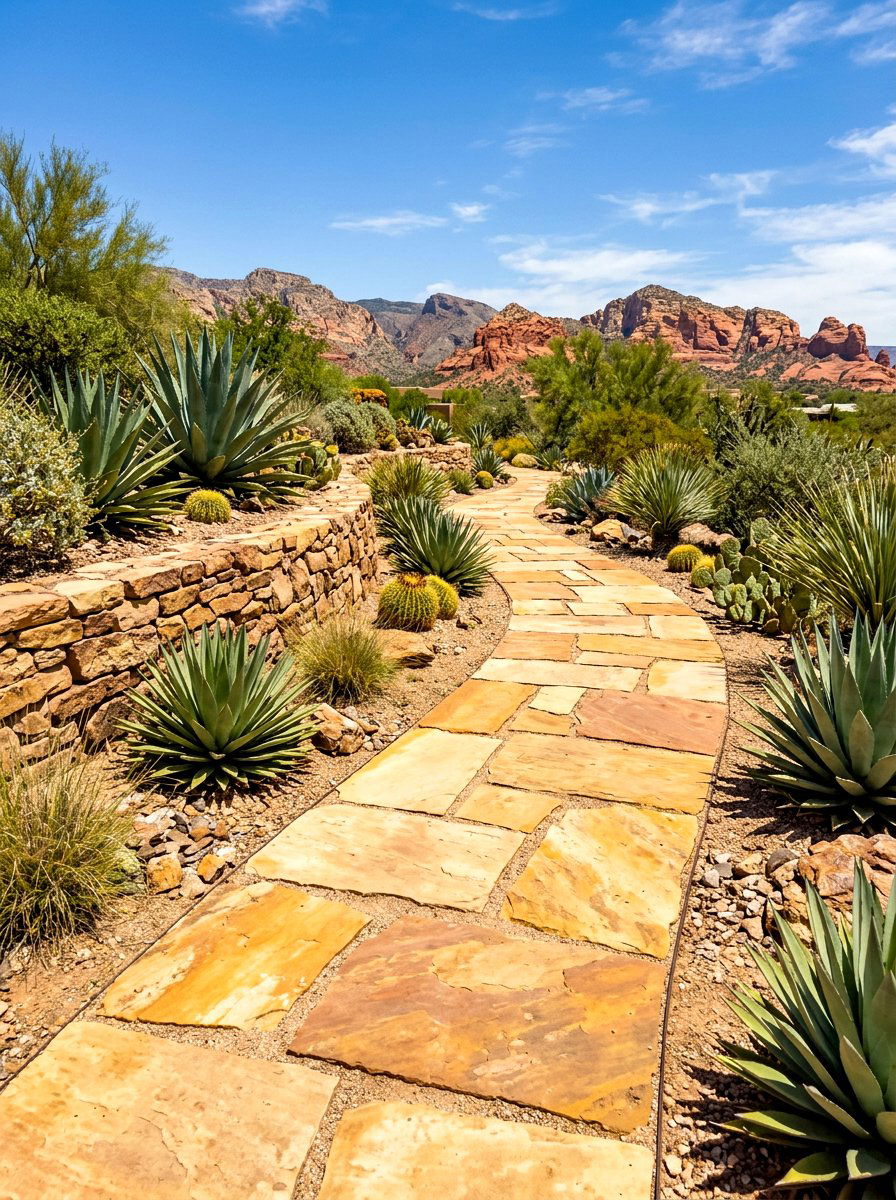
A desert stone patio utilizes materials like flagstone, sandstone, or river rock in warm ochre, rust, and tan tones to complement arid environments. This design often focuses on water-wise landscaping, using the stone as a dominant feature that minimizes the need for high-maintenance lawns. Integrating native plants like succulents, cacti, and ornamental grasses around the stone courtyard creates a cohesive and sustainable outdoor room. The stones can be left in their natural, rugged state to mirror the surrounding desert landscape or cut into large pavers for a more modern "desert chic" look. This style is incredibly resilient to intense sun and high heat.
28. Contemporary Courtyard
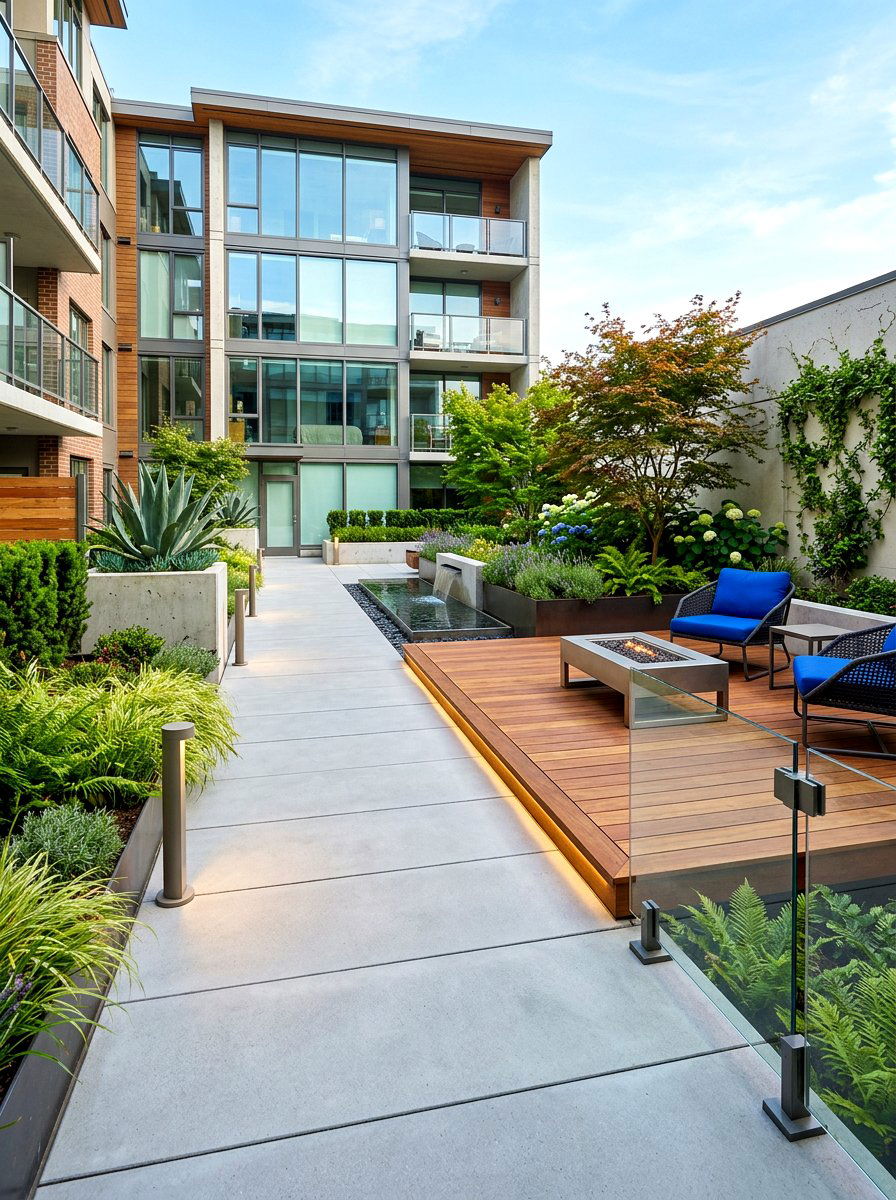
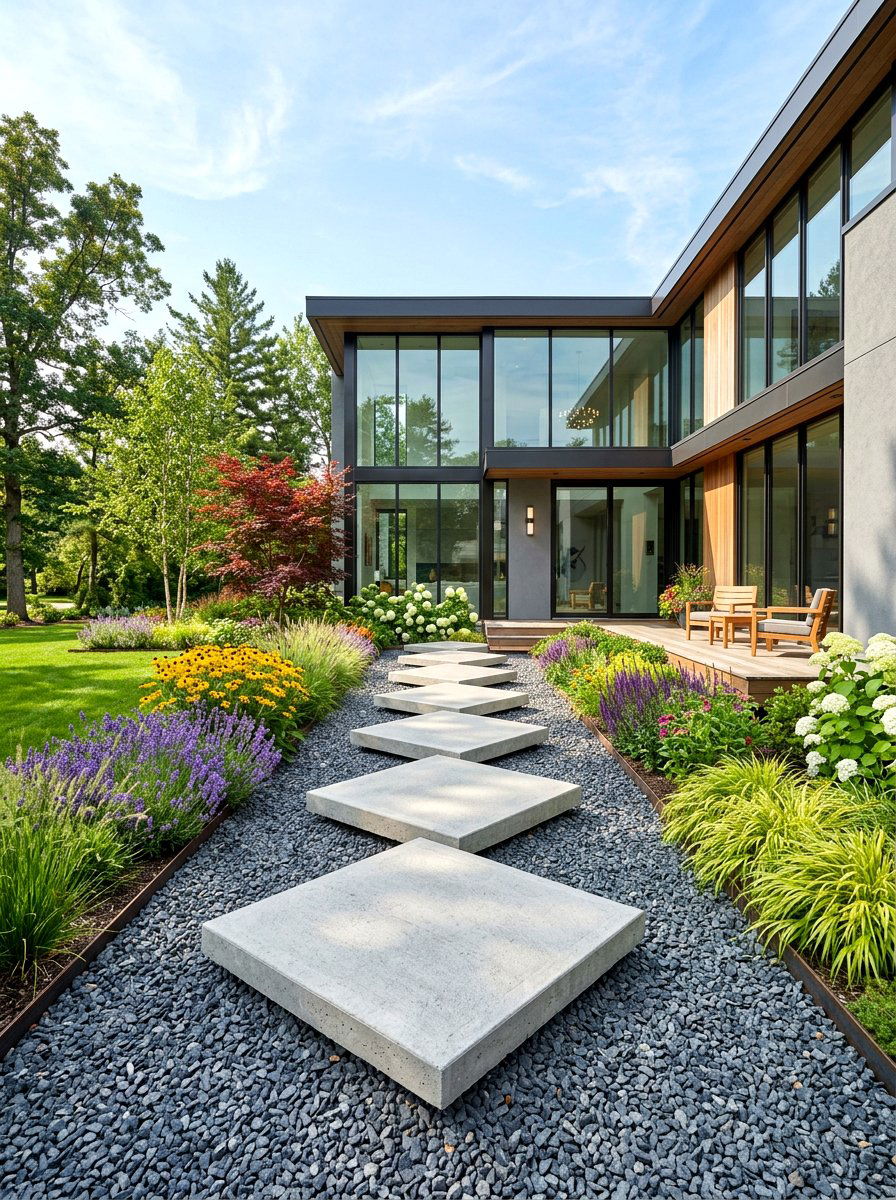
The contemporary courtyard emphasizes the use of industrial-looking stones like smooth concrete-finish pavers or dark basalt set in geometric layouts. This style often incorporates other modern materials like glass railings, steel planters, and integrated LED lighting to create a high-tech and stylish outdoor space. The stone surfaces are usually very large and flat, creating a sense of minimalism and architectural precision. Contemporary courtyards are often designed as a direct extension of the interior living room, featuring "zero-entry" thresholds where the indoor and outdoor floors are at the very same level. This creates a seamless flow that is perfect for modern entertaining and a luxury lifestyle.
29. Terraced Stone Patio
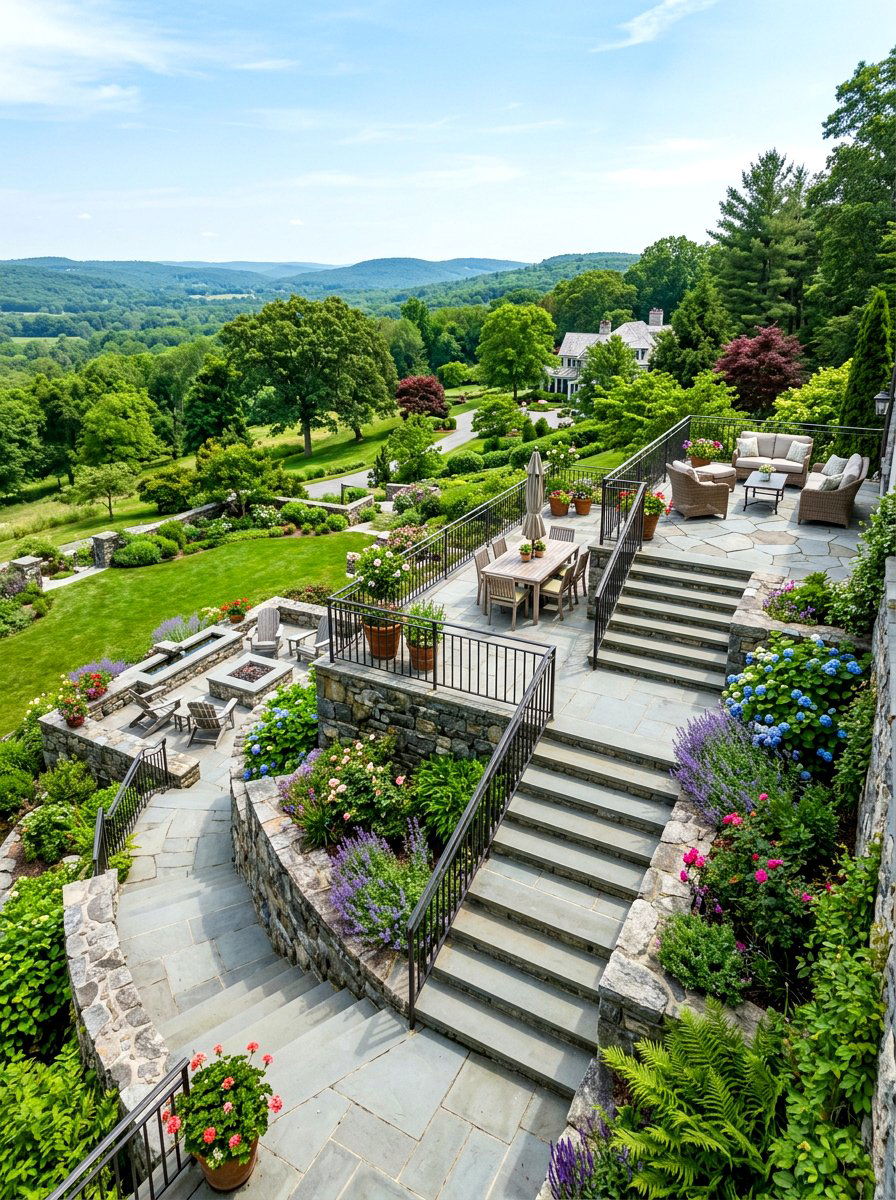
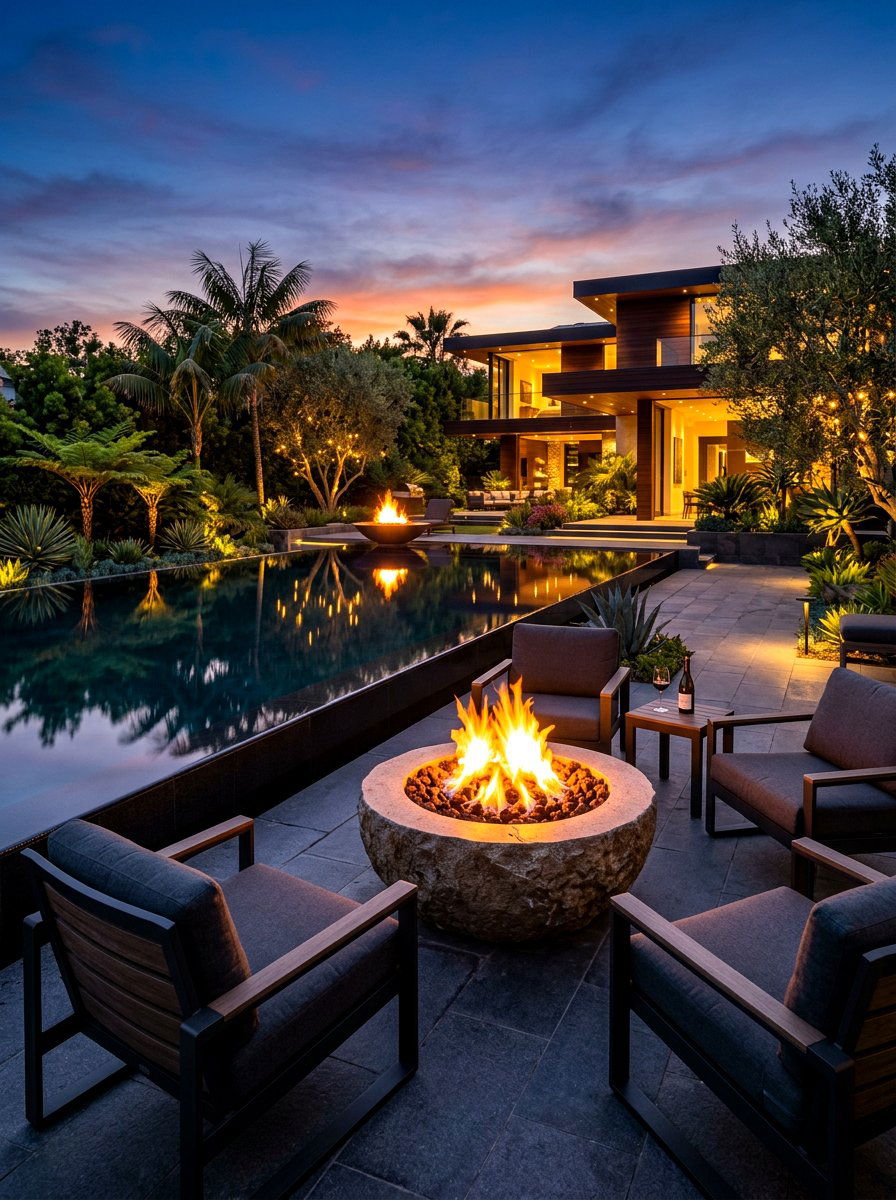
A terraced stone patio is the perfect solution for backyards with significant slopes, allowing you to create multiple levels of usable living space. Each level can be defined by sturdy stone retaining walls and connected by wide stone staircases, creating a grand and architectural feel. You can use one level for dining, another for a fire pit, and a third for a secluded garden nook. Using the same type of stone for the walls and the patio surfaces creates a unified look that ties the entire hillside together. Terracing not only increases the functional area of your yard but also provides excellent opportunities for tiered garden beds and waterfalls.
30. Walled Courtyard
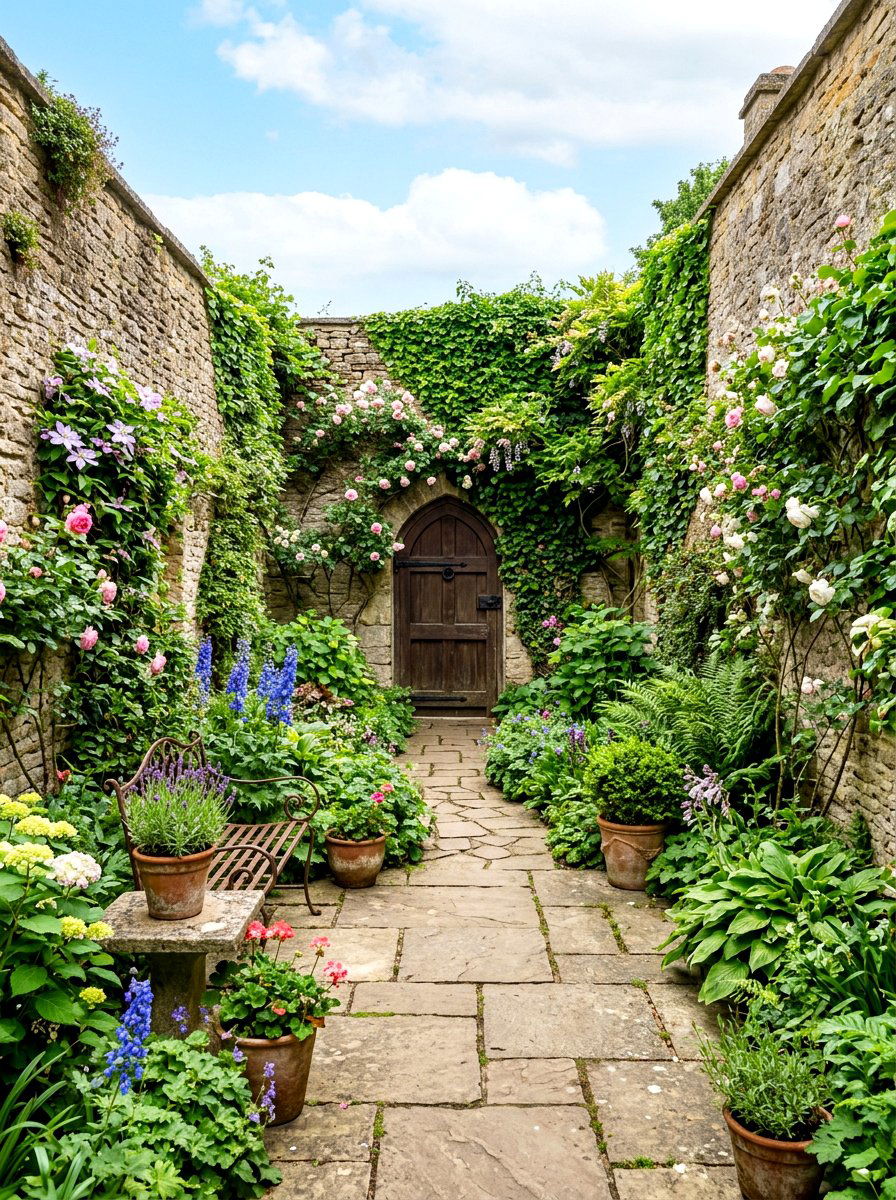
A walled stone courtyard provides ultimate privacy and a sense of total seclusion from the outside world, creating a true outdoor sanctuary. By enclosing the patio with high stone walls, you create a microclimate that is protected from the wind and noise. You can use the same stone material for the floor and the walls to create a "monolithic" and cozy feel or mix materials for visual variety. Adding an arched wooden gate and climbing vines like ivy or wisteria can make the space feel like a hidden "secret garden. " This design is perfect for urban homes where creating a private and quiet escape is a top priority.
Conclusion:
Investing in a stone courtyard patio is one of the most effective ways to enhance the beauty and functionality of your outdoor living area. The natural durability of stone ensures that your investment will stand the test of time, providing a solid foundation for countless memories with family and friends. With so many different types of stone and design layouts available, you can easily find a style that perfectly matches your home's architecture and your personal aesthetic. From the rustic charm of fieldstone to the sleek elegance of contemporary basalt, stone offers a unique character that manufactured materials simply cannot replicate. By thoughtfully planning your courtyard, you create a timeless retreat that brings the comfort of the indoors into the fresh air of your garden.

Related posts: