topiary gardens provide a unique way to blend nature with artistic sculpture to create a truly sophisticated outdoor space. These living decorations have been used for centuries to bring structure, elegance, and a sense of history to landscapes of all sizes. Whether you have a sprawling estate or a tiny urban balcony, incorporating shaped greenery can instantly elevate your home’s curb appeal. Topiary is not just about formal circles and squares; it is about expressing your personal style through the careful pruning of evergreen plants. This guide explores a wide variety of ways to use these botanical features to transform your yard into a lush sanctuary. From classic boxwood shapes to modern whimsical forms, there is a style for every gardener to enjoy today.
1. Boxwood Ball
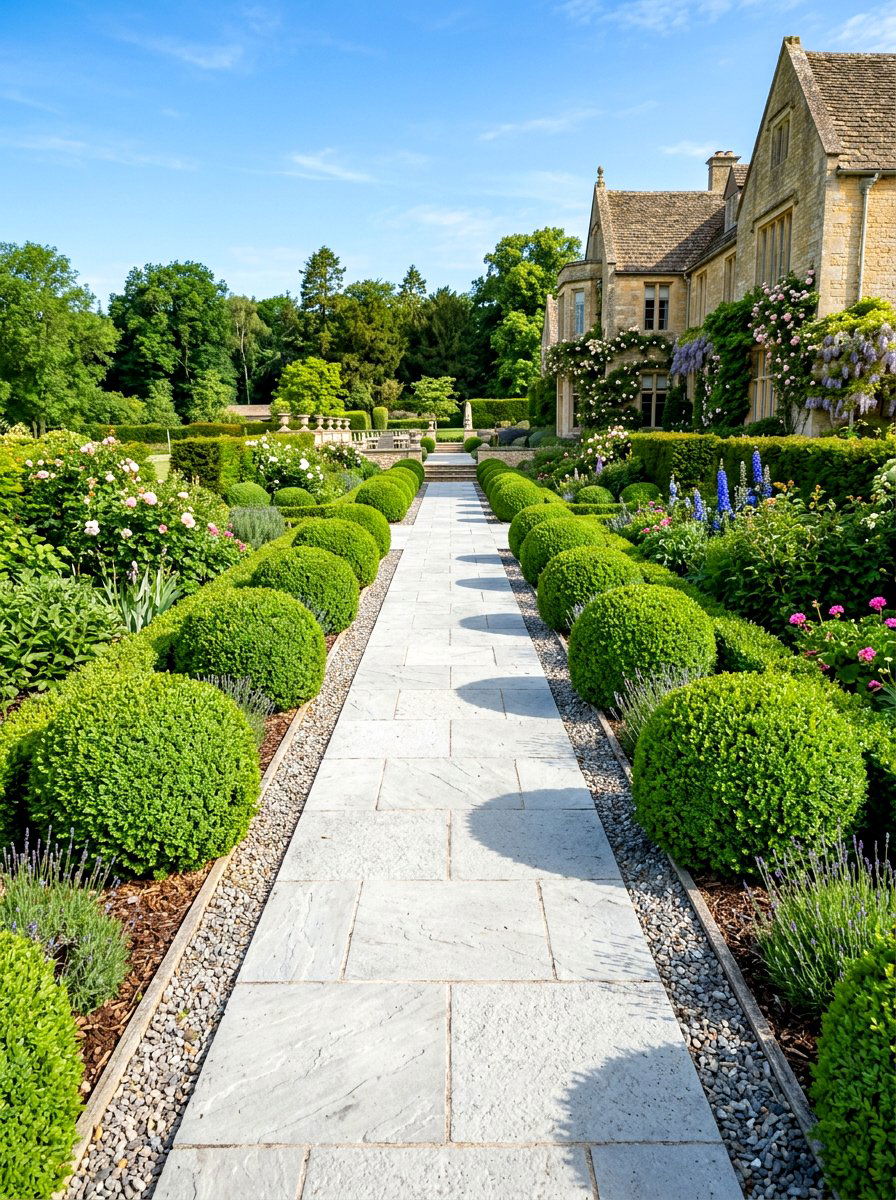
A boxwood ball serves as the most versatile element in any structured landscape design. These perfectly round evergreen spheres provide a consistent sense of order and symmetry throughout the growing seasons. You can arrange them in a neat row to line a stone walkway or cluster them in different sizes to create a modern cloud-like effect. Their dense foliage allows for very crisp edges which look stunning when the morning dew sits on the leaves. These plants work exceptionally well in large terracotta pots or directly in the soil. Regular clipping is required to maintain their circular silhouette, but the visual impact they provide is worth the maintenance effort for any homeowner.
2. Pyramid Cone
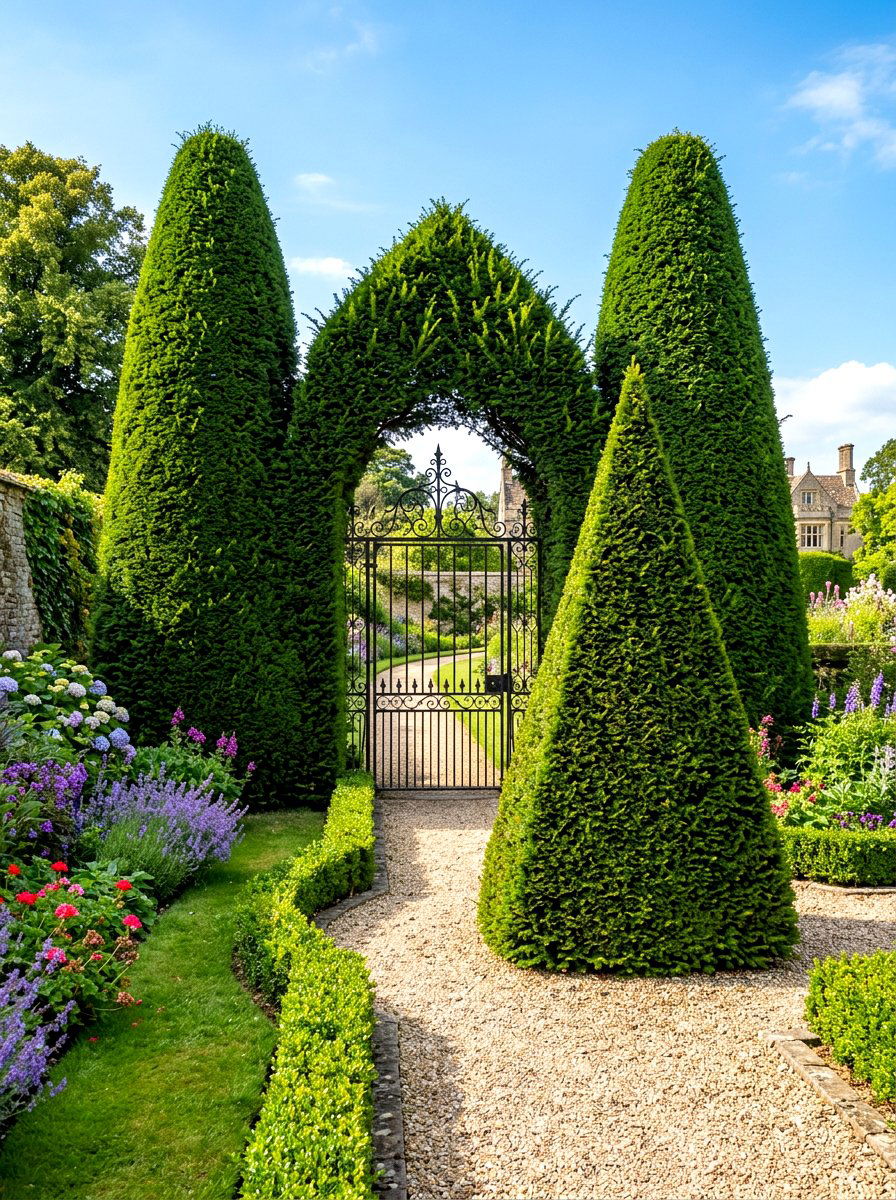
The pyramid cone offers a strong vertical element that draws the eye upward and adds a sense of grandeur to your garden. This shape is often created using yew or boxwood because they respond well to frequent shearing. Placing two large cones on either side of a garden gate creates a formal entrance that feels timeless and inviting. These shapes look particularly striking when they are placed against a brick wall or a white fence for high contrast. The sharp point at the top requires a steady hand and a good pair of shears to keep it looking professional. It is a classic choice for traditional and contemporary landscapes.
3. Spiral Tree
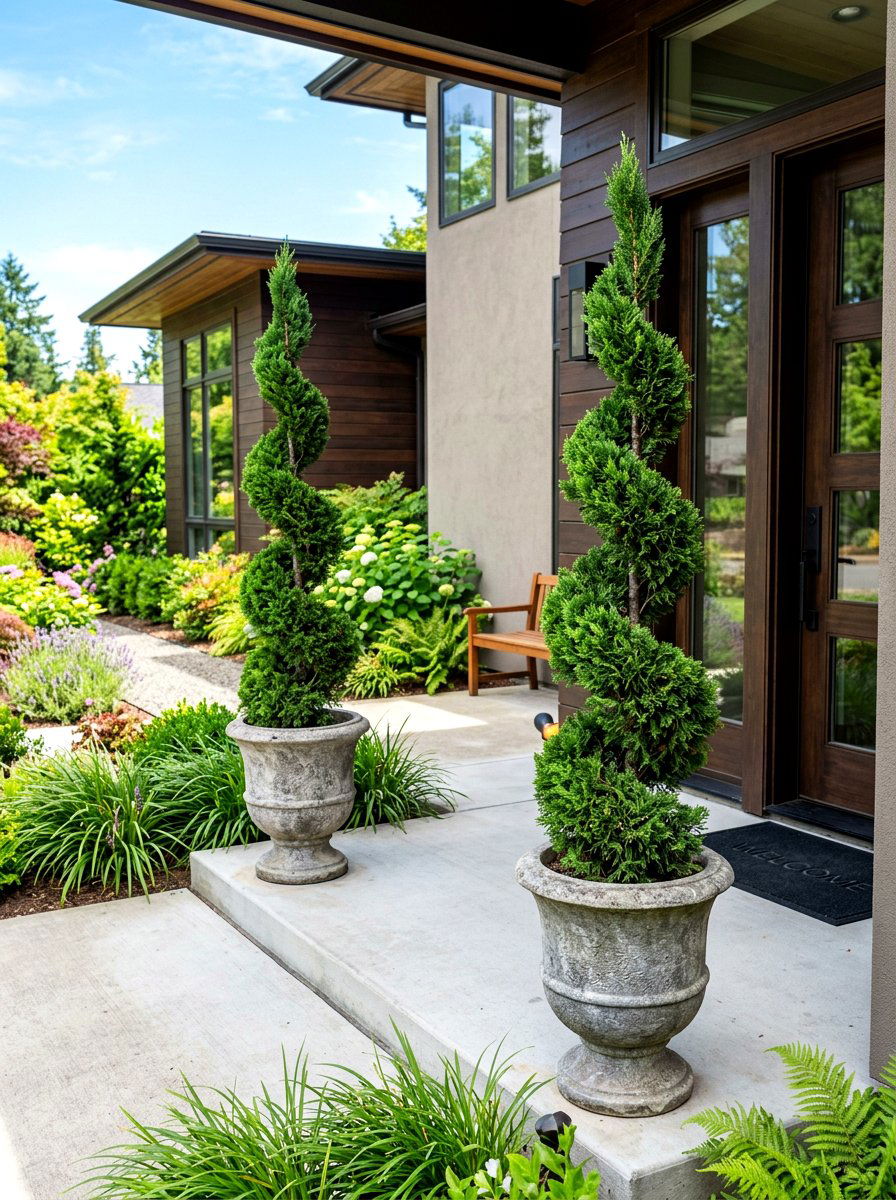
A spiral tree adds a touch of elegance and movement to your outdoor entryway or patio area. These graceful shapes are usually crafted from upright evergreens like junipers or arborvitae. The winding path of the foliage creates a dynamic visual that looks like a piece of living sculpture. They are very popular for flanking a front door because they provide height without taking up too much horizontal space. You should prune them at least twice a year to keep the spiral pattern clear and distinct. Using a guide wire or string can help you maintain the perfect twist as the plant grows taller over several years.
4. Tiered Lollipop
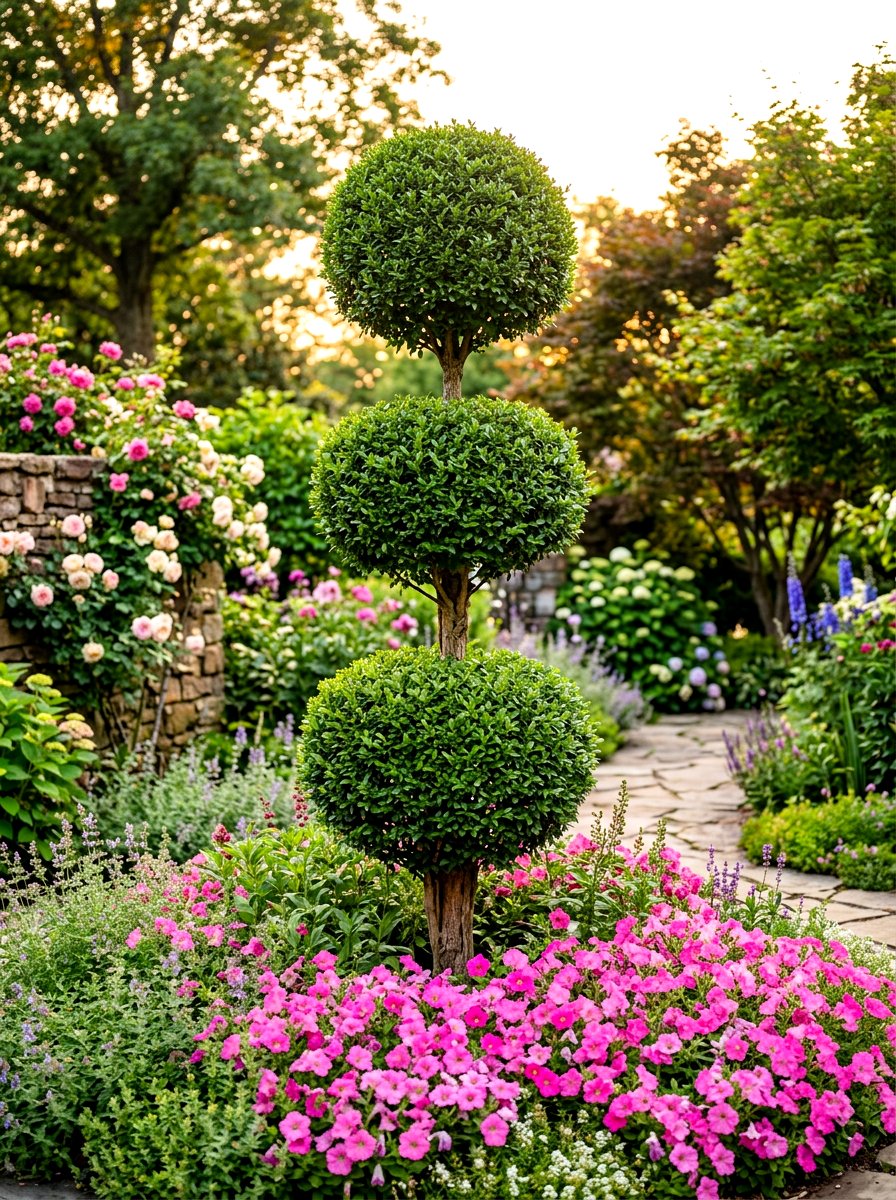
The tiered lollipop style features two or three distinct spheres stacked on a single clear trunk. This whimsical look provides a playful yet sophisticated touch to a small garden or a large balcony container. It works best with plants that have a strong central stem, such as privet or holly. This design allows you to plant colorful annuals or low-growing groundcover around the base of the trunk for a layered look. The separation between the green globes creates negative space that makes the plant feel lighter and more airy than a solid hedge. It is a fantastic way to add architectural interest to a simple garden bed.
5. Animal Shape
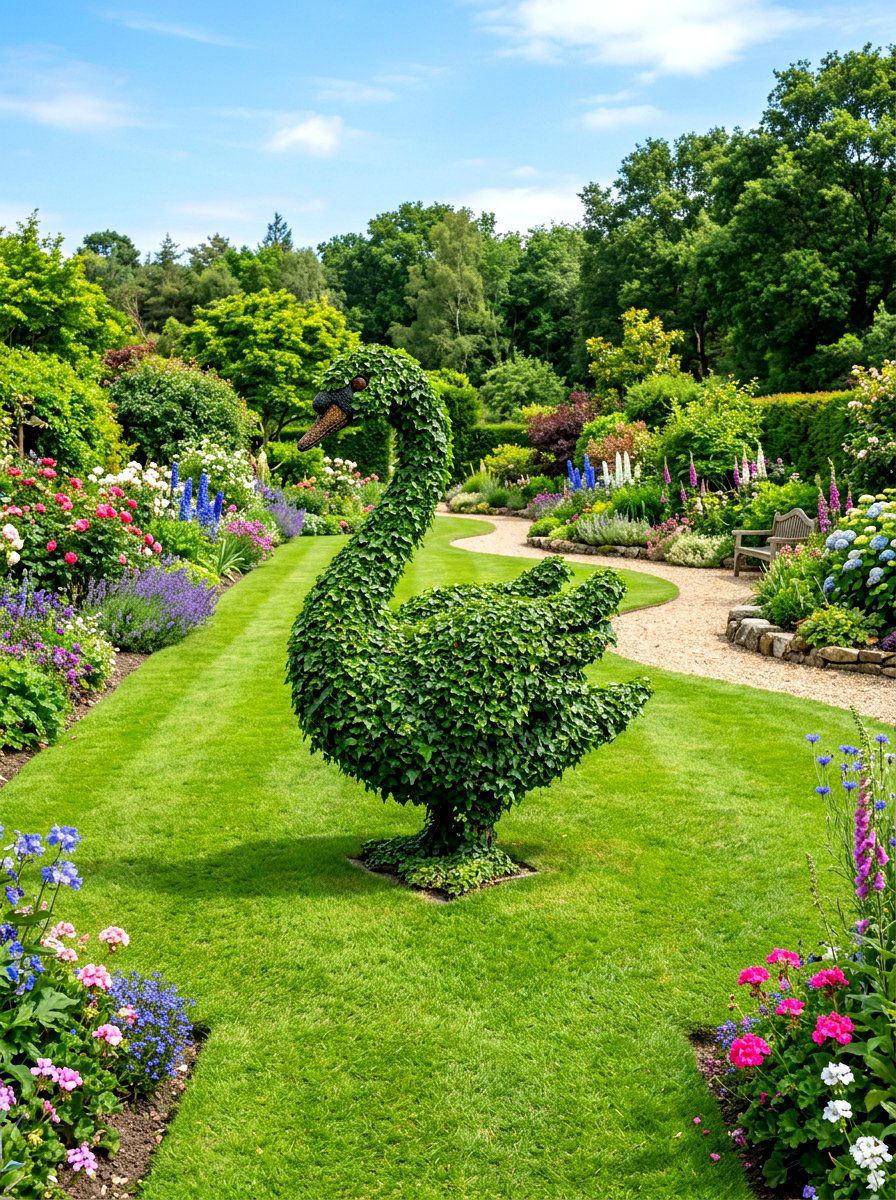
An animal shape topiary can turn a simple backyard into a magical space that delights children and adults alike. From graceful swans to playful squirrels, these living sculptures are often grown over a wire frame to help guide the plant's growth. Using fast-growing ivy or small-leafed boxwood is common for these intricate designs to ensure the details remain sharp. These pieces serve as incredible focal points in a garden and can spark conversation during outdoor gatherings. While they require more patience and detailed pruning than geometric shapes, the personality they bring to your landscape is unmatched. They are perfect for those who want a garden with character.
6. Low Hedge Border
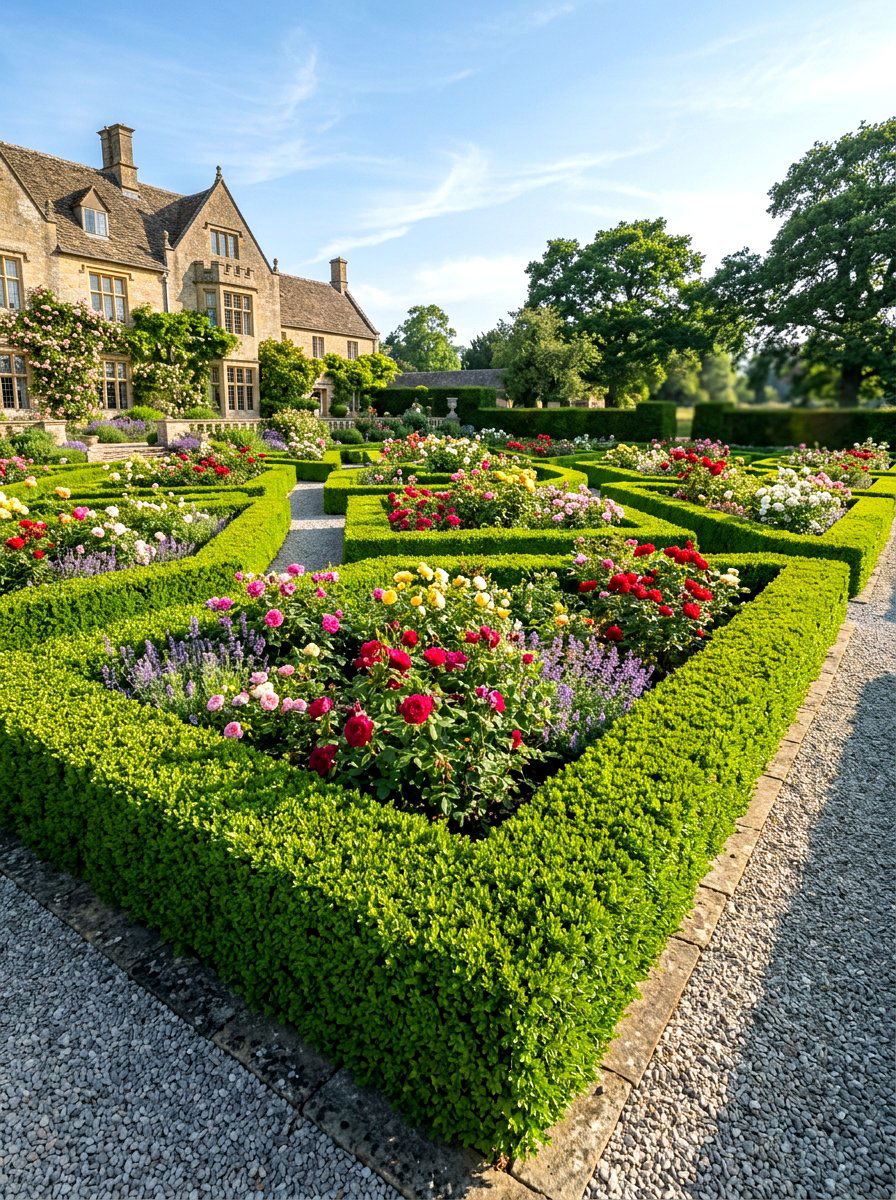
A low hedge border provides a clean and crisp boundary for your flower beds or vegetable patches. These short walls of greenery are typically kept under one foot tall to define spaces without blocking the view of other plants. Using dwarf varieties of boxwood or lavender ensures that the border remains manageable and tight. This technique is often used in parterre gardens to create intricate geometric patterns on the ground. A well-maintained border prevents mulch from spilling onto your paths and gives the entire garden a professional and polished look. It is a simple yet effective way to organize a busy landscape into a cohesive and beautiful design.
7. Potted Entrance Topiary
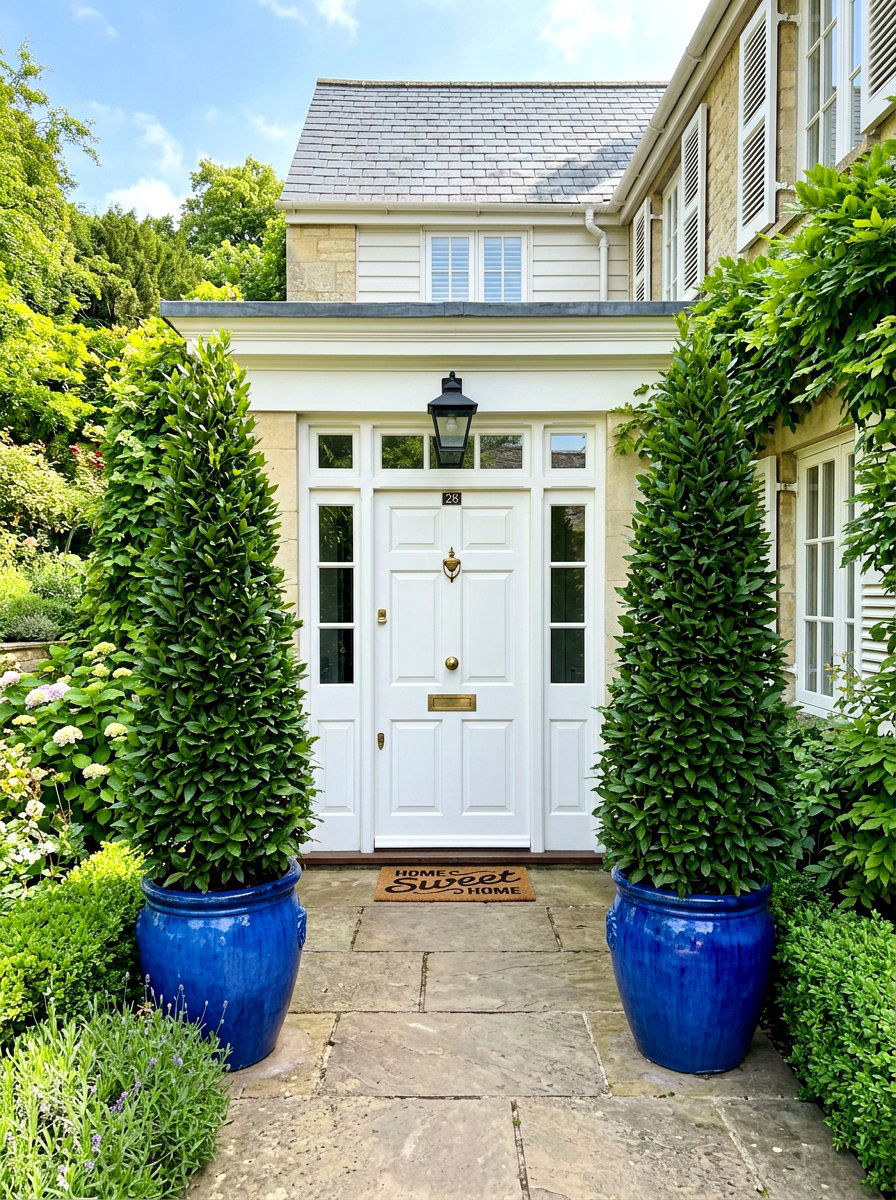
A potted entrance topiary is the perfect solution for homeowners who want to improve their curb appeal quickly and easily. Large stone or ceramic containers provide a stable base for tall shaped plants like bay trees or cypress. Placing these containers on a front porch or steps creates an immediate sense of luxury and welcome. Since they are in pots, you can move them around to change the look of your entrance whenever you like. This is also a great option for renters who want to garden without planting in the ground. Choosing a pot that complements your home’s architecture will help the greenery look like it belongs there.
8. Standard Rose Tree
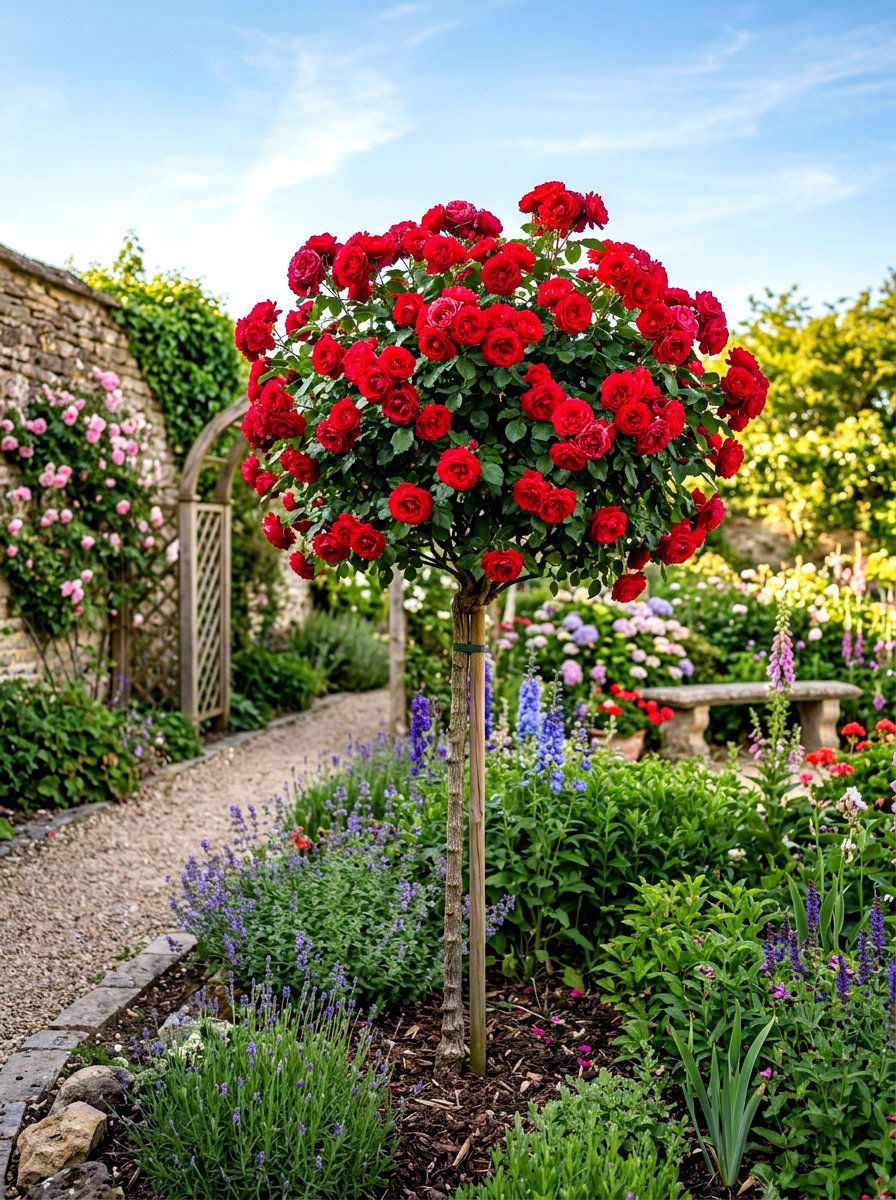
A standard rose tree combines the structured look of topiary with the romantic beauty of blooming flowers. These plants consist of a long, straight trunk topped with a lush canopy of rose blossoms. They offer a high-impact visual that works beautifully in formal flower beds or as a standalone feature in a sunny corner. You can find them in many colors, from classic red to soft pastel pink, to match your garden’s color palette. Because the flowers are elevated, they are easier to smell and enjoy as you walk by. Pruning the top into a neat ball ensures that the plant remains healthy and produces many blooms.
9. Ivy Frame
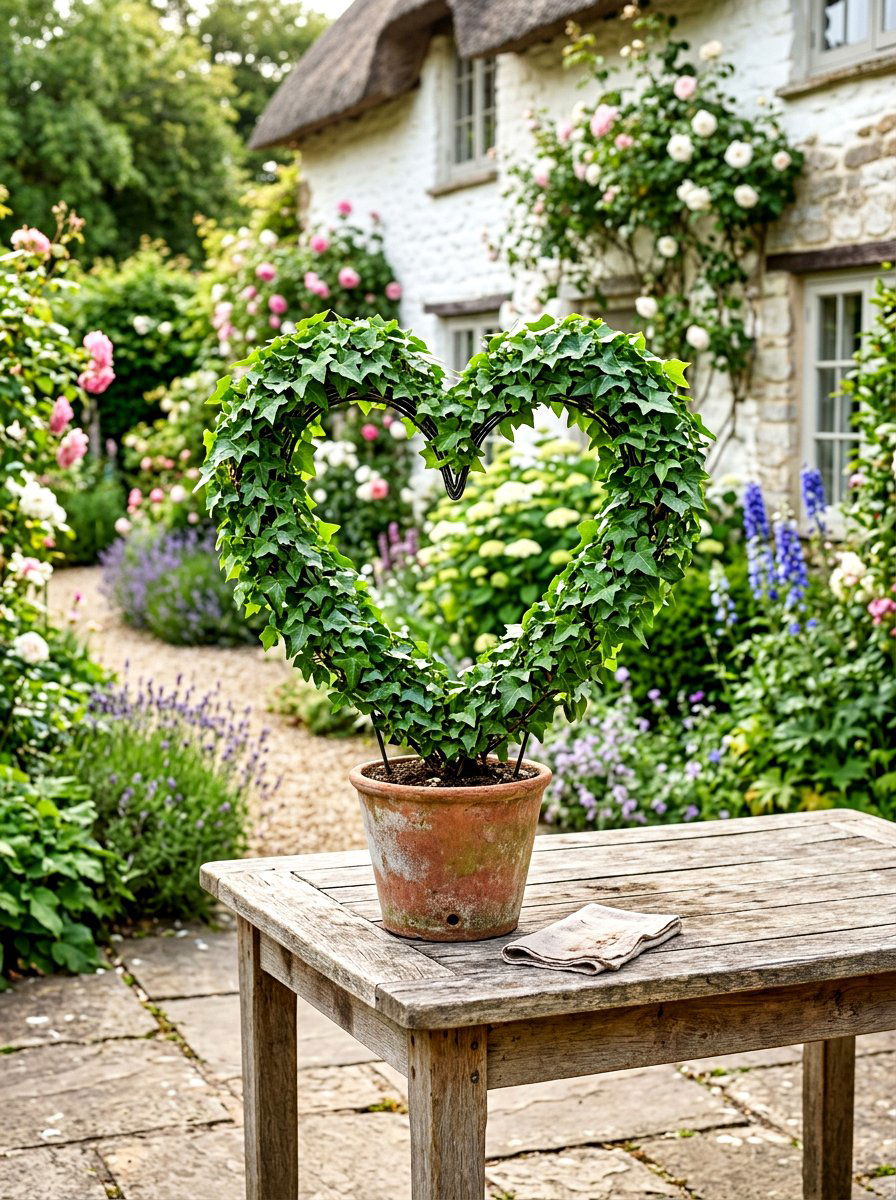
An ivy frame allows you to create complex shapes like hearts, stars, or even initials using fast-growing climbing plants. You simply place a metal frame into a pot or the ground and train the ivy to grow around the wire structure. This method is much faster than traditional pruning because the plant follows the pre-set shape of the frame. It is an excellent project for beginner gardeners who want to experiment with topiary without the long-term commitment of woody shrubs. Ivy topiary looks beautiful on a patio table or as a decorative accent on a garden wall. It brings a lush and leafy texture to any small space.
10. Lavender Topiary
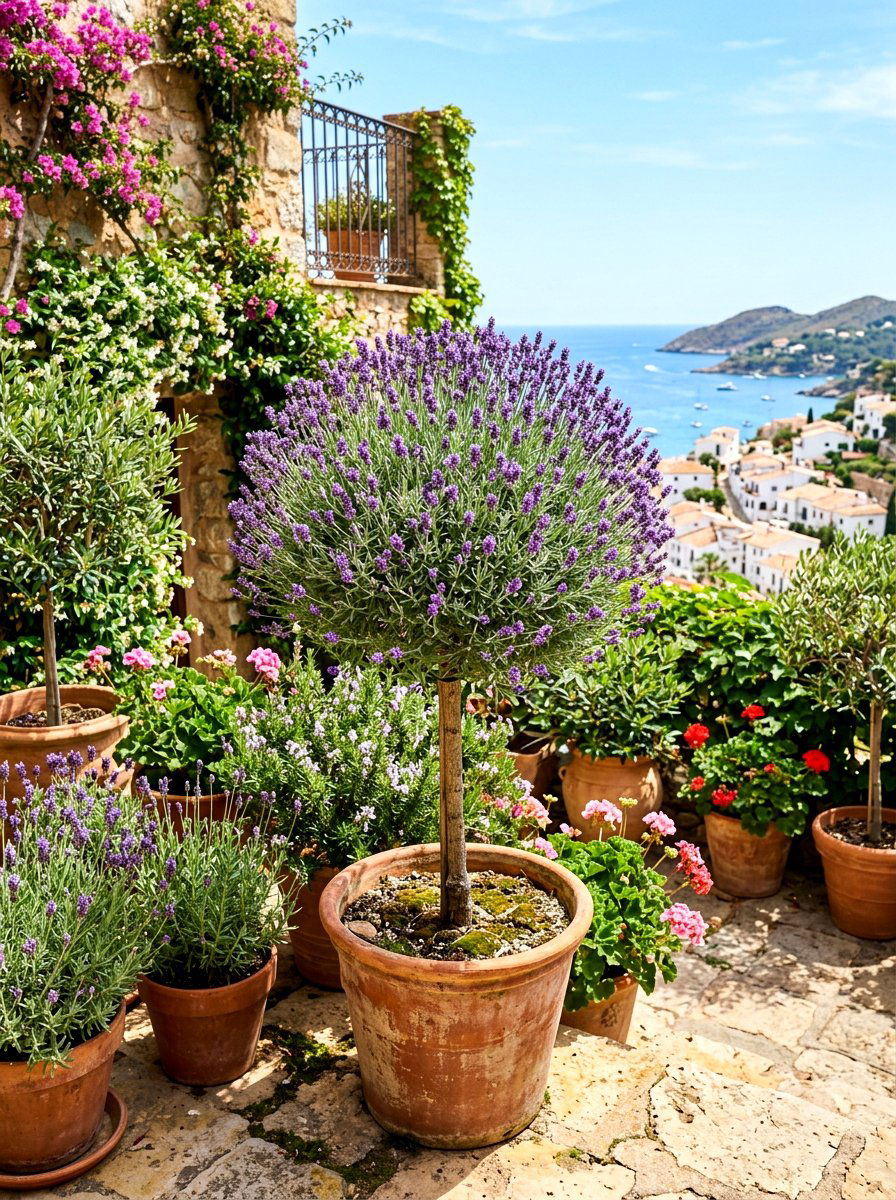
A lavender topiary provides a wonderful sensory experience by combining a structured look with a calming fragrance. These plants are often trained into a ball shape on a short stem to create a miniature tree appearance. They thrive in sunny spots and provide beautiful purple flowers during the summer months. The silver-green foliage looks great even when the plant is not in bloom, offering year-round interest. Lavender requires well-draining soil and careful pruning to prevent the stems from becoming too woody. This type of topiary is perfect for a sunny kitchen windowsill or a Mediterranean-style patio where the scent can be enjoyed by everyone who passes by.
11. Cloud Pruned Tree
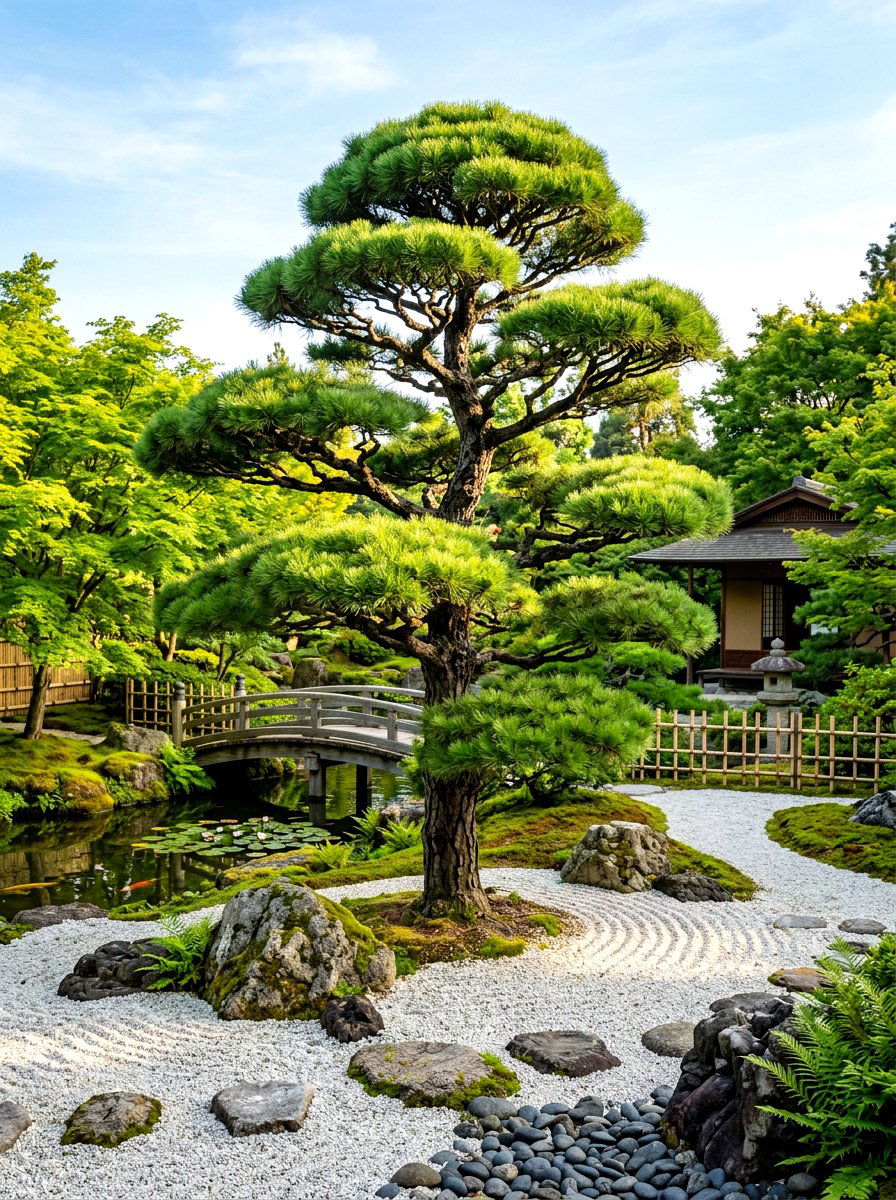
A cloud pruned tree is inspired by Japanese garden traditions and focuses on creating organic, flowing shapes that resemble clouds. This style involves pruning the foliage of a large shrub or tree into several soft, rounded pads at the ends of the branches. It creates a very artistic and serene look that works well in Zen gardens or modern minimalist landscapes. You can use plants like pine, juniper, or holly to achieve this stunning effect. The goal is to highlight the natural beauty and structure of the branches while adding a manicured touch. It is a slow process that rewards the gardener with a truly unique living sculpture.
12. Geometric Cube
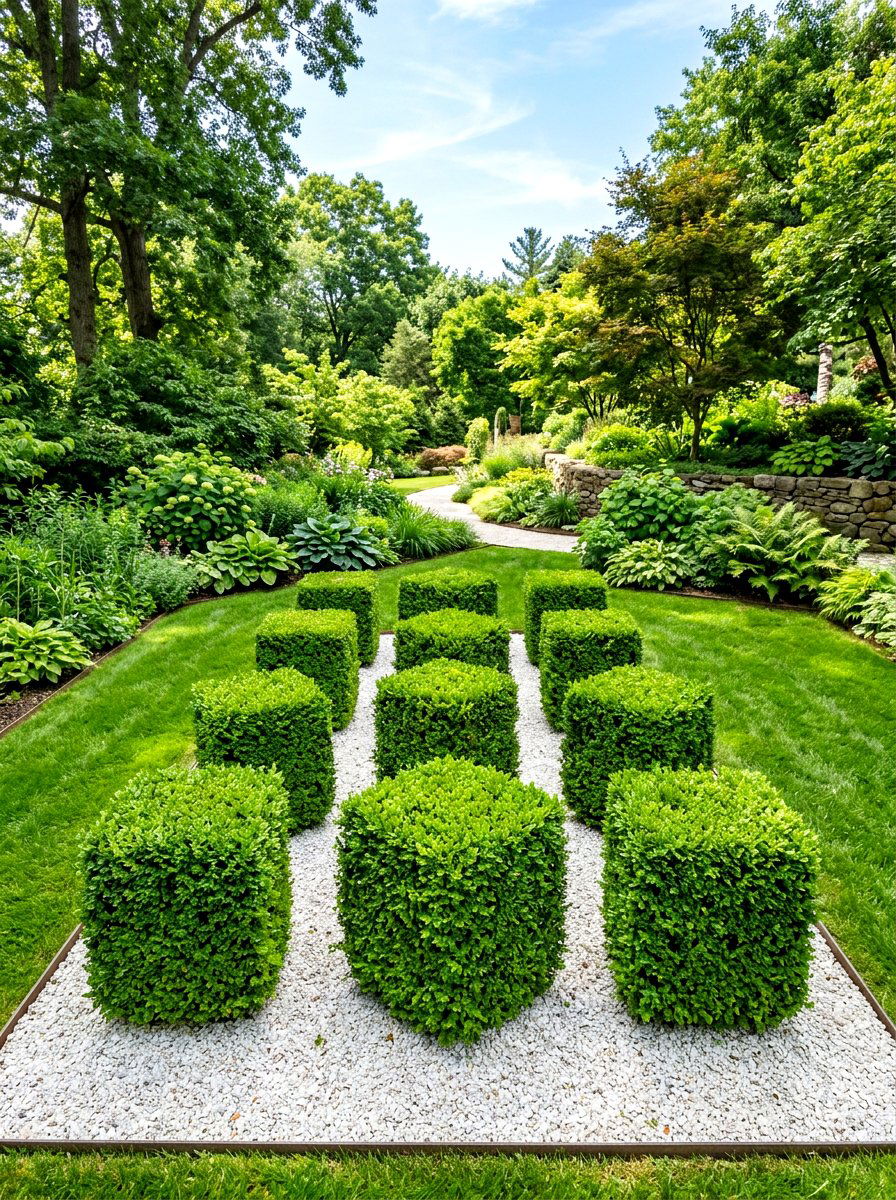
A geometric cube offers a bold and modern take on traditional garden shaping. These sharp-edged blocks of greenery look best when used in contemporary landscapes that feature clean lines and industrial materials. You can line them up to create a structured path or use them as unique outdoor seating if the plant is sturdy enough. Achieving perfectly flat sides and sharp corners requires precision and high-quality hedging shears. Using a string line during pruning will help you maintain the square proportions. This style is very effective at creating a sense of balance and architectural weight in a minimalist backyard or a sleek urban courtyard.
13. Heart Shaped Topiary
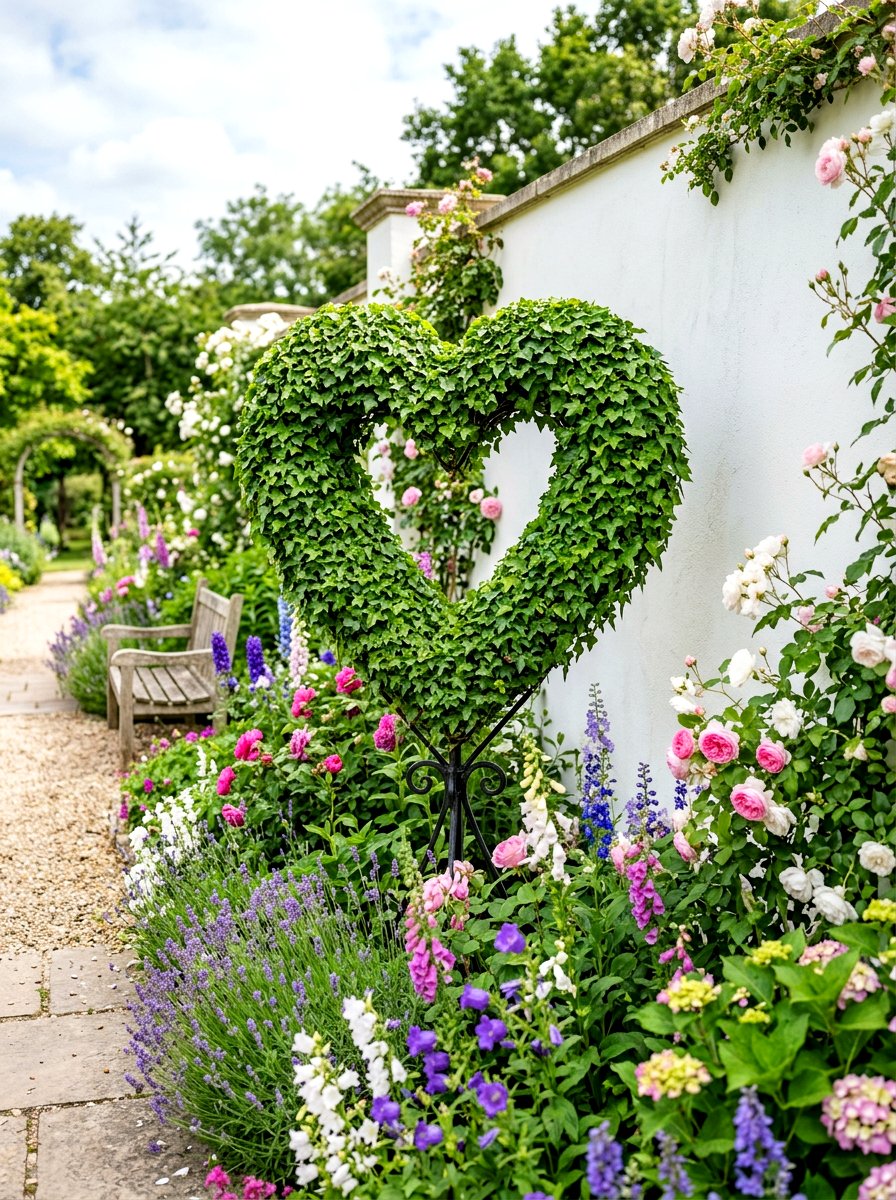
A heart shaped topiary is a charming and romantic addition to any garden or patio setting. These are often created using metal wire forms that guide the growth of small-leafed plants like ivy or jasmine. They make wonderful gifts for weddings or anniversaries and can be grown in decorative pots for a portable display. The delicate leaves fill in the frame over time to create a solid green heart that looks beautiful against a plain wall. You can also add small twinkle lights to the frame for a magical evening effect. It is a sweet way to show love for nature and add a whimsical touch to your home.
14. Columnar Yew
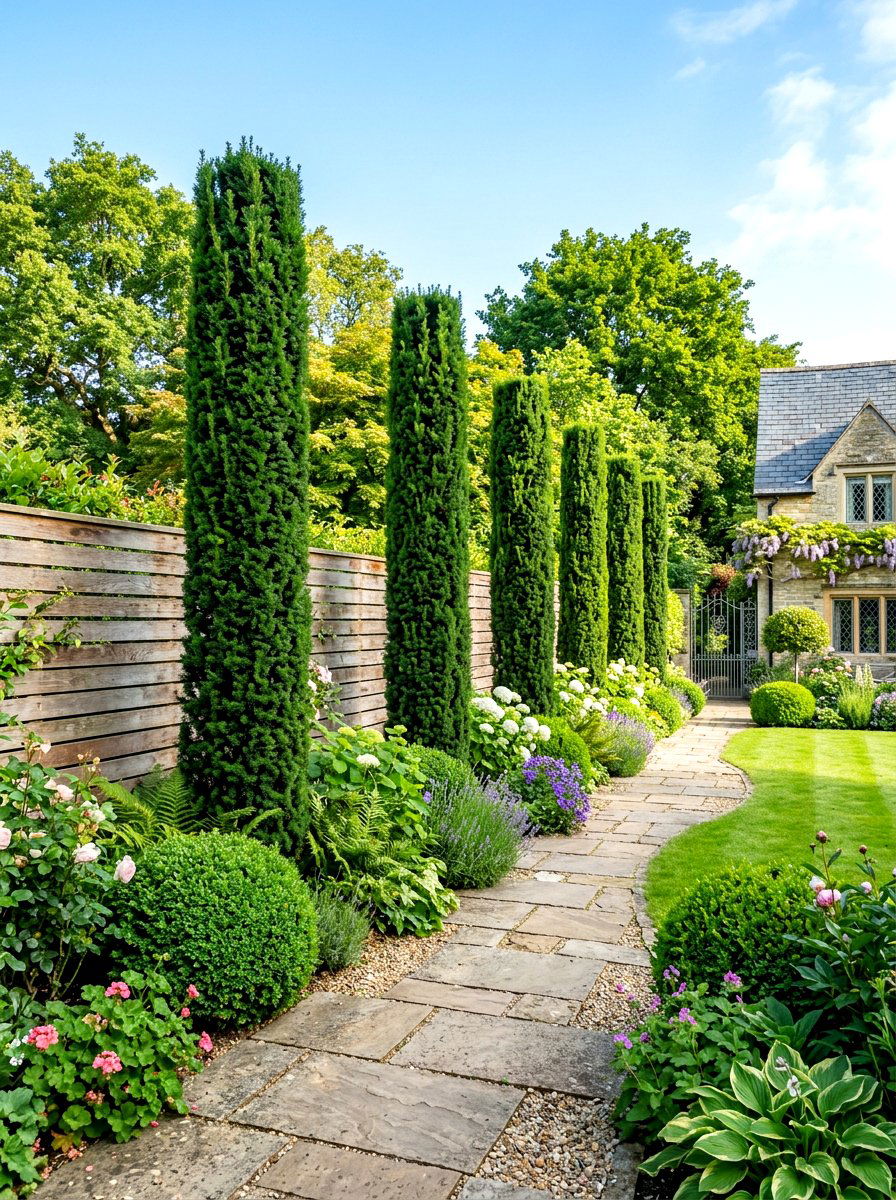
A columnar yew provides a tall and narrow pillar of green that is perfect for tight spaces or as a background for shorter plants. These topiaries are naturally upright but can be sheared into very precise cylinders for a formal look. They are incredibly hardy and can tolerate shade better than many other evergreen options. Using them in a row creates a striking colonnade effect that can define the perimeter of a garden room or a private patio. Because they grow slowly, they hold their shape for a long time between trimmings. This makes them a practical choice for busy homeowners who want a high-end landscape look.
15. Herb Garden Topiary
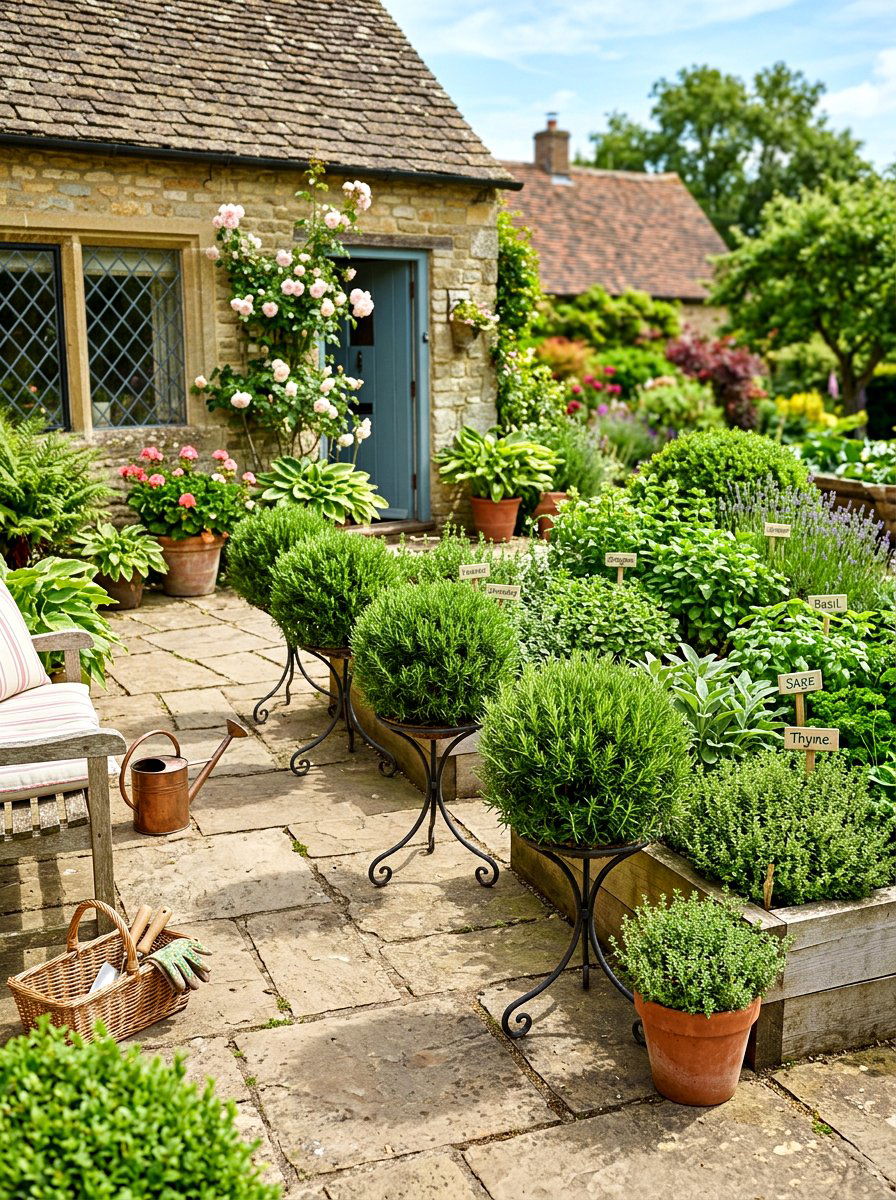
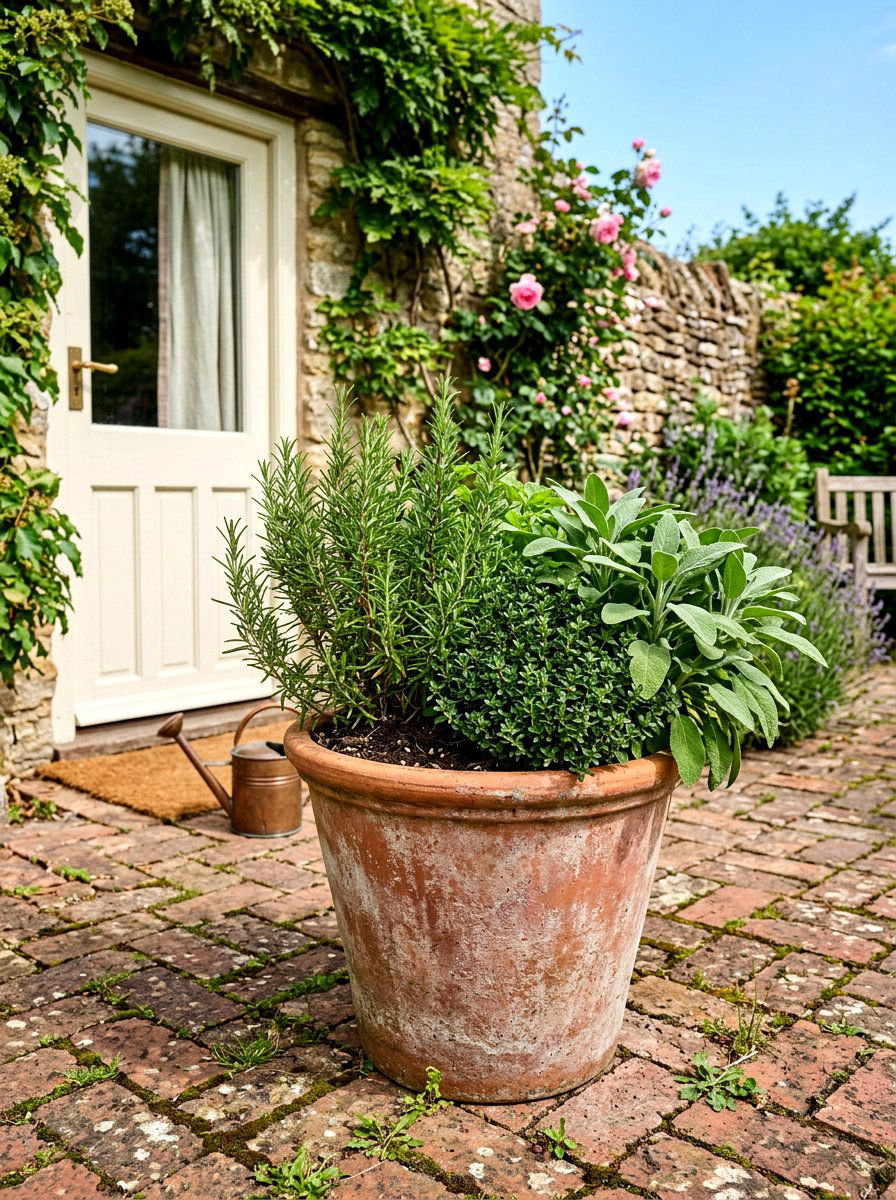
An herb garden topiary blends functionality with beauty by shaping edible plants like rosemary or bay laurel into decorative forms. Rosemary is particularly well-suited for this because its woody stems can be trained into globes or cones. This approach allows you to have a productive herb garden that also serves as a formal design element. Placing these topiaries near your kitchen door or on a sunny patio makes it easy to snip fresh herbs for cooking. The aromatic foliage releases a pleasant scent whenever you brush against it or prune the leaves. It is a clever way to save space while adding a touch of elegance to your culinary garden.
16. Double Ball Topiary
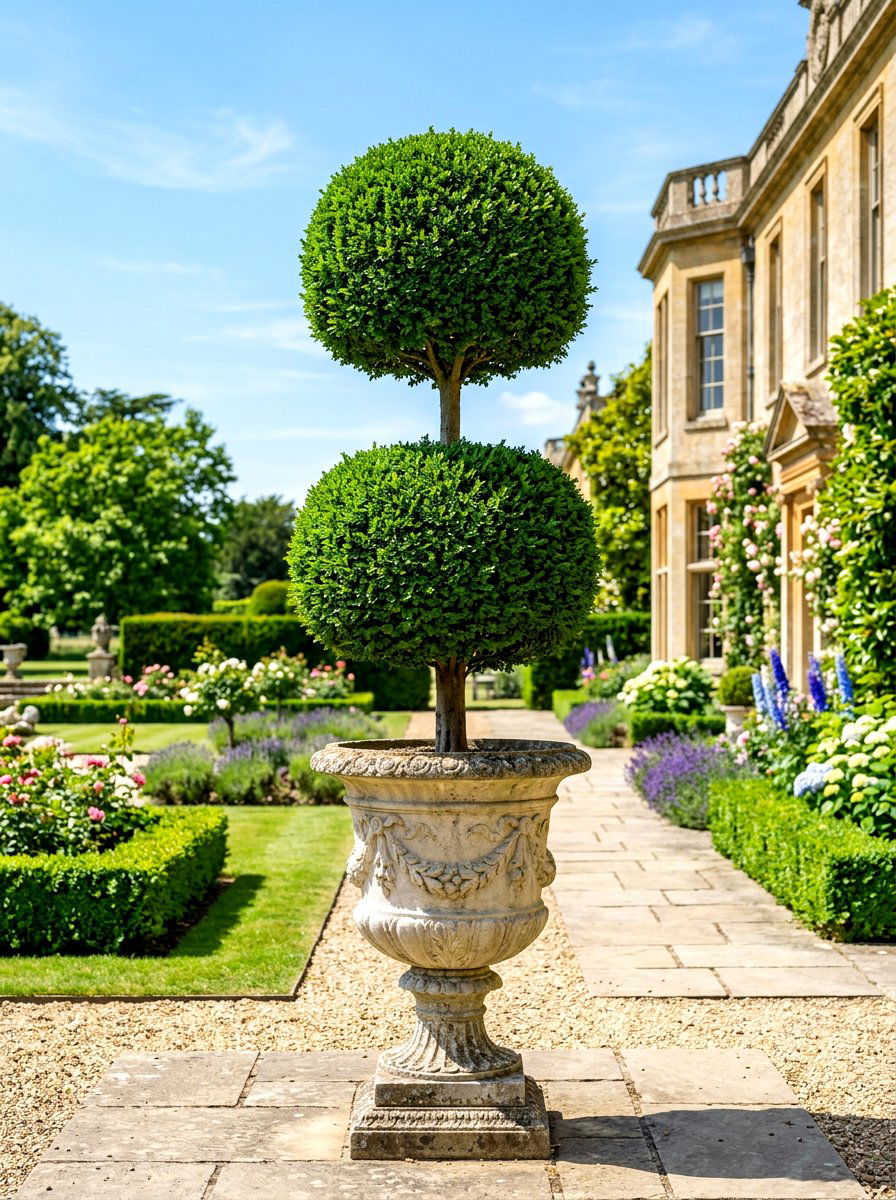
A double ball topiary features two rounded spheres of different sizes on a single vertical stem. This design creates a sense of height and balance that looks very sophisticated in a formal garden or on a terrace. Usually, the larger ball is at the bottom with a smaller one on top, mimicking a decorative finial. This style works beautifully with boxwood or privet and looks best when planted in an elegant urn. It is a popular choice for traditional homes because it adds an architectural detail that feels both classic and expensive. Maintaining the perfect circular shape of both balls is the key to keeping this look polished.
17. Braided Trunk Topiary
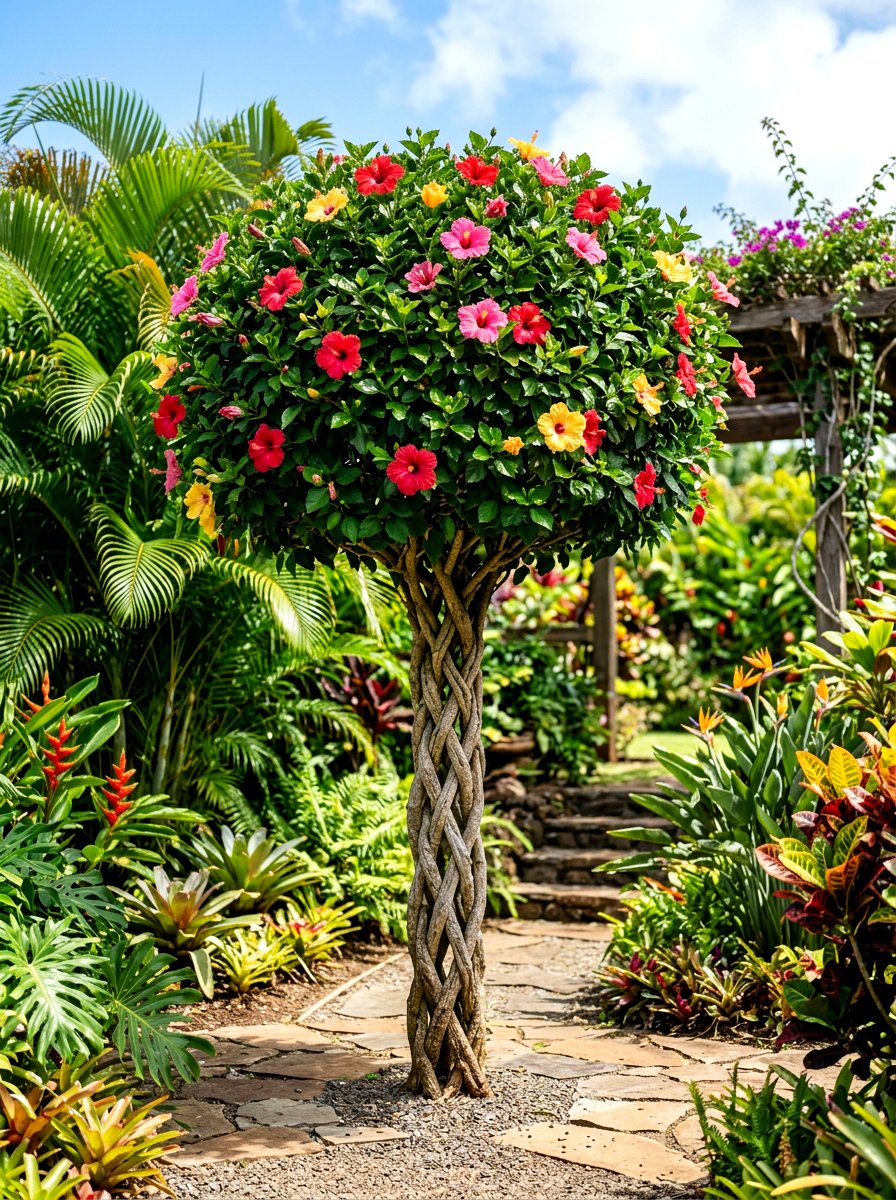
A braided trunk topiary uses several young stems that are woven together as the plant grows to create a decorative trunk. This technique is often seen in indoor plants like money trees but can be applied to outdoor shrubs like hibiscus or ficus in warmer climates. The intricate trunk becomes a focal point itself, even before you consider the shaped canopy at the top. It adds a level of craftsmanship to your garden that feels very high-end and unique. As the plant matures, the braided stems fuse together to form a strong and beautiful base. This is a great way to showcase your gardening skills and add texture.
18. Obelisk Topiary
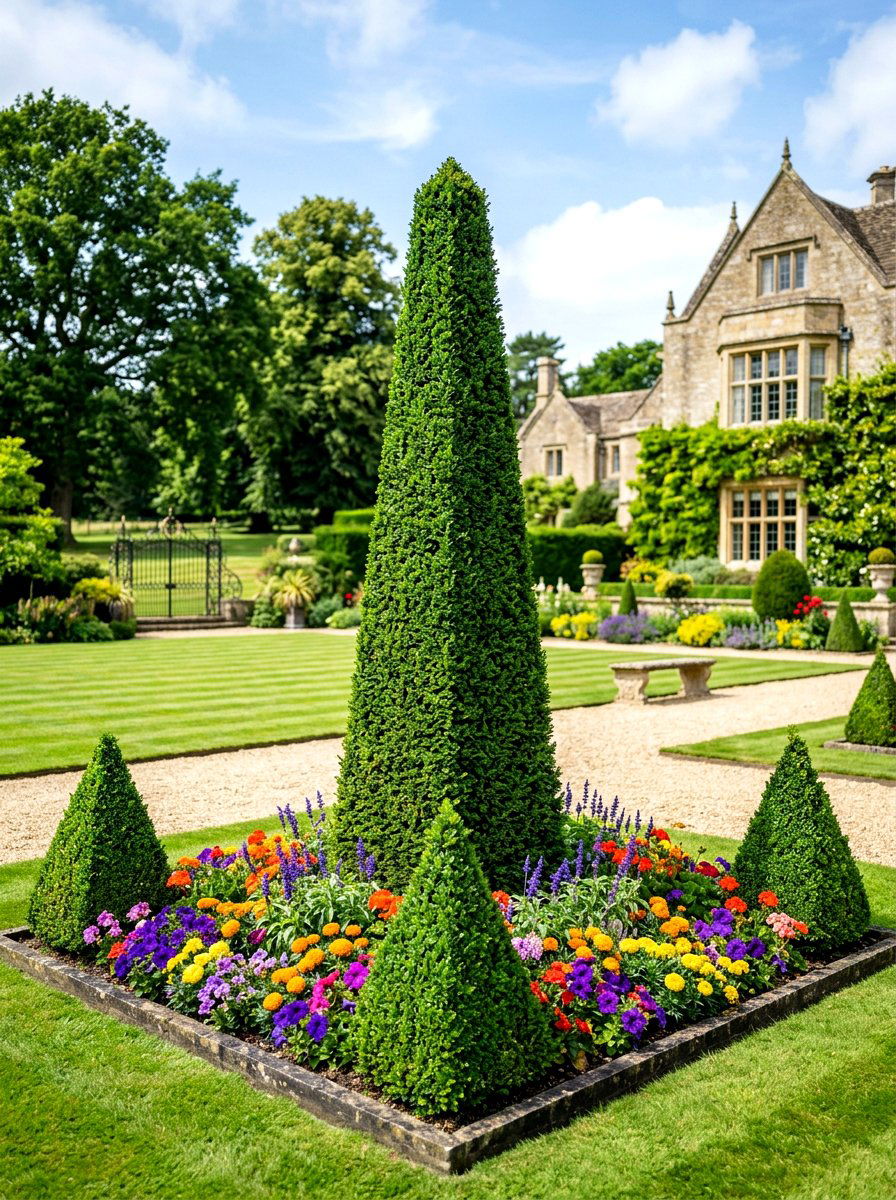
An obelisk topiary mimics the shape of a tall, four-sided stone pillar with a pointed top. This geometric form provides a very strong sense of structure and is often used to punctuate the corners of a garden bed. You can achieve this look by pruning dense evergreens like yew or by growing climbing plants over a wooden or metal obelisk frame. It creates a striking silhouette that looks impressive even from a distance. These shapes are excellent for adding height to a flat landscape and can help break up the monotony of low-growing plants. They bring a historical and stately feel to any residential outdoor space.
19. Archway Greenery
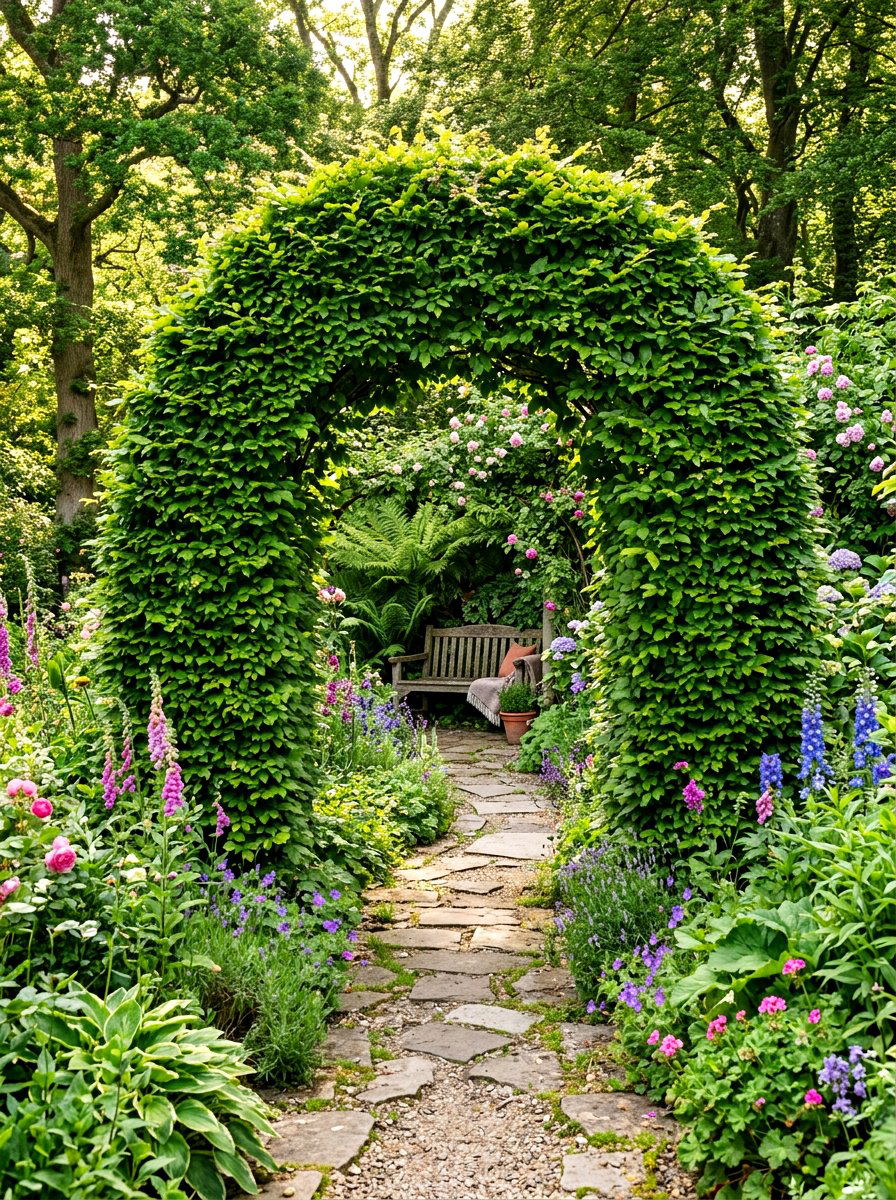
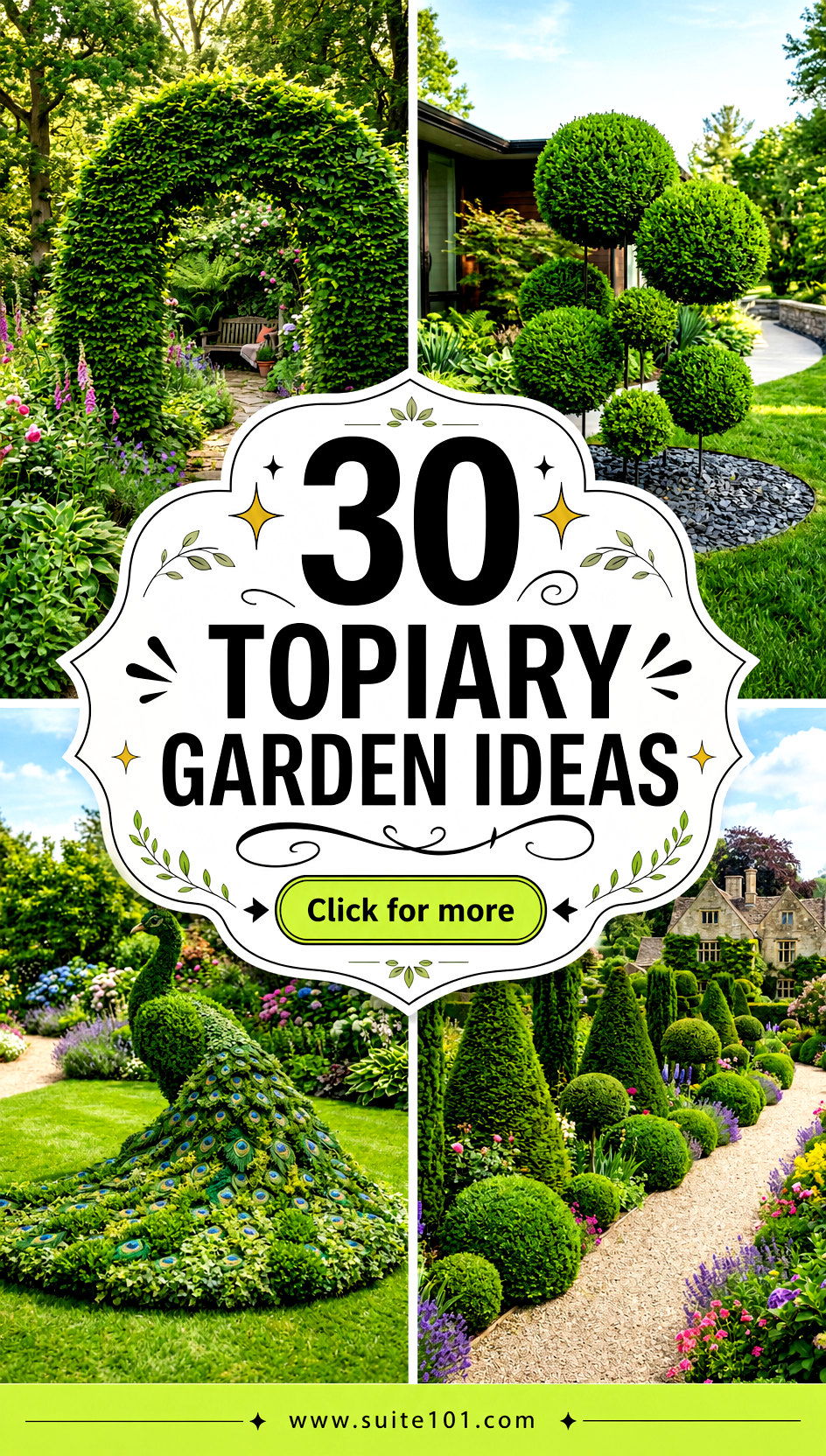
Archway greenery involves training tall shrubs or trees to grow over a curved frame to create a living tunnel or entrance. This can be done with hornbeam, beech, or even climbing roses for a more floral look. Walking through a green archway feels like entering a secret garden and adds a sense of mystery and romance to your yard. The plants need to be carefully tied and pruned to the frame to ensure the arch remains open and safe to walk through. This large-scale topiary project takes several years to complete but results in a breathtaking architectural feature that will be the envy of all your neighbors.
20. Floating Sphere
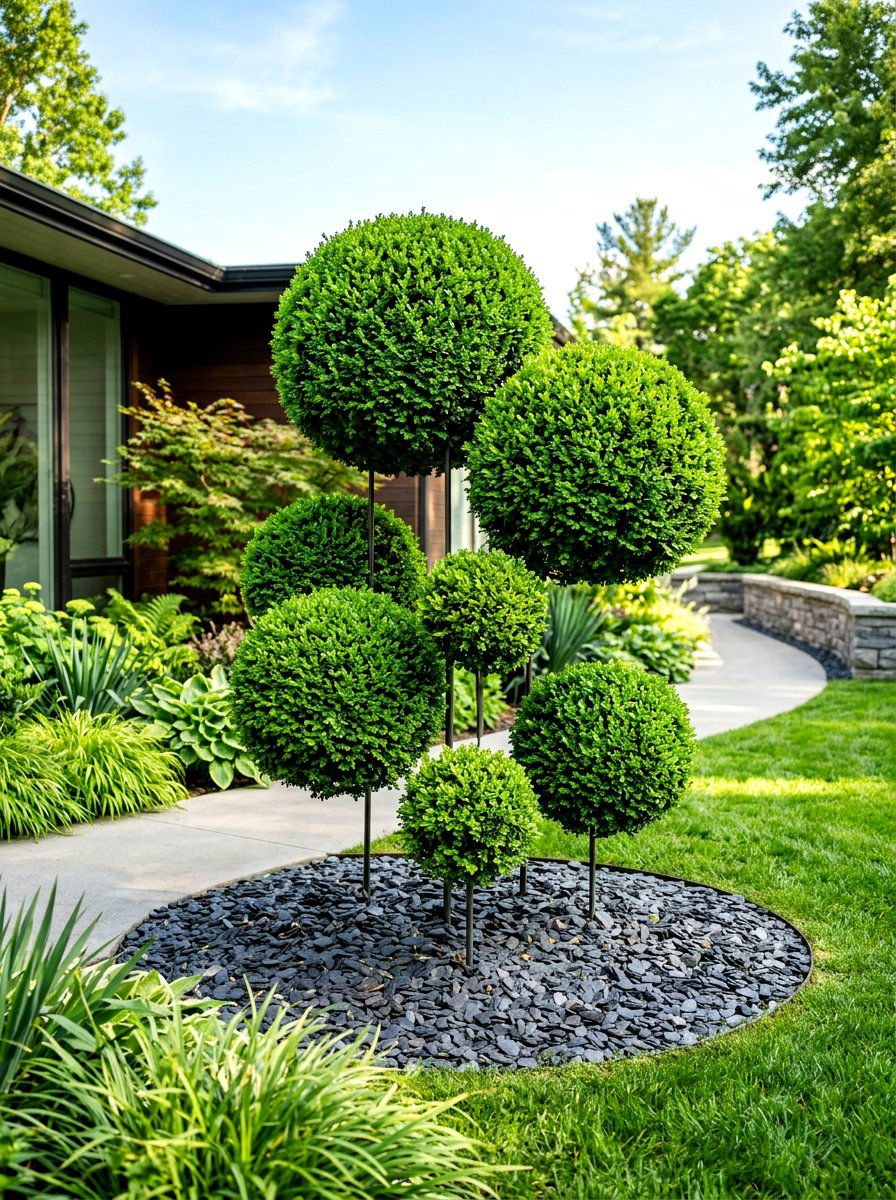
A floating sphere topiary is a modern design where a perfectly round plant appears to float above the ground. This is achieved by pruning a shrub so that the bottom is tucked in and the main trunk is hidden or very thin. Placing these globes on top of a bed of dark mulch or white gravel enhances the optical illusion. You can use different heights to create a dynamic look that feels like a piece of contemporary art. This style is very popular in urban gardens where space is limited and every plant needs to make a big impact. It is a clean and fresh way to use traditional boxwood.
21. Miniature Fairy Garden Topiary
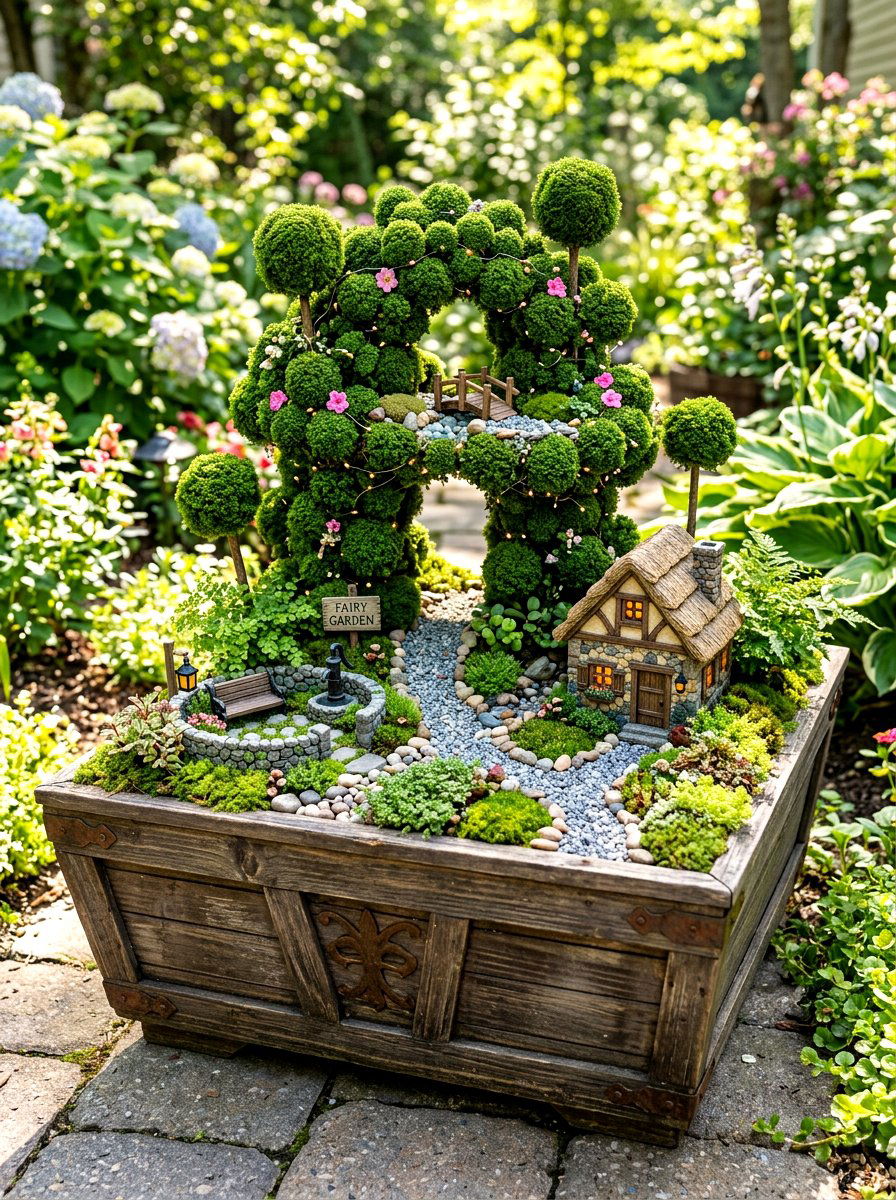
A miniature fairy garden topiary is a tiny version of traditional shapes designed for small-scale landscapes. You can use dwarf plants like Corsican mint or miniature boxwood to create small balls or cones only a few inches tall. These are perfect for container gardens or small whimsical displays for children to enjoy. Adding tiny accessories like benches or paths around these small topiaries creates a complete miniature world. It is a fun and creative way to practice pruning techniques without needing a lot of space or expensive equipment. These small green sculptures bring a lot of charm and detail to a porch or a small garden corner.
22. Fruit Tree Espalier
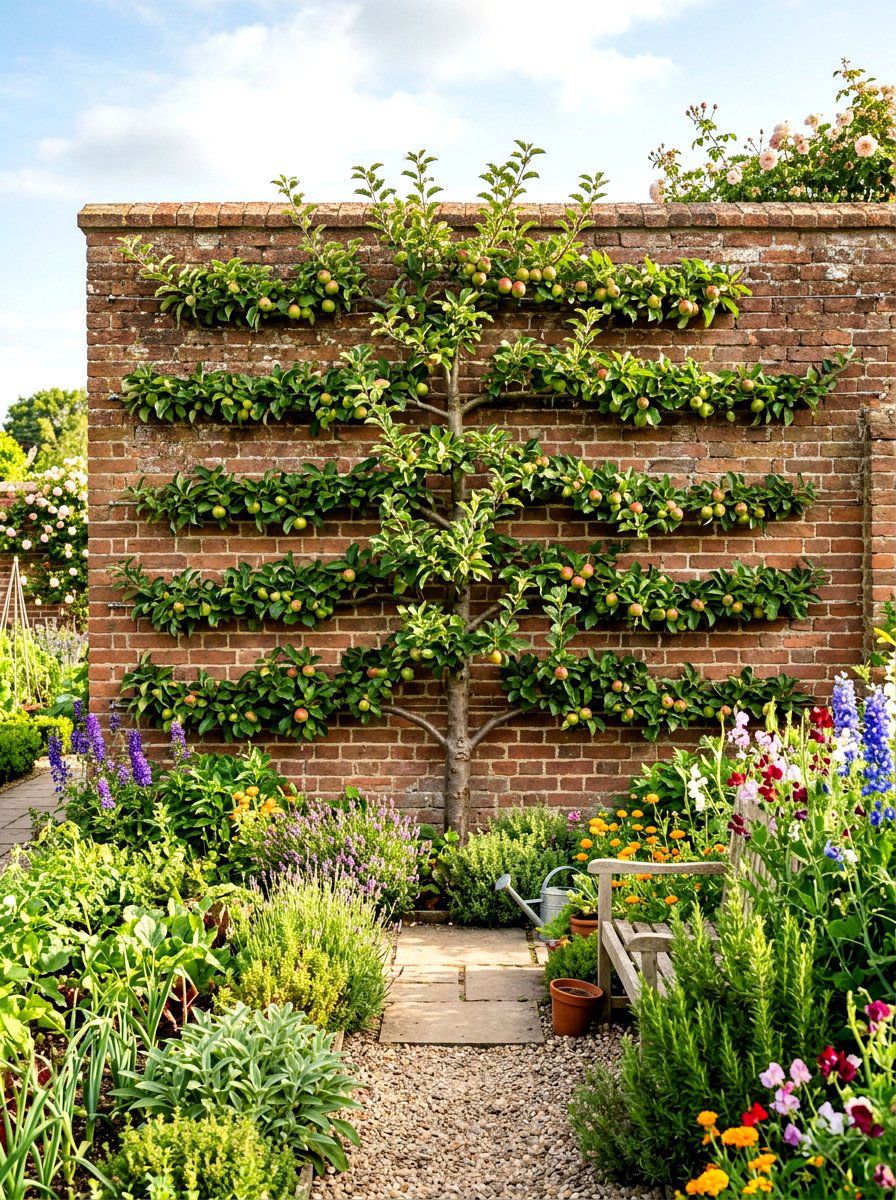
A fruit tree espalier is a traditional method of training fruit trees to grow flat against a wall or fence in decorative patterns. While technically a pruning technique, it functions as a large-scale topiary that produces edible crops like apples or pears. The branches are trained horizontally or in a fan shape to maximize sun exposure and save space in small gardens. This creates a beautiful and productive wall of greenery that looks stunning in every season, especially when the trees are in bloom. It is a highly skilled form of gardening that combines artistic design with the practical benefit of growing your own fresh fruit at home.
23. Tropical Palm Topiary

A tropical palm topiary uses palms or similar plants to create a lush and exotic look in warmer climates. You can prune the lower fronds to expose a clean trunk and shape the top into a neat crown of greenery. This style works well around swimming pools or on sun-drenched patios to create a vacation-like atmosphere. The architectural leaves of the palm provide a different texture than traditional small-leafed evergreens. When planted in large, modern pots, these topiaries look very high-end and stylish. They are perfect for homeowners who want a structured garden but prefer a more relaxed and coastal or tropical vibe for their outdoor living space.
24. Bird Shape Topiary
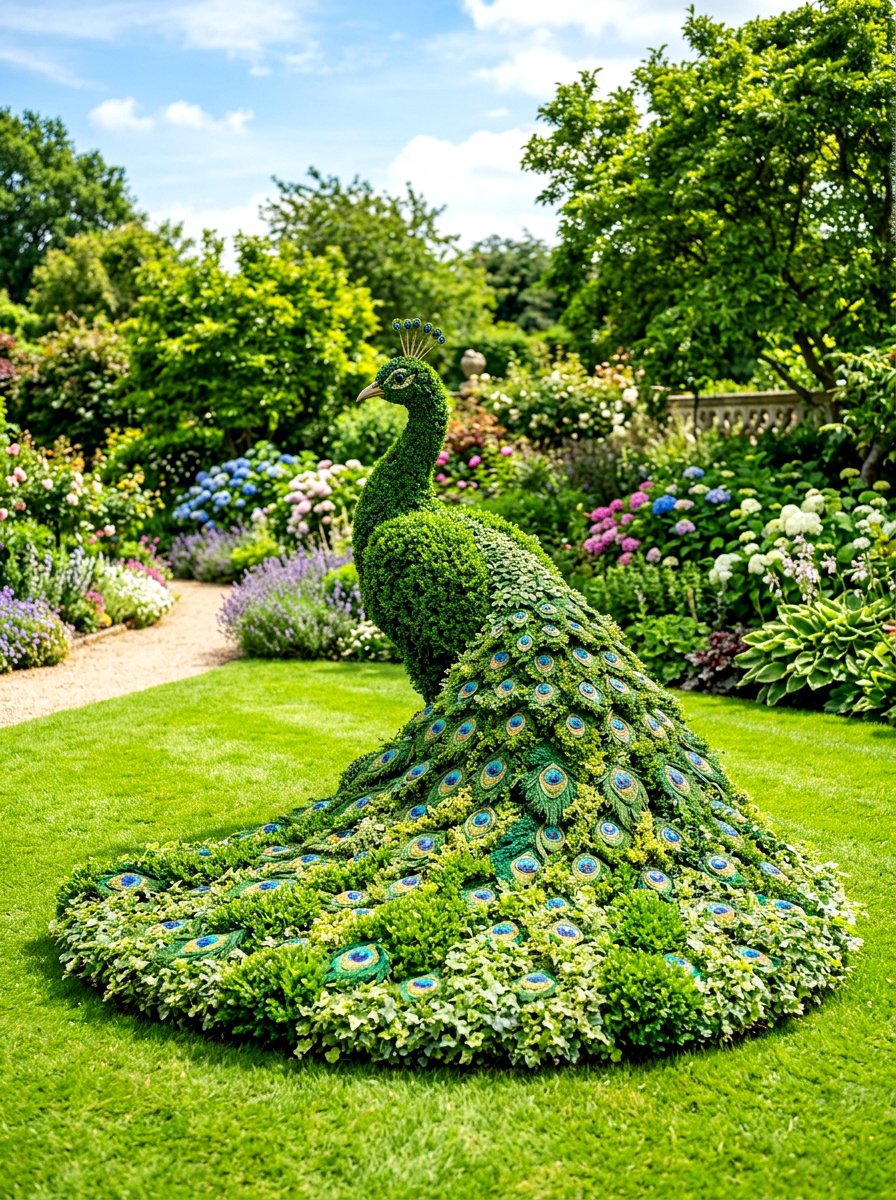
A bird shape topiary brings a sense of life and animation to your garden beds. Common shapes include peacocks with long trailing tails or simple chickens and ducks. These are often grown over wire frames using dense plants like privet which can be easily shaped into the curves of a bird's body. A peacock topiary can be a major focal point in a large lawn, while smaller birds look great nestled among flowers. This type of gardening requires a bit of an artistic eye to get the proportions right, but it adds a wonderful sense of humor and joy to any landscape design.
25. Checkerboard Garden Path
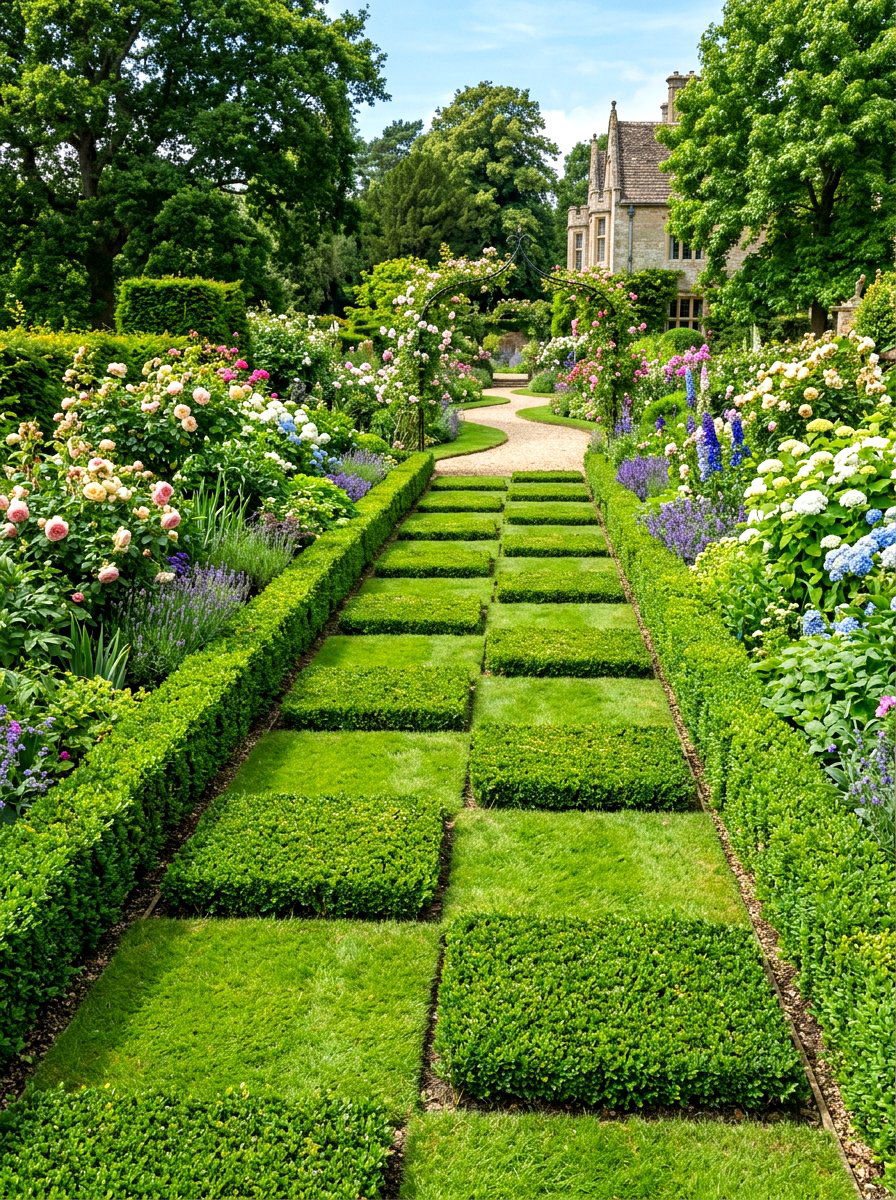
A checkerboard garden path uses square topiaries alternated with stone pavers or grass to create a stunning ground pattern. This design is highly visual and looks best when viewed from an upstairs window or a raised deck. You can use low, flat-topped boxwood squares to create the green "tiles" of the board. This technique brings a very formal and classic feel to a courtyard or a large entryway. It requires consistent trimming to keep the squares perfectly flat and even with the surrounding pavers. This is a bold design choice that turns a simple walkway into a major work of art that visitors will always remember.
26. Faux Boxwood Wall
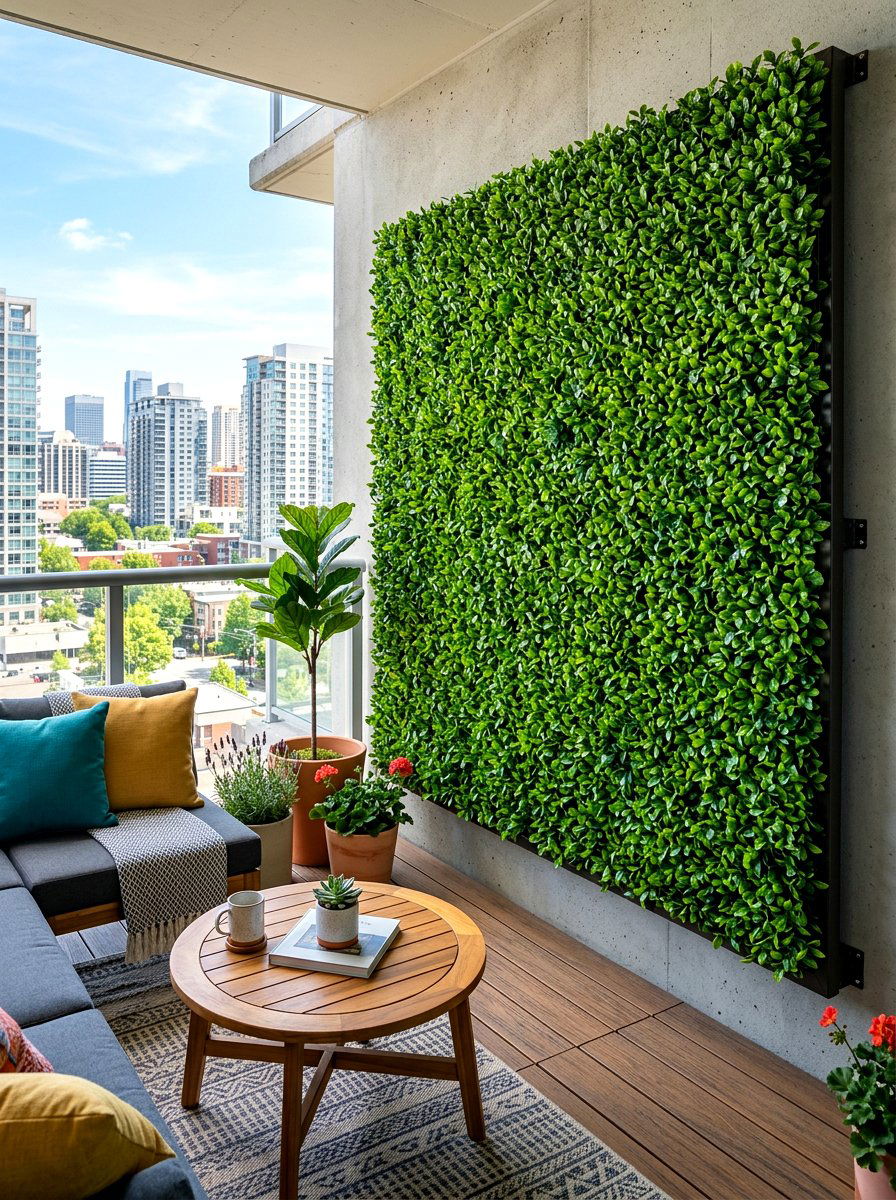
A faux boxwood wall is a great alternative for those who want the look of topiary without the maintenance or the need for sunlight. These panels are made from high-quality synthetic materials that mimic the appearance of real boxwood. You can use them to cover an ugly fence, create a privacy screen on a balcony, or add a green backdrop to an outdoor dining area. They stay perfectly green and shaped all year long regardless of the weather. This is a very popular choice for modern urban spaces where growing real plants can be difficult. It provides an instant green transformation that looks professional and clean with zero effort.
27. Terrace Topiary Garden
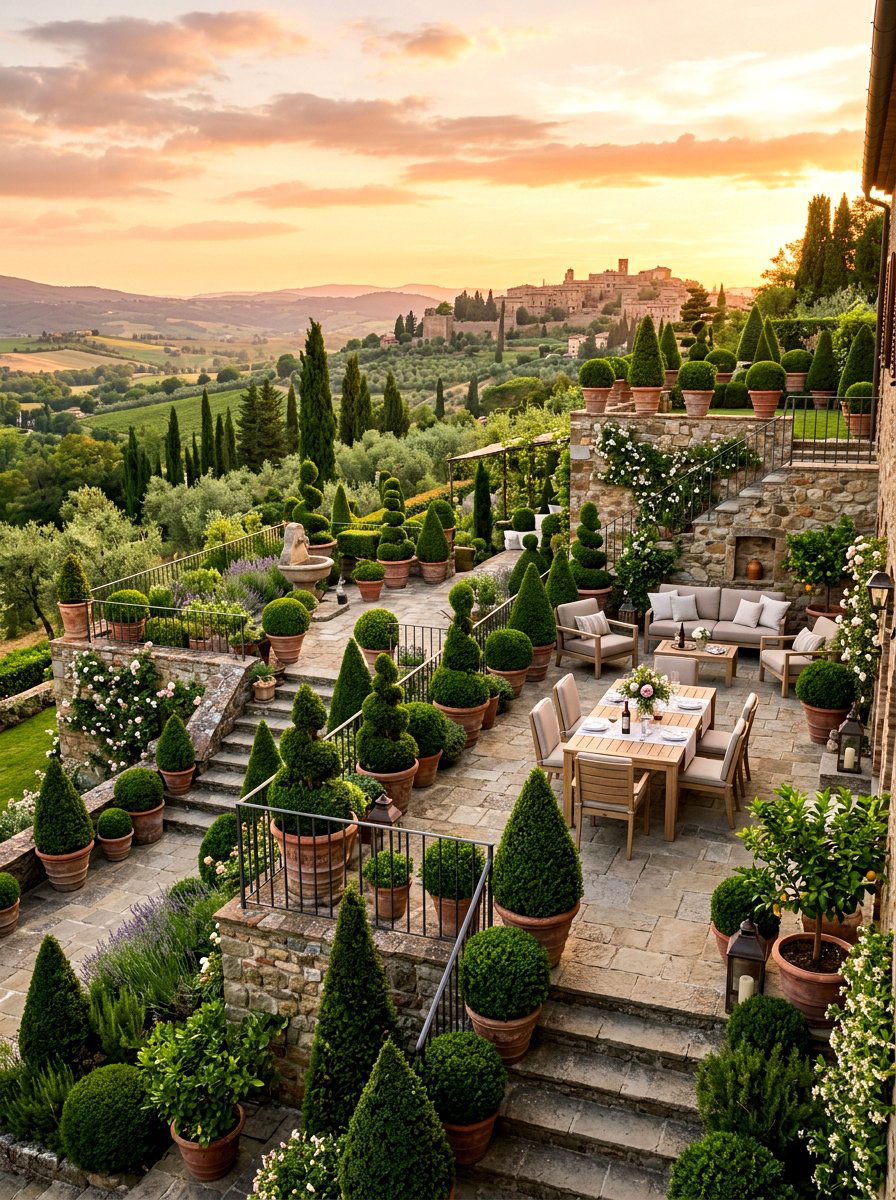
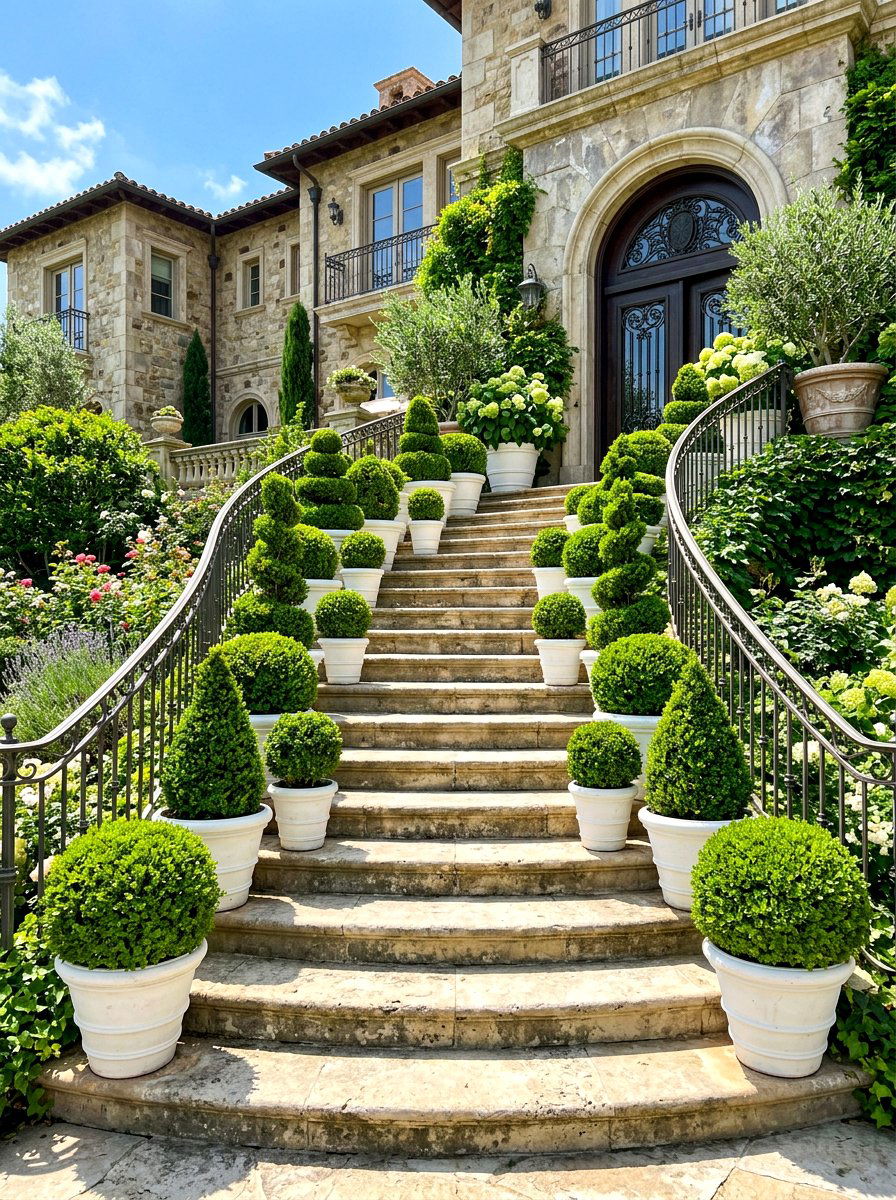
A terrace topiary garden involves using a variety of shaped plants in containers to decorate a stone or wood terrace. Mixing different heights and shapes, such as cones, balls, and spirals, creates a layered and interesting environment. This approach is ideal for people who enjoy entertaining outdoors because it provides a lush and manicured backdrop for social events. Using matching pots can tie the look together and make the space feel like an outdoor room. It is also a practical way to enjoy gardening if you have limited soil space. A terrace filled with topiaries feels like a private oasis tucked away from the rest of the world.
28. Japanese Boxwood Cloud
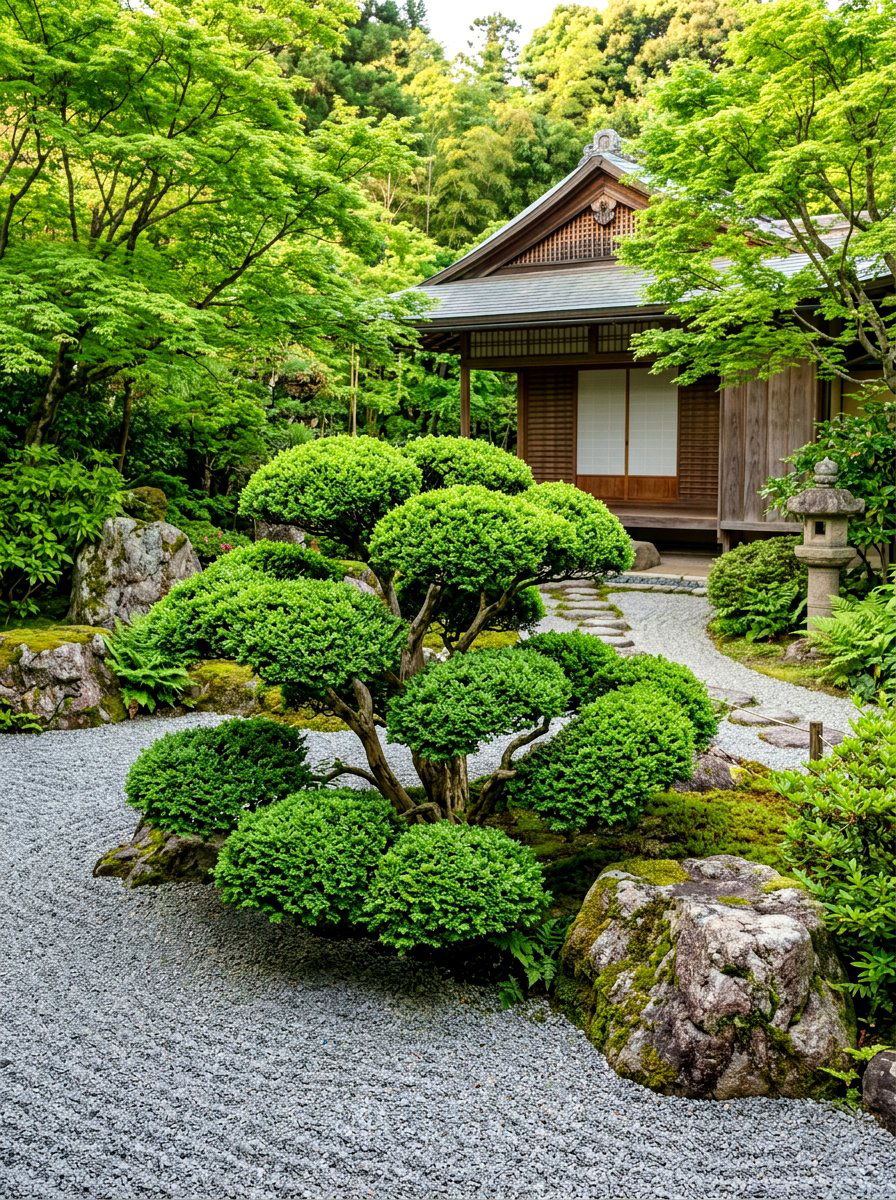
A Japanese boxwood cloud uses the natural growth habit of the boxwood shrub to create soft, undulating mounds of greenery. Instead of pruning them into rigid geometric shapes, you prune them into flowing, organic forms that overlap each other. This creates a very peaceful and natural look that is still clearly well-maintained. It works beautifully in contemporary gardens that focus on texture and form rather than bright colors. This style is often paired with gravel paths and large decorative stones to create a serene landscape. It is a more relaxed way to enjoy topiary while still providing a lot of structure and green interest to your home.
29. Mixed Height Topiary
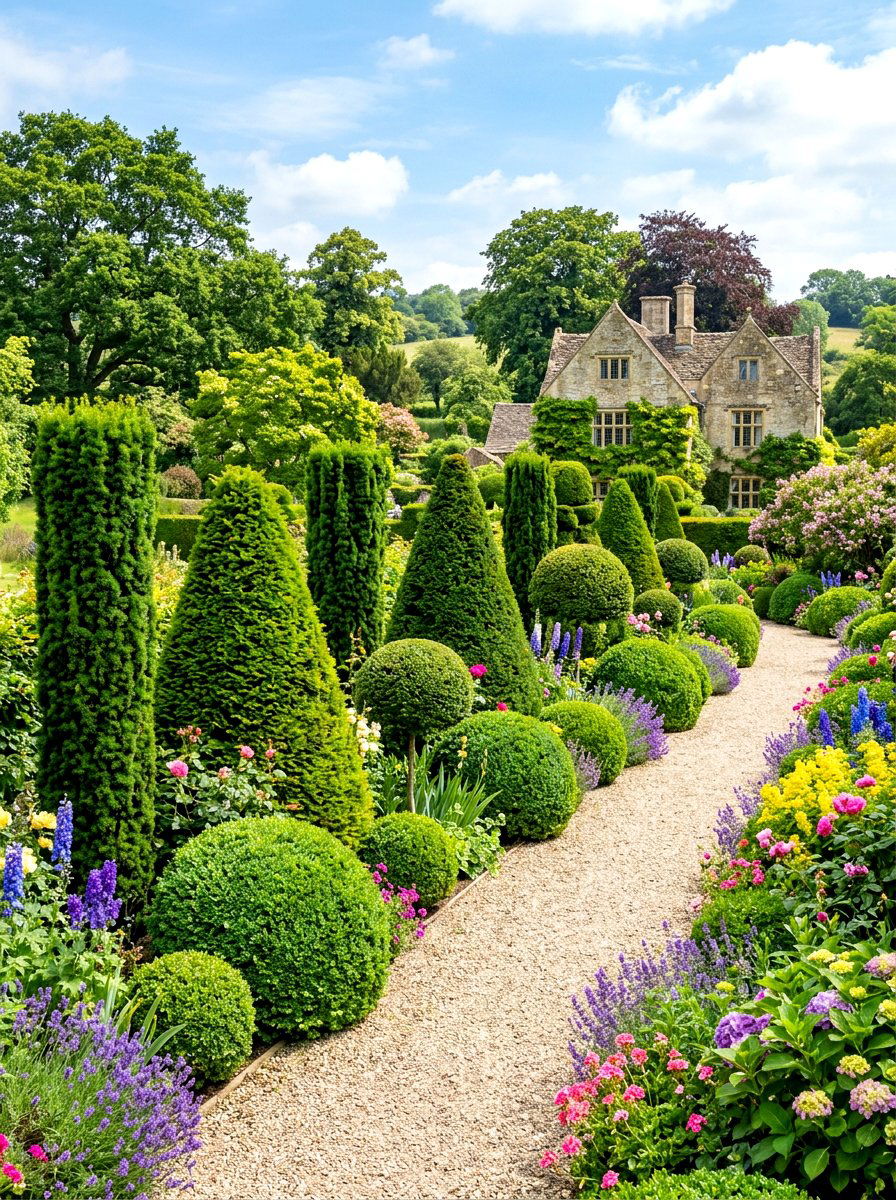
A mixed height topiary arrangement uses a collection of shaped plants at different levels to create visual depth in a garden bed. By placing tall cones at the back, medium spirals in the middle, and small balls at the front, you create a tiered effect that is very pleasing to the eye. This technique allows you to showcase many different styles of pruning in one cohesive area. It works well in large border gardens or as a centerpiece in a circular lawn. The variety of shapes and sizes keeps the garden looking dynamic and prevents it from feeling too stiff or repetitive. It is a great way to experiment with forms.
30. Mediterranean Olive Topiary
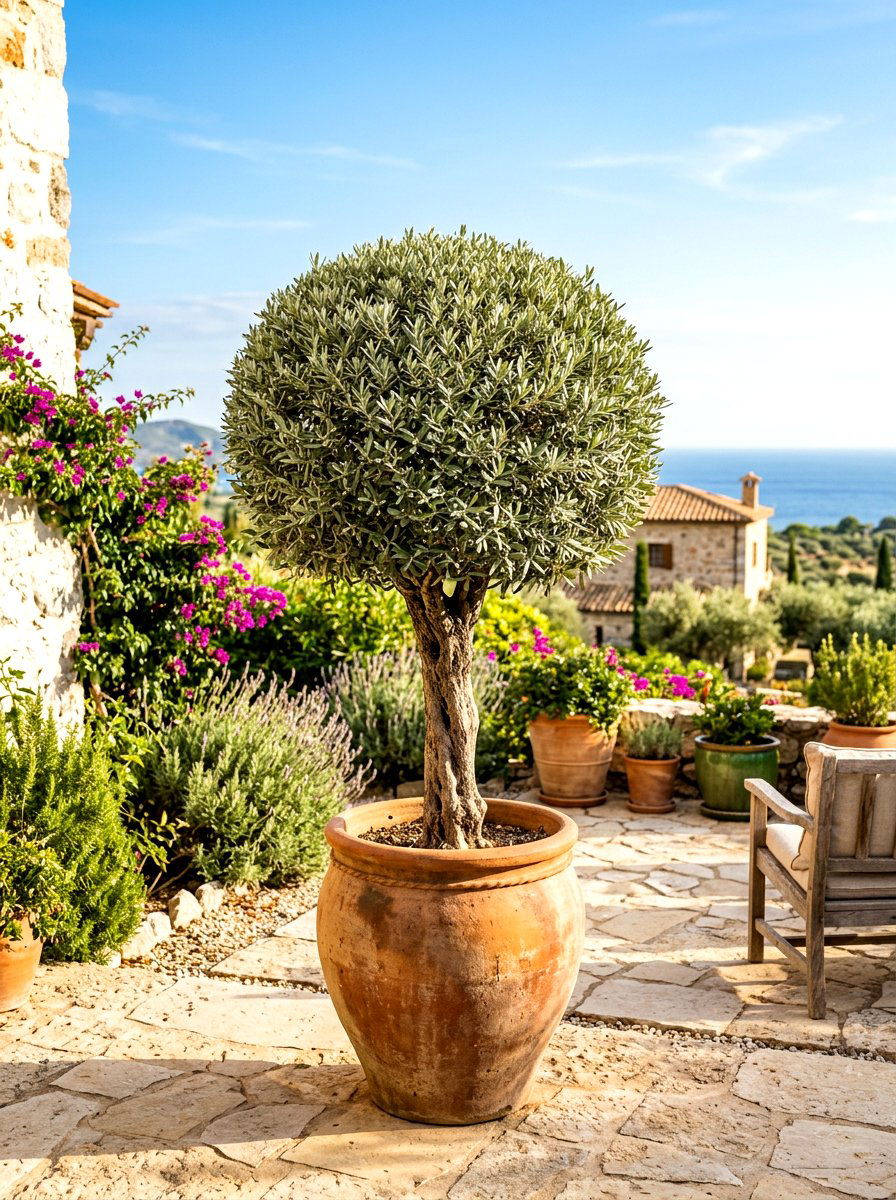
A Mediterranean olive topiary brings a touch of old-world charm and sunshine to your garden or patio. Olive trees have beautiful silver-green foliage and interesting gnarled trunks that look great when pruned into a standard or ball shape. They are very hardy in sunny, dry climates and can even be grown in large pots in cooler areas if brought inside for winter. The light color of the leaves provides a nice contrast to the dark green of traditional boxwood. This type of topiary feels very elegant and relaxed, making it perfect for an outdoor dining space or a courtyard inspired by the Italian or French countryside.
Conclusion:
Topiary gardens offer a timeless way to bring beauty and structure to any outdoor environment. By exploring these different ideas, you can find the perfect style that matches your home’s architecture and your personal gardening preferences. Whether you choose the formality of geometric shapes or the whimsical charm of animal figures, these living sculptures add undeniable value to your property. Maintaining these plants provides a peaceful and rewarding hobby that allows you to connect with nature on a deeper level. With a little patience and the right tools, you can transform your yard into a stunning gallery of green art that will flourish for many years.

Related posts: