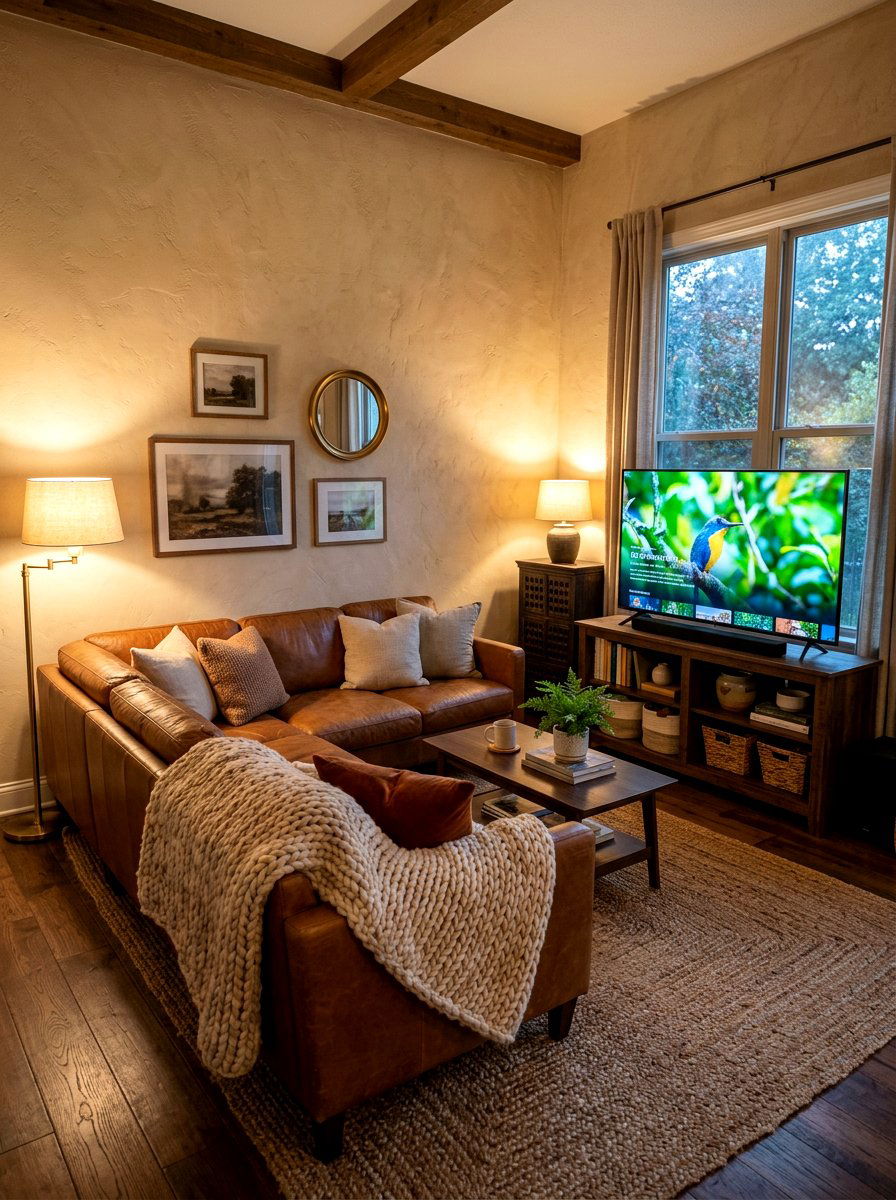
Creating a warm neutral living room is about much more than just picking a single shade of beige and painting the walls. It involves a thoughtful blend of textures, tones, and materials that work together to create a space that feels both inviting and sophisticated. Many homeowners are moving away from cold, stark whites in favor of creamier undertones that mimic the soft glow of natural sunlight even on cloudy days. By layering different hues like sand, taupe, and mushroom, you can build a rich visual environment that remains calm and balanced. This approach allows you to experiment with various design styles while maintaining a timeless foundation that never goes out of style for any season.
1. Cream and beige living room
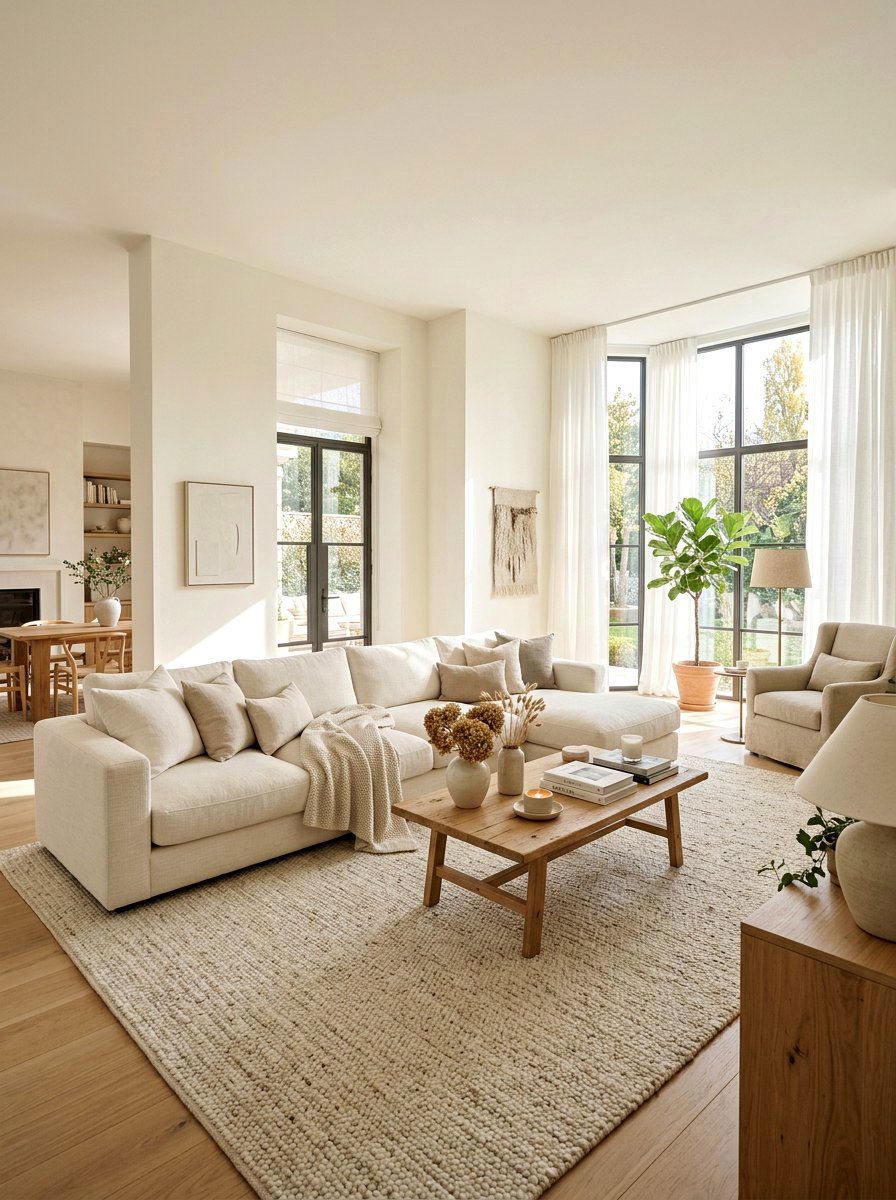
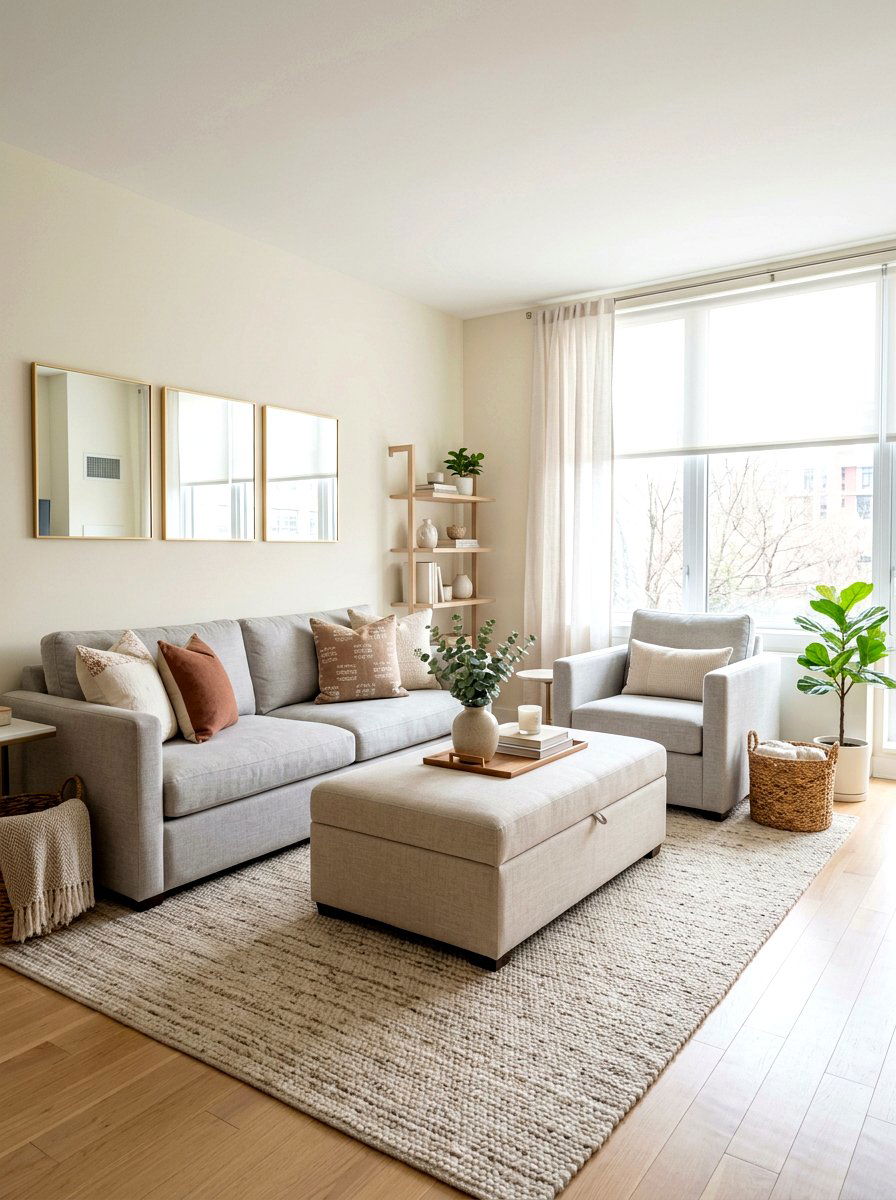
A cream and beige living room offers a timeless foundation that feels incredibly soft and welcoming from the moment you step inside. This design concept relies on layering similar light tones to create a space that looks bright without being cold. You can start with off-white walls and then introduce a large, plush beige sofa as the main seating area. Adding different fabric textures like a linen rug and cotton throw blankets helps to keep the monochromatic look from feeling flat or boring. Large windows with sheer curtains will allow natural light to dance across these subtle shades, creating a serene and airy atmosphere that is perfect for relaxing after a long day.
2. Modern organic living room
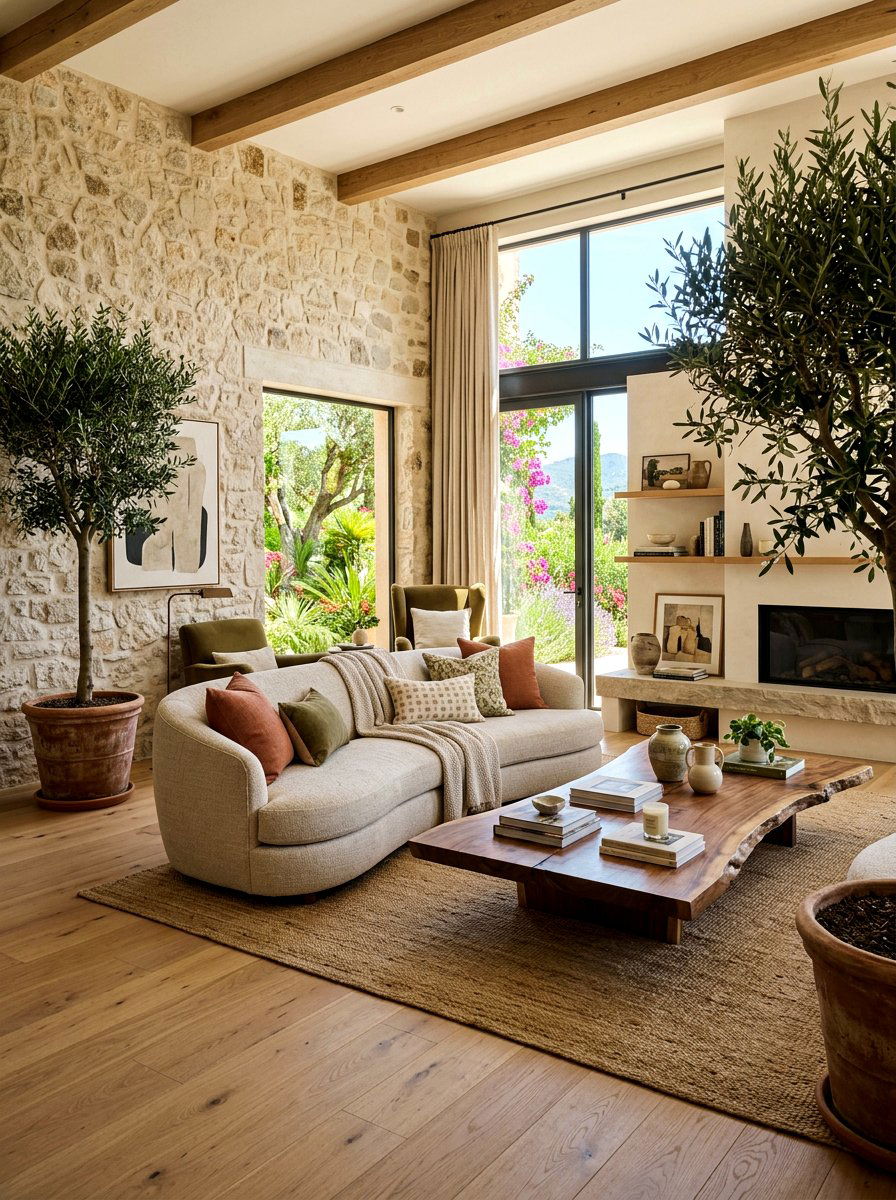
Embracing a modern organic living room means combining sleek, contemporary lines with the raw beauty of natural elements and warm earth tones. This style focuses on creating a harmonious balance between man-made structures and the outdoors by using materials like light oak, stone, and clay. A curved sofa in a soft oatmeal fabric can serve as a stunning focal point, while a live-edge wooden coffee table adds a touch of rustic charm. Large potted plants like olive trees or tall grasses bring a pop of life and greenery that perfectly complements a neutral palette. The result is a space that feels grounded, clean, and deeply connected to nature's softest textures.
3. Warm minimalist living room
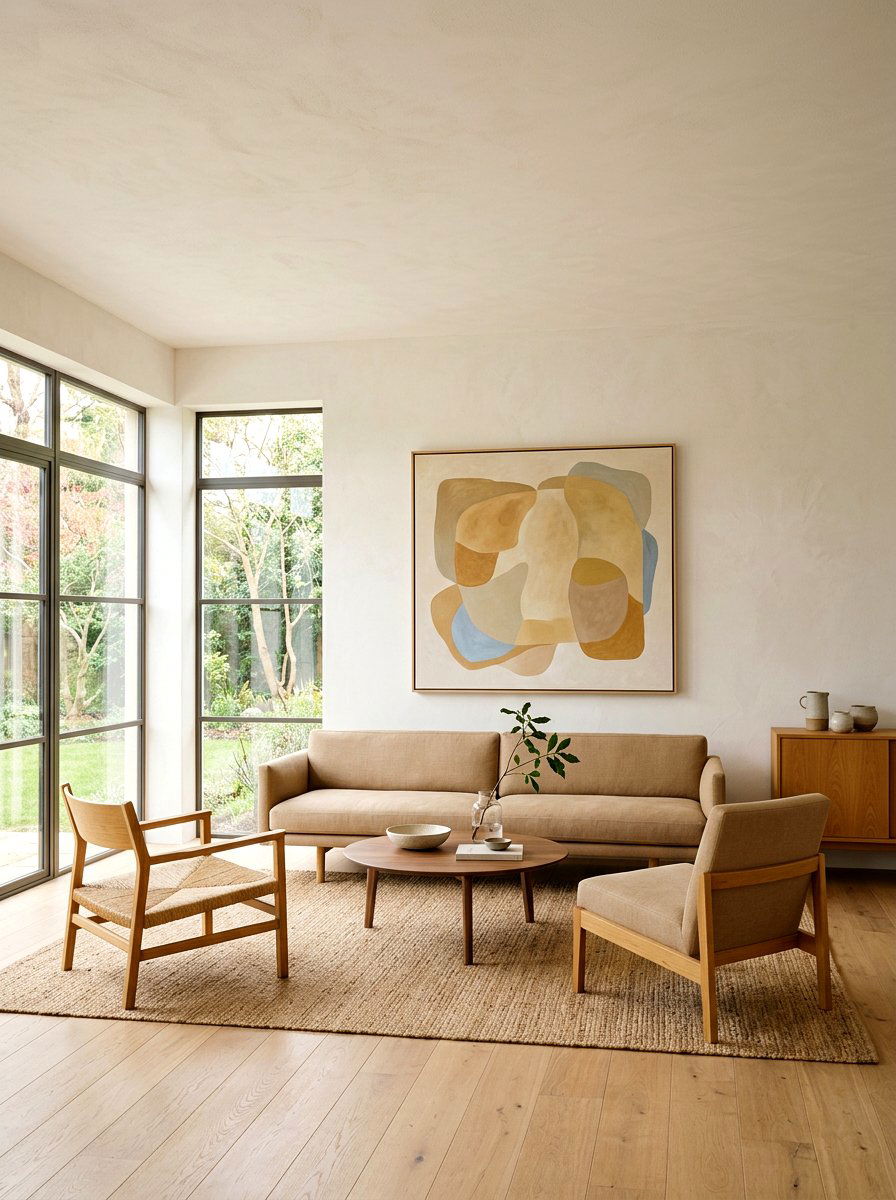
A warm minimalist living room proves that you can have a clutter-free space that still feels cozy and lived-in. Instead of the cold, clinical feel often associated with traditional minimalism, this approach uses warm-toned neutrals like honey and sand to provide comfort. The furniture pieces are carefully selected for their functional beauty and simple silhouettes, ensuring that every item has a clear purpose. Bare windows or simple wooden blinds allow the architecture of the room to shine, while a single piece of oversized abstract art in neutral tones can add visual interest. It is a peaceful retreat that celebrates simplicity through high-quality materials and a very restrained color palette.
4. Earthy tone living room
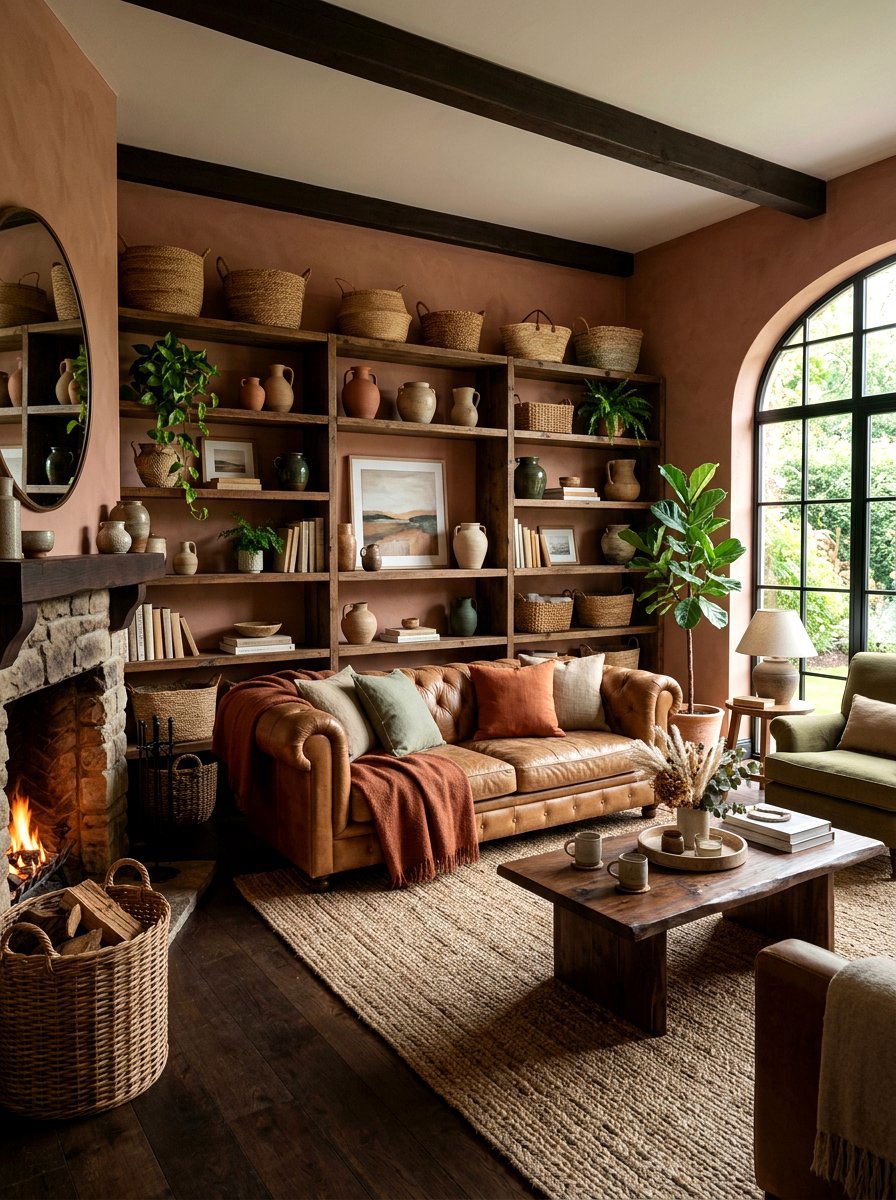
Designing an earthy tone living room involves pulling inspiration directly from the landscape, using shades of terracotta, clay, and deep sage. These colors are inherently warm and provide a sense of stability and comfort that is hard to achieve with cooler grays. You can pair a deep tan leather sofa with walls painted in a soft, dusty peach or muted clay color to create a rich environment. Natural wood shelving and woven baskets add extra layers of texture that enhance the organic feel of the entire space. This design direction is perfect for those who want their home to feel like a cozy sanctuary that reflects the beauty of the natural world.
5. Greige living room
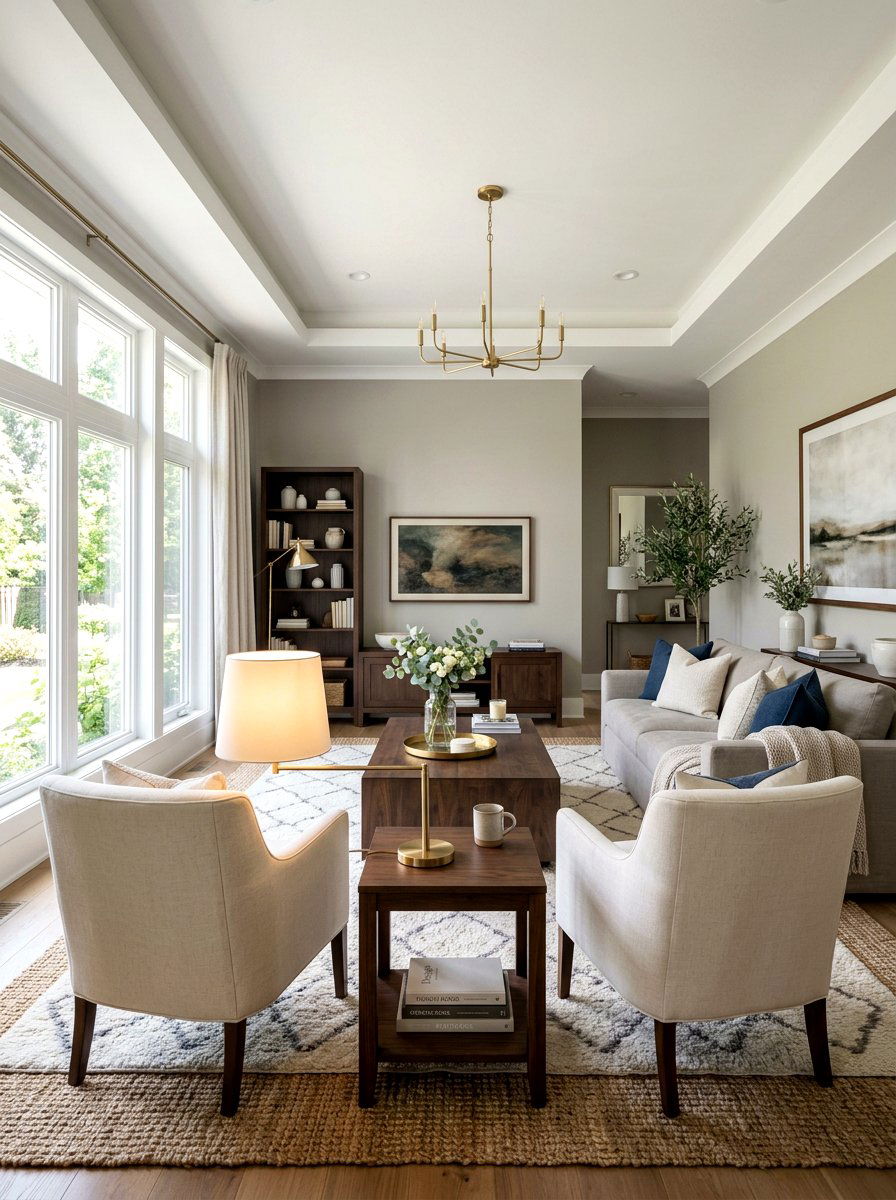
A greige living room captures the perfect middle ground between the sophistication of gray and the warmth of beige. This versatile color is a favorite among designers because it adapts beautifully to different lighting conditions throughout the day. To make this style work, try pairing greige walls with cream-colored upholstery and dark wood accents for a bit of necessary contrast. The subtle warmth in the paint prevents the room from feeling chilly, while the gray undertones keep the aesthetic looking modern and polished. It is an excellent choice for open-concept living areas where you want a consistent and calming backdrop that works with many different types of furniture.
6. Coastal neutral living room
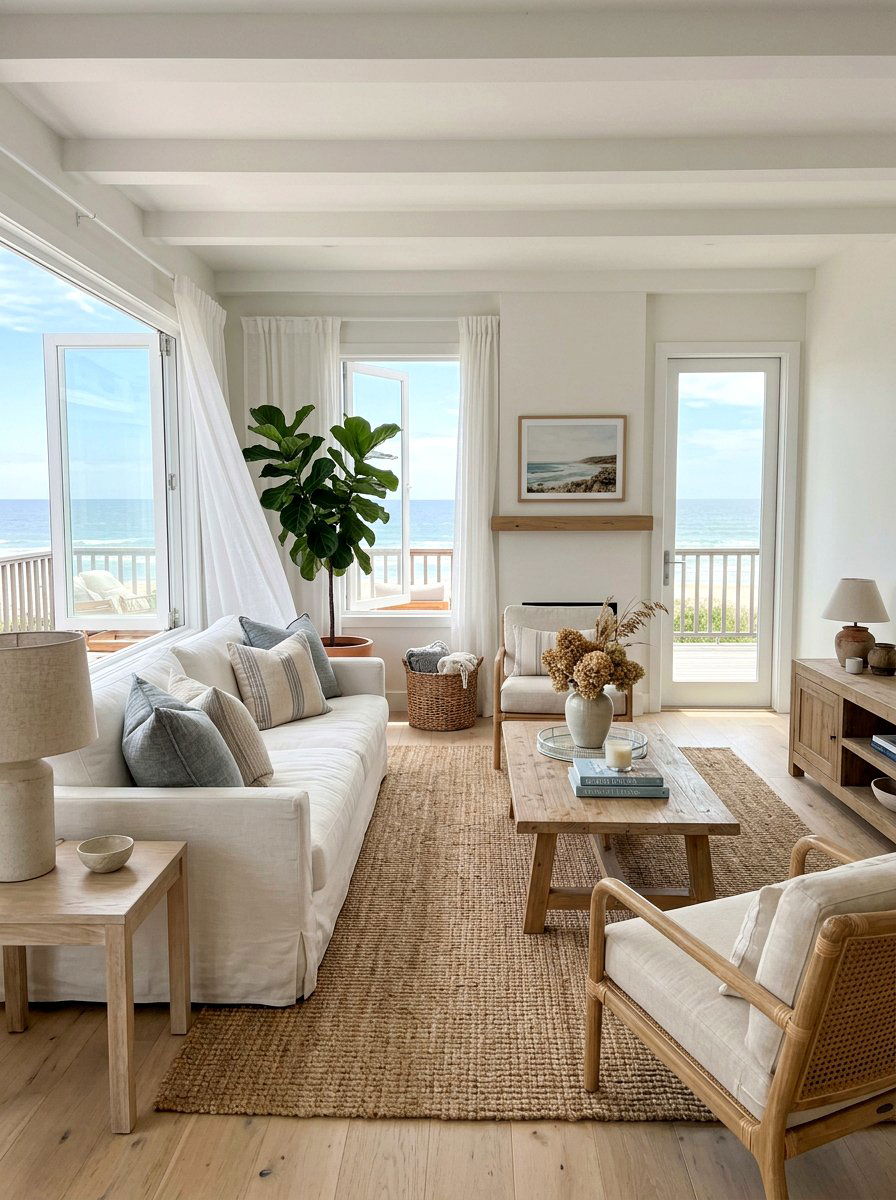
Creating a coastal neutral living room is all about capturing the light and breezy feeling of a beach house without using literal nautical themes. This style uses sandy tones, crisp whites, and very pale wood finishes to evoke the essence of the shoreline. A slipcovered sofa in a light linen fabric provides a relaxed vibe, while a jute or seagrass rug adds a wonderful organic texture underfoot. You can incorporate subtle blue-gray accents through throw pillows or small decorative objects to mimic the sea. The overall mood should be bright, open, and incredibly relaxed, making it the perfect place for hosting friends or enjoying a quiet morning with a cup of coffee.
7. Rustic neutral living room
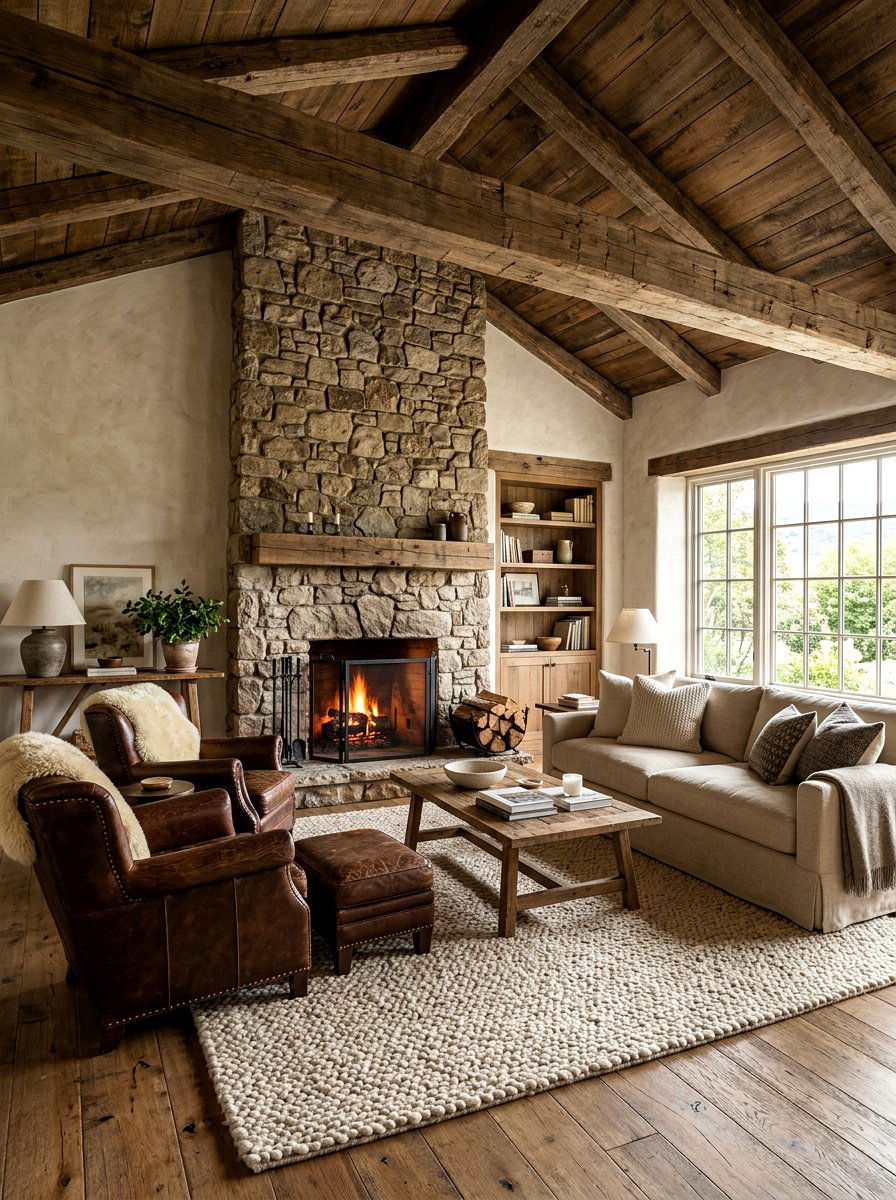
A rustic neutral living room focuses on the beauty of aged materials and cozy, heavy textiles to create a space that feels historic yet fresh. Exposed wooden beams, reclaimed wood mantels, and stone fireplaces are hallmark features that provide a lot of architectural warmth. To keep the look updated, use a palette of warm whites and soft tans for the seating and walls. A chunky knit wool rug and leather armchairs add to the tactile experience of the room, making it feel rugged and sophisticated at the same time. This design is ideal for mountain cabins or country homes where you want to emphasize a sense of timeless, old-world comfort.
8. Scandinavian neutral living room
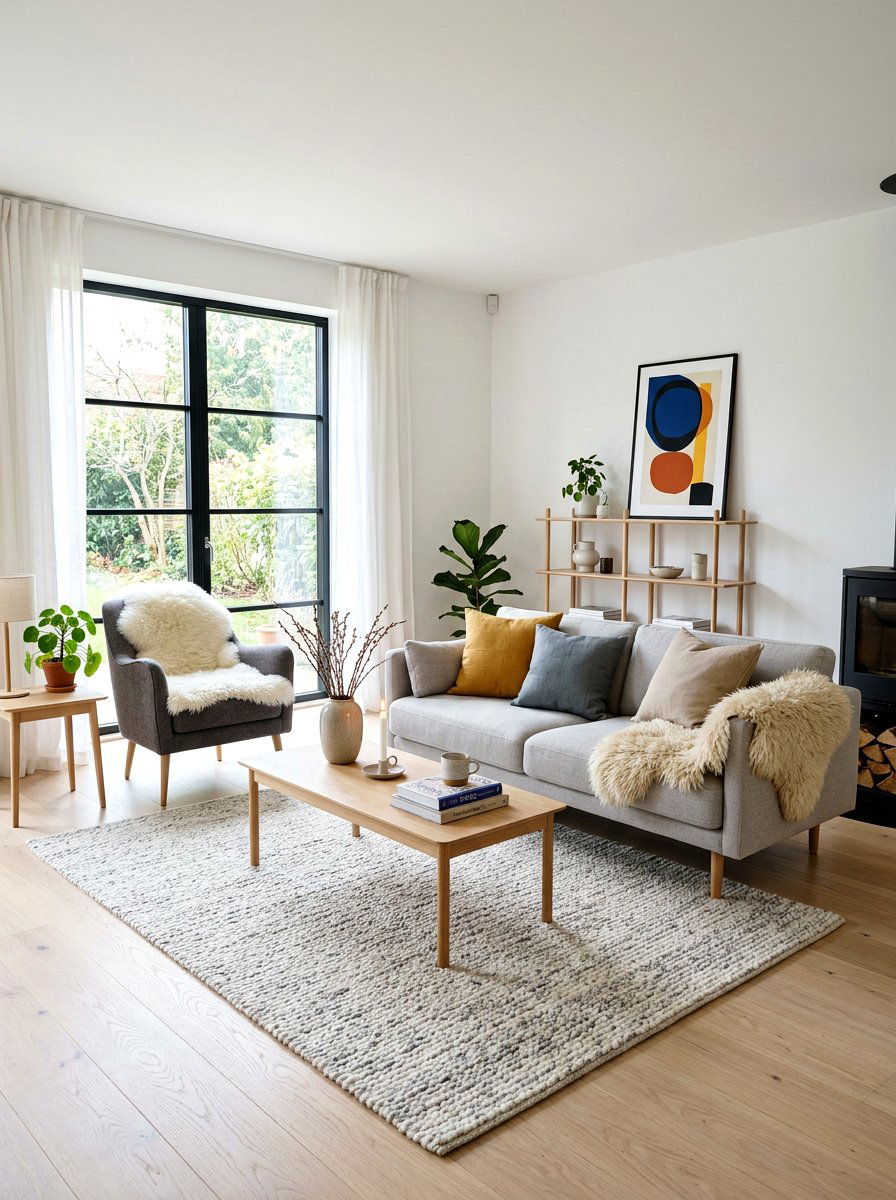
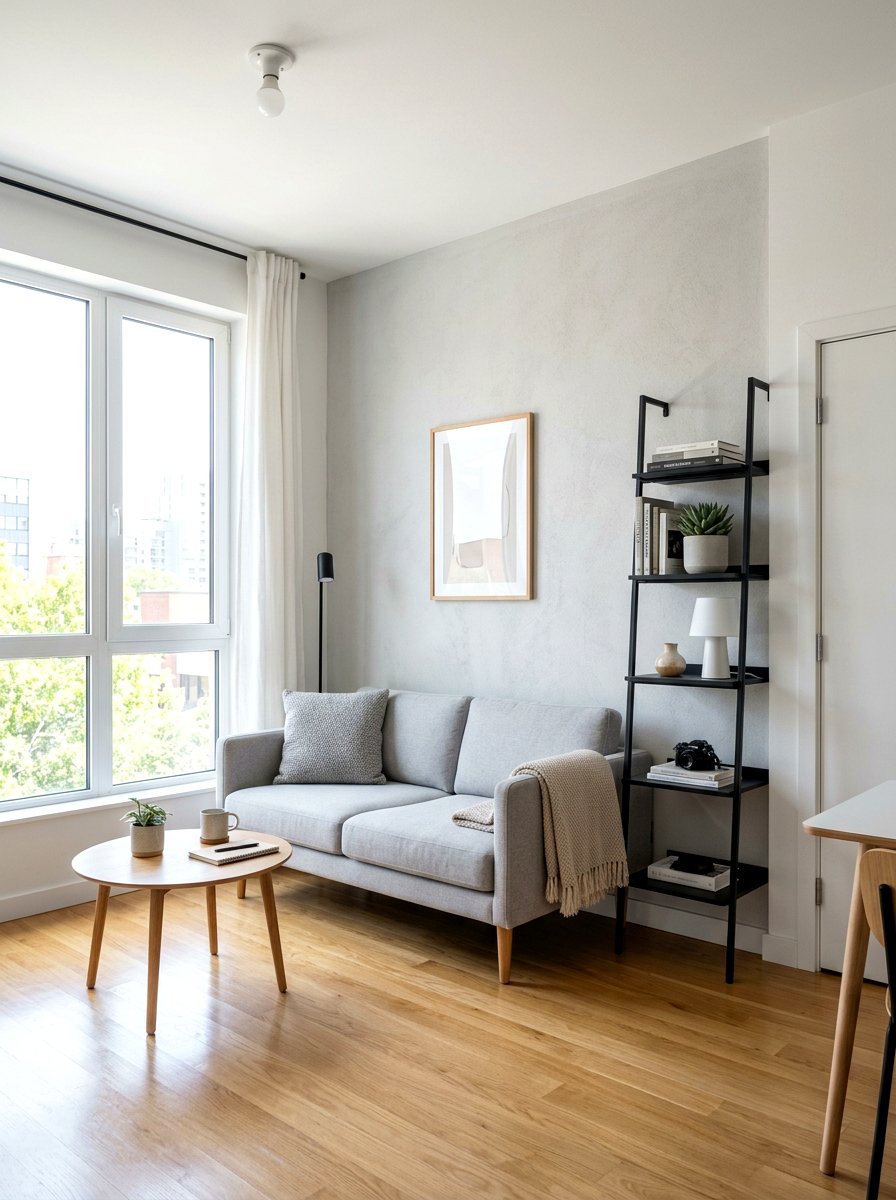
The Scandinavian neutral living room is world-renowned for its ability to combine high-end functionality with a bright and cozy aesthetic. This style often features pale wood floors and white walls to maximize the available natural light during the long winter months. To add warmth, designers incorporate plenty of soft sheepskin rugs, layered blankets, and light-toned wooden furniture with clean lines. The furniture is often raised on slim legs to create a sense of airiness and space. It is a look that values quality over quantity, resulting in a living area that feels organized, peaceful, and perfectly suited for the concept of hygge or cozy living.
9. Bohemian beige living room
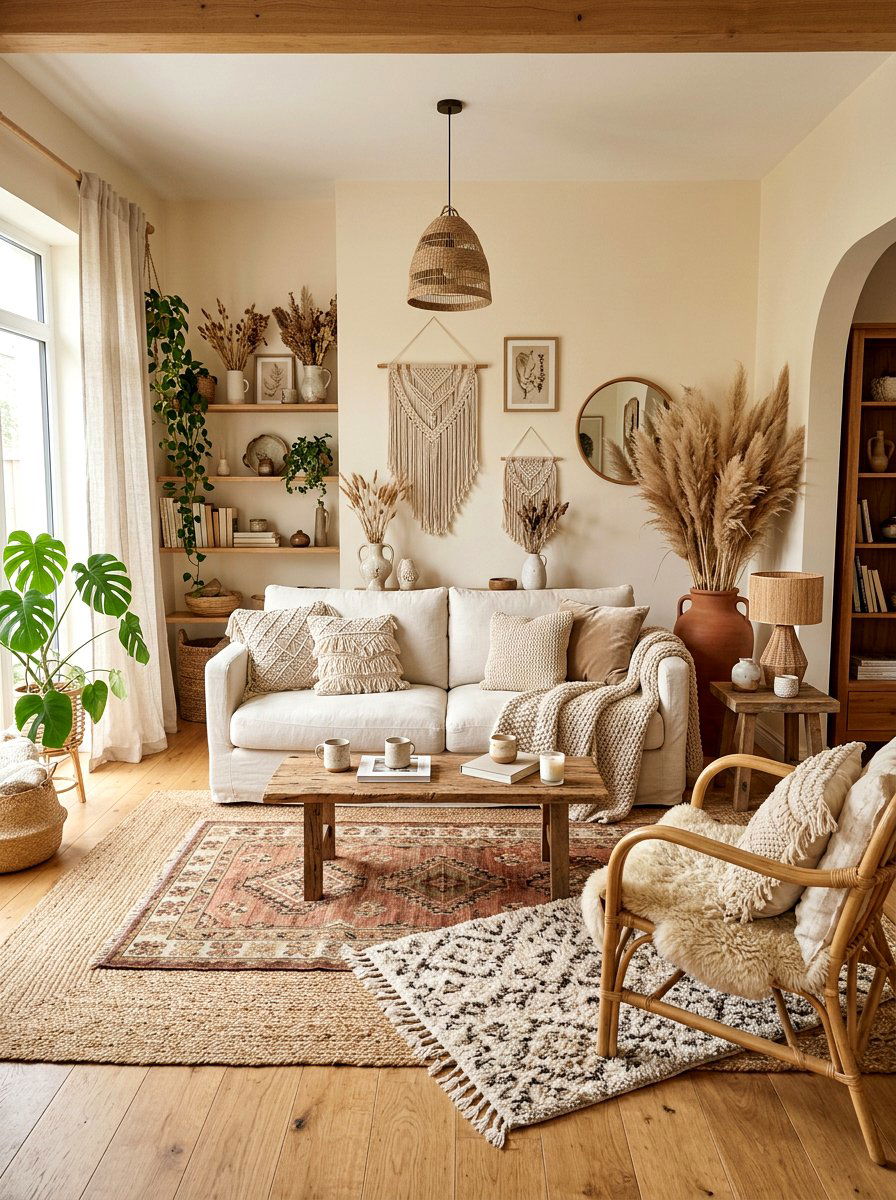
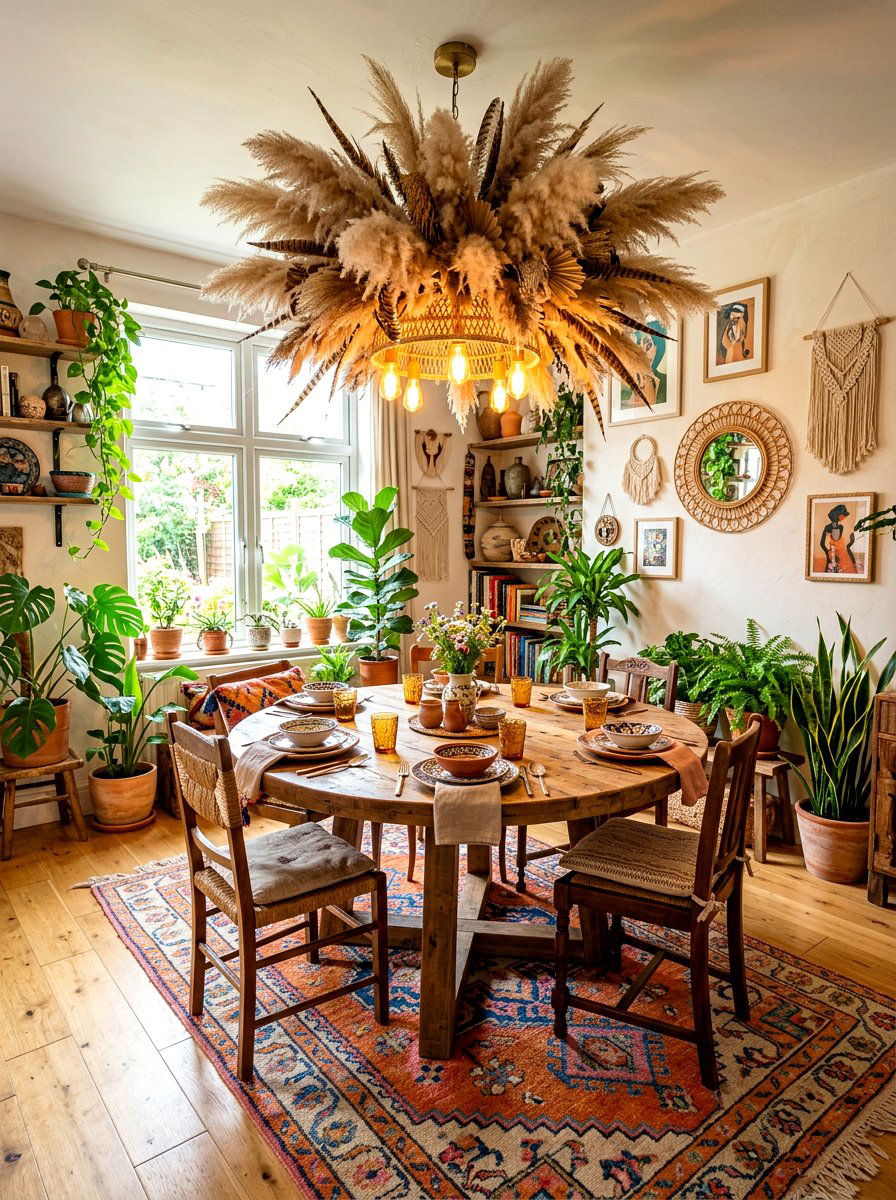
A bohemian beige living room takes a more relaxed and eclectic approach to neutral design by mixing patterns and global influences. Instead of vibrant colors, this style uses various shades of cream, tan, and ivory to create a textured and soulful environment. You can layer multiple rugs, such as a flat-weave kilim over a plush shag rug, to add visual depth to the floor. Macramé wall hangings, woven wall baskets, and plenty of dried botanicals like pampas grass help to reinforce the boho vibe. This design is perfect for someone who loves to collect unique items and wants a living space that feels artistic, personal, and very comfortable.
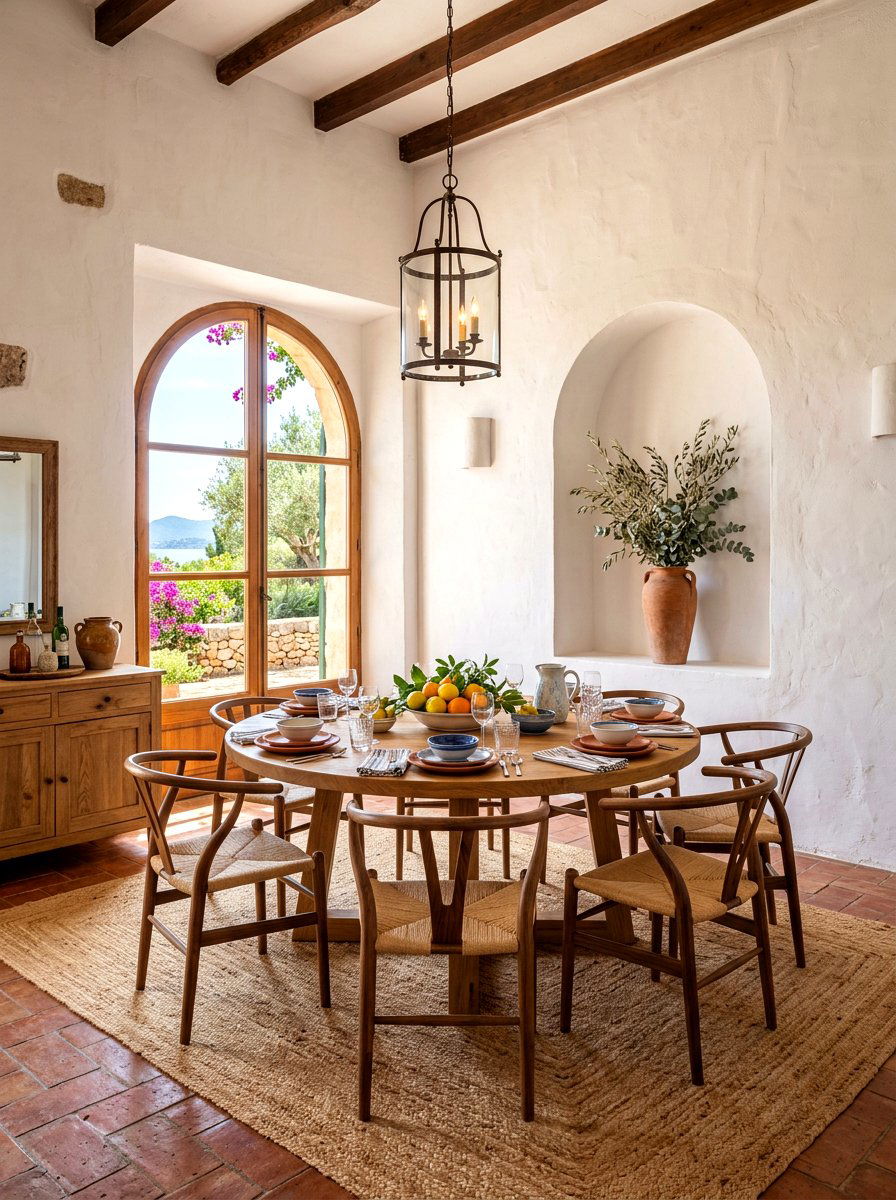
10. Traditional warm neutral living room
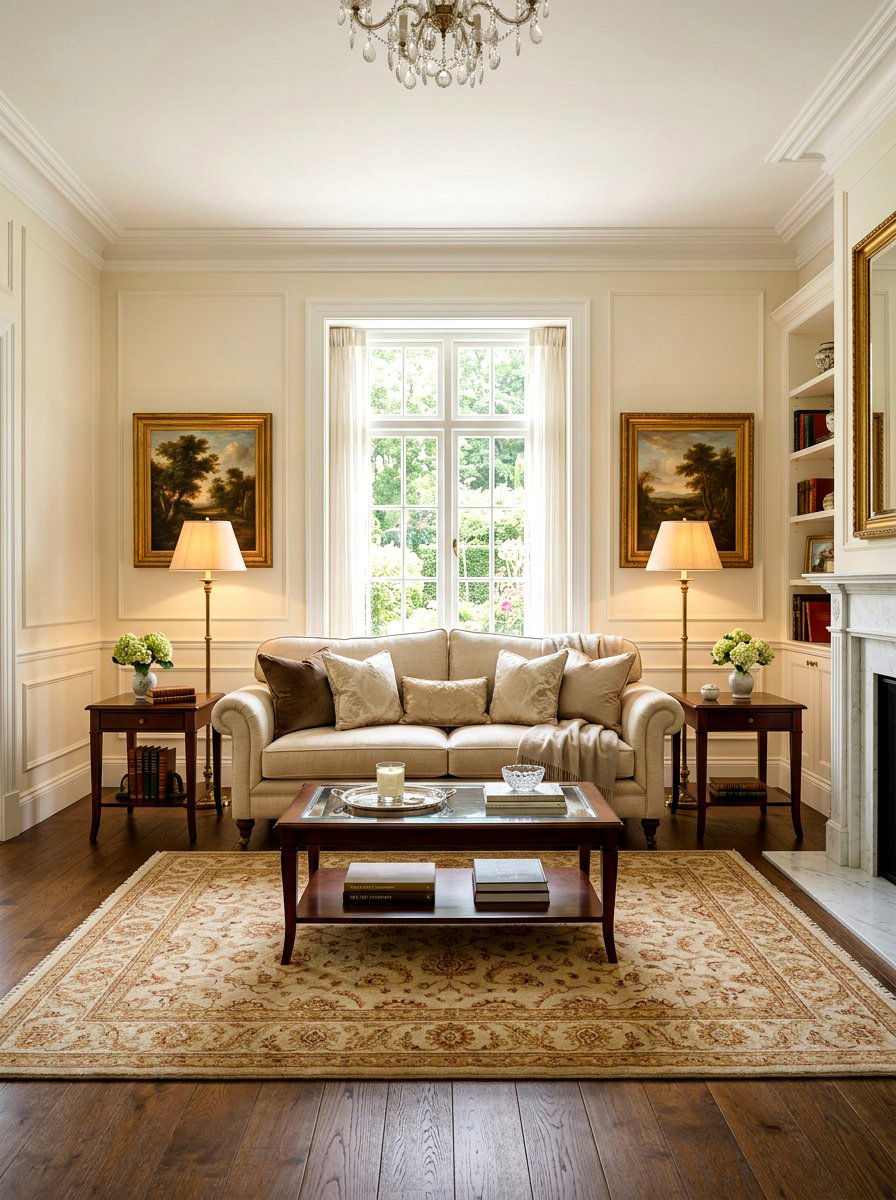
A traditional warm neutral living room uses classic furniture silhouettes and symmetrical layouts to create a space that feels elegant and formal. Think of rolled-arm sofas in a soft champagne fabric and mahogany end tables that provide a rich contrast to the light palette. Crown molding and wainscoting painted in a warm white can add architectural interest and a sense of history to the walls. Decorative elements like brass floor lamps and landscape paintings in gold frames help to elevate the overall aesthetic. This style is perfect for those who appreciate a refined look that feels substantial and honors the timeless principles of classic interior design.
11. Japandi living room
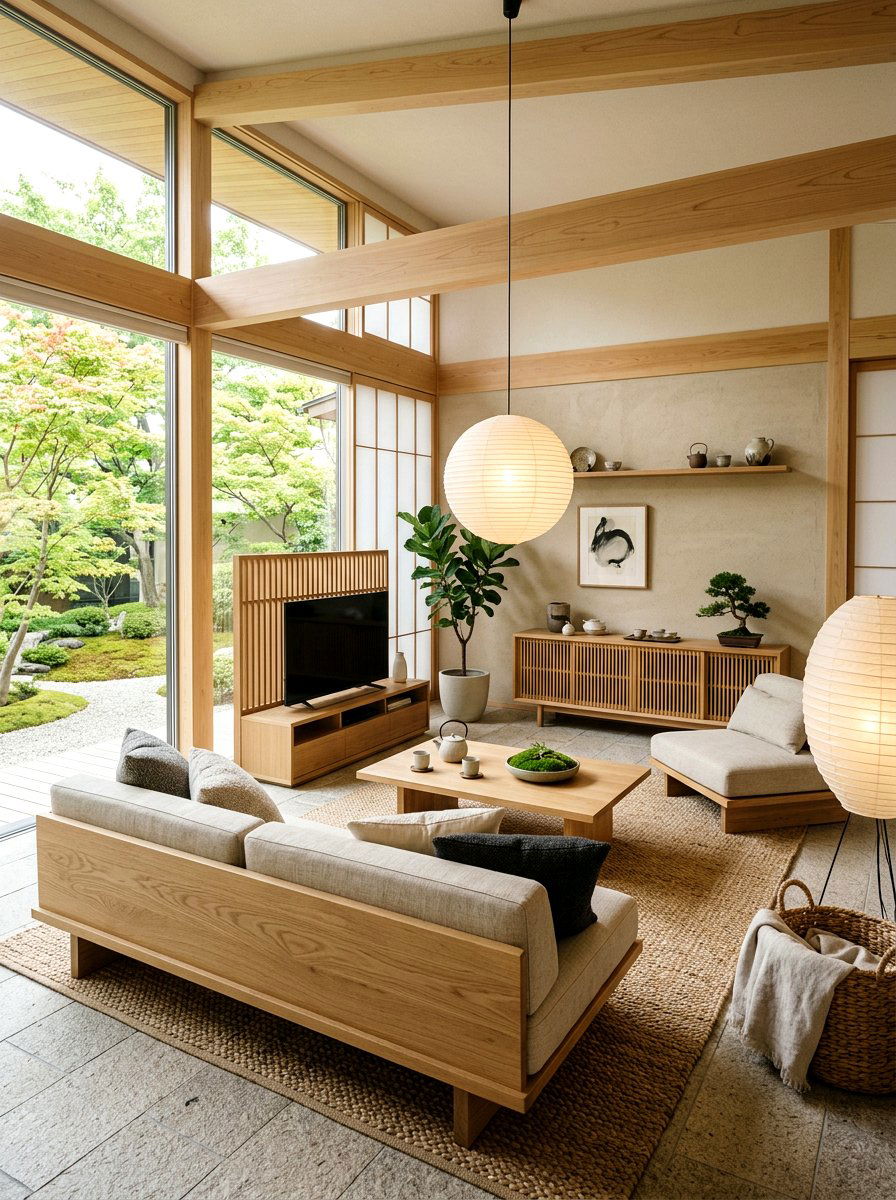
The Japandi living room is a beautiful hybrid style that merges the rustic simplicity of Japanese design with the functional comfort of Scandinavian interiors. This look relies heavily on a warm neutral palette of oatmeal, stone, and light wood tones to create a serene environment. Low-profile furniture with clean lines helps to keep the visual weight of the room near the floor, promoting a sense of groundedness. You might see a paper lantern light fixture hanging over a simple wooden coffee table, surrounded by minimalist seating. This design emphasizes the concept of "less is more" while ensuring every piece of furniture feels intentional, warm, and highly functional.
12. Mid century modern neutral living room
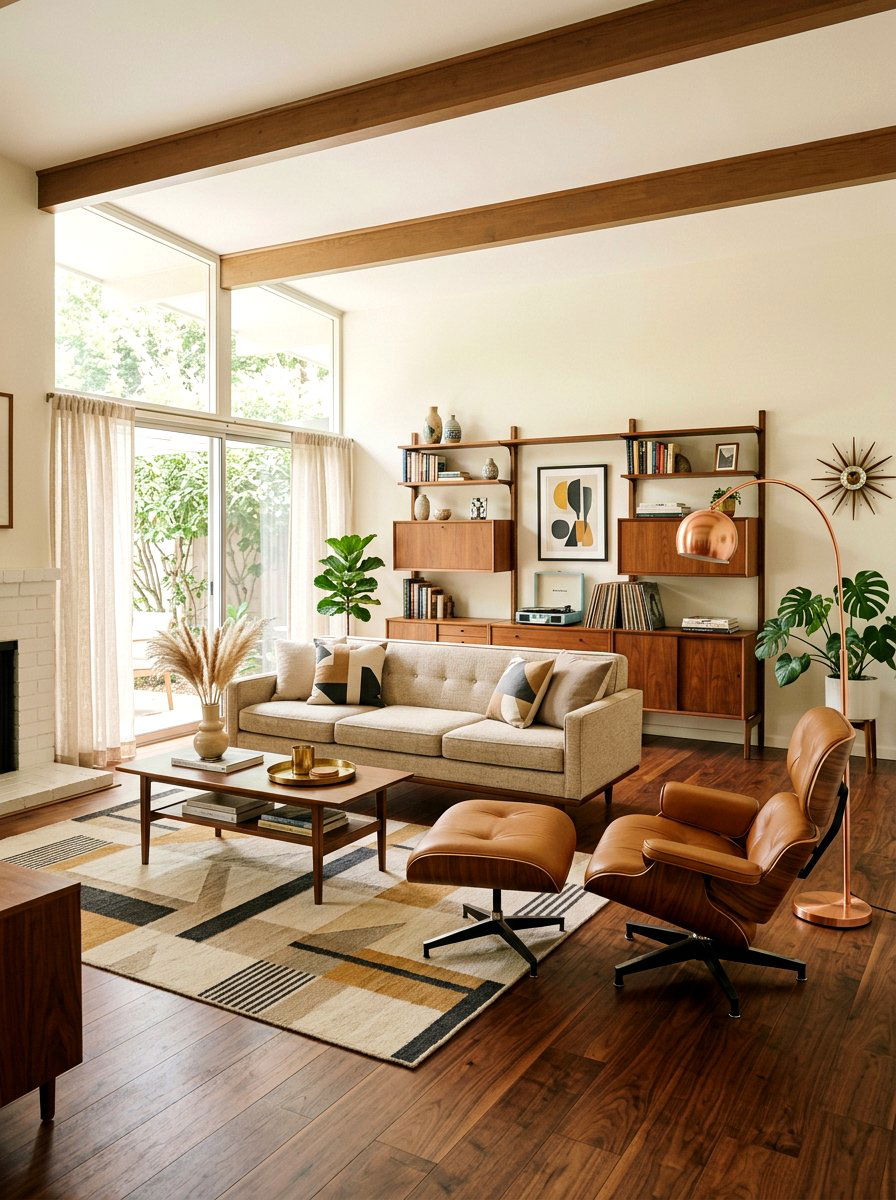
A mid century modern neutral living room brings the iconic shapes of the 1950s and 60s into a contemporary, warm setting. Instead of the bold oranges and teals typical of that era, this version uses shades of camel, walnut, and cream. A sleek sofa with tapered wooden legs looks fantastic when paired with a classic lounge chair in a warm tan leather. Geometric patterns can be introduced through neutral-toned area rugs or throw pillows to add a bit of retro flair. The combination of clean lines and warm wood finishes creates a space that feels both nostalgic and perfectly suited for a modern, sophisticated home.
13. Farmhouse neutral living room
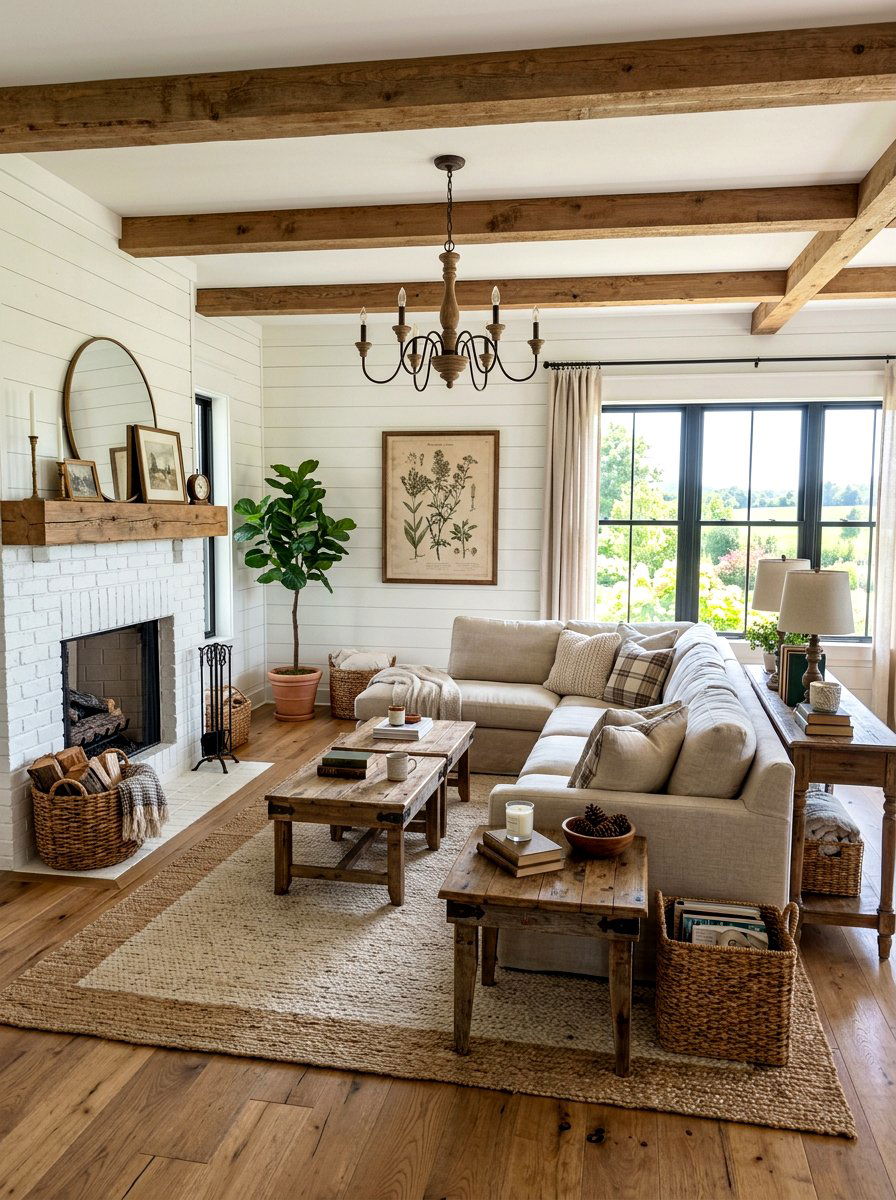
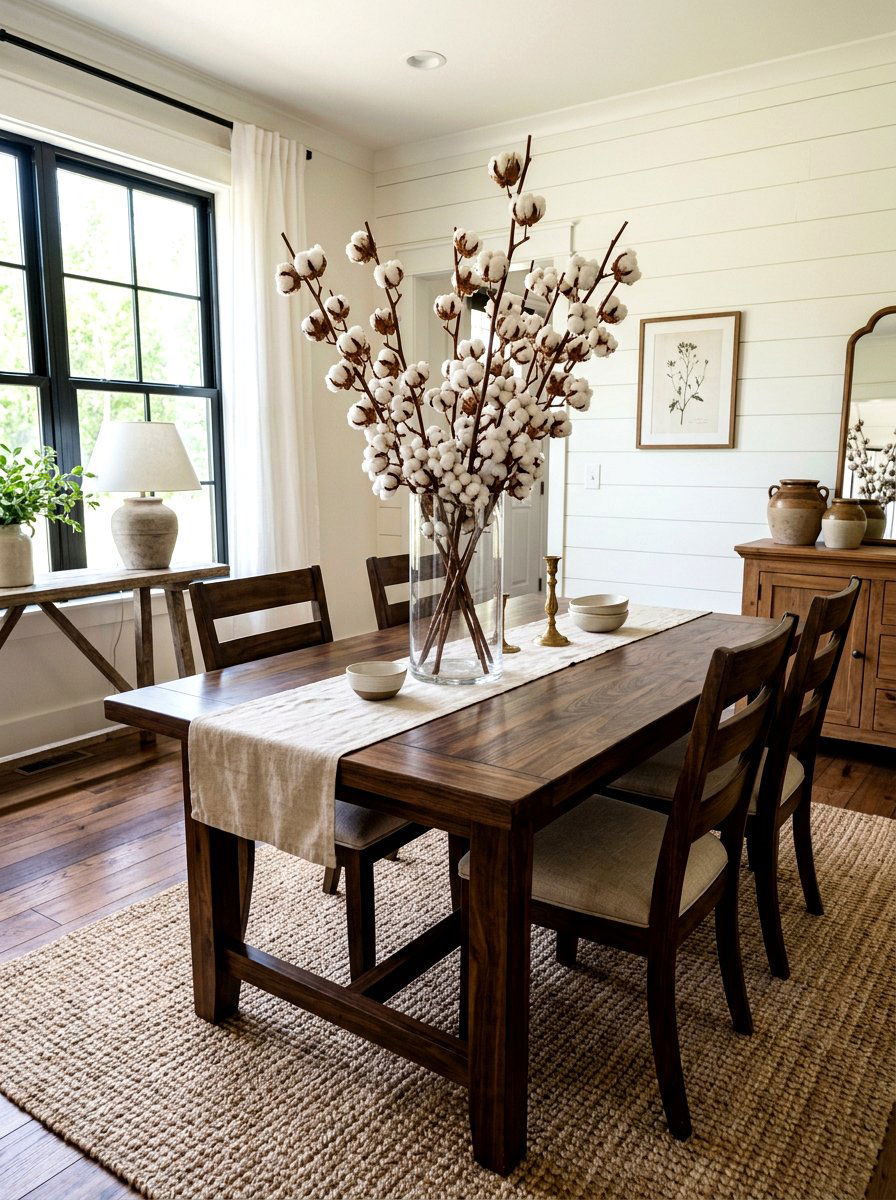
The farmhouse neutral living room is all about creating a space that feels lived-in, practical, and incredibly cozy for the whole family. This style often features large, comfortable sectionals in a durable oatmeal fabric and plenty of antique-inspired wooden furniture. Shiplap walls painted in a soft cream provide a classic backdrop that adds texture without overwhelming the space. You can incorporate vintage-style lighting and woven baskets for storage to enhance the rustic charm of the room. This design approach focuses on creating a welcoming atmosphere where people feel comfortable putting their feet up and relaxing in a bright and airy, sun-filled environment.
14. Industrial warm neutral living room
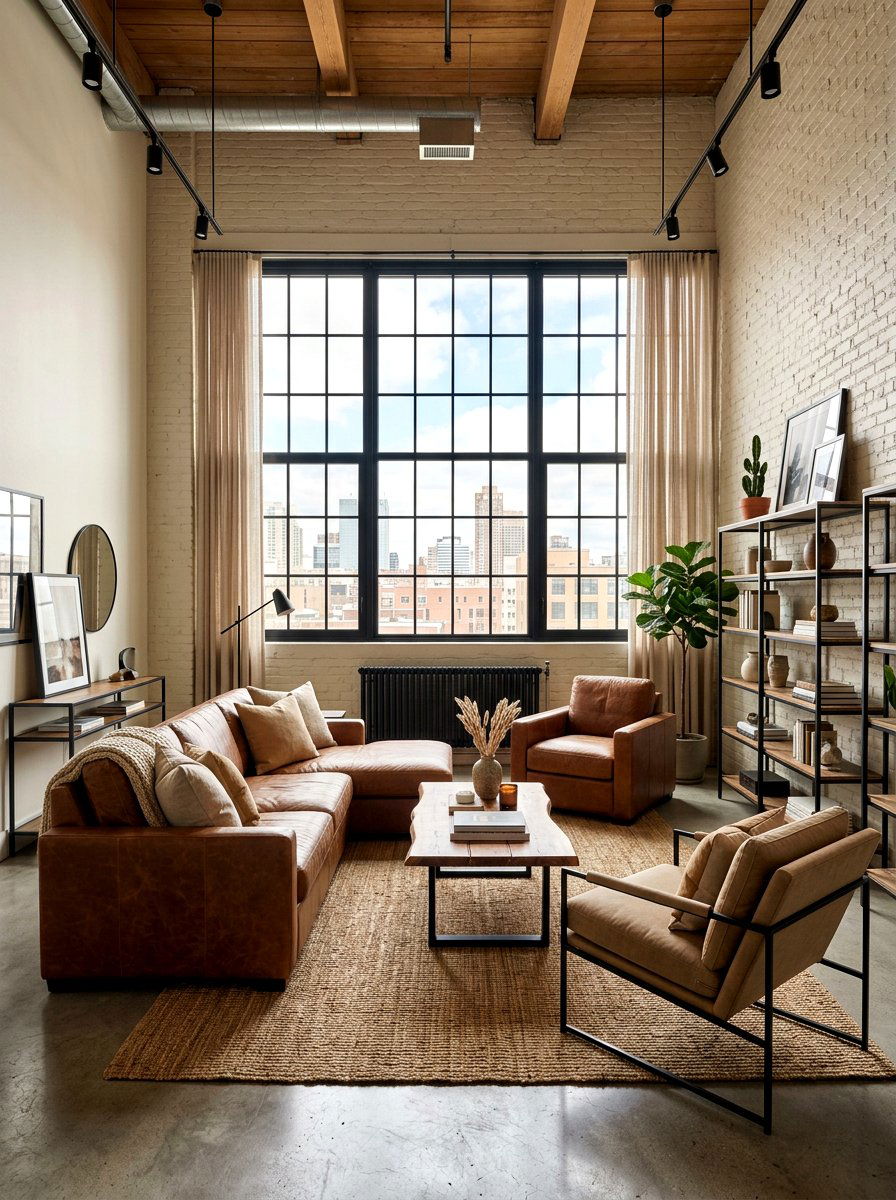
An industrial warm neutral living room softens the typical harshness of factory-inspired design by using a palette of tan, cognac, and warm grays. Exposed brick walls can be left in their natural earthy tones or painted in a soft, warm white to brighten the space. Instead of cold metal, look for furniture that combines black iron frames with warm wood tops or leather upholstery. Large, oversized windows with black frames provide a modern contrast to the soft, neutral textiles used throughout the seating area. This style is perfect for urban lofts or modern homes where you want a bit of edge without sacrificing warmth and comfort.
15. Transitional living room decor
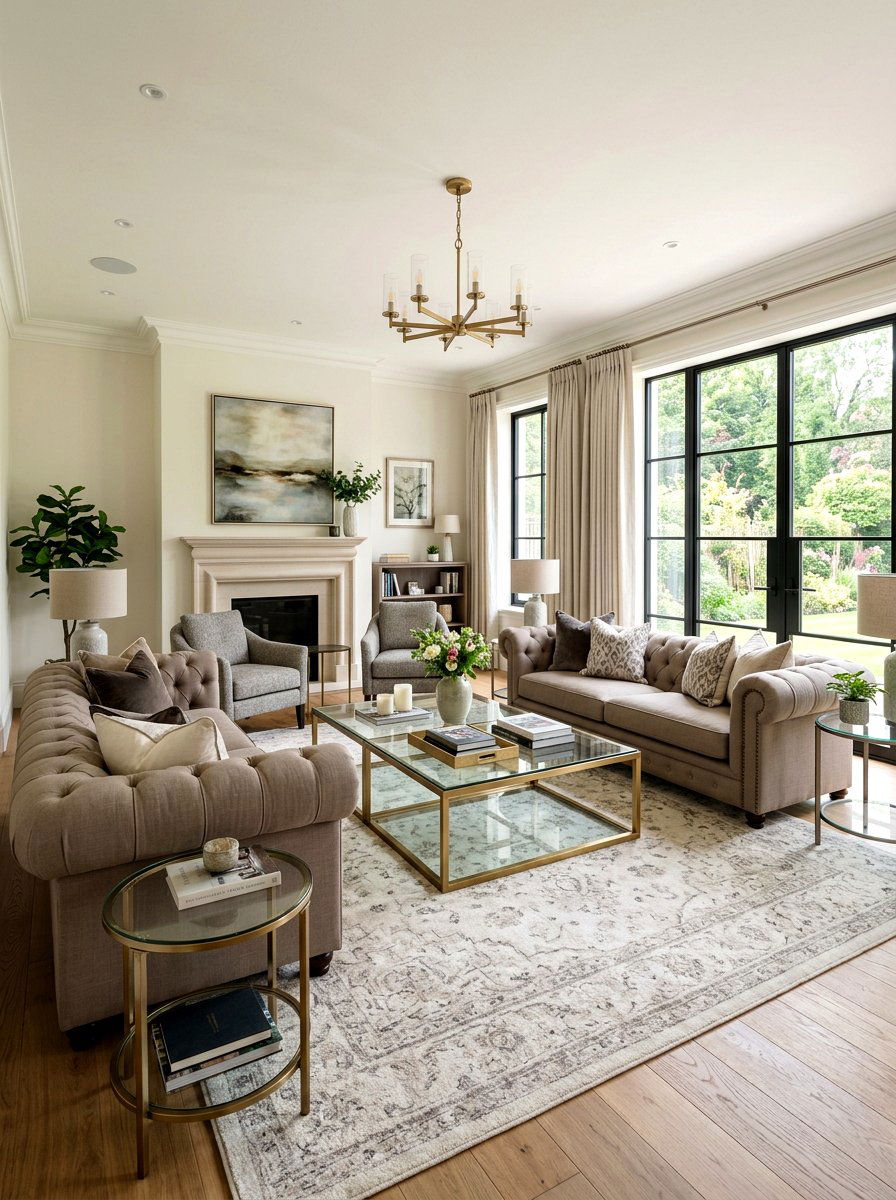
Transitional living room decor is the ultimate choice for those who want to blend the best of both traditional and modern worlds. This style uses a very cohesive warm neutral palette to bridge the gap between different furniture periods and aesthetics. You might see a contemporary glass coffee table sitting in front of a classic tufted sofa in a soft taupe fabric. The walls are usually kept simple in a warm off-white, allowing the mix of furniture styles to take center stage. By keeping the colors consistent, the various elements feel unified rather than cluttered, resulting in a sophisticated and highly versatile living space for any home.
16. Monochrome beige living room
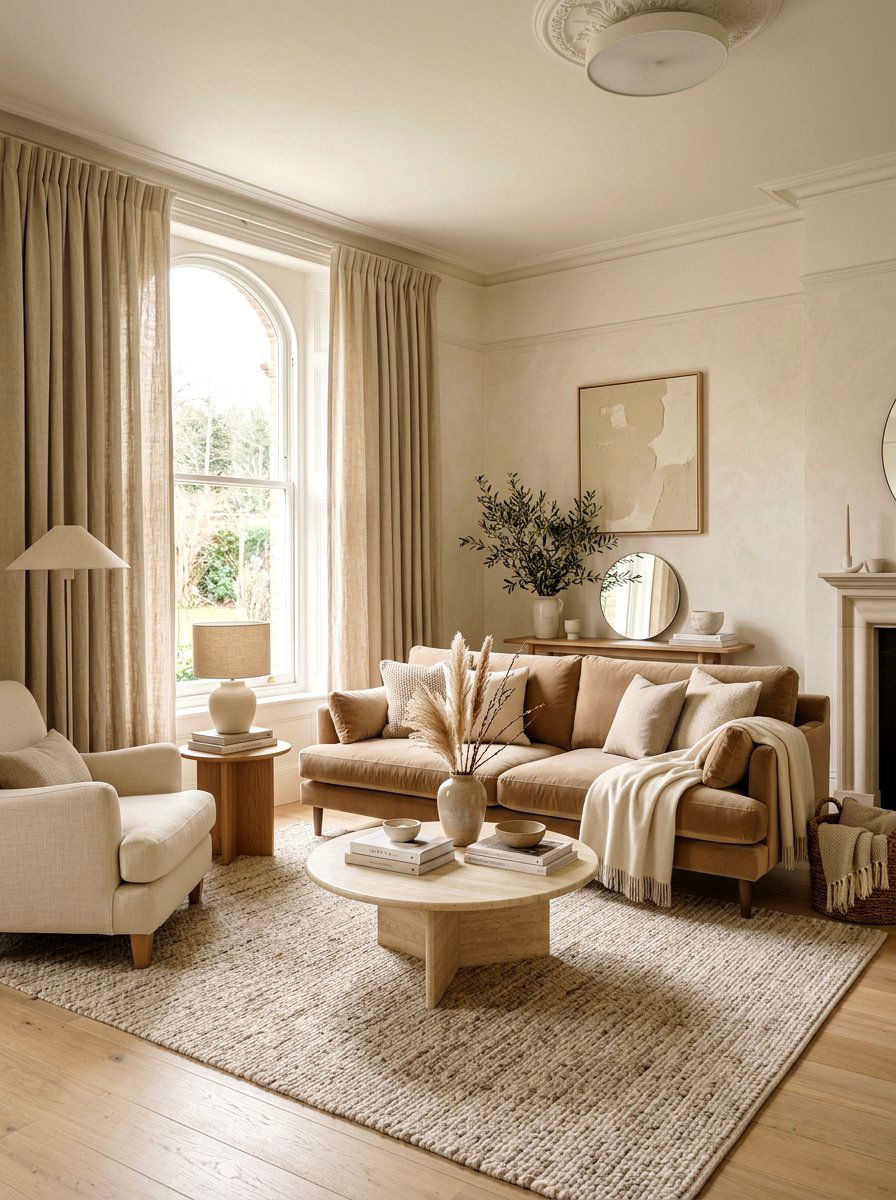
A monochrome beige living room is a masterclass in using a single color family to create a rich and sophisticated interior. The key to making this look successful is to vary the shades and textures of beige throughout the entire space. You might use a light almond shade for the walls, a deeper sand color for the sofa, and a light cream for the curtains. Mixing materials like velvet, linen, and wool will ensure that the room feels dynamic and interesting rather than flat. This design creates a very soothing visual experience that is easy on the eyes and promotes a sense of total tranquility.
17. Textured neutral living room
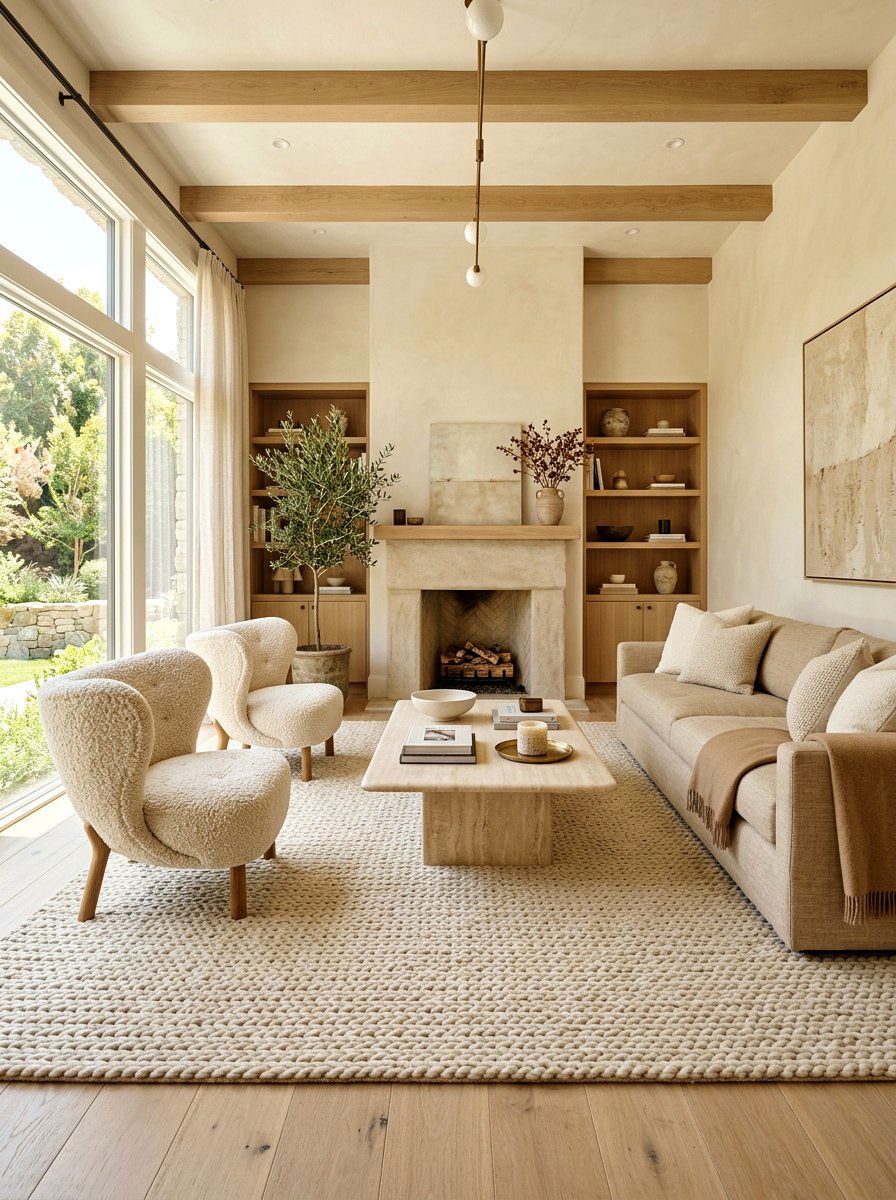
A textured neutral living room prioritizes the tactile feel of every surface to create a space that is as much about touch as it is about sight. This style uses a palette of creams and tans as a backdrop for high-texture items like bouclé chairs, chunky knit rugs, and woven wall hangings. The goal is to create a layered environment where the different surfaces provide the visual interest that color usually would. Smooth stone coffee tables can be contrasted with soft, furry pillows and rough-hewn wooden side tables. This approach makes the room feel incredibly cozy and high-end, as the focus is on the quality of the materials.
18. Warm wood living room
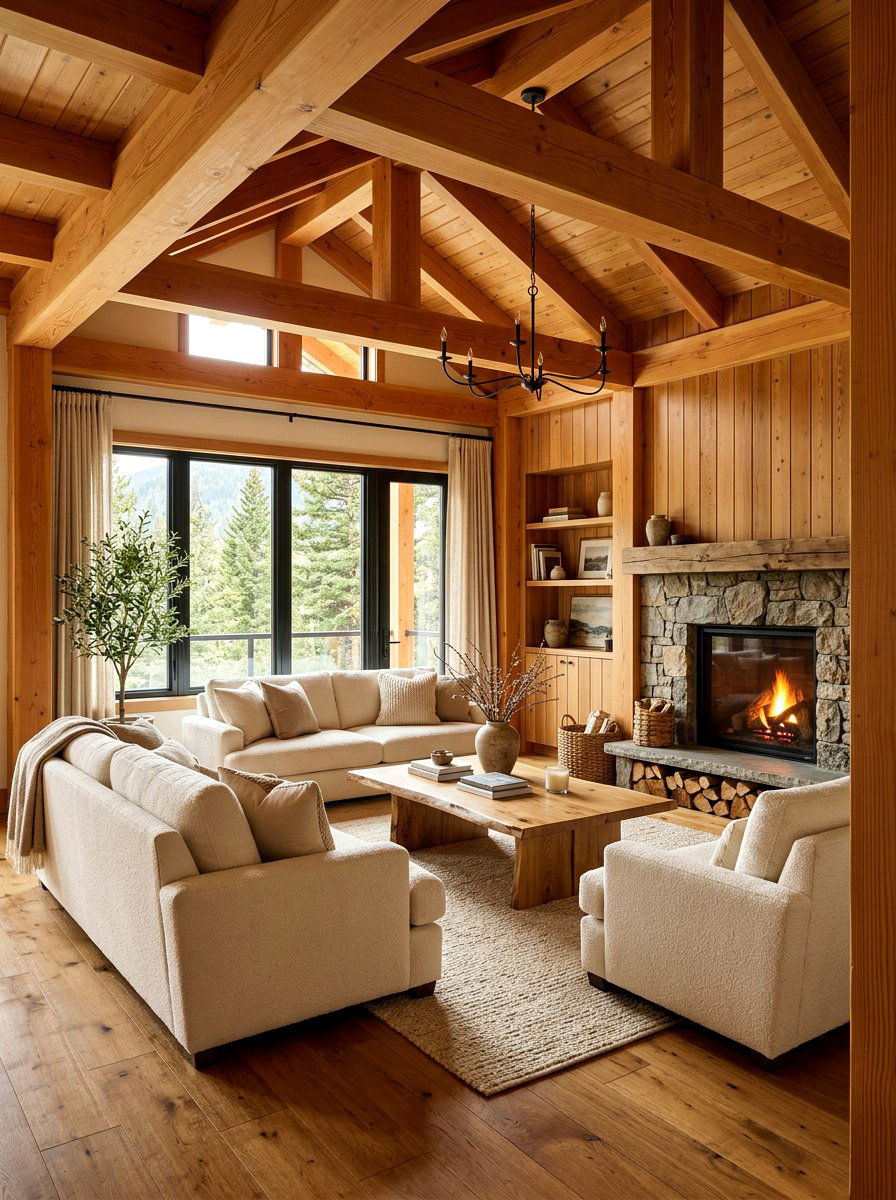
A warm wood living room uses timber as the primary decorative element to infuse the space with natural character and coziness. From hardwood floors to wood-paneled walls or ceiling beams, the presence of natural grain adds a layer of warmth that paint alone cannot achieve. To balance the wood, use a palette of soft creams and warm whites for the upholstered furniture and rugs. This prevents the room from feeling too dark or heavy while highlighting the beautiful golden tones of the wood. The result is a space that feels like a modern lodge, offering a perfect blend of organic beauty and clean, contemporary comfort.
19. Mediterranean living room decor
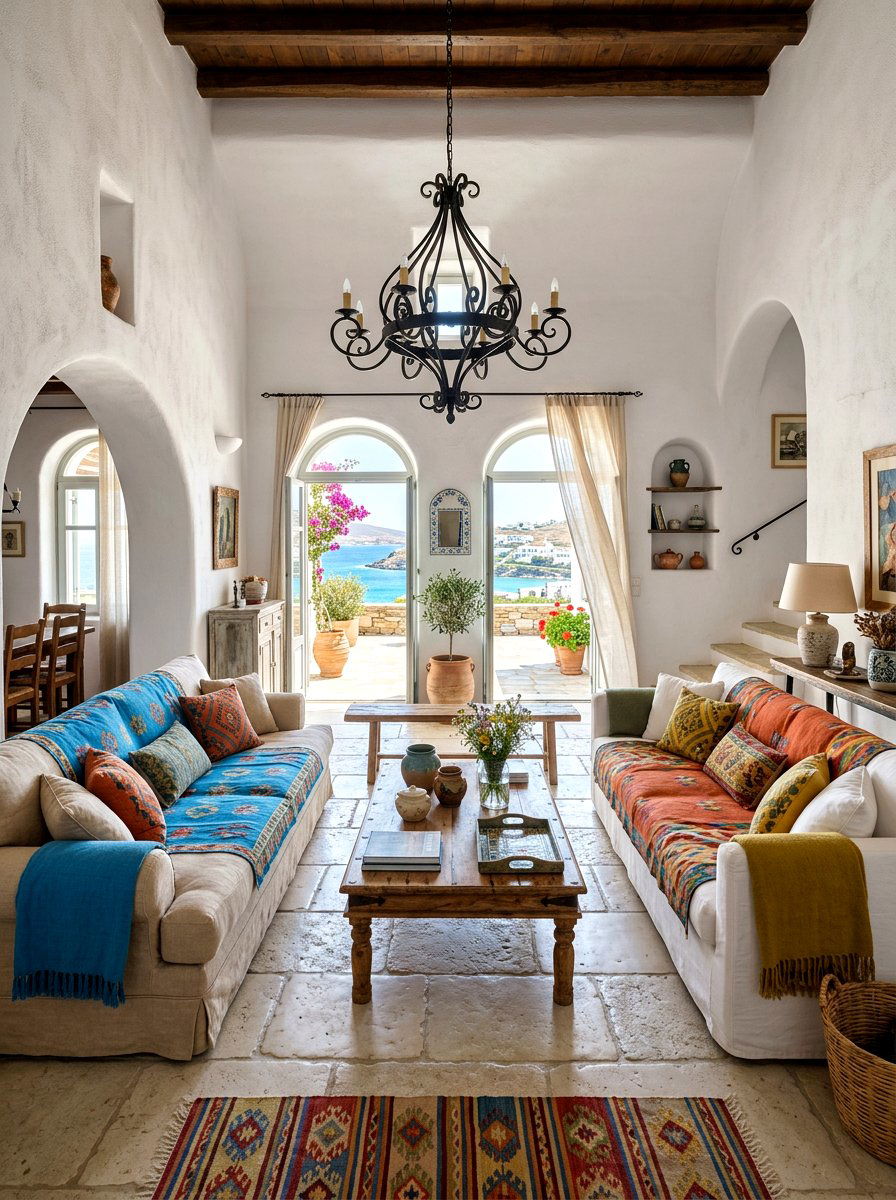
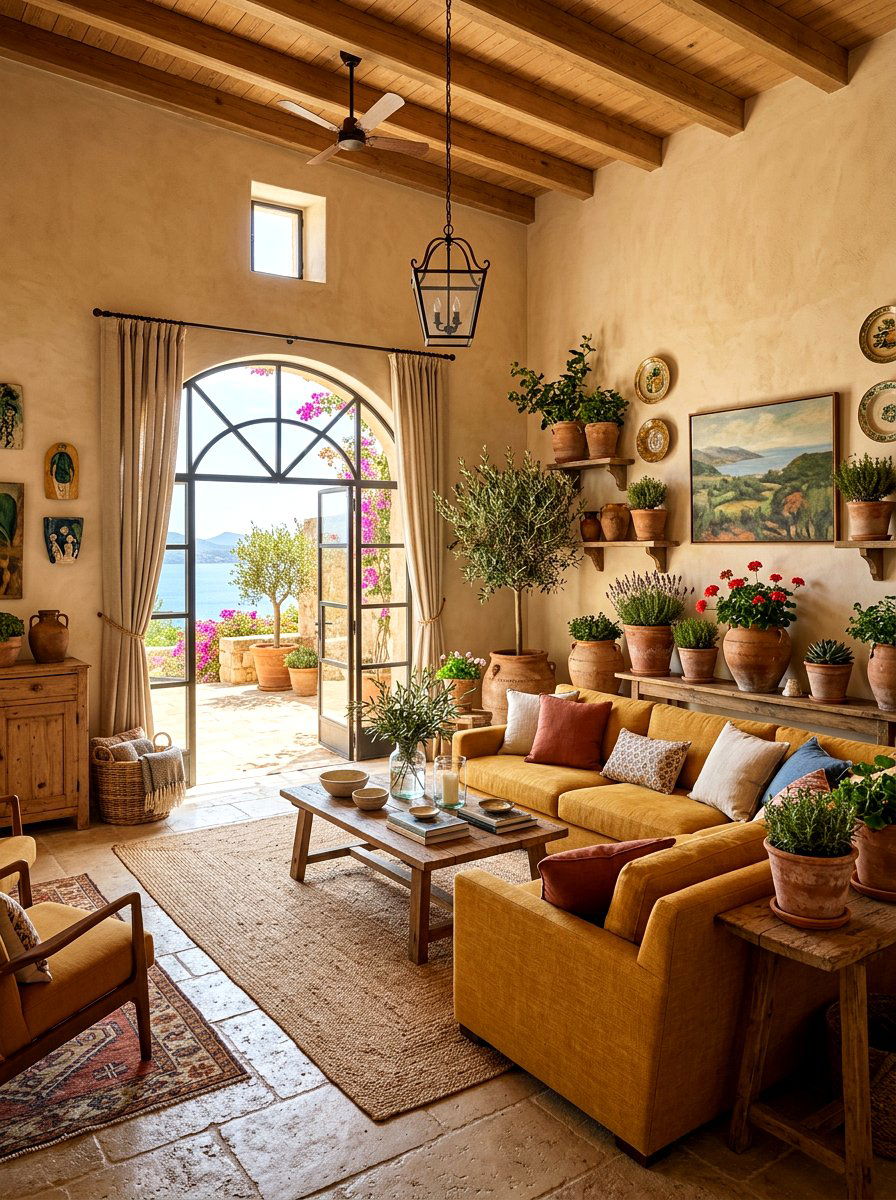
Mediterranean living room decor draws inspiration from the sun-drenched coastal regions of Southern Europe, using a palette of sand, stone, and terracotta. This style often features plastered walls with soft, rounded corners and arched doorways that create a sense of architectural fluidity. To keep it neutral, focus on light-colored tiles or stone floors paired with oversized, comfortable seating in a light linen fabric. Wrought iron light fixtures and dark wood accents provide the necessary contrast to the light-filled space. It is a design that feels both ancient and modern, offering a relaxed and sophisticated atmosphere that celebrates the beauty of natural light and simple materials.
20. French country living room
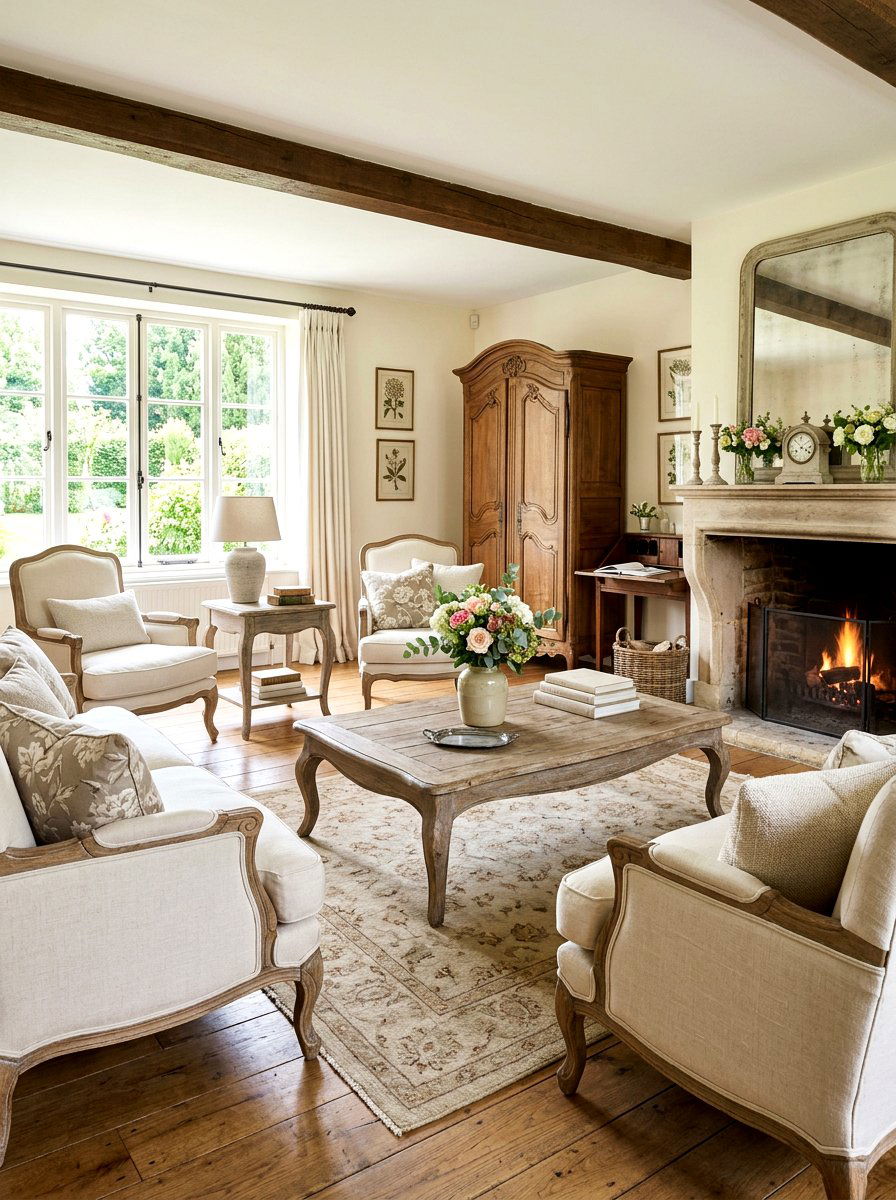
A French country living room combines rustic charm with elegant, feminine details to create a space that feels both sophisticated and very welcoming. This style uses a warm neutral palette of ivory, butter, and soft gray to provide a bright and cheerful backdrop. You will often see furniture with curved lines, such as cabriole legs on chairs and distressed wooden tables. Floral patterns can be introduced in subtle, neutral tones on throw pillows or window treatments to add a touch of romance. The overall effect is a room that feels lived-in and timeless, offering a perfect place for family gatherings and quiet afternoons alike.
21. Contemporary neutral living room
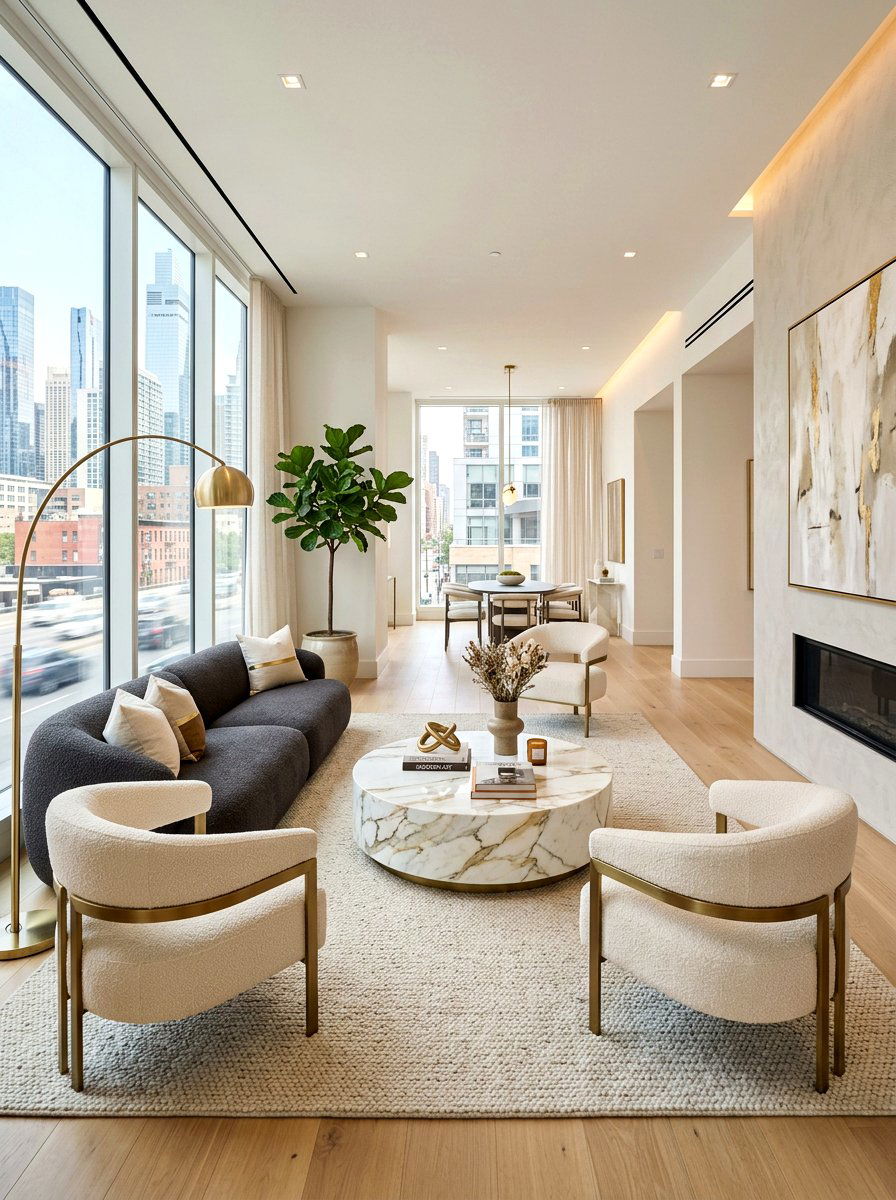
A contemporary neutral living room focuses on the latest design trends while maintaining a high level of comfort and warmth. This style often features bold, sculptural furniture pieces in shades of charcoal, taupe, and cream to create a modern focal point. Polished surfaces like marble coffee tables or metallic accents in brushed brass are used to add a touch of luxury to the space. The layout is usually open and flowing, with a focus on high-quality lighting that highlights the different tones and textures of the room. It is a sophisticated and polished look that feels very current and is perfect for modern city living.
22. Art deco neutral living room
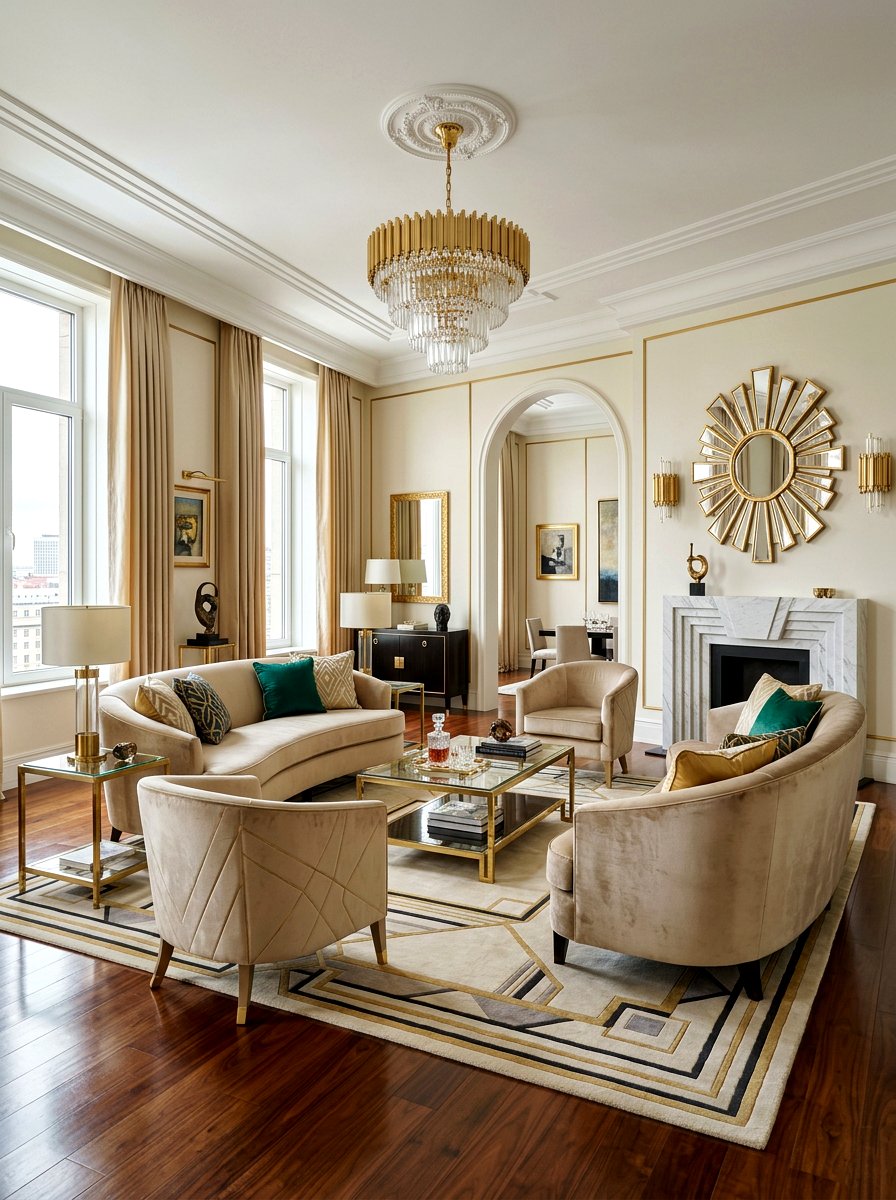
An art deco neutral living room brings a sense of 1920s glamour into a modern home using a sophisticated palette of champagne, gold, and mushroom. This style is characterized by geometric patterns and luxurious materials like velvet, silk, and polished metal. To keep the look warm and neutral, focus on using cream-colored upholstery with gold trim and mirrored surfaces that reflect the warm ambient light. High-contrast elements, like dark wood floors against light walls, help to emphasize the bold lines typical of the art deco era. It is a striking and elegant design that makes a powerful statement while remaining soft and incredibly inviting.
23. Shabby chic living room
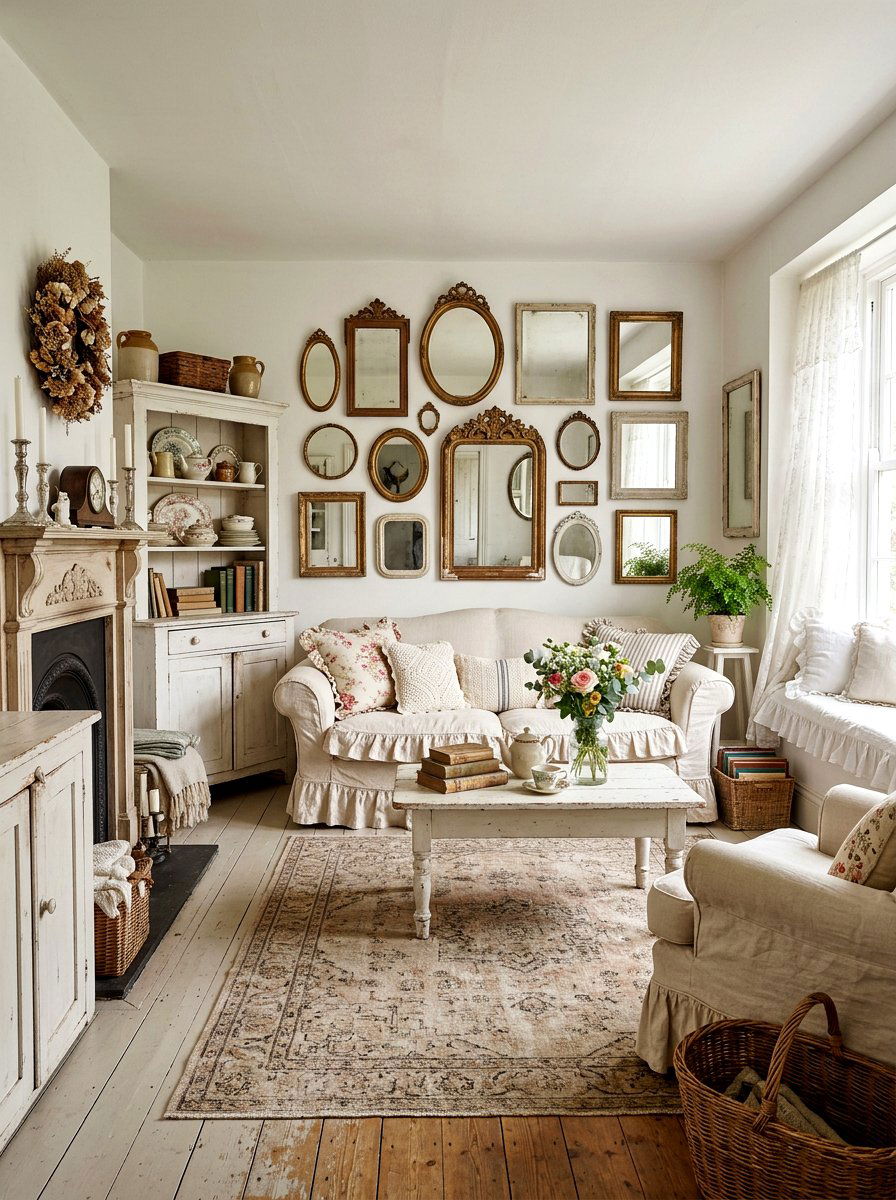
A shabby chic living room celebrates the beauty of imperfection and vintage charm within a bright, warm neutral palette. This style relies on distressed white-washed furniture and soft, ruffled fabrics in shades of cream and very pale tan. You can incorporate vintage finds like an old wooden trunk used as a coffee table or a collection of antique mirrors on the wall. The key is to create a space that feels effortlessly assembled and full of history, with a focus on soft textures and romantic details. It is a very cozy and personal style that is perfect for creating a relaxed and charming family living area.
24. Eclectic warm neutral living room
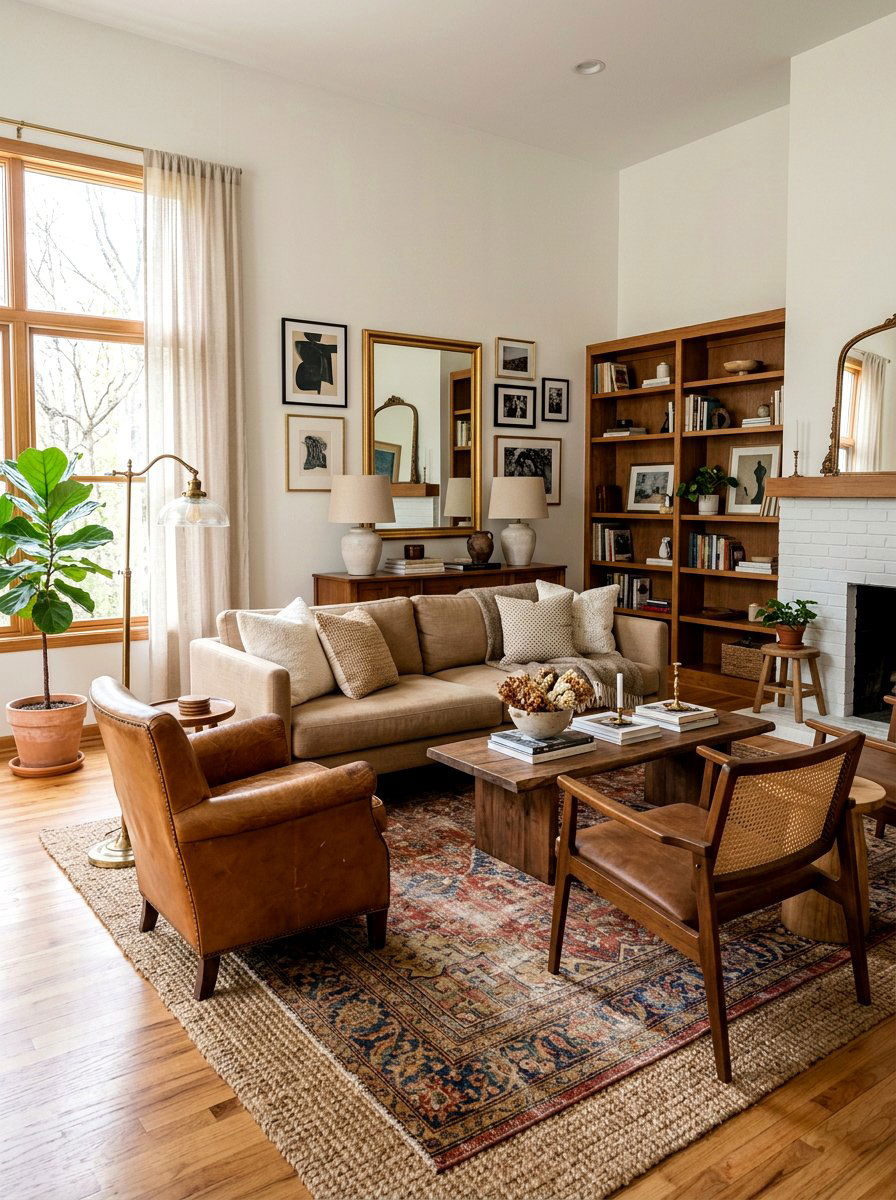
An eclectic warm neutral living room is the perfect choice for someone who loves to mix different styles and eras while keeping a cohesive color story. By using a palette of various tans, creams, and wood tones, you can bring together a modern sofa, a vintage rug, and an industrial light fixture without the room feeling messy. This design relies on the similarity of the colors to unify the diverse elements, creating a space that feels curated and unique. It is a great way to showcase your personal collection of art and furniture while ensuring the overall environment remains calm, balanced, and very welcoming.
25. Glam neutral living room
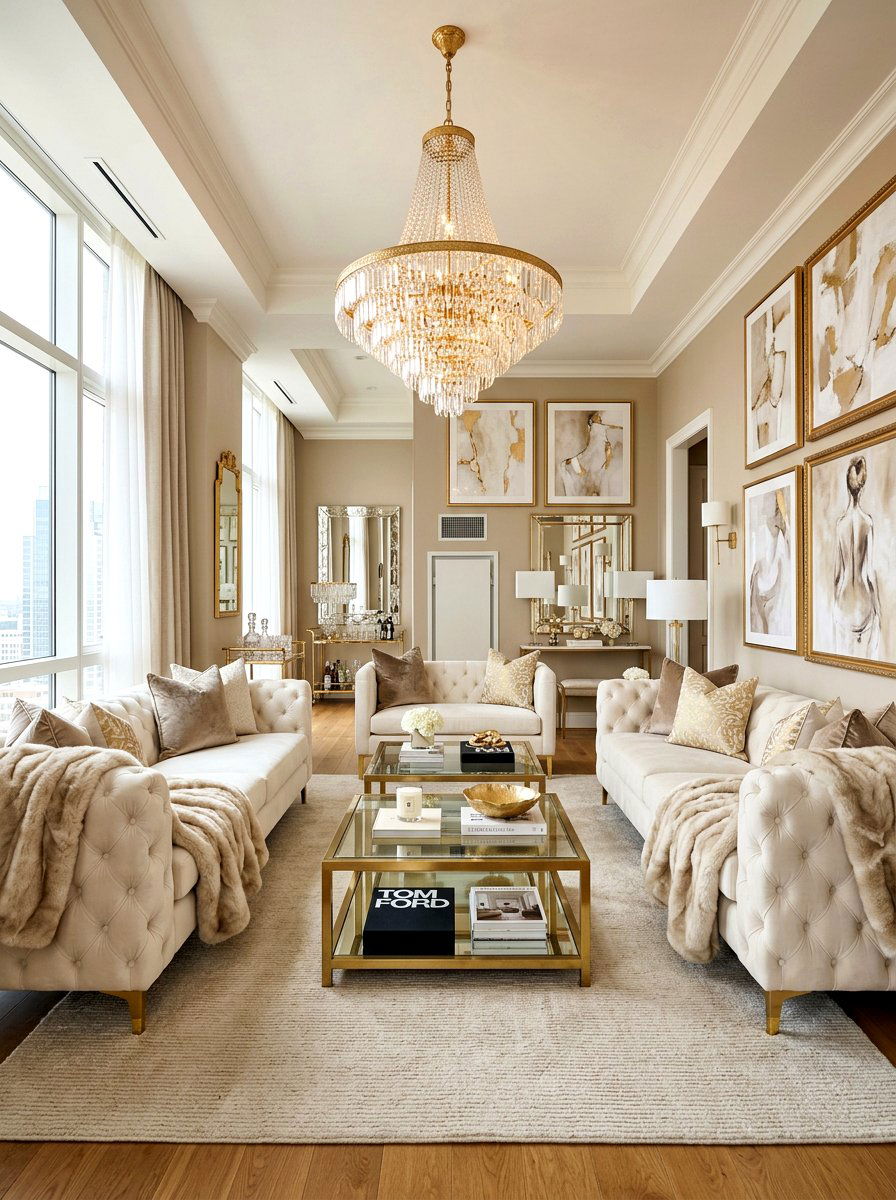
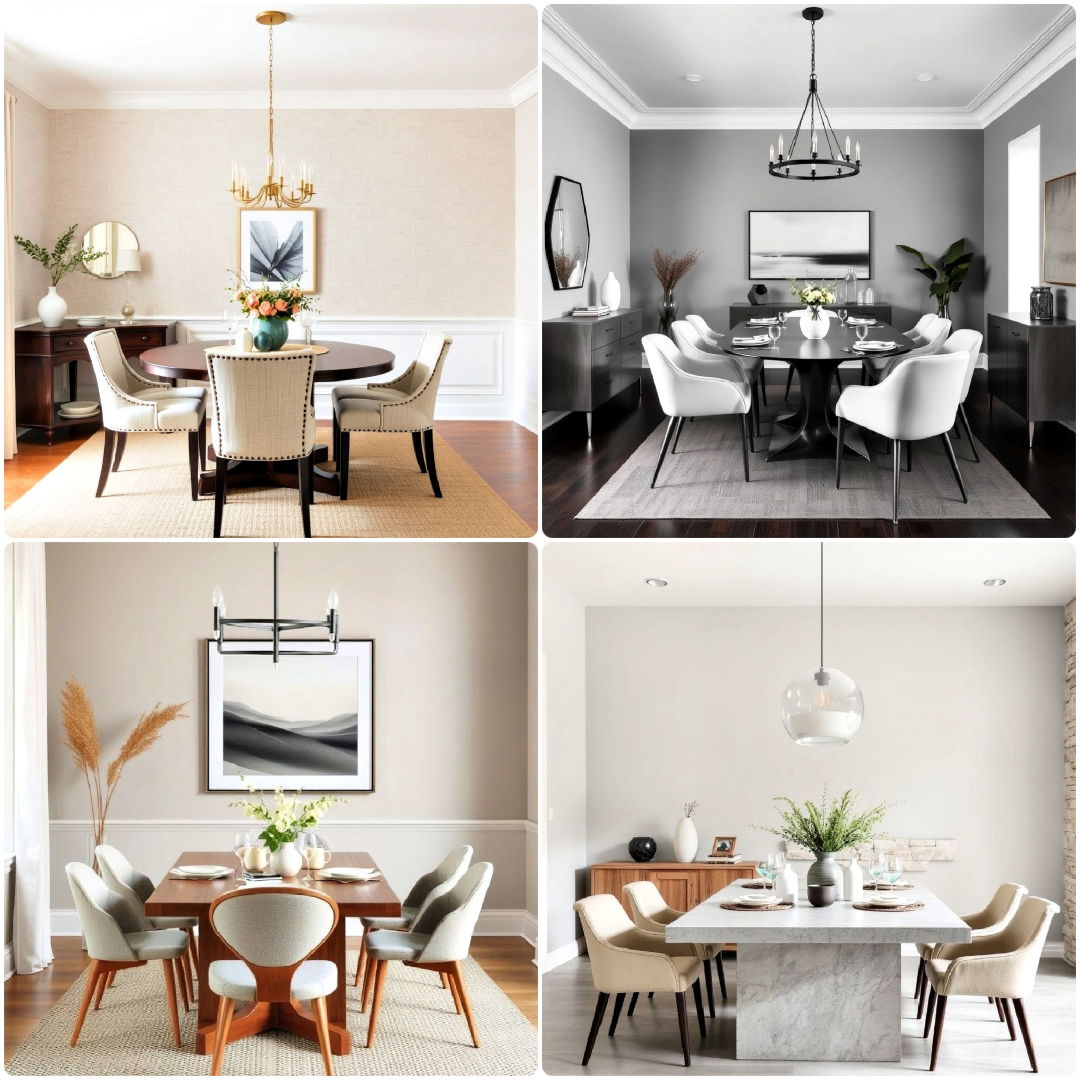
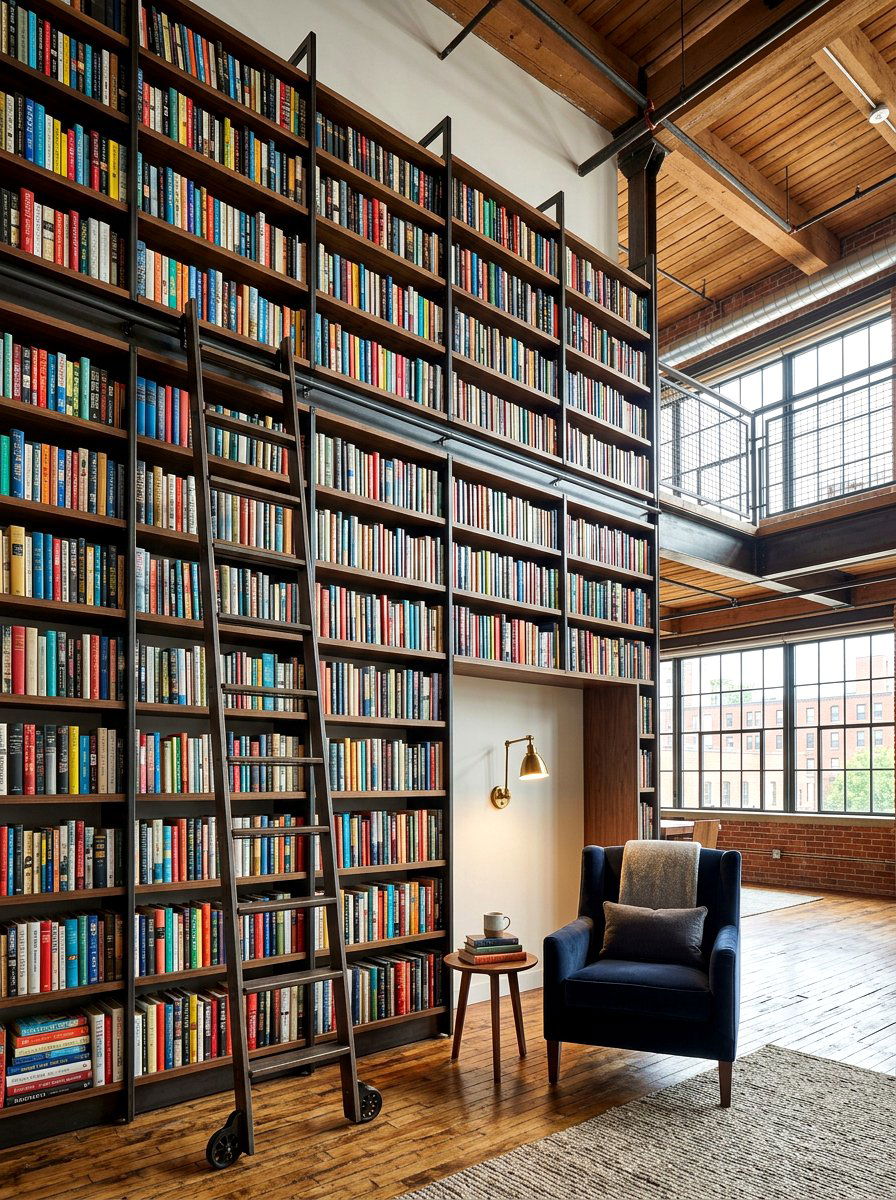
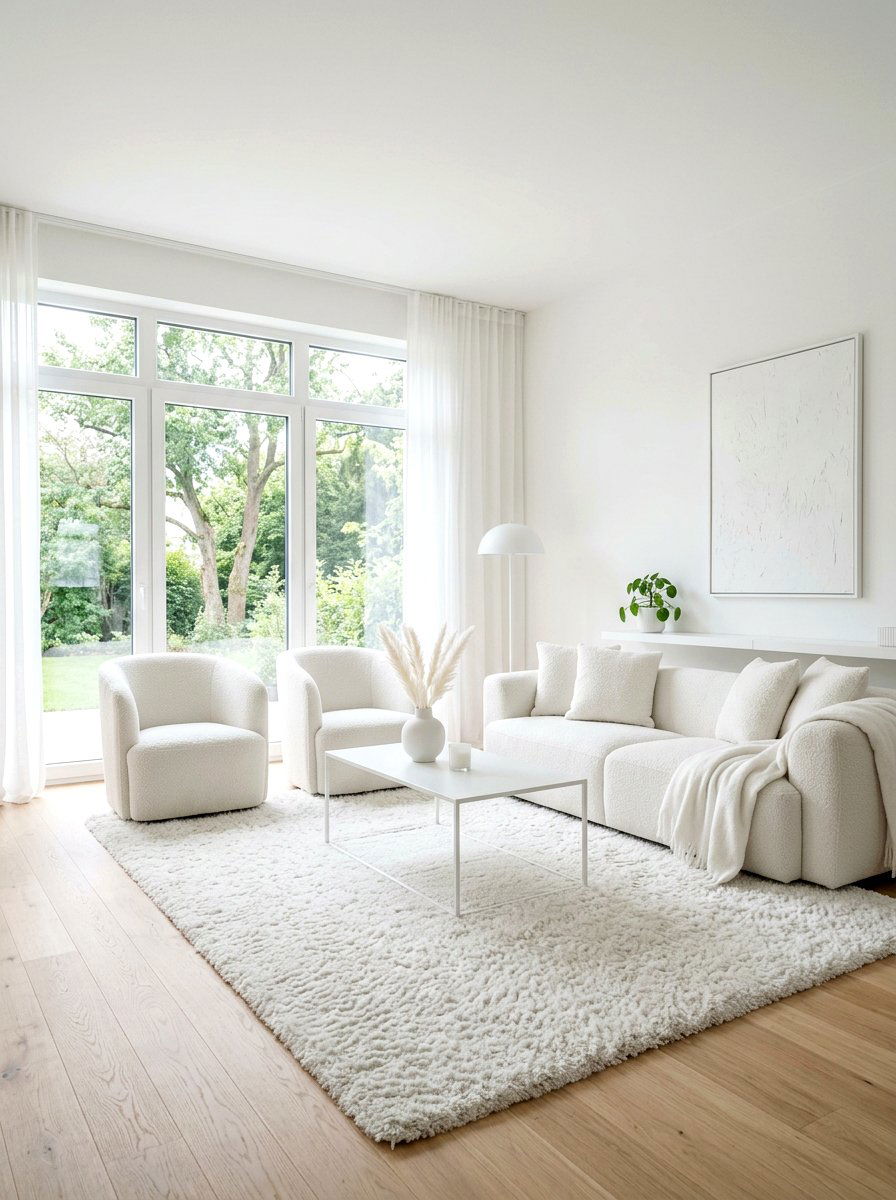
A glam neutral living room is all about luxury, sparkle, and high-end finishes within a sophisticated warm palette. This style uses plush fabrics like velvet and faux fur in shades of ivory and champagne to create a sense of opulence. Metallic accents in gold or brass are a must, appearing in everything from coffee table legs to picture frames and light fixtures. Oversized mirrors and crystal chandeliers help to bounce light around the room, making the neutral colors glow with a sense of refined elegance. This design is perfect for someone who wants a living space that feels like a five-star hotel, offering both comfort and high style.
26. Cottagecore neutral living room
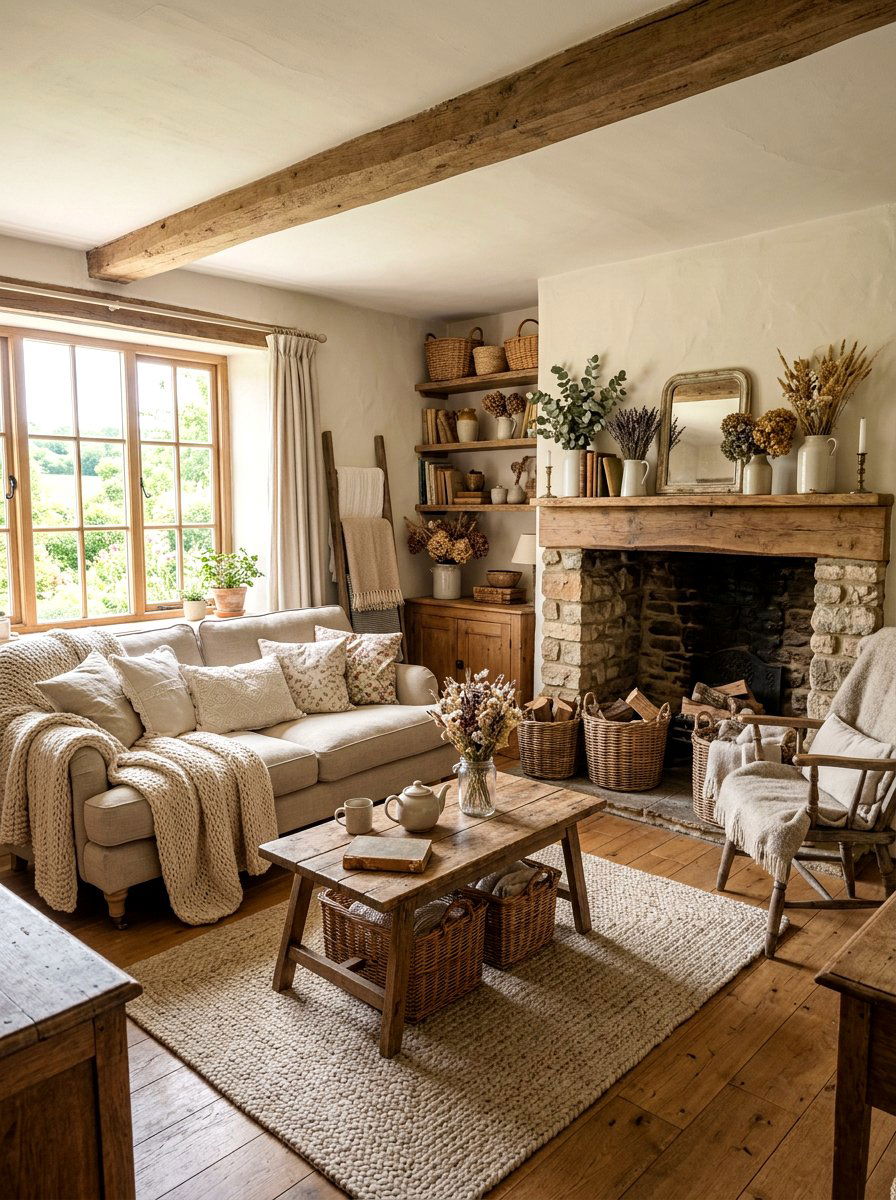
A cottagecore neutral living room brings the charm of a simple, rural life into the home with a focus on natural materials and cozy details. This style uses a palette of warm whites, soft browns, and light greens to create a space that feels like a peaceful countryside retreat. You might see a slipcovered sofa covered in a variety of knit blankets and floral-patterned pillows in muted tones. Woven baskets filled with firewood or books and plenty of dried flowers help to reinforce the rustic, lived-in feel. It is a very comforting and nostalgic design that encourages a slower pace of life and a connection to nature.
27. Zen living room
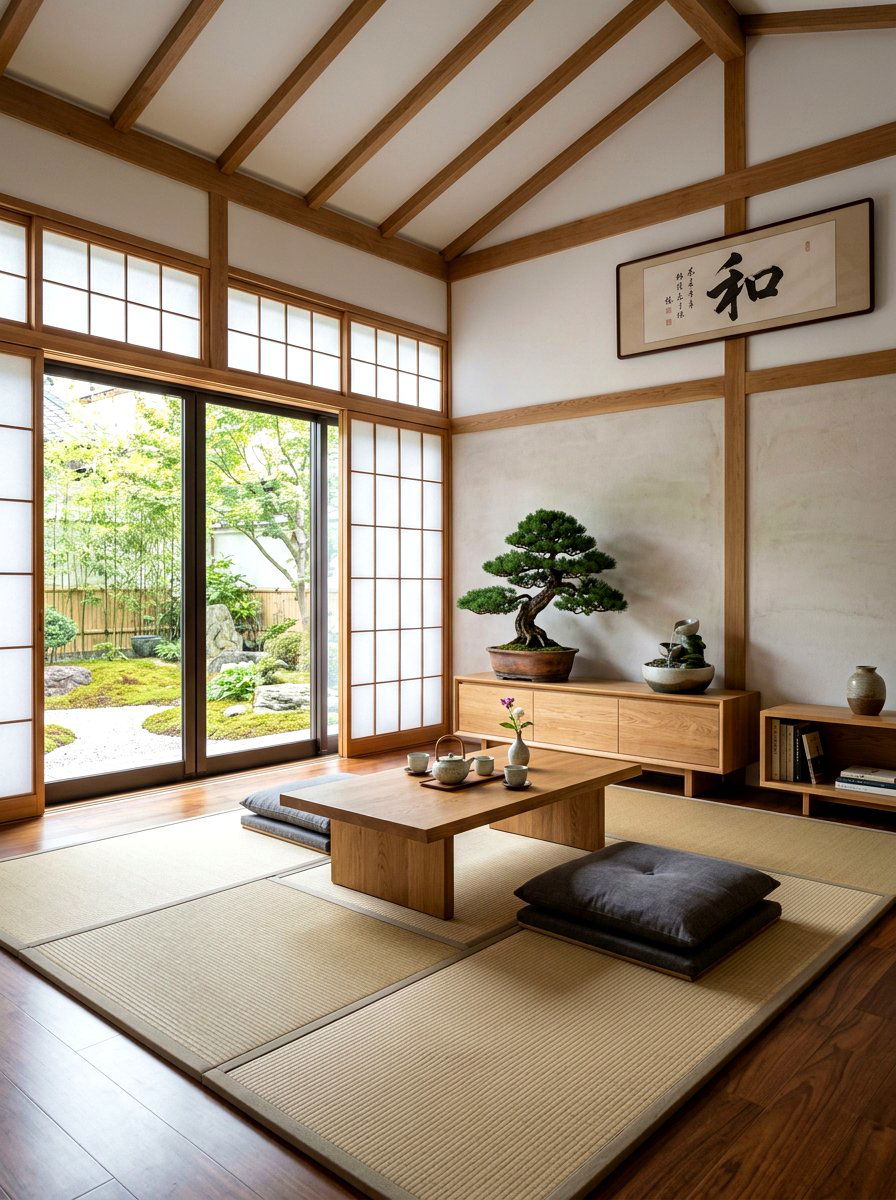
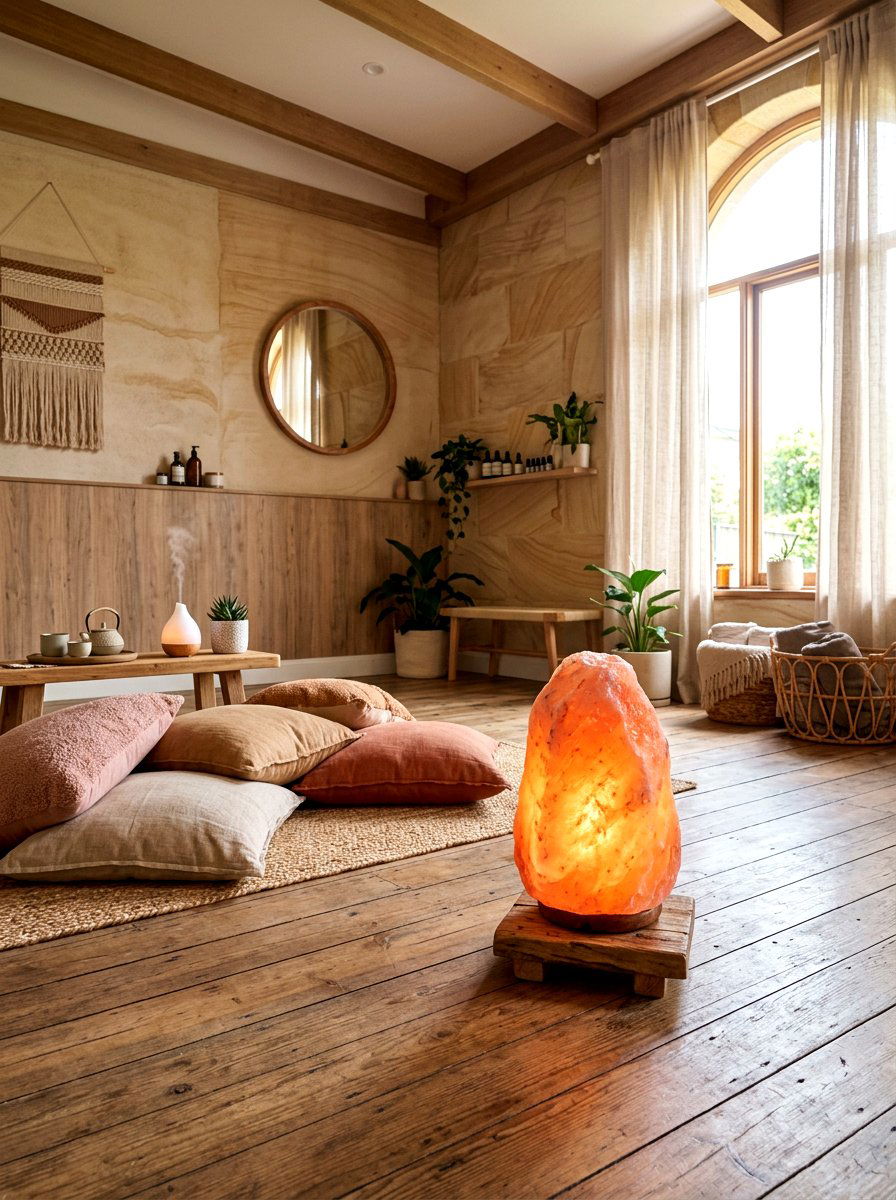
A zen living room focuses on creating a space for meditation, relaxation, and total mental clarity through a very minimalist neutral palette. This style uses shades of sand, stone, and light wood to create a monochromatic environment that is free from visual distractions. Low-profile furniture and an open floor plan help to promote a sense of flow and airiness throughout the space. You can incorporate natural elements like a small indoor fountain or a single, perfectly placed bonsai tree to add a touch of life. The lighting should be soft and diffused, creating a serene and balanced atmosphere that feels like a private sanctuary from the outside world.
28. Southwest neutral living room
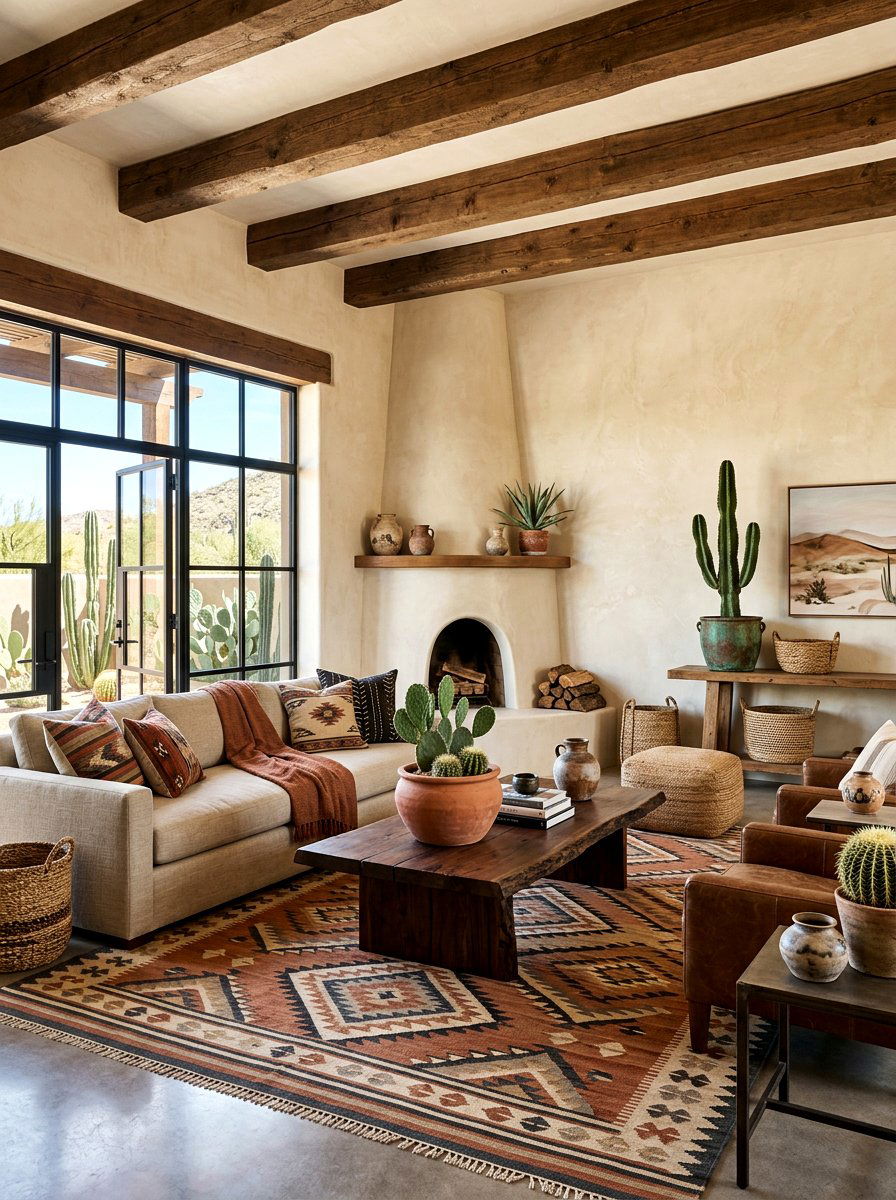
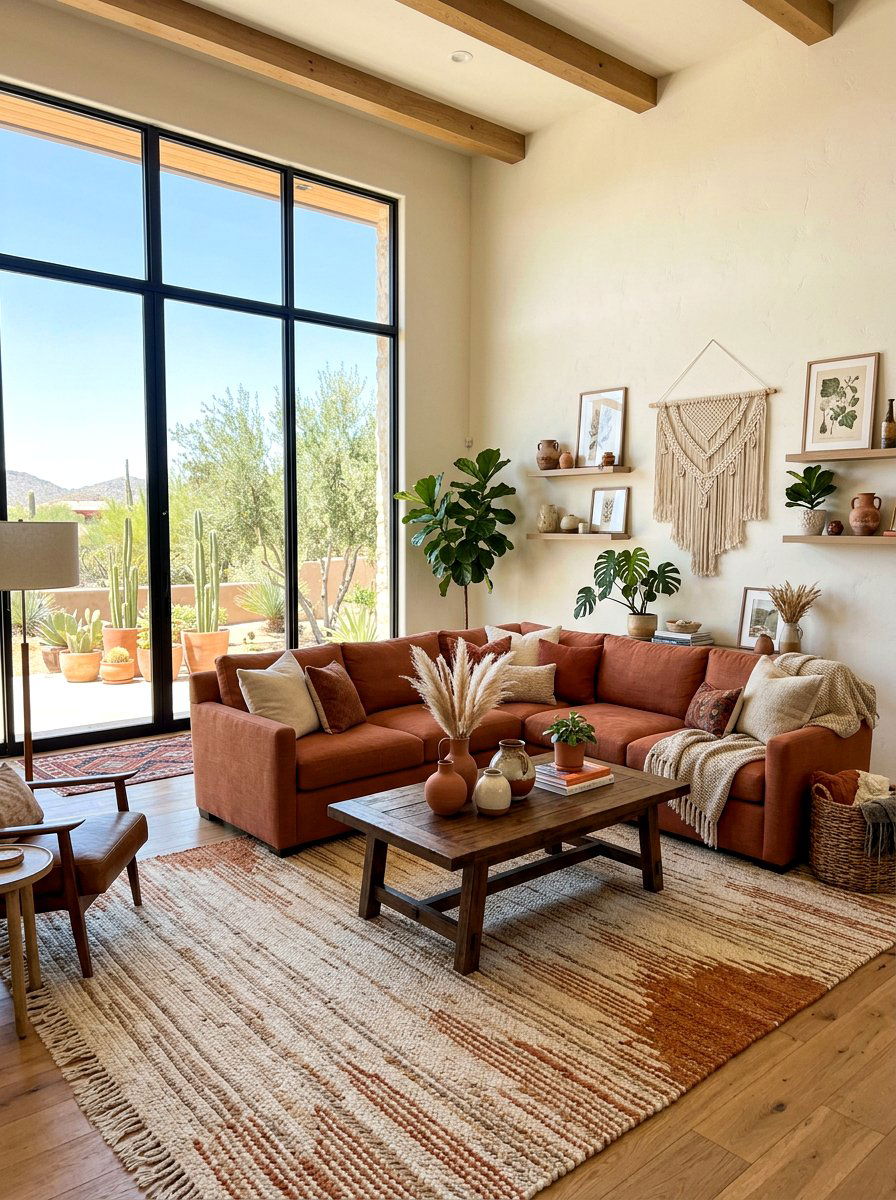
A southwest neutral living room draws inspiration from the high desert, using a palette of sand, clay, and sun-bleached wood. This style often features textured plaster walls and rustic wooden furniture that provides a sense of rugged beauty. You can incorporate traditional southwestern patterns in neutral tones on rugs or throw blankets to add a touch of cultural heritage to the space. Potted cacti and succulents bring a bit of life that perfectly complements the earthy color scheme. It is a warm and grounded design that feels both adventurous and incredibly comfortable, making it a great choice for homes in any location.
29. Wabi sabi living room
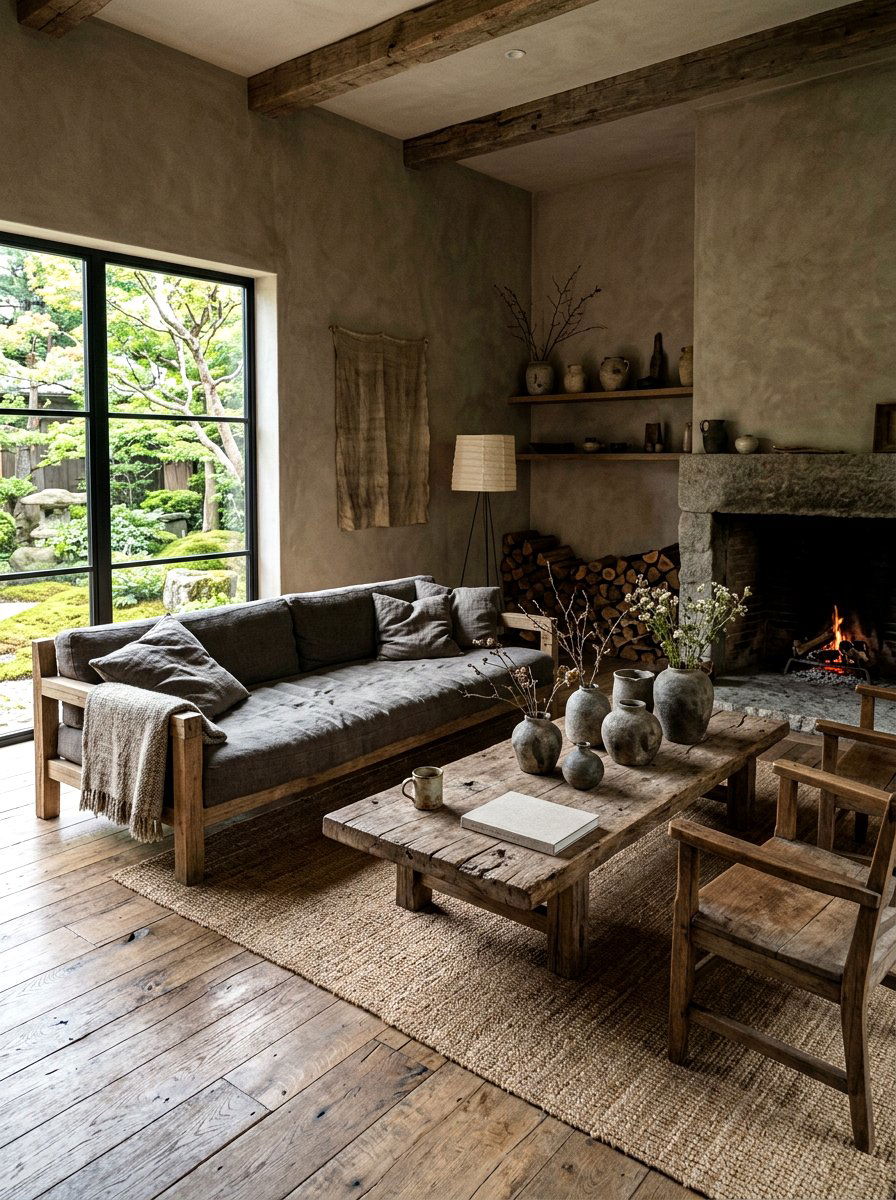
A wabi sabi living room embraces the Japanese philosophy of finding beauty in imperfection and the natural cycle of growth and decay. This style uses a very raw and organic neutral palette of gray, brown, and cream, focusing on materials in their most natural state. You might see a reclaimed wood coffee table with visible cracks or a hand-formed clay vase as a centerpiece. The furniture is often simple and unadorned, allowing the texture of the materials to speak for themselves. This design direction creates a space that feels authentic, peaceful, and deeply connected to the reality of the passing of time.
30. Vintage neutral living room
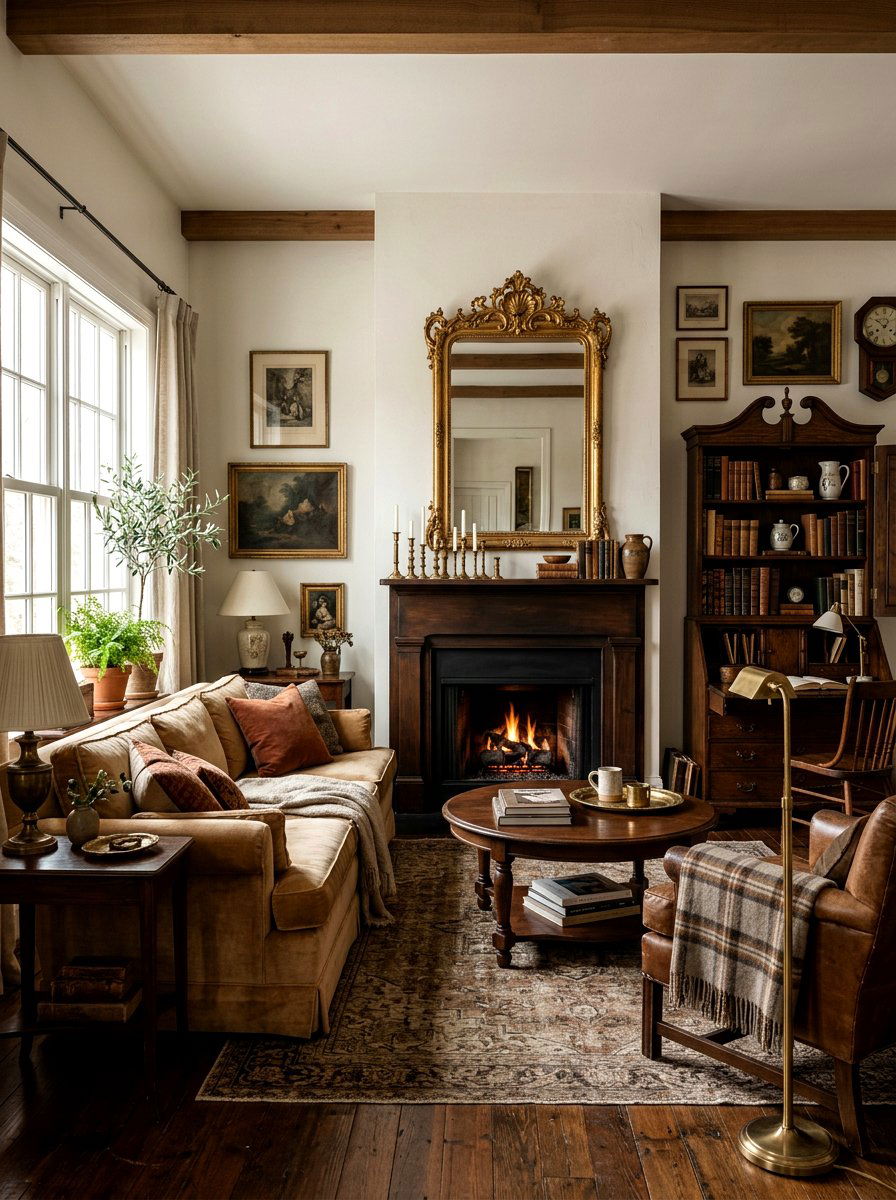
A vintage neutral living room uses antique and mid-century finds to create a space that feels rich with history and personal character. By sticking to a warm neutral palette of tan, cream, and dark wood, you can mix different vintage eras without the room feeling cluttered. A classic velvet sofa from the 1970s might look wonderful when paired with an ornate gold mirror from the early 1900s. The walls are usually kept a simple warm white to allow the unique shapes and patinas of the vintage pieces to shine. It is a soulful and interesting design that tells a story through carefully selected pieces of the past.
Conclusion:
As we have explored, a warm neutral living room is incredibly versatile and can be adapted to almost any interior design style you prefer. Whether you lean towards the clean lines of modern minimalism or the cozy layers of a rustic farmhouse, a neutral palette provides a sophisticated foundation that will remain relevant for years to come. The secret to success lies in the layering of different tones and the inclusion of various textures that bring the space to life. By focusing on quality materials and thoughtful lighting, you can create a living area that is not only beautiful to look at but also a true sanctuary for relaxation and connection.

Related posts: