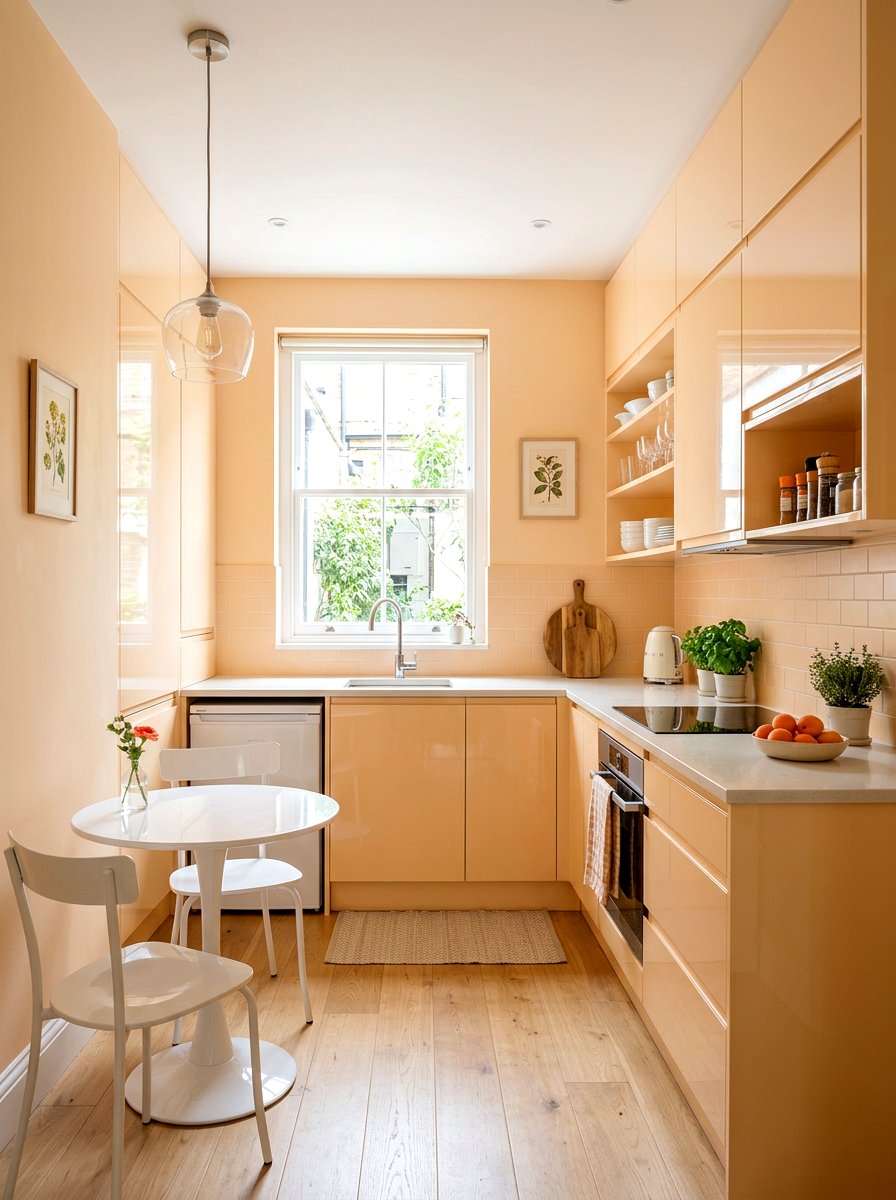
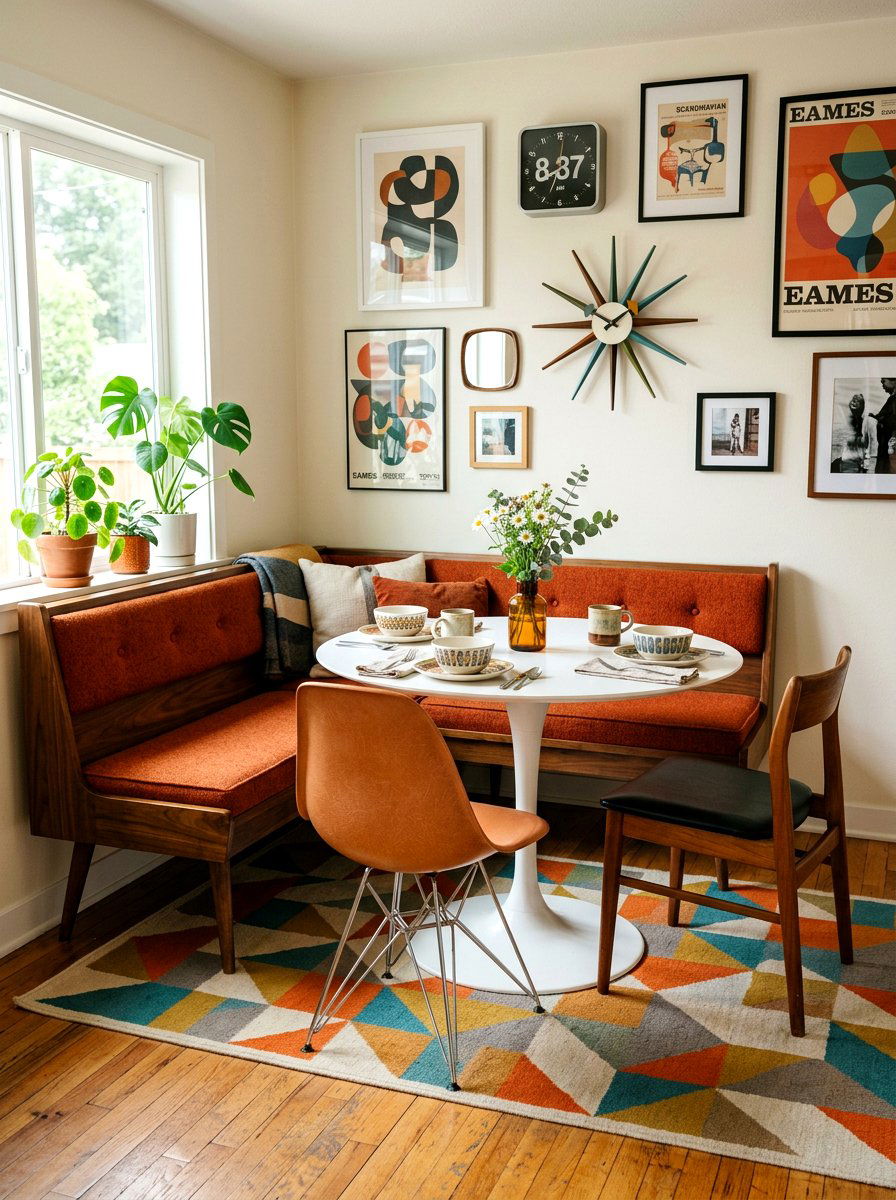
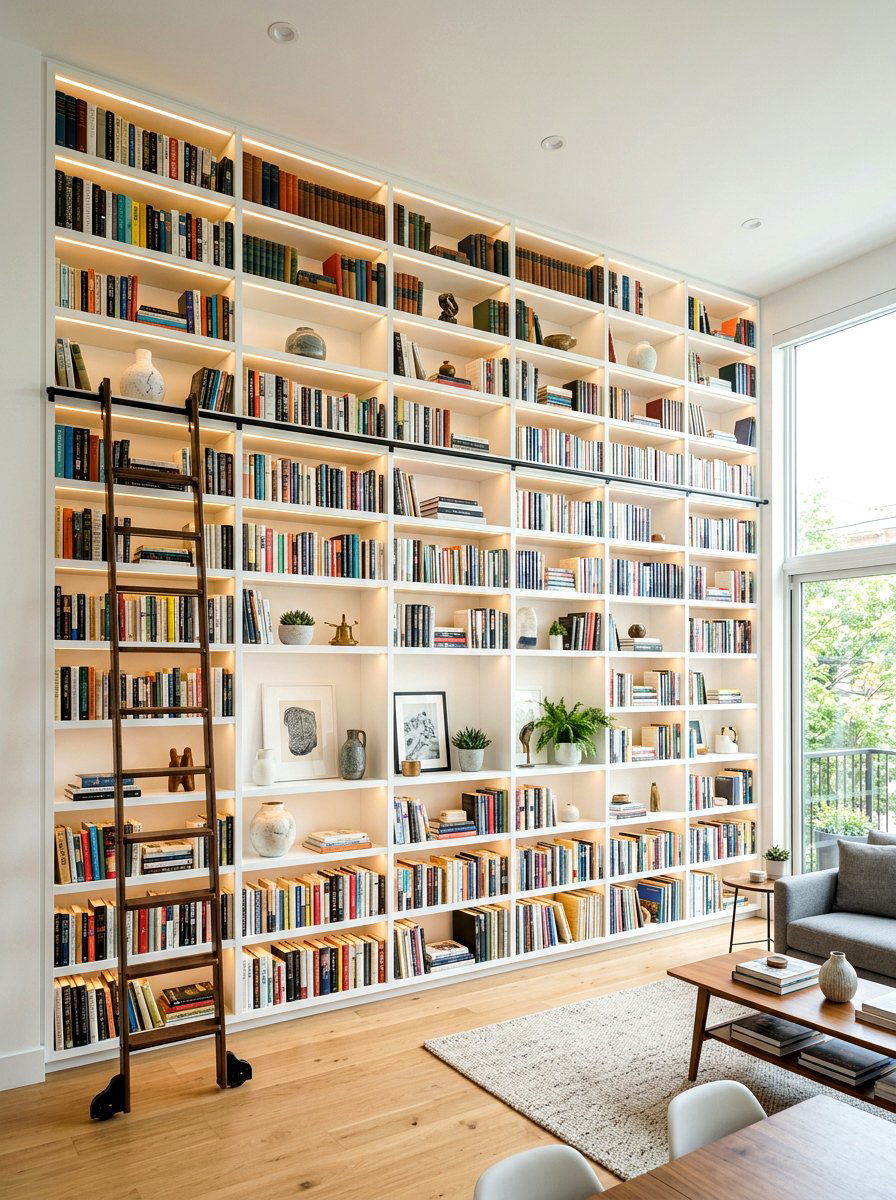
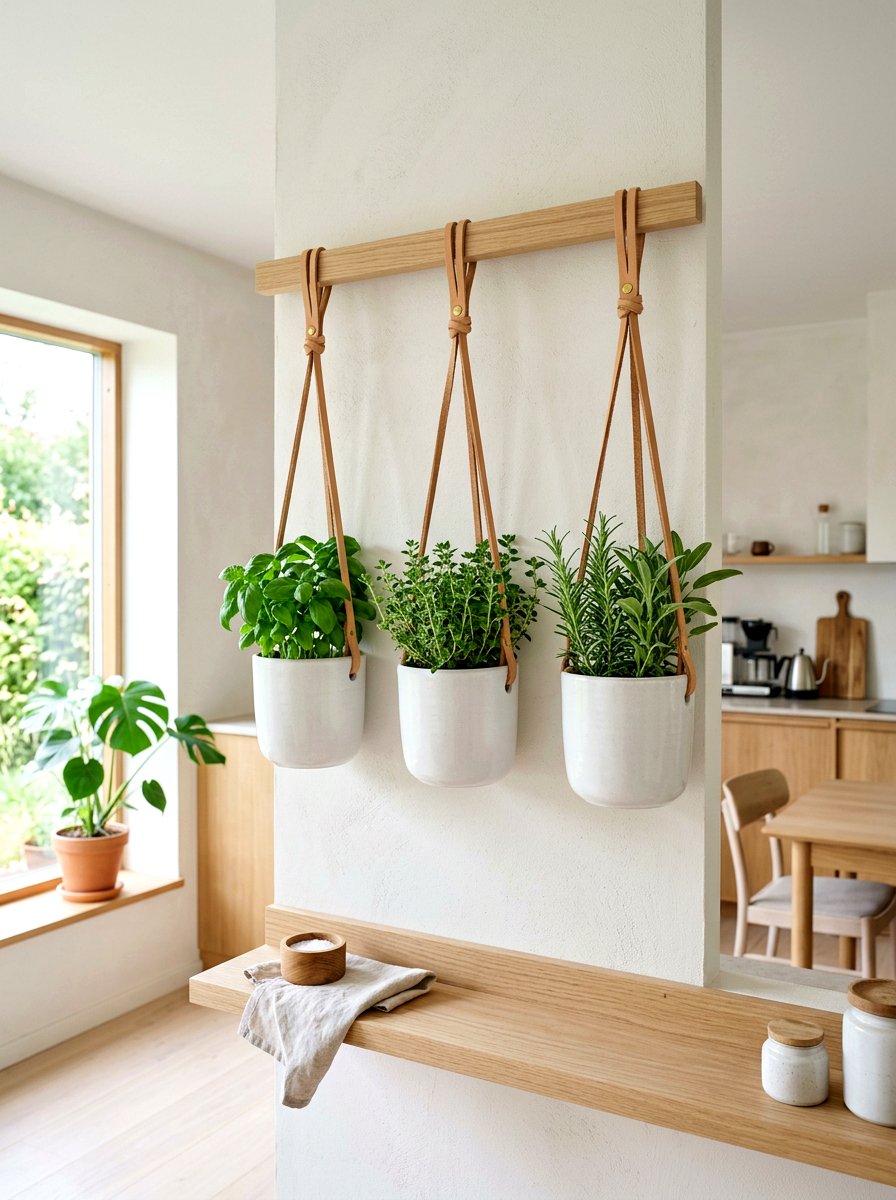
Creating a cabin kitchen involves more than just selecting wood finishes; it is about capturing the essence of comfort and nature. These spaces serve as the heart of a rustic retreat, blending rugged materials with modern functionality to create a warm sanctuary. Whether you are dealing with a sprawling log home or a tiny forest escape, the right layout and texture can transform your cooking area into a viral-worthy masterpiece. Natural light, tactile surfaces, and clever storage solutions play crucial roles in making these kitchens feel both expansive and intimate. Let’s explore various ways to anchor your home with a stunning, durable, and highly personalized mountain-inspired culinary space.
1. Rustic Log Cabin Kitchen
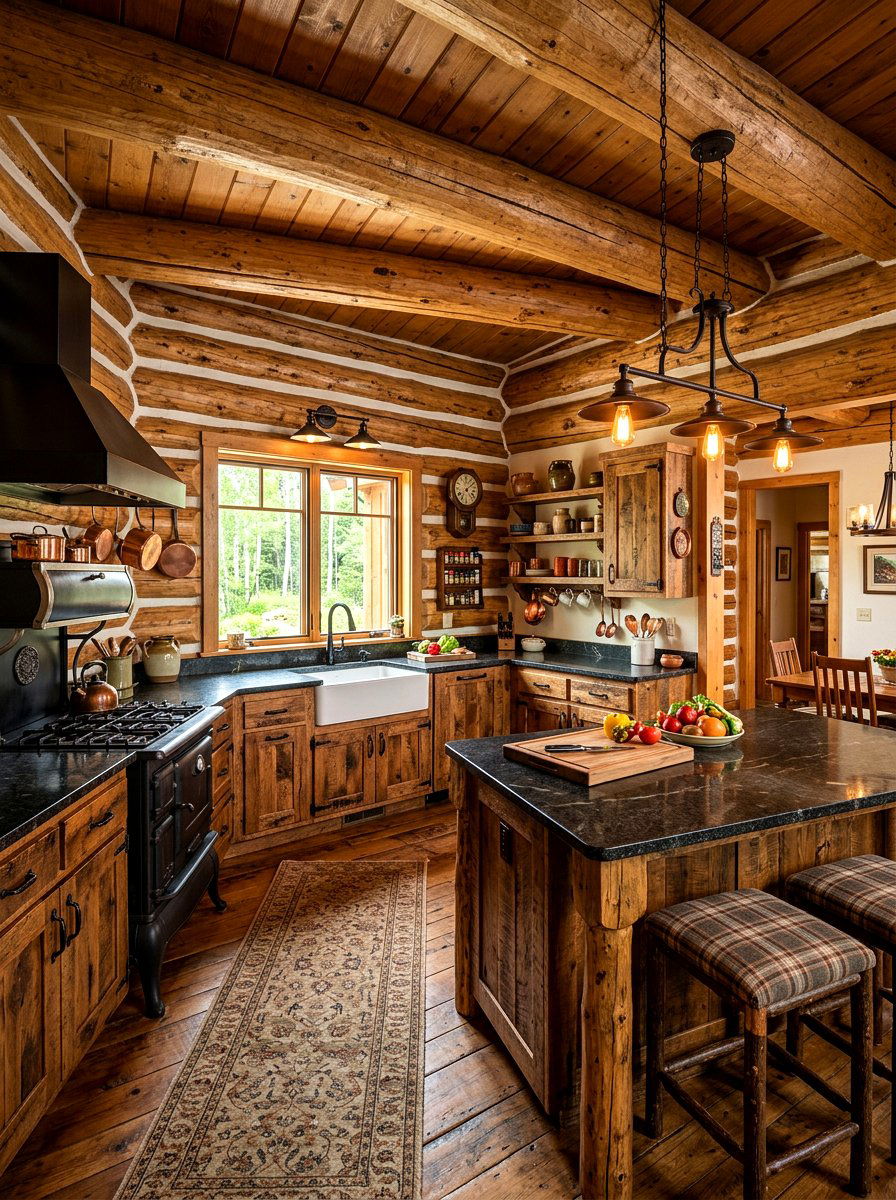
Have you ever wondered how to balance heavy timber walls with functional cooking zones? A rustic log cabin kitchen embraces the raw beauty of natural wood by leaving the round logs exposed as a stunning backdrop. These kitchens often feature heavy, hand-hewn cabinetry that matches the scale of the architecture. Incorporating wrought iron hardware and thick granite countertops adds a layer of durability that feels grounded and timeless. The key is to use warm, ambient lighting to highlight the rich texture of the chinking between the logs. This design approach creates an immersive forest experience that feels sturdy, traditional, and incredibly welcoming for large family gatherings.
2. Modern Mountain Kitchen
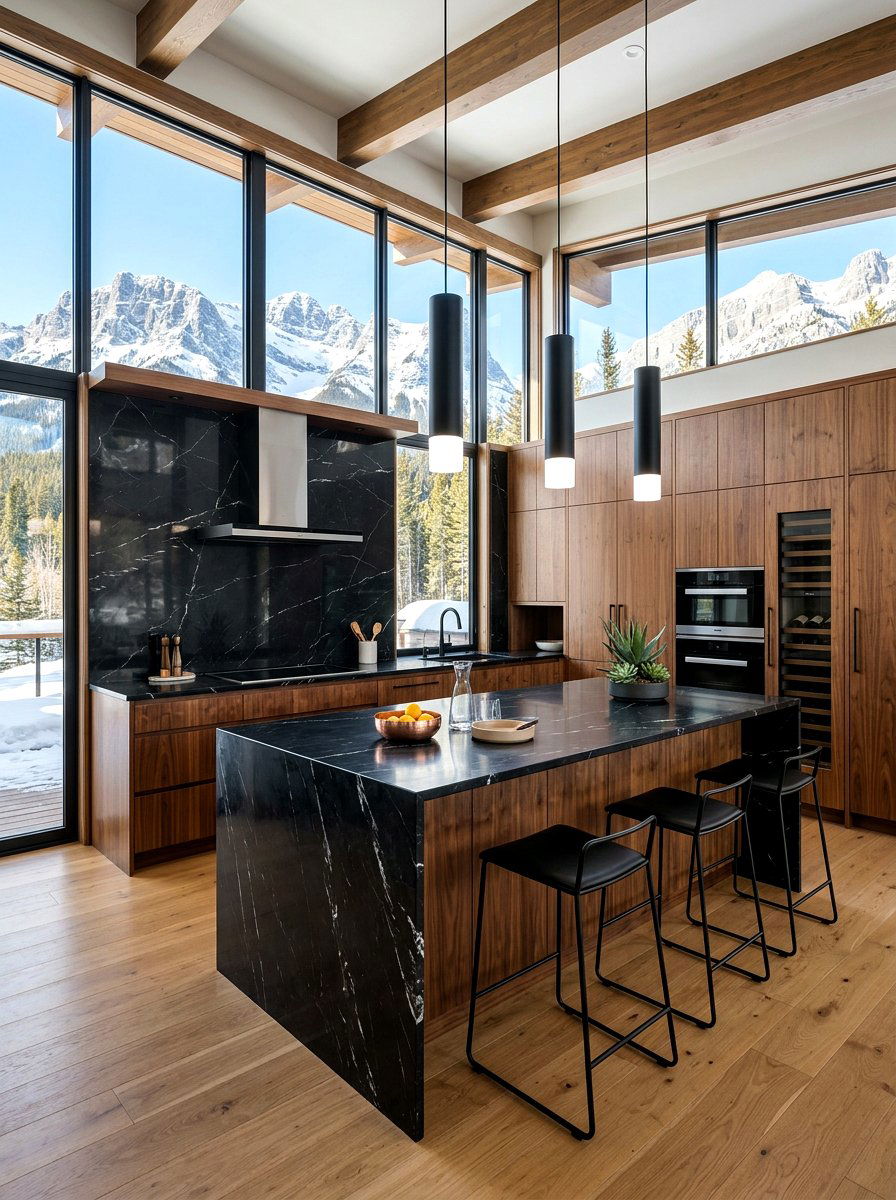
Can a rugged mountain home actually feel sleek and sophisticated at the same time? A modern mountain kitchen achieves this by mixing organic textures with very clean, contemporary lines. Imagine smooth, flat-panel walnut cabinets paired with a dramatic black marble backsplash that stretches all the way to the ceiling. Large, floor-to-ceiling windows are essential here to let the surrounding landscape act as the primary decor. By keeping the color palette neutral — think charcoals, slates, and warm grays — the space feels expansive rather than cluttered. High-end integrated appliances and minimalist pendant lights ensure the room remains functional without ever losing its high-fashion, high-altitude architectural appeal.
3. Small Cabin Kitchenette
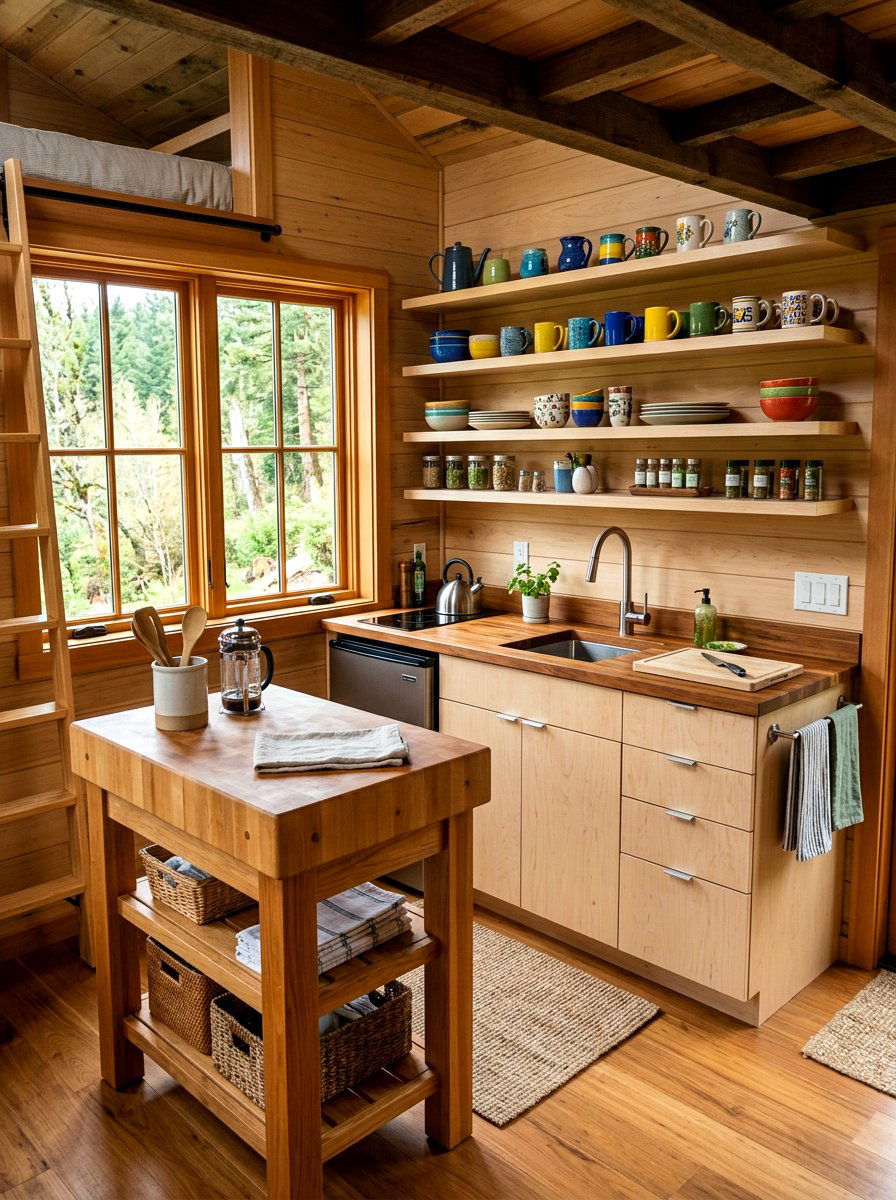
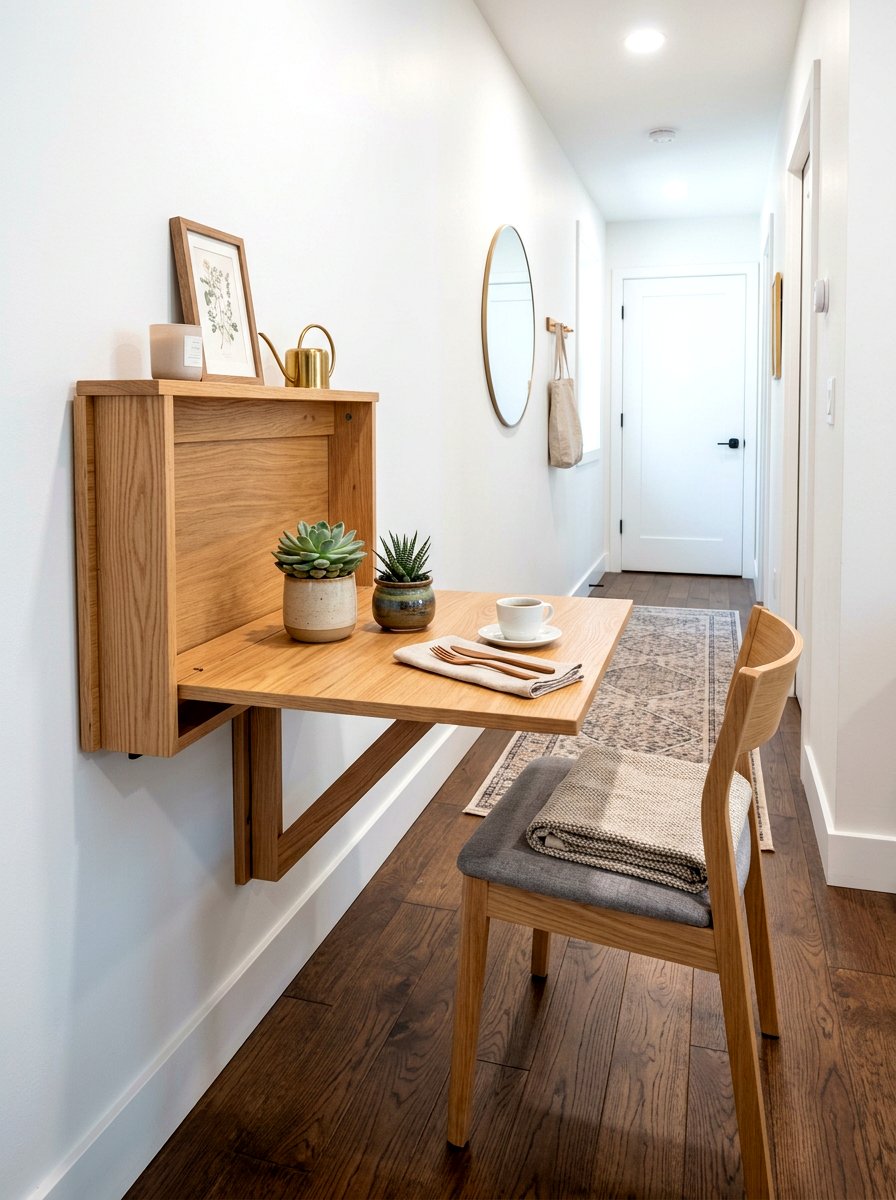
What is the secret to making a compact woodland retreat feel perfectly efficient? A small cabin kitchenette relies on vertical storage and multifunctional surfaces to maximize every single square inch. Using light-colored woods like birch or maple helps the tiny space feel airy and much larger than its actual footprint. Fold-down tables or pull-out cutting boards provide extra prep room only when you need it, keeping the floor plan clear. Open shelving for frequently used mugs and plates adds a charming, lived-in feel while preventing the room from feeling closed in by heavy upper cabinetry. It is all about smart, thoughtful organization.
4. Log Home Kitchen Island
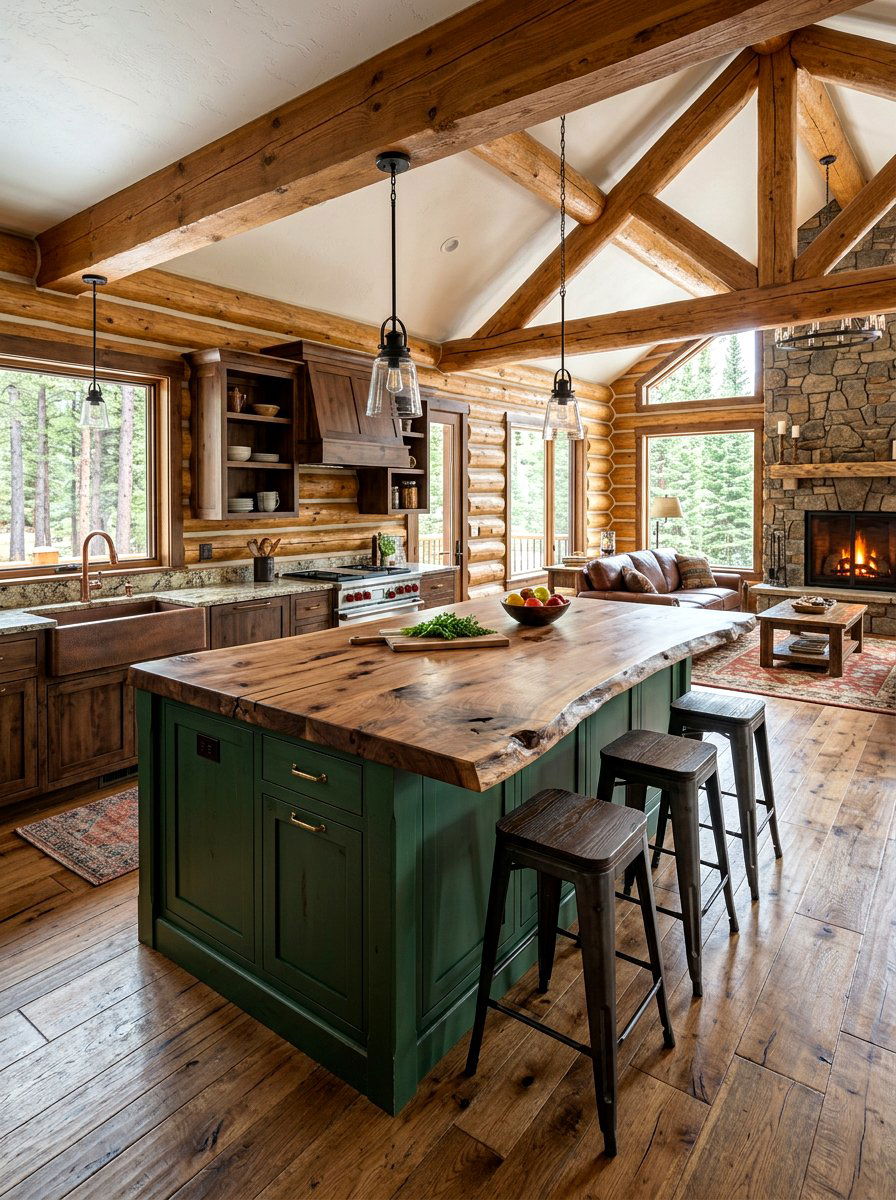
Is the kitchen island really the ultimate focal point for a large open-concept cabin? A log home kitchen island often doubles as a social hub, featuring a massive live-edge wood slab or a rugged stone top. To make it stand out, consider painting the island base a deep forest green or a classic navy to contrast with the surrounding natural wood walls. This piece of furniture provides essential extra prep space and casual seating for guests while you cook. Adding built-in bookshelves on the ends for cookbooks or decorative pottery enhances the handcrafted vibe, making the island feel like a custom piece of art.
5. Reclaimed Wood Kitchen Cabinet
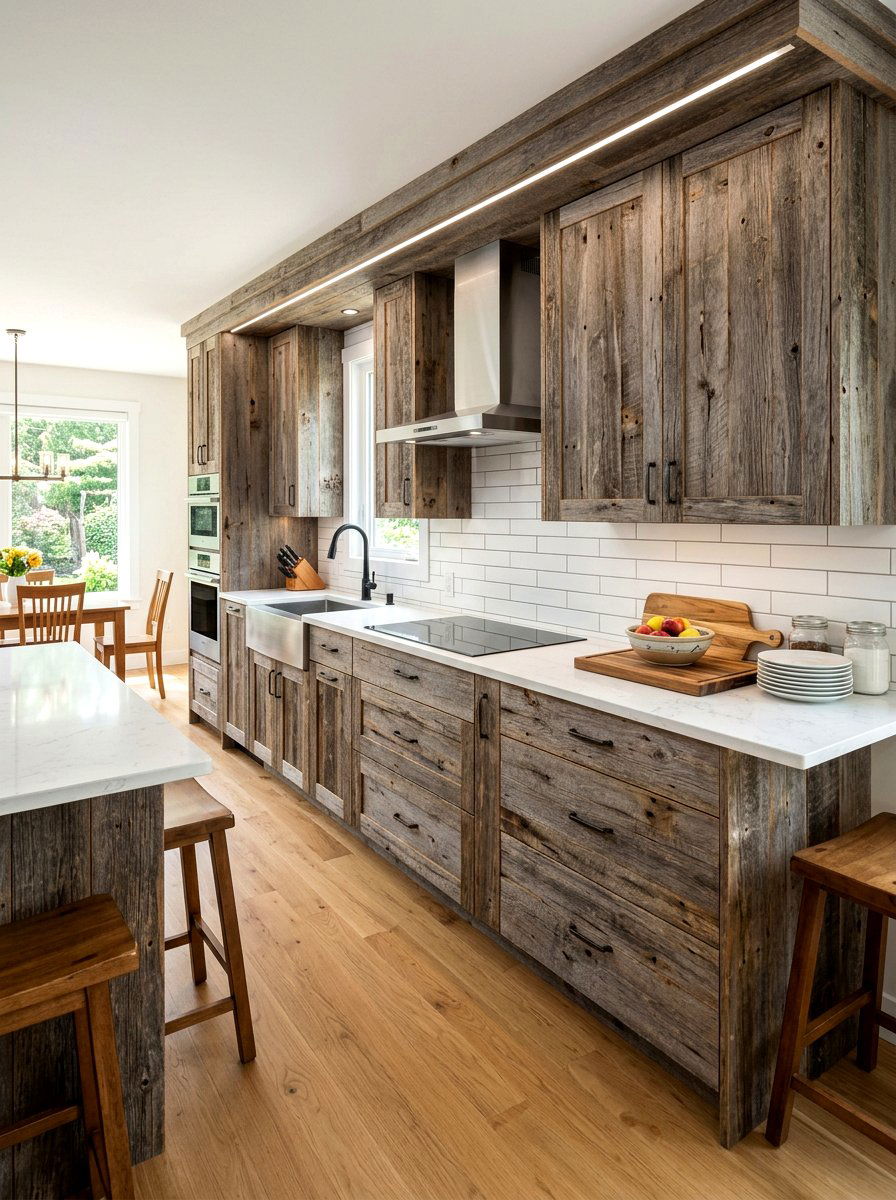
Why should you consider using salvaged materials for your next mountain renovation project? Reclaimed wood kitchen cabinets bring an unparalleled sense of history and character that new lumber simply cannot replicate. These cabinets often showcase original saw marks, nail holes, and a weathered patina that tells a story. Pairing these rustic fronts with modern, slim-profile hardware creates a beautiful "new meets old" aesthetic. To keep the look from becoming too dark, use white quartz countertops and a light tile backsplash. This combination ensures the kitchen feels grounded and eco-friendly while maintaining a bright, clean, and highly functional workspace for the modern chef.
6. Stone Backsplash Kitchen
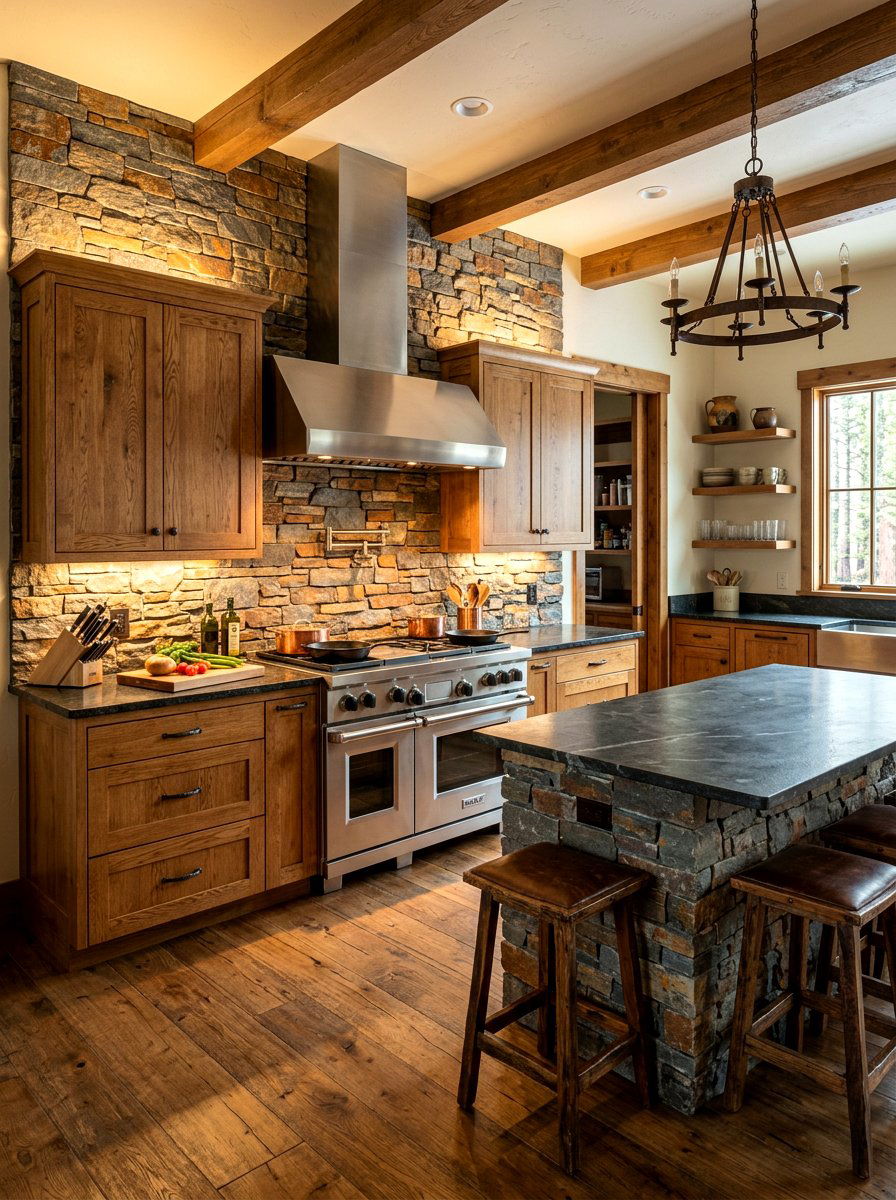
How do you bring the rugged beauty of the outdoors directly onto your kitchen walls? A stone backsplash kitchen utilizes stacked slate, river rock, or fieldstone to create a dramatic and tactile focal point. This architectural element anchors the room, providing a natural transition between the wooden cabinetry and the surrounding forest views. To prevent the stone from feeling too heavy, install bright under-cabinet LED lighting to showcase the deep shadows and varied colors of the rock. Using a neutral grout helps the stones blend seamlessly, creating a sophisticated look that feels like it was pulled directly from a nearby mountain stream.
7. Copper Cabin Kitchen Sink
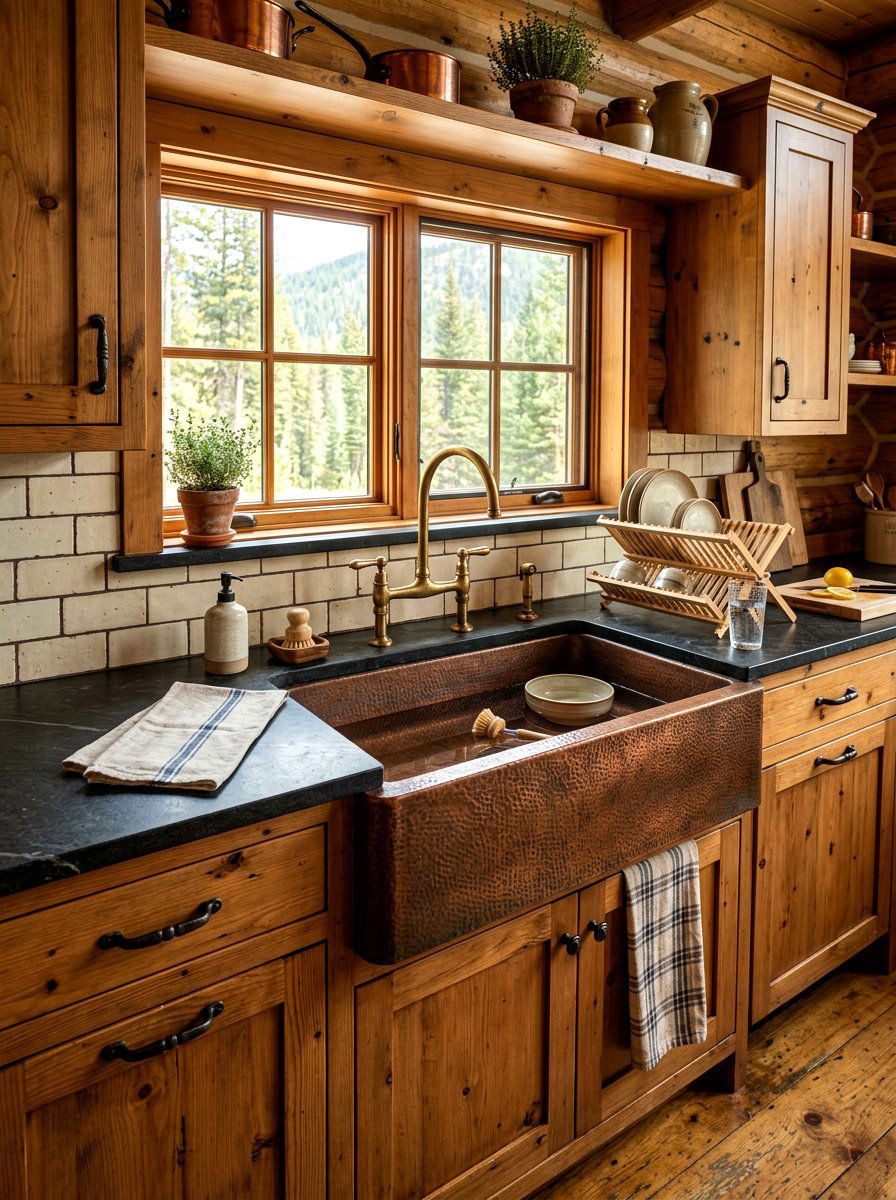
Have you noticed how a single metallic accent can completely change the mood of a room? A copper cabin kitchen sink serves as a stunning, living finish that develops a unique patina over time. Whether you choose a hammered farmhouse style or a sleek undermount design, the warm glow of copper perfectly complements the orange and brown tones of natural wood. This material is also naturally antimicrobial, making it a practical choice for a busy vacation home. Pairing the sink with a bridge-style faucet in oil-rubbed bronze creates a vintage look that feels curated, high-end, and perfectly suited for a rustic interior.
8. Open Shelving Log Cabin
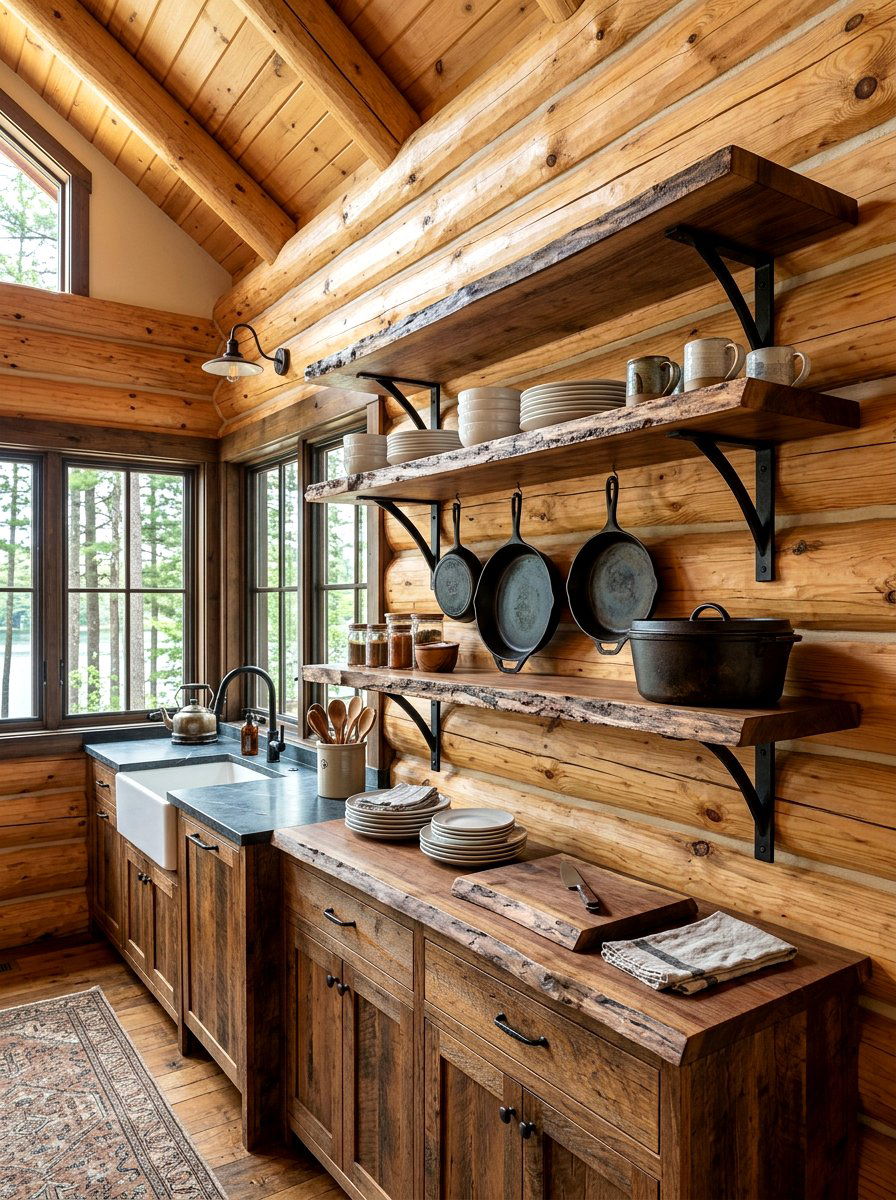
Does removing upper cabinets really make a rustic kitchen feel more modern and open? Open shelving in a log cabin allows the beautiful wood-paneled walls to remain visible, preventing the room from feeling cramped. Using thick, live-edge wood planks held up by sturdy iron brackets adds to the handcrafted aesthetic of the space. It provides the perfect opportunity to display heirloom cast iron pans, colorful ceramic bowls, and stacks of white plates. This layout encourages a more casual, accessible cooking environment where everything you need is within reach. It also makes the kitchen feel much brighter by allowing light to flow freely.
9. Butcher Block Countertop Kitchen
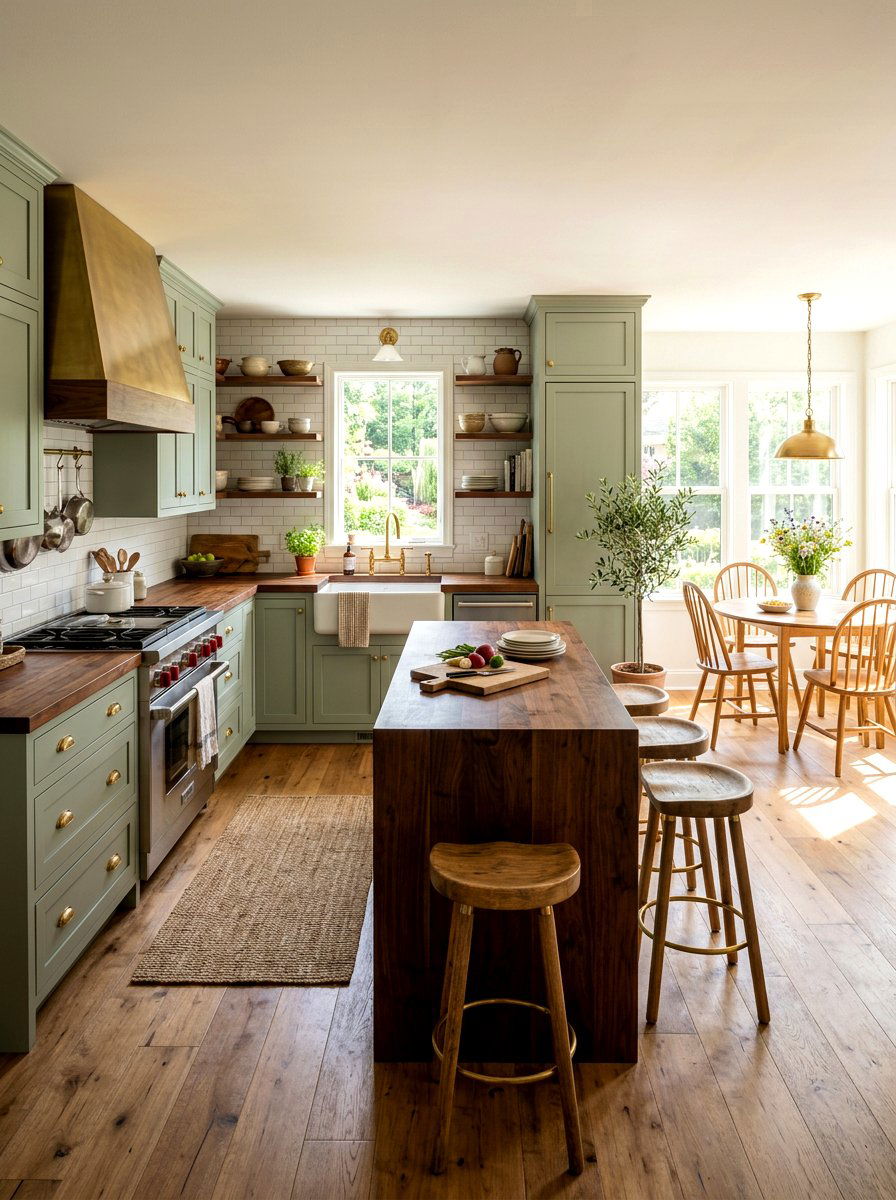
Why is wood on wood such a popular choice for traditional forest getaways? A butcher block countertop kitchen offers a warm, soft surface that is much quieter and more forgiving than stone or tile. Using a dark walnut or a light maple top provides a beautiful contrast to painted cabinets, especially in shades of cream or sage green. These countertops are incredibly functional, as you can prep food directly on the surface if they are properly treated with food-safe oils. The natural grain patterns add a layer of organic detail that makes the kitchen feel incredibly cozy, tactile, and ready for home-cooked meals.
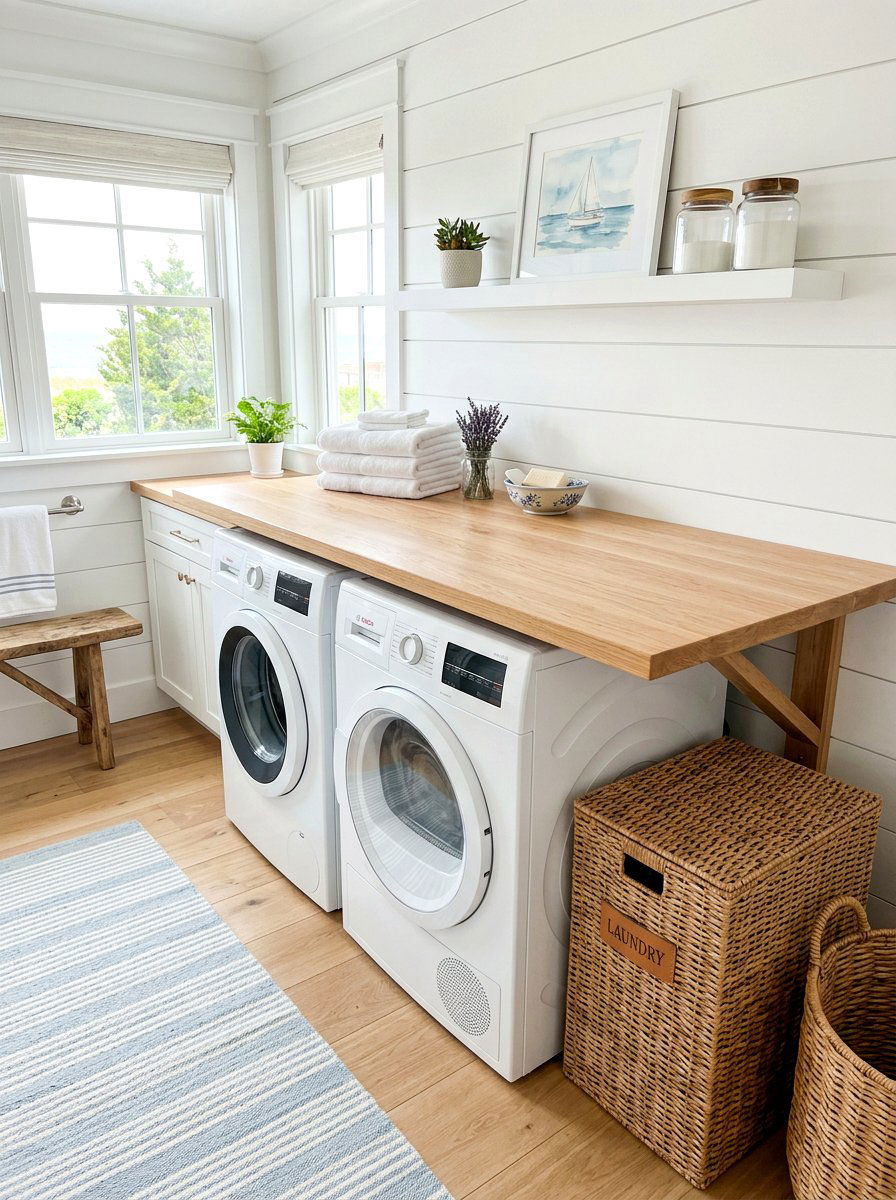
10. Industrial Cabin Kitchen Decor
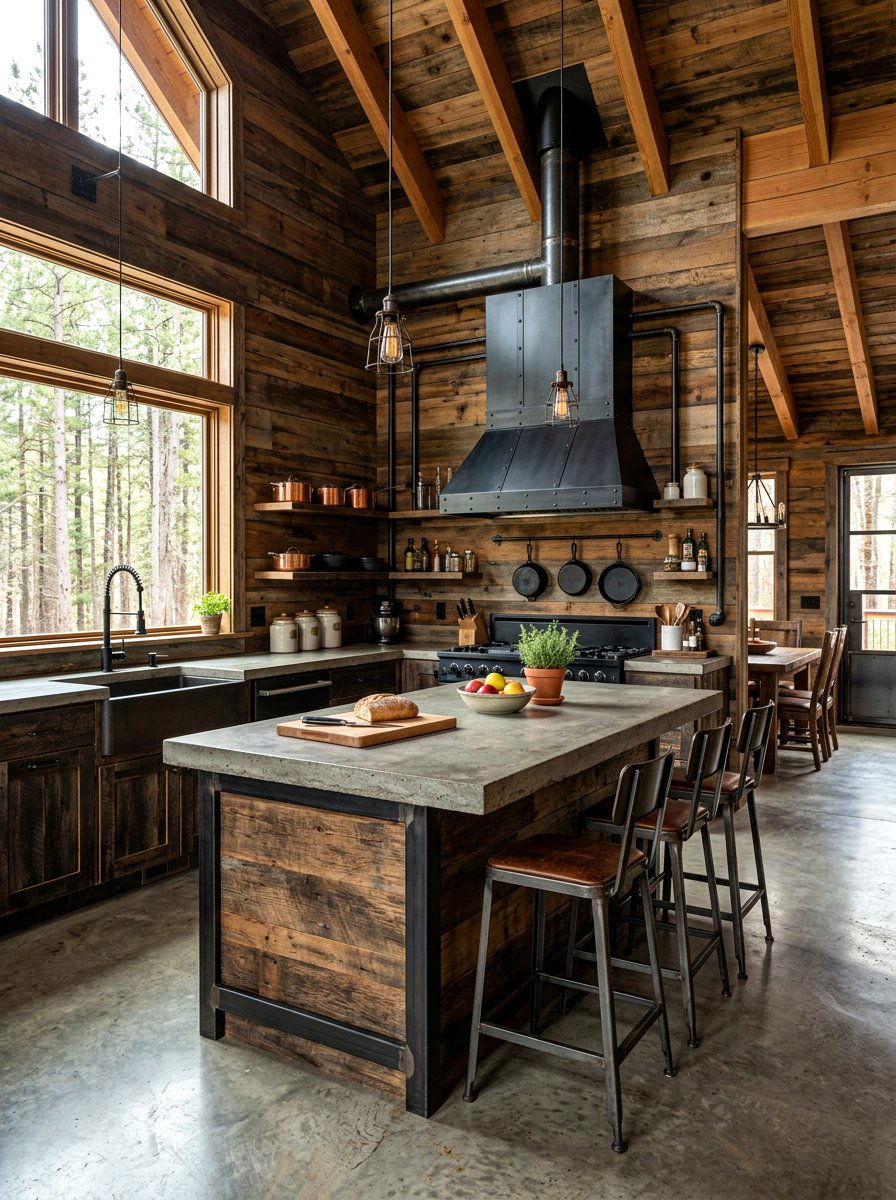
Can you successfully mix raw metal elements with traditional log architecture for a unique look? Industrial cabin kitchen decor focuses on using black steel, exposed pipes, and factory-style lighting to create a rugged, masculine vibe. Imagine a large steel range hood acting as a focal point against a wall of reclaimed timber. Using metal bar stools with leather seats adds to the "loft in the woods" aesthetic. This style works best when you balance the coldness of the metal with the warmth of the wood. It is a perfect choice for those who want a cabin that feels edgy, durable, and distinctly modern.
11. Black Cabin Kitchen Cabinet
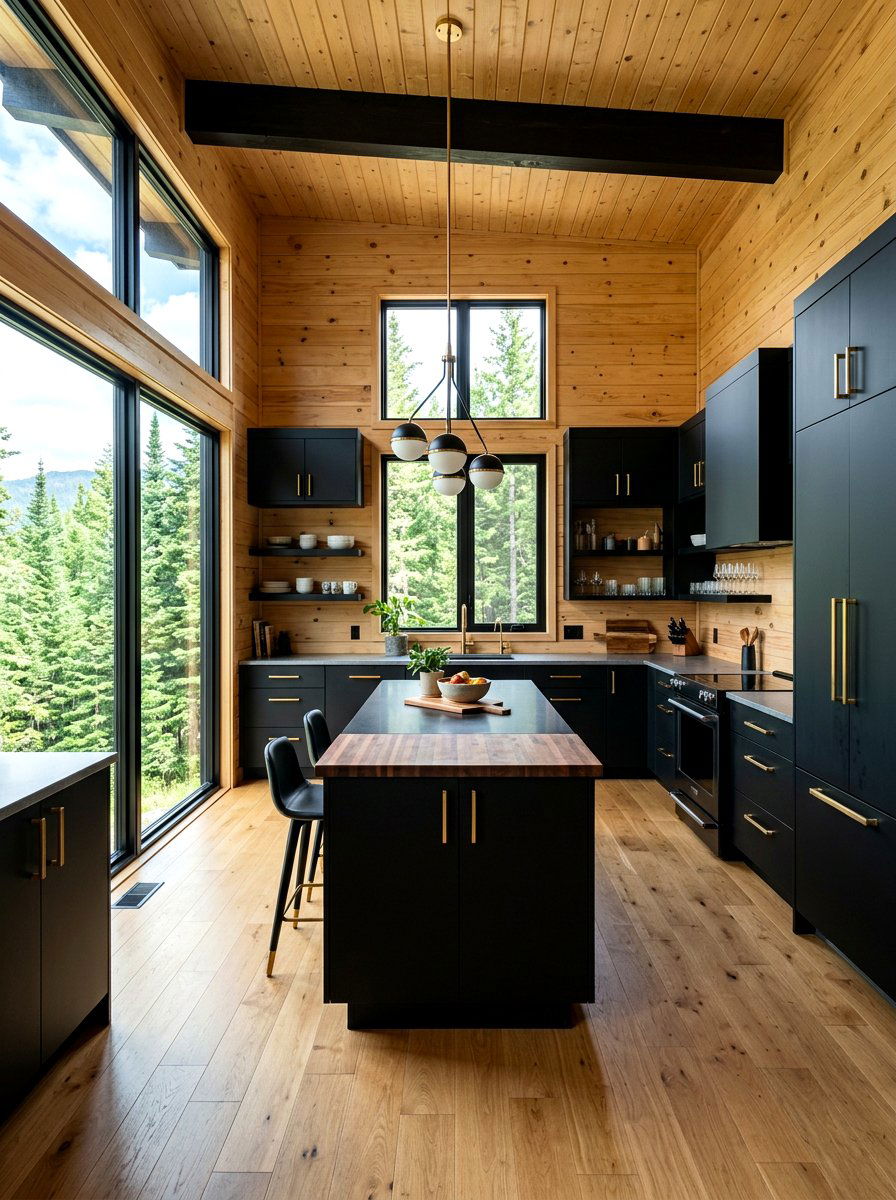
Would you dare to use dark, moody colors in a space traditionally filled with light wood? Black cabin kitchen cabinets offer a stunning, high-contrast look that makes the natural timber of the walls and ceilings pop. When paired with warm brass hardware and light wood floors, the black cabinetry feels sophisticated rather than gloomy. This design choice is particularly effective in large, open-plan cabins with plenty of natural light. Using a matte finish on the cabinets prevents fingerprints and adds a modern, velvety texture. It is a bold move that results in a luxurious, designer-level kitchen that feels grounded and cozy.
12. White Farmhouse Cabin Kitchen
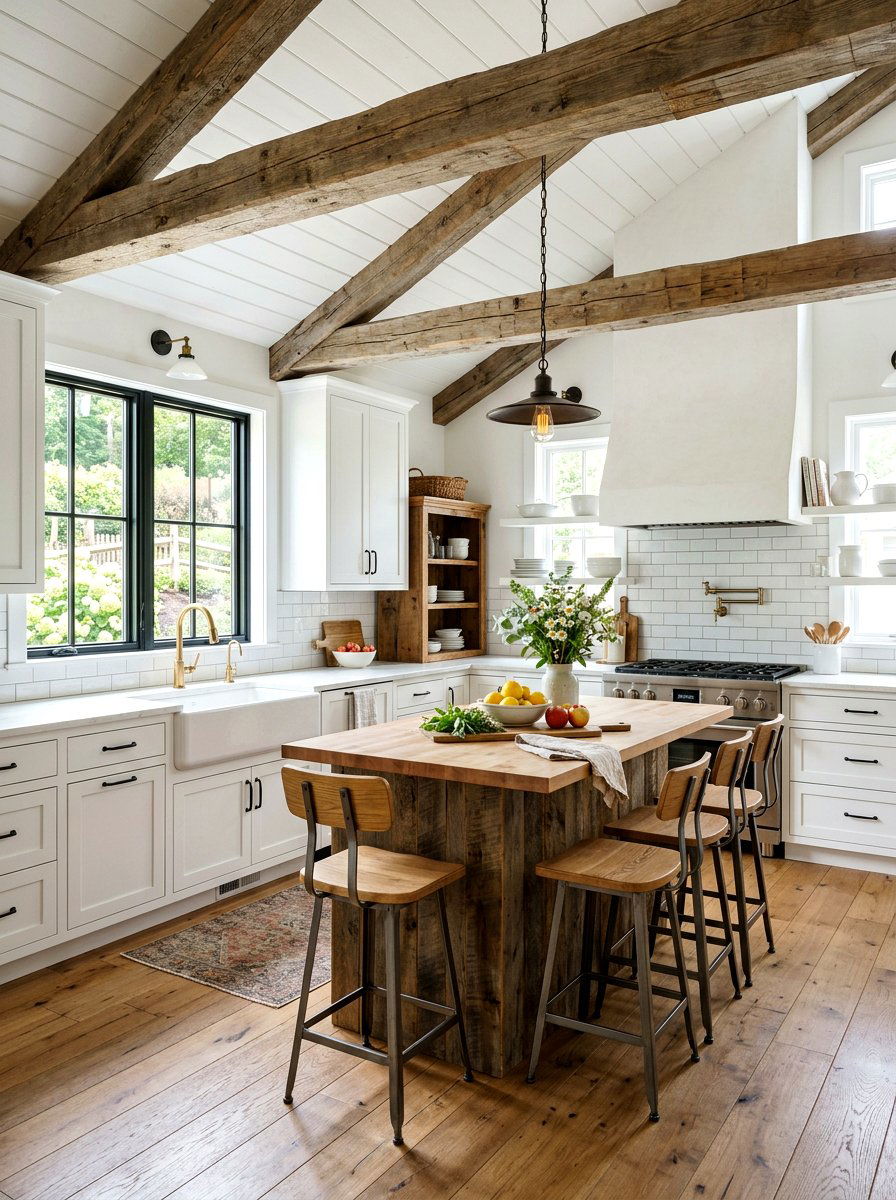
How do you achieve a bright, airy feeling while still maintaining that essential cabin charm? A white farmhouse cabin kitchen utilizes crisp white cabinetry and classic subway tiles to bounce light around the room. To keep it from feeling too sterile, incorporate natural wood elements like exposed ceiling beams or a reclaimed wood island top. This style is perfect for smaller cabins where you want to maximize the sense of space. Adding a large porcelain apron-front sink and vintage-inspired lighting completes the look. The result is a clean, cheerful environment that feels fresh, timeless, and perfectly integrated with a relaxed mountain lifestyle.
13. Vaulted Ceiling Cabin Kitchen
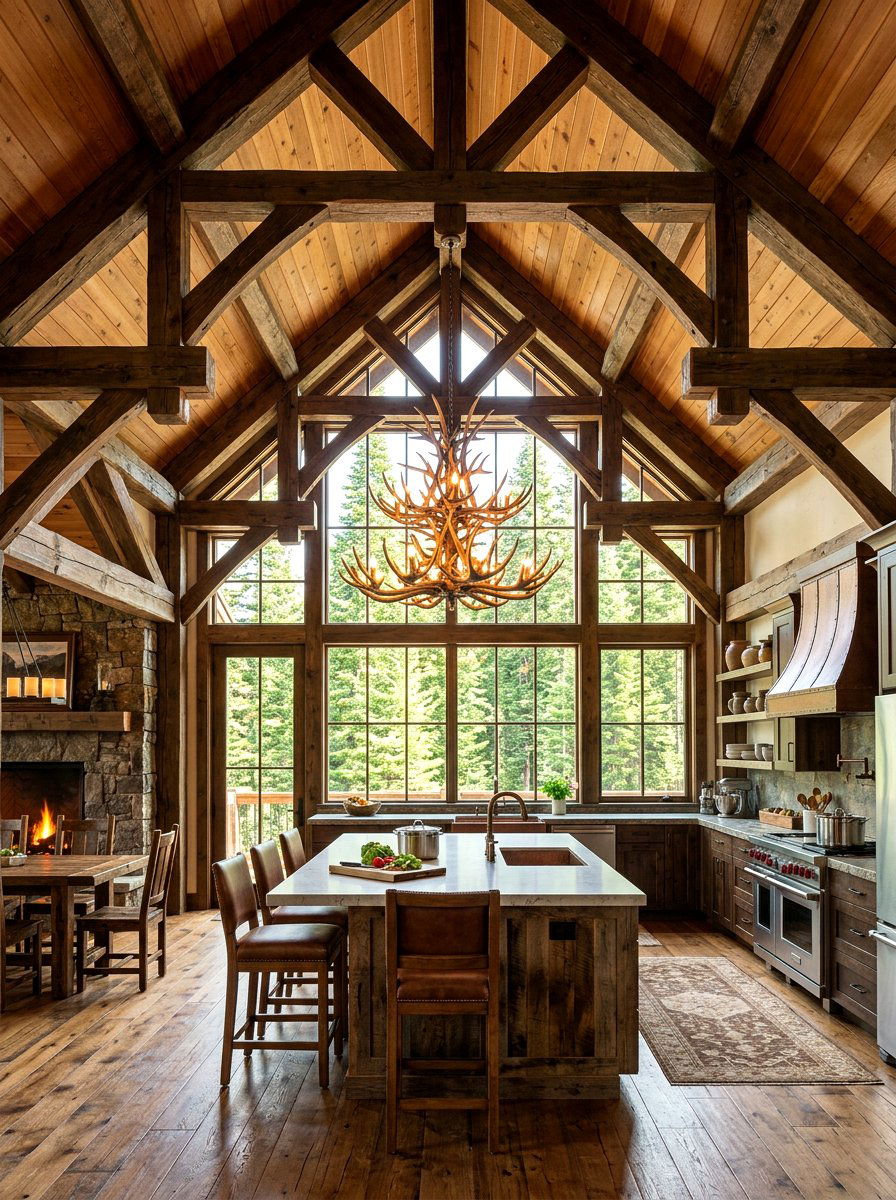
Does an extra-tall ceiling change the way you should design your kitchen layout? A vaulted ceiling cabin kitchen takes advantage of the vertical space by using tall windows and perhaps even a loft area overlooking the prep zone. In these designs, the stove or island is often positioned centrally to ground the large room. Hanging oversized pendant lights or a grand chandelier is necessary to fill the visual void and provide adequate task lighting. The upward-reaching architecture makes even a small kitchen feel grand and majestic. It is the perfect opportunity to showcase beautiful tongue-and-groove wood paneling or massive structural timber trusses.
14. Wood Burning Cookstove Kitchen
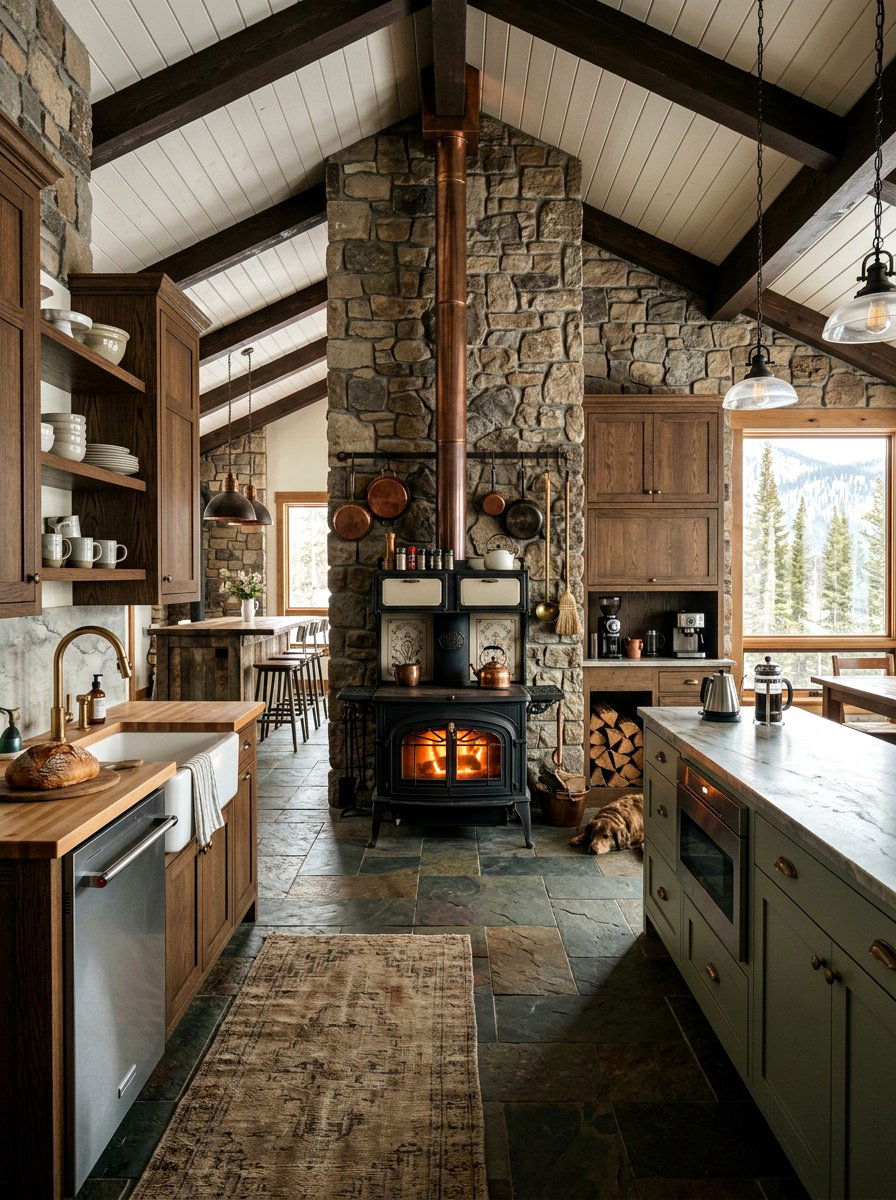
Is it possible to combine old-world tradition with a fully functional modern cooking area? A wood-burning cookstove kitchen features a vintage-style iron stove that serves as both a primary heat source and a beautiful focal point. While most homeowners also include a modern range for convenience, the wood stove adds an undeniable sense of nostalgia and warmth. Surrounding the stove with brick or stone tiling creates a safe and stylish hearth area. This design encourages a slower, more intentional pace of life, making the kitchen feel like a cozy sanctuary where the crackle of the fire is part of the daily routine.
15. A-Frame Cabin Kitchen Layout
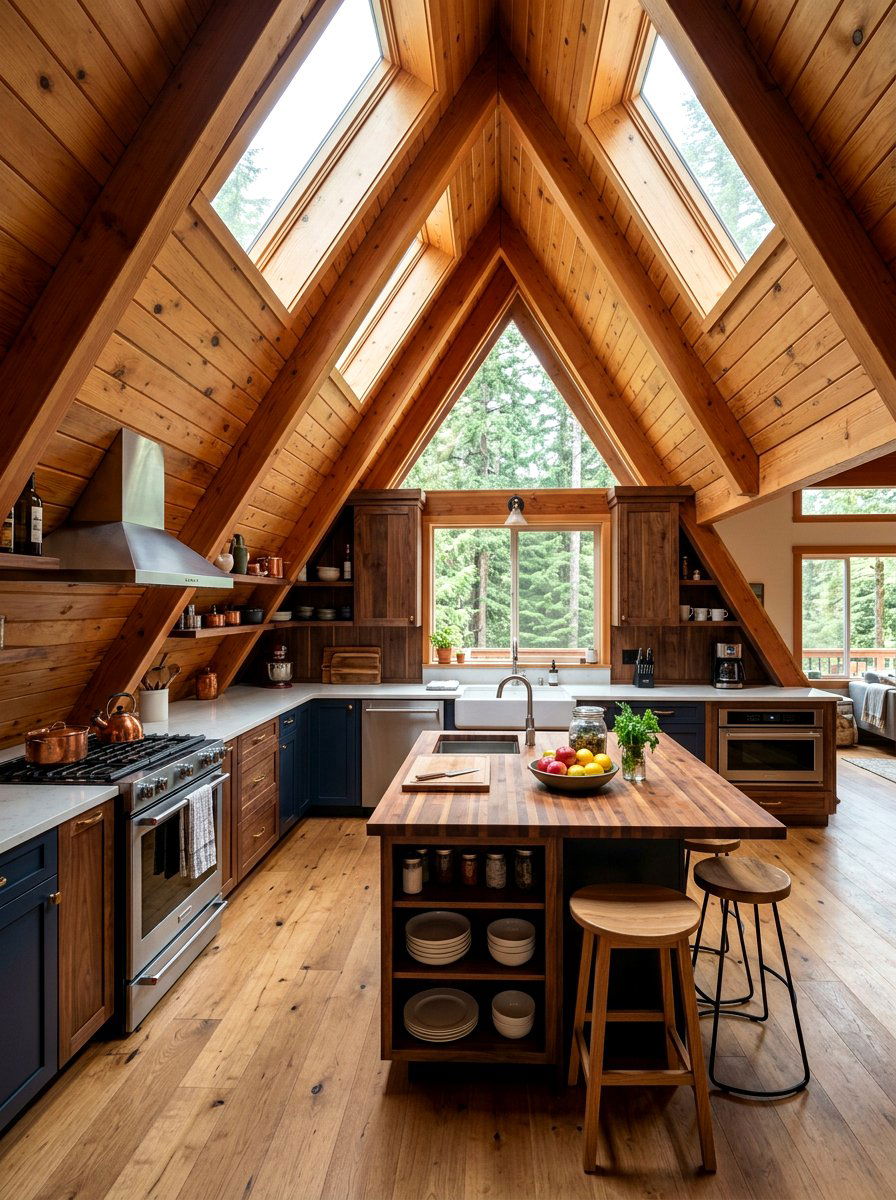
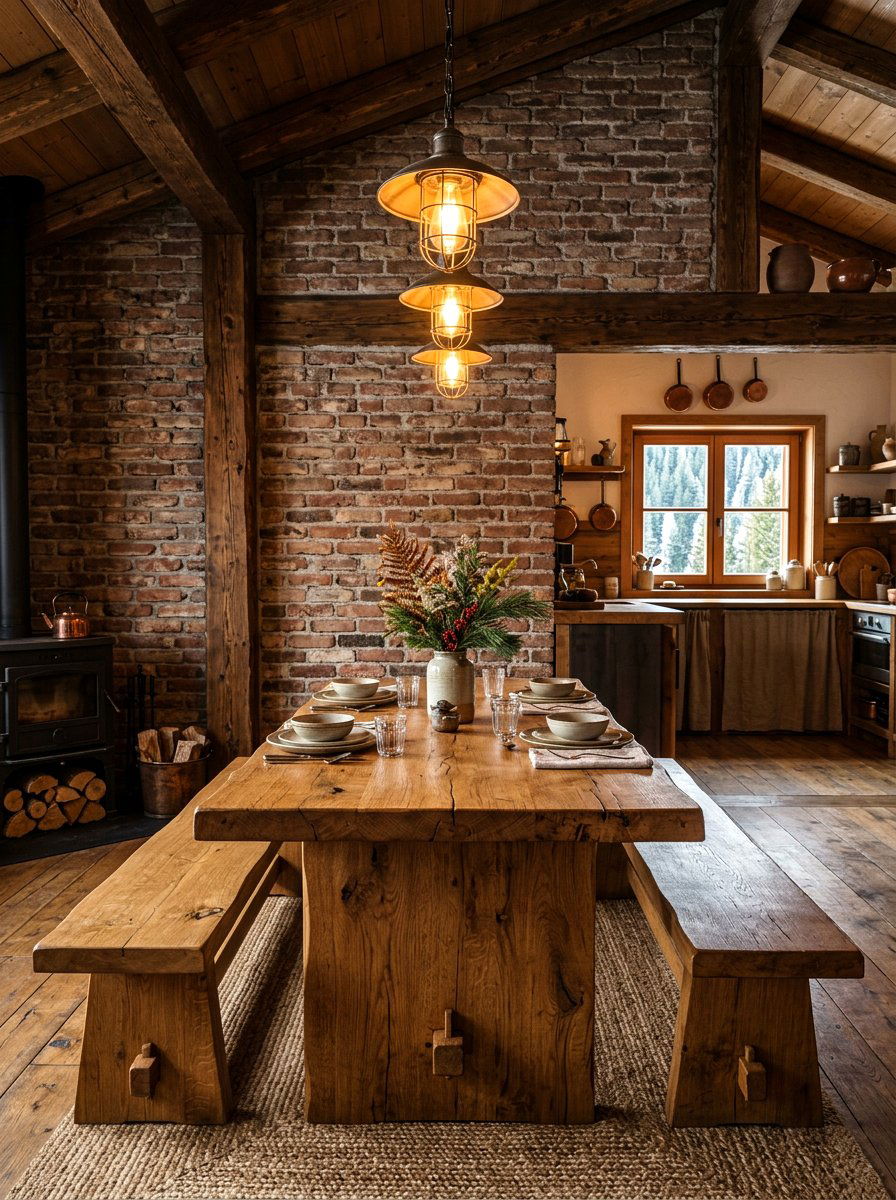
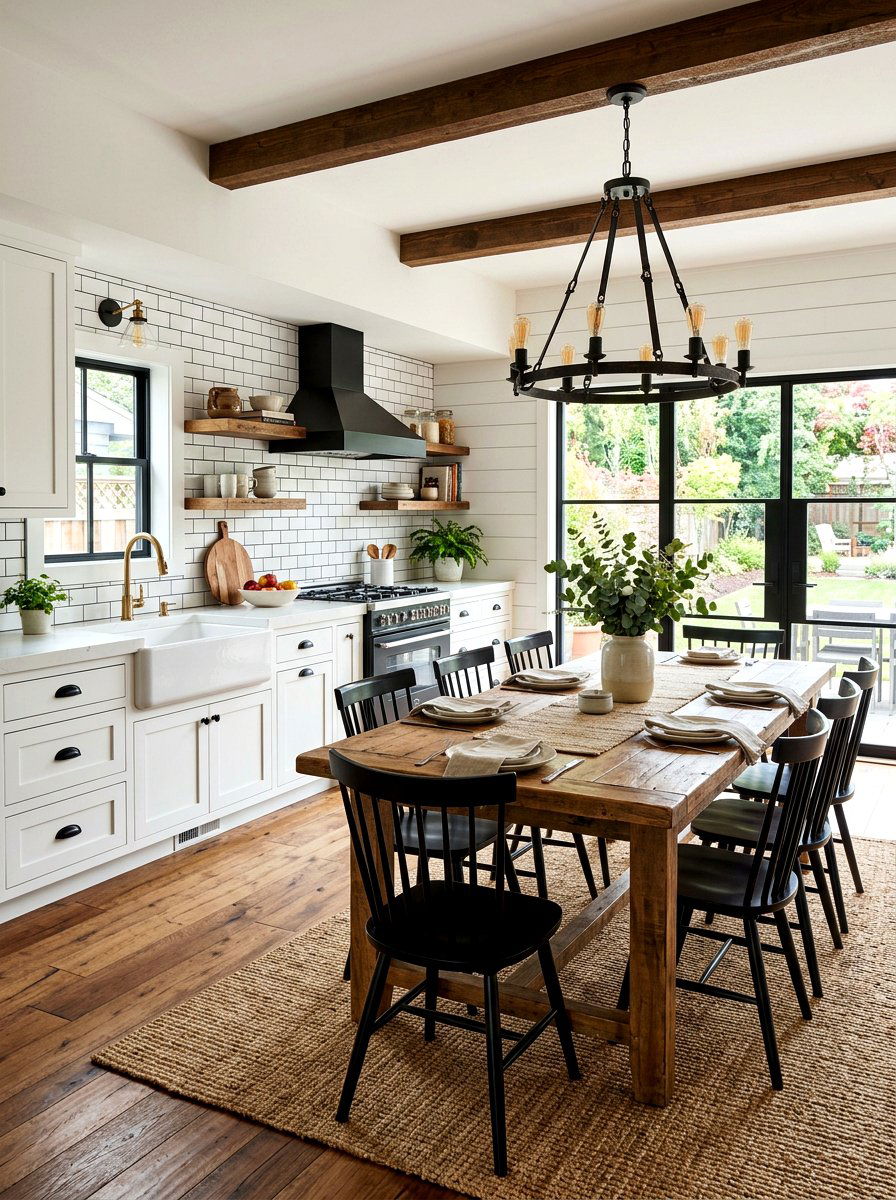
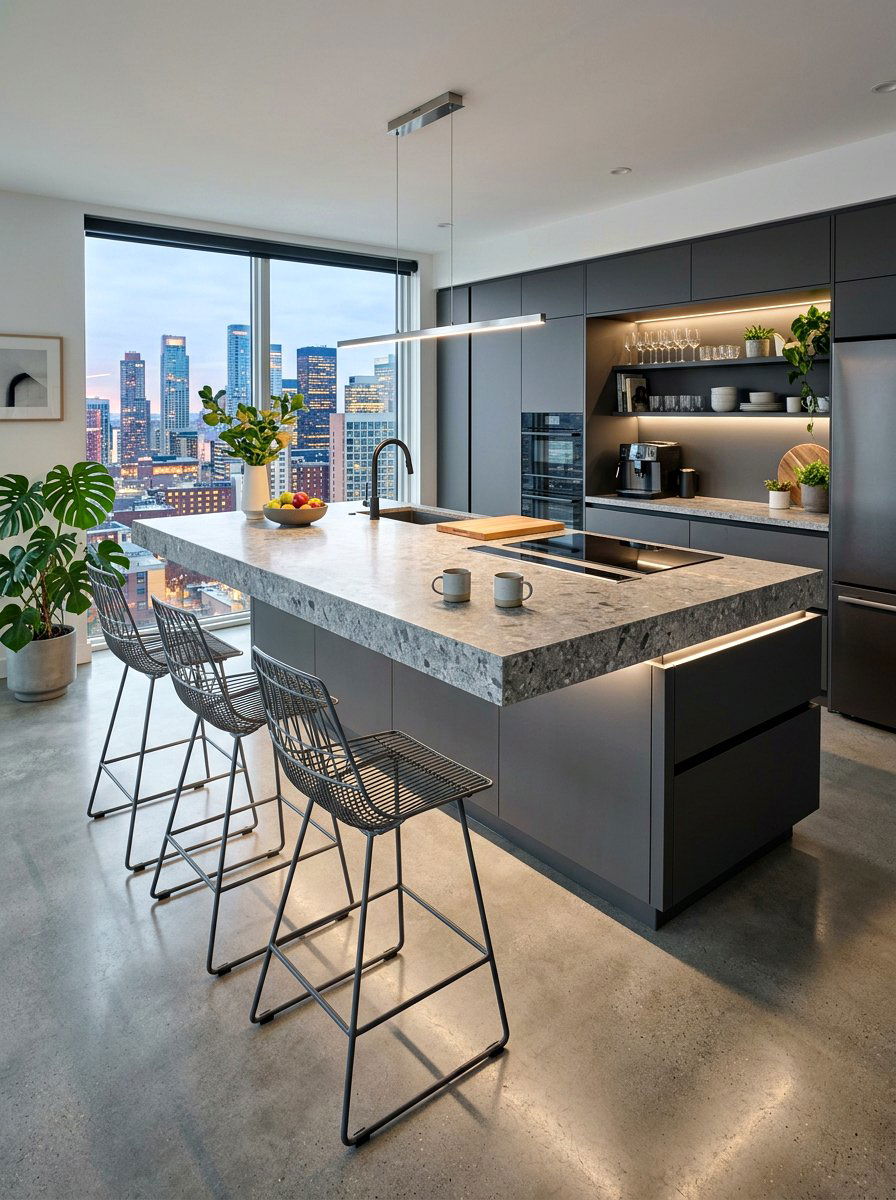
How do you navigate the unique challenges of steeply angled walls in a kitchen? An A-frame cabin kitchen layout often places the main work triangle against the back vertical wall or within a central island to avoid the low-slung eaves. Utilizing custom-angled cabinetry or open shelving can help make the most of those tricky triangular corners. To keep the space from feeling cave-like, use a monochromatic color scheme and install skylights to bring in overhead sun. The result is a highly architectural and cozy cooking nook that feels uniquely "cabin" and makes incredible use of every available inch of the iconic A-frame shape.
16. Natural Pine Wood Kitchen
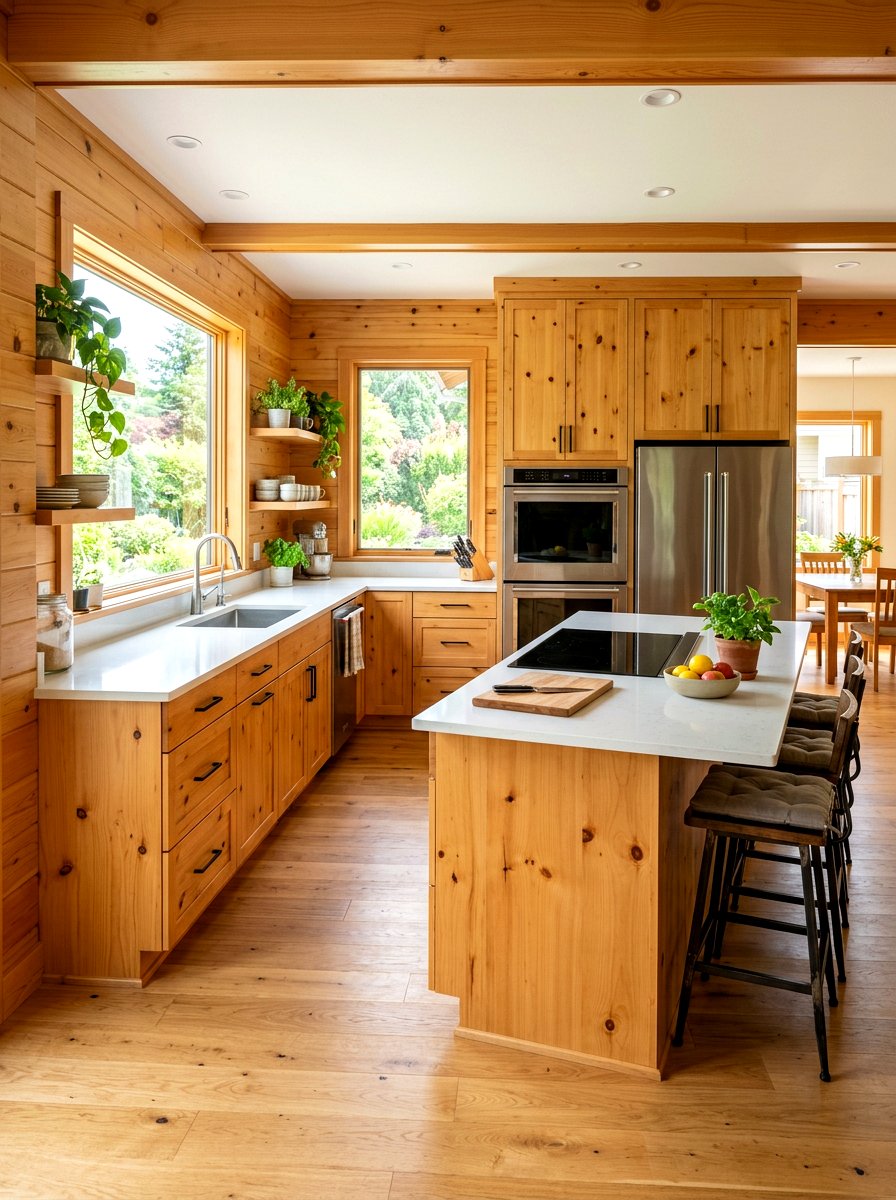
Why has knotty pine remained such a staple for traditional mountain home interiors? A natural pine wood kitchen celebrates the light, golden hues and distinct knots of this affordable and classic material. To keep it looking updated, pair pine walls with modern black hardware and sleek stainless steel appliances. This prevents the "all-wood" look from feeling dated or overwhelming. Using a clear satin finish instead of a glossy yellowing varnish keeps the wood looking fresh and modern. The light color of the pine helps the kitchen feel bright and cheery, even on those gray, snowy days when the mountain sun is hiding.
17. Dark Wood Cabin Kitchen
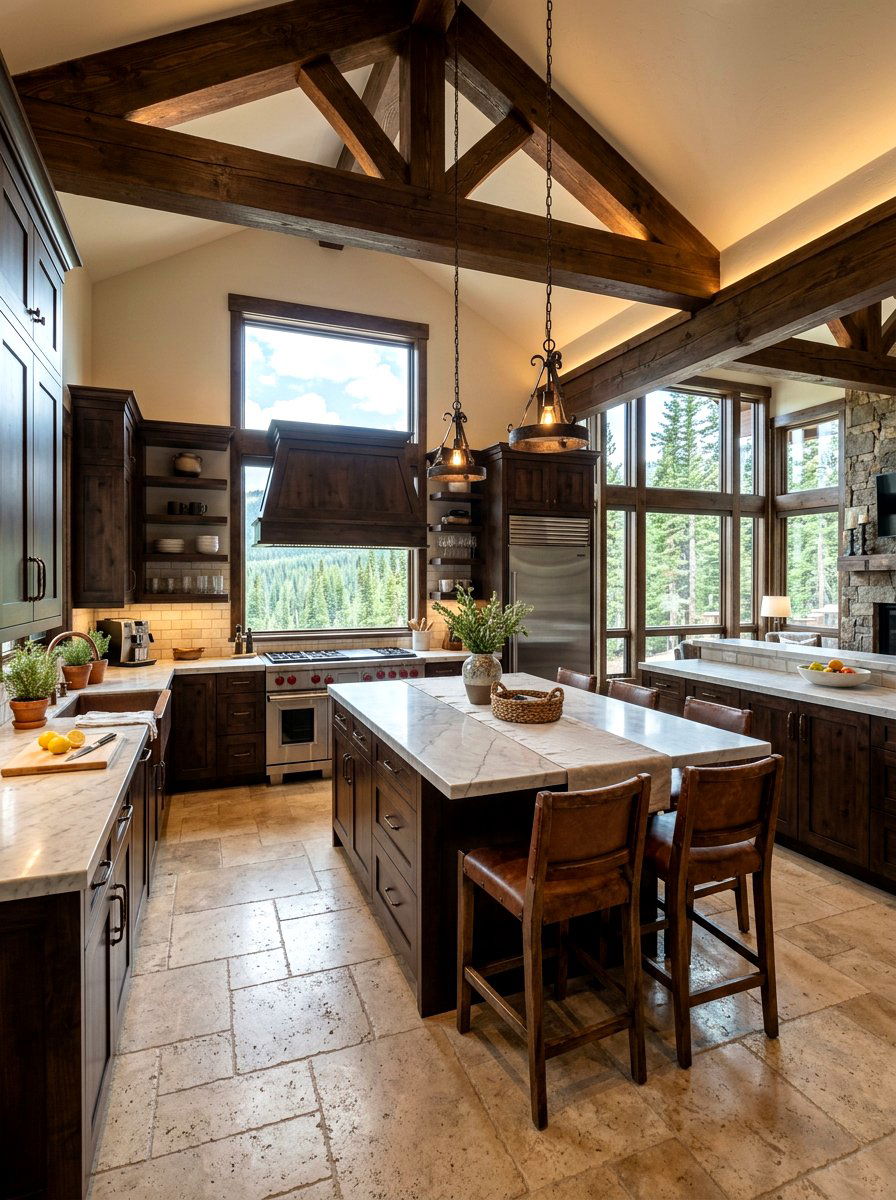
Can a deeply stained kitchen ever feel inviting rather than just dark and heavy? A dark wood cabin kitchen uses rich mahogany or espresso stains to create a sense of luxury and drama. The key to making this work is to balance the dark cabinetry with very light elements, such as white marble countertops or a light-colored stone floor. Large windows are a must to ensure the space doesn't feel closed in. This style is incredibly cozy at night, especially when paired with warm, dimmable lighting. It creates a high-end, lodge-like atmosphere that feels established, expensive, and perfect for intimate dinners.
18. Tiny House Cabin Kitchen
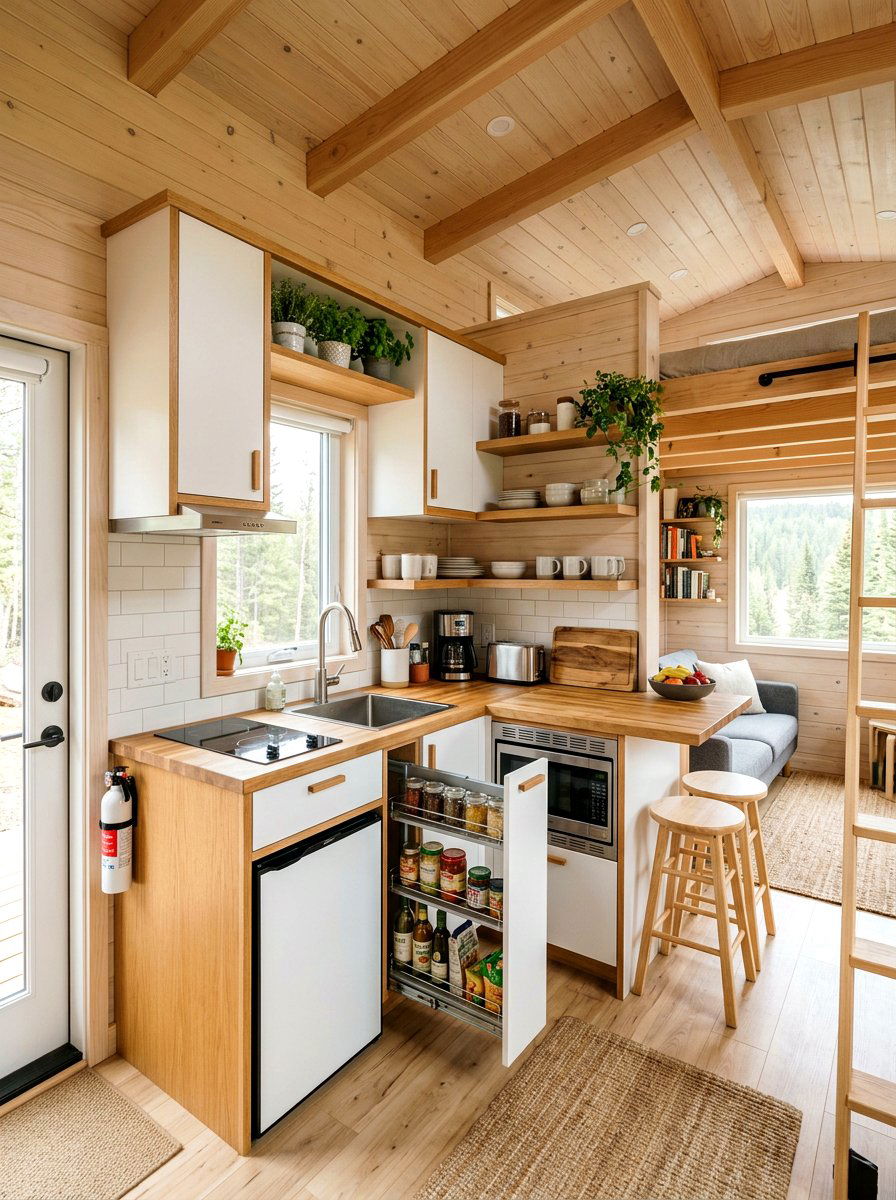
What are the most innovative ways to pack a full kitchen into a very small footprint? A tiny house cabin kitchen focuses on clever, hidden features like toe-kick drawers and spice racks that slide out from narrow gaps. Using a compact, two-burner stovetop and a deep, single-bowl sink saves precious counter space for food preparation. Often, the kitchen is integrated into a multi-use area, where the counter might extend to become a work desk. Utilizing light colors and glass cabinet inserts helps the space feel less restricted. It is a masterclass in efficiency, proving that you don't need a lot of space to cook great meals.
19. Lake House Cabin Kitchen
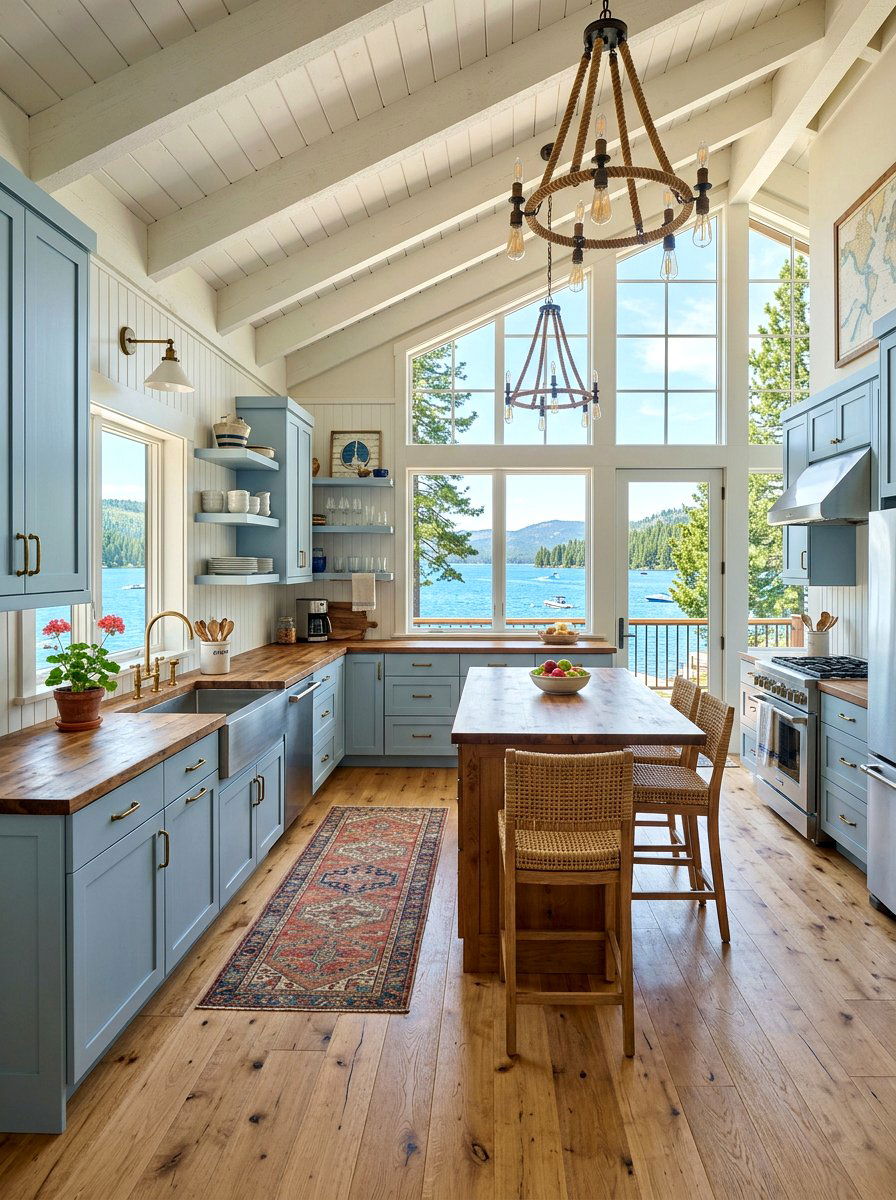
How do you bring a sense of the water into a space traditionally dominated by wood? A lake house cabin kitchen often incorporates cool blues, soft greens, and sandy neutrals to reflect the surrounding aquatic environment. Using a beadboard backsplash or light-blue painted cabinets adds a breezy, coastal-inspired vibe to the rustic setting. Large windows should ideally face the water, making the lake the ultimate focal point of the room. Incorporating nautical touches like rope-wrapped lighting or porthole-style windows can further enhance the theme. The result is a relaxed, summer-friendly space that feels airy, bright, and perfectly suited for a lakeside retreat.
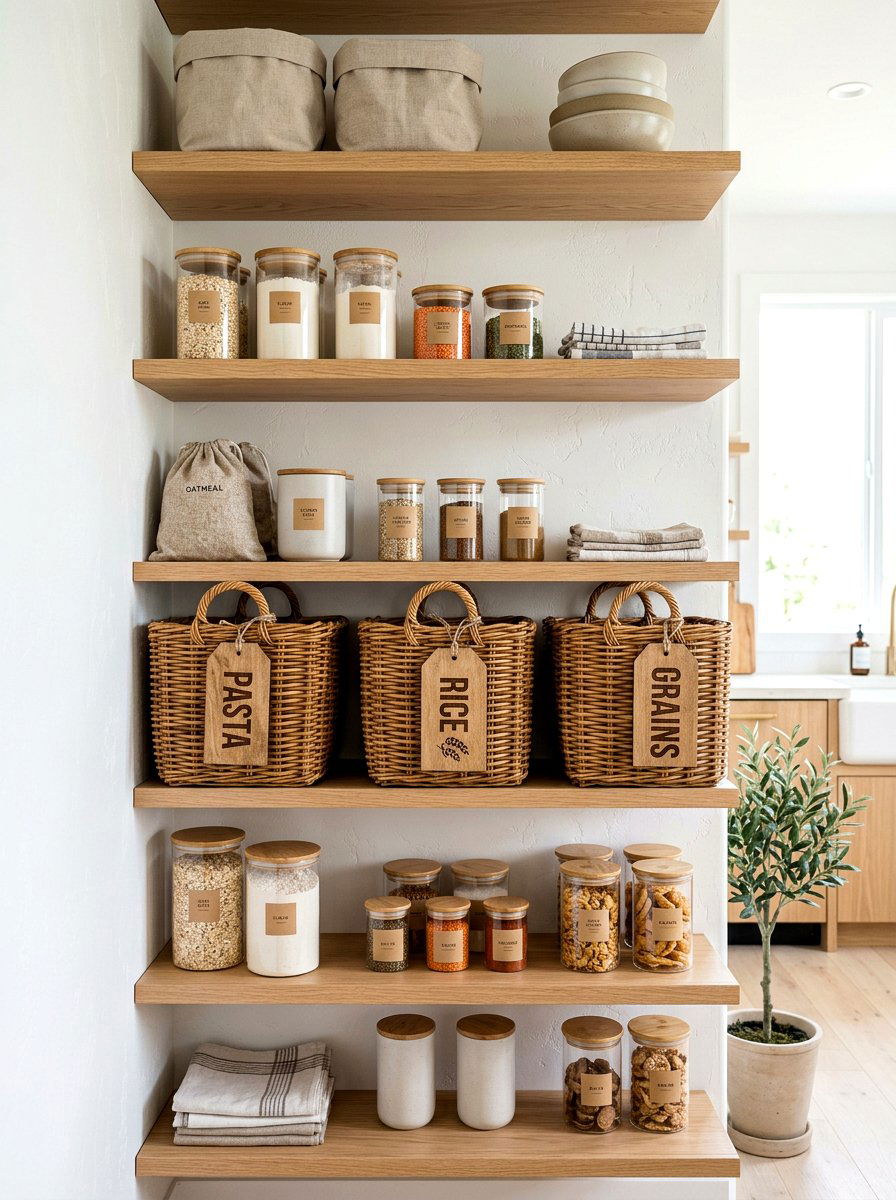
20. Luxury Log Cabin Kitchen
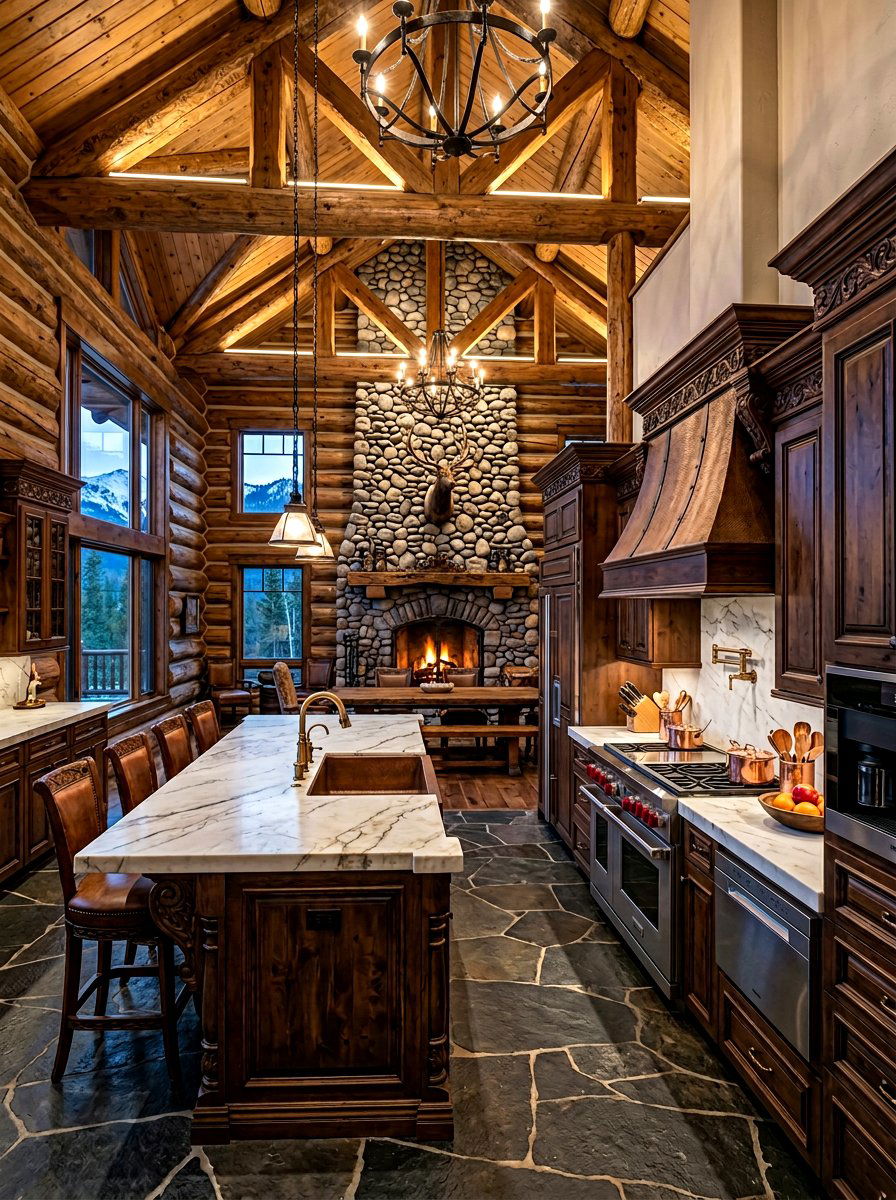
What defines a high-end kitchen in a world-class mountain estate? A luxury log cabin kitchen features top-of-the-line professional appliances, custom-designed cabinetry, and rare materials like soapstone or quartzite. Often, these kitchens include multiple islands, a dedicated wine fridge, and a walk-in scullery to keep the main area clutter-free. Ornate, hand-carved wood details and massive stone fireplaces integrated into the dining area add to the sense of grandeur. This is where rustic charm meets five-star functionality. Every detail, from the heated stone floors to the designer lighting, is chosen to provide a seamless and opulent experience for both the homeowner and their guests.
21. Vintage Cabin Kitchen Style
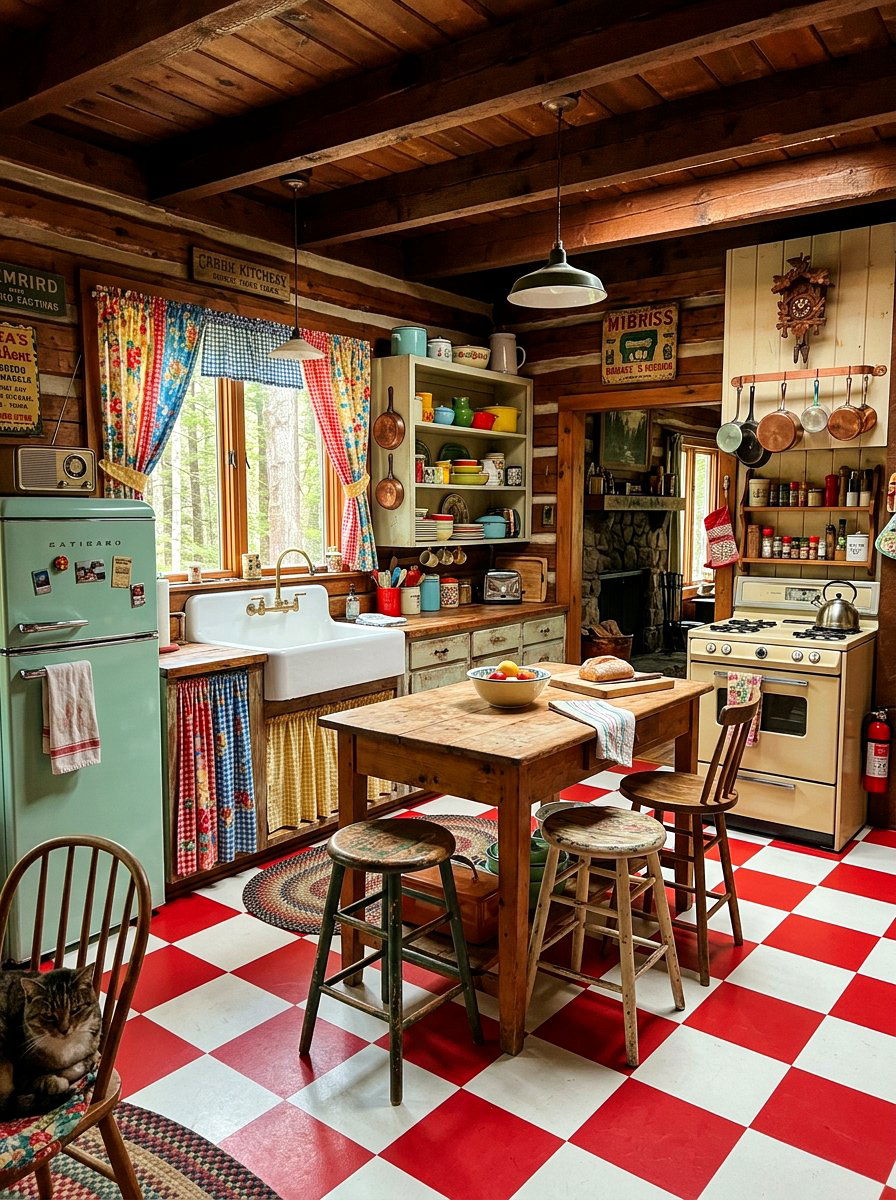
How do you recreate the nostalgic feel of a 1950s mountain camp in a modern home? A vintage cabin kitchen style relies on retro-inspired appliances in fun colors like mint green or butter yellow. Using checkered floors and enameled bread boxes adds to the charming, old-fashioned aesthetic. Mixing in antique furniture, like a scrubbed pine harvest table instead of a modern island, gives the room a sense of history. This style is all about being "perfectly imperfect. " Using colorful curtains instead of cabinet doors for lower storage can add texture and a cottage-like feel that is both cozy and incredibly budget-friendly for a DIY project.
22. Minimalist Cabin Kitchen
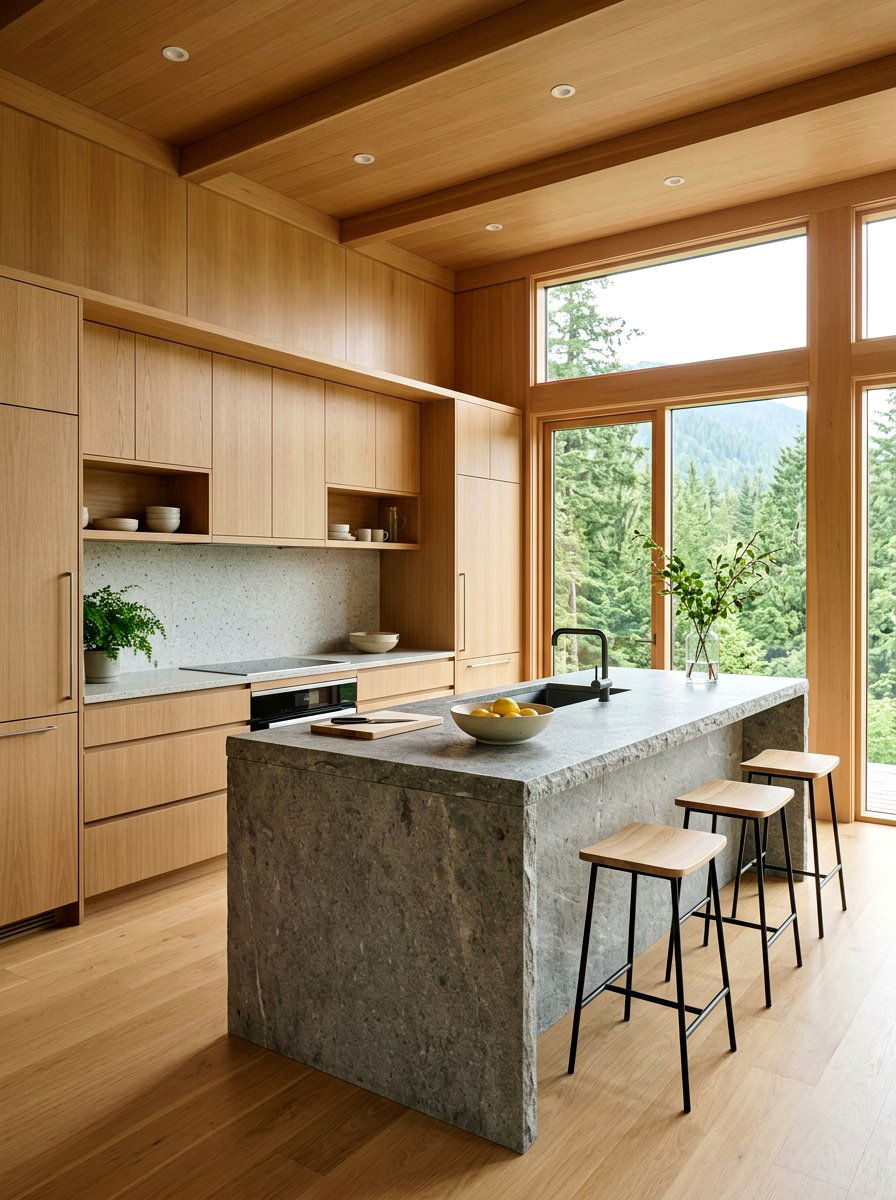
Is it possible to have a cabin kitchen that feels completely uncluttered and peaceful? A minimalist cabin kitchen focuses on a "less is more" philosophy, using a very limited palette of materials and colors. Hidden appliances and handle-less cabinetry create a seamless, uninterrupted look that directs all attention to the architectural beauty of the wood. This design is perfect for those who find the traditional "cluttered" cabin look overwhelming. By choosing a few high-quality pieces, like a single sculptural faucet or a massive stone island, the space feels intentional and calm. It is the ultimate mountain sanctuary for the modern, organized mind.
23. Exposed Ceiling Beam Kitchen
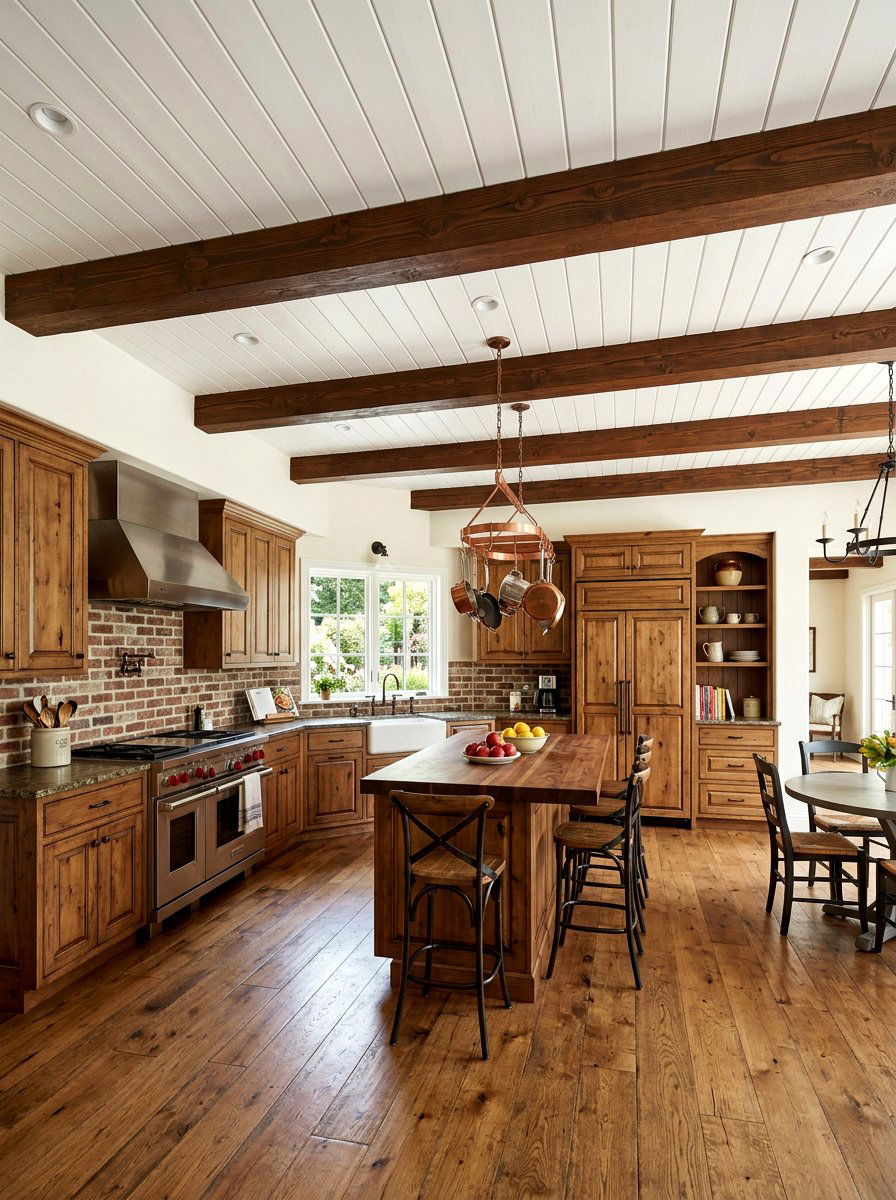
Why are structural beams often left visible in the most popular cabin designs? An exposed ceiling beam kitchen uses the natural framework of the house to add rhythm and height to the room. Whether the beams are rough-sawn or smoothly finished, they provide a perfect place to hang pot racks or decorative pendant lights. The beams create a sense of history and strength, making the kitchen feel like it has been there for generations. To make them stand out, you can paint the ceiling between the beams a crisp white, which highlights the wood grain and prevents the ceiling from feeling too low or heavy.
24. Pine Green Cabin Kitchen
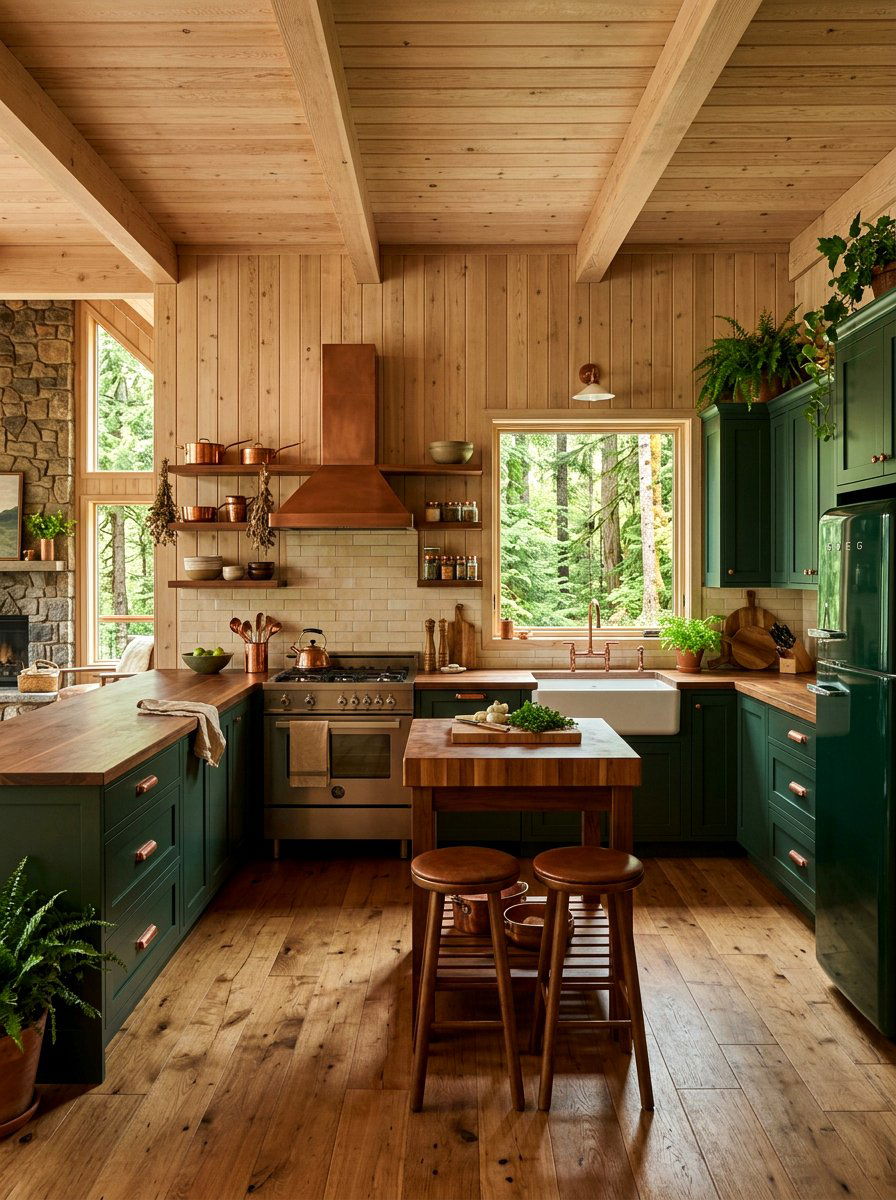
Can a bold choice of cabinet color still feel grounded in a natural forest setting? A pine green cabin kitchen uses deep, earthy tones to bridge the gap between the interior and the trees outside. This color pairs beautifully with copper accents and warm wood floors, creating a look that is both sophisticated and organic. Using a matte finish on the green cabinetry helps it blend into the shadows, making the room feel cozy and intimate. It is a refreshing alternative to the standard brown wood kitchen, providing a pop of color that feels entirely appropriate for a house nestled in the mountains.
25. Stone Floor Cabin Kitchen
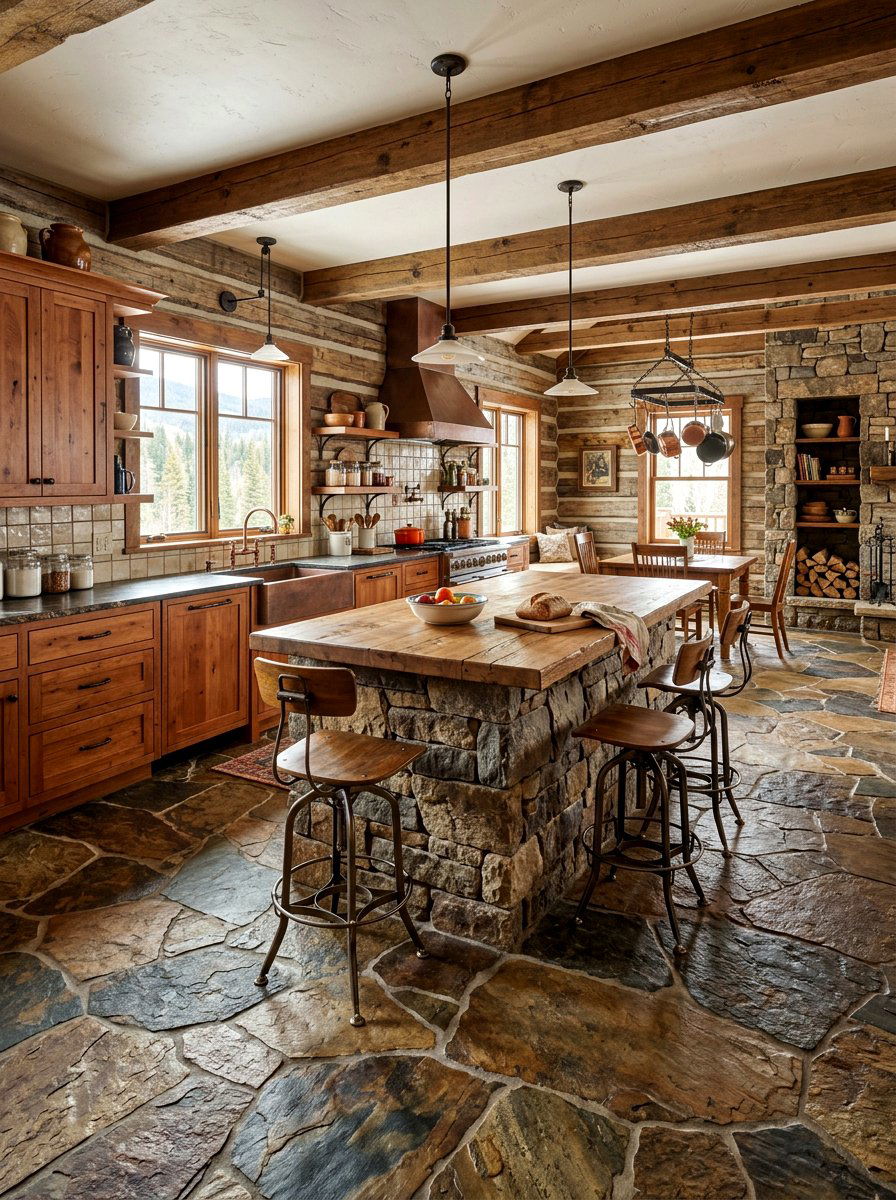
What are the practical and aesthetic benefits of using natural stone underfoot? A stone floor cabin kitchen utilizes flagstone, slate, or travertine to create a durable surface that can handle muddy hiking boots and spilled water with ease. These floors are naturally cool in the summer and can be equipped with radiant heating to keep things cozy during the winter months. The varied colors and textures of the stone add a layer of organic beauty that grounds the entire kitchen. Using large-format tiles with minimal grout lines creates a more modern look, while irregular stones give the space a more traditional, old-world cottage feel.
26. Cedar Wood Kitchen Cabinet
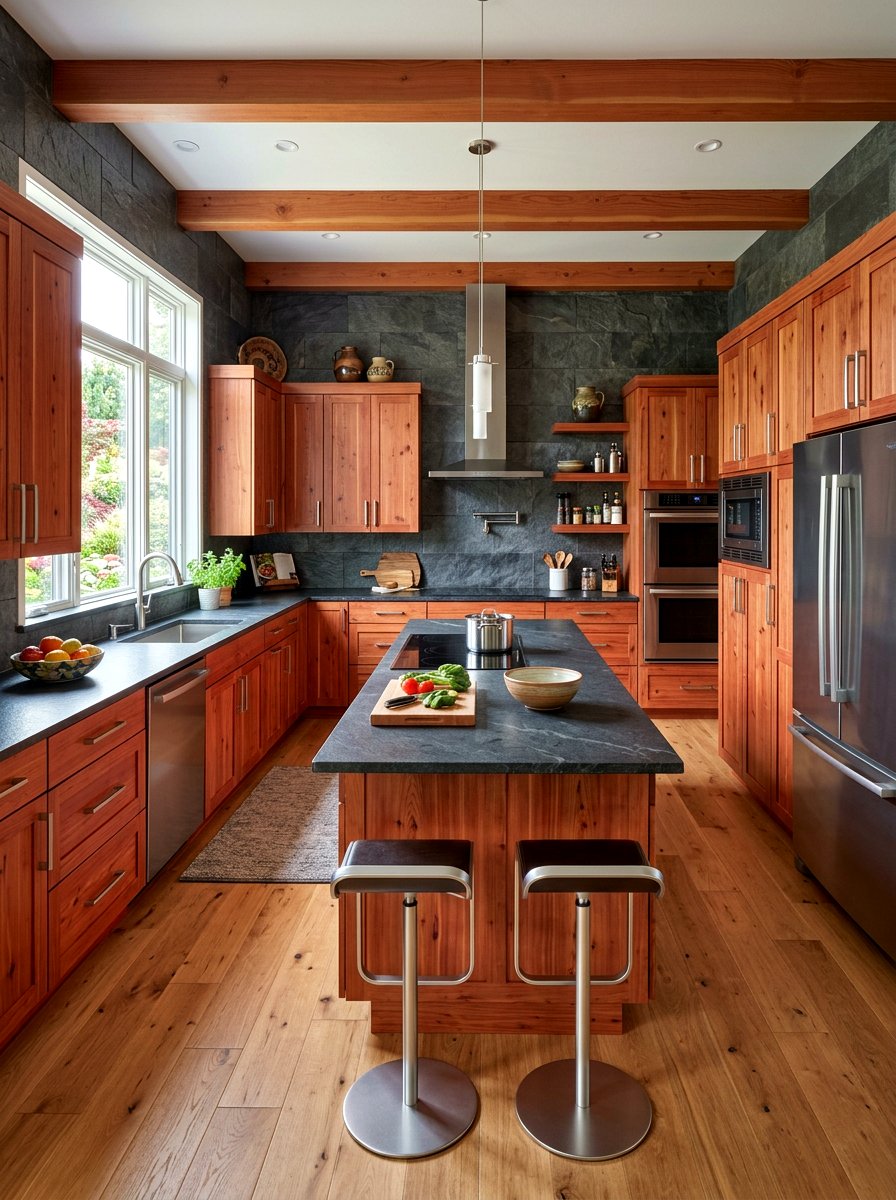
Why is cedar a unique and aromatic choice for a custom kitchen design? Cedar wood kitchen cabinets are prized for their beautiful reddish-pink hues and their natural resistance to moisture and insects, which is ideal for a cabin environment. The distinct grain pattern of cedar is very fine and elegant, offering a more refined look than pine. When the cabinets are opened, they release a subtle, pleasant scent that enhances the sensory experience of the home. Pairing cedar with dark slate countertops and modern silver hardware creates a balanced, contemporary look that still feels deeply connected to the natural world and its many treasures.
27. Antler Chandelier Kitchen Decor
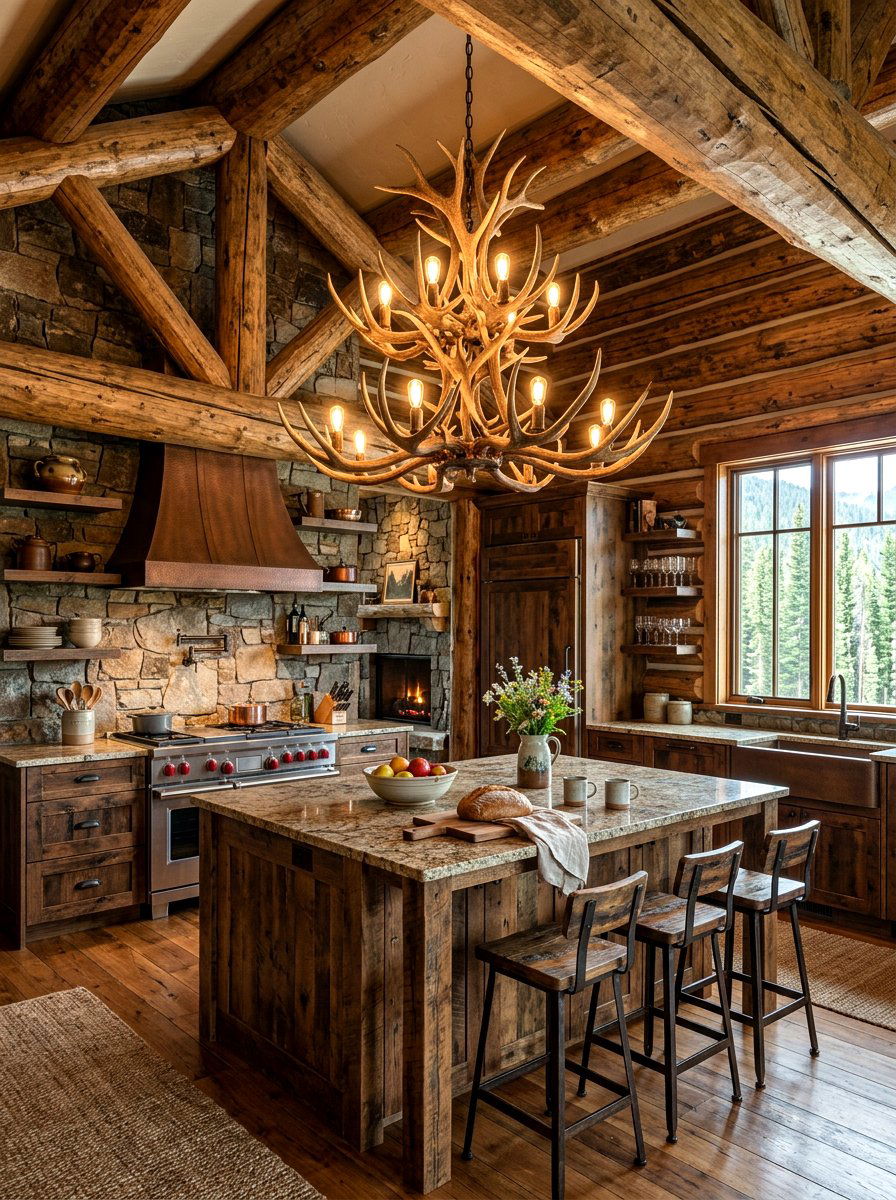
How do you add a touch of wild mountain character without making the room feel like a museum? Antler chandelier kitchen decor provides a dramatic focal point that instantly signals a "cabin" theme. Whether you use real shed antlers or high-quality replicas, the organic shape of the light fixture adds a rustic, sculptural element to the room. These chandeliers work best when hung over a large kitchen island or a central dining table. To keep the look modern, choose a fixture with clean-lined bulbs rather than vintage-style flickering lights. It is a classic piece of mountain decor that adds texture, height, and a bit of rustic drama.
28. Rustic Galley Cabin Kitchen
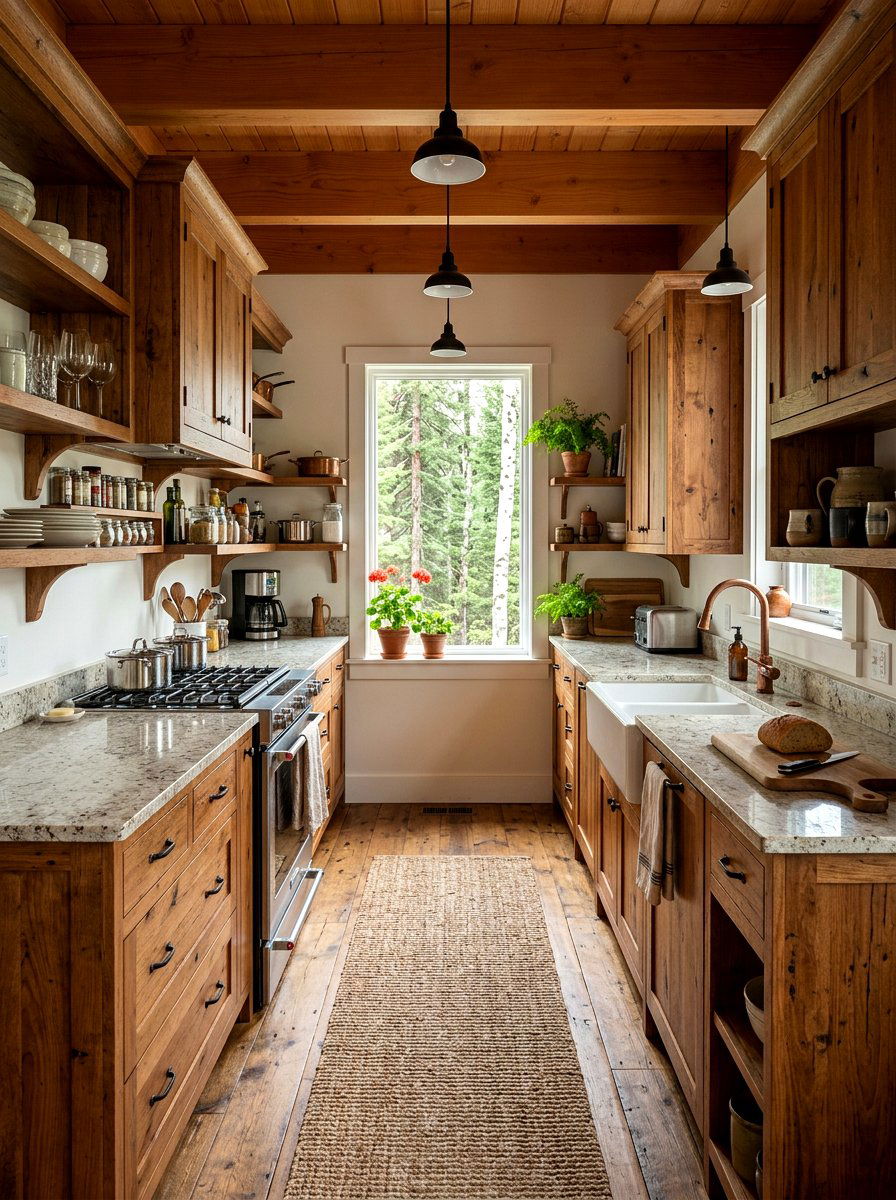
Is the galley layout the best way to design a narrow kitchen in a small forest retreat? A rustic galley cabin kitchen uses two parallel counters to create a highly efficient "work alley" where everything is just a step away. To prevent a narrow space from feeling dark, use light-colored wood for the cabinets and keep the backsplash bright and reflective. Open shelving at one end can help the room feel more expansive by breaking up the long lines of cabinetry. This layout is perfect for solo cooks who want a functional, high-performance space that doesn't waste any square footage in a compact mountain floor plan.
29. Plywood Cabin Kitchen Interior
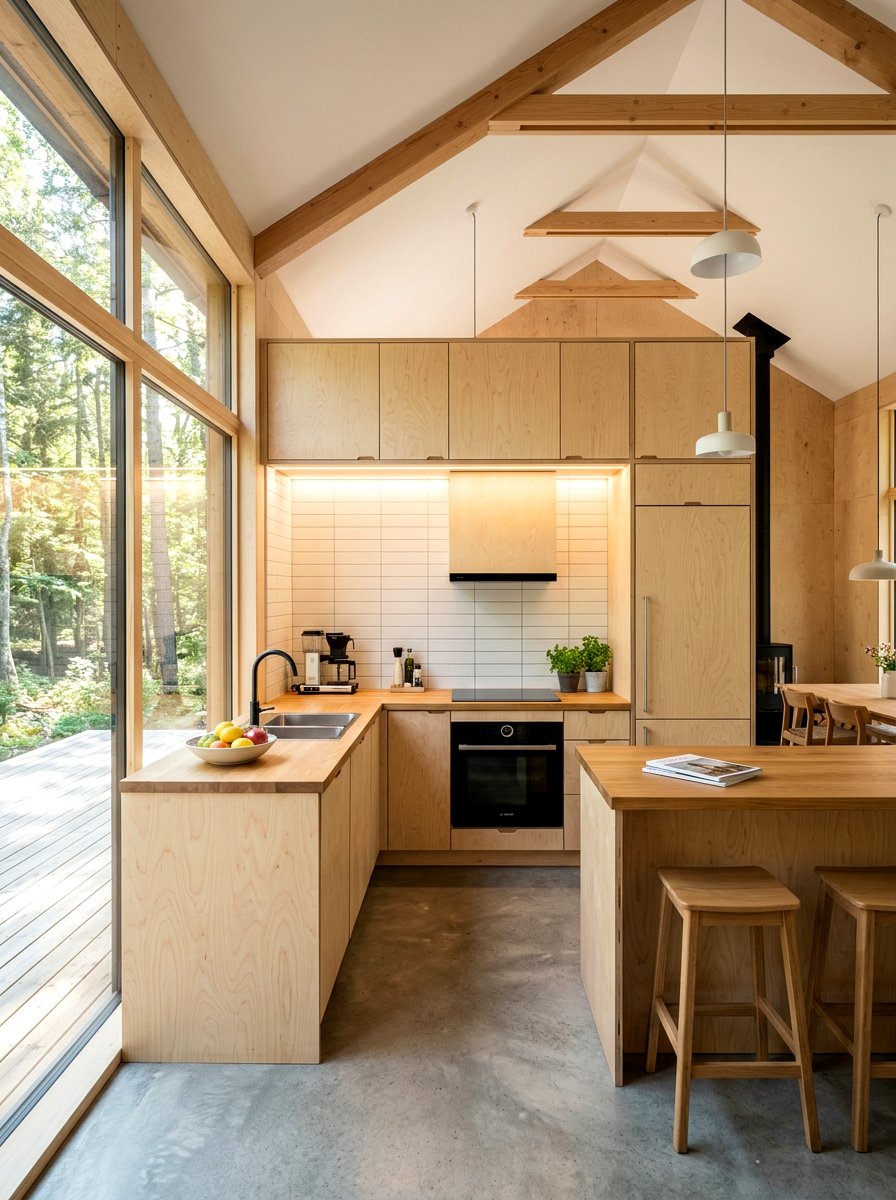
Can a modern cabin kitchen look expensive while using humble, affordable materials? A plywood cabin kitchen interior uses high-grade birch or maple plywood to create a minimalist, Scandinavian-inspired look. Leaving the layered edges of the plywood exposed adds a unique, industrial-chic detail that is very popular in modern architecture. This material is incredibly strong and stable, making it a practical choice for cabinetry and even countertops. When finished with a clear, matte sealer, the light wood grain feels fresh, clean, and very bright. It is a perfect choice for a budget-conscious homeowner who wants a high-design, contemporary kitchen that feels light and airy.
30. Cozy Breakfast Nook Cabin
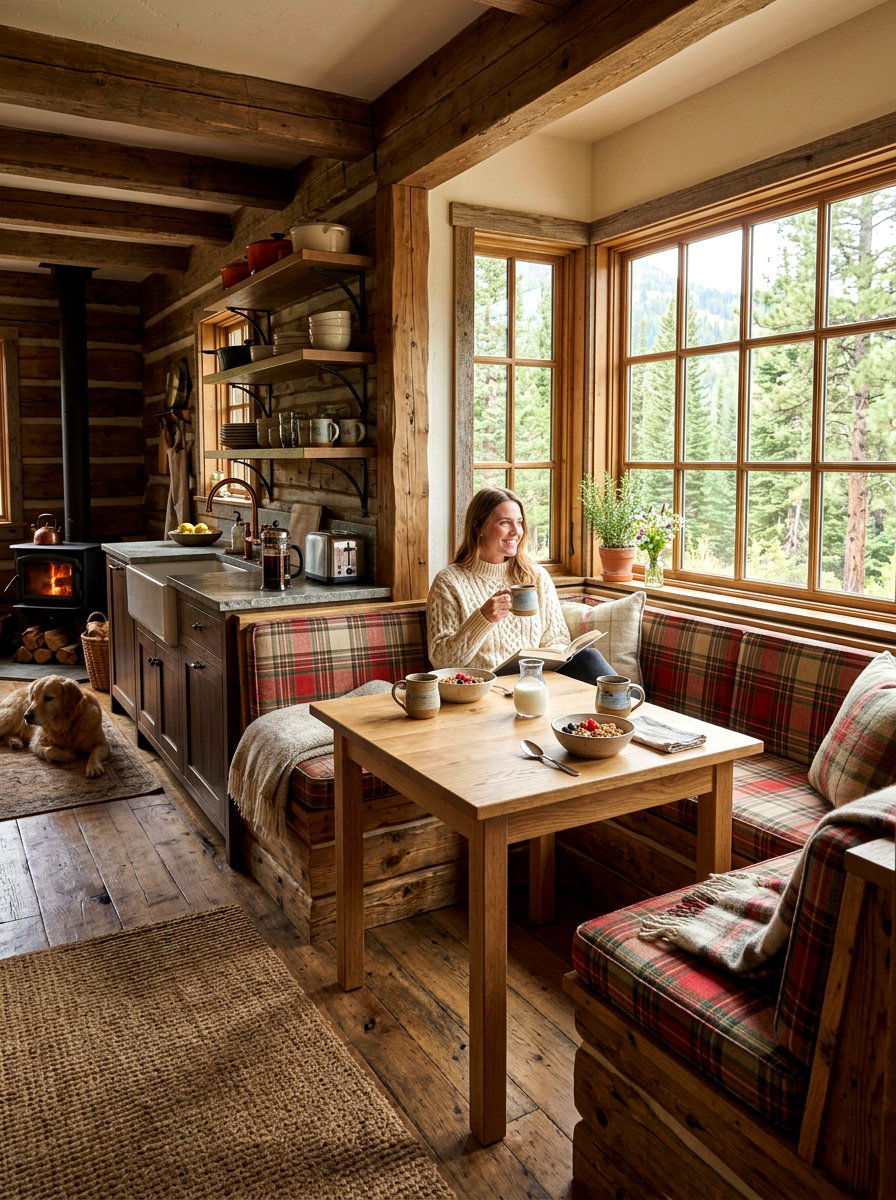
What is the best way to create a dedicated space for morning coffee and mountain views? A cozy breakfast nook in a cabin kitchen often features a built-in bench nestled into a corner window, maximizing both seating and scenery. Adding plush cushions in forest-inspired fabrics like plaid or wool creates an inviting spot to linger over breakfast. Under-bench drawers provide extra storage for linens or rarely used kitchen gadgets. This design encourages the kitchen to be more than just a place for cooking; it becomes a comfortable living space where family members can relax, read, and enjoy the peace of the surrounding woods together.
Conclusion:
Designing a cabin kitchen is a rewarding journey that allows you to blend the rugged charm of nature with the comforts of a modern home. From the heavy timber of a traditional log cabin to the sleek lines of a mountain modern retreat, each design choice should focus on creating a warm and functional heart for the house. By prioritizing natural materials like wood and stone, and incorporating clever storage and lighting, you can build a space that feels both timeless and fresh. Whether you are renovating an existing retreat or building a new forest escape, these thirty ideas provide a comprehensive foundation for a kitchen that is as beautiful as the landscape outside. Embrace the texture, the warmth, and the unique character of mountain living to create a culinary sanctuary that you and your family will cherish for many years to come.

Related posts: