Dutch doors, also known as stable doors or split doors, have a rich history that dates back to the 17th century in the Netherlands. They are characterized by their horizontal split in the middle, allowing the top and bottom halves to open independently of each other. This unique design served a practical purpose in early colonial homes, keeping farm animals out while letting fresh air and light circulate throughout the interior space. Today, they have become a beloved architectural feature in modern home design, offering a perfect blend of nostalgic charm and functional versatility for families and pet owners alike. These doors add immediate character to any room while remaining incredibly practical for everyday living.
1. White Farmhouse Dutch Door
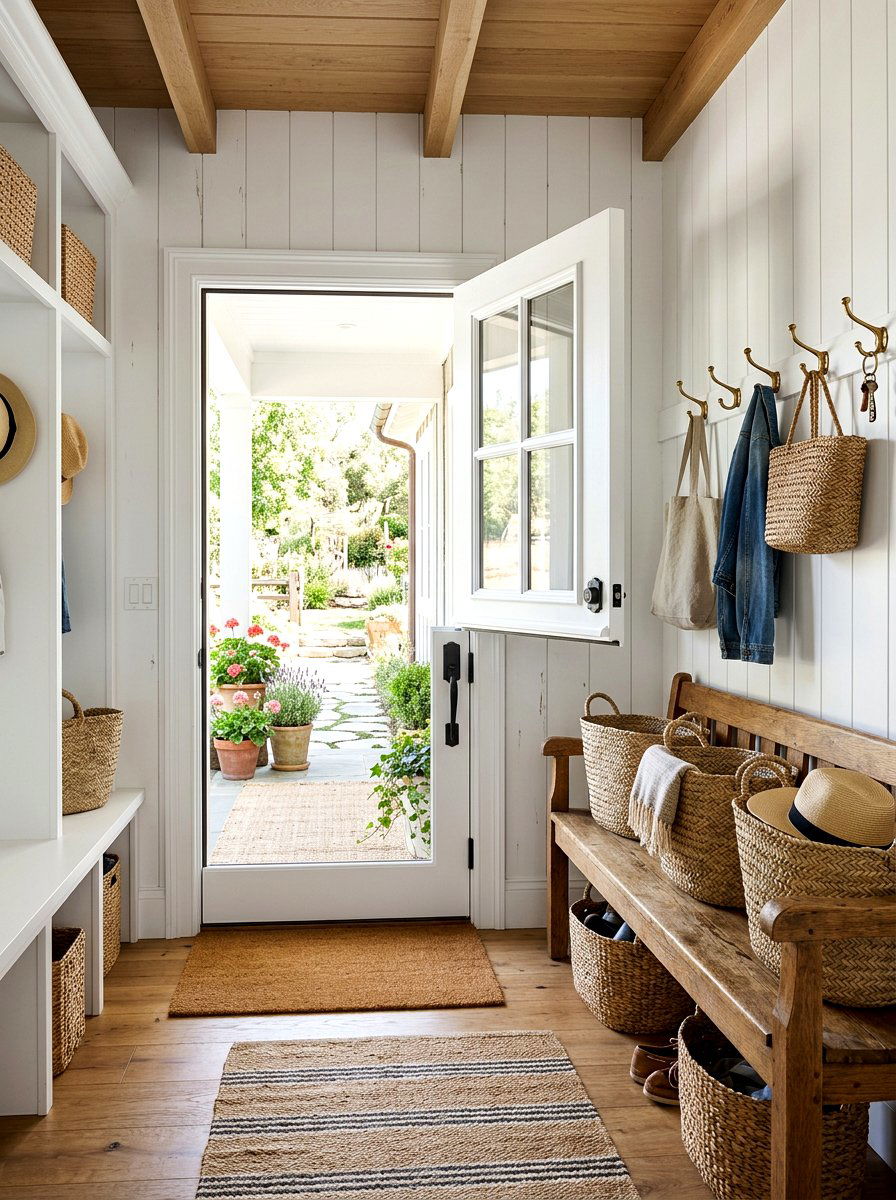
A white farmhouse Dutch door provides an instantly classic look that brightens any entryway or transition space. This style typically features clean lines and a crisp finish that complements the traditional aesthetic of a modern country home. By choosing a white palette, you allow the unique horizontal split of the door to stand out as a subtle architectural detail without overwhelming the surrounding decor. It works beautifully in bright mudrooms where you want to maintain a sense of openness while still having the option to close the bottom half to keep pets contained. The versatility of white paint makes it easy to pair with any hardware finish, from black to brass.
2. Black Modern Dutch Door
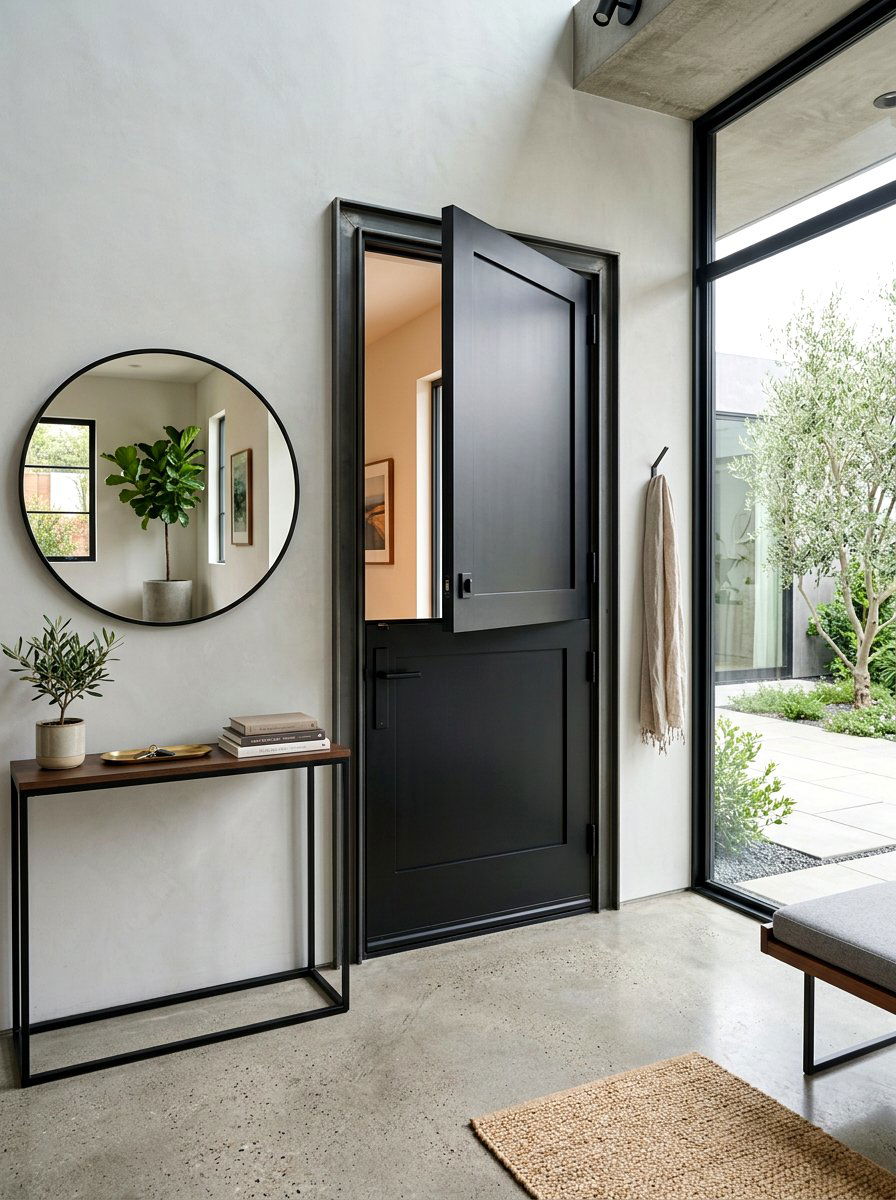
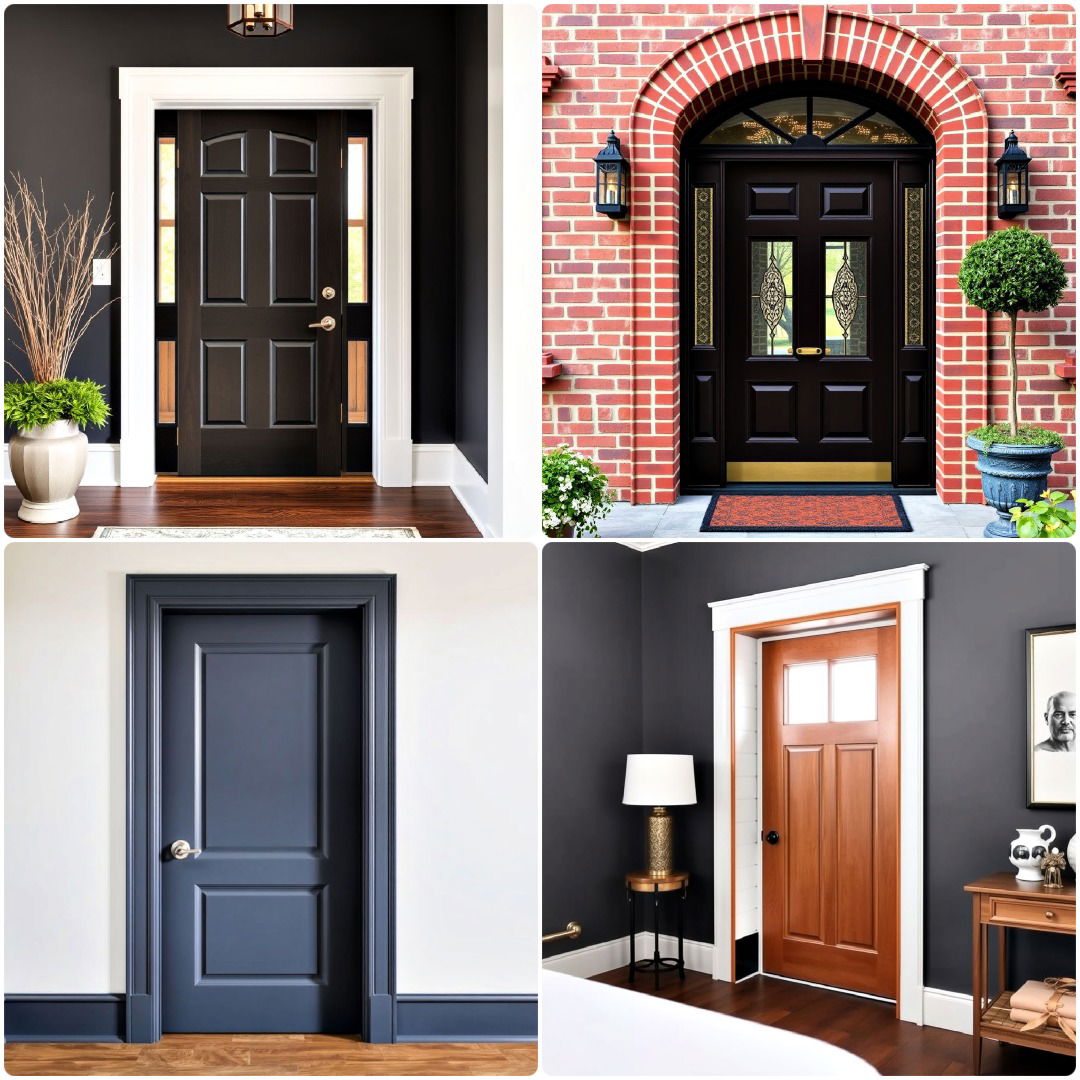
Choosing a black modern Dutch door creates a bold statement that grounds your space with sophisticated contrast. This look is perfect for contemporary homes that utilize industrial or minimalist elements. The dark color highlights the structural division of the door, making it a focal point in an otherwise neutral hallway or entry. When paired with sleek, simple hardware, the door feels updated and fresh rather than purely traditional. Many homeowners use this style for interior transitions between a home office and a living area. The dark finish adds a layer of depth and maturity to the room while maintaining the playful functionality of the split-opening design.
3. Navy Blue Dutch Door
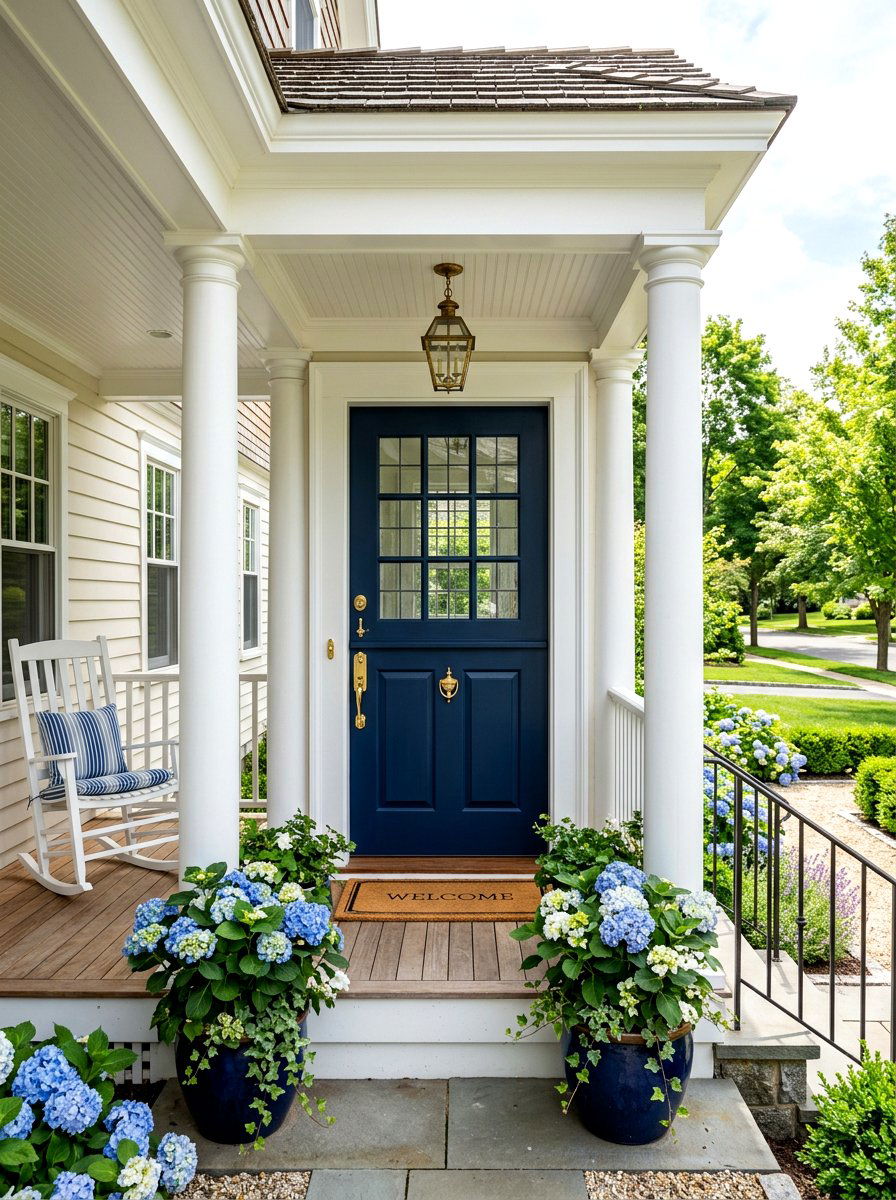
A navy blue Dutch door offers a sophisticated alternative to standard neutrals, bringing a sense of coastal or traditional elegance to your home. This deep, rich hue works exceptionally well for exterior front doors where you want to create a welcoming first impression. The blue tones pair perfectly with brass or gold hardware, creating a high-end look that feels both classic and current. In an entryway, this door can be left with the top half open to welcome guests and fresh breezes while keeping the bottom half secured. It provides a beautiful pop of color that coordinates well with white trim and natural wood accents.
4. Wood Dutch Door With Glass
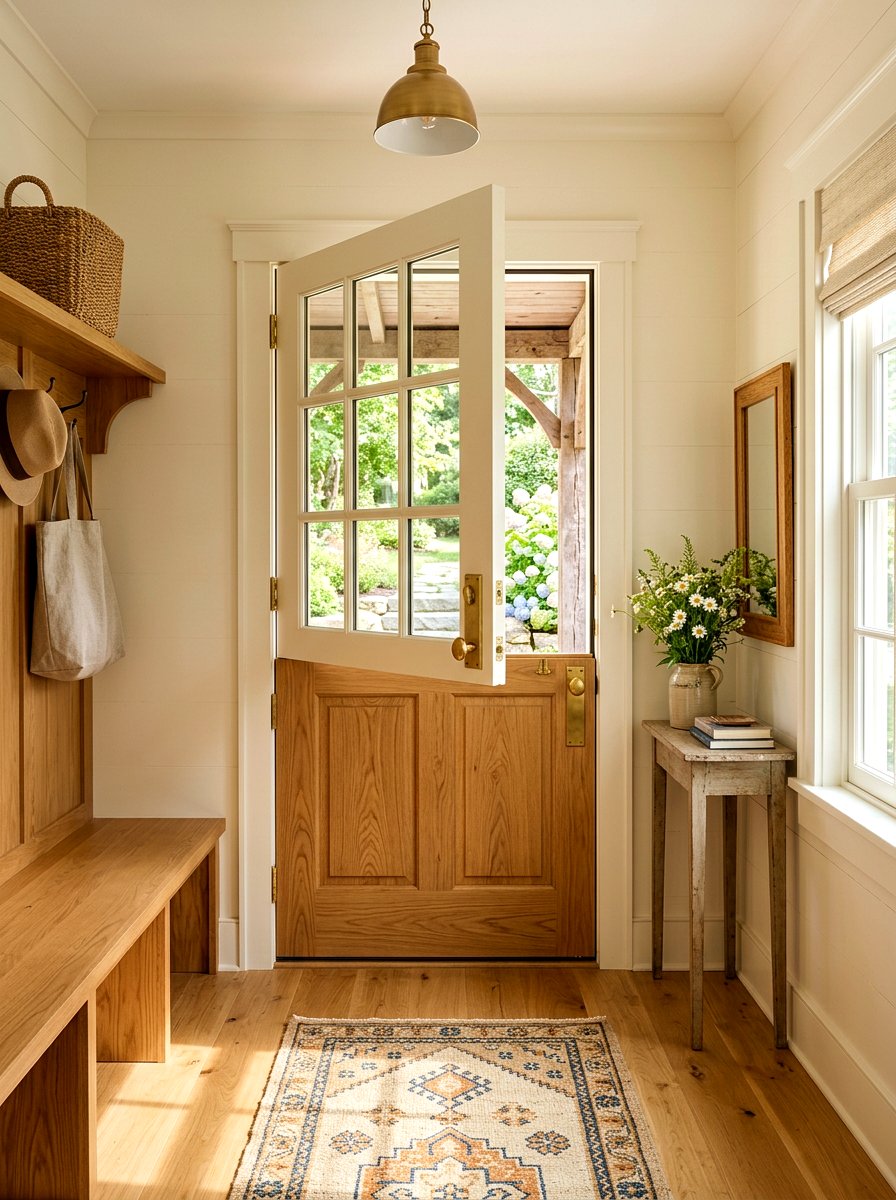
Installing a wood Dutch door with glass panels in the top half is an excellent way to maximize natural light. This design allows sunshine to flood into dark foyers or hallways even when the bottom half of the door is closed for safety. The natural grain of the wood adds warmth and texture to the space, making the home feel more inviting and organic. You can choose different glass styles, such as frosted for privacy or clear for an unobstructed view of your garden. This combination of materials creates a balanced look that bridges the gap between traditional craftsmanship and modern desire for bright, airy interiors.
5. Laundry Room Dutch Door
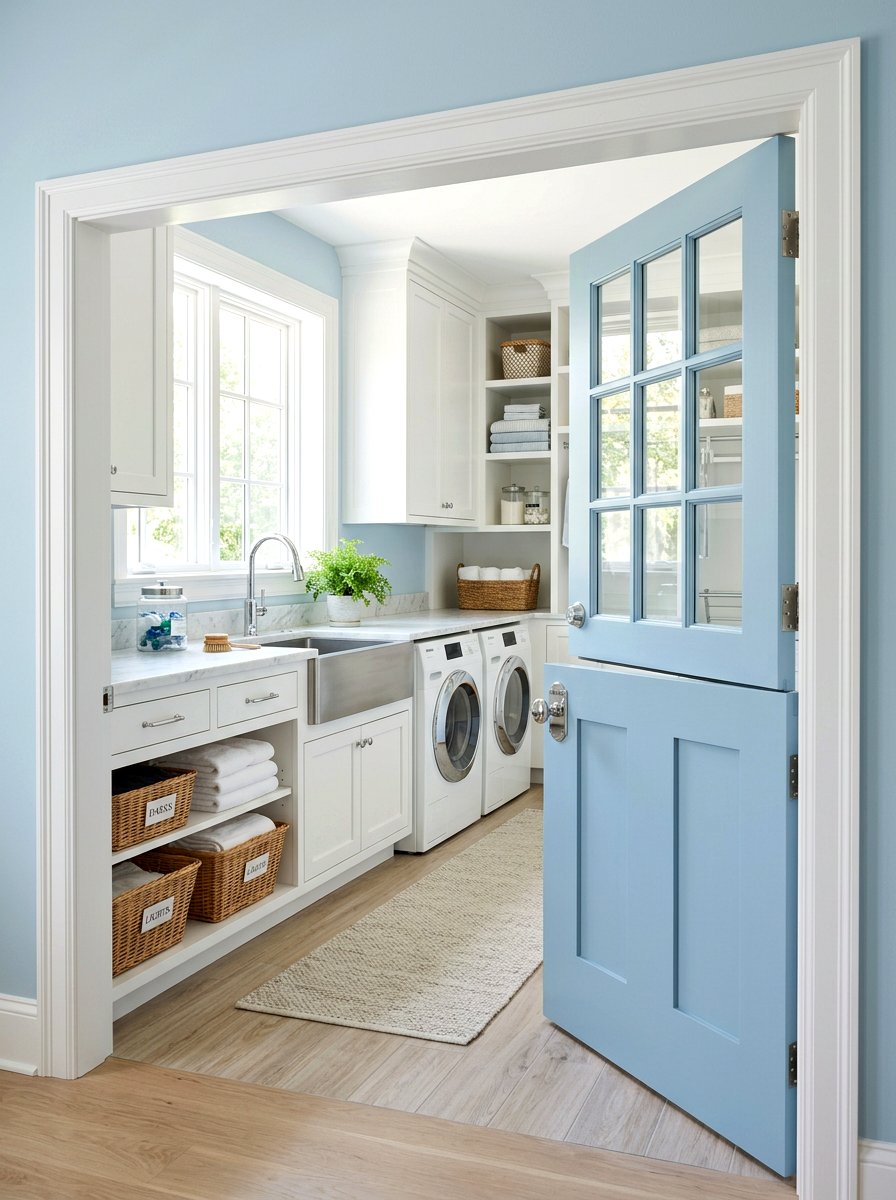
Using a laundry room Dutch door is a highly functional choice for busy households that want to manage noise and movement. The split design allows you to keep the bottom half closed to prevent pets or small children from entering the utility space while clothes are being sorted. At the same time, the open top half allows for better air circulation, which is essential in a room that often deals with heat and moisture. It also makes it easy to peek in and check on a wash cycle without fully entering the room. This practical solution adds a touch of charm to a typically utilitarian area of the home.
6. Stable Style Dutch Door
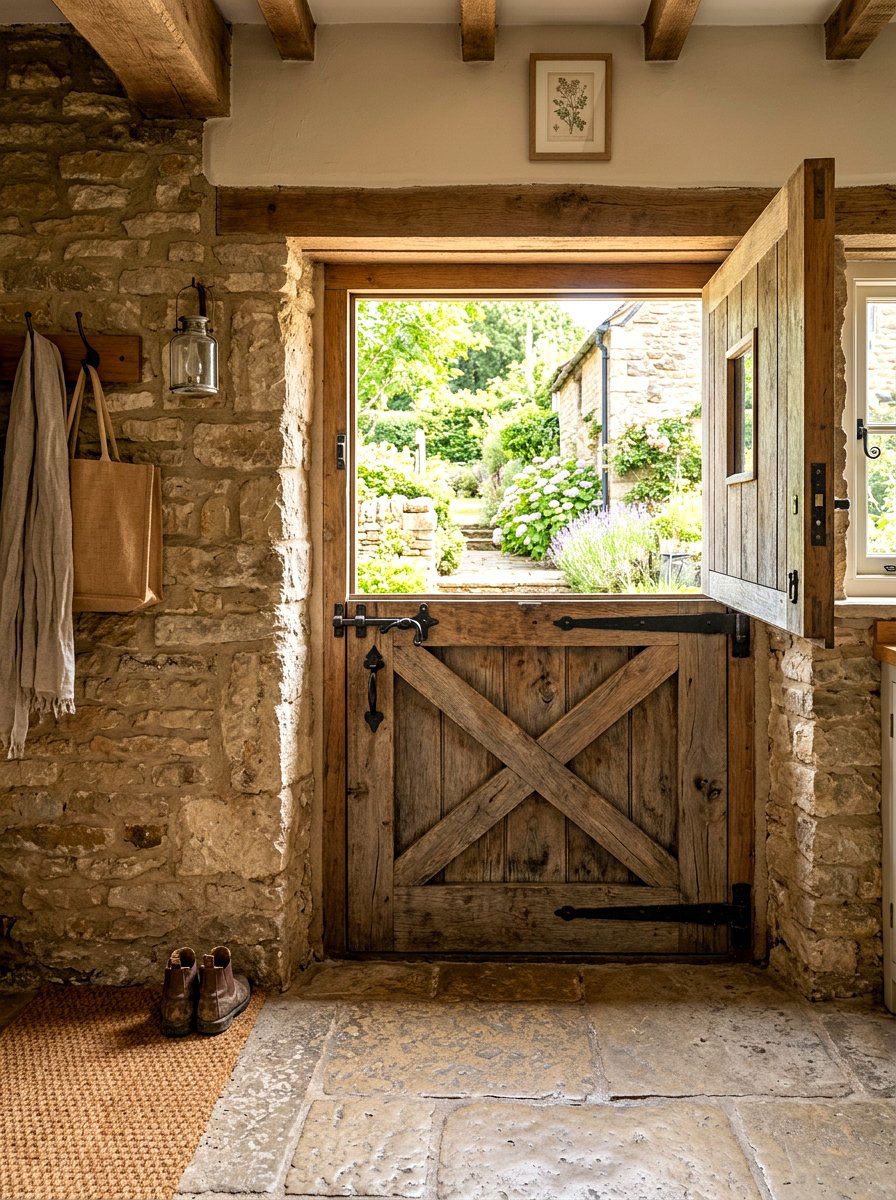
The stable style Dutch door pays homage to the original agricultural roots of the design, often featuring a characteristic "X" or "Z" brace on the bottom panel. This rustic look is ideal for homes with a strong farmhouse or cottage aesthetic. The heavy-duty appearance of the bracing adds visual interest and a sense of durability to the entryway. It works wonderfully as a back door leading out to a garden or patio area. When finished with a natural stain, the wood grain and structural details become even more prominent. This style evokes a sense of history and craftsmanship that makes any house feel like a cozy home.
7. Craftsman Dutch Door
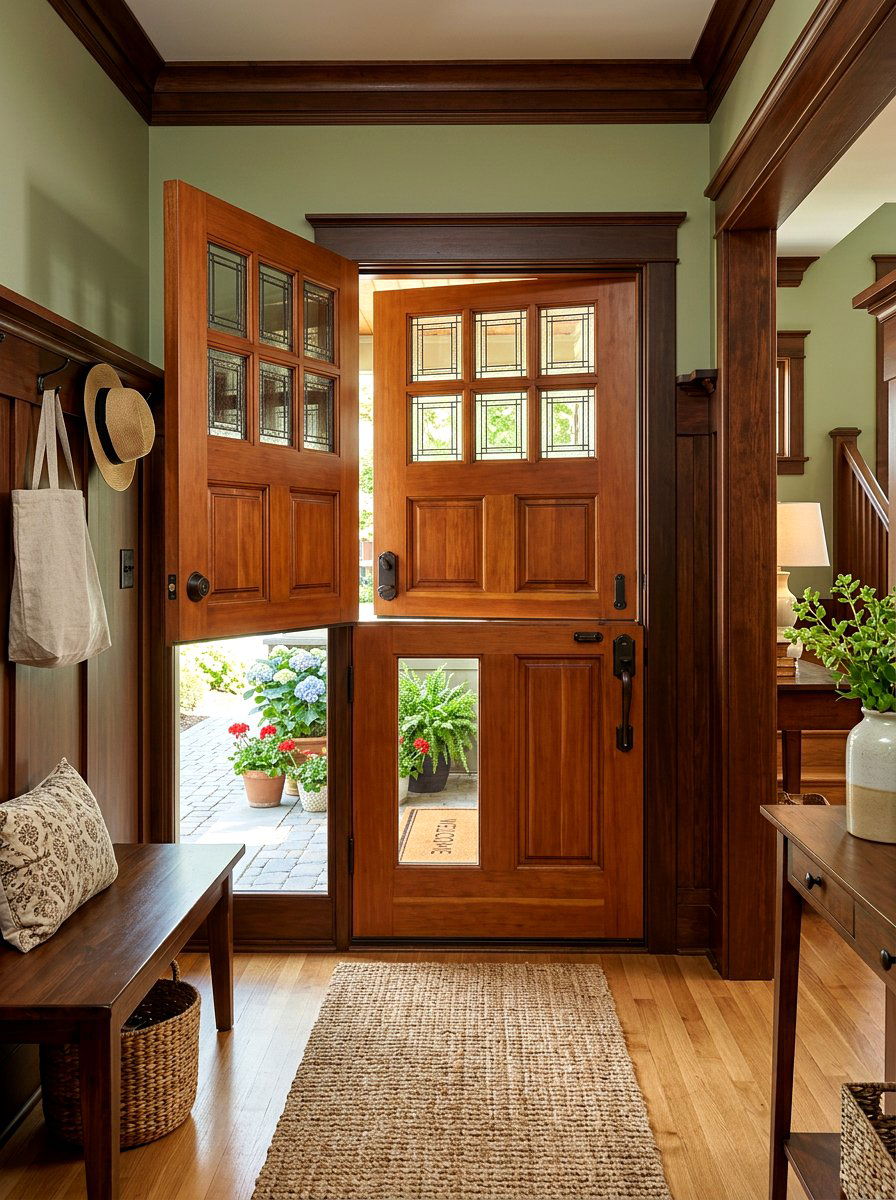
A craftsman Dutch door focuses on simple, sturdy construction and honest materials, often featuring small square windows at the top. This architectural style emphasizes horizontal lines and handcrafted details that suit bungalows and traditional American homes perfectly. The geometry of the glass panes provides a structured look that coordinates well with built-in cabinetry and heavy wood moldings. By splitting a craftsman door horizontally, you add an unexpected twist to a classic design. This choice is perfect for homeowners who appreciate the history of the Arts and Crafts movement but want the modern convenience of a split-door system for their main entry.
8. Dutch Door With Sidelights
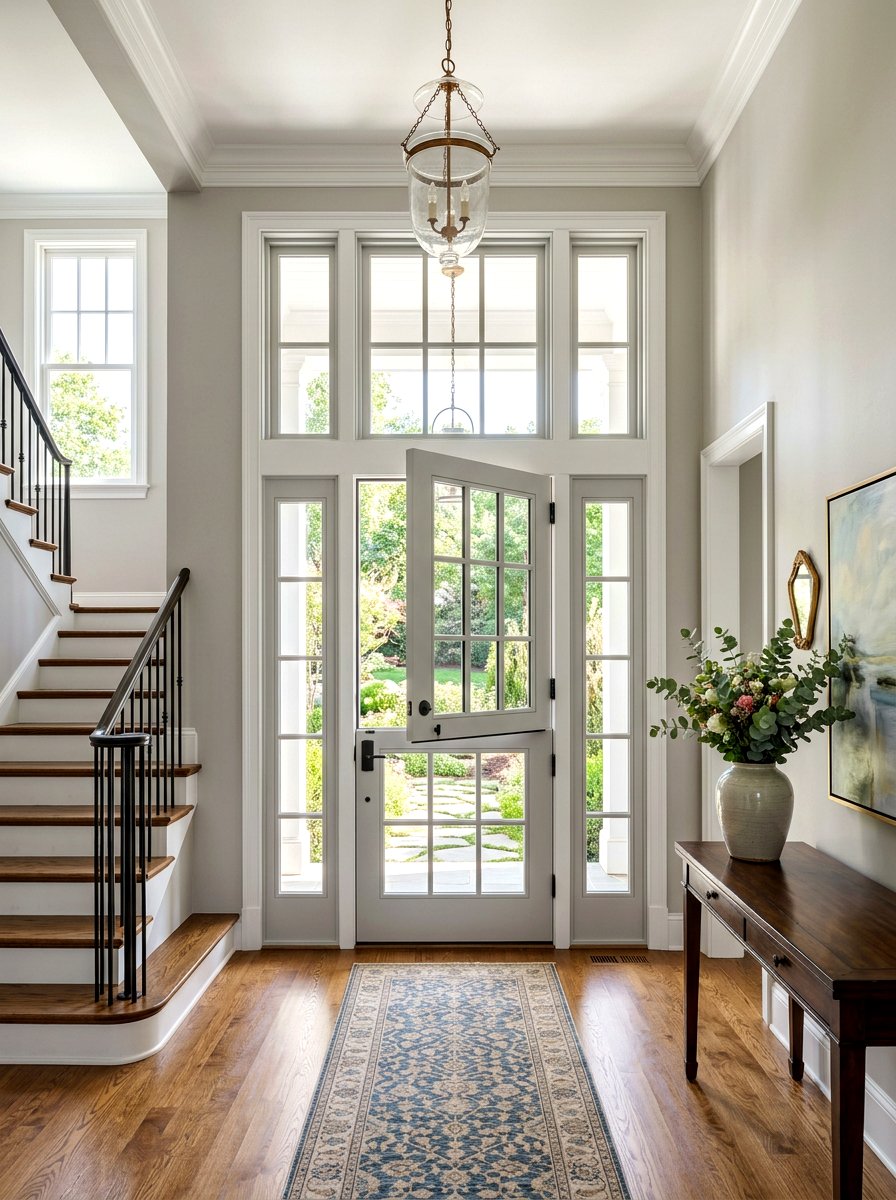
Adding a Dutch door with sidelights creates a grand entrance that feels expansive and full of light. The narrow vertical windows on either side of the split door frame the opening and provide a broader view of the outdoors. This configuration is particularly effective for wide entryways where a single door might feel too small on its own. The sidelights can feature decorative glass or simple clear panes to match the home's overall style. This setup allows for maximum ventilation through the top half of the door while the side windows remain fixed for security. It is a luxurious way to implement the Dutch door concept.
9. Sage Green Dutch Door
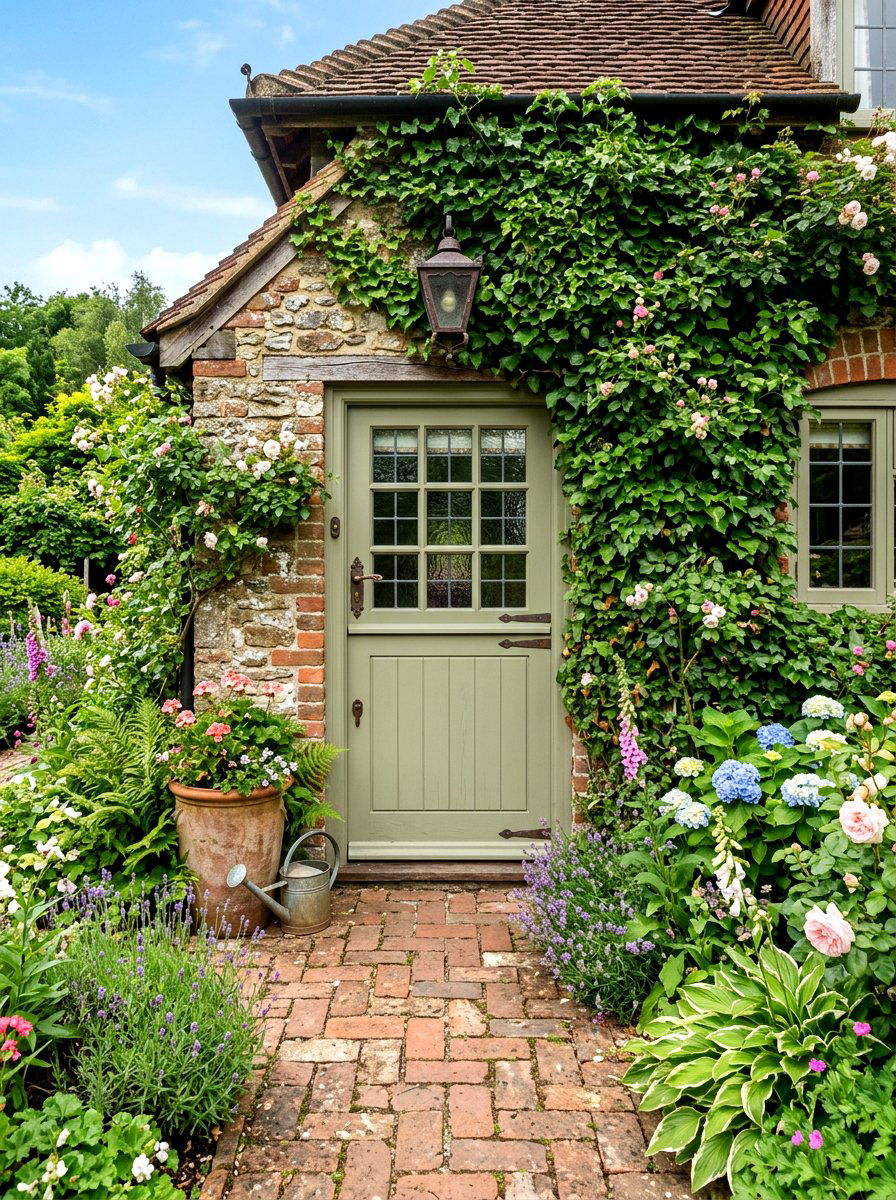
A sage green Dutch door brings a soft, earthy element to your home's exterior or interior color palette. This muted tone is incredibly popular because it reflects the colors found in nature and creates a calming atmosphere. Sage green pairs beautifully with natural stone, brick, and wooden accents, making it a versatile choice for various architectural styles. When used on a Dutch door, the color enhances the cottage-like charm of the split design. It feels fresh and updated without being too trendy. This hue works particularly well in garden-facing rooms or kitchens where a connection to the outdoors is highly desired by the homeowners.
10. Baby Nursery Dutch Door
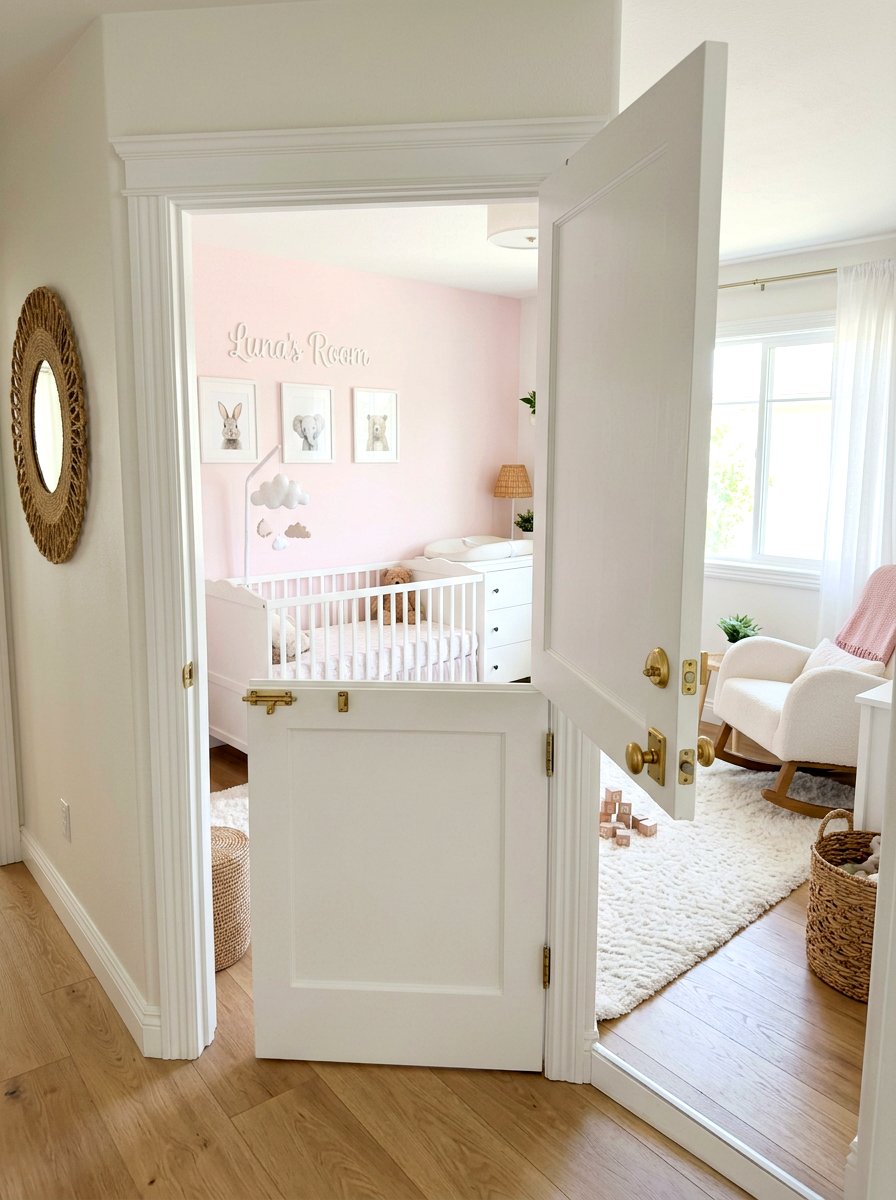
Choosing a baby nursery Dutch door is a brilliant safety and design move for new parents. By keeping the bottom half closed, you create a secure barrier that prevents a crawling baby or toddler from wandering out of the room. The open top half allows you to hear the baby and monitor the room without the noise of opening a full door, which might wake a sleeping infant. It also ensures that the nursery stays well-ventilated while maintaining a sense of privacy. This functional approach to nursery design adds a whimsical, storybook feel to the room while providing peace of mind for parents throughout the day.
11. Kitchen Pantry Dutch Door
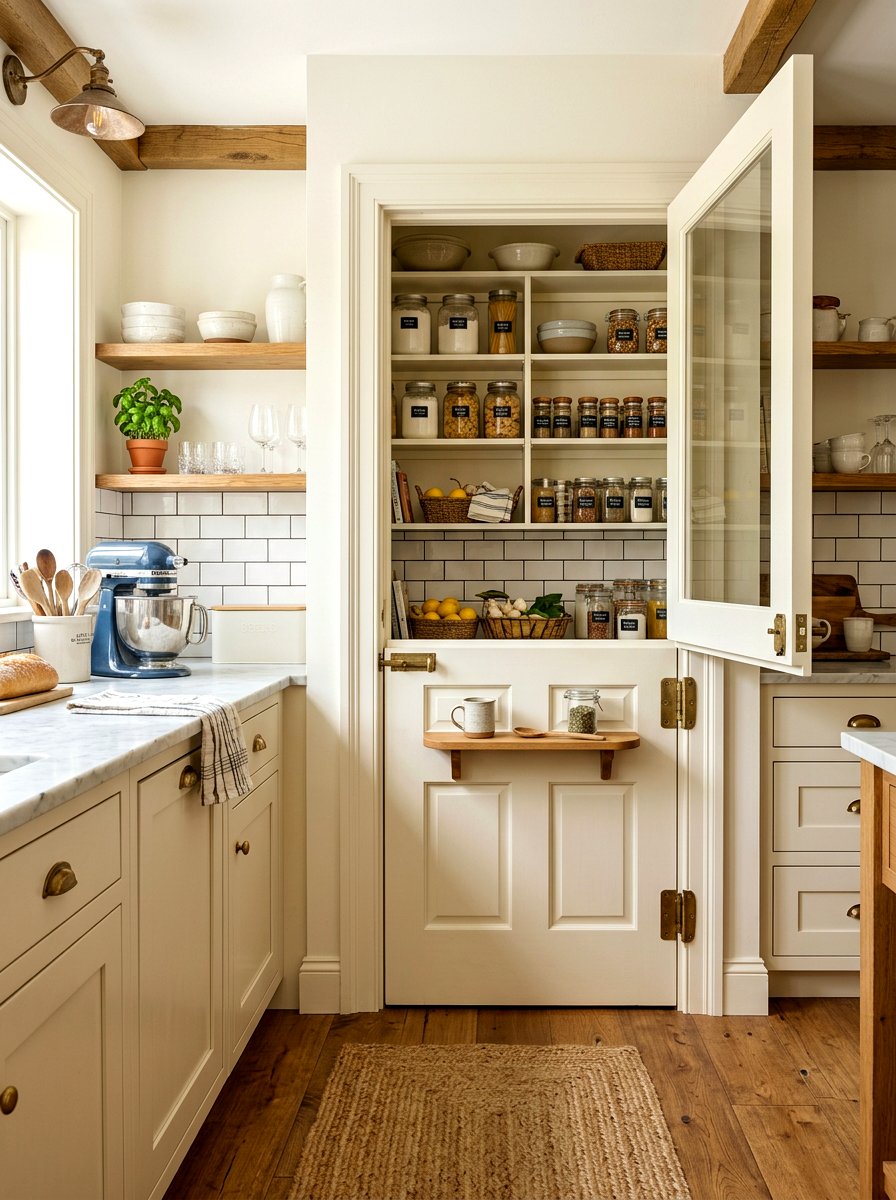
A kitchen pantry Dutch door is a charming way to hide clutter while maintaining easy access to food supplies. Many pantries can become disorganized, and a split door allows you to keep the bottom portion closed to hide floor-level storage while the top stays open for a breezy feel. This is also a great place to install a small shelf on the top of the bottom half to serve as a ledge for grocery bags or jars. The design adds a vintage bakery vibe to the kitchen, making the space feel more curated and intentional. It turns a standard storage closet into a delightful architectural feature of the room.
12. Arched Dutch Door
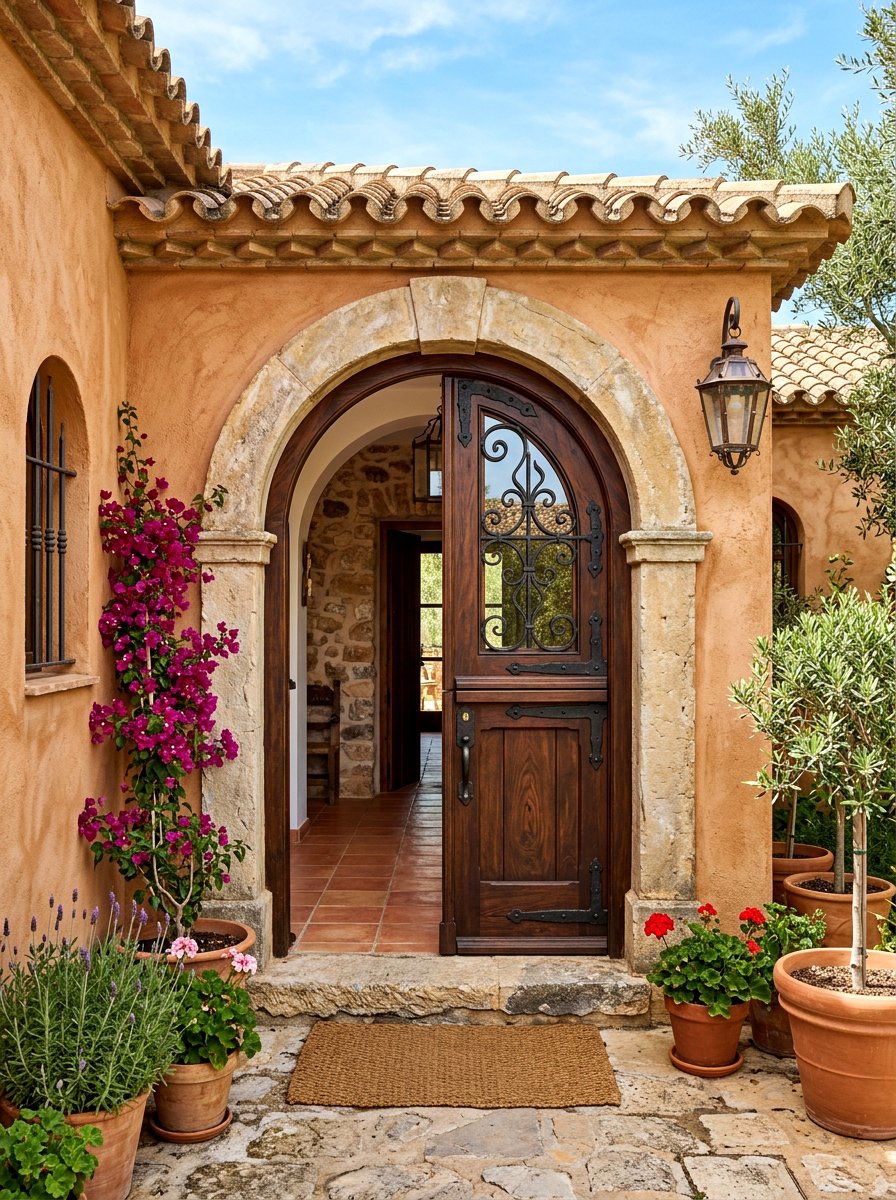
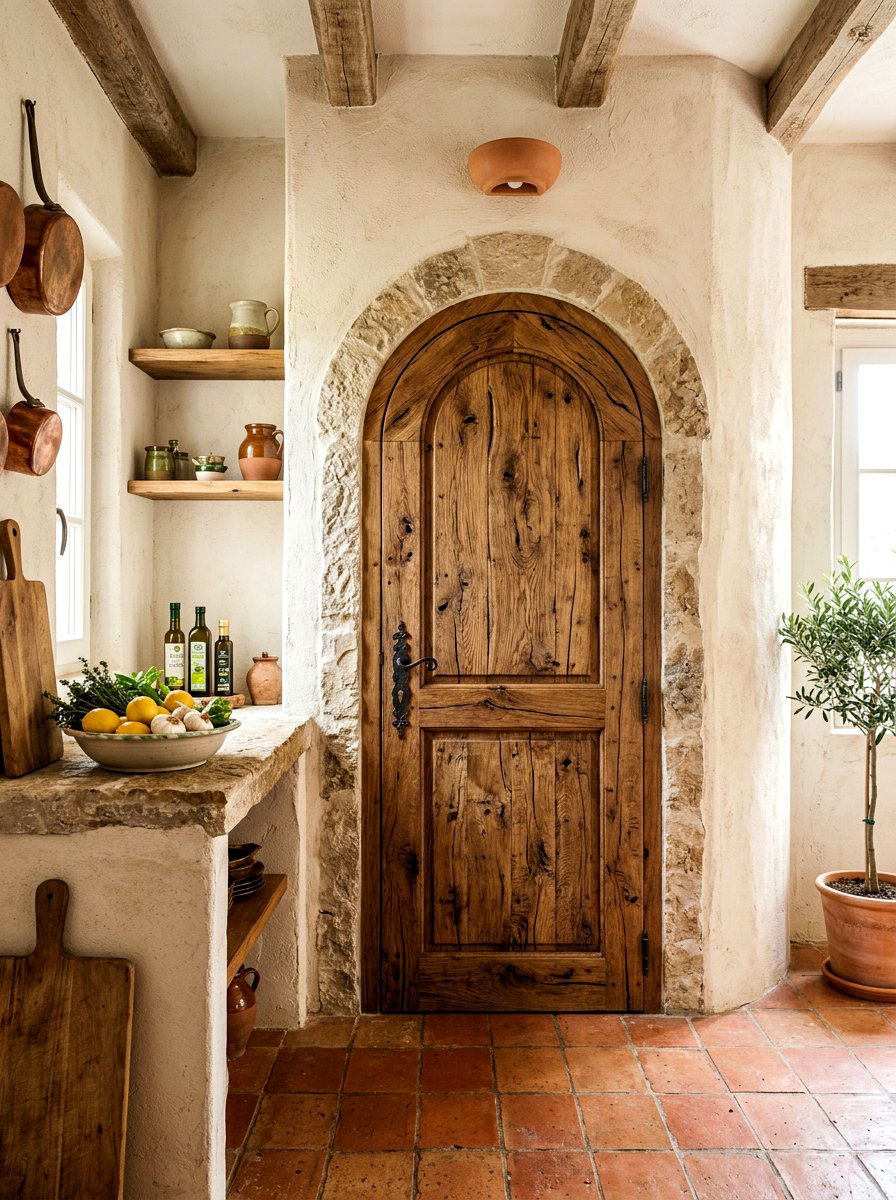
An arched Dutch door introduces soft curves and elegant architectural interest to a home's entryway. The rounded top half of the door provides a sophisticated contrast to the typical straight lines found in most modern construction. This style often feels more European or Mediterranean, especially when crafted from heavy wood with decorative iron hardware. The split in an arched door requires precision craftsmanship, making it a high-end choice for custom homes. When the top half is swung open, the arch frames the view like a window, creating a beautiful transition between the interior of the house and the exterior landscaping or porch area.
13. Dutch Door With Shelf
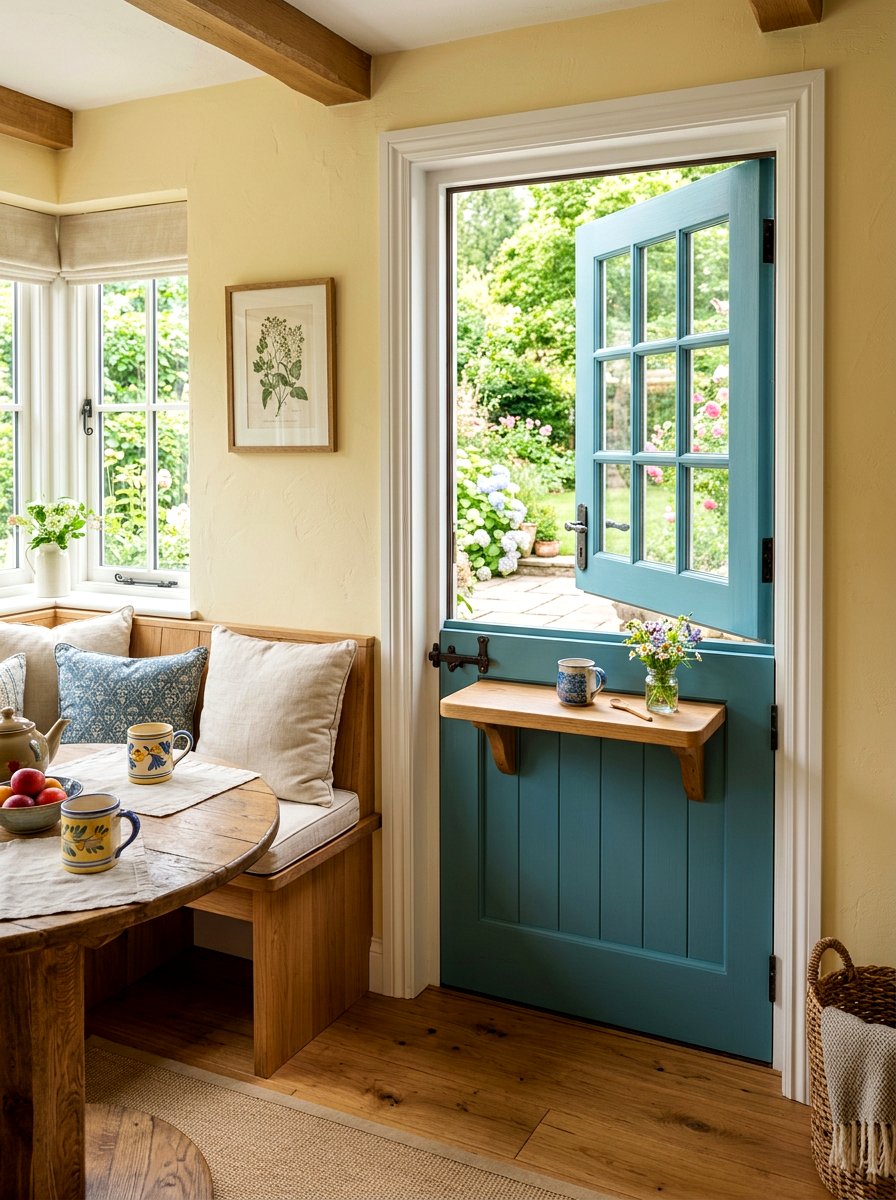
A Dutch door with a shelf features a flat horizontal ledge attached to the top of the bottom half. This practical addition transforms the door into a functional serving station or a place to rest small items like mail and keys. In a kitchen, this shelf can be used to pass snacks or drinks to someone on the other side without opening the whole door. It also provides a sturdy surface that helps stabilize the bottom half when the top is open. This design detail enhances the "talk-over-the-fence" feel that Dutch doors are known for, encouraging social interaction and a friendly, neighborhood atmosphere within the home.
14. Double Dutch Door
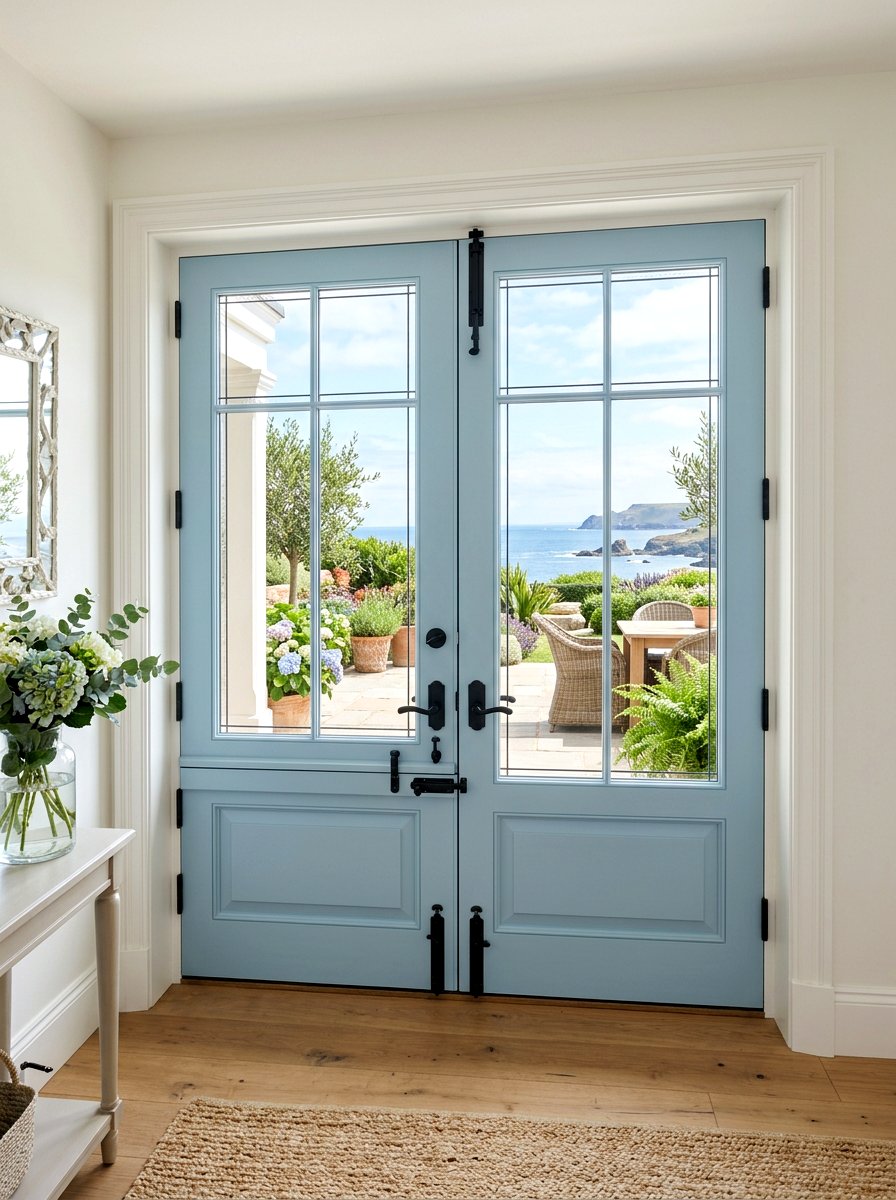
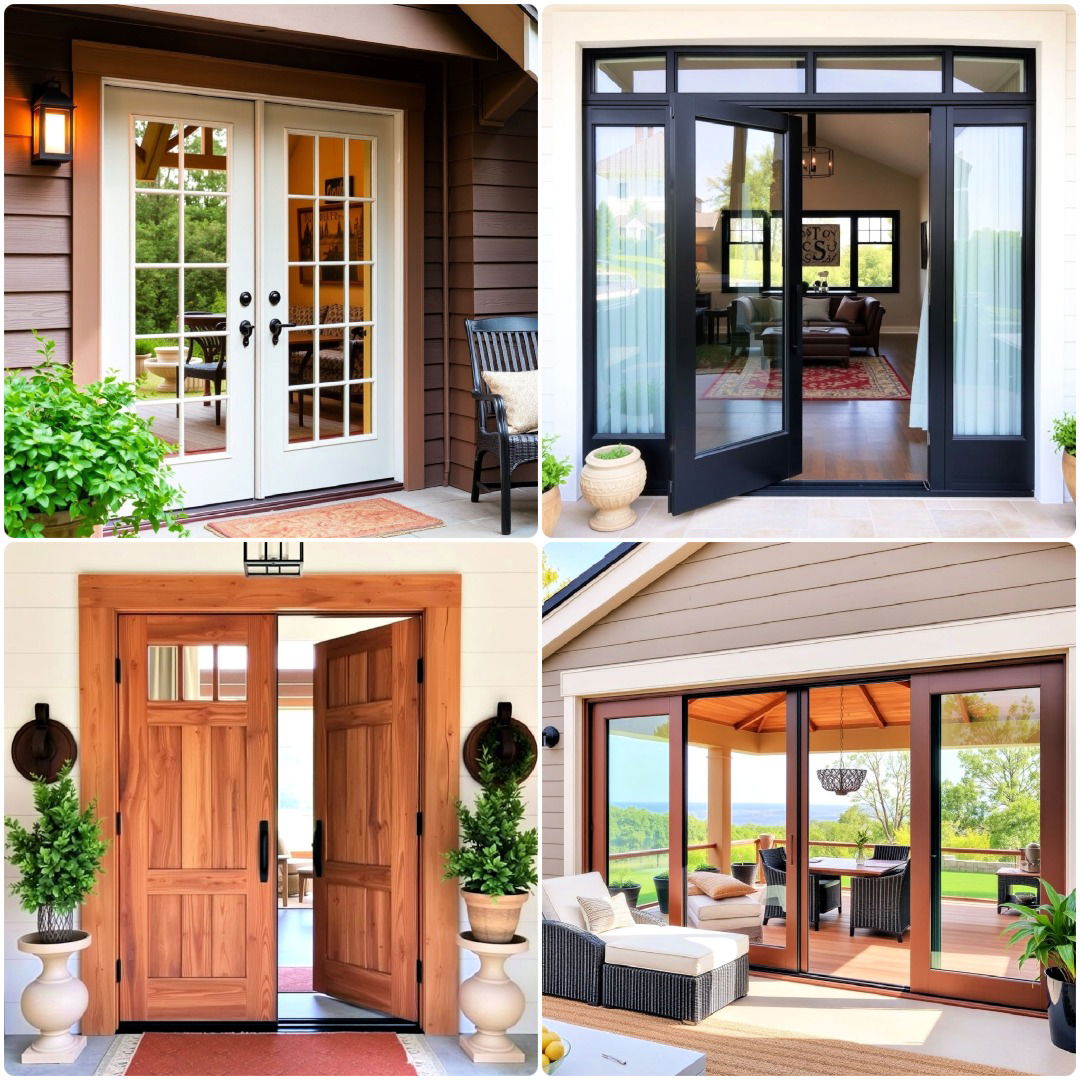
A double Dutch door consists of two split doors side-by-side, creating a wide and impressive opening. This configuration is often found in large entryways or leading out to expansive patios and decks. It offers incredible flexibility, as you can open any combination of the four sections to control airflow and privacy. For example, you could open both top halves to create a massive window-like opening while keeping the bottom sections closed for security. This style provides a grand, symmetrical look that works well for large farmhouse estates or coastal homes. It maximizes the connection to the outdoors while offering a unique architectural statement.
15. Gray Dutch Door
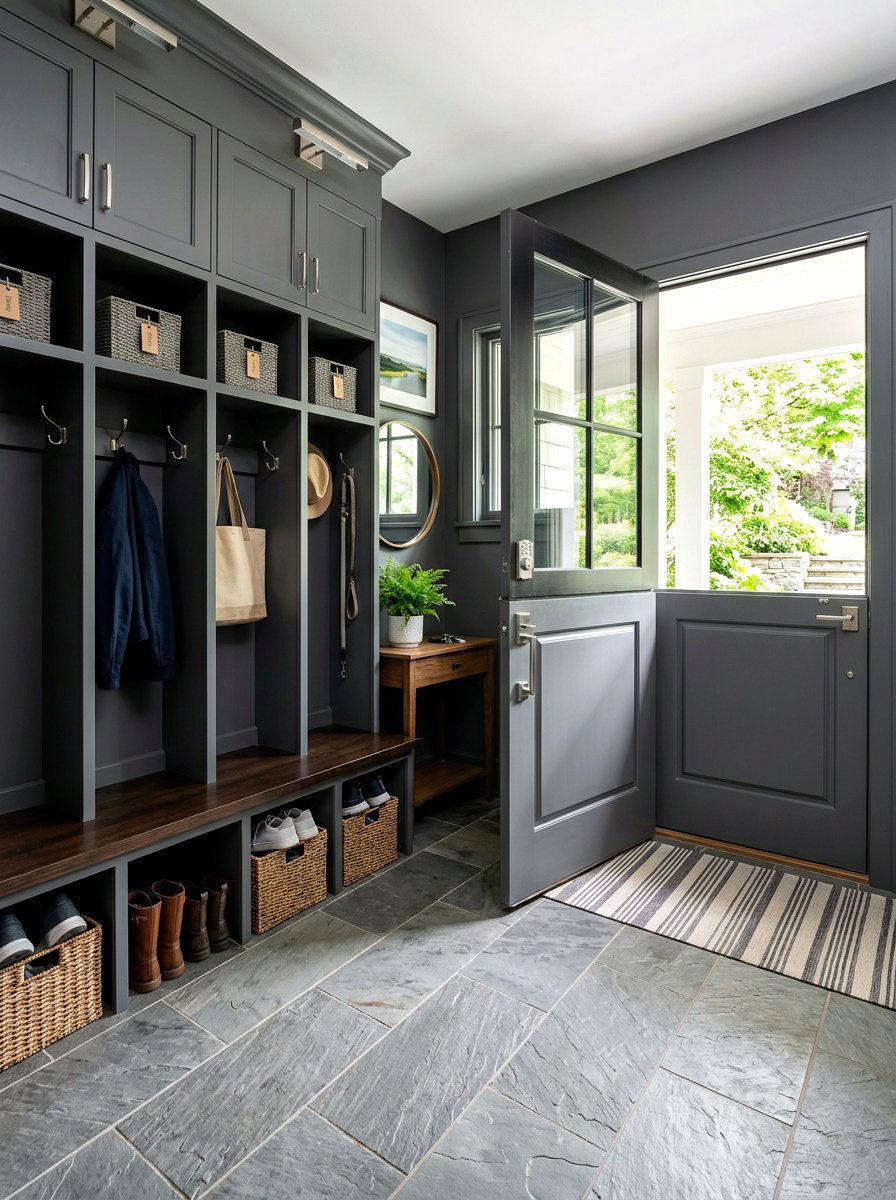
A gray Dutch door is a perfect choice for those who want a neutral but sophisticated look that bridges the gap between white and black. Light gray can feel airy and coastal, while a deep charcoal gray offers a more modern and moody aesthetic. Gray is a versatile color that hides scuffs and fingerprints better than white, making it a practical option for high-traffic areas like mudrooms. On a Dutch door, gray paint helps to emphasize the shadows and lines of the split design. This color choice works well with both silver and black hardware, allowing you to customize the final look to your preference.
16. Dutch Door Dog Gate
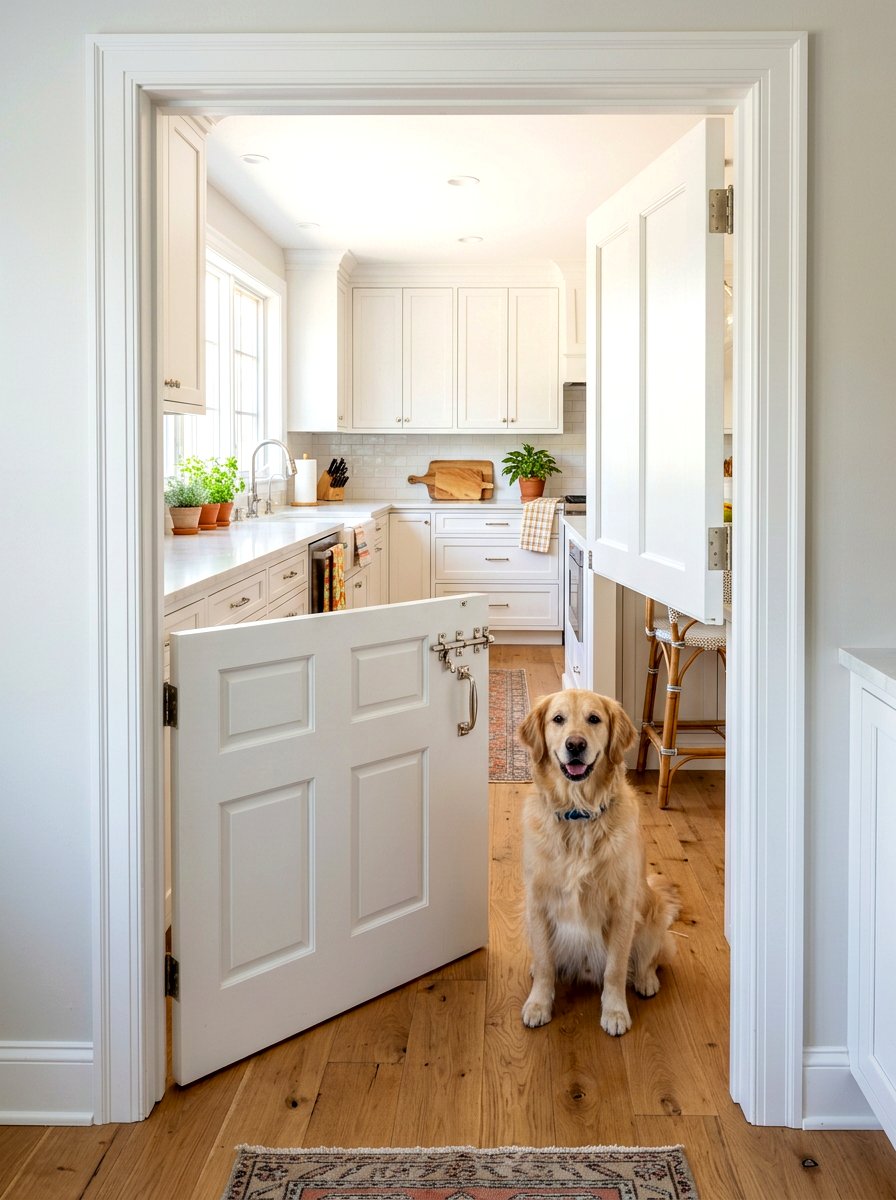
Using a Dutch door as a dog gate is a stylish way to manage pets without resorting to unattractive plastic or metal barriers. The bottom half of the door acts as a permanent, sturdy gate that keeps your furry friends in a specific area, such as the kitchen or laundry room. Unlike a traditional gate, the Dutch door looks like a high-end architectural feature when closed. You can keep the top half open so your pet doesn't feel isolated and you can still interact with them. This is a favorite solution for homeowners who want to maintain the beauty of their interior design while being practical.
17. Red Dutch Door
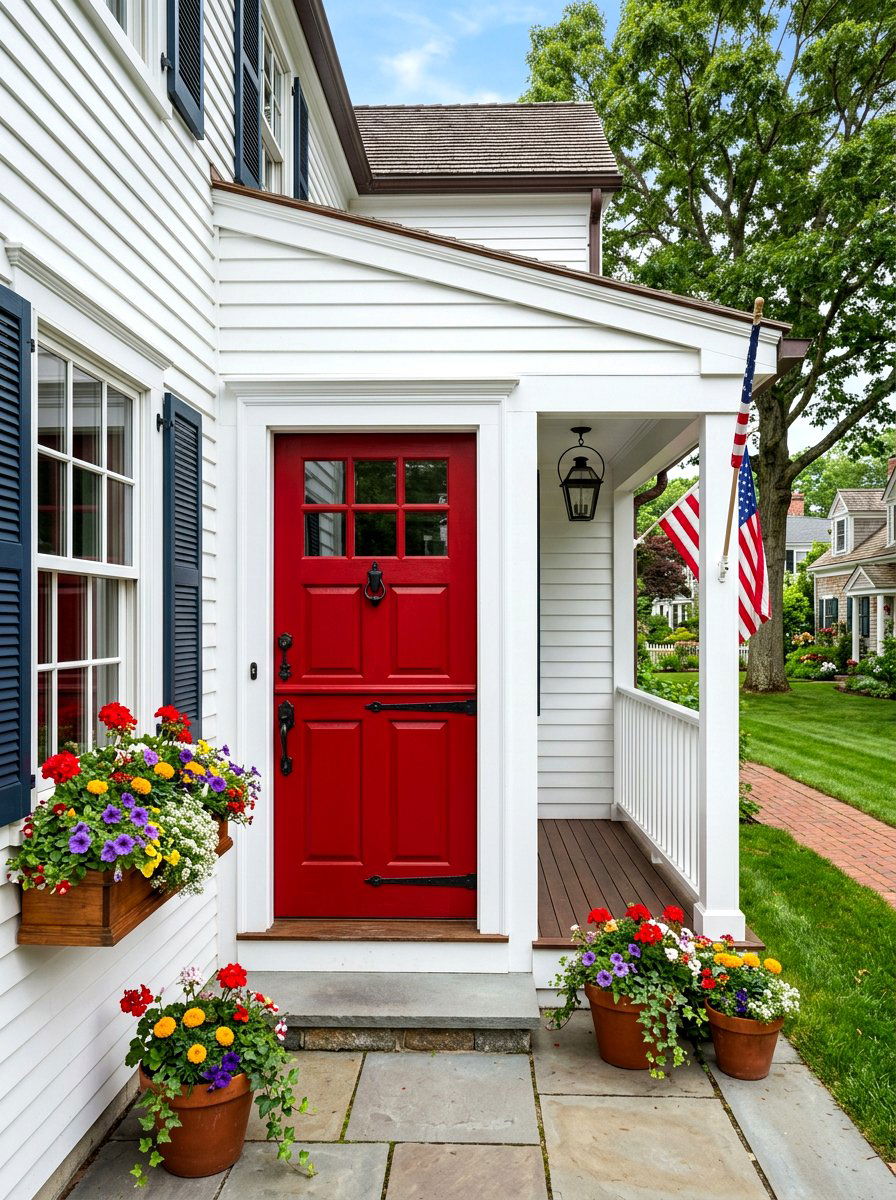
A red Dutch door is a classic choice for homeowners who want to create a vibrant and welcoming focal point. Traditionally, a red door signaled a hospitable home, and the Dutch door design only enhances that friendly vibe. Whether you choose a bright cherry red or a deep burgundy, this color draws the eye and adds a cheerful personality to the facade. It looks particularly striking against white siding or gray stone. By splitting the door, the red color is broken up, which can make the bold hue feel more approachable and less overwhelming than a solid, standard red door would be on its own.
18. Dutch Door Brass Hardware
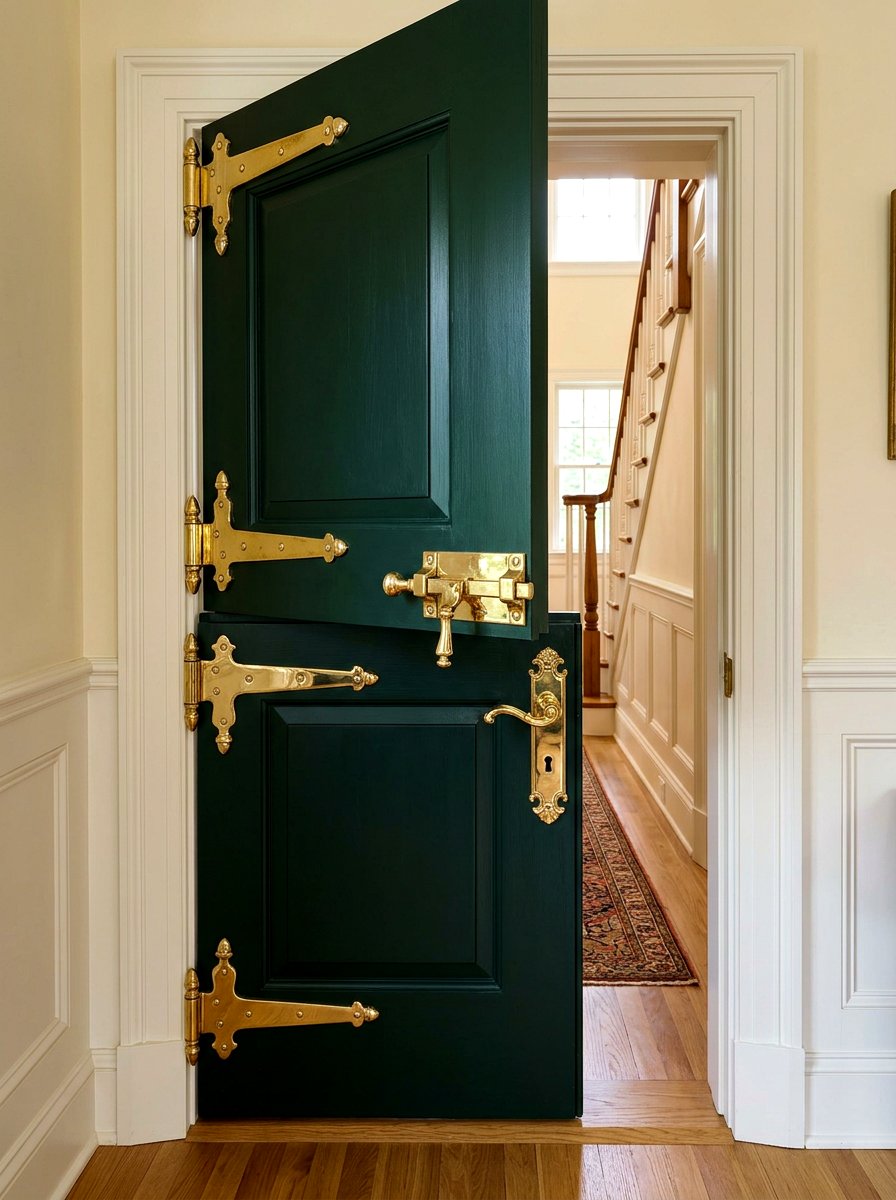
Choosing Dutch door brass hardware adds a touch of warmth and vintage luxury to your split door setup. Brass has a timeless quality that looks beautiful against various paint colors, especially navy, dark green, and white. For a Dutch door, you typically need specialized hardware, including a quadrant latch that connects the two halves. Opting for unlacquered brass allows the metal to develop a natural patina over time, giving the door an authentic, aged appearance. The golden tones of the brass provide a high-contrast look that highlights the functional parts of the door, such as the hinges and the latching mechanism, as decorative elements.
19. Mudroom Dutch Door
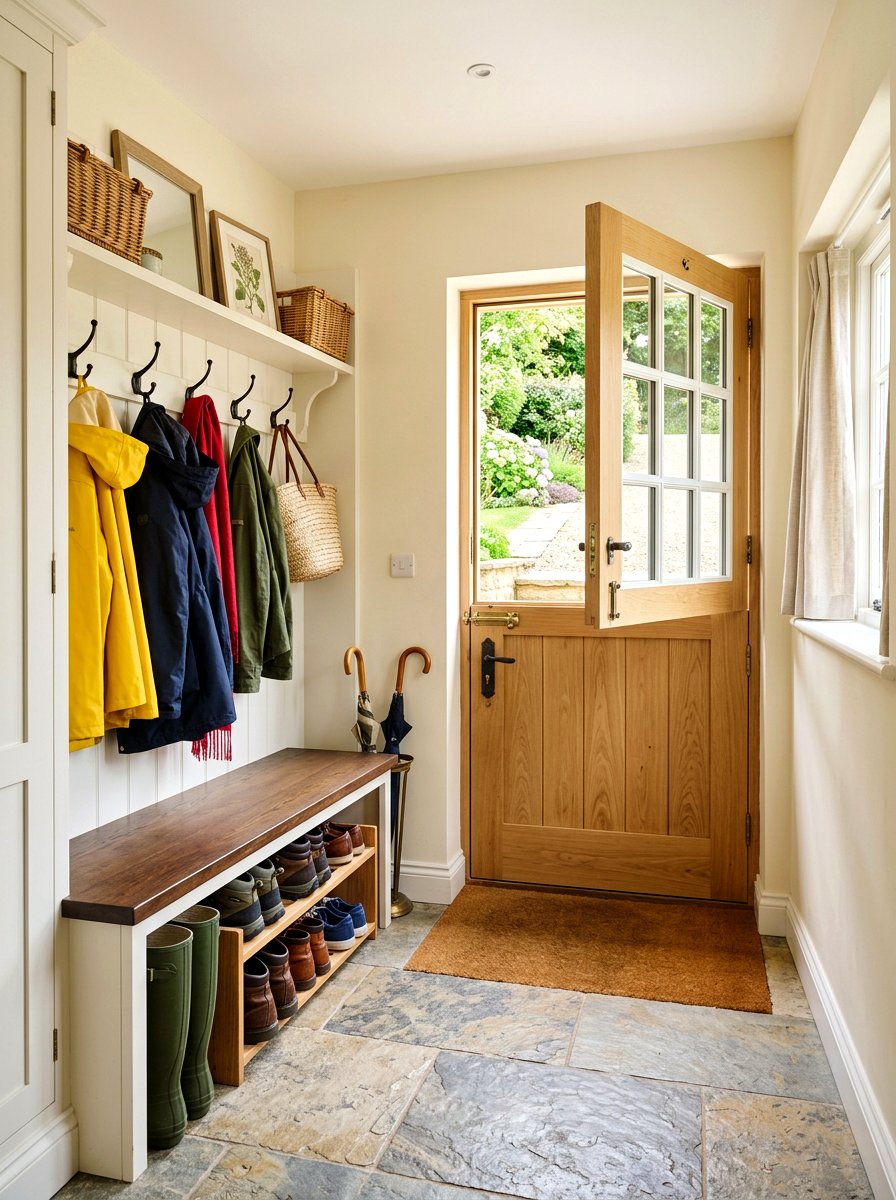
A mudroom Dutch door is one of the most practical applications for this design, as it serves as a hard-working transition between the outdoors and the main house. Mudrooms often collect dirt, shoes, and gear, and a split door allows you to keep the mess contained in the bottom half while letting in light and air through the top. It is also an excellent way to vent the room if damp coats or sports equipment are drying inside. Many people choose a durable finish for this door to withstand the frequent use and potential moisture that comes with a busy family mudroom and entry area.
20. Dutch Door With Screen
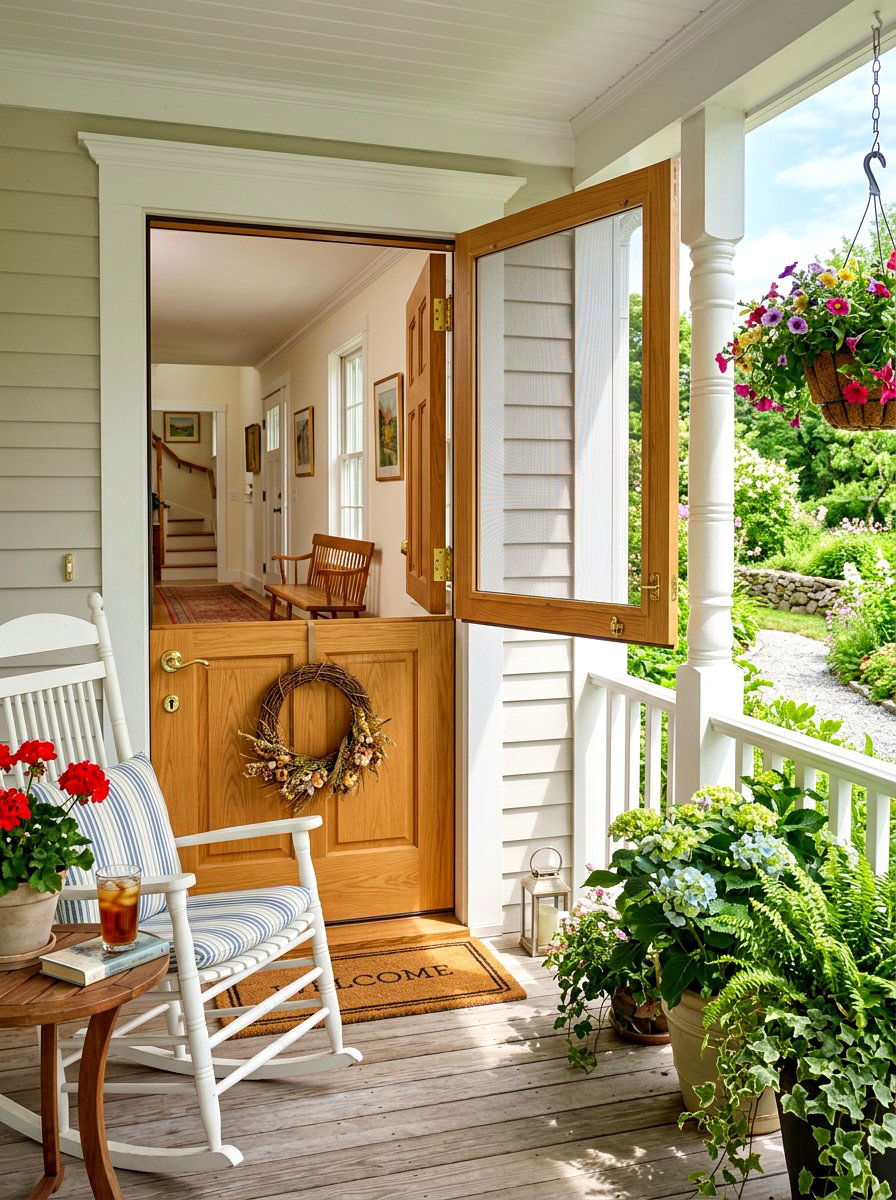
A Dutch door with a screen allows you to enjoy the full benefits of fresh air without worrying about insects entering your home. Some designs feature a retractable screen that can be pulled down over the top half when it is open. This setup is perfect for summer days when you want to feel the breeze but need to keep flies and mosquitoes outside. It combines the historic charm of a split door with the modern necessity of bug protection. The screen is often designed to be unobtrusive, maintaining the visual integrity of the door's design while adding an extra layer of functionality for the homeowner.
21. Glass Dutch Door
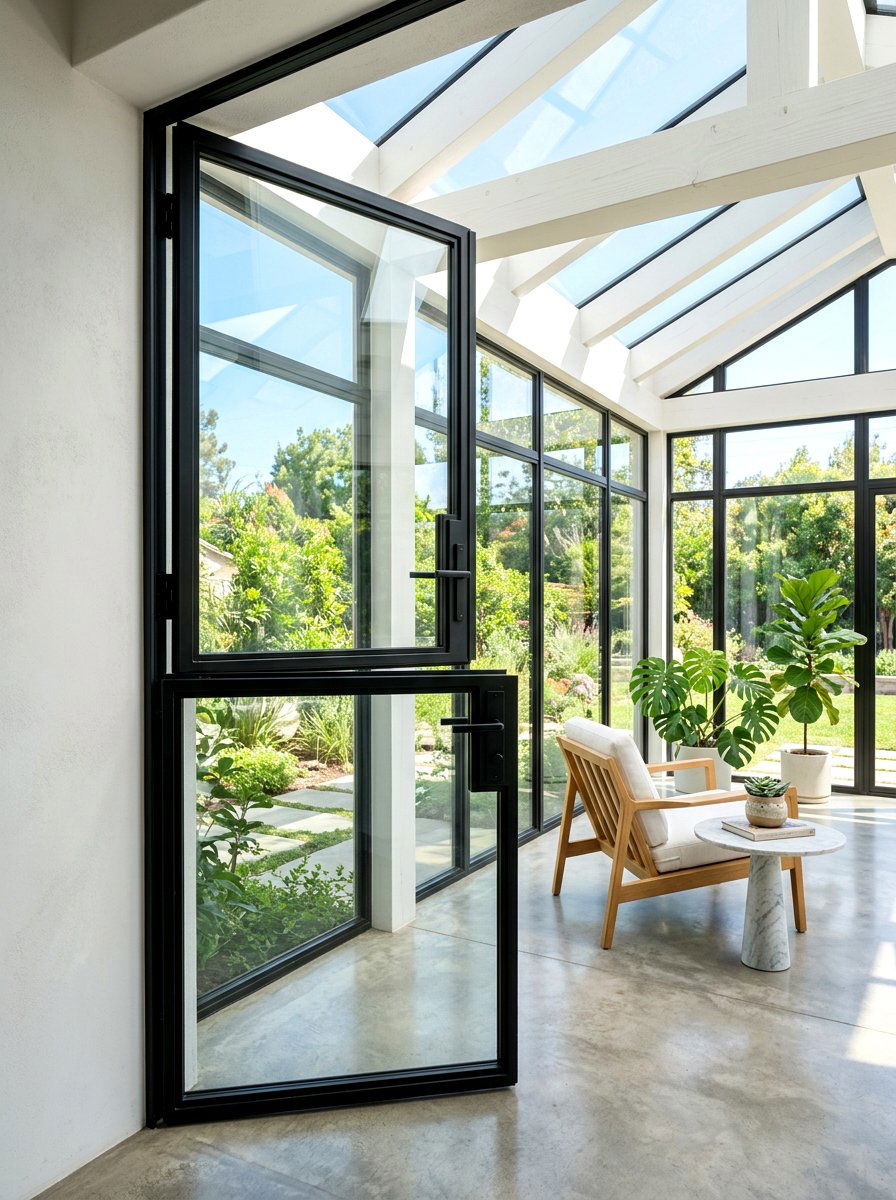
A glass Dutch door features large panes in both the top and bottom sections, creating a look that is almost like a split window. This style is perfect for interior spaces where you want to maintain a visual connection between rooms while still having the option to create a physical barrier. For example, it works beautifully between a sunroom and a living area. The abundance of glass makes the space feel larger and more open. To ensure safety, tempered or impact-resistant glass is usually used. This design is highly contemporary and sleek, offering a modern interpretation of the traditional wooden split door design.
22. Playroom Dutch Door
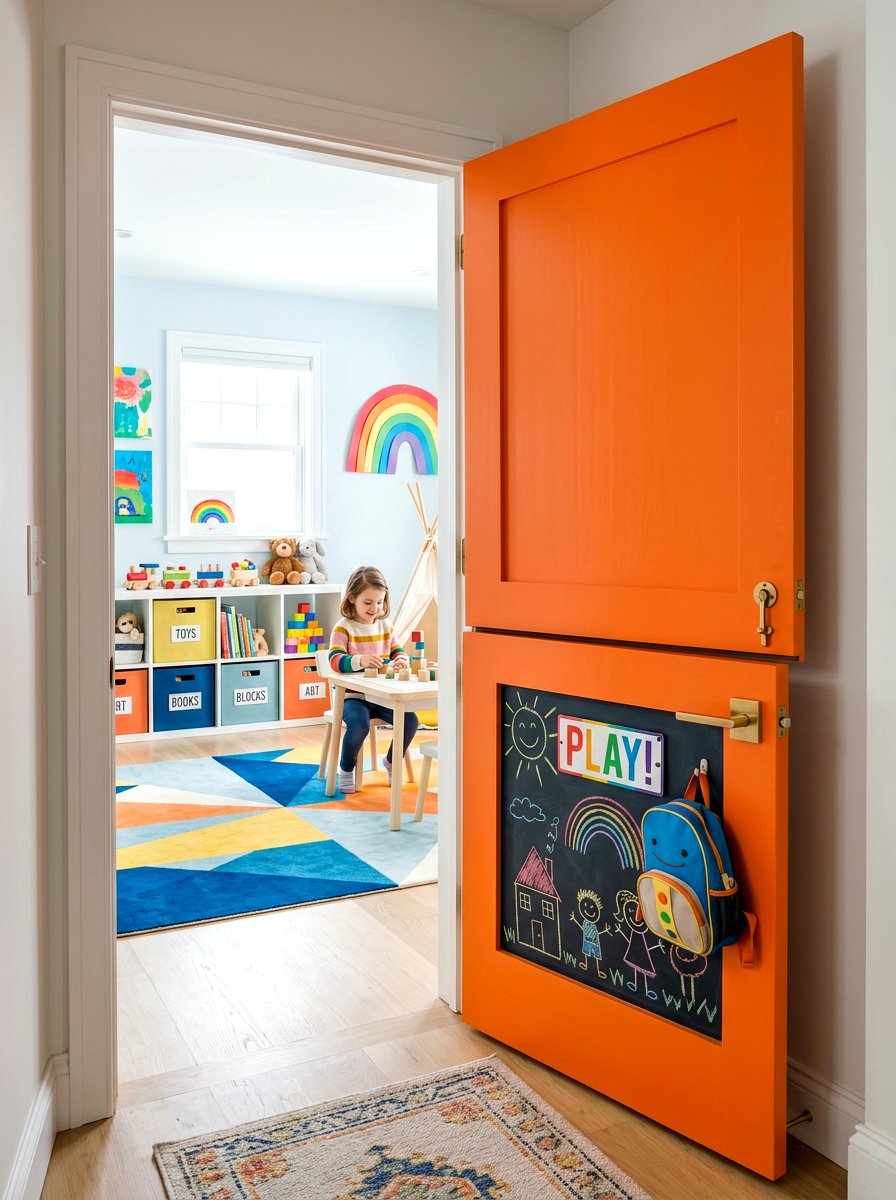
Installing a playroom Dutch door is a fun and functional way to define a child 's dedicated space. Kids love the "clubhouse" feel of a split door, and parents love being able to peek in over the top half to check on playtime. The bottom half can be kept closed to keep toys from spilling out into the hallway, while the open top ensures the room stays part of the home' s social flow. You might even paint the interior side of the bottom half with chalkboard paint to give the children an extra surface for creativity. It is a whimsical addition to any family-focused home design.
23. Barn Dutch Door
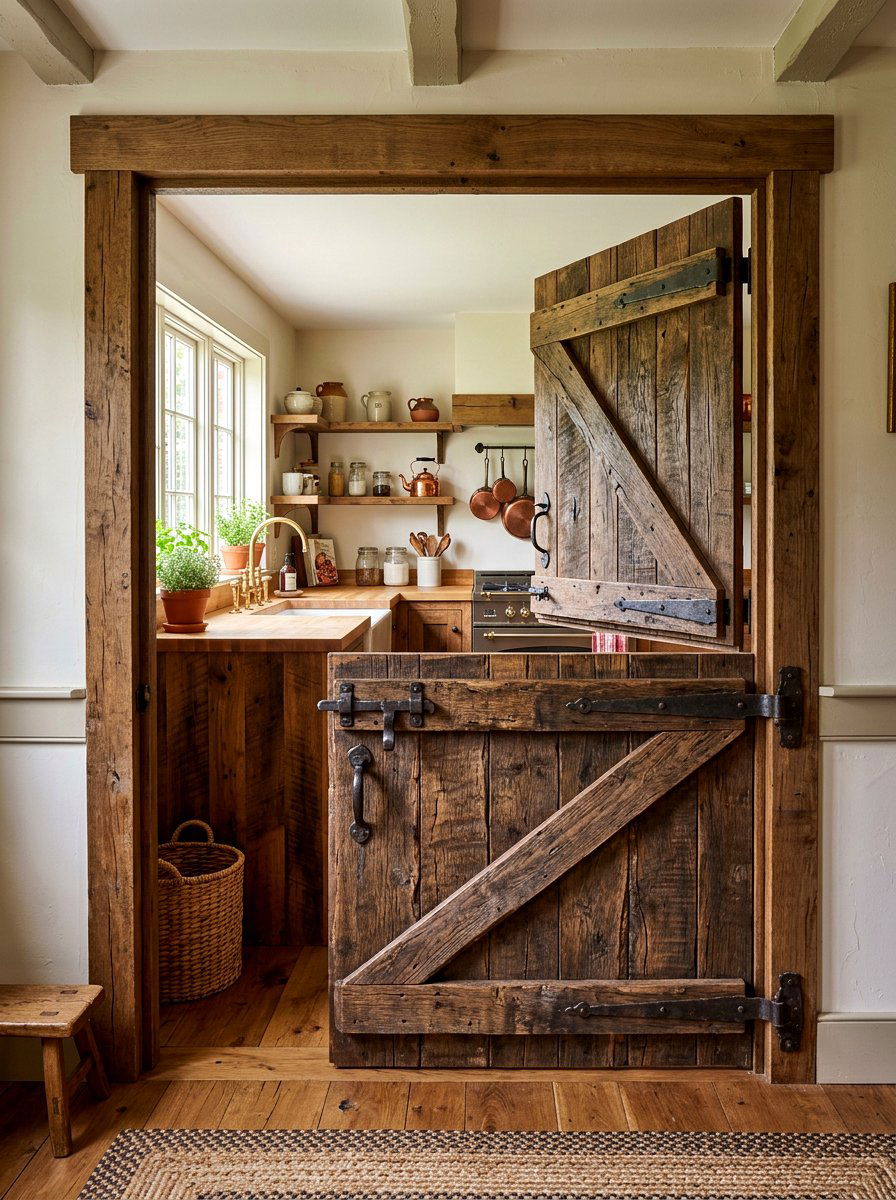
A barn Dutch door takes inspiration from traditional outbuildings, often featuring a heavy, rustic wood construction with horizontal or diagonal slats. This style is perfect for creating a farmhouse-chic look in a kitchen or a back entryway. The rugged texture of the wood and the visible joinery emphasize a handcrafted feel that is very popular in current interior design trends. Often paired with heavy black iron hinges and latches, this door feels substantial and secure. It is an excellent choice for those who want to add a sense of history and "old-world" charm to a newer home through significant architectural elements.
24. Yellow Dutch Door
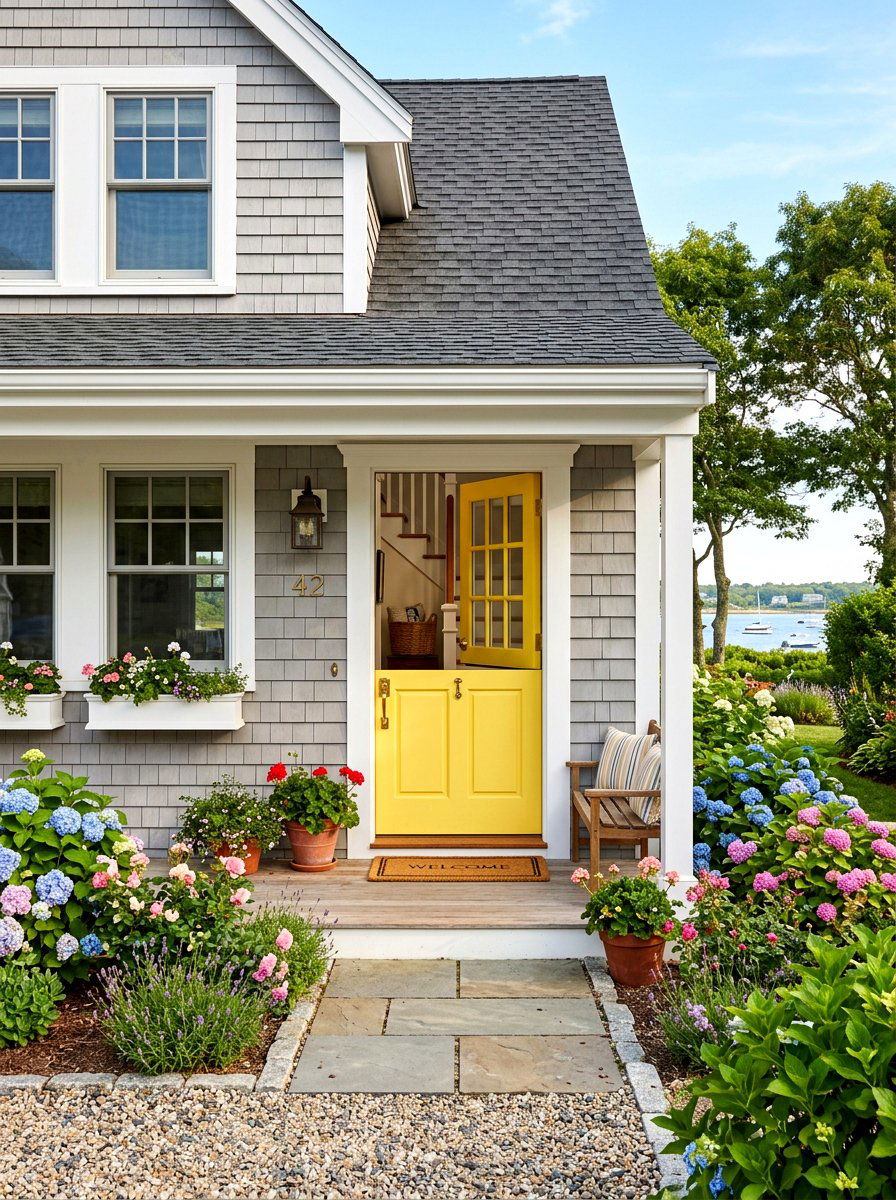
A yellow Dutch door is the ultimate way to bring sunshine and happiness to your home's entryway. This bright, energetic color choice is perfect for a cottage or a coastal home where a playful atmosphere is desired. Yellow works surprisingly well with a variety of house colors, including navy, white, and charcoal gray. The split design of the Dutch door makes the bold color feel more manageable and adds to the overall charm of the facade. It creates an instantly recognizable and memorable entrance for guests. This color choice reflects a cheerful personality and makes the home feel incredibly inviting from the very first glance.
25. Home Office Dutch Door
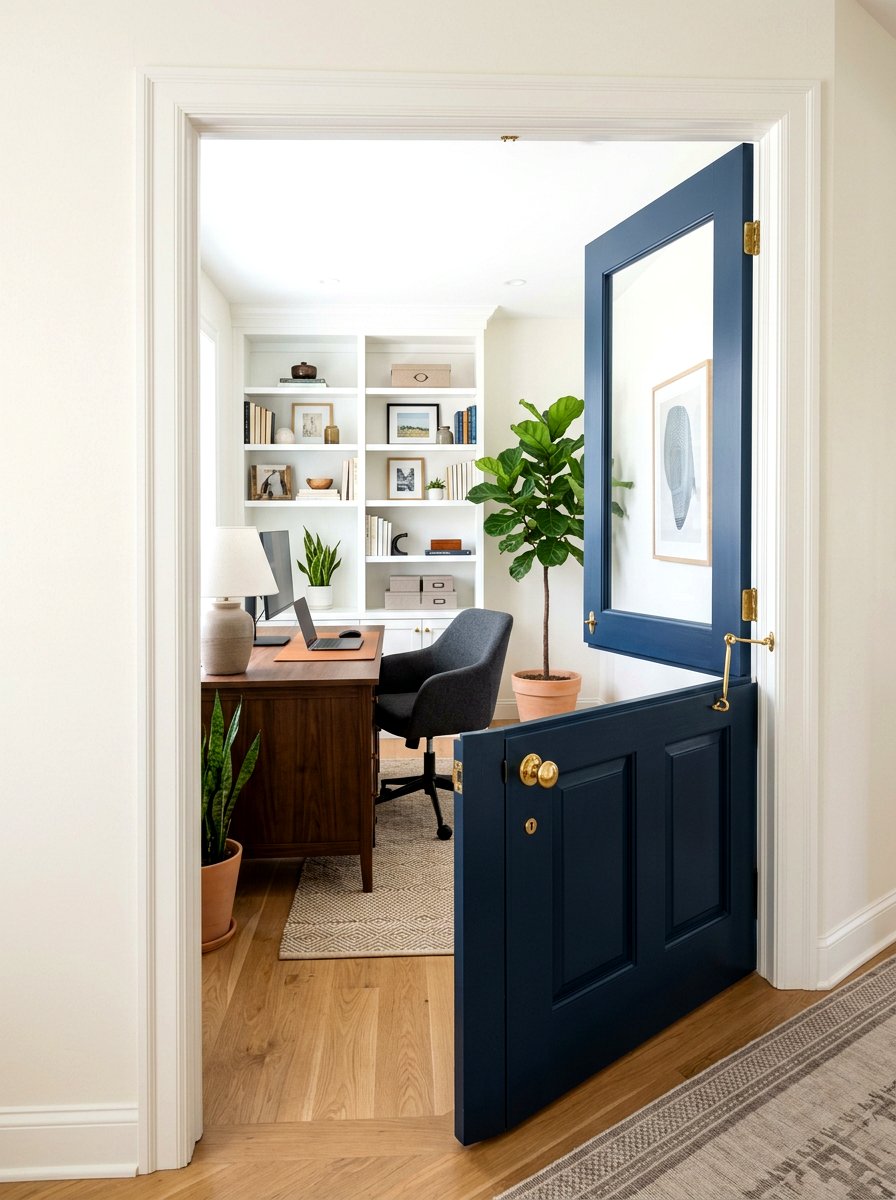
Using a home office Dutch door is a great way to balance the need for privacy with the desire to stay connected to the rest of the household. When you are on a call, you can close both halves for maximum quiet. When you are doing lighter work, you can open the top half to let in light and hear what is happening in the house. This setup prevents pets and children from wandering into your workspace while still allowing you to feel less isolated during the workday. It adds a professional yet approachable look to your home office, making it feel like a distinct, well-planned room.
26. Minimalist Dutch Door
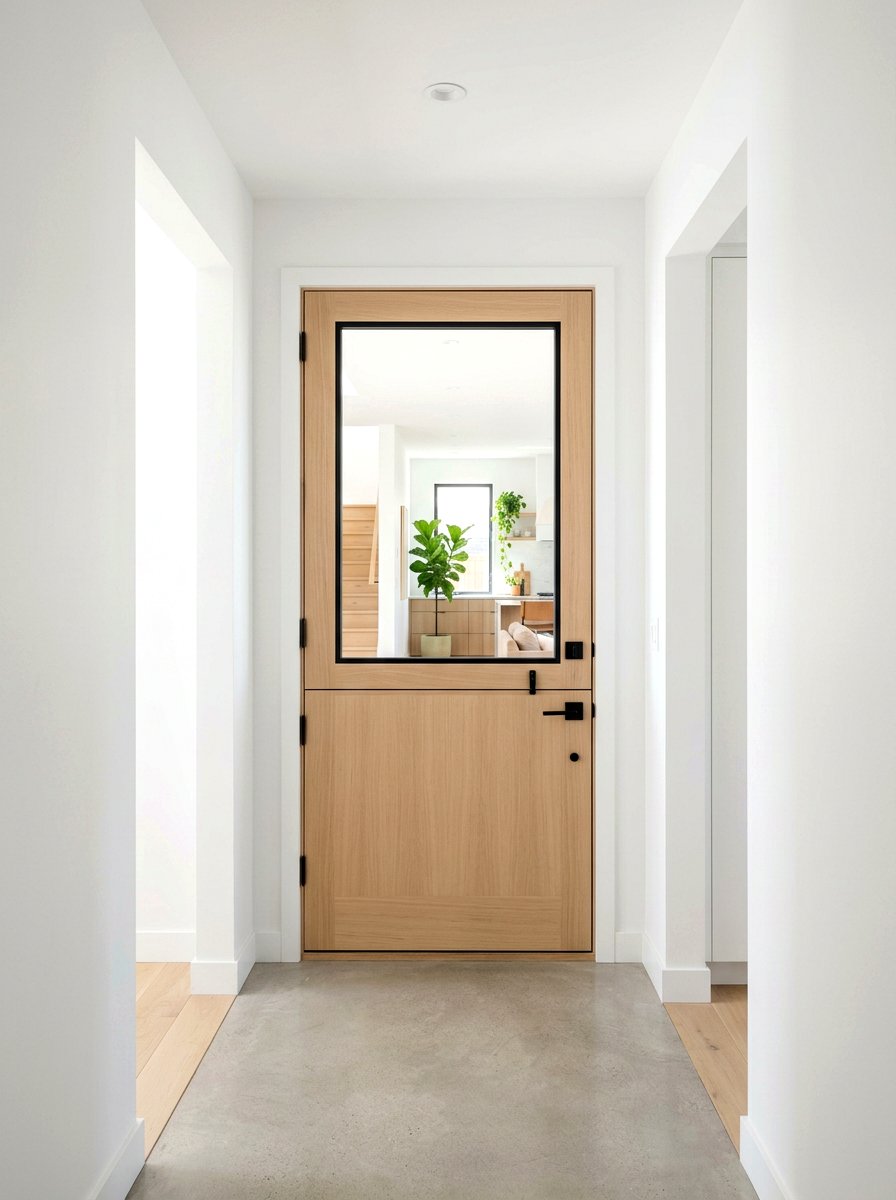
A minimalist Dutch door focuses on flat panels, hidden hinges, and a lack of decorative molding. This style is designed for ultra-modern homes where clean lines and simplicity are the primary goals. The split in the door becomes a sharp, intentional horizontal line that adds to the geometric aesthetic of the space. Often finished in a matte neutral color or a very light natural wood, this door doesn't scream for attention but offers a high level of functional sophistication. It proves that the Dutch door concept is not just for rustic or traditional homes but can be adapted for the most contemporary architectural environments.
27. Garden Shed Dutch Door
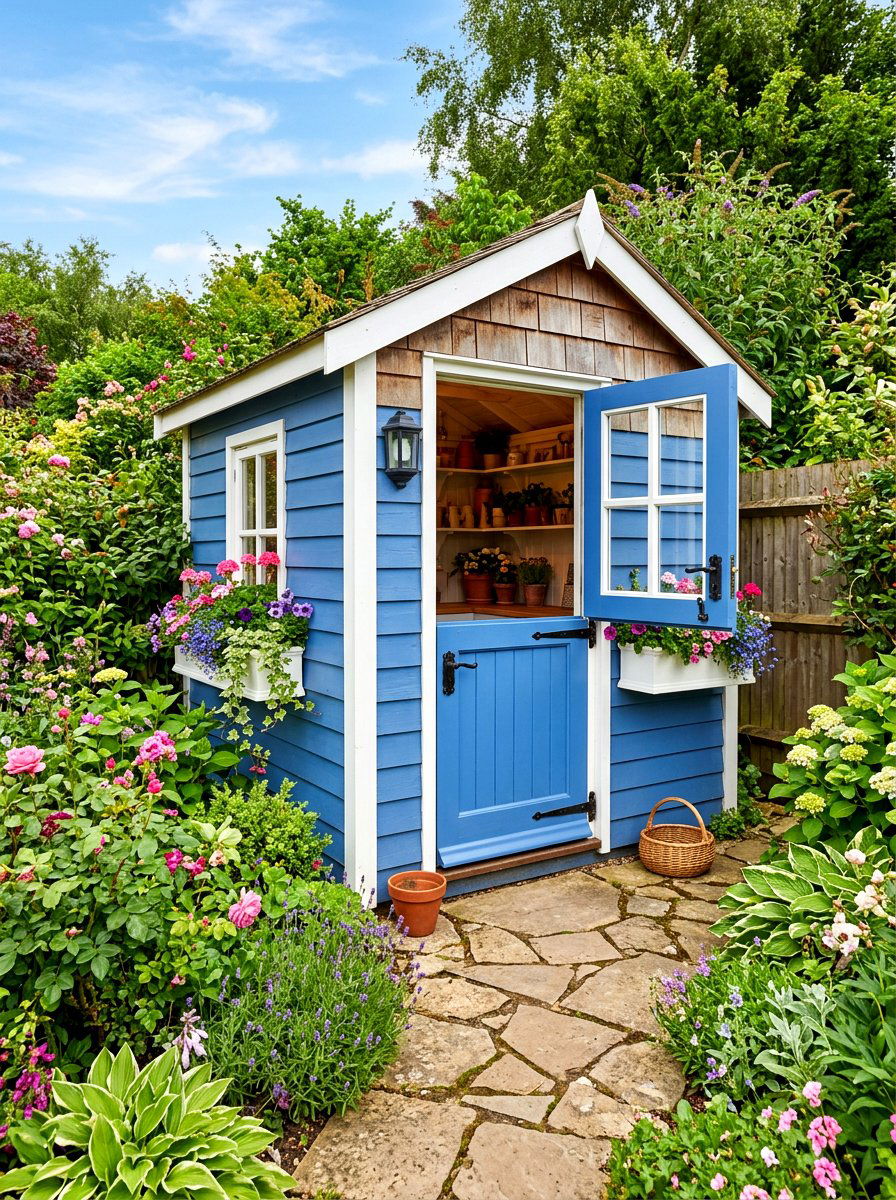
A garden shed Dutch door adds a touch of whimsy and extreme practicality to your outdoor storage building. When working in the garden, you can keep the bottom half closed to prevent critters from entering the shed while the top half stays open for light and ventilation. This design makes the shed feel like a tiny cottage rather than just a utility box. You can paint it a fun color that matches your flowers or a classic white to stand out against the greenery. It is a small detail that significantly elevates the overall look of your backyard and makes gardening tasks more enjoyable.
28. Coastal Dutch Door
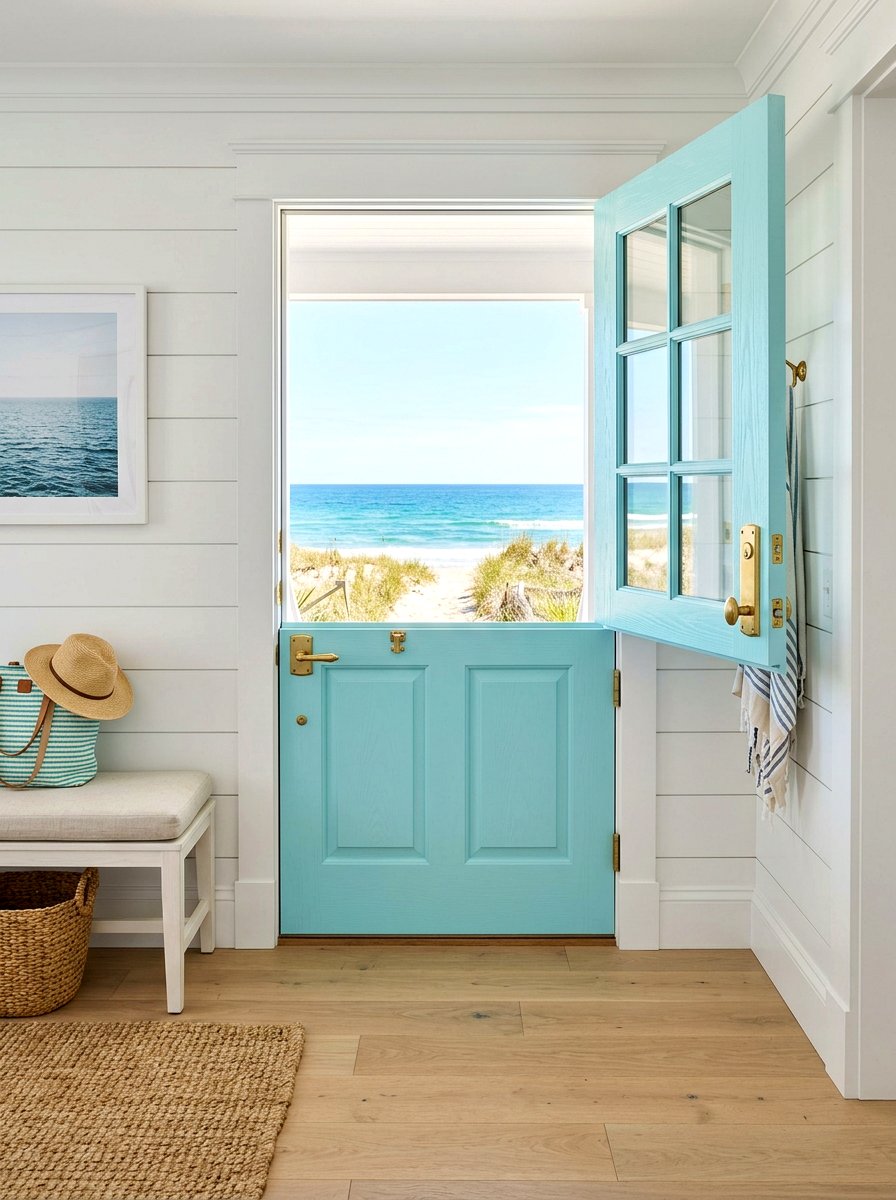
A coastal Dutch door often features light breezy colors like soft aqua, seafoam green, or weathered white. This style frequently incorporates glass panels to let in the bright seaside light and may have a simplified, clean design. The ability to open the top half is perfect for coastal areas where you want to catch the ocean breeze without letting sand blow in across the floor. Paired with polished chrome or stainless steel hardware to resist salt air, this door becomes a functional and beautiful part of beach house living. it creates a seamless transition between the relaxed interior and the natural beauty outside.
29. Iron Hardware Dutch Door
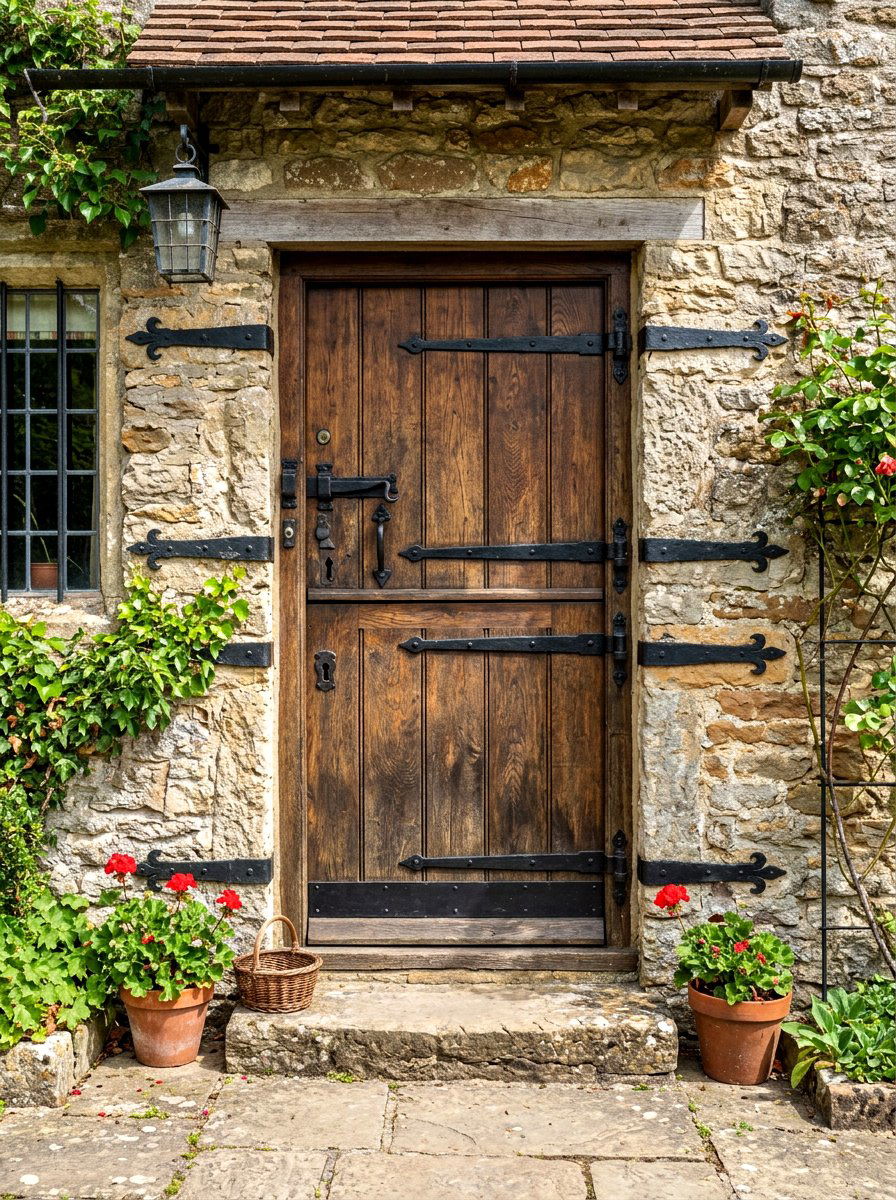
Choosing iron hardware for a Dutch door emphasizes a rustic, Mediterranean, or Spanish colonial aesthetic. Large, black strap hinges that stretch across the width of the door panels add a sense of strength and antiquity. The dark iron creates a stunning visual contrast against light-colored wood or white paint. This look is all about the details — the latches, the bolting mechanisms, and the handles all contribute to a cohesive, handcrafted feel. This hardware choice is ideal for homeowners who want their door to look like it has been part of the house for centuries, providing a sense of permanence and traditional craftsmanship.
30. Vintage Dutch Door
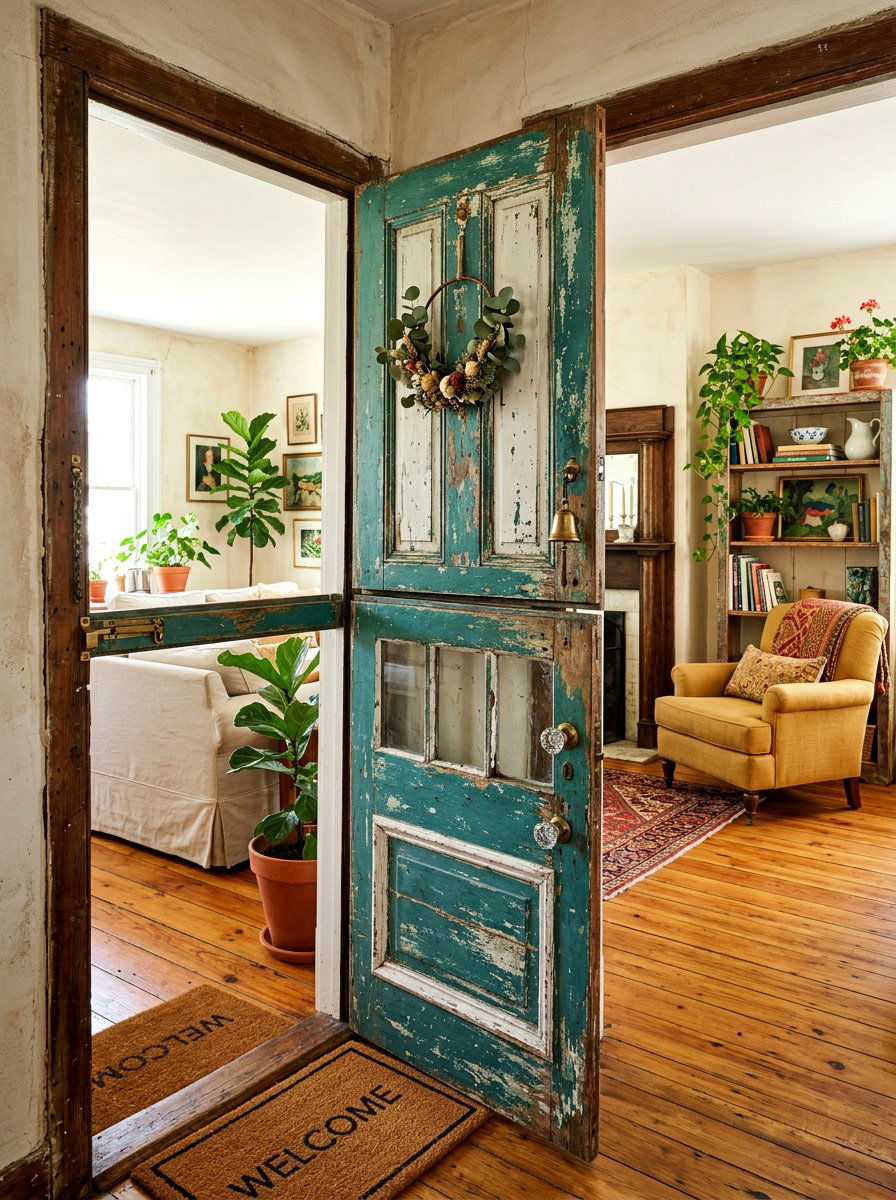
A vintage Dutch door is often a reclaimed piece or a new door carefully distressed to look like an antique. These doors carry a sense of history through their worn edges, multiple layers of chipped paint, or unique original hardware. Incorporating a vintage door into a modern home adds instant soul and character that is hard to replicate with new materials. The horizontal split might be slightly uneven or feature unique proportions that tell a story of past use. This choice is perfect for those who love the "shabby chic" or eclectic style, where old and new elements are blended to create a lived-in feel.
Conclusion:
Dutch doors represent a unique intersection of historical utility and modern design flair. Whether you are looking to manage pets, keep an eye on children, or simply want to invite more fresh air into your home, the split-door design offers a versatile solution that standard doors simply cannot match. From the rustic charm of a farmhouse entry to the sleek lines of a minimalist office transition, there is a style to fit every architectural vision. By carefully choosing colors, materials, and hardware, you can transform a simple doorway into a stunning focal point. These doors truly enhance the daily living experience through their beauty and function.

Related posts: