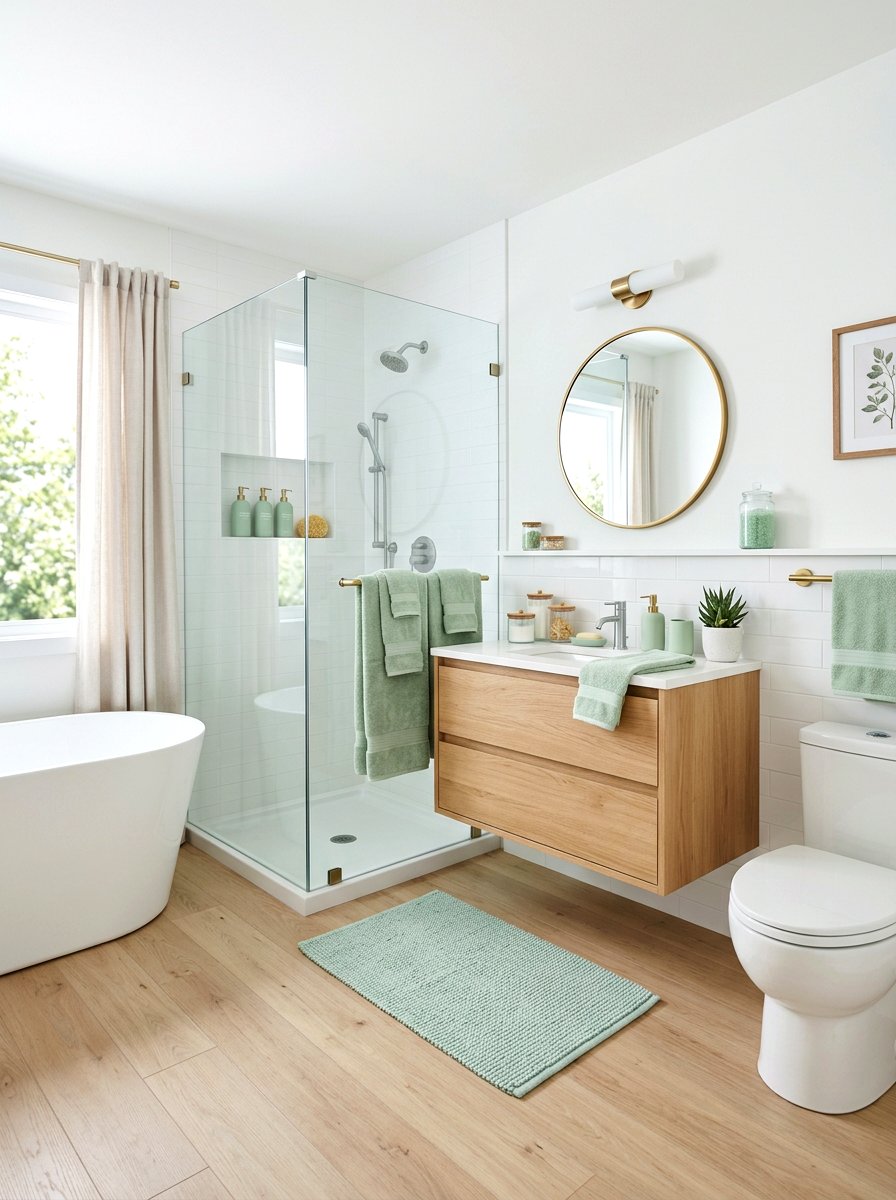
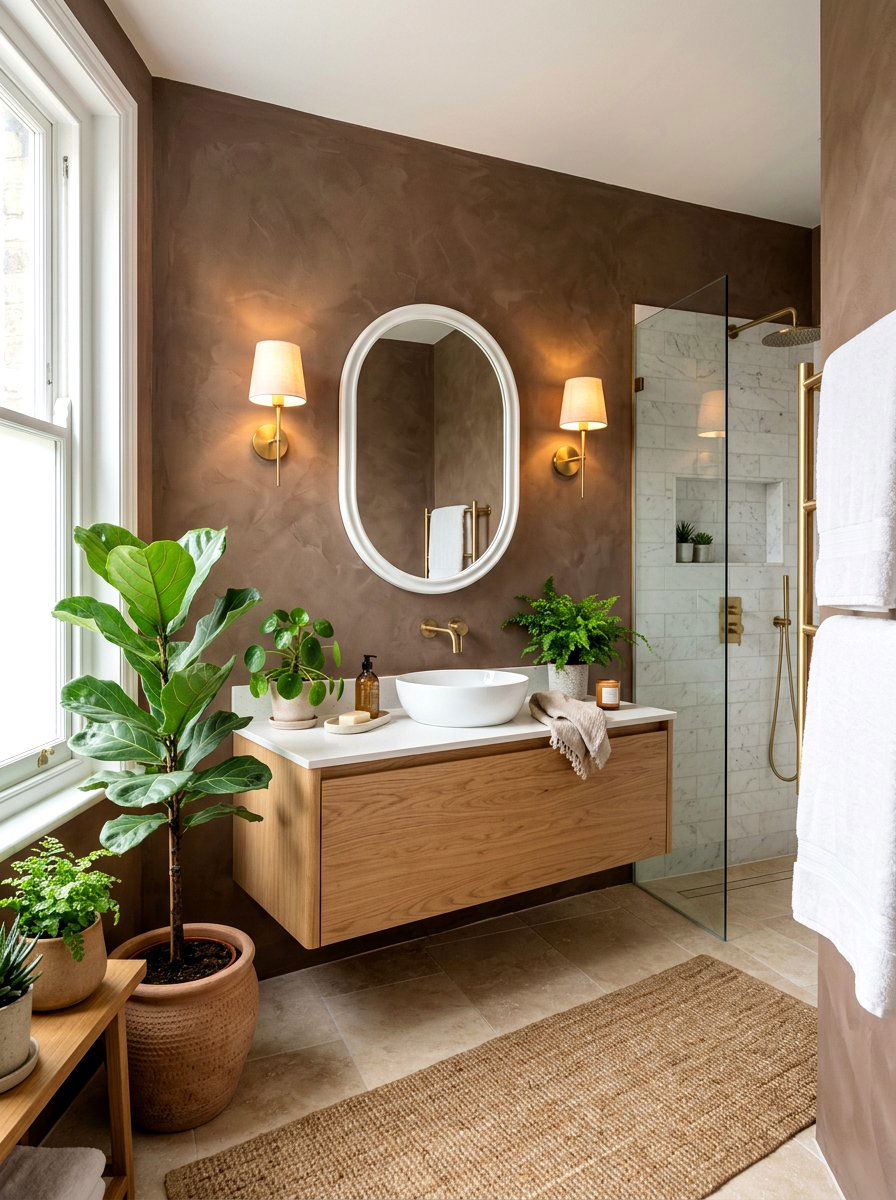
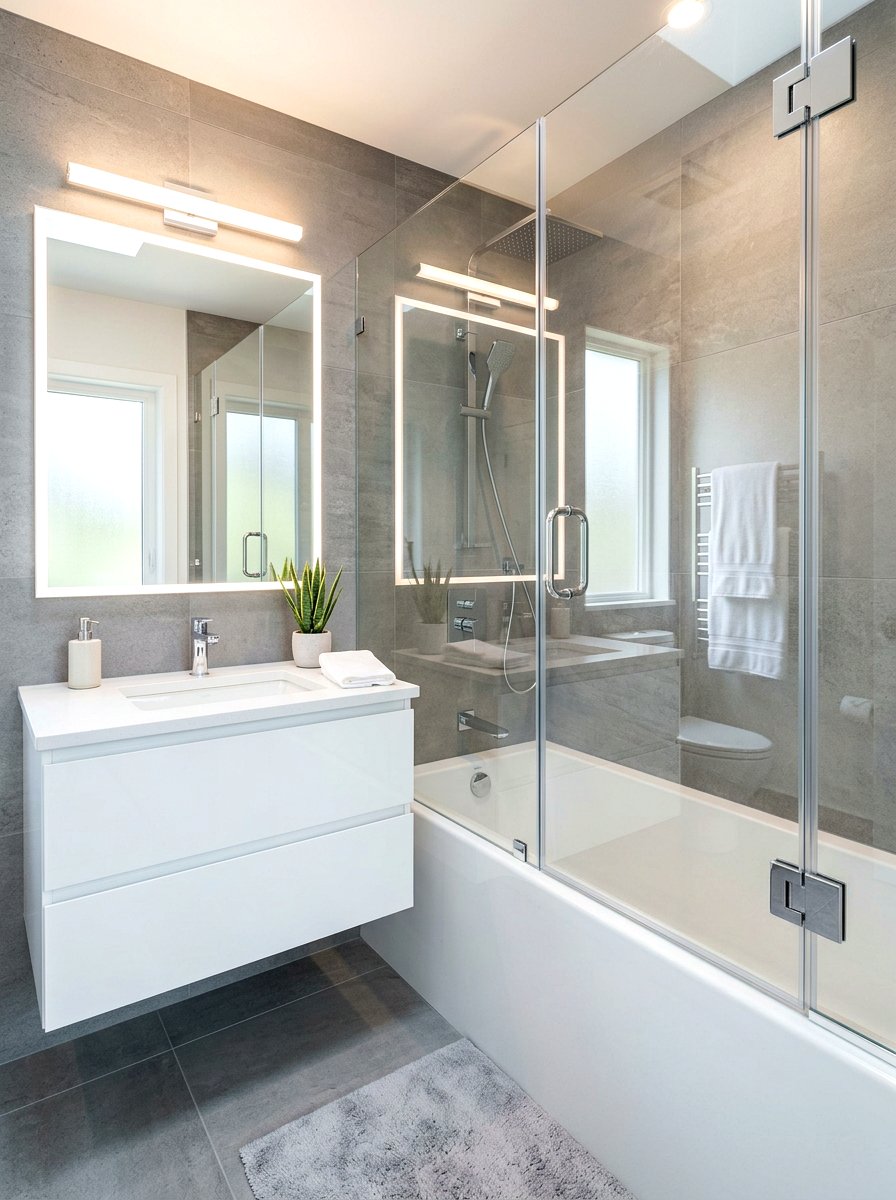
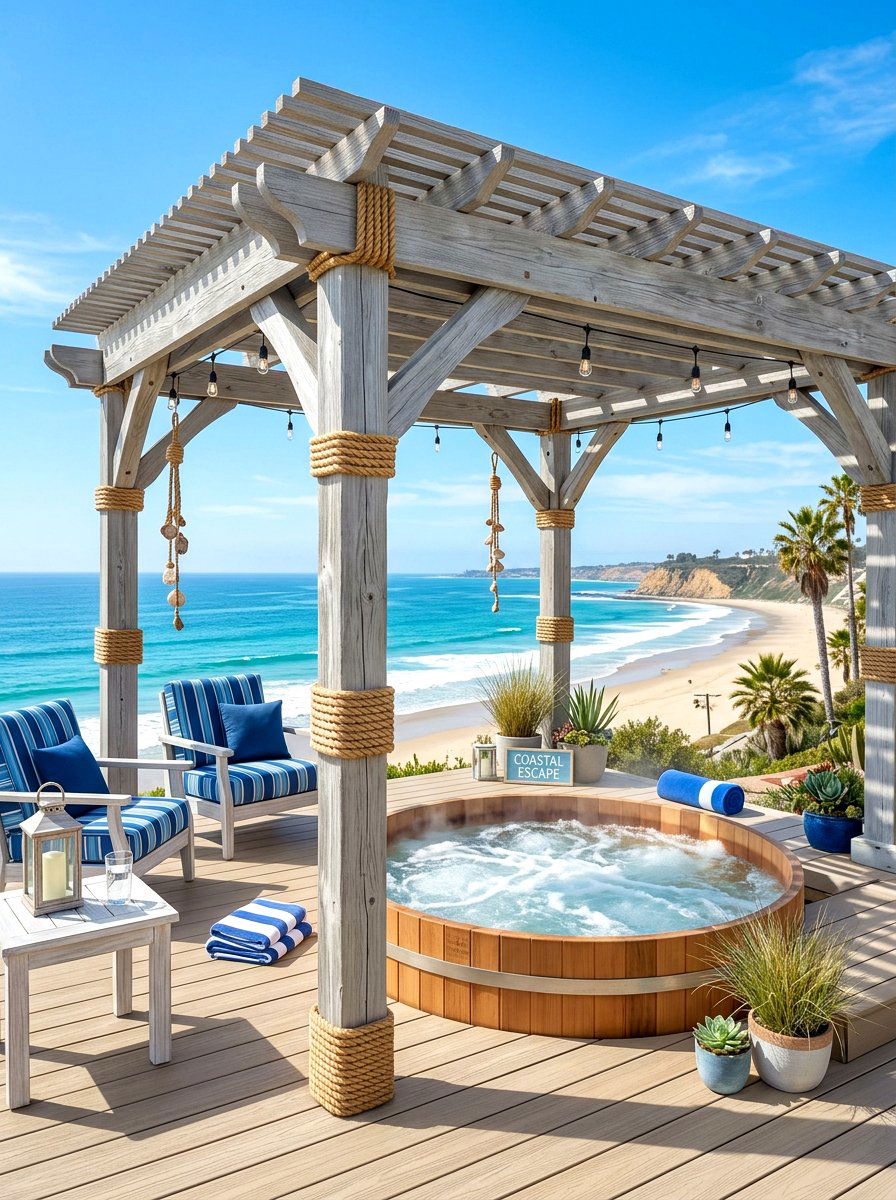
Integrating a freestanding tub into your bathroom design is one of the most effective ways to transform a standard utility space into a personal sanctuary. These sculptural fixtures act as a bold visual anchor, immediately elevating the room’s aesthetic while providing a dedicated area for relaxation and wellness. Unlike traditional alcove models, freestanding tubs offer incredible flexibility in placement, allowing you to position them under a large window, centered against a textured feature wall, or even within an open-plan master suite. Choosing the right tub involves balancing material, shape, and style to ensure the piece harmonizes with your overall home decor while meeting your specific comfort needs.
1. Modern White Acrylic Oval Tub
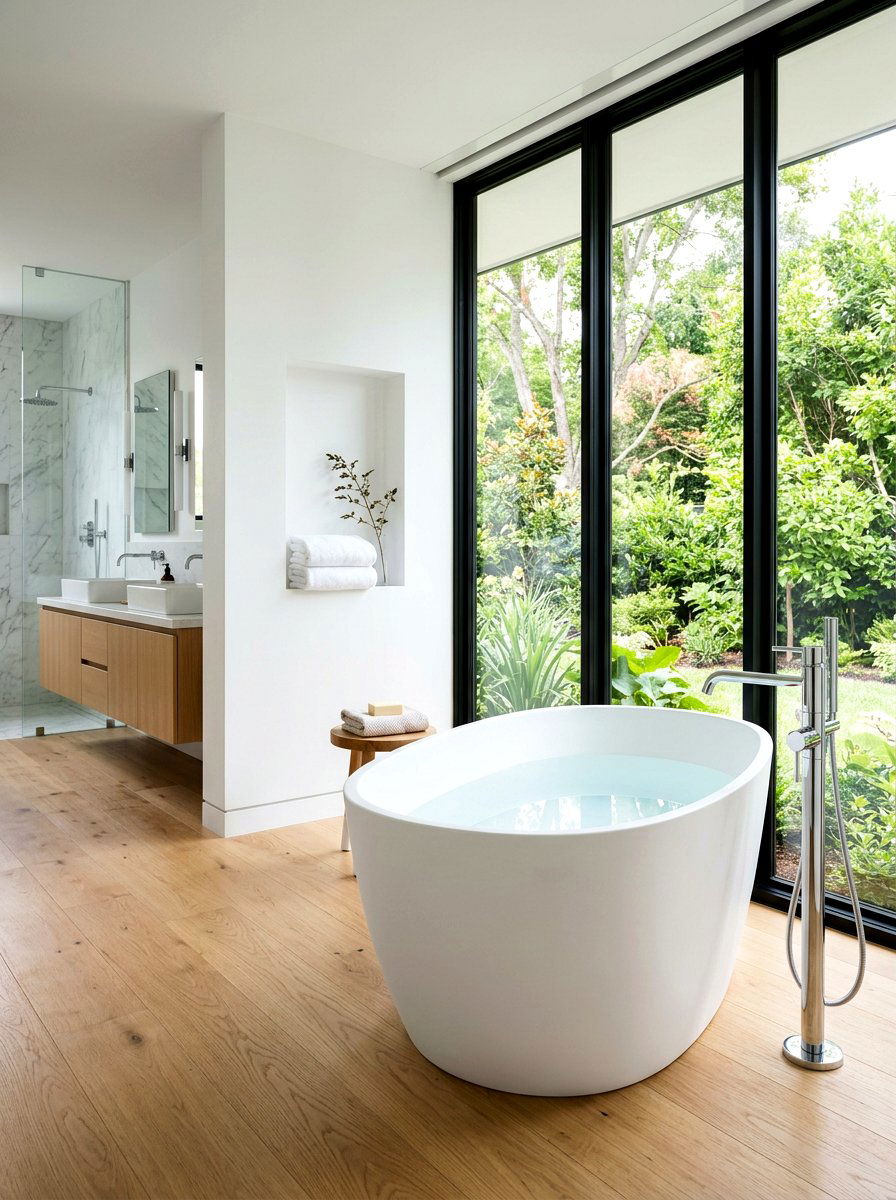
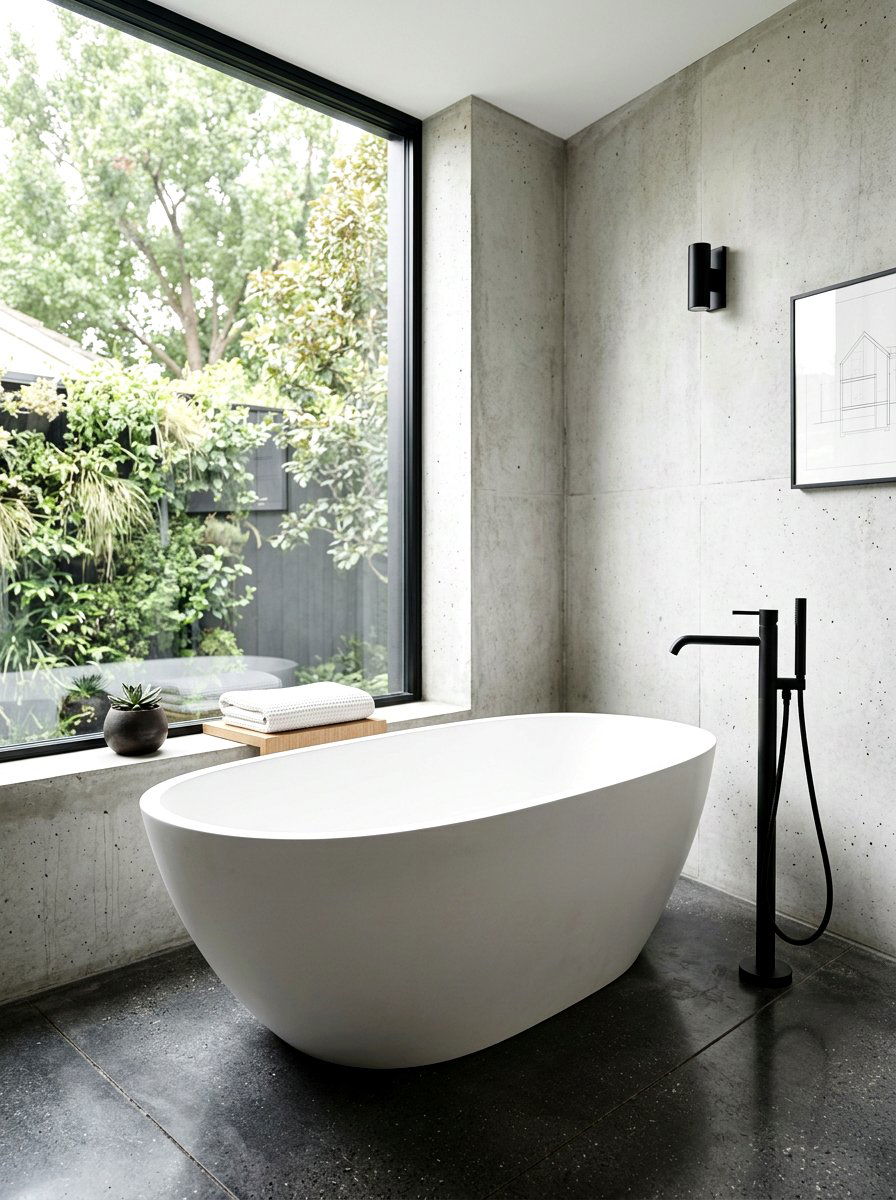
A modern white acrylic oval tub serves as a timeless centerpiece that fits perfectly into any contemporary bathroom layout. These tubs are favored for their lightweight nature and smooth, non-porous surface that stays warm to the touch during long soaks. To create a cohesive design, pair the tub with a minimalist floor-mounted chrome faucet and position it against a backdrop of large-format marble tiles. The soft, rounded curves of the oval shape help break up the sharp lines of modern cabinetry and glass shower enclosures. This specific design choice emphasizes a clean, airy atmosphere that makes even medium-sized bathrooms feel like an expansive, high-end spa retreat.
2. Matte Black Freestanding Tub
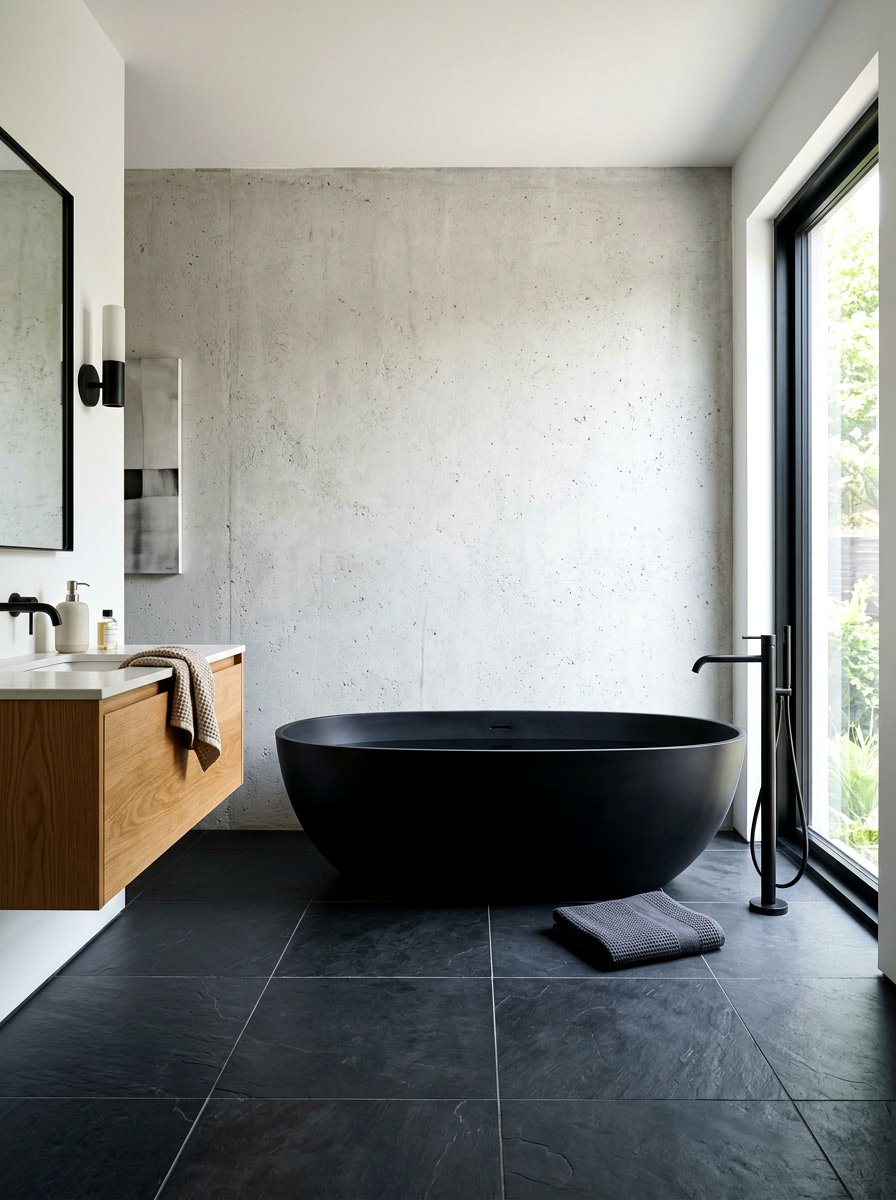
Choosing a matte black freestanding tub is a bold move that adds instant drama and a sophisticated edge to your interior design. This dark silhouette works exceptionally well in industrial or ultra-modern spaces where contrast is a key element of the visual narrative. To keep the room from feeling too heavy, surround the black tub with lighter elements like pale grey concrete floors and white oak vanities. Natural light is essential here, so placing the tub near a window will highlight its unique velvety finish. This design approach creates a striking focal point that feels grounded and luxurious, especially when finished with brushed gold or brass hardware.
3. Vintage Cast Iron Clawfoot Tub
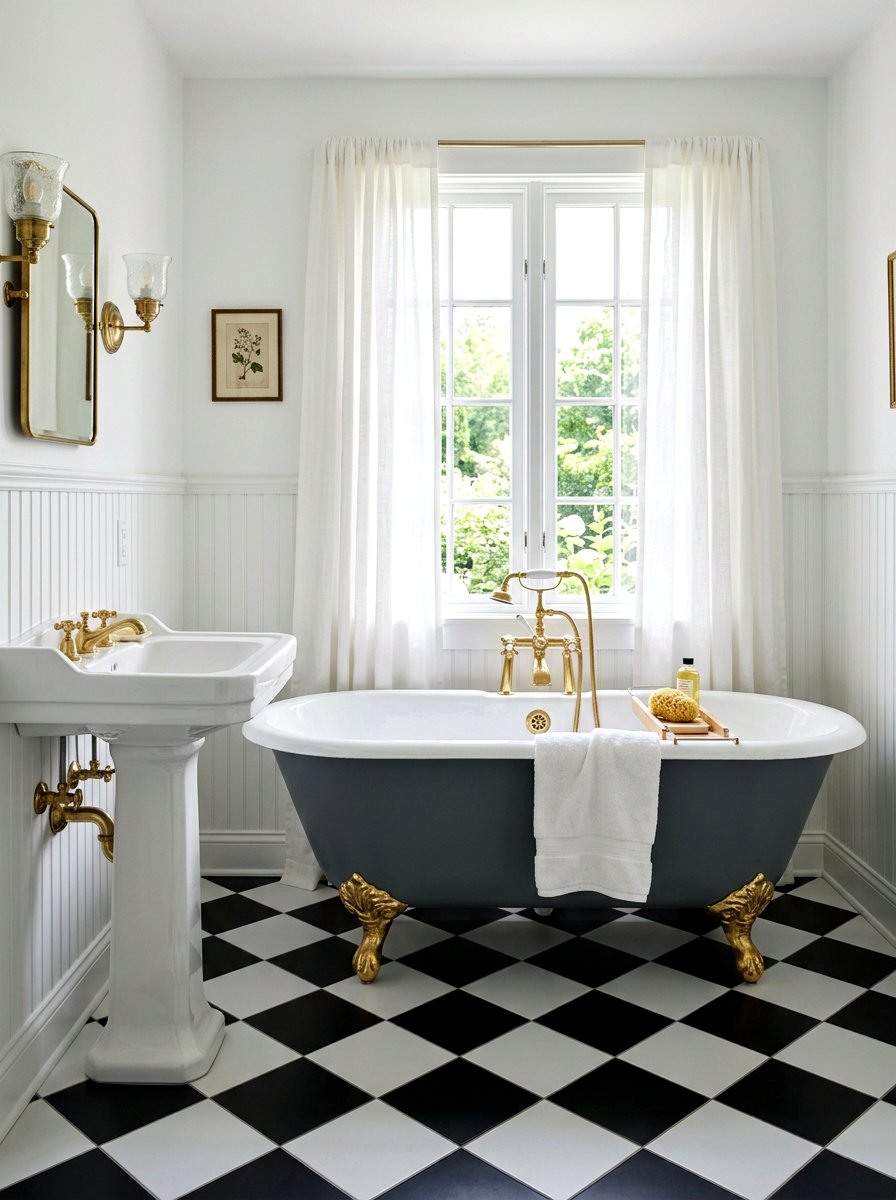
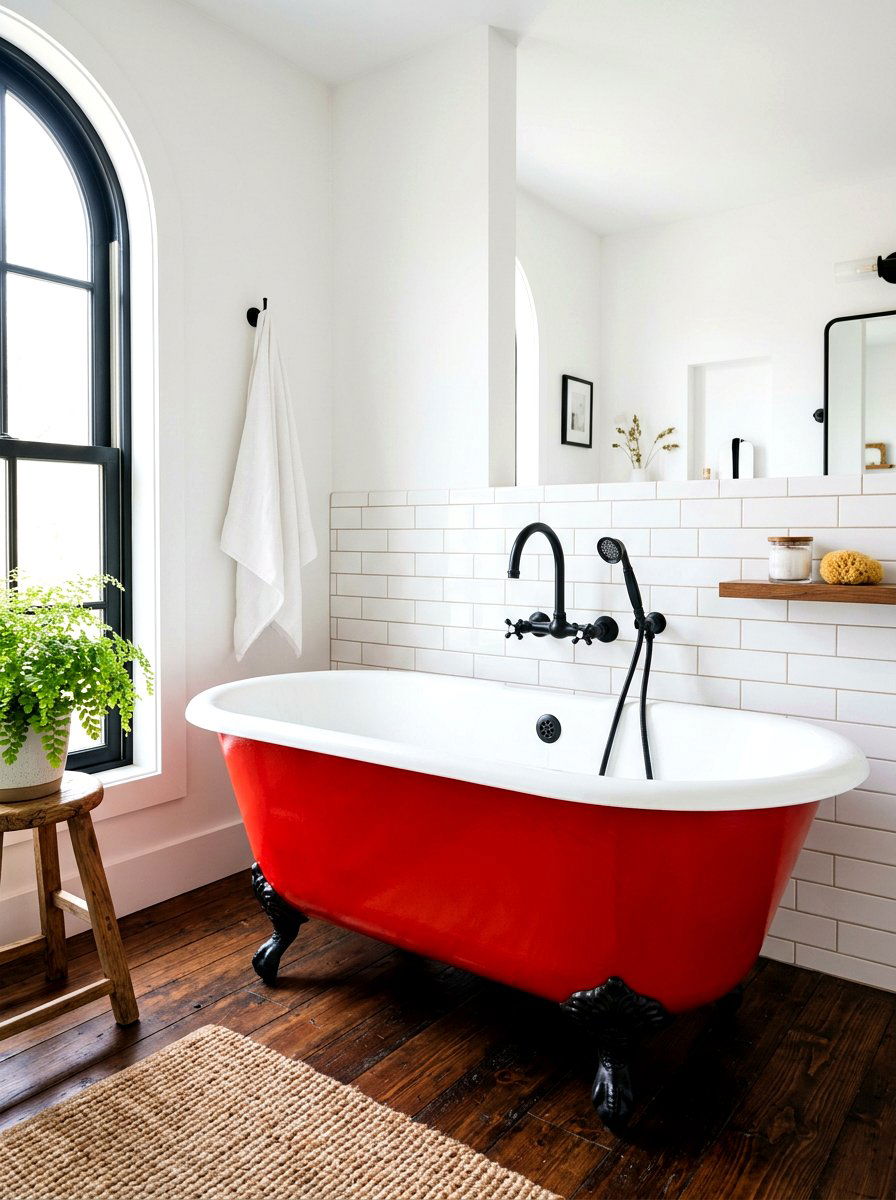
The vintage cast iron clawfoot tub remains a beloved choice for those who appreciate classic charm and historical architectural details. These heavy-duty fixtures are known for their exceptional heat retention, making them ideal for individuals who enjoy extended bathing sessions in very warm water. To complete the farmhouse or traditional look, choose feet in a polished nickel or oil-rubbed bronze finish that coordinates with your sink faucets. Use beadboard wall paneling and a patterned mosaic floor to anchor the tub within a nostalgic setting. This design setup evokes a sense of timeless elegance and provides a sturdy, reliable focal point that never goes out of style.
4. Japanese Soaking Tub Small Bathroom
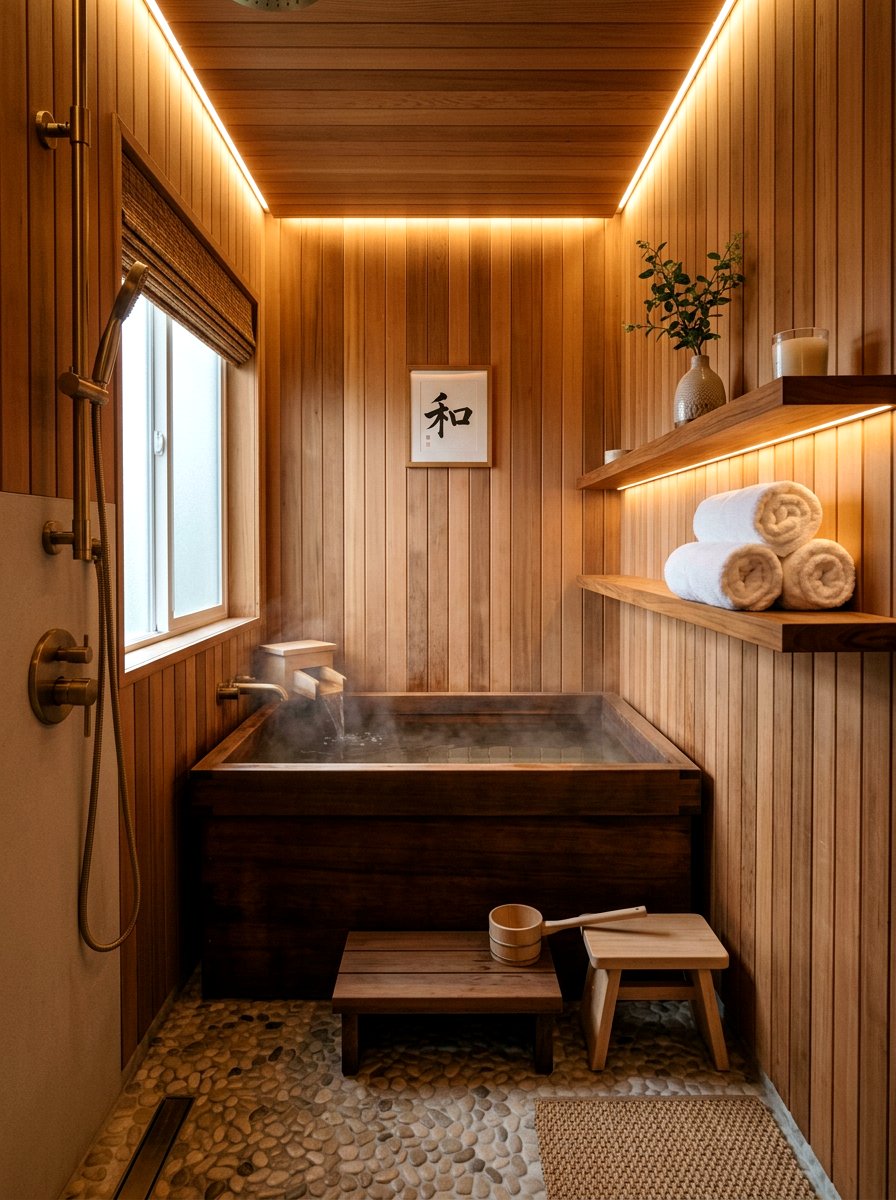
A Japanese soaking tub is the ultimate solution for bringing luxury into a small bathroom without sacrificing precious floor space. These tubs are characterized by their smaller diameter and much greater depth, allowing the bather to sit upright while remaining fully submerged in hot water. To enhance the tranquil, zen-like vibe, integrate natural wood elements like a teak bath mat or a floating cedar shelf nearby. Simple pebble tile flooring and soft, recessed lighting can further emphasize the meditative quality of the space. This compact design proves that you do not need a massive room to enjoy a high-quality, immersive, and deeply relaxing bathing experience.
5. Natural Stone Resin Tub
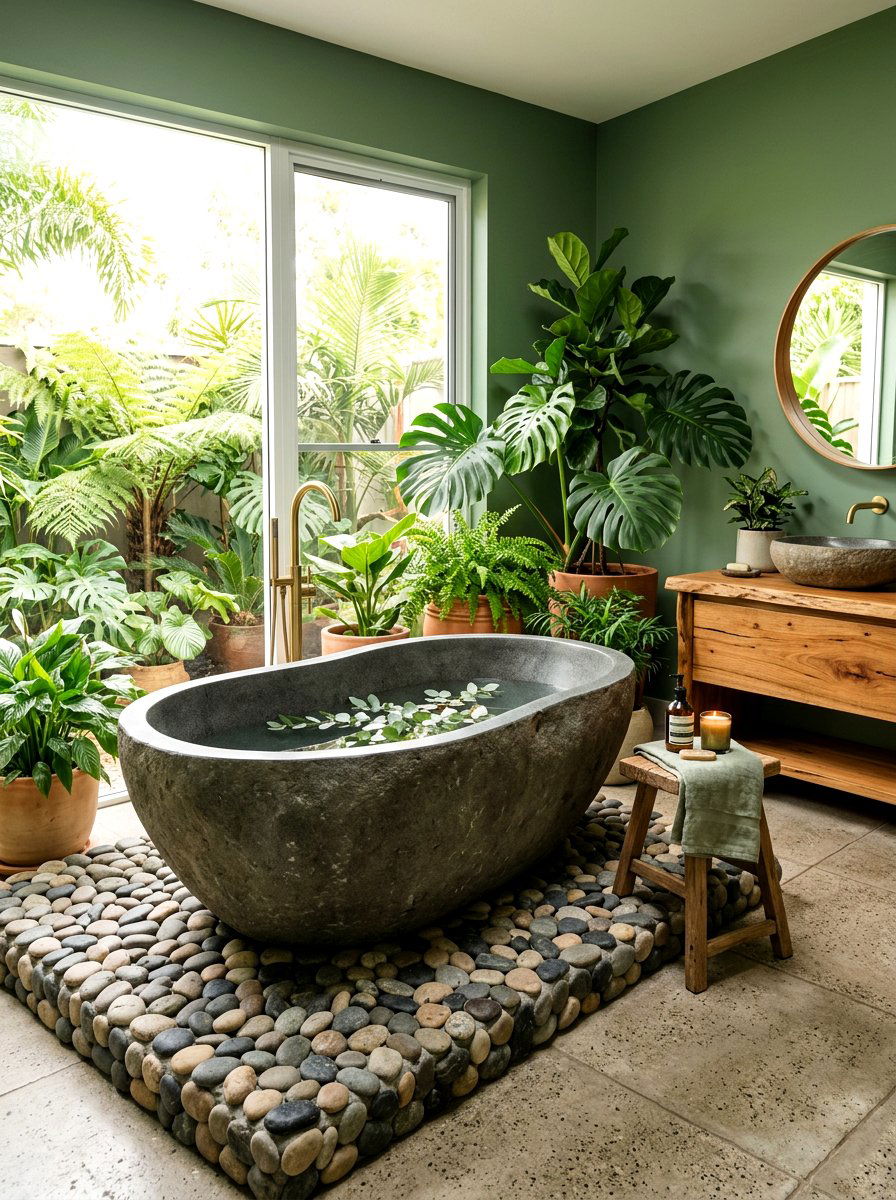
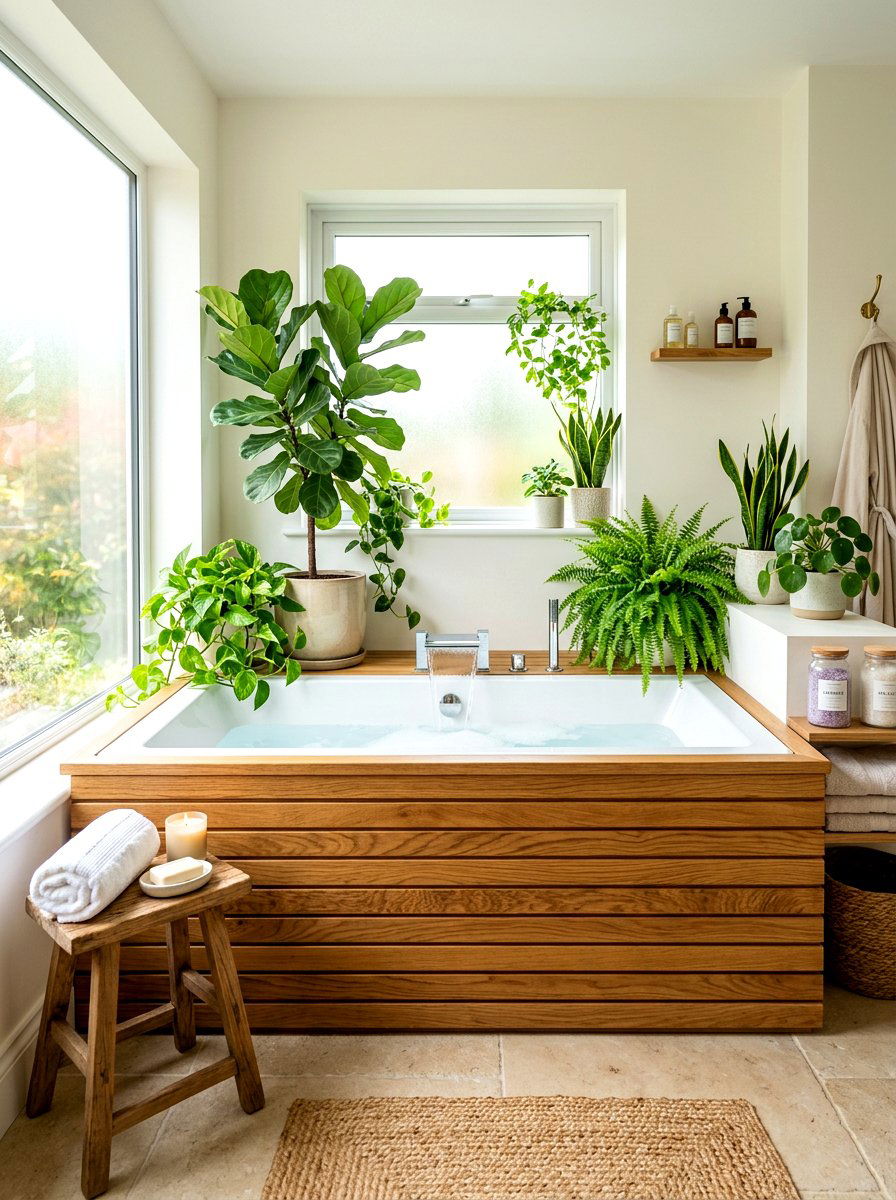
For a tactile and organic feel, a natural stone resin tub offers a premium aesthetic that mimics the look of solid carved stone. These tubs are crafted from a blend of crushed minerals and high-quality resin, resulting in a matte finish that feels incredibly smooth and substantial. In a large master bath, this tub looks stunning when placed on a raised platform of smooth river stones or surrounded by lush indoor greenery. Use earth-toned wall colors like sage green or warm taupe to complement the stone texture. This design scheme focuses on biophilic elements, creating a seamless connection between your indoor environment and the calming beauty of nature.
6. Copper Freestanding Tub
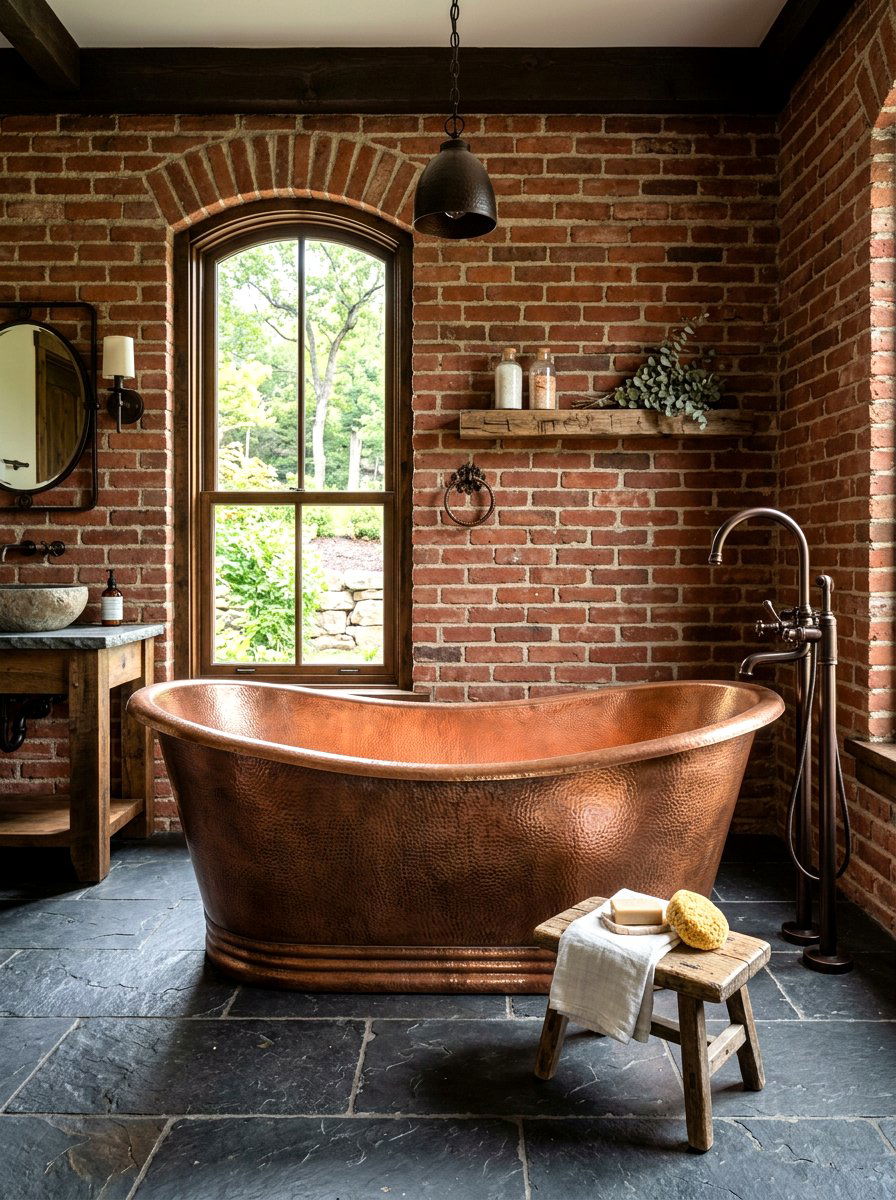
A copper freestanding tub is a high-impact statement piece that brings warmth and artisanal craftsmanship into a rustic or Mediterranean-style bathroom. Copper naturally develops a beautiful patina over time, which adds a layer of character and evolving history to your home’s interior. To showcase the tub’s metallic glow, pair it with dark slate floors and exposed brick or rough-hewn stone walls. The reflective surface of the metal catches the light beautifully, making the tub appear as a piece of functional art. This design choice is perfect for those who want a unique, high-end look that feels both incredibly luxurious and deeply rooted in traditional metalworking.
7. Rectangular Modern Freestanding Tub
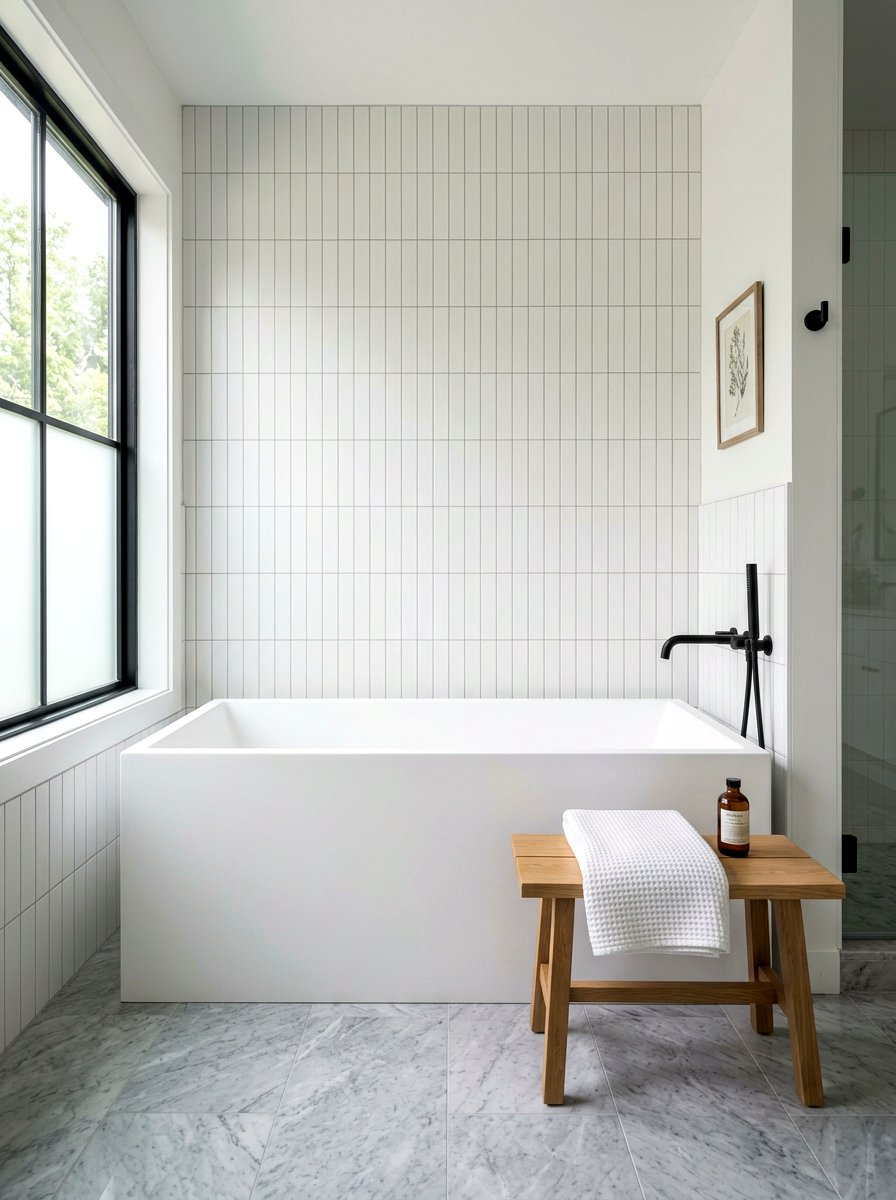
The rectangular modern freestanding tub is an excellent choice for homeowners who prefer a chiseled, architectural look with clean, straight lines. This geometric shape provides a structured feel to the bathroom, making it a natural fit for minimalist and mid-century modern design themes. To soften the look slightly, you can choose a model with subtly radiused corners that maintain the crisp profile while offering better ergonomic comfort inside. Position the tub against a wall of vertical stacked tiles to emphasize the height and height of the room. This design layout creates a sense of order and precision, resulting in a sophisticated and highly organized visual environment.
8. Slipper Tub With High Back
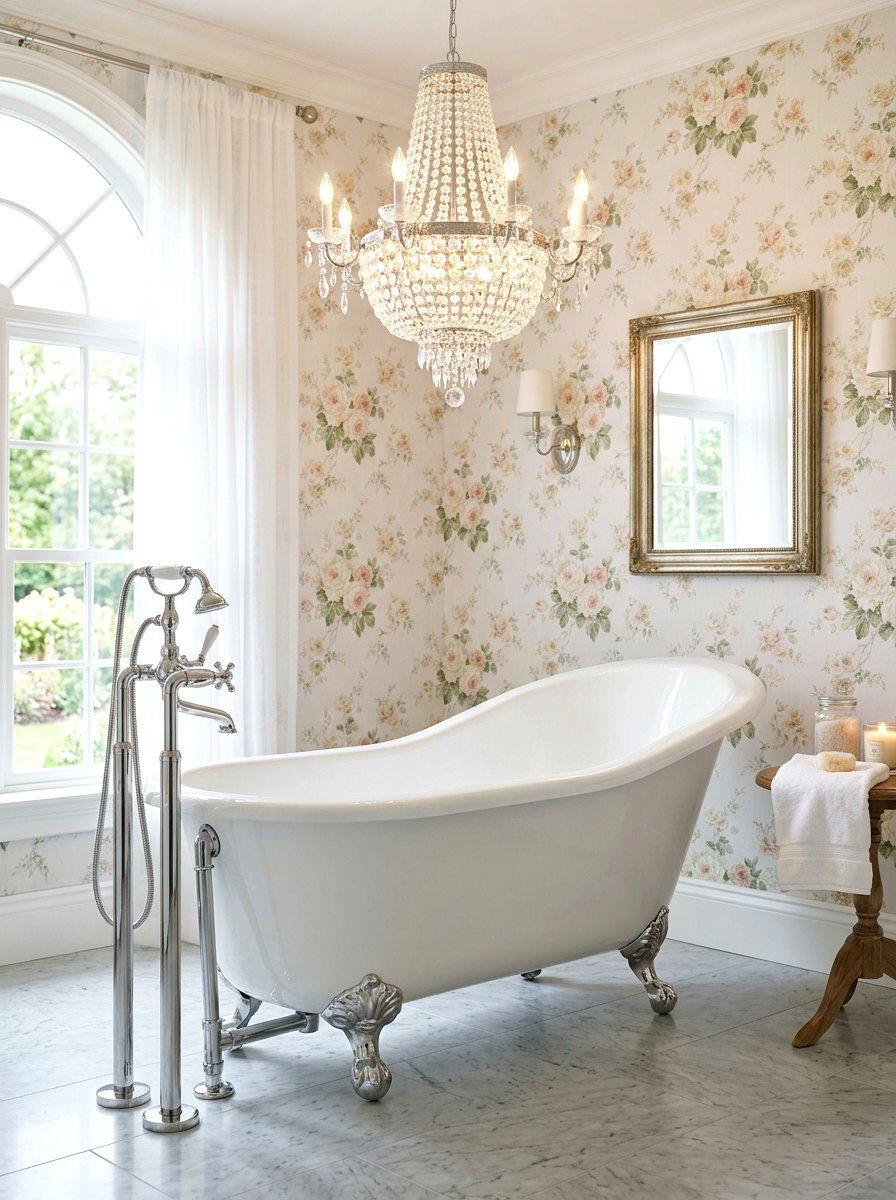
A slipper tub with a high back is specifically designed for the ultimate ergonomic lounging experience, featuring one end that is significantly raised. This raised end provides excellent support for your neck and back, allowing you to recline comfortably while reading a book or simply drifting off. This style often carries a romantic, vintage-inspired silhouette that looks beautiful in a master suite with soft, floral wallpaper and plush textiles. Use a tall, curved floor-mounted filler to accentuate the elegant height of the tub’s back. This design theme focuses heavily on personal comfort and classical beauty, making it a favorite for traditional and transitional home styles.
9. Pedestal Base Freestanding Tub
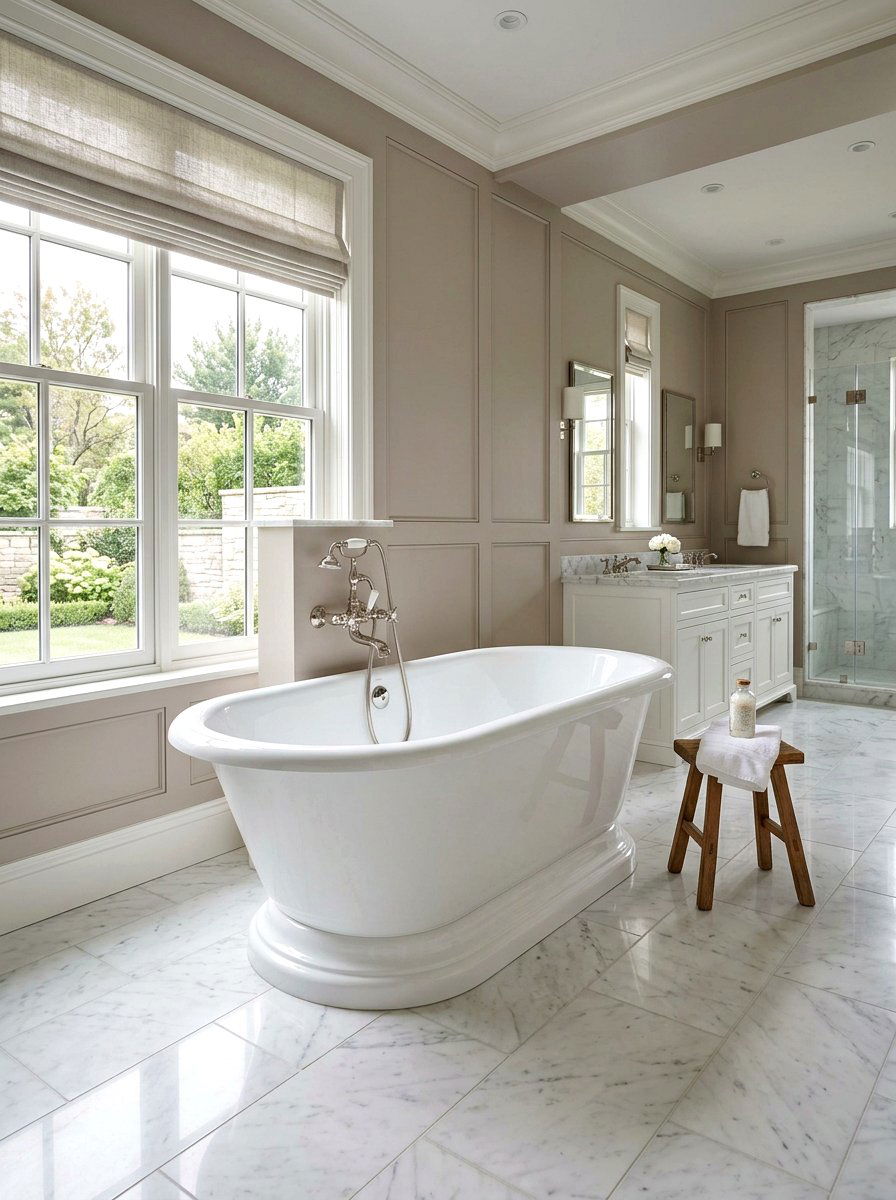
The pedestal base freestanding tub offers a more substantial and grounded look compared to models that sit directly on the floor or on feet. The solid plinth base elegantly conceals the plumbing while raising the tub slightly, giving it a more commanding presence in the center of the room. This style works beautifully in transitional bathrooms that blend modern convenience with traditional silhouettes. Surround the pedestal tub with a large area of open floor space to allow its silhouette to be fully appreciated from all angles. This design approach creates a sense of architectural permanence and stability, making the bathing area feel like a dedicated, purposeful destination.
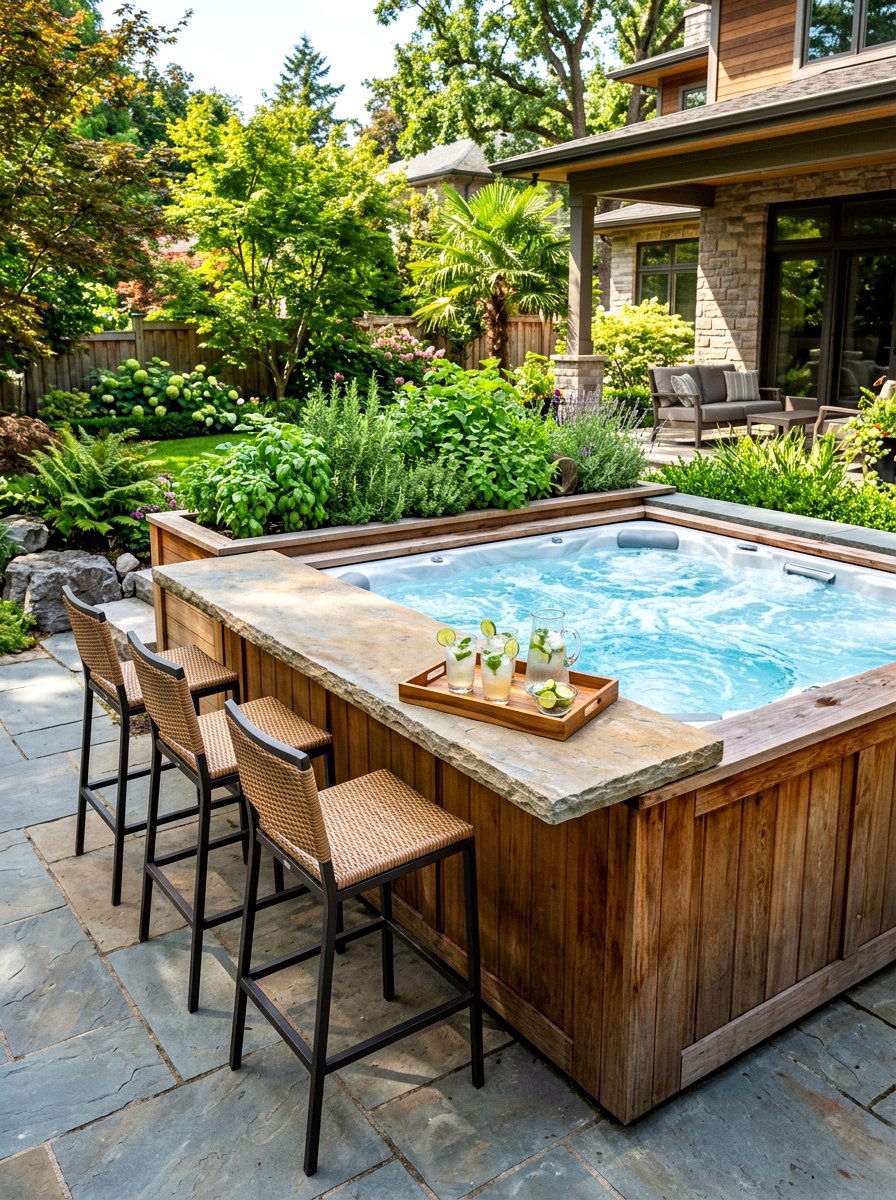
10. Concrete Freestanding Soaking Tub
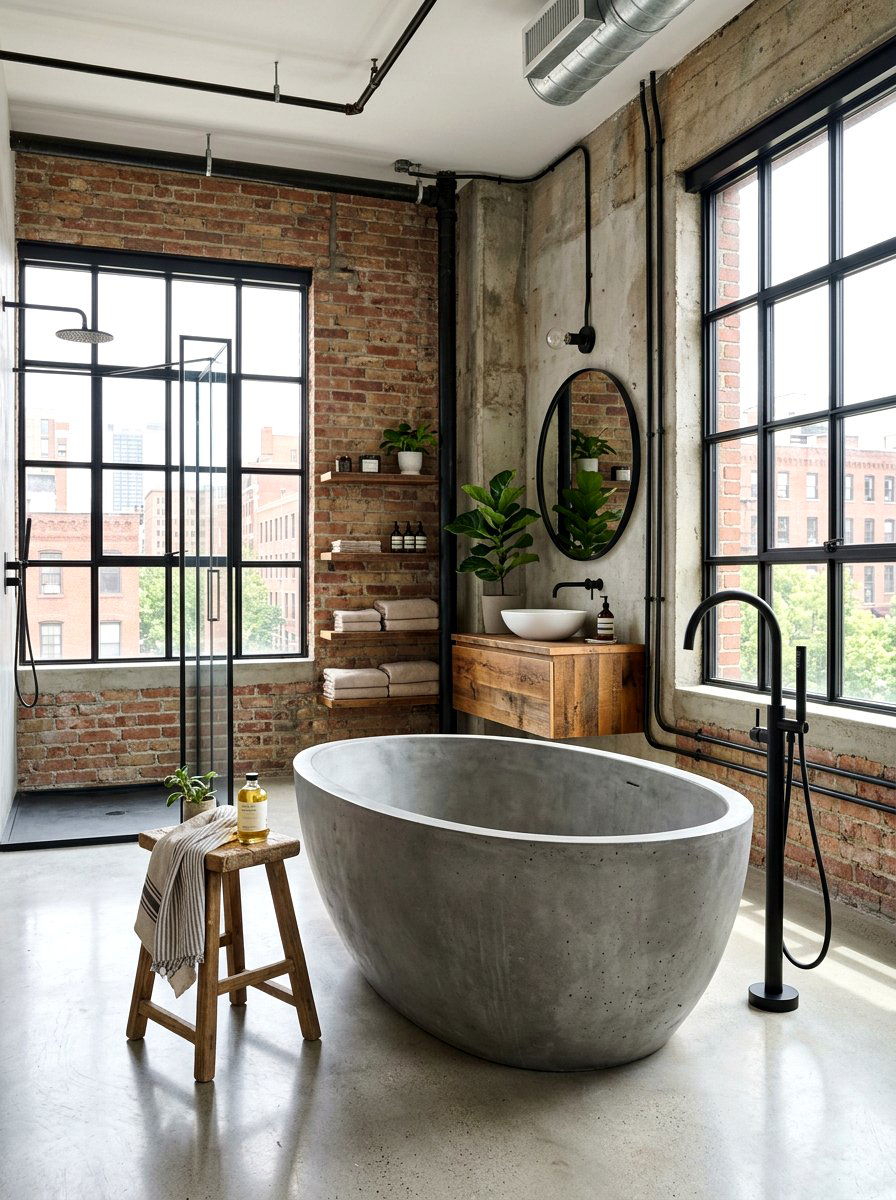
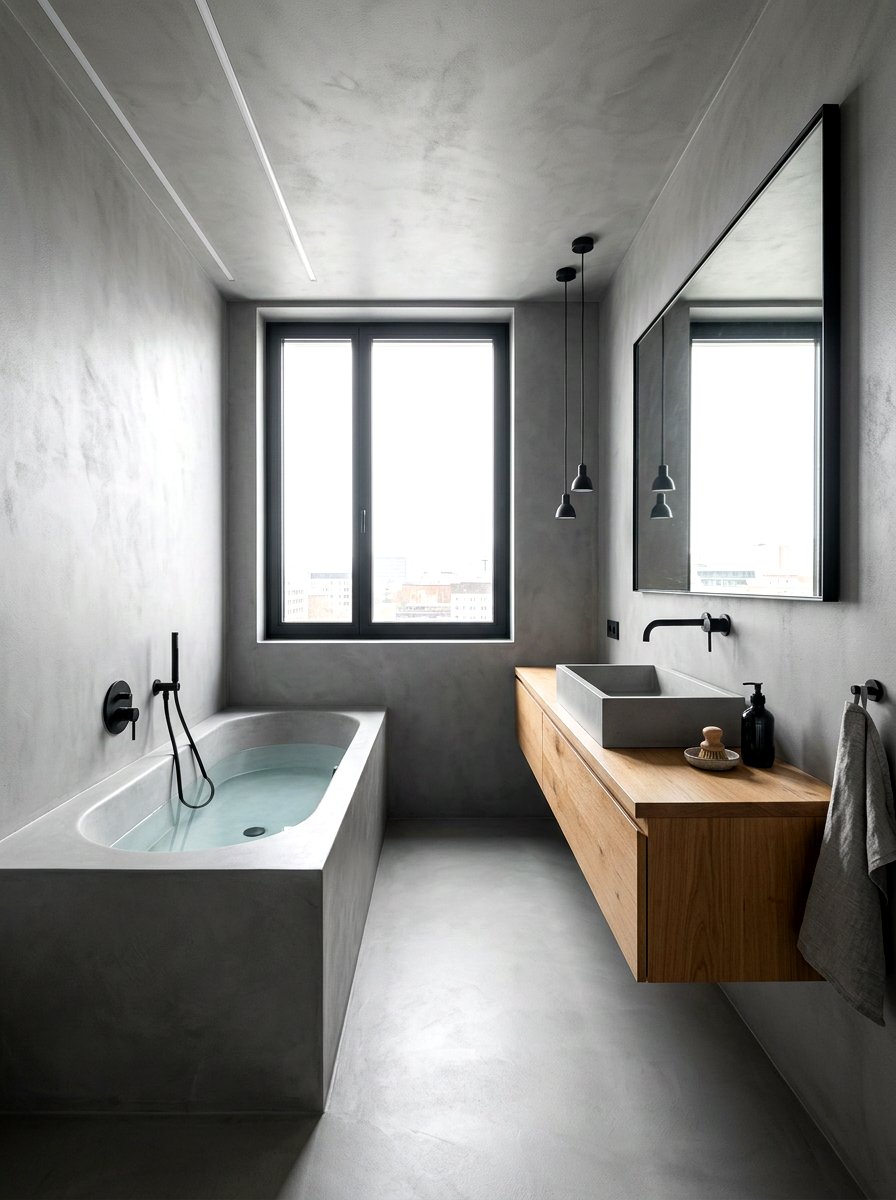
A concrete freestanding soaking tub is the perfect choice for an urban loft or a home with a raw, industrial aesthetic. Modern concrete casting techniques allow for incredibly smooth finishes and unique, muted colors that range from charcoal grey to soft, sandy beige. To prevent the space from feeling too cold, incorporate warm wood vanities and soft, layered lighting that highlights the subtle textures of the concrete. The heavy, thick walls of a concrete tub provide excellent insulation, keeping the bath water hot for a surprisingly long time. This design focuses on materiality and minimalist form, providing a rugged yet refined focal point for the bathroom.
11. Wood Look Tiled Alcove Tub
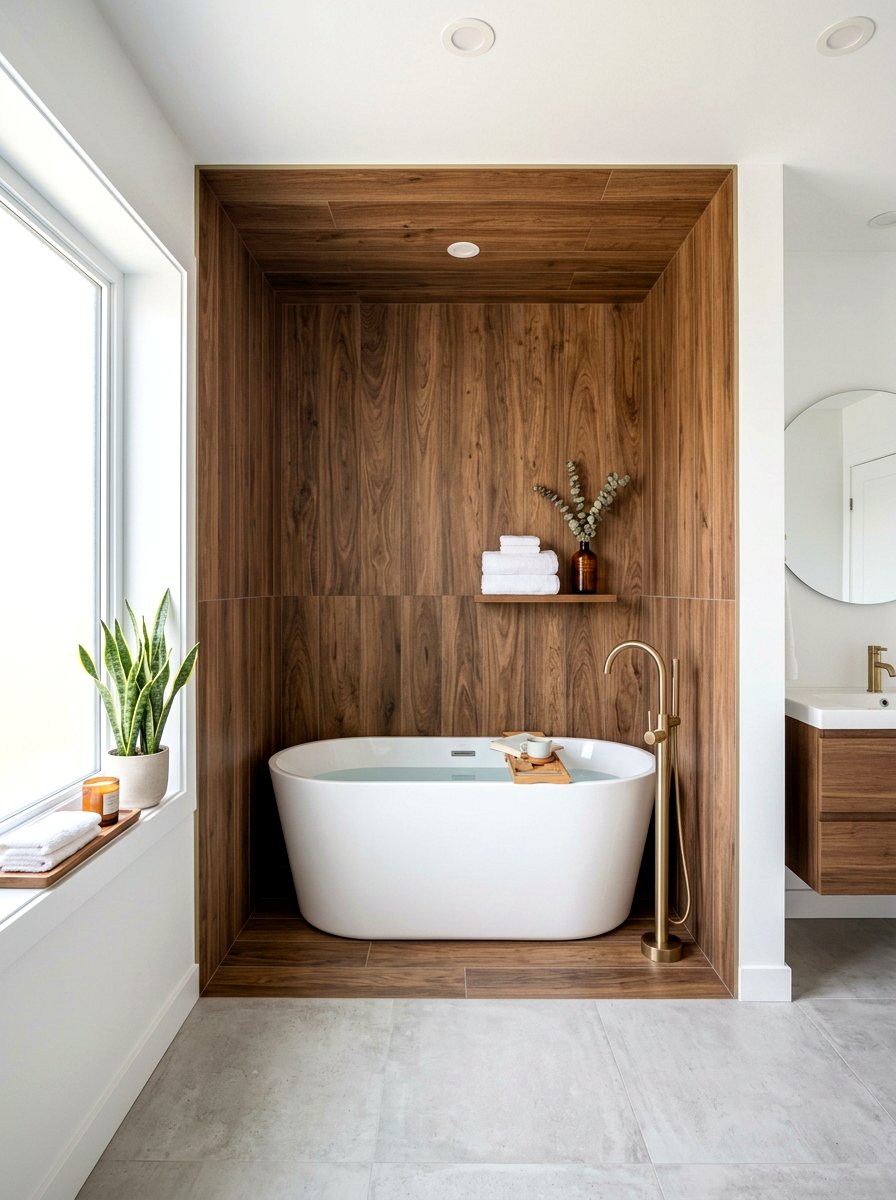
Creating a wood-look tiled alcove for your freestanding tub allows you to enjoy the warmth of timber in a high-moisture environment. By using durable porcelain tiles that realistically mimic oak or walnut, you can wrap the walls and floor surrounding the tub in a cozy, cabin-like embrace. This design strategy works exceptionally well for tubs placed in a three-walled nook, as it defines the bathing zone clearly from the rest of the room. Choose a simple white tub to let the rich textures of the "wood" tile stand out. This setup brings a rustic, spa-inspired aesthetic to the home that feels grounded, warm, and incredibly inviting.
12. Fluted Texture Freestanding Tub
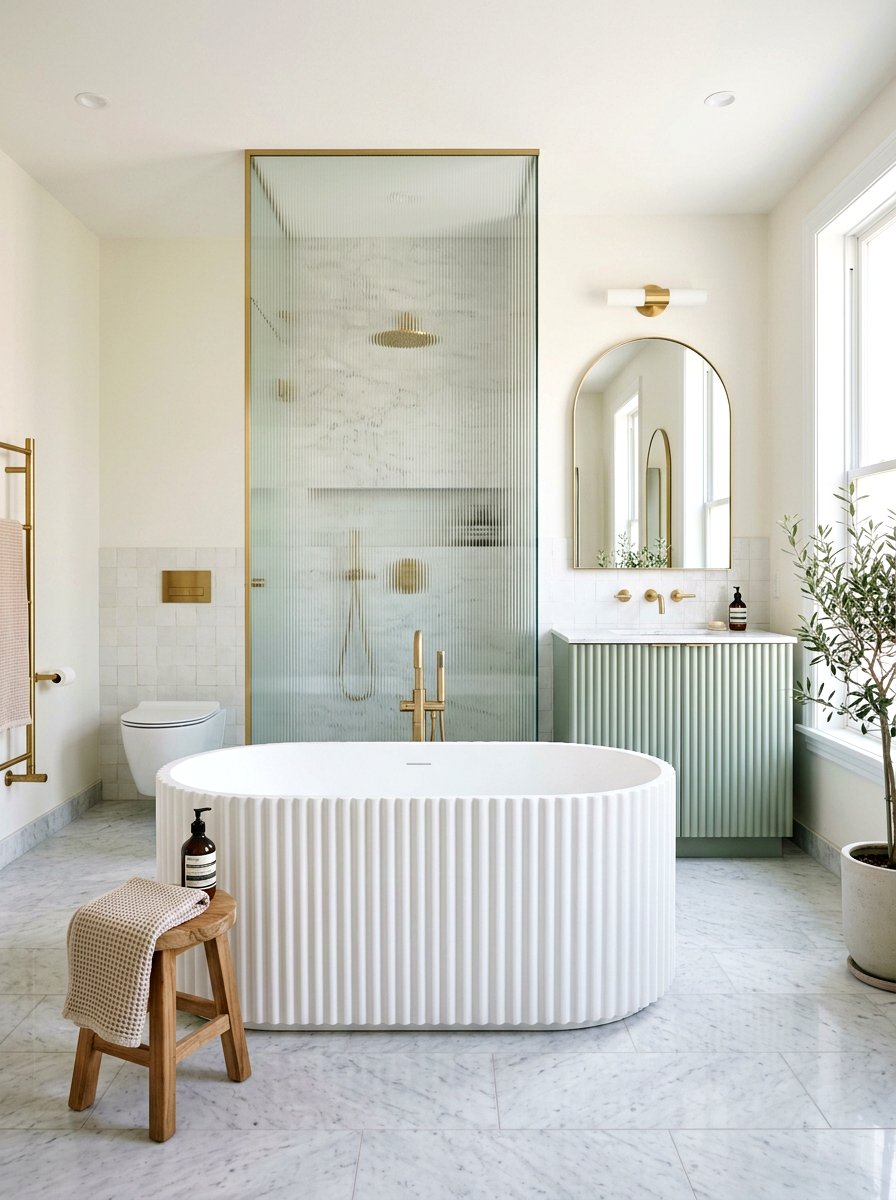
A fluted texture freestanding tub is a trendy and tactile choice that adds a layer of visual interest to a monochromatic bathroom. The vertical ridges on the tub’s exterior catch the light and create a rhythmic pattern that feels both contemporary and classically inspired. This design pairs beautifully with reeded glass shower doors and fluted vanity cabinets to create a cohesive, textured theme throughout the space. Keep the color palette simple with soft whites or pastels to let the shadow lines of the fluting do the talking. This design choice focuses on the "tactile experience, " making the tub as interesting to touch as it is to look at.
13. Double Ended Freestanding Tub
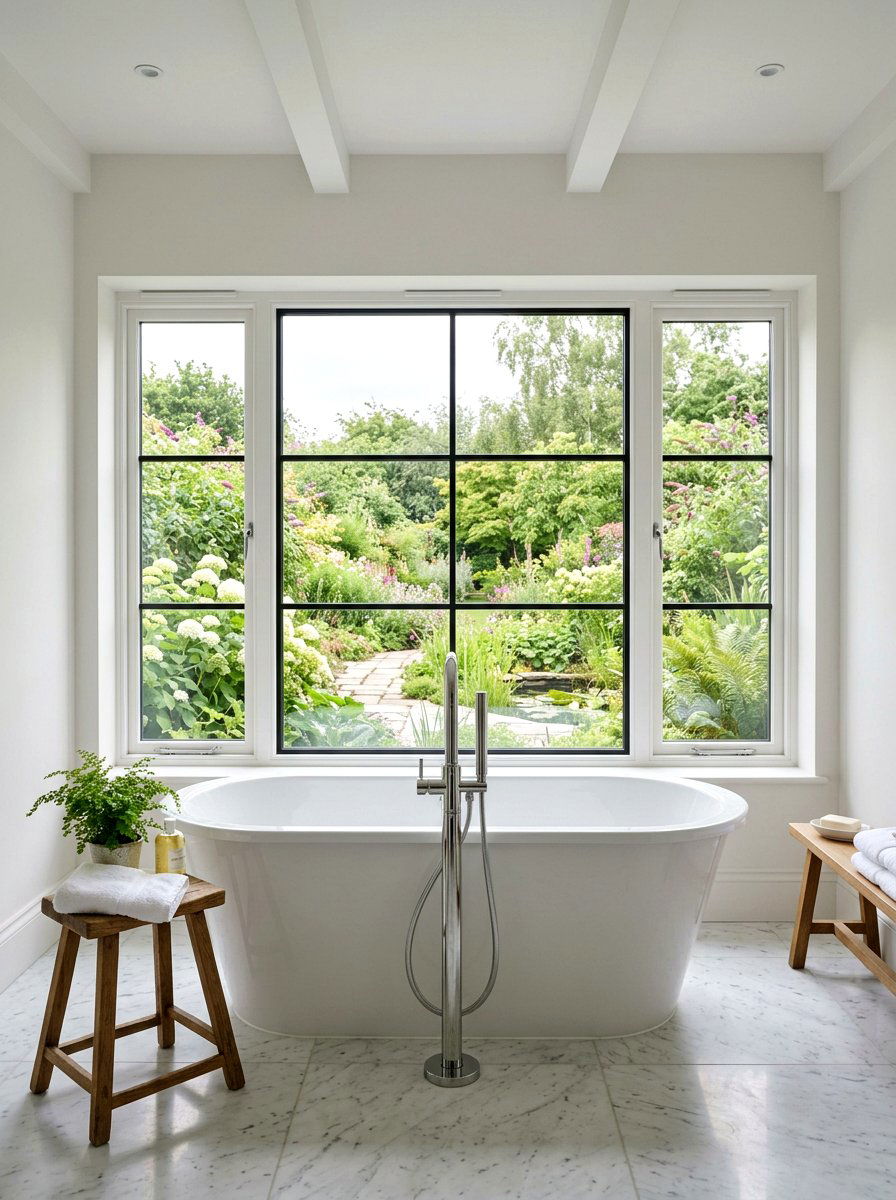
The double ended freestanding tub is a versatile and symmetrical option that allows the bather to recline comfortably at either end. Because the drain and faucet are typically located in the center, there are no uncomfortable hardware obstructions at either side of the tub’s interior. This makes it an ideal choice for larger households or for those who simply want the flexibility to change their view while soaking. Position this tub in front of a wide window to take full advantage of the symmetrical layout and the surrounding scenery. This design emphasizes balance and harmony, creating a peaceful and well-proportioned environment for daily relaxation.
14. Navy Blue Painted Clawfoot Tub
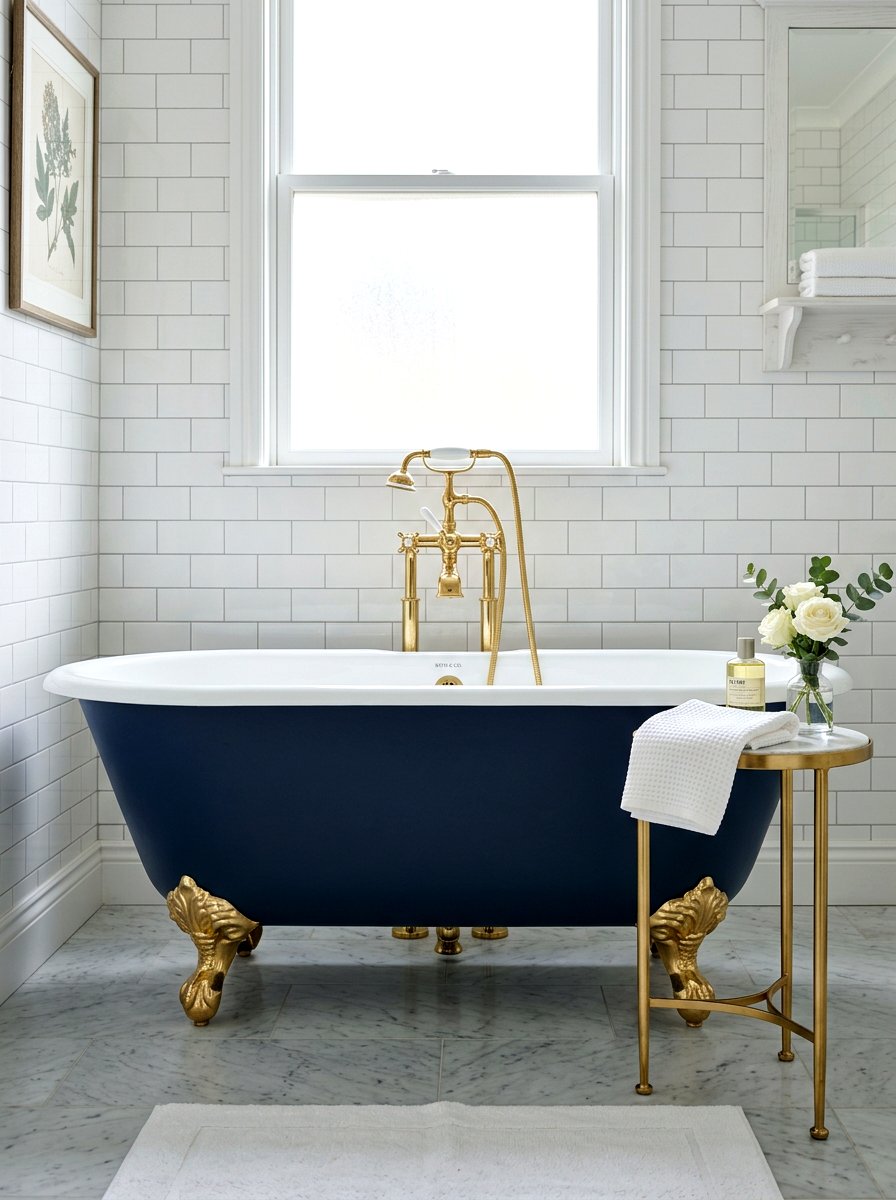
A navy blue painted clawfoot tub brings a sophisticated splash of color into a classic white or grey bathroom design. Painting the exterior of a cast iron tub allows you to customize the piece to match your personal style while maintaining a traditional silhouette. Navy blue provides a deep, nautical-inspired elegance that pairs brilliantly with polished brass or gold fixtures. Use white subway tiles and a light-colored marble floor to ensure the dark blue tub remains the undisputed star of the room. This design approach is perfect for adding personality and a sense of curated luxury to a master bathroom or a guest suite.
15. Marble Carved Freestanding Tub
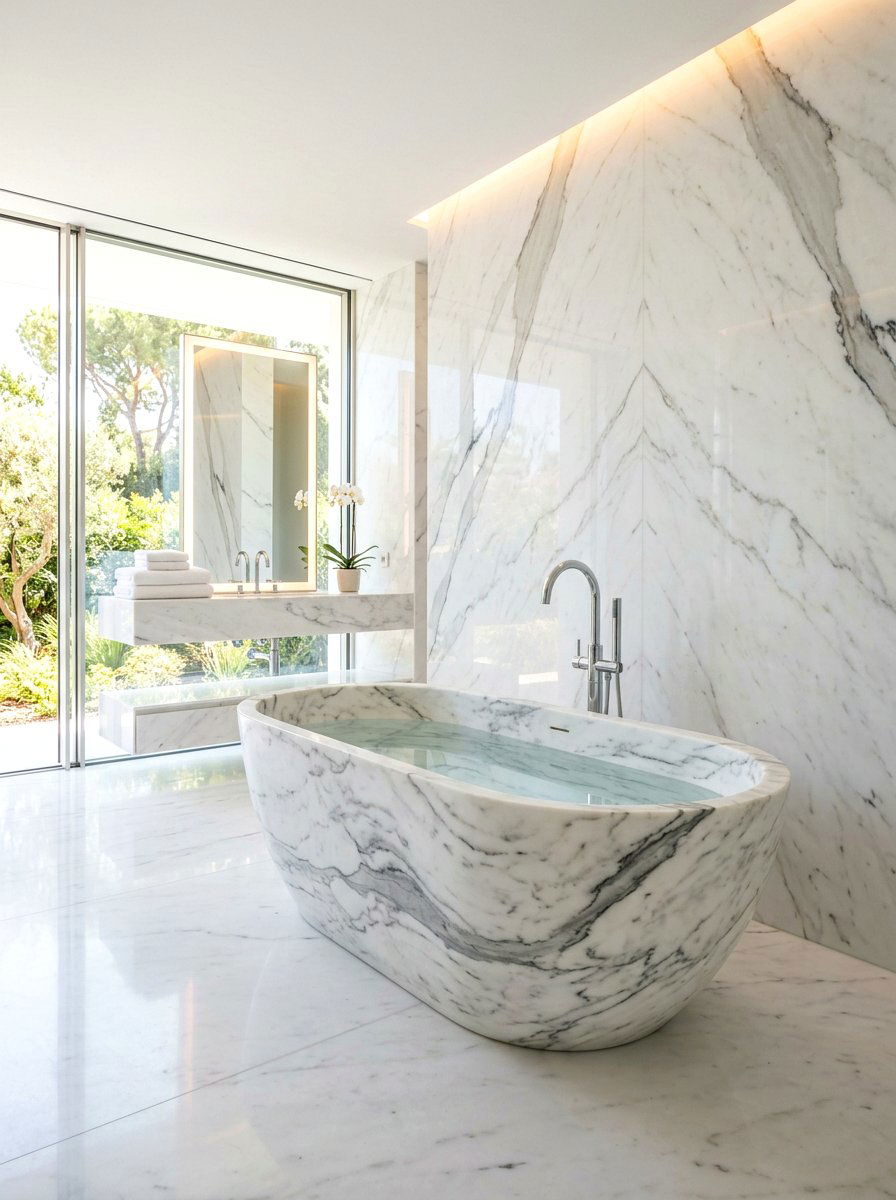
A marble carved freestanding tub represents the pinnacle of luxury and high-end bathroom design, as each piece is typically shaped from a single block of natural stone. The unique veining and natural color variations of the marble ensure that no two tubs are exactly alike, making yours a one-of-a-kind work of art. To support the weight and visual impact of such a piece, ensure your bathroom floor is reinforced and keep the surrounding decor minimalist. Use subtle cove lighting to highlight the stone’s natural patterns and polished surface. This design theme is all about opulence and the timeless, enduring beauty of natural geological materials.
16. Glass Transparent Freestanding Tub
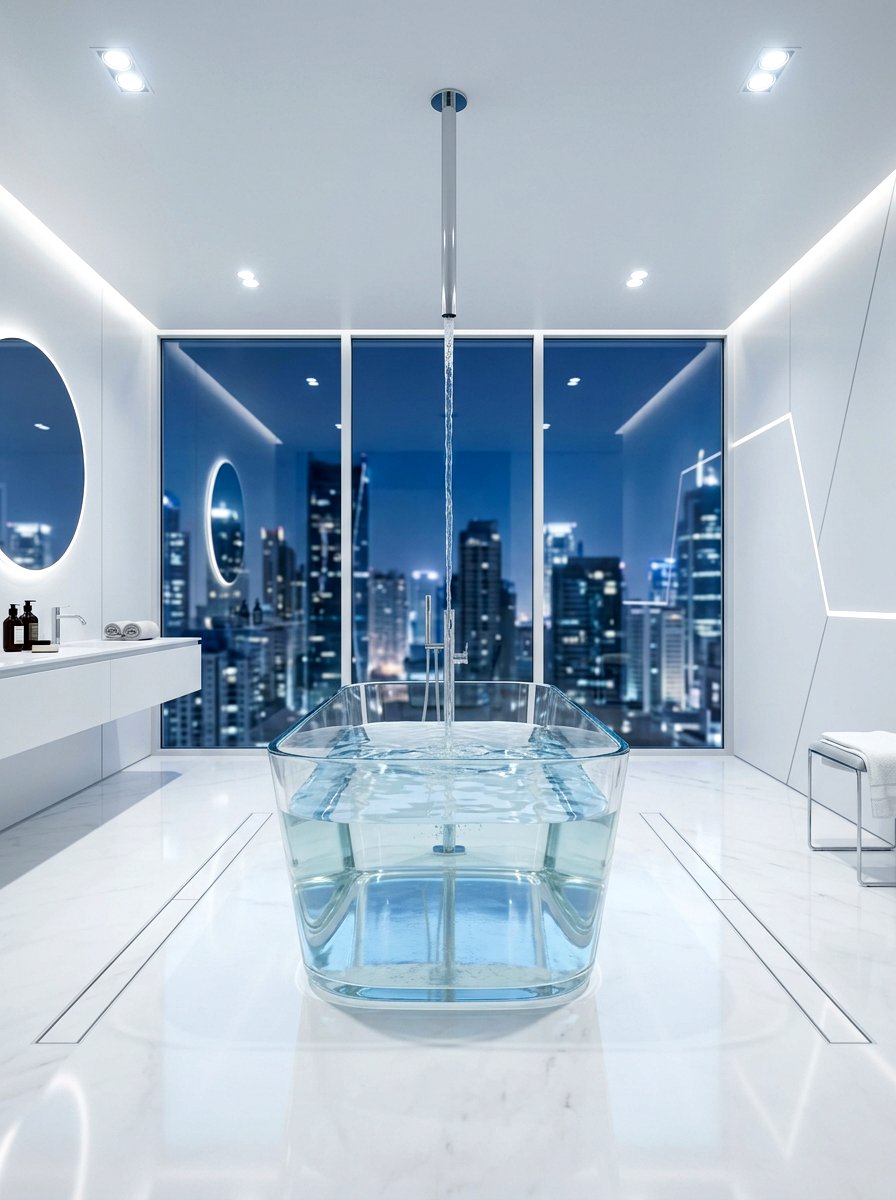
A glass transparent freestanding tub is a futuristic and daring design choice that creates an incredible sense of openness and light. Made from high-strength tempered glass, these tubs allow you to see the water and the surrounding floor, making the fixture almost disappear into the room’s architecture. This is an ideal solution for ultra-modern, high-concept homes where the goal is to push the boundaries of traditional interior design. Pair the glass tub with sleek, hidden drainage and a minimalist chrome filler. This design focuses on transparency and lightness, turning the act of bathing into a visually stunning, almost ethereal experience that defies standard expectations.
17. Bateau Style Freestanding Tub
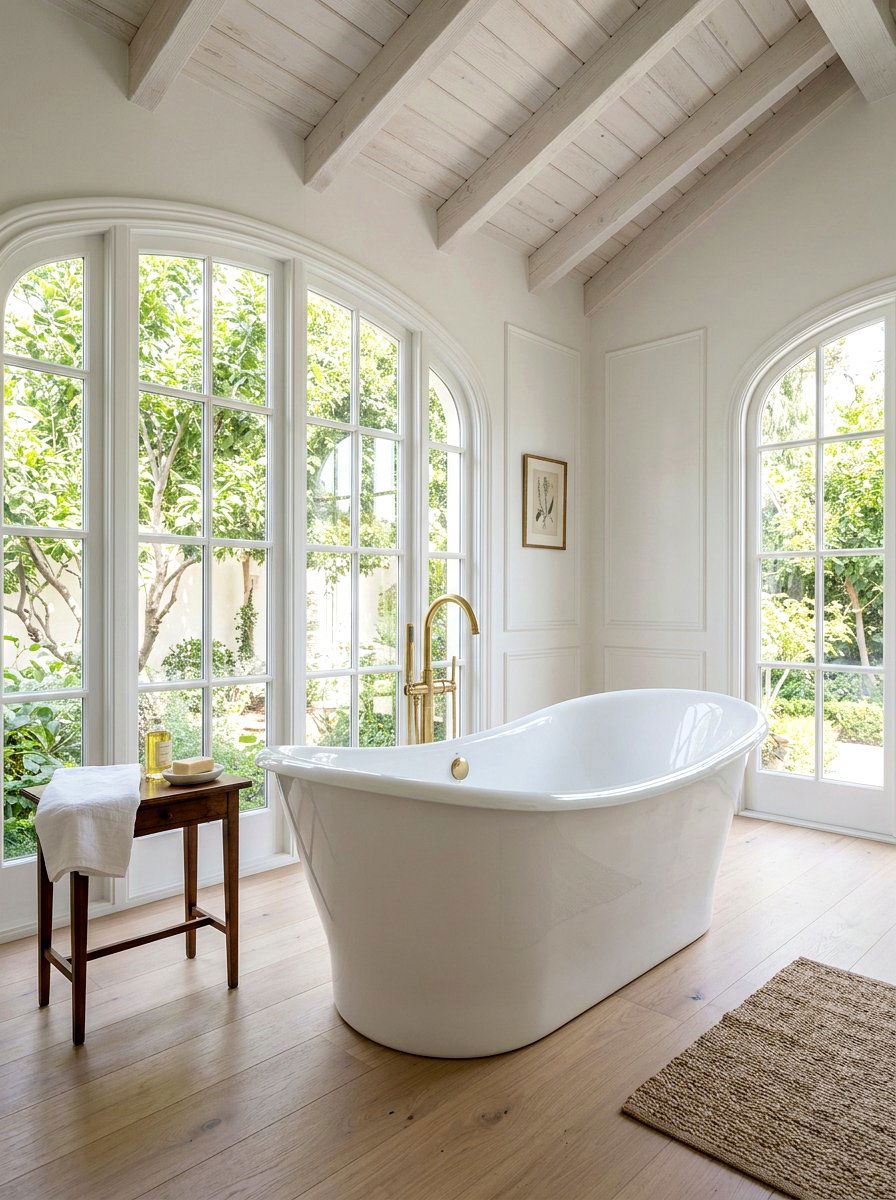
The bateau style freestanding tub, often referred to as a "boat" tub, features high symmetrical ends and a deep, spacious interior that evokes a sense of antique luxury. This shape is frequently found in polished metal finishes or classic white porcelain, making it a versatile addition to both traditional and eclectic bathrooms. The high sides offer a sense of privacy and enclosure, creating a cozy "cocoon" effect for the bather. Position the bateau tub in a room with vaulted ceilings or large architectural windows to match its grand scale. This design theme celebrates historic French elegance and provides a deep, immersive soak in a very stylish vessel.
18. Wet Room Freestanding Tub Layout
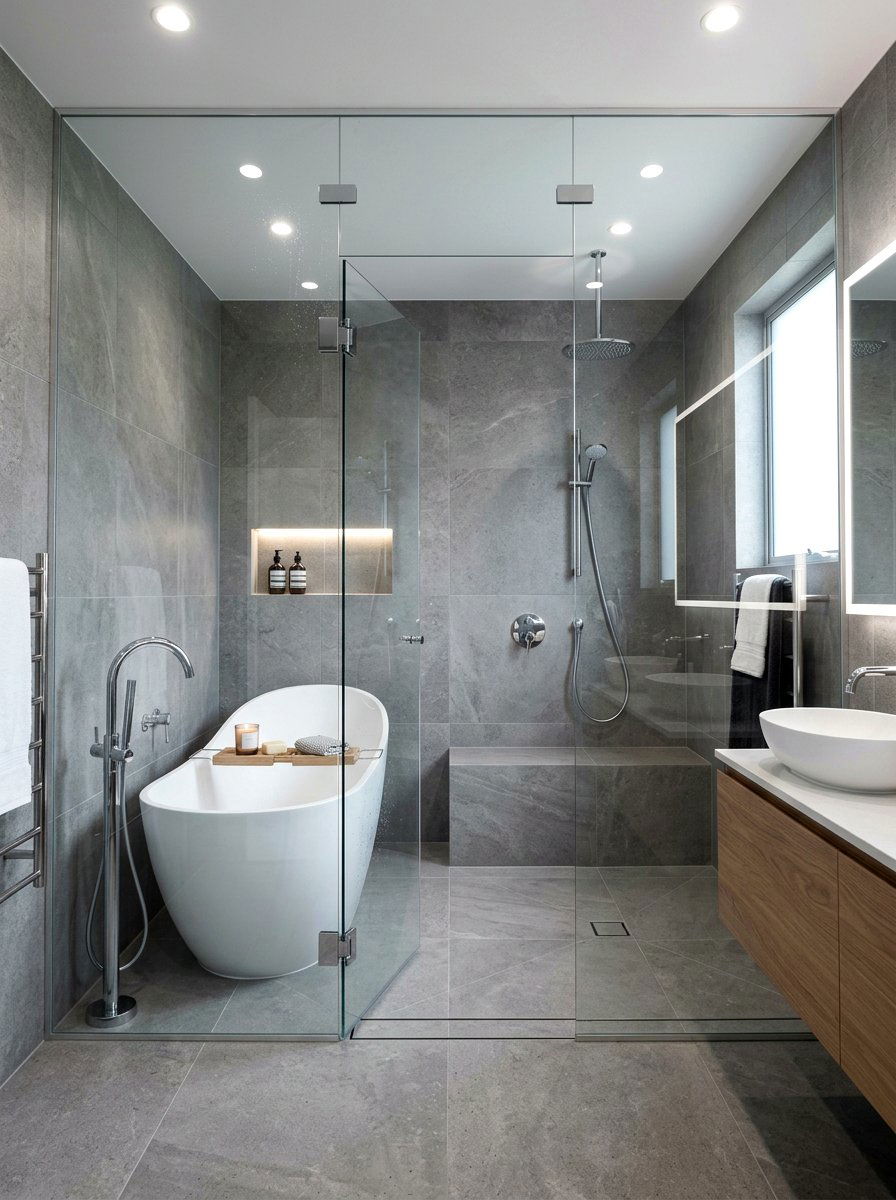
A wet room freestanding tub layout involves placing the bathtub and the shower within the same large, waterproofed area, often behind a single glass partition. This modern configuration is highly functional as it keeps all water-related activities in one zone, making the rest of the bathroom easier to maintain. Use consistent tiling across the entire wet zone floor to create a seamless, expansive look that feels like a professional spa. Placing a sculptural tub inside the shower area adds a layer of luxury and convenience. This design focuses on spatial efficiency and a streamlined, contemporary aesthetic that is becoming increasingly popular in high-end renovations.
19. Gold Finished Freestanding Tub
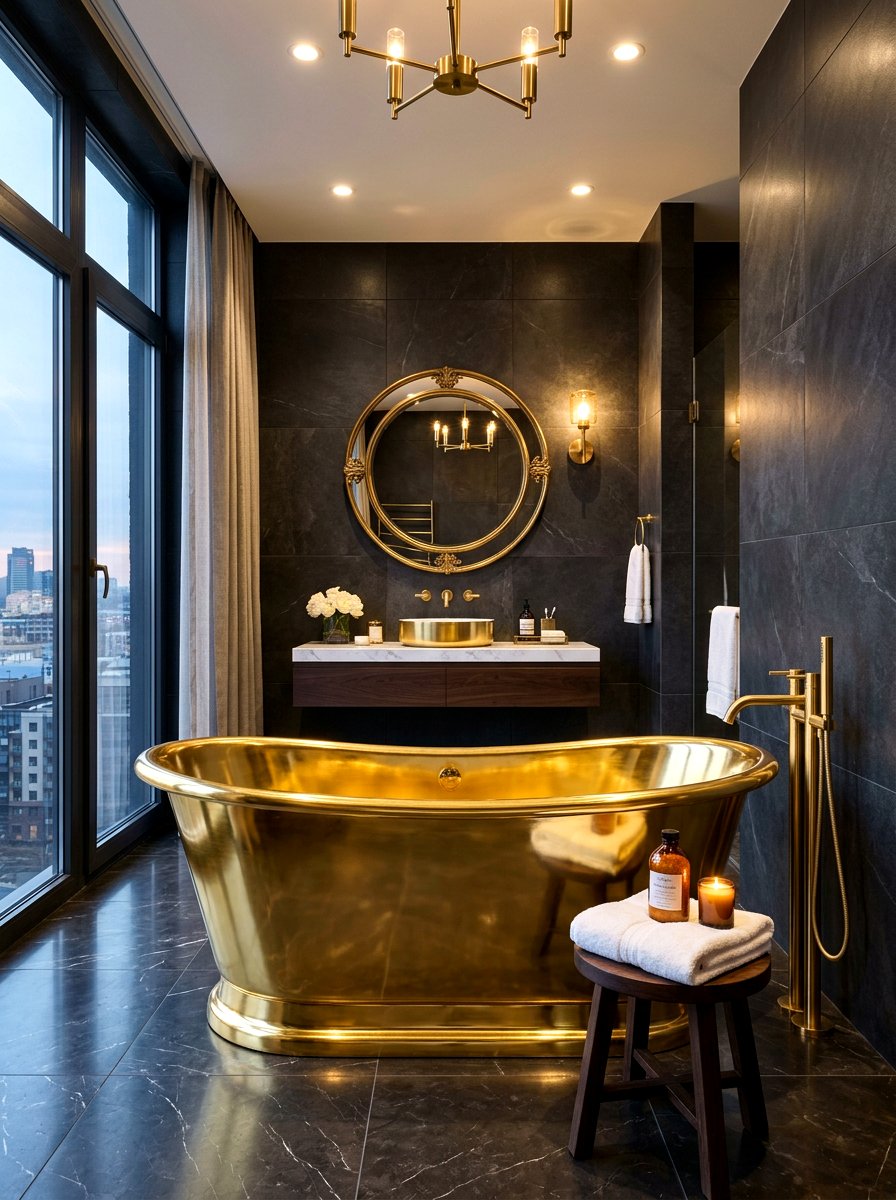
A gold finished freestanding tub is the ultimate statement of glamour and high-fashion interior design for a bold master bathroom. Whether the finish is a polished metallic leaf or a brushed gold acrylic, this tub immediately commands attention and reflects light throughout the entire space. To keep the look sophisticated rather than overwhelming, pair the gold tub with neutral backgrounds like cream-colored stone or dark charcoal tiles. Use simple, modern fixtures to avoid competing with the tub’s brilliant exterior. This design theme is perfect for those who want to create a boutique-hotel atmosphere at home, focusing on high shine, luxury, and unapologetic decadence.
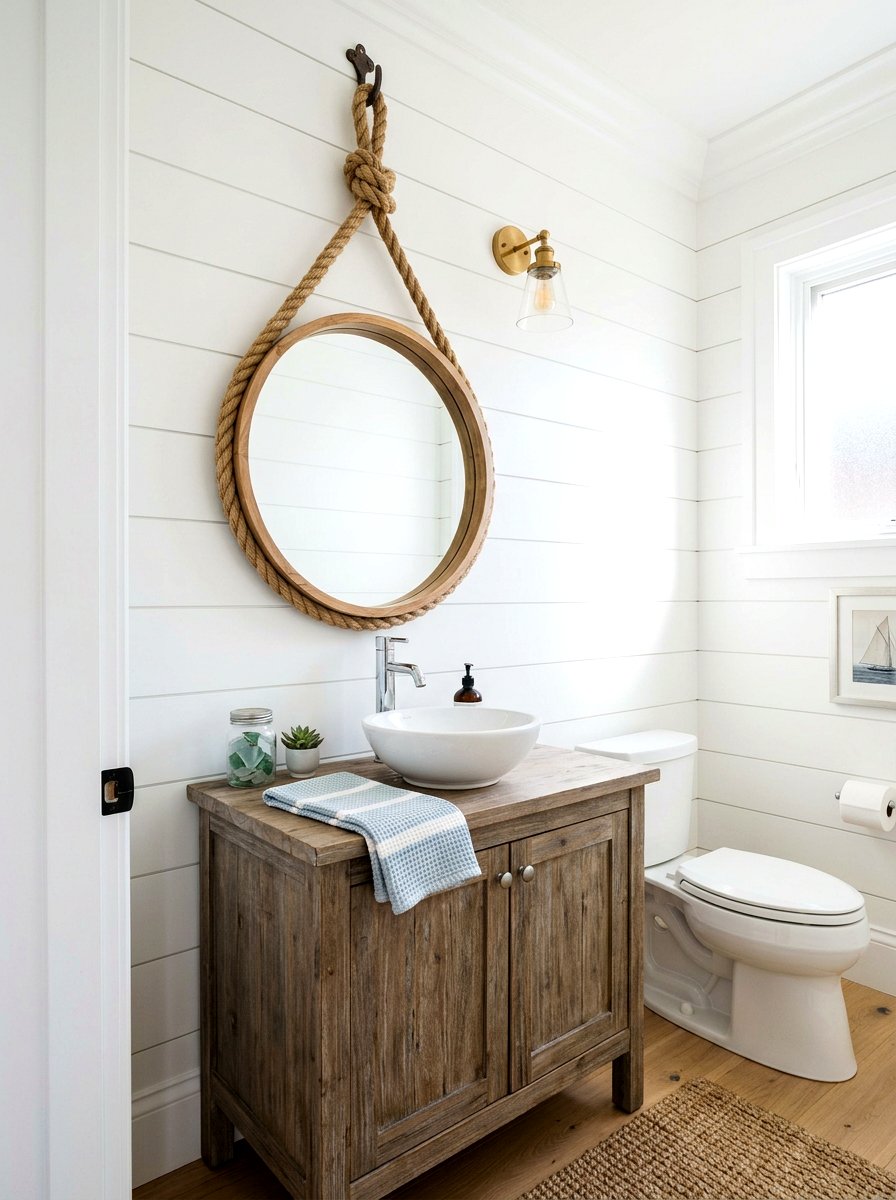
20. Small Scale Freestanding Tub
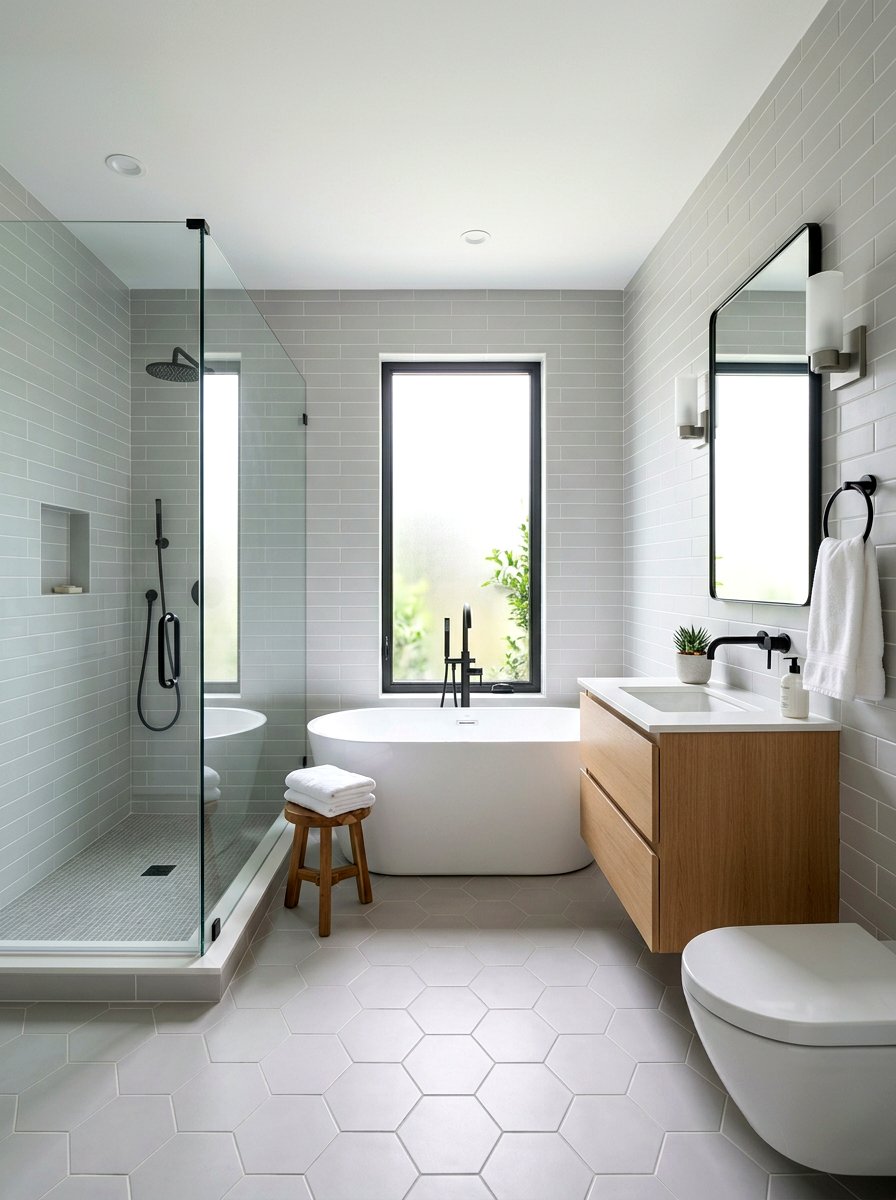
A small scale freestanding tub is specifically engineered to bring the luxury of a standalone fixture into tight floor plans that would typically only accommodate a standard alcove tub. These compact models often feature clever ergonomic shaping to maximize interior space while maintaining a small exterior footprint. By choosing a model with thin walls and a deep basin, you can still enjoy a full-body soak even in a secondary bathroom or a small apartment. Use light colors and a clear glass shower door nearby to keep the room feeling open. This design proves that thoughtful engineering can make luxury accessible in any home size.
21. Extra Deep Soaking Tub
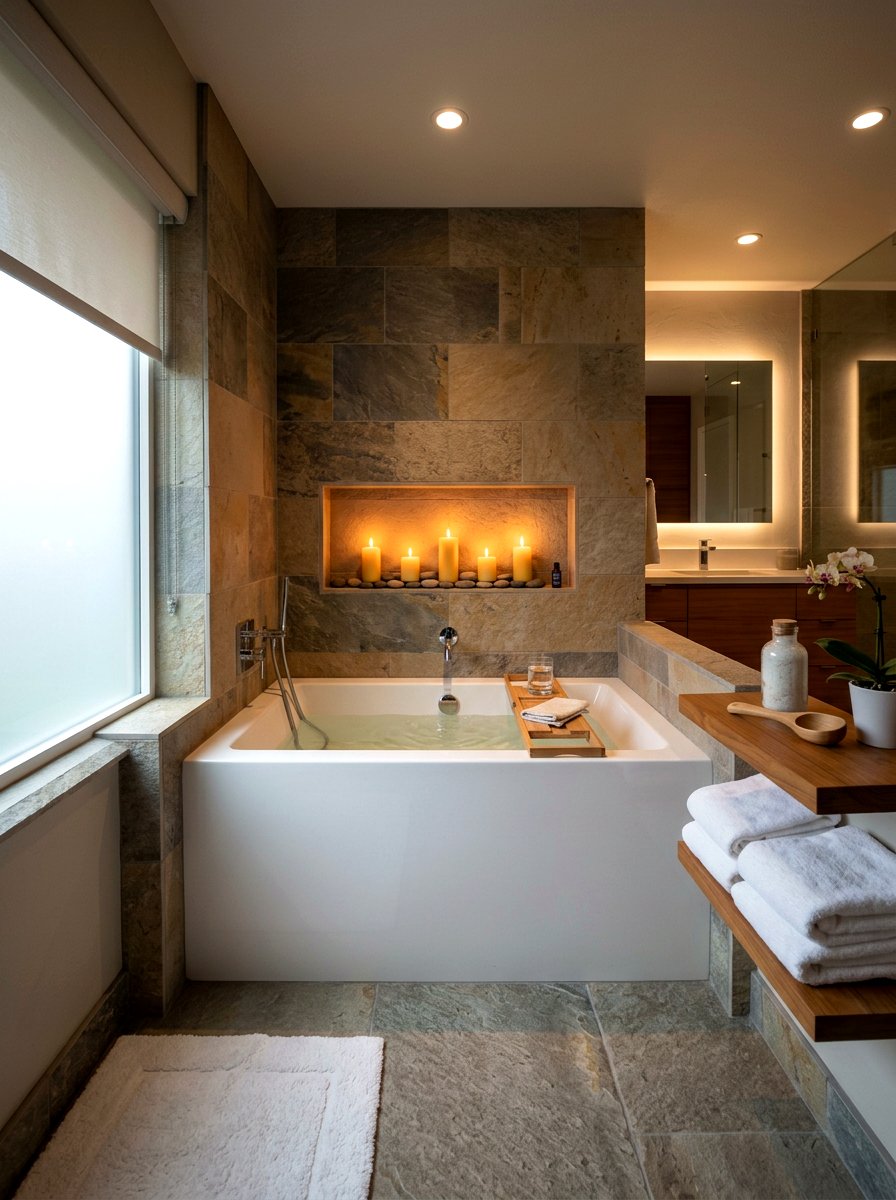
An extra deep soaking tub is designed for those who prioritize the therapeutic benefits of full-body submersion and heat therapy. These tubs are often taller than standard models, allowing the water level to reach the bather’s shoulders for a truly immersive experience. This design works well in a dedicated wellness room or a master bath where relaxation is the primary goal. Use soft, dimmable lighting and perhaps a built-in niche for candles or essential oils to enhance the spa-like atmosphere. This setup focuses on the functional aspect of hydrotherapy, providing a powerful tool for stress relief and physical recovery within the comfort of your home.
22. Asymmetrical Organic Shape Tub
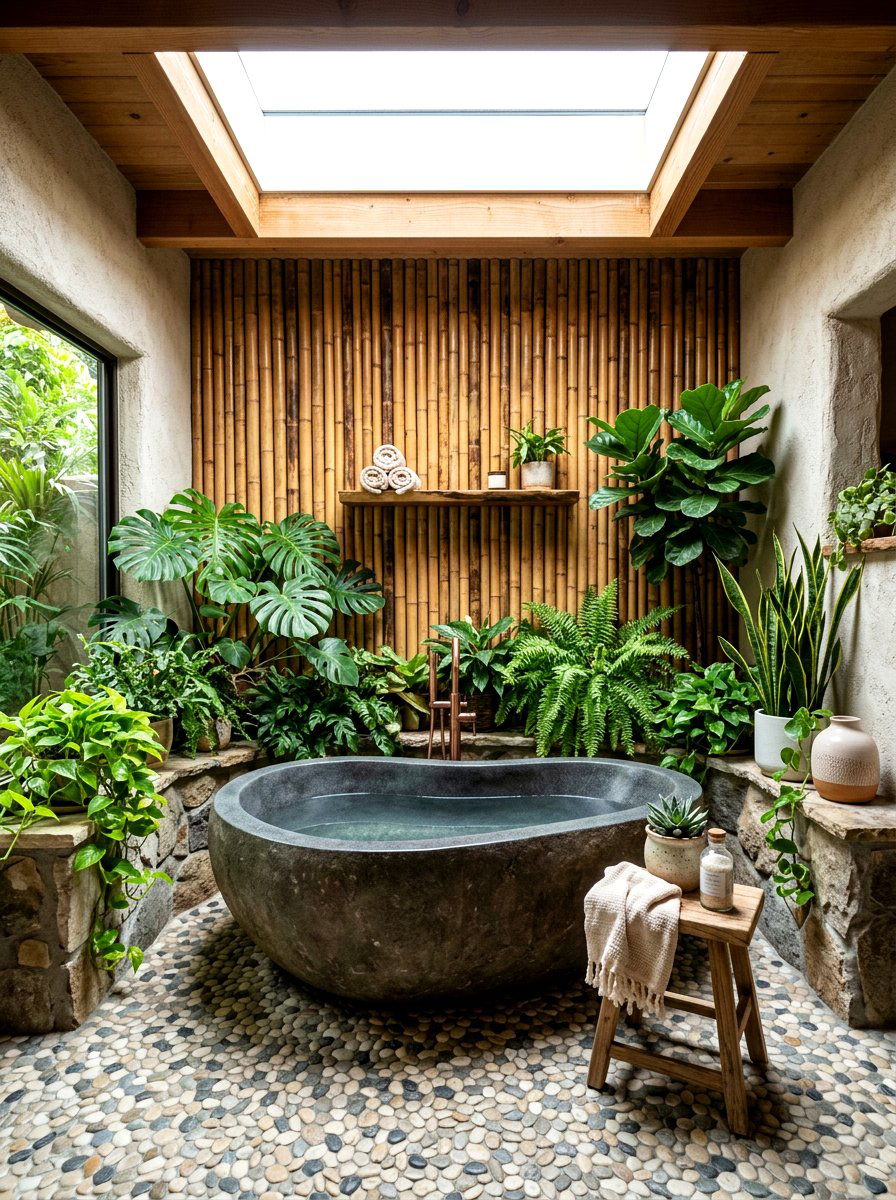
An asymmetrical organic shape tub takes inspiration from nature, mimicking the soft, irregular curves of a river stone or a water droplet. This fluid design breaks away from the rigid geometry of traditional bathroom fixtures, creating a more relaxed and artistic atmosphere. Because the shape is so unique, the tub acts as a sculptural element that looks beautiful even when it is not in use. Surround the tub with natural materials like bamboo, pebble tile, or reclaimed wood to lean into the biophilic design trend. This approach creates a soothing, harmonious environment that feels deeply connected to the natural world and encourages mental tranquility.
23. Two Tone Freestanding Tub
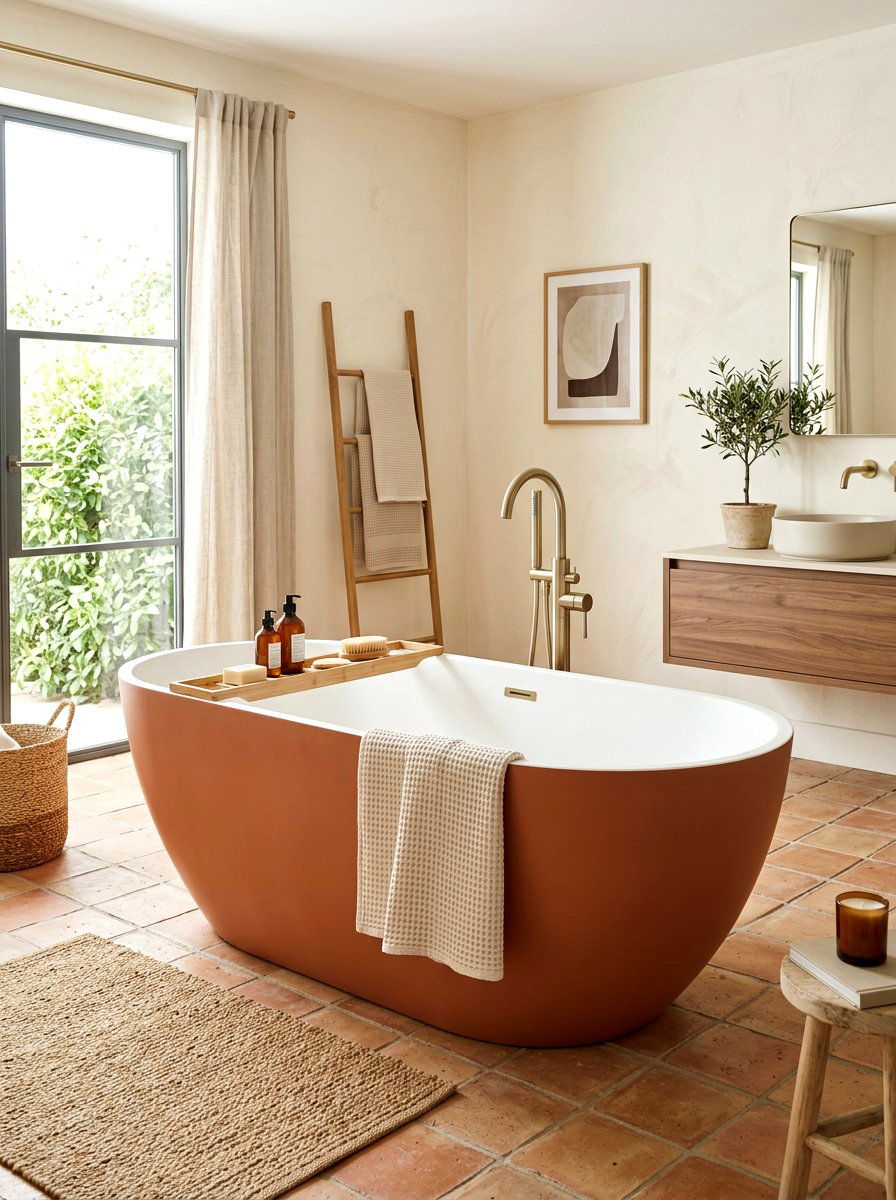
A two tone freestanding tub features a different color or finish on the exterior than on the interior, adding a layered and custom look to your bathroom. A common combination is a crisp white interior paired with a matte grey, black, or even a vibrant color on the outside. This design allows you to introduce color into the room without committing to a fully saturated fixture, keeping the bathing area feeling bright and clean. Coordinate the exterior color with your vanity or wall accents to create a cohesive color story. This design choice is excellent for adding subtle visual interest and a personalized touch to modern spaces.
24. Tapered Side Freestanding Tub
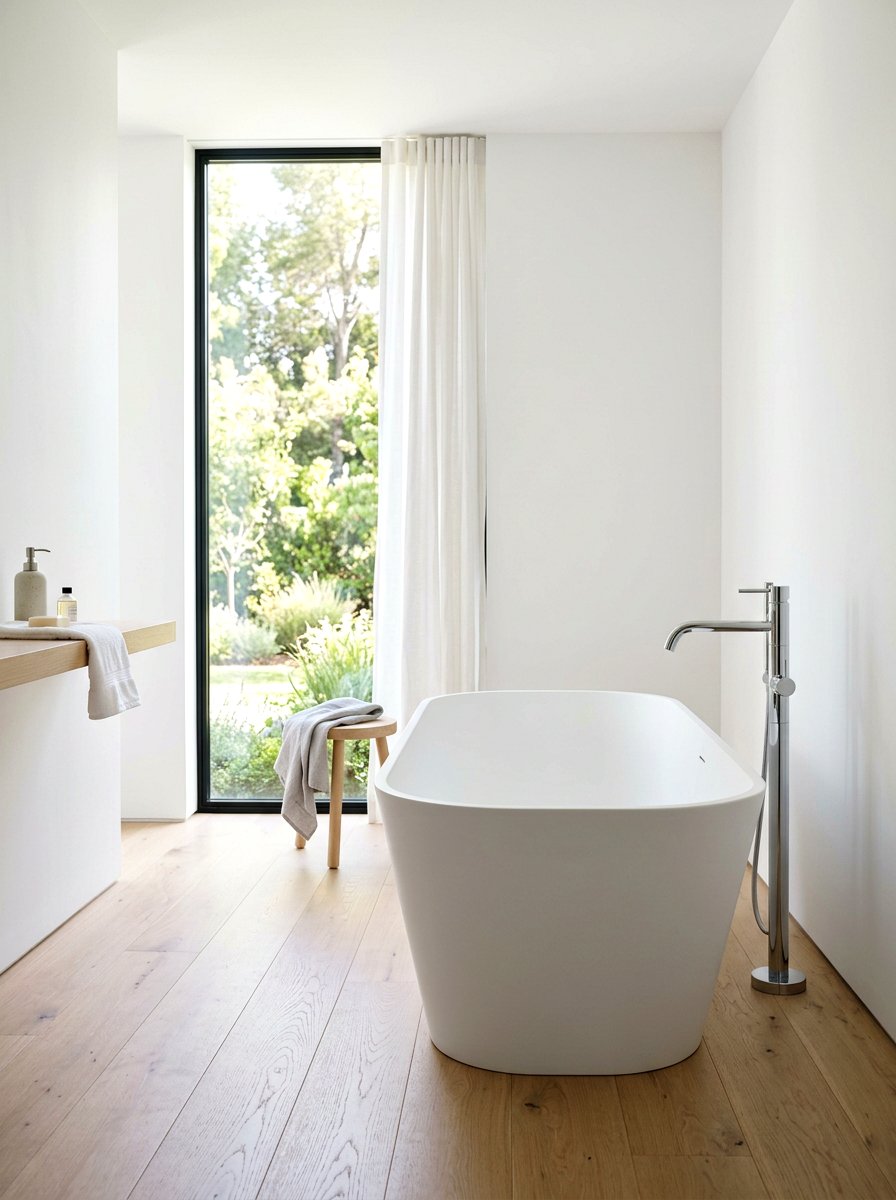
The tapered side freestanding tub features walls that gently slope inward toward the base, creating a sleek and modern silhouette that feels lighter than a solid block design. This tapering provides more floor space around the bottom of the tub, which can make a smaller bathroom feel more open and less crowded. The sloping interior walls are also highly ergonomic, providing a natural reclining position that supports the body’s curves. Use a minimalist floor filler to maintain the clean lines of the tapered design. This theme is all about elegance through subtraction, focusing on a refined profile that looks sophisticated and contemporary.
25. Matte White Stone Tub
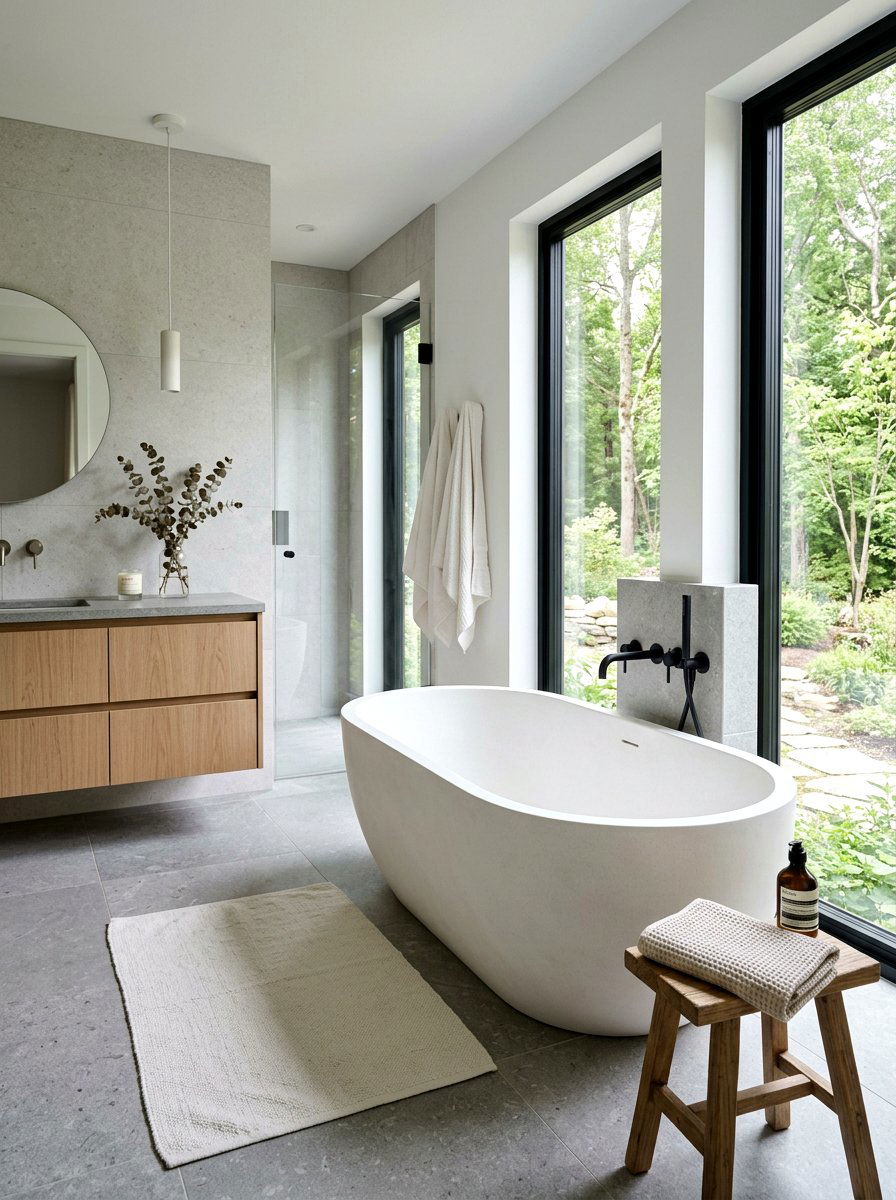
A matte white stone tub provides a soft, chalky finish that feels more organic and less "plastic" than traditional high-gloss acrylic. This material, often a solid surface composite, has a heavy, high-quality feel and excellent heat retention properties. The matte finish is also excellent at hiding water spots and fingerprints, making it a practical choice for busy households. Pair this tub with light wood accents and soft grey stone tiles for a Scandinavian or "California Casual" aesthetic. This design emphasizes a calm, quiet luxury where the beauty comes from the quality of the materials and the simplicity of the form.
26. Low Profile Freestanding Tub
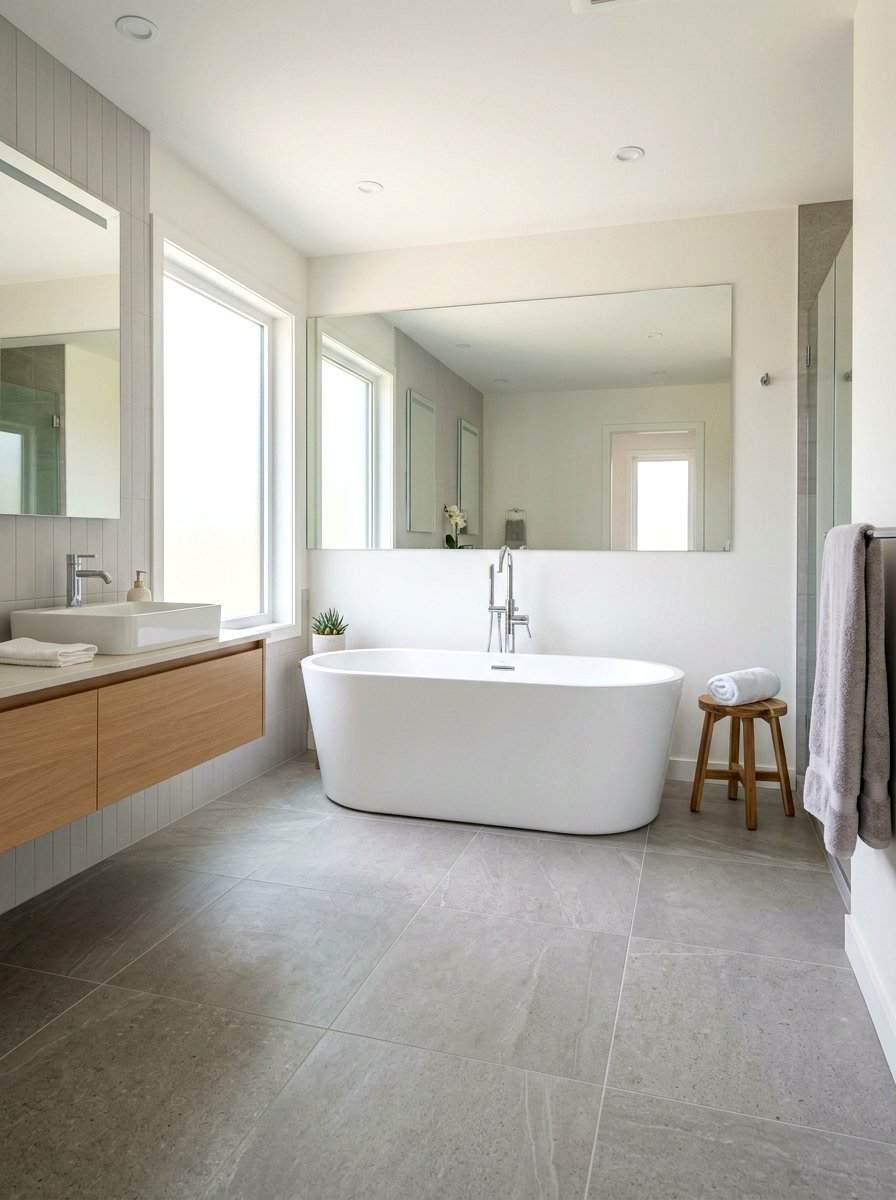
A low profile freestanding tub is designed with shorter side walls, making it much easier to step into and out of compared to deep soaking models. This is an excellent choice for families with children or for individuals who want the aesthetic of a freestanding tub without the physical challenge of a high rim. Despite the lower height, many of these tubs are elongated to ensure a comfortable lounging experience. Use a large, wall-mounted mirror behind the tub to reflect the room and make the lower fixture feel well-integrated into the space. This design prioritizes accessibility and ease of use without sacrificing style.
27. Metallic Silver Freestanding Tub
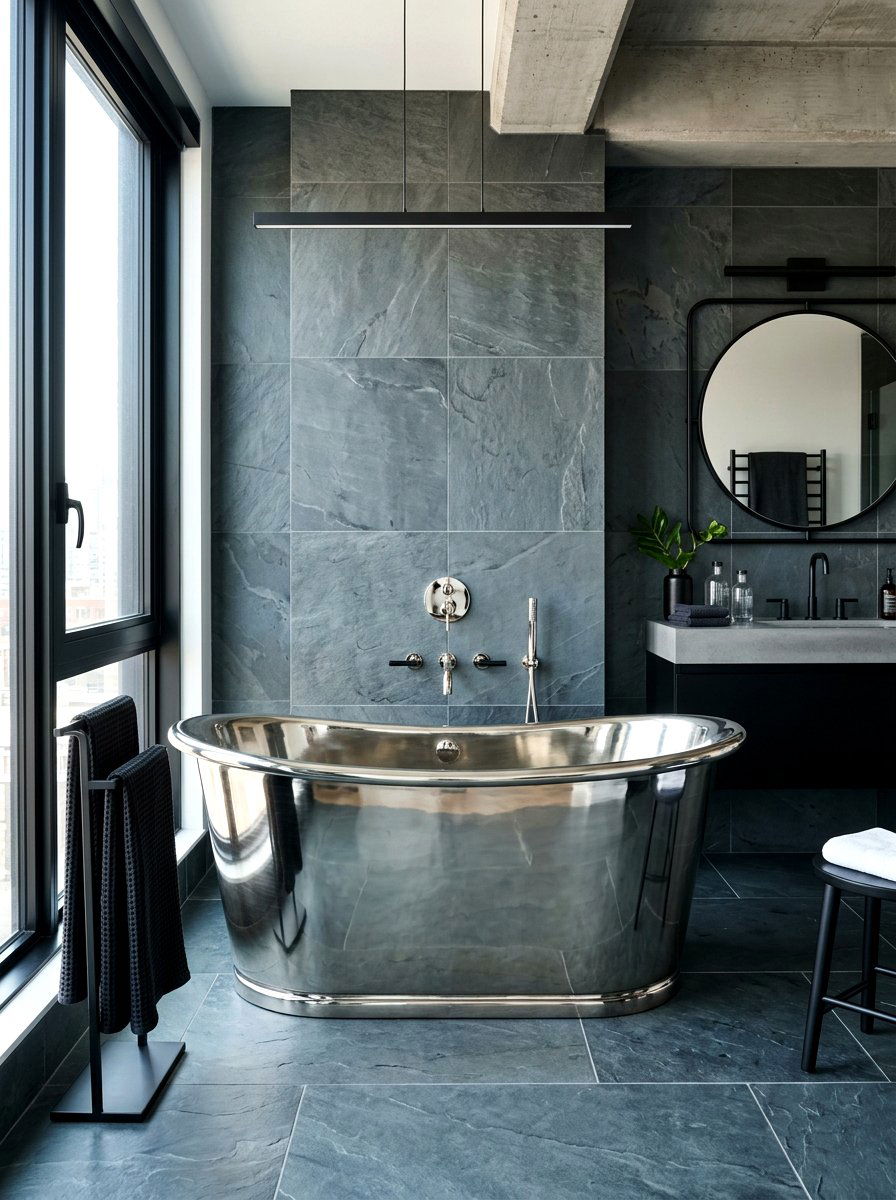
A metallic silver freestanding tub, often finished in polished stainless steel or nickel, brings a sleek, high-tech, and industrial vibe to the bathroom. The highly reflective surface helps bounce light around the room, which can be particularly effective in bathrooms with limited natural light. This tub looks best when paired with cool-toned tiles, like slate or grey marble, and modern, linear fixtures. The metallic finish adds a sense of precision and "jewelry" to the room, making the tub feel like a high-end luxury item. This design theme is ideal for contemporary urban homes that embrace a polished, architectural, and sophisticated aesthetic.
28. Square Freestanding Bathtub
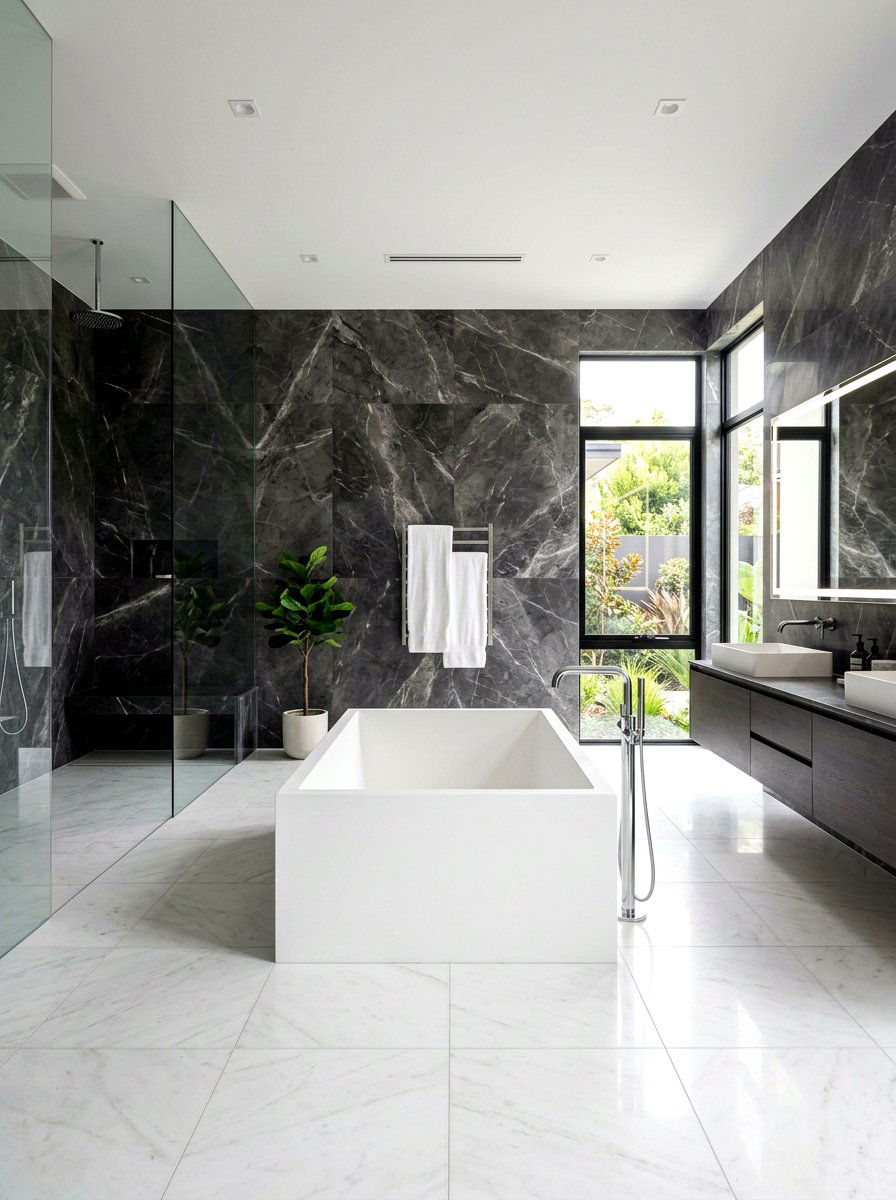
The square freestanding bathtub is a rare and striking choice for those who love bold, geometric design and a very modern look. This shape provides a wide, spacious interior that feels different from the traditional elongated tub, often allowing for a more flexible seating arrangement. Position the square tub in the corner of a large room or centered under a skylight to emphasize its unique proportions. Use large-scale square floor tiles to echo the geometry of the tub and create a highly structured, intentional design. This approach is for the design-forward homeowner who wants a fixture that truly stands out from the crowd.
29. Slim Edge Modern Tub
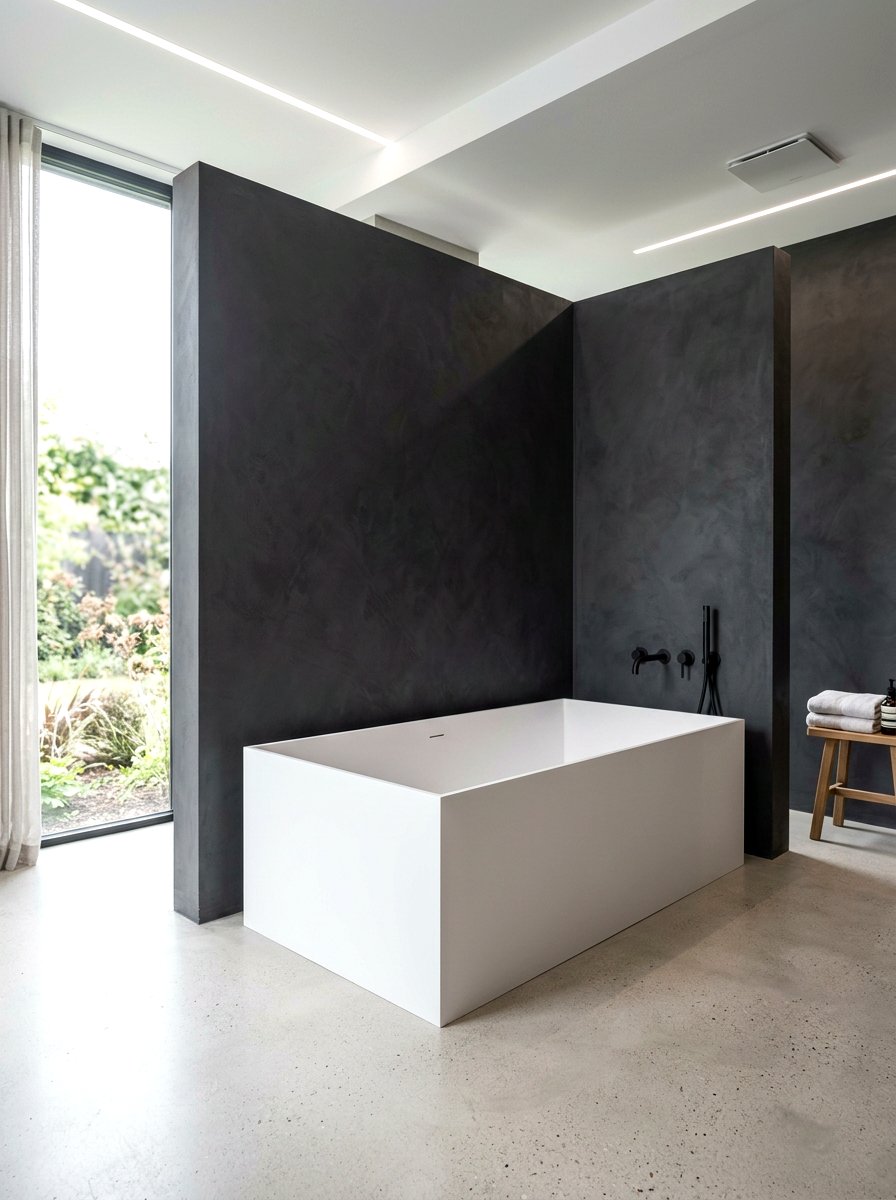
A slim edge modern tub features incredibly thin walls, often made from advanced composites or stone resin, which maximize the interior bathing space while maintaining a delicate, refined exterior look. These thin edges provide a sharp, clean profile that is a hallmark of high-end European bathroom design. To highlight the slim silhouette, choose a contrasting dark wall color or a textured tile backdrop. This design is perfect for minimalist spaces where the goal is to keep everything as light and unobtrusive as possible. The slim edge tub represents the ultimate in modern manufacturing, blending strength with a surprisingly lightweight and elegant appearance.
30. Floor Mounted Faucet Freestanding Tub
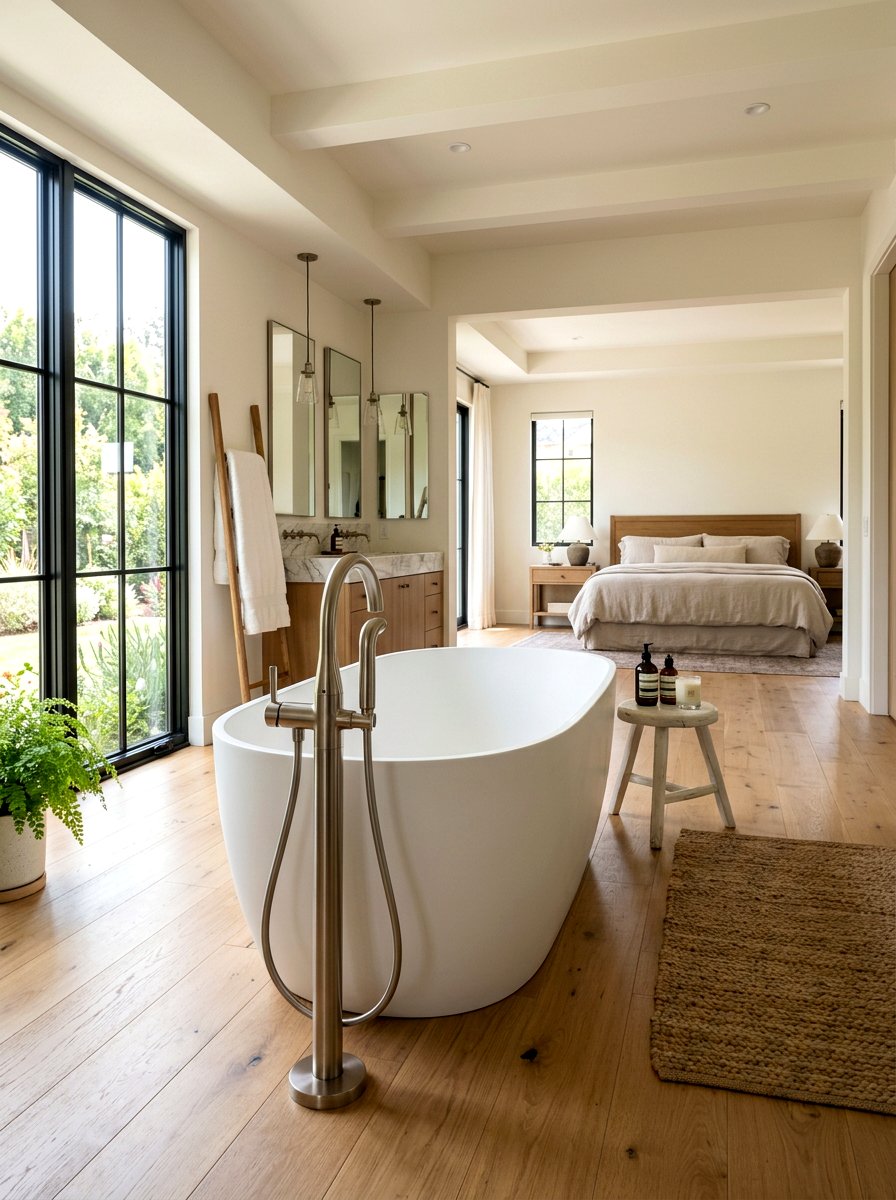
Choosing a tub with a floor mounted faucet allows you to place the fixture anywhere in the room, completely independent of the walls. This setup is essential for creating a "center stage" tub placement that acts as the primary focal point of the master suite. The tall, sculptural faucet itself becomes a piece of decorative hardware, adding vertical interest and a sense of luxury. Ensure you choose a faucet finish that complements the tub’s style, such as a sleek matte black for a modern tub or a classic bridge-style filler for a clawfoot model. This design layout maximizes the "freestanding" concept for ultimate impact.
Conclusion:
Selecting the perfect freestanding tub is an investment in your home’s value and your personal daily well-being. By considering the wide range of materials — from lightweight acrylic to heavy, heat-retaining cast iron — and shapes that range from organic ovals to structured rectangles, you can find a fixture that perfectly fits your space and aesthetic. Whether you are aiming for a vintage farmhouse vibe with a clawfoot model or a high-end urban look with a concrete or matte black tub, the key is to create a harmonious environment where the tub acts as the anchor. Thoughtful placement near windows or within wet rooms further enhances the experience, ensuring your bathroom remains a beautiful and functional retreat for years to come.

Related posts: