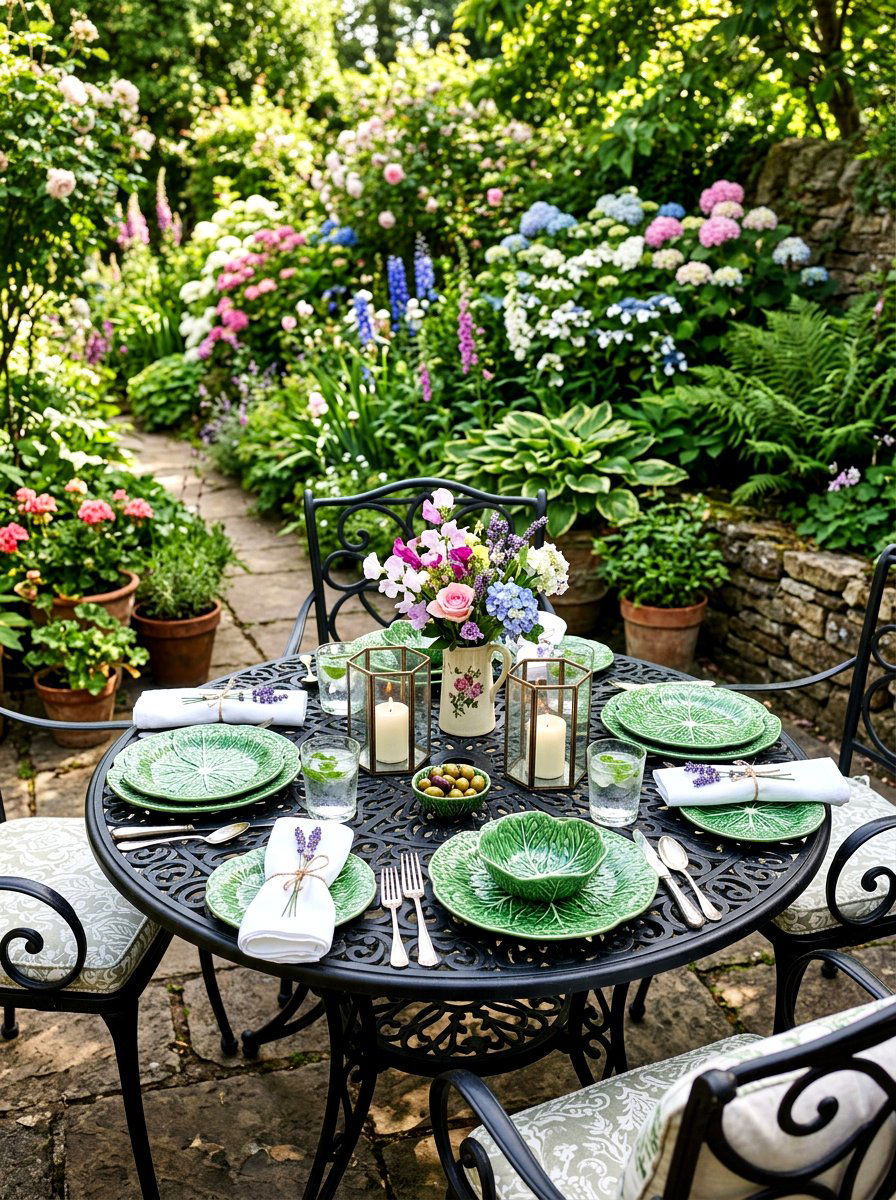
Creating a green dining room is one of the most effective ways to bring the revitalizing energy of the outdoors into your home. This versatile color family offers everything from the calming whisper of soft sage to the dramatic depth of moody forest tones. Whether you are aiming for a sophisticated formal space or a cheerful breakfast nook, green provides a natural backdrop that enhances every meal. Today, homeowners are moving away from stark neutrals in favor of these organic hues that promote relaxation and connection. In this guide, we will explore thirty unique ways to implement this trend, ensuring your dining area becomes a vibrant focal point that feels both timeless and incredibly fresh.
1. Dark Emerald Dining Room
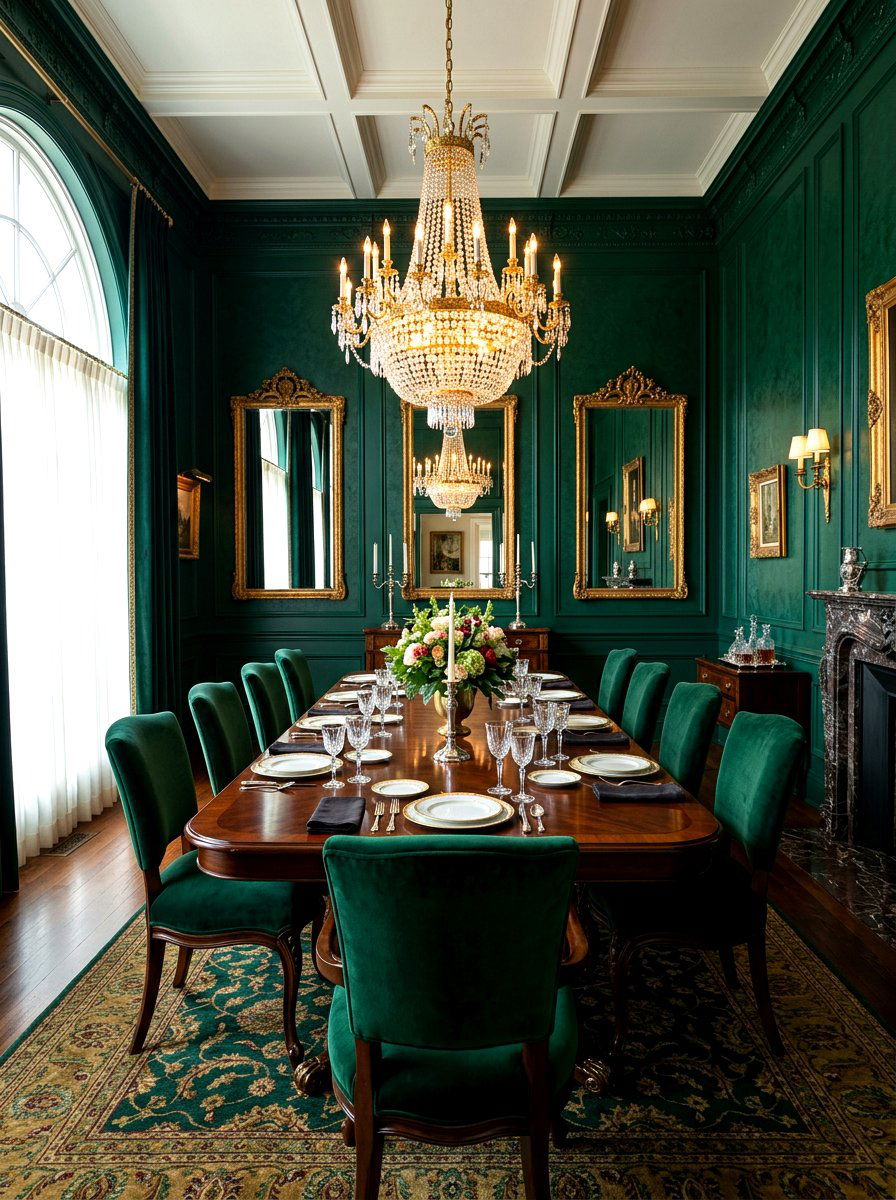
Choosing a dark emerald palette for your dining area creates an immediate sense of luxurious drama and intimate sophistication. This deep jewel tone works exceptionally well in rooms where you want to foster a cozy, cocoon-like atmosphere for long evening dinner parties. To prevent the space from feeling too heavy, you should pair these rich walls with reflective surfaces like gold-framed mirrors or a glass-topped table. Incorporating warm wood furniture will also provide a beautiful natural contrast that keeps the room feeling grounded. Lighting is crucial here; a large statement chandelier will cast a soft glow that makes the emerald paint shimmer beautifully during the night.
2. Sage Green Dining Room
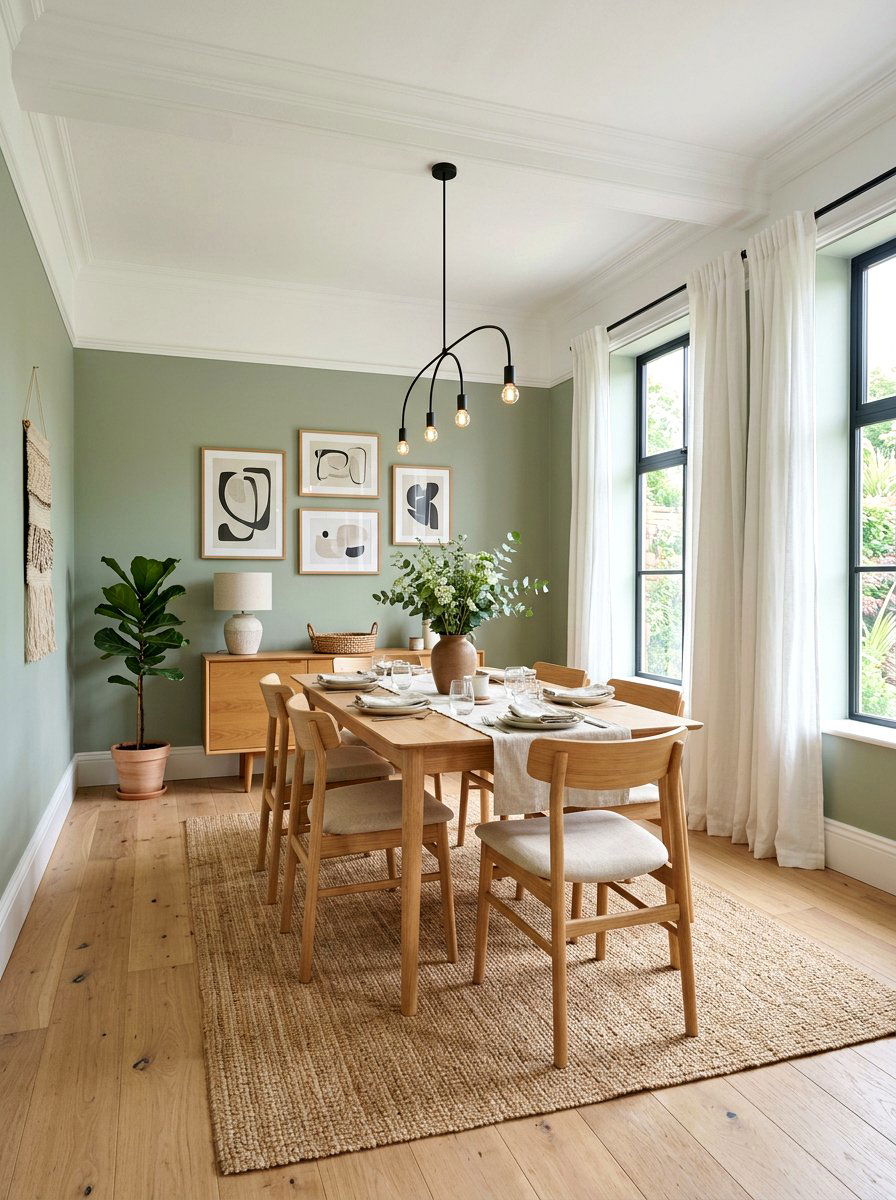
Sage green is widely considered the ultimate new neutral because of its soft gray undertones and incredibly calming presence. This shade is perfect for creating a peaceful dining environment that feels airy and light throughout the entire day. You can easily pair sage walls with light oak or bleached wood furniture to lean into a modern organic aesthetic. Adding linen curtains and woven placemats will enhance the tactile, natural feel of the space without overwhelming the senses. Because sage is so versatile, it works beautifully in both open-concept floor plans and smaller, more enclosed rooms. It creates a seamless transition between different areas of your home.
3. Olive Green Dining Room
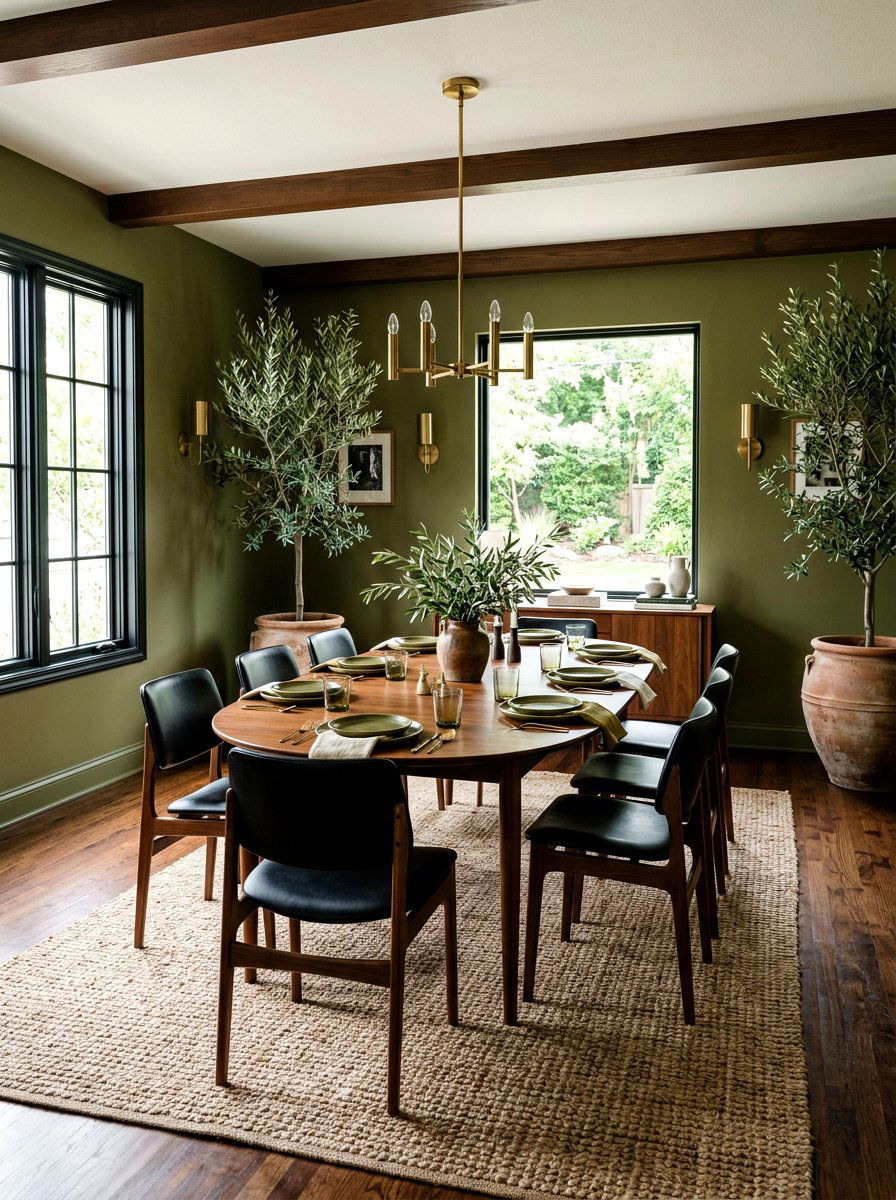
An olive green scheme brings a sophisticated, earthy warmth to your dining space that feels both vintage and contemporary. This complex color has yellow undertones that make it feel particularly inviting under warm evening light. It pairs beautifully with mid-century modern furniture, especially pieces made from walnut or teak. To add more depth, you can incorporate black metal accents through light fixtures or chair legs, which helps ground the organic tone. For a finished look, try adding large potted plants like a fiddle-leaf fig or an olive tree to emphasize the botanical connection. This color is ideal for those who want a space that feels lived-in.
4. Forest Green Dining Room
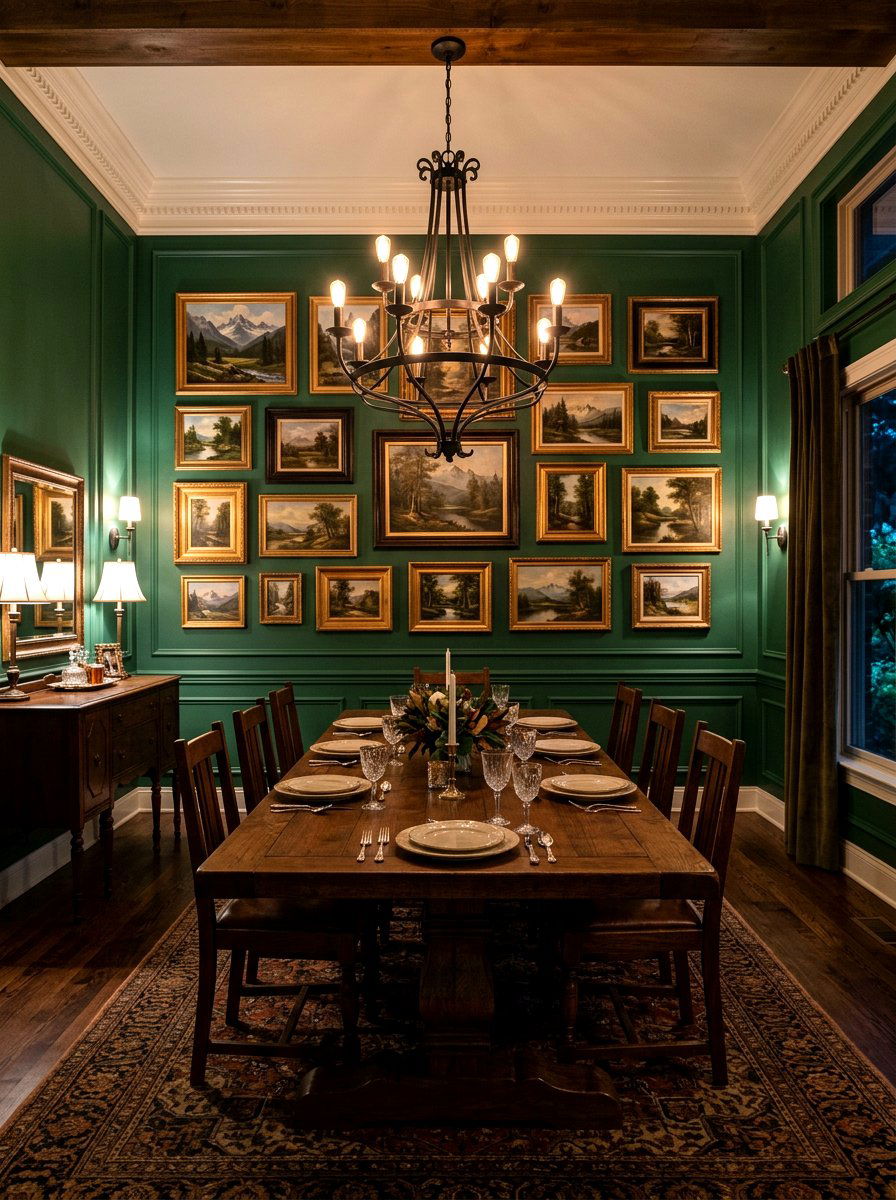
Forest green offers a deep, moody aesthetic that feels like a quiet walk through a dense woodland. This color is incredibly effective for creating a formal dining room that exudes a sense of history and quiet strength. You can lean into the traditional vibe by adding heavy wooden furniture and antique-inspired artwork. Alternatively, you can modernize the look with sleek, minimalist furniture in light tones to provide a striking visual contrast. Soft, layered lighting is essential to prevent the deep pigment from looking too flat or dark. Using different textures, like wool rugs and velvet upholstery, will add necessary dimension and warmth to the entire room.
5. Mint Green Dining Room
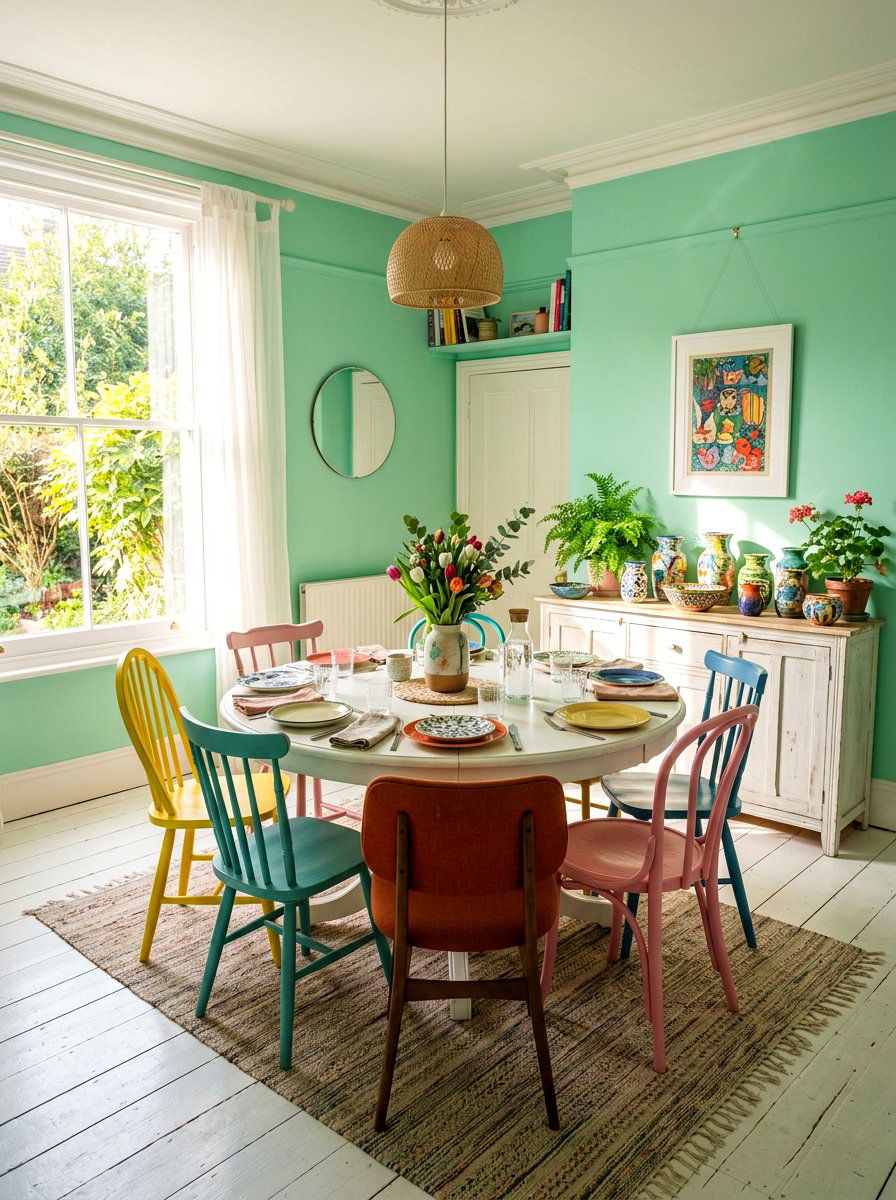
If you want your dining space to feel energetic and bright, mint green is a fantastic choice that brings a vintage charm. This cheerful hue is perfect for breakfast nooks or casual dining areas that receive plenty of natural sunlight. You can pair mint walls with crisp white trim and light-colored furniture to maintain a fresh, breezy atmosphere. To avoid a look that feels too sugary, try incorporating industrial elements like metal chairs or reclaimed wood accents. Mint green also looks stunning when paired with colorful artwork or vibrant seat cushions. It is a playful option that makes every meal feel like a special, sun-drenched morning event.
6. Lime Green Dining Room
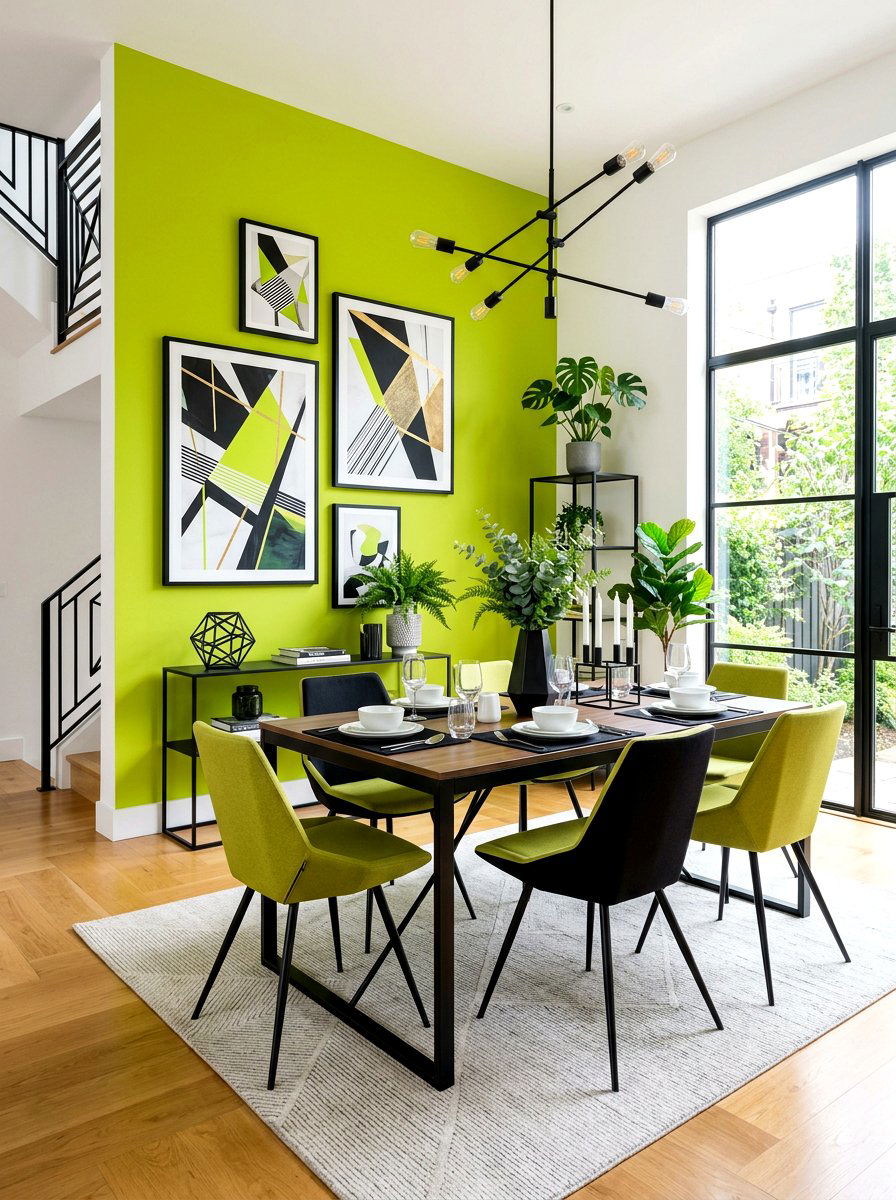
For the bold decorator, a lime green dining room serves as a high-energy statement that feels incredibly modern and eclectic. This citrus-inspired shade is perfect for those who want to create a space that sparks conversation and feels full of life. Because lime is so intense, it often works best when balanced with plenty of white or light gray to keep the energy manageable. You can use this color on a single wall or through vibrant upholstered chairs to create a focused pop of color. Pairing lime with contemporary, geometric furniture and abstract art will complete the avant-garde look. It is a daring choice that brings undeniable personality.
7. Hunter Green Dining Room
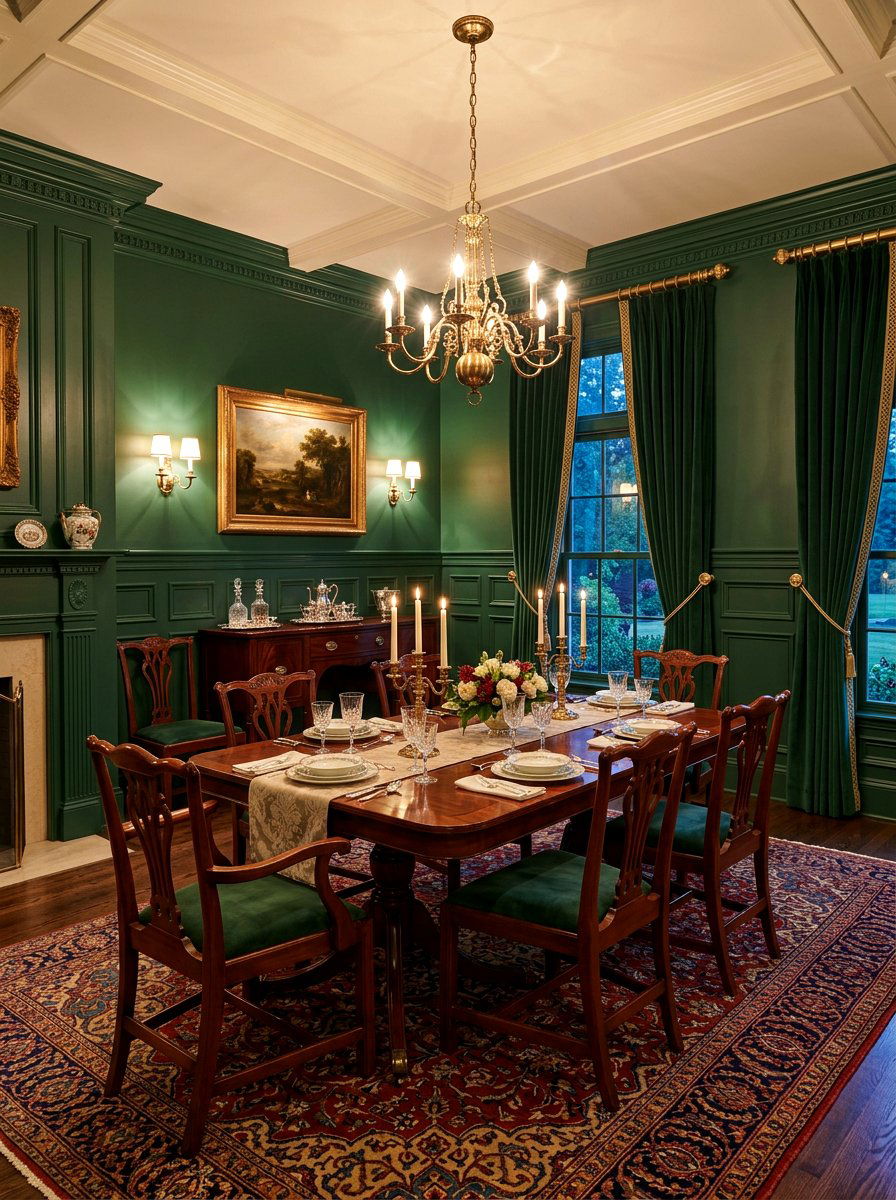
Hunter green is a classic choice that brings a sense of traditional elegance and cozy heritage to any dining space. This particular shade of green has a slightly more blue undertone than forest green, making it feel very regal and stable. It looks spectacular when paired with traditional wainscoting and classic architectural details like crown molding. To keep the room from feeling too dated, you can introduce modern lighting fixtures and contemporary artwork. Warm metallics, such as copper or antique brass, will make the hunter green pop and add a layer of refined warmth. This color creates a perfect backdrop for holiday gatherings and family traditions.
8. Teal Green Dining Room
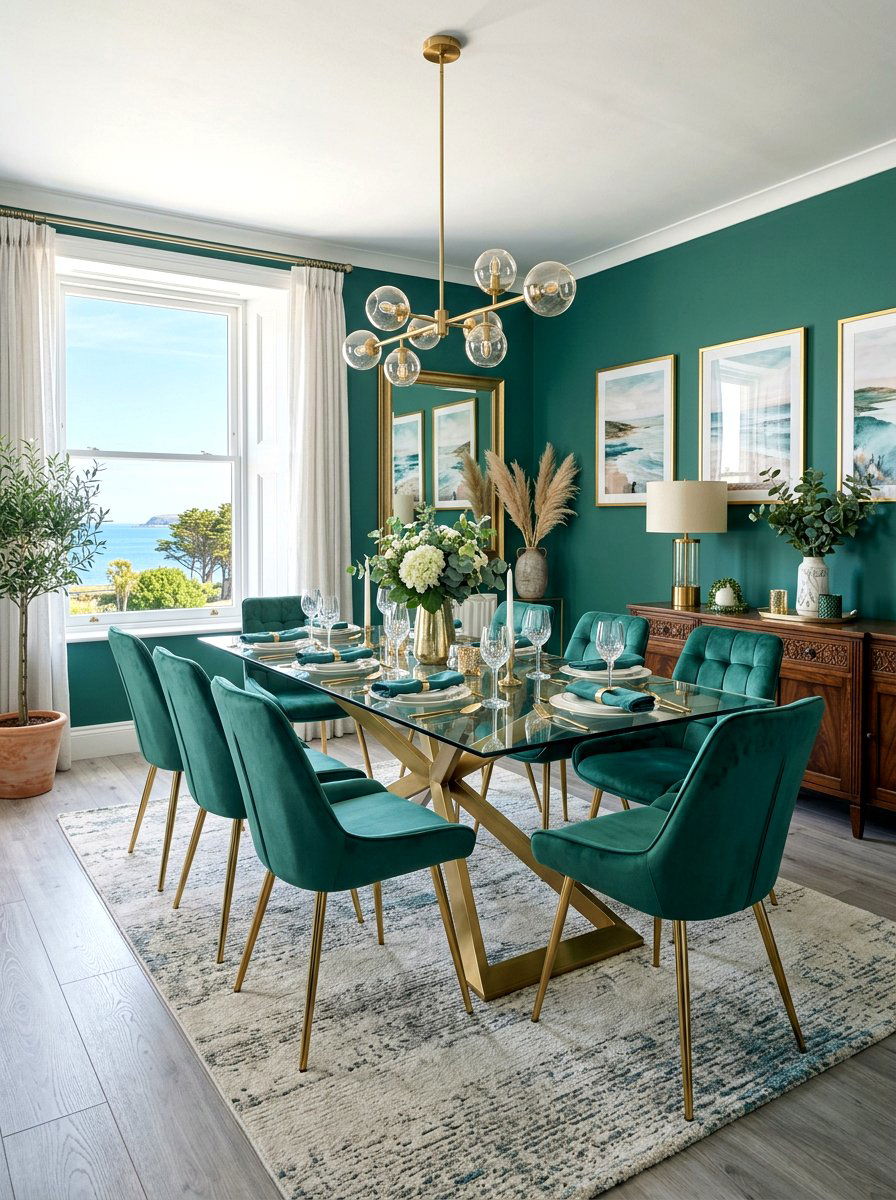
Teal green is a sophisticated blend of blue and green that offers a unique, sea-inspired depth to your dining area. This color is highly adaptable and can lean either modern or traditional depending on how you style the surrounding furniture. It works exceptionally well with light-colored flooring and white ceilings to keep the room feeling spacious and open. You can add interest by incorporating different shades of teal through textiles like rugs and table runners. Brass hardware and gold accents are the perfect companions for teal, as they bring out the hidden warmth within the pigment. This shade provides a refreshing and upscale vibe for any home.
9. Green Paneling Dining Room
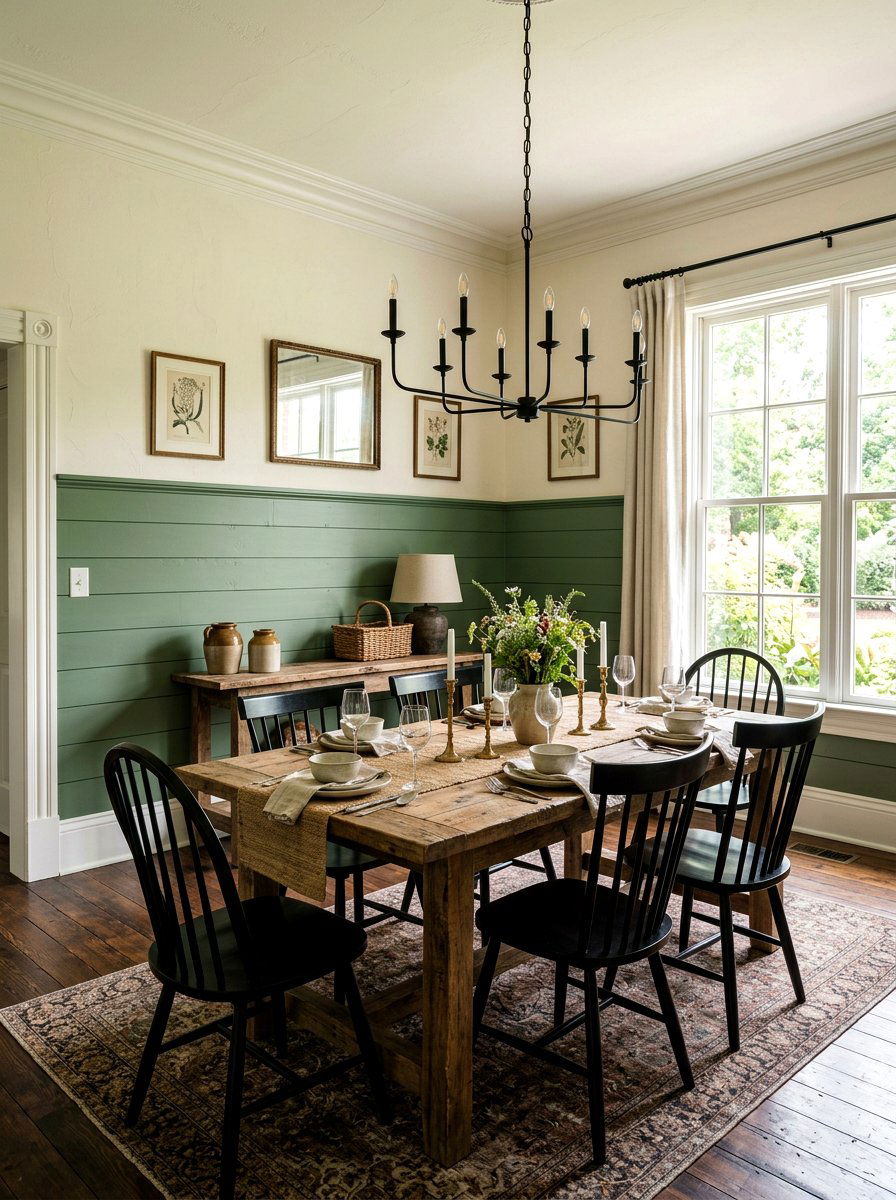
Adding green paneling is a wonderful way to introduce architectural interest and a sense of history to your dining room. Whether you choose traditional wainscoting or modern slat panels, painting them a rich green adds instant character to flat walls. This technique allows you to use a darker green on the bottom half of the wall while keeping the top half neutral. It creates a balanced look that feels structured and intentional. You can choose a matte finish for a modern, velvety appearance or a satin finish to highlight the detail of the woodwork. Paneling turns the walls themselves into a beautiful, decorative feature of the space.
10. Green Wallpaper Dining Room
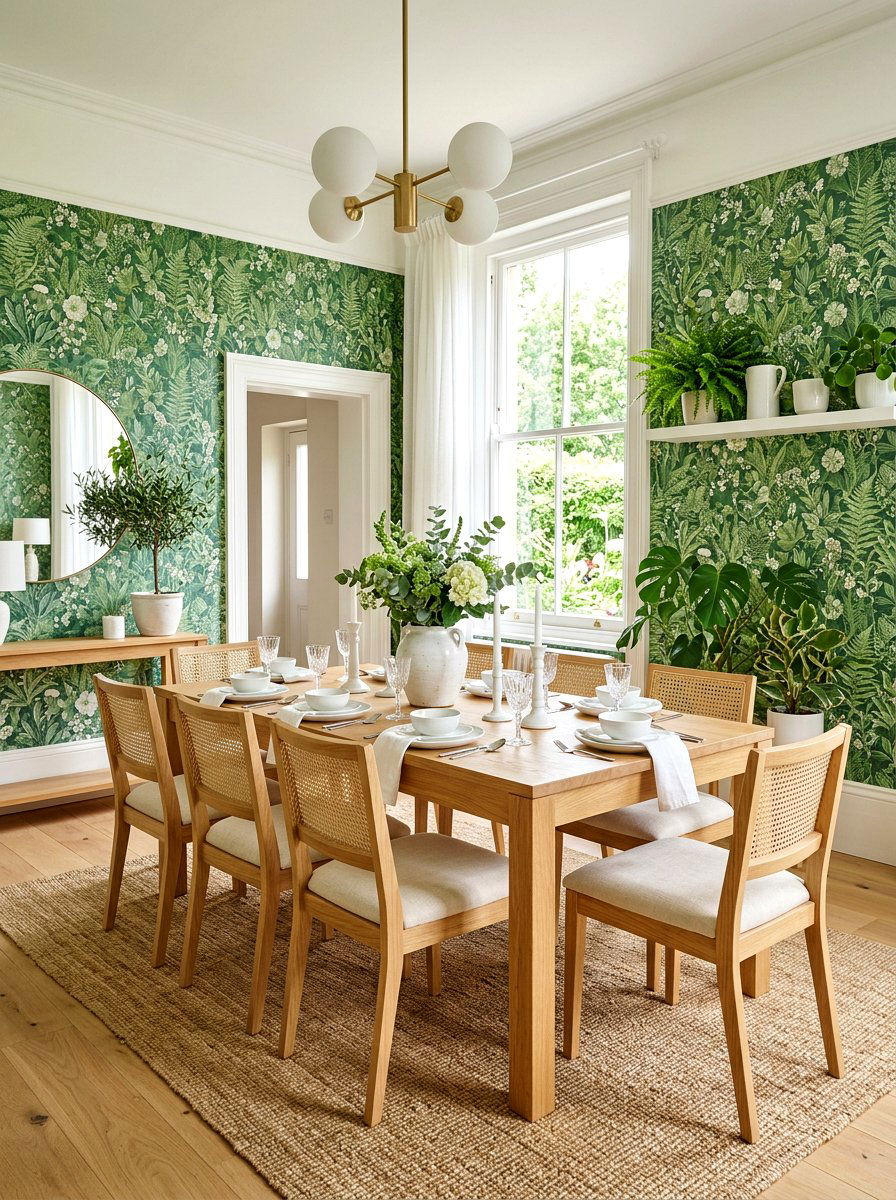
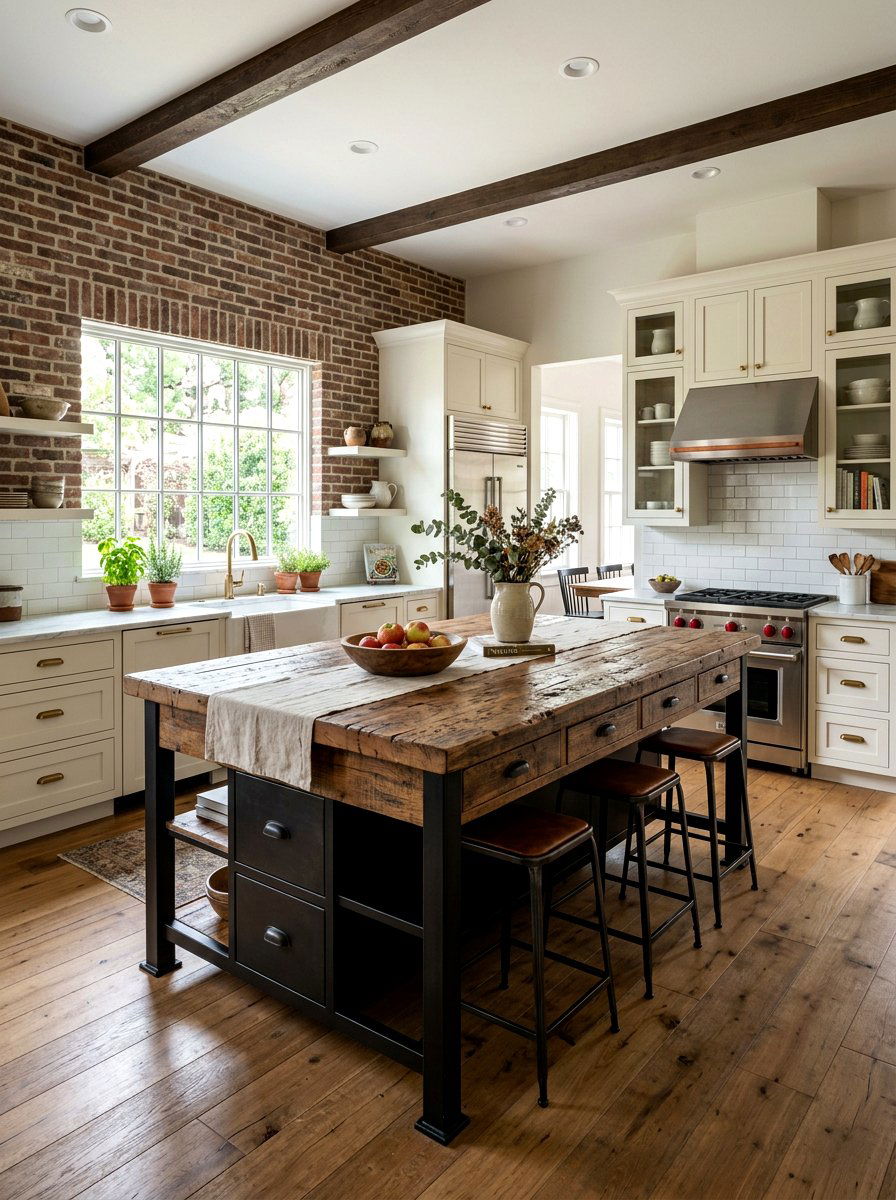
Green wallpaper offers an easy way to introduce pattern, texture, and multiple shades of green into your dining room design. From delicate floral prints to bold geometric patterns, the options are endless for creating a customized and unique look. A botanical-themed wallpaper can make your dining area feel like an indoor garden, promoting a serene and natural atmosphere. If you are hesitant about wallpapering the whole room, consider using it on a single feature wall or above some chair-rail molding. Wallpaper adds a layer of sophistication that paint alone often cannot achieve. It provides a tactile quality that makes the entire room feel more finished and curated.
11. Green Velvet Dining Chairs
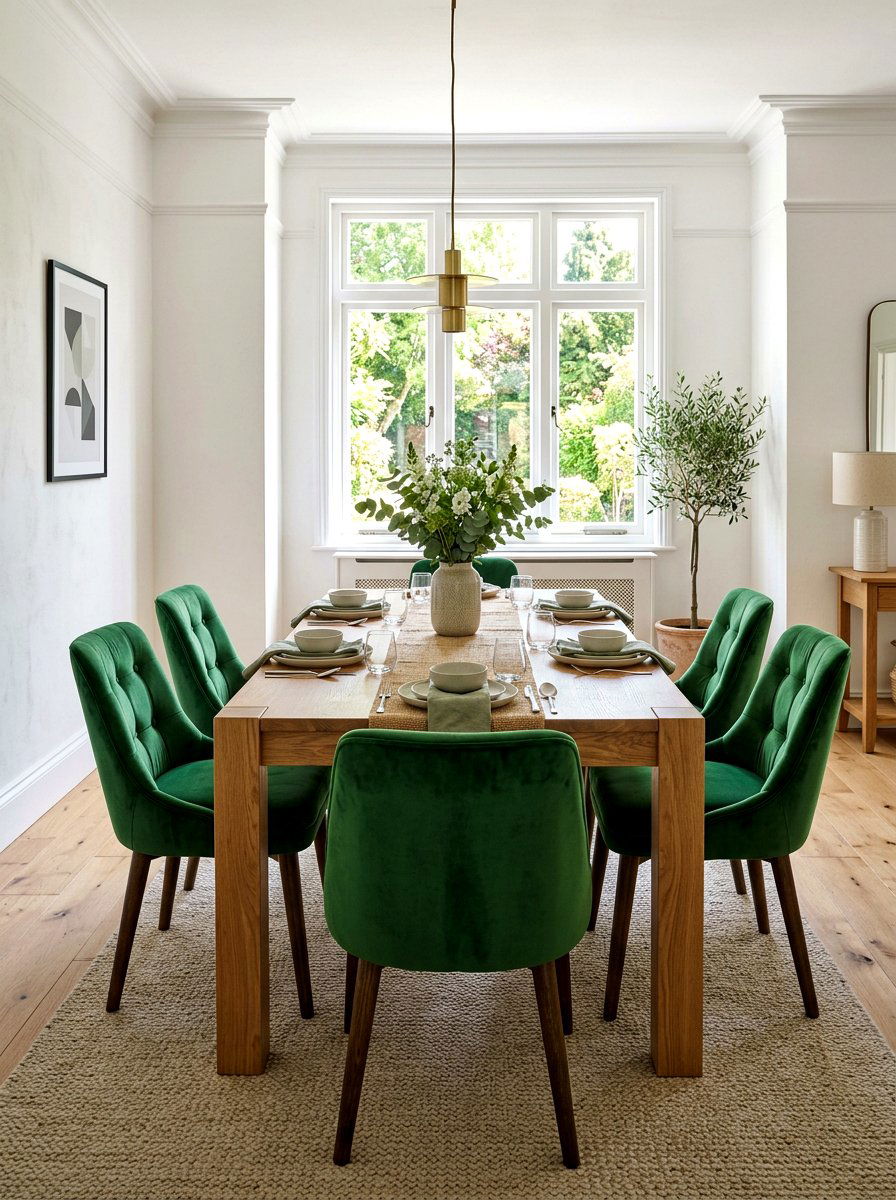
Incorporating green velvet dining chairs is a brilliant way to add a touch of luxury and comfort without repainting the walls. The soft, shimmering texture of velvet catches the light beautifully and adds a sophisticated depth to the seating arrangement. You can choose a deep emerald for a dramatic look or a soft sage for something more understated and modern. These chairs act as a focal point that anchors the dining table and ties the entire room’s color scheme together. Velvet is surprisingly durable and adds a cozy, inviting feel that encourages guests to linger long after the meal is finished. It is a simple yet impactful update.
12. Green And Gold Dining Room
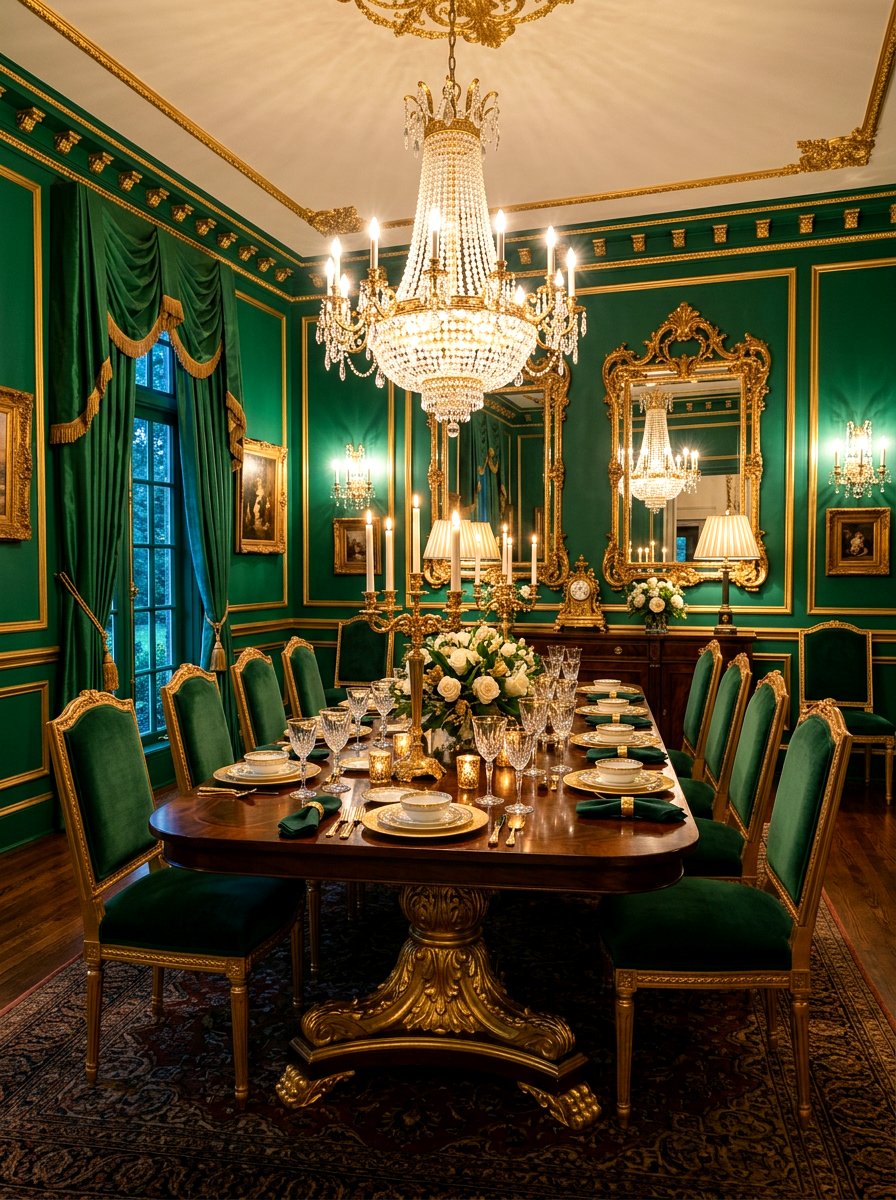
The combination of green and gold is a timeless pairing that exudes opulence and high-end design in a dining space. Whether you use a deep forest green or a muted olive, gold accents provide a warm, reflective contrast that elevates the color. You can incorporate gold through pendant lights, picture frames, or even the hardware on a green sideboard. This duo works particularly well in formal dining rooms intended for entertaining and special occasions. To keep the look modern, try using brushed or matte gold finishes rather than high-shine polished metals. This pairing ensures your dining room feels regal, warm, and curated by a professional eye.
13. Green And White Dining Room
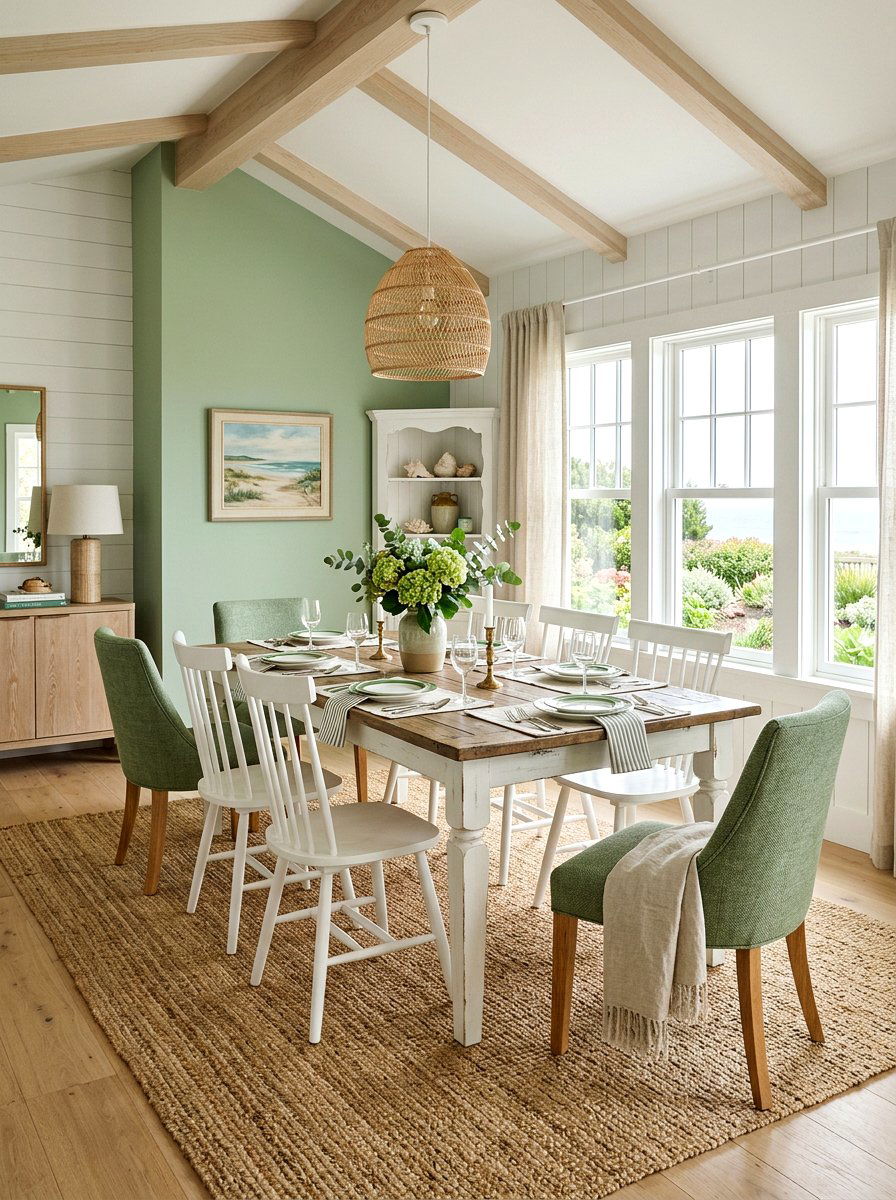
For a look that is eternally fresh and clean, a green and white dining room is an unbeatable choice. This high-contrast pairing allows the green to take center stage while the white keeps the space feeling bright and expansive. You can achieve this by painting the walls green and using white furniture, or by keeping the walls white and adding green accents. This color scheme is perfect for farmhouse or coastal-inspired homes where a breezy, natural vibe is desired. Adding natural textures like wood and jute will help soften the contrast. It is a versatile palette that works in any lighting and always feels incredibly welcoming.
14. Green And Pink Dining Room
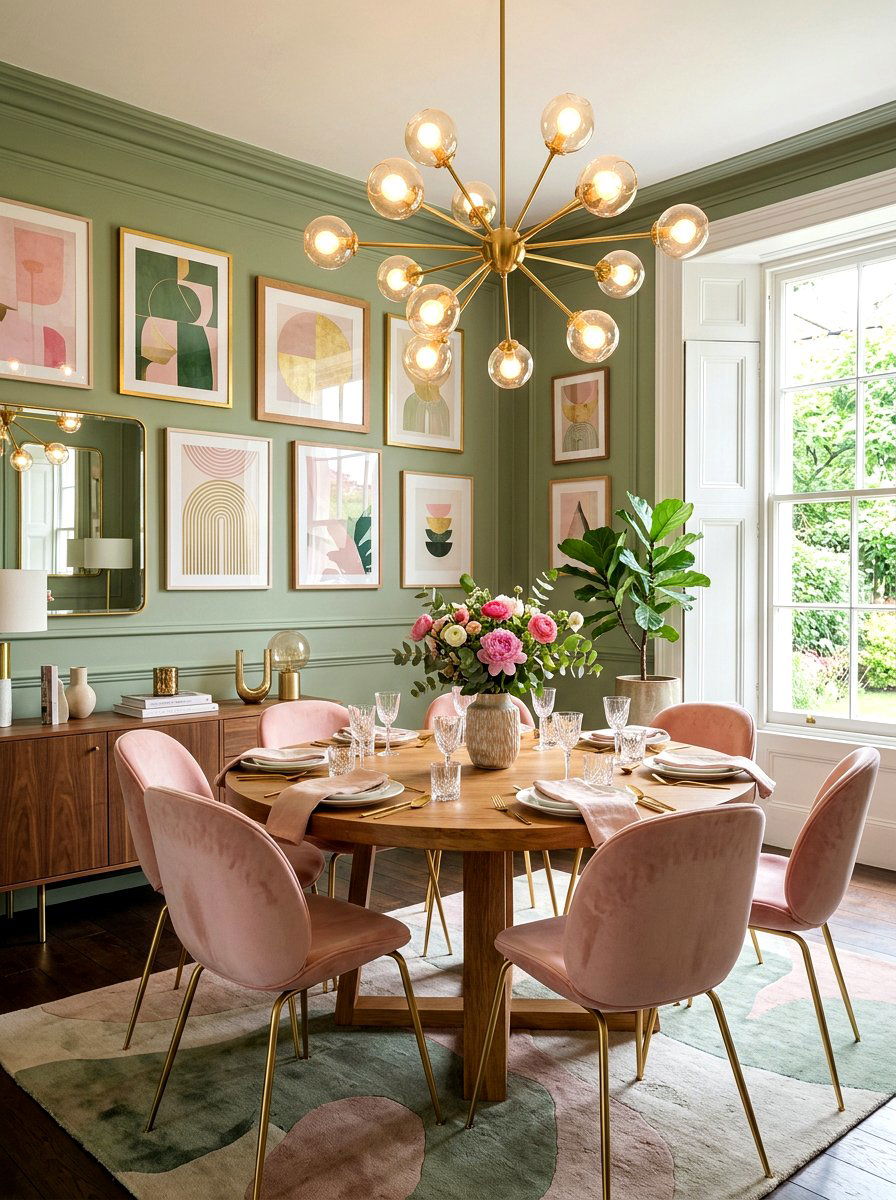
A green and pink dining room is a sophisticated and slightly unexpected color combination that brings a playful, chic energy. Often referred to as "complementary colors, " these two hues balance each other perfectly, with green providing a grounded base for soft pink accents. You might pair sage green walls with blush pink velvet chairs or a pink floral centerpiece. This palette feels modern and artistic, making it ideal for those who enjoy a more eclectic and feminine design aesthetic. To keep it grounded, add some dark wood or black metal elements. It is a fresh take on dining room decor that feels both trendy and surprisingly timeless.
15. Green And Black Dining Room
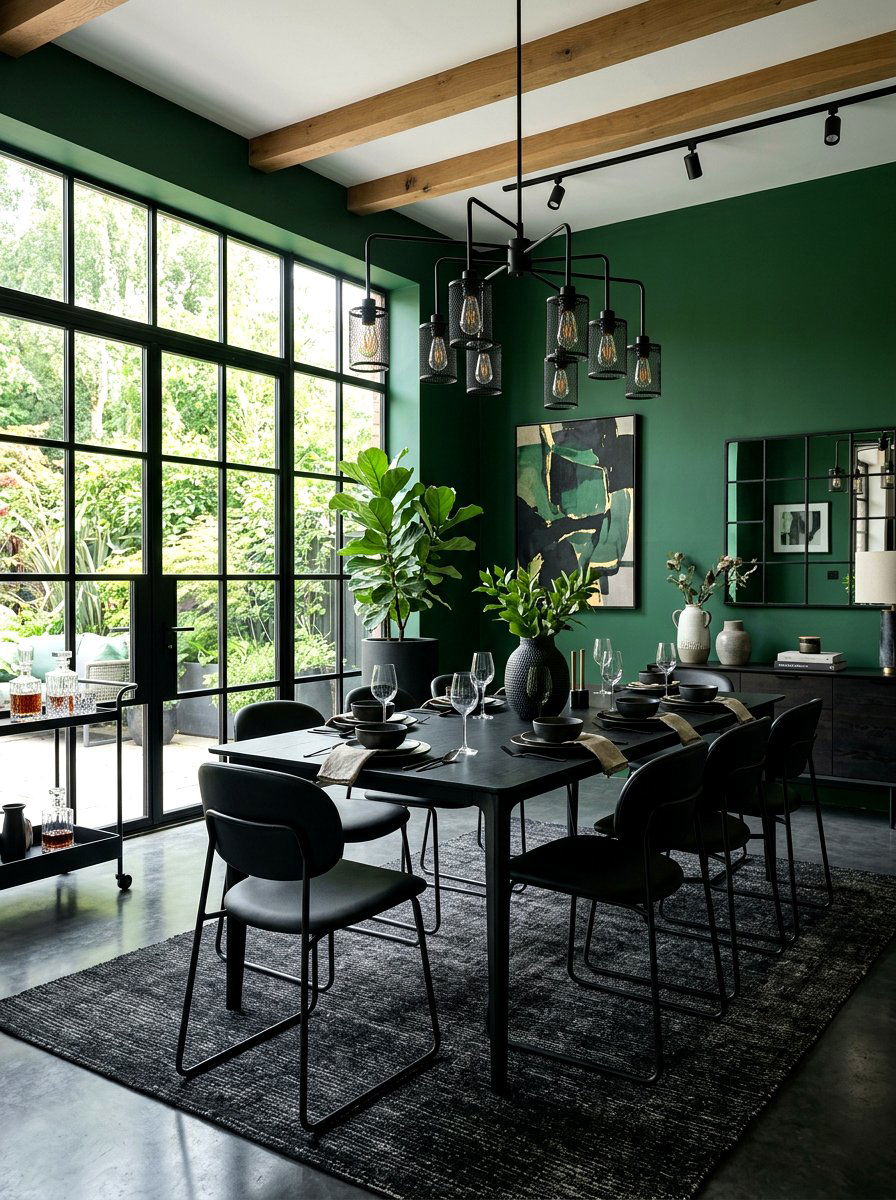
If you are looking for a bold, modern, and slightly edgy aesthetic, a green and black dining room is perfect. Pairing a deep hunter or forest green with matte black accents creates a high-contrast look that is incredibly sophisticated. You can use black for the dining table, light fixtures, or window frames to provide a sharp, graphic quality against green walls. This combination feels very contemporary and works well in urban apartments or modern homes with clean lines. To prevent the room from feeling too dark, ensure you have plenty of natural light or a well-planned layered lighting scheme to highlight the different textures.
16. Modern Green Dining Room
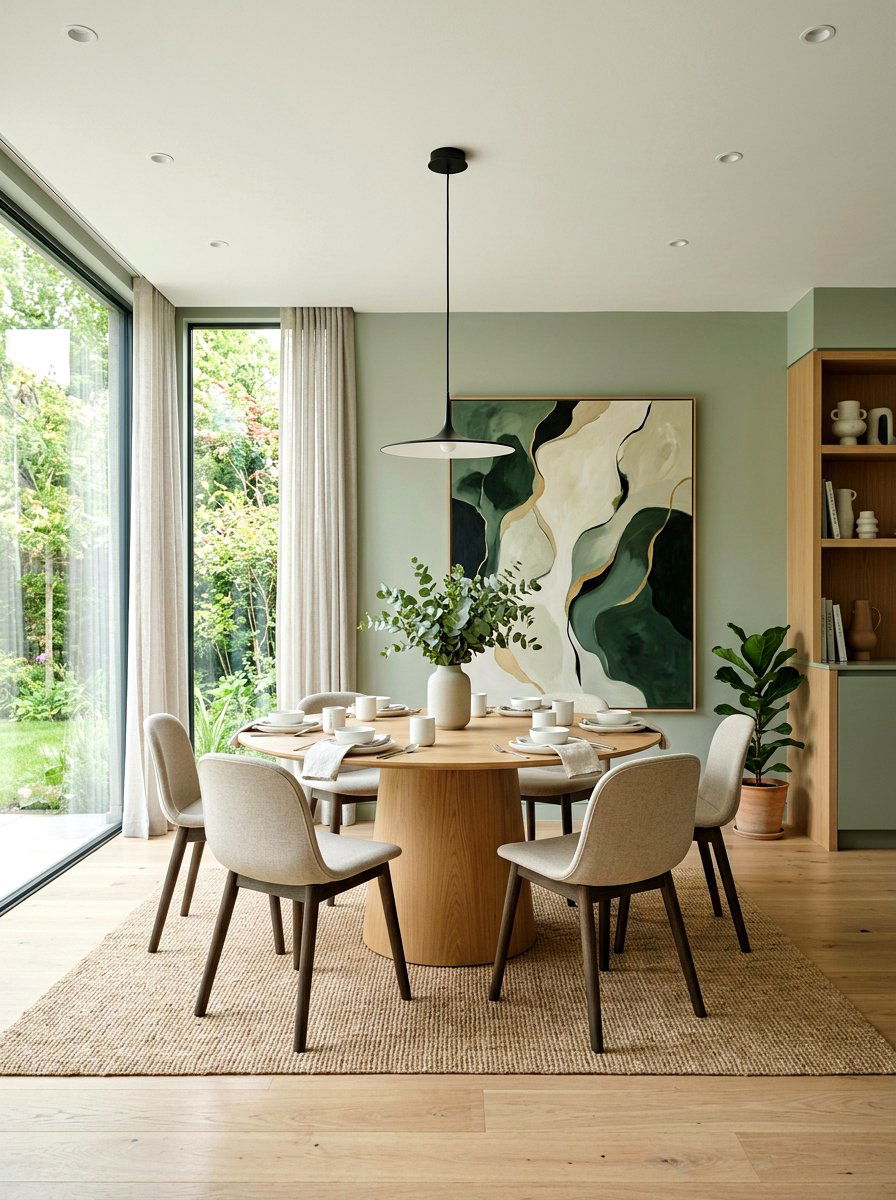
A modern green dining room focuses on clean lines, minimalist furniture, and a thoughtful application of color to create a sleek space. Instead of traditional clutter, this style uses a bold shade of green, like olive or muted eucalyptus, as the primary design element. You can pair these walls with a simple pedestal table and streamlined chairs in neutral tones like gray or beige. Large-scale abstract art and architectural lighting fixtures further enhance the modern feel of the room. This approach is all about quality over quantity, allowing the beauty of the green pigment to speak for itself. It creates a space that feels calm, organized, and very current.
17. Farmhouse Green Dining Room
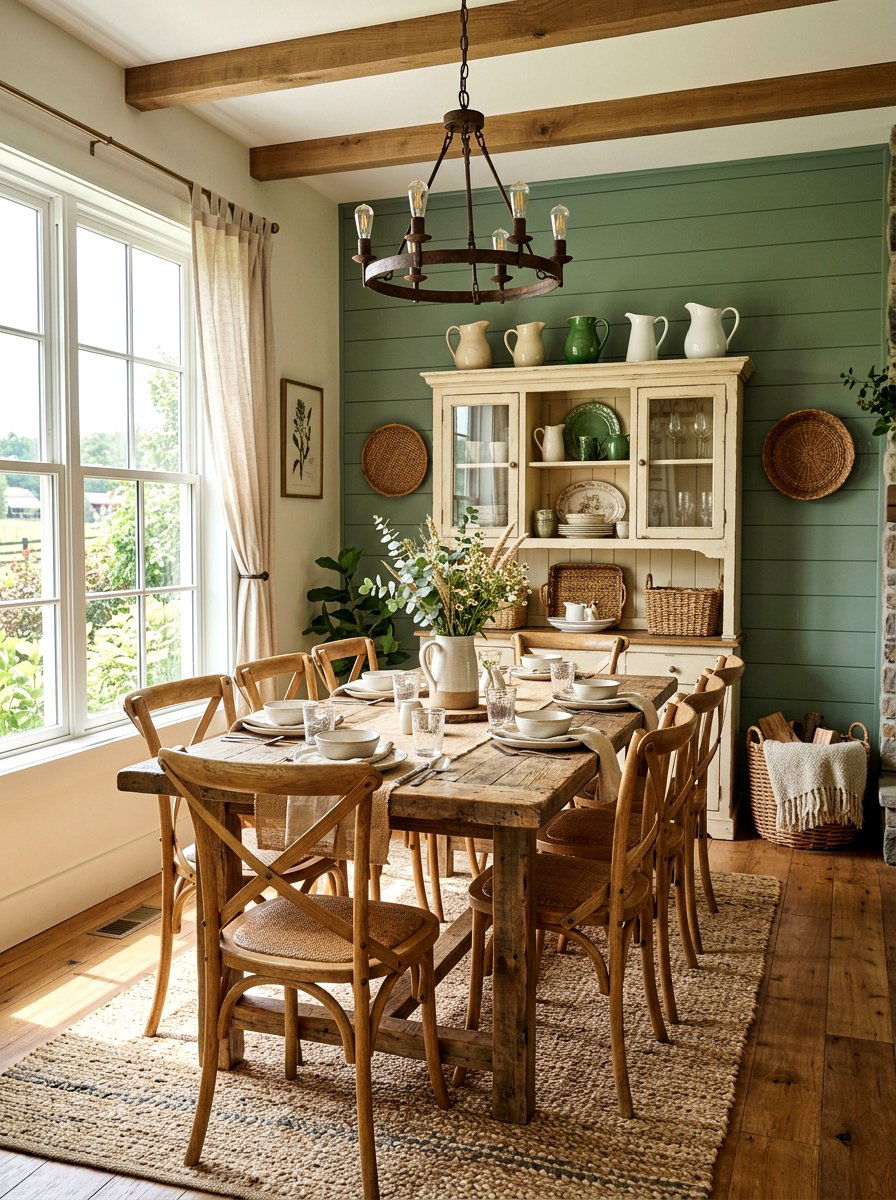
Bringing a touch of green to a farmhouse dining room adds a beautiful, organic layer to the traditional rustic aesthetic. Sage green or a dusty, muted mint are popular choices for this style as they pair perfectly with reclaimed wood. You can use green on a shiplap accent wall or even on a vintage-style hutch to create a charming focal point. Adding woven baskets, linen textiles, and simple ceramic pitchers will complete the cozy, lived-in feel. This style is all about comfort and heritage, and green provides the perfect link to the natural landscape. It makes the heart of the home feel even more grounded and peaceful.
18. Victorian Green Dining Room
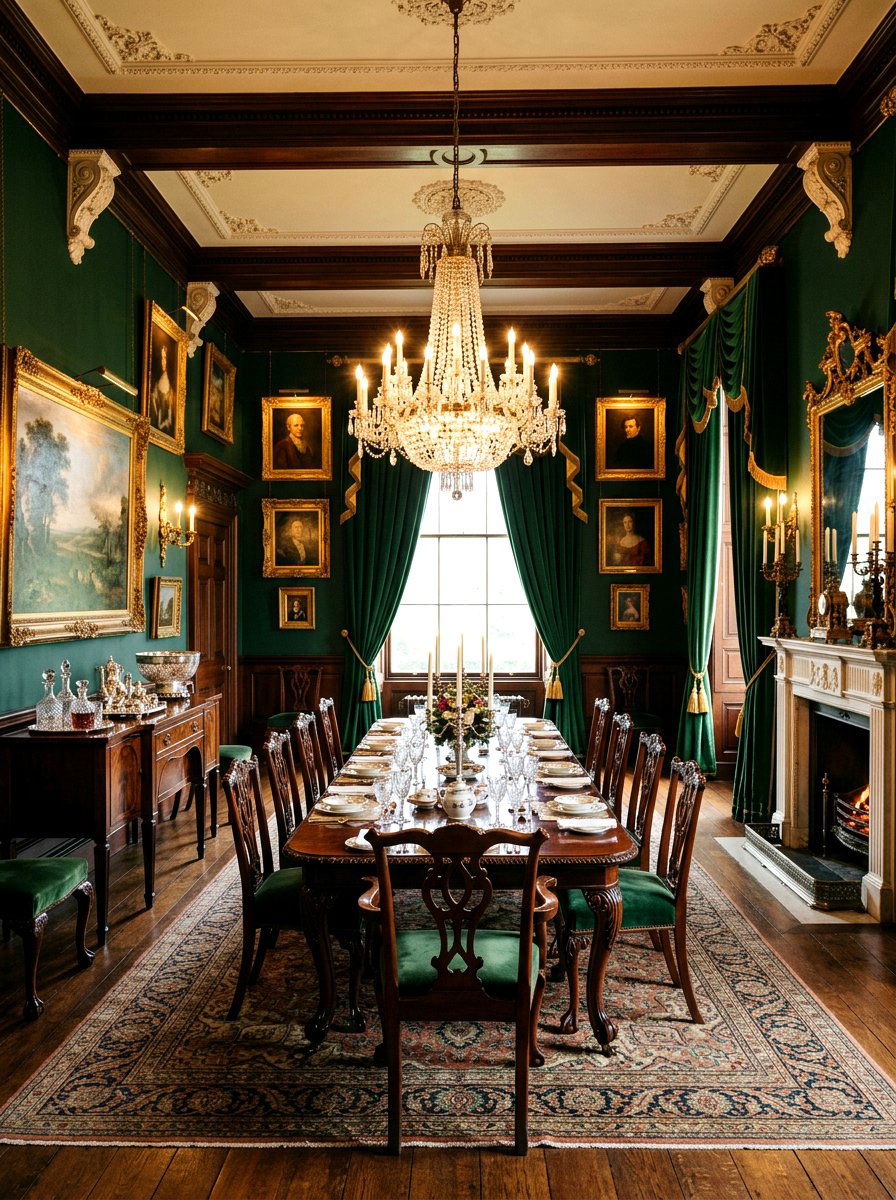
A Victorian-inspired dining room often uses deep, saturated greens like bottle green or dark malachite to create a sense of historic grandeur. This look is all about richness and detail, featuring ornate woodwork, heavy drapes, and intricate patterned rugs. You can enhance the Victorian feel by adding gold-leaf frames and a large, crystal chandelier that sparkles against the dark walls. Green was a very popular color during this era, symbolizing wealth and a connection to the conservatory. Pairing these deep tones with mahogany or cherry wood furniture creates a formal, high-drama space. It is a wonderful choice for those who love traditional, maximalist interior design.
19. Minimalist Green Dining Room
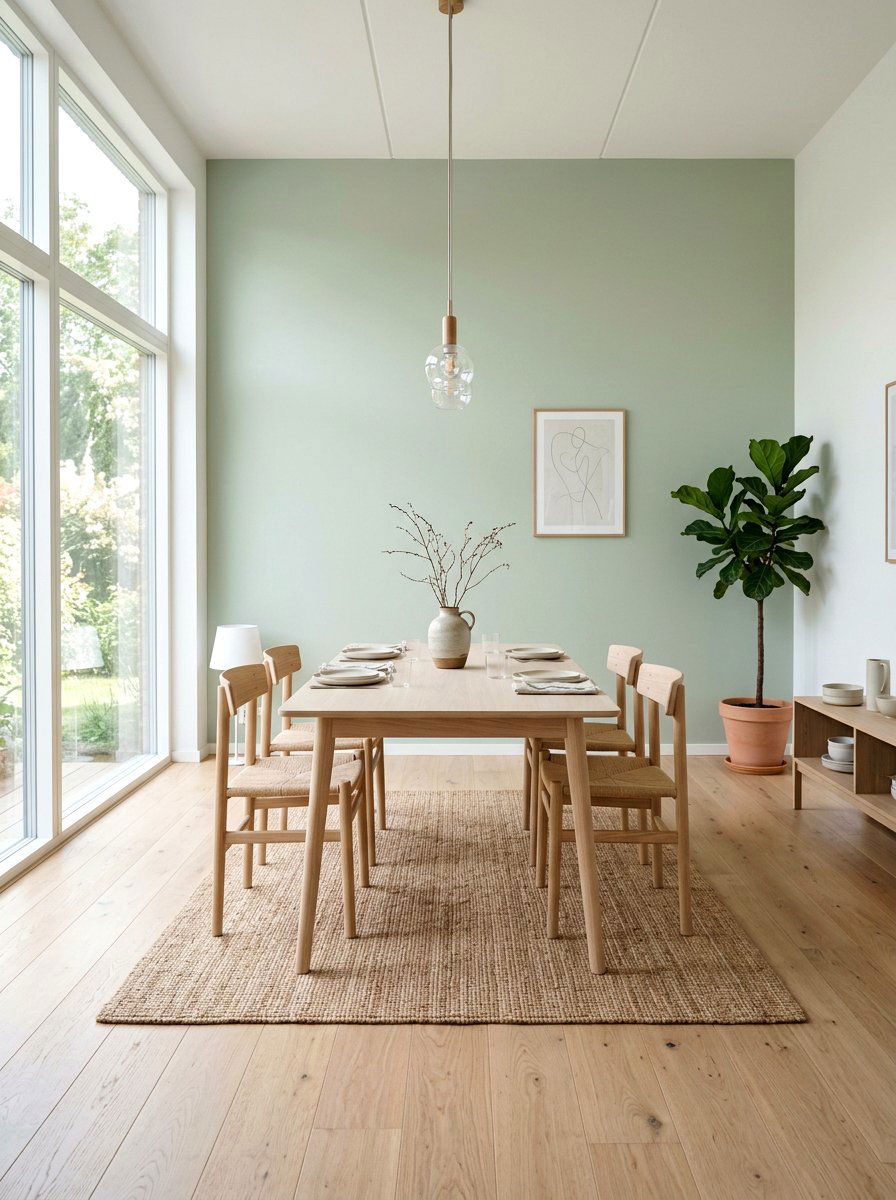
A minimalist green dining room proves that you can use color while still maintaining a clutter-free and serene environment. In this style, a single shade of green — usually a pale or earthy tone — is applied across the walls to create a cohesive backdrop. Furniture is kept simple and functional, with plenty of open space to allow the room to breathe. You might choose a light ash wood table and chairs with thin silhouettes to keep the visual weight low. A single piece of greenery or a simple ceramic vase serves as the only decor. This approach creates a meditative space where the focus is entirely on the meal and conversation.
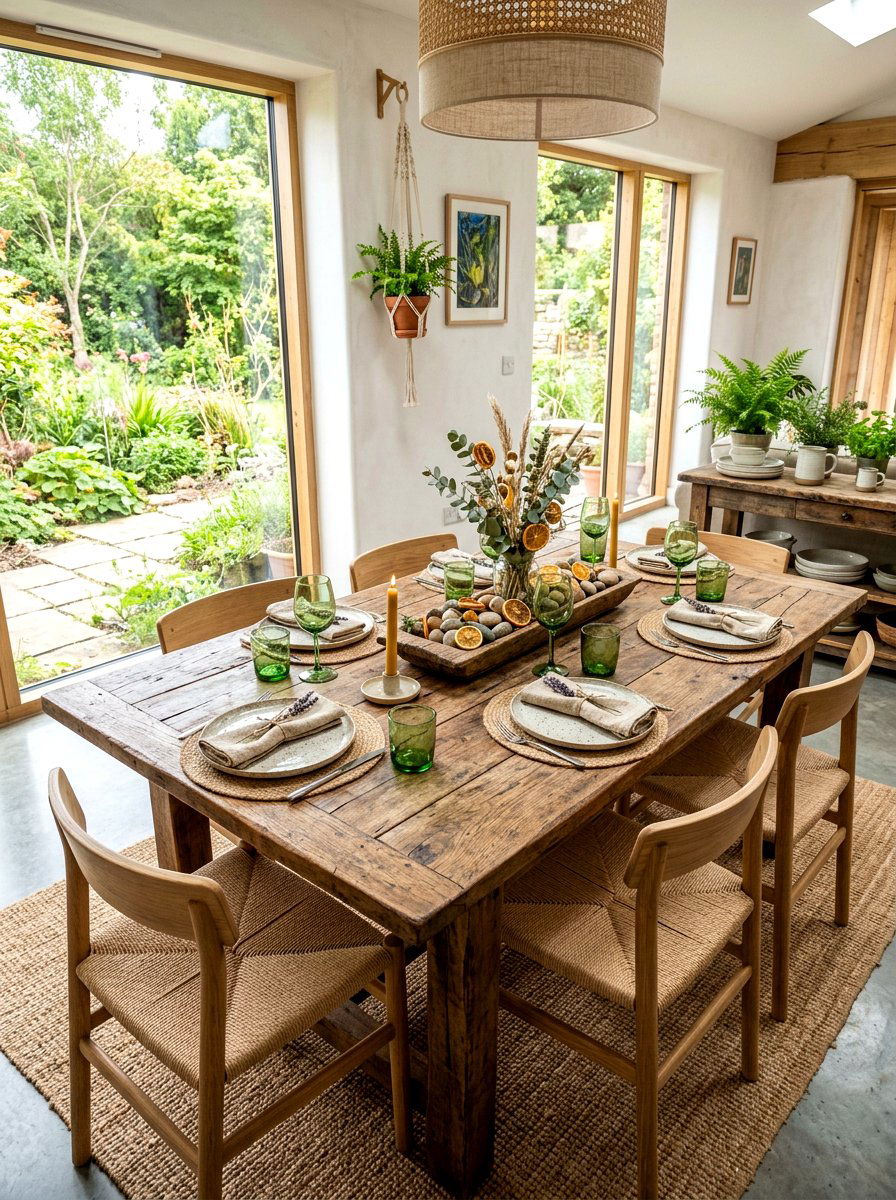
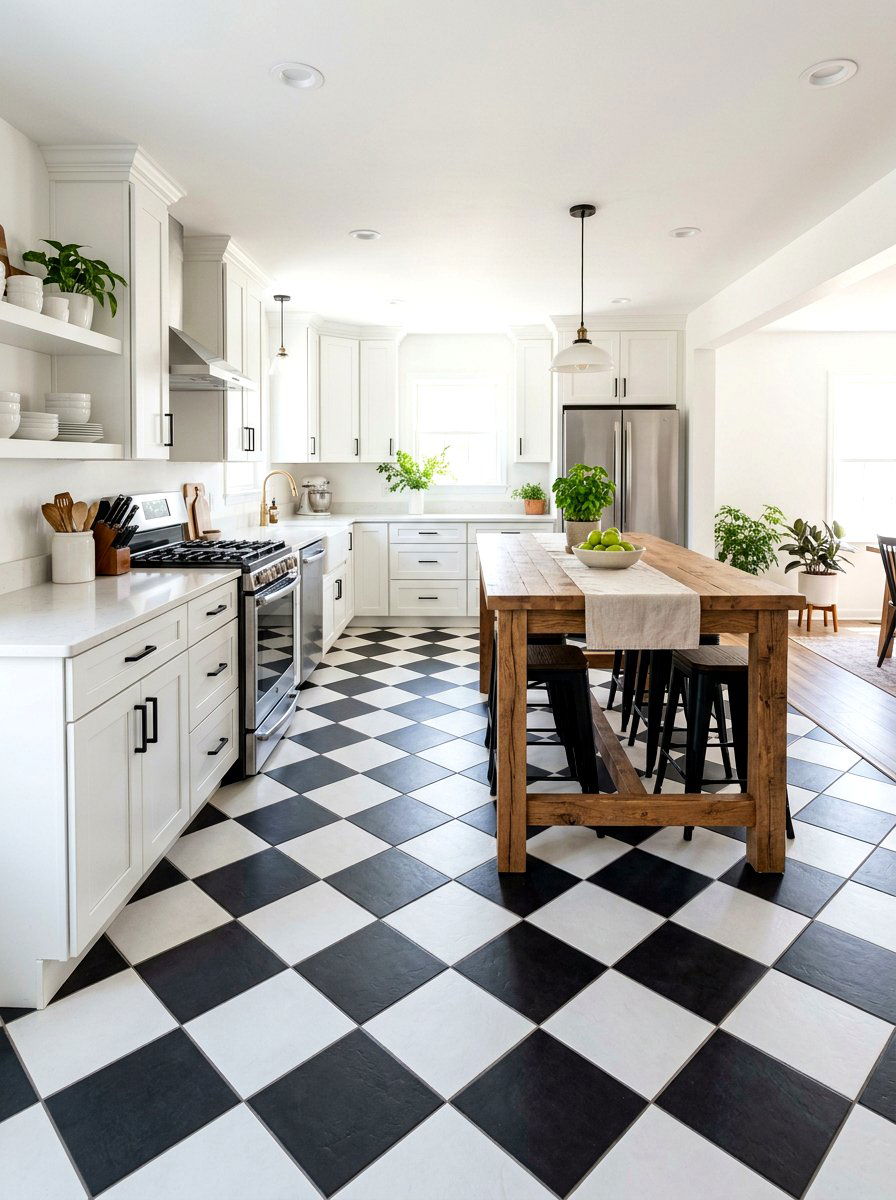
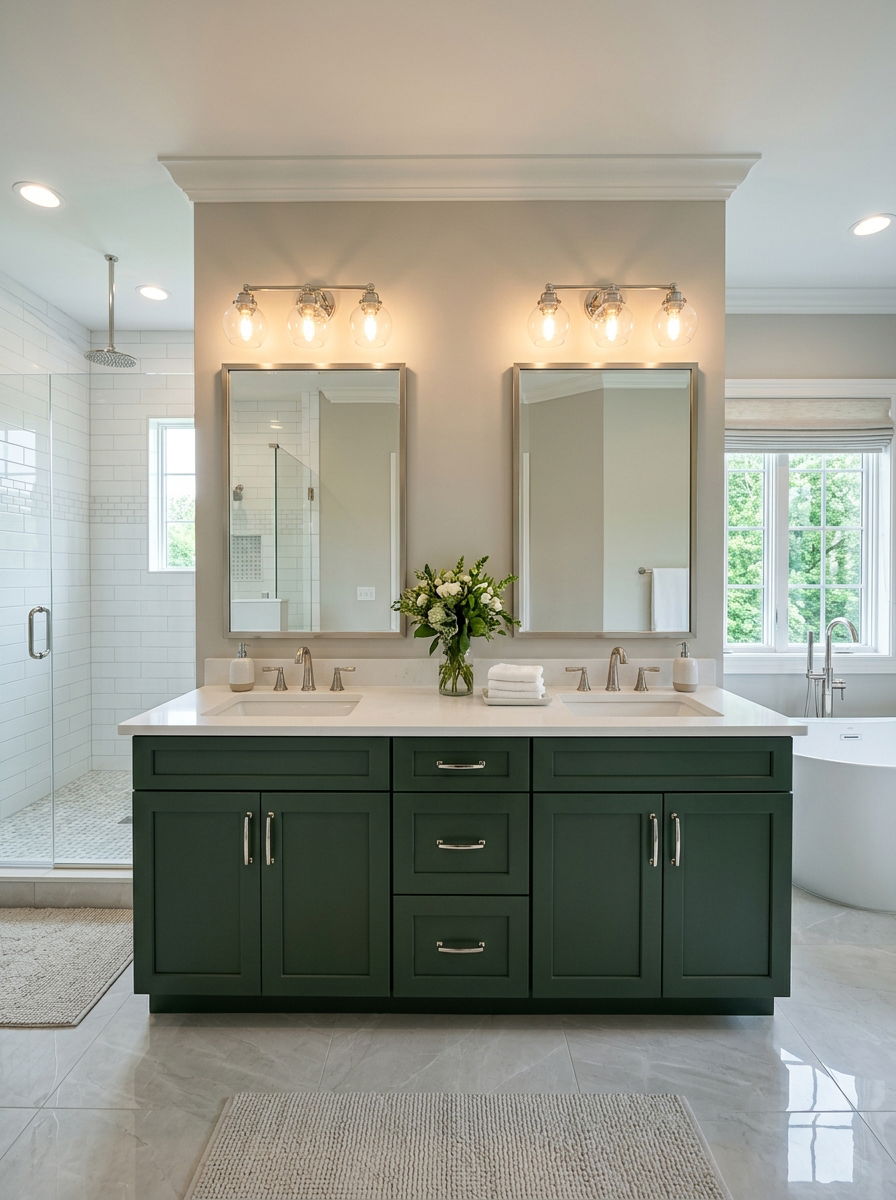
20. Bohemian Green Dining Room
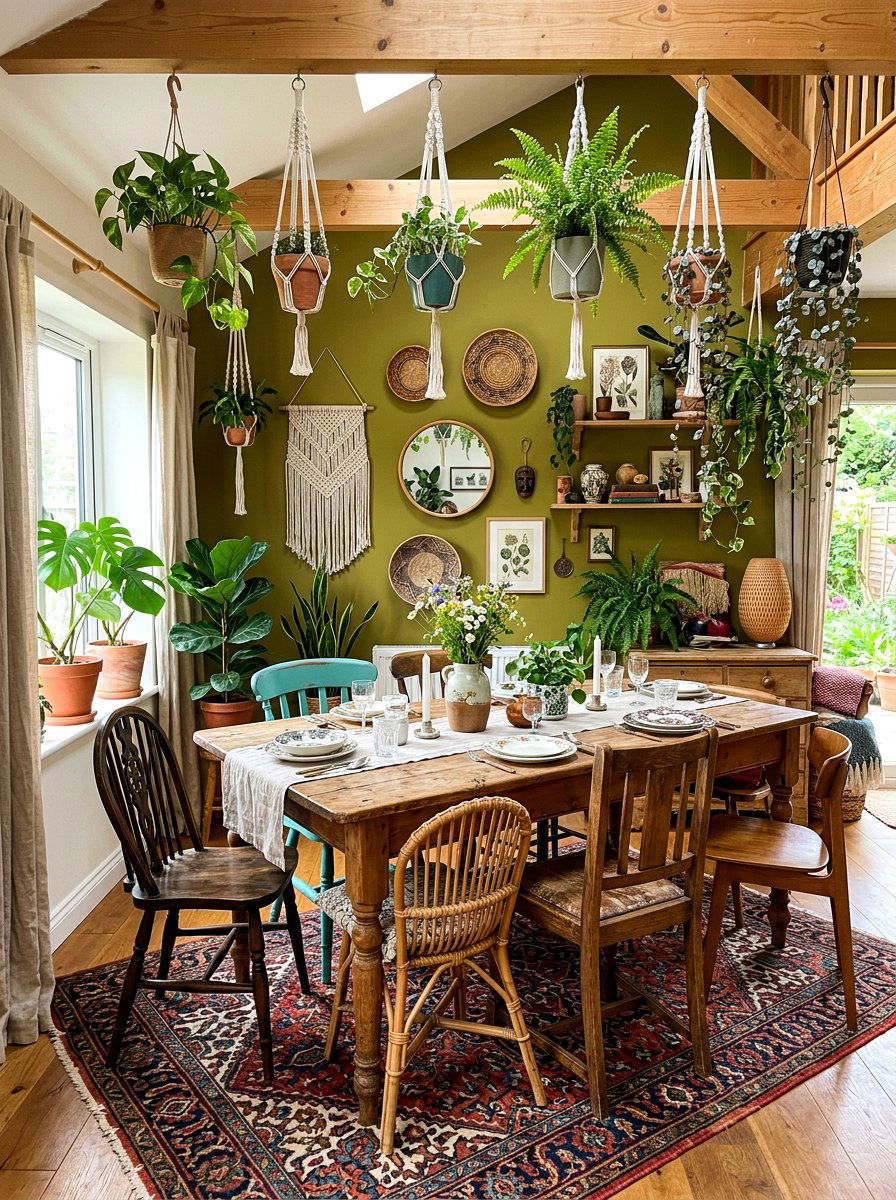
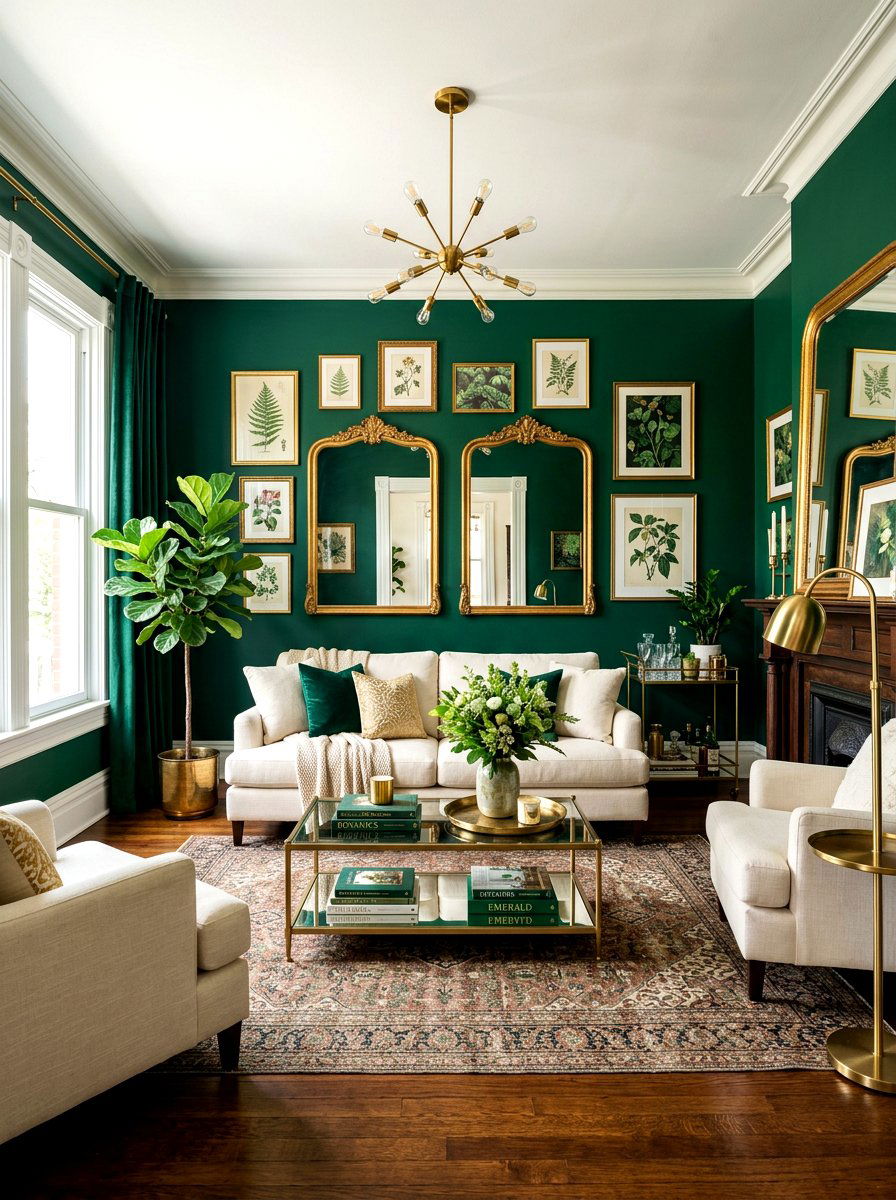
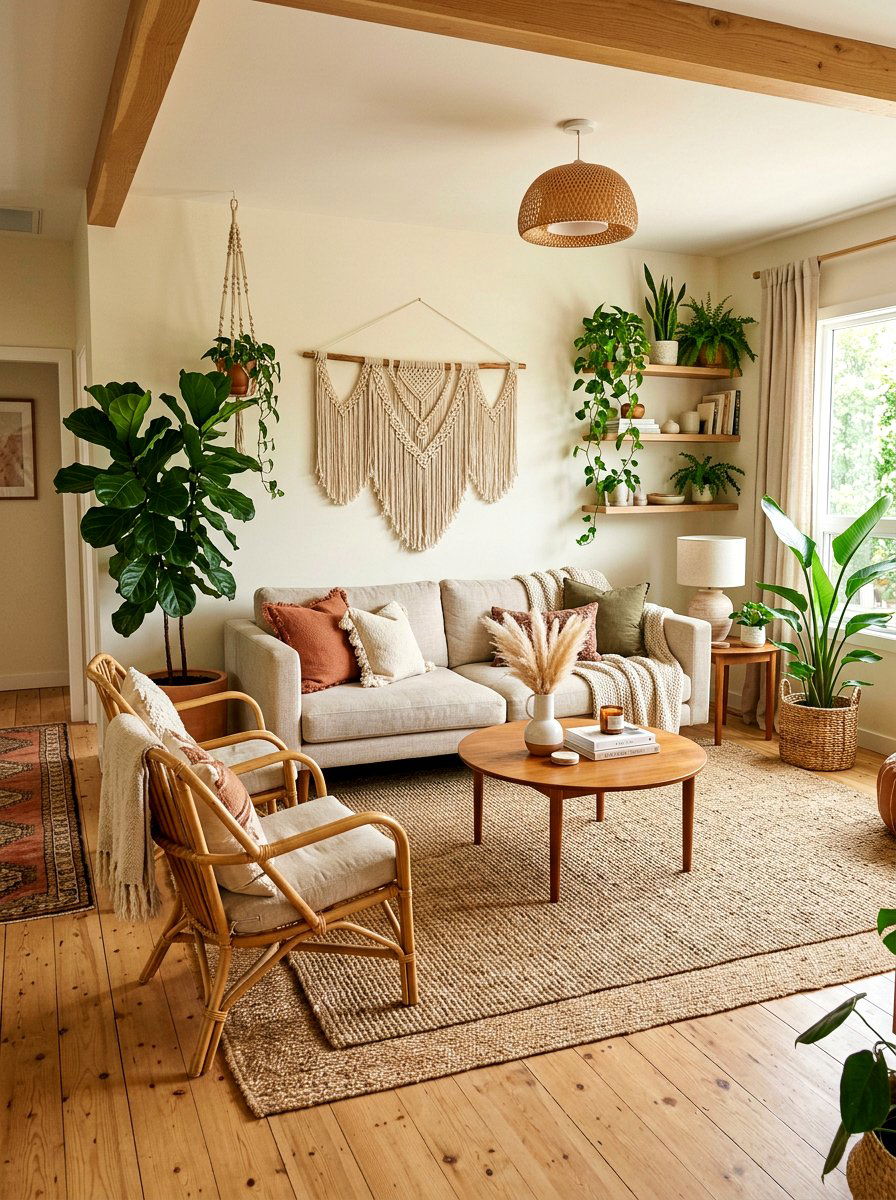
The bohemian style thrives on a mix of textures, plants, and vibrant colors, making green a natural fit for this aesthetic. A bohemian green dining room might feature mismatched chairs, colorful rugs, and a gallery wall of eclectic art. You can use a bright, leafy green or a warm olive to anchor the space and provide a backdrop for macramé wall hangings. Layering different shades of green through various textiles and an abundance of indoor plants creates a lush, jungle-like atmosphere. This style is all about personal expression and a relaxed, global feel. It is a perfect choice for those who want their dining room to feel creative.
21. Tropical Green Dining Room
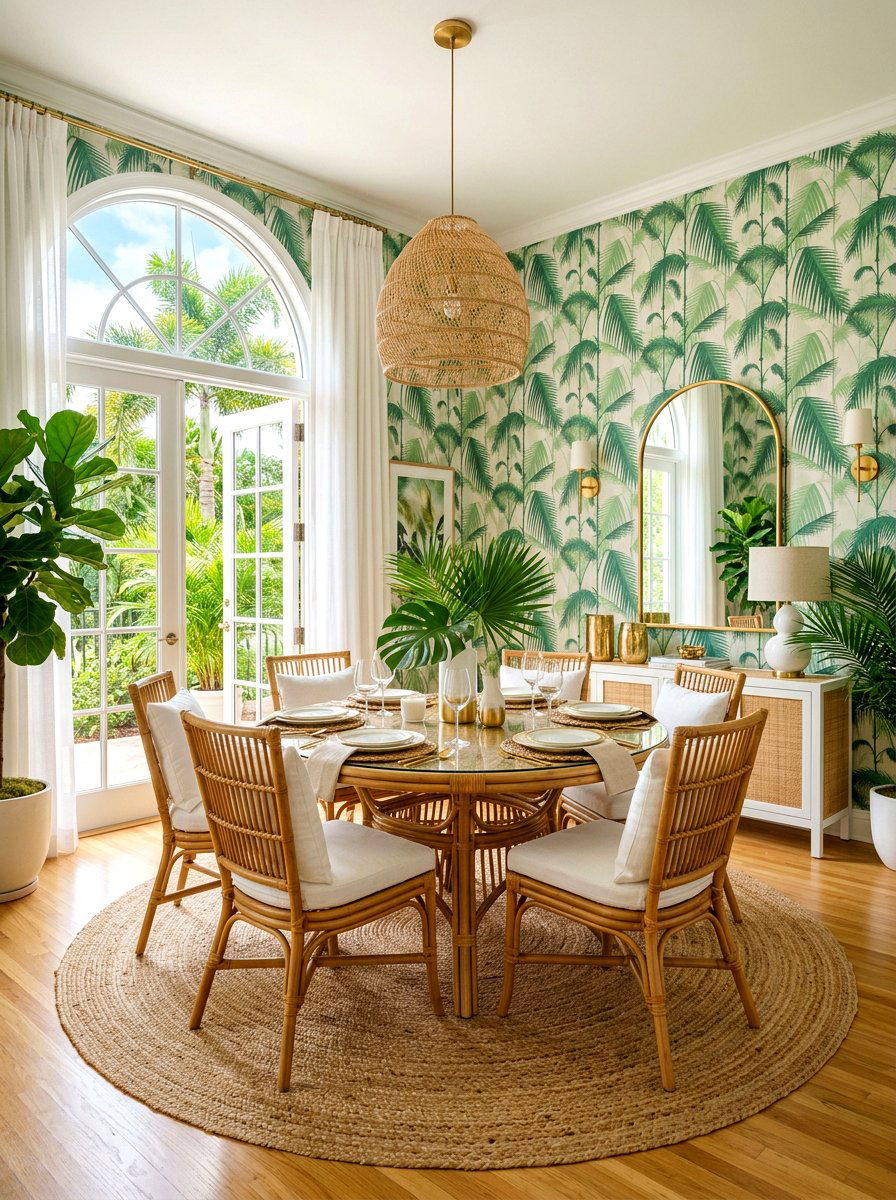
A tropical green dining room uses bold, leafy shades and vibrant accents to create a space that feels like a permanent vacation. You can use large-scale palm leaf wallpaper or paint the walls a bright, lush jungle green to set the mood. Rattan or bamboo furniture and jute rugs are the perfect materials to pair with this look, as they add a natural, island-inspired texture. To keep the room feeling sophisticated, incorporate some white accents and high-quality gold hardware. This style is energetic and refreshing, making it ideal for a sunroom or an open-plan kitchen diner. It brings a sense of joy and relaxation to every gathering.
22. Green Accent Wall Dining Room
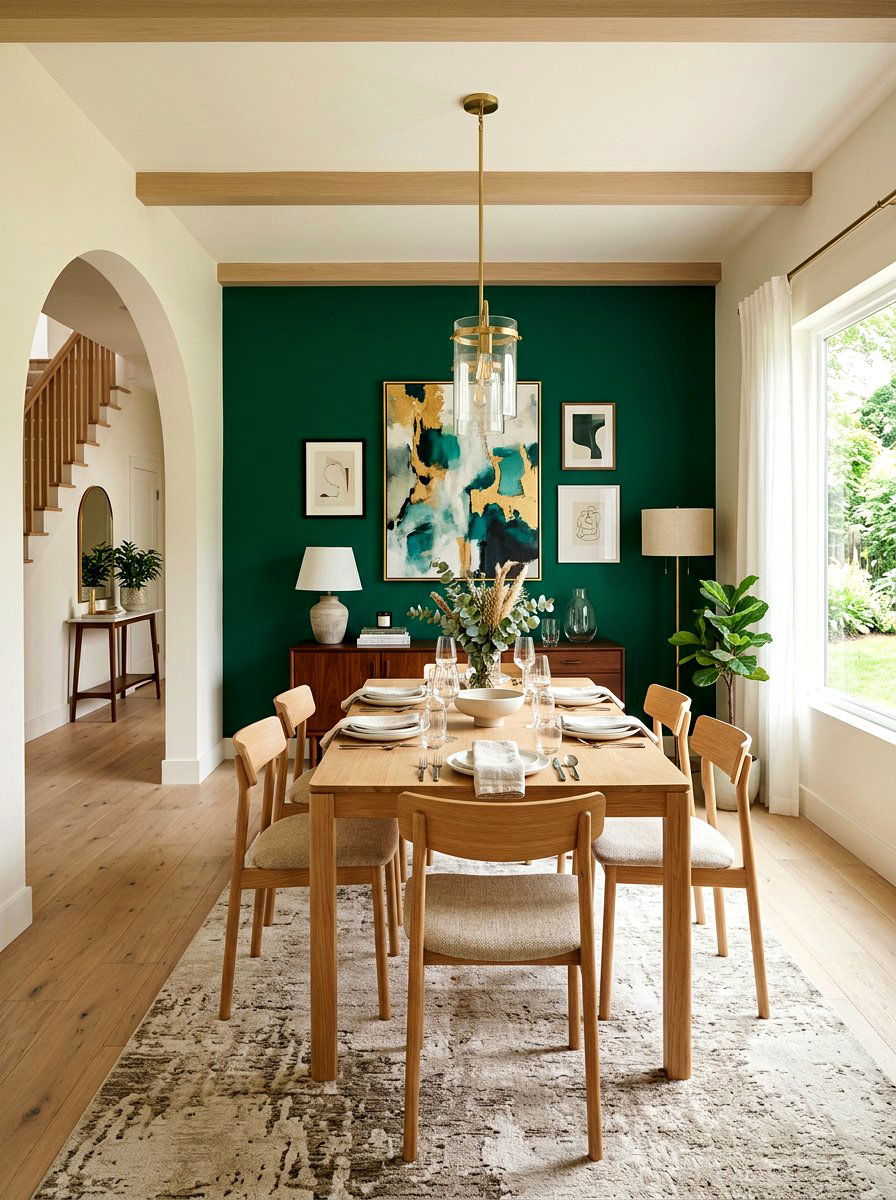
If you are not ready to commit to a full green room, a green accent wall is a perfect compromise. This technique allows you to introduce a bold or dark shade of green without overwhelming the entire space. The accent wall should ideally be the one that your dining table sits against, creating a clear focal point for the room. You can choose a deep emerald or a moody forest green to add depth and drama to an otherwise neutral room. Pair the green wall with light-colored artwork or a large mirror to create a sense of balance. It is a quick and effective way to update your design.
23. Pale Green Dining Room
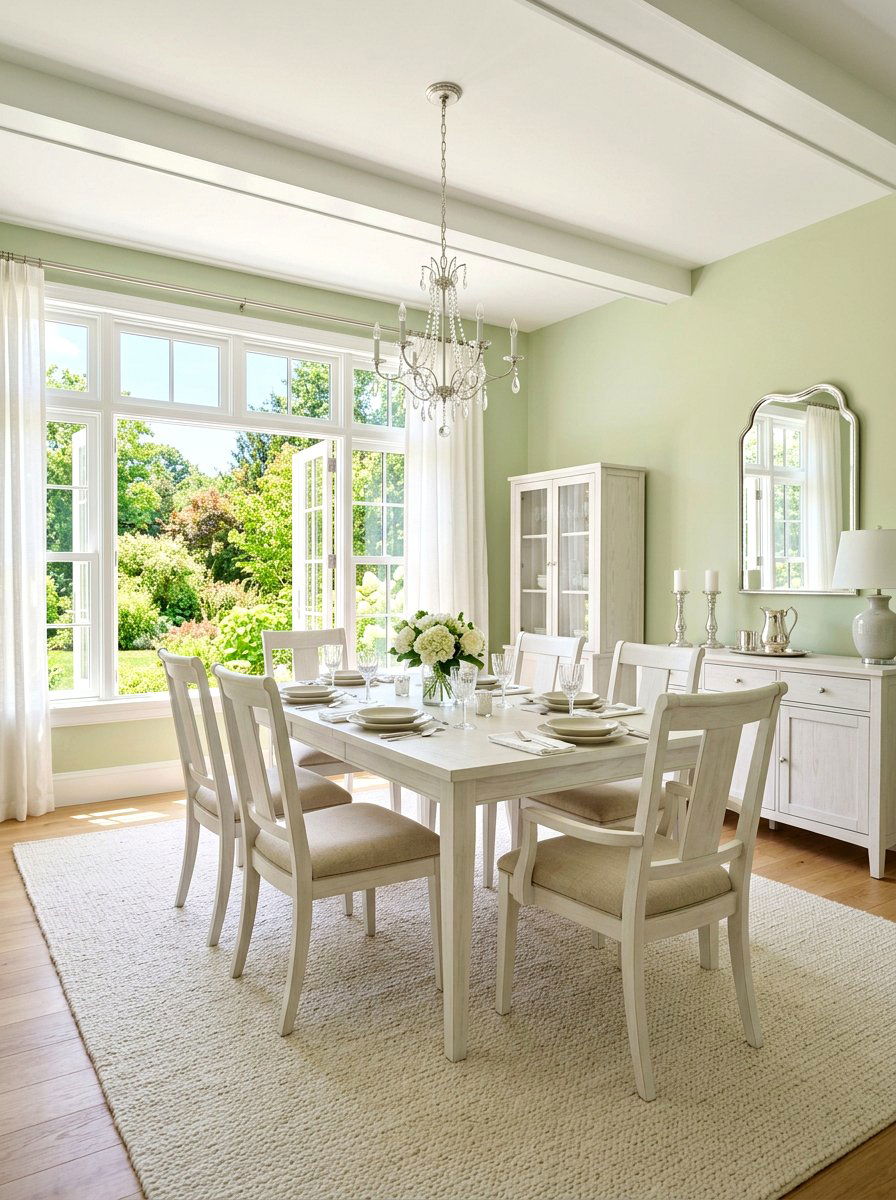
Pale green, such as celadon or soft pistachio, is a wonderful choice for creating a light-filled and delicate dining environment. these soft colors reflect light beautifully, making a small dining room feel much larger and more open than it actually is. You can pair pale green walls with white furniture and light-toned woods to maintain a breezy, ethereal aesthetic. This color palette is incredibly soothing and works well for casual family meals and formal entertaining alike. Adding some metallic accents in silver or chrome can give the room a modern, polished edge. It is a subtle way to introduce color while keeping the space very bright.
24. Moss Green Dining Room
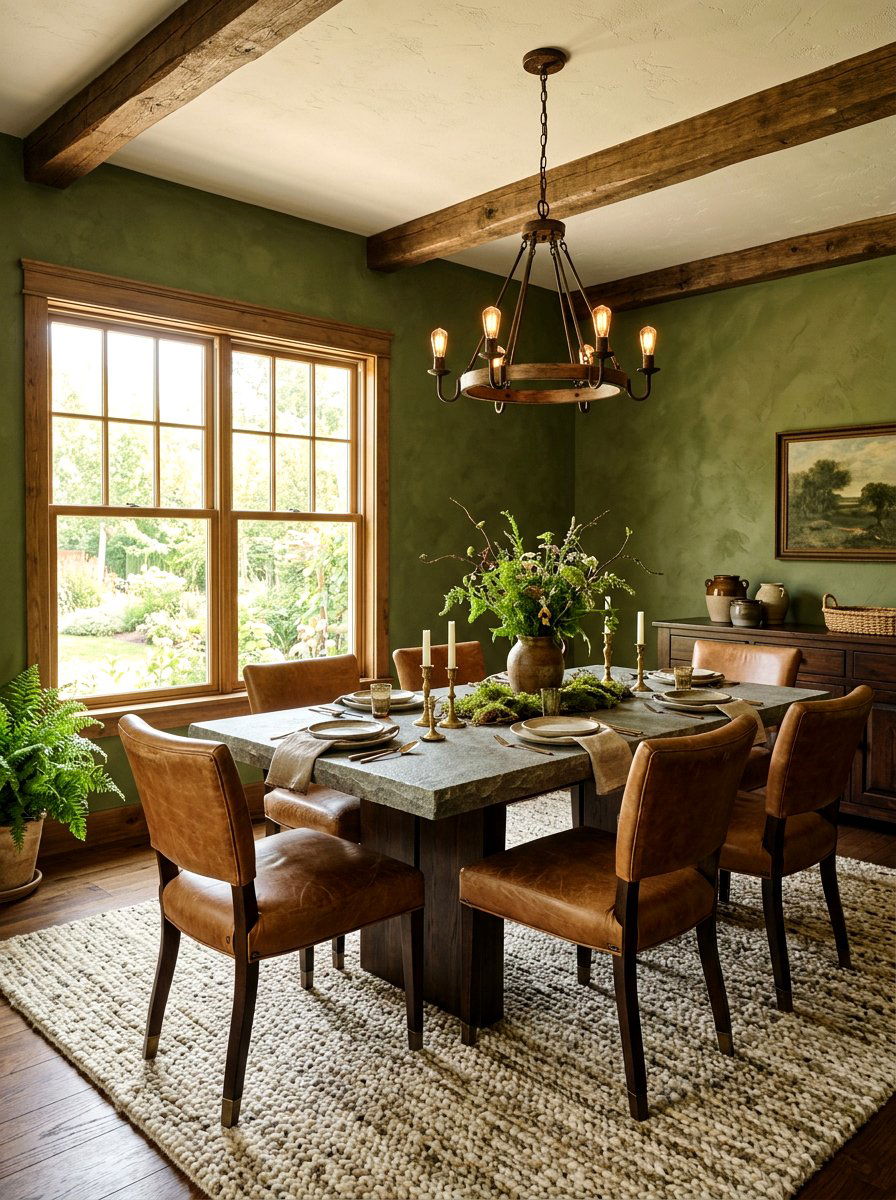
Moss green is a warm, earthy shade that brings a cozy and grounded feel to a dining area. This color has a unique depth that feels very organic and reminiscent of a soft forest floor. It pairs beautifully with natural materials like stone, wood, and leather, making it ideal for a rustic or transitional home. You can enhance the moss green walls by adding plenty of textured fabrics, such as a chunky knit throw over a bench or a jute rug. This color works particularly well in rooms with lots of natural sunlight, as the yellow undertones come alive during the golden hour. It creates a very comforting space.
25. Seafoam Green Dining Room
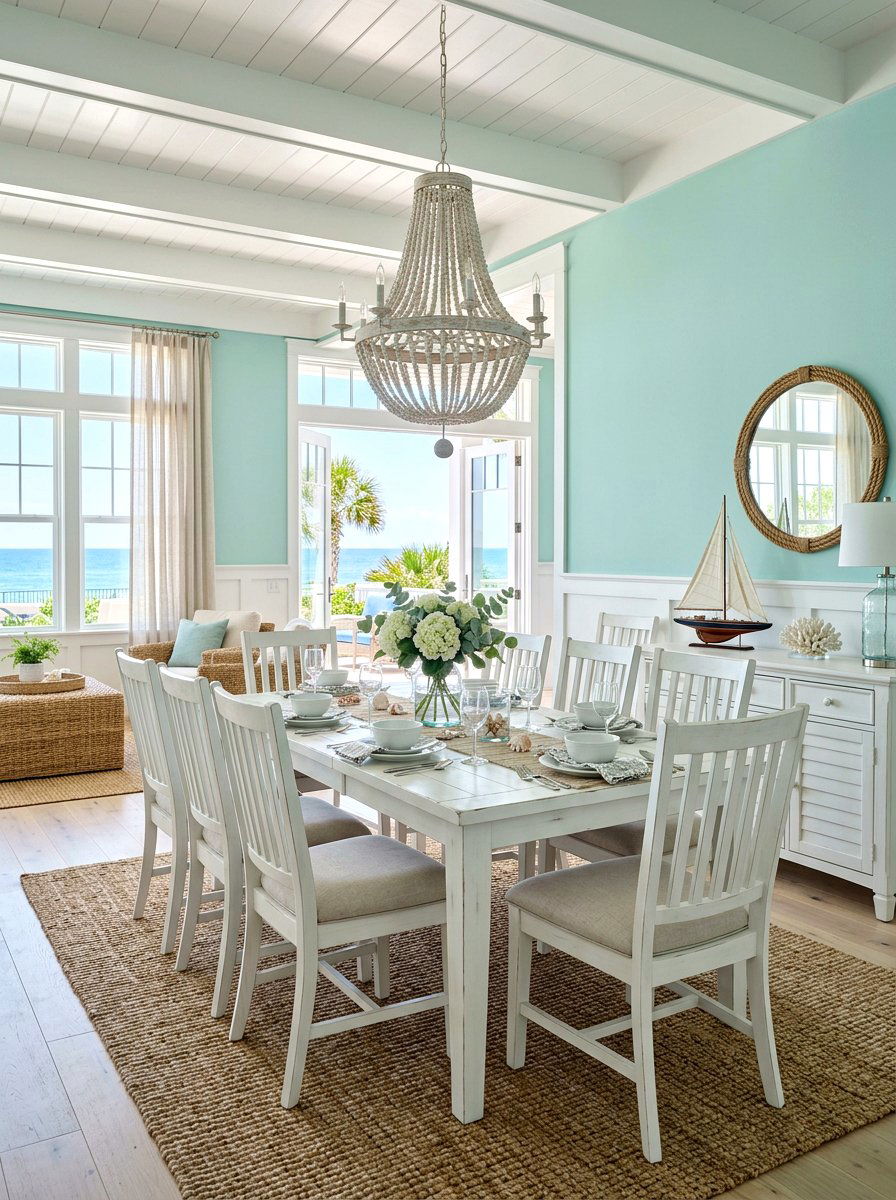
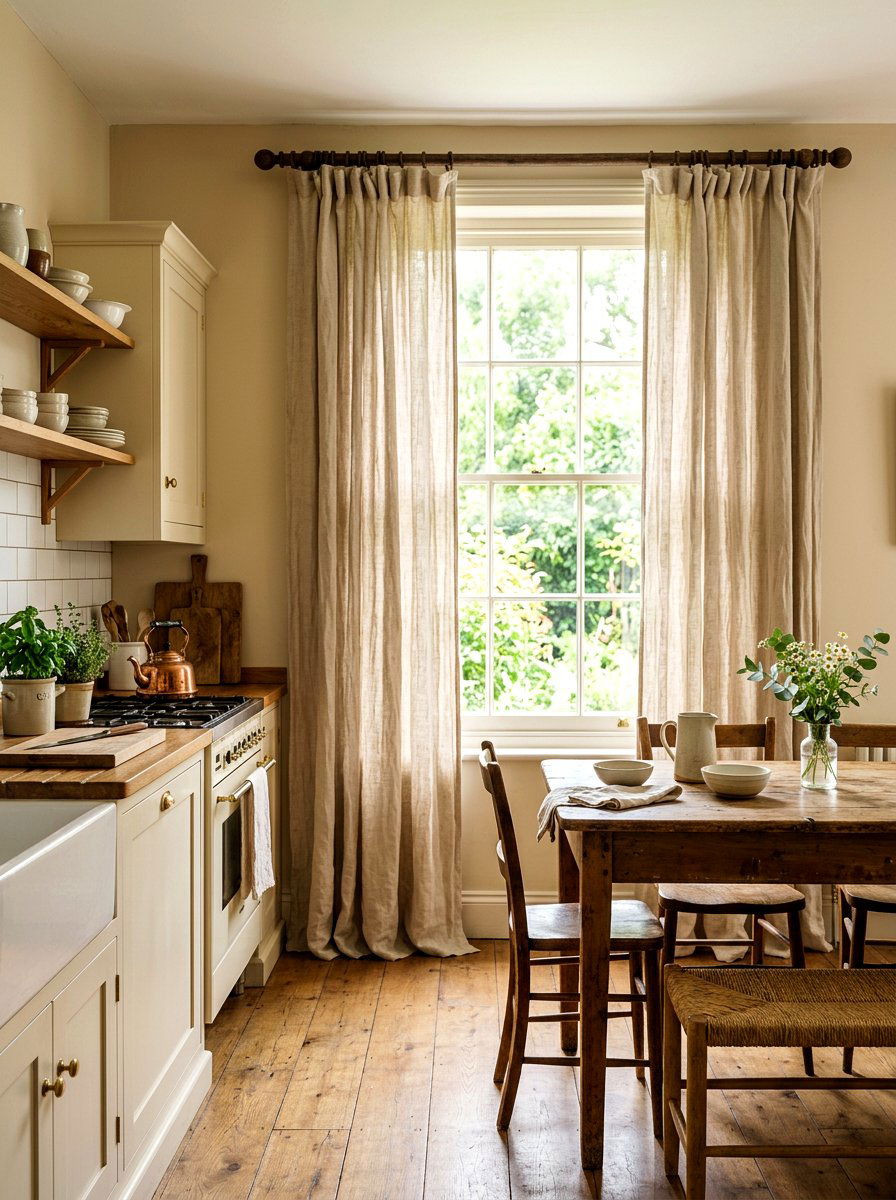
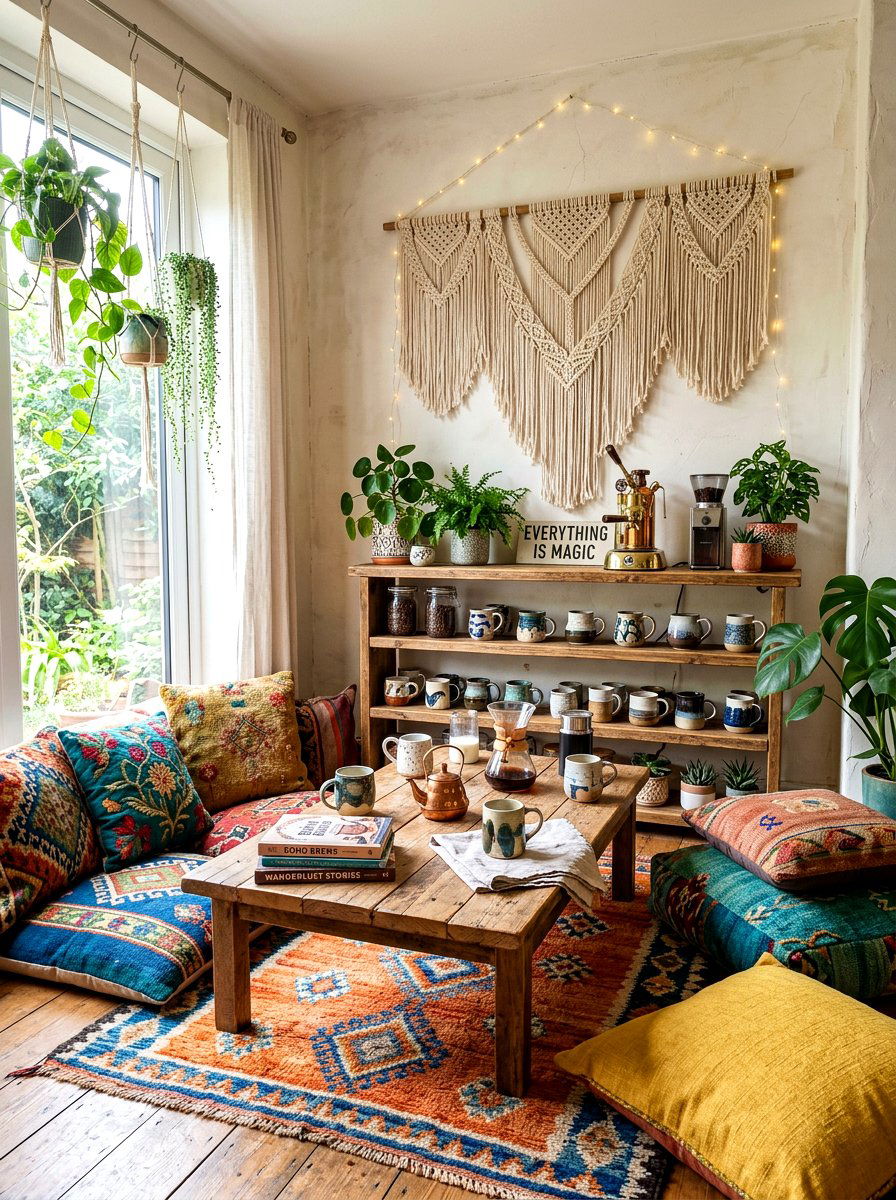
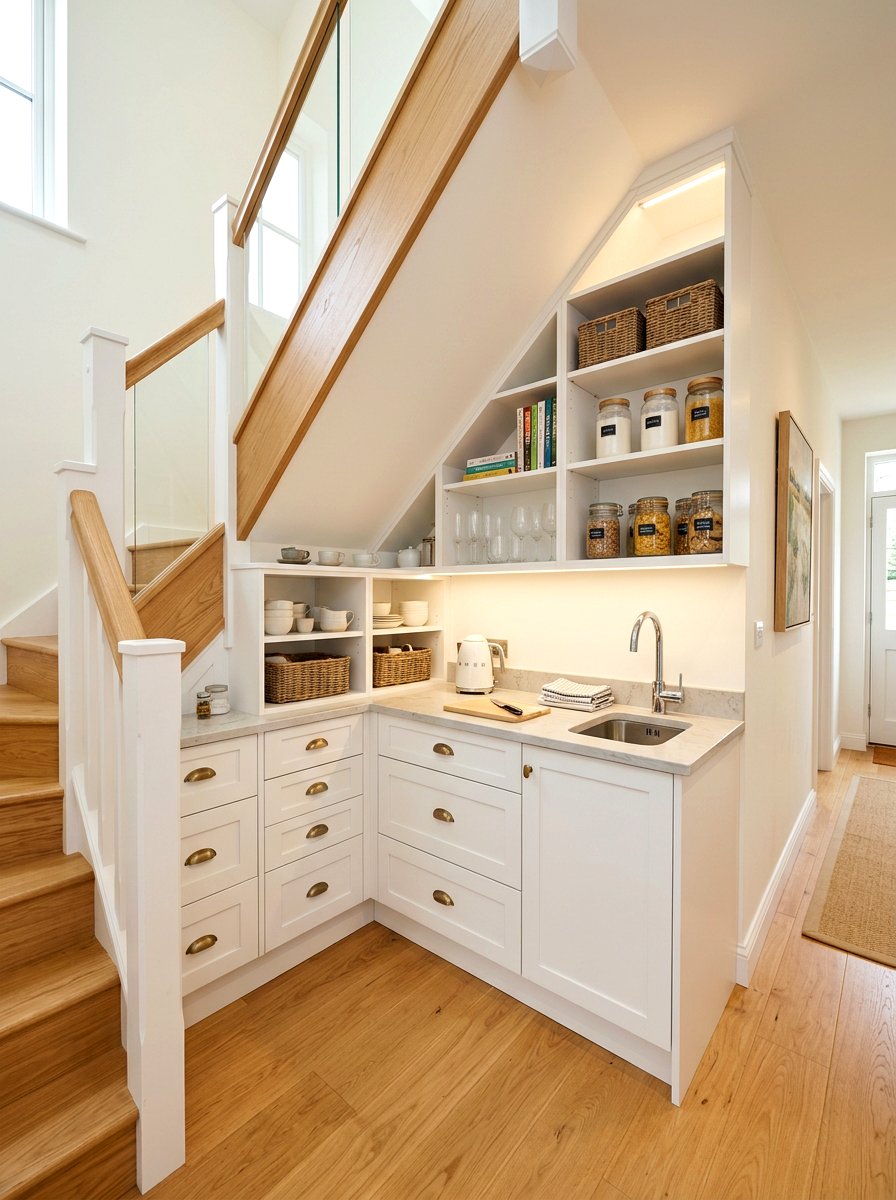
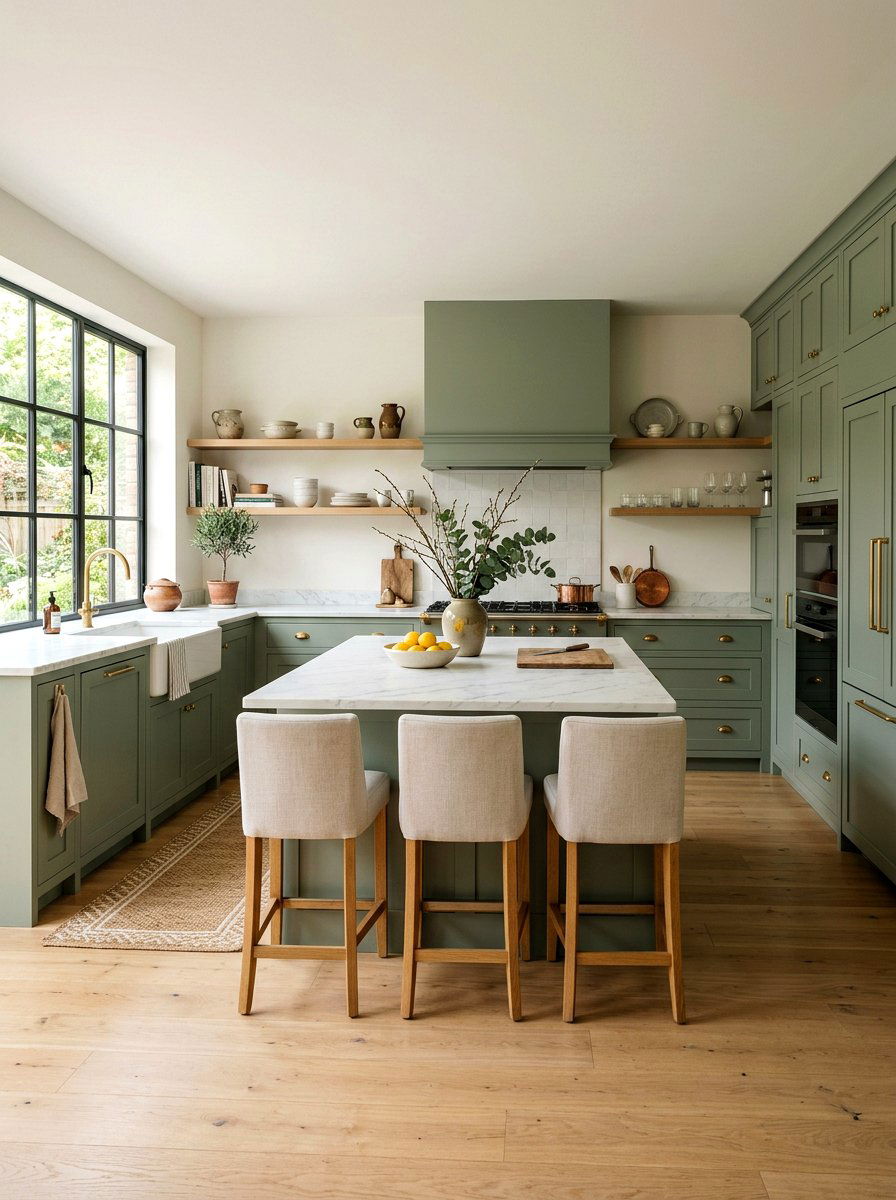
Seafoam green is a refreshing blend of green and blue that brings a coastal, serene vibe to your dining room. This color is perfect for those who want a space that feels light, clean, and incredibly tranquil. You can pair seafoam walls with white-washed wood furniture and nautical accents to lean into a beachy aesthetic. For a more modern look, try pairing it with sleek black furniture and contemporary art. Seafoam is a very versatile color that works well in both large and small spaces. It provides a subtle pop of color that feels much more interesting than a standard beige or gray without being too loud.
26. Green Painted Ceiling Dining Room
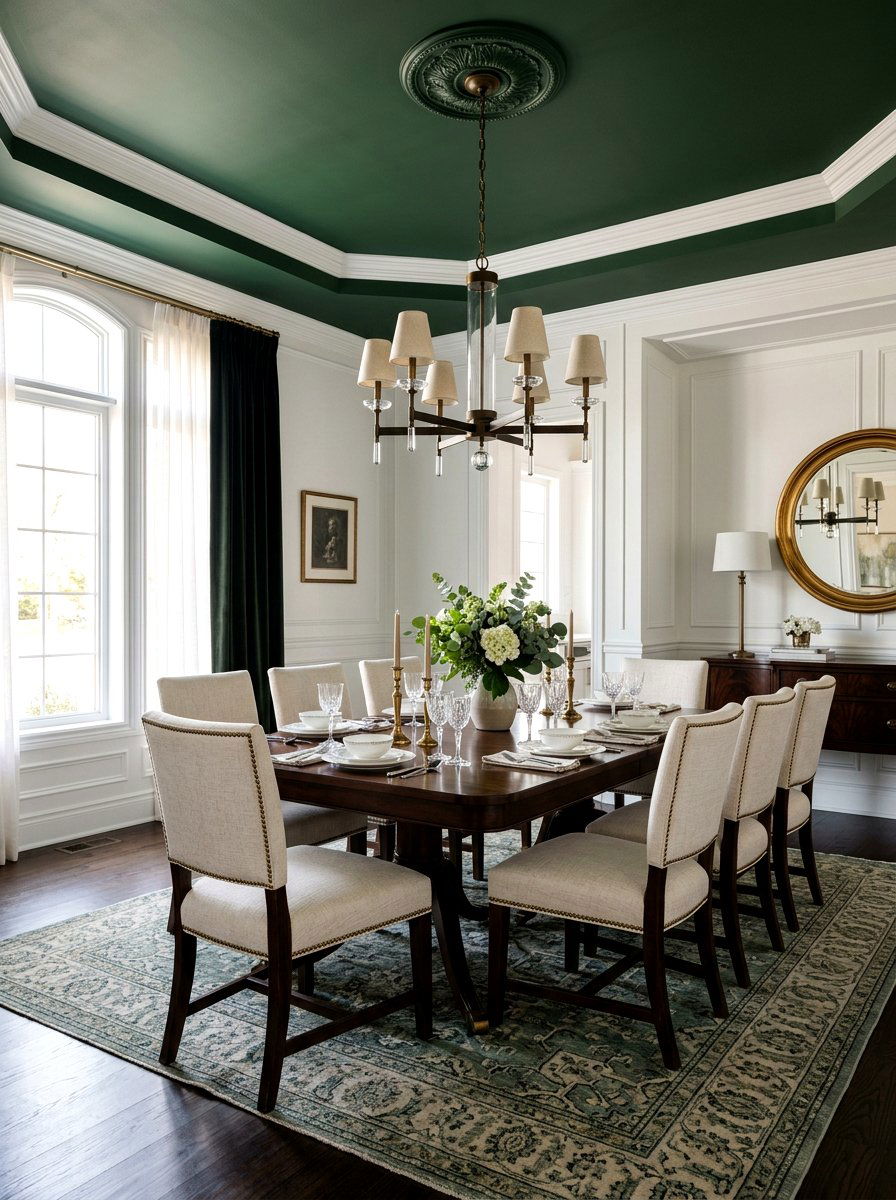
Painting the ceiling green is a daring and creative design move that adds unexpected visual interest and a sense of height. This "fifth wall" technique can make a large dining room feel more intimate and cohesive by drawing the eye upward. You can choose a deep forest green for a dramatic, library-like feel or a light sage for a subtle, airy effect. When the ceiling is green, it is often best to keep the walls a neutral white or cream to prevent the room from feeling closed in. This design choice is perfect for rooms with high ceilings or beautiful architectural moldings that you want to highlight in a unique way.
27. Mid Century Green Dining Room
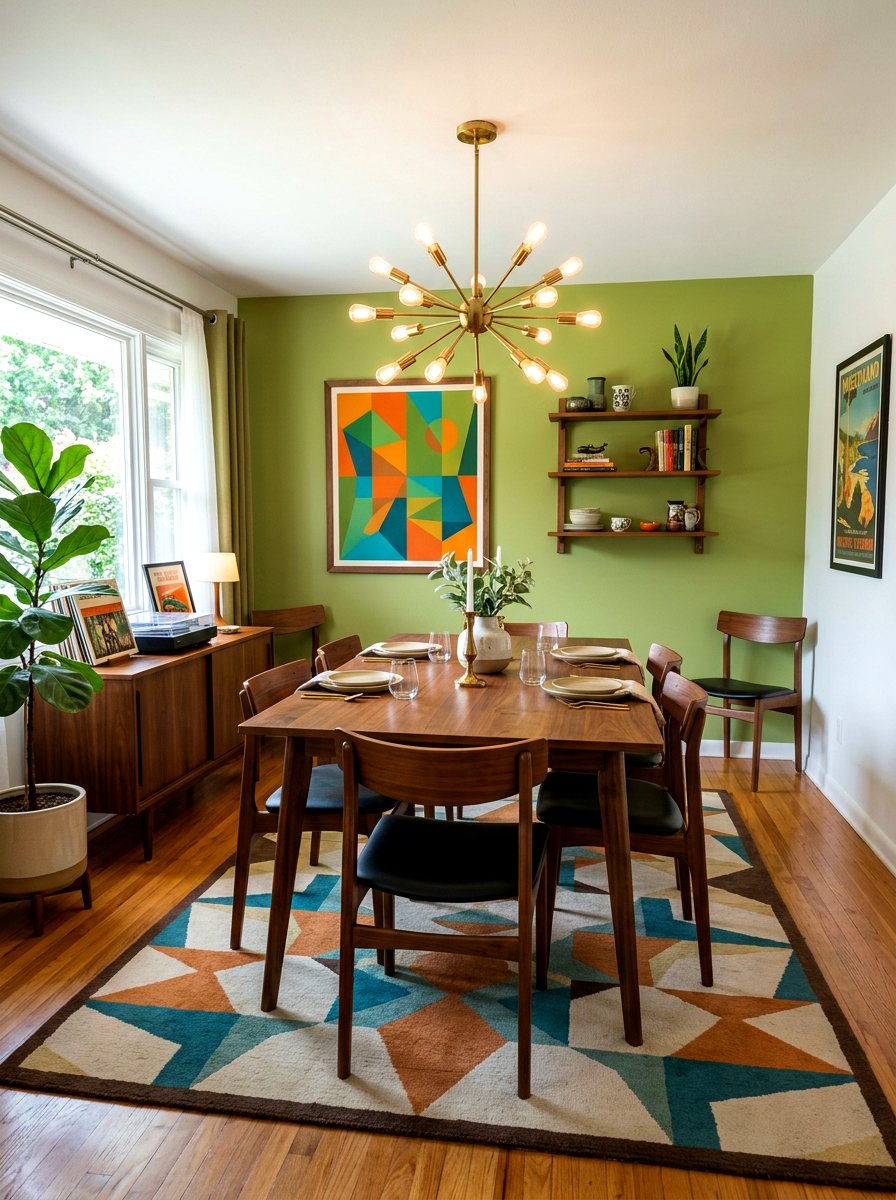
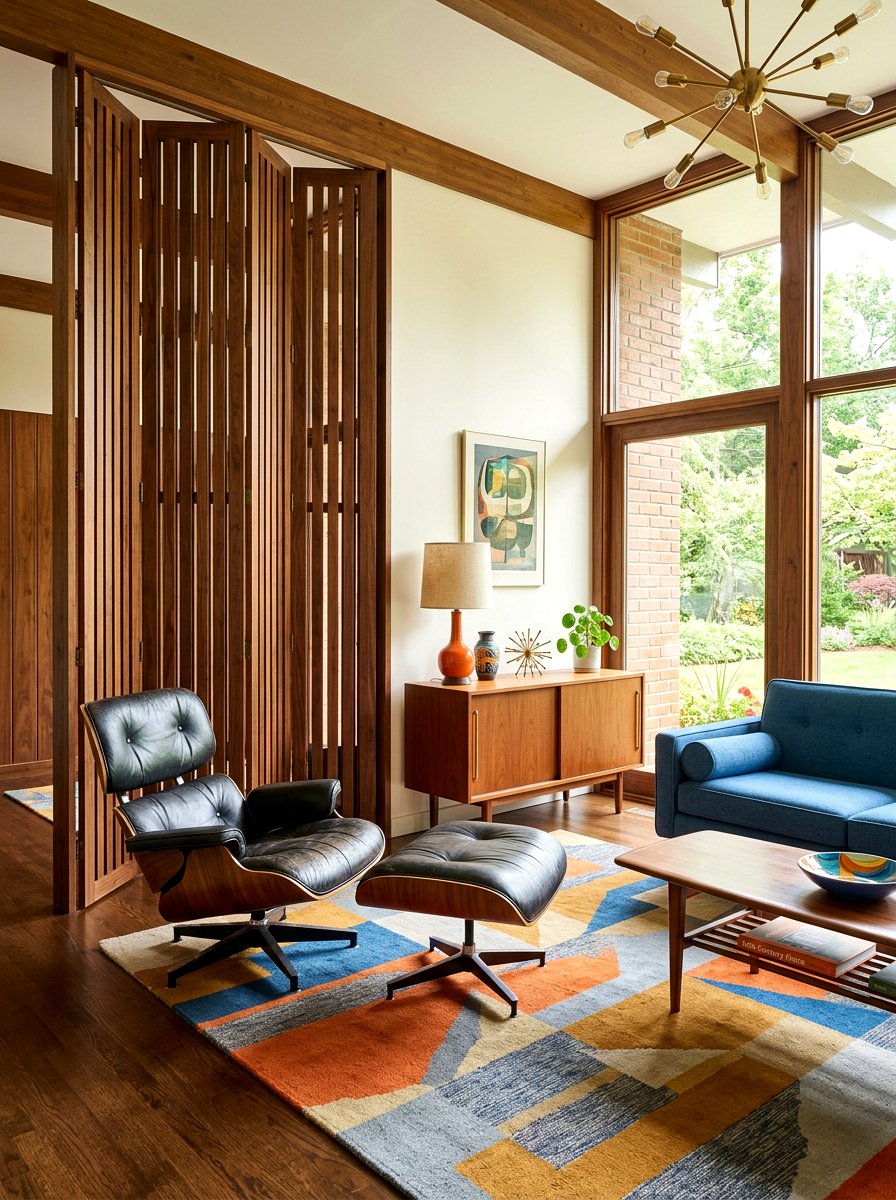
The mid-century modern aesthetic often utilizes earthy, saturated greens like olive or avocado to create a retro-cool atmosphere. This style is all about functional beauty, featuring iconic furniture pieces with tapered legs and warm wood finishes. Pairing an olive green accent wall with a walnut dining table and molded plastic chairs creates an authentic 1950s or 60s vibe. You can add a geometric rug and a starburst-style chandelier to complete the look. Green provides a perfect bridge between the natural wood tones and the bold, graphic shapes characteristic of this era. It creates a space that feels both nostalgic and incredibly stylish for today’s homes.
28. Rustic Green Dining Room
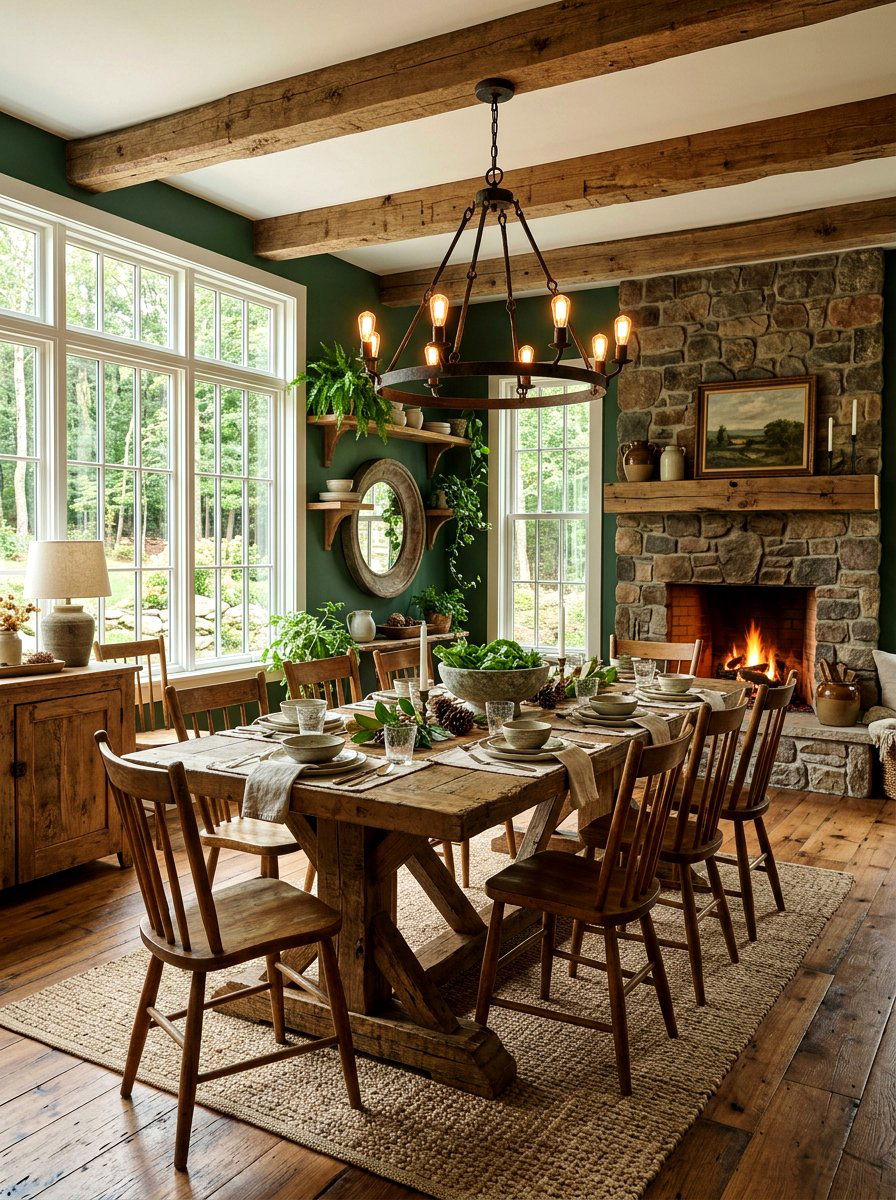
A rustic green dining room focuses on the beauty of imperfection and natural materials. Think deep hunter green walls paired with a chunky, reclaimed wood trestle table and mismatched vintage chairs. This style is all about warmth and character, using green to enhance the organic feel of the space. You can add wrought iron light fixtures and stone accents to emphasize the rugged, farmhouse-inspired aesthetic. Green works so well here because it mimics the colors found in nature, making the room feel like an extension of the outdoors. It is a perfect choice for those who want a dining space that feels authentic, cozy, and very unpretentious.
29. Scandi Green Dining Room
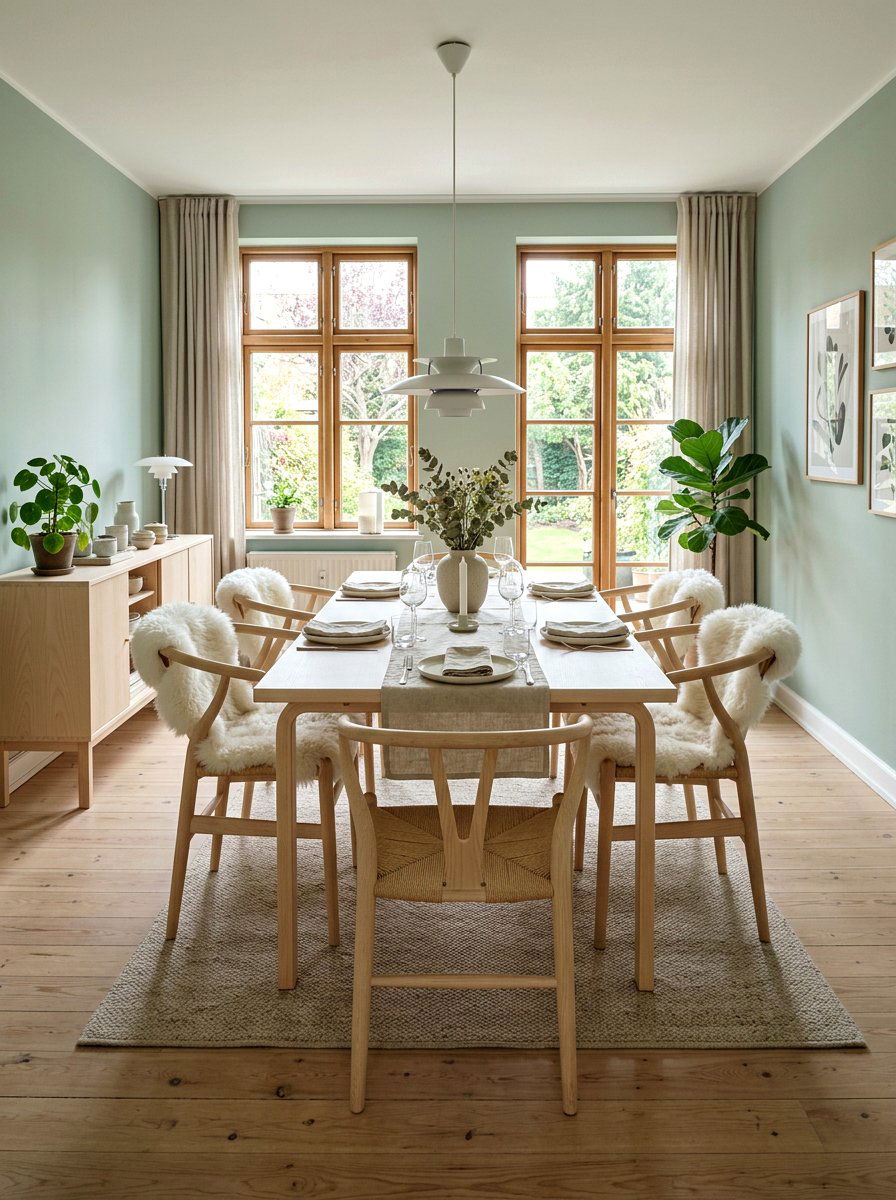
The Scandinavian design style is known for its simplicity, light wood, and functional beauty, but it also embraces soft, muted greens. A Scandi green dining room usually features a very pale sage or eucalyptus green on the walls to add a touch of warmth to the minimalist space. You can pair this with light birch or ash furniture and plenty of white accents to maintain a bright, clean look. Natural light is essential for this style, so keep window treatments minimal. Adding a few well-placed plants and a simple wool rug will provide the "hygge" or coziness that is central to Scandinavian living. It is a very peaceful approach.
30. Moody Green Dining Room
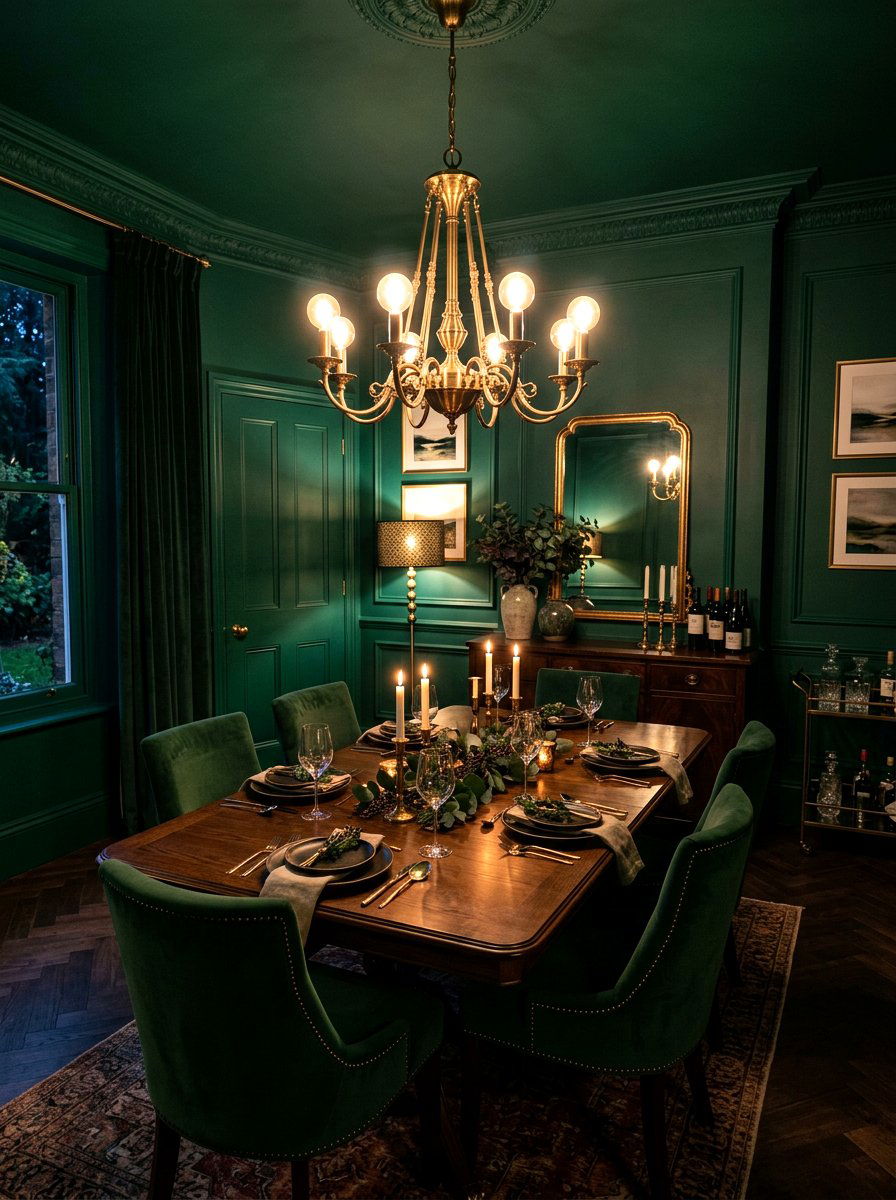
A moody green dining room uses dark, saturated tones and clever lighting to create a space that feels mysterious, intimate, and incredibly chic. By painting the walls, trim, and even the doors in the same deep green, you create a seamless and dramatic environment. This look is perfect for rooms used primarily for evening entertaining. You can use dimmable wall sconces and candlelight to highlight the rich pigment and create a warm glow. Adding some metallic accents and high-quality velvet upholstery will add the necessary texture to keep the dark color from feeling flat. It is a sophisticated choice that transforms the dining room into a luxurious sanctuary.
Conclusion:
Selecting the perfect green for your dining room is a journey toward creating a more harmonious and inviting home. As we have seen, the versatility of this color allows it to adapt to any architectural style, from the most traditional Victorian settings to sleek, modern minimalist apartments. By thoughtfully combining green with the right furniture, lighting, and textures, you can design a space that truly reflects your personality and lifestyle. Whether you prefer a bold statement or a subtle whisper of color, green offers a timeless appeal that will make your dining experiences feel refreshed, grounded, and exceptionally beautiful for many years.

Related posts: