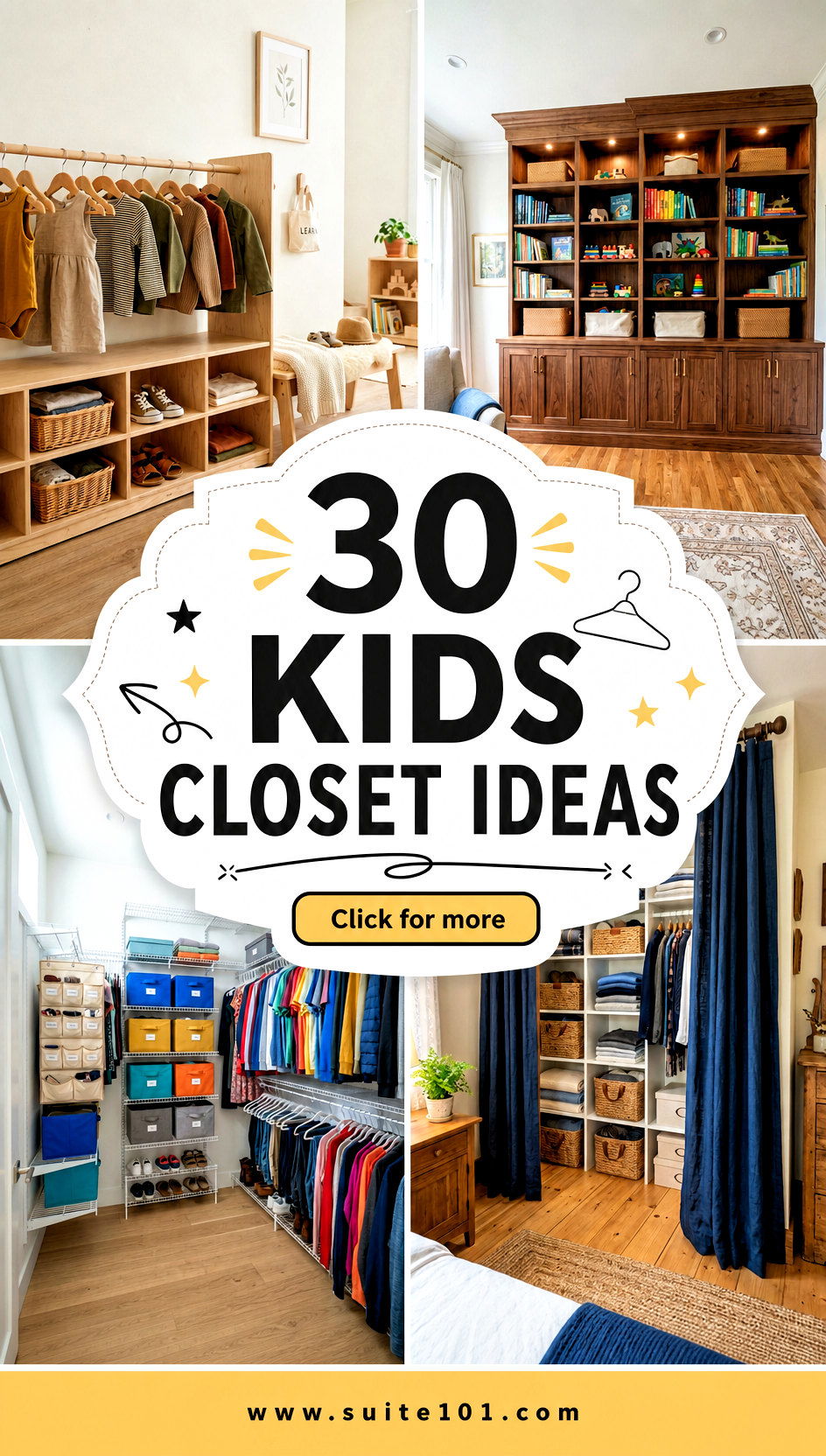
Organizing a child 's bedroom often starts with the one place that usually hides the most chaos: the closet. Creating a functional and stylish kids' closet is about more than just finding a spot for tiny shoes; it is about building a system that grows alongside your child. Whether you are dealing with a cramped nursery or a shared space for siblings, the right layout makes daily routines much smoother. Pinterest-worthy closets combine smart storage solutions like adjustable rods and labeled bins with beautiful aesthetics that complement the room's decor. This guide explores thirty unique ways to transform these storage areas into organized, accessible, and visually appealing spaces for every age.
1. Nursery Closet Organization
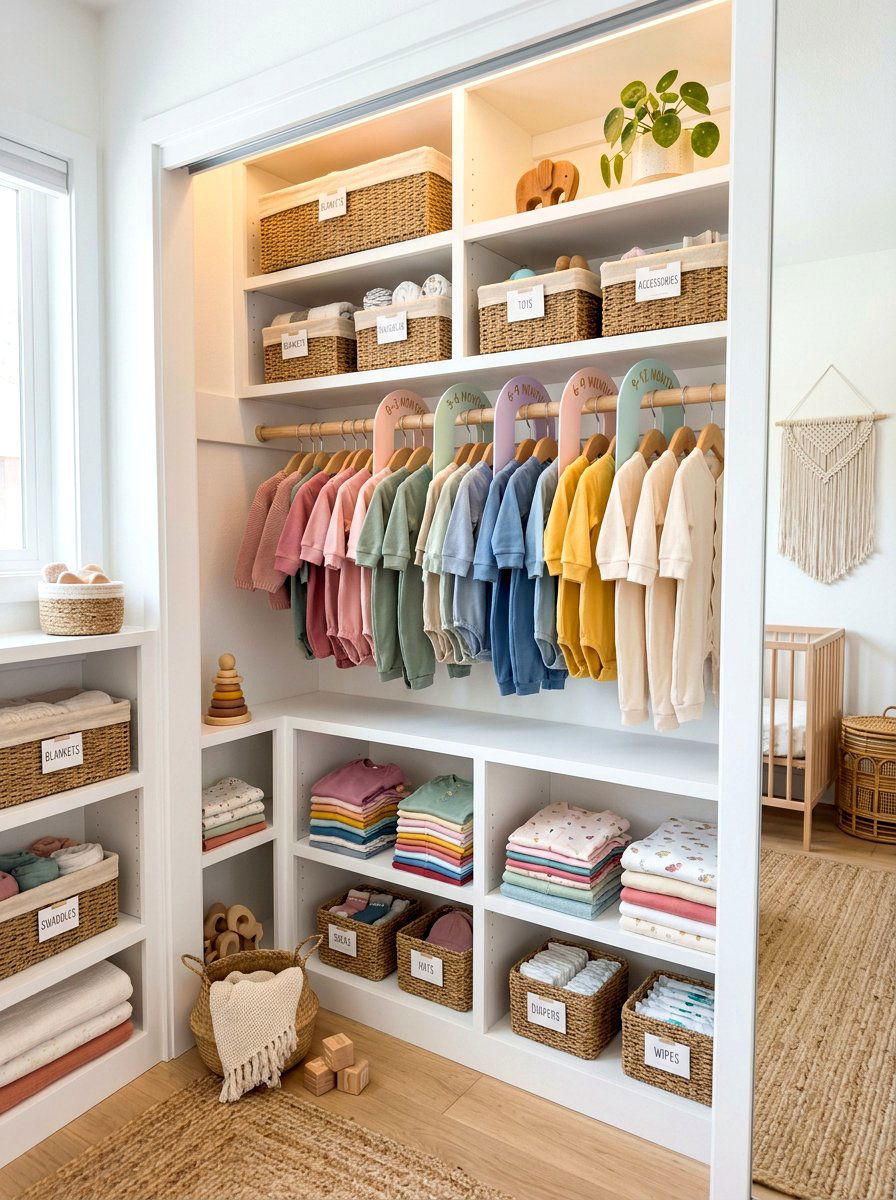
Thinking about how to arrange a baby's room can feel overwhelming, but starting with a well-planned nursery closet makes a huge difference. You should focus on creating zones for different sizes of clothing, from newborns to toddlers, using clear dividers. This setup usually features a mix of hanging space for cute outfits and drawers for smaller items like socks or bibs. Many parents choose to remove the closet doors to make the space feel larger and more accessible during quick diaper changes. Adding soft lighting and perhaps some light-colored wallpaper inside the closet can turn a basic storage nook into a beautiful focal point of the whole room.
2. Shared Bedroom Closet
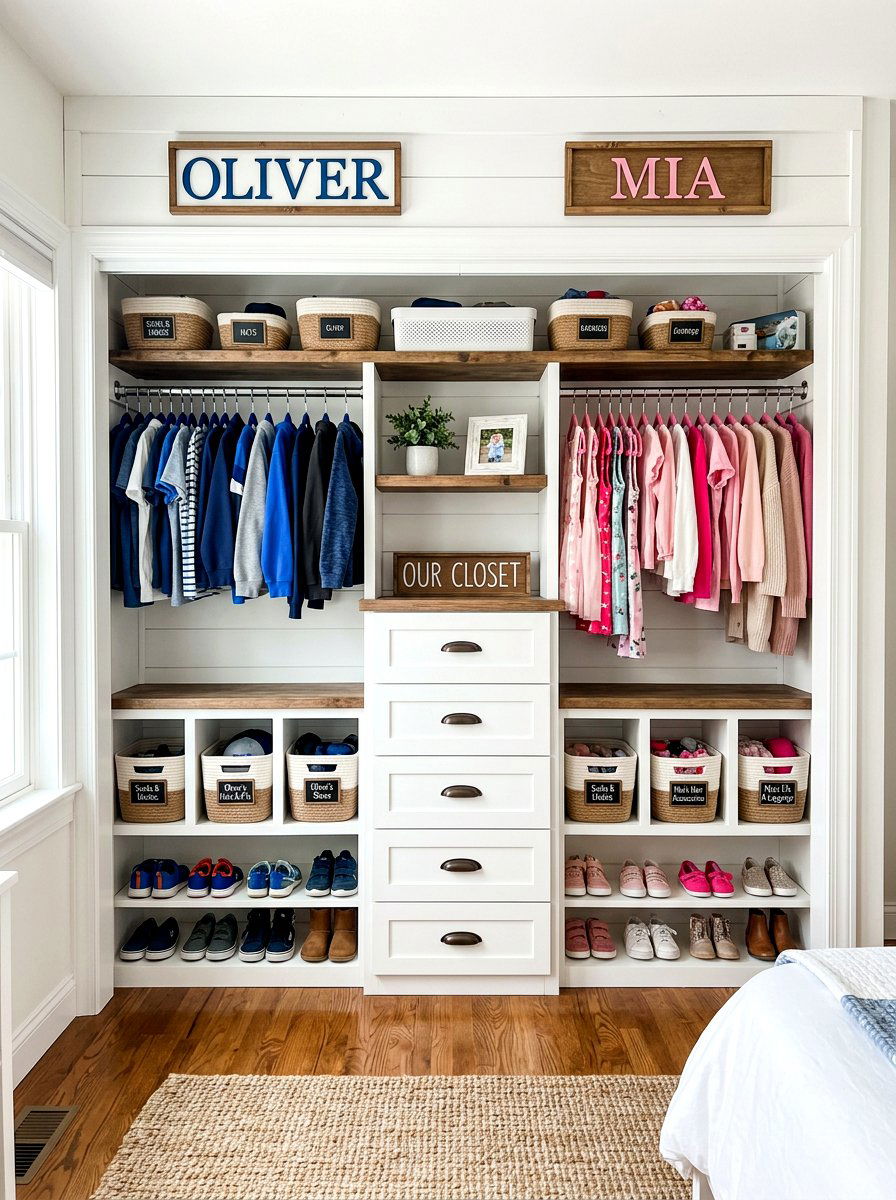
Managing a shared bedroom requires a clever strategy to ensure both children have enough personal space for their belongings. A shared closet works best when it is divided vertically down the middle, giving each child their own distinct side. You can use different colored hangers or labeled bins to help siblings identify their own clothing and accessories easily. Installing a central tower of drawers provides shared storage for items like pajamas or extra linens while maintaining a sense of order. This approach maximizes the available square footage and prevents arguments over space. By using a uniform shelving system, the entire room looks more cohesive and feels significantly less cluttered for everyone.
3. Small Walk In Closet
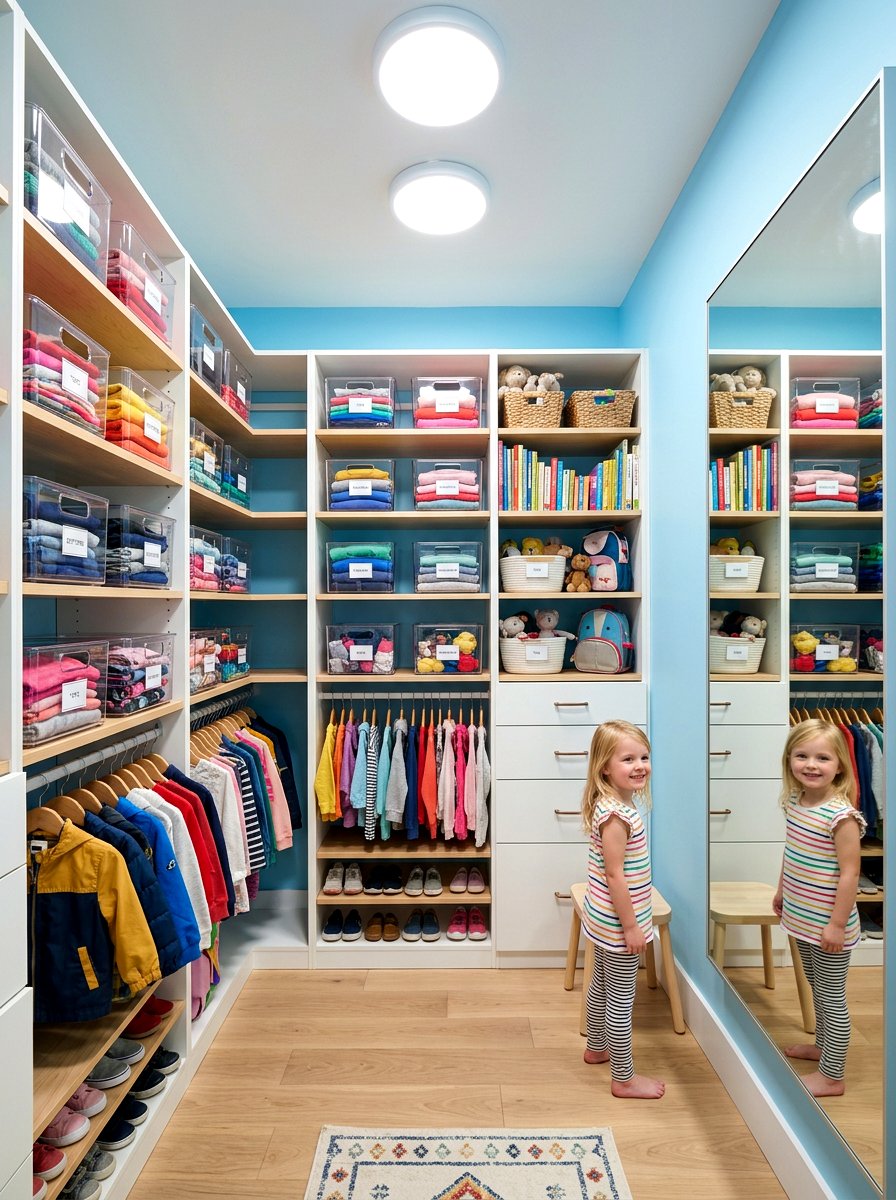
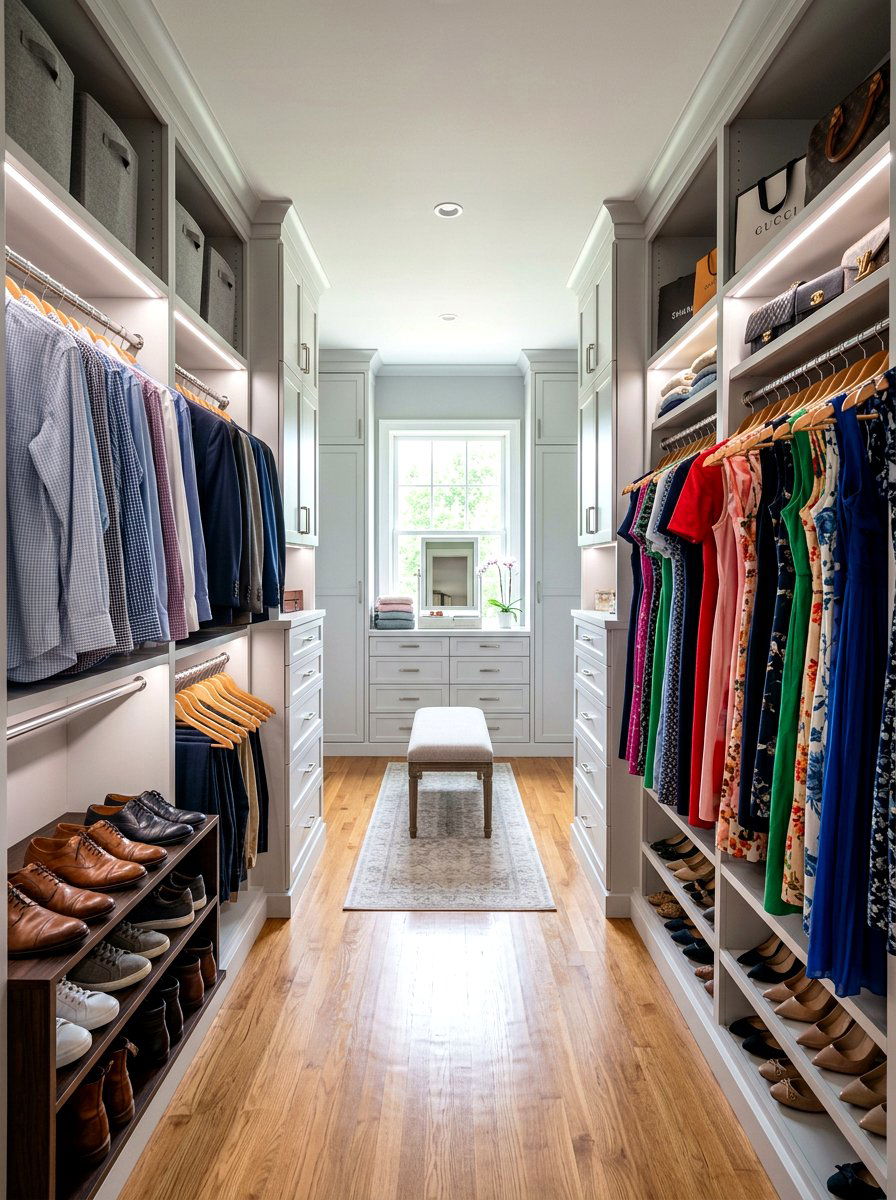
Even a small walk-in closet can provide massive storage potential if you utilize every inch from the floor to the ceiling. Many people choose to install a wraparound shelving system that provides ample space for shoes, folded sweaters, and seasonal storage bins. Adding a full-length mirror on one wall and bright overhead lighting can make the narrow space feel much larger and more inviting. To keep things organized, you might use clear acrylic bins on the shelves so that everything is visible at a glance. This design transforms a tiny, dark room into a functional dressing area that encourages children to take pride in keeping their personal belongings very neat.
4. Montessori Floor Closet
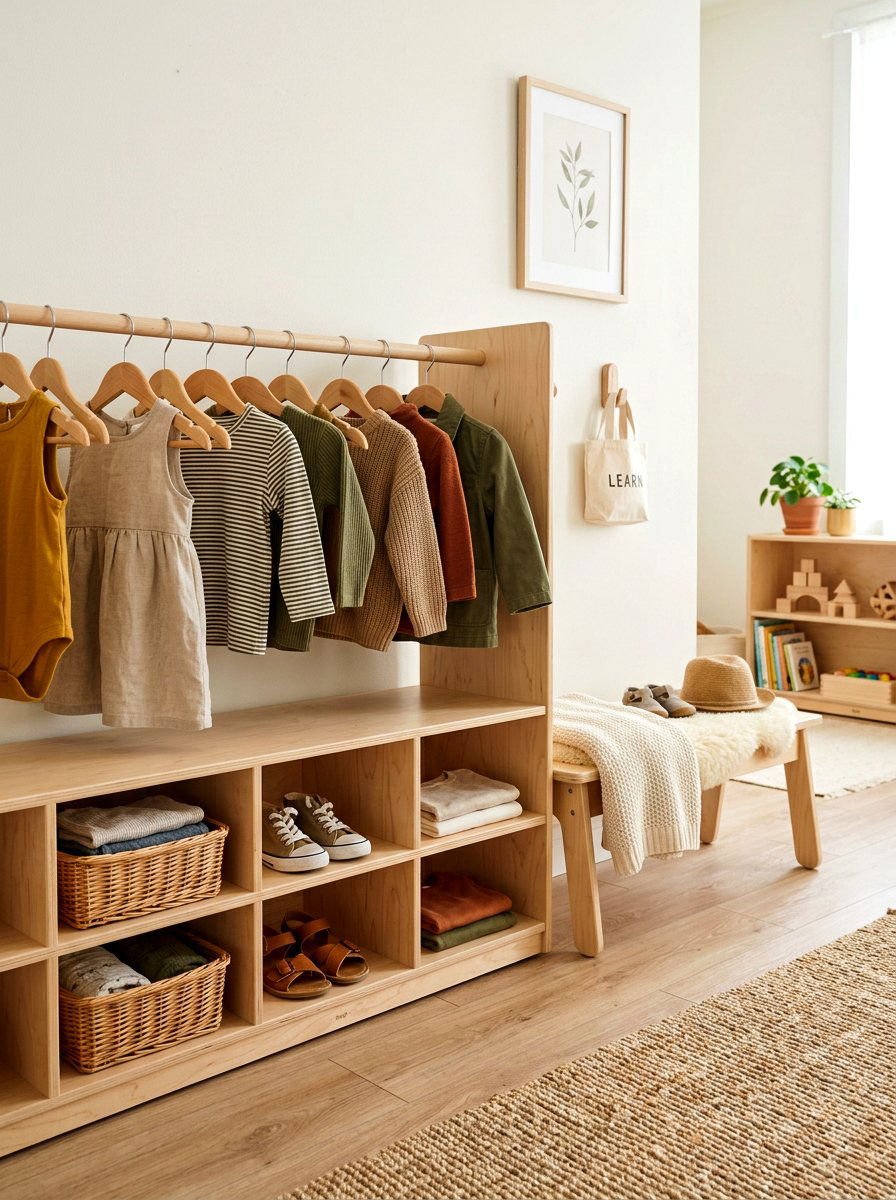
Fostering independence starts with making daily tasks accessible, and a Montessori-inspired floor closet is the perfect solution for young children. This design features low-hanging rods and open shelving units that sit directly on the floor, allowing toddlers to reach their own clothes. Instead of a traditional closed wardrobe, this open concept encourages kids to choose their outfits and participate in the morning routine. You can include a small bench or stool nearby so they have a place to sit while putting on their shoes. Using a limited selection of clothing helps prevent choice paralysis and makes the room feel much more intentional and peaceful for the child.
5. Reach In Closet System
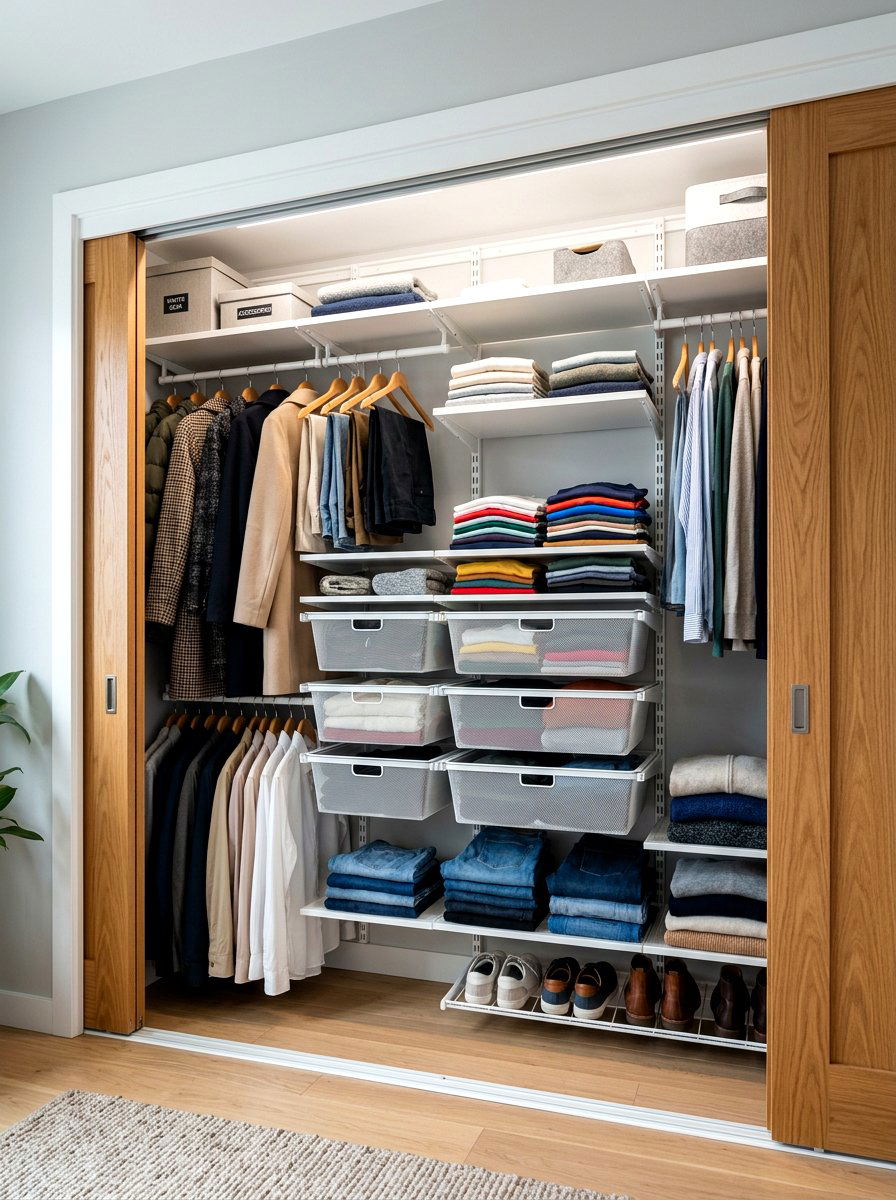
A standard reach-in closet is often the most common storage feature in a child's bedroom, but it requires a smart system to work effectively. Replacing a single high rod with an adjustable shelving kit allows you to customize the space as your child grows taller. These systems often include a mix of hanging rods, mesh drawers, and flat shelves that can be moved whenever needed. Using sliding doors instead of swing-out doors saves valuable floor space in smaller bedrooms, making the layout feel more open. By adding a few decorative baskets at the bottom, you can easily hide away toys or bulky items like warm winter coats.
6. Double Rod Closet
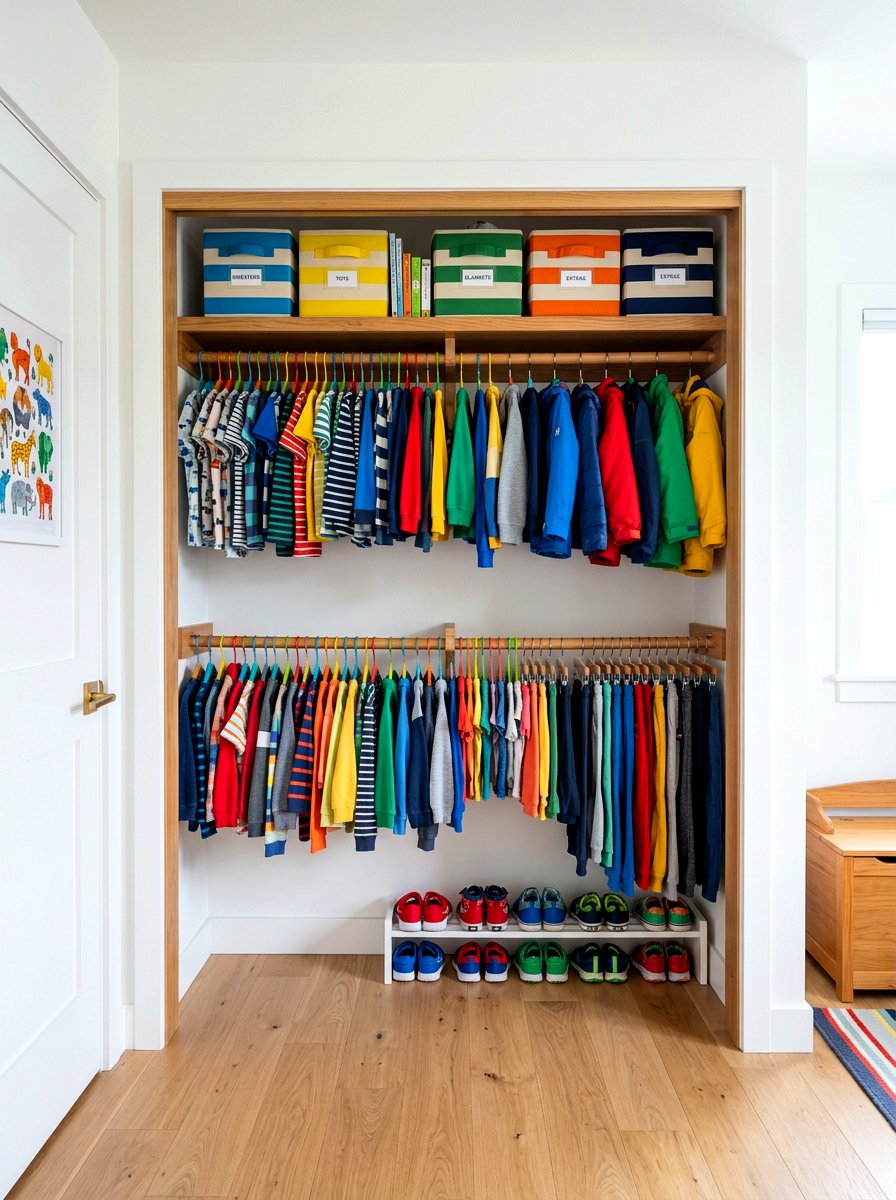
Maximizing vertical space is essential when dealing with small clothing, and a double rod closet setup effectively doubles your hanging capacity. By installing one rod at a standard height and another one halfway down, you create two distinct levels for shirts and pants. This configuration is particularly useful for kids' clothes because their garments are shorter than adult sizes, leaving plenty of room underneath. The lower rod is perfectly positioned for children to reach their own clothes, which helps them learn how to dress themselves independently. You can use the top rod for formal wear or out-of-season items that do not need to be accessed every single day.
7. Built In Shelving Closet
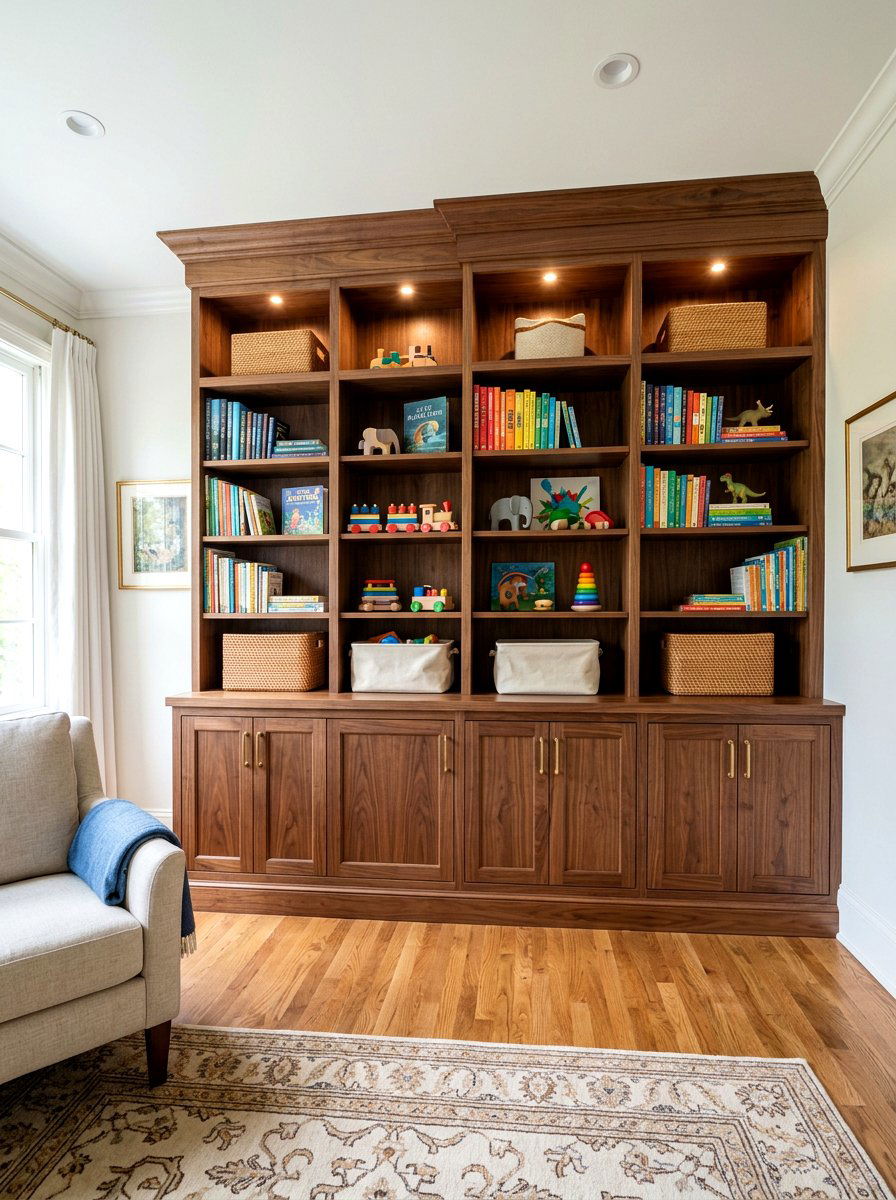
For a high-end, permanent storage solution, a built-in shelving closet offers a sleek and tailored look that complements any bedroom design. These custom units are designed to fit the exact dimensions of the wall, providing a seamless appearance that eliminates the need for bulky dressers. You can incorporate a mix of open cubbies for books and toys, along with closed cabinets for a cleaner aesthetic. Lighting is often integrated directly into the shelves to highlight decorative items or make finding clothes easier in the morning. This design not only adds value to the home but also provides a sturdy and organized environment that transitions perfectly from childhood into the teenage years.
8. Color Coded Closet
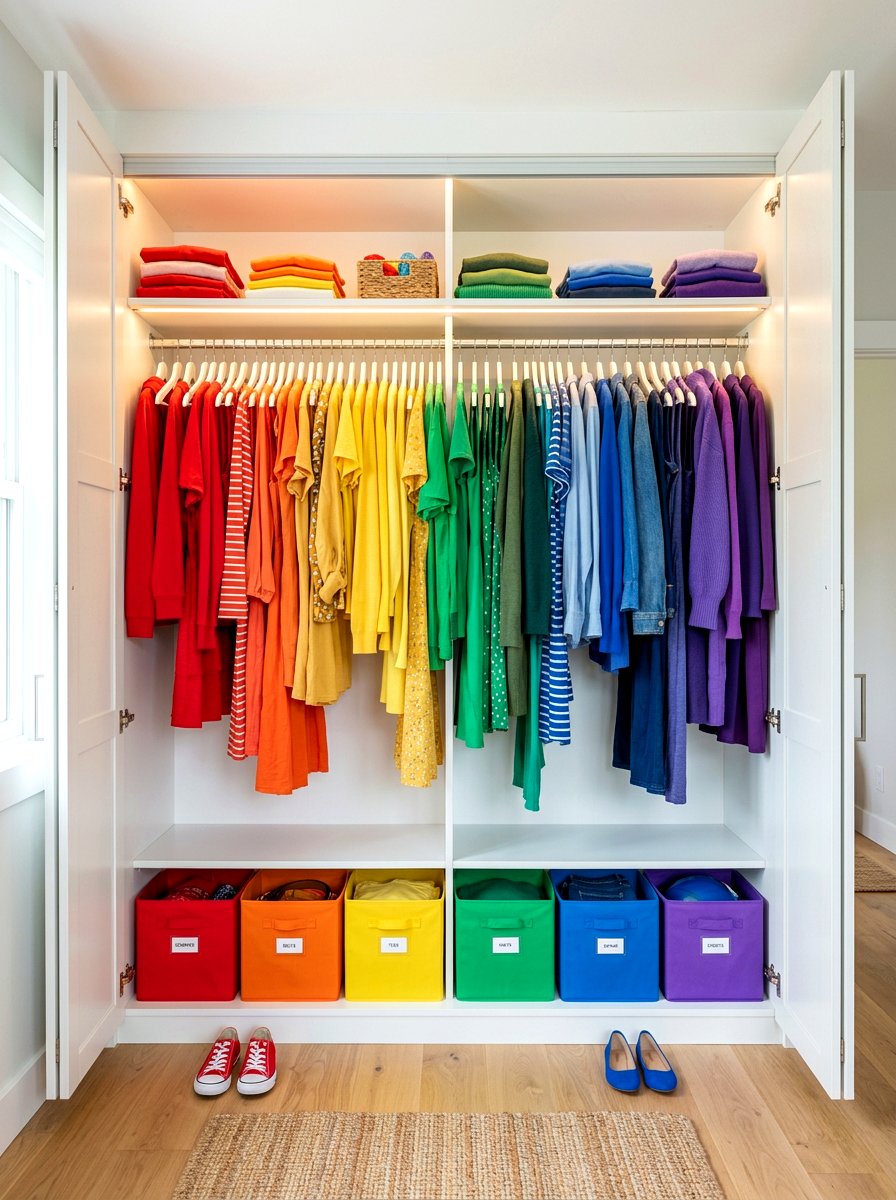
Bringing a vibrant and organized energy to a child's room is easy when you implement a strictly color-coded closet system. By arranging clothes in the order of the rainbow, you create a visually stunning display that makes finding specific items much faster. This method also teaches children about colors and organization in a fun, interactive way during their daily routine. You can match the hangers to the clothes or use uniform white hangers to let the colors of the fabric really stand out. This design looks incredible on Pinterest and works well in open-concept closets where the contents are always visible to anyone walking into the bedroom.
9. Basket Storage Closet
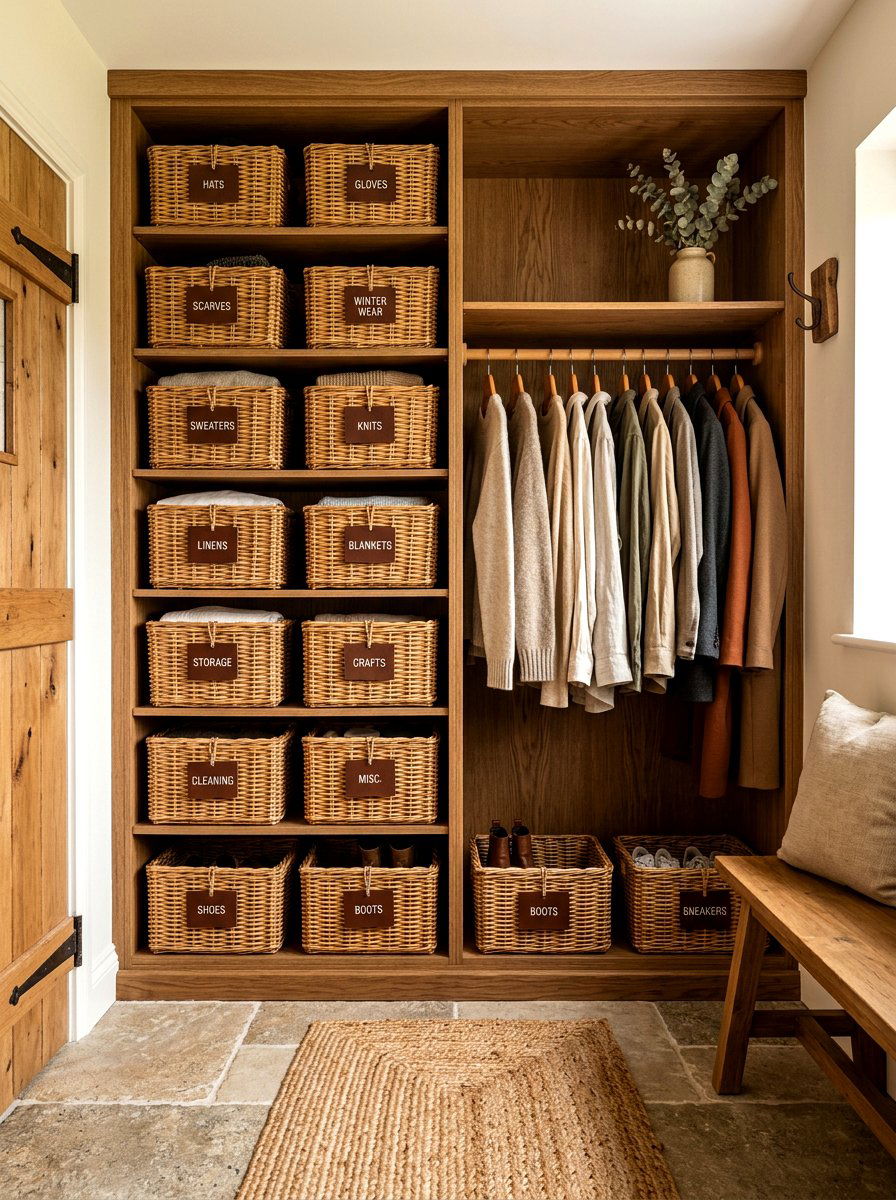
Using a basket-heavy storage system is one of the most effective ways to hide clutter while maintaining a very stylish and cohesive look. You can fill open shelves with matching wicker or fabric baskets to hold everything from small toys to folded socks and underwear. This approach is perfect for parents who want a clean aesthetic but struggle with keeping perfectly folded stacks of clothing on open display. Labeling each basket with text or pictures helps children know exactly where their items belong when it is time to clean up. The natural textures of the baskets add warmth to the room, making the closet feel like a cozy part of the design.
10. Sliding Door Closet
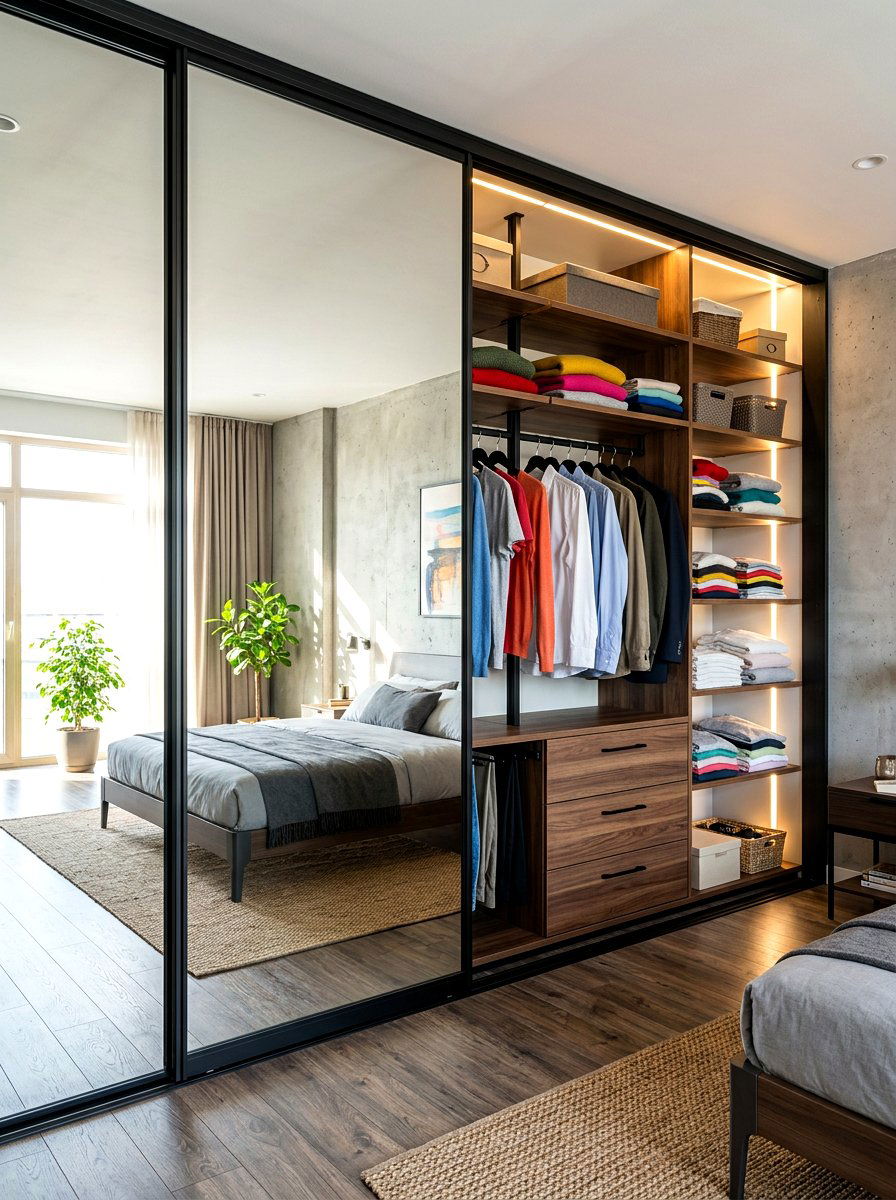
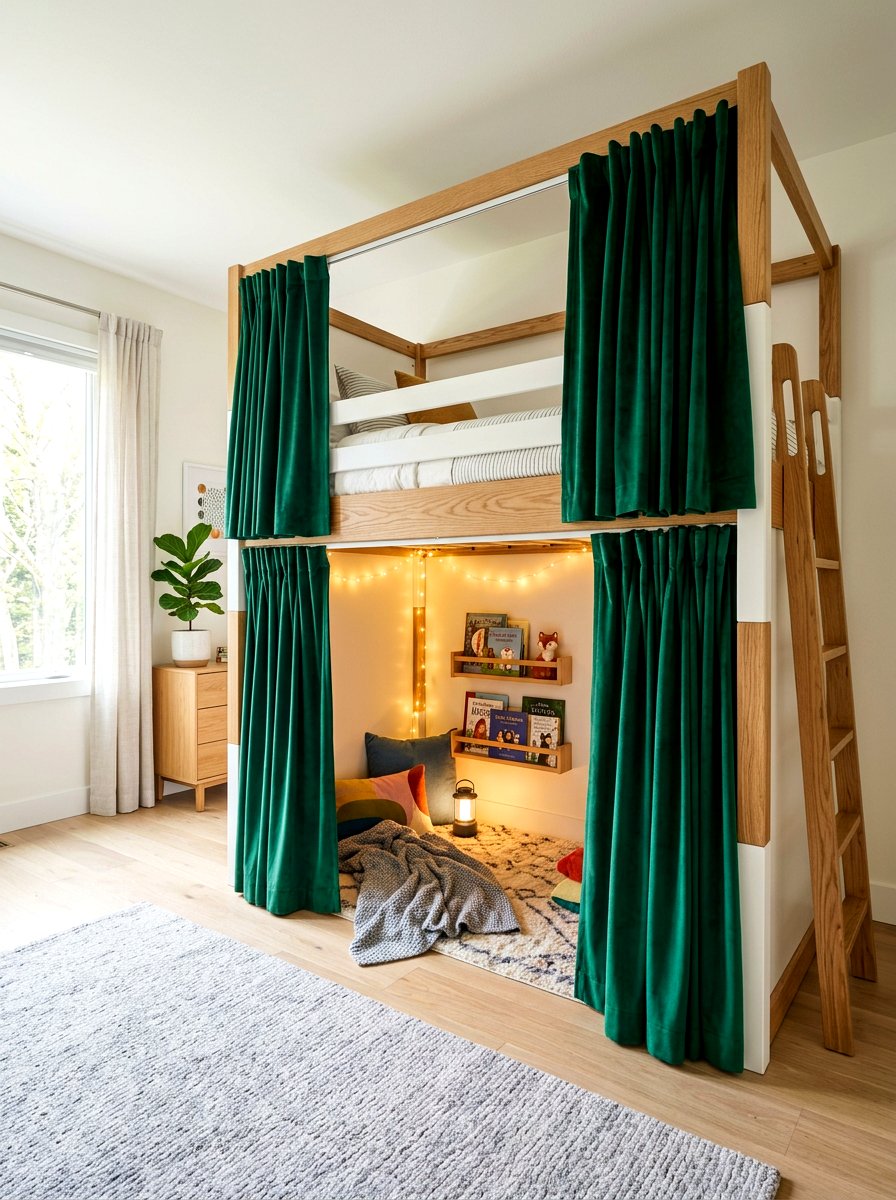
A sliding door closet is a fantastic choice for narrow bedrooms where there is simply no room for traditional doors to swing outward. These doors can be customized with beautiful finishes, such as frosted glass, natural wood, or even chalkboard paint for a playful touch. Inside, you can arrange the storage to match the sliding panels, ensuring that the most frequently used items are always easy to access. This design keeps the room looking streamlined and modern while hiding any potential mess that might be lurking behind the doors. It is a practical and space-saving solution that works well for children of all ages, from toddlers to busy teenagers.
11. Open Concept Closet
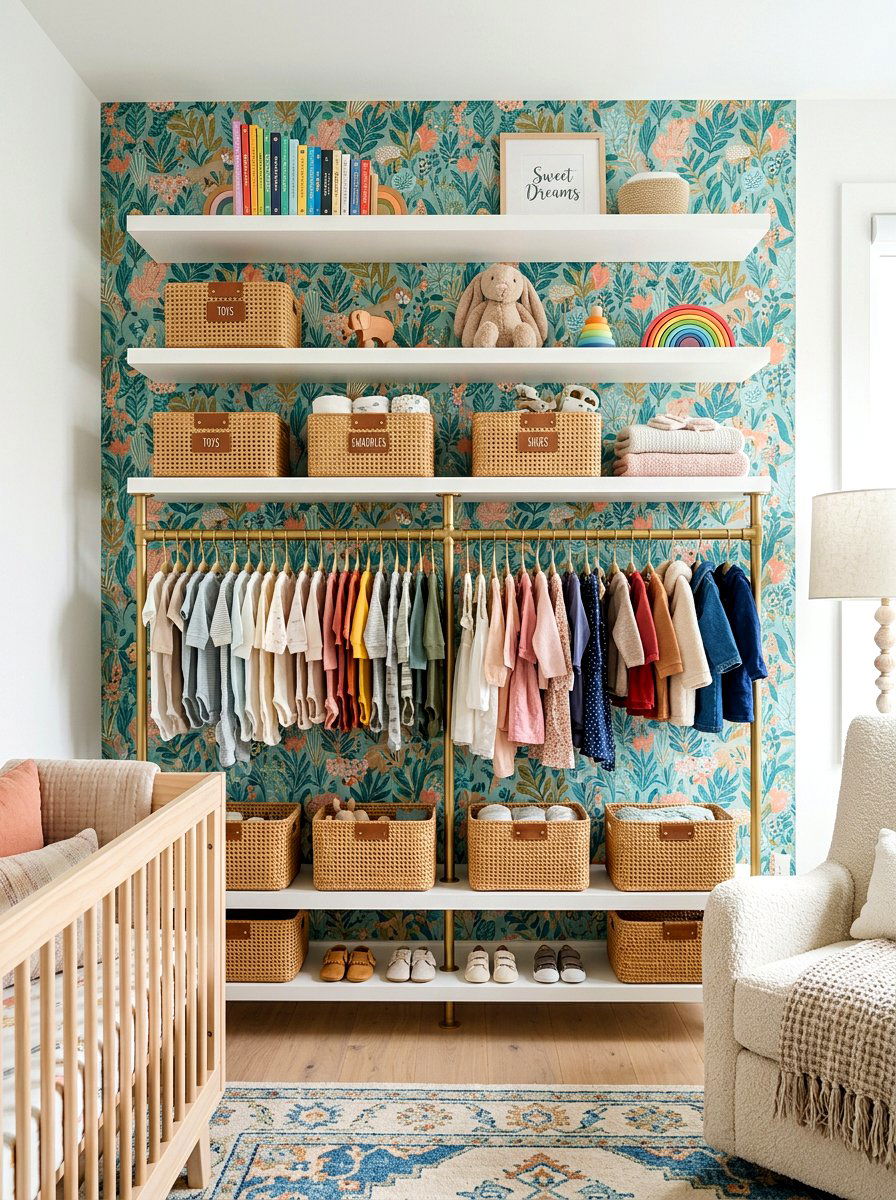
Embracing an open concept closet removes the physical barriers of doors, making the entire storage area feel like an integrated part of the bedroom. This style works best when the interior is beautifully finished with paint or wallpaper and the contents are kept meticulously organized. You can use a combination of stylish hanging racks and aesthetic shelving units to display your child's most beautiful outfits and accessories. This design encourages kids to keep their space tidy since everything is on constant display for guests to see. It also makes the room feel significantly larger and airier, which is ideal for smaller floor plans or modern, minimalist home designs.
12. Dresser In Closet
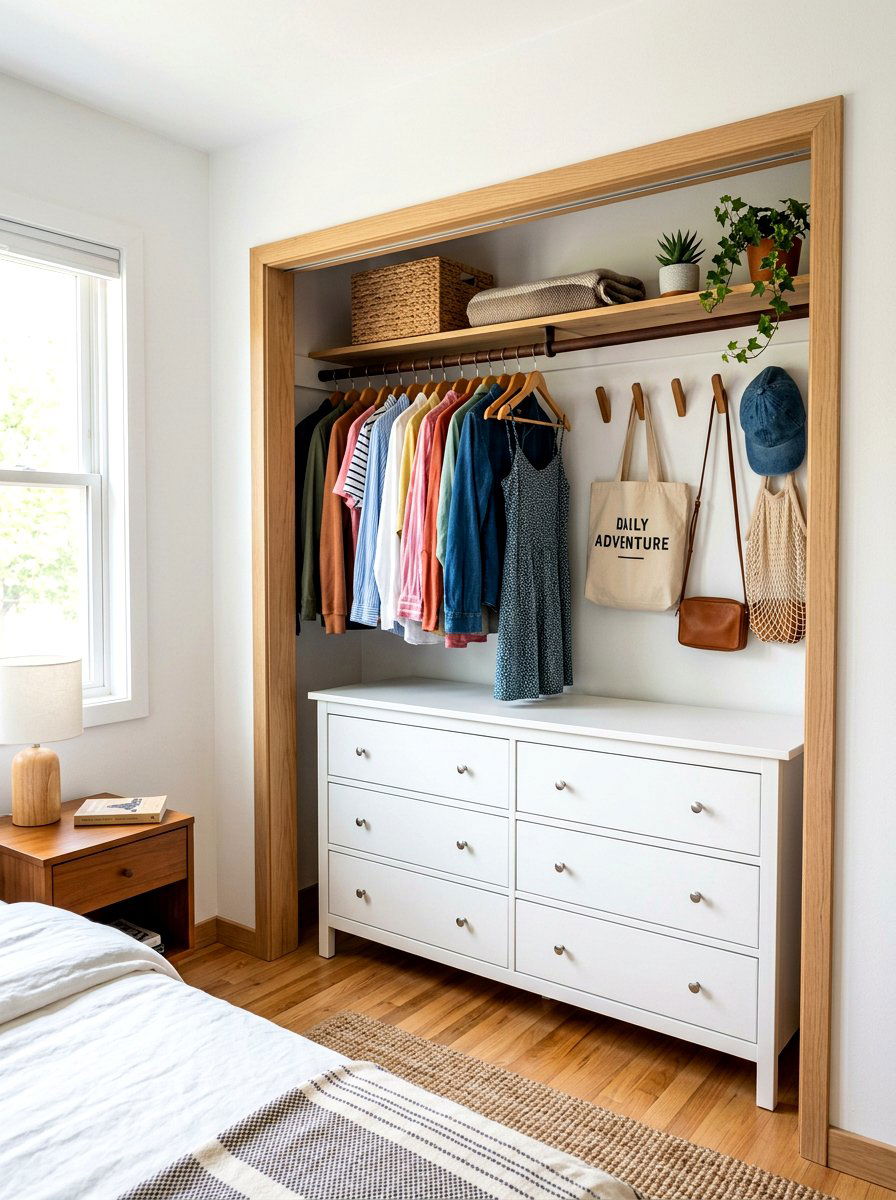
If you are struggling to find floor space in a small bedroom, placing a dresser directly inside the closet is a brilliant design move. This layout allows you to combine hanging storage and drawer storage in one centralized location, freeing up the rest of the room for play. You can hang a shorter rod above the dresser for shirts or jackets, utilizing the vertical wall space effectively. This setup creates a streamlined look where all clothing is hidden behind the closet doors, keeping the main sleeping area calm and clutter-free. It is a popular choice for nurseries and toddler rooms where floor space is at a high premium.
13. Minimalist Capsule Closet
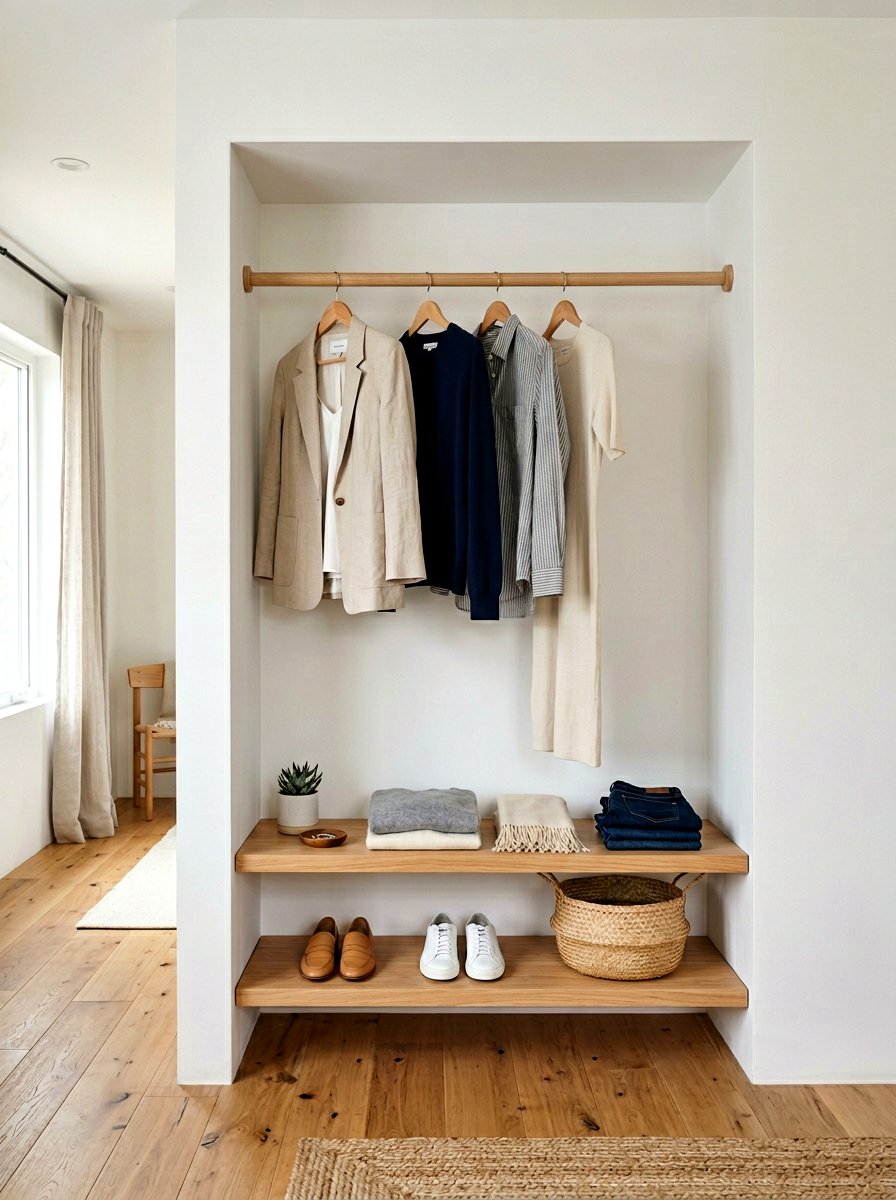
A minimalist capsule closet focuses on quality over quantity, featuring a carefully curated selection of versatile clothing that all works well together. This design uses a simple layout with a single rod and a few high-quality wooden shelves to keep the space feeling open. By reducing the number of items, you make it much easier for your child to choose their own clothes without feeling overwhelmed. This approach also simplifies the laundry process and ensures that the closet never becomes a dumping ground for unused items. The clean aesthetic promotes a sense of calm in the bedroom, which is perfect for creating a peaceful and relaxing sleep environment.
14. Teenager Walk In Closet
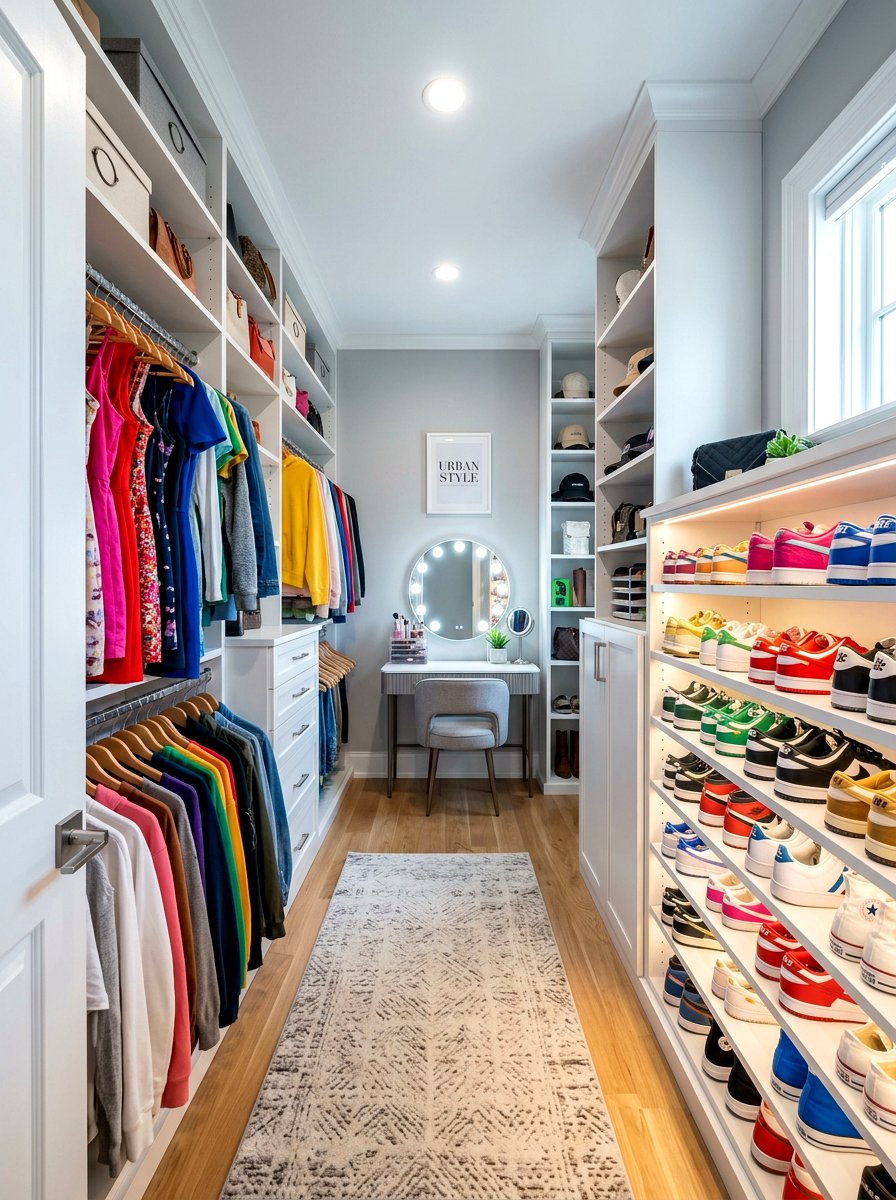
As children transition into their teenage years, they often require more sophisticated storage for larger clothing and a growing collection of shoes and accessories. A teenager’s walk-in closet should include plenty of long hanging space for dresses or coats and dedicated shelving for sneakers. Incorporating a small vanity or a mirror with high-quality ring lighting can turn the closet into a private dressing room. Using a more mature color palette, like soft greys or wood tones, helps the space feel less like a playroom and more like an adult dressing area. This design provides the independence and privacy that teenagers crave as they develop their own personal style.
15. Playroom Toy Closet
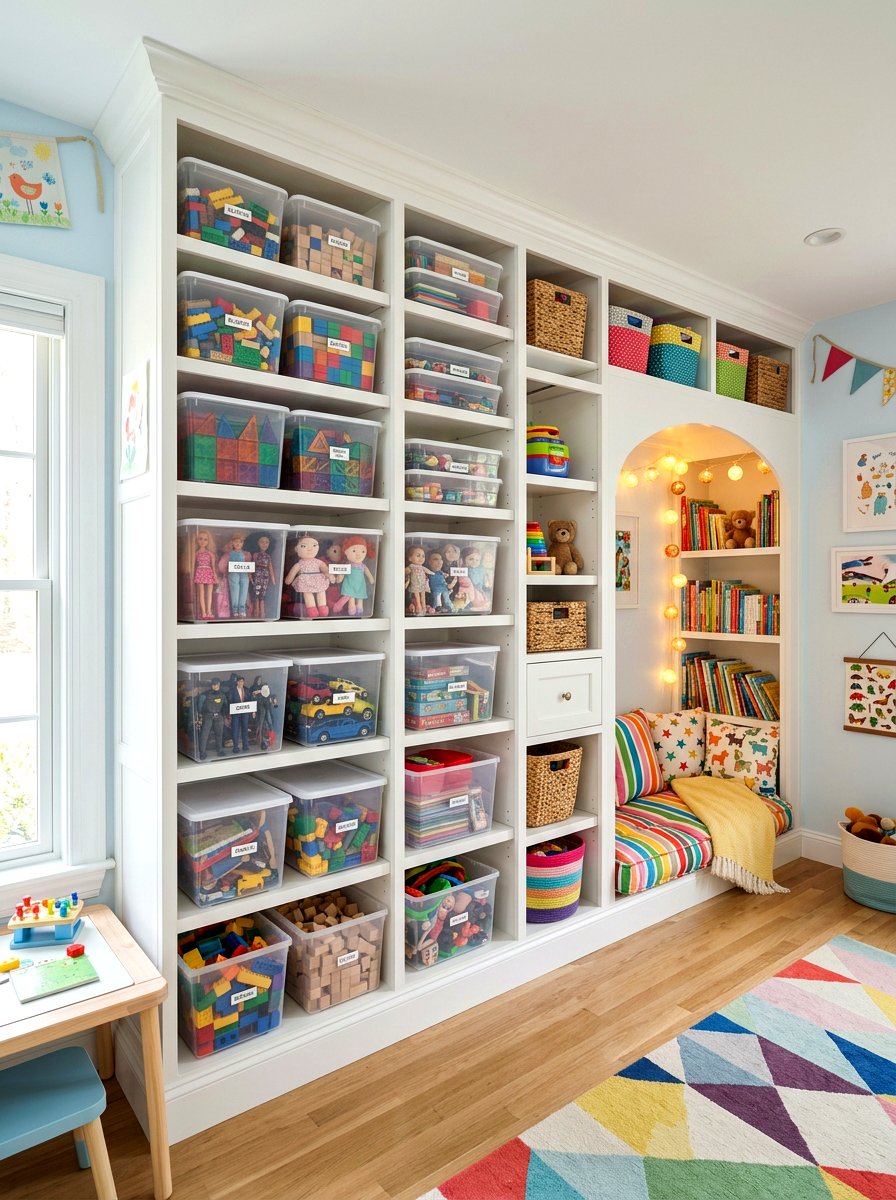
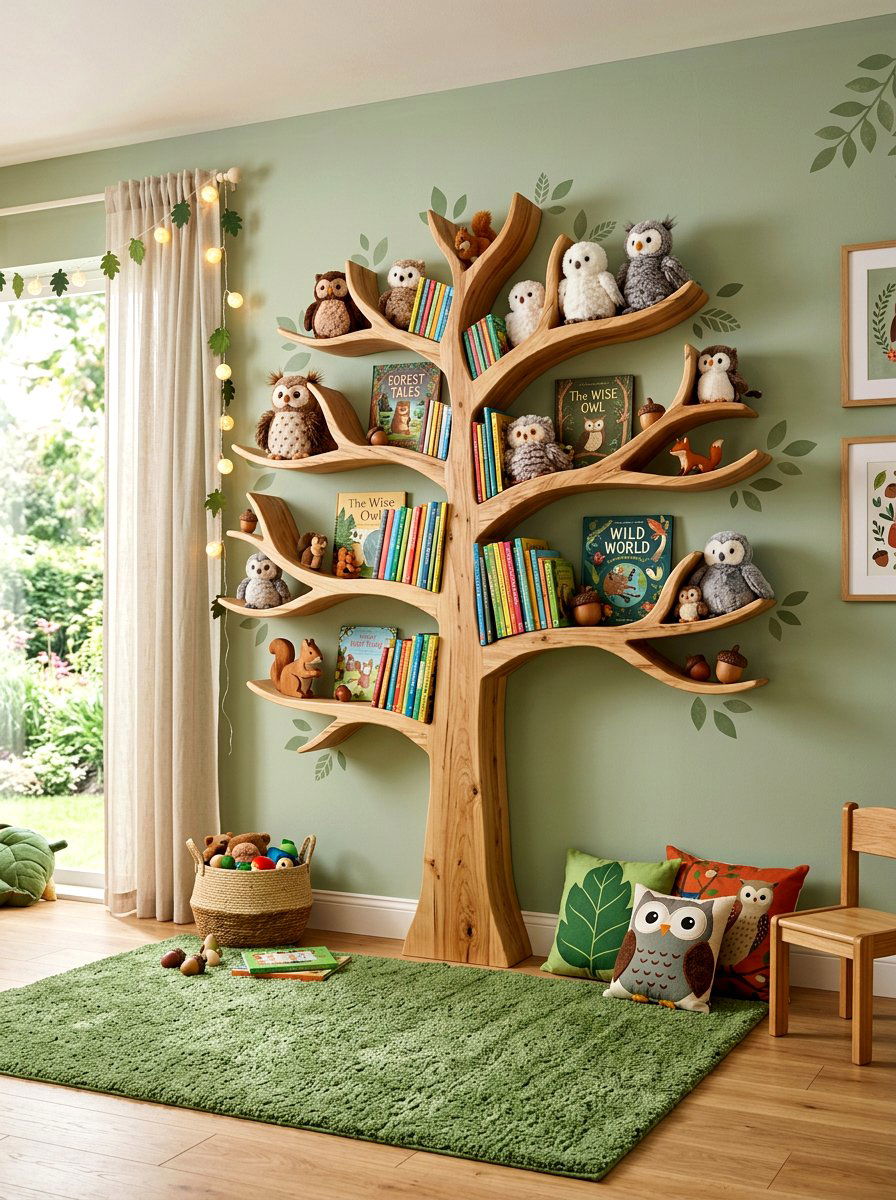
Transforming a standard closet into a dedicated toy storage area is a great way to keep a playroom organized and manageable. You can install deep, sturdy shelves to hold large bins filled with building blocks, dolls, or board games. Using clear containers allows children to see what is inside each bin, reducing the need to dump everything out on the floor. Adding a small table or a soft rug inside the closet can even turn it into a secret hideout or a cozy reading nook. This design keeps the main play area clear and makes it very easy to tidy up everything at the end of the day.
16. Corner Closet Unit
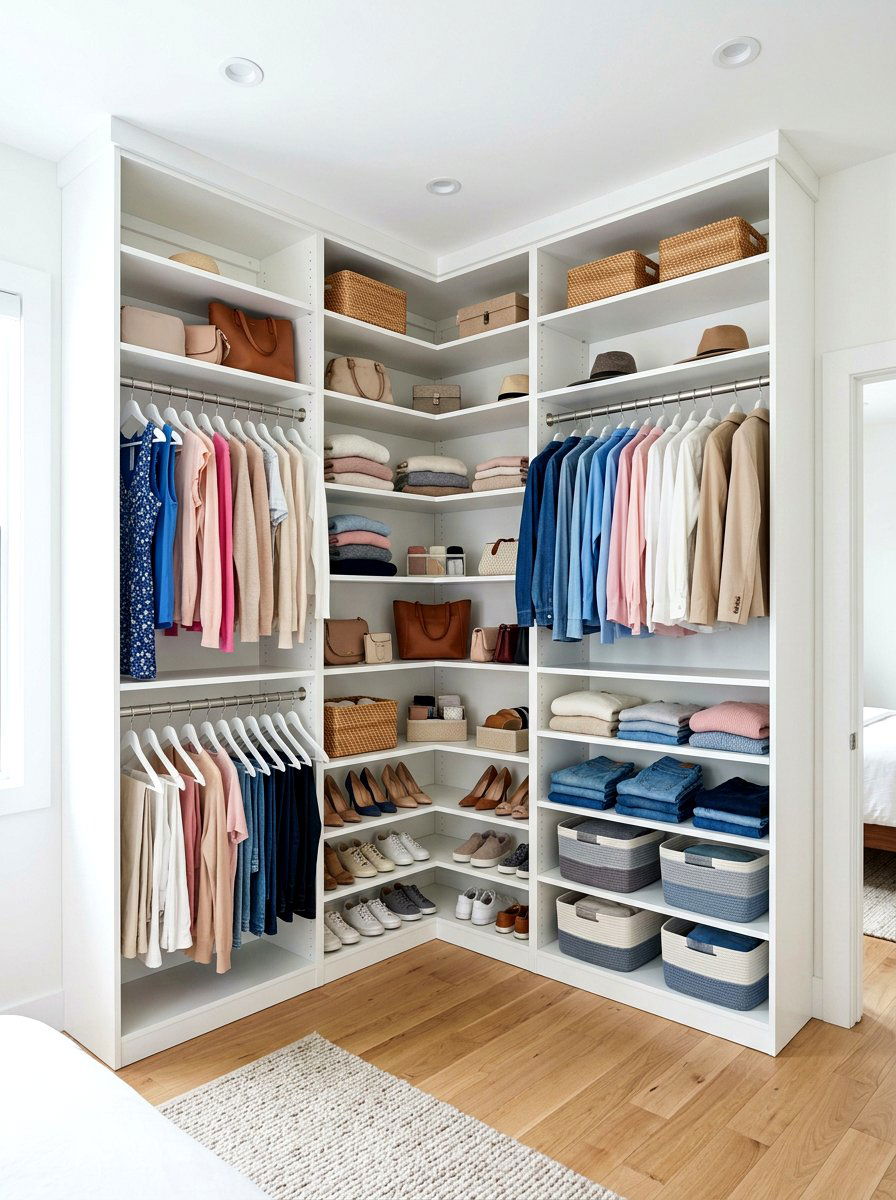
Utilizing the corner of a room for a custom closet unit is a smart way to maximize space that often goes completely wasted. These L-shaped systems provide a surprising amount of storage by wrapping around two walls, offering both hanging and shelving options. You can use the corner section for bulky items like suitcases or out-of-season bedding that is not needed daily. This design helps to anchor the room's layout and can be finished with mirrors to reflect light and make the corner feel much brighter. It is an excellent solution for oddly shaped rooms where a traditional rectangular closet simply will not fit correctly or efficiently.
17. Custom Wood Closet
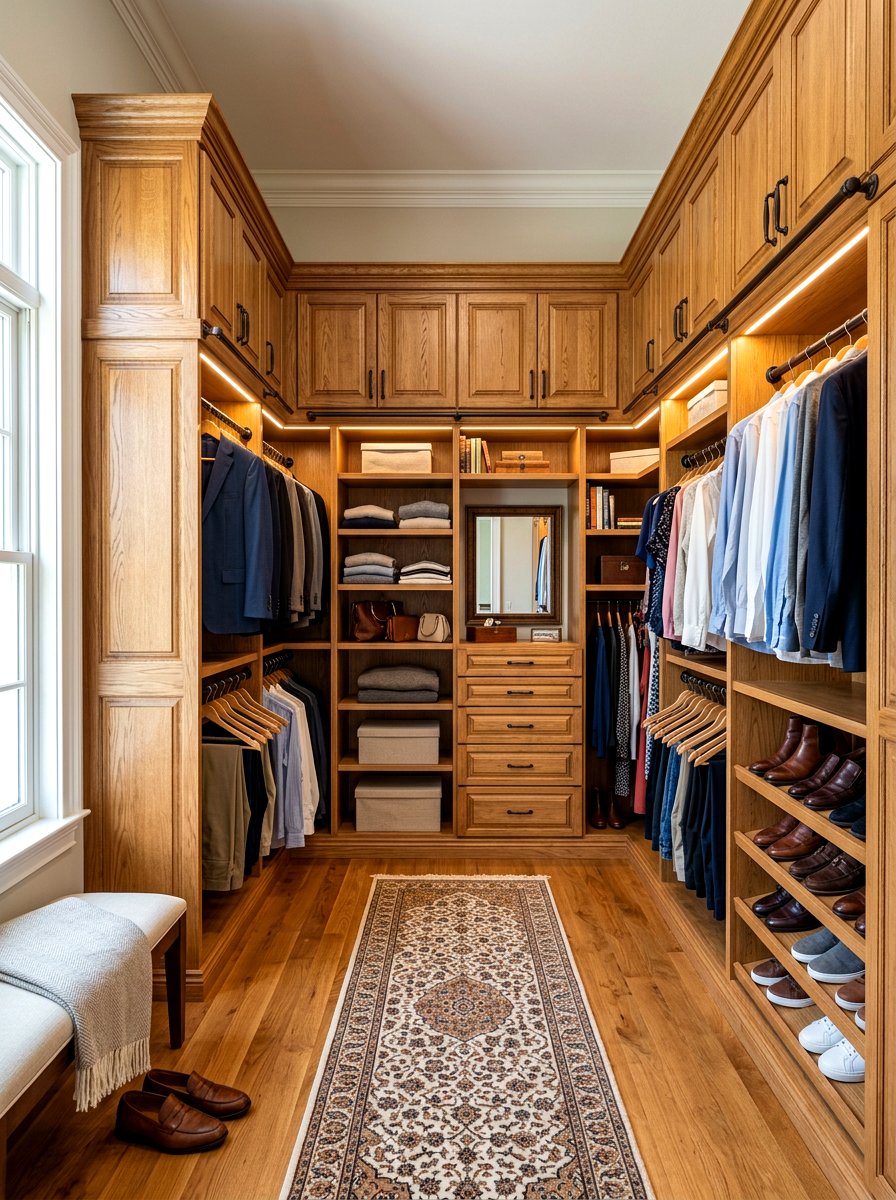
A custom wood closet provides a timeless and high-quality look that brings a sense of warmth and luxury to a child 's bedroom. You can choose from various wood finishes, such as light oak or rich walnut, to match the existing furniture in the room. These systems are built to last and can be easily reconfigured with adjustable shelves as your child’s storage needs change over time. The solid construction handles the weight of heavy books or sports equipment much better than cheaper wire alternatives. This design is a long-term investment that looks beautiful on Pinterest and adds a sophisticated feel to the entire home' s interior design.
18. Wire Shelving Closet
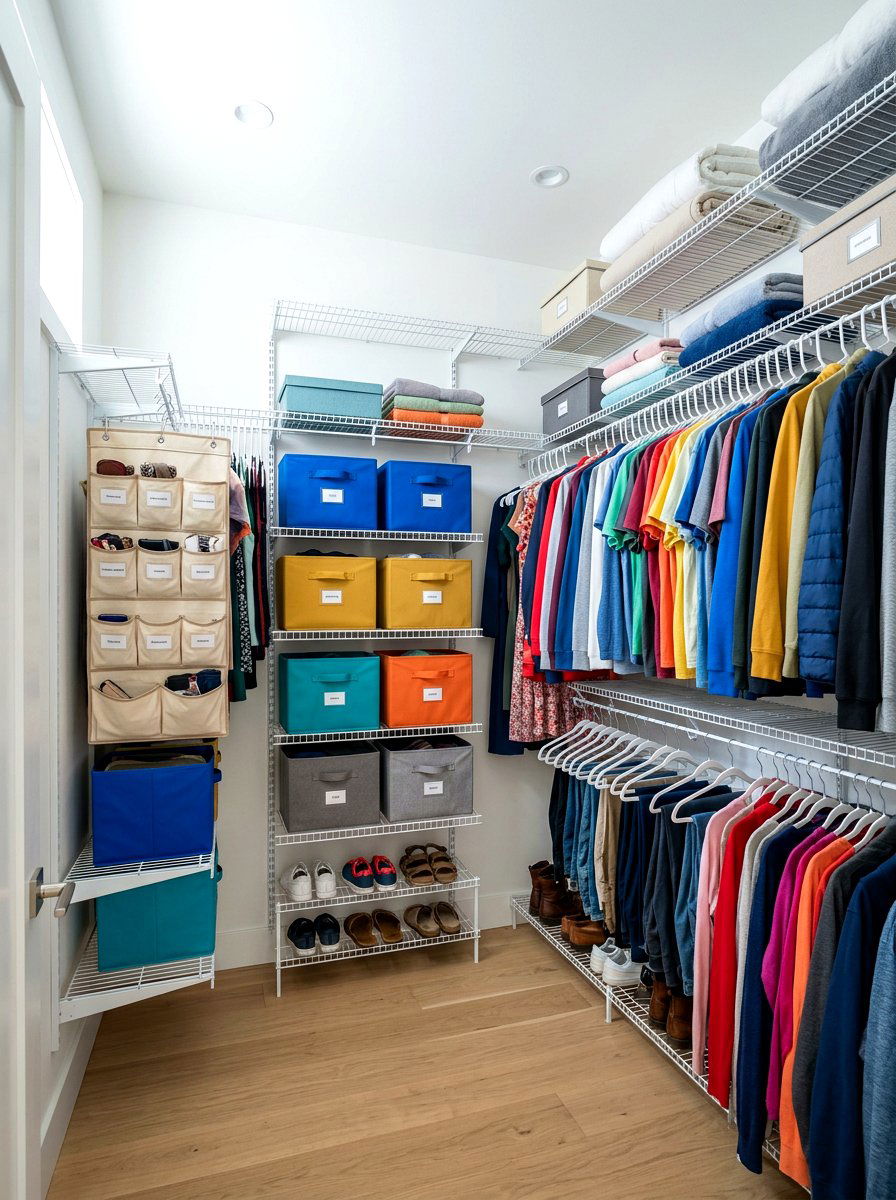
Wire shelving is an affordable and highly versatile option for parents who want a functional closet system without a massive financial investment. These systems are easy to install and allow for excellent airflow, which helps keep clothes and linens smelling fresh. You can easily add extra hooks or hanging baskets to the wire frames to customize the storage for smaller accessories. Many wire systems are completely adjustable, meaning you can move the shelves up or down as your child grows taller. While it offers a more utilitarian look, you can dress it up with colorful bins or decorative fabric liners to match the bedroom's overall theme and style.
19. Wallpapered Closet Interior
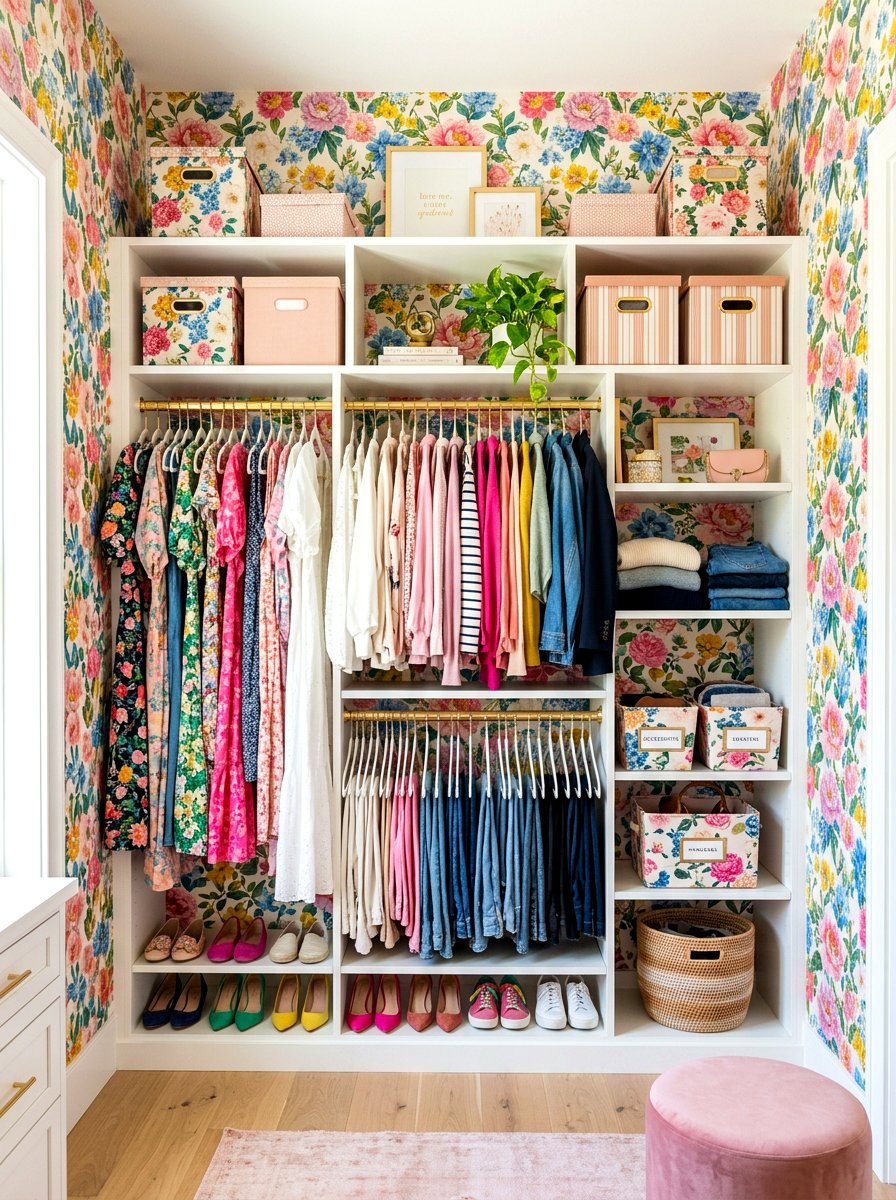
Adding a pop of pattern with a wallpapered closet interior is a fun and unexpected way to bring personality to a child's room. When the closet doors are opened, the vibrant colors and playful designs create an instant "wow" factor that delights children. You can choose themes like stars, animals, or floral prints that complement the main bedroom decor without being too overwhelming. This design detail makes the closet feel like a special part of the room rather than just a dark storage space. It is a relatively low-cost DIY project that can completely transform the aesthetic of a standard reach-in closet in just one weekend.
20. Mirrored Door Closet
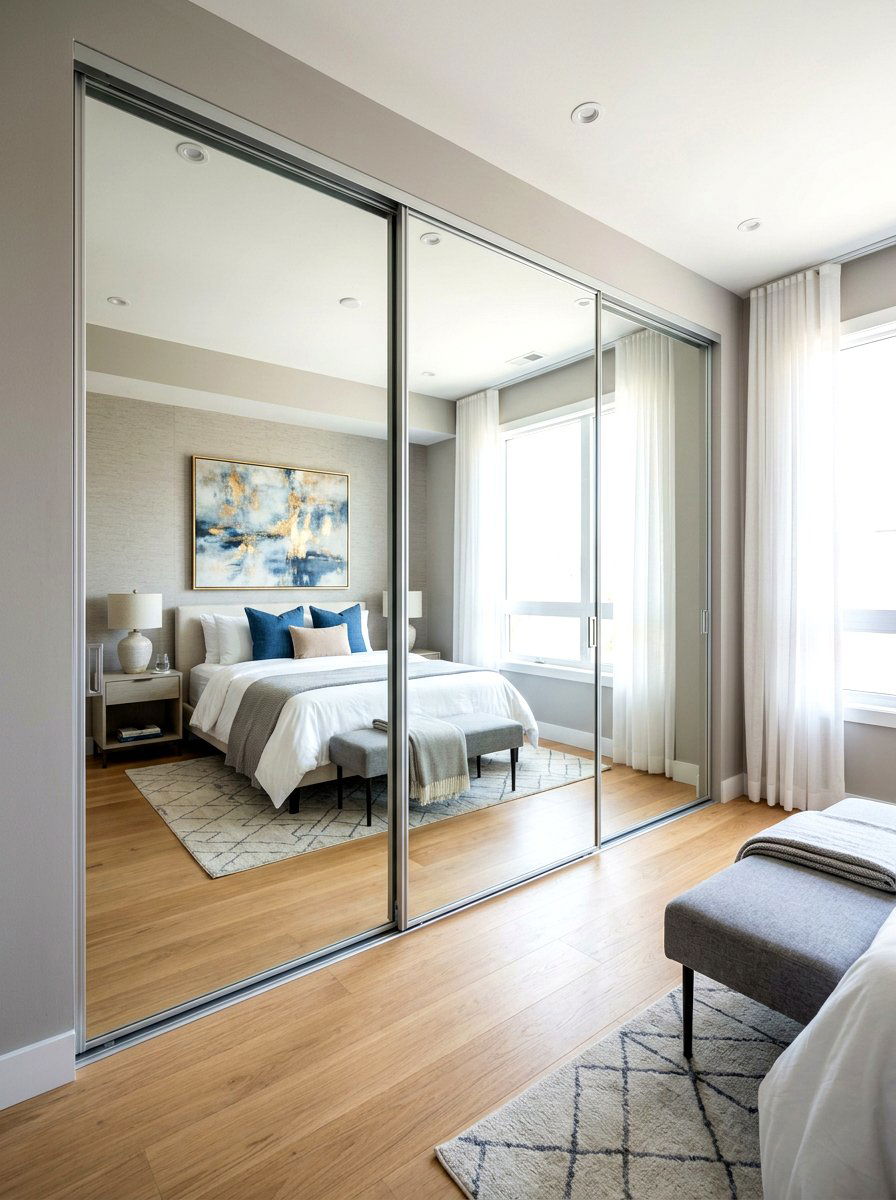
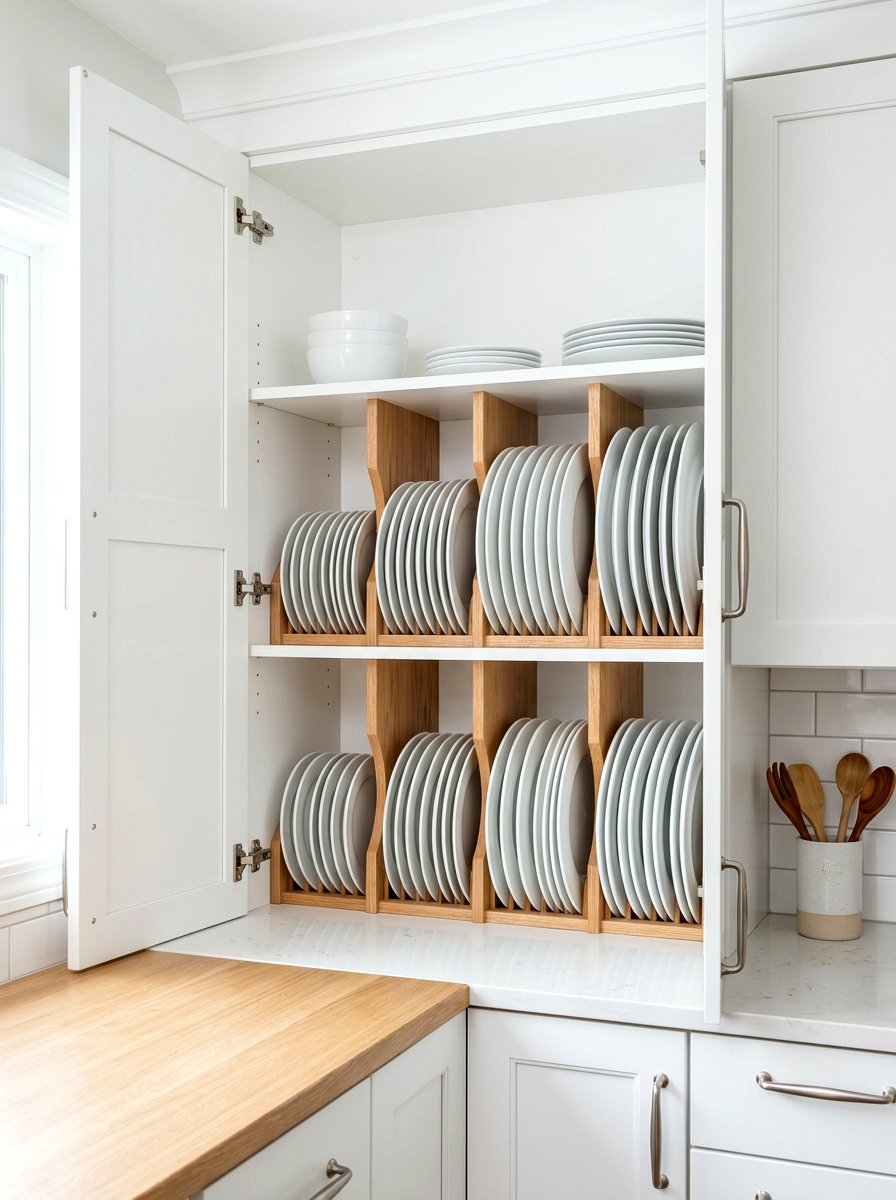
Mirrored closet doors serve a dual purpose by providing a functional place for kids to check their outfits while making the bedroom feel twice as large. The reflective surfaces bounce light around the room, which is particularly helpful in smaller spaces or rooms with limited natural sunlight. Modern mirrored doors can be framed in sleek wood or metal to match a contemporary or traditional design style perfectly. Inside, you can maintain a standard organization system, knowing that any mess is hidden behind the stylish glass. This design is a classic choice that remains popular for its ability to combine practicality with a bright and airy room feel.
21. Low Hanging Rod Closet
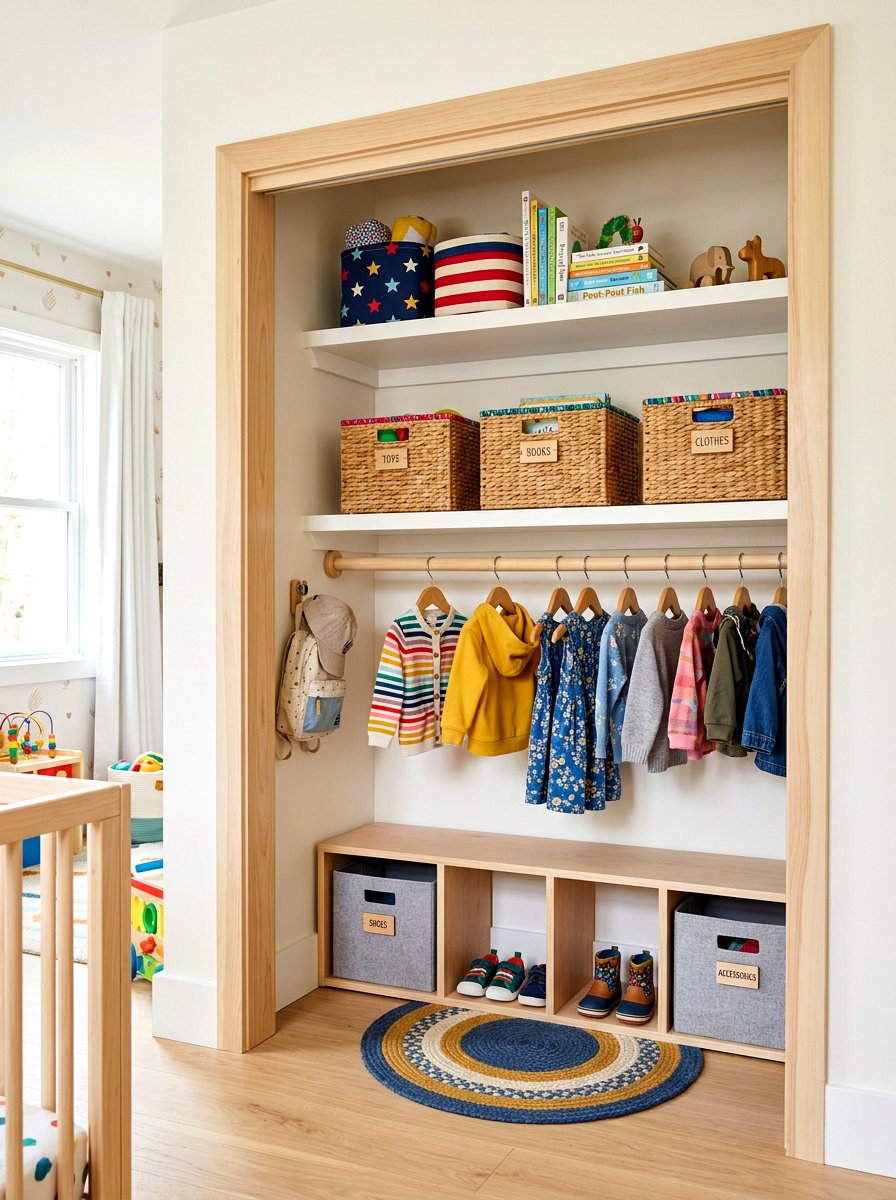
Designing a closet with a focus on low hanging rods is the most effective way to encourage young children to take responsibility for their own clothing. By placing the main rod at a height of about thirty inches, even a toddler can easily hang up their shirts or choose an outfit. You can use the space above the low rod for shelving to store items that require adult supervision or seasonal clothing. This layout shifts the visual focus downward, making the closet feel specifically designed for the child’s size and needs. It is a simple modification that makes a huge impact on a child's developing independence and confidence.
22. Shoe Rack Closet
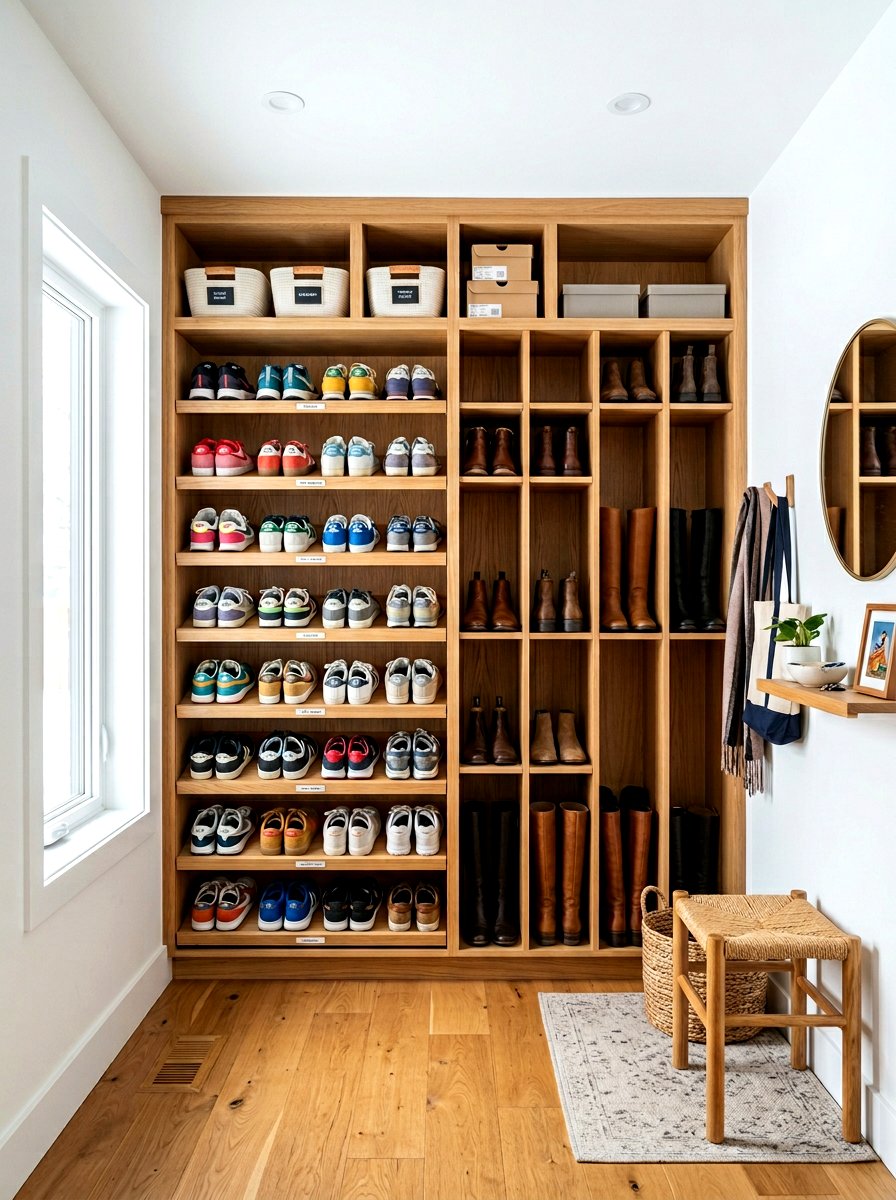
A dedicated shoe rack system inside the closet prevents the inevitable pile of footwear from taking over the bedroom floor. You can install slanted shelves or a floor-to-ceiling cubby system specifically designed to hold sneakers, boots, and sandals. This organization makes it very easy for children to find matching pairs and encourages them to put their shoes away immediately after coming home. For smaller children, you might use lower bins to keep their tiny shoes organized and accessible. This design ensures that the most used items are always ready to go, which helps to streamline the busy morning rush when everyone is heading out the door.
23. Labelled Bin Closet
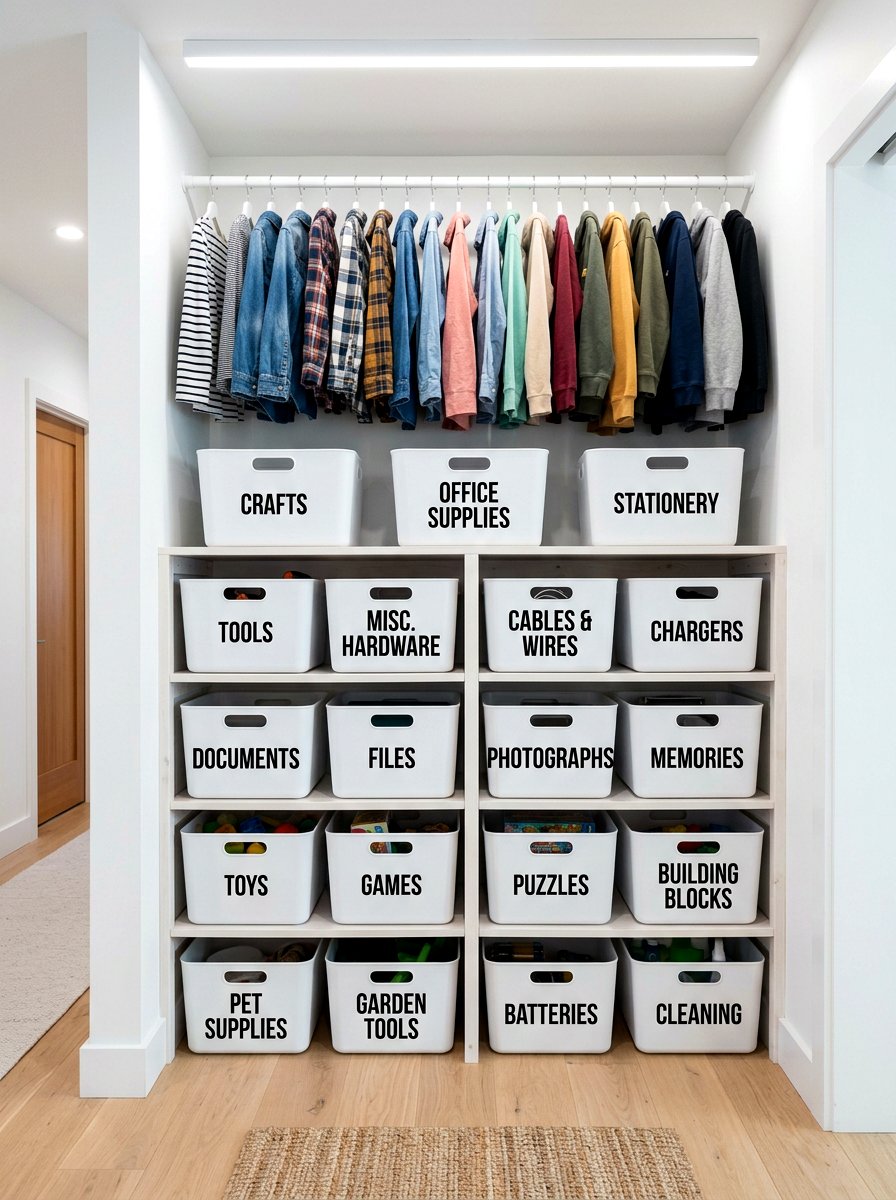
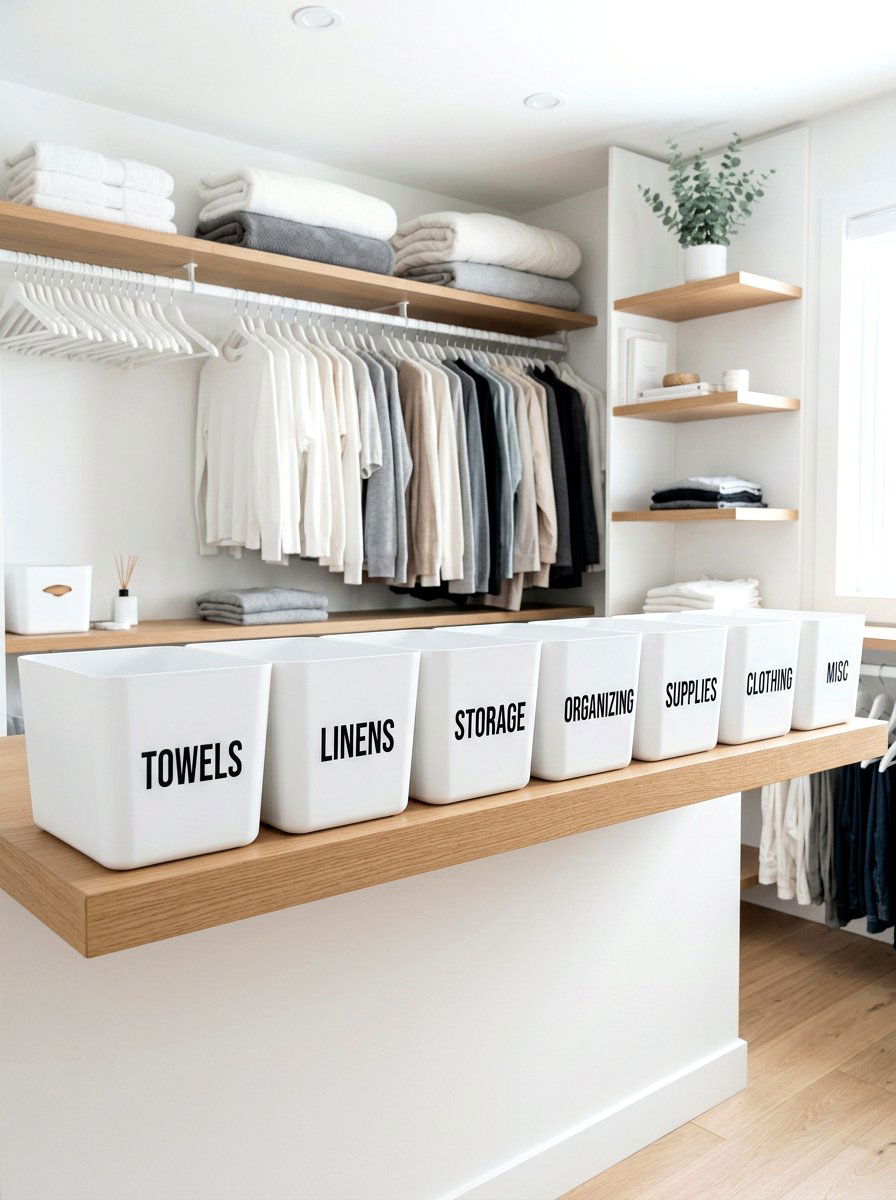
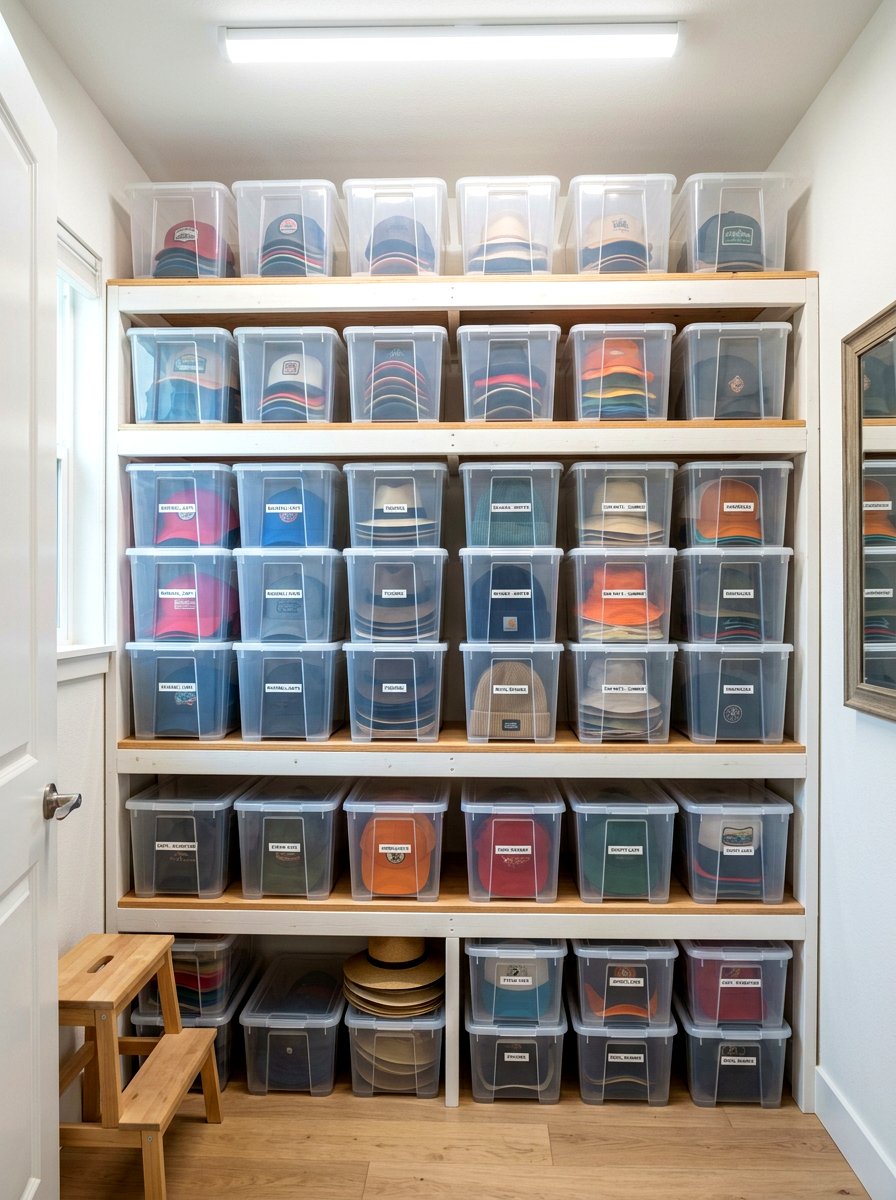
A labelled bin closet is the ultimate solution for maintaining long-term organization in a busy household with multiple children. Using clear or opaque bins with high-contrast labels helps kids identify exactly where their toys, socks, and pajamas belong. You can use picture labels for younger children who cannot yet read, making the cleanup process an educational and fun activity. This system works incredibly well on open shelving where the bins are neatly stacked to create a clean and structured look. It removes the guesswork from tidying up and ensures that every item has a designated home, which significantly reduces the daily clutter in the bedroom.
24. Pastel Themed Closet
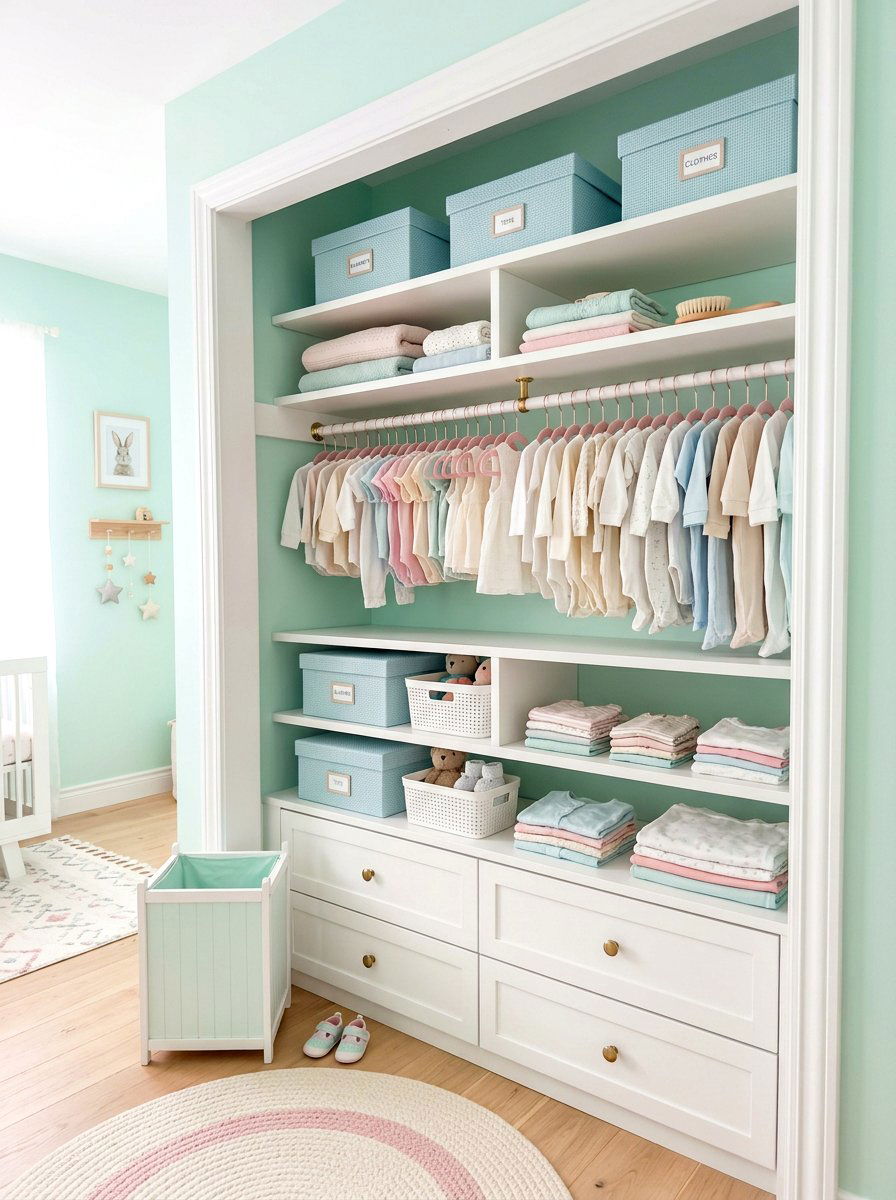
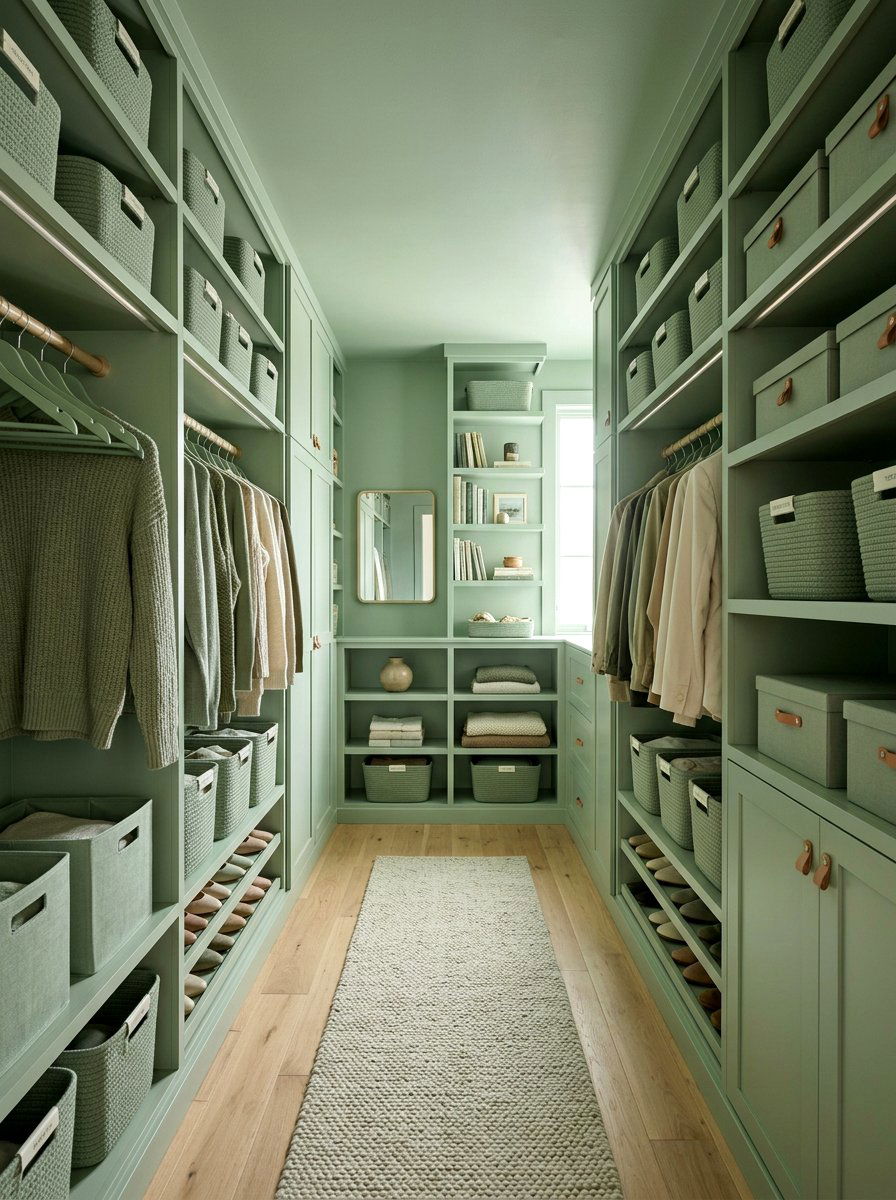
Creating a soft and dreamy atmosphere is easy with a pastel-themed closet that uses light blues, pinks, or mint greens for a cohesive look. You can paint the interior of the closet in a soothing shade and use matching hangers and storage bins to tie the design together. This aesthetic works beautifully in nurseries or young children's rooms where a gentle and calming environment is often desired. Adding soft velvet hangers in coordinating colors prevents clothes from slipping while adding a touch of elegance to the space. The result is a Pinterest-worthy closet that feels like a curated boutique, making the daily task of dressing much more enjoyable.
25. Gender Neutral Closet
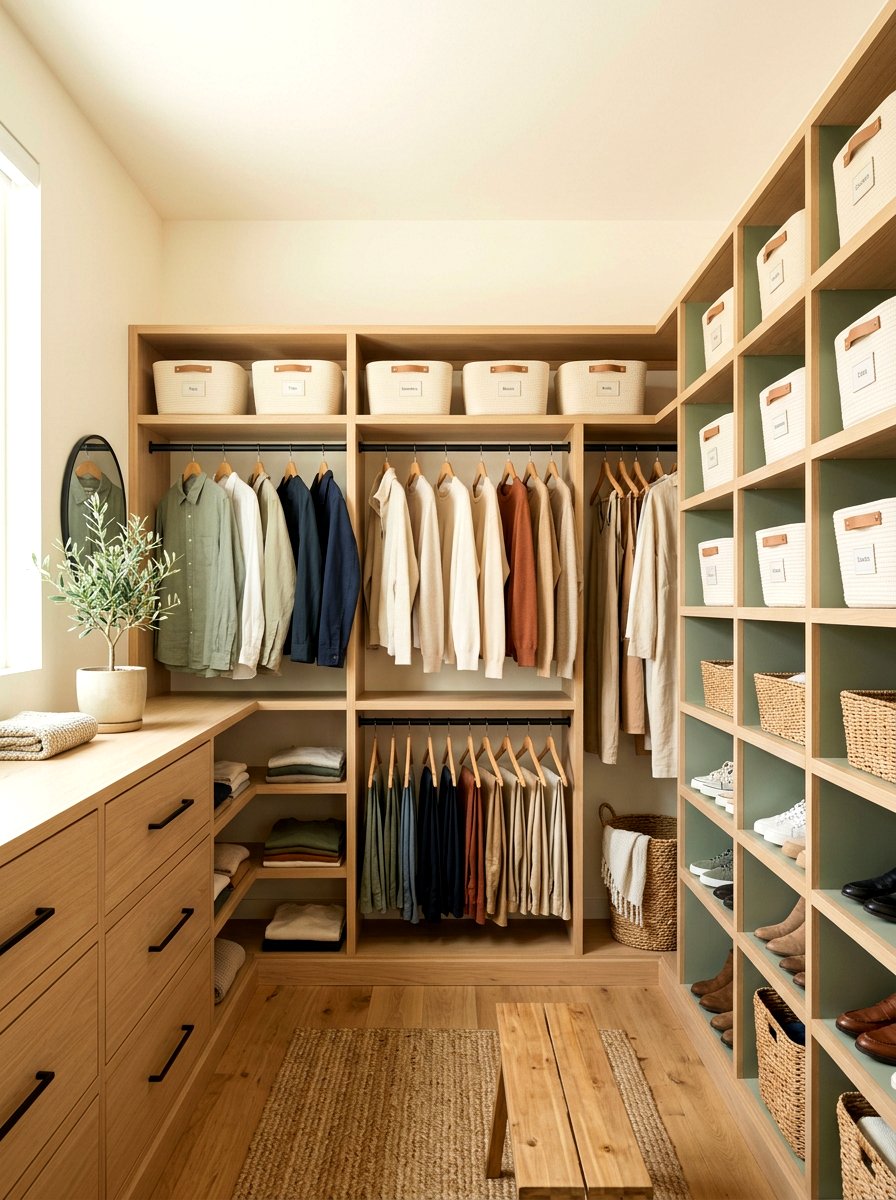
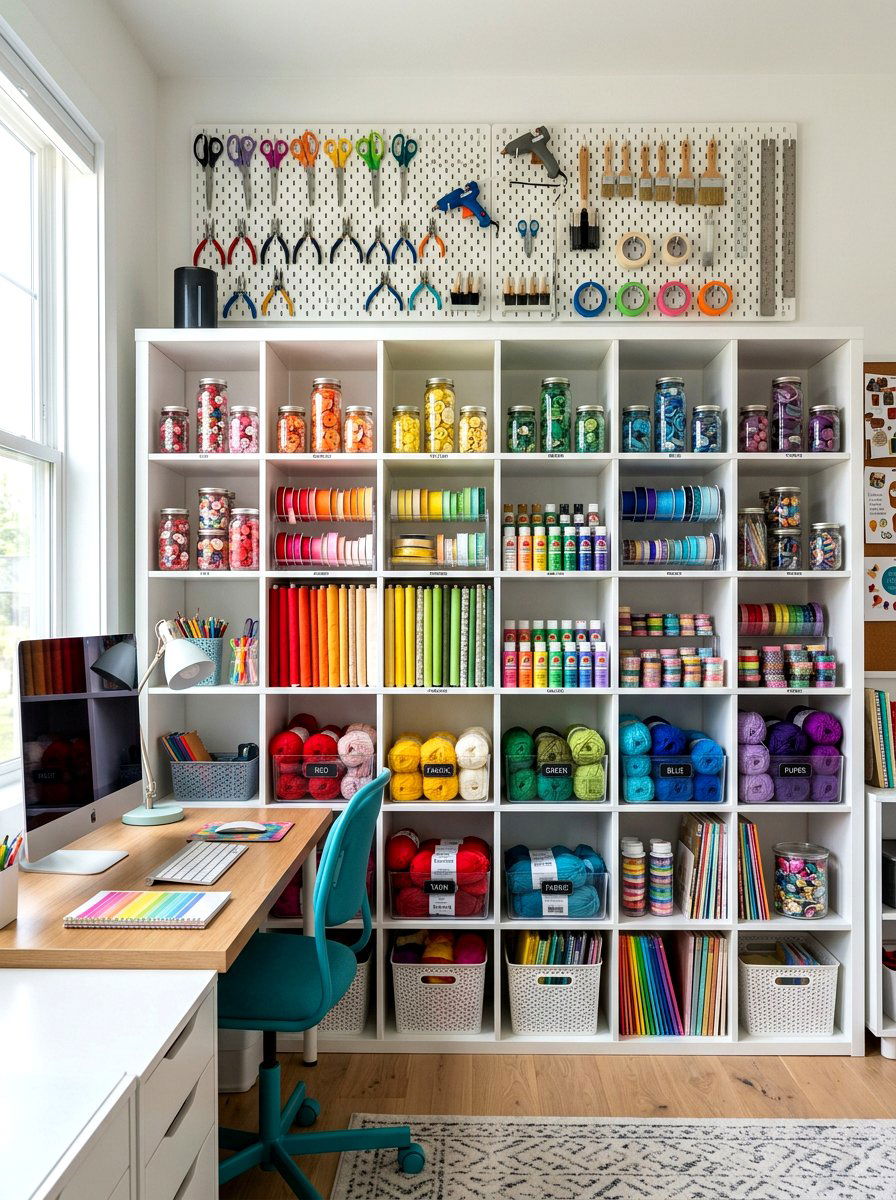
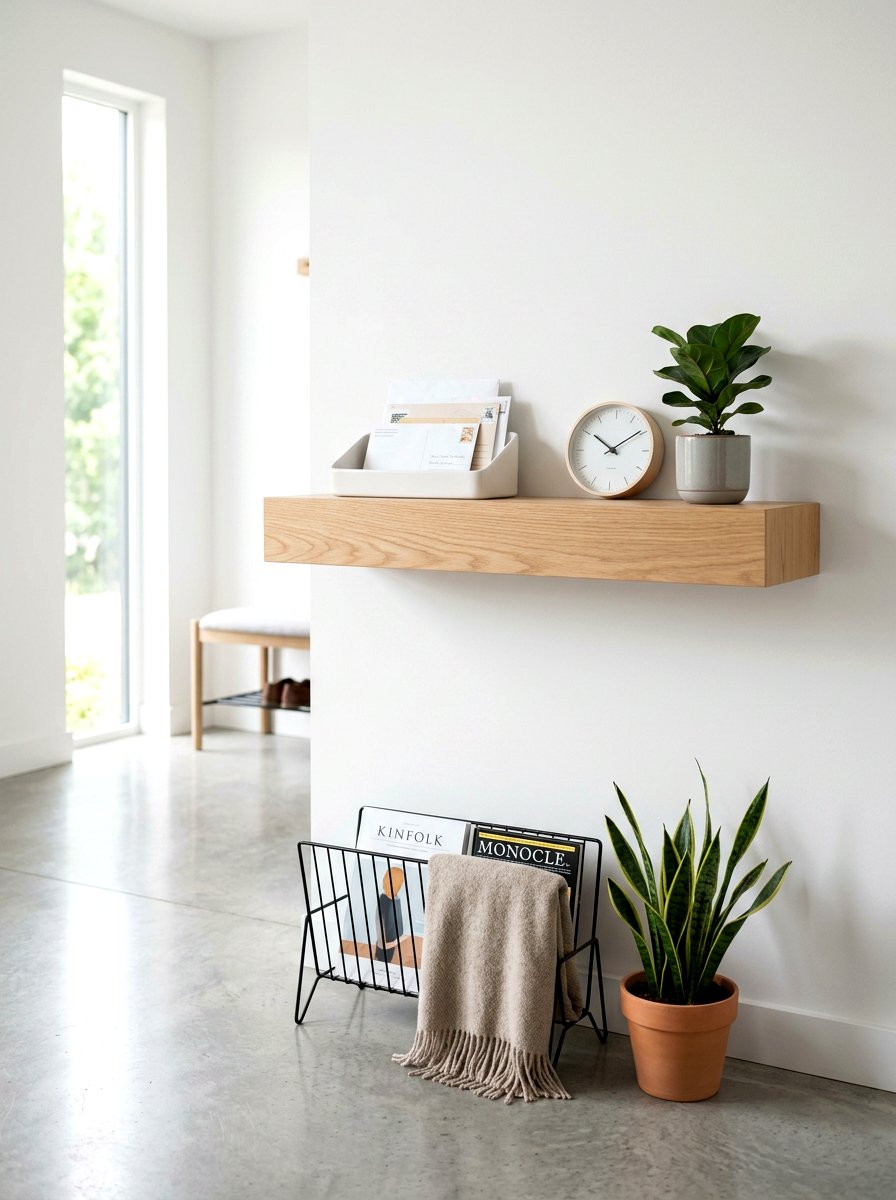
A gender-neutral closet focuses on a versatile color palette and a functional layout that works perfectly for any child regardless of their style preferences. Using natural wood tones, crisp whites, and earthy greens or greys creates a timeless look that will not need to be updated as the child grows. This design often features a mix of sturdy shelving and adjustable rods that can accommodate a wide variety of clothing types. It is an excellent choice for families who plan to pass the room down to younger siblings in the future. The neutral background allows colorful clothes and toys to stand out without clashing with the overall room design.
26. Sports Equipment Closet
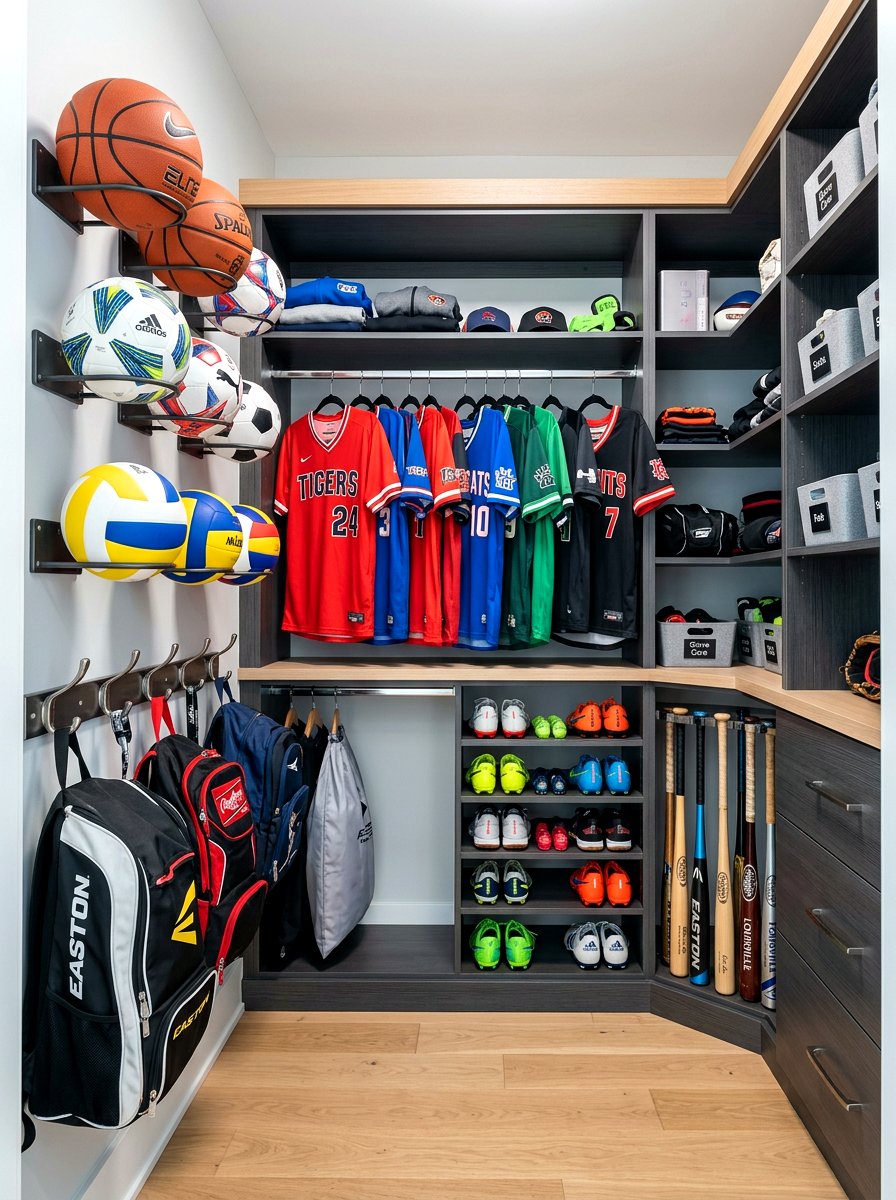
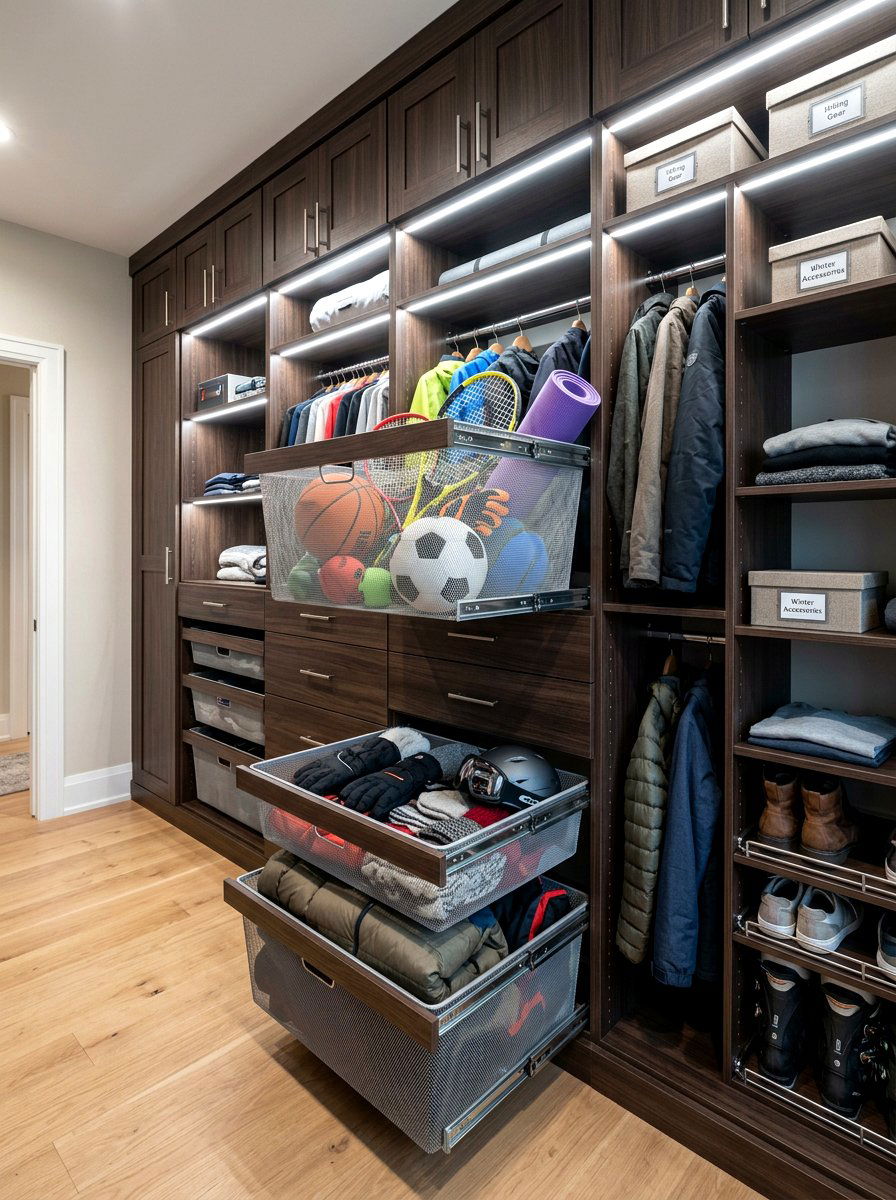
For active kids, a closet dedicated to sports equipment provides a much-needed home for balls, bats, helmets, and jerseys. You can install heavy-duty hooks on the walls to hang bags and rackets, while deep bins at the bottom hold larger items like soccer balls. Adding a specialized rack for shoes or cleats keeps mud and grass from spreading into the rest of the bedroom area. This design helps children keep track of their gear and ensures they are always prepared for practice or game day. It turns a standard closet into a functional hub that supports a child's hobbies and encourages them to stay very organized.
27. Costume Dress Up Closet
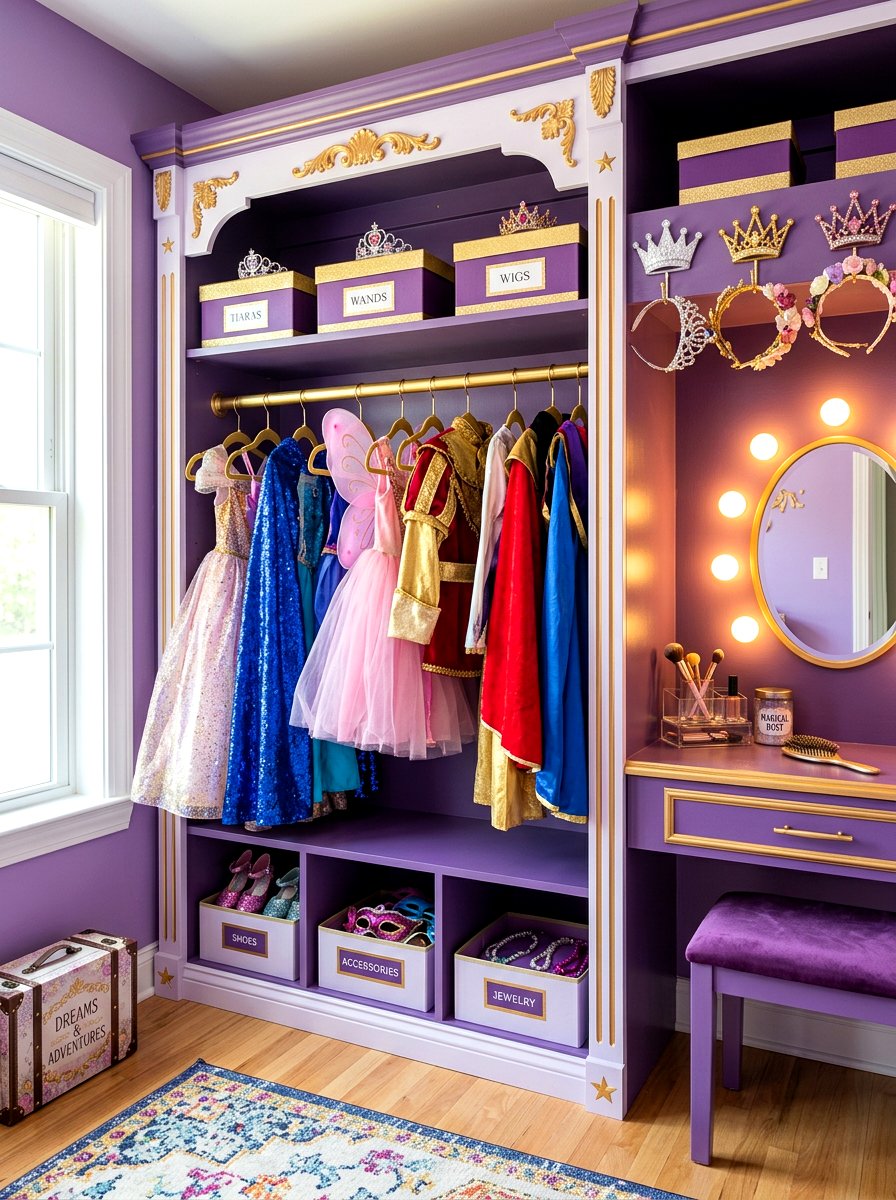
A costume dress-up closet is a magical addition to a playroom or bedroom, providing a dedicated space for imaginative play and creativity. You can install a low rod specifically for superhero capes and princess dresses, along with bins for hats, masks, and accessories. Adding a small mirror and some bright fairy lights inside the closet makes the space feel like a real backstage dressing room. This setup encourages children to engage in role-playing while keeping their costumes off the floor and in good condition. It is a fun and interactive design that turns a simple storage area into a focal point for daily play and adventure.
28. Attic Sloped Ceiling Closet
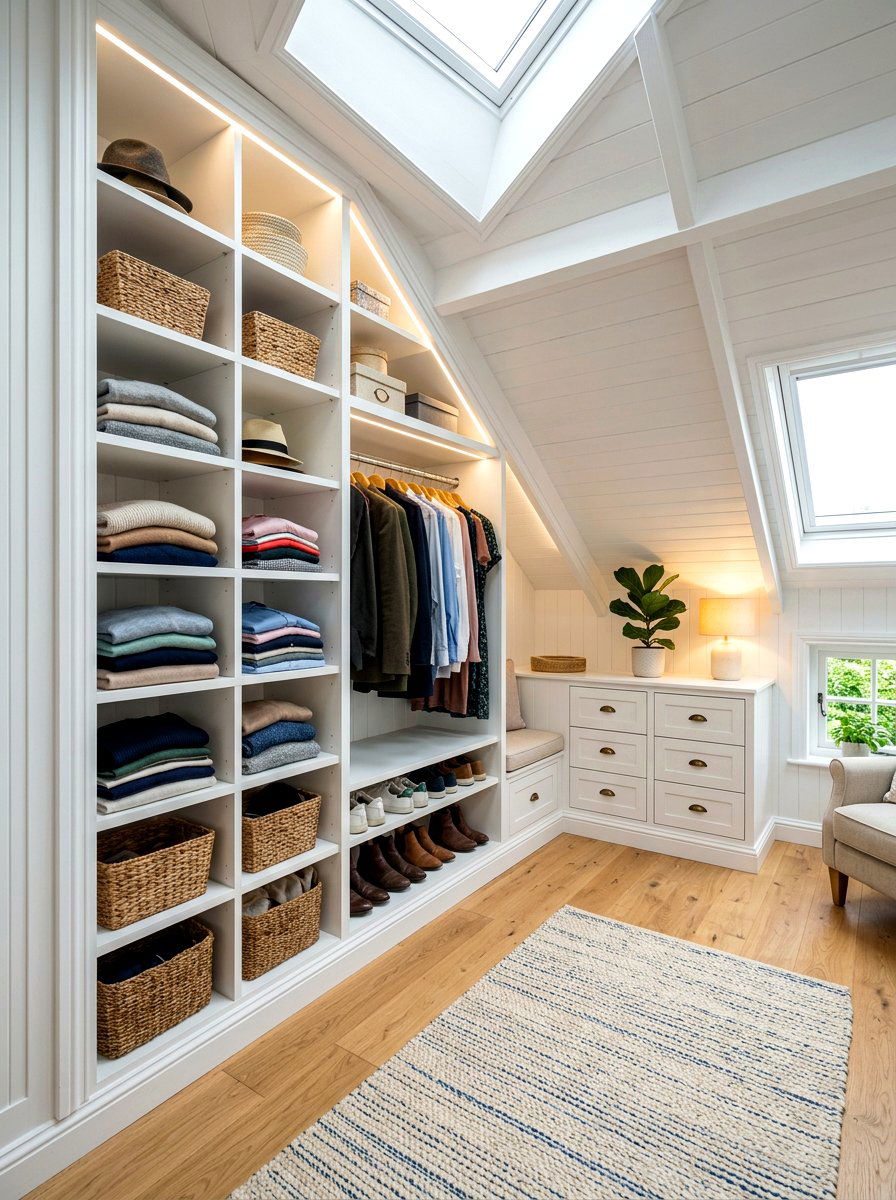
Dealing with the unique architecture of an attic bedroom requires a custom closet solution that follows the slope of the ceiling. You can build stepped shelving units that fit perfectly into the lowest parts of the wall, utilizing every available inch of the awkward space. The taller sections of the closet can be used for hanging clothes, while the shorter areas are perfect for shoe racks or toy bins. This design makes the most of a challenging layout and provides a cozy, built-in look that feels very intentional. It is a clever way to turn a difficult architectural feature into a highly functional and organized storage area for kids.
29. Curtained Doorway Closet
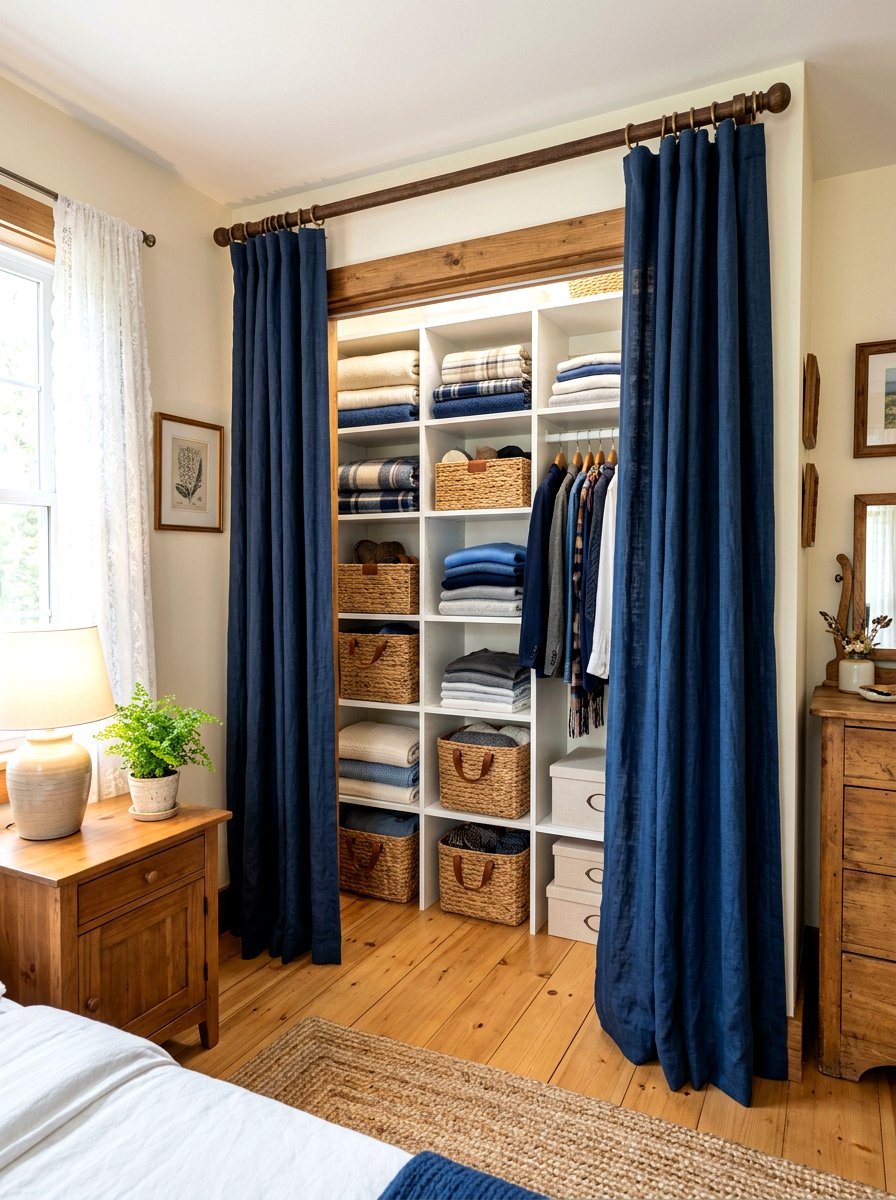
Replacing heavy wooden doors with a soft curtained doorway is an easy and affordable way to add texture and style to a child's closet. You can choose a fabric that matches the bedding or curtains in the room to create a cohesive and well-coordinated look. This design is particularly great for young children because curtains are much easier and safer for small hands to open and close than traditional doors. It also allows for a bit of airflow into the closet space, keeping the interior feeling fresh. This approach brings a whimsical and cozy feel to the bedroom, making the closet feel like a hidden, soft-textured nook.
30. Vertical Drawer Closet
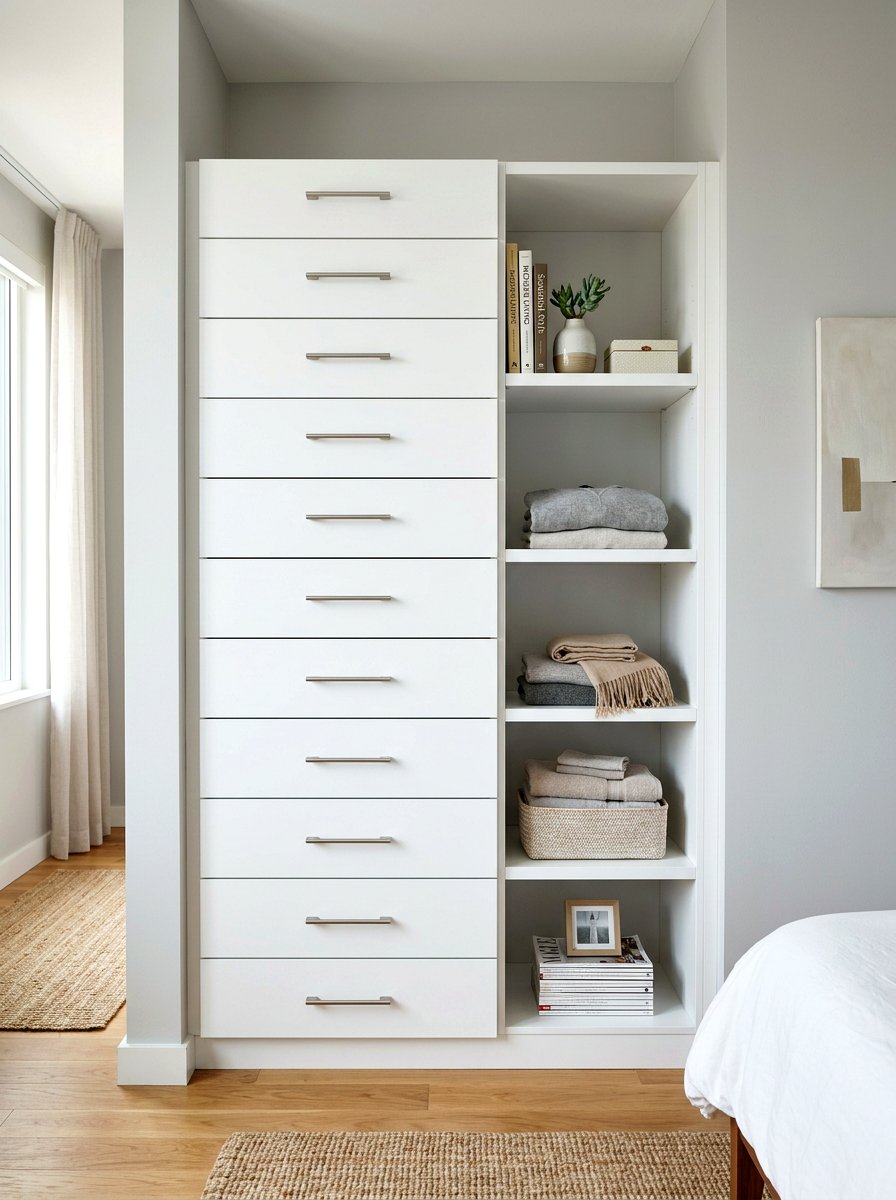
A vertical drawer closet focuses on maximizing depth by using pull-out systems that make it easy to reach items stored at the back. These deep drawers are perfect for holding bulky sweaters, blankets, or large toy collections that would otherwise get lost on a standard shelf. By using a vertical stack of drawers, you create a streamlined look that functions much like a built-in dresser within the closet walls. This design keeps the floor clear and ensures that every item is easily accessible with a simple pull. It is a sophisticated and highly efficient storage method that works exceptionally well in modern, high-functioning children's bedroom designs.
Conclusion:
Designing a kids' closet is a rewarding project that combines practical organization with creative interior styling to improve daily life. By focusing on accessibility and growth, you can create a space that empowers your children to take ownership of their personal belongings. Whether you choose a Montessori floor layout or a sophisticated built-in system, the key is to ensure every item has a designated home. High-quality lighting, durable materials, and smart labeling will keep the space functional for years to come. Ultimately, a well-organized closet reduces morning stress and creates a beautiful, clutter-free environment where your child can truly thrive and feel very comfortable.

Related posts: