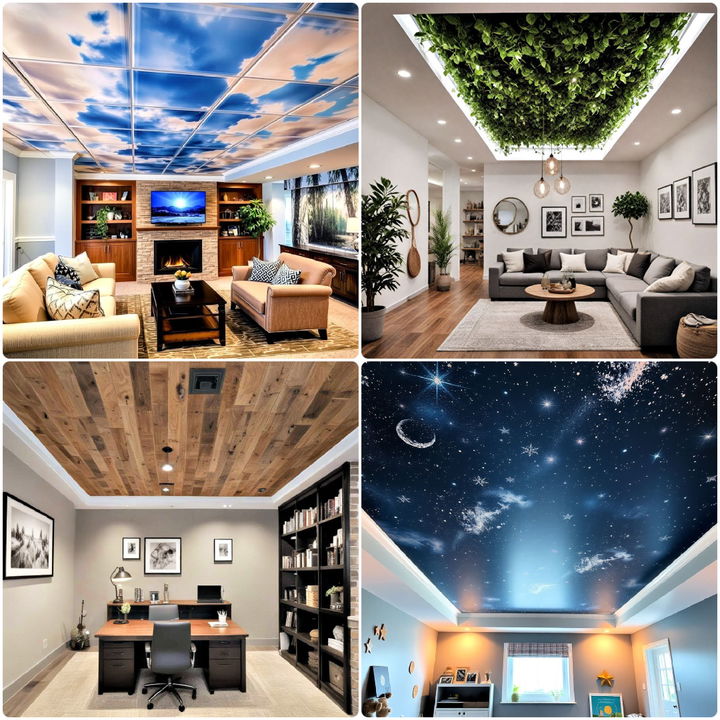
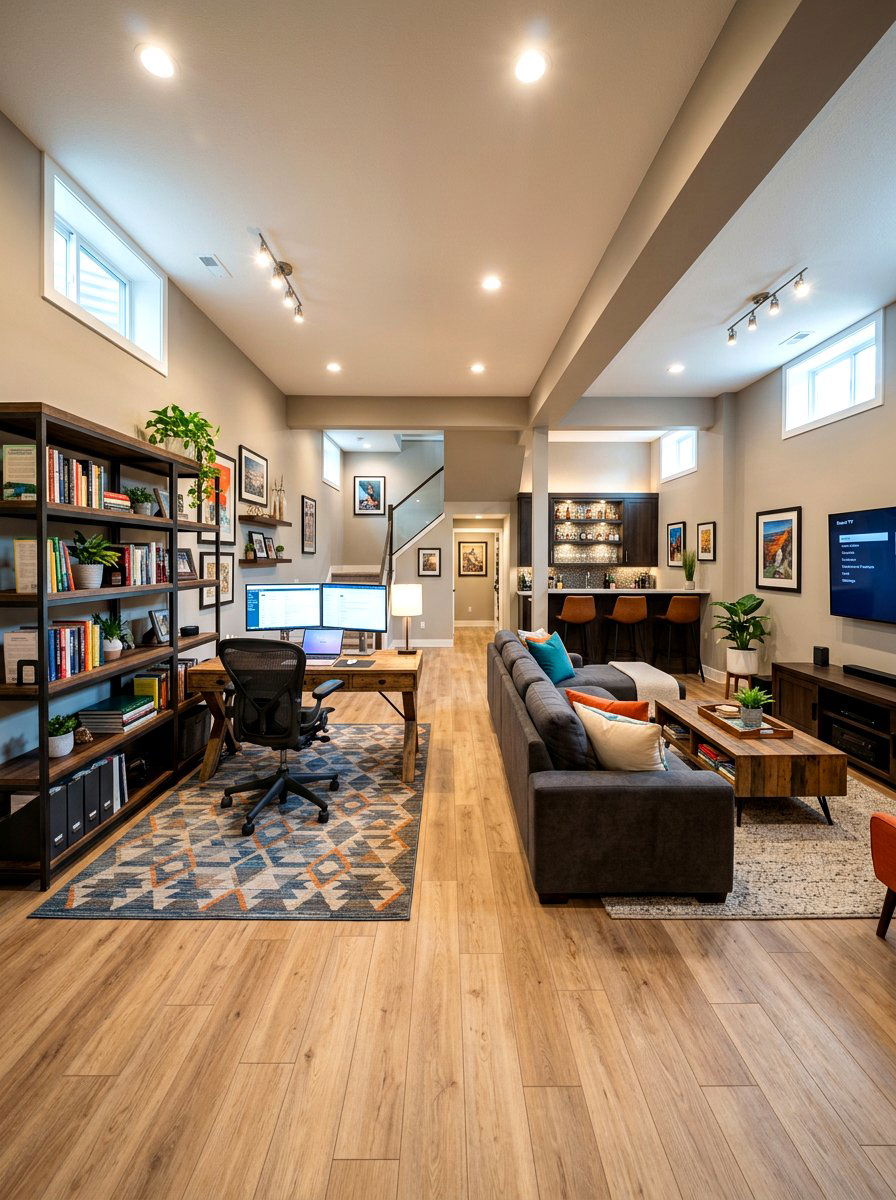
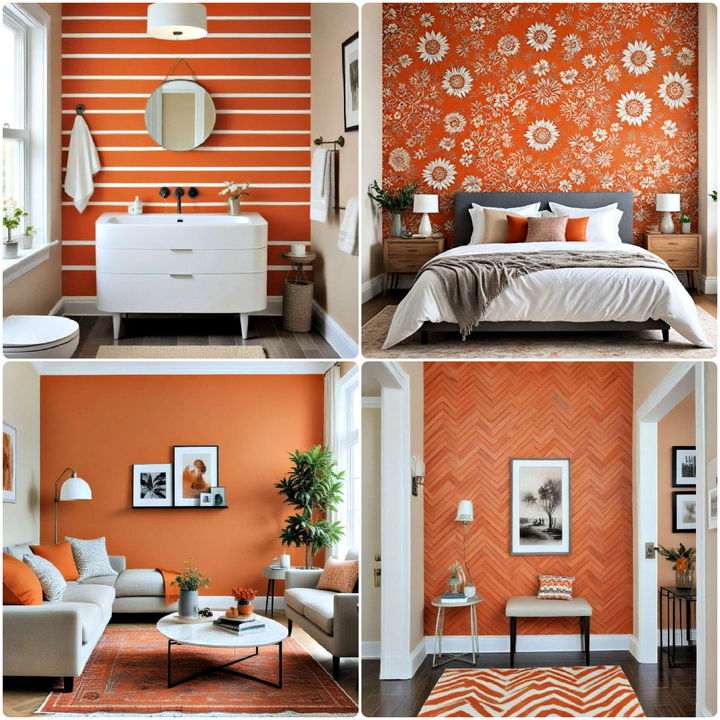
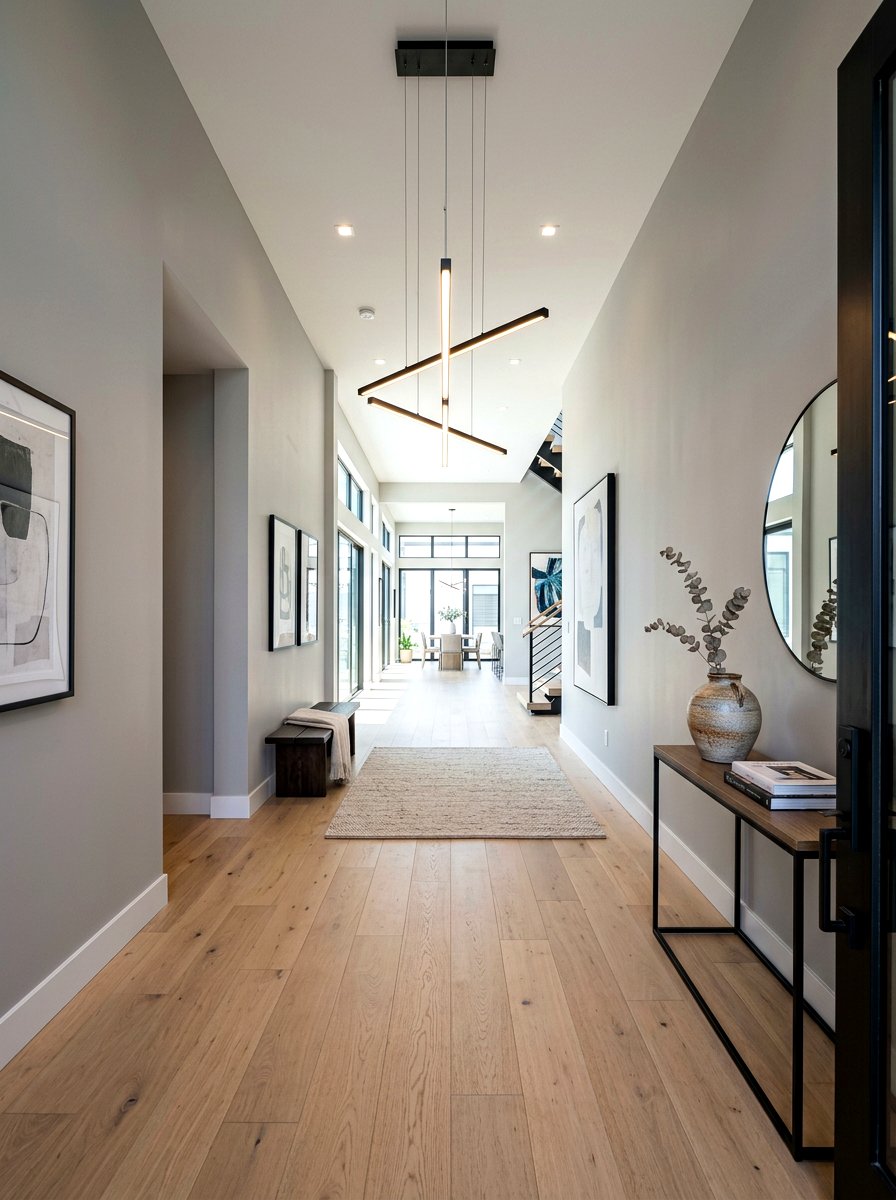
Converting a basement with limited vertical clearance into a functional living area often feels like a daunting architectural challenge for many homeowners. However, having a low ceiling does not mean your underground space has to feel cramped or dark. By utilizing strategic design techniques, you can effectively trick the eye and create an atmosphere that feels surprisingly bright and expansive. The secret lies in choosing the right materials, color palettes, and lighting fixtures that emphasize openness rather than height. Whether you want a cozy home theater or a sleek office, these creative solutions will help you maximize every square inch. From exposing structural elements to using low-profile furniture, there are many ways to transform your subterranean level today.

1. Exposed Painted Joists
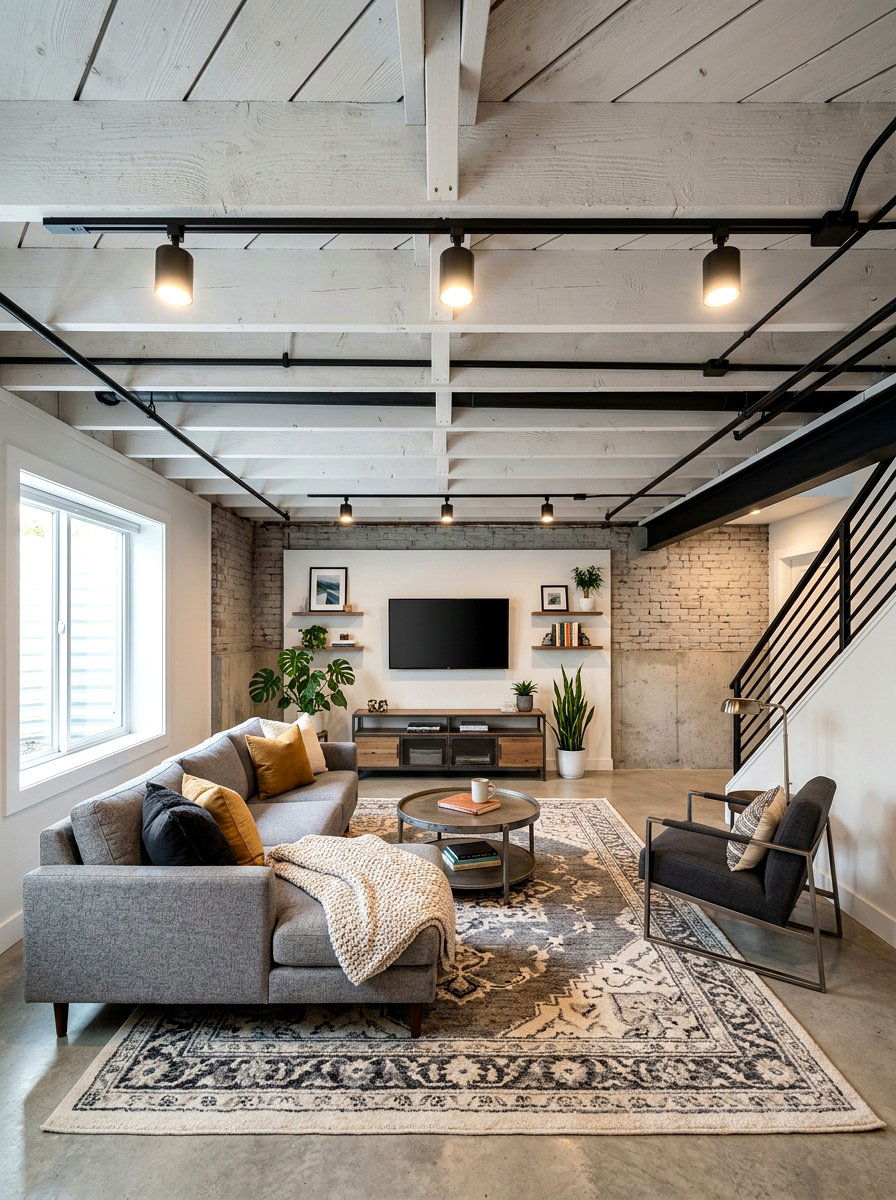
Exposing the ceiling joists is a brilliant way to gain a few extra inches of precious vertical space in a low basement. Instead of installing a bulky drop ceiling that eats up height, you can leave the structural beams open and paint them a crisp, uniform color. Many homeowners choose a bright white to reflect light or a matte black for a modern, industrial vibe that hides pipes and wires effortlessly. This approach adds architectural interest and makes the room feel much more expansive than it actually is. It is a cost-effective solution that provides a raw, loft-like aesthetic while keeping the area feeling airy and open for everyone to enjoy.
2. White Basement Walls
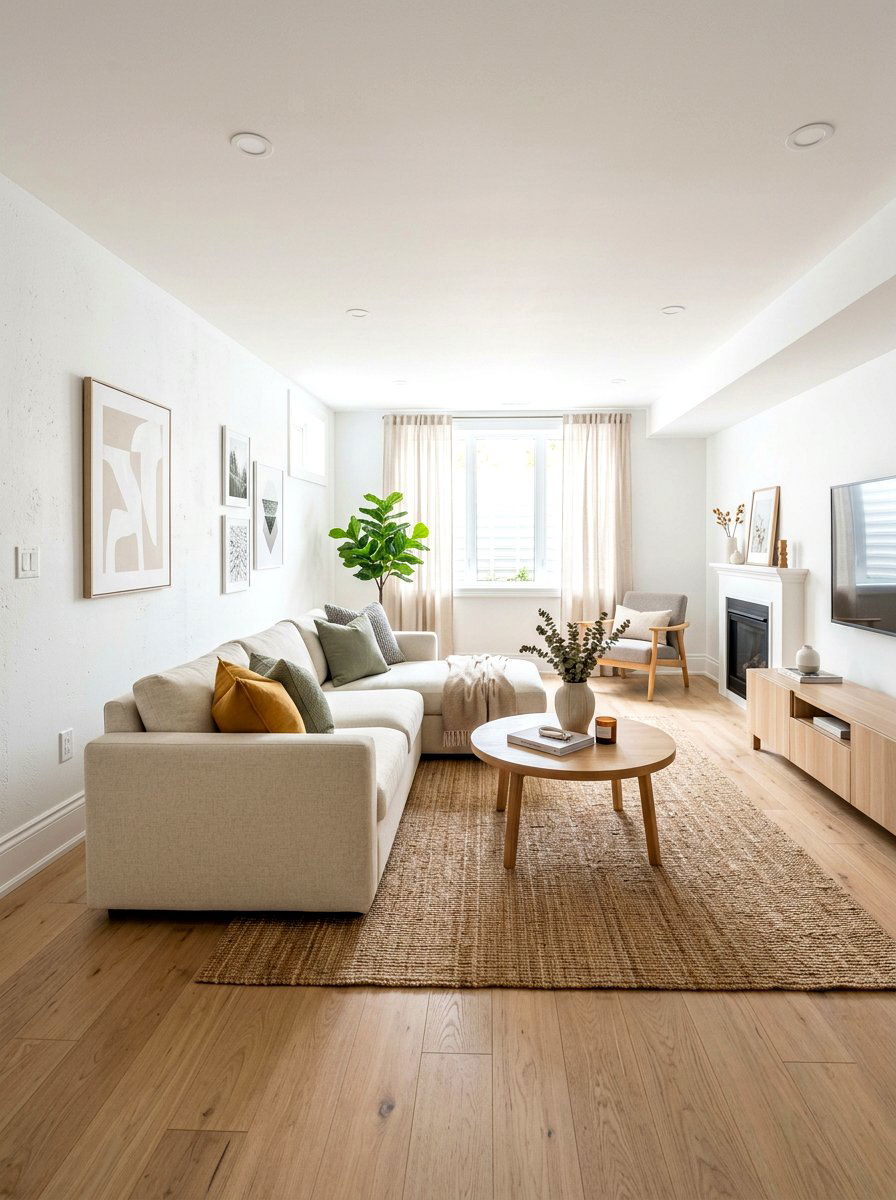
Choosing the right paint color is one of the most effective ways to combat the claustrophobic feel of a basement with low clearance. A bright, clean white on the walls and the ceiling helps to blur the boundaries of the room, making the transition between surfaces nearly invisible. This trick tricks the eye into perceiving more height and width than what truly exists in the floor plan. When light hits these pale surfaces, it bounces around the room, instantly brightening up dark corners. Pairing white walls with light-colored trim further enhances this effect, creating a cohesive and serene environment that feels very welcoming and fresh for any family activity.
3. Recessed Wafer Lights
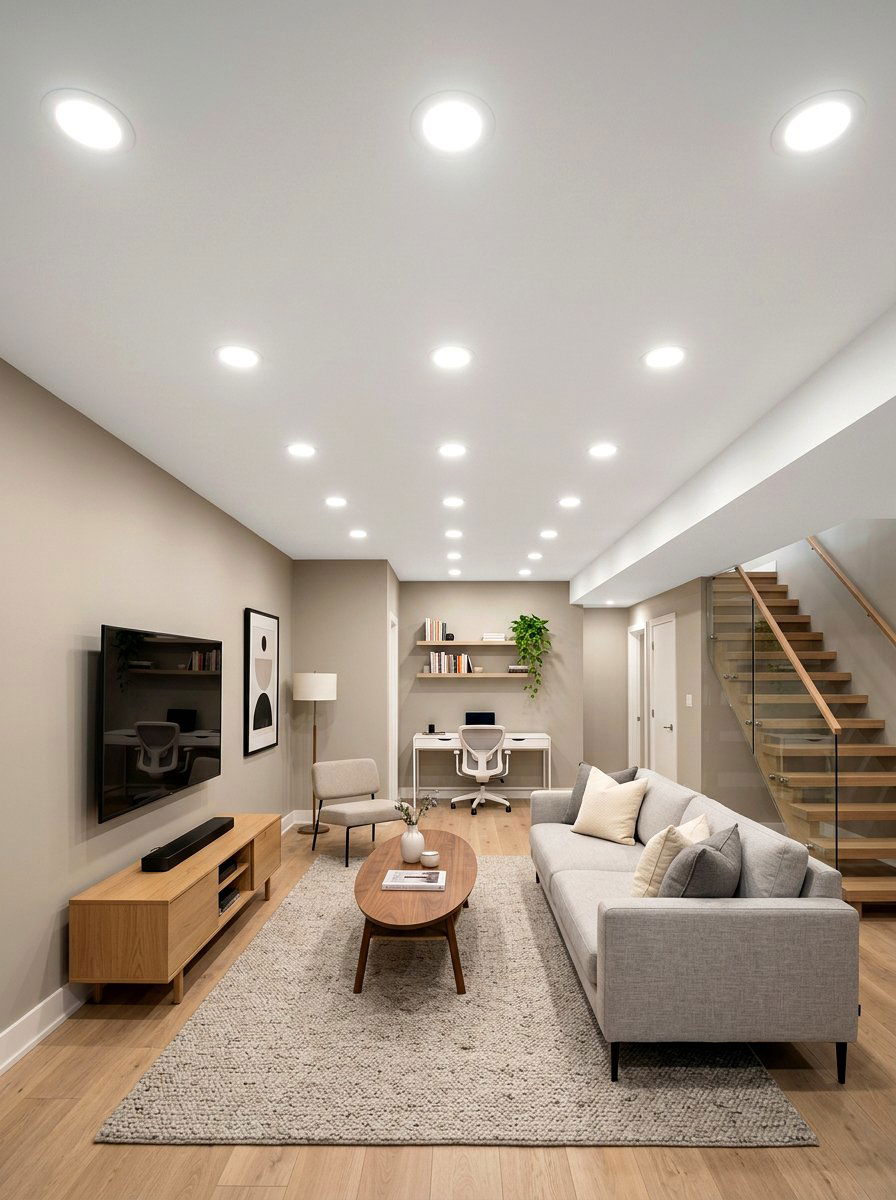
Installing recessed lighting, often called wafer or pot lights, is a game-changer for basements where every inch of vertical clearance matters. Traditional flush mount fixtures or hanging pendants can take up valuable space and make a low ceiling feel even lower. Recessed lights sit flush with the ceiling surface, providing plenty of illumination without any physical protrusion into the living area. To get the best results, space them evenly across the room to eliminate dark shadows that can make a space feel smaller. Using dimmable LED bulbs allows you to control the mood, whether you need bright light for working or a soft glow for a relaxing movie night.
4. Low Profile Sofa
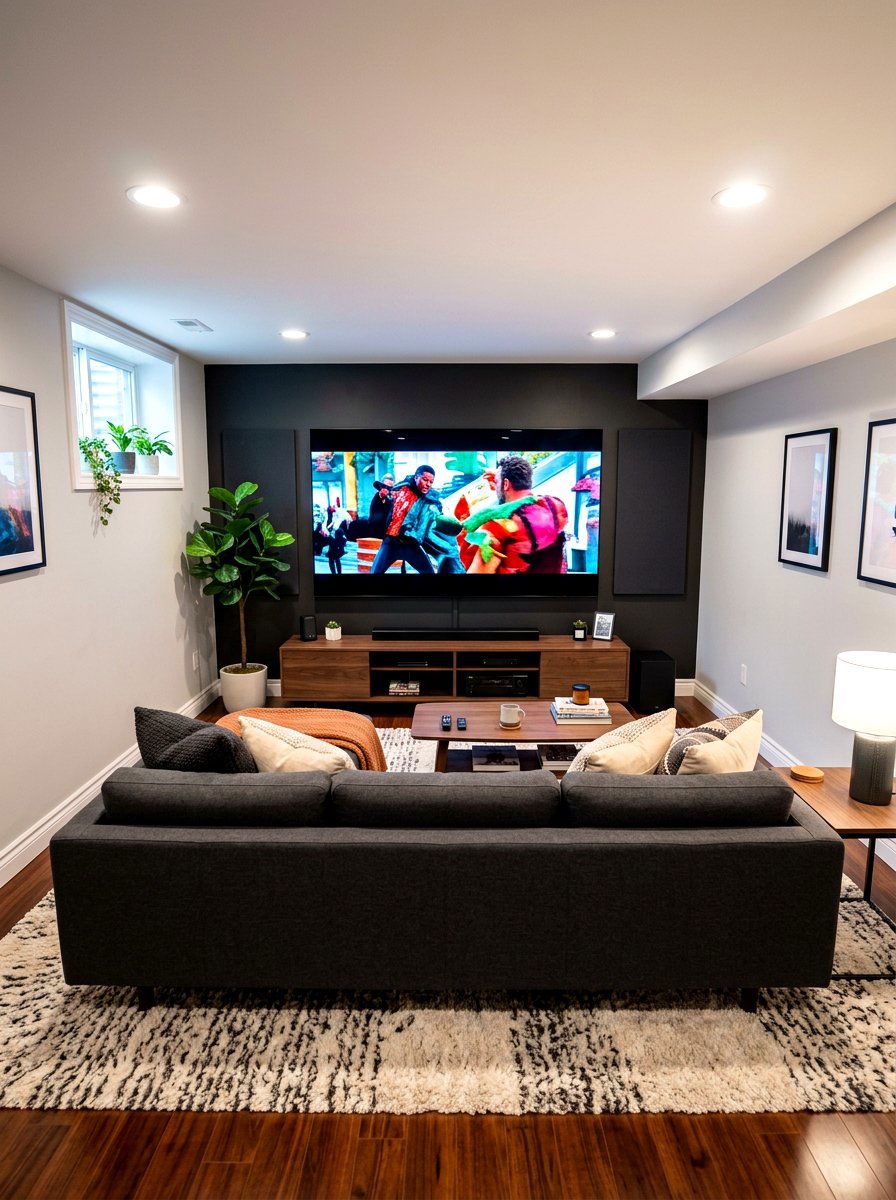
When furnishing a basement with low ceilings, the scale of your furniture is incredibly important for maintaining a sense of openness. A low-profile sofa with a shorter backrest creates more visual distance between the top of the furniture and the ceiling above. This extra vertical space makes the room feel significantly taller and less crowded than it would with standard-sized pieces. Look for modern designs with clean lines and slim legs that allow you to see more of the floor. This style not only looks sophisticated but also ensures that the seating area feels like a natural part of the basement rather than an oversized addition that overwhelms the space.
5. Vertical Shiplap Walls
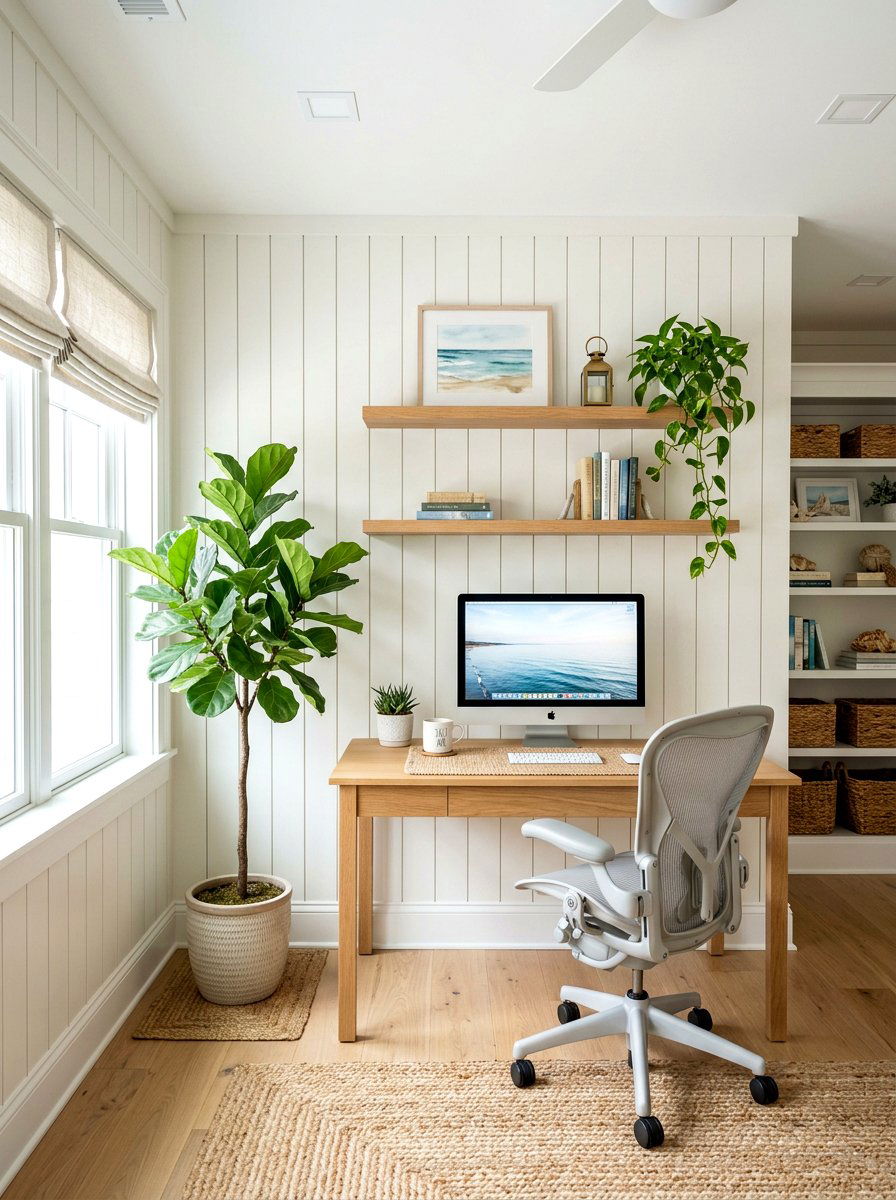
Using vertical lines is a classic interior design trick to make any short room appear much taller than its actual dimensions. Installing vertical shiplap or wood paneling on the basement walls draws the eye upward, emphasizing the height of the space. This architectural detail adds texture and character without requiring major structural changes to the ceiling itself. To keep the look modern and airy, paint the panels in a light neutral shade like cream or soft gray. This approach works particularly well in small rooms or cozy corners, giving the basement a finished, high-end feel that successfully distracts from the limited overhead clearance in the renovated area.
6. Full Height Mirrors
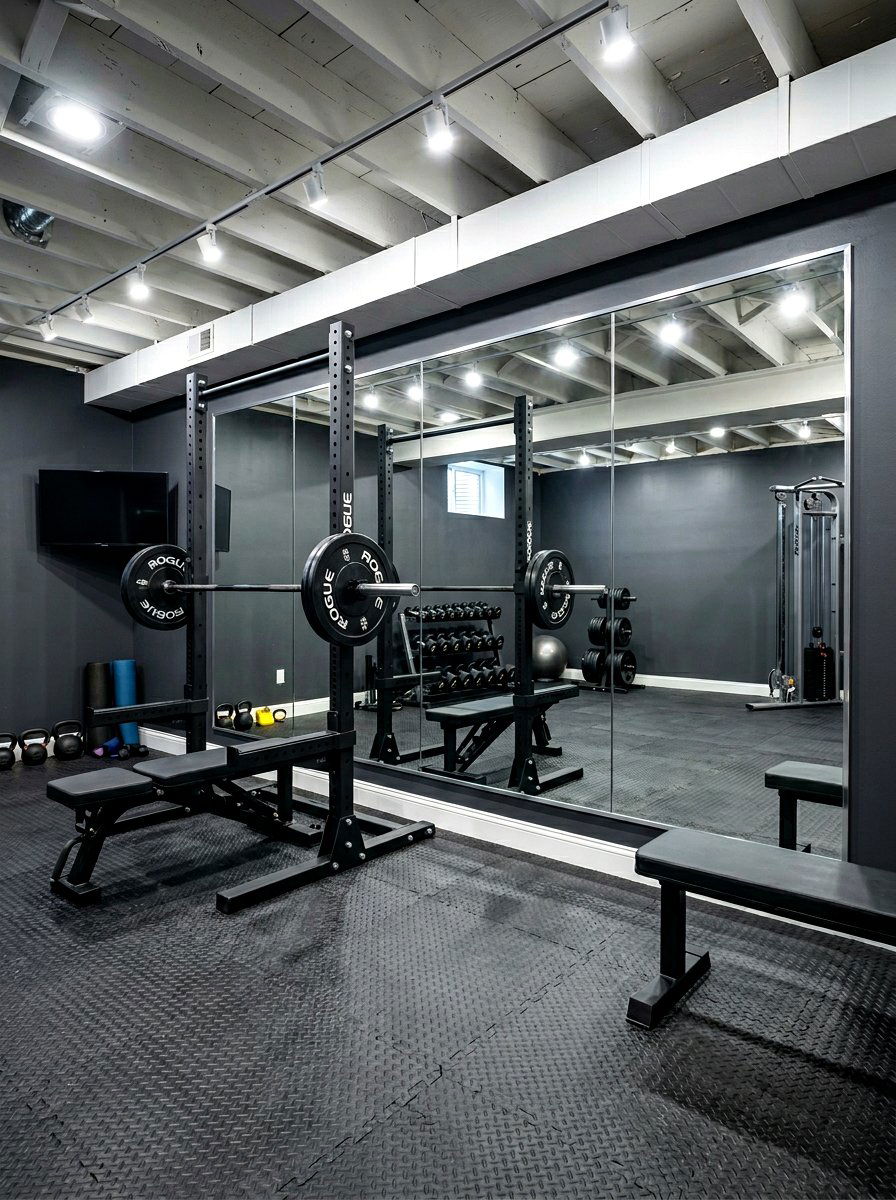
Strategically placing full-height mirrors against a wall can instantly double the visual size of a small basement with a low ceiling. Mirrors reflect both natural and artificial light, making the entire space feel much brighter and more open than it really is. By extending a mirror from the floor to the ceiling, you eliminate horizontal breaks that would otherwise highlight the room's lack of height. This technique is especially effective in windowless areas where you want to create a sense of depth and dimension. Whether you choose a large framed piece or a wall of mirrored panels, this simple addition provides a sleek, modern touch that transforms the vibe.
7. Minimalist Basement Decor
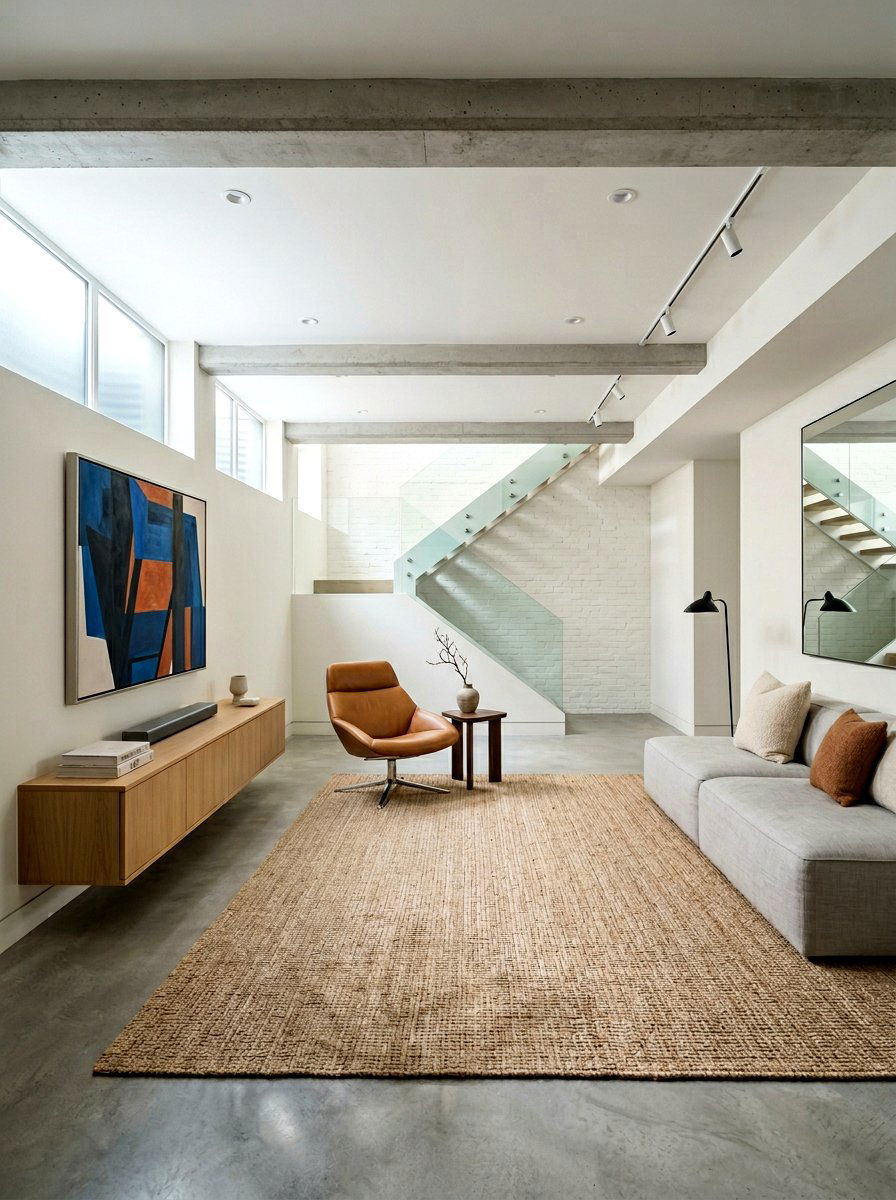
Adopting a minimalist approach to decor is essential for keeping a low-ceiling basement from feeling cluttered or overwhelming to the senses. By choosing a few high-quality statement pieces instead of many small items, you keep the sightlines clear and the room feeling organized. Avoid heavy drapery or bulky accessories that take up too much physical and visual space in the room. Instead, focus on functional furniture with slim profiles and a restricted color palette to create a cohesive look. A clean, uncluttered environment naturally feels larger and more inviting, allowing the architectural features and lighting to shine without any unnecessary distractions getting in the way.
8. Industrial Ceiling Style
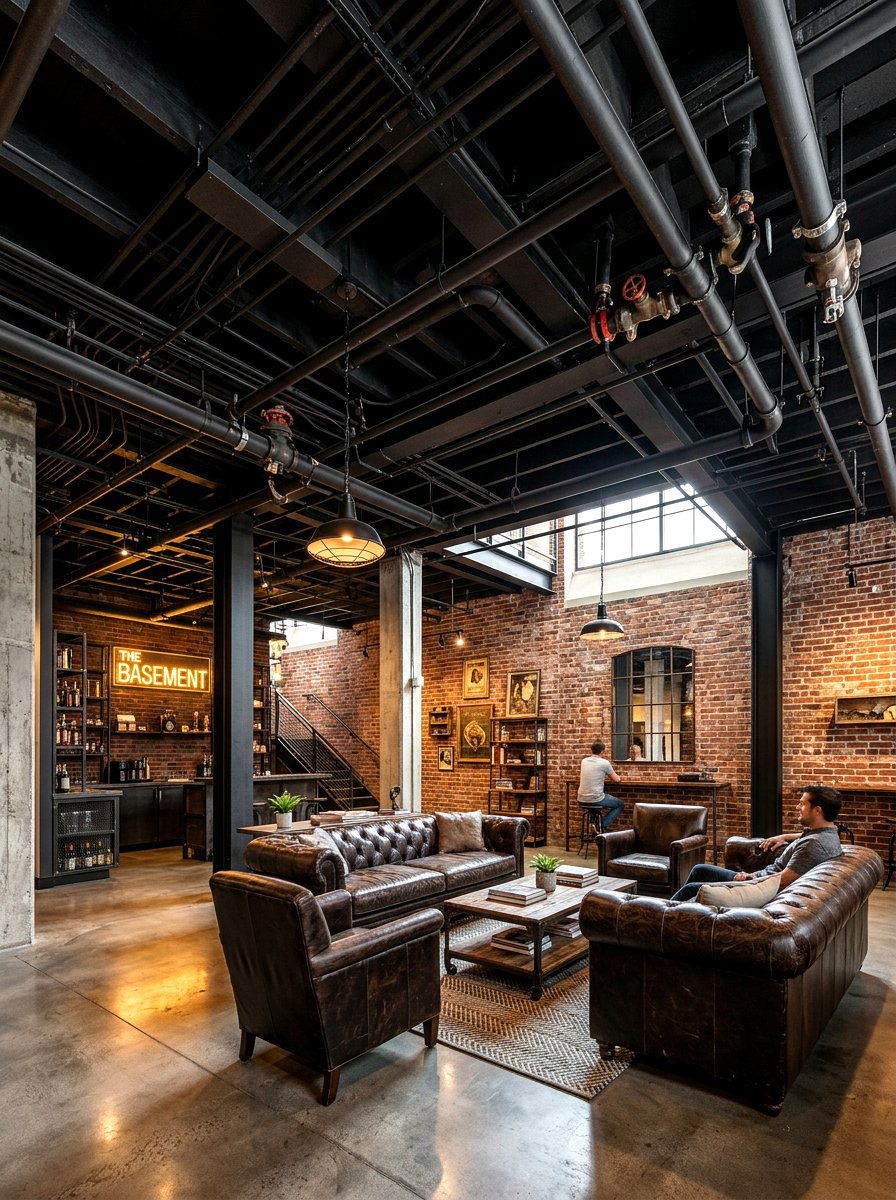
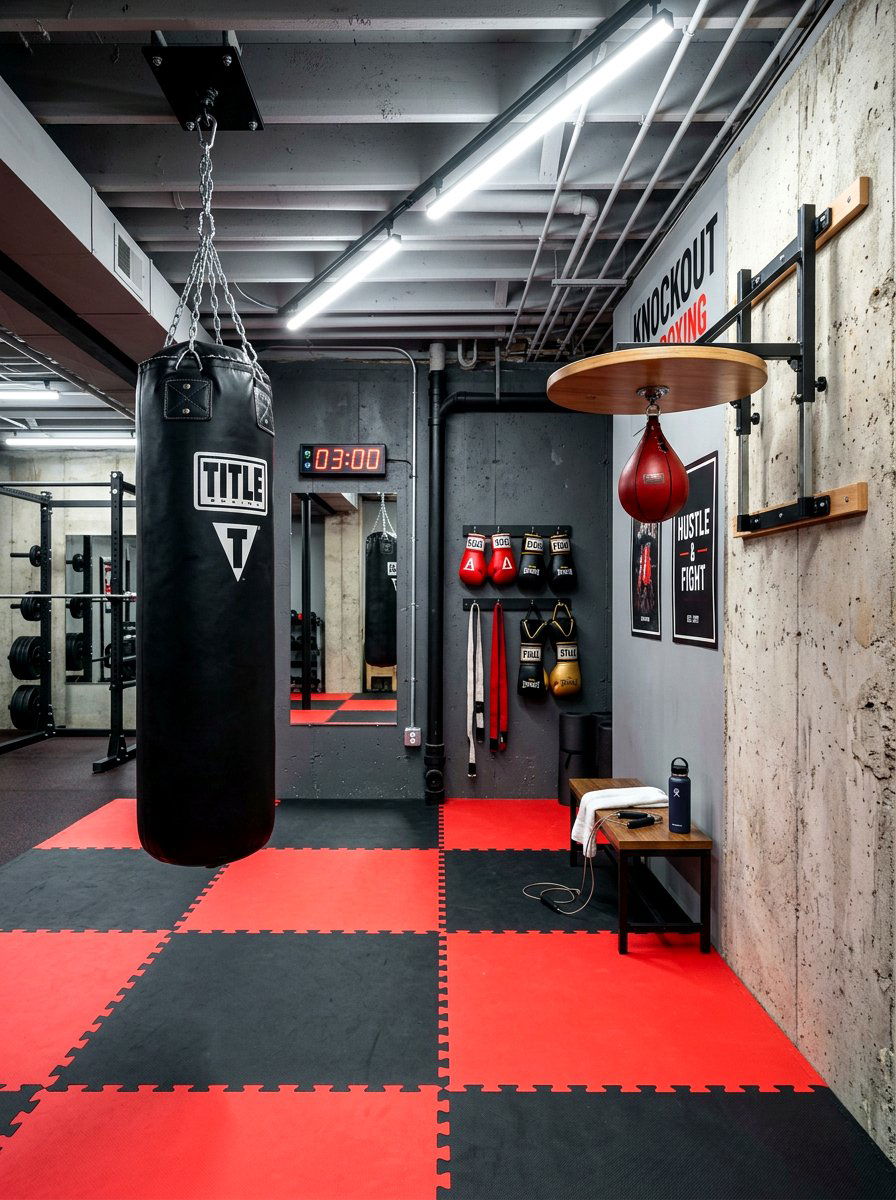
Embracing an industrial design style is a clever way to turn a low basement ceiling into a deliberate and trendy feature. Instead of trying to hide pipes, ducts, and wires with expensive framing, you can leave them exposed and integrate them into the decor. Painting everything a single color, such as charcoal gray or matte black, creates a unified and polished look that feels like a modern city loft. This aesthetic is not only stylish but also functional, as it preserves every possible inch of headroom. Pairing this raw look with warm wood accents and soft textiles creates a balanced space that is both edgy and incredibly comfortable.
9. Egress Window Installation
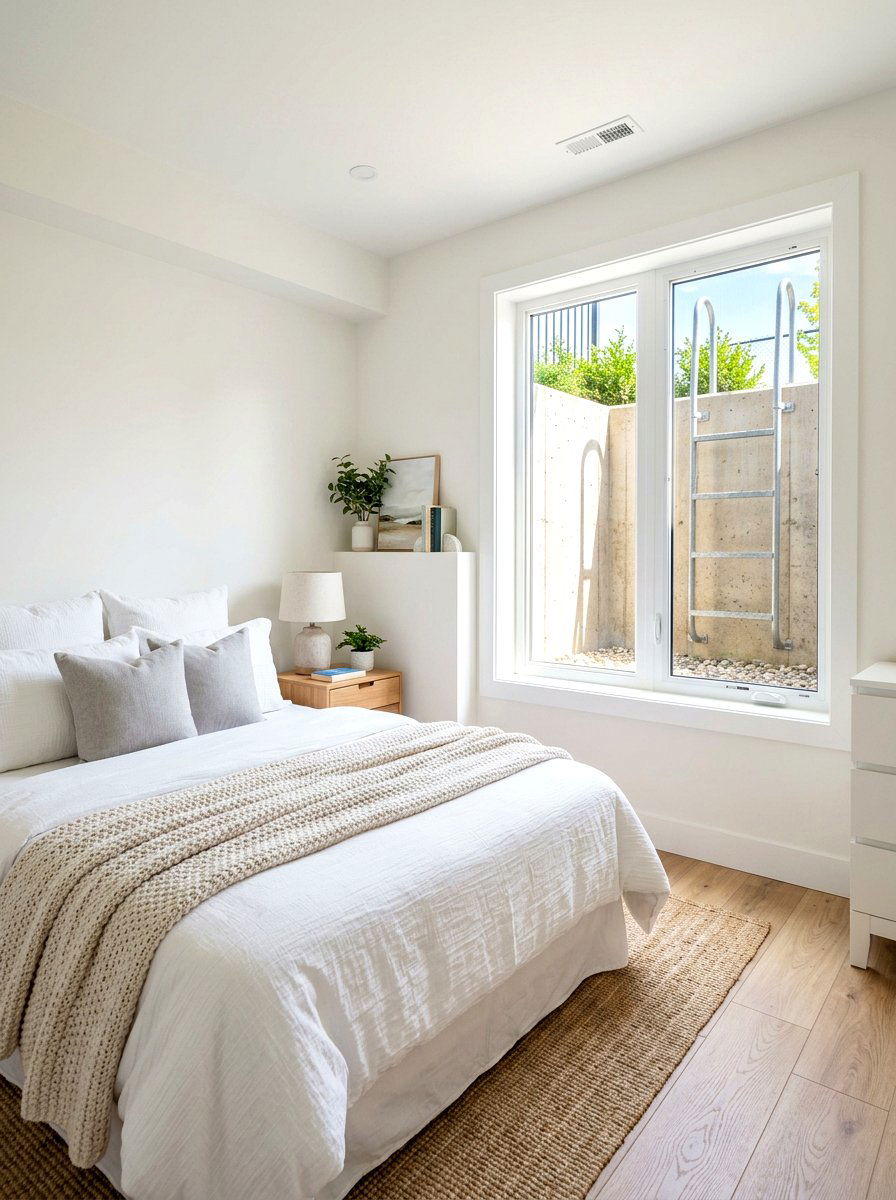
Maximizing natural light is one of the best ways to make a subterranean space feel less like a basement and more like a main floor. Installing larger egress windows or expanding existing window wells allows sunlight to flood the room, instantly lifting the mood and making the ceiling feel higher. The connection to the outdoors provides a visual escape that breaks the feeling of being enclosed by low walls. To enhance this effect, keep the window treatments simple and light-colored so they do not block any incoming rays. Bright, sunlit rooms always feel more spacious and airy, regardless of the actual height of the ceiling overhead in the space.
10. Polished Concrete Flooring
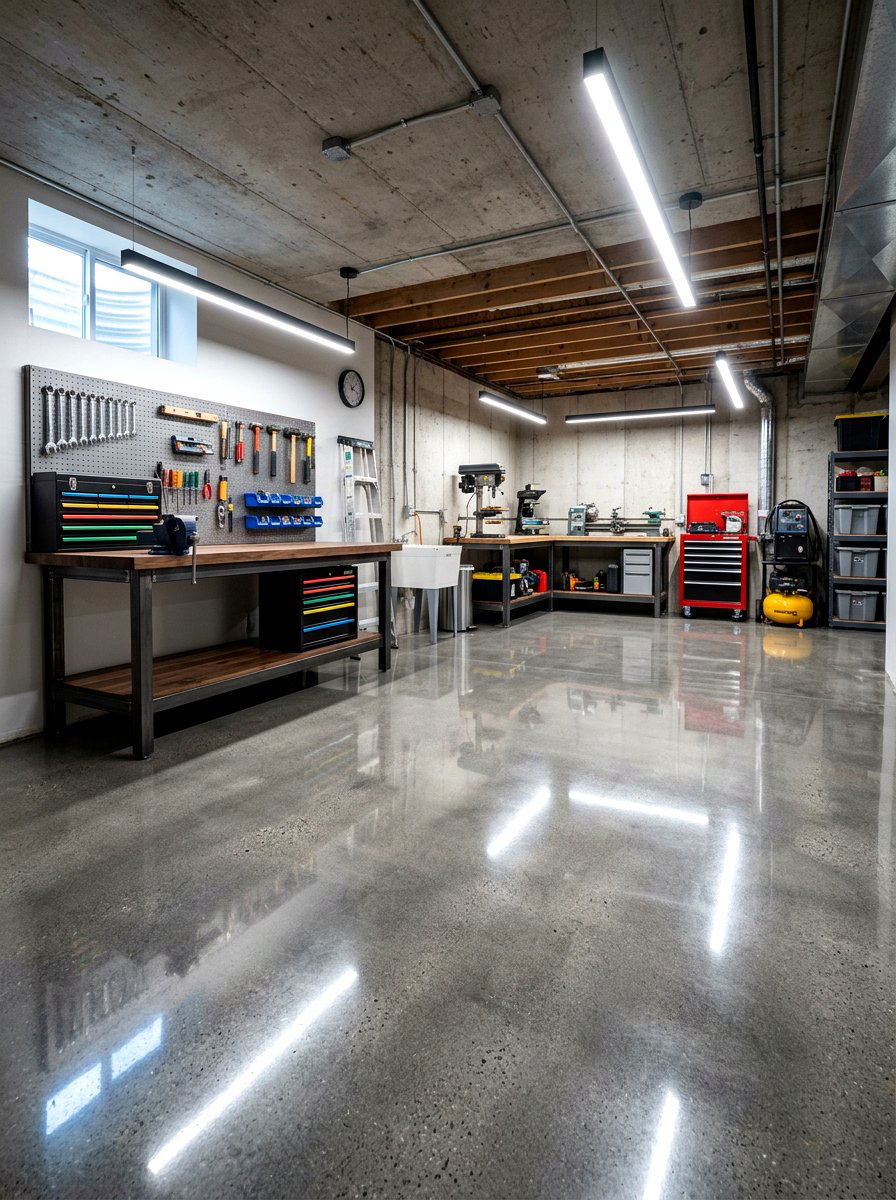
Choosing the right flooring can significantly impact how high your basement ceiling feels from the ground up. Polished concrete is an excellent choice for low-clearance areas because it is incredibly thin compared to layered subfloors and thick carpeting. The reflective surface of the concrete also helps bounce light around the room, contributing to a more open atmosphere. This durable and modern flooring option is easy to maintain and provides a seamless look that makes the room feel expansive. By minimizing the thickness of the floor, you effectively maximize the distance between your head and the ceiling, creating a more comfortable and functional living environment for your home.
11. LED Strip Lighting
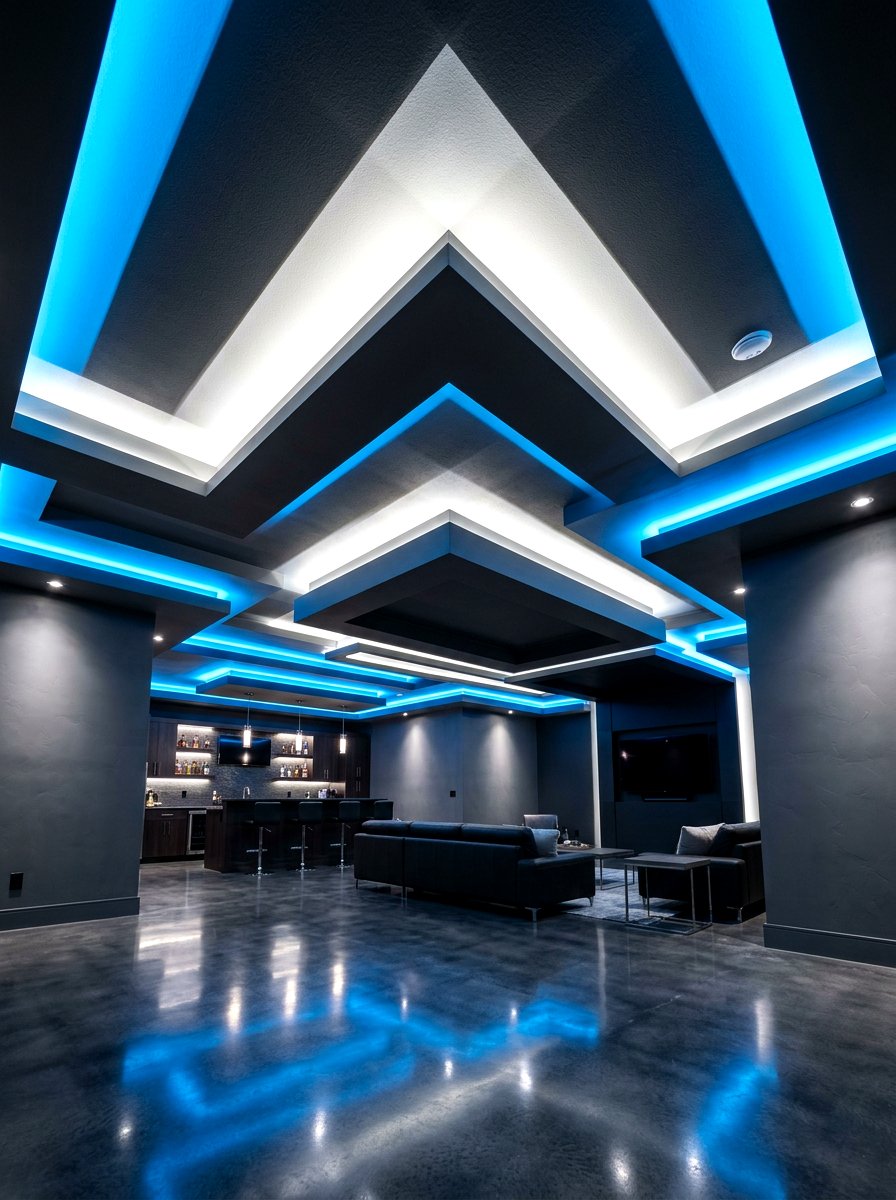
Using LED strip lighting along the perimeter of the ceiling or behind architectural features is a modern way to add depth to a basement. This type of indirect lighting washes the walls and ceiling with a soft glow, which can make the ceiling appear to float higher than it actually does. It eliminates harsh shadows and creates a sense of airiness that traditional overhead lights often fail to achieve. You can install these strips inside small coves or behind crown molding to hide the source of the light. This clever lighting trick adds a sophisticated touch while making the entire room feel much more spacious and visually interesting.
12. Plywood Ceiling Panels
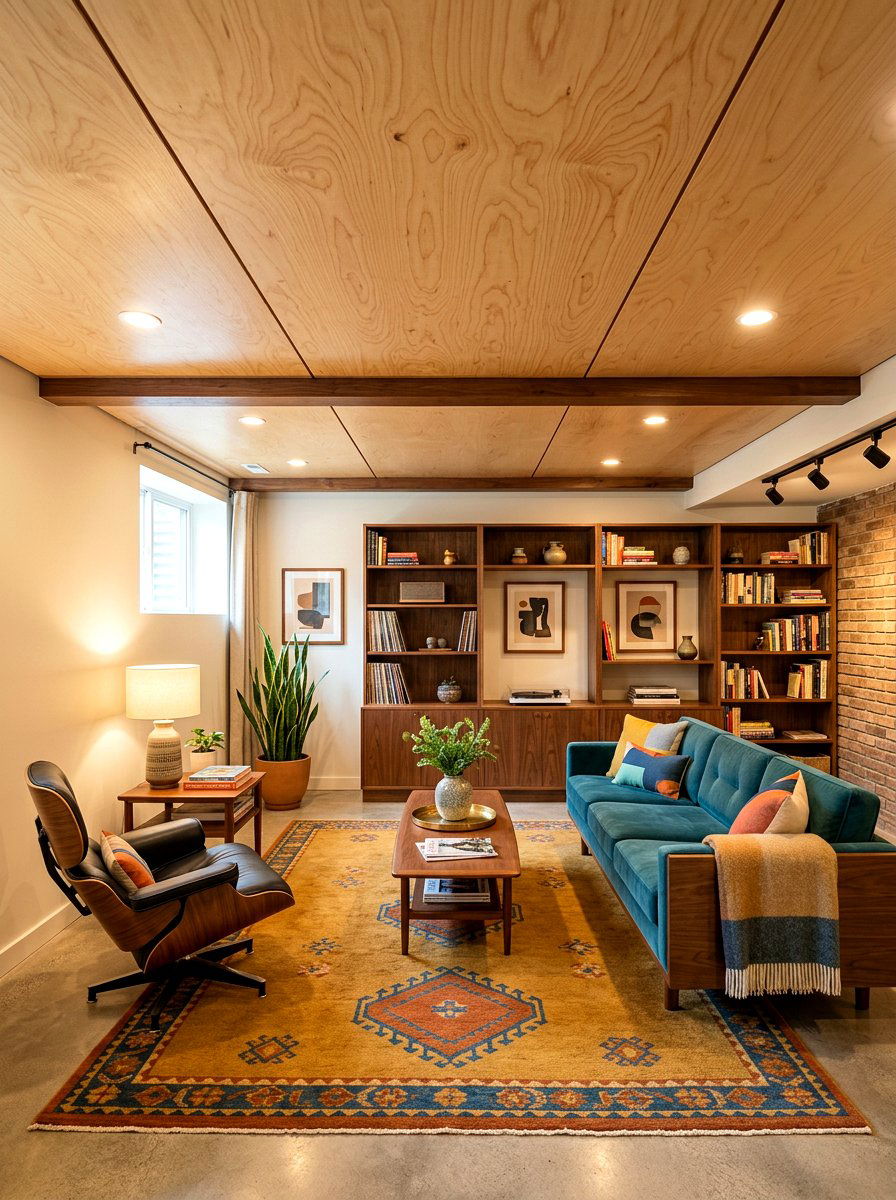
If you prefer a finished look but want to avoid the bulk of a drop ceiling, thin plywood panels are a fantastic alternative. These lightweight sheets can be attached directly to the joists, preserving maximum height while providing a clean and warm aesthetic. You can stain the plywood to show off the natural grain or paint it a light color to help brighten the basement. This method is budget-friendly and gives you a sleek, contemporary finish that works well in modern or Scandinavian-style homes. The thin profile of the wood ensures that you do not lose any valuable vertical space while still achieving a fully finished room.
13. Glass Partition Wall
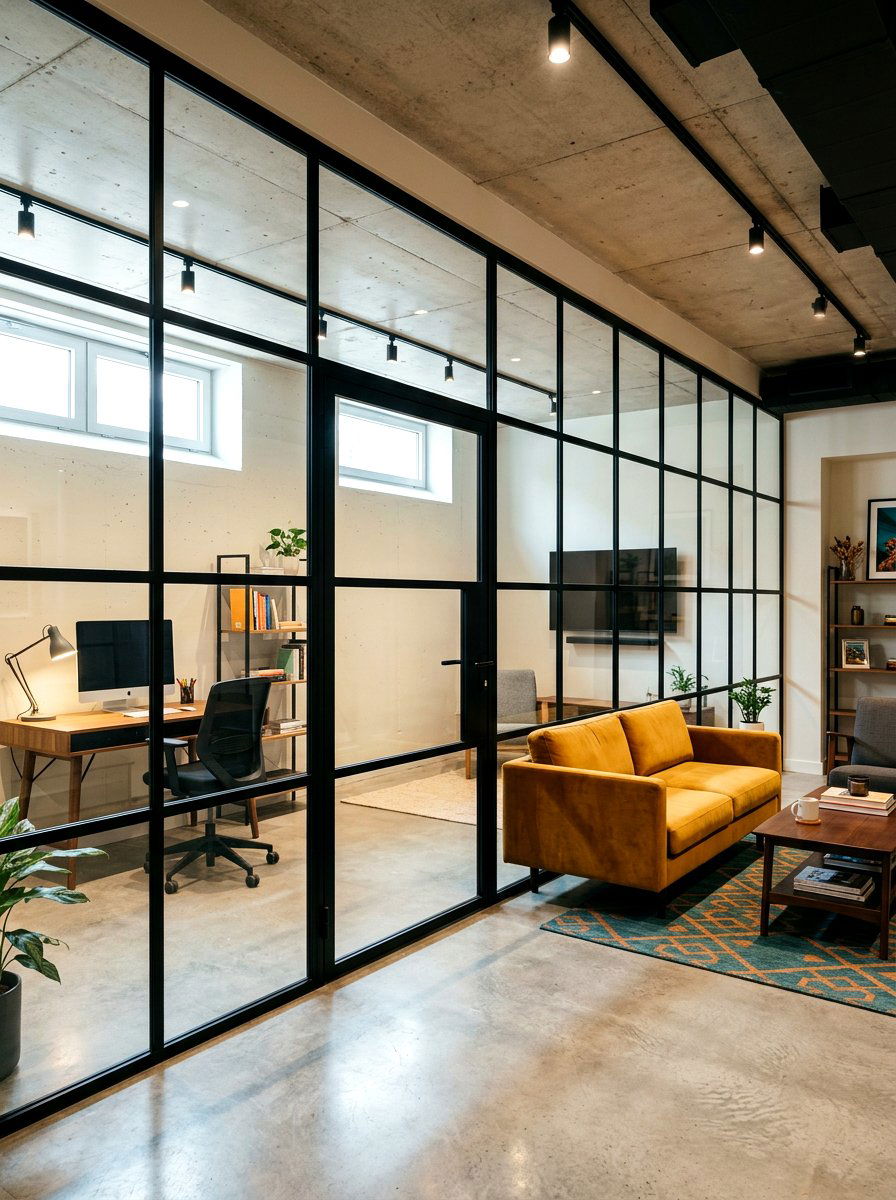
Replacing solid interior walls with glass partitions is a brilliant strategy for keeping a low-ceiling basement feeling open and connected. Glass allows light to travel freely between different zones, such as a home office and a living area, which prevents the space from feeling segmented or dark. These transparent dividers provide a sense of structure and privacy without the visual weight of traditional drywall. Using thin black or gold frames can add a touch of elegance and modern style to the basement. By maintaining clear sightlines across the entire floor plan, you create an illusion of greater depth and height that makes the basement much more enjoyable.
14. Striped Wallpaper Patterns
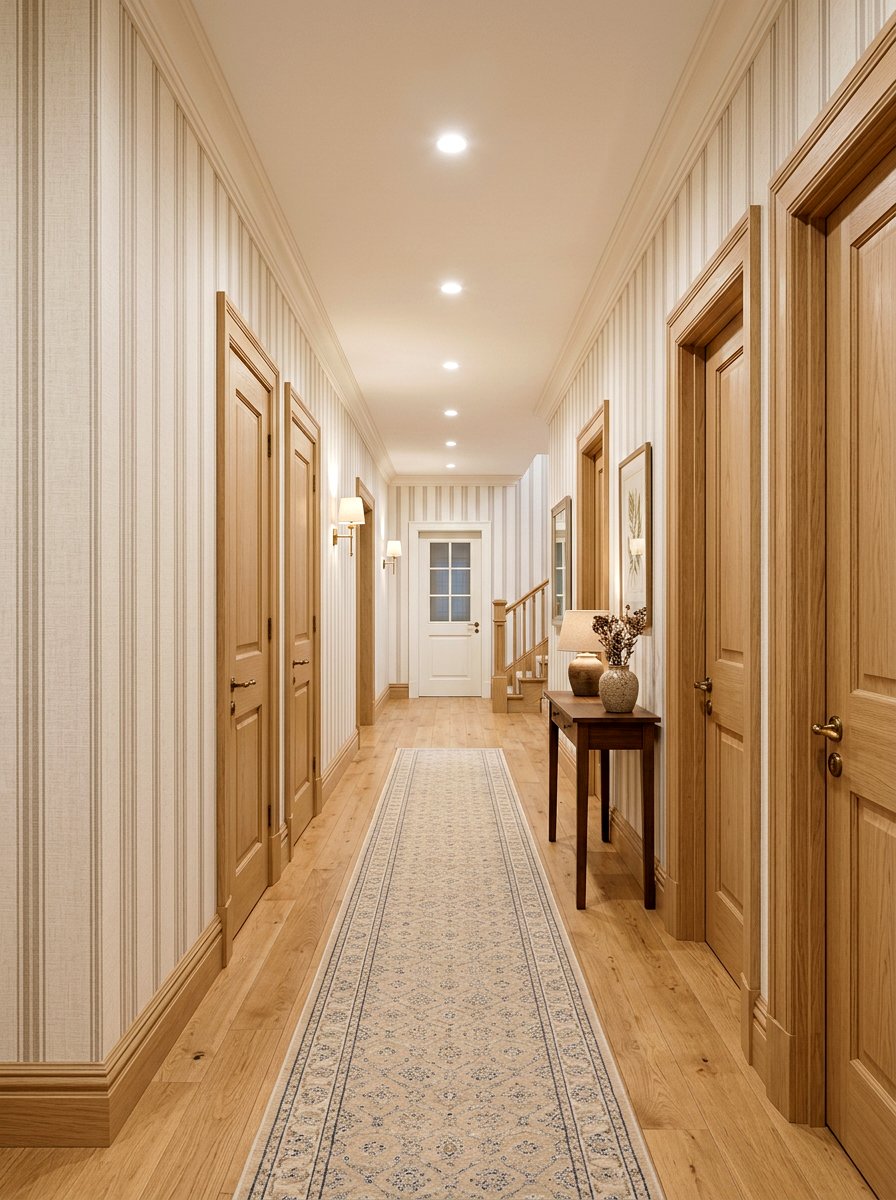
Applying wallpaper with subtle vertical stripes is an age-old trick that works wonders in rooms with limited ceiling height. The vertical lines lead the eye upward, creating a powerful illusion that the walls are much taller than they actually are. To keep the basement from feeling busy or dated, choose a pattern with soft, neutral colors and a delicate texture. This technique works best on a single accent wall or in small areas like a hallway or bathroom. By breaking up the horizontal planes of the room, you can effectively distract from the low clearance and add a layer of sophisticated style to your finished basement renovation project.


15. Under Stair Storage
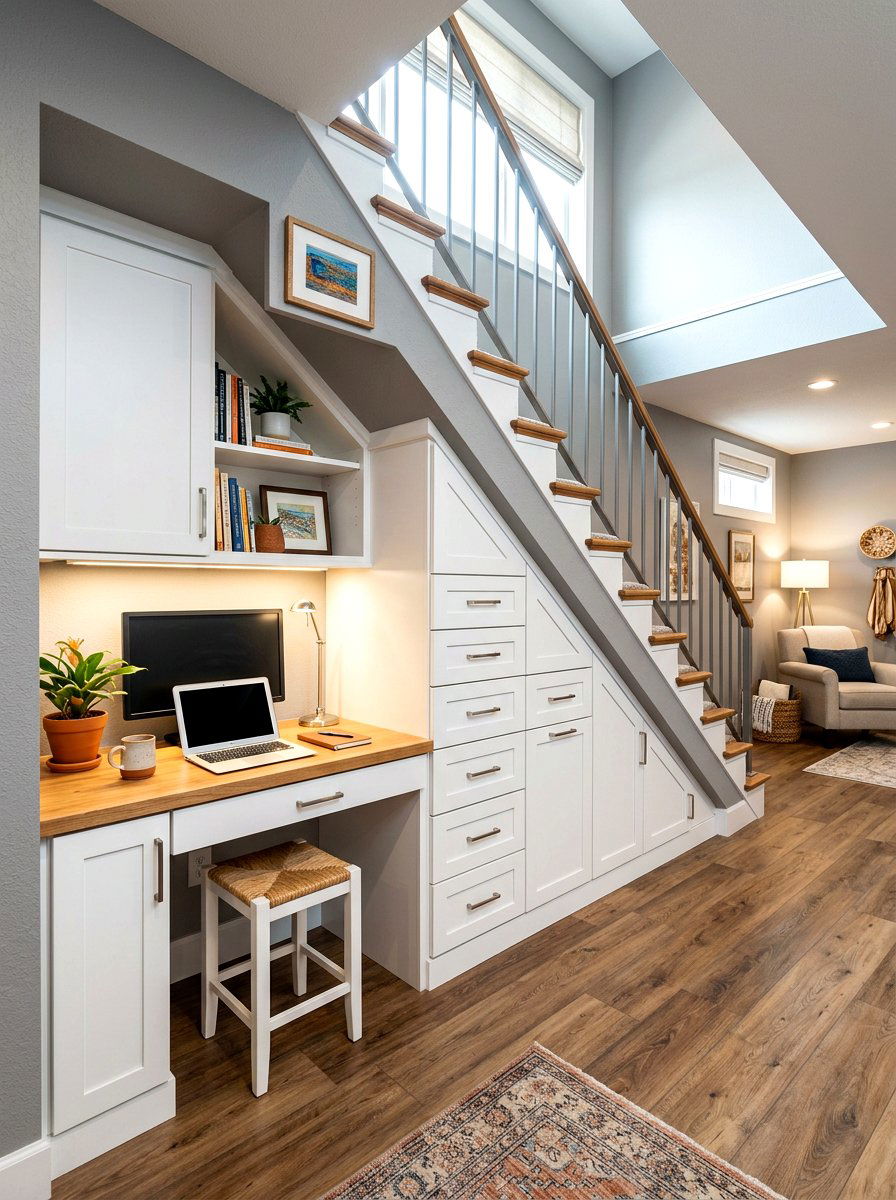
In a basement where every inch counts, utilizing the space under the stairs is a smart way to keep the main living area clutter-free. Building custom drawers, shelves, or a small workspace into this often-wasted area allows you to move storage away from the walls. When the main floor plan is open and clear of bulky cabinets, the room naturally feels larger and the ceiling seems higher. This functional design choice adds value to your home and provides a dedicated spot for toys, books, or office supplies. A tidy basement with clever storage solutions always feels more comfortable and spacious than one filled with loose items and large furniture.
16. Floating Ceiling Clouds
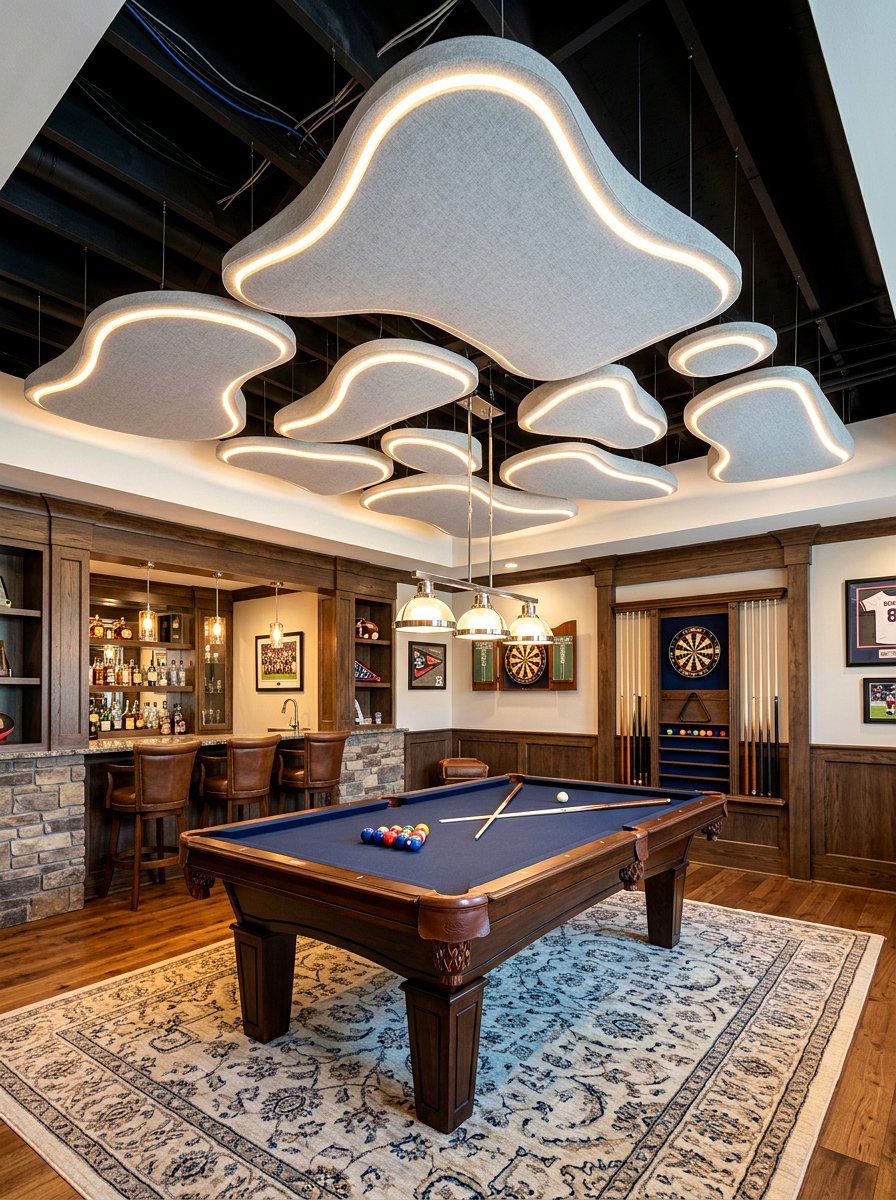
Floating ceiling clouds, or partial acoustic panels, are a creative way to add style and soundproofing without covering the entire ceiling. By hanging these panels in specific areas, such as over a seating zone or a pool table, you create visual interest while leaving the rest of the joists exposed. This technique maintains the maximum height in most of the room while hiding wires and improving the acoustics in others. The contrast between the floating panels and the open ceiling adds depth and a modern architectural touch. It is a highly effective way to zone different parts of a large basement while keeping an overall airy and open feel.
17. Faux Tray Ceiling
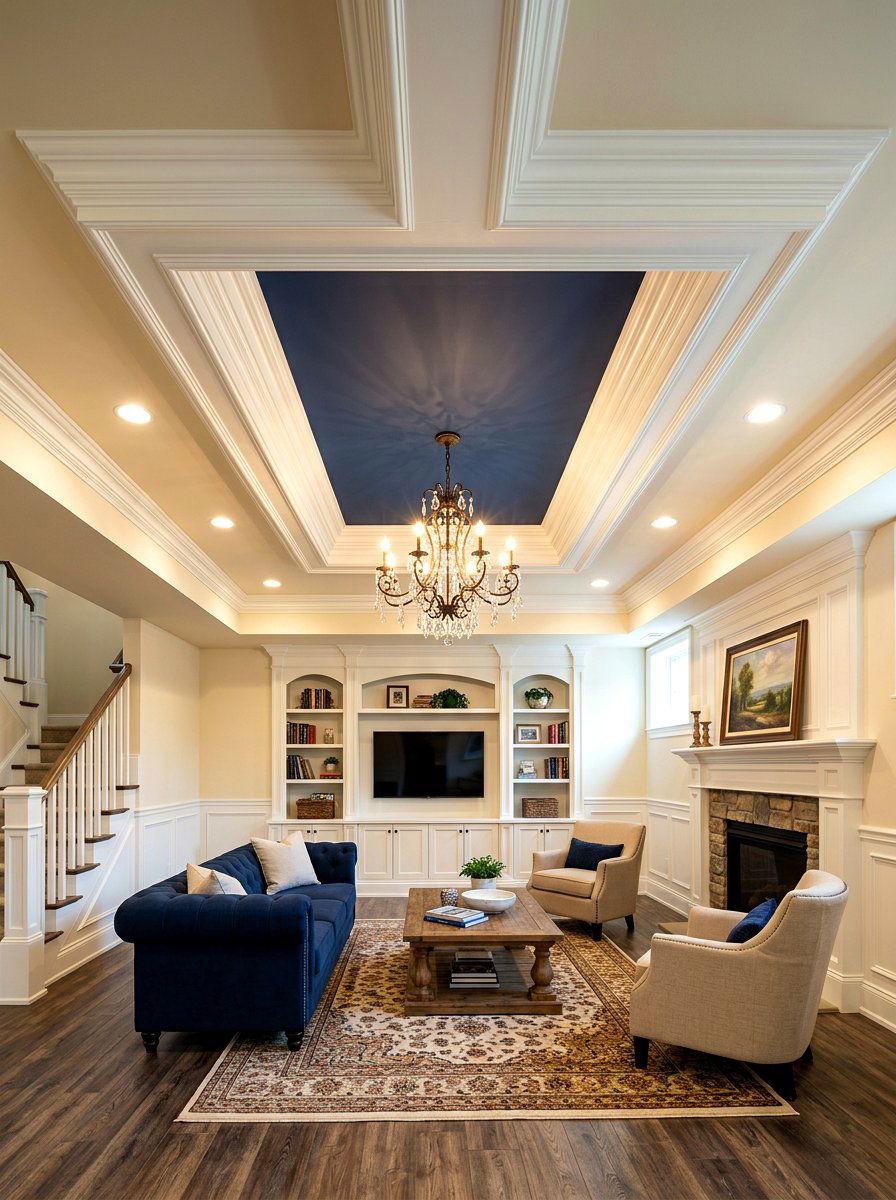
Creating a tray ceiling illusion through clever painting can give a flat, low basement ceiling much-needed dimension and character. By painting the center section of the ceiling a lighter shade than the perimeter, you create a visual recess that tricks the eye into seeing more height. You can further enhance this effect by adding thin, decorative molding to define the border between the two colors. This simple and inexpensive DIY project adds a touch of luxury to the space without requiring any structural changes or expensive construction work. It works beautifully in media rooms or bedrooms where you want to add a sense of refined elegance and verticality.
18. Floor To Ceiling Curtains
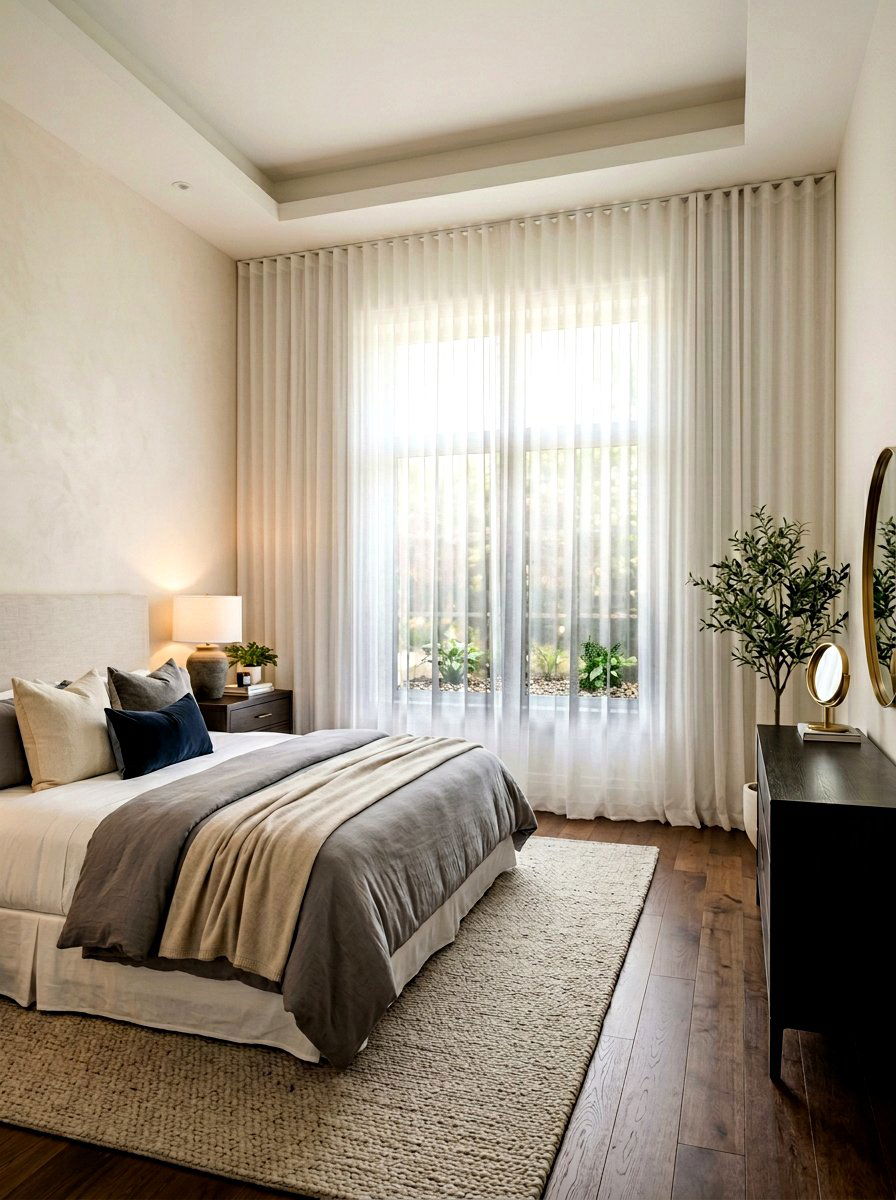
Hanging curtains from the very top of the wall all the way down to the floor is a simple yet powerful design trick. This technique hides the actual top of the window and emphasizes the full vertical span of the wall, making the ceiling appear significantly higher. Choose lightweight, sheer fabrics in a light color to allow natural light to filter through while maintaining privacy. Avoid heavy patterns or dark colors that might make the space feel closed in or heavy. By creating long, uninterrupted vertical lines, you can transform the perceived proportions of your basement and give it a much more polished and expensive appearance for guests.
19. Built In Bookshelves
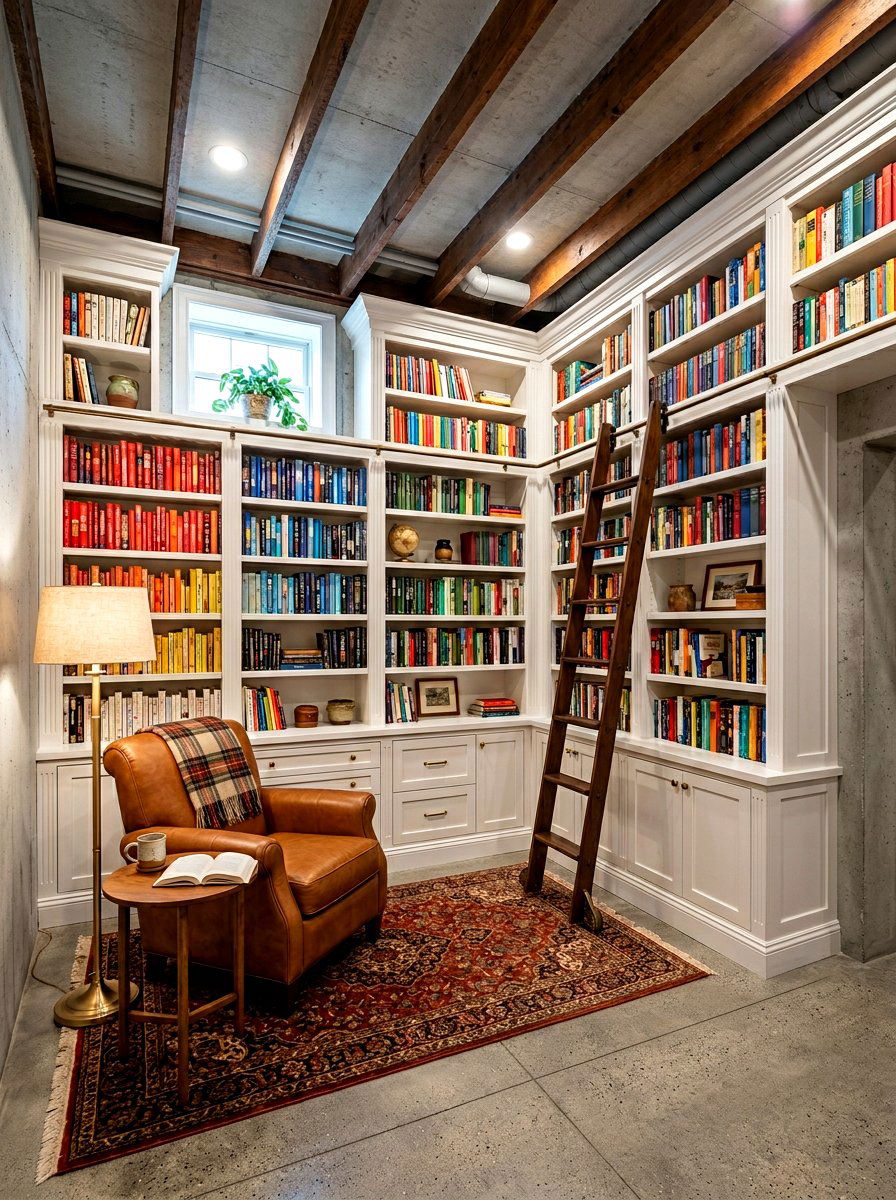
Custom built-in bookshelves that stretch from the floor toward the ceiling are excellent for adding both storage and visual height to a basement. These sleek units provide a dedicated place for decor and books while drawing the eye upward along the vertical lines of the shelving. To keep the look clean and prevent the room from feeling cramped, use thin shelf profiles and paint the units the same color as the walls. This integration makes the furniture feel like a natural part of the architecture rather than a bulky addition. A well-organized built-in unit adds a sense of sophistication and order to any low-clearance living space or office.
20. Eye Level Art

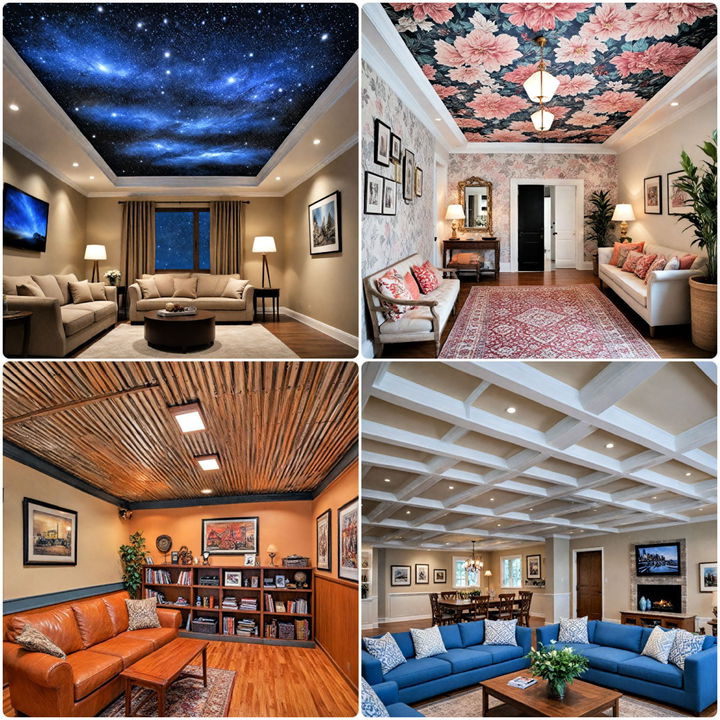
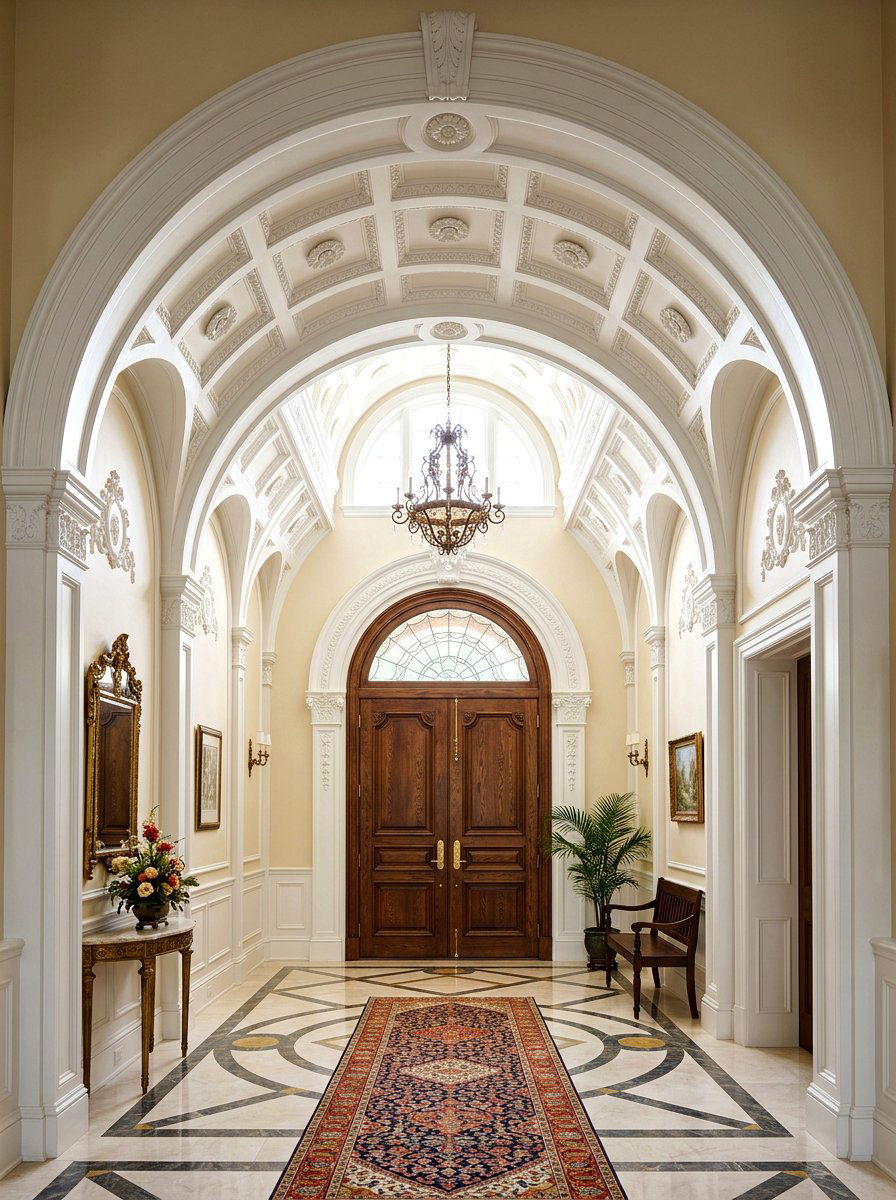
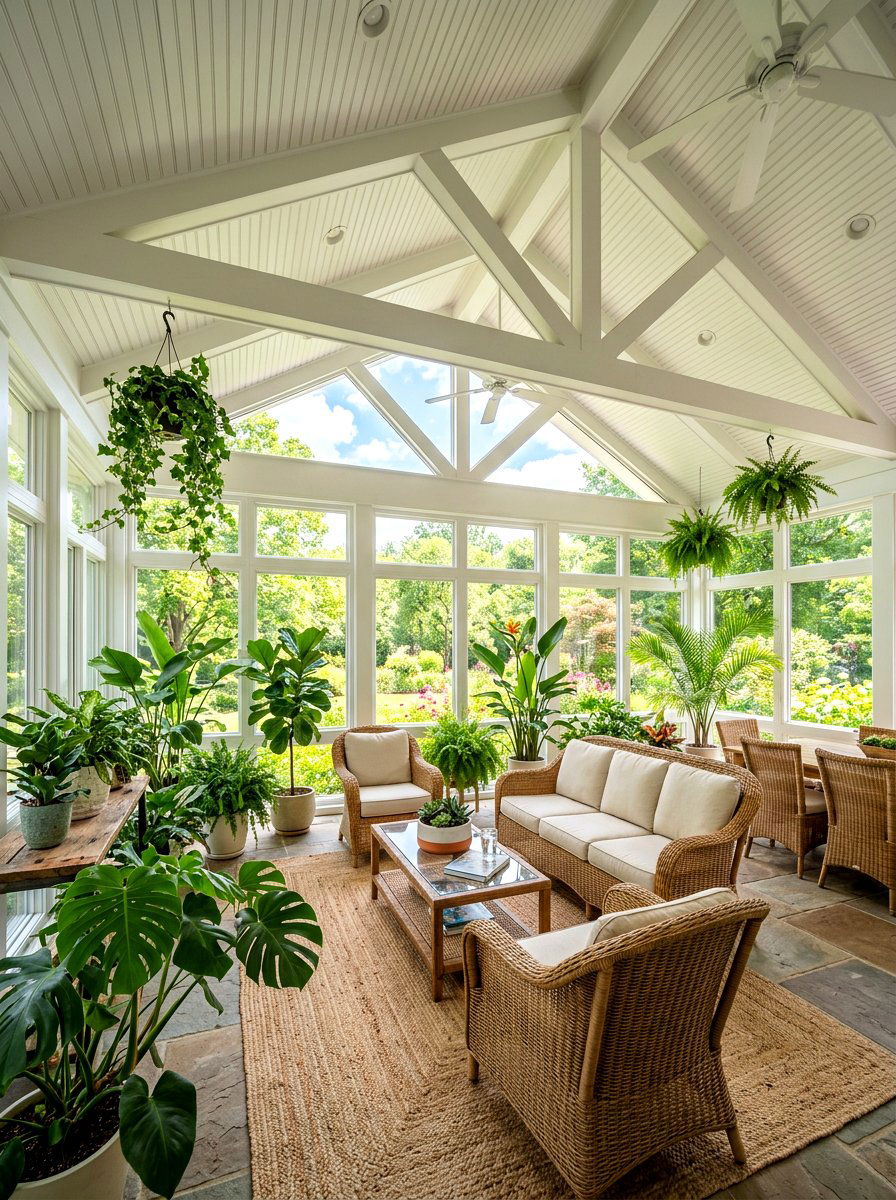
When decorating a basement with a low ceiling, where you hang your artwork can make a surprisingly big difference in how the space feels. Placing frames slightly higher than normal can encourage people to look up, which emphasizes the height of the walls. Alternatively, creating a gallery wall with vertically oriented frames can also create the illusion of more space. Avoid using very large, wide horizontal pieces that might cut the room in half visually and make the ceiling feel lower. By carefully selecting and positioning your wall decor, you can control the visual flow of the room and make the entire area feel more balanced and open.
21. Light Gray Paint
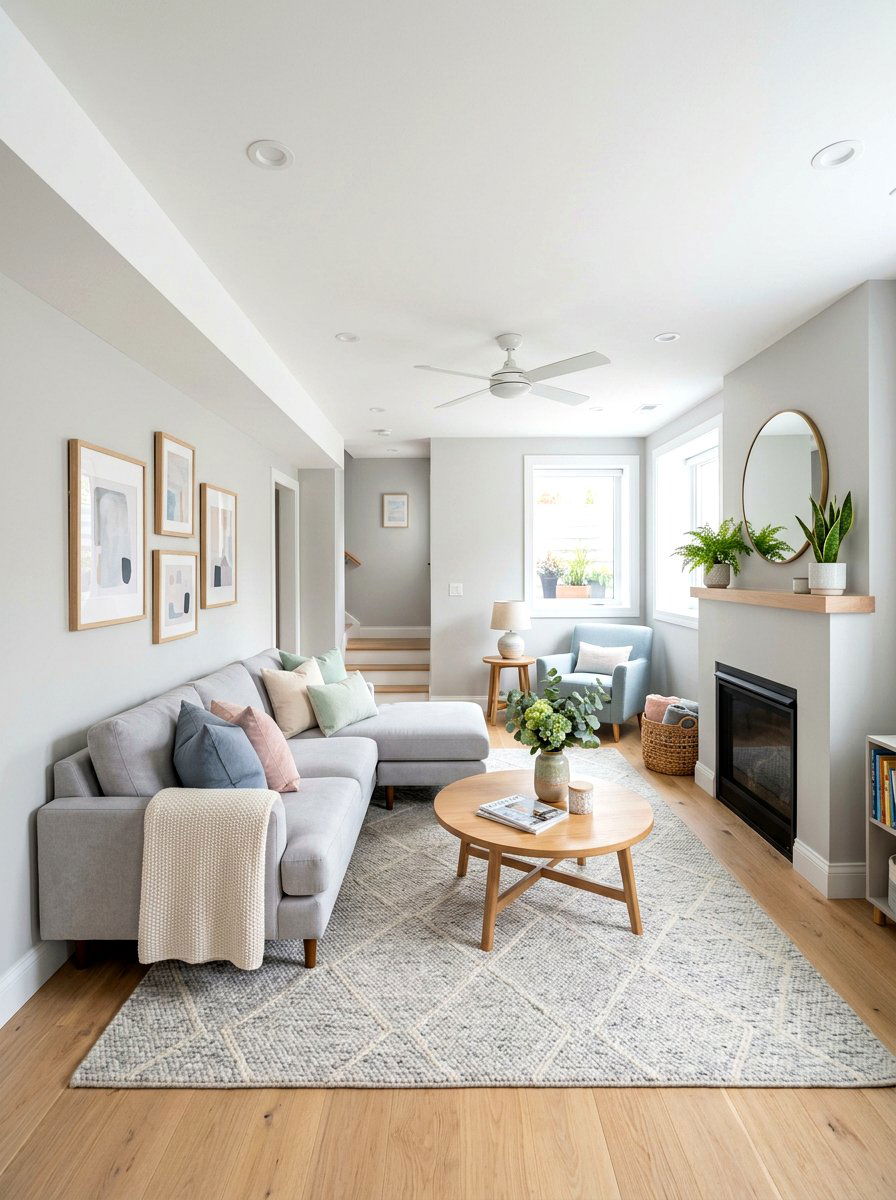
Light gray is a fantastic alternative to white for basements because it provides a modern, sophisticated look while still keeping the space bright. This versatile color reflects light well and works beautifully with various wood tones and metallic accents found in many basement designs. Choosing a cool-toned gray can make the walls feel like they are receding, which helps the room feel wider and less confined. When paired with a white ceiling and plenty of light, light gray walls create a serene and airy atmosphere that is perfect for a living room or a guest bedroom. It is a timeless choice that feels fresh and very welcoming.
22. Open Floor Plan
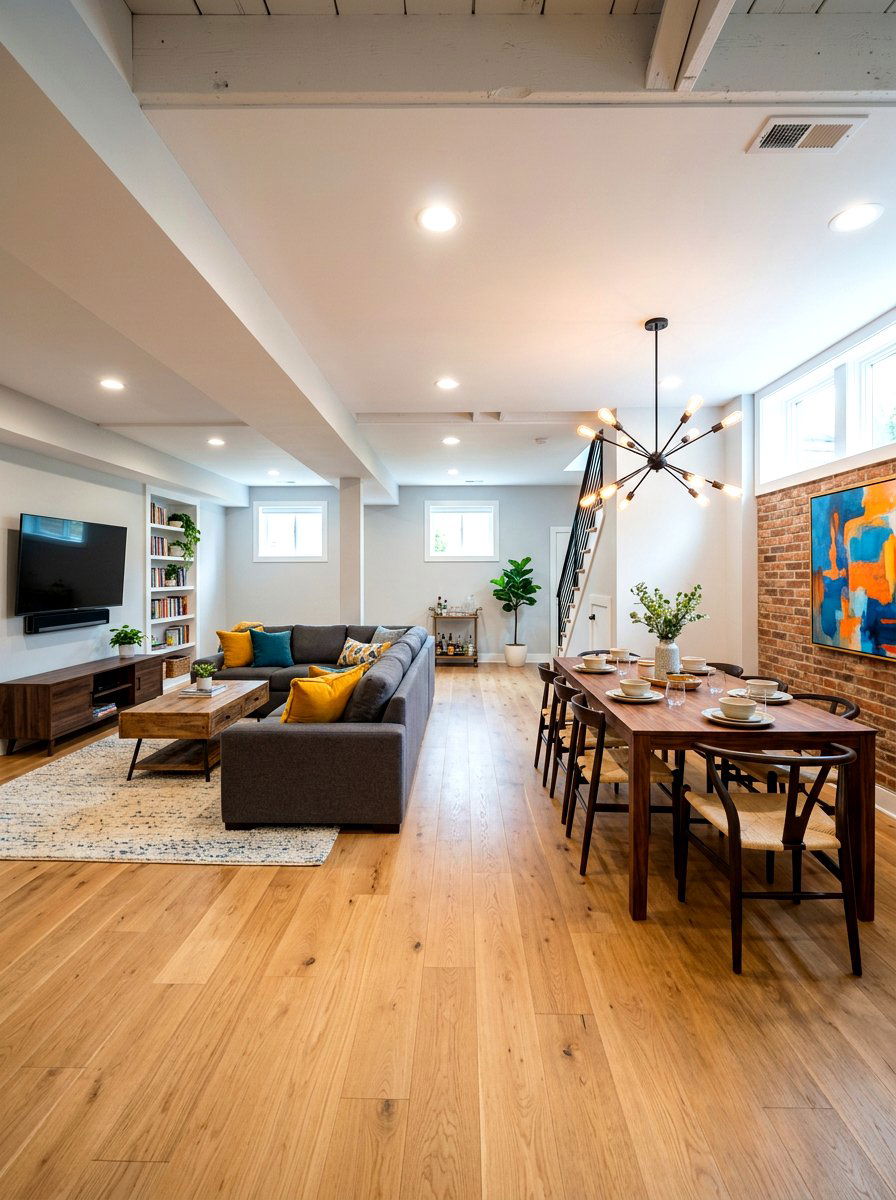
Removing unnecessary walls to create an open floor plan is one of the most effective ways to make a low-ceiling basement feel huge. Without partitions blocking your view, the eye can travel across the entire length of the floor, which creates a sense of vastness. An open layout allows light to reach every corner, eliminating the dark and cave-like feel often associated with subterranean spaces. You can use large area rugs or strategic furniture placement to define different zones, such as a play area and a lounge. This design approach maximizes the available square footage and makes the basement feel like a natural extension of your main home.
23. Exposed Copper Pipes
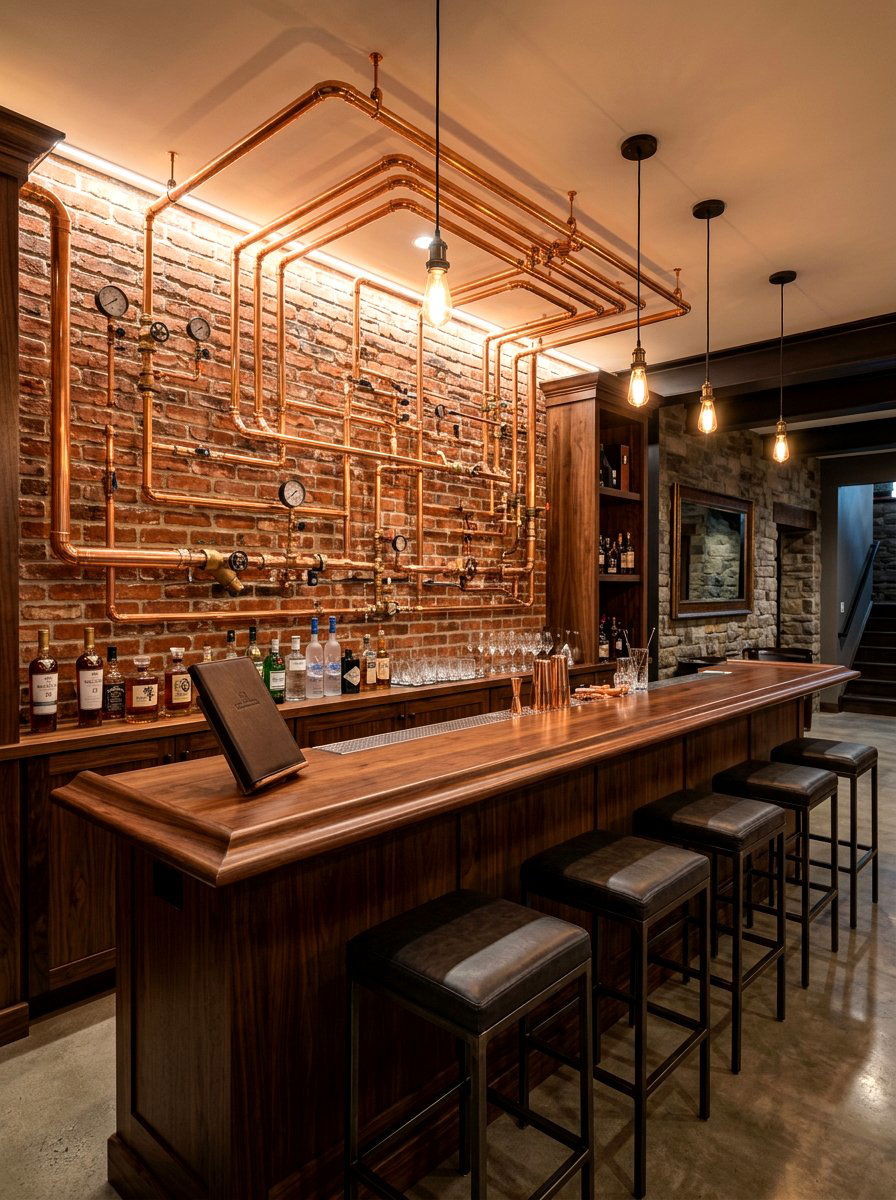
Instead of hiding plumbing, you can celebrate the structural elements by cleaning and polishing exposed copper pipes in the basement. This adds a touch of industrial elegance and warmth to the room, turning a functional necessity into a beautiful design feature. Exposed pipes take up much less vertical space than the bulky soffits usually built to hide them. When paired with other industrial elements like brick or concrete, copper pipes contribute to a high-end, custom look that is very popular in modern renovations. This creative choice preserves your ceiling height while adding a unique and stylish personality to your lower-level living area or home bar.
24. Low Profile Armchair
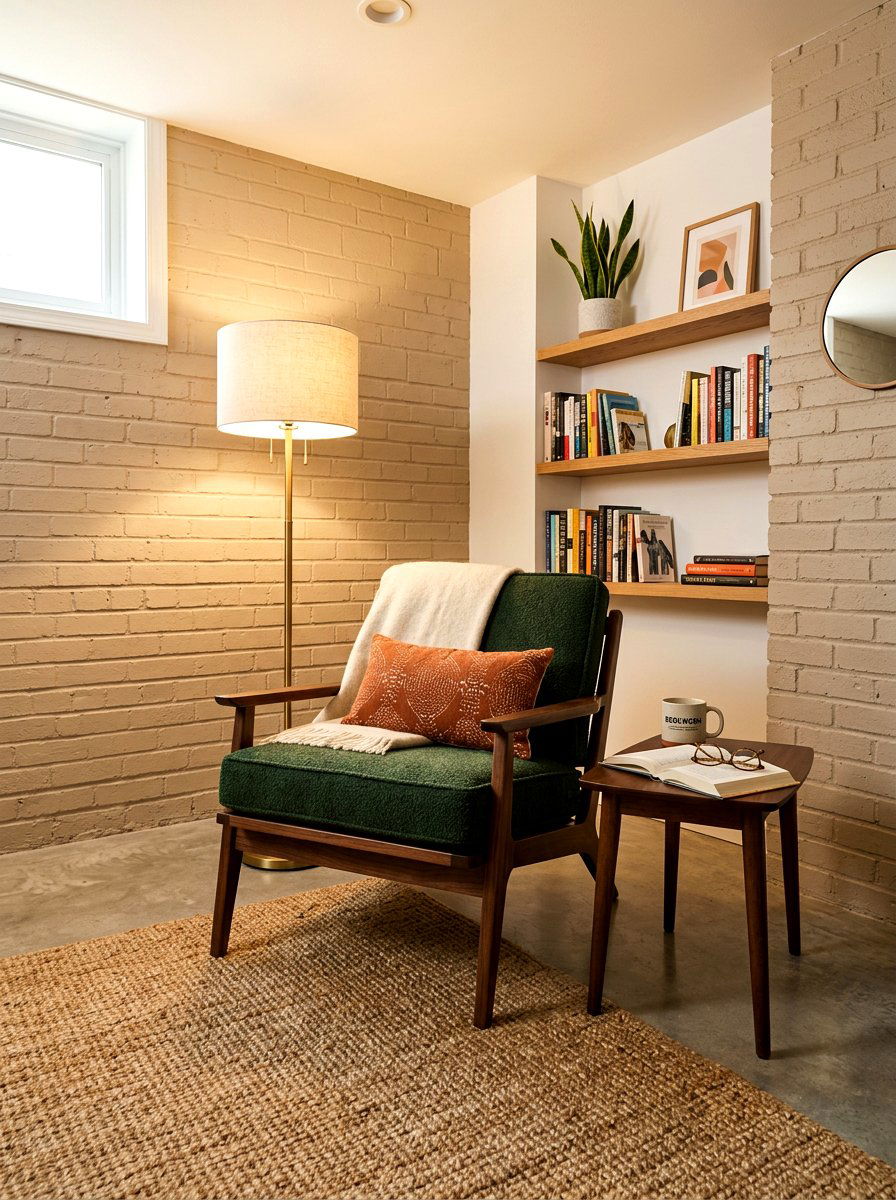
Just like your sofa, choosing low-profile armchairs can help maintain the sense of height in a basement with limited clearance. These chairs usually have shorter legs and backs, which keeps the visual weight of the furniture close to the floor. This opens up the upper half of the room, making the air feel less heavy and the ceiling much further away. Look for chairs with open arms or slim frames to further enhance the feeling of lightness and space. Placing a pair of these chairs in a corner can create a cozy seating nook that feels perfectly scaled for the room without making it feel cluttered or small.
25. Large Neutral Rugs
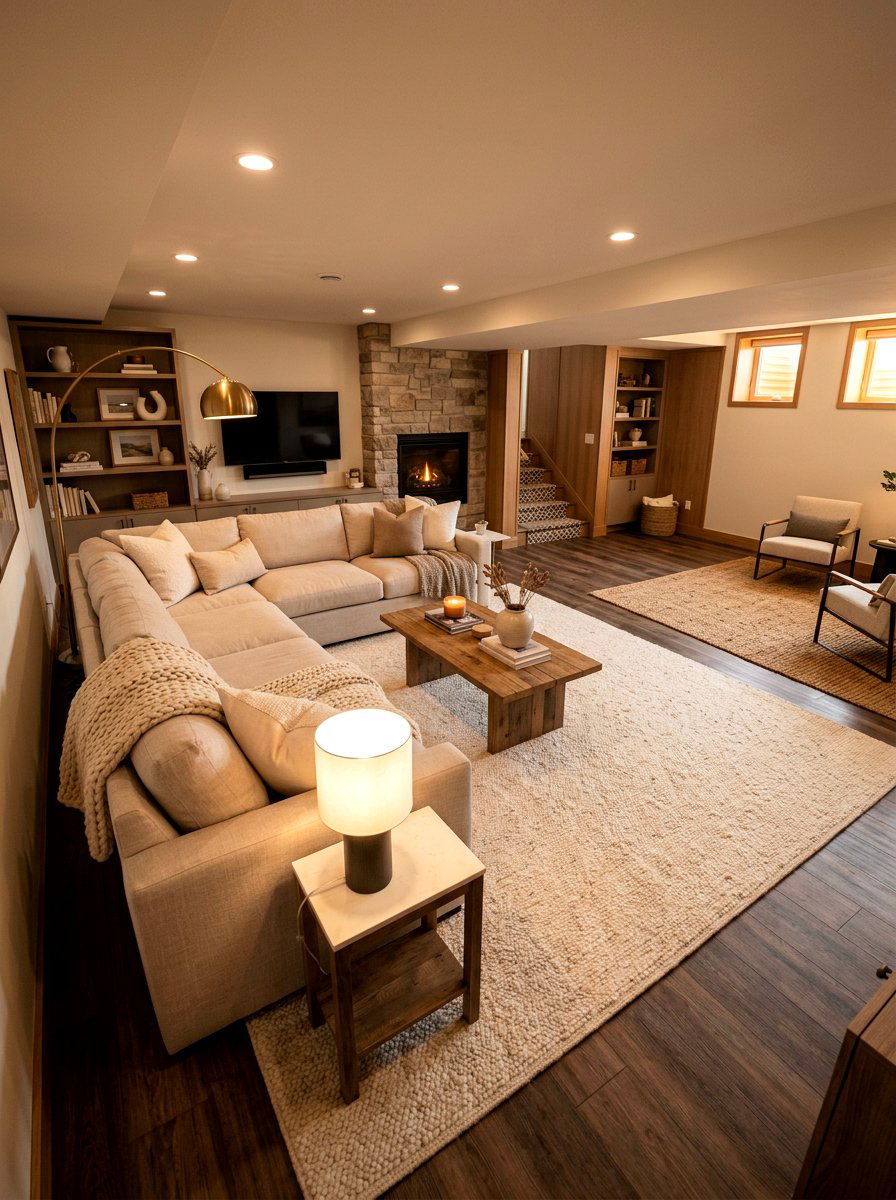
Using a large area rug in a light, neutral color is an effective way to define a living space while brightening the entire basement. A rug that covers most of the floor helps to ground the room and makes the floor feel more expansive. Light colors like cream, beige, or soft gray reflect the overhead light, contributing to a more open and airy atmosphere. Avoid dark or heavily patterned rugs that might draw the eye downward and make the space feel more enclosed. A high-quality, plush rug also adds much-needed warmth and comfort to a basement floor, making it a cozy spot for the whole family to enjoy.
26. High Gloss Paint
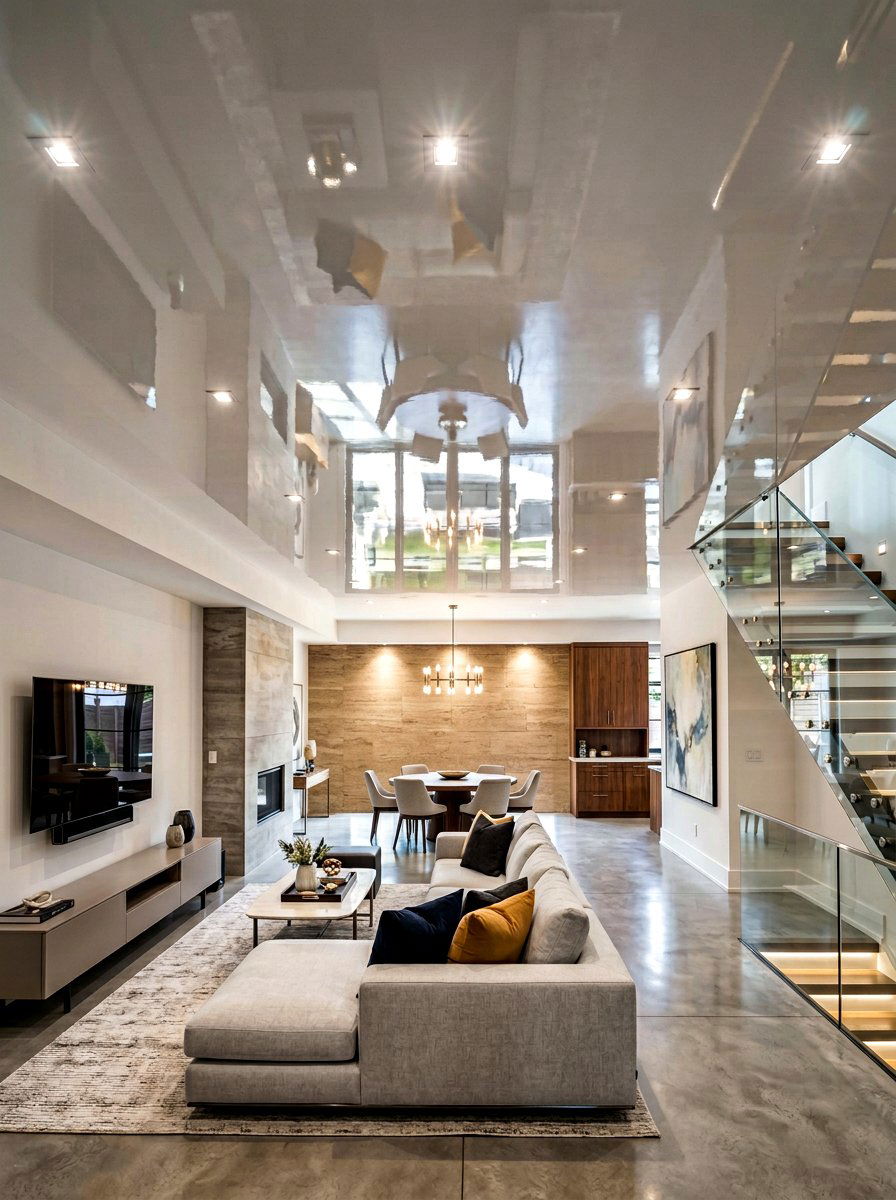
Applying a high-gloss or semi-gloss paint finish to the ceiling is a daring but effective design trick for low basements. The reflective quality of the paint acts like a mirror, bouncing light around the room and making the ceiling appear to be higher than its physical location. This technique works best on smooth drywall ceilings that have been perfectly prepared, as gloss finishes can highlight any imperfections in the surface. When used correctly, it adds a touch of modern glamour and sophistication to the space. The result is a bright, dynamic ceiling that feels airy and helps to eliminate the heavy feeling of a low overhead clearance.
27. Modern Wet Bar
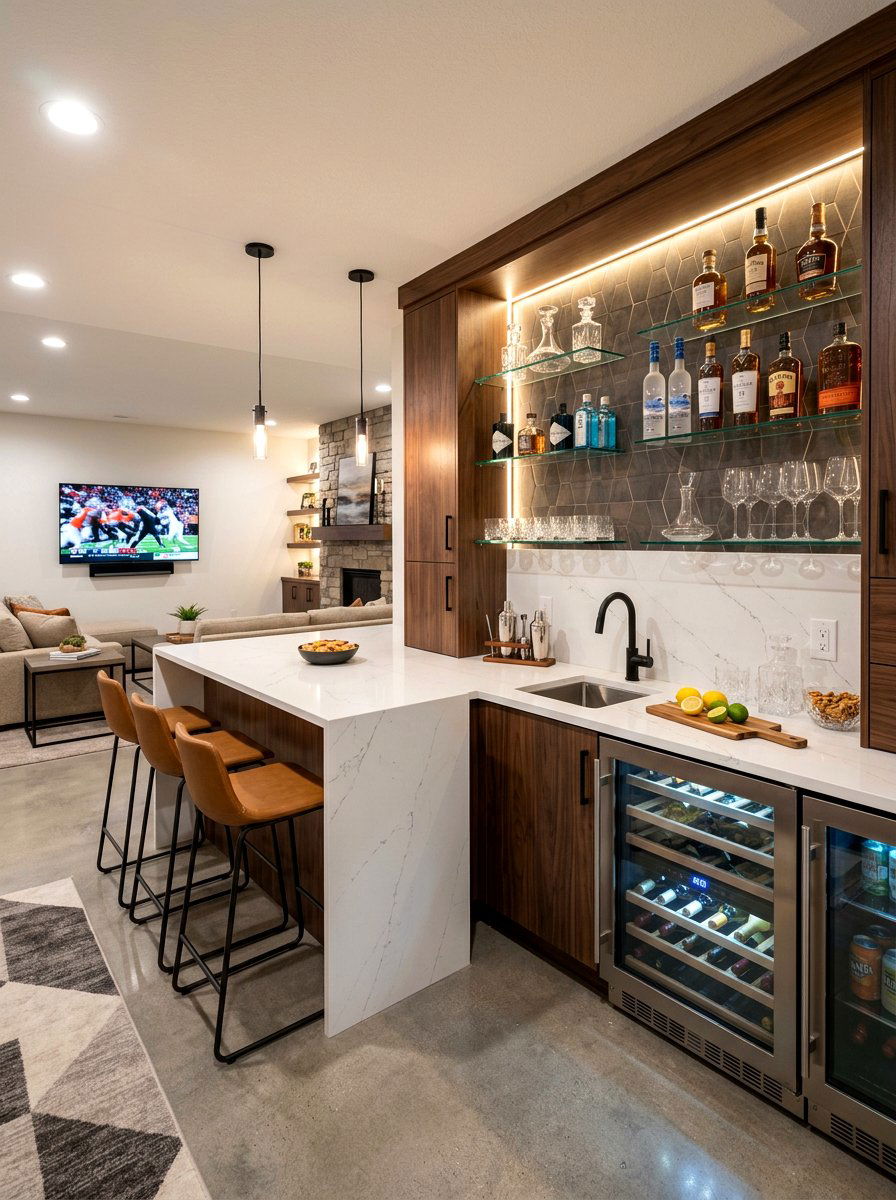
Adding a sleek wet bar can transform a basement into a prime entertainment hub without making it feel cramped. By using low-profile cabinetry and mirrored backsplashes, you can create a functional area that actually enhances the sense of space. Keep the bar design horizontal and avoid tall cabinets that reach all the way to the low ceiling, as this can emphasize the lack of height. Instead, use floating shelves for glassware to keep the look light and open. Integrated lighting under the shelves can add a sophisticated glow that makes the bar a focal point. This stylish addition provides a great place for hosting guests in comfort.
28. Small Home Gym
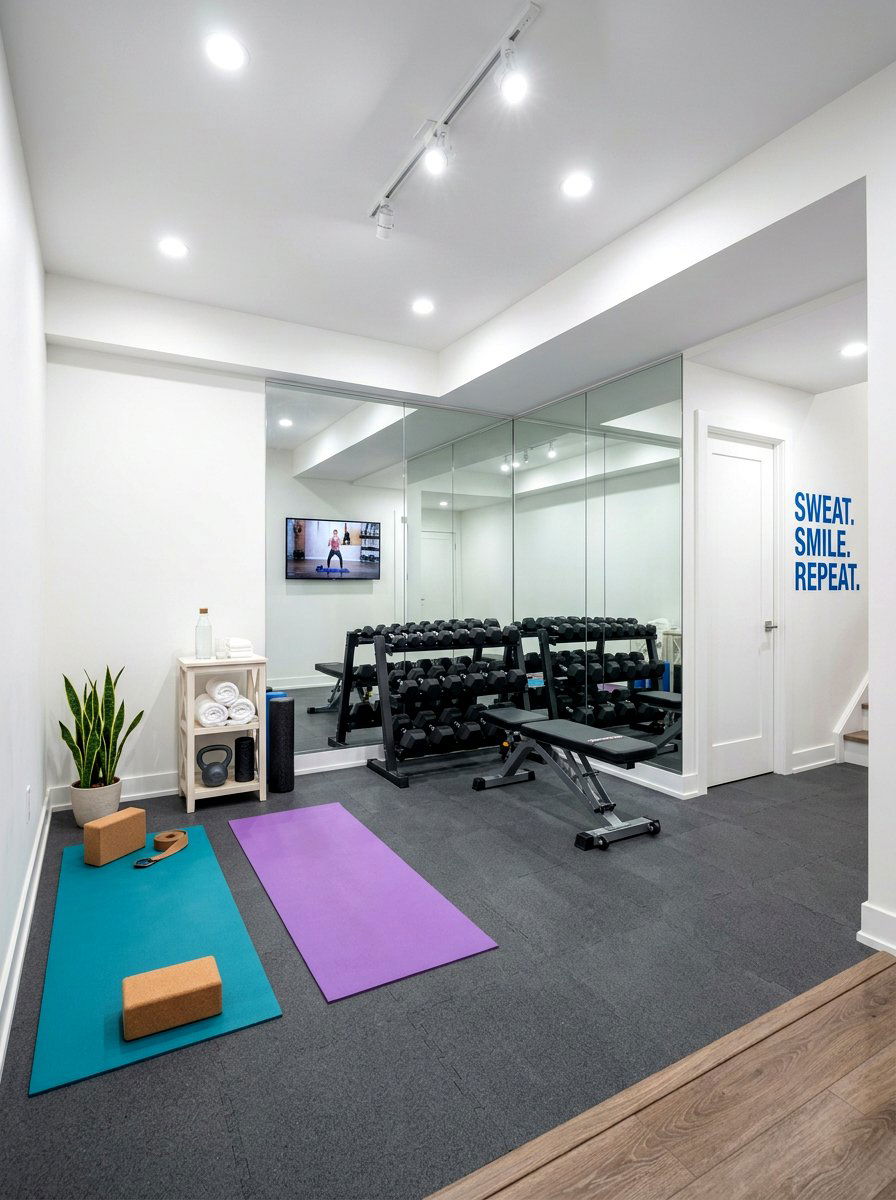
A low-ceiling basement is a perfect location for a compact home gym where you can focus on your fitness goals. To keep the space feeling energetic and open, use large mirrors on the walls to reflect light and track your progress. Choose workout equipment with a lower profile, such as adjustable benches or compact treadmills, to ensure you have enough headroom while exercising. Proper ventilation and bright recessed lighting are essential for making a subterranean gym feel fresh and inviting. By organizing your weights on vertical racks, you keep the floor clear and the room feeling much more spacious and ready for a productive and healthy workout session.
29. Modern Guest Bedroom
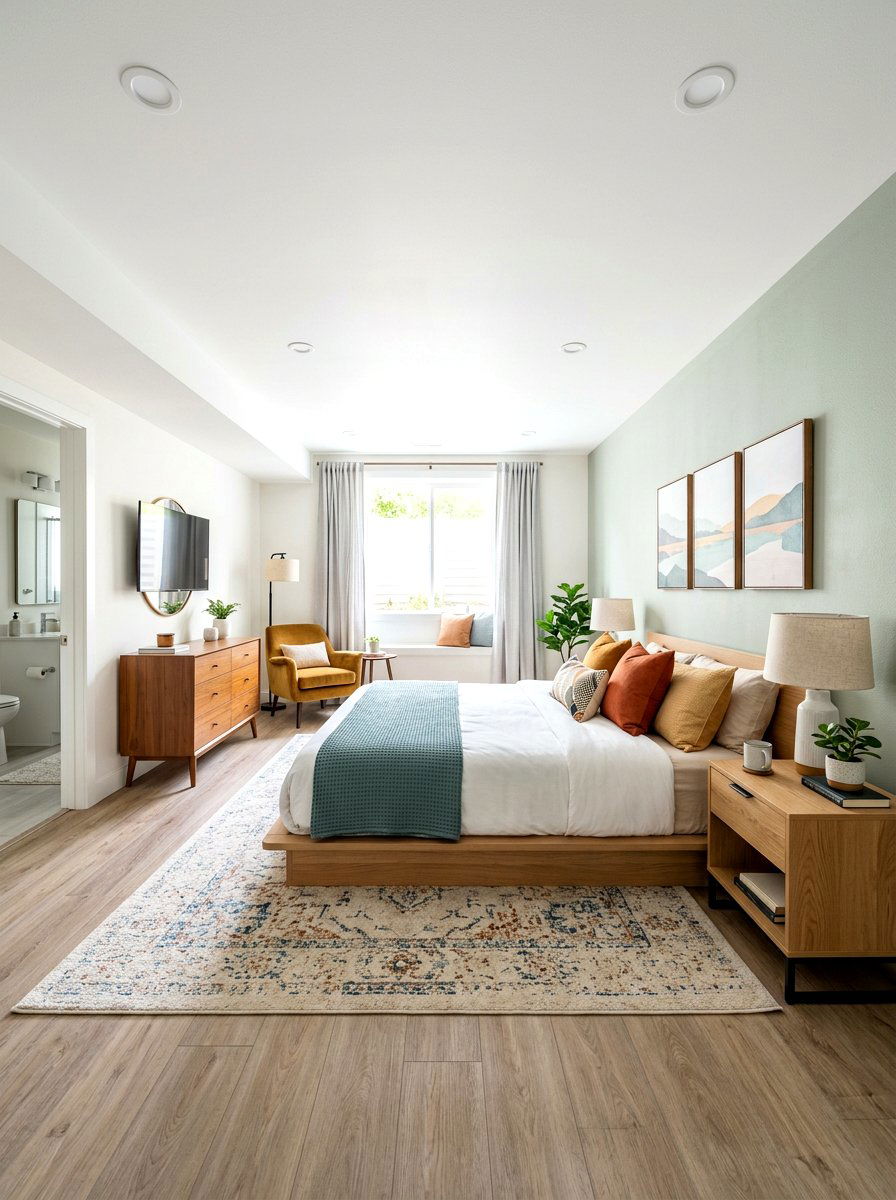
Turning a portion of your basement into a guest bedroom is a great way to add value to your home. To make the room comfortable despite a low ceiling, use a platform bed that sits low to the ground. This creates a larger gap between the bed and the ceiling, making the room feel more spacious for your guests. Soft, light-colored bedding and minimalist furniture will keep the atmosphere calm and inviting. Adding a small window or plenty of layered lighting ensures the space feels bright and fresh rather than dark. A well-designed guest suite provides a private and cozy retreat that friends and family will truly enjoy.
30. Compact Laundry Room
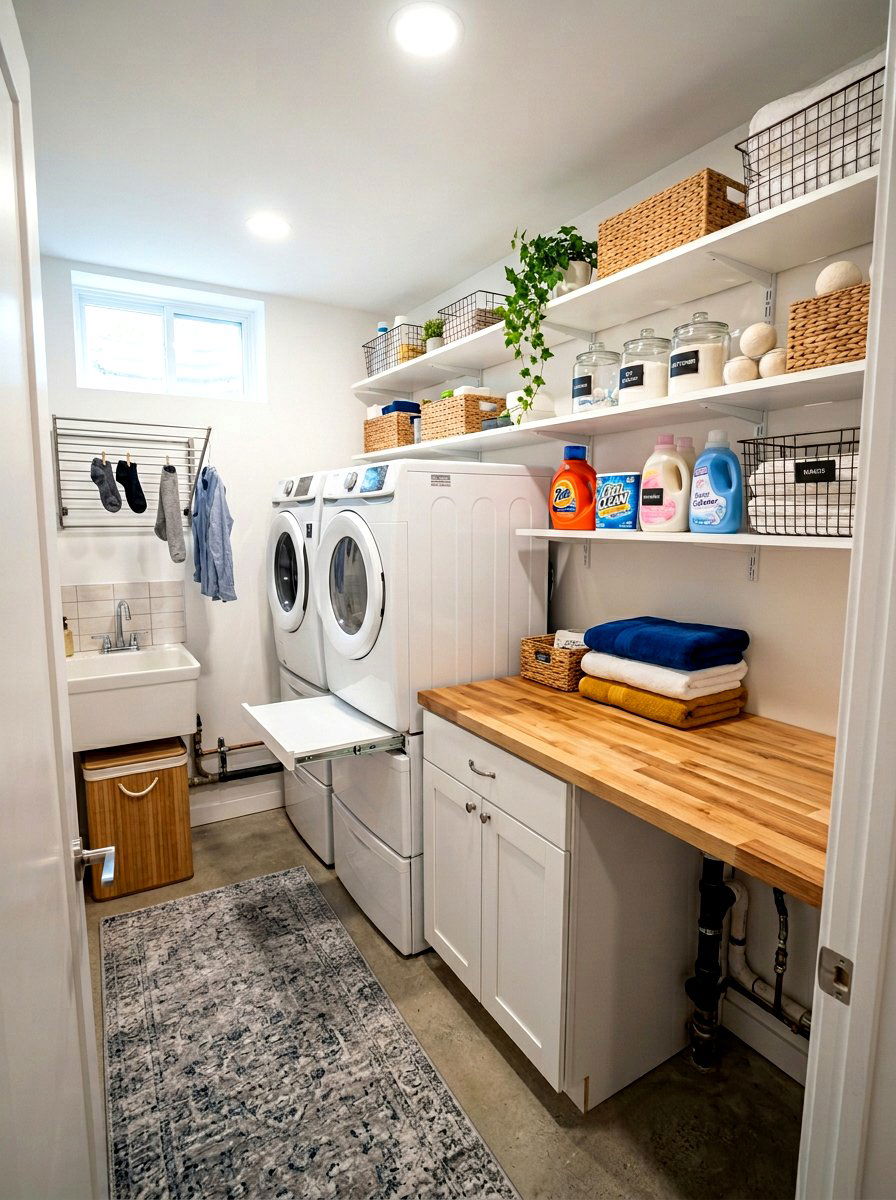
A basement is an ideal spot for a modern laundry room that stays out of sight from the main living areas. To maximize a low-ceiling space, use side-by-side washer and dryer units with a continuous countertop above them for folding. This horizontal layout makes the most of the available floor space while leaving the upper walls free for simple storage. Installing bright task lighting and using light-colored cabinetry will make the chore feel much more pleasant. By keeping the design functional and organized, you can create a high-end laundry zone that feels efficient and roomy, even with limited vertical clearance in your finished basement renovation project.
Conclusion:
Transforming a basement with low ceilings into a beautiful and functional part of your home is entirely possible with the right design approach. By focusing on light-reflecting surfaces, low-profile furniture, and clever architectural tricks like exposed joists or vertical wall treatments, you can overcome height limitations easily. These thirty ideas demonstrate that a subterranean space can feel just as bright, airy, and welcoming as any other floor in your house. Whether you are building a home theater, a gym, or a guest suite, the key is to prioritize openness and minimize visual clutter. Start your renovation journey today and unlock the hidden potential of your basement.

Related posts: