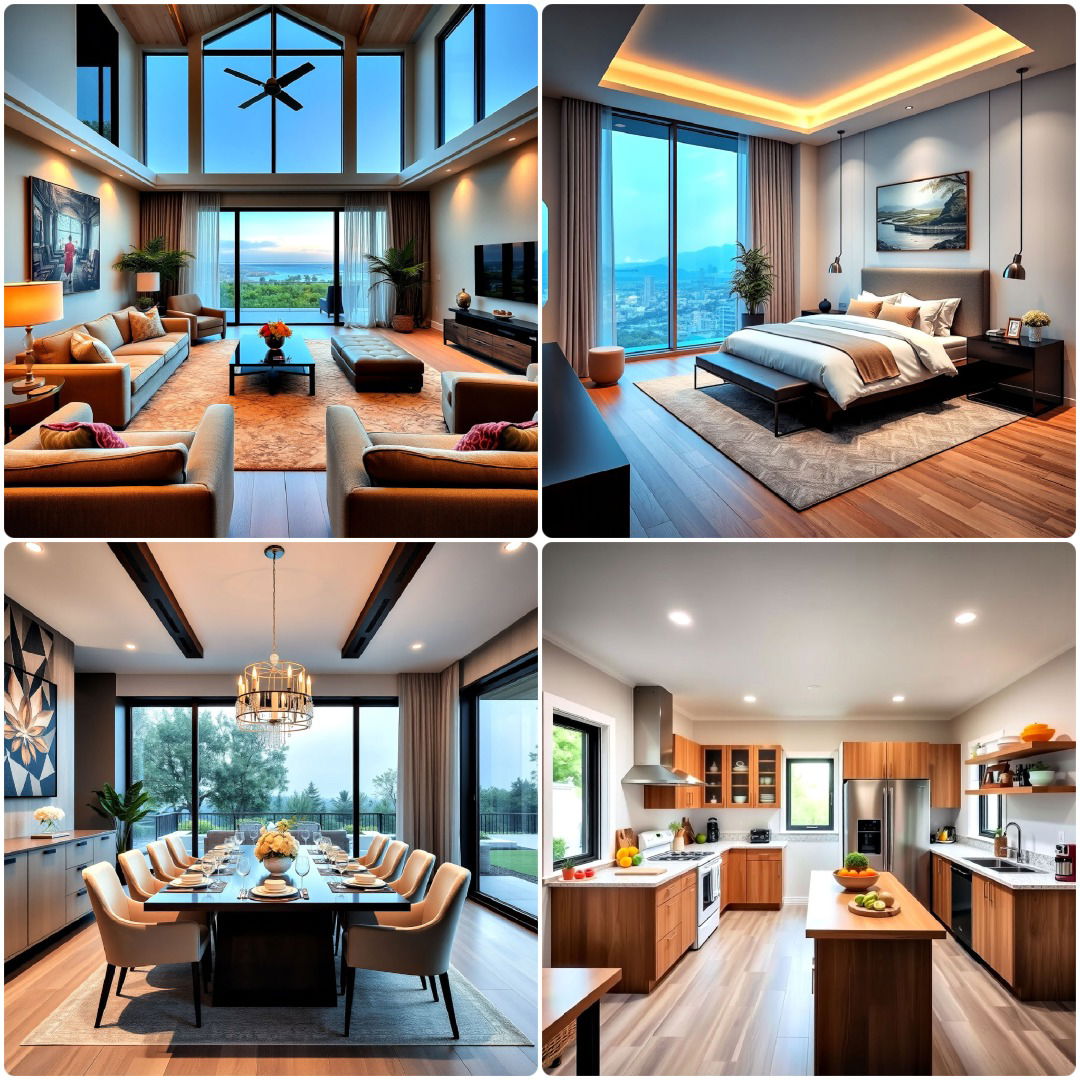
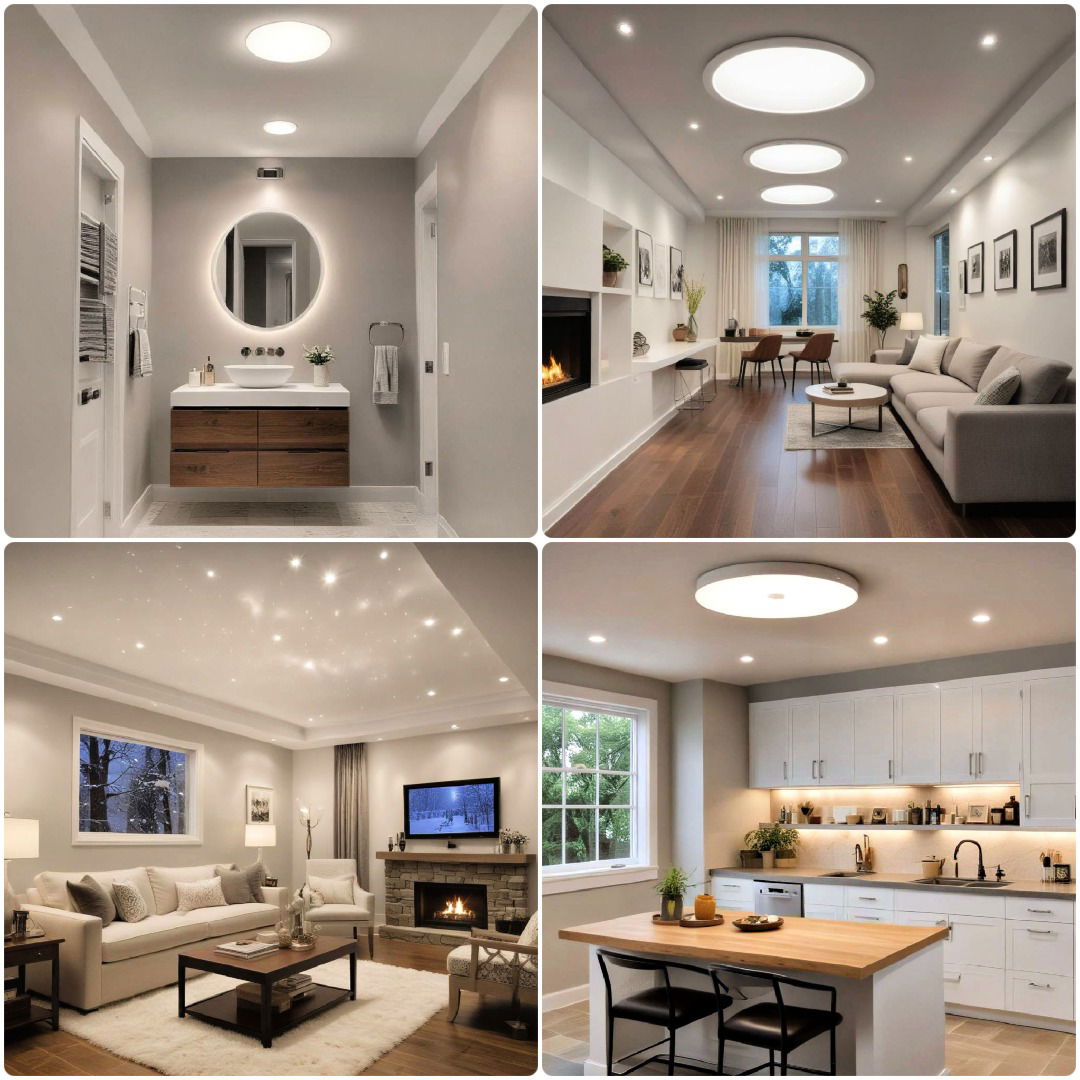
Choosing the right recessed lighting layout is one of the most important decisions you will make during a home renovation or new build. These fixtures do more than just provide light; they define the atmosphere, highlight your favorite architectural features, and ensure that every task is performed under perfect conditions. A well-planned layout eliminates awkward shadows and prevents the dreaded "Swiss cheese" look on your ceiling. By understanding the balance between ambient, task, and accent lighting, you can transform any ordinary room into a professionally designed space. This guide explores thirty versatile strategies to help you achieve a bright, inviting, and highly functional home environment today.
1. Kitchen Island Recessed Lighting
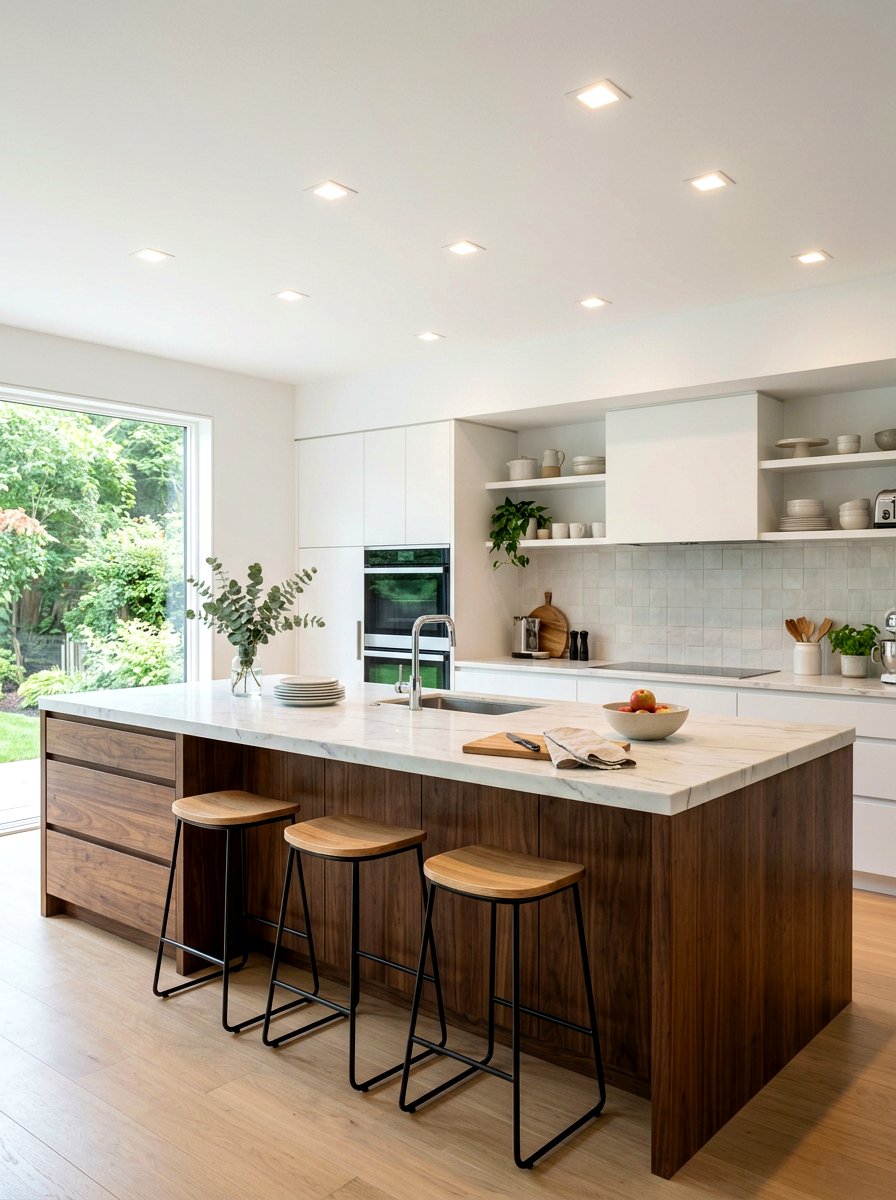
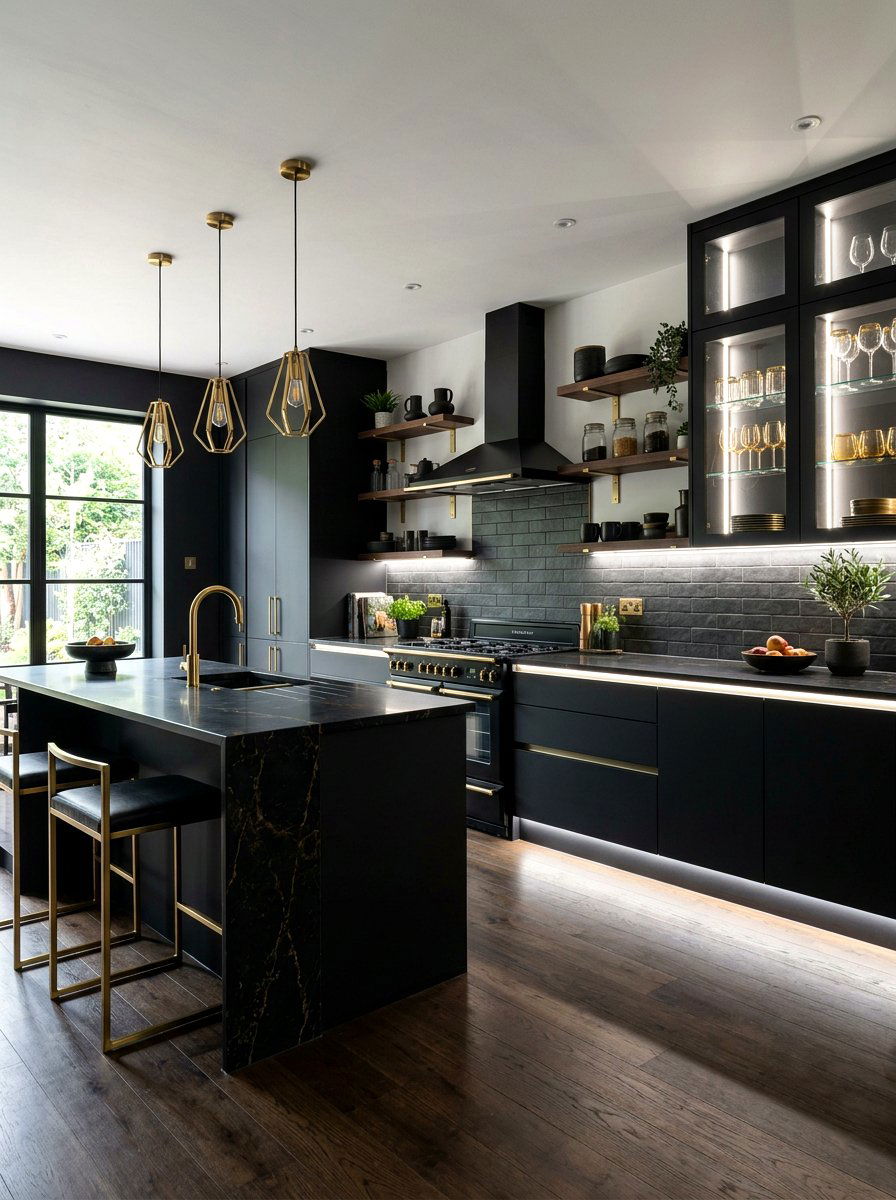
Imagine walking into a kitchen where the central island is bathed in a crisp, clear glow that makes meal preparation effortless. For a standard kitchen island layout, you should position two to three small four-inch recessed cans directly over the workspace. Space them approximately twenty-four to thirty inches apart to ensure the light beams overlap slightly, eliminating any dark spots on the countertop. This design provides essential task lighting while keeping the ceiling looking clean and modern. By aligning these fixtures with the center of the island, you create a balanced focal point that anchors the entire room and enhances the overall functionality of your cooking space.
2. Living Room Perimeter Lighting
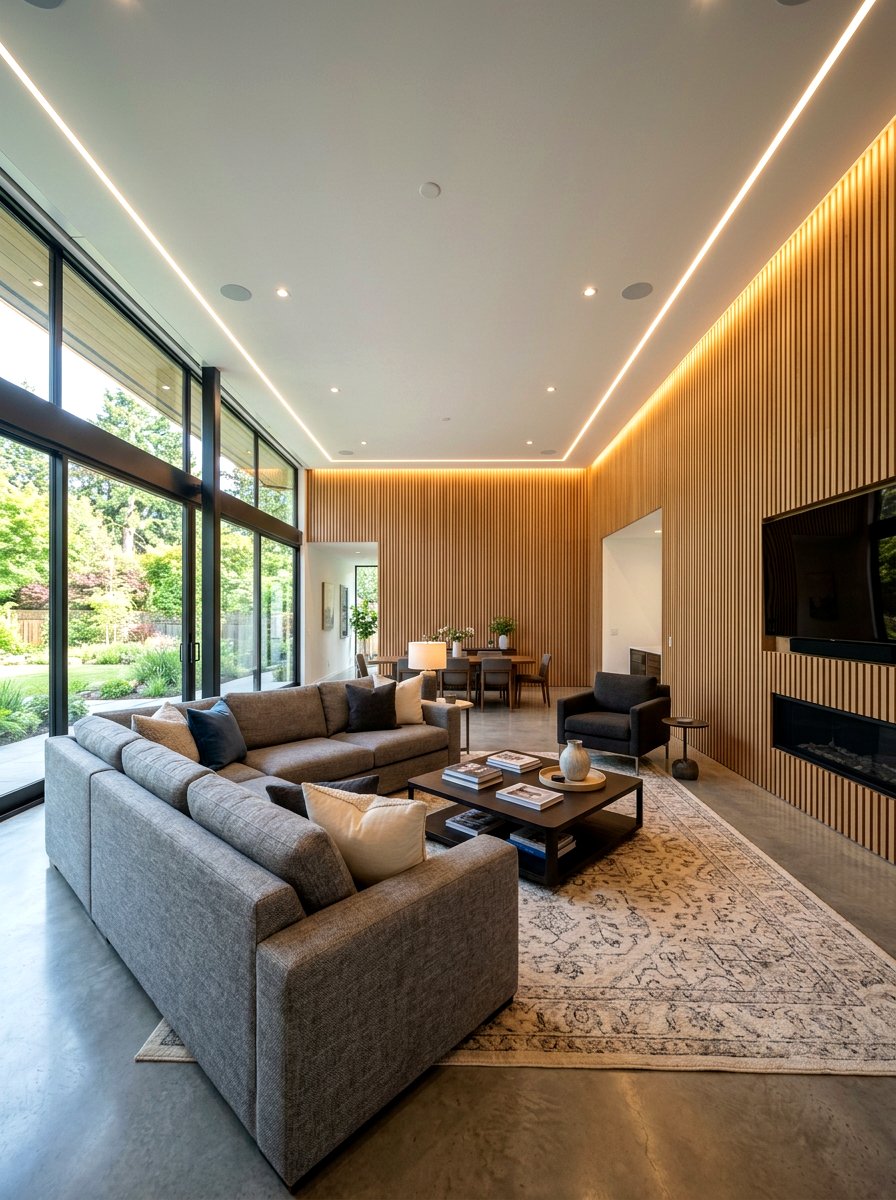
Have you ever noticed how a living room feels much larger and more open when the walls are softly illuminated? A perimeter layout involves placing recessed fixtures approximately twenty-four to thirty inches away from the walls and spacing them four to five feet apart. This technique, often called wall washing, bounces light off the vertical surfaces to create a gentle, ambient glow throughout the entire area. It avoids the harshness of a central light source and draws the eye to the boundaries of the room. This design is perfect for creating a relaxing environment for movie nights or hosting guests while highlighting your wall decor and textures.
3. Bedroom Task Lighting Layout
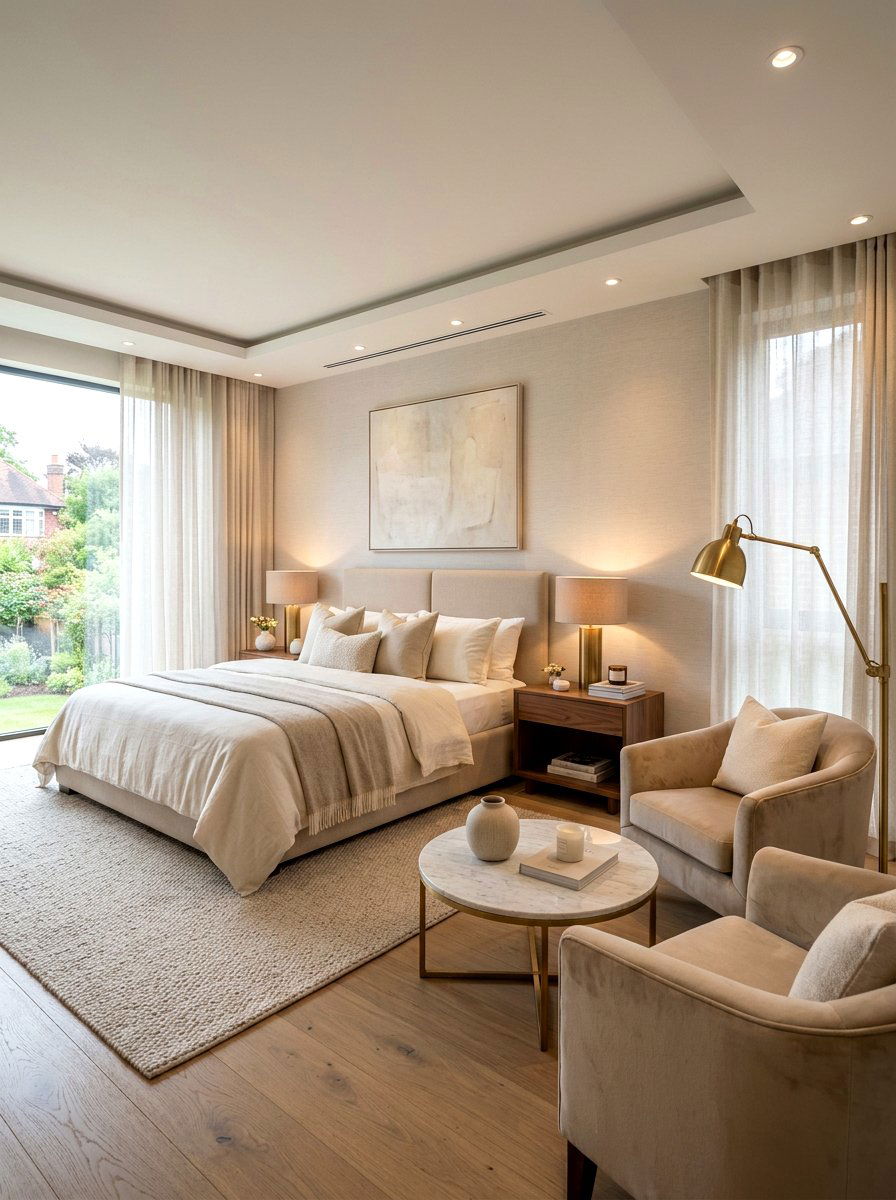
Creating a cozy yet functional bedroom requires a strategic lighting plan that avoids placing bright lights directly over the bed. Instead, focus on the functional zones like the dressing area or the path to the bathroom. Positioning four-inch recessed lights in a subtle U-shape around the perimeter of the room provides enough brightness for morning routines without being overwhelming at night. You should ensure the fixtures are placed about three feet from the walls to provide a soft wash of light. This layout allows for a peaceful atmosphere while ensuring you have focused illumination exactly where you need it most for daily activities.
4. Bathroom Vanity Recessed Lighting
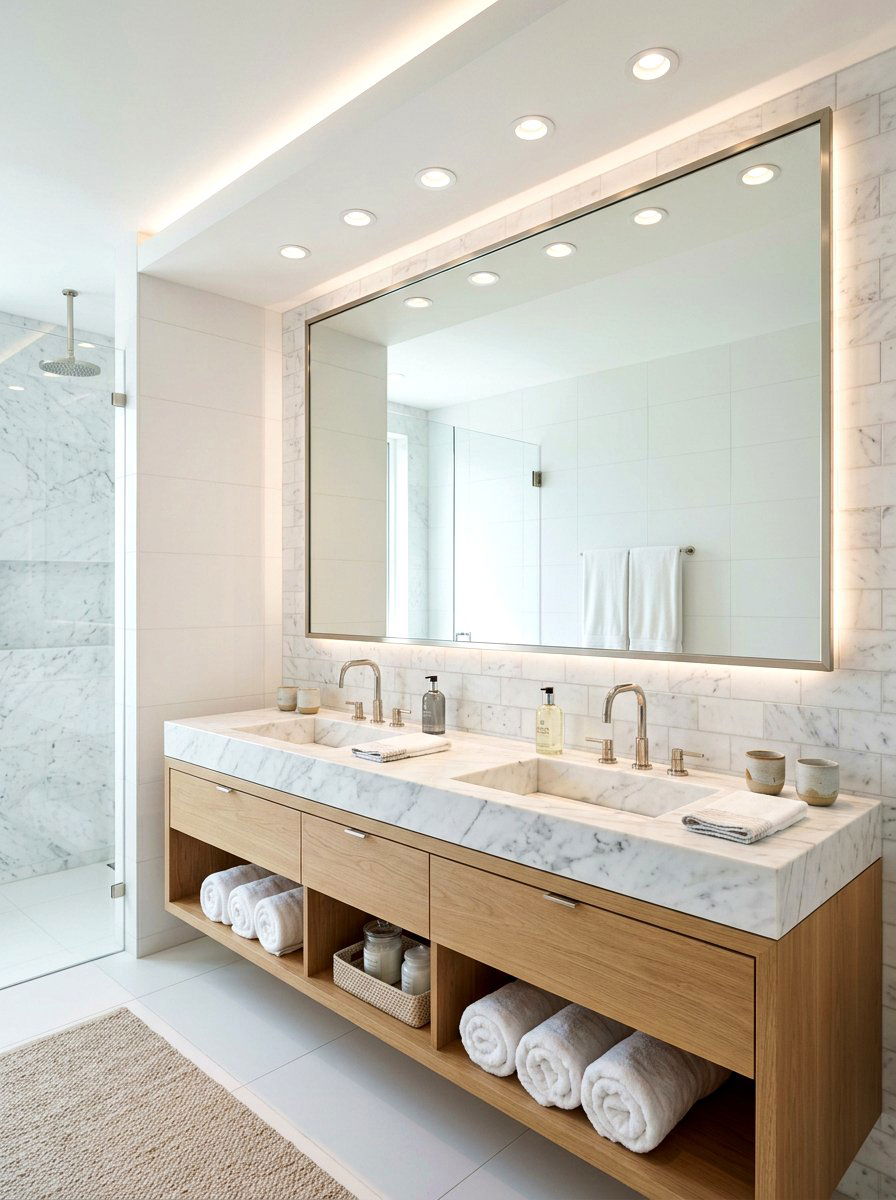
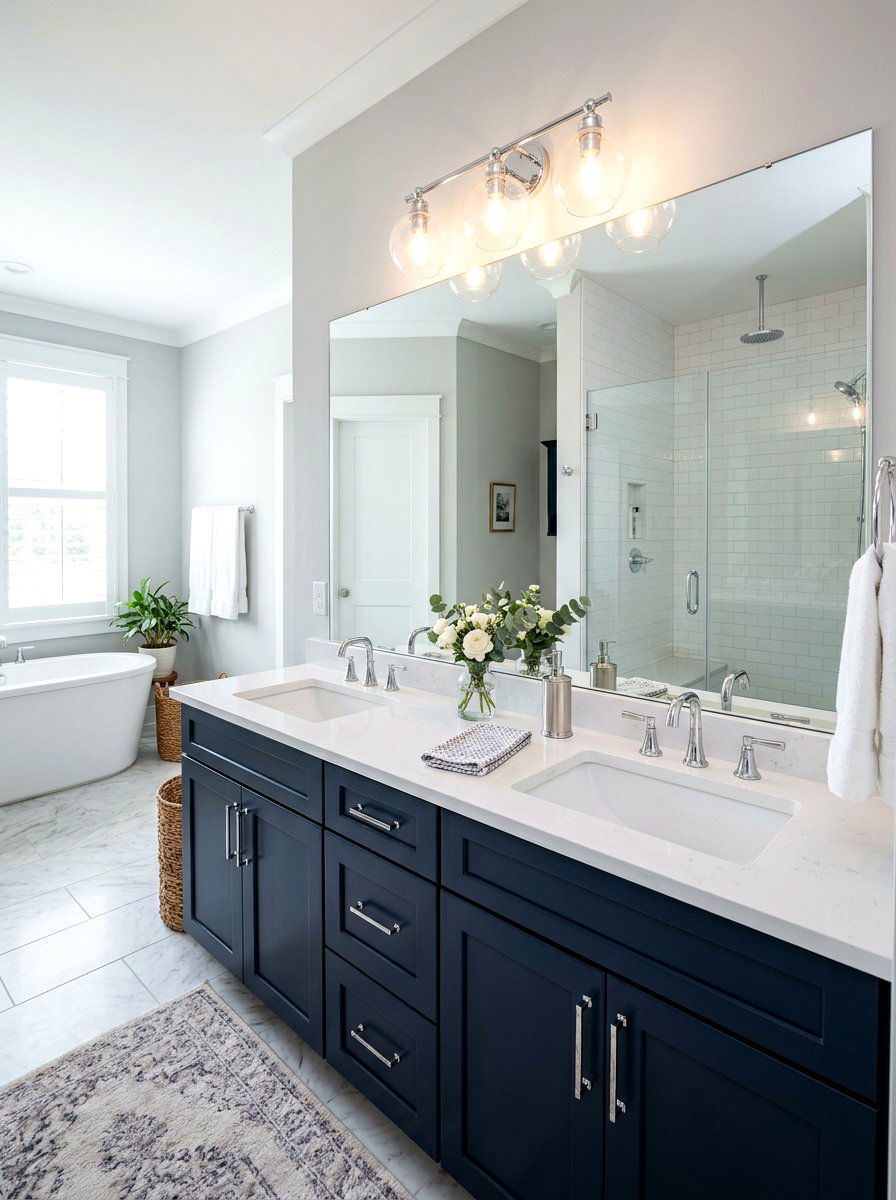
Achieving the perfect reflection in the bathroom mirror depends entirely on how you position your overhead recessed lighting. To avoid heavy shadows under your eyes and nose, place two or three small fixtures approximately twelve inches away from the wall where the mirror is mounted. Spacing them about twenty-four inches apart ensures that the light hits your face evenly from above. This layout works best when paired with wall sconces to provide a fully layered lighting effect. By focusing on the vanity area as a complete design unit, you create a bright, spa-like environment that makes grooming tasks much easier and more enjoyable every single morning.
5. Hallway Lighting Spacing
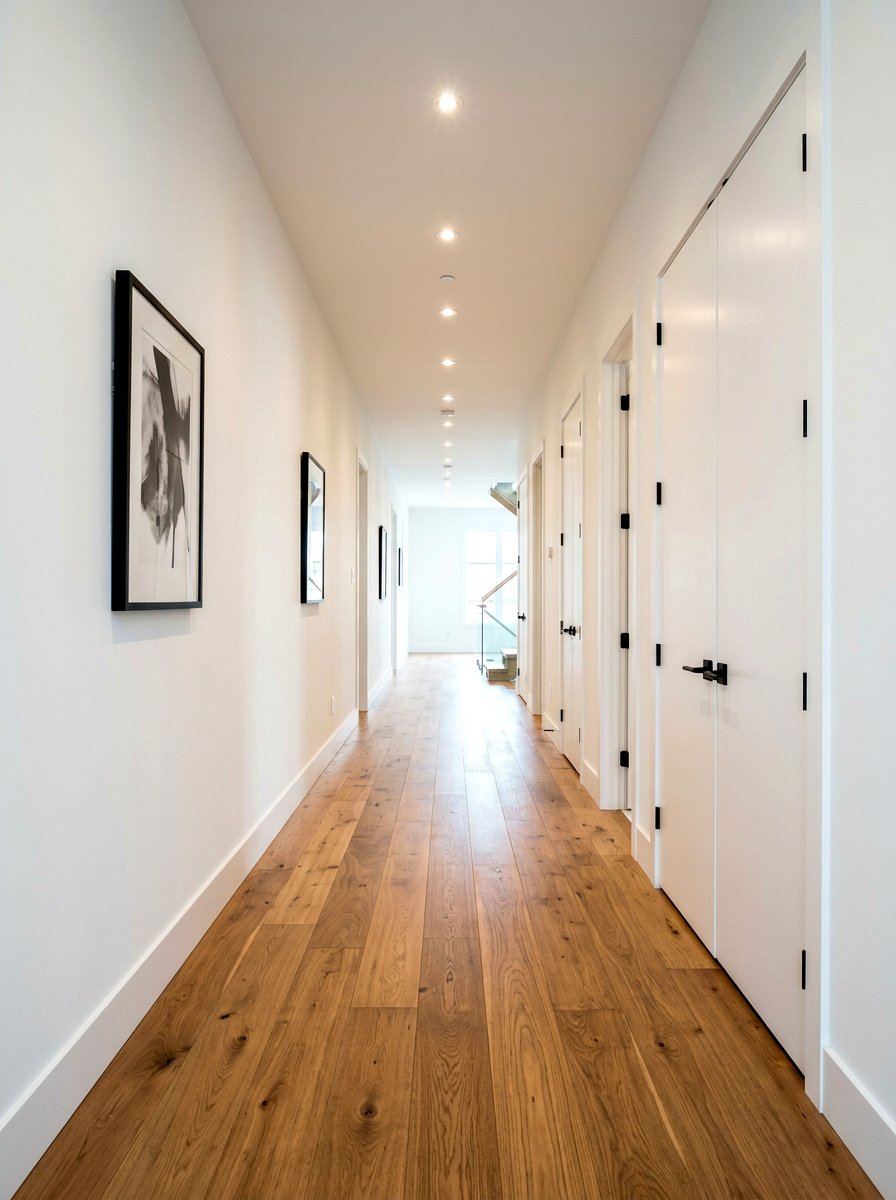
Long hallways can often feel like dark tunnels if the lighting is not spaced correctly along the ceiling. To create a bright and inviting transition between rooms, install a single row of recessed lights down the center of the hallway. The rule of thumb is to space these fixtures every six to eight feet, depending on the ceiling height. Using smaller three-inch or four-inch cans provides a modern look that doesn't overwhelm the narrow space. This layout ensures a continuous path of light that guides you through the home safely while making the corridor feel much wider and more integrated into your overall home design.
6. Sloped Ceiling Recessed Lighting
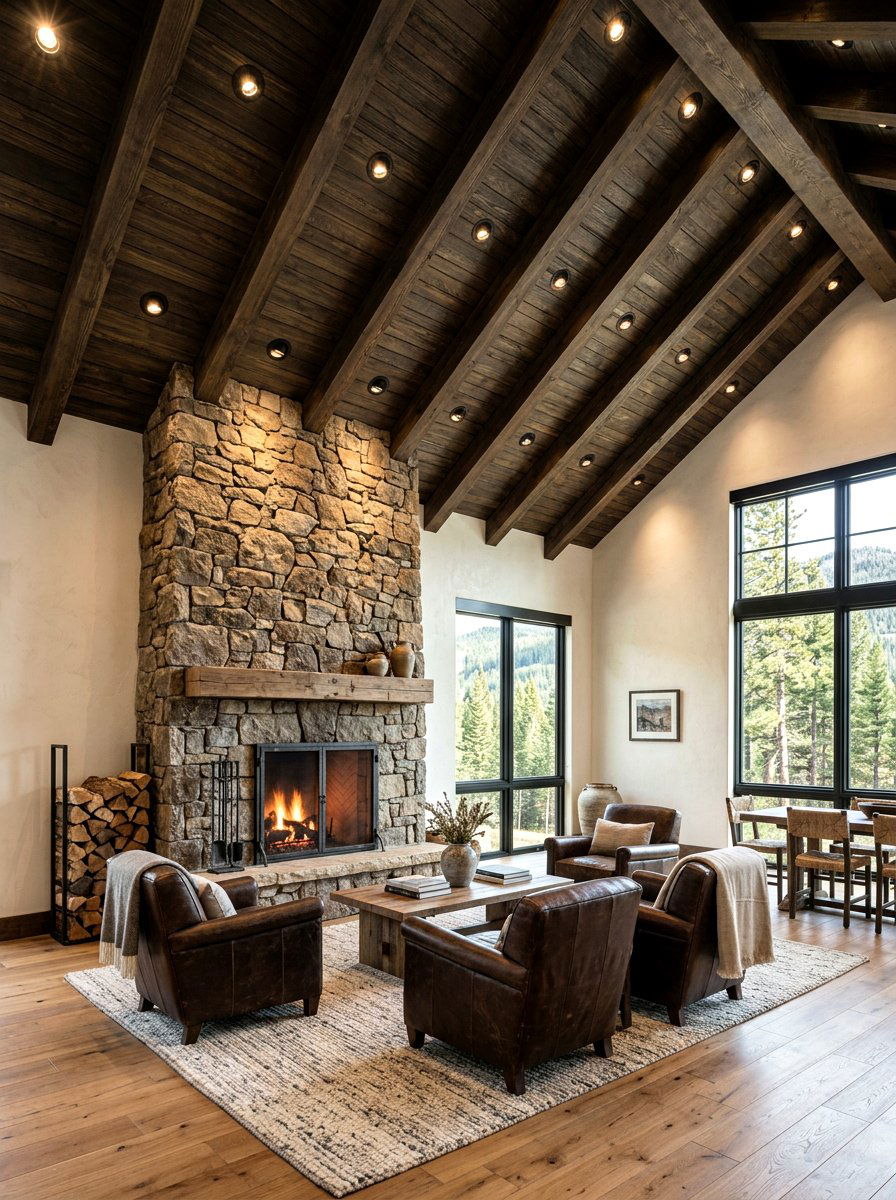
Lighting a room with vaulted or sloped ceilings requires specialized fixtures that can be adjusted to point straight down. Use gimbal or adjustable recessed trims to ensure the light beams don't hit the walls at awkward angles. For a large great room with a high peak, space the lights about five to six feet apart to provide even coverage across the floor. This layout highlights the dramatic architectural height of the room while ensuring the lower living areas remain functional and well-lit. By following the pitch of the roof with your light placement, you maintain a symmetrical and professional appearance that enhances the unique geometry of the space.
7. Home Theater Lighting Layout
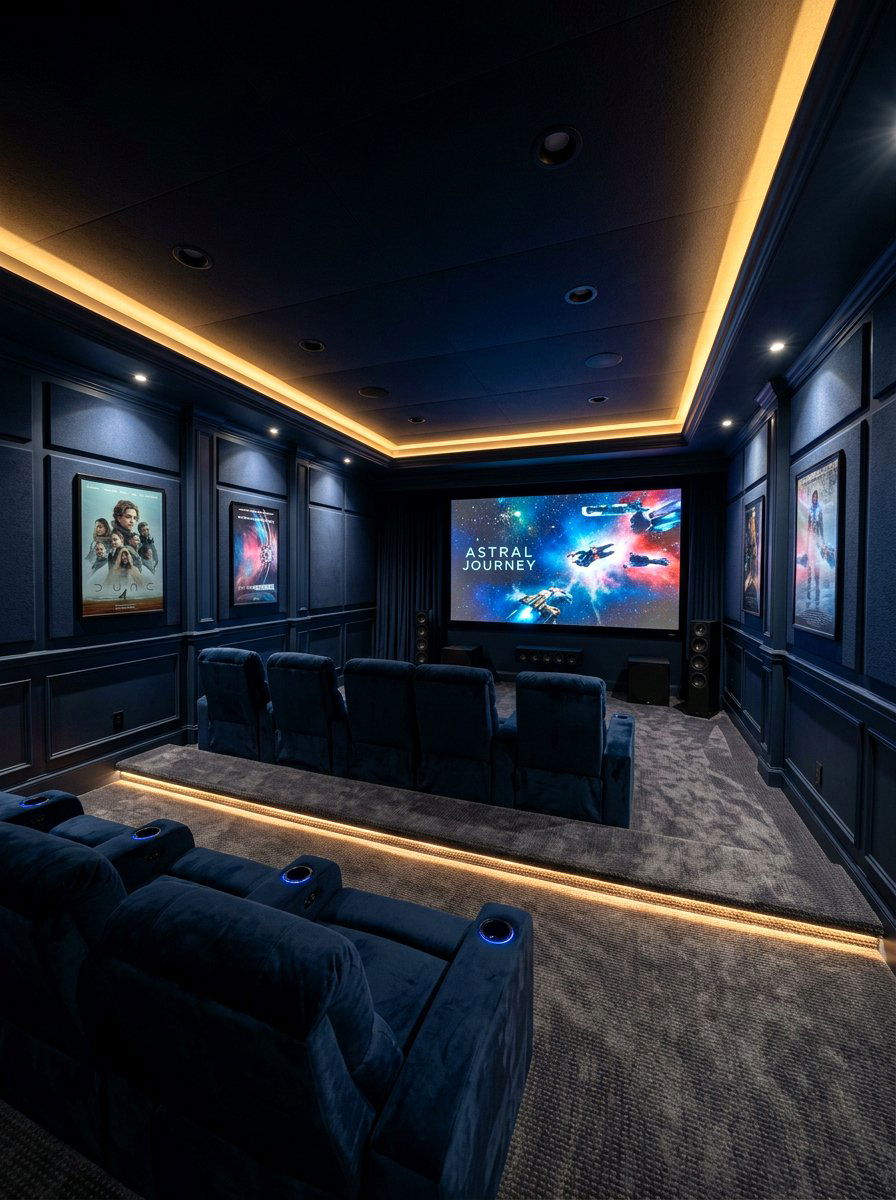
Designing a home theater requires a layout that emphasizes mood and prevents screen glare during your favorite movies. Place small, low-voltage recessed lights around the perimeter of the room and use a dedicated dimmer switch for total control. Avoid placing any fixtures directly above the seating area or the screen surface. Instead, focus on illuminating the walkways and side walls to create a professional cinema vibe. This layout allows you to keep the room dark enough for a great viewing experience while providing enough light to move around safely. It turns a standard basement or spare room into a high-end entertainment destination for the whole family.
8. Basement Lighting Grid
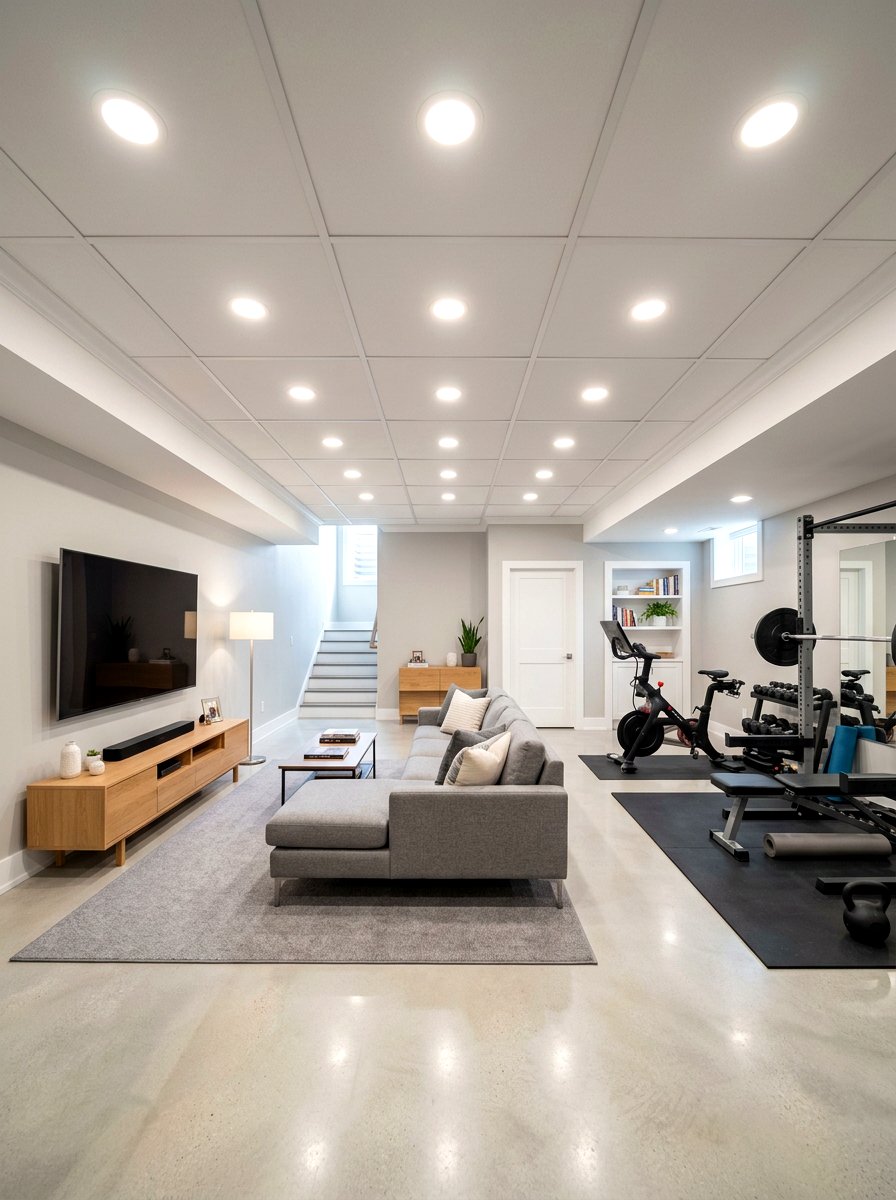
Basements often suffer from a lack of natural light and low ceilings, making a consistent grid pattern the most effective lighting choice. To achieve uniform brightness, space your recessed cans approximately four feet apart in both directions. This grid ensures that every corner of the finished basement is usable, whether you are setting up a play area or a guest suite. Using ultra-thin LED wafers is a smart choice for these spaces as they require very little clearance above the drywall. This layout creates a bright, cheerful atmosphere that completely removes the "dungeon" feel often associated with below-grade rooms, making the space feel like a true extension of your home.
9. Open Floor Plan Lighting
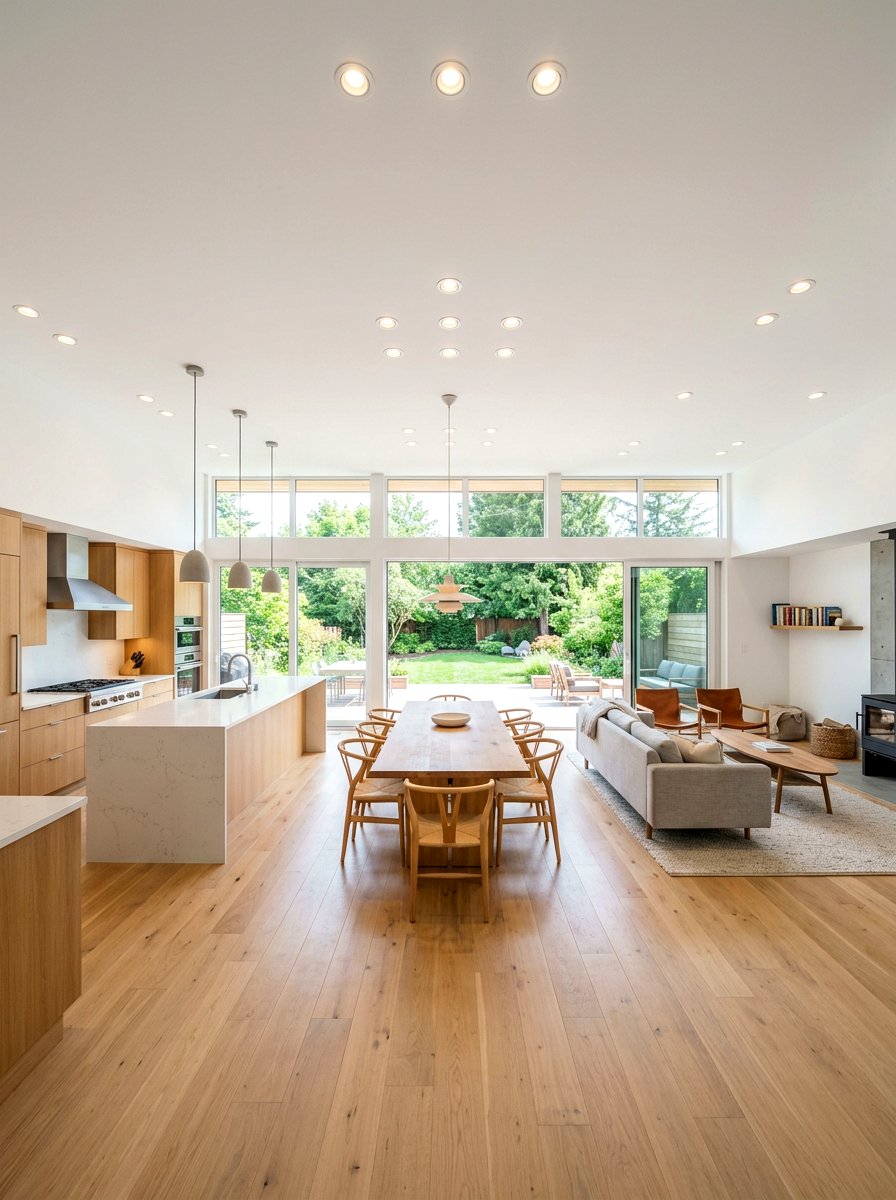
Large, open-concept living areas benefit from a layout that defines different functional zones through light. Instead of one giant grid, create separate "clusters" of recessed lights for the kitchen, dining, and seating areas. Use a slightly tighter spacing in the kitchen for tasks and a wider, more relaxed spacing in the living area for ambiance. This design approach helps to visually separate the rooms without the need for physical walls. By controlling each zone with its own dimmer, you can adjust the mood of the entire floor based on the time of day or the specific activity happening in each individual area.
10. Kitchen Pantry Lighting
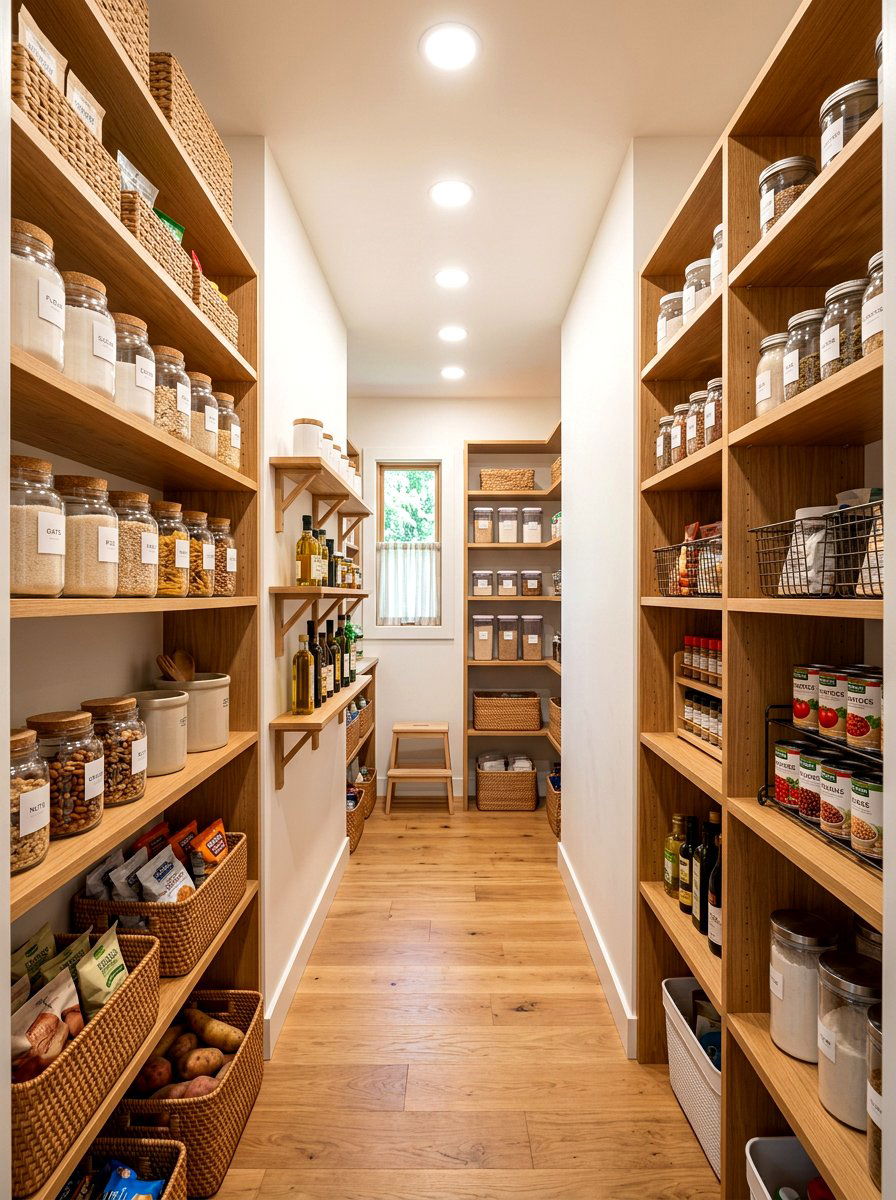
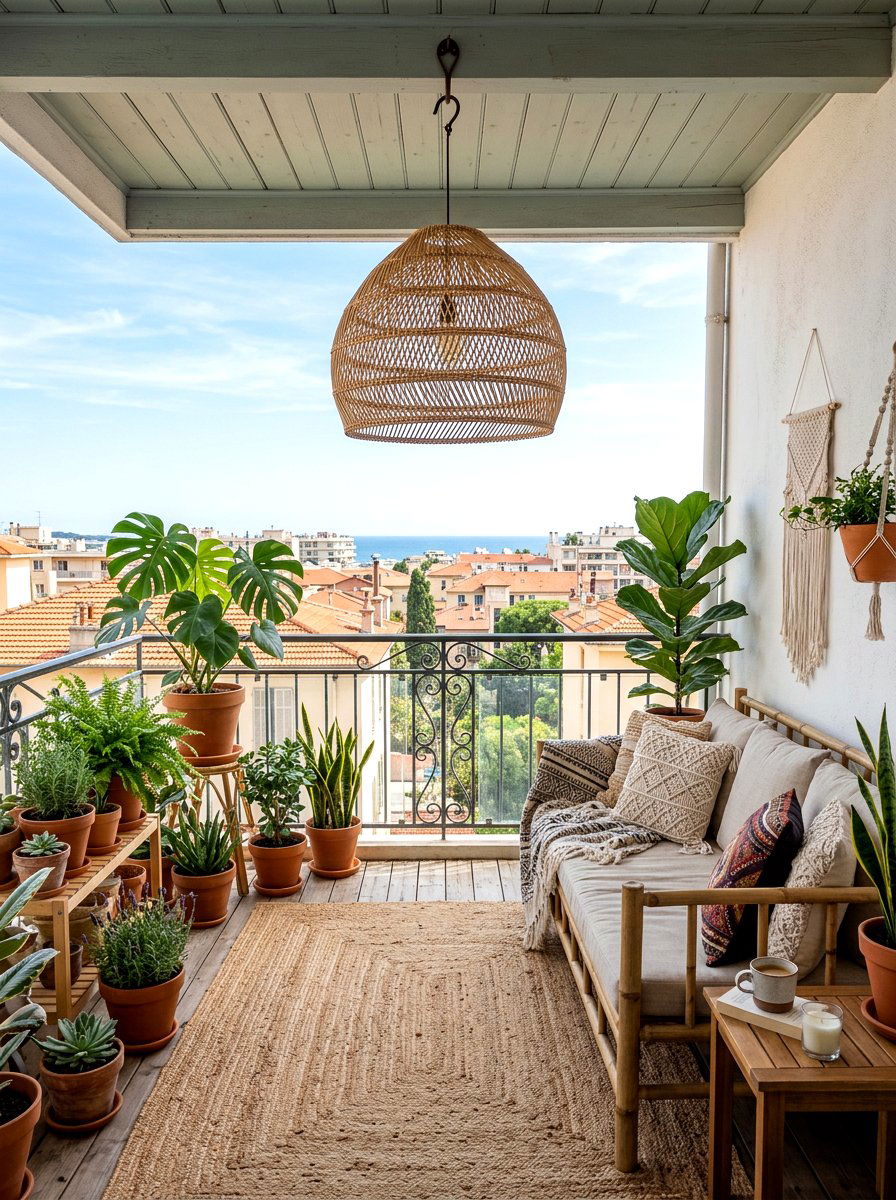
A walk-in pantry is much more organized and functional when every shelf is clearly visible from top to bottom. Install one or two small recessed lights directly in the center of the pantry ceiling to provide broad coverage. If the pantry is deep, place the fixtures closer to the shelving units to ensure light reaches the back corners. This layout prevents you from searching in the dark for ingredients and makes the space feel clean and professional. Using a high-color-rendering index (CRI) bulb will help you distinguish between different food labels easily, turning a small storage closet into a highly efficient and well-designed utility space.
11. Dining Room Lighting Layout
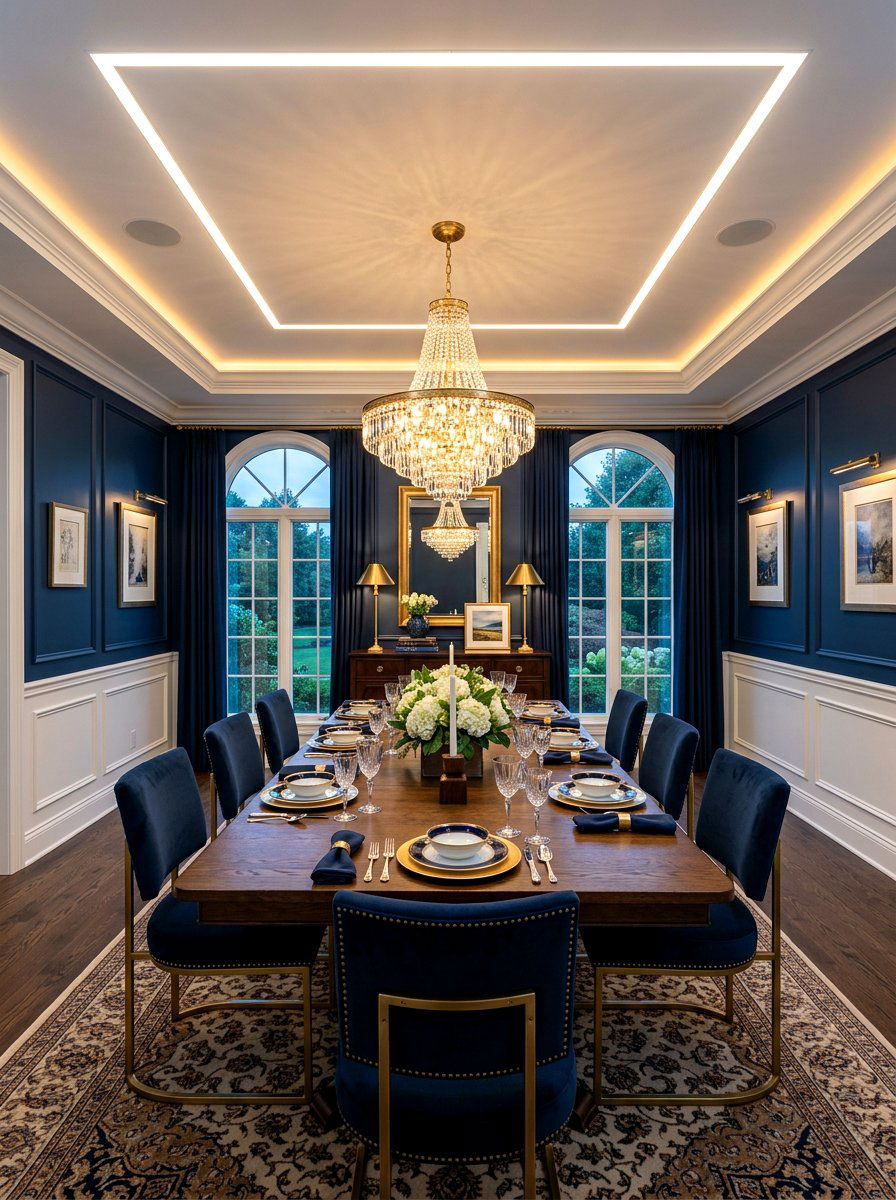
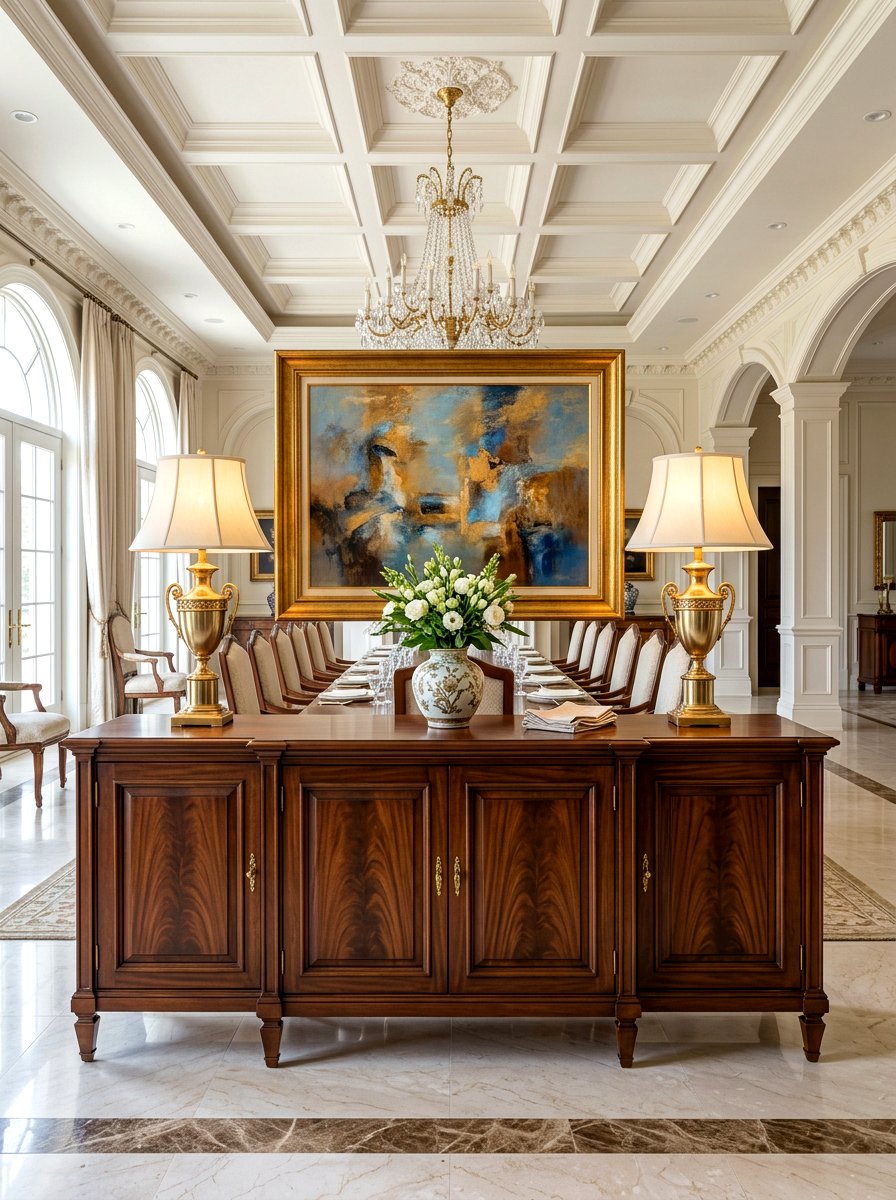
While a chandelier is often the star of the dining room, recessed lighting provides the necessary support to make the space feel complete. Position four recessed lights in a square pattern around the central hanging fixture, roughly three feet away from the corners of the table. This layout ensures that the edges of the room are illuminated, making the space feel larger and more balanced during dinner parties. The combination of the decorative center light and the subtle perimeter recessed cans creates a layered effect that is both sophisticated and practical. It allows you to dim the main light for atmosphere while maintaining enough visibility for guests.
12. Home Office Lighting Placement
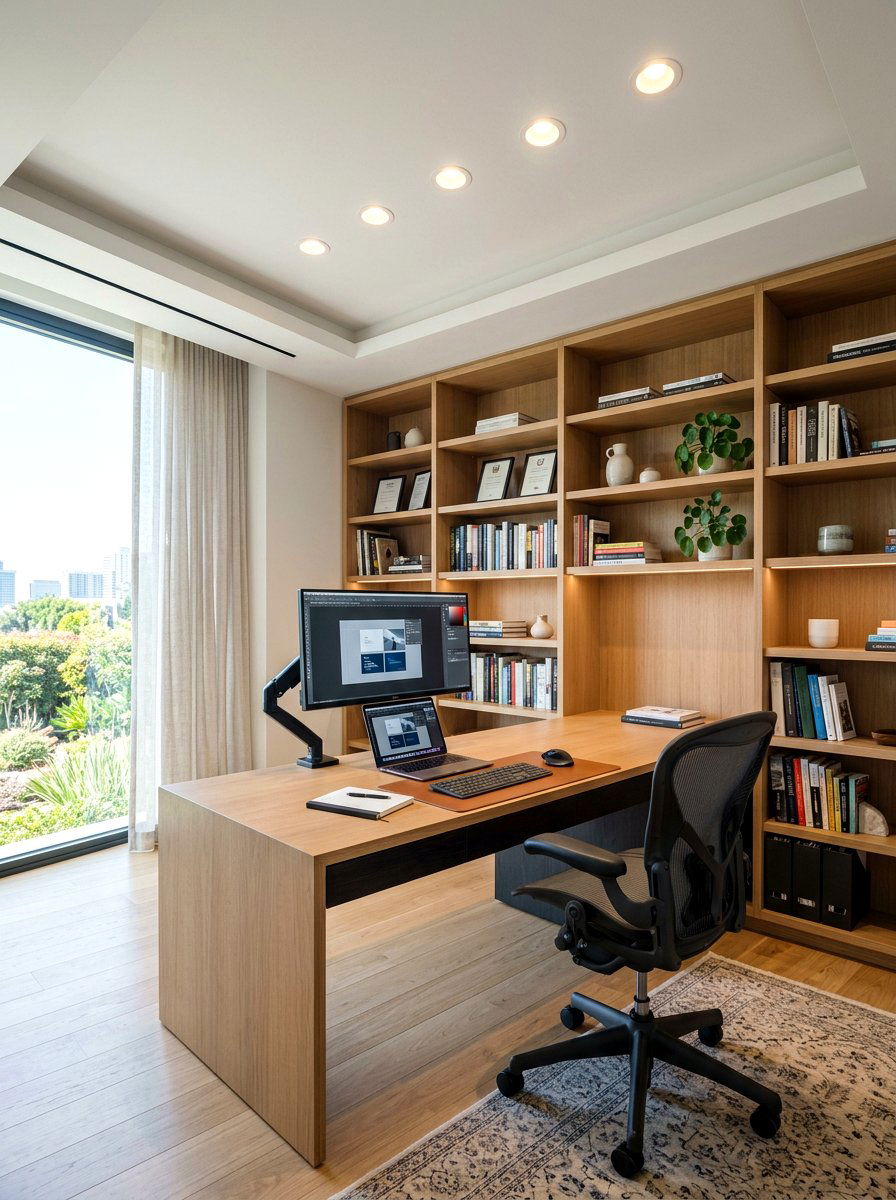
A productive home office needs a layout that eliminates shadows on your desk and reduces eye strain during long work hours. Position recessed lights directly over the edges of your desk rather than behind your seating position to prevent your body from blocking the light. Spacing the fixtures about three to four feet apart ensures the entire office is bright enough for reading and video calls. This layout focuses on creating a professional environment that boosts focus and energy. By placing the lights strategically around the workspace, you create a clutter-free ceiling that looks modern and keeps the desk surface clear of bulky lamps.
13. Art Gallery Lighting Layout
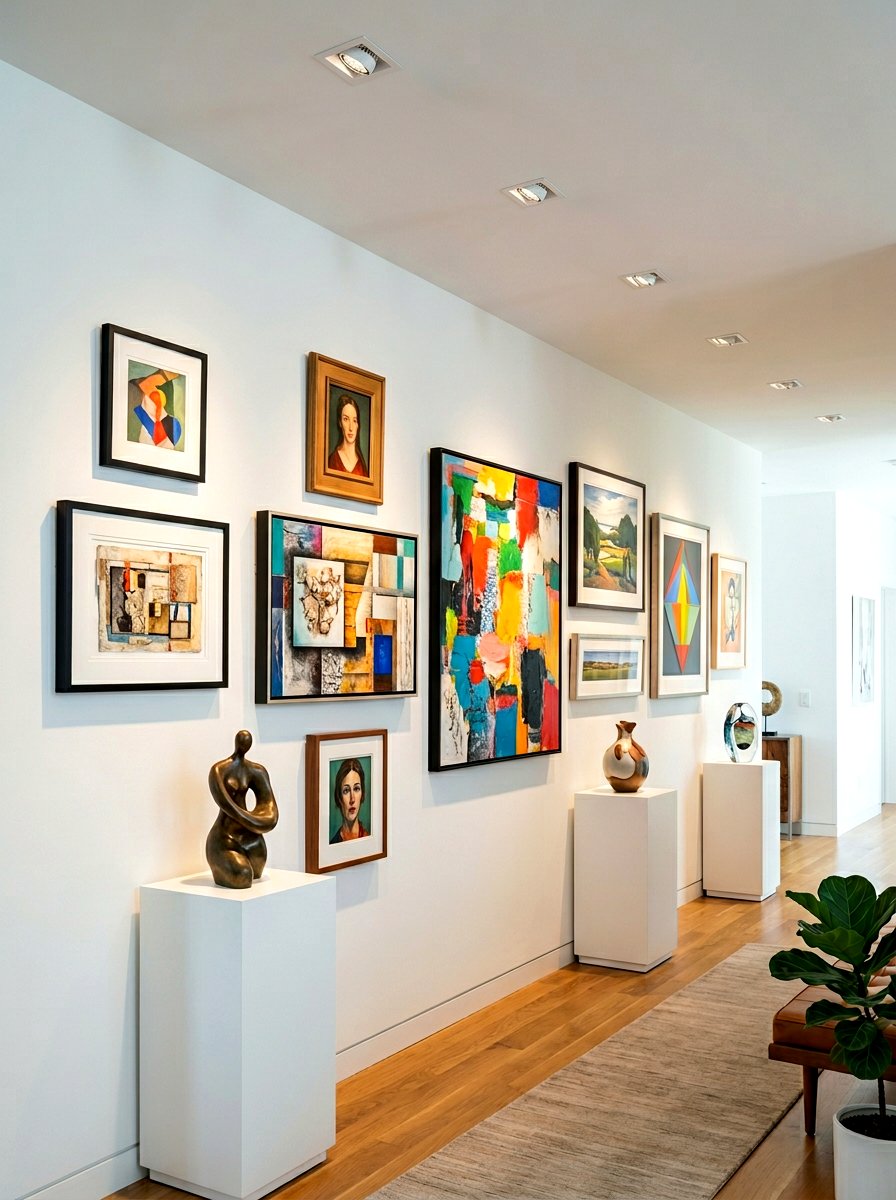
If you want to showcase your favorite paintings or photographs, an art-focused recessed lighting layout is the way to go. Use adjustable gimbal fixtures placed about eighteen to twenty-four inches away from the wall. Angle the light at thirty degrees toward the center of the artwork to prevent glare and minimize harsh shadows. This design mimics the look of a professional gallery and adds a high-end feel to your hallways or living room. By grouping these lights in specific areas, you create visual interest and draw the guests 'eyes to your most prized possessions, making the art the primary focus of the room' s design.
14. Fireplace Recessed Lighting
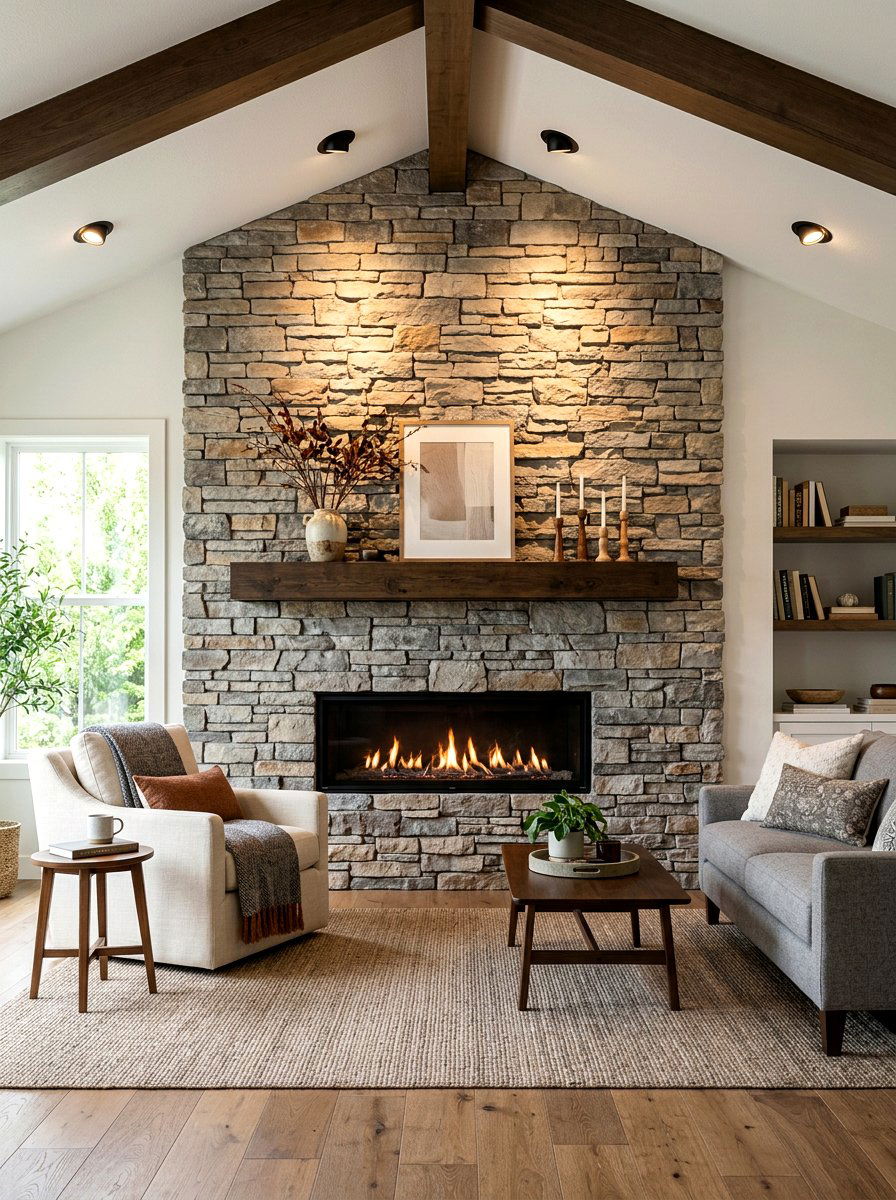
The fireplace is often the architectural heart of a living room, and its design should be emphasized with careful light placement. Install two eyeball or gimbal recessed lights in the ceiling about two feet in front of the mantle. Aim the beams slightly inward to highlight the texture of the stone or brick and the decor on the shelf. This layout creates a cozy, dramatic focal point that looks beautiful even when the fire isn't burning. It adds depth to the room and ensures the fireplace remains a stunning visual element at night, providing a warm and inviting glow that enhances the overall comfort of your home.
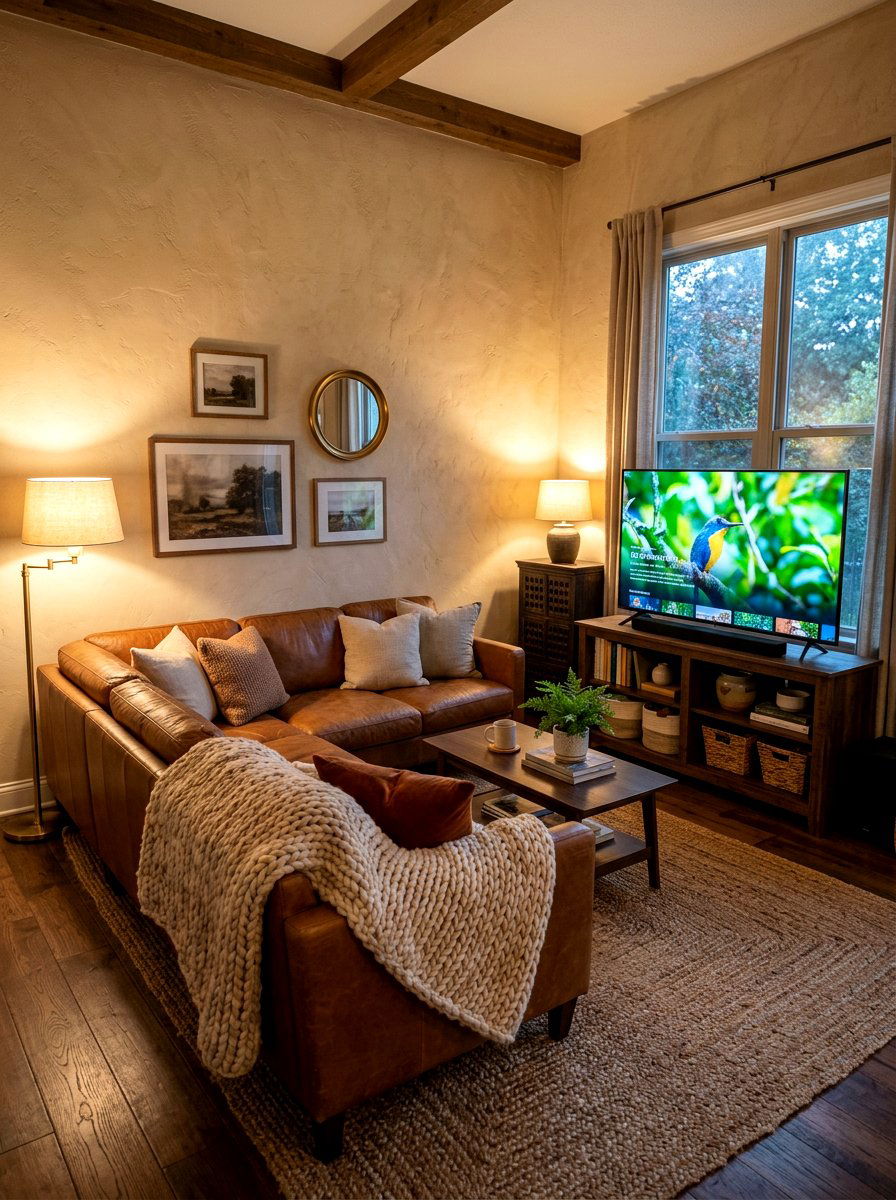
15. Staircase Lighting Layout
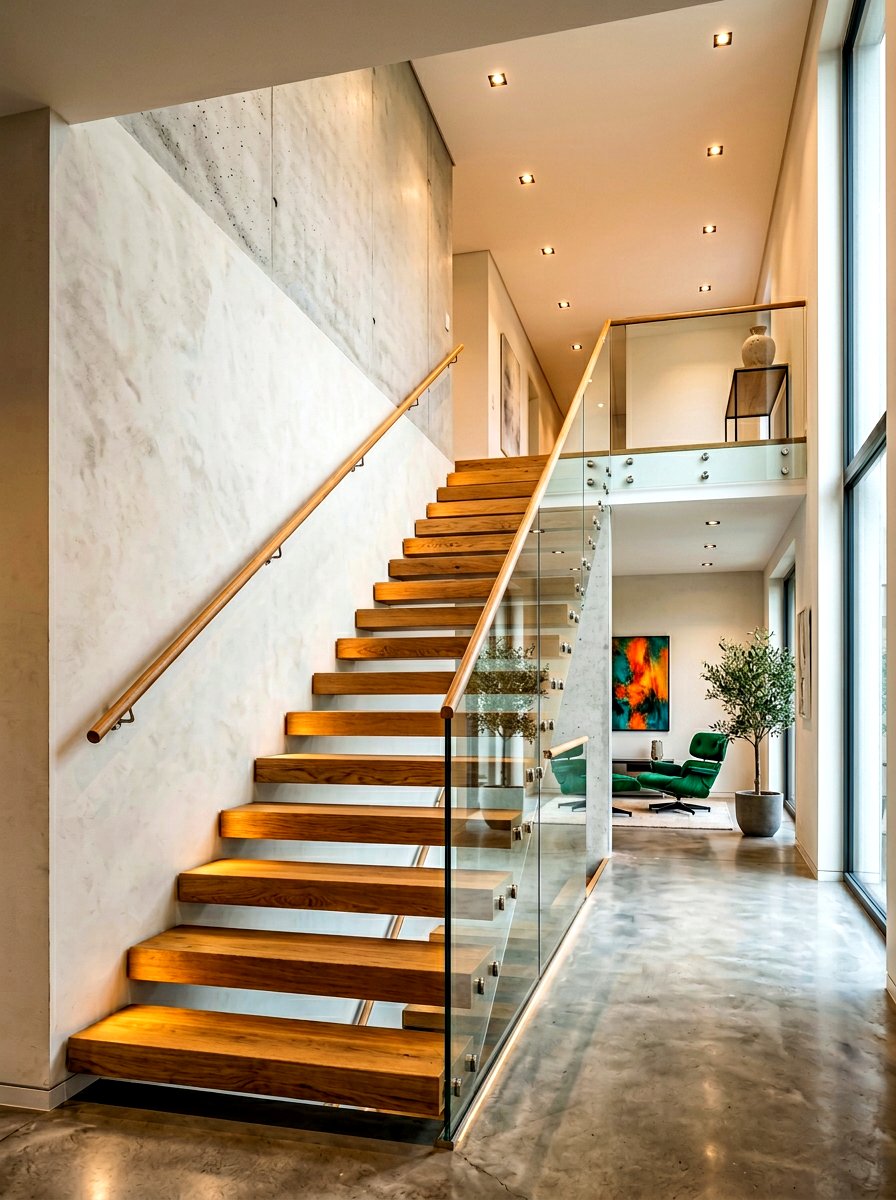
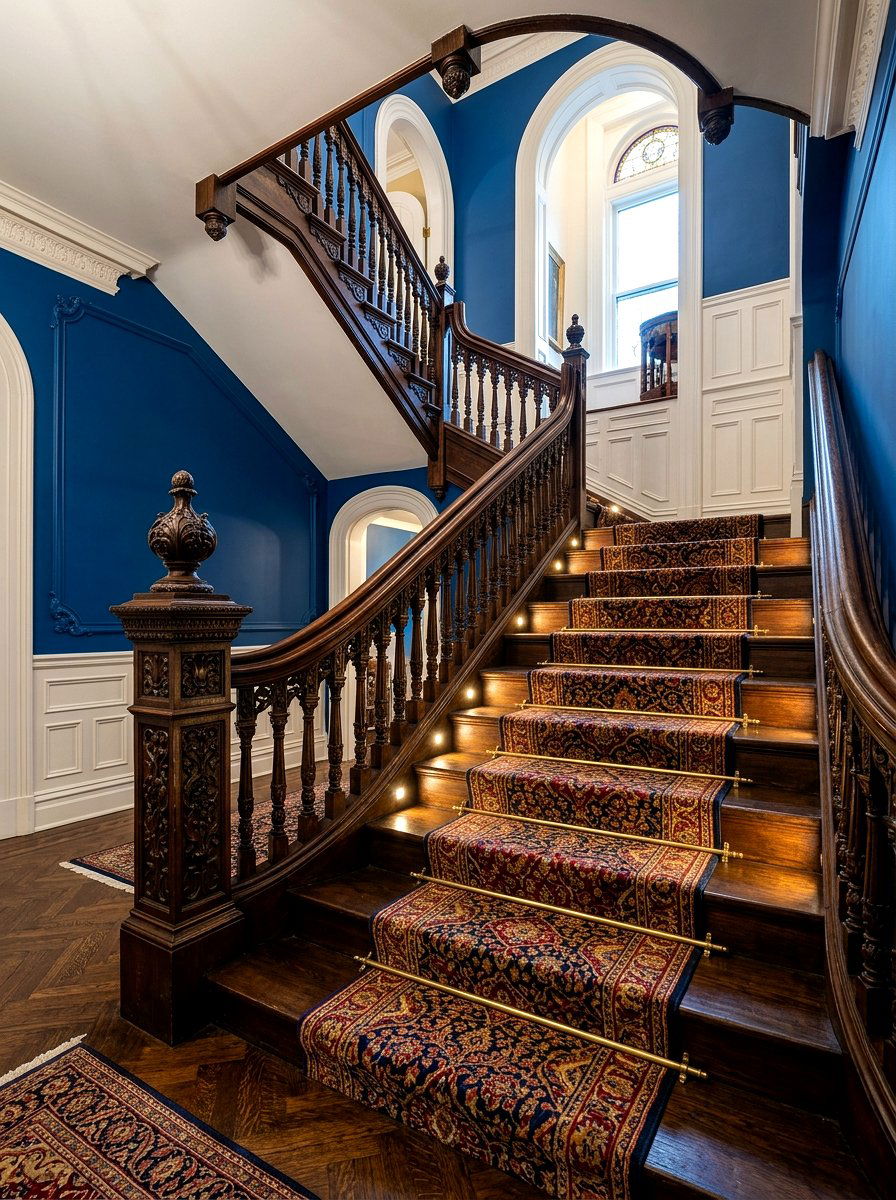
Safety and style go hand-in-hand when you design a recessed lighting layout for a staircase. Position small fixtures in the ceiling directly above the landings and the center of the stairs to ensure every step is clearly visible. Spacing the lights approximately four to five feet apart provides a continuous path of illumination that prevents accidents. This layout also highlights the architectural lines of the staircase, making it a beautiful feature of your home's interior. By using dimmable LEDs, you can keep the lights at a low level during the night for safety without making the area too bright for sleeping family members.
16. Entryway Recessed Lighting
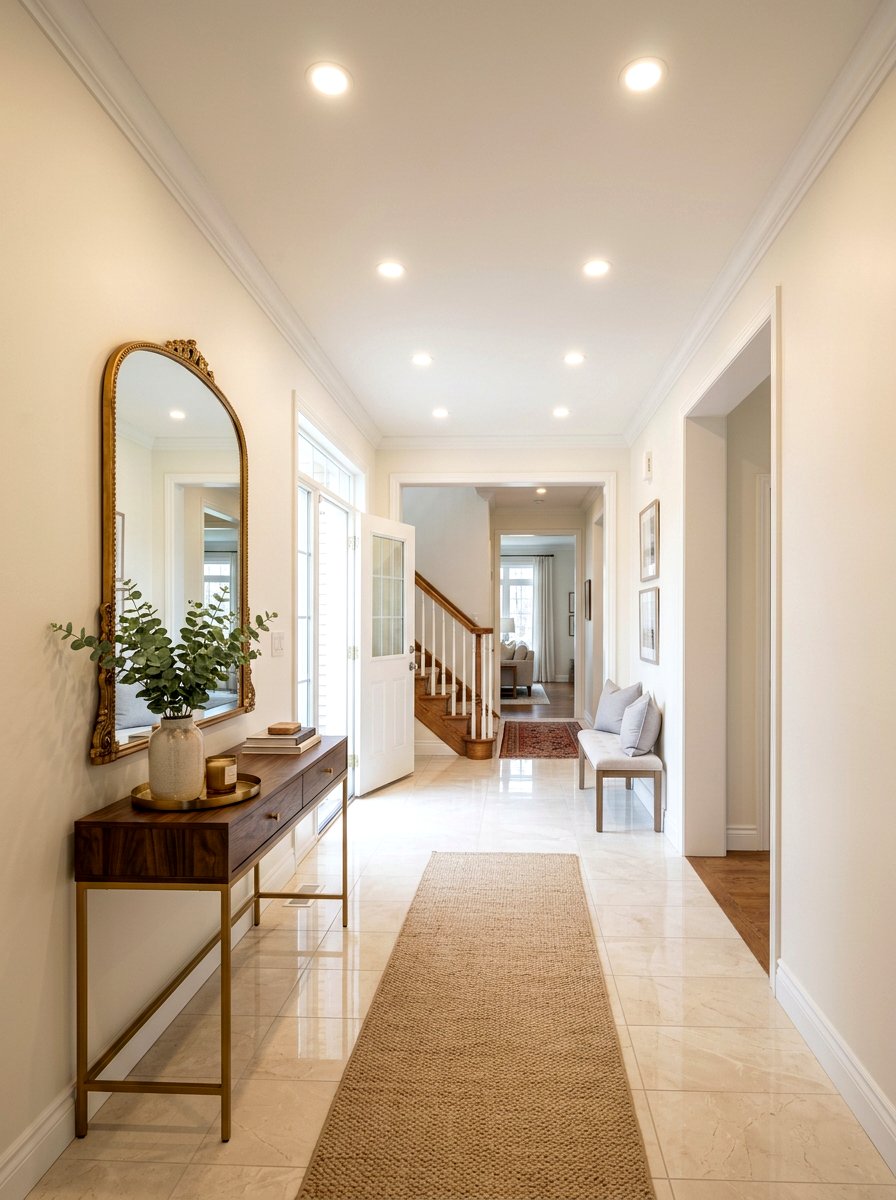
Your home 's entryway sets the tone for the rest of the interior, and a bright layout makes guests feel immediately welcome. Place a cluster of four-inch recessed lights in a symmetrical pattern around the foyer to provide a clean and organized look. If you have a high ceiling, use fixtures with a tighter beam angle to ensure the light reaches the floor effectively. This layout ensures that the transition from the outdoors to the indoors is seamless and well-lit. It highlights your entryway furniture and decor, creating a polished first impression that reflects the care and detail you have put into your entire home' s design.
17. Walk In Closet Lighting
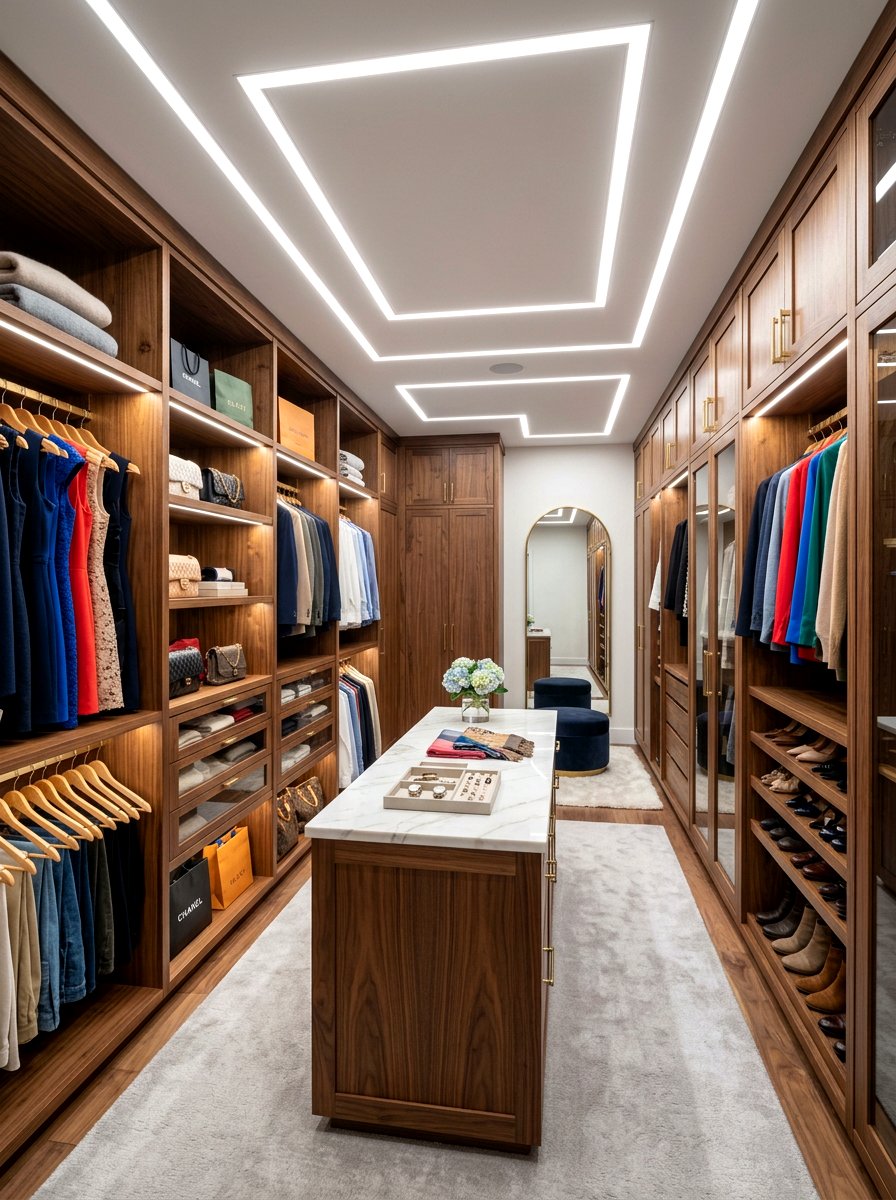
Searching for clothes in a dark closet is a frustrating experience that can be easily solved with a smart recessed lighting layout. Install a row of small lights down the center of the walk-in closet, spaced about three feet apart. This ensures that light reaches the hanging rods and shelving units on both sides of the space. A well-lit closet feels more like a high-end boutique and makes it much easier to coordinate outfits and stay organized. By focusing on even distribution, you eliminate dark corners and make the entire closet feel larger and more functional for your daily morning and evening routines.
18. Laundry Room Lighting Layout
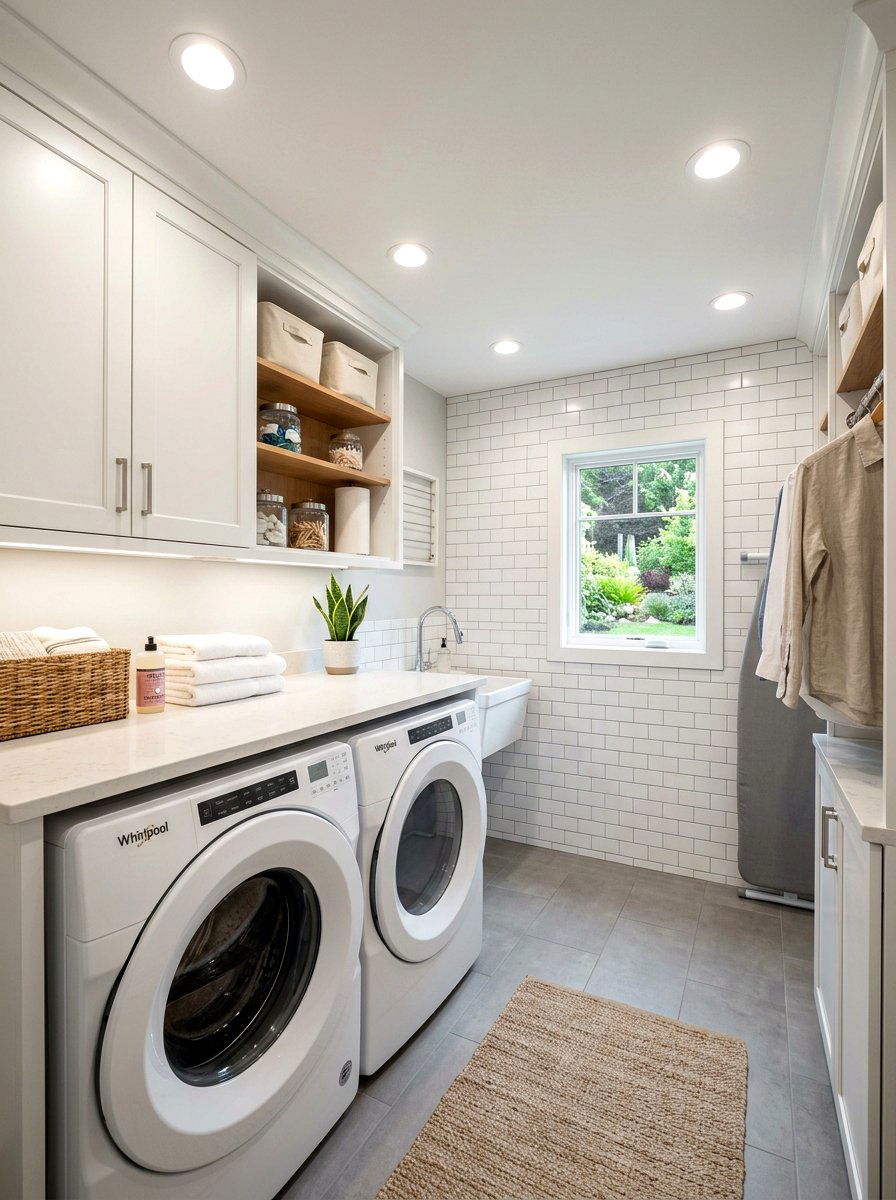
The laundry room is a high-utility space that requires bright, shadow-free lighting for sorting, pretreating, and folding clothes. Position recessed lights directly over the washer, dryer, and folding counter to provide maximum task visibility. A simple two-by-two grid of four-inch cans is usually sufficient for a standard-sized laundry room. This layout ensures that the entire area is bright and clean, making a repetitive chore feel much more pleasant and efficient. By placing the lights where the work happens, you prevent yourself from working in your own shadow, which is essential for spotting small stains or matching socks correctly every single time.
19. Master Suite Lighting Layout
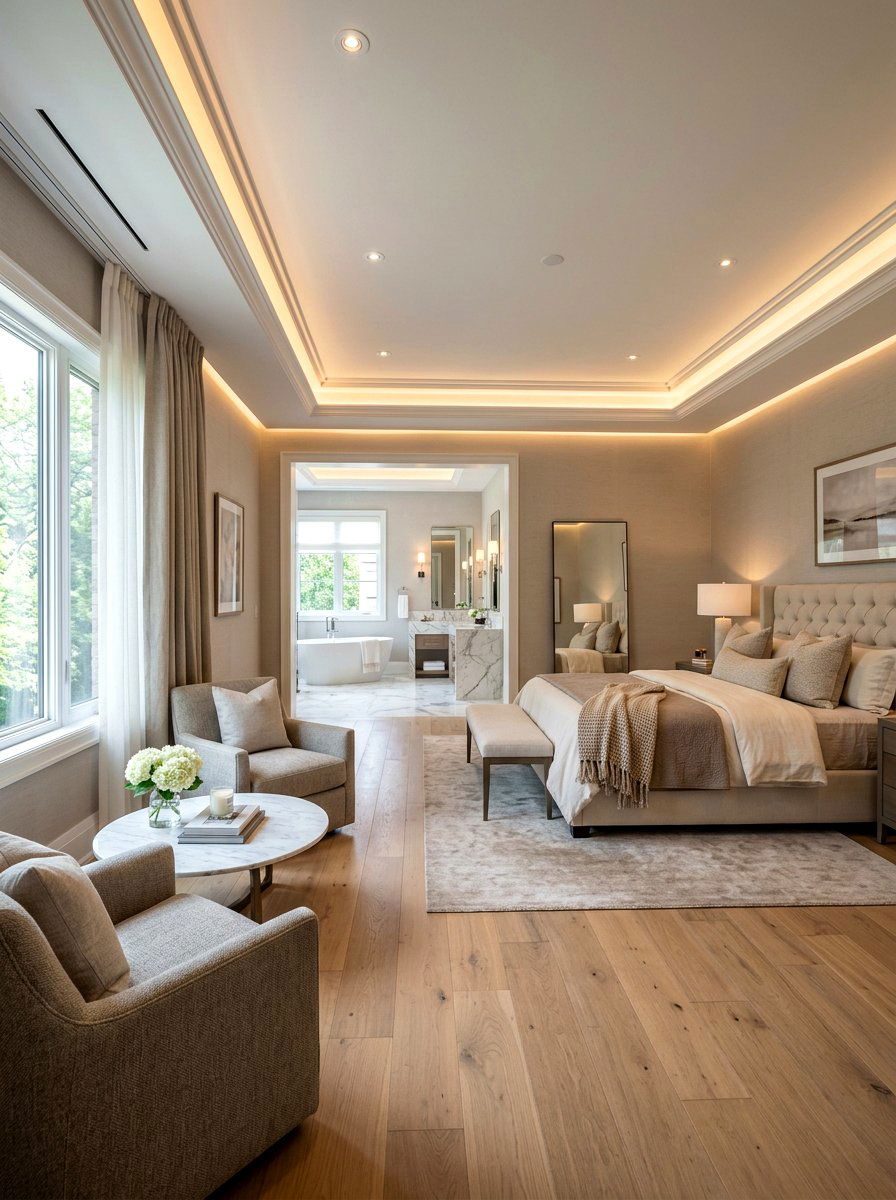
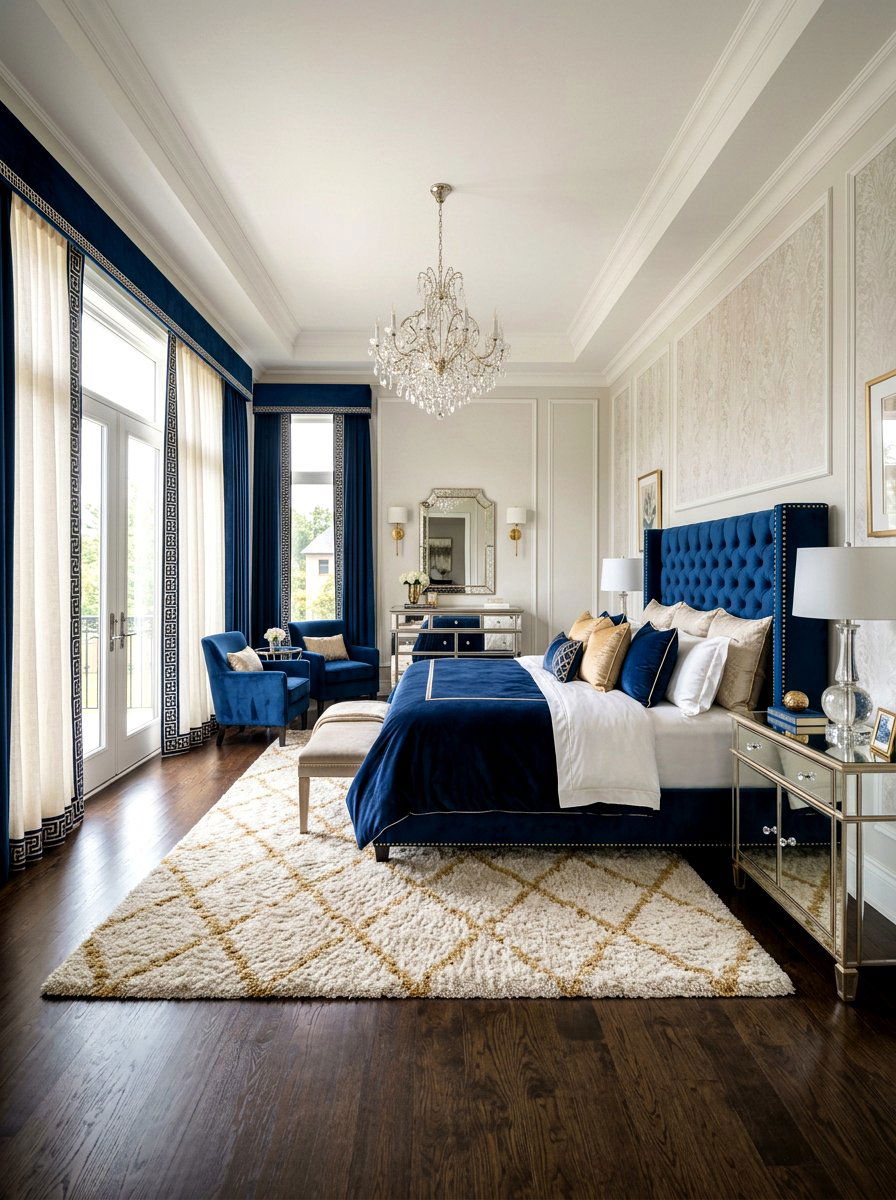
A master suite layout should be designed to transition from a bright morning space to a calm evening retreat. Use a perimeter layout that avoids placing lights directly over the head of the bed to ensure a relaxing environment. Focus on the seating areas, the path to the ensuite, and the dressing zones. By spacing the lights about four feet apart around the room's edges, you create a soft, diffused glow that feels luxurious and sophisticated. This design allows you to use the recessed lights for general movement while relying on bedside lamps for reading, providing the perfect balance of function and comfort in your private sanctuary.
20. Reading Nook Lighting Layout
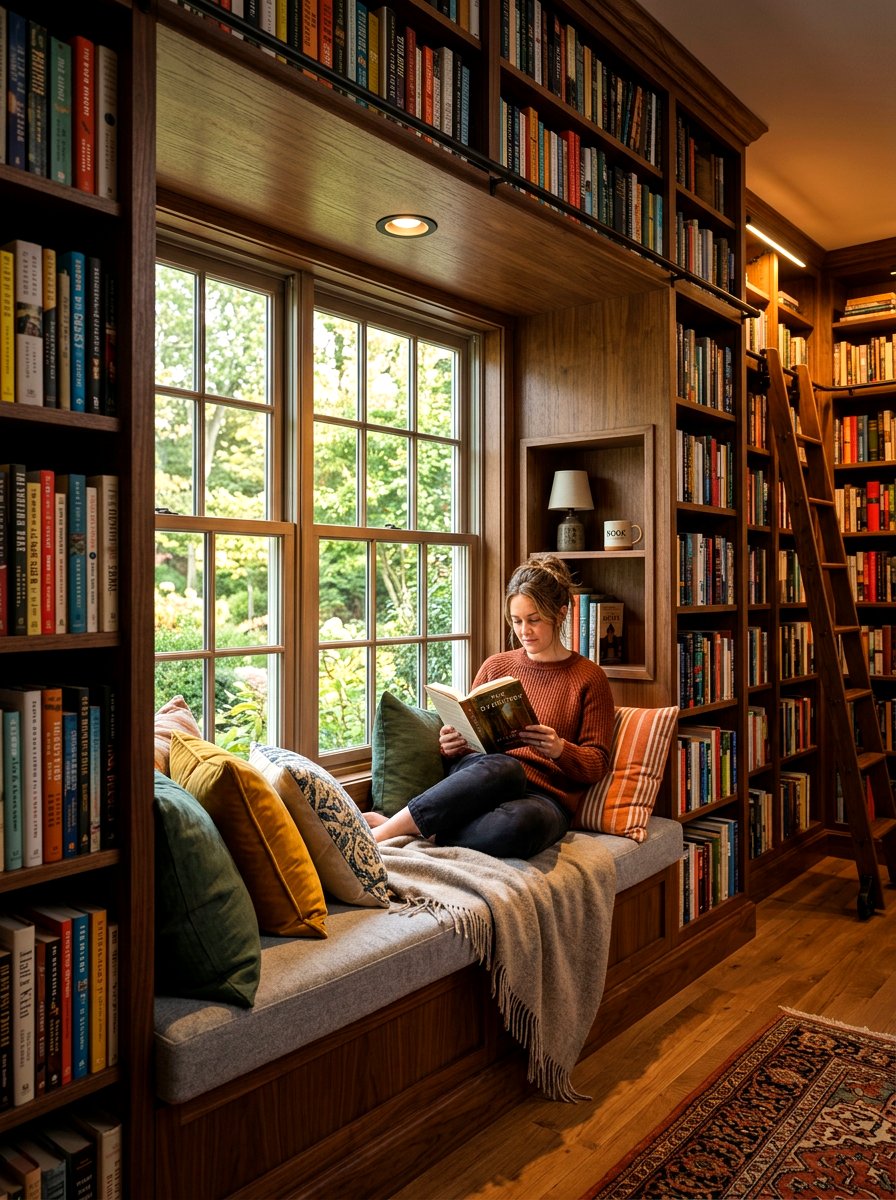
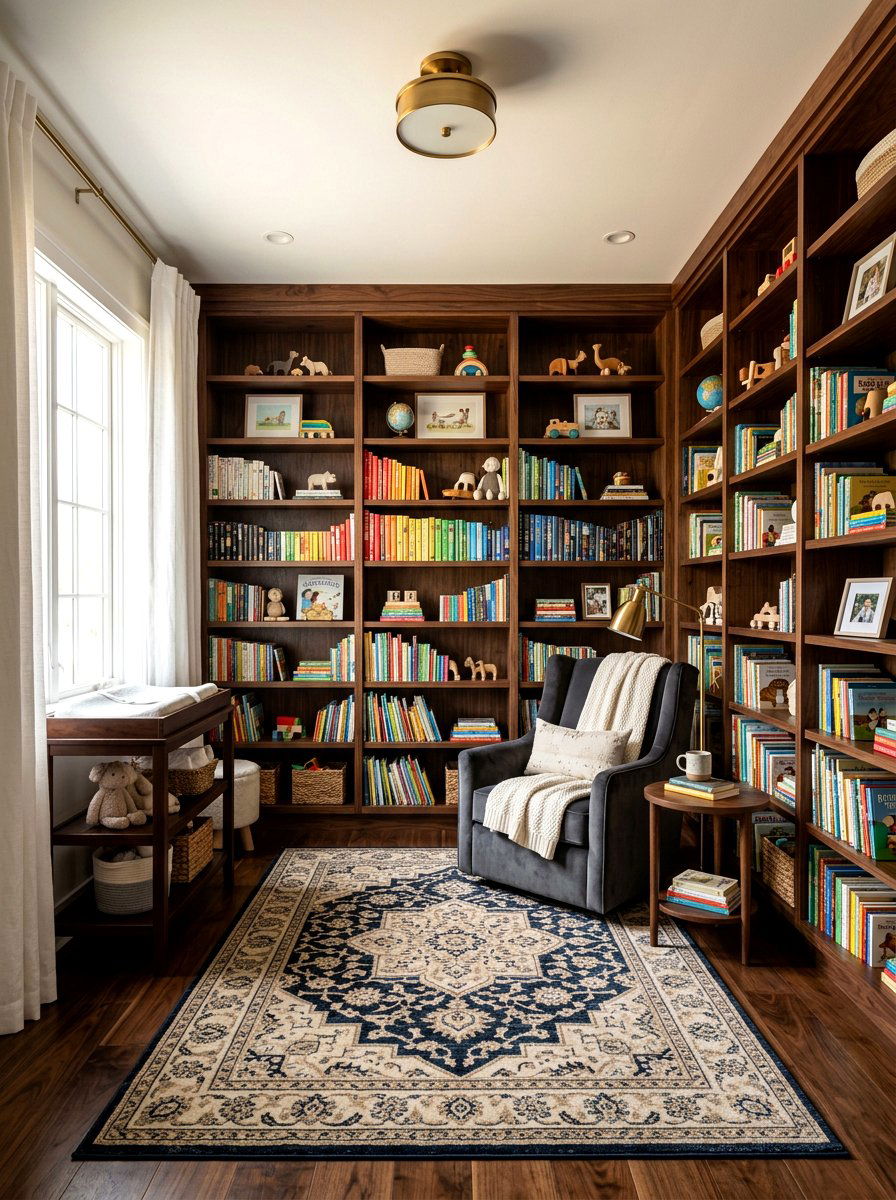
Creating a dedicated spot for reading requires a layout that provides focused light without overwhelming the surrounding space. Position a single adjustable recessed fixture directly above your favorite armchair or built-in bench. Aim the light downward at a slight angle to hit the pages of your book perfectly. This layout defines the reading nook as a separate, cozy zone within a larger room. It provides the necessary task lighting for your eyes while keeping the rest of the area in a softer, more ambient state. This simple design intervention makes any corner of your home feel like a purposeful and inviting retreat for relaxation.
21. Outdoor Porch Lighting Layout
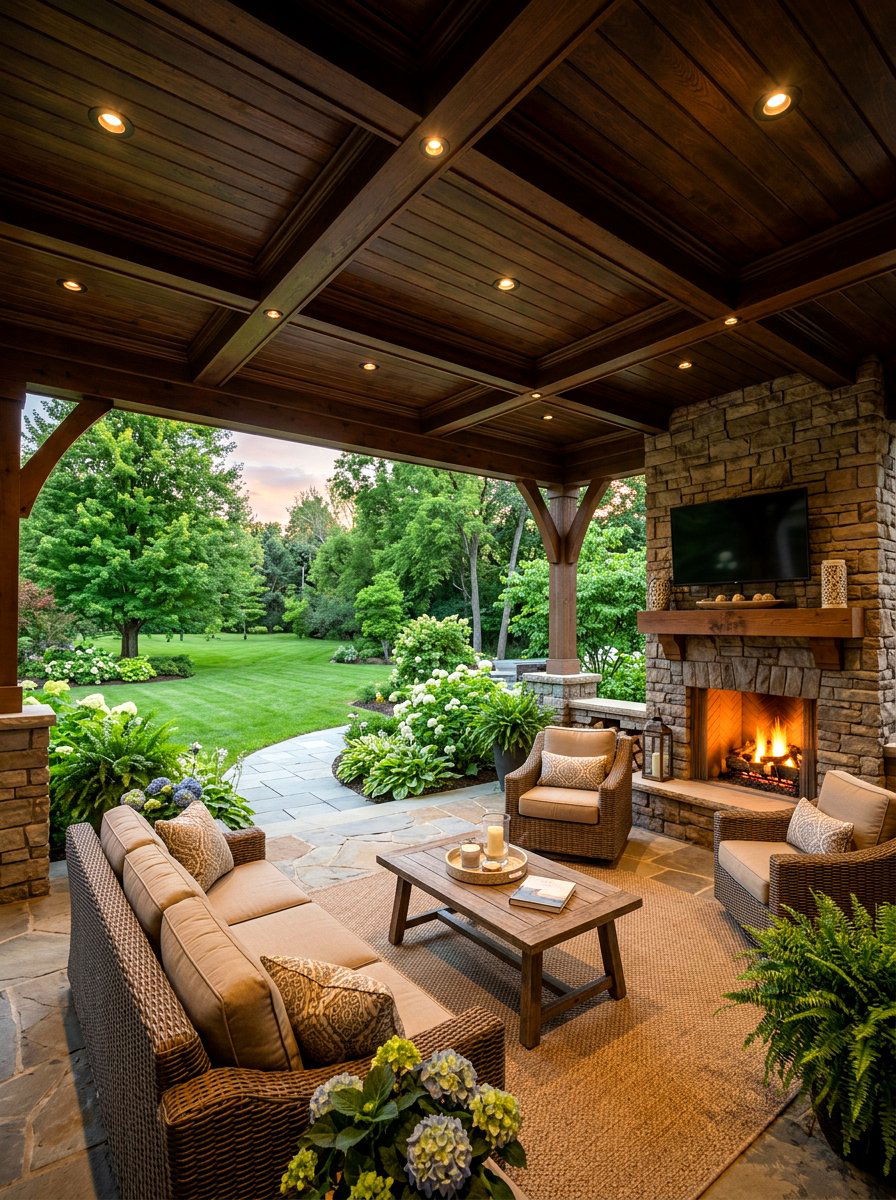
The exterior of your home deserves the same design attention as the interior, especially in covered porch or patio areas. Install weather-rated recessed lights in the soffits or porch ceiling, spacing them about six feet apart along the perimeter. This layout provides a warm welcome for guests and enhances your home's curb appeal after the sun goes down. It also ensures that your outdoor seating area is functional for evening conversations or outdoor dining. By choosing a layout that follows the architectural lines of the porch, you create a professional, high-end look that makes your outdoor living space feel like a true extension of the home.
22. Garage Lighting Grid
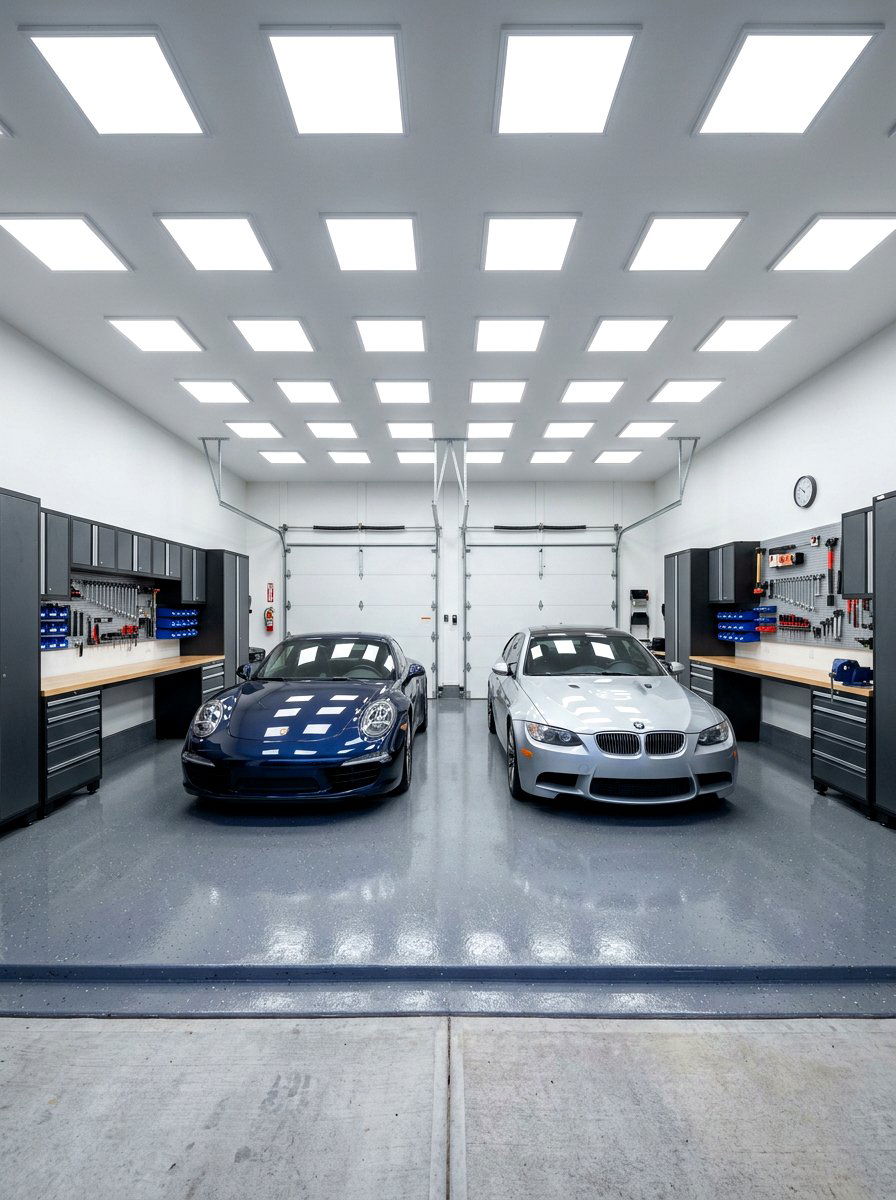
Most standard garage lighting is insufficient for working on projects or safely navigating around vehicles. A recessed lighting grid is a great way to modernize this space and provide professional-grade illumination. Space six-inch recessed cans in a grid pattern approximately five to six feet apart across the entire ceiling. This ensures that light reaches the engine bay of your car, the tool bench, and the storage cabinets without creating deep shadows. This layout transforms a dark, cluttered garage into a bright and highly functional workshop. It increases safety and makes it much easier to find whatever you are looking for in your storage bins.
23. Kids Bedroom Lighting Layout
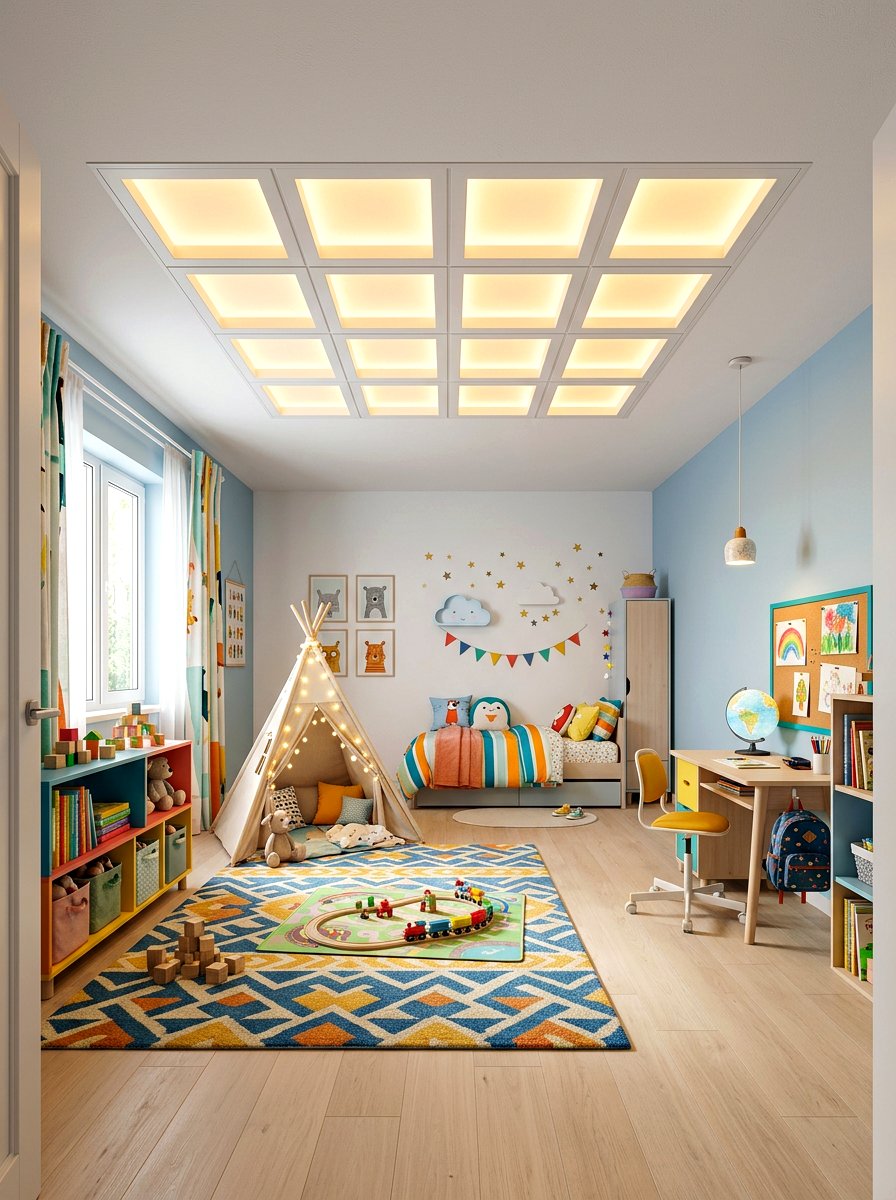
A children's bedroom needs a versatile lighting layout that supports play, study, and sleep. Use a simple four-light grid in the center of the room to provide plenty of ambient light for playtime on the floor. Add a dedicated recessed light over the desk area for homework and creative projects. By using smart bulbs or dimmers, you can easily transition the room from a bright, energetic space during the day to a soft, dim environment for bedtime stories. This layout ensures the room grows with your child, providing the necessary light for every stage of their development while maintaining a clean and modern aesthetic.
24. Game Room Lighting Layout
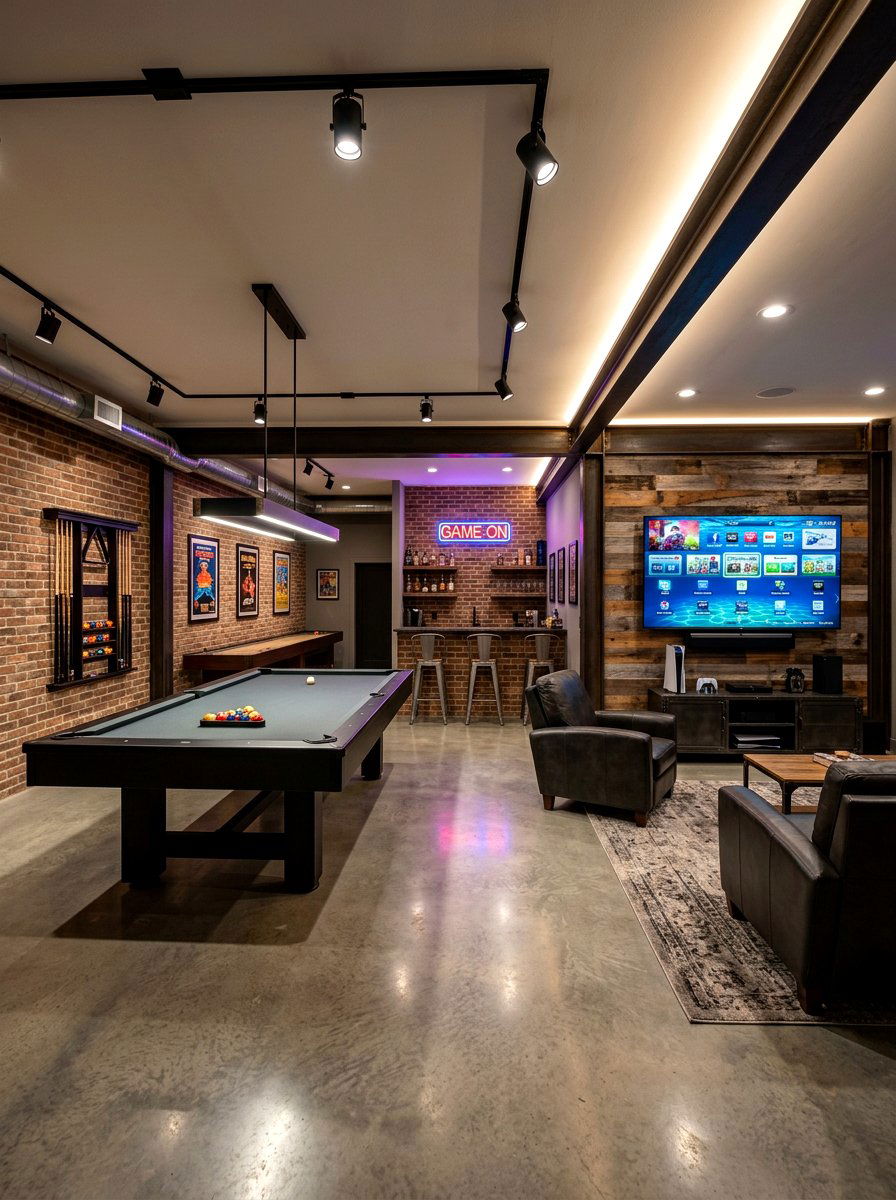
Whether you are playing pool, hosting a board game night, or gaming on a console, a game room needs a dynamic lighting layout. Position four-inch recessed lights around the perimeter to provide general ambient light, and use a tighter cluster of lights over the pool table or gaming station. This layout creates a fun, high-energy environment that is perfect for entertaining friends and family. By putting the perimeter and task lights on separate switches, you can customize the mood for different types of games. This design ensures that the room is functional for competition while remaining a comfortable and inviting place to hang out.
25. Home Gym Lighting Layout
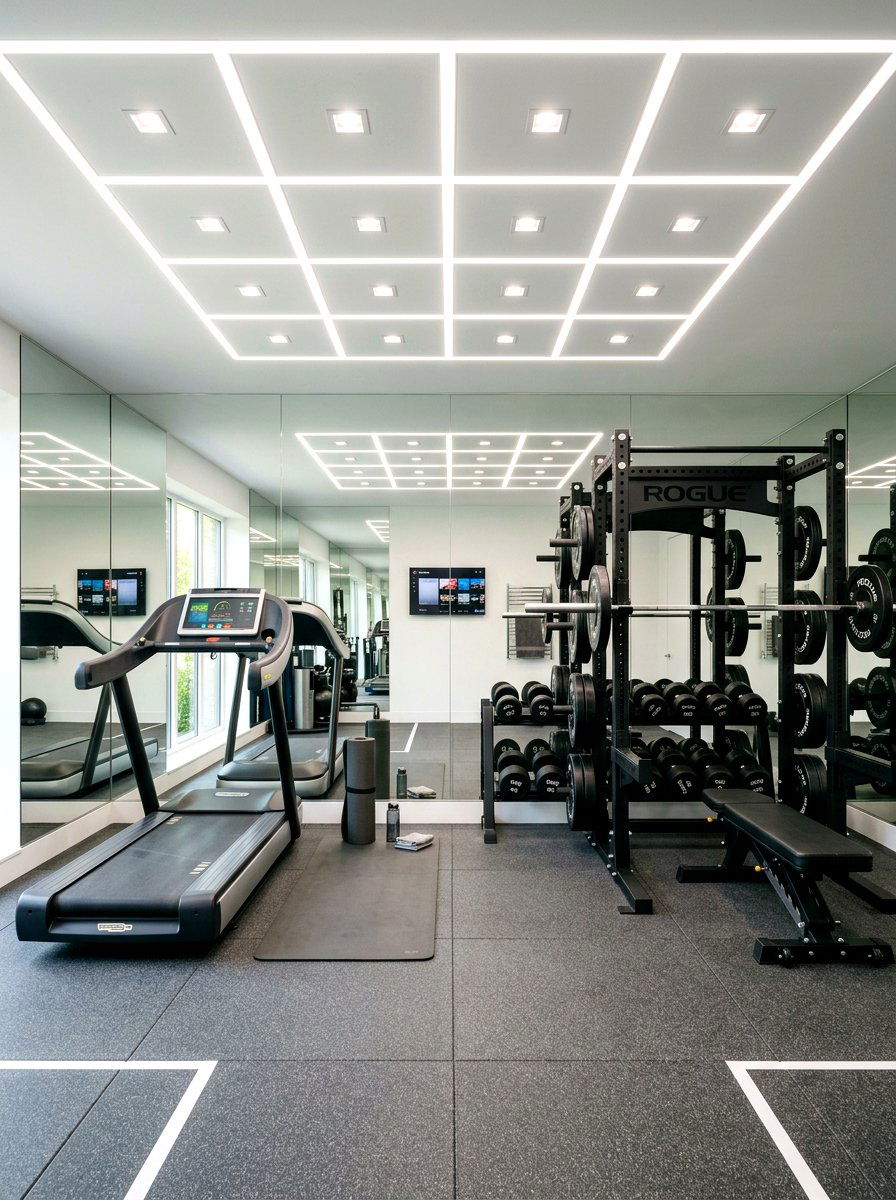
Staying motivated during a workout is much easier in a space that feels bright, professional, and energetic. For a home gym, a symmetrical grid of recessed lights provides the even, high-intensity illumination needed to see your form in the mirror clearly. Space the fixtures about four feet apart to ensure there are no dark spots where you might trip over equipment. This layout creates a clean, uncluttered look that mimics a high-end fitness studio. By choosing a cooler color temperature for the bulbs, you can create a crisp environment that helps you stay focused and energized throughout your entire exercise routine every day.
26. Mudroom Lighting Layout
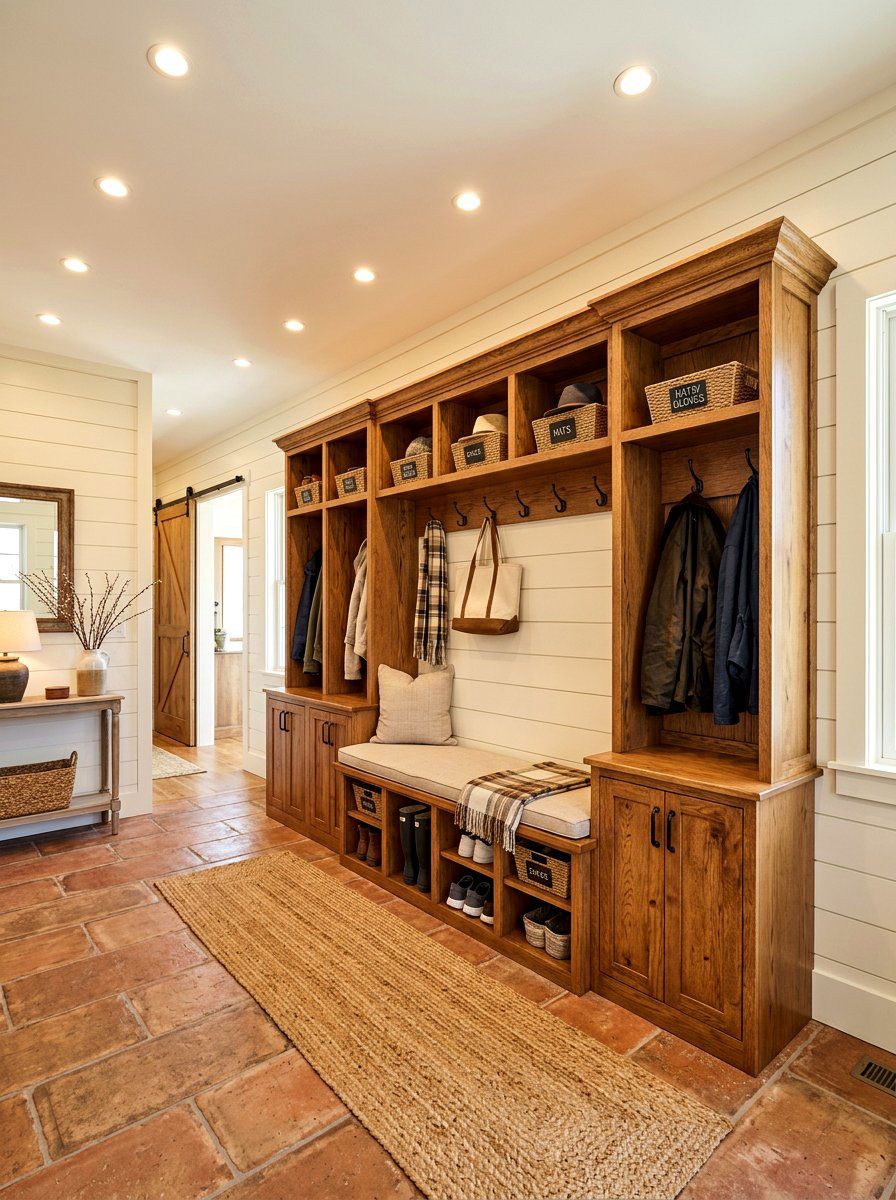
The mudroom is often the busiest entry point for a family, requiring a layout that handles high traffic and organized storage. Position a row of recessed lights directly above the bench and cubby area to make it easy to find shoes and coats. Spacing the lights about three feet apart ensures that the entire transition zone is bright and safe. This layout helps keep the mudroom organized and prevents the "dark closet" feel that often plagues these small transition spaces. By providing clear visibility, you make the daily routine of leaving and entering the house much smoother and more efficient for everyone in the family.
27. Sunroom Lighting Placement
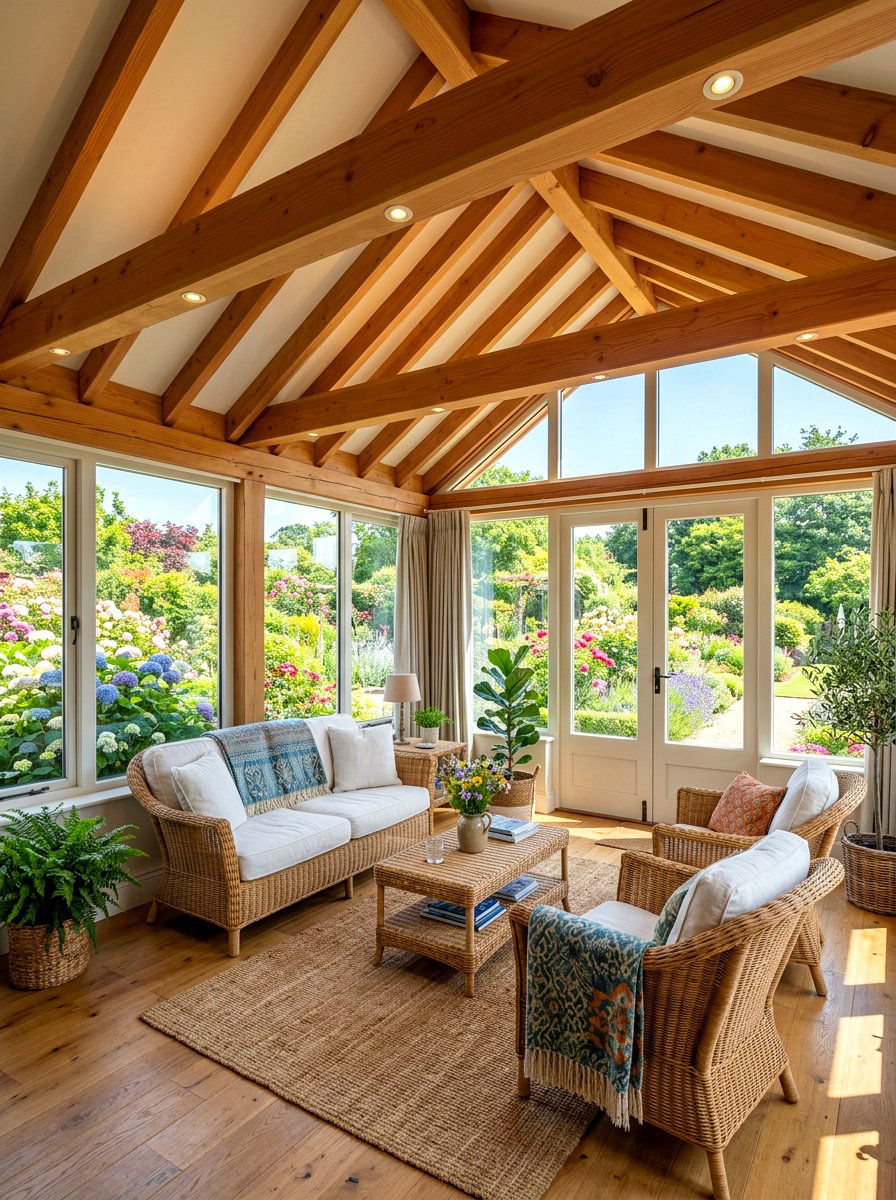
A sunroom is defined by its natural light during the day, but it needs a thoughtful recessed layout to remain usable at night. Position the fixtures along the solid parts of the ceiling or the perimeter beams, ensuring they don't obstruct the view of the windows. Space the lights about five feet apart to provide a soft, ambient glow that complements the outdoor surroundings. This layout allows you to enjoy the sunroom as a cozy lounge area even after the sun sets. It creates a seamless transition between the indoor comfort and the outdoor scenery, making the room a favorite spot for evening relaxation and conversation.
28. Modern Loft Lighting Layout
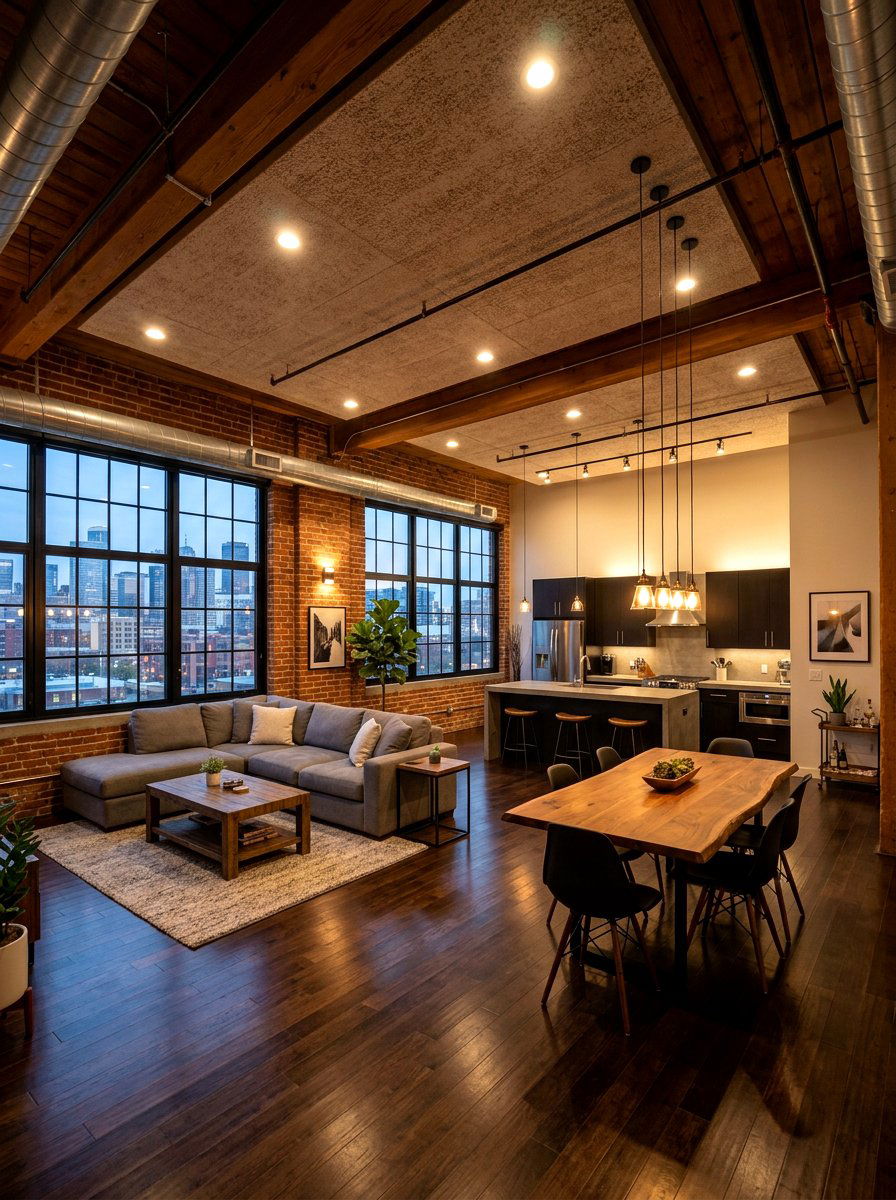
Loft spaces with high ceilings and industrial features benefit from a layout that emphasizes their open, airy nature. Use larger six-inch recessed cans spaced six to eight feet apart to provide broad ambient coverage across the entire floor. Focus on grouping lights over functional areas like the sofa or the dining table to create "islands" of light within the large room. This layout helps to scale down the massive space and make it feel more intimate and lived-in. By using fixtures with a wide beam spread, you ensure that the light reaches the floor effectively, highlighting the unique architectural character and materials of the loft.
29. Guest Room Lighting Layout
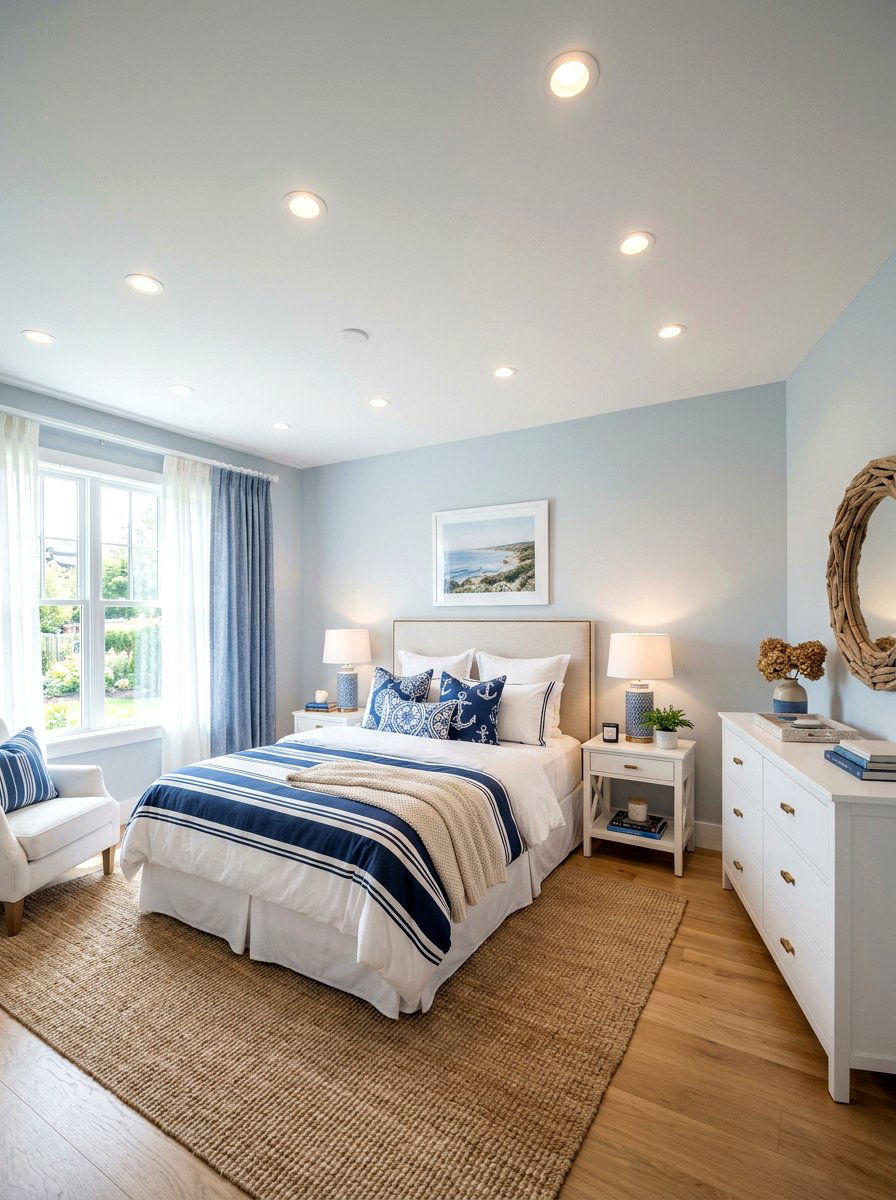
Making guests feel at home requires a lighting layout that is simple, intuitive, and comfortable. Use a two-light or four-light symmetrical layout that provides a soft wash of ambient light across the entire room. Avoid placing lights directly over the guest bed to ensure they can relax without a spotlight in their eyes. Focus on providing enough light near the luggage rack or closet area for easy unpacking. This layout ensures the guest room is functional and welcoming, providing a hotel-like experience that your friends and family will appreciate. It creates a polished and thoughtful environment that reflects your hospitality and attention to detail.
30. Breakfast Nook Lighting Layout
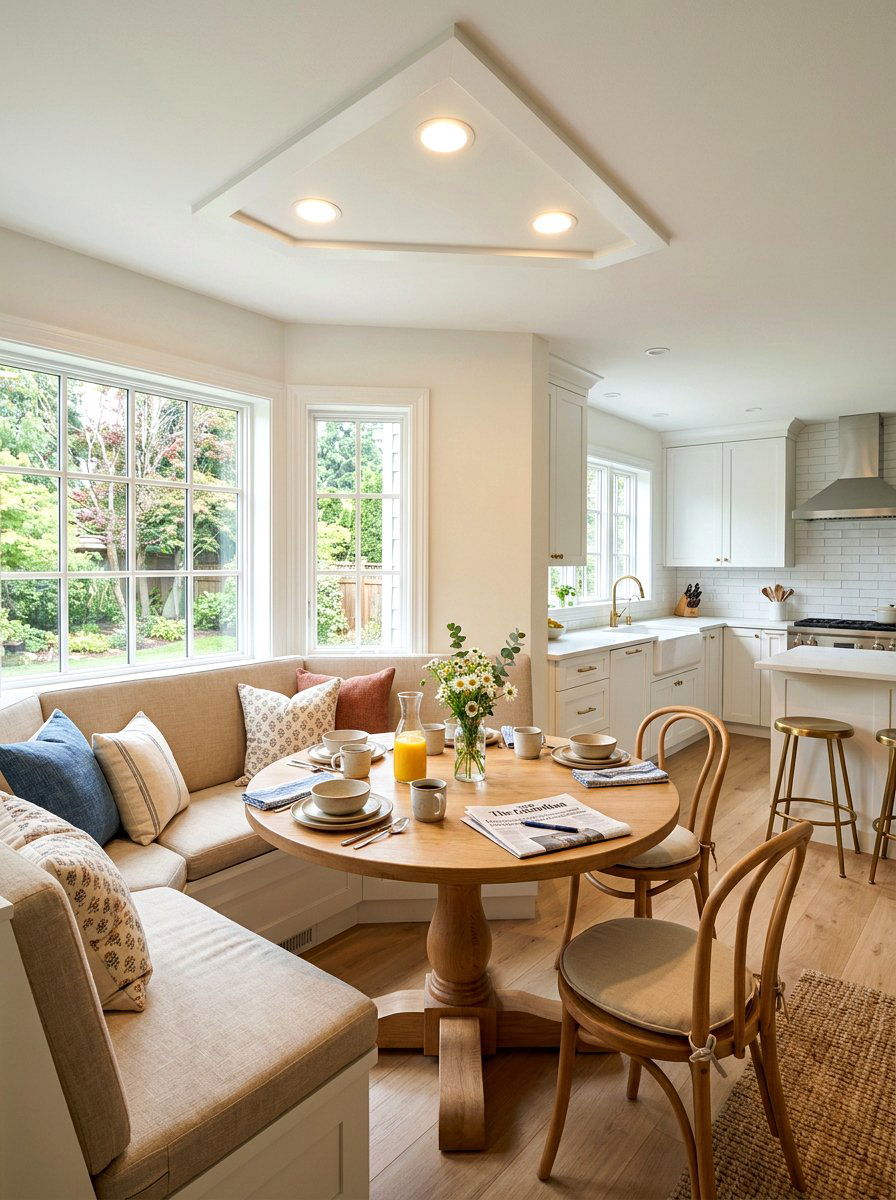
A cozy breakfast nook is the perfect place for a specialized recessed lighting layout that feels intimate and bright. Position three small four-inch fixtures in a triangular or linear pattern directly over the table seating. This ensures that the table is well-lit for morning coffee and reading the news without overwhelming the rest of the kitchen area. This layout defines the nook as a separate, inviting destination for casual meals. By using warm-dim LEDs, you can create a bright, energetic morning vibe that transitions into a soft, romantic glow for evening snacks, making the nook a versatile and highly enjoyable part of your home.
Conclusion:
Planning your recessed lighting layout is a powerful way to enhance both the beauty and the utility of your living environment. Whether you are focusing on a task-heavy kitchen or a relaxing master suite, the right placement ensures that your home feels balanced and well-designed. By following standard spacing rules and considering the specific needs of each room, you can avoid common pitfalls and create a space that truly shines. Remember that the best layouts use a layered approach, combining recessed cans with other light sources for maximum flexibility. Invest time in your lighting plan today to enjoy a brighter, more inviting home for many years.

Related posts: