Building a second kitchen is one of the most effective ways to upgrade the functionality and value of your modern home. These secondary culinary zones serve various purposes, from acting as a hidden prep area for large dinner parties to providing a self-contained space for guests or teenagers. A second kitchen allows the main kitchen to remain a clean and welcoming social hub while the more demanding cooking tasks happen elsewhere. Whether you are planning a basement renovation, a pool house, or a specialized scullery, these spaces offer incredible convenience. In this guide, we explore thirty distinct concepts for secondary kitchens that prioritize organization, efficiency, and timeless style for any floor plan.
1. Scullery
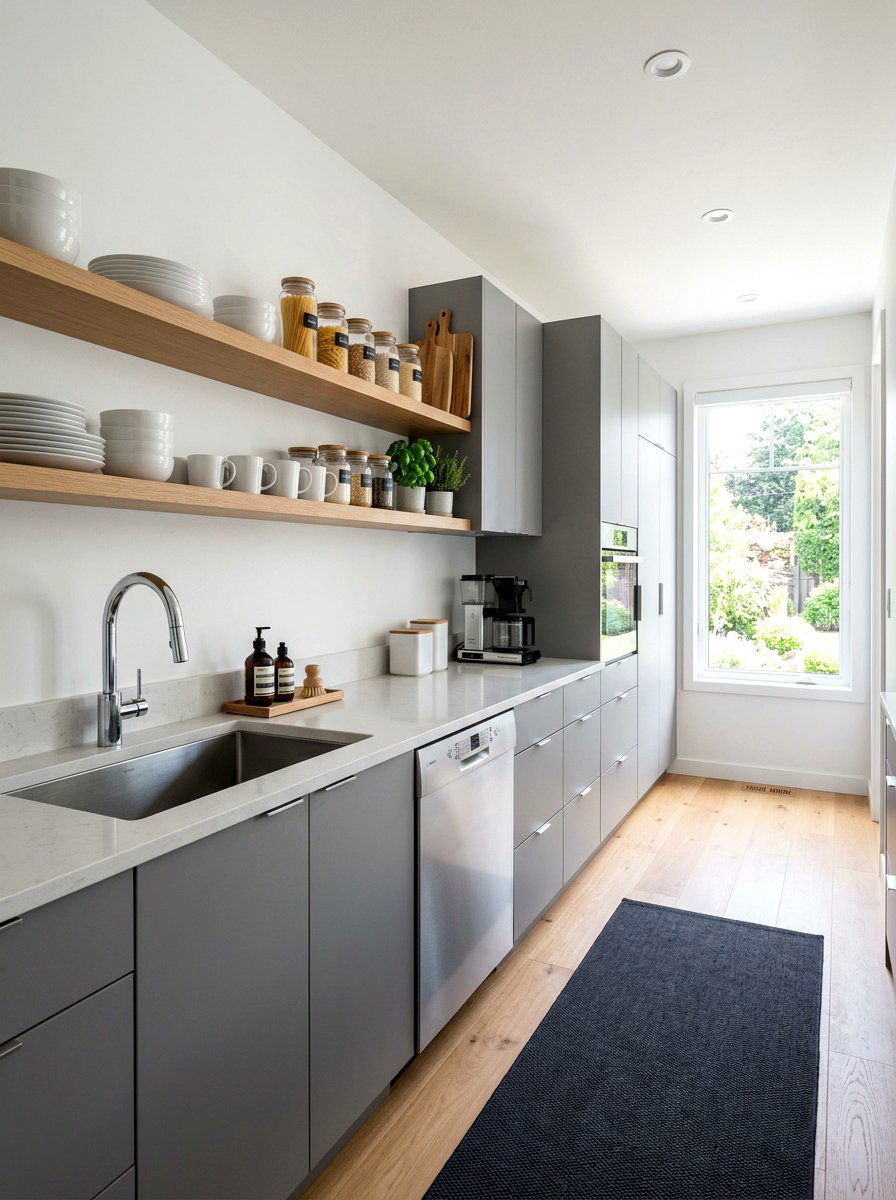
A scullery is a highly functional secondary kitchen space designed to handle the heavy lifting of meal preparation and cleanup. Located just off the main kitchen, this area typically features a deep sink, a secondary dishwasher, and ample counter space for staging large meals. It is the perfect place to hide dirty dishes and bulky appliances like stand mixers or bread makers. By moving the messier aspects of cooking into a scullery, your primary kitchen remains a pristine environment for entertaining guests. Modern sculleries often include floor-to-ceiling shelving and durable surfaces like stainless steel or quartz to ensure easy maintenance and long-term durability for daily use.
2. Butler Pantry
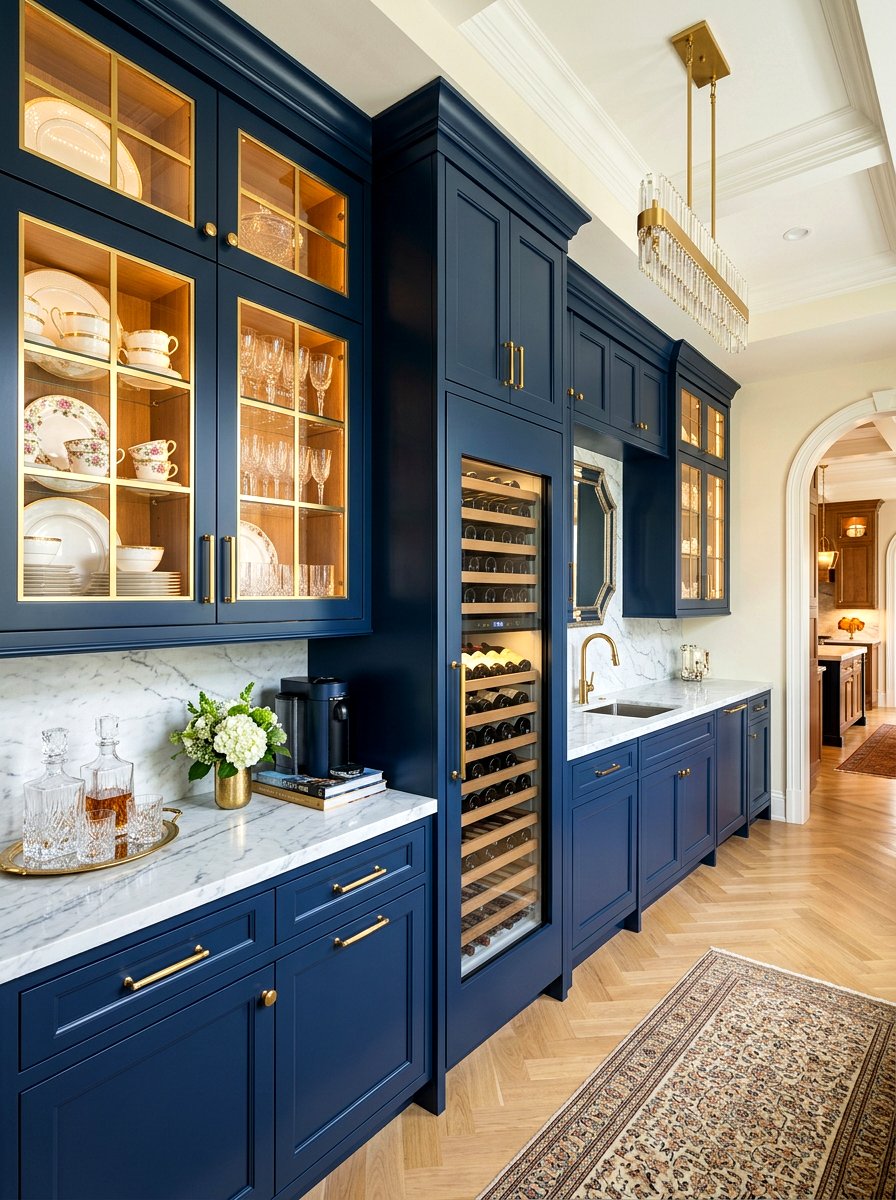
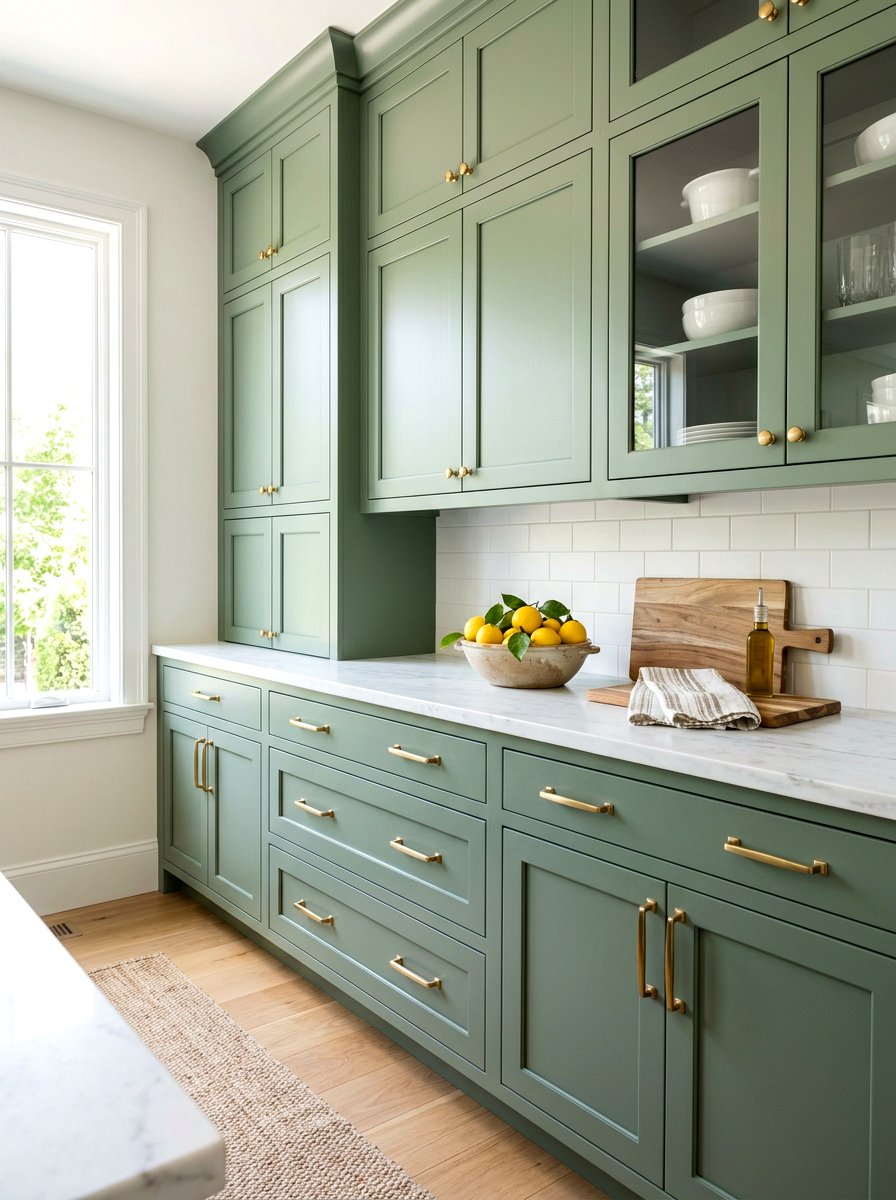
The modern butler pantry serves as a sophisticated transition zone between the kitchen and the formal dining room. This space is ideal for storing fine china, stemware, and serving platters that are used specifically for special occasions. Many homeowners choose to install a wine fridge, a small bar sink, and a coffee station within this area to streamline beverage service during dinner parties. The cabinetry in a butler pantry often mirrors the style of the main kitchen but can feature glass-front doors to showcase beautiful dinnerware. This dedicated room provides extra storage and a quiet area for plating dishes before they are brought to the table for guests.
3. Basement Kitchenette
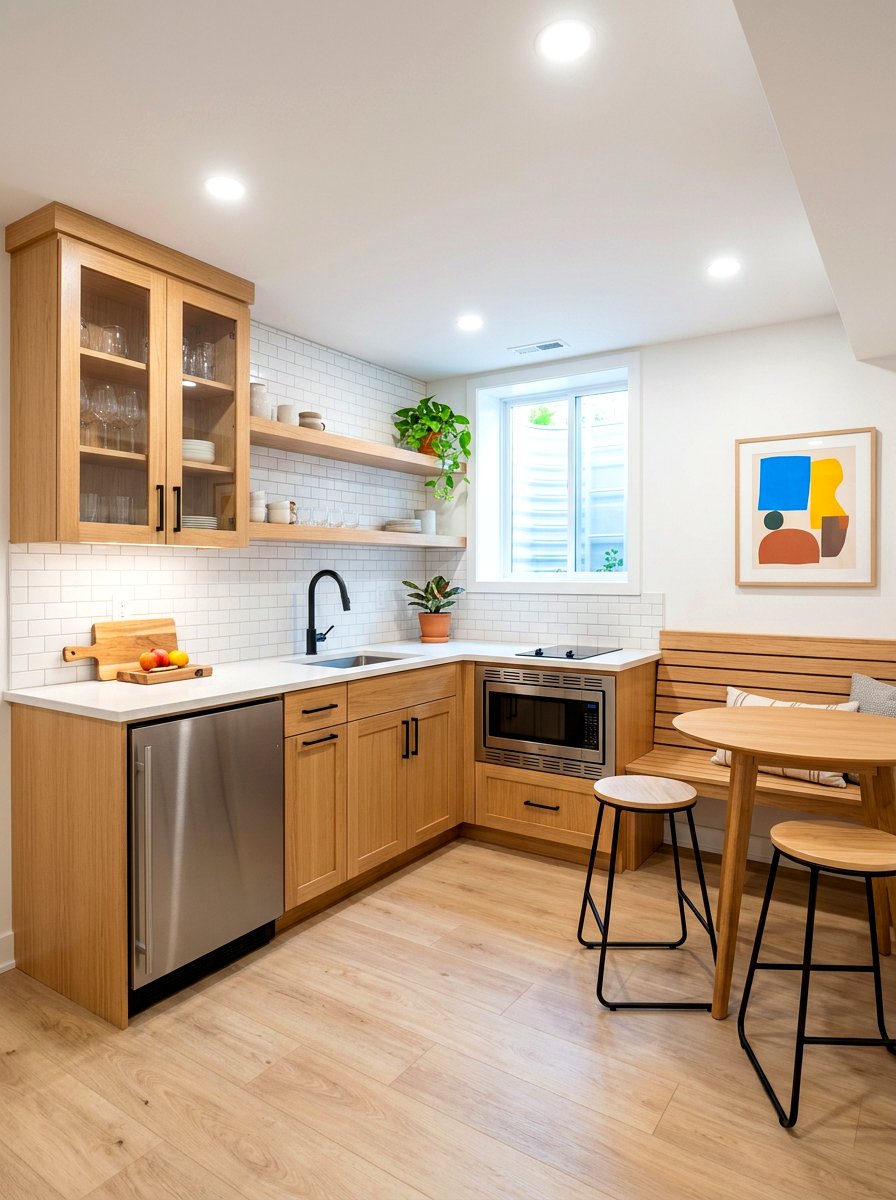
Transforming an underutilized basement into a functional living area often requires the addition of a well-equipped kitchenette. This secondary kitchen is perfect for movie nights, family gatherings, or hosting long-term guests who need their own space. A typical basement kitchenette includes a compact refrigerator, a microwave, and a small cooktop or electric griddle. To keep the space feeling bright and inviting, designers often recommend using light-colored cabinetry and reflective backsplashes. This setup prevents constant trips up and down the stairs for snacks and drinks, making the lower level feel like a completely independent suite. It is a smart investment that significantly boosts the overall versatility of your home.
4. Messy Kitchen
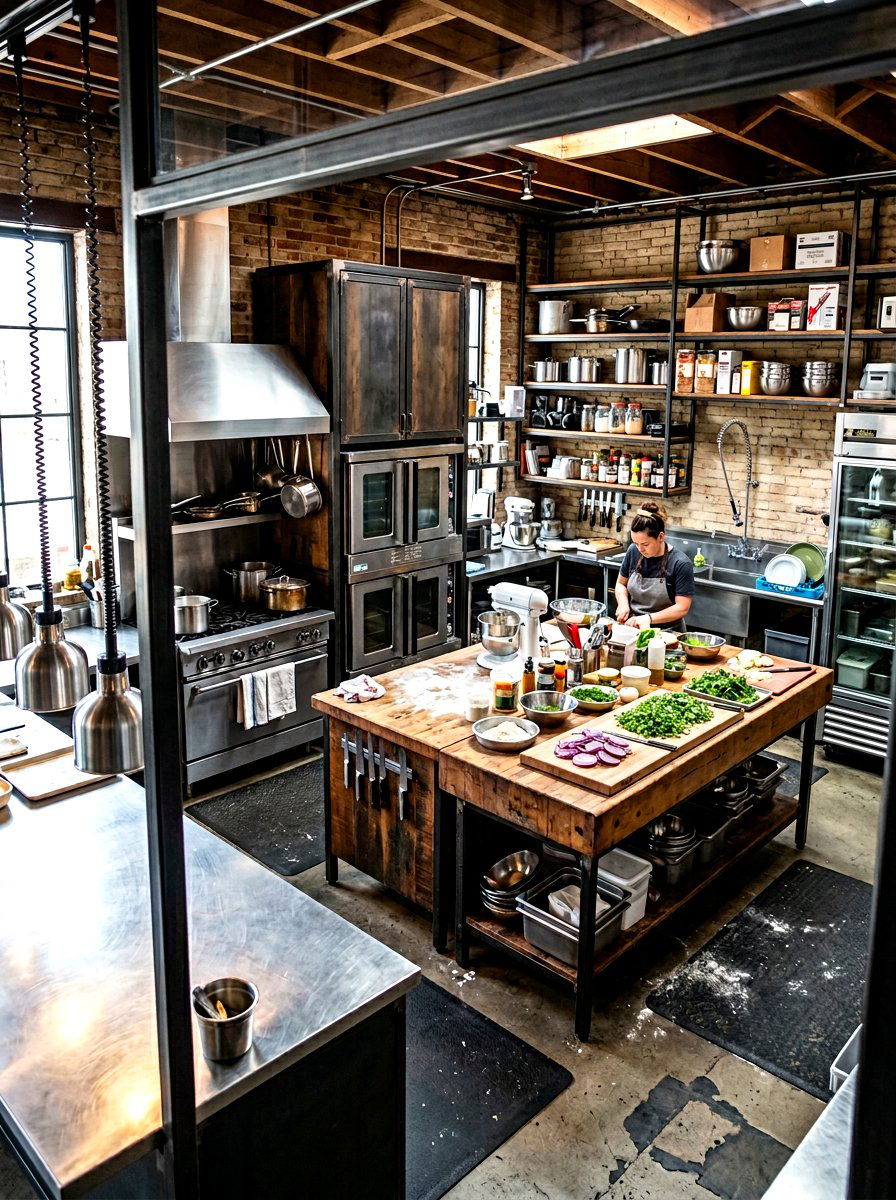
A messy kitchen, often called a back kitchen, is a growing trend in high-end home design that prioritizes a clutter-free main living area. This room is essentially a fully equipped second kitchen located directly behind the primary cooking space. It contains all the essential appliances, including a range, oven, and large sink, allowing the "show kitchen" to feature only a beautiful island and minimalist decor. This layout is particularly popular for homeowners who love to host large events but want to keep the sights and smells of cooking tucked away. With a messy kitchen, you can enjoy a seamless, open-concept living room without the distraction of food preparation.
5. Guest Suite Kitchen
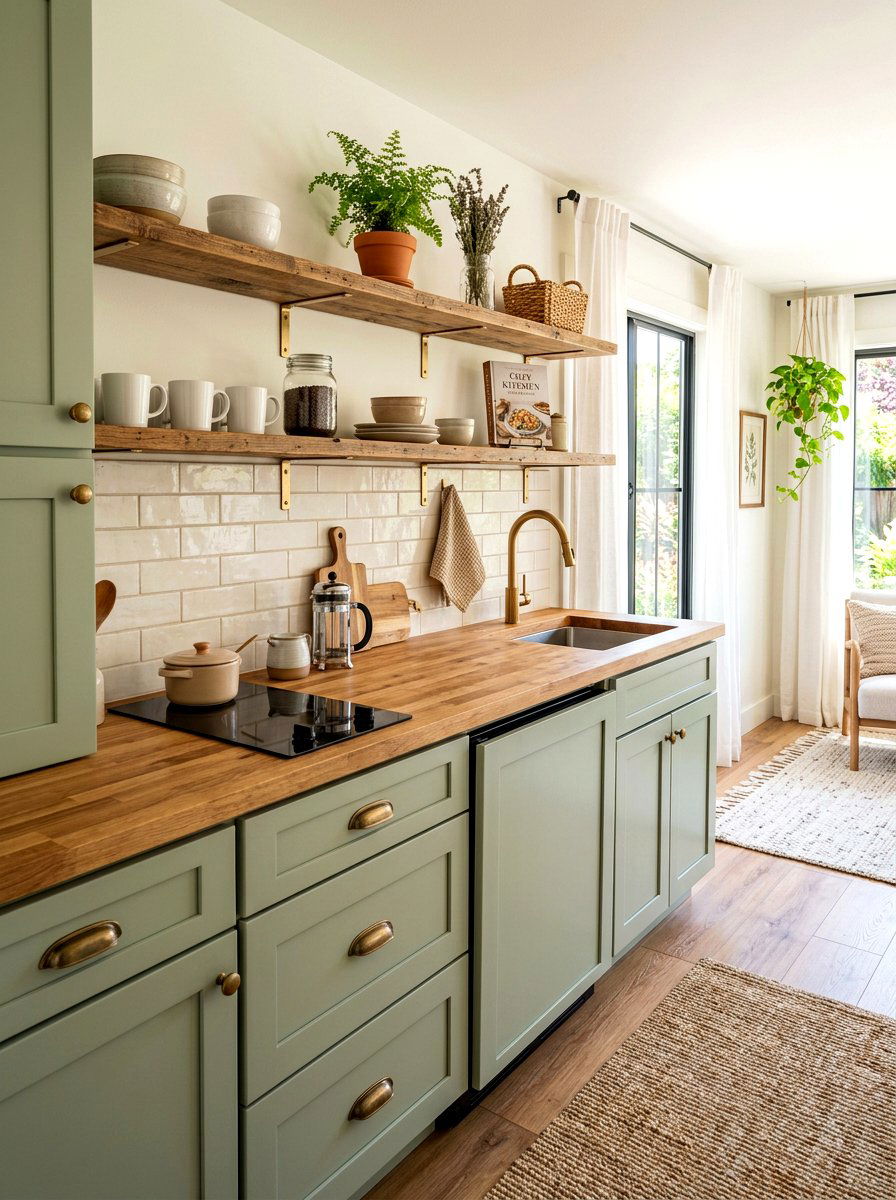
Designing a guest suite with its own kitchen provides visitors with a high level of privacy and comfort during their stay. This secondary kitchen usually features a streamlined layout with a small sink, a two-burner stove, and an apartment-sized refrigerator. Providing guests with a dedicated space to prepare coffee or light meals makes their visit feel more like a luxury stay at a boutique hotel. For multi-generational homes, this feature is essential for giving everyone a sense of independence and personal space. Using warm wood tones and soft lighting can make this small kitchen feel cozy and integrated into the guest room's overall aesthetic and relaxing mood.
6. Outdoor Kitchen
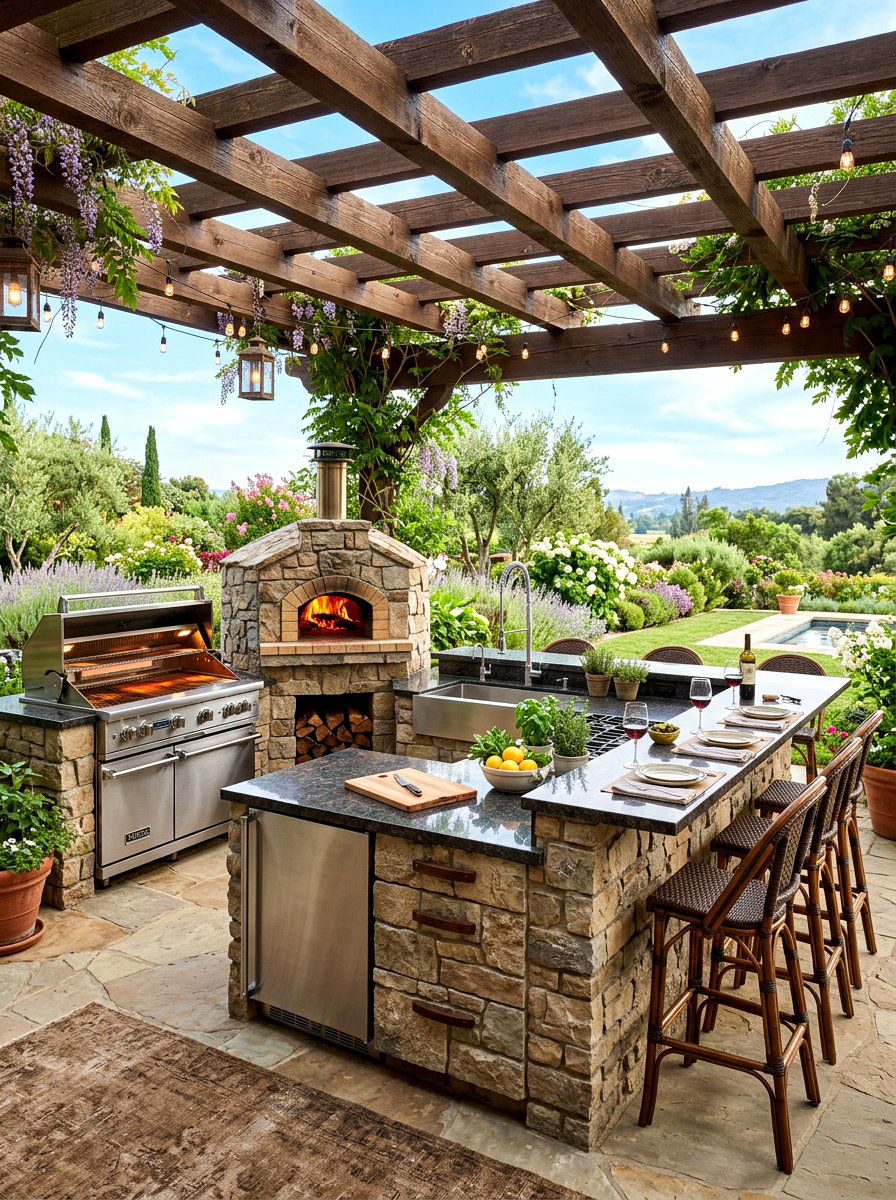
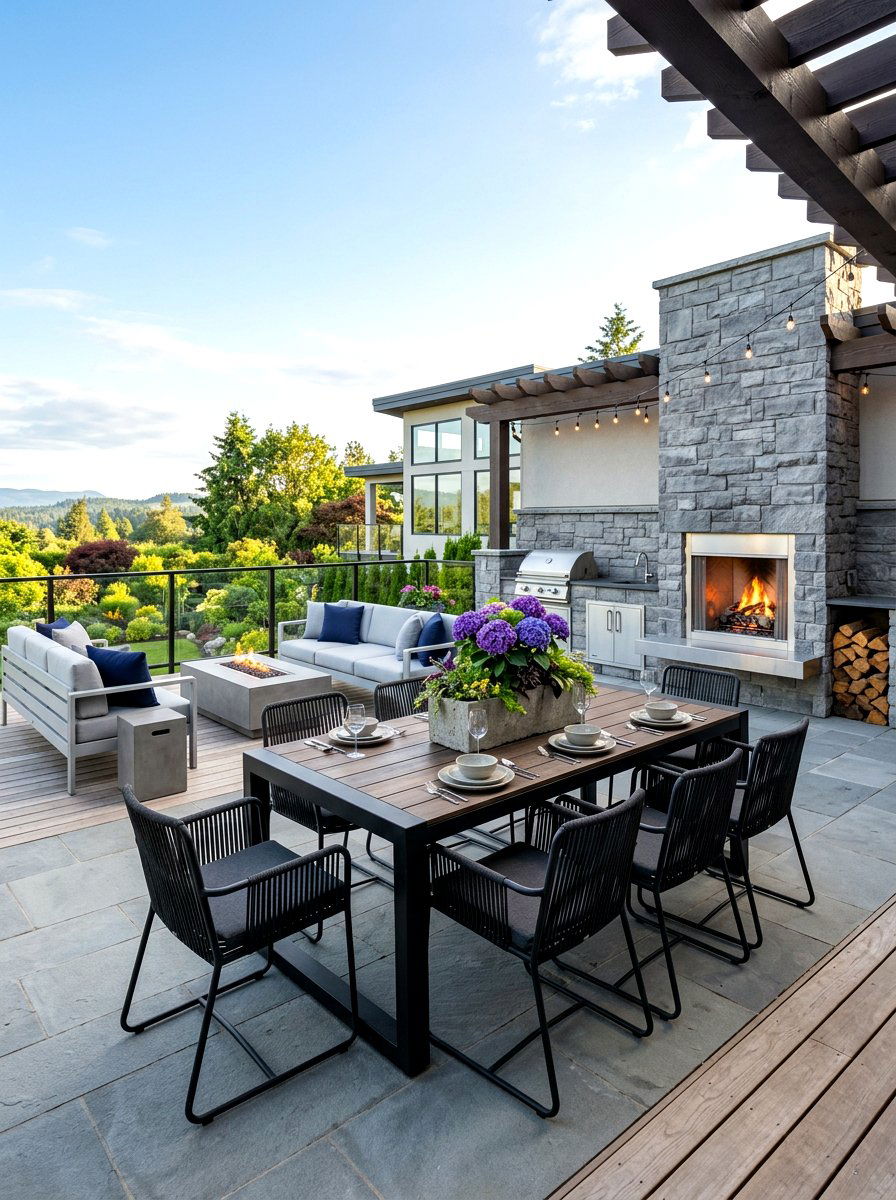
An outdoor kitchen extends your living space into the backyard and is perfect for summer entertaining and alfresco dining. This secondary kitchen typically features weather-resistant materials like stainless steel, stone, and marine-grade cabinetry to withstand the elements. Essential components include a high-quality grill, a pizza oven, and a dedicated outdoor refrigerator for keeping beverages cold. Many outdoor setups also incorporate a bar-height counter where guests can sit and chat with the chef while food is being prepared. Proper lighting and a shaded structure, like a pergola, ensure that this kitchen remains functional and comfortable during both the day and night throughout the warmer months.
7. Home Wet Bar
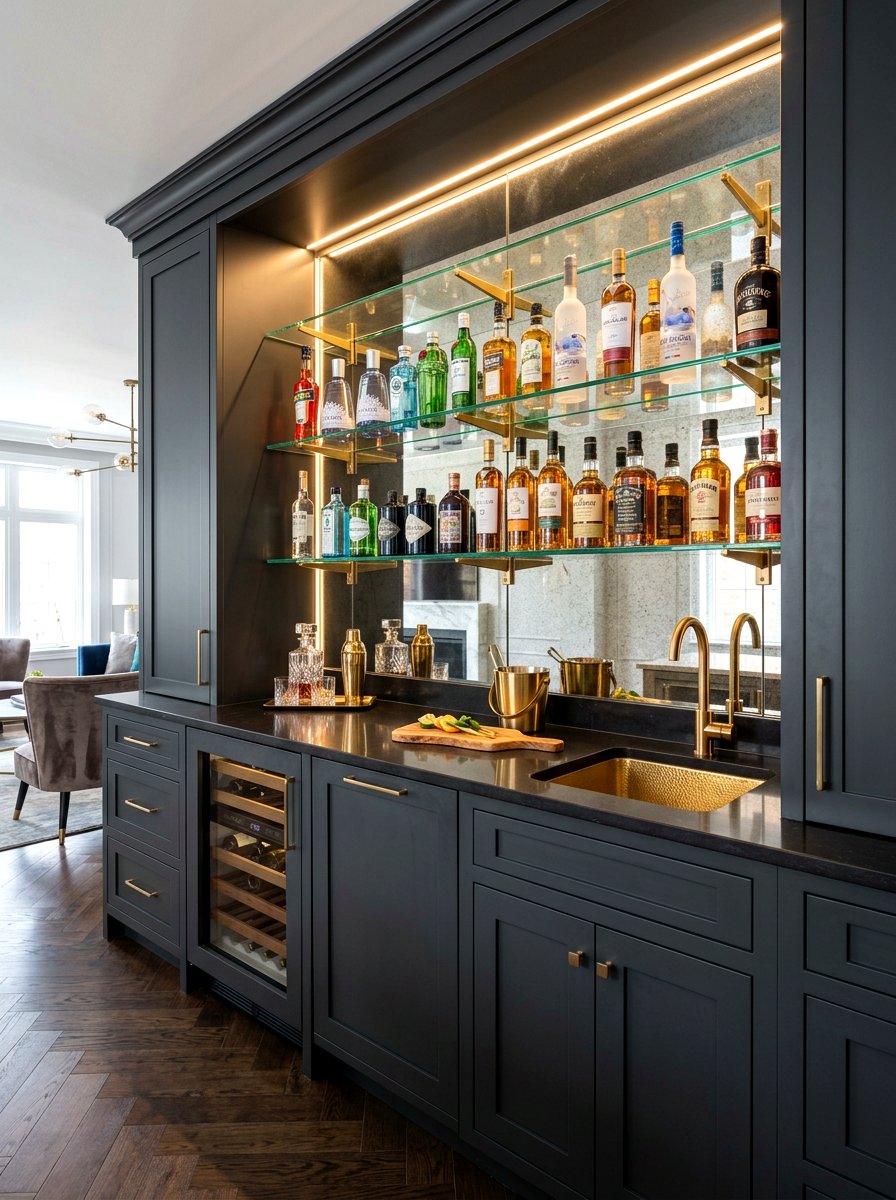
A home wet bar is a specialized secondary kitchen area focused on beverage preparation and entertainment. Often located in a living room, media room, or den, this space features a small sink, a dedicated ice maker, and plenty of storage for various types of glassware. It provides a convenient spot for mixing cocktails or serving wine without needing to move back and forth to the main kitchen. To make it a true focal point, consider using bold cabinetry colors or a statement backsplash with decorative tiles. The addition of floating shelves allows you to display high-end spirits and bar tools, creating a sophisticated and inviting atmosphere for social gatherings.
8. Coffee Station
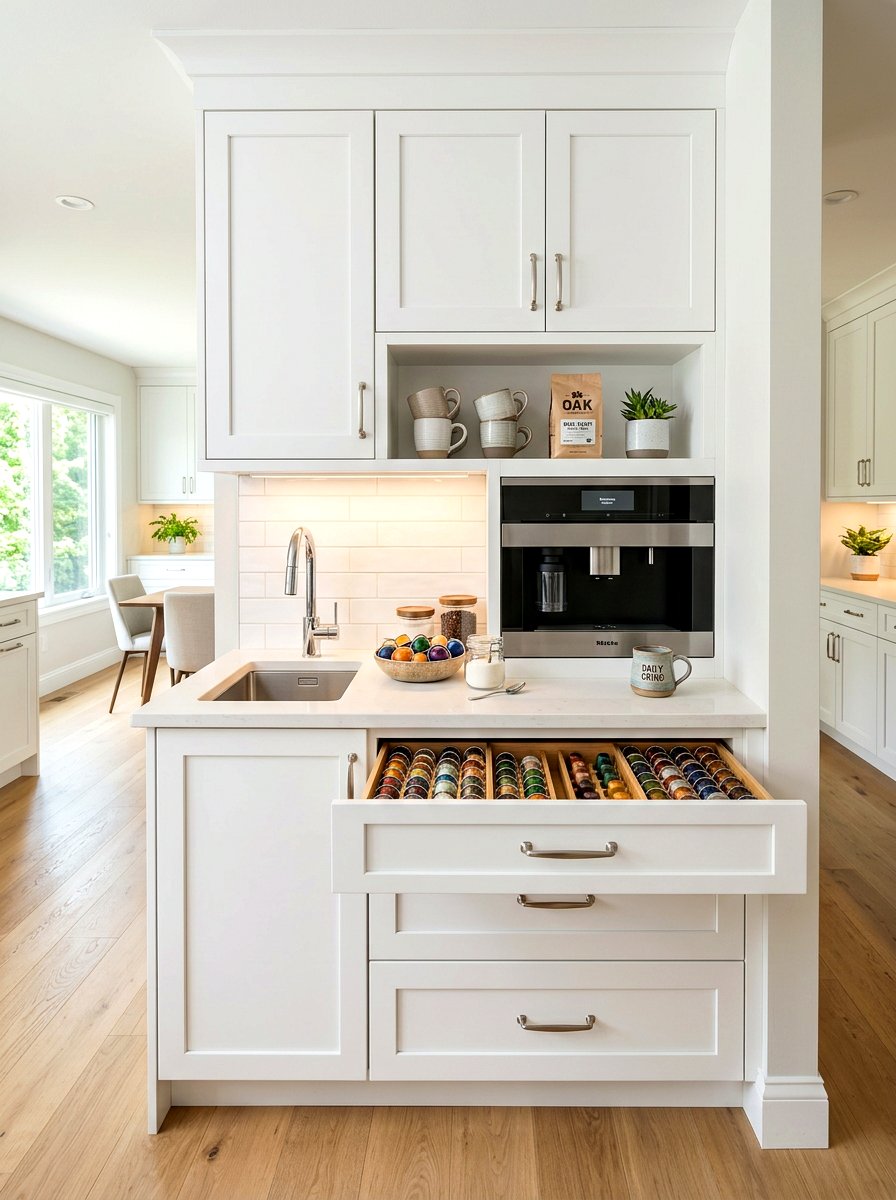
Creating a dedicated coffee station is a brilliant way to organize your morning routine and free up counter space in the main kitchen. This small-scale secondary kitchen area can be integrated into a pantry, a hallway niche, or a corner of the dining room. It should include a built-in espresso machine or a high-quality coffee maker, a small sink for easy filling, and a drawer for storing pods, beans, and stirrers. Adding a small refrigerator for cream and milk ensures everything you need is in one convenient location. This specialized zone allows you to enjoy a café-like experience at home and provides a charming spot for guests to help themselves.
9. Walk In Pantry
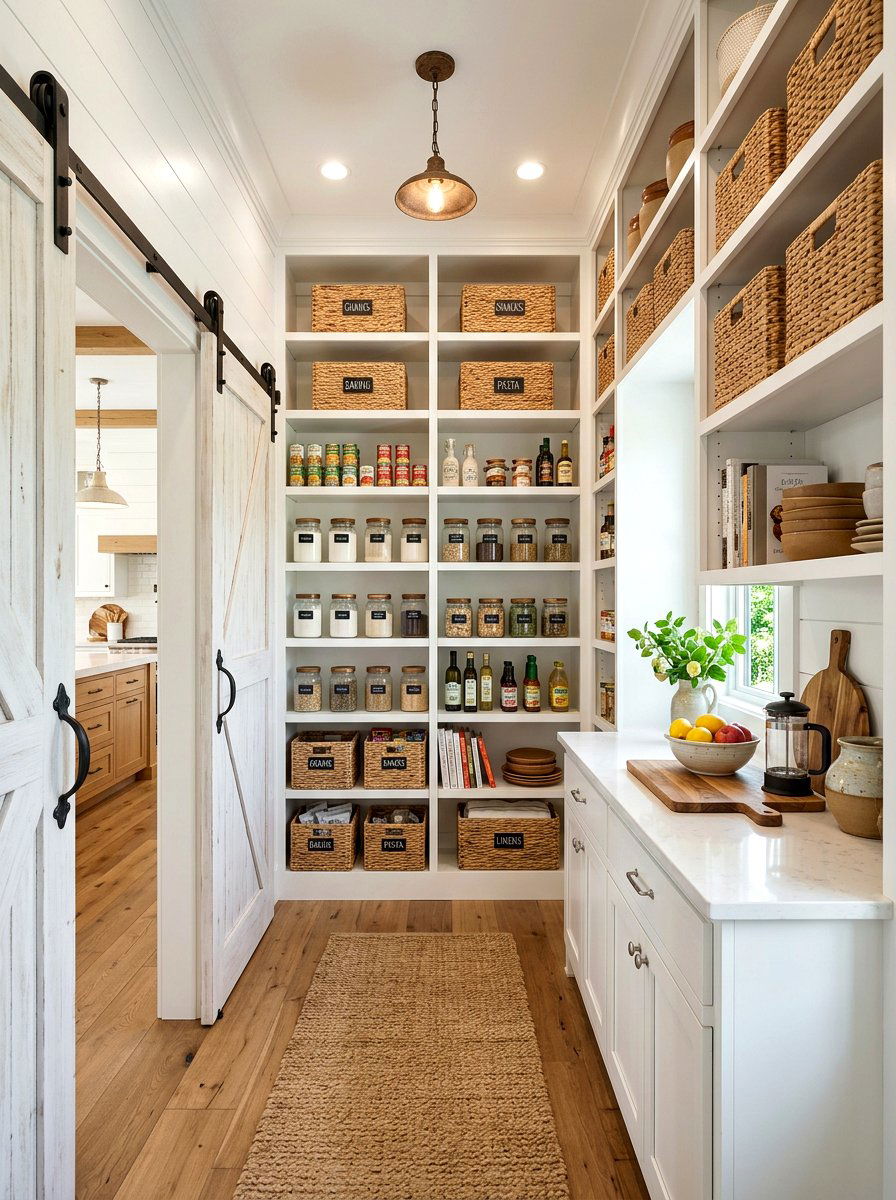
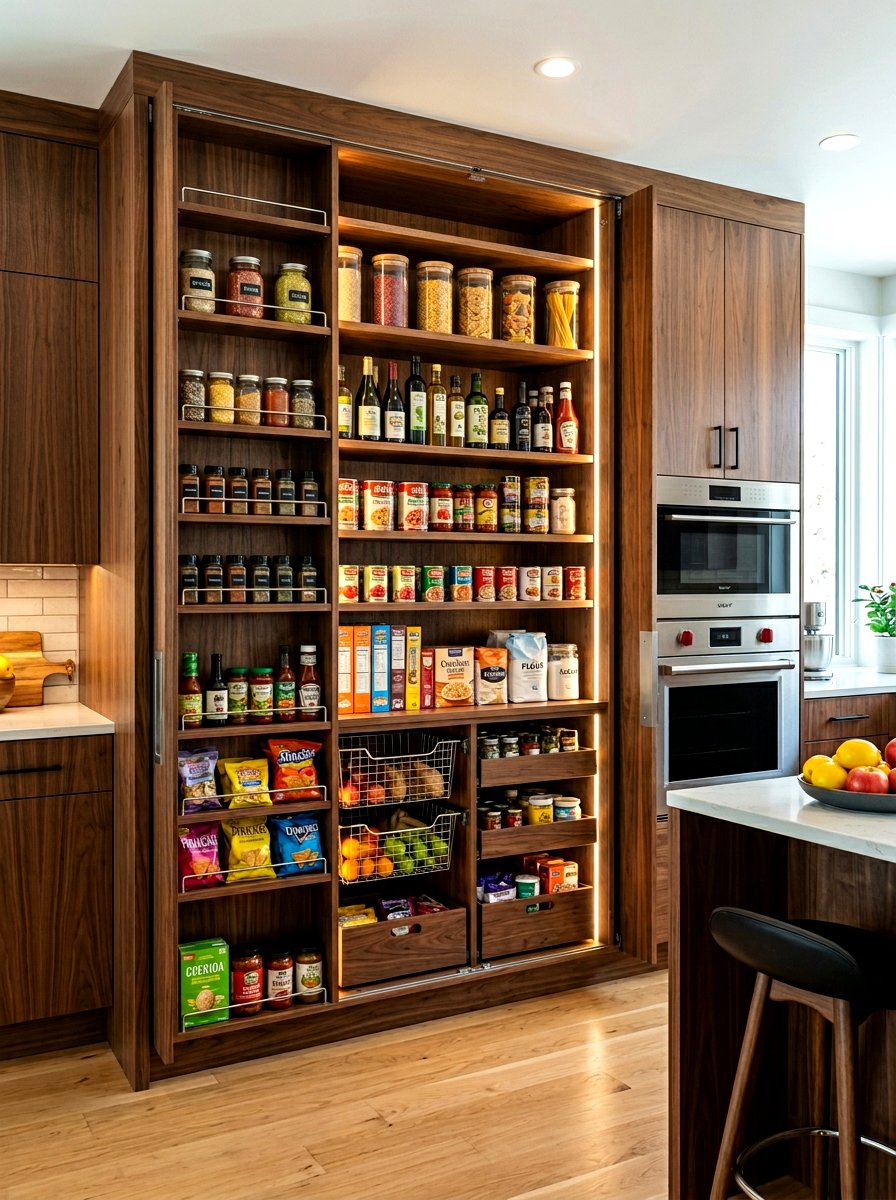
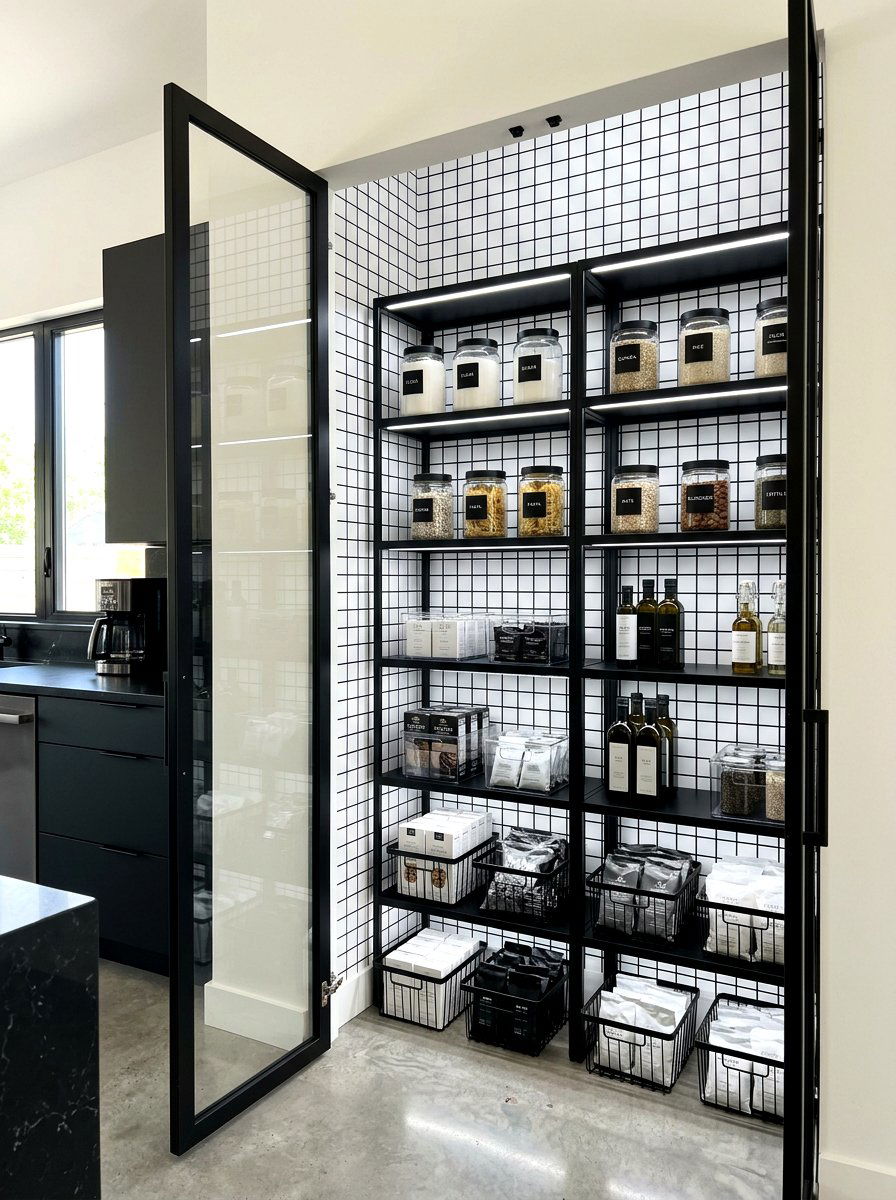
A walk-in pantry is a classic secondary kitchen feature that offers massive storage capacity for dry goods, bulk items, and small appliances. While primarily used for storage, modern walk-in pantries often include a stretch of countertop for minor tasks like unpacking groceries or using a toaster. This keeps the main kitchen counters clear and organized at all times. Using open shelving makes it easy to see all your supplies at a glance, while pull-out bins and baskets help categorize different food types. For a high-end look, consider adding a stylish sliding barn door or a glass-paneled pocket door that adds architectural interest while saving space in the kitchen.
10. Hidden Kitchen
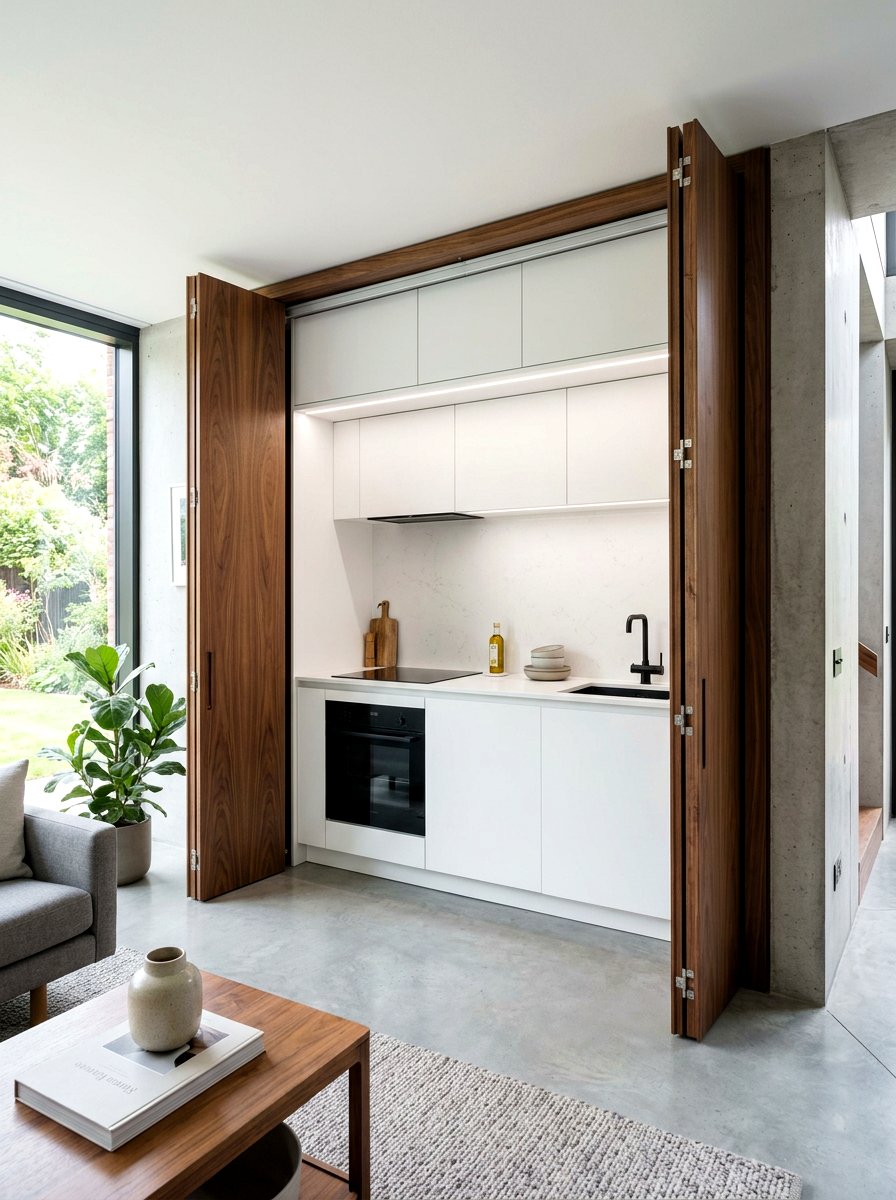
A hidden kitchen is a clever design solution that allows a fully functional cooking area to be tucked away behind large folding or sliding doors. This concept is ideal for open-concept homes or studio apartments where you may want to conceal the kitchen when it is not in use. When the doors are closed, the kitchen looks like a sleek wall of cabinetry, seamlessly blending into the surrounding living area. This minimalist approach is perfect for secondary kitchens in offices or guest rooms where a visible kitchen might disrupt the decor. It provides all the necessary amenities without sacrificing the aesthetic harmony of the room's design and overall atmosphere.
11. Prep Kitchen
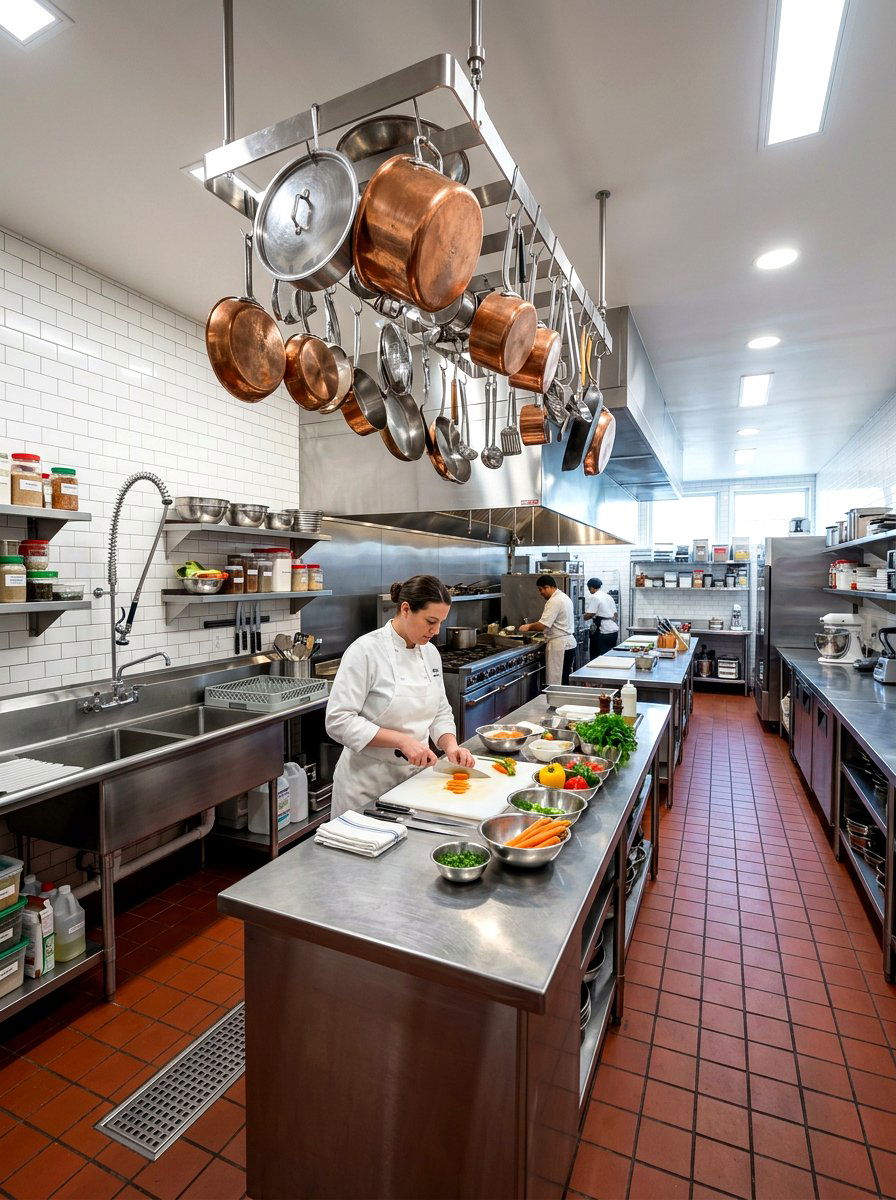
The prep kitchen is a dedicated workspace specifically engineered for the preparation of ingredients and staging of complex meals. Unlike a scullery which focuses on cleanup, the prep kitchen is where the actual chopping, mixing, and marinating happen. This area usually features large butcher block islands, high-performance ventilation, and easy-access storage for knives and culinary tools. It is an essential feature for serious home cooks or those who frequently hire catering services for private events. By isolating the preparation stage, the main kitchen remains available for light cooking and socializing, ensuring a smooth and organized workflow for any type of culinary project or social event.
12. Back Kitchen
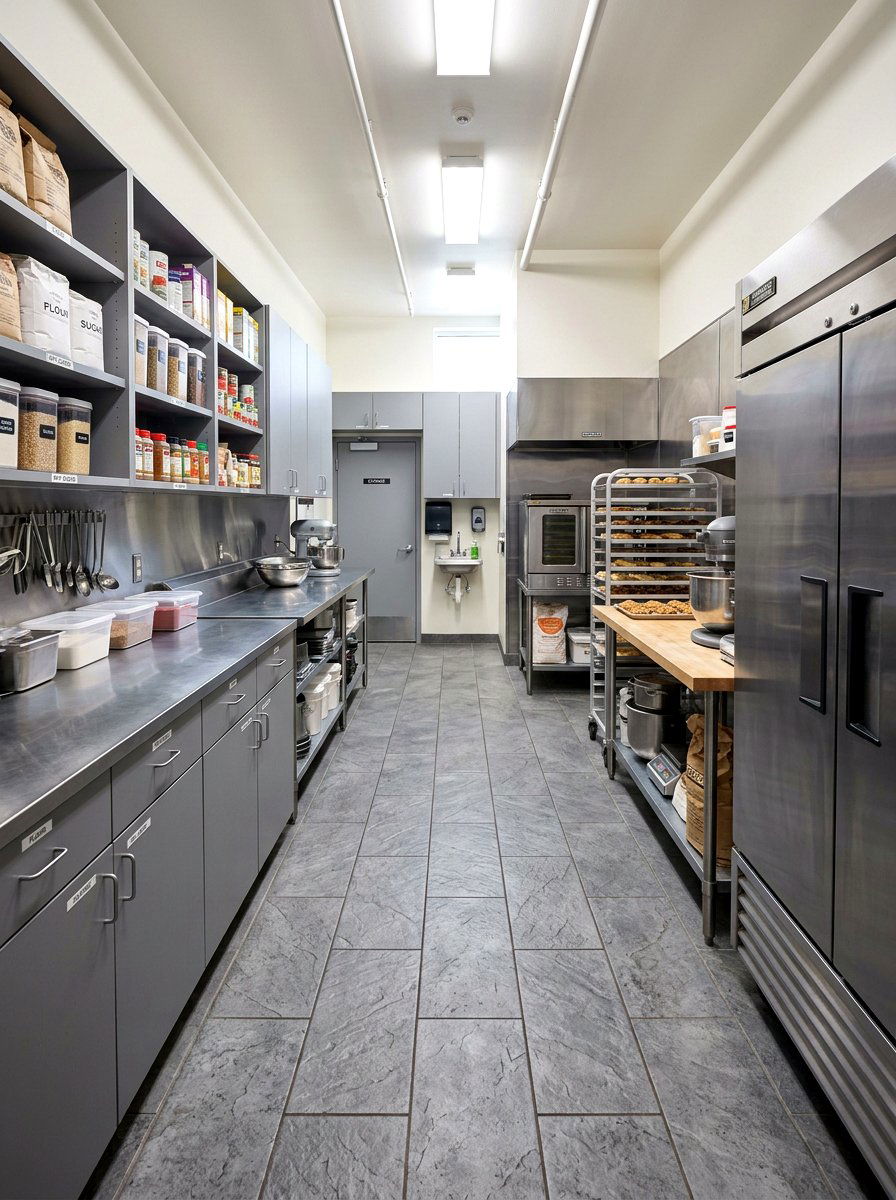
A back kitchen serves as a secondary, heavy-duty workspace that supports the primary kitchen by handling the most demanding tasks. This room is often equipped with a larger oven, a deep farmhouse sink, and additional freezer space for long-term food storage. It is the perfect place for baking, canning, or preparing large quantities of food for the week. The design typically prioritizes utility and durability, using materials that are easy to scrub and maintain over time. Having a back kitchen ensures that the main kitchen stays odor-free and quiet, making it a much more pleasant environment for daily family life and casual breakfasts with the kids.
13. Apartment Kitchenette
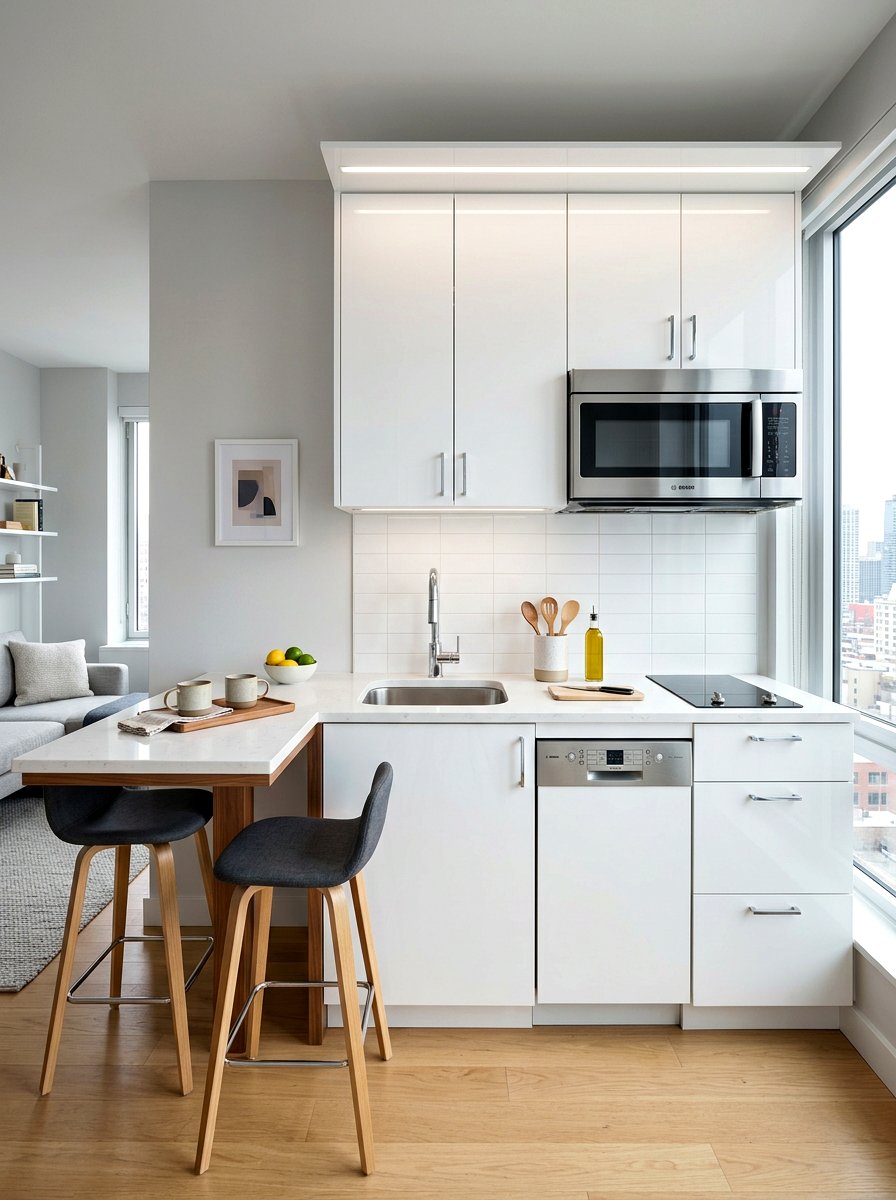
An apartment kitchenette is a compact and efficient secondary kitchen solution designed for small living spaces like granny flats or studio units. The focus here is on maximizing every inch of available space through smart storage and multi-functional appliances. A small induction cooktop, a microwave-convection oven combo, and a slim dishwasher can provide full kitchen functionality in a very small footprint. Using vertical storage and magnetic tool strips helps keep the counters clear for food preparation. This type of kitchen is perfect for creating a self-contained living experience in a limited area, ensuring that residents have everything they need to cook healthy meals comfortably and efficiently.
14. Pool House Kitchen
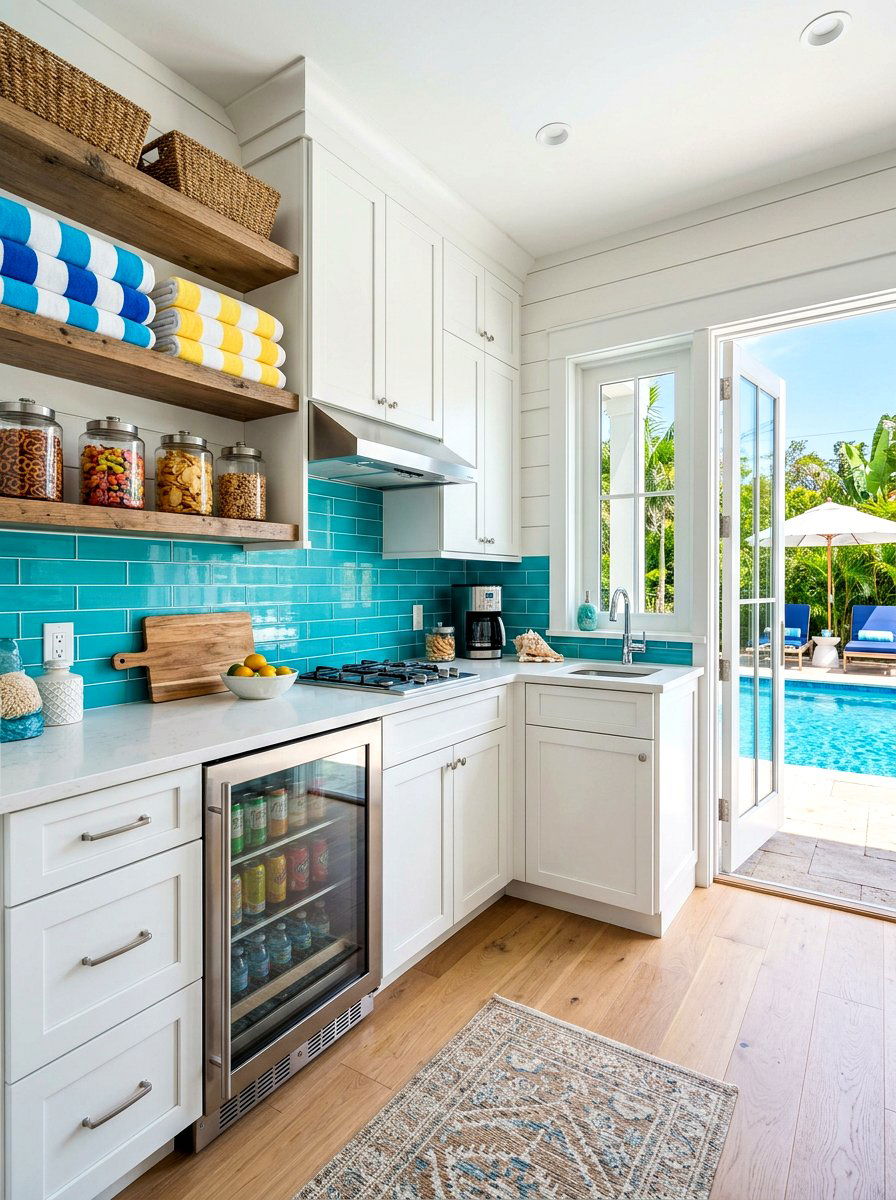
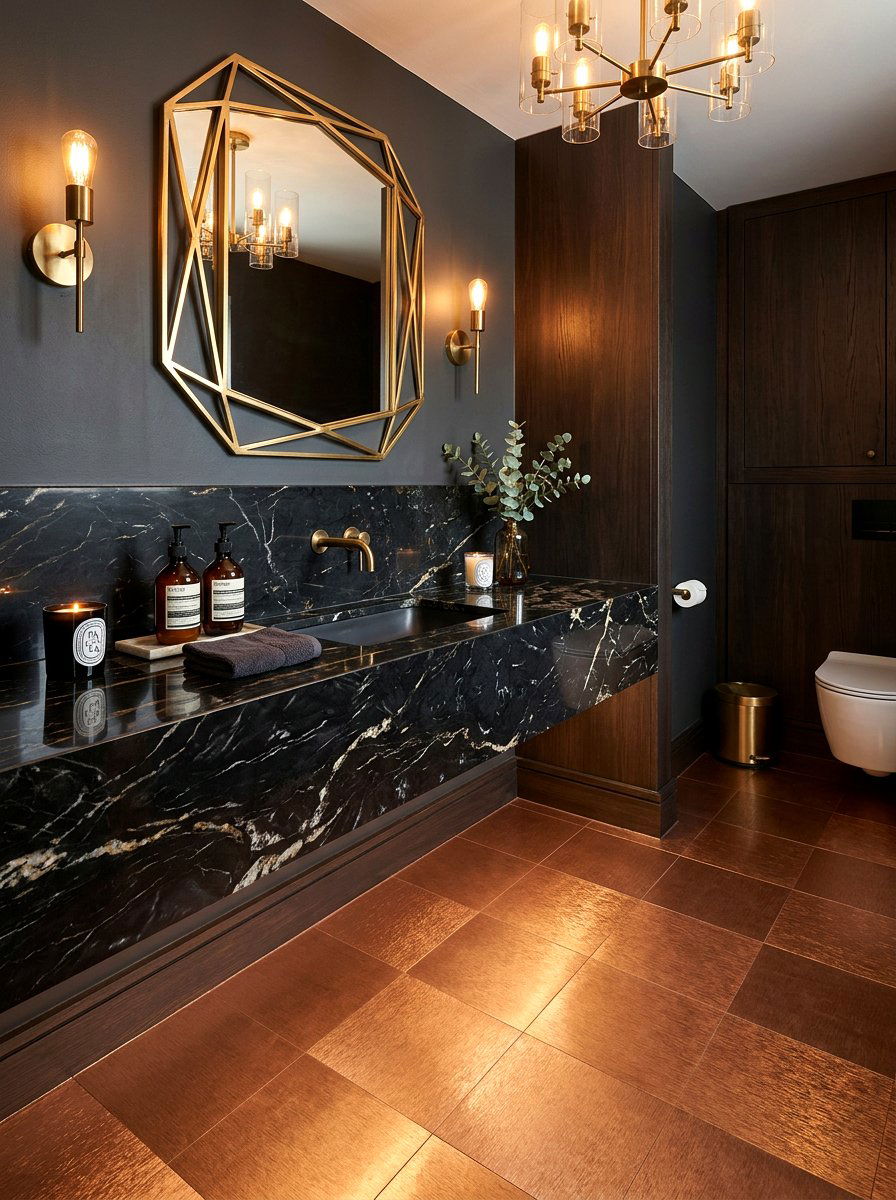
A pool house kitchen is the ultimate luxury for those who love to entertain outdoors by the water. This secondary kitchen eliminates the need for guests to enter the main house with wet swimsuits to get snacks or drinks. It typically features durable, waterproof flooring and easy-to-clean surfaces that can handle moisture and high foot traffic. Key elements include a refrigerator for chilled towels and drinks, a microwave for quick snacks, and a bar area for serving refreshments. This space should be bright and airy, often using coastal-inspired colors like white and blue to create a relaxing and festive vacation-like atmosphere for everyone to enjoy.
15. Mudroom Kitchenette
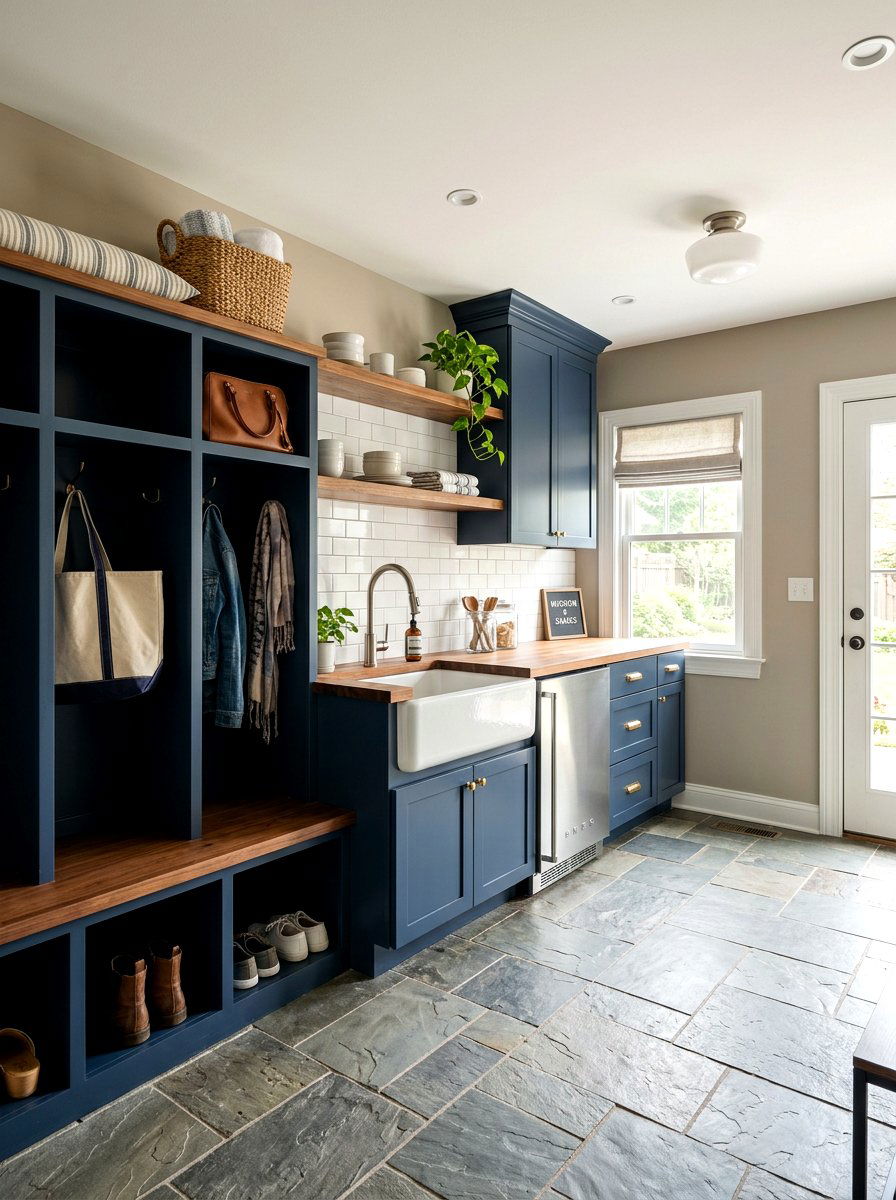
Integrating a small kitchenette into a mudroom is a practical way to manage the transition from the outdoors to the interior of the home. This secondary kitchen area is perfect for storing pet supplies, washing garden vegetables, or preparing quick snacks after school. It often features a sturdy utility sink, a small beverage fridge, and hooks for organizing aprons and reusable grocery bags. Durable flooring like tile or stone is a must, as this area often sees a lot of dirt and debris from the outside. A mudroom kitchenette keeps the primary kitchen cleaner by providing a designated spot for chores that would otherwise create a mess elsewhere.
16. Tiny House Kitchen
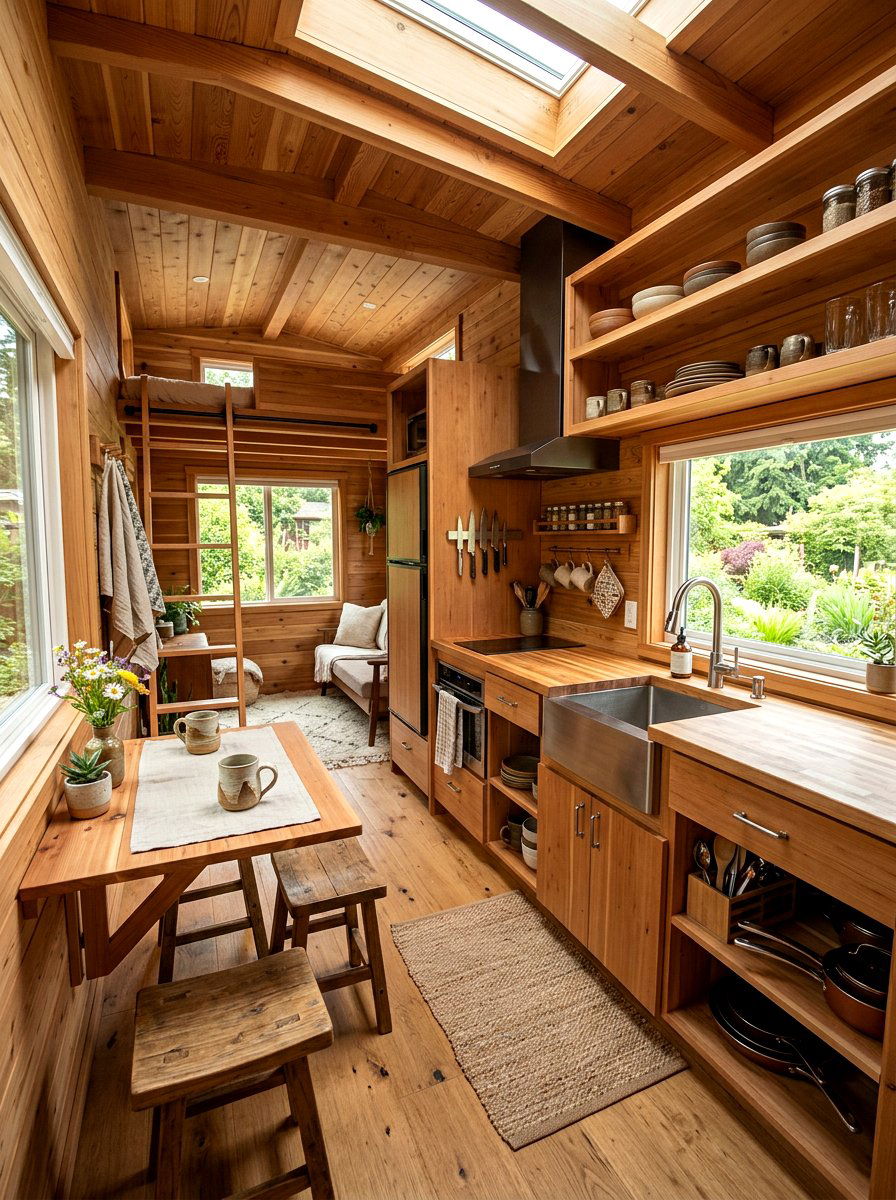
The tiny house kitchen is a masterclass in spatial efficiency, where every cabinet and appliance must serve multiple purposes. This secondary kitchen concept uses innovative solutions like pull-out cutting boards, folding tables, and under-cabinet drawers to maximize utility. Even in a small space, high-quality finishes like copper backsplashes or custom wood cabinetry can make the kitchen feel luxurious and well-designed. This layout is ideal for secondary dwellings or vacation cabins where space is at a premium but functionality remains a top priority. It demonstrates that you do not need a massive footprint to have a beautiful and fully equipped place to cook and enjoy delicious meals.
17. Loft Kitchenette
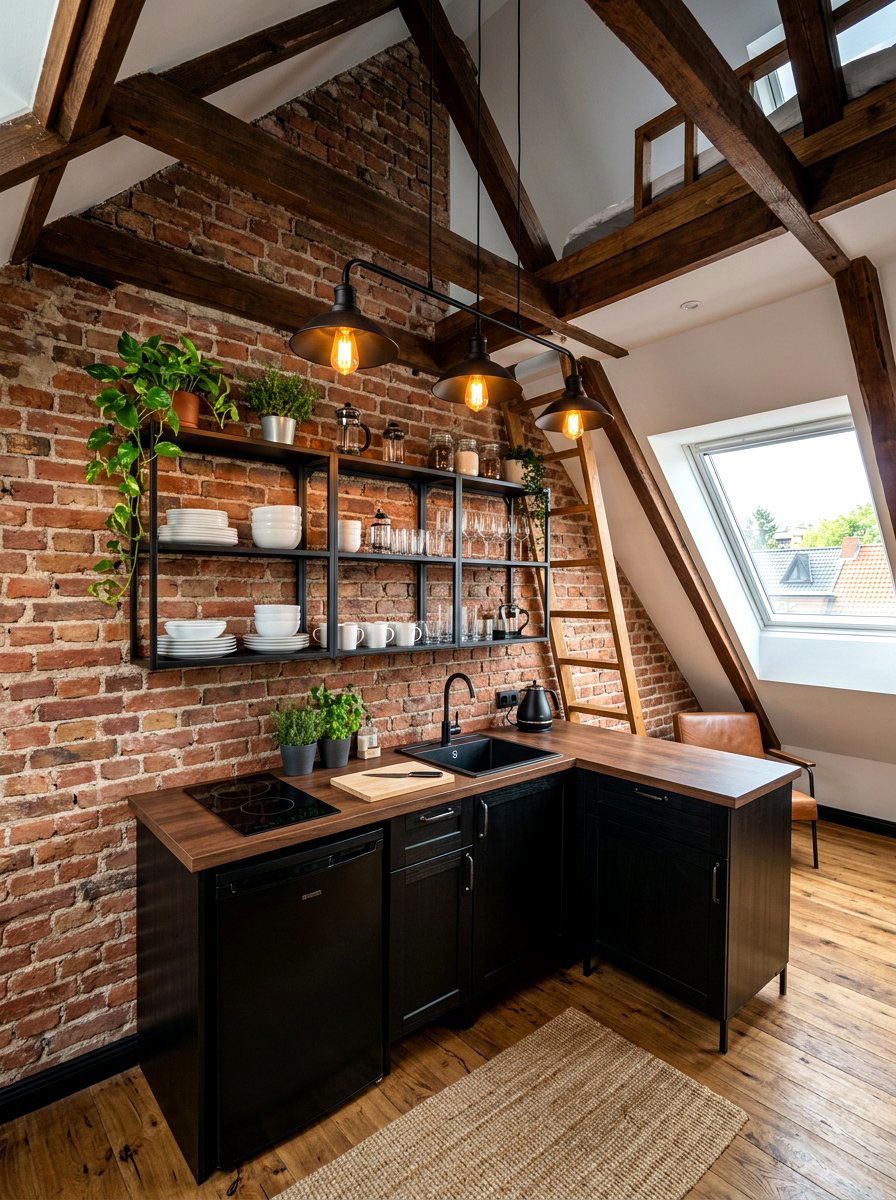
A loft kitchenette is a stylish and functional addition to an upper-level living area or a converted attic space. This secondary kitchen provides a convenient spot for late-night snacks or a quiet morning coffee without needing to walk down to the main floor. Because lofts often have unique architectural features like sloped ceilings or exposed brick, the kitchen design should complement these elements. Using industrial-style lighting and open shelving can help the kitchenette feel integrated into the open layout of the loft. It is an excellent way to make an upper-level suite feel more independent and fully equipped for modern daily living and relaxation.
18. Office Kitchen
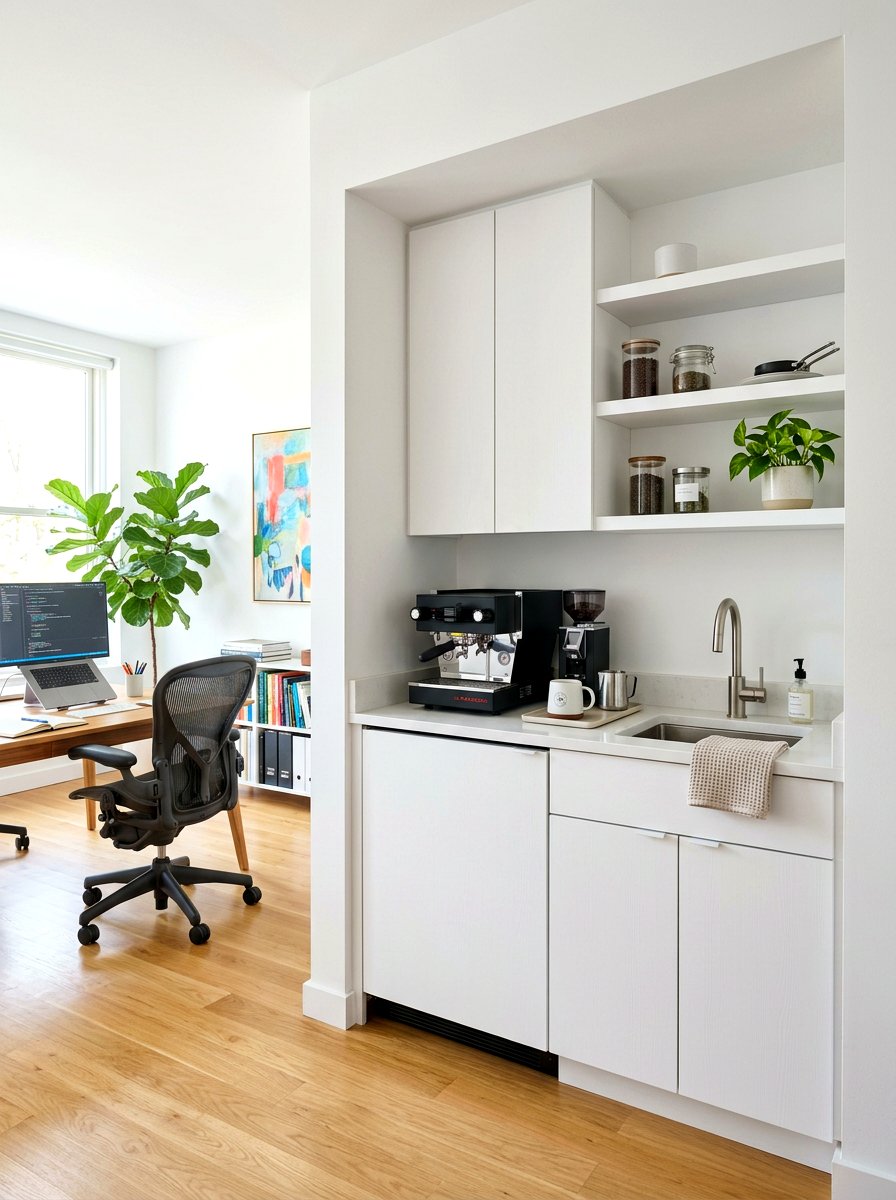
An office kitchen is a specialized secondary kitchen area designed to support productivity and convenience in a professional home workspace. This setup allows you to prepare lunch, brew fresh coffee, or grab a healthy snack without leaving your work environment. It typically includes a small refrigerator, a microwave, and a high-end coffee maker tucked into a corner or a closet. Keeping the design clean and professional, with neutral colors and minimalist hardware, ensures that it does not distract from the work-focused atmosphere of the room. This convenience helps you stay focused and energized throughout the workday while maintaining a clear boundary between work and home.
19. Garage Kitchenette
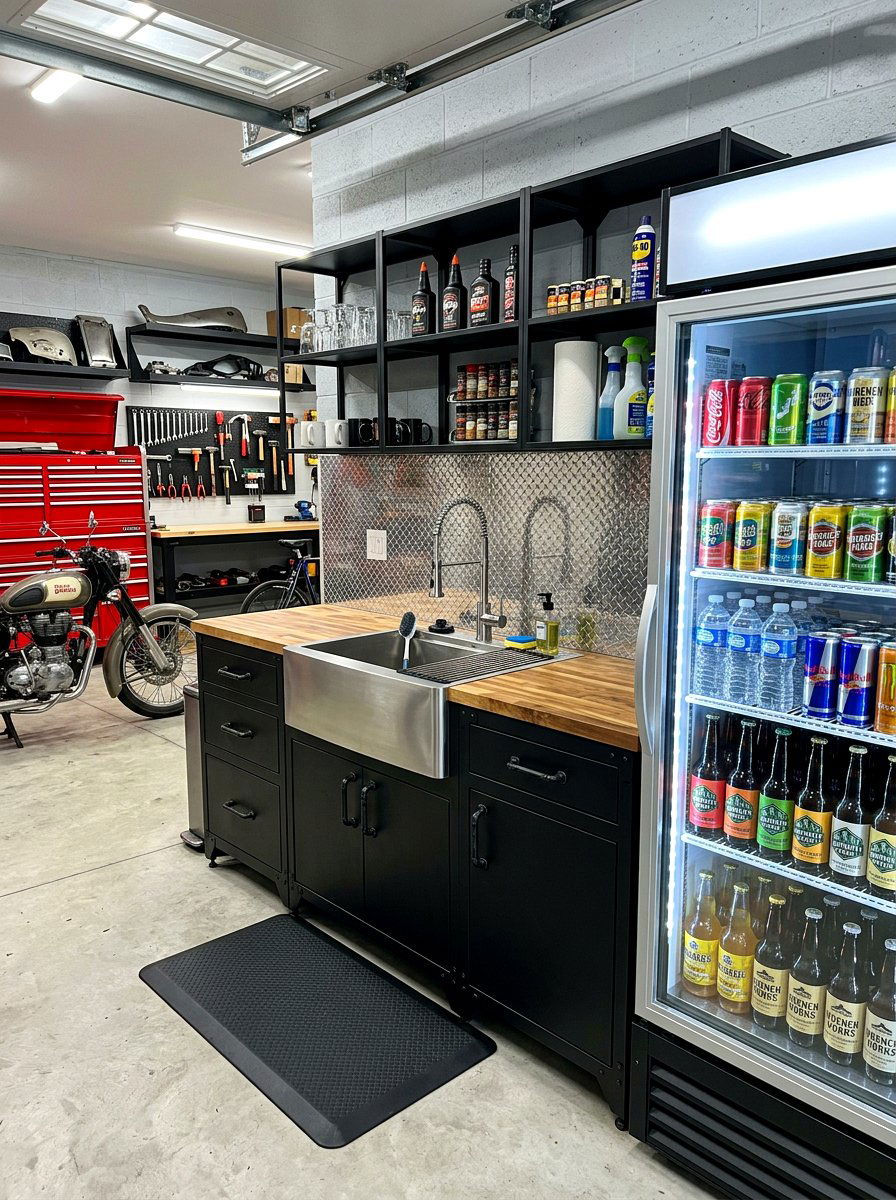
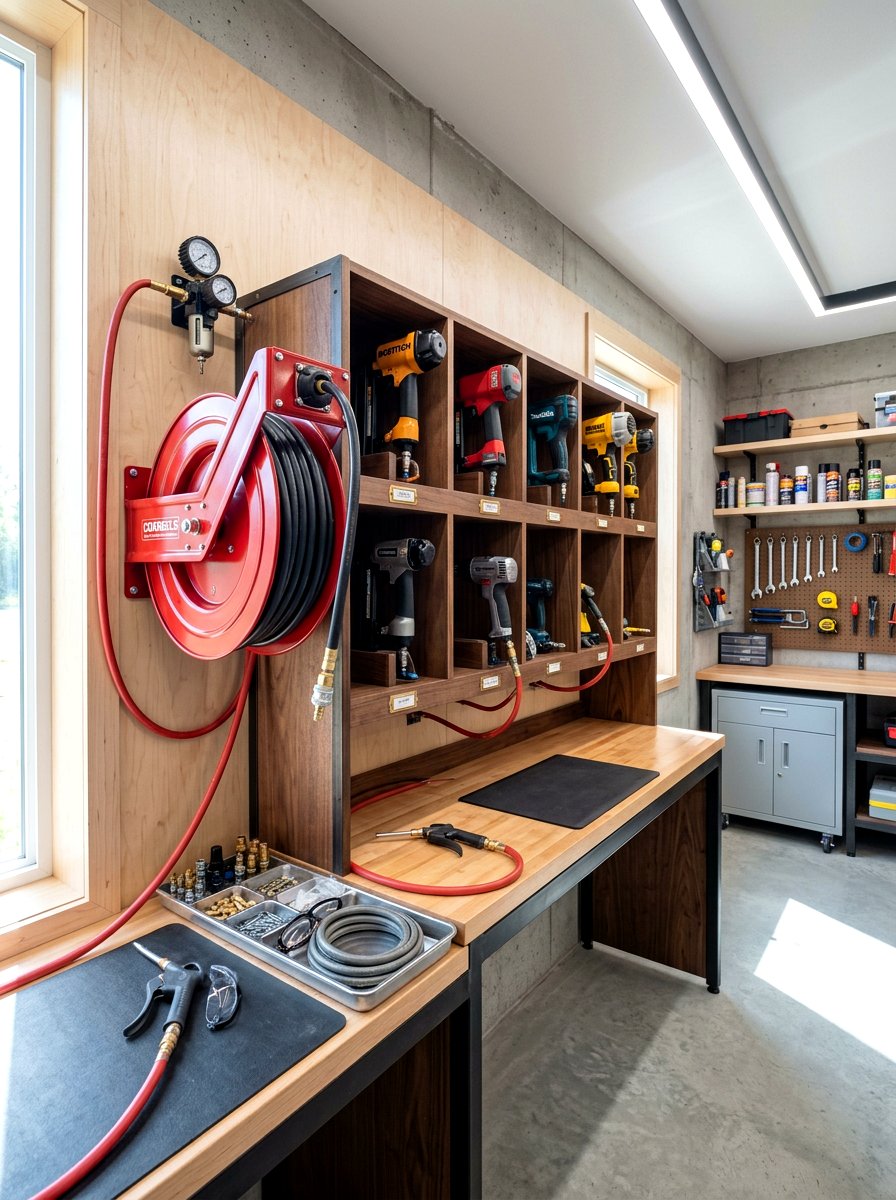
A garage kitchenette is a rugged and practical secondary kitchen designed for hobbyists, woodworkers, or those who love to work on cars. This space provides a convenient area for cleaning up after projects, storing cold drinks, or preparing quick meals during a long day in the workshop. It usually features heavy-duty metal cabinetry, a deep utility sink, and durable countertops that can withstand impact and spills. This setup keeps grease and workshop debris out of the main house, making it a favorite for homeowners who spend a significant amount of time in their garage. It is the perfect blend of utility and convenience for any active workspace.
20. In Law Suite Kitchen
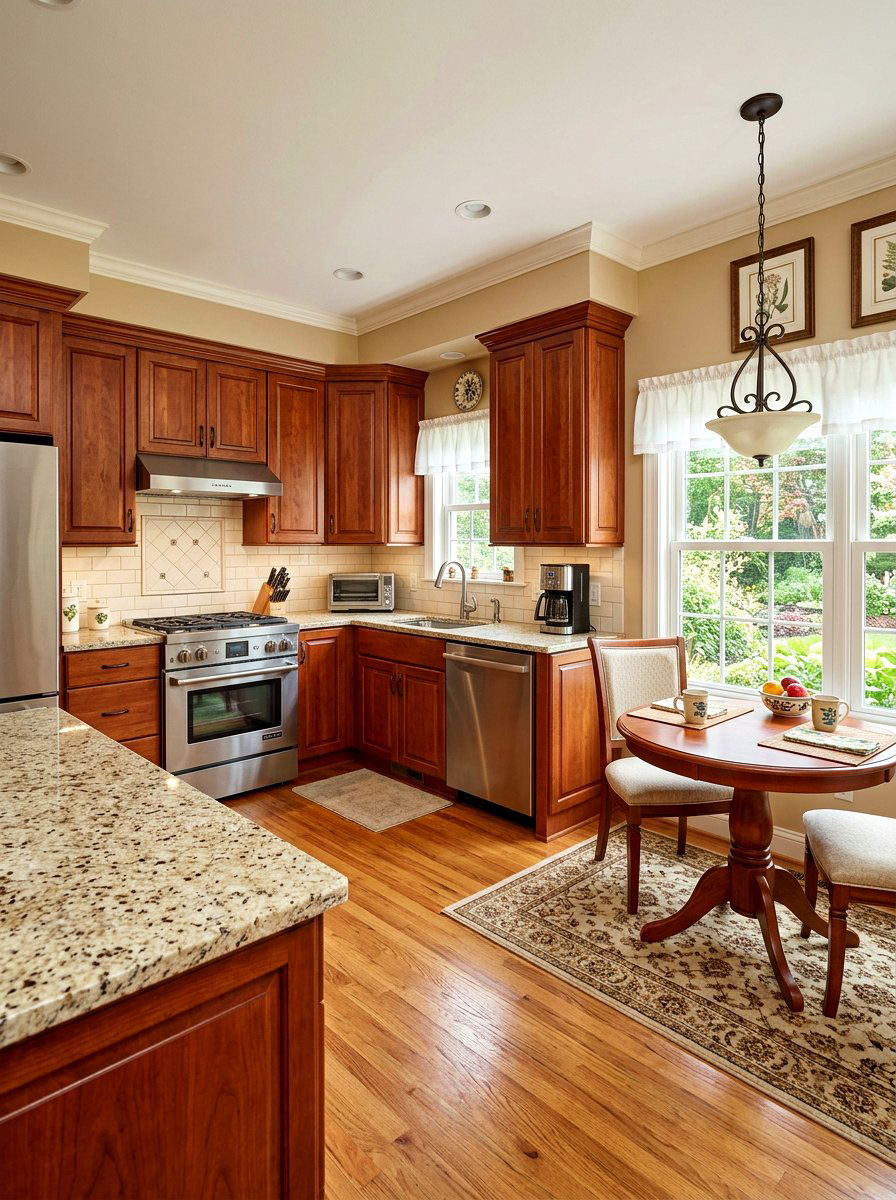
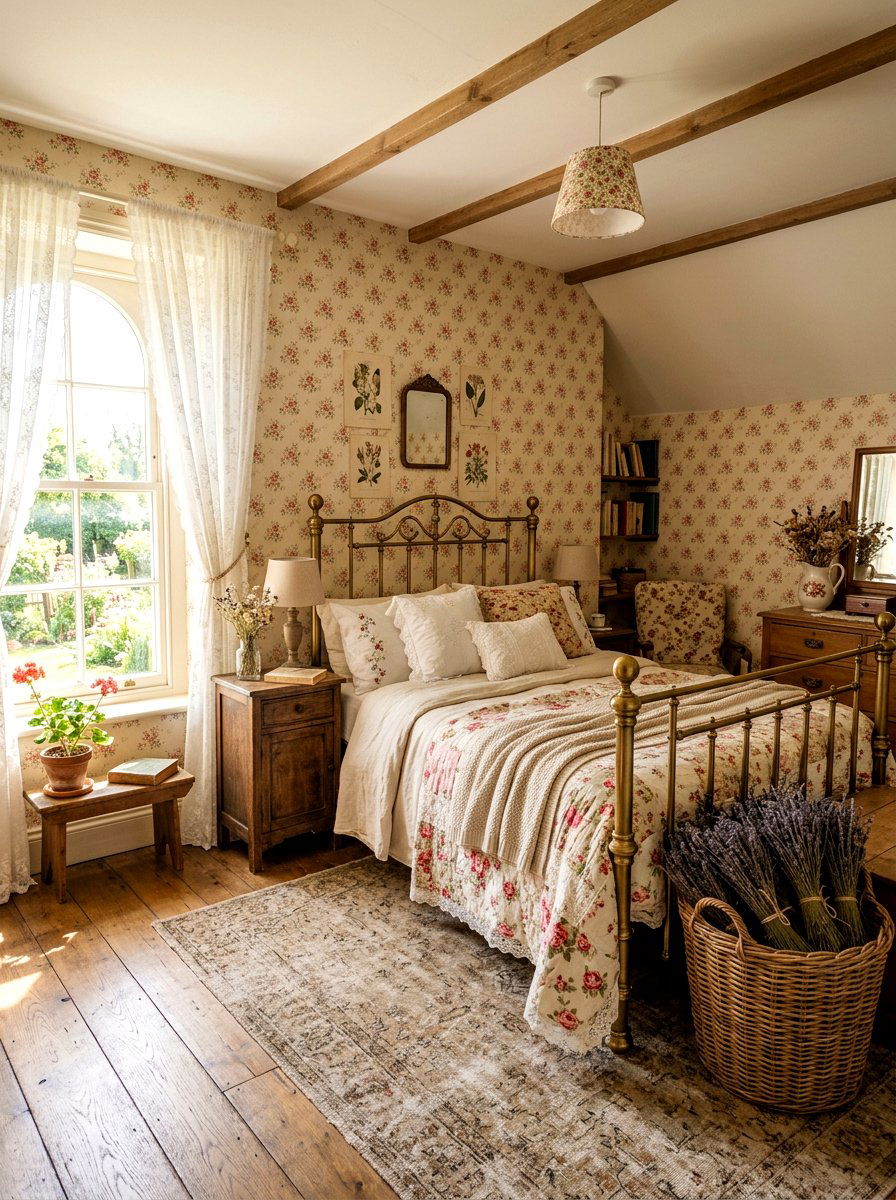
An in-law suite kitchen is designed to provide elderly parents or adult children with a sense of autonomy and independence within a shared home. This secondary kitchen should be designed with accessibility in mind, featuring lower countertops, easy-to-grasp handles, and bright task lighting. A full range of appliances, including a stove, refrigerator, and dishwasher, allows the residents to maintain their own cooking schedules and dietary preferences. Using a warm and familiar design style, such as traditional or farmhouse, can help the space feel like a true home. This thoughtful addition ensures that everyone in the multi-generational household feels comfortable and respected in their living space.
21. Basement Bar
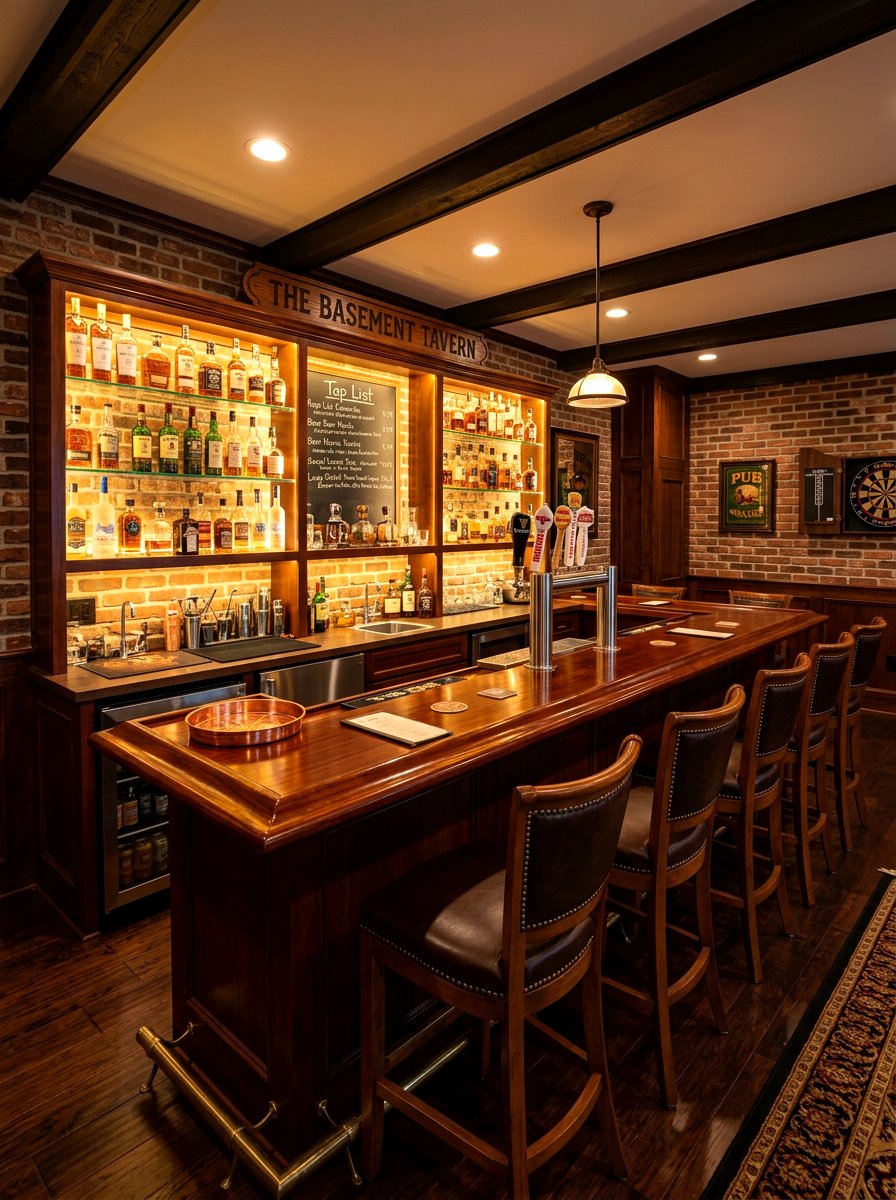
A basement bar is a fun and social secondary kitchen area that focuses on entertaining and hosting parties. This space is often designed with a pub-like atmosphere, featuring dark wood accents, leather barstools, and integrated beer taps. A small sink and a high-efficiency ice maker are essential for keeping the drinks flowing throughout the evening. Adding a glass-front wine cellar or a back-lit bottle display can create a high-end look that impresses your guests. Whether you are watching a big game or hosting a holiday party, a basement bar provides a dedicated zone for celebration and relaxation away from the main living areas of the home.
22. Game Room Kitchenette
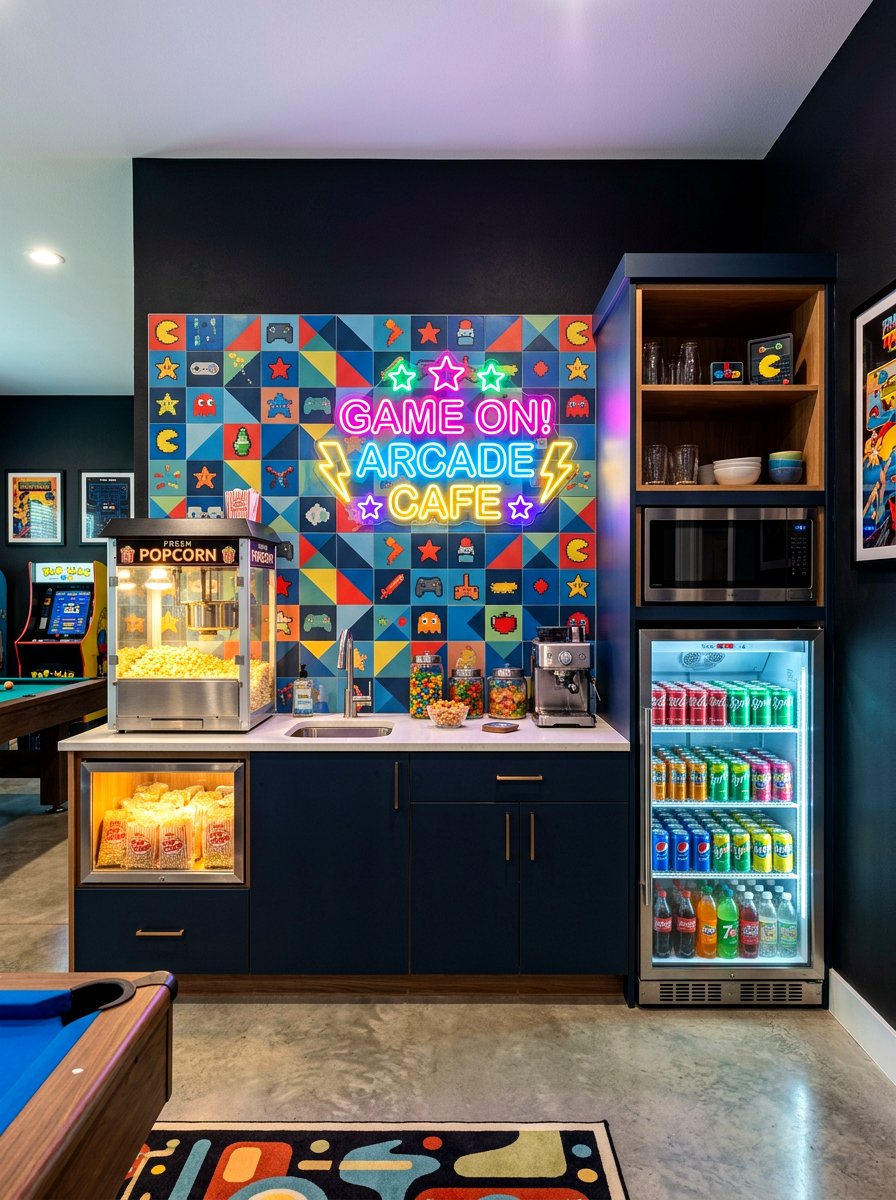
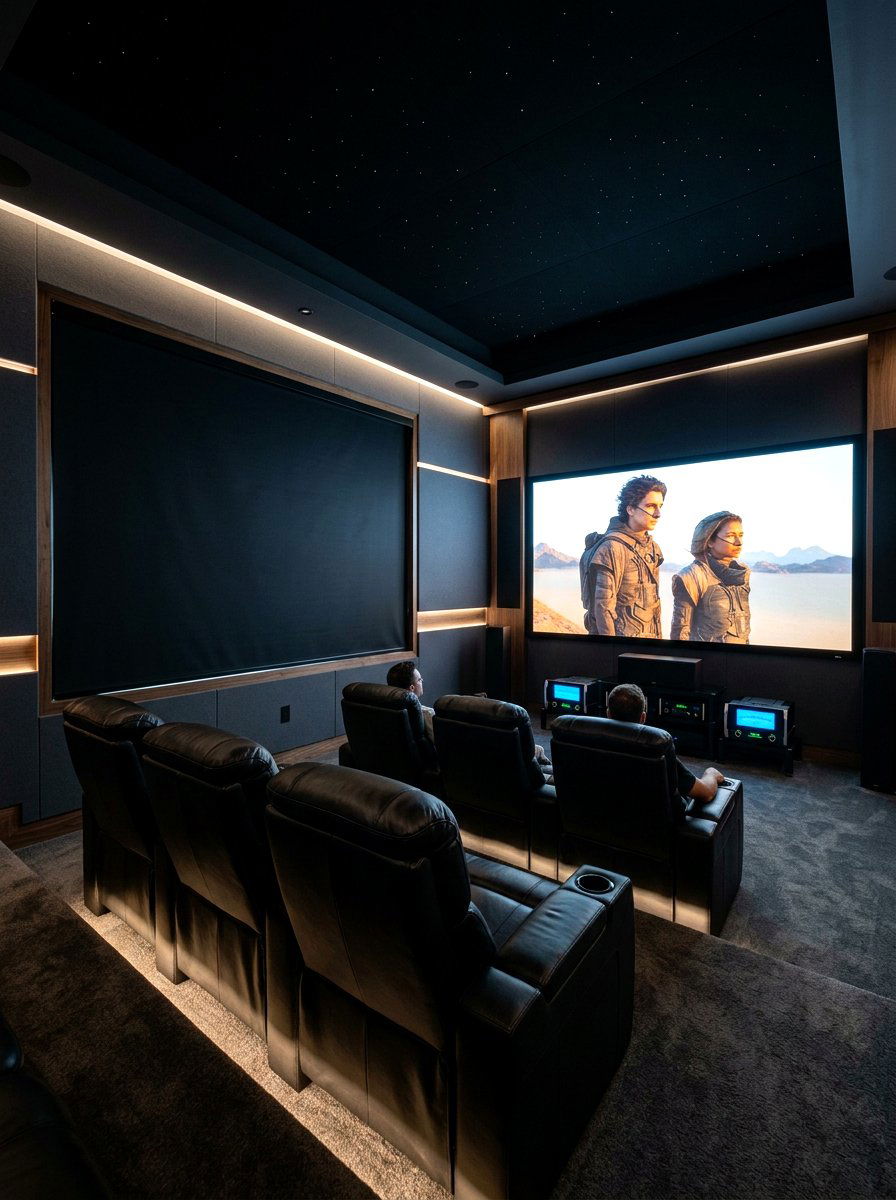
The game room kitchenette is the perfect companion for a home theater or a billiards room, providing easy access to snacks and refreshments during playtime. This secondary kitchen area usually includes a popcorn machine, a pizza oven, and a large refrigerator for sodas and water. To keep the mood light and energetic, consider using vibrant colors or fun decorative elements that match the theme of the game room. This setup prevents constant interruptions during movies or games, allowing everyone to stay immersed in the fun. It is a highly practical feature that enhances the entertainment value of your home for both kids and adults.
23. Attic Kitchenette
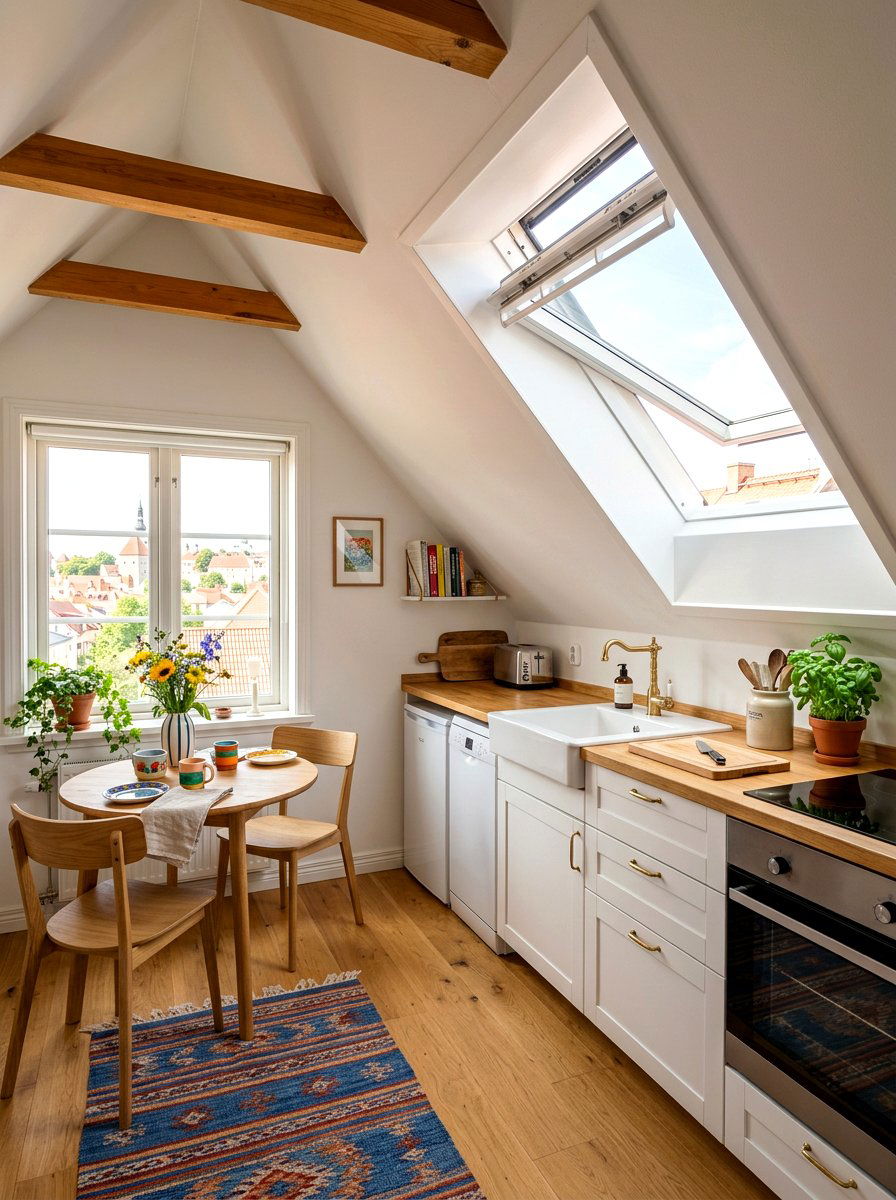
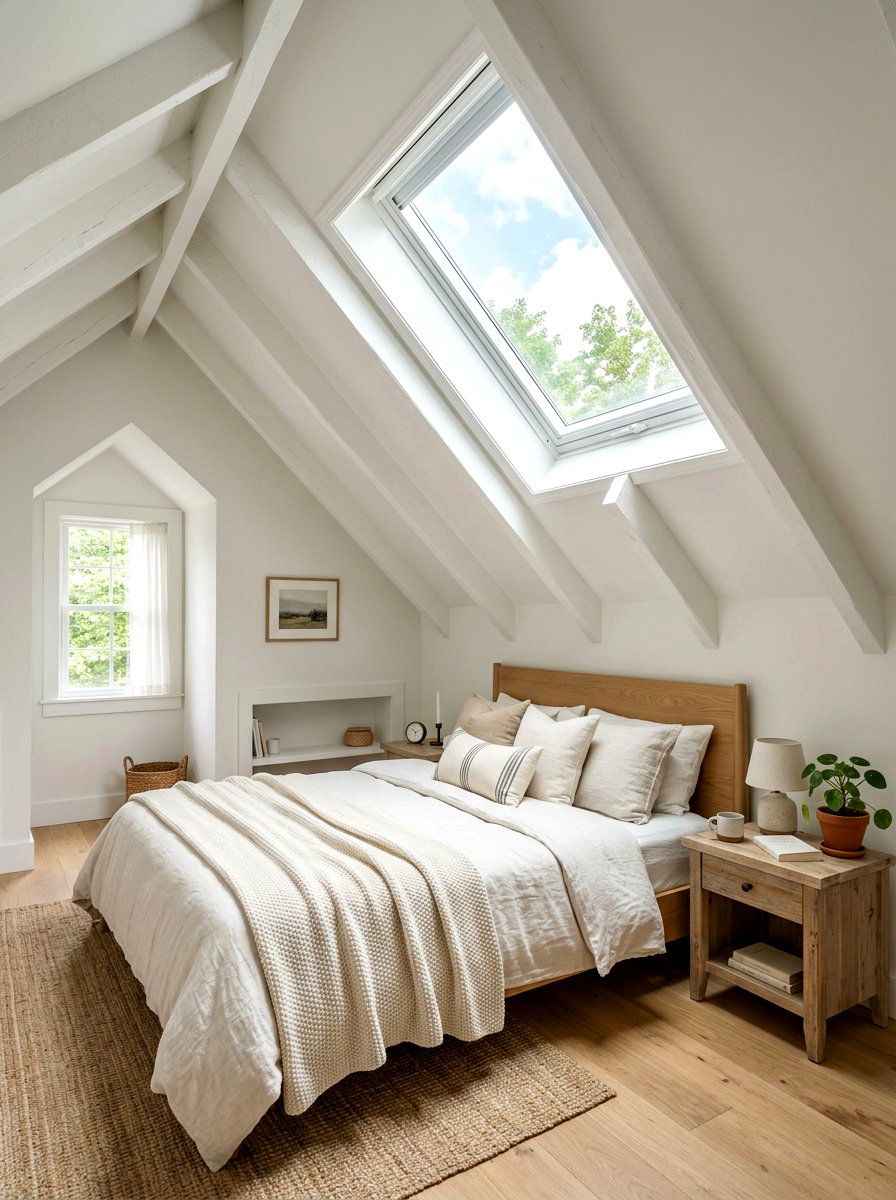
An attic kitchenette transforms a top-floor renovation into a self-contained living space, perfect for a studio or a private retreat. Because attics often have limited head height, the kitchen layout must be carefully planned with low-profile appliances and custom cabinetry. Using skylights can bring in much-needed natural light, making the small kitchen feel bright and spacious. This secondary kitchen allows the attic to serve as a guest room, a rental unit, or a quiet hobby space where you can spend hours without needing to go downstairs. It is a creative way to maximize the square footage of your home while adding significant functional value and comfort.
24. Studio Kitchen
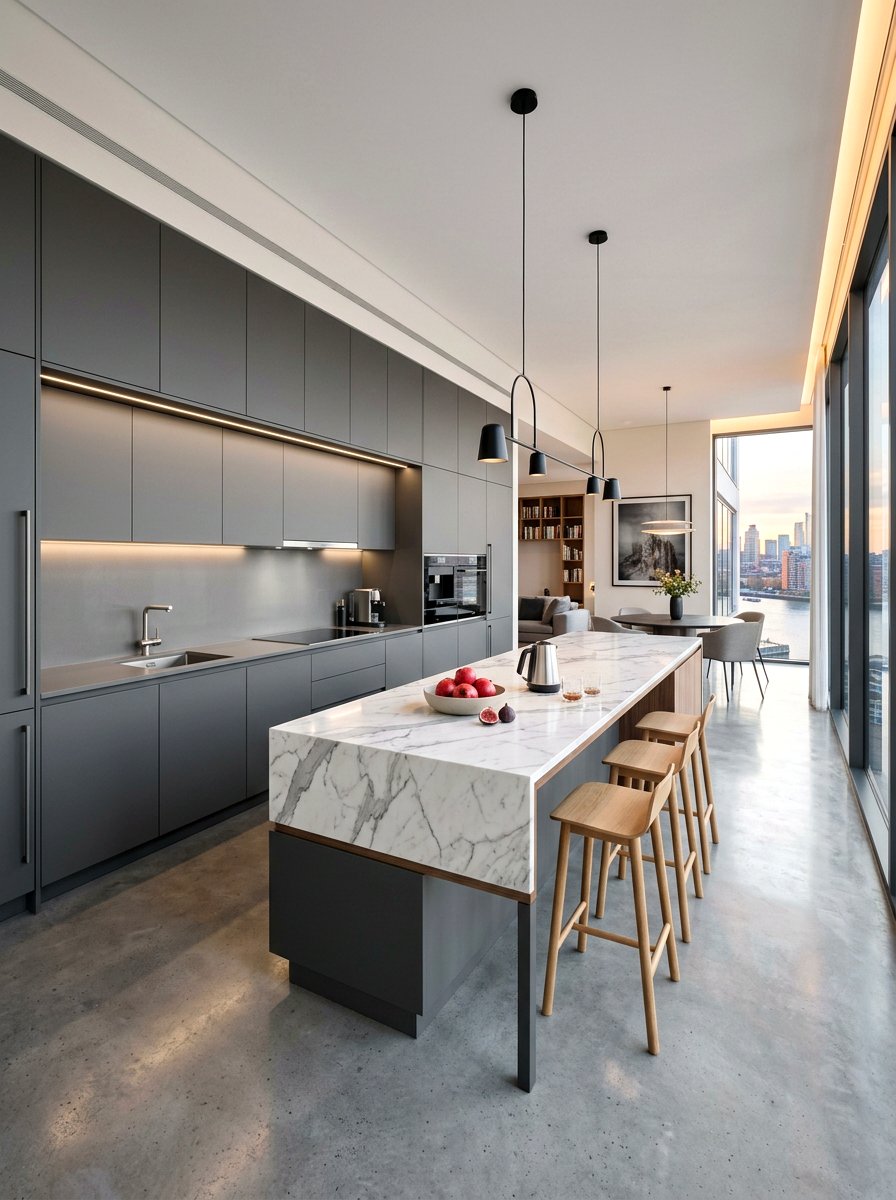
A studio kitchen is a masterclass in minimalist design, providing all the necessary cooking functions in a single, streamlined wall of cabinetry. This secondary kitchen concept is perfect for modern apartments or separate artist studios where space is extremely limited. Every element, from the integrated appliances to the hidden storage, is designed to be as unobtrusive as possible. Using high-gloss finishes and handle-less doors can make the kitchen feel like a part of the wall, maintaining a clean and spacious feel in the room. This layout ensures that you have a functional place to cook without the kitchen dominating the entire living and working area of the studio.
25. Galley Kitchenette
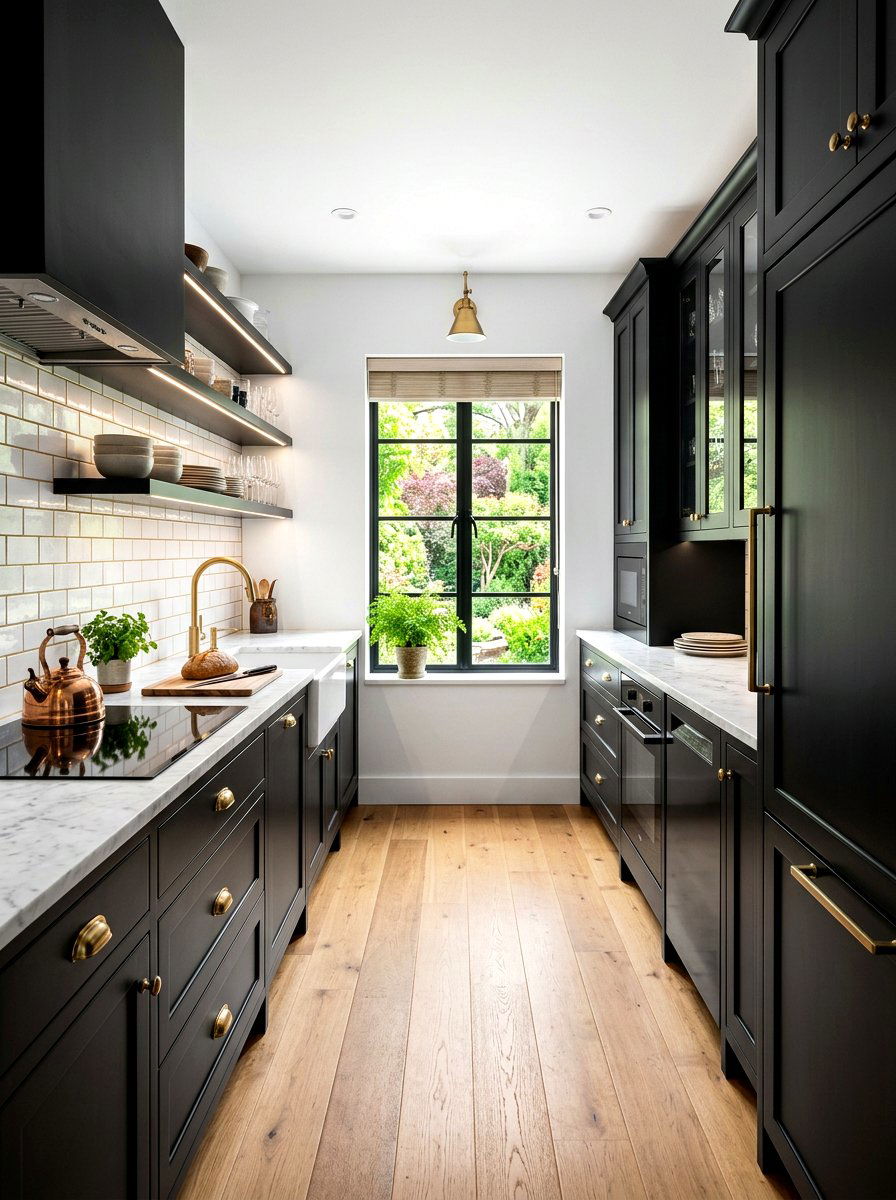
The galley kitchenette is a classic layout for secondary kitchens that prioritize efficiency and a logical workflow. Consisting of two parallel counters with a walkway in between, this design allows the cook to reach everything with minimal movement. It is an ideal solution for narrow spaces like hallways or converted porches where a larger kitchen would not fit. To prevent the space from feeling cramped, use open shelving on one side and light-colored materials throughout. This layout is highly effective for prep work or as a dedicated baking station, providing plenty of counter space for rolling out dough and organizing ingredients for your next delicious homemade creation.
26. Open Shelf Kitchenette
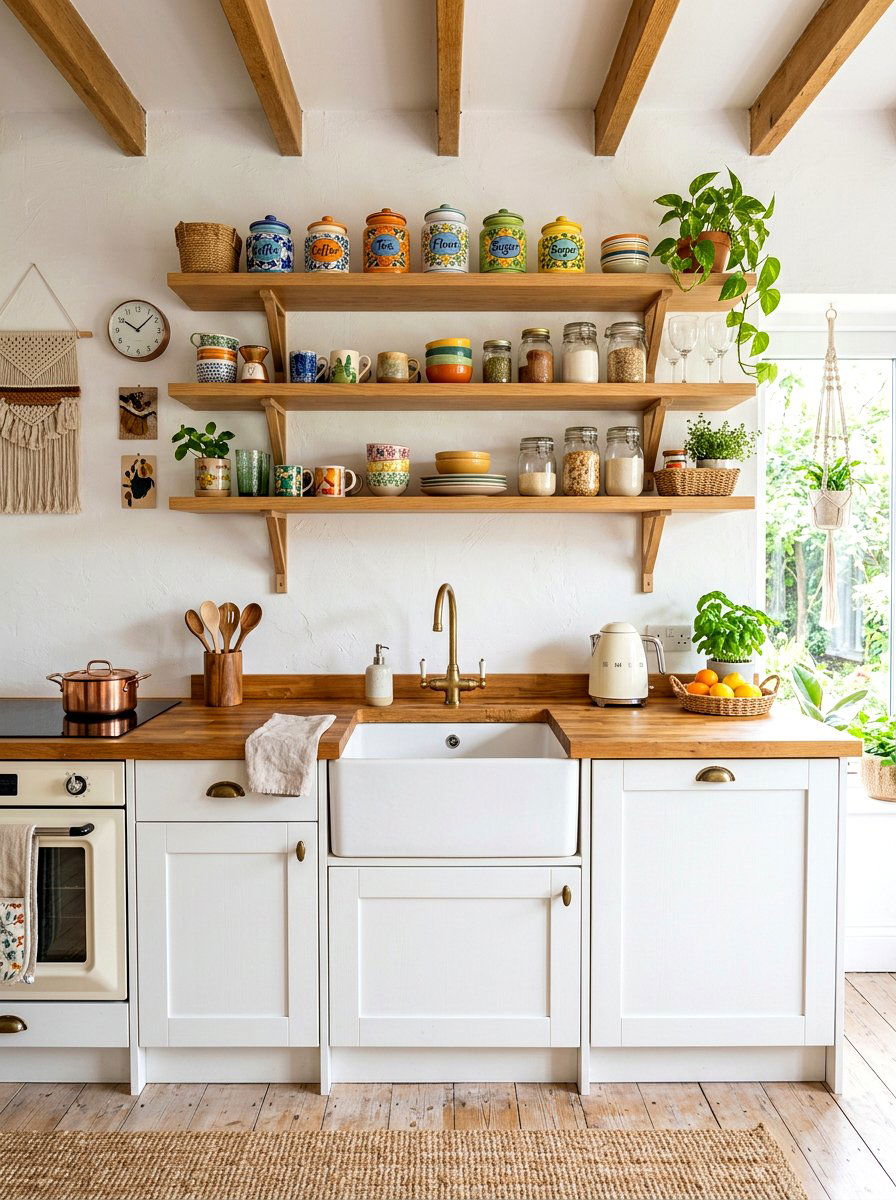
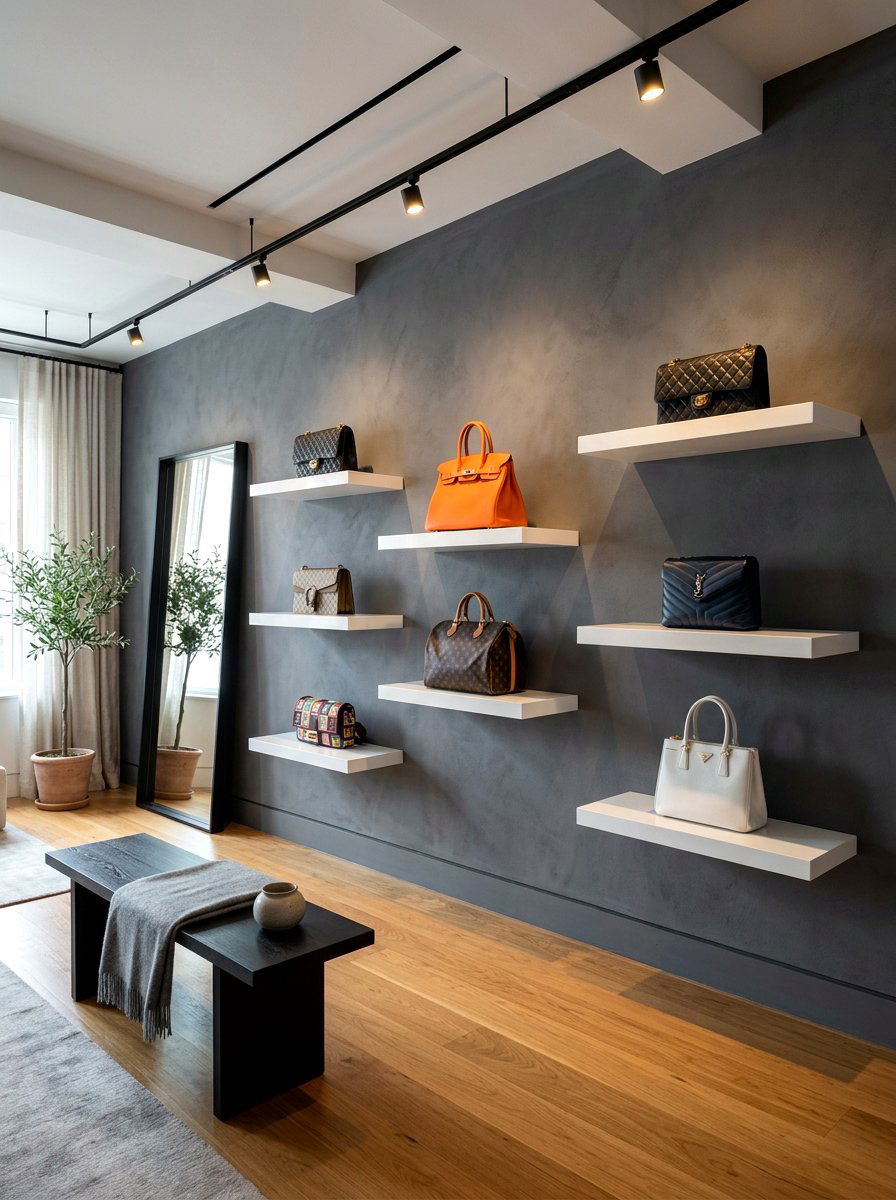
An open shelf kitchenette is a trendy and visually light secondary kitchen option that works beautifully in small spaces. By replacing bulky upper cabinets with floating shelves, the room feels much more open and airy. This design allows you to display your favorite mugs, bowls, and cookbooks, adding a personal and lived-in touch to the space. It is particularly popular for coffee stations or guest kitchenettes where you want items to be easily accessible and visible to visitors. Using high-quality wood or metal brackets for the shelves can add a stylish architectural element that complements the overall decor and theme of the home.
27. Modern Kitchenette
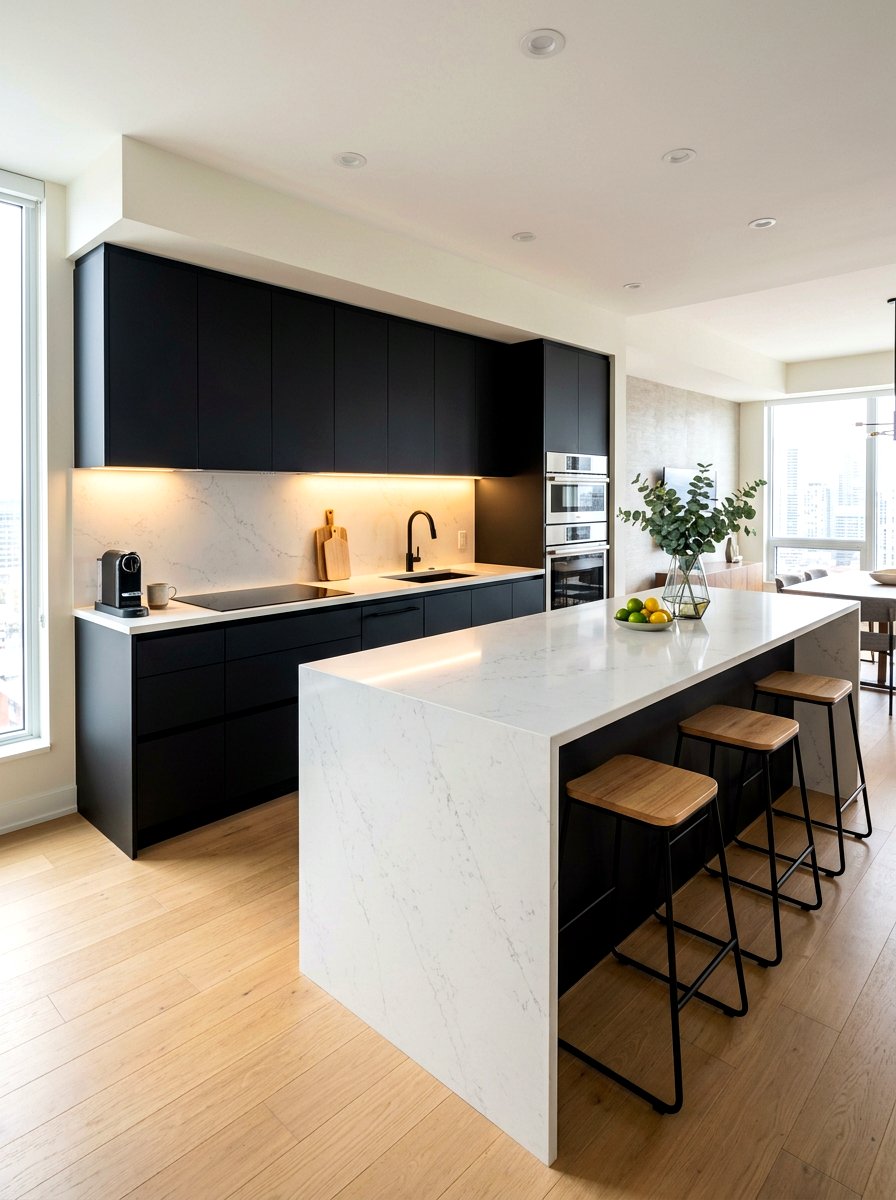
A modern kitchenette focuses on clean lines, high-tech appliances, and a sophisticated color palette of grays, blacks, and whites. This secondary kitchen style is perfect for contemporary homes where a sleek and polished look is desired. Features like induction cooktops, touch-activated faucets, and integrated LED lighting make the kitchen feel cutting-edge and efficient. The use of premium materials like marble, matte-finish cabinets, and glass backsplashes adds a layer of luxury to the small space. This design is ideal for a high-end home office or a sophisticated basement lounge, providing a functional area that looks as good as it performs for your daily needs.
28. Farmhouse Kitchenette
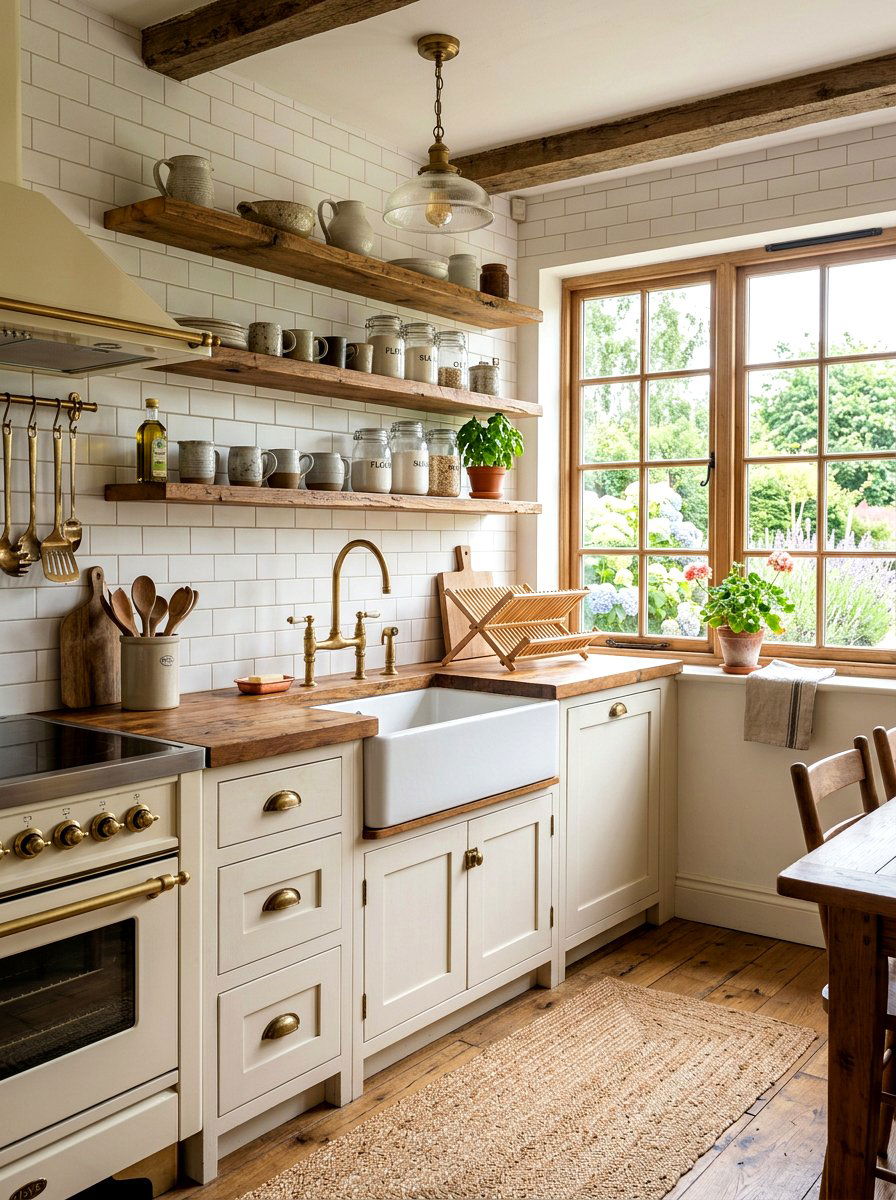
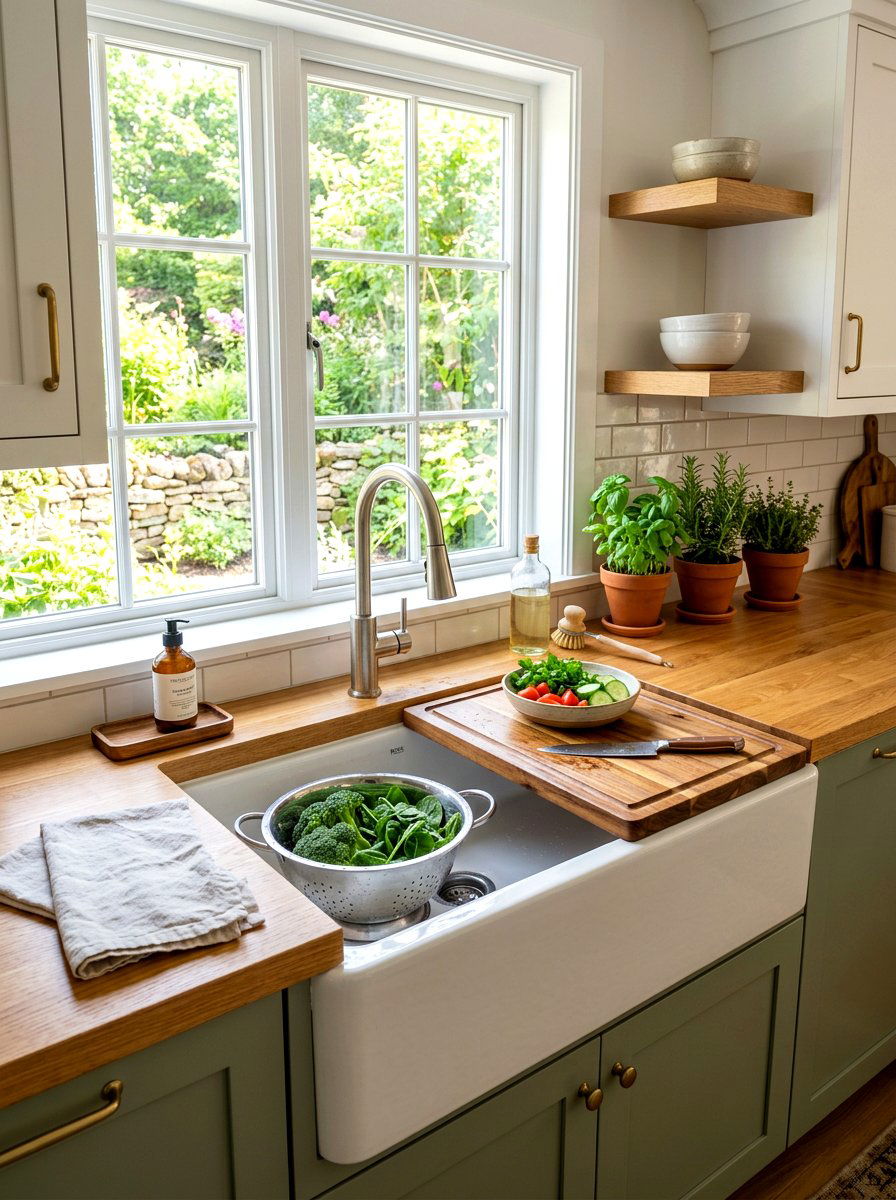
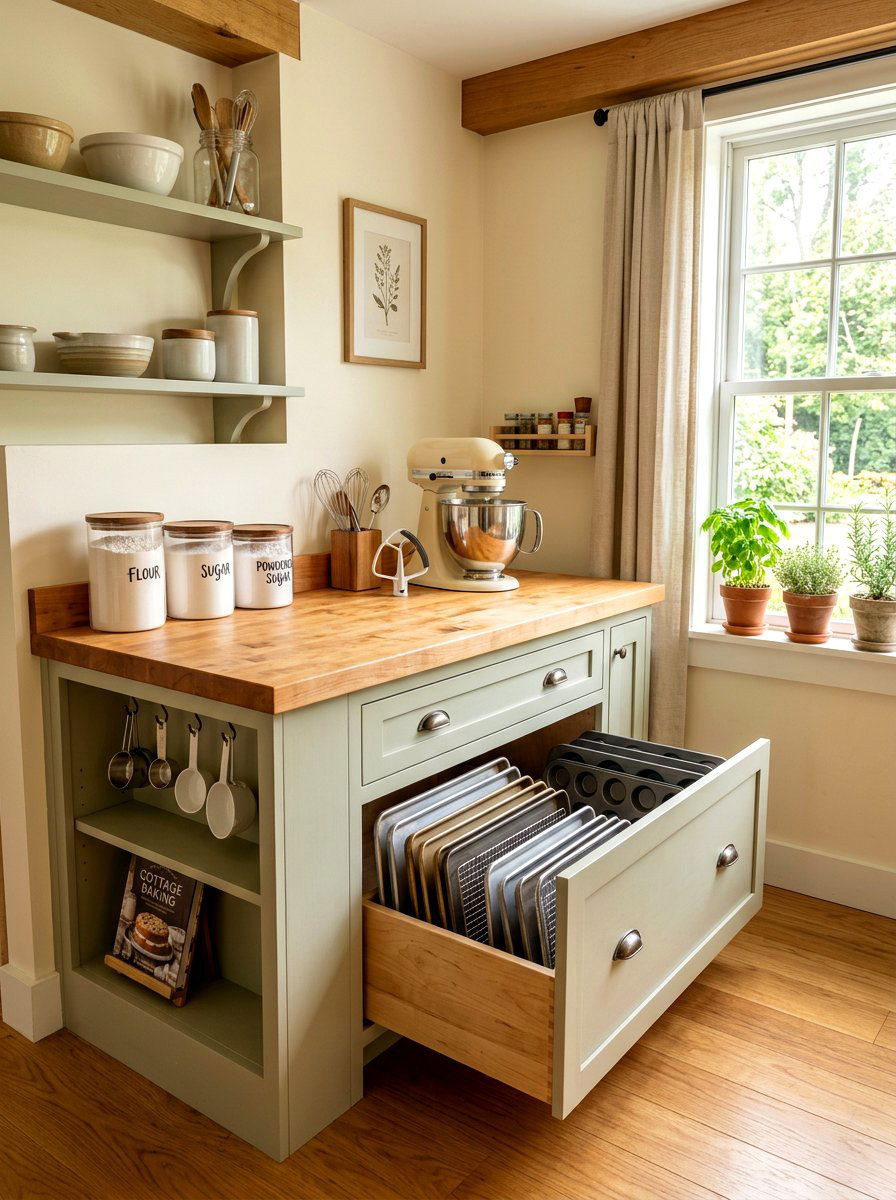
The farmhouse kitchenette brings warmth and rustic charm to a secondary living area, using natural materials and vintage-inspired details. Key elements include a white fireclay farmhouse sink, shaker-style cabinetry, and reclaimed wood accents. This style is perfect for a cozy guest cottage or a mudroom where you want to create a welcoming and homey atmosphere. Adding a pot rack or a small herb garden in the window can enhance the traditional feel of the kitchen. Despite its old-world look, a farmhouse kitchenette can still be equipped with modern appliances that are discreetly integrated into the cabinetry, ensuring a perfect balance of style and functionality.
29. Compact Kitchen
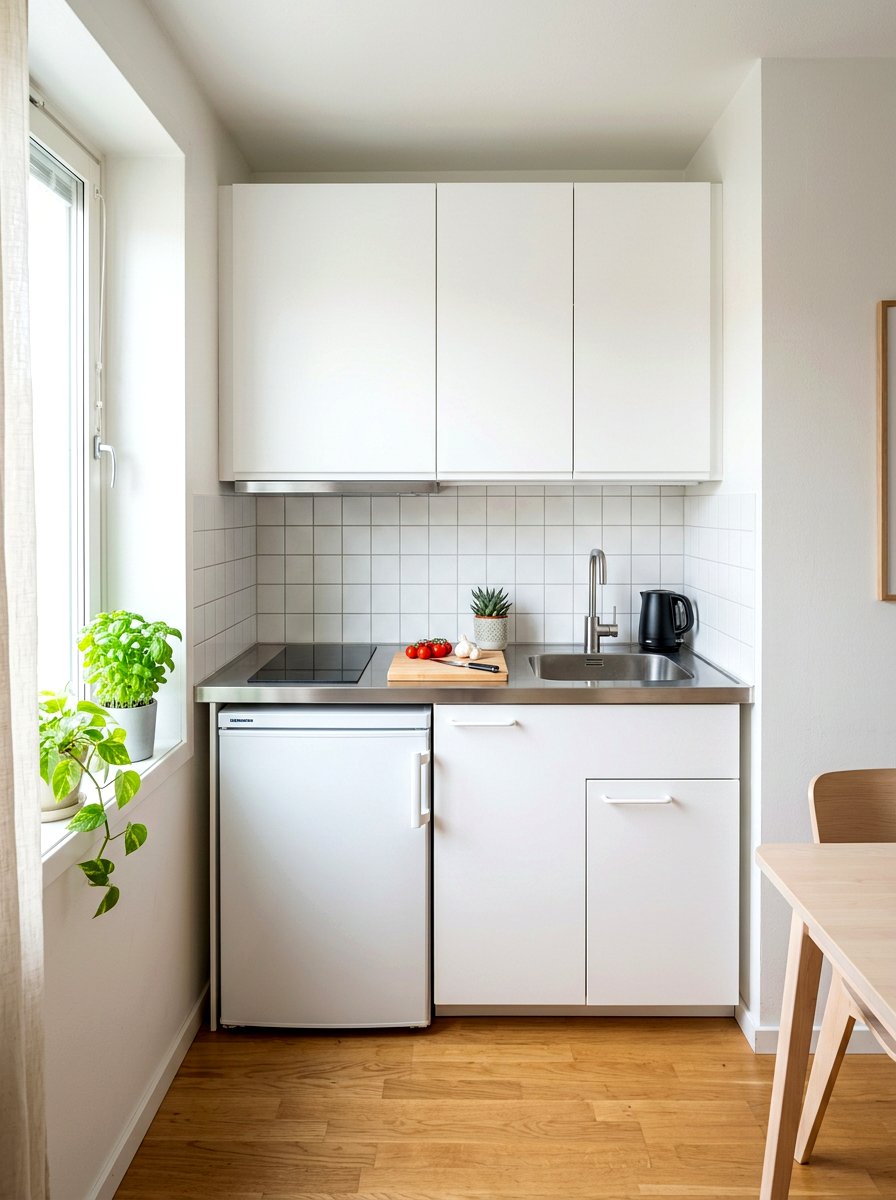
A compact kitchen is designed for extreme efficiency, often fitting into a space no larger than a standard closet. This secondary kitchen concept uses specialized "all-in-one" units that combine a sink, stove, and refrigerator into a single piece of furniture. It is the perfect solution for a tiny guest room or an office where you only need the most basic kitchen functions. Using bright colors and clever lighting can help the compact space feel more inviting and less utility-focused. This design proves that even the smallest nook can be transformed into a useful and stylish area that provides immense convenience for the homeowner and guests.
30. Luxury Scullery
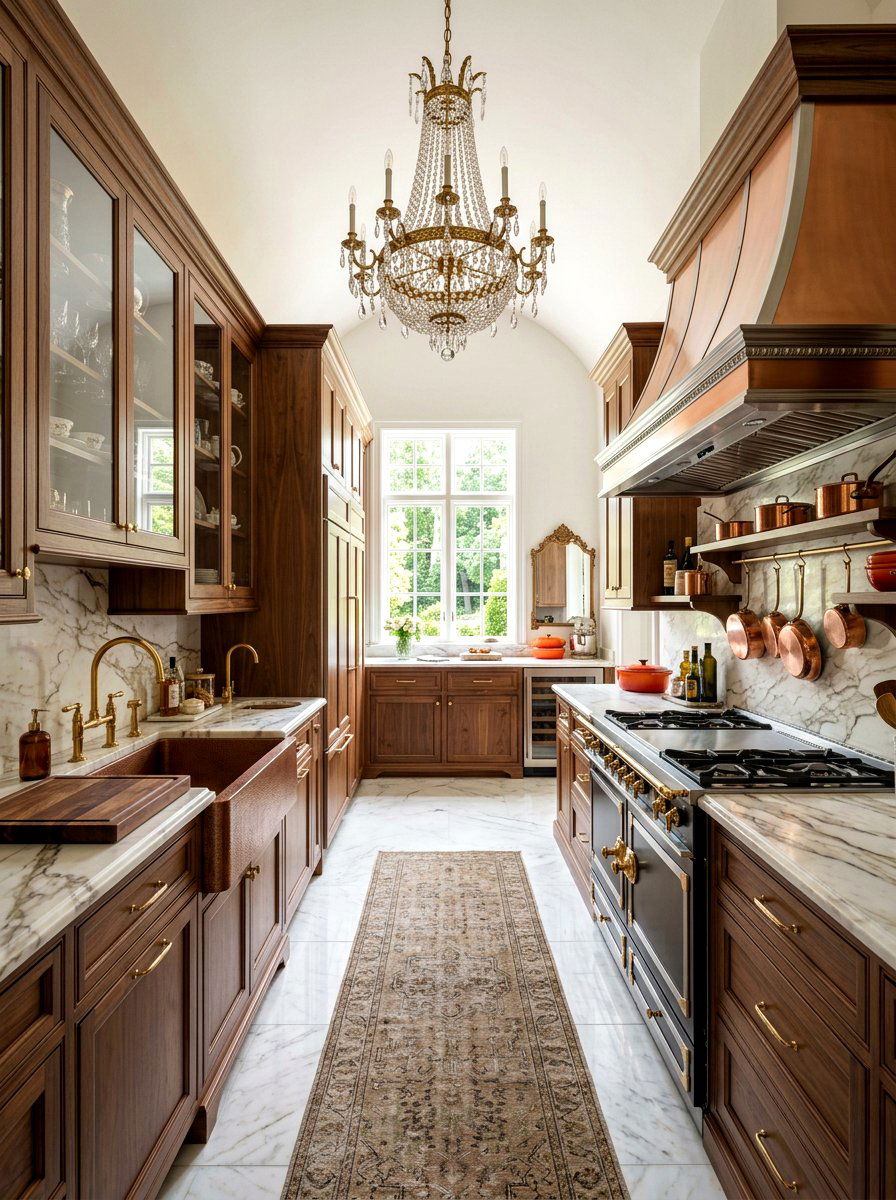
A luxury scullery is the pinnacle of secondary kitchen design, offering a high-end workspace that rivals the primary kitchen in quality and beauty. This space often features custom-built cabinetry, premium stone countertops, and top-of-the-line appliances from brands like Sub-Zero or Wolf. It may include specialized zones for wine storage, a secondary pantry for fine ingredients, and even a dedicated flower-arranging station. The design is meant to be as beautiful as it is functional, often featuring exquisite light fixtures and ornate hardware. This ultimate second kitchen ensures that the main house remains a tranquil and elegant space, while all the intensive culinary work happens in a private, luxurious environment.
Conclusion:
Investing in a second kitchen is a transformative decision that brings unparalleled organization and convenience to your daily life. Whether you choose a hidden scullery for heavy prep or a charming basement kitchenette for family movie nights, these spaces allow your home to adapt to various needs and social scenarios. By carefully planning the layout and selecting materials that complement your existing decor, you can create a secondary culinary zone that is both beautiful and highly functional. A well-designed second kitchen not only improves your current living experience but also serves as a high-value asset that appeals to future homebuyers who prioritize modern efficiency.

Related posts: