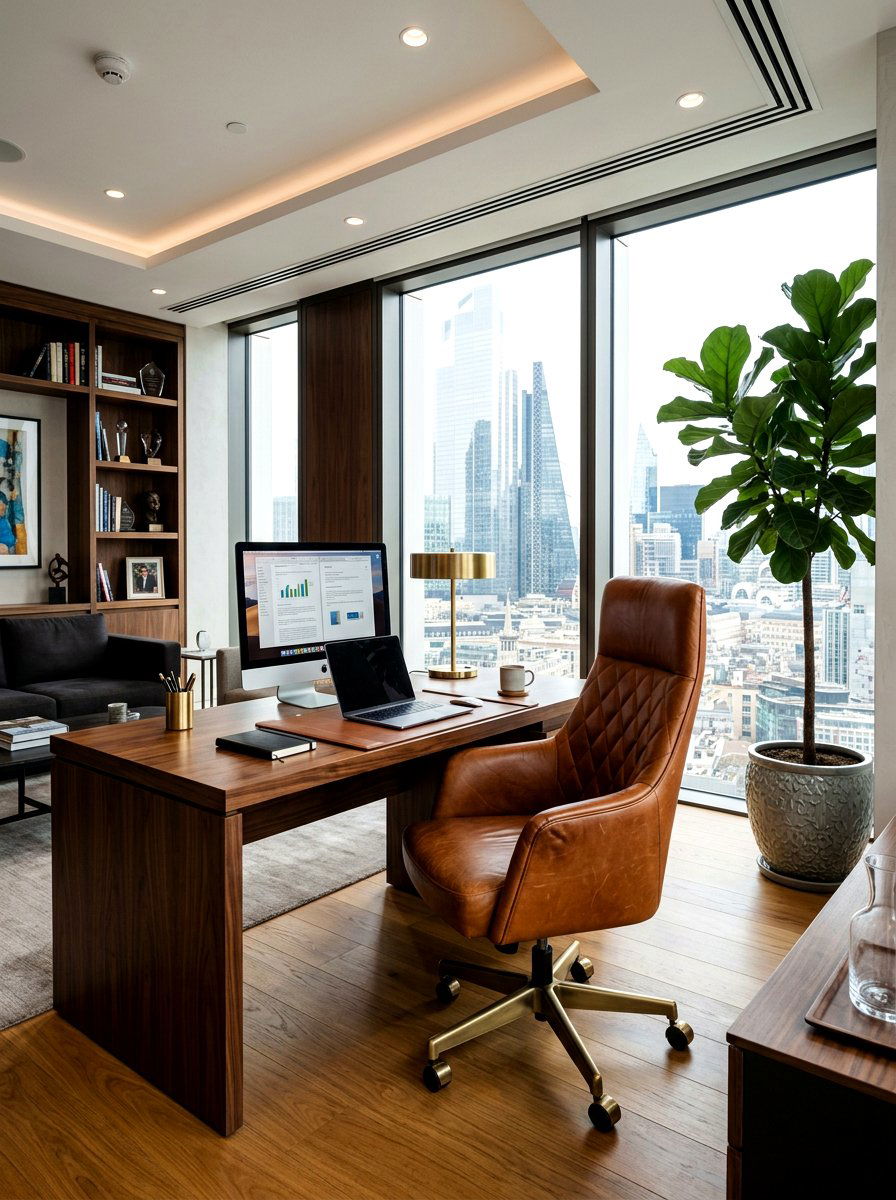
Creating a beautiful home starts with finding the right balance between comfort and style, and nothing achieves this better than a transitional living room. This design aesthetic bridges the gap between traditional elegance and modern simplicity, making it a timeless choice for any homeowner. By blending classic silhouettes with clean lines, you can create a space that feels both sophisticated and incredibly inviting. People love this style on Pinterest because it offers endless versatility for layering textures and neutral colors without feeling too stiff or overly sterile. Whether you want to refresh your current setup or start from scratch, understanding the core elements of this hybrid look will help you build a functional yet stunning sanctuary for your family.
1. Neutral Transitional Living Room
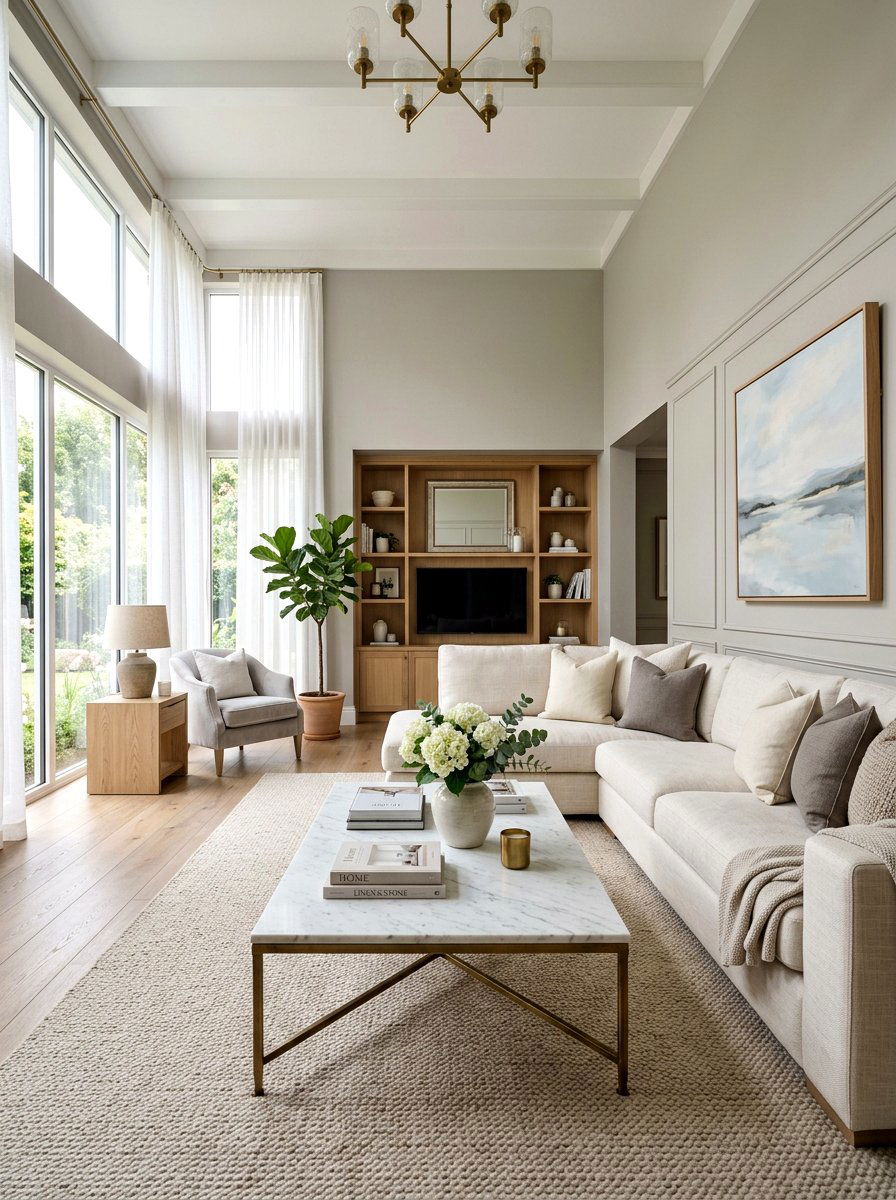
A neutral transitional living room serves as the perfect foundation for a timeless and calming home environment. By focusing on a palette of soft beiges, warm whites, and subtle greys, you create a cohesive space that feels airy and expansive. The key is to incorporate various textures to prevent the monochrome look from feeling flat or uninteresting. Imagine plush linen sofas paired with smooth marble coffee tables and soft wool rugs underfoot. This layered approach adds visual depth while maintaining a serene atmosphere that is perfect for relaxing after a long day. Natural light plays a vital role in highlighting these soft tones, making the entire room glow with a welcoming and sophisticated energy that never goes out of style.
2. Modern Transitional Living Room
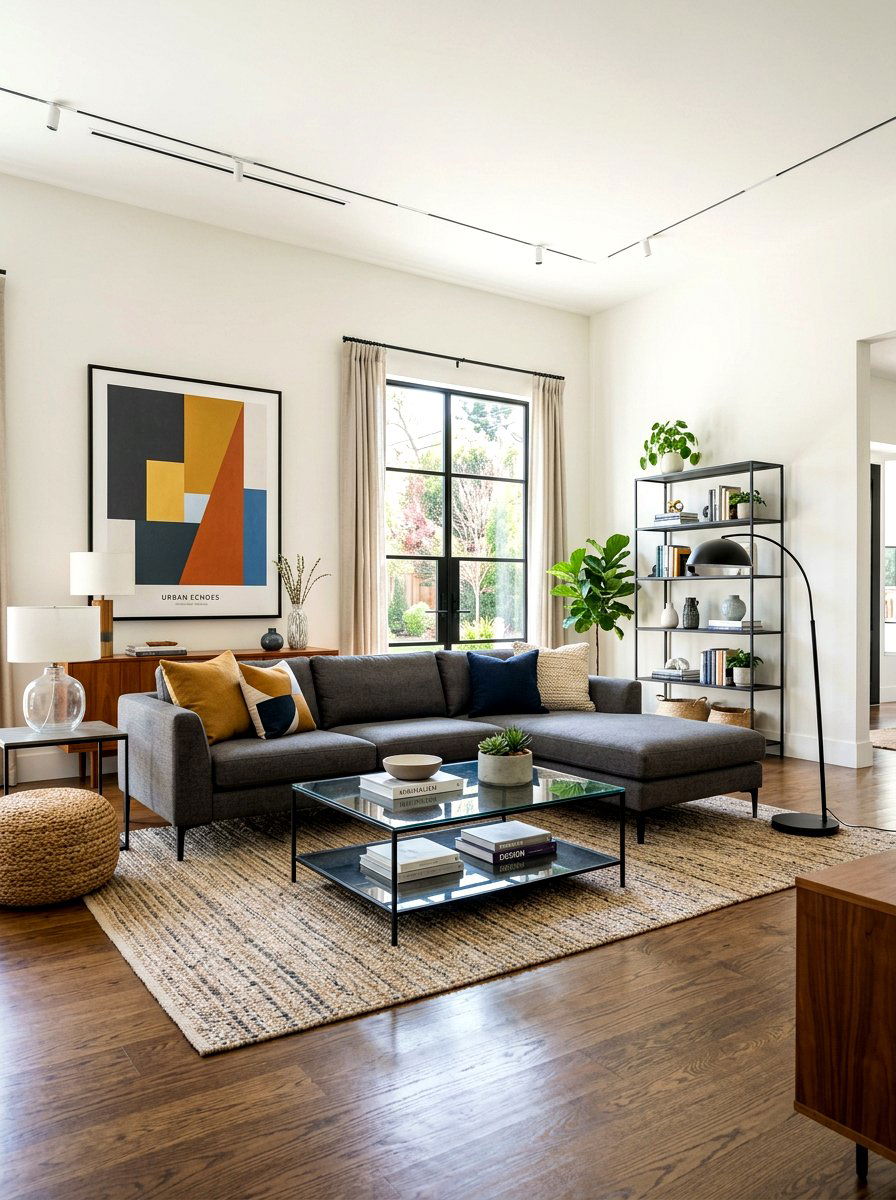
The modern transitional living room focuses on sleeker lines and more contemporary finishes while retaining the core comfort of traditional layouts. This style often features furniture with low profiles and sharp angles, yet it avoids the coldness of strict minimalism by including soft upholstery and warm lighting. You might see black metal accents on shelving units or light fixtures that provide a striking contrast against lighter walls and furniture. Integrating technology seamlessly, such as a hidden television or smart lighting, ensures the space remains functional for modern living. By balancing these updated elements with classic touches like a soft area rug, you achieve a trendy look that still feels like a cozy home for everyone to enjoy together.
3. Classic Transitional Living Room
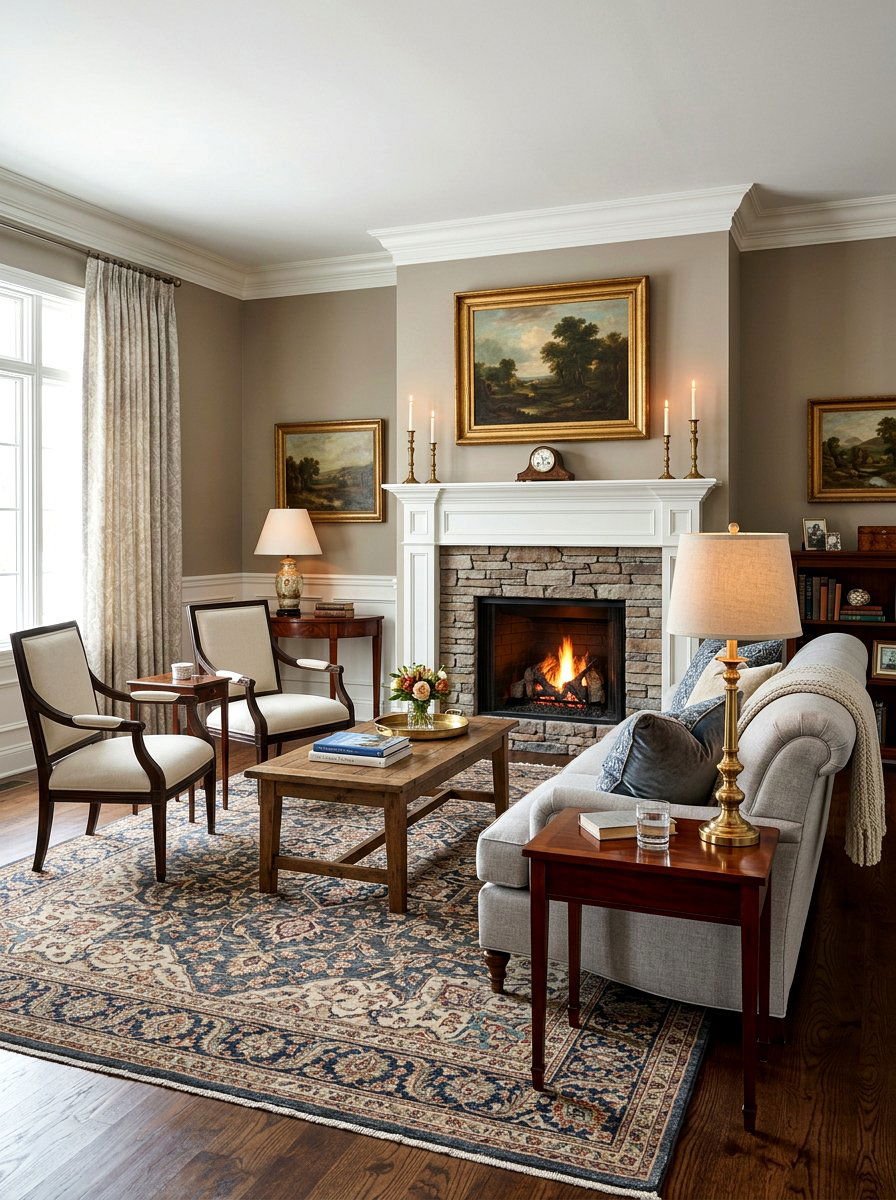
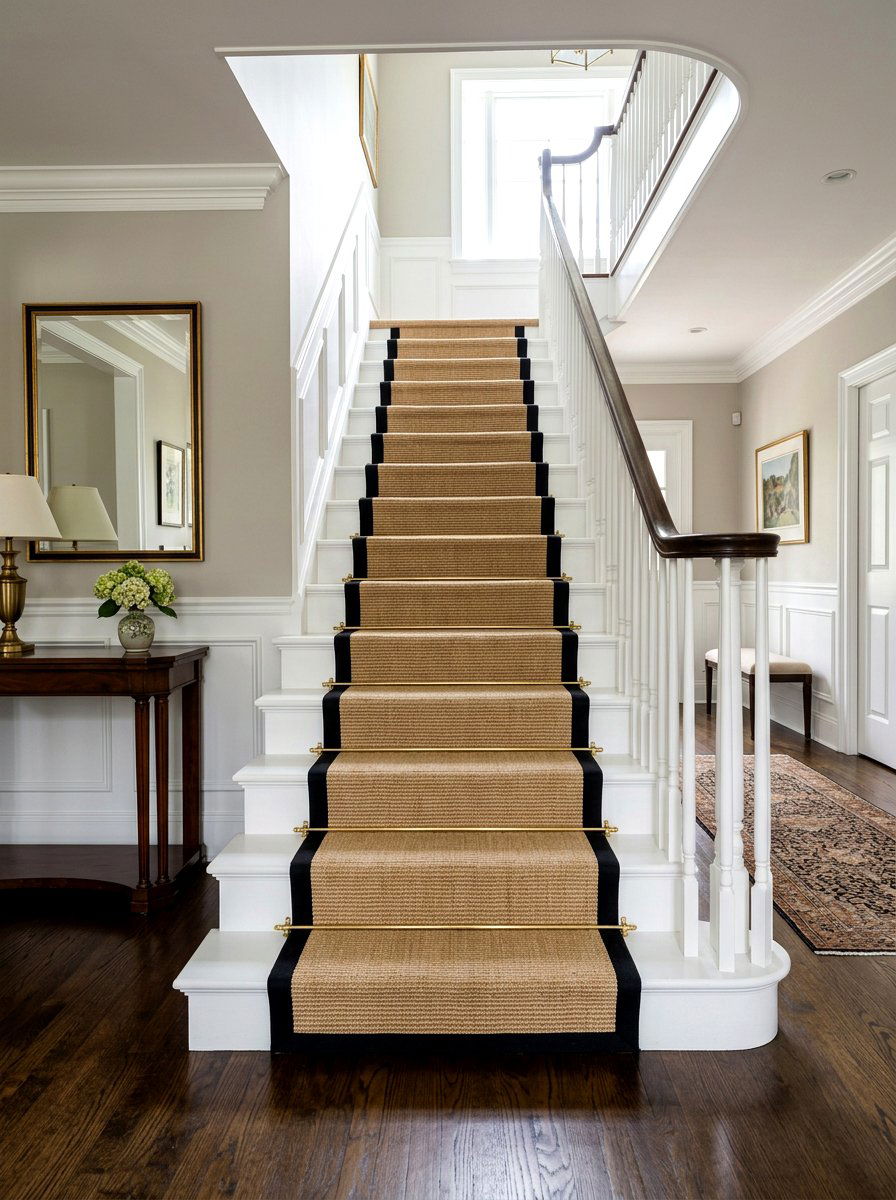
A classic transitional living room emphasizes timeless beauty by leaning slightly more toward traditional roots while stripping away excessive ornamentation. This look often includes sophisticated architectural details like crown molding or wainscoting that provide a structured backdrop for more modern furniture. You might choose a traditional rolled-arm sofa but upholster it in a contemporary performance fabric for a fresh update. The inclusion of vintage-inspired artwork alongside sleek glass end tables creates a curated feel that suggests the room was put together over many years. This approach results in a space that feels incredibly stable and permanent, offering a sense of history and heritage without feeling dated or overly formal for everyday family life.
4. Coastal Transitional Living Room
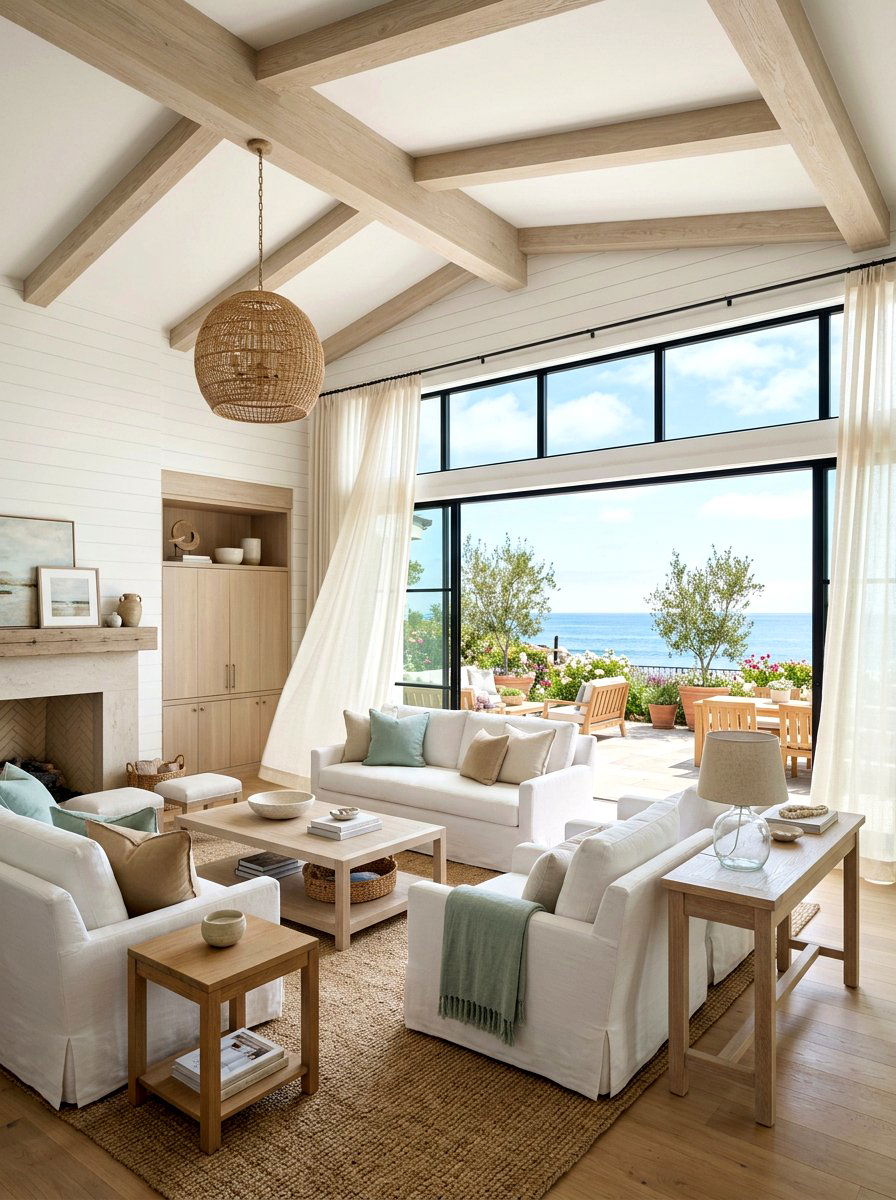
Bringing the beach indoors is easy with a coastal transitional living room that emphasizes light, air, and natural materials. This specific theme uses a base of crisp whites and sandy tans, often accented with soft seafoam greens or watery blues. Instead of literal nautical decor, the transitional approach relies on textures like seagrass rugs, rattan chairs, and light-washed wood finishes to suggest a seaside location. Large windows are left largely unobstructed to let in maximum sunlight, while comfortable slipcovered seating provides a relaxed vibe. The overall effect is a space that feels breezy and uncomplicated, perfect for those who want their home to feel like a permanent vacation spot while maintaining a clean and polished appearance.
5. Farmhouse Transitional Living Room
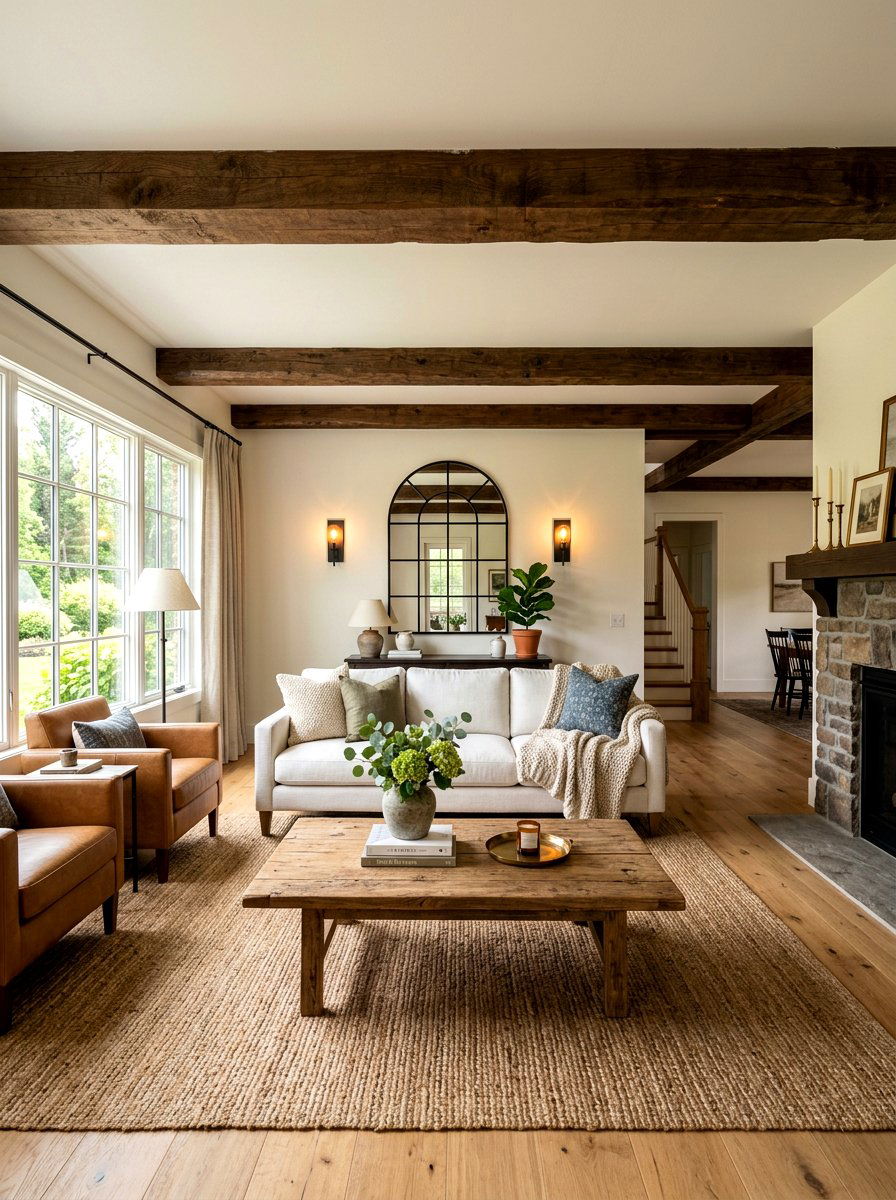
The farmhouse transitional living room combines the rustic charm of country living with the polished sophistication of urban design. This look typically features reclaimed wood elements, such as a heavy timber coffee table or exposed ceiling beams, balanced by clean-lined sofas and elegant light fixtures. Metal accents in matte black or aged brass help bridge the gap between old and new styles. By keeping the color palette restricted to warm neutrals and charcoals, you avoid the cluttered feel sometimes associated with traditional country decor. This style is highly popular because it feels exceptionally durable and family-friendly while still looking organized and stylish enough for hosting guests or displaying beautiful seasonal decorations throughout the year.
6. Minimalist Transitional Living Room
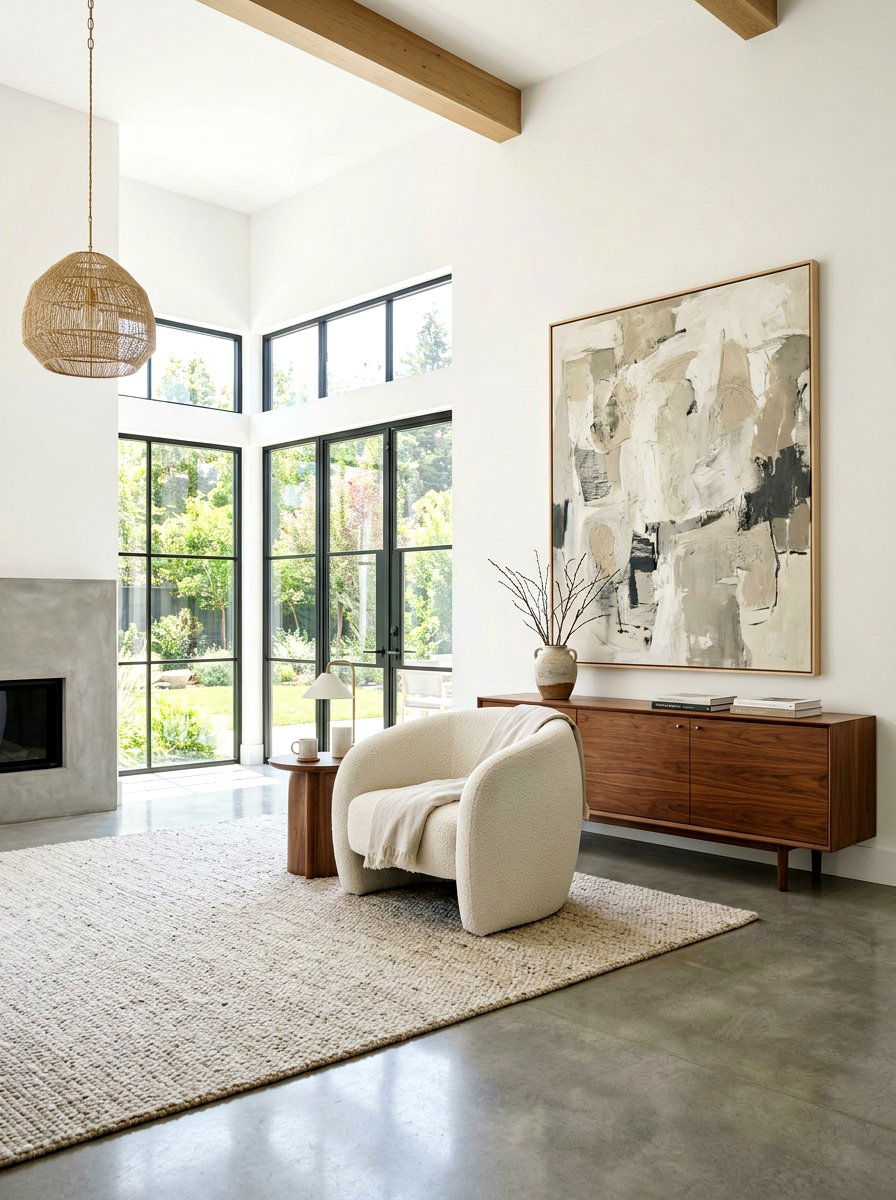
A minimalist transitional living room is perfect for those who crave a clutter-free environment but find modern minimalism a bit too stark. This style focuses on a few high-quality statement pieces rather than filling the space with many small items. You might see a single, oversized sculptural armchair or a large-scale abstract painting that anchors the room. The furniture typically features very clean silhouettes, but the materials used are tactile and warm, such as bouclé fabrics or smooth walnut wood. By carefully curating every element, you create a sense of calm and intentionality. The absence of excess allows the architectural beauty of the room and the quality of the selected furniture to truly shine in a quiet, sophisticated way.
7. Moody Transitional Living Room
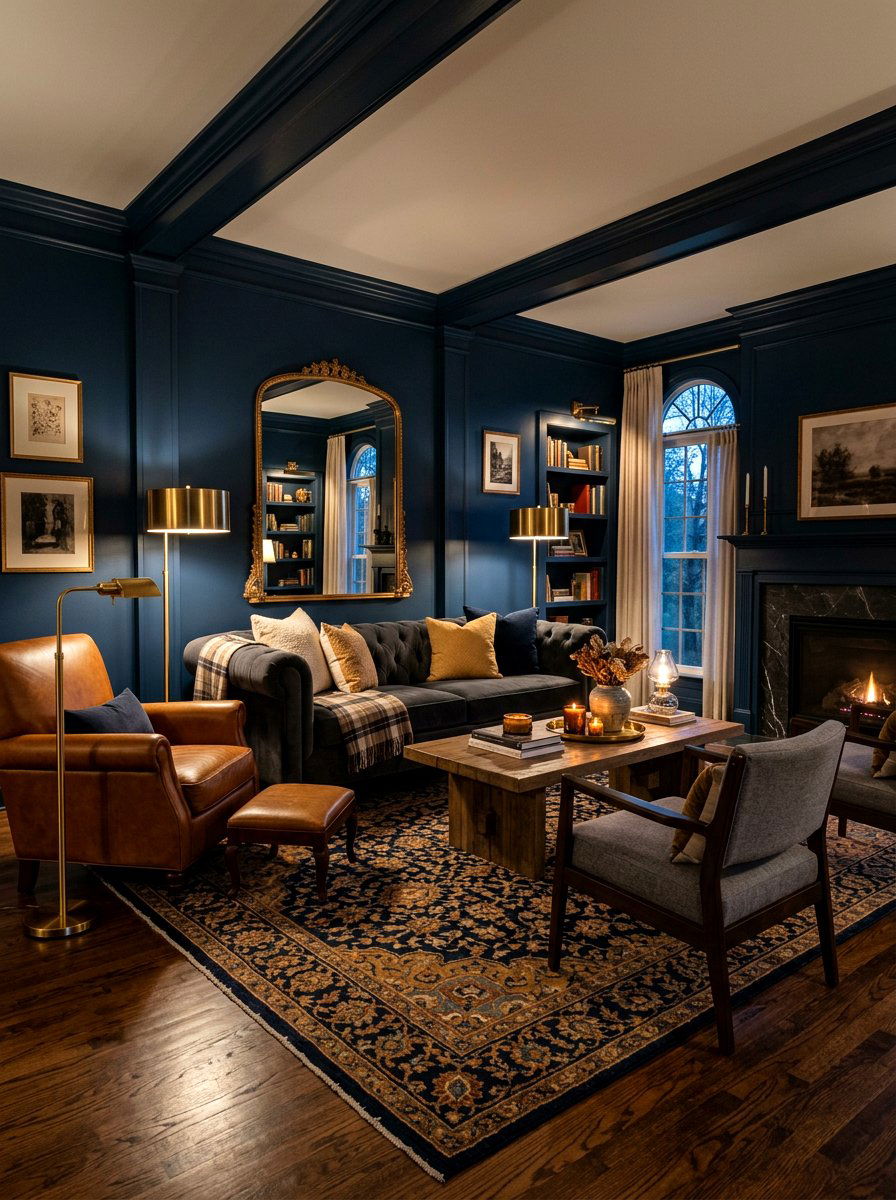
The moody transitional living room utilizes deeper color palettes to create a sense of drama and intimacy within the home. Instead of the typical bright whites, this style leans into charcoal greys, navy blues, or forest greens for the walls and large furniture. To keep the space from feeling too dark, you must incorporate reflective surfaces like mirrors, glass, and polished metallic hardware. Warm wood tones and soft ambient lighting also help to balance the intensity of the darker hues. This design is ideal for evening relaxation or cozy gatherings, providing a cocoon-like feel that is both incredibly luxurious and deeply comforting. It represents a bold departure from standard neutrals while maintaining a refined and timeless overall aesthetic.
8. Rustic Transitional Living Room
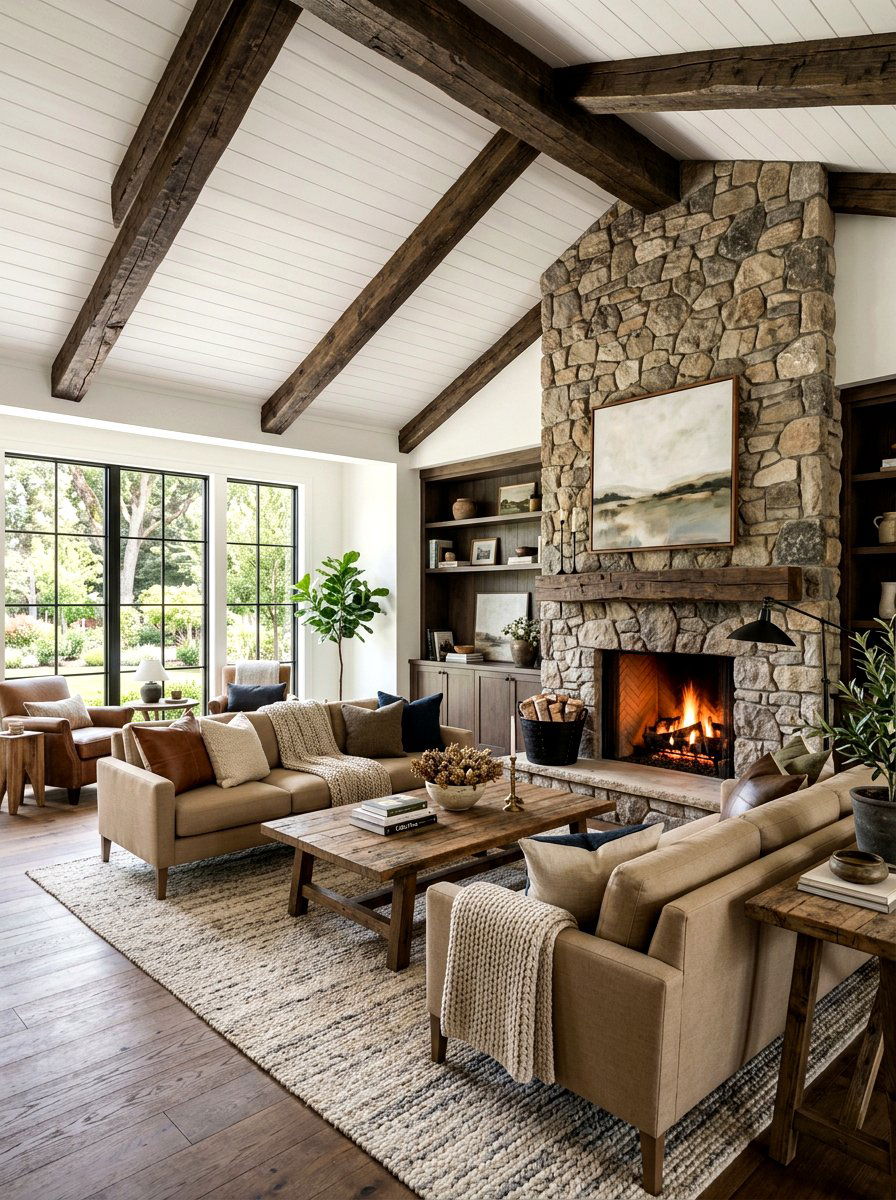
Blending unrefined natural elements with sophisticated finishes defines the rustic transitional living room. This approach often showcases raw materials like stone, brick, or rough-hewn wood alongside velvet pillows and sleek metal lamps. A large stone fireplace might serve as the focal point, surrounded by modern upholstered seating in neutral tones. The contrast between the rugged textures and the smooth, clean lines of the furniture creates a dynamic visual interest that feels grounded and authentic. It is a wonderful way to bring a touch of the outdoors inside without sacrificing the comforts of a modern home. This style feels lived-in and warm, making it an excellent choice for creating a heart-of-the-home atmosphere that feels both rugged and chic.
9. Luxury Transitional Living Room
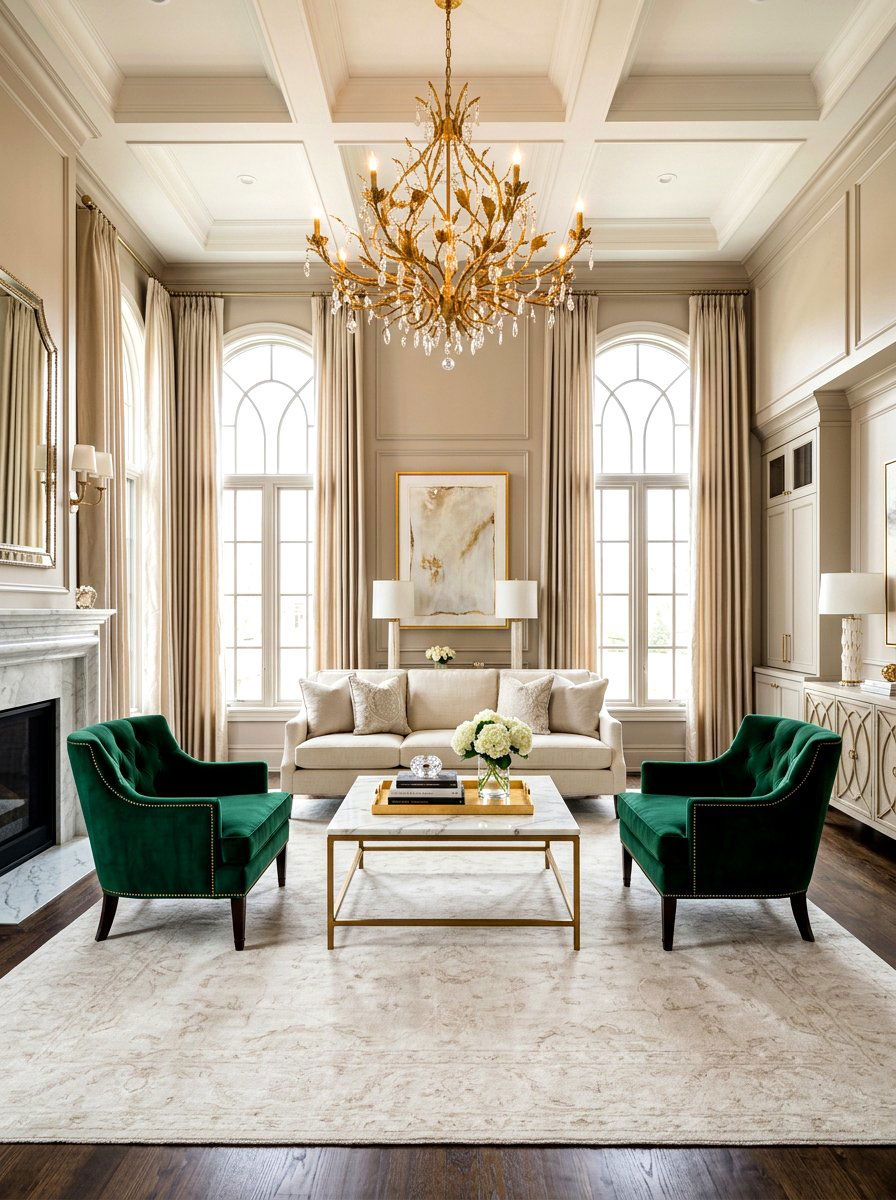
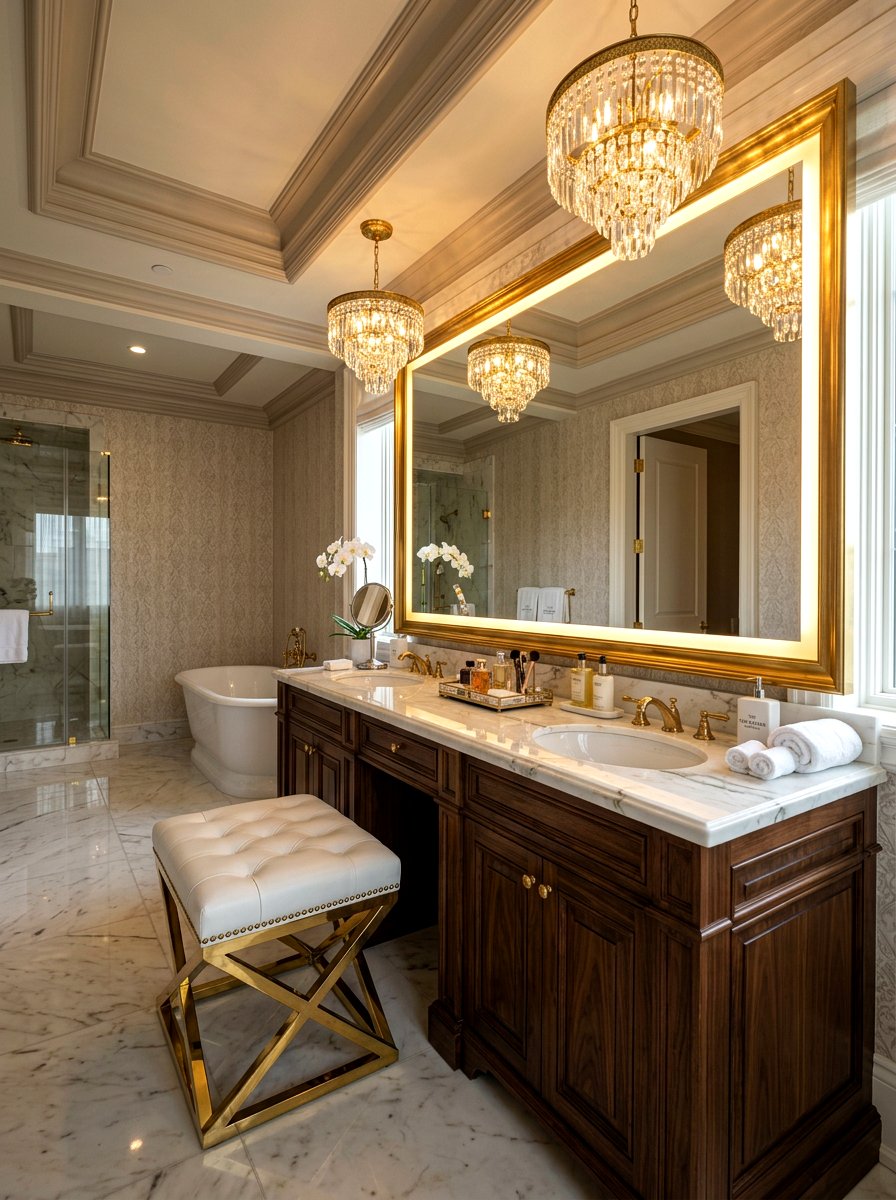
A luxury transitional living room prioritizes high-end materials and exquisite craftsmanship to create a space that feels truly opulent. Think of silk-blend rugs, custom velvet upholstery, and hand-forged metallic accents in gold or silver. The layout is usually very deliberate, often featuring symmetrical arrangements that convey a sense of order and grandeur. Oversized chandeliers or large-scale art installations can serve as breathtaking focal points that draw the eye upward. Even with these rich elements, the space remains approachable because of the clean lines and absence of overly fussy details. This style is all about quality over quantity, resulting in a sophisticated environment that exudes wealth and good taste while remaining functional for comfortable, high-end residential living every day.
10. Small Transitional Living Room
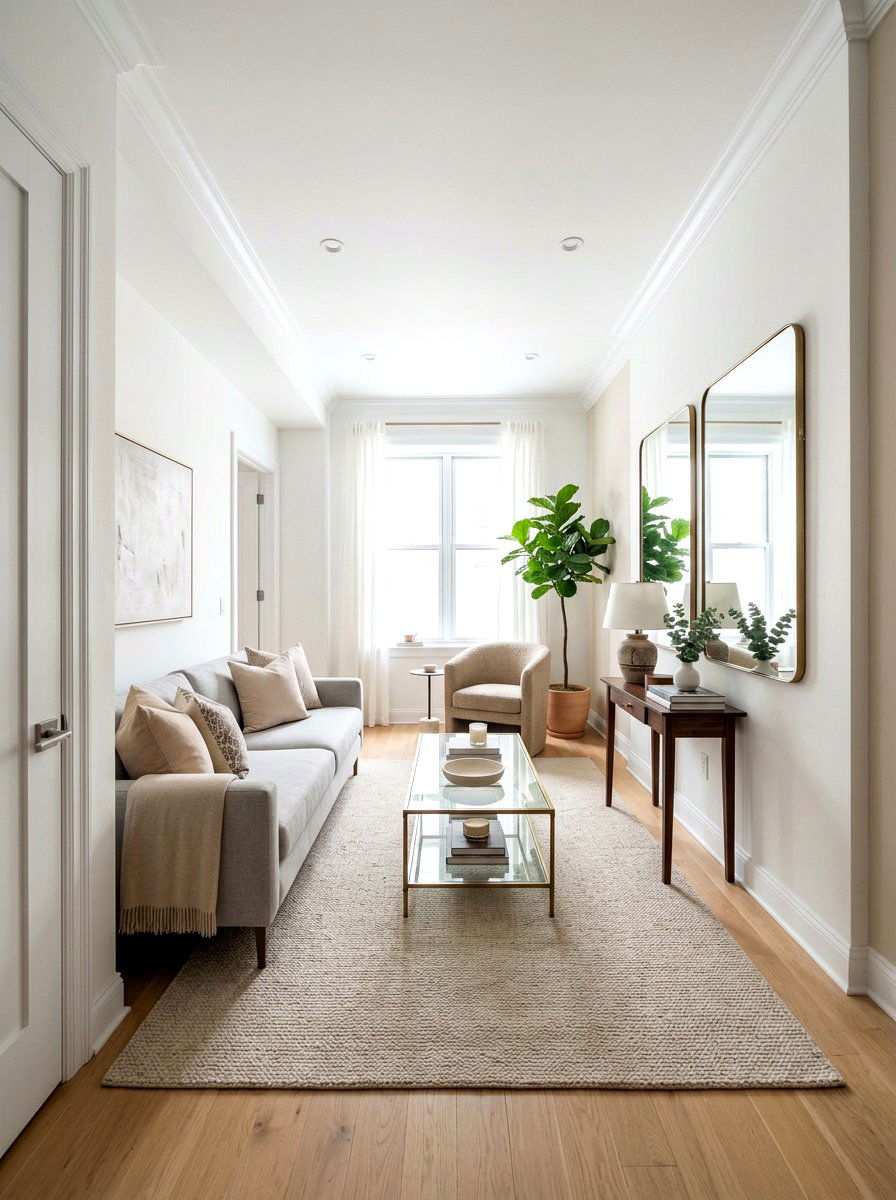
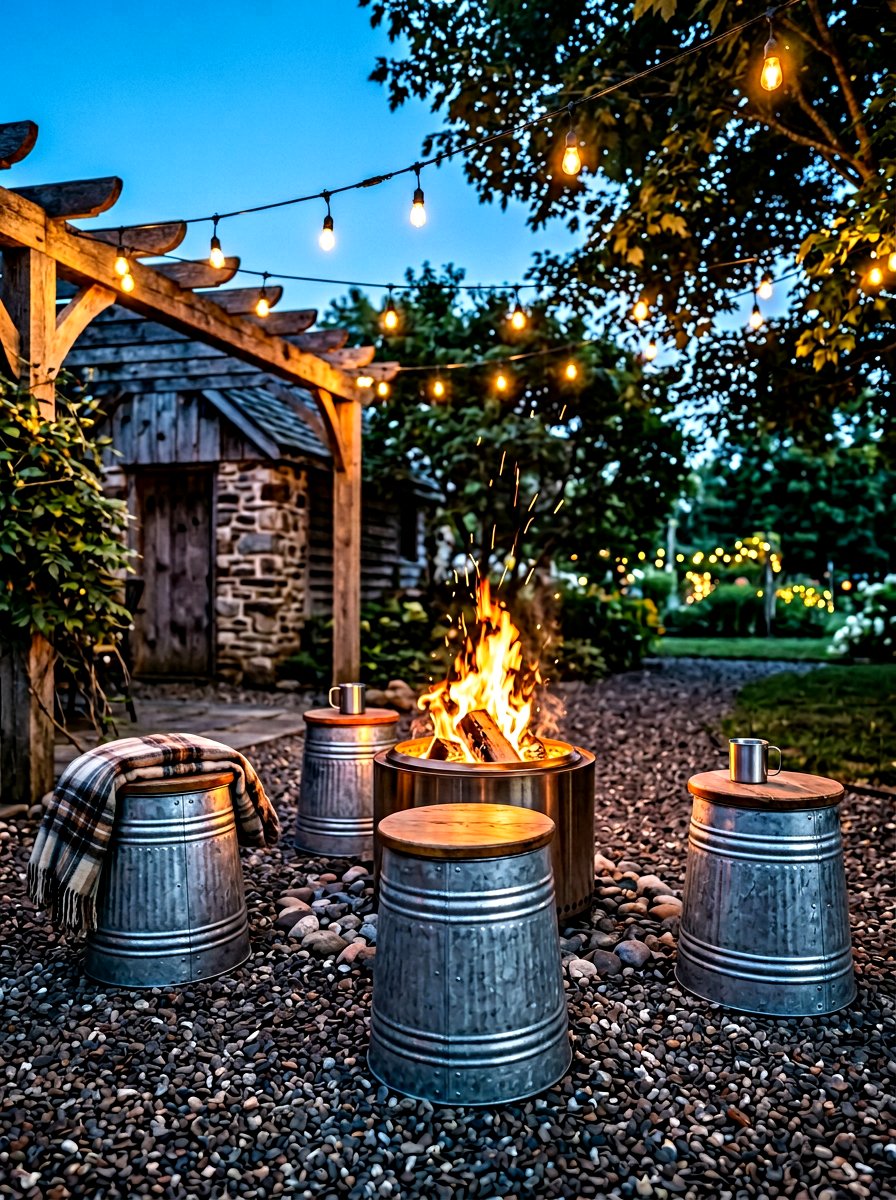
Maximizing a small transitional living room requires smart furniture choices and a cohesive color story to prevent the space from feeling cramped. Using a light color palette helps the walls recede, making the room feel larger than it actually is. Multipurpose furniture, such as an ottoman that works as a coffee table or a slim-profile sofa, is essential for maintaining flow in a compact area. Mirrors are also a great tool here to reflect light and create the illusion of more depth. By sticking to a transitional style, you can combine the comfort of larger traditional pieces with the space-saving silhouettes of modern design, ensuring your small home feels both high-end and perfectly organized for your specific lifestyle.
11. Open Concept Transitional Living Room
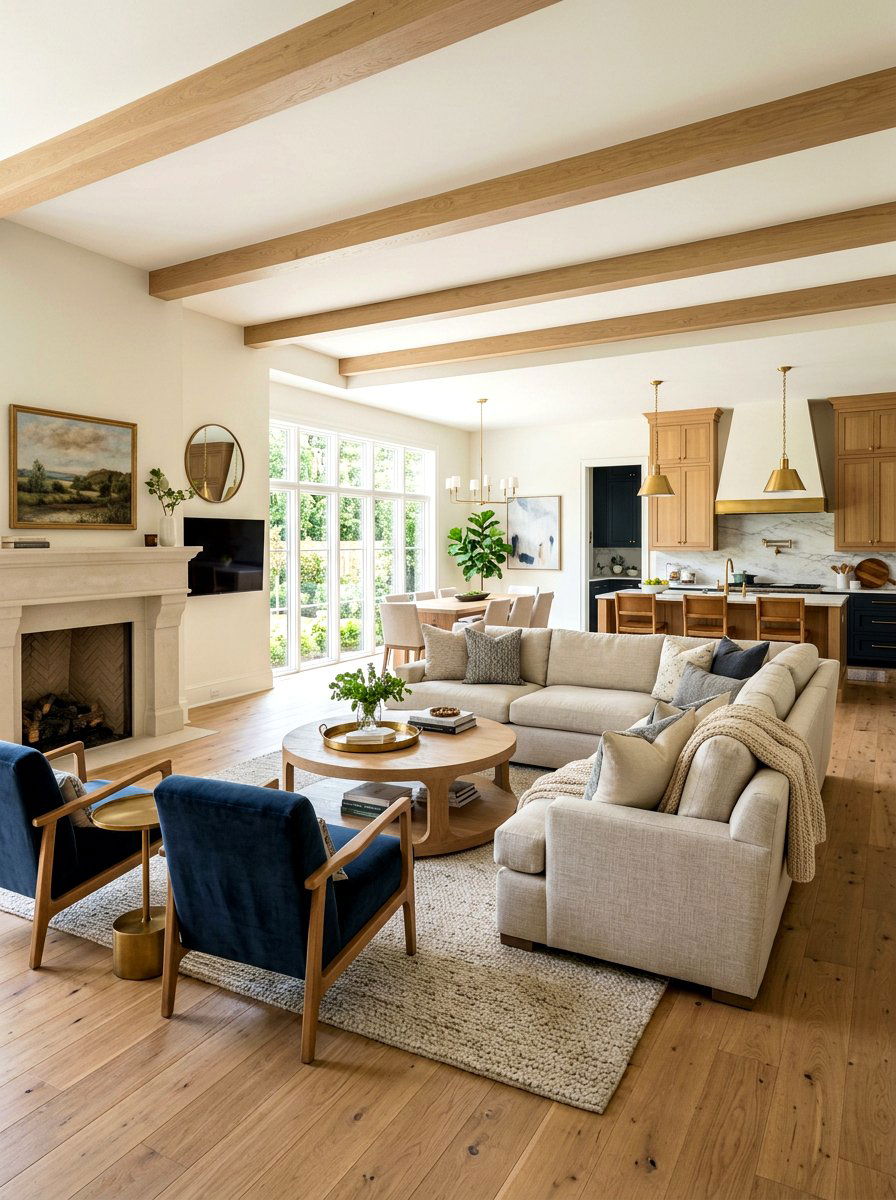
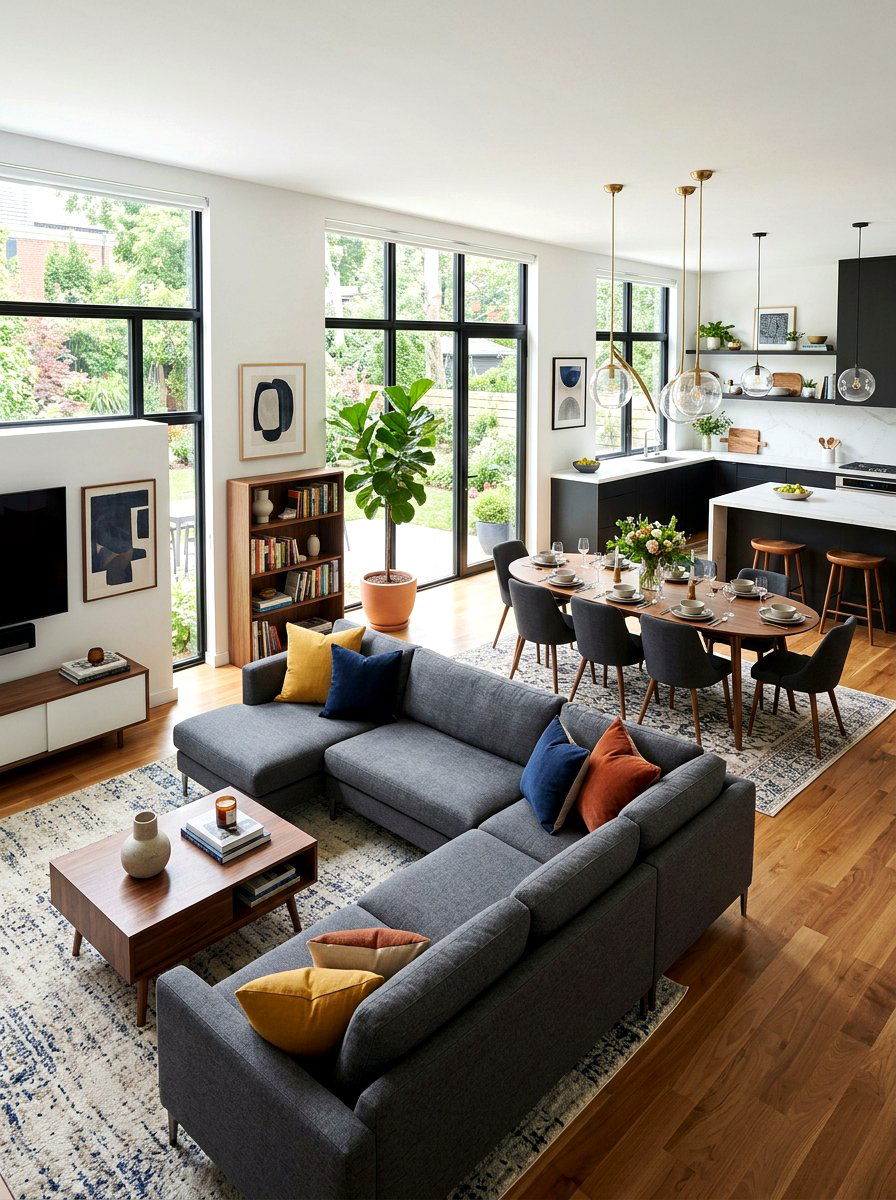
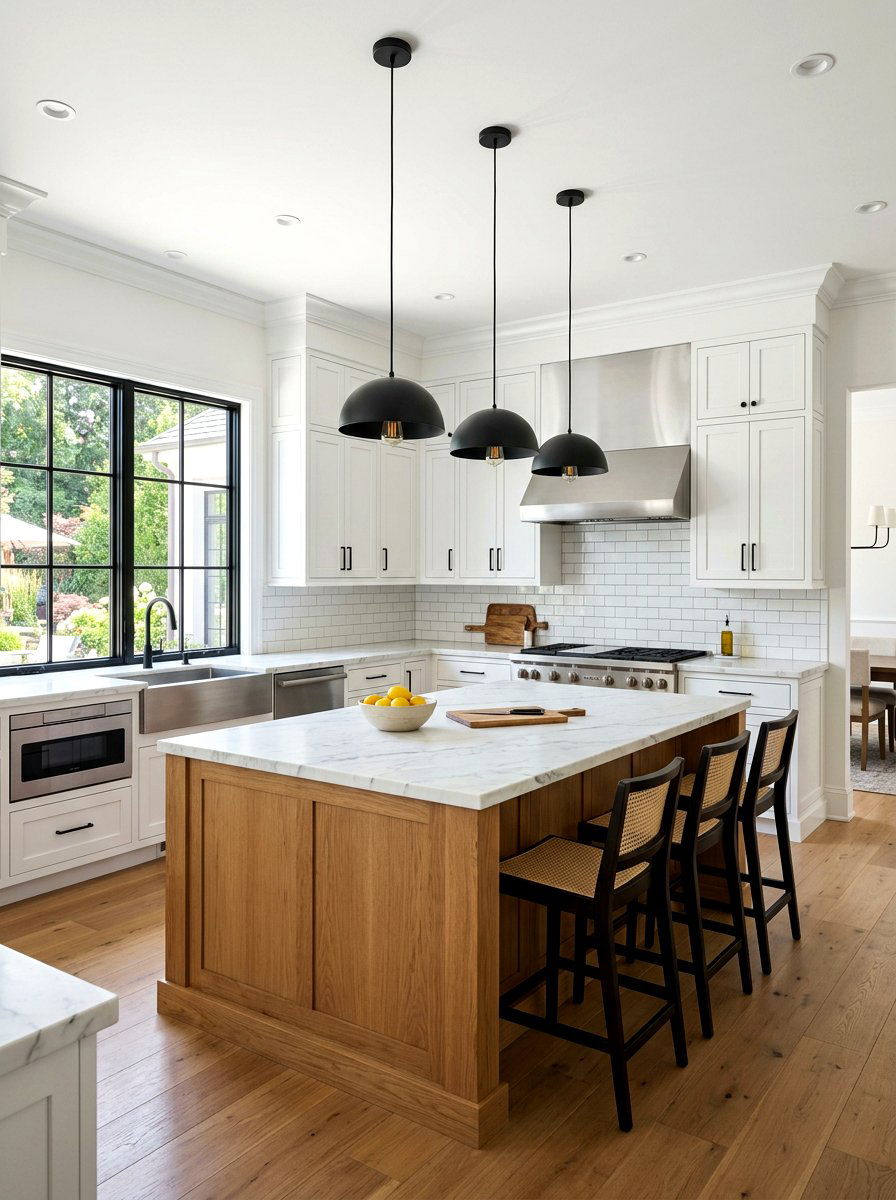
Designing an open concept transitional living room involves creating distinct zones while maintaining a sense of flow across the entire floor plan. You can use area rugs and strategic furniture placement to define the living area separately from the dining or kitchen spaces. Keeping a consistent color palette and repeating certain materials, like brass hardware or oak wood, helps to unify the large, open space. This layout is perfect for modern families who enjoy entertaining, as it allows for easy movement and conversation between different parts of the home. The transitional style ensures that the large area feels warm and cohesive rather than echoing or impersonal, providing a comfortable backdrop for a variety of daily activities and social gatherings.
12. Formal Transitional Living Room
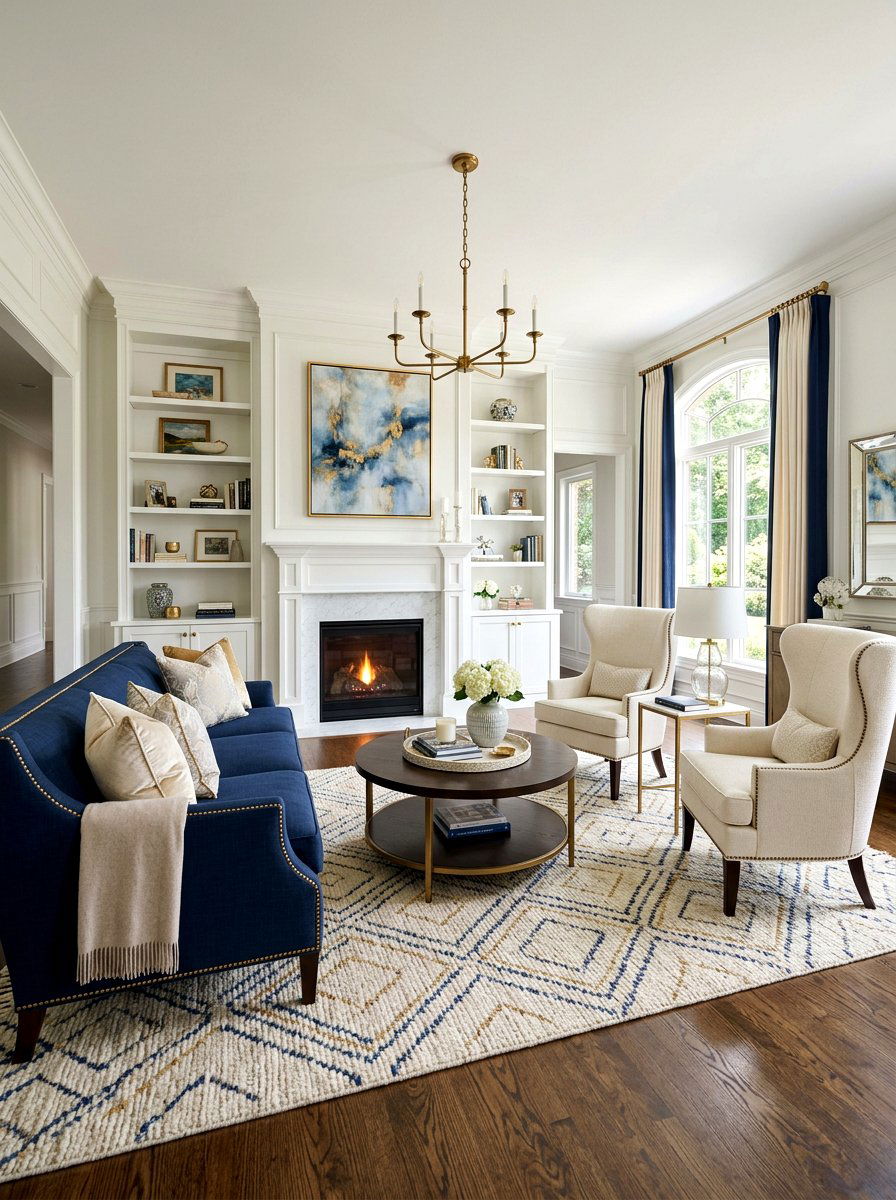
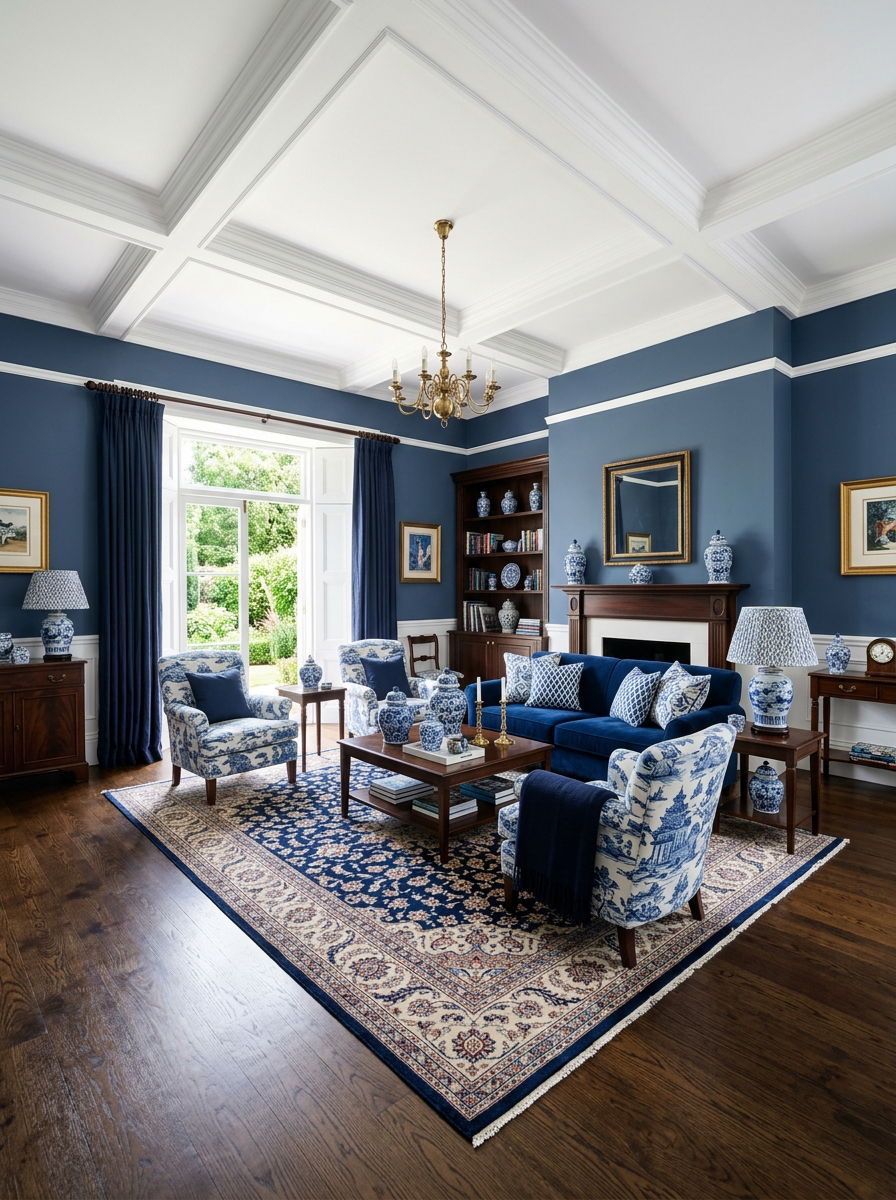
The formal transitional living room is designed specifically for entertaining and aesthetic enjoyment, often omitting a television to focus on conversation. This space usually features more structured seating arrangements, like a pair of matching armchairs facing a tailored sofa. High-quality fabrics and refined finishes take center stage, creating an atmosphere that feels special and elevated. Architectural details such as built-in shelving or a classic fireplace mantel add to the sense of permanence and tradition. Even though the room is formal, the transitional influence ensures it doesn’t feel stuffy or off-limits. Instead, it offers a polished sanctuary where guests can feel comfortable while appreciating the sophisticated design and the carefully selected decorative pieces that reflect your personal style.
13. Cozy Transitional Living Room
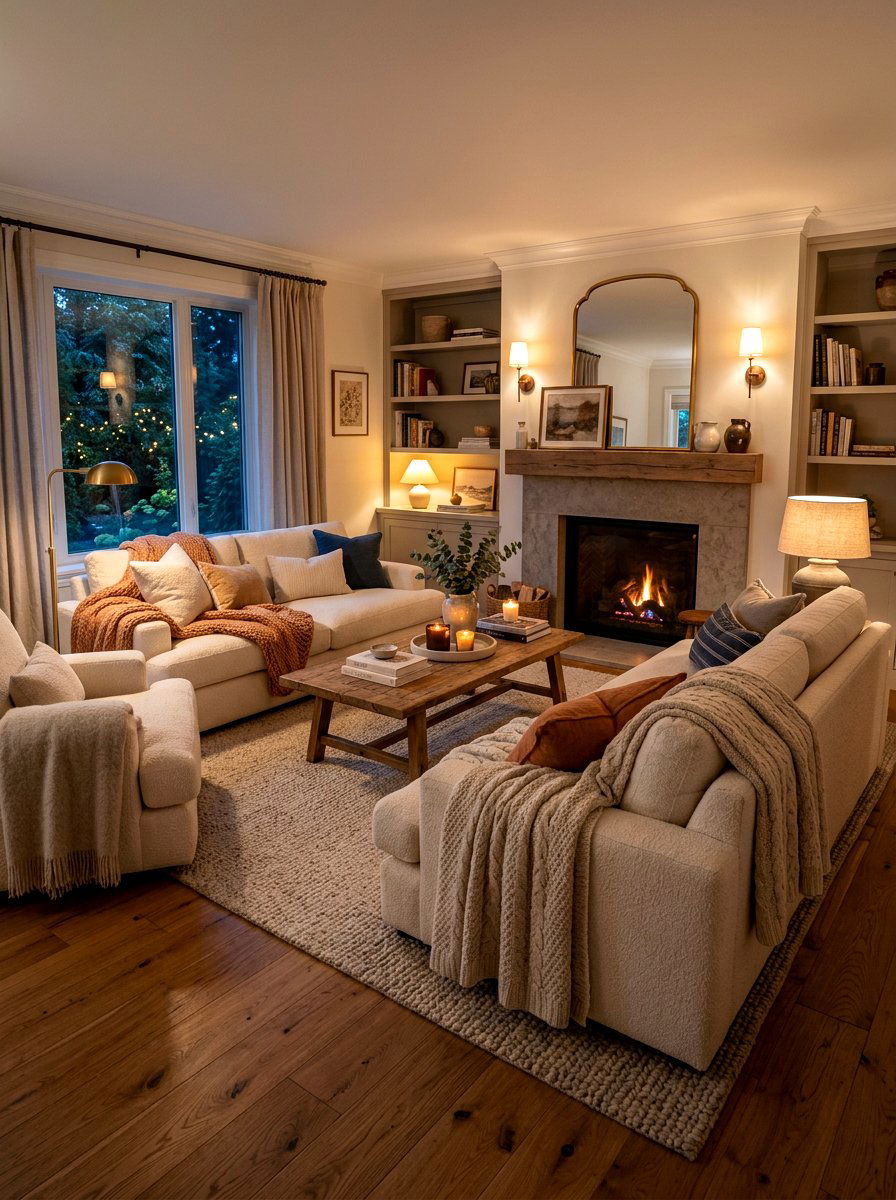
A cozy transitional living room focuses heavily on comfort and tactile warmth to create an inviting retreat for the whole family. This look is achieved through the use of oversized, plush seating and an abundance of soft textiles like knit throws and velvet pillows. Warm wood tones and soft, layered lighting from floor lamps and sconces help to create a glow that makes the room feel intimate and safe. Even with this focus on coziness, the transitional style keeps the space looking tidy through clean lines and a curated selection of decor. It is the perfect blend of a "hygge" lifestyle and high-end interior design, offering a place where you can truly relax and unwind in a beautiful, well-organized environment.
14. Industrial Transitional Living Room
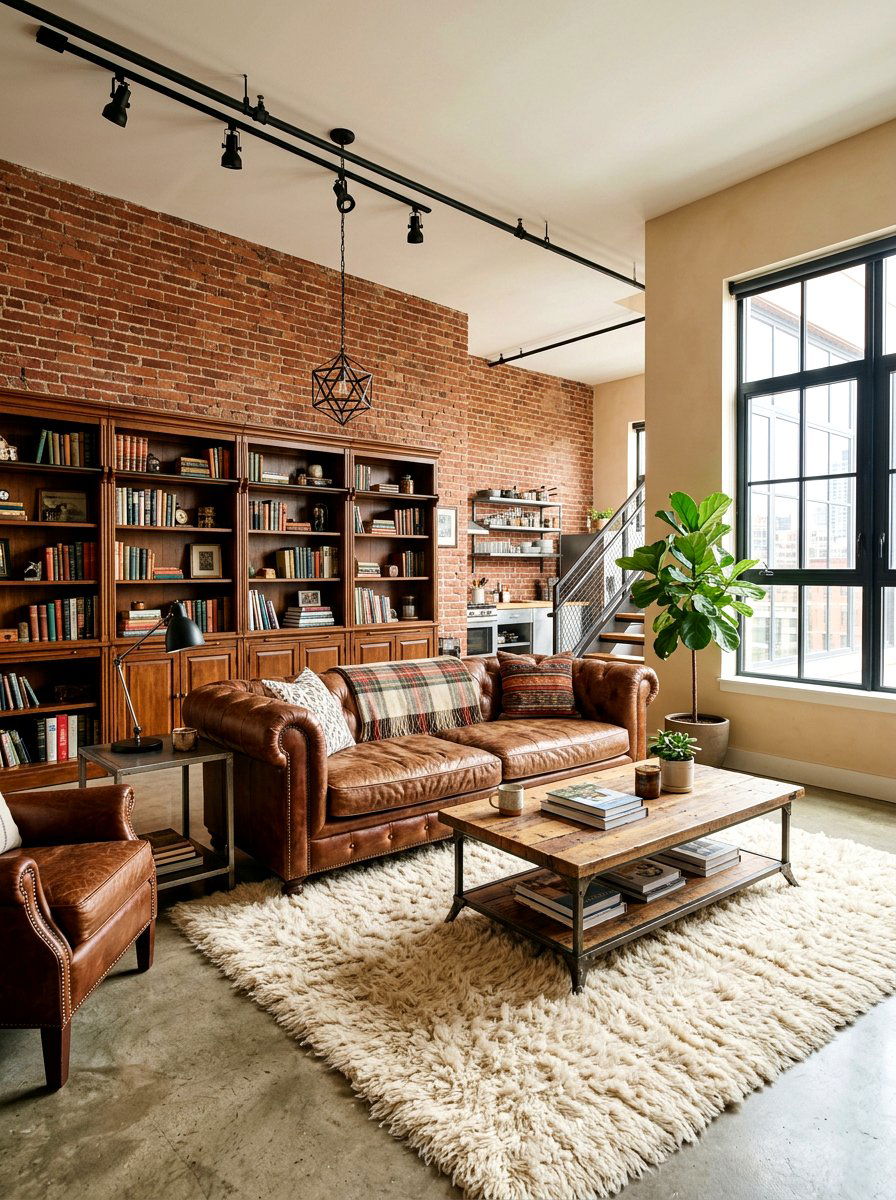
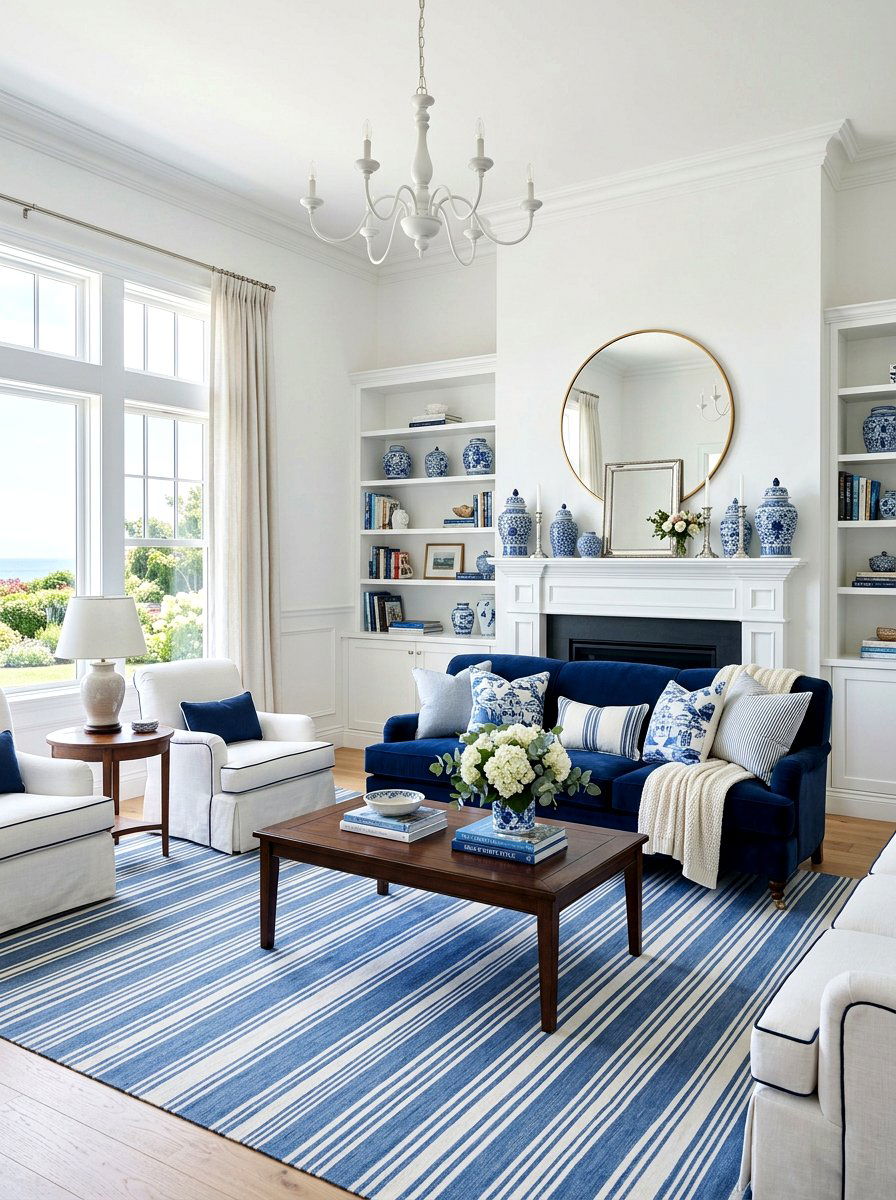
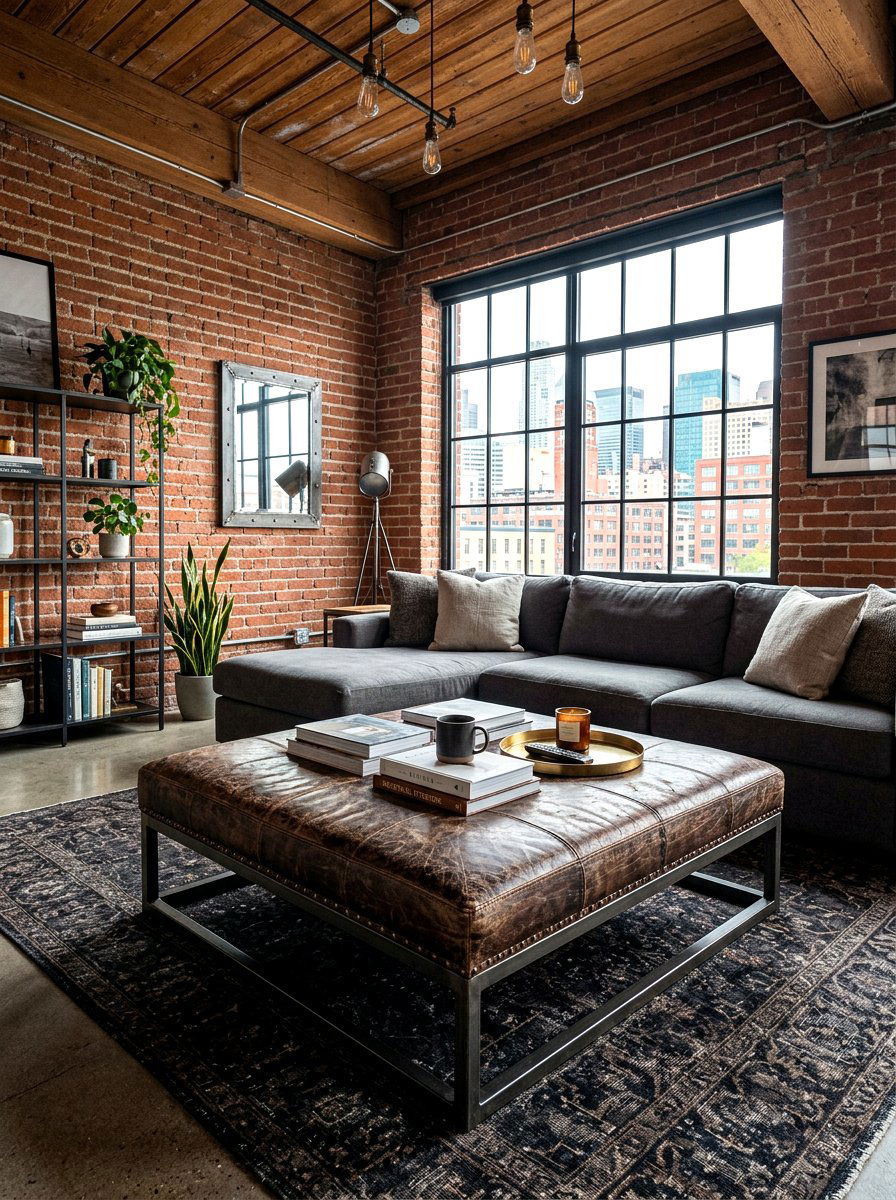
The industrial transitional living room takes the raw, edgy elements of loft living and softens them with traditional comfort and polished finishes. Exposed brick walls or concrete floors might be paired with a soft, tufted leather sofa and plush area rugs. Metal light fixtures with Edison bulbs provide an urban vibe, while traditional wooden bookcases or classic oil paintings add a layer of warmth and history. This combination prevents the space from feeling too cold or mechanical. The result is a unique, character-filled room that feels both modern and timeless. It is an ideal choice for those who love the grit of city life but still want their home to feel like a sophisticated and incredibly comfortable sanctuary.
15. Bohemian Transitional Living Room
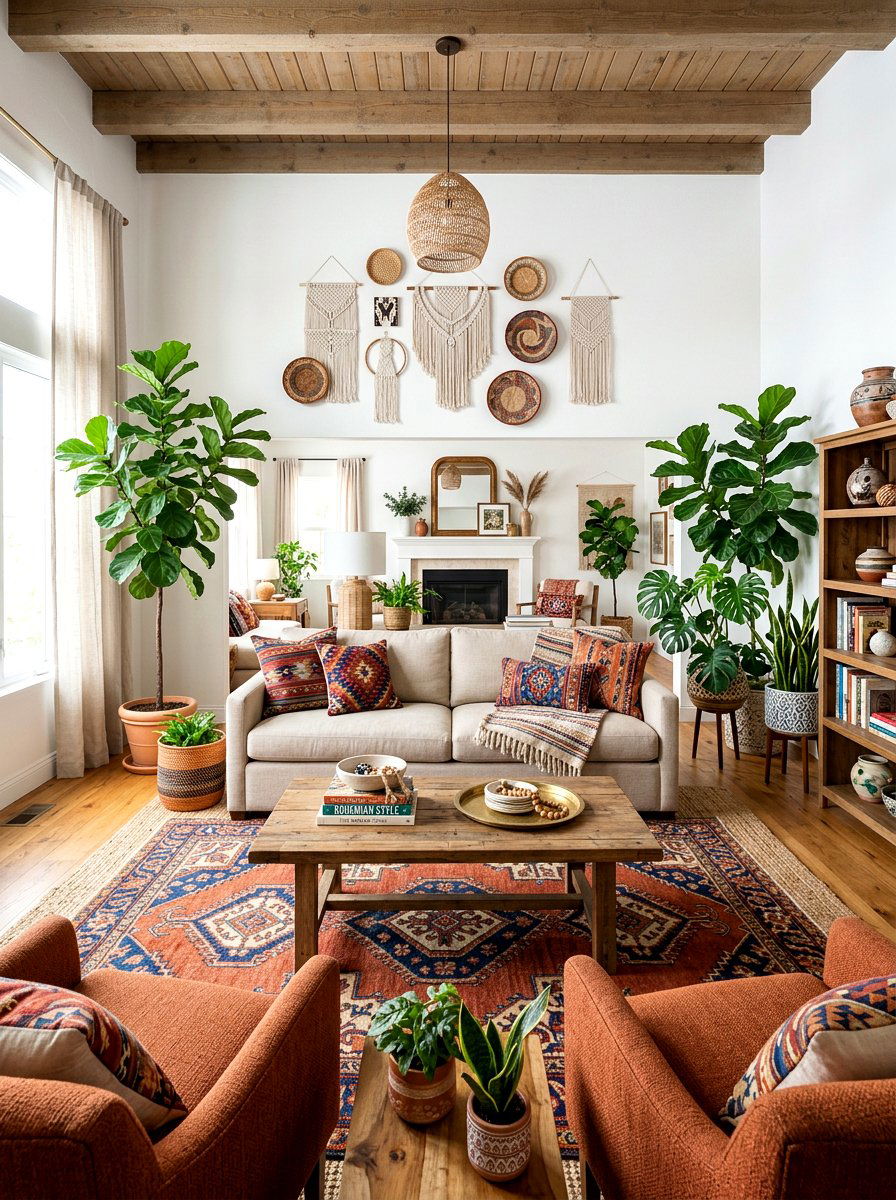
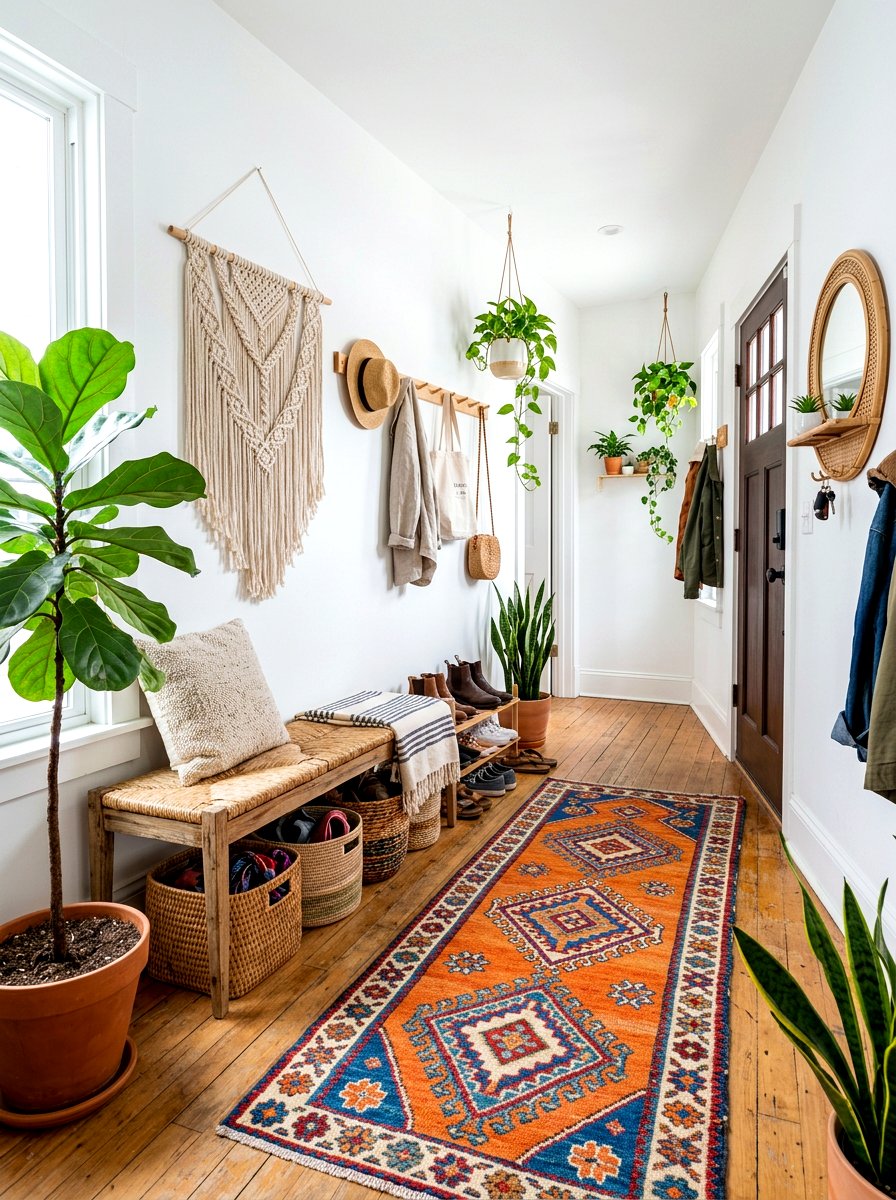
A bohemian transitional living room offers a more relaxed and eclectic take on the style by incorporating global patterns and a variety of natural textures. While the base of the room remains neutral and the furniture silhouettes are kept relatively clean, you can add personality through colorful woven rugs, macramé wall hangings, and plenty of indoor plants. The key is to keep the layout organized and the larger pieces sophisticated so that the eclectic elements feel like intentional accents rather than clutter. This style is perfect for those who love to travel and collect unique items, as it provides a polished framework to showcase diverse treasures while maintaining a cohesive and very stylish overall home aesthetic.
16. French Country Transitional Living Room
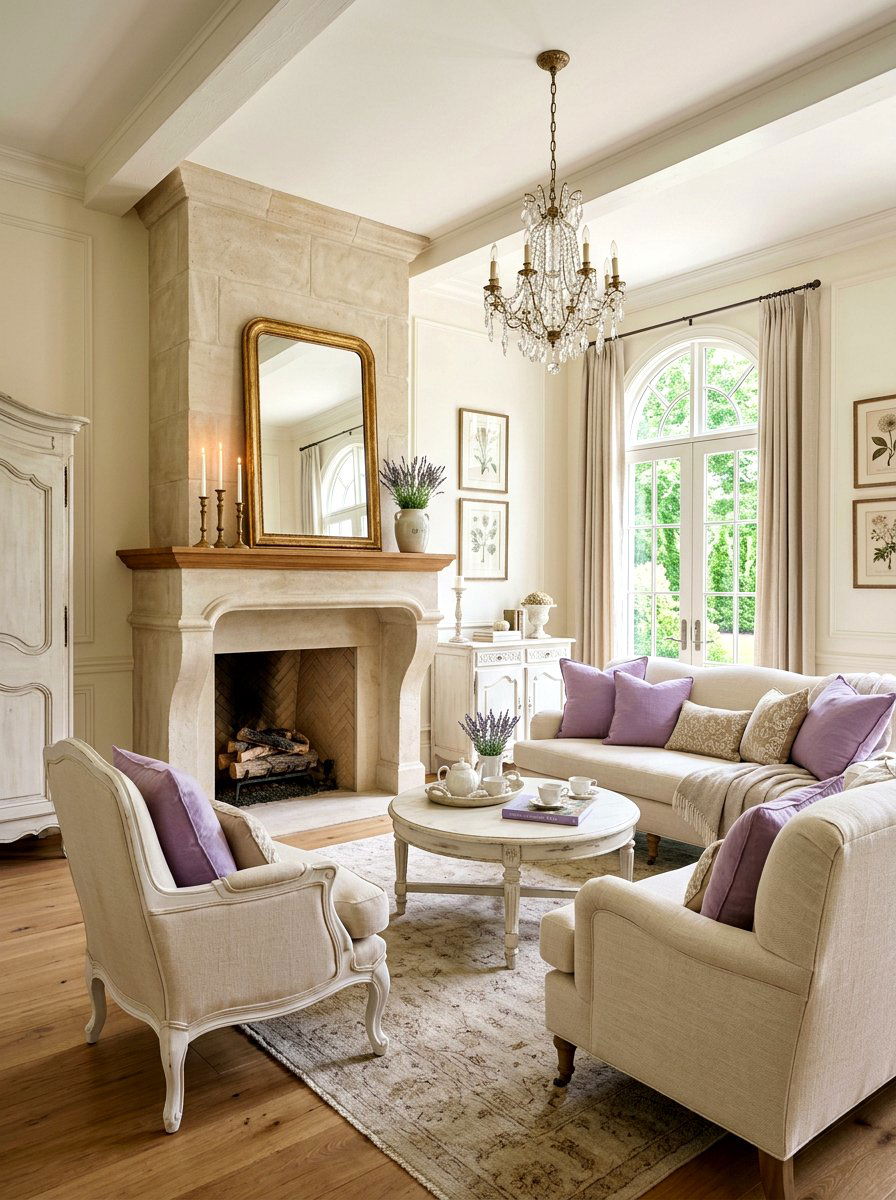
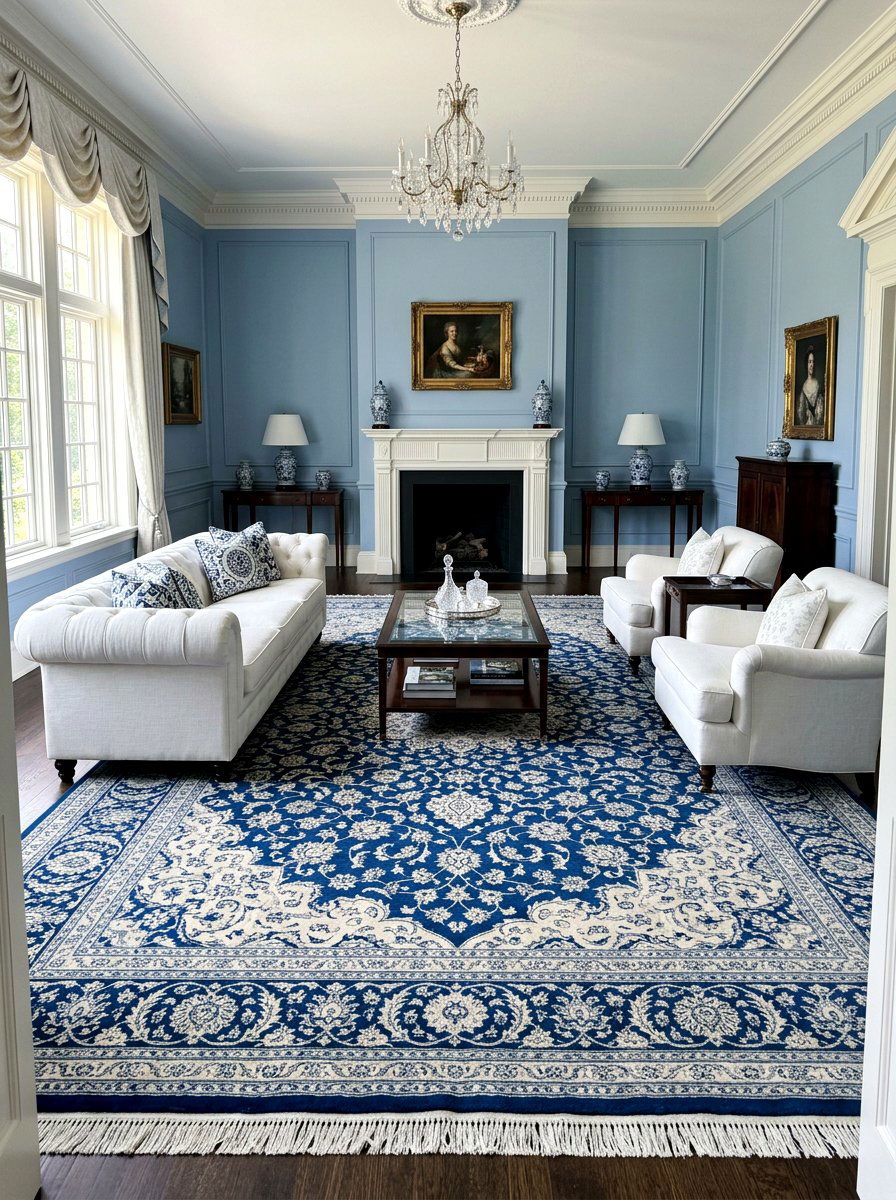
Combining the rustic elegance of the French countryside with modern sensibilities results in a beautiful French country transitional living room. This look often features soft, curved furniture legs and distressed wood finishes alongside contemporary neutral fabrics and clean-lined accessories. A color palette of cream, lavender, and soft blue can add a touch of romance without feeling overly floral or dated. To keep it transitional, avoid excessive ruffles or ornate carvings, opting instead for simplified versions of classic silhouettes. This style feels incredibly timeless and sophisticated, offering a sense of old-world charm that is perfectly suited for a modern, busy lifestyle. It is a graceful way to bring a touch of European flair into your everyday living space.
17. Scandinavian Transitional Living Room
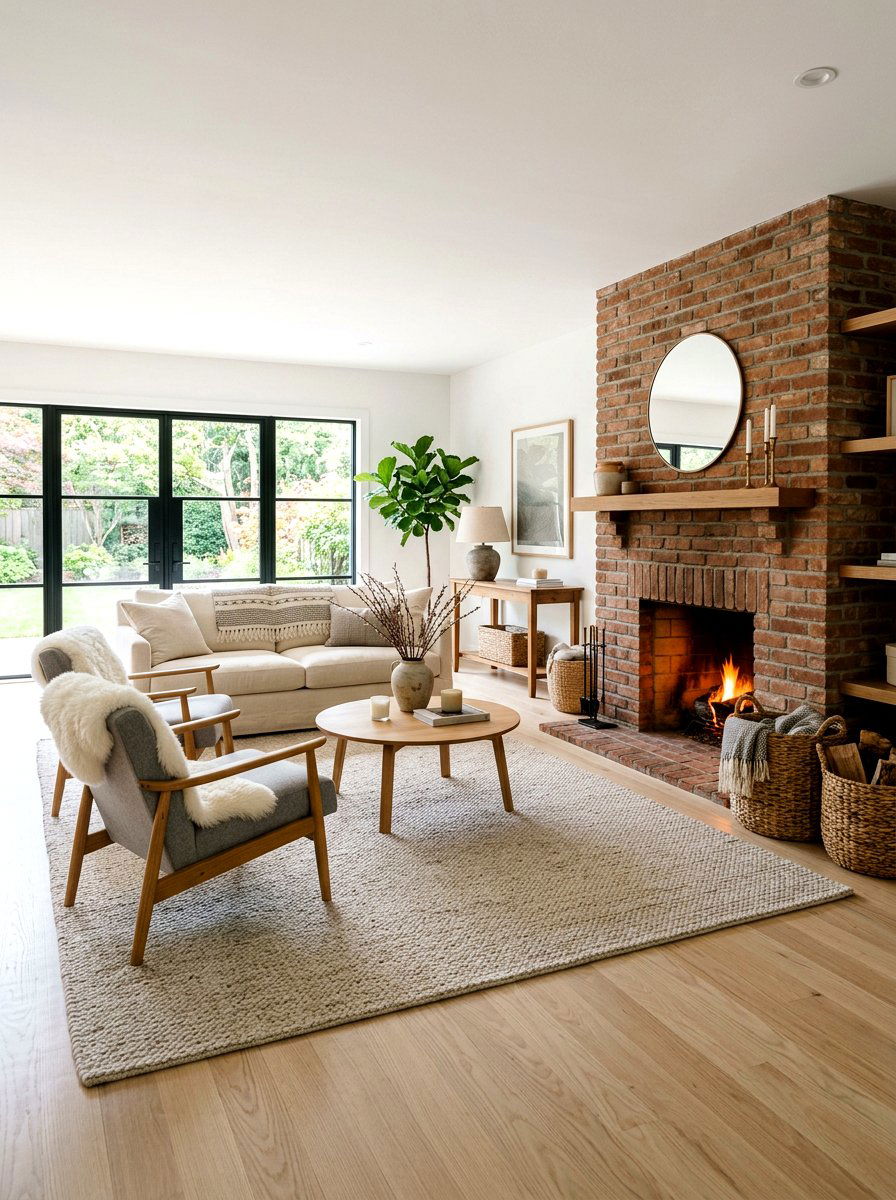
A Scandinavian transitional living room emphasizes functionality, light, and natural materials while adding the warmth of traditional design. This style is known for its light wood floors, white walls, and simple yet comfortable furniture. To make it transitional, you might include a more traditional fireplace or some classic molding alongside the iconic mid-century modern chairs and minimalist lighting. The use of soft sheepskin rugs and woven baskets adds texture and coziness, which is a hallmark of northern European homes. This approach creates a bright and airy space that feels incredibly fresh and clean, making it a popular choice for those who want a modern look that still feels very connected to nature and classic comfort.
18. Mid Century Transitional Living Room
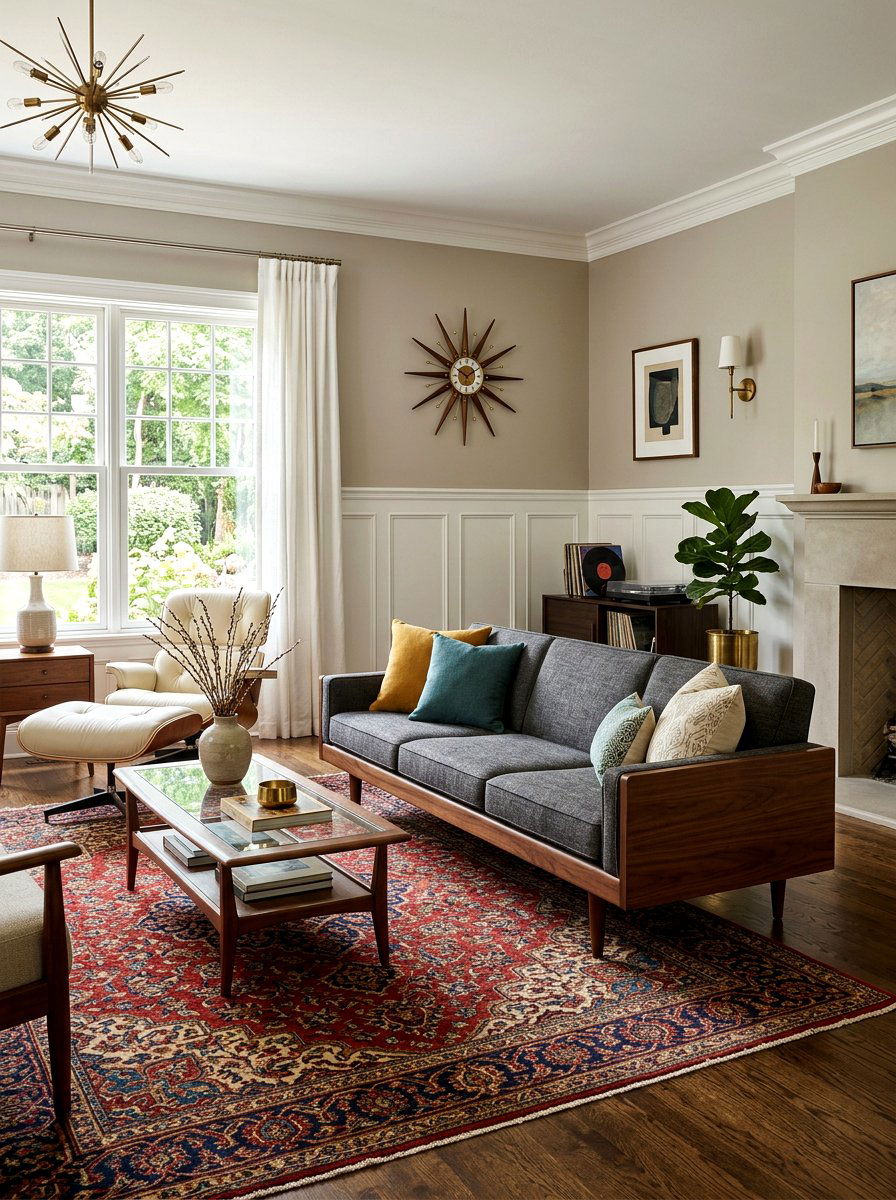
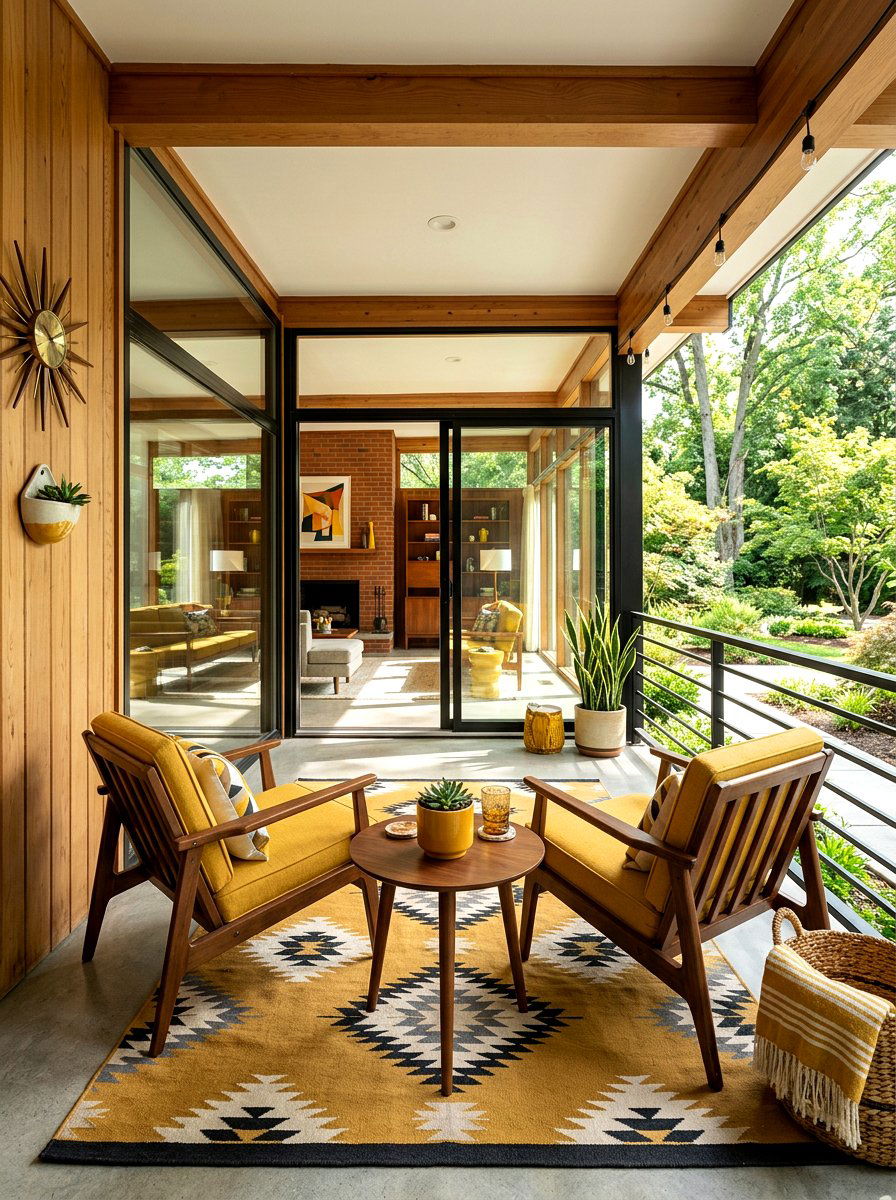
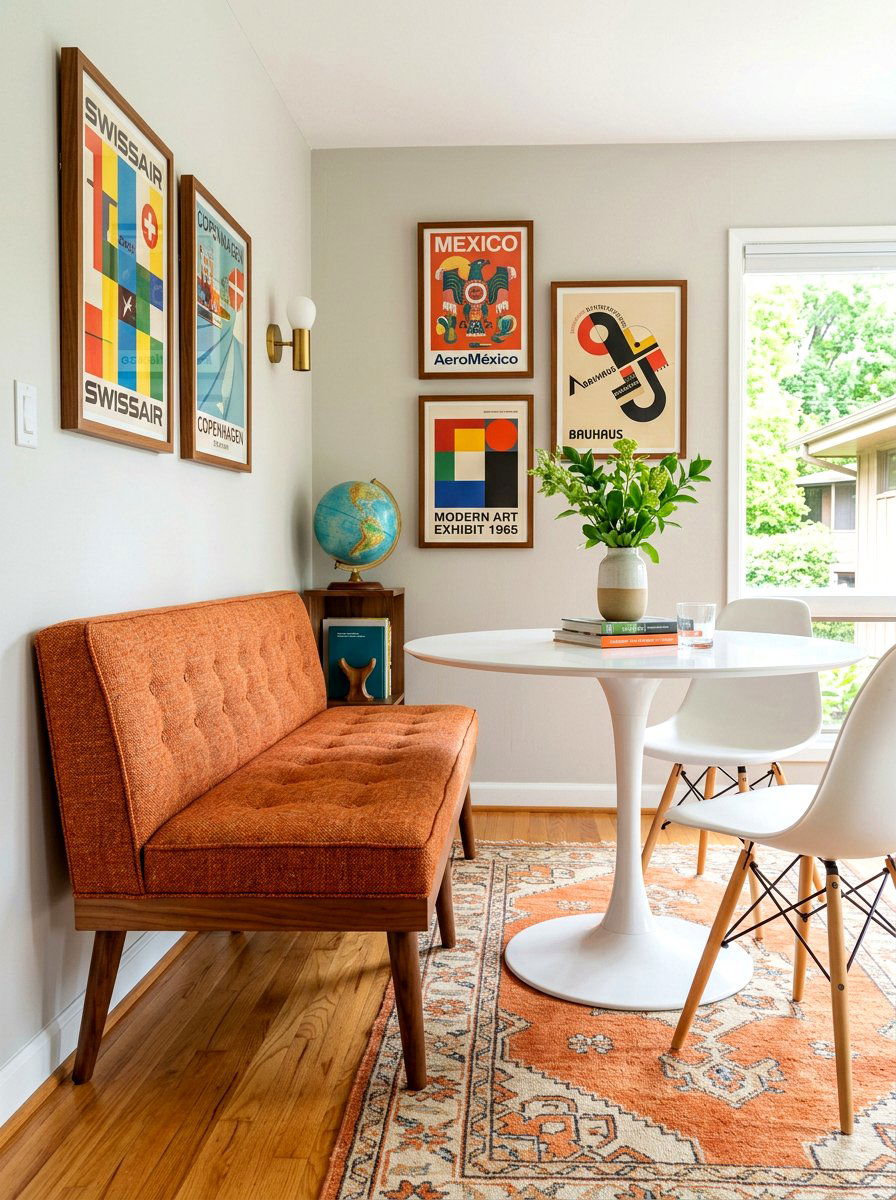
The mid century transitional living room blends the iconic furniture designs of the 1950s and 60s with traditional architectural details and modern comfort. You might see a sleek, tapered-leg sofa sitting atop a classic Persian rug, or a sunburst clock hanging on a wall with traditional wainscoting. This mix of eras creates a dynamic and visually interesting space that feels curated rather than like a showroom. By using a neutral color palette to tie the different styles together, you can create a cohesive look that honors the past while feeling firmly rooted in the present. This style is highly sought after for its timeless appeal and its ability to make a bold design statement without sacrificing any of the everyday livability.
19. Elegant Transitional Living Room
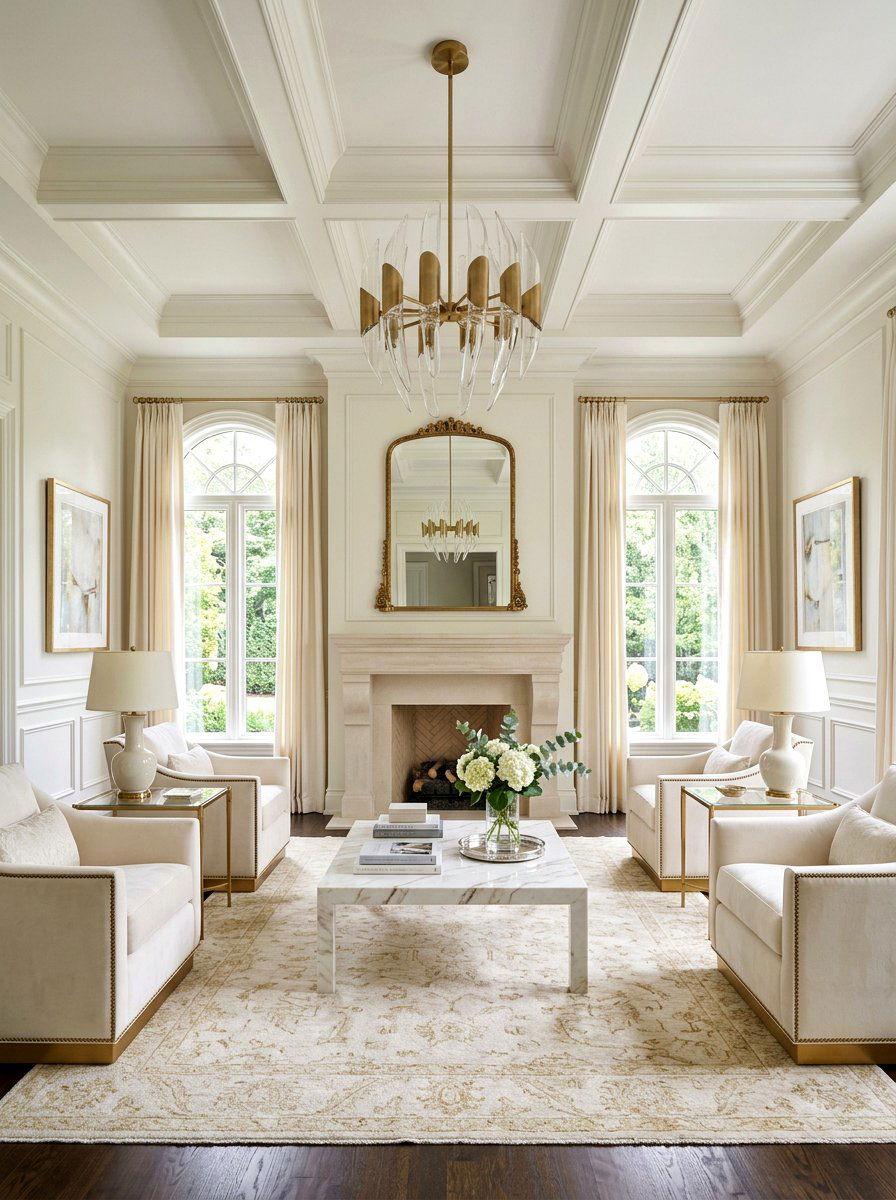
An elegant transitional living room is all about poise, balance, and the careful selection of every decorative element. This style typically utilizes a refined color palette of soft metallics, ivories, and greys to create a sophisticated atmosphere. Furniture pieces often feature subtle curves and high-quality upholstery, while lighting is used as a sculptural element to add a touch of glamour. Symmetrical layouts are common here, as they provide a sense of order and calm that feels very high-end. This design approach is perfect for those who want a home that feels like a polished sanctuary, offering a stunning backdrop for both quiet family evenings and more formal social gatherings with friends and esteemed guests.
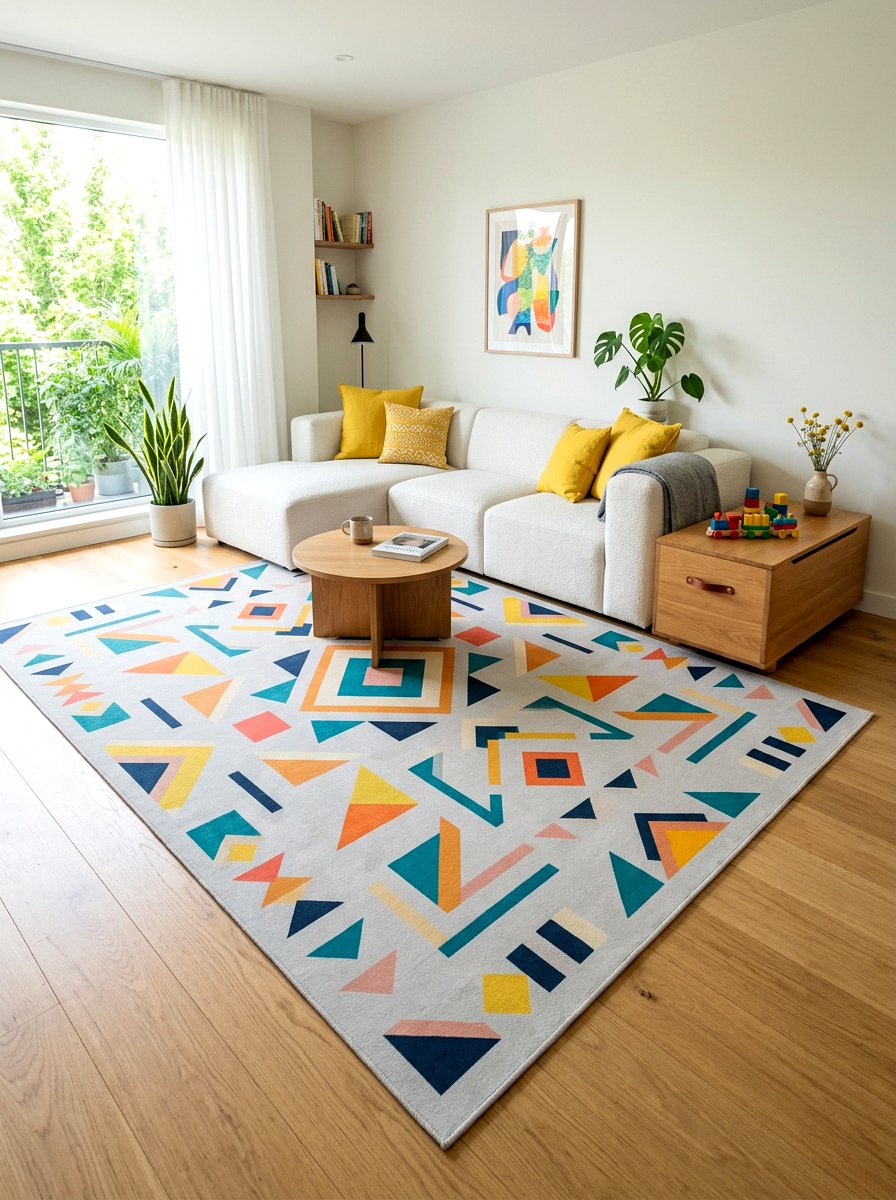
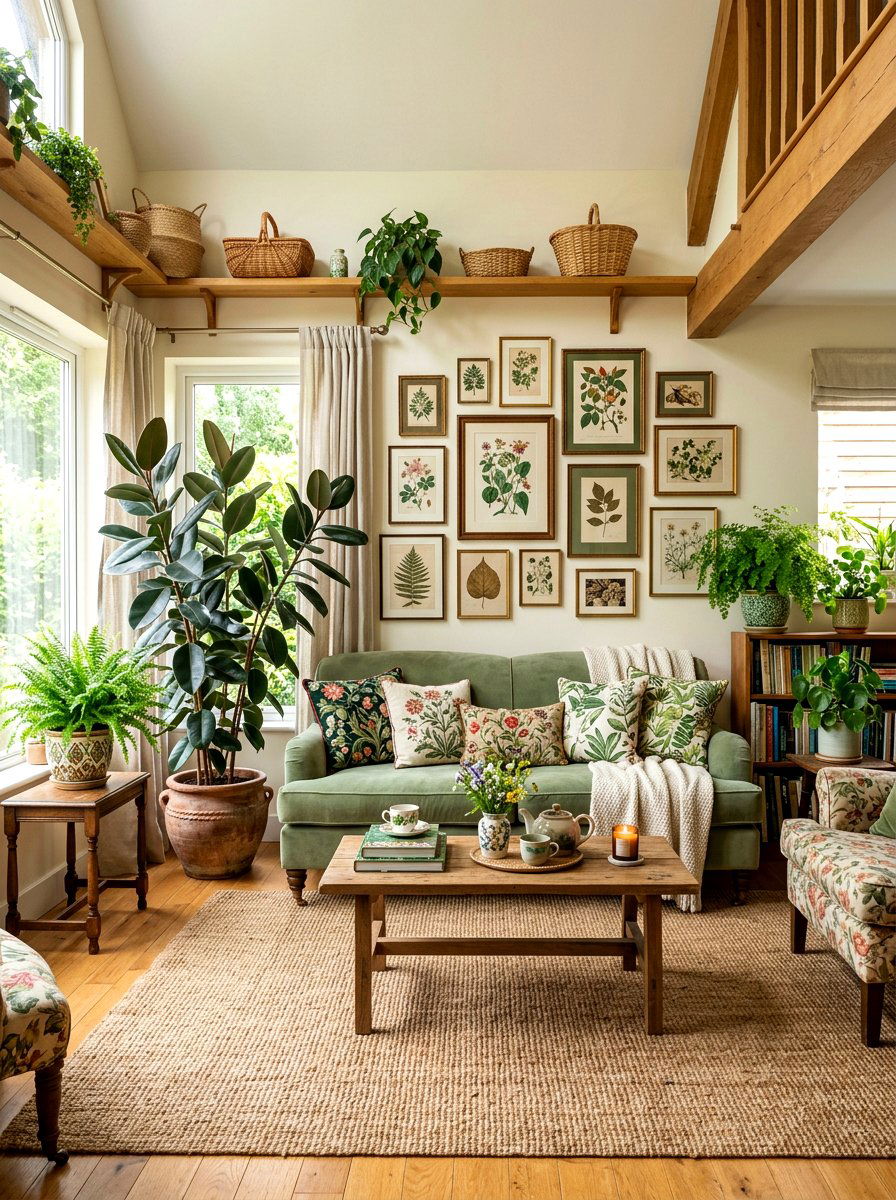
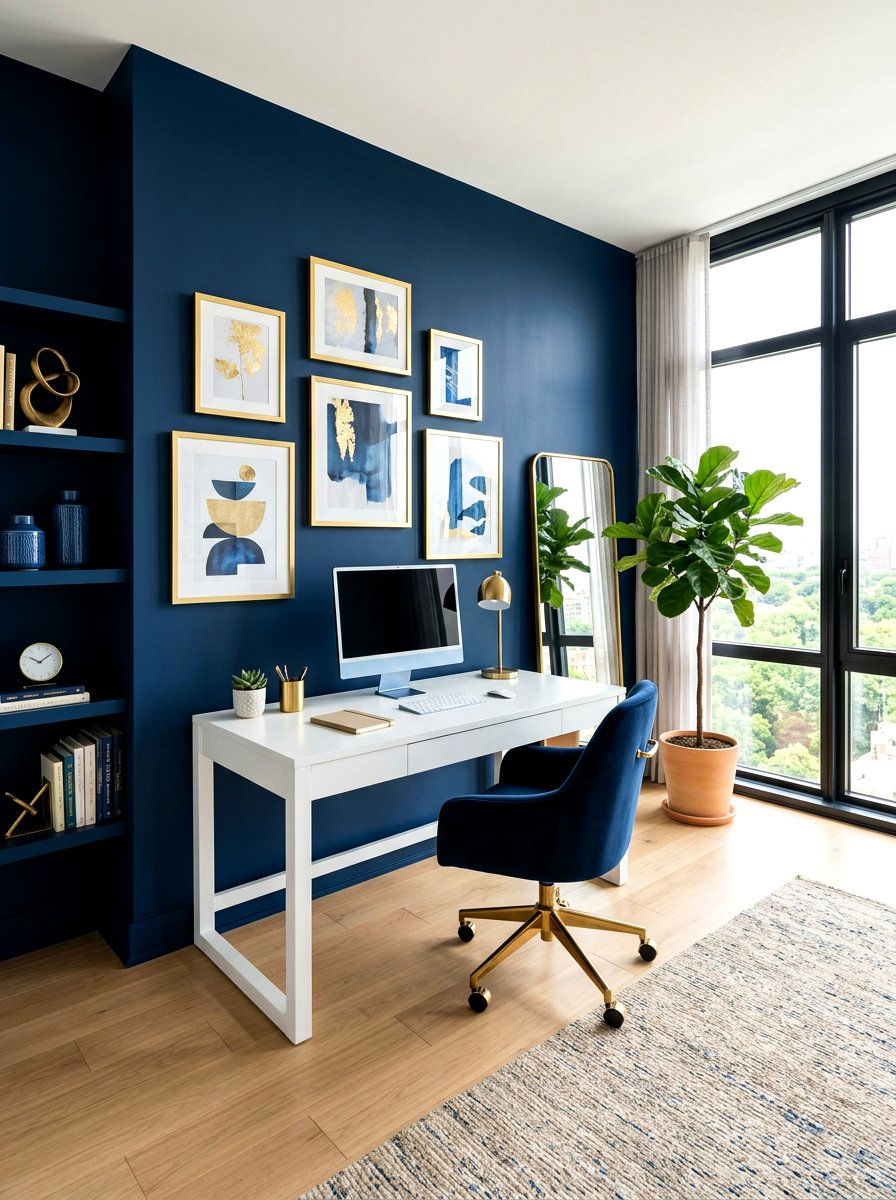
20. Traditional Transitional Living Room
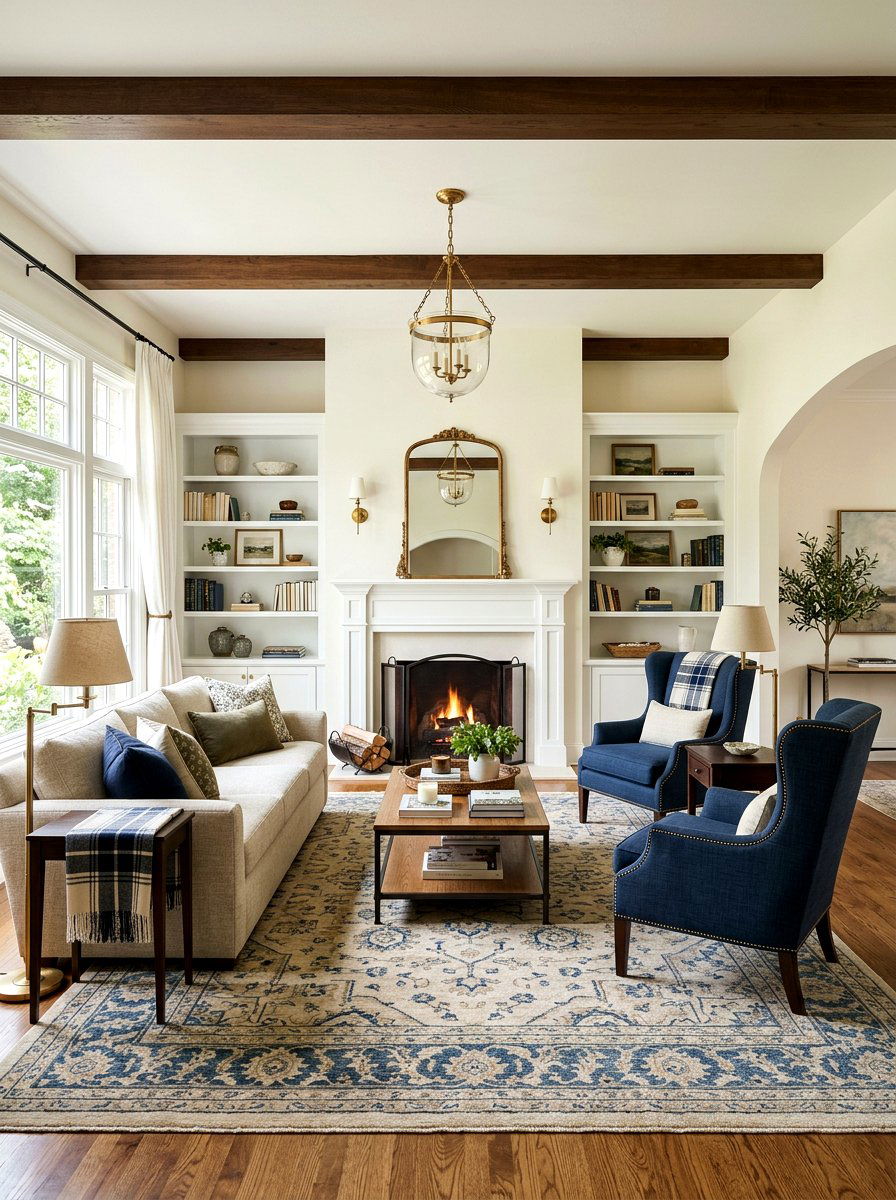
A traditional transitional living room leans more heavily into classic design but updates it with modern colors and simplified forms. You might find a traditional fireplace mantel and built-in shelving, but instead of dark, heavy wood, everything is painted in a crisp white or soft grey. The furniture might include classic wingback chairs, but they are upholstered in a modern linen or a subtle geometric pattern. This style is perfect for those who appreciate the comfort and familiarity of traditional homes but want to avoid a look that feels dusty or outdated. It provides a beautiful sense of continuity and heritage while remaining fresh, bright, and perfectly in tune with the way we live and entertain today.
21. Contemporary Transitional Living Room
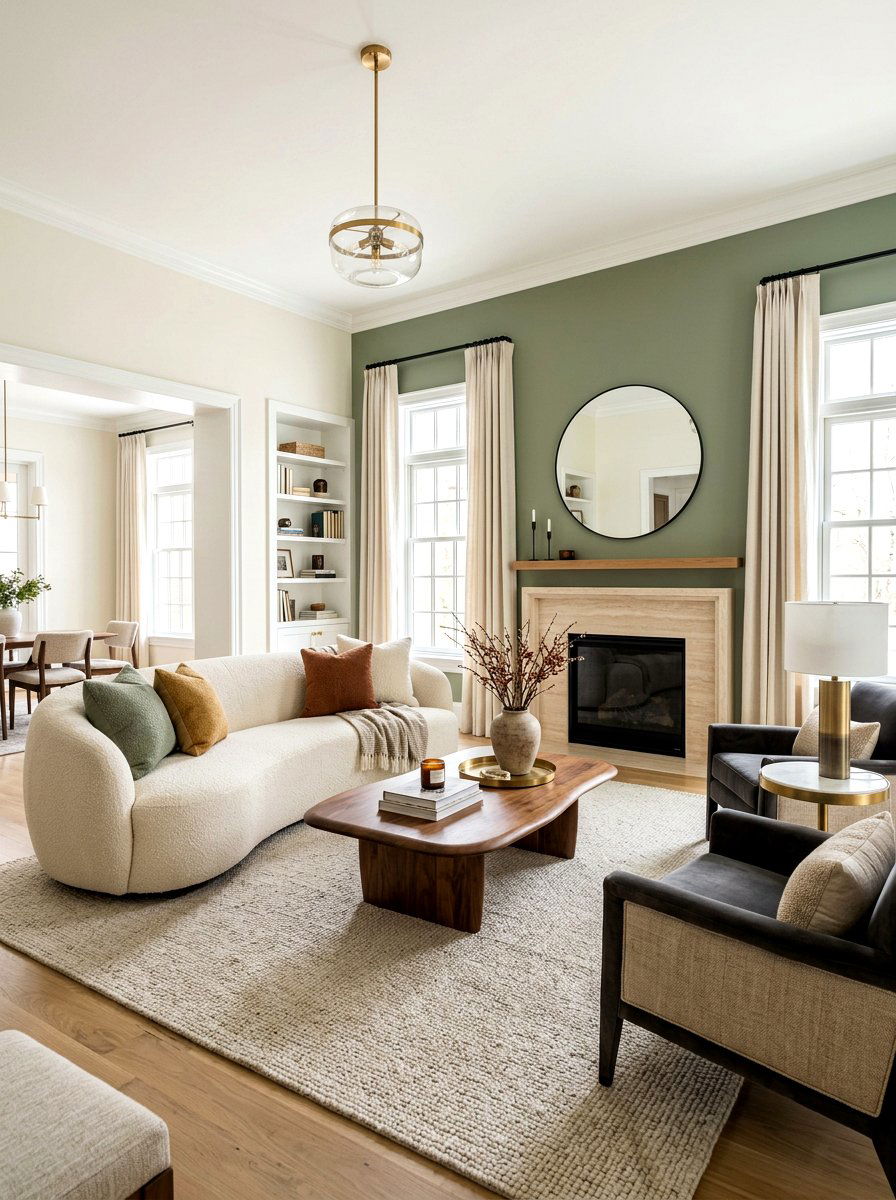
The contemporary transitional living room is firmly focused on current trends while using traditional elements to add a sense of permanence. This look often features the latest in furniture design, such as curved bouclé sofas or organic-shaped coffee tables, balanced by classic features like a large area rug or traditional window treatments. The color palette might include more trendy shades like terracotta or sage green, used as accents against a neutral base. This approach allows you to experiment with new styles without the room feeling flighty or disconnected from the rest of the home. It is an ideal way to stay fashionable while ensuring your living space remains a comfortable and welcoming place for your family to gather.
22. Vintage Transitional Living Room
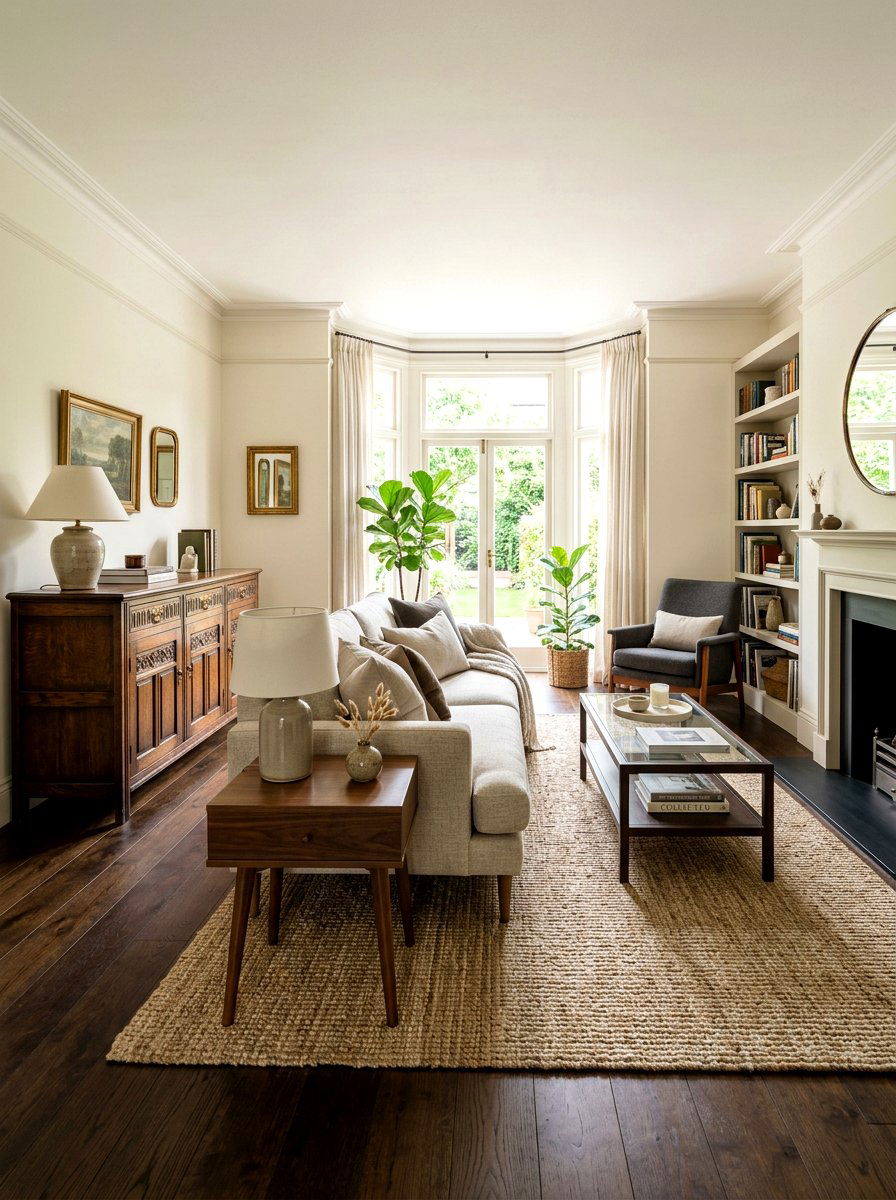
A vintage transitional living room celebrates the beauty of found objects and antique pieces within a modern and organized framework. This style is all about the "collected" look, where a mid-century side table might sit next to a traditional sofa and an industrial lamp. To keep the space from feeling like a thrift store, it is essential to maintain a consistent color palette and clean lines throughout the larger pieces. This approach results in a home that feels incredibly personal and full of stories. It is perfect for those who love to hunt for unique treasures and want a space that reflects their diverse tastes while still looking professionally designed and perfectly balanced for a very high-end living experience.
23. Simple Transitional Living Room
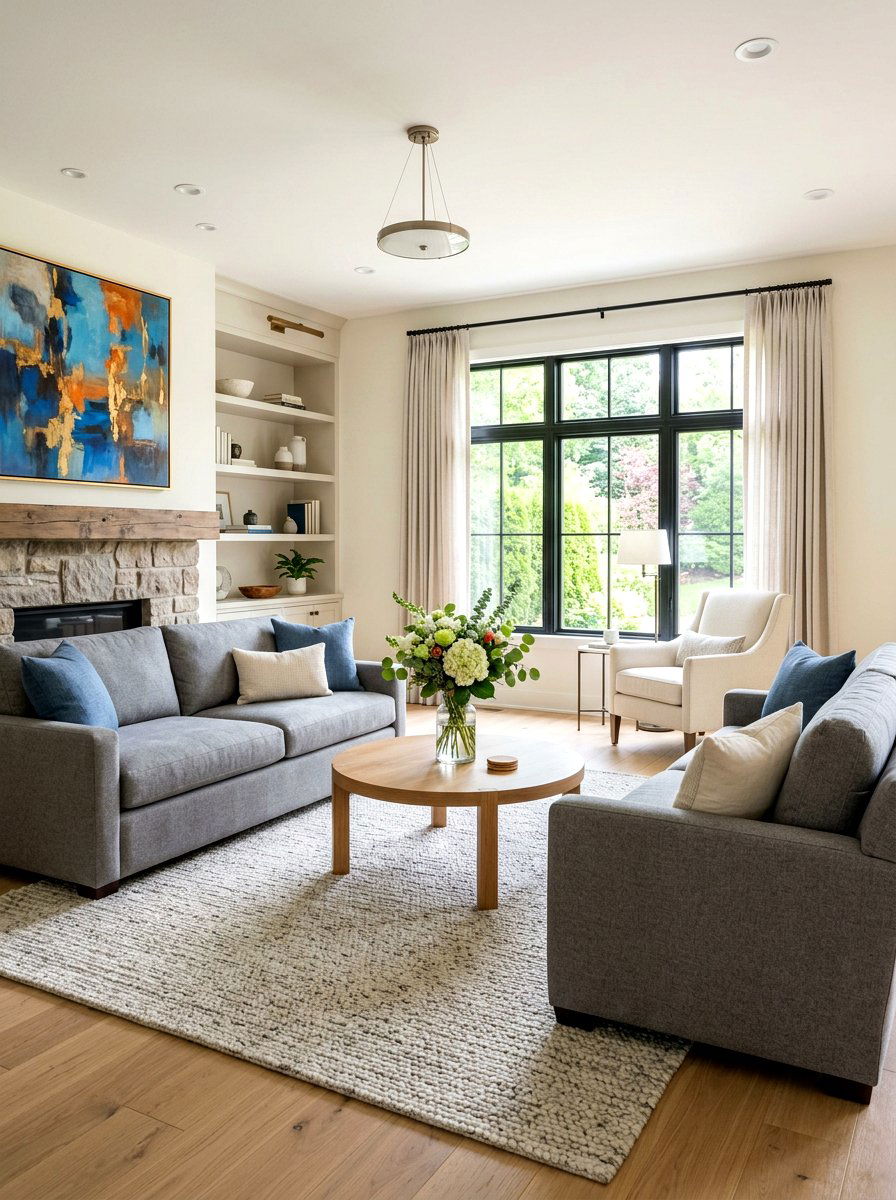
A simple transitional living room strips away the complexity to focus on pure comfort and effortless style. This look is perfect for busy households where functionality is just as important as aesthetics. The furniture is usually chosen for its durability and ease of use, featuring clean lines and neutral, stain-resistant fabrics. Decor is kept to a minimum, with just a few well-chosen items like a large bowl on the coffee table or a simple vase of flowers. By keeping the design uncomplicated, you create a space that is easy to maintain and always looks inviting. This style proves that you don't need a lot of fuss to have a beautiful and sophisticated home that works perfectly for your daily life.
24. Organic Transitional Living Room
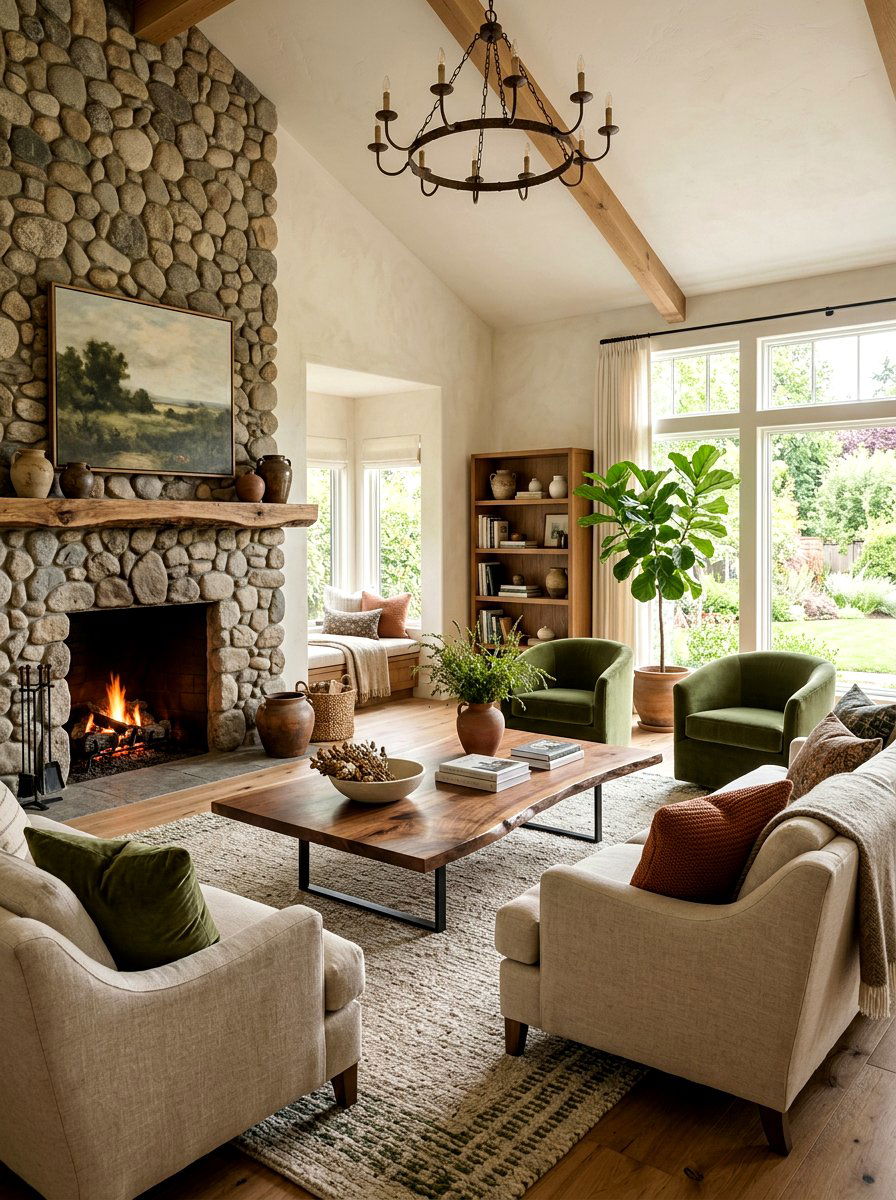
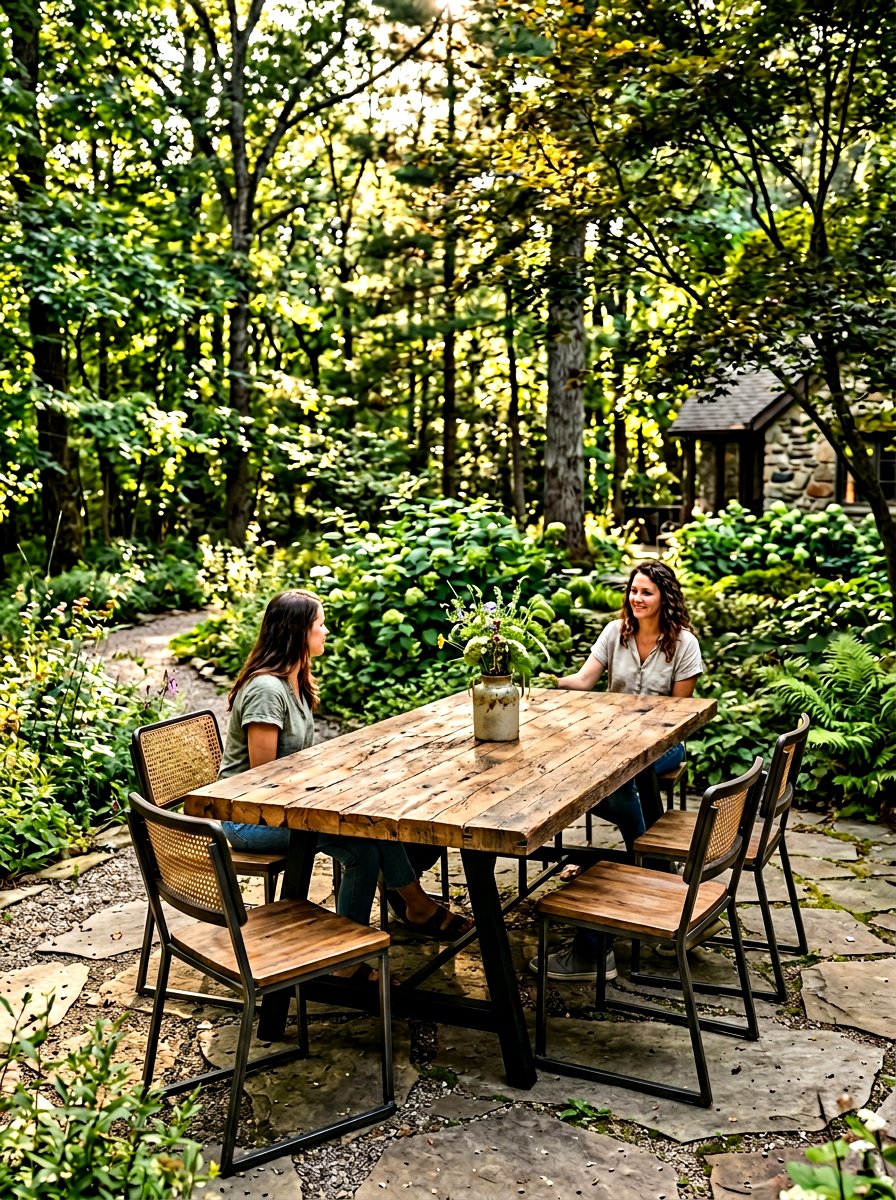
The organic transitional living room takes its inspiration from the natural world, using materials like stone, wood, and clay to create a grounded and peaceful environment. This style often features furniture with soft, flowing lines that mimic shapes found in nature. You might see a live-edge wooden coffee table or a fireplace made from textured natural stone. The color palette is typically pulled from the earth, featuring browns, greens, and ochres mixed with warm whites. This approach creates a home that feels like a natural extension of the landscape, providing a serene and restorative space where you can disconnect from the digital world and reconnect with the simple beauty of the natural environment around you.
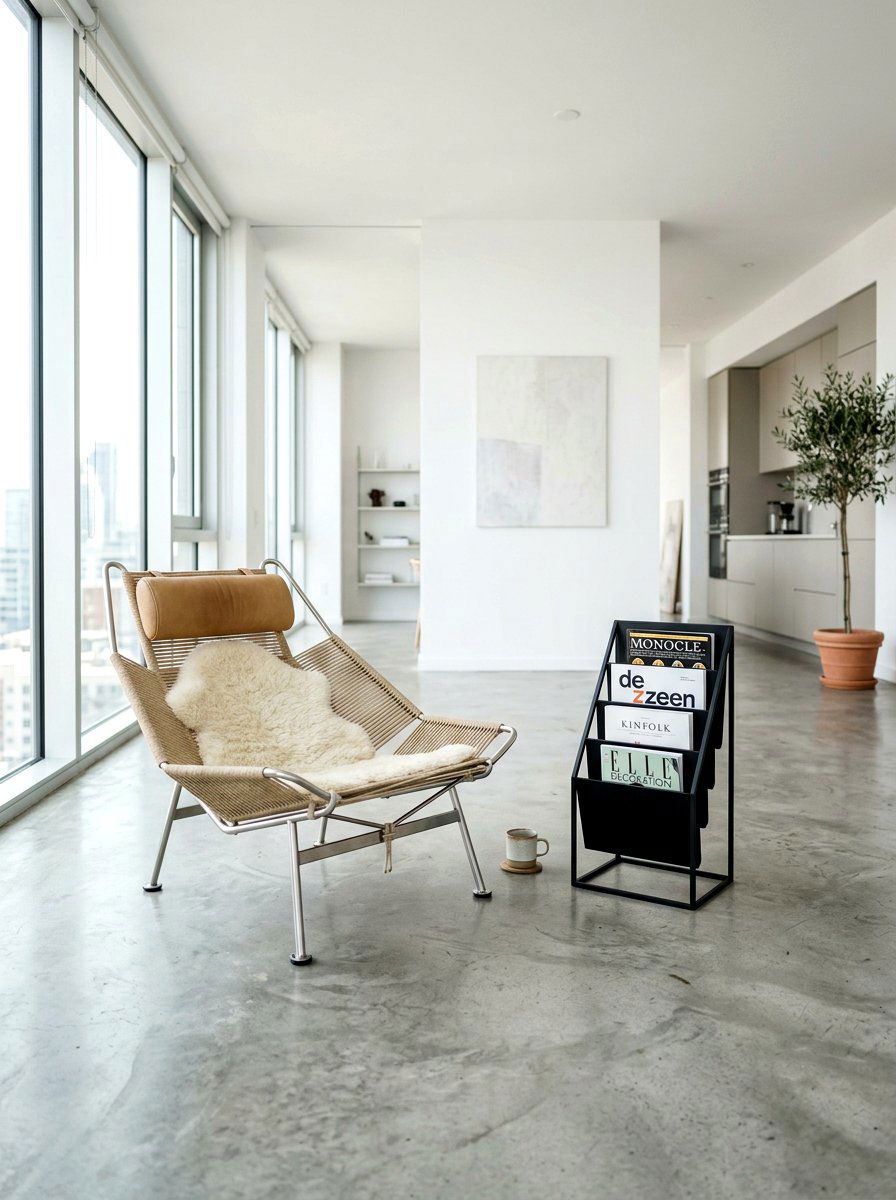
25. Dark Transitional Living Room
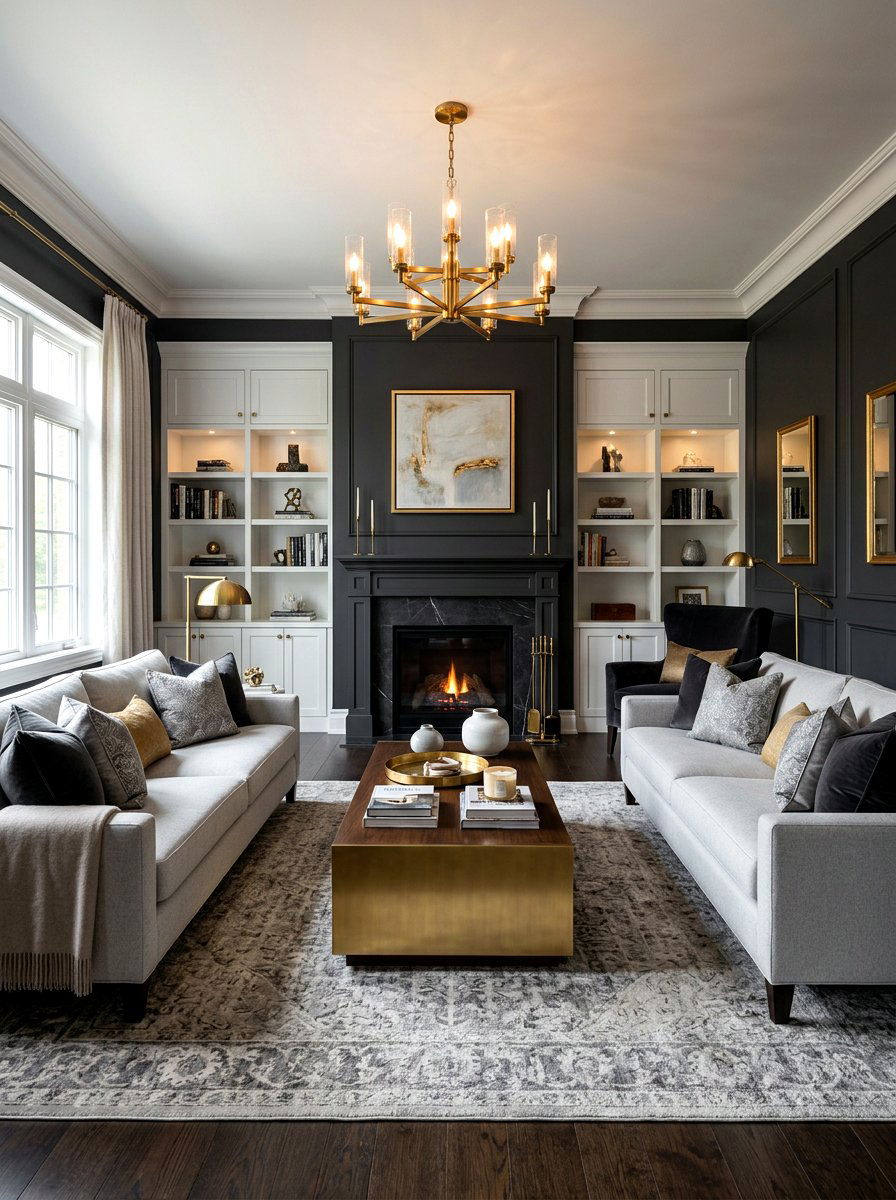
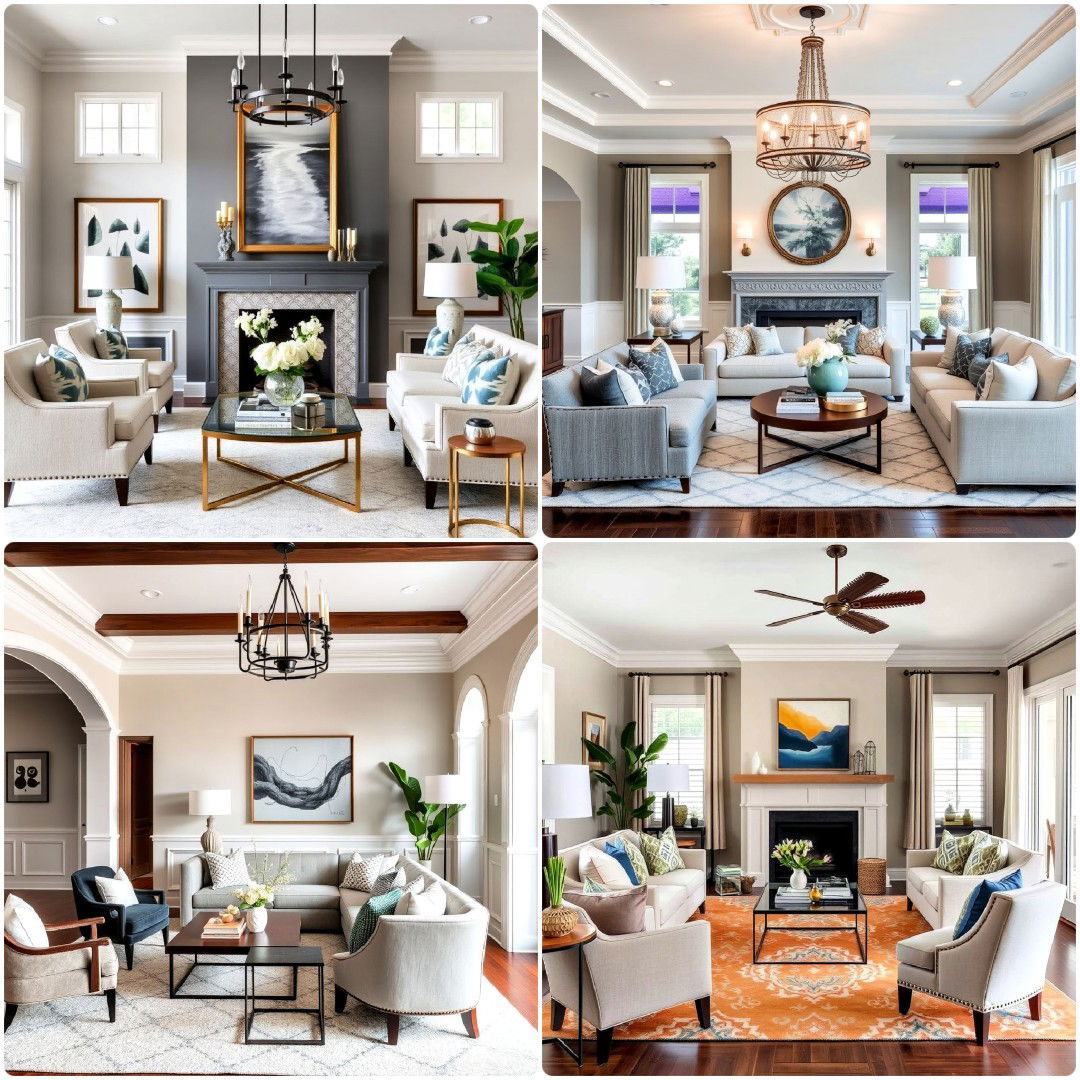
A dark transitional living room uses deep, saturated tones to create a sophisticated and intimate atmosphere that feels incredibly modern. Unlike a moody room which might be more eclectic, the dark transitional look is often more polished and structured. You might see charcoal walls paired with light grey furniture for a high-contrast effect, or an all-dark scheme with pops of polished brass and gold to add light. This style is perfect for media rooms or living spaces used primarily in the evening, as it creates a cozy, theater-like vibe. By balancing the dark colors with traditional architectural details and comfortable, clean-lined furniture, you ensure the space remains elegant and welcoming rather than feeling small or overly oppressive.
26. Bright Transitional Living Room
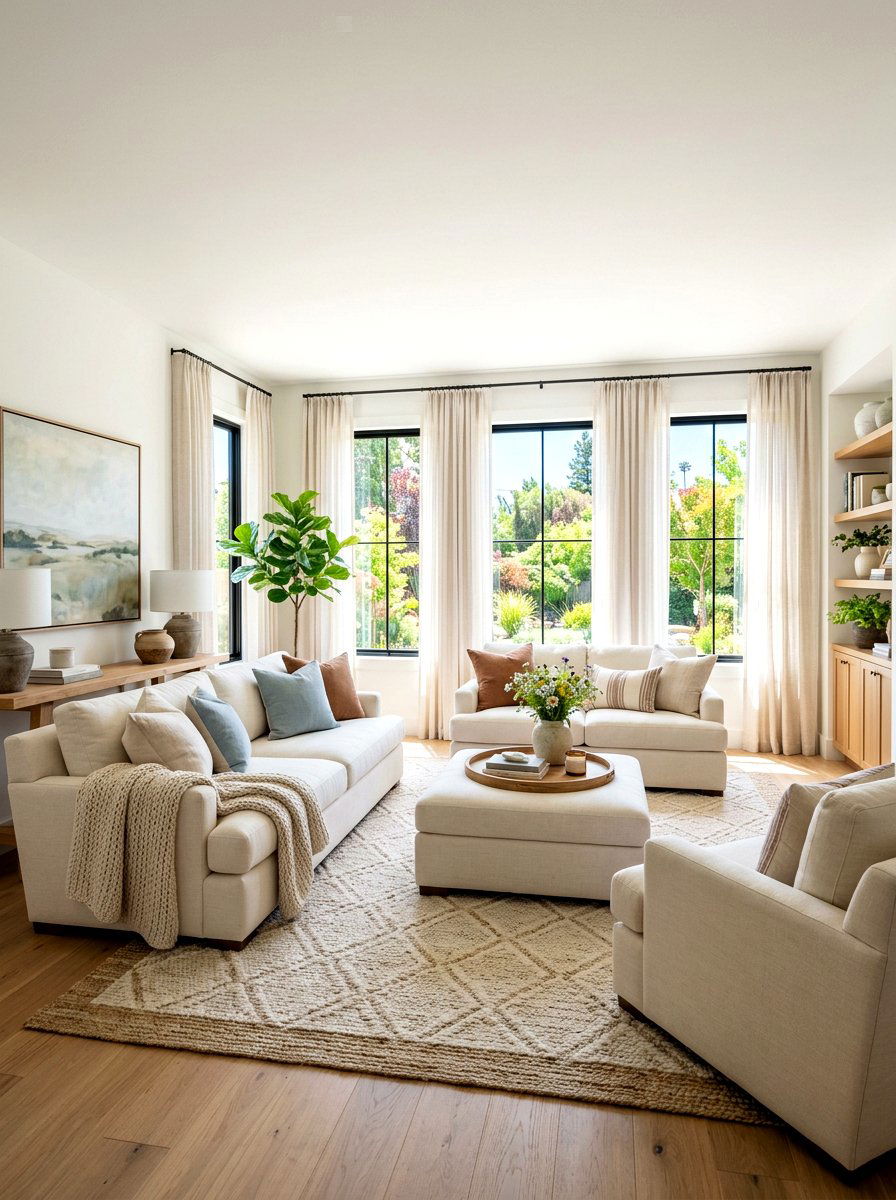
The bright transitional living room is all about light, energy, and a clean aesthetic that feels incredibly refreshing. This style maximizes natural light through the use of large windows and light-colored window treatments. The color palette is dominated by whites, creams, and very light greys, which help to bounce light around the room. To prevent the space from feeling too sterile, it is important to include plenty of natural wood tones and various soft textures. This approach creates a home that feels cheerful and expansive, providing a perfect backdrop for a busy family life. It is a timeless choice that always feels current and is particularly effective in smaller homes or spaces with limited access to natural outdoor light.
27. Textured Transitional Living Room
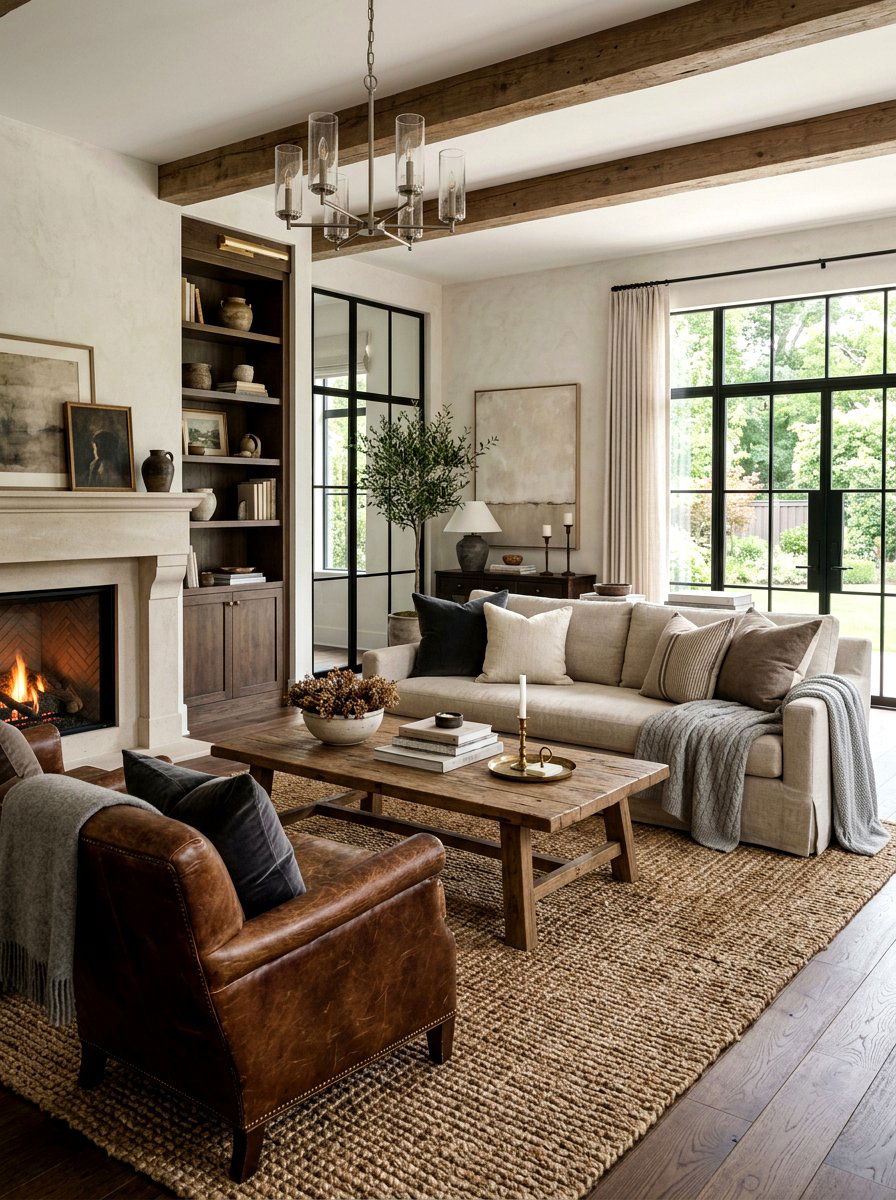
A textured transitional living room relies on the interplay of different materials rather than color to create visual interest and depth. In a largely neutral space, you might see a mix of leather, velvet, linen, and woven fabrics all working together. A chunky knit throw on a smooth leather sofa, sitting on top of a jute rug, is a classic example of this approach. These layers of texture make the room feel incredibly tactile and rich without needing bold patterns or bright colors. This style is perfect for those who want a sophisticated and understated home that still feels very warm and interesting to the eye, offering a sensory-rich environment that is both beautiful and deeply comfortable.
28. Symmetrical Transitional Living Room
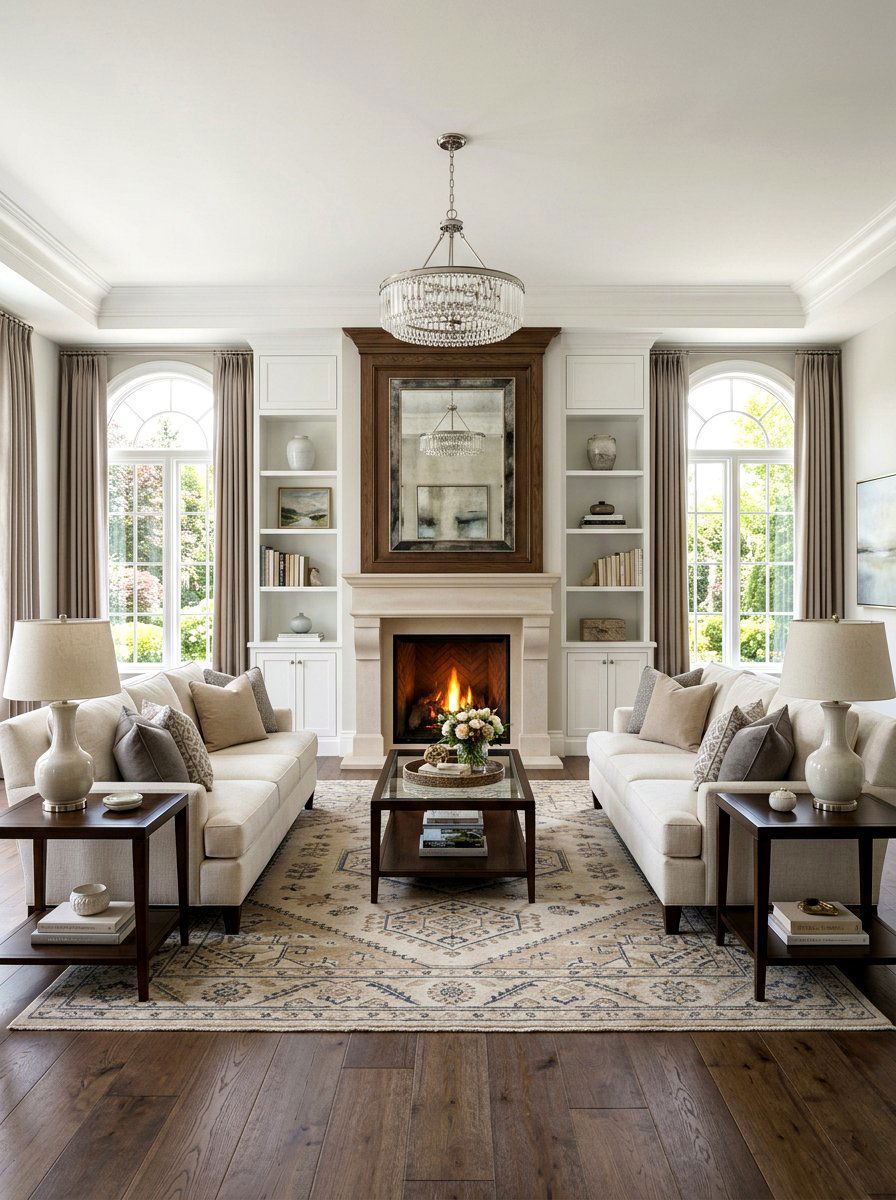
A symmetrical transitional living room uses balance and order to create a sense of calm and formality. This layout typically features pairs of identical items, such as two armchairs facing each other or matching lamps on end tables flanking a sofa. This approach is rooted in traditional design but is made modern through the use of clean-lined furniture and a neutral color palette. Symmetry is very pleasing to the eye and can make a room feel more organized and professionally designed. It is an excellent choice for a formal living space where you want to create an atmosphere of quiet sophistication and refined taste, providing a structured environment that is both beautiful and very easy to navigate.
29. Sophisticated Transitional Living Room
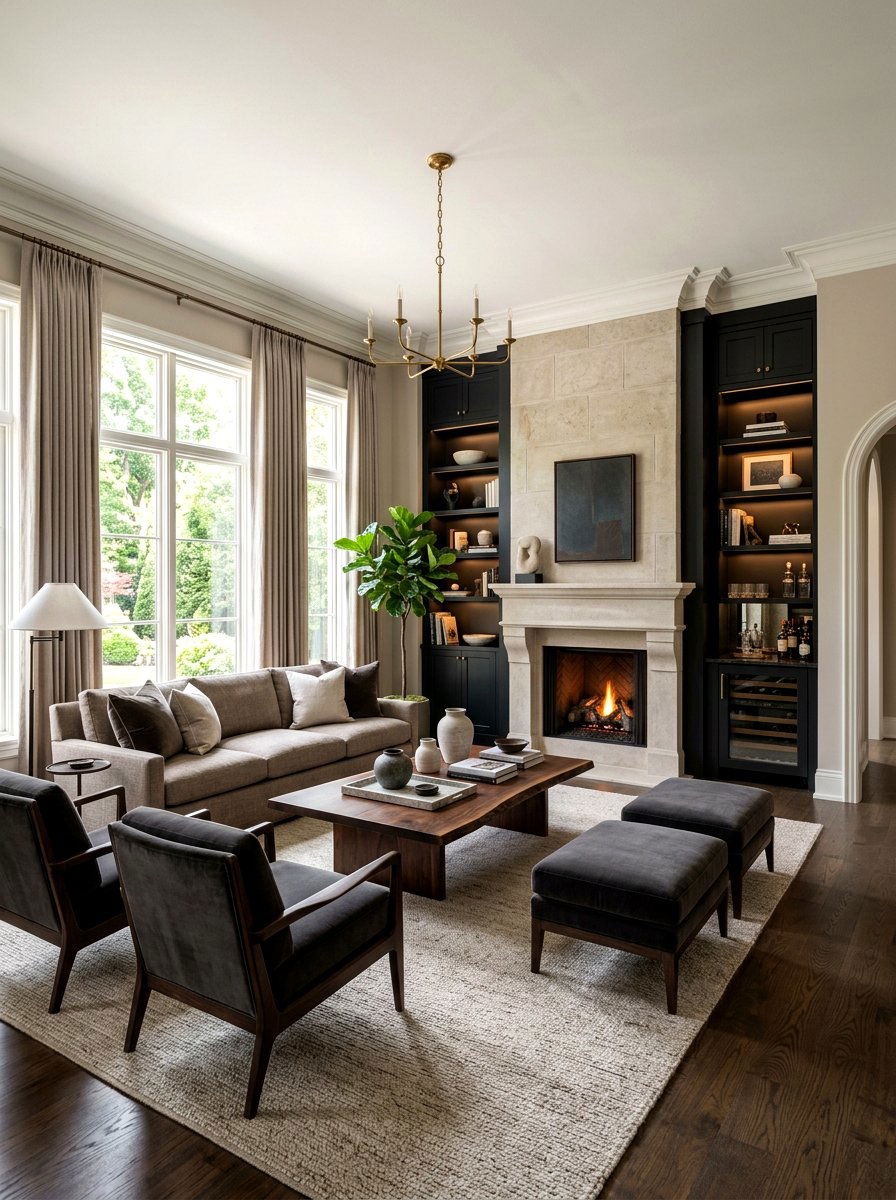
A sophisticated transitional living room is defined by its maturity, restraint, and the high quality of every element. This style avoids flashy trends in favor of timeless pieces and a carefully considered layout. You might see a focus on architectural features like built-in cabinetry or a custom fireplace mantel, paired with furniture that has a quiet, understated elegance. The color palette is usually very subtle, with a focus on tone-on-tone neutrals and high-end finishes like matte black metal or polished stone. This design approach results in a home that feels very "grown-up" and refined, offering a peaceful sanctuary where you can escape the noise of the outside world and enjoy a truly beautiful and well-curated living environment.
30. Chic Transitional Living Room
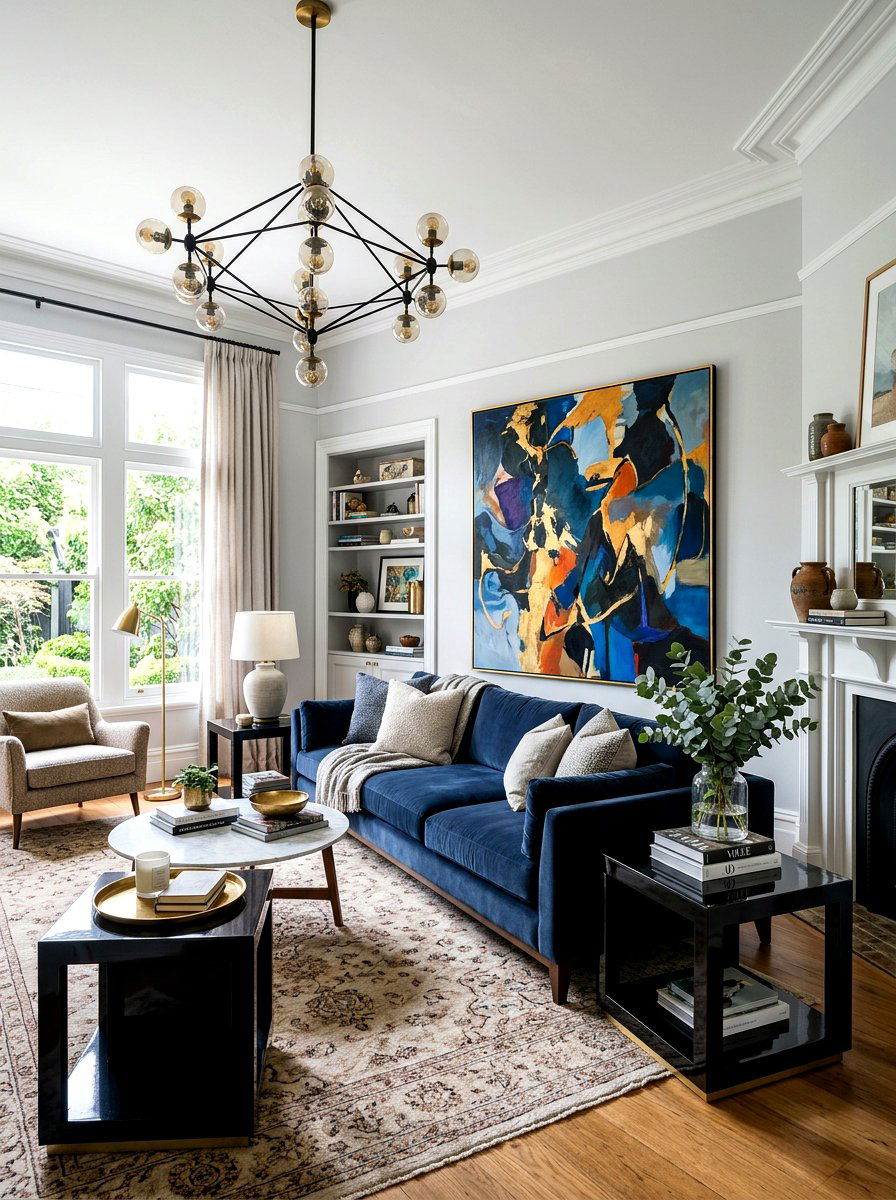
The chic transitional living room is for those who want their home to feel like it belongs in a high-end design magazine. This style incorporates a few more fashion-forward elements, like a statement light fixture or a piece of bold modern art, within a classic and comfortable framework. You might see the use of high-contrast color palettes or unexpected materials like acrylic or high-gloss lacquer to add a touch of modern edge. The key is to keep these trendy pieces balanced with traditional silhouettes and plenty of soft textiles so the room remains livable. This approach creates a dynamic and stylish space that is perfect for entertaining and showing off your unique personal style in a very polished and professional way.
Conclusion:
Designing a transitional living room is an exciting journey that allows you to blend the best parts of multiple eras into one cohesive and beautiful home. By prioritizing balance, neutral palettes, and high-quality textures, you can create a space that will never go out of style and remains functional for years to come. This versatile aesthetic is perfect for Pinterest lovers because it provides a foundation that can easily evolve as your tastes or family needs change over time. Whether you prefer a dark retreat or a bright sanctuary, the transitional approach offers the flexibility to make your living room truly your own. We hope these thirty ideas have inspired you to start your own home transformation today, creating a space where traditional elegance meets modern comfort in perfect harmony.

Related posts: