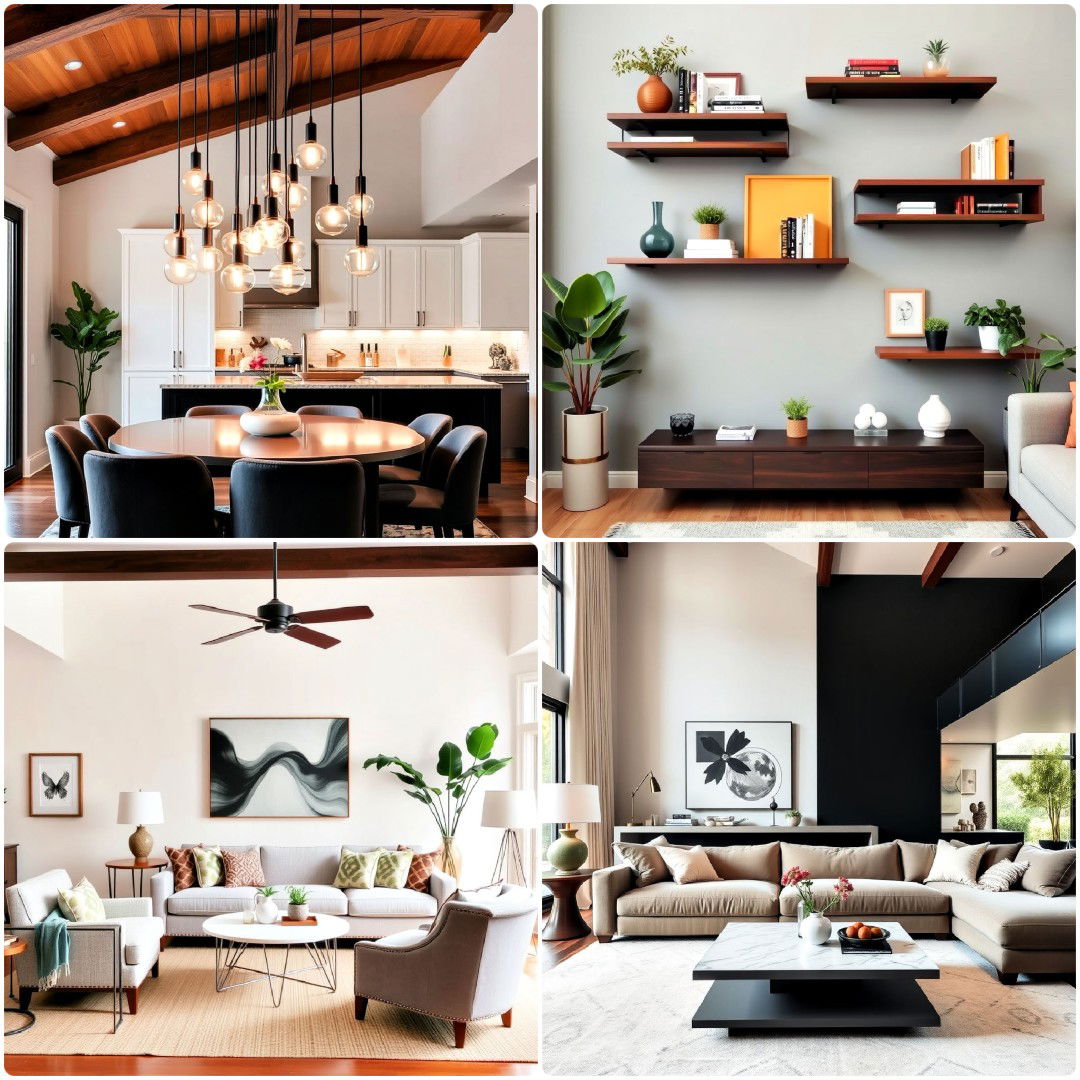
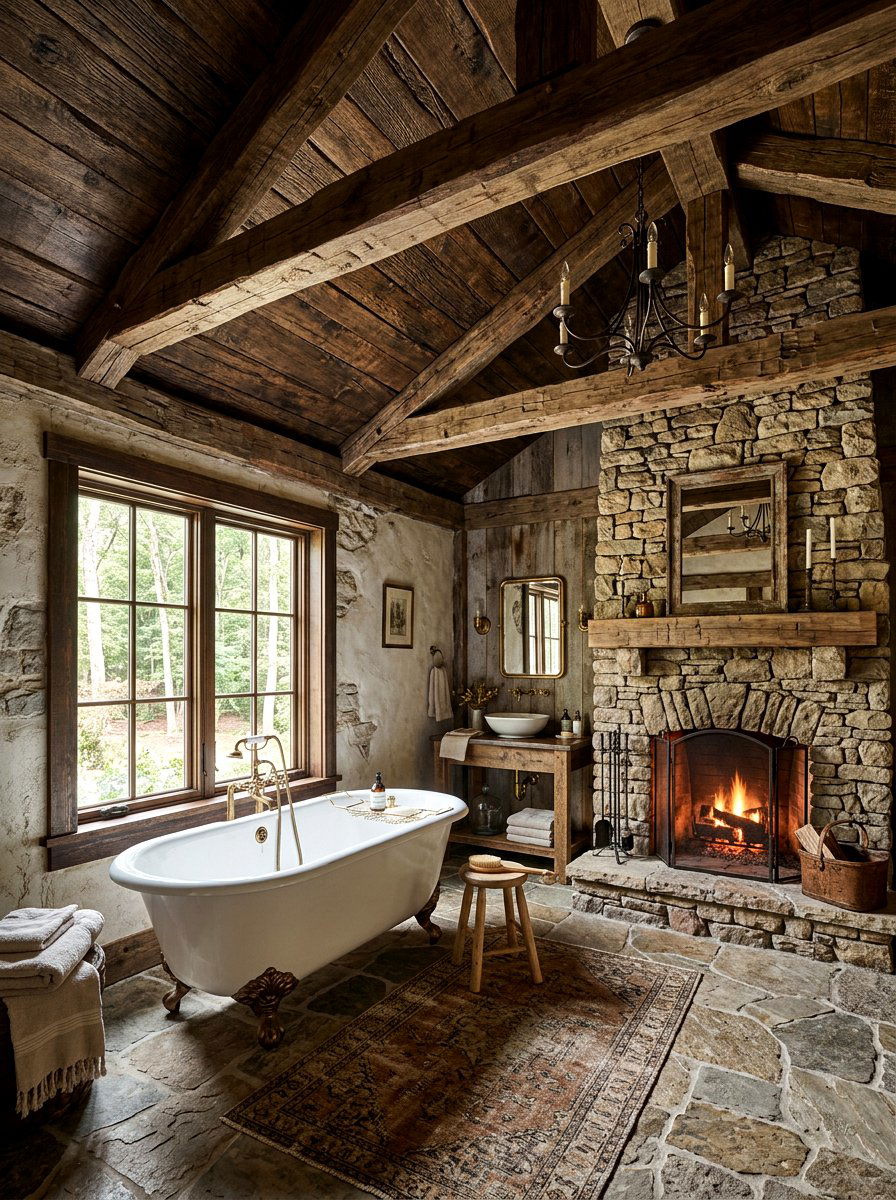
Transitional decor offers a sophisticated balance between traditional elegance and modern simplicity, making it a favorite for homeowners who want a timeless look. This style avoids the stuffiness of strictly classic interiors while steering clear of the coldness often associated with ultra-modern spaces. By blending clean lines with comfortable textures, you create an environment that feels both curated and lived-in. It is all about the harmony of opposites, such as pairing a sleek metal coffee table with a plush, tufted sofa. This approach allows for incredible flexibility, enabling you to integrate family heirlooms alongside contemporary art pieces seamlessly. Ultimately, transitional design fosters a serene, cohesive atmosphere that remains stylish for years to come.
1. Transitional Living Room
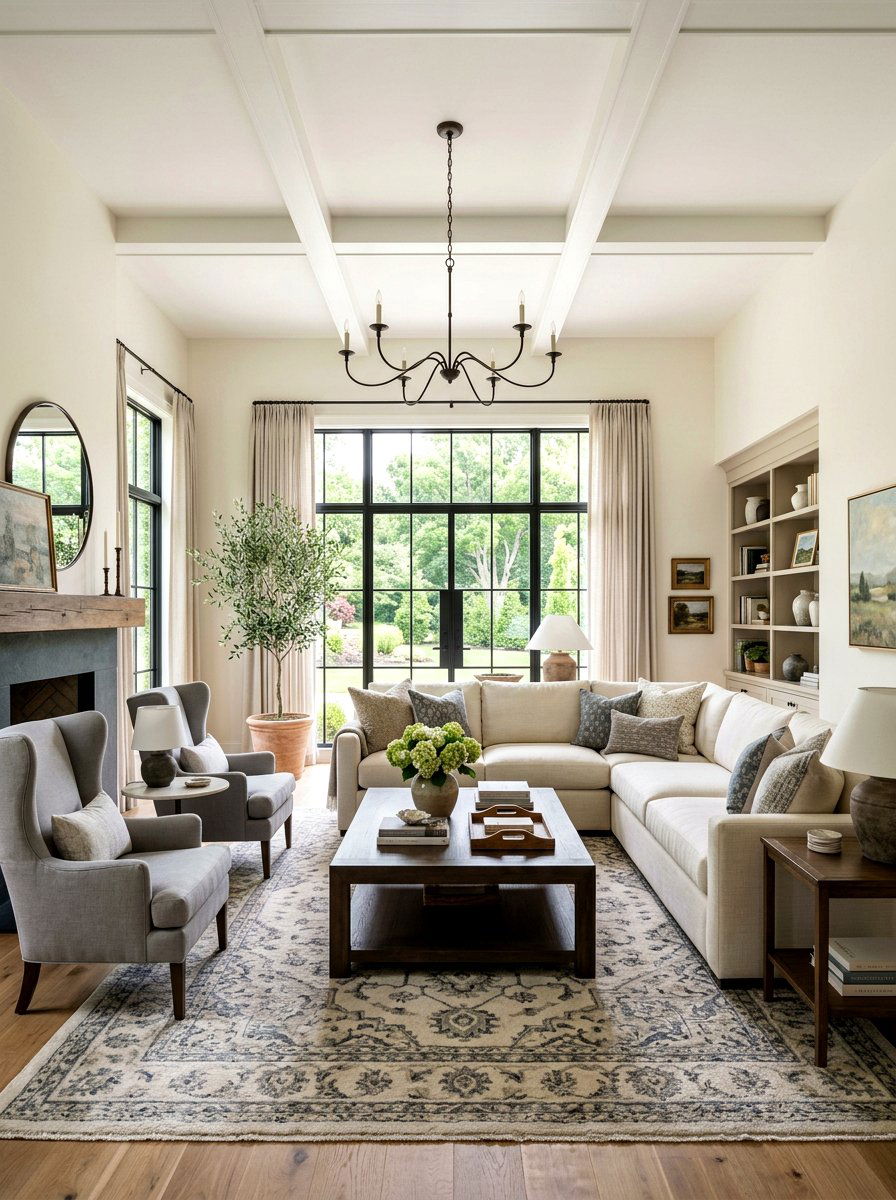
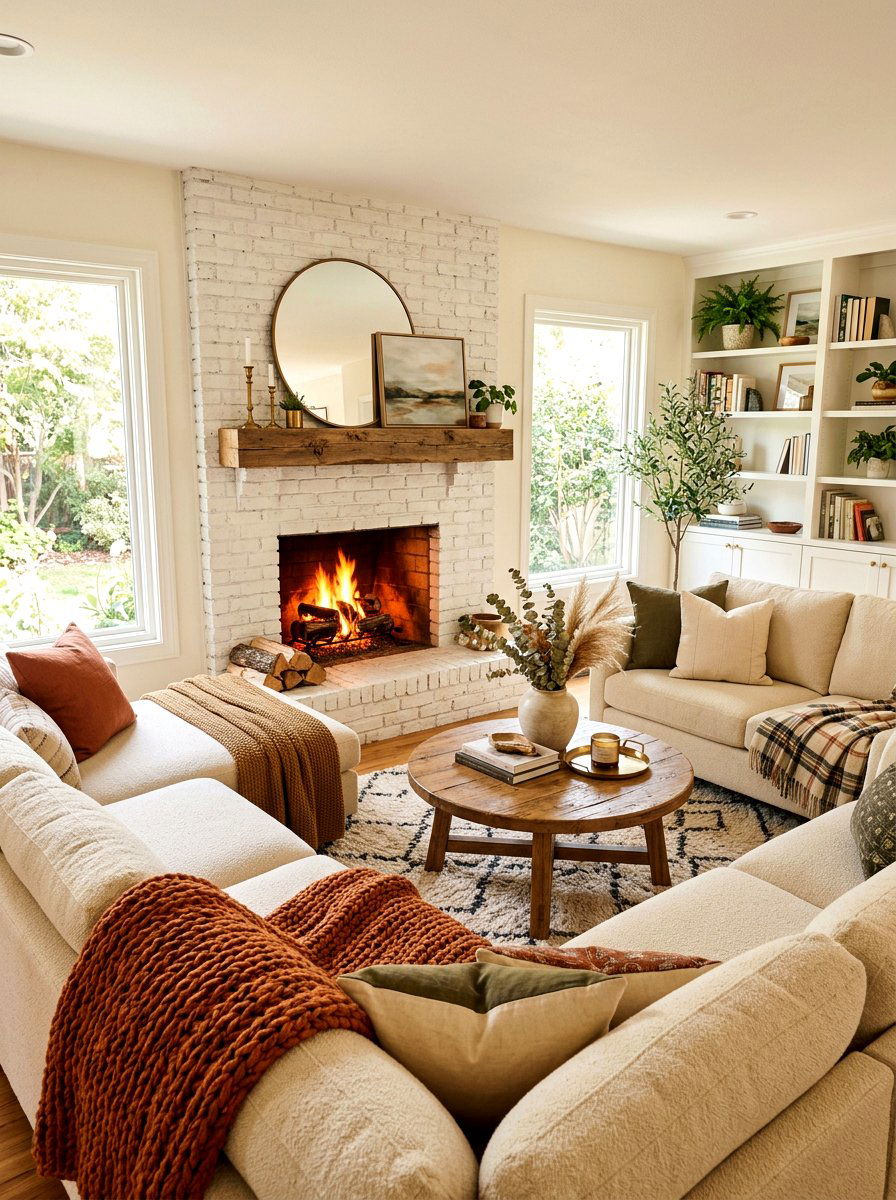
A transitional living room serves as the heart of the home, perfectly balancing comfort with high-end sophistication. To achieve this look, you should focus on a neutral foundation that features a mix of soft textures and clean architectural lines. Imagine a spacious area where a tailored linen sectional sits across from two classic wingback chairs updated with modern, solid-colored upholstery. The space should feel open and airy, utilizing large windows to flood the room with natural light. Incorporating a dark wood coffee table provides a grounding element against lighter walls. Every piece of furniture works together to create a cohesive environment that feels intentionally curated yet completely approachable for daily family life.
2. Neutral Color Palette
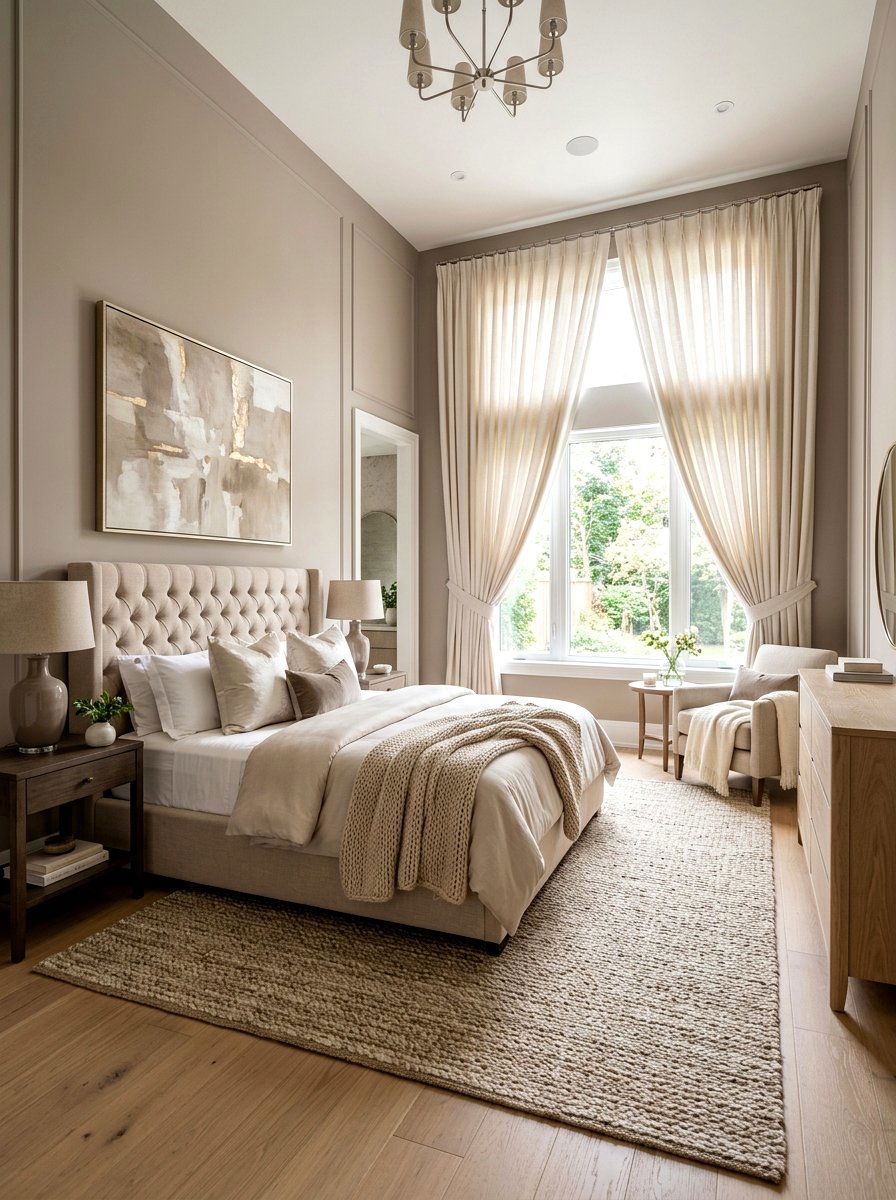
Implementing a neutral color palette is essential for establishing a cohesive transitional environment throughout your entire home. Rather than appearing bland, this approach uses varying shades of cream, taupe, tan, and soft gray to create deep visual interest through layering. These subtle tones allow the architectural details and furniture silhouettes to take center stage without competing for attention. You can introduce depth by using slightly darker shades on accent walls or through large-scale rugs that anchor the room. This color strategy provides a calming backdrop that makes the transition between different living zones feel seamless. It also allows you to easily update your decor seasonally with small, colorful accessories.
3. Shaker Style Kitchen Cabinets
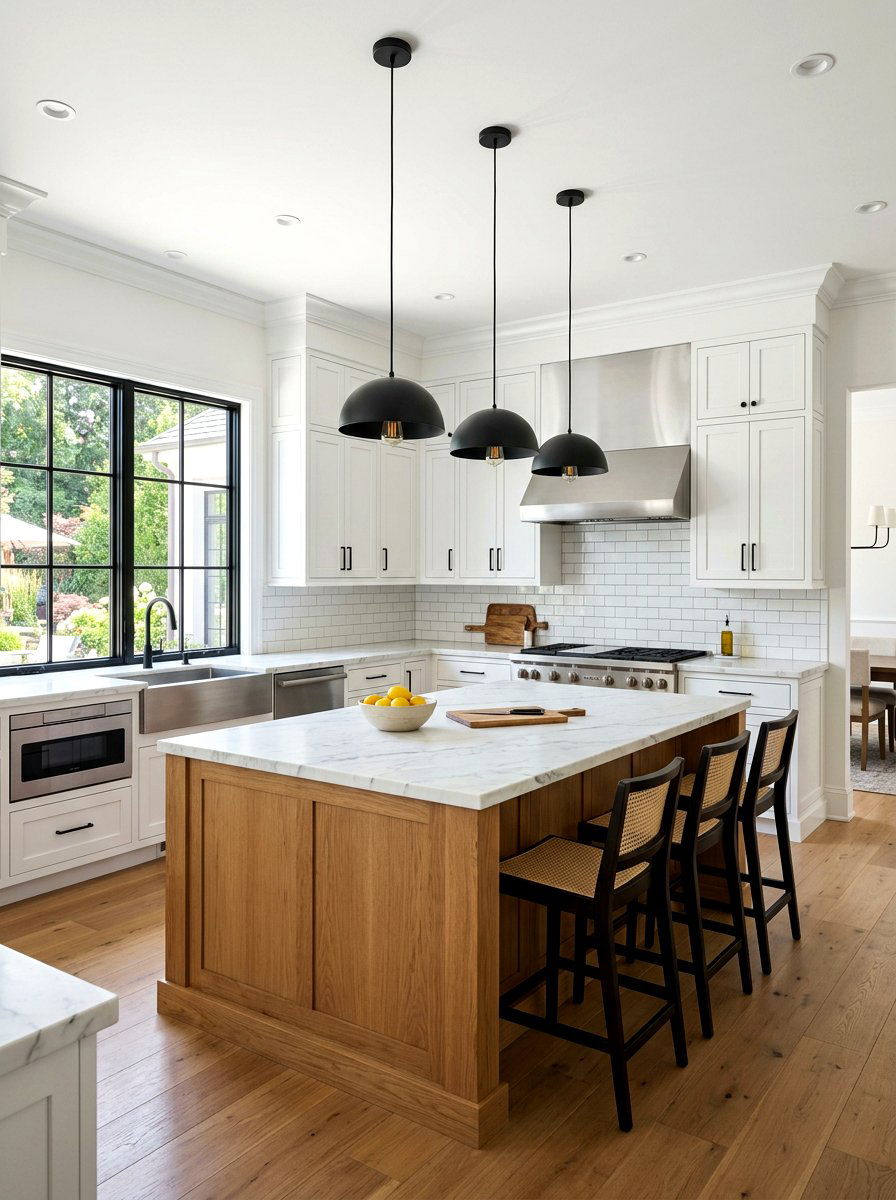
Shaker style kitchen cabinets are a hallmark of transitional design because they offer a clean, geometric look that works with many different aesthetics. These cabinets feature a simple recessed center panel that provides enough detail for a traditional home but remains sleek enough for a contemporary kitchen. To keep the look modern, many designers opt for crisp white or soft mushroom tones paired with updated hardware. Integrating a large island with a contrasting wood finish adds warmth and a sense of history to the culinary space. This balance ensures the kitchen feels professional and efficient while maintaining the inviting warmth that makes it the primary gathering spot for guests.
4. Modern Traditional Dining Room
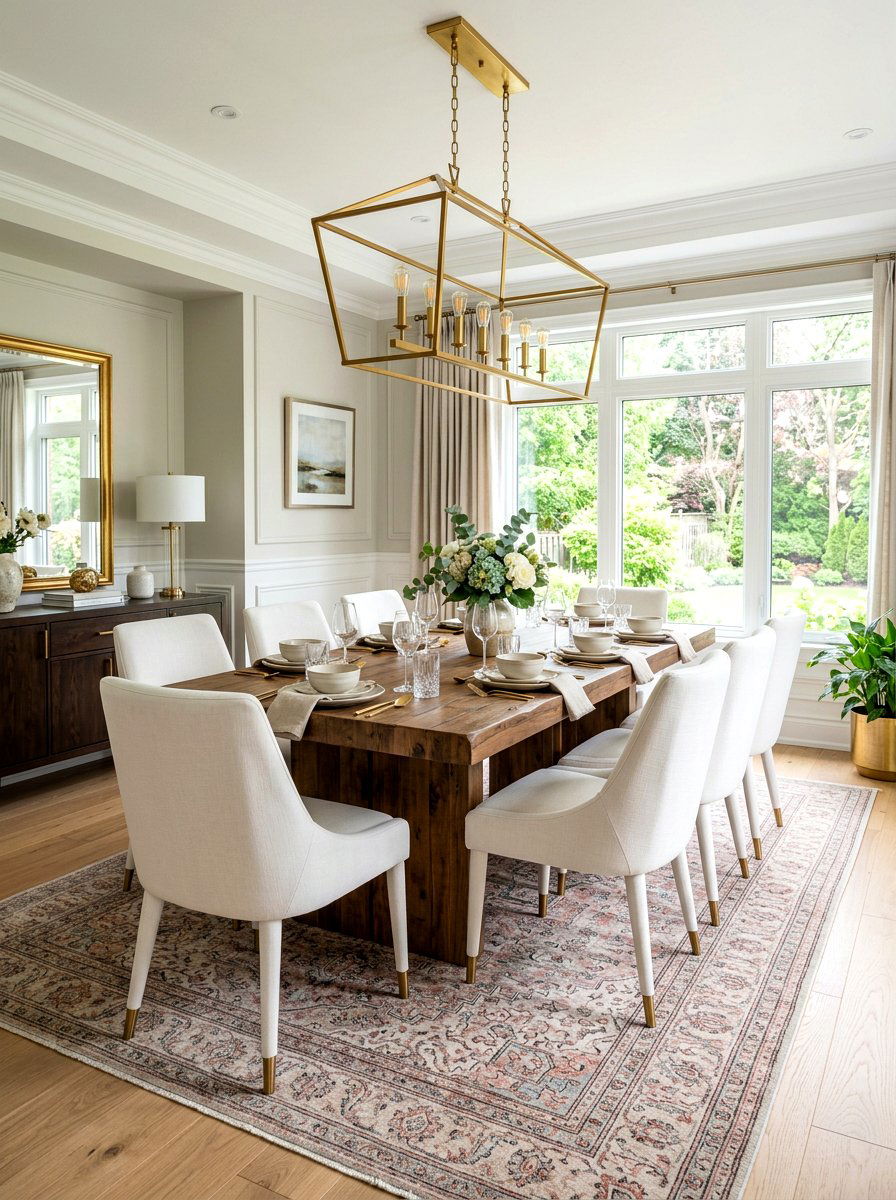
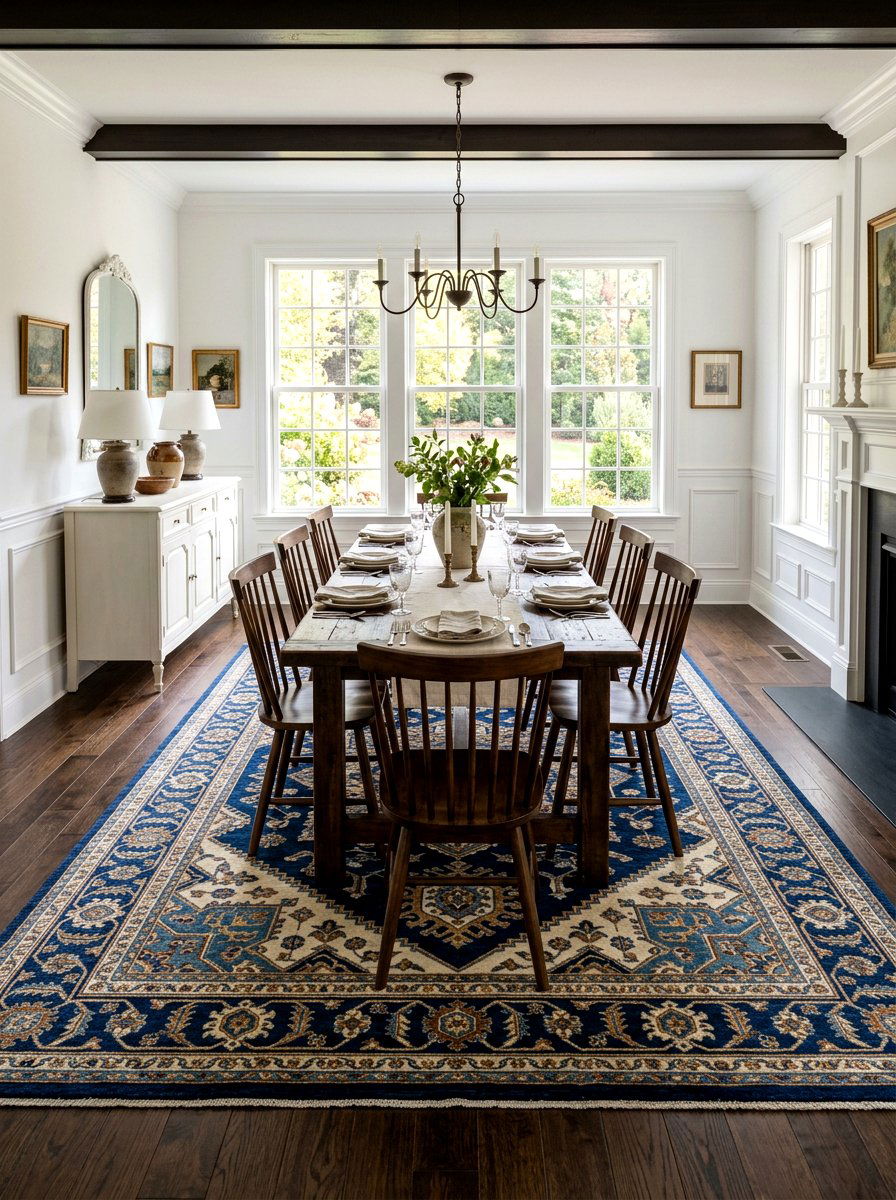
A modern traditional dining room blends the formality of a classic dinner setting with the relaxed vibes of a contemporary household. You can achieve this by pairing a heavy, rustic wooden dining table with sleek, upholstered chairs that feature tapered legs. To anchor the space, use a large patterned rug that incorporates subtle, muted colors found in the rest of the home. This setup creates a beautiful visual tension that makes the room feel both expensive and comfortable. Large windows or a minimalist buffet table can further enhance the open feel, ensuring the dining area remains a functional yet stylish part of your overall interior floor plan.
5. Transitional Bedroom Furniture
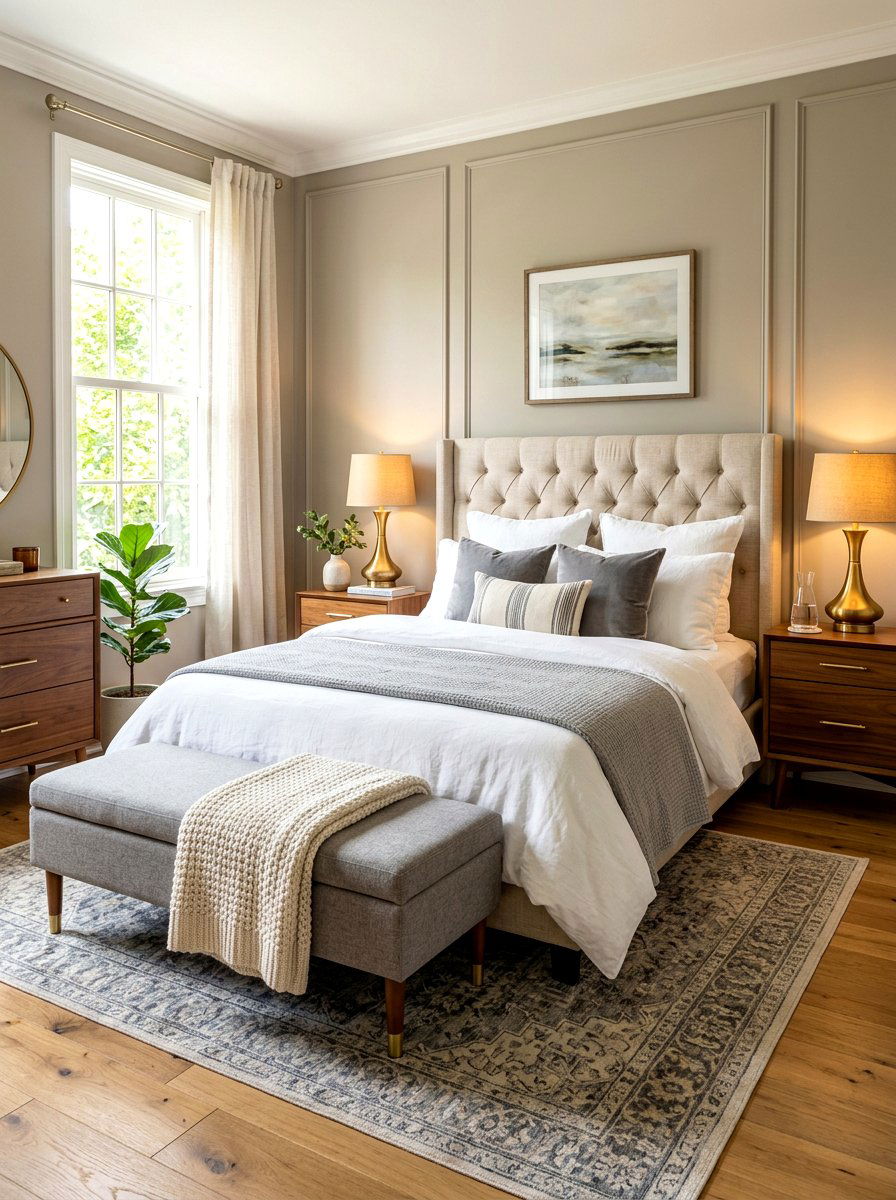
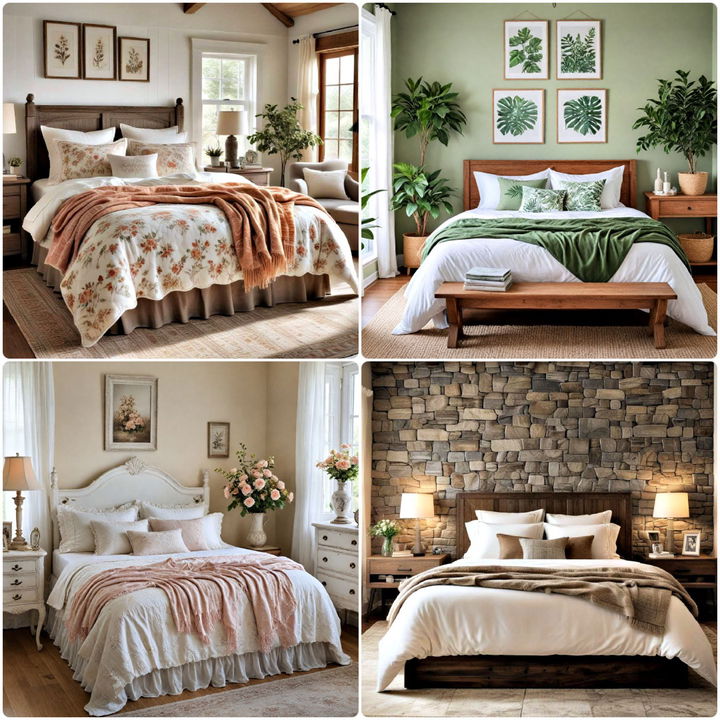
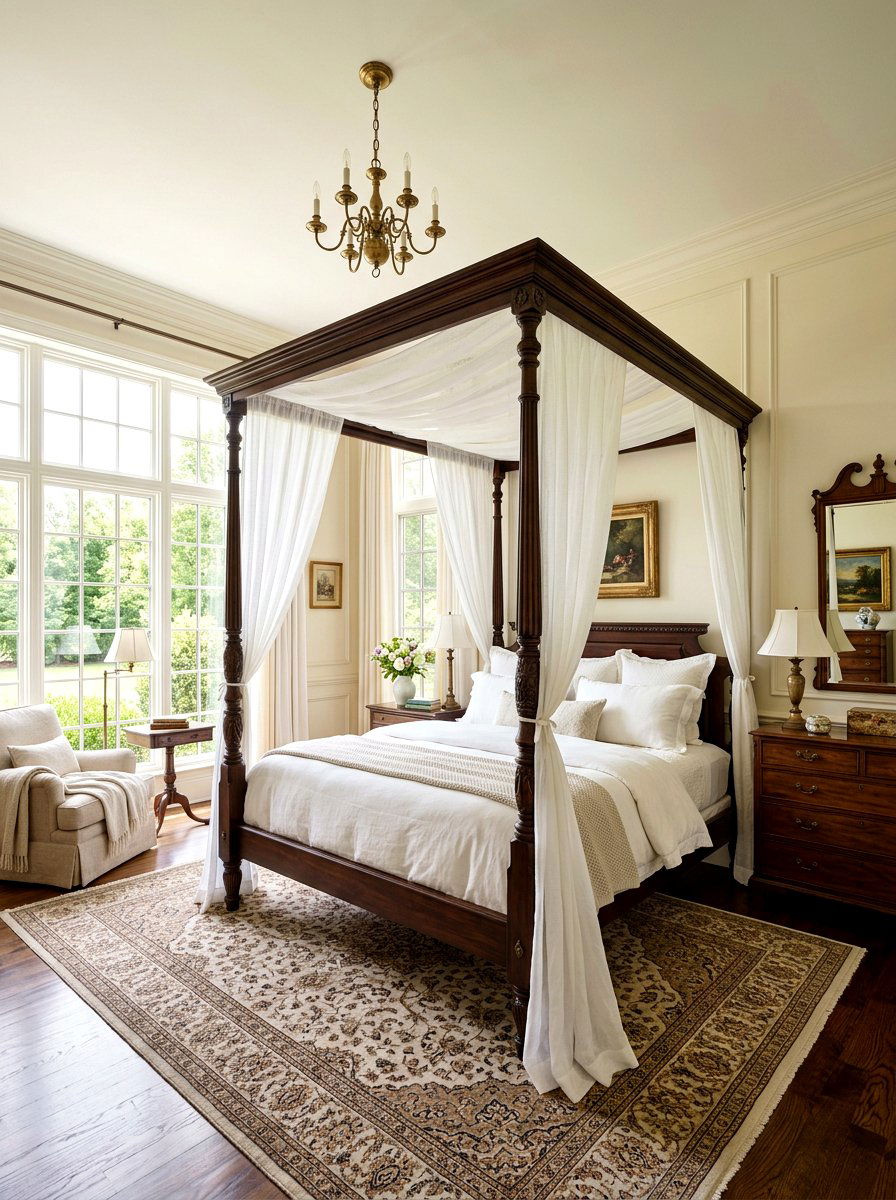
Choosing transitional bedroom furniture involves selecting pieces that prioritize comfort through soft curves while maintaining a structured, orderly appearance. A tufted headboard in a neutral linen fabric serves as an excellent focal point, providing a touch of luxury without being overly ornate. You can pair this with sleek, mid-century inspired nightstands that offer clean lines and plenty of storage. Adding a plush bench at the foot of the bed introduces another layer of texture and functionality to the room. The goal is to create a restful sanctuary where the furniture feels substantial and timeless. Soft, layered bedding in varying neutral tones completes the cozy, high-end hotel atmosphere perfectly.
6. Mixed Metal Finishes
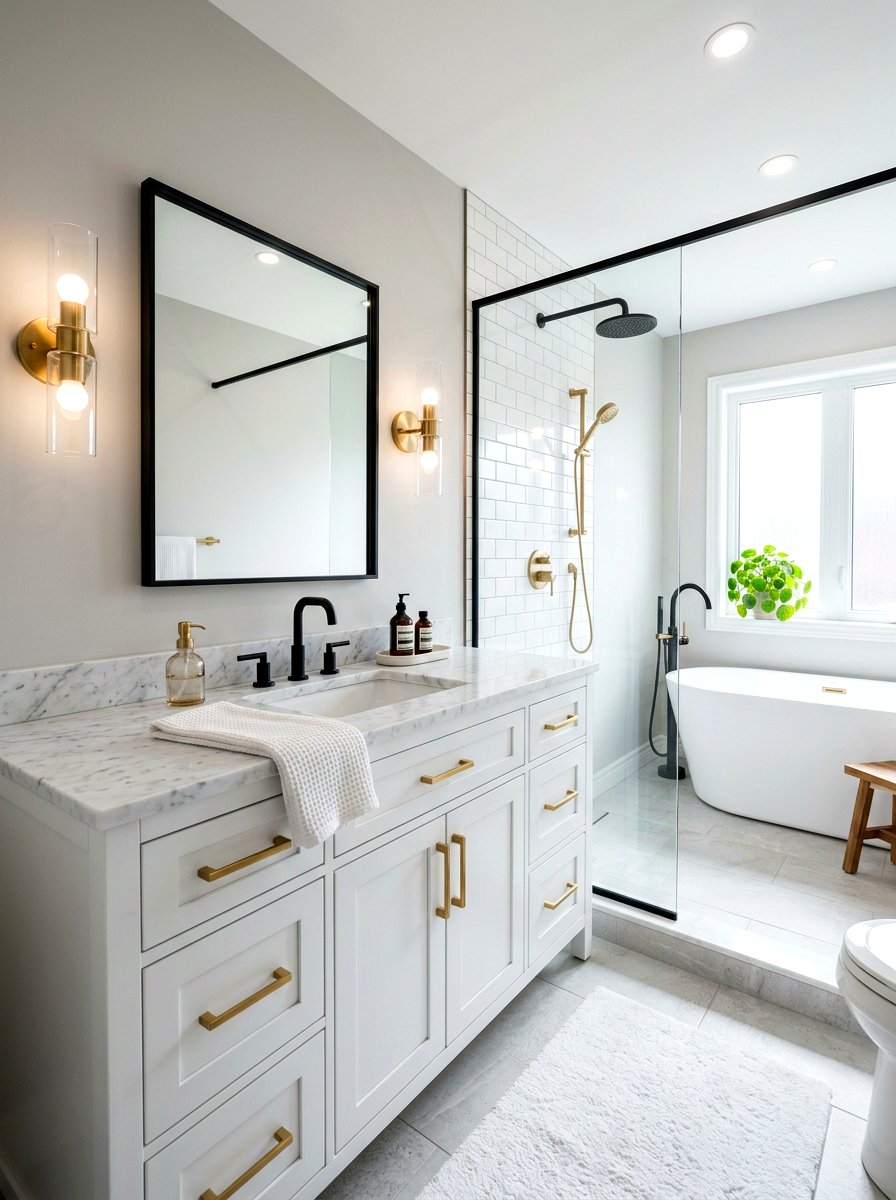
Using mixed metal finishes throughout your home adds a layer of curated sophistication that prevents the space from looking too "matchy-matchy. " In a transitional setting, you might combine matte black light fixtures with polished brass cabinet hardware or a brushed nickel faucet. This technique creates a sense of history, as if the home has evolved over time rather than being decorated in a single afternoon. The key is to choose one dominant metal and use the second or third finish as a subtle accent. This variety adds visual weight and modern flair to traditional spaces like bathrooms and kitchens, making every corner feel intentional and thoughtfully designed for the homeowner.
7. Textured Fabric Upholstery
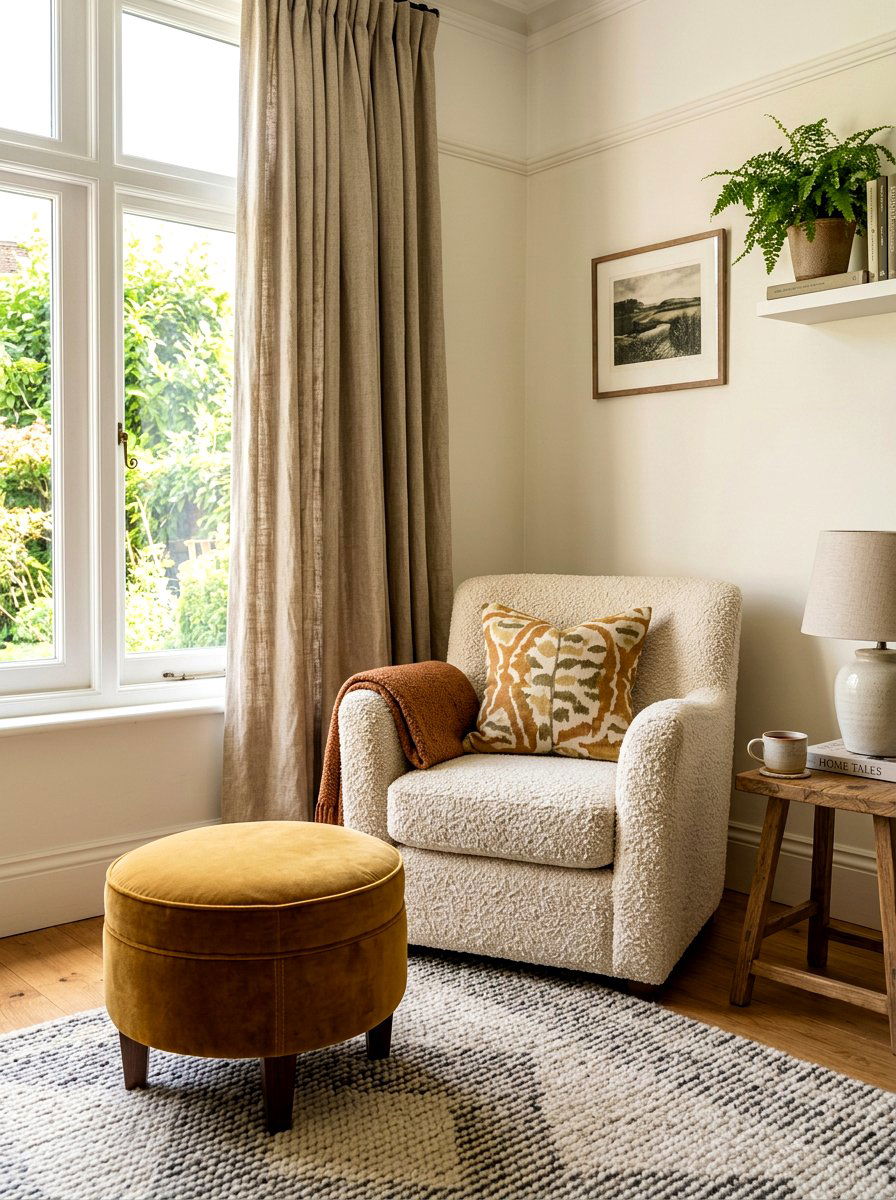
Textured fabric upholstery is a vital tool for adding warmth and tactile interest to a room without relying on loud patterns. In a transitional home, look for high-quality materials like chunky bouclé, soft velvet, or durable performance linens for your main seating areas. These fabrics catch the light differently and make neutral furniture pieces feel much more expensive and inviting. You can layer these textures by adding wool throws or silk pillows to a linen sofa, creating a rich sensory experience. This approach ensures that even the simplest room designs feel full of life and character. Texture acts as a bridge that brings contemporary furniture and traditional layouts together beautifully.
8. Statement Lighting Fixtures
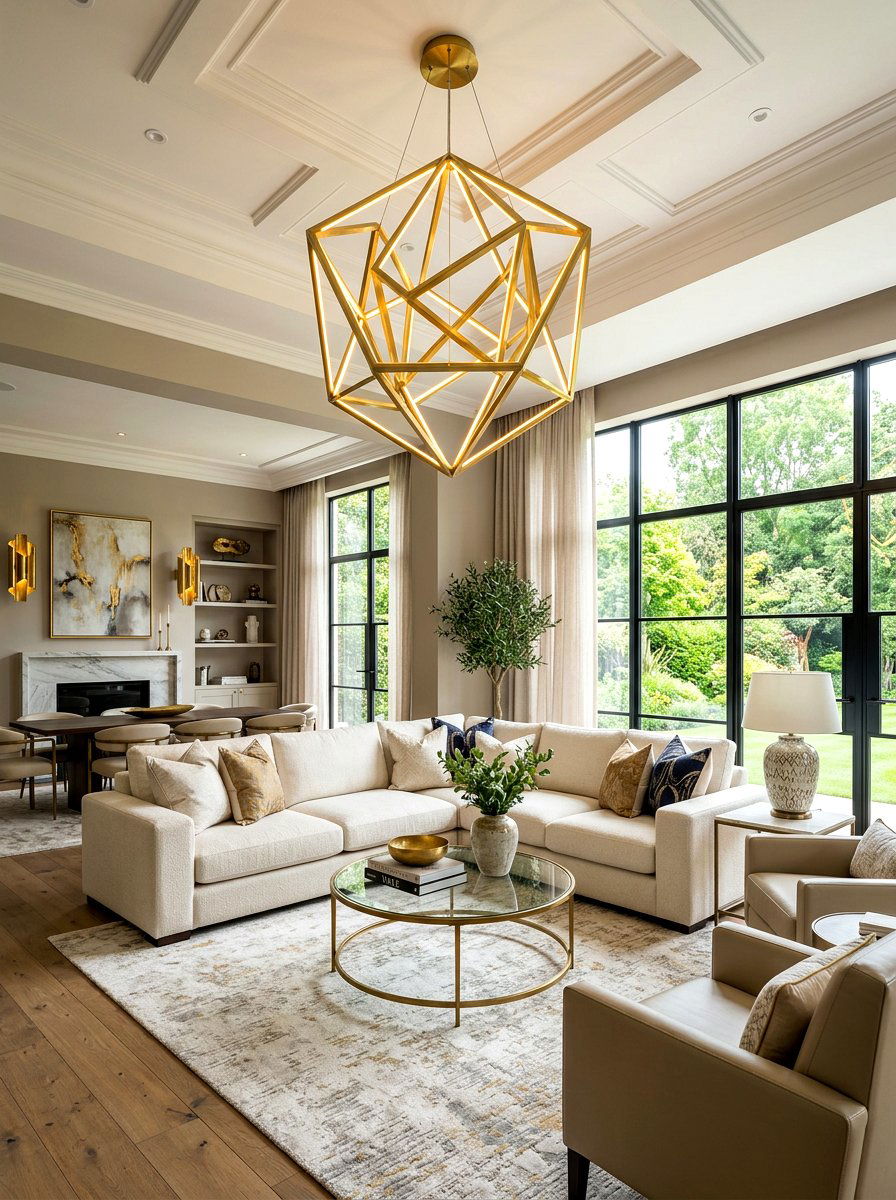
Statement lighting fixtures act as the jewelry of a room, providing a modern focal point that can instantly update a traditional space. In transitional design, you often see oversized drum pendants, sculptural gold chandeliers, or geometric lanterns that draw the eye upward. These pieces should be bold enough to command attention but simple enough to maintain the room's overall sense of balance. Installing a modern chandelier over a classic farmhouse table creates a stunning contrast that defines the transitional aesthetic. Proper lighting also enhances the colors and textures within the room, ensuring the space feels bright, inviting, and architecturally interesting even during the dark evening hours.
9. Classic Crown Molding
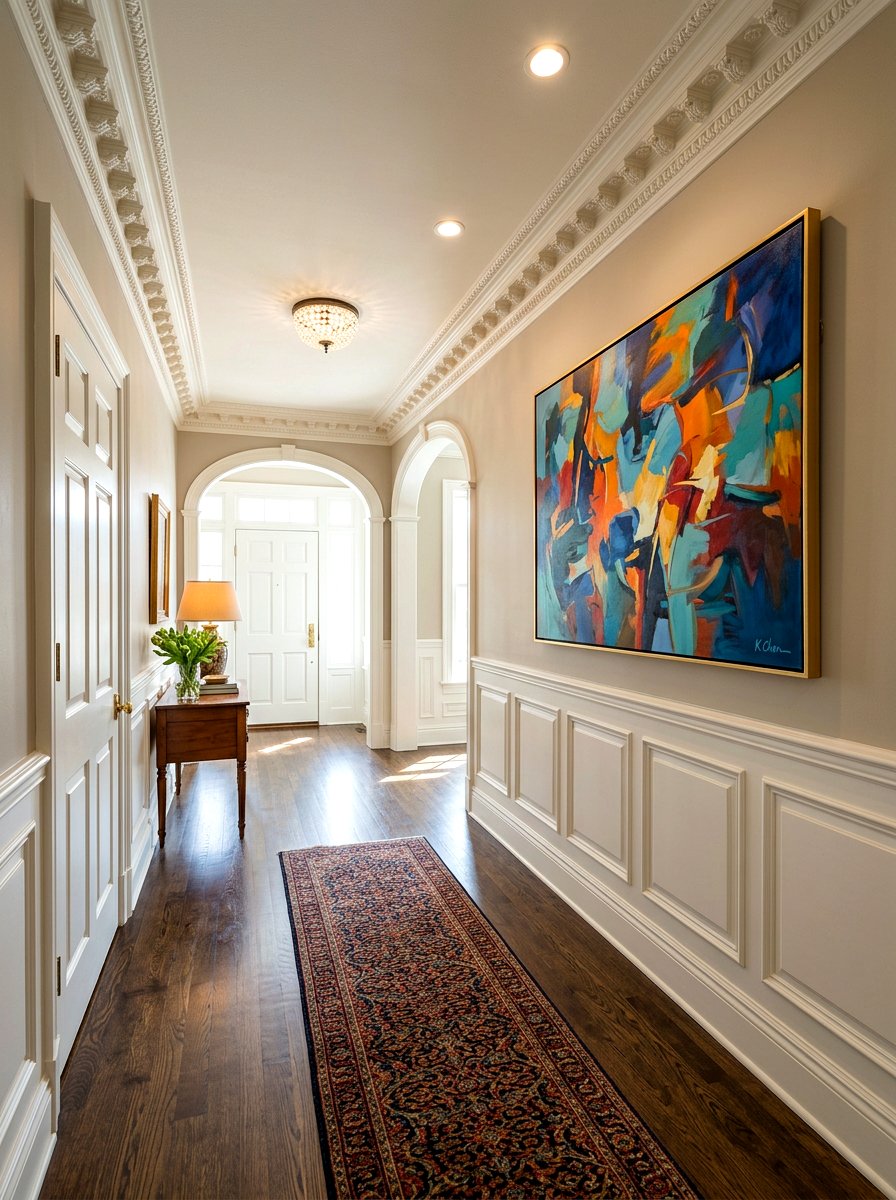
Classic crown molding and other architectural millwork provide the traditional "bones" that make a transitional home feel permanent and high-quality. Simple, clean-lined wainscoting or deep baseboards add a sense of history and structure to otherwise modern rooms. When these traditional details are painted in the same neutral tone as the walls, they create a subtle, sophisticated shadow line that enhances the room's depth. This architectural foundation allows you to bring in very modern furniture without the space feeling disconnected. It creates a rich, layered background that honors the past while providing a clean canvas for contemporary living. Quality millwork is an investment that truly elevates the entire interior design.
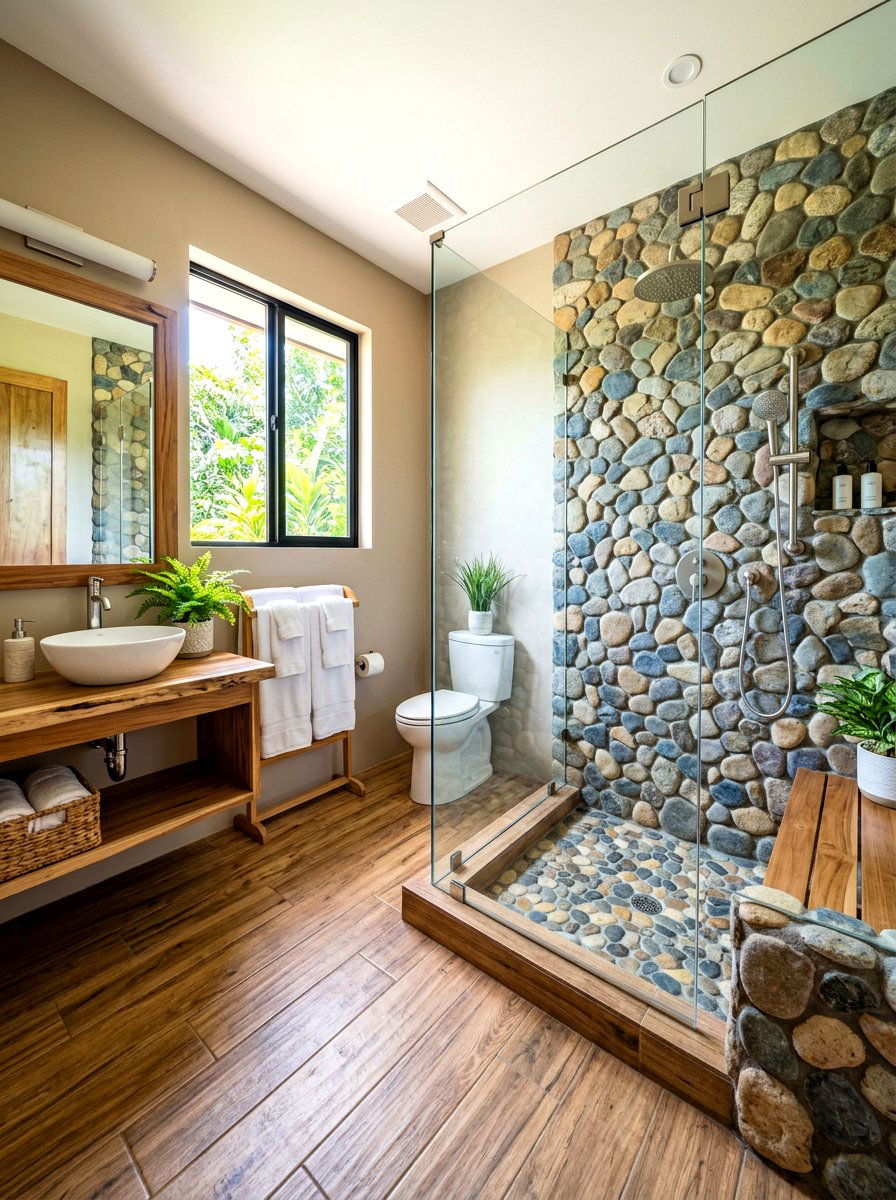
10. Transitional Entryway Console
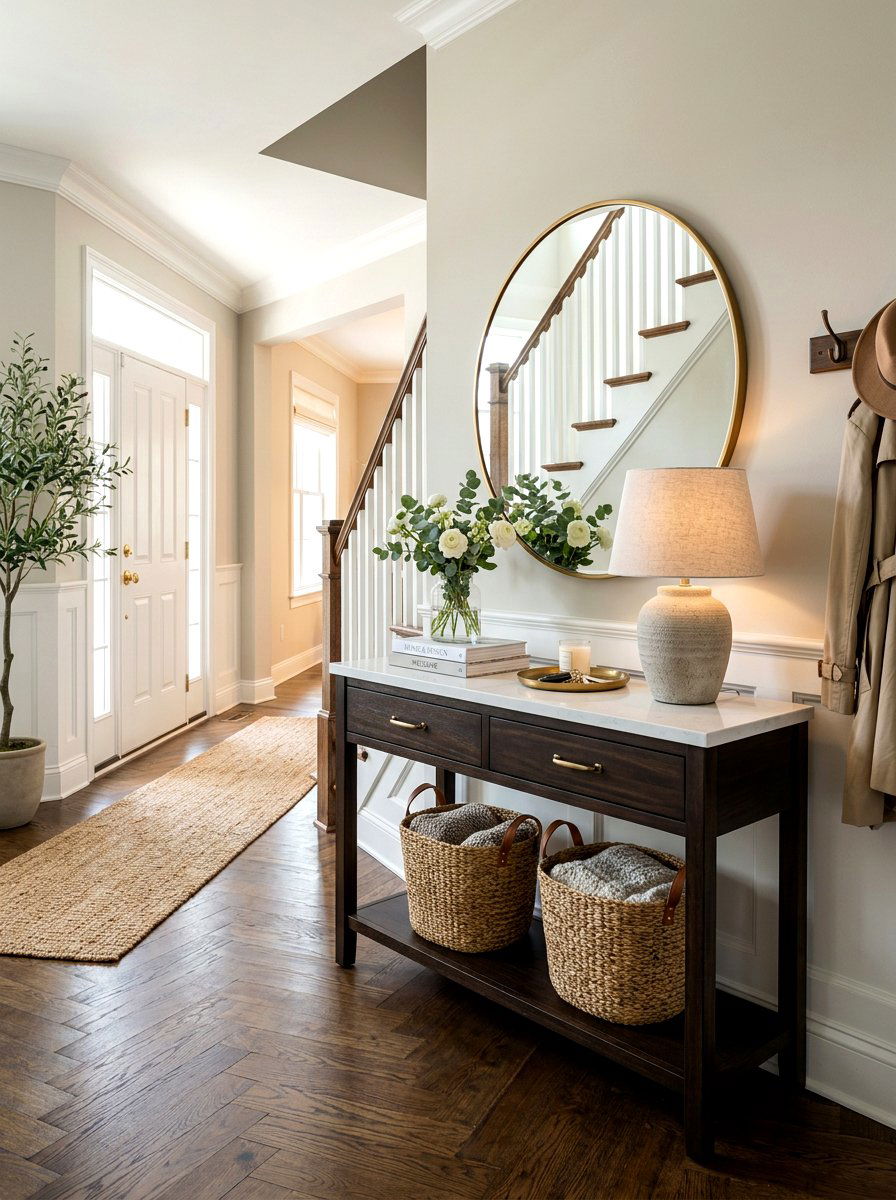
A transitional entryway console sets the tone for the rest of your home by blending utility with classic style right at the front door. Look for a table that features a simple silhouette, perhaps with a stone top or a dark wood frame, to provide a sturdy surface for keys and decor. Placing a large, modern mirror above the console helps bounce light around the foyer and makes the space feel larger. Underneath, you can tuck a pair of woven baskets to provide hidden storage for shoes or umbrellas. This arrangement creates a welcoming first impression that is both organized and aesthetically pleasing, perfectly representing the balance of the transitional style found throughout.
11. Black and White Home Decor
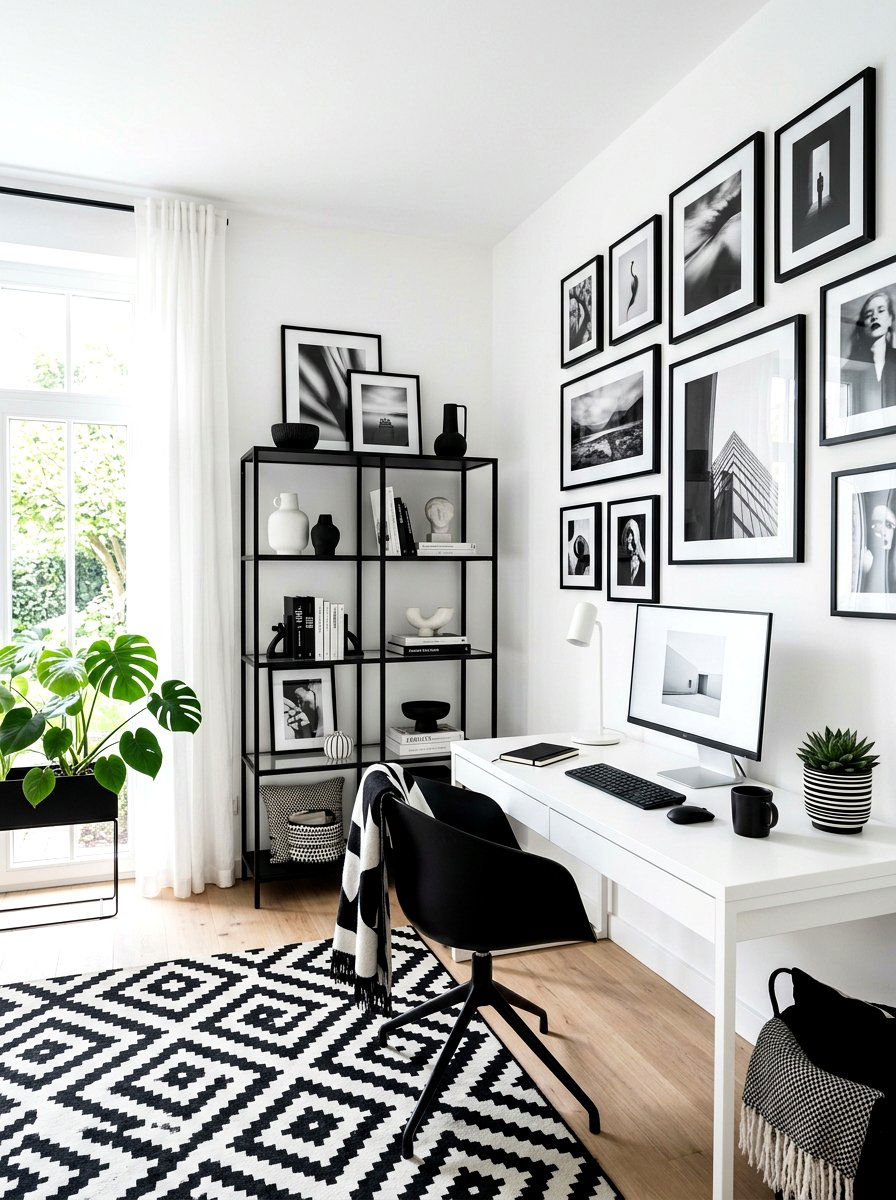
Black and white home decor is a classic color combination that works exceptionally well within the transitional framework by providing crisp contrast. Using black as an accent color through picture frames, window casings, or hardware helps define the space against a sea of soft neutrals. A white kitchen with a black island or a neutral living room with bold black-and-white photography creates a timeless look that never goes out of style. This high-contrast approach feels modern and sharp, yet the simplicity of the palette ensures it remains grounded in traditional design principles. It allows for a clean, graphic aesthetic that remains incredibly warm and inviting for any family.
12. Natural Wood Elements
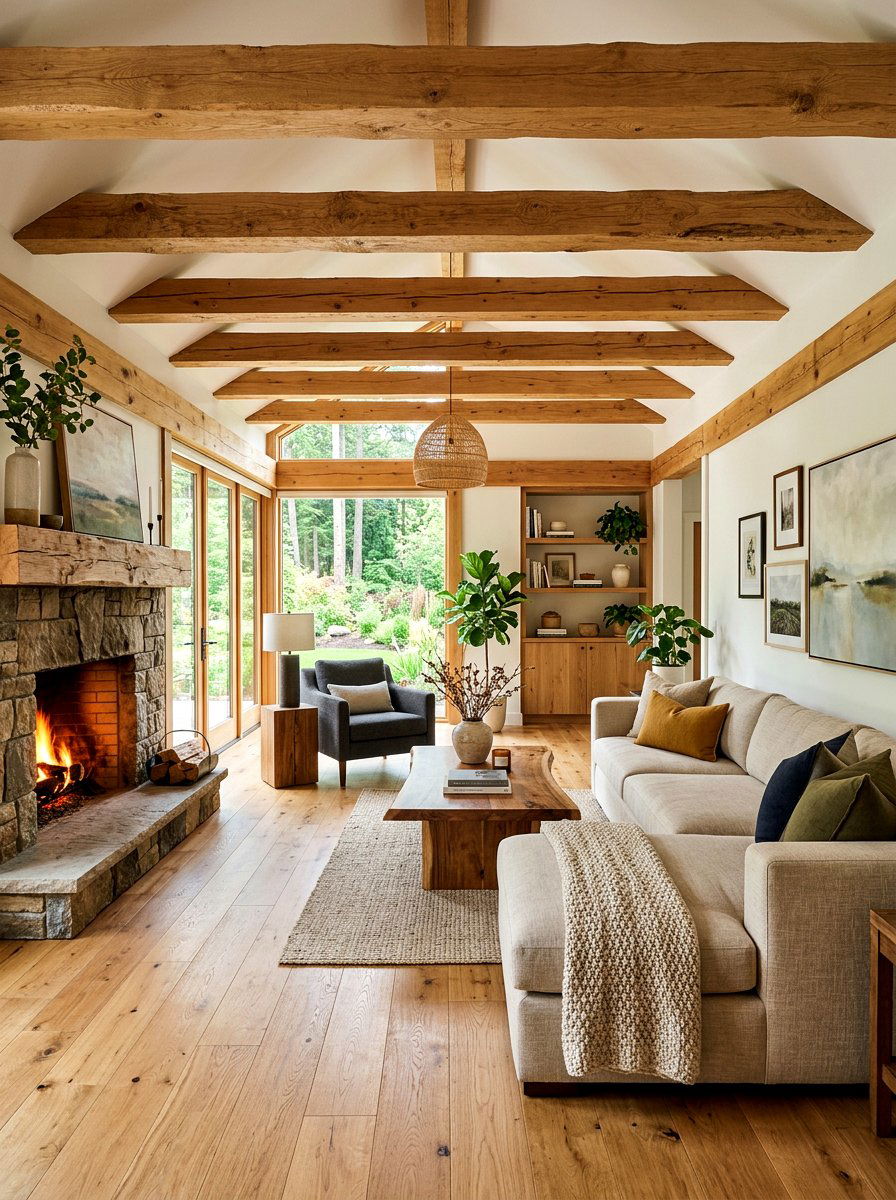
Integrating natural wood elements is a fantastic way to introduce organic warmth and texture into a transitional interior. Whether it is through wide-plank oak floors, a rustic ceiling beam, or a handcrafted walnut dining table, wood provides a grounding force. These elements connect the indoors with the natural world and soften the straight lines of modern furniture. In a transitional kitchen, using wood for a floating shelf or a butcher block island can break up the monotony of painted cabinetry. The varying grains and tones of the wood add a unique, one-of-a-kind character to the space. This material is essential for making a neutral home feel cozy and lived-in.
13. Minimalist Gallery Wall
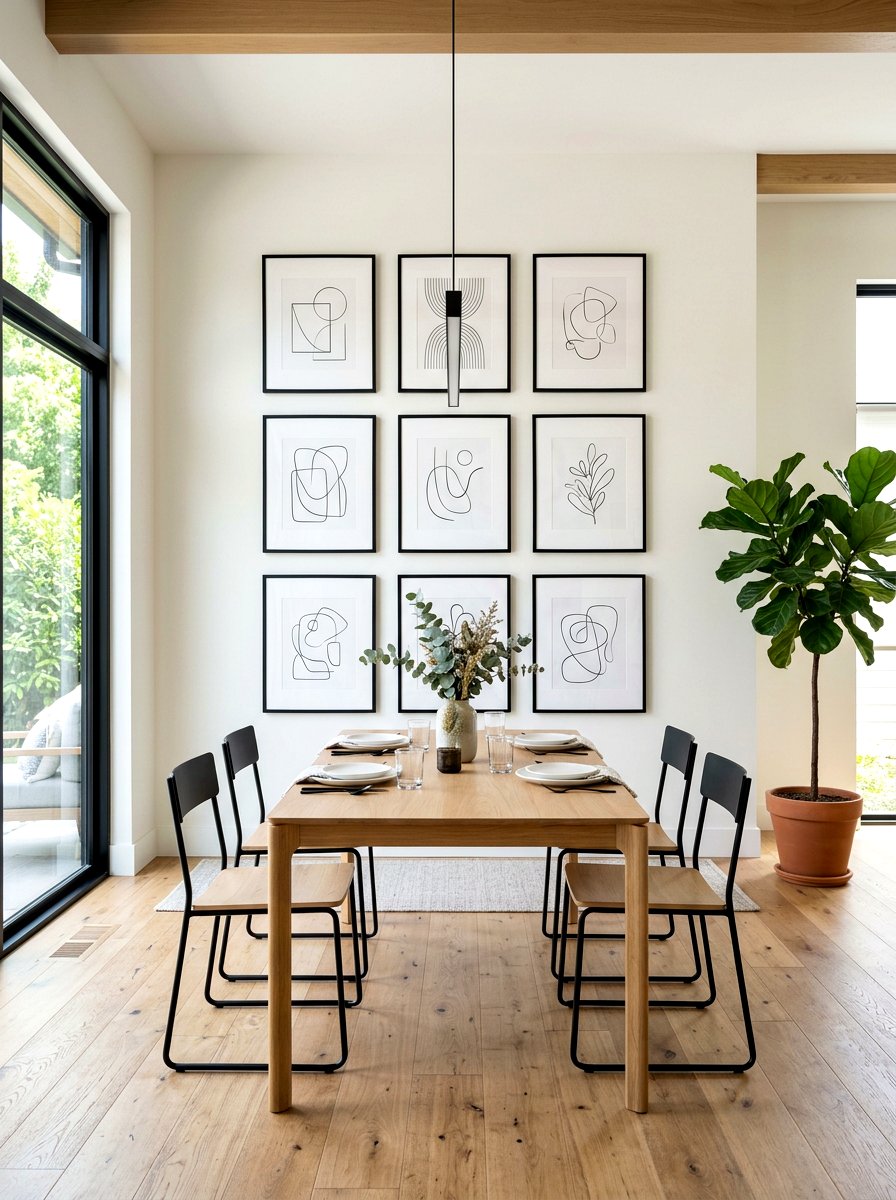
A minimalist gallery wall allows you to showcase personal art and photos in a way that feels curated rather than cluttered. To keep this look transitional, use identical frames in a simple black, gold, or wood finish and arrange them in a precise grid. This symmetrical layout provides a traditional sense of order, while the clean frames and often abstract or black-and-white content keep the look contemporary. This type of display works beautifully in a long hallway, above a sofa, or in a home office. It provides a massive visual impact without overwhelming the room with color, maintaining the calm and balanced atmosphere that defines the transitional decorating style.
14. Transitional Bathroom Vanity
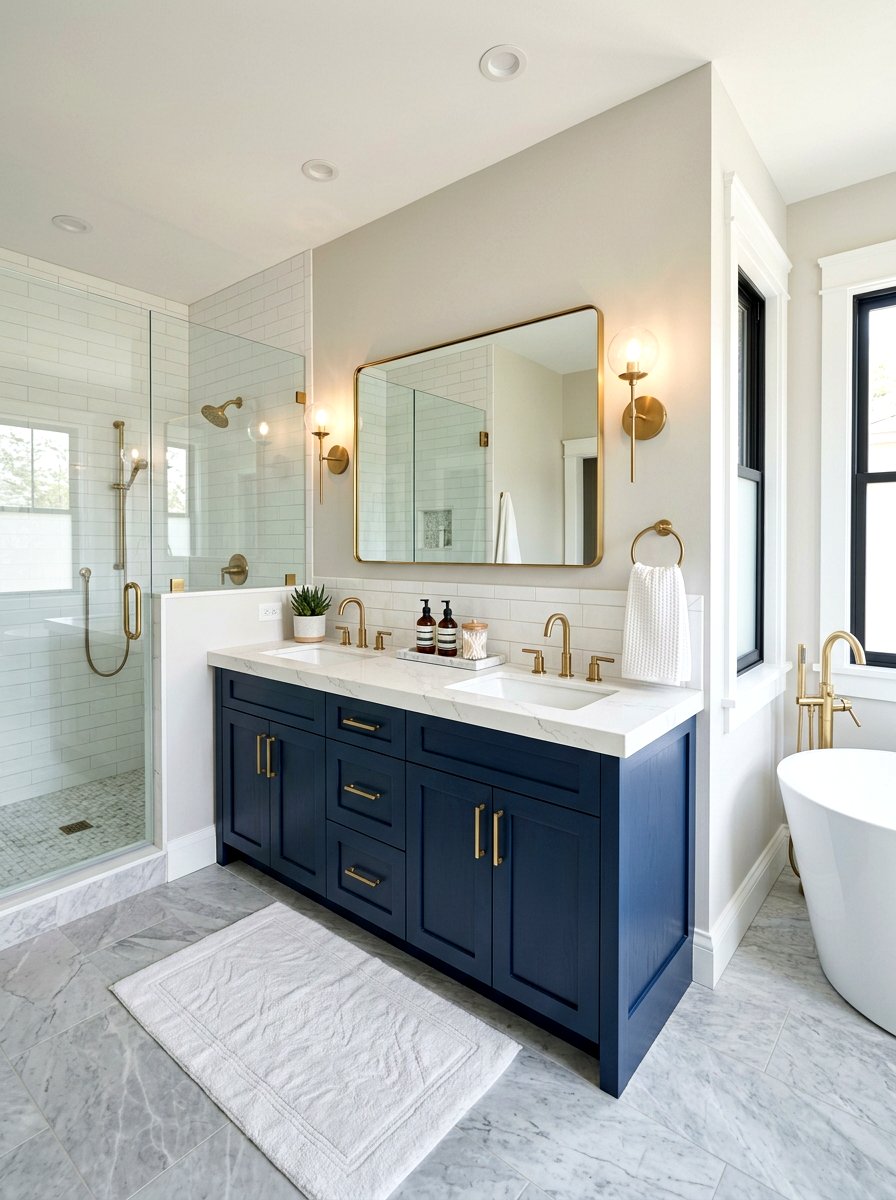
A transitional bathroom vanity often features the clean lines of modern cabinetry mixed with traditional hardware and high-end stone surfaces. Think of a shaker-style double vanity in a soft navy or gray tone, topped with a thick slab of white marble or quartz. This combination offers a spa-like feel that is both luxurious and functional for a busy household. To complete the look, add modern sconces on either side of a classic framed mirror. The mix of materials ensures the bathroom feels like a curated extension of the home rather than a cold, utilitarian space. It provides a timeless aesthetic that will look fresh for many years.
15. Layered Area Rugs
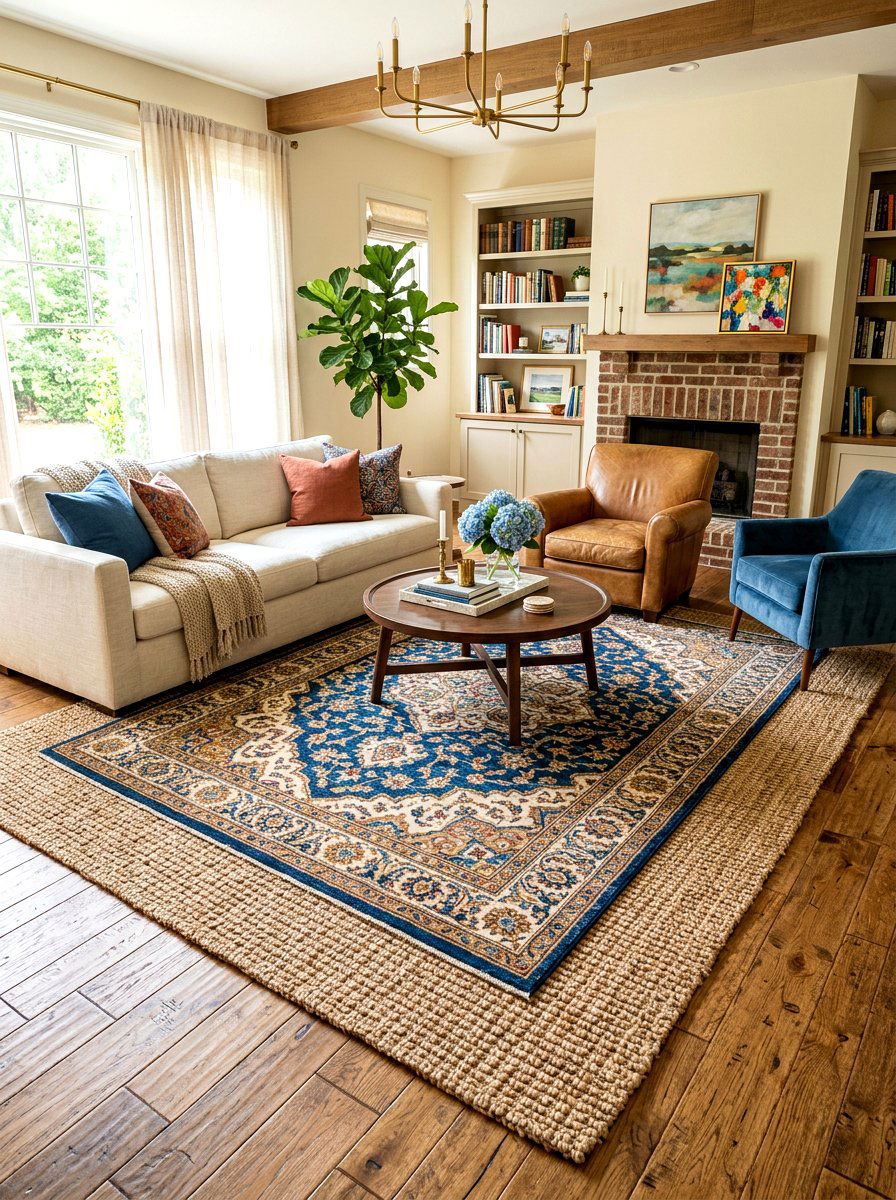
Layering area rugs is a popular transitional technique that adds depth, comfort, and a touch of bohemian flair to a room. You might start with a large, neutral jute or sisal rug to cover most of the floor and provide a durable, textured base. On top of that, place a smaller, more intricate rug with a vintage-inspired pattern or a soft plush texture. This approach allows you to introduce subtle colors and traditional patterns without them dominating the entire room. The layers feel cozy underfoot and help define different seating areas within an open-concept living space. It is a simple way to make a room feel more designer and high-end.
16. Curved Furniture Silhouettes
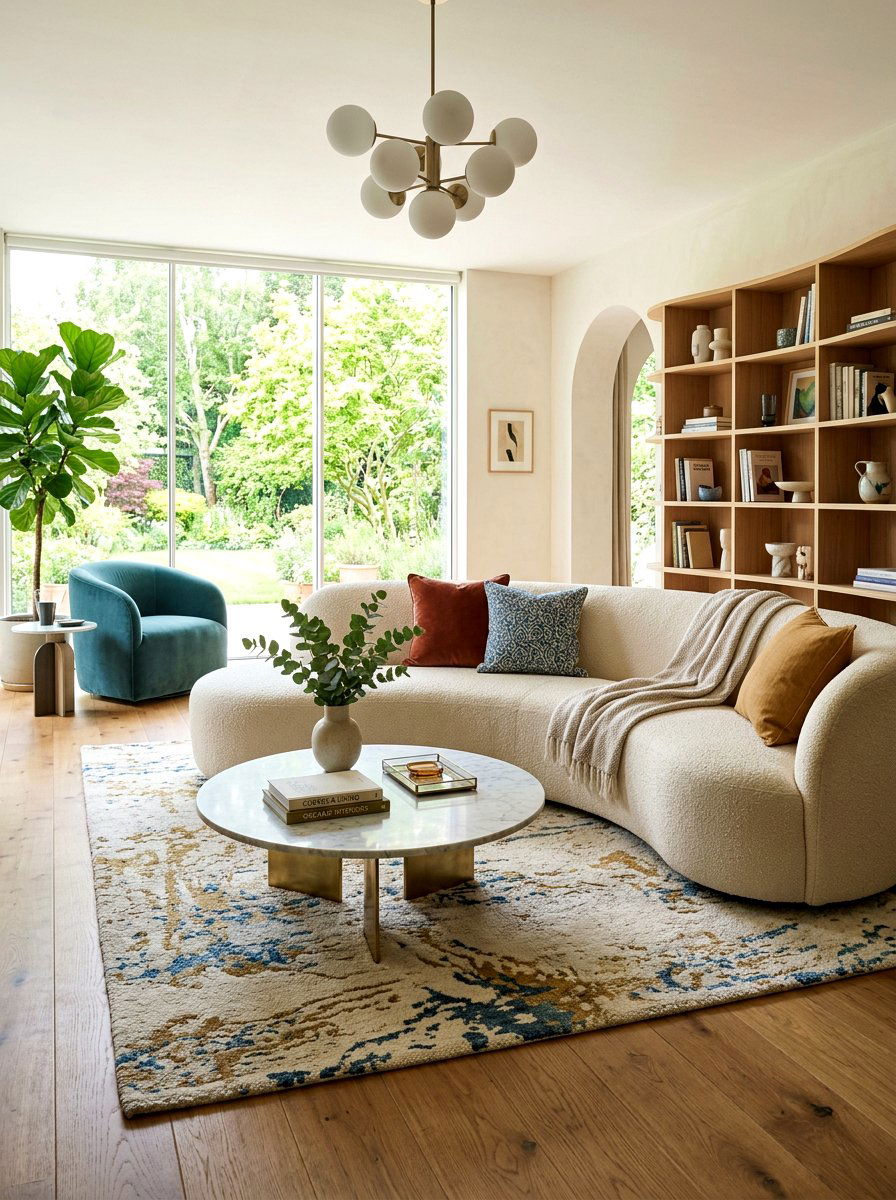
Incorporating curved furniture silhouettes is a key trend in 2025 that softens the sharp edges of modern transitional interiors. A curved sofa or a round coffee table introduces a sense of flow and organic beauty that makes a room feel more inviting. These soft shapes contrast beautifully with the straight lines of bookshelves or window frames. You can also look for chairs with arched backs or circular ottomans to add variety to your seating arrangement. The presence of curves helps a space feel more feminine and relaxed, preventing the transitional style from ever feeling too rigid. It is about creating a harmonious environment where every shape feels balanced and intentional.
17. Contemporary Abstract Art
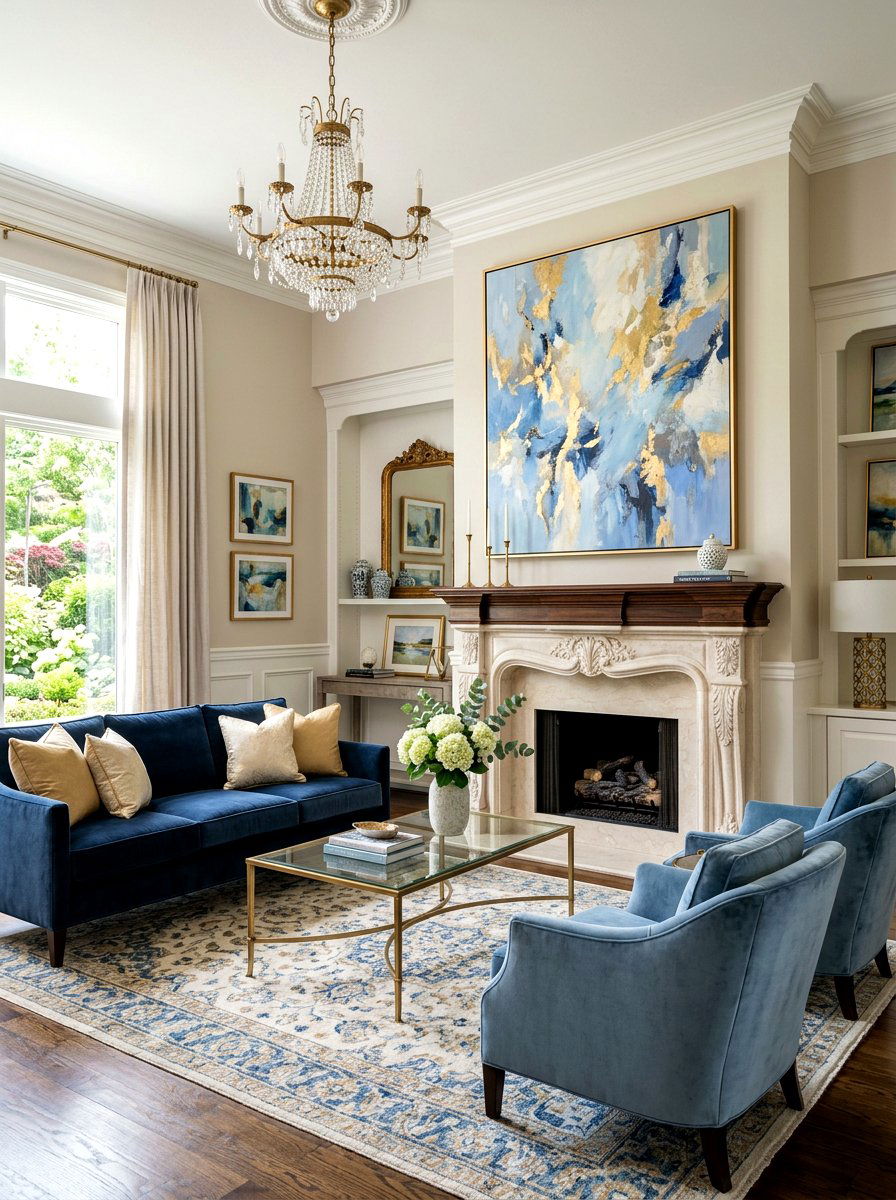
Contemporary abstract art is the perfect way to add a pop of modern energy to a room with traditional architectural details. Large-scale canvases with bold brushstrokes or subtle tonal variations can serve as the main focal point of a living room or bedroom. By choosing art that reflects the home's neutral palette, you can maintain a sense of calm while adding a sophisticated, gallery-like vibe. Abstract pieces are versatile because they do not have a fixed subject, allowing the viewer to interpret the colors and shapes freely. This choice of decor signals that while you value tradition, your home is firmly rooted in the modern, creative world of today.
18. Transitional Home Office
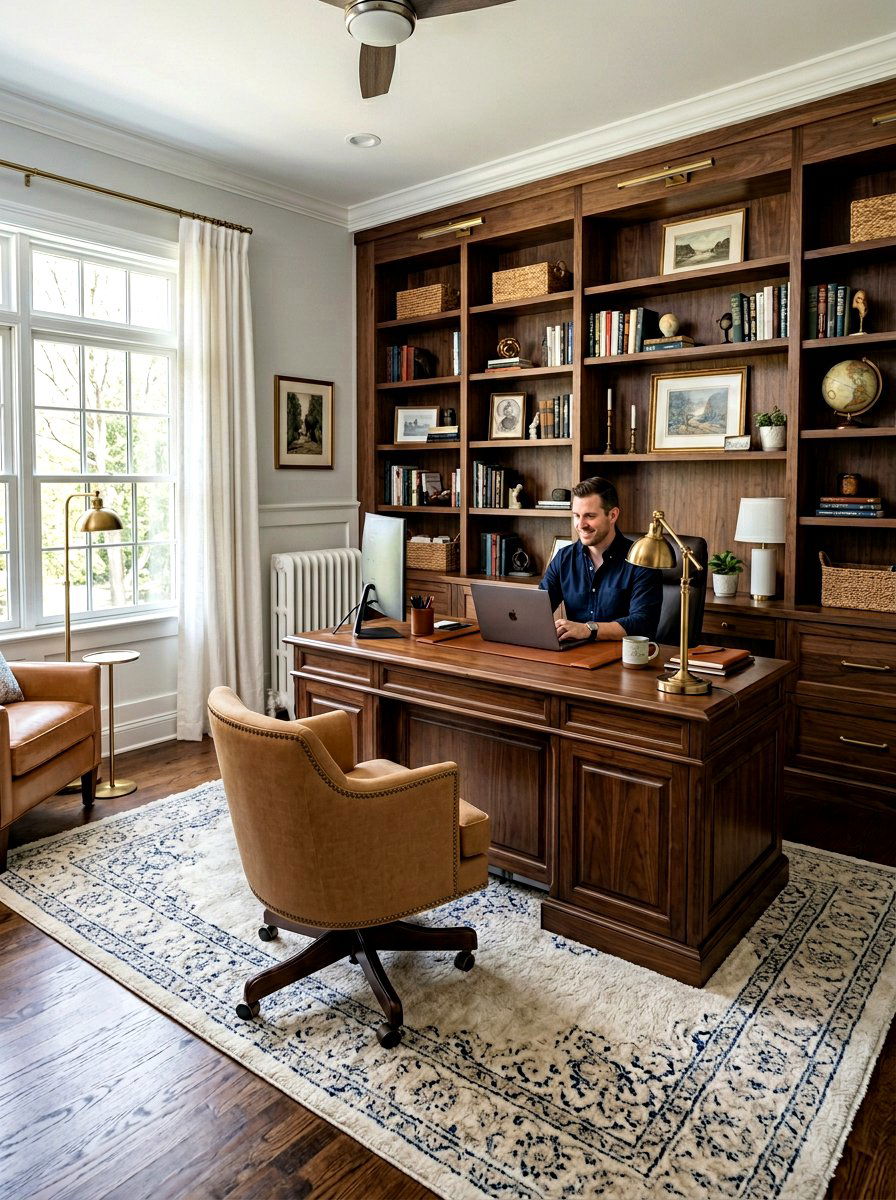
A transitional home office balances professional functionality with the comfortable aesthetics of a residential living space. Instead of cold metal desks, opt for a substantial wooden desk with clean lines and pair it with a comfortable, upholstered swivel chair. Built-in shelving provides plenty of storage for books and documents while offering a place to display traditional decorative objects and modern art. Soften the room with a plush area rug and floor-to-ceiling drapes to manage acoustics and lighting. This setup creates an environment that inspires productivity without feeling clinical. It allows the office to blend seamlessly with the rest of the home’s decor, making it a truly pleasant place to work.
19. Built In Bookshelves
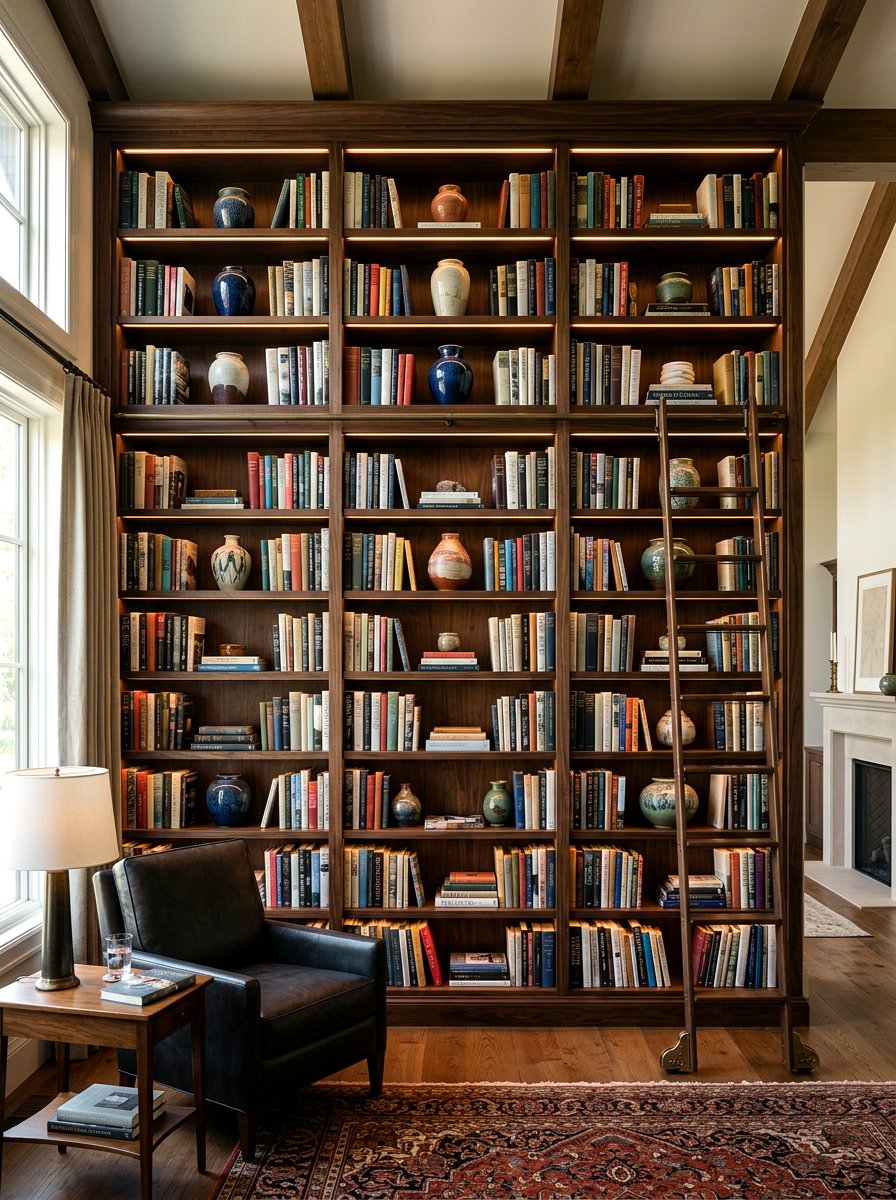
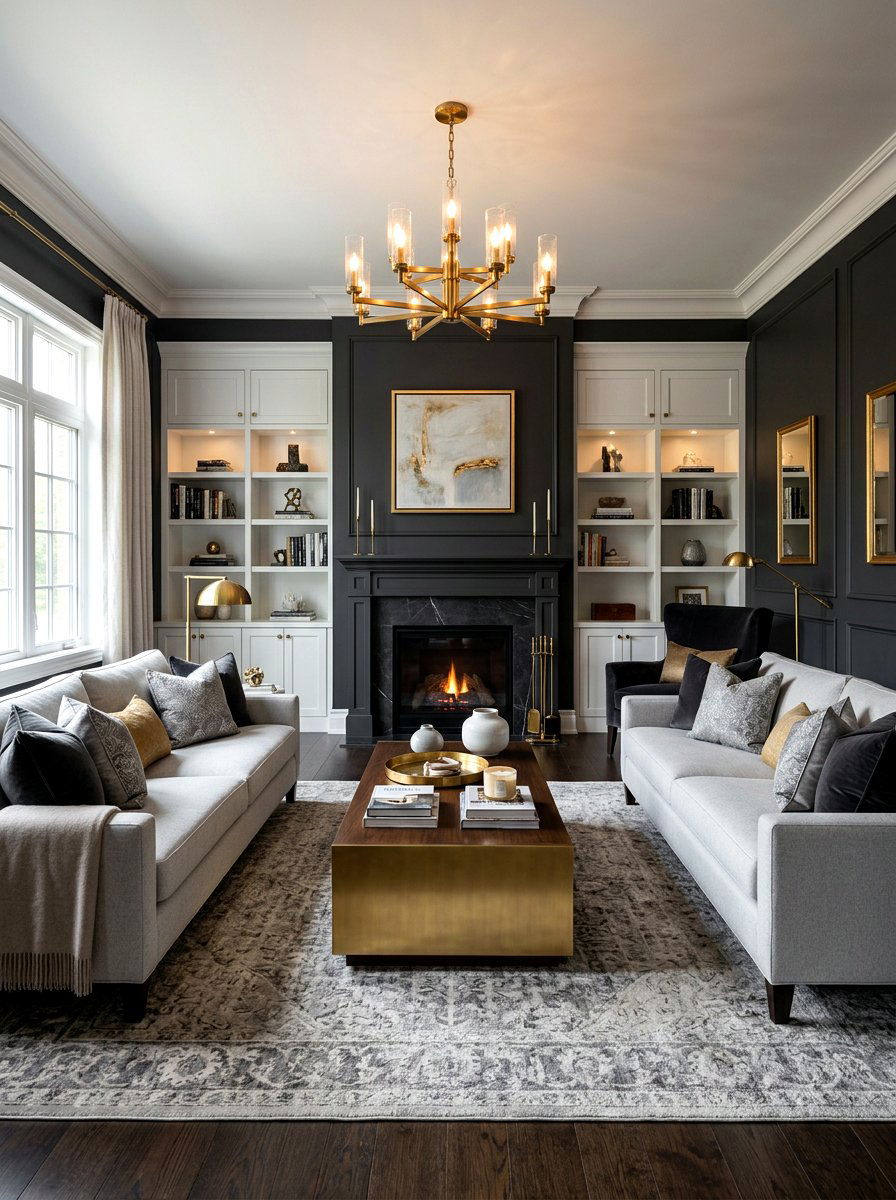
Built in bookshelves are a classic architectural feature that adds immense character and practical storage to a transitional home. When designed with clean, simple shelving and minimal trim, they look contemporary and streamlined. You can style them with a mix of books, ceramic vases, and framed art to create a "collected" look that feels personal and curated. Using a dark interior color or adding library lights at the top can further elevate the design, making the shelves a dramatic focal point. This feature allows you to display your personality while keeping the rest of the room clutter-free. They anchor the room and provide a sense of permanent, high-quality craftsmanship.
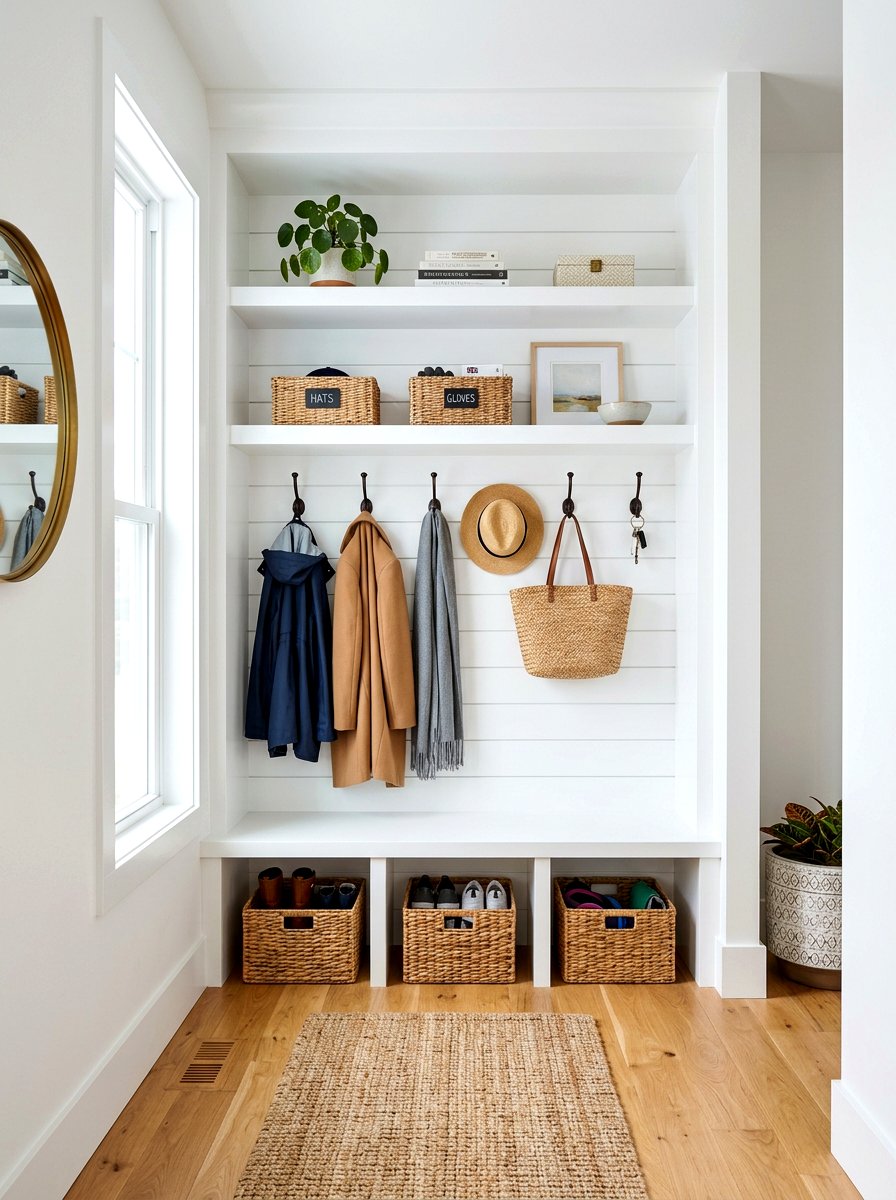
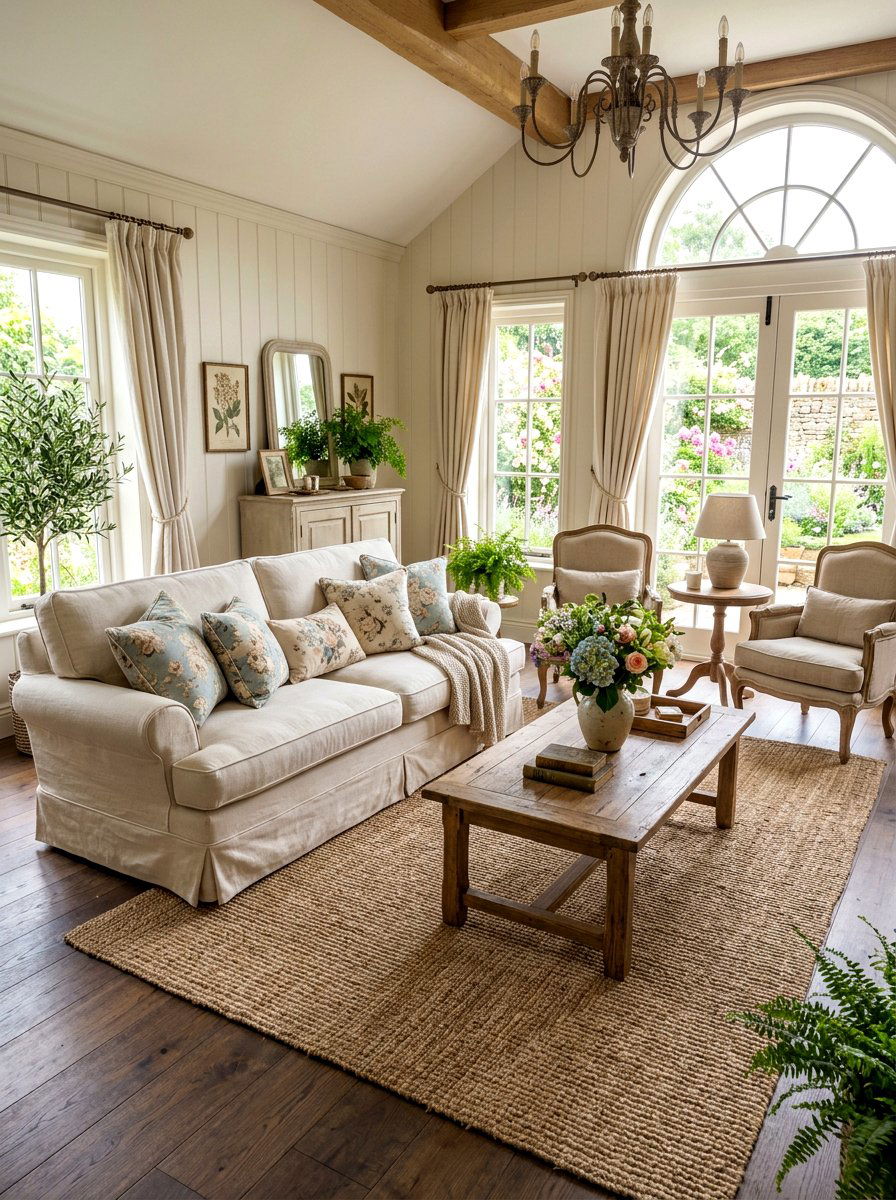
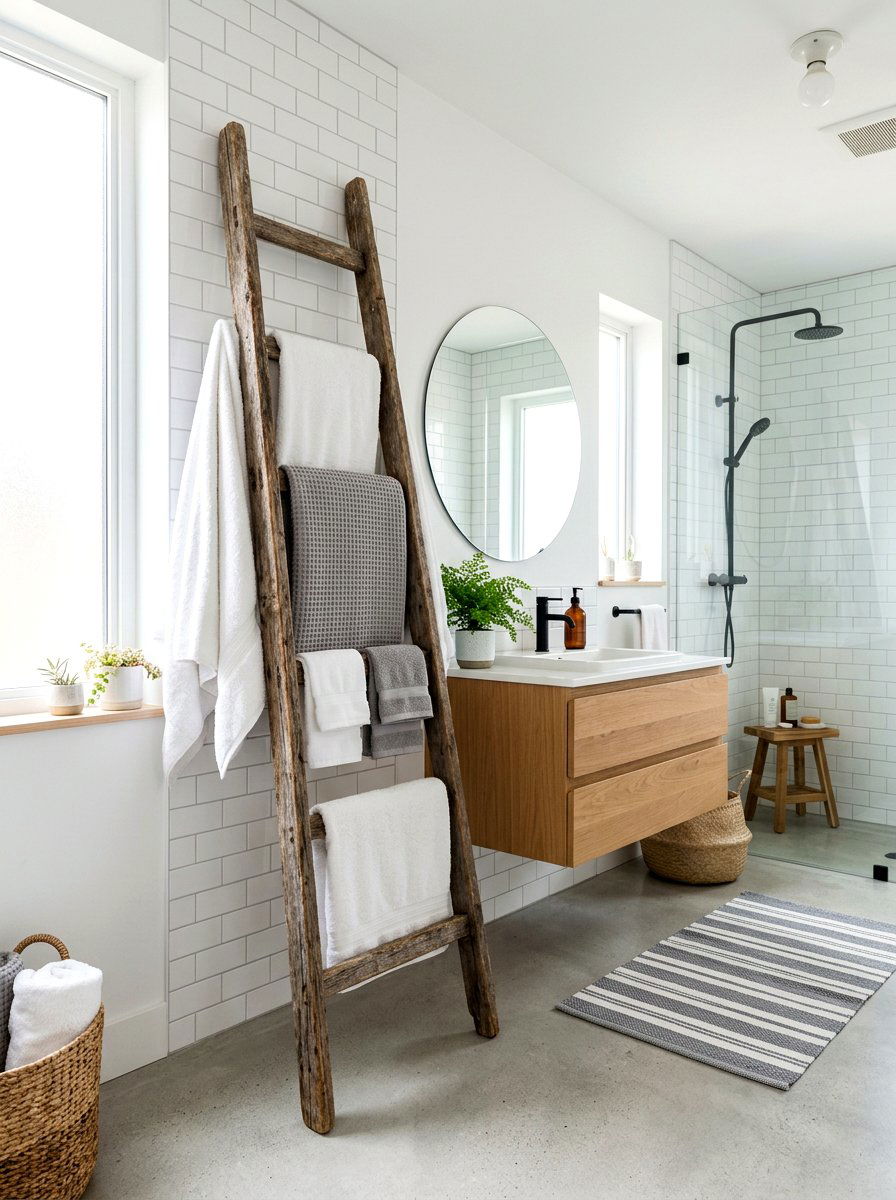
20. Woven Basket Storage
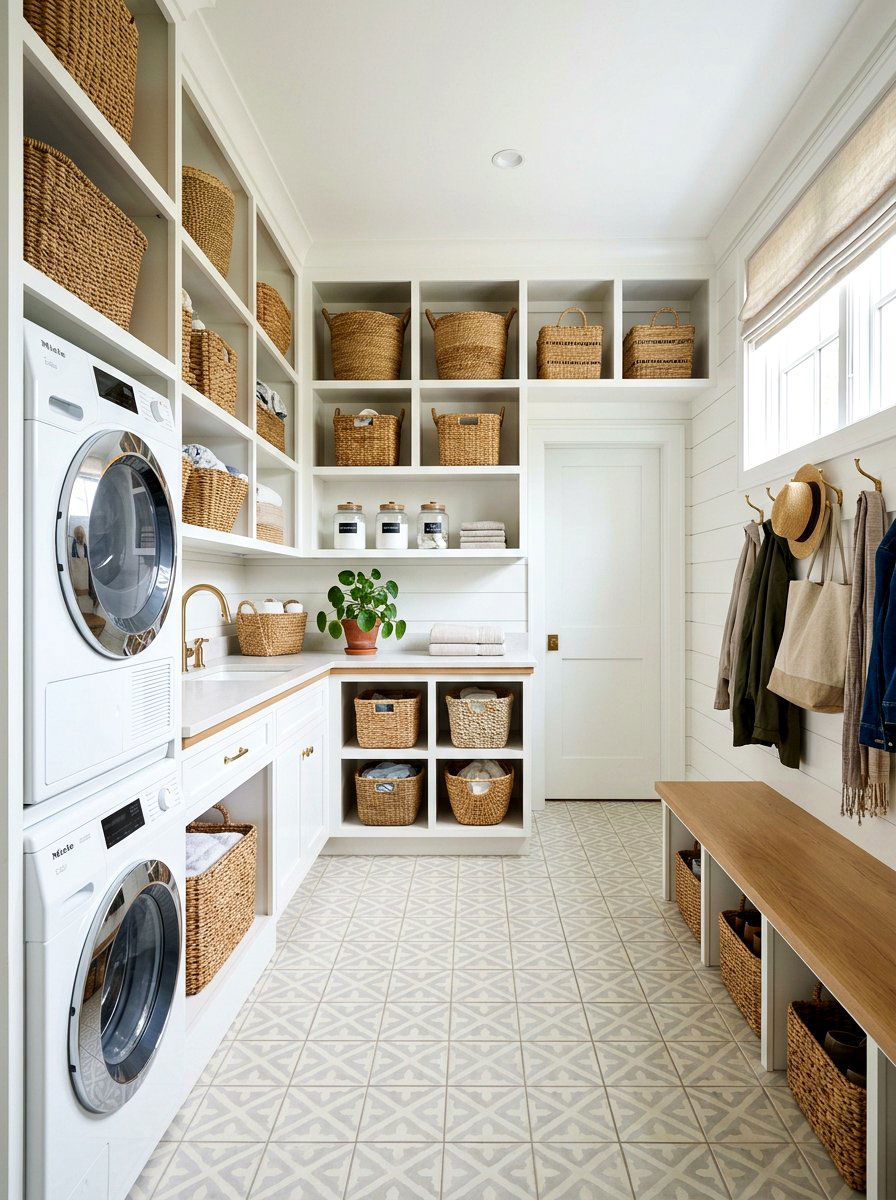
Woven basket storage is an essential element for keeping a transitional home organized while adding a touch of natural texture. Large seagrass or wicker baskets can be used to hold extra throw blankets in the living room or to hide toys in a playroom. Their organic, handcrafted appearance provides a lovely contrast to the smooth surfaces of marble or polished wood. In an entryway, they can fit perfectly under a console table to keep shoes out of sight. This practical decor solution ensures that every item has a place, contributing to the "minimal clutter" rule of the transitional style. Baskets bring a relaxed, earthy vibe that makes any home feel warmer.
21. Velvet Accent Chairs
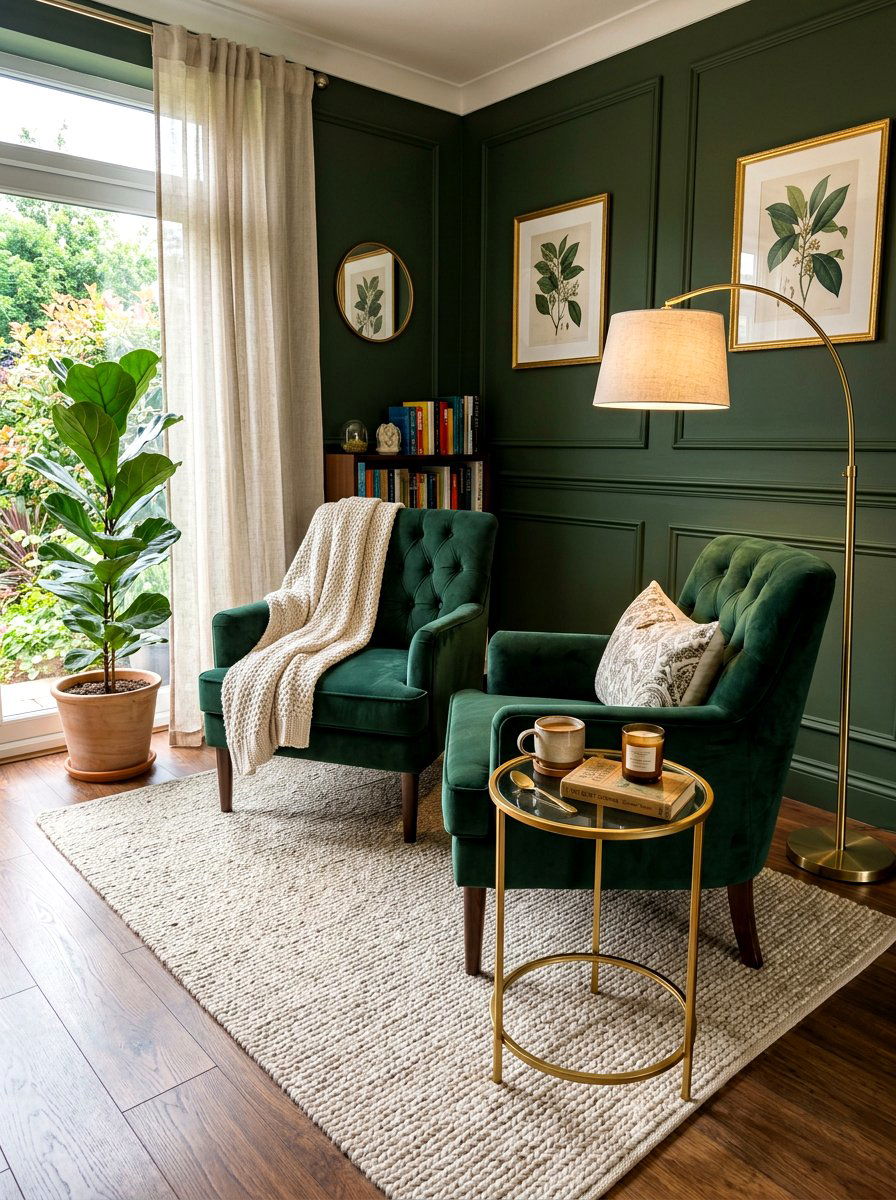
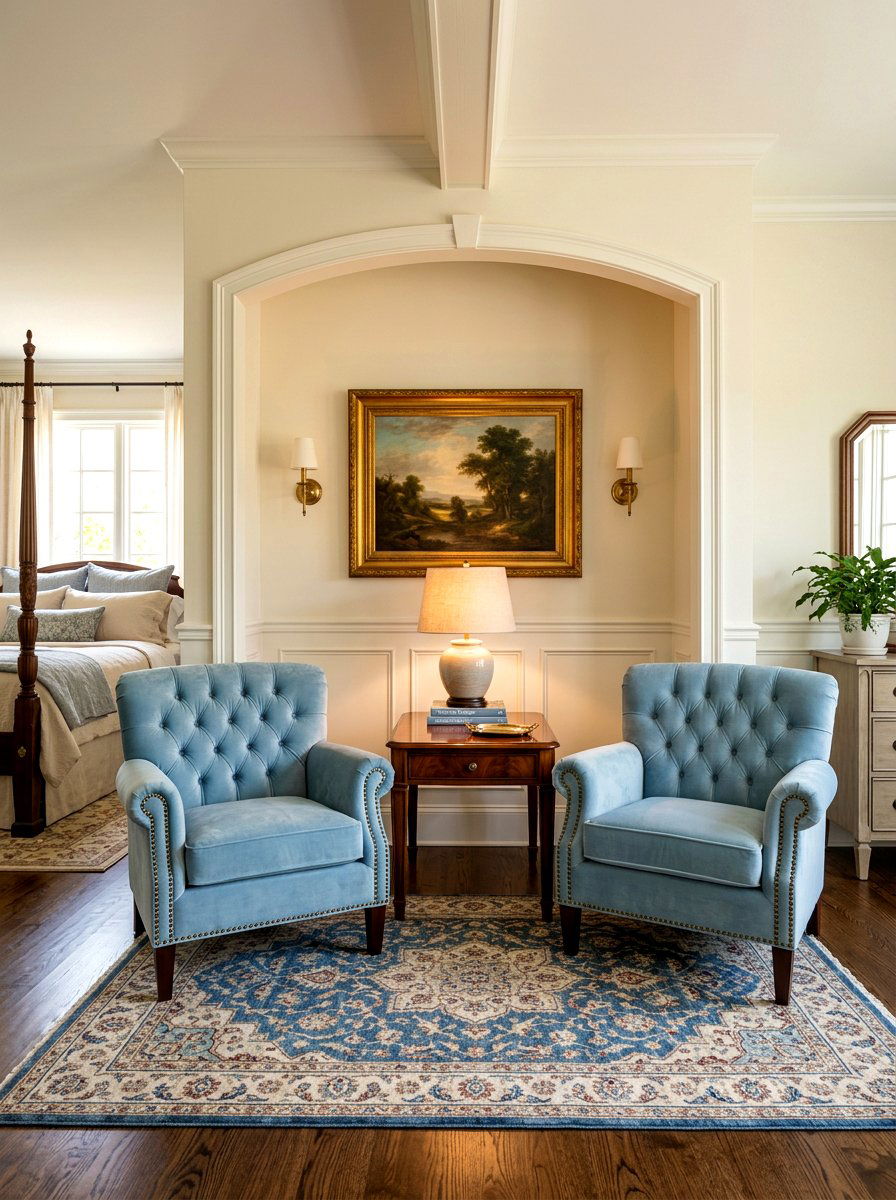
Velvet accent chairs are a wonderful way to introduce a touch of traditional luxury and rich color into a neutral transitional room. The soft sheen of the fabric catches the light and adds a layer of sophistication to a reading nook or seating area. Choosing chairs with modern, streamlined frames keeps the look from feeling dated or overly formal. Colors like navy, forest green, or deep rust can act as a sophisticated anchor in an otherwise white or beige space. The tactile quality of velvet makes these chairs incredibly inviting, encouraging guests to sit and stay a while. It is a simple way to elevate the overall design through high-end materials.
22. Marble Countertops
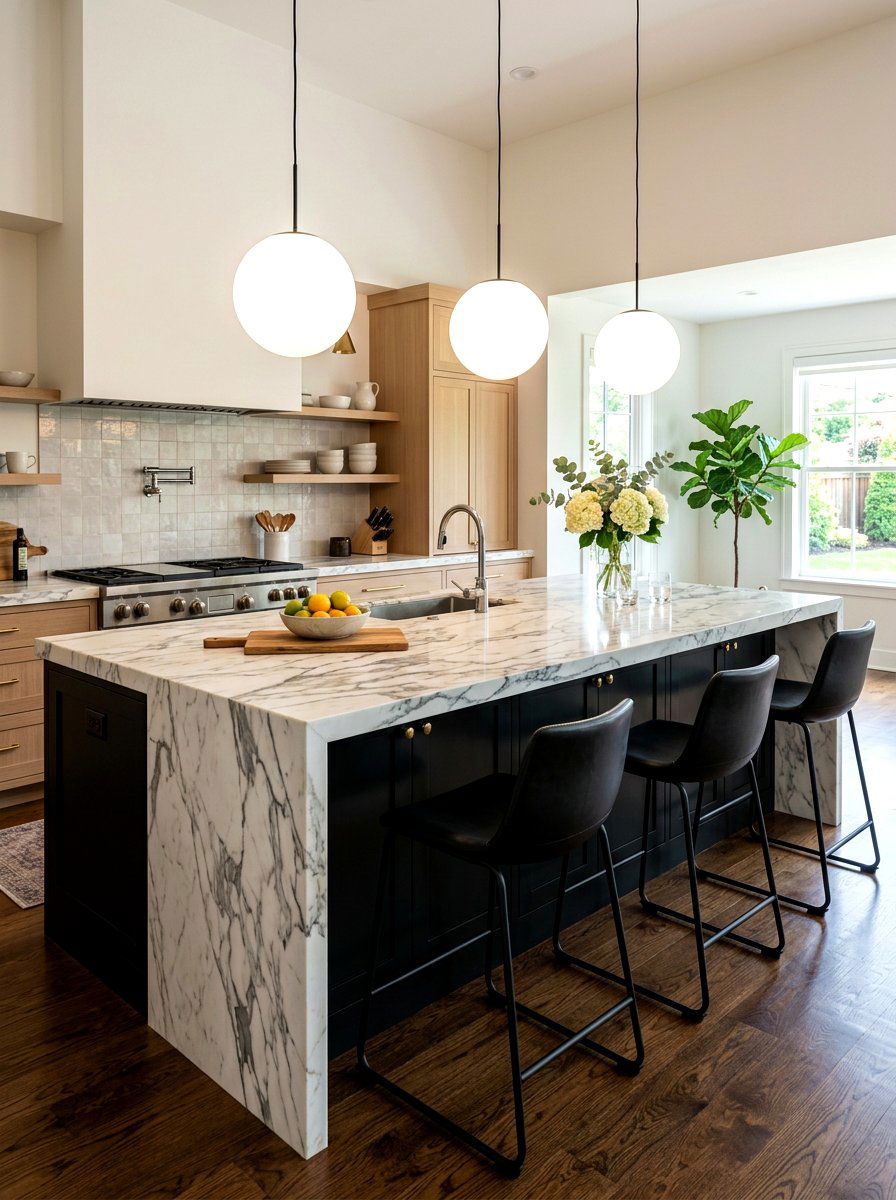
Marble countertops are a classic material that brings a sense of timeless luxury to transitional kitchens and bathrooms. The natural veining of the stone adds organic pattern and movement to the space without feeling overwhelming. When paired with modern, flat-panel or shaker cabinets, marble creates a clean and high-end aesthetic that bridges the gap between old and new. While marble requires some maintenance, its beauty is unparalleled and only improves with age. For those who want the look with less upkeep, high-quality quartz that mimics marble is a great alternative. Either way, a thick stone slab serves as a stunning and durable centerpiece for the most functional rooms in your home.
23. Transitional Window Treatments
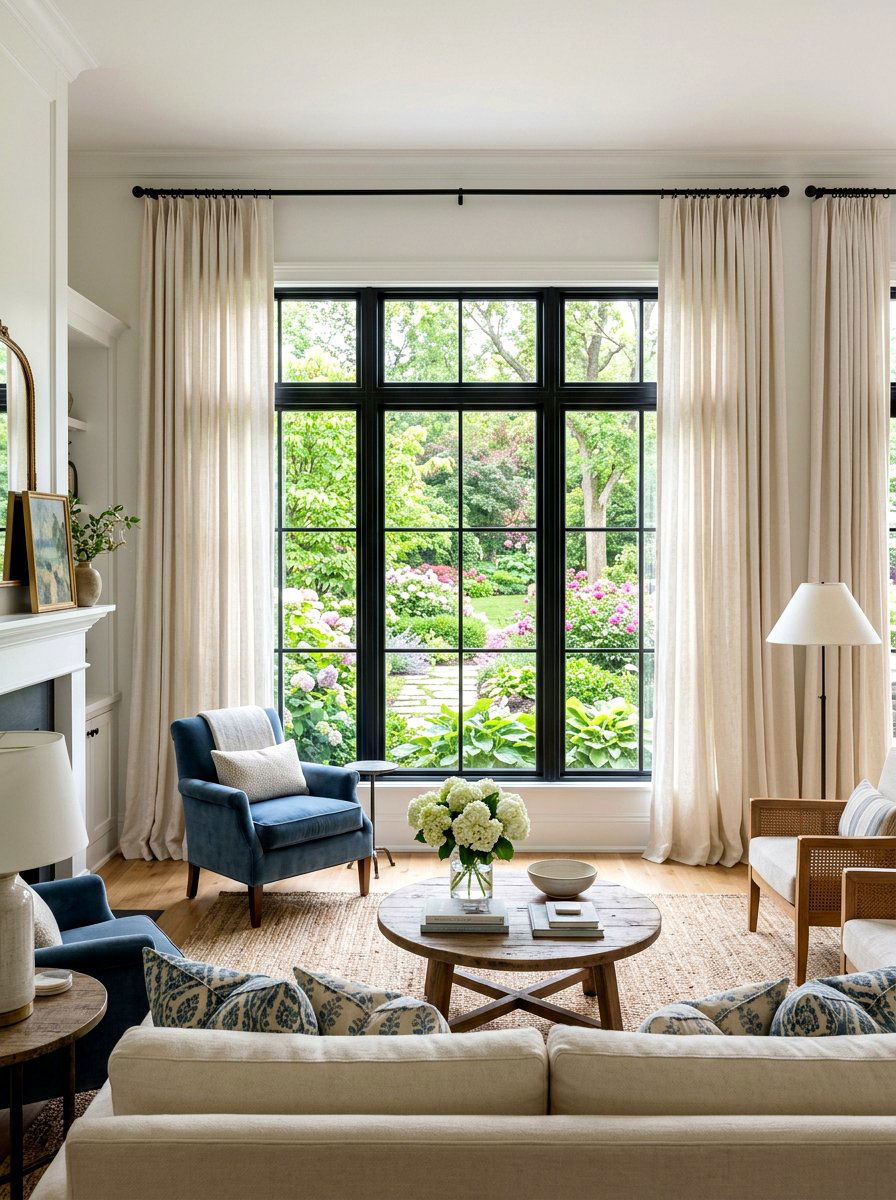
Transitional window treatments usually consist of clean-lined Roman shades or simple, floor-to-ceiling drapery panels in neutral fabrics. Avoiding heavy ruffles or ornate cornices allows the focus to remain on the quality of the material and the view outside. Linen or cotton blends are popular choices because they hang beautifully and provide a soft, airy feel to the room. To add a modern touch, consider using a simple black or brass drapery rod. These treatments provide privacy and light control while softening the hard lines of the windows. They act as a subtle frame for the room, adding a finished look that feels both polished and completely effortless.
24. Taper Candle Holders
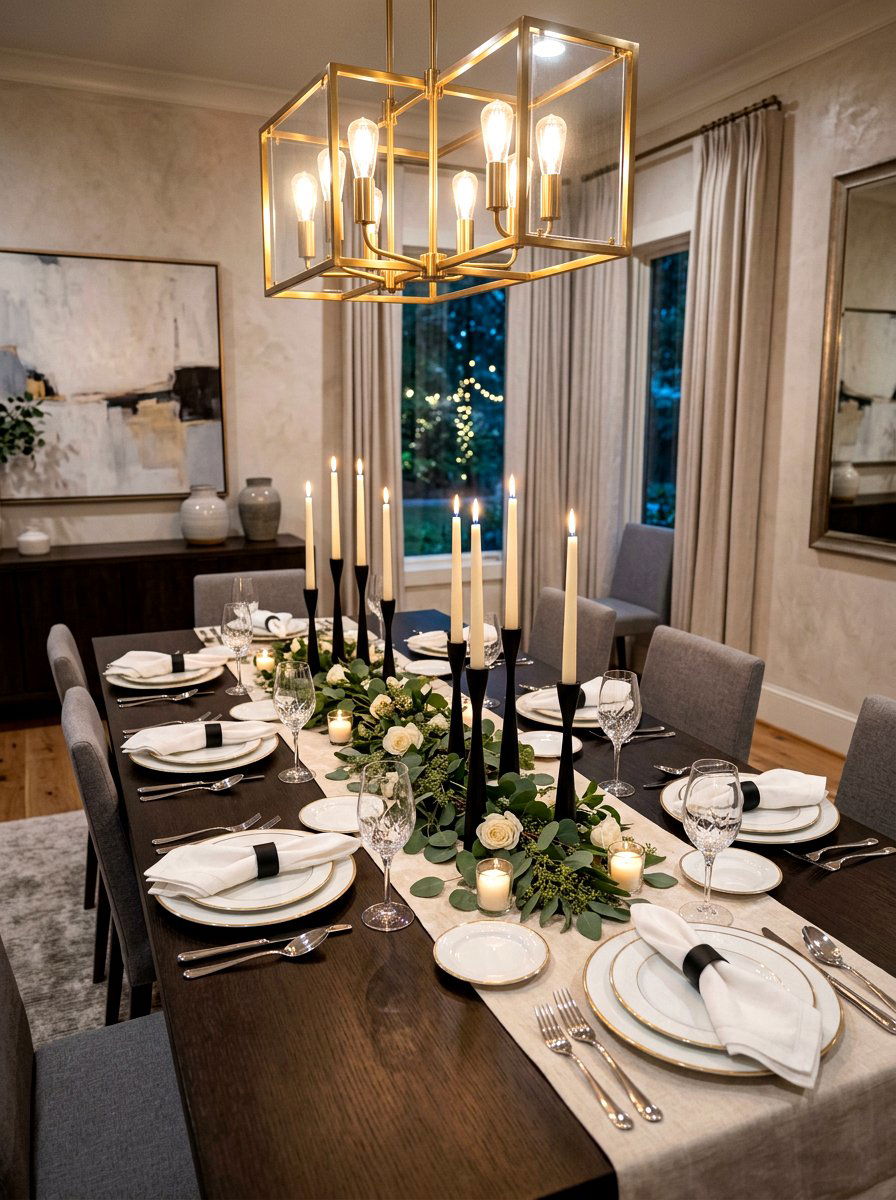
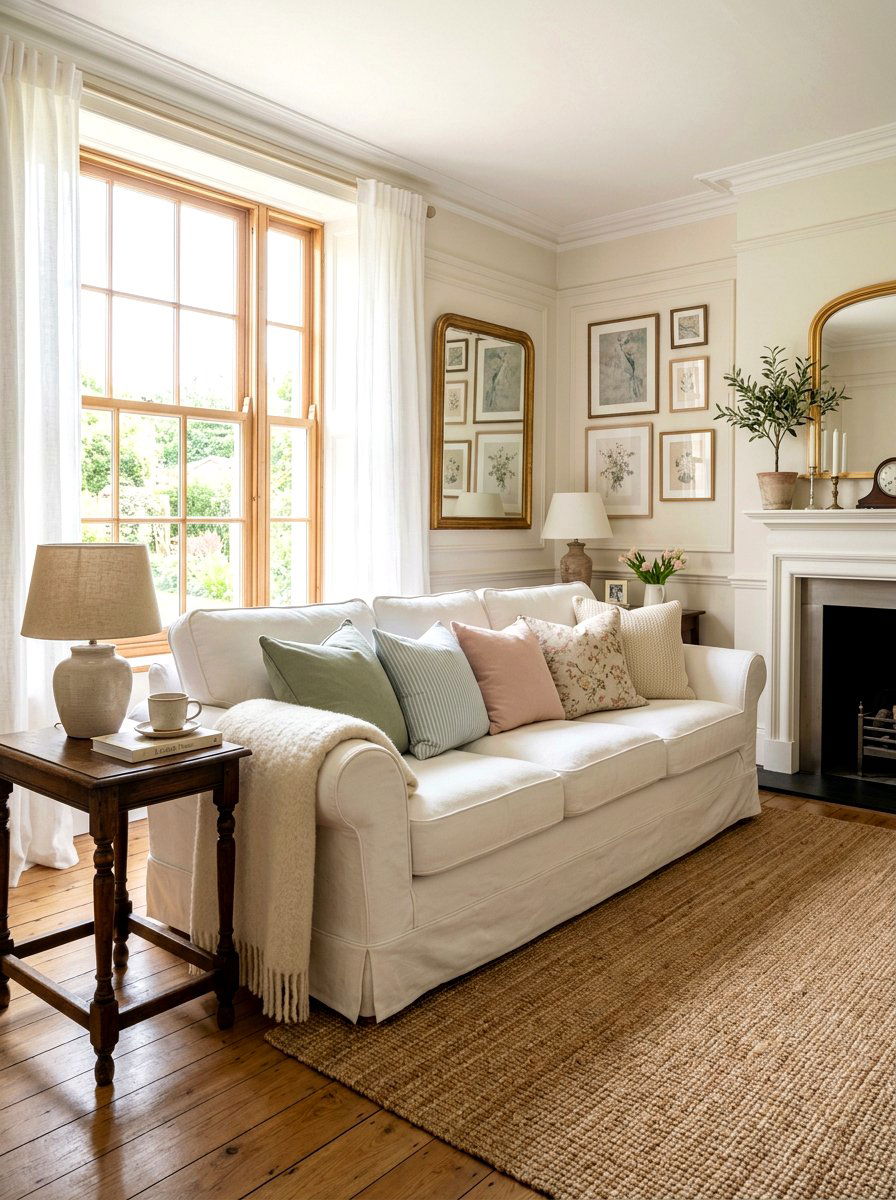
Taper candle holders are a small but impactful decor item that adds a traditional, romantic touch to a modern transitional setting. Look for holders in sleek metallic finishes like brushed gold or matte black to keep them feeling current. Placing a set of varying heights on a dining table or mantel creates a classic focal point that feels elegant and warm. The slender silhouette of taper candles provides a nice contrast to bulkier furniture and decor pieces. Whether they are used for a formal dinner or simply as an everyday accent, they introduce a sense of ceremony and timeless charm to any room in the house.
25. Indoor Greenery Arrangements
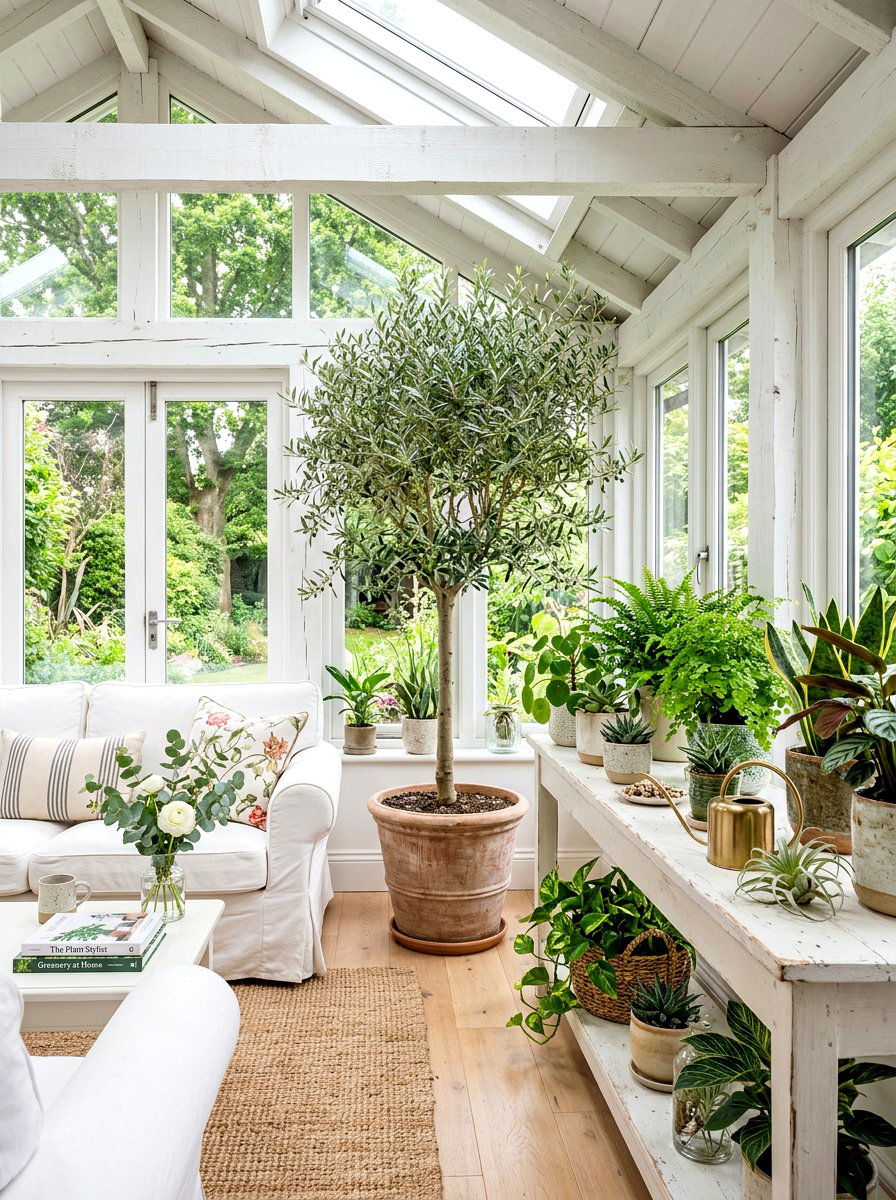
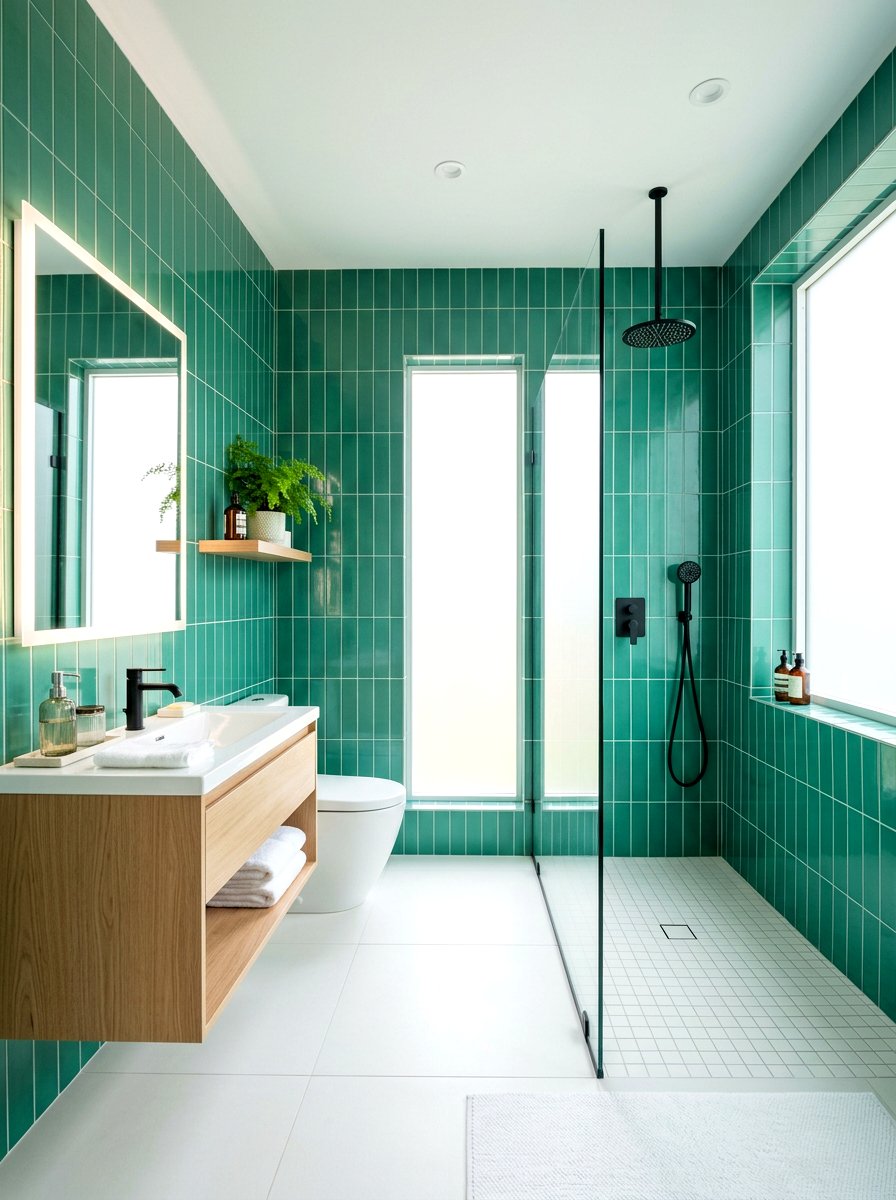
Indoor greenery arrangements are vital for bringing life, color, and a fresh feel to a neutral transitional home. Large-scale plants like an olive tree or a fiddle leaf fig can fill an empty corner and add height to your design. For a more subtle look, simple vases filled with eucalyptus or seasonal branches can be placed on a coffee table or kitchen island. The organic shapes of the leaves contrast beautifully with the structured furniture and clean lines of the space. Greenery also helps bridge the gap between the indoors and outdoors, making the home feel more spacious and connected to nature. It is an affordable way to refresh your decor.
26. Patterned Throw Pillows
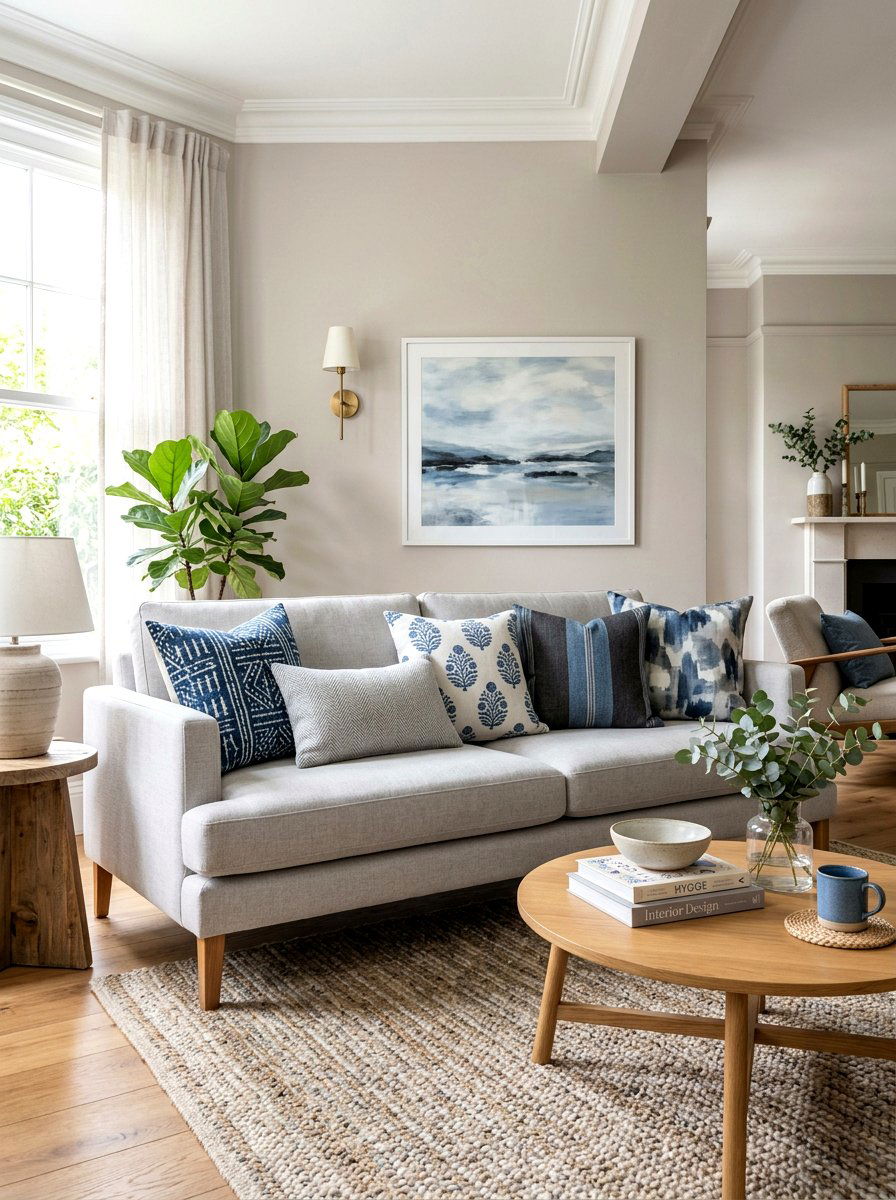
Patterned throw pillows allow you to experiment with color and traditional motifs in a way that is easy to update. In a transitional living room, you might mix a large-scale floral print with a simple geometric pattern and a solid textured pillow. Sticking to a consistent color palette ensures the mix feels intentional rather than chaotic. This layering adds visual interest and comfort to a neutral sofa, making the space feel more curated and personal. Patterns like ikat, stripes, or subtle damask provide a nod to traditional design while the modern application keeps them feeling fresh. It is the perfect finishing touch for any well-designed seating area.
27. Brass Hardware Accents
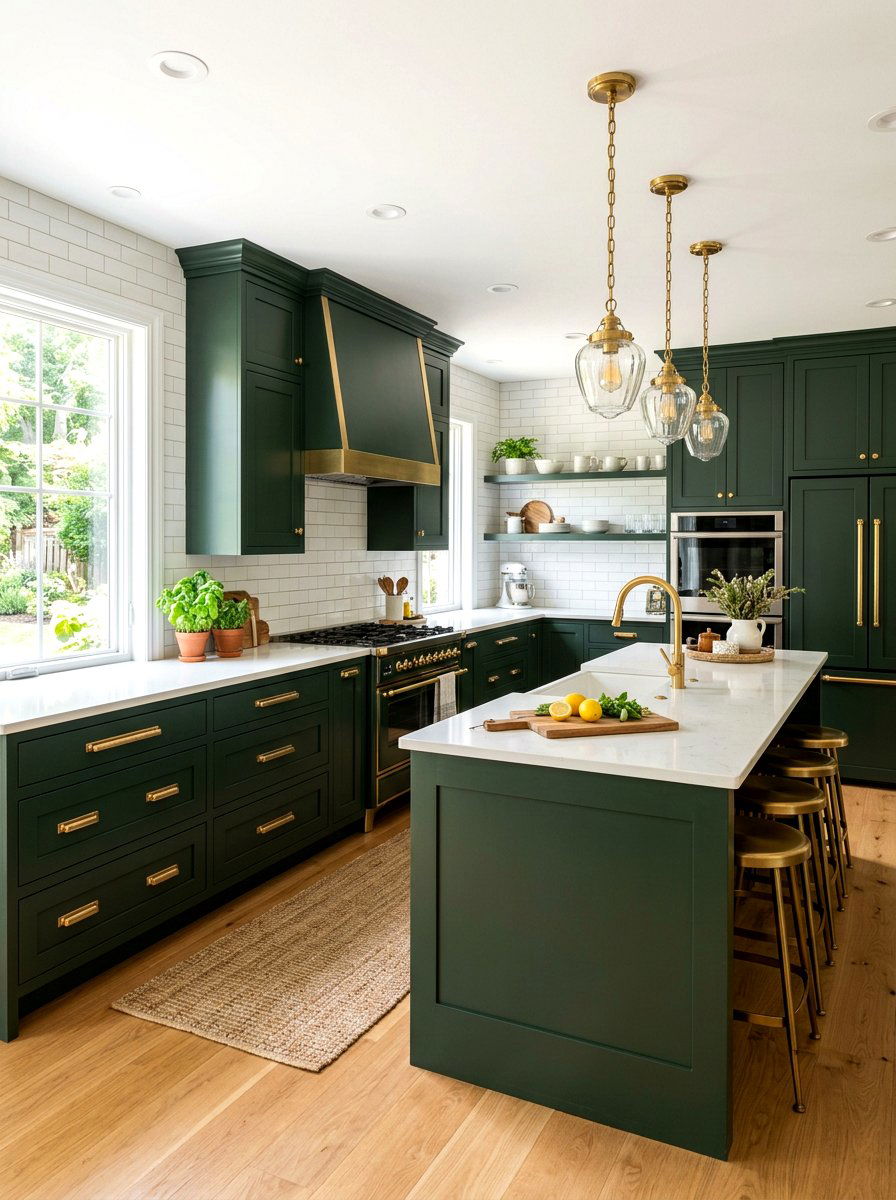
Brass hardware accents have made a huge comeback in transitional design because they add a warm, vintage-inspired glow to modern spaces. Updating your kitchen cabinet pulls or bathroom faucets with unlacquered or brushed brass can instantly make the room feel more high-end and custom. This finish works beautifully against navy, forest green, or crisp white cabinetry. Unlike the shiny brass of the past, modern brass finishes have a sophisticated, matte quality that feels timeless. It is a small detail that makes a massive impact, acting as the "jewelry" for your rooms and tying together different elements of the home through a consistent, luxurious metallic theme.
28. Transitional Mudroom Bench
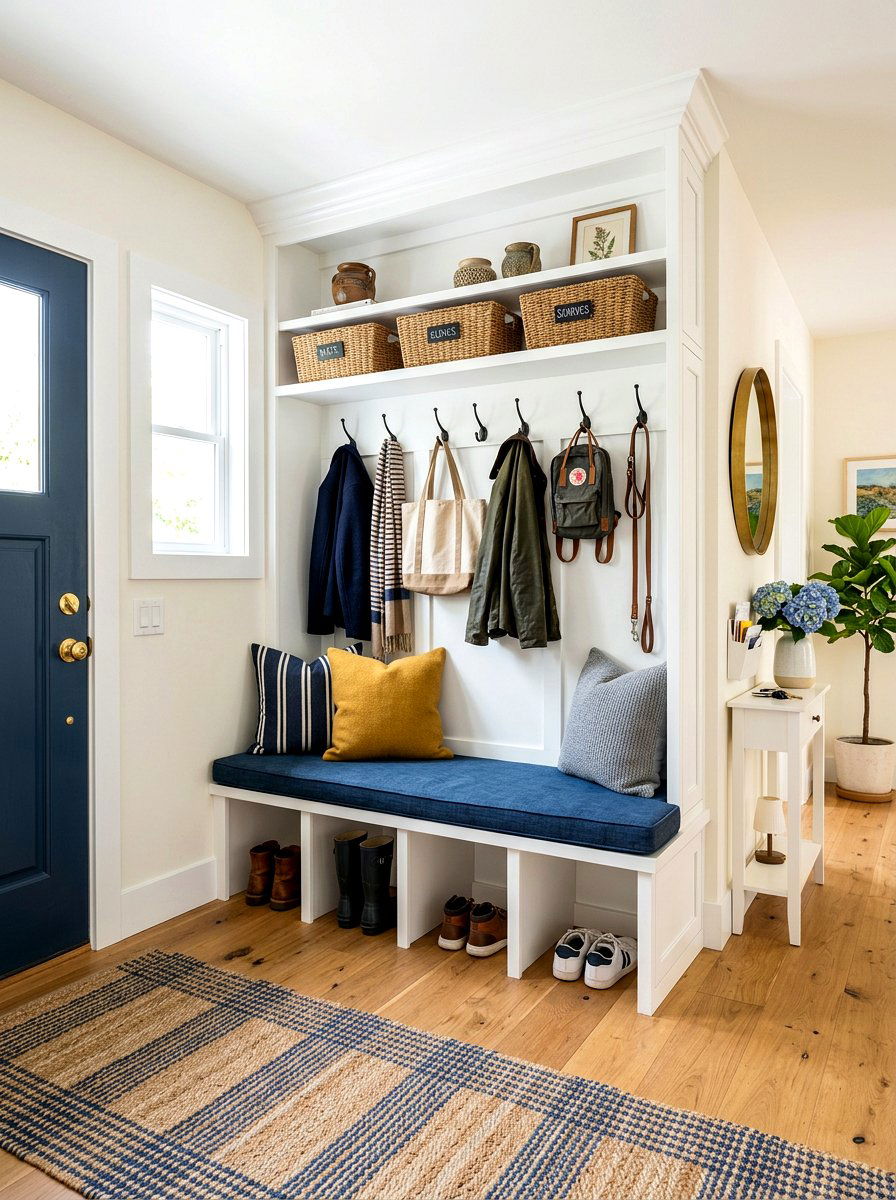
A transitional mudroom bench provides a functional and stylish landing zone for busy families. This piece usually features a sturdy wooden seat with clean lines and is often accompanied by built-in cubbies or hooks for coats and bags. By painting the entire unit in a soft neutral or a bold accent color, you create a dedicated space that feels like part of the home’s overall design. Adding a custom cushion in a durable, patterned fabric introduces comfort and a touch of personality. This setup keeps the entryway organized and clutter-free, ensuring that the first room you see when coming home is both beautiful and highly practical for daily life.
29. Glass Coffee Table
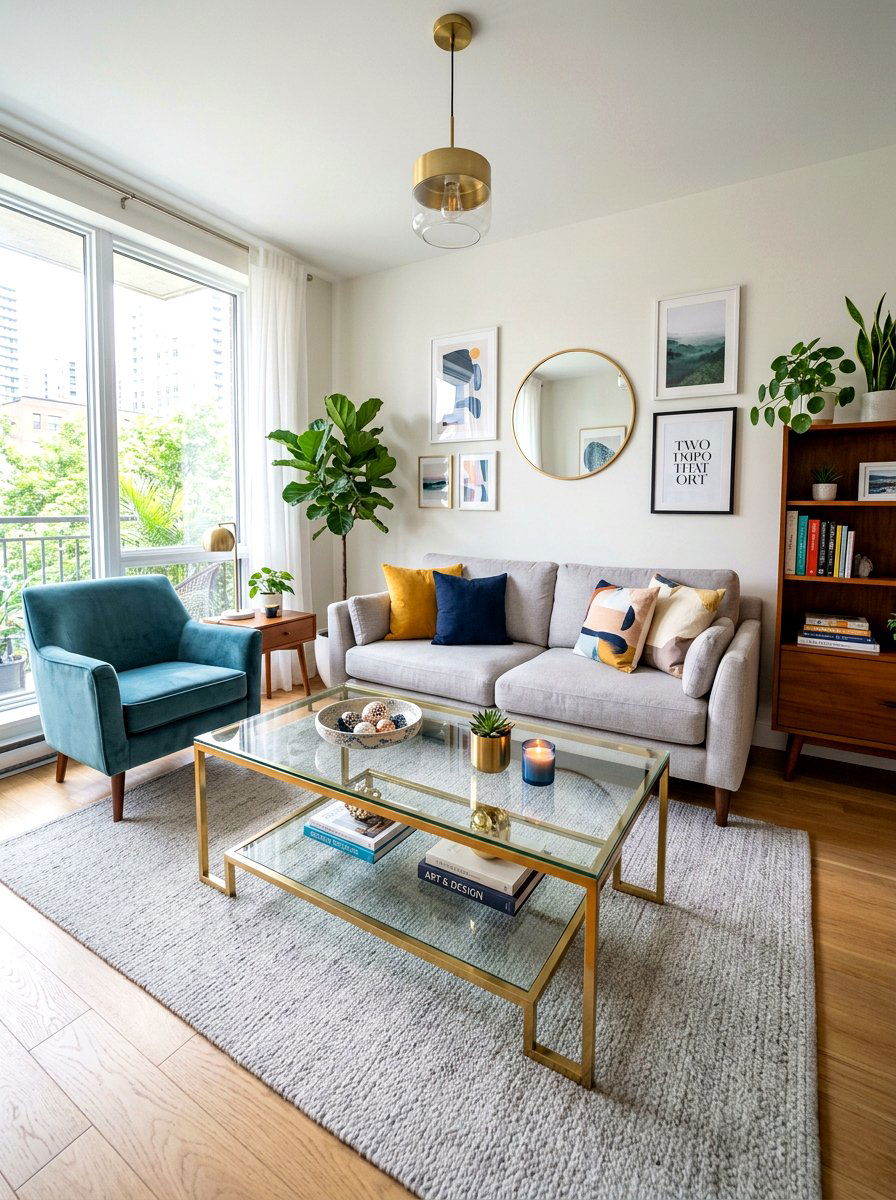
A glass coffee table is a smart choice for a transitional living room because its transparency keeps the space feeling open and airy. It allows you to showcase a beautiful area rug underneath while providing a functional surface for books and decor. Choosing a table with a classic metal or wood frame ensures it feels substantial enough to anchor the seating area. The mix of a modern glass top with a more traditional frame is the essence of transitional style. It is particularly effective in smaller rooms where a solid wooden table might feel too heavy. This piece adds a touch of modern light and sophistication to any gathering space.
30. Neutral Wallpaper Patterns
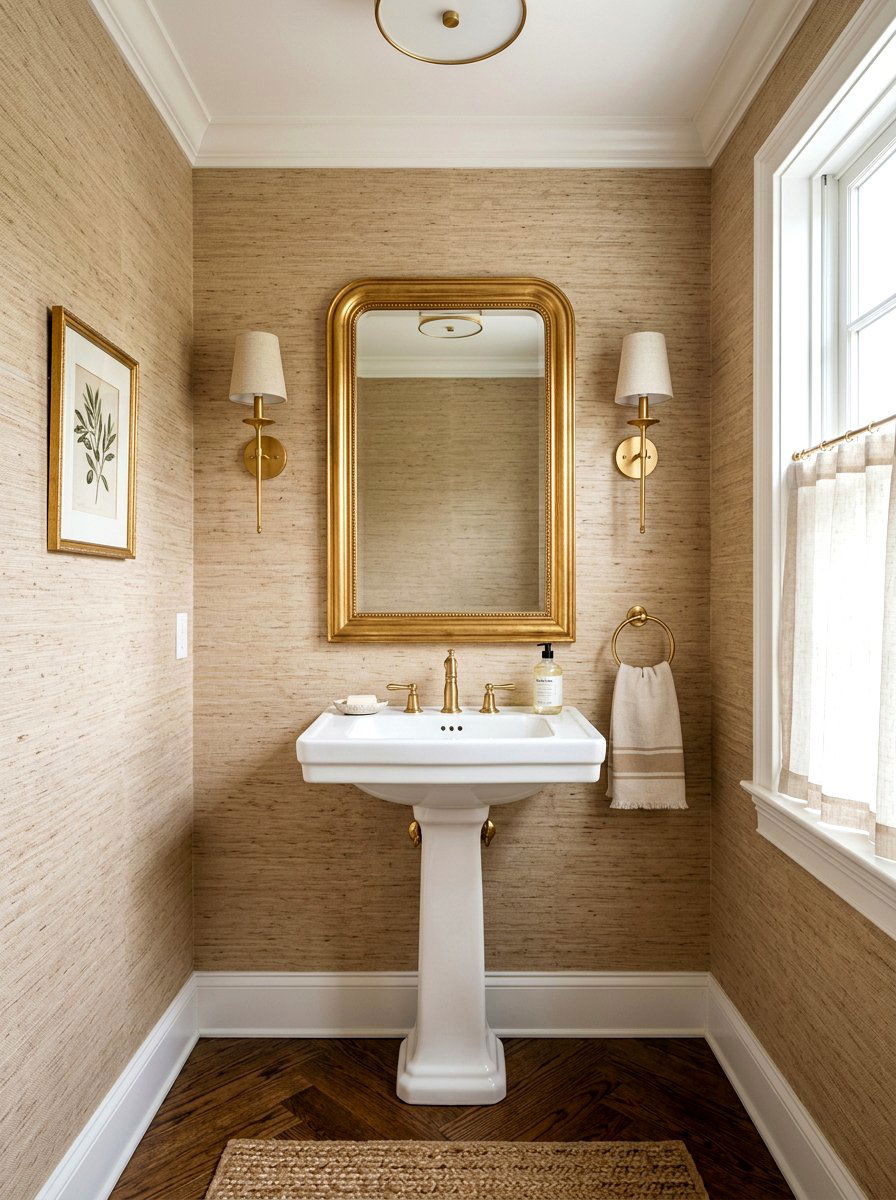
Neutral wallpaper patterns are an excellent way to add subtle texture and traditional charm to a transitional space without overwhelming it with color. Look for patterns like grasscloth, soft damasks, or delicate botanical prints in shades of cream, gray, or taupe. When used on a single accent wall or throughout a small room like a powder bath, wallpaper creates a rich, layered look that feels incredibly high-end. The tactile quality of grasscloth, in particular, adds an organic element that pairs perfectly with modern furniture. This decor choice provides a sophisticated backdrop that enhances the architectural features of the home while maintaining a serene and balanced atmosphere for the residents.
Conclusion:
Transitional decor is more than just a passing trend; it is a thoughtful philosophy of design that honors the past while embracing the convenience of the present. By focusing on neutral palettes, layered textures, and a careful mix of furniture styles, you can create a home that feels both luxurious and genuinely comfortable. This style is incredibly versatile, allowing it to adapt as your personal tastes evolve over the years. Whether you are updating a single room or redesigning an entire house, the principles of balance and simplicity will guide you toward a result that is timeless, elegant, and perfectly suited for modern living.

Related posts: