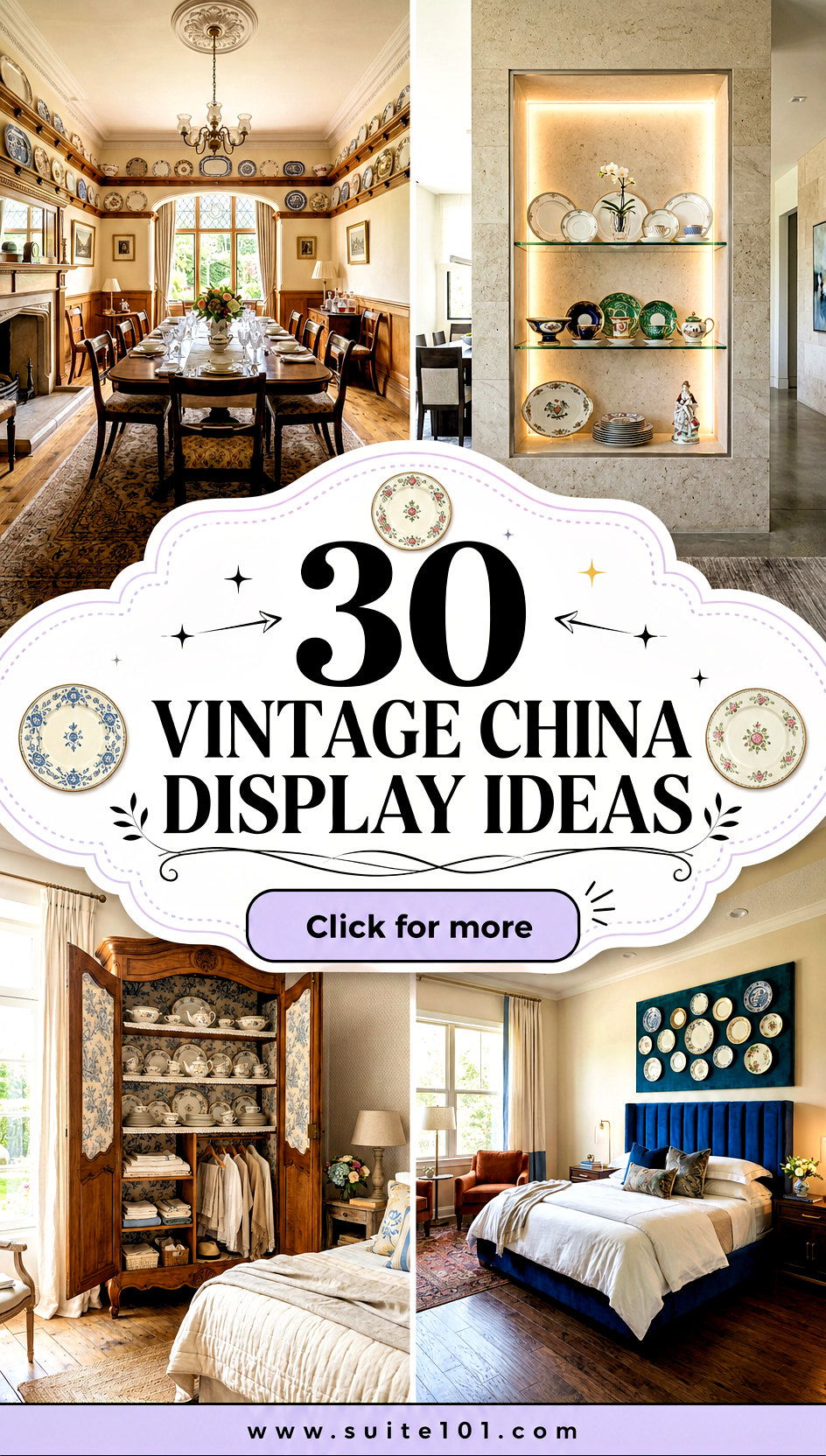
Vintage china carries a sense of nostalgia and elegance that modern mass-produced dinnerware simply cannot replicate. Whether you have inherited a cherished heirloom set or spent years scouring flea markets for the perfect floral patterns, finding the right way to showcase these treasures is essential. Displaying vintage china allows you to breathe new life into forgotten pieces while adding a layer of personality to your home. From grand traditional hutches to modern minimalist wall arrangements, there are countless ways to integrate these ceramics into your daily environment. This guide explores creative and stylish methods to turn your porcelain collection into a focal point. You can create a stunning visual story that celebrates history and craftsmanship. Let’s look at how you can transform your living space with these timeless and beautiful ceramic pieces that deserve to be seen every day.
1. Plate Wall Hanging
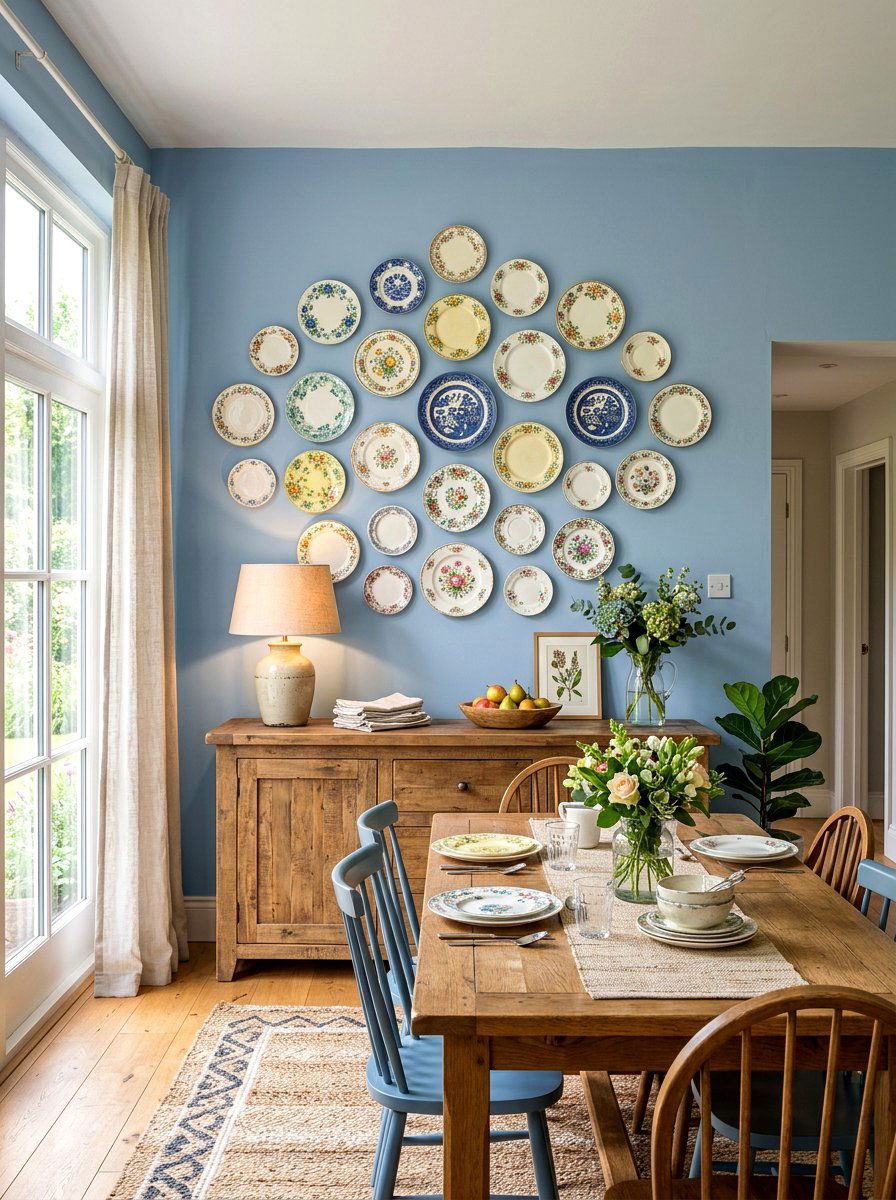
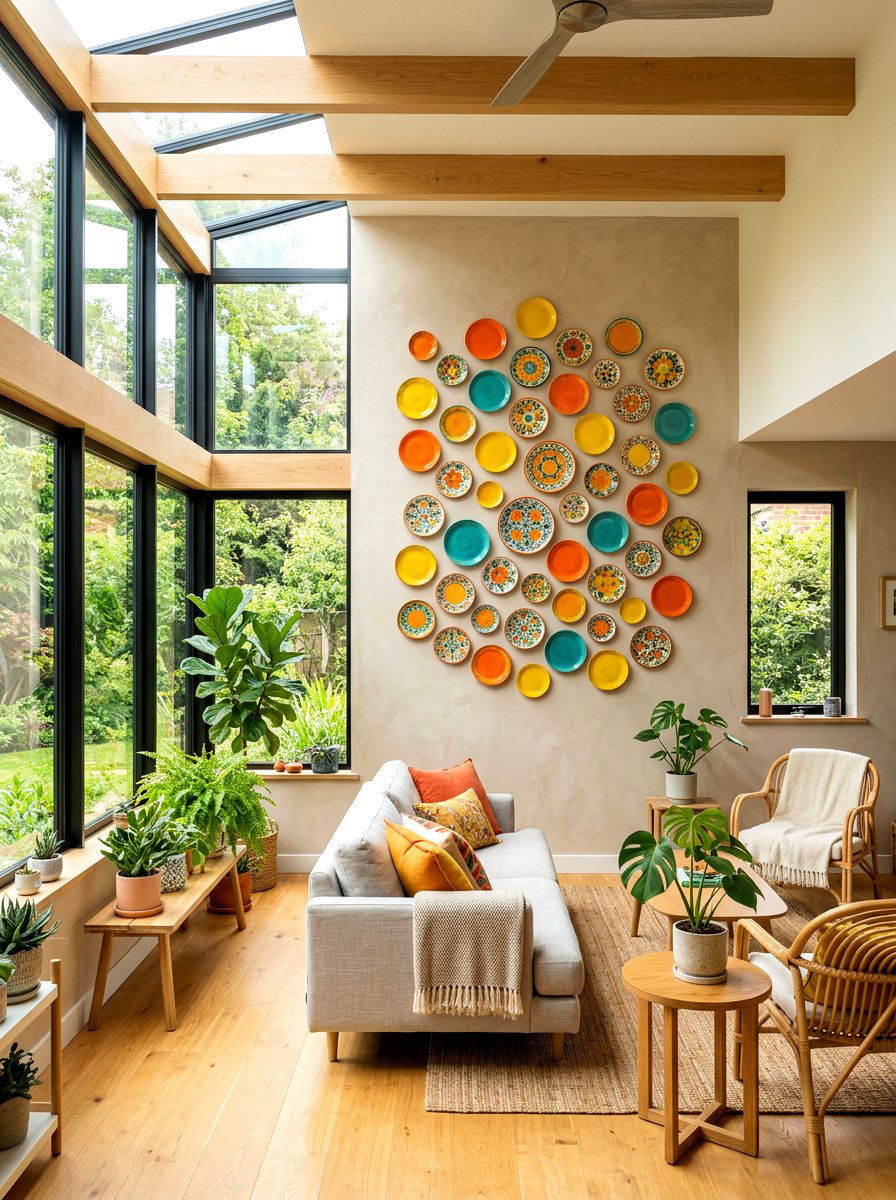
Creating a plate wall hanging is one of the most popular ways to showcase a diverse collection of vintage ceramics. You can mix and match different sizes, colors, and patterns to create a dynamic gallery wall in your dining room or entryway. Start by laying out your plates on the floor to find a balanced arrangement before committing to nails. Use invisible adhesive hangers or traditional wire hangers to secure each piece firmly to the wall. This method turns your china into a three-dimensional art installation that draws the eye upward. It is a fantastic way to fill a large empty wall space with texture and history. The result is a personalized and curated look that feels both sophisticated and lived-in.
2. Open Kitchen Shelves
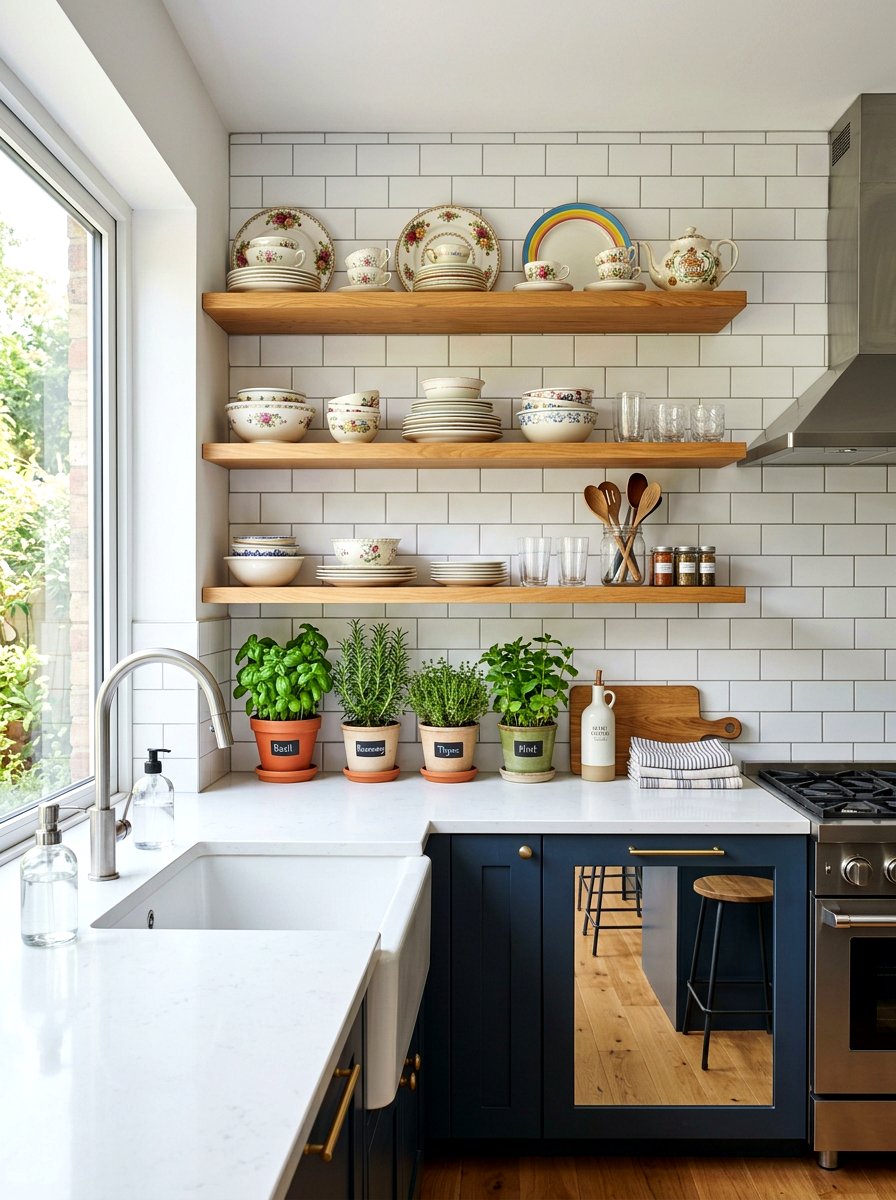
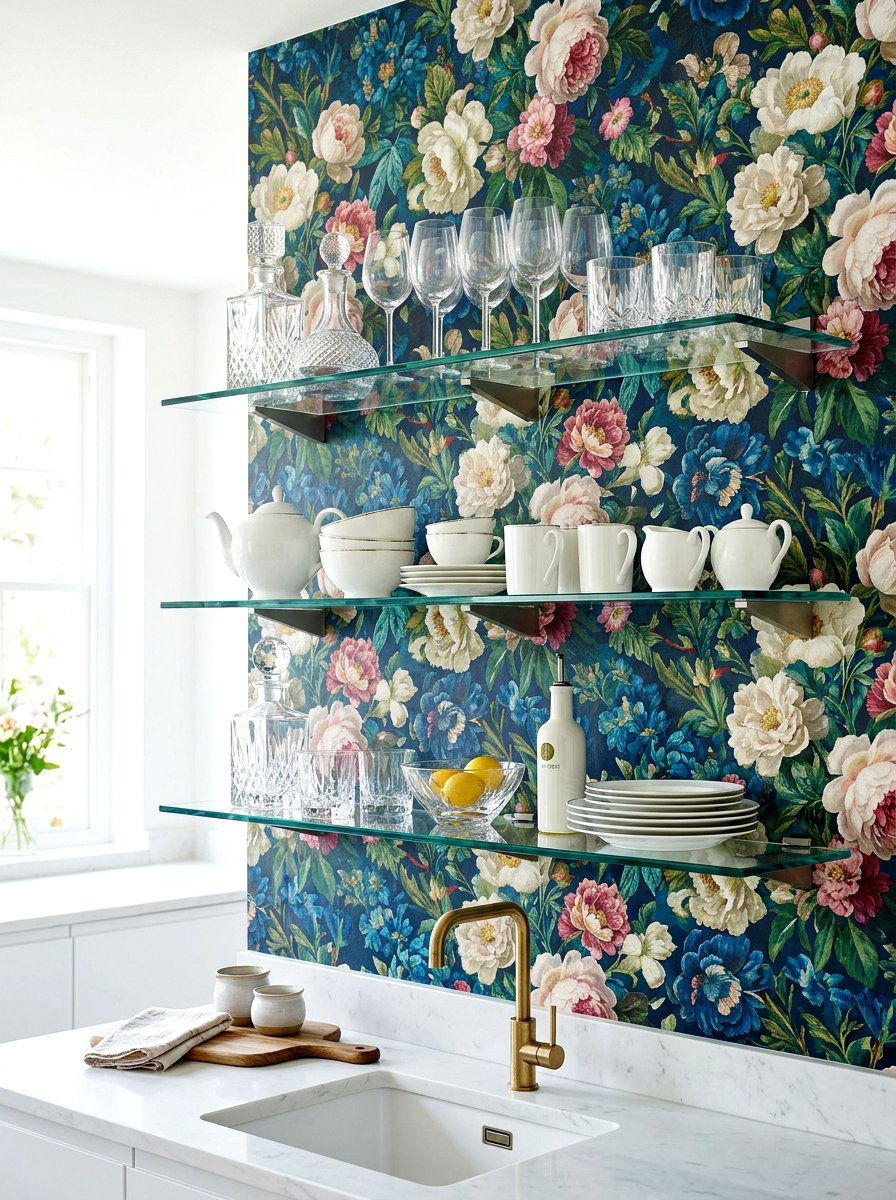
Open kitchen shelves offer a modern and accessible way to keep your vintage china part of your daily routine. Instead of hiding your floral plates behind closed doors, stack them neatly on thick wooden or sleek metal shelves. This arrangement allows the intricate designs to serve as a backdrop for your kitchen activities. You can intersperse the plates with glass jars, small potted herbs, or often-used bowls to create a functional yet beautiful display. By alternating the heights of the stacks, you add visual interest and a sense of effortless style. It makes the kitchen feel warmer and more inviting while ensuring your favorite pieces are always within easy reach for a special meal.
3. Antique China Cabinet
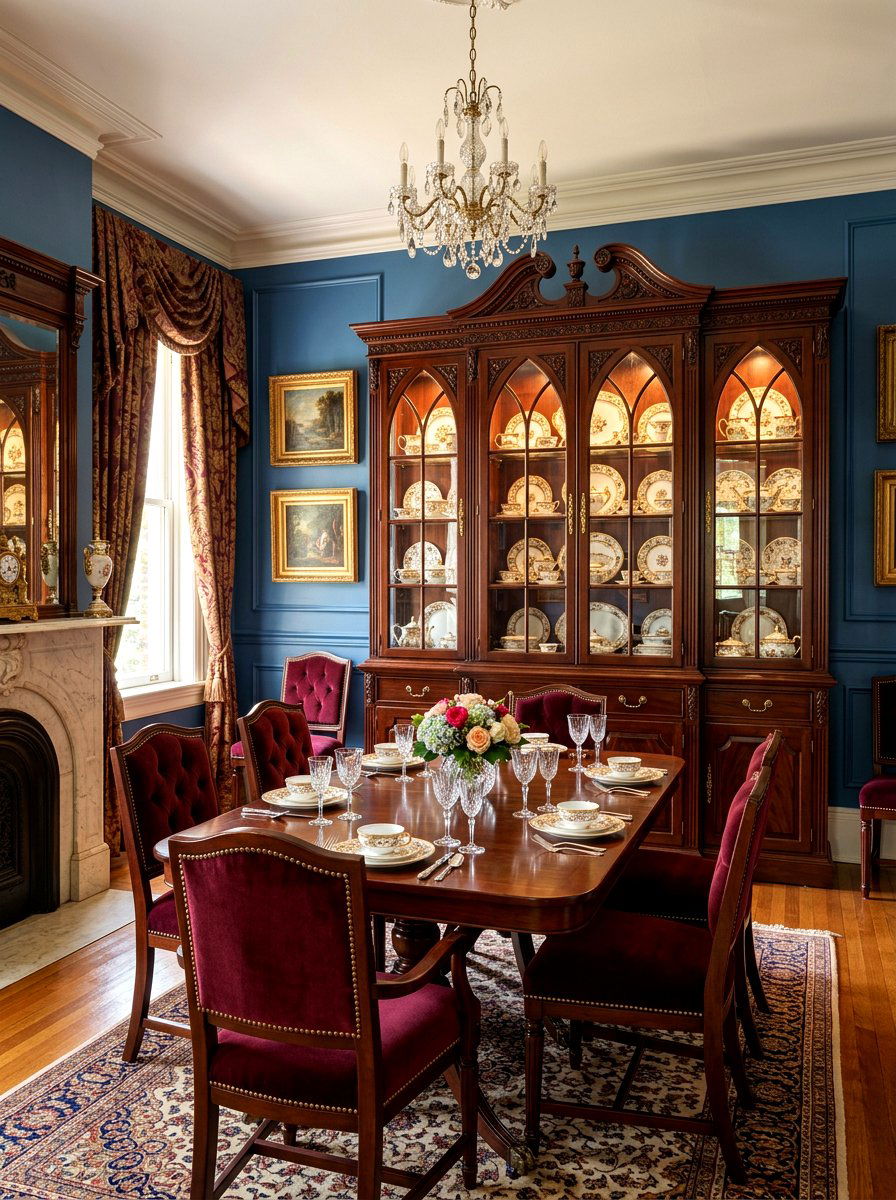
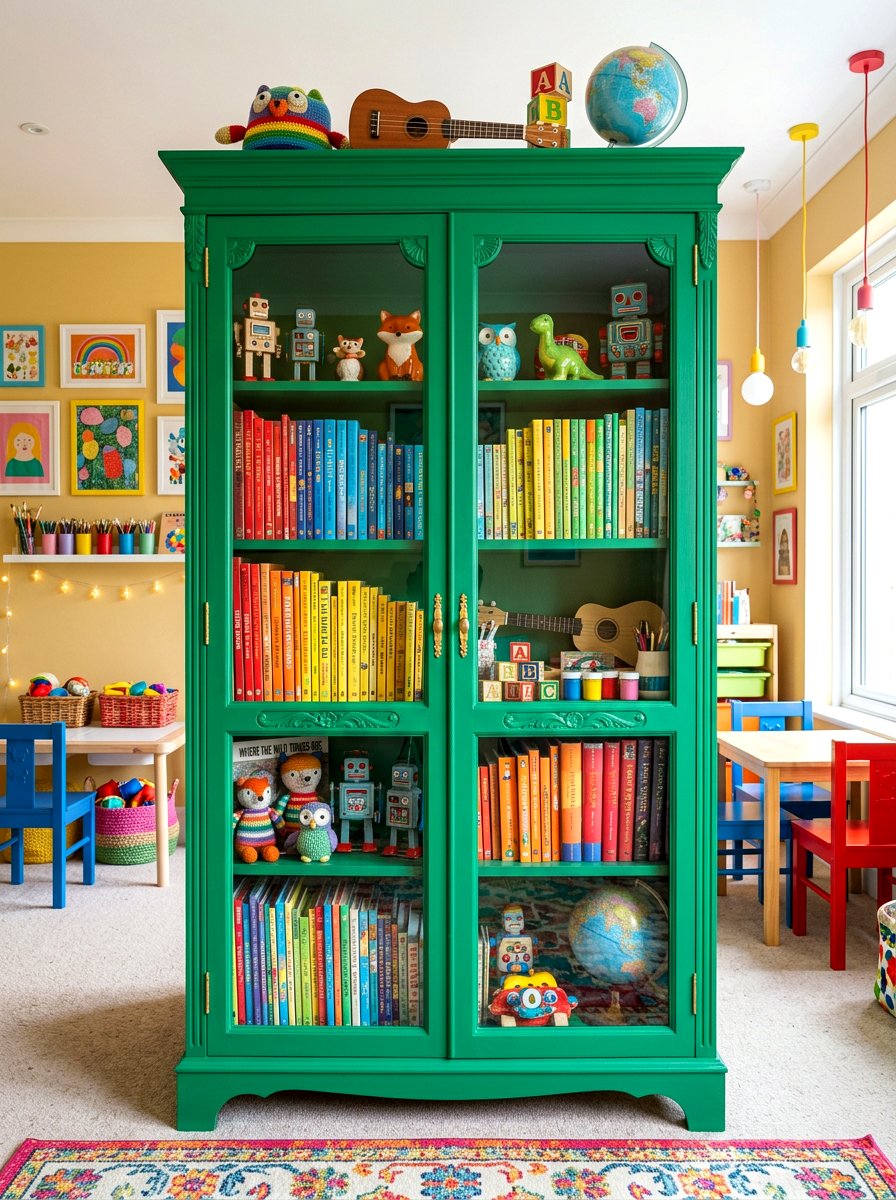
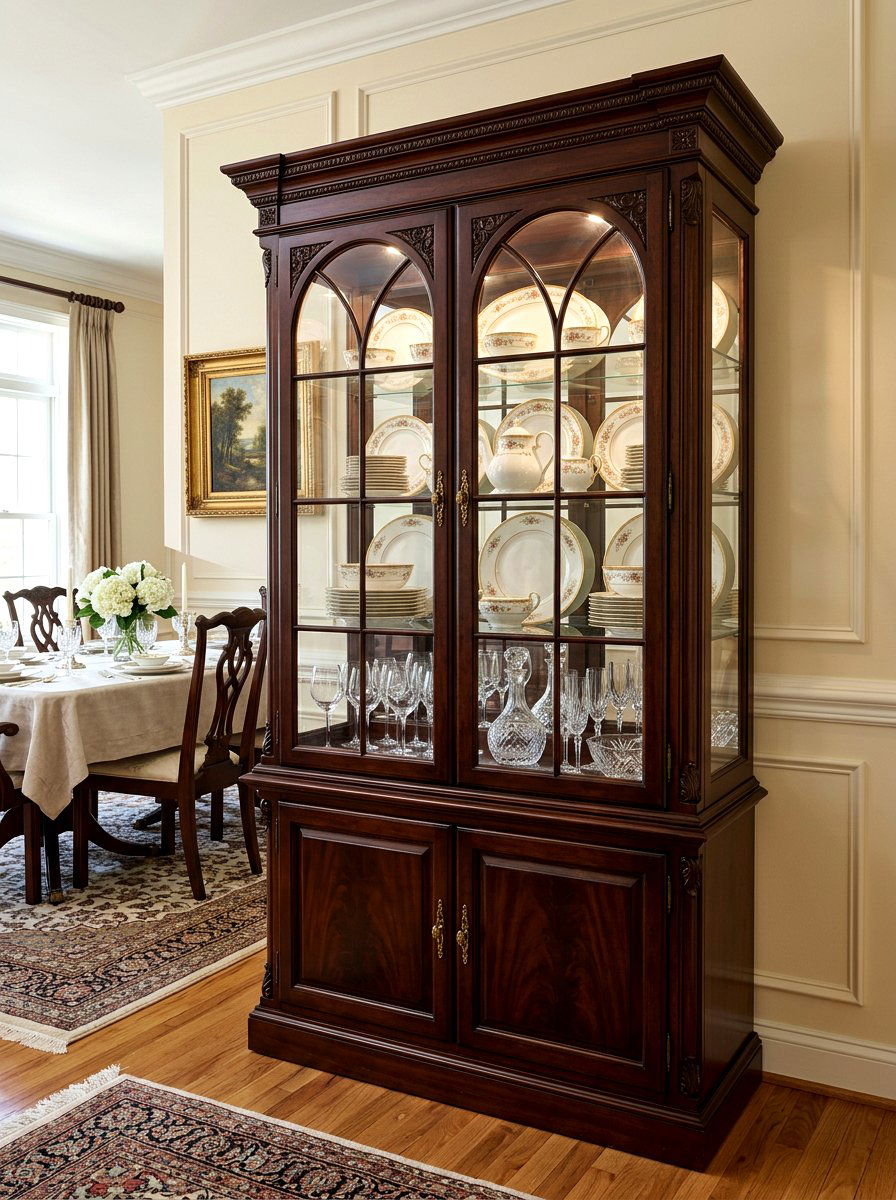
An antique china cabinet remains a classic choice for those who want to protect their most delicate and valuable heirloom pieces. These grand furniture items often feature glass doors and multiple levels, providing a structured environment for a complete dinnerware set. You can arrange your plates vertically along the back using built-in grooves, while stacking saucers and cups in the foreground. This layering technique creates depth and allows every piece to be visible. To modernize the look, consider painting the interior of the cabinet a bold or contrasting color to make the white porcelain pop. This traditional approach anchors the dining room with a sense of history and formal elegance that never goes out of style.
4. Corner Hutch Styling
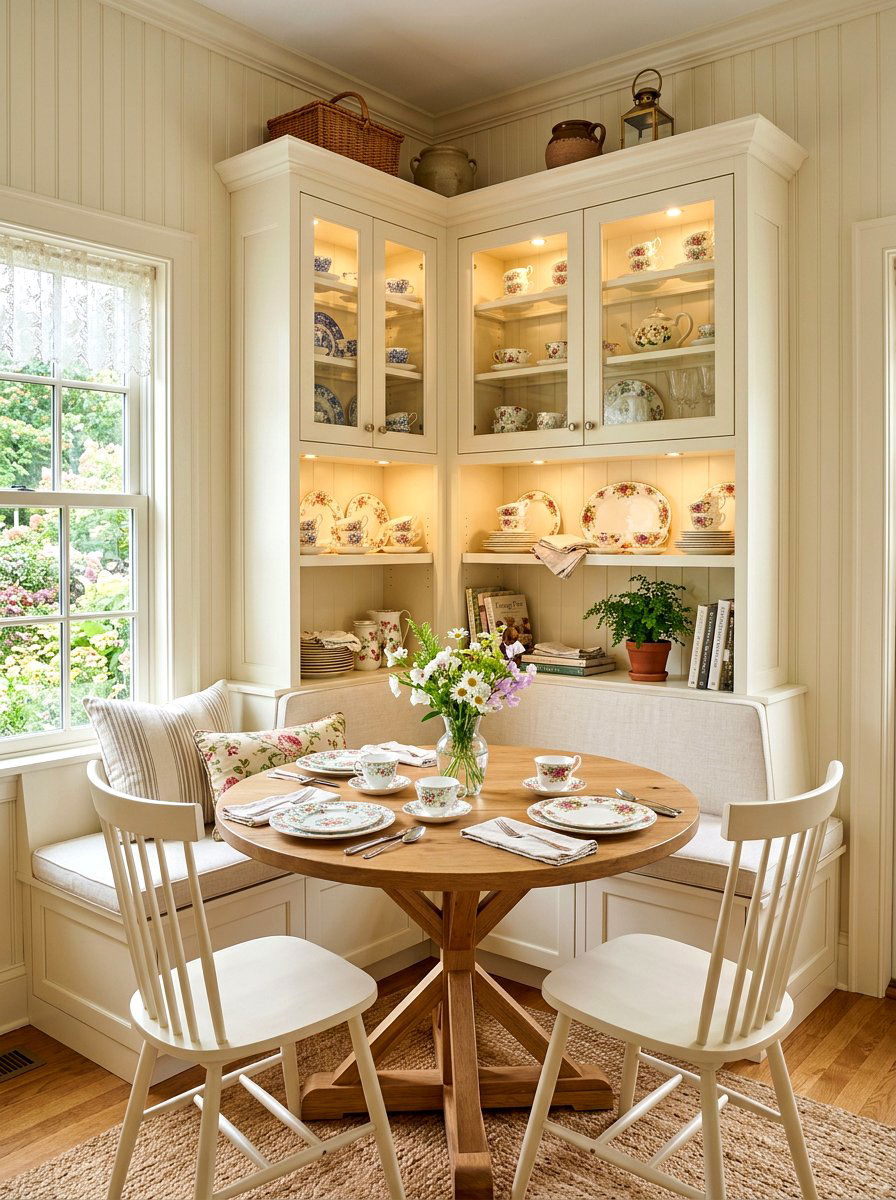
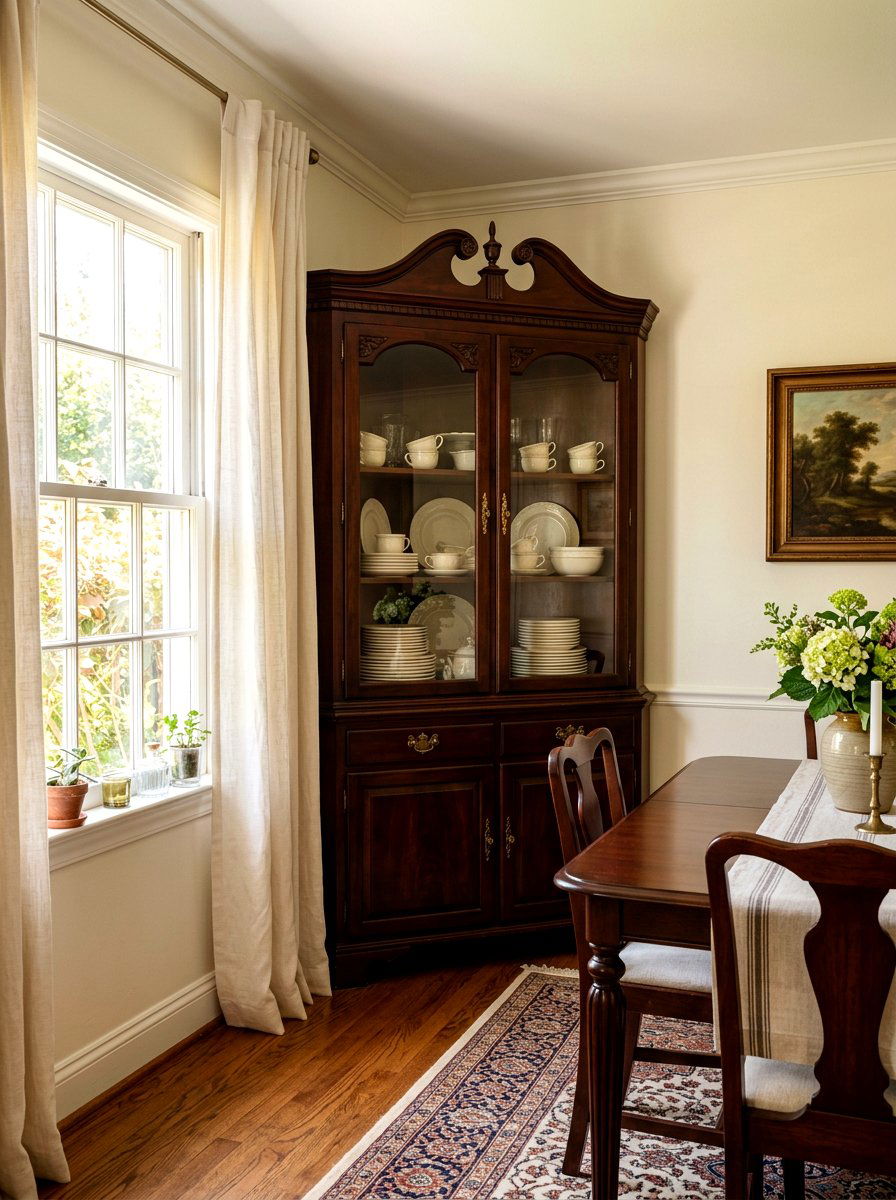
Corner hutch styling is an excellent solution for smaller dining areas where floor space is at a premium. These specialized cabinets fit snugly into a corner, turning an often-overlooked area into a beautiful focal point for your china. Because the space is more compact, it encourages you to curate a tighter selection of your favorite pieces. You can focus on a specific color palette or a particular theme, such as botanical prints or gilded edges. Adding small battery-operated puck lights inside the hutch can illuminate the porcelain, making the patterns shimmer even in dim evening light. This cozy arrangement brings a touch of vintage charm to any nook, making the entire room feel more thoughtfully decorated.
5. Glass Front Cabinet
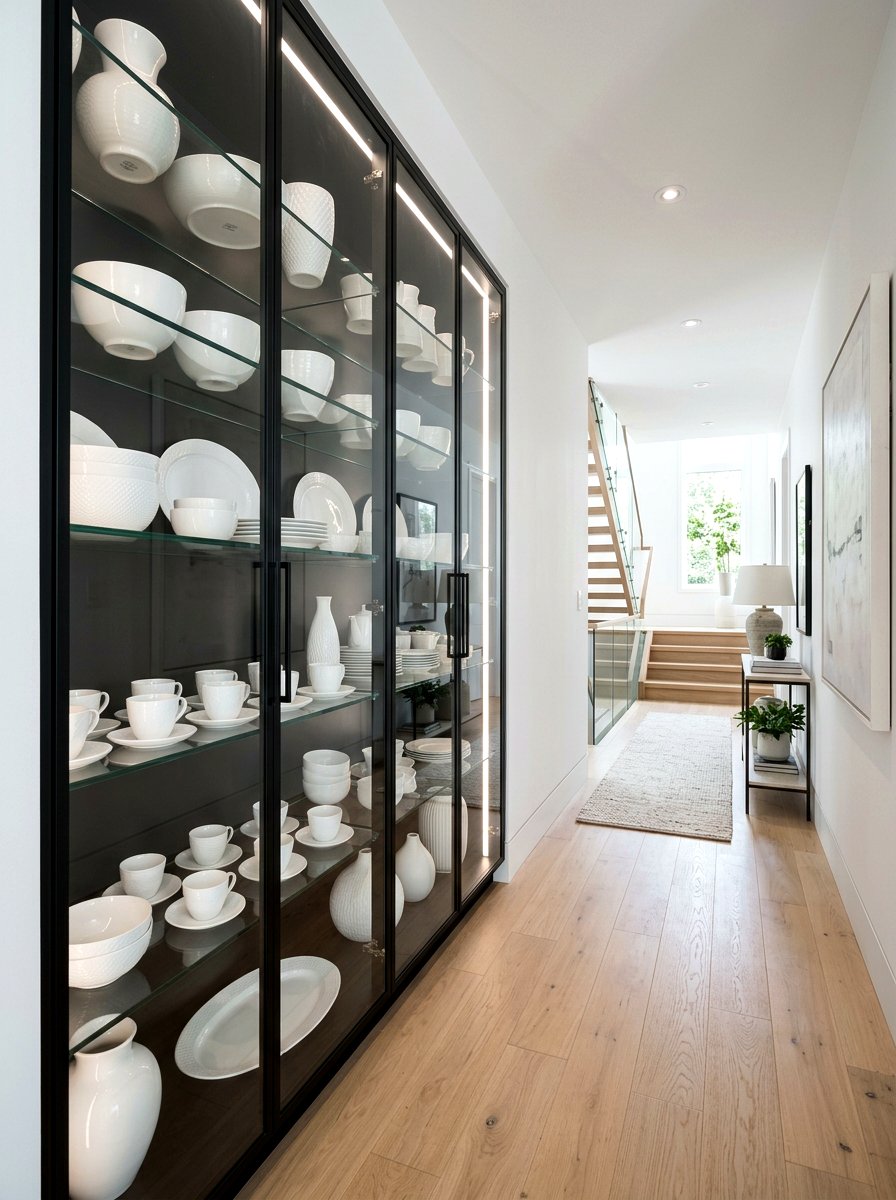
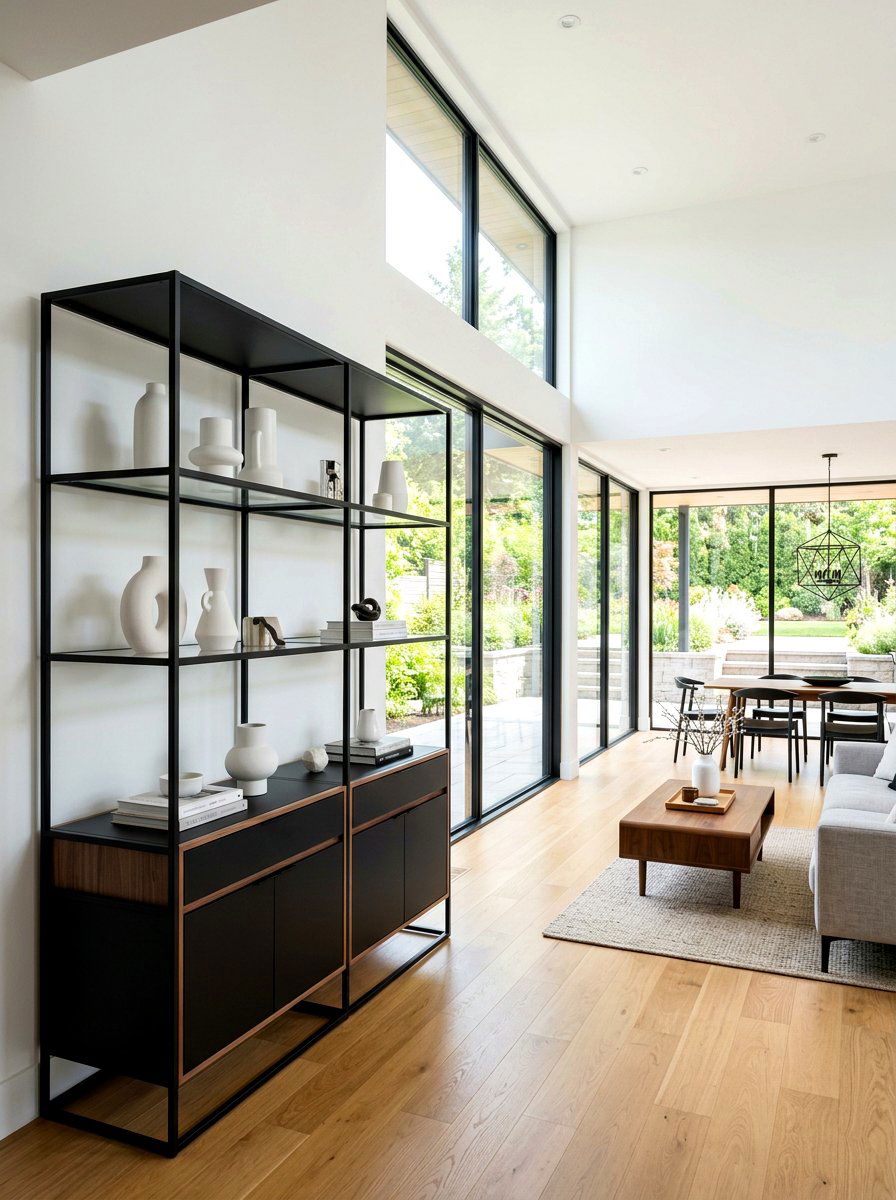
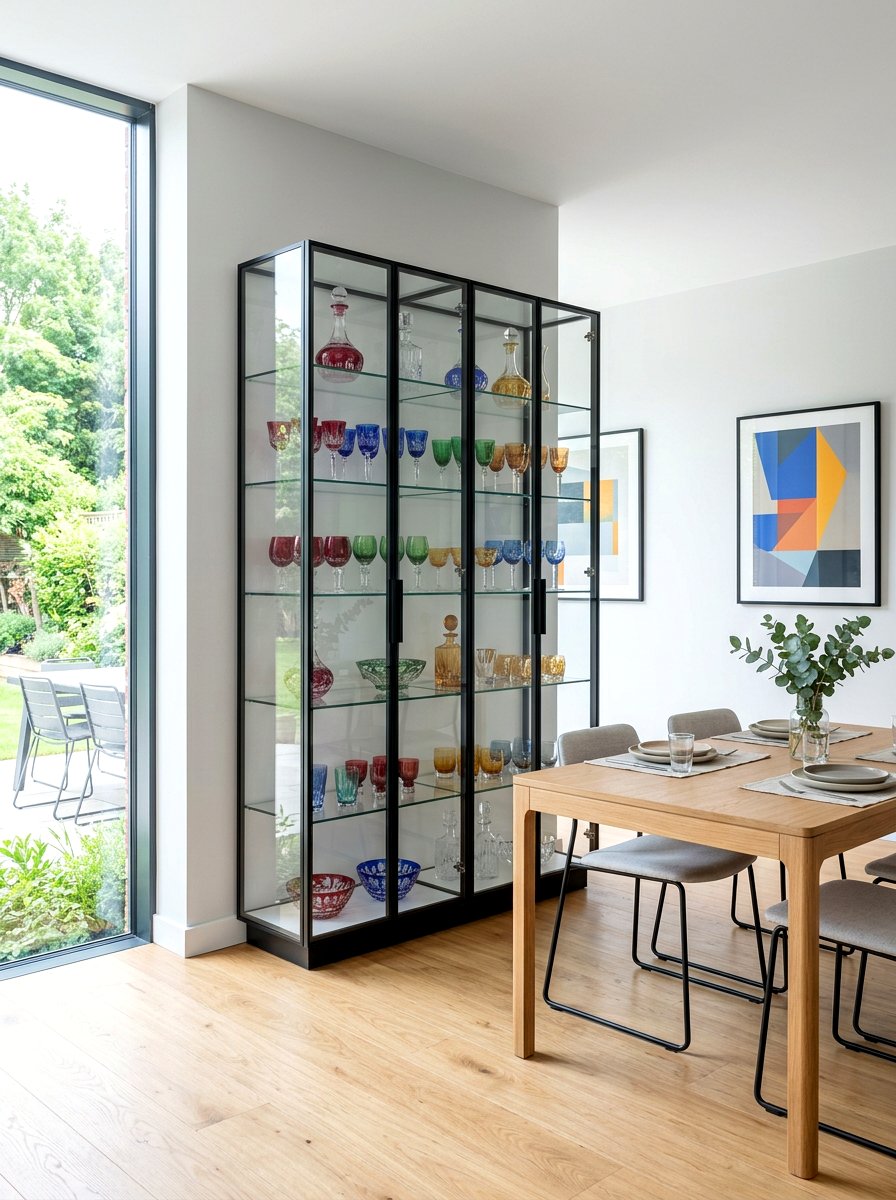
A glass front cabinet provides a clean and streamlined look that works well in both traditional and contemporary interiors. Unlike heavy antique pieces, modern glass cabinets often have slimmer profiles and minimalist hardware, which keeps the focus entirely on the china inside. You can organize your collection by color for a rainbow effect or keep everything monochromatic for a sophisticated, airy feel. The transparency of the glass protects the delicate ceramics from dust while still allowing them to contribute to the room’s overall aesthetic. This type of storage is perfect for a hallway or a breakfast nook where you want to add a decorative element without overwhelming the space with heavy wood textures.
6. Picture Ledge Display
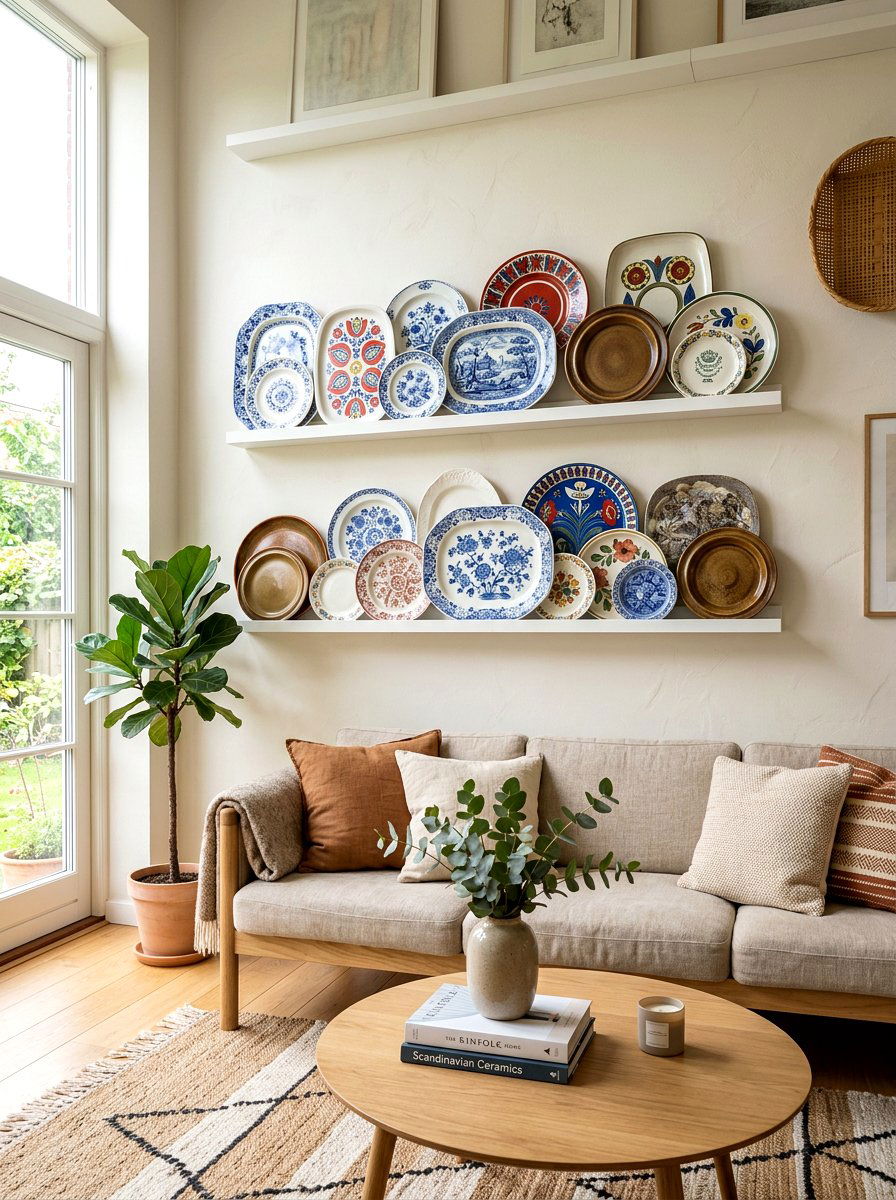
Using a picture ledge display is a versatile and low-commitment way to show off your vintage plates and platters. These narrow shelves allow you to lean the china against the wall, creating a layered look that is easy to change whenever you desire. You can overlap different sizes of plates to create a sense of movement and visual weight. This is a great option for a long hallway or above a sofa where traditional hanging might feel too permanent. Because the plates aren't permanently fixed, you can swap them out for different seasons or holidays. The ledges provide a structured line that keeps the collection looking organized and intentional, even if the patterns are mismatched.
7. Tiered Tray Centerpiece
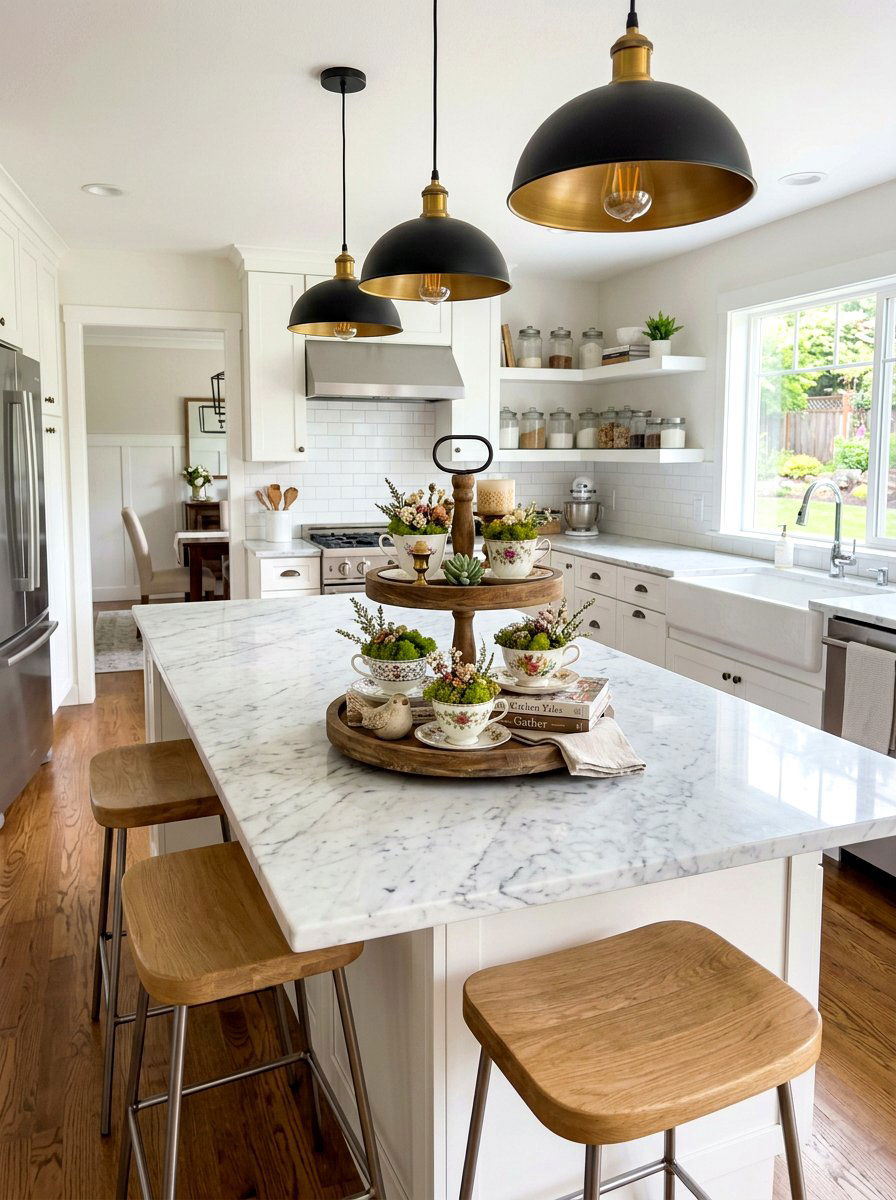
A tiered tray centerpiece brings a playful and three-dimensional element to your dining table or kitchen island. By placing small vintage saucers, teacups, and dessert plates on the different levels of the tray, you create a charming vignette. You can fill the cups with seasonal decor like moss, small flowers, or even colorful candies to add more texture and interest. This method is particularly effective for showcasing smaller pieces that might get lost in a large cabinet. The vertical nature of the tiered tray saves horizontal table space while providing a high-impact decorative feature. It is a lovely way to celebrate the dainty details of vintage porcelain in a manageable and portable display.
8. Shadow Box Frame
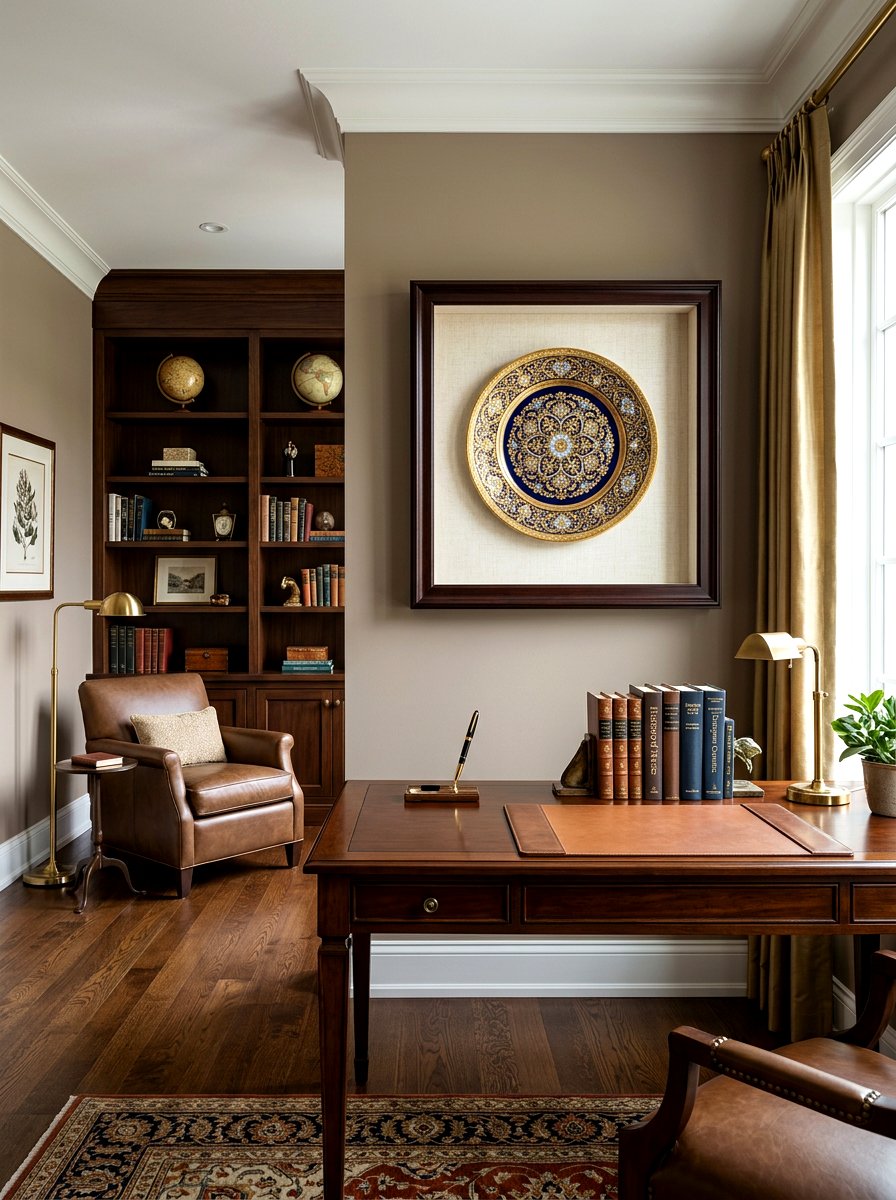
A shadow box frame turns a single, exceptionally beautiful vintage plate into a protected work of fine art. This is an ideal way to display a piece that might be too fragile for everyday use or has significant sentimental value. By mounting the china inside a deep frame with a linen or velvet backing, you elevate its status and protect it from accidental damage. You can hang a single large shadow box as a statement piece or group several smaller ones together for a gallery effect. This approach works beautifully in a study or a bedroom where you want to introduce a touch of vintage texture without the kitchen-like feel of open shelving.
9. Wire Plate Rack
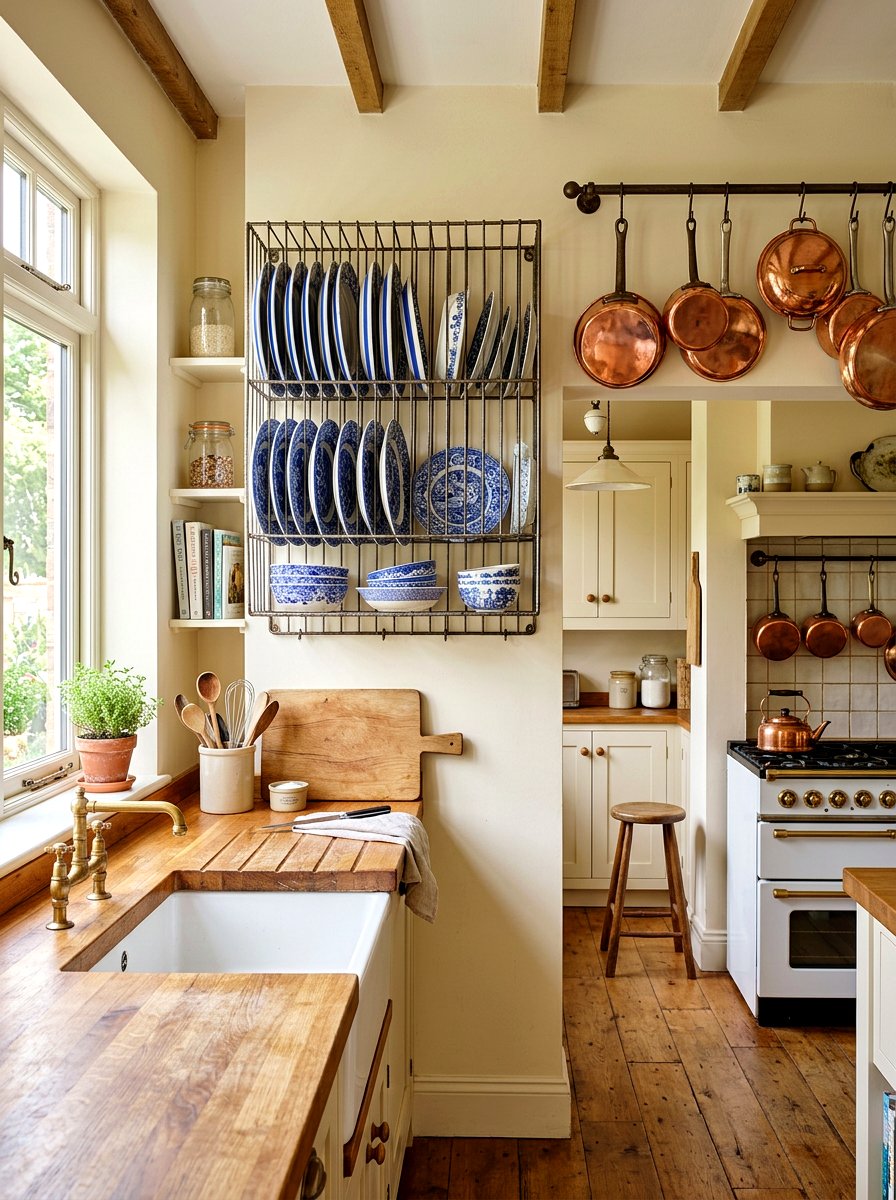
A wire plate rack offers a rustic and utilitarian aesthetic that is perfect for farmhouse or cottage-style homes. These racks are designed to hold plates vertically, which not only saves space but also puts the full face of each dish on display. They can be mounted on the wall or placed directly on a countertop for easy access. The metal framework adds a touch of industrial charm that contrasts beautifully with the delicate floral patterns of vintage china. This is a functional storage solution that doubles as decor, making it ideal for those who actually use their vintage pieces regularly. It creates a "collected over time" look that feels authentic and unpretentious.
10. Wooden Plate Rail
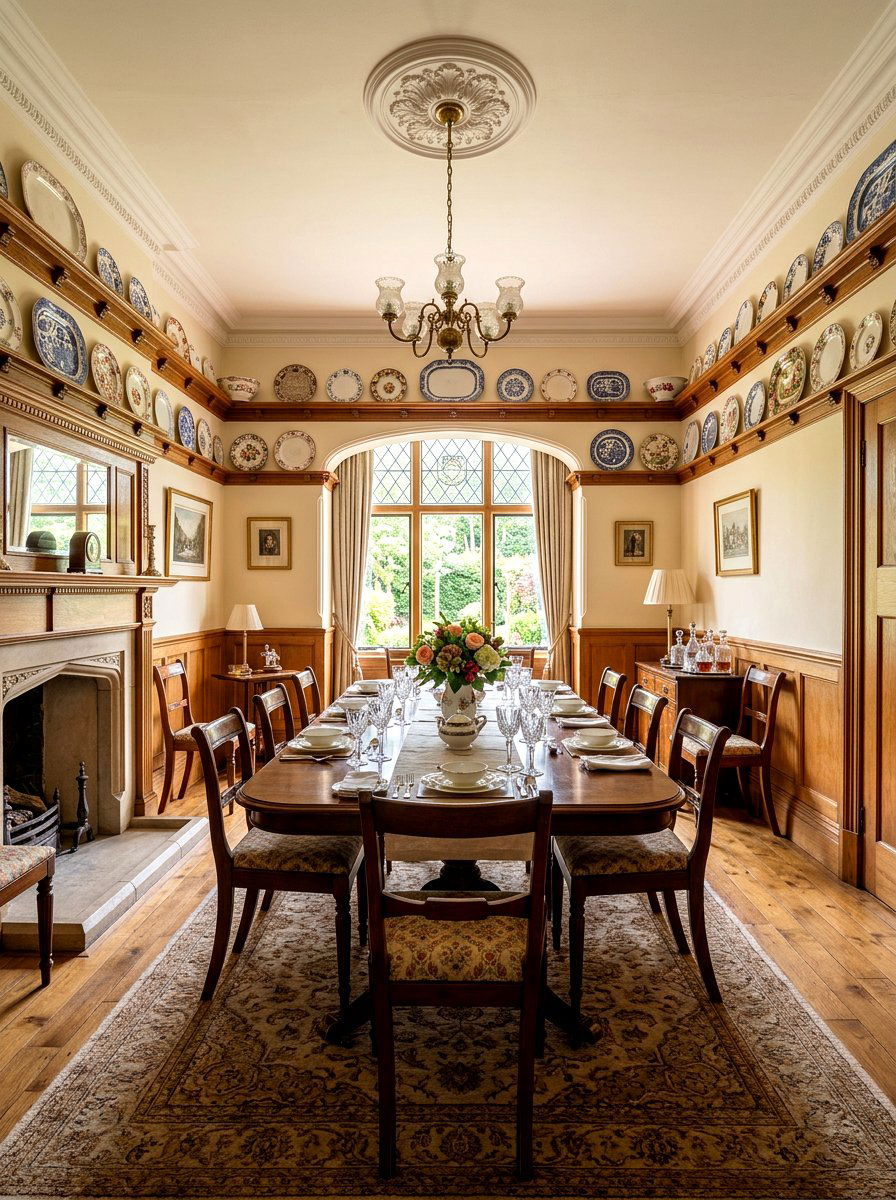
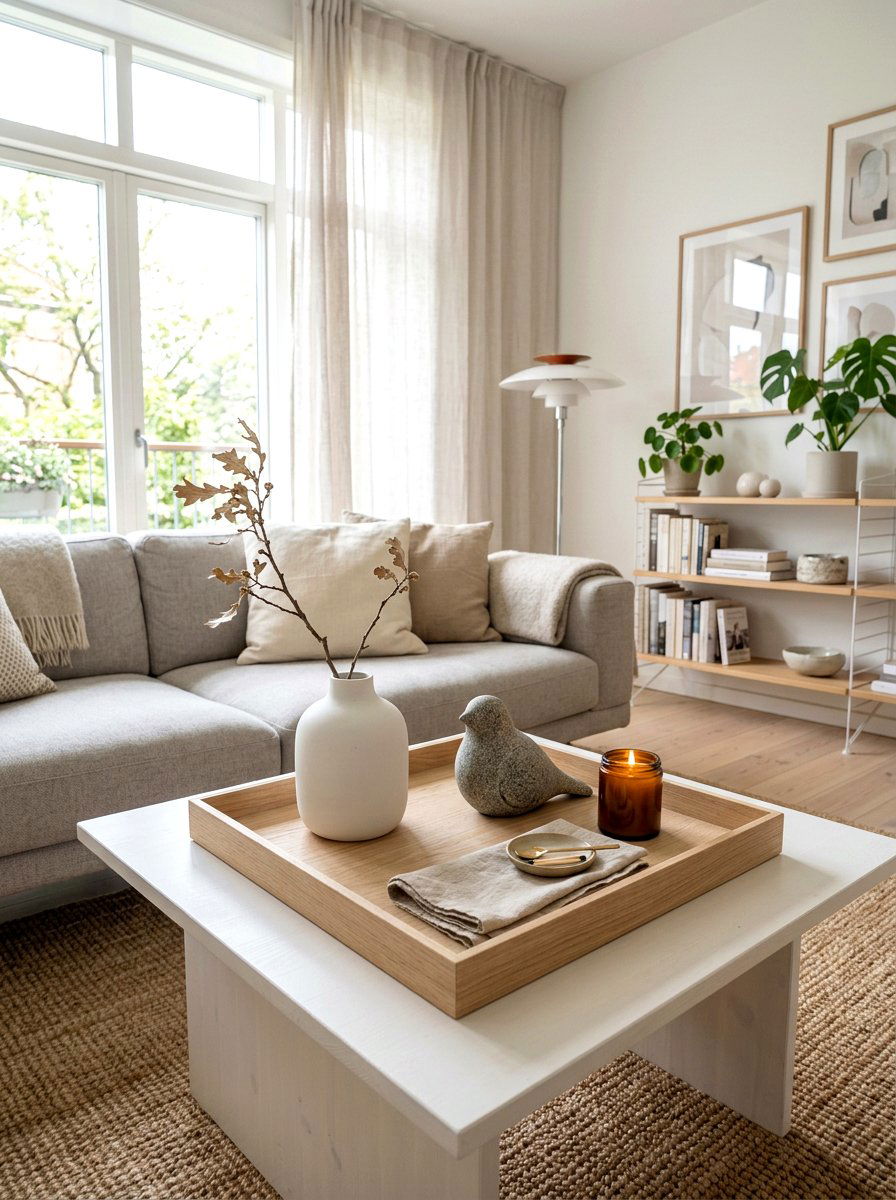
A wooden plate rail is a traditional architectural feature that adds a sense of permanence and classic style to a room. Usually installed at eye level or just above a doorway, these narrow rails provide a secure place for plates to lean against the wall. This display method works exceptionally well in dining rooms with high ceilings, as it draws the eye upward and adds detail to the upper third of the walls. You can run the rail around the entire perimeter of the room to showcase a large collection of mismatched vintage finds. The wood finish can be matched to your existing trim for a seamless look that feels like an original part of the home.
11. Bookshelf Integration
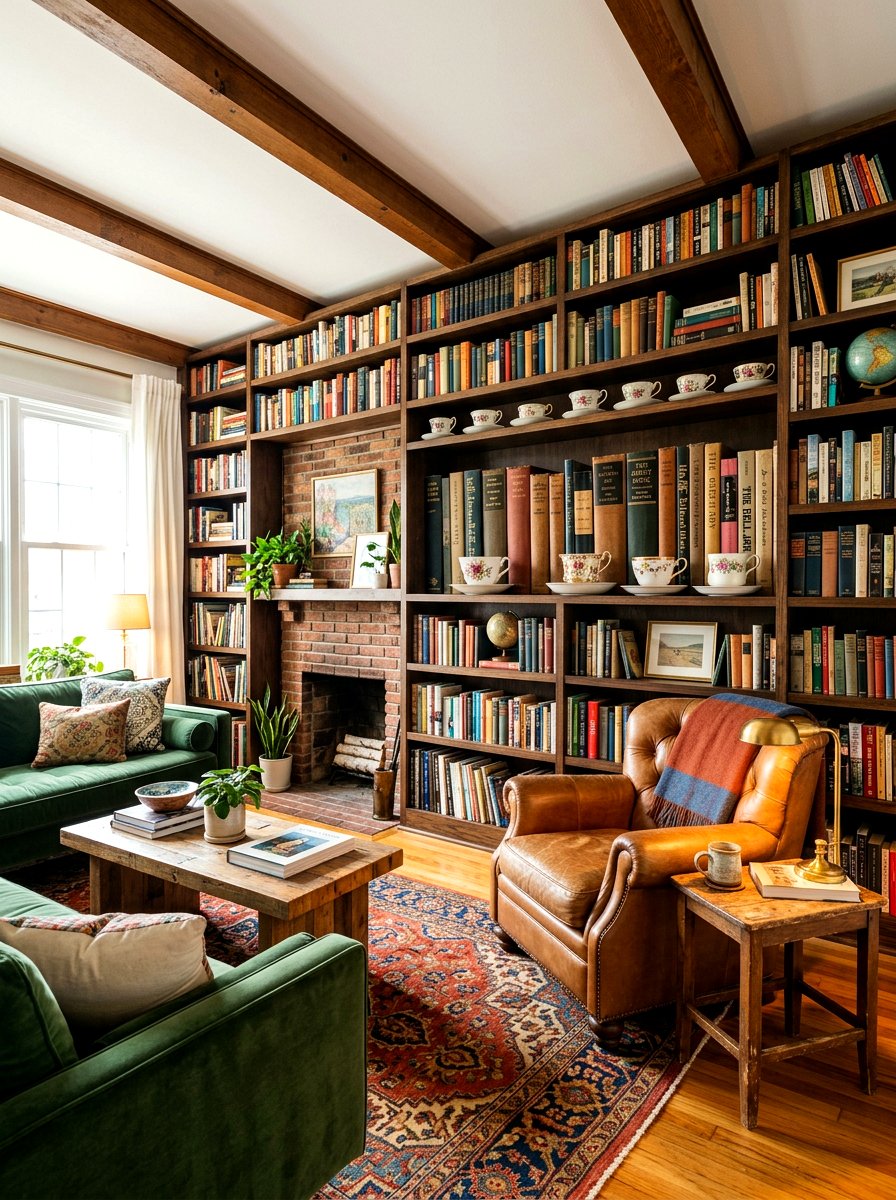
Bookshelf integration is a clever way to add texture and color to your home library or living room storage. By nestling vintage plates and teacups among your favorite books, you break up the linear rows of spines and introduce organic shapes. You can use small plate stands to prop up decorative dishes behind a stack of books or place a dainty teacup on top of a horizontal pile. This layering technique makes the shelving feel more curated and personal. It’s an easy way to incorporate small pops of color from your china collection throughout the house. The mix of paper textures and ceramic glazes creates a rich, scholarly, and cozy atmosphere in any room.
12. Ladder Shelf Storage
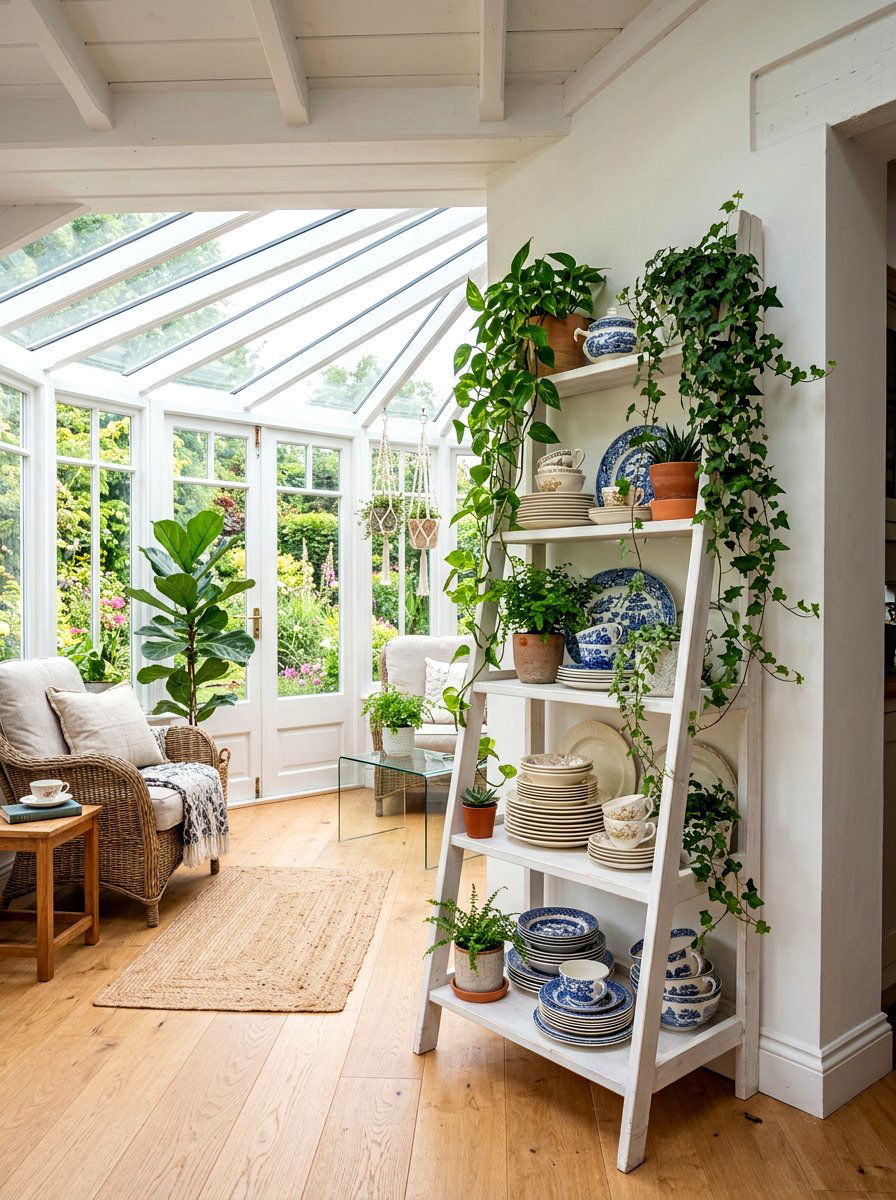
Ladder shelf storage provides an casual and trendy way to display your vintage china in a leaning format. The graduated depths of the shelves allow you to place larger platters on the bottom and smaller teacups or saucers on the higher levels. This creates a natural visual hierarchy that is very pleasing to the eye. Because ladder shelves are often open and airy, they don 't block light, making them a great choice for smaller apartments or sunrooms. You can style the shelves with draped linens or small plants to soften the look of the wood or metal frame. This portable display can be moved easily, allowing you to refresh your room' s layout whenever inspiration strikes.
13. Buffet Sideboard Decor
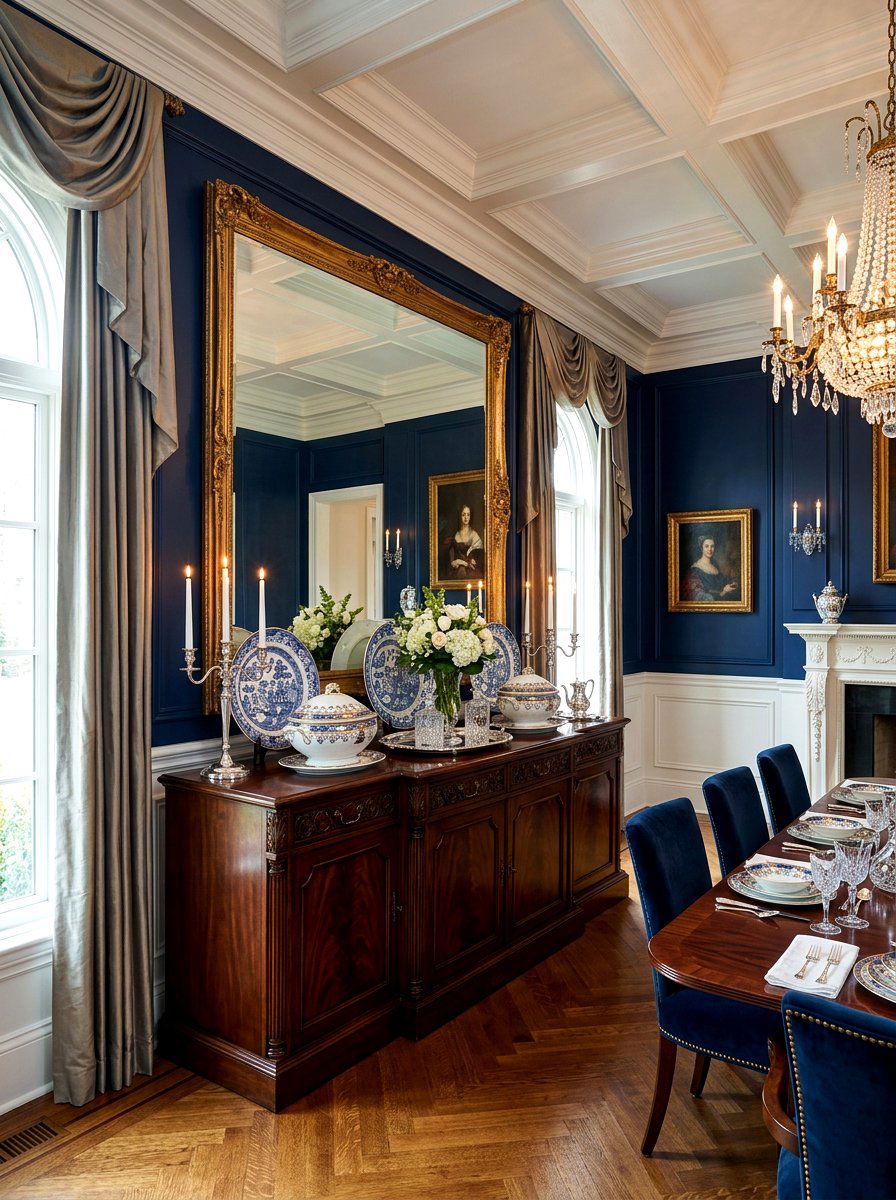
Buffet sideboard decor is a traditional and functional way to showcase your china right where you serve your meals. The flat top of a sideboard provides the perfect stage for a large tureen or a stack of beautifully patterned dinner plates. You can lean a few large chargers against the back wall to create a backdrop for other decorative objects like candlesticks or floral arrangements. This arrangement makes your dining room feel ready for a party at any moment. By keeping your best china on the buffet, you ensure it is visible to guests while also being conveniently located for setting the table. It bridges the gap between everyday storage and formal holiday display.
14. Dining Table Setting
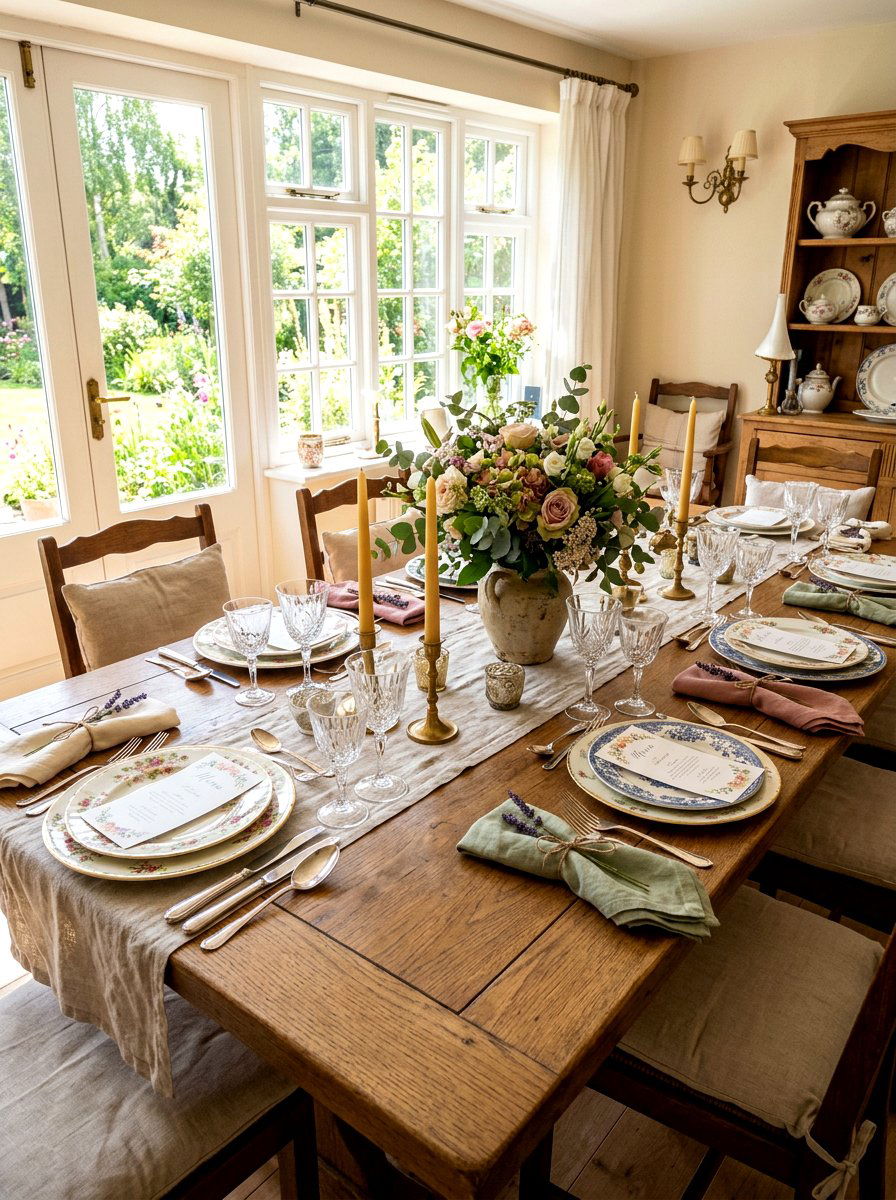
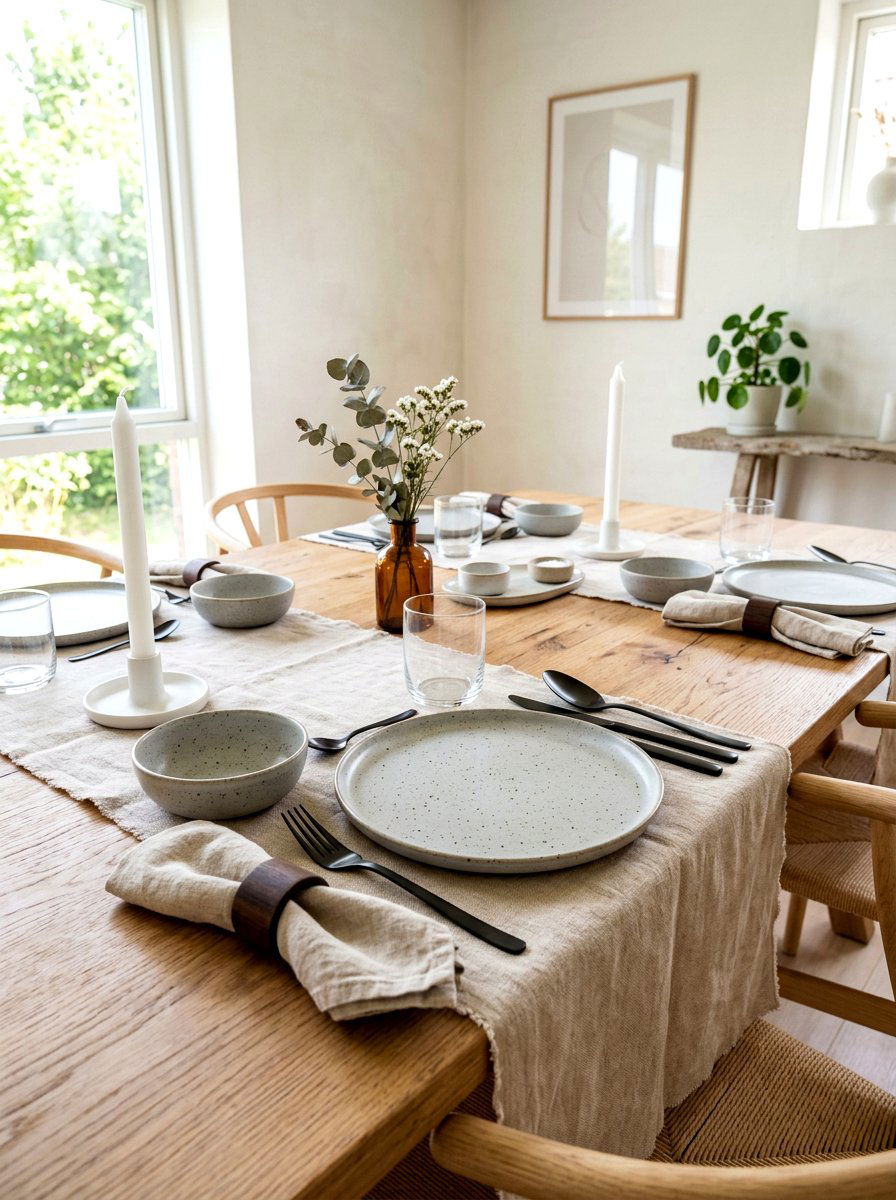
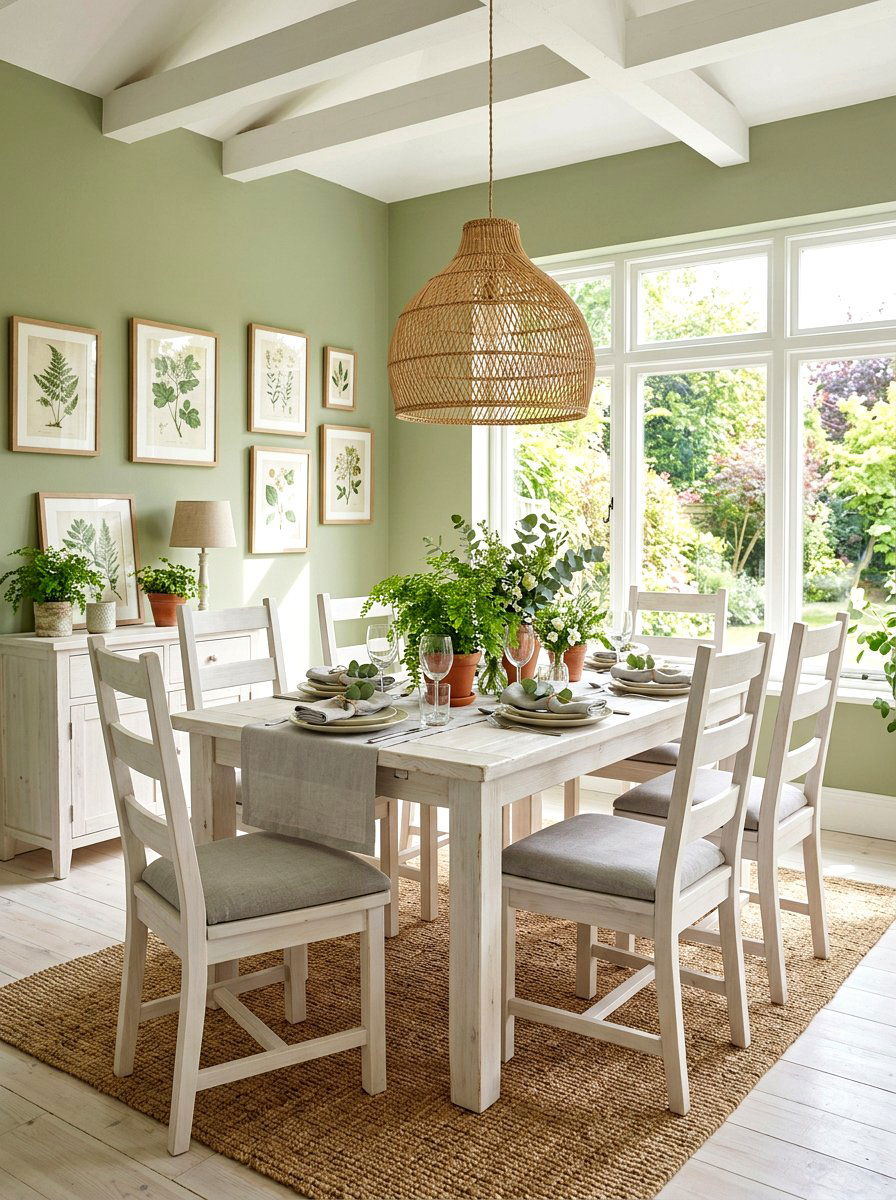
A dining table setting is the most authentic way to enjoy and display your vintage china collection simultaneously. Instead of keeping the pieces behind glass, use them to create a layered and eclectic tablescape for your next gathering. Mix different patterns and colors to create a "shabby chic" or maximalist look that feels warm and inviting. You can use large vintage platters as chargers and smaller teacups for soup or appetizers. This active display allows guests to handle and appreciate the fine details of the porcelain. It turns a simple meal into a special occasion and ensures that your collection is being loved and used as it was originally intended.
15. Mantelpiece Arrangement
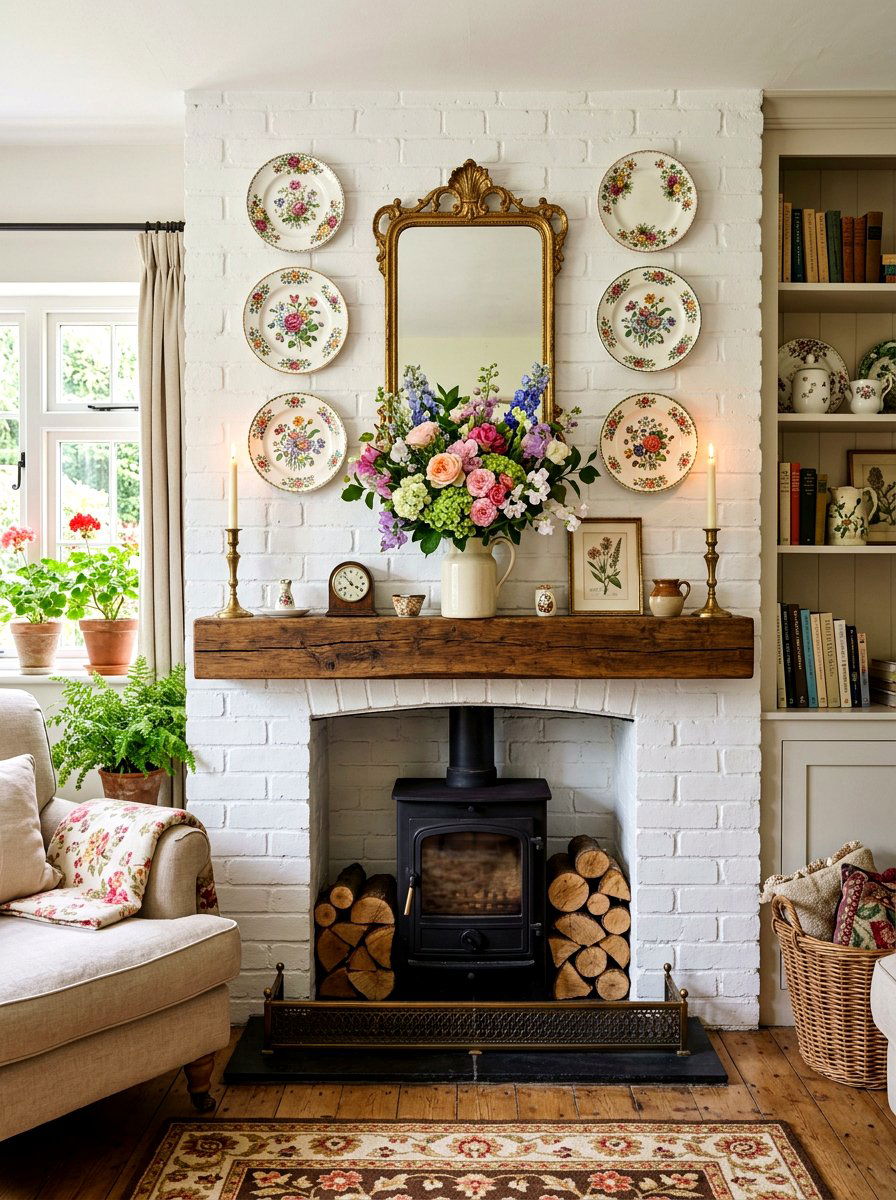
A mantelpiece arrangement offers a high-impact focal point for your vintage china in the heart of the living room. Leaning a few select plates against the chimney breast creates a classic and balanced look. You can use a central large platter as an anchor and flank it with smaller saucers or even delicate figurines from the same era. This display method is particularly effective for seasonal updates, as you can easily swap the china to match the colors of the time of year. The height of the mantel ensures that the delicate patterns are safe from pets and children while remaining at the perfect height for eye-level admiration from across the room.
16. Wall Hung Crate
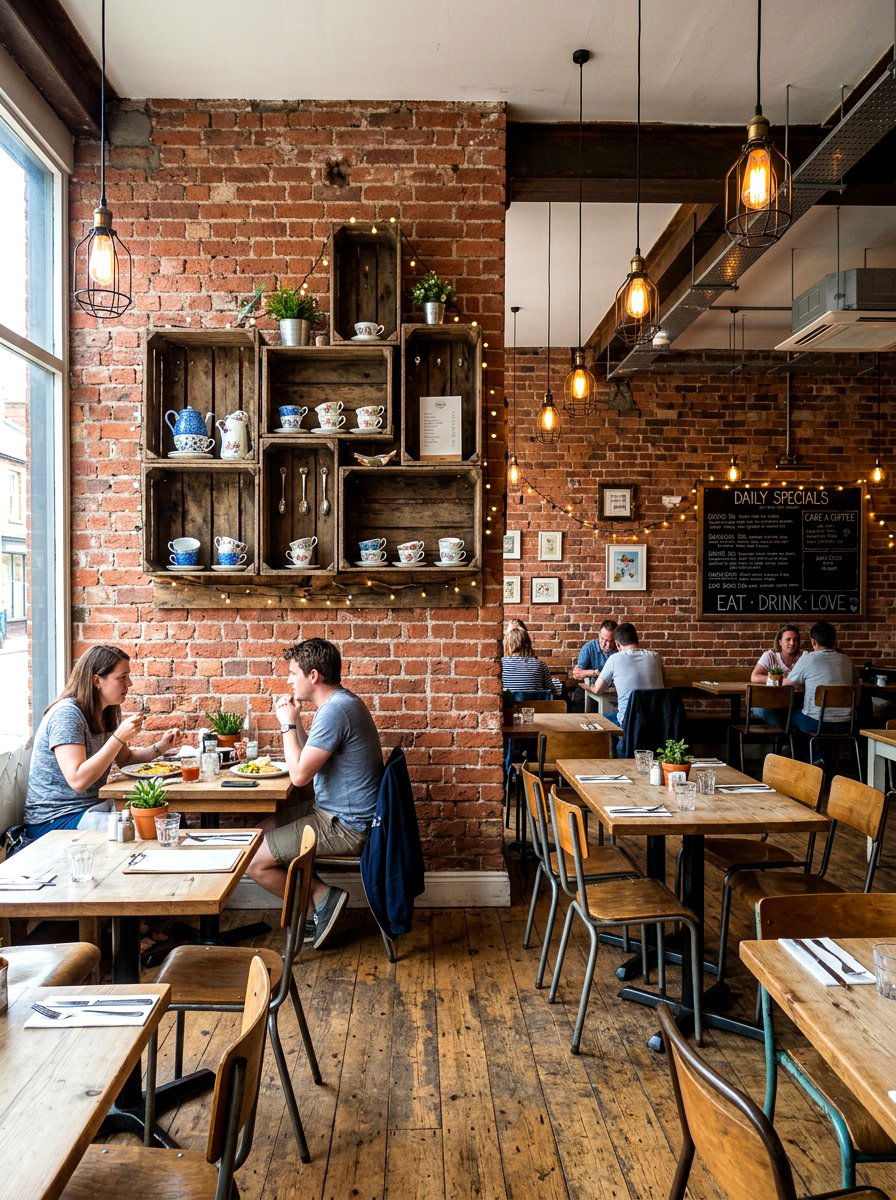
Using a wall hung crate adds a rustic and repurposed feel to your vintage china display. Old wooden wine or fruit crates can be mounted sideways to act as shadow boxes or small shelves. The weathered texture of the wood provides a beautiful contrast to the smooth, shiny surface of the porcelain. This is a great way to group specific parts of your collection, such as all your floral teacups or a set of mismatched saucers. You can paint the inside of the crates for a pop of color or leave them natural for a more industrial look. This DIY approach is perfect for kitchens or casual dining spaces that value a relaxed, hand-crafted aesthetic.
17. Vintage Suitcase Display
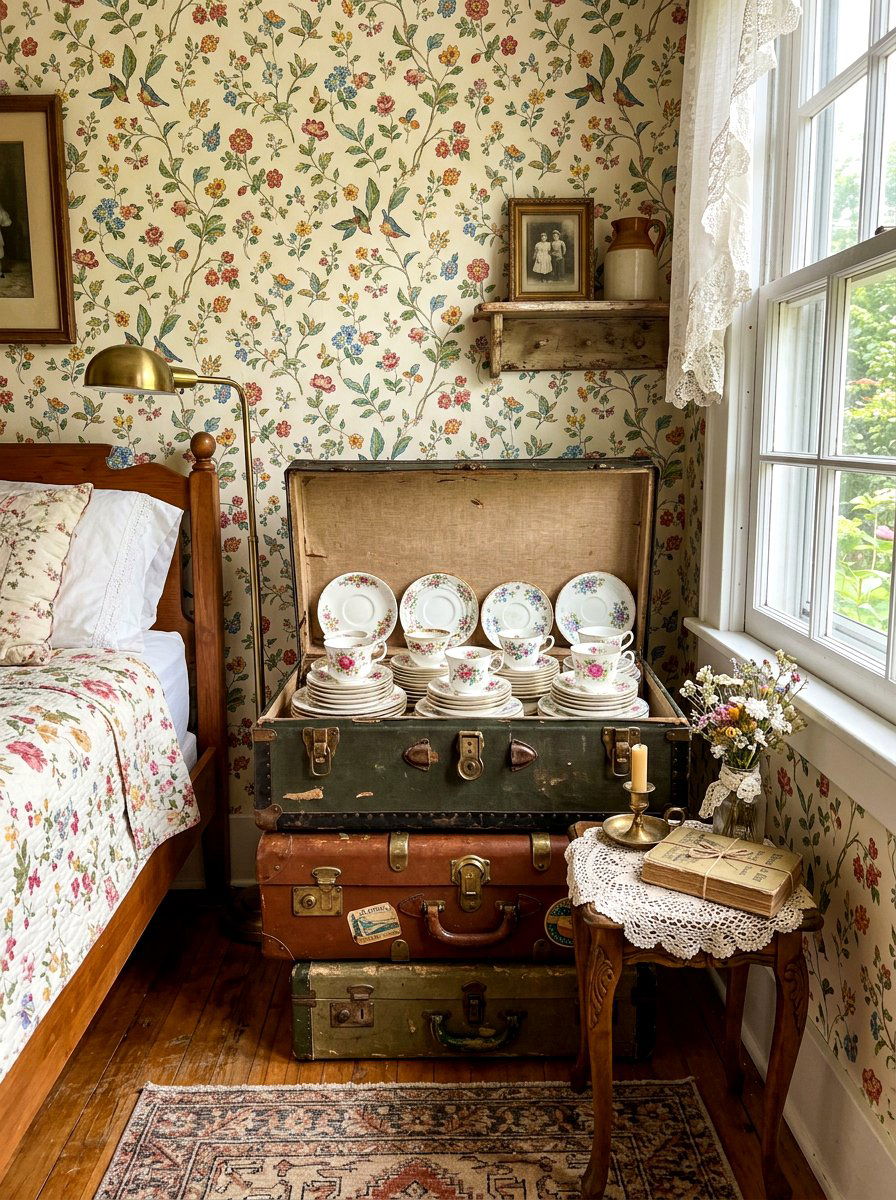
A vintage suitcase display is a quirky and creative way to house your china in a portable format. By propping open an old hard-shell suitcase, you create a unique background for stacking plates and nesting teacups. This method works well for a guest room or a boutique-style bedroom where you want to add a touch of whimsy. You can line the interior of the suitcase with vintage fabric or old maps to further emphasize the travel theme. This unconventional storage solution is a great conversation starter and keeps your collection organized in a way that feels like a curated treasure chest. It’s an ideal choice for collectors who love the "found objects" style.
18. Cupboard Top Arrangement
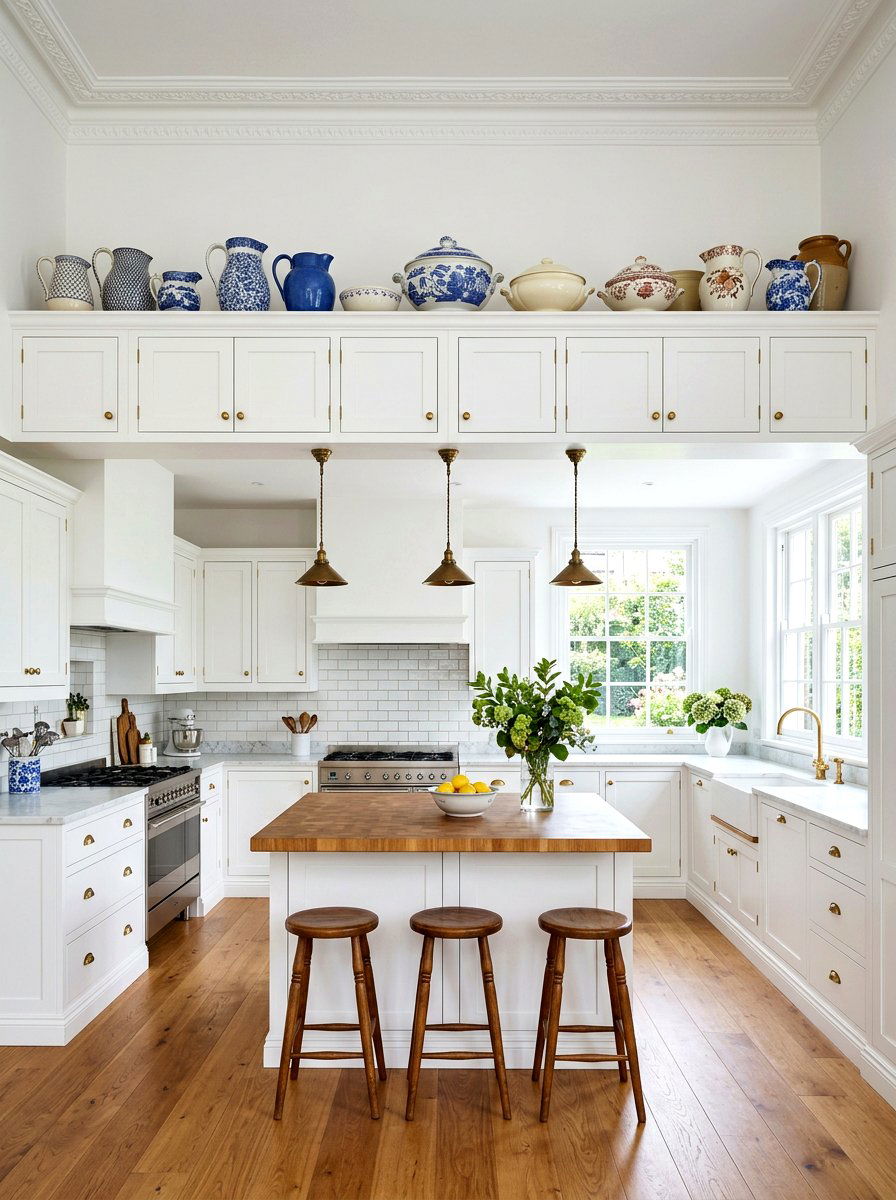
A cupboard top arrangement makes use of the often-wasted space between the top of your kitchen cabinets and the ceiling. This elevated area is perfect for displaying larger, less-frequently used items like vintage soup tureens, pitchers, and oversized platters. By lining these pieces up along the top, you add a decorative border to the room that feels traditional and cozy. This method keeps the delicate china away from daily kitchen splatters while still allowing it to contribute to the overall decor. To keep the look cohesive, try to group items by color or style so the high-altitude display feels intentional rather than cluttered. It adds a finished look to any kitchen.
19. Hanging Teacup Rack
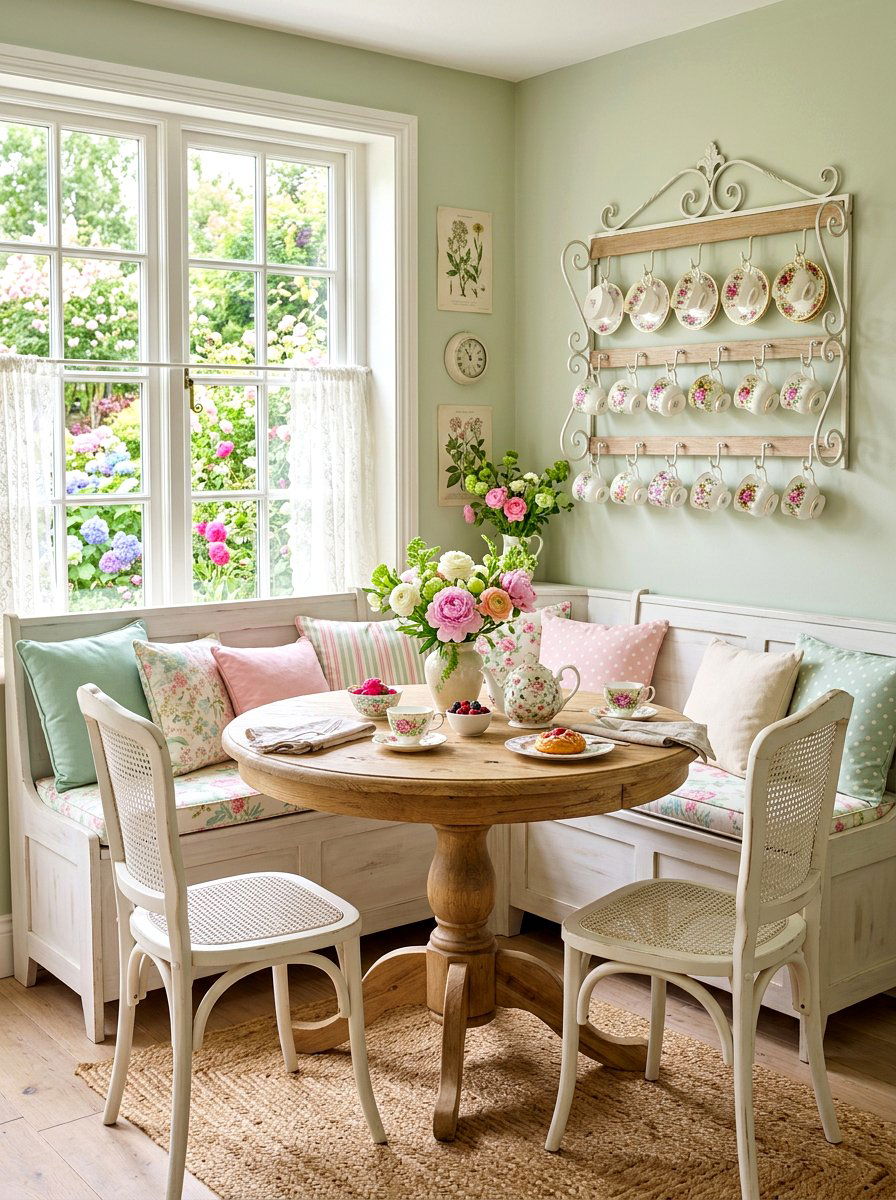
A hanging teacup rack is a space-saving and charming way to display a collection of dainty cups. These racks often feature small hooks that allow the cups to dangle, showing off their handles and interior patterns. You can mount a simple wooden rack under a kitchen cabinet or choose a more elaborate wrought iron version for a wall statement. This display makes your teacups easily accessible for a morning brew while turning them into a three-dimensional art piece. It is particularly effective for sets that have intricate paintings inside the cup, which are often hidden when they are stacked. This method brings a touch of "Cottagecore" style to any kitchen or breakfast nook.
20. Built In Alcove
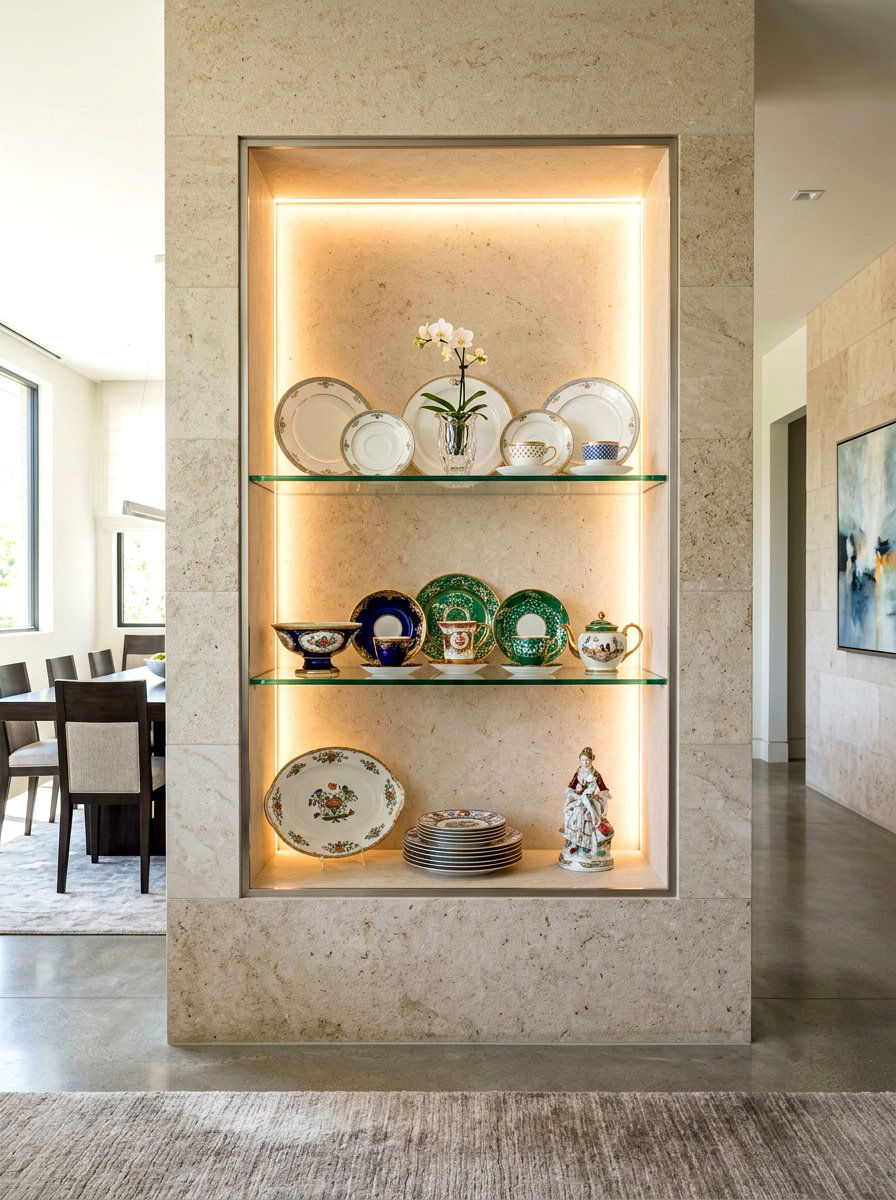
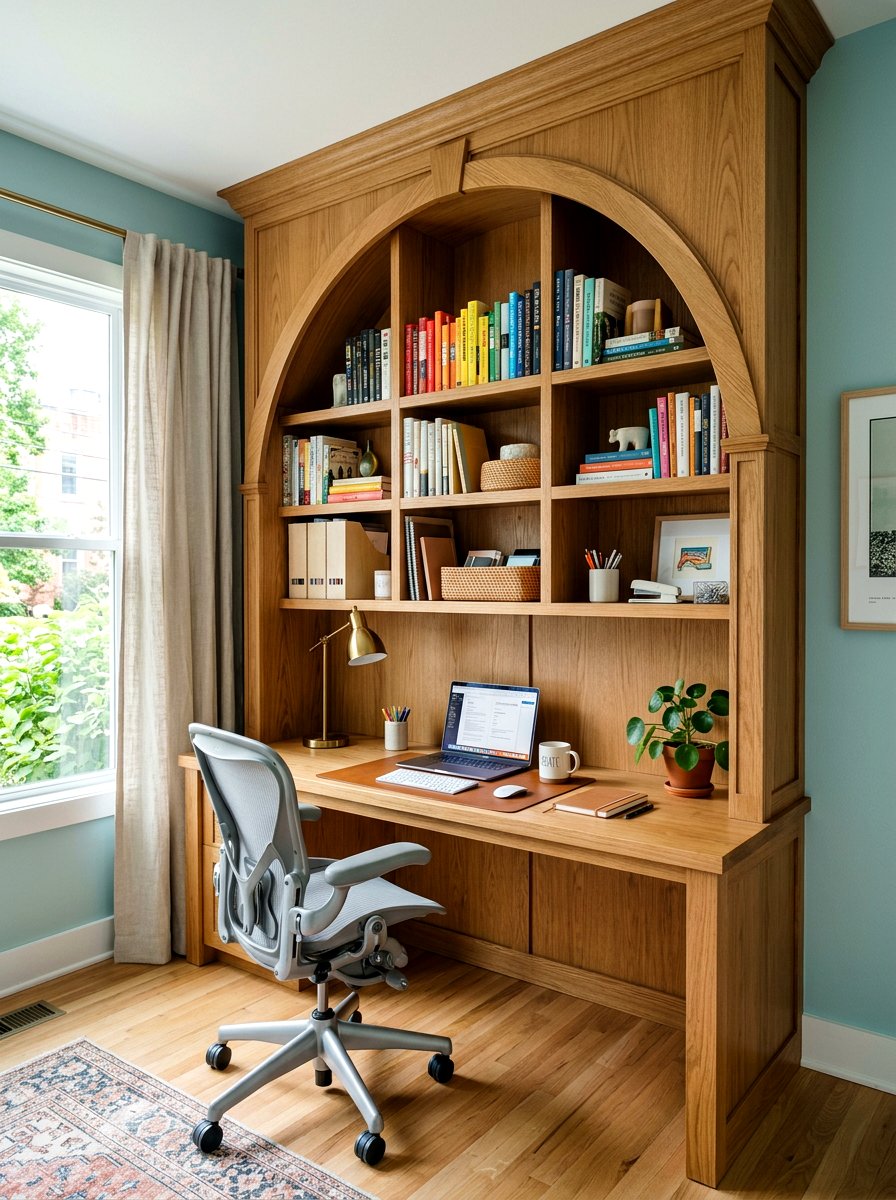
A built in alcove provides a custom-fit home for your vintage china that feels integrated into the architecture of your house. If your home has natural recessed areas or niches, these are perfect spots for installing glass shelves to hold your porcelain. Because the display is recessed, it doesn't take up any physical space in the room, making the area feel larger and more open. You can add integrated LED strip lighting to the top of the alcove to create a soft glow that highlights the transparency and glaze of the china. This creates a high-end, gallery-like feel that treats your vintage collection with the reverence of a museum exhibit.
21. Floating Shelf Group
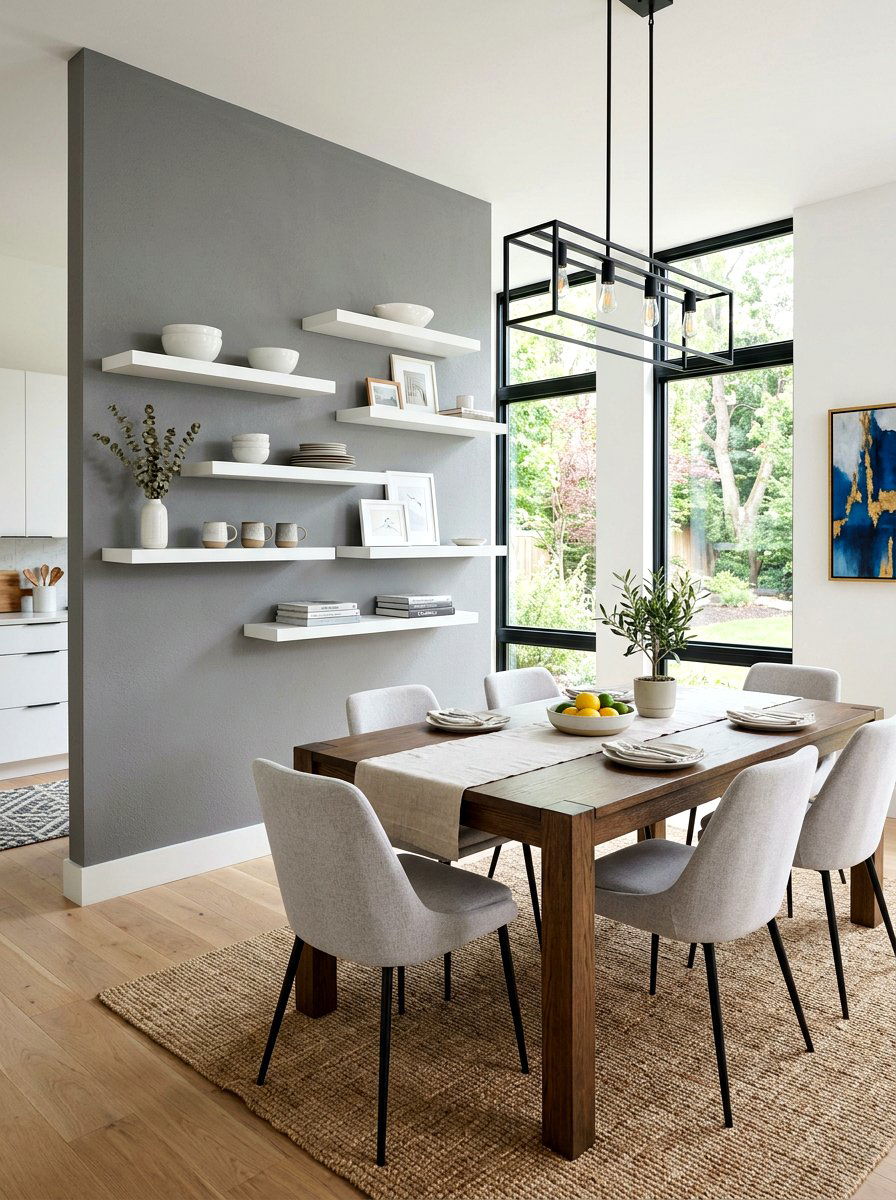
A floating shelf group offers a minimalist and modern backdrop for vintage ceramics. By using shelves with no visible brackets, the focus remains entirely on the shapes and patterns of the china. You can arrange three or four shelves in a staggered pattern on a large wall to create an asymmetrical and dynamic display. This works exceptionally well in a modern dining room where you want to introduce vintage elements without making the space feel dated. By leaving plenty of white space between the plates and bowls, you give each piece room to breathe. The result is a clean, curated look that highlights the timeless quality of well-designed porcelain and fine bone china.
22. Plate Stand Cluster
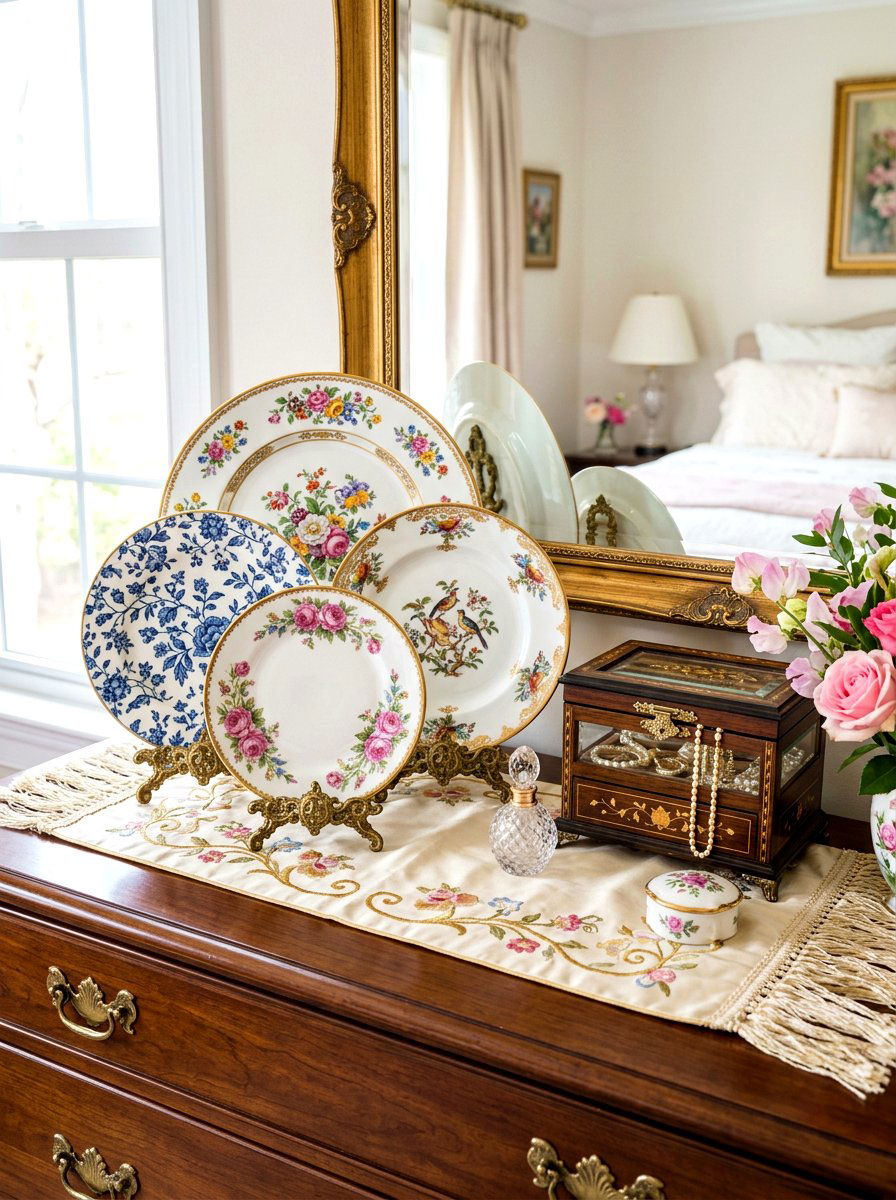
A plate stand cluster allows you to turn a flat surface, like a coffee table or a dresser top, into a multi-layered display. By using small wire or acrylic stands of varying heights, you can prop up plates of different sizes in a tight grouping. This creates a dense and visually rich vignette that showcases many pieces in a small footprint. You can overlap the edges of the plates to create a sense of depth and abundance. This technique is perfect for showcasing a "mismatched but coordinated" collection, such as different floral patterns in the same color family. It feels like an artful arrangement that can be easily rearranged or moved.
23. Plate Hanger Gallery
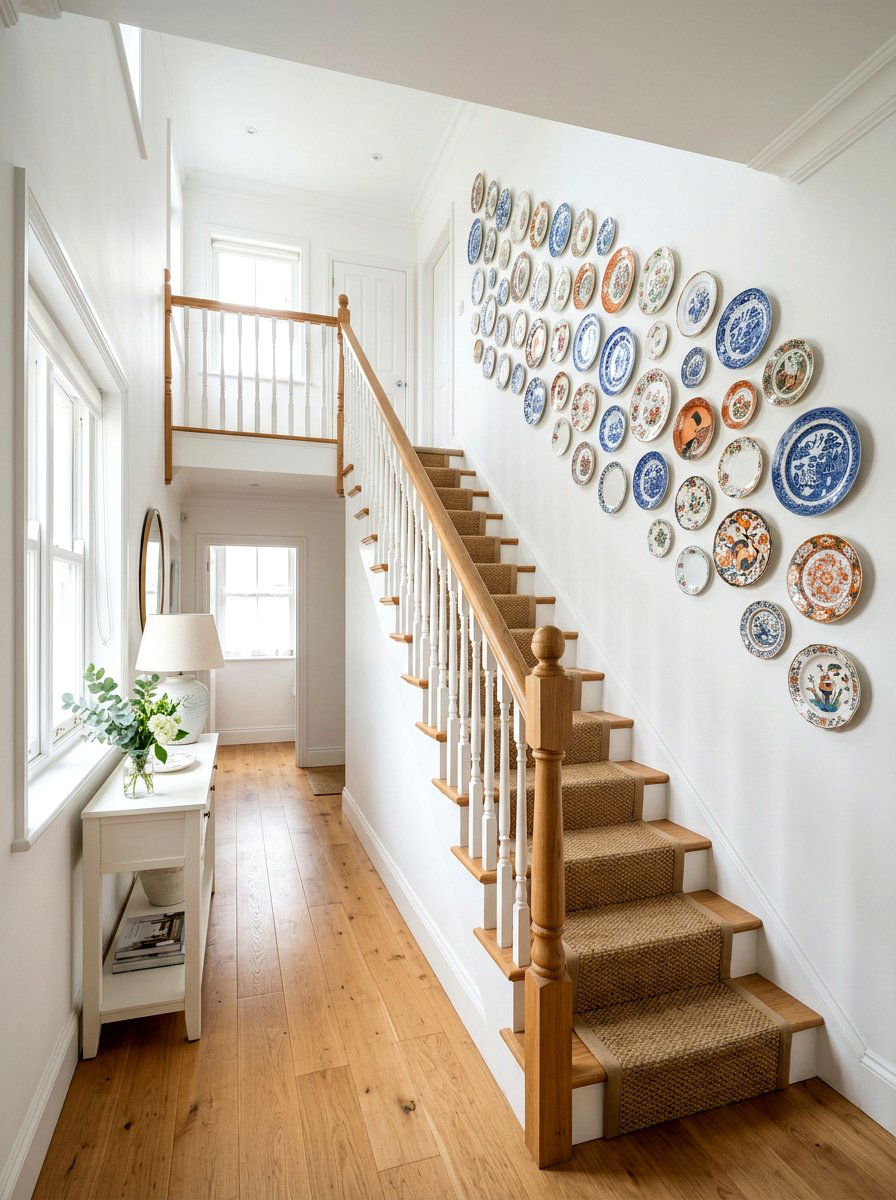
A plate hanger gallery is a classic way to turn a hallway or stairs into a journey through your ceramic collection. By using spring-loaded wire hangers or adhesive discs, you can mount plates directly to the wall in a structured or organic pattern. This method is ideal for creating a large-scale installation that covers a significant area. You can organize the plates chronologically, by manufacturer, or simply by what looks best together visually. The lack of shelving makes the display feel lighter and more integrated with the wall itself. It’s a great way to personalize a transitional space in your home with color, pattern, and a touch of vintage history.
24. Antique Armoire Interior
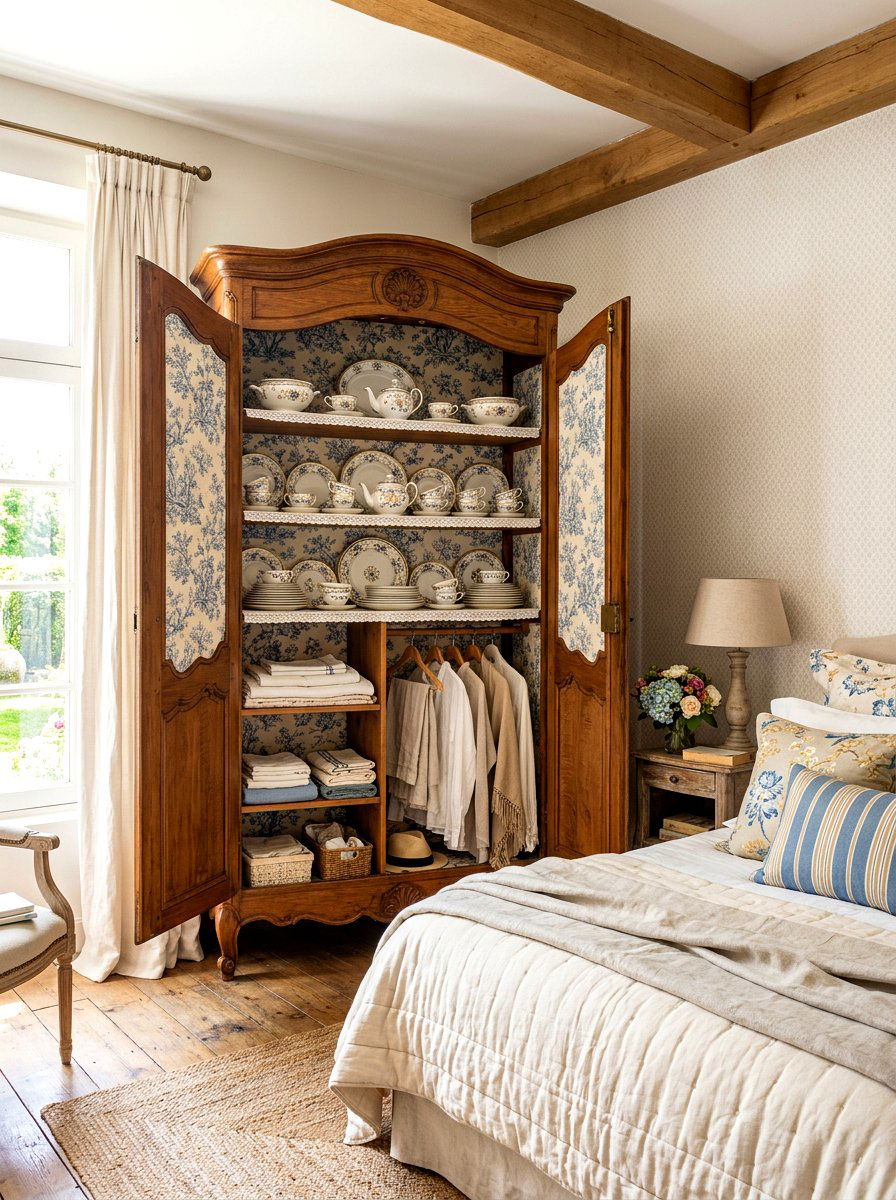
An antique armoire interior offers a hidden surprise for those who prefer a more tucked-away approach to their china. By keeping your collection inside a large wooden wardrobe, you create a sense of discovery when the doors are opened. You can line the back of the armoire with patterned wallpaper or a contrasting paint color to make the display feel even more special. This is a practical solution for those who have a large collection but prefer a clutter-free or minimalist look in their main living areas. When the doors are closed, the armoire acts as a beautiful piece of furniture; when open, it reveals a stunning and organized porcelain treasure trove.
25. Window Sill Arrangement
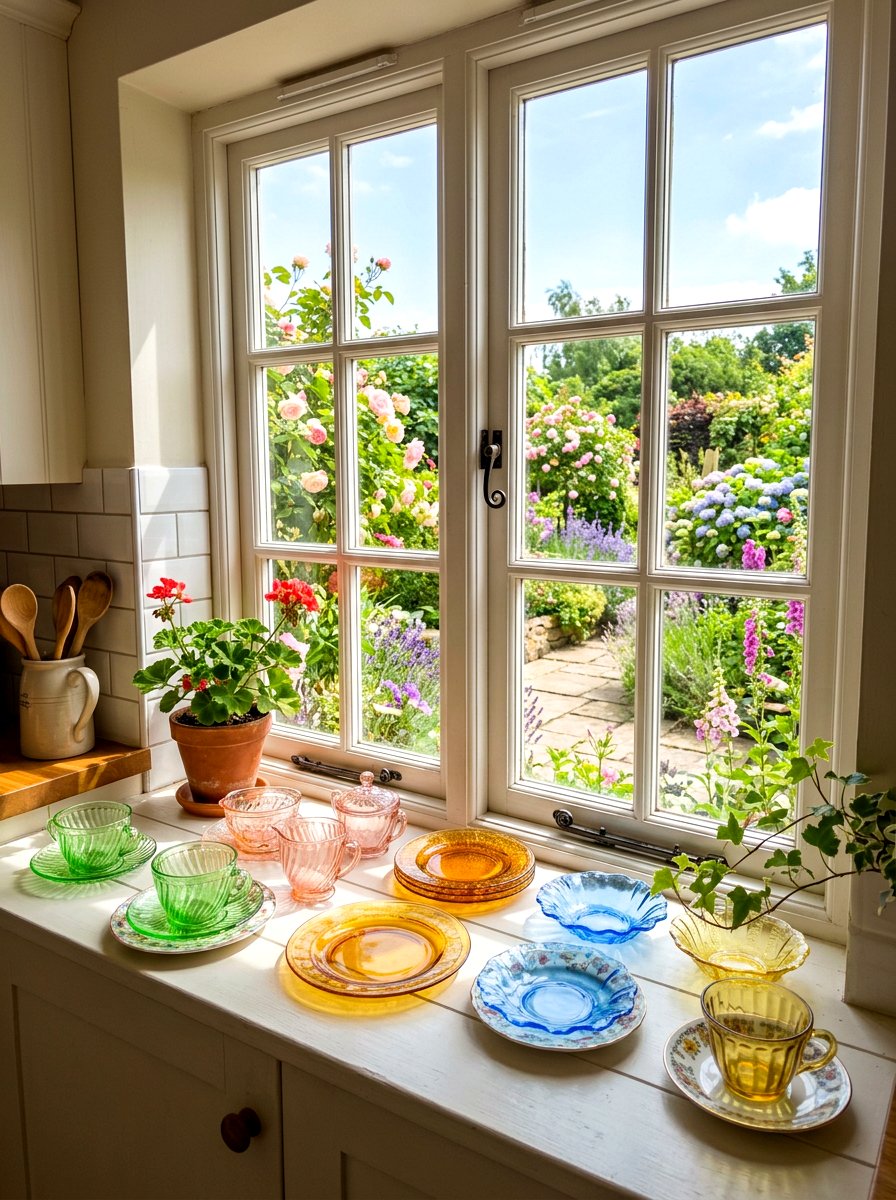
A window sill arrangement takes advantage of natural light to bring out the brilliance of your vintage china. Placing a few colorful plates or a row of teacups along a wide sill allows the sun to illuminate the glaze and any translucent qualities of the bone china. This is a particularly beautiful way to display colored glassware or depression glass that might be part of your collection. The changing light throughout the day will create different moods and reflections in the room. This simple and low-cost display method is perfect for a kitchen window or a sunny dining room nook, adding a touch of cheer and vintage charm to your daily view.
26. Coffee Station Setup
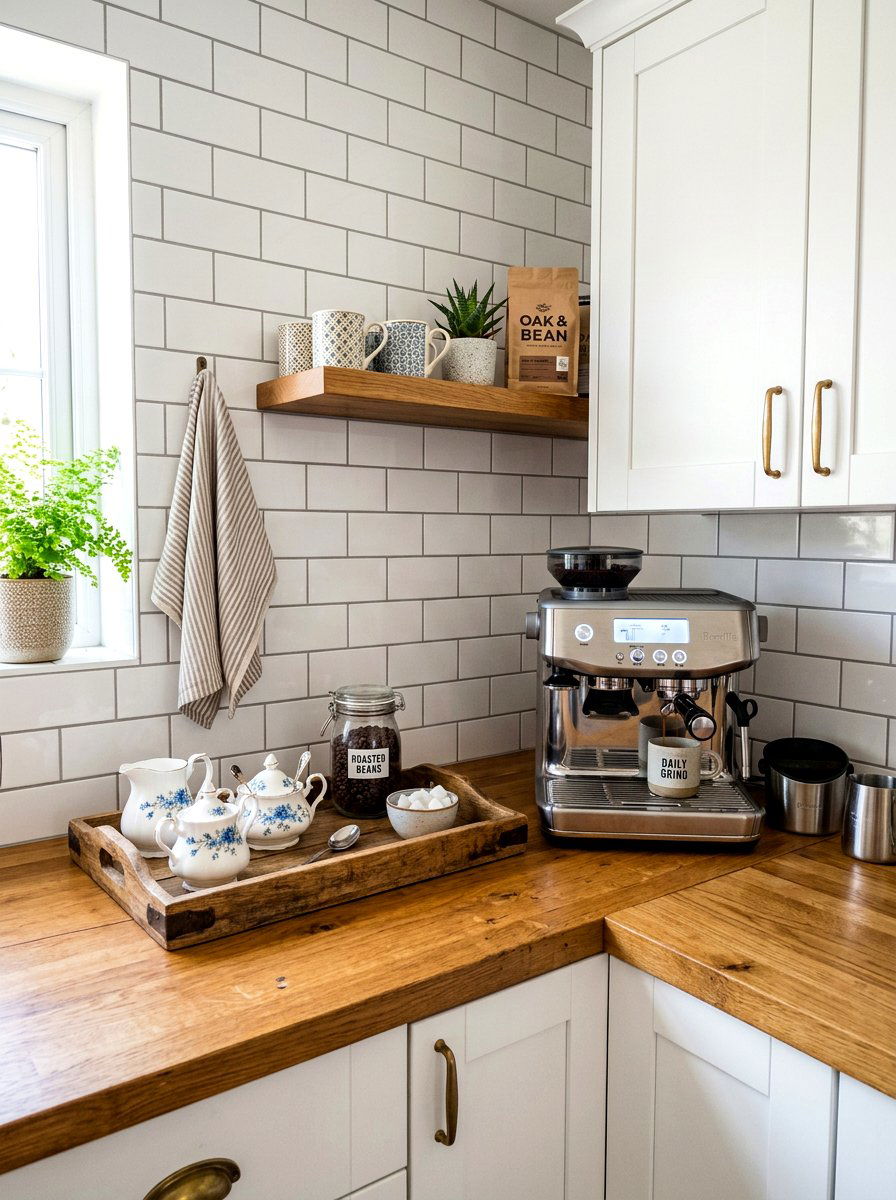
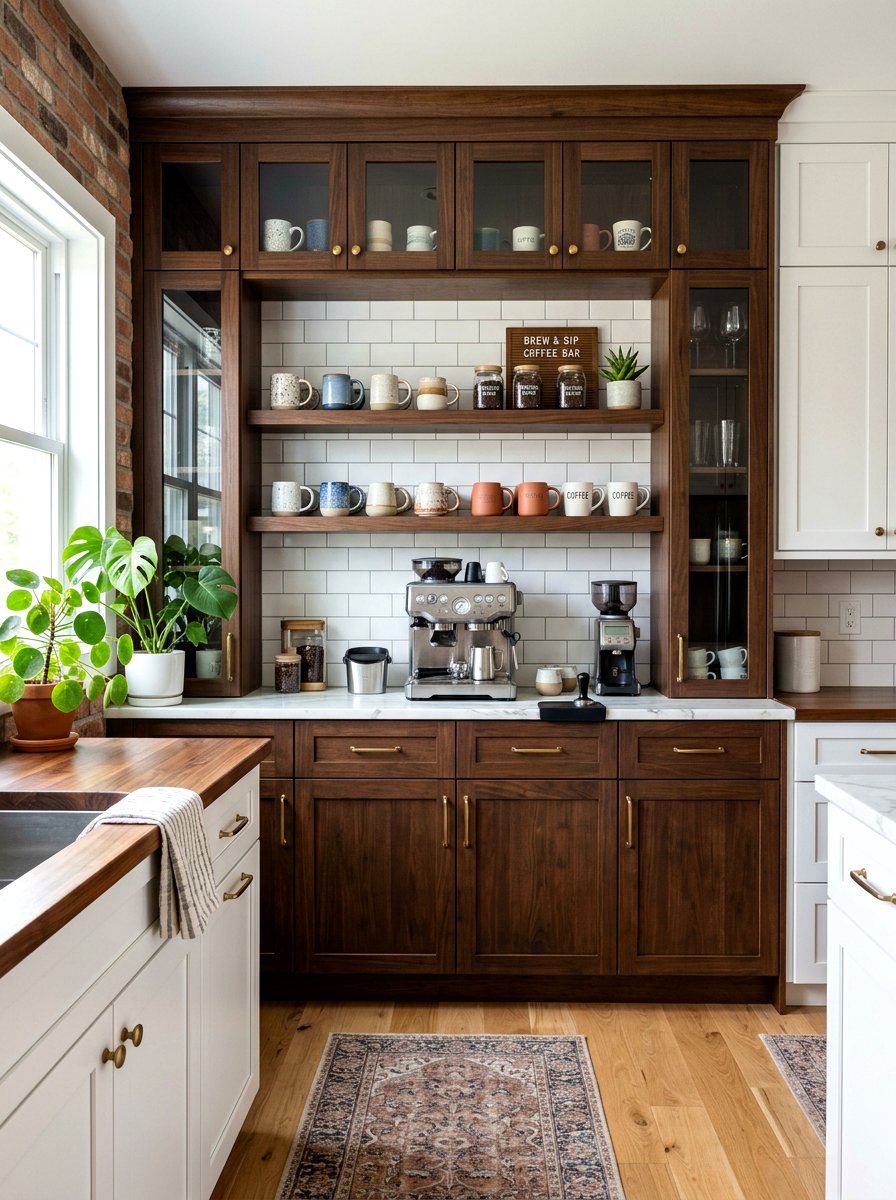
A coffee station setup is a functional and stylish way to incorporate vintage china into a dedicated morning ritual area. By grouping a vintage creamer, sugar bowl, and several matching or mismatched teacups near your coffee maker, you create a specialized "moment" in your kitchen. You can use a small tray to keep everything organized and defined as a single unit. This display makes the morning routine feel more luxurious and intentional. It’s also a great way to ensure that your smaller, more decorative pieces are used and enjoyed every single day. The mix of modern coffee technology and vintage porcelain creates a sophisticated and cozy atmosphere in the kitchen.
27. Upholstered Board Display
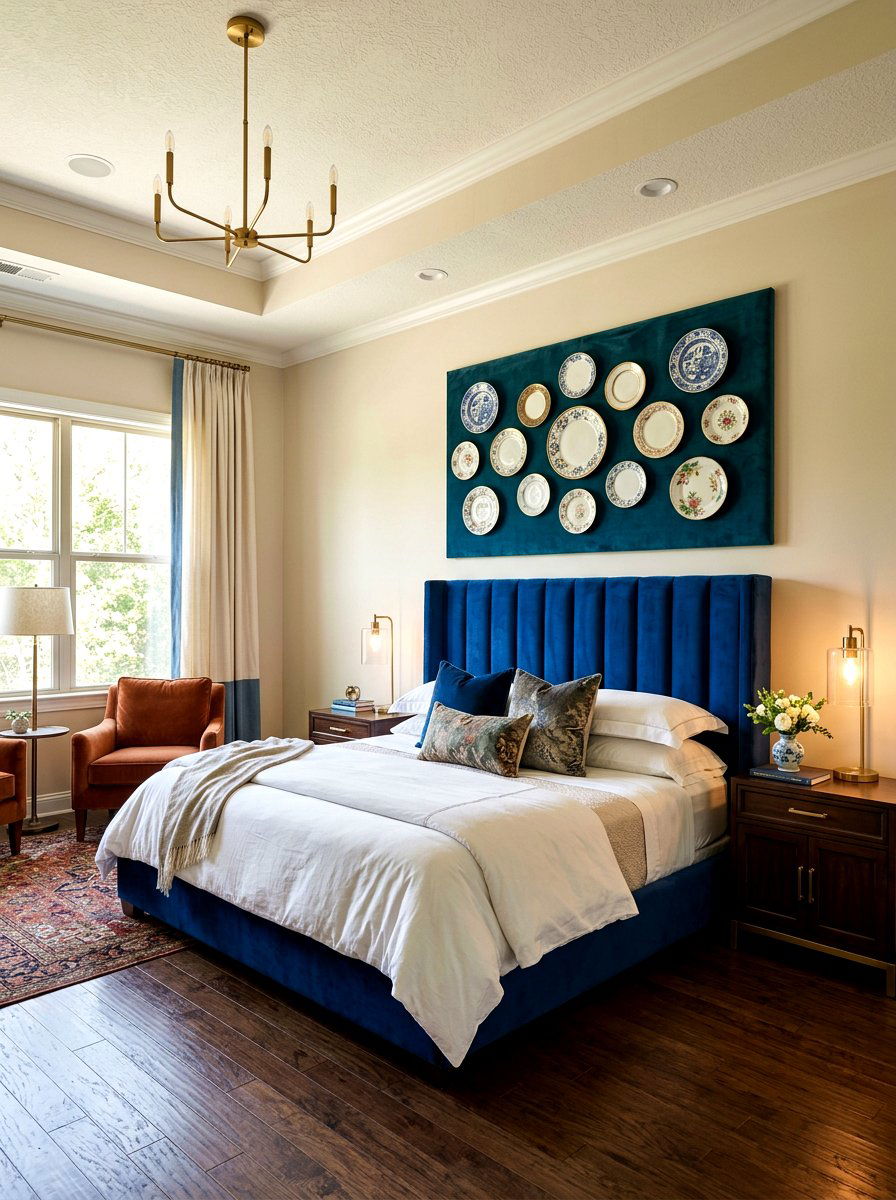
An upholstered board display offers a soft and textured background for mounting your favorite vintage plates. You can wrap a large piece of plywood in foam and a beautiful fabric like linen, velvet, or even a subtle floral print, then secure it to the wall. Use specialized plate hangers to attach the china directly to the fabric surface. This creates a high-end, custom look that adds warmth and acoustic softening to a room. The fabric background provides a luxurious contrast to the hard, shiny surface of the ceramics. It’s a sophisticated DIY project that makes a collection feel like a professional interior design feature in a master bedroom or formal dining room.
28. Side Table Vignette
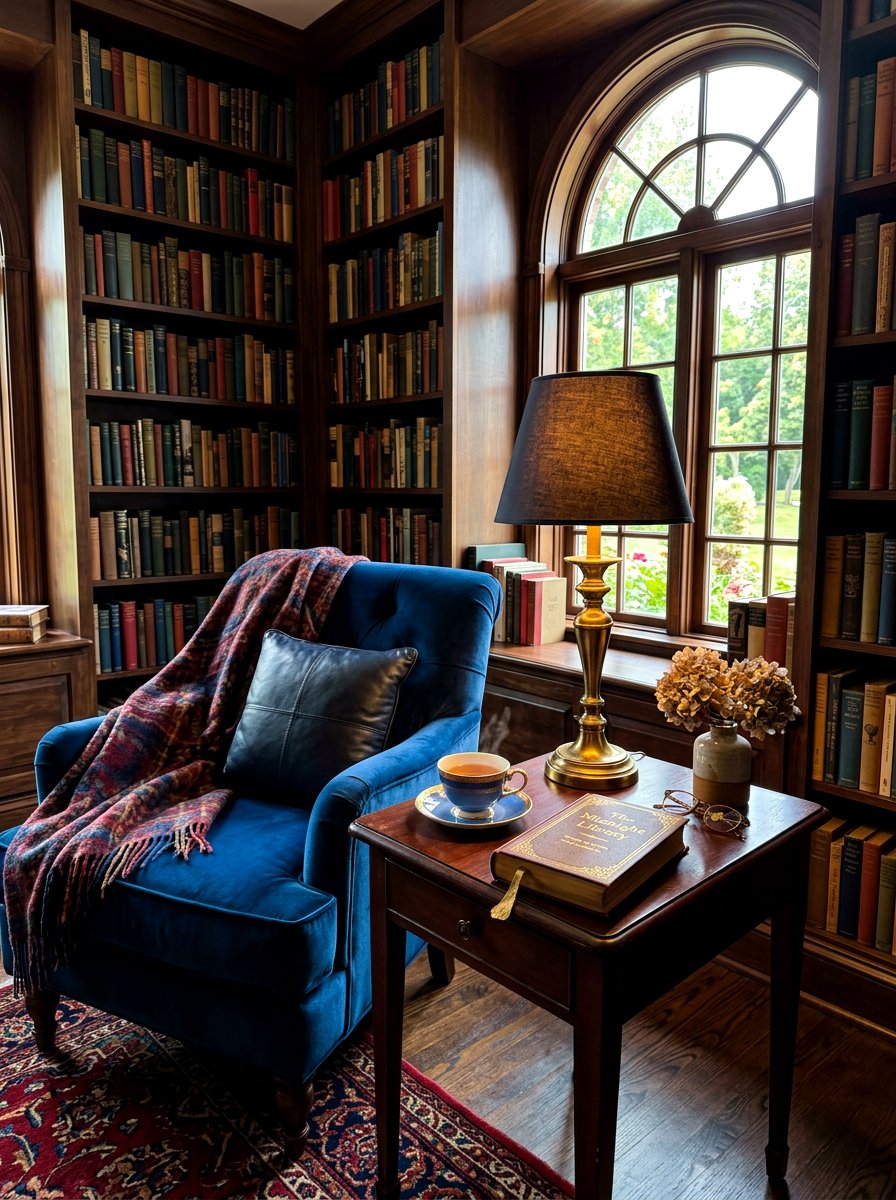
A side table vignette is a small-scale way to introduce vintage china into a living room or bedroom. By placing a single beautiful saucer and teacup on a side table alongside a lamp and a stack of books, you create a cozy and lived-in feel. This simple arrangement doesn't require a large collection or expensive furniture. You can even use a small vintage plate as a coaster or a place to hold jewelry and keys. This "less is more" approach highlights the beauty of a single piece and makes the space feel more personal and thoughtfully styled. It’s an easy way to spread the vintage aesthetic throughout your entire home.
29. Mirrored Tray Display
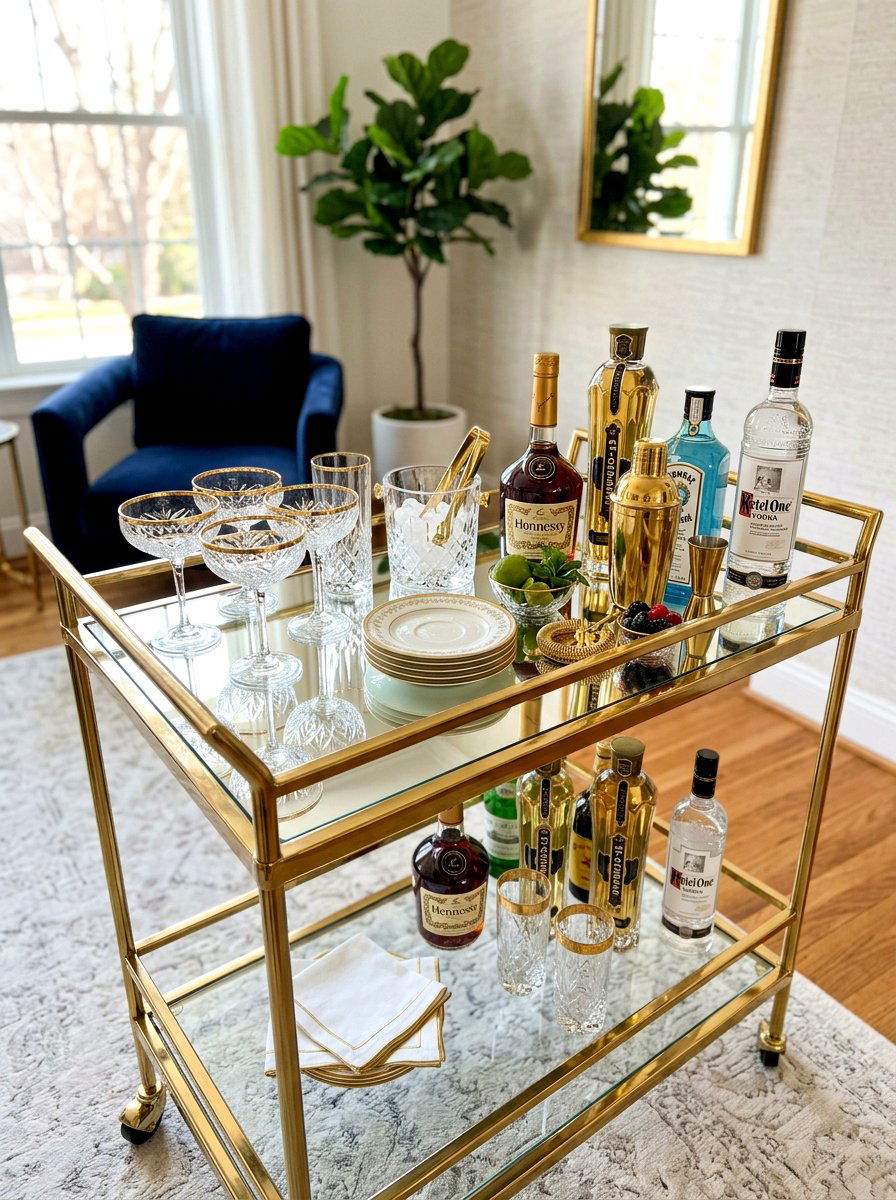
A mirrored tray display adds a touch of glamour and doubles the visual impact of your vintage china. By placing plates and cups on a tray with a reflective base, you create beautiful reflections of the patterns and gilded edges. This works exceptionally well on a bar cart or a vanity where you want to create a sense of luxury. The mirror helps bounce light around, making the porcelain appear even brighter and more vibrant. You can group a few favorite pieces on the tray to create a portable and stylish centerpiece. This method is perfect for showcasing high-quality pieces with intricate details that deserve to be seen from every angle.
30. Vertical Plate Tower
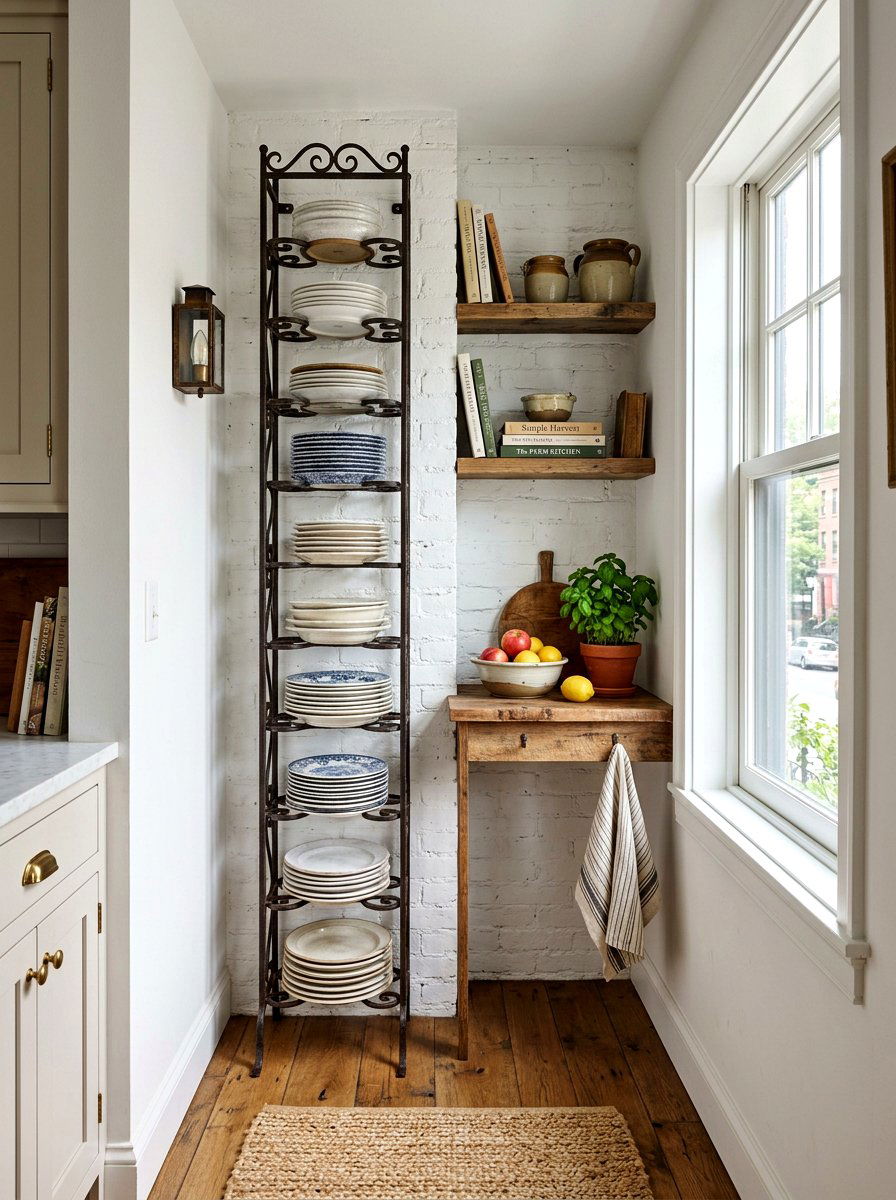
A vertical plate tower is a dramatic and space-efficient way to showcase a large number of plates in a narrow area. By using a tall, thin rack or stacking pieces in a safe, structured way, you create a pillar of pattern and color. This method works well in narrow kitchen nooks or next to a doorway where a wider cabinet wouldn't fit. The height of the tower draws the eye upward and creates a strong vertical line in the room’s design. It’s a bold statement that celebrates the sheer volume and variety of your collection. This display feels modern and intentional while still honoring the vintage roots of the dinnerware pieces themselves.
Conclusion:
Displaying vintage china is a beautiful way to honor the past while enhancing the aesthetic of your modern home. Whether you choose a large-scale plate wall or a simple teacup on a side table, these pieces bring character and soul to any room. By moving your ceramics out of dark cupboards and into the light, you allow their history and craftsmanship to be appreciated by everyone who enters. These display methods offer a variety of styles, from rustic farmhouse to minimalist chic, ensuring there is a perfect solution for every collector. Your vintage treasures deserve to be seen and celebrated as the functional art they truly are.

Related posts: